
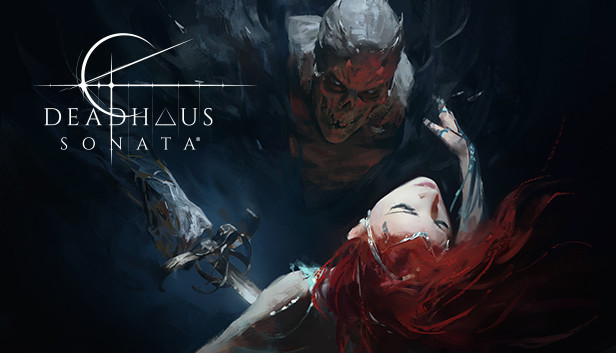
Released last week on Steam Early Access by Canada-based developer Apocalypse Studios, and helmed by Blood Omen director Denis Dyack, Deadhaus Sonata is at its core an action RPG with a heavy emphasis on combat, exploration, narrative, and character customization and levelling up to become more powerful as the game progresses. I’d been following the development of this game for a fair few years now. And have been fairly excited for its full release. To see how development would progress from then to now and beyond. It’s an ambitious title with an amphibious team behind it. However, judging by the early access version recently released on Steam, my final verdict is that the potential for this to be a great game is still there. Though there is a lot of work that needs to be done in most respects.
Graphics
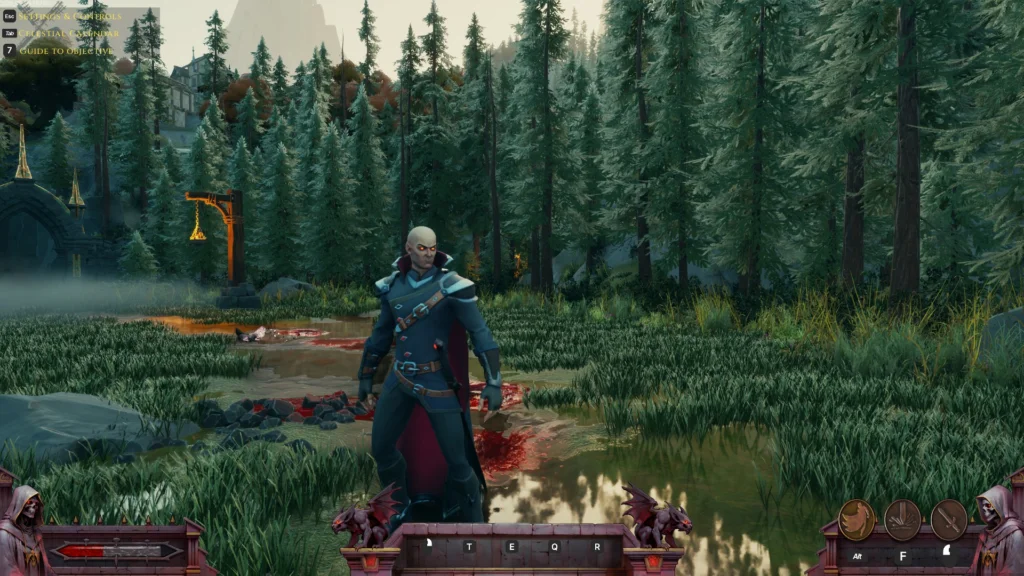
The game takes place in a vast, open world choked with medieval and gothic architecture. And circumstances that affect gameplay in ways including the weather and alignment of surrounding planets. Which I will further elaborate on. The game is conceptually sound, and certain aspects do make it feel like a love letter to Blood Omen, such as the healing obelisks and collectible cards.
In terms of technical quality, it sits somewhere between sixth and seventh-generation visuals. Looking like it would comfortably run on a PlayStation 3. I also found a couple of graphical glitches; most notably, when the player is feeding on enemies to regain health, enemies can sometimes veer away from the player mid-feed when they’re not supposed to. From my point of view, I could accept the overall quality of the visuals given the relatively low price tag currently attached to the game. But these glitches desperately need to be ironed out before the final release.
Gameplay
As an action RPG, the objective is to choose a character class (with the only class available at present being the vampire class, with more to be introduced), defeat enemies, and level up your character. The game also has items available to collect, explaining the game’s lore and backstory. As well as a system known as the celestial clock. This determines the type and amount of loot the player can pick up. Depending on factors such as the alignment of the planets, the weather, the time of day, etc. But as it stands, the world can at times feel relatively bare. Like the exploration to be had currently is not rewarding enough for how vast the in-game world is. A plethora of content is planned for release over time. But for now, there is nowhere near enough to keep players engaged with the current build of the game.
Controls
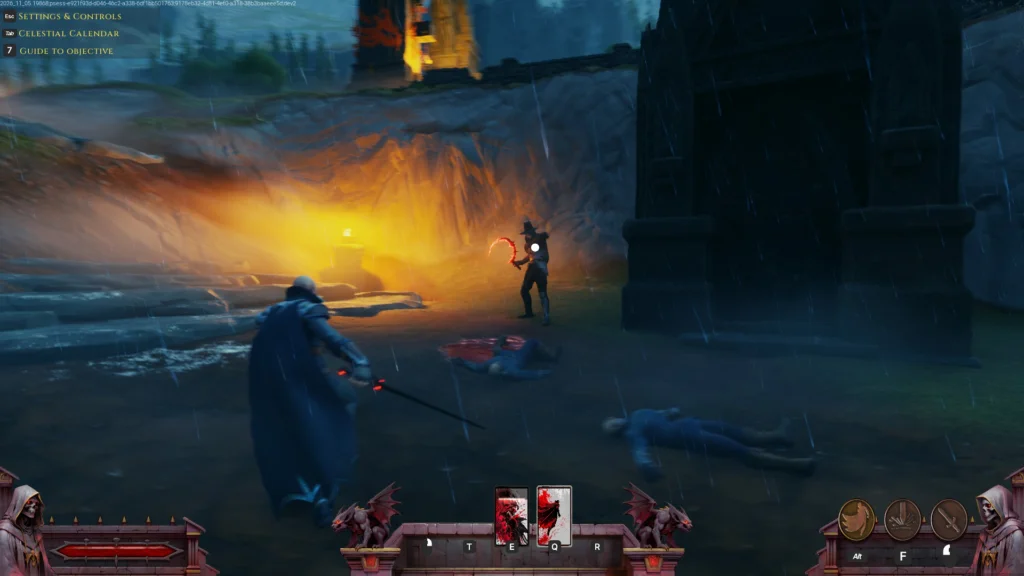
The game is easy enough to control, with movement and combat feeling pretty fluid overall. Which was to be expected since Apocalypse Studios’ own Tomo Itagaki having worked on the likes of Ninja Gaiden and Dead Or Alive. It’s about the only aspect of this game that, so far, I have had no reservations about. This may change over time with the introduction of new character classes and how they are handled compared to others. But at least with the vampire class, the development team has gotten the fundamentals right when it comes to this.
Lifespan
Deadhaus Sonata does take a relatively long time to play through as it currently stands. However, there is a ton of content planned for inclusion in this game over a period of 10 years, according to Denis Dyack. With he himself having aspirations for Deadhaus Sonata to have infinite replay value. And being able to be played long after the original development team is gone. I don’t know how exactly this game has the potential to last as long as a piece of string. But there is a lot that needs to be added to make that happen, in my opinion.
Storyline
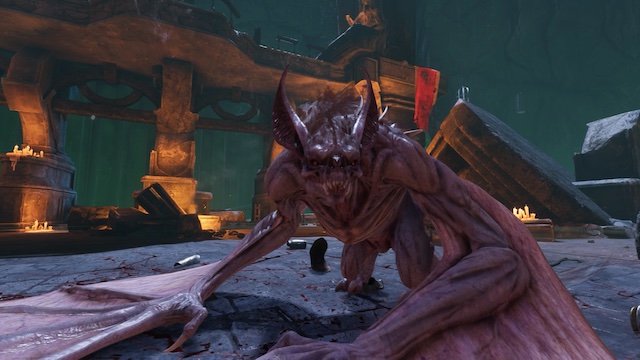
The basic premise of the story is that the dead are at war with the living in the desolate world of Malorum. But at the moment, the majority of the game’s story is explained through its lore and backstory. This can be experienced by the player as they collect more tomes. But what I do think needs to happen is that the story needs to be better integrated into the gameplay. Since, as things are now, it can be fairly difficult to invest in. As the story feels far too separate from the gameplay. This wouldn’t have been as much of a problem if the quality of gameplay outweighed that of the story. But work needs to be done on both, and players care more about narrative within video games these days than ever before.
Originality
It’s rare that a game with as much potential as this comes along and ultimately lives up to it’s own expectations. Deadhaus Sonata is ambitious in both size and scope. And Denis Dyack himself has promised a title that truly stands out within the gaming industry. But as I’ve emphasized a few times now, there is a lot of work that needs to be done here in order to realize that vision. Otherwise, it may just become another failed experiment. Especially if the core issues of the game are not addressed within the next 18 months, and player interest is not maintained.