Monthly Archives: May 2026

AOKAKI 1

Q&A With Concha Indigo

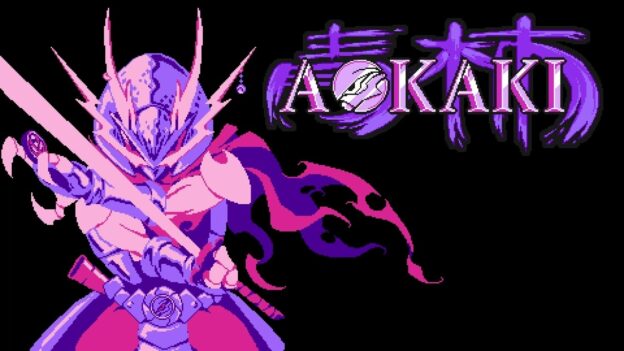
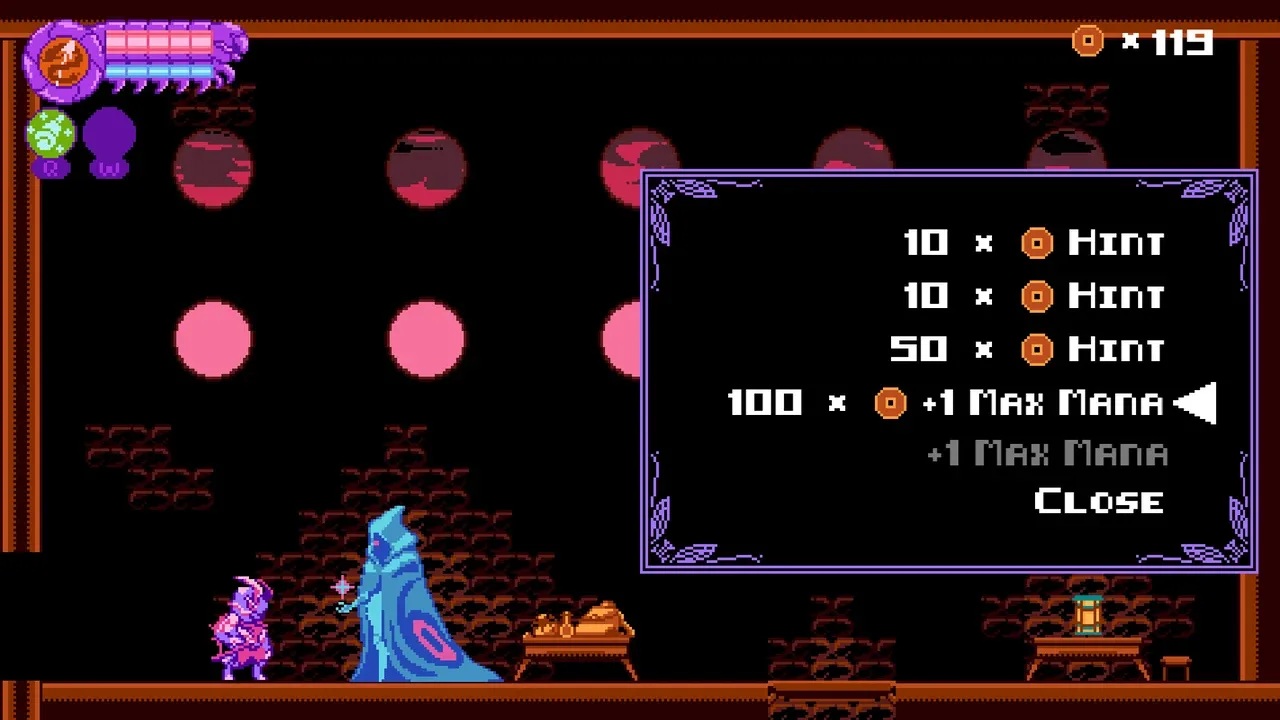
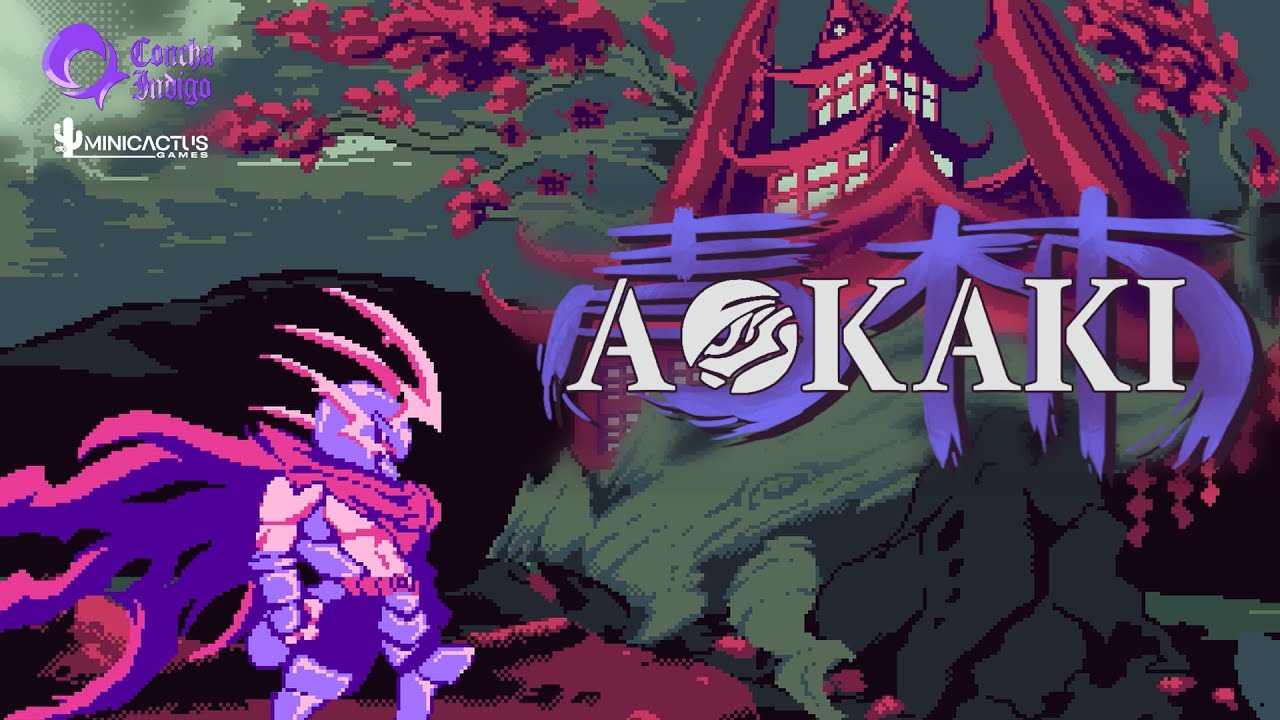
On the lookout for more promising indie titles looking for crowdfunding, I came across another awesome-looking title last week on Kickstarter. Deviating away from the recent influx of JRPGS on crowdfunding sites and social media. AOKAKI is a fast-paced 2D action platformer.

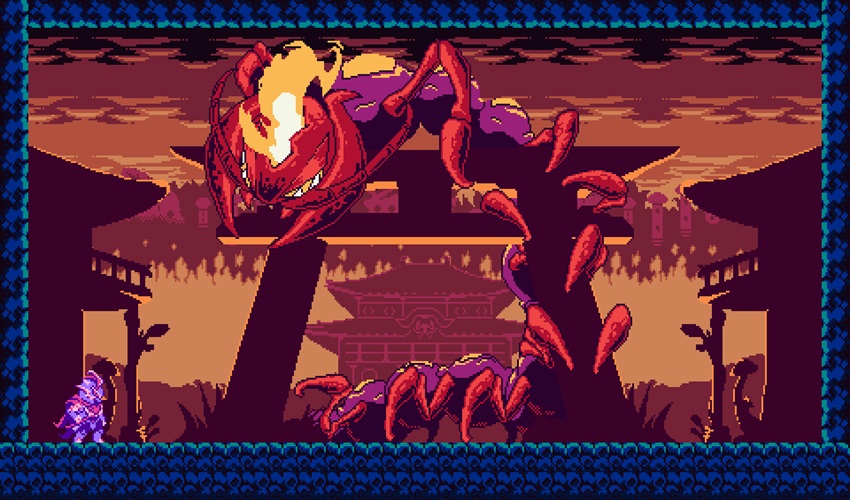
Developed by Brazilian indie outfit Concha Indigo and published by Minicactus Games. Inspired mainly by Japanese Tokusatsu films, it follows the story of the main character known only as The Indigo Ronin. Once a great general, he is now a dishonored warrior. And he sets out to right the wrongs he has committed on a vast epic quest for redemption.


AOKAKI 2

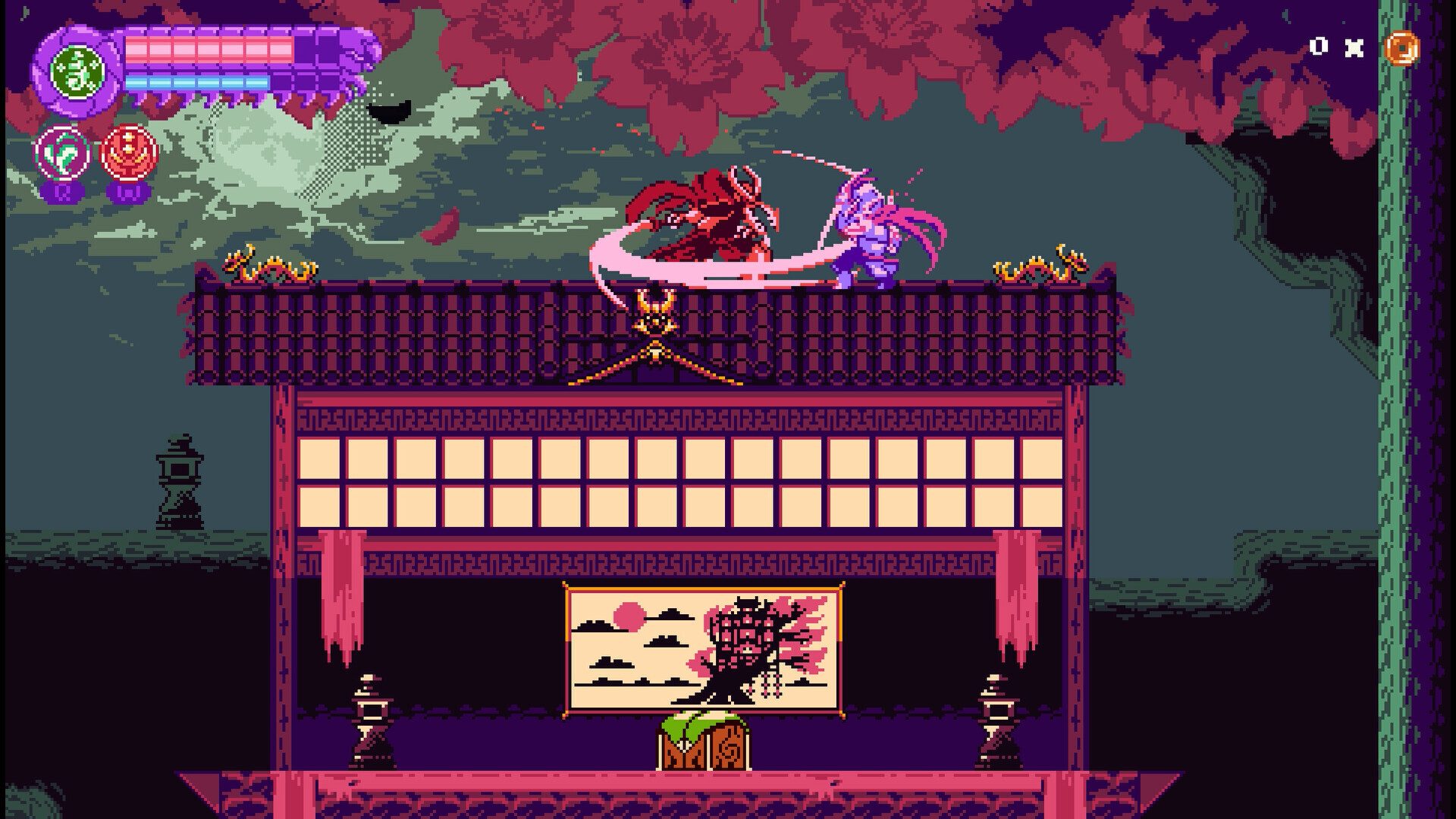
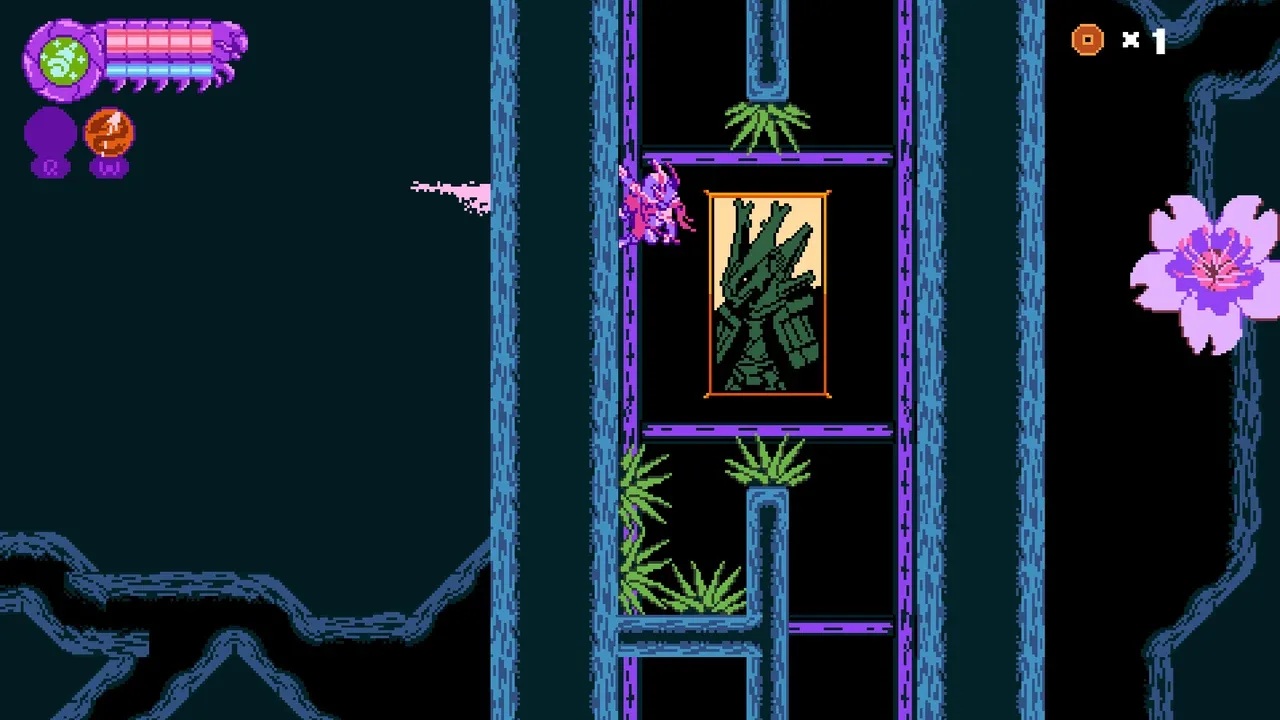
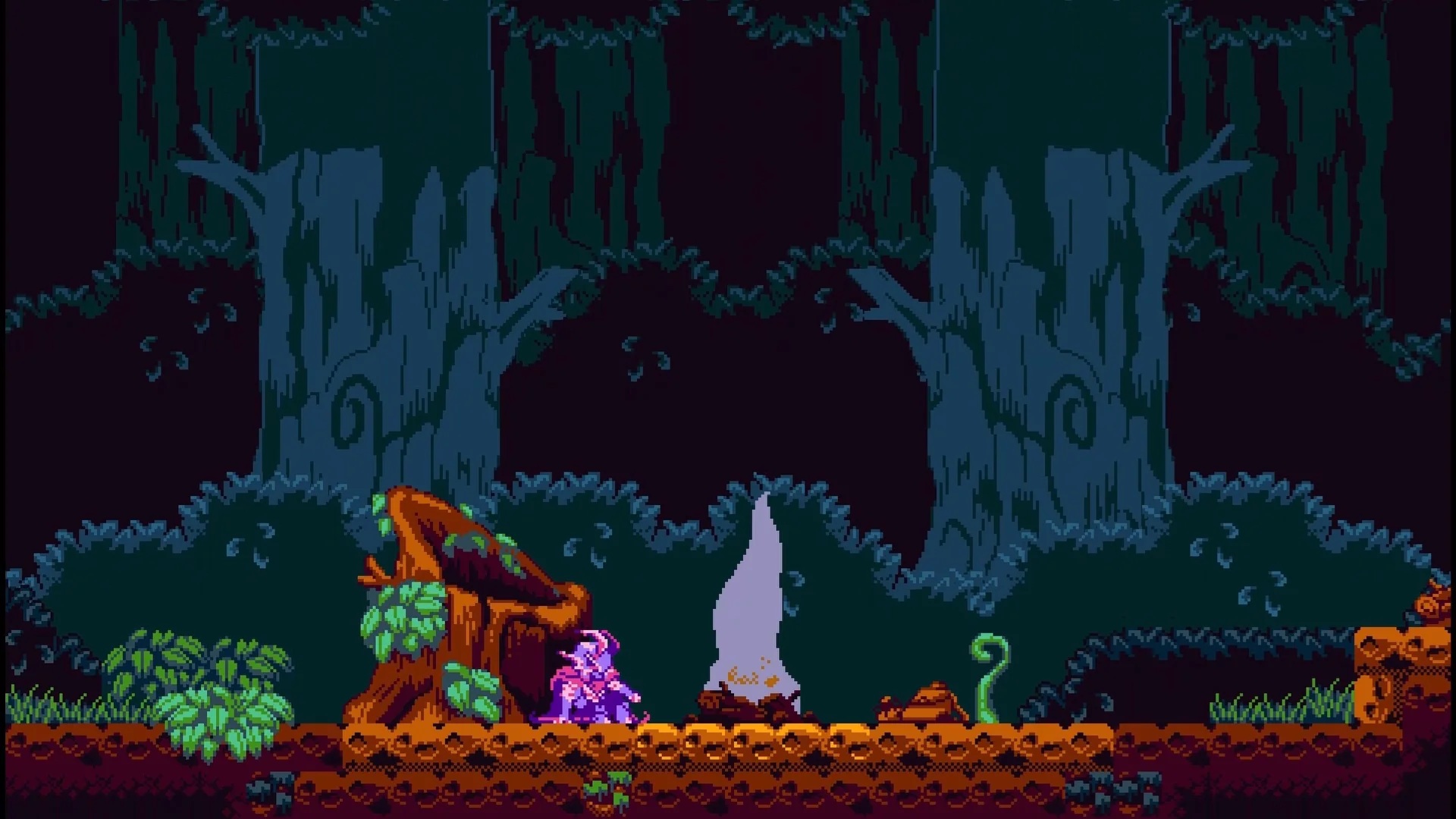
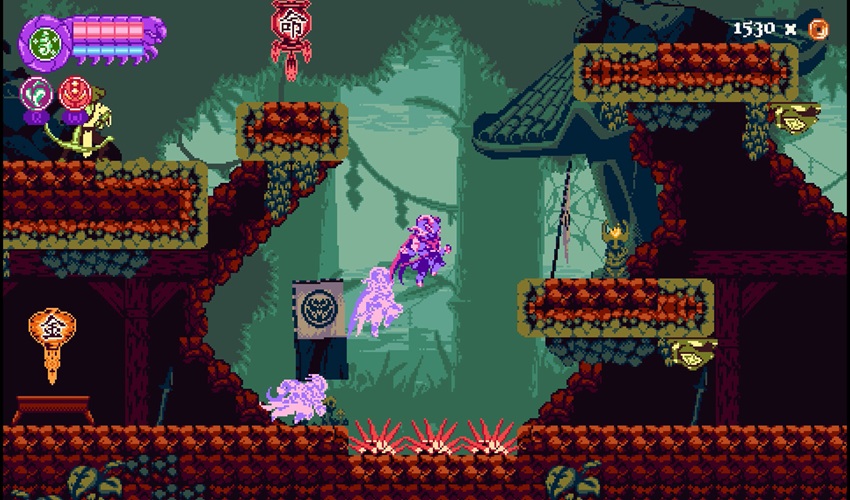
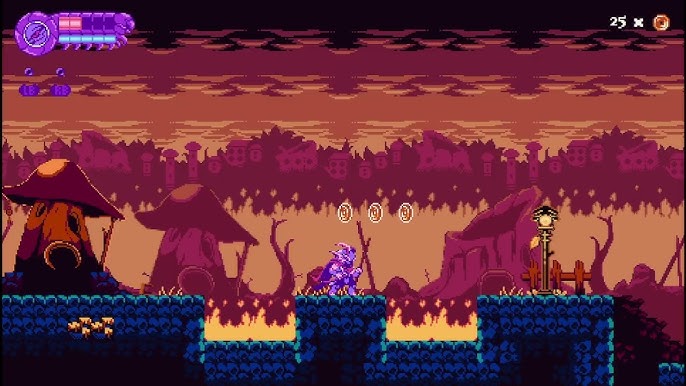
The game is almost like a Metroidvania in design. With a heavy emphasis on platforming, fluid combat mechanics, exploration, side quests, and a level of challenge possibly on par with the likes of Blasphemous and Castlevania.

Eager to find out so much more about this game, following its successful Kickstarter campaign, I reached out to the publisher, who sent my questions to the three principal developers. Designer and programmer, Perdo “Amaro” Lacerda, lead artist and writer Luan “Arleand” Andrade, and co-artist and soundtrack composer Julio “Sunrei” Torre.

So to offer further information regarding this exciting new platformer, here’s what Amaro, Arleand, and Sunrei had to say about AOKAKI:


AOKAKI 3

What were the influences behind your game?

Our three biggest gaming influences are Shovel Knight, Mega Man Zero, and Castlevania: Rondo Of Blood. But a lot of other games we like influence our creative Process. The other big inspiration is Japanese Tokusatsu. Visually and thematically, AOKAKI draws a lot from it.


What has the developmental process been like?

Challenging, like all game development.


How close are we to seeing the finished product?

About a year, as we are set to release in Q2 2027


What has been the most exciting aspect of development?

Seeing people enjoy what we made. We do our best to seek out all that the community produces, and it gives us a lot of Motivation.


AOKAKI 4

What has been the most challenging aspect of development?

The sheer amount of time it takes. We have been working on this game for 3 years. That’s a long time. Especially while not making any money. Balancing real-life and development time is another major challenge that I believe every developer faces.


How well has AOKAKI been received so far?

People seem to like it! We have received a lot of feedback and are continuing to improve and polish the game, but in general, players told us they like the visuals and the boss fights.


What platforms are you looking to bring the game to?

PC and consoles. Nintendo, PlayStation, and Xbox. It would be cool if we managed to port to a retro console too! But that’s quite difficult with Godot.

Have there been any ideas at this stage of development that have since been scrapped or reworked?

Yes. Mainly due to scope constraints. Some enemies, some mini-levels. Funny enough, some boss fights too, because they were too difficult for the stage of the game that they appear in. Hopefully,y we can bring most of them back if we manage to make a DLC.


Over the last few years, there has been an influx of indie developers originating from Brazil, such as Statera Studios and 2ndBoss. Did the newfound indie scene in Brazil play any role in shaping the development of AOKAKI?

In the development per se, no. But it helped us a lot in terms of networking and growth. We have talked with a lot of other Brazilian developers and try to collaborate with them whenever we can, on social media posts, for example. Also, when I got the chance to go to some events in São Paulo, I also got to know a lot of cool people and play a lot of cool stuff. Hopefully, we can collaborate more in the future and make the Brazilian game development scene even more well-known!


How instrumental has player feedback been in shaping the course of the Project?

Very. We have released two demos. Both times we did, we also received a lot of important feedback on the Steam forums. Regarding how the movement felt, other features players wanted, and so on. We hope to keep this current demo up to date and to keep reading the players’ thoughts on it!


On the Kickstarter page, it’s mentioned that the team knows its speed, limitations, and how much of the game is left to work on. Has the development of AOKAKI presented moments of pressure?

Yes. Especially in the months before we started the Kickstarter. AOKAKI began development in 2023, a full 3 years ago. We started as a duo, and as the project went on and on, money got tight. This forced our artist to get a part-time job, severely slowing down development. First, we decided to fully integrate another friend whom we were commissioning as our second artist. It still was not enough to set things back on track. 

We then tried to get financing with some publishers. We were ignored by most, but we still got to talk to some people. They were very kind and helpful, but we couldn’t sign for one reason or another. It came to the point where it was “sell the IP or delay the project indefinitely”. So, we decided to start a Kickstarter instead. And with the current state of the campaign, I can’t help but feel a little hopeful. Maybe we’ll be able to actually do this.


And if so, does the team find they work better under pressure or without it?

We can make a lot happen under pressure. But I hope we can channel this energy and just keep a consistent and healthy output going forward.


If you had the opportunity to develop a game with any company or for any franchise, which would it be, and why?

We are a 3-person team, so each of our members is going to comment separately on this:

AMARO: I would love to work with Publishers like Raw Fury if I had the chance. I’m a huge fan of the games they put out, and it’d be awesome to see one of my creations on the lineup. As for existing projects, at the risk of sounding cocky or naive, I think I could make an Incredible Pokémon game, if I got to direct it hahaha. 

Aside from big, unrealistic dreams like that, I think I’m most interested in working on my ideas. If AOKAKI does well enough for me to be able to keep developing my games, it’d already be a dream come true.

ARLEAND: I have a deep fondness for Role-playing Games. There’s something about an adventure-filled and strategic-focused experience that scratches my brain the right way. Many of my favorite stories and character designs came from franchises like Shin Megami Tensei, Phantasy Star, Kingdom Hearts, and Pokémon.

Although being a very hard genre to work on (in my opinion), one of my dream projects is a JRPG-inspired game. Also, if given the chance, I would love to do art for a franchise like Shin Megami Tensei.

SUNREI: Deltarune, definitely! Undertale is my favorite game, and I’m very inspired by Toby Fox, who is an artist and game developer; collaborating with him would be awesome. I have a particular interest in RPGs with a good story and a certain focus on developing their characters. Other games that have also influenced me are Chrono Trigger, Super Mario RPG, Everhood, and Enigma of Fear, so working on something similar to these would just be great.


Do you have any advice for aspiring developers who may be reading this?

Don’t be afraid to start your projects. Or to try. As the great George Morikawa put it: “Not all those who try will be rewarded. However, all those who succeed have tried”. If you are already developing a game, just try to be consistent and have patience. That’s what I keep telling myself, hahaha. Also, do not be ashamed of what you made. Only you could have made it. Even if it’s not the best game ever, it’s a step in your development journey.


Where on the Internet can people find you?

Twitter | X:

https://x.com/ConchaIndigo

https://x.com/minicactusgames

Instagram:

https://www.instagram.com/conchaindigo/

https://www.instagram.com/minicactusgames/

Bluesky:

https://bsky.app/profile/conchaindigo.bsky.social

https://bsky.app/profile/minicactusgames.com

Tiktok:

https://www.tiktok.com/@conchaindigo

https://www.tiktok.com/@minicactusgames

Youtube:

https://www.youtube.com/channel/UCRh7CM9IvdPkzNrNSLxorNA

https://www.youtube.com/channel/UCPaNusJeoBWGPwrD-MCBYrw/featured

Steam:

https://store.steampowered.com/app/2925520/AOKAKI/

Do you have anything else to add?

First, we would like to thank you for this opportunity, of course! Back us on Kickstarter if you can:

https://www.kickstarter.com/projects/1066929746/aokaki#h:About-Us

If not, all support is appreciated! Play our demo, wishlist the game, give us a follow, talk about the project, spread the word. Every tiny bit helps.

Indeed, if you’re interested in backing this game and helping the developers reach their stretch goals, visit the link above. You can also try the demo out via the game’s Steam page. Otherwise, I’d like to thank Amaro Arleand and Sunrei for taking the time to answer my questions. And of course, to wish them the best of luck with AOKAKI upon release.

This exciting-looking platformer looks set to add to the already impressive influx of 8-BIT indie titles that have been released over the last 10 years. And I can’t wait to try this one out. In the meantime, I hope you guys had fun as always. And are looking forward to the release of AOKAKI.

Game on,

Scouse Gamer 88

Lucah: Born Of A Dream (PC, Switch & Switch 2)

Developer(s) – Me Less Than Three

Publisher(s) – Syndicate Atomic LLC

Director(s) – Colin Horgan

Producer(s) – Ken Wong

PEGI – 12

Released initially in 2018 on PC and ported to Nintendo consoles in 2020, Lucah: Born Of A Dream is described by its developers, Californian indie outfit Me Less Than Three, as “a nightmarish action-RPG about finding oneself.” Essentially, it’s a hack-and-slash adventure game with light RPG elements. Such as levelling up your character and learning new abilities along the way. The game had been long in the making following a successful Kickstarter program. I covered by interviewing lead designer Colin Horgan.

https://www.scousegamer88.com/2017/06/29/qa-with-me-less-than-three-lucah/

I thought very highly of it at the time. It has such a unique visual aesthetic and a load of potential. With such a fresh take on combat compared to other games. And now, having finally found the time to pick up a copy and play it in full, I certainly wasn’t disappointed by the final build. 

Graphics – 9/10

The nightmarish, scratchy, and coarse approach taken to conceptual design had remained intact throughout development. It was significantly worked on, presenting different types of environments within the game, such as caves, forests, and churches. It was a unique idea back then, and it remains a wonderfully unique and outlandish idea even now. As there simply isn’t any other game that has ever perpetuated such a concept. And still isn’t to this day, to my knowledge. 

Gameplay – 8/10

Lucah is rooted in the traditional hack-and-slash genre of games. But has retained a small RPG element to it for players to build tier character up by upgrading their stats and choosing additional abilities available that best suit their style of play. It has even more variety than I first fathomed when I last previewed this game during its Kickstarter campaign. 

It’s challenging without being completely unforgiving. Indeed, there is the facility to adjust the difficulty settings in addition. But even in normal mode, I would describe the level of challenge on offer as fair. It’s not like games such as Mega Man or the original Castlevania, where the difficulty can indeed be brought into question. But there’s more than enough to keep players constantly on their toes. 

Controls – 10/10

As such, the controls needed to be spot-on, and so they are. Naturally, the developers heavily encourage the use of controllers. But played in this way, Lucah presents no issues to the player in this respect. All the standard features that can be expected to be seen in a game like this are all here as well. Including menus to properly adjust player abilities. As well as a very stylish map system. 

Lifespan – 7/10

To complete the game to 100%, the minimum time required is around 22 hours. Which, for a game developed on a budget, is fairly impressive. I’ve played indie games that have been made to last far longer. Having had the right amount of thought put into it. But for an action RPG relatively heavy on story, 22 hours isn’t bad at all. 

Storyline – 8/10

Speaking of the story of Lucah, it involves the titular character, who is a child, possessing innate magical powers. Otherwise known as the Marked. Following a particularly lucid dream, Lucah finds himself in a hellish landscape, where he is tasked with seeking purification in order to escape a corruption that threatens to consume him. 

Just like the visuals, the story also has its own very unique aesthetic attached to it. The concept of a video game taking place in a character’s dream is not entirely new. Indeed, that was pretty much the whole concept of Super Mario Bros 2. But never has an idea like this been presented in a wonderfully ominous and morbid manner as it is in Lucah. It made me glad that I’d chosen to invest my time in it all those years before release. 

Originality – 8/10

A watchword for this game itself is unique. It tells a very different story from anything else in video games. And it’s also presented in a manner never before seen in video games as well. It definitely stands out within the wider indie gaming community. But it also stands out among the gaming industry in general. The game did end up getting the respect it deserved. It was universally praised by critics at the time. But there would be an unprecedented amount of scope to build on the things this game perpetuates.

Happii

Overall, Lucah: Born Of A Dream came with everything I came to expect from this game when I first discovered it. As well as a whole lot more. It’s a wonderfully dark and entertaining title, and I can’t recommend it enough. 

Score

50/60

8/10 (Very Good)

Llewl

Q&A With Mana Relic Games

Scouting crowdfunding platforms, such as Kickstarter, BackerKit, and IndieGoGo, one thing I have noticed about recently posted projects is that there seems to be a small influx of JRPG projects. Similar to how Metroidvania games have taken precedent within the indie community for several years now.

I’ve already interviewed a fair number of JRPG developers since starting up this site. But this week, I came across a few particularly special-looking JRPG projects. Including Alarial’s Blessing and the subject of this interview.
 

Llewl 1

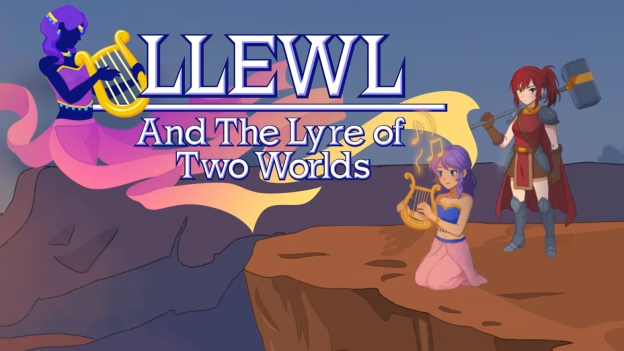
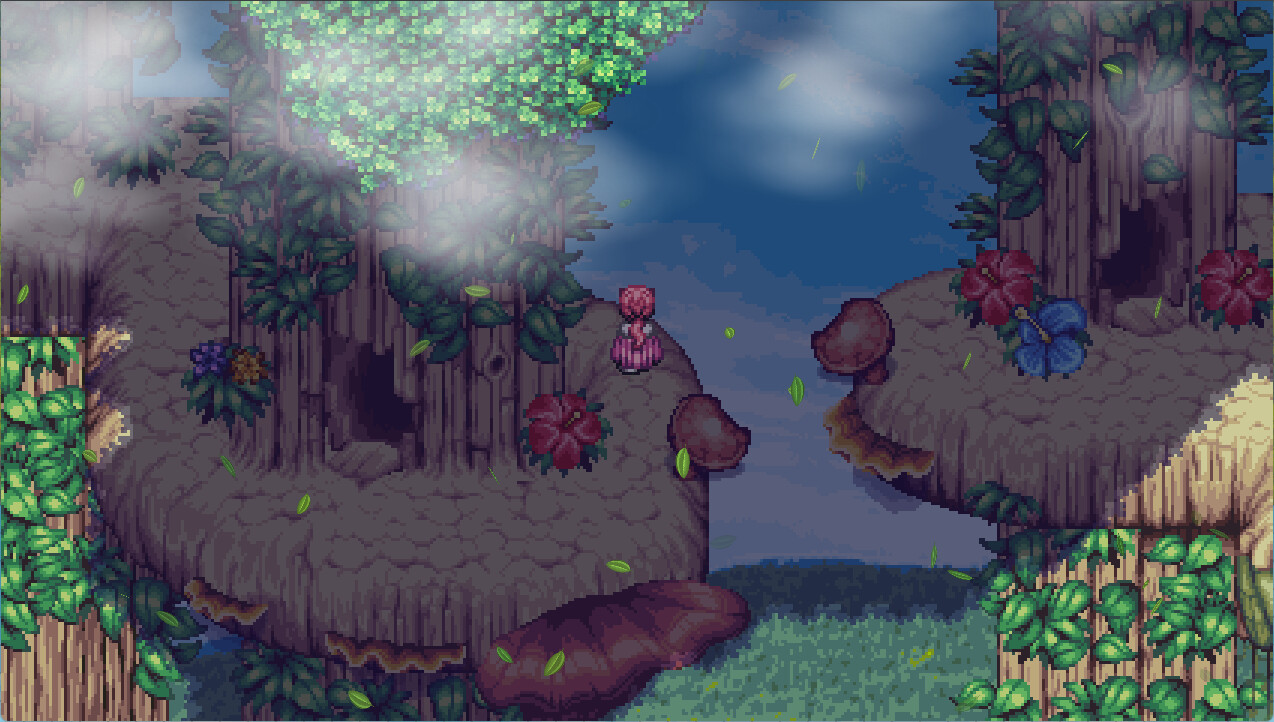
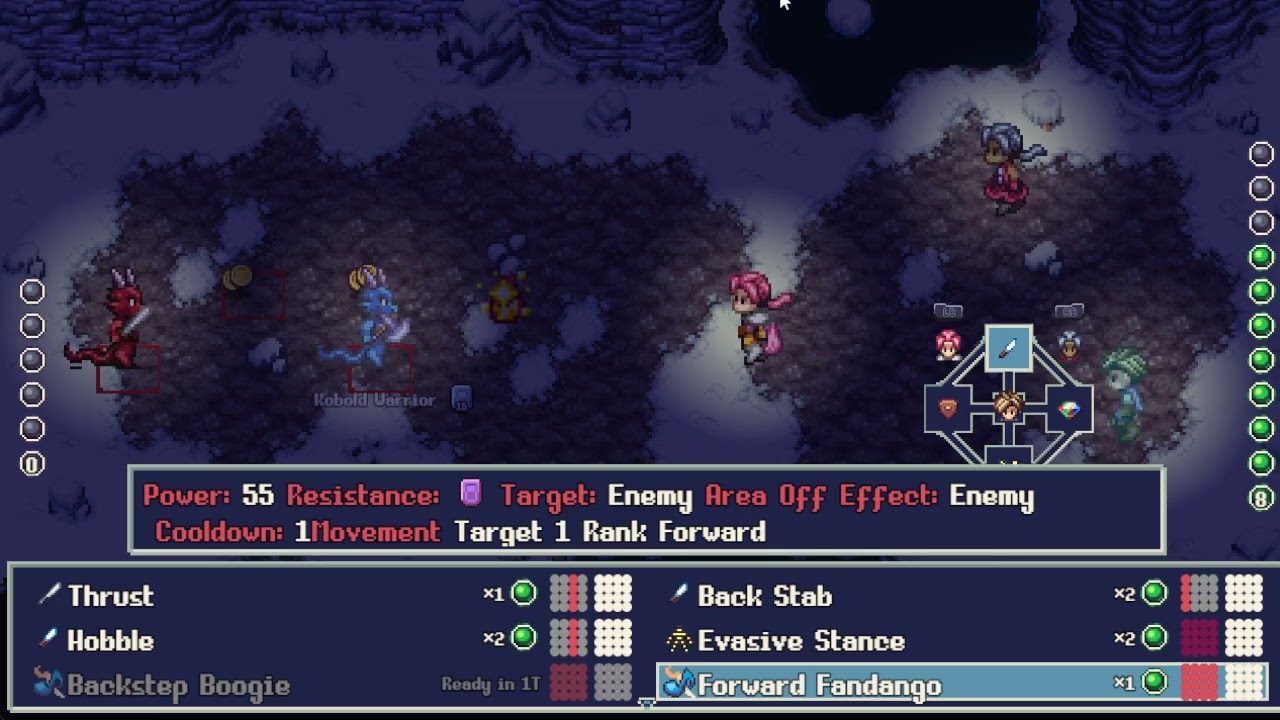
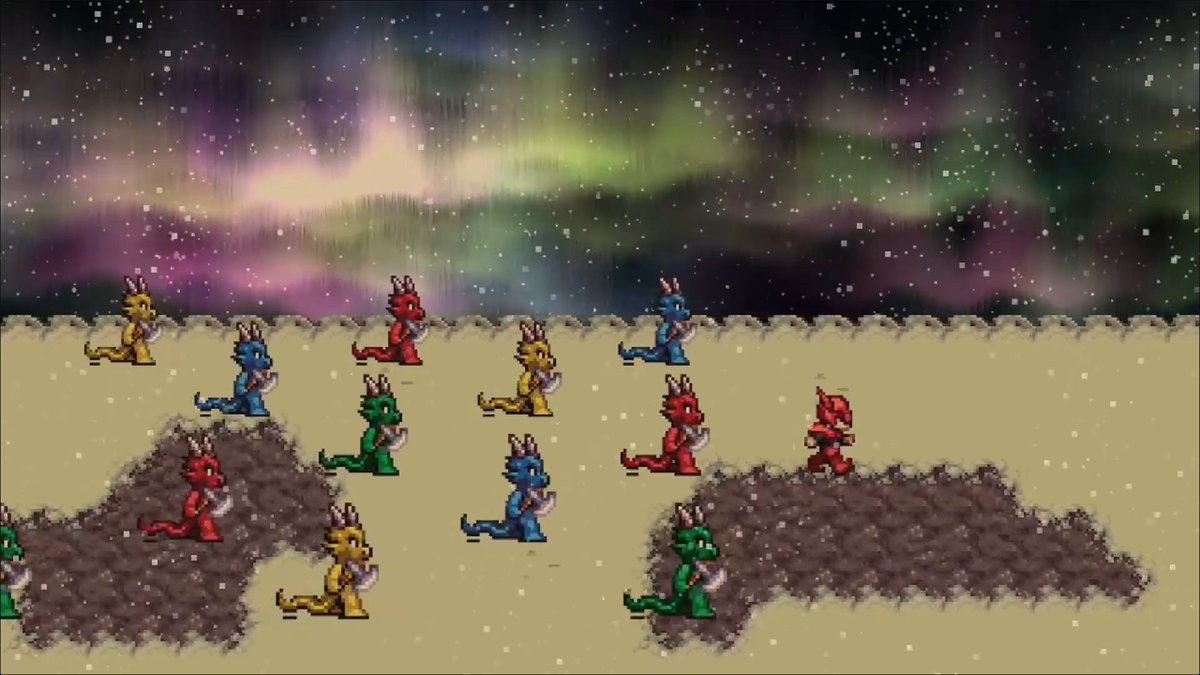
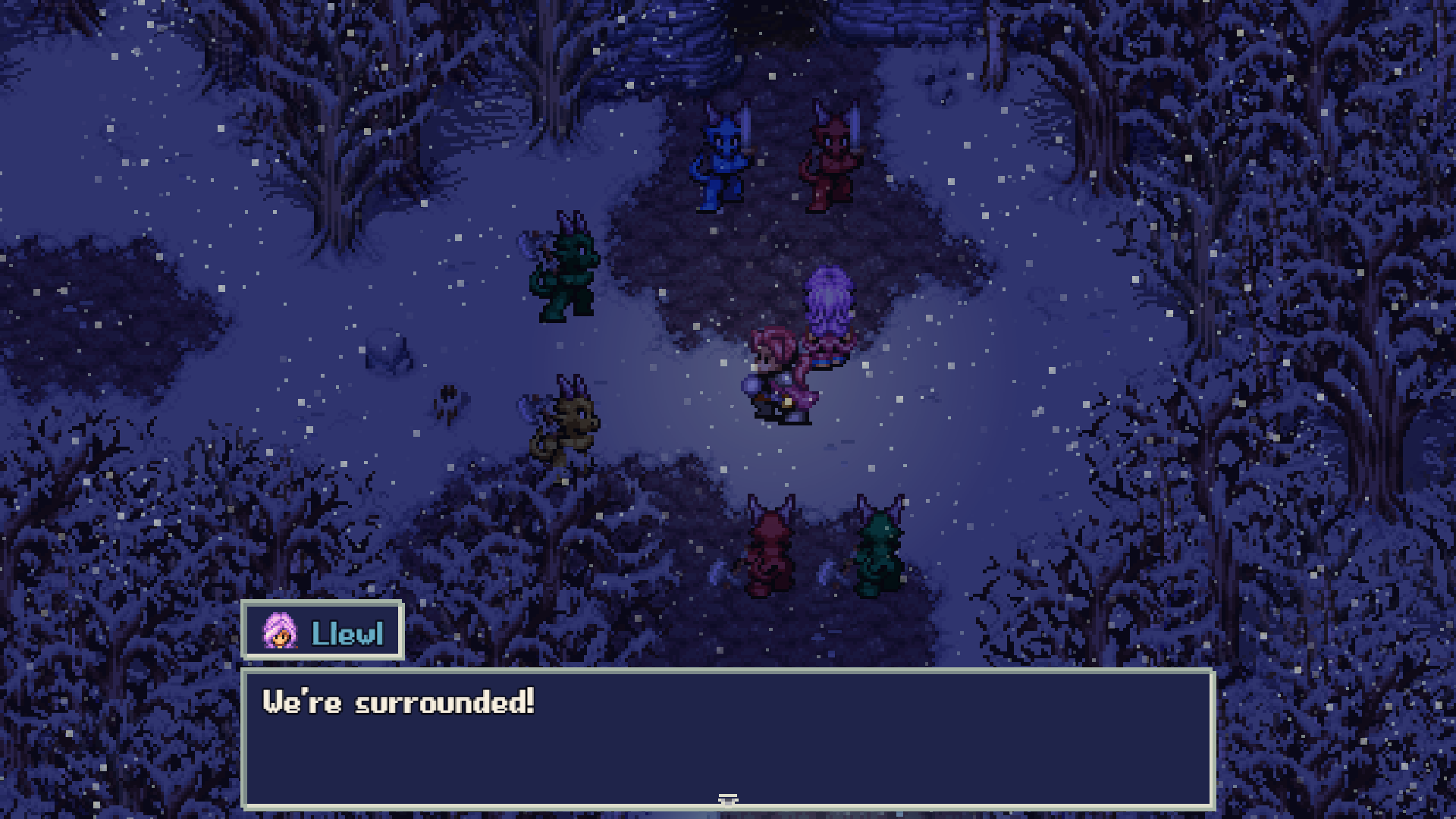
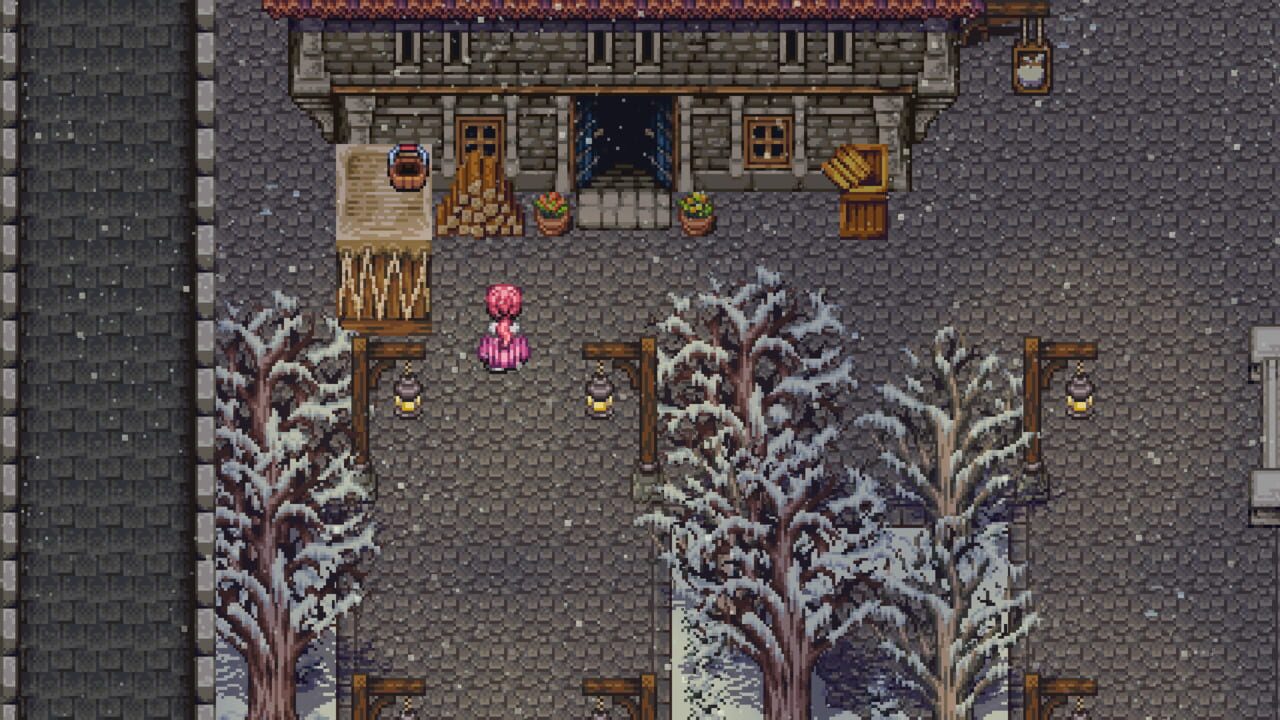
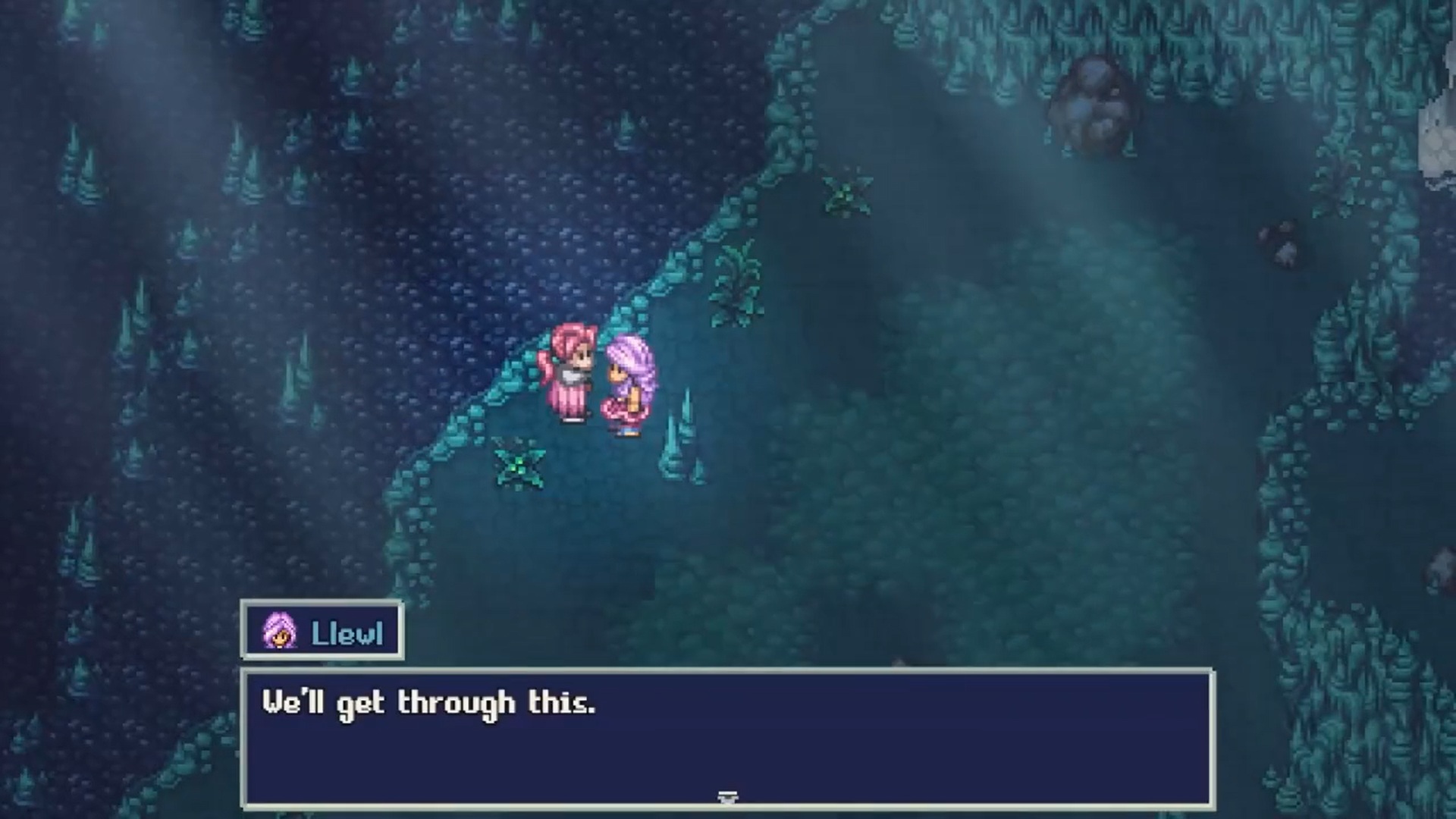
Llewl and the Lyre of Two Worlds is a JRPG under development at Mana Relic Games. A small indie outfit based in County Mayo in the Republic of Ireland. Llewl combines traditional JRPG elements with a very different strategy-based combat system, defying many JRPG conventions. The story follows a trainee guardian named Sarah and her childhood friend, Hans. They resolve to rescue a mysterious elven girl named Llewl.

Recently posted on Kickstarter, the team has projected a £13,001 base goal. With the aim of fulfilling several stretch goals. One such goal is to have the main theme of the game composed by legendary JRPG composer Hiroki Kikuta. Composer of games such as Secret of Mana, Trials of Mana, and SoulCalibur V.

Boasting great combat, variety, mini-games, and several additional gameplay mechanics, Llewl is an extremely ambitious game in scope. And one that could potentially make waves and break new ground within the JPRG genre. So naturally, I wanted to learn more.

I reached out to the game’s lead designer, Padraig, to ask some questions regarding the developmental process, ideas incorporated, and challenges that come with creating such a potential-filled and exciting-looking project. So here’s what Padraig had to say about Mana Relic Games and the development of Llewl and the Lyre of Two Worlds:
Llewl 2

What were the influences behind your game?

Excellent question. I’m going to approach this in a couple of ways if that’s ok. First up are the games that influenced us. I have always been a huge fan of turn-based games. And being in my forties, the mid-nineties to mid-naughties have a huge influence on me. Games like Final Fantasy IV-X (not VIII). The same era and almost the same-numbered Dragon Quests (including VIII), Chrono Trigger, and, a little later, the Suikoden series.  I really liked how JRPGs could tell huge stories in an era when other games had much smaller narratives.

One thing I’ve noticed that resonates with me as a player is the theme of loss and overcoming it. I noticed that a lot of my favourite stories were heavily based on it. Games like Final Fantasy VI and The Last of Us have almost bittersweet stories that create that kind of emotion. Another modern favourite of mine is Clair Obscur. So I guess Llewl is the smushing together of my love of mid-90s RPGs like Final Fantasy VI. And my love of stories of loss and hope, like Final Fantasy VI!

Mechanically, though, there are lots about those old games that, in my humble opinion, haven’t aged well.  Stuff like grinding for experience being required, random battles (though they do have their pluses). So I always wanted to experience those games with some modern quality of life improvements from more modern games.  In that sense, we’re trying to respect the player’s time in the way modern linear games do.
 

Llewl 3

What has the developmental process been like?

So, for me, development has had 3 phases since the idea in 2022.  Not a lot of people know this, but the game started as a more chill, lighthearted side project. And a potential YouTube tutorial series on RPG design.  This was super casual, and I eventually gave up on the YouTube channel.  I was working full-time elsewhere and had a much darker game project that was higher on my list of priorities.

What I’d call Phase 2 was when my daughter started to get more involved.  She’d always been helping me with tiny game dev stuff like doing art for a jam at age 10, and some silly voice acting.  It was a great way to bond, and taking part in games together in various ways kinda brought us closer.  

My daughter fell in love with RPGs when I was testing a fantastic little game called Trailblazer for a friend. She joined in and had a great time. From there, she’s been involved for a while, as and when she felt like just offering little ideas, playtesting, being funny, contributing a lot towards the feel of the characters, and helping me keep it light.

At the end of 2024, I ended up losing my business and having some health-related issues. So while out of work and on the mend, I started to put a lot more time into Llewl as I couldn’t really do anything else for most of 2025. And it kinda became my main thing.

My daughter, now 16, was studying computer science in secondary school, and art. So the stars kinda aligned on us, forming a little team (a team where I do 80% of the work and she does “the fun bits”). So the game has probably been a “real” game since then.
Llewl 4

How close are we to seeing the finished product?

Honestly, we’re aiming for early 2028. But the true answer is when it’s done. We’re quite lucky for now in that we don’t have deadlines because it’s all out of pocket, and I feel if you’re clear with followers, they understand. In indie development, you’re always doing something, but you’re always waiting on something.  

Whether it’s an artist, a composer, some code, feedback, etc., having to outsource means you’re always relying on someone. The community is great, but you’ll often see the same names pop up on various projects as contributors because no one at this level can really afford full-time staff. So it’s like reaching out, commissioning, and waiting your turn. So it’s early 2028 at best.


What has been the most exciting aspect of development?

I would say my daughter’s growing interest again, and seeing where it has taken her.  From when she first started at 10, drawing terrible sketches to jam games and making silly noises, to it leading to her interest in computer science, and knowing it led to her heading to uni to follow that little interest cultivated through us playing and building games. There are some moments I just can’t describe.  Like when she sees her art pop up somewhere random on the internet from the game and is like, “Hey, Dad, did you see this?”

I’d say for me, the other thing has been seeing the improvement in friends’ games. Like I’m in what I’d call a little writers group for RPG developers with some friends. It’s our own private 8-man group, and honestly, just seeing where those guys’ games are at now versus when we started excites me and is something I find really motivating.
Llewl 5

What has been the most challenging aspect of development?

Probably an expected answer, but easily, finances. As said earlier, I’ve been out of work for about 18 months and only been able to take odd jobs here and there, and I still aren’t allowed to do any heavy lifting. So the game has been burning quite a hole in my savings, something I’m super hopeful will pay off, but a huge reason that we’re currently crowdfunding. Trying to ease the financial burden.  

Every cent of the crowdfunding, if successful, goes to outsourcing.  We personally won’t see a single cent from the game till it’s complete, but it would ease my outgoings significantly.  It’s a rough time for all indies now, as publishers are so hard to get. Even games with 30-50k wishlists are struggling, so it’s not just us, and I suspect that’s why we’re seeing a rise in so many game crowdfunding and self-publishing.

How well has the game been received so far?

Honestly, I would say way above our expectations.  Most people who play the demo have a good time, and feedback has been amazing. One thing I chose to do was put the demo on Steam early and update it as we go. So people will get a warts-and-all experience of exactly where the game is when they are checking it out.  

It’s not the most polished, and there have been bugs. But I find that if you’re honest and upfront, gamers, for all the toxic reputation they have, are super open to flaws as long as they understand why and know the dev team is listening. But yeah, overall it’s been amazing. I think when it was on Itch.io, it had 19 5/5 reviews, and on Steam, it’s got 17 all positive, so a few nitpicks aside, we can’t complain. We’re over the moon with the reception and player reaction.
Llewl 6

What platforms are you looking to bring the game to?

We’d love to bring it to all of them, but boy, is it expensive.  The cheapest option is to use a porting house, and the best price we’ve got on that is €40k for Switch, PS, and Xbox.  So right now we have the Switch as an early stretch goal, where if we fund the game, and I think hit 25k total with stretch goals, we’ll use 5k of the KS money towards just that and cover the rest from PC sale profits.  

We’re negotiating with a couple of porting houses to see what can be achieved. One option is that the porting house makes the console versions, publishes to console, and we give them the lion’s share of the income. But honestly, it’s all up in the air at the moment, and the only thing I can 100% guarantee is Steam.


Of course, a huge talking point regarding this game is the stretch goal of bringing composer Hiroki Kikuta on board with the project. What contact have you guys had with Kikuta, and what has his reaction to Llewl been?

So Kikuta-san has come about through our relationship with Jayson at Violet Moon Promotions. Jayson is a guy I first reached out to when I joined Twitter about 5 years ago, and we’ve messaged on and off.  Lovely guy.  Along with Violet Moon Promotions, he is also involved with Scarlet Moon, which is a composer management service that bridges the gap between a bunch of legendary composers and indie developers. 

And we’re lucky enough to be in a position for him to offer this opportunity. Kikuta-san seems like a lovely guy, and I remember when he first followed the project on Twitter, long before we had any aspirations of working together.

I was so excited, I literally clipped the Twitter notification and ran to Discord to show my friends. Also, I write a lot of music. And so his soundtrack to Secret of Mana was one of my biggest inspirational moments as a teen and began my love affair with progressive rock and metal.

He’s made a couple of really nice tweets about the game and how it reminds him of his days working on the SNES, which is super nice and honestly really validating to me as a developer. If I could achieve anything from crowdfunding, this would be my absolute favourite as it’s a chance to work with a hero of mine.

Have there been any ideas at this stage of development that have since been scrapped or reworked?

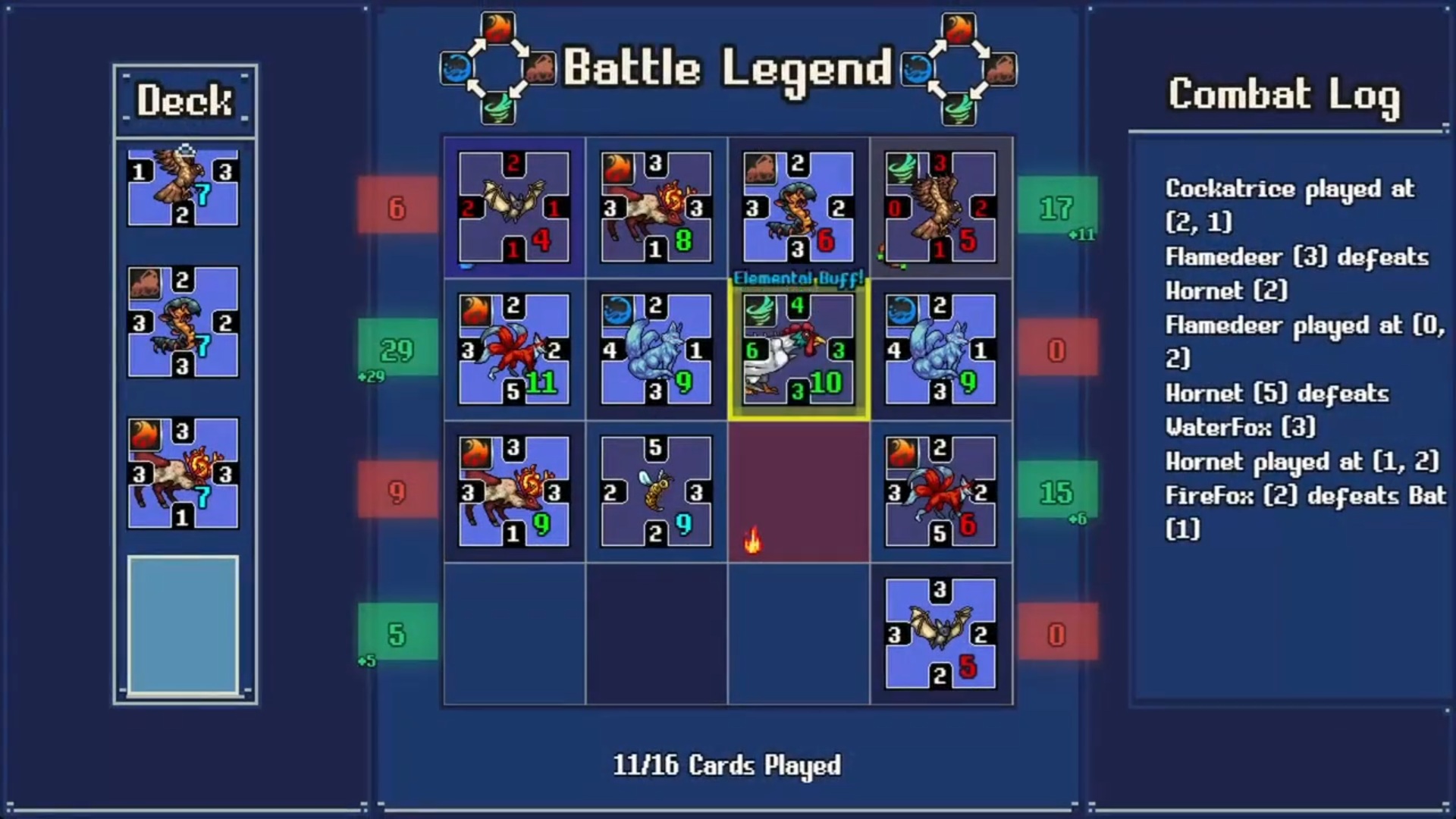
Oh, absolutely. More than I can count. Especially with combat. We’ve scrapped an active time battle system ala the classic Final Fantasies. Also, we’ve scrapped timed attacks and even dabbled with and scrapped a parry system. I also had skills that changed the weather, which had an effect on states. Dark Souls-style state meters also got removed. There’s probably a ton more, too. Outside of combat, I’ve built and scrapped an entire guitar hero styled minigame, have chopped and changed how the card games work 20 times.  

I feel mechanics chop and change a lot, as you never know if what’s in the plan will work till you actually play it. Someone has an idea, and it gets discussed. And if it seems like it could work, we prototype it and implement it, and see how it feels. If it works, awesome. If it feels off or like implementing to the right level is not worth the grind/workload, we’ll then push it aside. Features have to make sense in the game. But also have to be balanced against the workload of a handful of people on a shoestring budget.
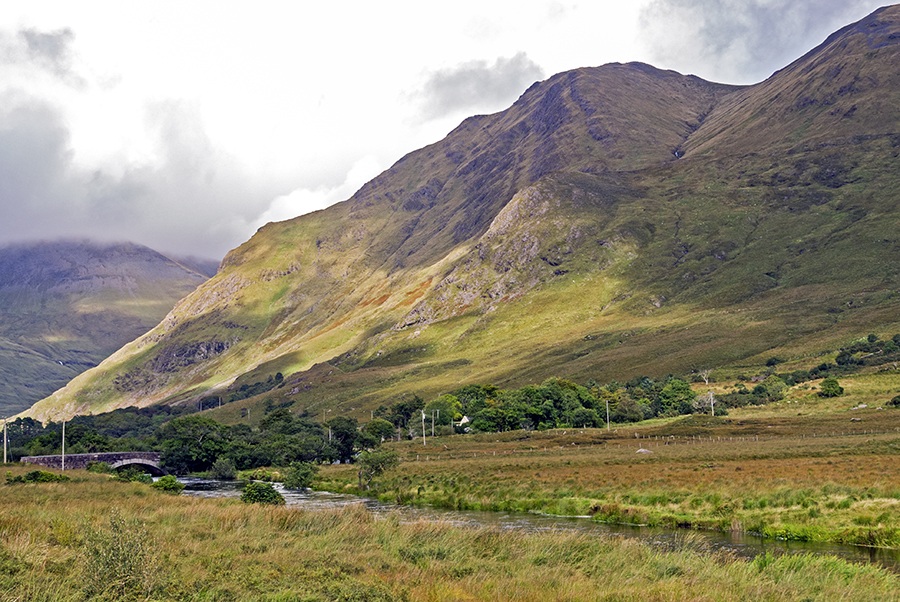
Having researched County Mayo, I’ve discovered that the place has a very rich and historical landscape. Did any of this inspire the creation of the in-game world of Llewl?

So I feel like Celtic mythology, if not Mayo itself, had a huge influence on my world-building. But I would absolutely love to Irish up some areas of the game, one in particular I think would really work. Stuff like the kind of stone country walls and Celtic crosses, that kind of thing, to make the aesthetic of a couple of regions more Irish. One of the party members in particular behaves like what I’d call a typical Mayo uncle.  

He swears a lot, comes across as a curmudgeon, but is a big softie behind it all.  Some of the character names are like Anglicised spellings of common names here. Like Shaymus instead of Seamus. Aiva instead of Aoibhe, etc. Kind of like how George RR Martin took my own name, Padraig, and made it Podrick, etc. It is something I’d absolutely love to have more of in there, but yet again, time and finances will have the final say on just how much.

How instrumental has player feedback been in shaping the course of the project?

It has, and will remain genuinely, the guiding light for us through the entire project.  One of the reasons we dropped the demo, warts and all, in a pre-alpha state on Steam was for feedback and lots of it. Despite multiple people telling us not to, because first impressions could break it. The game would be completely different without player feedback.  We’ve already rewritten the entire intro based on it. And will be tweaking again pre-release.  

It’s a huge part in combat balance, and as a developer, you start to get so good at your own game that it’s very easy to over-tune difficulty to a point where players far less knowledgeable than yourself about the inner workings can really struggle. And it’s been great in keeping me in check, as I personally love brutally hard games. 

Battles that take me 4-5 turns often take players double that, and it’s something we’re always tweaking based on input to find a balance. You get some absolutely wild suggestions that are way out there, but every so often some will suggest something, and it’s just too good not to do it. So I feel like one of our strengths is putting such an early demo out and allowing us to learn, tweak, and build based on our community and players.  The game would certainly be in a much worse state had we not.
As the goal is to bring the game into its alpha build by mid-2027, will the team be feeling the pressure of that? And if so, do you guys find you work better under pressure, or without it?

We’re well on course, but I don’t think there’s any pressure, honestly, either internally or externally. We don’t have a publisher to answer to, and our community, so far at least, is very understanding in terms of “it’ll be ready when it’s ready.” And they, so far at least, have said they’d rather be late and good than early and not as good.  Maybe if the Kickstarter funds are there, that will change. But right now we’re not stressing.  

Inside the core team is only Aishling and me, and that’s just for the last year, and with her doing her final school exams and starting uni, there’ll be no pressure. I also apply the same guide to people I outsource to. As long as their contact is consistent, and it’s delivered in a reasonable frame, I don’t set deadlines. That’s been one huge plus and a huge part of why I feel the demo has done as well and been received as well as it has.

If you had the opportunity to develop a game with any company or for any franchise, which would it be, and why?

If I could have the Chrono Trigger team plus Kikuta-san, I’d be over the moon. For me, that’s the ultimate game dev team. Names like Yuji Hori, Sakaguchi, those names to me are like names like Brad Pitt and Christopher Nolan are to movie buffs, etc.… I’d be starstruck.

But in terms of a more realistic aspiration, I’d absolutely love to just make a team with some of my game dev friends and people from that game dev writers group I was talking about earlier at some point. Those guys have become some of my best friends in the world, and they’re all super talented in different ways. They’ve already been a huge help with Llewl, and I’m so grateful to them.
Do you have any advice for aspiring developers who may be reading this?

Just the usual, don’t give up. Try to have fun. If there’s one skill I’d recommend learning, it’s the ability to take feedback. Not everyone has the best way with words, and feedback isn’t always delivered with a spoonful of sugar. So learn to process it, not take it personally, and pull what’s necessary from it, rather than be hurt.  

If someone takes the time to play your game and the feedback is harsh, they still took the time to play and offer you their thoughts. So if it’s constructive and clean and not just someone yelling threats. Take it, sit with it, and pull the substance from it, even if it’s upsetting at first.

Where on the Internet can people find you?

It’s probably easiest to find me on Discord, as I usually have that running in the background.  Username is just Padr81, or join with the Mana Relic Games server at:

https://discord.com/invite/HjfjRqSJ2A.

Other than that, we’re more active on Twitter than Bluesky, sadly. Simply because it’s where most of our contacts and folk we deal with day to day are. But I’ll throw links to both:

https://x.com/ManaRelicGames

https://bsky.app/profile/manarelicgames.bsky.social

Do you have anything else to add?

Firstly, thanks for taking the time to reach out and ask questions. Also, thanks to anyone who reads all this. I can even waffle on in text lol. Also, for anyone who can, please support the Kickstarter at https://www.kickstarter.com/projects/oathgames/llewl.

It’s currently trending like it is gonna be a coin toss on whether it is successful or not, so even the smallest pledge could help get us over the line. Of course, we don’t want anyone donating beyond their means, not even a little, but if you could, that’d be awesome. If not, even checking out the social media and sharing the posts would be huge. 

The big issue we’re having right now is getting media to pick up on the page. It’s converting really well. We just need to get more eyes on it. Other than that, thanks again for reaching out, and some of the questions were quite fun and tricky to answer.
Before closing out, I would like to, as always, thank Padraig for getting back to me and taking the time to flesh out this exciting new project as comprehensively as he did. Having read his answers for myself, I got a much better understanding of how truly ambitious this game is, and how much potential there is for it to do well. Not only that, but I also wish him and the team the best of luck with it.

If you click the links to the Kickstarter page and the developer’s social media pages, and you like what you see as a JRPG fan, consider backing Llewl if you can. But this game is one I am very much looking forward to playing. As a fan of fourth-generation JRPGs myself, it will be interesting to see how much new ground this game can potentially break and how it may take its place among the greats of the past. But until the next interview, I hope you guys enjoyed learning more about this upcoming title as I did.

Game on,

Scouse Gamer 88

Alariel's Blessing

Q&A With HexaNeph Games

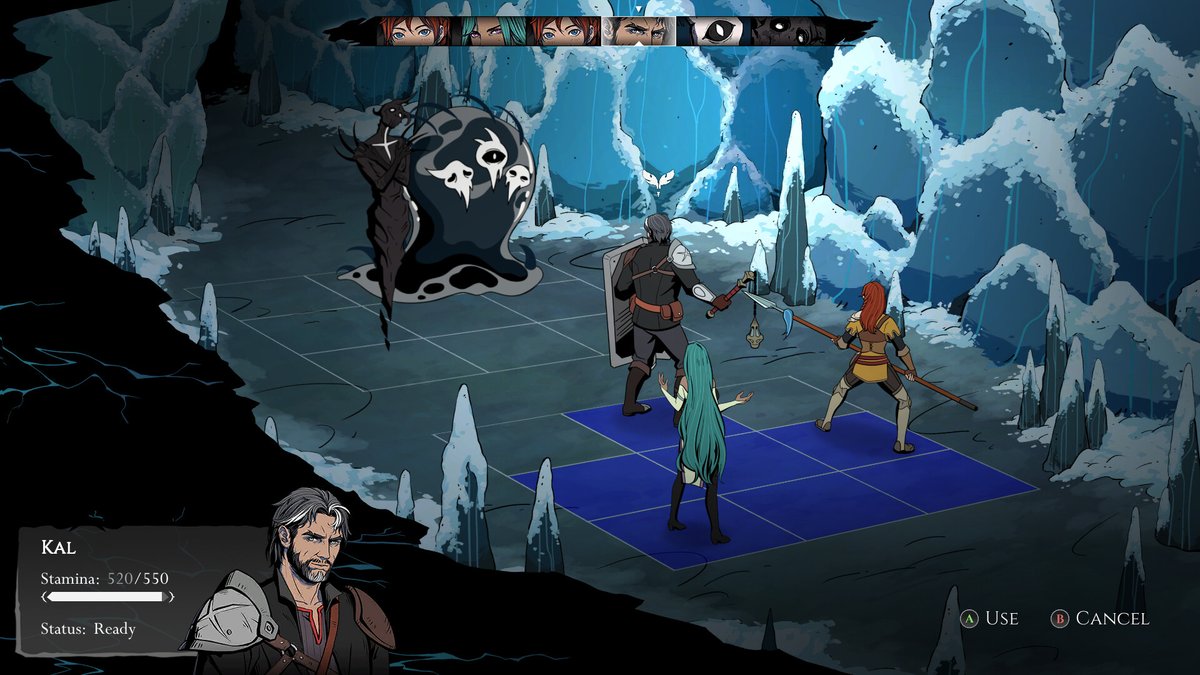
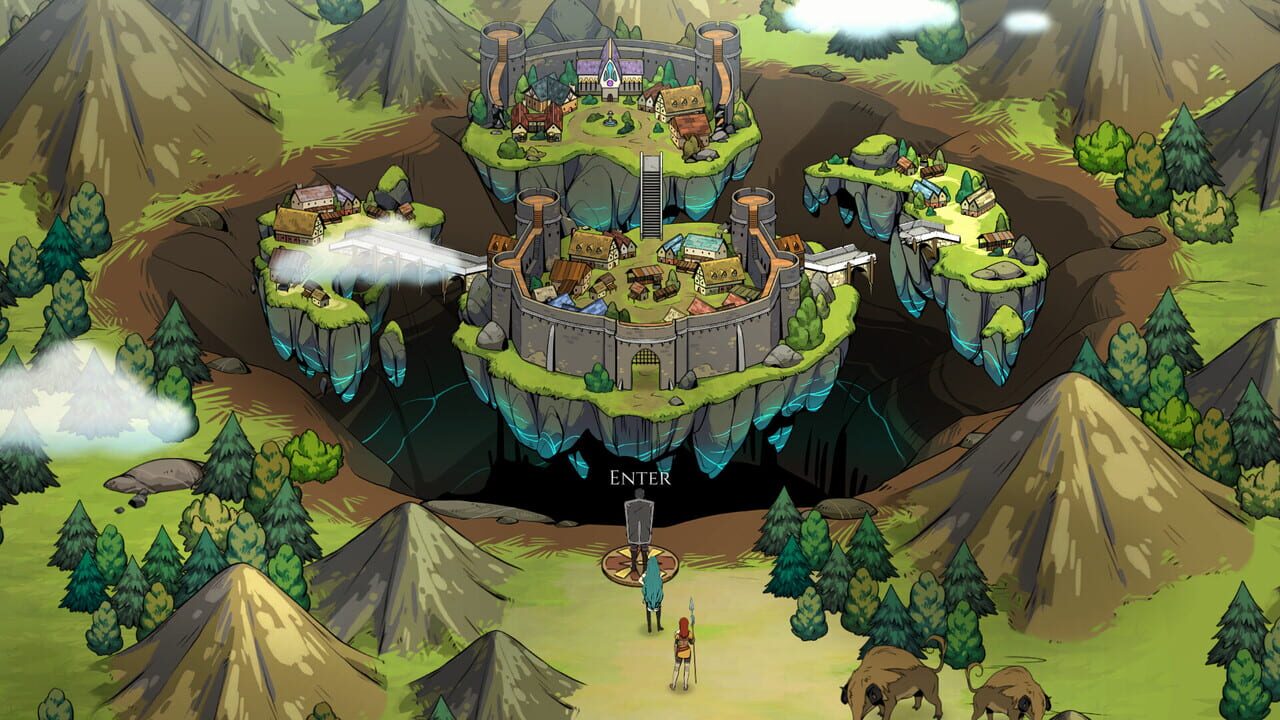
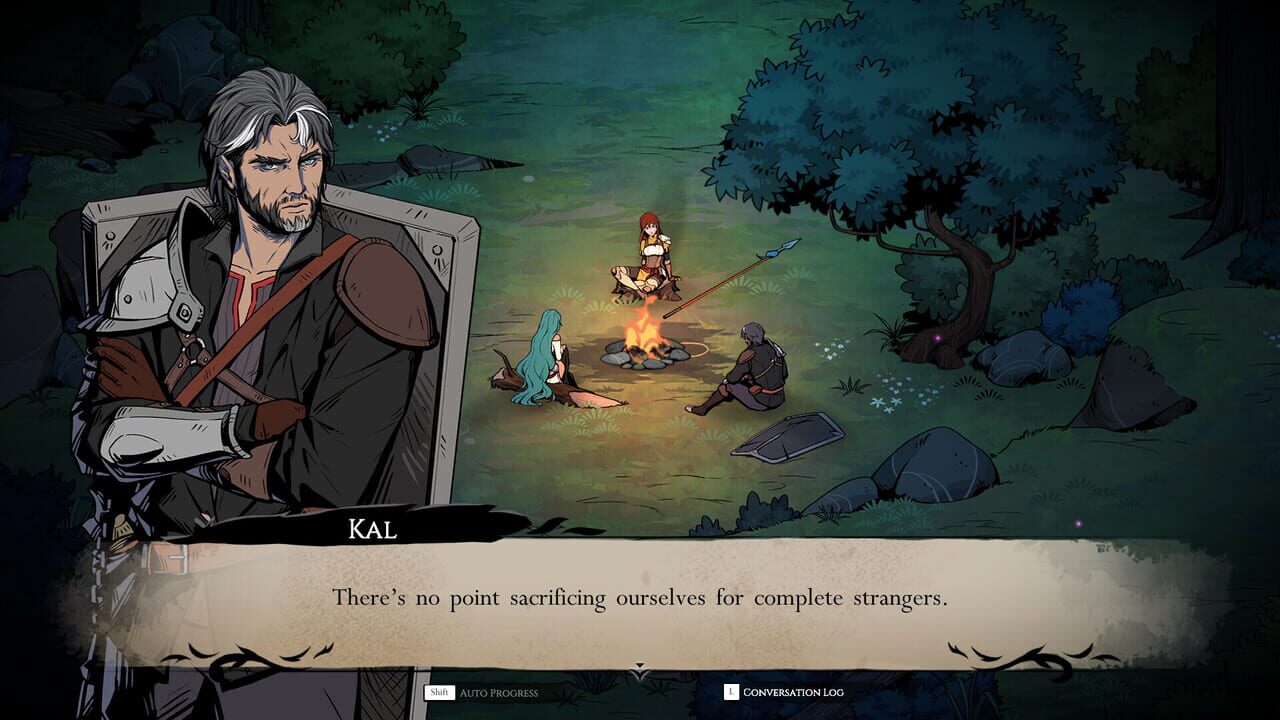
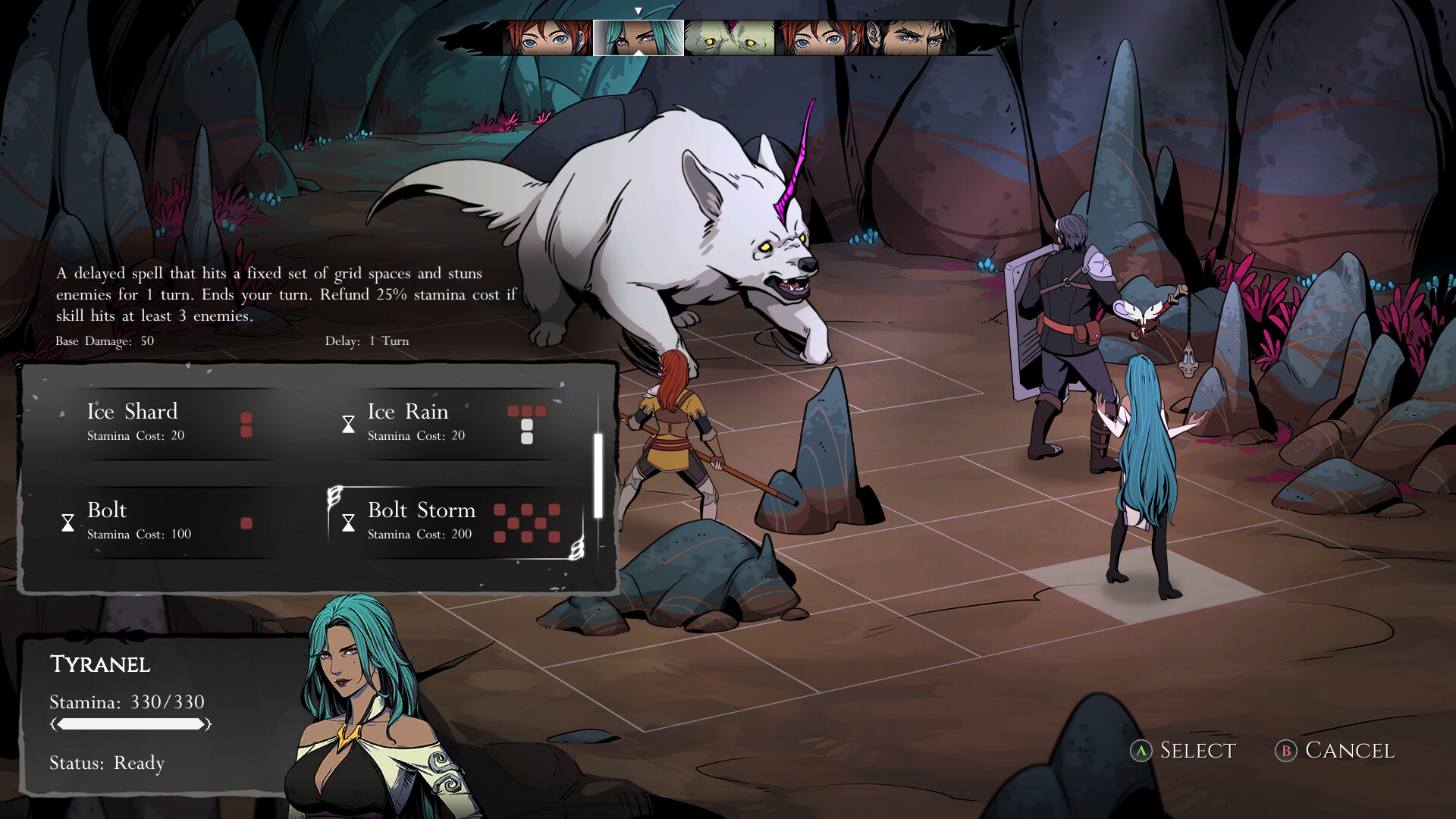
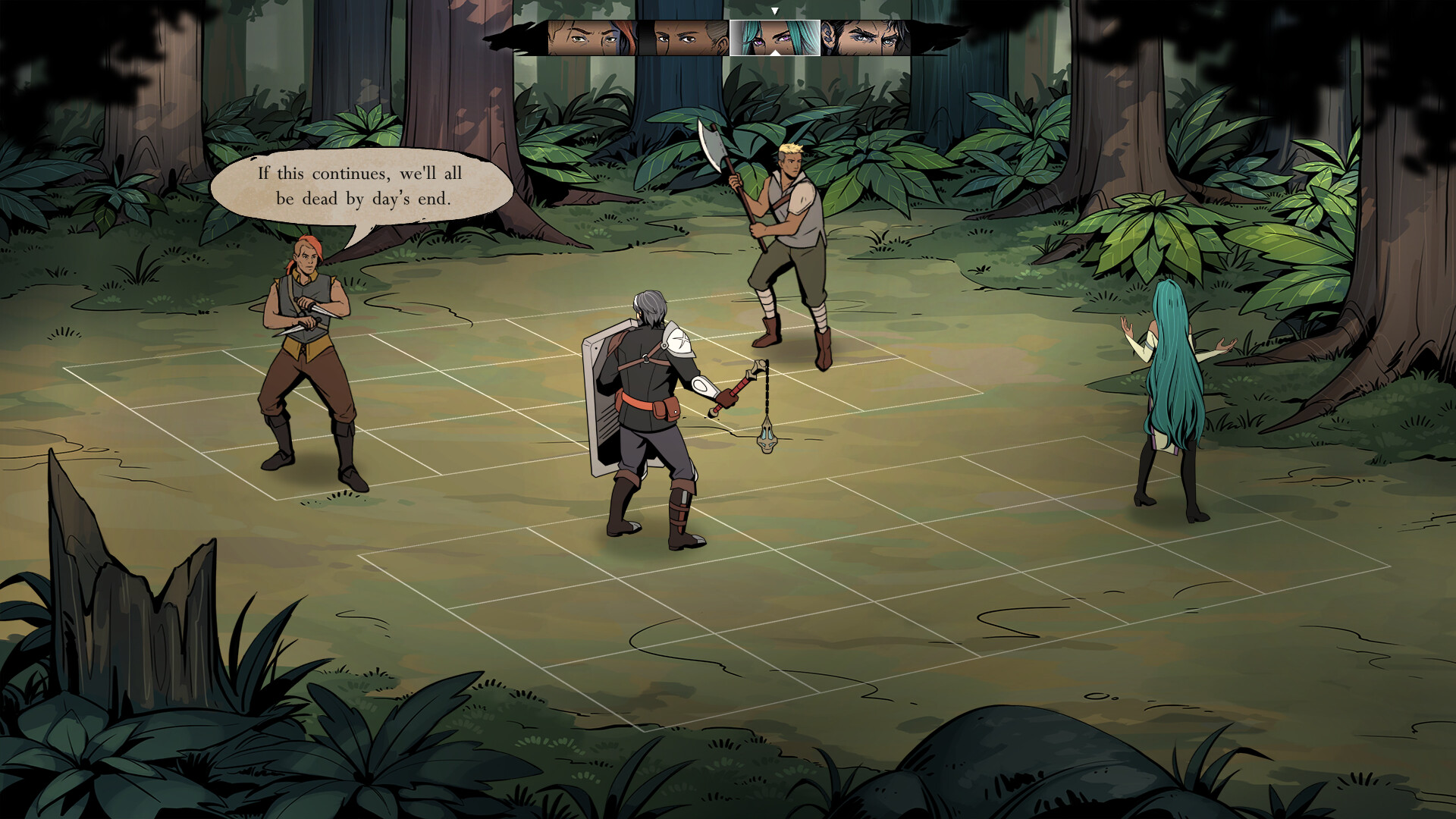
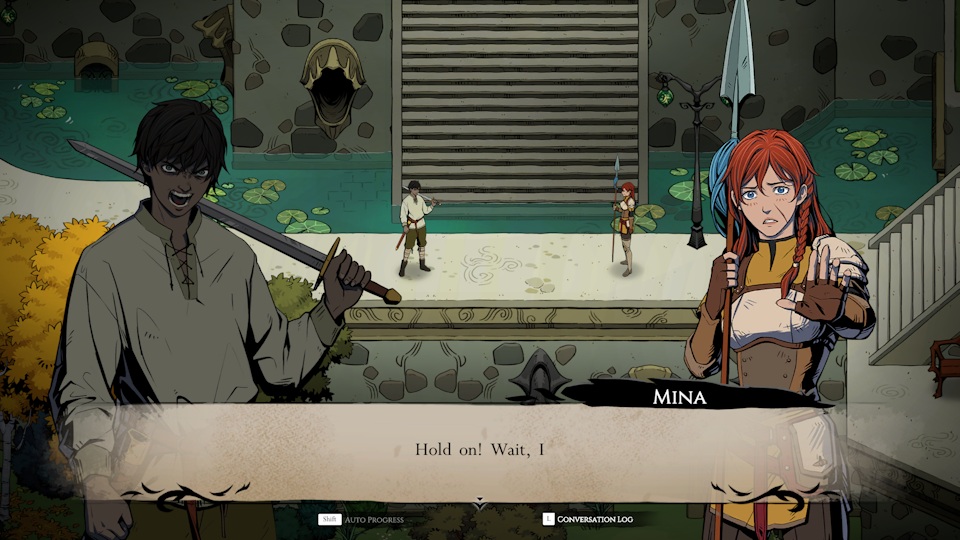
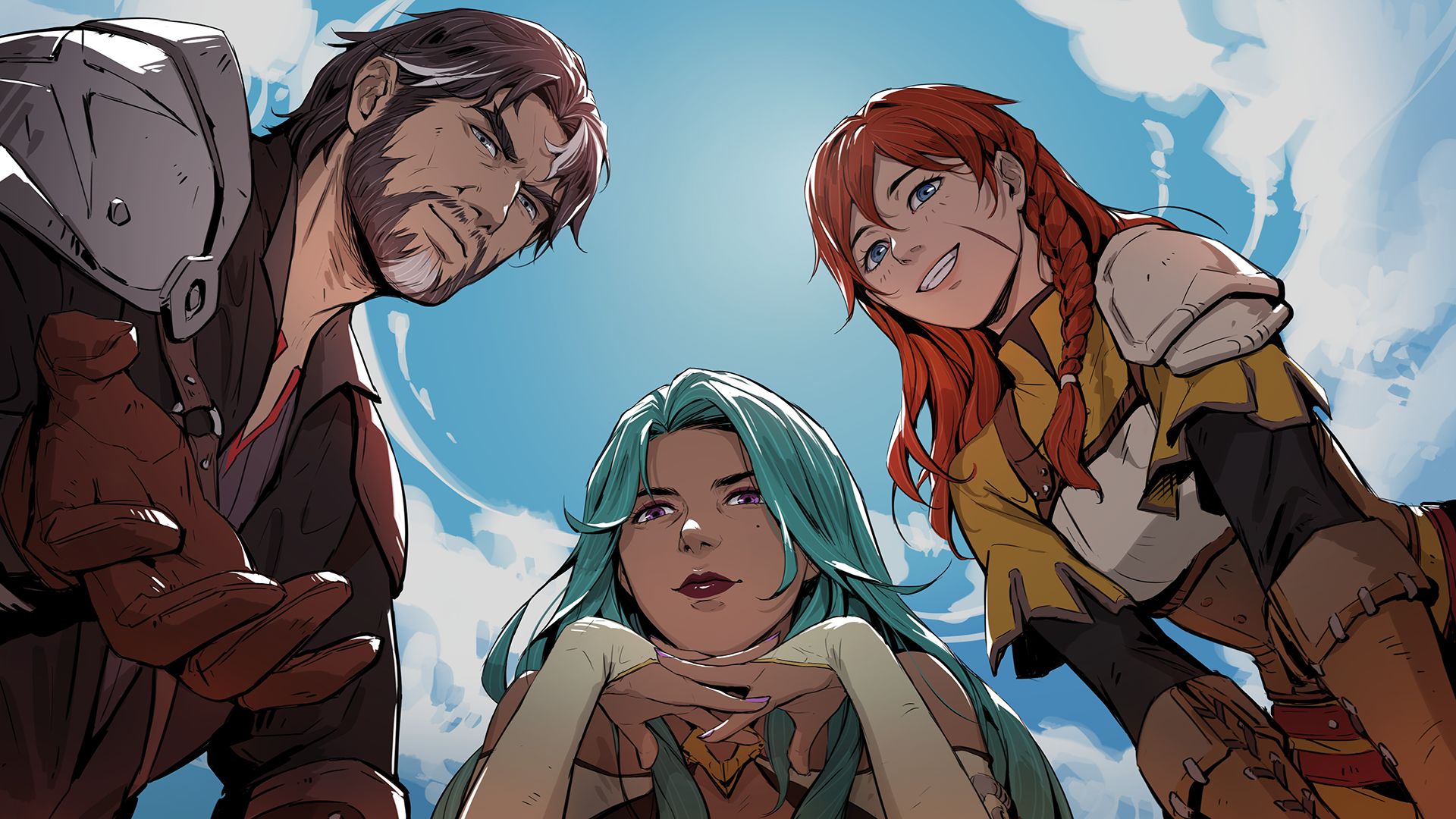
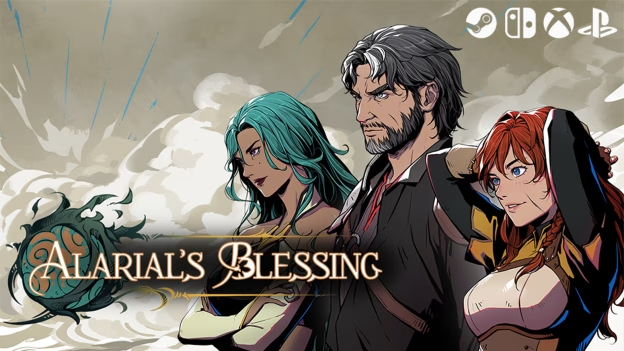
Looking out for new indie developers on crowdfunding and social media platforms, I came across a new Kickstarter project called Alarial’s Blessing. Under development at HexaNeph Games. An indie outfit consisting of a small team based around the world. Alarial’s Blessing is a JRPG following the story of three young mercenaries making their way in the world. Kal, Tyranel, and Mina traverse the continent of Vollun, wandering the land, taking what jobs they can find to survive. While at the same time, uncovering the mysteries hidden throughout the land. With their decisions bear greater weight on them over time.

The Kickstarter campaign for Alarial’s Blessing has been a particularly huge success since launch, with the game having already been funded, and seemingly on track to reach its stretch goals with 22 days left as of this writing. Eager to find out more about this game, I reached out to lead programmer Chris Cunninhgam and forwarded a few questions I had about the game. And what fans can come to expect from the final build upon release. So here’s what Chris Cunningham of Hexaneph Games had to say about Alarial’s Blessing:

What were the influences behind your game? 

Gameplay in Alarial’s Blessing is inspired by a large range of games. From the world of JRPGs, we’ve been influenced by classics like Final Fantasy 9 and Chrono Trigger to more modern variations such as Battle Chasers, Persona 5, and Xenoblade Chronicles. There are even elements motivated by series like Etrian Odyssey and Fire Emblem. The story and characters, however, are far more inspired by some of our favorite anime. Shows like Berserk, Cowboy Bebop, Violet Evergarden, Frieren, and Kino’s Journey have left a big impact.

What has the developmental process been like?

The game started as a super simple, bare bones prototype with some truly excellent developer stick figure art. Once I had the basic functionality down, I needed an artist to help bring the world to life. We did some world-building and character design, iterated on the combat screen layout and UI. From there, we needed some music and sound effects to help establish the tone. The last piece put in place was animations to help bring the characters to life. The team grew one piece at a time as each new problem presented itself.

Alariel's Blessing 3

How close are we to seeing the finished product? 

We’ve got our Kickstarter reward dates set to June 2028, and we’ll do everything in our power to make that happen! Things may change depending on how much funding we are able to raise.

What has been the most exciting aspect of development? 

The most exciting part is happening right now! We’ve been working behind mostly closed doors for a while, and it feels amazing to see the excitement and support from so many people! It makes the whole team incredibly happy knowing that fans are just as eager to play the game as we are to finish making it! For example, seeing theories and fan art from people on our Discord server is a ton of fun.

What has been the most challenging aspect of development?  

From an overall standpoint, it has been balancing work for the game and our other jobs. Most of the people on the team are not working full-time on the project yet. It can get really hard squeezing in hours on the nights and weekends. From a technical standpoint, it took us a few months to really get our animation pipeline nailed down. Some extra challenges come with hand-drawn animations in an HD art style.

You and the development are quite a diverse outfit, and seem to come from all over the world. How did you initially need to meet each other?

When I first started building out the team, I made posts and started looking out for people on Reddit. I didn’t really care where people were from as long as I thought they would be a good team fit and had the right skills. I have since switched to posting our job opening on a site called Work With Indies, which again has awesome, talented people from all over the world. I’ve had more than a few meetings in the 11 pm to 3 am time range. 🙂

How well has the game been received so far? 

Reception is very positive! People are excited about the things we’re doing and eager to know more about the cast and world. People on the Discord server are already joking about a Netflix adaptation and sharing their fan casts.

What platforms are you looking to bring the game to?

We are aiming to release on Steam for PC and all the latest generations of consoles (Xbox, PlayStation, and Nintendo.

Alariel's Blessing 4

Have there been any ideas at this stage of development that have since been scrapped or reworked?

Our initial mouse/keyboard controls for combat had to be completely scrapped after our early rounds of play testing. We had done some things that are common for games played with controllers, but did not feel intuitive for native mouse/keyboard players. The last thing we want is frustrated PC players!

Looking at the team’s credentials, it’s obvious that having so many RPG fans on board progresses the development of the game in a very natural way. But are there any other genres apart from RPG that inspired this game, and do you and the crew feel that plays a part in your principle of going against convention?

Yes, we were absolutely inspired by other genres. We’ve taken elements from strategy games, tactical RPGs, action RPGs, dungeon crawlers, and visual novels, to name a few. I think you’re correct that our love of many genres has motivated us to bring ideas across genre boundaries. Because we play a ton of games ourselves, we know how fun a new experience in a familiar genre can be.

Alariel's Blessing 6

I looked at the HexaNeph website and noticed the animal support crew. Did any of them inspire certain aspects of this game’s development?

There may be a few easter eggs hidden in the game, inspired by our amazing (and occasionally grumpy/feisty) support crew. 🙂

How instrumental has player feedback been in shaping the course of the project?

Crucial. Aside from the controls, our initial difficulty with the game was way too hard. After some play testing, we realized we needed to have three different difficulty settings to support the various types of players we’re designing the game for. We’ve also iterated on the combat system itself, adding more mechanics and systems to make player turns and decisions more interesting.

If you had the opportunity to develop a game with any company or for any franchise, which would it be, and why?

This one is actually really easy. I’m a huge fan of Supergiant Games. I have been following Greg Kasavin since he worked at GameSpot. He was always my go-to reviewer for JRPGs!

Alariel's Blessing 8

Do you have any advice for aspiring developers who may be reading this? 

Game development is a marathon. Pace yourself and be ready for setbacks. It’s a skill like anything else, so if you put in the work, you can always improve.

Where on the Internet can people find you? 

Our Kickstarter page has links to all our socials! You can find us on Discord, YouTube, and Instagram, or subscribe by email to our website updates.

https://www.kickstarter.com/projects/hexanephgames/alarials-blessing

Do you have anything else to add?

We can’t wait for players to get their hands on the released game! We’ll be giving monthly updates on Discord for those who want to follow along with the journey as closely as possible. Thanks so much for your time, and we truly appreciate the support from all our backers!

Alariel's Blessing 7

As always, I’d also like to take the opportunity to thank Chris for taking the time to answer my questions. And to wish him and the rest of the team at HexaNeph Games the best of luck with the Alarial’s Blessing. NexaNeph is an exciting up-and-coming indie outfit with a lot of ideas in mind for this new title. And it will be interesting to see how the game develops closer to release and what the final product will be like. I’m certainly looking forward to picking up Alarial’s Blessing, but until release, I hope you guys enjoyed learning more about this promising new game.


Game on,

Scouse Gamer 88
Backpack Hero (PC, PS4, PS5, XB1, Switch & Android)

Developer(s) – Jaspel

Publisher(s) – Jaspel, Indie Ark & Different Tales

PEGI – 7

Released on multiple platforms in 2023 after an overwhelmingly successful Kickstarter campaign, Backpack Hero is a roguelite strategy RPG. The player must venture through a dungeon to complete quests, defeat enemies, collect and sell items, and rebuild their town with resources accumulated along the way. Playing out similarly to other indie RPGS, such as Moonlighter and Rogue Legacy. It offers players a new challenge with every visit to the dungeon. And a ton of collectibles for grabs along the way. It took me a while to get used to the initial challenge of this game, but once I had done so, I was hooked. I was particularly impressed with how shockingly good this game is

Graphics – 7/10

The game incorporates the same 8-BIT graphical styles used in the previously mentioned two indie games (as well as many others, like Shovel Knight and Cathedral). But its conceptual design is fairly different. The universe of Haversack Hill is inhabited by anthropomorphic animals and dungeons inhabited by dangerous and varied creatures throughout. It also comes with quite a way more relaxed soundtrack than Shovel Knight and Rogue Legacy, but it’s still pretty catchy nonetheless. 

Gameplay – 8/10

The main objective of Backpack Hero is to rebuild the town of Haversack Hill. It needs major renovation, with initially destroyed buildings all over the place. Using loot found from defeated enemies in the dungeon, the player can build houses for people, farms for food, and smiths for raw building materials, and complete individual quests given to the player by NPCs in order to further progress through each dungeon.

In the dungeons, the player has a backpack. It can only carry a certain number of items at first, but it can be expanded with upgrades. As they traverse deeper into the dungeon. Each playthrough of the dungeon offers different challenges and passageways each time. It’s a difficult game compared to most RPGs, but the level of satisfaction to be had progressing through this game is immense. It is very much a case of trial and error. But it is well worth initially bearing with. Not only that, but this game is also actively open to modding. Even featuring a tutorial in the main menu on how to create mods for it.

Controls – 10/10

The controls also pose no problems. Though it is one of those games that is best played with a mouse rather than a conventional controller. It just feels far more natural that way. The touchscreen mechanics for the Switch version also make it a very fluent experience as well. A game that plays out like you would expect to see more commonly on a smartphone (indeed, there is also an Android port of the game). But it is always interesting to see how games like this translate to PC and/or consoles. And it was handled exceptionally well with Backpack Hero. 

Lifespan – 9/10

Another exceptional aspect of this game is its lifespan. Although it can just be fun to drag the experience along as slowly as possible, completing the game can still take an average of around 60 hours. And I love it when indie games display the kind of initiative necessary to make such a simple-looking game play out so well and last as long as this.

Many times, I’ve complained about indie developers not showing the same kind of initiative to make their games last longer than they do. Especially when the player can play it and gain a pretty intimate understanding of how one game could’ve been made to last much longer. I’ve noticed it in games like Journey, The Swapper, Xeodrifter, and Contrast. But thankfully, I have absolutely no complaints where this title is concerned.

Storyline – 7/10

The story of Backpack Hero follows a young rat named Purse, who, while venturing in the dungeons one day, finds the ritual backpack. She traverses the dungeon to find an heirloom belonging to her mother, and resolves to use the backpack to restore her home, Haversack Hill. The basic premise is simple. And the story simply takes a back seat to the rest of the game after that.

While it’s not as deep a narrative as the likes of BioShock or Legacy of Kain, I would much rather have gameplay take precedence over the story. The rest of the story is incorporated into the gameplay in such a way that it doesn’t make it boring. But at the same time, it ensures that it doesn’t become the main focus of the game. And having it this way makes the overall title work as well as it could have done in my opinion. 

Originality – 8/10

While this game may not be the first game to do a vast majority of the things that it does, it certainly incorporates all the different elements of the strategy, roguelite, and RPG genres to make it stand out as its own fully cohesive concept. Which, within the indie scene, is becoming increasingly difficult to do. First, I did have concerns that the level of difficulty may have been too much for me to bother with for any extended period of time. But after getting over that initial hurdle, I’m happy to say this game is more than worth multiple playthroughs. 

Happii

Overall, I had a lot of fun with Backpack Hero. It’s a wonderfully entertaining, challenging, and engaging gaming experience with a lot of incentive for gamers throughout. It was a pleasantly surprising and enjoyable game, and it comes highly recommended by me. 

Score

49/60

8/10 (Very Good)

Monument Valley II

Monument Valley II (Android, iOS, PC, PS4, PS5, XOne, X/S, Switch)

Developer(s) – Ustwo Games

Publisher(s) – Ustwo Games

Released three years after the successful launch of the first game. Monument Valley II was also met with critical acclaim. Going on to sell almost three and a half million copies within the first year. And even picking up the award for best mobile video game of 2017. It offers an almost identical experience to that of the first game. It’s pretty much an extension of which, ostensibly. I found it fractionally better than the first game, though it did come with a lot of the same issues as the first game as well. And they hadn’t really been meaningfully addressed.

Graphics – 8/10

The game’s technical and conceptual design has remained largely the same. Making use of colourful and isometric environments to perpetuate the puzzle element of the last game. With very much the same type of atmospheric soundtrack to accompany the visuals throughout. Though as aesthetically pleasing as in the first game, the developers didn’t do a great deal to make it stand out from it in its own right. Putting the two of them together, unless you play them a few times, players would probably be hard-pressed to tell much of a difference between the two games in this respect. 

Gameplay – 7/10

And like the graphics, the gameplay has ostensibly remained the same as well. The only minor difference is that in some levels, the player must control two characters instead of one and have both of these characters solve puzzles simultaneously in order to progress further throughout the game. It works fairly well, but it doesn’t really mix things up as much as what a play could come to expect from a sequel. For a game with two characters to control at the same time, it doesn’t offer the level of innovation that Brothers: A Tale of Two Sons did, for example. In my opinion, an extra push in terms of gameplay could’ve been implemented to make it truly stand out. But it seems they only tried to a certain extent. 

Controls – 10/10

The control scheme also remains the same, with the exception of the two-character sequences. But even this concept is easy enough to get used to from the get-go. So, although again there isn’t a great amount of innovation here, it’s a better alternative than the developers having potentially tried something too outlandish with the control scheme. And made the game worse than it needed to have been.

Lifespan – 2/10

The biggest issue I had with the previous game was the lifespan. And nothing has been done to address this. With the game lasting there around the same amount of time as the original. At this point, players could come to expect the developers to have added a lot more than what had been added to switch gameplay up to an adequate degree. And make the sequel last even a little bit more than the first game. But unfortunately, aside from the one additional mechanic, there’s nothing. 

Storyline – 4/10

One of only a few minor tweaks that have been made to this game at all, compared to the original, is in terms of story. The story of Monument Valley II follows a character named Ro and her child as they initially traverse the world around them together. And later become separated, with Ro’s child having to overcome obstacles herself to find her mother again. The additional substance comes in the respect that the second game feels a little more like a coming-of-age story. A little more is done to convey the character’s feelings and emotions than in the first game. But it still feels like the overall narrative is conveyed in a far too minimalistic way. So it’s worth a certain amount more emotional investment on the part of the player. 

Originality – 6/10

As I’ve alluded to, nothing has really changed in terms of how unique the game is. It still perpetuates the same style of visuals, gameplay, and atmosphere as the first. There have only been very minor alterations made, which, to a very small extent, make it stand out compared to its predecessor. But it didn’t really do a great deal to stand out among other games at the time. Since the overall concept was already familiar after the first game. In this respect, as in most others, the sequel perpetuates a degree of creative stagnation. And didn’t exactly break new ground.

Niiutral

Overall, Monument Valley II is only better than the original game to a very small extent. Although a third game would subsequently be released, the second did not do well enough to break the mould and address the issues of the previous game. In many ways, despite the critical acclaim it garnered everywhere else, to me, it represents wasted potential in pretty much every respect.

Score

37/60

6/10 (Average)

Summer Catchers

Summer Catchers (PC & Switch)

Developer(s) – FaceIT

Publisher(s) – Noodlecake

Director(s) – Eugene Syrik

Programmer(s) – Midkola Zadvorniy

PEGI – 3


Released back in 2019 on Steam to widely positive reviews, and later ported to the Nintendo Switch, Summer Catchers is an arcade game combining several different gaming genres. Including racing, adventure, roguelike, and even a small RPG element. It centres around the player character in their journey to reach the summer. Starting from a nighttime wintery landscape. And transitioning to a plethora of different environments along the way. 

After the first five minutes of playing, I was pretty much ready to put it down. I got pretty frustrated with what I initially thought were disjointed mechanics and overly repetitive gameplay. I did a little more research into the game and got a better understanding of why it was so well-received when it came out. And so, after sticking with it for a little while longer and coming to appreciate all the things this game has to offer, I was proven pleasantly wrong in my initial assessment. 


Graphics – 8/10

The game incorporates the 8-BIT visual aesthetic synonymous with a great number of other indie games. Like Fez or Curses ‘N’ Chaos, for example. But what makes it stand out, among other things, is its diversity in conceptual design. Taking place in atmospheric winter settings, a vibrant, busy city, a rocky mountain, a murky swampland, and a scorching desert. Along the way, there is also a wonderfully unconventional and eccentric cast of characters to meet. 

In the technical sense, the visual style looks simple enough. But looking constantly, players will pick up on small graphical details throughout and differentiate it among a lot of other indie games that use the same visual style.


Gameplay – 8/10

Though in its basic structure, this game is an arcade roguelike, it is so much more than that. It combines elements from some of the best genres in gaming. And all these elements come together to make for a very entertaining and compelling experience. The objective is to essentially get from point A to point B in a car. Overcoming obstacles in the way. 

Primarily dealt with by either jumping over them, ploughing through them, or speeding past them. Over time, there are also upgrades made available for players to be able to last longer within each playthrough. And also side quests given to players to progress through each area of the game. 

The various characters players meet along the way also affect gameplay in subtle ways as well. For example, you’ll have to speed away from those who may give chase. Or others may help by giving hints on how to progress further. In all honesty, the last time I was blown away by a racing game with a story was when I played Diddy Kong Racing for the first time. But while Summer Catchers may not be quite as memorable as the former, it is definitely something in the same strata. And it’s all the more enjoyable for it.


Controls – 10/10

At first, it took me a while to get used to the different mechanics the players need to take advantage of in order to progress. Mainly because I didn’t realize at first that there was an initial tutorial section you could play through. So I pretty much just thrust myself into the deep end without enough prior knowledge of what I was actually meant to be experiencing. Again, I was just about ready to quit out of my initial boredom and frustration. But I decided to stick with it a little while longer. Learning that usable items can be swapped out periodically. And how there are multiple ways to overcome different obstacles. 

So now, knowing pretty much everything there is to know about how this game works, I’m particularly glad I stuck with it. Being able to look past my initial preconceptions and now see it for the wonderful gaming experience that it is.


Lifespan – 7/10

Depending on skill level, the game can be made to last around 6 to 7 hours. Which, for an arcade game, is quite unprecedented. It’s definitely the roguelike element that makes this game last longer than the average game in its ostensible genre. It was a very clever idea, different from many other indie roguelikes for the time. Especially as I went into it expecting, at first glance, a far more fleeting experience than what is on offer with this game. 


Storyline – 7/10

Again, the basic premise of Summer Catchers is that the player character is trying to reach a land reminiscent of the summer season after initially being confined to a punishing winter forest. But what makes the story pretty memorable is the rotating cast of characters the player meets. It’s the same reason why films such as Labyrinth and Nightmare Before Christmas have great stories. The basic concept may seem simplistic and familiar. But it’s the details that make it stand out. 


Originality – 8/10

Speaking of standing out, I have already mentioned a great many ways this game does stand out among a lot of others. In the additional details of the 8-BIT art style, the combination of different gaming genres, its diverse conceptual design, the structure of the story, and the characters to encounter along the way. All these things come together to deliver a very memorable and meaningful gaming experience. The only thing I now regret is that I didn’t start playing sooner. I certainly don’t regret that I decided to give it a second chance. 


Happii

In summation, while Summer Catchers may take some initial getting used to, it’s well worth putting in the effort to do so. Players will find a wonderfully unique and enjoyable gaming experience. And I can’t recommend this title enough. 

Score

48/60

8/10 (Very Good)

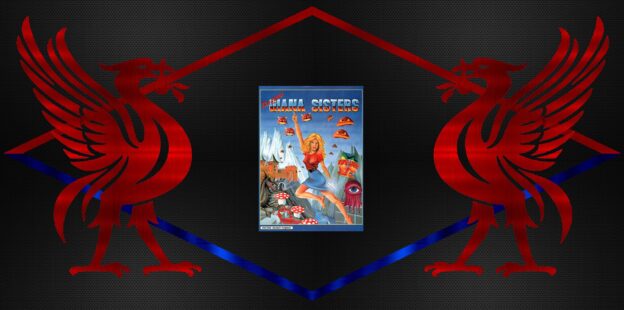
The Great Giana Sisters

The Great Giana Sisters (Amiga, Amstrad CPC, MSX2, C64 & Atari ST)

Developer(s) – Time Warp Productions

Publisher(s) – Rainbow Arts

Designer(s) – Armin Gessert & Manfred Trenz

PEGI – Not Rated (mild non-graphic violence)

Released back in 1987 on various home computers, The Great Giana Sisters is a 2D side-scroller heavily based on Nintendo’s Super Mario Bros. So much so that production was forcefully stopped not long after the release of the game. It has since gone on to develop a cult following among gamers of the home computer era. But after having played it myself, I don’t get the hype. I stumbled upon this story whilst playing one of the more recent games in the series, Giana Sisters: Twisted Dreams. Which I plan to review in the future. But to me, it’s fair to say that the series had far more tenuous origins. 

Graphics – 4/10

The first thing that makes this game an obvious rip-off (apart from the title, of course) is the graphics. Using almost identical color palettes and scenery to that of the original Super Mario Bros, the only elements that work to differentiate it from the former are the main character and the enemy designs. Only one of the enemy designs stood out positively for me. Which was the pterodactyl enemy that swayed from side to side? Giving it a different dimension compared to other enemies, so to speak. But apart from that, the rest of the enemy designs are only slightly modified versions of Super Mario Bros enemies. And it’s no wonder Nintendo threatened to sue. 

Gameplay – 5/10

The gameplay, however, is only partially valuable. This is the only reason I can think of that it has garnered as much of a cult following as it has. Again, identical to that of Super Mario Bros, players get 33 levels to traverse through, whilst collecting diamonds and defeating enemies. If I were around at the time, I probably would’ve recommended it to anyone who had played pretty much every platformer out there. And they were still looking for something else. If they could get a copy of it before production stopped. But if you were to ask me today, there have been countless side scrollers released since this one that I would rather recommend. 

Controls – 8/10

An element that makes this stand out to a small extent (though for very much the wrong reasons) is the controls. Movement is much stiffer than that of the original Super Mario Bros., and it’s considerably harder to jump from place to place. Which, in a game that relies as heavily on platforming as this does, is a problem. It doesn’t have the worst controls I’ve experienced across games of the home computer era. Or even across other games on the NES. Including the original Mega Man. But the stiffness of the controls still comes across as counterintuitive.

Lifespan – 6/10

Talking about the average amount of time it took to complete a side scroller back in the late 80s, it can be made to last around half an hour. Though most gamers will probably choose to give in after 2 minutes and just play Super Mario Bros if they want a decent side scroller. 

Storyline – 4/10

The game’s story was also similarly lazily handled. It follows Giana, who is trapped in a dream world in search of her lost sister Maria. So in essence, it rips off the gameplay from the original Super Mario Bros and rips off the story of Super Mario Bros 2. Whilst the story would only be explained in manuals at this point in gaming. And would only be minimally expanded upon during the actual game. Still, it stands out as one of the most generic video game stories of the third generation. 

Originality – 0/10

Throughout this review, I have complained extensively about how hardly anything stands out, and the elements that do stand out are for the wrong reasons. There have been Super Mario Bros rip-offs that have been released since, which do have some small merit to them; for example, Super Bernie World. But this has no merit in terms of originality. The series would later be miraculously expanded upon for the better. And I do intend to cover some of those other games in the future. But as for where it started, I can’t say enough bad things about it.

Angrii

Overall, the only positive thing I can say about The Great Giana Sisters is that more and better games would follow it up. It’s a blatant rip-off that was rightfully pulled from the shelves and has languished in obscurity since. And for plenty of legitimate reasons. 

Score

27/60

4.5/10 (Mediocre)

The Mooseman (PC, PS4, PS5, Vita, Xbox S/X, Switch)

Developer(s) – Morteshka 

Publisher(s) – Sometimes You

Director(s) – Vladimir Beletsky

PEGI – 7

Conceived by Russian developer Vladimir Belentsky of Morteshka Studios and released in 2017, The Mooseman is 2D Sidescrolling, narrative-driven puzzle game designed as an artistic reconstruction of Komi and Finno-Ugric mythologies. While I was relatively impressed with the visual direction taken with this game, and its attempts to convey a unique story in and of itself, it’s unfortunately a very minimalistic title, having too little to do and lasting too short a time to be considered memorable among other gaming experiences.

Graphics – 7/10

The first thing to notice is the game’s unique take on conceptual design, borrowing various aspects of predominantly northeastern Russian Mythology, while also conveying a mostly peaceful and somber atmosphere throughout. Despite there being bursts of tension while encountering certain dangerous animals throughout the game, the whole experience can at least be viewed as relaxing for players looking for a less tense and action-packed title, and something easier to get to grips with than the average action-adventure RPG, for example. 

Gameplay – 3/10

But unlike many action-adventure RPGs, The Mooseman lacks a lot of substance in gameplay, with the player having to mostly avoid enemies for the most part and solve a few puzzles here and there. There is also a collectibles side quest, but not much of anything else, unfortunately. It’s at this point, as I find with many other games like it, that I feel like it would’ve worked much better as a film or animated short. The most important aspect of a video game to me is how enjoyable it is to play. Or unenjoyable. And unfortunately, here, there’s not enough to enjoy to keep players engaged for even the small amount of time it lasts. 

Controls – 10/10

The game also poses no problems in terms of controls. But as long as the developers knew the fundamentals of video game controls, it was never going to. But by the same token, it also offers no innovation in terms of how a game’s control scheme works. Which, for me, made the game all the more underwhelming. 

Lifespan – 1/10

The game can be made to last barely an hour, which, for a relatively modern game, is nothing. Of course, with more gameplay substance and content, it could’ve gone on to become far greater than what it turned out to be. But unfortunately, it’s a game that falls short of the average gaming experience, and furthermore, there are far too many games like this that are being released and somehow enjoyed. And it has created a very niche and unwelcome subgenre of games in the same strata, and it’s not a good thing. 

Storyline – 5/10

The story follows the titular Mooseman as he journeys to the underworld to save the world from eternal cold by retrieving the sun. In terms of its basic premise, it sounds amazing. But even in this aspect, there isn’t a great deal of elaboration on the story here. A lot of the story is incorporated into collectibles that the gamer may or may not be bothered to find. And again, among this subgenre of short, minimalistic games, the player should come to expect more in this respect at least. But again, they might as well have made it into a film to put as much emphasis on the story as possible. 

Originality – 4/10

The only thing I would say that is original about this title is its artistic direction. Based on a mythology much more obscure than the typical medieval fantasy or sci-fi settings of a lot of other games. But apart from that, there is no originality to be had with this game. It relies on elements that have been seen throughout gaming many times before and after its release. And there’s not even enough of that to keep it engaging. It’s uniquely bad.

Angrii

Overall, The Mooseman is by no means an enjoyable experience. Its gameplay is boring, its control scheme is uninnovative, and the experience is far too fleeting. I can’t recommend it even on an ironic level, unfortunately.

Score

30/60

5/10 (Far Below Average)

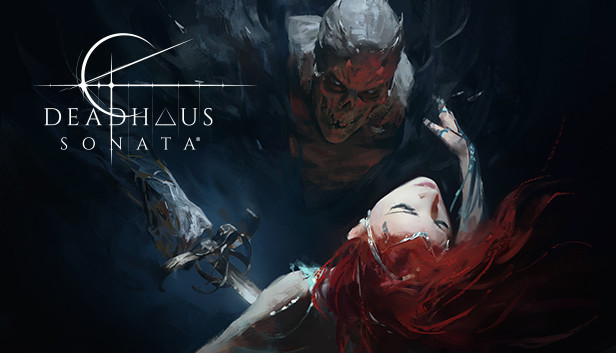
Deadhaus Sonata 1

Deadhaus Sonata: First Impressions

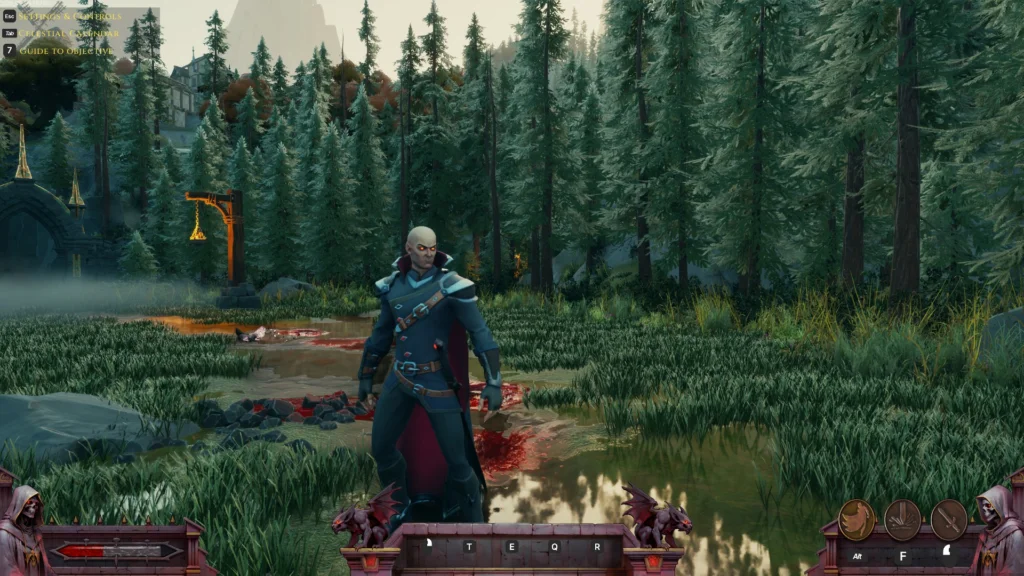
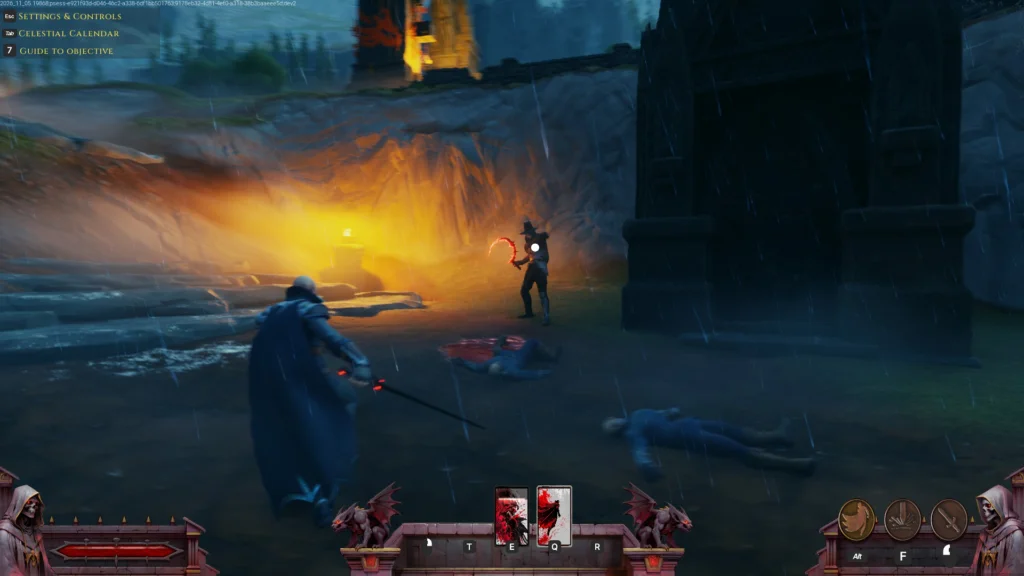
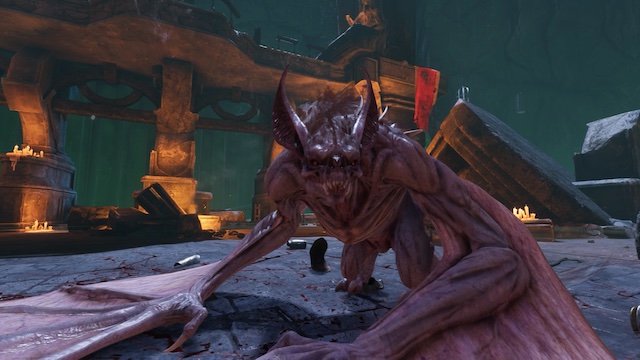
Released last week on Steam Early Access by Canada-based developer Apocalypse Studios, and helmed by Blood Omen director Denis Dyack, Deadhaus Sonata is at its core an action RPG with a heavy emphasis on combat, exploration, narrative, and character customization and levelling up to become more powerful as the game progresses. I’d been following the development of this game for a fair few years now. And have been fairly excited for its full release. To see how development would progress from then to now and beyond. It’s an ambitious title with an amphibious team behind it. However, judging by the early access version recently released on Steam, my final verdict is that the potential for this to be a great game is still there. Though there is a lot of work that needs to be done in most respects. 

Deadhaus Sonata 2

Graphics

The game takes place in a vast, open world choked with medieval and gothic architecture. And circumstances that affect gameplay in ways including the weather and alignment of surrounding planets. Which I will further elaborate on. The game is conceptually sound, and certain aspects do make it feel like a love letter to Blood Omen, such as the healing obelisks and collectible cards. 

In terms of technical quality, it sits somewhere between sixth and seventh-generation visuals. Looking like it would comfortably run on a PlayStation 3. I also found a couple of graphical glitches; most notably, when the player is feeding on enemies to regain health, enemies can sometimes veer away from the player mid-feed when they’re not supposed to. From my point of view, I could accept the overall quality of the visuals given the relatively low price tag currently attached to the game. But these glitches desperately need to be ironed out before the final release.

Gameplay

As an action RPG, the objective is to choose a character class (with the only class available at present being the vampire class, with more to be introduced), defeat enemies, and level up your character. The game also has items available to collect, explaining the game’s lore and backstory. As well as a system known as the celestial clock. This determines the type and amount of loot the player can pick up. Depending on factors such as the alignment of the planets, the weather, the time of day, etc. But as it stands, the world can at times feel relatively bare. Like the exploration to be had currently is not rewarding enough for how vast the in-game world is. A plethora of content is planned for release over time. But for now, there is nowhere near enough to keep players engaged with the current build of the game. 

Deadhaus Sonata 3

Controls

The game is easy enough to control, with movement and combat feeling pretty fluid overall. Which was to be expected since Apocalypse Studios’ own Tomo Itagaki having worked on the likes of Ninja Gaiden and Dead Or Alive. It’s about the only aspect of this game that, so far, I have had no reservations about. This may change over time with the introduction of new character classes and how they are handled compared to others. But at least with the vampire class, the development team has gotten the fundamentals right when it comes to this.

Lifespan

Deadhaus Sonata does take a relatively long time to play through as it currently stands. However, there is a ton of content planned for inclusion in this game over a period of 10 years, according to Denis Dyack. With he himself having aspirations for Deadhaus Sonata to have infinite replay value. And being able to be played long after the original development team is gone. I don’t know how exactly this game has the potential to last as long as a piece of string. But there is a lot that needs to be added to make that happen, in my opinion.

Deadhaus Sonata 4

Storyline

The basic premise of the story is that the dead are at war with the living in the desolate world of Malorum. But at the moment, the majority of the game’s story is explained through its lore and backstory. This can be experienced by the player as they collect more tomes. But what I do think needs to happen is that the story needs to be better integrated into the gameplay. Since, as things are now, it can be fairly difficult to invest in. As the story feels far too separate from the gameplay. This wouldn’t have been as much of a problem if the quality of gameplay outweighed that of the story. But work needs to be done on both, and players care more about narrative within video games these days than ever before. 

Originality

It’s rare that a game with as much potential as this comes along and ultimately lives up to it’s own expectations. Deadhaus Sonata is ambitious in both size and scope. And Denis Dyack himself has promised a title that truly stands out within the gaming industry. But as I’ve emphasized a few times now, there is a lot of work that needs to be done here in order to realize that vision. Otherwise, it may just become another failed experiment. Especially if the core issues of the game are not addressed within the next 18 months, and player interest is not maintained.