Monthly Archives: April 2021

Braid (PC, PlayStation 3, PlayStation 4, PlayStation 5, Xbox 360, Xbox One, Xbox Series X & Switch)

Braid

Developer(s) – Number None

Publisher(s) – Number None & Microsoft Game Studios

Director(s) – Jonathan Blow

PEGI – 12

Released back in 2009, Braid was one of the games that truly kick-started the influx of independently developed games, which would be seen throughout the eighth generation and beyond, along with the likes of Minecraft, Fez, and Castle Crashers. It was received with universal acclaim upon release, proving to be one of the most influential games of the 21st century. With many critics even citing it as one of the very best games of all time. Although I found it to be brimming with artistic merit and certainly having well earned its place within gaming history, I wouldn’t go so far as to call it one of the best of all time. Nevertheless, there was a lot to be enjoyed with this one.

Graphics – 10/10

The first thing to notice and to truly be awe-inspired by is the visuals. Hand-drawn and taking place within environments are equally vibrant and colourful, as well as dark and ominous. Visually, the game was expertly put together to the extent that it makes players feel that this wasn’t programmed on a computer by a developer. But rather painted onto a blank canvas by a master artist. The game’s soundtrack is also expertly composed by three classically trained musicians. Further perpetuating the contrasting feeling of calmness and ambiance with that of danger and dark portent. 

Gameplay – 7/10

The game is a 2D side-scroller with puzzle-solving elements to it, similar to a lot of indie experiences that have seemingly been influenced by it. Such as Chronology and The Swapper. It also features a lot of gameplay elements similar to those of the Super Mario series. The puzzle-solving element is not quite as intricate or subtle as it is in Jonathan Blow’s future game, The Witness. Nevertheless, players will have to have their thinking caps on in order to progress through this game. The puzzles can be particularly challenging at times. 

Controls – 10/10

Aside from the jumping controls feeling somewhat stiff, the game’s control scheme poses no problems at all. All I would suggest is to get either the console or Steam version, since all these versions offer controller support. Unlike the PC version on CD-ROM, which forces players to use the keyboard. This is exactly how a game like this should never play out. At least with the Steam version, keyboard mapping becomes available. 

Lifespan – 3/10

Braid can only be made to last around 2 hours. Which, for a game that came out in the middle of the seventh generation, is nothing. Especially since its release, there have been plenty of other games made in the same ilk that have been made to last considerably longer than this. This is the main reason why I’ve not been so hasty as to label it one of the best of all time. Whilst having as much artistic credibility as this game does, it should only be secondary to things like gameplay. And in this day and age, lifespan, and I didn’t find that it was in this case. 

Storyline – 7/10

The story of Braid tells of a man named Tim who is searching for his princess, who has been taken by an evil monster. Like Super Mario Bros, the game’s story sounds extremely simplistic in scope. And again, for a game that was released when it was, you may think that wouldn’t be enough since games were becoming more geared towards telling stories. But what makes this game hold up in that respect is in the details. Plot threads and backstories are accessible throughout the game. And it gives it more substance than players may think at first glance. There are also a few twists and turns before the end that players will not see coming at all. 

Originality – 7/10

Whilst this game was by no means the first game to do the majority of things that it does do, the fact of the matter is that it went on to inspire a new generation of developers to come up with their own ideas and share them with the world, and props need to be given to both Jonathan Blow and the team of developers behind it. This game, along with many other games released around the same time, taught the new generation that they don’t need to be part of the mainstream to realize that they can become successful developers. And that, with the know-how and the effort, a great game can be developed on a budget. 

Happii

Overall, Braid, whilst I can’t bring myself to consider it one of the best, is certainly one of the most influential. And still quite a lot of fun for the short time it lasts. Jonathan Blow went through an arduous process to bring this game to life. And in the end, he deserved his success. 

Score

44/60

7/10 (Fair)

Savage Halloween (PC, PlayStation 4, Xbox One & Switch)

Savage Halloween

Developer(s) – 2ndBoss

Publisher(s) – 2ndBoss

Designer(s) – Abdel de Oliveira & Fernando Rodrigues

PEGI – 7

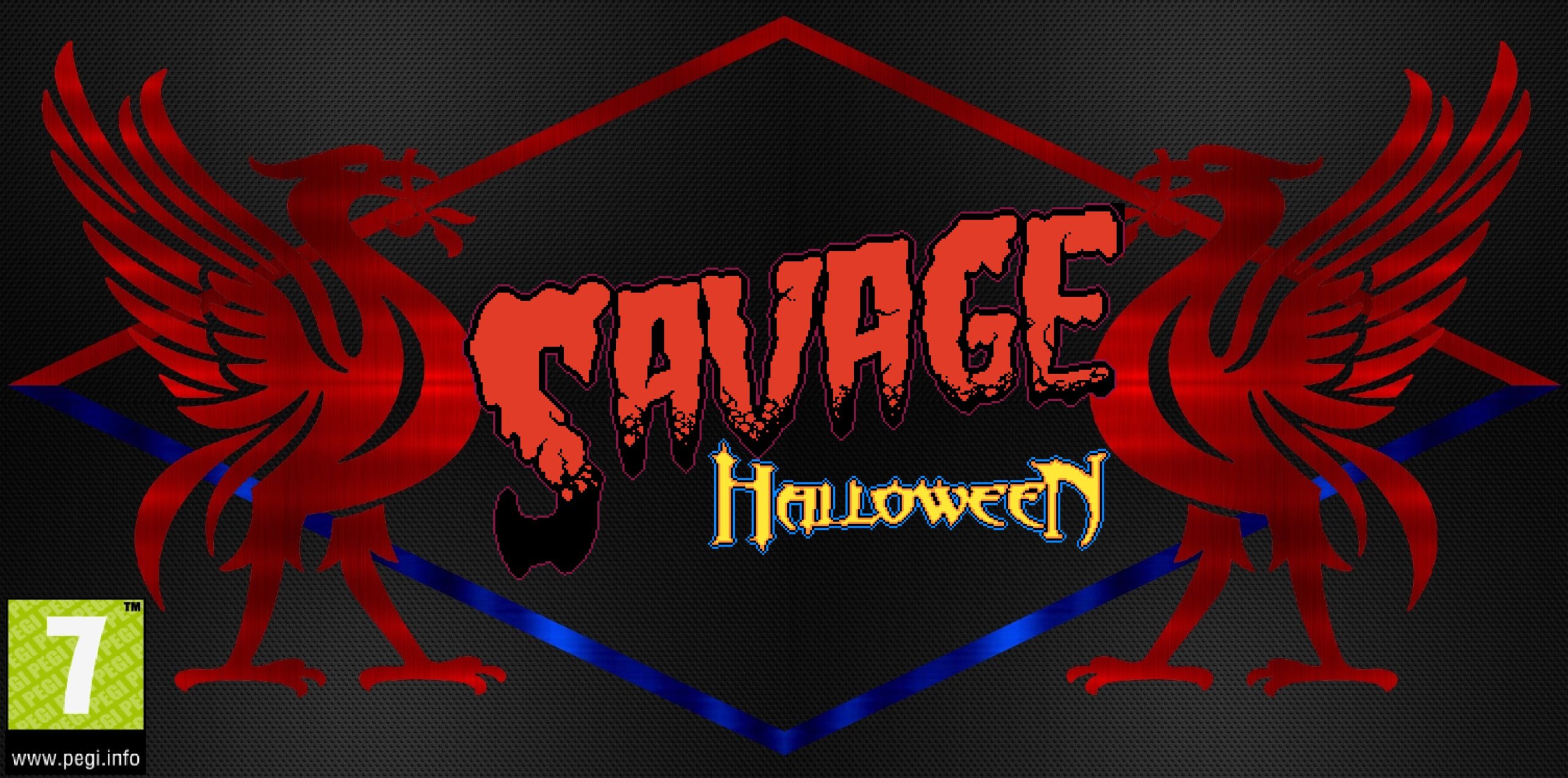
Developed as a love letter to several NES classics, most notably Castlevania and Contra, Savage Halloween is an 8-BIT side-scrolling shoot ‘em up set in a world based on several tableaus associated with Halloween. And boasting a massive amount of variety in gameplay. I’d seen previews of this game before playing. And yet, I was still taken aback by just how good it is. It’s definitely one of the standout retroactive indie experiences of 2020. 

Graphics – 8/10

Taking place in a world reminiscent of classic works and characters of horror, including Frankenstein and Dracula, there is as much variety in terms of visual design as there is in gameplay. With multiple characters and its horror-styled setting, the game that reminded me of most in its graphical design is actually Castlevania III: Dracula’s Curse. But at the same time, the game also does well to differentiate itself from the former. Each level perpetuates a different subject of horror. Such as circuses complete with clowns and circus monkeys, along with a couple of elements that don’t necessarily do that. As the mini gun-wielding Santa Clauses.

Gameplay – 8/10

Though the game is primarily a side-scrolling shoot ‘em up, there are also a number of gameplay sequences that challenge the player in a number of different ways, reminiscent of other classic games. Such as Battletoads and Gradius, including on-rail shooting sequences. Like in Contra, there is also a massive amount of variety in terms of weapon choice. With machine guns, burst weapons, and guns that fire ghosts and exploding chickens. There are three characters to choose from at the start. Each has its own strengths and weaknesses. So the game is designed to be played 3 times at a minimum, and each of these three playthroughs offers a new experience and challenge. A challenge that also doesn’t seem too inaccessible, like the likes of Mega Man.

Controls – 10/10

The game’s control scheme is also exceedingly simple to get to grips with. Especially if you’re a fan of the third generation of gaming. And poses no problems whatsoever. The only distinction that I suppose can be made is whether players may prefer to use the analog stick or the D-pad. Either one works fine. That being said, it is also quite impressive how the developers managed to cram as many different control mechanics into this game, with the amount of gameplay variety there is compared to other titles of the era of influence. 

Lifespan – 7/10

One playthrough of the game can last about an hour and a half. But as I said, this was a game designed to be played multiple times. So it can be made to last as long as the player desires, ostensibly. Especially with the included traditional incentive to try to beat your high score. So the bare minimum that this game should be made to last is 4 and a half hours. But there is definitely scope for more playtime than that. 

Storyline – 7/10

The story of Savage Halloween is that a vampire hosting a 24-hour Halloween rave for creatures of the night has decided to close the portals leading back to Hell so they can continue to rave forever. The three main characters, James, Dominika, and Lulu, have been called in to defeat the night creatures and stop the rave. It’s not exactly a story that reinvents the wheel. But it’s just as wonderfully insane and outlandish as any story associated with gaming in the third generation. It’s a concept somewhat reminiscent of A Nightmare Before Christmas, in fact. As that’s one of my personal favorite films, the story concept of this game works pretty well for me. 

Originality – 8/10

Although Savage Halloween has been influenced by a great number of games that have come and gone before it, all the elements of which do come together to nicely form its own cohesive concept. And it stands out to a great extent as a result. It was also rare in the third generation to come across a platformer whereby the high score played as much of a role as it does in this one; something which only generally has meaning in arcade games such as Space Invaders and Pac-Man, so this game does quite well to go against that tradition as well.

Happii

Overall, Savage Halloween is a title I can’t recommend enough. It’s entertaining, challenging, wonderfully varied, and will provide players with hours of fun. 

Score

48/60

8/10 (Very Good)

Lucy Dreaming

Q&A With Tall Story Games

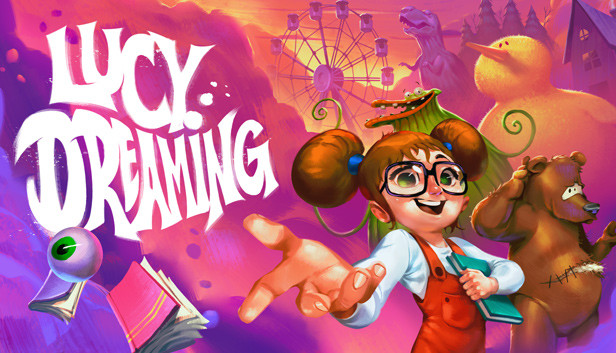
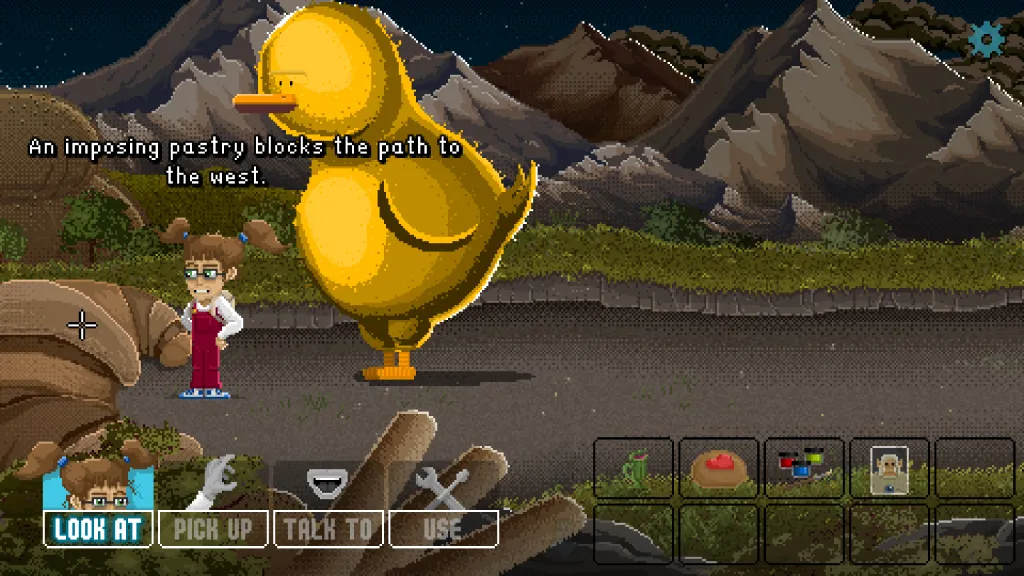
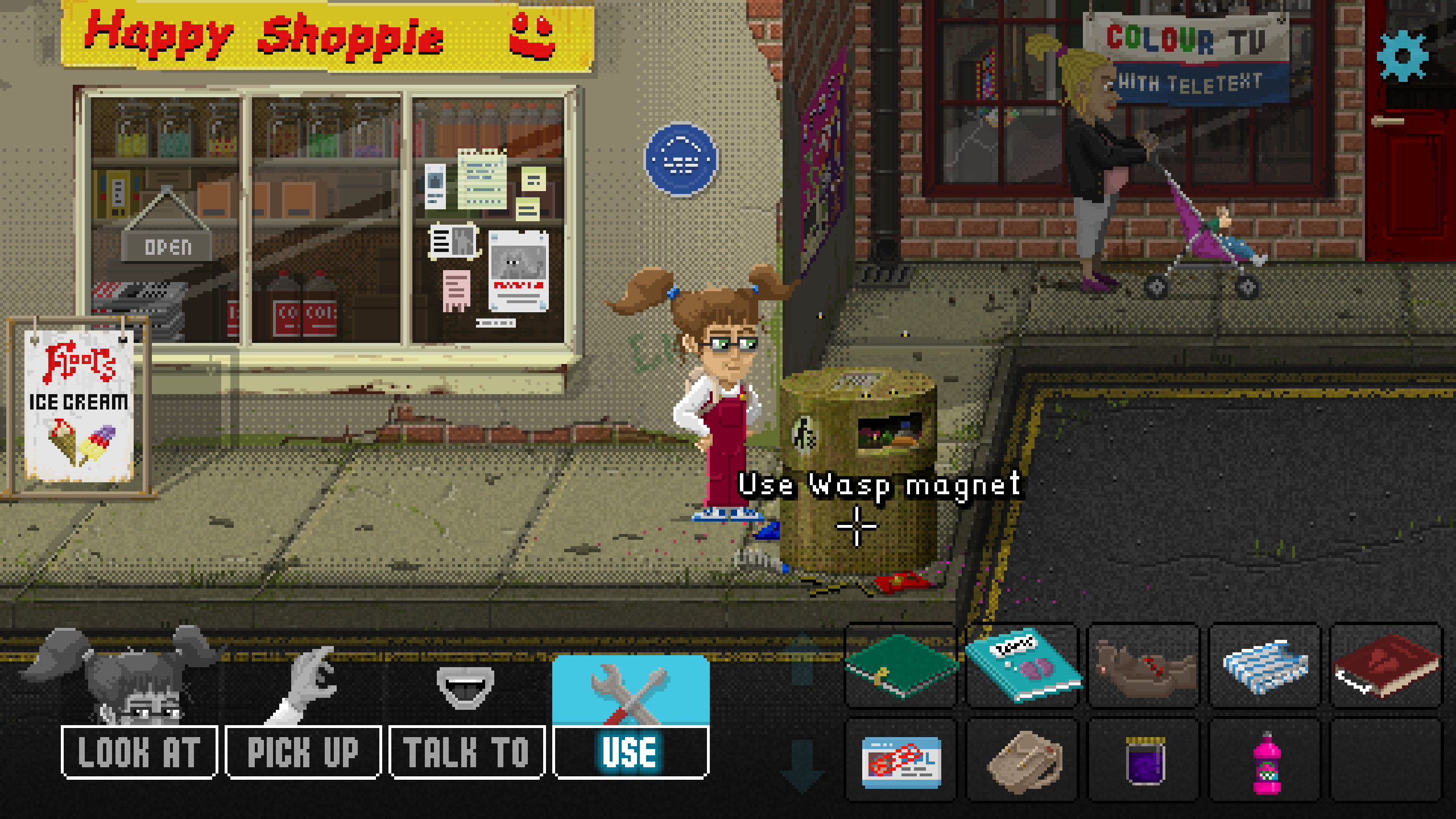
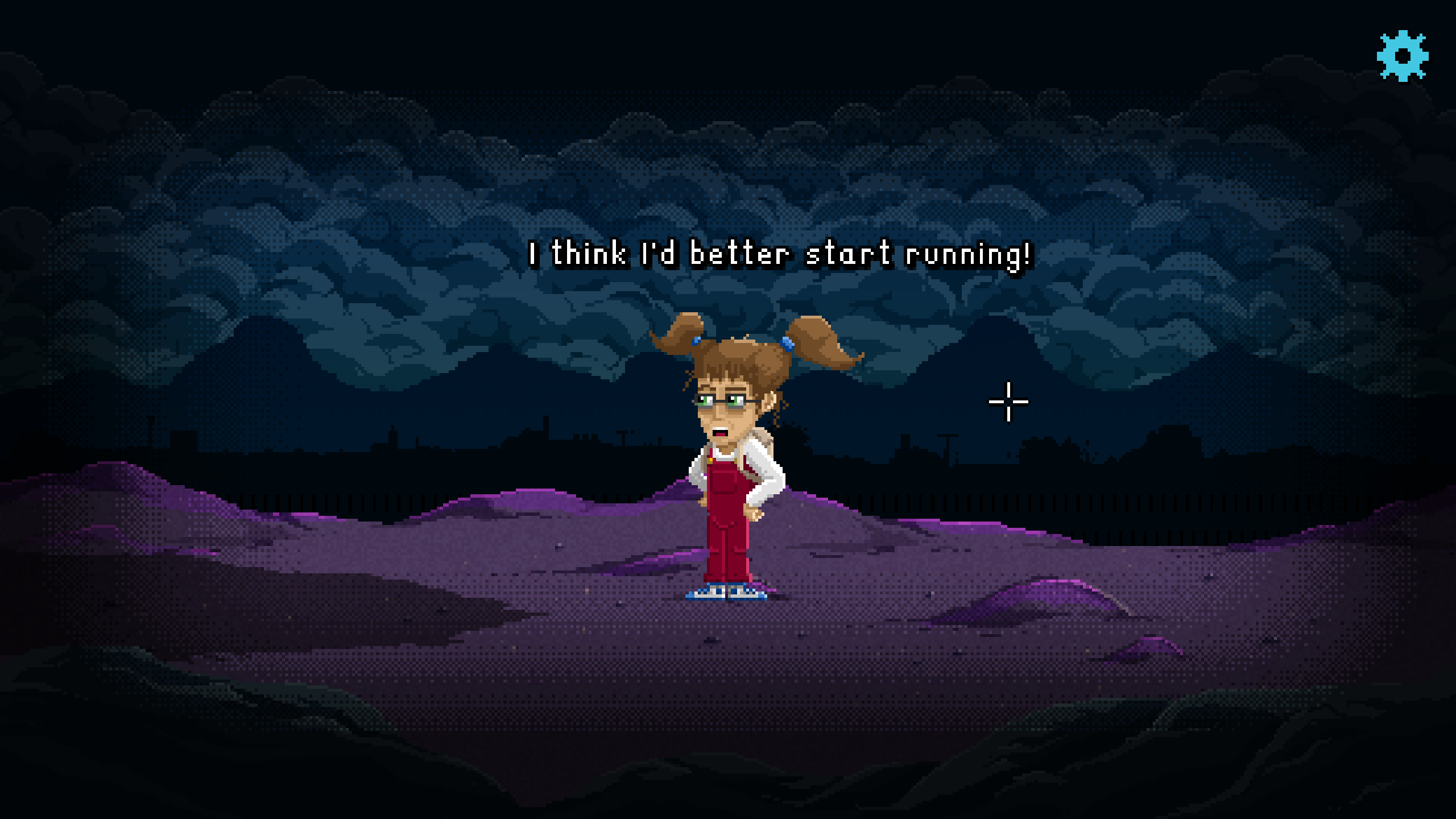
Whilst once again scouring Kickstarter for more new video game prospects. I came across a couple of games in a genre that, generally speaking, I don’t spend enough time covering. But this game captured my attention in a way that few others do. Lucy Dreaming is a point-and-click adventure game made as a love letter to the works of LucasArts. Including Day of the Tentacle, the Monkey Island series, and Full Throttle.

Developed by Tall Story Games, based in the English West Midlands, it centers around a young girl named Lucy. She must travel between dreams and reality to discover a disturbing truth about Lucy’s subconscious. Eager to know more, I contacted the game’s lead developer, Ton Hardwidge, to pose some questions in regards to not only the game but also in regards to the point-and-click adventure genre itself. I was curious to get an indie developer’s perspective regarding how well the genre is represented compared to the likes of the 2D Side Scroller, Metroidvania, or 3D platforming genres. So that being said, here’s what Tom Hardwidge of Tall Story Games had to say about Lucy Dreaming:
Lucy Dreaming 2

What were the influences behind your game?

It’s fairly obvious to anyone looking at the pixel artwork or user interface of Lucy Dreaming that the LucasArts adventure classics from the 1990s are a huge inspiration for the game. I’ve made no effort to hide this fact. And I am proud to call it a love letter to all of the titles that gave me so much joy growing up. Monkey Island and Day of the Tentacle made a huge impression on me. And I never, even in my wildest dreams, thought it would be possible to create my own point-and-click adventure games.

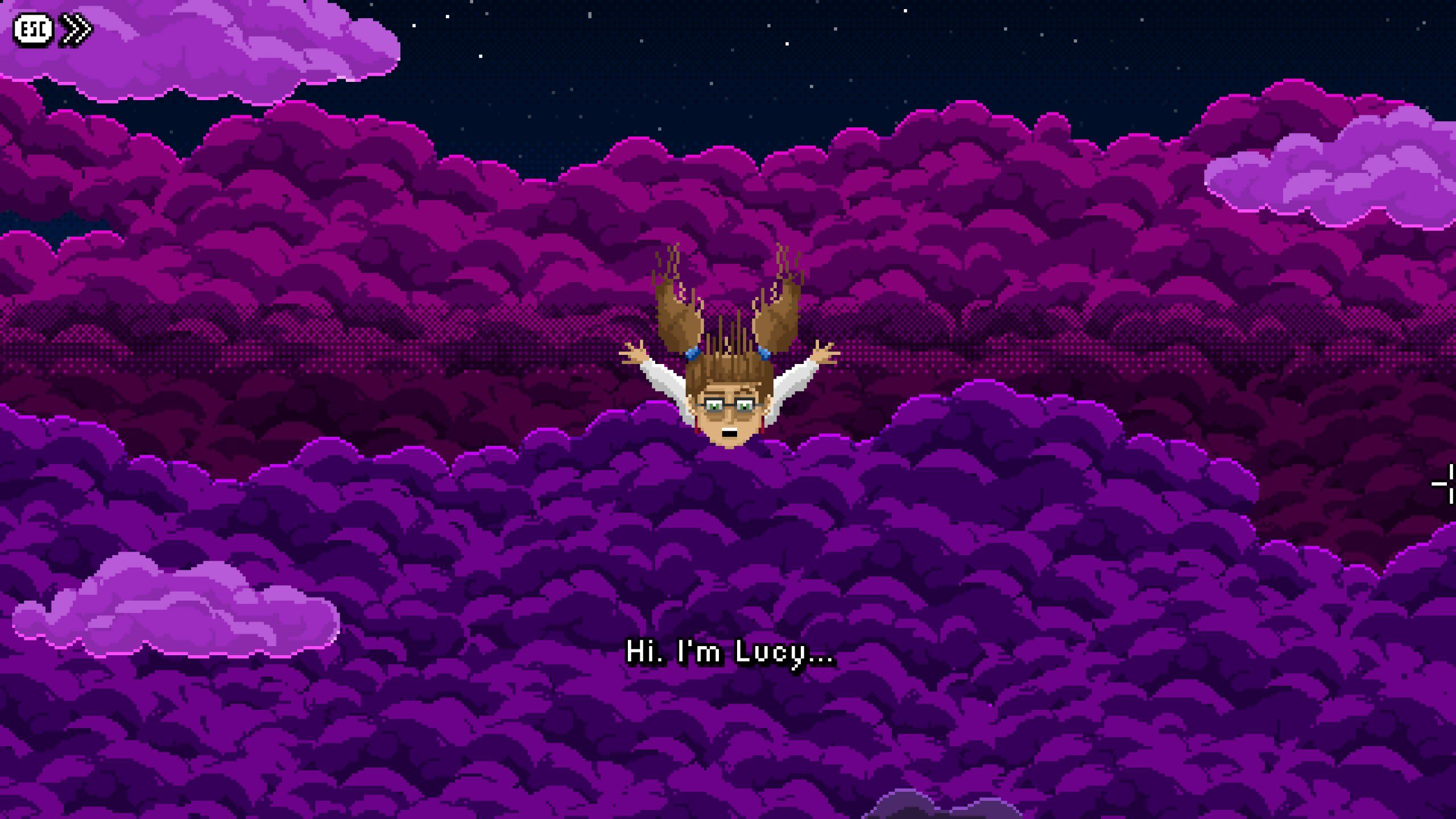
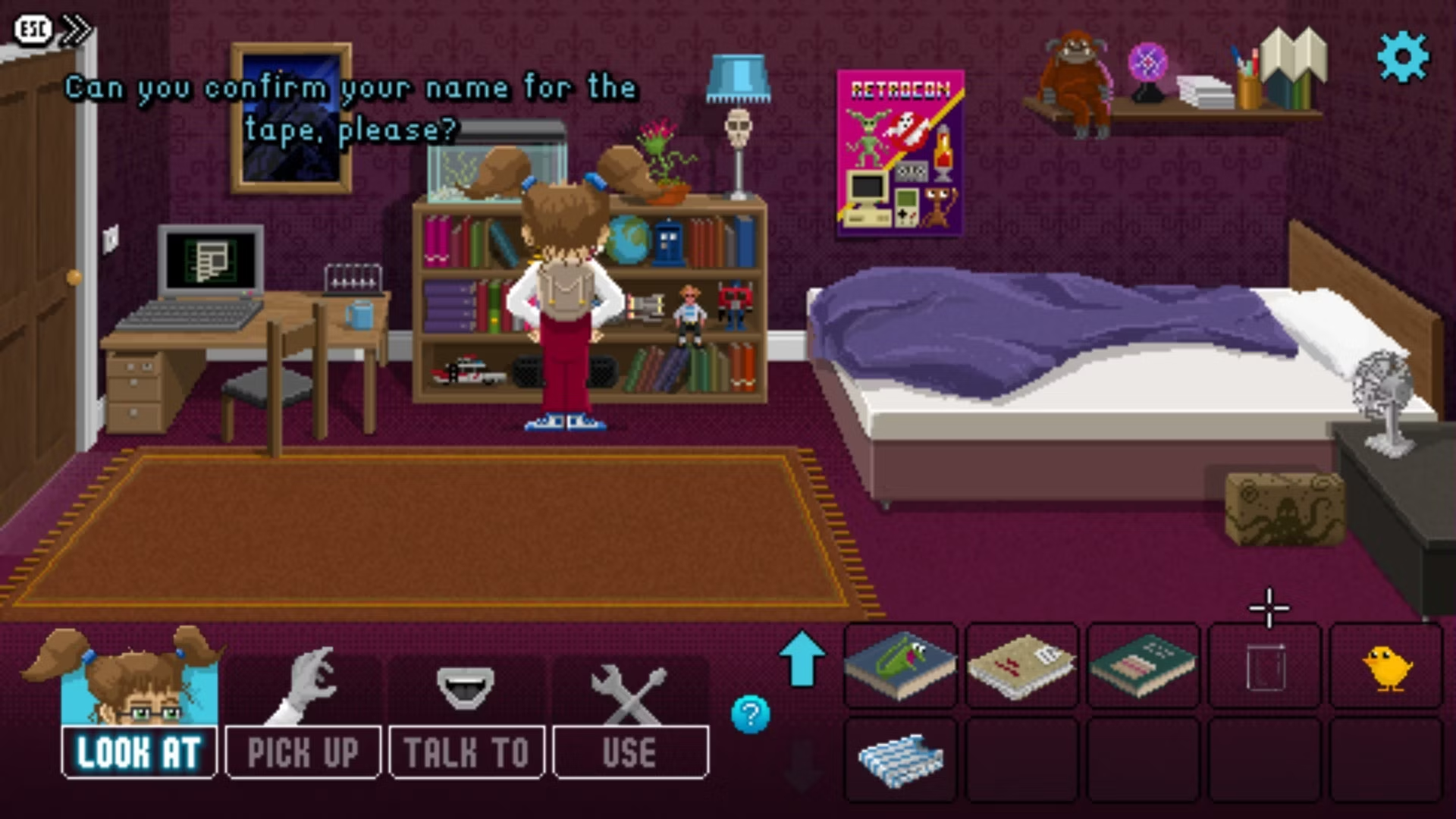
The initial concept for the game came from the fact that our house is littered with children’s books. We have a six-year-old son who loves reading and often dreams about characters and scenarios in his books. I was already trying to think of a concept that would provide flexibility in terms of scenes, characters, and artwork. And dreams were the perfect candidate. I won’t divulge too much about the mechanics of the full game. But books play an important part.

What has the developmental process been like?

This is our first full-length title, so we knew it was going to need a bit more planning than some of our previous, shorter games. That said, a lot of the puzzle development in the game is organic. Having a narrative plan mapped out, which contains all of the important milestones and plot points along the way. But in terms of the puzzles themselves, a lot of them are created in situ. I will design a scene and start cramming it with random objects.

I hate large areas of space, so I always want to put a picture on the wall or stuff the shelves to help add interest to the scene and support the wider story of the game. Once I have filled up a scene with bits of random crap, I then look at the task in hand and think to myself, “If I were in this scene, what would I do next?” or “I wonder what’s in that cupboard over there.” As I oversee the story, artwork, and development, I can change anything on a whim if I think I can make it work better. Or there’s an opportunity for a gag.

How close are we to seeing the finished product?

We’re aiming to have a finished game within 12 months of the Kickstarter campaign ending. I tend to get carried away and over-deliver. So, although we have proposed 8-10 hours of playtime, it may well be a bit over that. The version of the demo available to play on Steam and Itch.io is actually the second one that we’ve produced. The first one was finished at the end of 2020. When tested, it had an average playtime of over two hours. We felt this gave away a bit too much of the full game’s mechanics and story, so we decided to “bank” it as the first two hours of the full game instead and create an entirely new demo prequel that had unique puzzles not found in the full game.

For anyone backing the game on Kickstarter, we will be involving them in discussions about the game on our VIP Discord channel, too. So they can help to shape the game they have supported.
Lucy Dreaming 3

What has been the most exciting aspect of development?

As I’m doing the whole lot, it’s very hard to separate them into different aspects. It’s all a single, intertwined process. If I had to pick one element, it would probably be the puzzle design itself. It involves a little bit of everything. Sometimes a puzzle will be purely visual,

sometimes it relies heavily on the dialogue and other little clues. Honing a puzzle so that it’s just the right level of difficulty is so much fun. I’ll watch testers and streamers play through a puzzle and try to spot where they get frustrated, bored, or delighted. I can then tweak the whole experience to make it as smooth as possible without handing them the answer on a plate.

What has been the most challenging aspect of development?

Without a doubt, it’s been the publishing of the game to the various app platforms (namely, Steam and the Google Play Store). As a first-timer to the process, I can honestly say that it’s been one of the most confusing and frustrating things I’ve had to deal with. It’s like a badly designed adventure game puzzle in itself. The clues are poorly signposted, and the dialogue is unhelpful. But, as an adventure game puzzle, there is immense satisfaction in finally figuring it out on your own.

How well has the game been received so far?

So far, it’s been received well, and anything that has been picked up in terms of bugs or potential improvements to the puzzles has been sorted in subsequent releases. I’ve watched a lot of gamers playing the demo since it launched, and so far, it seems to have been universally enjoyed. A few people find a northern British accent inherently annoying, but they are vastly outweighed by the number of players who love Lucy and the voice actor’s sassy northern lilt (which is just as well, because it’s my wife and business partner, Emma!)

There’s nothing more satisfying than watching people laugh out loud at the jokes. And there are hundreds in there if you like exploring. The demo alone contains over 1,100 unique responses and dialogue. If you want to suffer an onslaught of bad puns and “dad jokes,” try talking to all the objects in each scene. You might discover a few hidden references and Easter eggs, too.
Lucy Dreaming 4

What platforms are you looking to bring the game to?

The game engine that I’m using is called Visionaire Studio, it’s purpose-built for point-and-click adventure games and supports a huge number of platforms. For the basic level of funding on Kickstarter, I am promising releases for Windows, macOS, and Linux. But there’s also a stretch goal for iOS and Android (the demo is already available to download from the Google Play Store). Point-and-click games with a traditional SCUMM-style interface lend themselves to touchscreens. I would love to release Lucy Dreaming on Nintendo Switch, too. But publishing a game for Nintendo is a bit of an unknown for me, even though the game engine supports it from a technical point of view.

Can you tell us anything about the pending stretch goals planned for the Kickstarter campaign?

Since the campaign launched, a lot of people have reached out to me to ask about support for different platforms and languages. So in the name of transparency, I have actually made the decision to publish the initial plan for stretch goals. At the time of writing, we haven’t fully funded. Although we did manage to reach 50% of our goal in the first 11 hours of the campaign, and were handpicked as a Kickstarter “Project We Love”, so we’re hopeful!

Have there been any ideas at this stage of development that have since been scrapped or reworked?

Probably more than I think! If I got back and checked my original notes, there would undoubtedly be things that I’ve forgotten or moved away from since I started this project 12 months ago. The main thing that has changed is the name of the game itself. We originally called the game “Lucid Adventure”. Subsequently, we had to scrap a couple of months into the project. I had failed to do my research properly and completely missed the fact that there was already a game with the same name. After a quick brainstorming session with other indie developers and game industry professionals, we settled on “Lucy Dreaming,” which is a play on “Lucid Dreaming”, the key concept behind the full game.
Lucy Dreaming 5

Do you believe the point-and-click adventure genre has been adequately represented throughout the indie community?

Absolutely, the indie game community is keeping the genre alive, and some spectacular new titles are being produced all the time.

I am relatively new to the whole indie game dev scene. Starting by making a browser-based point-and-click adventure for The Roman Baths in 2019, programming the whole thing from scratch in HTML, CSS, and JavaScript. Then, a year later, I used the same “engine” to build another game to raise money for charity Women’s Aid during the first UK lockdown. After this was well-received by adventure game fans online, I looked into game development in more detail and discovered a whole world of professional game engines. And the most welcoming, creative, and supportive community it’s ever been my pleasure to be a part of. A year later, here I am, constantly rubbing my eyes in disbelief and immensely proud to call them my friends.

How instrumental has player feedback been in terms of shaping the course of the project?

Feedback from players, other devs, publishers, friends, and everyone around me is a huge factor when producing a game like this. There’s no room for arrogance. If players falter and don’t have a smooth, enjoyable experience, it’s my fault.

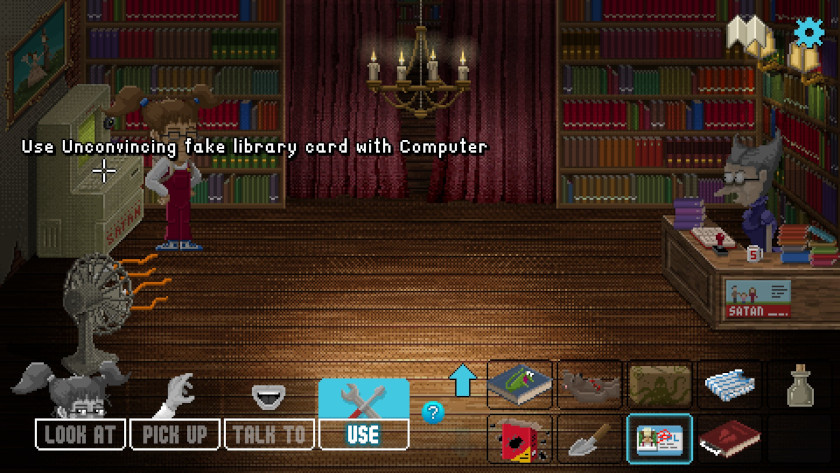
At the beginning of the project, I went back and forth for a long time just working out which verbs to include in my SCUMM UI, there are strong opinions in both the “I want all of Ron Gilbert’s original verbs” and “No verbs, just a left, and right-click!” camps. And I wanted to strike a balance between the two.

It seemed like a huge deal in the early stages of the development, but now that the demo has been honed and polished, no one playing the game has had any cause to complain or even mention the UI. That, for me, is the greatest compliment. As it means it is doing its job perfectly. I still welcome feedback on all platforms and on all subjects. I am new to this industry. And if I don’t listen to my peers and my audience, I’m going to fall at the first hurdle.
Lucy Dreaming 6

Do you find that taking such a self-reflective approach to making this game through your own blog posts has improved your personal developmental skills?

I think it’s helped me retain my humility. I don’t plan my blog posts. Rather, I just open up a blank screen and let my brain spew out all over it. It’s hugely cathartic. And the blogging process has helped me to understand how I feel at each stage in the process. If I’m happy, frustrated, or confused, I let it all out. And it somehow solidifies into something I can reflect on. I’ll read them back and think “Oh, so THAT’s why I’m so annoyed.” Or “Tom, you’re being a nob, just listen to your critics.” It’s also great to have a record of all my transient thoughts and feelings throughout the project. I’m sure if I read some of my early posts now, I would have forgotten nearly everything I wrote at the time.

If you had the opportunity to develop a game with any company or for any franchise, which would it be, and why?

Ooh, that’s a tricky one. I’ve been running my own design agency for over a decade, and I’m not used to being told what to do. I’m also not very good at managing other people. So if I were going to develop something for another company, it would probably have to be a client/agency relationship as opposed to working within a larger games studio.

Under these circumstances, I think I’d probably like to work on a point-and-click adventure for a book like Luke Pearson’s Hilda. The characters and settings are an absolute wonder. And if I had similar freedom to expand and build on the world he’s created. As Netflix has done, that would be truly magical. Of course, it would need to be a pixel-art interpretation, which is probably sacrilege, hey, this is my fantasy!

It’s also mentioned on the Kickstarter page that your young son, Robin, has made unintentional contributions to the game, too. Do you see a lot of your own creative side in your son from an early age, and would you like him to possibly follow in your footsteps as a developer?

I will be delighted with whatever he decides to do as long as he’s happy. At the moment, I love collaborating with him as we walk over a mile to school every morning. We play a game called “puzzles” where we take turns to make up a puzzle that needs solving, then look around us and solve it with whatever comes to hand. This has created some incredible ideas that I would have never thought of. And I write them all down. From a penny-farthing skateboard to a woodpecker-on-a-stick for digging holes. The little chap is a veritable goldmine!

He also draws and writes a lot! I have a whole stack of Lucy Dreaming “fan art” on my desk, created by Robin. And I hope that his delight in creativity stays with him.
Lucy Dreaming 7

Do you have any advice for aspiring developers who may be reading this?

Get involved in the indie dev community. Anything and everything can be learned from the best and nicest people in the industry. Don’t be daunted by the prospect either. You’ll assume that everyone knows more than you do, but your thoughts and feelings are valid too. Have confidence in your own ability and don’t forget to have fun. I mean, that’s why you’re doing it, right? Getting involved in a wider community gives you a sounding board for ideas, collaborators for the future, and constructive criticism when you don’t think you need it. And tremendous support when you do.

Where on the Internet can people find you?

I’m on Twitter mainly, but we also have spots in all the usual haunts. Facebook, Discord, Instagram, Steam, YouTube, Itch.io, our website … take your pick!

https://twitter.com/tallstorygames

https://www.facebook.com/tallstorygames

https://www.instagram.com/tallstorygames/

https://lucy-dreaming.com/

https://discord.gg/aExm5ZhtdE

https://www.youtube.com/channel/UCByVD7k0-JiLw5Cv80mS8kA

https://store.steampowered.com/search/?publisher=Tall%20Story%20Games

https://tallstorygames.itch.io/

Do you have anything else to add?

I love what I am doing and am always happy to talk (at length) about it. So if anyone has any questions or just wants to say “hello,” you know where to find me!

Oh, and back Lucy Dreaming on Kickstarter now!
Lucy Dreaming 8

I’d just like to thank Tom for taking the time out of development to answer my questions regarding this exciting title. It was quite interesting to get his take on this game. As well as the point-and-click adventure game in general. It looks like the genre has a brighter future than I’d realized. And I’m looking forward to this title. As well as any more upcoming games within it that may be coming out soon, in addition. If you like the look of Lucy Dreaming and want to see the project brought to life, you can back the Kickstarter campaign via this link:

Kickstarter Page

But in the meantime, I hope you’re looking forward to this game and enjoyed learning more about it from Tom as much as I did.

Game on,

Scouse Gamer 88

Down Ward: First Impressions

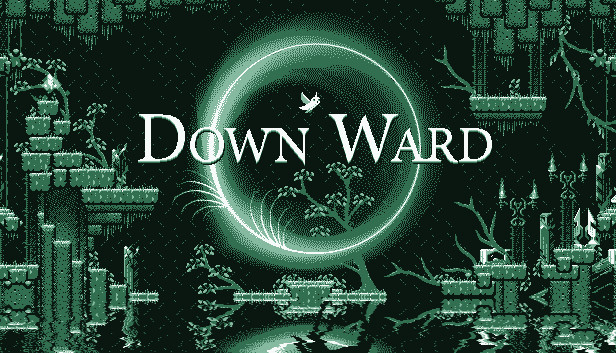
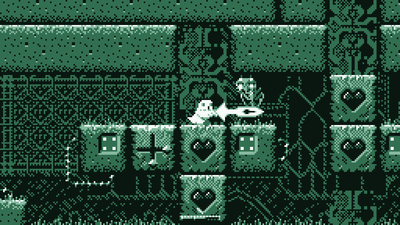
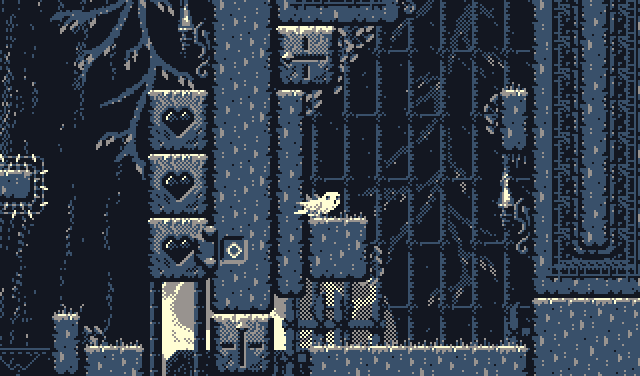
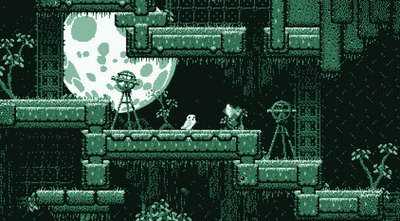
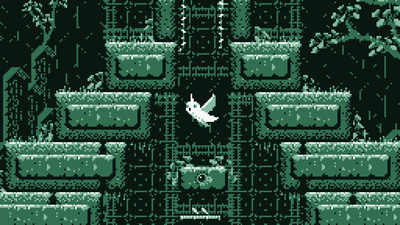
Following on from one of my interviews I conducted this month, I thought I would finally write up a first impressions article about a game that has done exceptionally well to catch my attention in recent weeks. Down Ward, under development at Fisholith Studios based in Costa Mesa, California, is an 8-BIT 2D sidescroller with a heavy focus on combat, unique mechanics, and exploration. It follows the story of an owl named Gable, who must traverse the remnants of a forgotten civilization in order to rekindle its dormant relics. Following a successful Kickstarter campaign, the currently free-to-play game is set to be significantly improved upon by the developers with the backing it has received, which bodes extremely well for this already well-received title. You can play the current build from the game’s Steam, Page via the link below:

https://store.steampowered.com/app/904700/Down_Ward/


You can also read my interview with Fisholith Studios ahead of the game’s overhaul via this link:

https://scousegamer88.com/2021/04/17/down-ward-fisholith-interview/


But in addition, I have also decided to write a first impressions article about what I think of the game in its current form and to get a better idea of what kind of a game it’ll be like when it does get further developed upon. So here’s what I thought about Down Ward in its present state:

Graphics

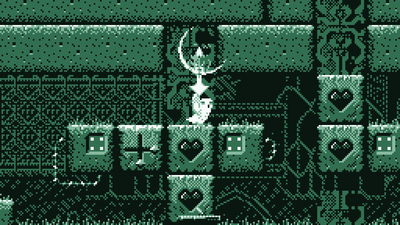
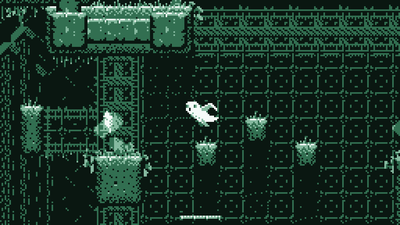
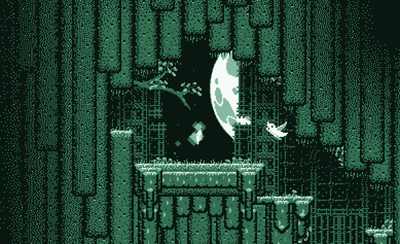
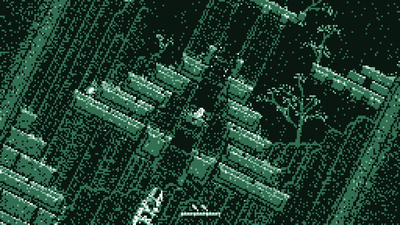
The game makes use of 8-BIT monochromatic visuals similar to several Game Boy classics such as Duck Tales, Super Mario Land, Tetris, and Super Mario Land 2: 6 Golden Coins. The color of the visuals is also interchangeable and can be modified by the player at any time, similar to how the Super Game Boy add-on worked for the Super Nintendo back in the day. But what is most striking about this game is its conceptual design. The use of pixelated art is outstanding and handled with great detail. This was to be expected, as the lead programmer Fi is an artist himself, but I’d only gotten half the idea prior to playing the demo. When looked at more closely, only then does the player get the true feeling of how excellent this game actually looks. 


Gameplay

The gameplay is also very wonderfully varied, which to a certain extent, the visuals themselves assist with. The objective of the standard model is to collect feathers, combat enemies and accomplish one or two side quests within each stage by finding secrets hidden throughout. There is also a speedrun mode for the many aficionados of that particular game mode on Twitch and YouTube, similar to Axiom Verge. The developers have billed this game as challenging, and it’s not hard to see why. Although thankfully, the level of challenge is not to the point of the game being completely inaccessible. The challenge involved lies in being able to identify certain obstacles or traps the player can fall for, or watching out for enemies, as they blend in well with the scenery in most instances. But as well as it is challenging, it’s above all, a very fun game to play even in its current build, so it makes me quite excited about what kind of a game it will be following the modifications to be made. 


Controls

The control scheme is also particularly unique for a 2D platformer with having to run and jump in order to fly across stages and explore higher areas. The game fully supports controller functionality at this point, which is preferable to playing a game like this with a keyboard and mouse. Curiously, the combat system reminded me somewhat of the Ori games, so it’d be interesting if the developers decide to build on that aspect of the game even further as well, and whether or not, a small RPG element could possibly be introduced in the form of a leveling up system or different means of attacking enemies, etc. 


Lifespan

Potentially, this game could be made to last a significantly long time. It would depend on just how far the developer is willing to go in terms of modifying the game they already have, and what more could possibly be added in order for it to warrant lasting a considerable amount of time more than what it already does last. According to my interview with Fi, the team is looking to expand on the game mechanics vigorously. If true, this game can certainly be made to last many hours. 


Storyline

The story of the owl Gable is, in-game anyway, secondary to gameplay, as is the way it should be in my opinion. So even at this early stage, if the developers were to neglect the progression of the story in place of modifying the gameplay as much as possible, I don’t think I would feel particularly bothered by that. It would be nice to have a more in-depth narrative to complement the greater depth in gameplay (for example, there could be a story implemented similar to that of Ori & The Blind Forest or Dust: An Elysian Tail, but even if the level of depth in the story stays the way it is, then so be it; it will probably still turn out to be an exceptional game. 


Originality

Out of all the retroactive gaming experiences I’ve indulged in since the start of the eighth generation, Down Ward is set to be one of the more standout of the lot of them. Again, it would all depend on what kind of modifications the developers are looking to bring in terms of gameplay, and whether or not they will be implemented well enough to make it as separate as possible from the plethora of games made of the same ilk to come before it. With the unique mechanics and gameplay premise, I wouldn’t see why they couldn’t do that, but time will tell in that regard. 


Overall, playing the demo of Down Ward has made me further realize how much potential the game has to break new ground within the indie community. It’s set to be a standout title with an excellent implemented visual style and hopefully plenty to do throughout.

Arcangel: The Legacy of Peace (PC)

,. Arcangel Legacy of Peace

Developer(s) – Megaware Games

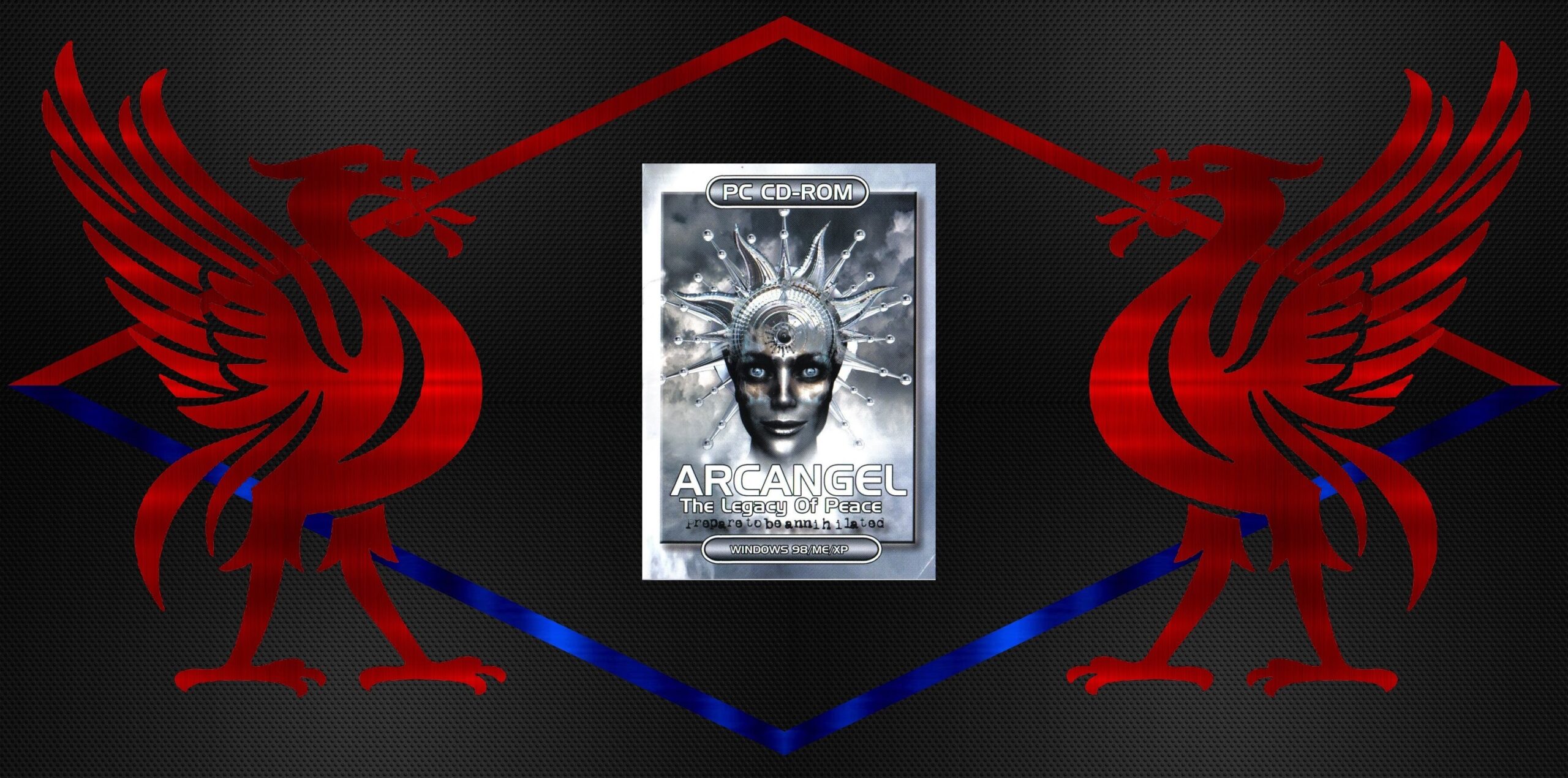
Released back in 2002 as a PC exclusive, Arcangel: The Legacy of Peace is an isometric top-down turn-based RPG similar to the original 2 Fallout games. It follows the story of an elite army of soldiers known as the Arcangels, sent by the titans of the Earth to protect themselves. It was developed by an independent Dutch company called Megaware Games. They were most active throughout the early 2000s and made promises that they couldn’t effectively deliver. The way it went with Megaware is that they would go from one extreme to the other. By either releasing mediocre versions of other people’s games in an attempt to modernize them. Or coming up with a few of their own cohesive video game concepts. But never developing them to the best of what they could’ve been. 

Arcangel: The Legacy of Peace falls into the second category. It’s a game that attempts to perpetuate new ideas. Albeit not without its influences, it fails miserably. It’s a far worse game than what it was billed as by the developers. It very much deserves its place in video game obscurity. 

Graphics – 3/10

The thought process behind the visuals was to deliver an experience like the original Fallout games that looked more like a 3D game to fit in with where the market had been going at that time, and what it was still steering towards. But the problem with that is that although the intentions were there, the developers neglected to focus on the conceptual aspect of the visuals as well as the technical aspect. And as a result, pretty much every level in the game looks like it was recycled from the previous. At least with the original Fallout, whilst being a 2D game, it still had its distinct charm and contemporary setting that did exceptionally well to separate it from other RPGs at that time. But with Arcangel: The Legacy of Peace, that quality is severely lacking.

Gameplay – 2/10

Likewise, the gameplay is also as bland as the visuals. It’s turn-based, so it focuses on the player using action points to do things like move around and battle enemies. But it’s a very linear experience with extremely little to play for, with the exception of getting from A to B. And again, both Fallout and Fallout 2 offered far more than that 5 years prior to the release of this game. In every aspect, but particularly in terms of gameplay, it needed much more of a push than what it got. And the developers didn’t deliver. They would’ve clearly been banking on games like this and Alien Logic to be their breakout hits. But it wasn’t to be, and for good reason.

Controls – 3/10

In my review of the original Fallout, I commented on how difficult I found the control scheme to come to terms with. But in this game, it’s even more of a problem. There’s the traditional fog of war effect found in other strategy games, such as Civilization and Age of Empires, whereby players must traverse through to navigate their way through each level or to find secrets. But again, it’s not implemented properly, and simply serves to create confusion among players. Likewise, even the combat system is not the most well-thought-out. 

Lifespan – 5/10

For those diligent enough to bear with the many, many flaws that this game suffers greatly from, there are actually around 60 hours of gameplay to be had. But given how much is wrong with this game, 60 minutes would be a test of endurance on its own. If there’s anyone who has actually been inclined to spend 60 hours playing this game, I’d have to speak with him/her to find out exactly what the appeal is. Because I couldn’t see any appeal after 10 minutes.

Storyline – 0/10

The story involves the Arcangels, a group of soldiers out to protect a race of titans that rule the Earth. You would have to question exactly how powerful these titans are if they have to have a bunch of regular-sized people with guns protecting them. And why they’re incapable of protecting themselves. If any of the story was perpetuated throughout actual gameplay, I missed it. That’s how difficult it is to become emotionally invested in it. It’s like the developers went back to the NES days, whereby you had to read the manual to find out. Unfortunately for them, the times had very much changed by then, which, for a gameplay experience that was supposed to be retroactive to an extent, is somewhat understandable. But players wanted the story to be implemented within the game in a meaningful way at this point, and that wasn’t the case here. 

Originality – 0/10

Although Arcangel: The Legacy of Peace was one of the more original experiences to have come out of Megaware, there’s still nothing original about it. It’s a mess of a game that is best left forgotten. The developers haphazardly attempted to make this game seem bigger and better than it actually is. And it turned out to be one of the worst and most humiliating titles of the sixth generation.

Furiious

In all, Arcangel: The Legacy of Peace is one of Megaware’s biggest failures. It’s a joke of a game, and nowhere close to topping the titles that it was influenced by. 

Score 

13/60

2/10 (Terrible) 

Blu: First Impressions

Among the many video game projects I’ve scouted out through social media or crowdfunding websites is a very promising Metroidvania title with a great deal of potential. Blu, under development at MyOwnGames based in Paris, France, tells the story of the titular character and takes place in a setting reminiscent of Feudal Japan, but with a more varied range of influences in terms of conceptual design. The ninja apprentice Blu must save the land of Talpa from an entity known as The Corrupted amidst a conspiracy that has gripped the land for centuries. The game is almost funded on Kickstarter after what has been a very popular campaign, and with 11 days left to go, I thought it was about time that I gave my verdict on my first impressions of this title after playing the demo. If you’d like to contribute to the Kickstarter campaign, you can do so via the link below:

https://www.kickstarter.com/projects/-myowngames-/blu-vs-the-world


You can also download the demo from the Game’s Steam page via this link: 

https://store.steampowered.com/app/1339960/Blu/


And if you would also like to read my Q&A with the game’s lead programmer, Damian “Dam” Robinett, you can do so via this link:

https://scousegamer88.com/2021/04/02/qa-with-damian-robinett-blu/


But in the meantime, here’s what I thought of Blu in the beta stages of its development:

Graphics

As I said, the game is set in a world largely based on Feudal Japan, but the Corruption has taken hold of enemies that are very much based on Medieval fantasy, resembling trolls orcs, whilst at the same time, including mechanics enemies similar to those of Legend of Zelda: Breath of the Wild. It’s from there that players can understand how Dead Cells became a huge influence on this game, but even in the early stages of development, I can understand how some of these new ideas also come together to form their own cohesive concept. The game’s soundtrack, composed by Lukas Piel, is also extremely catchy and befitting of the settings of the game. 


Gameplay

A traditional Metroidvania, players must scour the world in search of collectibles and new abilities in order to advance. It’s also heavy on combat, puzzle-solving, and leveling up preemptively acquired skills, giving it an RPG feel similar to the likes of Dust and Ori 1 and 2. Again, from early on, I could see the potential this game has, with the number of different weapons available to purchase throughout, and the satisfaction to be gained by upgrading abilities and equipment as the game goes on. There is also a fair bit of strategy involved, and different approaches that need to be taken in accordance with what enemies the player faces, similar to Blasphemous, but nowhere near as unforgiving. For as much as I love Blasphemous, the lower difficulty in comparison is welcome.


Blu 4

Controls

Since the game is still in the preliminary stages of development, the controls are a little stiff, and the character animations in accordance with them, have not yet been perfected it would seem. But once they have been refined to a greater extent, the controls should be no problem. The demo’s control scheme is far more tailored to the mouse and keyboard, though it can be played with a controller, which in the long-term, will be preferable to most players, so they just need to make sure that controller support is built upon before release, and then there should be no problem with the control scheme whatsoever. 


Lifespan

With so many things to do, so many abilities to acquire and upgrade, so many weapons to choose from and so many story elements to it, Blu has the potential to last an exceptionally long time, especially for a Metroidvania game. How long it lasts, to me, depends on the full size of the world, which doesn’t seem to have been revealed yet. My biggest hope for this title is for it to include an open world that, at the bare minimum, is comparable to that of the Ori games, or Castlevania: Symphony of the Night, or another upcoming Metroidvania that I’m currently keeping tabs on; Anew: The Distant Light. As long as that is the case where Blu is concerned, then I think we will have quite an impressive title on our hands.


Storyline

The storyline also has a lot of potential for expanding upon. The basic premise is interesting on its own, but I can’t wait for the introduction of things like support characters, sub-plots, and whatever themes will be perpetuated throughout. Being reminiscent of Feudal Japan, there are a lot of stories told throughout that era that the developers could potentially hearken back to or reference, but as this game clearly is its own fully cohesive concept, there is potential for even more to happen within the story. 


Originality

Though clearly not without its influences, Blu certainly has the potential to stand out among the many different Metroidvania titles that have been released throughout both the eighth and ninth generations of gaming so far. It will certainly do well to top a lot of the games in the genre that have lacked in more than enough aspects such as Exodus, The Swapper, and Xeodrifter. The game also seems to do better to perpetuate the culture and behavior of ninjas than what many other games do; not to the same extent that Mark of the Ninja, but to a better extent than the likes of Strider or Ninja Gaiden, which portray ninjas as kill-crazy warriors as opposed to how they really operate. 


Overall, Blu’s demo certainly perpetuates the potential that this game has to make waves throughout the indie community. The Kickstarter campaign needs to be funded as soon as possible for this title to see the light of day, and it will have certainly been money well spent by the backers and the developers.

Exodus (PC)

Exodus

Developer(s) – Gahlmac Game Studio

Publisher(s) – Multi-Form

PEGI – 3

Released back in 2013 to a very mixed reception by the Steam community, Exodus is a Metroidvania that was brought out shortly before the influx of games in the genre that would follow from many other indie developers. Including Dust: An Elysian Tail, Xeodrifter, Blasphemous, and Hollow Knight. For the most part, the Metroidvania genre has yielded some of the best games of the eighth generation for me. With the likes of Axiom Verge, Ori & the Blind Forest, Ori & the Will of the Wisps, and Cathedral. But unfortunately, the same can’t be said of Exodus.

Graphics – 8/10

The one aspect for which I can’t fault the game, however, is the graphics. Hand-drawn and set on a mysterious alien planet, the game has been given a very vibrant and colorful atmosphere. It has the feel of both tranquility and danger in equal measure. The environmental design is also as wonderfully varied as it should be in any decent Metroidvania title. Taking place in forest lands, ancient ruins, and icy mountains. Unlike every other element of this game, the scenery leaves very little to be desired. 

Gameplay – 5/10

In terms of gameplay, however, especially compared to most other Metroidvanias, is extremely bland and uninteresting. The combat style is very unoriginal, and the range of different abilities that can be acquired throughout, for the most part, seems to simply conform to the Metroidvania blueprint as opposed to being a little more diverse than they are. Games like Alwa’s Awakening and Alwa’s Legacy both provide something very different in the way of combat and puzzle-solving that make them stand out among many others. But with this game, it doesn’t seem the developers even tried to be perfectly honest. 

Controls – 5/10

The controls in Exodus also seem embarrassing, even compared to other generic Metroidvanias. The jump mechanics are extremely stiff. And many sequences involve both traditional controller movement and simultaneous points, kind of like in Terraria. But as some sequences require the use of both of these mechanics at the same time, it can cause problems for the player. A lot of these different kinds of sequences were handled far better in older games in the genre, such as Super Metroid and Castlevania: Symphony of the Night. So, for the developers to have even failed to follow the initial blueprints just makes Exodus seem all the more amateurish. 

Lifespan – 3/10

The game can be made to last for around 3 hours. Which again, falls way short of the average lifespan of a Metroidvania. Though given the number of problems there are with every other aspect of this game, I’m amazed that people have even made it through the first hour. It wouldn’t be so bad if there were a few more things to do around the more open spaces than there are. But it was a further push that this game needed, which the developers seemed unwilling to implement. 

Storyline – 4/10

The story of Exodus involves either one of two selectable characters, Zoulux or Ly’sax. They have become stranded on an alien planet named Exodus and explore it in order to uncover the mysteries behind it and save the population along the way. Again, it simply follows the blueprint of the original Metroid as opposed to perpetuating a new idea for a story in the same way that Metroidvanias like Blasphemous did. Since there seemed to be very little to the personalities of any of the characters involved, it was far too difficult for me to become emotionally invested in the story.

Originality – 3/10

The main thing that I’ve touched on many times in this review is that the developers simply seemed to be following the blueprint of bigger and better Metroidvania games that came before it. And this can be said for pretty much every aspect of the game. Even the visuals were the only redeeming quality, in my opinion. But the thing is, it couldn’t even follow the blueprint right in terms of things like gameplay and especially controls. So, therefore, the game does stand out to a small degree. But for very much the wrong reasons. 

Angrii

In summation, Exodus is a game not to be taken seriously alongside many of the other greater Metroidvania titles that have since been released. It’s available for less than a pound on Steam. But frankly, with how little effort was put into it, players should really be offered money to play it. 

Score

28/60

4.5/10 (Mediocre)

Metroid (Nintendo Entertainment System)

Metroid

Developer(s) – Nintendo R&D1 & Intelligent Systems

Publisher(s) – Nintendo

Director(s) – Satoru Okada

Producer(s) – Gunpei Yokoi

PEGI – 7

Released at around the midpoint of the third generation on the NES to generally positive reviews, selling best in America, Metroid became a favorite among fans of the original NES, and of course, would go on to become one of Nintendo’s flagship franchises along with the likes of Super Mario, The Legend of Zelda, and Donkey Kong. I was excited before first going into this one some years ago. Because it wasn’t a game I got to experience at the time of its release.

And I was very much looking forward to seeing the beginnings of this franchise after hearing what I had heard through word of mouth. But I do think it is one of the better games released on the NES. And I can understand why so many people regard it as a beloved classic. To me, the series did get better as it went on. Especially as this game suffered from a lot of limitations that the era of gaming in which it was presented. 

Graphics – 10/10

The best quality this game has, in my opinion, is the visuals. Set across an expansive alien world, it presented something extremely different from what Nintendo was putting out at the time. Which mostly involved worlds made up of anthropomorphic animals and contemporary fantasy settings. Although there were plenty of games with sci-fi elements on the NES. Such as Abadox, Contra, and Metal Gear, it was indeed interesting to see the makers of the console try their hand at it themselves. And the result is one of the best-looking games on the system. The game’s soundtrack, composed by Hirokazu Tanaka, also complements the game’s atmosphere. In a way that also goes above and beyond what many other NES games attempted.

Gameplay – 6/10

Although the original Metroid is generally described as an action-adventure, ostensibly it’s a Metroidvania. Although that term at the time had yet to be coined, of course, until Super Metroid and Castlevania: Symphony of the Night were both released many years later. The player must navigate their way through an open world and collect items, upgrades, and new abilities. And defeat bosses in order to unlock new areas, and ultimately face off against the end boss.

But as this particular genre of game was yet to be built on, it suffers from limitations, such as there being no in-game map. This, in the Metroidvania genre, has become a staple element. Being a by-product of its time, players were reliant on either a strategy guide or even drawing up rough maps for themselves to make sure they didn’t get lost or explore an area twice needlessly. It’s enjoyable to play with a strategy guide, but a nightmare without one. 

Controls – 7/10

Another area where problems exist is the control scheme. As the game also has a lot of sequences whereby players must jump up vertically elongated areas, this presents issues because the game’s jump mechanics can feel quite inconsistent. Super Metroid had the same problem. As well as a few others, but not to the same extent as the original Metroid does. What’s also sorely lacking is the ability to shoot diagonally. Which again, would be something that would be greatly improved on with future Metroidvania titles.

Lifespan – 7/10

The game can be made to last around an hour and a half. In all fairness, whilst that seems like nothing compared to games today, it was actually a fair bit of time longer than the average game in the late 80s. In this respect, the original Metroid was somewhat ahead of its time. Along with the original Legend of Zelda and Zelda II: The Adventure of Link. Again, it may be down to the limitation of what hardware was being used back then that the game couldn’t have been made to last longer than it does. But the lifespan did manage to break some new ground at least. 

Storyline – 7/10

The story of Metroid is that the Galactic Federation has sent a bounty named Samus Aran to the planet Zebes. It is infested with mysterious, hostile aliens known as Metroids, in order to take out Mother Brain. The biochemical life form controlling the Space Pirates, who were responsible for the Metroid outbreak. Not a lot of that is made clear throughout the game. Instead of third-generation tradition, players had to read the manual in order to learn as much about the narrative as possible. But the reveal that Samus is, in fact, a woman is considered to be one of the most iconic moments in gaming history. The concept of a female protagonist was pretty much unheard of in video games at the time. 

Originality – 8/10

It’s for that same reason, as well as its contemporary sci-fi setting, style of play, and accompanying soundtrack, that Metroid stands out as one of the most unique titles on the system. Although the series would go on to reach greater heights. And the character of Samus Aran would go on to become even more admired by gamers everywhere. This is where it all started. And for many gamers, this title broke a lot of new ground in ways that no one could have expected. Satoru Okada would go on to become one of Nintendo’s most iconic figures until his retirement in 2012. And it’s not hard to see why, with the legacy he and the late great Gunpei Yokoi have left behind with the release of titles like this.

Happii

Overall, Metroid, whilst it indeed has too many flaws for me personally to be able to label it as such, is still considered by many to be a classic and an NES favorite. And for good reason. It was Metroidvania before the genre was even properly conceived. And no game had played anything like it at the time. 

Score

45/60

7/10 (Good)

Chuhou Joutai 2

Q&A With Drillmation Systems

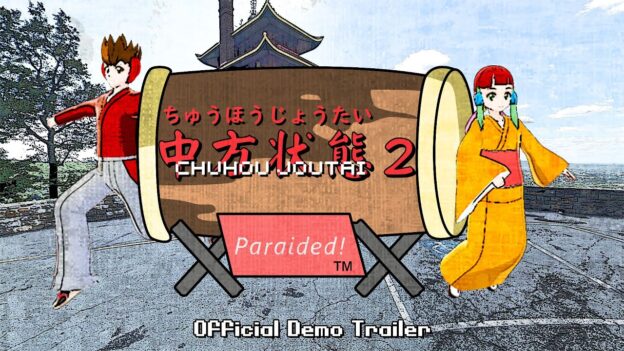
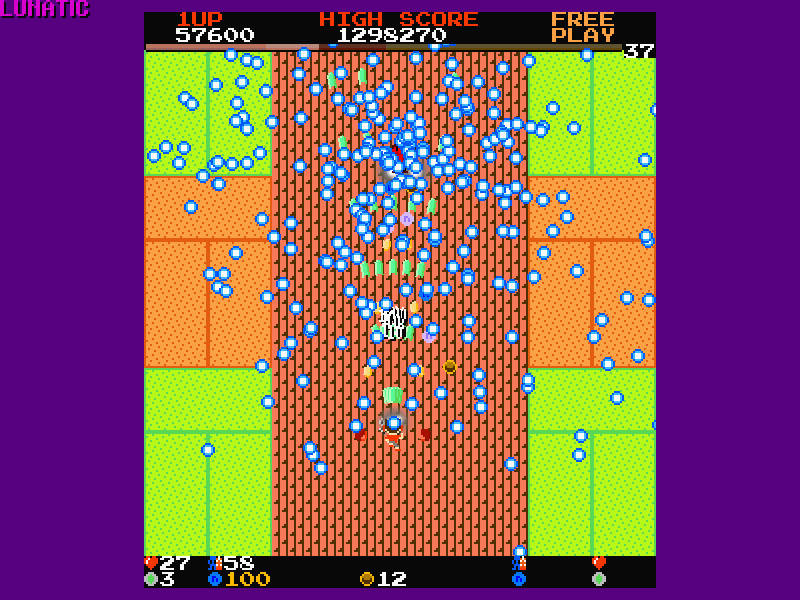
Looking out for more indie game prospects on social media, I recently got in touch with another indie developer to discuss their upcoming project. Drillmation Systems, operating out of the United States, is a games developer and animation studio heavily inspired by Japanese culture. As well as games such as Super Mario and The Legend of Zelda. And currently working on 2 gaming franchises. Touhou and Chuhou Jotai.

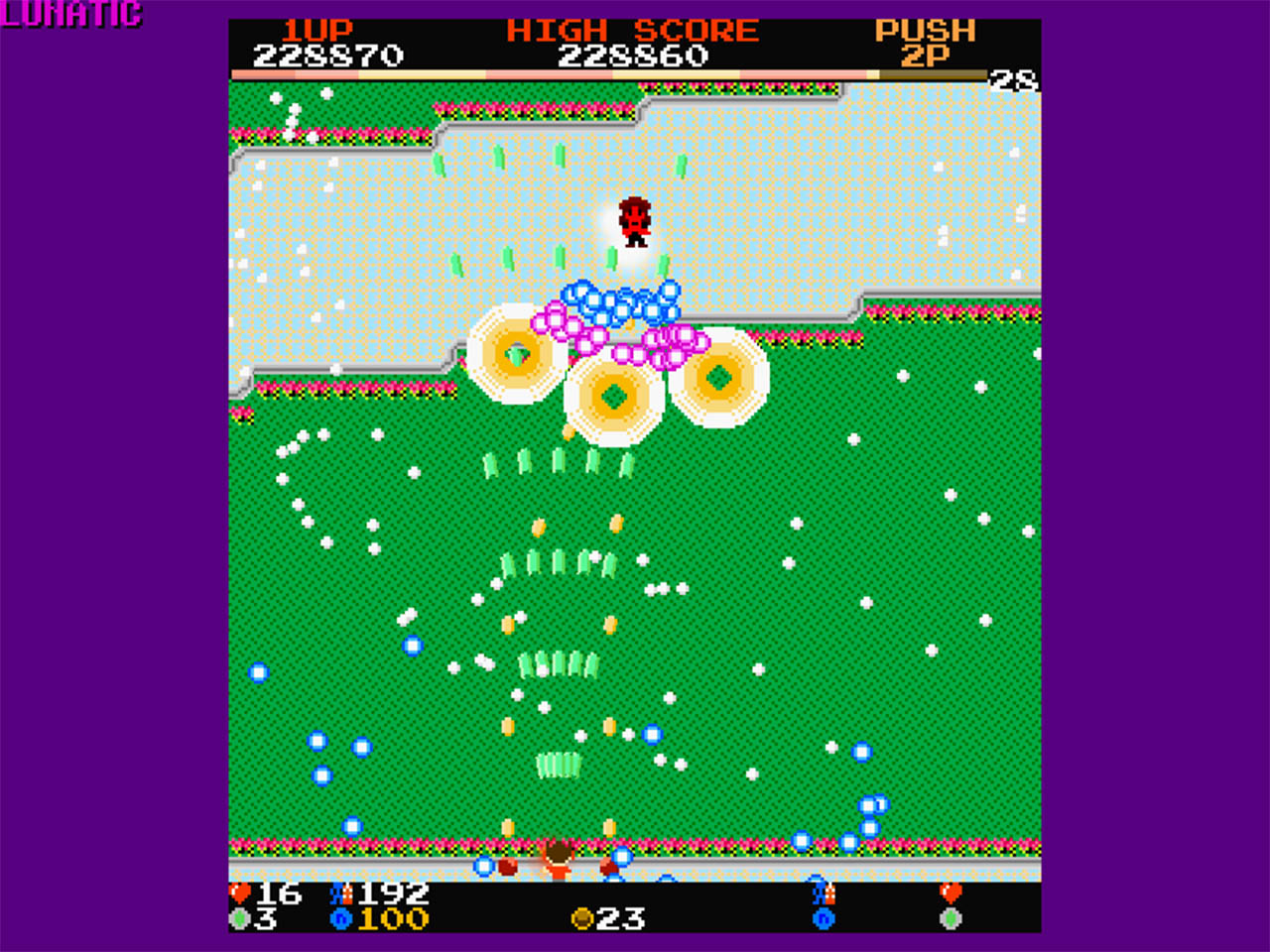
Currently in development is the sequel, Chuhou Jotai 2: Paraided. A bullet hell game based on multiple facets of the Japanese way of life. Accompanied by a strong sense of humor. Slated for release within the next few months, it boasts significant improvement over the previous game. Including greater visuals and enhanced and more intense gameplay. Wanting to know more, I got in touch with the game’s lead developer, known only as The Prophet, to ask about the game, what improvements players can expect to see, and to learn more about Drillmation systems in general. Here’s what The Prophet had to say about Chuhou Jotai 2:

Chuhou Joutai 2 1

What were the influences behind your game? 

The main game that influenced the whole look of the game had to be Konami’s 1991 game, The Legend of the Mystical Ninja, on the Super Nintendo Entertainment System. In fact, the entire Ganbare Goemon series influenced the game as a whole. As many songs in Chuhou Joutai 2’s soundtrack took influence from that franchise. The Mario & Luigi series. Alongside the Marvel Cinematic Universe, was a major inspiration for the game’s humor.

What has the developmental process been like?

I had a strict time deadline to get the game done. And as of this writing, the game is 80% done. Development on Chuhou Joutai 2 began before the first game had even been released. After Chuhou Joutai 1 was released on Steam last year, development on Chuhou Joutai 2 began almost immediately. To test the engine for this new game, a complete NES-styled remake of the second Touhou Project game, Touhou 2: The Story of Eastern Wonderland, was created to demonstrate the new engine. Despite this, I actually reused the same engine as the first game, although the only changes I made were the graphical design and color palette.

How close are we to seeing the finished product? 

As I mentioned before, the game is almost done. The endings and achievements are all I have left. After I get the endings programmed, I might as well release the beta. The game is scheduled for release on July 2, 2021.

Chuhou Joutai 2 2

What has been the most exciting aspect of development? 

Drawing the cutscenes is something I generally do on weekdays. On some days, I even drew up to four assets in a single day. Of course, to keep in line with my academics, I dedicated programming only on the weekends. As programming takes a lot of time and effort.

What has been the most challenging aspect of development?  

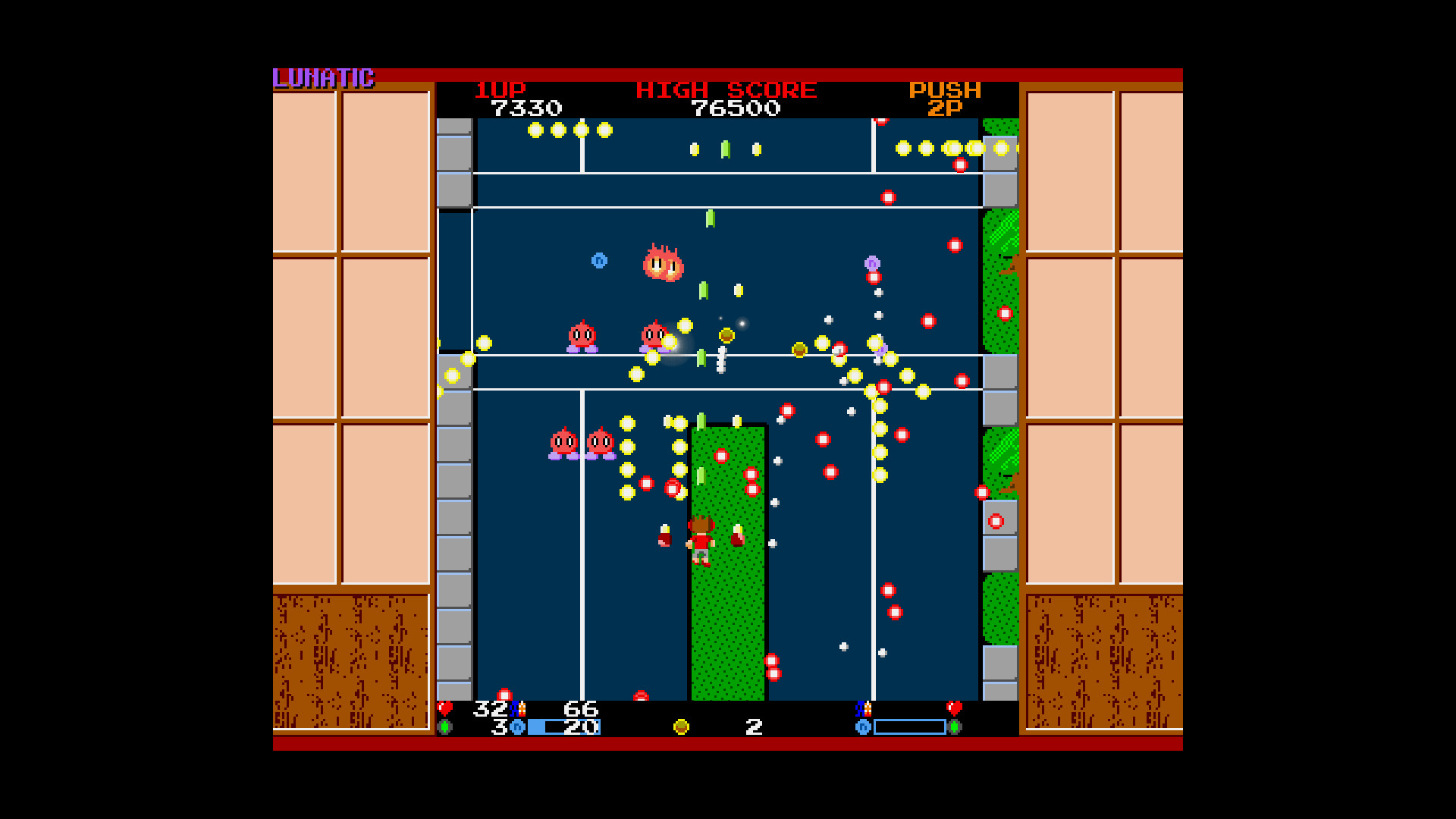
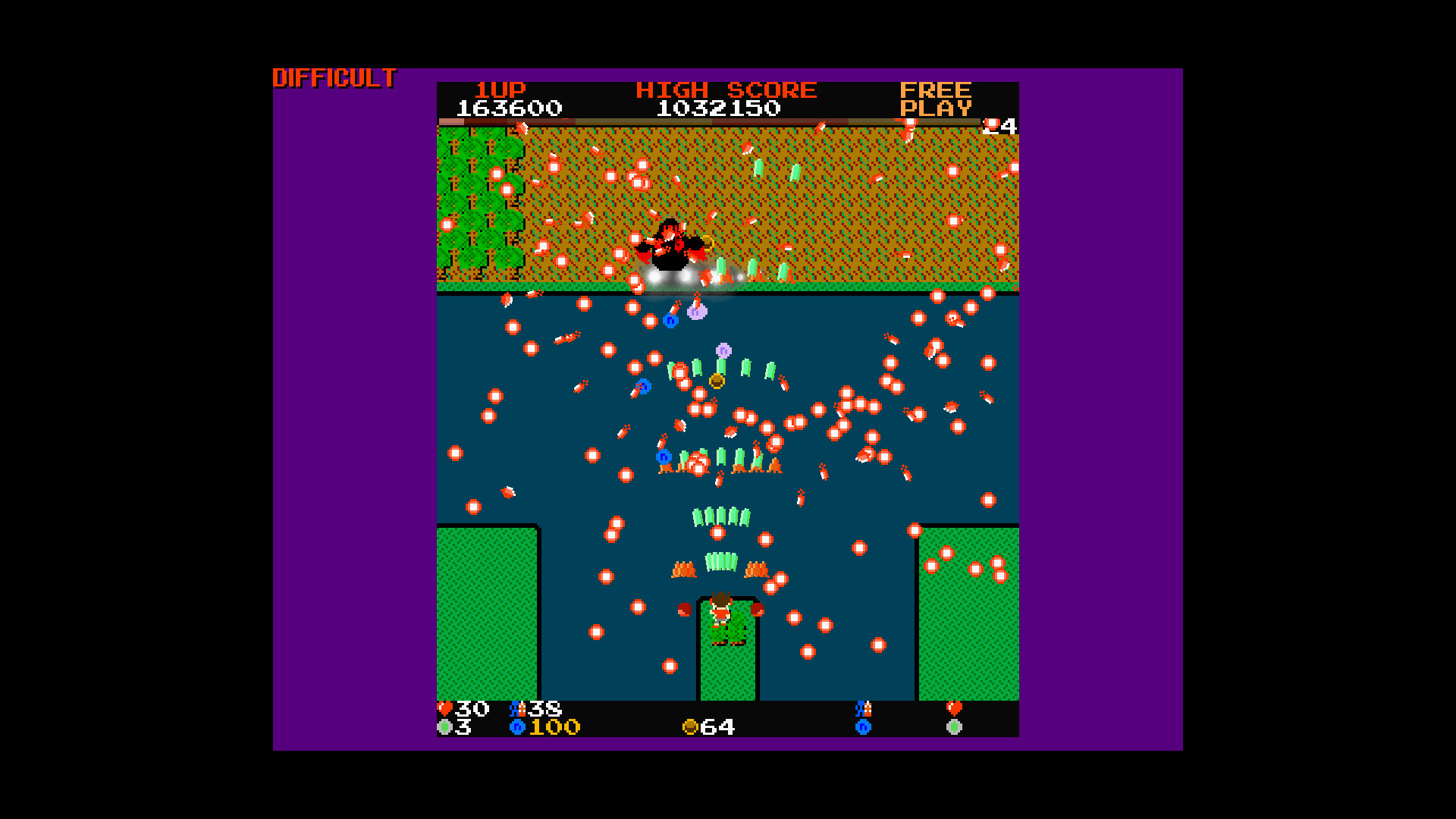
Programming the bullet patterns takes a lot of time. All playtests are done on Lunatic difficulty to ensure the attack patterns are working. Perhaps the most difficult part of programming these patterns is balancing. If I can’t beat that pattern without getting hit once, I will have to tune the attack patterns to ensure the game is balanced.

How well has the game been received so far? 

Early reception when the demo came out has been overwhelmingly positive.

What platforms are you looking to bring the game to?

Chuhou Joutai 2 will be a PC-exclusive. I really want to bring the game to the Nintendo Switch, but I can’t because I don’t have the money yet. And there are several legal issues that I have to work out. In order to publish games for the platform, you have to have a contract with Nintendo.

Chuhou Joutai 2 3

What do you think will be the most significant improvements that the sequel will perpetuate compared to the original game?

The new art direction was the most significant improvement. After players were divided on the art direction for the first game, this change had to be made. Interestingly, the Chuhou Joutai 2 was originally going to use the cartoony art direction of the first game before the realistic switch.

Have there been any ideas at this stage of development that have since been scrapped or reworked?

Risu Yokumaru, the stage 6 boss, was originally going to have blonde hair. But I changed it to magenta because there were too many blonde-haired characters in the game (being Maika Ohtake and Naoko Shigematsu).

Chuhou Joutai 2 4

I saw on your Twitter page not long ago that you recently applied for a composer role for another game. Will you be composing the music for Chuhou Joutai 2, and what approach have you taken towards doing that?

I have been the sole composer for Chuhou Joutai 1 and 2, and back in September of 2020, I tried to apply for the composer role for David Murray’s (aka The 8-Bit Guy) Attack of the PETSCII Robots. Unfortunately, I couldn’t make it in as during my request, he told me there were dozens of people who wanted to compose for his projects. I understand he can do it himself. The only job he had open was programming the music into the game. And I don’t code for the C64, so I was pretty much out of luck.

Anyway, I took a mostly oriental approach to the game’s soundtrack. I’ve always wanted to make a game in the style of a PC-98 game. And I used the YM-2608 chip to compose the game’s soundtrack. I largely used the same instruments as the PC-98 Touhou Project games, though I included two original instruments: a shamisen (FM instrument) and a taiko drum (SSG instrument). I also incorporated one thing that ZUN never used, being the ADPCM channel for a few mod tracker samples, such as an orchestral hit and a gong.

How instrumental has player feedback been in terms of shaping the course of the project?

After the second trailer for Chuhou Joutai 2 was released on YouTube, I received praise for the improved art direction, and it ended up sticking as a result.

Do you think the bullet hell genre is adequately represented throughout the indie community?

The Touhou Project was responsible for popularizing the danmaku genre within the indie game community. Since it started on PC-98, and as I mentioned before, one of my goals was to make a game in the style of a PC-98 game, and I did that with Chuhou Joutai 2. In fact, both Chuhou Joutai games were featured on the Japanese gaming blog 4gamer.net. I even translated the articles on my website at drillimation.com.

If you had the opportunity to develop a game with any company or for any franchise, which would it be, and why?

To continue the Drillimation Danmaku Universe, I might start making the franchise Nintendo-exclusive, and Nintendo would be acting as publisher. One of my philosophies with the Chuhou Joutai series is incorporating elements from its inspiration franchise, being the Touhou Project. One of the things I want to do is remake the original Touhou games in between so that players can get the opportunity to play the original games.

My goal is to remake all of the PC-98 Touhou Project games on Windows. When I begin making the games for Nintendo, I can always resort to Bandai Namco for outside help. However, Nintendo has seldom published games from independent developers, and after I saw the success with games such as Cadence of Hyrule, I realized it was possible to create a game and have Nintendo publish it.

Do you have any advice for aspiring developers who may be reading this? 

I learned that developing games is a great way to start a career, but running a successful franchise is a lot of hard work. This is why Super Indie Games exists: to help you with running campaigns. Another great way to get the word out is through the website Discord Me, which allows users to advertise within their space. Chuhou Joutai (including the second game) has been running as an ad there for over the past month.

Where on the Internet can people find you? 

Anybody can search for either “Drillimation” or “Chuhou Joutai” to easily find Drillimation. When Drillimation started, the name was nowhere to be found within the search results, but nowadays, it is searchable thanks to Drillimation being a burgeoning brand.

Do you have anything else to add?

I don’t have anything else to say, but it was nice speaking with you.

Chuhou Joutai 2 8

I’d like to thank The Prophet for taking the time out to discuss Chuou Jotai 2 and what players can come to expect from this exciting game. Bullet hell is a genre that seems to be neglected within the indie community compared to 3D platformers, RPGs, and Metroidvanias. So discovering Drillmation and this game was like a breath of fresh air to me. And I’m sure the final game will deliver something new and special. If you like the look of the game, you can download the demo via Drillmation’s itch.io page:

https://drillimation.itch.io/chuhou-joutai-2-paraidedhttps://drillimation.itch.io/chuhou-joutai-2-paraided

But the full game will be coming very soon. In the meantime, I hope you guys enjoyed what The Prophet had to tell us and that you’re looking forward to Chuhou Jotai 2.

Game on,

Scouse Gamer 88

Down Ward

Q&A With Fisholith

After once again scouting Kickstarter for new video game developers looking for crowdfunding, I came across a stunning-looking 8-BIT title already available on Steam. But in the process of undergoing major changes. Down Ward is an 8-BIT 2D platformer telling the story of an owl named Gable, who sets out on a journey to rekindle dormant relics of a land long forgotten and abandoned. Similar in concept to games like RiME and Journey. Not only does the game make use of 8-BIT visuals. But it also makes use of a monochromatic visual style very reminiscent of Game Boy classics such as Super Mario Land and The Legend of Zelda: Link’s Awakening.

Wanting to know about what changes this project is currently undergoing and the challenges that came with implementing such drastic improvements, I got in touch with the game’s lead designer. Simply known as Fisholith, operating out of Costa Mesa, California. It turned out that the influences and thought process behind this game were even more intricate than I’d realized at first glance. And Fi’s answers certainly provided a lot of clarity on where he hopes to go with this game following its successful backing on Kickstarter. So, here’s what Fisholith had to say about Downward:

Down Ward 1

What were the influences behind Down Ward?

This might not be too surprising, but … birds. I got into photographing birds quite a while ago, and I gradually became more and more interested in learning about them. I think that has definitely carried over into a lot of the creative stuff I’m working on.
In terms of gameplay, there are probably a lot of subtle influences. But certainly among them is Descent (1995) with its zero-gravity flight, exploration, and intrinsic verticality. Likewise, another influence has been some of the design philosophies that Shigeru Miyamoto described. Like how he approaches making games fun.

What led to the decision to implement the numerous monochromatic visual styles in Down Ward?

I’m the kind of idiot who will find the color customization options for a text editor make a “water level” for it, and then start working on lava and ice.

I’d say there are two reasons for the multitude of palettes. Firstly, the visuals in Down Ward only ever use four colors on-screen at a time. I decided early on that I wanted to try giving the game a sort of painterly look. So I wouldn’t be using any outlines to visually separate the foreground objects from the background. Instead, I was going to try to rely on techniques found in traditional painting, like lighting and shadows, brightness, contrast, and texture.

So instead of having the four colors represent abstract things, like outlines, dominant color, secondary color, and accent color, I arranged the four colors to simply represent a range of brightnesses: dark, dim, light, and bright. I had a grayscale game, essentially. With a palette based only on lighting. And this is what opened up the possibility of having so many palette variations. An interesting concept from traditional painting is that the dominant readability of a scene comes from light and shadow first. So if a scene reads well in grayscale, then you can colorize those light and dark areas with whatever colors you want. And the scene will pretty much always read well.

This meant that I could dream up as many color palette variations as I wanted. And as long as they roughly followed that relative dark-to-light brightness scale, the scene would always be just as readable as the grayscale version. Secondly, I like colors… Specifically, I really like designing with colors. And in particular, how changing just the colors of a scene can dramatically change the mood and atmosphere.

Down Ward 2

What has the developmental process been like?

The most heartening part of it all has been creating something that I love and seeing others fall in love with it, too. Over the last year, I’ve gotten several messages from people telling me that they appreciate the game or the art of Gable. Or some bit of respite they’ve found in my project. Amid the unusual circumstances we’re all in. I think some of that may just be due to the pretty stressful year 2020 has been. Nonetheless, I’ve tried to be a positive source of creativity in the maelstrom of this year’s strangeness. It’s such a different place to have ended up than I expected going in.

How close are we to seeing the finished product?

Close in some aspects, and semi-distant in others. There’s quite a bit I want to do to expand on Down Ward visually. There are gameplay mechanics I would like to add. I don’t want to get too ambitious, though, as it’s my first major game. And it’s easy to get mired in feature creep. As with any creative project, when you’re the creator, your vision of cool things you’d love to do will always extend beyond whatever you create. Whatever interesting hill you reach the top of, you’re always rewarded with a sprawling vista of more intriguing distant hills.

What has been the most exciting aspect of developing Down Ward?

I’ve made a lot of wonderful friends. And I’ve gotten to meet and talk with some incredible people who created some of my favorite games that I grew up with. At the same time, getting to see the little world I’ve created for Downward grow and take shape has been a joy.

Down Ward 3

What has been the most challenging aspect of developing Down Ward?

Trying to learn the outreach and social media side of game development. And build up everything needed to make a Kickstarter work. While also trying to keep the momentum working on the game itself. I love learning it all, and I love talking with people. But I don’t feel like I’m especially good at the outreach side of things yet. I’m trying to learn, though. I have a lot of respect for the amount of work that publicists must do.

How well has the game been received so far?

Early on, I was worried that not many people would be interested in a four-color monochrome game. But it has been received very well. Much better than I’d have expected. Even outside of the game, people seem to really like Gable. It’s also nice that all of the constructive critiques I’ve gotten on the game have been very helpful.

In what ways are you looking to expand on the current game?

I have a lot of ideas, and I’m sure as I go, I’ll gradually realize which I want to focus on. Outside of the things I’ve specifically promised in the Kickstarter, nothing is set in stone yet. Broadly speaking, I’d like to expand on the mechanics, hazards, enemies, and puzzles. I would like to expand on the graphics and style of the game a bit, with distinct environments. As well as music composed to fit each. In fact, at the moment, I’m working on a piece of music based on an in-world folklore song.

Down Ward 4

What platforms are you looking to bring the game to?

PC, Mac, and Linux. A lot of people have asked me about Switch. And while I’d love to try that, there’s a whole world of features and design compliance requirements totally separate from just porting the code. I’ve researched it, but I’ve never done it. And I want to limit my promises to things I’ve done before and know I can do, since it’s my first game.

Have there been any ideas at this stage of development that have since been scrapped or reworked?

While touchscreen controls have never been a planned feature, I have done some work on creating a flexible touch interface. It allows you to unlock the touch UI, move the buttons wherever you want, and create unlimited copies of any buttons. And scale the buttons for larger devices. Though not scrapped, it has been put on a distant back burner for the time being.

Down Ward 5

Given how passionate you clearly are about art, did you find working with monochromatic visuals to be one of your biggest challenges?

Not necessarily one of the biggest. But there are a lot of interesting and unintuitive challenges that emerge from 4 color graphics that I wasn’t expecting, going in. Some of that challenge came from the no-outlines style I decided to go with. For instance, screenshots can look nice. But the game has much more visual clarity when you see it in motion. Early on, I started making seamless looping GIF animations of gameplay as an alternative to screenshots. As I think the GIFs do a much better job of presenting Down Ward’s look and feel. They definitely take longer to create than a screenshot, and evolving the workflow for creating them has certainly been a challenge.

Another tricky aspect is how to represent objects that are darker colors. For instance, a snowy white owl on a black background is not too hard. But if I wanted to add a crow, it would be a bit of a design challenge to figure out how exactly to make that work.

How instrumental has player feedback been in terms of shaping the course of the project?

In terms of refining the difficulty, solving level design ambiguities, and improving the introduction of mechanics, player feedback has definitely been instrumental. Even just watching gameplay videos from players is very enlightening.

I’m constantly trying to think through what I design from the perspective of a first-time player. But as the developer, my familiarity with what I’ve created works against me. I know what’s around every corner, and what’s just off-screen. So it’s easy to accidentally create something that makes sense to me. Without realizing that a new player will encounter it with a different expectation. This makes a lot more sense if you’ve never seen it before. Player feedback is like a kind of X-ray vision. You get to see the holes in your own perception. You get to “look” at your own blind spot. It’s pretty cool.

Down Ward 6

If you had the opportunity to develop a game with any company or for any franchise, which would it be, and why?

This is an interesting question. On the one hand, there are quite a few companies that I think would be really interesting to work with. And on the other hand, I actually really like the creative freedom that comes from being a solo developer. Two companies come to mind, though, Revival Productions and Stonemaier Games.

Revival Productions is the company behind Overload, the recent spiritual successor to Descent. It was founded by Mike Kulas and Matt Toschlog. The creators of the original Descent franchise. They, and the Revival team, seem like a really cool group of people who genuinely care about the player community that came together around the genre that they established. If I were going to work with a company on a six-degrees-of-freedom FPS game, that would be the company to work with.

The other is Stonemaier Games. Created by Jamey Stegmaier, a tabletop game designer. I love tabletop games. I’ve created a few for fun. And for a long time, I’ve been fascinated by the similarities and differences between tabletop games and digital games. I also really just love the design puzzle of making rules elegant enough to create interesting gameplay. While running on the notoriously slow and unstable People-at-a-Table operating system. Jamey of Stonemaier has spent a lot of time creating articles and videos sharing his thoughts and what he’s learned in the course of designing and publishing tabletop games. He seems like a really creative and really nice guy, who grants a lot of creative freedom to the designers that work with him. So I think that would also be a pretty fun company to develop a game with.

Down Ward 7

Do you have any advice for aspiring developers who may be reading this?

I’m certainly not an expert, but I can share what has helped me. I think there are two different goals I could give advice about. Game development and game crowdfunding.

The most concise bit of advice I can give that benefits both of those is, “Do game jams.”

To get better at game development, you need to experiment quickly, release publicly, and plan around simple deadlines, and it helps if it’s a relaxed environment. To improve your prospects in crowdfunding, you need to begin building an audience and get comfortable interacting with people about your work.

Game jams will gift-wrap much of what you need to learn in both domains and present it to you in a fun, short, and bite-sized package. Even better is that there are lots of jams with all sorts of different creative limitations, timeframes, and skill ranges. So you can almost adventure your way through them, like different little island worlds, gaining experience as you go.

Where on the Internet can people find you?

Twitter @Fisholith

In the not-too-distant future, I’ll also be creating a website. There are a lot of subjects I’m interested in, and while I wouldn’t call myself an expert in them, I’d love to start creating tutorials and articles to share some of the stuff I’ve learned so far.

Do you have anything else to add?

I began my prior Kickstarter for Down Ward, a little over a year ago, and without any advanced press coverage and a much smaller audience, it didn’t make it to the funding goal. Rather than cancel it, I ran it to the end and thanked everyone. I explained in my thank you message that I planned to relaunch in the future, and should my future campaign succeed, I would like to let this campaign stand as one more example for anyone discouraged by a campaign that fell short, that you can always take what you’ve learned and try again. Perhaps the most important lesson that I’ve learned from games. 🙂

Down Ward 8

As always. I’d like to take this opportunity to thank Fi for taking the time out of development to talk more about what players can come to expect of the final version of Down Ward compared to how the game currently plays out. If you’d like to check out the game as it is, you can do so by visiting the Steam Page, where it can currently be downloaded for free:

https://store.steampowered.com/app/904700/Down_Ward/

But if you think you’d like to back the project in addition, you can do that by visiting the game’s Kickstarter page in addition:

Down Ward Kickstarter Page

But in the meantime, I hope you guys enjoyed learning more about this title as much as I certainly did. As soon as I laid eyes on Down Ward, I had to learn more. And it turns out I got even more than what I bargained for with this one, and I was pleasantly surprised. I hope you guys were, too.

Game on,

Scouse Gamer 88