Monthly Archives: March 2017

Pine

Q&A With Twirlbound

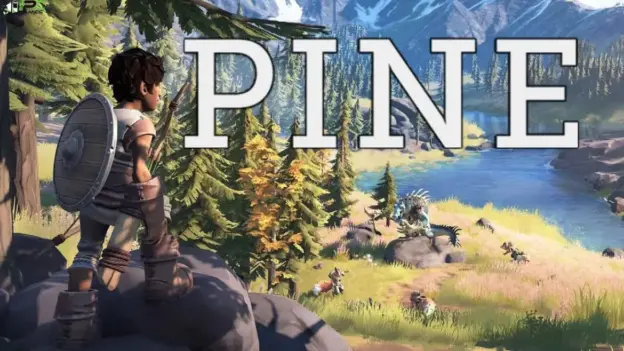
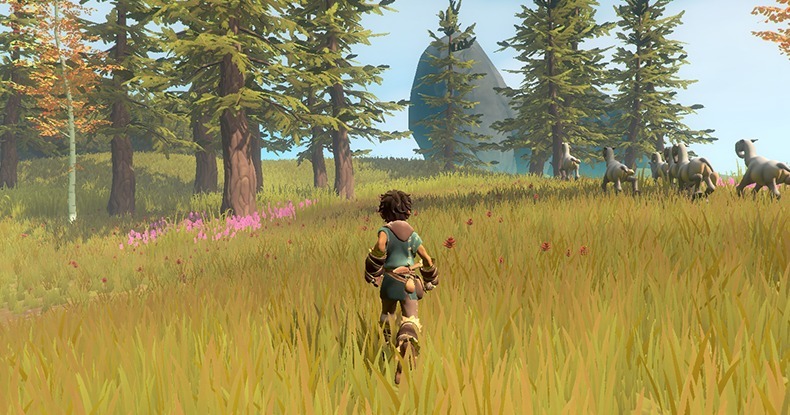
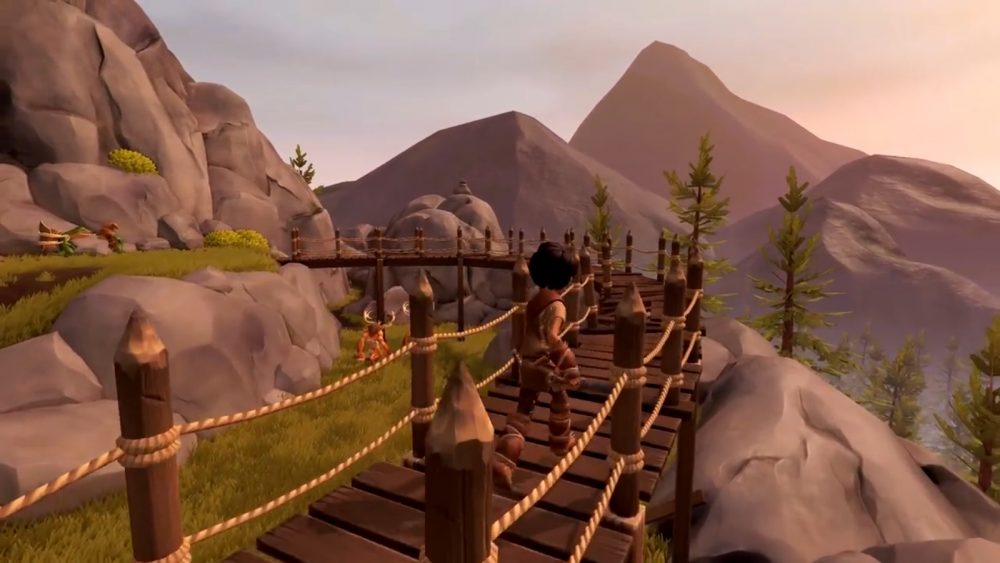
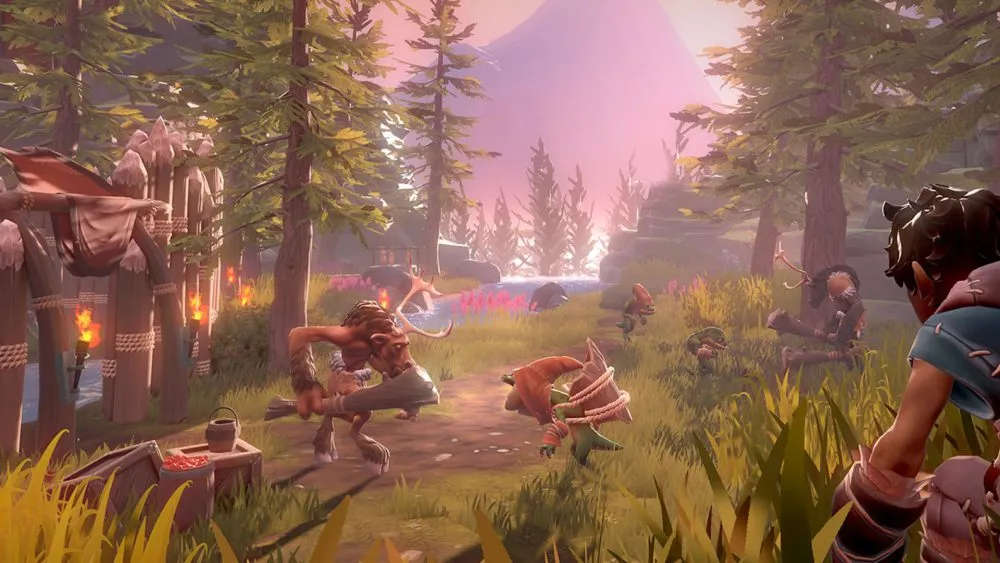
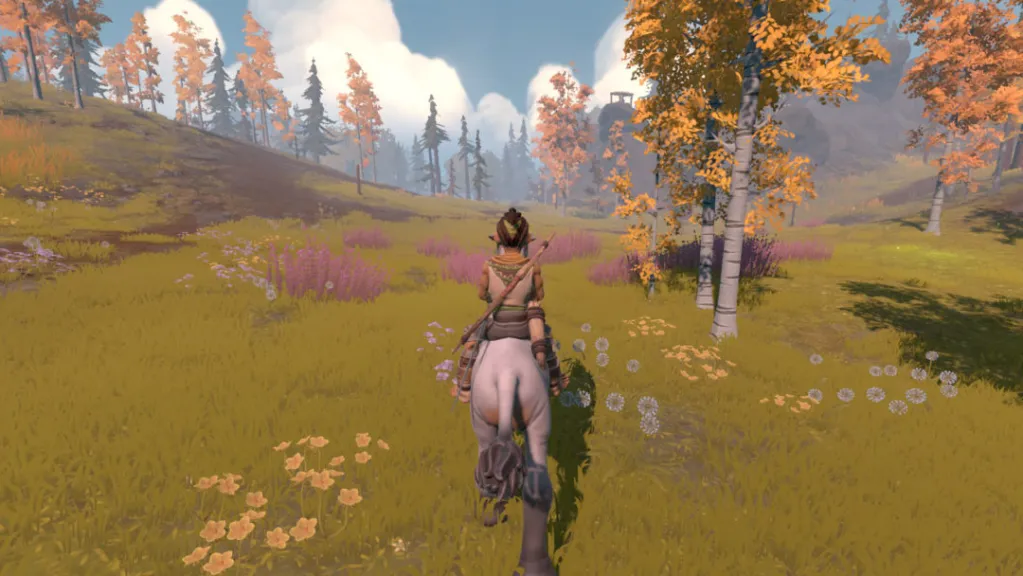
In my ongoing bid to cover more independently developed games and indie developers, and ahead of my trip to London this weekend for EGX Rezzed, this week led me to discover a game on Kickstarter called Pine. Pine, being developed by Twirlbound Games operating out of the Netherlands, is an open-world survival adventure game made in the same vein as the likes of Don’t Starve, Legend of Zelda: Breath of the Wild, and Horizon Zero Dawn.

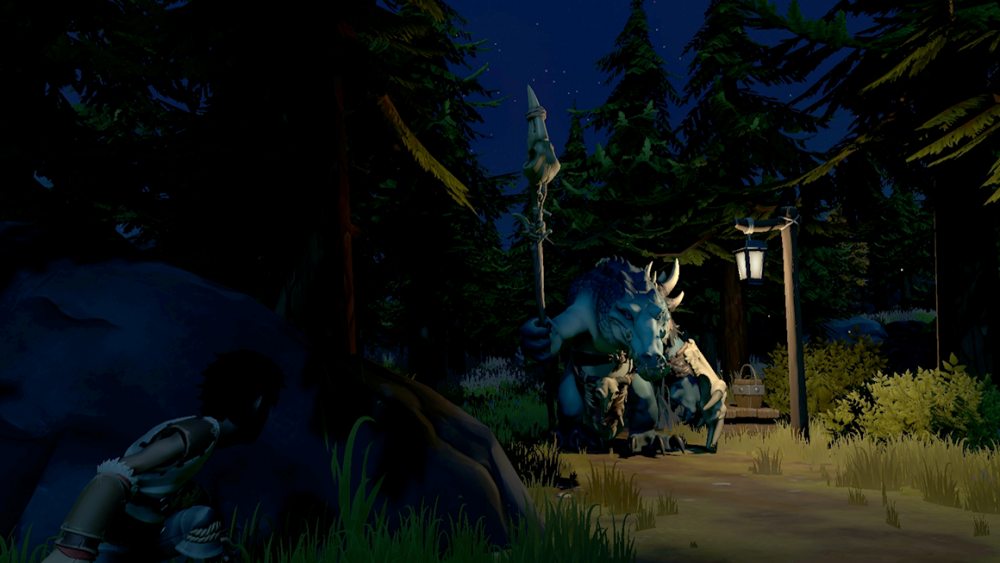
Incorporating many of the same gameplay elements from the aforementioned title. Albeit with its unique graphical style and conceptual design, it also incorporates a combat system heavily influenced by Bloodborne. And from the looks of it, requiring a comparable level of skill and caution to master. This week, I had a Q&A session with the game’s creative director, Matthijs van de Laar, about what gamers can expect with Pine. And what influenced the game’s creation? Here are his answers:
 

Pine 1

What were the influences behind your game?

We’ve been mostly inspired by the great action-adventure games like The Legend of Zelda and Fable – they tend to strike a chord with people who aren’t being struck enough, we think. Only once every few years does a game like that come by. And there’s still so much to explore within that genre. A very physical, natural feeling to the game was important to us.

Everything should feel grounded and real, with an easy-to-grasp groundwork of physics and interaction. We look at platformers and jolly action adventures for fun. But we look at more serious games for this grounded look and feel. Some of our team members have credits in cinema. And we all have a general interest in movies and TV. This has been a good influence on Pine’s storytelling, camerawork, and rhythm.


What has the developmental process been like?

Starting as a floating idea about 3 years ago, we’ve done an extensive amount of research and prototyping. We wrote several theses on the subjects that are tackled by Pine (mainly about adaptation in game design, machine learning, and natural environments). And all that knowledge was brought into a bigger game after graduating last year. It was only when we knew we had something that worked and after thoughtful consideration, that we decided to go at it full-time. Working hard on the next step, which became Kickstarter. This included trailers. But also a lot of groundwork for the game and systems. Maybe it’s cool to show this 12-week video of that graduation phase:

https://www.youtube.com/watch?v=DhLdiLPQ2Ng
 

Pine 2

What has been the most exciting aspect of development?

The idea process. There is such a wealth of ideas among team members that every meeting is a joy. We’re always bursting with inspiration, and seeing those ideas come to life in the form of environments. Or specifically the species, is fun to witness. The alternative evolutionary course of Albamare has been a lot of fun to think about, and we’re not even remotely running out of ideas!


What has been the most challenging aspect of development?

Being only 6, we have to make really important decisions sometimes. It’s important to keep the game small enough, but make it feel like an adventure that can last. We have a very strong vision of what it should play like and what the focus should be, and sometimes it’s hard to keep up with that vision with only a few people we have. The open-world nature of the game has certainly been one of the toughest aspects (e.g., building the island, letting assets stream, and simulating the ecology).


How well has the game been received so far?

We’ve always been blown away by the response, actually, since the start! For example, we started by sending out demos only five weeks into the process. We expected a few dozen testers, mainly from our school, but after about 6 weeks, we had 3000 testers. People had been sharing it on Reddit and NeoGaf, and we got a lot of good data out of that. Things kept going like that. We went on the Square Enix Collective without any expectations. And became the highest-rated project to date. Signing up for the Unity Awards, and in a completely surprising turn of events, I even won that one! We applied for a small grant, and we got it – and now, on Kickstarter, we raced past 50% in 10 days. As I said, we’re just pretty much blown away sometimes – the demand for a game like Pine seems to be real.
 

Pine 3

Concerning the game’s theme, does any of the team have any experience in outdoor survival?

Not really, to be honest – we all have been on camping trips before, but no real survival. It’s more about the theme of adaptation, change, and evolution for us. We’ve always had an interest in the theory of evolution, for its beauty and undeniable systems behind it. Realizing these could be translated into a game, the theme took shape even more.


What platforms are you looking to bring the game to?

We’re currently developing on PC, aiming to bring it to Mac, Windows, and Linux. But consoles are definitely in the future vision – depending on publishers and the platform holders’ interest in Pine, we hope we can take consoles into account early on in the process.
 

Pine 4

Do you have any advice for aspiring developers who may be reading this?

The only advice I always give to developers or those starting their own company: it’s all about the people you do it with. If I hadn’t met my co-founder, Marc, early on in high school, finding out we worked together really well, nothing would have happened. Not having had such good cooperation with my companions, Pine wouldn’t have existed. Like Pixar’s president, Ed Catmull, says: find people you’re intimidated by, professionally. Find those who are better at things than you are; that’s the only way you can make something truly great! It’s really about the people and what they bring to the table. Recognize each other’s strengths and weaknesses, and be honest with each other!


Where on the Internet can people find you?

Everywhere! More specifically, we’re on Twitter, Facebook, Reddit, and email:

http://twitter.com/Twirlbound

http://facebook.com/Twirlbound

http://reddit.com/r/pinegame

pine@twirlbound.com


Do you have anything else to add?

Kickstarter is scary, as you’re putting your whole game AND team online, but it’s so cool to see people engage that it’s all worth it!
 

Pine 5

Lastly, I would like to thank Matthijs for agreeing to our Q&A and would like to take this opportunity to wish him the best of luck with the remainder of the Kickstarter campaign.
Anew The Distant Light

Q&A With Resonator

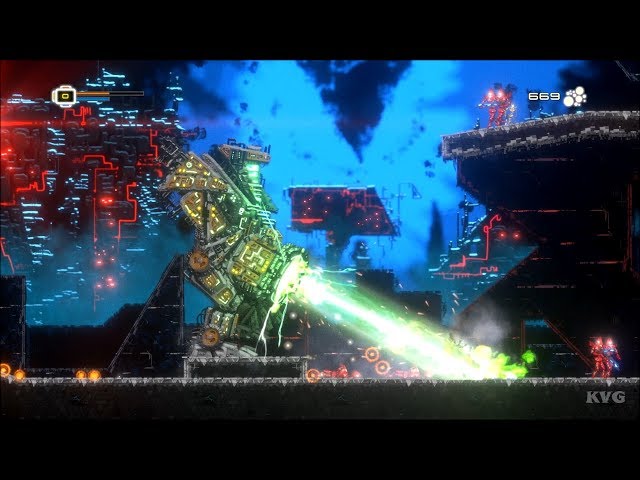
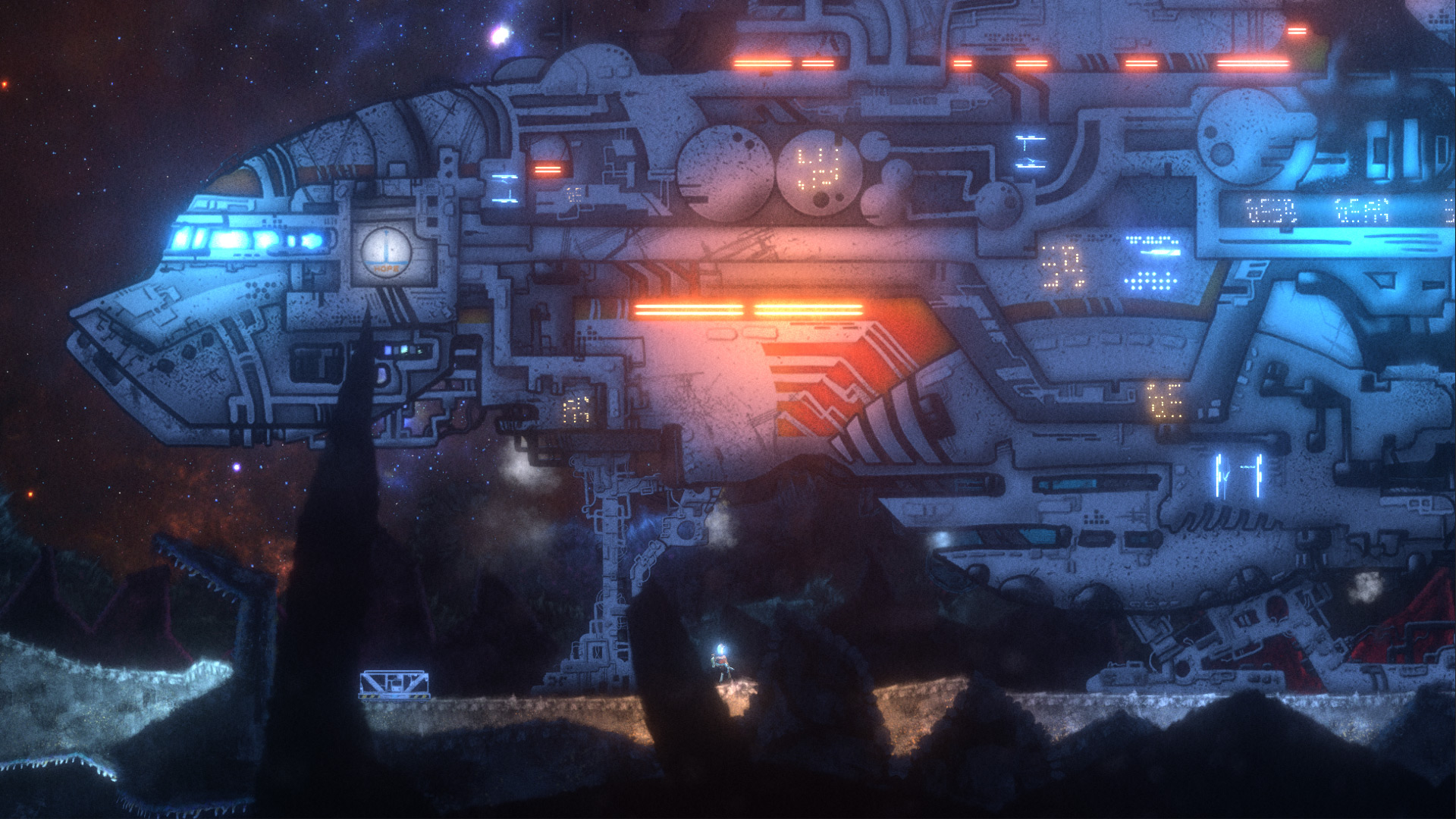
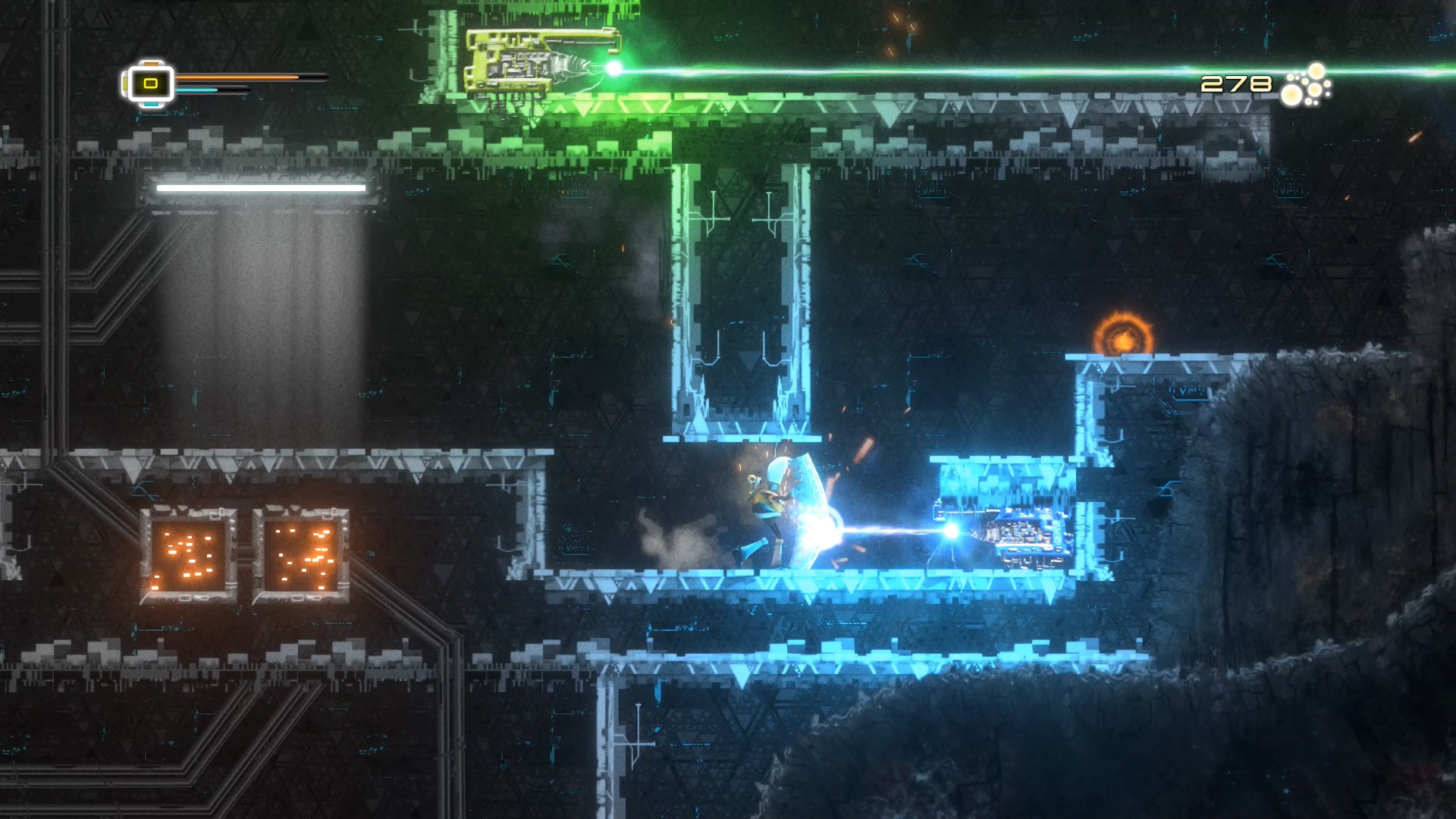
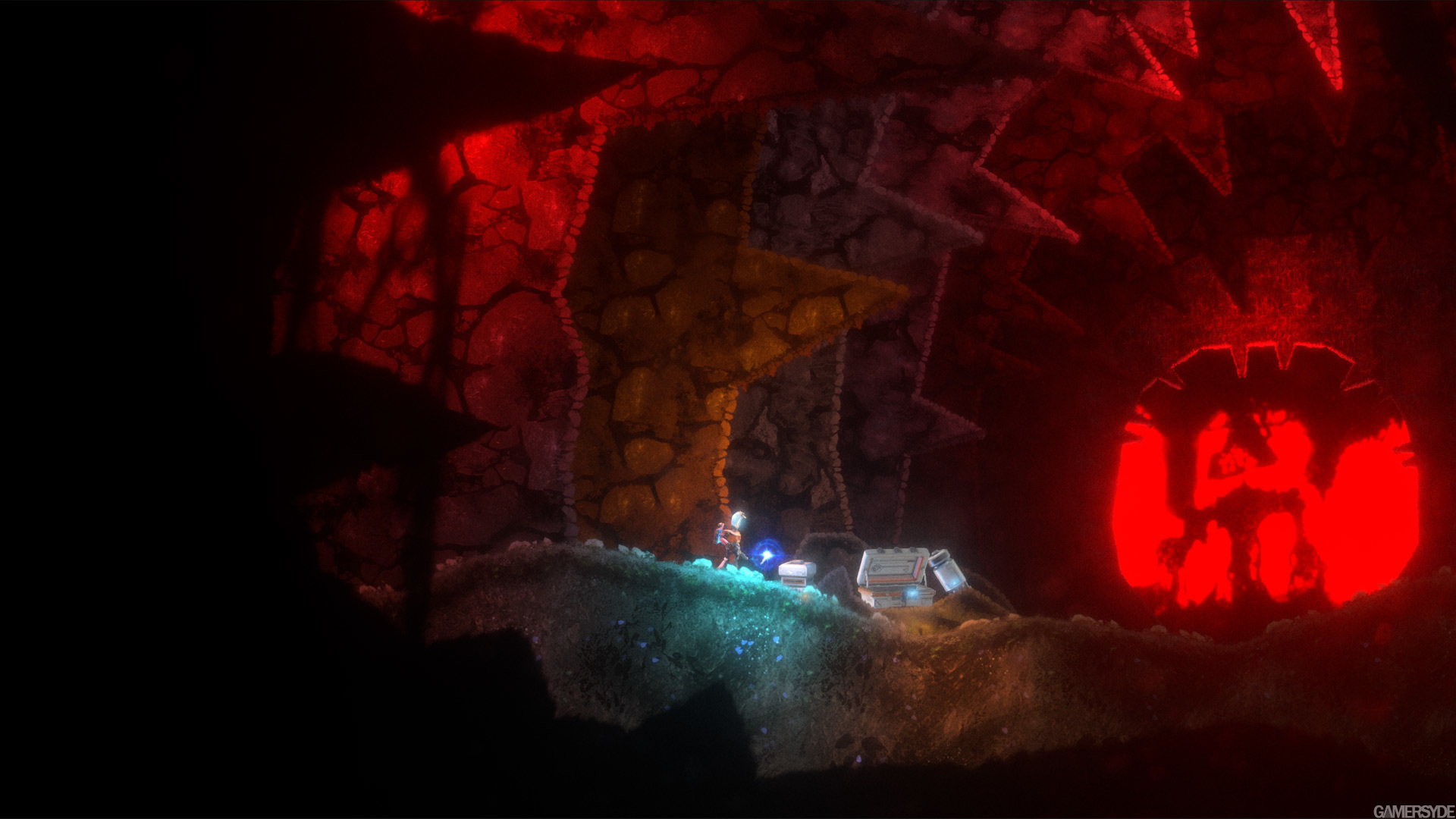
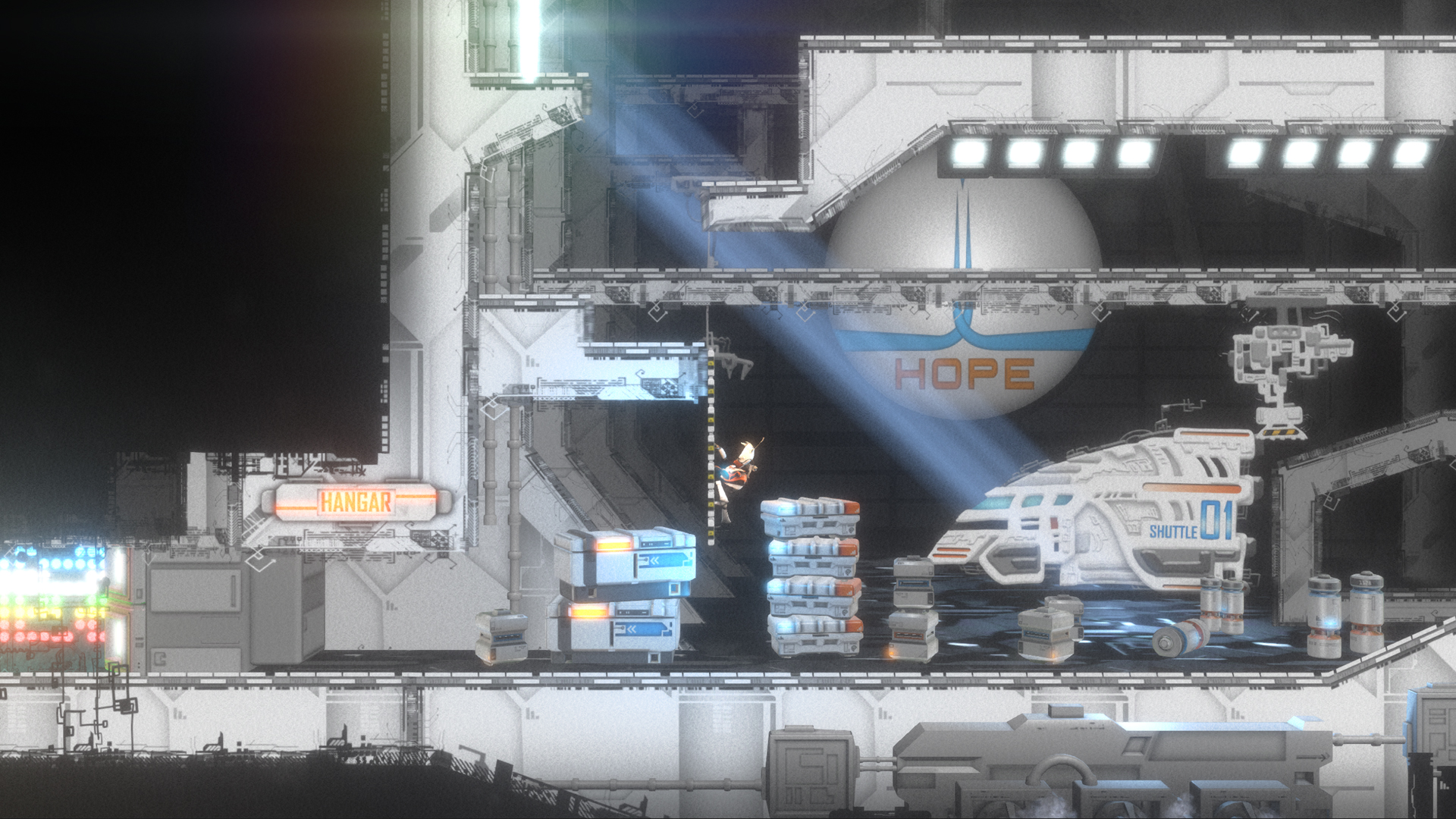
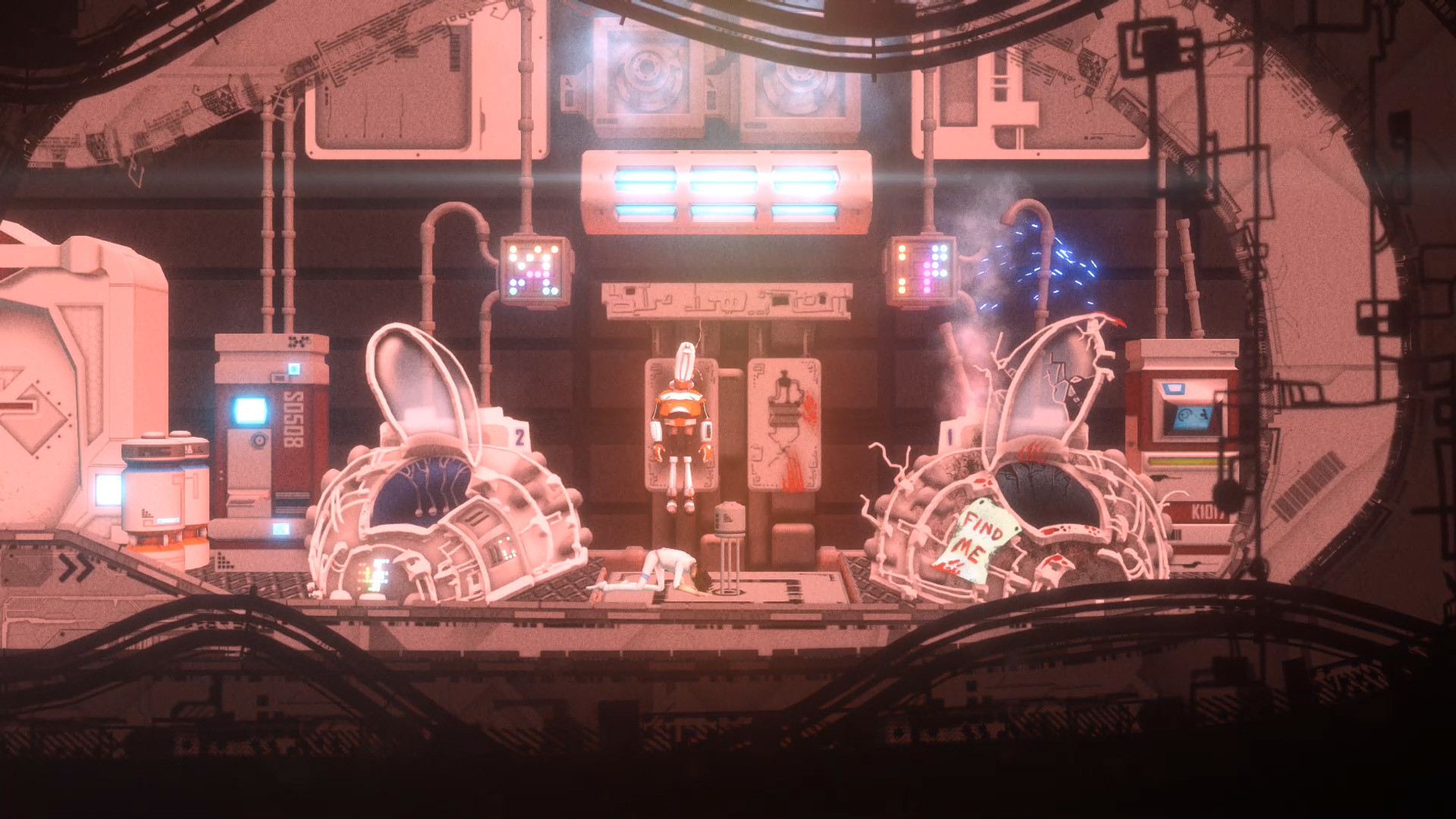
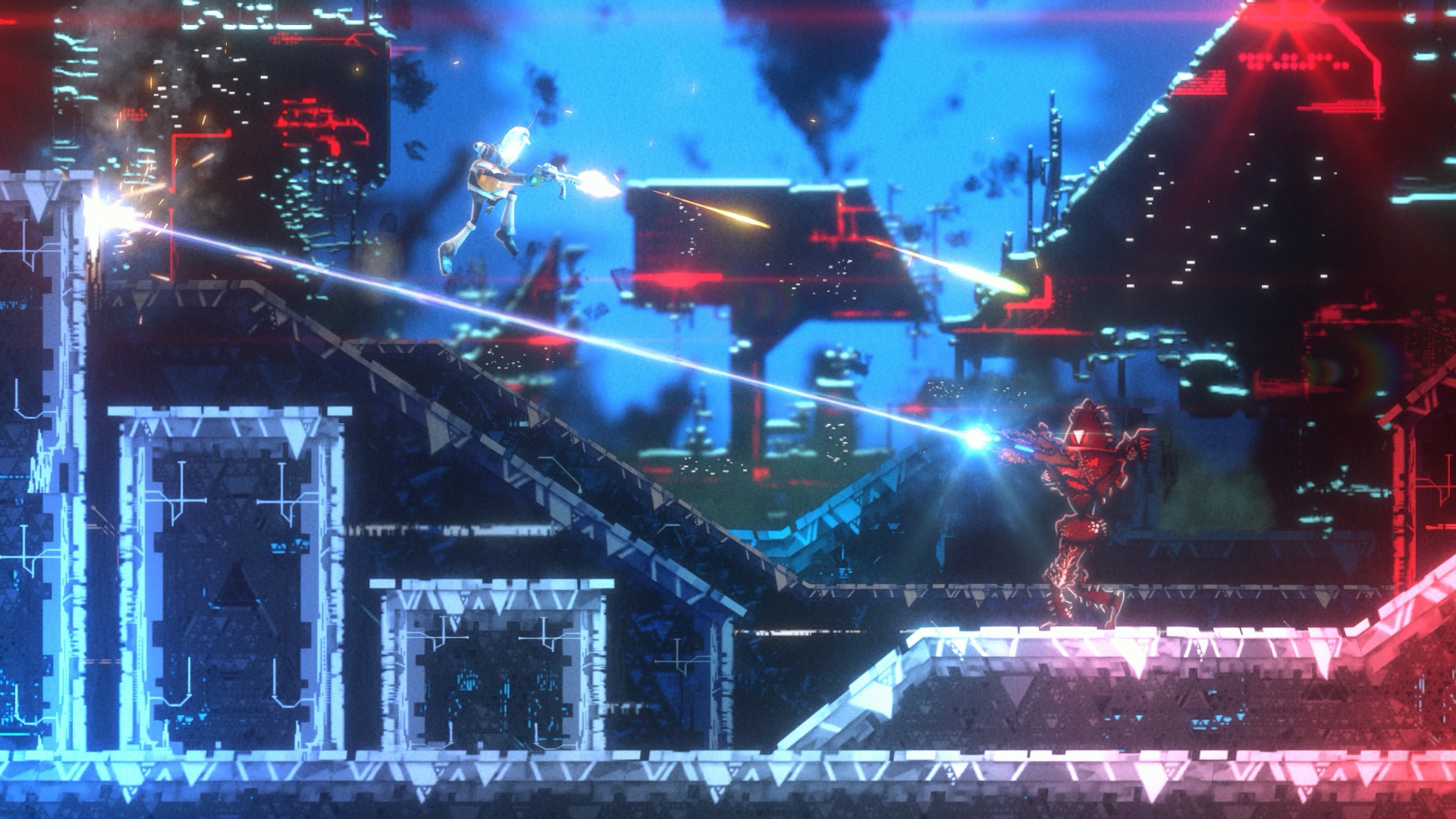
In my ongoing bid to cover and expose as many different independently developed games and indie studios as possible, I discovered a game currently up on Kickstarter entitled Anew: The Distant Light. An action-adventure Metroidvania title, there is a heavy emphasis on combat and exploration. As well as a vibrant science fiction setting that contrasts the beauty and devastation of an endangered futuristic world.

Creating the game are two veteran AAA developers: game director and programmer Steve Copeland, and art director and sound designer Jeff Spoonhower. Collectively known as Resonator. Between then, Steve and Jeff worked on a multitude of major gaming releases over fifteen years, including BioShock 2, Lord of the Rings: Battle for Middle-earth, Borderlands 2, Command & Conquer, and Uncharted: Golden Abyss, to name but a few. After reaching out to Resonator, both Steve and Jeff agreed to answer some questions I had about their upcoming game, their Kickstarter program, and their past and present developmental experiences. Here’s what they had to say:

Anew: The Distant Light 1

What were the influences behind your game?

SC: For me, the classic Metroid games were a big inspiration.  After all, there is a reason our game’s genre is named after it.  You can probably also spot influences from Ori and the Blind Forest, Dark Souls, and Mario Galaxy.  We’re constantly looking for ways to fit fun game mechanics from other genres into Anew: The Distant Light.

JS: I am a big fan of platformers as well. I grew up playing the Mega Man, Mario, and Contra games, so in addition to the non-linear Metroid-style exploration elements, I am excited about including lots of fun platforming elements in Anew.

What has the developmental process been like?

JS: Steve and I have been working on the game full-time for several years now. It’s been hugely challenging and rewarding. We spent a lot of time upfront working on gameplay systems, player mechanics, development tools, and pipelines. And we’ve also built a pretty big section of the game world itself. A lot of the struggles up front were the unknowns – “things we didn’t know we didn’t know about” situations. These were mainly technical, so it was tough to anticipate how long it would take to solve them. We’re happy to say we’ve largely moved through that phase of production and are concentrating on creating content and filling out the game world.

How close are we to seeing the finished product?

SC: A lot of that will depend on how funding goes.  We’re expecting to complete the PC version in about a year. But if we have to stop work to look for investors or a publisher, it will tend to slow things down quite a bit.

Anew: The Distant Light 2

What has been the most exciting aspect of development?

JS: For me, several things. For one, overcoming difficult technical and artistic challenges, and learning a lot. And growing as an artist and designer has been tremendously rewarding. I am also very proud of the world we are creating. We hope that players will find it not only fun to play in, but also visually interesting and enticing to explore and discover. It’s been awesome to be able to tell people that just two people have built the game from the ground up.

What has been the most challenging aspect of development?

SC: With just two people making the game, it can be exhausting to cover all of the needed roles in development and business.  If we could afford to, we’d hire some help.

JS: The number of “hats” Steve and I wear, as far as the roles we are playing in production, is pretty overwhelming. We are each doing the work of 5-10 employees in a traditional studio production! It’s been tiring and oftentimes stressful to have to rapidly switch between these roles on a daily or weekly basis.

Anew: The Distant Light 3

How well has the game been received so far?

SC: Feedback has been very positive on all fronts and in all contexts, especially so when demoing in person at trade shows. Where players can feel the agility and depth built into Anew.  We’re proud to have received the Audience Choice Award at Comicon Phoenix. And I think Jeff sleeps with the golden controller under his pillow.]

JS: Haha, yeah, the golden sheen is starting to wear off. In all seriousness, we are thrilled with the response Anew has received so far. On a personal level, I am so happy that people have responded positively to the look and feel of the game. It’s been my goal to design a world that looks and sounds truly alien and unfamiliar. Those two words have come up repeatedly in press articles we’ve received, so I feel like I’m doing something right.

What platforms are you looking to bring the game to?

SC: We’re leading with PC, including Steam and at least one non-DRM platform for PC.  If our Kickstarter succeeds, we’re also committing to PlayStation 4 and Xbox One.  We also have a stretch goal that will fund research for porting to Nintendo Switch.

Anew: The Distant Light 4

How have your past developmental experiences influenced Anew: The Distant Light?

JS: Our prior AAA studio experience has directly impacted the development of Anew. Steve and I learned a tremendous amount working on games over the past 15-plus years. That includes not only the nitty-gritty of the crafts we practice on a day-to-day basis (modeling, texturing, animating, lighting, programming, designing, tools development, marketing, etc) but also how to set realistic goals and achieve them. We were both senior/lead developers on projects. So we know how important it is to properly schedule a project and avoid common development pitfalls like feature creep and over-scoping. We try to bring everything we’ve learned on these big studio projects to the production of our indie game.

Outside of indie development, what would you say are your and Steve’s favorite projects to have worked on throughout the years?

SC: It was cool to get to work on games related to Star Wars and The Lord of the Rings.  I’m proud of having had a small influence on Command & Conquer: Generals Zero Hour. RTS fans still talk about it nostalgically.  Many of those projects required crushing amounts of hours worked in a week, so it’s hard to call one a favorite in light of that.

JS: I’m really proud of all the games I’ve worked on. Making games is a huge struggle, so I feel like shipping each one has been quite an accomplishment. As a personal fan of the BioShock and Uncharted series, I really got a kick out of working on BioShock 2 and Uncharted: Golden Abyss.

Anew: The Distant Light 5

Has having creative freedom made working on Anew: The Distant Light feel like a better experience than any other?

SC: On the creative freedom front, yes, it’s been the best game development experience I’ve had.

JS: Yes, the creative freedom of making our own game has been very liberating. That freedom comes at a high cost, though. We have taken on a great deal of financial risk. And we are pretty much working on the game all the time! It’s a big commitment. And we have sacrificed a great deal in our personal and professional lives to make it a reality.

Do you have any advice for aspiring developers who may be reading this?

SC: I’d advise them to make and complete things with a very small scope before getting super ambitious.

JS: Agreed. Try to find the one or two things you enjoy doing (be it art or programming), and then really dive headfirst into practicing those crafts. It requires a lot of patience and persistence to get good at this stuff. Ultimately, if you want to get a job in games, you’ll need to show a potential employer that your work is of extremely high quality and would fit into the type of games they are making.

Anew: The Distant Light 6

Where on the Internet can people find you?

JS: We are currently on Kickstarter through March 19th, 11:59 pm

SC: https://www.kickstarter.com/projects/1799572177/anew-the-distant-light. Our official website is www.anewthegame.com. We are also on Facebook and Twitter at @anewthegame.

Do you have anything else to add?

SC: Please check out our Kickstarter!  If you like games with action and exploration, mystery, and a high-skill cap, you’ll find a lot to like about Anew: The Distant Light.  We’re making a game that will scratch the itch for Metroidvania fans. It is also bringing some fresh gameplay to the genre with giant mechs and other vehicles that you can pilot. An upgradable home ship and diverse environments that play quite differently from each other.

Anew: The Distant Light 6

Lastly, I would like to thank both Steve and Jeff for agreeing to answer my questions and to wish them the best of luck with Anew: The Distant Light. I would highly recommend that any gamer who may be looking for an upcoming Metroidvania title check out their Kickstarter page and back the project. Looking at the early footage of it, I myself am extremely excited for the game’s release, and cannot wait to play the finished game.

Mighty No 9 (PlayStation 3, PlayStation 4, PlayStation Vita, Xbox 360, Xbox One, Wii U, 3DS, PC & Android)

Mighty No 9

Developer(s) – Comcept & Inti Creates

Publisher(s) – Deep Silver & Spike Chunsoft

Director(s) – Koji Imaeda & Kinshi Ikegami

Producer – Nick Yu

PEGI – 12

Released following an immensely successful Kickstarter campaign and a series of delays, Mighty No 9 is the brainchild of Mega Man creator Keiji Inafune. As well as personnel from the development team of the original game in the series. Highly anticipated by Mega Man fans, it was released in mid-2016 to mixed to negative reviews by critics and gamers alike. It dramatically failed to live up to its budget and expectations. Having played it, I can understand why many of the original Kickstarter backers were deeply disappointed with this title.

Graphics – 6/10

Although the game was an independently developed venture, the visual quality of the game does not match the budget the developers were given by backers of almost $4,000,000. Besides this, the game also suffers from a number of technical issues. Especially concerning the Wii U version of the game. One of many insults to the backers is that the developers clearly didn’t spend the time needed to polish the game before it was released to markets. Especially coming as it did from a team of developers who experienced internal frustrations themselves from Capcom’s powers that were. From a conceptual standpoint, the game also fails to impress, with the developers seemingly taking basic elements and ideas from the Mega Man series. And building upon them in a very half-hearted manner.

Gameplay – 5/10

The game’s play also doesn’t live up to Mega Man standards, let alone those of the industry as a whole. Intended to present players with the traditional level of challenge the famed series was known for, this game, at times, can be even more unnecessarily unforgiving. Many casual players may struggle to get past even the first level. At least with Cut Man’s stage in the original Mega Man game, it was an appropriately fair introduction to the rest of the series. But with Mighty No 9, it seemed to have been designed with only veteran Mega Man players in mind. Which, for a lot of potential newcomers, causes needless problems.

Controls – 8/10

The original Mega Man game suffered from minor issues with the controls in terms of unresponsiveness. But Mighty no 9 suffers from the same problem, but to a slightly greater extent. Again, causing a lot of unnecessary frustration. Potentially to both newcomers and veteran Mega Man players. Even throughout the first level of the game, there are a lot of platforming obstacles the player has to overcome in order to progress. These unresponsive controls can cause a multitude of different issues at different points in the game. Especially as it is based on a number of lives the player has, hearkening back to old-style gaming.

Lifespan – 5/10

Clocking in at around 6 hours, despite the fact that funding for the Kickstarter project was supposed to have been enough to reach the stretch goals required to bring DLC to the game, Mighty No 9’s lifespan was also criminally short. Especially for a modern game. Most 2D platformers that are typically developed by Nintendo, for example, can be easily made to last 15 to 20 hours, given enough substance in gameplay. New Super Mario Bros U and Donkey Kong Country: Tropical Freeze are textbook examples of this. Six hours may have been impressive by 1987 standards when the original Mega Man game was released. But in this day and age, especially against other kinds of games, it doesn’t hold up the same as it once may have done.

Storyline 3/10

Basically mirroring the plot and basic premise of Mega Man, the game’s story centers around a robot named Beck. The ninth in the Mighty Number android line-up. He has been tasked with eliminating his fellow Mighty Number robots after they have been infected with a computer virus. Almost identical to how Mega Man must neutralize the robot masters. Almost every aspect of Mighty No 9’s story was taken directly from that of Mega Man’s. As was the conceptual design. And has not had a great deal of real thought put into it. It’s especially underwhelming. Given the fact that the main appeals, the developers wanted this game to have also failed to live up to their respective expectations.

Originality – 3/10

Taking everything into account, the only hint of uniqueness this game has is in the conceptual design. Whilst it may have been heavily borrowed from the Mega Man series, it does minimally well to stand out among other games in general. But certainly not enough to make it do so to any great extent. Although this game certainly does not spell the end for challenging 2D side scrollers. Since the likes of Rogue Legacy continue to impress gamers everywhere, it spells a particularly grim future for Comcept, as their latest project, Red Ash, failed to reach its Kickstarter goals.

Angrii

To sum Mighty No 9 up, I would describe it as a gaming travesty. A middle finger to Mega Man fans, as well as the Kickstarter backers. Though it may have been a once-promising game to players, especially those who played the beta, the end product is certainly something to be forgotten.

Score

30/60

5/10 (Far Below Average)

Hyper Sentinel

Q&A With Huey Games

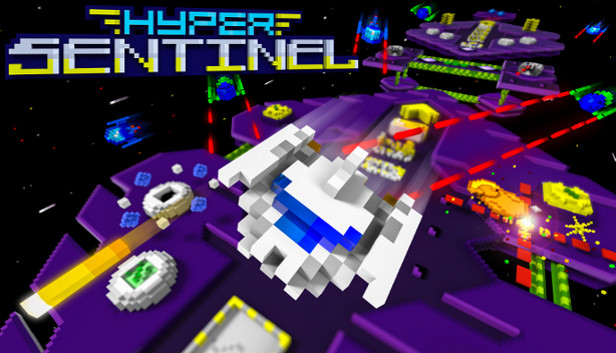
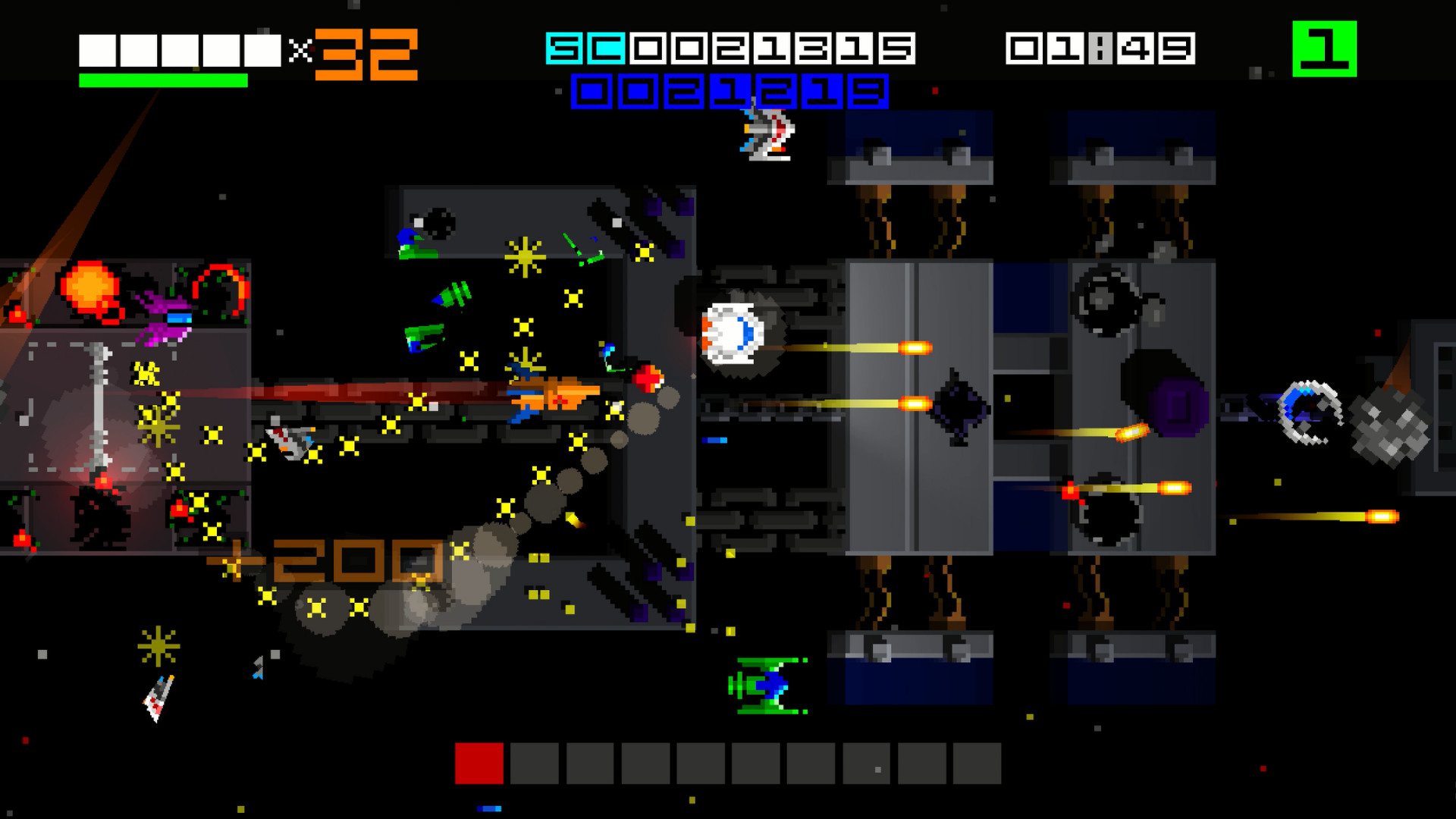
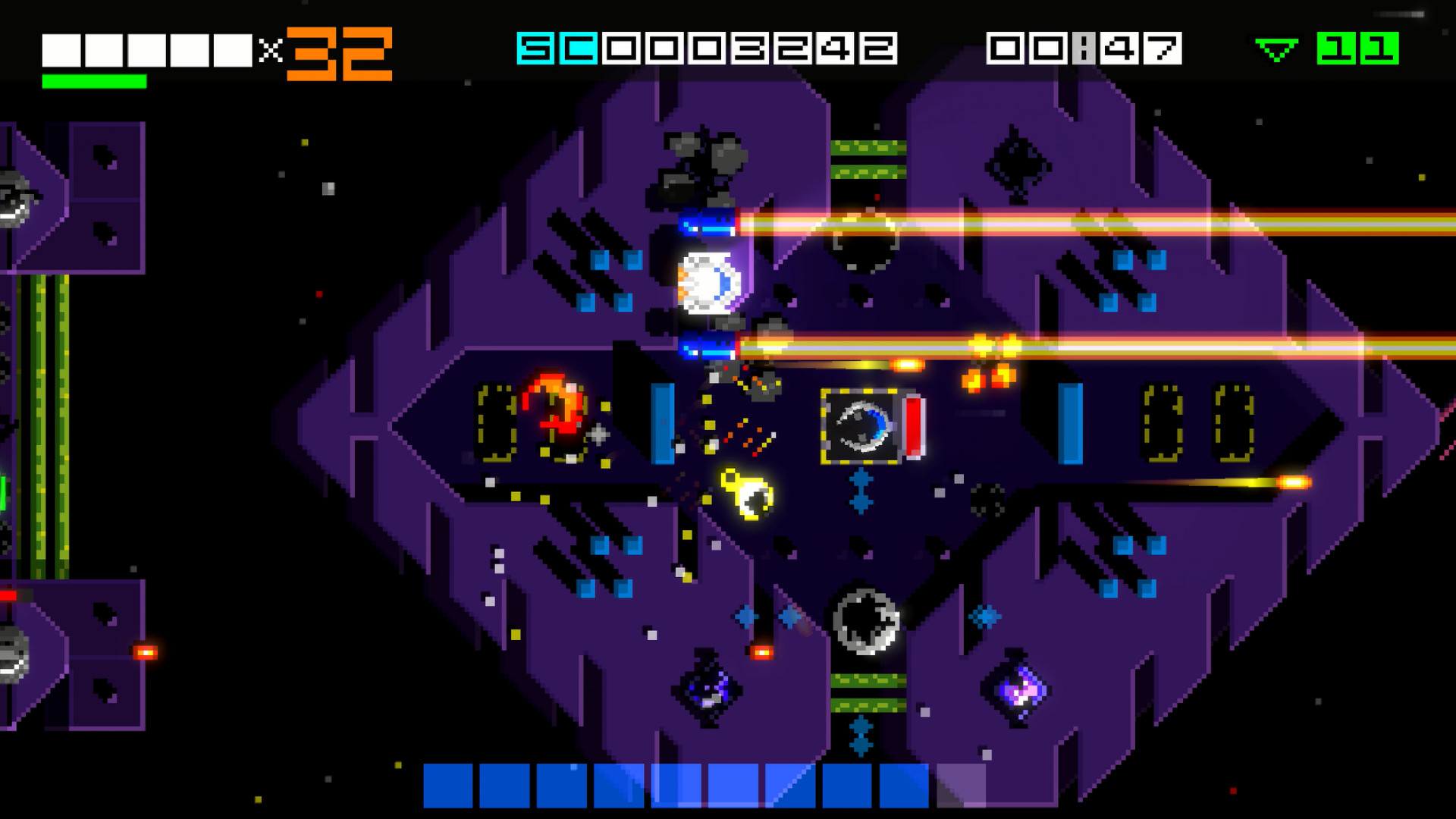
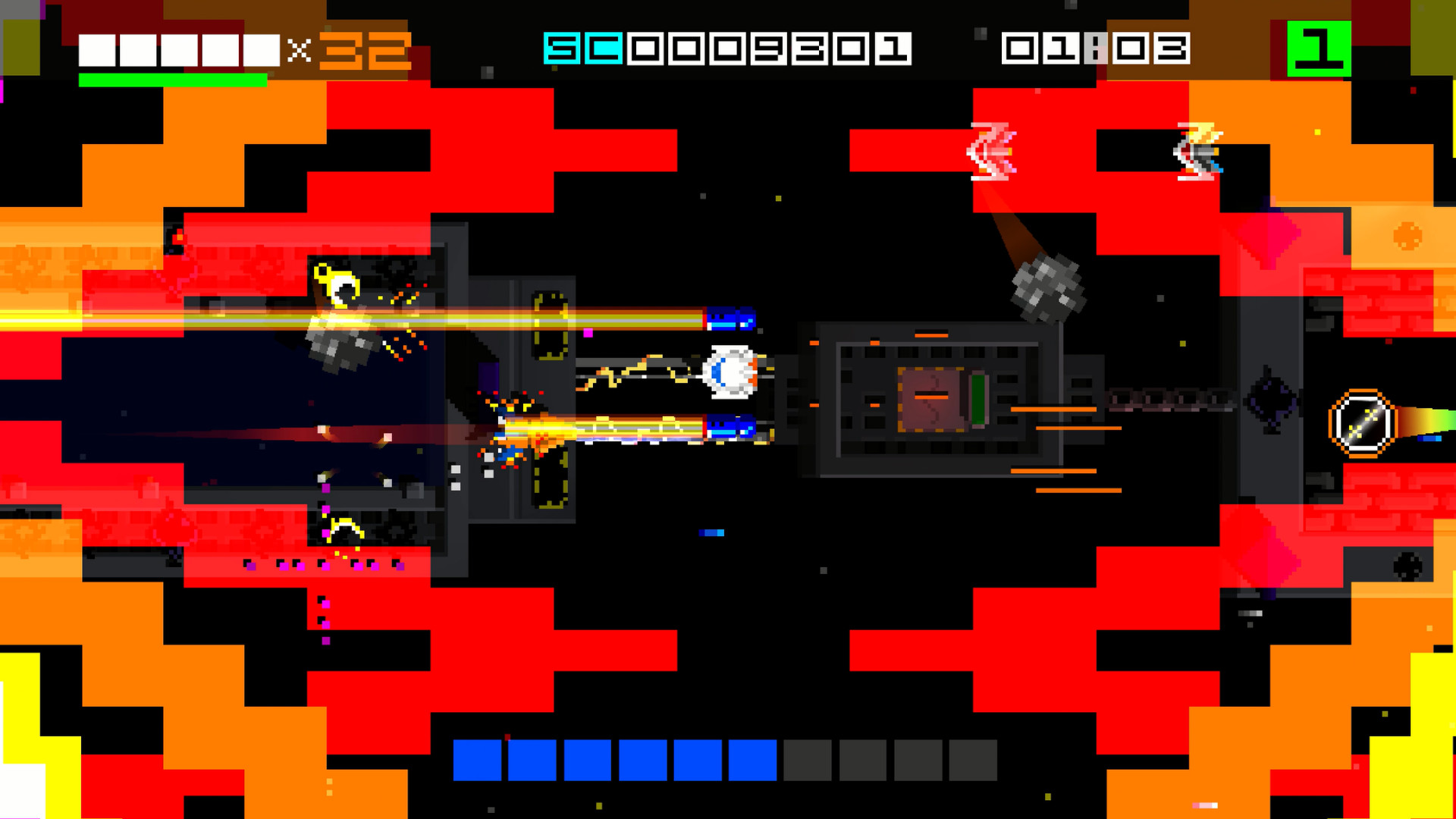
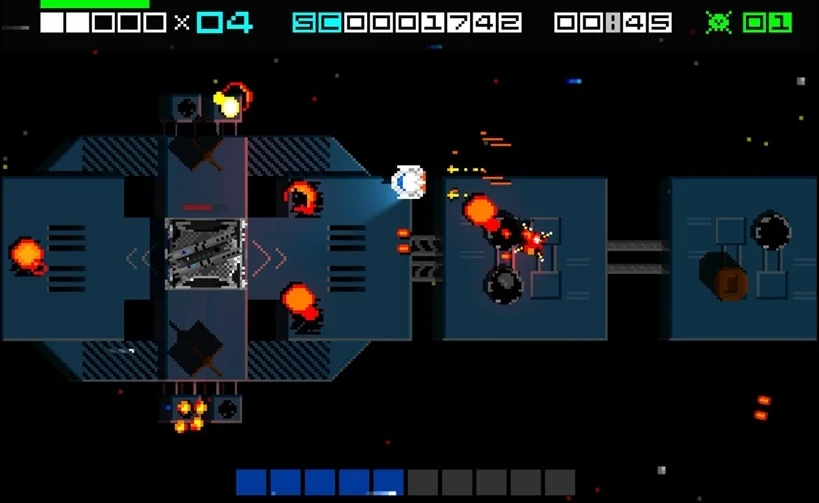
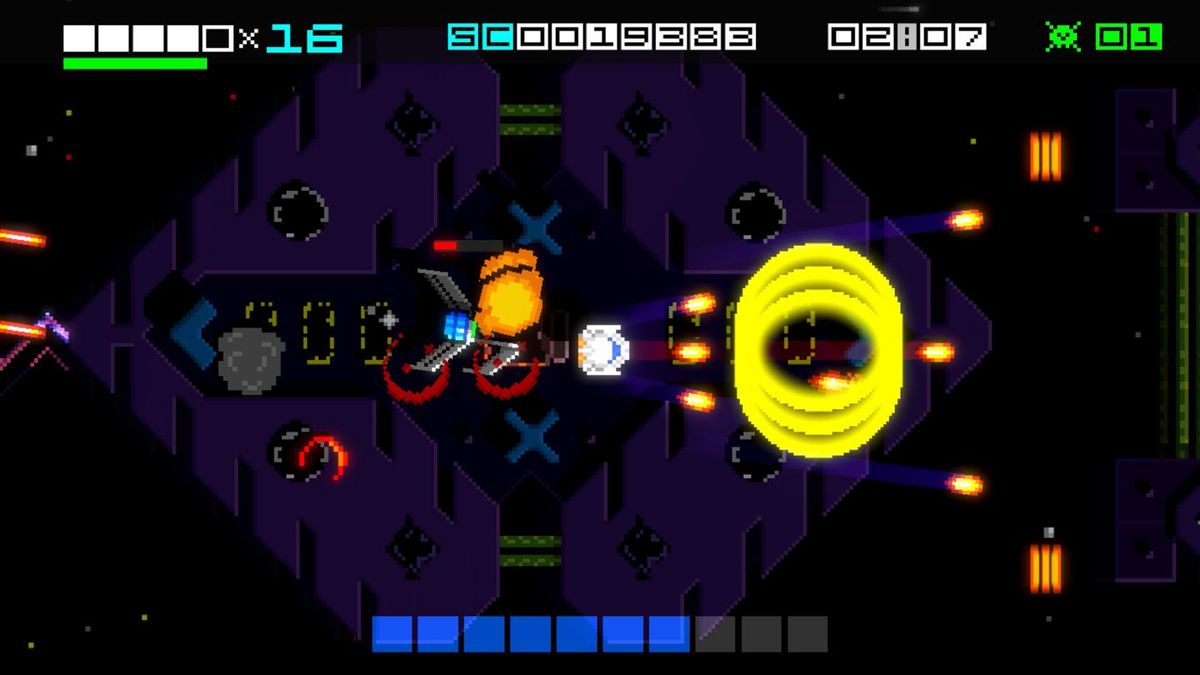
Following on from Play Manchester 2016, one game that has continued to impress gaming audiences since I first laid eyes on it is Hyper Sentinel; an arcade shoot ‘em up inspired by 2nd and 3rd generation classics such as Defender, Cybernoid, and Uridium. Showcased at many expos and being the subject of a recently successful Kickstarter campaign, the popularity of the game has been on the rise and is set for full release later this year on multiple platforms. Curious to find out more, I’ve conducted a Q&A with the game’s creative director and CEO of Huey Games, Robert Hewson. And the game’s principal developer, founder of Four5Six Pixel, Jonathan Port. Here’s what they had to say about Hyper Sentinel:


Hyper Sentinel 1

What were the influences behind your game?

Jon: The most obvious visual influence is from Uridium; the twist and flip maneuver has never really been used since. So I thought it would be fun to have that in. In terms of gameplay, major influences are Defender for its frantic action and speed, and Tornado Low Level (ZX Spectrum), where you could sweep back the plane wings to speed boost. I loved Cybernoid and its dramatic explosions, so there is some influence there.  More recently, Resogun, I like the way the enemies surround and suffocate you if you don’t keep on top.


What has the developmental process been like?

Jon: Development has gone very smoothly. I’ll often implement some features and then let Huey Games take a look. We’ll then go through a short iterative design cycle until the feature feels right. Using this process, some features make it in, and some get left out. It’s about making a game that feels consistent throughout.  To get such close design feedback from a publisher. But still having the freedom to create your own game has been an absolute pleasure.


Rob: It has been a genuine pleasure to work with Jon on the iterative process of enhancing and polishing the game. We seem to be on the same wavelength the whole time. I don’t think we’ve disagreed on any of the feedback we’ve given. And it is always a delight to get a new build and see all the little touches Jon has added.


How close are we to seeing the finished product?

Rob: We are on track for an early summer release now that Kickstarter has passed its funding goal. Of course, there is still a week left on the campaign. So we are hoping to hit a few more stretch goals too! You can check out the campaign at www.hypersentinel.com.


Hyper Sentinel 2

What has been the most exciting aspect of development?

Rob: I think there was a moment after we’d been through a few rounds of iterative improvement when the boost and the dodge abilities came together. And the compelling loop of the gameplay was suddenly brought to life. After that, tweaking the way the enemies behave, the way the power-ups spawn, and all those little details so that they work elegantly with those core mechanics, that is when we began to realize we’d found the fun, which is always the best moment!

Jon: Seeing people play your game at an expo and come away thrilled to have played it. When you are so close to the development of a game, you never really know until you stand away and just let people play it on their own. It’s a scary moment as you take your game to its first public showing. But to see people enjoying your own game is a special moment.


What has been the most challenging aspect of development?

Jon: Hyper Sentinel was originally developed on an Apple-centric platform. To get the game out to a wider audience, we needed to move the codebase to an engine that could target multiple platforms. The move to the Unity engine was the greatest technical undertaking. Most of the code has been rewritten entirely from scratch to get the best out of that environment. We could have gone down the route of a quick code port. But we decided early on that we should do this right to make the best game possible.


Has your father, Andrew, had any input into the game?

Rob: Not so much. He attended the first meeting with Jon and could instantly see the potential of the game, but he is taking more of a back seat these days. His wealth of experience is there to tap into when we need it. But that is mostly on the business side.


What impact has your father had on your career as a developer in general?

Rob: I don’t think he pushed me to pursue a career in the games industry. If anything, he was a sobering influence because he knew firsthand just how difficult it could be. However, no doubt that being surrounded by games from an early age. Climbing through the shelves in the Hewson warehouse, attending trade shows, collecting posters and stickers – it left its mark. I remember drawing the Hewson logo and dreaming up game ideas with my friends, so I caught the bug early. By the time I got into the industry, Dad had already left, and although I probably talked to him about it on occasion, he considered it a closed chapter in his life. Until I convinced him to write his book, that is.


Hyper Sentinel 3

How well has the game been received so far?

Rob: It has been exceptional. Everybody who plays the game seems to enjoy and appreciate it. One of the most exciting things to see is that it is not just older retro gaming fans who love it; we had loads of kids coming back time and again to play it at the shows we have attended, which is a pleasure to witness.


Jon: The greatest thrill is to see people genuinely excited to play the game. Hyper Sentinel is a high-score game at its heart, and it’s great to see people putting in so much time to stay on top of the score leaderboard! 


What platforms are you looking to bring the game to?

Rob: So far, we can confirm Steam, PS4, Xbox One, iOS, Android, and Amazon platforms. Hopefully, we can add even more to the list soon.


Hyper Sentinel 4

Do you have any advice for aspiring developers who may be reading this?

Rob: Figure out what the hook is for your game, the thing that makes it stand out from the crowd, and polish, polish, polish. Once you’ve finished polishing, polish some more. When you think you can’t polish any further, get some feedback, realize you were wrong, and carry on polishing.

Jon: Did Rob say polish? If there is one thing I have learned from Huey Games, it is that a great game doesn’t happen instantly; it’s a process of building over and over from a simple core concept. For aspiring indie developers, the most important thing is to finish your game, and that takes an awful lot of hard work and time. If you know you have a great game, just keep going until you get it into people’s hands. 


Where on the Internet can people find you?

Rob: The game has its website at www.hypersentinel.com (which currently goes directly to the Kickstarter while the campaign is live), and you can visit our company page at www.hueygames.com. 


Do you have anything else to add?

Rob: Thank you for having us and a massive thank you to everybody who has supported us along the way!


Hyper Sentinel 5

I would also like to take this opportunity to thank both Robert and Jonathan for agreeing to our Q&A session, to say congratulations on the successful Kickstarter campaign Hyper Sentinel has had, and to wish them the best of luck with the game upon release. From what I played at Manchester, Hyper Sentinel seems like a particularly enthralling game, a compelling homage to the 80s classics the developers drew inspiration from, and I can’t wait to play the finished article.