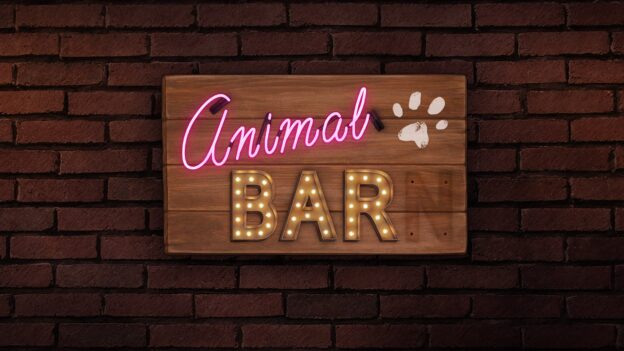
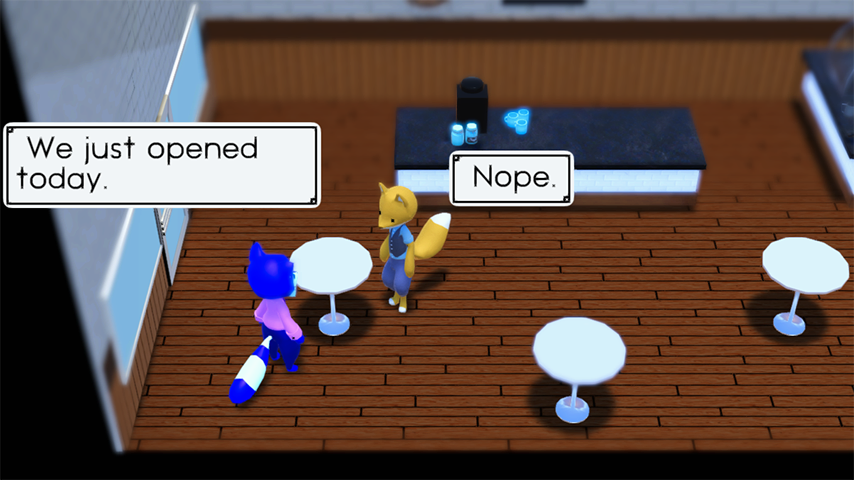
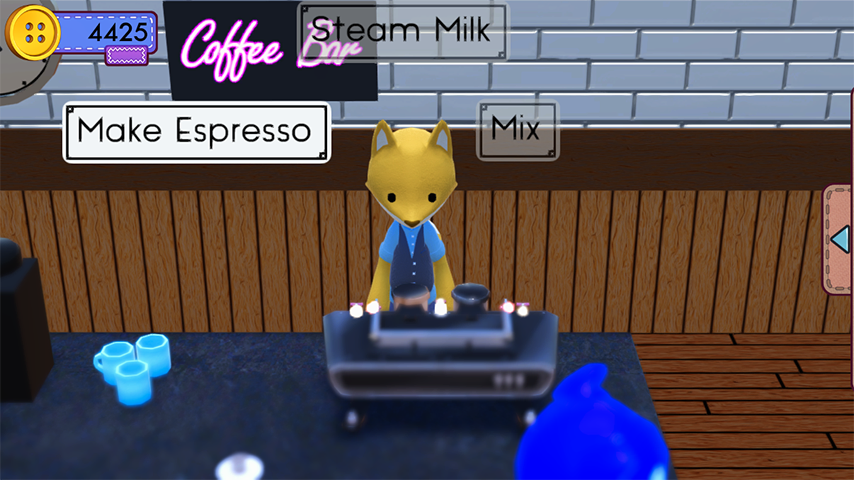
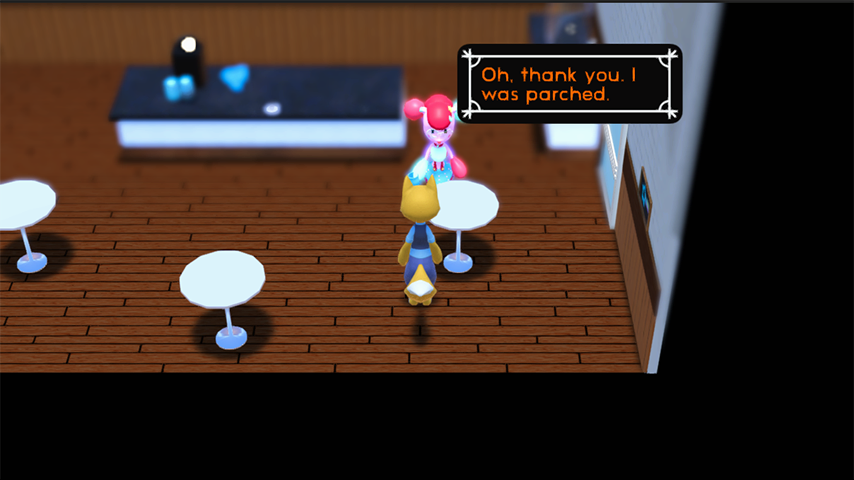
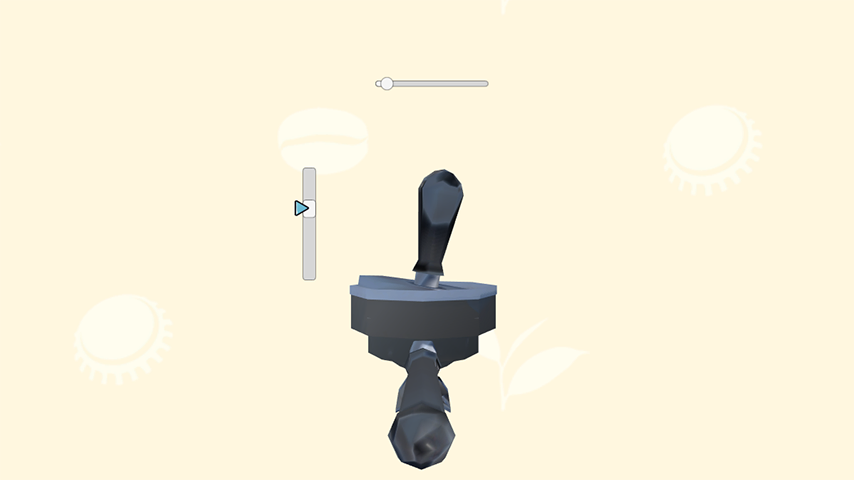
Whilst looking for new, up-and-coming games on social media and the like, I stumbled upon a charming-looking game a few weeks ago entitled Animal Bar, and I immediately became curious to find out more. Animal Bar is a simulation game whereby players manage a bar vacated and run by anthropomorphic animals and must accumulate as much profit as possible by serving customers and even interacting with them socially to keep them satisfied and coming back. Players must pay attention to customer needs based on their preferences and personalities. Periodically building their bar from the ground up, upgrade equipment, and expand the business.
Outside elements also play a key role in the gameplay, as the moods of customers change depending on either what time of day it is or even what the weather is like. And the player must adapt accordingly to suit whatever mood the customer finds themselves in. Thoroughly intrigued to find out more about this promising game, I got in touch with Ryan Dunnison. The director of Playful Fox Games. An indie studio based in Vancouver, Canada. He had a lot to say about the current developmental state of the game as well as the studio’s planned Kickstarter campaign to fund the game. Here’s what he had to say about Animal Bar:
What were the influences behind your game?
There are simply too many to list all of them, but maybe if I give a bit of background, it could help. Animal Bar is an idea that evolved from a few different sources. One of the pieces of the groundwork was a pitch that a colleague of mine was working on at East Side Games. Which we later tried to re-pitch together. After he departed, I tried to rework the idea and come at it from another direction. Ultimately, the pitch didn’t take off. But the idea stuck around in the back of my mind.
More recently, when Animal Crossing: Pocket Camp was announced, several of my coworkers and I discussed what sort of game we expected from the final game. In discussing this, it brought back my thoughts to the game I’d pitched at my previous office. And I began retooling and refining it as a concept further.
At each of these steps, I’d done the research and found that there were many management-based experiences in cafes and bars on mobile. And a few narrative-focused games set in those locations coming out in the indie world, such as VA-11 Ha11-A, Read Only Memories, and, more recently, Coffee Talk. Aut, there wasn’t a good example of a game that had both elements in focus. And this is ultimately the space we decided to create.
What has the developmental process been like?
Smooth sailing… I joke I’ve never seen production go perfectly smoothly, and I’d be frightened that we’d done something wrong if it did, to be honest.
This has been a different experience from other teams I’ve been on. It’s been an exciting and sometimes challenging learning process, dealing with both the business side and the development side of things. On the development side, we focused on building a strong foundation from the get-go. Which is something that I felt was very important. We’ve got some great concepts and a positive reception so far from those we’ve demoed to. We try to do it pretty regularly to get feedback and to check in on whether or not the tone and direction are resonating, and that’s been really reassuring.
How close are we to seeing the finished product?
Depending on whether we secure some additional funding, we’re hoping sometime in the next 6-9 months, but this isn’t set in stone.
What has been the most exciting aspect of development?
For me personally, I always enjoy the prototyping process, where you see things starting to come alive. However, the most exciting moment so far was getting a positive response from Nintendo. This was a nerve-wracking process of pitching to various friends and local indies, refining the pitch. And tracking someone down to talk to. It was very gratifying to see that there was an interest there. This was what we were waiting on to determine our launch platform and ultimately decided on our final scope.
What has been the most challenging aspect of development?
It’s hard to pinpoint a single hardest challenge, as development has many hurdles that you must overcome. And I think that it’s a bit different for each person on the team. I think I’d just say that stress is the number one most challenging part of development. Each new problem that comes up requires a solution, and sometimes there are issues that you simply cannot solve, and each of these takes a toll on you as an individual. And if one person is stressed, then this adds to the team’s stress. And when people are determining how much time to spend on a project, you want to remove any barriers to working as much as possible. Which makes stress the enemy.
Have any of the development team worked behind the bar, and if so, did these experiences play a part in development?
So, the “bar” experience in this game is sort of an amalgam of a coffee bar/tea bar experience with a typical liquor-serving bar (sans liquor) and diner. Thanks to several well-known TV shows, many people, including myself, have this sense of a homey and warm place where the bartender is a great person to bounce ideas off or be a shoulder to cry on. We wanted to bring the idea of that experience together with the workings of a coffee/tea/soda bar.
I worked at Teavana before it was bought by Starbucks for half a year. This strengthened my interest in tea. Although I hadn’t had an interest in coffee, it’s very apparent that there’s this whole culture built around coffee. Especially here in the Pacific Northwest. My father was getting quite involved in his coffee excursions around the Greater Vancouver area and decided he wanted to take a barista training course. Which my brother and I joined him in. We brought soda in to get closer to the liquor bar experience because it’s another point at which these beverages sometimes intersect.
In terms of bar experience, one of our artists worked in a bar in town and is in the game industry. All of us have been to our fair share of bars and have various viewpoints on which we like and which we don’t, and why.
How well has the game been received so far?
The reception so far has been very positive. For anyone who’s come up to play our game wherever we’ve shown it, they’ve said that they liked the idea. I think there have only been one or two people I’ve talked to who didn’t have much to say about it. The caveat is that it’s been in a state where there simply wasn’t a whole lot you could do. So I would have had to do a lot of explaining and engaging with the people playing the demo. This always skews things a little bit. I look forward to when we get a tutorial in our demo so that the game can explain itself. But that’s probably a few months out still.
As the game is set in the bar, will there be scope for exploration of the outside world as well?
For launch, likely, the answer to this will be no. We do have some ideas in mind for how we’d go about expanding this. And it might make some good expansion content down the road. But it all depends on money and time.
What platforms are you looking to bring the game to?
Our launch platform is going to be Switch. Although we do plan to broaden to other platforms in the months following the launch. There are several reasons we made this decision. But the big ones are accessibility and visibility.
The Switch is unique when it comes to accessibility in that there are several built-in control schemes that you can work with right out of the box. This poses some challenges. But also means that we can make sure that all possible control schemes are supported. When it should help us in porting to other platforms down the road.
If you’re an indie developer these days, visibility is incredibly important and hard to get. Many marketplaces these days are incredibly oversaturated. And most have very poor mechanisms for surfacing new content that isn’t AAA. The Switch is getting more and more content. But it is still newer than a lot of other platforms. Which means it’s somewhat less competitive than some other platforms. Additionally, they have a great built-in feature for highlighting new games and indie games with their built-in news feed.
Besides the issue of identity, will morality mechanics be implemented in the game?
Hmm, this is a bit of a tough question to answer. The choices that the player is presented with within our game are meant to be generally challenging questions to answer. In that the options should present equally good options. These choices, or dilemmas as we call them, are generally about personal growth and often have to do with identity in the broad sense (choosing a path to walk in life). This does mean, however, that some choices will have clear decisions for you based on your own biases that you bring into the game with you. Whether you would call these moral questions or more questions of your own identity is up to you to decide.
Do you have any advice for aspiring developers who may be reading this?
Lots! This is one of the reasons I teach part-time… To people looking to get into the industry, play a lot of games. Particularly a large spectrum of different genres and from different periods, and do it with an inquisitive eye. Think about why certain mechanics and stories were made in the context of the genre and period in which they were made.
The other piece of advice I’ll give you here is, don’t start a company until you’ve worked in the industry long enough to have seen some successes and failures with enough repetition to know how to avoid common missteps. And then get all of your legal stuff done up right away. I created Playful Fox Games as a sole proprietorship initially, with plans of making a few small apps. And ultimately ended up shelving those projects because I felt that I needed some more knowledge and experience before really diving in.
Where on the Internet can people find you?
Check out our website at playfulfoxgames.com for information about Animal Bar and our team. Track our progress on Twitter at twitter.com/playfulfoxgames, and join our growing community on discord at discord.gg/playfulfoxgames.
Do you have anything else to add?
We’re looking to do a Kickstarter shortly, so please keep an eye out for it! Thank you very much for this interview; it’s been a pleasure.
I’d also like to take the opportunity to thank Ryan for sharing everything that Animal Bar has to offer thus far in this early stage of development. And I wish him and Playful Fox Games the best of luck with this wonderfully unique-looking title. The indie development scene has always been populated with innovative games throughout the eighth generation. And this one certainly seems to be no exception. I hope you enjoyed reading about this game as much as I enjoyed interviewing Ryan. And I can’t wait to get my teeth sunk into the final product upon release.
Game on,
Scouse Gamer 88