Monthly Archives: January 2020

Aquamarine

Q&A With Moebial Studios

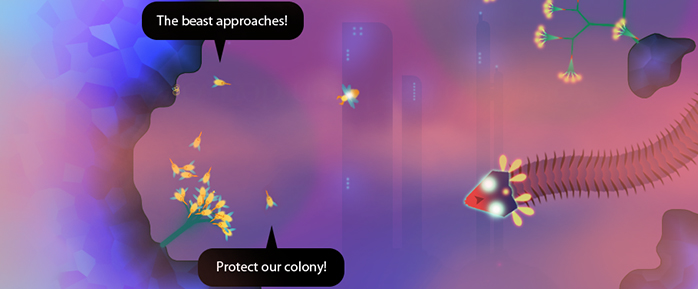
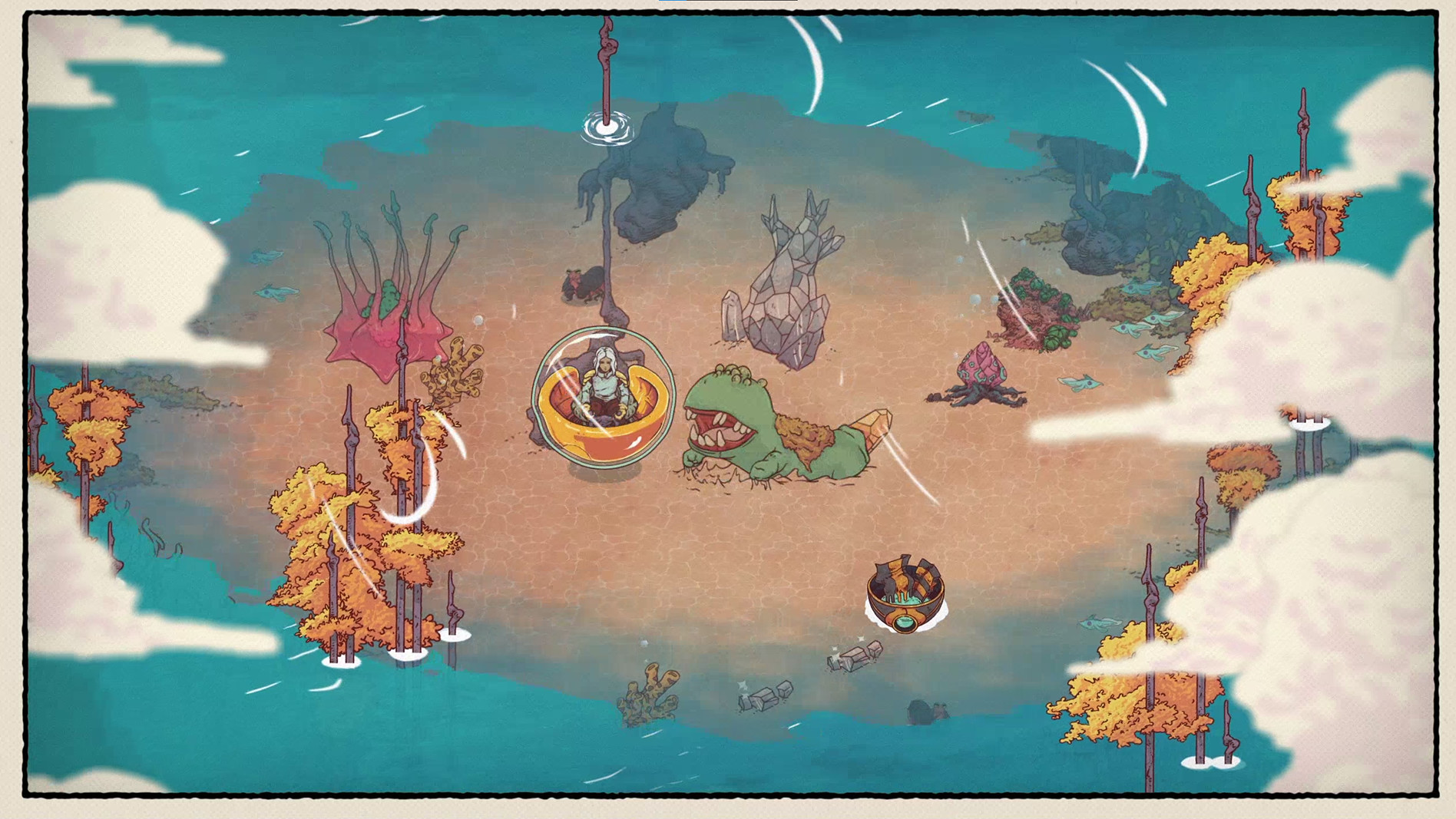
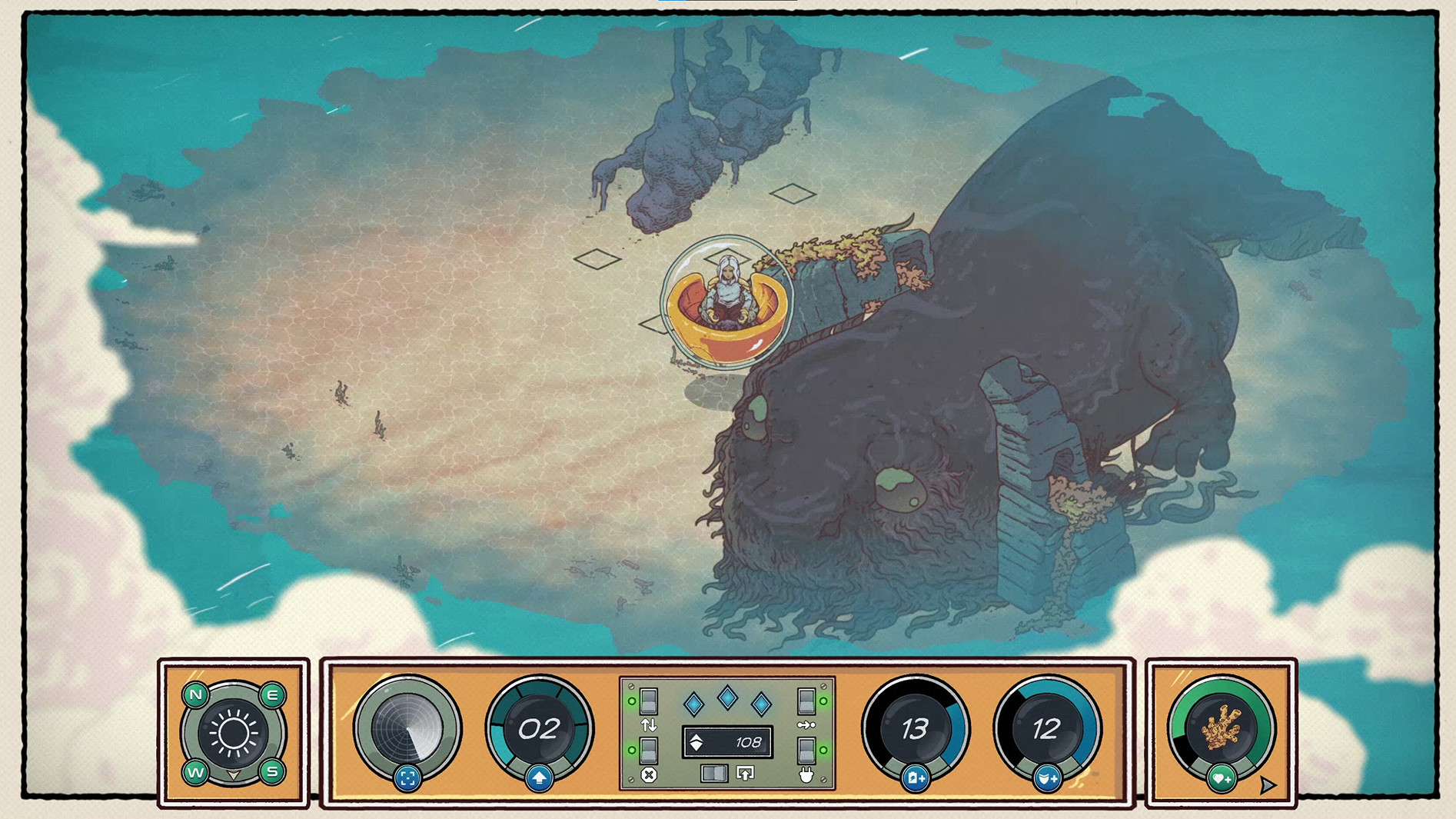
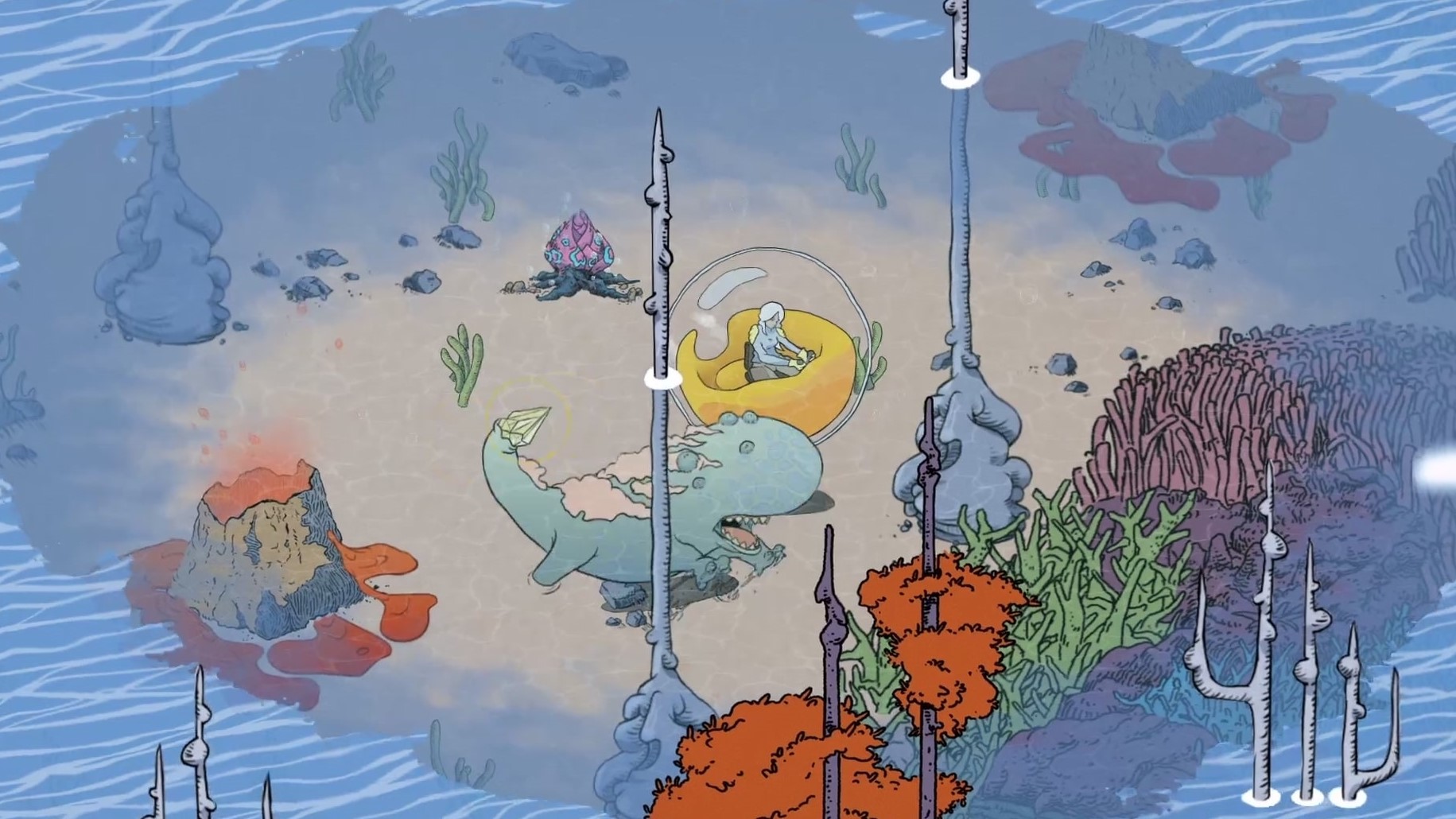
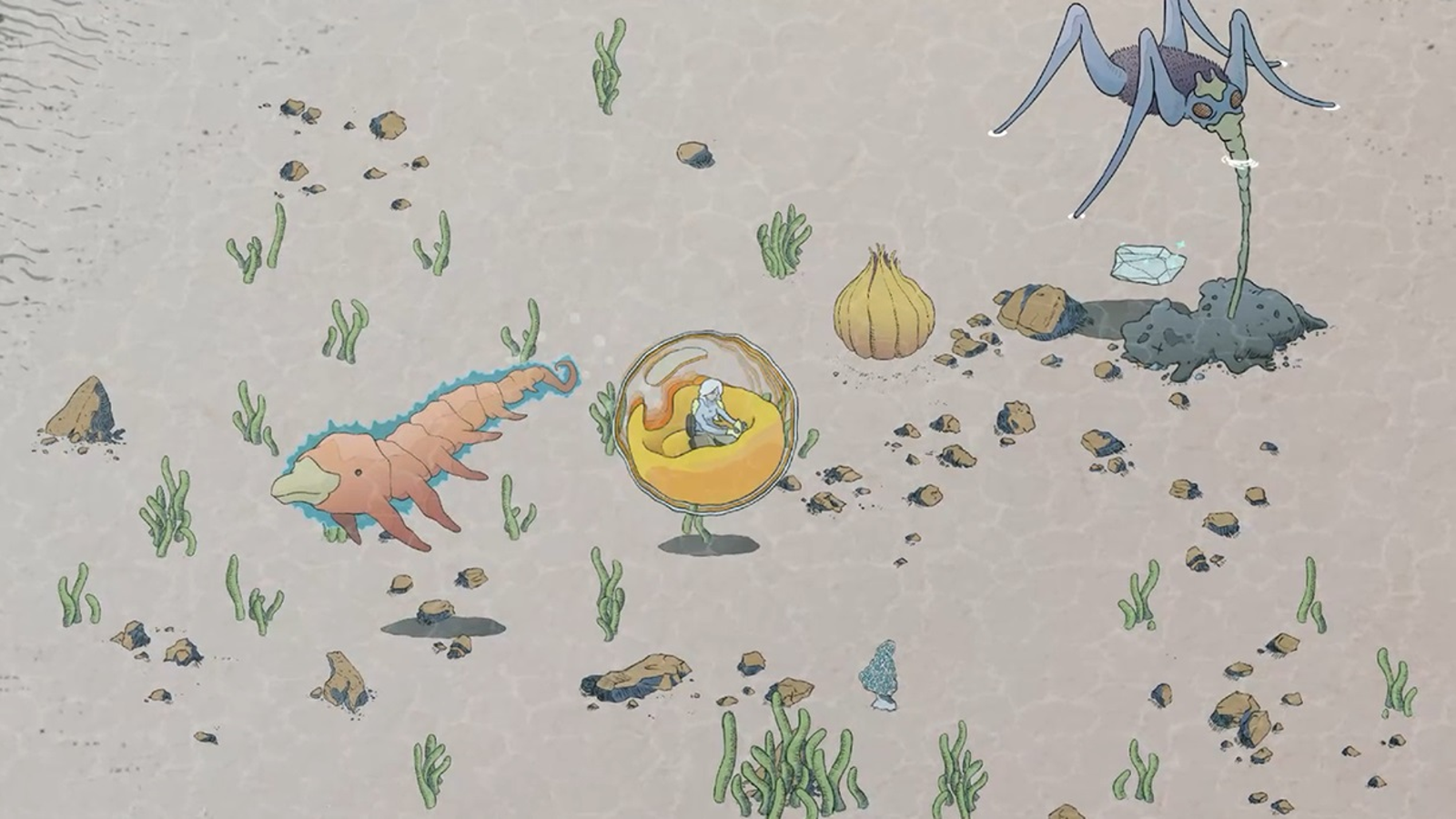
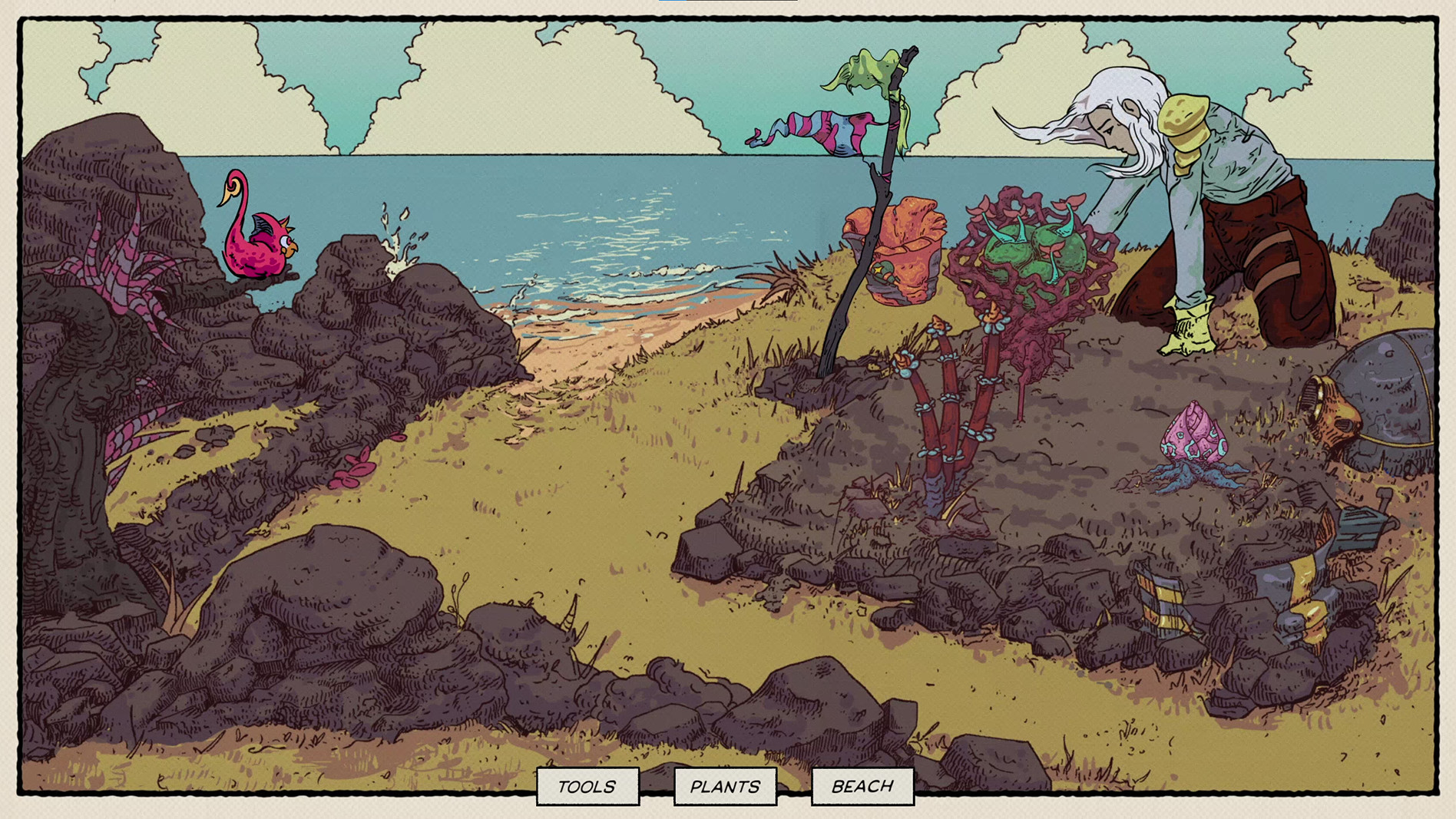
Continuing on with my efforts to discover new and upcoming video games and share them with my readers, last week, I stumbled upon another ambitious and exciting title in the works. Aquamarine, developed by Moebial Studios operating chiefly out of Yreka, California. It is an open-world underwater survival game influenced by a wonderfully wide array of different science-fiction games, comic books, and films. And upon release will boast a wide range of gameplay mechanics. Including vehicular travel and upgrades, morality mechanics, unearthing secrets the world has to offer, and wide-scale exploration (to name but a few). Players will have to take advantage of these to survive in a beautifully designed, outlandish underwater world that is the game’s namesake.

Already having reached the halfway point in their Kickstarter campaign at the time of writing, I reached out to the game’s lead designer, Patric Fallon, to find out more about this game and its breathtaking conceptual design. As well as to unearth some facts about what games influenced this title and about its developmental process thus far. This is what Patric had to say about Aquamarine:
Aquamarine 1

What were the influences behind your game? 

So many! We listed some of the main ones on our Kickstarter page. But everything from Lucasarts-style adventure games, to old-school roguelikes, to Dark Souls and Metroidvanias, to survival games like Don’t Starve and The Long Dark has influenced Aquamarine’s design. Aesthetically speaking, we’re pulling a whole lot from the psychedelic sci-fi art of the ’70s and ’80s, as well as the comics and animated films of that time. Our core influence for the visuals is French artist Moebius, who’s been having a bit of a popularity resurgence in games lately.

What has the developmental process been like?

It’s been slow, sporadic, and long. Development is tough to do without funds of any kind. But developing while trying to raise funds is also tough. We’ve had some major team changes over the years as well. But once those were handled, we finally could move forward at full power. Since planning for this new Kickstarter with our current team, development has gone swimmingly. And we’ve brought Aquamarine to new heights that even surprise me sometimes.

How close are we to seeing the finished product? 

Our goal is to have development wrapped by Q4 2020. Many things can change about the game and its release during that time. But we’re making sure our Kickstarter backers will have access to what we’re making ASAP.
Aquamarine 2

What has been the most exciting aspect of development? 

For me, it’s most recently been bringing together the current team we have now and seeing how well all of their work clicks together. Our new lead artist, Leo d’Almeida, is incredibly imaginative with color and concepts. And our new composer, Thomas Hoey, is massively talented at evoking a mood and fleshing it out through a composition. All of that, coupled with my designs and our animator Drew Brouillette‘s eye for movement and detail, has been so satisfying to see come together.

What has been the most challenging aspect of development?   

At this point, the only real challenge has been funding. No one works for free, nor should they. And so, self-funding development ahead of this Kickstarter has been difficult. I had to uproot myself from living in Brooklyn, NY, for 8 years to move to a tiny Northern California mountain town to be closer to family, save money, and finish Aquamarine’s development.

What has been the most frustrating aspect of development?   

I’m not sure if there have been any major frustrations yet, but it can occasionally be problematic that our team is spread around the world in different time zones. But that’s more about me wrestling my brain about maximizing this, that, or the other. The truth is that everyone working on Aquamarine is reliable, professional, and above all else, EXCITED about making the game. Nothing frustrating about that at all. 
Aquamarine 3

Something I’ve noticed about the game is the comic book art style. Were there any comic book series in particular that influenced this game?

Absolutely! I don’t think the game would exist at all if it weren’t for Moebius’s comic anthology The World of Edena. It’s such a beautiful and ground-breaking book that reading it immediately made me think, “How in the world is there no video game that looks like this? Or feels like this?” That’s how this whole thing began.

In terms of gameplay, how have you and the team been working to deliver a relaxing experience whilst having been influenced by some of the most action-packed games ever developed, like Metroid and Castlevania?

Well, we’re essentially talking about two different aspects of game design: overarching design concepts vs. moment-to-moment action. Many of Aquamarine’s overarching design concepts come from my love for Metroidvania and Soulslike games. Such as open-ended exploration, little to no hand-holding, item-locked progression, a single currency to collect and spend, and so on. But our moment-to-moment action comes from different genres. Such as classic roguelikes, point-and-click adventures, and turn-based tactics games. Having a slower, more contemplative gameplay loop allows us to explore these mechanics from more action-y titles in a different way.

How well has the game been received so far? 

I think we’ve had nothing but positive reactions so far since the Kickstarter launch. And it just keeps ramping up every day. Back when we were showing off super early versions of the demo, people were intrigued by the design ideas we were experimenting with. We even got a snazzy write-up in PC Gamer Magazine in early 2019. We’ve also been approached by a handful of publishers and tons of fans curious about getting involved with Aquamarine in some fashion. I think that response will only continue to expand once we reach people who still don’t know we exist.
Aquamarine 4

What platforms are you looking to bring the game to?

Currently, we are looking only at PC, Mac, and Linux. Simply because that’s been my bread and butter for years. But I’m interested in what a console port of Aquamarine might look like and will be exploring that possibility if/when the time is right. I think Switch would be our first move on that front.

Do you have any advice for aspiring developers who may be reading this? 

Follow what you care about, not what everyone around you seems to be interested in. I think it’s far too common for game makers to want to capitalize on a trend or make something easy to explain to the majority of gamers. But that’s always a quick way to become another generic title in an ocean of generic titles and lose yourself in the process. Only by sticking to your passions will you make something true to yourself. And not get burnt out as you go through the difficult journey of actually making it.

Do you have anything else to add? 

Please check out our Kickstarter and consider backing us. We’re over halfway to our goal!
Aquamarine 5

As well as checking out their Kickstarter page, you can also visit Moebial’s social media platforms via the links below:

Twitter – https://twitter.com/moebial?lang=en

Tumblr – https://moebial.tumblr.com/

Instagram – https://www.instagram.com/aquamarinegame/

The game’s Kickstarter campaign is continuing to gather momentum. And you can help bring the project to life by donating towards the goal. Aquamarine is most definitely a game worth backing. And I can’t wait until its release to see what kind of experience the finished product brings. As always, I hope you guys had as much fun checking Aquamarine out as I did. Hopefully, the title will gain enough momentum to be successfully backed before the deadline.

Game on,

Scouse Gamer88
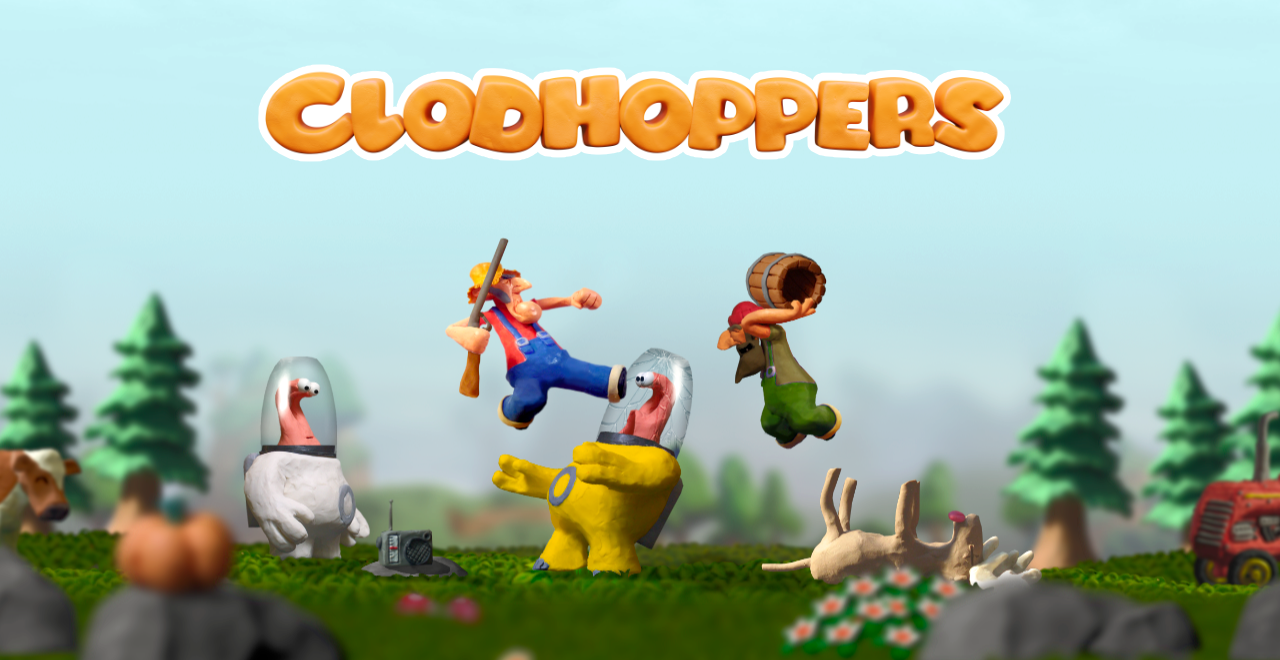
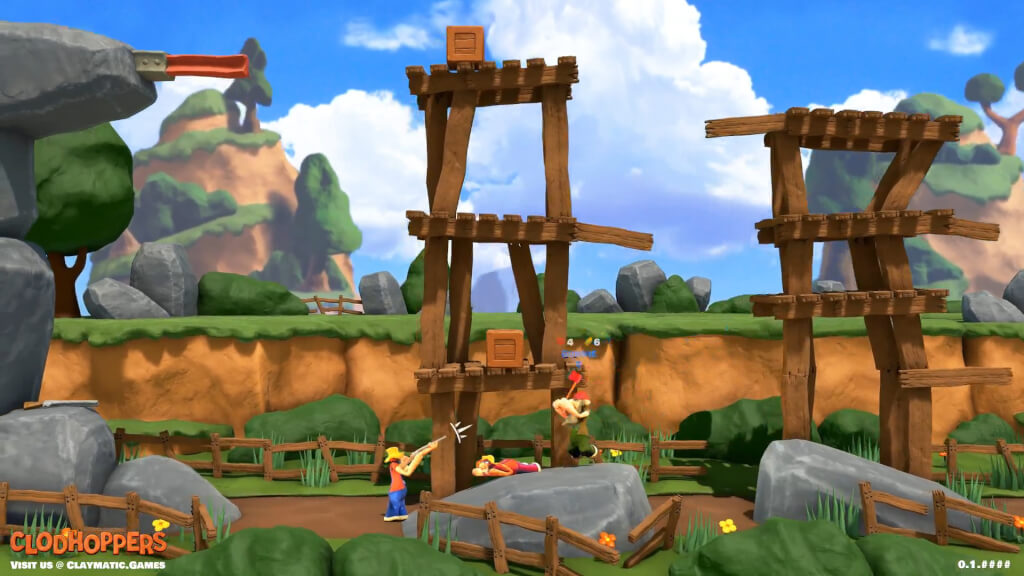
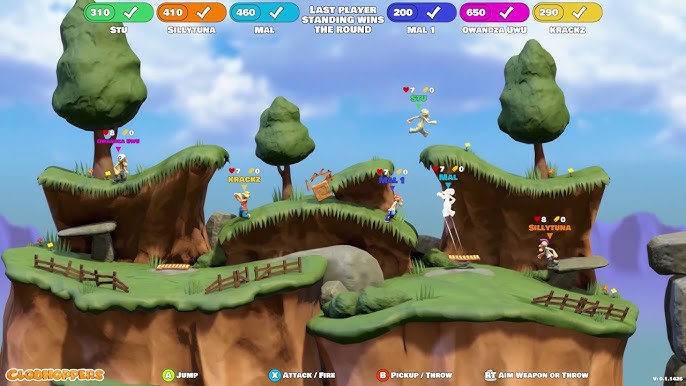
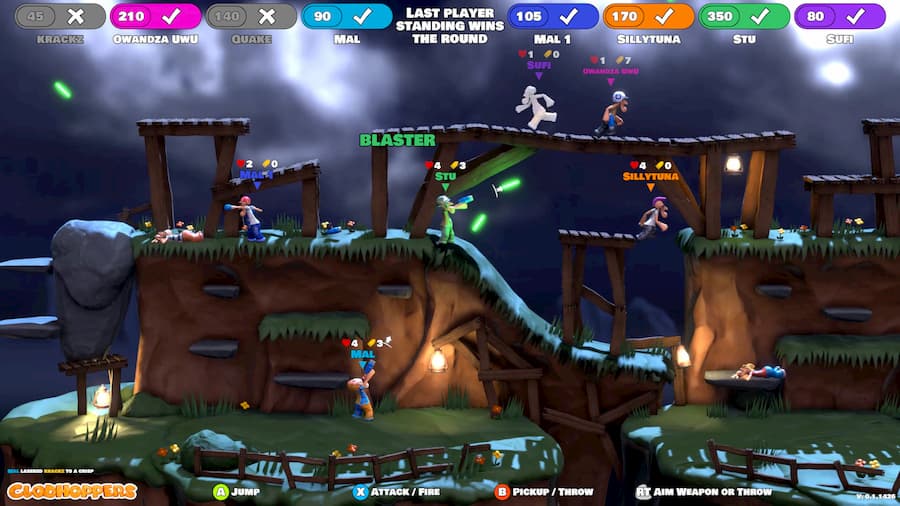
Q&A With Claymatic Games & Anthony Flack

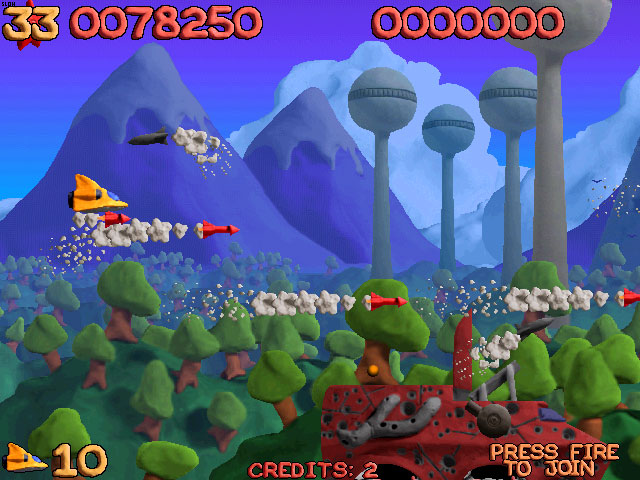
For the first developer Q&A session of 2020, I conducted this interview on the back of my most recent review I did and subsequent discovery. The game Platypus was a title developed back in the early 2000s by Idigicon and lead designer Anthony Flack. Making use of claymation-inspired visuals, it was a very enjoyable and challenging side-scrolling shooter that at first seemed like a very unassuming title.

But when I picked it up, I couldn’t put it down. A sequel followed, as well as several different ports on updated hardware, including a subsequent Steam release. However, I then discovered that Anthony, along with a new team of developers under the name Claymatic Games, was hard at work on a new game called Clodhoppers:

https://store.steampowered.com/app/307340/Platypus/

https://store.steampowered.com/app/319180/Platypus_II/

A spiritual successor to a game Anthony had previously been working on called Cletus Clay, Clodhoppers perpetuates the same quirky claymation-style visuals whilst taking on the form of a brawler game, with an eccentric and unconventional cast of characters, whilst also including shooting mechanics. After I found out about this game, I got in touch with Anthony at Claymatic Games and sent a few questions about the game and its development, as well as about highlights of his long and varied career within the gaming industry. These were his and Claymatic’s answers:

What were the influences behind Clodhoppers? 

Back in the early 2000s, we worked on a game called Cletus Clay, which ultimately was never released due to complications caused by the GFC and recession. Clodhoppers is an evolution of our unrealized ideas for that game, but it’s really taken on a life of its own now that the multiplayer element has come to the fore and the community is getting involved. User feedback is one of our biggest influences. I guess the way-back original inspiration for the game lies somewhere between a classic run-and-gun arcade game and a Far Side cartoon. The very first iteration of the game was something I wrote on the Amstrad CPC (8-bit home computer from the 1980s), so the roots go pretty far back! 

What has the developmental process been like? 

I’m very fortunate to be working with an excellent team on this – Stu Yarham (coding) and Mal Reed (art) are doing all the hard work. The game has come together very quickly. It’s been great (for me).

What attracted you to using claymation in the first place? Were there many stop-motion or claymation films or shows you watched growing up? 

Oh yes, I used to watch The Trap Door every Saturday morning. But I started using clay when I was in film school, and it was really for convenience. I had been animating with drawings, but it was very slow with the technology of the day (I was drawing on paper and scanning in each drawing on a flatbed scanner), and I got sick of having to redraw the background again and again for all the various camera angles.

I found that I could get a good-looking result more quickly using stop-motion. I started out shooting on film but moved on to digital as soon as the technology was available. Then, in the late 1990s/early 2000s, as I started to get back into making video games, I thought it made good sense to make sprites with clay as we were transitioning into 16 and 24-bit colour. These days, it’s more of a perverse choice than a practical one. 

How close are we to seeing the finished product? 

We’re aiming for early next year. Of course, since we are doing our development in public, people can play the unfinished product right now. 

What has been the most exciting aspect of Clodhoppers’ development? 

Definitely, the fact that we are letting the public play the game as we make it. Too often, game development can feel like you are stuck in a dungeon as you work on your game. And then if the game doesn’t get released, as happened to us, you can wonder where your life went. It’s nice to have people engaging with the work we are doing and giving us feedback. It’s a real boost. 

What has been the most challenging aspect of Clodhoppers’ development? 

This is probably a question for Stu, but getting online multiplayer stuff to work is always a tricky business. Trying to find an elegant way to represent 2D gameplay using 3D geometry is harder than it looks, too. [Stu says: The hardest things from a code POV mentioned are definitely at the top of my list.] We also spent a fair bit of time experimenting with different ways of turning clay models into 3D models. I did a lot of photogrammetry experiments before we switched to using a structured light scanner with a turntable. The game uses a combination of both techniques. 

How well has the game been received so far? 

People always laugh, and I love to see that. Video games are a great medium for silly slapstick humor, and this is a very silly game. 

Would you say the development of Clodhoppers has been anywhere near as arduous as the development of Platypus was? 

Platypus was really a very straightforward game to make, but it was just me on my own doing everything. Although Clodhoppers is a far more complex game, it’s being made by a team of people who actually know what they’re doing, so that makes a big difference. But on the other hand, if you include the two versions of Cletus Clay which we worked on for several years before Clodhoppers… four years on my own for the first PC version, then a couple of years in a team on the Xbox 360 game… that was the arduous part! I would say that this iteration of Clodhoppers has been – for me at least – the easiest game to work on, and Platypus the second easiest, and everything else has been pretty tough. 

How exhilarating an experience has it been to attend expos and see people enjoying Clodhoppers? 

We should ask Mal and Stu (I haven’t been to any of the Clodhoppers ones; once again, Mal and Stu have been the heroes). How exhilarating has it been, guys? [Stu: Seeing people laugh and return to the booth for one more game (or in some cases a 5th or 6th time) makes it all worthwhile.]

You also worked on Eufloria as well, but how many times have you thought of making an RPG using claymation? 

I’ve kicked around a few RPG concepts over the years. One thing I’ve learned is that RPGs in general are a tremendous amount of work to test and balance. They are very big, and they have a lot of variables. I would approach any future RPG projects with caution. 

What do you think would be next for Claymatic after Clodhoppers? Have any further ideas for games been either suggested or worked on? 

We bought back the rights to Platypus last year, so we are going to be doing a small project with that. We aren’t working on anything beyond Clodhoppers at the moment, but of course, we have ideas. I could pitch ideas all day! But it pays not to get too far ahead of yourself. 

What platforms are you looking to bring Clodhoppers to? 

PC/Mac and current consoles are the targets. 

How proud are you that both Platypus and Platypus II have continued to remain relevant so many years after their release, with the sheer amount of ports there have been? 

It’s amazing that Platypus ever got anywhere. It was never supposed to. All I set out to do was make a game that a kid wouldn’t feel ripped off if they spent five bucks on it. I wasn’t getting paid enough to do a good job, but I didn’t want to do a terrible job. I think I probably over-delivered. 

Do you have any advice for aspiring developers who may be reading this? 

The best advice is always to jump in and start making games. Find some way to get your ideas up on the screen and do it. Even if your protagonist is a rectangle. I would suggest you don’t try to make anything big or epic as a first project. You’ll never finish it, it will take forever, and probably be bad anyway. So put your grand ideas to one side and start with small ideas. The smaller the better, so you can try out lots of them. 

Do you have anything else to add? 

Thanks to anybody who took the time to read this far. If you want to know more, come and check out our work at Claymatic Games, join our Discord server, and let us know what you think.

I’d also like to take this opportunity to thank both Anthony and the guys at Claymatic Games for taking the time to answer my questions and for sharing so many awesome details with me about Clodhoppers. If anyone is interested in following the development of the game, you can check out their official website at:

https://claymatic.games/

You can also follow their social media links and Discord feed via the links below:

Discord – https://discordapp.com/channels/334342069755576322/599203200758710273

Facebook – https://www.facebook.com/ClaymaticGames/

Twitter – https://twitter.com/ClaymaticGames

Twitch – https://www.twitch.tv/claymaticgames

YouTube – https://www.youtube.com/channel/UC0zGPX7v2yOpQ9DZcbfTh8g

You can also download a demo of the game from their official website, which I highly recommend to get the best idea of where development is at the moment. I hope you guys enjoyed reading this article as much as I enjoyed putting it together, and I wish Claymatic Games and Anthony the best of luck with Clodhoppers. I’m very much looking forward to playing the final game, as I’m sure you guys are too.

Game on,

Scouse Gamer88
Platypus (PC, PSP, iOS, Windows Mobile & Xbox 360)

Platypus

Developer(s) – Squashy Software

Publisher(s) – Idigicon

Designer – Anthony Flack

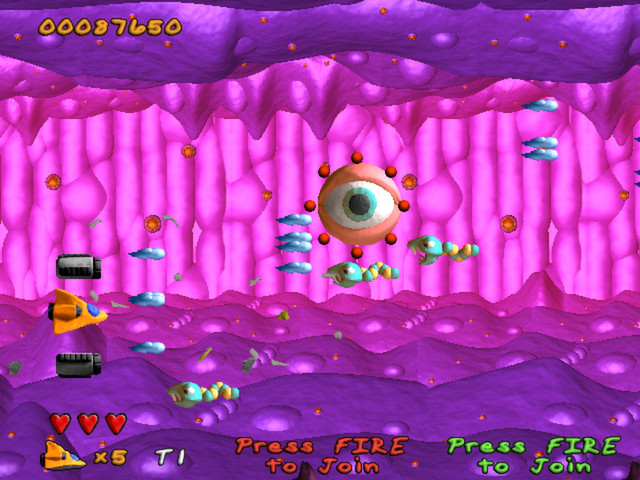
First released back in 2002 and then later ported to a wide variety of different systems, Platypus is a scrolling bullet-hell shooter. It makes use of digitized sprites and scenery to create a claymation effect. Similar to games like ClayFighter. When I first picked this game up some time ago, I first got the impression that it was a particularly unassuming title. It was insanely cheap, and the box art looked quite substandard.

But when I started playing it, I was immediately enthralled with it. And largely taken aback by just how good it is. When I subsequently did my research on it, I later found out that not only did it spawn several ports to different consoles, but it also spawned ports to mobile phones. But it also got a sequel five years after the release of the original. Researching this game also made me understand what a labor of love is for many different reasons. 

Graphics – 8/10

To reiterate, the game adopts visuals inspired by claymation. Making it a particularly quirky-looking title. It’s vibrant and colorful, and it also has a decent amount of variety in both level and enemy design. I was also ready to argue that the game’s first two levels look somewhat similar to each other. But after finding out the process behind the making of this game, I knew that I would’ve been far too over-critical. The game’s designer, Anthony Flack, cited that at the time of the game’s development, there had been limited availability of plasticine in his home country of New Zealand.

Therefore, he used one lump of it to create every scenery element and individual sprite within the game. And photographed them one by one. And used photo editing software to color them in various colors. Personally, I’m amazed the visuals of this game were essentially the work of one man. And how well it panned out, given the outlandish creative process behind it. The soundtrack is also particularly impressive. Comprising remixes of tracks from old Commodore 64 games. It’s a pretty tokenistic thing for any Commodore fans playing the game who may spend time trying to figure out which game each track is taken from. 

Gameplay – 8/10

The game is also particularly fun to play. Albeit challenging. It plays out very similarly to the likes of Defender or Gradius. Players are able to grab a variety of different power-ups throughout in order to gain a foothold against hordes of oncoming enemies. But what makes this game different from the aforementioned examples is that the power-ups, throughout certain instances within the game (especially the boss fights), become more or less a necessity. Adding to the game’s sense of challenge. It’s difficult but not inaccessible. Although players may struggle at first, the general strategy is simple enough to exploit. The boss fights in each level are also pretty well done throughout. For example, I couldn’t help but wonder whether or not the first boss fight was inspired by the Forever Train from Star Fox 64. 

Controls – 10/10

As I always point out with games like Platypus, what cannot be tolerated in a game that relies heavily on individual skills to get through are problems with the control scheme. Massively, it negates the point of having a challenging title and makes it pretty much unplayable. I was very happy to discover in this game that there are no issues with the controls. Although this was to be expected since the formula has been tried and tested for many years throughout various generations of gaming, it’s always reassuring when a player dies in-game, it will be down to awareness of their surroundings whilst playing. 

Originality – 8/10

Although this wasn’t the first game to use digitized sprites or even claymation, Platypus is one of the games that makes players think that it’s far too distinctive to be unheard of on an unjustifiable scale. It blends classic side-scrolling shooting action with a quirky, colorful. And a unique art style, which certainly will have made it stand out within the circle of independent PC developers throughout the early 2000s. And it’s still an experience that remains quite distinctive today. 

Happii

Overall, Platypus is a fun, great-looking game with a great deal to offer in terms of replayability. It’s a game that I thought would most likely be another write-off from the word go. But it ended up being something far more special than that, and I wholeheartedly recommend it. 

Score

30/40

8/10 (Very Good)

Sheep (PC, PlayStation & Game Boy Advance)

Sheep

Developer(s) – Mind’s Eye Productions

Publisher(s) – Empire Interactive

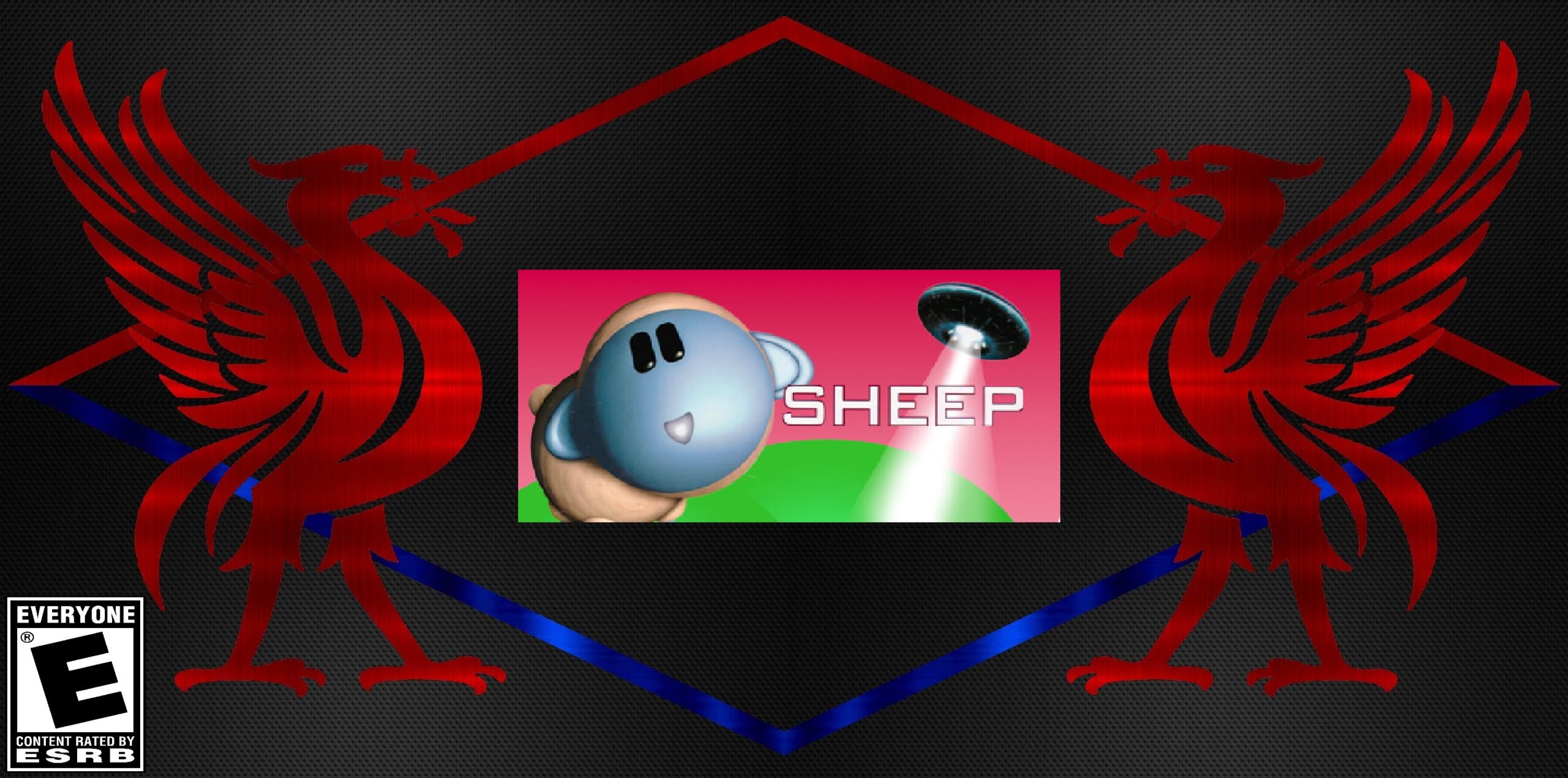
Released back in 2000 and receiving mixed to positive reviews upon release (including a nomination back in 2005 from Computer Games Magazine for the best classic game of 2000), with most reviewers drawing comparisons to Lemmings, Sheep is a puzzle game whereby players must herd sheep from the start of stages to the end. I went in not expecting much of this game. Since, on the face of it, it was cheap and primitive-looking upon the first inspection. And seemingly developed on a budget by a somewhat renowned company at the time. However, I wasn’t overly disappointed with the game. Since, though not without its faults, it was fairly enjoyable to play and challenging to boot. 

Graphics – 7/10

As I mentioned previously, Sheep has drawn comparison mostly to games like Lemmings and Worms, as in terms of gameplay, it seems to be a game within the same strata. In terms of visuals. However, I began drawing comparisons to the original Blood Omen with its top-down view and pseudo-3D graphics. So much so that I wonder whether or not both games were made on the same engine, in fact. The cartoonish aspect also reminded me uniquely of the Toy Story game released on fourth-generation hardware. Where the visuals are concerned, it does have a certain charm to be enjoyed that is comparable to Worms. Between in-game graphics and the various cutscenes throughout the game. 

Gameplay – 7/10

The concept of gameplay is to try to herd sheep from one end of each level to the other within the time limit allocated. Additional bonus points are up for grabs depending on the time each level is completed. As well as gaining bonus points for herding sheep through additional obstacles across each level. I’d seen herding mechanics in games before playing this. Such as in the original Jak and Daxter, for example. But nothing anywhere near this extent or to this level of challenge. Overall, I was pleasantly surprised to find out how well this game plays out. And how unique it is compared to most PC games released at the time. 

Controls – 9/10

The mechanics of the game are pretty well thought out, and there is a minimal amount of issues with the controls in conjunction with this. The only problem that I had with the control scheme was that it was a little difficult to get to grips with at first. Especially since it’s not specified at first which buttons do what throughout the tutorial. But once figured out, it’s easy enough to get to grips with. The programming is a little bit questionable since sheep can sometimes veer away regardless of what commands the player gives. But these things aren’t enough to cause too much of an issue throughout playing. 

Lifespan – 4/10

The game can be made to last 3 to 4 hours overall. This is definitely the most disappointing aspect of this game. Since with a concept as unique as it is, it needs to be made to last as long as possible. And I think it could’ve easily been made to last at least twice as long. It’s surprising to me that the developers chose not to release a sequel, as it’s also a formula that could’ve been extensively modified in terms of gameplay as well. It vaguely reminds me of what Hogs of War 2 may have been if it had seen the light of day. 

Storyline – 5/10

The general gist of the plot seems to be that the sheep that are to be herded throughout the game are, in fact, aliens from another planet, and they must be herded in order to stop a mad scientist named Mr. Pear. But it’s not an aspect that adds a great deal to the game. Throughout, it’s only vaguely touched upon and not ostensibly given any true clarity. So it’s much more difficult to get invested in than in other games. But ultimately, it doesn’t bring down the overall experience too much. It’s not truly a game that is played for its story. 

Originality – 7/10

As I said, Sheep was one of the more stand-out gaming experiences on PC at the time of its release, as most of what was being released on PC at this time was RTS games or god games. Whilst I didn’t play it when it first came out, I can understand how many gamers who did so would’ve most likely seen it as a breath of fresh air. Especially compared to most other PC games. Whilst playing something more akin to what was being released on home consoles.

Mind’s Eye Productions, throughout the company’s life cycle, would mostly develop games based on popular licenses such as Starsky & Hutch, Thomas the Tank Engine, and Monopoly. So coming up with a unique concept like this would have felt like a breath of fresh air to them as well; they would have wanted to put as much effort in as possible, and for the most part, that does show. 

Niiutral

To summarize, Sheep is a game that is enjoyable to play, especially for those who are looking for a stern challenge among classic PC titles. Though not without its flaws. It’s a fun game that the developers clearly had a lot of fun creating themselves, and it stands out as one of their better games before the company’s acquisition by Disney back in 2005. 

Score

39/60

6.5/10 (Above Average)

Gunpad (PC)

Gunpad

Whilst spending the last 4 to 5 years collecting old PC games at a ridiculously prolific rate, there was always bound to be a mixture of obscure gems, adored classics, and immediate write-offs. As with any video game console. But with old PC games like Gunpad, the balance has been particularly interesting to behold. But I’ve found that not many PC developers perpetrate this balance. Quite like the developers in question in this review. Megaware Games was an outfit based in the Netherlands. That made their business sell mostly games based on classic arcade titles.

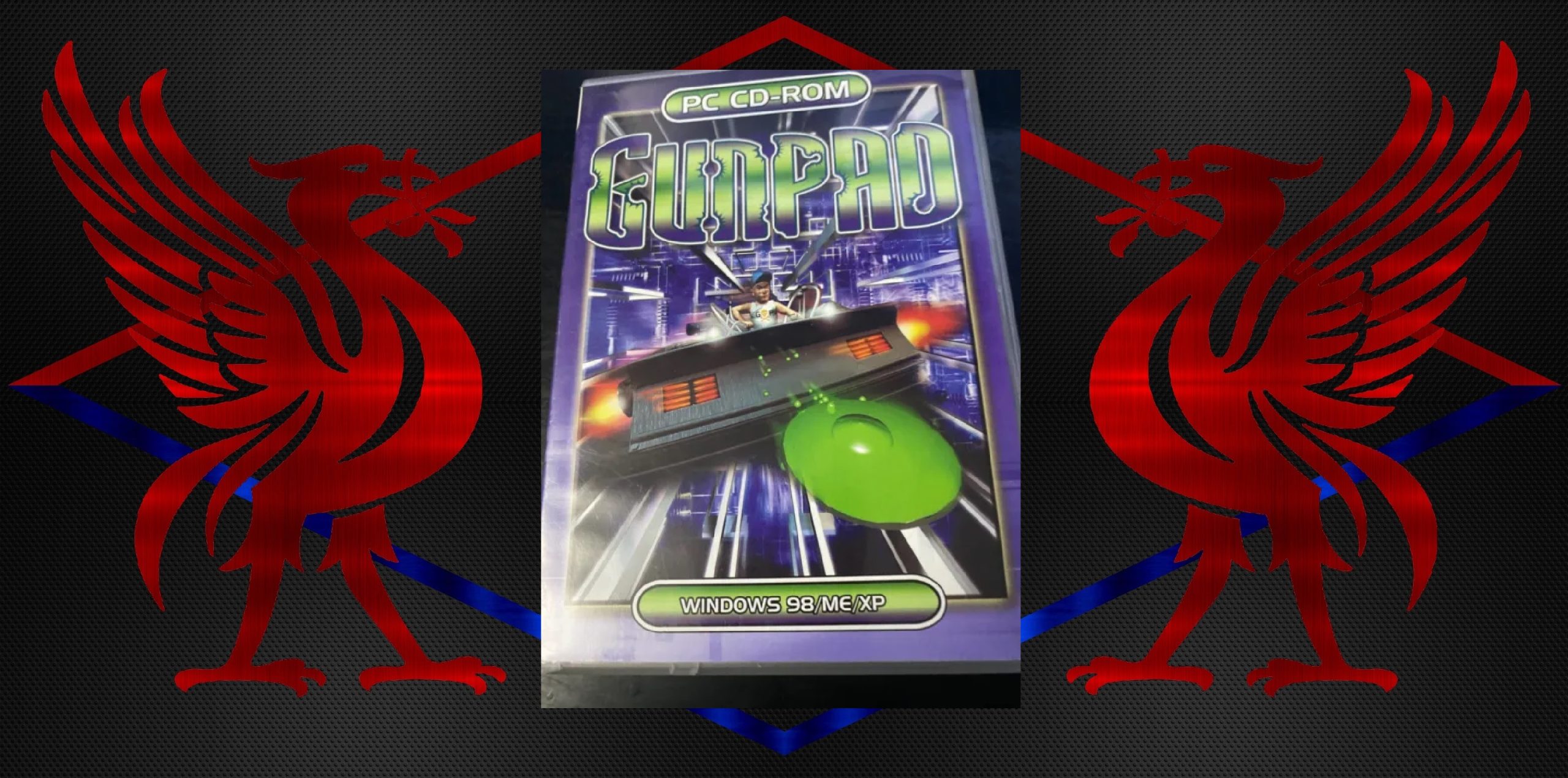
These, in terms of quality, were very much hit-and-miss. Eventually, they would break the mold and make a couple of unique titles of their own. Such as Sleepwalker and Alien Logic. Until the company shut down in 2007. But in this review, I’m going to be looking at one of their worst titles. Gunpad is ostensibly a 3D version of Pong. Only players are also able to attack each other whilst knocking the ball back and forth. It sounds interesting in concept. But it felt like a massive disappointment in the end.

Graphics – 4/10

This game was disappointing from the ground up. The game has only one stage to play in, and because of that, as well as other aspects, it becomes very repetitive very quickly. Whilst I may be able to appreciate that Megaware may have been operating on a budget, I’ve met developers at Expos who sold games door-to-door back in the 80s when they were children that had better graphical quality than this. Whilst the visuals may be average for the time on a technical level, the developers would’ve been better off making a 2D version of Pong with multiple levels than blowing all the budget on what we were given. 

Gameplay – 2/10

Gunpad simply involves racking up more points than the opposition whilst avoiding their attacks. After 3 games, I called it quits. It’s baffling to me how developers can sometimes screw up making a game based on blueprints that have existed for decades. Pong was created by one guy and released in 1972. This makes it all the more embarrassing for the 5 people who worked on this game. 

Controls – 9/10

The control scheme works well enough, but the biggest problem is the camera angle that the game employs throughout. This is actually a 3D first-person version of Pong, and as such, it becomes needlessly complicated to determine whether or not the player makes contact with the ball, especially when it veers towards corners. 

Originality – 3/10

The only thing that this game has going for it against the original Pong is that the player can attack their opponent. Whether or not this hinders the CPU’s ability to bat the ball back, I don’t know, since again, I could truly not be bothered to find out, since I was already jaded by how lacking this game truly is in all aspects. 

Angrii

Overall, players need to steer clear of Gunpad, which won’t be too hard, as I think this review may be the first legitimate review of this game on the internet. It was incredibly disappointing in terms of every aspect involved. But at least I can say that I’ve had some fun reviewing some dross. 

Score

17/40

4/10 (Poor)

Lego Alpha Team (PC & Game Boy Colour)

Lego Alpha Team

Developer(s) – Digital Domain & Climax Studios

Publisher(s) – Lego Media

ELSPA – 11+

Released at the turn of the century and going through several different name changes, as the game was in fact released before the toy line, Lego Alpha Team is a puzzle-oriented title with somewhat of an RPG element, with players having to strategize in accordance with which different characters. And abilities have to be used in order to traverse specific obstacles. Though it would probably seem horribly dated to many gamers these days. Since it’s certainly not without its flaws, to me, it’s another one of those games that I’d spent a lot of time playing when I was a kid and came back to it recently, thinking that it wouldn’t have aged well. When in actual fact, it still remains an immersive and challenging gaming experience. 

Graphics – 7.5/10

Developed using the NetImmerse engine, which would later operate as Gamebryo and go on to be the basis of some of the biggest games of the seventh generation, Lego Alpha Team, on a technical level, was typical of early sixth-generation titles. Smoother edges and sharper images compared to the graphical quality of PlayStation 1 and Nintendo 64 games. But what makes this game stand out most of anything is the environmental design. Each stage of the game is very well put together. Presenting players with a great deal of variety for a game that lasts a little more than 4 hours. The game’s soundtrack is also wonderfully varied to suit each stage of the game. Retaining a somewhat James Bond feel with heavy bass and Vic Flick-style guitar solos. 

Gameplay – 8.5/10

The variety in gameplay is unprecedented to a degree that surprised me when I first started playing it. The player must traverse through challenging obstacles throughout by gaining new abilities and characters. While also contending with periodic new objects to place around each course to progress. I’d played Lego games before this, including Lego Racers and Lego Chess. But to me, this game stood out and still stands out as the best of the earlier games in the series. Sometimes, a game may come along with a specific license attached to it that, before playing, a player may not have any sentimental attachment to. But after playing, it becomes a different story. Lego Alpha Team, to me, back in the day, was a shining example of that. 

Controls – 9/10

The one minor gripe I had with the game’s controls is that at times, it can be somewhat difficult to adjust the camera angles whilst playing. And it does come across as a nuisance at times since the game relies heavily on players being able to adjust the camera angles in order to observe every square inch of each course. But it’s a small complaint I have that doesn’t make the game unplayable by any stretch of the imagination. Besides this, the control scheme of the game is unique, as I’ve seldom seen many other games that use a similar gameplay system. 

Lifespan – 4/10 

The biggest criticism that I have about this game, however, is that it could be made to last far longer than it does. On average, players can be expected to make the game last for around 4 hours. And for a game with this much variety, it’s a shame that it turned out to be as fleeting an experience as it is. It was most definitely worth a sequel, and to me, it’s a surprise that one wasn’t developed since the Lego Alpha Team brand went to become relatively popular. Spawning 36 Lego sets over a period of 4 years. 

Storyline – 5/10

The game follows the story of Dash, the leader of the Alpha Team. As he attempts to rescue the other team members from the series’ main antagonist, Ogel. He must be stopped, having also found a way of zombifying people into doing his bidding. The story of the game was pretty much something in the background to give players that little more emotional stake. It wasn’t exactly re-inventing the wheel. But it wasn’t terrible either. The dialogue throughout the game is passable as well, which was somewhat of a breath of fresh air at the time. Since many games of the fifth generation had some pretty abysmal voice acting. 

Originality – 8/10

The game was made to stand out most in terms of both its conceptual design and its unique brand of gameplay. It surprised me at the time, and in truth, it still surprises me to this day that not many other developers have since either tried to copy the formula or even modify it in any way, shape, or form. Similar to games like Dark Cloud or Okami. Whilst not being on par in terms of quality with either of the two aforementioned titles, it had and still has a level of uniqueness that makes it an impressive game in and of itself. 

Happii

In summation, Lego Alpha Team is an obscure gem of a game, which I would highly recommend. It’s cheap, immersive, unique, and still looks and plays as good as it ever did.

Score

42/60

7/10 (Fair)

Space Invaders 99 (PC, PS1, Nintendo 64 & Game Boy Colour)

Space Invaders 99

Developer(s) – Z-Axis & Activision

Publisher(s) – Taito

ELSPA – 3+

Paying homage to the original 1978 classic arcade title, the updated version of Space Invaders, released back in 1999, was far more than a simple remake. The developers rebuilt the game from the ground up. Giving it a new lick of paint in terms of visuals and concept design. And giving players much more to play for than a high score. Recently, I reviewed an example of how not to revive a classic arcade franchise in Dig Dug Deeper. But to counteract that, I thought I would write a review of an example where the developers got it right. And Space Invaders 99 certainly got it right. Although I do have to say, as a prerequisite, that I did spend a lot of time playing this game when it was first released, it’s an experience that still holds up to this day. 

Graphics – 8/10

From a technical standpoint, Space Invaders 99 is more or less on par with most PC games released at the time. As well as what was being showcased on fifth-generation hardware. Which makes it seem all the more disappointing to know that there was a canceled Dreamcast version. It makes me wonder how the graphics would’ve possibly been updated for early sixth-generation hardware. But nevertheless, it’s in the conceptual design where this game truly comes into its own. The developers redesigned everything from the player’s ship to the enemy ships and added new graphical features, such as the selection of different levels to progress through. As well as a series of boss fights. The soundtrack that was composed for the game also fits the game’s atmosphere perfectly. It sounds foreboding yet otherworldly at the same time. 

Gameplay – 8/10

Having the template of the original game to work with, the general formula is the same. Players must destroy incoming alien ships before they reach the bottom of the screen. However, what makes this incarnation of the game stand out from the original version is the plethora of new gameplay features. Including a variety of different weapons to use, and boss fights at the end of each level. And a surprising amount of unlockables. Including a port of the original game thrown in for good measure. It also exemplifies how new gameplay features can coincide with new enemy designs. In that, different weapons are accessible by killing four of one enemy type in a row. Players also have to strategize differently in accordance with each boss fought throughout the game. It’s a lot like Titan Attacks, only released over fifteen years earlier. 

Controls – 10/10

On console and PC, and like the first game, the control scheme is easy to get to grips with, even for entry-level players. Not coming with any unnecessary complications or the kind of silly oversights that came with the likes of Dig Dug Deeper. They’ve also been updated in accordance with the additional gameplay features available to be taken advantage of, which only makes this game all the more impressive. 

Lifespan – 10/10

Although the main game can take less than 2 hours to complete, depending on the difficulty settings, it’s a game like Star Fox 64. Although it can be rushed through, it can also be played and enjoyed on far more than one occasion and in a relatively short span of time. It is most definitely a game good enough for repeated playthroughs. Add to that the fact that the original game can be unlocked. Thus increasing the game’s longevity even further. Whilst most kids I knew at the time were playing Gran Turismo 2, I was hooked on this. 

Storyline – 6/10

The game’s story is simply a basic premise. Earth is under attack by alien invaders, and a sole fighter pilot is tasked with repelling them. But what makes this game’s story excel beyond being a simple basic premise is how it is portrayed. There’s a cutscene for both the start and the end of the game. It portrays the player-character’s struggles and triumphs. As well as a foreboding portent at the end. Of course, players ought not to be looking to play a game like this to immerse themselves in the story; it’s just a small tokenistic thing added to the game to give it that extra push over the line. And it does make the experience all the more enjoyable for it. 

Originality – 7/10

Although this game largely copied a blueprint that had been around since 1978, this version of the classic arcade game didn’t simply copy the formula but reinvented it with the inclusion of many new graphical and gameplay features. It was games like this that also would’ve been instrumental in setting the precedent for many indie developers to do the same, such as with Titan Attacks and Ultratron. It’s a shining example of how a team of developers doesn’t simply revamp a classic game for the sake of it, but also to make the gameplay experience their own. 

Happii

Overall, Space Invaders 99 is a wonderfully crafted and highly recommended take on the original arcade version of the game. It’s a wonderfully innovative and charming labor of love that shows the developers all put 100% into making it. Evidenced in every detail. 

Score

49/60

8/10 (Very Good)

Dig Dug Deeper

Dig Dug Deeper (PC)

Developer(s) – Creature Labs

Publisher(s) – Infogrames

ELSPA – 3+

Dig Dug Deeper, released at the start of the century and 19 years after the original game, was an attempt to bring the popular arcade game into a new era of gaming, sporting 3D graphics and combining elements of both Dig Dug and Dig Dug II. And adding one new gameplay feature along the way. But after playing 10 minutes of this game, it became very clear within that short span of time that the 3D take on Dig Dug fell well short of its immensely popular predecessors and that the inclusion of 3D graphics was much more of a gimmick than what it ought to have been for the time. 

Graphics – 5/10

The game’s visuals from a technical standpoint are comparable to those of early PlayStation 2 games such as Eternal Ring or the original Summoner. Albeit with not as much variety as either of the aforementioned. The stronger point regarding the game’s conceptual design is the variety of levels. Each of the five planets the player must traverse throughout is themed differently. Though the first two levels are suspiciously similar to one another. But the weaker point to make about the visuals is that the same enemies keep repeating throughout each world. This demonstrates a lack of imagination on the developer’s part.

Ultimately, this makes the idea of having multiple theme worlds all the more redundant as a result. Players would most likely expect different themed worlds to be much more attached to the gameplay than they are, and maybe even pose different kinds of challenges as a result for players to adapt to each level. But because the enemies repeat, all the different kinds of levels there remain simply something to look at. And as a result, it will most likely leave players less invested in the game. 

Gameplay 6/10

I’ve scored the gameplay low for largely the same reasons I’ve already discussed. The game involves the player traversing from planet to planet and eliminating the monsters burrowed underground. And in each planet’s overworld, in addition, like Dig Dug II. This is done on each planet until the player reaches the end. It plays out much like the original two games. Ironically, it feels like there’s much less to play for. Since the high score in the original arcade game was put in place to be beaten by the next person who played the cabinet.

However, because this game is fractionally more story-driven, it makes the high score system redundant as well, since whilst players are trying to immerse themselves in the story, the high score becomes secondary. The problem is that this game falls painfully short on the story as well as gameplay, and thus, all supposedly essential elements of the game are neglected, making the experience feel much more finite. The one gameplay feature that was added was the inclusion of different power-ups for the player to take advantage of. But it’s pointless given the fact that the enemies all behave the same throughout the game anyway. 

Controls – 8/10

Playing out in pretty much the same manner as the first two games, Dig Dug Deeper also follows the same control scheme of going from world to world, burrowing underground, and eliminating enemies before they escape from the tunnels. But whilst neither of the original games had any issues regarding the controls, somehow, the developers messed this up as well, since the controls at times can be particularly unresponsive. Most prevalent when trying to burrow in different directions underground. It may be argued that it was due to the developers having to make the transition from 2D to 3D. But even so, to program a game this badly after having supposedly followed a blueprint that had been around for 19 years at that point, it’s quite embarrassing to see that the developers had issues regarding the controls. 

Lifespan – 3/10

Overall, the game takes around 25 minutes to complete, depending on how much the player adapts to the difficulty as well as coping with the control issues. It may be made to last longer for the seven people who, at some point, might still be worrying about their high score. But the original arcade game has retained its popularity for over 30 years for a reason; it’s far superior. 

Storyline – 1/10

The story of the game is the gameplay concept: traverse each planet and kill monsters. The only viable story element is that the character’s name is Taizo Hori. And I had to look up the game on Wikipedia to find that out. The developers couldn’t even be bothered to mention that. But because the game has this less-than-acceptable story attached to it, again, it devalues the rest of the game. By not putting an acceptable amount of focus on the elements that matter most.


Originality – 4/10

The most original thing about this game is its variety in level design. Whilst on the face of it might seem like a step up from Dig Dug II, since that game only had generic islands due to the graphical limitations of the time, it’s far too difficult to become invested in the fact that this game has a variety in level design. Since it’s far more of a fleeting experience than the former in every other aspect.

Angrii

In summation, Dig Dug Deeper is a game to be avoided at all costs. I played it after having heard from word of mouth that it was a quirky attempt to bring Dig Dug into the realm of 3D gaming. But unfortunately, it turned out to be far too weak an attempt at such. 

Score

27/60

4.5/10 (Mediocre)