Tag Archives: Xbox One

Backpack Hero (PC, PS4, PS5, XB1, Switch & Android)

Developer(s) – Jaspel

Publisher(s) – Jaspel, Indie Ark & Different Tales

PEGI – 7

Released on multiple platforms in 2023 after an overwhelmingly successful Kickstarter campaign, Backpack Hero is a roguelite strategy RPG. The player must venture through a dungeon to complete quests, defeat enemies, collect and sell items, and rebuild their town with resources accumulated along the way. Playing out similarly to other indie RPGS, such as Moonlighter and Rogue Legacy. It offers players a new challenge with every visit to the dungeon. And a ton of collectibles for grabs along the way. It took me a while to get used to the initial challenge of this game, but once I had done so, I was hooked. I was particularly impressed with how shockingly good this game is

Graphics – 7/10

The game incorporates the same 8-BIT graphical styles used in the previously mentioned two indie games (as well as many others, like Shovel Knight and Cathedral). But its conceptual design is fairly different. The universe of Haversack Hill is inhabited by anthropomorphic animals and dungeons inhabited by dangerous and varied creatures throughout. It also comes with quite a way more relaxed soundtrack than Shovel Knight and Rogue Legacy, but it’s still pretty catchy nonetheless. 

Gameplay – 8/10

The main objective of Backpack Hero is to rebuild the town of Haversack Hill. It needs major renovation, with initially destroyed buildings all over the place. Using loot found from defeated enemies in the dungeon, the player can build houses for people, farms for food, and smiths for raw building materials, and complete individual quests given to the player by NPCs in order to further progress through each dungeon.

In the dungeons, the player has a backpack. It can only carry a certain number of items at first, but it can be expanded with upgrades. As they traverse deeper into the dungeon. Each playthrough of the dungeon offers different challenges and passageways each time. It’s a difficult game compared to most RPGs, but the level of satisfaction to be had progressing through this game is immense. It is very much a case of trial and error. But it is well worth initially bearing with. Not only that, but this game is also actively open to modding. Even featuring a tutorial in the main menu on how to create mods for it.

Controls – 10/10

The controls also pose no problems. Though it is one of those games that is best played with a mouse rather than a conventional controller. It just feels far more natural that way. The touchscreen mechanics for the Switch version also make it a very fluent experience as well. A game that plays out like you would expect to see more commonly on a smartphone (indeed, there is also an Android port of the game). But it is always interesting to see how games like this translate to PC and/or consoles. And it was handled exceptionally well with Backpack Hero. 

Lifespan – 9/10

Another exceptional aspect of this game is its lifespan. Although it can just be fun to drag the experience along as slowly as possible, completing the game can still take an average of around 60 hours. And I love it when indie games display the kind of initiative necessary to make such a simple-looking game play out so well and last as long as this.

Many times, I’ve complained about indie developers not showing the same kind of initiative to make their games last longer than they do. Especially when the player can play it and gain a pretty intimate understanding of how one game could’ve been made to last much longer. I’ve noticed it in games like Journey, The Swapper, Xeodrifter, and Contrast. But thankfully, I have absolutely no complaints where this title is concerned.

Storyline – 7/10

The story of Backpack Hero follows a young rat named Purse, who, while venturing in the dungeons one day, finds the ritual backpack. She traverses the dungeon to find an heirloom belonging to her mother, and resolves to use the backpack to restore her home, Haversack Hill. The basic premise is simple. And the story simply takes a back seat to the rest of the game after that.

While it’s not as deep a narrative as the likes of BioShock or Legacy of Kain, I would much rather have gameplay take precedence over the story. The rest of the story is incorporated into the gameplay in such a way that it doesn’t make it boring. But at the same time, it ensures that it doesn’t become the main focus of the game. And having it this way makes the overall title work as well as it could have done in my opinion. 

Originality – 8/10

While this game may not be the first game to do a vast majority of the things that it does, it certainly incorporates all the different elements of the strategy, roguelite, and RPG genres to make it stand out as its own fully cohesive concept. Which, within the indie scene, is becoming increasingly difficult to do. First, I did have concerns that the level of difficulty may have been too much for me to bother with for any extended period of time. But after getting over that initial hurdle, I’m happy to say this game is more than worth multiple playthroughs. 

Happii

Overall, I had a lot of fun with Backpack Hero. It’s a wonderfully entertaining, challenging, and engaging gaming experience with a lot of incentive for gamers throughout. It was a pleasantly surprising and enjoyable game, and it comes highly recommended by me. 

Score

49/60

8/10 (Very Good)

Monument Valley II

Monument Valley II (Android, iOS, PC, PS4, PS5, XOne, X/S, Switch)

Developer(s) – Ustwo Games

Publisher(s) – Ustwo Games

Released three years after the successful launch of the first game. Monument Valley II was also met with critical acclaim. Going on to sell almost three and a half million copies within the first year. And even picking up the award for best mobile video game of 2017. It offers an almost identical experience to that of the first game. It’s pretty much an extension of which, ostensibly. I found it fractionally better than the first game, though it did come with a lot of the same issues as the first game as well. And they hadn’t really been meaningfully addressed.

Graphics – 8/10

The game’s technical and conceptual design has remained largely the same. Making use of colourful and isometric environments to perpetuate the puzzle element of the last game. With very much the same type of atmospheric soundtrack to accompany the visuals throughout. Though as aesthetically pleasing as in the first game, the developers didn’t do a great deal to make it stand out from it in its own right. Putting the two of them together, unless you play them a few times, players would probably be hard-pressed to tell much of a difference between the two games in this respect. 

Gameplay – 7/10

And like the graphics, the gameplay has ostensibly remained the same as well. The only minor difference is that in some levels, the player must control two characters instead of one and have both of these characters solve puzzles simultaneously in order to progress further throughout the game. It works fairly well, but it doesn’t really mix things up as much as what a play could come to expect from a sequel. For a game with two characters to control at the same time, it doesn’t offer the level of innovation that Brothers: A Tale of Two Sons did, for example. In my opinion, an extra push in terms of gameplay could’ve been implemented to make it truly stand out. But it seems they only tried to a certain extent. 

Controls – 10/10

The control scheme also remains the same, with the exception of the two-character sequences. But even this concept is easy enough to get used to from the get-go. So, although again there isn’t a great amount of innovation here, it’s a better alternative than the developers having potentially tried something too outlandish with the control scheme. And made the game worse than it needed to have been.

Lifespan – 2/10

The biggest issue I had with the previous game was the lifespan. And nothing has been done to address this. With the game lasting there around the same amount of time as the original. At this point, players could come to expect the developers to have added a lot more than what had been added to switch gameplay up to an adequate degree. And make the sequel last even a little bit more than the first game. But unfortunately, aside from the one additional mechanic, there’s nothing. 

Storyline – 4/10

One of only a few minor tweaks that have been made to this game at all, compared to the original, is in terms of story. The story of Monument Valley II follows a character named Ro and her child as they initially traverse the world around them together. And later become separated, with Ro’s child having to overcome obstacles herself to find her mother again. The additional substance comes in the respect that the second game feels a little more like a coming-of-age story. A little more is done to convey the character’s feelings and emotions than in the first game. But it still feels like the overall narrative is conveyed in a far too minimalistic way. So it’s worth a certain amount more emotional investment on the part of the player. 

Originality – 6/10

As I’ve alluded to, nothing has really changed in terms of how unique the game is. It still perpetuates the same style of visuals, gameplay, and atmosphere as the first. There have only been very minor alterations made, which, to a very small extent, make it stand out compared to its predecessor. But it didn’t really do a great deal to stand out among other games at the time. Since the overall concept was already familiar after the first game. In this respect, as in most others, the sequel perpetuates a degree of creative stagnation. And didn’t exactly break new ground.

Niiutral

Overall, Monument Valley II is only better than the original game to a very small extent. Although a third game would subsequently be released, the second did not do well enough to break the mould and address the issues of the previous game. In many ways, despite the critical acclaim it garnered everywhere else, to me, it represents wasted potential in pretty much every respect.

Score

37/60

6/10 (Average)

The Mooseman (PC, PS4, PS5, Vita, Xbox S/X, Switch)

Developer(s) – Morteshka 

Publisher(s) – Sometimes You

Director(s) – Vladimir Beletsky

PEGI – 7

Conceived by Russian developer Vladimir Belentsky of Morteshka Studios and released in 2017, The Mooseman is 2D Sidescrolling, narrative-driven puzzle game designed as an artistic reconstruction of Komi and Finno-Ugric mythologies. While I was relatively impressed with the visual direction taken with this game, and its attempts to convey a unique story in and of itself, it’s unfortunately a very minimalistic title, having too little to do and lasting too short a time to be considered memorable among other gaming experiences.

Graphics – 7/10

The first thing to notice is the game’s unique take on conceptual design, borrowing various aspects of predominantly northeastern Russian Mythology, while also conveying a mostly peaceful and somber atmosphere throughout. Despite there being bursts of tension while encountering certain dangerous animals throughout the game, the whole experience can at least be viewed as relaxing for players looking for a less tense and action-packed title, and something easier to get to grips with than the average action-adventure RPG, for example. 

Gameplay – 3/10

But unlike many action-adventure RPGs, The Mooseman lacks a lot of substance in gameplay, with the player having to mostly avoid enemies for the most part and solve a few puzzles here and there. There is also a collectibles side quest, but not much of anything else, unfortunately. It’s at this point, as I find with many other games like it, that I feel like it would’ve worked much better as a film or animated short. The most important aspect of a video game to me is how enjoyable it is to play. Or unenjoyable. And unfortunately, here, there’s not enough to enjoy to keep players engaged for even the small amount of time it lasts. 

Controls – 10/10

The game also poses no problems in terms of controls. But as long as the developers knew the fundamentals of video game controls, it was never going to. But by the same token, it also offers no innovation in terms of how a game’s control scheme works. Which, for me, made the game all the more underwhelming. 

Lifespan – 1/10

The game can be made to last barely an hour, which, for a relatively modern game, is nothing. Of course, with more gameplay substance and content, it could’ve gone on to become far greater than what it turned out to be. But unfortunately, it’s a game that falls short of the average gaming experience, and furthermore, there are far too many games like this that are being released and somehow enjoyed. And it has created a very niche and unwelcome subgenre of games in the same strata, and it’s not a good thing. 

Storyline – 5/10

The story follows the titular Mooseman as he journeys to the underworld to save the world from eternal cold by retrieving the sun. In terms of its basic premise, it sounds amazing. But even in this aspect, there isn’t a great deal of elaboration on the story here. A lot of the story is incorporated into collectibles that the gamer may or may not be bothered to find. And again, among this subgenre of short, minimalistic games, the player should come to expect more in this respect at least. But again, they might as well have made it into a film to put as much emphasis on the story as possible. 

Originality – 4/10

The only thing I would say that is original about this title is its artistic direction. Based on a mythology much more obscure than the typical medieval fantasy or sci-fi settings of a lot of other games. But apart from that, there is no originality to be had with this game. It relies on elements that have been seen throughout gaming many times before and after its release. And there’s not even enough of that to keep it engaging. It’s uniquely bad.

Angrii

Overall, The Mooseman is by no means an enjoyable experience. Its gameplay is boring, its control scheme is uninnovative, and the experience is far too fleeting. I can’t recommend it even on an ironic level, unfortunately.

Score

30/60

5/10 (Far Below Average)

Monument Valley (Android, iOS, PC, PS4, PS5, XOne, X/S, Switch)

Developer(s) – Ustwo Games

Publisher(s) – Ustwo Games

Director(s) – Neil McFarland

Programmer(s) – Peter Pashley, Manesh Mistry & Van Le

PEGI – 3

Initially released on iOS, later Android, and then a host of different consoles over multiple generations, Monument Valley is an indie puzzle game. It incorporates a standout visual style and relaxing atmosphere. Similar to the likes of Fez, Braid, and The Witness. It relies on players manipulating each environment in various ways to progress the character through a series of levels. It was an immediate hit on the app stores when it first came out. And has since spawned two sequels. 

I’d had this game on my radar for quite some time. But I’d never gotten around to playing it until recently. Ultimately, while I found that there was a fair bit to enjoy with this title, I felt that there wasn’t enough of what it was offering for it to be able to stand as a gaming classic. 

Graphics – 8/10

Inspired by Japanese art and a multitude of indie games that came before it, the game’s visuals are by far the most impressive thing about this title. They are aesthetically pleasing. Making exceptional use of colour and lighting to portray a wide variety of different captivating scenes. Even though the visual style is consistent throughout, the developers did really well to make each level feel unique and memorable in its own right. The soundtrack also complements the game perfectly. Making for one of the most relaxing gameplay experiences I’ve known for a long time. 

Gameplay – 7/10

The player must guide the player character, Ida, through a series of different levels and puzzles. These are solved by moving objects and building around them to pave the way to the next area until the game is complete. One of the two common criticisms I was aware of going into this game was how easy a lot of reviewers thought it was. And that it doesn’t present the level of challenge that it had the potential to do. To me, it presented around the right amount of challenge. Especially given that this is the first game. And for a puzzle game, something like this was a relatively new concept at the time. 

Controls – 10/10

Regardless of what platform the player is playing this game on, be that mobile, PC, or console, the controls pose no issues whatsoever. If I were forced to choose, I’d say the best way of playing is on PC with a mouse. The visuals are too good to enjoy on just a smartphone, in my opinion. And playing it with a mouse simplifies things the most out of any other means of controlling the game.

Lifespan – 2/10

The other aspect for which this game was commonly criticised at the time of its release was just how short a game it is. And I agree with the general consensus when it comes to this. Clocking in at just short of an hour and a half, it falls well short of industry standard. Especially that of a typical smartphone game. Which can be made to last as long as players care to keep coming back.

There was simply far too much scope for expansion and potential for this game to have lasted as short a time as this does. Even at the time, the first game came out. Like I pointed out before, there have been two sequels created to Monument Valley. But each entry clocks in at the same amount of time as the others. It has been disappointing to learn.

Storyline – 3/10

The story of Monument Valley follows the player character, Ida. Who journeys through each of these optically illusory environments? To be forgiven for some unnamed transgression she has committed. The story is pretty minimalistic. And I’m flabbergasted as to how there is supposedly a film of this game coming out sometime in the future, as it would take quite some imagination to build on a story concept as underdeveloped as this. 

It may be that the sequels built on this as they went on, and that the filmmakers have more source material to work with now. But it would be interesting to see how that pans out. But based on the first game alone, there’d need to be quite some work done to it. Because for me, it’s too hard to imagine how they’d pull that off. 

Originality – 6/10

But as the story is minimalistic, the concept of gameplay does relatively well to make this title stand out among the indie scene. It was certainly a very different experience at the time of its release from what players would’ve normally been used to. Puzzle games seem to be one of the few genres of focus for indie games, with titles like The Bridge, Puzzledorf, and The Swapper (among many others). But whilst having drawn inspiration from several different titles, this game still does well to stand out as its own fully cohesive concept.

Niiutral

Overall, Monument Valley is an enjoyable, visually appealing, and standout game. But there’s just not enough to warrant repeated playthroughs. Though it is worth going through once. In the criminally short time that it lasts, I do wish that this concept would be worked on more than it has been since the release of the first game.

Score

36/60

6/10 (Average)

Cats on Duty (PC, PS4, PS5, XBox One, Series X & Switch)

Developer(s) – Prikol Team 

Publisher(s) – ESDigital Games

ESRB – T for Teen

Released today across all major platforms, Cats on Duty is a tower defence game whereby players must take advantage of different types of cats with different weapons to defend a garden from zombies. So basically Plants vs. Zombies, but with cats. Whilst not a particularly original game (indeed, in a lot of respects it is like-for-like compared to Plants vs Zombies), I still found it to be an entertaining game for the most part. 

Graphics – 7/10

The game incorporates a 2.5D 8-bit visual style. It also features different breeds and colours of cats facing off against primarily zombies. But along with other enemy types, too, such as skeletons, slimes, and robots. More advanced zombies also come complete with road cones for helmets, and some can even jump over troops like the pogo stick zombies in PVZ. But in this respect at least, there is enough to keep things fresh and make it stand out somewhat from the former.

Gameplay – 7/10

The gameplay also functions a little differently. The player must make matches on a puzzle board similar to Bejewelled or Candy Crush to accumulate currency to put down more troops. The player must then strategize against the different types of enemies they’re up against to progress through each stage. As well as this, there are also a fair few boss fights thrown in for good measure. A lot of the boss fights are also quite cleverly thought out in conjunction with how the general game works. It arguably provides much more of a challenge than PVZ, too.

Controls – 10/10

As expected, there are also no issues with the controls. The combination of as many different mechanics that have to be used makes for an all the more stern challenge. Players have to think and act as fast as possible to progress through each level. And the structure of the game’s control scheme makes the game all the more intense. 

Lifespan – 6/10

To complete each stage and unlock the different units used to fight will take a fair amount of time. There would be a fair amount of potential to expand the concept with future instalments in the series. But to do so, the developers would need to add some more game modes and different ways to play, in my opinion. A survival endless mode, in particular, would be an excellent idea. 

Storyline – N/A (10/10)

Originality – 5/10

The aspect in which this game fell short, however, is in terms of uniqueness. Throughout playing and this review, it was impossible to draw comparisons between Cats on Duty and Plants vs Zombies. Since there are a ridiculous number of similarities. Even though there are elements to this game that make it stand out to an extent, and ultimately this doesn’t detract too much from all the good things about this game, I can’t help but think that if a few fewer things were quipped from PVZ, then it would’ve helped the game further along. 

Happii

However, despite my concerns about the lack of originality, Cats on Duty was nevertheless an enjoyable game. And certainly worth playing for the most part. It’s challenging, it has its strong points, and it’s a solid entry in its respective genre. 

Score

44/60

7.5/10 (Good)

Ampers@t

Ampers@t (PC, PlayStation 4, Xbox One & Switch)

Developer(s) – Gaterooze Ink.

Publisher(s) – Gaterooze Ink.

Director(s) – The Pale Gibbon

ESRB – Everyone 10+

Released on Steam in May 2022 and later ported to most major consoles, Ampers@t is a top-down RPG following an anthropomorphic ampersat. He embarks on an adventure to save the village of Gentlheim from the evil Lord Z and his army. Comprised of anthropomorphic versions of every other letter in the alphabet. I’d been interested in this game for a very long time. Since before it was launched by Australian indie outfit Gaterooze Ink and a solo developer known as The Pale Gibbon:

https://www.scousegamer88.com/2021/02/06/qa-with-gaterooze-ink-ampersat/

But even I couldn’t possibly have been prepared for how shockingly good a game this is. 

Graphics – 7.5/10

The best word that I can use to describe the visuals is crude. But wonderfully crude. The design of each environment throughout is simplistic with the use of sixth-generation-quality graphics, reminiscent of games found on the PlayStation 2, GameCube, and the original Xbox. There are five towers to traverse throughout. Each represents different themes. Such as ancient Egypt, and Medieval England, and elements such as ice and fire. Even though the quality of the visuals on the technical level is minimalistic, there’s the same kind of charm to be had with them as with other games with simplistic visual styles. Such as Minecraft and Terraria. 

Gameplay – 9/10

The game’s style of play is Baldur’s Gate: Dark Alliance. But with letters instead of orcs and goblins. It’s an RPG where the objective is to clear out the five towers surrounding the village of Gentlheim by first completing the dungeons and then the upper sections of the tower. Players must unlock letters from the alphabet to progress. They also later on have access to more powerful melee weapons, ranged weapons, and magic spells to tackle the more difficult levels throughout. 

There are upgradable buildings in Gentleheim. These give players access to better equipment and allow them to store more gold so that they may not lose so much in battle. Players lose a third of their gold and exp points when they die. As players level up, they can also learn new abilities. Making them stronger and giving them added resistance to status effects such as slow, stone, and poison. It has all the traditional hallmarks of a classic RPG. Making it extremely fun and addictive to play. Though the visuals are simplistic, the gameplay is anything but. And it’s all the more fun for it. 

Controls – 10/10

The game’s controls are most similar to those of Hotline Miami. Whereby the player moves around with one analogue stick. And uses the other to move a crosshair about for ranged attacks. One of the game’s biggest influences was Smash TV! And that is indeed most evident when it comes to the game’s controls. But most importantly, the control scheme poses no problems in any case. After all, it’s one of the aspects of a game in which simplicity is welcome. 

Lifespan – 6.5/10

To complete the game to 100% will take around 13 to 14 hours, depending on skill level. But then, there is also a harder difficulty to unlock. This introduces permadeath to the game, so that may take even more time to complete for the more stalwart players. Even though 14 hours is short by RPG standards, it is fairly impressive given that the developer would’ve been on a limited budget. In addition, there is also a wide variety of scope to expand on the core concept if ever Gaterooze made a sequel. Like, for example, they incorporated other characters like numbers and symbols. Or even if they used characters from different languages, such as Mandarin, Japanese, or Korean. It certainly is a concept worth expanding upon. And a sequel would be more than welcome. 

Storyline – 7/10

The story of Ampers@t is again quite minimalistic and typical of that of a traditional RPG. But the genre is kept fresh with the game’s mythology and cast of quirky characters. The humour that can be had within a game where you’re an anthropomorphic ampersand fighting letters of the alphabet also becomes quite apparent as you play it. There are no unexpected twists or complicated plot threads.  But in a game like this, there didn’t need to be. 

Originality – 8/10

In a game with so many typical RPG elements, it is remarkable how fresh things have been kept here. With its wonderfully simplistic graphics and enemy bestiary. And how each enemy letter corresponds to a fantasy creature from the likes of Final Fantasy and Dungeons & Dragons. There is a uniqueness to be experienced with this title. And it turns out that it ran far deeper than what I thought it did when I first discovered it. 

Happii

To summarize, Ampers@t is an incredibly fun game. And worth the game for any fan of the RPG genre. Despite its simplistic-looking exterior. It’s a satisfying game to play, as well as challenging at times. And it comes highly recommended by me. 

Score

48/60

8/10 (Very Good)

Below (PC, PlayStation 4 & Xbox One)

Below

Developer(s) – Capybara Games

Publisher(s) – Capybara Games

Director(s) – Kris Piotrowski

Producer(s) – Nathan Vella

PEGI – 12

Released in 2018 following a lengthy development cycle, and with much hype surrounding it at the time, Below is a roguelike action-adventure game with a top-down perspective set in a mysterious world with hidden secrets. When I first saw trailers for this game, I was quite excited about it myself; for first impressions, it looked like one of those games that players could sink their teeth into for hours on end. Unfortunately, I was disappointed to find out just how minimalistic this game really is, in many respects.

Graphics – 8/10

The one aspect in which Below doesn’t seem minimalistic, however, is the graphics. Though relatively simplistic on the technical level, especially for an eighth-generation game, it more than makes up for this in its conceptual design, soundtrack, and overall atmosphere. The build-ups of tension throughout each area in anticipation of enemies attacking and uncovering traps that cause instant death (or failure to do so) are very well executed. The game can go from weirdly serene to incredibly tense very regularly throughout. And it can put players on edge and keep them on their toes in that respect.

Gameplay – 5/10

The game involves combat, exploration, and crafting to survive. There is a survival mode for the more avant-garde player and an exploration mode for those not looking for the same level of challenge. But whichever mode I played, I found the gameplay to be one of the minimalistic elements of it. Combat is intermittent, regardless of the fact that each room is randomly generated. And in my opinion, there isn’t enough incentive to explore as much of the world as possible, like there is in a lot of open-world games. Or even semi-open-world, adventure games. More definitely could’ve been added to this game. 

Controls – 10/10

The control scheme presents no problems, however. The combat system is easy to get to grips with, and basic things like movement and camera angles also pose no unnecessary complications either. It reminded me a lot of Titan Souls in its basic layout. But it has that little bit more functionality. It’s just a shame the full potential of such functionality wasn’t used with how little there is in the way of gameplay.

Lifespan – 2/10

The lifespan of the game also disappointed me greatly. The game can last an average of around 4 hours. Which, for a game that supposedly encourages exploration, is nothing. It’s most definitely a far shorter game than what I was led to believe it would be after having seen the first trailers and experiencing all the hype surrounding it. 

Storyline – 4/10

The story of Below is even more minimalistic than the gameplay. It follows a warrior of unknown origins having landed via ship on a mysterious island and is left to explore. That’s it. Something abstract happens in the end. But it’s one of those story endings that is supposedly open to interpretation, but because everything is left to the imagination. And there’s no real basis for how to interpret it. Some may say that this, in and of itself, is what may make it a good story. But offering no means of emotional investment of any kind was not the way to go about it. And that’s the case here.

Originality – 6/10

I have to give praise where it’s due, however. The game’s overall atmosphere and conceptual design do make it stand out to a certain extent. There is indeed an element of players wondering exactly what the purpose of the setting was, what it was before the player character arrived, and the backstory behind it all, a lot like Shadow of the Colossus in that respect. But by comparison, Shadow of the Colossus did offer a lot of things for the player to become emotionally invested in; much more so than in this game. 

Angrii

Overall, the experience was bitterly disappointing. And the ending definitely left me thinking not to ever pick this game up again. Producer Nathan Vella described it as a “super video game-y video game.” In all honesty, when even the developers are struggling to give it even a semi-cohesive description, it should be taken as a red flag. 

Score

35/60

5.5/10 (Below Average)

Terrible Posture

Q&A With Joe Mirabello

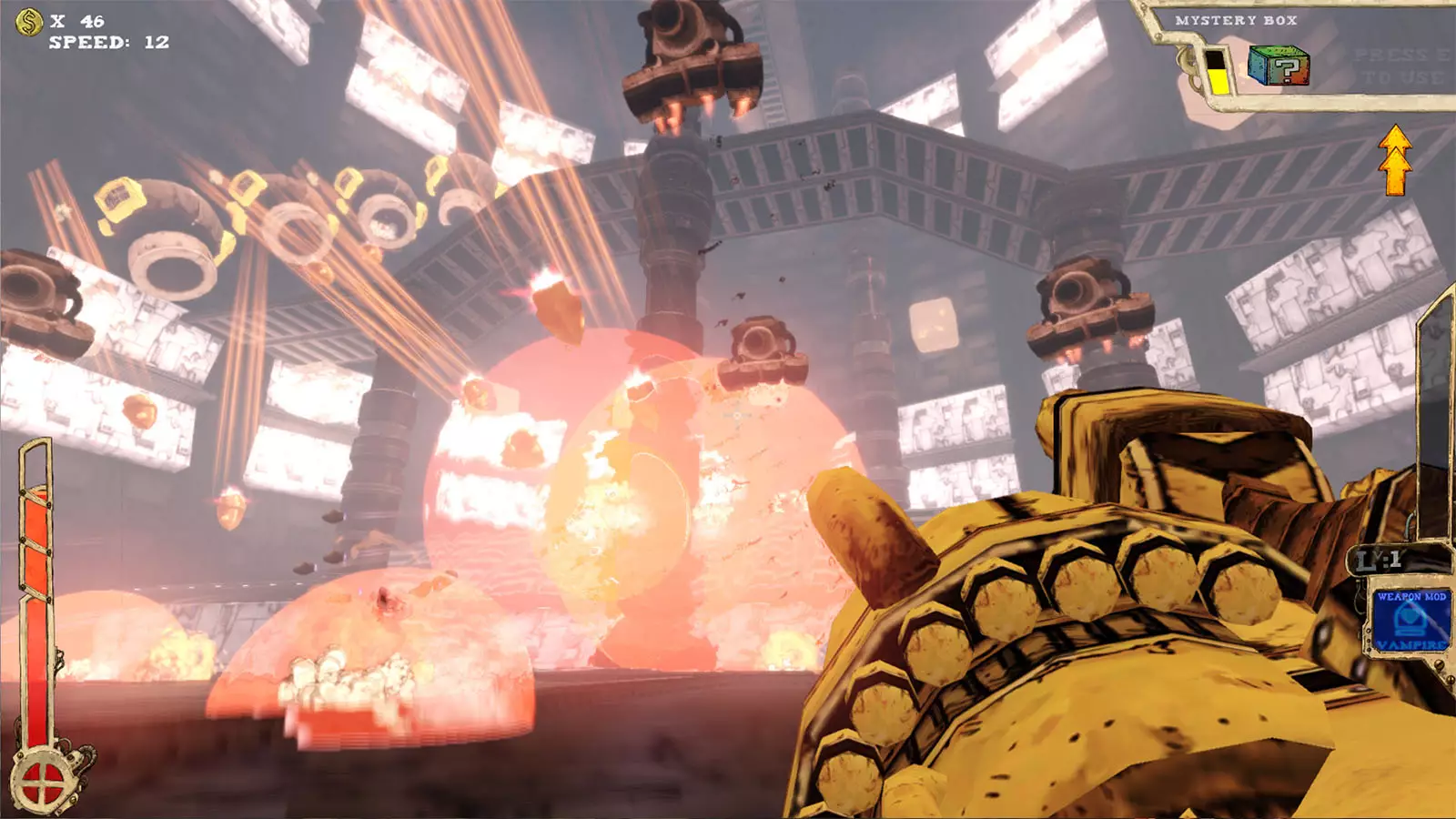
Today brings a developer interview that has been a long time in the making. And one that I’m thrilled to be bringing to you guys. One of the bigger success stories in the circle of independent video game development throughout the eighth generation was the studio Terrible Posture Games. The company was founded in Boston, Massachusetts, by industry veteran Joe Mirabello. Who, before this, had worked with 38 Studios on titles such as Titan Quest and Kingdoms of Amalur: Reckoning. After 38 Studios went bankrupt in 2012 following the release of Kingdoms of Amalur, despite the game’s overwhelming critical success, Joe and several programmers formed Terrible Posture Games. And together developed the breakout indie hit, Tower of Guns, in 2014, which garnered positive reviews from critics and wowed gamers with its variety in combat, catchy soundtrack, and quirky sense of humor.

Cont…

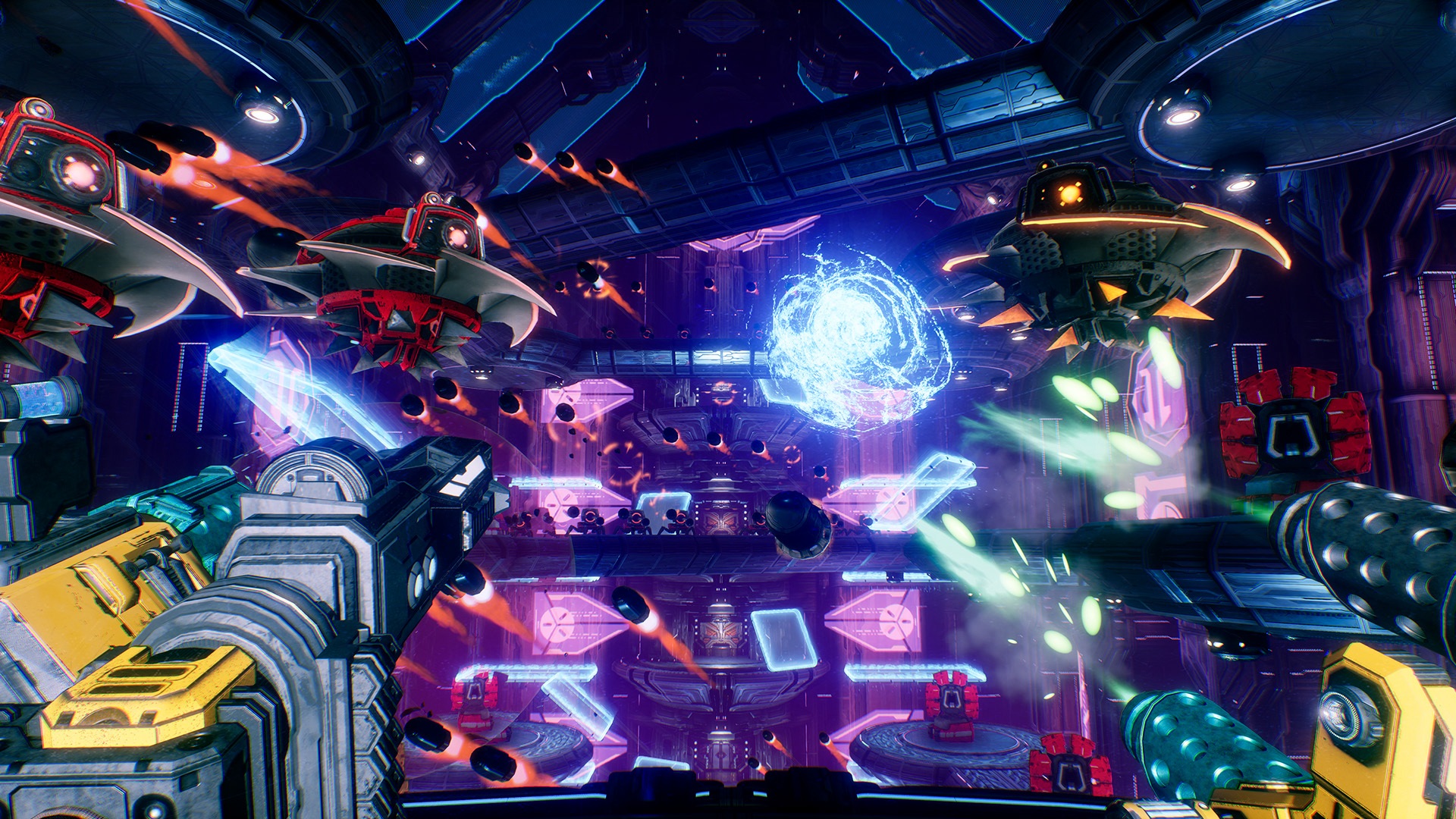
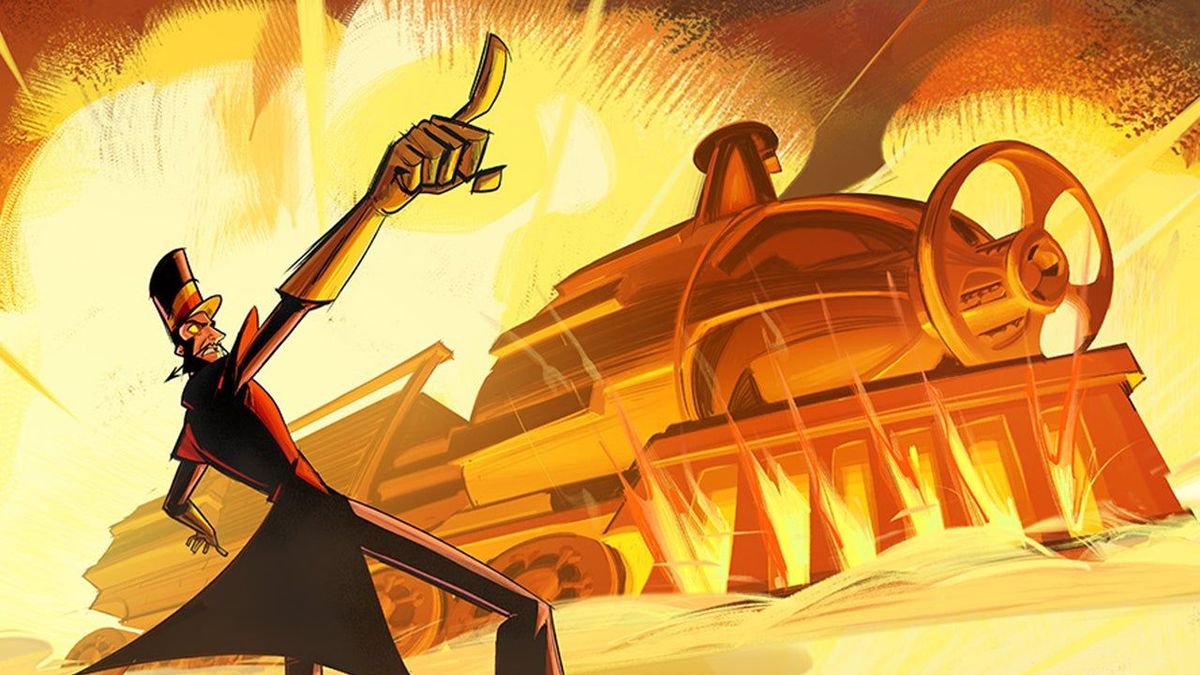
The ideas perpetuated in Tower of Guns would then later be built upon massively with their subsequent release, 2018’s Mothergunship. Building on the basic premise of Tower of Guns but also introduced several new mechanics. Such as gun building and a more cohesive story mode. Most recently, Terrible Posture has been developing an episodic game named 3 out of 10, described by Terrible Posture as a playable sitcom and centering around the ill-fated game studio Shovelworks, with the game being much heavier on story than the two former titles. But at the time still perpetuating the same level of humor that Terrible Posture has come to be known for.

With myself having been curious to learn more about Terrible Posture for quite some time, I reached out to the company’s founder, Joe Mirabello, and requested an interview with him. And he agreed, much to my excitement. So this is what Joe Mirabello had to say about his career thus far:
Terrible Posture 1

Where did your passion for video games originate from?

From playing games, of course! And from reading comics and watching movies. As a kid growing up, games, books, and movies all kind of blended into a creative mush. I had limited amounts of time I was allowed to stare at a screen. And so I filled up the gaps with drawing, writing, and creating my OWN games and movies… just on paper.

I can’t quite say when, but sometime between the ages of 7 and 10, I switched from enjoying experiencing stories/games to wanting to MAKE stories and gameplay for others to enjoy. Whether that was writing my own Choose-Your-Own-Adventures, making levels in Hyper Lode Runner, or trying to teach myself QBASIC, I found the very act of creation itself to be addicting. Even today, when I get caught up in making something, it feels less like work and more like play.


Did you have aspirations to develop art for video games from an early age, or was there anything else you wanted to design art for before you decided to go down that route?

Oh, I want to make everything. The lines between art and story and even code are very blurry to me since they all scratch that creative itch… And I feel like you could have flipped a coin, and I just as easily could have ended up making comics or films instead of games.

That said, while I did love art from a young age and wanted to work as an artist in some trade, this was in the 90s. And you have to understand that no one knew you COULD even be an artist for games back then. The idea that the games were made by people with jobs? Wild! Games were magic, made by magicians only. As I grew up, I started modding PC games a little, and gradually that route kind of began to reveal itself. But it wasn’t until college that it really dawned on me that game art specifically was a valid career path. At that point, I was already studying art and had become quite proficient in working with computers… So it was a natural transition to start messing with game art pipelines.
 

Terrible Posture 2

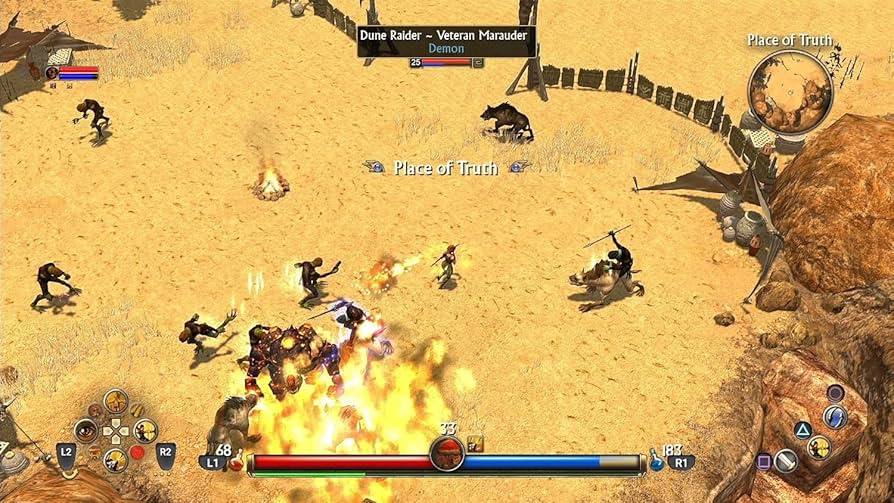
Among the first of your works was designing the art for the Titan Quest games for Iron Lore Studios. What game in the series was your favorite to have designed?

There was only one game in the TQ series. And then an expansion pack. While I worked on a lot of the art for both titles, the first one was my entry into the industry. And it wasn’t until the expansion pack that I was trusted with more ambitious assets like characters, monsters, and some set pieces. I loved making monsters specifically.


Were there any elements of the Titan Quest series that influenced your later work?

Honestly, the biggest lesson from Titan Quest for me was that sometimes there is extreme value in quantity. I was tasked with building hundreds of weapons for the game. To hit my deadline, I would have to make them fast. Really fast. Sometimes eight or ten of them a day. And the thing is, I wanted to spend days on each one, and could have…. I could have made those weapons look amazing… And the game would have been worse for it.

The leads knew that the game’s success relied on a large number of unique special items. Not just a handful, but tons. “Quality not Quantity” is a nice and easy motto to remember. But it can be the death sentence for making an actually good game. The flip side of that phrase is recognizing precisely when “Quantity is itself a Quality” of importance. It’s not every game, but with a game like Titan Quest, that mindset was crucial. While I can work with either mindset, the mark of my progress as a developer has been learning when I need to deploy one strategy over the other.
 

Terrible Posture 3

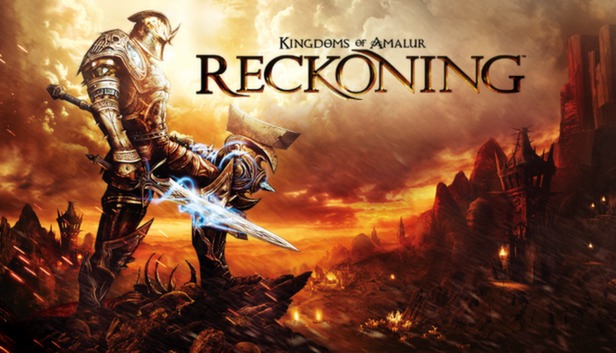
One of the biggest projects you’ve worked on to date was, of course, Kingdoms of Amalur: Reckoning. What was it like to work on that game, and what approach did you take to designing the art you did?

I actually didn’t work on Reckoning! I mean, I guess I helped concept out the base world. And some zone concepts were shared between the two games technically. But I can’t claim any credit for anything in the game. While the Reckoning team was working away on a single-player game, I was on the MMO team at 38 Studios.


What was it like to work with Todd McFarlane?

Todd was hilarious. All of us, including him, would poke fun at him for wanting to put chains and skulls on everything. I didn’t get to know him too well, as he would only check in periodically with each team. But even still, I picked up a few interesting art fundamentals from him. Having grown up loving his artwork, it was pretty cool to know he knew my name. Even if only for a short while. I doubt he’d remember it now after all these years. 😀

 

Terrible Posture 4

Has Todd reached out to you at any point since the founding of Terrible Posture?

Nope! Every couple of years, I get to either see or chat with RA Salvatore. He was the NYT bestselling writer and the third celebrity involved with 38 Studios. He’s very cool and offered some feedback on early builds of Tower of Guns.


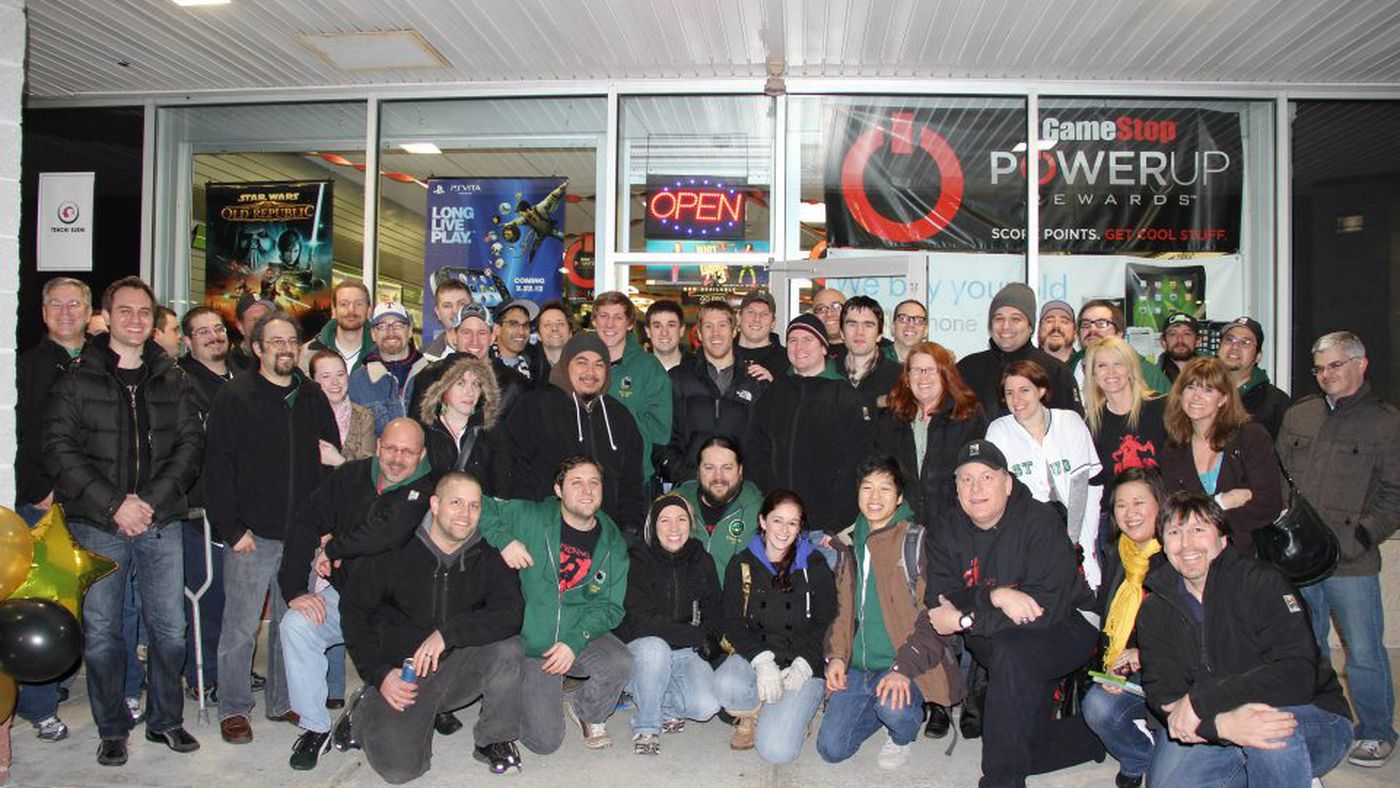
How rewarding was it to see Kingdoms of Amalur garner as much critical acclaim as it did at the time?

I felt really happy for the team down in Baltimore. They were kicking their own butts into high gear to get Reckoning out the door. And it was a heck of a rough development cycle for them. Predating that team’s relationship with 38 Studios, actually. They should be proud of all the work they did.
 

Terrible Posture 5

Of course, 38 Studios folded shortly after the release of the game. What was the experience like on the last day in the office?

It was rough for a lot of people. Some people were heartbroken. Some people were in incredibly dire situations financially, medically, or emotionally. Curt Schilling, the celebrity who ran the studio, kept leading everyone on like there was going to be some last-minute financial solution to keep us all working. But it never materialized, and toward the end, a lot of people felt conflicted and betrayed.

For my part, I felt guilty, like perhaps I hadn’t worked smart or hard enough. I also felt extreme guilt because there was so much stress and hurt amidst my colleagues… And I did not feel the same. I felt guilty because I was already thinking about “going indie” someday… And the whole closure of 38 was literally the kick I needed to start making Tower of Guns.


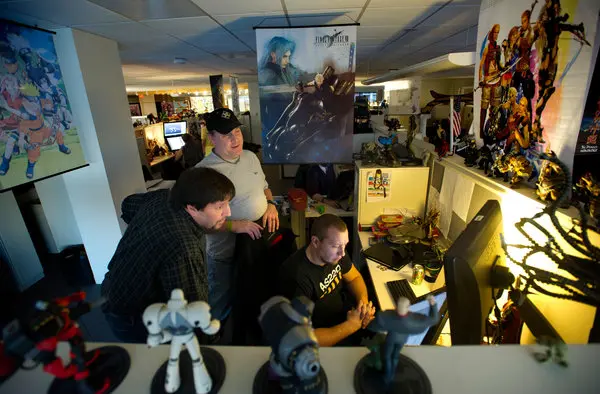
Were there any further projects planned by 38 Studios following the release of Kingdoms of Amalur, and any information about that which you can share with us?

Well, I was on the MMO project. That project was the one that started it all. And then Reckoning came along while we kept plodding away on the MMO. There’s some video footage around the web if you look around enough. It was an ambitious project, and I spent years working on the technical systems for the environment team, working closely with engineers on terrain, lighting, cinematics, dungeons… It always felt like I was working on something different there. And I was quite proud of the visual richness of the world we’d created.
 

Terrible Posture 6

Do you still keep in touch with any of your former colleagues at 38 Studios, or have any of them since gone on to join you at Terrible Posture?

Oh, we keep in touch. When a studio as big as 38 implodes, which does happen from time to time in this industry, the team scatters all at once. In a way, it leads to a network of former coworkers, all looking together. And all sharing the same, well, trauma. I would happily work again with many of these people, and I like to think many would want to work with me again. And, in an instant, we scattered all over the world. This network was crucial to helping a lot of the team find new jobs at other companies. Both right after the closure and then later, throughout our careers.

As for me personally, I did end up working with a couple of former 38 Studios folks. Most specifically, Chris Zukowski. Master of all things Tech Art and Beyond. He and I have worked closely for years now as a duo, both on Mothergunship and on 3 out of 10. I’ve also gotten a lot of them to help playtest, occasionally help with a little art or sound, and similar things. I would not be surprised if I work with more of them in the future.


How exhilarated were you to see Kingdoms of Amalur remastered recently for eighth-generation consoles?

I felt amused, actually. Reckoning’s rights were purchased by THQ Nordic, which used to be just “Nordic Games” or something like that… But they seem to be going around buying everything I’ve ever worked on. They bought the rights and remastered Titan Quest as well! And the rights to the THQ name itself, which published Titan Quest! It’s like they are chasing me! If they are true completionists, maybe they’ll ask if they can remaster Tower of Guns someday!


Where did the name Terrible Posture come from?

I earned that name through years of hard work, not sitting up straight.
 

Terrible Posture 7

The impression I got from playing both Tower of Guns and Mothergunship was that the team had a lot of fun during development. Putting a lot of humorous and random things into the final game. Is having fun one of the main focuses for you and the team while making a game?

Hah. I’m glad the games have that impression. Not all parts of making a game are fun. But generally speaking, if you’re not enjoying the work, then that will be reflected in the final game. Enjoying yourself is crucial to making something that fosters, well, joy. Which is what we wanted from both of those games.


Of course, going from designing games for others to designing games yourself would’ve come with its own series of complications and challenges. But what was the feeling around Terrible Posture when Tower of Guns went on to become as successful as it did?

Honestly? It’s been such a whirlwind that I haven’t been able to take a step back and take stock of it. I went from being solo and thinking that Tower of Guns was just a sabbatical to suddenly having a second career on my hands. It’s been a fun, wild ride, and I have no shortage of other ideas to bring to people in the future, so I sure hope we can continue to do what we do.
 

Terrible Posture 8

I remember Mothergunship being a pretty big deal for an indie game at the time. What was it like seeing that game receive as much critical acclaim as it did, especially when compared to many of the mainstream games you worked on?

Interestingly, you say that; we were seeing a wave of other excellent titles coming out around then and were intimidated. It was simply a more crowded place to make games than it had been when Tower of Guns was released. That said, I am pleased so many people have enjoyed the game, as it really was a blast to make. I still think future games could even go further, though; Tower of Guns and Mothergunship were popular, but I don’t feel like they broke into the mainstream the same way a game with a multi-million dollar marketing budget does. It would be wonderful to work on that sort of game again someday.


What was it like for you and your team to make the transition from developing more traditional games to something a little more akin to a visual novel with 3 Out of 10?

3 out of 10 isn’t really a visual novel as much as a playable sitcom… and it was really a labor of love. We had wanted to work on something more story-based for a while, and we had a blast developing a unique pipeline and content creation toolset. In a way, Chris Zukowski and I saw an opportunity to do interesting things using Unreal 4, storytelling, and fast iteration animation, and when we presented the project to Epic, they saw the vision as well. That aspect of the project, working closely with Epic Games to make something completely different, was the chance of a lifetime.
 

Terrible Posture 9

What’s next for you and Terrible Posture?

We’re always working on interesting things, most of which I can’t talk about just yet, but I can say that we recently partnered with a company named DJ2 to start working on a television adaptation of 3 out of 10. The project is a natural fit for TV, and we’re eager to see where that goes, but we also know that the TV industry moves at a much different pace than games… so we’re keeping ourselves plenty busy with other projects as well.


Is there any genre of game that you haven’t yet tried to develop that you might like to at some point?

Well, due to the nature of 3 out of 10, we were able to explore a TON of different genres: puzzle games, rhythm games, Zelda clones, pinball, platformers, car combat… heck, even a physics-based-stealth-quasi-golf-game where you put around a pet crate.  That said, I have always wanted to work on a stealth FPS, so perhaps someday that will be in the cards (although I’m not working on one currently).
 

If you had the opportunity to work with another developer on any franchise of your choice, which one would it be, and why?

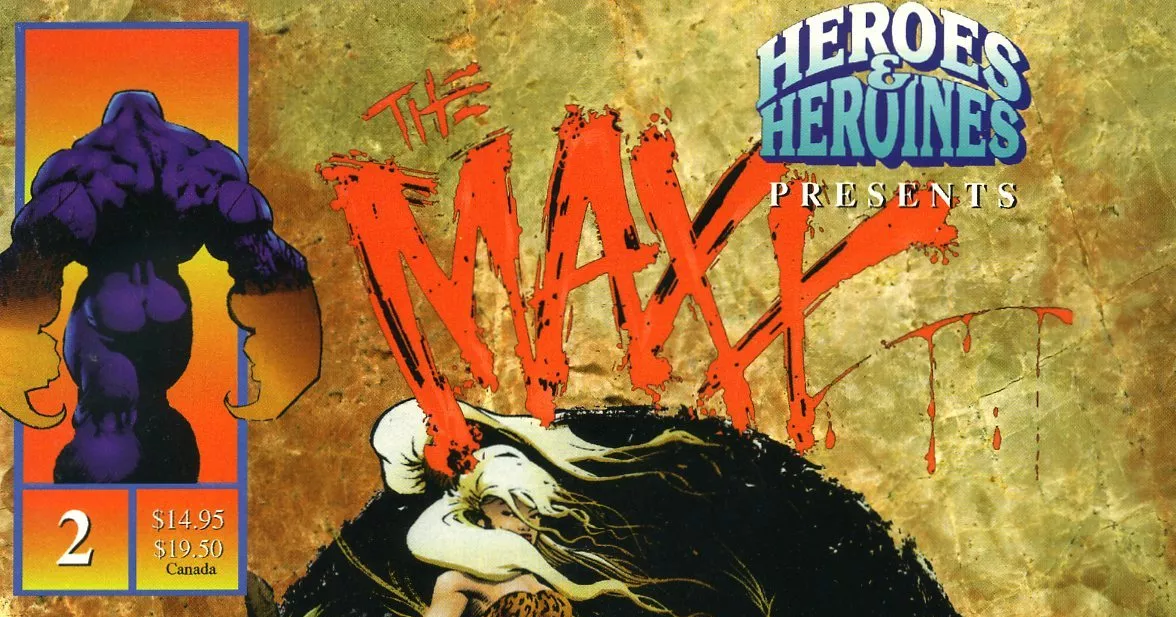
Oh, man. That’s a tough question. Honestly, I consider myself lucky to be working with Zuko, my coworker I mentioned earlier. He and I work very well together, and we do pretty awesome stuff. That said, there are other developers I really admire and would love to work with someday. For example, I’d love to work with Edmund M on“The Maxx” game or a horror game with Kenneth Scott. I’d love the chance to make a Tremors game. Or to work on a new Thief game. Or to revive the No One Lives Forever franchise, a criminally forgotten series.


Do you have any advice for any aspiring developers who may be reading this?

Unfortunately, the route I took to get into the industry isn’t the same one most developers take now; back in the early 2000s, you simply had to show up and be moderately skilled in a technical discipline (like game art is/was) and the industry would pluck you up.

The show-up-and-be-skilled part is still partly true, but the base skill level is much, much higher these days. That said, another tactic I used, teaching myself as much as I could through tutorials, side projects, modding scenes, and online communities, has become even more viable than it was 20 years ago. These days, the knowledge of how to make games isn’t nearly as gated, and tools like Blender, UE4/5, and similar are ever-more accessible. So, today the trick is not getting discouraged.

It takes time to gain skill. It takes work, momentum, and motivation to keep going. Find ways to give that motivation, and you’ll have half the work done.  For example, make a lot of smaller projects so you will finish them. Or, instead, enter game jams, which have a set deadline. Alternatively, join a mod team for some project, where you will have teammates. Or enter an art station contest. Or basically, do whatever it takes to fool your brain into not freaking out about what you don’t know and to just create—that’s the most important thing. Make terrible stuff and then edit your next thing to be a little better than the last. It’s easier said than done, but that tactic is still a valid route to improvement at most trades, game development included.


Is there anything else you’d like to add?

Sorry, it took me so long to reply to you! Thanks for having me, though!
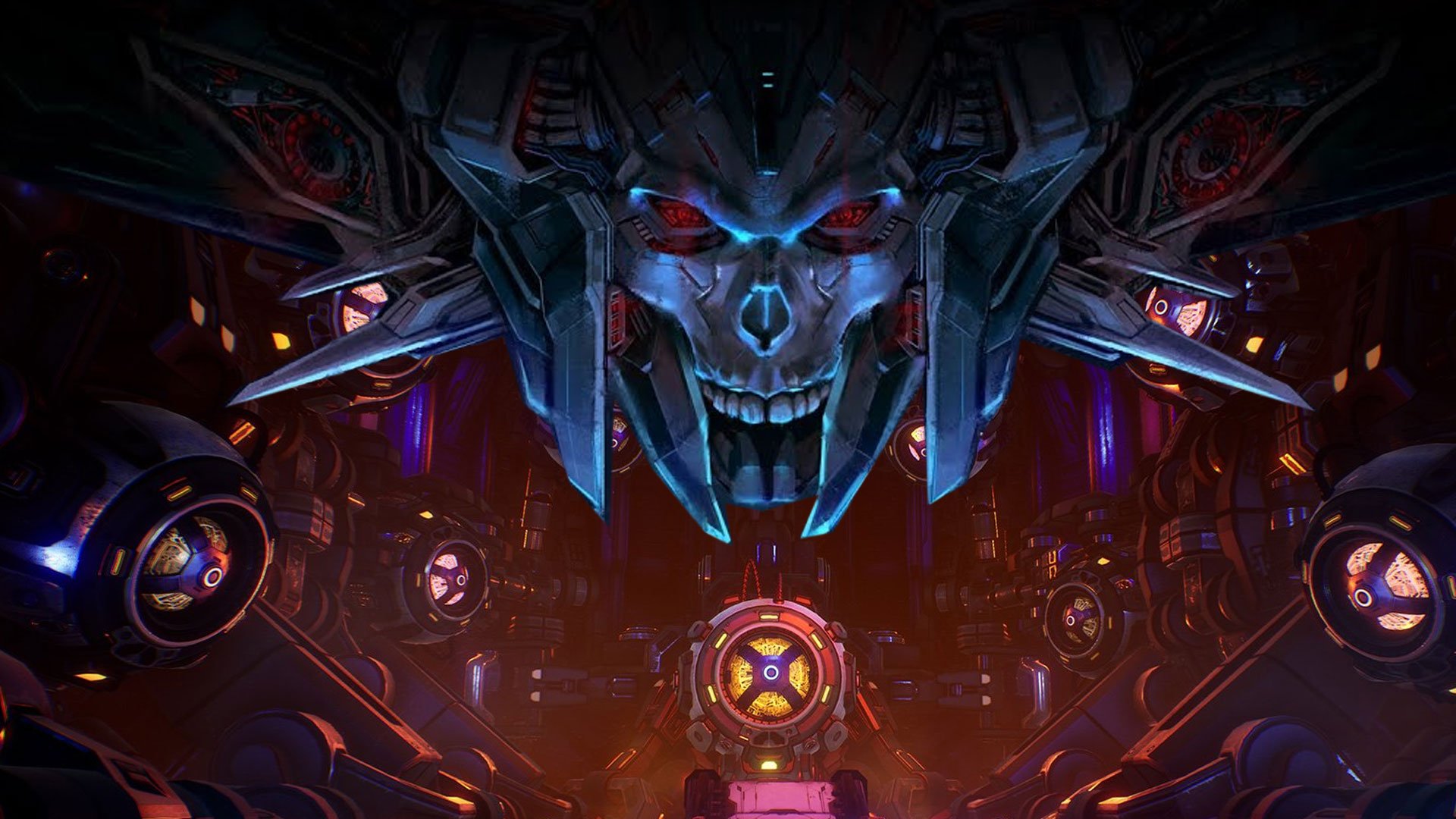
I’d like to take this opportunity to give a massive thank you to Joe and wish him and Terrible Posture Games the best of luck for the future. Joe and Terrible Posture have produced some of the most creative and addictive titles of the eighth generation, in my opinion, and I can’t wait to see where the company goes next in terms of new ideas and new projects. With the many ideas that Joe has in the pipeline, I believe Terrible Posture has the potential to go even further than what they have already accomplished in such a short span of time, and it’ll be very interesting to see what they come up with next. If you’re interested, you can follow Terrible Posture by subscribing to their mailing list via the link below:

https://www.terribleposture.com/

But in the meantime, I hope you guys enjoyed this interview because I certainly did.

Game on,

Scouse Gamer 88

Pocket Bravery

Q&A With Statera Studio

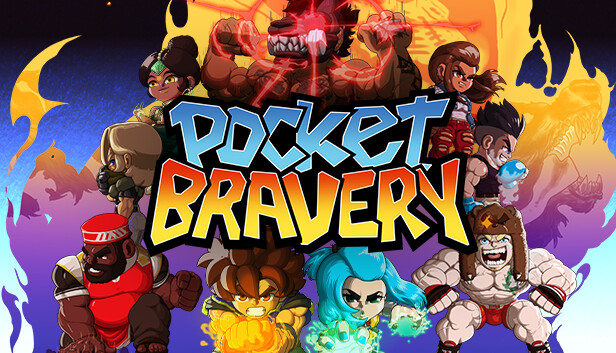
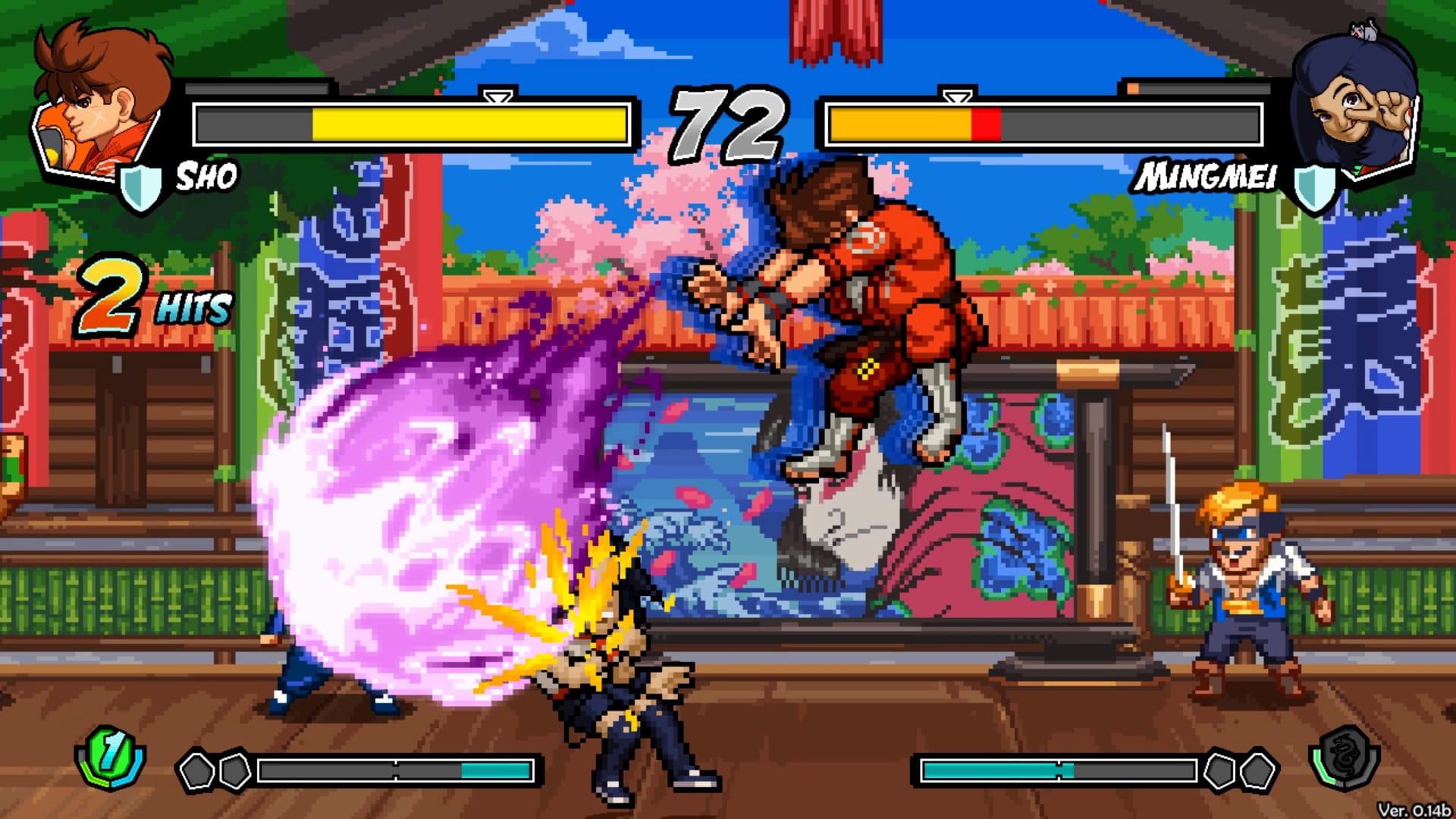
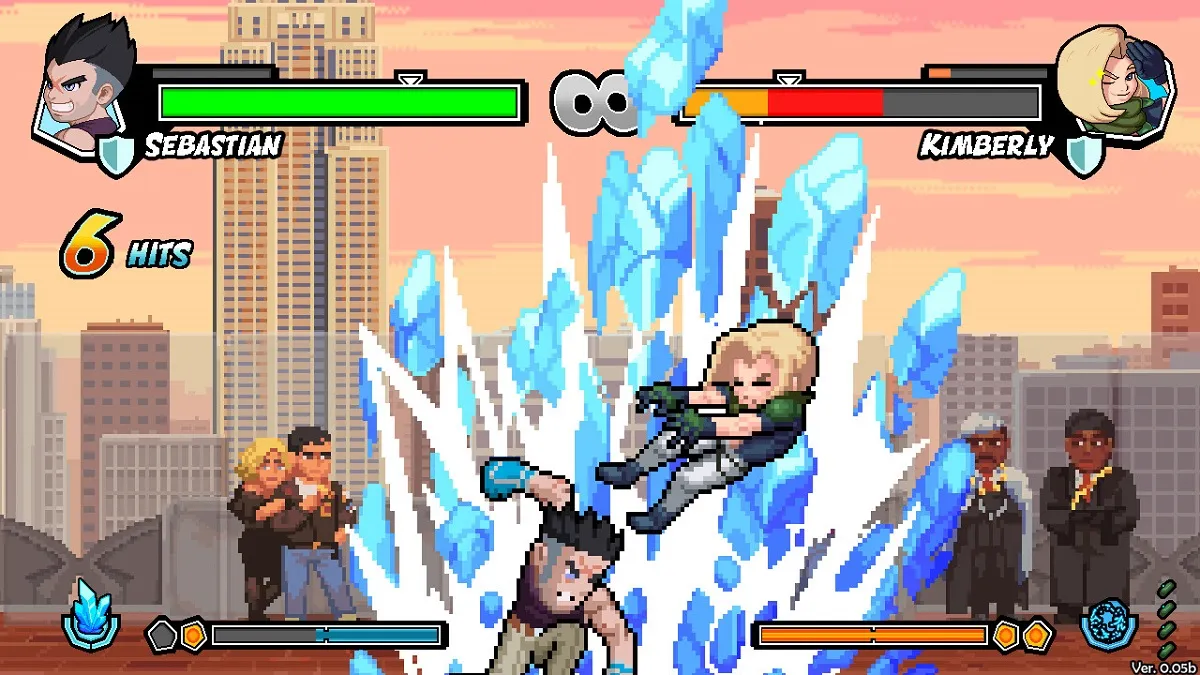
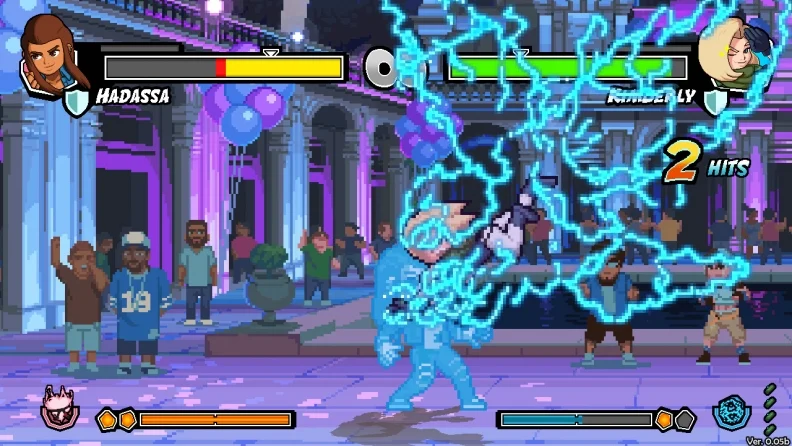
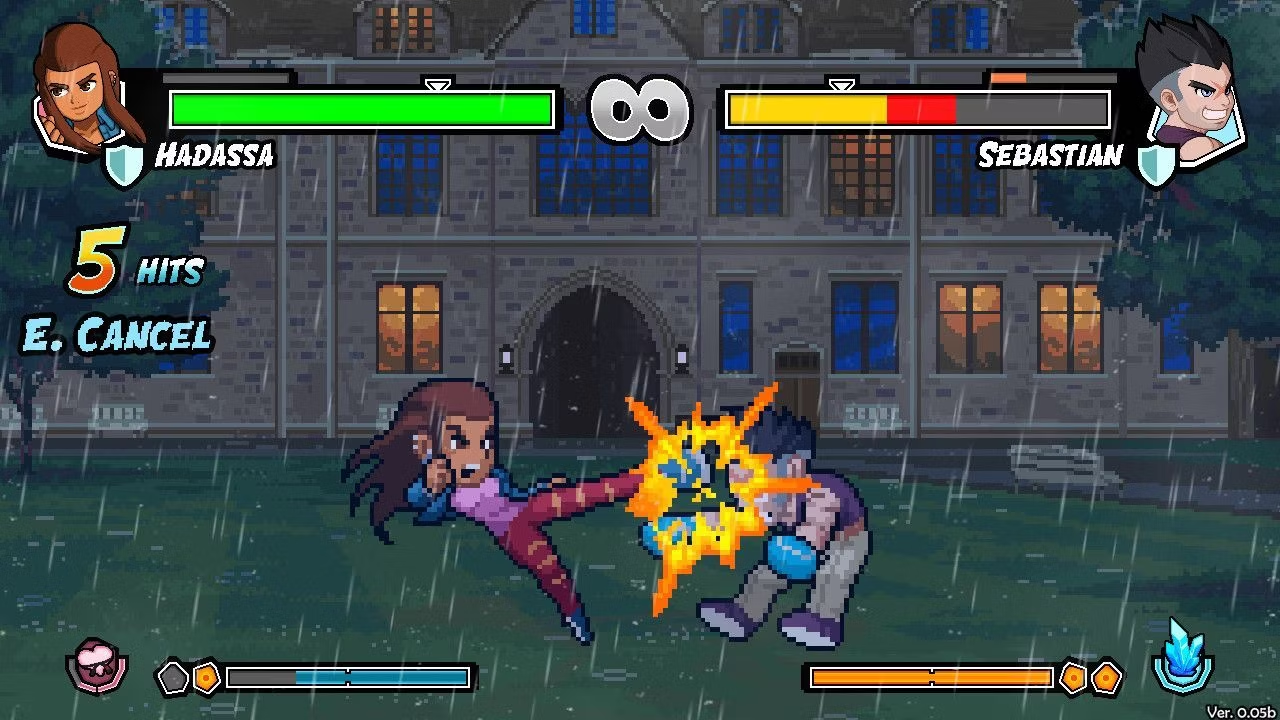
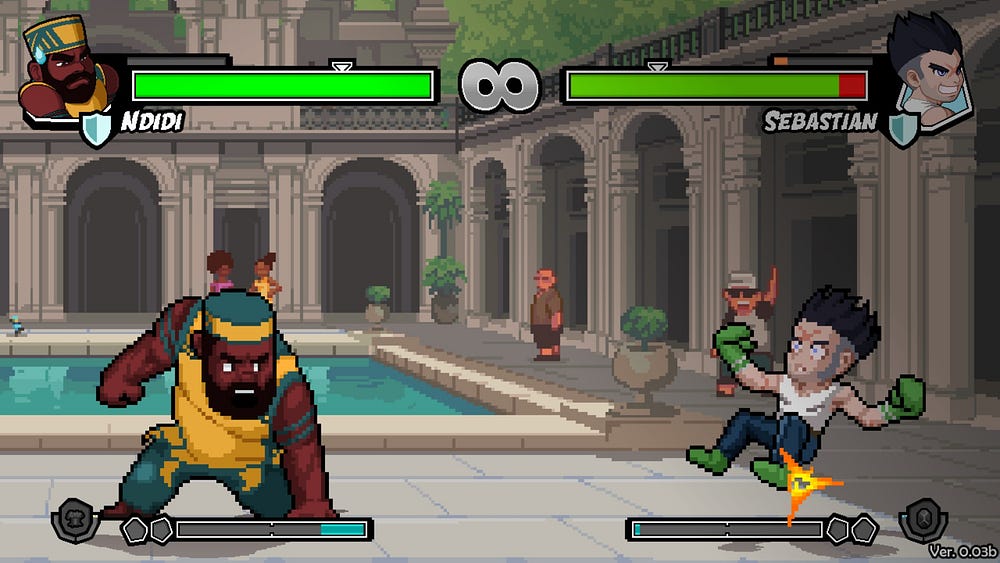
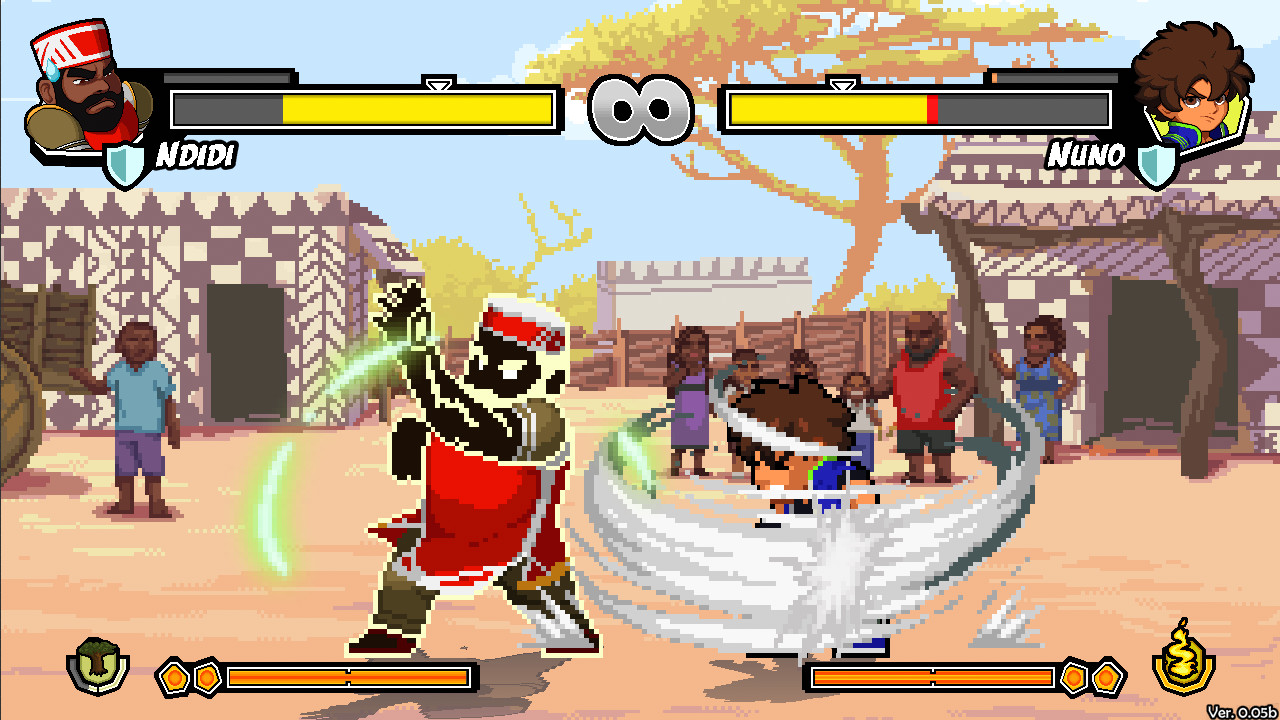
My second of two Q&As today concerns a quirky and diverse fighting game and its crowdfunding campaign. Pocket Bravery, under development at Statera Studios based in Rio de Janeiro, Brazil, is a fighting game reminiscent of the classic 90s fighting games such as Street Fighter, Mortal Kombat, and the works of SNK. Such as Fatal Fury and King of Fighters. Another example of the ever-growing indie development scene in Brazil, the game’s IndieGoGo portrays a game with a wonderfully diverse cast of characters, locations to fight, and single and online multiplayer. With 2 weeks left for the campaign, I reached out to the game’s executive producer, Jonathan Ferreira, to learn more about this game and how they hope to make it stand out among the many classic fighting games it was inspired by. Here’s what Jonathan Ferreira of Statera Studios had to say about Pocket Bravery:

Pocket Bravery 1

What were the influences behind your game?

Games that marked the era, classics from the 90s like Street Fighter and The King of Fighters. And about the aesthetic part, it’s a mix of games like Pocket Fighter, KOF from Neo Geo Pocket Color, Scott Pilgrim, and Metal Slug.

What has the developmental process been like?

We’re a team with 6 full-time professionals and some freelancers. It is a small number for a fighting game since the genre is one of the most difficult to produce.

We have tried to do our best, and we believe that we are achieving good results. Everything is going as planned. We will soon focus on making the online mode, which will be via netcode rollback.

How close are we to seeing the finished product?

We have 50 – 60% of the game’s basics done; we still have to start making the online. We believe that in 15 or 16 months, the game will be ready for launch.

Pocket Bravery 2

What has been the most exciting aspect of development?

I believe that is everything, as we are a team in love with the fighting genre; every stage, from conception until its implementation, is exciting. All the ideas come from the people passionate about what they are doing.

What has been the most challenging aspect of development?

It is finding a balance between what we want to do and what we should do. As much as we treat the game with all the care and passion, it is also a product that needs to be in the public’s attention and not just another drop in the ocean.

How well has the game been received so far?

Very well! And this has been fantastic for us. We were looking forward to watching people around the world playing Pocket Bravery. People’s reception and feedback were better than we could imagine.

Pocket Bravery 3

What platforms are you looking to bring the game to?

PC, PlayStation 4, PlayStation 5, Xbox One, Xbox Series X|S, and Nintendo Switch.

It’s mentioned on the IndieGoGo page that one of the stretch goals is to introduce a story mode to Pocket Bravery. How would the story mode be structured compared to games like Super Smash Bros Brawl or the 2011 Mortal Kombat revamp?

It will have its structure adapted to a 2D game. Mortal Kombat 2011 not only innovated but also renewed how offline content in a fighting game can be added. Our idea is to bring that into the 2D style, an experience that catches the player’s attention and makes them want to follow the characters’ story. Interacting and evolving with them along the way.

Have there been any ideas at this stage of development that have since been scrapped or reworked?

Certainly! This game came from a need to see that what we really want to produce is still a step bigger than our legs. With that in mind came the Pocket Bravery idea, which would be more simplified, bringing only a small fragment of what we want for the future. However, as the game was being produced, the affection grew along with the potential of not just being a simple game with SD aesthetics. Getting deeper layers in its gameplay, and focusing on small details.

Pocket Bravery 4

What is your opinion on the ever-growing development scene in Brazil with the likes of yourselves, 2ndBoss, and Orube Studios?

There are many talents in Brazil. For example, many Brazilians work in great gaming companies around the world. That said, I am sure that many good new games will be created around here since the gaming companies in Brazil are getting more professional. We hope to be one of those exponents.

How instrumental has player feedback been in terms of shaping the course of the project?

Although we have a lot of experience with fighting games, receiving feedback from players is always amazing. Especially when it comes from pro players. Since they have a detailed view of the gameplay that we haven’t yet achieved.

Pocket Bravery 5

Has the team considered the idea of building a traditional arcade cabinet for Pocket Bravery, or has there already been one created behind the scenes?

Of course, this is something that crosses our minds, but to be honest, it is not in the plans. Would be a step much bigger than our legs could reach.

If you had the opportunity to develop a game with any company or for any franchise, which would it be, and why?

As we said earlier, we are a team passionate about the fighting genre, so what marked us was the 90s. Street Fighter and The King of Fighters were the biggest references for quality and innovation. Working with any of these games and those two companies would be a dream come true.

Pocket Bravery 6

Do you have any advice for aspiring developers who may be reading this?

Try to specialize in something of your preference and never give up! The difference between those who succeed and those who do not is that they do not give up. Even in the face of all adversities. Life is not easy, nor is making successful games.

Where on the Internet can people find you?

People can find us on any social media (Twitter, Facebook, Instagram) by @PocketBravery, or on YouTube as Statera Studio. Would be a huge pleasure if you could follow us. We are always posting news about Pocket Bravery’s development.

Do you have anything else to add?

We thank you for your time and ask, if possible, to support us in our crowdfunding. Any amount will make a big difference to Pocket Bravery. You can access the campaign page here: https://www.indiegogo.com/projects/pocket-bravery/

Pocket Bravery 7

I’d also like to thank Jonathan and Statera Studios for taking the time to talk to me about Pocket Bravery and the promise that the final product holds for both newcomers and veterans of the classic fighting genre. There are now fewer than 2 weeks to go for the IndieGoGo campaign, so if you like the look of the game and want to play it, you can back the game via the link above. In the meantime, I hope you guys enjoyed learning more about Pocket Bravery and are looking forward to playing the final game as much as I am.

Game on,

Scouse Gamer 88
Five Nights at Freddy’s (PC, PlayStation 4, Xbox One & Switch)

Five Nights at Freddys

Developer(s) – Scott Cawthon

Publisher(s) – Scott Cawthon & Clickteam LCC USA

Designer(s) –  Scott Cawthon

PEGI – 12

Released in 2014 by indie developer Scott Cawthon, who at this point had released over 75 games since 1994, the idea behind Five Nights at Freddy’s was first conceived after one of the previous games, Chipper & Sons Lumber Co., had received comments from reviewers remarking that the characters looked and moved like animatronics. The critiques stuck with Cawthon, and he created Freddy Fazbear’s Pizzeria. A Chuck-E Cheese-style restaurant, where kids come for fun during the day.

And where the animatronics come to life at night to terrorize a newly-hired security guard. It went on to become one of the most popular franchises throughout the eighth generation of gaming. And it all started with a small horror title with an insanely unique approach to gameplay. At the time this game came out, I was pleasantly surprised by the result. Especially as I’m not the biggest fan of the survival horror genre anyway.

Graphics – 8/10

Set in the horrifying Freddy’s Fazbear’s Pizzeria in the early hours of the morning, the game is incredibly atmospheric, especially for a setting that would sound quite generic on paper compared to other games. It only gets even more intense the further the player progresses, with new goings-on and situations to deal with throughout. Later games in the series would expand on this idea, as well as the series’ mythos. The foundations of which were set up perfectly in this game. 

Gameplay – 7/10

The object of the game is to survive five 6-hour nights at Freddy Fazbear’s Pizzeria by watching the cameras around the restaurant. And making sure the doors are closed at the appropriate times. So that the player is not caught and killed by any of the four animatronic mascots of the restaurant that come to life in the night. The challenge is to make sure the restaurant’s facilities are used to a sufficient extent that the player is kept alive. But to not overuse them in order to conserve electricity as best as possible before it runs out.

There is also a 6th night to unlock, and an additional custom night, whereby the player can set the difficulty to the max. Something that was initially deemed impossible to complete by Scott Cawthon himself. Though many have since succeeded. Again, as with the visuals, the gameplay only gets more intense as each night is completed. And there’s more to think about, like when Foxy starts to come out of Pirate Cove, or when Freddy finally starts coming out to stir things up in addition. 

Controls – 10/10

Although the gameplay mechanics are unlike any other game ever released up to this point, the control scheme poses no problems and is easy to come to terms with. It’s one of those games that’s easy to learn, but hard to master. And it’s handled in a very fluent manner. Again, more mechanics would be introduced later on throughout the series to keep things fresh. But the whole idea was fresh anyway. I’ve yet to see how this game works on controller-based consoles, and I imagine it’s far less bearable. But I can understand how it works with the Switch when playing it away from the TV. It was scary back when it was released to think about how it would function in VR. Which unfortunately didn’t happen until many years later with Five Nights at Freddy’s: Help Wanted.

Lifespan – 4/10

The worst thing about the game is how criminally short it is. Only clocking in at around 3 hours in total, depending on player skill. Again, this is something that later entries in the series would go on to address with the inclusion of things like mini-games and easter eggs to discover along the way in between nights, or even discoverable during night shifts. But I suppose for more intrepid players, there are many replays of this to be had. Though the following point was definitely easier for me to make with the benefit of hindsight, there was a fair bit of folklore. And it would’ve been nice to have the mini-games incorporated in the first game to explore that more. 

Storyline – 9/10

Besides the basic plot of what the player has to do each night to survive, there is a mythos to this series that has been perpetuated since the first game in a very low-key and obscure manner. But it is extremely satisfying to piece the early story together by discovering different things hidden throughout the game. Also, the message the player received from the previous security guard over the phone only adds to the intensity of each night, which all comes to a head on the fourth night. 

Originality – 10/10

As I’ve alluded to numerous times throughout this review, there simply wasn’t, or truly isn’t, any game like Five Nights at Freddy’s. It’s definitely one of the most unique survival horrors ever released. As well as one of the most unique games ever released in general. It gives testament to how innovative a lot of indie developers proved themselves to be throughout the eighth generation with games like Blasphemous, The Witness, and Enemy Mind, but this game is one of the most prominent examples of that; arguably the most prominent. 

Happii

Overall, the original Five Nights at Freddy’s received overwhelming popularity upon release, and it’s simple to see why. It’s a unique concept that spawned a massive fanbase that cried out for more and has become one of the most prolific indie gaming series in recent memory, and it all started here. It was an excellent start. 

Score

48/60

8/10 (Very Good)