Category Archives: Video Game Reviews

I am Scouse Gamer 88; an amateur Liverpudlian game reviewer making his opinion heard about as many video games as possible. Scroll through and read all my video game reviews from A to Z. All my thoughts and opinions on some of the very best and very worst games released!

Throughout my career, I have reviewed a great of games; be that AAA mainstream titles or independently developed indie hits. In my 30+ years, I have had extensive experience playing every kind of game. Ranging from critically acclaimed beloved titles to forgotten flops.

I take great pride and put great care into what I do, and I hope you enjoy reading my reviews as much as I writing them!

VR Here: A Virtual Reality Gaming Arcade

Around the time I first started writing, and after having allowed myself the time to research video gaming further than I had ever done previously before 2014, I had maintained a certain level of scepticism about the concept of Virtual Reality gaming, and how exactly it could be made to work. It all began when I learnt about Nintendo’s Virtual Boy, created by company pioneer Gunpei Yokoi, and released to the Japanese and American regions between 1995 and 1996. Using a monochromatic display, similar to Yokoi’s prior commercial success, the Game Boy, The Virtual Boy became the second worst selling Nintendo console to date behind the Nintendo 64DD, due to factors such as it’s astronomical retail price of $500, causing players discomfort while playing and extremely limited third party developmental support. As a result, Nintendo have been waiting for VR gaming to become more popular among the gaming mainstream for them to attempt to create a system in the same vein again, as outlined by the president of Nintendo of America, Reggie Fils-aime

However, as of 2015, from the time of which I had begun to be invited to numerous video games expos throughout the country such as Replay Expos, Comic Cons and EGX, I have witness firsthand the resurgence of Virtual Reality gaming, and the drastic improvements undertaken in the development of such peripherals as the Oculus Rift, HTC Vive and PlayStation VR. Overtime, the scepticisms about how the concept of VR gaming could be made to work in a practical sense have been periodically quashed, as I have been given the opportunity to try these fantastic gaming platforms, and to indulge in some really exciting gaming experiences, such as Battle Zone, Superhot and Nerve. However, the market for VR gaming has been going beyond exhibition at expos in recent years.

VR Here is a specialized Virtual Reality gaming arcade based in Liverpool (the first in the country, in fact), which has since branched out to other regions in the UK in both Manchester and London. Opening in 2016, the Liverpool branch has VR booths in-house, and also offers a hiring service for players wishing to bring VR gaming to their birthday parties, or for companies for corporate events. This week, I had the pleasure of trying some the games VR Here had to offer, and learning of what the future holds for the arcade. Always looking to continue to branch out, not only will they provide VR experiences, but they will also be using motion trackers to enhance the VR experience with the pending arrival of the game Final Goalie VR. But for the moment, the arcade has a wide range of games for adamant players to try either at the arcade or for party hire, including:

. Superhot VR

. Brookhaven Experiment

. Portal Stories

. The Lab

. The Blu

. Raw Data

. Quiver

. Job Simulator

. Katana X

. Space Pirate Trainer

For anyone looking to book and try VR Here, the prices are £20 for half an hour and £30 for a full hour. VR Here are also open Tuesday to Friday from 17:00 to 22:00. Bu any further information can be found on the company’s website:


http://vr-here.co.uk/


I had a great time at VR Here and I would recommend gamers at any skill level to try it. For beginners, there will be staff there to help you get started and to make it the best experience possible.

Game on,

Scouse Gamer 88

The 2017 Play Blackpool Special

This month marked the seventh anniversary of Replay Event’s Play Expo at the Norbreck Castle Hotel in Blackpool. Eager to see what Replay Events had in store, I made my way to Blackpool for the third time to see what indie games, guest talks and throwbacks to classic gaming were being showcased at the expo; and I wasn’t disappointed. Following on from last year’s proceedings, a lot of classic games were back, as well as one of last year’s guest speakers, and a few more gaming veterans, along with some more new up and coming developers showing off their latest video game projects; and here’s what Play Blackpool 2017 had to offer.

Bloody Zombies

The first indie game I encountered was a Streets of Rage style beat up set in a post-apocalyptic world entitled Bloody Zombies. Aside from up to four players having to hash it out with zombies along 2D side scrolling environments, one player also wears a VR headset in order to uncover secrets that may be hidden within each stage, and to help the accompanying three players to seek out hidden items for additional points and stronger weapons. A combo system is also incorporated similar to classic fighting games in order for players to compete among one another to see who can earn the highest score at the end of each stage.

The hand-drawn 2D visuals of the game mixed with cel-shaded graphics gives the game diversity in technical design, and although it is generally speaking quite difficult to make a story centred around zombies stand out from a conceptual point of view, the developers of Bloody Zombies, nDreams, have so far done a pretty decent job of it, with things like character and boss designs doing pretty well to stand out. The VR aspect of the game also makes it stand out further, giving it a level of diversity in gameplay never before seen in a 2D beat ‘em up.


Mao Mao Castle

Having first laid eyes on this game at Play Manchester last year, Asobi Tech were back to showcase further adjustments made to their on-rail 8-BIT obstacle game Mao Mao Castle. In it, the player controls a ginger cat, be that with a mouse or touchscreen, (or as was showcased at the expo, a motion sensor), the player must guide the cat through obstacles that come towards the player at increasingly high speeds and to survive the constant onslaught for as long as possible. Since the game was showed off in Manchester, new game mechanics have been added; most notably, the inclusion of a power-up that makes the cat temporarily increase in size and bypass ever obstacle effortlessly.

In my opinion, the new mechanics added to the game add a great deal of depth to it, and it also makes it a lot more accessible for entry-level players too, which is needed since it whilst it’s easy to get competitive playing it, speaking from experience, it could be seen as somewhat inaccessible before. But this issue has been fixed with the introduction of the newly implemented gaming features, and I can’t wait to see what the final product has to offer.

All Contact Lost


Speaking of challenging games, the next game I tried out at the event was an FPS called All Contact Lost. The object of the game is not too dissimilar to the Mad Moxxi’s Underdome Riot add-on for the original Borderlands game, whereby players must defend themselves against hoards of oncoming enemies in order to survive for as long as possible and attain the highest score possible. Players have limited time between each round to organise and heal themselves before the next wave is introduced, which get exponentially bigger and harder to deal with in turn.

Amidst a massive influx of FPS games to have hit the gaming industry within the last 20 years, it’s interesting to see how new developers are coming up with new ways to modify the formula and to make playing first-person shooters as enjoyable and as challenging as it ever has been. Where All Contact Lost is concerned, it’s developers, 1st Impact Games, have done a decent job showcasing what could be a potentially insanely addicting game. They told me that their next objective is to add more enemies into the game, which can potentially give it more cause for players to have to adapt to different situations within the game, but it will be interesting to see how 1st Impact implement that.

Medieval Steve

Next, I tried A 2.5D side scrolling game called Medieval Steve developed by jForth Designs. The game was in the early stages of development, but it centred around having to complete various different tasks throughout each level, including collecting hidden items throughout, and even time trials; similar to many features found in modern Super Mario games.

As the game is only in a very early stage of development, there is much more to be added in. But from what I played of the game, I really enjoyed. The time aspect of it was extremely unique compared to many other games to implement similar mechanics like New Super Mario Bros U and Super Smash Bros Melee’s story mode, and with the right amount of attention and further development, it could become a really enjoyable game when its released. If a decent story concept is also added, it could make for a very interesting franchise in years to come too in my opinion.

Space Toads Mayhem        

Space Toads Mayhem was the next game I tried, developed by programmer Lukasz Snopkiewicz. It’s an arcade style bullet hell top-down rail shooter that it insanely addictive, yet gruellingly challenging at the same time. Whilst progressing, players are periodically given a choice between to power-ups, which can either help or hinder the player accordingly dependent on choice the player makes.

In my opinion, this aspect gives the game Roguelike quality to it, which I’ve struggled to find in an arcade game amidst the influx of indie games out there. I’ve seen in other genres with the like of Rogue Legacy and Tower of Guns, but the only other arcade Roguelike I’ve played recently is Don’t Die, Mr Robot. Lukasz was quite surprised to me hear use the word Roguelike to describe his game, but he was intrigued at the same time. It could possibly provide him scope to develop the game later on dependent on when he plans to release it by.

Hyper Sentinel

The last indie game I tried at Play Blackpool this year was a game I’ve grown particularly fond of since I first saw it; Hyper Sentinel created by Huey games under the supervision of Robert Hewson. Combining elements of arcade classics such as Uridium and Bosconian, it involves the player carrying out an assault on different spaceships and taking out it’s weapons and subsidiary ships before having to take on a boss fight at the end.

The game I tried in Blackpool was exactly as how I remember it from the first time I saw it; it was addicting without it being too inaccessible, and it provides a welcome combination of old 8-BIT style visuals with a few modern-day graphical effects thrown in for good measure, such as dynamic lighting. After an overwhelmingly successful Kickstarter campaign, the game is edging closer to release, and I personally cant wait to try out the finished product. To read my Q&A with Robert Hewson published during the Kickstarter campaign, follow the link below:

http://scousegamer88.com/2017/03/09/qa-with-huey-games/

David Pleasance

Guest speakers were also present at the event with stories of their time in industry, and what impact it had on them personally, and how their actions and successes changed gaming forever. One such speaker was the former marketing director of Commodore, David Pleasance, (Accompanied by Mark Cale of System 3 Software and Gary Bracey of Ocean Software), whose influence went on to make the Commodore 64 one of the highest selling home computer consoles of the 80s in Europe and beyond following the video game crash of 1983. Following a successful Kickstarter campaign, David will be releasing a new book towards the end of the year detailing in greater depth his time with Commodore and the great highs and great lows of his career. Throughout the talk, he discussed his role in the overwhelming sales of the Batman pack for the Amiga 500, and the events that led to the success and downfall of Commodore through the company’s long and storied existence.

With most Play Expos I go to, most often at least one talk given by legends of the industry, and how their influence and actions helped the industry become what it is today, and I always found them to be fascinating as a gamer myself; and David’s talk was no exception. Though I was born towards the end of the third generation of gaming, it’s always enthralling to hear from industry veterans their inside stories and how they shaped the industry into what it is today.

Jim Bagley

As well as home computer consoles having a great impact on gamers during the earlier games of gaming, their influence still continues to impact the current market in a similar way; the subject of the next talk was a case in point. Jim Bagley, a Liverpudlian developer who was at Play Blackpool 2016 detailing his long career developing games for a wide variety of consoles from the ZX80 to the PlayStation 4, was back again this year to discuss another console he has had the pleasure of developing for over the last year; the new ZX Spectrum Next. Announced exclusively last year by the console’s creators at Play Blackpool 2016, Jim Bagley was at the same talk, and immediately asked the team where he could pick up a dev kit. Ever since, he has been programming a number of games intended for released on the system for when the console sees its full release. He also announced his plans to create a series of YouTube videos whereby he will educate viewers how to program video games, whether they have experience or not.

After seeing the ZX Spectrum Next unveiled at last year’s Play Blackpool, I was intrigued to see how after all years, people are still dedicated to developing new games for retro consoles, and how the legacy of the ZX Spectrum has carried on to the current generation of gaming. This year, I found out that many more big-name developers than I first realized have signed up to develop games for the ZX Spectrum next for when it releases, and at the moment, I’m extremely tempted to buy one when it comes out. I never got to play the Spectrum during the console’s heyday, but after having sampled it and other consoles of the same era at many Play expos over the last three years, I’m seriously thinking about starting once the Spectrum Next is released, and I was also very interested in the prospect of learning from Jim Bagley of how to create games at entry level.

Big Boy Barry

The final talk of the expo was with Alex Verrey, AKA Big Boy Barry of the Games World TV program that aired throughout the 90s. Alex gave an extensive account of his time within the gaming industry, his experiences as a presenter, and his thoughts of how the gaming industry has evolved since the fifth generation, as well as his plans for the future. As well as that, he was also hosting tournaments at the expo, as well as taking part in other activities on the main stage.

As a kid, I used to watch Games World a lot of the time, and to meet Big Boy Barry in person was an amazing experience. As an aspiring journalist myself, I took home a great deal of inspiration and advice from Alex’s own experiences of reviewing and discussing video games on a professional level, and that it also reaffirmed my opinion that it’s always about keeping ideas fresh, and to not focus on one thing for too long a time to the point where it becomes stale. The success of the industry and people like Alex has always revolved around introducing new things and keeping a great sense of originality. It’s the same with every successful video game franchise, and it’s also the same with every other success within the industry, just like Alex himself.


In summation, Play Blackpool was a fantastic experience as always, and I’m very much looking forward to next year’s proceedings in light of it. The indie games I got to try and critique were outstanding this year, and as I said before, it’s always a pleasure to meet and mingle with so many industry veterans, and to expand my own knowledge of the history of the industry that I love. I will also be attending Play Manchester this year too, but in the meantime, there will be more articles and reviews to come in the preceding weeks.

Game on,

Scouse Gamer 88

Rail Theory

Q&A With Tryconic Studios

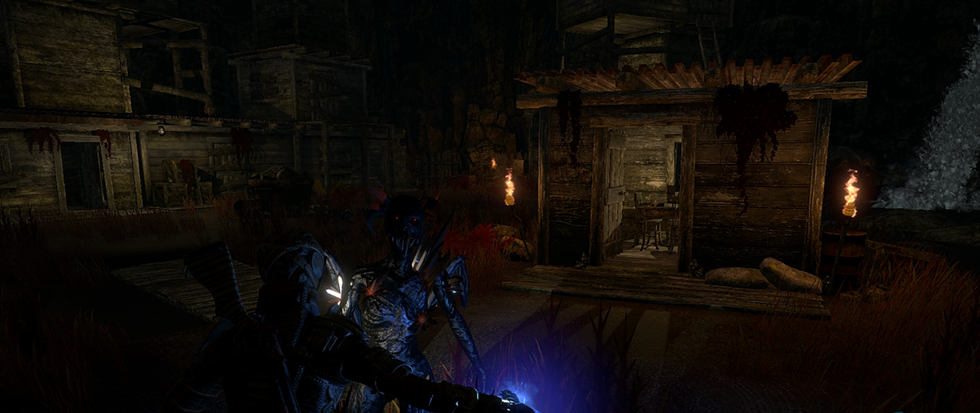
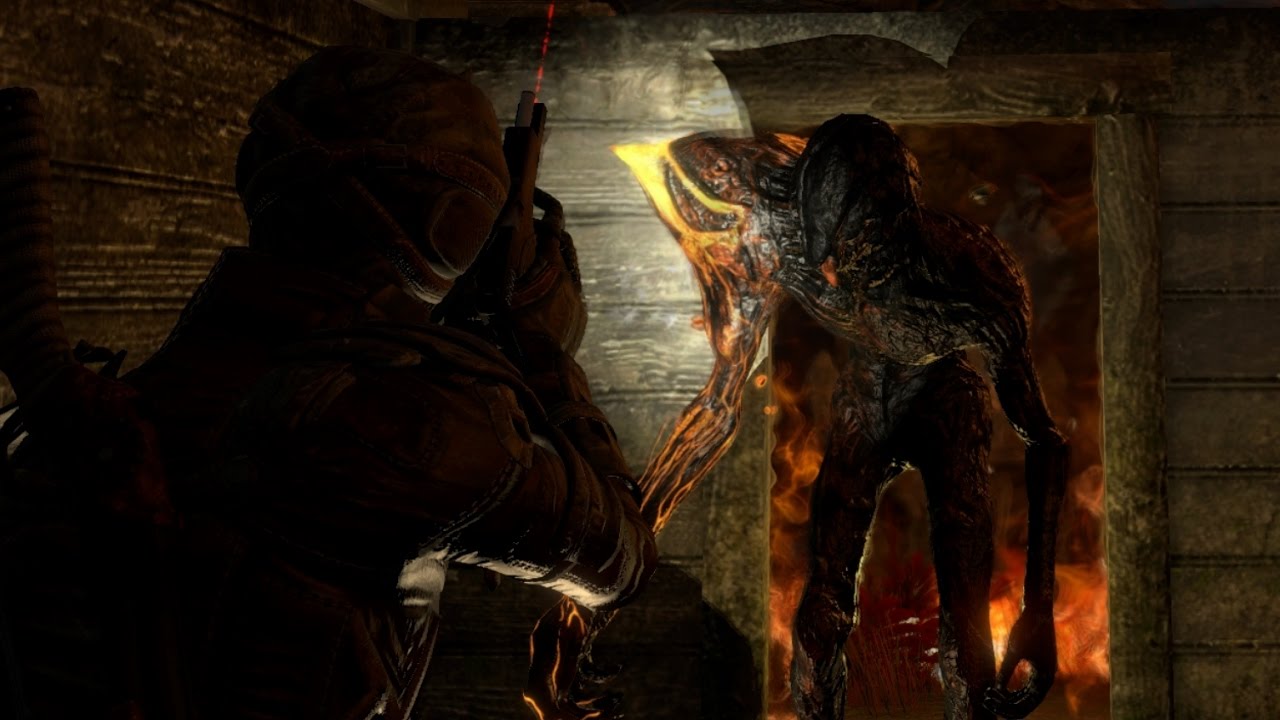
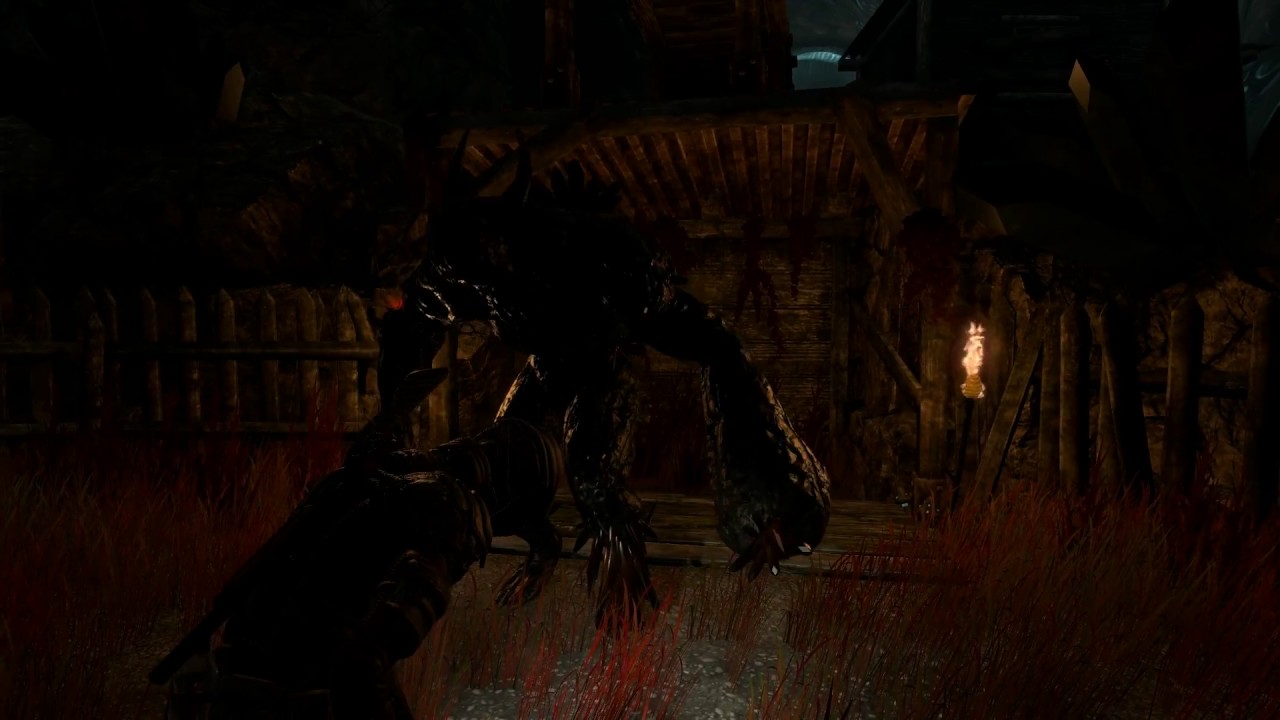
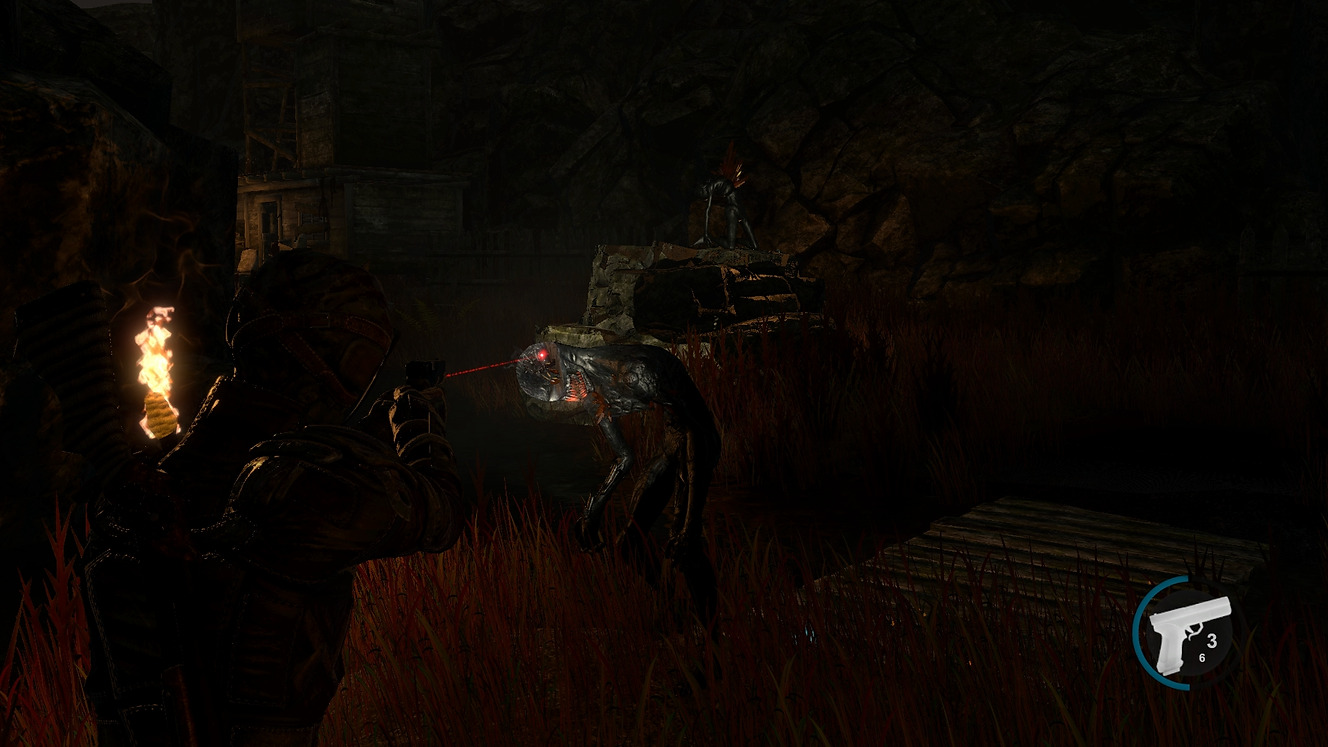
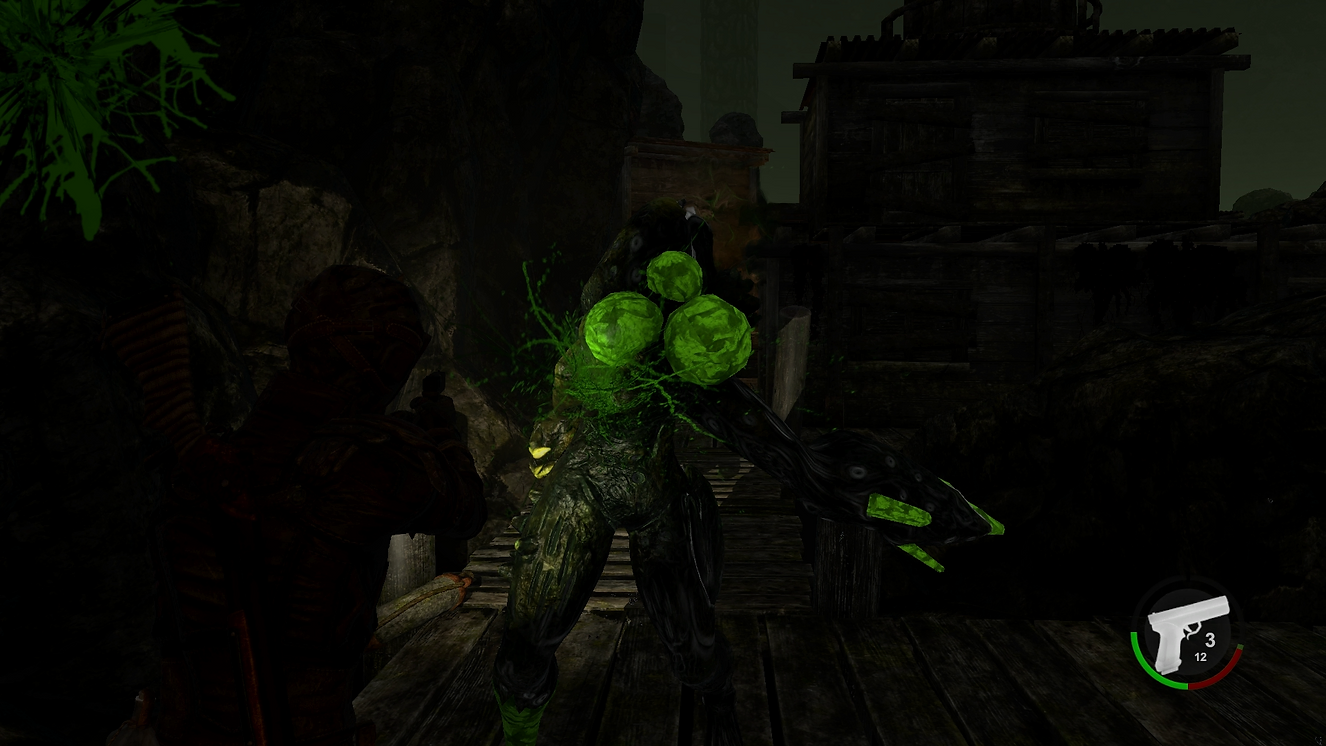
Having surfaced on Kickstarter last month, Rail Theory is a science-fiction survival horror made in very much the same vein as modern survival horror classics like Resident Evil 4 and Dead Space, only with its unique twist on things. What makes Rail Theory stand out is its intuitive combat system and RPG elements, such as the ability to improve the character with increased stats, health, and weapons, answering gripes that I have personally had with many survival horror games that primarily focus on storytelling and over-emphasis on the horror aspect, rather than providing players with fulfilling gameplay in addition to all the scares. Eager to find out more about this title, I sent a few questions to Tryconic Studio’s Kurt Gantz to be answered for yet another Q&A interview. Here are his responses:

Rail Theory 1

What were the influences behind your game?

I would say Resident Evil 4 is a strong influence on Rail Theory. The combat and gameplay of Resident Evil 4 were very satisfying and memorable. We also drew inspiration from the level design of Dark Souls. The sort of branching linear segments that reconnect make for a very satisfying exploration.


What has the developmental process been like?

The development process has been entirely a learning process. We created the demo for Rail Theory as hobbyists to get as much practice as we could as game developers. We went through about five different iterations of the demo, each representing a major quality improvement. A lot of this was redoing systems and mechanics once we found better ways to implement them.


How close are we to seeing the finished product?

The demo was made so we could get as much development experience as possible while also showing proof of concept. We would begin developing Rail Theory from scratch if the funding goal is met, so we are a bit far from the finished product.

Rail Theory 2

What has been the most exciting aspect of development?

Seeing the demo come together with just my brother and me working on it. We each had a lot of responsibilities for the demo, so seeing everything come together for the 5th and final build was very exciting.


What has been the most challenging aspect of development?  

This also comes back to having just two people working on the game. We each had a lot of responsibilities and skills that we needed to practice to get to a level we were comfortable with, but it also felt very rewarding.       


How well has the game been received so far?

After watching several playthroughs on YouTube, we’re happy to say that the game is being received very well. People are enjoying the combat reminiscent of Resident Evil 4, as well as the other mechanics we’ve implemented. We’ve also received great feedback on what needs to be improved in the game in the future.

Rail Theory 3

Rail theory also seems to have a strong survival horror feel to it. What were the influences behind the enemy designs?

Rail Theory has a lot of survival horror elements, especially in the demo. The enemy designs didn’t have any specific influences. We played around with several different concepts and implemented them into the demo to see how they felt in the game world. These include the crystalline enemies, the toxic and fire enemies, and the larger boss enemy.


What platforms are you looking to bring the game to?

We would want to bring the game to Steam. We would also like to work towards releasing the game on consoles.

Rail Theory 4

Do you have any advice for aspiring developers who may be reading this?

Choosing a project and sticking to it is the best way to learn, in my experience. Watch tutorials and learn about your game engine of choice, then apply that knowledge to your project. Just watching a tutorial for something won’t cement it in your head like actually applying it to your project and seeing it work well.

Also, be persistent. Try to work on the project a few days a week, even if only for half an hour or so. And don’t be afraid to redo something in your project if you find a better way to do it. It will improve your skills and help when you are developing new systems for your project.

We started out making a 3rd person shooter with no development experience and had a very steep learning curve, but the amount of practice and learning we got by making the demo made it well worth the effort. Just be persistent and always keep improving your skill sets.


Where on the Internet can people find you?

We can be found at www.railtheory.com

Also at www.twitter.com/railtheory


Do you have anything else to add?

Thanks for having us, and thank you for reading!

Rail Theory 6

I would like to take this opportunity to thank Kurt for taking part in my Q&A about this unique-looking game and to wish him and everyone else at Tryconic Studios the best of luck with the project. If anyone reading would like to back Rail Theory on Kickstarter, you can do so via the link below:

https://www.kickstarter.com/projects/tryconicstudios/rail-theory

Game on,

Scouse Gamer 88

Questions for Veronica Nizama

Sol Bound is an open-world science fiction RPG currently being developed by Crowquetica Games, headed by indie developers Veronica Nizama and her husband Sergio, and operating out of New York. The game blends RPG combat with puzzle-solving mechanics and intense combat and will feature a massive open world inspired heavily by Latin culture. Eager to know more about this intriguing-looking game, I recently got in touch with Vernonica Nizama to ask a few questions about the game. And get more of an insight into what players can expect with this title. Here are her answers:

What were the influences behind your game? 

Growing up, I played a ton of Zelda, Final Fantasy, and other games with strong narratives, strategy, and beautiful visuals. It was no surprise to me that when I first came up with a loose story idea for Sol Bound over a decade ago, I’d somehow find myself revisiting Tierrania when I decided to become a game developer and make my own action-adventure game. I knew I’d be doing a disservice to my otaku teenage self if I hadn’t! 

As far as our style goes, we were definitely influenced by classic Super Nintendo games. However, our culture probably had the biggest visual impact on the game. We’ve infused our rich Latin-American culture into our game in a way that may be relatable to Latinos living in America. As well as provide a fresh new experience for those not familiar with our customs, foods, and culture. Some of these are subtle, like our NPCs ‘ names, diverse racial cast, building architecture, plant life, and tropical, bright colors.

It not only influenced the look of the game but the universe as well. A more prominent way we’ve infused our culture is by making our in-game food power-ups based on actual Latin dishes. Like Cuban Vaca Frita, Peruvian Lucuma Ice Cream, and Puerto Rican Mofongo! I think it’ll be a fresh, unforgettable new experience for any gamer. 

What has the developmental process been like?

It’s been pretty hectic, but I guess that’s the case when you don’t have any funding. I’ve been in a studio environment for most of my professional career. So working from home, balancing a passion project while working enough on the side to pay bills, has been very challenging in comparison to what I’ve been used to. I enjoy working as a team with my husband, though. We’re best friends, and this is our baby. It’s definitely a labor of love!

How close are we to seeing the finished product? 

Unfortunately, not very close. Pretty much everything you’ve seen so far was created in the past four months, mostly by two people – my husband and me. Because we were running dangerously low on personal funds, we reached out to a few talented friends to help prep our Kickstarter campaign a month and a half before launch. Unfortunately, game development can take quite some time – especially when it comes to a game like ours. Which will be vast in size and populated by hundreds of NPCs. We’re hoping we can reach our stretch goal of 160k-200k so we can hire our entire team and get the game done sooner. 

What has been the most exciting aspect of development? 

Just seeing everything come together! If you’ve never had the opportunity of working on a big project with multiple people before, it’s an extremely satisfying feeling. You’re able to accomplish amazing things that you wouldn’t have been able to do on your own. It’s pretty empowering!

What has been the most challenging aspect of development? 

Time management. But isn’t that the case for most developers? As with any passion project, it’s hard to tell yourself that you’ve already invested enough time into a certain asset, shader, animation, etc. And to move along to the next task. Being the president of a company. Though it has forced me to really work on this. Aside from the importance of time being money, we now have our backers to consider! We certainly don’t want to let them down with a late release.

How exactly does combat work?

Players will encounter monsters, which we call Desvario, throughout Tierrania. Desvario will range in size, behavior, and have unique abilities. For example, some Desvario travel in packs and can swarm the player. Other Desvario may have special attack and defense patterns. Which the player needs to memorize this to defeat them.

As Sol binds Danny, you’re able to use a short-ranged physical attack, a longer-ranged and more powerful electrical, a jump ability to land on or escape from Desvario, and, of course, our special Sol binding ability. Sol binding allows the player to possess any organic creature. Allowing the player to access unique Desvario or Animal-specific abilities. Some of these may be helpful for puzzle solving, some may also be helpful in combat by fighting larger Desvario with an equally large sol-bound Desvario. 

Throughout the game, players may use food items to temporarily boost stats. They can also collect corrupted Sol cores from defeated Desvario to trade in for weapon upgrades.  

How well has the game been received so far? 

So far we’ve had REALLY positive feedback from people! It’s been really rewarding hearing such encouraging words from total strangers! While we’ve been getting a lot of excitement over having a Latin-inspired game, a POC lead, etc, we haven’t been reaching a lot of people, though. Our biggest hurdle is that our marketing budget is non-existent. Heck, our development budget is non-existent! We’d love to hear from a broader audience, so thanks for putting Sol Bound out there!

In the last 7 years of your developmental experiences, what projects had you previously worked on? Were there any in particular that influenced the development of Sol Bound?

Yes! While I’ve been very fortunate to work at smaller studios and pick up the skills to create pixel art, tiled games, etc, the last major project my husband and I worked on, Hiveswap, is what really set us on our course. Originally, we had planned on creating our game on Game Maker after one of our co-workers, Toby Fox, created his game Undertale using the same engine. It seemed like the fastest way to get a game done, and we were only two people.

Unfortunately, after a few months of light production, we realized Unity would be a much better option. Not only were we using Unity at work and becoming more and more familiar with it every day, but being that it was a small team, many of us had multiple hats to wear. I had to learn how to do lighting and set dressing. And much more on Unity, while Sergio was promoted to work specifically on making Unity tools. Through What Pumpkin Studios, we were also able to connect with tons of local Unity developers and find out about Unity events, making the engine the most attractive and safe choice for our game, and possibly future projects at our studio. 

What platforms are you looking to bring the game to?

Currently, we only have a planned PC/Mac/Linux release, but we’ve built the game on Unity, allowing us to more easily release the game on other platforms if the opportunity arises.

Sol Bound seems to have quite an in-depth story, but what are the core themes of it?

The core themes in the game are teamwork and survival! Whether it be Sri Sol binding with other animals to solve a puzzle or fellow Radioactive creating tools you need to continue on your journey, Danny will need to rely heavily on his team. Survival is also one of the biggest motivations for our Sol Bound cast, as players will come to see how unforgivable Tierrania is. Like many action-adventure games, Sol Bound will have an expansive world with a similarly deep storyline touching upon many themes, so players can expect to laugh, cry, and fall in love with our cast, too.  

Do you have any advice for aspiring developers who may be reading this? 

If you love making games, don’t ever give up on your dream! I’ve been working in games for about 7 years, I’ve been laid off along with entire teams at least 3 times, have had to always work a second job to pay the bills. And don’t even get me started on crunch time! I can’t begin to tell you how many times I’d be at the office until 3-4 AM with no paid overtime. I know I’ve been underpaid and taken advantage of in the past. Unless you know someone, that’s the path of pretty much any developer starting. Still, with all that heartache, I don’t think I’d be happy doing anything else.   

For my fellow lady-devs, stay strong, girls! On more than one occasion, I’ve been the only woman on an entirely male team, and in the past, this has led to me being harassed and bullied. It was certainly disheartening, but not surprising, being a long-term MMO player – I received this sort of hateful attention all the time without a warrant. Even though there are some bad apples, most male developers are really supportive. So focus on creating strong bonds with respectful teammates. And luckily, if you have an HR person, you can report and help prevent situations like the ones I experienced. Game development is definitely still a male-dominated industry. But we all know that diversity makes for better games. So if you love games, follow your dreams!

Where on the Internet can people find you?

www.sol-bound.com


I would like to thank Veronica for speaking to me about the game. And to wish all the best with Sol Bound. If anyone would like to back this game on Kickstarter, it can be done via the link below:

https://www.kickstarter.com/projects/sol-bound/sol-bound?ref=category

Game on,

Scouse Gamer 88


Eon Break

Q&A With Gladrock Games

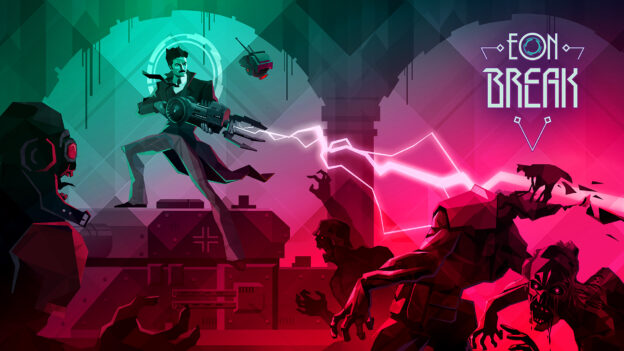
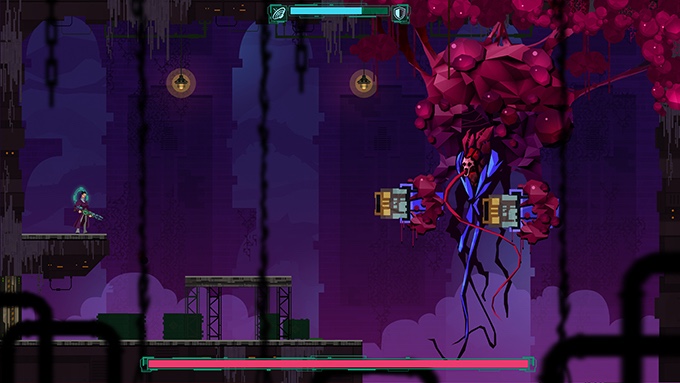
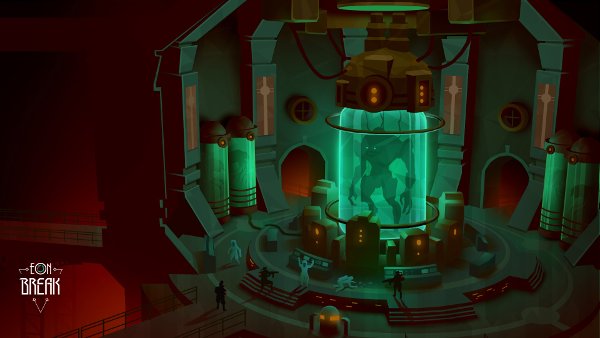
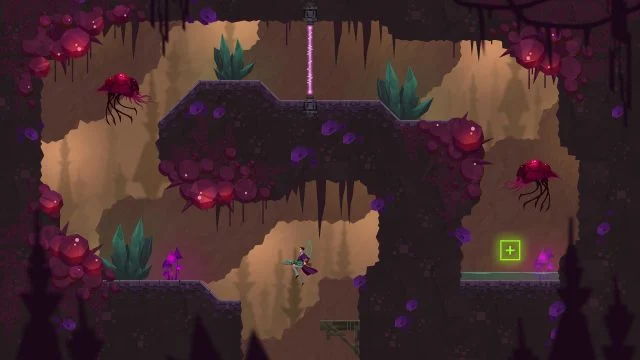
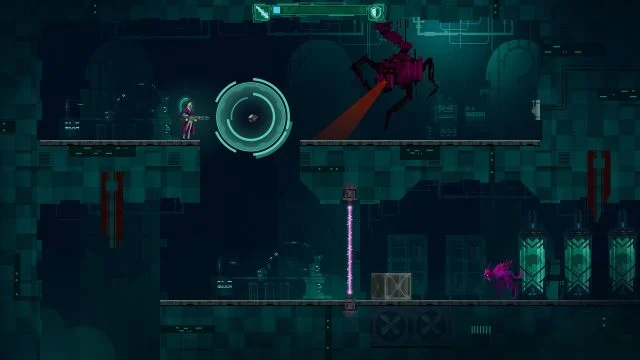
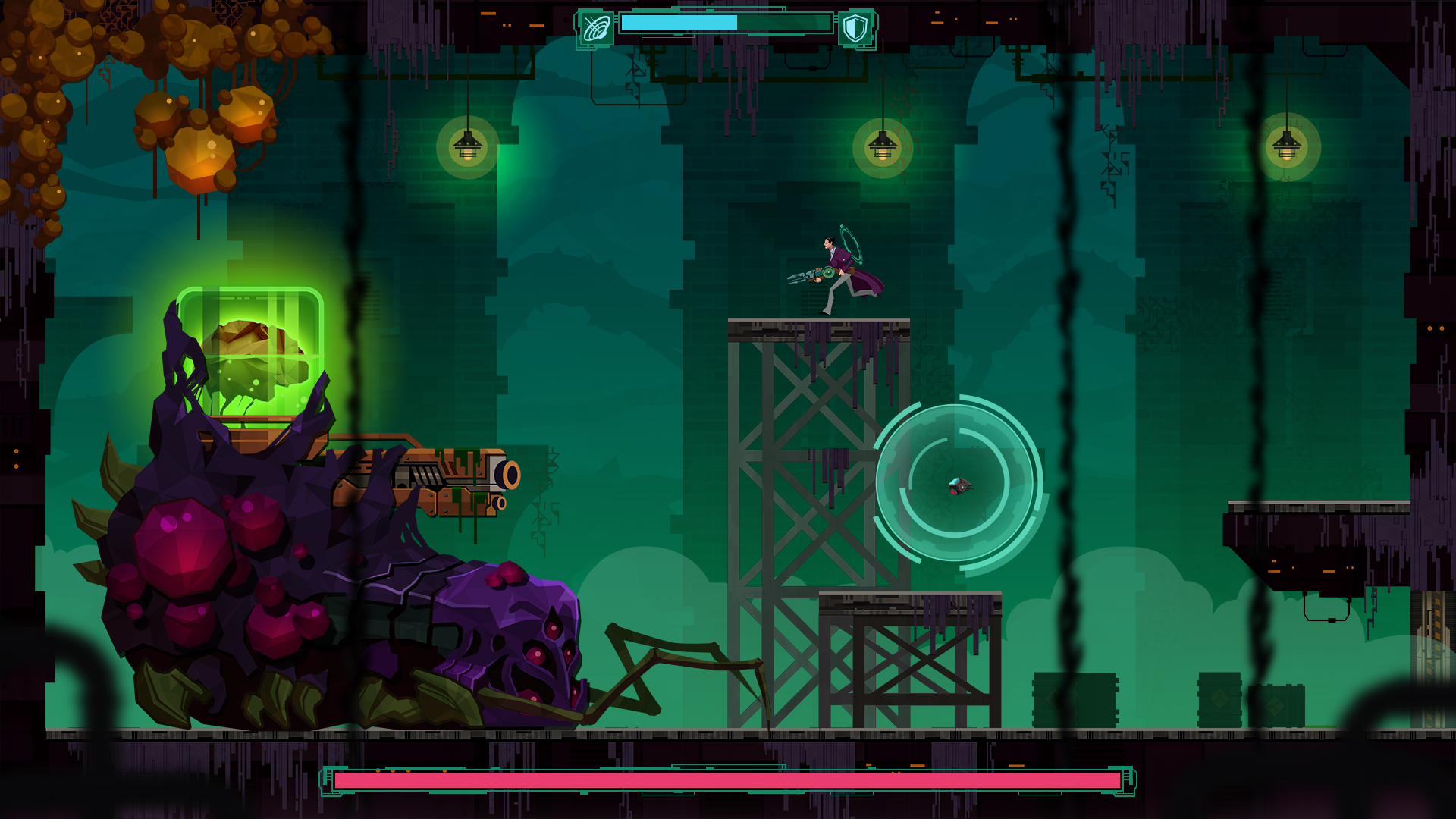
Eon Break is a 2D Metroidvania game that appeared on Kickstarter, having been greenlit by the Steam community in merely 6 days. Relying on traditional Metroidvania elements such as combat and puzzle-solving, as well as an emphasis on intense platforming, the game tells a fictional account of electricity pioneer Nikola Tesla and his exploits across an alternative take on World War II.

Eager to learn more, I approached the developers, Gladrock Games, based in Minsk, Belarus, and asked programmer Ayrton Vorobyov a few questions about this outlandish-looking title. These were his answers:

Eon Break 1

What were the influences behind your game?

It’s hard to name all of them. Obviously, Super Metroid is one of the main inspirations for the structure of the game. We played all kinds of Metroidvanias and platformers, some of them influenced more, some less. In the end, we want to create a game that feels familiar, but plays differently – an old-school action adventure with modern and unique mechanics.


What has the developmental process been like?

We’re a small team, and everyone can talk to everyone. But still, we have some processes and fields of responsibility. For core game aspects (overall art direction, mechanics design, the plot, level editor, etc.), we have an agreement on who makes the final decision in case of disagreement. Global questions are discussed by the entire team, and we’re voting. As a rule, we’re coordinating our plans on regular Skype calls. Thus, we share work status, present ideas, define priorities, assign tasks, and discuss deadlines.

Regarding ideas, we discuss the potential positive outcomes and measure the cost. If the outcome isn’t clear, then we create a small prototype to try it out. If the team agrees that the outcome is worth the effort, we convert the idea into tasks and implement it.


How close are we to seeing the finished product?

Right now, the game is half ready. We plan early access on Steam at the end of 2017 and full release sometime next year. Though timelines strongly depend on the success of the Kickstarter campaign. If we have enough funds to hire the missing team members, then we’ll hit the deadline.

Eon Break 2

What has been the most exciting aspect of development?

Working with totally new game mechanics was really exciting. In the beginning, we prototyped a lot of crazy ideas, but all of them were variations of some existing features. The real fun began when we decided to do something bigger – that resulted in features like the ability to consume locations or the possibility to create and switch alternative timelines.


What has been the most challenging aspect of development?

Most parts of the game come along nicely pretty fast, but the art style was a different case. We’ve spent quite a time searching for the art style that will look awesome, fit the game style, and, together with that, be easy to create (there’s only one artist in the team and thus we can’t afford to create very complex assets). In the very beginning, we defined a range of requirements for the art, including slicing principles, that allowed us to build complex locations without creating a huge amount of assets. Then Alex (our artist) spent several months creating sketches that fitted all the requirements – that was the hardest part. Every sketch felt like not quite what we expected. Until one day, he did what we called PolyVector – a 2D location sketch in a vector style that looked like it consisted of 3D polygons.


Which science fiction franchises inspired the creation of Eon Break?

Books, movies, comics – we were inspired by a lot of things! Many things came from the works of Ridley Scott and George Orwell. You can also find some parallels with such works as Jin-Roh, The Last of Us, and even The Butterfly Effect.

Eon Break 3

Which Metroidvania games did you and the developers play that served as inspiration for the game?

We’ve tried all the Metroids and Castlevania titles and almost every other Metroidvania out there, not only to understand what’s working in these games and what’s not, but mostly because we’re huge fans of the genre.

The main inspiration for us is Super Metroid, but mostly in terms of world structure. Regarding core mechanics, we tried to do them differently. We wanted to make familiar gameplay with a new modern twist, as Guacamelee did by adding fighting mechanics to the formula.


How well has the game been received so far?

We’ve received a lot of really positive feedback. In fact, we’ve received almost no negative comments at all! Community support was pretty strong, and we’ve passed Steam Greenlight in just 6 days. So, we’re pretty confident that a lot of players are waiting for Eon Break. Also, we have a large community on Twitter, Instagram, and Facebook. Everybody can join us there to receive the latest news and share feedback.

Eon Break 4

What platforms are you looking to bring the game to?

Initially, we’ll launch for PC, Mac, and Linux. If everything goes well, then we’re going to port the game to all major consoles. Also, we consider an option to make an Android TV port. The game is being developed with Unity, so porting is totally possible.


Do you have any advice for aspiring developers who may be reading this?

If you have an idea for a game, then start by answering one question: why will players play my game? And the answer shouldn’t just tell WHAT players will do in the game. Neither should it say HOW they will play your game. It should be clear to you WHY your project should be picked from the thousands of others.


Where on the Internet can people find you?

Our website: http://gladrock.com

Twitter: https://twitter.com/eonbreak

Instagram: https://www.instagram.com/eonbreakgame

Facebook: https://www.facebook.com/EonBreak

Do you have anything else to add?

Take a look at Eon Break – the game is really worth a minute of your time – and let us know what you think about it and what you would like to see in the game.

Thank you!

Eon Break 5

I’d also like to thank Ayrtom for answering my question and to wish him and Gladrock Games the best of luck with Eon Break. I’ve come across many Metroidvania games whilst scouting for new indie prospects, but this game certainly stands out as one of the most original-looking titles I’ve seen in a long time.

Game On,

Scouse Gamer 88

Oh… Sir! The Hollywood Roast (PC)

Oh Sir The Hollywood Roast

Developer(s) – Vile Monarch

Publisher(s) – Gambitious Digital Entertainment

Rating – N/A (Discretion advised)

Following on from Vile Monarch’s previous indie title, Oh… Sir! The Insult Simulator, The Holly Roast, takes the franchise into the Hollywood movie industry and delivers the same level of quirky humor and the same interesting twist on both turn-based and traditional fighting game combat, and builds on what the first game perpetuated to deliver a greater experience. I first saw this game at EGX Rezzed 2017, and was immediately smitten with it; it drove me to play the original game, but by comparison, the second is even better in my opinion.

Graphics – 7.5/10

The graphics in the series have undergone a significant overhaul compared to the original game, and the characters and setting look even better. There are more varied character and level designs than in The Insult Simulator, deviating away from the Monty Python themes of the first game, and it features a much greater level of detail. It also opens up possibilities in terms of future games in the series, and how they could be based on a wide variety of different subjects.

Gameplay – 7/10

The gameplay of the Hollywood Roast is almost identical to that of The Insult Simulator, but this time around, the developers have added a few new mechanics to the combat system, most notably the comeback ability. Players now have the option to add a comeback to the end of their insults for bonus points. New comebacks can also be unlocked for each character as the game progresses. But the biggest and best new addition to the series is the modding system. Players now have the ability to create new characters and stages within the game, which definitely gives the game an even greater level of variety than what I personally thought to be possible after having played the demo.

Controls – 10/10

Just like the original game, there are no issues with the controls whatsoever, with it being a simple point-and-click game typical of most games that run best on PC.

Originality – 9/10

The Insult Simulator was an original game on its own, but The Hollywood Roast still maintains that same level of uniqueness; the difference between the two of them is that there is far more to play for in the second game. The original demonstrated an entirely new way to play a fighting game, but this title has perfected this new style of play.

Happii

Overall, Oh… Sir! The Hollywood Roast is a more than welcome addition to one of the most unique indie gaming series I’ve ever come across. It’s fun to play, can last even longer than the original with modding possibilities, and I can’t recommend it enough.

Score

33.5/40

8/10 (Good)

Curses N’ Chaos (PlayStation 4, PlayStation Vita & PC)

Curses N Chaos

Developer(s) Tribute Games

PEGI – 7

Released back in 2015, Curses N’ Chaos is an independently developed love letter to NES classics of the late 80s, featuring simplistic, yet addicting gameplay. As well as an expertly crafted 8-BIT style of graphics. Over the years, indie games have continued to impress me. And Curses N’ Chaos is no exception.

Graphics – 8/10

Although the game looks as great as any 8-BIT classic, the aspect in which this game’s visuals truly stand out is its diversity in conceptual design. The game is set across several different stages representing different parts of the game’s universe. Including forests, castles, graveyards, docks, villages, and even a ninja’s dojo. And the variety in level design also appropriates the variety in enemy and boss design in turn. There are enemies exclusive to most stages in the game, which keeps it interesting to look at throughout. As well as keeping players on their toes and strategizing accordingly. The game’s soundtrack is also exceptionally gripping and extremely catchy. Especially where the first stage is concerned.

Gameplay – 8/10

Curses N’ Chaos is a 2D beat ‘em up set across timed stages, whereby the objective is to clear all enemies on the screen until the timer runs out. Each stage yields 10 waves of enemies before the player is then pitted against the stage’s boss. The reason why the variety in enemy design keeps players on their toes is that certain enemy types each take different amounts of damage before they are killed.

And many require different strategies to take down, which provides the game with a very stern level of challenge reminiscent of many NES classics. Such as Castlevania and Mega Man. The boss fights the most and also demands the same level of adaptability to take down. And some are among the best boss fights I’ve seen in a long time. Such as the chimera in Stage 2 and the robot in Stage 6.

Controls – 9.5/10

For the most part, the controls are pretty much perfect in this game, which is needed in a game like this. It relies heavily on player skill to finish and is quite demanding in this respect. But players must be careful when they are pressing down in order to make the player dance while idle, in order to gain more points with no enemies on-screen. Sometimes, the player can start walking after some time. Even with the down button held. At first, I thought this might have been a problem with my PS4 controller, but the same thing happened to me when I played the PS Vita version as well.

Lifespan – 8/10

For a stage-based game, this title can be made to last for an exceptionally long time. At least 15-20 hours, depending on the player’s ability to adapt to each challenge. It goes to show me that the lifespan of an indie game cannot necessarily be down to budget. But down to the developer’s imagination. Aside from the stages, the player can also mix together items and weapons found during the battle to create better weapons or items. This also adds to the game’s longevity to an extent.

Storyline – 6.5/10

Again, reminiscent of the NES days, the game’s story is quite simplistic. Gamers have to consult other sources for further details. Back then, we relied on instruction manuals, but more details can actually be found on the game’s website. The story follows two fighters named Leo and Lea. They are daring to fight back against the monsters commanded by Algarr, the Wizard King. Disdained by the duo’s efforts, Algarr places upon them a curse. Whereby the Grim Reaper follows them everywhere they go.

And with the possibility of death constantly looming over them, with a swarm of monsters also stalking them. The pair then consults a rogue alchemist named Allison, who explains that the curse can only be lifted by creating the Elixir of Life, which Leo and Lea must get the ingredients for by killing monsters. Though it may not be the most intriguing story in gaming history, it’s the game’s mythology that helps it to stand out to at least a certain extent. And although it may be simplistic, it’s much less preferable to me personally to have the focus taken away from the story and put into gameplay. And this is most certainly the case with this title.

Originality – 8/10

Though the conceptual design of the game is, for the most part, based on pre-existing mythologies and cultures, where this game truly stands out is in its simple yet addictive style of play. As well as everything that can be done in-between stages to create better weapons and items. It gives the game a lot of variety in terms of gameplay. And because of that, it is one of the most invigorating indie experiences I’ve played all year. It’s an ideal springboard for people looking to experience the days of gaming simplicity. As well as older gamers who may be looking for a strong sense of nostalgia. But at the same time want to try something new.

Happii

Overall, Curses N’ Chaos is a solid throwback to the NES era. As well as one of the most invigorating and challenging indie experiences on current PlayStation platforms. Those who can brave the challenges will feel an overwhelming sense of satisfaction afterward, and after experiencing it for myself, I can’t recommend it enough.

Score

48/60

7.5/10 (Good)

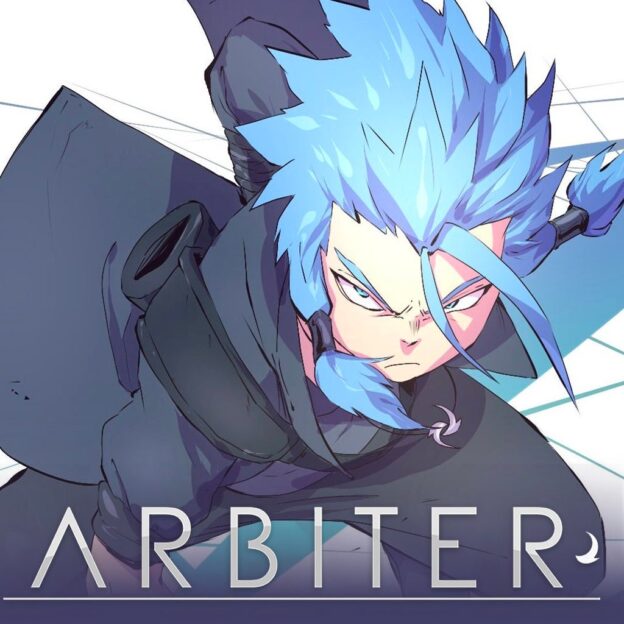
Arbiter

Q&A With Jordan Scott

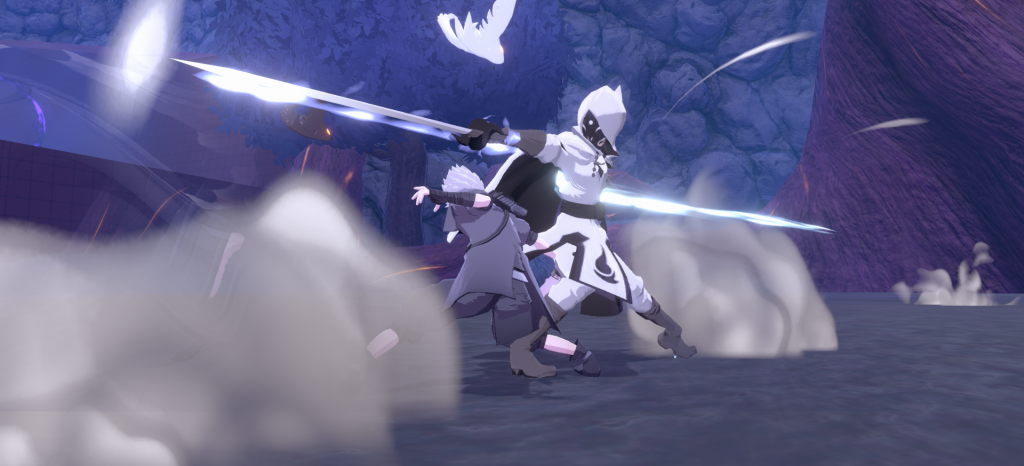
Recently beginning its Kickstarter campaign, Arbiter is a third-person action-adventure game with a heavy emphasis on varied combat and character transformation. Inspired by the likes of Zelda, Kingdom Hearts, and Dark Souls, the main character has the ability to transform into either a light spirit (ether) or a dark spirit (umbra) in order to defeat enemies and absorb them in order to gain new abilities over time.

I was interested in knowing more about this game, so I reached out to the game’s creator, Jordan Scott, for a question-and-answer session amidst the game’s Kickstarter campaign. Here were Jordan’s Answers:

Arbiter 1

What were the influences behind your game?

I’d say the biggest inspirations are Ikaruga, Kingdom Hearts, and Dark Souls. Mega-Man, too, since the game will allow you to complete the levels in whichever order you wish. The biggest takeaway from those games, though, is the transformation mechanic and the challenging, fast-paced combat.


What has the developmental process been like?

 I’ve been working solo on the game for about five months now, and I’ve tried to keep the scope of the project small so that I can feasibly finish it on my own. As a result, development’s been going pretty well.


How close are we to seeing the finished product?

I’m hoping to release the game in late 2018, based on how the Kickstarter does. It’ll be a shorter game at around five hours or so, so I think I’ll be able to finish on time. But as game development usually tends to go, the final release date is unpredictable.

Arbiter 2

What has been the most exciting aspect of development?

The most exciting aspect has been designing enemies. The game is inherently fast-paced, so I’ve been trying to create enemies that set the pace of the fight rather than the player. This kinda results in players having to learn to “keep up” with their enemies, which is a play-style I enjoy.


What has been the most challenging aspect of development?

The development’s been going pretty well. I certainly feel like I could go faster, but I’ve kept the project’s scope small enough that I’ve been able to hit my deadlines pretty consistently. The harder part has been preparing for things like the Kickstarter and RTX booth since I’ve never done them before. Since the game’s an original IP too, its audience is being built from the ground up, which is very intimidating.


Were there any anime series in particular that inspired the creation of Arbiter?

Dragon Ball, Naruto, and Hunter x Hunter have probably been the most influential.


If the game is open-world, how expansive do you plan on making it?

The game will be split into multiple levels that players can choose to complete in whichever order they wish.

Arbiter 3

In relation to the contrast of light and darkness that the main character seems to embody, will there also be morality mechanics available within the game?

The morality conflicts will have more to do with the story rather than the mechanics. But that being said, there will be multiple endings tied to how players choose to pursue the enemies they’re hunting. I’d say the overall point of the game is more that the world isn’t as black and white as it appears.


How well has the game been received so far?

People seem to like how polished it is and how well it plays. There have been some complaints about the difficulty since I kind of amped it up so people know that “this is supposed to be a challenging game”, but overall, I think it’s been pretty well received. 


Arbiter 4

What platforms are you looking to bring the game to?

I’m looking to release the full game on Steam (PC) and Mac/Linux. I’d like to port the game to consoles as well, but that will be entirely dependent on how the crowdfunding goes.


Do you have any advice for aspiring developers who may be reading this?

I’d say learn as much as you can on your own so you can better understand development as a whole. It will also help you to kinda manage expectations for what you can expect from your teammates.


Where on the Internet can people find you?

I’m on Twitter @jordy_j_s, and you can find more information about the game at https://arbitergame.ca/!


Do you have anything else to add?

I’ve been funding Arbiter’s development through my personal savings, so Kickstarter’s success would help a lot with padding out development costs. I’d also like to hire additional artists to make the game as good as it can be. If you’re interested in Arbiter, please consider backing it to help make the full game a reality!


Arbiter 5

I want to take this opportunity to thank Jordan for taking part in our question and answer session, and to wish him the best of luck with the game. If anyone is interested in backing Arbiter, here is a link to their Kickstarter page:

https://www.kickstarter.com/projects/427189558/arbiter-0?token=c732018c

A free demo of the game can also be downloaded from the Arbiter website under the Press Kit section:

Press Kit

Game on,

Scouse Gamer 88

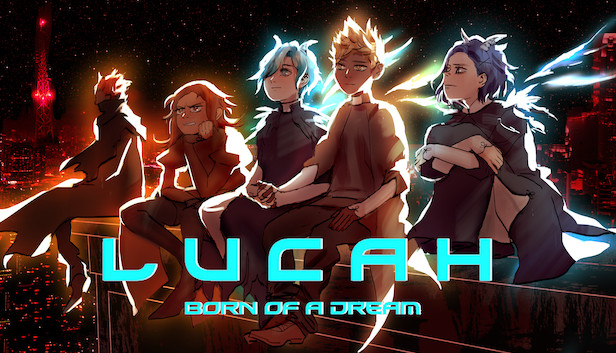
Lucah

Q&A With Me Less Than Three

In my ongoing endeavor to discover as many different video gaming prospects as possible, this week I came across a wonderfully dark-looking game entitled Lucah. Lucah is an action RPG with a heavy emphasis on combat and exploration. And a sinister-looking conceptual design. The game itself is described on its Kickstarter page as “a nightmare action RPG about finding oneself”.

Presenting players with multiple combat options and learnable abilities, as well as giving players the additional option of combining these different skills. Giving the game even more variety, I was eager to interview the developer behind the nightmarish title, Me Less Than Three, operating out of Los Angeles, California. Programmer on the game, Colin Horgan, agreed to answer some questions I had about this unique-looking title. And here are his compelling answers:

What were the influences behind your game?

From a gameplay perspective, LUCAH started as a Nuclear Throne-style arena shooter. While I was developing it, though, I was getting more into melee-focused action games like Bloodborne, as well as style-focused brawlers like Devil May Cry and Bayonetta.

I combined this mechanical fascination with the dark, high-contrast style that I had been developing for the past couple of years. Like in my previous game Comforting Sounds

(https://melessthanthree.itch.io/comforting-sounds)

and IAMNOTAMACHINE

(https://melessthanthree.itch.io/iamnotamachine).

This is a style that sort of evolved naturally, just based on my ability. I’m more of a programmer by trade. But I wanted to use my own art in my games, so I started simple, but stylized.

As LUCAH slowly grew into a full game, I started putting a bunch of thematic and narrative ideas into it and kept what stuck. Including a lot of personal subjects I like to explore (nightmares, Catholicism, lyricism). Ultimately, it evolved into a gamified night terror. And I decided to weave the whole story into that context.


What has the developmental process been like?

Since I’m most comfortable with programming, most of my games start as mechanical prototypes. Taking a game idea and making it playable as soon as possible. From there, I’ll put a little bit of kinesthetic polish on the game, the details that make it “feel” a certain way. And allow the aesthetic style to evolve from that.

As LUCAH became a more methodical, tactical action game after the switch from projectile-focused to melee-focused, I tailored the look and pacing to fit a more horror-inspired game. An important step in this process was taking on my friend Nicolo Telesca as our composer. His glitchy and atmospheric soundscapes entered the game even before there were levels to score. So the shape of the game took form based on those sounds and songs.

Once the game felt like it had enough form to be played, I put various demos out. First, a combat-only demo. Then a demo with the first “dungeon”. And saw what resonated with people and what didn’t. The game went through a large visual overhaul at this time. Keeping the distinctive style but pushing it as far as it could go. With an emphasis on better communication for what is going on (attack signals, more contrast for enemies and backgrounds, and so on). At this point, we knew we had something special. And took this direction towards the eventual full game LUCAH will be.


How close are we to seeing the finished product?

All of LUCAH’s major systems are set, and the current demo is a good standard for what the full experience will feel like. However, we still need to fill out the rest of the story. Which I expect will be another 4-5 hours of content. At the current rate of development, my tentative estimate for LUCAH’s full release will be sometime next summer, so be on the lookout then!

What has been the most exciting aspect of development?

The most exciting aspect of development has been sharing my process with others through social media and seeing the excitement the game is already creating. Oftentimes, I would finish a new mechanic and create a GIF to show it off, and with that, I can see what developments excite people most and feed off that energy. I make sure to read every comment, response, and message we get about the game because even though LUCAH is a very intimate and personal experience, I want to do my best to ensure it’s an experience that resonates with as many people as possible!


What has been the most challenging aspect of development?

The most challenging aspect of LUCAH’s development by far has been solidifying the visual style. Because it’s so out there and hard to describe (is it wireframe? stylized pixel art? hand-drawn impressionism?). Making sure it communicates the appropriate moods and information has been a struggle. We are doing our best to make sure a new player can wrap their head around what’s happening on screen. And what these ever-shifting figures represent. But I don’t think we’re totally there yet, even if we’ve come far already. Still, as we develop the game, we’ll do our best to make LUCAH the most brilliant visual experience it can be.


How well has the game been received so far?

LUCAH has been received surprisingly well so far, especially for such a niche title! Besides some of the visual roadblocks I mentioned previously, most people who try LUCAH find something to love about it. Whether they’re absorbed into its abstract world or want to explore the various combat systems at play. It’s a game that resonates with both seasoned game players and new players alike, and that’s something I’m especially proud of.

With Lucah, there is a massive emphasis on dreams, nightmares, and the subconscious in general. Did any of the developers’ dreams serve as inspiration for the game? I used to struggle with night terrors and sleep paralysis. Often, because I became very good at psyching myself out with an overactive imagination. While I’ve become much better at handling nightmares and the anxieties that create them, it’s still fertile material for me to process and explore in LUCAH. Hopefully, once the game is done, those terrors will be a thing of the past!


What platforms are you looking to bring the game to?

Currently, we’re planning to launch LUCAH on Windows, macOS, and Linux, though I would also love to bring it to consoles. The game was built for a controller. So I think it’d fit right at home on the PS4, Xbox One, and Nintendo Switch. And I’ll pursue those consoles if that becomes a possibility.

Do you have any advice for aspiring developers who may be reading this?

The usual answer I give to these sorts of questions is to 1. exercise, and 2. read books. The broader answer here is to make sure you take care of yourself, both mentally and physically, as much as you are able, and be sure to have something non-game-related to enjoy. Not only will it allow your brain to rest from any development-related stress, but varied experiences and interests will help you be a better and more creative developer. Also, be sure to be creative whenever you’re able; it’s the only way to get better!

Where on the Internet can people find you?

I can be found on Twitter @melessthanthree.

You can also follow LUCAH’s development on Facebook –

http://gamejolt.com/games/lucah/184325

and Tumblr (https://lucahgame.tumblr.com/),

and download the free demo on either itch.io (https://melessthanthree.itch.io/lucah) or GameJolt (http://gamejolt.com/games/lucah/184325).


Do you have anything else to add?

At the time of this interview, LUCAH is currently on Kickstarter, and we still need some help to get funded and finish the game! Please check that out

(https://www.kickstarter.com/projects/1617962540/lucah-a-nightmare-action-rpg-about-finding-oneself)

and tell your friends who might also be interested in sharing or pledging. Also, please try the demo and let me know what you think. I love hearing about your experience playing LUCAH!

I would also like to take this opportunity to thank Colin for agreeing to this Q&A session and to wish him and Me Less Than Three Studios the best of luck with the game and with the Kickstarter campaign. As of the publishing of this article, there are 9 days left, so if you’re interested in playing the complete game, you can donate via the link in this article.

Game on,

Scouse Gamer 88


The 2017 EGX Rezzed Special

Last April, I had the pleasure to attend EGX Rezzed at London’s Tobacco Dock, where showcased were some of the most exciting indie and mainstream gaming prospects being developed from both the UK and the rest of Europe. I had the privilege of trying out a plethora of these different titles, and I wasn’t disappointed. I was very impressed and inspired by the creativity and entertainment these games and developers had to offer; many of which have since been released, and have also found significant success within the industry. This article covers what games I got to try over the course of the three days, and my own personal opinions of which.

But first, I would like to apologize to my viewers, and to the organizers of the event for the delay in this article. This was the most extensive article I’ve written by far, even surpassing the scale of what I’ve analysed throughout each E3 event I’ve covered, but following this article, there will also be more content coming in the future, as my output as suffered far too mucho since I began writing this piece. However, without further ado, here is my pick of the most standout games at EGX Rezzed 2017.


Tetra: Elemental Awakening

Many games on display at EGX were only in the very early stages of development some of which even in pre-alpha. A case in point was Tetra: Elemental Awakening. A World Of Warcraft-style game developed by Ocean Spark Studios out of Huddersfield, Tetra is a third person RPG set to have emphasis on combat, exploration, quest completion and wave clearing similar to games like Left 4 Dead or Dead Nation. Following an unfortunately unsuccessful Kickstarter campaign, the game is still in development and has also since made further appearances at trade shows throughout Europe.

When I played it, I didn’t get to experience much, as is it still was in a very early stage of development, but the game did have a potentially interesting mythology attached to it, and given the right amount of polish, which is something I believe the game desperately needed at that time, it could be a decent game if the wave clearing aspect of it is implemented properly, and if the develop also incorporate more uniqueness into it. Otherwise, it would have a particularly long road to go down in terms of competing with other games of the same ilk; especially World of Warcraft. Medieval fantasy is particularly difficult to make stand out in most forms of media, especially video games, so the developers need to make sure they are offering players something very different by proxy.


Oh… Sir! The Hollywood Roast

The next game I would like to talk about, however, will have no problems standing out from most other gaming experiences. Oh… Sir! The Hollywood Roast is a turn-based fighting game whereby the player chooses from a selection of characters that are parodies of famous movie characters, and the objective of which is to create the most elaborate and long-winded insults to throw at the opponent, thereby dealing as much damage as possible. The game is insanely unique, ridiculously humorous and tons of fun. It is a follow-on from an earlier game developed by the same company, Vile Monarch, entitled Oh… Sir! The Insult Simulator; a game with the exact same premise, but more incorporating parodies of Monty Python characters. Since the game’s release on steam as of May 31st, it has garnished critical acclaim from players for it’s improved graphics and perfected mechanics.

Out of every game I tried at EGX, this was unanimously the most unique experience at the trade show in my opinion. There were unfortunately only two characters made available to play as, but they both bring a great deal of depth to the game, which made me excited for how much the rest of the character roster adds to it as well.


Yooka-Laylee

A title on display at the show that I was particularly looking forward to trying out was Yooka-Laylee; a 3D platformer developed by many of the original team behind Banjo-Kazooie. Playing out extremely similarly to the Nintendo 64 classic, it requires players to travel across open 3D environments and collect items, with additional emphasis on combat and puzzle solving. The game received mixed to positive reviews upon release with critics and fans divided over opinion for it as to whether the Banjo-Kazooie influence made the game critically successful or simply unoriginal.

My first experience playing the game was fairly positive. In my opinion, there has been a shortage of 3D platformers over the last two gaming generations, and it is refreshing to see the genre making a resurgence within the indie gaming scene with games like this, as well as Contrast and Grow Home. In particular, it was exciting to me to hear that David Wise was involved in the game’s music composition, as I think he has created some of the best video game music of all time. In terms of conceptual design, Yooka-Laylee’s scenery is about as varied as I expected it would be, but looking at the design of the characters, I did get the impression that it may be lacking in that respect, but I am still looking forward to playing the final product at a later point.


Deadbeat Heroes

Another unique-looking game among many that was showcased at EGX was an isometric cel-shaded beat ‘em up call Deadbeat Heroes. Developed by two former Lionhead studios staff, Adam Landridge and Imkan Hayati, I would best be able to describe it as Baldur’s Gate meets Streets of Rage, where the objective is to defeat hordes of enemies, and occasional bosses and sub-bosses, in order to move to each section within each stage. There is a degree of strategy involved with players having to implement different attack in order to take out better equipped enemies, but it’s easy to start simply button-mashing, which can lead to repeated deaths. Overall, I found Deadbeat Heroes to be addictive, yet deceptively demanding of players; but thankfully, not to the point of it being inaccessible. It is particularly interesting to see two veteran developers create something the likes of which they’ve never tried before, but it does seem to work very well.


Flipping Death

EGX was populated not only by first-time indie developers, but also veteran ones too. A more experienced indie outfit present at the show were Swedish developers Zoink Games; developers behind Stick it To the Man and Zombie Vikings. At the Nintendo Switch booths, the company’s PR & marketing manager and designer at Elden Pixels Mikael Forslind was there showcasing their latest game Flipping Death. Sporting the same general conceptual design as both Stick it To the Man and Zombie Vikings , Flipping Death is a 2D side scroller in which players must flip between the underworld and the physical world to solve various and insanely unique puzzles to progress; similar to how the two Soul Reaver games work.

My first impressions of the game are that it looks like a better gameplay concept that Stick it To the Man, but most likely not as good as Zombie Vikings, as I found the former to be extremely addictive with it’s greater emphasis on combat. Regardless, Flipping Death retains much of the same offbeat and quirky sense of humour that the other two games have, and a great level of creativity seems to be implemented within it; just like the other two games. I found myself perplexed by the puzzle in the demo, yet laughing the whole time at how funny it is. It made very excited about what other puzzles like will be featured in the final game.


Victor Vran

In my opinion, the best game on display at EGX in terms of both gameplay and addiction was a PC title recently released on console called Victor Vran. One of the many isometric games on display at the show, and developed by the creator of the Tropico series Haemimont Games, it can be best described as Baldur’s Gate meets Brutal Legend, with a massive emphasis on real-time combat, and magic-based attacks dealt with through musical instruments, such as guitars.

Paying homage to classic fantasy settings, as well as heavy metal music, with a DLC packaged paying tribute to the band Motorhead in particular, this game seemed to be right up my ally. I had a great of fun playing this title, and I can’t wait to pick up a copy on the PlayStation 4 and dive into it. Combat is extremely tense as well as addictive, as it can be very easy for players to have themselves surrounded by a multitude of enemies in seconds. It’s also exciting to see the improved graphical quality of isometric games in particular, since the distance put between the gameplay and camera angles make the game appear much more detailed; and this was not the only game at EGX to give this impression. But in addition, the conceptual design is also something to behold. I’m a big fan of both the games this title seemed to have been influenced by, and after playing Victor Vran all the way through I would be surprised to find myself being a huge fan of this one too.


Nerve

As well as traditional gaming, VR gaming also maintained a strong presence at EGX Rezzed this year, with the rise of the popularity of VR, as well as it’s continued development of the concept in general. One such VR game showcased at the event was a game called Nerve; a rhythm game similar to Entwined whereby the objective is to last for as long as possible and to travel as far as possible whilst all the time being able to adjust the speed of the game in accordance with how many of how few obstacles there may be in the player’s way. The game is currently in development for PlayStation 4, the Oculus Rift and the HTC Vive.

Since VR gaming started to make a resurgence following the beginning of the eighth generation, I have maintained a certain level of scepticism as to how successful the concept can be following the monumental commercial failure of the Nintendo Virtual Boy in particular. But after having experienced VR at many of these different gaming expos, I have begun to warm up to the concept, seeing the many different ways it can be properly implemented, and EGX Rezzed was another major step towards quashing my prior scepticisms.

Nerve was a fun and addictive game that takes advantage of VR in a simply, yet effective way; the method in which VR should be taken advantage of. It creates a heightened atmosphere and adds to the tension of the task at hand, in turn, heightening the game’s level of challenge.

SteamWorld Dig 2

Another long-standing indie company present at the show were Image & Form games; the Swedish outfit responsible for the games in the SteamWorld universe, including SteamWorld Tower Defence, SteamWorld Dig and SteamWorld Heist. SteamWorld Dig 2, having been only recently announced prior to EGX Rezzed, was on display at the Nintendo Switch booths alongside Flipping Death, incorporating many of the same elements as the first SteamWorld Dig game, but sporting a new player character and improved level of detail in the game’s visuals.

Julius Guldbog, Image and Form’s community manager, was there to talk players through the new experience, promising that SteamWorld Dig 2 would offer a much larger experience than the first game, which to me, is exactly what the first game needed. The original SteamWorld Dig was addictive, creative and impressive in terms of conceptual design; but the problem with it was it lasted nowhere near as long as it ought to have done. Given more to do, the possibilities in terms of lifespan could be very exciting, and I am hoping that Image and Form do follow up on their promises of a longer lifespan, as if they do, the sequel would be in my opinion more than worthy.

Little Nightmares

The next game I tried was one that I’d previewed prior to the start of the show, and was very much looking forward to sampling. Little Nightmares is a twisted-looking survival horror puzzle game developed by Tarsier Studios; the team behind Little Big Planet and Tearaway, and Published by Namco Bandai. It follows the story of a small girl named Six, who is attempting to escape a strange facility known as the Maw. The game features somewhat similar controls as Little Big Planet, but also incorporates a much darker and grittier atmosphere than the former. It also does extremely well to create tension in it’s gameplay sequences; something used only in the most top-notch of horror films and horror poetry.

Since the game’s release, it has garnished positive reviews, but it has not been without it’s criticism either. However, I felt that it seemed to have a very even blend of both gameplay and horror; something that every survival horror game needs to have, but that I feel not every major horror game franchise does. It seems to have more depth in gameplay than Outlast, for example, and despite the lack of dialogue, or perhaps because of it, I was able to take it much more seriously than the original Resident Evil game.

RiME

Another highly anticipated game that made an appearance at EGX alongside Yooka-Laylee was RiME. Developed by Tequila Works, RiME is an open-world puzzle game, whereby the objective of the player character is to solve the mystery of how he came to be at the vast island by uncovering his memories and the many secrets the island houses. Though the game’s conceptual design looks particularly impressive, with the developer drawing inspiration from several different sources including past games, films and traditional artists such as Salvador Dali, the gameplay for me was particularly wanting; especially for the size and scale of the world that it is set in.

I first saw a trailer for the game whilst covering E3, and it made me particularly excited for what the game potentially could have been given the right amount of depth in gameplay. But after playing it for half an hour at EGX Rezzed, I was unfortunately disappointed in this respect. The game has received positive feedback from players and critics, so there are other gamers able to appreciate for them me, but for the most part, it’s appeal mostly lay in the design of the stunning world that its set in.

Call the Blacksmith

Though console gaming maintained a strong presence at EGX Rezzed, PC games seemed to take precedent overall. Once such indie PC game was Call the Blacksmith; a simulator game whereby players must manage and expand a blacksmith business in medieval England. To do this, players must manage supplies, craft weapons and tools and employ apprentices, expanding the business as much as possible and in turn heightening in-game reputation. Personally, I had a lot of fun with this game, despite it being in the early stages of development. It’s a very interesting concept, which even has a small storyline attached to it, which for a simulator game is relatively rare. The conceptual design also reminded me somewhat of Rogue Legacy, incorporating an 8-bit art style, which I think would be interesting to see the developers expand upon.

Figment

Speaking of conceptual design, perhaps the most interesting looking game of any other at the proceedings in London was an isometric 2D adventure game called figment. Developed by Bedtime Digital, and featuring scenery and graphics very reminiscent of Monty Python’s Flying Circus, the game has an emphasis on combat and exploration as well as puzzle solving; but it also features some of the most outlandish world and character designs that I’ve ever seen from an indie game.

The story follows friends Dusty and Piper as they embark on a quest throughout the many sides of the human mind, ridding it of nightmares and fear, restoring it to it’s former courage. As well as the game’s visuals being particularly unique, its basic premise is also unlike most things ever seen in games, being comparable only to games like Psychonauts and Stick it To the Man.

Pocket Rumble

Aside from beat ‘em up games like Deadbeat Heroes, there was also a strong presence of fighting games at EGX this year, one such title being Pocket Rumble; an 8 bit 2D fighting game designed by Chuckle Fish games. The developers boasted a fighting game experiences that takes the genre back to it’s routes, but also simplifies it, as a way of introducing new players to the concept, whilst also minimizing the need to revise button combos for specific attacks.

When it comes to myself and fighting games, I take the same attitude towards it as what many other gamers do, and tend to button-mash, unlike veteran players who are able to do it professionally. Needless to say, this game suited me down to the ground in terms of fighting mechanics; especially on Nintendo Switch. And although it’s quite a finite observation, I noticed one of the character’s names was Tenchi, which is incidentally my own nickname.


De Mambo

Another fighting game on display at the Nintendo Switch booths, though with a little more uniqueness to it, was De Mambo. Paying out similarly to Super Smash Bros, De Mambo is, however, a very different game to the former, as the objective is to eliminate players whilst also inadvertently destroying the stage that the players must stay on. The player who survives without losing all their lives first is the winner. The game’s conceptual design is even more outlandish than Pocket Rumble, featuring some of the strangest characters I’ve ever seen. It actually reminded me of another indie game I saw at Play Manchester back in 2015 called Pan Dimensional Conga Combat.

At first, I was a little unsettled watching others play the game, as it looked fairly difficulty; possibly to the point of it being accessible. But playing it, I was surprisingly better at it than I thought. It was a really interesting game, and I had a great deal of fun playing it. It made me even more optimistic for the future of the Nintendo Switch, especially ahead of E3.

Planet Alpha

Another 2D side scroller on display at the show was Planet Alpha; an adventure game developed by Danish programmer Adrian Lazar, which relies on players to manipulate the time of day in order to solve puzzles. As far as game mechanics go, it seemed like a pretty unique experience. My biggest hope is that it has the kind of lifespan to make it last as long as most standard 2D platformers, since apart from the puzzle-solving element, it doesn’t seem to have much else going for it in terms of gameplay; the only other appeal seemingly being the game’s conceptual design and overall relaxing ambience, as it is advertised as.

The game’s visual design is quite appealing, but the developers need to keep in mind that gameplay is the most important aspect of any game. Given more to do, and with a little more emphasis on exploration than what seemed to be implied in the demo, it would have the potential to be a better game than it seemed at first glance.

Augmented Empire

Definitely the best VR experience at the show in my opinion was Augmented Empire. Developed by Coatsink Software, it’s a top-down turn-based RPG, in which players must take advantage of their surroundings within each stage to defeat each enemy in their way. This was the most interesting game of it’s kind to me because it implements a genre of which I personally couldn’t have imagined would be able to work with a VR headset.

I would best Augmented Empire as VR meets Ghost in the Shell in terms of conceptual design, but in terms of gameplay, it seems better than a lot of other games of it’s kind like Wasteland 2 or Skulls of the Shogun. I’ve never been a fan of mixing turn-based combat with real-time combat, as I’ve frustrated with the likes of Final Fantasy XII and Dragon Age; Origins, but if implemented correctly, they can make for fairly decent games; SteamWorld Heist being a prime example, and most likely Augmented Empire too.

Battle Chasers: Nightwar

Speaking of turn-based video games, another title known as Battle Chasers was on display; a turn-based RPG reminiscent of classic Final Fantasy and Dragon Quest, but with conceptual design reminiscent of Warcraft and Darksiders developed by Airship Syndicate from Austin, Texas. Aside from the typical medieval fantasy setting associated with such games, it also has elements of steampunk technology in it similar to Skyrim, featuring autonomous machines; one of which is a playable character, and many others being enemies within the game.

Over the last four years, turn-based RPGs have been making a resurgence, seemingly starting with South Park: The Stick of Truth, and continuing with the likes of Child of Light and Earthlock: Festival of Magic. Seeing this game on display made me excited for the future of the genre; especially ahead of the release of South Park: The Fractured But Whole.

World to the West

Developed by Rain Games, the makes of the critically acclaimed indie title Teslagrad, World to the West was one of many games showcased by indie publishers Soedesco Entertainment at EGX Rezzed; and in my opinion, it was the best game they had on display at the show. Very different to Teslagrad but incorporating the same overall conceptual design, at least in terms of character design, it deviates away from the 2D Metroidvania style of play found in the former, and offers players an isometric top-down 3D adventure experience, reminiscent of the transition from 2D to 3D gaming in the late 90s.

The way I see it, World to the West has the potential to be an even better game than Teslagrad given a decent-sized in game world and the substance in gameplay to match. The combat system was extremely enjoyable to engage in, and there seemed to be a great deal to discover within the world the game is set in. So with the right amount of quests, it could be a particularly enjoyable title.

Serial Cleaner


Another extremely unique indie game in display was Serial Cleaner. Developed by iFun4All and published by renowned indie game publishers Curve Digital, It’s a game set in the 70s whereby the player character must sweep through crime scenes undiscovered, and cleanse them of blood marks and incriminating evidence such as weapons, and then dispose of any bodies that may be lying around. Incorporating a strong stealth aspect, the player must be careful not to be caught by patrolling policemen, otherwise it’s game over.

I enjoyed the game’s catchy soundtrack, as well as its challenging gameplay and pretty unique conceptual design. In terms of all of these aspects, this is one of the most standout games Curve Digital have ever published in my opinion, since many games published by them have been quite reminiscent of 80s classic retro games like Smash TV and Space Invaders. But this game did not fail to impress me in terms of originality.


Black: The Fall

Another interesting 2D side scrolling puzzle game on display at the show besides the like of The Mimic and planet Alpha was Black: the Fall. Developed by Sand Sailor Studios, and to be published by Square Enix, it’s a puzzle side scroller set in a dystopian society, and taking conceptual inspiration from George Orwell’s 1984 as well as being quite reminiscent of Dylan Cuthbert’s The Tomorrow Children.

Above all, I enjoyed the game’s foreboding atmosphere and dark imagery. The puzzles are also quite elaborately designed, requiring a great deal of lateral thinking to solve. My hope is very much the same as what I hope for Planet Alpha; that it’s not too story-driven to warrant it lasting no more than a few hours, and that overall, gameplay takes precedent. But judging by what I’d played of it so far, it would seem that there is a decent balance between those two aspects.


Redeemer: Vigilante Awakening

When talking about Victor Vran, I mentioned that games always look much better on a graphical level than what they would look like up-close, as what many isometric top-down games have demonstrated in the past, like Baldur’s Gate: Dark Alliance or Champions of Norrath. The isometric game at EGX Rezzed that caught my eye, and made this point better than any other I’ve ever played was Redeemer: Vigilante’s Awakening. Developed by Sobaka Studios, and described as Diablo meets Mortal Kombat, it is an isometric top-down beat ’em up that follows the story of a monk named Vasily, who must fend of the arms industry that he formerly worked for, which has found it’s way to his tribe and his killing off his fellow monks in order to find him, thereby achieving his own redemption.

The graphics look stunning from up-close anyway, but with the implementation of an isometric view, it looks better than most games I’ve ever played. But aside from that, what I did play of it was extremely addictive, much like Victor Vran. My biggest concern is that it seems much more linear than the former, with there being a set path to have to follow, and little encouragement of exploration, but regardless, I had a lot of fun playing what I did of this game, and I cannot wait for it’s release.

Insane Robots

A new kind of game has been taking precedent over the last few years, that admittedly I don’t feel as if I’ve not indulged in enough; interactive card games. With the rise in popularity of games like Hearthstone, and later Gwent, card games have now begun to find their way into the indie development scene and are being continuously worked on case in point, Insane Robots. Developed by Playniac Games based in Nottingham, and critically acclaimed since being showcasing across various trade shows, it combines card-based combat with semi open-world exploration, incorporating an elaborate combat system, which requires players to strategize accordingly.

Being in my opinion another of the more unique gaming experiences present at EGX Rezzed, I had a lot of fun getting to grips with the combat system, and discovering what strategies were best to use given a wide range of different combat situations. The conceptual design was also quite exceptional in comparison to many other card-based strategy games, which seem to be based on medieval fantasy settings, such as Warcraft and The Witcher.

Full Metal Furies

I was particularly excited when I first discovered the next game I played at the show among the Xbox booths. Full Metal Furies, made by Rogue Legacy developers Cellar Door Games, is a 2D side scrolling beat ‘em up similar to Streets of Rage, but with a far greater emphasis on exploration, with players having to navigate through a vast city, and being able to uncover secrets within the game as they go, on perhaps the same scale as Rogue Legacy; if not, greater so.

I also feature a fairly similar graphical design to the former, featuring 8-BIT stylised visuals, but it also features much more varied conceptual design, mixing elements of medieval fantasy with elements of the modern world thrown in for good measure. As a fan of Rogue Legacy, I was expecting challenging gameplay, but not up to the point where it became inaccessible; and with Full Metal Furies, I was not disappointed. The game is exhilarating, and I barely held on by the skin of my teeth after fighting the boss I came into contention with. I can tell this game is going to be something particularly special within the indie gaming circle, and I cannot wait to play the final result.

Paladins: Champions of the Realm

Though I’ve never been a massive fan of online multiplayer first person shooters, with for me only a few standing out to a great extent, one MMOFPS that did very well to stand out was Paladins: Champions of the Realm. I could best describe it as Halo meets Warcraft, incorporating all the basic elements of an MMOFPS, but making use of a medieval fantasy setting, and incorporating characters and abilities not typically found in a game of this kind, with players being able to use magic as well as guns.

I normally play FPS games if either they have a decent story and lengthy campaign like the original Halo, or if they’re open world like Fallout 4 or Borderlands. But I have to concede that I was pleasantly surprised with this title, being much more accessible than other MMOFPS games. A problem that I’ve found playing games online is that most other players have played the game before me, and I end up getting beat a great deal of the time, rendering games like that to lose their appeal after a while. But whist that may be my fault to a certain extent, this game seemed to demonstrate that if FPS teams work together properly, like what mine did whilst playing this game, they can make for a decent amount of fun; and this game was a case in point.

Bombslinger

Before leaving, the last game I tried out was Bombslinger; a Roguelike Bomberman-type game that takes advantage of the use of 8-BIT graphics, and set in the old American west. What sets it apart from other games made in the same style is that there is slightly more emphasis on exploration, with players not being constantly confined to one stage, and having to navigate across multiple separate stages to uncover secrets and to eventually progress to boss fights at the end.

What I also liked about this game in comparison to the likes of Bomberman and Bombing Bastards was that it was a lot more accessible than the two latter games. I’ve always found these kinds of games to be way too hard for their own good, but this game is an ideal introduction for anyone who may be looking to play games within this genre, and at the same time, it also goes leaps and bounds ahead of Bomberman in my opinion. There’s much to play for, and definitely more fun to be had.

Overall, EGX was without a doubt the best and most extensive trade show I’ve attended so far in my career. It was packed with a plethora of fun games to play, conferences held with developers past and present, and made me feel particularly optimistic about the future of gaming, as what all expos I’ve attended so far have made me feel. Though the industry is constantly continuing to expand onto new platforms, it’s not doing so to the point where games were made for the sake of them being made, and simply rushed out to retail, as what happened during the video game crash of 1983, and true thought is being put into them, making for a market that is mostly made up of great experiences over disinteresting ones.

I would like to both thank the organisers for affording me the opportunity to travel to London and experience all this innovation first-hand, and to also again apologise for the delay in this article. I had a lot to write about, and wanted to get in as much detail as I possibly could about each experience that captivated me the most at the event, and that I hope that organisers, gamers, developers and player alike enjoy reading this article as much as I thoroughly enjoyed writing it. There will be a great deal more content coming up in the coming weeks with the E3 conference happening at the moment, so readers will have a lot more to look forward to.

Game on,

Scouse Gamer 88