Category Archives: Video Game Reviews

I am Scouse Gamer 88; an amateur Liverpudlian game reviewer making his opinion heard about as many video games as possible. Scroll through and read all my video game reviews from A to Z. All my thoughts and opinions on some of the very best and very worst games released!

Throughout my career, I have reviewed a great of games; be that AAA mainstream titles or independently developed indie hits. In my 30+ years, I have had extensive experience playing every kind of game. Ranging from critically acclaimed beloved titles to forgotten flops.

I take great pride and put great care into what I do, and I hope you enjoy reading my reviews as much as I writing them!

A New Dimension: The History of 3D Platforming

(Written as of 2014)

Ever since the beginning of the fifth generation of gaming, the 3D platforming genre has been an integral part of the industry and has spawned a library of commercially successful and critically acclaimed video games, and even amidst the re-popularisation of the previously dominant 2D and 2.5D platform genres that the industry was synonymous with before the transition of video games from 2D to 3D. But it wasn’t exactly an easy road to go down. For many game companies and developers, there were some particularly awkward complications that came with this transition; dissatisfactory games released from the start and of course, a worry that interest in the industry could decline as a result. This article is a look back into the history of 3D platforming; how it all started, which games fell short critically, and which games helped to innovate and ultimately bring the genre to an unprecedented level of popularity.


It all began to escalate at the end of the fourth generation of console gaming, or the 16-bit era, as it’s also known. Towards the end, there were quite a few critically acclaimed 2D platform games released, emulating the level of quality that came with many games of its king released prior. There were Sonic & Knuckles released for the Sega Mega Drive (or Genesis as it was known in America) as well Super NES games such as Donkey Kong Country, Super Metroid & Super Mario Bros 2: Yoshi’s Island. But despite the release of these excellent games, the fact of the matter was that the fifth generation of console gaming, or the 32-bit era, was just around the corner, causing players to gradually shift away from traditional 2D platform games, and showing more interest in the prospects of 3D gaming. The three consoles released at this time were the Nintendo 64, the Sony PlayStation, and the Sega Saturn.


However, staying true to an already loyal fan base and not forgetting their routes, many 2D platform games were released on the next batch of consoles for gamers who may have been so lukewarm to the idea of switching from 2D to 3D so quickly. A hugely successful 2D platforming game throughout the 32-bit era was the original Rayman. There was also renewed interest in Mega Man, with games such as Mega Man 8 and Mega Man X4, and the Castlevania series was also taken in a very different direction with the release of another critically acclaimed 2D side-scroller for the PlayStation; Castlevania: Symphony of the Night. There was also the release of the Oddworld series to keep the genre alive, in addition to a game called Heart of Darkness released somewhat early in the 32-bit era.


But looking to branch off into a different and possibly more exciting direction entirely, Nintendo released the fewest number of 2D platform games for their newest console, the Nintendo 64, than any other console on the market. The only two they had released being Yoshi’s Story and Mischief Makers, which weren’t very well received by critics at the time anyway. High development costs and complications, which came with adapting the platforming genre into the third dimension compelled some developers to compromise by pairing visuals aspects of 3D gaming with the more familiar 2D gaming formula, inventing an entirely new sub-genre in the process, known as 2.5D gaming. The first game released in this new category was Clockwork Knight for the Sega Saturn in 1994. The game was developed in a manner similar to Donkey Kong Country, featuring 3D-rendered levels and boss characters, but retaining 2D gameplay. The sequel to Clockwork Knight featured new camera panning techniques and 3D effects switching between the foreground and background of the game. The formula survives to this day. Games such as Pandemonium, Klonoa 1 & 2, and the Viewtiful Joe series have all helped to popularise this genre.


Some of the earliest attempts to bring video games fully into the third dimension actually used 2D graphics and an isometric perspective. This was practiced as early as the 80s, with the first of its kind being Congo Bongo released in 1983. It was around the same time that an early example of a 3D platform game was released by Konami; Antarctic Adventure released originally for the MSX and subsequently ported to several other systems in 1984. The sequel, Penguin Adventure, was released two years later, and featured many different gaming elements, such as action game elements, massive variety in level design, RPG elements, and even multiple endings, having been developed by Hideo Kojima, now of Metal Gear Solid fame. There was also 3-D WorldRunner developed by Final Fantasy creator, Hironobu Sakaguchi, and Nasir Gibelli; a 3D third-person platforming game with a forward scrolling effect similar to the arcade game Space Harrier. After that, an Estonian development company, Bluemoon, released a game called Kosmonaut in 1990; the game being a forwards scrolling driving/adventure game.


In the same year, gamers got their first taste of what a true 3D platforming game is, with the release of a French game called Alpha Waves for the Atari ST, Amiga, and PC; developed by Christophe de Dineshin and published by Infogrames Entertainment. It was the first game to use full-screen 3D visuals, true 3D movement, and a moveable camera. The environments were uniquely designed, and gameplay was simple, involving jumping from platform to platform, in lieu of the genre’s tradition. It was later released in North America under the name Continuum. Despite all the obvious innovations that came with this game, it’s actually not regarded as influential as people may think; probably due to marketing, as it was simply billed as a platforming game, and nothing else.


Other later games would implement elements of Alpha waves later on, such as Geograph Seal, Jumping Flash, and Bug. Much like Clockwork Knight, Bug used pre-rendered character sprites but offered a more conservative approach to true 3D platforming. The game was a moderate commercial success and spawned the sequel Bug Too.


The first attempt at bringing an already popular game franchise to the third dimension came in the form of a sequel to Delphine Software’s Flashback, entitled Fade to Black. The problem was that whilst the game garnished moderate critical success and featured many of the already popular aspects of Flashback, Fade to Black ultimately did not meet the criteria required to classify the game as a 3D platform game and was instead marketed as an action-adventure game, having been made using a somewhat inflexible engine similar to Wolfenstein 3D. However, Fade to Black would set the stage for the re-imagining of other big-name franchises, such as Metroid and Duke Nukem.


At this time, the pressure was mounting on Sega, Sony, and Nintendo to release a mascot platforming game before the holiday period of 1996. Especially Sony. The problem with the PlayStation being that the original controller was not exactly tailored to match the requirements of playing a 3D platforming game, with games such as Bubsy 3D and even the original Tomb Raider, in my opinion, suffering as a result. Later would come games such as Blasto and Croc: Legend of the Gobbos having similar issues with controls. However, they did manage to get a 2.5D out in the form of the original Crash Bandicoot within their time crunch and it was released to massive critical success, even beating the Nintendo 64 to market in North America.


Sega, however, fared considerably worse than their competitors, with the cancellation of the much anticipated Sega Saturn game, Sonic Xtreme; the fabled 3D Sonic game that never was. To this day, I and many other gamers, think it’s a shame that Sonic Xtreme was canceled because it does look like an excellent game for the time; people even having drawn comparisons to Super Mario Galaxy. But because of conflicts with Sega of Japan and a rushed schedule, the game never saw the light of day. As for Nintendo, their take on the new 3D platforming genre would something quite spectacular, to say the least.


Back in 1994, Nintendo employee Shigeru Miyamoto had the idea of releasing a 3D Mario game whilst working on the original Star Fox. The original title was apparently intended to be Super Mario FX. The game was at its conceptual stage during the 16-bit era. The first idea was to use the Super FX chip (hence the name) and release it for the SNES. But due to the console’s technical limitations, Miyamoto decided to instead develop the game for their newer system, the Nintendo 64, and thus it was renamed Super Mario 64.


Before it was released back in mid-1996, there had been no established idea by any other games company to start making the transition from 2D to 3D, which inevitably gave Nintendo a significant competitive edge. Super Mario 64 was unlike any game anyone had ever seen. It took platforming elements found in previous attempts at 3D platforming games such as moving cameras and exploration, and added several other ideas, including that of offering more freedom within the game, a wide variety in level design, and perhaps most significantly, the use of an analog stick in the game’s control scheme, which had become an industry standard of console gaming ever since. Unlike games, which abided by the early control scheme of the PlayStation, a lot more free and fluent movement was possible with 3D Nintendo 64 games, and the importance of which was for all to see. Not only that, but a few of the boss fights also presented elements of traditional platforming too.


Rather than giving gamers the objective of reaching point A to point B, an emblematic element of 2D platforming, Super Mario 64 presented a new kind of objective; item collecting. Something, which has been emulated in-game after the game since. In every aspect, rather than a significantly intricate storyline, Super Mario 64’s impact on the industry and the standards the game set is nothing short of legendary.


Into the 21st century, Nintendo’s competitors tried mercilessly to imitate the same level of success they had with Super Mario 64. Many games released in the new genre were released all to great success, but due possibly to a diversified market, 3D platforming was never able to match the success of 2D platforming, with many gamers preferring to play great RPGs of the time such as the 3D Final Fantasy series, or games in the action-adventure genre, such as Legend of Zelda: Ocarina of Time. Despite this, however, many of the industry’s best-selling games included the likes of Tomb Raider, Crash Bandicoot, and Spyro the Dragon; Nintendo also had their share of success with the likes of Donkey Kong 64 and Banjo Kazooie.


However, by the time the sixth generation of consoles came about, platforming games, in general, entered a state of decline. They were no longer seen as the games that most gamers wanted to play. Sony’s PlayStation 2, Nintendo’s GameCube, Sega’s Dreamcast, and Microsoft’s Xbox, marking the newest major competitor at that time to enter the home console market, were all about action-adventure, first-person shooters, and sandbox games. Whilst the limelight was taken by the likes of Grand Theft Auto III and Metal Gear Solid 2, and when the foundations were being laid for the tiresome powerhouse that is the Call of Duty series, a significantly smaller amount of platforming games were released; but most games in the genre that were released proved to be of great quality; games such as Jak & Daxter, Ratchet & Clank and Psychonauts. But although platforming games still seemed to be regarded as an important genre, they were at the height of their popularity during the previous generation of gaming and were never truly able to retain much of it, with platforming games holding 15% of shares in the gaming market back in 1998, and dropping to a mere 2% in 2002.


Recent years have not seen a significant rise in the popularity of 3D platformers, but rather a rise in the popularity of 2.5D platformers; the genre established back in the earliest days of the fifth generation of gaming. Franchises such as the New Super Mario Bros franchise and Little Big Planet have taken the industry by storm; New Super Mario Bros on the DS, in particular, being the fourth best-selling non-bundled game of all time as of 2014. Other games in the genre continue to be released, such as the Trine series and even the Sonic the Hedgehog series has even adopted this artistic direction, and ran with about as fast as their blue hedgehog mascot. Recently, there has been a small influx of 3D platformers, including Knack, Contrast, and Super Mario 3D World, but at the moment, it seems the dominating genres are still both first-person shooters and action-adventure games. I think that if 3D platforming is to make some kind of comeback, more has to be done with the genre overall than what has been done with it recently. More elements need to be added into the gameplay as well as more objectives for players to do to make them last longer so that they might be able to compete with that dominant genre in the industry. Maybe one day there might be a bigger name 3D platform game, but the eighth generation of gaming is still relatively young, and who knows what games are on the horizon?


 

Q&A With Dean Noakes

I have conducted yet another Q&A with fellow games blogger, Dean Noakes. Dean has been blogging and making YouTube videos since 2012, and has most recently been reviewing a plethora of different indie games, so I wanted to get his own personal take on the importance and impact of what indie games are currently having on the industry, as well as a couple of trivial questions thrown in for good measure.

How have you found blogging, and how happy have you been with the reception that you and your website have received?

Blogging has been quite fun. However, I have not been able to give it the attention I have wanted to, due to my “real” full-time job. I have been stunned and overwhelmed at times by the reaction I have received. However, I still have a long way to go to truly realize my desire to do this full-time.

Where do you see the gaming industry in five to ten years?

The gaming industry is always growing and developing. In five years, I guess that VR will be more affordable and that we, as gamers, will have more control over the games we are playing. This is already the case in some cases, with the growth of Kickstarter games and feedback-driven development, focus games like Final Fantasy XV have been undertaken recently.

How important do you think the indie gaming scene will prove to be in later years?

The indie gaming scene has never been not important. This is where the new lifeblood of the gaming industry comes from. In some way or another, every person in the gaming industry has been involved in an indie project at one point or another. I just see indie becoming its own force and genre, even though this isn’t what the word has meant to the larger part of the community. I, for one, see another group of developers splitting away from “indie” at that time, and calling themselves 2true indie”, or something similar.

What are you playing at the moment?

I am currently playing Tri: Of Friendship and Madness, Dust: An Elysian Tail, and Standpoint.

What games are you most looking forward to in 2015?

I am looking forward to I Want to be a Human, Volume and Super Rude Bear Resurrection, to name but a few.

Do you think there is a danger of mainstream developers concentrating more on making games as much of a cinematic experience as possible, as opposed to putting gameplay above all else?

The mainstream developers will do exactly what the market wants them to do. This is why indie is growing, because an indie developer will make a game they want to play, whereas a mainstream team will make a game based on the games you bought before. Why else are there so many recycled games like Call of Duty or Grand Theft Auto?

What is your position on Virtual Reality gaming?

I think there are pros and cons to everything in the gaming industry. I think it is all about how the technology is being used and if it is being used correctly. Take Esper by Coatsink; this game is a great example of using VR technology correctly. However, there is still a large number of other games that give you the choice and allow you to use VR tech if you want. Until more games are released for VR and VR becomes more affordable, I’m not 100% sure where I sit with it still.

What has been among the most exciting video game expos you have attended?

I get excited about all the events I go to. EGX, Rezzed, Insomnia; they’re all great.

What do you love most about video games?

An impossible question to answer without being cliché; let’s just say, I love it.

I would like to take this opportunity to thank Dean for submitting his answers for this week’s unique article, and would also like to wish him a very happy birthday, and hope he enjoys himself. If any readers want to visit Dean’s blogging site, go to:

http://noaksey.com/

You can also follow him through social media via:

Facebook – https://www.facebook.com/NoakseyV1

Twitter – https://twitter.com/noakseyv1

Q&A With Vertical Sprite

I’m happy to say that I had yet another Q&A session with a fellow games reviewer and YouTube personality, Vertical Sprite. For the last year or so, he has been producing the most in-depth and compelling reviews I’ve ever heard. And has since been increasing in popularity. Garnering over 200 subscribers on his YouTube channel and branching out into other forms of gaming entertainment, such as live gameplay broadcasts through Twitch, as well as being continuously active through social media, including through his Twitter and Facebook pages. In our Q&A,

I asked him his opinions on the current state of gaming, how he sees it going within the next few years, and what he loves most about the medium. And the answers Vertical Sprite gave were extremely compelling and insightful, to say the least:


What did you think of 2014 in gaming, and what was your pick for the game of the year?

In a word, 2014 for me was mixed. The games I thought would impress me never did, and games that weren’t on my radar blew me away. I looked forward to Destiny so much when it finally arrived, but it was a serious letdown, as was The Evil Within, which I felt so strongly about that I even made a video on why I stopped playing. In these cases, maybe it was me overhyping it in my mind or not expecting the experience I actually got. Yet almost as an afterthought, I bought The Last of Us Remastered on PS4 and couldn’t put it down.

Not being a “new game” in 2014 means it won’t be my pick. But for me, the story was gripping, heartbreaking, and proved what a terrific medium games can be at making you empathize with the character and get a certain message across. A close runner-up for the 2014 game of the year is actually DLC, BioShock: Burial at Sea Part 2.

Cont…

It was a brilliantly paced return to Rapture, which even managed to tie all of the games together. Pure genius. My pick for the 2014 Game Of The Year is Wolfenstein: The New Order. If it hadn’t come as a free game with the console, I certainly wouldn’t have bought it. But after the opening level, I just found it a fantastic single-player experience. With a lot of fresh ideas and a surprisingly adult approach to storytelling. Yes, it had its faults, but I had an absolute blast with it.


What do you think the future holds for the industry?

It’s an exciting time for sure, but also a very volatile one. Gaming, in general, is only getting bigger, and those who used to scoff at gamers can now be found glued to their phone playing Candy Crush. Games are everywhere on many different platforms. But for me, the core experience isn’t as satisfying as it used to be. The production costs of games have soared, however.

The quality control of games, in general, has plummeted. Remember that time you brought a new game, and it didn’t need patching on day one? No? Well, that’s exactly what I am talking about. It almost feels like developers are under pressure to please everyone and still ship on a certain deadline. Which ultimately isn’t possible.


What are you currently playing or reviewing at the moment?

At the moment, I am playing (and reviewing) Shadow of Mordor & Valiant Hearts. After that, I plan to move on to Transistor, Limbo, and try to keep a mix of old and new games being covered on the channel. It’s an odd one, really. Because in gaming, release schedules aren’t constant. You can go for months with nothing, then 4 AAA games come out at once. I try to stagger releases over the quiet months and sometimes even pick games up 50% as a result. But current games I keep dipping in and out of are Killer Instinct (as they keep releasing new characters) and Diablo 3 with friends … That game has no right to be as replayable as it is!


What would you like to see happen in the eighth generation of gaming?

Not really sure I can do this answer justice, but I will try… because for me it’s a worrying time. For every new title that shows quality through gameplay, story, or fresh mechanics, there seem to be several titles that exist only to rip the consumer off with micro-transactions or DLC. But games aside, console wars rage on. And the endless arguments about resolution or frame rate parity bog down websites when we could all just be sitting back with our platform of choice, enjoying the actual game. As long as media outlets or sources that fuel pointless stories about console A vs. Console B, there will always be a troll ready to answer the call.

I think if you’re happy with the choice you made, you certainly don’t have to justify it to anyone, especially some stranger online. Apart from wanting more exclusive single-player experiences, I would like more risks to be taken. Gamers are very savvy when it comes to games, and as the generations that play them get older, they know what they want. Yet gone are the days of simply going into a shop to buy a game and play 100% of the content on the disk. Season pass content is announced before an actual game is out. And then we get the dreaded “pre-order bonuses”.

Cont…

Some of the most different experiences for me this year have come from the most unlikely places…Five Nights at Freddy’s, the “PT” demo, and the “nemesis” system in Shadow of Mordor spring to mind, and none of them were hyped in any way! From a simple flash animation that makes you jump to a complex hierarchy that you can influence. The more variation in games for me …the better. For the 8th generation of gaming? Tighter experiences with 100% feature-complete game that isn’t afraid to tackle more adult themes.


What game are you looking forward to most in 2015?

On my “watch list” for 2015 so far is Evolve, Batman Arkham Knight, and Resident Evil Revelations 2, if only for the return of Barry Burton! If they come out in 2015, I am also planning to cover Halo 5 and Uncharted 4.


What do you love most about video games?

Games can sell an experience or tell a story in a way no other medium can. Anyone can watch a film or listen to a music track, and regardless of enjoyment, it’s the same outcome. But when I finished the suicide mission in Mass Effect, that was “My” Shepard and team. In Fallout 3, it was a conscious decision for me to spare an entire town from being nuked. Games can make you feel emotion because for many hours in the game you have to become this person, live their story. And then decide whether to pull the trigger or go through with a certain objective.

Other times, this choice can be cruelly taken away, like the “would you kindly” plot twist in BioShock. Or after investing heavily in John Marston’s story, see an outcome that was brutal and gut-wrenching. Games get a lot of bad press, and some of it is justified. But they also deserve praise for what they do right. So what do I love most about video games? When a friend says they “had nothing to do so watched a film,” I can reply “well…. I saved a galaxy from the reapers.”


Vertical Sprite also decided to make a YouTube video of our Q&A, and a link to his video is below:

https://www.youtube.com/watch?v=Ot9LyodV6DU

You can also follow Vertical Sprite via the following links:

https://twitter.com/VerticalSprite

http://www.twitch.tv/verticalsprite

http://verticalsprite.spreadshirt.co.uk/

https://www.youtube.com/VerticalSprite

https://www.facebook.com/verticalsprite

But I’d like to thank Vertical Sprite for agreeing to the Q&A and to wish him the best of luck with the YouTube channel.

Game on,

Scouse Gamer 88

Q&A With SLI Gaming

For this week’s unique article, I was given the opportunity to interview some of my favourite YouTube personalities; Si, Lee and Ian of SLI Gaming. Starting out last year, the three Liverpudlians have since gone on to produce a great deal of let’s play series’ on YouTube, as well as host their own video game discussion show entitled TalkFace, which I am a huge fan of. In the short space of time following it’s inception, the channel has garnished over 100 subscribers on the back of their extensive gaming knowledge and their brilliant sense of humour. I had a few questions to ask the guys in regards to their opinions of the current state of gaming, about video games development in our home town of Liverpool, and about their most memorable gaming experiences as well as the future of their channel. This is what they had to say:

What has the reception been like toward your YouTube channel so far?

IAN: Very positive and that scares me; we haven’t really experienced any negativity. I tell myself that’s because we are awesome but that’s because I’m very egotistical. It’s probably because the gaming community, despite what outsiders might think are not a bad bunch.


LEE: Mostly positive and supportive. Any negativity has always been in the form of positive criticism from close friends wanting us to improve.


SI: I feel the response to our channel has been good if a little slow. I feel like the hard work is paying off now though. 

What can we expect to see on the channel in the near future?

IAN: Hopefully we will be bringing a series looking at older generation games. We have had fun doing it so far; it’s more scripted. Simon and I were watching some footage of our acting and it’s so bad we were laughing our arses off. Other than that just some lets plays of online games like Ark and Elite dangerous. 


LEE: I’d like to try some multiplayer gameplay videos, with it being such a big part of games now. Games like Ark, The Division etc more so than FPS titles.


SI: A new retro series and more conventions and expos. I love going to the expos because the gaming community is out in full force.


What do you think of the eighth generation of gaming so far? What have been your favourite games, and what titles are you looking forward to most in 2016?

Ian: I love the current Gen although I don’t like installing games. I think the bridge between publishers and gamers is getting smaller with things like game previews coming to consoles. Efforts by big companies to listen more to the consumers more is appreciated, specifically Microsoft bring backwards compatibility to the Xbox One. Favourite games so far would probably be Fallout 4 and the Witcher 3. I love games with big worlds to explore with plenty to do. I’m looking forward to Deus Ex: Mankind Divided and Final Fantasy XV. 


Lee: I’m loving this gen, although the jump doesn’t feel as big as last gen in terms of graphics or new experiences we have already seen some solid titles.


Si: I’m loving the new generation of consoles and gaming. The games that I’m looking forward to are the likes of The Division, Deus Ex and Ghost Recon: Wildlands


What did you think of 2015 in gaming?

Ian: 2015 was a great year for gamers; especially the end. A lot of great games were released in quick succession. As someone who loves open world games I have so many games I need to get through, Just Cause 3 was one I was excited for, and I bought it and barely played it. 


Lee: 2015 was chock full of games to the point where my pile of shame is almost as big as my… waistline. Titles as big as Fallout 4, Halo V and Star Wars Battlefront all within a few weeks of each other!


Si: 2015 in gaming was an awesome time to be a gamer with some fantastic titles; wait… a lot of fantastic titles. All 3 of us have added more games to our already growing pile of shame.


What are you guys playing at the moment?

Ian: I’m playing Fallout 4 and Assassin’s Creed Syndicate at the moment. If fallout 4 is anything like Skyrim, I’ll be playing it for years. I’m enjoying AC Syndicate so far; it’s a vast improvement on Unity. 


Lee: I’m playing a lot of multiplayer games like Ark, Halo, Elite Dangerous and Rainbow Six at the moment, with Fallout 4 taking up any solo time.


Si: Fully committed to Fallout 4 while playing Just Cause 3 and Transformers Devastation. I have Battlefront too but I’ve barely touched it.

What you think of the indie game scene?

Ian: To be honest, I haven’t really been bothering much with indie games this generation. I have enjoyed games like Elite Dangerous if that’s classed as indie. Lee usually lets me know if there’s anything I’d be interested in. Don’t get me wrong I think there’s a lot of talent there; I’m just more of a big epic adventure type guy. 


Lee: The Indie scene for me is where some of the best new experiences are coming from, the big studios don’t take the chances the smaller studios do; titles like Space Engineers, No Man’s Sky etc are some of my most anticipated.


Si: loving the indie scene, there’s a fantastic array of retro looking games out there. I’m a big retro fan so anything that throws back to the old days is all good for me.

What do you think the future holds for the industry?

Ian: A lot of innovations in gaming if things like the Oculus Rift catch on. I’ve played Elite Dangerous with the Rift at an expo and the level of immersion is unreal. I think the lines between movies and games will become even more blurred if the viewer can experience it from a point of view that makes them feel like they are actually there.

Lee: I can definitely see games merging with other forms of media; Quantum Break looks to be a title doing just that. It’s been done before but today’s hardware allows for it to work better.

Si: The future of the industry feels like we’re going into a more digital age, so I can see a time where we will have no physical copies, which will be quite sad. I love collecting old games; I spend a lot of time, and sometimes money, to get original boxed carts even though i could download them, so this is something I’m not happy about.

How excited are you guys about the emergence of video game developers based in Liverpool?

Ian: I’d love to see more games come out of Liverpool there is so much creative talent based here. I remember there was a studio called Bizarre Creations who where based in Liverpool. They made Metropolis Street Racer and later Project Gotham Racing, which were both great racing titles. 


Lee: Hearing of new developers anywhere is always a good thing, as it means new ideas; you never know when or where the next GTA or Skyrim is going to come from. I think everything is here that you need; we certainly have the talent. Imagine an Assassins Creed based in Liverpool or a World War II based shooter.


Si: Very excited! I remember the good old days of Liverpool based game companies like Traveller’s Tales and Psygnosis. Wipeout was made by a Liverpool studio, I think.

Do you have any advice for aspiring YouTubers?

Ian: Get a good microphone; no one will watch a video with terrible audio and have fun. The best way to learn is to just go for it; you don’t need any particular skills to do this, just a passion for games and a good sense of humour. 


Lee: Haha, I’m not sure I’m a YouTuber yet, and I’m definitely not the right person to ask for advice; my motto is “What would Vader do?” But I suppose just enjoy yourself is always good advice, if you don’t enjoy it, no one else will.


Si: Just keep on going. Even if you don’t feel like your getting much traction, no one does in the beginning. More importantly, make sure your enjoying what your doing.


What is it you guys love most about video games?

Ian: Experiencing engrossing storylines and imaginative worlds is the big one for me. There’s nothing like finding a game that just strikes a chord with you and grabs hold of every second of your free time. Gaming is the only media that can really challenge a book in my opinion; you get the set pieces of a movie and the narrative of a novel. The best part is that a really good game makes you feel like it’s down to your decisions and usually shooting skills that save the day. 


Lee: It sounds like a cliché, but the escapism is what I love, whether it’s riding a horse through Afghanistan in MGS V or careening round stars in Elite, they are experiences that are only possible in video games. Books and movies come close, but are in no way interactive; not only am I part of a story in games, but it’s my story. I experience it in my own way, and discussing them is part of that. A stand out moment for me in gaming (that I seem to mention far too often) came quite recently in Red Dead Redemption. Crossing into Mexico, I rode up a hill and my horse reared silhouetted against the sun, I thought it was scripted but after discussing it, I found it was unique to me.

Si: I was going to say because it’s like movies and books merged together, but i see the guys have both said that so, I’ll say story. We all love a good story that why Star Wars is so popular; well with games you are the story. Play Mass Effect (or watch us play it), and you will see what i mean. 


I would like to take this opportunity to thank Si, Lee and Ian for answering my questions, and to wish them the best of luck in the future with their channel, as well as TalkFace. If anyone reading would like to check out their YouTube channel, or their social media pages, links are below:

https://www.youtube.com/channel/UCCauEWx3oGEEZ854C8oD2Gw/about

https://twitter.com/SLIgaming

Mullet Mike

Q&A With Mullet Mike

I had yet another Q & A with another well-known YouTube video gamer. This time it was with Mullet Mike. An avid fan of the survival horror genre, over the last year, he has hosted the Creepy Gaming series on YouTube and is also the content manager of the Sticky Paddle Gaming Network. His personal channel has gained over 600,000 views and 26,000 subscribers, whilst The Sticky Paddle YouTube channel has garnered over 11,000,000 views and 132,000 subscribers.

Amidst my concerns over the survival horror genre, I wanted to ask someone who knows a lot more about them than I do, and who can probably appreciate them more than I seem to be able to. So, in an attempt to at least change my perception of the genre somewhat, I asked him a few questions about them. But he had something to say first:

“Allow me to start by thanking you for this opportunity. This is really cool. It’s very flattering that you want to hear my thoughts and opinions. Thanks for having me!”

However, I think that it’s I who should be thanking him for the opportunity to quiz him about this. His reputation and viewing figures across YouTube speak for themselves, and to me, he represents a place that I one day hope to get to. The questions I posed to him, and the answers he gave, are as follows:

I personally find that gameplay in survival horror suffers from how much developers concentrate on making the game as scary as possible. How do you think a developer’s focus on scaring people affects gameplay overall, positively or negatively?

“It’s one of the developer’s many jobs to produce good scares, so I think that they should focus at least some of their attention on those frightening moments. Memorable scares should be the main priority, aside from gameplay. Without gameplay, you have nothing. That being said, I do, however, feel that developers tend to focus more on simple jump scares, rather than psychological horror.”

Having read his answer to this question, I feel relieved that I’m not the only one who thinks that gameplay should take priority. It is indeed the most important aspect of any video game, but of course, it is important to focus attention on horror in the right places rather than relying on either jump scares or buckets of blood.  The trick is just to get the balance right between that and gameplay.

What is your favorite survival horror game? 

“Hands down, without any hesitation, the Silent Hill Series (Mainly SH 1-4). Since you asked what my favorite was, and I had to pick, I’d say Silent Hill 2. I would elaborate more, but I might be covering it on Season 4 of Creepy Gaming.”

Since he revealed that he prefers to have psychological elements rather than simple jump scares, it’s easy to understand how the second is his favorite. I have ideas about how he could elaborate more on that, but I wouldn’t want to give anything away if he plans on covering it on Creepy Gaming. In any case, I’ve got to say I’m very much looking forward to season 4.

What is your least favorite survival horror game? 

“I’d have to say “Spirit Camera: The Cursed Memoirs” for the Nintendo 3DS. The game had a lot of potential, but just fell flat. I’d rather play “Fatal Frame” any day.”

That he’d rather play Fatal Frame is perfectly understandable, the way I see it. That game is without a doubt one of the scariest I’ve ever seen. I think if I couldn’t play Outlast in the dark, then I’d have next to no chance with Fatal Frame.

 What is your opinion on the new generation of gaming?

“This is an exciting time to be a gamer. The video game industry is bigger than ever! There’s more content, more developers, more outlets, and more competition than ever before. This could only mean good things for us gamers. I’m looking to the future with hope when it comes to the PS4, Xbox One, and PC gaming. Something tells me “we ain’t seen nothin’ yet!”

My sentiments exactly. This is indeed an exciting time to indulge in what this industry has to offer, and for him to express such optimism was very uplifting. However, I hope that there doesn’t end up being too much competition created, just like what happened in the second generation of gaming, when consumers suffered from having too much choice. But I think if the Steam Machine takes off as predicted, and if healthy competition is maintained between Sony, Microsoft, and Nintendo, then there shouldn’t be a problem.

.

What did you think of 2013 in terms of gaming and the 7th generation overall?

“2013 was a great year. E3 this past summer was one of the best we’ve seen in years. We saw the next generation of gaming consoles battle head-to-head. We also saw the release of GTA V, as well as many other notable titles. Yeah, 2013 was pretty damn awesome.”

After asking Necro VMX and delving further into what 2013 had to offer, my previous skepticism is starting to vanish after playing A Link Between Worlds, Terraria, and Tomb Raider. I haven’t played Grand Theft Auto V yet, however, but I believe that once I do, my cynicism will either be realized or withdrawn, as it was one of the standout titles of the year.

 Are you excited for the future of survival horror titles such as Outlast or The Evil Within?

“Very much so. If you know me, then I love a good horror game. I am always looking for the “next big thing” too. I’ve gotten to play Outlast on the PS4 recently, but I didn’t have much time to dedicate to it. From what I’ve played, though, I have thoroughly enjoyed it. I jumped a couple of times… I’ll admit it.”

Although I personally didn’t think much of Outlast overall, I think The Evil Within has potential, and the fact that Mike is very excited about the future of the genre makes me feel much more optimistic about it, too. I have to admit, however, though I didn’t enjoy the gameplay in Outlast, it made me jump more than a few times.

Do you prefer either the mainstream or the indie game scene?

“No preference. I think they both bring something unique to the table. I always try to keep my options open when it comes to video games. I never try to judge a game by its cover, if you will. I can say I have enjoyed both mainstream titles as well as indie games.”

What I like about Mike’s answer to that question is that it proves that he likes to keep things diverse, and I believe that is the best way to go. Especially as some analysts actually believe that indie games may be the bigger part of the future of the industry as a whole.

What are your favorite and least favorite non-horror games, and why?

“My favorite non-horror games would have to be the GTA series. If I were left on an island with an LCD screen TV, the console of my choice, and a copy of GTA V… I think I’d be alright. There is just so much to do in those games. Don’t get me wrong, it’s a tough choice because there are so many great titles out there, but I think I’d have to go with the GTA series. As far as least favorite goes, I really don’t know. That’s a tougher call than trying to decide my favorite game.” 

Admittedly, after having read his answer, and with him talking about Grand Theft Auto V in that context, it does make me want to try it out more. But more importantly, Mike’s answer also emphasized his belief in the importance of substance in gameplay, which I very much share.

Do you explore horror in other media as well as video games?

“Oh yeah! I’m a big horror movie fan. I love any scary movies. Whether it’s well-made, low-budget B movies, Universal Classics, Japanese Kaiju, Suspense (a la Hitchcock), Thrillers, 80’s gore movies… You name it! I love my scary movies.”

In all honesty, I don’t think I’ve indulged in enough horror films, and I wouldn’t mind doing that more than playing survival horror games. At least with films, I wouldn’t have so many things to complain about, as with survival horror games, and I would find it much easier to appreciate them for what they are. 

Who is your favorite horror character and why? Video game-related or otherwise.

“One of my all-time favorite movies (not just horror, but movies of all time) is the original Texas Chainsaw Massacre from 1974. So if I had to choose, I’d say Leatherface. I don’t know why, but I’ve always enjoyed the idea of “the tragic monster”. Some good examples are Frankenstein’s Monster, The Wolf Man, Phantom of the Opera, and Leatherface. There’s something sad about them, but they can be badass when they need to. I guess it gives them more depth, versatility, and character development, and I appreciate that.”

I can see where Mike was coming from with his interest in the tragic monster or villain. That’s the whole reason why I believe Mr. Freeze is the best Batman villain, because his intentions are innocent even if his methods aren’t. But I think the scariest character in the original Texas Chainsaw Massacre is the Granddad by far.

If you can remember, what is the worst nightmare you’ve ever had?

“This is really creepy. I had this nightmare when I was probably 10 years old, and it has stuck with me ever since. I can still visualize it perfectly. I remember standing in an all-white room. In front of me stood a woman wearing a white dress. She didn’t utter a word, but I knew she was no threat. She seemed very welcoming and inviting. As I approached her, I noticed that she saw something over my shoulder.

I don’t know why, but I just knew she was about to scream, and she did! I’ll never forget it. It was one of the most blood-curdling screams I’d ever heard. I reluctantly turned around to see what could have possibly scared her to that point. Behind me stood what I can only describe as some type of demonic creature. It was 9-10 ft. tall, with horns and large wings on its back. The creature was partially covered in dark fur, in stark contrast to the all-white room. The demon then growled, showing its sharp fangs, before quickly snatching me up. It was then that I woke up, startled and scared. It was so vivid and seemed so real. I will never forget that night.”

In all fairness, that sounds like a particularly scary dream. The reason I asked that question was to get an idea of what type of thing can scare an avid fan of horror the most. It just goes to show that ideas, subconscious or not, seem like the scariest things when growing up, as opposed to simple jump scares. And as Mike had this nightmare when he was a child, it must’ve been ten times scarier for him.

Cont…

When he’d finished answering my questions, he added a closing statement:

“I want to thank you again, Steven. This was really cool, really flattering. I appreciate you having me on your blog. I wish you the best. And thank you for this opportunity”.

I, in turn, want to take the opportunity to thank him. It was exciting to read his responses to my questions and to understand his views and opinions on survival horror games and games in general, as well as other forms of horror. I appreciate him taking the time to answer my questions for the blog, and I hope he enjoyed reading the full article. I also wish him all the best with the fourth season of Creepy Gaming and with the Sticky Paddle Gaming Network. Be sure to like him on Facebook, follow him on Twitter, and as the man himself says, keep it sticky, stay creepy, and peaceful. Here are the links to his channels and pages.

The Sticky Paddle

https://www.youtube.com/channel/UCKKmOkfqifAh5FQ4ZT73Dgg?feature=watch

Mullet Mike

https://www.youtube.com/channel/UCmdmsgkf4KcY5-lwCEiVhRw

Facebook

https://www.facebook.com/pages/The-Sticky-Paddle-Gaming-Network/206626672751142?fref=ts

Twitter

https://twitter.com/TheStickyPaddle

Lotia

Q&A With Crayon Ponyfish

Something that I have chosen to dabble in recently, as well as choosing to dabble in much more often in the future, is the Kickstarter program. For those unfamiliar, Kickstarter.com is a website that allows people to request crowdfunding to get distinct projects up and running. Be that their own films, books, inventions, or, most relevant to me personally, video games.

Over this last week, I have explored some of the many video games on Kickstarter. And I’ve been impressed by what I’ve seen so far. One game in particular that stood out to me was a game called Lotia. A JRPG developed by another indie outlet based in Orlando, Florida, called Crayon Ponyfish. I reached out to them. Offering the opportunity to raise awareness of their Kickstarter project. The company required a backing of $10,000 to get the project up and running. I had offered to conduct a Q&A with Crayon Ponyfish. And so they obliged. This is what they had to say about their project:

Lotia 1

What were the influences behind Lotia?

The influences behind Lotia really started back in 1994 when I was first introduced to the alpha version of Underlight. It was a very niche multiplayer role-playing game that took place within a dream. Having played that form from its conclusion. Almost 10 years later, the stories that were created and spun off from that time never stopped. Now, some of the most influential outside influences would have to be the Final Fantasy series. Mostly IV, VI, and Final Fantasy Tactics, with Tactics being my favorite game of all time.

What has the developmental process been like?

The development process has been a long one, which I imagine the case always is unless you have a developer who is extremely passionate about a project and can be driven by that alone. Small indie groups that are just trying to tell a story that they believe in usually don’t have a large budget to start from. Ultimately, we had to change from our own engine, which was pretty far along, to scaling down a bit and working with the RPG Maker engine. This allowed us to focus on the basics of gameplay, which we knew worked… And in many cases, really enjoyed it. And have the time to build out a very exciting story. To us, that is the most important part.

What has been the most exciting aspect of development?

The most exciting parts of development are showing your progress and seeing the excitement on the faces of your friends and family. That little sparkle that appears in their eyes when they “get it” without you having to explain anything is a really nice feeling. 

Lotia 2

What has been the most challenging aspect of development? 


The most challenging part of development is being at the mercy of another engine, or constantly watching the scope of your project and making sure you haven’t blown it to pieces with a “new” or “better idea”. That can completely cripple a project. We have had some close calls thus far! Currently, a change that we have had to accept is the conversion from the previous engine’s 640×480 max resolution to a new 1280×720. While it is a lot of work moving things around, we feel that we will be far better off in the long run.

How well has the game been received so far?

From those who can see past the bias of an “RPG Maker” game, the reception has been pretty great. Those who have tested out some of our maps, read the opening dialogues, and seen our characters grow have become large supporters of Lotia. 

What platforms are you looking to bring the game to?


The easiest platforms to directly work for would be PC and OSX. However, we really want to focus on Lotia making it to iOS and then Android. If it is at all possible, we will be shooting for all four of those.

Lotia 3

I personally think there is, but do you believe there is a danger of a story possibly being viewed nowadays as the most important aspect of a video game? Either way, what do you believe is the most important aspect of a video game?


I certainly hope so! I feel that too many games require the player to jump through hoops of repetition and grinding to increase the length of the game, which isn’t really making the experience all that great. To us, the most important experience will be the ability to share our story and get the players immersed in creating their own stories within the dream. After the Kickstarter finishes, we will be pushing forward with accepting stories about the dream from fans and including them in our lore and art book.

How long are you looking to make the game last in terms of lifespan?

Our hopes are to have quite a bit of lore for those who are interested in looking that deeply, for someone who just wants to stick to the main story, we are thinking about 15 hours. Not a huge game by any means. But we also feel that we can accomplish this and make it a solid experience within that time. We aren’t a large team. So we want to stick with making it the best it can be and not fall short.

Do you have any advice for any other aspiring developers who may be reading this?

Decide early on why you are working on your project. Then stick to that goal. Don’t be afraid of trying something new or sticking with something you believe in. The pressures of outside opinions can really rock the boat, so stand strong and focus on your dream. No pun intended. 

Lotia 4

Do you have anything else to add?


We are very excited to tell our story and want to thank you for your time in checking us out. We can use all the support we can get to make Lotia a reality. So please check our Kickstarter out at https://www.kickstarter.com/projects/crayonponyfish/lotia. Thanks again! 

I would like to take this opportunity to thank Crayon Ponyfish for responding to my proposal, and I wish them every success in their Kickstarter project. Lotia certainly looks like it could be a very enjoyable RPG experience, and I would recommend any fan of the genre to back their project.

Avorion

Q&A With Konstantin Kronfeldner

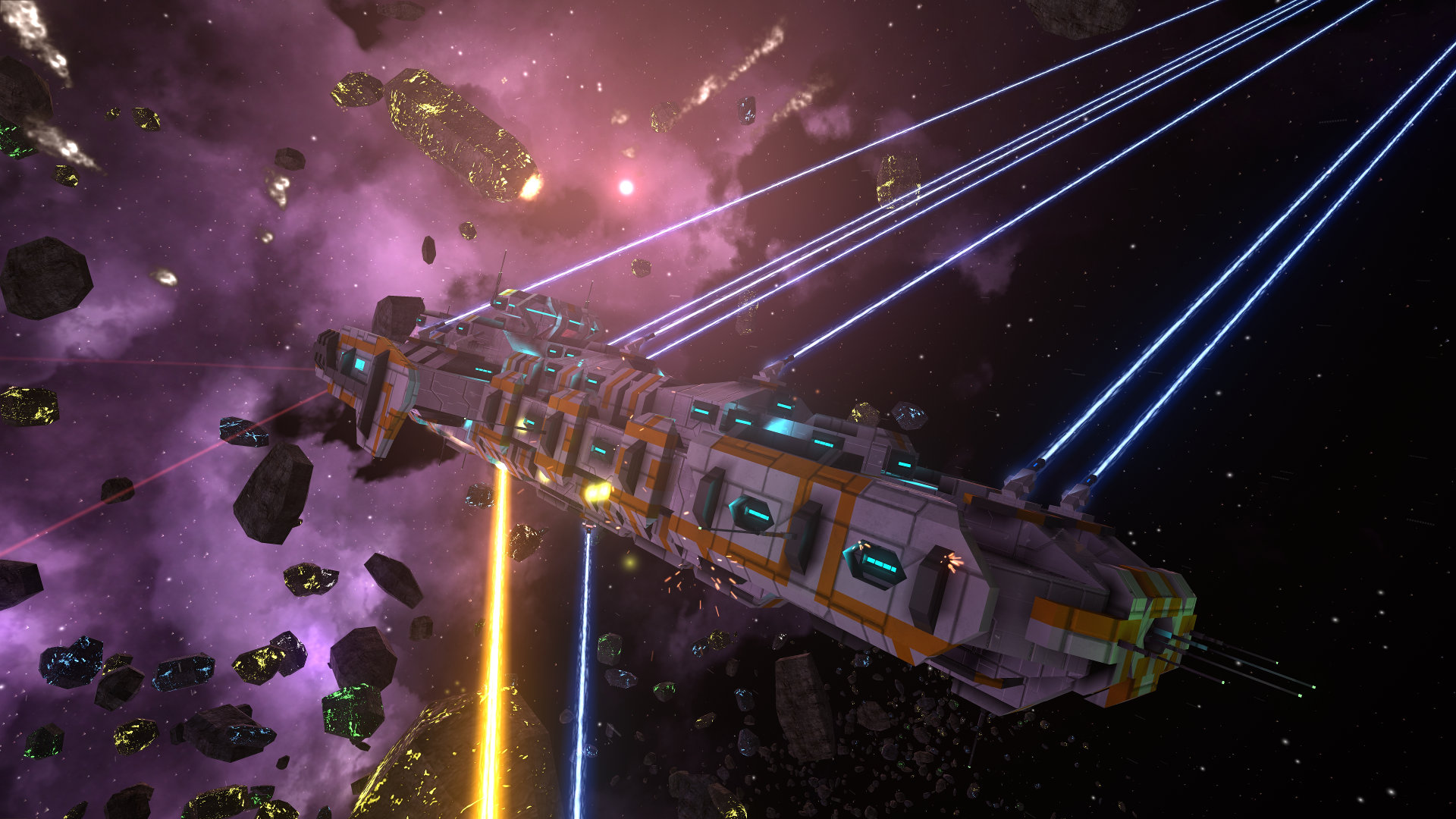
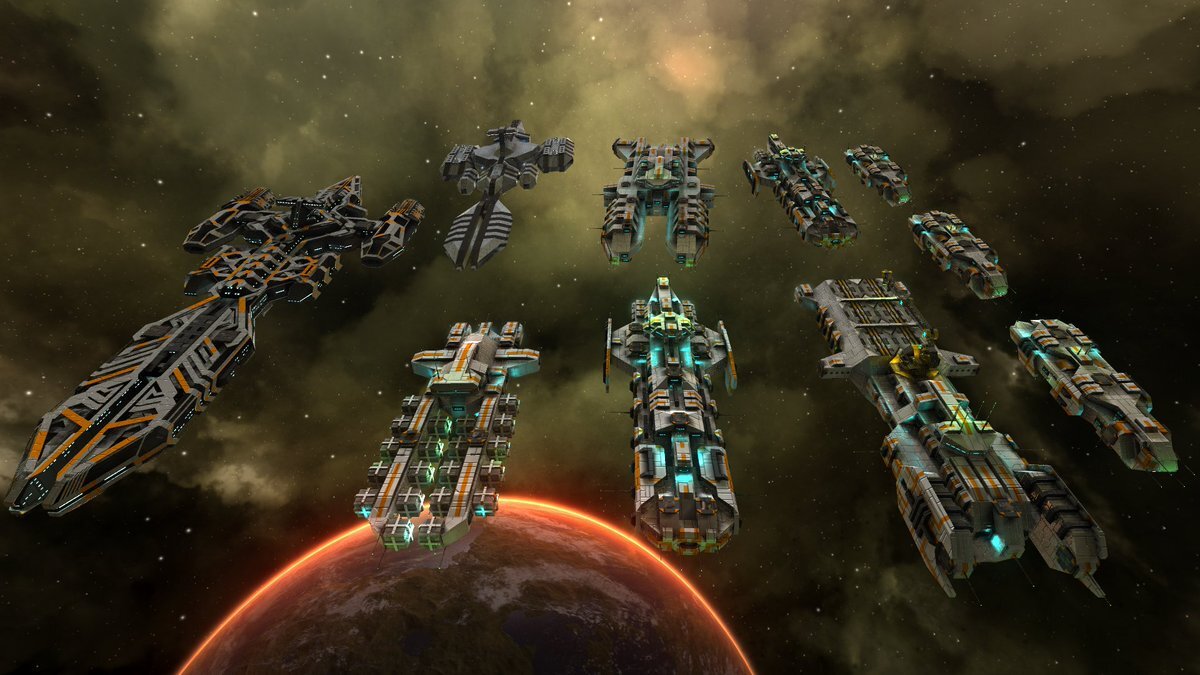
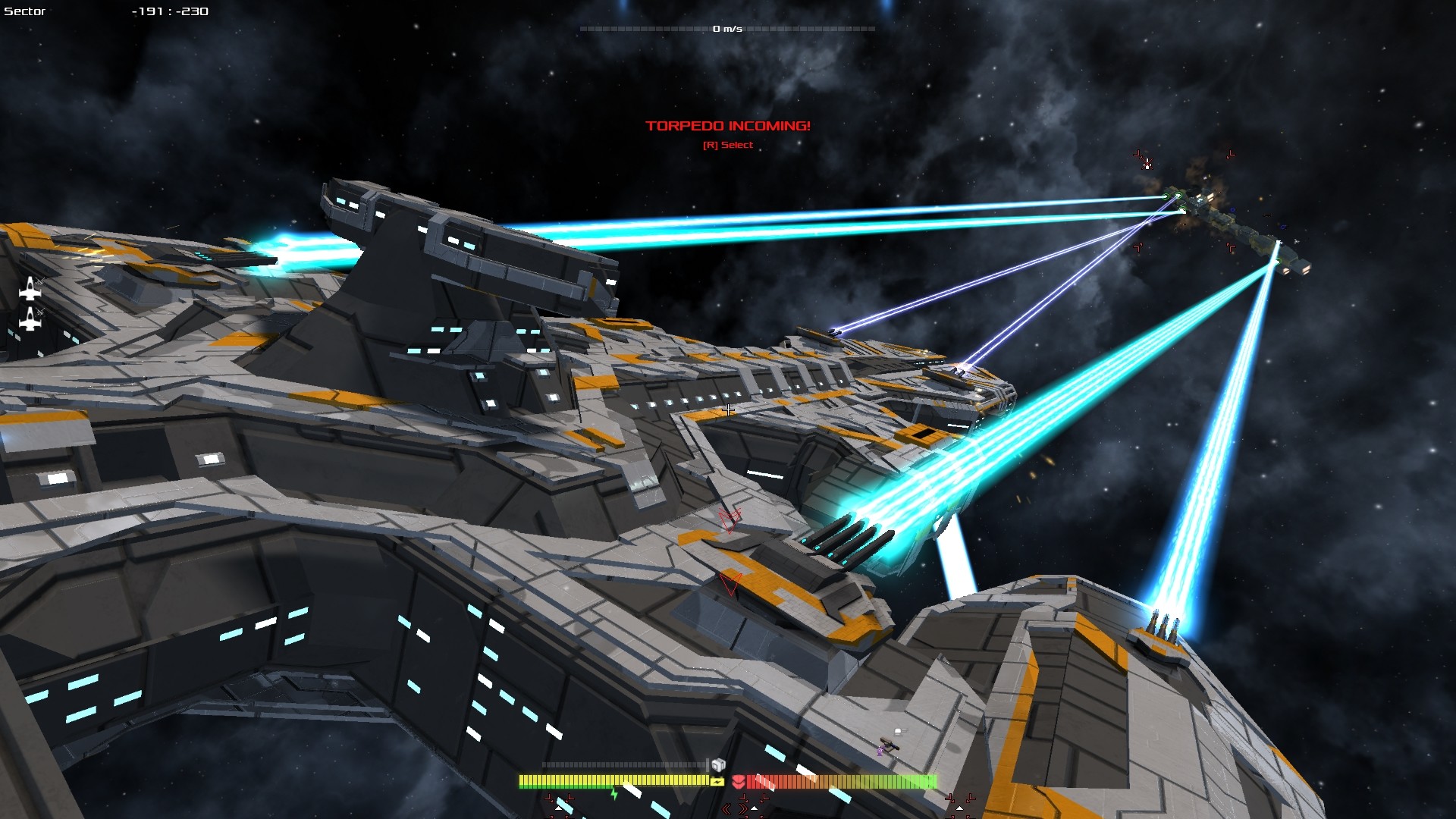
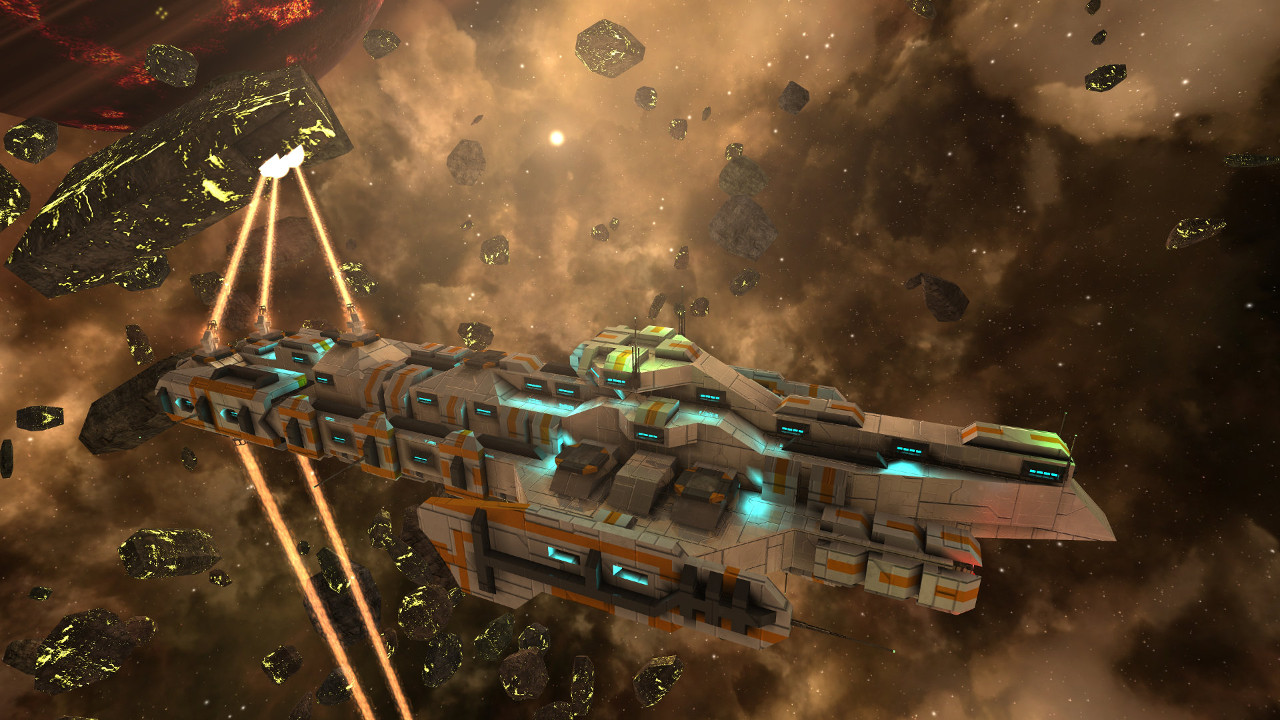
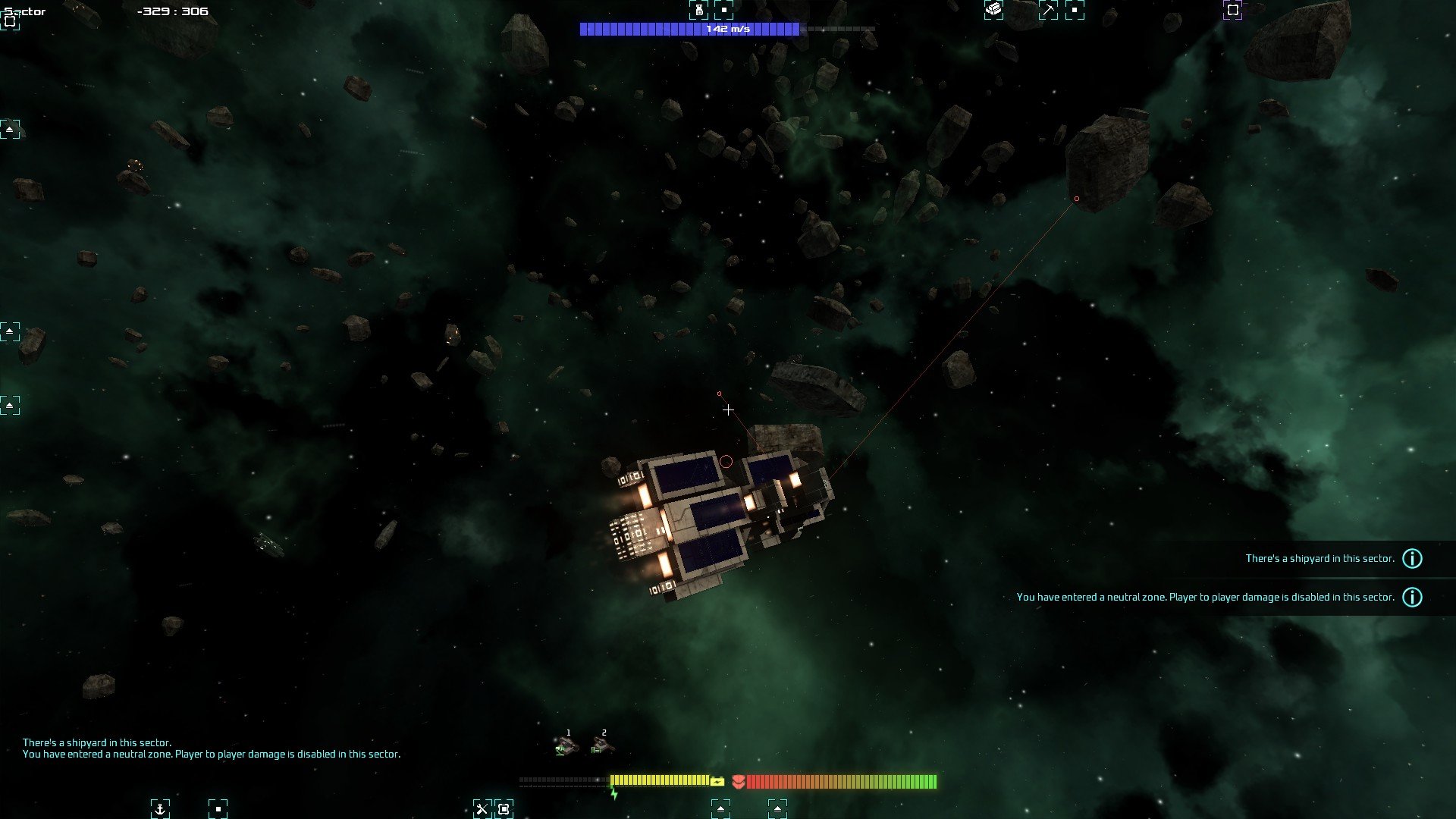
Searching for more up-and-coming developers showcasing exciting up-and-coming games, I discovered a space-based sandbox game in development called Avorion. Combining elements of titles such as Minecraft and EVE Online, Avorion puts heavy emphasis on both sandbox building and combat, as players must build their space stations, mine for resources, explore the open recesses of space, and defend themselves at all costs. Intrigued, I got in touch with the core developer of the game, Konstantin Kronfeldner, and posed to him questions regarding the game, what influenced its creation, and the excitement and challenges that have come with the developmental process. Here’s what Konstantin had to tell us about Avorion:

Avorion 1

What were the influences behind Avorion?

I always wanted a space game where ships would break at the points where they’re hit in combat. I’m a big fan of space sandboxes such as the X Games and Freelancer, but it always bothered me that there was no multiplayer option. EVE was one I tried out as well, but it was too hardcore for me. I wanted something a little lighter. That’s how Avorion came to life. Since I’m skilled at programming and I needed to fill my space game with a lot of content, I chose procedural generation. This way, I could focus on what I’m good at, programming. I created a generator for spaceships and stations, and was now able to fill my game with as much content as I wanted.

What has the developmental process been like?

I’ve been developing the game as a hobby for over 4 years alongside my studies in Computer Science. It’s become a big part of my life, and I love working on it. 

How close are we to seeing the finished product?

The finished product is planned to be released at the end of the year if everything goes well. We’re planning to release the game in Early Access in August, so you can get it there already if you like.

Avorion 2

What has been the most exciting aspect of development?

In the whole process, it’s Greenlight and Kickstarter. Generally, releasing demos to the public. It’s exciting to see other people play your game, and players always come up with ways of playing it in a way that you never imagined. Considering development itself, I think the most exciting part was when we managed to add ambient occlusion to the game, which improved the graphics a lot. Ships started looking a lot better, and we could add actual lights to ships and stations. The aesthetics made a huge jump, and I was very happy about that. If you don’t know what ambient occlusion is, take a look at these two pictures, one is with ambient occlusion, and one is without.

No AO: http://imgur.com/2VM84js

With AO: http://imgur.com/KX08Lz9

What has been the most challenging aspect of development?

At one point, I realized that the game went in the wrong direction, programming-wise. I won’t bore you with the details, but it used to use an inheritance hierarchy for game objects, and I rebuilt it into an entity-component system. No more features could be added since they would always interfere with other features, which was very annoying, as you can probably imagine. I restructured the game for over 6 months (seriously). I nearly lost all interest in programming it. Glad I pulled through, though, because now it’s better than ever. 

How well has the game been received so far?

So far, I think it has been received well. Most people liked the demo a lot, and we got tons of great feedback. Some criticized that it was very similar to other popular upcoming games out there, such as No Man’s Sky, but those who took the time to take a closer look at both games always agreed that they’re two very different games. 

Avorion 3

What platforms are you looking to bring the game to?

We will bring it to Ubuntu Linux (or any Linux that can run Steam successfully) and Windows. Gamepad support, and once we get this done, a port to SteamOS will be possible as well. We want to support Mac, too, but it probably won’t be out for Mac until further down the road.

 Were there any specific science fiction series that inspired the creation of Avorion?

I was definitely inspired by the X Games. I loved X3 specifically and played it for months. Other than that, there’s a lot of science fiction that I love, such as the Perry Rhodan books or Battlestar Galactica (the hyperspace jumps are inspired by both of these).

Do you have any advice for aspiring developers who may be reading this?

Wow, there are a lot of things that I think are important. But I think the most important ones are: 

  1. Stick to what you’re doing. Motivate yourself to keep developing the game you love. It’s going to be hard; there are no easily developed games. But it’s going to be worth it.
  2. Show it to people as early as you can, once you have something to show for it. Let people know that you’re making something. Get feedback and listen to it; this way, you can be sure that people will like it.

Avorion 4

 Where on the Internet can people find you?

You can follow me on Twitter; my nickname is @koonschi. The Twitter of Avorion’s second developer, Philipp, is @qui_sum. Aside from that, there’s also the Avorion Website (http://www.avorion.net/), which will have links to all our other sites, such as Steam Greenlight, Facebook, YouTube, Reddit, and the like.

Do you have anything else to add?

I want to thank all those who backed us and who put their trust in Avorion and in us. We will do our very best to deliver you all a great game.

Avorion 5

I would furthermore like to take this opportunity to thank Konstantin for providing what intriguing answers he did and to wish him and the team all the best of luck with the game. I am also happy to say that before this Q&A was published, it has now been officially greenlit by the Steam community, and you can check out a preview of it here:

https://steamcommunity.com/sharedfiles/filedetails/?id=569062754

Thanks for reading.

Feudums

Q&A With Feudums

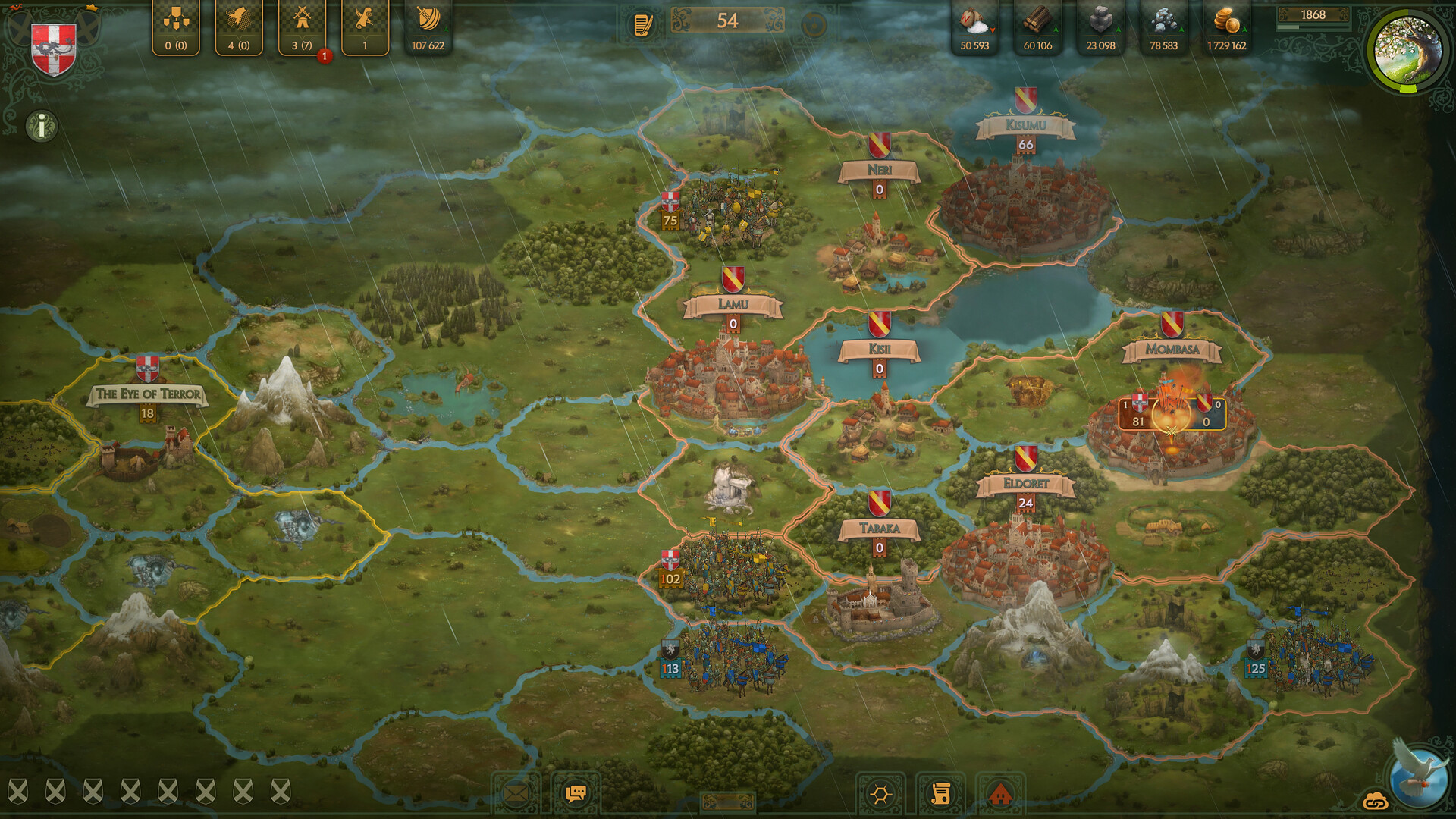
Searching for up-and-coming developers brought another game to my attention last week: a real-time strategy game entitled Feudums. Feudums takes inspiration from classic games in the genre, and its mythos has been compared to that of George R.R. Martin’s Song of Ice & Fire saga. The basis for the HBO series Game of Thrones. Intrigued by the prospect of a game mixing these elements and influences together, I contacted the development team, and they agreed to a Q&A for the blog. Answering the questions I had was the head of marketing, Mark Eliot, the chief of development, Imre Darics, and the lead designer of the game, Matyas Suranyi. These were the answers they provided concerning both the game and its development cycle:

Feudums 1

What were the influences behind Feudalism?

Matyas: The main influences were the C64 and Amiga strategy games of the early ‘90s. As Lords of the Realm, Defender of the Crown, Betrayal or Genesia (from Microids). Or, if we leave the medieval setting, there were great games like Syndicate or Populous. M, any of those were ported to or had sequels on PC, too. They were limited by many aspects, but they had one thing in common: they had an excellent atmosphere and were genuinely trying to transport you to their realm while you were playing. Current influences are grand strategy games, like Crusader Kings 2 (from Paradox), intuitive strategy games like Amplitude’s Endless Legend, or blended genre games like Mount & Blade: Warband. On one hand, the game options and systems they offer are great. And on the other hand, they are also games with a strong atmosphere.

What has the developmental process been like?

Imre: Feudums is an outstanding game because it’s a cross-genre with a heavy social strategy side. But also by its architecture as well. The game has a strong server-side that contains the world servers and thin clients on various platforms. Like desktops and mobile devices. We have to work in parallel on these two sides, which makes development even more challenging than most games.  Other than that, we’re facing the same developmental problems most Indies face. Mainly, we never seem to have enough time or money, so we’re constantly making hard decisions.  On the flip side, those hard decisions are helping us stay focused on the core game concepts.

Feudums 2

How close are we to seeing the finished product?

Mark:  We’re two builds into a six-build game.  We have our Map Creator and Single Feudum Management Builds complete, which also allows players to play in an early access demo.  We still have the Multiple Feudums Management, Diplomacy, Warfare, and the Coat of Arms Generator and House Avatar Builds left to complete.  Once our current funding is secure, we’re estimating 6-7 months to finish the MMO and another month or two for testing.  For sure, we should be ready to go by the end of the year.

What has been the most exciting aspect of development?

Mark: As the marketing arm of the operation, the most exciting part of our project so far is watching players’ reactions filter in after one of our build releases.  I’ve seen it twice now, once with the release of our Map Creator back in December and again a few weeks ago when we released our Single Feudum Management Build.  Players begin to test the build and post their comments online. Instant feedback on what we’ve built is very important from a marketing and development angle. But also very rewarding from a human side, as it validates what we’ve been doing for so long.

What has been the most challenging aspect of development?

Imre:  Definitely, the most challenging aspect has been making the game work across platforms, devices, and operating systems.   Sometimes I think … a moddable MMO for multiple platforms … are we crazy?

Feudums 3

How well has the game been received so far?

Mark: It’s been well received by those who have seen it. We have great conversion numbers on Greenlight and IndieDb. Where we’re having issues is actually getting the eyeballs to look us over, to begin with. I think our game ideas are a little more complex than the usual fare, and that’s helping keep some folks from discovering us. But those who have downloaded and played the demo or read through our material on our website, Indie DB, or Steam Greenlight all have good things to say about the direction we’re headed, and the follower/favorited conversions are far better than the average of the respective platforms.

What platforms are you looking to bring the game to?

Mark: Feudums was designed specifically for use with tablets, but you’ll be able to play it on your with your PCs too.  It’ll run on Win, Mac, Linux PCs, or on Android or iOS tablets.  Eventually, we’d love to make it available on phone devices too.  But that’s way down the road.

Was there any series concerning medieval fantasy that inspired the creation of the game?

Matyas: It wasn’t fantasy titles that inspired the game the most. In fact, I really didn’t want to create yet another fantasy setting. I wanted something much closer to the real historical background that I’ve chosen for the game, to provide some guidance to players and even myself by setting clear boundaries. Still, it’s easy to find common ground with any (typically low-fantasy) novel with an emphasis on diplomacy and intrigue, like the Song of Ice and Fire. But it’s easy to find other historical drama inspirations, like Pillars of the Earth or the various historical books describing the period.

Feudums 4

Do you have any advice for aspiring developers who may be reading this?

Mark:  We’re learning as we go, but we do have some basic truths other developers can learn from us.  Secure the money to start (and finish if you can) before you begin. Start to build your fanbase while the idea is still percolating around in your brain.  It’s hard to get people excited about something that doesn’t exist yet, but start the process as early as you can. Internally, don’t argue too much.

Dissension on the development team when you are working is counterproductive.  Argue the details and map out your development plan before you start. Be realistic with your timetable. Trust me, everything takes longer when you are actually doing it than when you are thinking about doing it.  Don’t believe in miracles like Kickstarter or Steam GreenLight – neither will work without a marketing budget and existing fanbase. Lastly, never give up.  If you’re passionate about your game and think it’s great, chances are there are others who will think the same.  It’s a big world.

Where on the Internet can people find you?

Mark: The best site to discover more information about the game is our website: www.feudums.com. These potential players can find other players to hang out with in our forums, download the latest version, read about the game and strategies, and find a way to support us directly.  Of course, we have the normal social channels as well: Facebook/Feudums; Twitter/@Feudums; YouTube/FeudumsMMO.

Do you have anything else to add?

Mark:  Thanks for taking the time to assemble this Q&A.  We hope your readers will find our game interesting.  We need more visibility and would encourage everyone who wants to help to please spread the word about us.  Even if Feudums isn’t a game you might like to play, please pass along our name to other gamers who might like to check us out.  We aim to change the FTP genre for the better.  Please help us out!

Feudums 5

I would also like to take the opportunity to thank Mark, Imre, and Matyas for agreeing to answer my questions and to wish them the best of luck with the game. After playing this game myself, and speaking as a fan of real-time strategies such as Empire Earth and Warcraft III: Reign of Chaos, I would recommend this title to any fan of the genre, and it deserves the backing that it needs.

Last Stitch Goodnight

Q&A With Well Bred Rhino

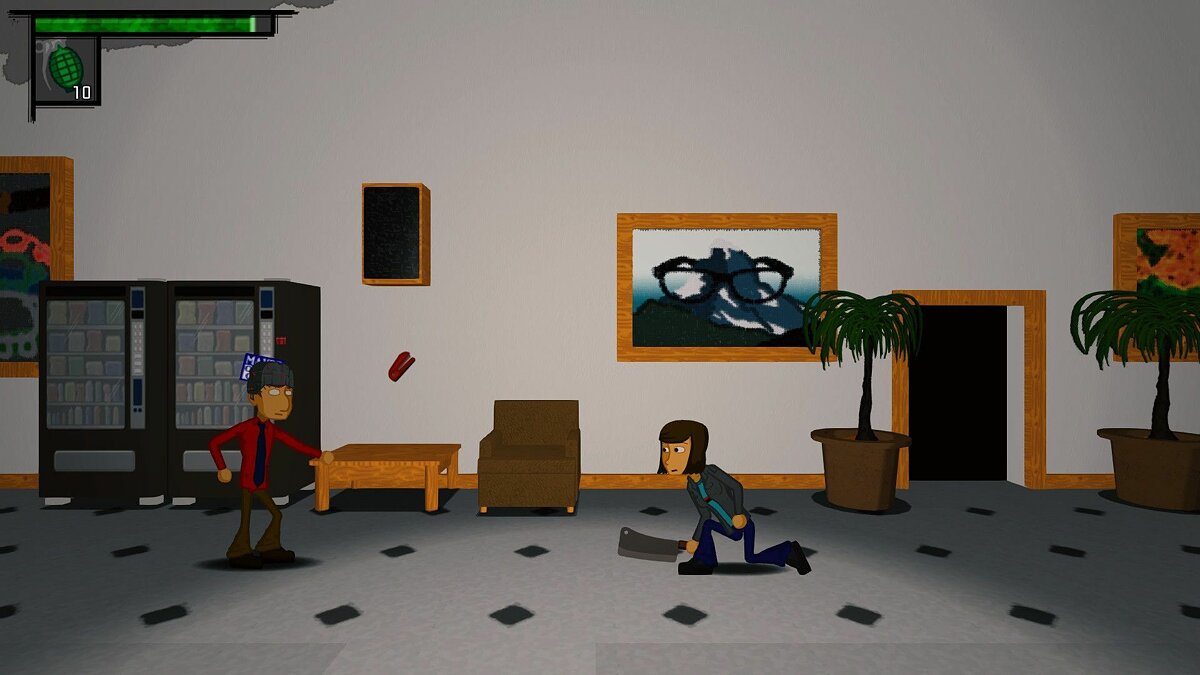
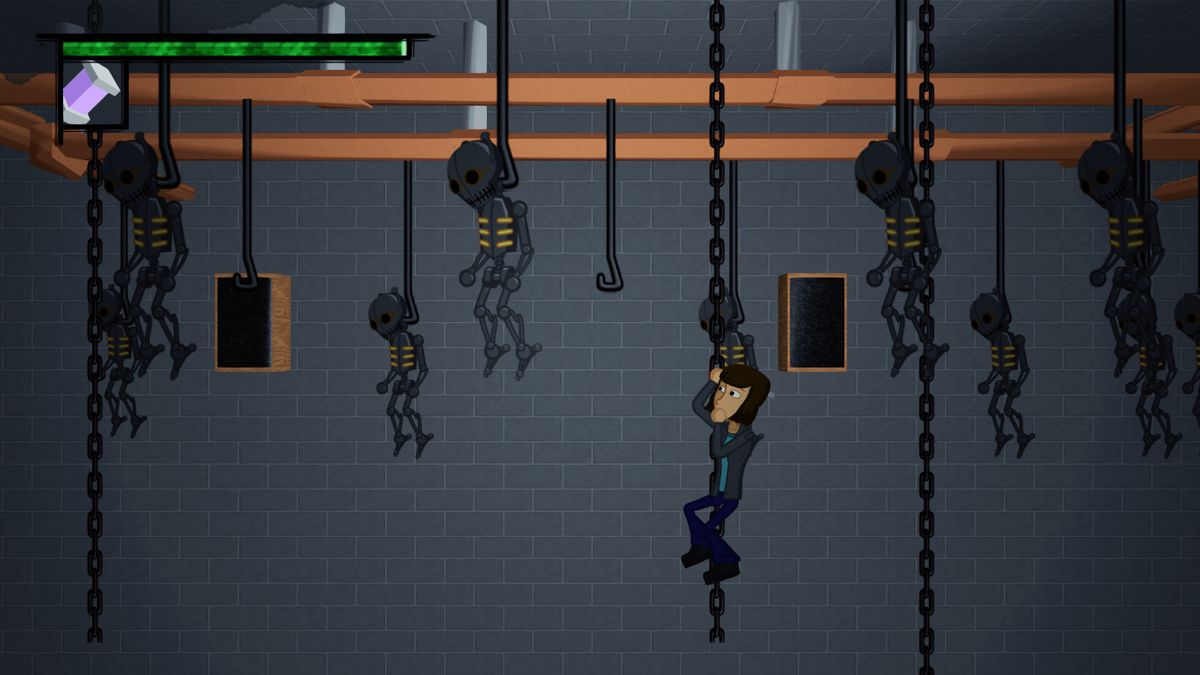
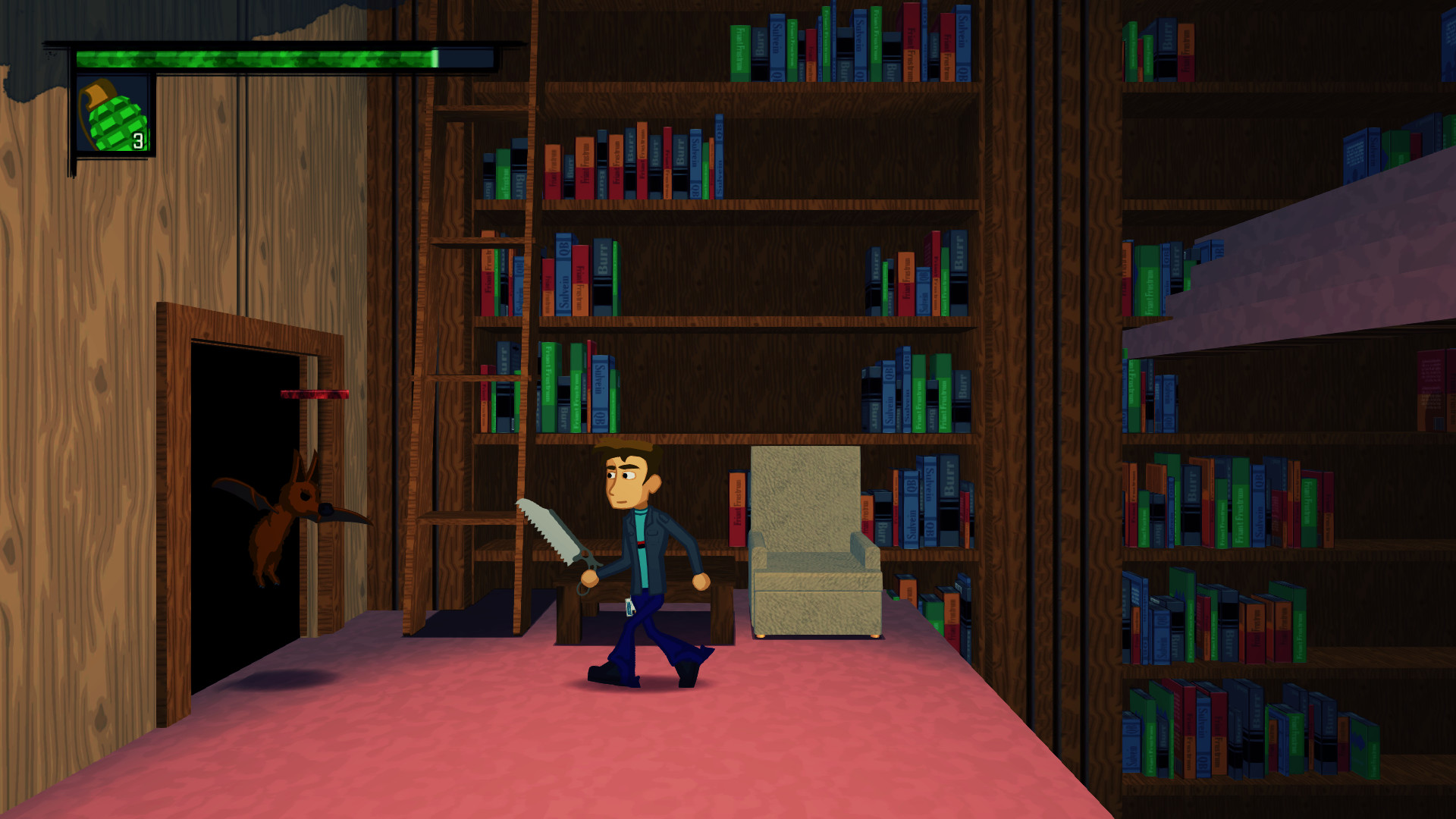
Once again, looking for independent developers and their efforts to bring their games to the attention of players, I began looking on Steam Greenlight, and many titles that I found intrigued me. But so far, none more so than Last Stitch Goodnight. A Metroidvania survival horror developed by a studio called Well Bred Rhino and led by designer Ben Cook. Impressed by the look and potential of the game, I reached out to Cook to see if he would ask some further questions I had about the game, and what directions he’d like to take the game later on in development. This is what Ben had to say about Last Stitch Goodnight:


Last Stitch Goodnight 1

What were the influences behind Last Stitch Goodnight?

Lately, I’ve wanted to find a game with a purpose.  Repeated caves, hallways that go on forever, and copy-paste offices let the gameplay shine, but they just aren’t as memorable.  I think my biggest influence has been seeing this trend and wanting to go in a new direction.  I wanted to create a world that existed before you got there and will exist long after you leave.  A world you could remember as a real, lovable space, with terrible events you could think back on and mull over. There are definite hints of Castlevania 2 and Metroid 2, but the bigger influence has to be real offices, real homes, and real-world problems.


 What has the developmental process been like?

Long but exciting!  I knew I had to spend at least three years laying the foundation before I could start showing it off, which by definition was eerily quiet.  Now that it is starting to stabilize, I am having a lot more fun sharing it, hearing people’s thoughts, and getting feedback!


How close are we to seeing the finished product?

Aiming for the beginning of 2017!  A lot of the core is in place, but I have a ton of ideas for side quests that I need to flesh out!


Last Stitch Goodnight 2

What has been the most exciting aspect of development?

 A lot of game development teams start with a giant design document that outlines every step of the way, but for me, the greatest joy has been through the discovery of new ideas mid-development.  Virtually the whole game design could be summed up with “I tried a thing, then when I tested the thing I thought of something even more fun.”  That thrill of discovery never gets old, and has helped Last Stitch Goodnight evolve in ways I could have NEVER predicted!


What has been the most challenging aspect of development?

Solo development.  While one person can make a game, there are a ton of cases where having a second (or eighth) person along for the ride would have been very helpful.  Then again, by relying solely on myself, I was able to discover a lot of talents I never knew I had!


How well has the game been received so far?

Fantastically!  I’ve had a chance to demo it at a few conventions, and everyone has been really enthusiastic.  I’ve had a handful of folks screaming as they delivered the final hit on the boss in the convention demo, and a handful screaming a bit louder when the boss delivered the final hit on them.  The only exception was one poor kid whose eyes went wide, got a REALLY worried look on his face, and left just when things started to get weird.  But then again, I’m not doing my job if I don’t weird out at least a few people.


Last Stitch Goodnight 3

What platforms are you looking to bring the game to?

Right now, PC, but I am in talks with some of the consoles.  I am going to try to get it running everywhere I can!  


Will you be looking to keep the sadistic sense of humor that the trailer seems to suggest the game will have, or are you looking to have horror as the more predominant aspect?

A VERY delicate balance between the two, hopefully!  The game takes the player to some dark places.  It makes them confront some people, creatures, and situations that still make me a little uncomfortable.  But I think one of the greatest strengths we have as humans is to openly mock that darkness to survive and keep our sanity.  


Last Stitch Goodnight 5

Do you have any advice for aspiring developers who may be reading this?

The true secret to success is making game development a priority and then making it a habit. You have to wilfully choose not to watch a movie, not play a game, or not see friends, and instead choose to spend 4 hours focused on tutorials.   You must be willing to sacrifice.  But after you do that for a few days, weeks, or months, a habit will set in, and you will start to uncover talents you never knew you had.  And it is completely worth it!


Where on the Internet can people find you?

The WBR website is the best place for tracking Last Stitch Goodnight’s progress, and Twitter is great for my brain dumps.

https://wellbredrhino.com/

https://twitter.com/gycot


Do you have anything else to add?

I can’t wait for everyone to get a chance to play it! 

Thanks for the questions!

-Ben


Last Stitch Goodnight

I would, in turn, like to thank Ben for agreeing to take part in our Q&A for the blog, and you can support Last Stitch Goodnight by giving it the thumbs up on Steam Greenlight here:

Last Stitch Goodnight

Thank you very much for reading.

Q&A With Abyssal Arts

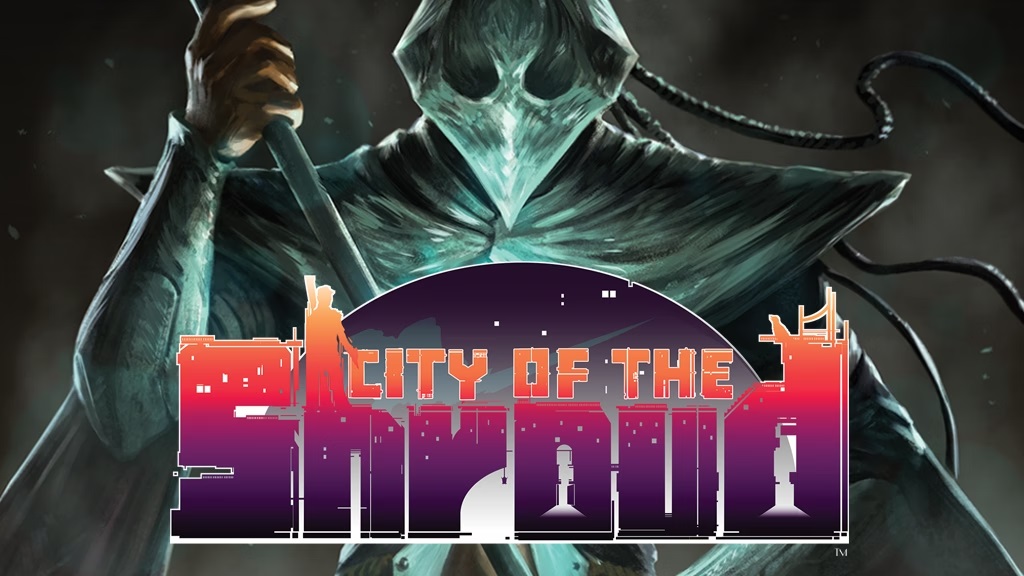
City of the Shroud

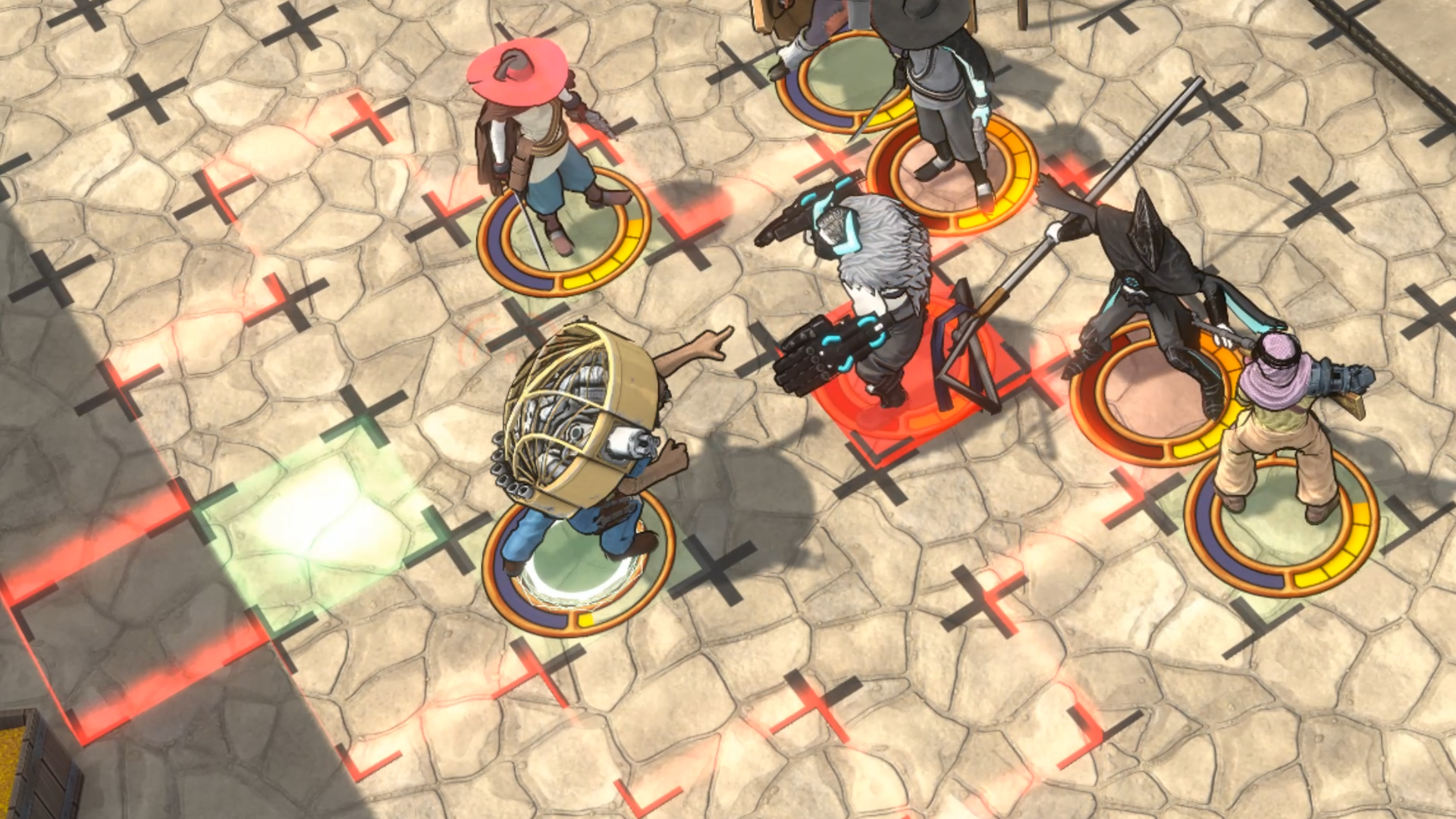
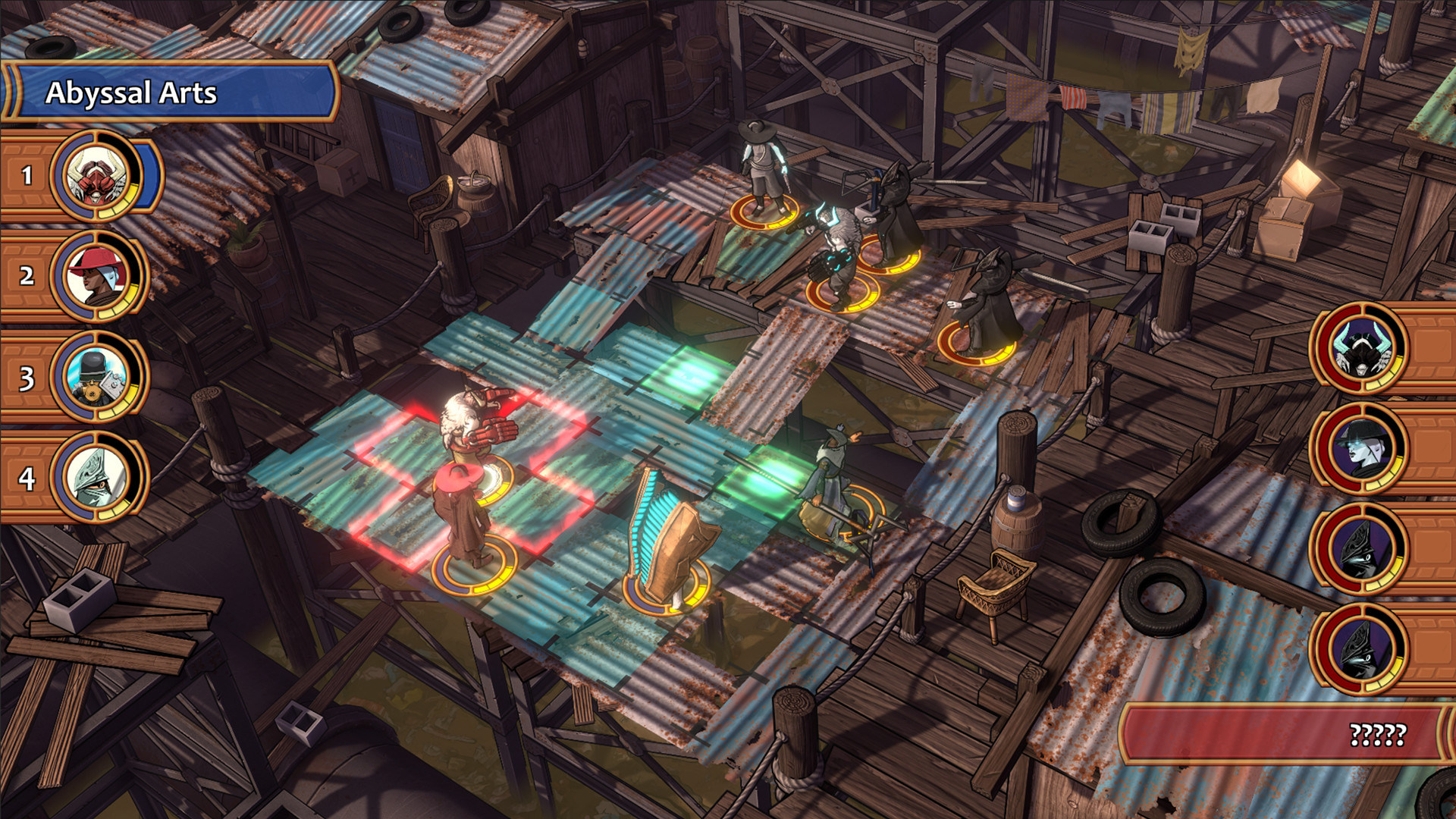
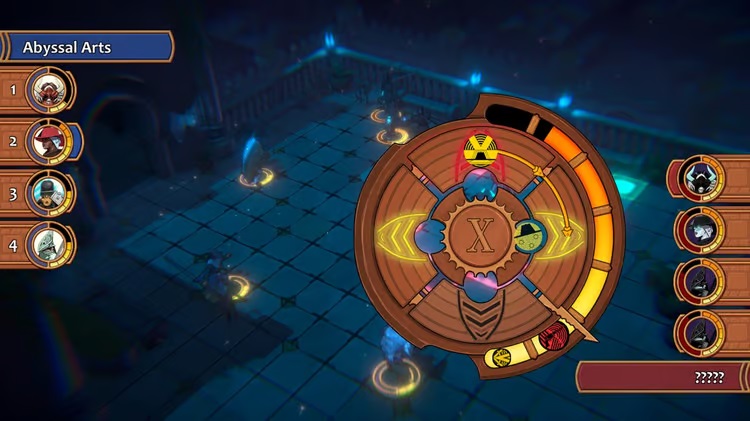
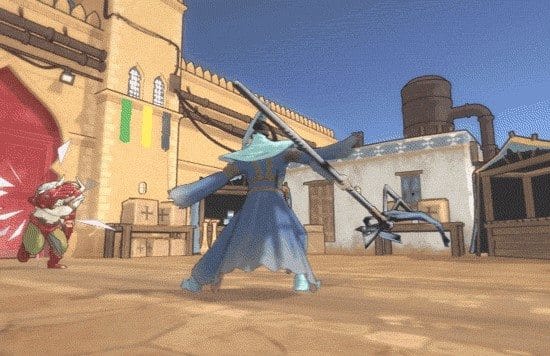
Another developer I met at Play Manchester 2015 was Keaton White of the indie outfit Abyssal Arts. Having worked at Capcom for several years and assisting in the development of Street Fighter V, among other titles, Keaton White was in Manchester last year, showcasing Abyssal Arts’ upcoming game City of the Shroud. Mixing fighting game mechanics with many fundamentals of the tactical RPG genre, I tried the game when it was on display at the show. And I was intrigued to find out more. Therefore, I requested a Q&A with Keaton White for the blog, and this is what he had to say:

What were the influences behind City of the Shroud?

When we set out to develop City of the Shroud, we wanted to make a tactical game that played like a fighting game. While iterating on the fundamental design, we also took inspiration from a few places. It’s a tactical RPG. So we looked at classics like Final Fantasy Tactics (I’m a huge fan). And modern takes on the genre like X-COM. And even extended our research out to MOBAs. In terms of fighting game mechanics, we looked at games like Street Fighter and Soul Calibur. The strategy of the gameplay lies in the interplay of action between players. But we also looked at games that merged fighting mechanics with RPG gameplay. One particularly strong reference is Legend of Legaia from the PSX days.

What has the developmental process been like?

The development process has been an interesting shift from AAA. There’s a juxtaposition of needing to bootstrap the whole thing budget-wise, while at the same time having absolute freedom to make the game we want to make. Instead of huge teams, large budgets, and higher-ups to answer to, we have no one to hold responsible but ourselves. Funding has definitely been an issue. We’re remotely based, trying to create a new type of gameplay with a new (and labor-intensive) story mechanic, so we’re not prime targets for investors or publishers. Instead, we’ve done contract work to keep ourselves alive (there’s a good write-up I was interviewed for here). And have put what we’ve earned back into the game.

That said, we’ve had incredible freedom to pursue our passions. And the response has been very positive. Players really like the gameplay, the story idea gets people excited, and we’ve had major platform holders and game shows approach us about bringing our game to them (on our own dime, however). Overall, it’s been an enormous learning experience to go from the specific, stable, and structured world of AAA to a chaotic mass of tasks but complete ownership over the results. I will say that we’ve done a good job of staying organized and on-task, so despite our limited development capacity, we’ve made sure to squeeze as much out of our own work as possible.

How close are we to seeing the finished product?

If we’re successful on Kickstarter, we’ll actually be quite close – most of the underlying systems for the game are built. We’ve had online multiplayer forever, our story mechanics are working – we even have cross-platform cloud saves. All that remains is to build the art we need to complete the package we want to present to players, and then integrate it. While that’s going on, we can add and tune the remaining three character classes (already designed and in the system), get feedback from players, and polish. Right now, we’re on schedule to have the first chapter of story content live and running this summer!

What has been the most exciting aspect of development?

Seeing players have fun with the game. At our first show, before doors opened, a 5-year-old girl came up to play the game. Generally, a real-time tactical fighting RPG with early-stage UI is not a game for kids, but she picked it up and played for 30 minutes. Then she came back at the end of the day to play more. We’ve had people send in fan mail, comment about how excited they are about our YouTube videos before we’ve announced them, been selected for indie game shows, and even got featured on Kotaku UK. We’ve spent an incredible amount of time and effort to make this game happen. And seeing people really enjoy it and get excited about it is a huge rush.

What has been the most challenging aspect of development?

Since we’re a new studio that’s bootstrapping development, everything is balancing budgets with what’s possible. There are a million things we’d like to do. But it’s always up in the air whether we can do them or not. We’ve made several conscious decisions not to put certain mechanics or scenarios in the game, and that’s been really difficult. But we want to be certain that each aspect of the game players see is completely polished when we release

City of the Shroud 3

How well has the game been received so far?

Players have had a lot of fun playing the game. We’ve been to two game shows so far (Play Expo and Insomnia 56). And the response has been really good. We’ve been called “Better than League of Legends,” which was nice (she was 13). And at Insomnia, there wasn’t a spare minute even to eat because so many people were playing the game.

Did your time at Capcom influence the development of this game to any great extent? If so, were there any Capcom franchises in particular that did?

There are a few, but the first element was trying to nail down the “feel” of an action game. We wanted the game to be clean (I did a piece on clean gameplay on Gamasutra), and we wanted your success in combat to be a matter of ability, not dice rolls. That meant spelling things out and making sure there wasn’t any randomness to what was going on – everything was under your control. The other aspect of feeling was making it feel good to push buttons (or move the mouse).

When you make an input, the game has a clear reaction – we still haven’t nailed this one perfectly, but we’re steadily working towards it. We’ve gotten feedback from designer friends that it’s fun just to input combos, so hopefully, that’s a good sign. It also means we were able to get away from the most tedious part of most tactical games. Attack input. As for franchises, Street Fighter was obviously a big one. The game is a big departure from SF, but we tried to take some of the general theory behind the gameplay and apply it to our system.  There are also elements of Dragon’s Dogma and Mega Man Zero in there, but I’ll let you try to figure out where those influences are hiding.

What platforms are you looking to bring City of the Shroud to?

Right now, we’re focusing on bringing the game to Windows and Mac via Steam. We’re launching a Greenlight campaign at the same time as Kickstarter (February 2). I’d like to bring the game to more platforms as time and resources allow; we’re approved PlayStation developers, and Microsoft has asked us about bringing the game to Xbox, so it’s something we’re considering for the future (players have also asked if it’s coming to console). It also plays well on a tablet, so that’s a consideration too.

Do you have any advice for aspiring developers who may be reading this?

Oh man, there are so many things to say. I think it depends as much on the individual receiving the advice as the person giving it. On one level, I’m really glad I worked in AAA for several years before going indie. It gives you a good idea of what’s necessary to make a (usually) quality game, insight into why ideas and plans fail, and a general understanding of the game-making process.

In general, though, I see two things as critical to making a game. Understanding and working with your own strengths and weaknesses (understanding limitations and being creative within them). And the ability to stay focused and passionate no matter how long it takes or how hard it gets (production skills and willpower. I often see developers lose focus on their goals or aim too high, which often results in a failed project. That’s not always a bad thing, but if you want to make games (particularly self-funded games), it’s really important to be realistic while remaining fired up for what you’re doing.

Where on the Internet can people find you?

You can find me on Twitter as @shibusuke and on www.abyssalarts.com in our forums. I’m also on IndieDB (Shibusuke). Feel free to get in touch!

Do you have anything else to add?

We’re launching a Kickstarter and Steam Greenlight double campaign for City of the Shroud on February 2; please support our game! We’ll be driving the live, 4-part story based on the choices of you and every other player (community-driven story!) over the month, so you can get a glimpse into how everything will work in the final game. The backing is the only way to get access to these Kickstarter-exclusive story episodes. And if you want to make your influence felt, be sure to back early! www.abyssalarts.com/kickstarter will redirect you straight to our Kickstarter once the campaign begins.

I would like to thank Keaton White for taking the time to answer the questions I had. And would like to wish him and the rest of the team at Abyssal Arts the best of luck with the City of the Shroud. Keep a lookout for the game on Kickstarter.