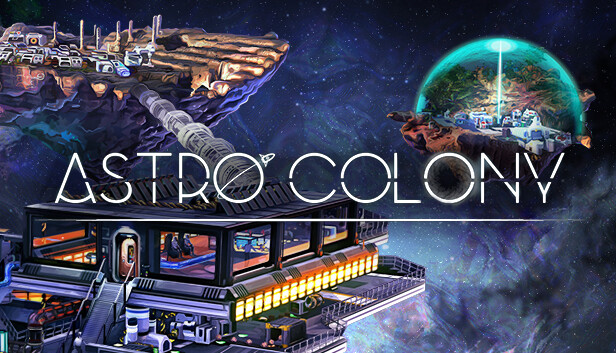
Seeking out interviews with developers often puts me in touch with a lot of promising programmers who are working on their game solo or as part of a small team. Today’s Q&A is one of those exciting examples. Astro Colony. Programmed by Polish developer and former Splash Damage alumnus, Lukasz “Tefel” Czarnecki. Along with a small team of artists, designers, and composers, it is a relatively new Kickstarter project that has recently been successfully funded after a third of the campaign had passed.
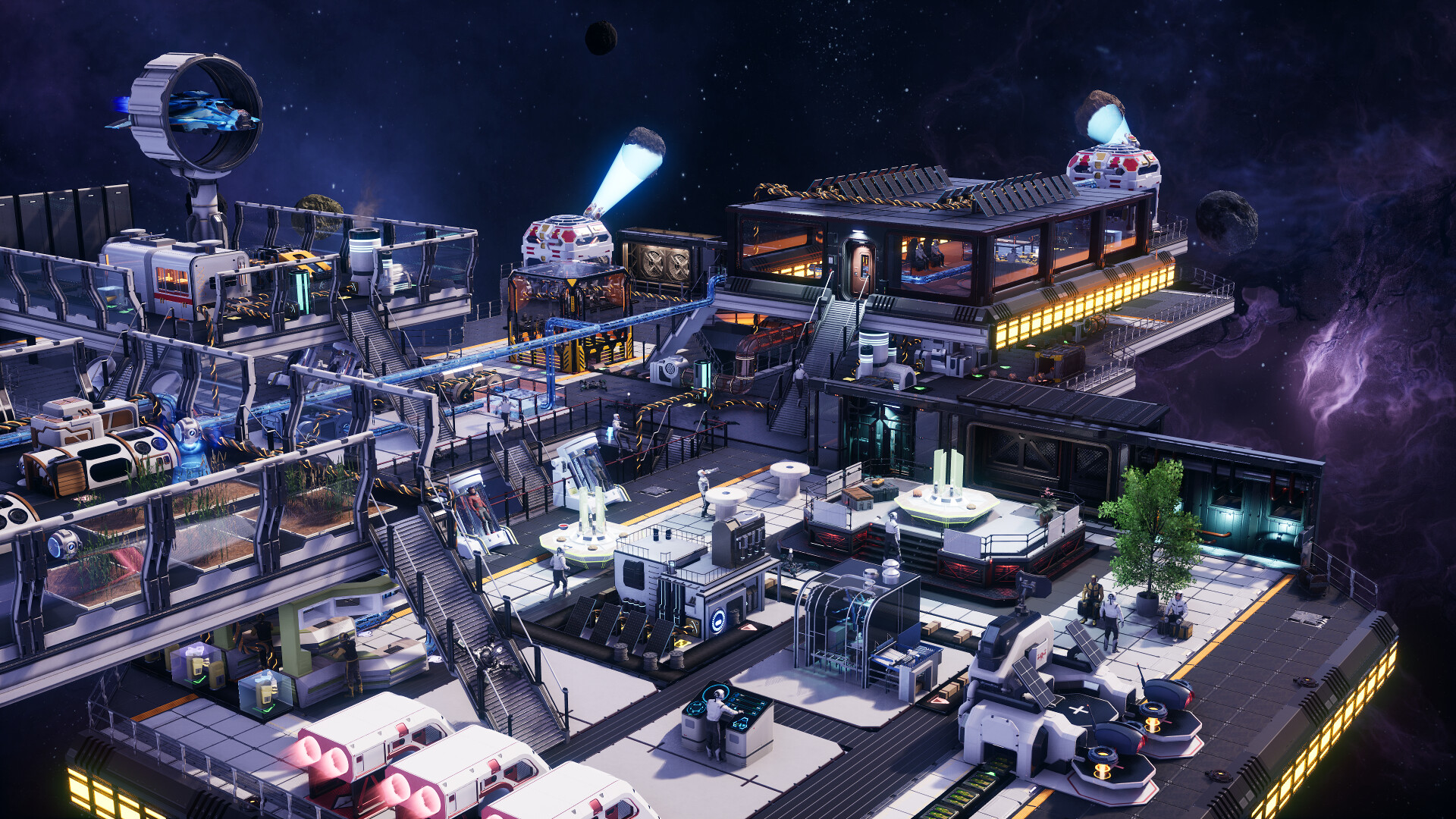
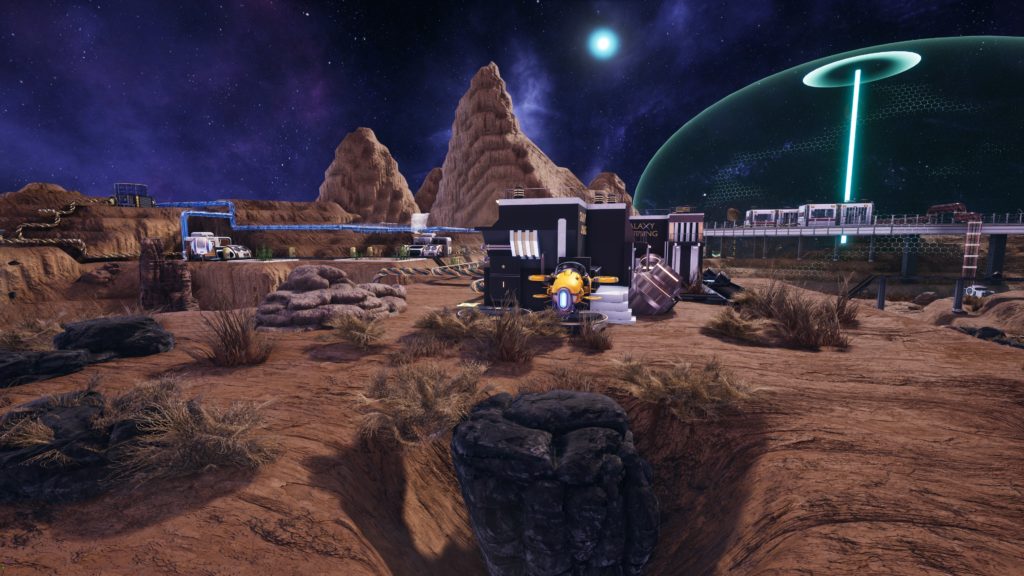
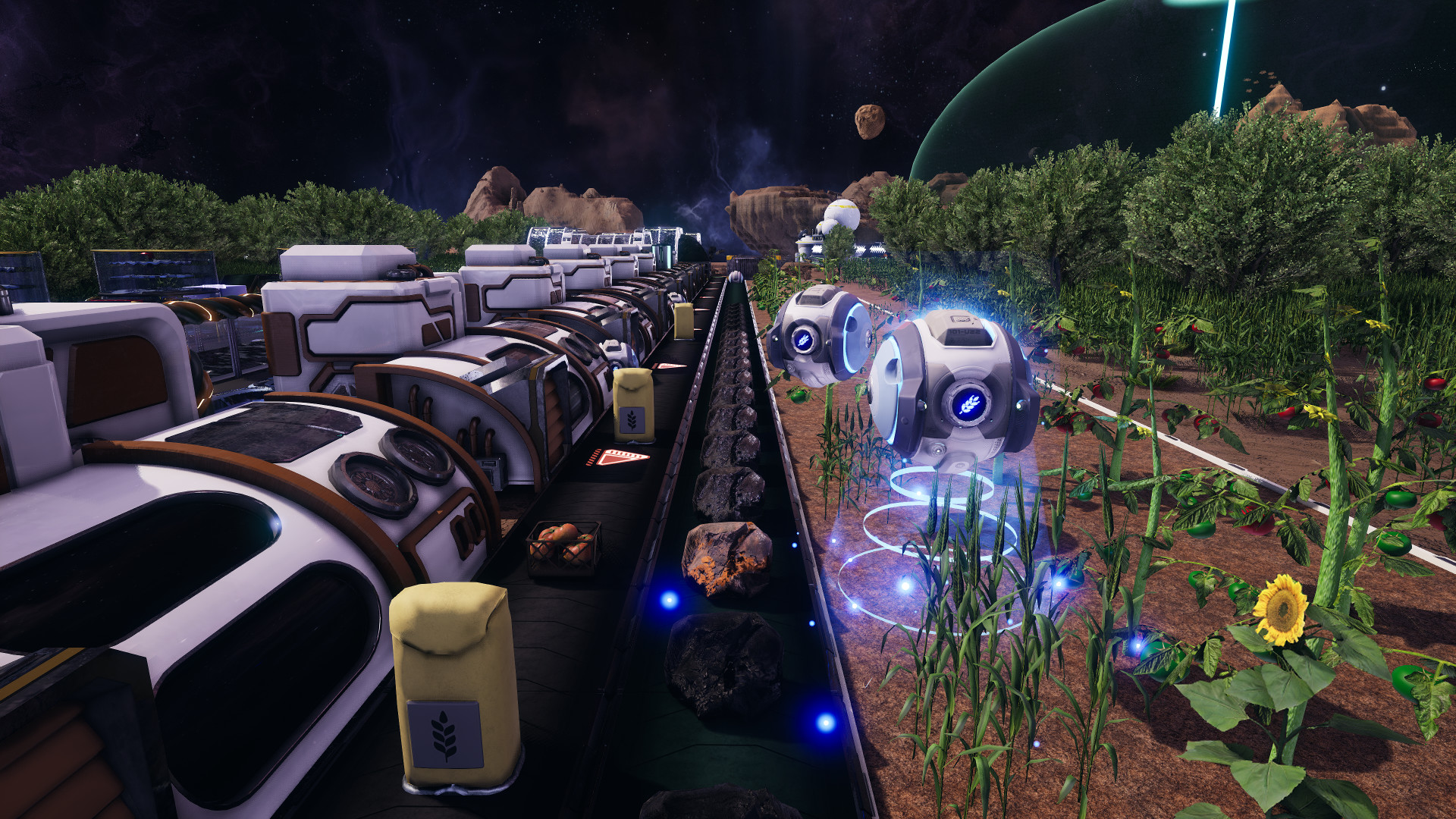
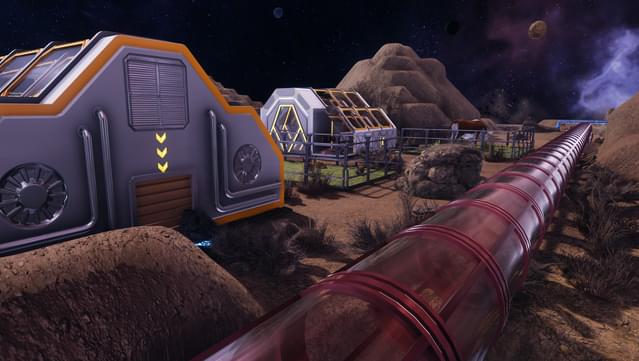
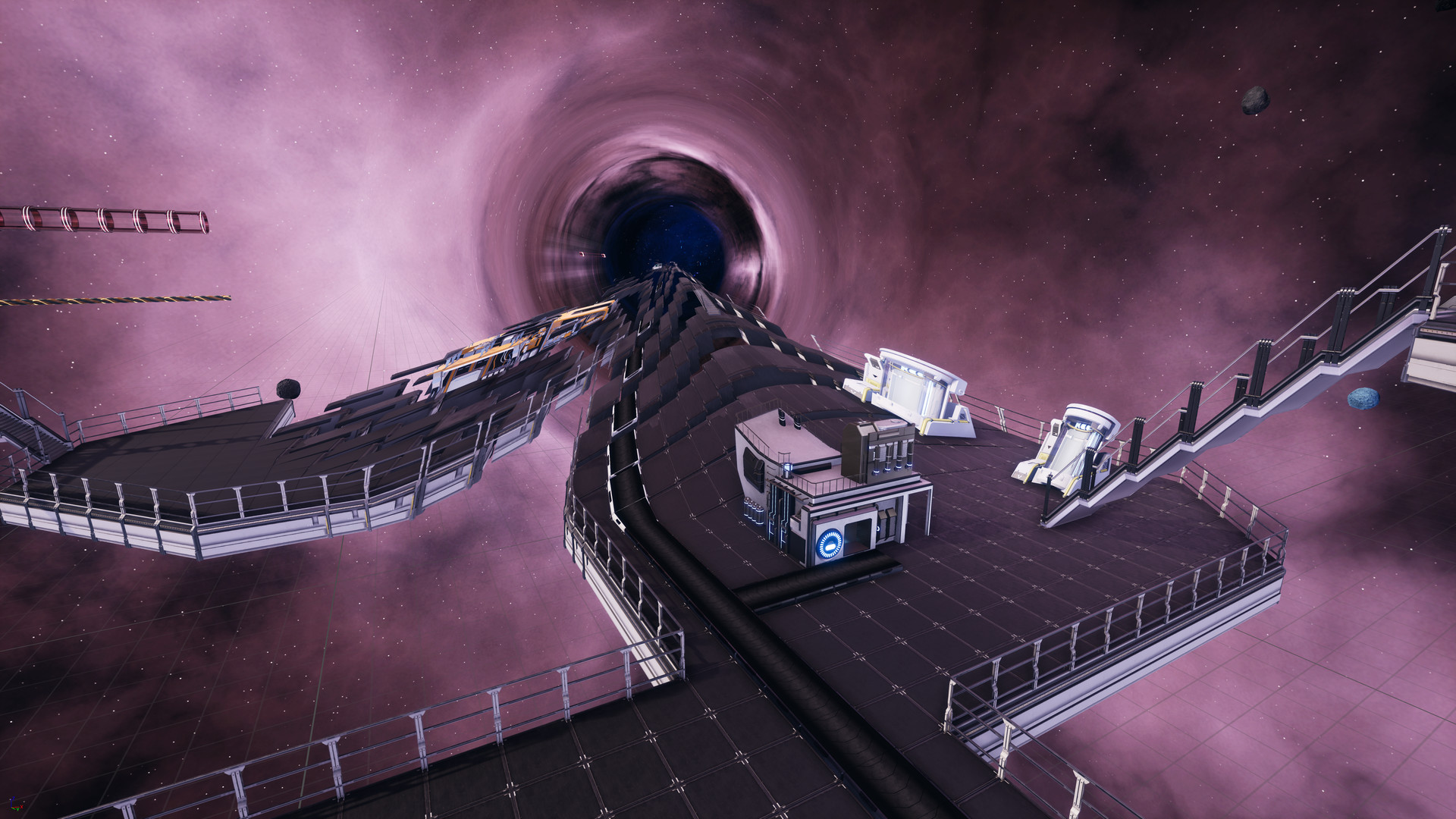
Inspired by some of the biggest names in indie sandbox games, such as Minecraft, it focuses on the management and maintenance of a space colony. Players must gather resources and supplies to expand on their colony, explore the deepest recesses of space, and spend resources on upgrades through an elaborate research system. All to improve the technology required to maintain the colony. I was approached by Tefel mid-week and introduced to this potentially groundbreaking title. And I was immediately interested in learning more about it. I asked him a few questions I had about the game and what it could potentially evolve into following its successful Kickstarter campaign. Here’s what Lukasz “Tefel” Czarnecki had to say about Astro Colony:
What were the influences behind your game?
Originally, I was inspired by Factorio when I met developers somewhere in 2014. Since then, the automation genre has been my favorite. So I started the development of my own automation game. When I left Splash Damage (around 3 years ago), I met Konrad, who suggested that we might want to make a space exploration game with colonies full of life, inspired by Space Engineers. Astro Colony is a combination of both, mixing exploration & automation. And also adding destructible Voxels, known from Minecraft.
What has the developmental process been like?
I started prototyping the game in 2018, focusing on more complex problems. Like movement systems for giant space stations, docking many space stations simultaneously, creating my own multi-threaded grid pathfinding systems, and other conveyor/crafting systems. When every crucial mechanic for development was in place, together with Konrad, we started to plan more gameplay features. Adding devices necessary from a gameplay standpoint.
During this process, I realized how hard game design may be. I got stuck a few times. Not knowing how to solve the problem. For example, Astronauts arrive at the colony, but do not have a Cook yet to prepare food for them. I had to add Hydrotonic to the mix (produced in the Hydro generator) early in the game. This fills the gap and allows fulfilling early Astronaut needs before they are specialized to produce more caloric food.
How close are we to seeing the finished product?
Since the beginning, we have been planning every feature of the game carefully to not overload the scope of the project. It makes us currently very confident about delivering the game next year. We have established the main game loop with everything planned and moved to the polishing stage and bug fixing. We would still like to add some additional features, but we want to make sure that everything is fully playable and well-balanced before moving to the next stage this year.
What has been the most exciting aspect of development?
For me, as a game programmer, the most exciting thing was to improve our Astronauts system with a shader animation. This allows adding millions of Astronauts at the same time. It was very funny to watch poor Astronauts getting stuck in narrow corridors!
What has been the most challenging aspect of development?
Making sure that Voxel technology works nicely with a grid system, while looking spectacular, too. I am using many “tricks” to get away from Minecraft’s blocky look. But still keeping the shape where every device can be placed on the terrain precisely. Procedurally generated planets are a key mechanic. So I had to spend a long time making it right! After having assisted in the development of mainstream titles such as Halo: The Master Chief Collection, what attracted you to the independent development scene? Making my own independent game has always been my dream. Maybe that’s why I made many prototypes in the past (my YouTube channel is full of them)!
Even before I started working in the AAA game industry, I always wanted something more! I was very excited working on Halo MCC in a fantastic atmosphere with so many passionate game developers. However, I think everything got somewhat predictable (not saying boring). Knowing exactly what our goal is, not working on a new title but porting old ones… The situation was slowly killing my creativity. I reached the moment when I couldn’t stand it anymore.
Were there any veteran developers that you got the chance to work with who offered you any advice ahead of going independent?
Yes, I met many veterans and lead developers with 20+ years of experience telling me stories about releasing games for the first generation of consoles (PSX and Xbox). Ways to advertise are now different. But challenges to overcome are still similar. You start by planning features, listening to community feedback, and preparing the first MVP version. Which is followed by a demo and beta testing.
How well has the game been received so far?
During the first few days of our campaign, we’ve been overwhelmed by the community’s feedback! We didn’t realize how many people were waiting for a new automation title.
Certainly, having elements similar to other successful games allowed players to immediately understand and see the potential. But many aspects make Astro Colony unique. And certainly, a breath of fresh air teases the imagination of the public.
What platforms are you looking to bring the game to?
Currently, we are focusing only on PC to ensure the release next year! We have many requests from players to bring the game to iOS and Linux, too. So we will put in extra effort to make it possible very soon.
What are the most prominent examples of science fiction that have gone on to inspire Astro Colony?
Some of the inspiration comes from science fiction films, like Ridley Scott’s The Martian and Joseph Kosinski’s Oblivion, where the protagonist finds himself alone in space. Having to find and invent ways of using resources to survive.
Nolan’s Interstellar and the French comic Valérian et Laureline (from Pierre Christin and Jean-Claude Mézières) also inspired the aesthetics of planets and environments.
Have there been any ideas at this stage of development that have since been scrapped or reworked?
As I mentioned before, every feature was carefully planned. So far, there has been no need to remove or rework any of the already-implemented features! Some of them were extended, like Asteroid Catcher, being automated with the next upgrade.
But elements of the inventory that we created previously – as the floor – are actually in need of a cut. Do we really need twenty different types of tiles?!
How instrumental has player feedback been in terms of shaping the course of the project?
We’ve been working closely with some publishers, play-testing the game early to ensure that every mechanic of the game is easily understandable. We wish to open our game to a wider audience and share it with the community. But that will come when Early Access is released next year. So every player can give their direct feedback!
If you had the opportunity to develop a game with any company or for any franchise, which would it be, and why?
Blizzard Company will be my choice, as I was a Starcraft programmer and a huge fan of many of their titles, like Diablo and Warcraft.
How have your past experiences as a developer helped you along the course of this project?
Having worked as a developer in the past helped me enormously to create a realistic schedule and system to not get lost. Previously, when I was creating other prototypes, I was too quick-tempered, creating mechanics without much planning. Now, instead, I know how important it is to take your time testing mechanics, ensuring that the combination with each other creates harmony and nothing is left to chance, so every next iteration is raising the quality bar!
Do you have any advice for aspiring developers who may be reading this?
Don’t get into solo development too early. You will always have time for your independent project and realizing the game of your dreams, but gathering experience in AAA companies is priceless and gives you the basis to achieve the best!
Where on the Internet can people find you?
YT tutorial and development channel: https://www.youtube.com/UnrealTefel Twitter for daily updates and news:
and Kickstarter
https://www.kickstarter.com/projects/teradgames/astrocolony
Do you have anything else to add?
I really want to thank everyone who helped us reach our goal in the ongoing Kickstarter campaign, and I cannot wait to share Astro Colony with the players!
I’d just like to take the opportunity to thank Lukasz for reaching out to me and bringing this game to my attention, and also to congratulate him and the team on the game’s successful backing in such a short period. Astro Colony looks like a particularly innovative game, so when I first laid eyes on the trailer, it was no wonder to me that this game had been funded as quickly as it was.
With the potential it has in terms of offering variety in gameplay to players, and the interest surrounding the game’s mythology, I can’t wait to start playing this game upon release. If you guys like the look of Astro Colony and would like to fund the game’s stretch goals on Kickstarter, you can do so via the link above, but in the meantime, I hope you’re all as excited for the release of this title as I am.
Game on,
Scouse Gamer 88.