Tag Archives: Adventure

Scrabdackle

Q&A With Jakefriend

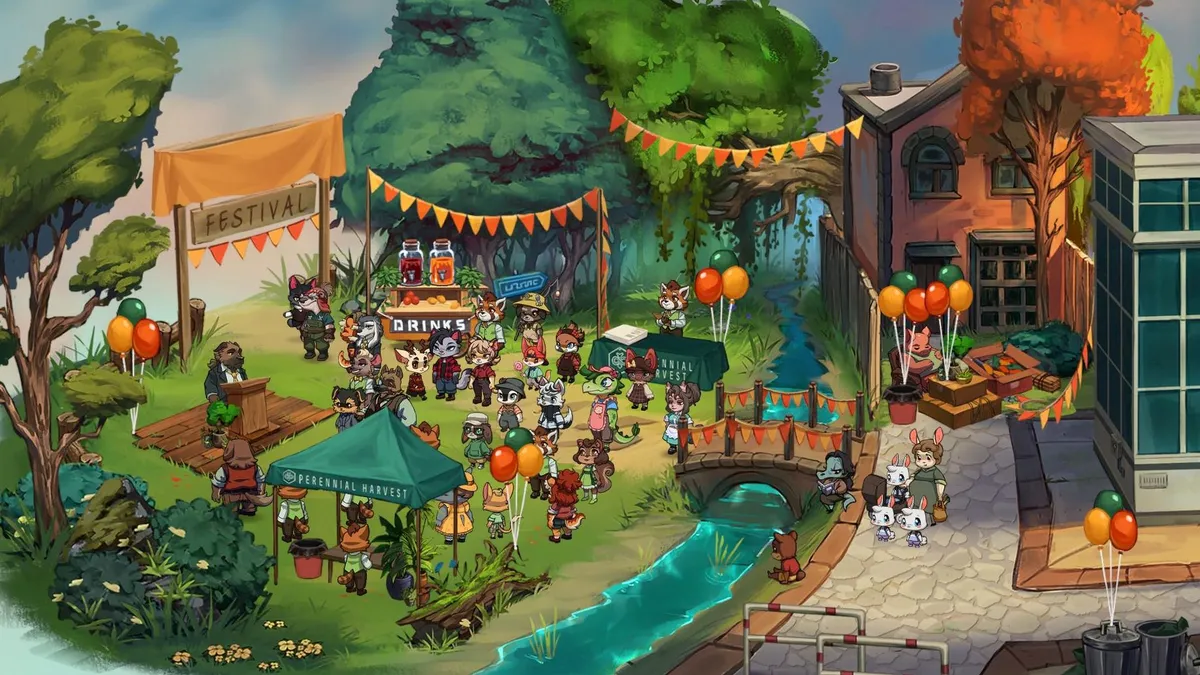
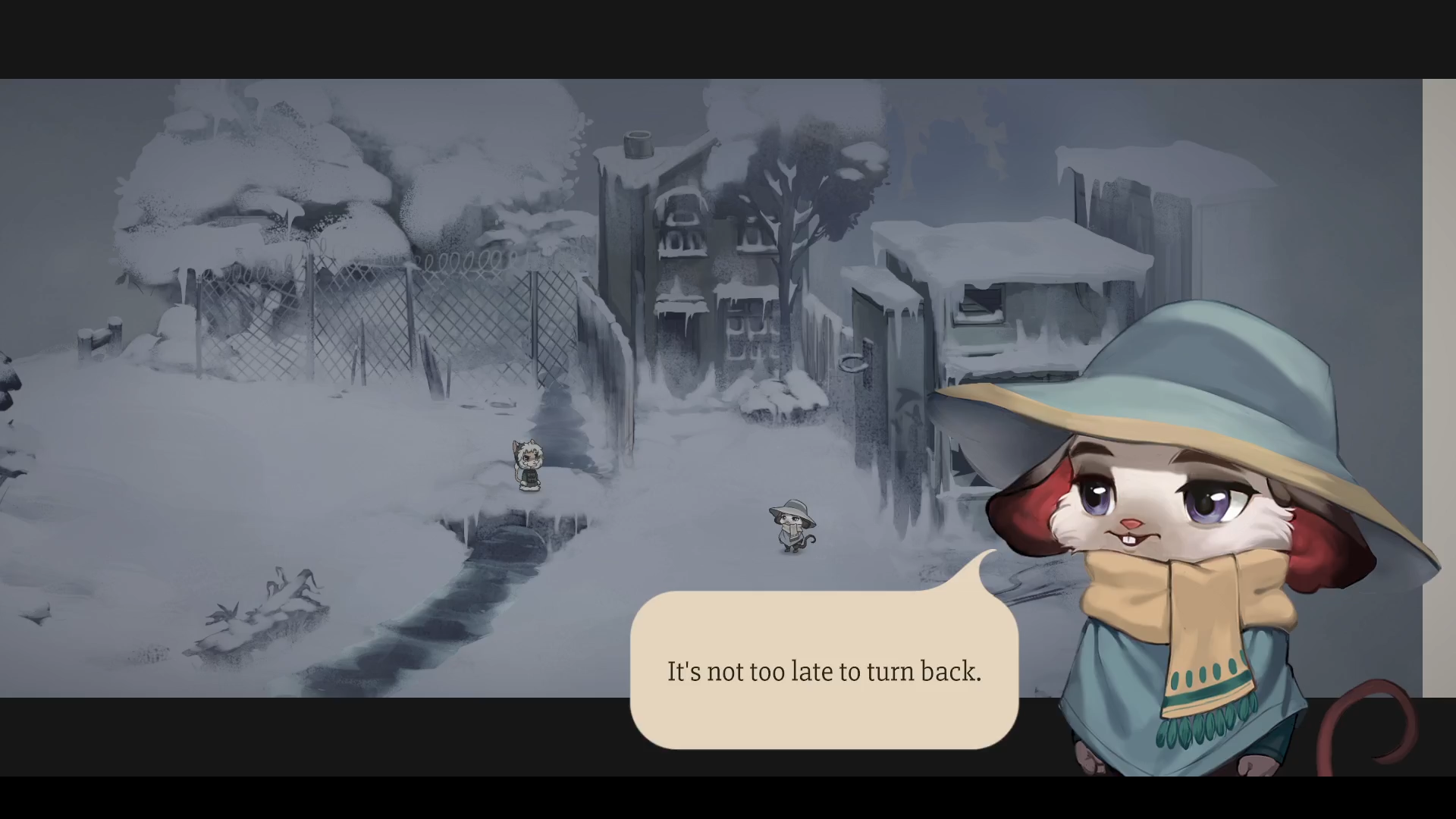
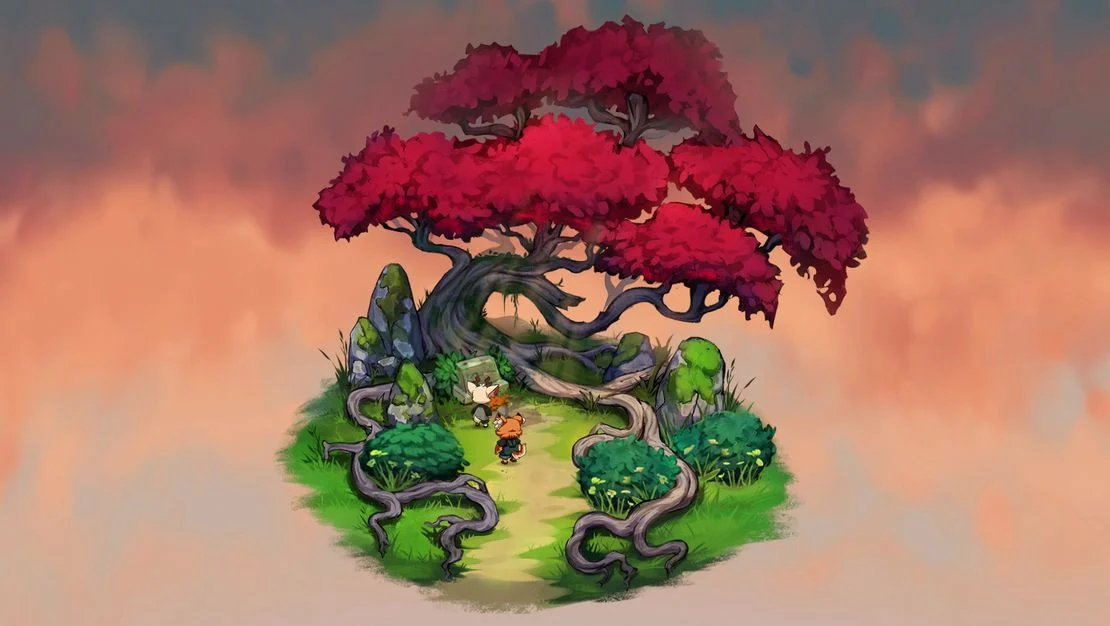
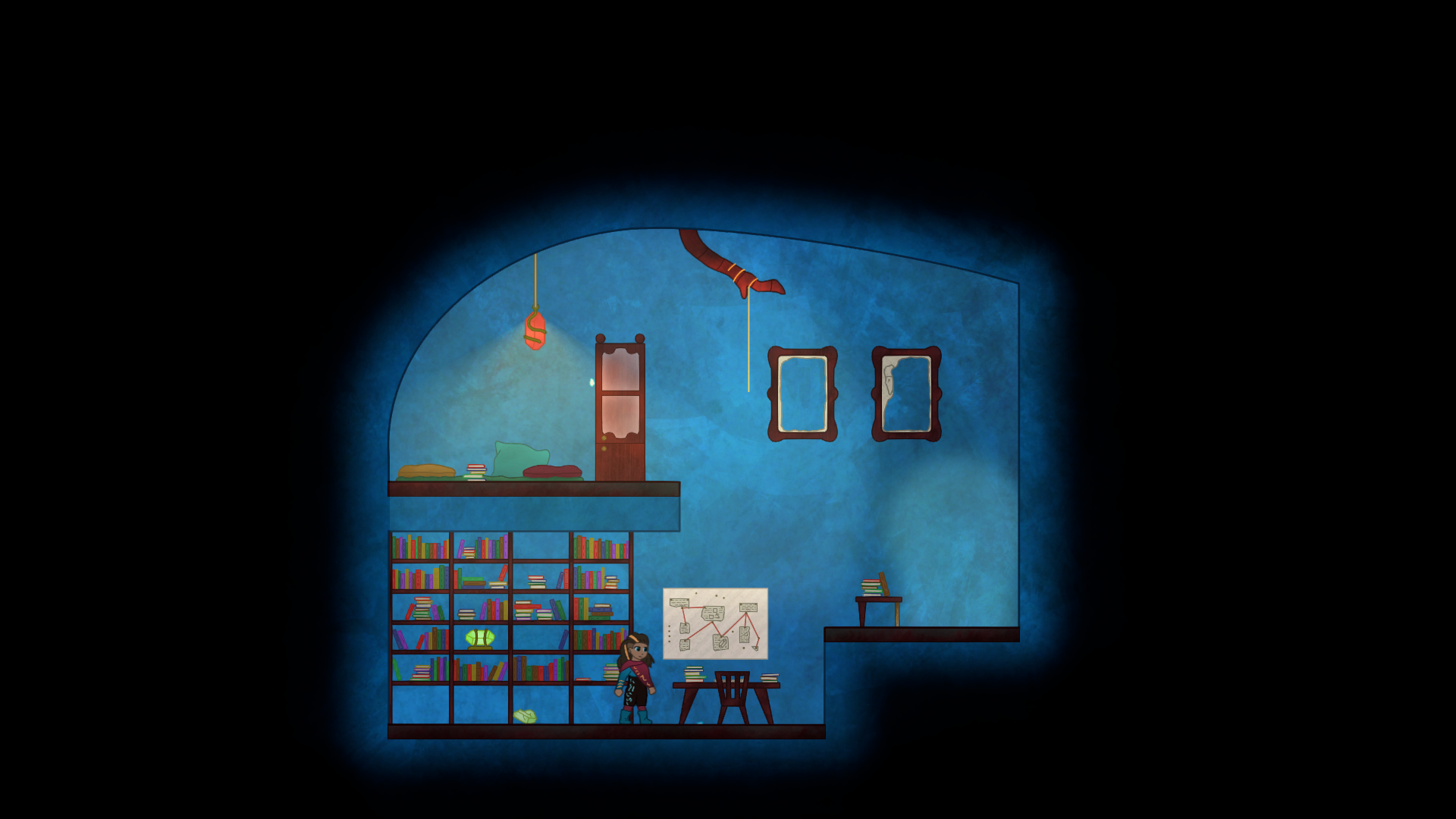
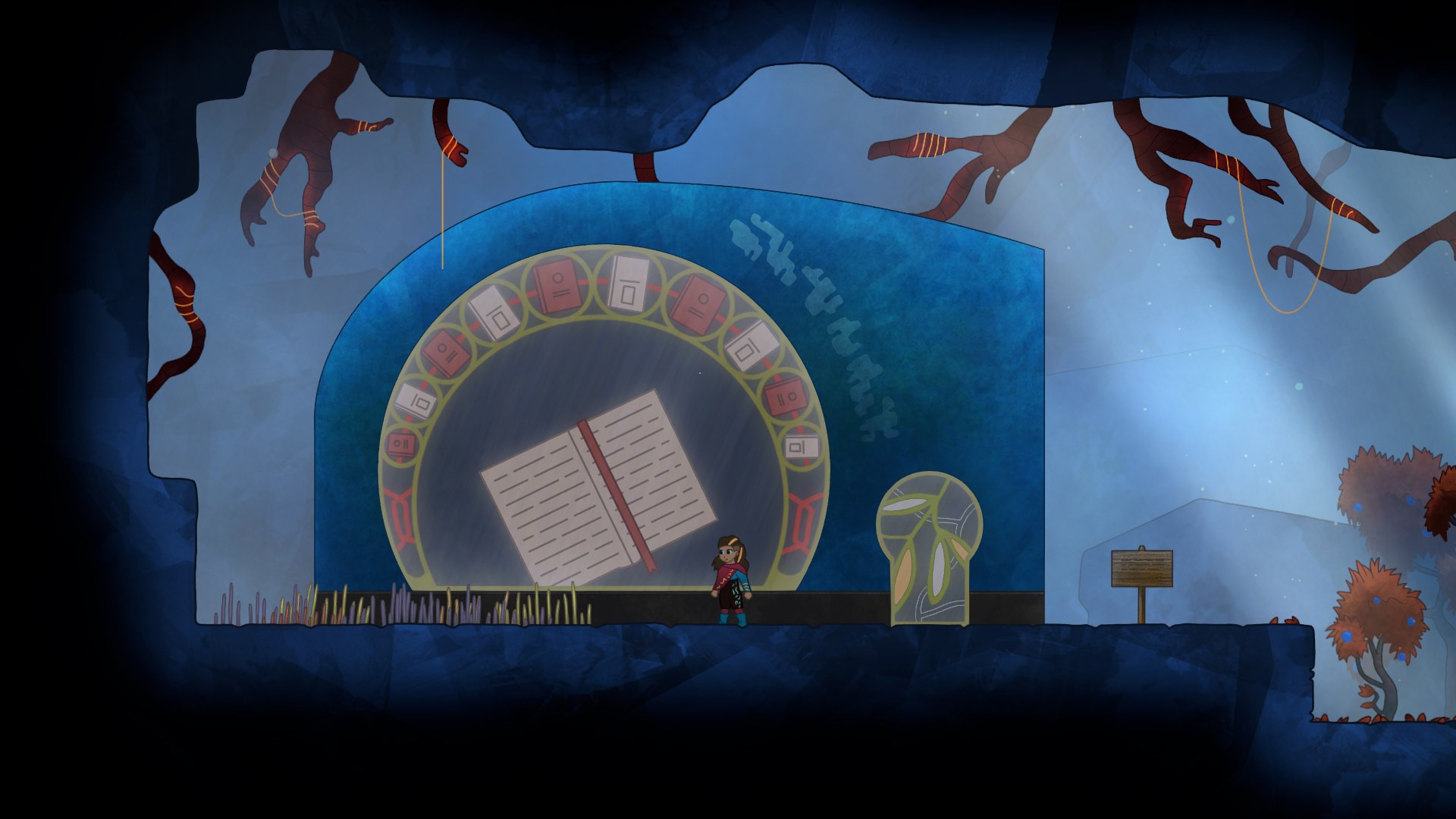
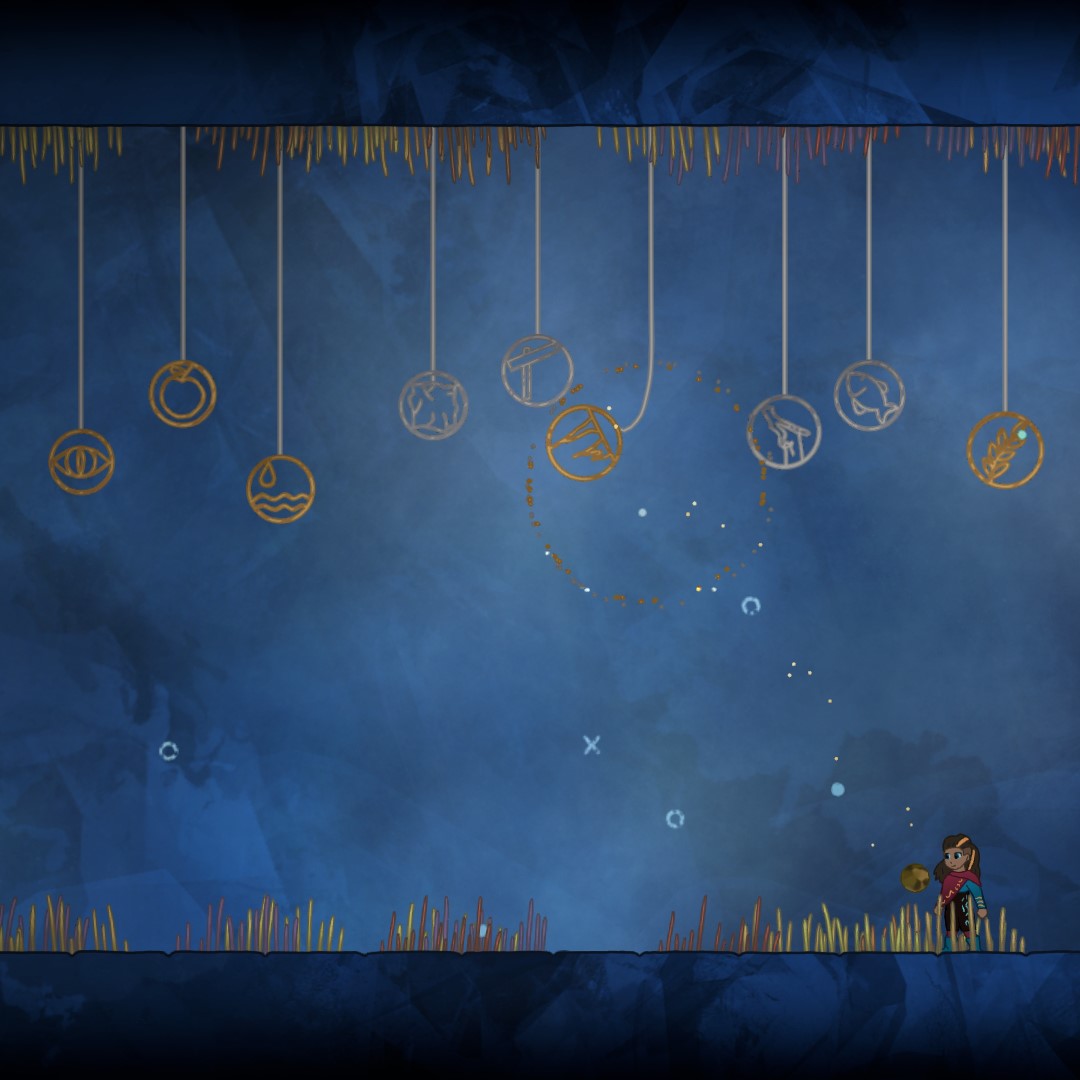
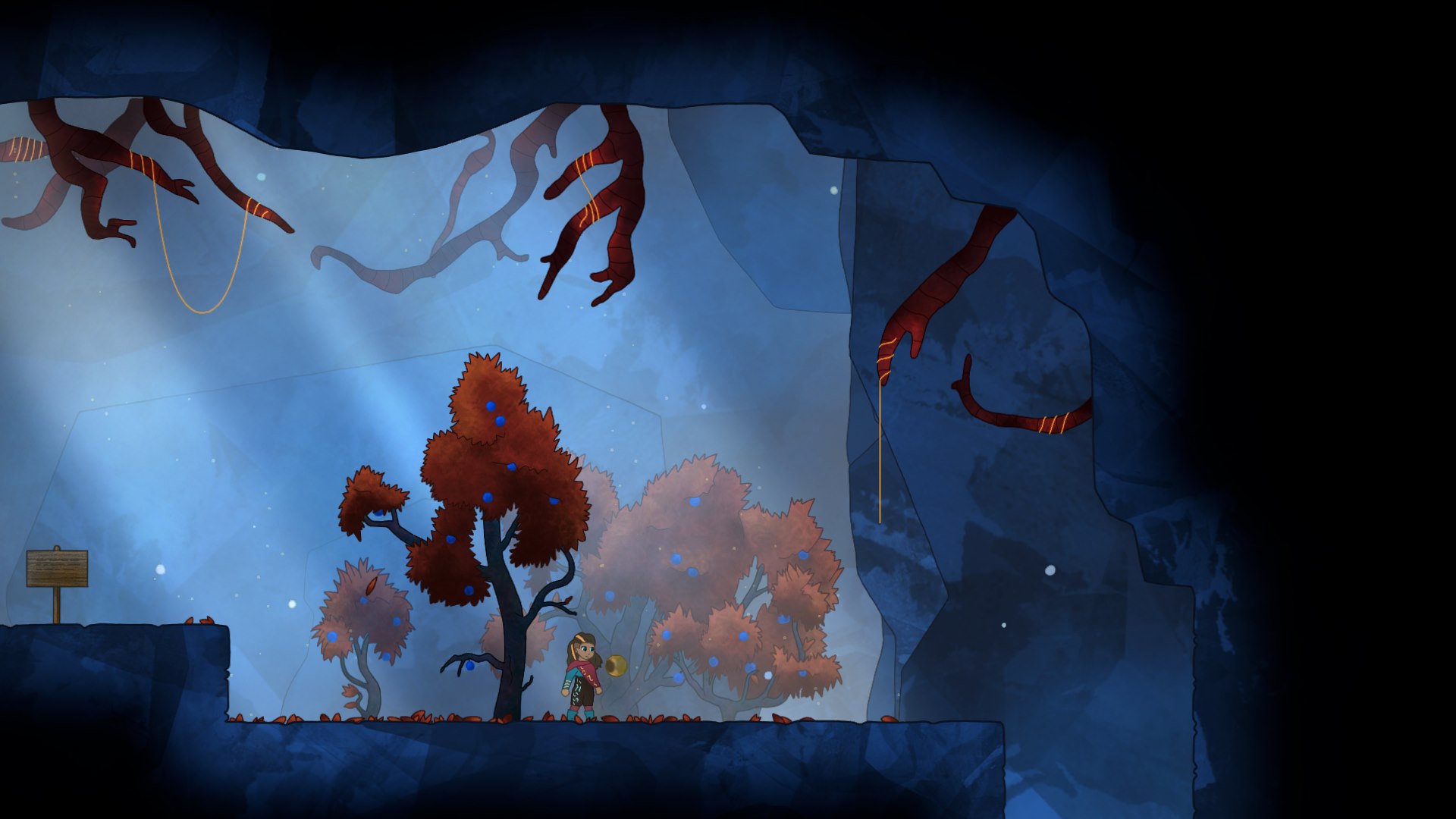
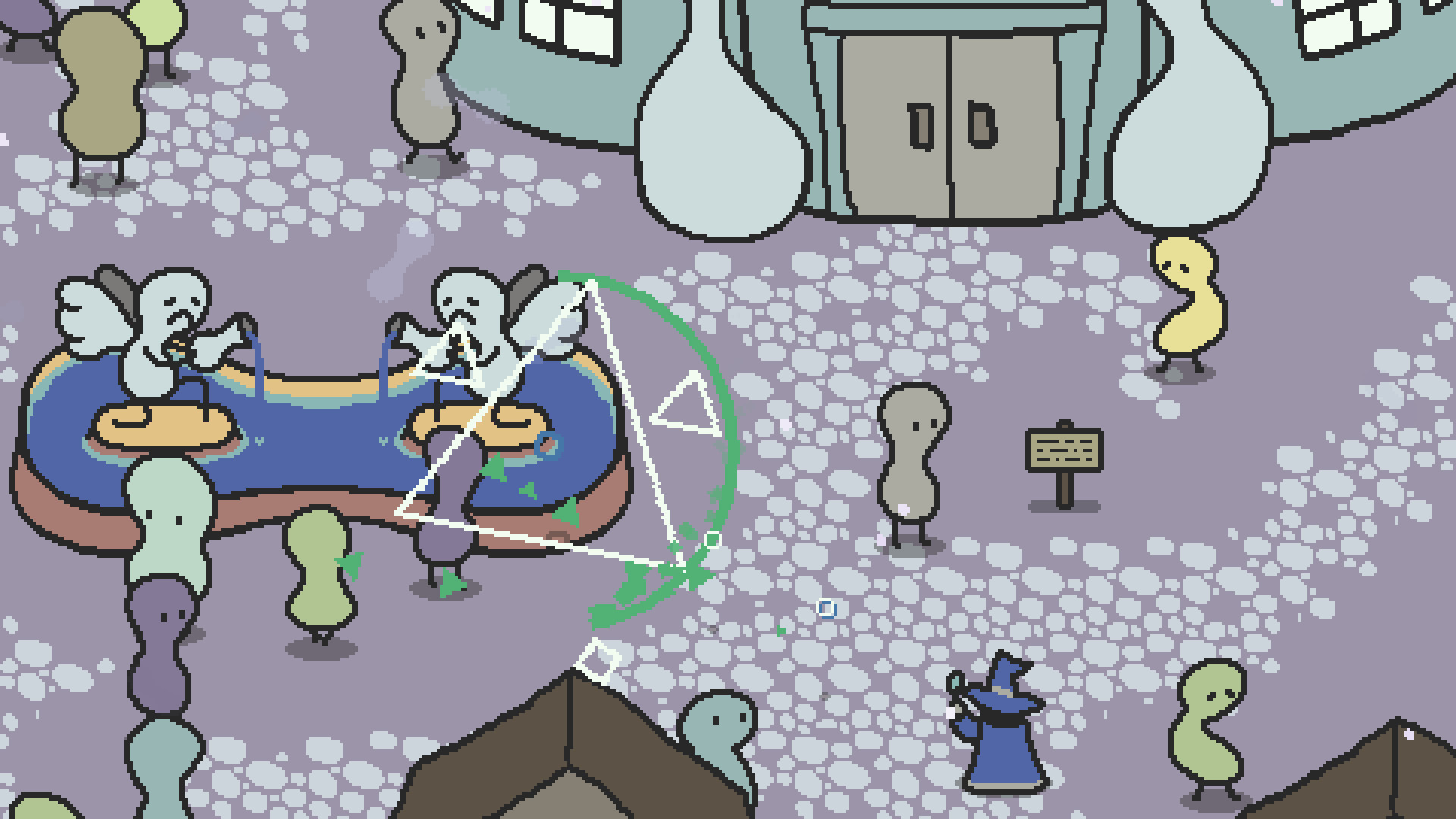
Once again scouring Kickstarter for more upcoming video game projects, I stumbled upon a simplistic-looking, yet potentially addictive title named Scrabdackle. Scrabdackle is a top-down RPG roguelike, heavily influenced by the likes of The Legend of Zelda: Link’s Awakening. And incorporating a playstyle similar to that of The Binding of Isaac, under development by the developer known as Jakefriend. Originating from Toronto, Canada.

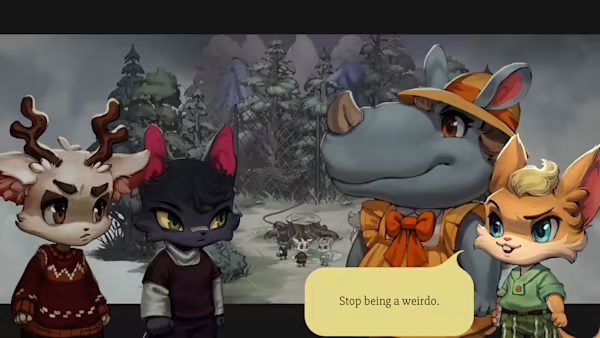
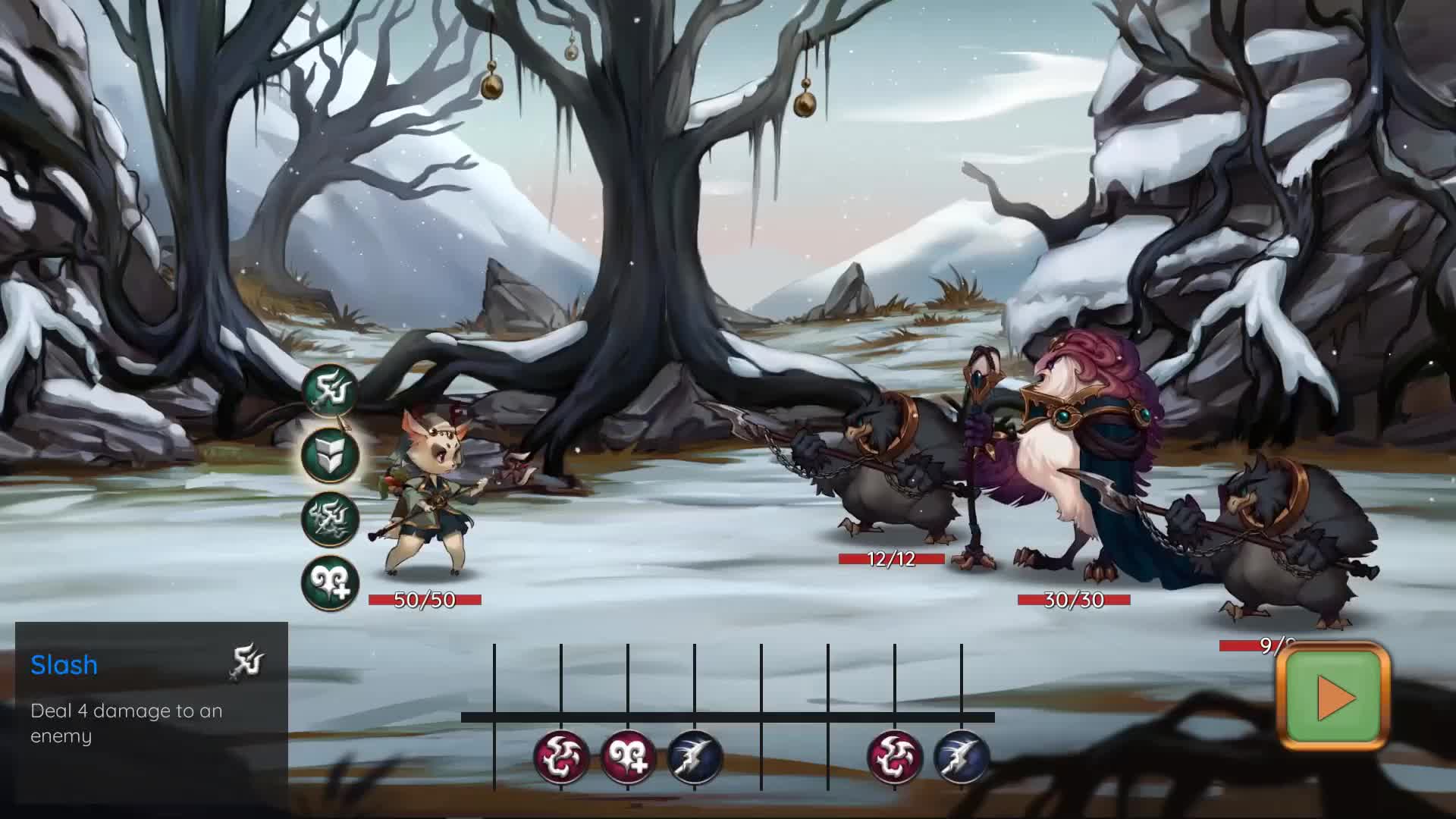
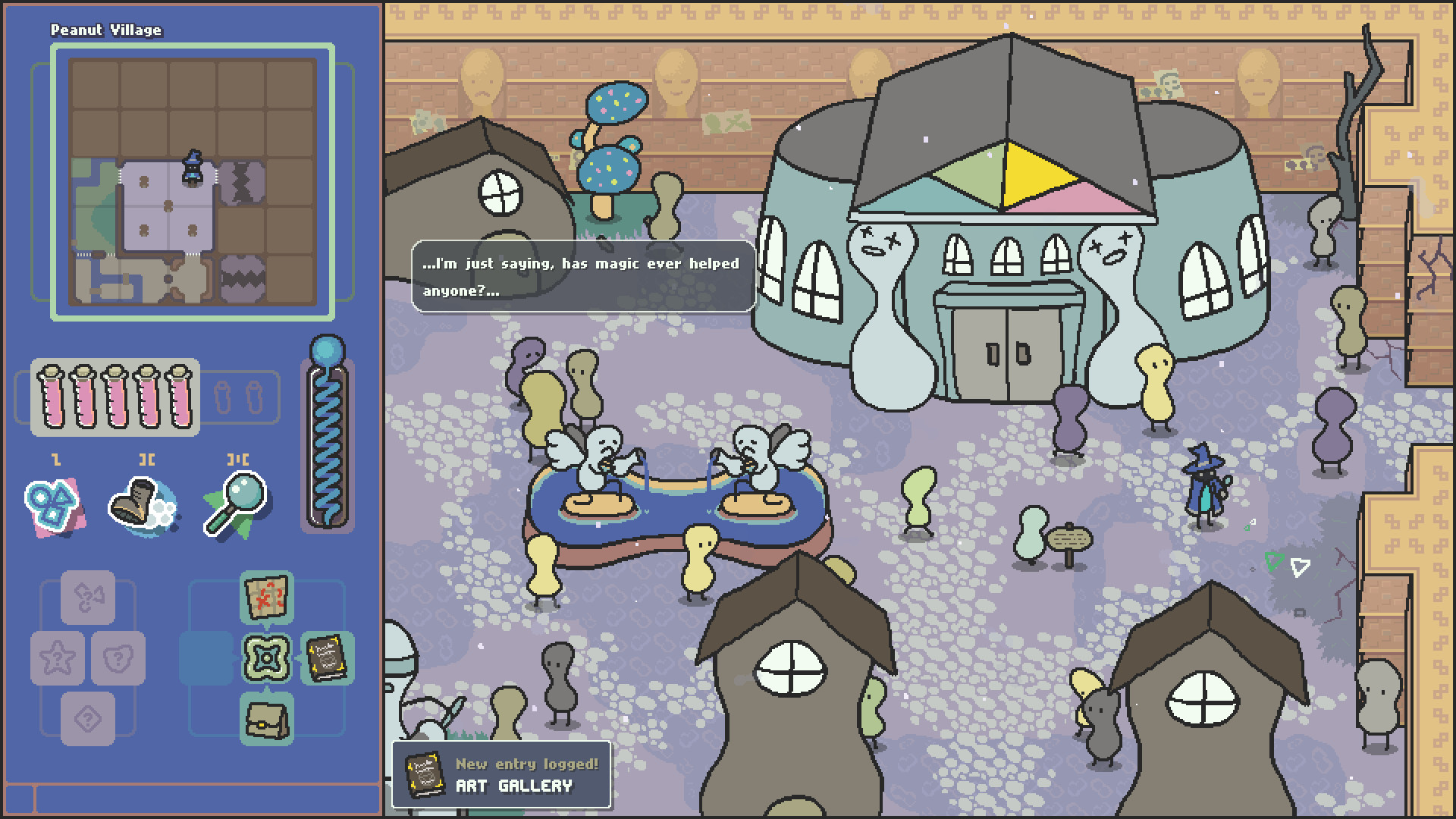
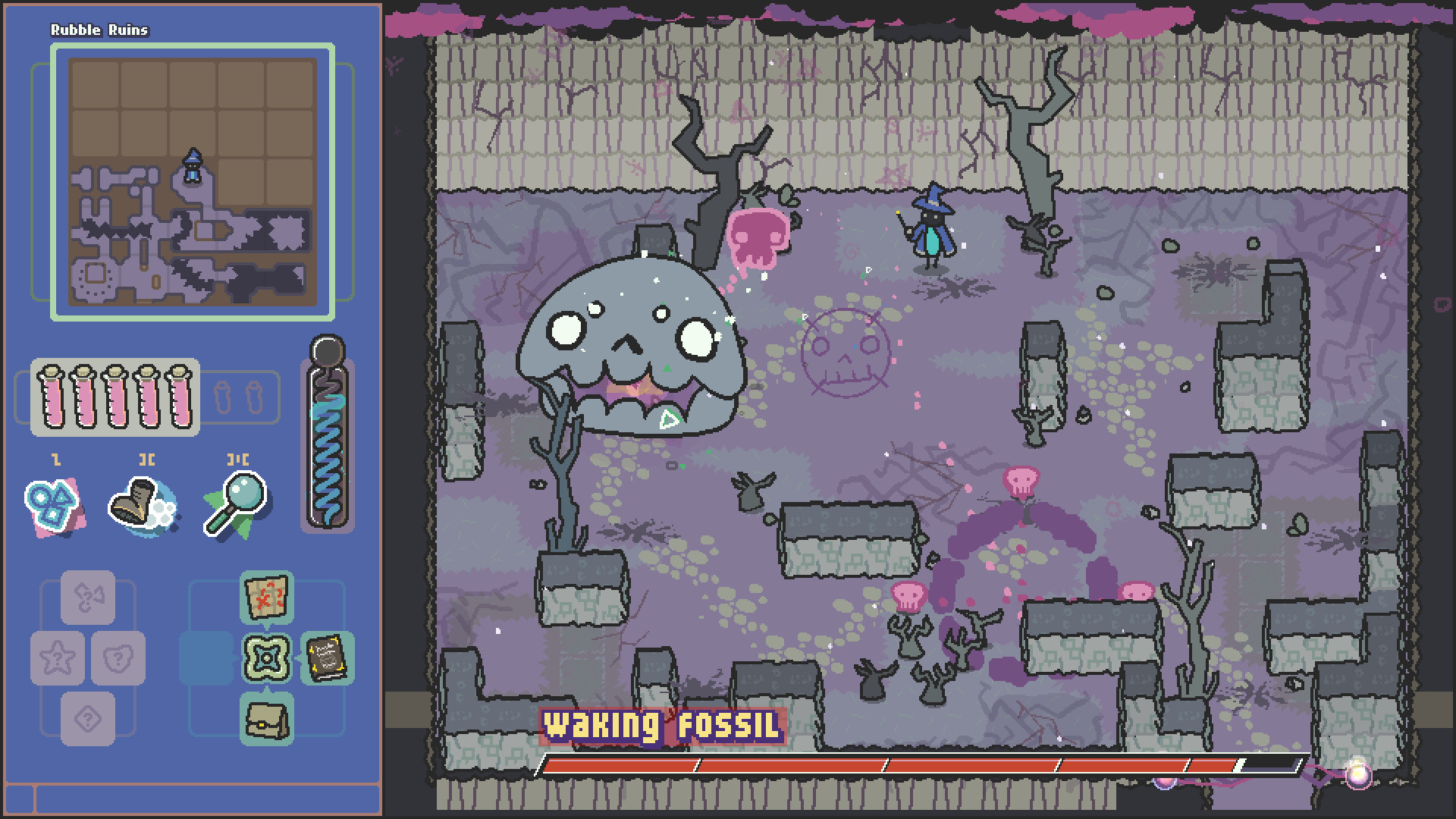
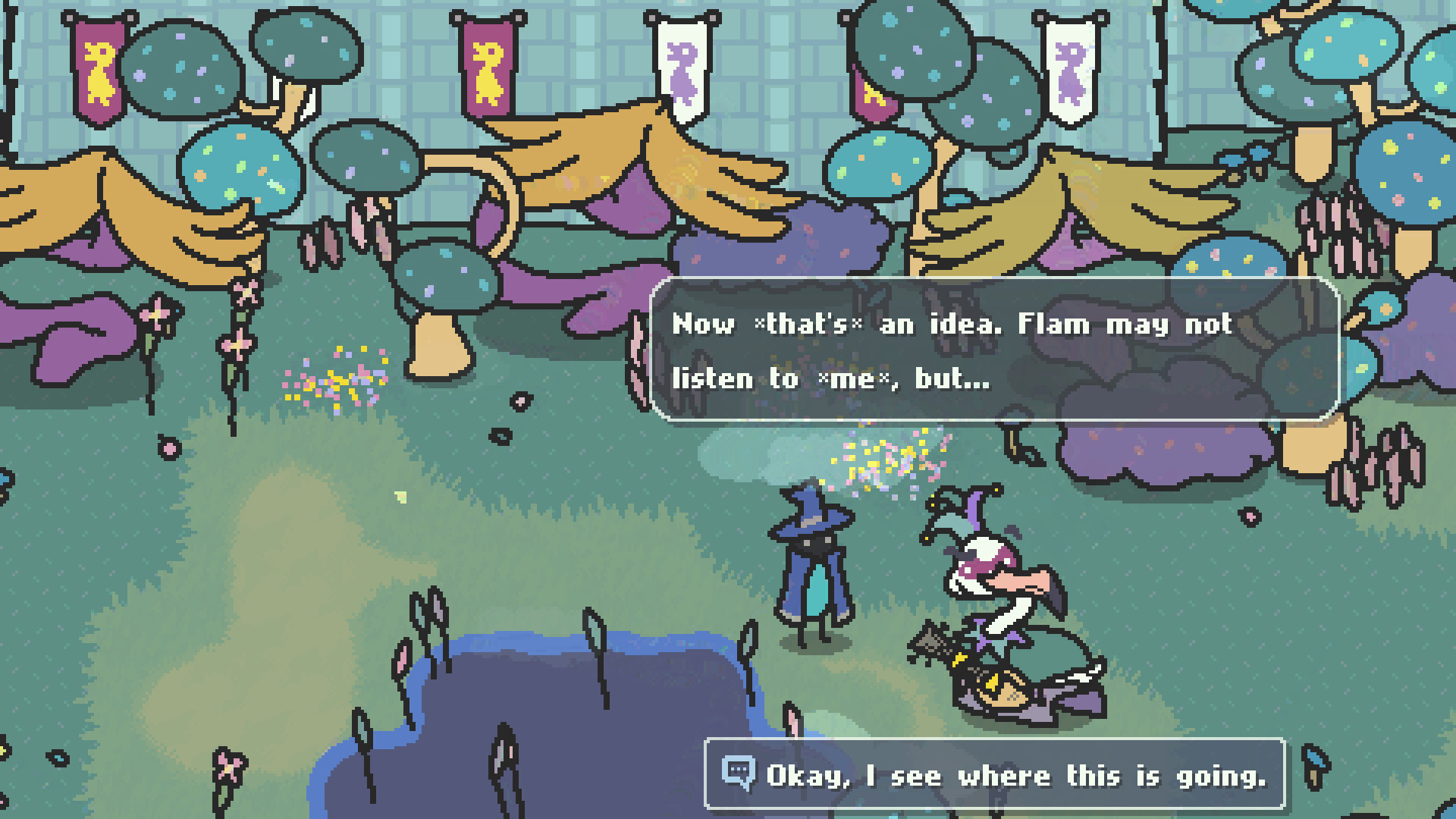
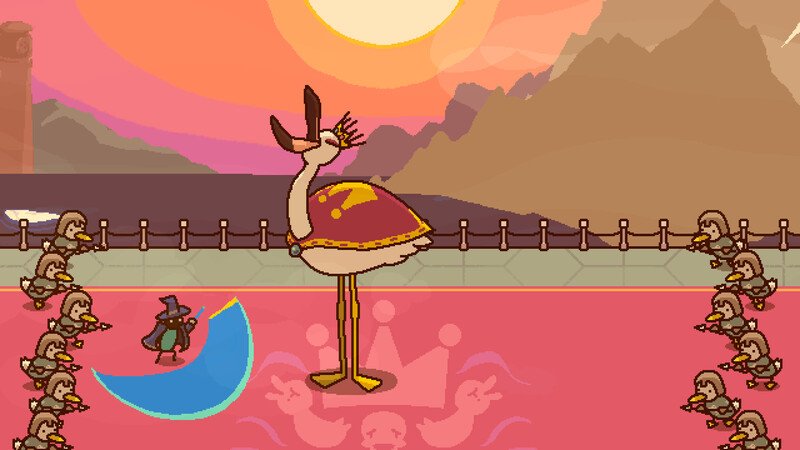
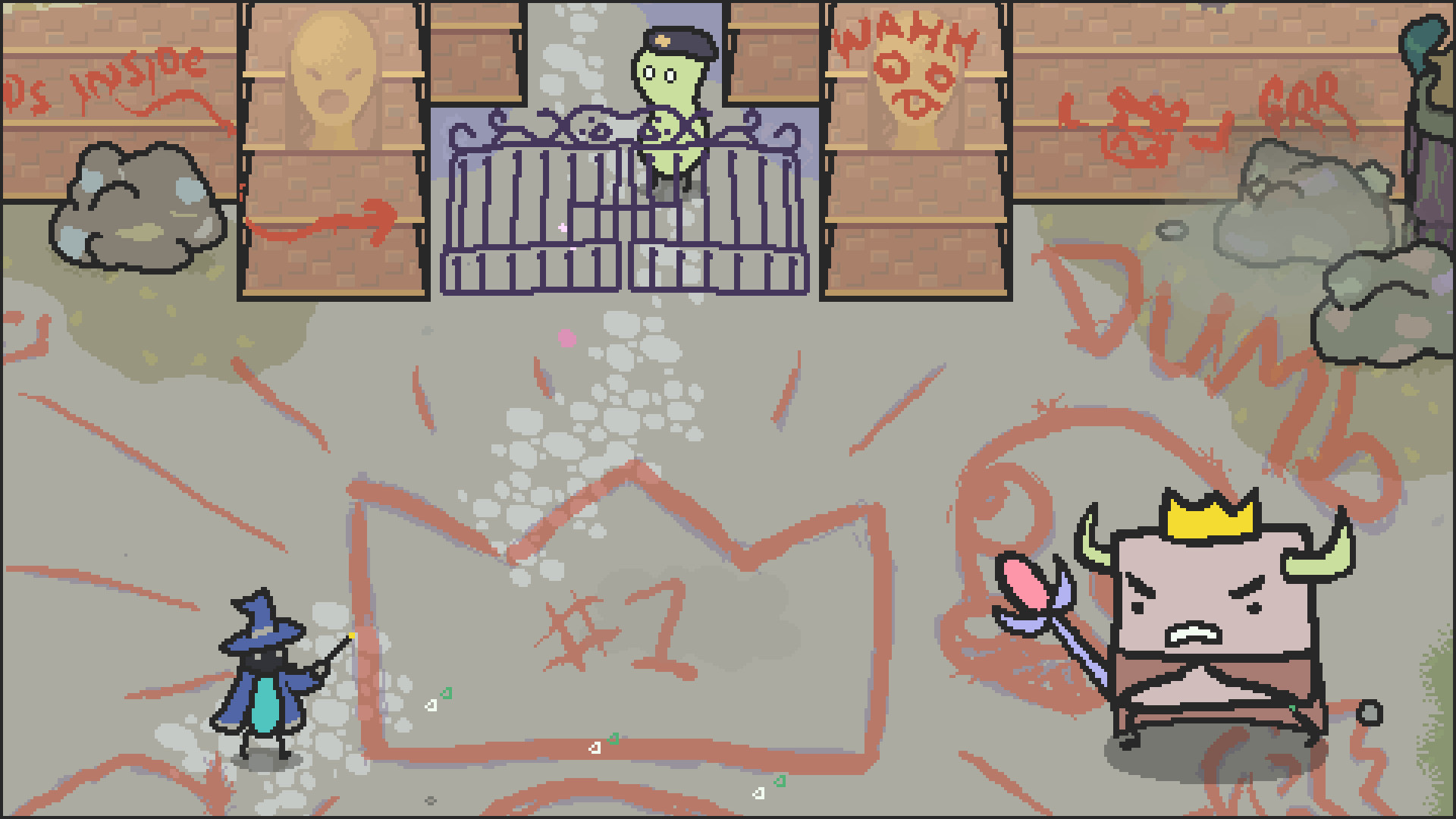
The game incorporates a colorful and wonderfully simplistic hand-drawn visual style. It incorporates gameplay centered around intense combat. With players able to take advantage of several spells to take out hordes of enemies. It also features a non-linear open world that players can explore at their leisure. There are also multiple paths to go down and secrets to uncover along the way, facilitating multiple playthroughs. Set in the world of Scrabdackle, it follows an apprentice wizard named Blue. He is ejected from his academy by a dark wizard and thrust into the harsh environment and its many dangers.

Eager to know more about the excellent-looking title, I reached out to Jakefriend to ask a series of questions about the game and what stages in development it currently resides within. Following the recently successful Kickstarter campaign. Here’s what Jakefriend had to say about Scrabdackle:
Scrabdackle 1

What were the influences behind your game?

There is no outright direct influence. But the biggest of them would be the Game Boy Zelda games: Link’s Awakening foremost, then Oracle of Seasons, and Oracle of Ages. I loved the idea that the world maps of these games were these finite things that you could explore one square at a time. Yet still felt endless and always with something new to discover, crisscrossing them. A lot of modern games inspired by LA can fall into the trap of having a world be very linear despite the presentation of openness. I’m actively pursuing the feeling of going exploring and getting a bit lost. And the reward of gaining a better understanding of the overall space once you find your bearings.

What has the developmental process been like?

So far, it’s been like continually delaying dessert until I’ve eaten all my greens, haha! I’m extremely excited to work on more content, especially bosses. But I’ve tried to be more responsible than that and get the fundamental systems in place first so that the demo represents an effective vertical slice of gameplay. For a long time, it was “I’ll finish the events system, then I’ll tackle the Ducklands content,” then “Okay, I should prioritize the GUI updates and lore system.

But after that, it’s content time,” to “I don’t have any time for anything but bugfixes and some polish before the Kickstarter!” Though I’m quite proud of the demo, content is the main thing it’s lacking. And both my longtime players and I are looking forward to having more to see and do in the world than just the ‘same experience, but increasingly polished! I’m adding some new gameplay content as a mid-campaign event right now for the first time since, honestly, maybe October, and it’s been so enjoyable.
Scrabdackle 2

How close are we to seeing the finished product?

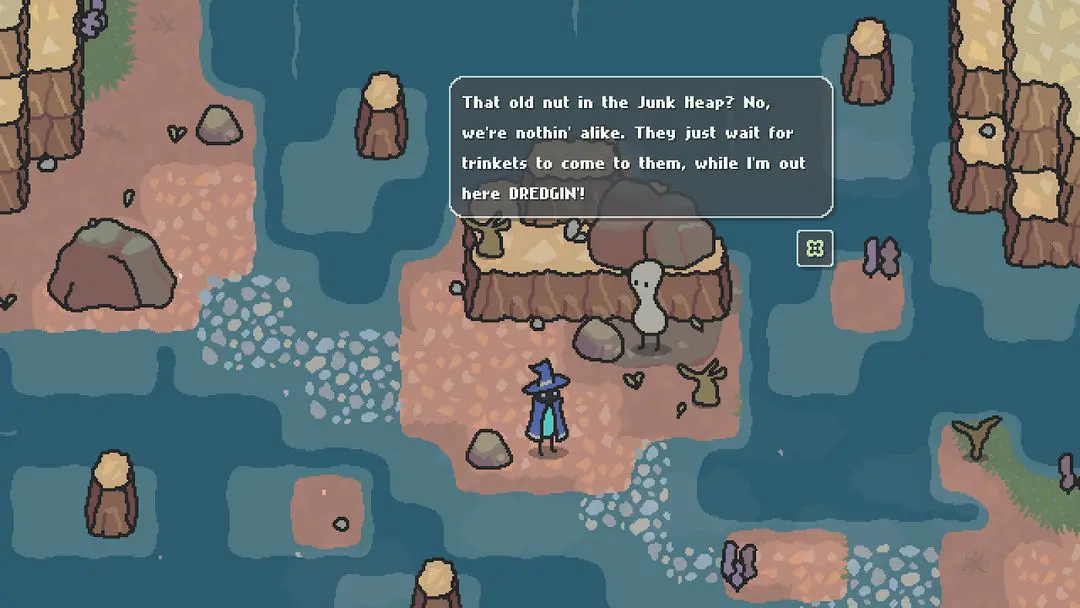
Quite far! I did a rough map of the world at one point. Not counting any content additions that backers have now funded, Junk Heap (the tutorial area) was only about 3-4% of the rough full scope. While the game is approaching systems-complete, it’s very much content-light at the moment. And expanding new areas and enemies is a big priority for full development.

What has been the most exciting aspect of development?

I love doing everything. I mean it! Handling the art, music, design, coding, AND writing means whenever I start to feel burned out on one branch of development, I can skip to another, let that part of my brain rest and refresh, while still making forward progress. Being able to take a step back at something like the Peanut Village hub area. A congruence of all of those branches. And seeing a thriving place that matches my mental picture of vibrance and goofiness is one of the most rewarding things. Barring seeing Let’s Plays of others having their first reaction to it.

What has been the most challenging aspect of development?

I’m not very back-end technical. I find figuring out things like multithreading for performance and faster loading quite challenging to wrap my head around. I’m a confident coder otherwise, but it’s a territory where even the “explain like I’m 5” explanations of how to handle it sound unintelligible. There are plenty of performance improvements yet to be made, as I’m still getting an understanding of that kind of thing.
Scrabdackle 3

How well has the game been received so far?

Extremely well! At around 8,200 downloads presently since September, we’re still trending a 4.85 score on itch out of 5 with 90 ratings. As well as 4.83 on my private Google Form results

with 93 ratings, where I ask for players to be critical about their experience. And the community around the game is extremely passionate.  I only pursued a Kickstarter because the demo seemed to be striking a lasting chord with so many people. It’s been affecting.

Although you’ve cited various Game Boy games as influences for the music, I got the impression that the soundtrack sounded quite reminiscent of Rare composers such as Grant Kirkhope and David Wise. Would you say they are fair comparisons?

Yes, Grant Kirkhope is a pretty strong influence! Particularly his work on Rare’s Nintendo 64 titles like DK64 and the Banjo-Kazooie games. My soundtrack is still a little more geared towards the instrumentation found in Game Boy-era music and is much sparser for exploration themes. But he’s been hugely influential to me in a way that I think is pretty recognizable in the Scrabdackle soundtrack!

I don’t know David Wise’s work all that well, but I’d also call out Kozue Ishikawa, the composer of Wario Land II and one of the two composers of Link’s Awakening. Her work in those games ranges from quirky and comic to empowering and driving to melancholic. And reflective in ways that are very impressive for the limitations of the technology she was working with.
What platforms are you looking to bring the game to?

Scrabble is coming to all PC platforms presently. I’d like to bring it to consoles someday, but I am waiting to do that alongside a publisher rather than go it alone. I recognize it’s a gray area of unexplored, back-end technical space to me. And I can’t sufficiently budget or estimate the time it would take me to do it myself. In a perfect world, if I could only get one console port, it would be the Nintendo Switch. I think it’s the perfect market for the game.

How fundamental has the Scrabdackle community been in shaping the course of development?

In terms of actually creating a path from a demo to full game development, very! I’ve been pushed forward on a sea of steady encouragement and support. In terms of my development plans, I would say my original vision has largely not been externally shaped. I find it very effective to clarify your vision, then stick to it. And consciously not pursue most suggestions thrown your way unless you’re changing the core vision or it fits within it.

That said, in the original demo, I almost didn’t add dialogue at all. And eventually put in a few conversations just before making it public. The feedback on the dialogue was positive and made it clear that talking to people in the world was a highlight. So that’s been heavily emphasized in the game by that community feedback. The standout “lore book” feature recently implemented also comes from a community suggestion.
Scrabdackle 5

Have there been any ideas at this stage of development that have since been scrapped or reworked?

Well, the idea of the game being a boss battle game with just a little bit of empty world traversal has been done away with. But that happened well before the public demo was released. The level design has changed a lot to be less completely hands-off since the first demo. Initially, you could go anywhere and wander around, potentially nearly all of the game’s map, without coming across (or requiring) the wand, or coming across any save points or focal goals.

I’ve made small but important adjustments in my approach to guide players through one of two routes towards the wand (the game’s immediate first goal). Both of which directly pass save points, and limit the initial exploration space until the wand is found. Players were feeling frustrated that they could explore too broadly without a critical tool. Having a soft gate to ensure they collect that tool first has improved the rest of the non-linear exploration experience.

If you had the opportunity to develop a game with any company or for any franchise, which would it be, and why?

I don’t think I’d want that – the larger the company, the more you have to fill a tight niche. And what I enjoy about the work as a small fish is the breadth of exposure and jack-of-all-trades nature. I love all of the things I get to do. And giving any of them up to mainline just AI coding or just art or something would be a sacrifice of my continued development of those skills, and of my ability to “refresh” by mixing up my creative focus, and of my ability to influence the game in a more meaningful way. If I were offered a game designer role or a sub-director role where I still got to work closely with the entire development team, that’d be something I’d really love to try. But it isn’t necessarily company-dependent or franchise-dependent.
Scrabdackle 6

Have there been any ideas incorporated into Scrabdackle that you’ve carried over from games you used to develop as a hobby?

From my previous projects, honestly, not really! Pretty much everything I’ve worked on has been a different genre. Puzzle platformer, arcade shooter, etcetera. I have some strong feelings about what makes for good game design holistically. But nothing game-specific has traveled between projects. The closest I can say is that the Skrine character, presented as some sort of omniscient entity, is a character brought over from my long-running homebrew D&D campaign, where they played a similar role as an archfey trickster.

Do you have any advice for aspiring developers who may be reading this?

If you want to start as an indie dev… just start! Join a 2-day jam, grab an asset pack, and forget about quality. And just try slapping something together as fast as you can. The time restrictions of jams are freeing because you can’t endlessly get lost in perfectionism or uncertainty.

Where on the Internet can people find you?

I’m active on the very wholesome and welcoming Scrabdackle Discord regularly, post neat game dev updates and gifs to Twitter, and am currently flying past 100% towards stretch goals on Kickstarter (campaign ending April 15th!).

Do you have anything else to add?

A huge thanks to the Scrabdackle community for the long road of support over the last 7 months towards the successful Kickstarter funding milestone! It’s genuinely been life-changing. And I’m so excited about what giving Scrabdackle my full-time attention will bring.
Scrabdackle 7

I want to take this opportunity to thank Jake for taking the time to answer my questions. And to wish him the best of luck with the game’s launch. You can check out the game and its progress via the links below:

Kickstarter:https://www.kickstarter.com/projects/jakefriend/scrabdackleref=discovery_category

Official Website: https://scrabdackle.com/

Twitter: @jakefriend_dev

Discord: Scrabdackle

YouTube – https://www.youtube.com/channel/UCE1rInyJzMREQTUFjFV-i0w

You can also download the demo of the game via Jake’s itch.io page:

https://jakefriend.itch.io/scrabdackle

In the meantime, I hope you guys enjoy the demo and that you enjoyed learning more about Scrabdackle as much as I did.

Game on,

ScouseGamer 88
Super Metroid (Super NES)

Developer(s) – Nintendo R&D1 & Intelligent Systems

Publisher(s) – Nintendo

Director(s) – Yoshio Sakamoto

Producer(s) – Makoto Kano

PEGI – 7

Released in 1994, coming up to the twilight years of the Super NES, and finding critical acclaim worldwide and commercial acclaim mainly in North America, Super Metroid is considered to be one of the most influential games of all time. Along with Castlevania: Symphony of the Night, it helped to pioneer the so-called Metroidvania genre of games. The 2D side-scrolling open-world experience focused on combat, epic story, and exploration. I decided that, as I’ve now reviewed a great number of games in the genre, I’d examine the game where the groundwork was laid. And find out whether or not the experience still holds up to this day, and for me, it did not disappoint. 

Graphics – 10/10

One of the standout features of the game is undoubtedly its beautifully crafted 16-BIT visuals, with the game taking place across several locations that have since become iconic and synonymous with the Super NES era. Including Brinstar, Norfair, and Maridia. This game’s visuals have gone on to inspire several retroactive indie titles over the last decade, such as Blasphemous and Axiom Verge, and not just Metroidvania titles. For the time, these graphics were revolutionary. And the accompanying soundtrack, composed by Kenji Yamamoto and Minako Hamano, perfectly complements the wonderfully horrific atmosphere this game perpetuates throughout, which, in and of itself, was very much out of character for a Nintendo game at the time, as most Super NES titles, for the most part, focused on happy-sounding music and brightly colored environments.

Gameplay – 8/10

Super Metroid followed the basic model of the original Metroid but with drastic improvements. Players could now combine different types of weapons to create more powerful ones. And the boss fights littered throughout are far better. There’s even more cause for exploration than in the original game or Metroid 2: Return of Samus. And it also comes with the synonymous Metroidvania map system. Something which was sorely lacking from the previous two games. And something that every other Metroidvania title would adopt in increasingly innovative forms from then on. Few side scrollers at the time encouraged exploration to the extent that this game did. And it was a welcome breath of fresh air for those who got the chance to play it back in the day. 

Controls – 8/10

The game’s control scheme, however, isn’t perfect. Whilst most Super NES games used the Y and B buttons for attack for primary movement and combat controls, this game uses the X and A buttons for that purpose. And among Super NES fans, this will have caused some confusion for players back when it was released. It can still potentially confuse modern-day players looking to play it for the first time. As indeed I found, since I wasn’t introduced to this game back when it was released. Kind of like Metroid Prime, it can take a bit of time for players to get used to it initially. What the developers did add in terms of controls, however, was the facility to shoot diagonally. Which again, was sorely lacking from the original games, and furthermore included in the re-release of the first. Metroid: Zero Mission for the Game Boy Advance.

Lifespan – 7/10

A thorough playthrough of the game can take an average of around 4 hours. Which is about an exceptionally long amount of time for a game to have lasted back in the days of the Super NES. Although the game can be completed within half an hour (indeed, as this title has become particularly popular among speedrunners), it’s not a game that’s designed to be rushed through. And whilst it may sound like a paltry amount of time for a game to last compared to what gamers are used to these days, it was relatively unheard of at the time. And most fans of the game have ended up playing it multiple times throughout the years anyway. 

Storyline – 7/10

Taking place in the latter stages of the Metroid timeline, the alien lifeform (the Metroid) that bounty hunter Samus Aran had recovered from planet SR388 at the end of Metroid 2: Return of Samus had been delivered to a research facility by her for further study. But shortly thereafter, the space station is attacked by the leader of the Space Pirates, Ridley. Who then captures the Metroid specimen? And takes it to the nearby planet Zebes, and Samus is in pursuit of him.

The game is also a lot more cinematic than games of the previous generation. The game’s opening cutscene, in particular, has become an iconic moment in Super NES history. It’s also one of the earliest examples of how gameplay sequences can be used to build up tension within the confines of the story. As there are sequences in which Samus must escape from certain places within a designated time limit before it explodes. 

Originality – 10/10

There is no understating how unique and influential this game was back in the day. Any game from which an entire genre is created stands out as being among the most influential of all time. Doom gave birth to the first-person shooting genre, and Rogue paved the way for the Roguelike genre. And Super Metroid was the primary pioneer of the Metroidvania genre. Even Castlevania: Symphony of the Night adopted several gameplay elements that this game had first introduced. 

Happii

In summation, as well as being one of the most influential video games of all time, Super Metroid also stands out as one of the best titles on the Super NES. It is an experience that still holds up and one that I would highly recommend. Regardless of the issues I may have had with the controls, the immersive gameplay, wonderfully rendered graphics, and engrossing story more than make up for it. 

Score

50/60

8/10 (Very Good)

Salt 2

Q&A With LavaBoots Studio

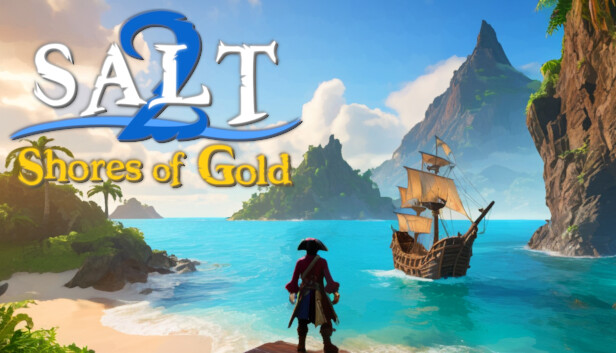
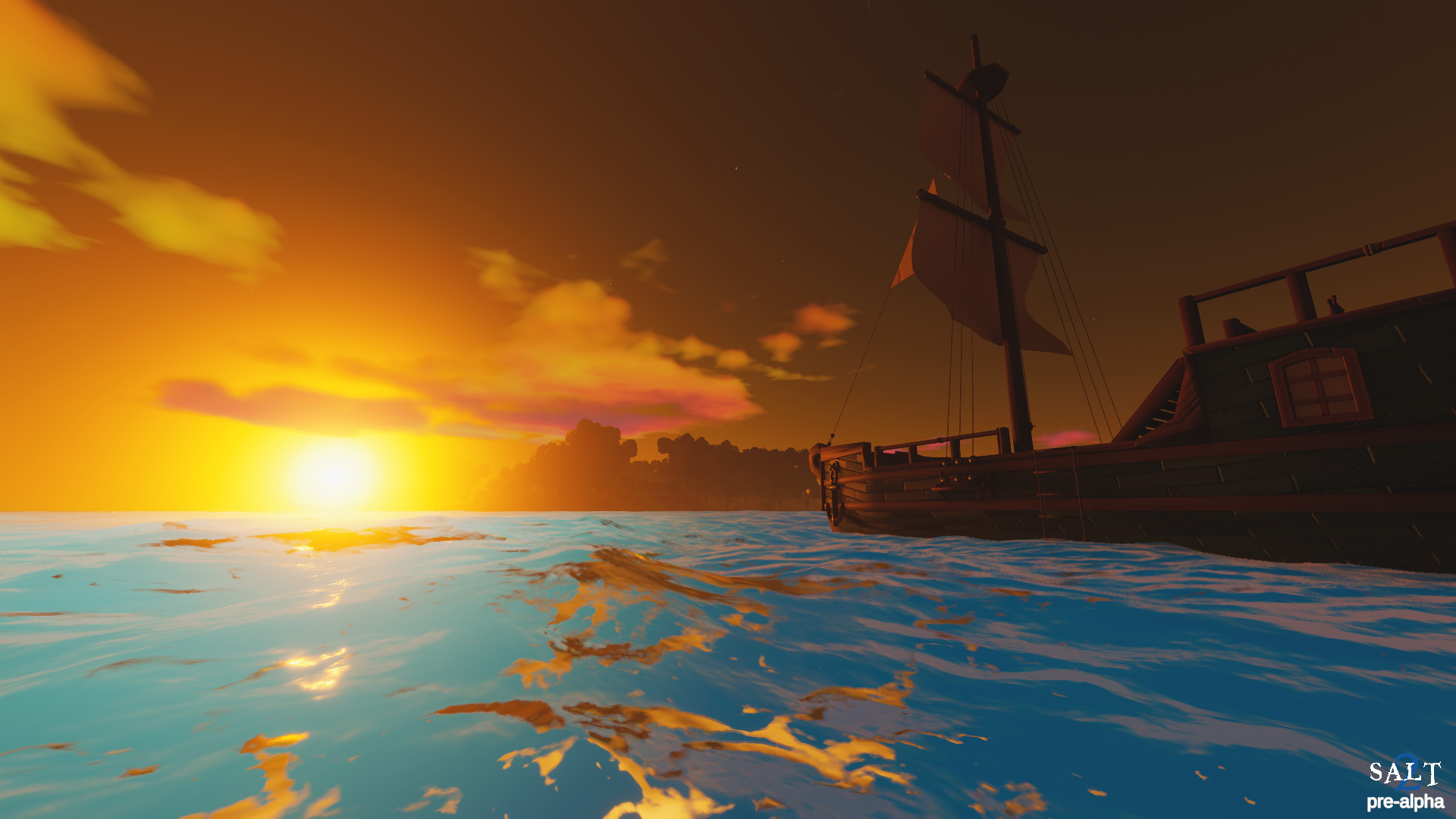
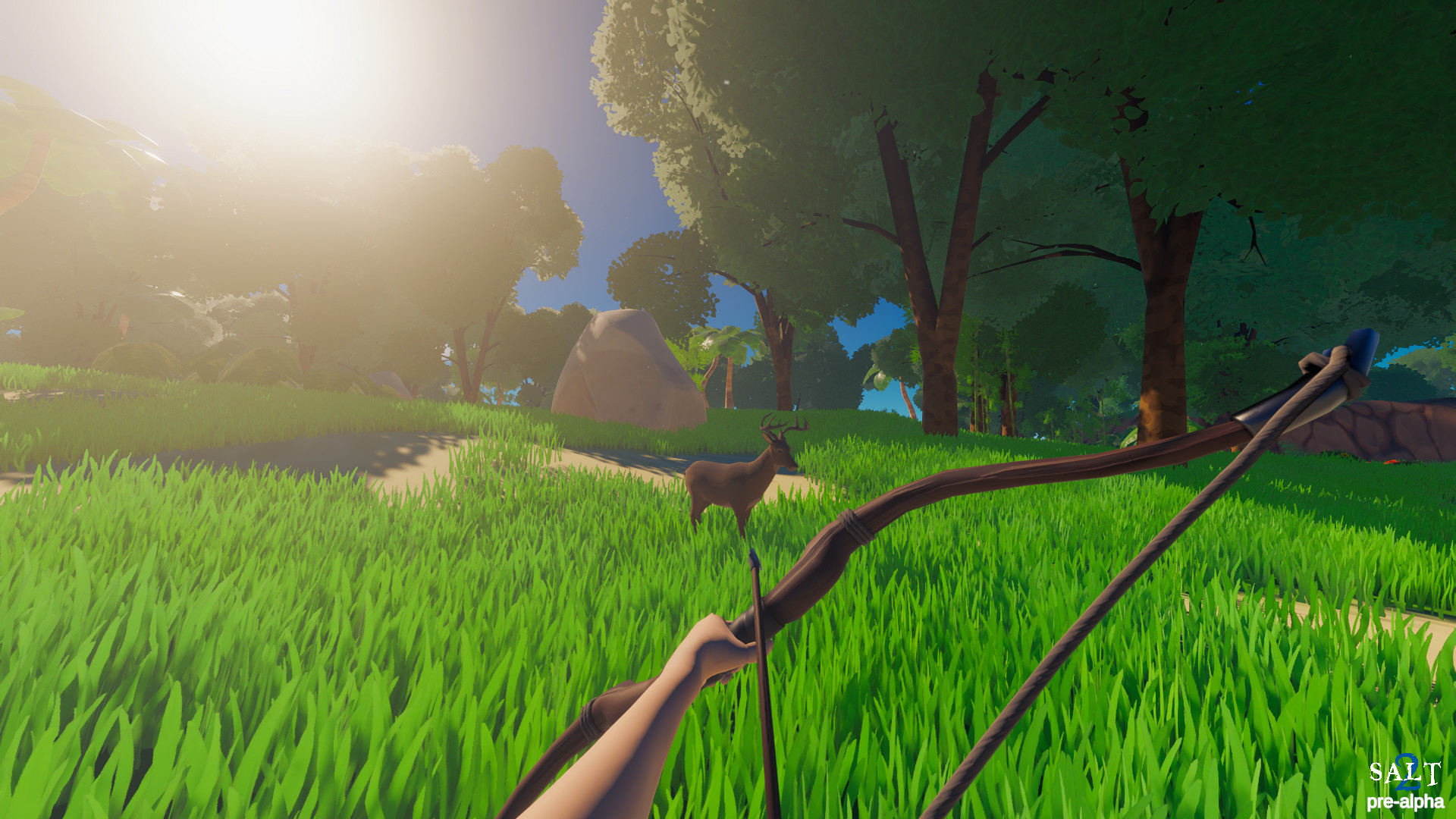
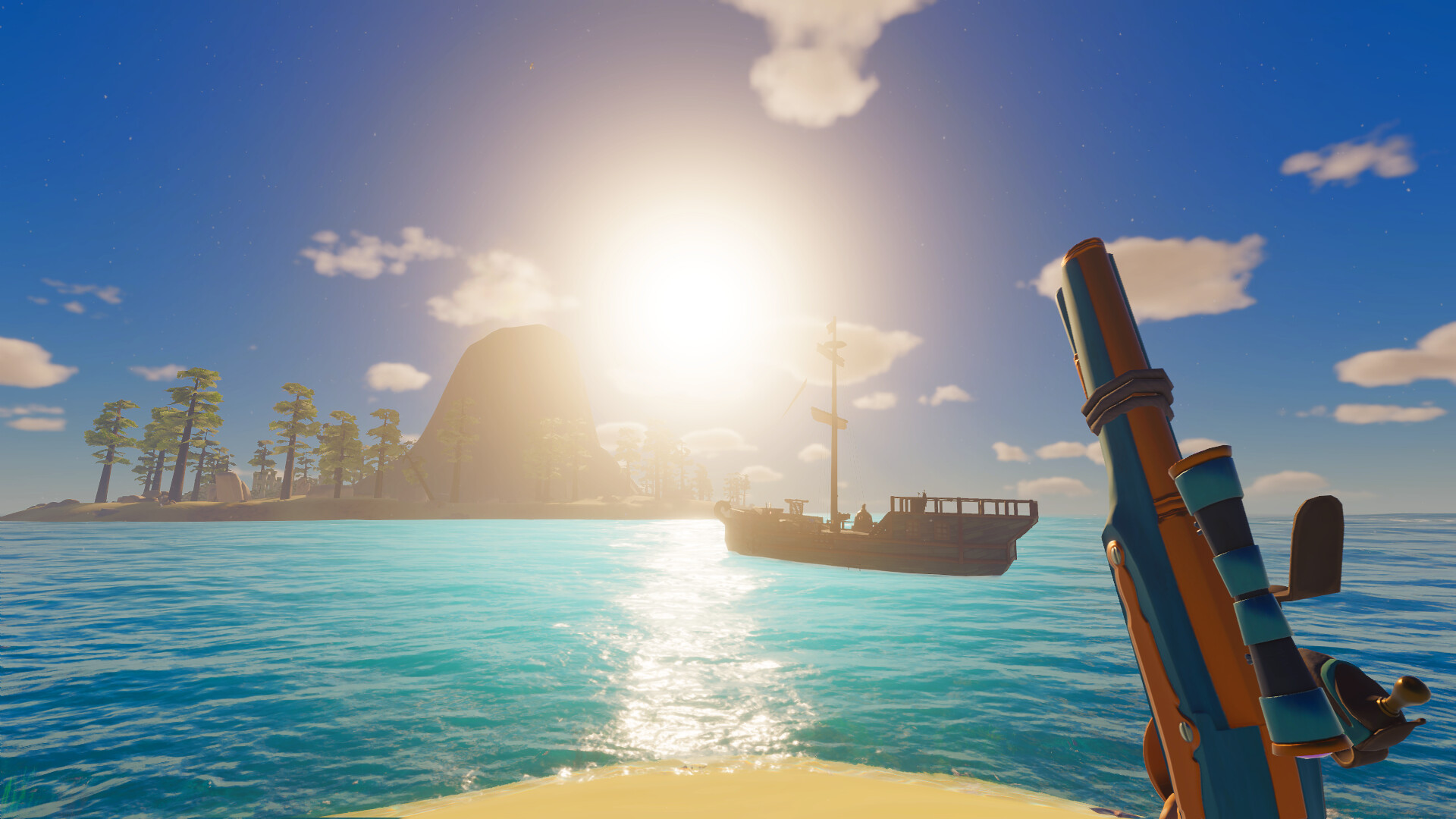
Once again, looking out for upcoming Kickstarter projects, I came across a title not without its influences. But one that looks like a great deal of fun. And not one to be missed. Salt 2: Shores of Gold, under development at LavaBoots Studios based in Huntsville, Alabama, is the sequel to the original Salt. Released back in 2014 to commercial and critical acclaim from many reviewers.

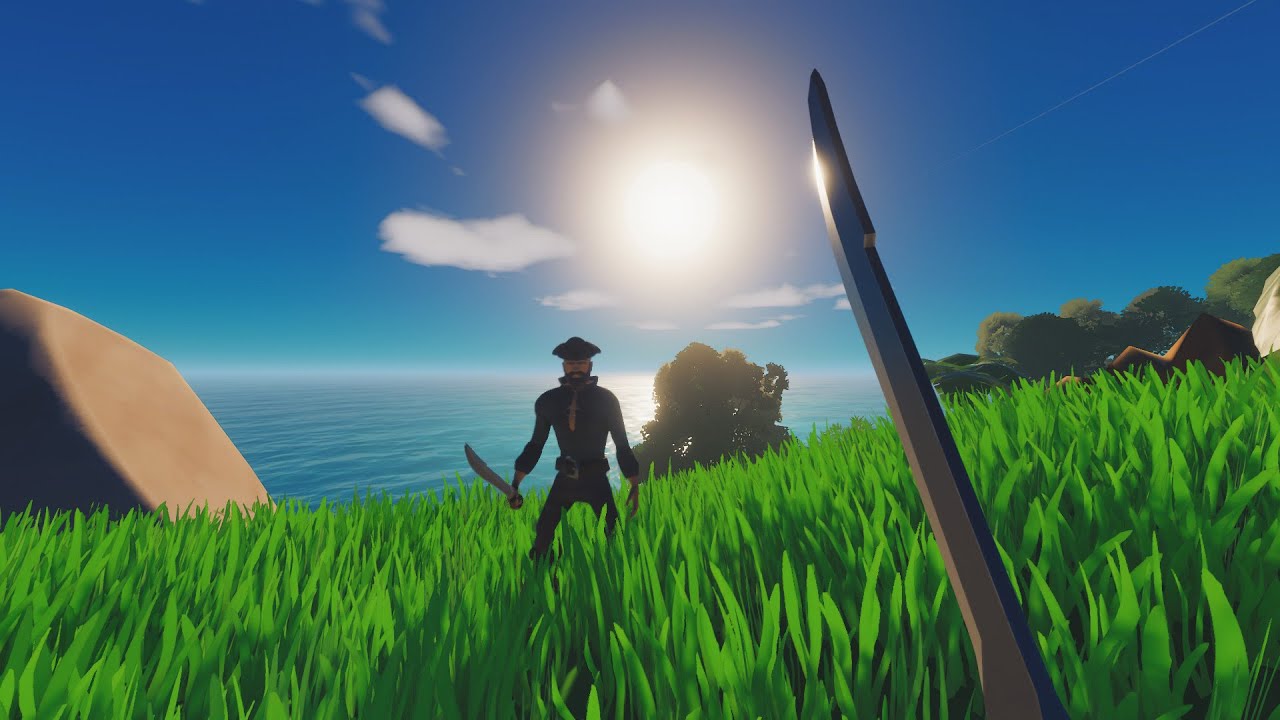
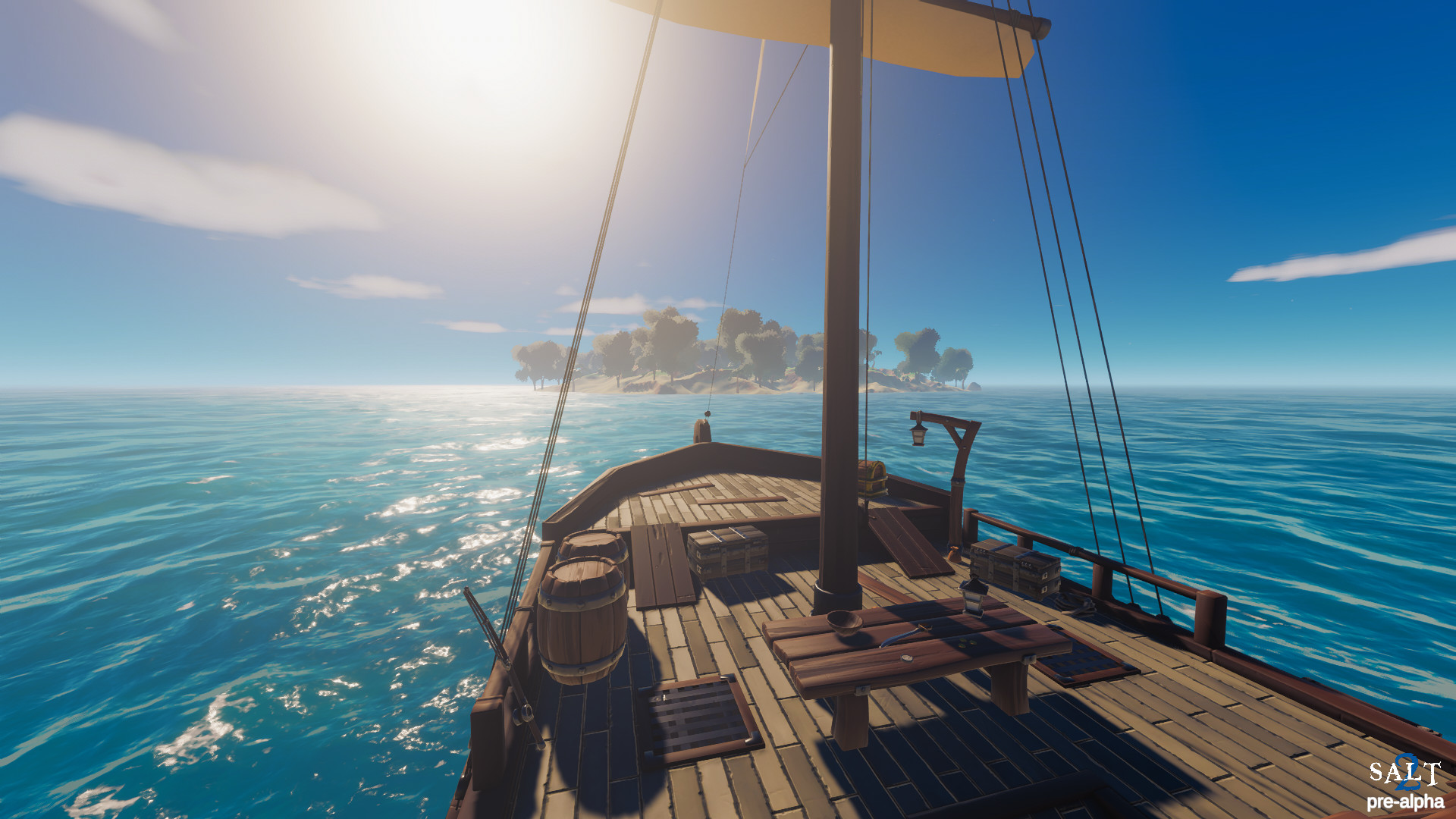
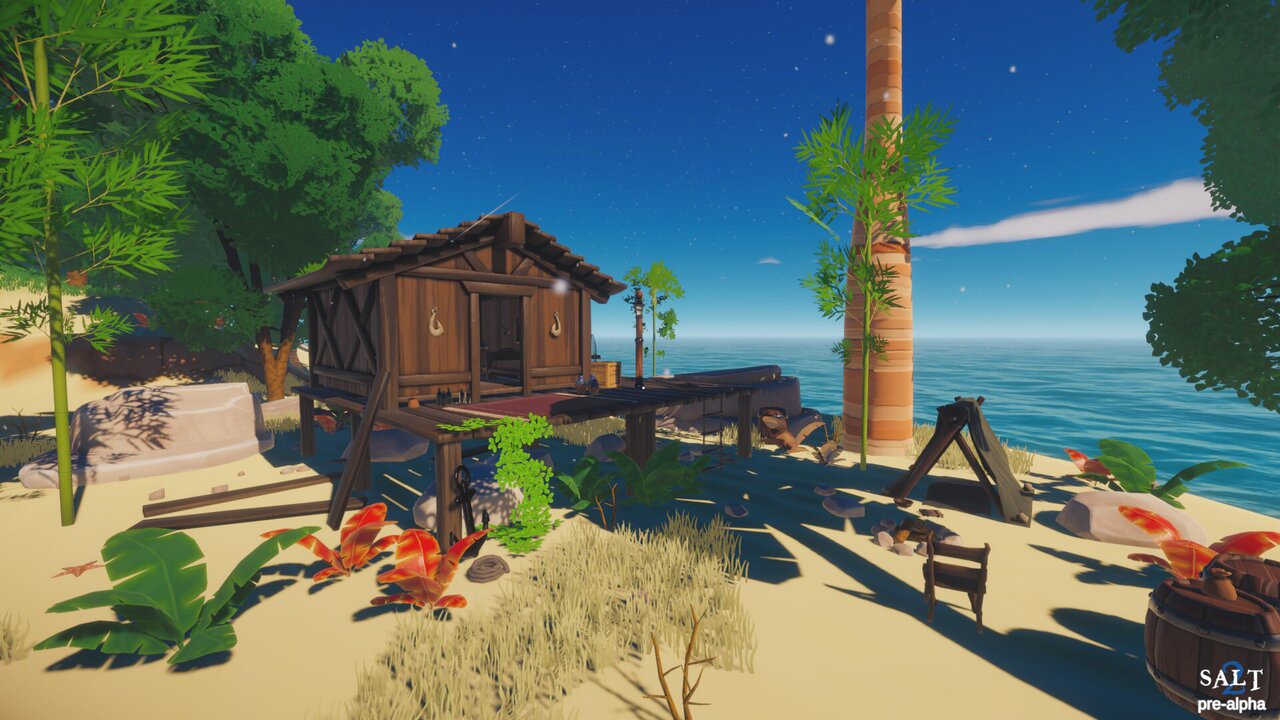
An open-world pirate game, drawing many similarities with Rare’s Sea of Thieves, featuring an infinite procedurally generated open world, heavy RPG elements such as combat, crafting, and leveling up. And a vast amount of exploration to experience with landscapes. Ranging from expansive oceans to quaint islands to mysterious caves. Wanting to know more about titles, I got in touch with LavaBoots Studio’s Will Sterling to learn about what the final game will offer to players compared to games made of the same ilk and get a better idea of what the developers want to achieve with this project upon its Kickstarter release scheduled for March 23rd. Here’s what Will Sterling had to say about Salt 2: Shores of Gold:

Salt 2 1

Of course, Sea of Thieves is cited as the primary Influence behind the Salt series, but were there any other games that inspired its development?

Sea of Thieves was mostly an inspiration in terms of the art style, but not so much for gameplay. We released Salt 1 in 2014, years before Sea of Thieves came out. Our main inspirations in terms of gameplay are open-world games like Skyrim and some old-school MMOs like EverQuest. We wanted to take an open-world exploration experience, put a pirate spin on it, and see what it played like in an infinite procedural world.

What has the developmental process been like for Salt 2?

The development has been fantastic. One of the benefits of having worked on games for almost a decade now is learning how to refine your process and become much more efficient. We took a visual-first approach to develop Salt 2 and put a lot more emphasis on art and visuals than we did in the first game.

How close are we to seeing the finished product?

We’re still a ways off. We plan on releasing Steam Early Access in the Fall of 2021. We currently have a lot of content in the game and most of the core features implemented, but there’s still a lot we need to add and test before we release.

Salt 2 2

What has been the most exciting aspect of developing Salt 2?

I think one of the most exciting aspects has been making a sequel to a popular game. Because of this, you have a community that’s very excited about a new version. And because we are confident this version is leaps and bounds better than the original, it’s a lot of fun to share the development process with the community and see the excitement build.

What has been the most challenging aspect of developing Salt 2?

We are a small development team of only two members. Because of this, anytime you make a big open-world game with lots of moving parts, it can be challenging. I think just trying to make a large-scale game in a small amount of time, with a small team, and with a limited budget is always a challenge.

How well has the game been received so far?

So far, the reception has been exceptionally positive!

Salt 2 3

What platforms are you looking to bring the game to?

The game will launch on Steam Early Access. But we do plan on porting the game to Xbox and PlayStation, pending approval of the platforms.

Are sea shanties planned for inclusion in Salt 2?

Right now, we don’t have any sea shanties recorded. We have recorded about 22 songs for the soundtrack. However, I do think sea shanties are a great idea and might even be a neat way to involve the community in the creation process. So while it’s something that isn’t in the game currently, we aren’t ruling it out.

Have there been any ideas at this stage of development that have since been scrapped or reworked?

I can’t think of anything major that’s been scrapped just yet. This is probably largely because the game is a sequel. So we already have a pretty good idea of what went right and what went wrong with the first one.

Salt 2 4

How instrumental has fan feedback for the first game been in terms of the sequel’s development?

Very instrumental. We’ve tried to look at the first game and take note of what was popular and what wasn’t. With Salt 2, we’re focusing on doing more of what was good in Salt 1 and adding new features that we think players will enjoy.

If you had the opportunity to develop a game with any company or for any franchise, which would it be, and why?

I think for me it would have to be an Elder Scrolls title. I’m a huge fan of world-building in development. And I can’t think of any more fun world to be a part of than the Elder Scrolls franchise.

What have been the biggest lessons learned from the development of the original Salt?

I would say mostly general development lessons. We’ve learned how to prioritize and be much more efficient with our time so we can develop games quickly. We’ve also improved tremendously in terms of art and have realized how important it is to have a good, cohesive art style for your game.

Salt 2 5

Do you have any advice for aspiring developers who may be reading this?

My biggest piece of advice would be to limit your development scope and release something. Don’t be afraid to put something out there, even if it isn’t any good. Going through the process of releasing a game, getting feedback, and improving for the next game will teach you so much more than sitting on a game for years, trying to make it perfect.

Where on the Internet can people find you?

You can visit our website at https://www.saltthegame.com/

Do you have anything else to add?

Our Kickstarter is launching on March 23rd, 2021. So if anyone is interested in supporting us during development, that is a great way to do so. Also, stop by our Discord and ask us questions sometimes!

https://discord.com/channels/327559694879293441/327559694879293441

Salt 2 6

Lastly, I’d like to thank Will for taking the time out of developing the game to talk to me, as well as to wish him and the rest of LavaBoots Studio the best of luck with its development and the Kickstarter campaign. If anyone is interested in checking this game out or funding the project, the page will be live as of March 23rd via the link below:

https://www.kickstarter.com/projects/1392020915/salt-2-shores-of-gold

In the meantime, I’d also like to thank everyone who took the time out to read our Q&A, and I hope you guys are looking forward to the release of Salt 2: Shores of Gold as I am.

Game on,

Scouse Gamer 88
Rugrats: Search for Reptar (PlayStation)

Rugrats Search for Reptar

Developer(s) – n-Space 

Publisher(s) – THQ

Director(s) – Seth Jacobsen & Don Nauert

Producer(s) – Symar Sambar, Leyland Mah & Jym Kelly 

ELSPA – 3

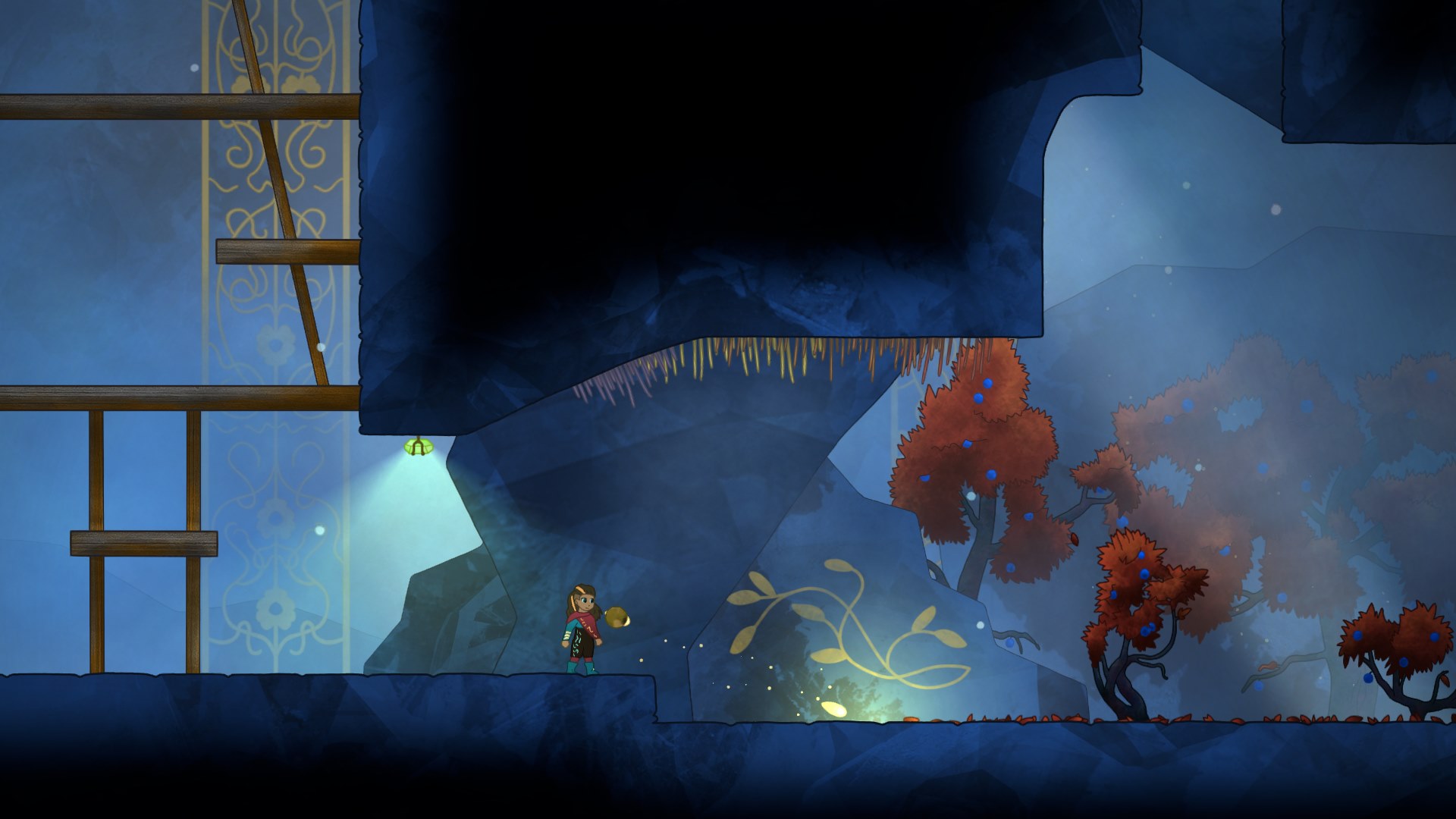
Released on the original PlayStation back in 1998 as part of a lucrative multi-million dollar deal between THQ and Nickelodeon. And boasting the second biggest video game marketing campaign of that year (second only to Legend of Zelda: Ocarina of Time), Rugrats: Search for Reptar is a good example of the effective development of a game based on a pre-existing license. Before the standard would be even further elevated in the late 2000s. Back in the day, and as a huge Rugrats fan growing up, I spent a ridiculous amount of time playing this game. And in all honesty, it is still one that holds up to this day for a multitude of different reasons. 

Graphics – 8/10

The visuals are simple and cartoony to go along with the tableau of the show it’s based on. It’s a lot like a precursor to the concept of cel-shaded visuals perpetuated later by Jet Set Radio. And a plethora of games were developed afterward. It takes place in a hub world. Which is the Pickles residence is also featured across several locations presented in a variety of classic Rugrats episodes, including Grandpa’s Teeth and The Mysterious Mr. Friend. It still holds up to this day because it was never meant to be a game with cutting-edge graphics. Only to portray the visual style of the cartoon, which it does exceptionally well. 

Gameplay – 8/10

By design, the game is an action-adventure. But because it centers on several classic episodes of the series, it presents the player with a variety of different gameplay mechanics. Such as golfing, riding a dog, and projectile combat. I almost forgot about how good this game is because it’s easy to forget and perpetuate a different idea of it after not having played it for several years. However, after revisiting the game, I was able to appreciate the many different things it offered to gamers at the time and still does. 

Controls – 10/10

One of the major issues players and critics alike had with the game’s controls was the camera angle. Mainly put down to the fact that this was developed during a time when 3D gaming was just coming out of its infancy. But none of that truly bothered me back in the day, and it still doesn’t now. The camera stays behind the player character and never moves beyond that. The controls are certainly nowhere near as much of a problem as they are in other 3D games released at around the same time. Including Blasto and Croc: Legend of the Gobbos. Unlike in a lot of other early 3D games, the movement is also extremely fluent. And the game flows naturally despite the number of play styles the player will have to adapt to throughout. 

Lifespan – 5/10

To me, the Lifespan was the most disappointing aspect of this title, as it can take less than 3 hours to complete, which fell below the established standard for 3D games even back in 1998. When considering that this game was advertised as much as Ocarina of Time was, the difference in lifespan is eclipsing, as players can get through this game in a few hours and move on to Ocarina of Time, which takes far longer to complete to 100%.

Storyline – 7/10

The basic premise of the story is that Tommy, Chuckie, Phil, Lil, and Angelica are on a quest to recover the missing pieces of Tommy’s jigsaw puzzle modeled after his favorite cartoon character, Reptar. The main story is simplistic, but it also takes place across several classic Rugrats episodes, which remain beloved by fans of the series everywhere, and to see them presented in the video game format was quite a unique thing at the time. As a fan of it growing up back in the day, it featured some of my favorite episodes of the series, so it worked particularly well for me back in the day. 

Originality – 7/10

Although 3D gaming was beginning to dominate the medium at this time and clones were cropping up all over the place on every home console, there was something unique about this game back in the day to give players this much variety in gameplay. It’s another example of developers not just using a pre-existing license, but also celebrating it in significant ways. The developers clearly had fun putting this game together, and it really shows in more ways than one. 

Happii

Overall, Rugrats: Search for Reptar is an excellent example of a game based on a beloved license. And an experience that still holds up to this day. I’m glad that I have not long revisited this title, because if I hadn’t, I would have undoubtedly forgotten about how good a game it truly is. 

Score

45/60

7.5/10 (Good)

Lucid Soul

Q&A With Jon Bookout

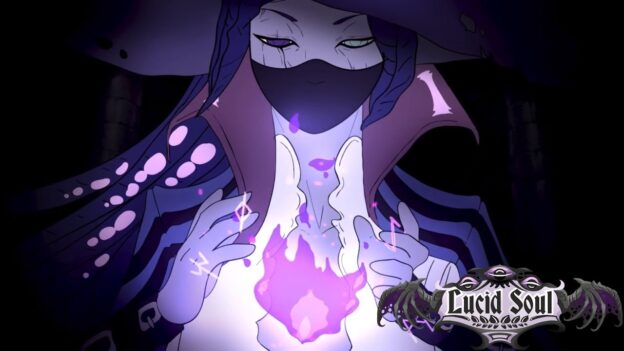
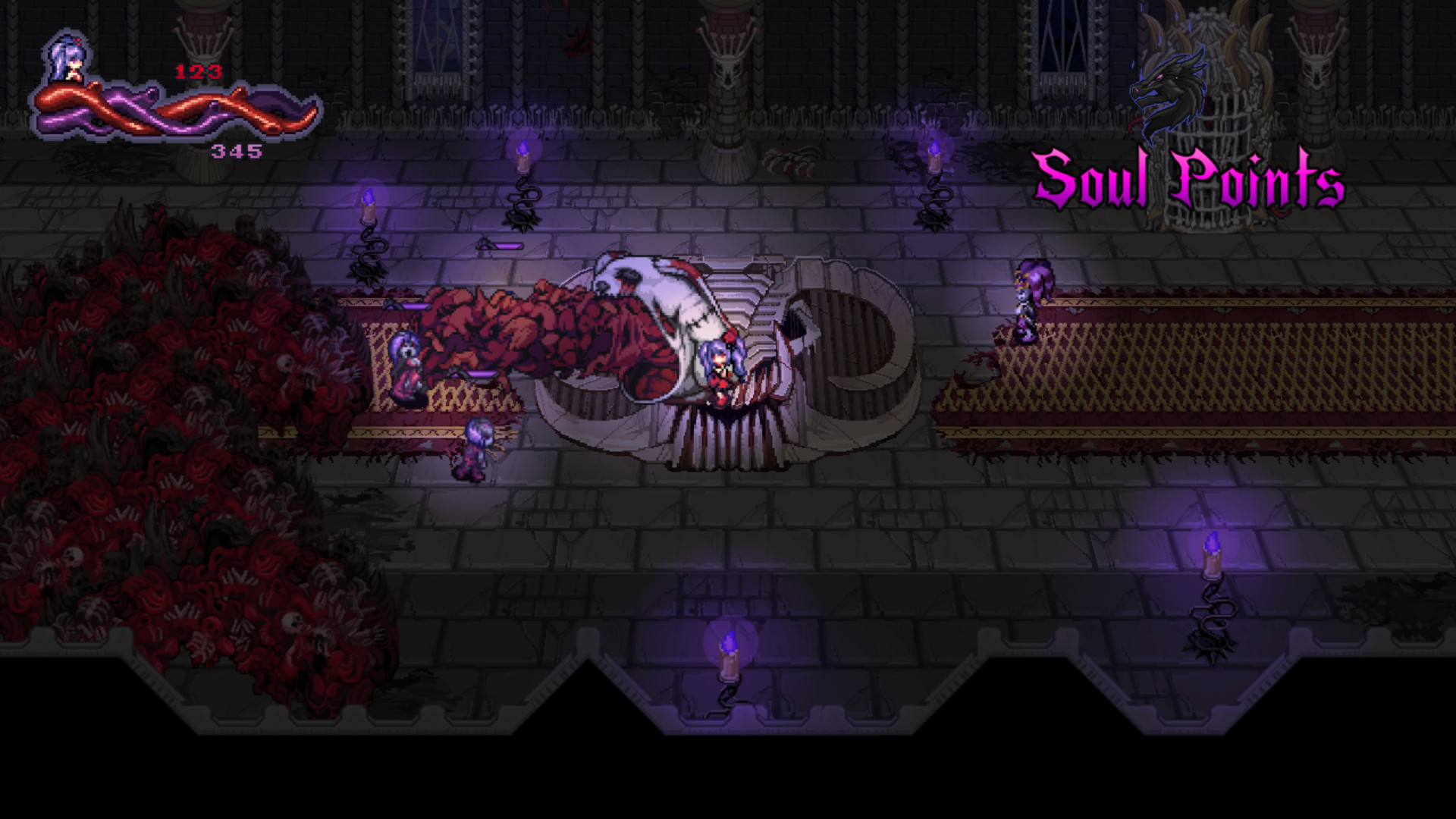
After once again scouting Kickstarter for more new video game prospects, I came across a title that is exceedingly different from any that I’ve yet to encounter this year. Lucid Soul is being developed by a team of numerous artists, coders, and musicians. And fronted by indie developer Jon Bookout of Las Vegas, Nevada, is a JRPG blending horror and dark fantasy inspired by classics of the genre. Such as Chrono Trigger and the Lunar series, namely Eternal Blue and Silver Star. A turn-based RPG in basic design with a planned minimum of 30 hours of lifespan, it boasts several gameplay features new to the genre, such as two-tier combat flow and the ability to play bosses. And a feature known as cinematic encounters, whereby certain battles take place across multiple screens.

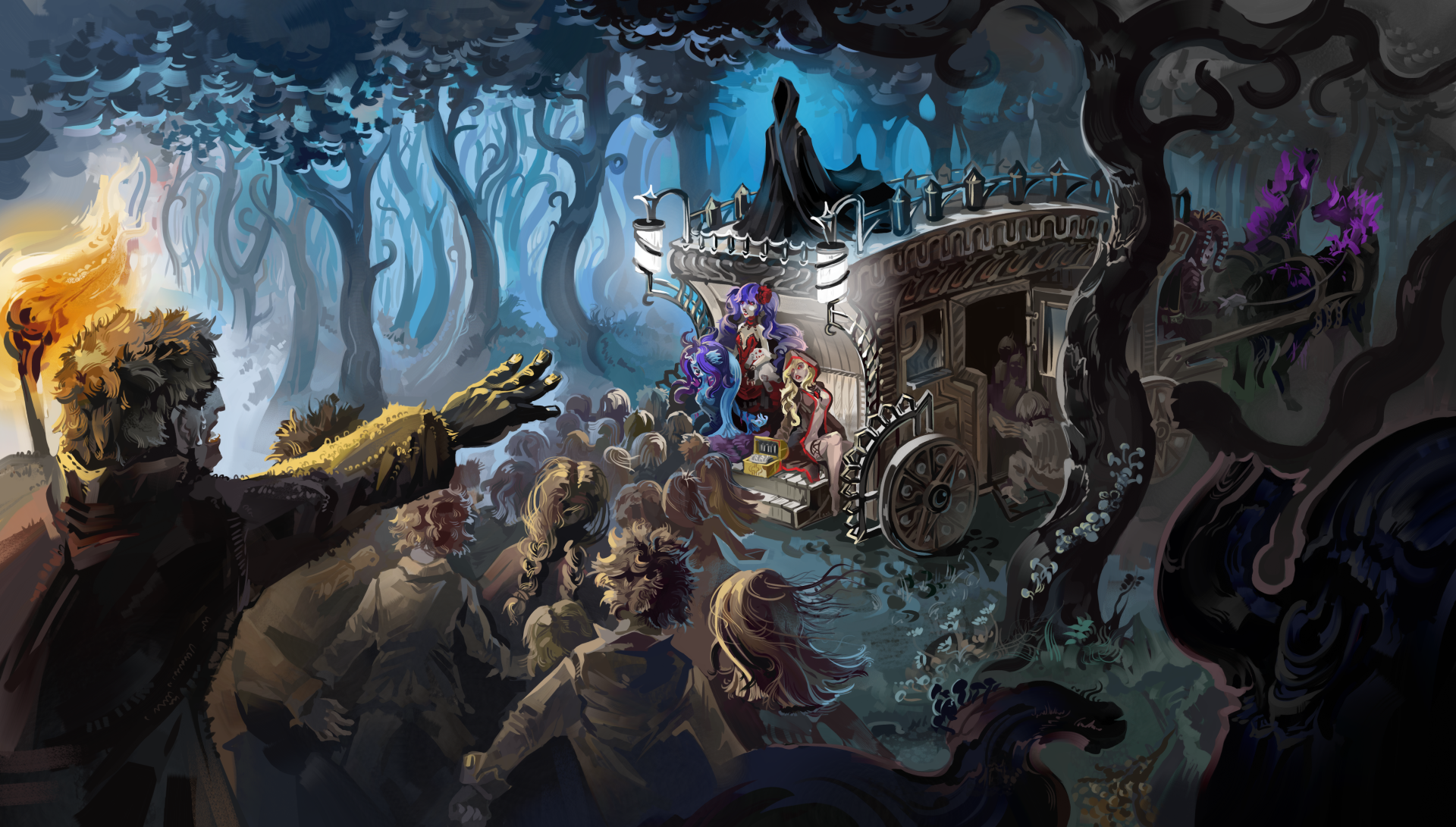
The game’s story revolves around the villains taking center stage as opposed to the heroes, presenting a vast amount of wonderfully sadistic player characters to play as and develop over time. Wanting to know more about this fantastically brutal-looking JRPG experience, I contacted Jon, the game’s head programmer, to answer questions I had about the game and what the final product will possibly bring to players looking for a potential game-changing entry into the widely popular genre. Here’s what Jon Bookout had to say about Lucid Soul:

What were the influences behind your game?

I’ve been writing Lucid Soul since high school, but the game was written as a hero’s journey from Rubin’s perspective til about 5 years ago. I, like many others, got hooked on a little show called Game of Thrones. For those of us who love fantasy, it was the first to really embrace a true-to-life adult feeling. What WOULD happen if an evil prick ran the country? It wouldn’t be like Emperor Gestahl, where the lust for power isn’t shown. It would be FELT. So that show and the fact that you recognize MILLIONS of people gravitated to raw, gritty, adult fantasy, caused a massive shift in my concept.

It influenced the design from the ground up to not only achieve maturity. But what about the next evolution of our nostalgic JRPGs and RPGs of old… what about the villain? Not a “SURPRISE! YOU WERE EVIL!” style game, but one you knew going in, you will be the ‘bad guy’ or ‘girl’. So, Game of Thrones-inspired, what Lucid Soul is today, feeling the time was right. But the history of it is the great classics, Chrono Trigger, Lunar: Silver Star, and more importantly, Eternal Blue, Final Fantasy (Specifically 6 or 3 in the U.S. and 4 or 2 in the U.S.), Final Fantasy Tactics, Shin Megami Tensei (Specifically Digital Devil Saga), and Silent Hill. Horror tends to be all modern-day. So it felt fresh to bring Horror into the world of fantasy. And we hope our influences shine through to all players.

What has the developmental process been like?

Once Sangrde, our character artist, came on board, pretty smooth. The past is littered with reaching out to people, asking for their expertise and thoughts. Trying to have them understand the Horror and artistic styles we’re after, and feeling out who can best slip in. Once the team has been finalized, development is smooth. And it’s a treat to be able to know there’s quality because no one would want this game with my talent at the helm for art and pixel work.

How close are we to seeing the finished product?

Depending on the final funding of the Kickstarter, I hope to speed up our production by hiring a Programmer, as that’s my task. The projected date is October 2022. And we feel we can hit that mark. But if I could grab a professional who could drastically speed us into the Beta phase. But to try to be as professional as possible for all involved, 2022 October.

What has been the most exciting aspect of development?

Oh man, everything! Truth, it’s a learning experience from the ground up, so every time you catch a bug, or pull a Picard Facepalm, or see a wandering pixel and blurt out “Oh hai Mark!”, it’s fun, knowing you have improvements to make on yourself and a game. But the best part is meeting new people. Talking about Lucid Soul never gets old for me personally. But it’s that look on a person’s face when you explain it for the first time. And feel the response sinking in. That’s what I’m personally after with the players. So it’s great to see and feel it during development as a new person comes on board for acting or art.

What has been the most challenging aspect of development?

Translating the concept to the actual controller in-hand gameplay. I imagine this is what anyone who creates goes through. But learning it and experiencing it is a challenge. Notebooks in the house are filled with mechanics. And being an algorithm guy more than a coding guy, that’s the most challenging aspect.

Lucid Soul 1

How well has the game been received so far?

The backers we’ve managed to bring in are absolutely amazing to communicate with. And get their feedback on the game’s subject matter, characters, and plans. Through them, I’d say those who put in the pledge to be able to talk, the reception is positive. In truth, the one thing I WISH as a creator could say is that I can’t reach out to those who don’t pledge or move on. Those who click your title picture but leave.

I truly wish I could hear from them as well. Because we as creators can never stop learning, and failure, I think, is the key to success. I’d like to know where I could improve. Or what failed to appeal. Praise makes you feel good, and it IS wonderful. But it’s the harsh truths and criticisms that make the end product a better experience. And I openly expect and respect it.

Do you and the development team see Lucid Soul as an attempt to subvert the traditional Japanese RPG?

Subvert isn’t the word I’d use completely, because you don’t want to break a wheel that we all know and love. But subverting the EXPECTATION of the JRPG fan, then yes. We want the player to enter Lucid Soul fully feeling comfortable in traditions, the menu, the map interface, the overworld feeling bigger than hubs, a home base to put your feet up, the adventure, the exploration, the artifact gathering, and the growing in power.

We FULLY want those to be expected and embraced. Much like Undertale’s revelation of what EXP meant to the player, we do hope that the same fun takeaway occurs with our changes. Our team couldn’t think of a mainstream JRPG in which the hero is the villain, and the villain is the protagonist. So how that affects those traditional elements is a major priority on our priority and creativity list.

Lucid Soul 2

Which entries in the Final Fantasy series have you and the team had in mind most during development?

VI is the most influential in style and several distinct personalities. VII is the most influential for the villain’s journey alongside the heroes. Lastly, X plays a major part in influencing the idea of Cinematic Combat. Or Combat that continues on multiple screens without actually leaving it, with dialogue and story, reinforcements, and as such playing a part to be more dynamic.

IV is, forever and always, my personal nostalgic favorite. But it’s also the only one of those that kept far away from technology until the Blue Whale and the Babylonian Giant. Keeping its roots very deep in fantasy. One of my favorite conversations with our tile artist starts something like “Ok, but if this were Final Fantasy, how would they make this ship fly? Ok, now, how would we do it?”

I think Sephiroth is considered by most to be the single best-remembered Villain. At least every gamer I’ve ever mentioned him to can give me a response on how they feel about him or things they remember. The remake going mainstream of VII really helps cement him, too. So for our JRPG, it’s taking the impressions people have. And then asking the obvious follow-up to us: “Would you play Final Fantasy VII, if he were the main character, and if so…” going from there. I LOVE the responses you get from that. And it’s how we adapt and add little pieces to those responses.

How instrumental has the involvement been of so many different musicians famous from all over YouTube?

YouTube is massive, and I dare say the single most important key to success. Through Alyssa Gerwig (SpectroliteAAA), and approaching her for our animated trailer idea, she introduced me to Diwa De Leon (String Player Gamer). And then the network kind of grew from there. I’m lucky, blessed, touched, and thrilled that famous ones like these and the juggernaut Camila Cuevas staked their reputation to show us support. And introduce us to friends and acquaintances of theirs for getting work done.

Sound, animation, music, and vocalists. All through their good graces. The only musician I can say I played a hand in is Lauren Kinkade, of Laurenkinkademusic.com. And if you went to Dodgers games, she sang the anthem for many live performances. She’s a girl I luckily went to high school with. And it is actually where the Goddess got her name when she agreed all those years ago to sing in the game.

Lucid Soul 3

What platforms are you looking to bring the game to?

PC and Mac are first, Steam and Itch are the approved distributors. And our first Platform stretch goal is the Switch. Beyond that, we’ll happily do others. Stadia has reached out to me personally. It is simply a budget and programming issue. But we expect to gauge feedback on the game first to distribute it to more.

Have there been any ideas at this stage of development that have since been scrapped or reworked?

Feeling out spriting budgets. So far the number of Bromides and Souls is the first to be affected. This is why we put those as Tier rewards in our Kickstarter, hoping we could take a more personal approach to them, also while allowing more in the game. In Lucid Soul, we want the main character, Scythe, to truly feel like an Everyman/Everywoman to the player.

But unlike, say, Chrono, who is played without speaking, you never get to change anything about the visual nature. So a female player may like his story and bond with the team. But feeling like “Chrono is Me” never lets him evolve beyond “I control him first”. How MUCH customization to our main character will directly relate to the budget. And that’s the first thing I and the others had to talk about and tone down. Most, for now, have not had to be scrapped. And that’s the only (knock on wood) thing to need reworking.

Lucid Soul 4

Which characters have been among the most fun to design out of so many outlandish individual personalities?

That’s tough, lol. I mean, even as the one who created them, that’s tough. My goal’s always been that RPGs are for their characters, people remember Marle hugging Chrono 20+ years after the game’s out. And people still have YouTube reactions posted or recount that moment Aerith meets her fate. While I want each one to have a memory when it’s all said and done that makes you even recount some things about the ones you didn’t like, my personal favorite is Synella. I play Tanks mostly in MMOs, WoW, SWTOR, etc., so designing how a Tank could translate to the JRPG tactics style and feel like they had character, has been fun… challenging but fun.

Since she speaks in groups of 3, one word for each month. Trying to convey her stories and dialogue choices and emotion through which’ 3 words she says, that’s by far the most fun. The other is Wick. She’s my son’s favorite and blew him away when I said she’s my second favorite, just because she’s a unique race design, so you don’t know if the slow-moving, long-eared, magical race that let their blood spill and congeal to make hair and Runes. And you never know if she’ll be liked for that alone. But for her, it’s the personality and making sure it’s presented and played properly. All are fun for different reasons, but those 2 stand out for me.

If you had the opportunity to develop a game with any company or any franchise, which would it be, and why?

Disney. It may shock a reader for that one. But because they have the biggest franchises and genres of fantasy that could be taken down different paths. And the money to be TRULY creative with it if they ever choose to. They shoot down Tim Burton for years. And the irony of ironies brings him back to do his style of Alice in Wonderland. I would LOVE to have an hour just to hear what that experience is like. But I have to give credit where it’s due. The 1 game that I never played until the sequel came out. It truly impressed me and changed what video games are capable of: Kingdom Hearts.

When 2 companies with that much history come together and decide to let the storytellers do their thing… Just the ingenious culmination of that was mind-blowing. But their franchise now I would love to see how they’d react on a creative team, is doing a Heist movie in the Star Wars universe, like call it Trick, and have this elaborate subverted movie as a husband leaves out his house without any explanation as the wife gets concerned and starts a “what’s going on the moment”, all your typical tropes of breaking into vaults, holding up hostages, etc etc. But at the end, the coveted Heist item is brought to a man in a robe who waves his hand in front of him and says, “You’ve done all you need for the Jedi console… go home to your wife…” and it’s all a Jedi Mind trick.

Lucid Soul 5

On your Kickstarter page, you expressed the sincerity that to prove your intent to your backers, you will take accountability on a personal level. Although this indeed sounds like a personal passion project to you, how supportive has your team been throughout this entire process so far?

As supportive as anyone can be on the outside, joining in, I think. I truly hope that if you asked their opinions, they’d say that this is as much THEIR game now as mine. The artists, especially from pixel to drawings, tile, and Alyssa’s animations, are just a blast to bounce ideas off of. You sense they genuinely take an interest in improving things. And I hope I do a good job adapting THEIR creativity into everything also. But they’re an amazing group of people I’m fortunate enough to work with and have been in my life. And this project as a result. I know for a fact I’d not be on Kickstarter without every one of them, from Augustinas to ZeitDieb.

Do you have any advice for aspiring developers who may be reading this?

Depending on when this article is published or when the person reading it says it… know this: you’re reading this from someone not proven to be a success story or even representing a product that will ever be considered a success. My influences to develop are Dwarvenaut the movie, Indie Game: The Movie, the creator of Pokémon’s history, Sylvester Stallone’s rejection and aspiration to see Rocky be made, and Tim Burton’s career long before Batman, but in his days at Disney when Pee Wee’s Big Adventure wasn’t yet in production.

Follow your dreams, believe in yourself enough that people will one day WANT to be a part of whatever world you create, and hold to that. Never believe differently. Creativity is the key to us all playing games and experiencing things we didn’t know we wanted yesterday, yet today tell our friends we can’t live without, and tomorrow influence someone else’s creation.

Lucid Soul 6

Where on the Internet can people find you?

I can’t be the only one who reads this question wanting to channel my inner superhero nerd and write “Where there is injustice… You will find me… where there is suffering… I’ll be there… You can find me using the Bookout signal!” But sadly, nothing so dramatic. Our website is the easiest, https://lucidsoulgame.com. And our Kickstarter is where I’ll happily answer any questions to the best of my ability.

Do you have anything else to add?

Just that it’s a true honor to have met you and to be going through this experience. I cannot thank you enough for the opportunity to talk to others about Lucid Soul, myself, and my development team. We’re nothing without them. Thank you for the questions and your time!

Lucid Soul 7

I would also like to take the opportunity to thank Jon for taking the time to talk to me about this promising-looking game. And to wish him and the various musicians and artists working on it the very best of luck with its Kickstarter project and subsequent release. Lucid Soul is indeed set to be an incredibly unique take on the traditional JRPG and a standout title compared to many of the classic games in the genre. And I can’t wait to play the game when it comes out. In the meantime, if you wish to support the Kickstarter page, you can do so via the link below:

Lucid Soul Kickstarter

But in the meantime, I hope you guys enjoyed reading this article as much as Jon and I did putting it together.

Game on,

Scouse Gamer 88.

Beacon Pines

Q&A With Hiding Spot Games

Once again, looking for more indie video game prospects over the last few weeks, I came across a new game in development. Somewhat reminiscent of my recent interview with Chris Seavor:

https://www.scousegamer88.com/2021/01/24/the-full-twelve-tales-of-chris-seavor/

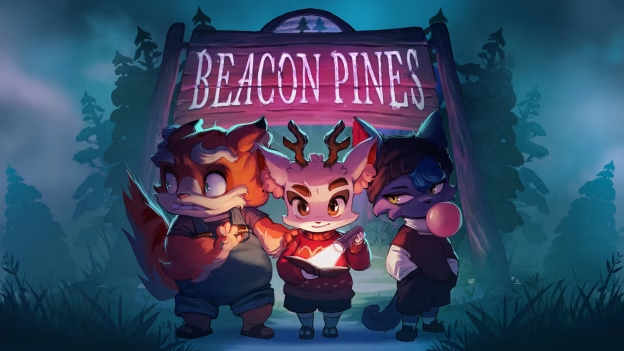
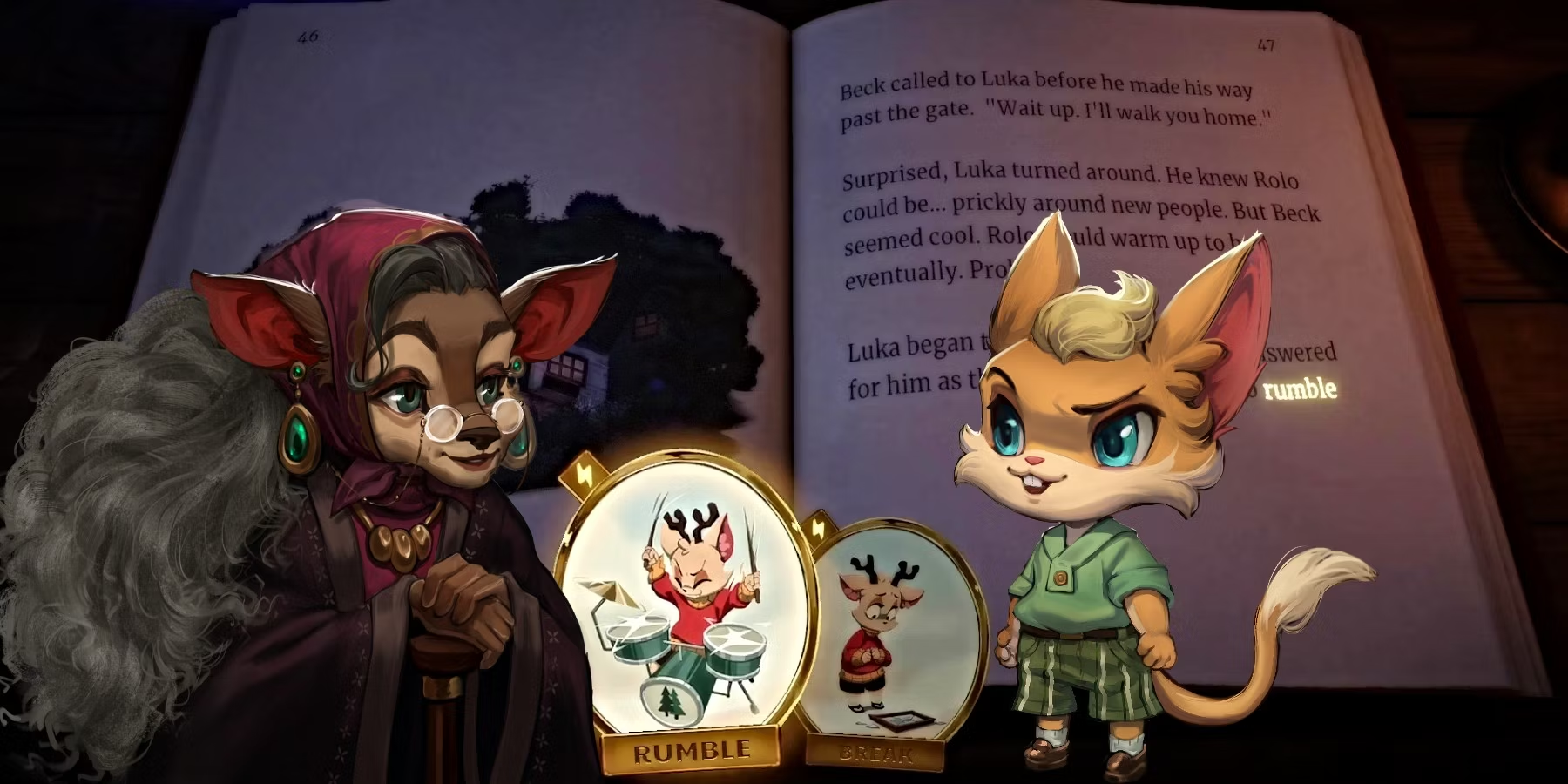
Beacon Pines is a hand-drawn, open-ended 2D adventure game combining cuteness with horror. Developed by Dutch indie outfit Hiding Spot Games, the player takes control of both the characters in the story as well as the story’s narration itself in order to determine the outcome for themselves by filling in the gaps with words. The game also gives the player the option to reverse decisions made in order to reshape events as they see fit. The game has since been successfully funded on Kickstarter. It continues to gather momentum with several stretch goals having since been funded in addition.

Wanting to know more about this game, I contacted its soundtrack composer Matt Meyer and put forward to him and the team a few questions I had. And how the game will completely take shape by the time of its full release. Here’s what Matt Meyer and Hiding Spot Games had to say about Beacon Pines:

Beacon Pines

What were the influences behind your game?

There have been lots of influences on the game. Some that come to mind are shows like Dark, Twin Peaks, and Stranger Things, sci-fi books and old pulp novels, and other games like Undertale, Night in the Woods, and Life is Strange. 


What has the developmental process been like?

It’s been long and wandering. I’d reference this Reddit post as a good summary of the development journey over the past few years:

https://www.reddit.com/r/Unity3D/comments/lb1wzw/the_absurd_journey_designing_beacon_pines/


How close are we to seeing the finished product? 

We’re shooting for a September release date.


Beacon Pines 2

What has been the most exciting aspect of development? 

By far the most exciting part has been finally seeing people play the game on Twitch and YouTube after releasing the demo. Seeing people’s faces light up when they reach important or surprising moments, laugh at funny dialogue, or comment on how they love the art and music. It has been an absolute joy.


What has been the most challenging aspect of development?  

Getting all the parts of the game mechanics to just click was the most difficult. I could go through the details, but again, the Reddit article probably does a better job of describing the challenges.


On the Kickstarter page, it says in Ilse Harting’s description that “There must be something in the water in the Netherlands that produced great artists!” Did any aspect of Dutch culture or Dutch artists in particular influence the design of the game?

Absolutely. Ilse takes a lot of influence from her surroundings: the people and places in the Netherlands have been a big influence on the art she created for Beacon Pines.  Even many of the names of characters and places in Beacon Pines were her suggestions based on Dutch names.


Beacon Pines 3

How well has the game been received so far?

It has been lovely. We weren’t sure if people would get absorbed into the story or understand how the mechanics work (with words, story branching, etc.), but most people seem to jump right in and enjoy it. 


What platforms are you looking to bring the game to?

Steam, itch, Switch, and hopefully Xbox and PlayStation


Is Beacon Pines a deliberate attempt at subverting the traditional cutesy adventure game to any kind of extent, similar to what Chris Seavor did with Conker’s Bad Fur Day?

No, we aren’t deliberately trying to subvert expectations with the art vs the story. We just want to make a game that both looks mysterious/fantastical, but also has a mature story that we as adults would want to play.


Beacon Pines 4

Have there been any ideas at this stage of development that have since been scrapped or reworked?

Lots (again, the Reddit article has some great examples)


What lessons have been brought into the development of Beacon Pines from past developmental experiences?

Not all that many, to be honest. I often work with different people, and it depends on how they prefer to work. Beacon Pines is also a very different kind of game than what I’ve made in the past.


If you had the opportunity to develop a game with any company or any franchise, which would it be, and why?

That Game Company has probably been the most influential on me as a game developer. I’d love to work with them and experience their process up close.


Beacon Pines 5

Do you have any advice for aspiring developers who may be reading this?

Making things, in my experience, is the best and most rewarding way to learn things. It is also massively beneficial to get work in the field if you already have examples of completed projects. And when you make something of your own, try to pick a project that you will want to play yourself. That’ll help keep you motivated and focused. 


Where on the Internet can people find you? 

We’re pretty active with our Discord community. That’s a great place to find us and chat: https://discord.gg/K4tbFWf.


Do you have anything else to add?

Thank you to everyone who has supported us on Kickstarter and those who have checked out the Beacon Pines demo.

Beacon Pines 6

I’d also like to take the opportunity to thank Matt for his unique insight into this very unique-looking title. It certainly affords a deep look into a game that I’d made some incorrect assumptions about previously, and how the final product will pan out. I’m sure it will turn out to be a very enjoyable and addictive experience, and I’m very much looking forward to its release. In the meantime, if you like the game and think you’d like to contribute to its stretch goals, you can visit the Kickstarter page via the link below:

Beacon Pines Kickstarter

There is also a playable demo to download online via the game’s Steam page:

https://store.steampowered.com/app/1269640/Beacon_Pines/

But in the meantime, I hope you guys had fun learning about this upcoming game as much as I did.

Game on,

Scouse Gamer 88
The Unlikely Legend of Rusty Pup (PC)

The Unlikely Legend of Rusty Pup

Developer(s) – Gory Details

Publisher(s) – Gory Details 

Designer(s) – Chris Seavor

PEGI – Not rated (some horror elements)

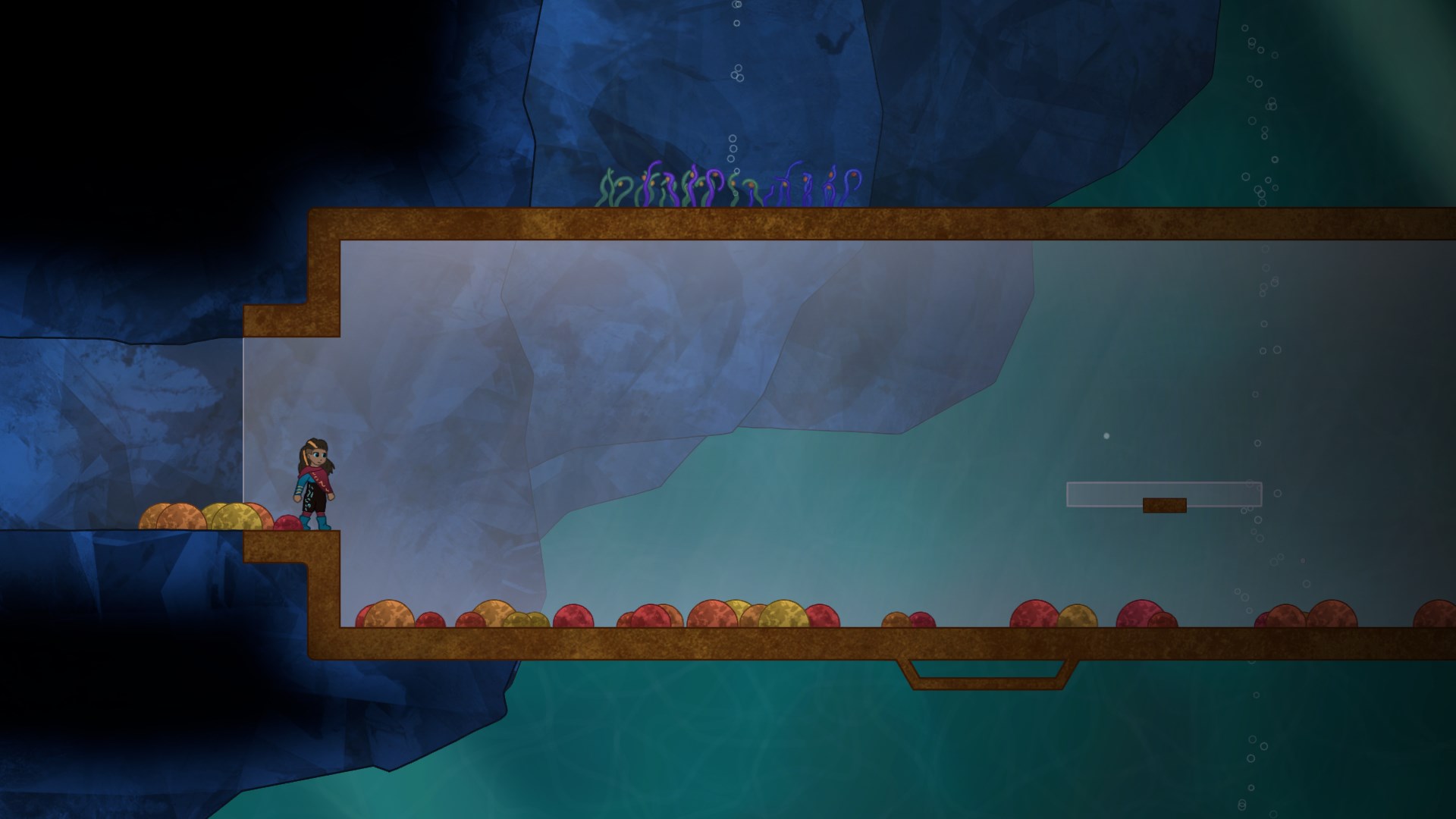
Released in 2018 and designed by the lead programmer of Conker’s Bad Fur Day, Chris Seavor, The Unlikely Legend of Rusty Pup is an open-ended puzzle game following a robotic dog named Rusty trying to find his way home through a wonderfully dark and dank 2D world. This game is an example of how I came into an indie title completely unprepared for what it had in store, and I was pleasantly surprised with the result.

Graphics – 8/10

The game is set in a steampunk-inspired world made up of cogs and machinery. It bears somewhat of a resemblance to games like SteamWorld Dig and SteamWorld Heist. But with a far more surreal and compellingly bleak atmosphere. Darkness follows the player character everywhere, with few specks of light made available to players to activate along the way in order to guide Rusty throughout each stage. The soundtrack is also suitably creepy to go along with the game’s settings. The environments, in particular, made me wonder about the world’s backstory and how it was created. And who created it, similarly to what Shadow of the Colossus did. It’s almost a character in and of itself.

Gameplay – 8.5/10

Rusty Pup relies heavily on the player’s initiative in order to solve what are at times mind-bending, challenging puzzles. Players must make use of light in each stage, as well as robots that can be used to temporarily stop time and guide Rusty through certain areas. There’s also a small world-building element, whereby players must set up platforms for Rusty to follow in order to access otherwise impassable areas or to break falls that Rusty would otherwise not be able to survive.

This mechanic can also be used to the detriment of NPCs by setting up traps for them. Aesthetically, it takes influence from the likes of Lemmings and Flockers. But it offers an entirely different experience from the aforementioned games that, as I said, were not prepared for in the slightest. It can take some patience to get into, as it’s a game unlike any other. But once the player figures out the core mechanics, it makes for a very enjoyable and mystifying experience.

Controls – 10/10

A simple point-and-click game by design, there are no issues with the controls whatsoever. It can be played either on PC or on iOS, and for both platforms, the game works out just fine. It may offer a different experience if the game were ever ported to conventional consoles. But it wouldn’t create anywhere near enough of a problem for it to render the game unplayable. If Plants Vs. Zombies can be ported to consoles; this game certainly can be as well. 

Lifespan – 8/10

The base game can be made to last a minimum of 20 hours. But to complete the game to 100% will take a fair bit of additional time. There is also DLC planned for the game in the future, so this will further add to the game’s lifespan in turn. But ostensibly, to make a puzzle game last for the amount of time it does is an impressive feat in any case, with or without DLC. And there would certainly be scope to expand the series at a later date, given how potentially extensive the series’ mythology is. 

Storyline – 7/10

The game’s story follows Rusty Pup, a mechanic dog on a single wheel who has apparently been flushed down a drain prior to the start of the game. With ambiguity about whether or not he fell down or if someone or something pushed him down there. Alone. But with an optimistic attitude, he resolves to find his way out of the steampunk labyrinth and make it back home. The game’s story is as ominous and as wonderfully dark as its settings, with a lot of mystery surrounding how Rusty got to this stage in the first place. And with how wistful he sounds at times, in stark contrast to the foreboding situation he finds himself in. All characters, including Rusty, speak in rhyme, which again adds to this contrast. Seemingly carefree, yet obviously in a terrible situation.

Originality – 9/10

Especially over the last gaming generation, coming across a unique indie title has become exceedingly difficult, with me looking for unique settings, unique gameplay, unique control schemes, and unique stories. But much to my delight, this game ticks all the boxes flawlessly. After having interviewed Chris Seavor himself:

https://scousegamer88.com/2021/01/24/the-full-twelve-tales-of-chris-seavor/

It became obvious to me that his creative talent was nurtured during his time at Rare. And having played Rusty Pup, he has demonstrated that he is certainly as capable as Rare’s most standout alumni, such as Gregg Mayles, Kevin Bayliss, Martin Hollis, David Doak, etc., of creating wonderfully weird and delightfully fun games to play as the likes of Banjo-Kazooie, Goldeneye 007, and Perfect Dark. 

Happii

Overall, The Unlikely Legend of Rusty Pup is unbelievably well thought out. And a compelling title that’s every bit as enjoyable to play as any top indie title. And I can’t recommend it enough. To me, it’s no wonder why Chris Seavor is most proud of Rusty Pup, as, in my opinion, it’s his best project to date. 

Score

50.5/60

8/10 (Very Good)

Twofold Tales

Q&A With Parhelion Rift

Once again on the lookout for new upcoming games, I came across yet another awesome-looking indie Metroidvania title currently under development. Twofold Tales, developed by indie outfit Parhelion Rift based in Vienna, Austria, is a Metroidvania heavy on combat and exploration. As well as incorporating a strong RPG element in the form of character building and learning new abilities along the way.

The story involves the main character, named Pars, as she embarks on a journey across an entity known as the Iceberg in order to uncover the mysteries that are buried within. With a desire to learn more about the game, I got in touch with Michael and Evelyn, the couple currently working on the game, to ask a few questions I had about it in this early stage of development, to learn more about what can be expected from the finished title. Here’s what Michael and Evelyn had to say about Twofold Tales:

Twofold Tales 1

What were the influences behind Twofold Tales?

Michael: It probably all started when I played The Battle of Olympus on the NES in 1991. From a gameplay perspective, we were mostly influenced by classic 2D Metroid games and Axiom Verge. One of our game-defining skills was inspired by an episode of Rick and Morty, called A Rickle in Time.

Evelyn: Aesthetically, it’s difficult to pinpoint a single source of influence. We love hand-drawn animations like the movies The Secret of Kells, Song of the Sea, and Ghibli movies. But are also very fond of the Art Nouveau art style, like Alphonse Mucha. I think it’s kind of a marriage between both of them meeting on an Arctic island.

What has the developmental process been like?

Evelyn: It has been an interesting and challenging learning process so far, as a developer and as a couple. In the beginning, we were only able to work on our game in the evenings after our day jobs. Also, it’s a learning process in itself how to work together with your partner, especially when you’re living together. And the line between private life and job is blurring. It can be quite daunting sometimes, I have to admit, but on the other hand, it’s the most fantastic thing in the world to be so lucky to create something together with an excellent partner who understands you so well, like no one else.

Michael: Currently, we’re fortunate to have personal savings to sustain ourselves for the near future and to channel our whole energy into developing Twofold Tales and raising our baby daughter. Who was born during the COVID-19 pandemic. Even when there are sometimes tough stretches, we love how liberating it is to have total creative freedom in designing the game we want to make and to be in the driver’s seat.

Twofold Tales 2

How close are we to seeing the finished product?

Michael: We’re still in the middle of the development process, with no fixed date for the final release. A public alpha demo that includes the entire first area is planned for summer 2021. Together with a Kickstarter campaign, we’re really excited to be able to get some additional gameplay feedback and to be able to further improve Twofold Tales.

Evelyn: Most of the underlying systems for the game are finished, the game mechanics are set, and the whole world is playable in development mode. What remains is creating a lot of artwork.

What has been the most exciting aspect of development?

Michael: As with most Metroidvanias, certain parts of the world will be ability-gated. It was exciting to create branching exploration points where, depending on what you discover, different areas open up to you first. And you often can decide where you want to go next. For most of the game, we want to offer a very non-linear experience where players can explore the world very openly and arrive at different points of the game via a different route and with a different set of main upgrades. All areas had to be balanced around the abilities you might or might not have at that point.

Twofold Tales 3

What has been the most challenging aspect of development?

Michael: While Unity generally was good to prototype and develop in, we were quite unhappy with the physics system for certain aspects of the game, for example, for player and enemy movement, especially with high-speed projectiles. We replaced that with a raycasting solution to make this aspect of the game feel more responsive and accurate. The same goes for rope physics. Where the hinge- and distance joints just didn’t look satisfying. So we switched over to Verlet integration.

Evelyn: Also, as we’re only a two-person and three-cat team, there is quite a big workload we have to handle ourselves. Developing, creating graphics and audio. And writing updates for social media. It sometimes feels a bit overwhelming. But it’s also very exciting, and we’ve learned a lot along the way.

How well has the game been received so far?

Evelyn: We only started to release information about the game last month. Awe nd so far, we have received very positive reactions to the aesthetics of our game. It’s exciting and encouraging to see what people think of it. Also, mostly you’re living inside your head when you’re developing a game, and to correct that possible tunnel view, it’s very helpful to get feedback.

Twofold Tales 3

What platforms are you looking to bring the game to?

Evelyn: Our launch platform will be PC, followed by Linux and probably Mac. We would love to port it to the Nintendo Switch. We actually got quite fond of the Switch mockup screens we made for ourselves.

What were the team’s prior developmental experiences before the formation of Parhelion Rift?

Michael: We both studied media informatics, and in fact, this was also when we first met each other. Afterward, we both worked as full-time developers in medium-sized companies. Creating desktop and mobile applications for telecommunication and internet service providers.

Have there been any lessons brought into the development of Two Tales taken from the development of Cats Who Stare At Ghosts?

Evelyn: When we developed Cats Who Stare At Ghosts, we used the libGDX framework for development. It’s fine to do as much as possible yourself. But once you meet a comfortable game engine like Unity that takes over a lot of tasks, you never want to go back.

Twofold Tales 4

As a cat lover myself, I have to ask, will there be cats in Twofold Tales as well?

Michael: There are a lot of secrets hidden in our iceberg, some of them fluffy 😉

Have there been any ideas at this stage of development that have since been scrapped or reworked?

Michael: As we’re more gamers and programmers than artists ourselves, we’ve re-iterated over certain parts of the graphics and animations several times already and will continue to do so.

If you had the opportunity to develop a game with any company or any franchise, which would it be, and why?

Michael: At the moment, I like the freedom of not having to work for another company or being limited by an existing franchise.

Evelyn: I would so love to work on a Zelda title, especially if it follows in the footsteps of Ocarina of Time.

Do you have any advice for aspiring developers who may be reading this?

Michael: Do what you want to do, not what others deem good or what society thinks you should do. This does not mean that you should ignore feedback. Feedback is extremely important and vital during the entire development process, and other people spot flaws way better than you ever could. However, in the end, make it your game, the game that you would love to play. But hasn’t been invented yet – make it for yourself.

Evelyn: Start today! Don’t wait for that big idea, but start with something small and just keep learning.

Where on the Internet can people find you?

You can follow us on social media; we love to share the progress of our game and chat.

Instagram: www.instagram.com/parhelionrift

Twitter: www.twitter.com/parhelionrift

Facebook: www.facebook.com/parhelionrift

There is also our website www.parhelionrift.com

Feel free to get in touch with us! 🙂

Do you have anything else to add?

Thank you very much, ScouseGamer, for the opportunity to give others insights into our game. And a huge thank you to everyone interested in Twofold Tales. Your kind words of encouragement and comments mean the world to us and keep us going.

Twofold Tales 6

I’d also like to thank Michael and Evelyn for their unique insight into what players can expect to see from their game upon release, and also to congratulate the couple on the birth of their baby girl. Twofold Tales holds promise as an extremely standout Metroidvania title with a new and wonderfully cohesive concept. And I’m very much looking forward to what the final game has to offer. In the meantime, anyone wanting to keep up with Michael and Evelyn as development unfolds can do so by following their various social media pages and visiting their website. But I hope you guys enjoyed reading this article as much as I enjoyed working with Michael and Evelyn.

Game on,

Scouse Gamer 88
Sonic Adventure 2 (Dreamcast)

Sonic Adventure 2

Developer(s) – Sonic Team USA

Publisher(s) – Sega

Director(s) – Takashi Lizuka

Producer(s) – Yuji Naka

PEGI – 7

Released to a generally favorable response from critics at the time, Sonic Adventure 2 delivered a much different Gameplay experience from the original Sonic Adventure, with a more linear play progression, and a side quest beloved by many Sonic fans. And the introduction of new characters such as Shadow the Hedgehog and Rouge the Bat. I did spend a great deal of time playing through this game multiple times when I was a kid. But going back into it with an entirely new perspective, I’ve concluded that I prefer the original game for several reasons. 

Graphics – 9/10

The main thing Sonic Adventure 2 improves on its predecessor, however, is the quality of the visuals on the technical level. Some cutscenes are even presented at 60 frames per second, unlike the first. Which was presented entirely at 30 frames per second throughout. From a conceptual standpoint, it’s just as wonderfully varied as the first game was, taking place in vibrant cities, deep jungles, space stations, and even pyramids. As far as graphics go, it was most definitely one of the best-looking games on the Dreamcast. 

Gameplay – 8/10

The gameplay is structured much differently than the original, too. As opposed to having six different overlapping scenarios, there are two scenarios to play between the heroes of the game and the villains, with Sonic, Tails, and Knuckles making up the heroes. And Dr. Robotnik, Shadow the Hedgehog, and Rouge the Bat make up the villains.

The gameplay structure is far less open-ended than the original, with merely two predetermined paths. With the added side quest of Chao raising, which is like raising a farm of Tamagotchis. Some players even think that the Chao raising is the best aspect of the game. But to me, in comparison to the first, it falls below par. The gameplay concept of the original game needed to be expanded in the right way. And the developers didn’t do that, making for a more than decent gameplay experience. But just not the experience it could’ve been. 

Controls – 7.5/10

The control scheme is as varied as in the original game, with both Tails and Robotnik in mobile robots this time around. Differing from how Tails handled it in the first game. But the problem. Being is that Sonic’s control scheme, along with Shadow’s, is the same as what was in the first Sonic Adventure. And as such, it still presents the same problems. If anything, they actually seem more prevalent as there are fewer open locations than there were in the first game. So, although there are positives regarding the controls, there are enough negatives to keep it as lacking in fluency as the first game. 

Lifespan – 4/10

The biggest downgrade compared to the first game, however, is regarding the Lifespan. The first game lasted an underwhelmingly short amount of time, anyway, at 8 hours. But the second game can only be made to last about half that time. Which, for a game in a series as popular as Sonic, is unacceptable. The point of a sequel is to build on the ideas perpetuated by the first in an attempt to create a better game. And having the second last less time than the first is not building on the first in a positive way. 

Storyline – 8/10

One aspect in which there have been improvements made, however, is in the story and the dialogue. The six characters involved are in search of the seven chaos emeralds again. But this time, Dr. Robotnik enlists the help of Shadow the Hedgehog and Rouge the Bat to find the emeralds to activate a weapon capable of destroying planets to ensure his dominance over the world. Although there are serious Star Wars vibes, almost to the point of self-parody in fact, the element that makes this game’s story much more interesting than the last is Shadow. On the surface, he seems no better than the likes of Robotnik. But after slowly learning his backstory, the player can come to empathize, or maybe even sympathize with him, like I ended up doing. 

Originality – 5/10

The game stands out from the original, but in many of the wrong ways. Although the overall experience isn’t bad by any means, it’s just not the game it could’ve been developed into, in my opinion. And it left me wanting so much more than what is offered. It’s an exceptional example of how not to build on a successful game. Giving players a somewhat watered-down experience. In the end, I found myself asking a lot of what-if questions about this game. And to me, it’s always a bad sign when I find myself doing so. Because it’s a clear indication of the game falling short in comparison to what it could’ve been given a little more development time. 

Happii

However, as much as I have criticized this game, Sonic Adventure 2 is still an enjoyable gaming experience with a fair bit to offer for the short time it lasts. Although it’s nowhere near the quality of the game it had the potential to be, it just about does enough to be considered a worthwhile sequel. 

Score

42/60

7/10 (Fair)

Enter the Matrix (PC, PlayStation 2, GameCube & Xbox)

Developer(s) – Shiny Entertainment 

Publisher(s) – Infogrames

Director(s) – The Wachowski Brothers

Designer(s) – David Perry

ELSPA – 15+

Set during the events of the second film, The Matrix Reloaded, and directed by the film’s original directors, Enter The Matrix was released to mixed critical reception. But performed very well commercially at the time. Personally, this is one of those games that, to me, is extremely enjoyable to play. Yet gamers and critics seem to hate it for unjustified reasons. A lot of critics at the time commented that both the game and the film were devalued as a result of the release of the game. But I disagree. I enjoyed the film and the game in equal measure, and I still do.

Graphics – 9/10

On a technical level, the visuals were cutting-edge at the time. And they more than adequately hold up to this day in comparison with any other sixth-generation titles. There is an odd graphical glitch here and there to prevent it from receiving a perfect score for visuals. But they are few and far between. The best port of the game in terms of this would be the Xbox version. In terms of conceptual design, it’s exactly what people who have watched the films can expect. It’s dark and gritty. It takes place in many locations that are in the film itself. As well as a few new locations added for good measure. 

Gameplay – 7/10

Enter The Matrix is a third-person action-adventure that’s heavy on hand-to-hand combat as well as gunplay. If I had to compare it to any other game, it would most likely be Max Payne. As it plays out quite similarly to the former. Again, it’s exactly the kind of game that people familiar with the films can come to expect in terms of gameplay as well. Players can instigate slow motion to their advantage, similar to how the film is shot, and they have a variety of different weapons and combat abilities at their disposal throughout. There are also car-chasing sequences whereby players either have to control the car or shoot from the window to fend off enemies. Depending on which character they are playing as. There are two-story arcs to experience within the game. This gives it a fair amount of replay value in addition. 

Controls – 8/10

The biggest issue with the Controls in terms of the targeting system. It’s supposed to work similarly to Ocarina of Time. But as it’s meant to be instigated automatically, it can cause issues with things like hit detection. But otherwise, the control scheme is handled as well as what was needed. I certainly didn’t have as much of a hard time as many other gamers and critics seemed to have. 

Lifespan – 5.5/10

Enter The Matrix can be made to last about 6 and a half hours, which for a linear action game isn’t too bad. If compared to Max Payne in this respect, it falls short, as the former could be made to last around 20 hours. But for those looking to experience this game in full, there is plenty to do to keep things entertaining throughout. It didn’t perpetuate the standards that were met at the time in terms of Lifespan compared to many other games released back then. But it’s not as painfully short as many other games would be in years to come, either. 

Storyline – 8/10

The story takes place during the events of The Matrix Reloaded but is told from the perspective of a member of the ship The Logos, led by Captain Niobe. She, along with her partner Ghost and their operator Sparks, is tasked with various missions in order to help Neo fulfill his destiny. And bring about the end of the war between man and machine. The story is well written to the point that it feels almost like one massive deleted scene from The Matrix Reloaded. Jada Pinkett-Smith gives a solid performance as Niobe, and the plot fits in nicely with the events of the second film. It all ties in to make for what is a very cinematic experience without it feeling too cinematic, like in many other games. 

Originality – 8/10

In terms of uniqueness, it’s exactly what fans of the film come to expect in every respect, but the gameplay, despite the gripes that people may have with it, was enjoyable to a great enough extent and remains so in my opinion. The combat system, though somewhat flawed, was unlike anything I’d seen before playing it. It stands out as a licensed game that was of a decent standard before the general standard of licensed games would be elevated with the release of Batman: Arkham Asylum in 2009, and in my opinion, very unfairly overlooked. 

Happii

Overall, Enter The Matrix is a far better game than what people have given it credit for since its release. Though it has its problems, it’s an enjoyable game that ties in with the films flawlessly. 

Score

45.5/60

7.5/10 (Good)