Tag Archives: Liverpool

Resident Evil 2 (PC, PlayStation, Nintendo 64, Dreamcast & GameCube)

Resident Evil 2

Developer(s) – Capcom

Publisher(s) – Capcom

Director(s) – Hideki Kamiya

Producer(s) – Shinji Mikami

PEGI – 18

Released in 1998, generating more revenue than most Hollywood movies at the time, Resident Evil 2 is a continuation of the story of the original with new characters and a new setting. And new dangers to overcome besides the zombies littering the mansion on the borders of Raccoon City. For various reasons, I found the second game, whilst suffering from a few of the same problems as the first, to be a decisive improvement on its predecessor in a number of respects. 

Graphics – 9/10

The most notable improvement of which, in my opinion, is in terms of its visual quality. With the player no longer confined to a single mansion on the outskirts of Raccoon City. But rather in the heart of Raccoon City itself. Locations range from the ruins of Raccoon City streets to the Raccoon Police Department to research facilities, and it was a welcome change of scenery at the time that made the franchise a lot more diverse. The quality of the zombie sprites was also a lot more varied than in the original game, with different outfits for zombies, zombie policemen, and even female zombies, too. There were visible improvements in both the technical and conceptual aspects of the game, which were pleasant to see. 

Gameplay – 8/10

In terms of gameplay, it plays out pretty much like an extension of the first game with a couple of added mechanics thrown in for good measure. Like in the first game, there are two scenarios to play through with two different characters. So it almost felt like two different games at the time. Especially as it came on two discs.  It also presents more of a challenge in the respect that it has new kinds of puzzles and new enemies to fight that require different strategies to take down. As well as a greater number of boss fights, which would later become a staple of the series. 

Controls – 7/10

The game’s control scheme, as such, is also the same as it was in the first game, and therefore, it suffers from very much the same issues as it did in the first game. Movement feels very stiff and clunky. Seemingly needlessly when compared to other games on the system. There had been some minor adjustments made. But enough for the game to deviate further from the problems that came with the first game. The whole formula would go on to be improved with games like Onimusha. But overall, it didn’t make the game unplayable. 

Lifespan – 7/10

The game can be made to last the same amount of time as the first game. 15 hours give or take. That’s to play through both scenarios on both discs. There are a few more side quests in comparison to the original game. But overall, it lasts as long as Resident Evil. As a fan of the Onimusha series, I can’t help but think what the game would’ve been like if Capcom had implemented the same kind of ideas they had with Onimusha 2 in comparison with the original Onimusha. How even more varied gameplay would’ve been, and what different kinds of events could have been made to happen as a result. 

Storyline – 7/10

The story takes place around 2 months after the events of the original Resident Evil. It follows the journeys of Leon Kennedy. A STARS officer on his day with the department. And Claire Redfield, the brother of the previous game’s main protagonist, Chris Redfield. She has come to Raccoon City to try to track him down. The two soon become embroiled in a zombie outbreak across Raccoon City, and they set out on a journey to discover the source of the outbreak.

The quality of the story is much better than in the original game. With a better script and even better voice acting, to a certain extent. It still comes across as somewhat corny and cliché at times, but it was certainly an improvement in the quality of writing that the first game had to offer. I’ve yet to come across many bigger memes in gaming than the whole Jill Sandwich thing; thankfully, there’s nothing quite as laughable in this game as that. 

Originality – 7/10

A common problem I encounter with survival horror sequels is that when the same threat is included as in the original game, it seems far less scary when the player knows what they’re up against. But in Resident Evil 2, there is a new threat added to keep things diverse, which has become another staple within the series. The second game introduces players to the Lickers and other eldritch abominations that spawn from the new G-virus that acts as the main threat of the game, which at the time did relatively well to keep things fresh in comparison to the first game. The zombies didn’t seem as scary anymore, even at the time, but encountering a Licker for the first time most definitely instilled fear in me back in the day. 

Happii

Overall, Resident Evil 2 made some very definitive improvements over the original game in almost every respect. I recommend it far more than I do the first game, as even taking the recent remaster into account, the original experience still holds up to this day. 
Score

46/60

7.5/10 (Good)

Resident Evil (PC, PlayStation, Sega Saturn & DS)

Resident Evil

Developer(s) – Capcom

Publisher(s) – Capcom

Director(s) – Shinji Mikami

Producer(s) – Tokuro Fujiwara & Masayuki Akahori

PEGI – 16

Released to universal praise back in 1996, the original Resident Evil (or Biohazard as it was named in Japan), in many ways, set the standards of the survival horror genre (for better or for worse) and has since spawned a beloved franchise with countless spin-off games, seven main entries in the series, with an eighth on the way.

My personal feelings regarding the Resident Evil series, as well as the survival horror genre in general, have been mixed throughout the years. As I have surmised, they offer far too little in terms of Gameplay compared to games in other genres. And far too much story, with the original Resident Evil, for me, being a very mixed bag. On one hand, there is a fair bit of Gameplay and action to keep up the entertainment (as well as replay value). And on the other hand, too much story with very questionable elements. 

Graphics – 8/10

The game primarily takes place in a mansion on the outskirts of Raccoon City. The location is synonymous with the original trilogy. Like in the Final Fantasy series on the PlayStation, the scenery consists of wonderfully designed still images throughout. But cutscenes were created using live-action. Which was something relatively new to me at the time. The technology of the same vein had been used. Such as the inclusion of digitized sprites. But the idea of having full live-action cutscenes was something to behold back in the day. The biggest gripe I have with the visuals is the design of the zombies. With the same sprite being replicated throughout. This would later be rectified in Resident Evil 2. But in the first game, after you see the first zombie, the recycled sprite doesn’t give you the same sense of horror anymore. 

Gameplay – 7/10

The game is an action, third-person shooting, puzzle-solving, and survival horror. Players must navigate through the mansion and uncover its secrets. All the while fighting off zombies and other infected creatures, including crows, dogs, and giant tarantulas. It’s during gameplay sequences where the vast majority of the horror in this game is conveyed through the build-up of tension as the player progresses through each room. This was a revolutionary gameplay trope at the time. In many ways, the game does display a great deal of innovation. And it’s in the respect of gameplay that this becomes most prominent. 

Controls – 7/10

The biggest problem I had with the controls was in terms of character movement. There were a lot of 3D games released early during the PlayStation and Sega Saturn’s early days that suffered in terms of controls. Such as the original Tomb Raider, Croc: The Legend of the Gobbos, and Blasto. Unfortunately, Resident Evil suffers from many of the same problems as well. It’s especially annoying during both general combat and the game’s end boss fight. Capcom would also use the same principles in games like Onimusha. Whilst improved on the general formula, it still suffered from many of the same issues. 

Lifespan – 7/10

To complete the game fully will take around 15 hours, which, for a survival horror, was relatively impressive at the time. I’ve played many other survival horrors since playing through this game for the first time that have lasted far less time. So for the game that brought the entire genre to greater prominence than ever before, it got off to a great start in this respect.

Storyline – 6/10

The story of the original Resident Evil follows the investigations of the Alpha Team of Raccoon City Police’s special forces unit STARS. Following reports of mysterious and seemingly random attacks throughout the city, the team is dispatched to investigate the matter. After becoming stranded on the city’s outskirts, the team is forced to retreat into a nearby mansion after being attacked by mutated dogs. The player chooses between two STARS members. Chris Redfield and Jill Valentine. The story follows the exploits of whichever character the player chooses. The structure of the story is well thought out, and there are a lot of exciting twists and turns along the way. But what stops this story from being taken as seriously as it could’ve been is the quality of both the dialogue and the voice acting. Indeed, the “Jill sandwich” line has become a meme throughout the years. 

Originality – 9/10

Regardless of the quality of the storytelling, however, the fact of the matter remains that this game changed the course of how players saw horror games, and the genre evolved from there. With many developers taking this title as a major source of inspiration. The rest of the Resident Evil series went on to vary in quality throughout the years, but this is where it all started. And it got off to a relatively solid start. Albeit an incredibly unique one. 

Happii

Overall, the original Resident Evil, though being one of the most influential games of all time, sat relatively well with me. Survival horror has never been one of my favorite genres of gaming, but some titles have managed to impress me over the years, such as BioShock and  Dead Space. And this is where the genre’s widespread popularity all began. Despite my gripes with it, I have to give credit where it is indeed due. 

Score

44/60

7/10 (Fair)

Maximo: Ghosts to Glory (PlayStation 2)

Maximo

Developer(s) – Capcom Digital Studios

Publisher(s) – Capcom 

Designer(s) – David Stiller, Scott Rodgers & William Anderson

Producer(s) – Mark Rodgers

ELSPA – 11+

Originally intended for release on the Nintendo 64 and eventually ported to the PlayStation 2 back in 2002, Maximo was released to huge critical acclaim. Received well by not only the current generation at the time but also by many old-school gamers. As the developers intended. Drawing inspiration from the Ghosts ‘N Goblins franchise, the aim was to bring the classic style of challenging gameplay to the sixth generation. And provide players with a much more stern challenge than what they would’ve been used to at the time.

Personally, though I have a few gripes with the game, especially as I don’t think it’s aged as well as other games on the system, I say as a prerequisite that I spent a lot of time playing this game when it was released. And for good reason. Overall, it’s one of those Capcom franchises that has sadly been neglected in recent generations. Along with Breath of Fire and Viewtiful Joe. 

Graphics – 7/10

The game takes place in a world partly inspired by Ghosts ‘N Goblins. But the inclusion of other, more varied landscapes such as marshes, ice worlds, and even hell itself, makes it do well to stand out from its spiritual predecessor. As well as from many other games of the time. The biggest issue I have with it, however, is that the game was intended originally for release on fifth-generation hardware; it is quite evident that that was the case.

Some of the textures in the game are inconsistent with what players would’ve been used to, even at this relatively early period within the sixth generation. And it makes the game look even more outdated today as a result. The cutscenes throughout do relatively well to try and supplement that, however. And there were other games released on the PlayStation 2, later on, that looked even more outdated than this, including Malice. 

Gameplay – 8/10

The aspect in which this game truly stands out, however, is in the gameplay. A linear 3D action-adventure platformer, it plays out very much like a 3D version of Ghosts ‘N Goblins. With players having to rely on quick wits, revision of enemy attack patterns. And conservation of resources in order to stay alive and grow stronger over time. There is a multitude of abilities to acquire throughout the game. As well as power-ups providing perks such as invisibility and elemental sword augmentations. For a game that emphasizes challenge so much, however, it’s remarkable how easy the boss fights are overall. The only exception to that is the game’s end boss, which can feel incredibly tense throughout. 

Controls – 10/10

Mercifully, there are no issues with the controls in a game that relies on precise platforming and well-timed attacks to get by. It’s actually quite impressive how well-handled they are for a game that perpetuated such a new idea at the time. As if the developers understood what it meant to include the best of the sixth generation. As well as the sense of challenge that came with the best games of this kind during the third and fourth generations. 

Lifespan – 6/10

As a linear game, Maximo can be made to last about 5 hours, which is okay. But not great, even for a game of the time. In a generation where twenty-plus-hour platformers were being developed on the PlayStation 2 like Jak & Daxter and Ratchet & Clank, this game pales in comparison in terms of lifespan. Though you can appreciate that the developers were in a time crunch to get it out as soon as possible, since it had been in development hell to an extent, I couldn’t help but think what kind of a game it would’ve been given more time spent on it. 

Storyline – 7/10

The story of the game is quite basic, with a few distinct elements thrown in for good measure. It involves a knight named Maximo who resolves to free his love interest, Sophia, from the evil King Achille. At the start, Achille kills Maximus, who is, in turn, revived by the Grim Reaper. He delegates to him the task of stopping Achille from raising the dead to build his army. The Grim Reaper is easily the best character in the game, as he provides the most personality out of any other character by a country mile. Similar to how Genie is the best character in Aladdin. There is a nice twist at the end, which will throw players for a loop, as it did to me. But the developers definitely put more stock in the gameplay, as developers should always do in my opinion. 

Originality – 7/10

This game was like a breath of fresh air for many gamers at the time, old and new. It provides a stern challenge for third and fourth-generation veterans alike. It still provides a stern challenge for the most part to this day. It’s certainly a must-have for fans of games made on the same ilk in recent years, like Dark Souls, Cuphead, and others, but it provides a very different kind of challenge in another respect, which, at the time of its release, can be appreciated by gamers of all different generations. 

Happii

In summation, Maximo: Ghosts to Glory is a gaming experience that, whilst it may not hold up in terms of visual quality, definitely holds up in terms of gameplay. I recommend it to any player who may be looking for a new kind of challenge that, whilst stern, is still not entirely inaccessible. 

Score

45/60

7.5/10 (Good)

Ender Lilies: Quietus of the Knights – First Impressions

Whilst scouting out new developers on Twitter, I came across another indie Metroidvania game in development that caught my eye and decided to get into contact with the team involved about further coverage. Ender Lilies: Quietus of the Knights is a Metroidvania game influenced by a plethora of different titles from what I could deduce at first glance, including Dark Souls, Castlevania, and Shadow of the Colossus. I was captivated by this game after watching the trailer, and even more so after playing merely the first ten minutes. Published by Binary Haze Interactive based in Tokyo, and released on Steam Early Access later last month to an overwhelmingly positive response from players, it shows a great deal of promise in almost every aspect and I’m very much looking forward to playing the full title. Here is a full account of my first impressions of the game. 


Graphics

The game is set in a lost kingdom which the player must explore and uncover the mystery of as the game progresses. The kingdom is a desolate abandoned place with a strong sense of melancholy, but at the same time, perpetuating a strong sense of eloquence and beauty. The orchestral, primarily piano-based soundtrack does well to add to that feeling. Even during boss fights, the music sounds very sorrowful in stark contrast to what are some particularly intense combat sequences. Gothic architecture and Japanese landscape are at the center of the design of the in-game world, which gives it a prominent feel of games such as Okami and Blasphemous. 


Gameplay

The game is a 2D open-world Metroidvania title heavy on combat, puzzle-solving, and item collecting. There is a massive amount of collectibles to attain throughout the game and even new abilities to learn as well as the facility to find and upgrade weapons. Already I can tell this title has a lot more to offer than many of the other story-driven indie games I’ve played, including Journey, The Swapper, and Everybody’s Gone to the Rapture. When a game is heavy on story, like Ender Lilies is set to be, there’s always a risk of the story taking precedence over the gameplay; but even after having played around twenty minutes of this title, I can already deduce that this won’t be the case.


Controls

By proxy, I’ve also found no issues with the controls, even in this stage of development. Combat is incredibly fluent, as what is required in a game like this that has a number of particularly challenging boss fights. It plays out very much like Blasphemous in the respect that enemies and bosses deal an incredible amount of damage and that players have to take to strategizing throughout to stay alive. There is a great deal of skill required from players to progress through this game and the control scheme allows for players to do so without any unnecessary compilations from what I can surmise at this point in development. 


Lifespan

With so many collectibles, weapons, and secret areas to discover across the game’s open world, the likelihood is that this game can potentially make for an experience that will last 20 hours minimum; maybe even longer. It would depend on what more may be added later on in development to determine exactly how long it can be made to last, but it certainly has the potential to beat out a lot of the competition across the indie scene if it can be made to last a substantial amount of time. There have been many indie Metroidvania games that have come and gone that have amazed me in terms of gameplay but lacked in lifespan such as Dust: An Elysian Tail and Ori & the Blind Forest. But with the promise of so many things to do within Ender Lilies, the prospect of this game lasting a long time are indeed there. 


Storyline

The story follows a young girl named Lily, who wakes up to find an unknown guardian specter tasked with protecting her, and who sets out on a journey to recover her own memory, as well as uncovering the past history of this lost kingdom. The reason why this game reminds me of Shadow of the Colossus is because of the direction in which the story seems to be steering towards, involving a series of tragic realizations with a potentially bittersweet outcome. Even at the same points, the spirits of the defeated bosses join Lily at her side as and when the player defeats them; similar to how the spirits of the colossi gather to stand over Wander’s body as he returns to the shrine of worship after he defeats each of them. The game’s story has the potential to make as much of an impact on the player as the gameplay has the potential to satisfy them; to a great extent. 


Originality

With a clear oversaturation of Metroidvania titles continuing to seep into the community of indie games development, it had inevitably become harder and harder to make one in the particular title stand out among so many others. But with Ender Lilies’ approach to gameplay, conceptual design, and story arc, it does have the potential to stand out among most others. There is a strong similarity between this game and Koji Igarashi’s Bloodstained: Ritual of the Night, but whether or not Ender Lilies ends up bearing too close a resemblance to the former will depend on how development progresses before its full release.


Overall, I was extremely impressed with what Ender Lilies has to offer gamers at this stage in development. It has great potential to offer gamers more than simply being another combat-orientated Metroidvania game and it will be very interesting to see how the final product plays out compared to where Binary Haze is with it at this point in time.

Q&A With Carlos Garza

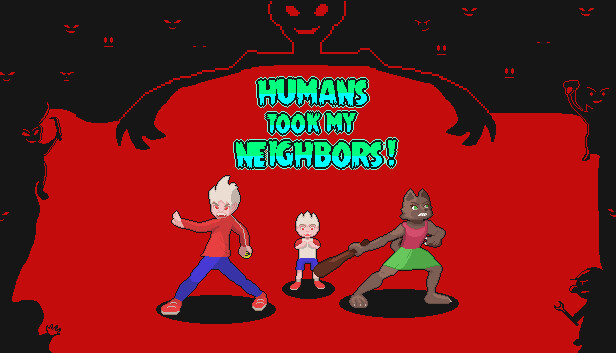
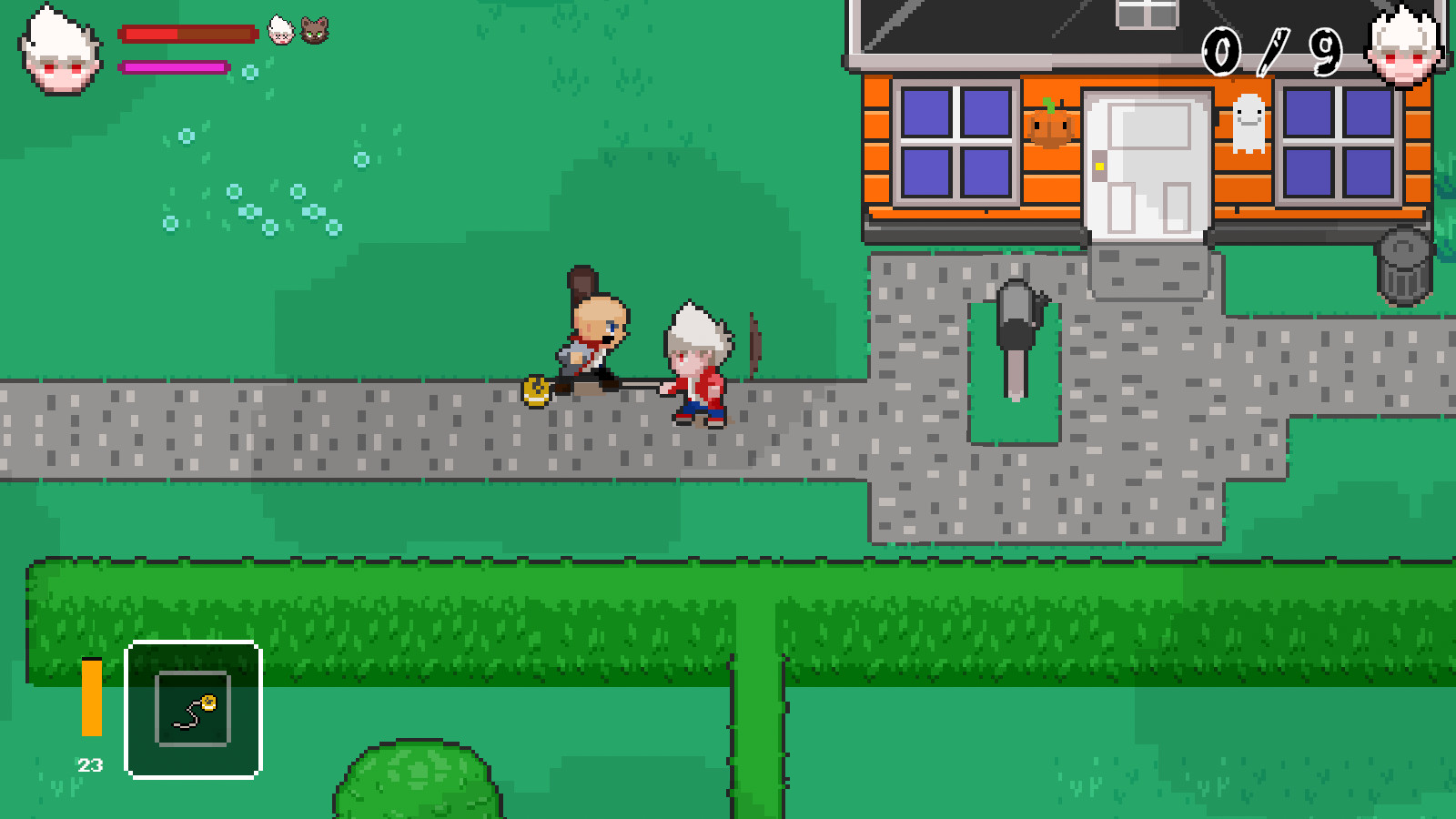
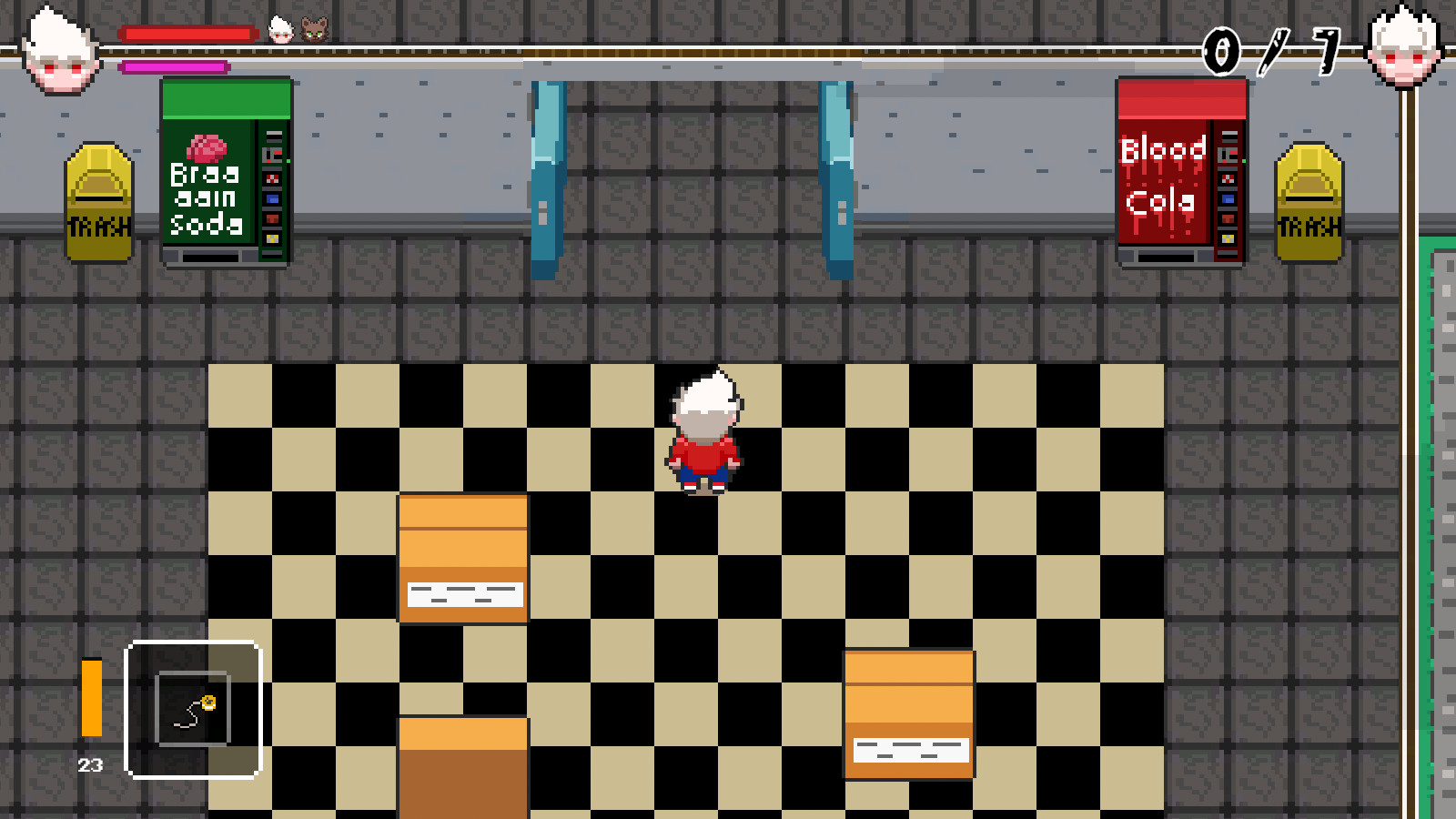
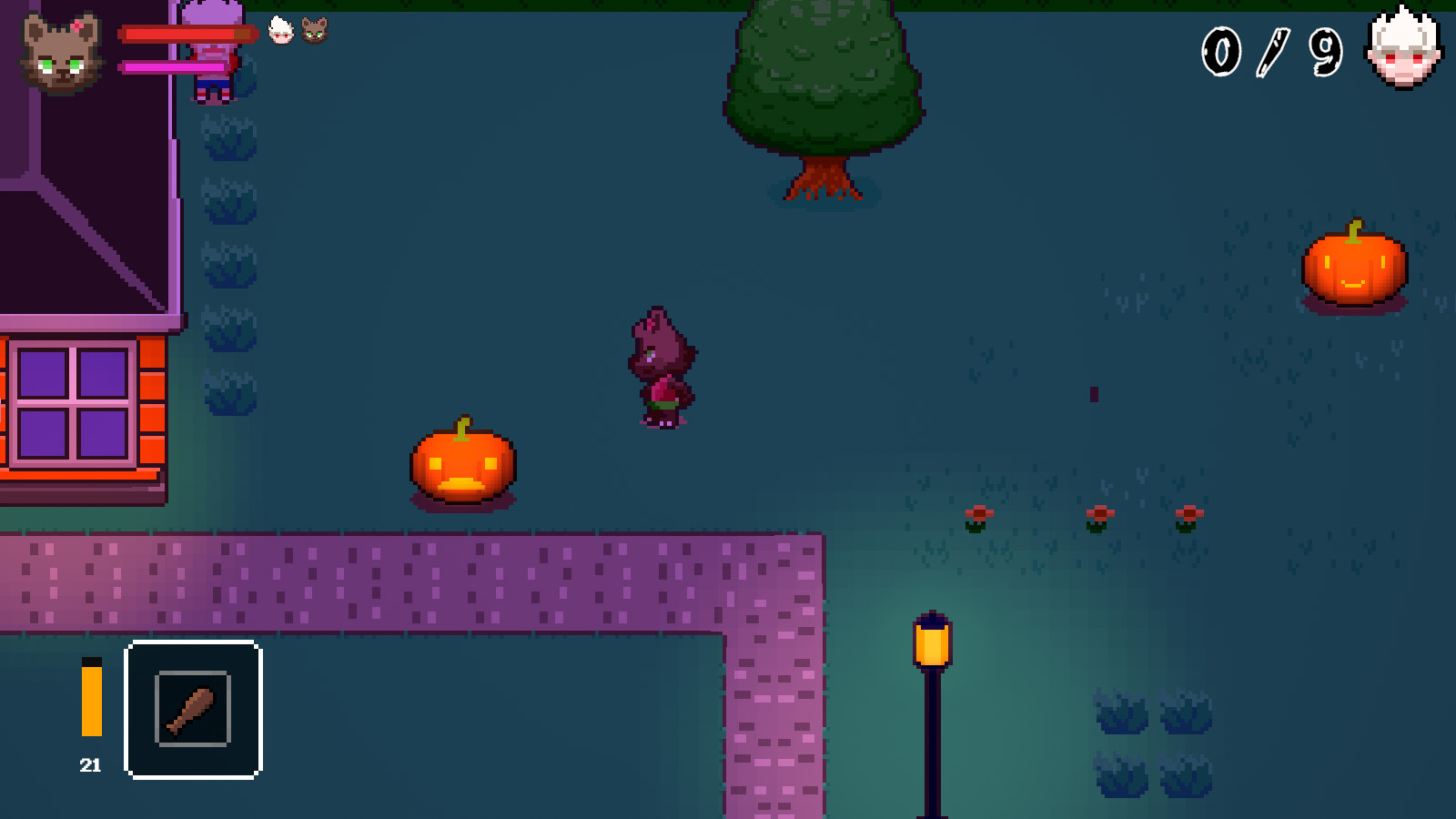
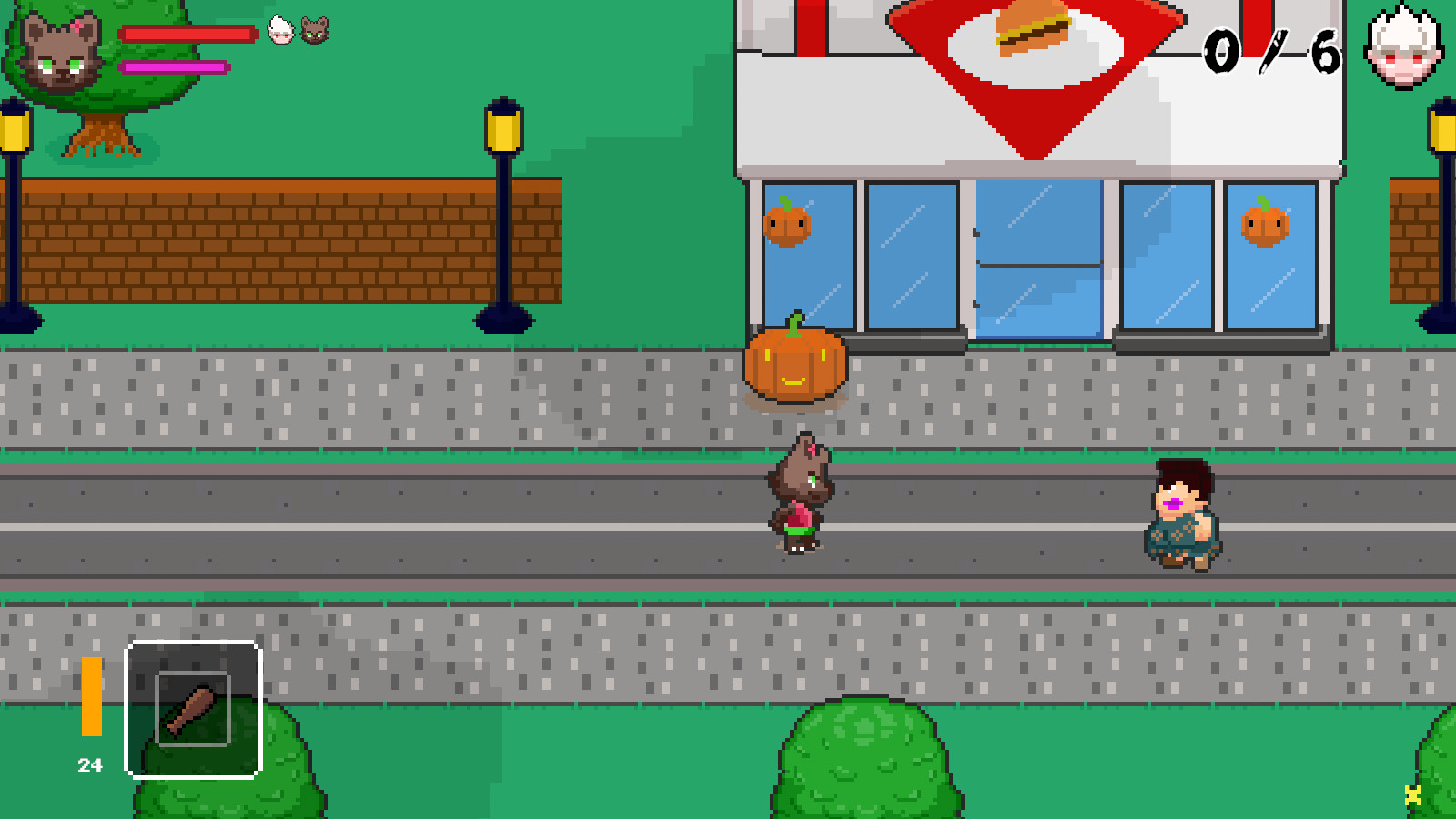
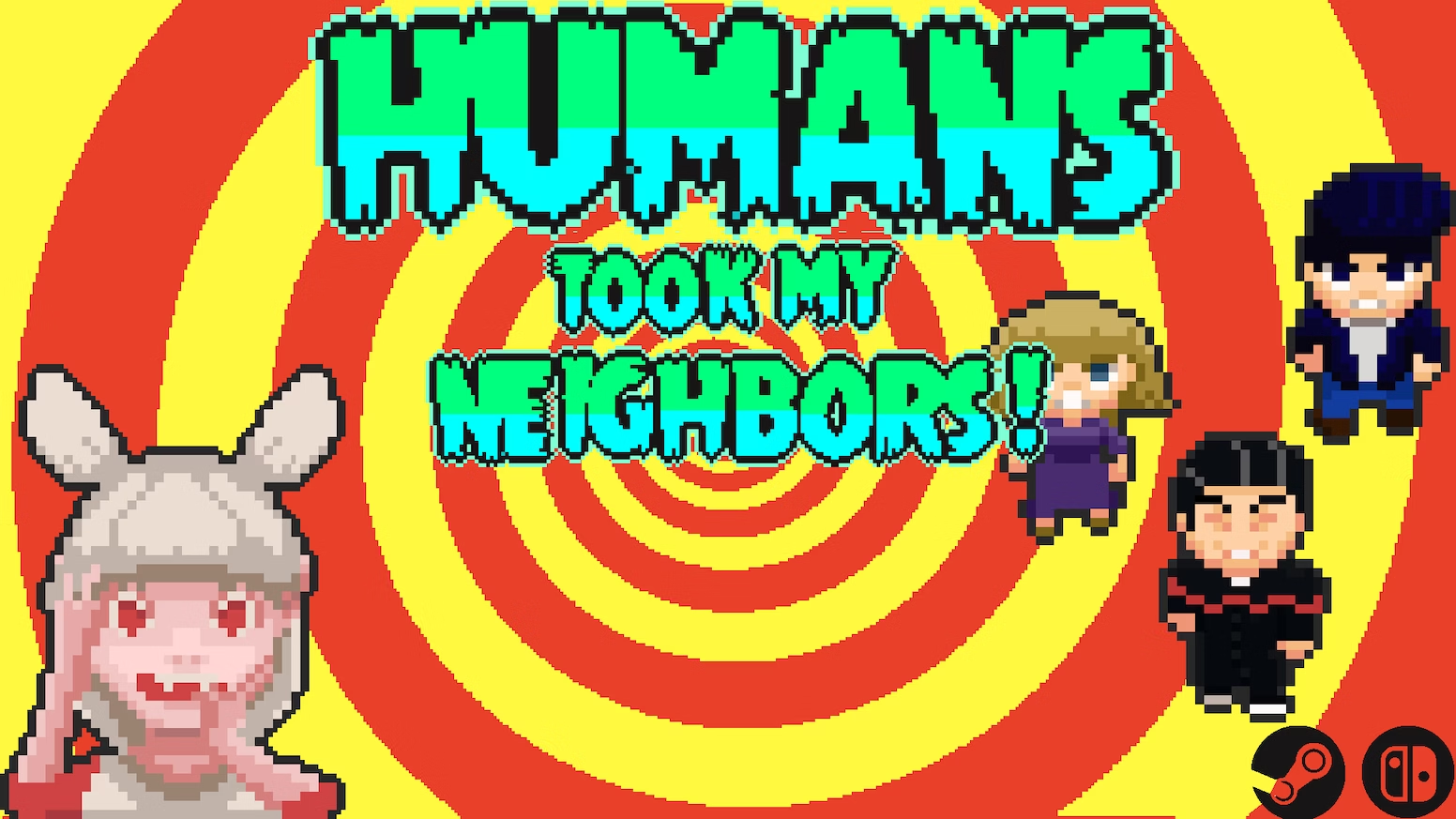
After bringing attention to a number of indie games seeking crowdfunding on Kickstarter and IndieGoGo this month, I was approached by a developer with a new title that he had uploaded to Kickstarter for an interview regarding his game. Entitled Humans Took My Neighbours and developed by Mexican indie programmer Carlos Garza, the game is a top-down action-adventure game made in the same vein as classics such as The Legend of Zelda: A Link to the Past and heavily influenced by Zombies Ate My Neighbours.

It features hand-crafted 8-BIT visuals and takes place in a world inspired by classic horror characters like Dracula and Frankenstein. The objective is to defeat enemies and save the neighborhood from an invasion by monsters. The player’s action also affects the direction in which the game’s story goes. Depending on how they choose to deal with enemies throughout the game. Wanting to find out more about the game, I sent Carlos a series of questions to answer about the game. And the answers made for some particularly interesting reading. Here’s what Carlos Garza had to say about Humans Took My Neighbors.

What were the influences behind your game? 

I’ve always been a fan of the game Zombies Ate My Neighbors, and that is the biggest influence,  but I also take some influence from classic ARPGS like Zelda and some modern games like Gungeon.

What has the developmental process been like?

It’s been interesting. I had the game idea for a while before going into it, as I’ve wanted to do a variation of ZAMN, and it has changed a little bit. First, I focused on getting a visual style for the game set, and the gameplay has been the thing that came after. I thought the gameplay would settle down on something more traditional. But I started evolving the gameplay, especially in the last months, adding counters to melee attacks, making civilians panic, and adding more RPG touches like dialogs and books you can read and collectibles.

How close are we to seeing the finished product? 

The mechanics are set, so after the Kickstarter, I’ll be focusing only on creating the levels. I believe the mechanics are the most important content-wise, and ⅓ of the way. But gameplay-wise, I’m ¾  of the way with some minor innovations like puzzles and some transformations on characters.

What has been the most exciting aspect of developing Humans Took My Neighbours? 

Definitely getting the game out there and sharing, I love creating the product. But seeing someone play it or give some positive feedback is definitely a highlight.

What has been the most challenging aspect of developing Humans Took My Neighbours?   

The Marketing aspect is the toughest, I believe, as I believe there are a lot of great games out there with a very arresting visual style. Another thing I believe has been difficult might be trying to balance difficulty with fun.

How well has the game been received so far? 

The people who have played it have definitely had fun with it. I’ve received some bad feedback too, telling me to make it more like an RPG. But I believe that would defeat the purpose of the creation.

What platforms are you looking to bring the game to?

It’s currently slated for Steam on PC/Mac and Linux with a port to Switch later on.

How important has Carf Darko’s input been throughout development?

It’s been important. I believe the music has a great impact, as sometimes I change the level design somewhat to get along better with the music. 

Are there any additional gameplay mechanics that players can expect from the final game? 

More puzzles are going to be added, and in the second half of the game, based on how many neighbors are saved, the gameplay might change a little bit, getting rid of weapon use and turning into monster attacks with a cooldown. Also, each character will have special attacks with their weapon of choice.

Have there been any ideas at this stage of development that have since been scrapped or reworked?

The civilian mechanics evolved; apart from that, not much else.

If you had the opportunity to develop a game with any company or any franchise, which would it be, and why?

I’d love to develop a sequel to Earthbound, as it is my favorite game of all time, and I would love to explore further the world, especially with a direct sequel to the second game.

You mention on your Kickstarter page the lessons you’ve taken from previous games you developed, but has any advice been offered to you by fellow indie game creators?

For sure, fellow developers have encouraged me to continue working and have given me valuable advice. Skull Commander and the developers of Clan O’Connell, along with many others, gave tips for the Kickstarter and for promotion.

Do you have any advice for aspiring developers who may be reading this? 

Believe in your game and don’t let minor setbacks get you down. Don’t forget to reach out to fellow indies, as we are very supportive!

Where on the Internet can people find you? 

On Twitter, @CarlosGHeron’s personal account and on @HumansTook for the game.

Do you have anything else to add? Several

Thank you very much for the opportunity, and to all developers reading this; keep at it!

Lastly, I’d like to take the opportunity to thank Carlos for reaching out to me and requesting this Q&A. It was a pleasure to learn more about Humans Took My Neighbours, and I’m very much looking forward to its release. If you like the look of it, you can back it on Kickstarter via the link below:

Kickstarter Campaign

But for now, I’d like to wish Carlos the best of luck with the game and getting it back. It has a lot of potential to be a groundbreaking title within the indie game circle, and it will be a joy to see what the final experience has to offer.

Game on,

Scouse Gamer 88

SoulCalibur (Dreamcast & Xbox 360)

SoulCalibur

Developer(s) – Project Soul

Publisher(s) – Namco

Director(s) – Jin Okubo & Yoshitaka Tezuka

Producer(s) – Yasuhiro Noguchi & Hiroaki Yotoriyama

PEGI – 16

Released back in 1998 to widespread acclaim, to the point where it would be regarded as the second most critically acclaimed game of all time after The Legend of Zelda: Ocarina of Time, SoulCalibur was a fighting game series that spun off from the PlayStation game Soul Edge. Improving on the former game in significant ways. And later going on to become one of the most recognizable fighting franchises in all of gaming. As a child, I spent an ungodly amount of time playing this game, trying to unlock all the extras and secret characters. And to me, it still stands as one of the best games on the Dreamcast and one of the most definitive fighting games of all time. 

Graphics – 9/10

Seeing the game’s sixth-generation graphics on the Dreamcast, whilst at around the halfway point of the fifth generation, the game in this respect was years ahead of its time. Everything from the character sprites to the stages is wonderfully polished and beautifully rendered. The attention to detail in this respect is staggering. This was as much of a labor of love as many of the best games released in 1998. Such as Banjo Kazooie, Tekken 3, and Crash Bandicoot 3. The soundtrack to the first SoulCalibur may also be my favorite soundtrack to a fighting game ever. The intro to the game makes a very clear statement that all these characters have a purpose. And that this is a fighting game unlike any other. And it certainly delivers.

Gameplay – 8/10

Although it wasn’t the first fighting game to do this, SoulCalibur’s appeal is the ability to use weapons in combat as opposed to bare-fist fighting, as is perpetuated in most fighting games. It also has a ton of unlockable content. The game is comparable to Super Smash Bros Melee in this respect. It has a load of characters and alternative costumes to unlock as well as artwork and a beautifully told backstory, which, whilst playing this game as a kid, did exceptionally well to endear me to this series to a greater extent than what I could’ve possibly imagined after having played the likes of Mortal Kombat and Tekken. 

Controls – 10/10

Also, there are no problems with this game in any other respect; the game’s control scheme is also flawless. Playing this game was the first time I found myself being able to string proper moves together instead of merely button-bashing. Which is what I’m normally used to doing whilst playing a fighting game. It made me feel like I had genuine skill playing it, and there’s never been another fighting game that’s made me feel that way, truth be told. 

Originality – 7/10

Though it did definitely perpetuate many ideas that had been adopted in fighting games long before its release, the developers took these elements and made them into their own fully cohesive concept in the respect of every respect, down to the fighters, the combat style, the range of locations, and the mythology behind it all. It laid the foundations beautifully for what was to come. Whilst also still holding up as an enjoyable game to play even after all these years.

Happii

Overall, the original SoulCalibur remains, to me, one of the best fighting games I’ve ever played. There are other genres of gaming that I’ve taken to better than fighting games, but I still revisit certain titles within them, including Tekken 2, Dead or Alive 4, Ready 2 Rumble, and my favorite game in the series, SoulCalibur IV; the first SoulCalibur still fits into that category for me. 

Score

34/40

8/10 (Very Good)

Blasto (PlayStation)

Blasto

Developer(s) – Sony Interactive Studios America

Publisher(s) – Sony Computer Entertainment 

Designer(s) – Jonathan Beard

Producer(s) – Jonathan Beard & David Poe

ELSPA – 11+

Programmed by Star Fox lead developer Dylan Cuthbert and released in 1998 during the relative infancy of 3D gaming, Blasto is a third-person shooter whereby players take control of the titular character to save the galaxy from invasion by an alien tyrant. Apart from one or two elements about this game, it is indeed as generic as it sounds. There were a few things about this game that made me want to like it as I played through it. But unfortunately, there are too many faults with it that I couldn’t overlook. 

Graphics – 7/10

Undoubtedly, the best thing this game has to offer is its conceptual design. On a technical level, this was far from the best-looking PlayStation game of 1998. But the in-game world is wonderfully colourful throughout and gets progressively darker as it goes on. The game soundtrack is also very orchestral and well put together. Composed by Syphon Filter veteran Chuck Doud, it’s the soundtrack is as wonderfully dramatic as the likes of Jet Force Gemini or Kurushi. 

Gameplay – 6/10

The game is a linear third-person shooting 3D platformer whereby players must destroy hordes of aliens, solve puzzles to progress, and rescue beautiful women along the way. Like a downgraded version of Duke Nukem 3D, if you will. The game is left a little bare for one that lasts the length of time that it does. Which, for the time of its release, was quite long, especially for a linear game. But it was made intentionally hard, which, for a game with bad controls, is never a good thing. Variety is to be had to an extent with a wide range of different guns to discover throughout the game. But not enough variety in enough respects to warrant it lasting as long as it does.

Controls – 5/10

Arriving at the issue of the game’s control scheme, it suffers from the same issue that a lot of 3D platforms had back in the day. Which was that it wasn’t truly compatible with the analogue stick, as the original PlayStation controller didn’t come with them. Movement is clunky at best, with the turning mechanics being laughably bad. The only saving grace the game has in this respect is the added ability to turn straight around in one fell swoop so that players don’t have to wait as long to turn a full 180 degrees. But even then, it’s still a massive problem. Another huge flaw the game has is the inability to access the map at will. The map is accessed through various pressure pads across each level and adds nothing to the game. It’s an unnecessary complication and should’ve been rethought before release. 

Lifespan – 7/10

The game can be made to last five and a half hours for those who can get past the above issues. But for those who can’t like me, it may only last one hour at most. It’s all very well and good having a game that lasts a long time, but unless there’s enough to do within that time to keep it entertaining, the game won’t warrant players spending a great deal of time on it anyway. It really needed more to do, even for a game with a linear progression like this. 

Storyline – 6/10

The story follows Captain Blasto, voiced by the late Phil Hartman, who is assigned a mission to stop the alien tyrant Bosc from invading the planet Uranus, thus putting down a galactic invasion before it begins. The name Uranus is naturally played for laughs at certain points in the game, which was hilarious back in the late 90s, but has since long outworn its welcome, unless played more subtly. But the best thing about the story is the energy that Phil Hartman brought to his role as Blasto, with funny quotes to listen to throughout gameplay. Phil Hartman was a consummate professional who was exceptional at what he did, and he worked to his best within the confines of a very generic plot.

Originality – 6/10

Although the game may be one of the earlier examples of a 3D platformer at the time of its release, there had already been many other games in the genre that did more unique things than this title. Compared to many of them, it still seemed generic even back in 1998. The only things stopping it from being even more generic were Phil Hartman’s performance and the conceptual design, but there was nowhere near enough to make this game stand with the best of the era in any respect. 

Niiutral

In summation, Blasto was disappointing back in the day and has not stood the test of time. It has a couple of redeeming values, but nothing for it to make it a classic. 

Score

37/60

6/10 (Average)

Tekken (PlayStation)

Tekken

Developer(s) – Namco

Publisher(s) – Namco & Sony Computer Entertainment Europe

Director(s) – Seiichi Ishii

Producer(s) – Hajime Nakatani

PEGI – 12

It began as an internal experiment at Namco for modeling 3D characters. And later going on to become an early breakout hit on the original PlayStation. As well as tearing up arcades everywhere, Tekken was Namco’s answer to the greatest fighting game series at the time. Such as Street Fighter, Mortal Kombat, and Virtua Fighter (indeed, with many of the original Virtua Fighter team going to design this game). I wrote a more in-depth article going into the facts about the development of the original game. As well as the Tekken series in general, for ActionAGoGo a while back in my 10-Hit Combo series:

https://actionagogo.com/2016/05/30/10-hit-combo-volume-v-tekken/

But as far as I’m concerned, although the best of the original Tekken trilogy would be yet to come, the first game in the series remains a favorite among fans of the original PlayStation. And for good reason. 

Graphics – 7/10

For what started as a simple experiment, it’s amazing to see what the game would later go on to be in every aspect. In terms of the visuals, it features a memorable cast of characters with stages set in real-life places. Such as Angkor Wat in Cambodia, the countryside of Windemere, England, and the landscape of Athens, complete with the backdrop of the Acropolis. The scenery would go on to become more diverse with later installments. But each area is represented well for the time on a system with limited graphics by today’s standards.

Gameplay – 7/10

The game centers around the player characters competing in the King of the Iron Fist tournament for global supremacy in the field of martial arts. Playing out much differently from a traditional fighting game. And not making as much prevalent use of combos as many other fighting games at the time, it provided players with a very different experience from what they would have been used to at the time. The style of play has gone on to be modified and perfected throughout the rest of the series. But for the starting point, it plays out much more fluently than Virtua Fighter. There is also a host of unlockable characters to acquire in the home console version. Giving it that much replay value. 

Controls – 10/10

Again, for what was to become the introduction to a beloved series, it’s surprising how well the controls were handled because the same developers had previously worked on a fighting game that had arguably worse controls on a system that was comparable in power to the original PlayStation in the Sega Saturn. The fact that it runs at 80 frames per second really helped to achieve the desired effect. But although it may have seemed, even at the time, a step back where fighting games were concerned due to the lack of a defined combo system, the developers handled the control scheme as well as what could have been expected within its confines. 

Originality – 7/10

The aspect in which this game stands out above all else is its unique cast of characters compared to most other fighting games. Compared to Virtua Fighter, introducing fantasy and science fiction elements also helped to distinguish it from the former in infinitely significant ways. Characters from the Tekken series have gone on to become iconic video game characters, such as Yoshimitsu, Heihachi, and King. And this is where it all started.

Happii

Overall, the original Tekken, whilst not being my personal favorite from the first three games (my favorite being Tekken 2), was nevertheless the ideal starting point and a gaming experience that still very much holds up. Its quirky characters, excellent game design, and somewhat stern level of challenge have had fighting game fans revisiting it for over 20 years. It will also do well to entertain players for generations to come. 

Score

31/40

7.5/10 (Good)

The Simpsons: Road Rage (PlayStation 2, Xbox, GameCube & Game Boy Advance)

The Simpsons Road Rage

Developer(s) – Radical Entertainment & Altron

Publisher(s) – EA &THQ

PEGI – 3

Developed by Radical Entertainment and released for several sixth-generation consoles, The Simpsons: Road Rage is a driving game similar to Crazy Taxi. This is similar to the fact that Sega ended up bringing a lawsuit against Fox Entertainment. That was settled before it went to court. The home console version received mixed reviews upon release. While the Game Boy Advance port was universally panned. I would put it in the category of being a mixed bag as opposed to it being an overall negative experience. The game, while flawed, does have some redeeming qualities to it. It is a relatively enjoyable title to play. 

Graphics – 7/10

The game is set across various locations throughout the town of Springfield, the Downtown district, and the Nuclear Power Plant, to name but a few. The visuals were one aspect at the time that was heavily criticized upon the release of this game. But I’ve never understood why other reviewers had such a gripe with them. They’re technically sound, as they look just as good as any other early sixth-generation game. And it’s among the first games to have cel-shaded visuals. This helped to make it stand out at the time. The graphics are also conceptually sound. It has exactly what a player would expect from playing a game based on The Simpsons. Cartoonish graphics that aren’t necessarily cutting-edge. What’s more, is that all the original voice actors are present. Which again, only adds to the feel of what was to be expected. 

Gameplay – 7/10

A driving game by genre, whilst it does borrow heavily from Crazy Taxi, there are also a number of distinct gameplay features as well. Such as bonuses given for either careful or reckless driving, a cast of familiar Simpsons characters, vehicles to unlock, and a story mode. The similarities to Crazy Taxi never bothered me as much as they bothered other players. The way I see it, it’s a lot like comparing Mario Kart 64 to Diddy Kong Racing. Diddy Kong Racing had more distinct features that provided a lot more entertainment than Mario Kart 64, in my opinion, making it the better game. Likewise, I actually prefer The Simpsons: Road Rage to Crazy Taxi. 

Controls – 8/10

The controls were another aspect that critics had problems with as well. And in this respect, I can empathize with their concerns to a certain extent. It can be very easy to unintentionally crash into things due to very sensitive collision mechanics. And it can cause some issues that can’t necessarily be put down to how reckless players are driving at the time. There are shortcuts around each track to make for smoother driving. But I think the game would’ve benefited from there being more of them to add to the game’s fluidity. That being said, cars are a lot easier to handle than they are in many other racing games. So there are issues that other critics had with this game that I still disagree with in terms of controls. 

Lifespan – 8/10

Thanks to the inclusion of a story mode and a high score system, the game can take an unprecedented amount of time to finish, which impressed me greatly. 20 hours is the average lifespan of this game. This is the time it takes to unlock every course, unlock every character, and surpass all the high scores. And get through the story mode. I can’t help but think that if there were more of an incentive to collect as much money as possible as opposed to simply the high score, then there would be a little bit more to play for. But still, I was taken aback by just how long it took to beat this game when I beat it at the time it came out. 

Storyline – 5/10

The story of the game involves the Simpsons, as well as several other familiar characters in the series, setting up their own taxi services in order to compete with, and eventually drive out, a dangerous radioactive bus service set up by Mr. Burns. There are a couple of jokes thrown into cutscenes that are somewhat reminiscent of the golden age of The Simpsons throughout the 90s. But depending on which character the player selects, there’s not the level of comedy you would expect from a Simpsons game. The best characters to pick for that are simply the funnier characters that exist within the show. Like Homer, Moe, and Krusty the Clown. 

Originality – 6/10

There’s no denying that Crazy Taxi was a major influence behind this game. However, as I stated earlier, this game was one of the first to make use of cel-shaded visuals. These would go on to be used in games of major franchises, such as The Legend of Zelda and Borderlands. Jet Set Radio was the very first, but it’s because of elements like that. As well as what gameplay differences there are compared to Crazy Taxi. This makes this game stand out more than people may realize. 

Niiutral

Overall, The Simpsons: Road Rage, whilst not being the game it had the potential to be, is by no means a completely disappointing experience. It has plenty to do, great visuals, the quirky cast of Simpsons fan favorites, and all the best things about Crazy Taxi intact, which makes for the better game out of the two, in my opinion. 

Score

41/60

6.5/10 (Above Average)

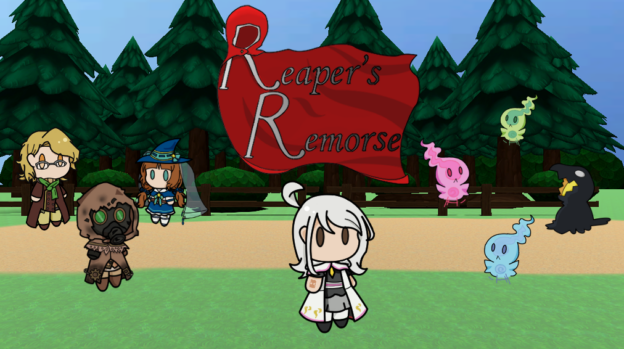
Reaper's Remorse

Q&A With Timeless Hourglass Games

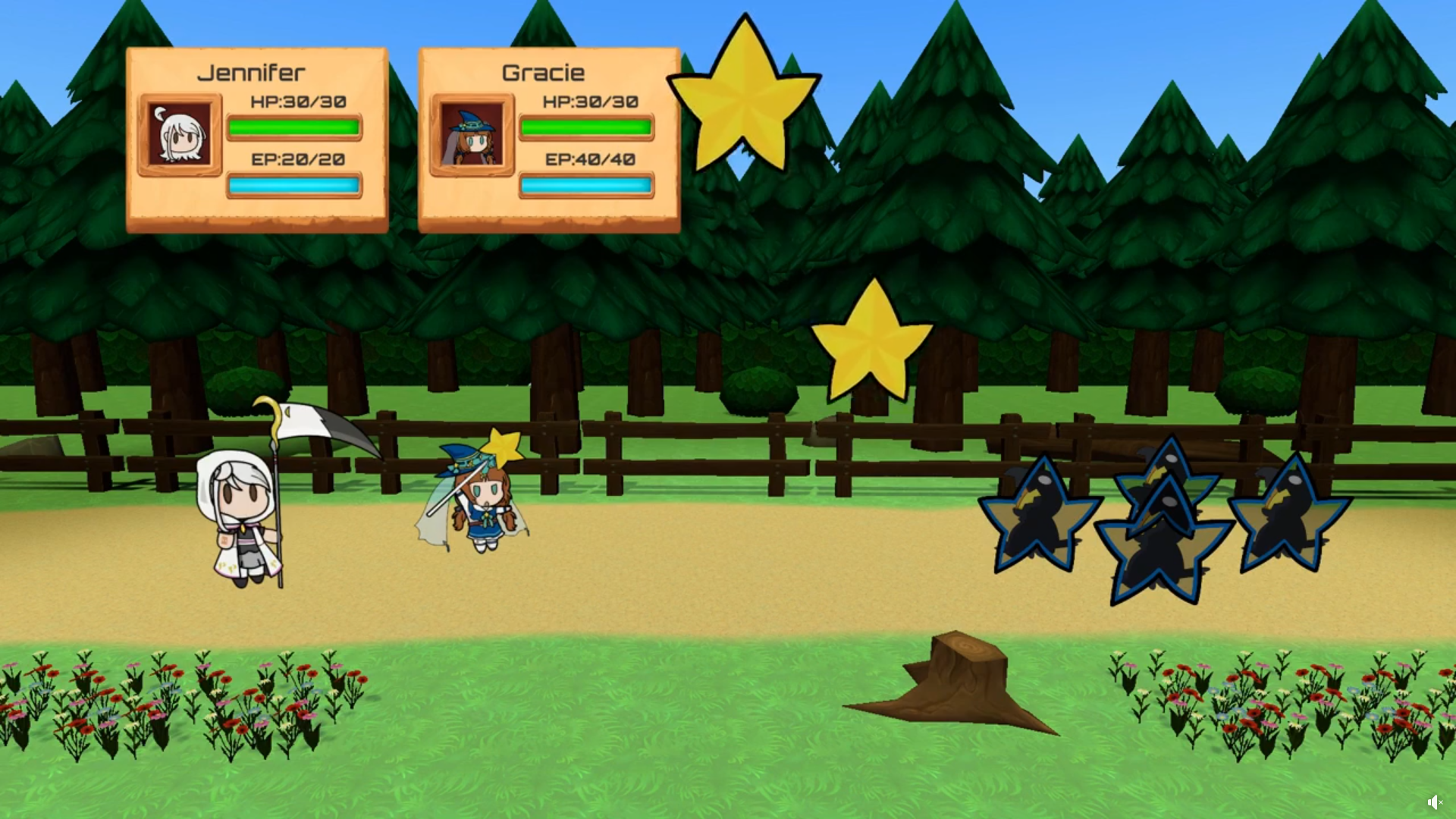
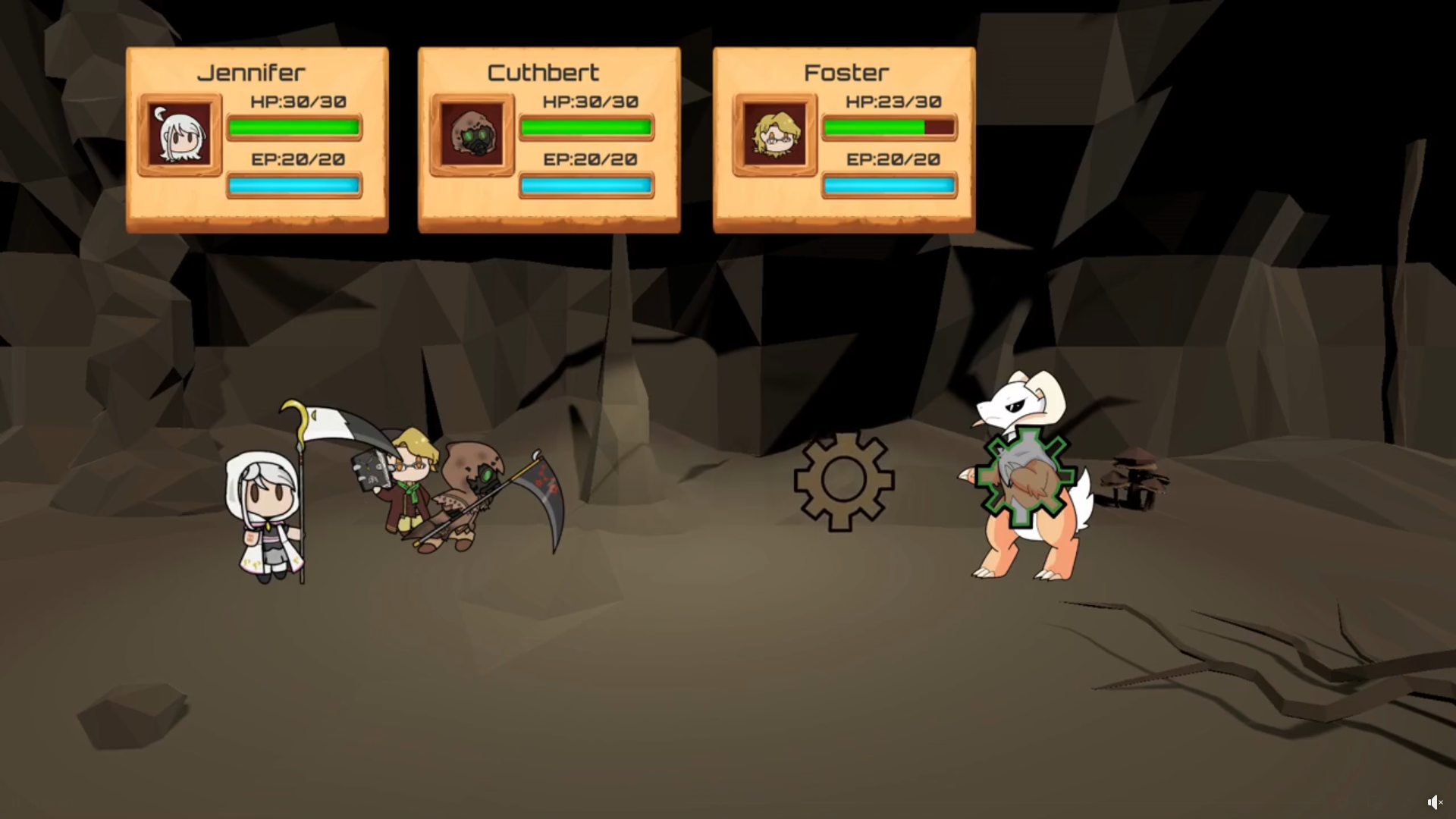
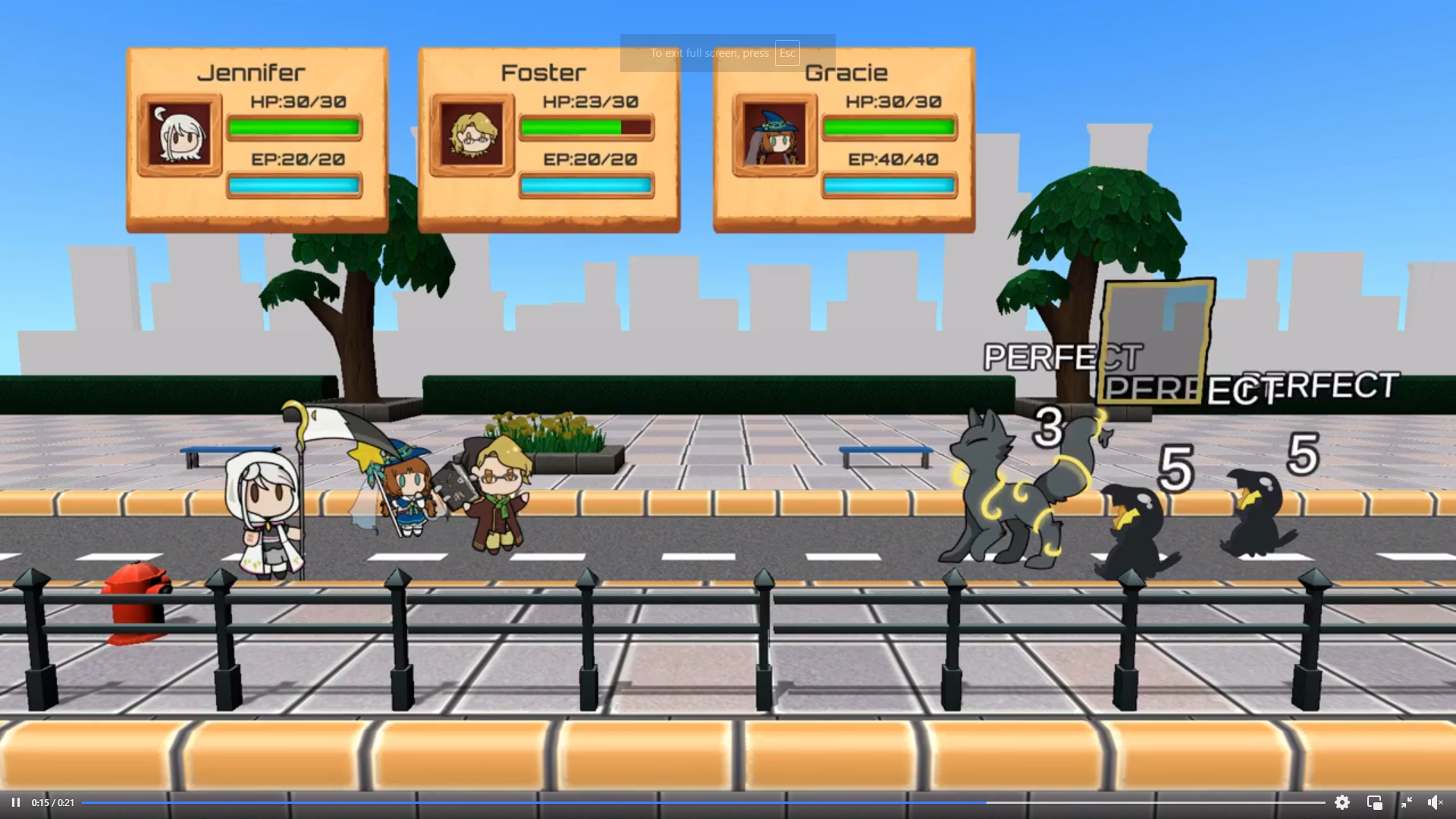
In my efforts to discover more promising upcoming indie games, I stumbled across another great-looking title on Kickstarter entitled Reaper’s Remorse. Developed by Timeless Hourglass Games based in Vancouver, Canada, Reaper’s Remorse is a JRPG heavily inspired by other various titles in the genre, such as Witch’s House & Mad Father. A turn-based RPG similar to EarthBound or classic Final Fantasy games, the difference being that players must also collect the souls of ghostly spirits that inhabit the game’s world by completing side quests they have to offer. There is also an element of puzzle-solving similar to detective games, whereby players must investigate certain situations strewn throughout, which in turn affect the ending of the game.

Wanting to find out even more about this uniquely crafted JRPG, I contacted its lead designer, Jessica Devitt. She and the project’s artist, Veronica Prentice, answered the questions I had about this game and explained in depth what players can expect to see with the finished game. Here’s what Timeless Hourglass Games had to say about Reaper’s Remorse:


Reaper's Remorse 1


What were the influences behind your game? 

The biggest influence behind making this game is based on depression and helping recognize its symptoms, along with helping others who have it. It is common for people to hide their true feelings. The game follows a similar style. This game comes across as friendly and happy, but deep down lies a dark story. In this game, you will face characters who are struggling in one way or another and will learn how to overcome these struggles.


What has the developmental process been like?

Starting the development process has been slow, but if funding goes well, I plan to pick up the pace.


How close are we to seeing the finished product? 

The target goal is summer 2023.


Reaper's Remorse 2

What has been the most exciting aspect of development? 

Seeing your work come to life is really rewarding. After spending hours working on a scene and then seeing it run smoothly is always exciting to me.


What has been the most challenging aspect of development?   

Mostly, I have had trouble with finding good art assets for making the sprites and maps that match my vision of how the game should look. However, I am hoping to hire someone who can make all the game assets and help better portray the game.


How well has the game been received so far? 

I’m still in my first week of bringing my game to the public, so there hasn’t been much news yet, but so far, I think it’s been fairly positive.


What platforms are you looking to bring the game to?

I am planning to bring the game to Steam.


Reaper's Remorse 3


The music accompanying both game trailers on the YouTube channel seems very contrasting; almost like two different types of atmosphere are being perpetuated with the game. Is that a sign of things to come with the final product?

Yes, the mood in Reaper’s Remorse can change quite quickly, so you don’t know what you’re expecting as you make your way through the world.


Have there been any ideas at this stage of development that have since been scrapped or reworked?

Originally, the player was going to play the full childhood of the main character first, but there was concern that it would take too long, and the player would get bored. It seemed more effective to put pieces of childhood throughout the game to keep things going at a good pace.


Since anime seems to be at the core of the game’s conceptual design, were there any particular anime series that inspired the creation of Reaper’s Remorse? 

I’m a horrible artist, so I commissioned my friend Veronica Prentice to do this artwork. I asked her to answer this question:

Veronica Prentice

“Anime artwork has always been a favorite of mine. A lot of my character inspiration comes from JRPGs. Games like Ib, Mad Father, and Witches House, where the characters are still cute and fun to play while still keeping that dark element to them.”


Reaper's Remorse 4

If you had the opportunity to develop a game with any company or any franchise, which would it be, and why?

I have always been a huge fan of Square Enix and would love to work for them. I think the stories they make have amazing detail and depth to them, along with beautiful visuals and soundtracks.


Do you have any advice for aspiring developers who may be reading this? 

When I started developing my game, I was unmotivated and wasn’t sure if it was possible to make a whole game on my own. But taking the game apart and working on small pieces at a time brought everything together. So my advice would be to break your goals, start small, and slowly build your way up.


Where on the Internet can people find you? 

I’m still pretty new, but I have a website where you can check trailers and the demo game:

https://timeless-hour.com/index.html

The Kickstarter:

https://www.kickstarter.com/projects/timelesshourglass/reapers-remorce?ref=user_menu

You can also get updates on my game on my Facebook page:

https://www.facebook.com/TimelessHourglassGames


Do you have anything else to add?

I don’t really have anything more to add, but thanks for conducting this Q&A, and I hope it helps get people interested!


Reaper's Remorse 5


I’d like to take the opportunity to thank Jessica and Veronica for taking the time to get back to me with these answers and to wish them the best of luck with the Kickstarter program. After having played the demo, I’m confident that this game will go on to impress a wide range of JRPG fans, as well as gamers in general, and I’m certainly looking forward to seeing what the final game has to offer. I hope you guys enjoyed learning more about this title as much as I had fun discovering the game and learning for myself.


Game on,

Scouse Gamer 88