Tag Archives: PS1

Tekken (PlayStation)

Tekken

Developer(s) – Namco

Publisher(s) – Namco & Sony Computer Entertainment Europe

Director(s) – Seiichi Ishii

Producer(s) – Hajime Nakatani

PEGI – 12

It began as an internal experiment at Namco for modeling 3D characters. And later going on to become an early breakout hit on the original PlayStation. As well as tearing up arcades everywhere, Tekken was Namco’s answer to the greatest fighting game series at the time. Such as Street Fighter, Mortal Kombat, and Virtua Fighter (indeed, with many of the original Virtua Fighter team going to design this game). I wrote a more in-depth article going into the facts about the development of the original game. As well as the Tekken series in general, for ActionAGoGo a while back in my 10-Hit Combo series:

https://actionagogo.com/2016/05/30/10-hit-combo-volume-v-tekken/

But as far as I’m concerned, although the best of the original Tekken trilogy would be yet to come, the first game in the series remains a favorite among fans of the original PlayStation. And for good reason. 

Graphics – 7/10

For what started as a simple experiment, it’s amazing to see what the game would later go on to be in every aspect. In terms of the visuals, it features a memorable cast of characters with stages set in real-life places. Such as Angkor Wat in Cambodia, the countryside of Windemere, England, and the landscape of Athens, complete with the backdrop of the Acropolis. The scenery would go on to become more diverse with later installments. But each area is represented well for the time on a system with limited graphics by today’s standards.

Gameplay – 7/10

The game centers around the player characters competing in the King of the Iron Fist tournament for global supremacy in the field of martial arts. Playing out much differently from a traditional fighting game. And not making as much prevalent use of combos as many other fighting games at the time, it provided players with a very different experience from what they would have been used to at the time. The style of play has gone on to be modified and perfected throughout the rest of the series. But for the starting point, it plays out much more fluently than Virtua Fighter. There is also a host of unlockable characters to acquire in the home console version. Giving it that much replay value. 

Controls – 10/10

Again, for what was to become the introduction to a beloved series, it’s surprising how well the controls were handled because the same developers had previously worked on a fighting game that had arguably worse controls on a system that was comparable in power to the original PlayStation in the Sega Saturn. The fact that it runs at 80 frames per second really helped to achieve the desired effect. But although it may have seemed, even at the time, a step back where fighting games were concerned due to the lack of a defined combo system, the developers handled the control scheme as well as what could have been expected within its confines. 

Originality – 7/10

The aspect in which this game stands out above all else is its unique cast of characters compared to most other fighting games. Compared to Virtua Fighter, introducing fantasy and science fiction elements also helped to distinguish it from the former in infinitely significant ways. Characters from the Tekken series have gone on to become iconic video game characters, such as Yoshimitsu, Heihachi, and King. And this is where it all started.

Happii

Overall, the original Tekken, whilst not being my personal favorite from the first three games (my favorite being Tekken 2), was nevertheless the ideal starting point and a gaming experience that still very much holds up. Its quirky characters, excellent game design, and somewhat stern level of challenge have had fighting game fans revisiting it for over 20 years. It will also do well to entertain players for generations to come. 
Score

31/40

7.5/10 (Good)

Spyro 2: Gateway to Glimmer (PlayStation)

Spyro 2

Developer(s) – Insomniac Games

Publisher(s) – Sony Computer Entertainment

Artist – Charles Zembillas

Producer(s) – Grady Hunt

PEGI – 7

Developed as the sequel to the immensely successful Spyro the Dragon, Spyro 2: Gateway to Glimmer, or Ripto’s Rage as it was known across the pond, was like its predecessor. Released to universal acclaim by critics and gamers alike sold over 200,000 copies in the UK alone at the time. Although I have since re-assessed my opinion of which game is the best in the original Spyro trilogy, Spyro 2 remains a decisive improvement over the first game for many reasons. It remains a classic of the original PlayStation. 

Graphics – 8/10

In terms of the technical side of the graphics, there hadn’t been a great deal of improvement made over the first. The textures and sprites for Spyro remain pretty much the same. However, in terms of the conceptual design, there were massive improvements made. The game is set in several diverse areas governed by different species across each of the hub worlds. It also breaks away from the first game in the respect that it’s no longer confined to the medieval fantasy setting. But there is also scenery reminiscent of science fiction, the Scottish highlands, and Polynesian culture. 

Gameplay – 9.5/10

The most notable improvement between the first and second games, however, is undoubtedly in the gameplay. Boasting more side quests and more to explore across each level throughout gave the game a lot more of a sense of purpose and enjoyment. Though there may be fewer bosses than in the previous game, the challenge that comes with them. Especially the second boss, Gulp. The game also introduces us to Moneybags. A rich, devious bear whom Spyro must pay at certain points to progress through levels. Giving the idea of collecting treasure that much more meaning. The concept also leads to a very satisfying outcome at the end of the game. 

Controls – 10/10

The game’s control scheme is identical to that of the first game. Playing out like the type of 3D platformer the likes of Croc, Tomb Raider, and Blasto should’ve been made to play out like. The one massive improvement the developers made to the controls, however, was the ability to hover during a flight in order to gain a touch more momentum at the end of a glide to reach far-away ledges. It’s similar to how Insomniac Games would add the sideways jump mechanics to the Ratchet & Clank. It’s a simple mechanic that provides a significant improvement over the previous game.

Lifespan – 8/10

The average time it takes to beat the game 100% is 8 hours. Which was higher than the average back when the 3D platformer genre was still in its relative infancy. It lasts there around the same amount of time as the first game. Something that would eventually be improved slightly with the third game. But overall, it provides a satisfyingly long gaming experience. 

Storyline – 7/10

In the sequel, Spyro, looking to go on holiday to Dragon Shores, is instead transported to the world of Avalar by three of its inhabitants. The professor, a fawn named Elora, and a cheetah named Hunter. They brought him into Avalar to fight Ripto. An evil tyrant who has invaded Avalar and brought evil and destruction throughout the land. Spyro resolves to defeat Ripto and bring peace back to Avalar. With more characters involved this time around, it definitely adds more to the story in terms of depth. But Spyro was also given a lot more of an impulsive attitude as well. This helped to add to the humor and make him more of a likable hero. Especially when he shows his compassionate side to characters like Elora. Of course, Moneybags also adds to the story in multiple ways as well, mostly for the better. 

Originality – 8/10

The most original element of this game is its diversity in scenery design; it’s the aspect that truly helped to break the mold early on and give the world of Spyro the Dragon a lot more depth than what was established in the first game. Even more so than the gameplay improvement, because again, more or less the same gameplay principles apply as what they did in the original Spyro: travel and collect items to advance the game. Although gameplay elements would be expanded on even further with the third game, the diversity in level design would remain intact in Spyro 3, but the second is where that would stem from. 

Happii

Overall, Spyro 2, whilst not my favorite of the original trilogy, is still every bit as fun to play today as it was to play back in 1999. It provides one of the most memorable gameplay experiences of the fifth generation, and I’m personally happy that it got the remaster it deserved because it needed to be brought to a more modern audience. 

Score

50.5/60

8/10 (Very Good)

Legacy of Kain: Soul Reaver (PC, PlayStation & Dreamcast)

Legacy of Kain Soul Reaver

Developer(s) – Crystal Dynamics & Rixxes Software

Publisher(s) – Eidos Interactive

Director – Amy Hennig

Producer(s) – Amy Hennig, Andrew Bennett & Rosaura Sandoval

PEGI – 16

Developed and released by Crystal Dynamics following a lengthy legal battle with the original creators of the Legacy of Kain series, Silicon Knights, Legacy of Kain: Soul Reaver, like Blood Omen, was also met wide widespread critical acclaim in what was considered an ideal time. It coincided with the release of several horror films. Such as The Sixth Sense and The Blair Witch Project. It went on to be considered the best game in the series by most critics. And whilst I don’t agree with that assessment (by far I think the best game in the series is Soul Reaver 2), the original Soul Reaver is still, to me, a classic of the fifth generation. And still, an absolute joy to play through.

Graphics – 7/10

Soul Reaver easily has one of the darkest approaches taken to conceptual design out of most games I’ve played throughout my lifetime. It takes the players back into the fictional dark fantasy land of Nosgoth, but in a post-apocalyptic state. There are new locations added to Nosgoth’s landscape. As well as the ruins of some of the previous locations found in Blood Omen. Such as The Pillars of Nosgoth and Nupraptor’s Retreat. It also has the player alternating between the underworld and the physical world in order to gain access to new areas. Or areas otherwise impassable in the opposite direction.

Gamers may argue that, in terms of the technical aspect of the game, it hasn’t aged particularly well. And with that, I would agree to a certain extent. But the conceptual design more than makes up for that in my opinion. For the best version of the game, I would recommend the Dreamcast port. It runs at 60 frames per second and has the most polish to it. The Dreamcast version actually makes it look far more like a sixth-generation game than a fifth.  Both planes of existence within the game are as dark as the other. With a wonderfully horrifying soundtrack to accompany the game. 

Gameplay – 7.5/10

Somewhat similar to Blood Omen, Soul Reaver plays out more like a 3D platformer than a top-down RPG. But combat is still at the heart of the game’s design. Players have to subdue abominable enemies throughout and be able to learn new abilities. And increase their health and magic capacities to use these abilities more efficiently and frequently.

Although the main combat system is not as diverse as Blood Omen, it does make up for that by challenging players to strategize in accordance with their surroundings. As the enemies are only killed in a handful of specific ways, at least in the physical world. The boss fights, though fewer, are also far more creative than in Blood Omen. Again, requiring specific actions to take in order to beat each one. Like in Blood Omen, there is also a fast travel system and a plethora of hidden items. And the ability to discover along the way.

Controls – 10/10

Even when 3D gaming was pretty much in its infancy during the fifth generation, there were some games like Crash Bandicoot and Spyro the Dragon that handled their control schemes extremely fluently. Soul Reaver is one such example. There are no issues with the controls whilst playing with a joypad. And it also handles stealth combat in a very fluent manner as well. Which, at the time, was a relatively new concept. 

One thing I would advise, however, is this. Avoid the Steam version like the plague. Controller support is not officially part of it, with players having to rely on keyboard commands. And keyboard mapping doesn’t currently work for some unknown reason. The same also goes for every other Legacy of Kain game ported to Steam. No one at Valve, Square Enix, or Crystal Dynamics has ever seen fit to rectify this. And it’s a great shame. Again, the best way to play this game is on the Dreamcast. In every respect.

Lifespan – 7/10

The game can be made to last for a total of around 25 hours, which was relatively impressive at the time. The one thing I would say is that, although there are a good few collectibles to obtain throughout the game, the game’s world is still a bit too bare for how big it is. And more could have been added to it, in turn, adding to the substance of the game. Nevertheless, there is enough in it to make it last for a fairly impressive amount of time. 

Storyline – 10/10

The story continues over 100 years following the events of Blood Omen. Having condemned Nosgoth to an eternity of decay by refusing the sacrifice of his own life, Kain has since established his own vampiric empire out of his own contempt for humanity. However, things change after his first-born lieutenant, Raziel, surpasses Kain in terms of vampiric evolution by growing a pair of wings. In anger, Kain tears off Raziel’s wings and condemns him to death by throwing him into the Lake of the Dead. Burnt by the acidic touch of the lake’s waters, Raziel is then resurrected by a god-like entity, known only as The Elder God, as a wraith. Endowed with the hunger for souls and other supernatural abilities, unlike any vampire. Raziel then resolves to destroy Kain and his vampiric brothers. And consume their souls, returning them to the wheel of fate. 

Like Blood Omen, the story of this game, as well as the dialogue, was masterfully executed. The voice acting of Simon Templeman, Michael Bell, and Tony Jay helps to truly bring this title to life in a story centered around the nature of death and immortality and the price of power. To me, The Legacy of Kain easily has the best story ever told in all of gaming, and it’s that impressive considering how much of a strong note of finality there is to the original Blood Omen. To have picked up where Blood Omen left off and evolved the series into what it would become in terms of story was truly an impressive feat of video game narrative and helped to establish Amy Hennig as one of the greatest storytellers in the medium, as she would later go on to establish the stories of Uncharted and Assassin’s Creed.

Originality – 9/10

In terms of gameplay, as well as the story, it’s also impressive to think of how the developers took the concept of Blood Omen, made something drastically different from the former, and make work and work well, which is also extremely impressive; especially given how young the concept of 3D gaming was at the time and how risky it would have inevitably been to make that transition. Some people have even cited this as an early example of a 3D Metroidvania, predating Metroid Prime by a full three years, which although I don’t think you can consider it a 3D Metroidvania, as it plays out more like a 3D platformer than anything, it’s still interesting to think about, and it all still works to separate this title from most not only released at the time, but most games released since.

Happii

Overall, the original Soul Reaver remains a classic to this day, and if anyone can pick up a copy of it on either the original PlayStation or the Dreamcast, I’d highly recommend it. It’s a game with terrific combat, a plethora of gameplay variety, additional sidequests, and a level of storytelling that, in my opinion, has never been topped within the medium of gaming since. 

Score

50.5/60

8/10 (Very Good)

Blood Omen: Legacy of Kain (PC & PlayStation 1)

Blood Omen

Developer(s) – Silicon Knights

Publisher(s) – Crystal Dynamics & Activision

Director – Denis Dyack

Producer(s) – Rick Goertz, Lyle Hall & Joshua Marks

PEGI – 18

Released in 1996 as the first instalment of the Legacy of Kain series, Blood Omen was met with immense commercial success as well as critical acclaim. A top-down adventure RPG inspired by the likes of The Legend of Zelda series, it stands as one of the earlier examples of a game containing a cinematic story, influenced by such novels as Bram Stoker’s Dracula and the works of Shakespeare, dealing with themes such as birth, death, rebirth, and moral ambiguity. To me, everything about this game is every bit as unique and refreshing for the time as what the developers set out to accomplish. It stands out to me as one of the best games ever released on the original PlayStation. 

Graphics – 7/10

Blood Omen, as well as the entirety of the Legacy of Kain series, is set in the 15th-century-inspired land of Nosgoth, where nine skyward pillars sit, each governing nine different aspects of the world: time, death, balance, nature, conflict, states, dimensions, energy, and the mind. The game’s conceptual design also marks one of the earliest examples of the portrayal of dark fantasy in gaming; everything about Nosgoth feels ominous and gritty, and the 16-BIT rendered pixel art used does extremely well to invoke these feelings with some disturbing character animations and deeply atmospheric locations such as Vorador’s mansion, Dark Eden, and Nupraptor’s retreat. The game’s soundtrack does nothing but add to its overall sadistic feel; in addition, even in times where relevant safety is to be had in villages and towns, etc. 

Gameplay – 8.5/10

The game is a traditional adventure RPG, heavy on combat across the vast open world of Nosgoth. Players must travel in accordance with the story objectives, through the land, air, and even time at one point. It is also one of the earliest games to feature a conventional fast travel system, predating the likes of The Elder Scrolls II: Daggerfall, as Kain is able to transform into a flurry of bats in order to travel to different locations more quickly.

But where the gameplay truly shines is in its amount of variety in combat. Different weapons are acquired to adopt different styles of fighting. As well as the player having access to several magic spells to strategize in accordance with the kind of enemies they are fighting. Having already been familiar with the series before playing Blood Omen for the first time, since I started with the original Soul Reaver, I was at first quite surprised to discover just how much variety there is to be had in gameplay. But pleasantly surprised. It’s a game whereby, although its story is a huge part of it, it, to me, still doesn’t take precedence over the gameplay completely.

Controls – 9/10

The only gripe I would have with the game’s control scheme is that the command of attacking with melee weapons can be quite inconsistent at times. The way Kain’s sprite is animated doesn’t work well with trying to time each strike and can cause delays in doing so, it would seem. But apart from this one minor issue, there are no further major concerns with the controls to address. It’s also the developers added a fast travel system, since, unless Kain is in lupine form, moving around can be quite slow. 

Lifespan – 7/10

To complete the game 100% can take around 20 hours. Which was fairly impressive for a game at the time. But it also gave players an insight early on into the direction in which games were going at that point. Titles that last only a few hours at a time were no longer cutting it with players. And so developers seemed to start making longer games to accommodate this. No longer was it just Squaresoft and Enix making games lasting hundreds of hours each. But developers like Konami, Silicon Knights, and Crystal Dynamics would also follow suit. And Blood Omen is simply an example of this increase in standards. 

Storyline – 10/10

The story of Blood Omen is morally complicated, tragic, and wonderfully dark. It follows the story of a nobleman named Kain, who is attacked and killed by a group of assassins. Finding himself in the underworld looking down at the abyss below, the necromancer Mortanius offers Kain a chance for revenge. Kain takes up the offer, with the price being that he now walks the earth as a vampire, thirsty for human blood. However, his revenge against his killers turns out to be only a bit part of a far bigger plot. It embroils Kain in an entangled nest of intrigue, death, manipulation, moral ambiguity, mental and physical pain, and loss. 

Blood Omen plays out very much as a traditional Shakespearean tragedy. But with its mythology, settings, and set of shady and deceitful characters, it made for something very fresh in terms of storytelling at the time. Which, in all honesty, has never truly been replicated to this day. The story of The Legacy of Kain series, in general, would go on to become something even deeper and thematic. But the foundations laid down for all this with the first game were silently ground-breaking at the time.

Originality – 9/10

This game did a lot of things in terms of both gameplay and story that had not been seen before. And in terms of story, at least, they have rarely been seen since. Similar combat systems have been worked into many different games following the release of Blood Omen. And this game certainly had its influences in terms of gameplay. But regardless, it still stands as an experience unlike any other. And still mightily enjoyable to play today. To complete every quest and uncover every spec of expertly written dialogue and backstory is still a very rewarding gaming endeavour. 

Happii

Overall, Blood Omen: Legacy of Kain is a must-have for any fan of video games tackling the dark fantasy theme. It may never get the remaster it deserves, due to the legal issues between Crystal Dynamics and Silicon Knights. But this doesn’t take anything away from the original game. It’s a certified pleasure to play through every time. 

Score

50.5/60

8/10 (Very Good)

WWF Attitude (Nintendo 64, PlayStation 1, Dreamcast & Game Boy Colour)

WWF Attitude

Developer(s) – Acclaim Studios Salt Lake City

Publisher(s) – Acclaim Sports

PEGI – 12

Released following the success of WWF War Zone, and being the last WWE game overseen by Acclaim Sorts ending a 10-year association with the company, WWF Attitude was released to further commercial and critical acclaim. Expanding on the ideas perpetuated by War Zone to ridiculous levels. I mentioned in my review of War Zone that I had a strong sense of nostalgia for that game. And that it still holds up to this day. But as this game was a decisive improvement on War Zone in every way, I was at an age to appreciate it fully, and this title holds even more nostalgic value to me. And holds up even better than War Zone. 

Graphics – 8.5/10

One of the most notable improvements in the game is in the technical aspect of the graphics, as the textures are infinitely more detailed than in War Zone. And this was done for a far bigger roster of WWE wrestlers. Each wrestler’s own entrance sequence is also extended greatly. Giving the game a far greater sense of variety than in the former. It also excels above War Zone in terms of conceptual design. There are more types of arenas to choose from relative to different WWE Pay-Per-View events. They, along with wrestlers, can even be customized in terms of the color of the ropes and the ring. And even the designs of the metal frames on either side of the titan tron. 

Gameplay – 8/10

The biggest improvement this game has over its predecessor, however, is in terms of gameplay. The game modes that were present in War Zone return. Including an all-new career mode, which is structured far better. As well as the additions of there now being a First Blood match and an I Quit Match option. As I said before, the main roster is also expanded largely compared to the comparatively limited number of characters there were in War Zone. But there are also a whole host of unlockable characters to obtain, such as Chyna and Shawn Michaels.

Controls – 9/10

As the game is most likely made on the same engine, the same control scheme applies to WWF Attitude as it does in War Zone. In the cage matches, I still had the same trouble trying to climb out of cages. So the only disappointment I had with the control scheme was that they didn’t address that issue. However, if born with it, it doesn’t remain too much of a problem. On the other hand, however, the individual movements and commands had been somewhat refined for Attitude and in that respect were yet another decisive improvement over War Zone. 

Lifespan – 8/10

Of course, that there are far more characters and far more game modes added to this game, it can inevitably take a far longer amount of time than its predecessor. The sheer amount of customization and gameplay options made available at the time made this one of the most, if not the most, expansive WWE experiences at the time. And consequently, it still holds up as a game that both fans of WWE and non-fans alike can spend hours upon hours investing in. 

Storyline – N/A (10/10)

The case with WWF Attitude remains the same as it was with War Zone. Wrestling fans will inevitably be enthralled in this game faster. And to a greater extent than those who don’t follow, or never have followed, wrestling, but overall, familiarity with the WWE universe is not needed to enjoy it. The commentary, however, is this time provided not by Vince McMahon and Jim Ross, but by Jerry Lawler and Shane McMahon. They unanimously make for a more comedic duo than the former. 

Originality – 7/10

At this juncture, where the WWE video game franchise was concerned, there had always been limitations with games prior to this. Most notably in the character rosters, as only a few characters were even chosen for each game, compared to what they had on their rosters at the time. But this game did exceptionally well to blow every other WWE game out of the water at the time by expanding on the entire concept until it was splitting at the seams with ideas. It stands out among every other WWE game. Because it gave WWE fans at the time everything bigger than before, better than before, and all at once. There would be better WWE games released after this. But this game was instrumental in setting many standards that every other WWE game would adhere to from thereon.

Happii

Overall, WWF Attitude is one of my favorite fifth-generation wrestling games of all time. It is one of my favorite Nintendo 64 games of all time. It gave wrestling fans everything they wanted and added a few welcome additions in the process. And remains a load of fun to play to this day. 

Score

50.5/60

8/10 (Very Good)

WWF War Zone (Nintendo 64, PlayStation 1 & Game Boy)

WWF War Zone

Developer(s) – Iguana West & Porbe Entertainment

Publisher(s) – Acclaim Sports

Producer(s) – Mike Archer

Designer(s) – Tim Huntsman, Clark Westerman, Richard Raegan, Troy Leavitt, Jeff Robinson & James Daly

PEGI – 12 

Released in 1998, shortly after the beginning of the WWF Attitude era, WWF War Zone was the first 3D WWF game released after the transition from the fourth to fifth generations of gaming. It received critical acclaim upon release. Having appealed to wrestling fans and non-wrestling fans alike. Although the game, according to many games of the younger generation, in particular, hasn’t aged well, I beg to differ. In my opinion, it still holds up as one of the better wrestling titles of the fifth generation. It remains a pleasure to play through. 

Graphics – 7.5/10

Having been developed with various different techniques for all three ports, with respect to the graphics (as well as every other respect), the Nintendo 64 version is the best in terms of technical design, in my opinion. In terms of conceptual design, the game is limited to only one kind of stage. This would be rectified in later WWF/WWE games. But poses a small issue in terms of visual diversity.

However, all that being said, I remember being 9 years old at the time and being overwhelmed by the quality of the graphics. And being able to see 3D ring entrances from each of the wrestlers. As I alluded to before, although many gamers may not think that this game has aged well over the years, the fact of the matter is that this level of visual quality was considered cutting-edge at the time. And to me, it still holds up relatively well today, bar facial textures. 

Gameplay – 7/10

WWF War Zone has several different modes to choose from. This again relates to the fact that I would recommend the Nintendo 64 version over the PlayStation version. The Nintendo 64 version also includes an additional Royal Rumble mode. The main mode is the career mode. Players can either play as a custom-made character. Or a classic wrestler of their choice, to compete for the WWF title. Among the roster are Stone Cold Steve Austin, The Undertaker, Kane, Mankind, The Rock, and Triple H. Surprisingly, Bret Hart and The British Bulldog were also included in the game even though at the time of the game’s release, their contracts with the WWF were terminated following the infamous Montreal Screwjob of 1997. There are a plethora of different fighters to choose from, including a few unlockable ones. This makes each career playthrough a different challenge every time. 

Controls – 9/10

For the most part, the controls are perfectly fine. The different moves for each character, as well as the finishing moves. They are easy enough to learn how to do, and movement is fluid despite the fact that 3D gaming was in a somewhat preliminary stage at the time of release. The only issue I had with the control scheme was how climbing out of the steel cage works; it can be quite confusing at first, and the solution isn’t as straightforward as it perhaps should’ve been. Besides this, the control scheme presents no further issues. 

Lifespan – 7/10

Completing the career mode in WWF War Zone with one character can take about an hour and a half, depending on how well the player performs, but after that, there are, of course, additional gameplay modes that provide hours of entertainment for players. For an early 3D wrestling game, there is a great amount of variety that prolongs the game’s lifespan greatly. Previous WWE games had a decent amount of longevity owing to a lot of the same reasons. But in this game, it’s even more prevalent. 

Storyline –  N/A (10/10)

Of course, wrestling fans will take to this game much more effectively than those who never followed wrestling or still may not follow wrestling; familiarity with the WWE will be irrelevant to the gamer’s enjoyment of the game. The commentary provided by both Vince McMahon and Jim Ross, by today’s standards, is laughingly bad and clearly done with heavily edited sound clips, but to me and a lot of other gamers, that will provide an additional comedic value to the game. 

Originality – 7/10

Offering a 3D wrestling game with a new perspective and style of play made it stand out from any other wrestling game before; it’s a by-product of the era in which this game was developed, and as such, it offered a very new experience for players to indulge in at the time. Although the idea of which would be expanded on immediately with the sequel WWF Attitude, as well as countless other wrestling matches to come after. But this game served as more than an adequate starting point for what would come next.

Happii

In summary, WWF War Zone not only served as an appropriate basis for the standard of 3D wrestling games but is still an enjoyable experience that very much holds up to this day for me. It’s an entertaining title with classic wrestlers and hours of fun to be had. 

Score

47.5/60

7.5/10 (Good)

Sheep (PC, PlayStation & Game Boy Advance)

Sheep

Developer(s) – Mind’s Eye Productions

Publisher(s) – Empire Interactive

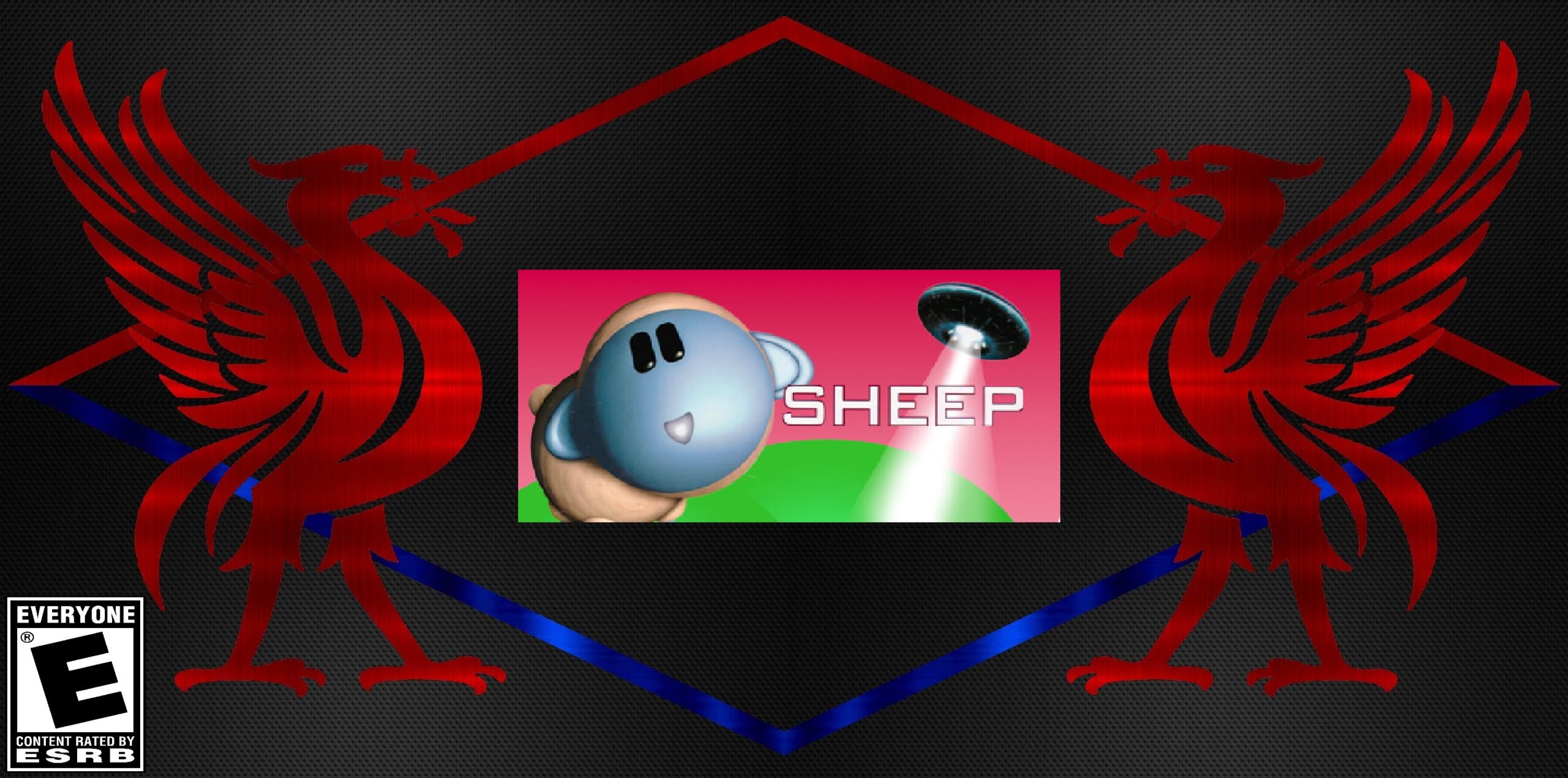
Released back in 2000 and receiving mixed to positive reviews upon release (including a nomination back in 2005 from Computer Games Magazine for the best classic game of 2000), with most reviewers drawing comparisons to Lemmings, Sheep is a puzzle game whereby players must herd sheep from the start of stages to the end. I went in not expecting much of this game. Since, on the face of it, it was cheap and primitive-looking upon the first inspection. And seemingly developed on a budget by a somewhat renowned company at the time. However, I wasn’t overly disappointed with the game. Since, though not without its faults, it was fairly enjoyable to play and challenging to boot. 

Graphics – 7/10

As I mentioned previously, Sheep has drawn comparison mostly to games like Lemmings and Worms, as in terms of gameplay, it seems to be a game within the same strata. In terms of visuals. However, I began drawing comparisons to the original Blood Omen with its top-down view and pseudo-3D graphics. So much so that I wonder whether or not both games were made on the same engine, in fact. The cartoonish aspect also reminded me uniquely of the Toy Story game released on fourth-generation hardware. Where the visuals are concerned, it does have a certain charm to be enjoyed that is comparable to Worms. Between in-game graphics and the various cutscenes throughout the game. 

Gameplay – 7/10

The concept of gameplay is to try to herd sheep from one end of each level to the other within the time limit allocated. Additional bonus points are up for grabs depending on the time each level is completed. As well as gaining bonus points for herding sheep through additional obstacles across each level. I’d seen herding mechanics in games before playing this. Such as in the original Jak and Daxter, for example. But nothing anywhere near this extent or to this level of challenge. Overall, I was pleasantly surprised to find out how well this game plays out. And how unique it is compared to most PC games released at the time. 

Controls – 9/10

The mechanics of the game are pretty well thought out, and there is a minimal amount of issues with the controls in conjunction with this. The only problem that I had with the control scheme was that it was a little difficult to get to grips with at first. Especially since it’s not specified at first which buttons do what throughout the tutorial. But once figured out, it’s easy enough to get to grips with. The programming is a little bit questionable since sheep can sometimes veer away regardless of what commands the player gives. But these things aren’t enough to cause too much of an issue throughout playing. 

Lifespan – 4/10

The game can be made to last 3 to 4 hours overall. This is definitely the most disappointing aspect of this game. Since with a concept as unique as it is, it needs to be made to last as long as possible. And I think it could’ve easily been made to last at least twice as long. It’s surprising to me that the developers chose not to release a sequel, as it’s also a formula that could’ve been extensively modified in terms of gameplay as well. It vaguely reminds me of what Hogs of War 2 may have been if it had seen the light of day. 

Storyline – 5/10

The general gist of the plot seems to be that the sheep that are to be herded throughout the game are, in fact, aliens from another planet, and they must be herded in order to stop a mad scientist named Mr. Pear. But it’s not an aspect that adds a great deal to the game. Throughout, it’s only vaguely touched upon and not ostensibly given any true clarity. So it’s much more difficult to get invested in than in other games. But ultimately, it doesn’t bring down the overall experience too much. It’s not truly a game that is played for its story. 

Originality – 7/10

As I said, Sheep was one of the more stand-out gaming experiences on PC at the time of its release, as most of what was being released on PC at this time was RTS games or god games. Whilst I didn’t play it when it first came out, I can understand how many gamers who did so would’ve most likely seen it as a breath of fresh air. Especially compared to most other PC games. Whilst playing something more akin to what was being released on home consoles.

Mind’s Eye Productions, throughout the company’s life cycle, would mostly develop games based on popular licenses such as Starsky & Hutch, Thomas the Tank Engine, and Monopoly. So coming up with a unique concept like this would have felt like a breath of fresh air to them as well; they would have wanted to put as much effort in as possible, and for the most part, that does show. 

Niiutral

To summarize, Sheep is a game that is enjoyable to play, especially for those who are looking for a stern challenge among classic PC titles. Though not without its flaws. It’s a fun game that the developers clearly had a lot of fun creating themselves, and it stands out as one of their better games before the company’s acquisition by Disney back in 2005. 

Score

39/60

6.5/10 (Above Average)

Space Invaders 99 (PC, PS1, Nintendo 64 & Game Boy Colour)

Space Invaders 99

Developer(s) – Z-Axis & Activision

Publisher(s) – Taito

ELSPA – 3+

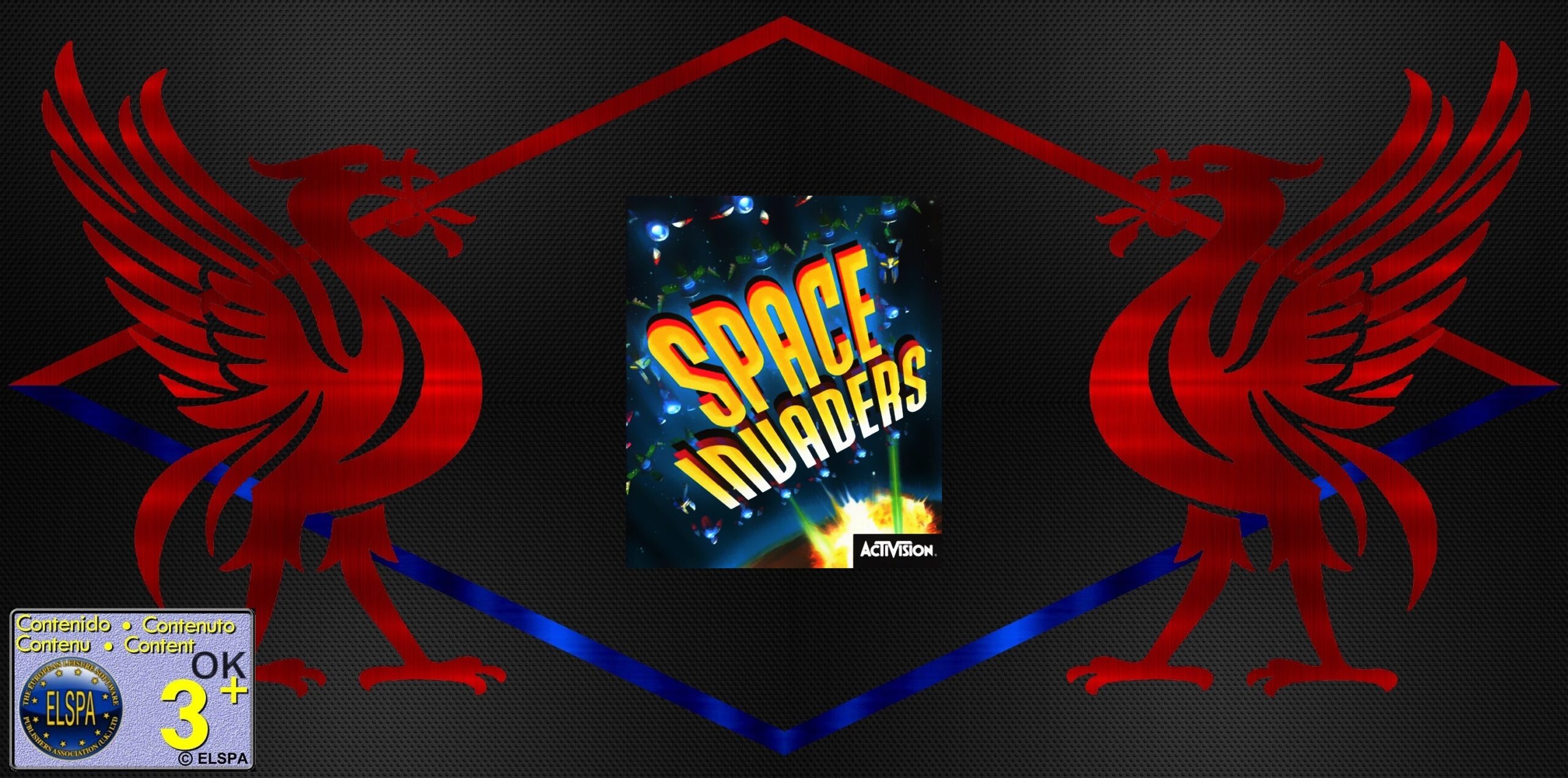
Paying homage to the original 1978 classic arcade title, the updated version of Space Invaders, released back in 1999, was far more than a simple remake. The developers rebuilt the game from the ground up. Giving it a new lick of paint in terms of visuals and concept design. And giving players much more to play for than a high score. Recently, I reviewed an example of how not to revive a classic arcade franchise in Dig Dug Deeper. But to counteract that, I thought I would write a review of an example where the developers got it right. And Space Invaders 99 certainly got it right. Although I do have to say, as a prerequisite, that I did spend a lot of time playing this game when it was first released, it’s an experience that still holds up to this day. 

Graphics – 8/10

From a technical standpoint, Space Invaders 99 is more or less on par with most PC games released at the time. As well as what was being showcased on fifth-generation hardware. Which makes it seem all the more disappointing to know that there was a canceled Dreamcast version. It makes me wonder how the graphics would’ve possibly been updated for early sixth-generation hardware. But nevertheless, it’s in the conceptual design where this game truly comes into its own. The developers redesigned everything from the player’s ship to the enemy ships and added new graphical features, such as the selection of different levels to progress through. As well as a series of boss fights. The soundtrack that was composed for the game also fits the game’s atmosphere perfectly. It sounds foreboding yet otherworldly at the same time. 

Gameplay – 8/10

Having the template of the original game to work with, the general formula is the same. Players must destroy incoming alien ships before they reach the bottom of the screen. However, what makes this incarnation of the game stand out from the original version is the plethora of new gameplay features. Including a variety of different weapons to use, and boss fights at the end of each level. And a surprising amount of unlockables. Including a port of the original game thrown in for good measure. It also exemplifies how new gameplay features can coincide with new enemy designs. In that, different weapons are accessible by killing four of one enemy type in a row. Players also have to strategize differently in accordance with each boss fought throughout the game. It’s a lot like Titan Attacks, only released over fifteen years earlier. 

Controls – 10/10

On console and PC, and like the first game, the control scheme is easy to get to grips with, even for entry-level players. Not coming with any unnecessary complications or the kind of silly oversights that came with the likes of Dig Dug Deeper. They’ve also been updated in accordance with the additional gameplay features available to be taken advantage of, which only makes this game all the more impressive. 

Lifespan – 10/10

Although the main game can take less than 2 hours to complete, depending on the difficulty settings, it’s a game like Star Fox 64. Although it can be rushed through, it can also be played and enjoyed on far more than one occasion and in a relatively short span of time. It is most definitely a game good enough for repeated playthroughs. Add to that the fact that the original game can be unlocked. Thus increasing the game’s longevity even further. Whilst most kids I knew at the time were playing Gran Turismo 2, I was hooked on this. 

Storyline – 6/10

The game’s story is simply a basic premise. Earth is under attack by alien invaders, and a sole fighter pilot is tasked with repelling them. But what makes this game’s story excel beyond being a simple basic premise is how it is portrayed. There’s a cutscene for both the start and the end of the game. It portrays the player-character’s struggles and triumphs. As well as a foreboding portent at the end. Of course, players ought not to be looking to play a game like this to immerse themselves in the story; it’s just a small tokenistic thing added to the game to give it that extra push over the line. And it does make the experience all the more enjoyable for it. 

Originality – 7/10

Although this game largely copied a blueprint that had been around since 1978, this version of the classic arcade game didn’t simply copy the formula but reinvented it with the inclusion of many new graphical and gameplay features. It was games like this that also would’ve been instrumental in setting the precedent for many indie developers to do the same, such as with Titan Attacks and Ultratron. It’s a shining example of how a team of developers doesn’t simply revamp a classic game for the sake of it, but also to make the gameplay experience their own. 

Happii

Overall, Space Invaders 99 is a wonderfully crafted and highly recommended take on the original arcade version of the game. It’s a wonderfully innovative and charming labor of love that shows the developers all put 100% into making it. Evidenced in every detail. 

Score

49/60

8/10 (Very Good)

Worms Armageddon (PC, Dreamcast, PlayStation, Nintendo 64, Game Boy Colour & BeOS)

Worms Armageddon

Developer(s) – Team17

Publisher(s) – Atari, Team17, MicroProse, Hasbro Interactive & Infogrames Entertainment

ELSPA – 3+

The original Worms game was very much a question of trial and error, but still turned out to be a very good game. Worms Armageddon, however, took the same formula and built upon it extensively. Making for a much better gaming experience than the first. Delivering more on their outlandish sense of humor and unique gameplay style, Team17 set the bar for innovation within the industry with Worms Armageddon. It continues to hold up as an excellent game to this day.

Graphics – 7/10

As well as having greatly improved visuals from the original game. With the character sprites being in a lot more detail than before, the settings in Armageddon are also a lot more diverse. And the sound bites used are a lot more humorous and varied. However, for several reasons, the PlayStation port, in particular, is much better than the Nintendo 64 version of the game. One of which is the inclusion of the many funny FMVs shown before each battle. Which, in the Nintendo 64 version, are absent.

Gameplay – 7/10

Thankfully, the great gameplay is present in all ports of the title. The biggest improvement is that there are a lot more game modes to indulge in. And thus, increased variety. As well as having single or multiplayer, there is also a training mode, which can be used to improve the status of either pre-created teams or custom-made ones. All these new features work to keep things a lot more interesting than in the previous installment. It gives it much more replay value as well.

Controls – 9/10

Just like the first, however, the only issue I have about the game’s control scheme is the system of measuring upwind resistance against trajectory to take the most accurate shot possible with bazookas or grenades. In my opinion, it makes the game unnecessarily difficult at times, given the most awkward of circumstances and unit positions. However, there are no problems otherwise. It can be argued that it is also easier to play it on the PlayStation than it is on the Nintendo 64. Given the size comparison between the two systems’ controllers.

Lifespan – N/A (10/10)

Like the first game, Worms Armageddon is a game that can simply be picked up and played without players having to worry about making progress in the conventional sense of having to worry about how fleeting the experience may feel after they’ve finished playing. However, with Armageddon, the extra gameplay features warrant heightened player interest and thus can be made to last even longer than the original game would have done.

Storyline – N/A (10/10)

Instead of Team17 tradition, Armageddon, as well as the entire Worms franchise, has no established story. But only a basic premise. Worms warring with each other. Again, the best thing about the premise of Worms Armageddon is the continuation of the comedic value displayed in the many FMVs of the game, which play out before each fight. While they may not be quite as funny as the ones in the original game, they’re still quite humorous.

Originality – 7/10

Even at the back end of the 90s, when a lot of the innovation and outlandish ideas of the fifth generation had been well and truly established, Worms Armageddon, in my opinion, was still able to stand out among many of the other different games that were around at the time. It wasn’t as if the idea had been completely fazed out by that time; the idea still hasn’t been fazed out even to this day. Team17 continues to release and re-release installments of it regularly.

Happii

To sum up, Worms Armageddon is my favorite Worms game of all time and one that I would highly recommend to any fans of the series who may not have played it yet. Team17 has produced many ideas that may sound ridiculous on paper but work well on the console over the course of their foray into gaming, but this, to me, is the one that stands out most.

Score

50/60

8/10 (Very Good)

Worms (Amiga, CD32, Jaguar, Super Nintendo, Game Boy, Mega Drive, Sega Saturn, MS DOS, PlayStation & PC)

Worms

Developer(s) – Team17

Publisher(s) – Ocean Software

Designer – Andy Davidson

ELSPA – 3+

Starting as an entry for a programming competition called Total Wormage, Worms went on to become not only a hugely popular game but a hugely popular franchise. A by-product of the 90s, a strange time for the industry in its own right, Worms combines some concepts that may sound ridiculous on paper. But makes for something very entertaining on either CD or cartridge format.

Graphics – 6.5/10

The designs of the in-game battlefield, in particular, are unique compared to typical video game settings. Not only for its time but for video games in general. It takes place in settings varying from glaciers to scrap yards. The FMVs that play out before the beginning of each battle were also pretty well done for the time and added quite a bit of entertainment to the game. I will elaborate on this further in the review. The aspect that I think lets the visuals down, however, is how poorly detailed the character sprites stand out among the in-game scenery. I think by that token, the game hasn’t aged particularly well from a visual perspective. After a while, the sound bytes of the character voices could get a little annoying after a while in the first installment.

Gameplay – 6.5/10

I find that this game’s fairly strong level of addiction can be attributed to how many challenges can be involved at times. And for how much strategy and variety in gameplay were surprisingly included in a game like this, which I personally commend it for. At the time, there was something strangely wonderful about determining the best way to take out each of the opposing team’s worms before they took the player’s team out. And it’s a unique gameplay novelty. Which I believe still holds up to this very day.

Controls – 9/10

The only gripe I have about this game’s control scheme is the system of having to measure upwind resistance against trajectory to make the most accurate shot possible with the bazooka or grenades. In my opinion, that can make the game unnecessarily difficult at times. Given the most awkward of circumstances and unit positions. To my dismay, this system would feature in future Worms titles. However, there are no problems otherwise.

Lifespan – N/A (10/10)

As a game with no fixed lifespan, it only lasts as long as the player’s interest. Like games such as Mario Kart, Worms is a game that can simply be picked up and played without players having to worry about making progress in the conventional sense of having to worry about how fleeting the experience may feel after they’ve finished playing.

Storyline – N/A (10/10)

As with many video games before and after the release of Worms, this game has no properly established storyline. But rather a mere basic premise; worms warring with each other. The best thing about the premise of Worms is the entertaining comedic element portrayed in the many FMVs of the game, which play out before each fight. This would become a staple in the series. Much to my personal approval.

Originality – 7/10

In the ’90s, in particular, when most players were primarily used to 2D side-scrolling and first-person shooting, a real-time strategy game about worms at war. Using a wide variety of weapons and gadgets to subdue each other was a breath of fresh air on both a conceptual level and in terms of gameplay. Indeed, these are the kinds of seemingly nonsensical ideas. These have been the very foundations for some of the greatest video game franchises ever conceived.

Happii

In summation, Worms is a very unique and compelling game. Whilst not holding up from a graphical point of view, it definitely holds up in terms of both gameplay and originality. In my opinion, it’s a must-have for any fan of the real-time strategy genre.

Score

49/60

8/10 (Very Good)