Category Archives: Video Game Reviews

I am Scouse Gamer 88; an amateur Liverpudlian game reviewer making his opinion heard about as many video games as possible. Scroll through and read all my video game reviews from A to Z. All my thoughts and opinions on some of the very best and very worst games released!

Throughout my career, I have reviewed a great of games; be that AAA mainstream titles or independently developed indie hits. In my 30+ years, I have had extensive experience playing every kind of game. Ranging from critically acclaimed beloved titles to forgotten flops.

I take great pride and put great care into what I do, and I hope you enjoy reading my reviews as much as I writing them!

Chronology (PC)

Chronology

Developer(s) – Bedtime Digital

Publisher(s) – Bedtime Digital

PEGI – Not rated (Suitable for all ages)

The debut game of Danish indie outfit Bedtime Studios, who would go on to develop the critically acclaimed indie hits Back to Bed and Figment, Chronology is a 2D side-scrolling puzzle game. This puts the player in the shoes of a kindly old inventor and an anthropomorphic snail with the ability to manipulate time in various ways. Although I had minor issues with this game, it is a very fun title, which provides an insight into how future Bedtime Digital games would be influenced and where many of their ideas for games came from. 

Graphics – 7/10

The game’s visuals are entirely and lovingly hand-drawn, taking place in a contrast between the lush green environments of the present day and the dark, gloomy, and seemingly lifeless environments of the future. Visible depending on which timeline the player is in at any given moment. The scenery is almost like a character in and of itself. With a contrasting personality and a perpetuation of a theme. That theme is the nature of time itself. The game’s soundtrack is, for the most part, very calm and relaxing. But it can start to add to tension during precarious platforming sequences, for example. 

Gameplay – 7/10

The game relies on the player’s ability to effectively platform as well as puzzle-solving to progress. The player must switch between both characters in order to solve puzzles by manipulating time. And changing elements of the world in conjunction with how things will be in the future or present if certain things are done at opposite times. It’s really satisfying to be able to solve each puzzle as it comes. As the entire game can challenge players vigorously to think on their toes for the most part. 

Controls – 10/10

The controls, as the 2D side-scrolling genre has been around for over 40 years, were expected to have been done correctly. And so they are in this game. There are no unnecessary issues with platforming interaction. And it’s quite clever the way the developers handled the snail’s part in this game in terms of movement in order to progress. For example, the player may have to position the snail in a certain way for the inventor to be able to reach particularly awkward ledges. 

Lifespan – 6/10

The game lasts there about the average lifespan of a traditional 2D side scroller. Which is around an hour and a half. Although Bedtime Digital would’ve inevitably been operating on a budget since this was their first title, I think there was certainly scope for it to have been made to last a little longer, at least. Lifespan in their games is something that would be decisively improved upon with games that the company would go on to develop in the future. Such as in Back to Bed, Figment, and their upcoming game, Figment 2: Creed Valley. But Chronology is a pretty short game. Given how inexpensive it is, it’s not something that should be marked down too much. 

Storyline – 7/10

The story of Chronology follows the exploits of an old inventor. He has been forced into exile by his mentor after having developed a device known as the Verve. Encountering a huge anthropomorphic snail, they resolve to find the mento. And confront him in a plot that provides an intense twist ending. The concept of the game’s story is unique. And well presented for the small amount of time the game lasts. It’s packed with comedic moments between the inventor and the snail. And it all comes to a head between the inventor and his former teacher in the final confrontation. 

Originality – 6/10

Although the story’s concept is relatively fresh in terms of gaming, where the game apart most is its approach to gameplay. I’ve seen many puzzle-solving platformers since the start of the eighth generation. But very few have been handled in the same way as in this game. Save for titles like The Swapper, Fez, and Guacamelee. For their first foray into gaming, Bedtime Digital did fairly well to provide players with a fresh new experience and would provide the ideal springboard for where their later games would go.

Happii

Overall, Chronology, though short, is a fun game for the time it can be made to last. It’s a fairly unique side-scrolling game filled with brain-testing puzzles and a story concept that stands out relatively well within the indie development circle. 
Score

43/60

7/10 (Fair)

Gentlebros

Q&A With The Gentlebros

The eighth generation of gaming had seen a further influx of independently developed video game titles garner mainstream success, with gamers being hungry for not only AAA big-budget blockbuster games, but also titles that hearken back to the simpler times of the older generations before it. Working for the plethora of gamers, either wanting that sense of nostalgia from a 16-BIT rendered title like Blasphemous, or gamers wanting to try out new ideas perpetuated by indie developers. Such as Scott Cawthon with the Five Nights at Freddy’s series. One such game studio that garnished the same level of success over the last four years is The Gentlebros.

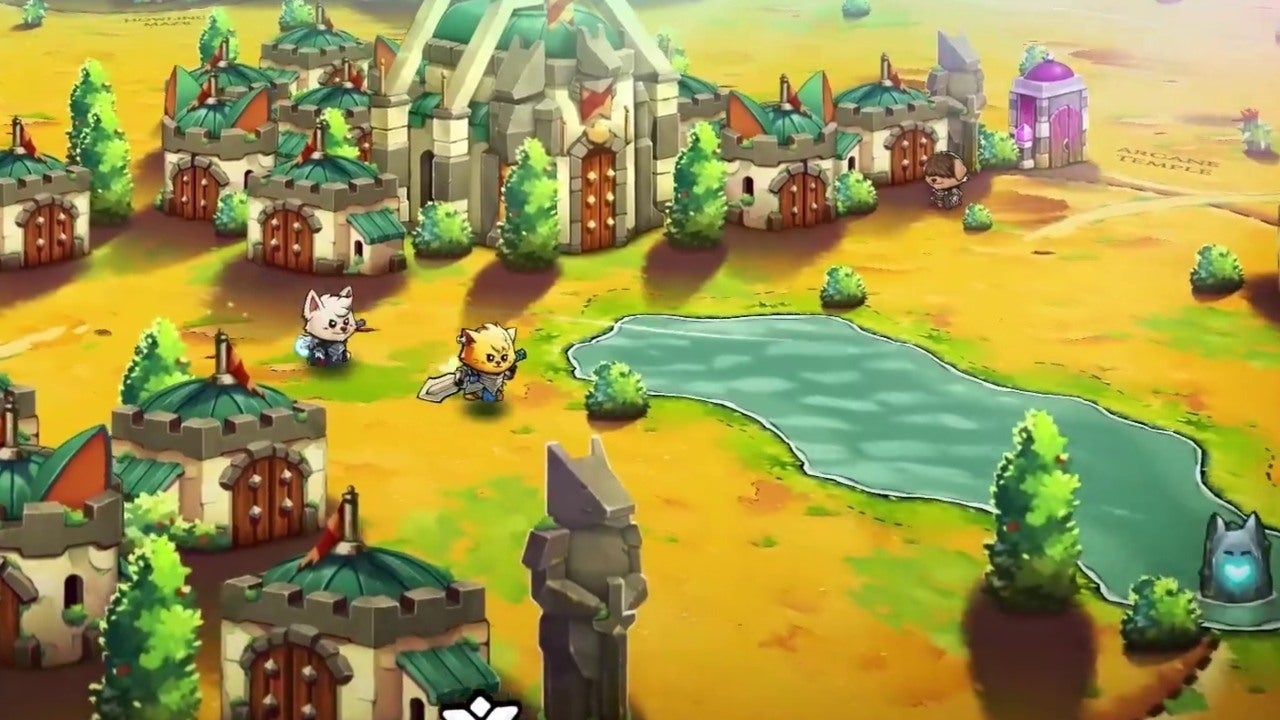
Based in Singapore, The Gentlebros have since established Cat Quest. A series of open-world adventure RPGs set in a world governed by both cats and dogs. From the cat-ruled realm of Felingard to the dog-governed Lupus Empire. Both Cat Quest and Cat Quest II have been met with both commercial and critical acclaim from both gamers and reviewers alike. And have since established themselves as one of the more successful indie development studios in recent years.

Along with the likes of The Game Kitchen, Cellar Door Games, and Housemarque. wanting to know more about The Gentlebros. And what the future holds for the company, I got in touch with the studio’s CEO, Desmond Wong, to ask a few questions about what the developer’s prior experiences with games were and what they plan to do going into the ninth generation of gaming. Here’s what Desmond Wong had to say about The Gentlebros and the Cat Quest series:

Gentlebros 1

Where did the idea to make a series about cats and dogs originate from?

It actually started as a dancing game! Full story here: 

https://www.thegentlebros.com/blog/general/story-open-world-rpg-actually-started-dancing-game/

What was the most exciting aspect of developing the Cat Quest series?

I think the most exciting thing from a writing perspective was how we could cat-ify all our favorite RPG tropes and just have a lot of fun with it! Making Cat Quest has also enabled us to ‘fix a lot of the issues we had with open-world RPGs in recent years. And give players a more streamlined and accessible experience.

Gentlebros 2

What was the most challenging aspect of developing the Cat Quest series?

I think the toughest part in both games has always been how to create a robust adventure with the limited resources we have. We’re just a three-man team. And making an RPG that lasts many hours with so many mini-stories and challenges is a huge undertaking. It’s really easy to fall into the trap of reusing level layouts and quest designs. And I think we did a slightly better job of this in Cat Quest 2(than CQ1). But it still took a lot of creative use of existing mechanics and assets to create something new each time.

Has the idea been contemplated of making a Cat Quest III?

Absolutely. Although we can’t go into details, we did end CQ2 with a tease for CQ3. We know where the story will go, and can’t wait to eventually get to it.

Gentlebros 3

How rewarding has it been seeing Cat Quest garner as much critical acclaim and popularity as it has over the years?

It truly has been a humbling experience, and we never thought our game about cats would be played by so many people.

What were the team’s prior developmental experiences before The Gentlebros was formed, if any?

All three founders worked in Koei Tecmo, where we worked on games like Dynasty Warriors, Dead or Alive, and Fatal Frame.

Gentlebros 4

What other types of games would the development team like to create in the future?

Personally, I would really like to design a game about traveling. I went on a road trip to Iceland a few years back. And the whole experience was just pushing onward. Seeing new sights and finding places to sleep for the night was just immensely fun. I would love to make an open-world game that focuses less on completing side quests and just focuses on traveling instead.

Had there been ideas scrapped from the Cat Quest series that you guys would’ve liked to have seen kept in?

Yes, we had so many ideas for weapons, enemy types, and abilities. But I think the one thing we would have liked to have kept in CQ2 was a relationship system where you could build friendships with certain NPCs in the game. It would have added so much to the theme of Unity for CQ2, and perhaps in the future, we could do something similar in another game.

Gentlebros 5

What was the most important principle that was kept in mind by the studio as a collective whilst developing Cat Quest?

Accessibility, for sure. Our core design principle has always been how we can simplify and condense any mechanics to its essentials. Addition by subtraction is our mantra, and although some have found our games lacking depth because of this, seeing Cat Quest being enjoyed by kids. And even being able to bring non-gamers into the world of gaming makes us believe our decision was worth it.

Do you have any advice for aspiring developers who may be reading this?

Never give up.

Do you have anything else to add?

Do follow us on our Facebook page and Twitter, or join our Discord if you want to chat with us!

Facebook: https://www.facebook.com/gaming/catquestgame

Twitter: @TheGentlebros

Discord: https://discord.gg/AyUBfNfq

Gentlebros 6

I’d like to take the opportunity to thank meow, Desmond Wong. For agreeing to do our Q&A, and wish you and the rest of The Gentlebros the best of luck with the third Cat Quest game. As well as any new titles you decide to work on in the future. If you guys want to learn even more about The Gentlebros, check out their social media via the links above. Or check out their main website here:

gentlebros.com

In the meantime, I hope you guys enjoyed learning about this paw-some and promising new development studio as much as I did. The Cat Quest series is a very promising new saga in gaming. And I’m looking forward to what the third game has to offer.

Game on,

Scouse Gamer 88

Blood Omen: Legacy of Kain (PC & PlayStation 1)

Blood Omen

Developer(s) – Silicon Knights

Publisher(s) – Crystal Dynamics & Activision

Director – Denis Dyack

Producer(s) – Rick Goertz, Lyle Hall & Joshua Marks

PEGI – 18

Released in 1996 as the first instalment of the Legacy of Kain series, Blood Omen was met with immense commercial success as well as critical acclaim. A top-down adventure RPG inspired by the likes of The Legend of Zelda series, it stands as one of the earlier examples of a game containing a cinematic story, influenced by such novels as Bram Stoker’s Dracula and the works of Shakespeare, dealing with themes such as birth, death, rebirth, and moral ambiguity. To me, everything about this game is every bit as unique and refreshing for the time as what the developers set out to accomplish. It stands out to me as one of the best games ever released on the original PlayStation. 

Graphics – 7/10

Blood Omen, as well as the entirety of the Legacy of Kain series, is set in the 15th-century-inspired land of Nosgoth, where nine skyward pillars sit, each governing nine different aspects of the world: time, death, balance, nature, conflict, states, dimensions, energy, and the mind. The game’s conceptual design also marks one of the earliest examples of the portrayal of dark fantasy in gaming; everything about Nosgoth feels ominous and gritty, and the 16-BIT rendered pixel art used does extremely well to invoke these feelings with some disturbing character animations and deeply atmospheric locations such as Vorador’s mansion, Dark Eden, and Nupraptor’s retreat. The game’s soundtrack does nothing but add to its overall sadistic feel; in addition, even in times where relevant safety is to be had in villages and towns, etc. 

Gameplay – 8.5/10

The game is a traditional adventure RPG, heavy on combat across the vast open world of Nosgoth. Players must travel in accordance with the story objectives, through the land, air, and even time at one point. It is also one of the earliest games to feature a conventional fast travel system, predating the likes of The Elder Scrolls II: Daggerfall, as Kain is able to transform into a flurry of bats in order to travel to different locations more quickly.

But where the gameplay truly shines is in its amount of variety in combat. Different weapons are acquired to adopt different styles of fighting. As well as the player having access to several magic spells to strategize in accordance with the kind of enemies they are fighting. Having already been familiar with the series before playing Blood Omen for the first time, since I started with the original Soul Reaver, I was at first quite surprised to discover just how much variety there is to be had in gameplay. But pleasantly surprised. It’s a game whereby, although its story is a huge part of it, it, to me, still doesn’t take precedence over the gameplay completely.

Controls – 9/10

The only gripe I would have with the game’s control scheme is that the command of attacking with melee weapons can be quite inconsistent at times. The way Kain’s sprite is animated doesn’t work well with trying to time each strike and can cause delays in doing so, it would seem. But apart from this one minor issue, there are no further major concerns with the controls to address. It’s also the developers added a fast travel system, since, unless Kain is in lupine form, moving around can be quite slow. 

Lifespan – 7/10

To complete the game 100% can take around 20 hours. Which was fairly impressive for a game at the time. But it also gave players an insight early on into the direction in which games were going at that point. Titles that last only a few hours at a time were no longer cutting it with players. And so developers seemed to start making longer games to accommodate this. No longer was it just Squaresoft and Enix making games lasting hundreds of hours each. But developers like Konami, Silicon Knights, and Crystal Dynamics would also follow suit. And Blood Omen is simply an example of this increase in standards. 

Storyline – 10/10

The story of Blood Omen is morally complicated, tragic, and wonderfully dark. It follows the story of a nobleman named Kain, who is attacked and killed by a group of assassins. Finding himself in the underworld looking down at the abyss below, the necromancer Mortanius offers Kain a chance for revenge. Kain takes up the offer, with the price being that he now walks the earth as a vampire, thirsty for human blood. However, his revenge against his killers turns out to be only a bit part of a far bigger plot. It embroils Kain in an entangled nest of intrigue, death, manipulation, moral ambiguity, mental and physical pain, and loss. 

Blood Omen plays out very much as a traditional Shakespearean tragedy. But with its mythology, settings, and set of shady and deceitful characters, it made for something very fresh in terms of storytelling at the time. Which, in all honesty, has never truly been replicated to this day. The story of The Legacy of Kain series, in general, would go on to become something even deeper and thematic. But the foundations laid down for all this with the first game were silently ground-breaking at the time.

Originality – 9/10

This game did a lot of things in terms of both gameplay and story that had not been seen before. And in terms of story, at least, they have rarely been seen since. Similar combat systems have been worked into many different games following the release of Blood Omen. And this game certainly had its influences in terms of gameplay. But regardless, it still stands as an experience unlike any other. And still mightily enjoyable to play today. To complete every quest and uncover every spec of expertly written dialogue and backstory is still a very rewarding gaming endeavour. 

Happii

Overall, Blood Omen: Legacy of Kain is a must-have for any fan of video games tackling the dark fantasy theme. It may never get the remaster it deserves, due to the legal issues between Crystal Dynamics and Silicon Knights. But this doesn’t take anything away from the original game. It’s a certified pleasure to play through every time. 

Score

50.5/60

8/10 (Very Good)

Blasphemous (PC, PlayStation 4, Switch & Xbox One)

Blasphemous

Developer(s) – The Game Kitchen

Publisher(s) – Team 17

PEGI – 16

Released back in 2019 to universal acclaim after an immensely successful Kickstarter campaign, Blasphemous is a Metroidvania title influenced by games such as Dark Souls and Resident Evil 4 combining wonderfully rendered visuals with intense and challenging combat sequences and precise platforming. After having gotten the chance to play this game myself, I was captivated from start to finish. It is most definitely one of the best Metroidvania titles released throughout the eighth generation of gaming. If not one of the best games in general released throughout the time. 

Graphics – 9/10

The game is set in the harsh and mostly dangerously desolate landscape of Cvstodia, which was inspired by religious art composed by classic Spanish artists such as Francisco Goya and de Ribera. The developers also drew further inspiration from the religious iconography of their hometown of Seville, Spain, with Gothic architecture and the religious attire associated with it. 

The world of Cvstodia is also beautifully rendered in 16-bit pixel art reminiscent of titles of the fourth generation of gaming. The world of Cvstodia is as wonderfully captivating as it is dark and gritty. It features some of the best examples of video game conceptual design I’ve seen for some time. Everything from the landscape to the character design attests to how much of a labour of love this game truly is. 

Gameplay – 8/10

Playing out like a traditional Metroidvania title, the game is heavy on combat and character development, as well as requiring precise and clever platforming to progress. Players must both subdue hordes of enemies and uncover new areas within by acquiring new abilities and improving their character’s stats. Two different endings are available to unlock. Which depends on what items the player has acquired and how they are used or modified. 

Another particularly standout feature in this game, however, is the boss fights, which again give testament to the quality of the game’s conceptual design. Bosses such as Ten Piedad, Our Lady of the Charred Visage, and my personal favorite, Exposito the Scion of Abjuration. The game is every bit as challenging as the titles it took influence from. But at the same time, not inaccessible. It’s also an extremely satisfying experience to revisit locations far stronger than before with the acquisition of new abilities and more health and magic. But also equally as satisfying to defeat each boss. It does exceptionally well to make the player feel like this is their journey, along with the player character. The Penitent One. 

Controls – 10/10

The game’s controls are precise and responsive, and present the player with no necessary issues. Which is desperately needed in a game like this. There’s nothing worse than when a developer tries to challenge a player with a tough game. And the controls aren’t right, like what I found with the original Mega Man. Fortunately, however, this issue is non-existent in Blasphemous.

Lifespan – 7.5/10

To complete the game to 100%, along with the DLC package The Stir of Dawn, will take roughly 30 hours. Which, for a Metroidvania game, is particularly impressive. It could possibly be made to last longer with the potential introduction of new DLC released somewhere down the line (here’s hoping). But regardless, this game will have players investing in it for a particularly long time to come. There are plenty of collectibles to scout for and abilities to acquire to make Blasphemous last more than a meaningful amount of hours. 

Storyline – 9/10

The story of Blasphemous follows a mute lone soldier known only as The Penitent One. He is the sole survivor of an order known as The Brotherhood of the Silent Sorrow. The Penitent One embarks on a pilgrimage in the name of The Miracle. A god-like supernatural force that governs the land of Cvstodia. It manifests itself in various twisted ways in the name of either mercy or punishment. 

The Penitent One seeks a holy relic named the Cradle of Affliction. He is instructed by a narrator of the Miracle named Deogracias to carry out the three humiliations. Thus, gaining access to the location where the Cradle of Affliction is housed. 

The game’s story is expertly structured and masterfully written with full voice acting and a plethora of lore and backstory to unearth throughout Cvstodia. It raises questions about the nature of godhood and everlasting life in a world where the desire for punishment or forgiveness comes at a high cost. And what impact religious institutions can have on the world. Again, it was yet another element to this game that excited me from beginning to end. 

Originality – 9/10

Taking into account everything about this title, from its conceptual design to its combat system to its gripping story, it is definitely one of the most original titles I’ve ever played. In a gaming generation that has been arguably over-saturated with Metroidvania titles in recent years, it would have taken something particularly special to make another one stand out among so many others. But this game does that flawlessly. It tackles themes, gameplay mechanics, and graphical features that have rarely been seen before. And will go on to influence a plethora of games for years to come. 

Happii

In summary, Blasphemous is definitely one of the best games of the eighth generation. The influx of indie games over the last seven years has made this generation one of the most exciting in the history of gaming. But this title will be one that gamers will still be playing long after. With its wonderfully rendered visuals, intense combat, and boss fights. And a story that players will be talking about for many years after its release. 

Score

52.5/60

8.5/10 (Great)

Shot In The Dark

Shot in the Dark (PC)

Developer(s) – Possum House Games

Publisher(s) – Possum House Games

PEGI – Not yet rated (strong violence)


Released by indie outfit Possum House Studios based in Rochester, New York, Shot in the Dark is a western side-scrolling shoot ‘em up game. Players must adapt to a black and white 8-BIT rendered universe (similar to Possum House’s previous title Heavy Is The Crown), to keep a sharp eye out for oncoming demonic enemies that are hiding in the fog or in the night skies. Ranging from gargoyles to undead gunslingers. Although I found a few faults with the game, I ended up enjoying it for the most part and appreciating it for its own unique take on the traditional 2D platformer genre.


Graphics – 6.5/10

The game makes use of 8-BIT visuals in black and white with specks of red; in conceptual design, it’s quite similar to MadWorld. Which I was quite impressed by this. The gripe I have with the visuals is that the character sprites are. Most notably, the human or skeleton sprites are made to look quite basic in comparison to many other 8-BIT rendered indie games. Such as Cathedral or Alwa’s Awakening. To go along with the tableau of the game, it may have been an idea to add grey colors to it to make the game more playable in general. As players are reliant on keen eyesight to detect enemies as it is. They also need it to make more environmental features stand out to a greater degree.


Gameplay – 6.5/10

The game is a 2D platformer similar to games developed during the third generation of gaming, with the difference being that it focuses on gun combat as well as precise platforming. With players having to shoot through hordes of enemies that are hidden across the level. The strategy the player must employ is not to rush through levels. And instead keep their eyes peeled for enemies that roam each level. These are easily concealed by environmental features such as mist or skies. It’s kind of like how Super Mario Bros may have been. If the idea was kept in for Mario to have a gun. But of course, this game provides its own take on that idea. And for the most part, it works relatively well. 


Controls – 7/10

The game’s control scheme was most definitely the biggest issue I had with this title. It’s designed to be played using a keyboard to input commands such as jumping, shooting, and reloading. And the mouse to aim the crosshair. But it doesn’t work all that well with a keyboard. It’s because this was how the game was intended to be played. But it doesn’t even work great with a traditional controller either. The reload system was put in to provide players with the added challenge of studying each environment to determine how they need to conserve ammo. But for the most part, it’s much more of a hindrance if anything. Since there’s no time limit to each level like a traditional platformer, mercifully, the game’s control scheme doesn’t make it unplayable. But needlessly frustrating at certain times. 


Lifespan – 6/10

The game has a fair few stages to it, and it lasts around the standard amount of time for a game of its ilk to last. Around an hour or two. There could have been some replay value to be added to it. Such as unlockable features or a scoring system to give the player a little more to shoot for, so to speak. But I can’t bring myself to knock it too much in terms of lifespan since some of the greatest 2D side scrollers throughout the years have been developed to last there around the same amount of time. 


Storyline – 6/10

Again, like many games of the third generation, there is no standout story, only a basic premise. It would’ve done far better to stand out during the NES era. But since the western genre has been tackled in video games, particularly in recent years, it does relatively well to stand out in terms of story concept, but not overly well. The story makes me think of the game Darkwatch, but in 2D.


Originality – 8/10

The main aspect in which this game does quite well to stand out, however, is in its basic gameplay concept. There have been side scrollers reliant on gun combat before. But not quite like in the way it’s handled in this title. For all I’ve complained about it in this review, this game does have some redeeming value. And there is enough enjoyment for players to warrant at least one playthrough. 


Niiutral

Overall, Shot in the Dark, despite the gripes I’ve addressed, is a fairly enjoyable game and worth playing through at least once. It will provide quite a stern challenge for the more avant-garde side-scrolling fan. And it has a distinctive charm to it in its own right.  

Score

40/60

6.5/10 (Above Average)

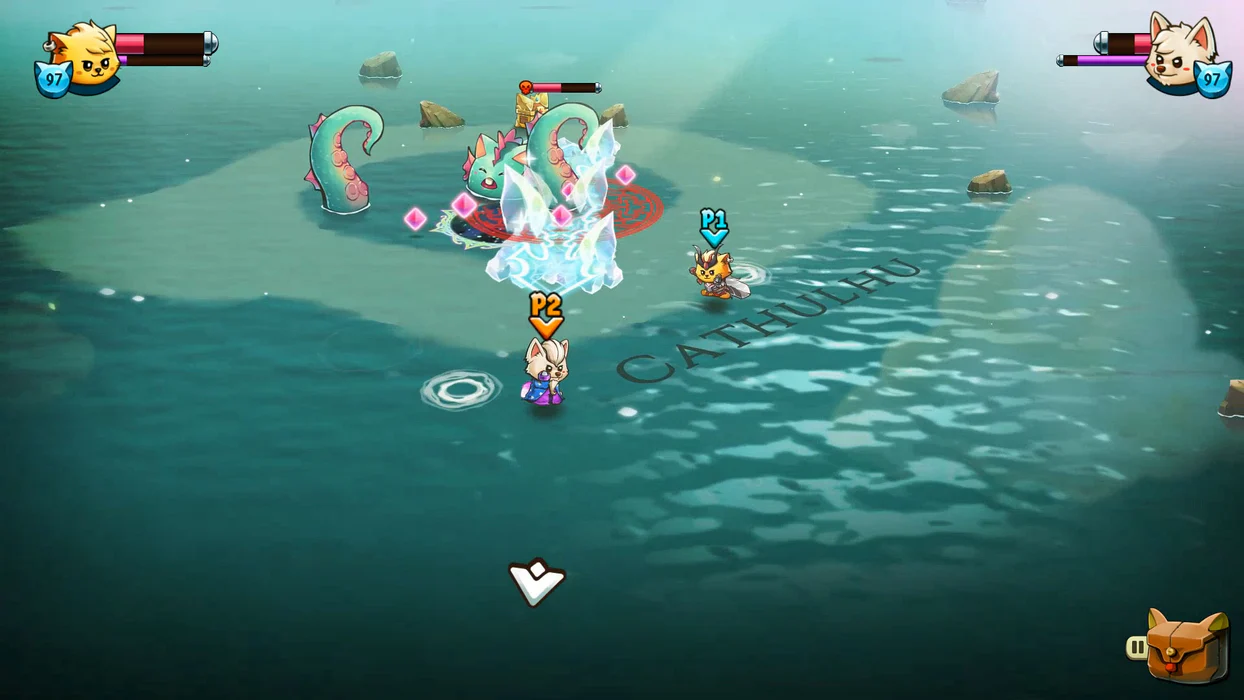
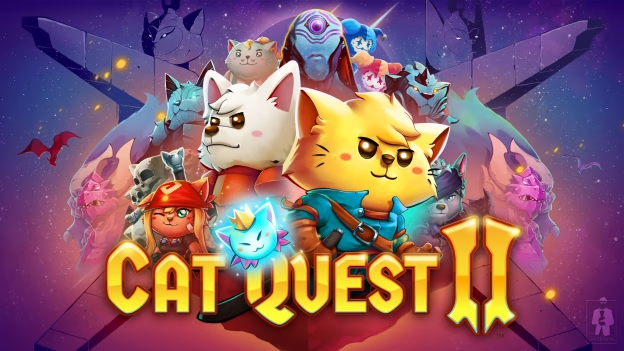
Cat Quest II (PC, PlayStation 4, Switch & Xbox One)

Cat Quest II

Developer(s) – The Gentlebros

Publisher(s) – The Gentlebros & PQube

PEGI – 7

Released 2 years after its predecessor to widespread critical acclaim, Cat Quest II picks up pretty much immediately where the first game left off. But at the same time, giving players a much bigger world to explore and more quests to undertake. As well as introducing a few new Gameplay mechanics and expanding the lore of the universe greatly. In every single respect, the second game is much better than the first. And the ideal way to expand on what is a very promising series of games indeed. 

Graphics – 9/10

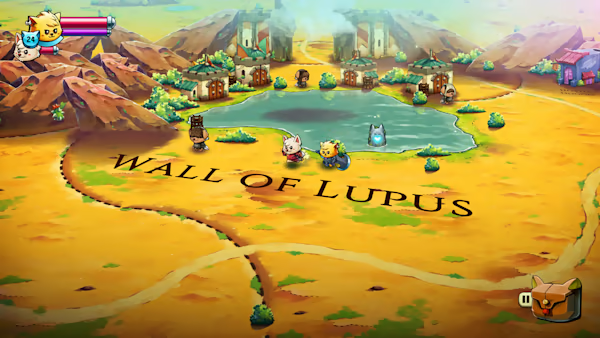
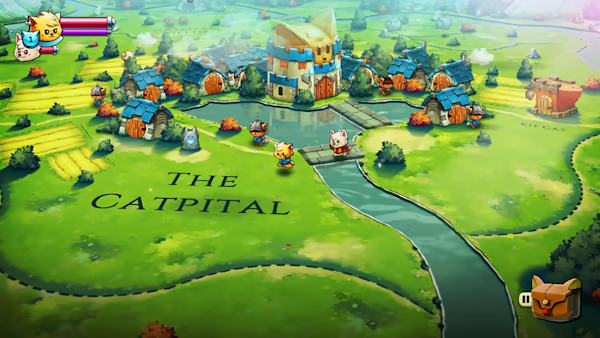
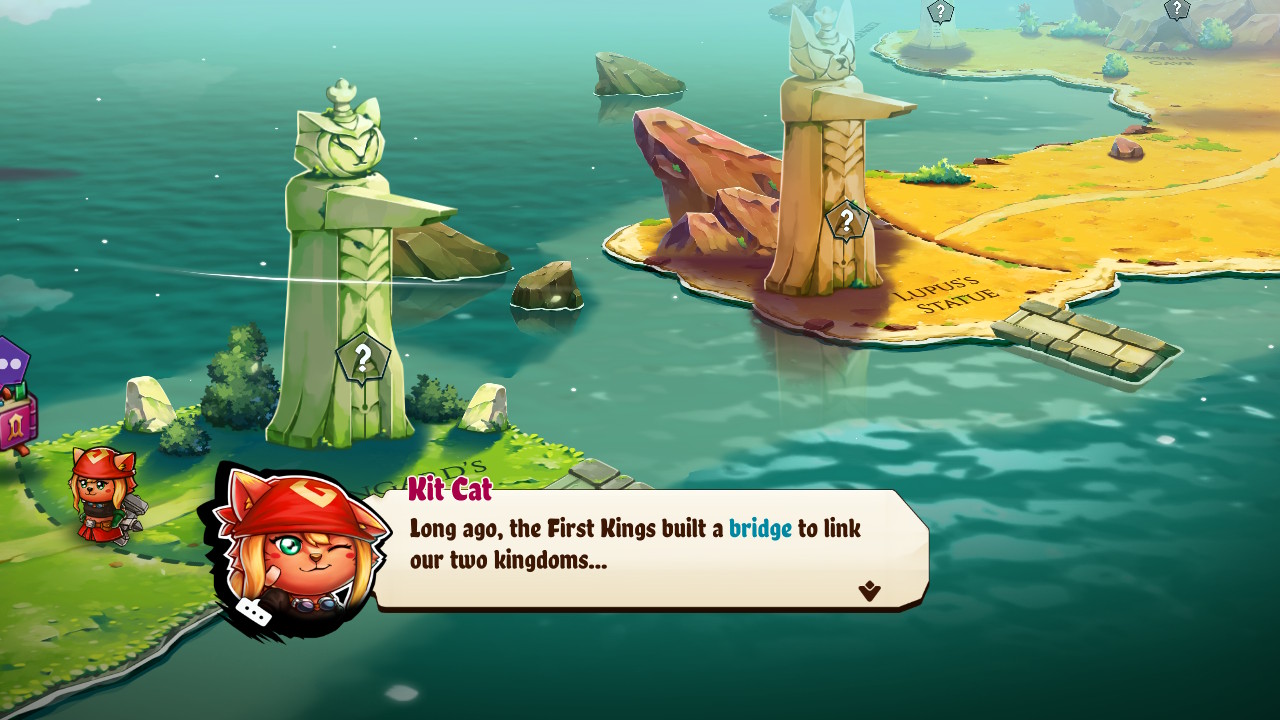
As in the first game, the game is set in the region of Felingard, where cat civilization is based, and the same dangerous creatures roam the landscape for players to have to contend with. However, Cat Quest also introduces players to the Lupus Empire. A realm inhabited by dogs, which has a whole new design to it and a whole load of new enemies to fight and locations to discover.

The Lupus Empire is a lot more barren and arid in stark contrast to the lush greenery of Felingard, and does well to demonstrate the developer’s abilities to diversify in terms of location design. There are also a few new technical improvements made in the visuals as well. Most notably in the water effects in underground cave areas. This makes each of these locations stand out from one another much better than before. Being a sucker for water effects in games, I was particularly impressed with how they were handled in this game compared to those of the first. 

Gameplay – 9/10

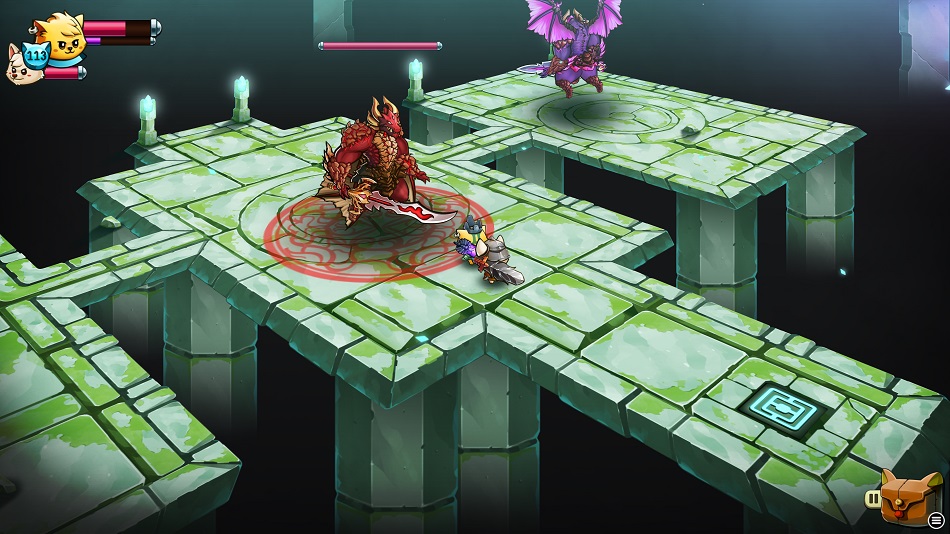
In terms of gameplay, Cat Quest II is very much like an extension of the first game. The premise is virtually the same, with a couple of newly added gameplay features. The most distinguishable feature is that the player now has control of two characters. Not just one, and can switch between the two at will. It makes the combat system itself infinitely more dynamic. With the introduction of new weapons for both characters to wield and new armour to discover and modify. In addition, there are also new spells to learn, as well as old ones from the previous game. There are also many more side quests to do around the game’s open world for longevity. 

Controls – 10/10

The game’s control scheme functions the same as in the previous game, and as such, there are no issues to be concerned with. Players will be able to go from Cat Quest I to II without skipping a beat. It doesn’t take long at all to get used to the newly introduced mechanics, either. As they’re simple enough to get to grips with. The new sprint option also allows for more efficient exploration in a shorter span of time.

Lifespan – 7.5/10

To complete the game 100% takes around 17 hours to complete. Whilst it isn’t a decisive improvement on the first game, it’s still an improvement nevertheless. I still think that a game of this potential and magnitude deserves to last far longer than what both the first two instalments have offered players thus far. But it was nice to see minimal improvements in this respect at the very least. 

Storyline – 7/10

Following the events of the first game, a cat king has been paired against his will with a dog king in order to bring about a truce between the warring regions of Felingard and the Lupus Empire. The story has all the charm that the first game did, with both cat and dog-related puns all over the dialogue and even a few off-hand references to classic games hidden here and there. The story also escalates into something far bigger than what the initial synopsis suggests. This all helps to keep the franchise as fresh as possible.

Originality – 7/10

The only gripe I would have in terms of originality in this game is that a lot of its soundtrack is the same as what was in the first game, especially at the beginning, which at first made me feel like I was simply playing the same game again, but with a few improvements. But after I’d played it for some time, I realized that wasn’t the case at all, and the soundtrack does become a lot more diversified as the game progresses, too, with new types of music taken from new influences. That being said, the excitement of the new combat system alone does well enough to keep the series fresh and to continue to differentiate it from many other indie game series developed over the last few years, and has made me all the more anticipatory of a potential third game. 

Happii

Overall, Cat Quest II, with many improvements here and there, is a much better game than its predecessor; the combat system has been modified greatly. And the charm and great atmosphere are both expanded upon to a phenomenal extent. And will do well to appease both fans of the series and newcomers alike. 

Score

50.5/60

8/10 (Very Good)

Aveliana

Q&A With Romain Dupuis

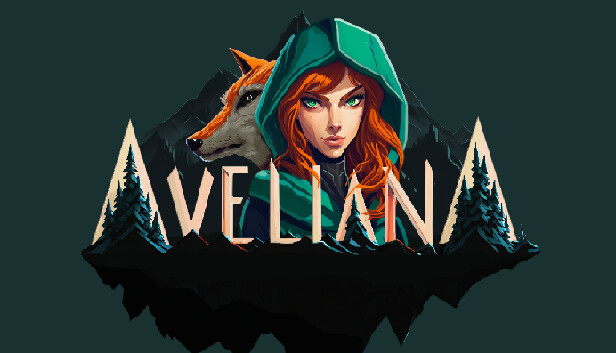
Whilst once again on the lookout for new indie games on Kickstarter and IndieGoGo, I today came across a new Kickstarter campaign with a style of play unconventional to most represented within the indie development scene. Aveliana, described as an infiltration action-adventure game, is a 2.5D title whereby players must find their own route through the game’s world based on the enemy’s AI and detection patterns.

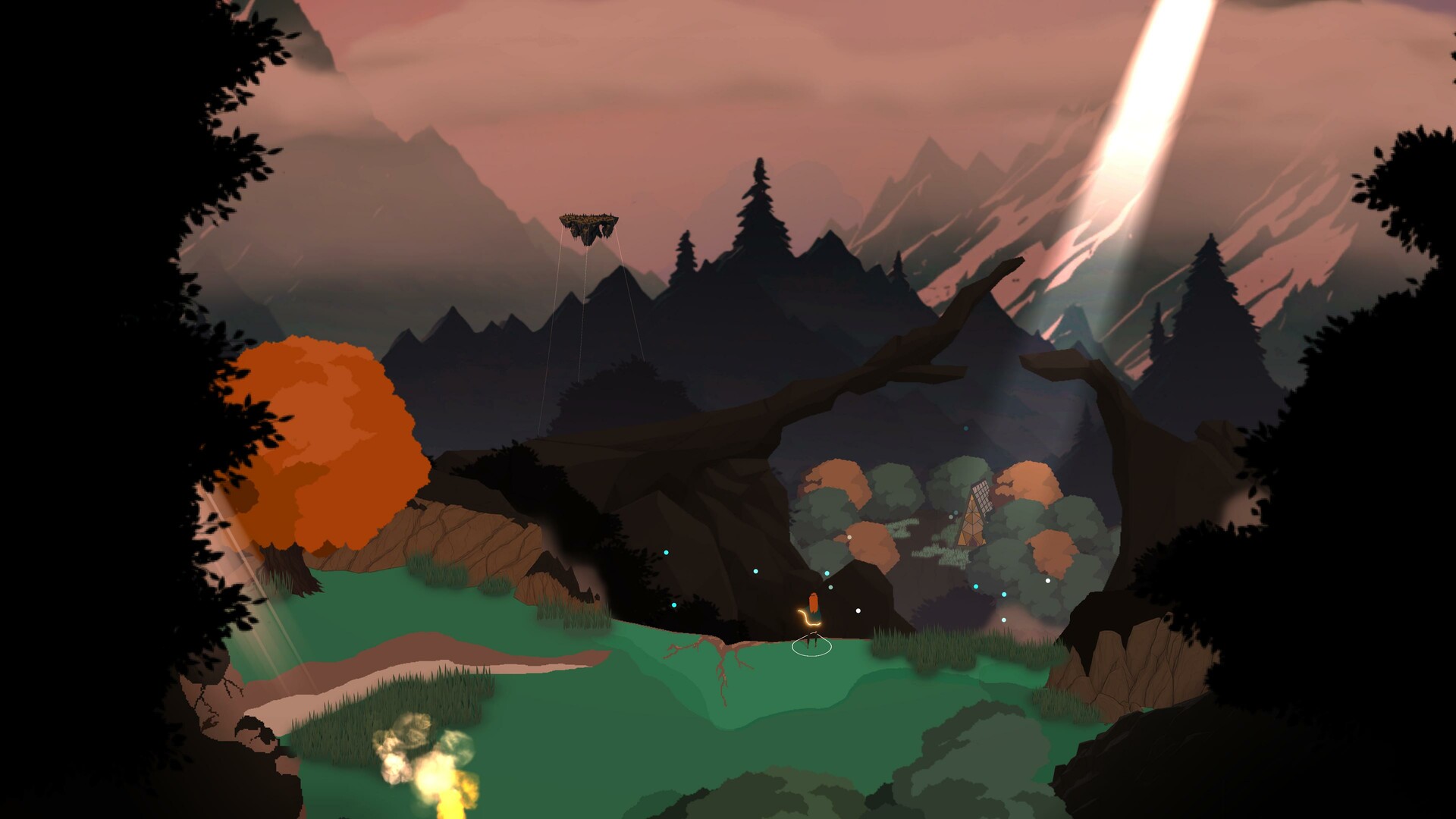
Players can choose to find alternate routes and secret areas through the game. Depending on their choices or what style of play they wish to implement. New abilities are unlocked over time to provide players with more options as the game progresses. Designed with lush 8-BIT scenery and varying atmosphere, the story follows the young titular character, Aveliana, wandering the land in a bid to bring back someone she has lost. Eager to know more about this game, I contacted its lead programmer, French indie developer Romain. He shared with me a great deal about the title and where he plans to take it upon its final release. Here’s what Romain had to say about Aveliana:

Aveliana 1

What were the influences behind your game?

A source of inspiration for the gameplay is the game Commandos, which is an old game where you have to infiltrate a base. In Aveliana, you control a single character. So the game is more dynamic and less tactical compared to Commandos. I’m also inspired a lot by physics (because I am a physicist) for the detection and attack patterns. Inspired by the games Gris, Children of Morta, Celeste, Cuphead, Rayman, and many others! Other arts also inspire me, such as painting, poetry, music, and anime (in particular, I love the work of Miyazaki).


What has the developmental process been like?

Since it is my first project, it is something completely new. And I didn’t know what to expect because I got the idea to start this project suddenly. I have never been passionate about something before! The whole journey is really exceptional. Part of this is due to the support I receive when I share about Aveliana on social media.

How close are we to seeing the finished product?

The developer version is at a very advanced stage. AI is done and optimized for all existing enemies, most of the levels are drafted or finished, I have drawn half of the cutscenes, and written the story. But the polishing of the game development will take time! I plan to release it at the end of 2021. There is already a playable demo at:

gamejolt.com/games/aveliana/500900


Aveliana 2

What has been the most exciting aspect of development?

I love implementing new gameplay mechanics, thinking about how rewarding they will be. And how risky it is for the player. I love games, and I find it exciting to see players try the demo. And see how they adapt to the mechanics I have thought about. Along with how they play around it.


What has been the most challenging aspect of development?

The most challenging thing for me is optimization. I know it is just a 2D game. But I am always trying to make it as optimized as I can. And this isn’t something easy for someone with no background in game development and game coding.


How well has the game been received so far?

The feedback is just incredible! I started to publish very early tests on my Insta feed in March. And I got about 1K followers in the first month. People appreciate the art style and tell me they immediately recognize it. The actors of the game industry also supported the game very early. Aveliana was invited to a showcase at The Escapist Game showcase last fall. And it has been featured on the platform where I host my builds (Gamejolt). I’m also very happy to receive fans of the game very often!


Aveliana 3

What platforms are you looking to bring the game to?

I am planning to release it first on Steam. There is already a Steam page where you can wishlist the game! Depending on how the game is received, I could make a console version in the future.


You mentioned on your Kickstarter that gaming genres like Metroidvania and roguelike are overrepresented within the indie development scene. Are there any genres of gaming that you think are underrepresented?

It is difficult to say because I would have to think about uncommon genres (or non-existing mixes), but I think as indie game developers, I need to do all I can to be creative and invent new things. When I tried to categorize Aveliana to publish the Steam page, it wasn’t that easy to find the correct keywords. And that’s something I’m proud of. Maybe I can think of city builders or RTS that are not often developed by indie developers. There is a lot of room for trying new ideas, and there are already some ideas I would like to try myself.


Have there been any ideas at this stage of development that have since been scrapped or reworked?

So far, I haven’t removed any features, but I have reworked a few times some monsters that were not really fun to play with. For instance, before, there was a kind of toad in the dark woods, but it was too complicated to notice, and it was too large for the narrow paths of this region. Replacing it with a flock of little flying machines that fit much better and are easy to catch with the eye. I also have reworked some visual effects that I wasn’t able to do when I started the project because I didn’t know how.


Aveliana 4

You also mentioned that the works of Hayao Miyazaki were a major influence on this game. Which films are best represented in the game, would you say?

I am clearly inspired by Ghibli’s work! I am not a fan properly because I haven’t seen the movies many times. But the one I love the most is Spirited Away (le voyage de Chihiro in French). I have a friendly monster in the game that looks like a shadow and is inspired by that movie. You can hide in it and hide from other monsters, but it will deal damage over time.


If you had the opportunity to develop a game with any company or any franchise, which would it be, and why?

I would prefer to develop my own little company and franchise if Aveliana is a success. Otherwise, I would like to join an indie group with a few people, but I haven’t thought about that yet.


Aveliana 5

Do you have any advice for aspiring developers who may be reading this? 

I think the advice for aspiring developers is to correctly set the scope of their projects. And to always be creative and original! I think it’s also important to have a good background in coding or to start with small projects.

Where on the Internet can people find you? 

People can reach me on Instagram @thefrenchdev, on Twitter @thefrenchdev_, and they can also discuss on my subreddit /r/Aveliana, and I have a Steam page for wishlists:

https://store.steampowered.com/app/1426740/Aveliana/

I often draw challenges for people who like to draw.

Do you have anything else to add?

An important piece of news is that the Kickstarter campaign has started today, and it will be up for a month! (https://www.kickstarter.com/projects/aveliana/aveliana) Someone already pledged for the maximum reward in the first two hours, but feel free to contribute for what makes you comfortable! I need your support to make the game as good as possible!

Aveliana 6

I’d also like to thank Romain for taking the time out of developing the game to talk to me about what Aveliana will have in store for backers and players. If you’re interested in backing Aveliana, be sure to check out the Kickstarter campaign and the Steam page. As well as Romain’s social media pages via the links in the Q&A. I, for one, am very much looking forward to seeing what the final game has to offer and I hope you enjoyed learning more about it as the Kickstarter campaign progresses.

Game on,

Scouse Gamer 88

God of War II (PlayStation 2, PlayStation 3 & PlayStation Vita)

God of War II

Developer(s) – Santa Monica Studios

Publisher(s) – Sony Computer Entertainment

Director(s) – Cory Barlog & David Jaffe

Producer – Steve Caterson

PEGI – 18

Released back in 2007, when the seventh generation of gaming had just started, and with many critics describing it as the swan song of the PlayStation 2 era, God of War II built on its predecessor, continuing the story. And adding many new combat features and mechanics required to solve new and more puzzles to progress through the game. Most reviews I’ve read seem to point to this game being far superior to its predecessor. But in my opinion, it’s about on par with the original God of War for a multitude of reasons. 

Graphics – 8.5/10

In terms of the technical aspect of the visuals, there isn’t a great deal of difference between this and the first game. In my opinion, there are no real improvements in the quality of the graphics. Which, in hindsight, was to be expected to an extent, given the relatively short development cycle. That being said, however, in terms of conceptual design, there is a massive improvement. In terms of diversity in scenery and level design. Keeping the tableau of the series fresh and distinguishable from the first God of War. The second game takes Kratos across an even bigger range of different landscapes than the first. It is, for the most part, confined to only a few different locations. There’s also a mixture of old and new enemies to fight. This also adds to the mythology of the series in a big way. 

Gameplay – 8.5/10

The gameplay is so similar to that of the original God of War that it’s ostensibly an extension of the original game. It’s heavy on combat and puzzle-solving and has the additional elaborate boss fights to contend with. Arguably, even more elaborate than those of the first game. There are several new weapons and spells to cast to keep things diversified, but overall, it still offers the same amount of satisfaction to be had in upgrading weapons and learning new abilities. And, of course, progressing through a new story. 

Controls – 10/10

With the seamless introduction of a few new mechanics, the game’s control scheme is identical to that of the first game. There are no issues, and combat is as fluent as what needs to be (especially on harder difficulties). And there are no needless complications to frustrate players. The context-sensitive sequences had been fractionally refined. But players will be able to go from the first game to the second without skipping a beat. 

Lifespan – 6/10

As with the first game, the second can take around 6 to 7 hours to finish. Which, again, in hindsight, may have been expected in light of the development time. But still wasn’t any kind of decisive improvement over the first game. The best of the God of War series is yet to come. And this game is good for the time it lasts. But I think a little more time needs to be spent on this game for it to be considered better than the first in every respect, including lifespan. 

Storyline – 9.5/10

The most decisive improvement God of War II made over the first, however, was in its story. Having now fallen out of favor with the gods of Olympus, Kratos now seeks revenge. With the help of the banished titans from the Titanomachy. In order to defeat Zeus, he is instructed to find the Sisters of Fate, who are reputed to have the ability to grant great power to those deemed worthy. Playing out somewhat similarly to Homer’s Odyssey, it doesn’t exactly play out as much of a traditional Greek tragedy as the first game does. Contrarily, it does better to perpetuate a strong sense of hope for Kratos. And even to set a precedent for where the rest of the franchise goes from hereon.

Originality – 8/10

The concept of Greek Mythology in gaming was a relatively new idea at the time of the release of the second game, anyway, but the developers managed to keep the whole God of War formula fresh with the introduction of a whole load of new elements in every respect, which is all the more impressive, given the fact that the first game ended on a very strong note of finality. I was surprised when I first heard there was to be a sequel to the original God War after having played the first game back when it was released; I was also impressed by the fact that it didn’t fail to impress in and of itself, a sequel that I had absolutely no idea of where it could’ve possibly gone. 

Happii

Overall, God of War II is every bit as great a game as its predecessor. The combat remains intense, the storyline has been kept fresh, and it paves the way nicely for the later games, which provided even further improvements that would later be made to this legendary franchise. 

Score

50.5/60

8/10 (Very Good)

God of War (PlayStation 2, PlayStation 3 & PlayStation Vita)

God of War

Developer(s) – Santa Monica Studios

Publisher(s) – Sony Computer Entertainment

Director – David Jaffe

Producer – Shannon Studstill

PEGI – 18

Released back in 2005 to universal acclaim, the original God of War game introduced gamers to the exploits of the Spartan warrior Kratos. And the series has since become one of Sony’s flagship franchises. Alongside the likes of Little Big Planet, Uncharted, The Last of Us, and Ratchet & Clank. The first game in the series won several Game of the Year awards for 2005 and is considered one of the better games on the PlayStation 2. And since playing it for the first time, I have become an avid fan of the series. But this title provided a ground-breaking starting point for the franchise. 

Graphics – 8.5/10

The first game is primarily set in ancient Athens. But the game takes Kratos to a plethora of locations across the ancient Greek landscape, like Pandora’s Temple and the depths of Hades. As such, it is also littered with creatures, characters, and enemies that featured prominently throughout the medium. Such as harpies, minotaurs, the hydra, and the gorgons.

It presents players with a wonderfully dark and gritty take on the whole Greek mythos. Which was quite a unique medium to take on at a time when a lot of games focused on other prominent mythological subjects like medieval fantasy, post-apocalyptic futures, or steampunk universes. On a technical level, it also did extremely well to showcase what the PlayStation 2 could do. As the sixth generation of gaming was a year or so away from drawing to a close. Impressively, it plays out at 60 frames per second. Which for a game of its graphical quality, it was outstanding at the time.

Gameplay – 8.5/10

According to David Jaffe, the creator of the original game, he designed it in mind for the player to let their inner beast free, and go nuts. And this game certainly allows doing that. Playing God of War is a wonderfully brutal experience from start to finish; definitely not for the faint of heart, who dislike violence. But a whole lot of fun for those who don’t mind it. As a hack-and-slash game, the objective is to cut through wave after wave of enemies as the game progresses. and with more enemies thrown at the player over time, and more violence is ramped up.

The combat is intense to an unfathomable degree, and it gets progressively more so. not to mention the sheer quality and clever handling of the boss fights. One thing players will notice about this game, as well as every other game in the entire series, is that they always strive to leave a lasting first impression on players. And this game does that better than others in the series. The first boss is a towering Hydra at sea. But besides this, there are also instances in the game, particularly later on. where combat is swapped out for elaborate puzzle-solving. This gives the game a fair amount of variety; again, something that would go on to become a staple of the series. 

Controls – 10/10

The God of War games have also become renowned throughout the industry for their clever implementation of game controls. Most notably, the context-sensitive sequences during puzzle-solving and boss fights. They would go on to become more elaborate with each installment. But even in the first game, they’re handled particularly well. Leaving no room for unnecessary frustrations in a game designed to challenge players. 

Lifespan – 6/10

The biggest problem with the original game, which would eventually be something the developers would go on to address over time, is the lifespan. With the original game only being made to last their sound 6 hours in total. Jaffe also said in an interview that the original idea was to make a game like Onimusha, just set in Greek mythology. Although they succeeded in terms of gameplay, it’s a pity they couldn’t have even made it last as long as the former, which didn’t have an overly impressive lifespan itself. I think there was definitely room for expansion on the idea. This, of course, was demonstrated in the sequels. But it would’ve been nice to see it in the original game. 

Storyline – 9/10

The story of God of War centers around Kratos, a former Spartan warlord championed by the gods as a divine warrior. He is tasked by Olympus to kill the god of war, Ares. Ares has laid waste to the city of Athens in defiance of Zeus and Athena. On the promise that if he succeeds, the gods will absolve Kratos of his past sins that have tormented him for ten years.

Throughout the story, Kratos’s extensive backstory is gradually revealed, and the player will get more of a sense of the kind of character that he is. Which all fits in perfectly with the tableau of a classic Greek tragedy. The story is expertly written, and the dialogue never comes off as forced or comedic. As many video games before this were prone to doing so. It presents players with a fantasy world grounded in realism. As the themes like human mortality and moral conflict play significant parts. In not only the original story but throughout the series as well. 

Originality – 8.5/10

As I alluded to, the game presents players with a theme of Greek mythology. Something uncommon in gaming at the time. It also helped to break the mold of their simply being plain good and evil. With no shades of grey to contend with. Nowadays, a lot of stories that are portrayed in fiction are gritty. And morally ambiguous with no true sense of right and wrong. But this game was among a handful of others. Such as those of the Legacy of Kain series, which tackled the subject before it became cool to do so. Therefore, it helped to make it stand out among many other titles of the sixth generation.

Happii

Overall, God of War is a triumph in its own right, which later spawned one of the most recognizable and successful series in all of gaming. The original game did the job to establish the wonderful staples that the series would later have. Ber adapts for future installments, but still, it remains a certified pleasure to play through every time. 

Score

50.5/60

8/10 (Very Good)

Q&A With Max Indie Game

The first full week of 2021 has seen an influx of new Kickstarter projects underway, many of which have been successfully funded even at this early stage. Another project on the platform that I came across this week is another Metroidvania title to add to the explosion in popularity of the genre garnished within the last gaming generation. Ancient Tree, under development by a pixel artist from Singapore operating under the pseudonym Max Indie Game, is a traditional Metroidvania title boasting intense combat, a vast 2D open world to explore, complete with mysterious ruins and lush greenery (somewhat similar to the conceptual design of Shadow of the Colossus), and a foray of hidden combat abilities to unlock, making the player character stronger over time. Wanting to know more about this project, I got in touch with Max and asked a question about the game in its early stages of development. Here’s what Max Indie Game had to say about Ancient Tree.

What were the influences behind your game?

Legend of Zelda: Link’s Awakening, and Castlevania: Symphony of the Night.

What has the developmental process been like?

Seems as I work on this project solo, I do not have a solid process like a big company. I usually take notes or sketch down my idea in a sketchbook before I implement pixel art using Aseprite and Unity. Every time I’ve implemented something on Unity, I have tested it to catch bugs, fix them, and continue.

You mentioned on your Kickstarter page that your previous experience with the software was not video game-related. What made you want to go into gaming?

Ever since I was young, I’ve always loved to play video games. I have played many JRPG games up to now. I always had a dream to develop my own game someday during my school time.

How close are we to seeing the finished product?

Currently, the development for stage 1 is still in progress and is not nearly finished yet. There are about 7 stages in the game, and there’s still a way to go before it’s finished. Apart from that, I also have a day job and a family.

What has been the most exciting aspect of development?

Having fun with writing code, drawing pixel art, learning, and trying something new.

What has been the most challenging aspect of development?

Creating pixel art and animation. Before I start creating it in Aseprite, I will sketch down my idea first. As you can see, the process of creating assets requires time and patience, but it is worth it, and I’m happy with my outcome. Solving tricky bugs takes some time to research or think about a solution, but I feel accomplished when I’ve solved the issue.

You also mention on your page that you have ideas for a lot of new features to be implemented. Can you share anything about that?

Here are some ideas that I have in mind (although it is not a new concept or idea, as many games already have it). For example. storyline, inventory, Map, and hidden skill.

What platforms are you looking to bring the game to?

Currently, I plan to bring it to Steam and Nintendo Switch.

If you had the opportunity to develop a game with any company or any franchise, which would it be, and why?

Not considering any as of now, as currently I just work as a solo indie dev.

Do you have any advice for aspiring developers who may be reading this?

Never give up on your dream, one day we can make it.

Where on the Internet can people find you?

– Twitter: https://twitter.com/maxindiegame

– Reddit: https://www.reddit.com/user/maxindiegame

– Instagram: https://www.instagram.com/maxindiegame/

– Facebook: https://www.facebook.com/maxindiegame

I’d like to take the opportunity to thank Max for taking the time to talk about Ancient Tree and to give gamers a better idea of what to expect from the final build. Ancient Tree is currently on Kickstarter, so if anyone reading thinks they may want to back Max’s project, the link is below:

https://www.kickstarter.com/projects/724290214/ancient-tree

Until the project is successfully back, I hope you guys are looking forward to Ancient Tree, and that I hope you enjoyed learning about the game from Max as much as I did talking to him.

Game on,

Scouse Gamer 88