Category Archives: Video Game Reviews

I am Scouse Gamer 88; an amateur Liverpudlian game reviewer making his opinion heard about as many video games as possible. Scroll through and read all my video game reviews from A to Z. All my thoughts and opinions on some of the very best and very worst games released!

Throughout my career, I have reviewed a great of games; be that AAA mainstream titles or independently developed indie hits. In my 30+ years, I have had extensive experience playing every kind of game. Ranging from critically acclaimed beloved titles to forgotten flops.

I take great pride and put great care into what I do, and I hope you enjoy reading my reviews as much as I writing them!

Airoheart

Q&A With Pixel Heart Studios

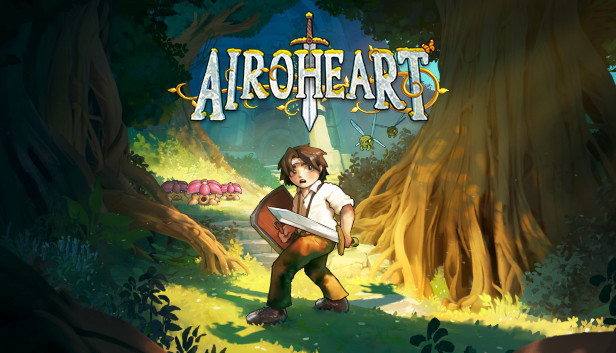
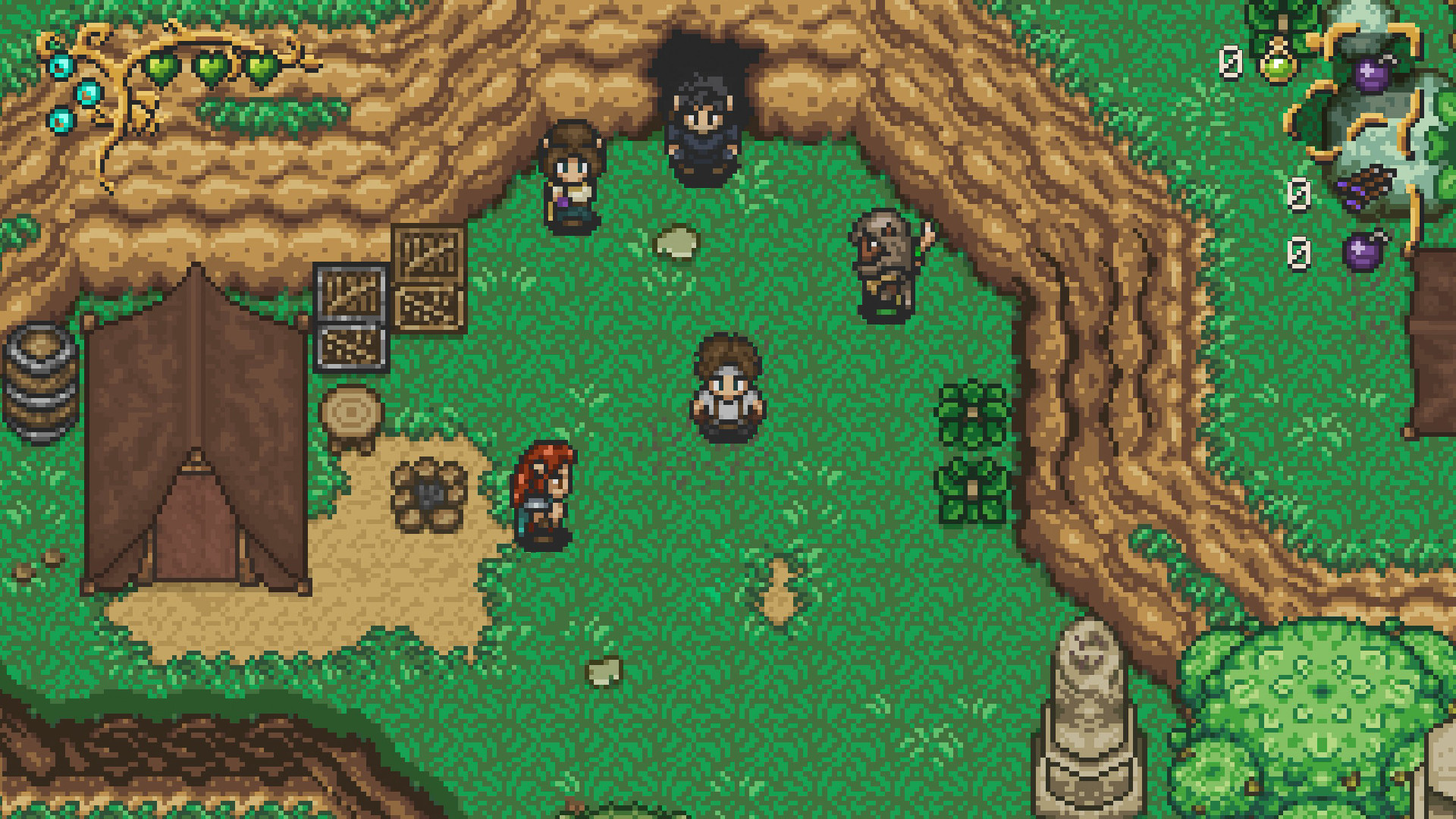
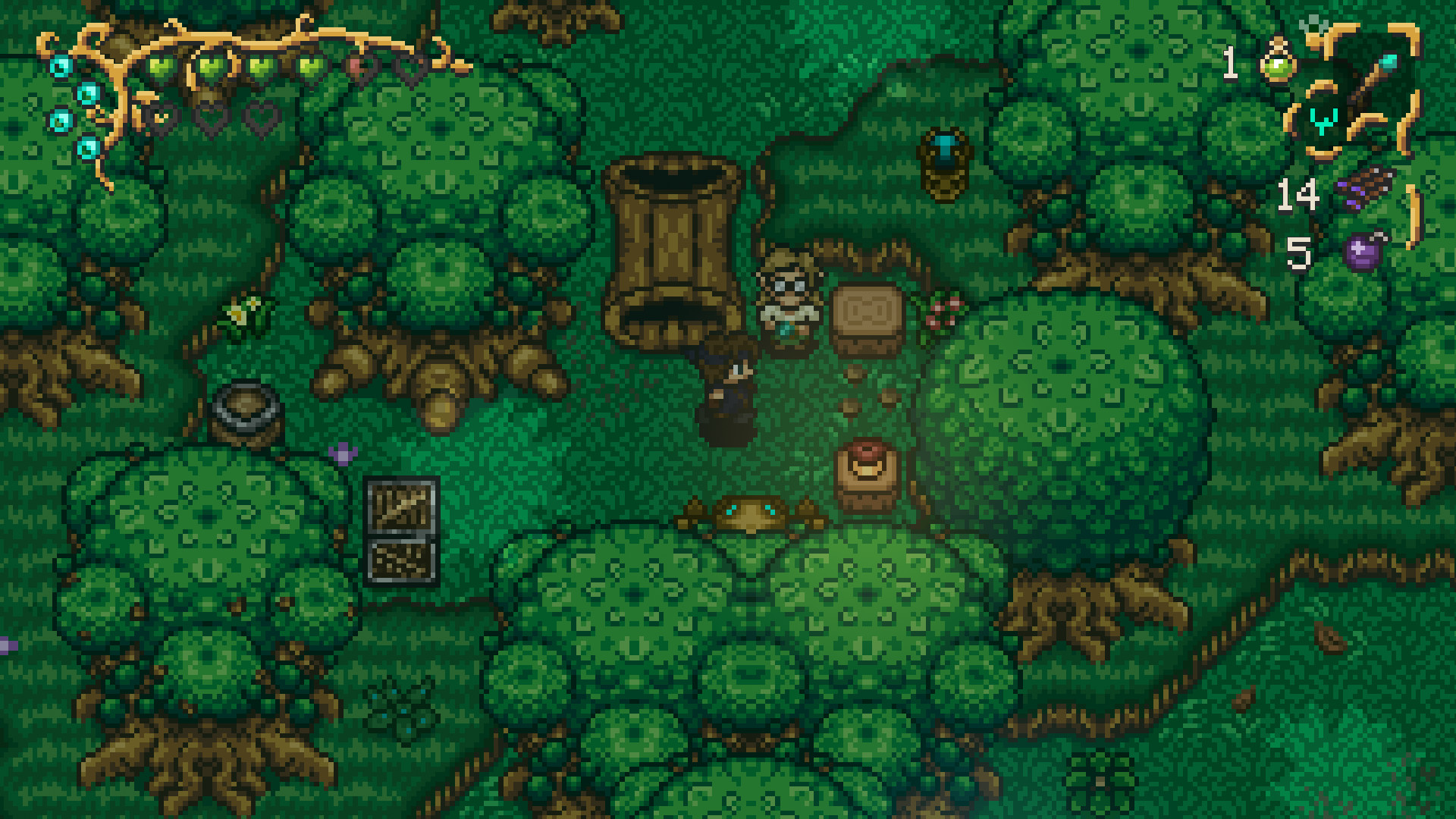
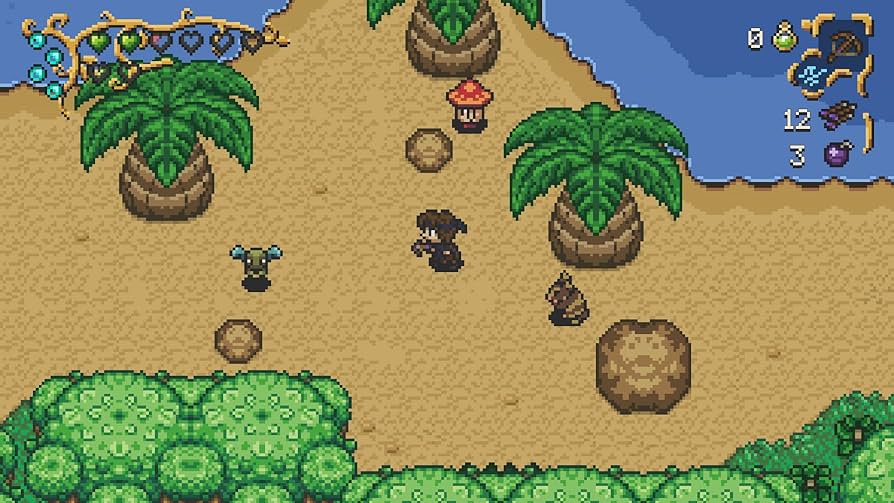
For my next foray into the discovery of new titles on crowdfunding platforms, I found another title in development, which was particularly significant to me as a Legend of Zelda fan. Airoheart, under development at Pixel Heart Studio operating out of Gold Coast, Australia, is a 16-BIT adventure RPG created as a clear love letter to the classic Super NES title, The Legend of Zelda: A Link To The Past, whilst at the same time taking influence from other classic RPG series, such as Final Fantasy.

The game boasts a massive open world, puzzle-solving, and combat. The project has been successfully funded on Kickstarter and is due for release very soon, much to my excitement. Eager for more knowledge of this excellent-looking title, I contacted the game’s lead designer, Samuel North, to answer a few questions I had regarding this game and what made Pixel Hearts want to create a game in the same vein as the beloved Nintendo classic. Here’s what Samuel North of Pixel Heart Studios had to say about Airoheart:
Airoheart 1

What were the influences behind your game?

Of course, the main influence of Airoheart is The Legend of Zelda: A Link to the Past. I was a big Nintendo player and was also inspired by the storytelling found in the Final Fantasy series. I always felt that’s where the Zelda franchise had fallen short. Yes, it had charming worlds and characters, but I never really connected to any of them on an emotional level as I did with many of Final Fantasy’s characters and stories.

I always (personally) preferred the gameplay in TLOZ… It’s open-world exploration, real-time combat, and puzzle-solving/platforming combinations. And, knowing how brilliant A Link to the Past was, especially its world, level designs, and progression. It was always in the back of my mind. “Why aren’t there more games like this?” “I wish there were more like this!” So, after finishing my College studies in Game Development. It wasn’t long before I knew it was the kind of game I had to make! I had the mindset of combining the richer storytelling from FF and bringing it into a new world that played somewhat like ALTTP.
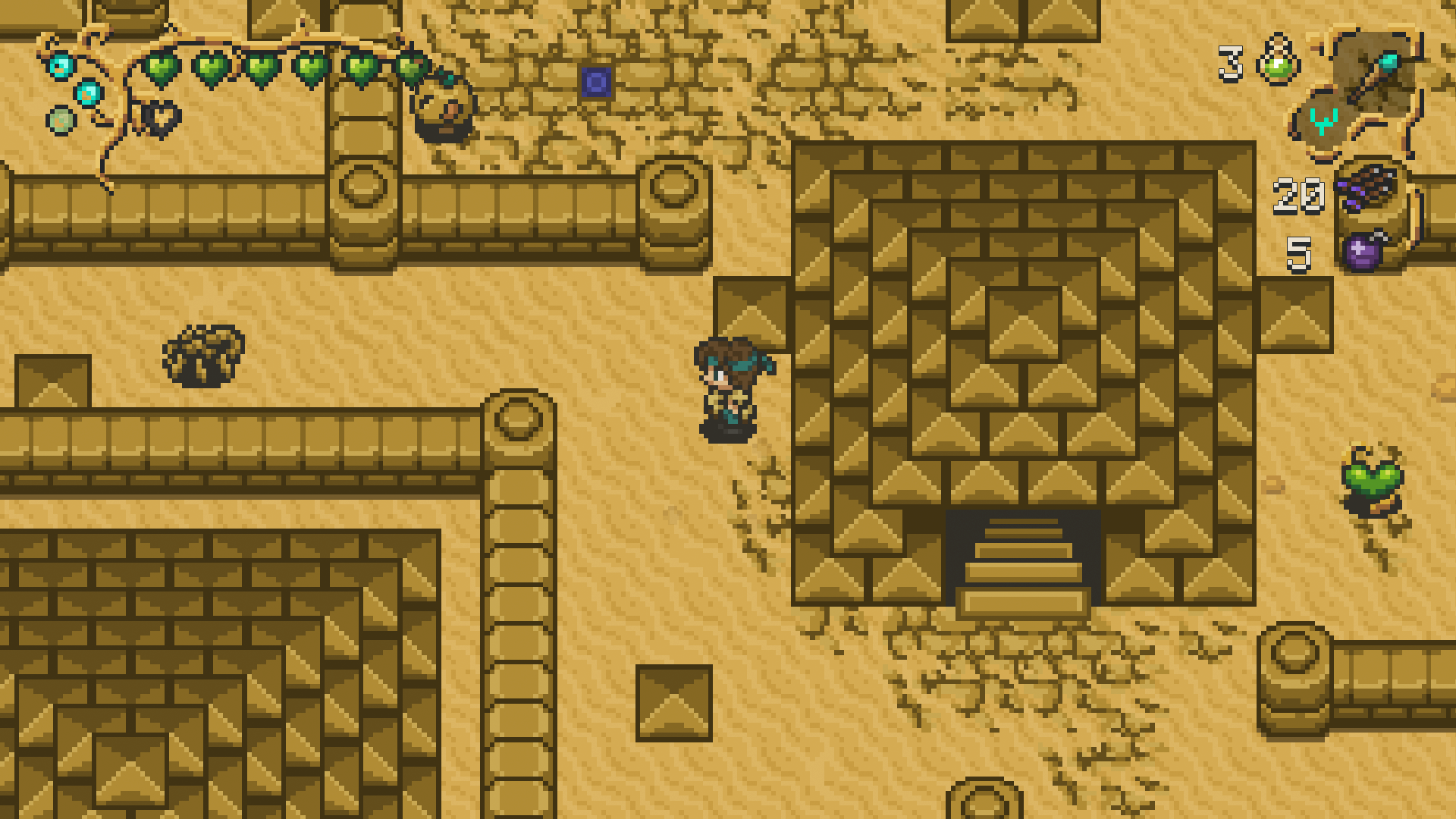
 

Airoheart 2

What has the developmental process been like?

One huge learning experience… I had created several smaller projects in college, and all had been 3D games, so it was my first time doing 2D. I had to learn a new way of programming things. But with just myself working on the project at the start, I had to learn and do everything, from all of the pixel art graphics, HUD/UI, programming, and sound design.

It has been a lot of fun, though. And seeing how far we’ve grown as developers is very humbling. If you could see some of the pixel art assets I had created for the game, in the beginning, you’d be shocked. Quite bad! But it’s okay, it has been a long process of developing skills and just going back over things again and again, and making them better and better. While everyone can always be improving their skills, we’ve certainly hit our ‘groove’ now, so to speak, development is not slowing down!


How close are we to seeing the finished product?

Very close, it has come such a long way! I believe we are on the home stretch. I still wouldn’t want to release until everything is perfect, though. That’s something we all agree on.


What has been the most exciting aspect of development?

The world-building… Creating a new world, with new characters, writing stories, backgrounds, and lore. Just making the world come to life and feel fun to explore is really rewarding! We love seeing the characters we’ve created come to life and interacting together, having story scenes play out.
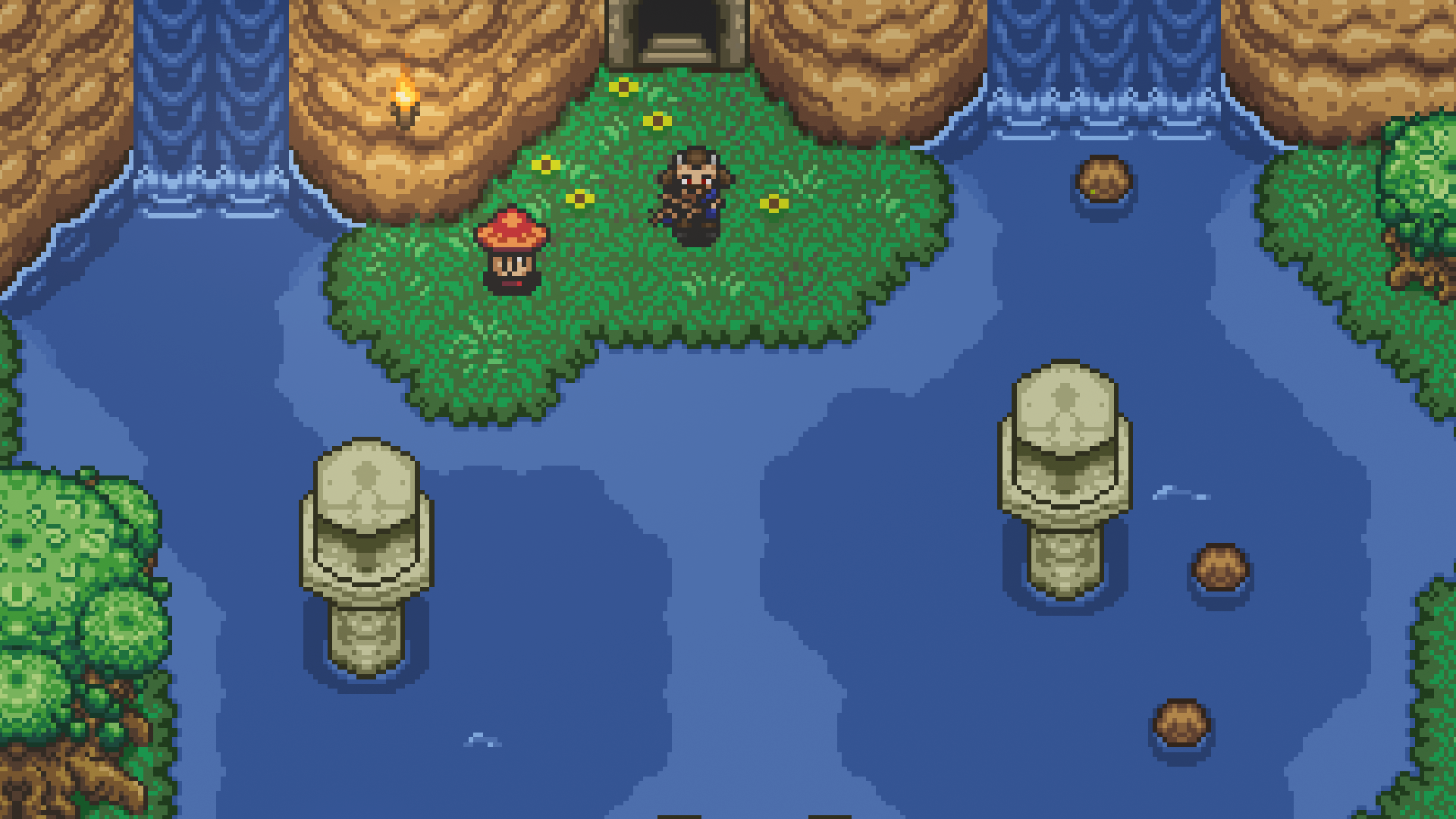
 

Airoheart 3

What has been the most challenging aspect of development?                 

Honestly, having fresh mechanic ideas, in particular for dungeon rooms, platforming, and puzzle creations. We’ve got all your typical dungeon standards… Your pressure plate traps, swinging ball and chains, fall pits, etc., things you see all the time. So, we want more mechanics that are less conventional. For example, at the moment, we are incorporating the rune/magic system into the room puzzles to a greater degree. We have a Rune that turns the player into a feather (the main purpose previously was for losing aggro from enemies). Now, if you turn into a feather above a grate, you can fall through it and land in the room below. Things we hope are new and interesting to players and encourage lateral thinking.


You mention on the Kickstarter page that the dream doesn’t end with Airoheart. Have any ideas for future games been considered this early on?

Absolutely… Airoheart is certainly a foundation that we can build on in the future, and an IP we want to expand. Its core gameplay is rooted in its storytelling, exploration, dungeons, platforming, and puzzle-solving, just like its inspirations. But all that can act as a base, in which for future titles we would love to add things like professions, crafting, survival, social affinity/reputation, house building, a much larger world and plot, the list could go on. This is a genre not seen too often, and it is one we would love to expand upon and even bring into the mainstream if we can. This can be done by sticking to it and building upon it more and more. Ideas for a second title’s story have formed. And also what we want it to look like. Not only visually but gameplay-wise too.
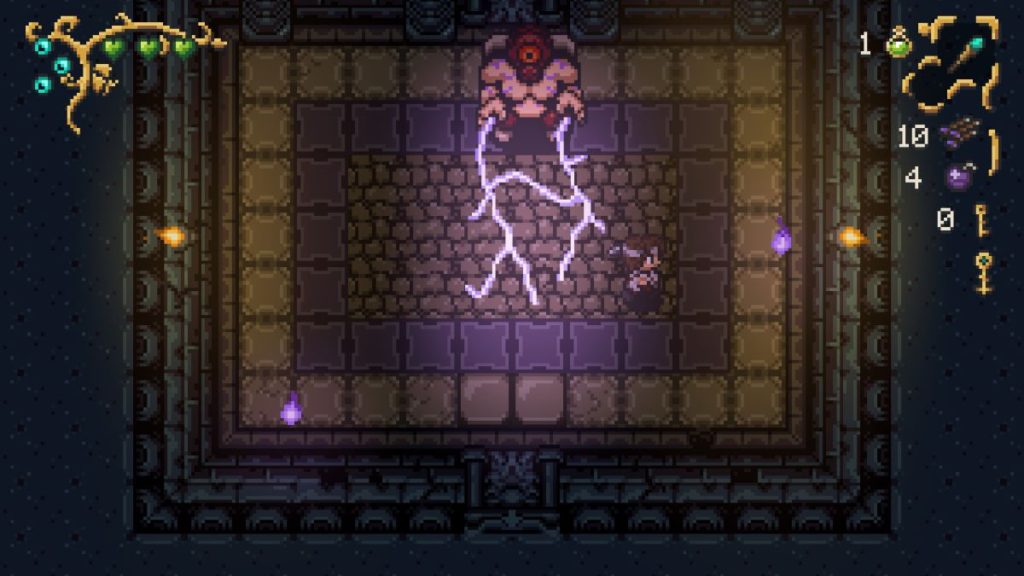
 

Airoheart 4

How well has the game been received so far?

Well, it’s exciting and very encouraging to see how many people also want another game of this genre. It’s a big nostalgia hit for a lot of people, including ourselves.


What platforms are you looking to bring the game to?

Initially, PC and Mac, but afterward all the main consoles, such as PlayStation, Xbox, and Switch. That will take more time and funding to develop.


Obviously, Airoheart is a heartfelt love letter to Legend of Zelda: A Link to the Past. What are your fondest memories of that game?

Simply exploring that world for the first time, spending hours upon hours discovering every little secret I could when I was young. There was nothing like it at the time.
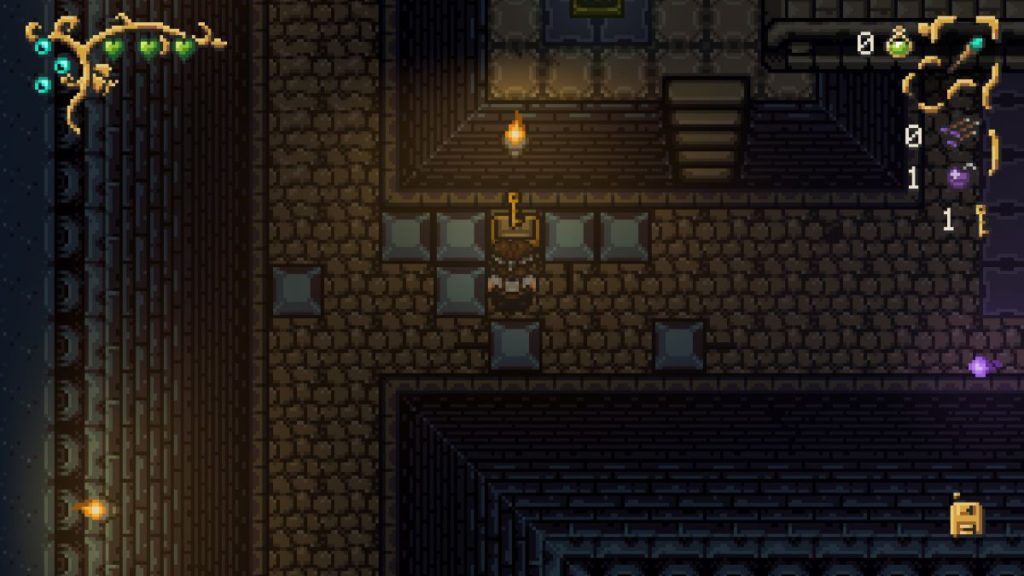
 

Airoheart 5

Have there been any ideas at this stage of development that have since been scrapped or reworked?

Yes, I had initially planned to have a gathering and crafting system for multiple professions, such as alchemy, blacksmithing, and carpentry. I had also begun to incorporate a leveling system where the player could increase their strength or speed, among other attributes. After a lot of thought and discussion about the scope, time, and budget constraints. And also considering the overall game itself, we decided certain aspects such as these were not necessary and were just going to take up valuable time and possibly make the game more complicated than what was needed. For example, would leveling have been necessary for A Link to the Past? We didn’t think so. Rather, we decided to leave such things to a later and also bigger title.


If you had the opportunity to develop a game with any company or any franchise, which would it be, and why?

That’s a hard question, but probably Square-Enix back in the 1990s. There are so many beloved titles I would have loved to have had a part in.
 

Airoheart 6

Do you have any advice for aspiring developers who may be reading this?

Yes, follow your heart. Make the kind of game that you want to see out there. Not just those that make the most money, like multiplayer. It will help you get through a very long and challenging process. Develop self-discipline and time management skills. I’ve found these to be equally important as any programming or artistic skills.


Where on the Internet can people find you?

The best place to find us would be on our website at https://www.pixelheartstudio.com/, which has links to our FB and Kickstarter page too.


Do you have anything else to add?

Yes, I want to say a huge thank you to everyone who has been interested in or supported Airoheart! You don’t realize the world of difference it makes for small indie studios such as ourselves to hear your kind words and encouragement. Indies put their hearts on the line when they put their games out there for the world to see. Every single one of you is greatly appreciated, and we wouldn’t be here without you! Thank you. 
Airoheart 7

I’d also like to thank Samuel for taking the time to share with readers and me the details of this incredible-looking title and to wish him the best of luck with the game upon release. If you’re interested in helping Pixel Heart reach its stretch goals on Kickstarter, you can support it via the link below:

https://www.kickstarter.com/projects/pixelheartstudio/airoheart-a-16-bit-style-indie-adventure

In the meantime, I hope you guys enjoyed reading this article as much as I enjoyed writing it and talking with Samuel about this game. The Legend of Zelda series is my favorite gaming franchise of all time. A, nd I’m always excited to see new games made in the same vein.

Game on,

Scouse Gamer 88
Ratchet & Clank: Tools of Destruction (PlayStation 3)

Ratchet and Clank Tools of Destruction

Developer(s) – Insomniac Games

Publisher(s) – Sony Computer Entertainment

Director – Brian Allgeier

PEGI – 7

Released shortly after the PlayStation 3 console back in 2007, Ratchet & Clank: Tools of Destruction introduced gamers and fans alike to the Ratchet & Clank Future series. Telling a new story following the events of the original trilogy. It has all the hallmarks of the previous two games. Whilst introducing new locations, new characters, new weapons, and a new villain. Speaking as a fan of the series, he left a long-lasting and positive impression on me personally. The best of the Future trilogy is yet to come, but this game was an excellent way to kick it all off. 

Graphics – 8/10

The game starts off in the same system as the first Ratchet & Clank game, but it later introduces players to the galaxy of Polaris. A distant star system currently under the tyranny of Emperor Percival Tachyon. The game’s main villain. The game’s various planets and moons offer players yet another wonderfully varied and well-designed world. On a technical level, it also did extremely well to demonstrate early doors just what the PlayStation 3 was capable of on the graphical level. The game’s soundtrack also wonderfully adds to the whole atmosphere of the game. Going along with the tableaus of each planet’s respective theme.

Gameplay – 8/10

The gameplay follows very much the same formula as Ratchet and Clank 2 & 3, with the same controls and style of combat, and the additional side quests to undertake in between. But what makes this game stand out is the new weapons and means of subduing enemies, which is the main hallmark of what makes each game in the series stand out from one another. This was also the game in which the developers introduced the Mr. Zurkon weapon, which, in my opinion, is the best weapon in the entire franchise, and has since featured in most games following this. New gadgets are also introduced in order to solve new puzzles along the way, which also does well to add to the variety of the overall series. 

Controls – 10/10

The controls had been refined as necessary with the release of Ratchet & Clank 2: Going Commando, and as this game operates within the same principles, there are no issues with the controls as such, and really, there haven’t been any issues with the controls since. Tools of Destruction, in particular, however, also makes use of the PlayStation 3’s six-axis controls, with players having to move the controller to instigate character movement, which in this game is handled particularly well. 

Lifespan – 8/10

To complete the game 100% will take around 20 hours tops, which at the time was about the average for a Ratchet & Clank game to last. The average lifespan of games in the Ratchet and Clank Future series would go on to fluctuate from thereon, with the lifespan of Ratchet & Clank: Quest For Booty being a major insult, and then Ratchet & Clank: A Crack in Time’s lifespan being legendary, then finally with Ratchet & Clank: Nexus’s lifespan again seeming far too short. But Tools of Destruction definitely represents a middle ground in that respect; It’s not too short, but is the reason why the best of the Future series would be yet to come. 

Storyline – 7/10

The story of Tools of Destruction follows Ratchet & Clank in their adventure across the Polaris Galaxy in their bid to stop Emperor Percival Tachyon from taking over and bringing back his ancient race that once almost wiped out the entire universe. The game’s story is extremely compelling in that it focuses a lot on Ratchet’s backstory and where exactly he came from. And the fate of his race and his family. Which would be a running plot point in the entire Future series. There are a plethora of twists and turns in this respect throughout the story, but especially towards the end. Without spoiling exactly what happens, this game ends on one of the most intriguing cliffhangers I’ve ever seen in gaming. 

Originality – 7/10

In terms of every respect of this game, from the new weapons, new gameplay tropes, new characters, and stories to the introduction of a side of Ratchet that gamers hadn’t ever seen before, the game does extremely well to stand out from not only every other Ratchet & Clank game but most other games on the PlayStation 3 in my opinion. For a game that was originally aimed at kids, it does deal with some mature and deep-rooted themes, which gives the game a boost because it perpetuates the whole idea that video games can indeed be considered an art form. 

Happii

Overall, Ratchet & Clank: Tools of Destruction is by far a better game than what I gave it credit for after my first playthrough; it was a great way to kick off the Ratchet & Clank Future series and still holds up as a particularly enjoyable gaming experience. 

Score

50/60

8/10 (Very Good) 

WWF Attitude (Nintendo 64, PlayStation 1, Dreamcast & Game Boy Colour)

WWF Attitude

Developer(s) – Acclaim Studios Salt Lake City

Publisher(s) – Acclaim Sports

PEGI – 12

Released following the success of WWF War Zone, and being the last WWE game overseen by Acclaim Sorts ending a 10-year association with the company, WWF Attitude was released to further commercial and critical acclaim. Expanding on the ideas perpetuated by War Zone to ridiculous levels. I mentioned in my review of War Zone that I had a strong sense of nostalgia for that game. And that it still holds up to this day. But as this game was a decisive improvement on War Zone in every way, I was at an age to appreciate it fully, and this title holds even more nostalgic value to me. And holds up even better than War Zone. 

Graphics – 8.5/10

One of the most notable improvements in the game is in the technical aspect of the graphics, as the textures are infinitely more detailed than in War Zone. And this was done for a far bigger roster of WWE wrestlers. Each wrestler’s own entrance sequence is also extended greatly. Giving the game a far greater sense of variety than in the former. It also excels above War Zone in terms of conceptual design. There are more types of arenas to choose from relative to different WWE Pay-Per-View events. They, along with wrestlers, can even be customized in terms of the color of the ropes and the ring. And even the designs of the metal frames on either side of the titan tron. 

Gameplay – 8/10

The biggest improvement this game has over its predecessor, however, is in terms of gameplay. The game modes that were present in War Zone return. Including an all-new career mode, which is structured far better. As well as the additions of there now being a First Blood match and an I Quit Match option. As I said before, the main roster is also expanded largely compared to the comparatively limited number of characters there were in War Zone. But there are also a whole host of unlockable characters to obtain, such as Chyna and Shawn Michaels.

Controls – 9/10

As the game is most likely made on the same engine, the same control scheme applies to WWF Attitude as it does in War Zone. In the cage matches, I still had the same trouble trying to climb out of cages. So the only disappointment I had with the control scheme was that they didn’t address that issue. However, if born with it, it doesn’t remain too much of a problem. On the other hand, however, the individual movements and commands had been somewhat refined for Attitude and in that respect were yet another decisive improvement over War Zone. 

Lifespan – 8/10

Of course, that there are far more characters and far more game modes added to this game, it can inevitably take a far longer amount of time than its predecessor. The sheer amount of customization and gameplay options made available at the time made this one of the most, if not the most, expansive WWE experiences at the time. And consequently, it still holds up as a game that both fans of WWE and non-fans alike can spend hours upon hours investing in. 

Storyline – N/A (10/10)

The case with WWF Attitude remains the same as it was with War Zone. Wrestling fans will inevitably be enthralled in this game faster. And to a greater extent than those who don’t follow, or never have followed, wrestling, but overall, familiarity with the WWE universe is not needed to enjoy it. The commentary, however, is this time provided not by Vince McMahon and Jim Ross, but by Jerry Lawler and Shane McMahon. They unanimously make for a more comedic duo than the former. 

Originality – 7/10

At this juncture, where the WWE video game franchise was concerned, there had always been limitations with games prior to this. Most notably in the character rosters, as only a few characters were even chosen for each game, compared to what they had on their rosters at the time. But this game did exceptionally well to blow every other WWE game out of the water at the time by expanding on the entire concept until it was splitting at the seams with ideas. It stands out among every other WWE game. Because it gave WWE fans at the time everything bigger than before, better than before, and all at once. There would be better WWE games released after this. But this game was instrumental in setting many standards that every other WWE game would adhere to from thereon.

Happii

Overall, WWF Attitude is one of my favorite fifth-generation wrestling games of all time. It is one of my favorite Nintendo 64 games of all time. It gave wrestling fans everything they wanted and added a few welcome additions in the process. And remains a load of fun to play to this day. 

Score

50.5/60

8/10 (Very Good)

The Silent Tombs

Q&A With Primordial Game Studios

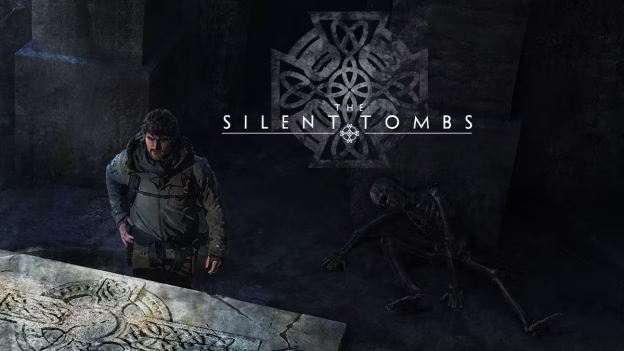
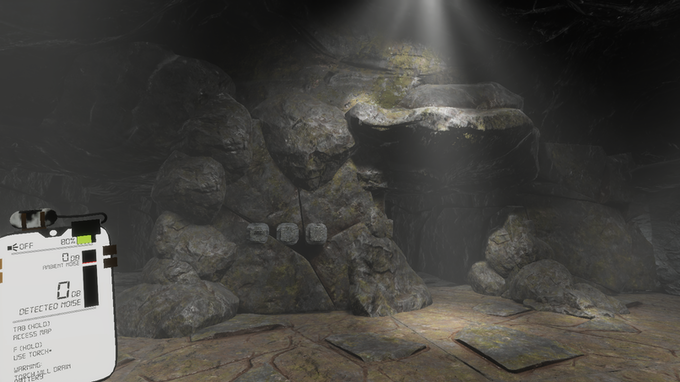
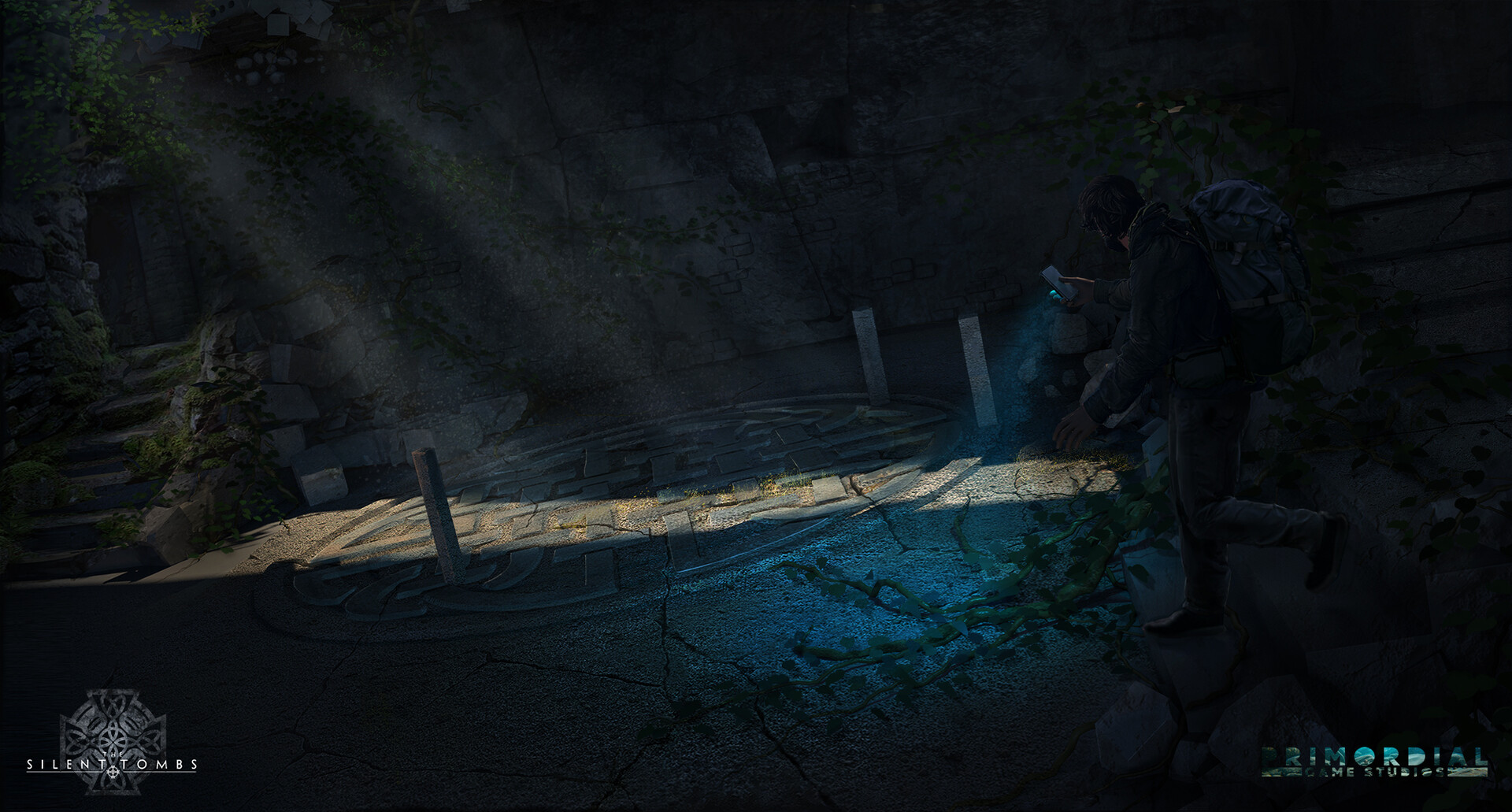
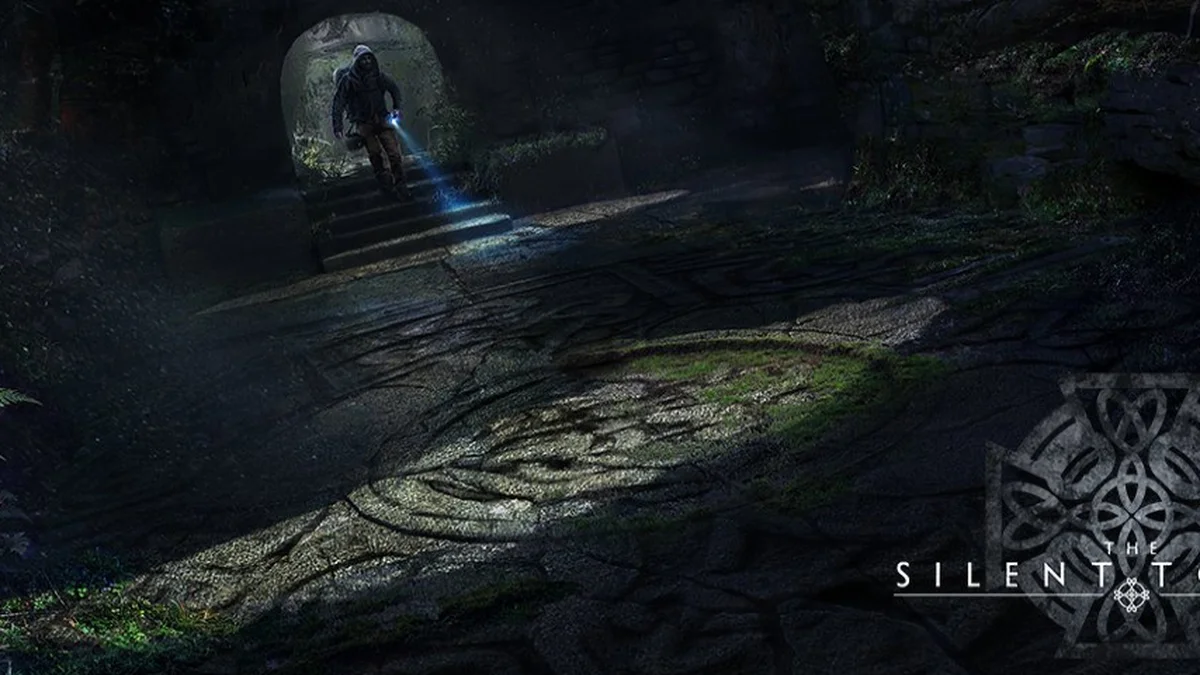
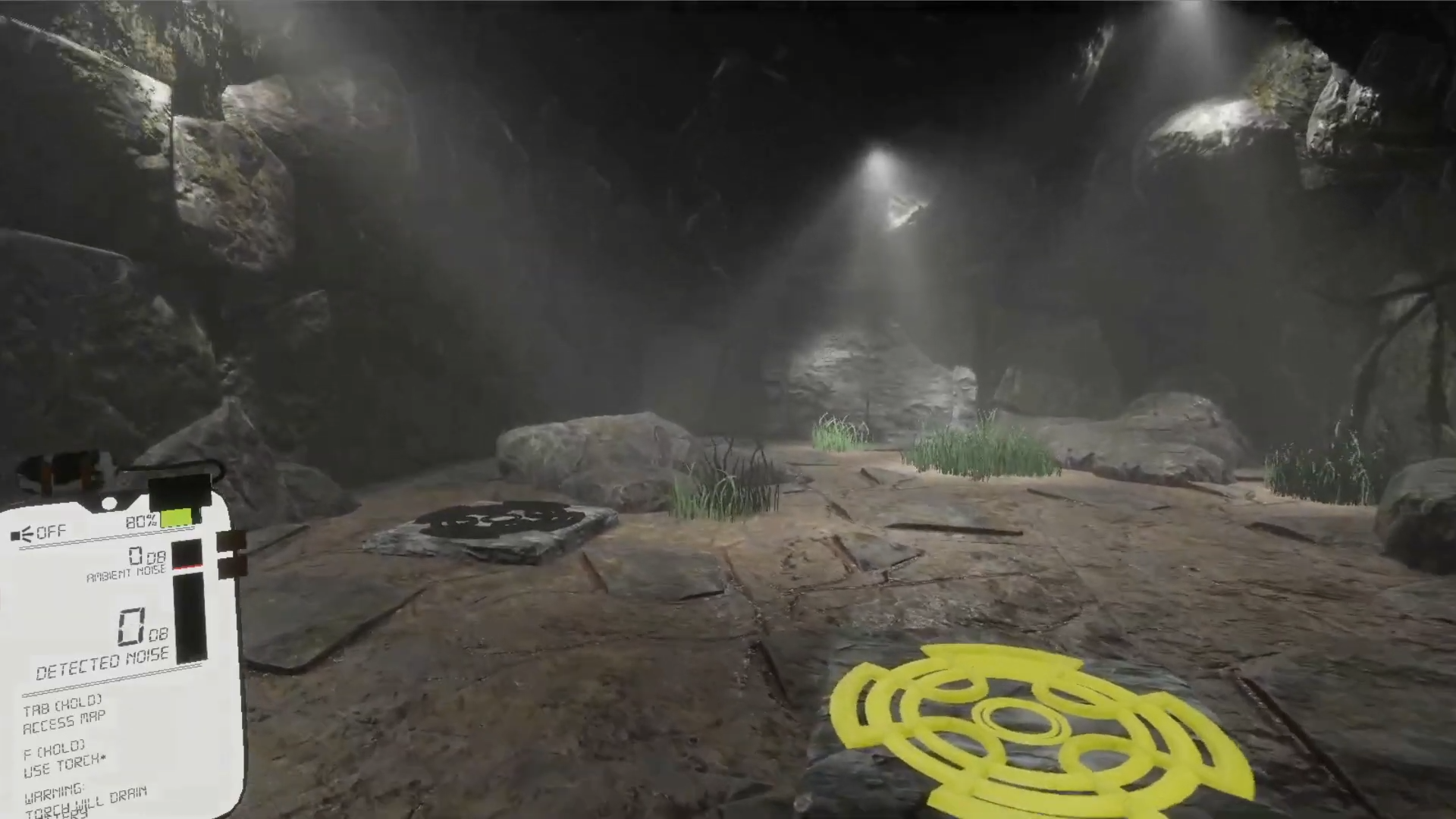
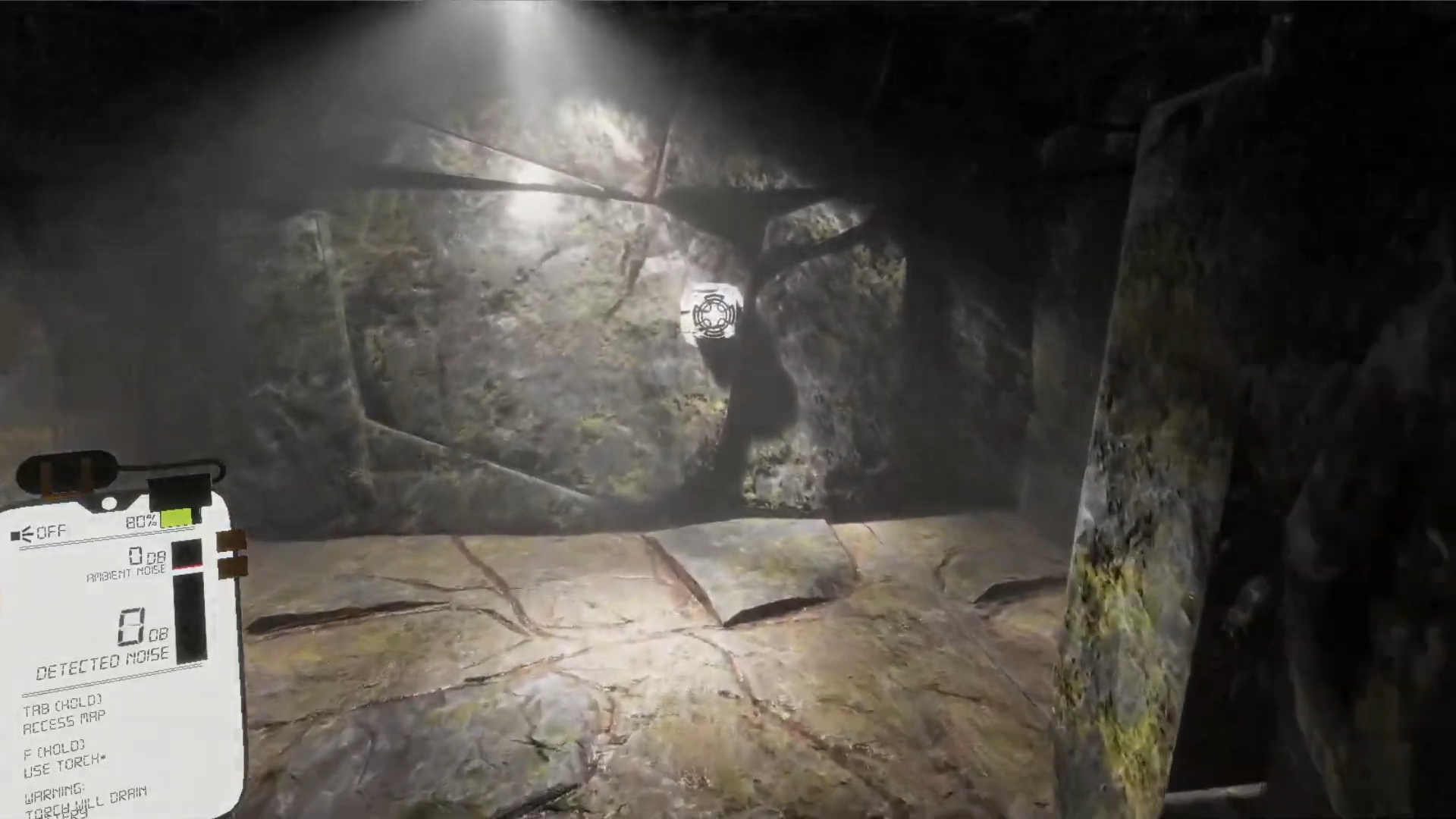
Whilst scouting for even more exciting-looking games on crowdfunding platforms, I came across yet another ambitious and promising title boasting a lot of very potentially groundbreaking gameplay features. The Silent Tombs. Currently under development at Dundee-based Primordial Game Studios. Recently posted on Kickstarter, it is a procedurally generated, puzzle-based exploration game planned for release on Steam in December 2021. Whereby players must explore tombs and uncover deep-rooted secrets of ancient British civilizations. Such as the Celtic, Gaelic, and the Anglo-Saxons. The gameplay makes use of a decibel meter, which incorporates a strong element of psychological horror, similar to the likes of Eternal Darkness: Sanity’s Requiem. But in a much more open-ended environment.

Wanting to know even more about this project, I reached out to the game’s principal designer, Vaughan Holloway, to ask some further questions regarding the project and about what gamers can expect to indulge in whilst playing this wonderfully innovative title. Here’s what Vaughan Holloway of Primordial Game Studios had to say about The Silent Tombs:

The Silent Tombs 1

What were the influences behind the game?

The original idea actually came from the tabletop game ‘Escape: Curse of the Temple!’I used to play it with friends when I was working at Junkfish. While brainstorming betas, I put together a culling system that allowed for a real-time progen system that kept 95% of the game called at any time. I put those two things together with my love of history. And the original build of ‘Silent Tombs’ was born!

What has the developmental process been like?

It’s been about 8 months since I met Konstantinos at a networking event in Dundee, and since then, we’ve gathered a really great team of people around this central theme. We all have full-time jobs. So we’ve been working on ‘The Silent Tombs’ in our evenings and weekends, mostly. I did the design and programming and constructed the build. While Konstantinos built and imported artwork, and Alasdair provided the music.

How close are we to seeing the final product?

We’re hoping to have a soft release for our Kickstarter patrons in Nov 2021, and the game will be officially released in Dec 2021.

The Silent Tombs 2

What has been the most exciting aspect of development?

The first time I was able to test the game using Konstantinos’ artwork in the game was amazing. We were able to build the game and test it with the HDR Pipeline. The Volumetric Lighting and new materials just completely blew me away.

What has been the most challenging aspect of development?

Before we did the Kickstarter, we were preparing a video and pitch deck for the Global Games Pitch in Nov 2020. Before that, we were mostly working in our spare time, and then suddenly having a set deadline. Especially for a Livestream pitch, it was the most challenging and nerve-wracking part of the development so far.

Have there been any Gameplay elements planned for inclusion that have been scrapped or reworked?

Originally, we were planning on having ghosts and skeletons come after the player if they made too much noise. But the animation / AI elements of creating enemies would have been too much. Like a lot of games, like Slenderman / Phasmophobia. It’s not the enemy that’s scary, but the anticipation of running into the enemy anywhere… So, instead, I wanted to have the feel of the tomb itself bearing down on the player. We’re planning on using scripts called Proximity Shaders to change the level around the player. We haven’t ruled out the possibility of physical or otherworldly enemies in the game yet in some form, but I want the threat to be more subtle.

The Silent Tombs 3

How well has the game been received so far?

It’s been slow going trying to get the game out to the community at large. But of the people who have looked at the game on our website, socials, or Kickstarter, it’s been a mostly positive response! I think people are excited to see more, and we’re looking forward to buckling down to developing the game again.

You and the team have a deep-rooted passion for ancient British history. Where did all that originate from?

Personally, my grandfather was a teacher, and we visited a lot of ancient sites in my childhood; I’d visited Sutton Hoo at least three times before I was 15. As I’ve grown up, I’ve tried to get out and visit places myself, especially after my grandfather passed away. I’ve been lucky to find work in Scotland; there is so much to see! I don’t think people, especially people outside of the British Isles, realize how deep and amazing British history is. And I’m hoping this game not only inspires them to have a look. It also gives them some information on sites that can get them started!

What platforms are you looking to bring the game to?

PC, to begin with, we will be launching on Steam and GoG.com in Dec 2021.

The Silent Tombs 4

Have any elements of the previous titles’ game that you or the rest of the development team incorporated into The Silent Tombs?

For me, there haven’t been any direct elements to inspire ‘The Silent Tombs’; I drew a lot of design inspiration from ‘Escape: Curse of the Temple!’, which I played a lot during my time at Junkfish. While working on Monstrum 2, I did a lot of work using procedural generation. And I tended to experiment with building progen prototypes. It was these two elements, plus my passion for British history combined to make the first early build.

Do you have any advice for aspiring developers who may be reading this?

Absolutely! First, it sounds kind of rough, but ideas are cheap. If you want to build something people want to play, build a lot of one-day prototypes (really simple gameplay concepts that only take an afternoon or evening to flesh out) and get lots of different people to test them. Don’t get discouraged. You learn more from negative feedback than positive feedback.

Where on the Internet can people find you? 

We have a website at www.primordialgamestudios.com, and our Twitter / Insta handles are GamePrimordial; our Kickstarter is currently running under ‘The Silent Tombs’, go check it out!

The Silent Tombs 5

You can also check out The Silent Tombs on Kickstarter via the link below if you’d like to support the project:

https://www.kickstarter.com/projects/vfholloway/the-silent-tombs/?ref=kicktraqKickstarter Page

But for now, I’d like to take this opportunity to thank Vaughan for sharing as much about The Silent Tombs as he could and to wish him and the rest of the development team the best of luck with the Kickstarter campaign and the release of the game. The Silent Tombs is one of the most unique upcoming games I’ve come across in a long time, and I, for one, can’t wait to sink my teeth into this title upon release. I hope you guys have enjoyed learning more about this, as indeed I did.

Game on,

Scouse Gamer 88
Toy Story (PC, Super Nintendo, Game Boy & Mega Drive)

Toy Story

Developer(s) – Traveller’s Tales, Psygnosis & Tiertex Design Studios

Publisher(s) – Disney Interactive, Sega, Nintendo Australia, Capcom & Black Pearl Software

Producer(s) – Craig Annis & Steve Riding

Designer(s) – John burton & Andy Ingram

ELSPA – All Ages

Released to coincide with the hit Disney film of the same name, Toy Story was developed for several different systems and was released to critical and commercial success despite having been at the back end of the fourth generation, with the transition into the fifth generation looming around the corner. To me, this game is another one of the more impressive licensed titles released before they were further popularized during the seventh generation, and it still holds up as one of the most varied 2D side scrollers of the era. 

Graphics – 8/10

The graphical style is extremely similar to that of Donkey Kong Country. Implementing 2.5 graphical sprites provided to Traveller’s Tales by Disney themselves (albeit Traveller’s Tales has its own sprites on standby in the event of time constraints). Portraying all the central characters in the film, as well as several minor ones. It features a massively varied range of level designs, some of which add to locations found in the original movie. The game’s soundtrack also features a collection of pretty catchy soundtracks that sound like they would’ve fit flawlessly if they were again included in the film as well. As far as fourth-generation games go, this is one of the best-looking titles of that era, in my opinion. The visuals are both colorfully vibrant and wonderfully dark wherever needed. And the character sprites are wonderfully animated in addition. 

Gameplay – 8/10

For what is primarily a 2D side scroller, the gameplay in Toy Story is surprisingly varied for a game from this era. Not only does it feature side-scrolling sequences. But it also features light puzzle elements and car driving sequences. And even a first-person sequence very similar to Doom. But to experience all of these different styles of play, I would recommend playing the Mega Drive/Genesis version.

As this version was dubbed the lead version by Disney, it is the only port to feature all 18 levels created for it. The Super NES version is missing the first RC sequence towards the end, and the PC version only has 10 of the original 18 levels. The game also features situations that are unique to the franchise and that don’t appear in the actual film. Woody navigates his way through the interior of the claw machine. Whereas in the film, he and Buzz simply slip in among the toy aliens instantly. The designers of this game made something very unique to the original film. And it really shows in every respect. 

Controls – 10/10

Regardless of having a huge amount of different play styles, I was amazed to find that there were no problems with the controls after replaying Toy Story. I had to go over it again, as although I’d spent a great deal of time playing this when I was a kid, I realized that I’d forgotten just how good a game this was, going into it again with a much more subjective viewpoint. The only minor issue I have with the controls is that during the first-person sequence inside the claw machine, turning can be a bit wooden. But that’s just semantics. As it’s only for one level. It may have posed more of a problem if there were more sequences like it. But besides this, there are no other issues with the controls at all. 

Lifespan – 6/10

To complete the game will take about the average lifespan for a game of this kind, which is around an hour. I found myself not being able to give the game too much flak in this respect because it was, after all, perpetuating the source material of an 80-minute film; in fact, if the player explores enough, they can potentially make the game last slightly longer than the film.

My initial thought was that if the game could incorporate so many different play styles, the developers may have been able to make it last a lot longer than it does. But there are too many different factors to consider for me to criticize it too much in this respect. Such as the time frame they would have needed to work in order to get it out at the same period as the film. Regardless, for a game of its generation, it lasts a fair amount of time. 

Storyline – 7/10

The game is simply a retelling of the events of the film. Two anthropomorphic action figures, the cowboy Woody and space ranger Buzz Lightyear, become separated from their owner, Andy, and must find a way back before the family is due to move house. The game does well enough to portray these events in its own way without much of the classic dialogue of the film, and the soundtrack does particularly well to add to the game’s atmosphere, further aiding in the portrayal of the story. Especially in unique sequences not present in the original film.

Originality – 7/10

Especially as 2D side-scrolling was the most prevalent genre within the industry at the time, this game does extremely well to stand out among a vast majority of others with the sheer amount of different play styles it incorporates throughout. It was rare for a game of this genre within the fourth generation to offer so much variety in gameplay. Especially for a licensed game. This, back then, was much more of a niche interest among gamers than what it is now, which is particularly impressive indeed. 

Happii

Overall, Toy Story, to me, frankly remains one of the better 2D side scrollers of the fourth generation of gaming; certainly among the best of early Disney games. It offers players an unprecedented amount of variety for the time that it lasts and portrays the film in a very satisfying way, not only using the license but also celebrating it in an appropriate manner. 

Score

46/60

7.5/10 (Good)

WWF War Zone (Nintendo 64, PlayStation 1 & Game Boy)

WWF War Zone

Developer(s) – Iguana West & Porbe Entertainment

Publisher(s) – Acclaim Sports

Producer(s) – Mike Archer

Designer(s) – Tim Huntsman, Clark Westerman, Richard Raegan, Troy Leavitt, Jeff Robinson & James Daly

PEGI – 12 

Released in 1998, shortly after the beginning of the WWF Attitude era, WWF War Zone was the first 3D WWF game released after the transition from the fourth to fifth generations of gaming. It received critical acclaim upon release. Having appealed to wrestling fans and non-wrestling fans alike. Although the game, according to many games of the younger generation, in particular, hasn’t aged well, I beg to differ. In my opinion, it still holds up as one of the better wrestling titles of the fifth generation. It remains a pleasure to play through. 

Graphics – 7.5/10

Having been developed with various different techniques for all three ports, with respect to the graphics (as well as every other respect), the Nintendo 64 version is the best in terms of technical design, in my opinion. In terms of conceptual design, the game is limited to only one kind of stage. This would be rectified in later WWF/WWE games. But poses a small issue in terms of visual diversity.

However, all that being said, I remember being 9 years old at the time and being overwhelmed by the quality of the graphics. And being able to see 3D ring entrances from each of the wrestlers. As I alluded to before, although many gamers may not think that this game has aged well over the years, the fact of the matter is that this level of visual quality was considered cutting-edge at the time. And to me, it still holds up relatively well today, bar facial textures. 

Gameplay – 7/10

WWF War Zone has several different modes to choose from. This again relates to the fact that I would recommend the Nintendo 64 version over the PlayStation version. The Nintendo 64 version also includes an additional Royal Rumble mode. The main mode is the career mode. Players can either play as a custom-made character. Or a classic wrestler of their choice, to compete for the WWF title. Among the roster are Stone Cold Steve Austin, The Undertaker, Kane, Mankind, The Rock, and Triple H. Surprisingly, Bret Hart and The British Bulldog were also included in the game even though at the time of the game’s release, their contracts with the WWF were terminated following the infamous Montreal Screwjob of 1997. There are a plethora of different fighters to choose from, including a few unlockable ones. This makes each career playthrough a different challenge every time. 

Controls – 9/10

For the most part, the controls are perfectly fine. The different moves for each character, as well as the finishing moves. They are easy enough to learn how to do, and movement is fluid despite the fact that 3D gaming was in a somewhat preliminary stage at the time of release. The only issue I had with the control scheme was how climbing out of the steel cage works; it can be quite confusing at first, and the solution isn’t as straightforward as it perhaps should’ve been. Besides this, the control scheme presents no further issues. 

Lifespan – 7/10

Completing the career mode in WWF War Zone with one character can take about an hour and a half, depending on how well the player performs, but after that, there are, of course, additional gameplay modes that provide hours of entertainment for players. For an early 3D wrestling game, there is a great amount of variety that prolongs the game’s lifespan greatly. Previous WWE games had a decent amount of longevity owing to a lot of the same reasons. But in this game, it’s even more prevalent. 

Storyline –  N/A (10/10)

Of course, wrestling fans will take to this game much more effectively than those who never followed wrestling or still may not follow wrestling; familiarity with the WWE will be irrelevant to the gamer’s enjoyment of the game. The commentary provided by both Vince McMahon and Jim Ross, by today’s standards, is laughingly bad and clearly done with heavily edited sound clips, but to me and a lot of other gamers, that will provide an additional comedic value to the game. 

Originality – 7/10

Offering a 3D wrestling game with a new perspective and style of play made it stand out from any other wrestling game before; it’s a by-product of the era in which this game was developed, and as such, it offered a very new experience for players to indulge in at the time. Although the idea of which would be expanded on immediately with the sequel WWF Attitude, as well as countless other wrestling matches to come after. But this game served as more than an adequate starting point for what would come next.

Happii

In summary, WWF War Zone not only served as an appropriate basis for the standard of 3D wrestling games but is still an enjoyable experience that very much holds up to this day for me. It’s an entertaining title with classic wrestlers and hours of fun to be had. 

Score

47.5/60

7.5/10 (Good)

Guardians of Lumen

Q&A With Joseph Thamir

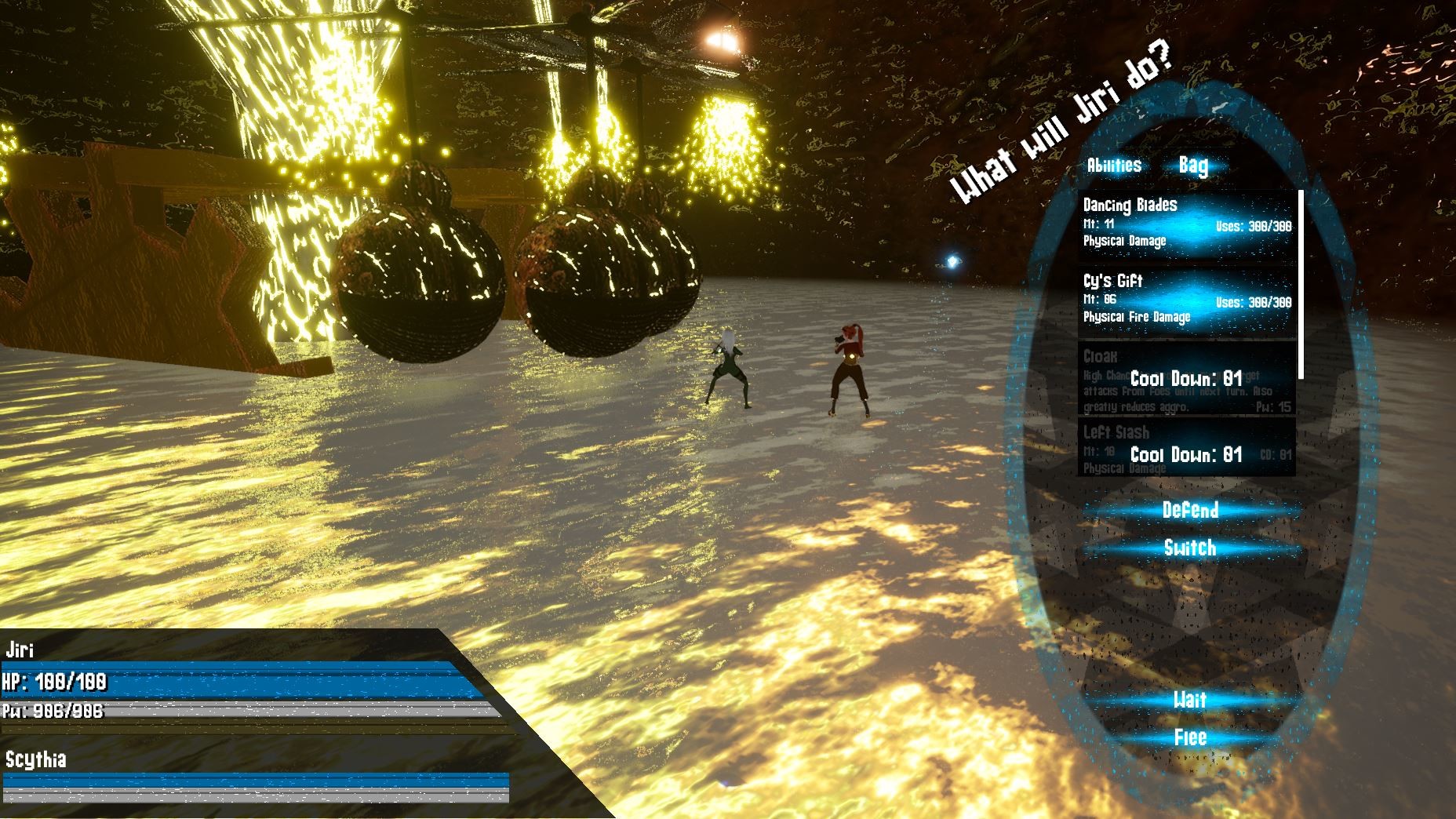
After once again scouting crowdfunding platforms for new upcoming titles looking for backing, I came across a promising RPG game in development set for release later this year, entitled Guardians of Lumen. Created by Canadian programmer Joseph Thamir, Guardians of Lumen is a turn-based RPG allowing players control of multiple characters. Each with their unique attributes and abilities, as they journey across the expansive world of Lumen.

Completing story-driven quests as well as a vast amount of planned side quests, minigames, puzzles to solve, and endless monster hunting quests, with the game currently boasting a minimum of 20 to 30 hours of gameplay. Curious to know about this immensely ambitious project, I reached out to Joseph to ask him a series of questions about how this game came to be and what it will come to be upon its full release in 2021. Here’s what Joseph Thamir had to tell me about Guardians of Lumen:

Guardians of Lumen 1

What were the influences behind your game? 

Originally, Games like Shadow of the Colossus, Monster Hunter, and Xenoblade Chronicles 2, with their massive worlds and massive monsters, influenced the game a lot. And while I can still say that for the exploration, material gathering, and the like, with the change in genre, the combat takes inspiration from games like the classic Final Fantasy, Chrono Trigger, and the like.

What has the developmental process been like?   

In a word, Steady. As I said on the IndieGoGo page, I started work on this game in May 2019, but before that, I had spent hours planning out everything from the costs of development to what side jobs and contracts I’ll need to do and manage to keep me going. I’m pretty sure that I wouldn’t have been able to get to this point without that planning.

How close are we to seeing the finished product? 

If all goes according to plan, the Demo will release on Jan 11, 2021. And the full game on June 15, 2021. Of course, there are always complications that can come up. So I like giving myself a week of breathing room, just in case. 

Guardians of Lumen 2

What has been the most exciting aspect of development?   

The most exciting aspect? I have to say, it’s setting things up at the start of development. And, months later, finally saw it all fall into place. There’s an odd rush I get when I want to do something. And I have everything in place, so all I have to do is pull it all together.

What has been the most challenging aspect of development?   

The hardest part of development (and that’ll sound kinda obvious) has to be problem-solving. I’m working alone and have lots of different hats to wear. Whenever a problem comes up, I can’t just ask for help. Research, trial, and error have become common uses of my time.  

You mention on your IndieGoGo page that Guardians of Lumen was previously an action RPG. Are there any other ideas for the game that have since been scrapped or reworked into the current project?

The original structure of the story has been completely scrapped. At first, I was going to have this little personality test when you first fire up the game. And the game would match you up with the main character that fits your personality the best. The story was only going to show you events through that character’s POV. And whole chunks of the story would be locked behind 2nd or even third playthroughs. 

I decided against the idea mainly because of the games Octopath Traveler and Bravely Default. Octopath has 8 stories, each tied to a different character. While Bravely Default only has one, arguably simpler story. While I like Octopath’s story(s) better, the friendship that builds between Bravely’s characters is just so much more fulfilling to see play out.

In the end, I felt that I NEEDED something like that to really push the story.

Guardians of Lumen 3

How well has the game been received so far?   

From what I’ve gathered, everyone seems to be interested. I can’t say anyone is dying to play the game. But I think I’ve done a good job at the very least of getting people to read it over and think about it.

What platforms are you looking to bring the game to?  

PC at first. Getting the game finished and out there is a top priority. And PC is the easiest for me to develop at the moment. After that, it would be amazing to see my game on Switch and PS5.

If you were allowed to work for any developer on any game series, which one would it be, and why?   

Can I just name the entire JRPG market? Ha, if that’s a no, then I’d love to work on the Fire Emblem team. I’ve always loved the giant, fantasy world and the amazing combat. And with their most recent game, I feel like they know how to effortlessly tie the two together.

Guardians of Lumen 4

Have ideas from previous games you’ve developed found their way into this project? 

The rework to a turn-based RPG takes chunks from an unreleased game I made a few months ago. The game was just a test to challenge me to see if I could make an FF-Tactics style game in a day (Humblebrag: I could 😀 ). But the system was simple enough that I could copy it over. Besides that, I can’t say I have much that I could move into this project. I’ve done a lot of contract work over the last few years. But it’s been mostly helping artists with mobile games or character controls for FP Shooters.

Do you have any advice for aspiring developers who may be reading this?  

If you are like me, just coming out of college, and you want to start something like this, everyone will tell you not to. “It’s not stable” or “maybe you should work somewhere first to build up the experience”. They’re valid, and you’d probably have better luck following that advice if you want to make money quickly. BUT, if you really want to do it, to make something you’ll be proud about, plan it through, take that extra work on the side, then go ahead and do it.

Where on the Internet can people find you?  

You can check me out on YouTube at:

https://www.youtube.com/channel/UC88Po54InRp516Sm5kMUBIw

Or check out my website

https://www.josephthamir.com/  (Though I gotta warn you that it may be a tad outdated :3 )

Do you have anything else to add?  

I’d love to hear what you think (even if it’s just from the IndieGoGo page, the Demo, or my response to these questions). I love hearing where I can improve and where I can hold my head up with pride.

Guardians of Lumen 5

As always, I’d like to thank Joseph for taking the time to talk to me about this wonderful and promising RPG. If you like the look of Guardians of Lumen and think you’d like to play it too, you can support the project on Joseph’s IndieGogo page via the link below:

https://www.indiegogo.com/projects/guardians-of-lumen–2#/

I’d also like to take the opportunity to wish Joseph the best of luck with Guardians of Lumen, and I hope you guys enjoyed learning more about this game as much as I did.

Game on,

Scouse Gamer 88
Robot Wars: Arenas of Destruction (PC & PlayStation 2)

Robot Wars Arenas of Destruction

Developer(s) – Climax Development

Publisher(s) – Gamezlab & Vivendi Universal

Producer – Barry Simpson

Designer – Mark Davies

ELSPA – 11+

Released in the 4th quarter of 2001, shortly following the fourth season of the program, Robot Wars: Arenas of Destruction was met with a tirade of criticism, with reviewers citing issues with the controls as well as the difficulty, with critics thinking the game was too easy. In my opinion, however, possibly due in some part to the fact that I was a huge fan of the show growing up, I spent a lot of time playing this game when I was a kid. I found it to be a very enjoyable experience. And truth be told, I think it still holds up to this day. There are elements to this game that have largely gone unappreciated that make this a far better game than what most people seem to think.

Graphics – 8/10

The game is based on the hit UK series Robot Wars, popularised from the late 90s to the early 2000s. As such, it features some of the best robots to have ever competed in the program, such as Razor, Hypnodisc, Cassius, and Firestorm II. As well as including the infamous House robots like Sgt Bash, Shunt, Matilda, Dead Metal, and Sir Killalot. But perhaps more impressive than this is the game’s level design. As well as having the traditional Robot Wars arena included, there are several other areas around the world where tournaments are held that are designed very differently. And more elaborately in some cases, than the original Robot Wars arena. It’s. Quite impressive to me that the developers were able to pull this off despite the clear lack of source material that becomes apparent if you ever watch the show.

Gameplay – 8/10

The objective of the game is to build a robot using a preset amount of money and to enter the robot into Robot Wars tournaments in order to compete and earn more money to build better robots out of tougher materials and customize them with better weapons. The amount of variety in gameplay is extremely impressive for a licensed game. Back then was much more of a niche interest than it is now, with the standard for license having increased dramatically following the release of Batman: Arkham Asylum. But even before then, there were more than a few diamonds in the rough beforehand. Such as the Disney games developed by Capcom, the Mickey Mouse Illusion series, and the earlier Lego games. And in my opinion, this too. 

Controls – 8/10

As I alluded to before, one of the most common criticisms of this game was aimed at the control scheme. That movement is not as fluent as it perhaps should’ve been. However, although it can be a bit of an unnecessary hindrance, the movement of a robot largely depends on what type of wheels it’s fitted with. Which, over time, becomes less and less of an issue as the player gets a feel for what axis is best to fit their robot with. And what type of tire to use to give it better overall control? It poses somewhat of an issue because it can be annoying as the player just starts. But to me, it is at least bearable to play until better wheels can be purchased. It’s not. It’s not the perfect control scheme, but one that does gradually get rectified. 

Lifespan – 6/10

To complete the entire circuit of tournaments in the game can take up to a few hours. Dependent, of course, on the quality of the robot the player can create. As well as how much damage the robot sustains (players also have to spend money repairing their robot as it takes damage). Regardless of that, there is a fair bit of replay value to be had. Especially since not only can players make different types of robots using different frames for a completely different playthrough each time. But it can also compete with the classic robots. As well as the house robots. 

Storyline – N/A (10/10)

The game will most definitely work better for people who watched the program and have come to like it. But this by no means makes the game any less enjoyable. Another criticism I’ve read of this game is that it didn’t include the then-presenter of the program, Craig Charles. With only commentator Jonathan Pierce featuring in the game. But to me, that’s far too much of a finite excuse to criticize the game. 

Originality – 7/10

There have been games like this made before, and games made like it since. But not as many as there have been in the majority of other genres. It’s certainly a fairly unique concept, which to me, does warrant the further development that it did end up getting, with the follow-up to this game, Robot Wars: Extreme Destruction. Generally considered to be better. But to me, this game would’ve served as more than an adequate jumping-on point despite the amount of flak it got at the time. It still does extremely well to stand out among other games of its kind. 

Happii

In summation, Robot Wars: Arenas of Destruction not only uses the license extremely well, but it adds to it greatly whilst appropriately celebrating it at the same time. I grew up with the show, with my dad even once taking me to a live show in Sheffield one time, but regardless of whether you may have been a fan of the show or not, this game is certainly worth playing through and totally undeserving of the negative response it received upon release. 

Score

47/60

7.5/10 (Good)

Vomitoreum

Q&A With Scumhead

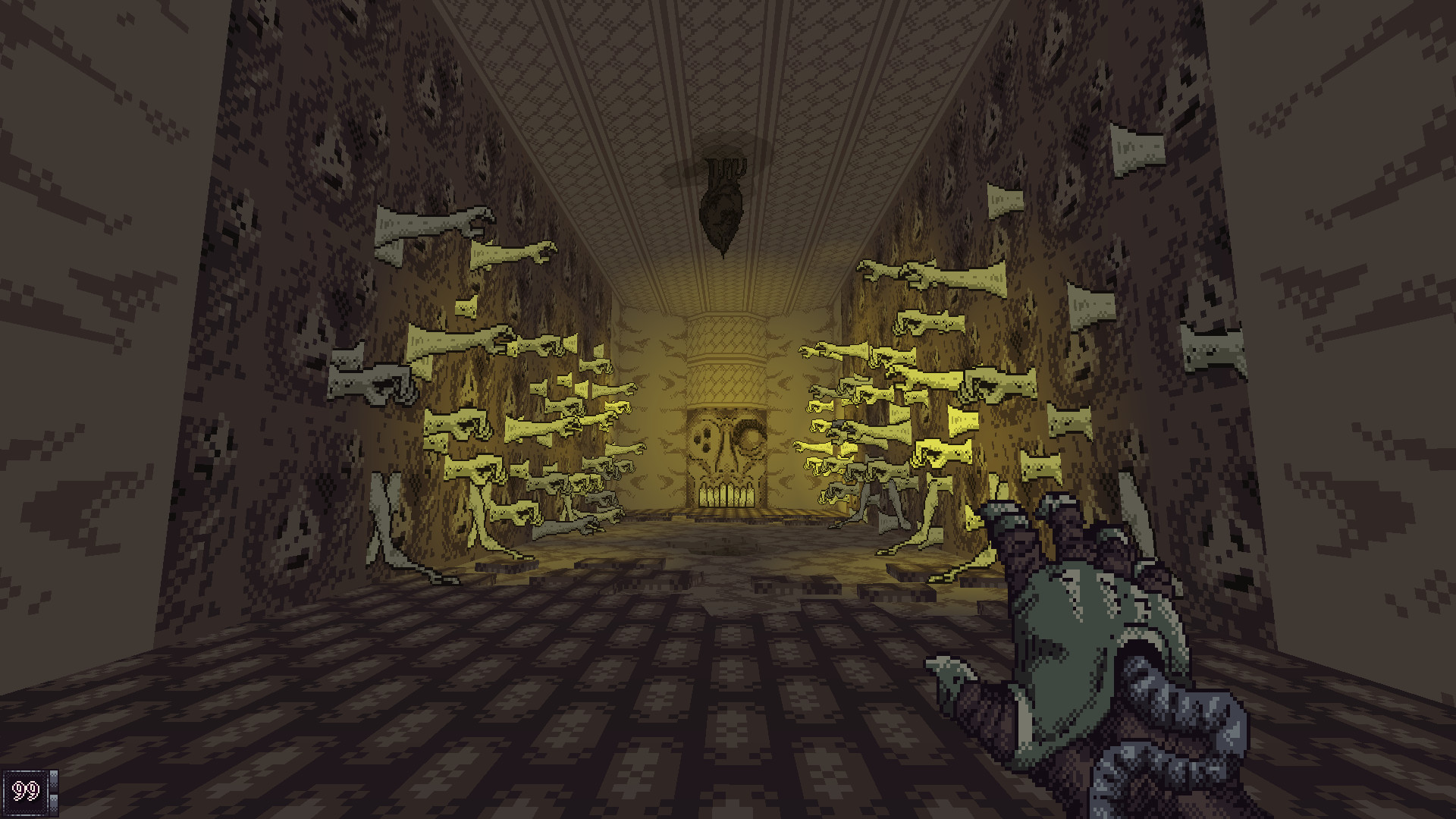
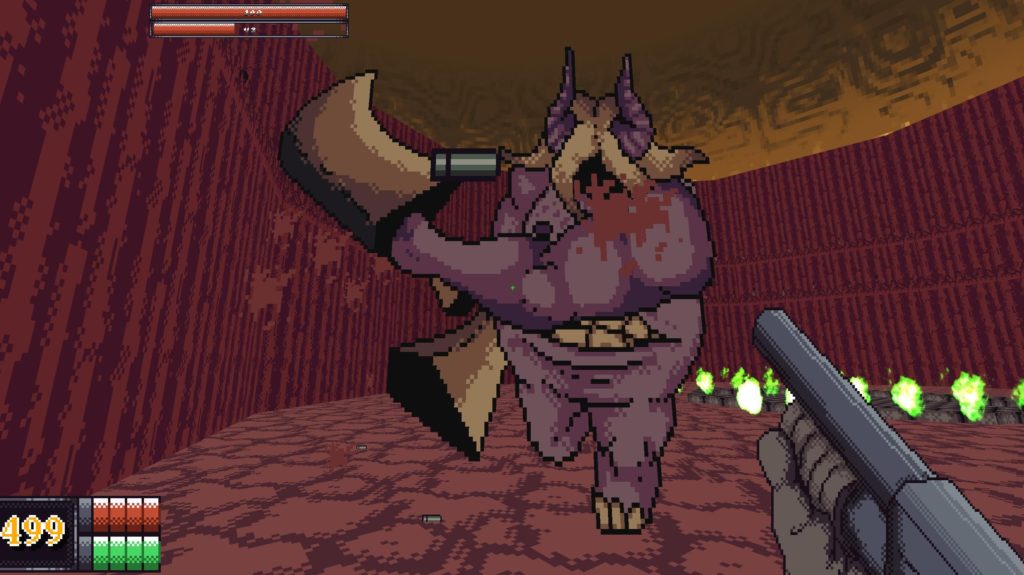
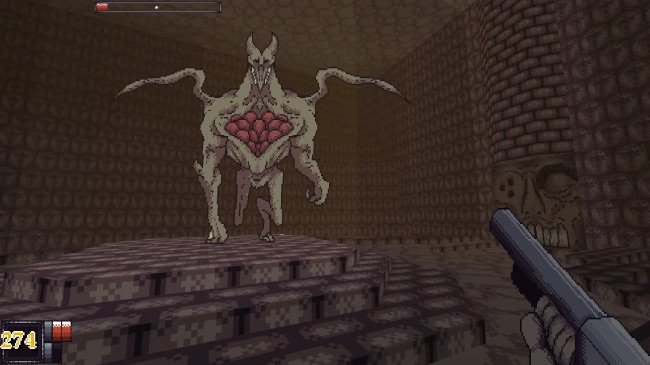
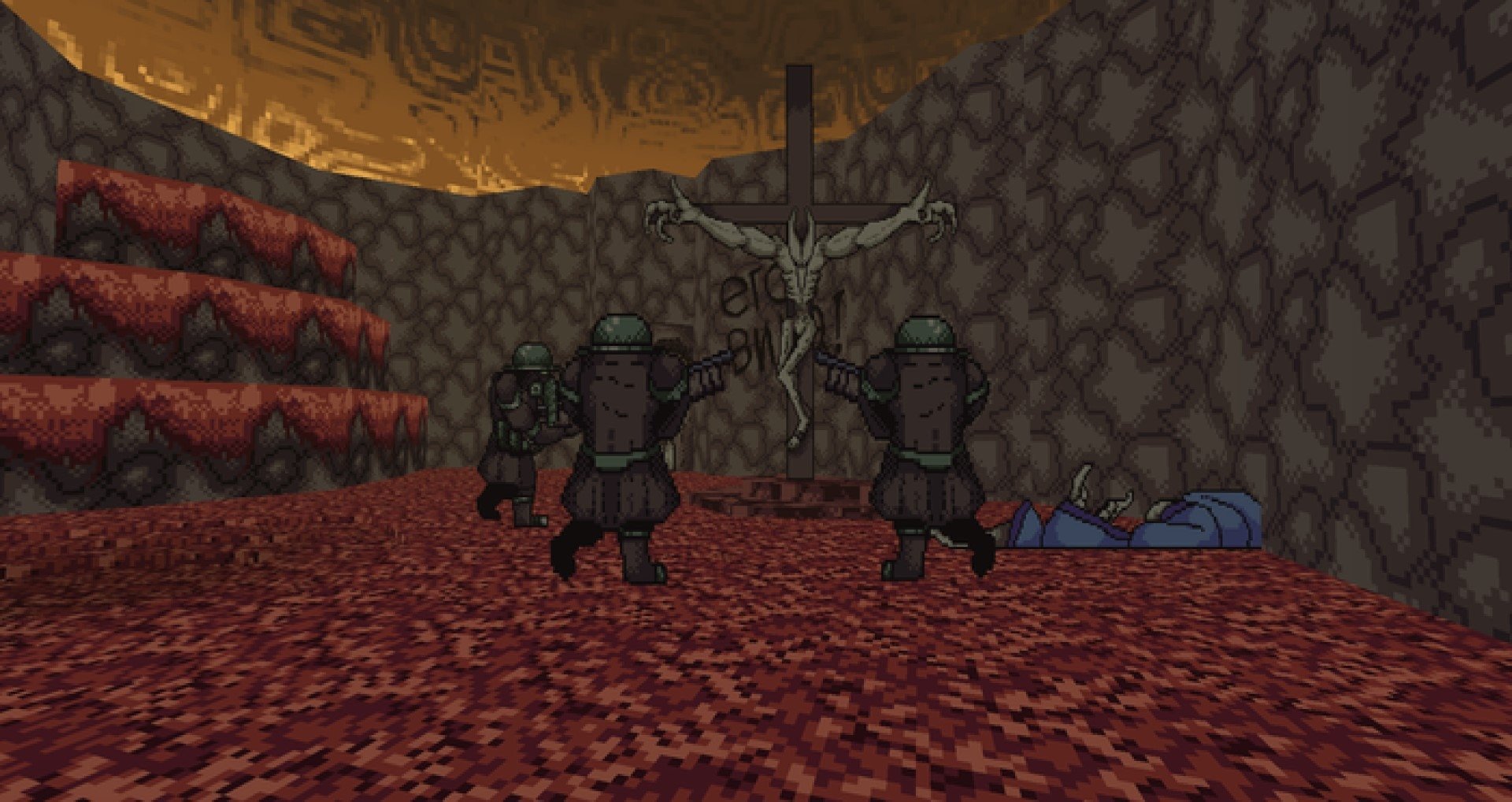
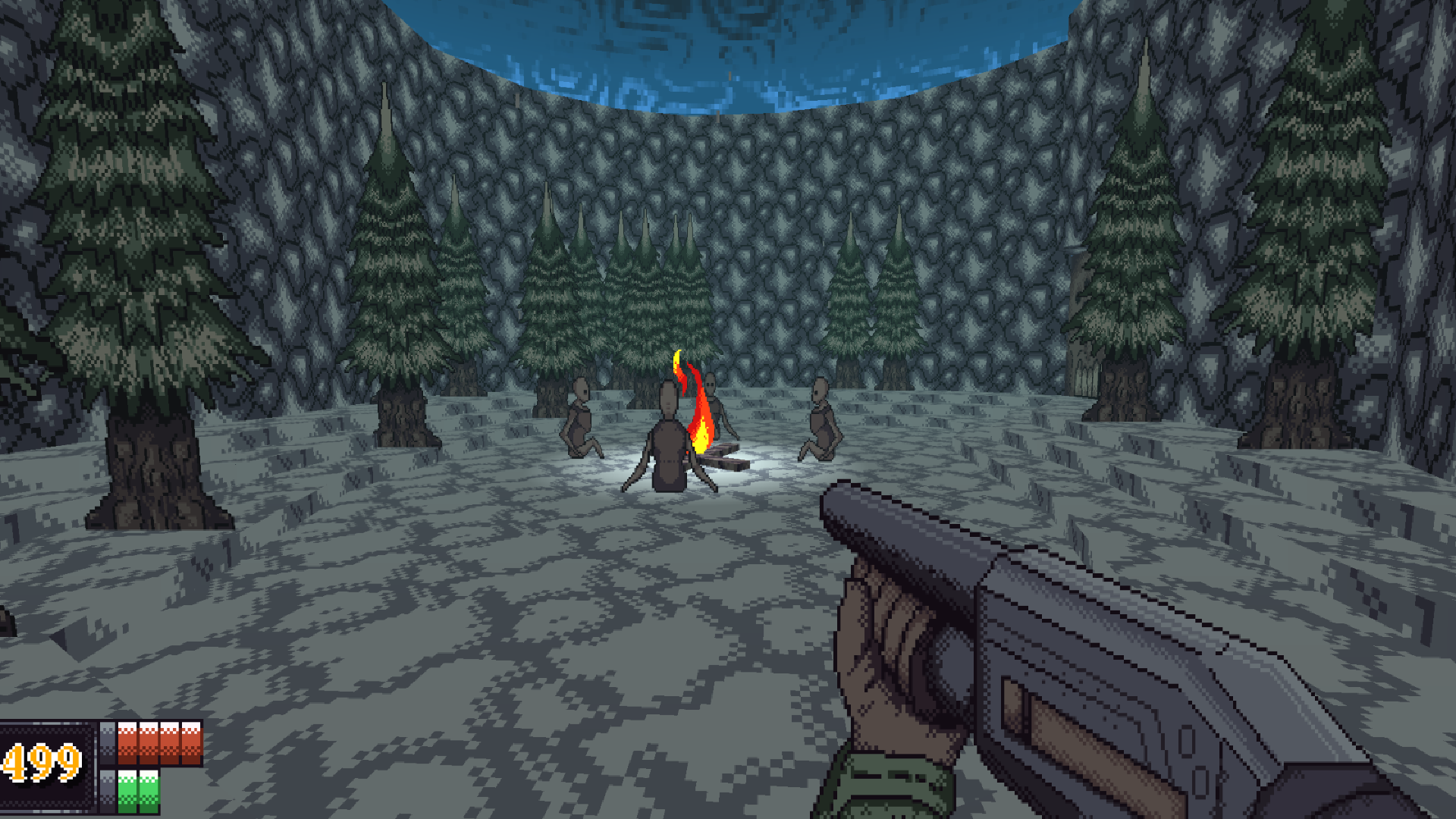
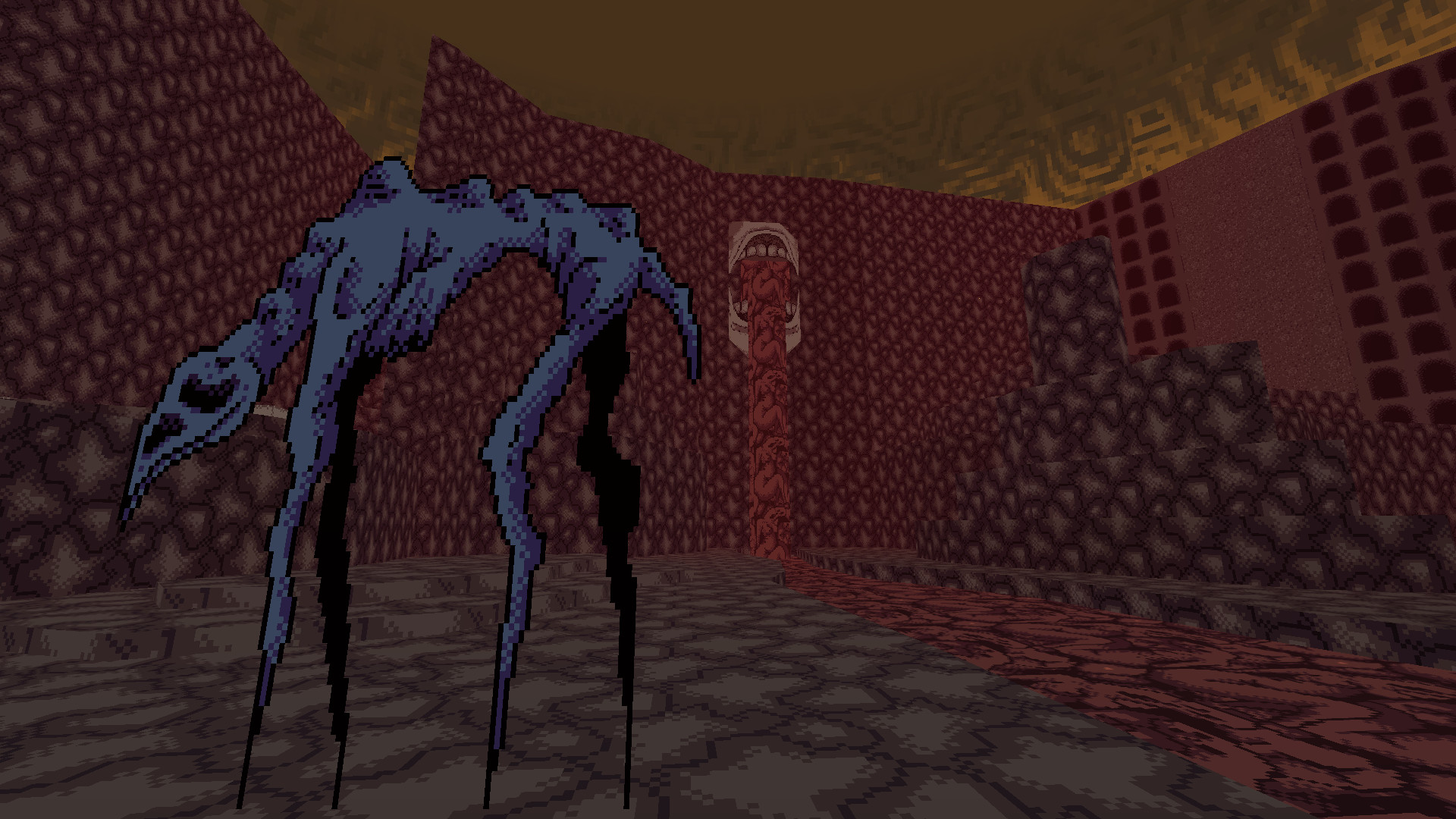
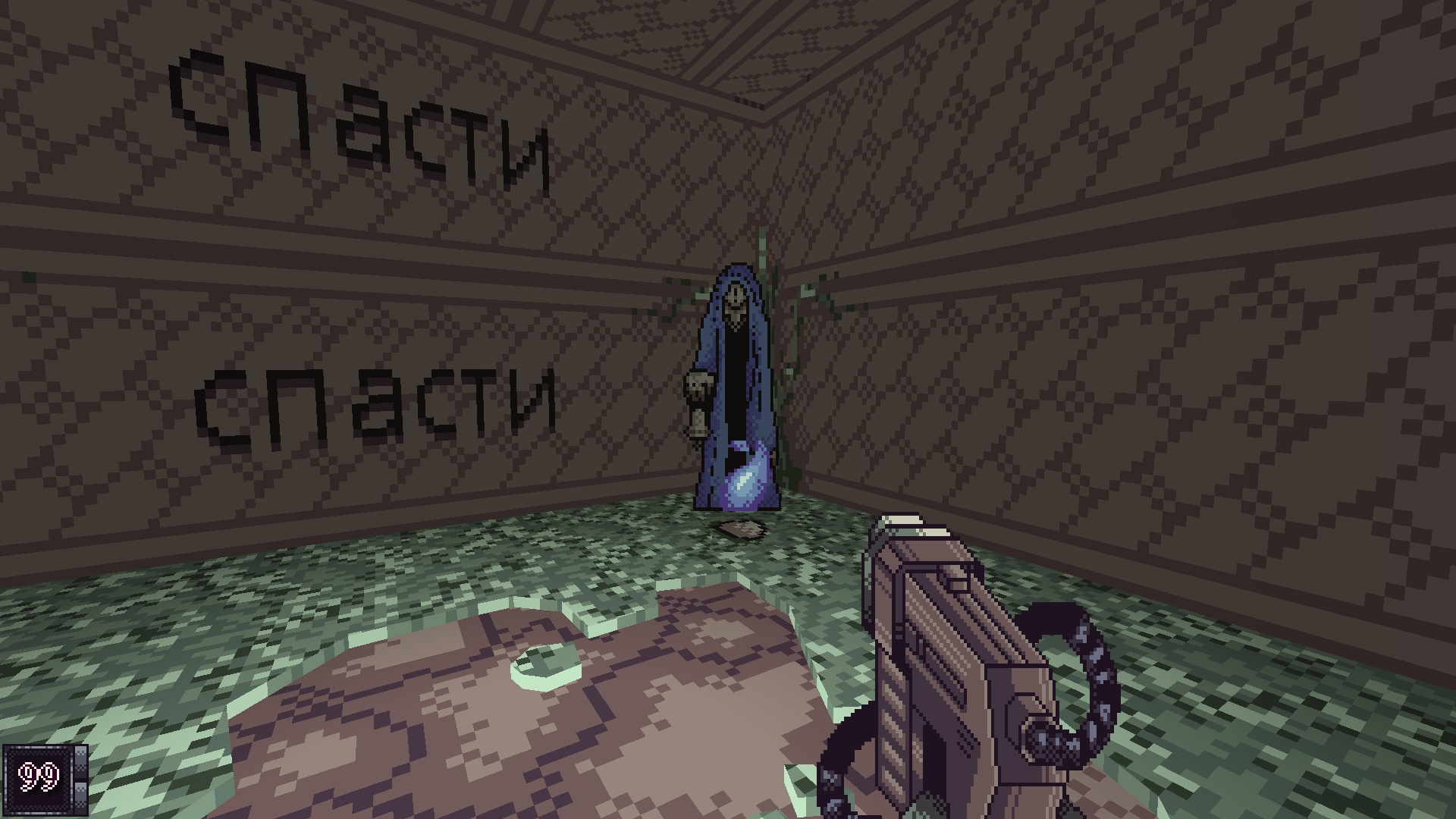
For my first Q&A of 2021, I reached out to Arizona-based developer and comic writer Scumhead regarding his newly posted and successfully backed Kickstarter project entitled Vomitoreum. Vomitoreum is a Metroidvania-style first-person shooter, similar to Metroid Prime, but is heavily influenced by artists such as Zdzisław Beksiński and Dariusz Zawadzki, as well as what has been the mainstay of Scumhead’s developmental portfolio, eldritch horror; the subject has been a staple in a mast majority of Scumhead’s work such as his comic Blackseed and previously developed games like Orogenesis and the two games in the Shrine series. Wanting to find out more about this fascinatingly surreal-looking title, I asked Scumhead a few questions about his upcoming game and what players can expect to see in the finished article. Here’s what Scumhead had to say about Vomitoreum:

Vomitoreum 1

What were the influences behind your game? 

Well, of course, there’s Metroid. Metroid Prime, to be specific, as there is a huge lack of first-person Metroidvania games that take advantage of 3D space. Dark Souls would be another one since it’s my favorite game, taking inspiration less from the difficulty and more from the interconnectedness of the world and atmosphere. For artistic inspiration, the main artists I’m pulling from are Zdzisław Beksiński and Dariusz Zawadzki. Other than that, my inspirations come from all over the place. 

What has the developmental process been like? 

Challenging. We’re breaking GZdoom and doing things it’s not meant to be doing, and somehow it’s functional. The art side of things has been an absolute blast, but it’s been a challenge to get this to flow in the engine. 

Vomitoreum 2

How close are we to seeing the finished product? 

The Demo is roughly 1/8th of the final game, unpolished, of course. It took about 3 months of work to get everything to where we are now, but it’ll go faster once we build out the project’s skeleton. Just getting mechanics to work and feel good so I can get back to workin’ on the good stuff is my top priority right now. 

What has been the most exciting aspect of development? 

For me, it’s been the visual presentation. Adapting Beksinski and Zawadzki’s artwork into a playable format has been a great challenge, as well as using their styles as a starting point to create my work. However, the most exciting part was realizing that a dream project like this was possible in the engine. 

Vomitoreum 3

What has been the most challenging aspect of development? 

Game feel. The visuals are all there; it’s just the gameplay that has been a big challenge. It’s still a work in progress, but making the game feel good to play has been tough. 

How rewarding has it been already to see this game develop into what it is now? 

Very rewarding, it’s been a dream project for me since I was a young teenager. Finally being able to create it has been wonderful. How well has the game been received so far? Mostly positive, the most valuable stuff is the bug reports. I have a feeling the final game will be much more positively received because all of the elements will be in place for a complete experience. 

Vomitoreum 4

Have there been any early ideas considered for inclusion that have since been scrapped or reworked? 

I generally lay out the entirety of my games before jumping fully into them, so other than a few sprites and models, not much has been cut. Mostly, they were just improved from their base ideas. 

You posted on Twitter recently that pitfalls in the game are now designed to send players back to their original position to relieve frustration, and rightly so, in my opinion. But how challenging are you looking to make this game for players? 

I have a really hard time with balance. It’s why playtesting will be so important. I find myself making encounters too easy and platforming sections too hard. Fixed the platforming part, but making encounters a challenge without being frustrating is going to be a big learning experience for me. 

Vomitoreum 5

What platforms are you looking to bring the game to? 

Windows, Linux, and hopefully Mac. 

If you had the chance to work with any mainstream developer of your choice, who would it be, and why? 

I’m not sure I’d take the chance. I think the best thing about this project is that it’s a bunch of indie types coming together to make a disgusting game. I worry that a mainstream studio would get in the way of that.

Do you have any advice for aspiring developers who may be reading this?

Make stuff. You can try to improve by yourself for eternity, but it’s honestly better to just learn as you go along. People can see the improvements you make from title to title, and you will have a big catalog of stuff people can play and that you can look back on. Getting started is the hard part, but if you love game development, it won’t matter how good or bad your projects are. 

Vomitoreum 6

Where on the Internet can people find you? 

Mainly on Twitter. 

https://twitter.com/Scumhead1 

They can also find me on YouTube.

https://www.youtube.com/channel/UCXsWVi9TFb5BQ0SDdquGjZw 

They can explore my game catalog here: 

https://www.goresoft.com/ 

Do you have anything else to add? 

This project would be nowhere without the help of my team. Please show them some love. Here’s their Twitter @’s 

Programmer: Mengo @Mengo329 

Art and Animation Help: Batandy @Batandy_ 

Music: Immorpher @immorpher64 & Primeval @PRIMEVAL

Vomitoreum 7

I’d like to take this opportunity to thank Scumhead for taking the time to talk to me regarding this ambitious-looking title. Vomitoreum, under its wonderfully disturbing exterior, looks like it will have a lot to offer gamers upon release, and I’m very much looking forward to what the final build of the game has to offer. You can also check out Scumhead’s Patreon page here if you’d like to become a patron of his:

https://www.patreon.com/scumhead

You can also find the link to Vomitoreum’s Kickstarter page below if you’d like to support the project:

https://www.kickstarter.com/projects/scumhead/vomitoreum

The link below is for scumhead’s itch.io page, which has a playable demo of the game in its current build:

https://scumhead.itch.io/vomitoreum

In the meantime, I’d like to congratulate Scumhead on the successful funding of his Kickstarter campaign and to wish him the best of luck with Vomitoreum upon release.

Game on,

Scouse Gamer 88
Untitled Goose Game (PC, Switch, PlayStation 4 & Xbox One)

Untitled Goose Game

Developer(s) – House House

Publisher(s) – Panic

Designer(s) – Stuart Gillespie-Cook, Nico Disseldorp, Michael McMaster & Jacob Strasser

PEGI – 3

Released by Melbourne-based developer House House back in 2019 on PC after much anticipation from gamers. Later ported to several home consoles, Untitled Goose Game is an adventure stealth game whereby players take control of a goose that must travel around a village. And relentlessly annoy as many of the villagers as possible in as many ways as possible. It was very well received by critics and gamers alike and maintains a perfect 10/10 score on Steam. Whilst I found flaws with the game whilst playing, I found it overall to be a delightfully challenging, yet uproariously funny experience at the same time. 

Graphics – 7/10

Set in an idyllic British village, the game makes use of cel-shaded visual design and a vibrant color palette perpetuated by lush, green landscapes and traditional village scenery and buildings such as gardens, pubs, and markets. The game’s soundtrack also flawlessly adds to the game’s atmosphere. Constantly changing depending on what situation the player finds themself in. That’s when they’re simply walking around when they’re about to sneak up on someone. Or when forced to run away from villagers. It’s always a pleasure to experience a game like this, whilst it may not look as visually original as others, it still presents variety in several different ways. And even more subtle kinds of ways. 

Gameplay – 7/10

The player takes control of a mischievous goose roaming around a peaceful village. The player must undertake specific tasks given to them via a to-do list. All with the sole purpose of causing as much chaos around the village as possible. For example, the first sequence of the game has the player having to torment an unsuspecting groundskeeper by stealing the keys to his garden gate, putting his rake in a nearby pool, and stealing various other items in his garden in order to create a picnic nearby.

Although the visuals aren’t particularly unique by today’s standards, the gameplay concept definitely is. The idea came from a very unlikely source; it came about when one of the staff at House House emailed the creative team a stock photograph of a goose, which led to a series of brainstorming sessions. For a seemingly finite concept that came virtually out of nowhere, it’s quite impressive to me how the development team was able to make as much of it as they did and create a game like this.

Controls – 10/10

Because there are an unprecedented number of commands to use in Untitled Goose Game, getting used to controls and the style of movement may take some time initially, but once mastered, it presents no problems. This is always impressive to think about when it comes to a new idea involving a new style of gameplay. I’ve come across a few indie games over the years that have failed to impress in terms of controls. Such as Octodad: Dadliest Catch and Aaru’s Awakening. But thankfully, there are no issues with this game’s control scheme. 

Lifespan – 4/10

The most disappointing aspect of this game is the short time it can be made to last. To complete the game 100% takes about 5 hours. And I think there was definitely room for expansion in this respect. Though I said I was impressed with the development team’s ability to come up with the overall concept while having little to no ideas to go on initially, there are certainly a great number of ways in which the initial concept could have been built for more objectives and side quests. And I, for one, would’ve been willing to wait a little bit longer to play it if it meant it could’ve been made to last longer. 

Storyline – 6/10

The game’s premise, as I described earlier, is also the game’s story. But what stops it from making the story nonexistent is a variety of different things. The soundtrack adds to the game’s atmosphere, as I pointed out before. But the goose’s journey is filled with hectic moments as well as drama and comedy. Playing this game made me burst out laughing on several occasions. But there is also a nice little reveal at the end, which really epitomizes what this game set out to do. And makes it feel like everything comes full circle in its own way.

Originality – 8/10

As I said, although the visual style and the conceptual design of the game aren’t particularly unique, what does make this game promptly stand out from the crowd is the concept of the gameplay itself. I love it when I come across a video game that seems basic at first glance. But ostensibly offers gamers an experience unlike any other without being overly complicated. And having a somewhat simplistic feel to it at the same time. There’s a simultaneous feel of tranquility and urgency to be had whilst playing this game, and it makes for a very enjoyable experience.

Happii

Overall, Untitled Goose Game is a very good title for the short time that it lasts. And it is certainly worth one playthrough at a minimum. It’s a simplistically designed game. It has its own unique charm to it that separates it even from some of the most ambitiously designed indie titles of the eighth generation of gaming. 

Score

42/60

7/10 (Fair)