Category Archives: Video Game Reviews

I am Scouse Gamer 88; an amateur Liverpudlian game reviewer making his opinion heard about as many video games as possible. Scroll through and read all my video game reviews from A to Z. All my thoughts and opinions on some of the very best and very worst games released!

Throughout my career, I have reviewed a great of games; be that AAA mainstream titles or independently developed indie hits. In my 30+ years, I have had extensive experience playing every kind of game. Ranging from critically acclaimed beloved titles to forgotten flops.

I take great pride and put great care into what I do, and I hope you enjoy reading my reviews as much as I writing them!

Pine

Q&A With Twirlbound

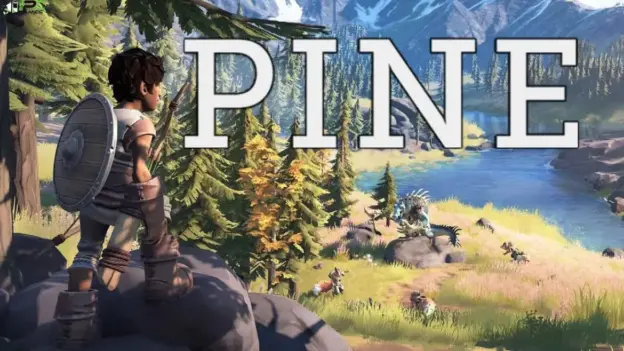
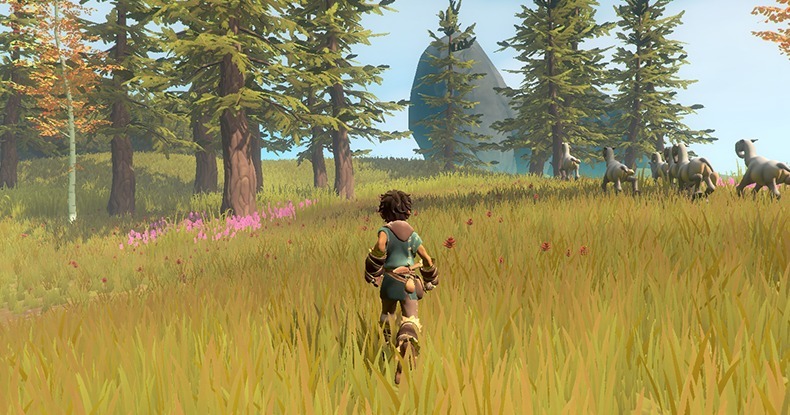
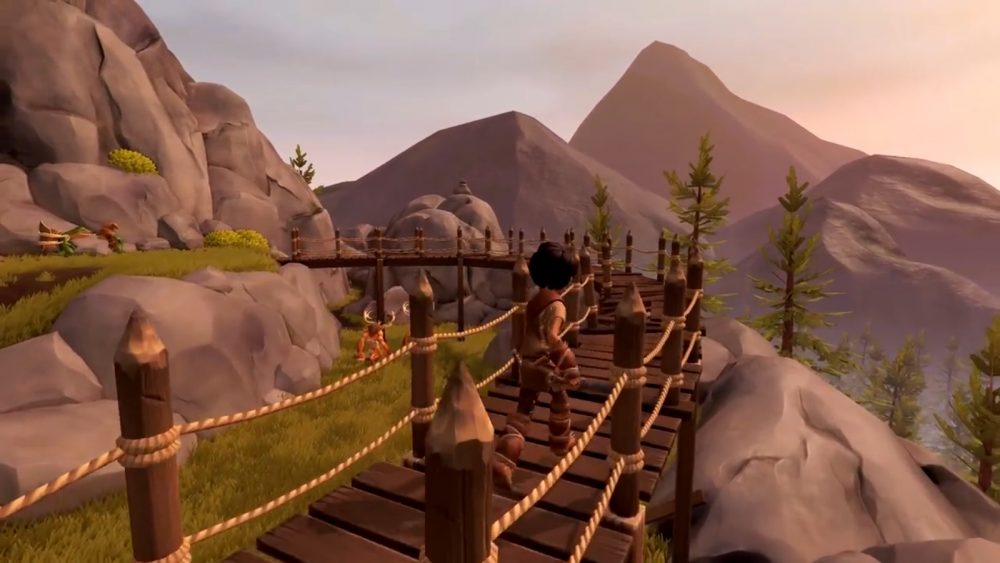
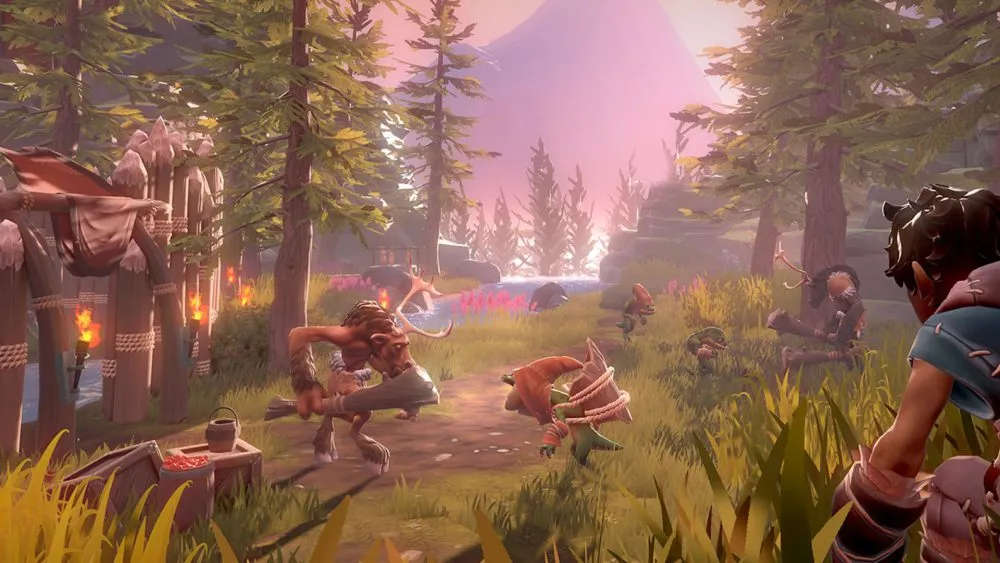
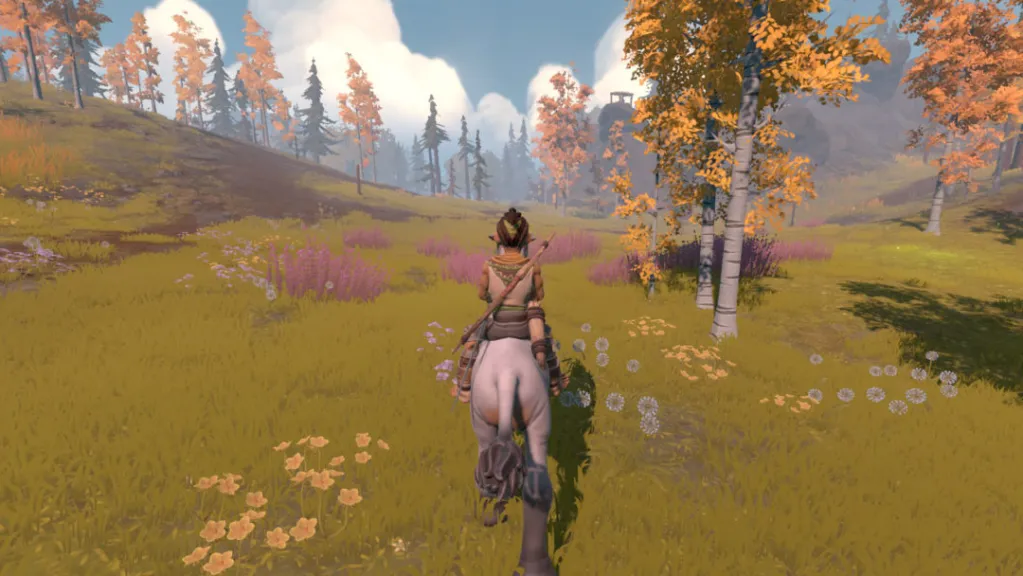
In my ongoing bid to cover more independently developed games and indie developers, and ahead of my trip to London this weekend for EGX Rezzed, this week led me to discover a game on Kickstarter called Pine. Pine, being developed by Twirlbound Games operating out of the Netherlands, is an open-world survival adventure game made in the same vein as the likes of Don’t Starve, Legend of Zelda: Breath of the Wild, and Horizon Zero Dawn.

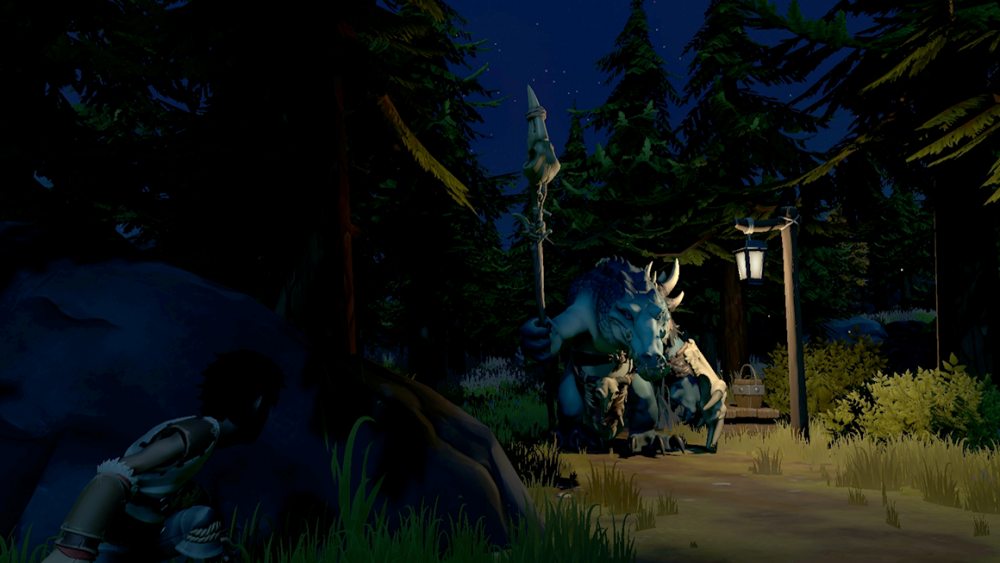
Incorporating many of the same gameplay elements from the aforementioned title. Albeit with its unique graphical style and conceptual design, it also incorporates a combat system heavily influenced by Bloodborne. And from the looks of it, requiring a comparable level of skill and caution to master. This week, I had a Q&A session with the game’s creative director, Matthijs van de Laar, about what gamers can expect with Pine. And what influenced the game’s creation? Here are his answers:


Pine 1

What were the influences behind your game?

We’ve been mostly inspired by the great action-adventure games like The Legend of Zelda and Fable – they tend to strike a chord with people who aren’t being struck enough, we think. Only once every few years does a game like that come by. And there’s still so much to explore within that genre. A very physical, natural feeling to the game was important to us.

Everything should feel grounded and real, with an easy-to-grasp groundwork of physics and interaction. We look at platformers and jolly action adventures for fun. But we look at more serious games for this grounded look and feel. Some of our team members have credits in cinema. And we all have a general interest in movies and TV. This has been a good influence on Pine’s storytelling, camerawork, and rhythm.


What has the developmental process been like?

Starting as a floating idea about 3 years ago, we’ve done an extensive amount of research and prototyping. We wrote several theses on the subjects that are tackled by Pine (mainly about adaptation in game design, machine learning, and natural environments). And all that knowledge was brought into a bigger game after graduating last year. It was only when we knew we had something that worked and after thoughtful consideration, that we decided to go at it full-time. Working hard on the next step, which became Kickstarter. This included trailers. But also a lot of groundwork for the game and systems. Maybe it’s cool to show this 12-week video of that graduation phase:

https://www.youtube.com/watch?v=DhLdiLPQ2Ng


Pine 2

What has been the most exciting aspect of development?

The idea process. There is such a wealth of ideas among team members that every meeting is a joy. We’re always bursting with inspiration, and seeing those ideas come to life in the form of environments. Or specifically the species, is fun to witness. The alternative evolutionary course of Albamare has been a lot of fun to think about, and we’re not even remotely running out of ideas!


What has been the most challenging aspect of development?

Being only 6, we have to make really important decisions sometimes. It’s important to keep the game small enough, but make it feel like an adventure that can last. We have a very strong vision of what it should play like and what the focus should be, and sometimes it’s hard to keep up with that vision with only a few people we have. The open-world nature of the game has certainly been one of the toughest aspects (e.g., building the island, letting assets stream, and simulating the ecology).


How well has the game been received so far?

We’ve always been blown away by the response, actually, since the start! For example, we started by sending out demos only five weeks into the process. We expected a few dozen testers, mainly from our school, but after about 6 weeks, we had 3000 testers. People had been sharing it on Reddit and NeoGaf, and we got a lot of good data out of that. Things kept going like that. We went on the Square Enix Collective without any expectations. And became the highest-rated project to date. Signing up for the Unity Awards, and in a completely surprising turn of events, I even won that one! We applied for a small grant, and we got it – and now, on Kickstarter, we raced past 50% in 10 days. As I said, we’re just pretty much blown away sometimes – the demand for a game like Pine seems to be real.


Pine 3

Concerning the game’s theme, does any of the team have any experience in outdoor survival?

Not really, to be honest – we all have been on camping trips before, but no real survival. It’s more about the theme of adaptation, change, and evolution for us. We’ve always had an interest in the theory of evolution, for its beauty and undeniable systems behind it. Realizing these could be translated into a game, the theme took shape even more.


What platforms are you looking to bring the game to?

We’re currently developing on PC, aiming to bring it to Mac, Windows, and Linux. But consoles are definitely in the future vision – depending on publishers and the platform holders’ interest in Pine, we hope we can take consoles into account early on in the process.


Pine 4

Do you have any advice for aspiring developers who may be reading this?

The only advice I always give to developers or those starting their own company: it’s all about the people you do it with. If I hadn’t met my co-founder, Marc, early on in high school, finding out we worked together really well, nothing would have happened. Not having had such good cooperation with my companions, Pine wouldn’t have existed. Like Pixar’s president, Ed Catmull, says: find people you’re intimidated by, professionally. Find those who are better at things than you are; that’s the only way you can make something truly great! It’s really about the people and what they bring to the table. Recognize each other’s strengths and weaknesses, and be honest with each other!


Where on the Internet can people find you?

Everywhere! More specifically, we’re on Twitter, Facebook, Reddit, and email:

http://twitter.com/Twirlbound

http://facebook.com/Twirlbound

http://reddit.com/r/pinegame

pine@twirlbound.com


Do you have anything else to add?

Kickstarter is scary, as you’re putting your whole game AND team online, but it’s so cool to see people engage that it’s all worth it!


Pine 5

Lastly, I would like to thank Matthijs for agreeing to our Q&A and would like to take this opportunity to wish him the best of luck with the remainder of the Kickstarter campaign.

Mighty No 9 (PlayStation 3, PlayStation 4, PlayStation Vita, Xbox 360, Xbox One, Wii U, 3DS, PC & Android)

Mighty No 9

Developer(s) – Comcept & Inti Creates

Publisher(s) – Deep Silver & Spike Chunsoft

Director(s) – Koji Imaeda & Kinshi Ikegami

Producer – Nick Yu

PEGI – 12

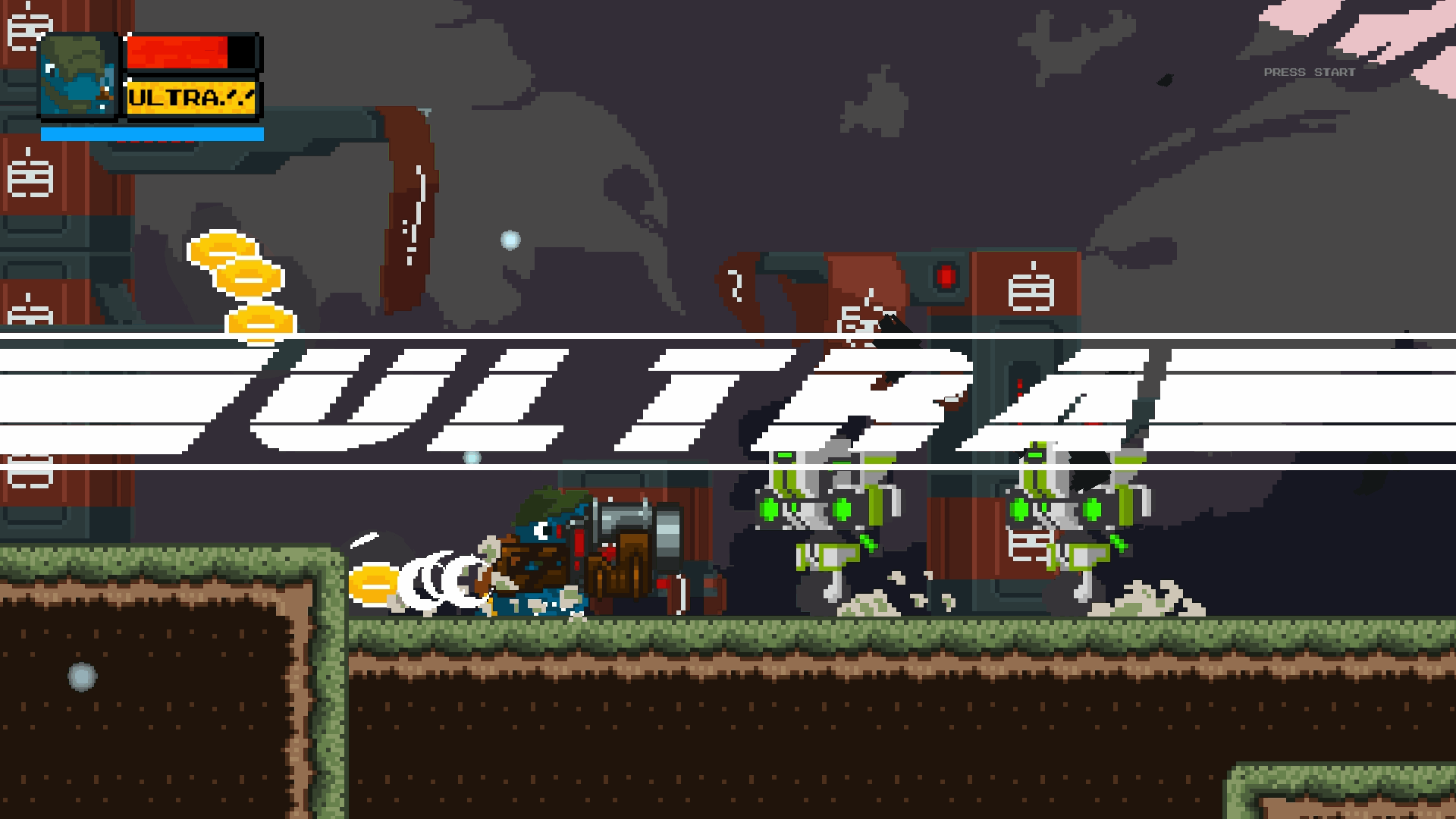
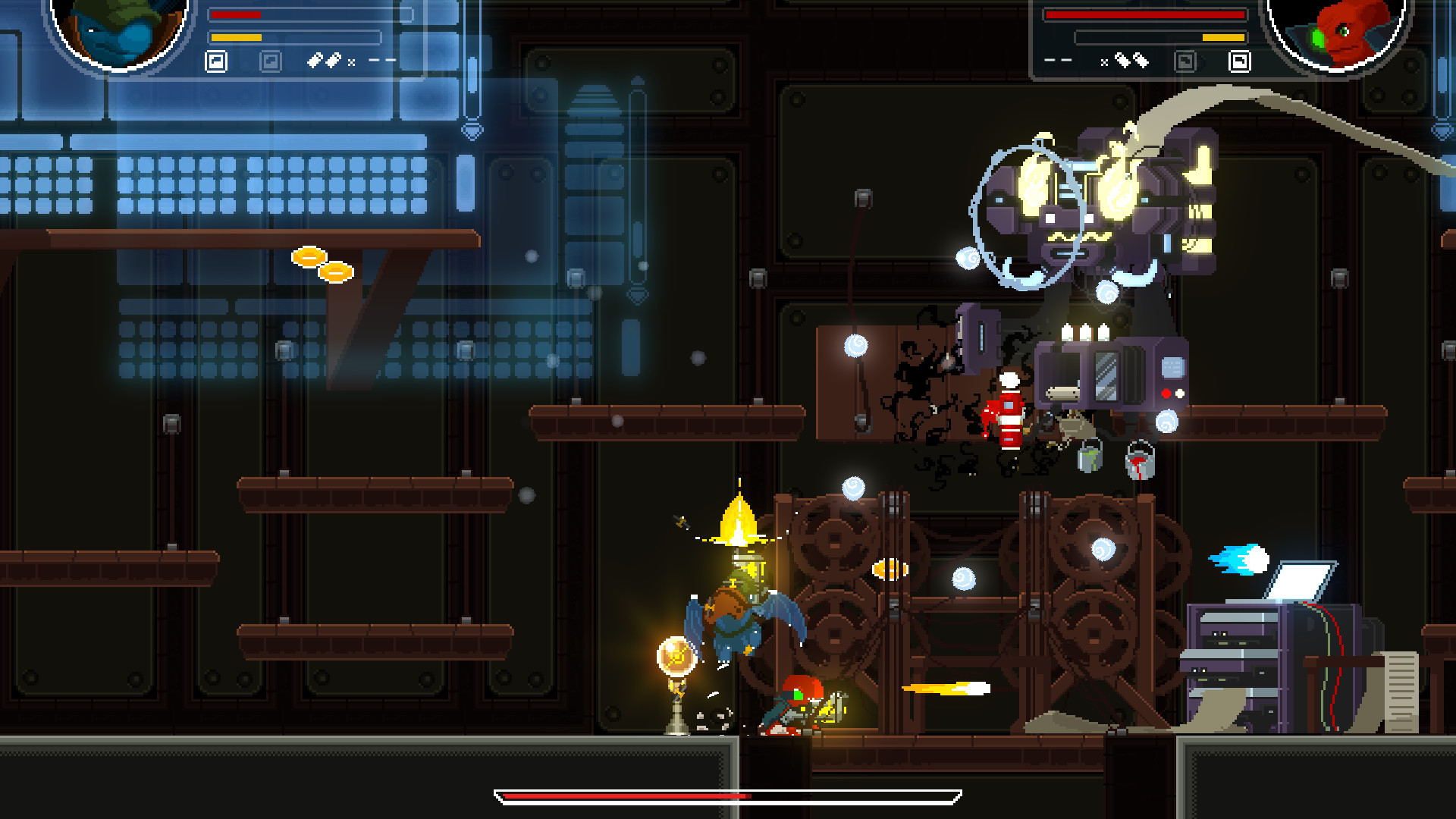
Released following an immensely successful Kickstarter campaign and a series of delays, Mighty No 9 is the brainchild of Mega Man creator Keiji Inafune. As well as personnel from the development team of the original game in the series. Highly anticipated by Mega Man fans, it was released in mid-2016 to mixed to negative reviews by critics and gamers alike. It dramatically failed to live up to its budget and expectations. Having played it, I can understand why many of the original Kickstarter backers were deeply disappointed with this title.

Graphics – 6/10

Although the game was an independently developed venture, the visual quality of the game does not match the budget the developers were given by backers of almost $4,000,000. Besides this, the game also suffers from a number of technical issues. Especially concerning the Wii U version of the game. One of many insults to the backers is that the developers clearly didn’t spend the time needed to polish the game before it was released to markets. Especially coming as it did from a team of developers who experienced internal frustrations themselves from Capcom’s powers that were. From a conceptual standpoint, the game also fails to impress, with the developers seemingly taking basic elements and ideas from the Mega Man series. And building upon them in a very half-hearted manner.

Gameplay – 5/10

The game’s play also doesn’t live up to Mega Man standards, let alone those of the industry as a whole. Intended to present players with the traditional level of challenge the famed series was known for, this game, at times, can be even more unnecessarily unforgiving. Many casual players may struggle to get past even the first level. At least with Cut Man’s stage in the original Mega Man game, it was an appropriately fair introduction to the rest of the series. But with Mighty No 9, it seemed to have been designed with only veteran Mega Man players in mind. Which, for a lot of potential newcomers, causes needless problems.

Controls – 8/10

The original Mega Man game suffered from minor issues with the controls in terms of unresponsiveness. But Mighty no 9 suffers from the same problem, but to a slightly greater extent. Again, causing a lot of unnecessary frustration. Potentially to both newcomers and veteran Mega Man players. Even throughout the first level of the game, there are a lot of platforming obstacles the player has to overcome in order to progress. These unresponsive controls can cause a multitude of different issues at different points in the game. Especially as it is based on a number of lives the player has, hearkening back to old-style gaming.

Lifespan – 5/10

Clocking in at around 6 hours, despite the fact that funding for the Kickstarter project was supposed to have been enough to reach the stretch goals required to bring DLC to the game, Mighty No 9’s lifespan was also criminally short. Especially for a modern game. Most 2D platformers that are typically developed by Nintendo, for example, can be easily made to last 15 to 20 hours, given enough substance in gameplay. New Super Mario Bros U and Donkey Kong Country: Tropical Freeze are textbook examples of this. Six hours may have been impressive by 1987 standards when the original Mega Man game was released. But in this day and age, especially against other kinds of games, it doesn’t hold up the same as it once may have done.

Storyline 3/10

Basically mirroring the plot and basic premise of Mega Man, the game’s story centers around a robot named Beck. The ninth in the Mighty Number android line-up. He has been tasked with eliminating his fellow Mighty Number robots after they have been infected with a computer virus. Almost identical to how Mega Man must neutralize the robot masters. Almost every aspect of Mighty No 9’s story was taken directly from that of Mega Man’s. As was the conceptual design. And has not had a great deal of real thought put into it. It’s especially underwhelming. Given the fact that the main appeals, the developers wanted this game to have also failed to live up to their respective expectations.

Originality – 3/10

Taking everything into account, the only hint of uniqueness this game has is in the conceptual design. Whilst it may have been heavily borrowed from the Mega Man series, it does minimally well to stand out among other games in general. But certainly not enough to make it do so to any great extent. Although this game certainly does not spell the end for challenging 2D side scrollers. Since the likes of Rogue Legacy continue to impress gamers everywhere, it spells a particularly grim future for Comcept, as their latest project, Red Ash, failed to reach its Kickstarter goals.

Angrii

To sum Mighty No 9 up, I would describe it as a gaming travesty. A middle finger to Mega Man fans, as well as the Kickstarter backers. Though it may have been a once-promising game to players, especially those who played the beta, the end product is certainly something to be forgotten.

Score

30/60

5/10 (Far Below Average)

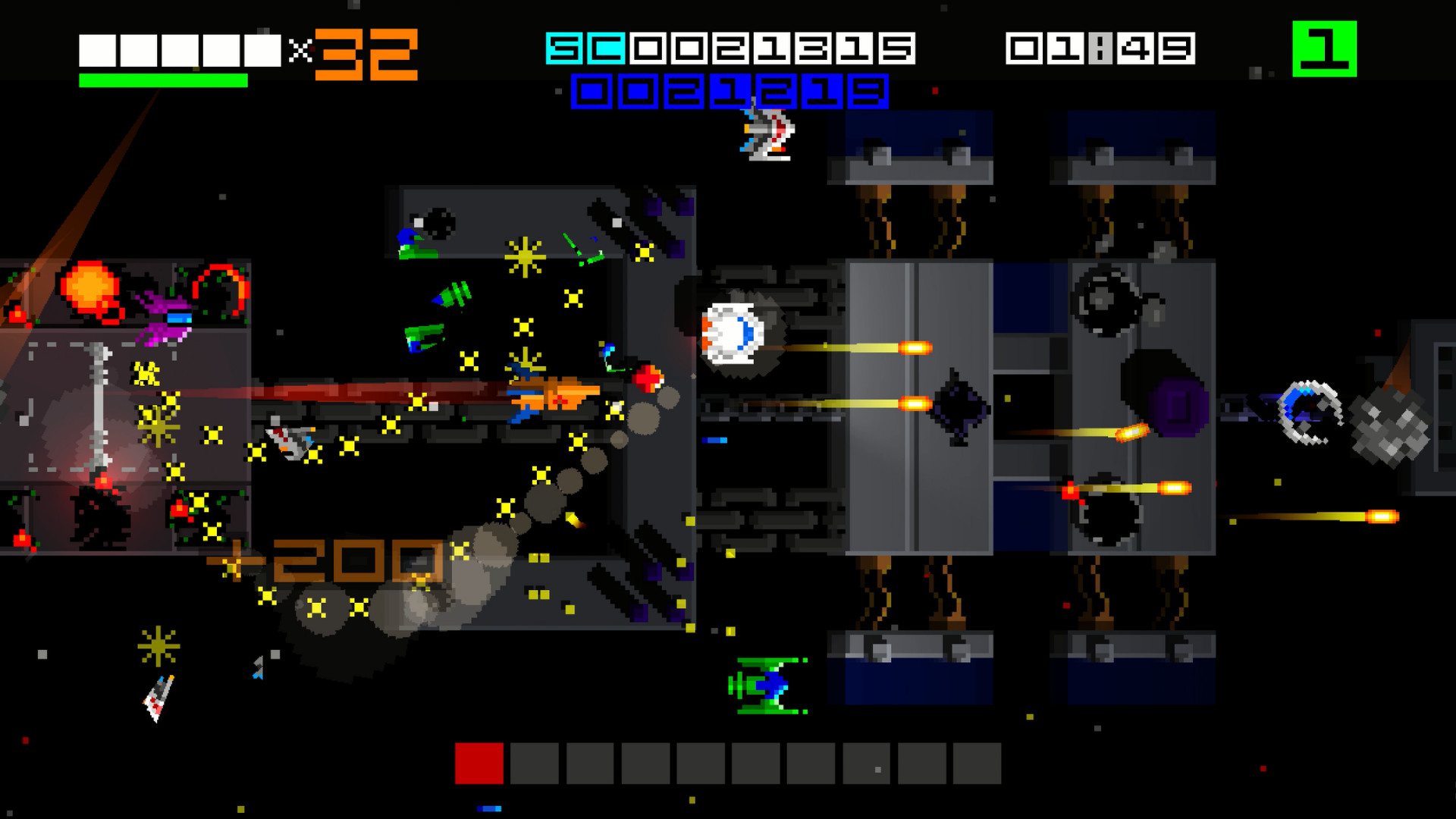
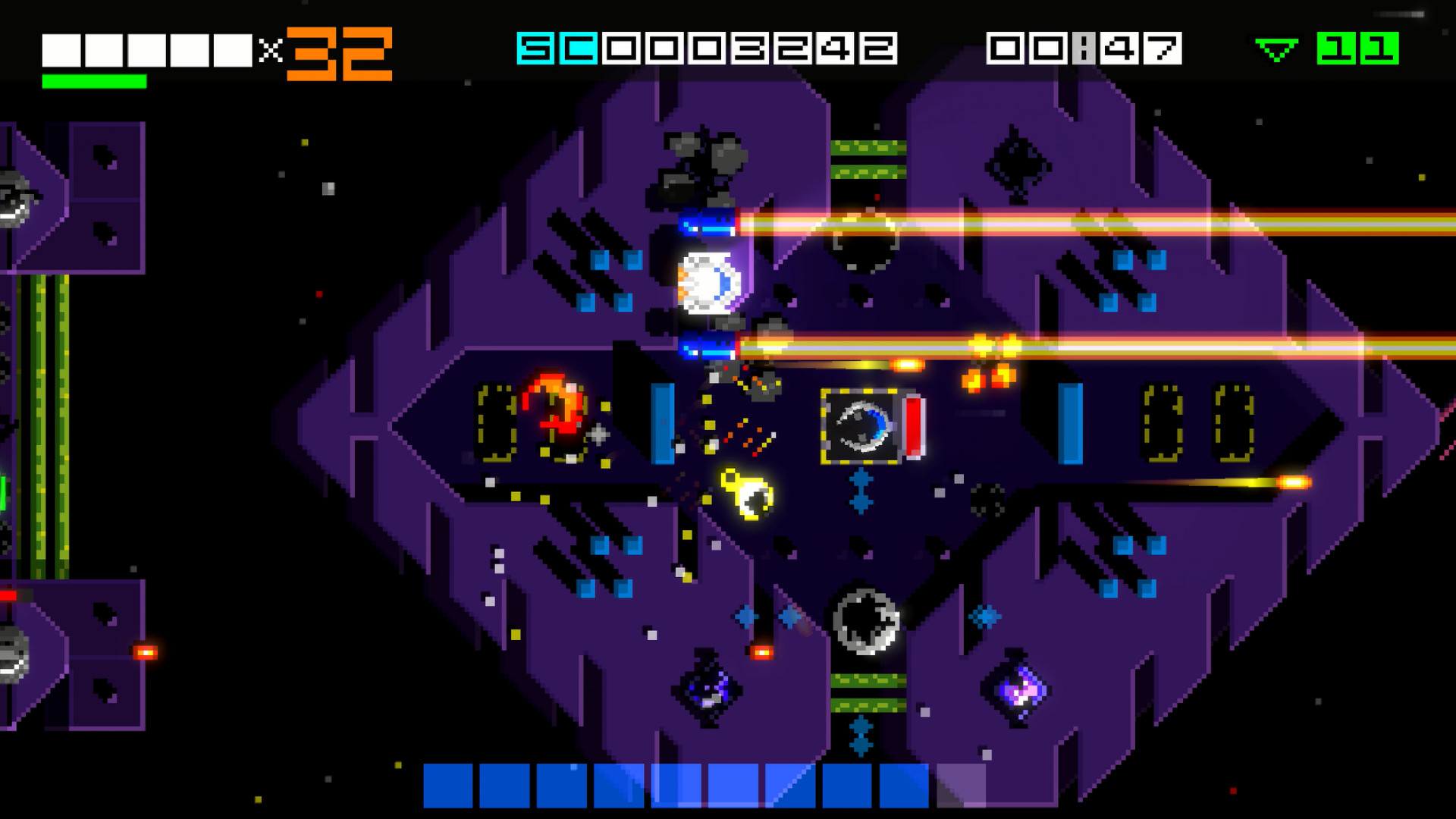
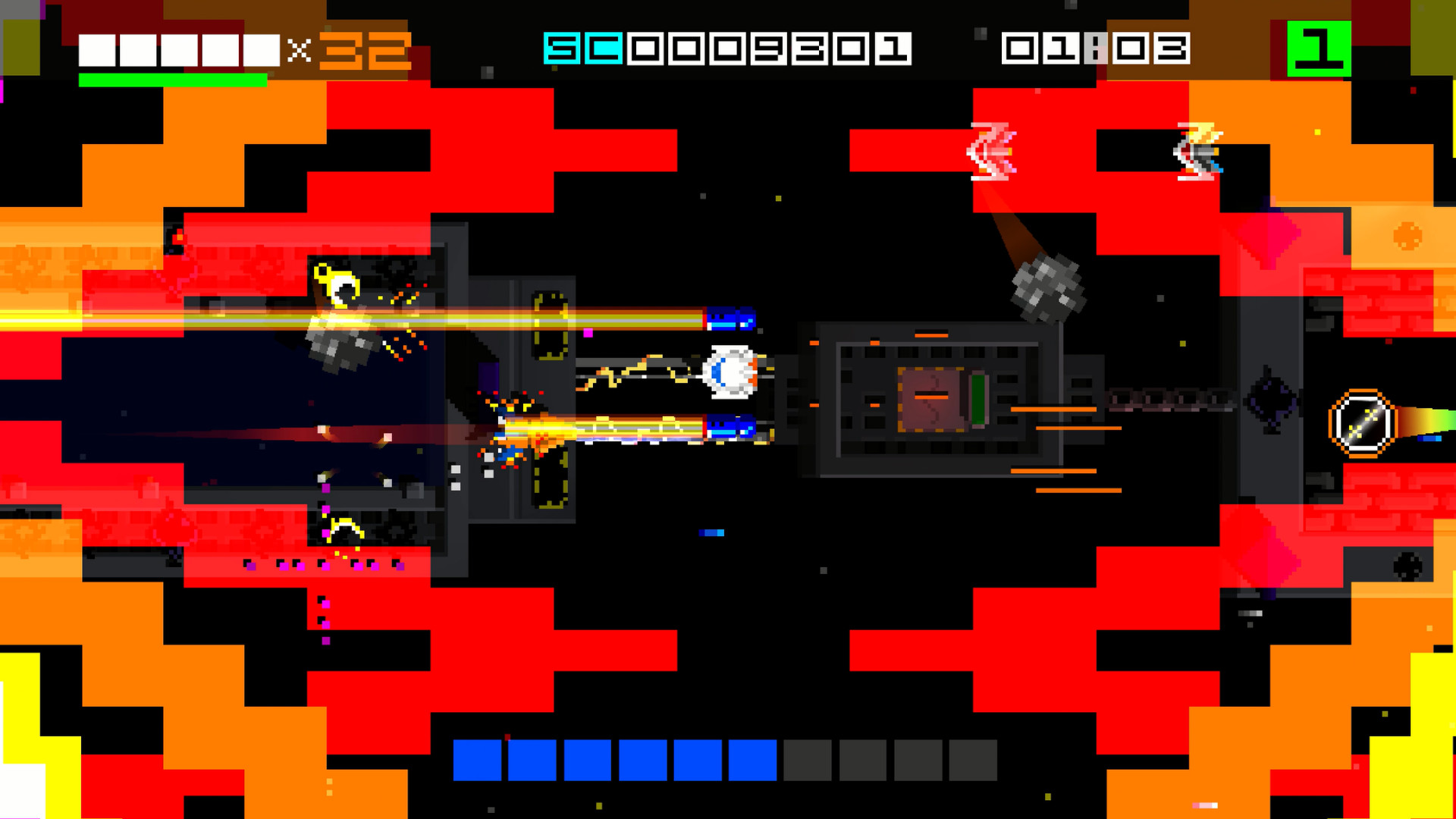
Hyper Sentinel

Q&A With Huey Games

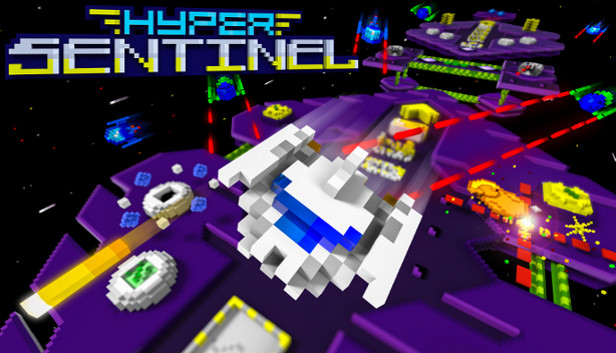
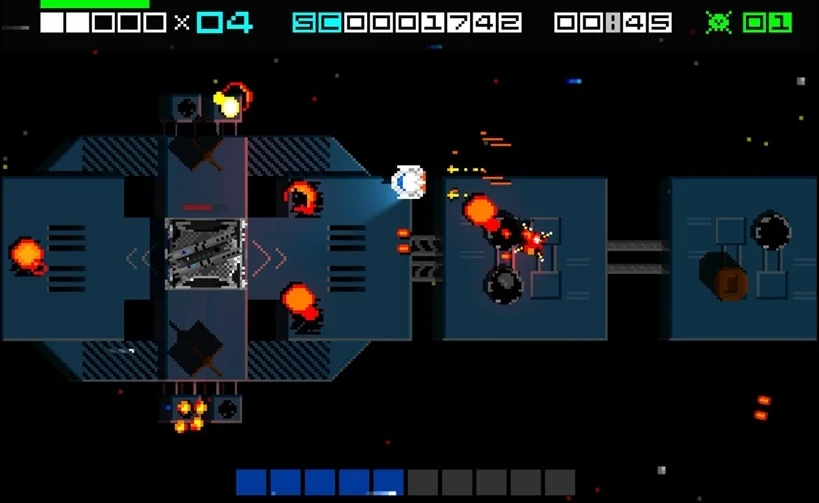
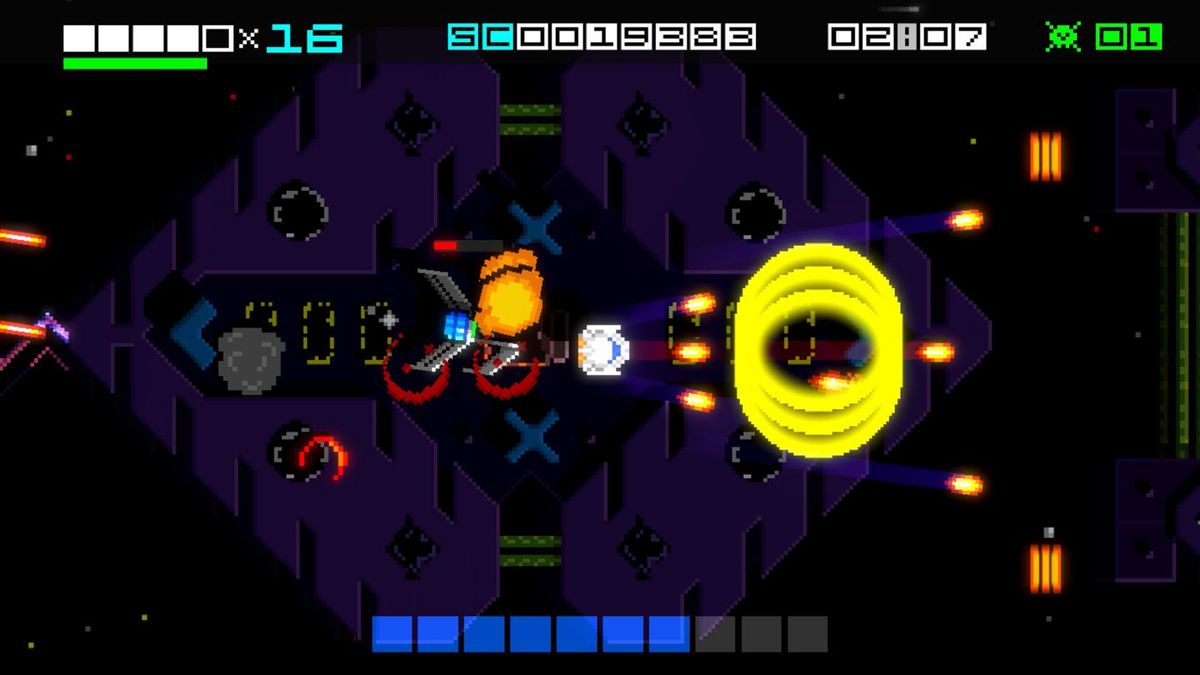
Following on from Play Manchester 2016, one game that has continued to impress gaming audiences since I first laid eyes on it is Hyper Sentinel; an arcade shoot ‘em up inspired by 2nd and 3rd generation classics such as Defender, Cybernoid, and Uridium. Showcased at many expos and being the subject of a recently successful Kickstarter campaign, the popularity of the game has been on the rise and is set for full release later this year on multiple platforms. Curious to find out more, I’ve conducted a Q&A with the game’s creative director and CEO of Huey Games, Robert Hewson. And the game’s principal developer, founder of Four5Six Pixel, Jonathan Port. Here’s what they had to say about Hyper Sentinel:


Hyper Sentinel 1

What were the influences behind your game?

Jon: The most obvious visual influence is from Uridium; the twist and flip maneuver has never really been used since. So I thought it would be fun to have that in. In terms of gameplay, major influences are Defender for its frantic action and speed, and Tornado Low Level (ZX Spectrum), where you could sweep back the plane wings to speed boost. I loved Cybernoid and its dramatic explosions, so there is some influence there.  More recently, Resogun, I like the way the enemies surround and suffocate you if you don’t keep on top.


What has the developmental process been like?

Jon: Development has gone very smoothly. I’ll often implement some features and then let Huey Games take a look. We’ll then go through a short iterative design cycle until the feature feels right. Using this process, some features make it in, and some get left out. It’s about making a game that feels consistent throughout.  To get such close design feedback from a publisher. But still having the freedom to create your own game has been an absolute pleasure.


Rob: It has been a genuine pleasure to work with Jon on the iterative process of enhancing and polishing the game. We seem to be on the same wavelength the whole time. I don’t think we’ve disagreed on any of the feedback we’ve given. And it is always a delight to get a new build and see all the little touches Jon has added.


How close are we to seeing the finished product?

Rob: We are on track for an early summer release now that Kickstarter has passed its funding goal. Of course, there is still a week left on the campaign. So we are hoping to hit a few more stretch goals too! You can check out the campaign at www.hypersentinel.com.


Hyper Sentinel 2

What has been the most exciting aspect of development?

Rob: I think there was a moment after we’d been through a few rounds of iterative improvement when the boost and the dodge abilities came together. And the compelling loop of the gameplay was suddenly brought to life. After that, tweaking the way the enemies behave, the way the power-ups spawn, and all those little details so that they work elegantly with those core mechanics, that is when we began to realize we’d found the fun, which is always the best moment!

Jon: Seeing people play your game at an expo and come away thrilled to have played it. When you are so close to the development of a game, you never really know until you stand away and just let people play it on their own. It’s a scary moment as you take your game to its first public showing. But to see people enjoying your own game is a special moment.


What has been the most challenging aspect of development?

Jon: Hyper Sentinel was originally developed on an Apple-centric platform. To get the game out to a wider audience, we needed to move the codebase to an engine that could target multiple platforms. The move to the Unity engine was the greatest technical undertaking. Most of the code has been rewritten entirely from scratch to get the best out of that environment. We could have gone down the route of a quick code port. But we decided early on that we should do this right to make the best game possible.


Has your father, Andrew, had any input into the game?

Rob: Not so much. He attended the first meeting with Jon and could instantly see the potential of the game, but he is taking more of a back seat these days. His wealth of experience is there to tap into when we need it. But that is mostly on the business side.


What impact has your father had on your career as a developer in general?

Rob: I don’t think he pushed me to pursue a career in the games industry. If anything, he was a sobering influence because he knew firsthand just how difficult it could be. However, no doubt that being surrounded by games from an early age. Climbing through the shelves in the Hewson warehouse, attending trade shows, collecting posters and stickers – it left its mark. I remember drawing the Hewson logo and dreaming up game ideas with my friends, so I caught the bug early. By the time I got into the industry, Dad had already left, and although I probably talked to him about it on occasion, he considered it a closed chapter in his life. Until I convinced him to write his book, that is.


Hyper Sentinel 3

How well has the game been received so far?

Rob: It has been exceptional. Everybody who plays the game seems to enjoy and appreciate it. One of the most exciting things to see is that it is not just older retro gaming fans who love it; we had loads of kids coming back time and again to play it at the shows we have attended, which is a pleasure to witness.


Jon: The greatest thrill is to see people genuinely excited to play the game. Hyper Sentinel is a high-score game at its heart, and it’s great to see people putting in so much time to stay on top of the score leaderboard! 


What platforms are you looking to bring the game to?

Rob: So far, we can confirm Steam, PS4, Xbox One, iOS, Android, and Amazon platforms. Hopefully, we can add even more to the list soon.


Hyper Sentinel 4

Do you have any advice for aspiring developers who may be reading this?

Rob: Figure out what the hook is for your game, the thing that makes it stand out from the crowd, and polish, polish, polish. Once you’ve finished polishing, polish some more. When you think you can’t polish any further, get some feedback, realize you were wrong, and carry on polishing.

Jon: Did Rob say polish? If there is one thing I have learned from Huey Games, it is that a great game doesn’t happen instantly; it’s a process of building over and over from a simple core concept. For aspiring indie developers, the most important thing is to finish your game, and that takes an awful lot of hard work and time. If you know you have a great game, just keep going until you get it into people’s hands. 


Where on the Internet can people find you?

Rob: The game has its website at www.hypersentinel.com (which currently goes directly to the Kickstarter while the campaign is live), and you can visit our company page at www.hueygames.com. 


Do you have anything else to add?

Rob: Thank you for having us and a massive thank you to everybody who has supported us along the way!


Hyper Sentinel 5

I would also like to take this opportunity to thank both Robert and Jonathan for agreeing to our Q&A session, to say congratulations on the successful Kickstarter campaign Hyper Sentinel has had, and to wish them the best of luck with the game upon release. From what I played at Manchester, Hyper Sentinel seems like a particularly enthralling game, a compelling homage to the 80s classics the developers drew inspiration from, and I can’t wait to play the finished article.

Space Lizard Studio

Q&A With Space Lizard Studio

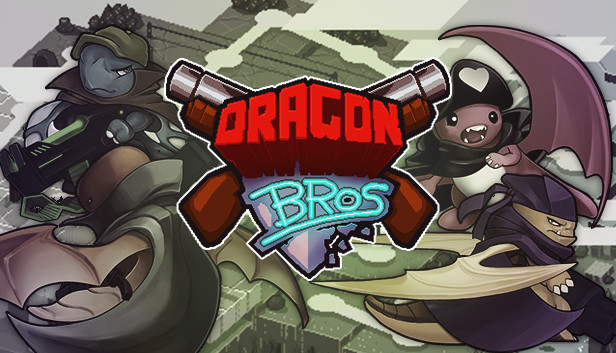
In my ongoing bid to discover and bring to light up-and-coming independent developers and exciting titles for the future, a studio I came across at Play Manchester last year was Liverpool-based Space Lizard Studio, which was showcasing their 2D side-scrolling shoot ’em-up title Dragon Bros.

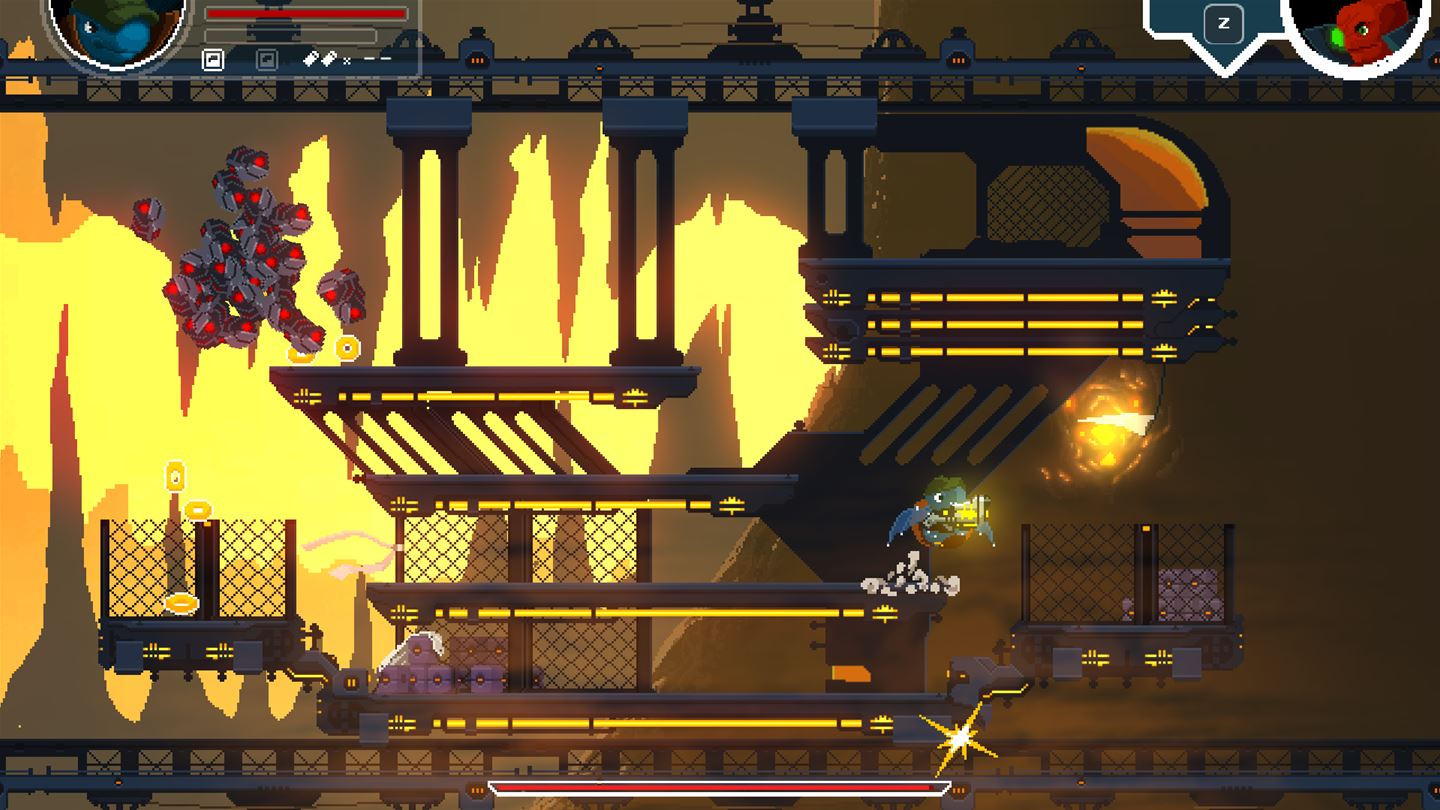
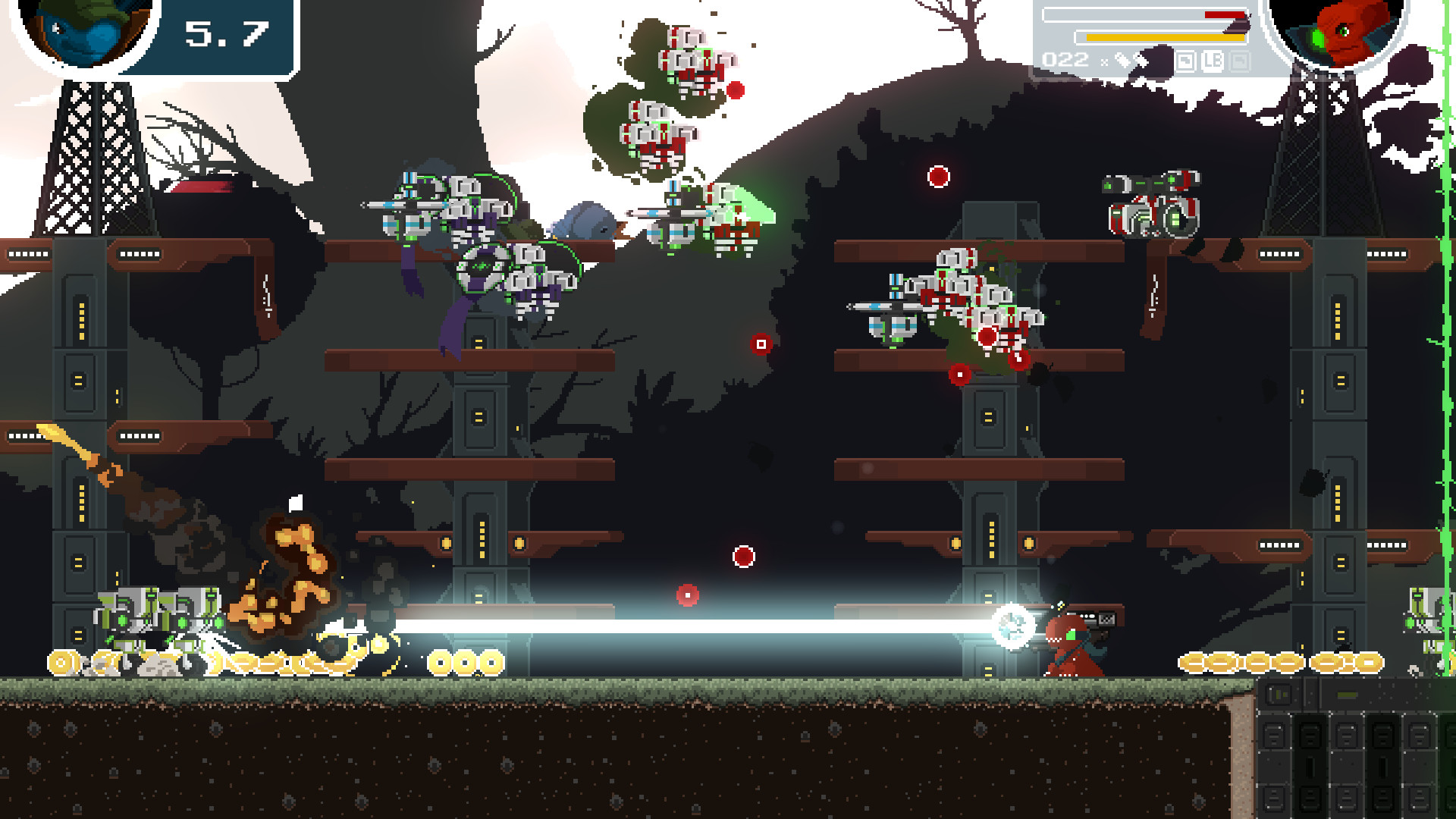
A love letter to third and fourth-generation classics such as Contra and Metal Slug, it features wonderfully crafted 8-BIT visuals. As well as intense and challenging gameplay. After playing it in Manchester, I was eager to find out more about the game and the people who developed it. So I contacted Space Lizard’s Gabriele Caruso. And he agreed to answer a few questions I had about Space Lizard Studios and Dragon Bros. These were his answers:

Space Lizard Studio 1

What were the influences behind your game?

Given that the 4 of us were all born in the 80s, I guess pixel art games and retro action shooters are continuously haunting our thoughts. I am a big fan of Turrican as well as Contra, Metal Slug, and the epic Midnight Resistance (I loved the aiming on that one). We wanted to create something similar to what we used to play as kids, with PROPER difficulty and a “plug and play” approach. But we have also considered the modern twist and took inspiration from extremely cool games like Bro Force, Super Time Force, and Mercenary King (ah, and the roll system in Dark Souls, too).

What has the developmental process been like?

This is our first game in Pixel Art, and for our artist, well, it was the first time for him to draw at super low resolution. He did great in the end. We had hundreds of ideas during the development cycle on possible extra features to implement in Dragon Bros. A team could potentially spend unlimited time on improving a game. The hard part was actually to keep the focus on our goal and stick to our original vision.

How close are we to seeing the finished product?

The game will be released this spring. We are just fixing a few minor bugs and getting some paperwork done.

Space Lizard Studio 2

What has been the most exciting aspect of development?

People’s involvement in the project. We’ve been exhibiting at several game conventions. And the most exciting part is when people try your game for the first time and have fun. The way others experience the game is fascinating. And listening to the feedback helped us make the final game more accessible and fun in general. Sometimes you just need to see things from a different point of view.

What has been the most challenging aspect of development?

Being self-funded is hard; what gives you strength is people’s appreciation. Besides that, one of the biggest challenges we have experienced was the development of Adaptive Music levels. We had to design and implement a custom system to handle the synchronization between the music and the in-game events. Some traps and enemies move in sync with the soundtrack, and that took some time to get right (especially when the Audio guy is extremely picky :D). We are so proud of how it came out that now we are willing to make plenty of new rhythm games… Maybe.

What do you think of the current state of video game development in Liverpool?

There are a lot of indies in Liverpool and in the UK in general. I think it’s a growing community and an amazing environment. I am sure some good stuff will rise and shine all over the world.

How well has the game been received so far?

I’d say not so bad! People love it, especially kids. Plenty of YouTubers have reviewed the game so far and given us good feedback during the Steam Early Access, and they still do right now.

What platforms are you looking to bring the game to?

Xbox One for sure, but we don’t exclude porting the game to PS4, mobile, or even Switch. It all depends on how it goes after the spring release.

Space Lizard Studio 3

Do you have any advice for aspiring developers who may be reading this?

Be creative, always. Team up with others and start creating stuff, no matter what. As long as you enjoy what you do and have a strong passion for games, you are capable of great things.

Where on the Internet can people find Space Lizard Studio?

People can find us on either our Steam page: http://store.steampowered.com/app/506150/ or our web page: http://spacelizardstudio.com/
Facebook: https://www.facebook.com/spacelizardstudio/
Twitter: @SpaceLizardSt
If you feel like you want to drop us an e-mail: spacelizardstudio@gmail.com

Do you have anything else to add?

Yes, in your opinion, who would win in a fight between a grilled Bacon & Eggs Sandwich and a Hot Dog with Mustard?

Space Lizard Studio 4

I would like to take the opportunity to thank Gabriele and Space Lizard Studio for taking the time to answer the questions I had and to wish the best of luck with Dragon Bros upon its release in the spring. And in answer to Gabriele’s question, there’s no doubt I’ve gotta go with a bacon & egg sandwich.

Game on,

Scouse Gamer 88

Oceanhorn: Monster of Uncharted Seas (PC, PlayStation 4, PlayStation Vita, Xbox One, & iOS Android)

Oceanhorn Monster of the Uncharted Seas

Developer(s) – Cornfox & Bros.

Publisher(s) – FDG Entertainment

Director – Heikki Repo

PEGI – 7

First released on iOS in 2013, subsequently brought to consoles last year, and featuring music composed by Squaresoft veterans Kenji Ito and my personal favorite video game composer Nobuo Uematsu, Oceanhorn borrows a great deal from some of the best franchises in gaming. Such as Legend of Zelda and Baldur’s Gate. It brings them together in one very satisfying and critically acclaimed gaming experience. Even after playing a few hours of Oceanhorn, I could tell that this is most definitely one of the greatest indie games I have ever played to date. And something I would recommend to any fan of adventure games or RPGs.

Graphics – 8.5/10

The game’s visuals are vibrant, colorful, and diverse, and though outdated compared to most mainstream releases, they are conceptually brilliant. Though in most aspects of this game, the most obvious influence had been The Legend of Zelda: Wind Waker, I found myself being able to identify a great deal of conceptual design deviating away from the latter in places such as house basements. They have a heavy steampunk feel to them, reminiscent of the game’s main antagonist. Dungeons throughout the game, again, much like the Legend of Zelda series, do extremely well to stand out amongst each other. And more than make up for the overworld areas, which can seem quite repetitive after a while.

Gameplay – 9/10

Oceanhorn is an isometric top-down adventure RPG, similar to Baldur’s Gate and Dark Alliance, but set in a much more open world than the latter. There is a heavy emphasis on exploration, combat, character development, and dungeon crawling; like Wind Waker, it also features travel by sea, along with combat elements thrown in during these sequences too. There is plenty to do in the game to keep players busy besides the main story, and the boss fights are challenging on quite a surprising level in my opinion; even the first boss was fairly difficult to contend with.

Controls – 10/10

I experienced no issues with the game’s controls whatsoever, as not only am I personally quite familiar with this particular gameplay formula, but there have been countless isometric RPGs to have come and gone over the last 20 years, and it was to be expected that no issues would arise. The best thing about the controls, however, is how well two different styles of an adventure game, i.e., Legend of Zelda and Baldur’s Gate, come together to form their own cohesive concept without presenting any issues with the controls.

Lifespan – 7.5/10

Overall, Oceanhorn can be made to last there about 16 to 20 hours, which for an indie adventure game is fairly impressive, especially considering that it started life as a smartphone game. I’ve found a lot of indie games to be short and sweet, such as Titan Souls and Xeodrifter, so a game like this to me was a welcome breath of fresh air, and something that can have a great deal of time invested into it for those willing to explore it, which I personally always admire in any game at all.

Storyline – 7.5/10

The story follows a silent protagonist, whose father leaves the paternal home to traverse the Islands of the Uncharted Seas to seek and kill a giant sea monster known as Oceanhorn. The player character subsequently sets out to destroy Oceanhorn himself and discover what became of his father. It seems simple enough, but throughout, the character goes through an unprecedented amount of development, discovering things such as love and hardship along the way. It’s one of many ways that this game can be compared to the Legend of Zelda. And whilst I believe the character of Link has been further developed in a single game than what is present in this, it’s still a very solid effort in terms of the overall story.

Originality – 6/10

Most players familiar with adventure video games will have very little difficulty pointing out what influenced this title, as they are blatantly obvious from start to finish in nigh-on every aspect of it. However, all these ideas come together to form something, which I can find myself describing as unforgettable, to say the least.

Happii

Overall, Oceanhorn, whilst it clearly borrows influence from other games, is, in my opinion, the best indie experience of 2016; it’s satisfying to play and beautiful to look at, with a stellar soundtrack, an enjoyable gameplay formula, and a pleasantly surprising level of depth in its story. It’s certainly worth playing through at least once.

Score

48.5/60

8/10 (Very Good)

Paper Mario Color Splash

Paper Mario: Color Splash (Wii U)

Developer(s) – Intelligent Systems

Publisher(s) – Nintendo

Directors(s) – Naohiko Aoyama & Taro Kudo

Producer – Kensuke Tanabe

PEGI – 3

As one of the last games internally developed by Nintendo for the Wii U, Paper Mario: Color Splash was released in late 2016. And ended up garnering mixed to positive reviews upon release. Fans of the series, however, were not so lukewarm to the game upon pre-release. Many of them complained about the departure from the formula of classic Mario RPGs, such as the original Paper Mario and The Thousand-Year Door for the GameCube. A Change.org petition was even started to have the game canceled before release. Which, to me, is far too harsh. Personally, I think this was the best game released that year. And the second-best game on the Wii U for several reasons.

Graphics – 9/10

One common complaint about the game during pre-release was how much overemphasis there was on the paper theme. This has been recurring since the fifth generation of gaming. Which, to me, is one of the most ridiculous criticisms I’ve ever heard anyone make about any video game. There’s nothing wrong with the paper theme, as it is generally something different from the rest of the Mario series. As opposed to the 2D side-scrolling or 3D platforming themes that came long before it.

Cont…

Color Splash is also set in a completely different place from what most Mario games are set in. This adds even more to the game’s unique look. Though the critics were right in saying that hardly any new characters are introduced. With everything else that has been undertaken with this game on a conceptual level, the series has been given a mostly fresh coat of paint, so to speak, with new locations, new items, and a handful of new characters. Along with a catchy new soundtrack was thrown in for good measure.

Gameplay – 9/10

Following on from the rest of the Mario RPG series, Color Splash introduces the feature of having to use cards to determine which attacks are used. And in what abundance the attacks are carried out. Cards are also used to heal and call temporary allies to Mario’s side, whilst unique cards are found throughout the game. Such as the lemon card and fire extinguisher card, they act similarly to how summons work in the Final Fantasy series. They are otherwise used to solve puzzles either inside or outside of combat.

Giving the gameplay a very exceptional twist compared to other RPGs. It’s actually quite reminiscent of Nintendo’s early history, as they started in 1889 as a playing card company. The cards with flowers on them especially speak of this. Since the playing cards they manufactured were for a game called Hanafuda, meaning Flower Cards. The only criticism I would have against the game’s style of play is that a lot of the time, it can seem quite easy to progress through with a lot of meager battles throughout; however, the game’s bosses provide more than enough challenge when confronted.

Controls – 10/10

Though the game introduces new elements to the Mario RPG series, the game poses no problems in terms of controls. In essence, it functions on the same basic gameplay structure as the likes of Super Mario RPG and the original Paper Mario. It also makes some of the best use of the Wii U’s GamePad I’ve ever seen. Players use the GamePad to cycle through and select from their list of cards in order to attack enemies. It’s also used to solve puzzles throughout the in-game world, mostly involving creating means of getting to otherwise unreachable areas.

Lifespan – 9/10

The game can easily be made to last 35-40 hours. Which for both a Super Mario game and a Wii U game, is exceptional. Whilst I don’t quite live up to the average lifespan of an RPG, as many can last over 100 hours, it will still provide players with hours upon hours of gameplay. In addition to the main quest, there is also a plethora of different side quests to complete. Such as collecting every card in the game and completing the rock, paper, and scissors challenges. And fulfilling the criteria listed on the lampposts of the main plaza.

Storyline – 6.5/10

Whilst the game does depart from many of the typical settings of a Mario game and introduces a handful of new characters, the plot is not so unique overall, unfortunately. Mario, Peach, and Toad receive a letter of a paper Toad drained of color sent to them from a region called Prism Island. They decide to investigate, only to find the main town deserted. They come across an anthropomorphic paint can named Huey. He explains that the fountain he was found in is powered by six stars called the Big Paint Stars that provide Prism Island with color. The party later discovers that Bowser is draining the island of color to enhance his own power. Mario and the company resolve to restore the Big Pain stars and thus put an end to Bowser’s plan.

At first, the plot seemed like a breath of fresh air compared to other Mario games, but about 5 hours in, they throw in the whole Peach gets kidnapped thing seemingly for the sake of it. As it happens, they also sneak in a fourth-wall joke about no one could have expected it to happen. This is part of the reason why I can’t punish the game too much for it. There are also references to older Mario games all over the place in some dialogue spoken by some of the more obscure characters. This keeps things relatively interesting. But overall, I found the story was about the only thing that I found to be wanting whilst playing this game.

Originality – 7/10

Aside from the plot of the game, the rest of it is unique compared to most other Super Mario games and does fairly well to stand out from the rest of the Mario RPG series, which is why I’m thankful that the Change.org petition fell through. TechRadar’s Nick Pino described it as “a frightening example of how quickly, and harshly, we judge games we know next to nothing about”, and I agree with him fully on this. If we were so quick to pre-judge every game before its release, some of the best titles may not have hit shelves at all. The game stands out for its unique take on turn-based RPG combat, as well as its exceptional art style.

Happii

Overall, Paper Mario Color Splash was my favorite game of 2016. It’s enjoyable to play, very long, with plenty of things to do in addition to the main game. And it stands out in a style of play that, to me, has not been explored enough in recent years. And for a game of this genre in this generation to feature the most iconic video game character of all time shows promise for the future of the genre.

Score

50.5/60

8/10 (Very Good)

The Last Guardian (PlayStation 4)

Developer(s) – Japan Studios

Publisher(s) – Sony Computer Entertainment

Director – Fumito Ueda

Producer(s) – Fumito Ueda & Kazunobu Sato

PEGI – 12

Released in late 2016 following a lengthy development cycle, The Last Guardian is a follow-up to Fumito Ueda’s previous PlayStation 2 masterpiece games, Ico and Shadow of the Colossus. In development since 2009, Ueda was inspired to create the game on the back of fan opinion that the connection between Wander and Agro in Shadow of the Colossus was much more emotionally charged than Wander’s commitment to reviving Mono. Ueda expanded upon this by creating a friendship between a young boy and a towering creature called Trico. Whilst I did experience some difficulties with the game’s controls, as did many other players, I found that The Last Guardian ranks second in my opinion of the quality of the three Fumito Ueda games. Not as good as Shadow of the Colossus, but better than Ico.

Graphics – 10/10

In my opinion, it was well worth the wait to behold the transition from PlayStation 3 to PlayStation 4. Within that time, the graphics were given a dramatic overhaul to fit in with the standard quality of eighth-generation gaming. But I found that both graphically and conceptually. The visuals far exceed the standards of an eighth-generation game.

In particular, the creature Trico’s features are intricately detailed, with its feathers reacting to respective indoor and outdoor environments accordingly. And its eyes give it as much of an impressive emotional and lifelike appearance. The individual environments and dungeons are also something to behold. Many of which are reminiscent of both Ico and Shadow of the Colossus. Many of these interestingly pose the question as to whether or not they are the same areas just in a different period. Tying the game in with the mythology of the other two games nicely.

Gameplay – 7/10

The object of the game is to guide Trico through many of the different dungeons. And environments to both solve puzzles and progress through the game. There is also an element of combat to it. The player is protected throughout the game by the so-called suits of armor. And the boy must use both Trico and any nearby weapons to defeat them. The game borrows elements from both Ico and Shadow of the Colossus to deliver a very unique gameplay formula. Players have to fend off the suits of armor using multiple combat methods. And the player has to manipulate and even climb upon Trico to reach otherwise impassable areas.

The game is better than Ico in that the combat is a lot more intricate than the latter, since players simply have to hit monsters with a stick and advance to the next area. But it doesn’t measure up to the quality of Shadow of the Colossus since it follows a linear progression as opposed to an open-world one. And consequently, there is less to do throughout. There is replay value to be had since there are achievements to unlock for playing the game more than once.

But what I found, in particular, was that the world in which the game is set offered more than enough scope for it to be developed as an open-world game. Especially judging by the opening sequence. This suggests that there were many more guardians in the world than Trico at one point. Nevertheless, what there is in gameplay is enjoyable as well as challenging. And there are a fair few secrets thrown in for good measure to uncover along the way.

Controls – 9/10

As I pointed out, I did have a couple of issues with the controls, along with many other people who have played this game. Most notably with Trico’s AI. Sometimes, the creature wouldn’t do what I either wanted or needed it to do right away in some given situations. Despite following the in-game instructions. On occasion, this would also affect combat. But it doesn’t become as much of a problem as to hinder the flow of the game completely. For the most part, Trico responds to what is needed for most commands given to it by the player. In particular, I do like some more subtle control features. Like how the creatures instinctively catch barrels in mid-air when thrown. Features like that give the game a certain charm not found in every title, in my opinion.

Lifespan – 6/10

One playthrough of The Last Guardian clocks in at around 10-15 hours, which is yet another improvement on Ico. That game lasts only a fraction of that time. For a linear game, however, that is about the standard time. Whilst maybe fair, it isn’t anything particularly out of the ordinary. I would have been willing to wait even longer if it meant the developers could make the game either last longer or set it in an open world. I’m hoping this is what Fumito Ueda does with the next game he develops that ties in with the same mythology. If and when he does.

Storyline – 9/10

The story of the Last Guardian follows a young boy and the towering creature Trico in their bid to escape from a huge and elaborate prison. To do this, the boy and the creature develop an intricate and complete understanding of one another. This blossoms into a strong spiritual connection that becomes even stronger throughout the game. Ahead of the release of this title, I had read articles expressing opinions and concerns that the game would not be released in time to fill a gap for games that primarily told stories, and consequently, it would not be as effective as it could be.

In response to that, I say the game is as effective in terms of story as it can be, even though it has been released after titles such as The Last of Us, Journey, and Everybody’s Gone to the Rapture. And despite this, the game is better than any of those previously mentioned titles in my opinion. Even though there is no minimal dialogue except the occasional narration, the game is more emotionally charged and elaborate than many other story-driven games on the market, with the addition of offering more in terms of gameplay.

Originality – 9/10

The Last Guardian, in my opinion, is unique in story and gameplay. But most importantly, it’s unique in terms of the general concept. It may not be the first game released to do many of the things that it does, following on from releases such as Papo & Yo and Majin and the Forsaken Kingdom, but it does these things better than both of these latter games, and more intricately too. I can honestly say that it is unlike any other game I’ve ever played and one of Fumito Ueda’s most outstanding efforts to date.

Happii

In summation, whilst it does have its flaws, The Last Guardian provides a solid gameplay experience, excelling in the aspects of story, gameplay, and visuals. It may not be as enjoyable as Shadow of the Colossus was, but it is worth at least one playthrough and proved to be worth the wait of its development cycle, thankfully not succumbing to many of the complications that sometimes come with games that have had lengthy development cycles.

Score

50/60

8/10 (Very Good)

Dishonored 2 (Xbox One, PlayStation 4, PC)

Dishonored 2

Developer(s) – Arkane Studios

Publisher(s) – Bethesda

Director – Harvey Smith

Designer – Dinga Bakaba

PEGI – 18

Developed primarily at Arkane Studio’s Lyon branch, and released in late 2016, Dishonored 2 was released later last year to critical acclaim. With players and reviewers citing major improvements made over the first game. Most of which concerned the game’s difficulty, many players opined that the last game seemed too easy. Personally, I agree that the sequel is better than the original game in almost every respect. And whilst the gameplay wasn’t structured as well as I believe a Dishonored game has the potential to be, it was more than a worthy sequel.

Graphics – 9/10

Taking place in a new city away from Dunwall, known as Karnaca, there are many new aspects of conceptual design added to expand upon the series’ mythology. As well as an overhaul of graphical quality. Making the game just as compelling and wonderful to look at as the first game. If not, more so. There are new machines to have to contend with besides the tallboys. And a new set of city streets and buildings to navigate through and discover new secrets and vantage points. The second game also seems even darker than the original, giving it more of a gritty feel, appropriate for the feel of the story. The setting of the Void is where this aspect of the game seems most prevalent. As the Outsider is also portrayed as a much darker character in himself.

Gameplay – 9.5/10

This time around, the player is given the option to select from two characters from the start of the game, both with their own unique set of abilities. There’s Corvo Attano, the protagonist of the original game and the empress’s royal protector. Or Emily Kaldwin, the empress of Dunwall. The game itself is also structured very similarly to the last. Taking place in a semi-open world and offering players the option to either take a stealthy approach or run rampant and kill every enemy standing in the way.

The game also presents the option of going through the duration of it without killing a single person. The best thing about this game is that the character choice not only offers a new dimension of gameplay. With so many new powers and options to experiment with. But it also gives it even more replay value than the first, warranting at least four different playthroughs. So even though it didn’t offer a completely open world. Which I think can be implemented very easily in a game like this. There is plenty of replayability to be had to make for a fairly long gaming experience.

Controls – 10/10

As with the previous game, there are no issues with its control scheme. Even though there are more options and abilities available. It’s actually quite impressive how the developers have managed to incorporate so many new features. Whilst at the same time keeping the fundamentals of the game to a perfect standard. Keeping a control scheme unique in a gameplay perspective that has also taken and maintained prominence throughout the industry for almost twenty years also makes it seem even more impressive in my opinion.

Lifespan – 7/10

Each individual playthrough of Dishonored 2 lasts about as long as it did in the first game, clocking in at around 20-25 hours. Which, for me, was mildly disappointing. A game like this can have a campaign that can be easily made to last longer. However, the game’s lifespan is in its potential replay value. Of which there is a great deal for those willing to delve deeper into the game. So, whilst it may not have the lifespan that a Dishonored game could have, it still has a great deal of longevity attached to it. And will make for hours upon hours of entertainment.

Storyline – 7/10

The sequel to Dishonored takes place fifteen years after the events of the original game. Whilst Emily Kaldwin has long since been installed as the rightful empress of the city of Dunwall, thanks to Corvo, the empire has prospered. But it has not been without challenges. A serial murderer known as the Crown Killer is murdering enemies of the state left, right, and center. And has led many in Dunwall to believe the Crown Killer is Emily herself. Whilst Corvo and Emily are attending a remembrance ceremony for Emily’s mother, Jessamine, a powerful witch named Delilah Copperspoon is introduced to Emily. And claims to be her older half-sister and rightful heir to the empire.

Whichever character the player chooses at this point manages to escape Dunwall. Whilst the other is subdued by Delilah, who usurps the throne. And the player character is tasked with putting an end to Delilah’s regime and rescuing either Corvo or Emily, depending on the character’s choice. Whilst I thought the game’s story was not as suspenseful as the last, since there is not as much of an elaborate twist to it, it still has the same level of political intrigue. And just as much emotional charge. Especially this time around, Corvo is given a voice as opposed to being confined to the role of the silent protagonist.

Originality – 7.5/10

Though the structure of Dishonored 2 remains relatively the same as its predecessor, the formula is kept fresh enough with the introduction of so many new features and abilities added. It’s most definitely evolutionary as opposed to revolutionary. Expanding on what was already good about the first game, except for the story. In my opinion, it does still leave room for both improvement and development in the event of a possible third game, but having played through both, I would welcome a third with open arms. The second game cemented the fact that both the concept and mythology behind the series are more than worth further expanding upon still.

Happii

Overall, Dishonored 2, whilst not being exactly the sequel I had hoped it would be, still presents massive improvement upon the first game. It’s enjoyable and lengthy with a decent story. And plenty of gameplay options to match. Well worth one playthrough at the bare least.

Score

50/60

8/10 (Very Good)

Play Manchester 2016

The beginning of October marked the fifth year of the Play Manchester gaming expo held at Event City venue. With it’s usual and varied blend of retro gaming cabinets, upcoming indie titles on display, and a wider array of new upcoming mainstream releases than last year’s proceedings, Play Manchester 2016 was even more exciting and diverse than in 2015, and just are star-studded in addition with a special panel present that I shall be covering further in the article. First, I perused the various indie games that were on show at the event, and I was impressed with the amount of range of different gameplay ideas and conceptual designs that the new up and coming developers had to showcase.

Snake Pass

snake-pass

The first indie game I came across was a 3D platformer unlike any other. Developed by Sumo Digital, Snake Pass is a game in which the player controls a snake in order to slither around a series of levels and hunting collectible items throughout. Players must learn to take full advantage of the game’s insanely unique control mechanics to reach high places, overcome imposing obstacles and puzzles, and leave no stone unturned, as there are plenty of items to collect through each level, it seemed. What impressed me most about this game, in addition to it’s impressive-looking visuals, was the game’s style of play. With a completely different take on getting around levels and uncovering secrets, it plays out like no other 3D platformer I’ve ever come across. The developer also explained to me various ways that players could choose to play the game, ranging from emphasis on speed, elegance or thoroughness. I personally believe if the developers plan to integrate this idea into the game further, it would most probably add even more replayability to it, but in the state that it was in at the time, it still impressed me very much.

http://www.sumo-digital.com/snakepass/#

@SumoDigitalLtd

Dragon Bros

dragon-bros

Having discovered a greater fondness for side scrolling shooters since I first started blogging, having played more games like Contra and Metal Slug, I was also particularly amazed by another indie game made largely in the same vein, but with a very interesting twist on conceptual design. Dragon Bros, developed by the aptly named Space Lizard Studios, the game is insanely action-packed, filled with breathtaking pixel art and seemed a lot more accessible than the like of Contra; especially the first three games in the series. For me, Dragon Bros was my pick for the best indie title on display at this year’s proceedings; it was the most fun and addictive game, as well as the most interesting in terms of conceptual design. Though comparisons can be drawn between it and Bubble Bobble, since the main characters are two dragons coloured both green and blue, it takes place in a much different kind of world reminiscent of science fiction rather than the cutesy fantasy settings of the former.

http://spacelizardstudio.com/work/dragon-bros/

@SpaceLizardSt

Mao Mao Castle

img_0475

Another game on display I become insanely addicted to, and have been playing frequently ever since the show, is Mao Mao Castle. Created by Asobi Tech, the game is an on-rail free-to-play browser game requiring the player to take advantage of various different mechanics to rack up as many points as possible to attain the highest score possible. The story centres around a cat with supernatural abilities trying to find a way home to a levitating castle in the skies. Reminiscent of the 8-BIT era, it takes influence in terms of conceptual design largely from the varied works of Studio Ghibli; made even more obvious by the fact that the developers had a plushy of the Cat Bus from My Neighbour Totoro perched on top of the projector used to display the game. Usually the game is controlled using a PC mouse, but the version on display at the show used motion controls, and plushies were up for grabs for anyone who could rack up exceptionally high scores. I managed to win one of the three available plushies, and have been racking up higher scores ever since. I highly recommend this game, as it excels in gameplay above even many mainstream releases, as well as it stands out amongst indie games. The link to play is below:

http://aso.bi/maomao/

Unbox

unbox

Another 3D platformer with a difference came in form of Unbox developed by Prospect Games. The player must customize and control their own box-shaped character, and have a wide range of different gameplay modes to choose from, include four-way multiplayer competitive modes, challenge modes, an adventure mode, and even a kart-racing mode; all of which can played to unlock new outfits for their box character, and to attain a wide range of collectibles like in Snake Pass, or most 3D platformers meeting industry standards. Just as unique as the former, it provides an extremely different take on the genre compared to games such as Super Mario 64, Jak & Daxter and Banjo-Kazooie, but also coming with possibly an even greater amount of variety in gameplay and potentially more replayability. Though it may not be as revolutionary as any of the aforementioned titles were at the time of their respective releases, it’s certainly an evolutionary title, and did stand out os one of the better games on display at the event.

http://www.unboxgame.com/

@ProspectGames

Sub Level Zero

sub-level-zero

Another one of my favourite games on display at this year’s Play Manchester was Sub Level Zero; a lovingly crafted Roguelike shooter reminiscent of the classic game Descent developed some of it’s devout fans at Sigtrap Games. Procedurally generated, and with a map system heavily influenced by the Metroid Prime series, which I found to be particularly impressive, as well as surprisingly easy to interface with, Sub Level Zero also has a heavy influence on player character development, with upgrades for grabs, as well as a wide variety of different weapons to use during combat. In lieu of Roguelike tradition, it also offers a fair bit of legitimate challenge, like the likes of Rogue Legacy and Ziggurat. One of many games in display taking advantage of Virtual Reality Headset technology, this game also did extremely well to further alleviate what scepticisms I previously had with the idea back when I first tried the Oculus Rift last year at Play Blackpool. I found that it was a great deal of fun with the addition of VR technology, and made me believe to a greater extent that the concept will be able take off in time.

http://www.sigtrapgames.com/sublevelzero/

@SIGTRAPgames

Hyper Sentinel

hyper-sentinel

The last indie title I tried out was another space-based shooter reminiscent of the arcade classic Defender. Hyper Sentinel, developed by Ian Hewson, son of industry legend Andrew Hewson of Hewson Consultants who appeared on a panel at last year’s Play Blackpool show, it centres on not only shooting down various enemies that appear on-screen, but also collecting power-ups and defeating a boss at each level; normally in the form of a giant spaceship, somewhat reminiscent of Bosconian. Though it may not have been the most unique title on display at the event, with it’s influences blatantly obvious, it does o well to stand out from the game of it’s inspiration in terms of conceptual design, and was also quite fun to play too. It certainly presents as much of a challenge as the arcade classic, and is a must-try for any fan of the arcade era.

http://www.hypersentinel.com/

@HewsonJoystick

Tekken 7: First Impressions

tekken-7

One of many different upcoming AAA titles that were available to try out at Play Manchester this year was Tekken 7. After being sorely disappointed by the previous game, with it’s less than impressive conceptual design, many characters coming across as far too generic, and it’s almost impossible difficulty level at times, I was quite relieved to see how much the seventh game improved on the sixth in every aspect. I was also impressed to see how fluently it plays out in comparison to even the original trilogy of Tekken games, with moves being much easier and less frustrating to pull off. Also, like what Capcom have done with the advent of Street Fighter V, and what NetherRealm studios did with Mortal Kombat X, the developers have seemed to branch out conceptually in terms of character design, but in a way that still makes the game feel like it belongs to the series without them being too generic in design. Akuma from Street Fighter is also a welcome addition following relatively recent crossovers between the two series’. It also makes me excited for what additional characters Capcom may decide to add for when they will inevitably update Street Fighter V.

WWE 2K17: First Impressions

wwe-2k17

The main attraction on show in terms of AAA releases however, as officially announced by Paul Heyman of the WWE, was WWE 2K17. Boasting new wrestlers, a new submission system and the inclusion of Goldberg on pre-order, it marks the fourth WWE released since the publishing rights were acquired by 2K Games, and features all the usual gameplay modes synonymous with WWE games, such as the Triple Threat match, Fatal 4 Way, Royal Rumble and of course, the career mode; as well as the facility to create wrestlers. It is without a doubt the best looking WWE game ever developed, but in terms of gameplay, it did take me a little bit of getting used to; especially since I haven’t played a WWE game since the sixth generation, about the time when I grew out of it as a kid. Regardless, especially after getting used to the submission system, and being able to thoroughly enjoy the game for what it is, I was pretty satisfied with how the newer developers have managed gameplay in comparison to classic WWE games like War Zone, Attitude and Wrestlemania 2000. Though the Attitude era remains my favourite time of the company’s history, it was good to see how the WWE video game formula has been worked upon and handled in a way that works extremely well after so long.

The Tomb Raider Panel

img_0447

In terms of guest speakers, however, the main attraction was the assembly of and talk with many of the developers of the original Tomb Raider from Core Design to commemorate the franchise’s 20-year anniversary; many of the panel not having seen each other in as many years. The panel consisted of Jeremy Heath-Smith, the game’s executive producer and co-founder of Core Design, Natalie Cook, who was the original character model for Lara Croft, Richard Morton, who was the lead game, level and environment designer for every game up to Tomb Raider: Angel of Darkness, Gavin Rummery, who was the lead programmer for Angel of Darkness, Heather Gibson, another level designer for the first two games, Andy Sandham, who designed levels and wrote the scripts for the third game, as well as The Last Revelation and Tomb Raider: Chronicles, Murti Schofield, who wrote the story of Angel of Darkness, Nathan McCree, who composed the original soundtrack for the first two games, and finally Stuart Atkinson, who worked as an artist on the second game. The panel were also to be joined by former Eidos Interactive CEO and industry legend Ian Livingstone, but he unfortunately had to pull out due to ill health. Regardless, I would like to take this opportunity to wish Mr. Livingstone a full recovery.

The panel proceeded to provide an in-depth analysis of how and why Lara Croft was designed the way she was, and how the games themselves were designed the way they were and in what manner, and how both Lara Croft and Tomb Raider gradually went from a unique video gaming idea into a cultural phenomenon, and how it has managed to have such a profound effect on the industry as it has. Questioned were also raised by the audience concerning the reboot of the Tomb Raider series from Crystal Dynamics, and also about the degree of influence Naughty Dog took from Tomb Raider to develop their own Uncharted series. The team responded quite sternly in their answer to the Uncharted question in particular, commenting how many of the various gameplay features were heavily inspired by Tomb Raider, and the long-time Tomb Raider fans in the audience responded fittingly with an astonishing round of applause. Though I may personally prefer Uncharted to Tomb Raider, mostly due to the better start that Uncharted had in terms of controls, credit is due where it is due, and the team deserve props for helping to pioneer one of the most memorable video game series of all time, and so there response was justified in my opinion. Uncharted may have homed the great gameplay concept, but Tomb Raider established it, and has contributed a great deal to the popularity that gaming garnishes today. Especially with the recent release of Rise of the Tomb Raider on PlayStation 4, the talk with the panel was an appropriate reflection on where Tomb Raider has gone, where it is going now, and where it could go in the future. It was extremely exciting to sit in on an extremely insightful presentation, and the made 2016’s Play Expo proceedings all the better for it.

Overall, Play Manchester 2016 was a thrilling experience, and would like to take the opportunity to thank the organisers at Replay Events for the making it the best event it could possibly be, and I’m very much looking forward to seeing them next year.


Pierhead Arcade: First Impressions

pierhead-arcade

As a bonus, before I headed out to Manchester, Mechabit Games, a Liverpool-based developer, also invited me to try out the latest game they have been working on. Mechabit, who developed the RTS game Kaiju Panic, which was on display at Play Manchester 2015, and won my personal choice for best indie game of that year (shameless plug is shameless), have been working on a virtual reality game called Pierhead Arcade; a collection of interactive fairground games based in a virtual reality amusement arcade. After only having limited experience with VR gaming beforehand, I saw as an excellent opportunity to finally get hands on with the technology involved, so to speak. I wasn’t disappointed.

As I outlined in my Play Blackpool 2015 article, ever since I first heard about plans from of the industry incorporating virtual reality into gaming, I had a great deal of scepticism following the ill-fated release of such platforms as the Nintendo Virtual Boy, and early examples of motion controls before the Wii, such as the Nintendo Power Glove. Since first trying it, and going on to briefly trying it again at different expos, my scepticisms were gradually becoming all the lesser, as I slowly learned to understand how it could work if problems I would encounter would be fixed, such as blurry screens etc, and if there was adequate developer support for these platforms. But now after having seen games such as Battle Zone, and then having seen how much indie developers are beginning to support the platform along with mainstream developers, I now believe this may very well could be a future of gaming that could establish itself as here to stay; provided that developer support will continue, as what is looking increasingly likely, since the technology was on display at other major gaming expos this year, such as E3, Gamescom and EGX.

Pierhead Arcade itself not only takes advantage of this potentially successful technology, but presents players with an astonishing amount of variety, with games like Whack-A-Mole, Shuffleboard, Binary Dash and Skeeball to name but a few. The objective is to earn as many tickets as possible that can be cashed in for prizes, much like in most amusement arcades. There are also a couple of extras in the game, such as a claw machine, and a reception desk with various toys that can be played with, such as building blocks. Overall, the variety is staggering, and the game will make for hours of fun. I may do a full review of this game in the future, I would recommend that VR gamers try it out. Following up Kaiju Panic was always going to be a challenge for Mechabit in my opinion, but with this title, I’d say they’ve done a particularly good job of doing so.

In summation, I would like to again thank the organisers at Replay Events for providing me, as well as countless gamers across the country, with truly memorable experiences at the various Play Expo events this year, and I hope that you guys enjoyed reading this article as much as I enjoyed writing it.

Game on,

Scouse Gamer 88

Ziggurat (PlayStation 4, Xbox One & PC)

Ziggurat

Developer(s) – Milkstone Studios

Publisher(s) – Milkstone Studios

PEGI – 12

First released on Steam Early Access back in 2014, and going on to see both digital and physical releases on multiple platforms, Ziggurat is a Roguelike first-person shooting dungeon crawler, somewhat reminiscent of Tower of Guns, with a heavy emphasis on combat and player character development. And above all, challenge. After having played Tower of Guns, I had fairly high expectations of how good this game would be. And how it would do the things it does. Overall, I was not disappointed.

Graphics – 8/10

The game takes place in a pseudo-medieval fantasy world bearing resemblance to game series such as Warcraft or Baldur’s Gate. The graphical quality of the title is stunning, especially for a game developed independently, but more importantly, it also does extremely well to break away from games that were clearly taken as an influence by incorporating a massive variety of unique creatures and boss characters. Such as Sir Arthur and Lady Audrey. Cutting-edge graphics can mean much less if there isn’t a variety in conceptual design. But this game has both.

Gameplay – 8/10

The basic premise of gameplay, along with the game’s story, is that an apprentice wizard must take on the challenge of the Ziggurat to graduate from his order. Players must undertake increasingly difficult tasks of ascending the floors of the Ziggurat, which are filled with dangerous monsters and challenging obstacles throughout. Players can take advantage of a massive choice of different weapons and spells. And perks that can be found across the game in order to survive for as long as possible, and to try and eventually graduate from the wizard’s order. Locations, enemies. Bosses, in Roguelike tradition, are procedurally generated. And thus, each playthrough provides a new set of challenges every time. Keeping the game insanely fresh and giving it virtually infinite replay value, which can make for hours upon hours of fun.

Controls – 10/10

Belonging to a genre that has dominated the video gaming market since the sixth generation, Ziggurat’s controls are perfect, providing no unnecessary complications, straightforward control mechanics, and incorporating all aspects of gameplay seamlessly. The fact that the player character moves faster than in most other first-person shooters also provides quite a lot of fluency for players who have mastered it after a while, as it can become quite satisfying to be able to effectively dodge a wide variety of simultaneous enemy attacks. By the same token, it can also provide an equal amount of challenge to newcomers, since it can be quite easy to rush through unexplored areas and accidentally fall for several given obstacles, such as lava pits.

Originality – 7/10

Though Ziggurat is not the first game of its kind to incorporate the basic premise of gameplay that it does, it stands out for a massive number of different reasons; the variety in gameplay combat options it provides, as well as its conceptual design and artistic direction in terms of visuals. Although it’s clearly not without its influences, it provides a marvelous gaming experience that greatly shines throughout the indie developer community, and it’s certainly worth playing again and again.

Happii

Overall, Ziggurat is a highly enjoyable game, filled with challenge, entertainment, and a staggering amount of replayability. It looks great, it plays out wonderfully. It stands out as one of the better gaming experiences on eighth-generation hardware.

Score

33/40

8/10 (Very Good)