Category Archives: Video Game Reviews

I am Scouse Gamer 88; an amateur Liverpudlian game reviewer making his opinion heard about as many video games as possible. Scroll through and read all my video game reviews from A to Z. All my thoughts and opinions on some of the very best and very worst games released!

Throughout my career, I have reviewed a great of games; be that AAA mainstream titles or independently developed indie hits. In my 30+ years, I have had extensive experience playing every kind of game. Ranging from critically acclaimed beloved titles to forgotten flops.

I take great pride and put great care into what I do, and I hope you enjoy reading my reviews as much as I writing them!

Kurushi

Kurushi (PlayStation)

Developer(s) – G-Artists

Publisher(s) – Sony Computer Entertainment

Director(s) – Kenji Sawaguchi

Programmer(s) – Yukio Watanabe

PEGI – 3

Conceived by Professor Masahiko Sato of the Tokyo University of the Arts and released on the original PlayStation throughout 1997, Kurushi is a puzzle game. Whereby the player is confronted by cubes approaching the end of a stage. The objective is to eliminate these cubes (or capture them as the game describes) to prevent too many from falling off the end of the stage. Or avalanching the player character to the end. Leading to game over.

The player can also use advantage cubes to capture multiple cubes at the same time, but must not capture the forbidden cubes. For every time too many cubes fall off the stage without being captured, or for too many forbidden cubes being captured, the player will lose one or multiple rows of the stage. Thereby making survival evermore difficult. But they are rewarded with an additional row for every perfect round played. 

This was one of the earliest PlayStation games I played back around the time when the original console was in its heyday. Although I enjoyed the Nintendo 64 more than the former, there were more than a few outstanding titles on the original PlayStation that I thoroughly enjoyed. And have gone back to enjoy long since its initial release. And Kurushi is most definitely one of them. 

Graphics – 6/10

Whilst not exactly cutting edge for the time, the visuals are, more importantly, very minimalistic; both conceptually and technically. I say this is important because I think if the visuals were too elaborate, it would have most likely thrown players off too much from the gameplay. And with a gameplay concept as unique as this, the gameplay needed to be the main focus. If games like Tetris or Space Invaders had been too flashy, it would’ve caused similar problems. It’s not often that I come across games like this. Whereby if the graphics were too distracting, it would work against the game overall. But Kurushi is definitely one of these rare exceptions. 

The developers did diversify in ways that don’t affect gameplay too much. Such as different coloured stages to keep each level relatively fresh. But that’s about as much as they could’ve done. The soundtrack, however, is pretty impressive. Making use of a full orchestra in all of its tracks. And ranging from awe-striking to downright creepy at times. 

Gameplay – 9.5/10

Out of every aspect to talk about regarding this, however, the gameplay takes precedent. It wasn’t particularly often throughout the fifth generation that a gameplay concept like this would captivate gamers in the way it did. Since a lot of the focus in the early days of 3D gaming was more geared towards adventure games and RPGs. So it made for an interesting change of pace. To go from a game like Super Mario 64 to a game like Kurushi. But even more significant than that was the level of challenge this game offered at the time compared to others. It’s certainly not an easy game. And it does take a level of critical thinking to progress as far as possible. 

Controls – 10/10

The game’s control scheme, as well as its general layout, also works particularly well. As they both are (and had to be) very minimalistic. For the same reasons, the graphics had to be minimalistic. If there were too many commands and options, it would’ve inevitably complicated things to a needless extent. Even using the D-pad works just fine, despite the fact that it’s a 3D game. Which with other early PS1 titles, such as Croc: Legend of the Gobbos, proved to be much more of a problem. 

Lifespan – 6/10

The original Kurushi spans 9 stages. It takes an hour and a half to play through. Although much longer games would be developed for the original PlayStation, and already had been at the time, it would’ve been around the average amount of time for a game to last in the previous generation. And again, since this concept was very new at the time, the developers would’ve been limited to how far they could expand on the concept at this early stage. 

Storyline – N/A (10/10)

Originality – 9/10

Even so, the game remains one of the most unique experiences on the original PlayStation. It remains one of the most unique puzzle games ever developed. Though the developers would’ve been limited to how they could’ve thought to expand on this concept at the time, taking a step back afterward and thinking about it would’ve most likely yielded many ideas on how the formula could be built upon. And although there were alternative game modes introduced with the sequel, Kurushi Final, I’ve always thought that there could be even more ways in which this concept could have been expanded. And it’s always remained a shame to me that they never were after the second game. 

Happii

Overall, the original Kurushi is a visually simplistic game, with an aesthetically unique style of play that had gamers feeling challenged throughout. And it can still offer players that same level of challenge to this day. It’s a game that remains vastly enjoyable to play. It deserves to be expanded upon more than what it was, rather than be lost to video gaming obscurity as it unfortunately has been. 

Score

50.5/60

8/10 (Verdict)

Metroid Prime 4: Beyond

Metroid Prime 4: Beyond (Switch & Switch 2)

Developer(s) – Retro Studios

Publisher(s) – Nintendo

Director(s) – Bill Vandervoort, Jhony Ljungstedt & Eric Sebesta

Programmer(s) – Jeff Moreaux & Kensuke Tanabe

PEGI – 12

Released in the holiday season of 2025, and confirmed to have sold over one million copies in the first two months after release, Metroid Prime 4: Beyond is the long-anticipated continuation of the widely beloved Metroid Prime series, and the first main entry released since Metroid Prime 3: Corruption all the way back in 2007. 8 years in the making, having been first announced at E3 in 2017, Prime 4 is very much rooted in the same gameplay aesthetics as the previous 3 Prime games. A first-person shooter with Metroidvania elements, but with some new features and mechanics that help to keep the series fresh, even after all this time. As a Metroid Prime fan myself, I had also been looking forward to this game ever since its announcement. And after the long wait, I was thoroughly impressed with this game. 

Graphics – 10/10

The conceptual design of Prime 4 follows a very similar pattern to that of the first Prime game. You have a hub world (though this time round, far larger than the former). Along with 4 other locations, the player must visit and mandatorily revisit to complete the game. The locations throughout vary from lush rainforests to vast deserts to icy mountains to an electrified factory. 

Especially compared to both Prime 2 and Prime 3, which both used less diverse conceptual design in order to maintain a specific visual style throughout the entirety of both those games, Metroid Prime 4: Beyond presents players with a far more distinct variety of different locations. Which feels like a breath of fresh air. And a positive departure from the last two entries. In terms of perpetuating a science fiction setting, it’s very reminiscent of how Frank Herbert did it with the Dune series, showing how life forms are affected by their respective environments. And how they affect the environments around them in turn. Of course, the hub world of Sol Valley can also be seen as evocative of the desert planet Arrakis.

In terms of technical quality, the game is also extremely well polished with no graphical glitches or defects in sight. I spotted not one delayed loading in texture quality during my entire playthrough, which is especially rare to come across. And I was amazed by this, especially given how vast the in-game world is.

Gameplay – 9/10

As pointed out, Prime 4 follows the same formula as the rest of the original trilogy. It’s a first-person shooter, which plays out a lot like  Metroidvania games such as Super Metroid or Castlevania: Symphony of the Night. Players must explore the world, overcoming obstacles and enemies in order to gain access to new areas. And uncover new secrets hidden throughout. The optional scanning system makes a return with a new logbook to fill, and a variety of new weapons to collect and take advantage of. The player-character, Samus Aran, also, this time around, has psychic abilities. Enabling her to manipulate objects with her mind to solve puzzles and clear the way to new areas. Samus is also given a motorbike. Primarily to travel around the hub world. But it also adds a new combat aesthetic and a new, fun way of obtaining collectibles.

The fourth game is just as satisfying to play as the other three, with arguably some of the best boss fights in the series. And the fact that players are forced to backtrack to previous locations at times gives it all the more replay value. Completing the game on hard mode, as well as standard mode, also allows players access to conceptual art that can’t be unlocked the first time around. So for the more intrepid player, two playthroughs are essential. There’s plenty to do and plenty to take in to keep players engaged in this title. Making for one of the better gaming experiences on both the original Switch and the Switch 2.

Controls – 8/10

The prime series has always been known for having controls that are ultimately manageable. But they do take a little more time to get used to compared to other games, and Prime 4 is no exception. Especially if you’re a gamer who is more accustomed to the traditional first-person shooter. It’s mainly the targeting system that poses the most challenge. But I also found that it’s a little too easy to swap between the normal visor and the psychic visor. Which if you make that mistake often, especially during a boss fight, it can cost you. 

But like in the other three games, the control system doesn’t cause too much of a problem. And when the player adapts to the control scheme, the more they can appreciate the fundamental differences between this game and the traditional FPS title. 

Lifespan – 8/10

To complete the entire game to 100% will take a minimum of 40 hours between two playthroughs. Which is more than enough of an adequate lifespan in my opinion. The additional gameplay options that have been introduced with Prime 4 also give the series scope for further expansion if Nintendo were to ever develop a fifth game in the series (here’s hoping). There’s no reason why a Metroid Prime couldn’t be developed with the size of a game like Breath of the Wild or Tears of the Kingdom. The motorbike option, in particular, provokes shades of Breath of the Wild. 

Storyline – 7.5/10

Transpiring between the events of Metroid: Other M and Metroid Fusion in the timeline, Metroid Prime 4: Beyond begins with the famed bounty hunter, Samus Aran, providing support to the Galactic Federation. After one of their bases has come under fire from the Space Pirates and their leader, Sylux. Whilst attempting to transport a strange artifact, Samus becomes involved in a struggle against Sylux, which leads to this artifact being activated. And transporting Samus to a mysterious alien planet named Viewros.

Upon arrival, Samus learns that this planet was once inhabited by an extinct alien race named the Lamorn. And after activating a hologram of one of their leaders, she learns that she is their “chosen one” prophesied to bring the legacy of the Lamorn to a new planet. She is then endowed with the psychic abilities of the Lamorn. And sent out across Viewros to fulfil the Lamorn prophecy. To find a way off the planet, in turn.

Like the other three Prime games, Samus for the most part operates on her own. But this time around, she meets a number of allies from the Galactic Federation who were also transported to Viewros. They help her to progress and to explore more of the planet and provide fire support as and when they can. For the most part, the additional characters are worth investing in. This is unusual for a Prime game, as Samus is normally forced to operate as the lone wolf, especially in the first Metroid Prime. 

Cont…

But like in the other series entries, the planet of Viewros is almost like a character in and of itself. And throughout, the player gets a strong sense of the world around them and what they’re fighting for. Very much like what Tallon IV does in Prime 1. Or Aether in Prime 2: Echoes.

The only disappointment where I was concerned in terms of story was the character Sylux. When it comes to Nintendo villains, he’s not a particularly standout villain. Not even within the confines of the Metroid series compared to the likes of Ridley or Kraid. Out of all the characters in the game, Sylux was the most difficult to invest in. And although he had appeared in other Metroid games before, like Metroid Prime: Hunters and Metroid Prime: Federation Force, I haven’t played either of those titles before. And after experiencing Sylux for the first time, I’m apprehensive about experiencing either of those titles now. 

Originality – 8/10

Despite the fact that Metroid Prime 4: Beyond follows the same basic formula as the rest of the Prime series, there’s still plenty of new content and new gameplay elements to keep things fresh for fans. The game couldn’t stray too far from the original concept anyway. It had been a while since the last Prime game. And too much of a radical departure could have possibly discouraged newcomers to the series from trying it for themselves for the first time. If too much of what made the original three games so great was stripped away. 

But here, there is a good balance between old and new. And it all makes for an excellent experience of a series that, whilst it has had somewhat of a resurgence over the last few years with Metroid Dread, and remasters of both Metroid Prime and Metroid II: Return of Samus, has still been neglected compared to series such as Super Mario and The Legend of Zelda.

Happii

To sum up, Metroid Prime 4: Beyond is a more-than-welcome addition to the Metroid Prime series. As well as in my opinion, the greatest video game experience of 2025. It has everything and more for veteran fans looking for a new challenge. And more than enough for newcomers to the series looking for something on the Nintendo Switch or Switch looking for something different to what have been used to over the last few years.


Score

50.5/60

8/10 (Very Good)

Cats on Duty (PC, PS4, PS5, XBox One, Series X & Switch)

Developer(s) – Prikol Team 

Publisher(s) – ESDigital Games

ESRB – T for Teen

Released today across all major platforms, Cats on Duty is a tower defence game whereby players must take advantage of different types of cats with different weapons to defend a garden from zombies. So basically Plants vs. Zombies, but with cats. Whilst not a particularly original game (indeed, in a lot of respects it is like-for-like compared to Plants vs Zombies), I still found it to be an entertaining game for the most part. 

Graphics – 7/10

The game incorporates a 2.5D 8-bit visual style. It also features different breeds and colours of cats facing off against primarily zombies. But along with other enemy types, too, such as skeletons, slimes, and robots. More advanced zombies also come complete with road cones for helmets, and some can even jump over troops like the pogo stick zombies in PVZ. But in this respect at least, there is enough to keep things fresh and make it stand out somewhat from the former.

Gameplay – 7/10

The gameplay also functions a little differently. The player must make matches on a puzzle board similar to Bejewelled or Candy Crush to accumulate currency to put down more troops. The player must then strategize against the different types of enemies they’re up against to progress through each stage. As well as this, there are also a fair few boss fights thrown in for good measure. A lot of the boss fights are also quite cleverly thought out in conjunction with how the general game works. It arguably provides much more of a challenge than PVZ, too.

Controls – 10/10

As expected, there are also no issues with the controls. The combination of as many different mechanics that have to be used makes for an all the more stern challenge. Players have to think and act as fast as possible to progress through each level. And the structure of the game’s control scheme makes the game all the more intense. 

Lifespan – 6/10

To complete each stage and unlock the different units used to fight will take a fair amount of time. There would be a fair amount of potential to expand the concept with future instalments in the series. But to do so, the developers would need to add some more game modes and different ways to play, in my opinion. A survival endless mode, in particular, would be an excellent idea. 

Storyline – N/A (10/10)

Originality – 5/10

The aspect in which this game fell short, however, is in terms of uniqueness. Throughout playing and this review, it was impossible to draw comparisons between Cats on Duty and Plants vs Zombies. Since there are a ridiculous number of similarities. Even though there are elements to this game that make it stand out to an extent, and ultimately this doesn’t detract too much from all the good things about this game, I can’t help but think that if a few fewer things were quipped from PVZ, then it would’ve helped the game further along. 

Happii

However, despite my concerns about the lack of originality, Cats on Duty was nevertheless an enjoyable game. And certainly worth playing for the most part. It’s challenging, it has its strong points, and it’s a solid entry in its respective genre. 

Score

44/60

7.5/10 (Good)

Puzzledorf

Puzzledorf (PC)

Developer(s) – Stuart’s Pixel Games

Publisher(s) – Stuart’s Pixel Games

PEGI – 3

Released in 2021, Puzzledorf is a puzzle game whereby the player must push different colored boxes into their corresponding slots around different stages to progress. It’s an example of how, in certain games, less can be more. And how games don’t have to have innovative mechanics or cutting-edge graphics to be enjoyable. 

Graphics – 7/10

The game makes use of 16-bit graphics reminiscent of games on the Super NES or the Sega Genesis/Mega Drive. It’s set in summery environments consisting of sand, palm trees, beaches, and ocean-blue seas. It’s the same for every level, so things can become quite repetitive in terms of the visual side of things. As can the game’s soundtrack. But the visual style that the developers stuck to is very well done. And it doesn’t do too much to detract from where the fun is.

Gameplay – 7/10

Puzzledorf is also the same throughout, though very enjoyable. It’s very similar to how the block puzzles are handled in The Legend of Zelda: A Link to the Past, where players have to move stones into the same-colored slots to solve each puzzle and progress to the next. There are 3 main stages to the game, as well as a mirror mode to keep things challenging. And it’s the challenge that is the best aspect of this game. It looks calm and serene on the surface, but players can strip it back away from that to uncover something wonderfully manic. 

Controls – 10/10

There are also no problems with the controls, as the concept is as simple as it could be. You use up, down, left, and right to move the character, and you have a button to reset each level when you need to start again. There are no experimental mechanics present to complicate things. And nor should there have been. 

Lifespan – 5/10

Completing Puzzledorf will take around 4 hours, depending on skill level. There is a heightened level of challenge in the game’s additional mirror mode for more intrepid players, but ultimately may leave certain players wanting more. There is scope to expand on the core concept if ever a sequel is made. But as a standalone title, it is a little too short in my opinion.

Storyline – N/A (10/10)

The game has no storyline, nor did there need to be. I suppose there would be scope to expand on this if the developers ever did make a sequel. But for now, we have a guy in a white shirt going on puzzle-based adventures. Similar to Anodyne, but just not quite as elaborated on. 

Originality – 7/10

The most unique thing about this game is its core concept. It’s an example of taking a certain element from a popular game and making it its standalone concept. Which is fairly impressive. I expected less from this game than others in terms of substance. But as I said at the start of the review, it’s an example of less being more. And ultimately, the game didn’t disappoint.

Happii

Overall, Puzzledorf is a fairly enjoyable game for the little amount of time it lasts. I can recommend it to any fan of the puzzle game genre or any gamers out there looking for a stern challenge. 

Score

46/60

7.5/10 (Good)

Featherborn

Q&A With Boku Studios

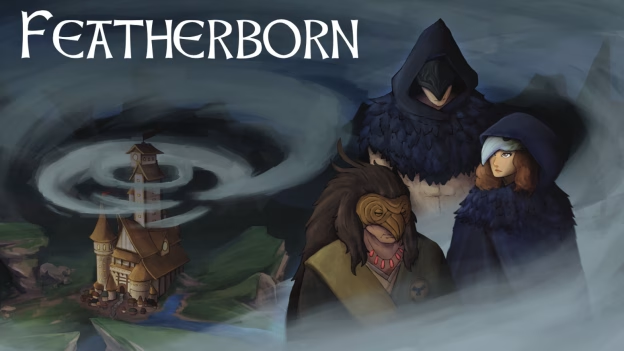
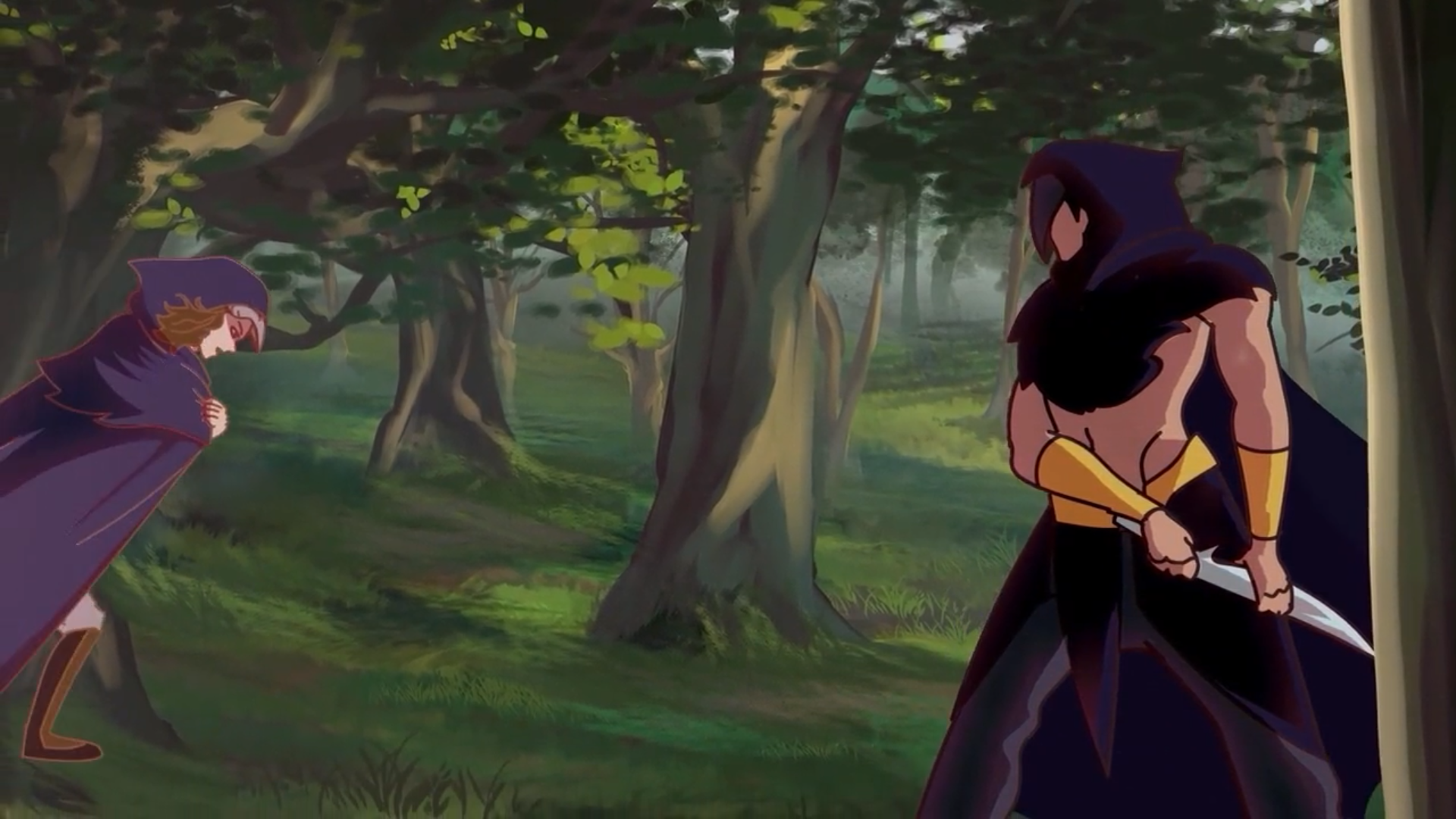
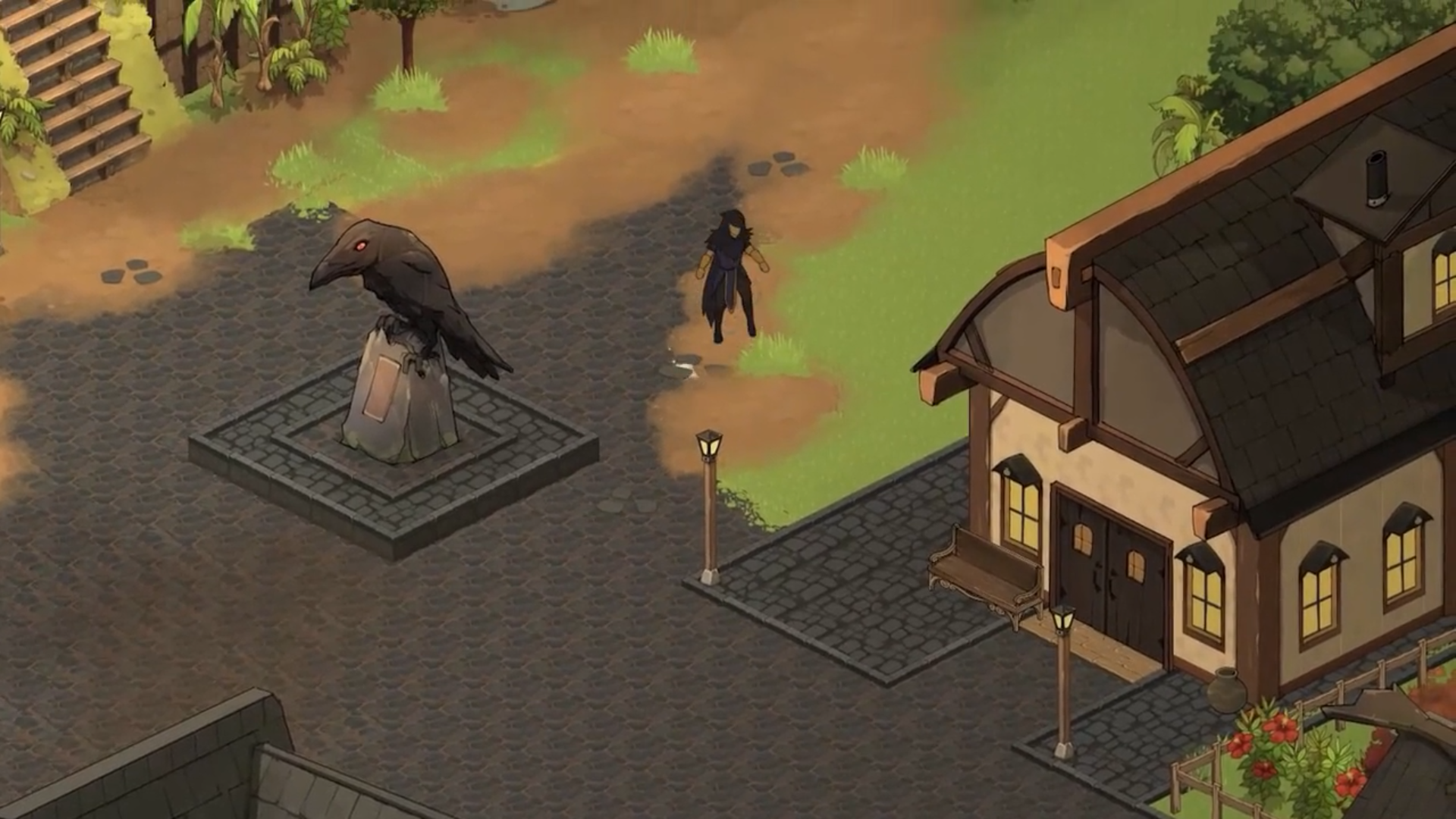
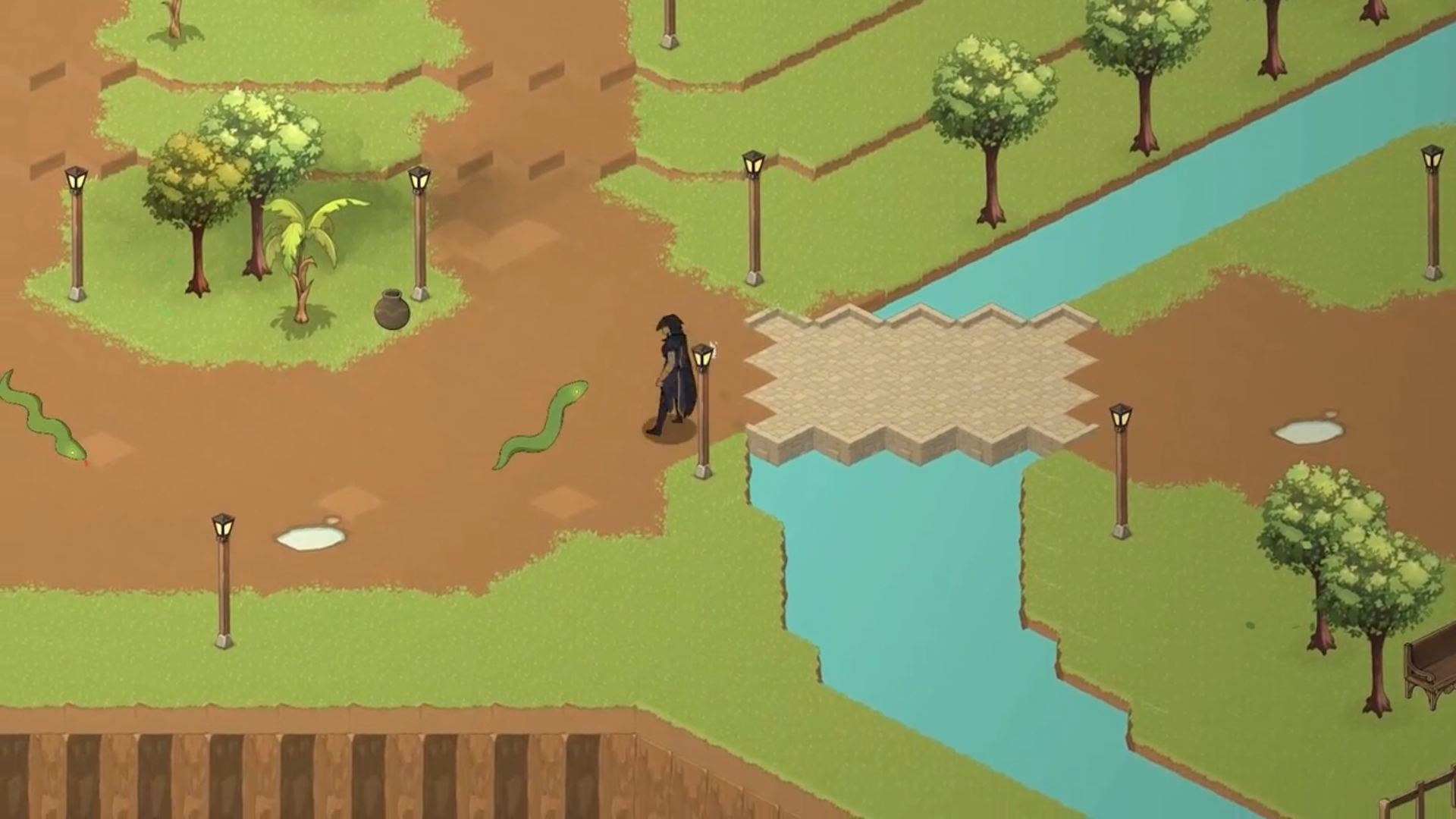
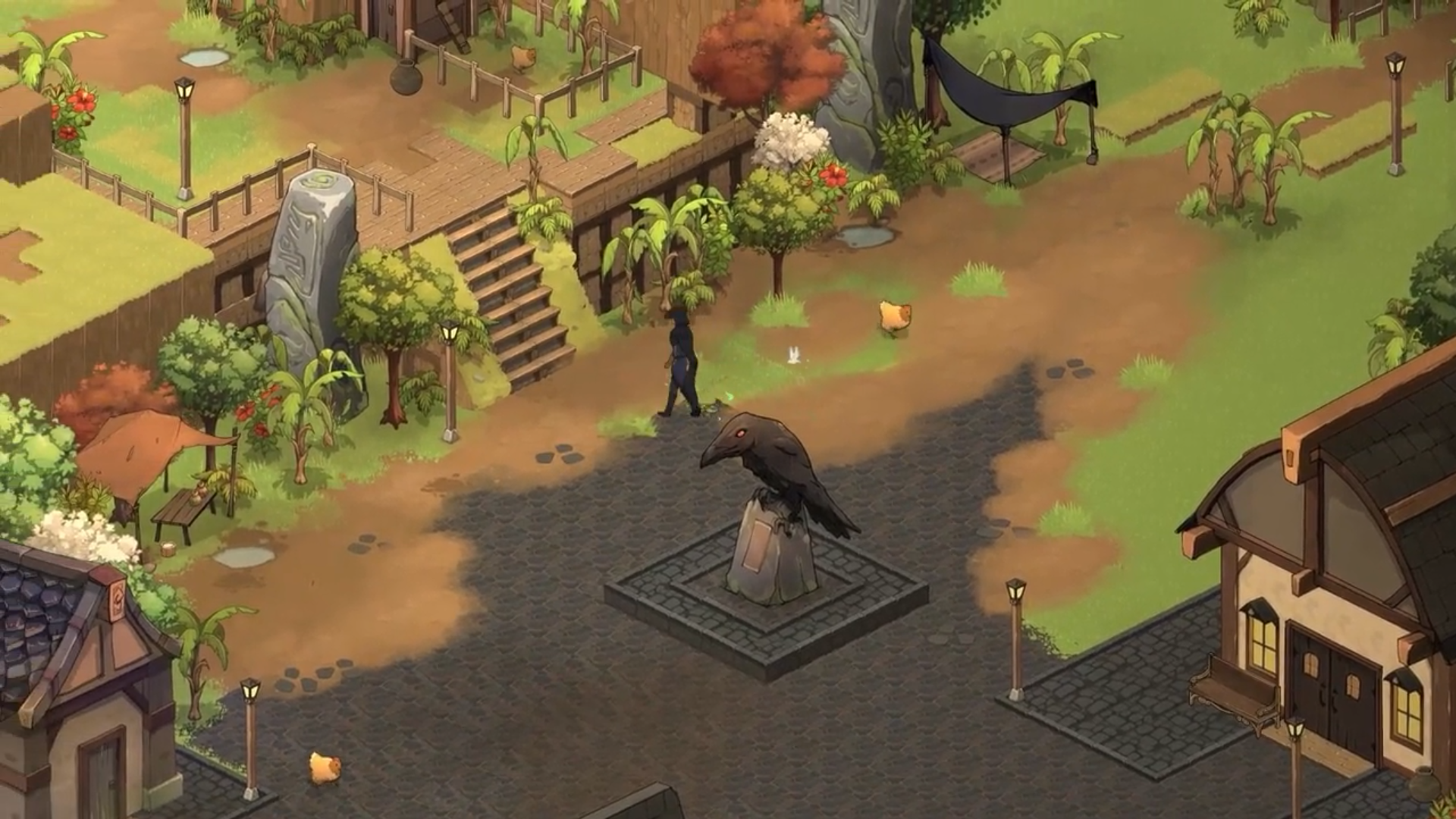
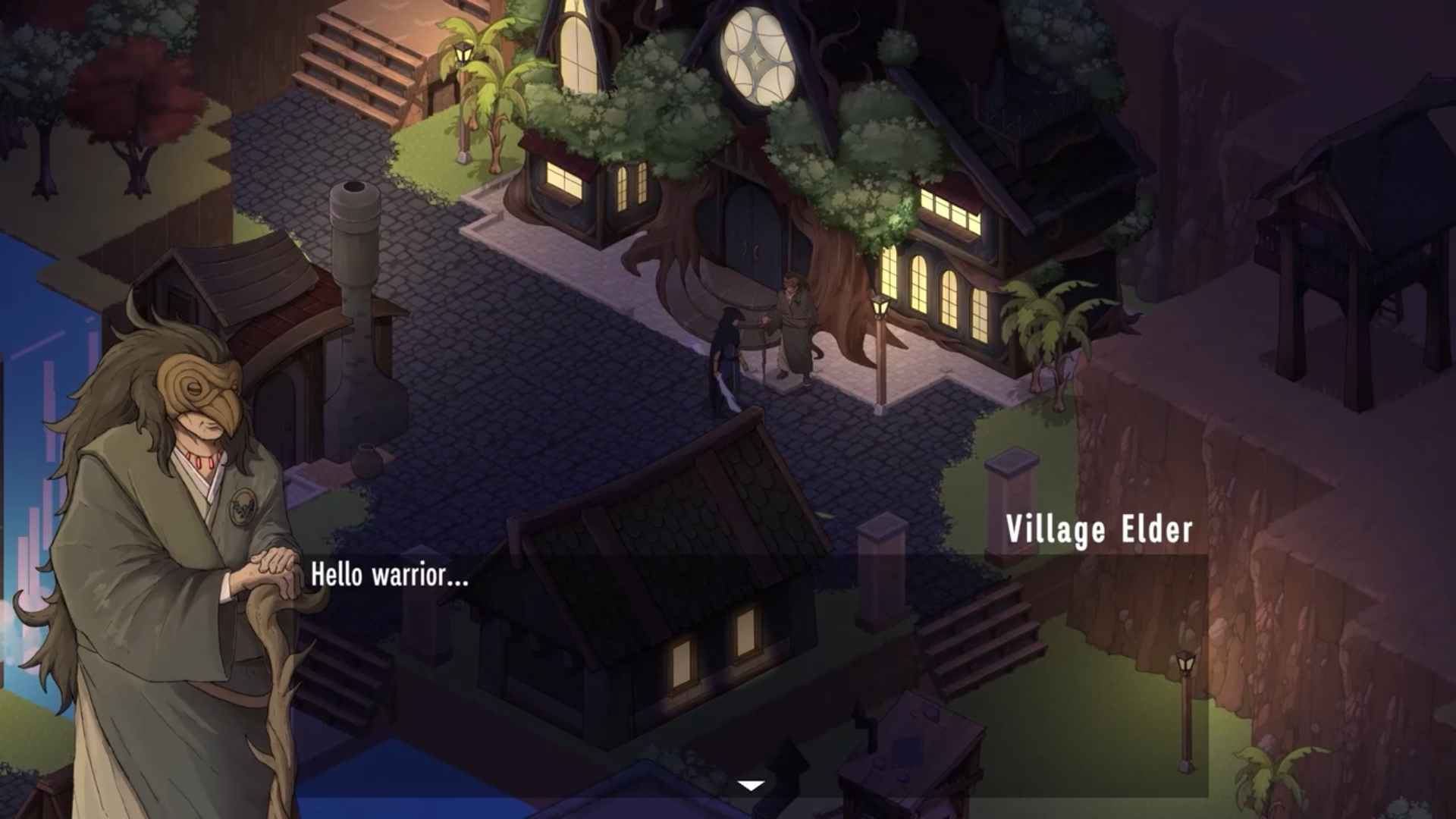
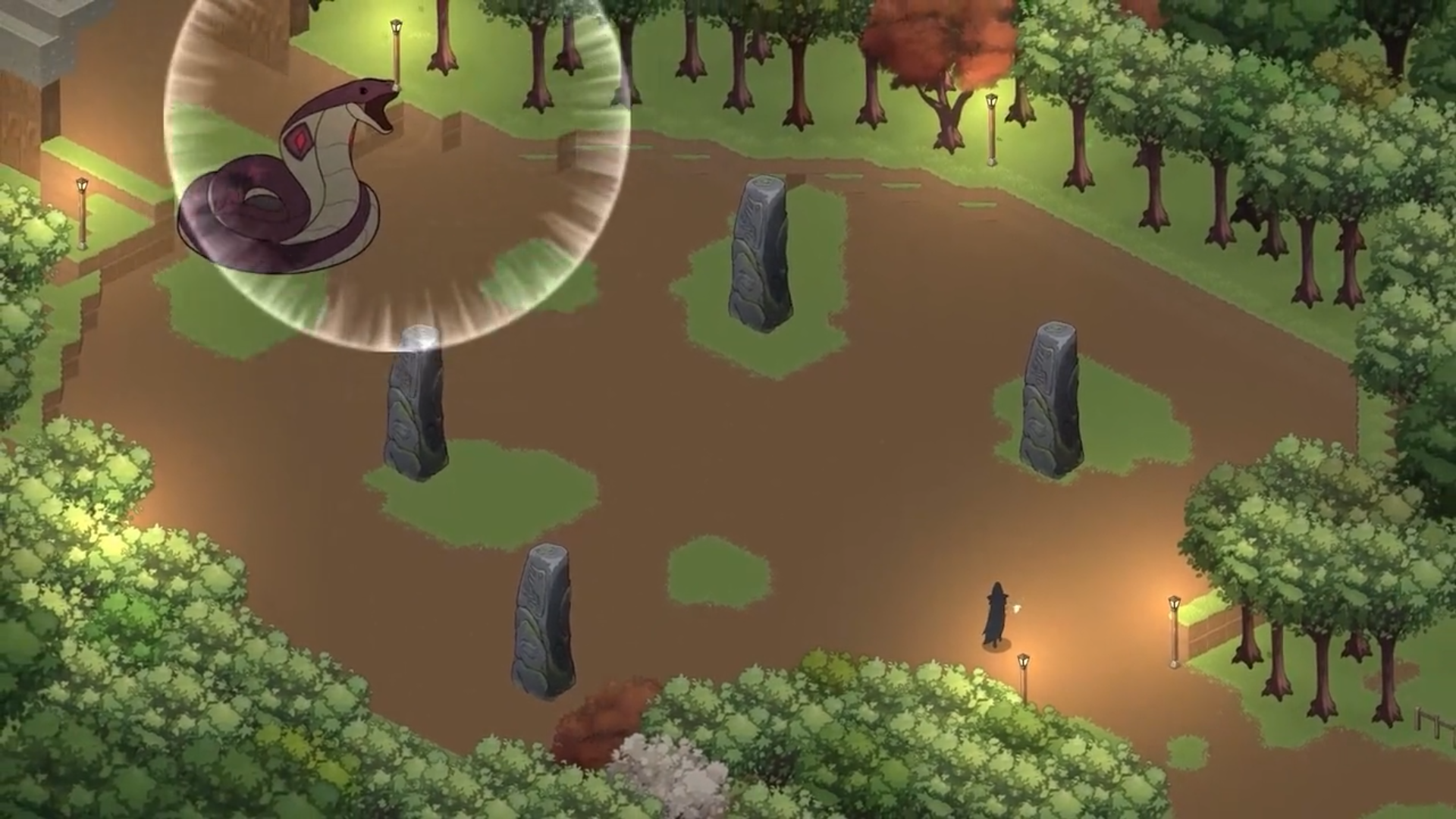
Scouting for more indie developers seeking crowdfunding for new and exciting gaming projects, I came across Boku Studios. A development studio based in Iowa, United States. On Kickstarter, they have launched their crowdfunding campaign for the game Featherborn. Feathborn is an isometric open-world 2D adventure game comparable to the likes of Baldur’s Gate and classic Diablo, but heavily influenced by classic fantasy games such as The Legend of Zelda.

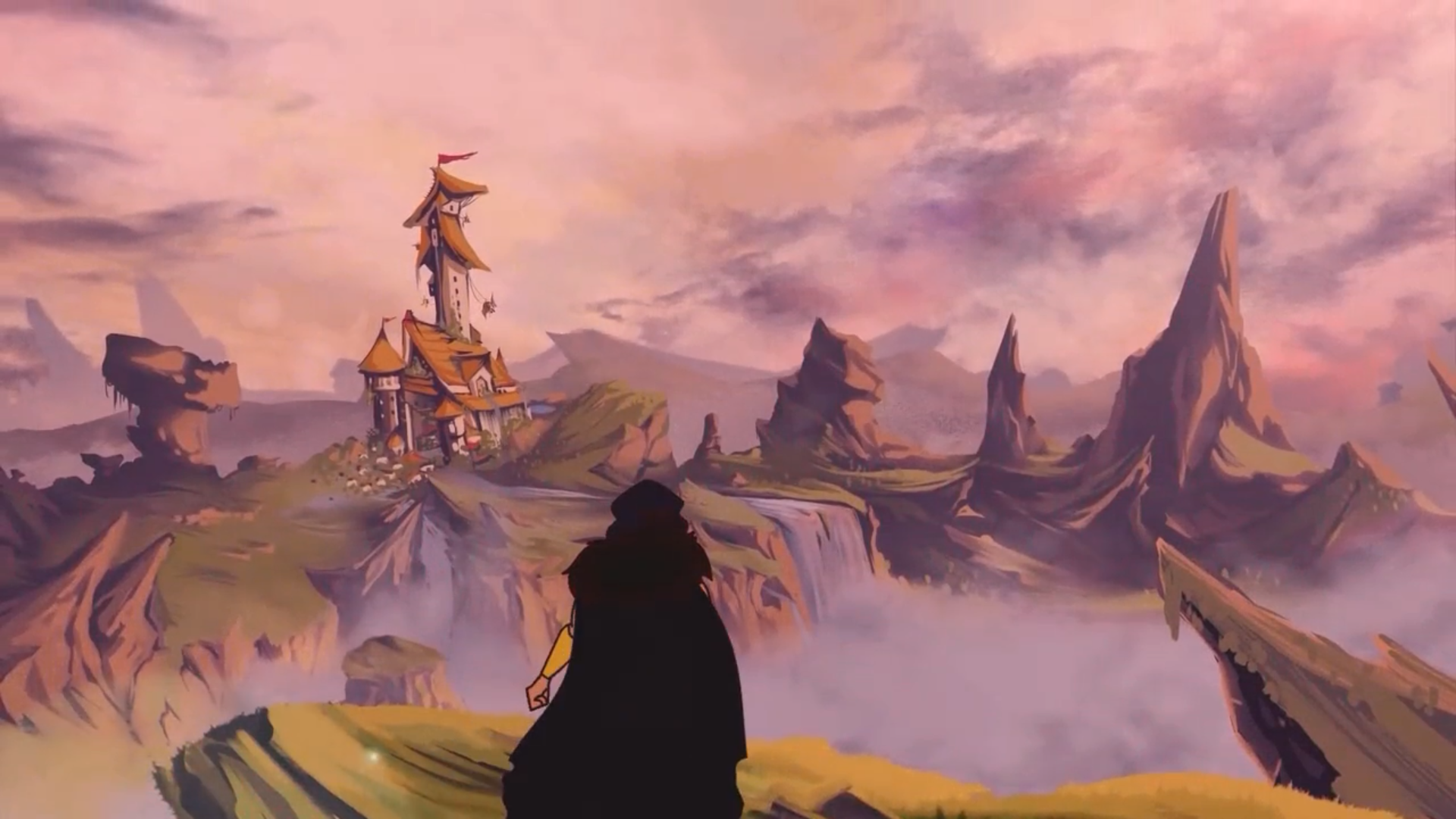
Taking place in the land of Loftilla, the player takes on the role of a knight of the royal king’s guard who is charged with the quest to defeat a great evil on the cusp of plaguing this land created by the legendary bird Archeos. Wanting to know more, I reached out to the game’s principal designer, Benjamin Brown, and asked him a series of questions regarding the beginnings and developmental journey of this promising title, and to find out about what players can expect to see with the finished game. Here’s what Benjamin Brown of Boku Studios had to say about Featherborn:
 

Featherborn 1

What were the influences behind your game? 

The main influences for Featherborn were a couple of different things. One of them is my love for story-driven games. Games like: Breath of the Wild, Tears of the Kingdom, Celeste, Death’s Door, and other games like these. I liked their story and wanted to tell my own stories. Another one is that I also loved the whole franchise behind Zelda, with Hyrule as a kingdom and all, so I wanted to create my kingdom in Loftilla.

I want to show you this awesome world as you play through Featherborn. The last one is that I loved combat in games, but felt it got old or repetitive in every title. Elden Ring does this so well, but I always felt like just being able to roll away from any attack, no matter how huge it was, felt a little boring. We wanted the player to be in control of their character, and we wanted more thought to go into the combat, hence the shield bash mechanic.


What has the developmental process been like?

It started as just me. I was in the very early stages of the game, just getting things like movement, combat, and backend functionality working. As we got later in development, I hired freelancers to take care of the artwork, animation, and sound. Ever since then, I’ve been managing the team, putting the assets into the world, and programming everything else that goes into it.


How close are we to seeing the finished product? 

The demo we have showcased is a VERY small portion of the world. We have lots of other areas planned for Featherborn. What exists in the demo is just a small subsection of one of the main areas (Featherborn Capital) called Featherborn Village. We plan on having at least 4 other main areas. In terms of development, we have most of the core gameplay down, save a few things; However, in terms of worldbuilding, we still have a ways to go. We hope to complete our game in 1 – 1.5 years after getting fully funded.
 

Featherborn 2

What has been the most exciting aspect of development?

For me personally, one of my favorite aspects of development is seeing how far some of the mechanics have come. Believe me when I tell you that some functions in the game had to be worked on over and over to get right. The main thing I’ll point out is getting the hang of the shield bash. This was something that I couldn’t sample out because I didn’t know of any other games that had movement like that. To get that set up and to get it to feel good took a lot of time. How it turned out is worth it, though.


What has been the most challenging aspect of development?

The most challenging aspect of development would probably be split into a couple of things. One of them is working with an isometric world. This poses quite a few problems, especially with sorting your world objects. It took forever to get it to look good, and it’s still not perfect. The other would be the constant number of bugs that show up in the game. I have a lot of experience with programming, but this is the first time I’ve tried programming a game of this size. The new and interesting bugs that I’ve had to find and fix never cease to confuse me.


How well has the game been received so far?

I think the game has been received well so far. I think some people are very interested in the new movement mechanic. While others seem to want to keep a generic dodge roll. I think it’s gonna take time to get used to the idea of not having I-frames at your disposal any time you need them. But I think it will lead to an experience that’s very unique from other games like this. I think the art has been very well received, and I’ve only ever heard good things about the score. I think we have everything it takes; it’s all about wrapping it up together at this point.
 

Featherborn 3

What platforms are you looking to bring the game to?

On release, we plan to have it on Steam, supporting Windows and possibly Linux. We don’t plan to have support for Mac at this time. After launch, we will look into getting it ported to Xbox and Switch for sure. If the game is very well received, we may look into PlayStation, but that is not our initial goal.


Have there been any ideas at this stage of development that have since been scrapped or reworked?

Oh, for sure. To name one, at the start of development, we had a whole different movement mechanic with the Featherboard. It was supposed to be a surfer-like movement mechanic that allowed you to glide around and shoot arrows. We ended up scratching the idea because we wanted to focus more on exploration, and the Featherboard moved through screens much too quickly.


In your Kickstarter video, you mentioned this had been your passion project since junior high school. How much of a challenge has it been to get others on board with your vision, and how has their input helped to shape the game into what it is compared to what it started as?

This is a great question. I had to convince others that this path was something I could do from the start. Everyone always wants me to have a secure job, and the statistics of game devs that make it always scare them. The game started with a much different setting and lore.

It took over a year to hone in on what I wanted for this world and to have it make sense and feel solid. I had a really good friend of mine, and we would just talk for hours over the lore of Loftilla. I think that is a really good sign that the world you’re creating is onto something. If you can talk about it and feed off of others’ ideas the way we did, I think it means that you can capture the attention of others as well.
 

How instrumental has player feedback been in shaping the course of the project?

Player feedback has been huge as late-stage development was going on. We wanted players’ feedback on how the shield bash mechanic felt and whether or not they liked it. The large majority of the players said that they loved it, and then left their feedback on the more fine-tuned aspects of the mechanic. I think this was instrumental in getting the shield bash mechanic to be what it is now.


It’s mentioned on the Kickstarter page that part of the financing for the game is going towards marketing. Has Featherborn been displayed at many game expos since development started?

We have not displayed it at any expos till now. We plan on displaying it if it gets funded, though. Even if the game doesn’t get funded, I just think of that as a lack of preparation or marketing. I would love to set up a booth at an expo and maybe even catch the attention of publishers or potential supporters because I think that Featherborn could be a staple in the indie game market.


If you had the opportunity to develop a game with any company or for any franchise, which would it be, and why?

I would love to develop Featherborn for a company. But the biggest thing that I would say is that I want it done, “My Way.” I feel that some of the bigger-name companies have sacrificed their game experience or even gameplay in exchange for a faster release or more money. That’s not what I’m about. My goal has been and always will be to tell people stories and get them invested in my games. I would love to work with companies that share this same interest. 
 

After sampling some of Scott Holmes’ previous music for games, it’s clear that he’s particularly fond of synth-wave, and Featherborn’s soundtrack is drastically different from that. How much of a challenge has it been for him to compose music for this game, and has he managed to sneak any synth-wave in Featherborn as well?

I think that the challenge of Featherborn’s OST was honestly a fun one. I have a good background in music as I’ve played instruments since I was 7. This helped me articulate what I wanted Featherborn to sound like. Scott (Elezeid) was very good at taking that and developing a sound that we both agreed fit Featherborn.

I had told him, “I want to use the strings,” and that has been our go-to since then. I really think that Featherborn has a sound now. And I think it’s a bit of both our styles. I also think that some of the phrasing or bars in certain pieces have a bit of that synth-wave feel. I know sometimes we’ve both been like, “Yeah, this would sound cool,” and then just went with it.


Do you have any advice for aspiring developers who may be reading this? 

For sure. I’m not going to sugarcoat this at all, but GAME DEV IS HARD! I wouldn’t be here right now if I didn’t believe that. The hardest thing about it is finding an audience. Everyone wants to make games, and most people honestly could. The thing that separates a game from a great game is, honestly, your ability to design and market your game.

If you have a good idea, find those people who also think that it’s a good idea. Reach out to people. Most of the time, all it is is finding that one person who tells you, “This is cool!” that will get you to commit to it.  Your game could be the next best-selling hit, but if no one knows about it, it won’t amount to anything but a hobby project. Don’t let this discourage you, though. This takes time, and if you’ve put your heart and soul into something, others are bound to be attracted to it. Just get yourself out there!
 

You also mentioned on the Kickstarter page the difficulty of emerging as a new face within the indie gaming scene. Have you guys reached out to other indie developers for advice? If so, who?

Yes! One of the big role models for me has been Thomas Brush. I had originally come across his YouTube channel, which is what got me into the idea that Game Dev could be a thing. His YouTube videos and online courses were amazing, and they helped me get to where I am today. I’ve reached out to many other developers as well as Kickstarter projects, hoping to get the word out about Featherborn.

For the most part, they usually respond, and that’s great. I can’t stress enough how important marketing your brand and game is. If other people can see it, then you’ve got a chance of making it for sure. Another thing that helped and got us some of the connections we have is starting and maintaining a social media presence. Understanding how to use the system has gotten us the attention of some great people, even Kickstarter itself!


Where on the Internet can people find you? 

We have an active Boku Studio Instagram and Discord server for anyone who wants to follow them. Featherborn is on Steam, Kickstarter, and Itch.io as well. I’ve linked our link tree below with all our socials. 

https://linktr.ee/bokustudios


Do you have anything else to add?

We can’t do this without other people. Your support means the world to us, and we mean that. Getting Featherborn funded on Kickstarter and going full-time on it has been a dream of mine since forever. Please consider backing with whatever you’re able to on Kickstarter and telling others about it! Feel free to reach out to us at BokuStudios22@gmail.com or DM us on one of our socials if you have any questions about our project! We can’t wait to hear from you!
 

I’d like to thank Benjamin for taking the time to talk more about this game and what we can expect to see upon release. Featherborn has been one of the more interesting indie titles I’ve come across in recent months, and my first impressions are that this will be a particularly enjoyable game. If you’re interested in seeing this project brought to life, you can check the game out on Kickstarter via the link below:

https://www.kickstarter.com/projects/featherborn/featherborn-a-2d-isometric-openworld-game/description?ref=discovery_newest

Game On,

Scouse Gamer 88

Q&A With Message Photon

Once again, looking at new up-and-coming video game projects, I came across a quirky-looking and colorful adventure game entitled Painted Peril. Under development at indie outfit Message Photon based in Gothenburg, Sweden, Painted Peril is a roguelike side-scroller putting players in the shoes of the main character Sylvia. She uses the ability to absorb colors from her enemies and use them for the crafting of spells to defend herself. Starting as a university project, the game has since evolved into a plethora of ideas. And now the developers are targeting a full release, having posted the project on Kickstarter.

Wanting to find out more, I reached out to Message Photon and the game designer and project administrator Emil Elkroth. To learn as much as possible about this exciting new gaming prospect. Here’s what Emil had to say about Painted Peril:

What were the influences behind your game? 

We decided early on that we wanted to make a roguelike-type game where you had constantly changing abilities. During our initial ideation session (about 1.5 years ago), we came up with several such ideas. And one of them was based on color spells. Developing the game, we have taken inspiration from several different games. Both regarding gameplay design and art design. Some games that inspired us were Hollow Knight, Dead Cells, Risk of Rain 2, Hades, The Binding of Isaac, and Wizard of Legend. 


What has the developmental process been like? 

The first 10 weeks of development were done by 6 members in a University Course. During this time, we developed the core of the game. And at the end of the course, we went to the Gotland Game Conference and showcased the game. Finishing that course, four of us decided to continue developing the project as a side project to our studies. We also managed to use some time on another smaller course for developing parts of the project. In general, this development period was a lot more sporadic. As we had a lot of other stuff, such as our master’s theses, at the same time. Now we are at a state where we have finished our studies and are looking at adding more content to the game and polishing it further to hopefully finish the project within a few months. 


How close are we to seeing the finished product? 

We expect that it will take another couple of months until we release the game. We, however, cannot say an exact time currently as it depends on many external factors. For example, whether our Kickstarter is successful or not. Looking at the development timeframe, all of the core systems are done, even though some might need extra balancing. Content-wise, we have added some enemies, items, areas, and bottle spells. But we are looking to add more of all of this until the release of the game. We are also always looking into polishing the game further. 


Painted Peril 2

What has been the most exciting aspect of development? 

We always love designing items and bottles that interact with the color system in new, interesting ways. Adding a new bottle does, for example, not only add one new spell. But it can also be combined with any color, therefore adding several new interactions. 


What has been the most challenging aspect of development? 

From a game design perspective, the most difficult part of developing the game has been designing the tutorial area and the difficulty curve. The game is rather complex. With a lot of mechanics that affect each other. Like the interaction between the magical bottles and the colors. Or how the colors can be used together to create combos. Teaching the players these systems to a point where they can comfortably discover new things by themselves has been especially hard and has required several playtests and redesigns. Even though the game has come a long way, this is something that we are always looking to improve. How well has the game been received so far? Very well, we would say.

We have had several playtests with external players. We have gotten good feedback from testers. Also, having showcased the game at the Gotland Game Conference last year, where 100+ people tested the game, we in general got very positive responses to the game. Both from normal conference guests and from other developers. Something that is also backed up by the fact that we received the jury spotlight award at that conference. We also recently applied to showcase the game at the big indie zone in Pocket Gamer Connect Helsinki in October this year. And received the answer that they had selected the game to get free tickets.

However, it is important to note that the game is not for everyone. We have a very clear target audience of people who like 2D roguelikes and focus more on making tactical plays rather than reaction-based gameplay. The game is also rather difficult. And it is expected that players want to try it several times to learn how the game works, similar to most other roguelikes. 


What platforms are you looking to bring the game to? 

Our main platform is PC via Steam, although we have worked on controller support. The game also runs on the Steam Deck. We are open to the idea of porting the game to other platforms. Such as consoles. But it is not something that we have decided on at this time. This might also depend on whether or not we get external support for the project. 


What was the Gotland Games Conference like? Did you meet other aspiring developers looking to bring their titles to wider audiences? Was there much you learned from that event?

It was a great experience where we met both other game design students and professionals. This gave us a larger understanding of the industry at large. And we got a lot of feedback on the project itself. Talking to industry professionals gave us good advice on how to reach out to people. And displaying the project at the conference gave us a starting point for learning how to promote the game. 


Have there been any ideas at this stage of development that have since been scrapped or reworked? 

Several. As we started as a team of six students, there have been many ideas thrown around, worked on, changed, or scrapped. One of the main changes that has been made was that Sylvia’s (the main character) collect color ability at first also dealt damage to the enemy. This was, however, scrapped because new players often relied on that ability too much. Resulting in them ignoring the more interesting color spell system. Today, the collect color ability does not deal damage by itself. However, there exists an item in the game that lets the player deal damage with that ability. Another element of the game that has changed a lot during development was how the rainbow color works.

The main problem with the rainbow color was that new players usually ended up with the rainbow color because that is the resulting color of mixing all colors. And new players usually have a harder time managing their bottles. This meant that the new players got stuck with using only the rainbow color and, therefore, didn’t get a chance to test the other colors properly. We at first tried to nerf the rainbow color. So it was really weak to discourage the players from using it.

This did, however, not really work, as most players expected the color to feel strong because of the flashy colors. And the new players were still stuck using it. But now the game felt worse. After testing several different solutions, we ended up keeping the rainbow color feeling strong in certain situations while making it drain at double the speed of the other colors. This means that using the rainbow color feels rather good, but it is not color-efficient. And new players drain it out fast. 


Focusing on the co-design section of your Kickstarter page, have there been very many ideas submitted so far? 

No, although we have a few pledgers at these levels, none of them has reached out to share their ideas. However, we planned to deal with the co-design aspects after the Kickstarter is funded. We are excited to hear what ideas the backers may have! 


Painted Peril 4

During your time on the university course, were there other gaming projects from other students that helped to influence the creation of Painted Peril? 

Not really, during our time of studying, we were one of the first groups to make a project of that size. We did, however, get a lot of support from our supervisors. They had previous experience in making game projects and research. 


How instrumental has player feedback been in shaping the course of the project? 

Conducting continuous playtests of the game with external players has been one of the core aspects of designing the game, and therefore, we have gotten a lot of feedback from players. During the initial development of the project, when we worked on it full-time, we conducted external playtests almost every week. Up until now, when we have worked on the project as a side project to other things, the playtests have been a bit more sporadic, but we still value player feedback a lot. Continuing the development in the future, we want to go back to the regular playtests if possible. 


If you had the opportunity to develop a game with any company or for any franchise, which would it be, and why? 

Currently, we are looking to continue the development of this game. For what games we want to develop after finishing this project, we do not know. 


Painted Peril 5

Do you have any advice for aspiring developers who may be reading this? 

Throw out all fishing hooks, you do not know which one will bite or not. 


Where on the Internet can people find you? 

Email: messagephoton@gmail.com 

Discord server: https://discord.gg/XetedhPSDn 

YouTube: https://www.youtube.com/@MessagePhoton 

Instagram: https://www.instagram.com/message_photon/ 

TikTok: https://www.tiktok.com/@message.photon?lang=en 


Do you have anything else to add? 

Thanks for reaching out to us!

Painted Peril 6

I’d also like to thank Emil and Message Photon for telling us more about Painted Peril and what players can come to expect from this exciting-looking game. In addition to their social media pages, there is also a playable demo of the game you can play via the link below:

https://message-photon.itch.io/painted-peril-demo

The passion put into Painted Peril is very apparent even at this early stage of development, and I do not doubt that the finished article will certainly reflect that. If you’re interested in backing the project, you can do so via their Kickstarter page:

https://www.kickstarter.com/projects/messagephoton/painted-peril

Game on,

Scouse Gamer 88

Ampers@t

Ampers@t (PC, PlayStation 4, Xbox One & Switch)

Developer(s) – Gaterooze Ink.

Publisher(s) – Gaterooze Ink.

Director(s) – The Pale Gibbon

ESRB – Everyone 10+

Released on Steam in May 2022 and later ported to most major consoles, Ampers@t is a top-down RPG following an anthropomorphic ampersat. He embarks on an adventure to save the village of Gentlheim from the evil Lord Z and his army. Comprised of anthropomorphic versions of every other letter in the alphabet. I’d been interested in this game for a very long time. Since before it was launched by Australian indie outfit Gaterooze Ink and a solo developer known as The Pale Gibbon:

https://www.scousegamer88.com/2021/02/06/qa-with-gaterooze-ink-ampersat/

But even I couldn’t possibly have been prepared for how shockingly good a game this is. 

Graphics – 7.5/10

The best word that I can use to describe the visuals is crude. But wonderfully crude. The design of each environment throughout is simplistic with the use of sixth-generation-quality graphics, reminiscent of games found on the PlayStation 2, GameCube, and the original Xbox. There are five towers to traverse throughout. Each represents different themes. Such as ancient Egypt, and Medieval England, and elements such as ice and fire. Even though the quality of the visuals on the technical level is minimalistic, there’s the same kind of charm to be had with them as with other games with simplistic visual styles. Such as Minecraft and Terraria. 

Gameplay – 9/10

The game’s style of play is Baldur’s Gate: Dark Alliance. But with letters instead of orcs and goblins. It’s an RPG where the objective is to clear out the five towers surrounding the village of Gentlheim by first completing the dungeons and then the upper sections of the tower. Players must unlock letters from the alphabet to progress. They also later on have access to more powerful melee weapons, ranged weapons, and magic spells to tackle the more difficult levels throughout. 

There are upgradable buildings in Gentleheim. These give players access to better equipment and allow them to store more gold so that they may not lose so much in battle. Players lose a third of their gold and exp points when they die. As players level up, they can also learn new abilities. Making them stronger and giving them added resistance to status effects such as slow, stone, and poison. It has all the traditional hallmarks of a classic RPG. Making it extremely fun and addictive to play. Though the visuals are simplistic, the gameplay is anything but. And it’s all the more fun for it. 

Controls – 10/10

The game’s controls are most similar to those of Hotline Miami. Whereby the player moves around with one analogue stick. And uses the other to move a crosshair about for ranged attacks. One of the game’s biggest influences was Smash TV! And that is indeed most evident when it comes to the game’s controls. But most importantly, the control scheme poses no problems in any case. After all, it’s one of the aspects of a game in which simplicity is welcome. 

Lifespan – 6.5/10

To complete the game to 100% will take around 13 to 14 hours, depending on skill level. But then, there is also a harder difficulty to unlock. This introduces permadeath to the game, so that may take even more time to complete for the more stalwart players. Even though 14 hours is short by RPG standards, it is fairly impressive given that the developer would’ve been on a limited budget. In addition, there is also a wide variety of scope to expand on the core concept if ever Gaterooze made a sequel. Like, for example, they incorporated other characters like numbers and symbols. Or even if they used characters from different languages, such as Mandarin, Japanese, or Korean. It certainly is a concept worth expanding upon. And a sequel would be more than welcome. 

Storyline – 7/10

The story of Ampers@t is again quite minimalistic and typical of that of a traditional RPG. But the genre is kept fresh with the game’s mythology and cast of quirky characters. The humour that can be had within a game where you’re an anthropomorphic ampersand fighting letters of the alphabet also becomes quite apparent as you play it. There are no unexpected twists or complicated plot threads.  But in a game like this, there didn’t need to be. 

Originality – 8/10

In a game with so many typical RPG elements, it is remarkable how fresh things have been kept here. With its wonderfully simplistic graphics and enemy bestiary. And how each enemy letter corresponds to a fantasy creature from the likes of Final Fantasy and Dungeons & Dragons. There is a uniqueness to be experienced with this title. And it turns out that it ran far deeper than what I thought it did when I first discovered it. 

Happii

To summarize, Ampers@t is an incredibly fun game. And worth the game for any fan of the RPG genre. Despite its simplistic-looking exterior. It’s a satisfying game to play, as well as challenging at times. And it comes highly recommended by me. 

Score

48/60

8/10 (Very Good)

Satryn DX

Satryn DX (PC & Switch)

Developer(s) – Maybell Games

Publisher(s) – Flynn’s Arcade Publishing

PEGI – 7


Released today for the Nintendo Switch, having been previously released on Steam in 2021, Satryn DX is an arcade game reminiscent of the likes of Asteroids and Smash TV. The objective is to rack up as high a score as possible by defeating hordes of enemies and saving friends, which increases the in-game points multiplier. Similar to Resogun. I had a whole hell of a lot of fun with this one. It’s a welcome addition to the Switch for old-school gamers and those of the newer generations looking for a stern challenge. 


Graphics – 7/10

Resembling arcade classics such as Space Invaders and Bosconian, Saturn DX takes place in the recesses of space. It has vast mythology, wonderfully crude backgrounds, and a wide variety of enemy types for players to contend with. There’s an in-game instruction manual that outlines the backstory and the many different aliens, similar to how a majority of stories in video games would be portrayed in the NES days. The developer’s command of the game’s color palette is excellent for the most part. The only gripe I had with it was that the background at times blends in with the in-game sprites too well at times. And this makes it a little unnecessarily difficult to distinguish between the two elements. Apart from that, however, the game is brilliant to look at. 


Gameplay – 9/10

The gameplay, however, is where this title truly shines. The objective is to simply track up as many points as possible. Which is far easier said than done. Unlike many other arcade games, there is an unprecedented amount of strategy involved. Players not only have to know when to shoot but when to restrain themselves, since the rescuable friends in each stage can get caught in both your and the enemy’s crossfire. It is also important to understand how each of the different enemies functions to best modify your tactics to fight as well as possible. The game I found myself constantly comparing it to was Ultratron because they play out very similarly. This title just edged out in front in the end. And a lot of it does have to do with the gameplay; despite the lack of an RPG element that the former has. 


Controls – 10/10

The game’s controls are as easy to learn as they should be. Though hard to master, the premise is simple to grasp, and any mishaps players might run into while playing can’t be blamed on any incompetence on the developer’s part, because there’s none here in that respect. 


Originality – 7/10

The game’s uniqueness was another reason why this title just edged out in front of Ultratron for me. Its in-game mythology certainly helps to differentiate it from other arcade indie titles, and while it has its influences, it does more than well enough to make it stand out in its own right. Flynn’s Arcade Publishing, in particular, seems to have a talent for scoping out unique games and developers and bringing these titles to a wider audience. And this charming, intense shoot ‘em up is no exception.


Happii

Overall, Satryn DX is an extremely enjoyable and challenging game, and is worth investing a lot of time in. With its wide mythology, shocking demand for strategy, and addictive gameplay, it’s a title that comes highly recommended to me. 

Score

33/40

8/10 (Very Good)

Conker's Bad Fur Day

Conker’s Bad Fur Day (Nintendo 64)

Developer(s) – Rareware

Publisher(s) – Nintendo

Director(s) – Chris Seavor

ELSPA – 15+


One of the last games released for the Nintendo 64 in the lead-up to the launch of the GameCube, Conker’s Bad Fur Day was a game unlike any other published by Nintendo. And unlike any other developed by Rareware. It’s a 3D platformer starring Conker the Squirrel taking from Diddy Kong Racing. Despite its cutesy exterior, it features multiple gameplay elements, cultural references, and adult themes. 

Having interviewed Chris Seavor some time ago:


https://www.scousegamer88.com/2021/01/24/the-full-twelve-tales-of-chris-seavor/


It occurred to me recently that I’ve played through the game, and interviewed the guy who made it, yet I’d never given it an official review before now. I played through this game a lot back in the day, and the experience still very much holds up.


Graphics – 9/10

As a late Nintendo 63 game, it pushed the boundaries of what the console was capable of from a graphical standpoint. But besides this, the game also excels in terms of conceptual design, taking place in a wide variety of locations reminiscent of both previous Rareware games and classic and modern films, such as A Clockwork Orange, Bram Stoker’s Dracula, The Matrix, and Saving Private Ryan. The game places a formerly generic character from a racing game into a rich linear world filled with the quirky cast of characters associated with most Rareware games and varied environments to explore.


Gameplay – 7/10

The gameplay, while linear compared to most other Rareware games on the Nintendo 64, makes up for its lack of an open world with its wide variety in gameplay. Players must solve puzzles, ride vehicles, tame a dinosaur, and fight off enemies using guns, melee weapons, and even toilet paper at one point. Conker embarks on a long and arduous journey. The purpose regularly changes throughout, as do most aspects of gameplay. The variety in boss fight design is also unlike most other games on the system with players having to contend with the likes of a vampire bat squirrel, a robotic bear with a hand puppet, and an opera-singing piece of poo. 


Controls – 10/10

The controls in Conker’s Bad Fur Day also pose no issues. This seems all the more impressive since there are many different ways the players have to use them throughout the game. Keeping the same basic principles of many other 3D platformers that Rareware worked on, but also added more mechanics to the same formula than they ever had done to most other games they released. The only other game Rareware released on the Nintendo 64 that had a similar amount of variety in controls was probably Donkey Kong 64. But the fact that so many different mechanics were crammed into a linear adventure game is arguably even more impressive.


Lifespan – 7/10

The game can take there around 12 hours to beat. That’s nothing compared to a lot of other Rasreware games like Banjo-Kazooie, Banjo-Tooie, and the aforementioned Donkey Kong 64, it was longer than the standard linear adventure game at the time, and I can’t take too much away from it as a result. For the 12 hours it lasts at least, there’s more than plenty to do. And more than plenty to experience with this game. Its linearity doesn’t take away from the experience as much as what I first feared going into it. 


Storyline – 9/10

The story centers around Conker, an alcohol-addicted squirrel who is caught up in an adventure after taking a wrong turn while trying to make his way home after a night of heavy drinking. It sounds simplistic enough, and towards the beginning, it stays relatively simplistic. However, as it progresses, it unfolds into something much deeper and darker in terms of story-telling. Even whilst players are experiencing all the laughs to be had along the way. No one can predict the outcome of this story, and what lessons can be taken from it. And what themes it perpetuates. 


Originality – 8/10

The main reason why Conker’s Bad Fur Day still holds up is how insanely unique it still feels even after the best part of 25 years. No game had ever been released like it, and really, no game like it has been released ever since. Games that have come close include the likes of Kitten Squad and Dust: An Elysian Tail. Chris Seavor’s later game The Unlikely Legend of Rusty Pup can even be compared to it on some level. But this game remains in a class all of its own. And is fully deserving of the cult following it has garnished since.


Happii

Overall, Conker’s Bad Fur Day turned out to be one of the more standout and enjoyable experiences released on the Nintendo 64. Especially during the latter stages of the console’s shelf life. Despite its linearity, there’s plenty to be had to keep players engaged throughout. From its gameplay to its conceptual design to its story. 

Score

50/60

8/10 (Very Good)

Ratchet & Clank Quest for Booty

Ratchet & Clank: Quest for Booty (PlayStation 3)

Developer(s) – Insomniac Games

Publisher(s) – Sony Computer Entertainment 

Programmer(s) – Brant Bassart

PEGI – 7

Released in 2009 as a midquel between the events of Tools of Destruction and A Crack in Time, Ratchet & Clank: Quest for Booty bridges the gap between the two games, explaining the events leading up to what would turn out to be one of the better games in the series. Unfortunately, I cannot say the same about Quest for Booty itself. I ended up walking away from the game after finishing it, bitterly disappointed for several reasons.

Graphics – 7/10

One aspect of the game that didn’t disappoint too much, however, was the quality of the visuals. The technical side of the graphics was, of course, on par with Tools of Destruction, while the conceptual side of it, though kept somewhat fresh with new locations to explore, offered less diversity than that of its predecessor. It focuses mainly on the whole pirates in space motif perpetuated in Tools of Destruction. As a result, while it does make the overall experience feel very recycled compared to what we would eventually get, that was one aspect of Tools of Destruction that appealed to me in particular. And there was an appeal, seeing that element expanded on at the same time.

Gameplay – 7/10

The game also plays out in the typical Ratchet and Clank formula. Plenty of enemies to fight and plenty of platforming involved. Though it is fairly enjoyable to play for the time it lasts, there wasn’t the same level of innovation brought to the combat element of it as there normally is with each new mainline Ratchet &  Clank installment. The weapons used are mainly recycled versions of previous weapons. And while there is the incentive of upgrading weapons present, it doesn’t have the same level of satisfaction attached to it as in other entries, since players will be overpowered in the end anyway. 

Controls – 10/10

The controls in the game are about the only element of it that is truly faultless. Incorporating the same control style as every other main entry in the series, they were refined to perfection long before this installment came about. The only nitpick I have is, again, as with the gameplay, that there are no new mechanics introduced. It’s a letdown considering there always are in these games. But not enough of a letdown. The important thing is that the developers got this aspect right rather than messing around with it too much. 

Lifespan – 2/10

Clocking in at a measly 2 and a half hours, Quest for Booty falls way below the standard lifespan of a typical Ratchet & Clank game. Even below the standard of a typical game in general at that point. The insulting thing was that it was a full-price game when it came out. The developers felt it necessary to explain the events of the series before A Crack in Time. But this should never have been released as a full game. If it were me, I would have just released it as an unlockable in A Crack in Time. That way, it would’ve added even more incentive to play that game rather than insulting players by making them pay full price for a game that frankly wasn’t worth the price at the time. 

Storyline – 4/10

Quest for Booty follows Ratchet and his companion Talwyn Apogee as they set out to find Clank, who was mysteriously abducted at the end of Tools of Destruction by the alien race known as the Zoni. What I found with this installment, again comparing it with its predecessors, was that not only was the comic relief greatly reduced (indeed, my favorite character of the series, Captain Qwark, is notably absent), but that there is also far less mystery and suspense than there was in Tools of Destruction. There was little room for either character development or expansion outside the basic plot that might make players think why they even bothered releasing it. Especially when the events are even explained in the prologue of A Crack in Time anyway. 

Originality – 5/10

The unique aspect of this game is the conceptual design that has been expanded upon. But otherwise, there’s not much else this game has going for it to make it stand out from any other main entry in the series. As I’ve alluded to a few times, the whole experience feels particularly recycled. And as a result, it comes across as a very unnecessary middle step between two great games. When comparing it with the Nexus, the midquel between A Crack in Time and Rift Apart, this falls way below the standard of what a midquel should be. 

Angrii

Overall, Ratchet & Clank: Quest for Booty was a huge let-down. And where the main series is concerned, it is at its lowest point. For the most part, the Ratchet & Clank games are unforgettable experiences in their own right. Unfortunately, however, this game is largely forgettable. 

Score

53/60

5.5/10 (Below Average)