Tag Archives: Adventure

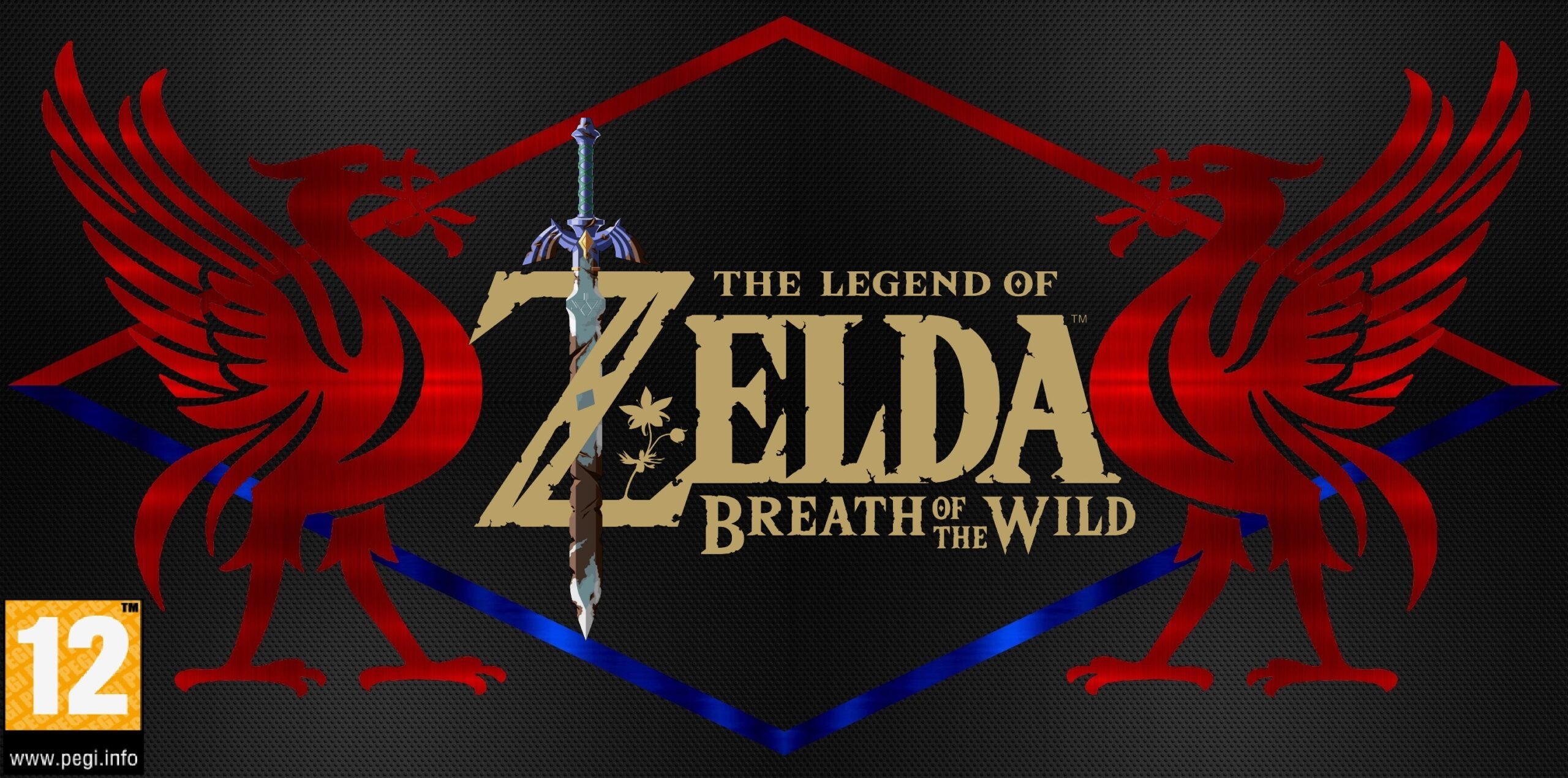
The Legend of Zelda: Breath of the Wild (Switch & Wii U)

The Legend of Zelda Breath of the Wild

Developer(s) – Nintendo EPD

Publisher(s) – Nintendo

Director – Hidemaro Fujibayashi

Producer – Eiji Aonuma

PEGI – 12

Four years in development, and released as a launch title for the Nintendo Switch, as well as being the last game to be produced by Nintendo for the Wii U. And met with an overwhelming amount of critical acclaim, The Legend of Zelda: Breath of the Wild retains some conventions of the Zelda series. But gives players a much more open-world and open-ended experience than ever before.

It also incorporates elements new to the series. Such as breakable weapons, cooking food, brewing elixirs, using a variety of different armor sets, and a massive variety of things to do and quests to complete. Which puts many open-world games to shame. Whilst this isn’t my favorite Zelda title (that honor would go to Ocarina of Time), Breath of the Wild has unanimously cemented itself as, in my opinion, one of the greatest video games ever developed. And most certainly worth the amount of praise it has been given worldwide.

Graphics – 10/10

Incorporating cel-shaded visuals reminiscent of games in the Wind Waker series, as well as Skyward Sword, Breath of the Wild takes place in a post-apocalyptic Hyrule. It is mostly abandoned countryside except for a few small settlements and towns, including Gerudo Town, Rito Village, Goron City, and Zora’s Domain. And both Kakariko and Hateno Village. Despite the devastation that ravaged Hyrule a century prior to the start of the story, the in-game world looks captivating, to say the least. Hyrule still retains a staggering level of natural beauty. As well as curious ruins and additional places to explore.

It’s also interesting as a Zelda fan to be able to identify the many different buildings that have appeared throughout the series that now lie in ruins. Such as Lon Lon Ranch, the Temple of Time, and the Bridge of Hylia. The game’s soundtrack also does extremely well to add to the atmosphere of this new Hyrule. As well as fit in with each respective situation, the player may find themselves in. Be that either simply traveling throughout the land in peace, or when battling monsters or mini-bosses. It’s also refreshing to see that the conceptual design of the series, in general, has undergone some dramatic changes. Concerning elements like Link and Zelda’s conceptual design. As well as the elements of futuristic technology that existed in mass before the events of the game. Such as the Guardians, the shrines, and the watchtowers scattered throughout Hyrule.

Gameplay – 10/10

The gameplay has also been dramatically changed to give players a Zelda experience like no other. The main objective is, of course, to defeat Ganon. But players may choose to either put this off for as long as possible and go off and do many other things there are to do in the game. Or they can even choose to go straight ahead to the final boss from the get-go. Either way, players will not be at a loss for how best they wish to approach the game.

Players will also not find themselves with a lack of things to do. There is a wide range of different side quests and collectible items to find. Such as building your own house, completing all 120 shrines, finding all 900 Korok seeds, finding Link’s lost memories, and filling the Hyrule Compendium. And conquering the four divine beasts, to name but a few. As far as gameplay goes, it is unanimously the most extensive Zelda game in terms of things to do, and I was thoroughly impressed from start to finish.

Controls – 10/10

In terms of controls, I also didn’t come across any unnecessary complications. The climbing system is actually reminiscent of what a lot of people tend to do when playing games such as Skyrim and Oblivion. Trying to find the best route to climb up mountains, despite how steep they may be. In Skyrim and Oblivion, for example, players do this without the game encouraging them to do so. But in Breath of the Wild, this is actually an integral part of the gameplay and is widely encouraged. The combat system can also present a welcome level of challenge, in my opinion, especially against multiple enemies.

Lifespan – 10/10

With a massive amount of activity to engage in, Breath of the Wild can easily be made to last over the 100-hour mark. This dwarfs the lifespan of every other major entry in the Zelda series. As well as a vast majority of video games in general. Zelda games would generally last a long time prior. But the sheer scale of this game puts every one of them to shame in this respect.

Storyline – 10/10

The place of Breath of the Wild in the Zelda timeline is uncertain. Nintendo has not revealed that. But the game takes place in the land of Hyrule, 10,000 years after Calamity Ganon had attempted to invade the land. But it was thwarted by Link and Zelda, with the aid of four divine beasts and futuristic technology developed by the Sheikah race. A century prior to the start of the story, Princess Zelda conducted further research on Sheikah technology. And chose four champions to pilot the divine beast in case Ganon were ever to return.

Upon Ganon’s return, he turned the divine beasts and the Sheikah technology against Hyrule, using it to ravage the land, while he remained confined to Hyrule Castle. After fighting the menace, Zelda returns to Hyrule Castle in order to ensure that Ganon is kept confined there. Whilst Link is taken to the Shrine of Resurrection to awake 100 years after Ganon’s return, he is then tasked with freeing the divine beasts. And to finally defeat Ganon and drive him out of Hyrule once again.

Cont…

Being the first main entry in the Zelda series to include voice acting, the story is a lot more emotionally charged than ever before. And it offers a much newer perspective on each character. Excluding Link, who is still the same silent protagonist. Although the voice acting is a little below par, the game’s story is a welcome departure from many conventions of past Zelda titles. The portrayal of Princess Zelda herself, for me, is the best feature. Players are sternly reminded of the reason why the series is named The Legend of Zelda, since she carries an aura of mystery and beauty. And to a much greater extent than before. A great depth to her character that Shigeru Miyamoto was inspired by in the first place when naming her after Zelda Fitzgerald. The wife of the American novelist F. Scott Fitzgerald.

Originality – 9.5/10

Breath of the Wild is definitely much more evolutionary than it is revolutionary in my opinion. Which is why I would personally place it beneath Ocarina of Time. Regardless, the game takes the concept of open-world gameplay. It introduces a wide range of new ideas and gameplay elements. Making it one of the most unique titles of the eighth generation. It seems Nintendo has looked at a lot of limitations in open-world gaming and developed them. Such as in the case of climbing mountains compared to The Elder Scrolls games.

I’ve heard people complaining that there isn’t enough in Breath of the Wild to make it seem like a Zelda game. But to me, that’s a reason that makes the game stand out so much in a positive way, since Nintendo has been accused by critics of merely recycling the games. And giving them a new coat of paint, particularly where games for the Wii U are concerned. But to me personally, the departures that this game seems to have taken from the rest of the series are positive ones. And it makes for the best Nintendo gaming experience in a very long time.

Deliirious

Overall, Breath of the Wild is most certainly one of the best games Nintendo has ever developed. As well as one of the best games ever developed in general. There are a lot of things to do; the world of Hyrule has never looked so compelling. And layers will be engaged in the story on an entirely different level from anything seen in the series before.

Score

59.5/60

9.5/10 (Outstanding)

Alwa’s Awakening (PC, PlayStation 4, Xbox One, Nintendo Switch)

Alwas Awakening

Developer(s) – Elden Pixels

Director – Mikael Forslind

PEGI – 7

The debut title of Elden Pixels, and developed under the supervision of Zoink Games’ Mikael Forslind, Alwa’s Awakening is a throwback to the classic games of the NES era, including Zelda II: The Adventure of Link, Metroid, and Castlevania II: Simon’s Quest. An 8-bit Metroidvania game, it focuses heavily on exploration, combat, and acquiring a range of different abilities in order to progress from area to area. Playing this game felt like an absolute pleasure, as well as a fitting tribute to games of the late 80s. And I would recommend it to any fan of that era of gaming.

Graphics – 8/10

Conceptually, where this game stands out is the design of the enemies, as well as the boss battles. Though clearly influenced by many aspects of medieval mythology, including other fantasy franchises (elements of Dungeons & Dragons seemed most evident to me personally), the developers took these influences and formed their own cohesive concepts in terms of visual design. Which is quite difficult to do when dealing with medieval fantasy, making it seem all the more impressive. The soundtrack, recorded by Robert Kreese, is also nothing short of stellar. On par with, if not better than, many classic NES games.

Gameplay – 8/10

Alwa’s Awakening is a Metroidvania game focusing on adventure and exploration. But the developers also boasted a heightened level of challenge compared to many other classic NES games during development, promising an unforgettable throwback experience to suit both the seasoned and casual classes of gamers of that time. When Elden Pixels first announced this, I did get nervous that they would develop a game that was nigh on inaccessible. As I’ve found in many NES games, such as those in the original Mega Man series.

However, while playing through it, I found it offers a level of challenge that is stern, yet reasonable. A level of challenge on par with Shovel Knight, for example. It came as a relief to me. And I was able to enjoy the game with minimal frustration because of it. There are secrets to uncover along the way, and some of the most invigorating boss fights I’ve seen in a 2D game.

Controls – 10/10

Part of the reason why I found the game to be more accessible than many fully NES titles purposefully made to be hard was that the controls are also flawless. In many Mega Man games, I have experienced problems with the controls. And time and time again, it defeats the object of demanding skill from the player if the developers can’t program the game properly. In this game, however, no such issues exist; the controls are perfect, and any errors made will be down to player performance.

Lifespan – 6.5/10

The game can be made to last around 6 to 7 hours in total. Taking everything to do within it into account, which by NES standards at the time may have been outstanding. But in the current era, especially for a Metroidvania, it does fall somewhat short in this respect. It is the game’s biggest issue in my opinion. And I think it could have been made to last at least 12 to 13 hours, given more things to do within it. However, there is more than enough substance in gameplay for how long it lasts. This does emphasize quality over quantity.

Storyline – 7/10

The story of Alwa’s Awakening follows a girl called Zoe, who is playing video games one night. And after dozing off, she finds herself in the land of Alwa, where her favourite video game is set. And she is thrust into a quest to save the land for real. The plot itself may be quite straightforward, but there are certain aspects of it that do well to foster an air of mystery about the game, as was customary among NES titles in the console’s heyday. It’s a nice touch that the developers added that makes the game more enjoyable to play through overall.

Originality – 7/10

Taking everything into account, I was impressed with how many unique aspects there were within this game compared to other classic 2D titles. As someone who first started out playing video games on the NES, my first ever video game being Chip N’ Dale: Rescue Rangers, it was refreshing to take a step back from AAA mainstream titles. And play a game that not only hearkens back to the days of gaming simplicity. It also offers something different from any other NES title.

In summation, Alwa’s Awakening is a welcome addition to the ever-growing indie scene and a definitive joy to play. There’s great gameplay, atmospheric visuals, and an excellent soundtrack. And a level of challenge that will satisfy all classes of third-generation gamers.

Score

46.5/60

7.5/10 (Good)

Titan Souls (PC, PlayStation 4, PlayStation Vita & Android)

Titan Souls

Developer(s) – Acid Nerve

Publisher(s) – Devolver Digital

Designer(s) – Mark Foster & Andrew Gleeson

Programmer – Mark Foster

PEGI – 7

Drawing influence from some of the most critically acclaimed gaming franchises of all time, such as Legend of Zelda and Dark Souls. And being met with critical acclaim following its release in 2015, Titan Souls is a top-down adventure game, similar in gameplay style to A Link to the Past. But with much of the same difficulty as Dark Souls. After playing this game for the first time at Play Manchester 2015, I was somewhat skeptical about going back into it in an attempt to complete it. Since I’d only played the first part prior. And I was massively under the impression that things were only going to get insufferably harder after that point. However, I was pleasantly surprised to find that the game is nowhere near as inaccessible as I feared that it would be. And I ended up enjoying it very much.

Graphics – 10/10

Rendered in 16-bit graphics reminiscent of the fourth generation of gaming, the game looks even better than some of the classic titles of that era. Aside from the in-game world looking vibrant, colorful, and extremely unique in terms of conceptual design, in both its setting and boss characters, the attention to detail regarding the environment. Such as shadows in the forests, and footprints in the snow.

And splashes in the water make it extremely enjoyable to take in whilst playing. In addition, due to elements put in, such as overgrowing moss on buildings and snow mounts in the colder regions, very little about the in-game world looks replicated like what was typical of games of earlier gaming eras. It’s similar to how each cave in Skyrim was uniquely designed in comparison to how they were designed in Oblivion.

Gameplay – 7.5/10

The objective of the game is to seek out and kill a series of titans situated throughout the land. Similar in many ways to Shadow of the Colossus. The player’s only weapon is a single arrow from a bow. It can be telepathically summoned back to the player upon firing. This is where the game’s intense level of challenge comes in. Players need to be able to move and dodge enemy attacks efficiently as much as they need to be accurate in placing their attacks.

The game can be made to look intimidating in terms of challenge. But speaking as a gamer who considers games like Dark Souls and the original Mega Man and Castlevania titles to be overly inaccessible, I didn’t find it to be unforgiving. Players will need to persevere since death will happen more than once. Especially as the player dies in one hit. But the satisfaction to be had after completing the game makes it more than worthwhile to play. Harder than completing the game is fulfilling the additional criteria during boss fights needed to unlock certain achievements within it. For example, knocking out all of the mountain titan’s teeth before killing it.

Controls – 10/10

Thankfully, there are no issues with the game’s control scheme whatsoever. It came as an especially big relief to me. I’ve found many challenging games. Most notably, earlier eras of gaming, like Castlevania and Mega Man, have suffered from having problems with the controls. It can be an unnecessary annoyance while playing. If a game demands that players need to be on top of their game to complete it, then the developers need to be on top of theirs while creating it, I feel. Otherwise, it can largely contradict the point of making a game that hard at all.

Lifespan – 7/10

One playthrough of Titan Souls, depending on how often the player gets themselves killed while playing, can be made to last roughly 5 to 6 hours. However, there is some replayability to be had if players want to truly master the game and do everything there is to do in it. Making for an experience lasting around 15 to 20 hours overall. I think with the size of the world the developers incorporated, they could have added a few more side quests to contribute to the game’s longevity. But regardless, the game does last a respectable amount of time. For those willing to put as much time into it as possible.

Storyline – 6.5/10

The story of the game follows a nameless traveler armed with a bow and a single arrow on a quest to defeat all the titans throughout the land. In order to harness the power of the titan souls and realize a great truth and power. What bugs me about the story more than anything is that there is too much left unexplained, in my opinion. There’s nothing wrong with a level of ambiguity when it comes to a story. For example, if it ends on an interesting cliffhanger. Or if there are certain aspects of characters or plot twists that are left open to debate.

But since there does seem to be some kind of mythology attached to this game, I would have liked to find out a lot more about it. Shadow of the Colossus’s plot was somewhat similar. But there was more depth to it than there is in this game. Making the players care more about what would be going on, or what would happen to the characters. But where Titan Souls is concerned, I was left wanting in this aspect. At least until a sequel may be developed.

Originality – 7/10

Though Titan Souls may not be the first game to do many of the things that it does by any stretch of the imagination, they are all done with their own unique twist, which will make gamers. Especially seasoned players of retro games appreciate it to a great extent. It’s open to players looking for a wondrous sense of nostalgia. As well as younger gamers looking to explore how gaming used to be. But at the same time, it is in for a different kind of experience from what was typically available to gamers back in the days of the Super NES and Mega Drive.

Happii

In summation, Titan Souls is a gaming experience well worth delving into. It’s challenging without being accessible, its visuals are marvelous to behold. And though it may be lacking somewhat in the story, it provides an ample amount of what matters most: immersive gameplay.

Score

48/60

8/10 (Very Good)

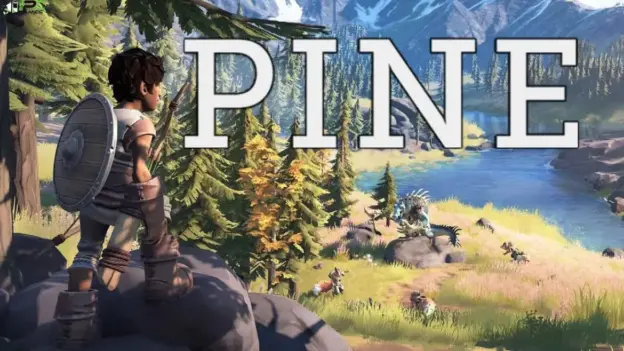
Pine

Q&A With Twirlbound

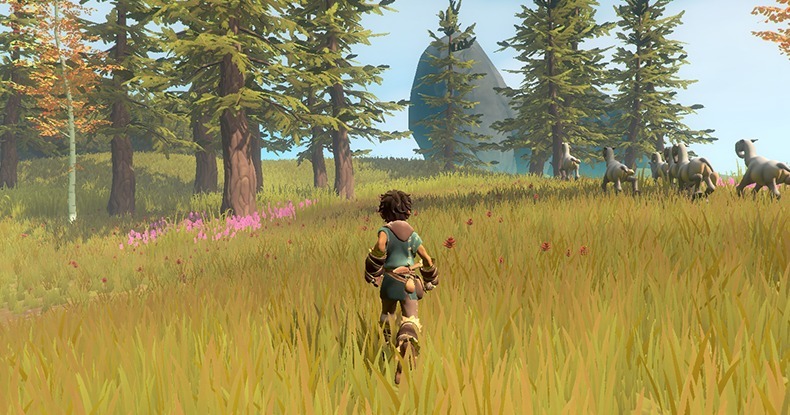
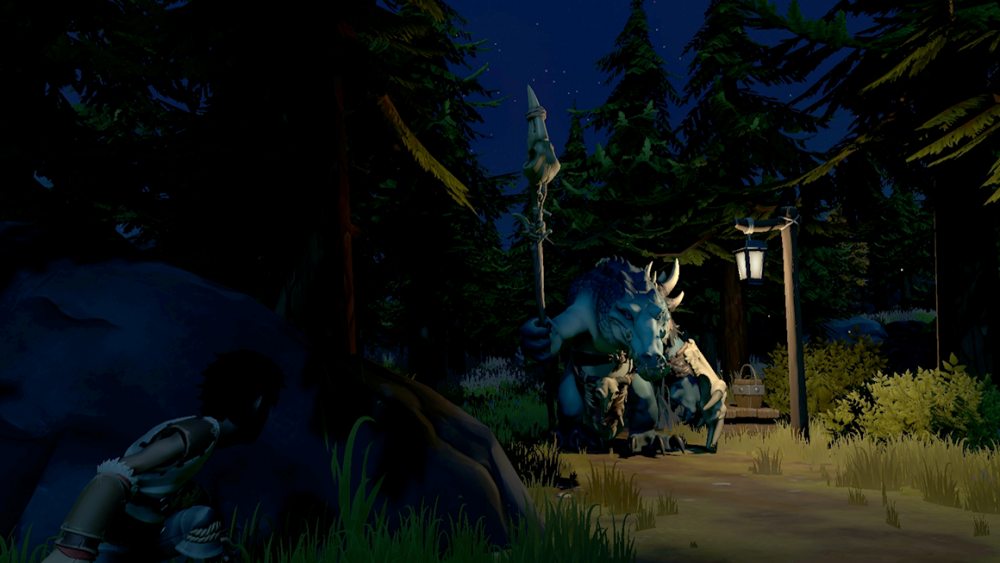
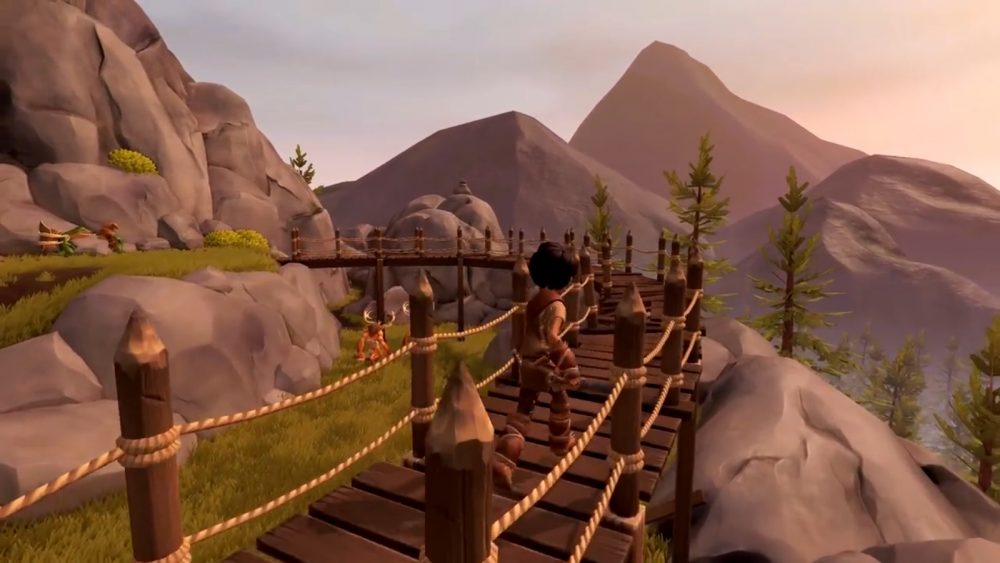
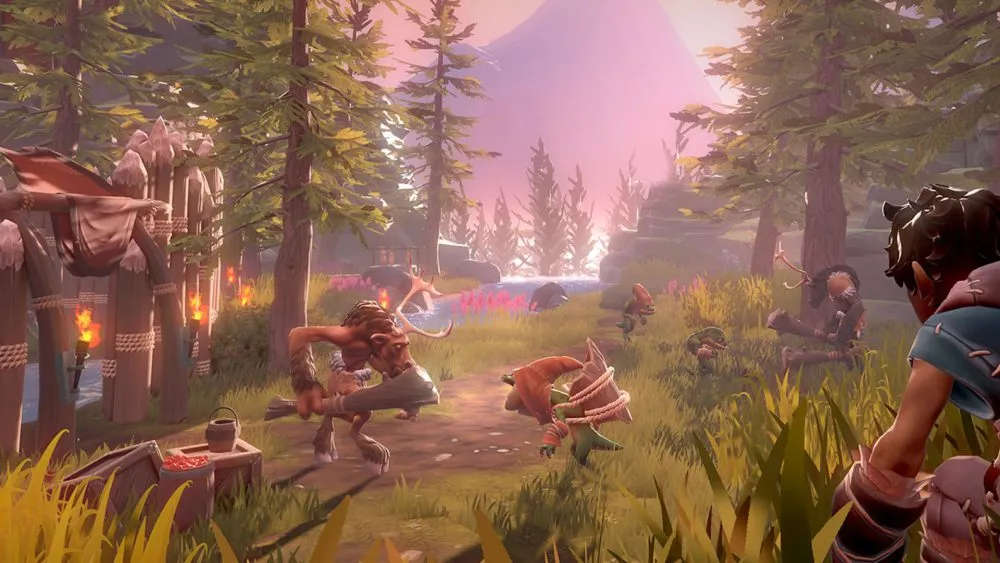
In my ongoing bid to cover more independently developed games and indie developers, and ahead of my trip to London this weekend for EGX Rezzed, this week led me to discover a game on Kickstarter called Pine. Pine, being developed by Twirlbound Games operating out of the Netherlands, is an open-world survival adventure game made in the same vein as the likes of Don’t Starve, Legend of Zelda: Breath of the Wild, and Horizon Zero Dawn.

Incorporating many of the same gameplay elements from the aforementioned title. Albeit with its unique graphical style and conceptual design, it also incorporates a combat system heavily influenced by Bloodborne. And from the looks of it, requiring a comparable level of skill and caution to master. This week, I had a Q&A session with the game’s creative director, Matthijs van de Laar, about what gamers can expect with Pine. And what influenced the game’s creation? Here are his answers:


Pine 1

What were the influences behind your game?

We’ve been mostly inspired by the great action-adventure games like The Legend of Zelda and Fable – they tend to strike a chord with people who aren’t being struck enough, we think. Only once every few years does a game like that come by. And there’s still so much to explore within that genre. A very physical, natural feeling to the game was important to us.

Everything should feel grounded and real, with an easy-to-grasp groundwork of physics and interaction. We look at platformers and jolly action adventures for fun. But we look at more serious games for this grounded look and feel. Some of our team members have credits in cinema. And we all have a general interest in movies and TV. This has been a good influence on Pine’s storytelling, camerawork, and rhythm.


What has the developmental process been like?

Starting as a floating idea about 3 years ago, we’ve done an extensive amount of research and prototyping. We wrote several theses on the subjects that are tackled by Pine (mainly about adaptation in game design, machine learning, and natural environments). And all that knowledge was brought into a bigger game after graduating last year. It was only when we knew we had something that worked and after thoughtful consideration, that we decided to go at it full-time. Working hard on the next step, which became Kickstarter. This included trailers. But also a lot of groundwork for the game and systems. Maybe it’s cool to show this 12-week video of that graduation phase:

https://www.youtube.com/watch?v=DhLdiLPQ2Ng


Pine 2

What has been the most exciting aspect of development?

The idea process. There is such a wealth of ideas among team members that every meeting is a joy. We’re always bursting with inspiration, and seeing those ideas come to life in the form of environments. Or specifically the species, is fun to witness. The alternative evolutionary course of Albamare has been a lot of fun to think about, and we’re not even remotely running out of ideas!


What has been the most challenging aspect of development?

Being only 6, we have to make really important decisions sometimes. It’s important to keep the game small enough, but make it feel like an adventure that can last. We have a very strong vision of what it should play like and what the focus should be, and sometimes it’s hard to keep up with that vision with only a few people we have. The open-world nature of the game has certainly been one of the toughest aspects (e.g., building the island, letting assets stream, and simulating the ecology).


How well has the game been received so far?

We’ve always been blown away by the response, actually, since the start! For example, we started by sending out demos only five weeks into the process. We expected a few dozen testers, mainly from our school, but after about 6 weeks, we had 3000 testers. People had been sharing it on Reddit and NeoGaf, and we got a lot of good data out of that. Things kept going like that. We went on the Square Enix Collective without any expectations. And became the highest-rated project to date. Signing up for the Unity Awards, and in a completely surprising turn of events, I even won that one! We applied for a small grant, and we got it – and now, on Kickstarter, we raced past 50% in 10 days. As I said, we’re just pretty much blown away sometimes – the demand for a game like Pine seems to be real.


Pine 3

Concerning the game’s theme, does any of the team have any experience in outdoor survival?

Not really, to be honest – we all have been on camping trips before, but no real survival. It’s more about the theme of adaptation, change, and evolution for us. We’ve always had an interest in the theory of evolution, for its beauty and undeniable systems behind it. Realizing these could be translated into a game, the theme took shape even more.


What platforms are you looking to bring the game to?

We’re currently developing on PC, aiming to bring it to Mac, Windows, and Linux. But consoles are definitely in the future vision – depending on publishers and the platform holders’ interest in Pine, we hope we can take consoles into account early on in the process.


Pine 4

Do you have any advice for aspiring developers who may be reading this?

The only advice I always give to developers or those starting their own company: it’s all about the people you do it with. If I hadn’t met my co-founder, Marc, early on in high school, finding out we worked together really well, nothing would have happened. Not having had such good cooperation with my companions, Pine wouldn’t have existed. Like Pixar’s president, Ed Catmull, says: find people you’re intimidated by, professionally. Find those who are better at things than you are; that’s the only way you can make something truly great! It’s really about the people and what they bring to the table. Recognize each other’s strengths and weaknesses, and be honest with each other!


Where on the Internet can people find you?

Everywhere! More specifically, we’re on Twitter, Facebook, Reddit, and email:

http://twitter.com/Twirlbound

http://facebook.com/Twirlbound

http://reddit.com/r/pinegame

pine@twirlbound.com


Do you have anything else to add?

Kickstarter is scary, as you’re putting your whole game AND team online, but it’s so cool to see people engage that it’s all worth it!


Pine 5

Lastly, I would like to thank Matthijs for agreeing to our Q&A and would like to take this opportunity to wish him the best of luck with the remainder of the Kickstarter campaign.

Anew The Distant Light

Q&A With Resonator

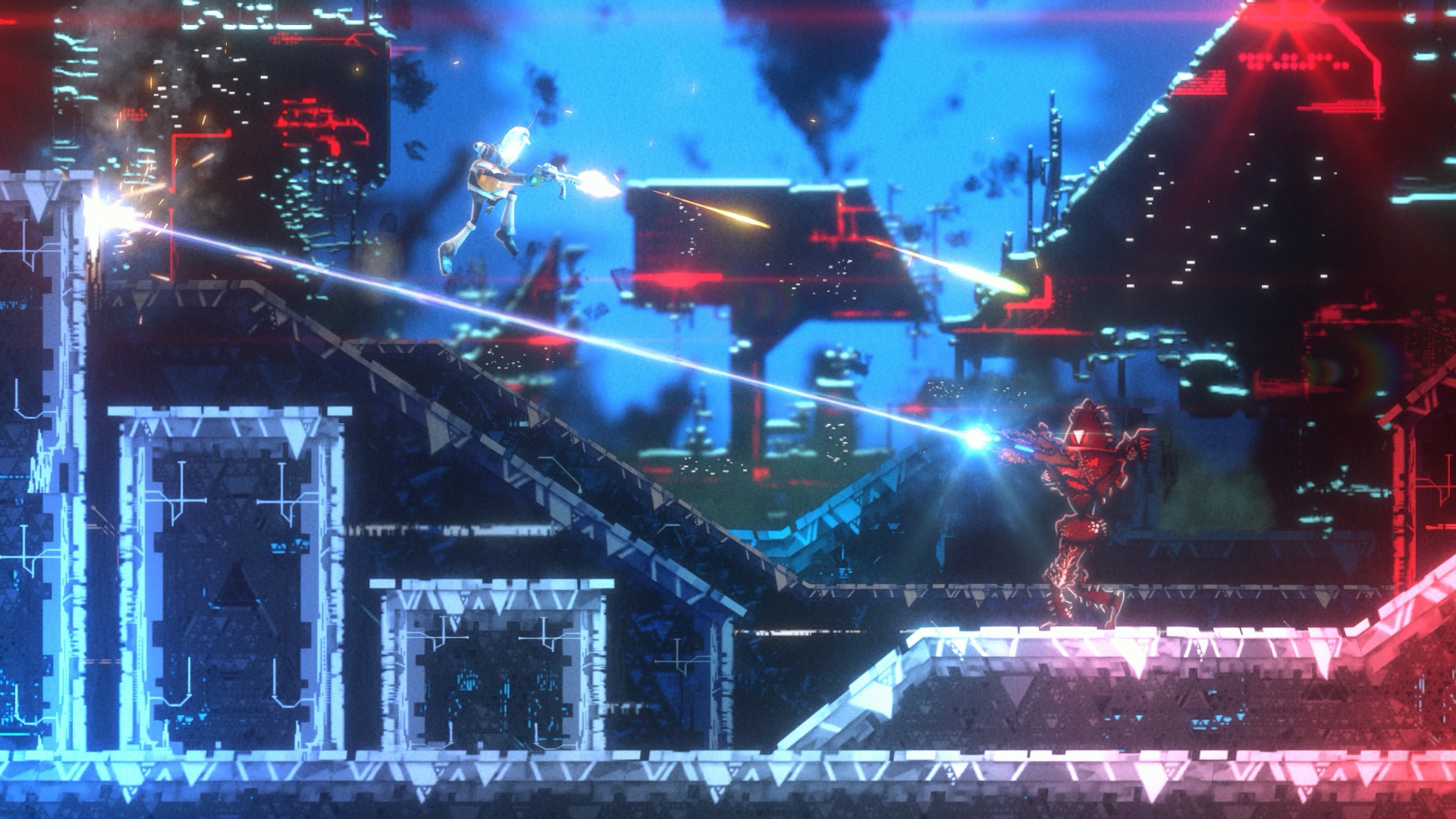
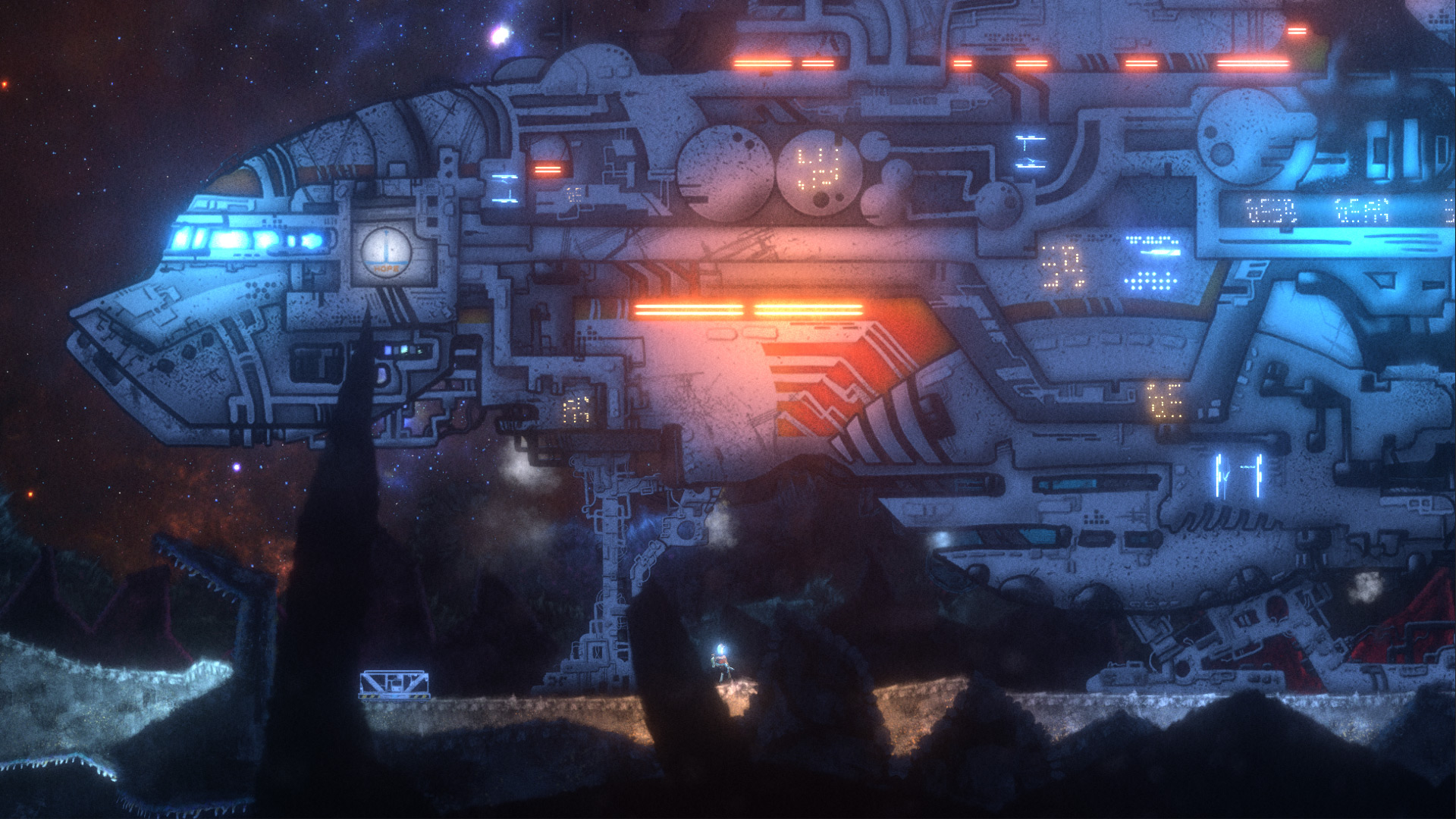
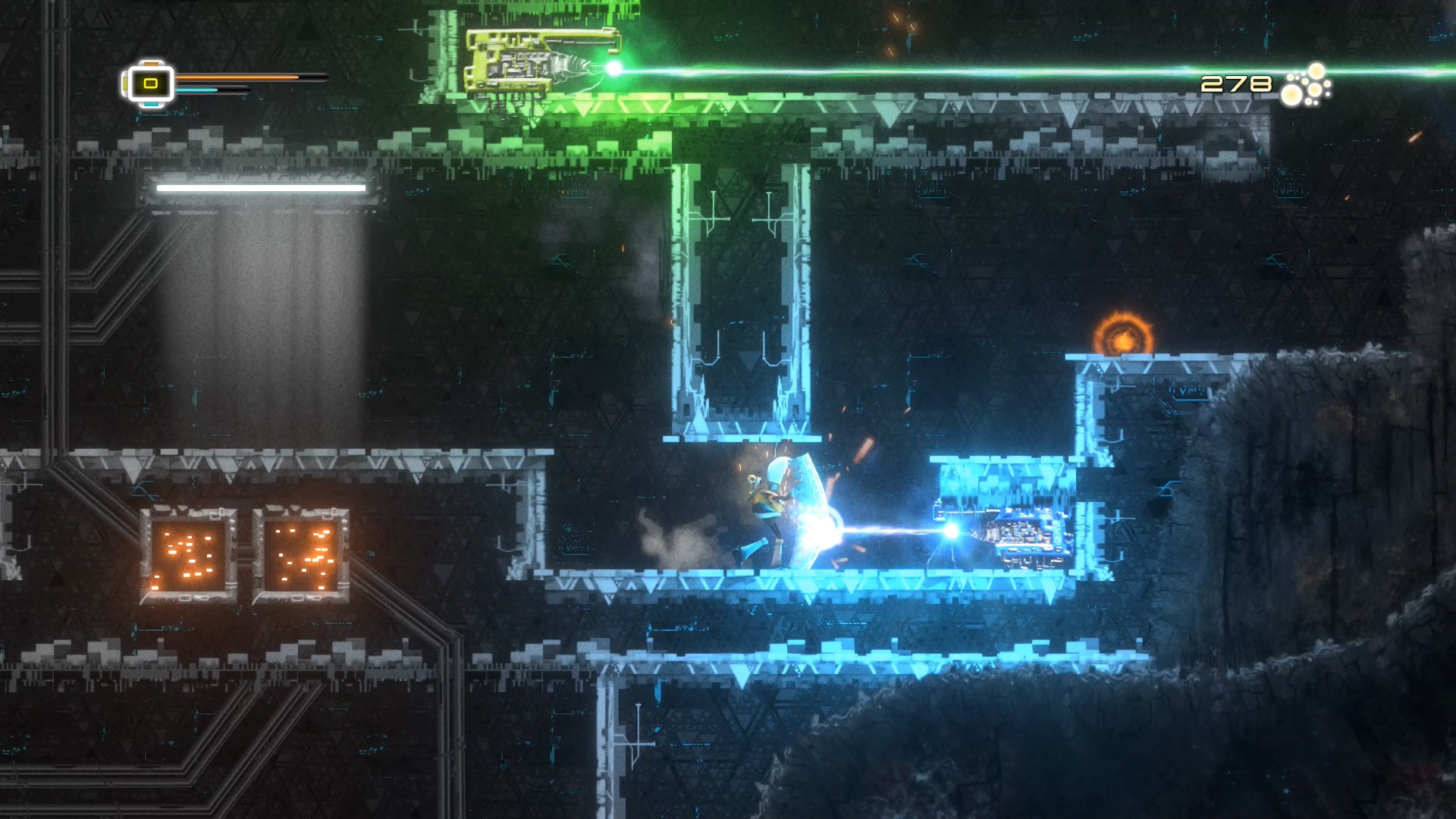
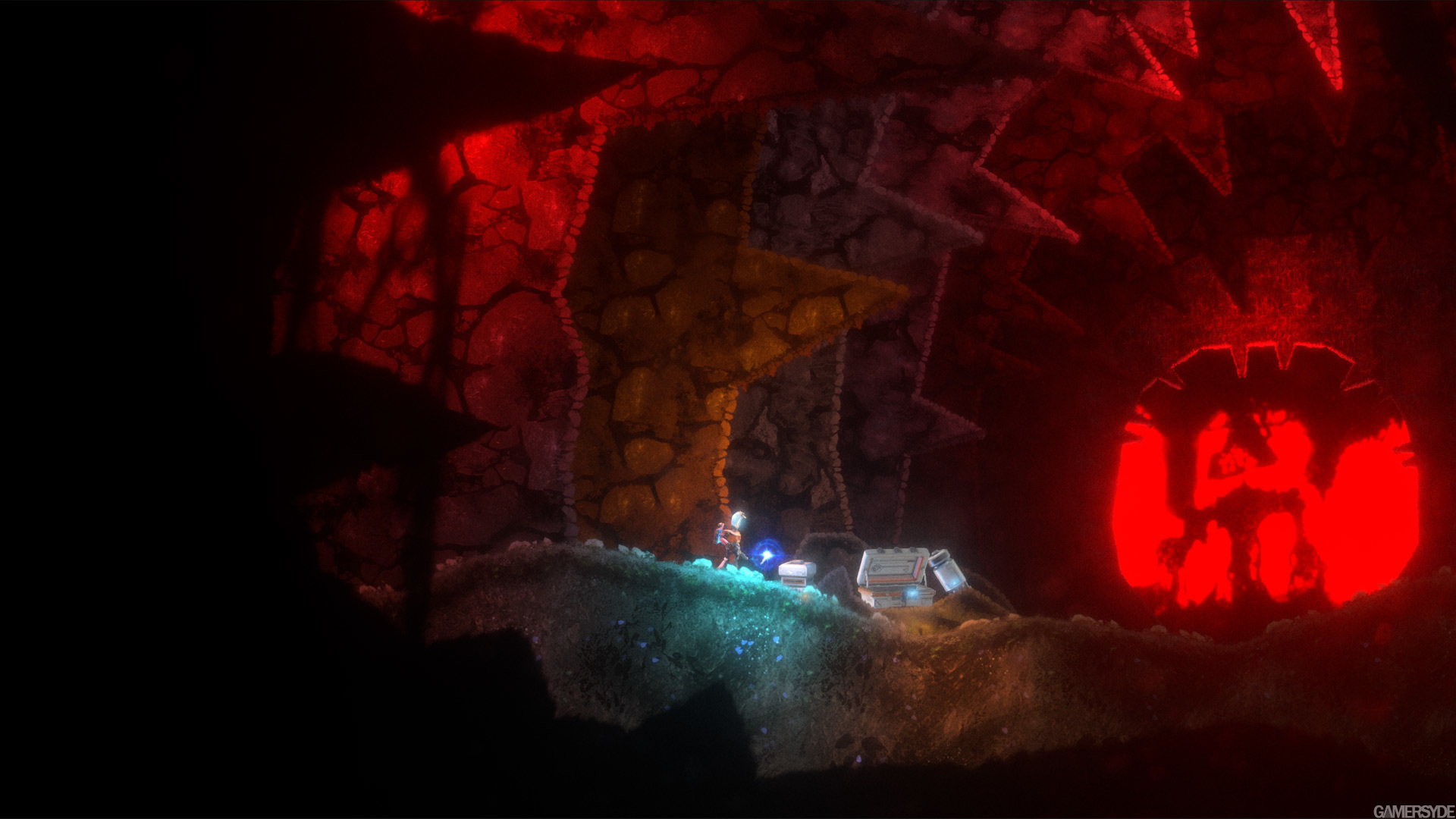
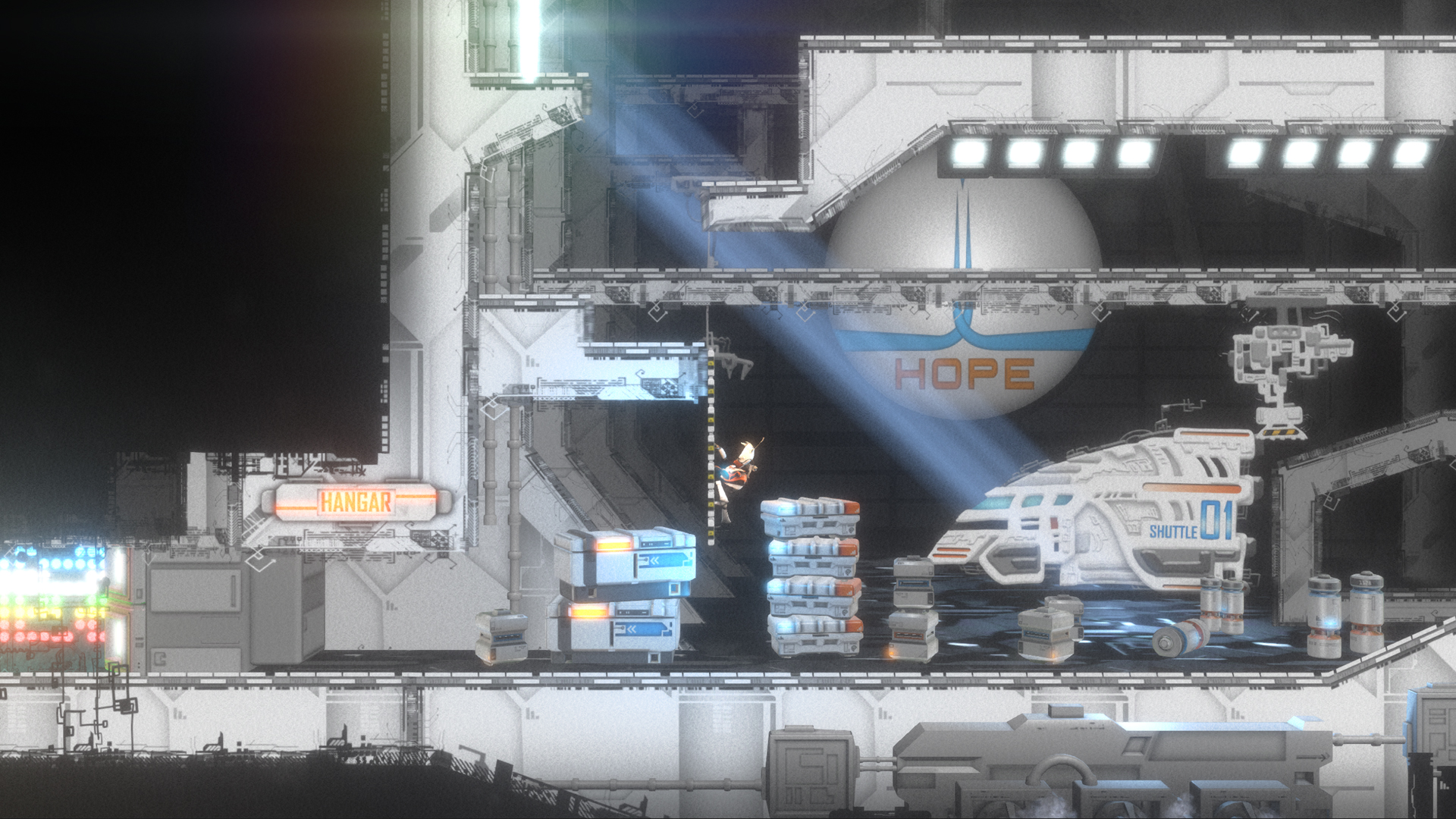
In my ongoing bid to cover and expose as many different independently developed games and indie studios as possible, I discovered a game currently up on Kickstarter entitled Anew: The Distant Light. An action-adventure Metroidvania title, there is a heavy emphasis on combat and exploration. As well as a vibrant science fiction setting that contrasts the beauty and devastation of an endangered futuristic world.

Creating the game are two veteran AAA developers: game director and programmer Steve Copeland, and art director and sound designer Jeff Spoonhower. Collectively known as Resonator. Between then, Steve and Jeff worked on a multitude of major gaming releases over fifteen years, including BioShock 2, Lord of the Rings: Battle for Middle-earth, Borderlands 2, Command & Conquer, and Uncharted: Golden Abyss, to name but a few. After reaching out to Resonator, both Steve and Jeff agreed to answer some questions I had about their upcoming game, their Kickstarter program, and their past and present developmental experiences. Here’s what they had to say:

Anew: The Distant Light 1

What were the influences behind your game?

SC: For me, the classic Metroid games were a big inspiration.  After all, there is a reason our game’s genre is named after it.  You can probably also spot influences from Ori and the Blind Forest, Dark Souls, and Mario Galaxy.  We’re constantly looking for ways to fit fun game mechanics from other genres into Anew: The Distant Light.

JS: I am a big fan of platformers as well. I grew up playing the Mega Man, Mario, and Contra games, so in addition to the non-linear Metroid-style exploration elements, I am excited about including lots of fun platforming elements in Anew.

What has the developmental process been like?

JS: Steve and I have been working on the game full-time for several years now. It’s been hugely challenging and rewarding. We spent a lot of time upfront working on gameplay systems, player mechanics, development tools, and pipelines. And we’ve also built a pretty big section of the game world itself. A lot of the struggles up front were the unknowns – “things we didn’t know we didn’t know about” situations. These were mainly technical, so it was tough to anticipate how long it would take to solve them. We’re happy to say we’ve largely moved through that phase of production and are concentrating on creating content and filling out the game world.

How close are we to seeing the finished product?

SC: A lot of that will depend on how funding goes.  We’re expecting to complete the PC version in about a year. But if we have to stop work to look for investors or a publisher, it will tend to slow things down quite a bit.

Anew: The Distant Light 2

What has been the most exciting aspect of development?

JS: For me, several things. For one, overcoming difficult technical and artistic challenges, and learning a lot. And growing as an artist and designer has been tremendously rewarding. I am also very proud of the world we are creating. We hope that players will find it not only fun to play in, but also visually interesting and enticing to explore and discover. It’s been awesome to be able to tell people that just two people have built the game from the ground up.

What has been the most challenging aspect of development?

SC: With just two people making the game, it can be exhausting to cover all of the needed roles in development and business.  If we could afford to, we’d hire some help.

JS: The number of “hats” Steve and I wear, as far as the roles we are playing in production, is pretty overwhelming. We are each doing the work of 5-10 employees in a traditional studio production! It’s been tiring and oftentimes stressful to have to rapidly switch between these roles on a daily or weekly basis.

Anew: The Distant Light 3

How well has the game been received so far?

SC: Feedback has been very positive on all fronts and in all contexts, especially so when demoing in person at trade shows. Where players can feel the agility and depth built into Anew.  We’re proud to have received the Audience Choice Award at Comicon Phoenix. And I think Jeff sleeps with the golden controller under his pillow.]

JS: Haha, yeah, the golden sheen is starting to wear off. In all seriousness, we are thrilled with the response Anew has received so far. On a personal level, I am so happy that people have responded positively to the look and feel of the game. It’s been my goal to design a world that looks and sounds truly alien and unfamiliar. Those two words have come up repeatedly in press articles we’ve received, so I feel like I’m doing something right.

What platforms are you looking to bring the game to?

SC: We’re leading with PC, including Steam and at least one non-DRM platform for PC.  If our Kickstarter succeeds, we’re also committing to PlayStation 4 and Xbox One.  We also have a stretch goal that will fund research for porting to Nintendo Switch.

Anew: The Distant Light 4

How have your past developmental experiences influenced Anew: The Distant Light?

JS: Our prior AAA studio experience has directly impacted the development of Anew. Steve and I learned a tremendous amount working on games over the past 15-plus years. That includes not only the nitty-gritty of the crafts we practice on a day-to-day basis (modeling, texturing, animating, lighting, programming, designing, tools development, marketing, etc) but also how to set realistic goals and achieve them. We were both senior/lead developers on projects. So we know how important it is to properly schedule a project and avoid common development pitfalls like feature creep and over-scoping. We try to bring everything we’ve learned on these big studio projects to the production of our indie game.

Outside of indie development, what would you say are your and Steve’s favorite projects to have worked on throughout the years?

SC: It was cool to get to work on games related to Star Wars and The Lord of the Rings.  I’m proud of having had a small influence on Command & Conquer: Generals Zero Hour. RTS fans still talk about it nostalgically.  Many of those projects required crushing amounts of hours worked in a week, so it’s hard to call one a favorite in light of that.

JS: I’m really proud of all the games I’ve worked on. Making games is a huge struggle, so I feel like shipping each one has been quite an accomplishment. As a personal fan of the BioShock and Uncharted series, I really got a kick out of working on BioShock 2 and Uncharted: Golden Abyss.

Anew: The Distant Light 5

Has having creative freedom made working on Anew: The Distant Light feel like a better experience than any other?

SC: On the creative freedom front, yes, it’s been the best game development experience I’ve had.

JS: Yes, the creative freedom of making our own game has been very liberating. That freedom comes at a high cost, though. We have taken on a great deal of financial risk. And we are pretty much working on the game all the time! It’s a big commitment. And we have sacrificed a great deal in our personal and professional lives to make it a reality.

Do you have any advice for aspiring developers who may be reading this?

SC: I’d advise them to make and complete things with a very small scope before getting super ambitious.

JS: Agreed. Try to find the one or two things you enjoy doing (be it art or programming), and then really dive headfirst into practicing those crafts. It requires a lot of patience and persistence to get good at this stuff. Ultimately, if you want to get a job in games, you’ll need to show a potential employer that your work is of extremely high quality and would fit into the type of games they are making.

Anew: The Distant Light 6

Where on the Internet can people find you?

JS: We are currently on Kickstarter through March 19th, 11:59 pm

SC: https://www.kickstarter.com/projects/1799572177/anew-the-distant-light. Our official website is www.anewthegame.com. We are also on Facebook and Twitter at @anewthegame.

Do you have anything else to add?

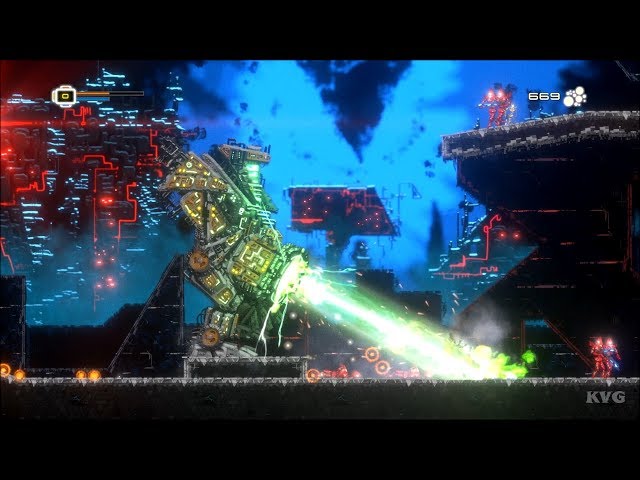
SC: Please check out our Kickstarter!  If you like games with action and exploration, mystery, and a high-skill cap, you’ll find a lot to like about Anew: The Distant Light.  We’re making a game that will scratch the itch for Metroidvania fans. It is also bringing some fresh gameplay to the genre with giant mechs and other vehicles that you can pilot. An upgradable home ship and diverse environments that play quite differently from each other.

Anew: The Distant Light 6

Lastly, I would like to thank both Steve and Jeff for agreeing to answer my questions and to wish them the best of luck with Anew: The Distant Light. I would highly recommend that any gamer who may be looking for an upcoming Metroidvania title check out their Kickstarter page and back the project. Looking at the early footage of it, I myself am extremely excited for the game’s release, and cannot wait to play the finished game.

Mighty No 9 (PlayStation 3, PlayStation 4, PlayStation Vita, Xbox 360, Xbox One, Wii U, 3DS, PC & Android)

Mighty No 9

Developer(s) – Comcept & Inti Creates

Publisher(s) – Deep Silver & Spike Chunsoft

Director(s) – Koji Imaeda & Kinshi Ikegami

Producer – Nick Yu

PEGI – 12

Released following an immensely successful Kickstarter campaign and a series of delays, Mighty No 9 is the brainchild of Mega Man creator Keiji Inafune. As well as personnel from the development team of the original game in the series. Highly anticipated by Mega Man fans, it was released in mid-2016 to mixed to negative reviews by critics and gamers alike. It dramatically failed to live up to its budget and expectations. Having played it, I can understand why many of the original Kickstarter backers were deeply disappointed with this title.

Graphics – 6/10

Although the game was an independently developed venture, the visual quality of the game does not match the budget the developers were given by backers of almost $4,000,000. Besides this, the game also suffers from a number of technical issues. Especially concerning the Wii U version of the game. One of many insults to the backers is that the developers clearly didn’t spend the time needed to polish the game before it was released to markets. Especially coming as it did from a team of developers who experienced internal frustrations themselves from Capcom’s powers that were. From a conceptual standpoint, the game also fails to impress, with the developers seemingly taking basic elements and ideas from the Mega Man series. And building upon them in a very half-hearted manner.

Gameplay – 5/10

The game’s play also doesn’t live up to Mega Man standards, let alone those of the industry as a whole. Intended to present players with the traditional level of challenge the famed series was known for, this game, at times, can be even more unnecessarily unforgiving. Many casual players may struggle to get past even the first level. At least with Cut Man’s stage in the original Mega Man game, it was an appropriately fair introduction to the rest of the series. But with Mighty No 9, it seemed to have been designed with only veteran Mega Man players in mind. Which, for a lot of potential newcomers, causes needless problems.

Controls – 8/10

The original Mega Man game suffered from minor issues with the controls in terms of unresponsiveness. But Mighty no 9 suffers from the same problem, but to a slightly greater extent. Again, causing a lot of unnecessary frustration. Potentially to both newcomers and veteran Mega Man players. Even throughout the first level of the game, there are a lot of platforming obstacles the player has to overcome in order to progress. These unresponsive controls can cause a multitude of different issues at different points in the game. Especially as it is based on a number of lives the player has, hearkening back to old-style gaming.

Lifespan – 5/10

Clocking in at around 6 hours, despite the fact that funding for the Kickstarter project was supposed to have been enough to reach the stretch goals required to bring DLC to the game, Mighty No 9’s lifespan was also criminally short. Especially for a modern game. Most 2D platformers that are typically developed by Nintendo, for example, can be easily made to last 15 to 20 hours, given enough substance in gameplay. New Super Mario Bros U and Donkey Kong Country: Tropical Freeze are textbook examples of this. Six hours may have been impressive by 1987 standards when the original Mega Man game was released. But in this day and age, especially against other kinds of games, it doesn’t hold up the same as it once may have done.

Storyline 3/10

Basically mirroring the plot and basic premise of Mega Man, the game’s story centers around a robot named Beck. The ninth in the Mighty Number android line-up. He has been tasked with eliminating his fellow Mighty Number robots after they have been infected with a computer virus. Almost identical to how Mega Man must neutralize the robot masters. Almost every aspect of Mighty No 9’s story was taken directly from that of Mega Man’s. As was the conceptual design. And has not had a great deal of real thought put into it. It’s especially underwhelming. Given the fact that the main appeals, the developers wanted this game to have also failed to live up to their respective expectations.

Originality – 3/10

Taking everything into account, the only hint of uniqueness this game has is in the conceptual design. Whilst it may have been heavily borrowed from the Mega Man series, it does minimally well to stand out among other games in general. But certainly not enough to make it do so to any great extent. Although this game certainly does not spell the end for challenging 2D side scrollers. Since the likes of Rogue Legacy continue to impress gamers everywhere, it spells a particularly grim future for Comcept, as their latest project, Red Ash, failed to reach its Kickstarter goals.

Angrii

To sum Mighty No 9 up, I would describe it as a gaming travesty. A middle finger to Mega Man fans, as well as the Kickstarter backers. Though it may have been a once-promising game to players, especially those who played the beta, the end product is certainly something to be forgotten.

Score

30/60

5/10 (Far Below Average)

Oceanhorn: Monster of Uncharted Seas (PC, PlayStation 4, PlayStation Vita, Xbox One, & iOS Android)

Oceanhorn Monster of the Uncharted Seas

Developer(s) – Cornfox & Bros.

Publisher(s) – FDG Entertainment

Director – Heikki Repo

PEGI – 7

First released on iOS in 2013, subsequently brought to consoles last year, and featuring music composed by Squaresoft veterans Kenji Ito and my personal favorite video game composer Nobuo Uematsu, Oceanhorn borrows a great deal from some of the best franchises in gaming. Such as Legend of Zelda and Baldur’s Gate. It brings them together in one very satisfying and critically acclaimed gaming experience. Even after playing a few hours of Oceanhorn, I could tell that this is most definitely one of the greatest indie games I have ever played to date. And something I would recommend to any fan of adventure games or RPGs.

Graphics – 8.5/10

The game’s visuals are vibrant, colorful, and diverse, and though outdated compared to most mainstream releases, they are conceptually brilliant. Though in most aspects of this game, the most obvious influence had been The Legend of Zelda: Wind Waker, I found myself being able to identify a great deal of conceptual design deviating away from the latter in places such as house basements. They have a heavy steampunk feel to them, reminiscent of the game’s main antagonist. Dungeons throughout the game, again, much like the Legend of Zelda series, do extremely well to stand out amongst each other. And more than make up for the overworld areas, which can seem quite repetitive after a while.

Gameplay – 9/10

Oceanhorn is an isometric top-down adventure RPG, similar to Baldur’s Gate and Dark Alliance, but set in a much more open world than the latter. There is a heavy emphasis on exploration, combat, character development, and dungeon crawling; like Wind Waker, it also features travel by sea, along with combat elements thrown in during these sequences too. There is plenty to do in the game to keep players busy besides the main story, and the boss fights are challenging on quite a surprising level in my opinion; even the first boss was fairly difficult to contend with.

Controls – 10/10

I experienced no issues with the game’s controls whatsoever, as not only am I personally quite familiar with this particular gameplay formula, but there have been countless isometric RPGs to have come and gone over the last 20 years, and it was to be expected that no issues would arise. The best thing about the controls, however, is how well two different styles of an adventure game, i.e., Legend of Zelda and Baldur’s Gate, come together to form their own cohesive concept without presenting any issues with the controls.

Lifespan – 7.5/10

Overall, Oceanhorn can be made to last there about 16 to 20 hours, which for an indie adventure game is fairly impressive, especially considering that it started life as a smartphone game. I’ve found a lot of indie games to be short and sweet, such as Titan Souls and Xeodrifter, so a game like this to me was a welcome breath of fresh air, and something that can have a great deal of time invested into it for those willing to explore it, which I personally always admire in any game at all.

Storyline – 7.5/10

The story follows a silent protagonist, whose father leaves the paternal home to traverse the Islands of the Uncharted Seas to seek and kill a giant sea monster known as Oceanhorn. The player character subsequently sets out to destroy Oceanhorn himself and discover what became of his father. It seems simple enough, but throughout, the character goes through an unprecedented amount of development, discovering things such as love and hardship along the way. It’s one of many ways that this game can be compared to the Legend of Zelda. And whilst I believe the character of Link has been further developed in a single game than what is present in this, it’s still a very solid effort in terms of the overall story.

Originality – 6/10

Most players familiar with adventure video games will have very little difficulty pointing out what influenced this title, as they are blatantly obvious from start to finish in nigh-on every aspect of it. However, all these ideas come together to form something, which I can find myself describing as unforgettable, to say the least.

Happii

Overall, Oceanhorn, whilst it clearly borrows influence from other games, is, in my opinion, the best indie experience of 2016; it’s satisfying to play and beautiful to look at, with a stellar soundtrack, an enjoyable gameplay formula, and a pleasantly surprising level of depth in its story. It’s certainly worth playing through at least once.

Score

48.5/60

8/10 (Very Good)

The Last Guardian (PlayStation 4)

Developer(s) – Japan Studios

Publisher(s) – Sony Computer Entertainment

Director – Fumito Ueda

Producer(s) – Fumito Ueda & Kazunobu Sato

PEGI – 12

Released in late 2016 following a lengthy development cycle, The Last Guardian is a follow-up to Fumito Ueda’s previous PlayStation 2 masterpiece games, Ico and Shadow of the Colossus. In development since 2009, Ueda was inspired to create the game on the back of fan opinion that the connection between Wander and Agro in Shadow of the Colossus was much more emotionally charged than Wander’s commitment to reviving Mono. Ueda expanded upon this by creating a friendship between a young boy and a towering creature called Trico. Whilst I did experience some difficulties with the game’s controls, as did many other players, I found that The Last Guardian ranks second in my opinion of the quality of the three Fumito Ueda games. Not as good as Shadow of the Colossus, but better than Ico.

Graphics – 10/10

In my opinion, it was well worth the wait to behold the transition from PlayStation 3 to PlayStation 4. Within that time, the graphics were given a dramatic overhaul to fit in with the standard quality of eighth-generation gaming. But I found that both graphically and conceptually. The visuals far exceed the standards of an eighth-generation game.

In particular, the creature Trico’s features are intricately detailed, with its feathers reacting to respective indoor and outdoor environments accordingly. And its eyes give it as much of an impressive emotional and lifelike appearance. The individual environments and dungeons are also something to behold. Many of which are reminiscent of both Ico and Shadow of the Colossus. Many of these interestingly pose the question as to whether or not they are the same areas just in a different period. Tying the game in with the mythology of the other two games nicely.

Gameplay – 7/10

The object of the game is to guide Trico through many of the different dungeons. And environments to both solve puzzles and progress through the game. There is also an element of combat to it. The player is protected throughout the game by the so-called suits of armor. And the boy must use both Trico and any nearby weapons to defeat them. The game borrows elements from both Ico and Shadow of the Colossus to deliver a very unique gameplay formula. Players have to fend off the suits of armor using multiple combat methods. And the player has to manipulate and even climb upon Trico to reach otherwise impassable areas.

The game is better than Ico in that the combat is a lot more intricate than the latter, since players simply have to hit monsters with a stick and advance to the next area. But it doesn’t measure up to the quality of Shadow of the Colossus since it follows a linear progression as opposed to an open-world one. And consequently, there is less to do throughout. There is replay value to be had since there are achievements to unlock for playing the game more than once.

But what I found, in particular, was that the world in which the game is set offered more than enough scope for it to be developed as an open-world game. Especially judging by the opening sequence. This suggests that there were many more guardians in the world than Trico at one point. Nevertheless, what there is in gameplay is enjoyable as well as challenging. And there are a fair few secrets thrown in for good measure to uncover along the way.

Controls – 9/10

As I pointed out, I did have a couple of issues with the controls, along with many other people who have played this game. Most notably with Trico’s AI. Sometimes, the creature wouldn’t do what I either wanted or needed it to do right away in some given situations. Despite following the in-game instructions. On occasion, this would also affect combat. But it doesn’t become as much of a problem as to hinder the flow of the game completely. For the most part, Trico responds to what is needed for most commands given to it by the player. In particular, I do like some more subtle control features. Like how the creatures instinctively catch barrels in mid-air when thrown. Features like that give the game a certain charm not found in every title, in my opinion.

Lifespan – 6/10

One playthrough of The Last Guardian clocks in at around 10-15 hours, which is yet another improvement on Ico. That game lasts only a fraction of that time. For a linear game, however, that is about the standard time. Whilst maybe fair, it isn’t anything particularly out of the ordinary. I would have been willing to wait even longer if it meant the developers could make the game either last longer or set it in an open world. I’m hoping this is what Fumito Ueda does with the next game he develops that ties in with the same mythology. If and when he does.

Storyline – 9/10

The story of the Last Guardian follows a young boy and the towering creature Trico in their bid to escape from a huge and elaborate prison. To do this, the boy and the creature develop an intricate and complete understanding of one another. This blossoms into a strong spiritual connection that becomes even stronger throughout the game. Ahead of the release of this title, I had read articles expressing opinions and concerns that the game would not be released in time to fill a gap for games that primarily told stories, and consequently, it would not be as effective as it could be.

In response to that, I say the game is as effective in terms of story as it can be, even though it has been released after titles such as The Last of Us, Journey, and Everybody’s Gone to the Rapture. And despite this, the game is better than any of those previously mentioned titles in my opinion. Even though there is no minimal dialogue except the occasional narration, the game is more emotionally charged and elaborate than many other story-driven games on the market, with the addition of offering more in terms of gameplay.

Originality – 9/10

The Last Guardian, in my opinion, is unique in story and gameplay. But most importantly, it’s unique in terms of the general concept. It may not be the first game released to do many of the things that it does, following on from releases such as Papo & Yo and Majin and the Forsaken Kingdom, but it does these things better than both of these latter games, and more intricately too. I can honestly say that it is unlike any other game I’ve ever played and one of Fumito Ueda’s most outstanding efforts to date.

Happii

In summation, whilst it does have its flaws, The Last Guardian provides a solid gameplay experience, excelling in the aspects of story, gameplay, and visuals. It may not be as enjoyable as Shadow of the Colossus was, but it is worth at least one playthrough and proved to be worth the wait of its development cycle, thankfully not succumbing to many of the complications that sometimes come with games that have had lengthy development cycles.

Score

50/60

8/10 (Very Good)

Play Manchester 2016

The beginning of October marked the fifth year of the Play Manchester gaming expo held at Event City venue. With it’s usual and varied blend of retro gaming cabinets, upcoming indie titles on display, and a wider array of new upcoming mainstream releases than last year’s proceedings, Play Manchester 2016 was even more exciting and diverse than in 2015, and just are star-studded in addition with a special panel present that I shall be covering further in the article. First, I perused the various indie games that were on show at the event, and I was impressed with the amount of range of different gameplay ideas and conceptual designs that the new up and coming developers had to showcase.

Snake Pass

snake-pass

The first indie game I came across was a 3D platformer unlike any other. Developed by Sumo Digital, Snake Pass is a game in which the player controls a snake in order to slither around a series of levels and hunting collectible items throughout. Players must learn to take full advantage of the game’s insanely unique control mechanics to reach high places, overcome imposing obstacles and puzzles, and leave no stone unturned, as there are plenty of items to collect through each level, it seemed. What impressed me most about this game, in addition to it’s impressive-looking visuals, was the game’s style of play. With a completely different take on getting around levels and uncovering secrets, it plays out like no other 3D platformer I’ve ever come across. The developer also explained to me various ways that players could choose to play the game, ranging from emphasis on speed, elegance or thoroughness. I personally believe if the developers plan to integrate this idea into the game further, it would most probably add even more replayability to it, but in the state that it was in at the time, it still impressed me very much.

http://www.sumo-digital.com/snakepass/#

@SumoDigitalLtd

Dragon Bros

dragon-bros

Having discovered a greater fondness for side scrolling shooters since I first started blogging, having played more games like Contra and Metal Slug, I was also particularly amazed by another indie game made largely in the same vein, but with a very interesting twist on conceptual design. Dragon Bros, developed by the aptly named Space Lizard Studios, the game is insanely action-packed, filled with breathtaking pixel art and seemed a lot more accessible than the like of Contra; especially the first three games in the series. For me, Dragon Bros was my pick for the best indie title on display at this year’s proceedings; it was the most fun and addictive game, as well as the most interesting in terms of conceptual design. Though comparisons can be drawn between it and Bubble Bobble, since the main characters are two dragons coloured both green and blue, it takes place in a much different kind of world reminiscent of science fiction rather than the cutesy fantasy settings of the former.

http://spacelizardstudio.com/work/dragon-bros/

@SpaceLizardSt

Mao Mao Castle

img_0475

Another game on display I become insanely addicted to, and have been playing frequently ever since the show, is Mao Mao Castle. Created by Asobi Tech, the game is an on-rail free-to-play browser game requiring the player to take advantage of various different mechanics to rack up as many points as possible to attain the highest score possible. The story centres around a cat with supernatural abilities trying to find a way home to a levitating castle in the skies. Reminiscent of the 8-BIT era, it takes influence in terms of conceptual design largely from the varied works of Studio Ghibli; made even more obvious by the fact that the developers had a plushy of the Cat Bus from My Neighbour Totoro perched on top of the projector used to display the game. Usually the game is controlled using a PC mouse, but the version on display at the show used motion controls, and plushies were up for grabs for anyone who could rack up exceptionally high scores. I managed to win one of the three available plushies, and have been racking up higher scores ever since. I highly recommend this game, as it excels in gameplay above even many mainstream releases, as well as it stands out amongst indie games. The link to play is below:

http://aso.bi/maomao/

Unbox

unbox

Another 3D platformer with a difference came in form of Unbox developed by Prospect Games. The player must customize and control their own box-shaped character, and have a wide range of different gameplay modes to choose from, include four-way multiplayer competitive modes, challenge modes, an adventure mode, and even a kart-racing mode; all of which can played to unlock new outfits for their box character, and to attain a wide range of collectibles like in Snake Pass, or most 3D platformers meeting industry standards. Just as unique as the former, it provides an extremely different take on the genre compared to games such as Super Mario 64, Jak & Daxter and Banjo-Kazooie, but also coming with possibly an even greater amount of variety in gameplay and potentially more replayability. Though it may not be as revolutionary as any of the aforementioned titles were at the time of their respective releases, it’s certainly an evolutionary title, and did stand out os one of the better games on display at the event.

http://www.unboxgame.com/

@ProspectGames

Sub Level Zero

sub-level-zero

Another one of my favourite games on display at this year’s Play Manchester was Sub Level Zero; a lovingly crafted Roguelike shooter reminiscent of the classic game Descent developed some of it’s devout fans at Sigtrap Games. Procedurally generated, and with a map system heavily influenced by the Metroid Prime series, which I found to be particularly impressive, as well as surprisingly easy to interface with, Sub Level Zero also has a heavy influence on player character development, with upgrades for grabs, as well as a wide variety of different weapons to use during combat. In lieu of Roguelike tradition, it also offers a fair bit of legitimate challenge, like the likes of Rogue Legacy and Ziggurat. One of many games in display taking advantage of Virtual Reality Headset technology, this game also did extremely well to further alleviate what scepticisms I previously had with the idea back when I first tried the Oculus Rift last year at Play Blackpool. I found that it was a great deal of fun with the addition of VR technology, and made me believe to a greater extent that the concept will be able take off in time.

http://www.sigtrapgames.com/sublevelzero/

@SIGTRAPgames

Hyper Sentinel

hyper-sentinel

The last indie title I tried out was another space-based shooter reminiscent of the arcade classic Defender. Hyper Sentinel, developed by Ian Hewson, son of industry legend Andrew Hewson of Hewson Consultants who appeared on a panel at last year’s Play Blackpool show, it centres on not only shooting down various enemies that appear on-screen, but also collecting power-ups and defeating a boss at each level; normally in the form of a giant spaceship, somewhat reminiscent of Bosconian. Though it may not have been the most unique title on display at the event, with it’s influences blatantly obvious, it does o well to stand out from the game of it’s inspiration in terms of conceptual design, and was also quite fun to play too. It certainly presents as much of a challenge as the arcade classic, and is a must-try for any fan of the arcade era.

http://www.hypersentinel.com/

@HewsonJoystick

Tekken 7: First Impressions

tekken-7

One of many different upcoming AAA titles that were available to try out at Play Manchester this year was Tekken 7. After being sorely disappointed by the previous game, with it’s less than impressive conceptual design, many characters coming across as far too generic, and it’s almost impossible difficulty level at times, I was quite relieved to see how much the seventh game improved on the sixth in every aspect. I was also impressed to see how fluently it plays out in comparison to even the original trilogy of Tekken games, with moves being much easier and less frustrating to pull off. Also, like what Capcom have done with the advent of Street Fighter V, and what NetherRealm studios did with Mortal Kombat X, the developers have seemed to branch out conceptually in terms of character design, but in a way that still makes the game feel like it belongs to the series without them being too generic in design. Akuma from Street Fighter is also a welcome addition following relatively recent crossovers between the two series’. It also makes me excited for what additional characters Capcom may decide to add for when they will inevitably update Street Fighter V.

WWE 2K17: First Impressions

wwe-2k17

The main attraction on show in terms of AAA releases however, as officially announced by Paul Heyman of the WWE, was WWE 2K17. Boasting new wrestlers, a new submission system and the inclusion of Goldberg on pre-order, it marks the fourth WWE released since the publishing rights were acquired by 2K Games, and features all the usual gameplay modes synonymous with WWE games, such as the Triple Threat match, Fatal 4 Way, Royal Rumble and of course, the career mode; as well as the facility to create wrestlers. It is without a doubt the best looking WWE game ever developed, but in terms of gameplay, it did take me a little bit of getting used to; especially since I haven’t played a WWE game since the sixth generation, about the time when I grew out of it as a kid. Regardless, especially after getting used to the submission system, and being able to thoroughly enjoy the game for what it is, I was pretty satisfied with how the newer developers have managed gameplay in comparison to classic WWE games like War Zone, Attitude and Wrestlemania 2000. Though the Attitude era remains my favourite time of the company’s history, it was good to see how the WWE video game formula has been worked upon and handled in a way that works extremely well after so long.

The Tomb Raider Panel

img_0447

In terms of guest speakers, however, the main attraction was the assembly of and talk with many of the developers of the original Tomb Raider from Core Design to commemorate the franchise’s 20-year anniversary; many of the panel not having seen each other in as many years. The panel consisted of Jeremy Heath-Smith, the game’s executive producer and co-founder of Core Design, Natalie Cook, who was the original character model for Lara Croft, Richard Morton, who was the lead game, level and environment designer for every game up to Tomb Raider: Angel of Darkness, Gavin Rummery, who was the lead programmer for Angel of Darkness, Heather Gibson, another level designer for the first two games, Andy Sandham, who designed levels and wrote the scripts for the third game, as well as The Last Revelation and Tomb Raider: Chronicles, Murti Schofield, who wrote the story of Angel of Darkness, Nathan McCree, who composed the original soundtrack for the first two games, and finally Stuart Atkinson, who worked as an artist on the second game. The panel were also to be joined by former Eidos Interactive CEO and industry legend Ian Livingstone, but he unfortunately had to pull out due to ill health. Regardless, I would like to take this opportunity to wish Mr. Livingstone a full recovery.

The panel proceeded to provide an in-depth analysis of how and why Lara Croft was designed the way she was, and how the games themselves were designed the way they were and in what manner, and how both Lara Croft and Tomb Raider gradually went from a unique video gaming idea into a cultural phenomenon, and how it has managed to have such a profound effect on the industry as it has. Questioned were also raised by the audience concerning the reboot of the Tomb Raider series from Crystal Dynamics, and also about the degree of influence Naughty Dog took from Tomb Raider to develop their own Uncharted series. The team responded quite sternly in their answer to the Uncharted question in particular, commenting how many of the various gameplay features were heavily inspired by Tomb Raider, and the long-time Tomb Raider fans in the audience responded fittingly with an astonishing round of applause. Though I may personally prefer Uncharted to Tomb Raider, mostly due to the better start that Uncharted had in terms of controls, credit is due where it is due, and the team deserve props for helping to pioneer one of the most memorable video game series of all time, and so there response was justified in my opinion. Uncharted may have homed the great gameplay concept, but Tomb Raider established it, and has contributed a great deal to the popularity that gaming garnishes today. Especially with the recent release of Rise of the Tomb Raider on PlayStation 4, the talk with the panel was an appropriate reflection on where Tomb Raider has gone, where it is going now, and where it could go in the future. It was extremely exciting to sit in on an extremely insightful presentation, and the made 2016’s Play Expo proceedings all the better for it.

Overall, Play Manchester 2016 was a thrilling experience, and would like to take the opportunity to thank the organisers at Replay Events for the making it the best event it could possibly be, and I’m very much looking forward to seeing them next year.


Pierhead Arcade: First Impressions

pierhead-arcade

As a bonus, before I headed out to Manchester, Mechabit Games, a Liverpool-based developer, also invited me to try out the latest game they have been working on. Mechabit, who developed the RTS game Kaiju Panic, which was on display at Play Manchester 2015, and won my personal choice for best indie game of that year (shameless plug is shameless), have been working on a virtual reality game called Pierhead Arcade; a collection of interactive fairground games based in a virtual reality amusement arcade. After only having limited experience with VR gaming beforehand, I saw as an excellent opportunity to finally get hands on with the technology involved, so to speak. I wasn’t disappointed.

As I outlined in my Play Blackpool 2015 article, ever since I first heard about plans from of the industry incorporating virtual reality into gaming, I had a great deal of scepticism following the ill-fated release of such platforms as the Nintendo Virtual Boy, and early examples of motion controls before the Wii, such as the Nintendo Power Glove. Since first trying it, and going on to briefly trying it again at different expos, my scepticisms were gradually becoming all the lesser, as I slowly learned to understand how it could work if problems I would encounter would be fixed, such as blurry screens etc, and if there was adequate developer support for these platforms. But now after having seen games such as Battle Zone, and then having seen how much indie developers are beginning to support the platform along with mainstream developers, I now believe this may very well could be a future of gaming that could establish itself as here to stay; provided that developer support will continue, as what is looking increasingly likely, since the technology was on display at other major gaming expos this year, such as E3, Gamescom and EGX.

Pierhead Arcade itself not only takes advantage of this potentially successful technology, but presents players with an astonishing amount of variety, with games like Whack-A-Mole, Shuffleboard, Binary Dash and Skeeball to name but a few. The objective is to earn as many tickets as possible that can be cashed in for prizes, much like in most amusement arcades. There are also a couple of extras in the game, such as a claw machine, and a reception desk with various toys that can be played with, such as building blocks. Overall, the variety is staggering, and the game will make for hours of fun. I may do a full review of this game in the future, I would recommend that VR gamers try it out. Following up Kaiju Panic was always going to be a challenge for Mechabit in my opinion, but with this title, I’d say they’ve done a particularly good job of doing so.

In summation, I would like to again thank the organisers at Replay Events for providing me, as well as countless gamers across the country, with truly memorable experiences at the various Play Expo events this year, and I hope that you guys enjoyed reading this article as much as I enjoyed writing it.

Game on,

Scouse Gamer 88

The Unfinished Swan (PlayStation 3, PlayStation 4 & PlayStation Vita)

The Unfinished Swan

Developer(s) – Giant Sparrow, SCE Santa Monica Studios & Armature Studios

Publisher(s) – Sony Computer Entertainment

Director – Ian Dallas

Producer – Max Geiger

PEGI – 7

First released in 2012, around the time when the idea of art in video games was perpetuated with other releases such as Journey, The Unfinished Swan went on to garner critical acclaim as well as two BAFTA awards, for gaming innovation and best debut game. Unfortunately, I was less lukewarm to this title than many others were. And whilst it does have its unique aspects, I certainly don’t think it was enough to warrant a BAFTA award.

Graphics – 6/10

Many may argue that the visuals of the game are rather unique. And provide something that most gamers won’t have been used to at the time. But from my point of view, that couldn’t be further from the truth. Not only has the general art style been replicated many times since Frank Miller’s Sin City. Indeed, it’s the same style I incorporate in many of my own paintings for Frame Over. But it wasn’t even the first time that this style had been used in video game development. There was Madworld before this title, which also continued the influx of cel-shaded visuals in gaming, which started out with Jet Set Radio. Nevertheless, they aren’t terrible graphics. And there are very few glitches to further mar them down.

Gameplay – 3/10

I couldn’t help but feel, while playing, that the developers decided to prioritize aspects. Such as visuals and stories ahead of gameplay. Since the core concept may be fairly unique. But in the long term, it provides next to no entertainment value. The object of the game is to solve puzzles and bypass obstacles by shooting ink to reveal hidden locations. And to also collect balloons along the way to buy in-game items. It seemed like it could have developed into something bigger as it progressed. But by the third level, I found myself deeply bored by the entire experience.

Controls – 9/10

As it is essentially a first-person shooting game, the control scheme plays out fairly simply, even more so than the average shooter, since there are fewer control mechanics to have to worry about. The only gripe I have with it is that the movement speed is somewhat slower than in other FPS games, which can make the game drag on more than it probably should have.

Lifespan – 4/10

Completing each level, as well as collecting all the balloons within each level, will take under 10 hours, even though the game does have a small amount of replayability. However, I think it was just as well that the game lasted that little time, since the game’s total lifespan outlasted my own personal interest in the game itself. It was a sure sign that developers at any kind of level can end up prioritizing all the wrong aspects ahead of the one that truly counts.

Storyline – 7/10

The story of the game takes the influence of many different children’s books and merges them into a fairly interesting and fully cohesive concept. It follows a boy called Monroe, who is pursuing an incomplete swan, which has escaped from a painting. The most interesting element of it is the backstory, which can be discovered as the player progresses through the game. Though it does seem to play out like a children’s story, for the most part, there are certain elements. These make the story take on a much darker tone, going against the seemingly calm and tranquil atmosphere of the game and the soundtrack accompanying it all.

Originality – 6/10

The gameplay mechanics of using ink as a projectile weapon to uncover hidden objects and areas are definitely the most unique thing about it. However, I was left thinking that they could have been put to so much better use in order to keep the entire game as interesting as possible. There could have been much more added to each level for players to do. The lack of enemies throughout alone is enough to keep avid gamers from playing this title for any extended amount of time, in my opinion.

Niiutral

Overall, The Unfinished Swan, though with fairly unique gameplay mechanics, was not entertaining enough for me to be able to praise it as many other reviewers have done since its release. The influx of indie games to come throughout the next few years following this game would yield more and better titles, but along with Journey, it started with too much emphasis on visuals and story as opposed to entertaining gameplay.

Score

35/60

5.5/10 (Below Average)