Tag Archives: Liverpool

Q&A With Abyssal Arts

City of the Shroud

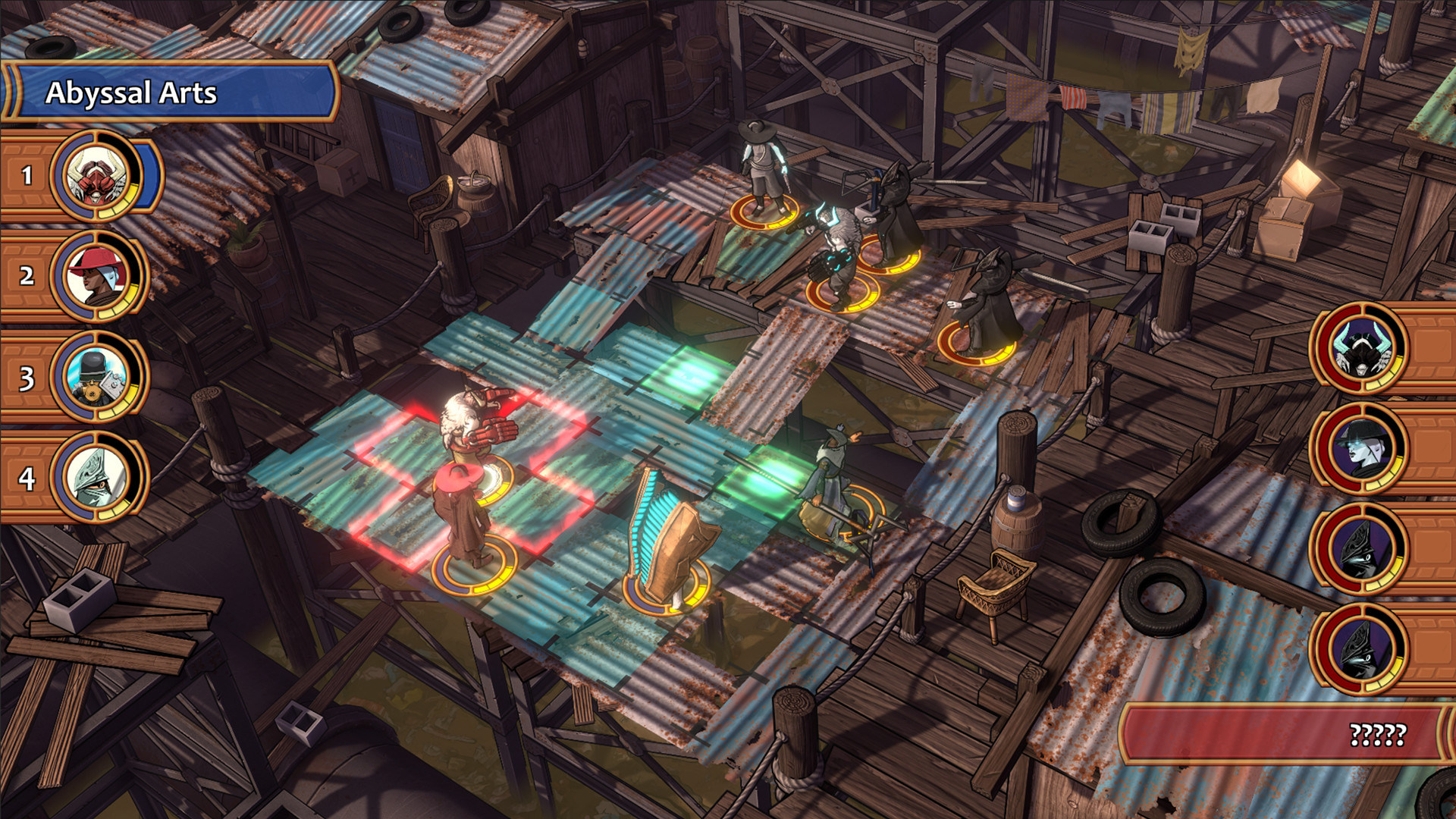
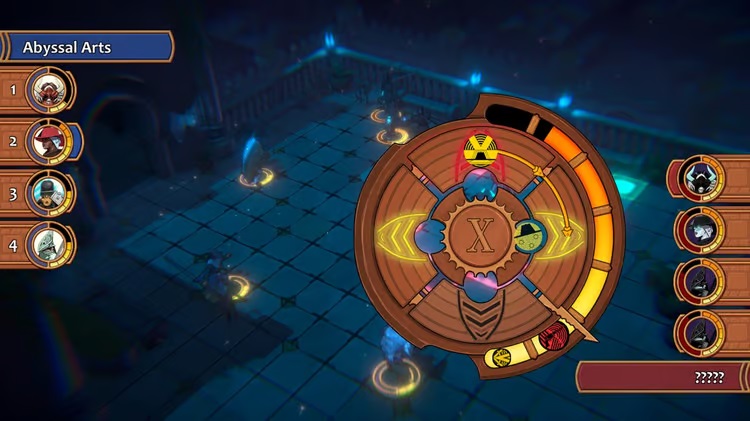
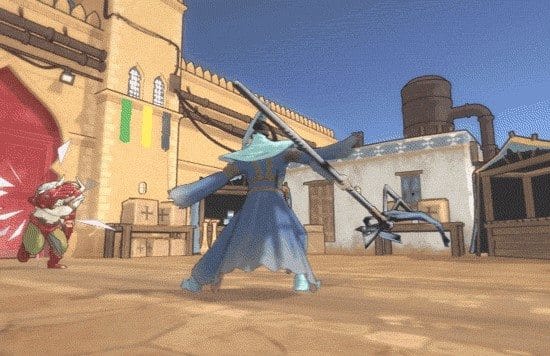
Another developer I met at Play Manchester 2015 was Keaton White of the indie outfit Abyssal Arts. Having worked at Capcom for several years and assisting in the development of Street Fighter V, among other titles, Keaton White was in Manchester last year, showcasing Abyssal Arts’ upcoming game City of the Shroud. Mixing fighting game mechanics with many fundamentals of the tactical RPG genre, I tried the game when it was on display at the show. And I was intrigued to find out more. Therefore, I requested a Q&A with Keaton White for the blog, and this is what he had to say:

What were the influences behind City of the Shroud?

When we set out to develop City of the Shroud, we wanted to make a tactical game that played like a fighting game. While iterating on the fundamental design, we also took inspiration from a few places. It’s a tactical RPG. So we looked at classics like Final Fantasy Tactics (I’m a huge fan). And modern takes on the genre like X-COM. And even extended our research out to MOBAs. In terms of fighting game mechanics, we looked at games like Street Fighter and Soul Calibur. The strategy of the gameplay lies in the interplay of action between players. But we also looked at games that merged fighting mechanics with RPG gameplay. One particularly strong reference is Legend of Legaia from the PSX days.

What has the developmental process been like?

The development process has been an interesting shift from AAA. There’s a juxtaposition of needing to bootstrap the whole thing budget-wise, while at the same time having absolute freedom to make the game we want to make. Instead of huge teams, large budgets, and higher-ups to answer to, we have no one to hold responsible but ourselves. Funding has definitely been an issue. We’re remotely based, trying to create a new type of gameplay with a new (and labor-intensive) story mechanic, so we’re not prime targets for investors or publishers. Instead, we’ve done contract work to keep ourselves alive (there’s a good write-up I was interviewed for here). And have put what we’ve earned back into the game.

That said, we’ve had incredible freedom to pursue our passions. And the response has been very positive. Players really like the gameplay, the story idea gets people excited, and we’ve had major platform holders and game shows approach us about bringing our game to them (on our own dime, however). Overall, it’s been an enormous learning experience to go from the specific, stable, and structured world of AAA to a chaotic mass of tasks but complete ownership over the results. I will say that we’ve done a good job of staying organized and on-task, so despite our limited development capacity, we’ve made sure to squeeze as much out of our own work as possible.

How close are we to seeing the finished product?

If we’re successful on Kickstarter, we’ll actually be quite close – most of the underlying systems for the game are built. We’ve had online multiplayer forever, our story mechanics are working – we even have cross-platform cloud saves. All that remains is to build the art we need to complete the package we want to present to players, and then integrate it. While that’s going on, we can add and tune the remaining three character classes (already designed and in the system), get feedback from players, and polish. Right now, we’re on schedule to have the first chapter of story content live and running this summer!

What has been the most exciting aspect of development?

Seeing players have fun with the game. At our first show, before doors opened, a 5-year-old girl came up to play the game. Generally, a real-time tactical fighting RPG with early-stage UI is not a game for kids, but she picked it up and played for 30 minutes. Then she came back at the end of the day to play more. We’ve had people send in fan mail, comment about how excited they are about our YouTube videos before we’ve announced them, been selected for indie game shows, and even got featured on Kotaku UK. We’ve spent an incredible amount of time and effort to make this game happen. And seeing people really enjoy it and get excited about it is a huge rush.

What has been the most challenging aspect of development?

Since we’re a new studio that’s bootstrapping development, everything is balancing budgets with what’s possible. There are a million things we’d like to do. But it’s always up in the air whether we can do them or not. We’ve made several conscious decisions not to put certain mechanics or scenarios in the game, and that’s been really difficult. But we want to be certain that each aspect of the game players see is completely polished when we release

City of the Shroud 3

How well has the game been received so far?

Players have had a lot of fun playing the game. We’ve been to two game shows so far (Play Expo and Insomnia 56). And the response has been really good. We’ve been called “Better than League of Legends,” which was nice (she was 13). And at Insomnia, there wasn’t a spare minute even to eat because so many people were playing the game.

Did your time at Capcom influence the development of this game to any great extent? If so, were there any Capcom franchises in particular that did?

There are a few, but the first element was trying to nail down the “feel” of an action game. We wanted the game to be clean (I did a piece on clean gameplay on Gamasutra), and we wanted your success in combat to be a matter of ability, not dice rolls. That meant spelling things out and making sure there wasn’t any randomness to what was going on – everything was under your control. The other aspect of feeling was making it feel good to push buttons (or move the mouse).

When you make an input, the game has a clear reaction – we still haven’t nailed this one perfectly, but we’re steadily working towards it. We’ve gotten feedback from designer friends that it’s fun just to input combos, so hopefully, that’s a good sign. It also means we were able to get away from the most tedious part of most tactical games. Attack input. As for franchises, Street Fighter was obviously a big one. The game is a big departure from SF, but we tried to take some of the general theory behind the gameplay and apply it to our system.  There are also elements of Dragon’s Dogma and Mega Man Zero in there, but I’ll let you try to figure out where those influences are hiding.

What platforms are you looking to bring City of the Shroud to?

Right now, we’re focusing on bringing the game to Windows and Mac via Steam. We’re launching a Greenlight campaign at the same time as Kickstarter (February 2). I’d like to bring the game to more platforms as time and resources allow; we’re approved PlayStation developers, and Microsoft has asked us about bringing the game to Xbox, so it’s something we’re considering for the future (players have also asked if it’s coming to console). It also plays well on a tablet, so that’s a consideration too.

Do you have any advice for aspiring developers who may be reading this?

Oh man, there are so many things to say. I think it depends as much on the individual receiving the advice as the person giving it. On one level, I’m really glad I worked in AAA for several years before going indie. It gives you a good idea of what’s necessary to make a (usually) quality game, insight into why ideas and plans fail, and a general understanding of the game-making process.

In general, though, I see two things as critical to making a game. Understanding and working with your own strengths and weaknesses (understanding limitations and being creative within them). And the ability to stay focused and passionate no matter how long it takes or how hard it gets (production skills and willpower. I often see developers lose focus on their goals or aim too high, which often results in a failed project. That’s not always a bad thing, but if you want to make games (particularly self-funded games), it’s really important to be realistic while remaining fired up for what you’re doing.

Where on the Internet can people find you?

You can find me on Twitter as @shibusuke and on www.abyssalarts.com in our forums. I’m also on IndieDB (Shibusuke). Feel free to get in touch!

Do you have anything else to add?

We’re launching a Kickstarter and Steam Greenlight double campaign for City of the Shroud on February 2; please support our game! We’ll be driving the live, 4-part story based on the choices of you and every other player (community-driven story!) over the month, so you can get a glimpse into how everything will work in the final game. The backing is the only way to get access to these Kickstarter-exclusive story episodes. And if you want to make your influence felt, be sure to back early! www.abyssalarts.com/kickstarter will redirect you straight to our Kickstarter once the campaign begins.

I would like to thank Keaton White for taking the time to answer the questions I had. And would like to wish him and the rest of the team at Abyssal Arts the best of luck with the City of the Shroud. Keep a lookout for the game on Kickstarter.

Rogue Harvest

Q&A With Genetix Studios

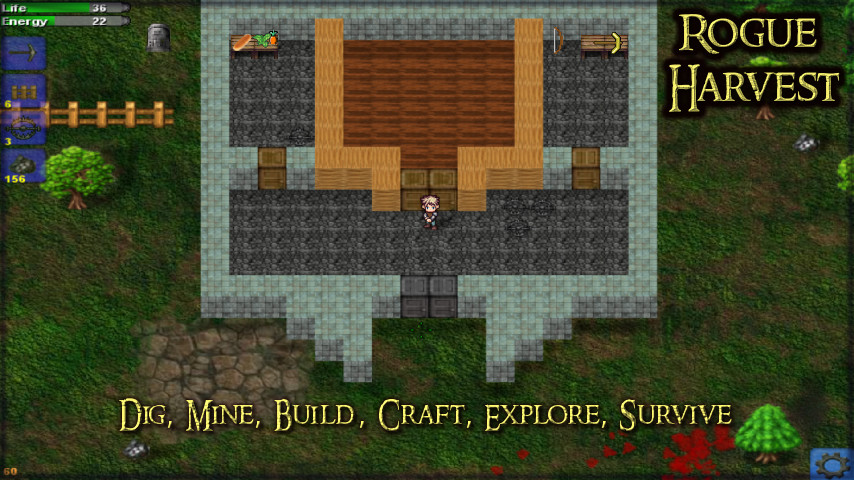
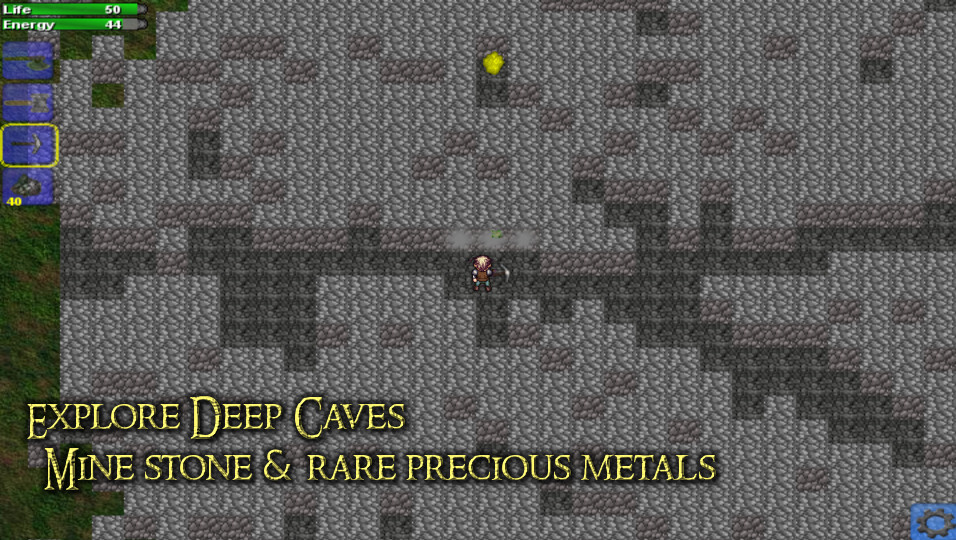
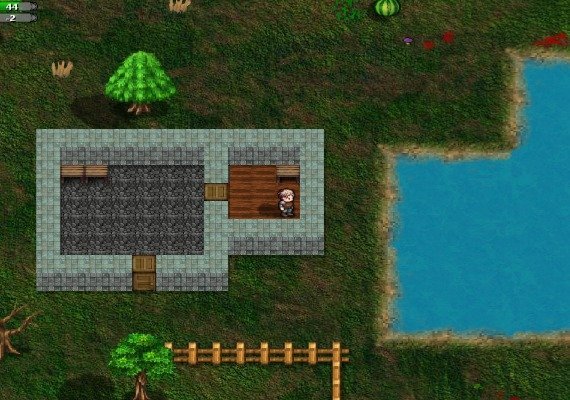
Last year, whilst scoping out new up-and-coming video game projects, I came across Genetix Studios and their adventure RPG sandbox game Rogue Harvest. Reminiscent of games such as Minecraft and Terraria, but hearkening back to 16-bit classics such as Final Fantasies IV, V & VI, I was intrigued to find out more about the project. And what Genetix Studios took as an influence for the game. As well as the various challenges and experiences the studio has had with the game so far. Here is what they say:

Rogue Harvest 1

What were the influences behind Rogue Harvest?

A lot of gamers will quickly recognize elements of Don’t Starve, Minecraft, and Terraria – those are games that I have played a lot of. I grew up in the late ’80s and 90’s. Games like Harvest Moon, the Final Fantasy series, Sim City, and many more (hundreds) have all, at some point, had an influence on Rogue Harvest. Also, dreams, and the human urge to explore.


What has the developmental process been like?                   

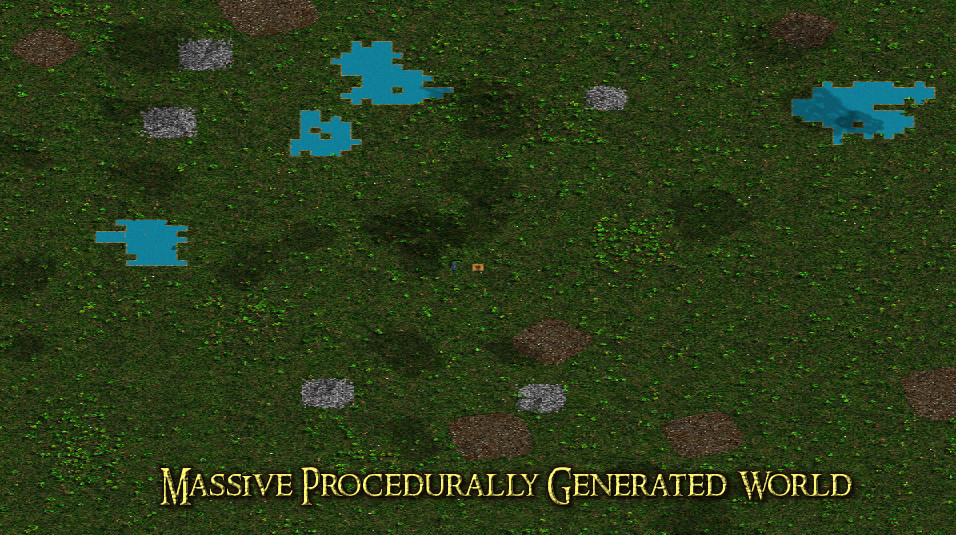
I started working on Rogue Harvest back in 2013. At the time, it was just being made for fun. And to learn a bit about building a procedurally generated world. Last summer, I began to seriously think about trying to put a game out on Steam. At that point, Rogue Harvest was only a shell of a game. But I thought it would be something worth developing further. I picked it back up and started crafting it into a full experience. I’m currently working on it every day.

What has been the most exciting aspect of development?

Releasing a new update and getting feedback from players has been exciting and also really helpful. Watching people play the game for the first time, learning how things work. And seeing the game make them smile is the most rewarding part of it all.


Rogue Harvest 2

What has been the most challenging aspect of development?

Balancing the game. For some people, the game is way too hard; for others, they are great at it, and it becomes too easy. Keeping the game challenging, while not overbearing, is a hard thing to pull off. Throw in permanent death, and you can easily frustrate players. The game is still being balanced with each update.

How well has the game been received so far?

Relatively well, it has gathered a small but loyal group of fans who really enjoy it. Most of the feedback has been positive, but it has had a fair share of criticism as well. One Twitch streamer didn’t like it because it is a 2d game… Other feedback has actually been really useful. Overall, Rogue Harvest seems to be gaining traction and better feedback with every update.


What platforms are you looking to bring the game to in the future?

Great question, and there is a lot of potential here. Outside of Steam, I am planning to bring the completed version of Rogue Harvest to other PC gaming markets. I am also currently in the process of learning to develop console kits – such as PlayStation 4, Vita, and Xbox One. At some point, I hope to publish a game on those platforms, and Rogue Harvest would be the ideal project to port if so. Right now, I am entirely focused on the Steam build and optimizing for that audience.


Rogue Harvest 3

Do you have any advice for aspiring developers who may be reading this?

So much, but above all things – stick with it. I have been building video games for the last 16 years, and for the most part, I never showed them to more than a few people. Make games because you love to, not for the money. If you make a game that is fun for you, others will also find it fun.

Where on the Internet can people find you?

I am on Twitter @GenetixGames and also on Facebook at https://www.facebook.com/genetixstudio  – I am currently still building an official website for Genetix Studio.


Do you have anything else to add?

I am building Rogue Harvest to be the kind of game that I want to play. It is not for everyone, but it will hopefully be something truly special for those who get a chance to play through it. If you do play the game, I hope it will spark your creativity and that you enjoy it.

Rogue Harvest 4

Lastly, I would like to thank Genetix Studios for agreeing to take part in one of my developmental questions and answer sessions, and to announce that I will be giving my own final review of this game on the site fairly soon.

Wandersong

Q&A With Greg Lobanov

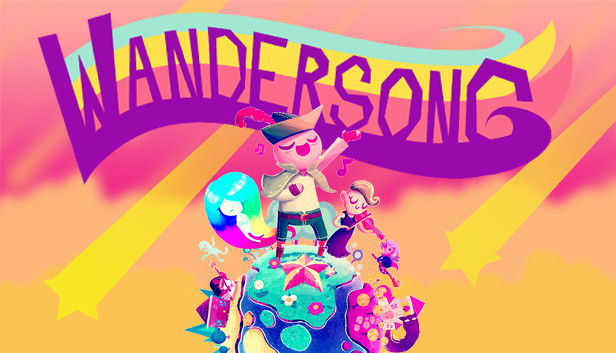
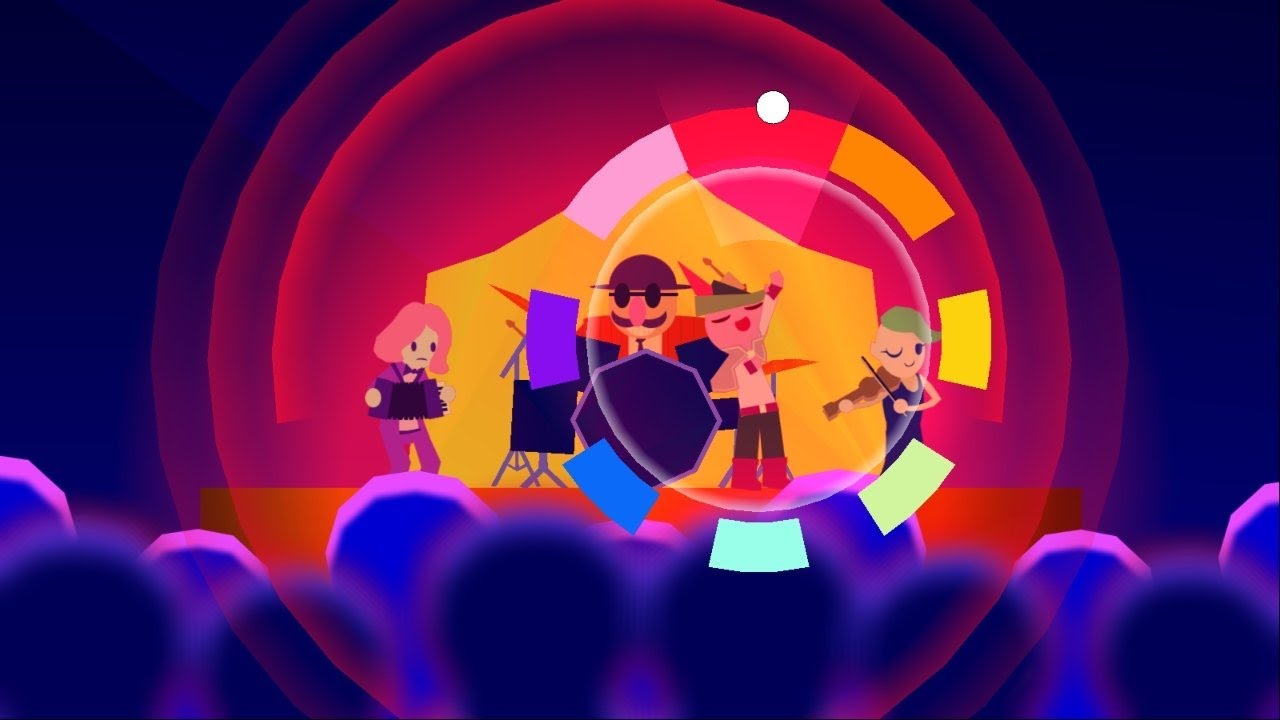
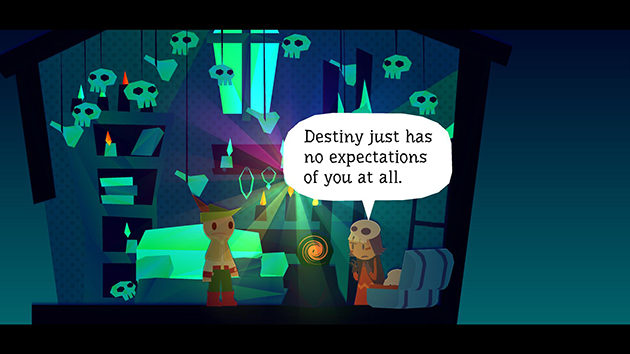
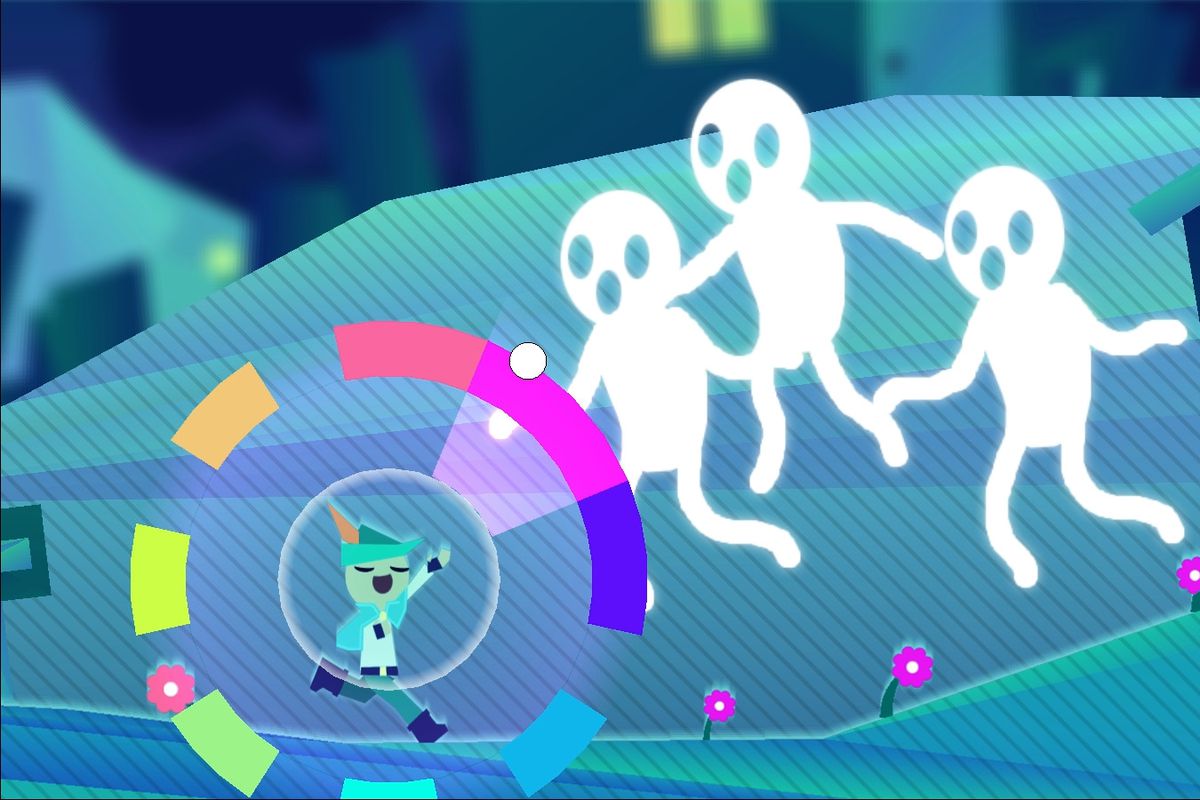
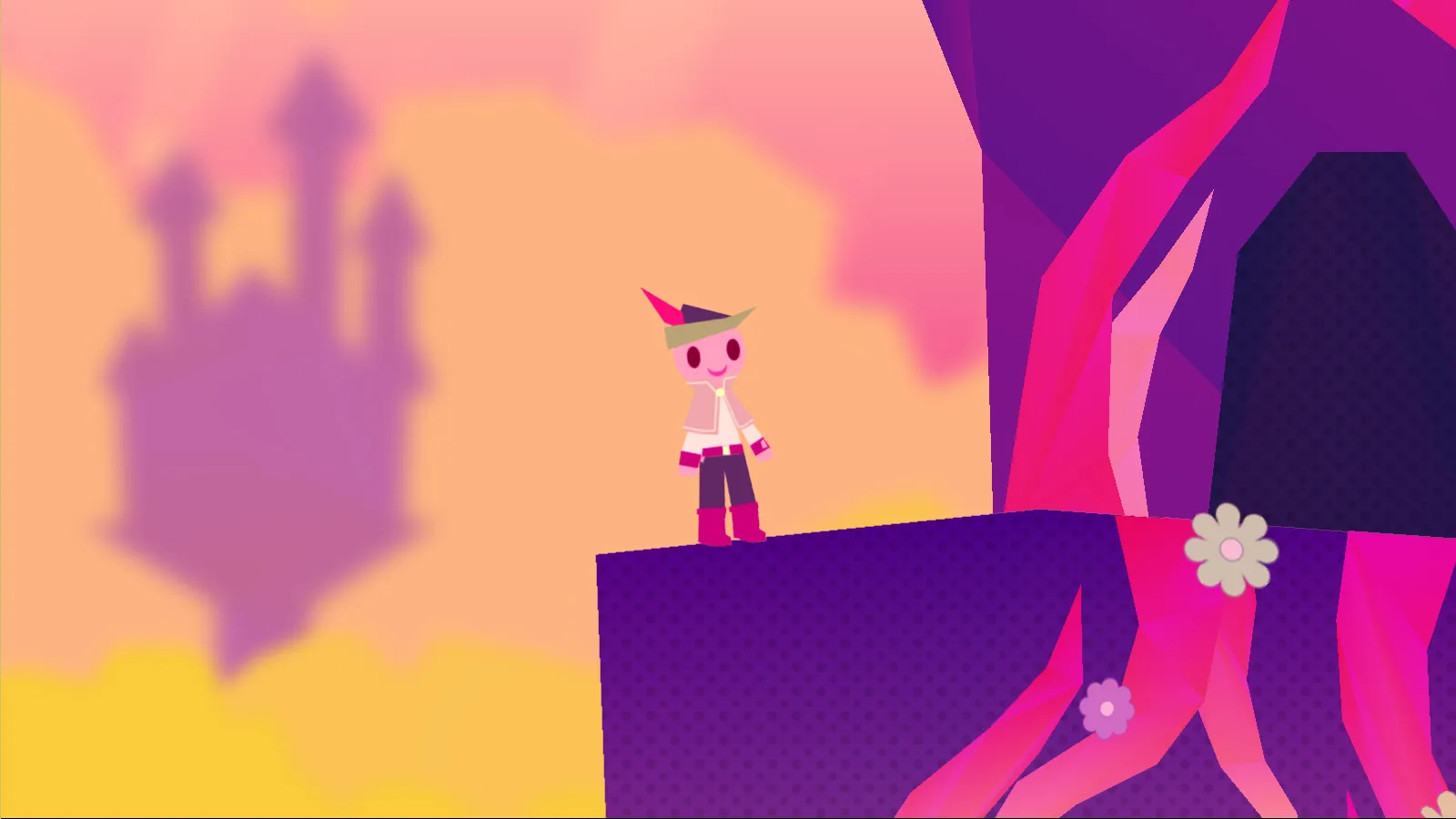
In my ongoing efforts to scope out as many exciting upcoming developers as possible, I recently reached out to Greg Lobanov who has recently launched a Kickstarter campaign for his music-based 2D platformer Wandersong. Incorporating aspects such as puzzle-solving, adventure, and acquiring a wide range of abilities throughout, Lobanov has thus far handled development on his own and is hoping to use Kickstarter funding to enlist the aid of collaborators to work on the game’s soundtrack and sound effects. But after discovering this project on Kickstarter, I had some questions for Greg regarding the game, and these were the answers he gave:

Wandersong 1

What were the influences behind Wandersong?

I really like singing, I feel like it’s a super energizing experience and has a lot of power to project your “spirit” and move the spirits of other people if that makes sense… I wanted to make something that spoke to that and pay homage to some stories, which I love (Earthbound, Over the Garden Wall, Miyazaki…)


What has the developmental process been like?

Really frenetic and fun. I’m using tools I’ve been using for years, so at this point, it’s almost a stream of consciousness. A lot of time was spent refining and culling.


How close are we to seeing the finished product?

A year and a half or so. It’ll be big!

Wandersong 2

What has been the most exciting aspect of development?

I’ve been getting really into color design, and I love designing picturesque little scenes.


What has been the most challenging aspect of development?

There’s a lot of missing audio.


How well has the game been received so far?

I think the audience is very small for this, but people who get into it seem really into it, which makes me happy!

What other genres of the game would you like to combine music or rhythm game elements with in the future?

I’ve experimented with a rhythm typing game and a rhythm fighting game. The fighting game has some promise!  


What kind of music do you listen to, and did that play a part in the development of the game?

I try to listen to something new every day, but this game is really inspired by simple melodic songs (Detektivbryan, Amelie…)

What platforms are you looking to bring the game to?

PC, Mac. Maybe Linux? Maybe PS4…?


Do you have any advice for aspiring developers who may be reading this?

Make something today!

Where on the Internet can people find you?

http://dumbandfat.com

http://twitter.com/thebanov

I would like to take this opportunity to thank Greg for agreeing to our Q&A and to wish him the best of luck with funding for Wandersong. This game also comes off the back of over a decade of developmental experience on Greg’s art, and more of his works can be found here:

http://dumbandfat.com/works/


Pan-Dimensional Conga Combat

Q&A With Retro Gamer CD

Last year, whilst attending the 2015 Play Expo in Manchester:

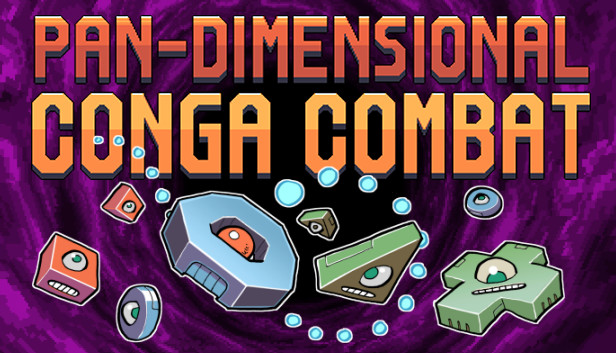
Among the many independent game developers I had the pleasure of conversing with at the show was James Monkman, director at Retro Gamer CD. Who has released over 30 indie games on PC as well as across various retro platforms. Such as Commodore 64, Atari STE, and the Atari Jaguar. James was at the event showcasing the studio’s upcoming arcade title Pan-Dimensional Conga Combat, which he co-created along with fellow coder Jamie Howard and the rest of the staff at RGCD. I recently approached James again to see if he would like to answer a couple of further questions I had about his latest development outing. As well as about the studio in general. This is what James had to say:

Pan-Dimensional Conga Combat 1

What were the influences behind Pan-Dimensional Conga Combat?

Conga is actually the second game that Jamie and I have worked on together (not including Commodore 64 releases), and until recently, he was primarily in charge of the code. Despite my history of already programming and releasing a game on my own (Robotz DX), there was a lot of stuff that I was doing wrong/stupidly. So over the Christmas holidays back in 2014, we decided to spend some time focused on improving my ‘skills’.

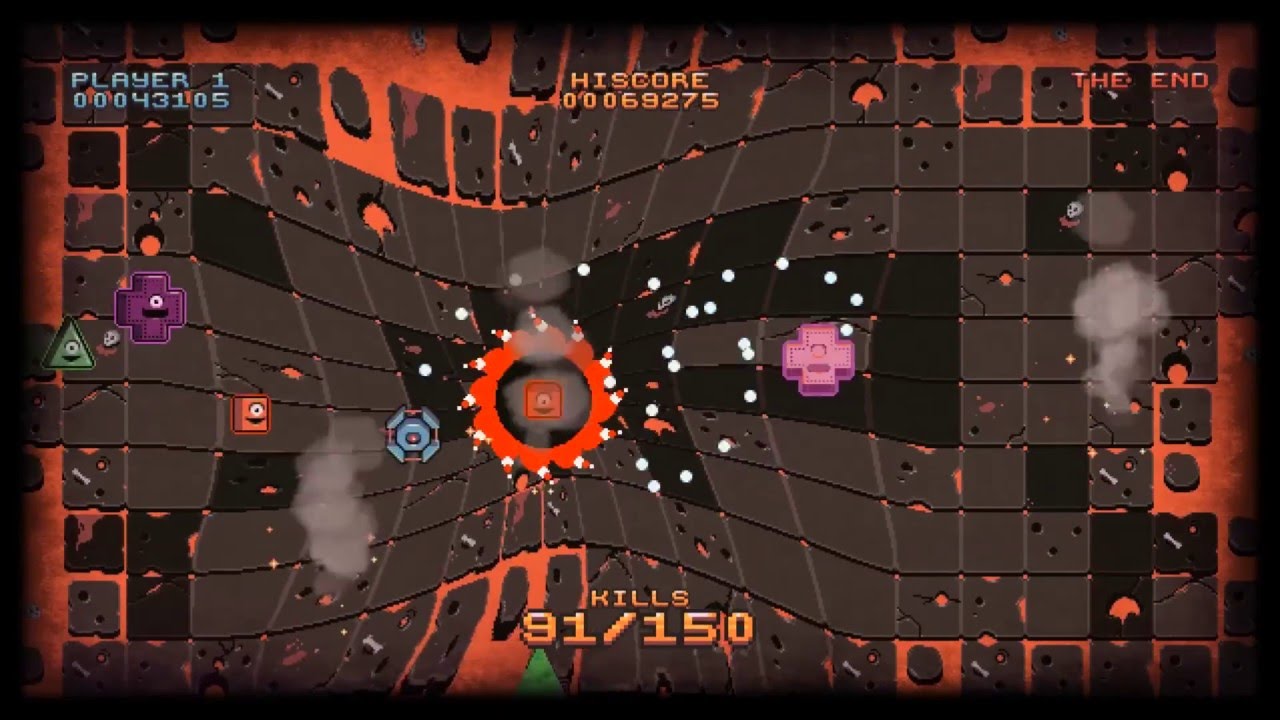
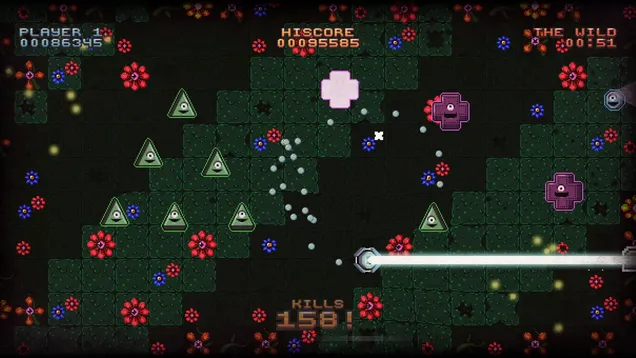
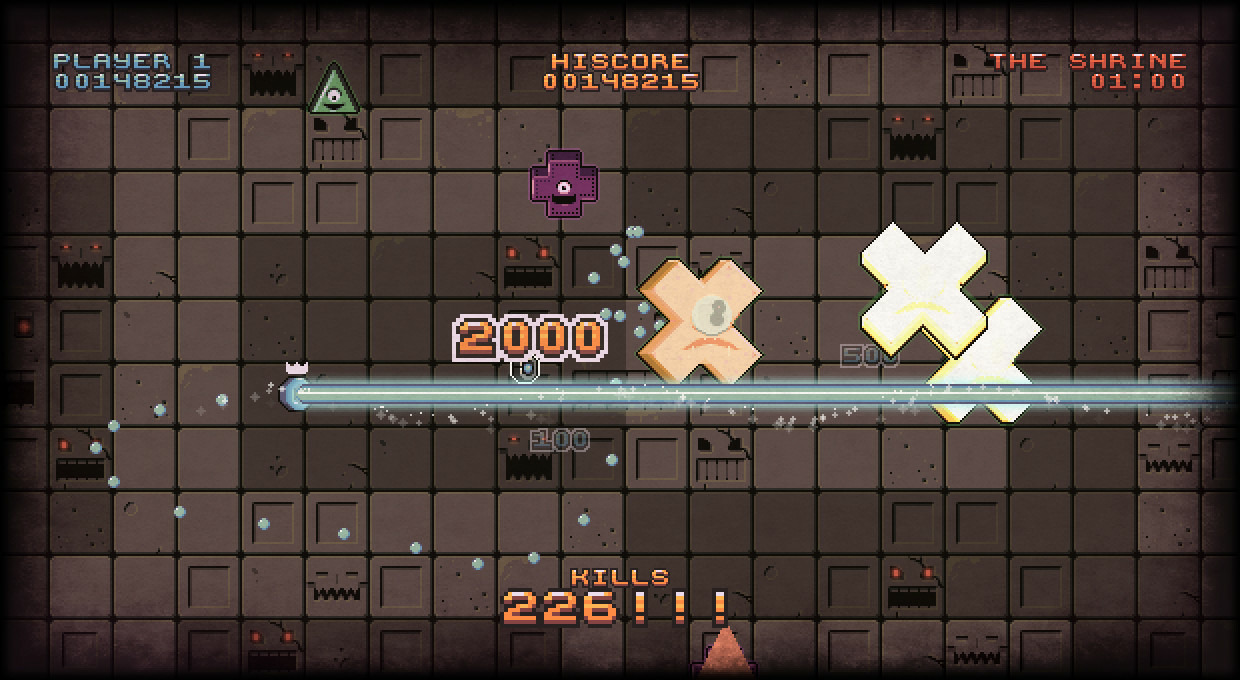
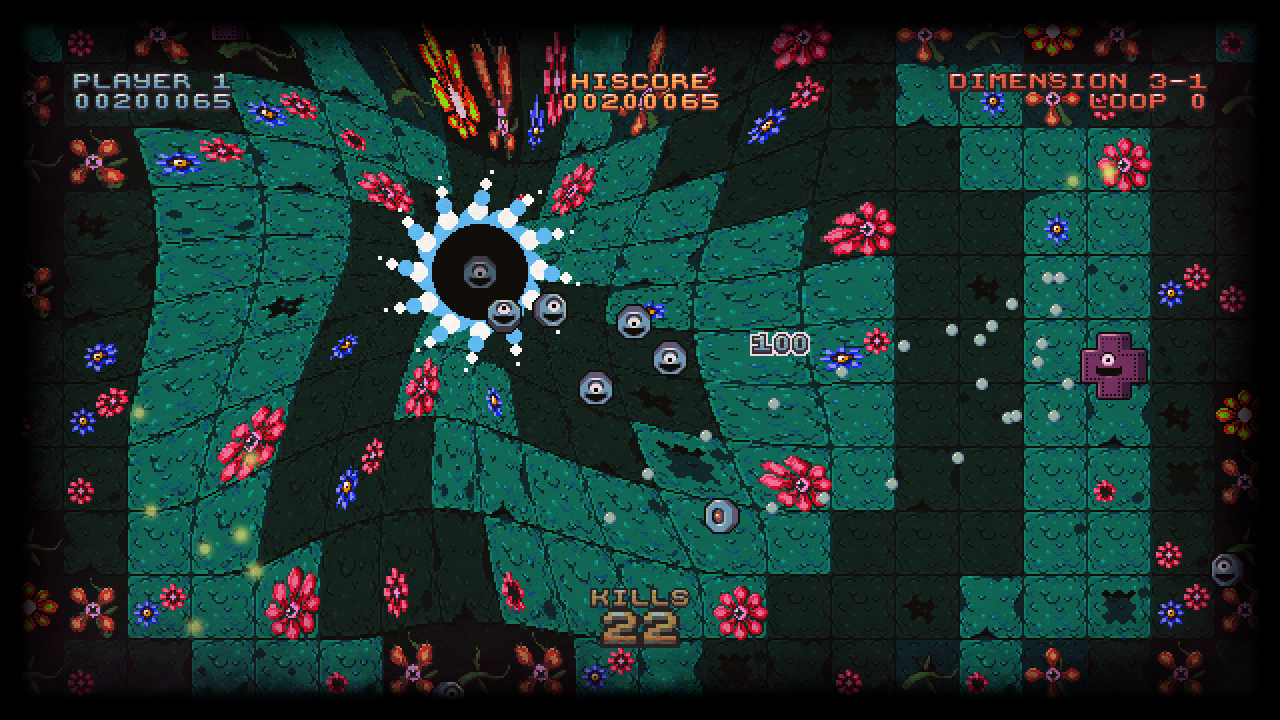
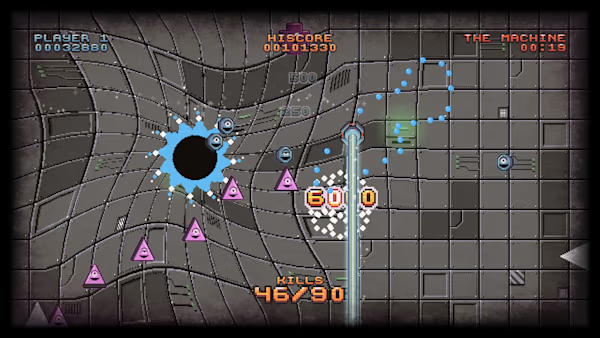
Rather than sit plodding through tedious tutorials, I decided that my solo project should be to remake a simple game from around 10 years ago, a simple avoid-’em-up called ‘Mini01’ by Japanese indie developer Buster. Mini01 shares the core mechanic with Conga (bullet tail used to kill enemies). But it is incredibly simple. There are only two enemy types, and they just fall from the top of the screen. It took us a couple of days to complete the remake, at which point Jamie and I decided that we’d push the design a little further and see what we could make of it. First of all, we added full 8-way movement and the enemy spawning portals. Then came the waves, geometric patterns, mesh distortion, rhythm-synchronized action, the evil X, and the Lazor.


What has the developmental process been like?

SLOW. To be honest, if Jamie and I didn’t have full-time jobs, we could have knocked the game out in less than a month. However, with only occasional weekends together and one or two evenings a month, well, there’s not been much time spent actually punching the keys. 2015 was a really busy year for us both (IRL). We’ve been lucky in that, from the outset. We had outside help with the artwork and music.

Folmer Kelly (the ‘Wrassling’ guy) provided us with 99% of the artwork and a lot of valuable feedback and design tips. And regular RGCD collaborator Ilija Melentijevic permitted us to use his alien freak-beats and reNoise experiments for the soundtrack. Jamie and I have learned a lot of valuable lessons developing this game. More so than with our last (r0x EP) – so despite taking forever, Conga’s development has been a positive experience. We’re not expecting it to set the indie scene on fire. But we’re hoping a few people out there enjoy the game. However, ultimately it’s not *that* important for us to make a profit. The experience that we’ve gained from its development has been priceless.


Pan-Dimensional Conga Combat 2

How close are we to seeing the finished product?

Soon! Apart from a few tweaks to the AI and rating system, we’re happy with what we’ve created. The only jobs remaining are the options, stats/achievements, and credits screens. All of which will share similar code. We’re currently saying ‘Beginning of March 2016’ for the initial itch.io release.

What has been the most exciting aspect of developing Pan-Dimensional Conga Combat?

Probably watched other people play it at the PLAY Expo last year. Exhibiting an unfinished game is both a terrifying and super-rewarding experience. In hindsight, the game wasn’t ready for public exposure. Despite our efforts with the tutorial, it was not at all obvious to a lot of people ‘what you had to do’. We had to intervene a LOT. However, we were pleased that when people started playing, they were reluctant to put down the controller and walk away. One guy initially complained that the game was too hard. And then after 10 minutes or so, he smashed my all-time top score! Whilst watching people play, Jamie and I both filled our notebooks with feedback and issues that people faced. And we’re pretty sure that we’ve now rectified them all.


What has been the most challenging aspect of development?

Getting the difficulty right! Jamie and I like classic coin-op style *hard* games – which is why we are fans of one-hit kills and perma-death. However, with Conga, we wanted to introduce a ‘fair’ difficulty curve. Conga has two modes. A classic endless ‘survival’ mode where you eventually get swarmed by the invincible evil X’s. And an arcade mode in which you jump through the four themed dimensions. The kill quota to open each exit portal is increasing every time.

In both modes, progression unlocks dimensions to be replayed in survival. We ended up adding an armor pick-up that effectively offers players an extra hit point for the current stage. Getting this isn’t too easy. You have to first fully charge your lazor by grinding your tail against the purple cross enemies, then fire it and kill one of them (they drop the armor when they die). However, with all that said, I’m personally still not happy. It currently feels too easy, so we’re going to tweak the AI to make the enemies more aggressive.


Pan-Dimensional Conga Combat 3

How well has the game been received so far?

Conga has remained pretty much under the radar. Apart from PLAY Expo, it’s received little to no exposure. People get excited on Twitter when we show off the mesh effects as animated .gifs using the #screenshotsaturday tag, but that’s pretty much it – until now.


Before Pan-Dimensional Conga Combat, what has been your favorite game to develop so far?

RGCD has been involved in the development of LOTS of games. Over 33 for the Commodore 64 alone and several for the PC and other obsolete platforms like the Atari ST and Jaguar. It’s hard to pick a favorite. But the one we are most excited about currently is Blastard Squad. Our work-in-progress, squad-based sequel to Robotz DX. We’re hoping that one will be our breakthrough release.


Where do you get ideas for the conceptual design of your games?

It’s no secret that Jamie and I look to the past for inspiration. I was a huge fan of public domain and shareware games back on the Amiga and Atari in the 1990s. Much like today’s indie scene, there were loads of fresh ideas there that offered completely different experiences to what was commercially available. However, a lot of the designs were constrained by the platform limitations of the time. This is not a problem we have today. Jamie has been playing a lot of PC-Engine stuff lately. And some of the weirdo games that came out on that console would be perfect to lift ideas from and evolve. So that’s what we do. Borrow a bit from one game, take some inspiration from another, then mash it up and make the best that we can out of it.


Pan-Dimensional Conga Combat 4

What platforms are you looking to bring the game to?

Conga will be released initially on PC via itch.io. Followed by an Android release (we already have some touch control in there) and, very probably, console afterward (via our friends at MixedBag Games). Amusingly, we’ve been using an old OUYA for testing the Android builds. So we’ll release that build as well. We’ll hit Steam Greenlight when it’s out on itch.io and see what the response is like. Conga is definitely a game that would benefit from integrating online leaderboards.


Do you have any advice for aspiring developers who may be reading this?

The simpler the design and scope of your game, the more likely you’ll finish it! Even tiny games take a LOT of work to complete. Start small and build up your skills with each game you make. Don’t be dissuaded from using ‘n00b’ tools like GameMaker, Construct, or other high-level development environments (we use GameMaker Studio and it’s fab). Most importantly, if the driving force behind you making games is ‘for fun’ rather than ‘for money, you’ll never be disappointed. People like Locomalito (who makes games primarily for himself rather than for ‘the market’) are hugely inspiring to us.

Where on the Internet can people find you?

Our home is at www.rgcd.co.uk, but we can also be reached at Facebook (/rgcd.co.uk) and Twitter (@RetroGamerCD).


Do you have anything else to add?

Thanks for the interview! 🙂

Pan-Dimensional Conga Combat 5

I would lastly like to take the opportunity to thank Jamie for agreeing to our question and answer session. And for showcasing Pan-Dimensional Conga Combat at Play Manchester last year. Also, to wish the studio the best of luck with the game. Many of RGCD’s previous works are also currently available for free download from their site via the link below. Look out for reviews of these games from me coming soon:

http://www.rgcd.co.uk/p/games.html

Zoink Games

Q&A With Zoink Games

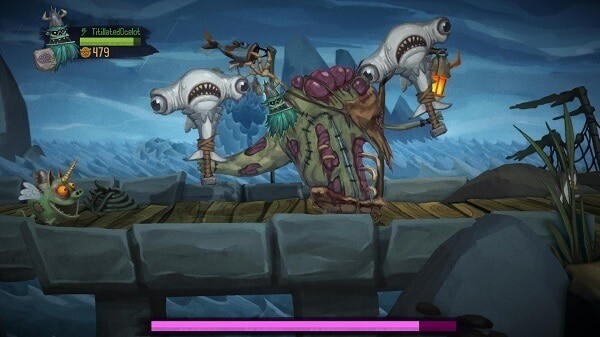
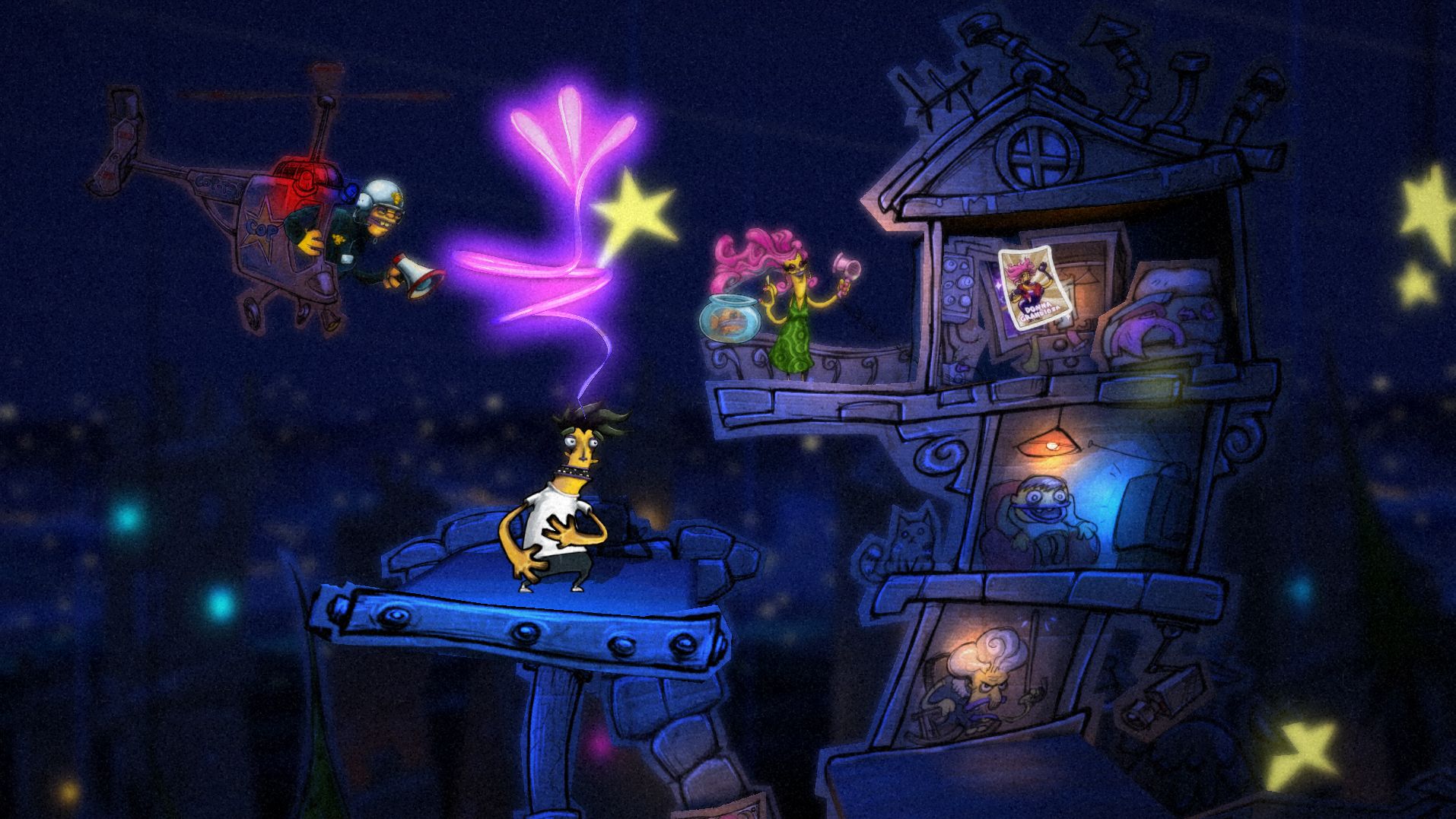
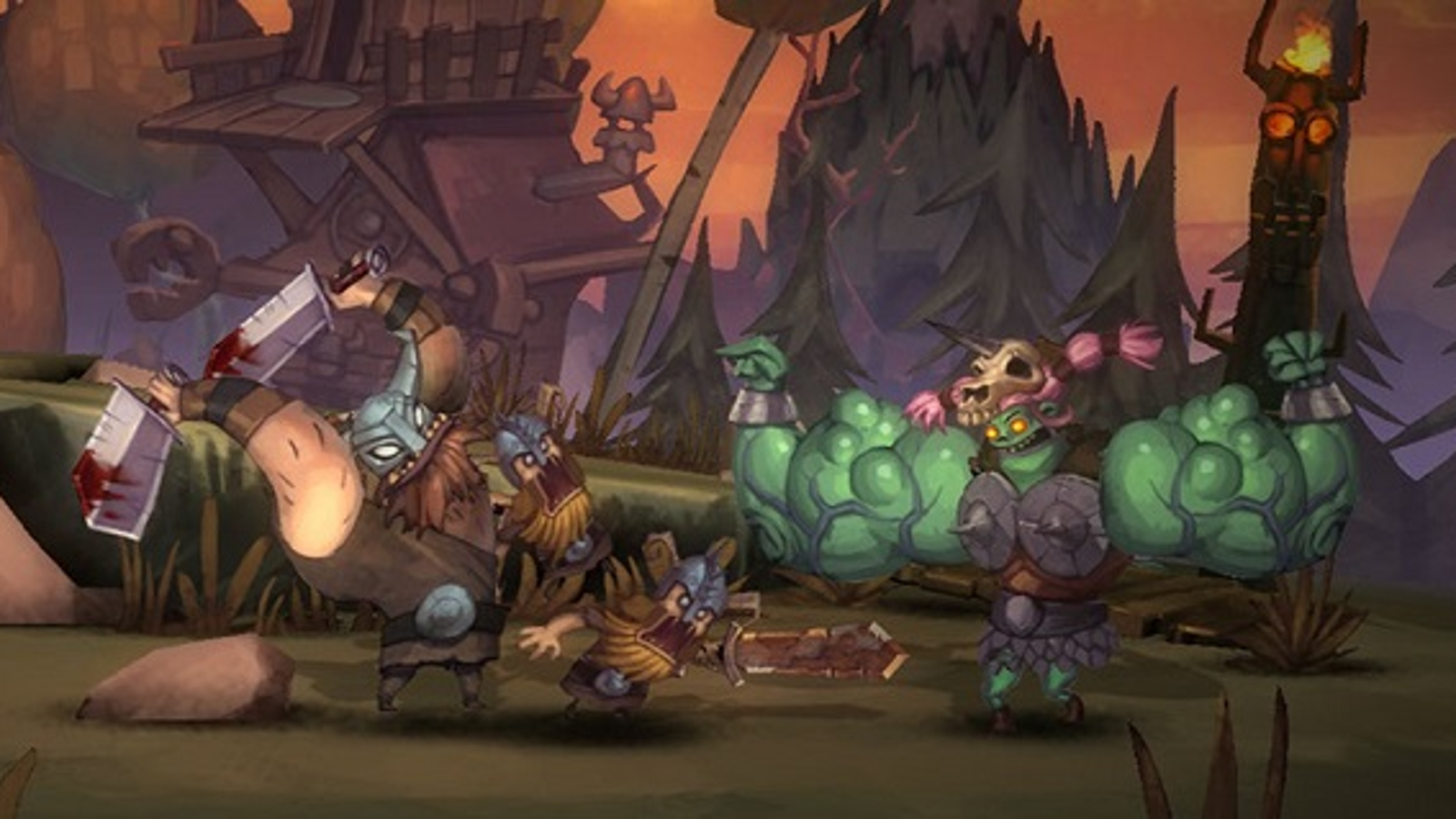
I’m extremely excited to announce that this week, before my trip to the Play Expo in Manchester, I was allowed to conduct a Q&A session with company CEO Klaus Lyngeled and the developers at Zoink Games. Zoink has been developing games for a good number of years now, but since the beginning of the eighth generation of gaming, they have garnered newfound acclaim with the release of indie hits such as Zombie Vikings and Stick It To the Man. I had quite a few questions for the up-and-coming game-developing outlet from Sweden, and their answers made for some fascinating reading, as well as a close insight into the many things that influenced them as designers, and how their ideas came together to form the impressive titles they have worked on over the years.


Zoink Games 1

How happy have you guys been with the critical reception Zombie Vikings has received so far?

To be honest, we had a bunch of issues with the game at release, mainly with bugs. This, of course, affected the reception of the game, and that was quite hard for us to see. But since then, we’ve made a huge effort to make everything flow more smoothly, and there have also been a lot of very positive reviews as well as a lot of fun streams with people having a blast with the game, which is awesome to see! Now we’re working hard as hell to ensure the Steam version is released in the best possible state, and we’re excited about it.


What was the most challenging and most exciting aspect of developing Zombie Vikings?

Zombie Vikings is quite different from our previous title, Stick It to the Man. So taking a go at a whole new genre was challenging, but also a lot of fun! Trying something out of the ordinary gets your creativity flowing, but we also had to learn, step by step, what was doable and not in a brawler.


What projects do you have lined up for the future?

Well, we’ve already started the production of our next title, but I can’t tell you much about it yet since it’s still quite a secret. If you keep your eyes open while playing Zombie Vikings, you might catch a glimpse of it, though!


Zoink Games 2

How challenging was it to introduce a new conceptual design to the 2.5D art style you implemented in Stick It To the Man?

The art procedure for the levels was somewhat similar to how it was made in SITTM, mainly by sketching out an overview of the level and then zooming in closer and refining more important details. Then paint and put it all on 3D planes. However, a big difference from SITTM was that since the camera is able to move further back in ZV to make room for broader gameplay, we had to make sure that everything would look good both in close-up and from far away. The main challenge with that was to find a balance so that the screen wouldn’t look too empty or too messy, depending on whether the camera was close or far from the players. When it comes to character design, the main difference was that the characters in ZV have to be able to move in much more extreme ways, which influenced the design.


What exactly was the influence behind the general art style of both Stick It To the Man and Zombie Vikings?

Partly, there’s a practical reason why it looks the way it looks. Klaus had worked on some short movie tests where he tried to invent a style that was quick to animate and also had a 2D look. When we started on SITTM, we decided to try to implement that style into the game. We also had a wish that we would be able to play the game, pause it, and paint whatever needed to be on-screen right at that moment. To be able to paint directly into the actual game.

That’s, of course, not possible (yet), but we wanted to find a way to be able to work fast and be able to test crazy ideas without it taking too much time. For example, cutting the character’s faces in two is a way to get the animation done quicker; it’s a style, but it’s also a way to animate speech fast.


What genre of games would you like to experiment with in the future that you haven’t already undertaken?

Not sure… maybe a horror-comedy 🙂


Zoink Games 3

Were there any abandoned ideas that you considered for either Stick It to the Man or Zombie Vikings, or any of your other games, for that matter, which never made it into the final products?

Lots! There are always so many ideas that have to be cut. Some of them are great, but hard to do satisfyingly, and some are not so great. For Zombie Vikings, we planned to make it possible to lose all of your different body parts, much like you can lose your head in the final version. Your friends could then pick up, say, your arm and use it as a weapon. You could even combine different parts of the Vikings and put them together. But in the end, it didn’t look aesthetically appealing, and we scrapped the whole idea.


Thankfully, it’s evident that there’s much more of a focus on gameplay in Zombie Vikings than on story. I think there is, but do you think there is a danger of a story possibly taking priority over gameplay within the industry in general?

No, I don’t think so. But you need to understand why the story is there. Telling a story in-game is, in a way, stupid because playing a game should be an experience where you decide what to do, not someone else telling you what to do, so it becomes a good story. But of course, giving total freedom can also create a quite boring story, so we have now ended up with this weird mix of story and gameplay; cutscenes and gameplay – which I don’t think is a pretty solution.

It’s funny because when you look at a game like ZV – here, you don’t even need to understand the story to finish the game. But in SITTM you must understand the story and the characters (so you need to listen to the Cutscenes) to solve the quests. The story fits better into SITTM as it’s part of the gameplay.


Zoink’s overall philosophy involves blending technology with storytelling, but what do you think is the most important aspect of a video game?

Wow, it’s some really hard questions you got! 60fps! Which we don’t even have in ZV… haha 🙂


Zoink Games 4

Which kinds of games do the staff at Zoink play or have played regularly as gamers, and how have they influenced you all as developers?

We wrote a blog post about this last week! Of course, all Zoinksters have their own favorite games and inspiration sources, but some of the games mentioned were Super Metroid, FTL, Halo, and MDK. Most often, it’s games that manage to bring something new to the table!


What do you and the team think will happen with gaming in the future?

Not sure, but I don’t think VR will succeed, it’s too complicated and bulky, and people don’t want to wear a giant headset, just like the 3D glasses. This will also vanish. But don’t take my word, I didn’t believe in the Wii! 🙂


What is it that you and the team love most about gaming and developing games?

Seeing the magic when a game comes to life as you develop, and then, in the end, seeing fans playing it on YouTube or Twitch. It’s an amazing journey.


Do you have any advice for aspiring developers?

Keep it simple.


Do you have anything else to add?

If you wanna know even more about Zoink, go ahead and follow us on Facebook and Twitter!

https://www.facebook.com/zoinkgames

https://twitter.com/ZoinkGames


Zoink Games 5

I would like to take this opportunity to thank Klaus, Alexandra Dahlberg, Mikael Forslind, and the rest of the staff at Zoink Games for taking time out of developing to answer the questions I had, and I wish the company the best of luck in the future.

Scouse Gamer 88 Awards 2015

After the 2015 Video Game Awards, which saw accolades given out to some of the biggest name releases of 2015, including Rocket League, Super Mario Maker, Splatoon and The Witcher III: Wild Hunt, I have decided on, and would like to announce my picks for the best video games of 2015, and my thoughts and opinions on my picks. Following on from a great year of gaming in 2014, which saw the eighth generation of gaming come into full swing, 2015 offered even more in the way of excellent gaming experiences, and even more promise for the future of the industry, as well as a multitude of possible different directions in which gaming can be taken in 2016 and beyond.

Personally, 2015 for me as a blogger has been an extremely interesting year wrought with experiences I could never have imagined beforehand; most notably in the various different conferences I’ve been to, and having had the opportunity to work firsthand with some huge names in gaming, as well as expanding upon what ideas and subject matters for articles I established back in 2014 when I started out. But I will be implementing even more in 2016, and have recently spent a lot of time contemplating these many new ideas, which is why I have been much less active in writing articles this month, which I would like to take this opportunity to apologize for, and to assure readers that I’m not thinking about quitting any time soon. There will be an article coming later on in the month detailing these many new features I have planned, as well as a follow-up to my very first article entitled Video Gaming: The Next Level Part 2, as well as a special thanks article acknowledging the many people I have worked with throughout 2015. But for now, here is my pick for the best video games of 2015.

Best RPG of 2015


Rogue Legacy

Legitimately challenging as well as insanely addictive, Rogue Legacy presented to me an RPG experience unlike any other I had ever encountered prior, complete with intense gameplay and the requirement of players having to think on their feet and to be prepared for anything unexpected. It holds a very special place in my gaming repertoire, and will do so for years to come, since not only was it the subject of my first YouTube playthrough, but it was without a doubt the first indie game I played in 2015 that had as much of a profound impact on me as it did. Though it may have been first released much earlier than this, it still said to me how serious Sony were about doing their best to keep on top of what competition they have, and thanks to games like this, they have since gone on to sell over 30 million PlayStation 4 consoles, finishing the year well out in front of both Microsoft and Nintendo.

Best Racing Game of 2015


Coffin Dodgers

Upon release by Milky Tea Studios this year, Coffin Dodgers to me, despite what fault I found with it whilst reviewing it, was like a breath of fresh air amongst a genre which is by in large saturated with generic racing game series’ such as Need for Speed, Forza, Driver, Gran Turismo and Driveclub. It is a kart racing game hearkening back to such classics as Street Racer and Diddy Kong Racing, but also having a particularly dark and crude sense of humour attached to it. The game also gives me hope for development within my home city of Liverpool, among a good couple of other games I played this year, and makes me think that with enough dedication, more of a push can be had on raising the profile of the city as being an even more prominent source of excellent gaming experiences, following such classic series as Wipeout and Lemmings.

Best Retro Game Reviewed in 2015


Worms Armageddon

After putting many hours into this game when I was a kid, and after putting even more hours into it throughout 2015 out a deep sense of nostalgia, Worms Armageddon not only stands out as being the best retro game I’ve revisited this year, but also the best game in the series to date. The original Worms game presented another of many wonderfully weird ideas for a video game that had been see within the industry prior, but also offered a very different and unique experiences to players, but Worms Armageddon took that experience to new heights, offering infinitely more variety, as well a greater multitude of different weapons and item with which to defeat what opposition was put in front of players.

Best Arcade Game of 2015


Ultratron

Speaking of retro gaming, the ideas and machinations behind some of the best games of the arcade era have not been either forgotten or made completely obsolete. Many indie games in particular have presented players of generations old and new with either experiences introducing younger player to how video games played out back in the earlier generations of the industry, or to older players looking for a wonderful sense of nostalgia as well as a new challenge. To me, no other game of the kind has done this better this year than Ultratron developed by Puppy Games; the team behind the hugely successful Titan Attacks. Reminiscent of the classic game Smash! TV, Ultratron, like Titan Attacks before it, offered a different twist on the old-style shoot ‘em up game, presenting players with a, RPG feel in the form of upgrades and additional abilities to acquire, accommodating for both set of gamers to bring an experience truly unique to anything else experiences within 2015.

Best Video Game Soundtrack of 2015


Captain Toad: Treasure Tracker

Nintendo have had a fairly successful 2015 with the Wii U managing to narrowly outsell the Xbox One by just short of one million units, and having won both the best family game with Super Mario Maker and the best multiplayer game with their new IP, Splatoon. But they also got off to an excellent start when they released Captain Toad: Treasure Tracker. Born from the mini game featured in Super Mario 3D World, Treasure Tracker built upon the core concept, making it an excellent game in its own right, as well as one of the better games on the Wii U. However, it’s soundtrack, in my opinion, made for the best of 2015, featuring catchy backdrop music for levels such as Trick Track Hall and the boss fight with Wingo, as well as some of the more tranquil music found in levels such as Clear Pipe Puzzleplex. I’ve always been fond of video game soundtracks, and much of a crucial role they play in establishing the atmosphere of a video game, and Captain Toad: Treasure Tracker’s soundtrack does this flawlessly, just like many other Nintendo soundtracks before it.

Best Shooter of 2015


Tower of Guns

In another genre filled with many generic army-based games, such as Call of Duty, Battlefield and Medal of Honour, but also having many classic games attached to it, such as BioShock, Borderlands and Halo: Combat Evolved, Tower of Guns was a particularly nice discovery for me, having come on PlayStation Plus earlier this year. A never-ending symphony of first-person shooting mayhem, it offered me personally a shooting experience unlike anything I had ever seen before; even after playing some of the best games in the genre over a course of almost 20 years. I thought that developers had long exhausted the concept of a first-person shooter, like most other games to be released in the genre throughout the course of the eighth generation before this point simply followed the same tropes that every other game in the genre had firmly established. But after playing Tower of Guns, I stood corrected.

Best Indie game of 2015


Kaiju Panic

Having mainly focused on console gaming for the majority of my adult life, one genre that I had neglected to dabble in throughout recent years was the real-time strategy genre, with such hits passing me by as Civilization V and Starcraft II among many others. But after seeing Kaiju Panic showcased at Play Manchester 2015, then going on to playing it this year, I have decided to dabble much more in the genre next year, as part of a new feature on the blog yet to be announced. Its my favourite indie game for a number of reasons; among them being its gloriously diverse mythology, as well as its extremely interesting take on the genre, including such features as side quests and even an endless mode now attached to it, further enhancing the overall experience upon what had initially been presented to players. It is the best example set this year of how indie developers are always contemplating new ideas for new gaming experiences, and to defy the conventions of mainstream gaming.

Game of the Year 2015


Batman: Arkham Knight

Finally, my pick for the best video game of 2015 goes to Batman: Arkham Knight. Highly anticipated since it’s unveiling back in 2014, development was put back in the hands of Rocksteady Studios who created Batman: Arkham Asylum and its sequel Batman: Arkham City before the follow-up game, Batman: Arkham Origins was developed by Warner Bros. Games Montreal, and the result was a Batman experience unlike any other that had been seen in the entire Franchise’s history; be that through comics, films, TV series’ or video games. With Gotham City under lockdown by Dr. Jonathan Crane, AKA The Scarecrow, with the assistance of the mysterious Arkham Knight and his deadly militia, its up to Batman, as well as Commissioner Gordon and his daughter Barbara Gordon, to find out what Scarecrow’s plan is and bring him to justice, along with the many other villains running free within the streets of Gotham, including Two-Face, Harley Quinn, The Penguin, Deathstroke and The Riddler. Batman, after having been exposed to the latest strain of Scarecrows infamous fear gas, is also forced to content with apparitions and nightmarish hallucinations of his old adversary, The Joker.

Arkham Asylum and Arkham City intricately portrayed Batman’s relationship with the clown prince of crime, but Arkham Knight did it on a subconscious level, exploring the idea the Batman misses his arch nemesis to an extent, and how he feels partly responsible for his death, whilst killing inherently goes against his nature, as well as the idea of how one would inevitably struggle to cope without the other. But aside from there being significant improvement from the perspective of the story, there was also most definitely massive improvements in the way of gameplay, incorporating new features such as enhanced combat, more intricate puzzles, more collectibles, and most notably, the inclusion of the Batmobile and vehicular combat, giving the game more of an edge than any of the other Arkham games had before it. Arkham Asylum, Arkham City and Arkham Origins established new standards for licensed games, and built upon the designated gameplay formula to varying degrees of success, but Arkham Knight most definitely perfected it.

Scouse Gamer 88 Awards 2014

Following the poceedings at the 2014 Video Game Awards, I have been very excited to announce my own award ceremony for the blog. 2014 has been an exceptional year for video gaming, with the release of so many great titles, and the launch of many exciting new IPs and the firm establishment of the industry’s transcendence into the eighth generation of the medium. With the Wii U, PlayStation 4 and Xbox One now on the market, as well as the many handhelds, microconsoles and PC game streaming services elevating the industry to greater heights than it has ever been before, this year has been an exhilarating insight into how far video gaming has come, as well as where it possibly could go in the near future. To have gotten involved in it as much as I have done myself in 2014 by starting up the blog and making my views and opinions about video games heard across the internet, reaching out to so many people and receiving the opportunity to work with YouTube personalities, reviewers and even developers themselves, has been nothing short of incredible, and I am looking forward to continuing doing what I love doing in 2015 and beyond. But without further ado, this week’s article will be a look back into what I believe to be the very best of what 2014 had to offer, and the categories of which these game excelled in better than any other.

Best RPG of 2014


Middle-Earth: Shadow of Mordor

Shadow of Mordor, although not without its influences, is unlike most other RPGs I have ever played, introducing the revolutionary nemesis system, which in itself has opened up a plethora of new content to be added to the game in the near future, whilst also combining elements from some of my favourite games of all time, including Assassin’s Creed II and Batman: Arkham City. In the wake of the recent success of many licensed games over the past five years or so, Shadow of Mordor gives testament to the fact that if the source material is well respected, and the gameplay is well thought out and intensified to boot, then licensed games need not be titles that are simply rushed out to retail to coincide with a much bigger event concerning the brand, and that they instead can be an immersing gaming experience like no other. Congratulations to the developers at Monolith Productions, and I am very much looking forward to seeing what plans they have to take the industry by storm even further.

Best Racing Game of 2014


Mario Kart 8

For me, there was no contest concerning this award. Although the Wii U has been lagging compared to both the PlayStation 4 and Xbox One, games like Mario Kart 8, Donkey Kong Country: Tropical Freeze and Hyrule Warriors say to me that Nintendo are not shy about taking their longest running franchises into new and exciting directions; and in Mario Kart 8, there have been many directions taken by both the developers and the players. From anti-gravity sequences to a blend of new intricately designed courses to re-hashes of retro tracks across the rest of the series, Mario Kart 8 to me, has provided a gaming experience that the developers of racers such as Forza, Driveclub and The Crew could only dream about. No matter how similarly they may play out from one another, the Mario Kart games have still been able to excel in terms of gameplay higher than any other racing game ever developed, and for that, I offer my congratulations to Nintendo EAD Group No. 1 for making these experiences possible, and keeping fresh the most successful spin-off series in video gaming history.

Best Retro Game Reviewed in 2014


EarthBound

Having been from Europe, and never being given the chance to play this wonderful game when it was released back in 1995, I feel privileged to have tried this gem of a game for the first time this year, and commend the legendary Shigesato Itoi for his critically acclaimed masterpiece EarthBound. At the time taking players on a fascinating trip through an RPG in a modern world, deviating away from the typical fantasy of sci-fi setting made synonymous with the genre, EarthBound offered a very different gaming experience unlike anything that had ever been seen before, which still very much holds up to this day. Though much to my dismay, the series has featured less and less throughout Nintendo consoles over the years, with series protagonists Ness and Lucas only appearing in the Super Smash Bros franchise, EarthBound, also named Mother 2, has left an extremely lasting impression on gamers around the world, and has gone on to influence many of Nintendo’s most prominent franchises today, including Pokémon. I would like to take this opportunity to congratulate Shigesato Itoi, Nintendo president Satoru Iwata who worked on the game at the time, and the team at HAL Laboratory for their efforts, and wish Nintendo the very best of luck in 2015 and beyond.

Best Arcade Game of 2014


Pix the Cat

As the media transcends further and further from a casual or niche interest into something that is becoming accepted by more and more people as mainstream entertainment, and even as a valid art form, it can also be very stimulating to be shown that things can indeed be taken back to basics, and still appeal to not only the older generation with an appreciation for their routes, but to a younger generation who wish to experience an example of how games in the industry were tailored back when the medium was very much in its infancy. To me, the best example of this to have come along in 2014 is Pix the Cat; a game blending mechanics with the classic Pac-Man and the old mobile phone fan favourite, Snake. With loud visuals and addictive gameplay to appeal to both old-school and newer gamers, I was personally thrown by how excellent a retro experience Pix The Cat is, given how much industry standards have changed over the last thirty years, and for that I would like to congratulate Pasta Games for achieving this award, and I hope to see even more of Pix the Cat and other possible arcade game franchises in the future.

Best Video Game Soundtrack of 2014


Child of Light

Made with a modified version of the engine currently being used for Ubisoft’s Rayman franchise, telling a beautiful and fascinating coming-of-age story reminiscent of the many great works of Hayao Miyazaki and modifying the turn-based RPG formula into something truly incredible, Child of Light has been one of my favourite video games released in 2014, but the game’s soundtrack is absolutely phenomenal compared to most other video game soundtracks I have ever heard. Purely orchestral and changing in tone with the tone of the happening of the game, Child of Light’s soundtrack adds to the title’s atmosphere in a way that not many other video games have done, comparable to some of the great composers in video games, such as Koji Kondo, Kow Otani, Dave Wise and Nobuo Uematsu. Destiny may have won the award for best soundtrack at the 2014 Game Awards, but to me, that was doing the soundtrack of Child of Light a great injustice, and I would like to congratulate Ubisoft Montreal, as well as the game’s composer Coeur de Pirate for their work on bringing this magnificent title to life, and to TV screens across the world, establishing how wonderful an art form video gaming can truly be.

Best Shooter of 2014


Destiny

Launched by Halo’s original developers Bungie Software, and going on to enjoy the most successful launch period of any IP in video gaming, Destiny, although coming short on story in my opinion, still offers a very enjoyable and intense first-person shooting experience excelling that of the likes of some of the longer running first-person shooting franchises today, such as Call of Duty, Battlefield or Medal of Honour. Destiny was one of the most highly anticipated games of the eighth generation since back when it was showcased along with the announcement of the PlayStation 4 in February of last year, and I think it has certainly delivered one of the best gaming experiences on the PlayStation 4 and Xbox One so far. I do think there will be a lot of work to be done if Bungie want to take the next step to take the franchise to even further heights in the future, but the first game was most definitely a very worthy starting point, and an excellent gaming experience, and I would like to congratulate Bungie Software for delivering what was a very tall and highly anticipated order.

Best Indie game of 2014


Chronicles of a Dark Lord Episode II: War of the Abyss

Ever since the release of Minecraft, and since the game has made the transcendence from being a simple shareware title to taking its place in pop culture and becoming one of the best selling video games of all time, the indie video game development scene is stronger and more popular now than it has ever been, with a plethora and aspiring new developers and companies looking to bring their games to wider and mainstream audiences, and showing people that they don’t necessarily have to have cutting edge graphics, but that the most important aspect should be the gameplay, which I thoroughly concur with. In my opinion, no other indie game released this year has perpetuated that better than Kisareth Studio’s second game in the Chronicles of a Dark Lord franchise; War of the Abyss. Hearkening back to the classic turn-based RPG formula synonymous with the likes of Dragon Quest and Final Fantasy, games like CoaDL II have been like a breath of fresh air to me, since I first feared that this style of play was going out of fashion, and that no one wanted to play those kinds of games anymore. But thankfully, with this game, along with both Child of Light and South Park: The Stick of Truth, the formula has been kept very much alive, and I would like to congratulate Kisareth studios, and thank their CEO Tanya Lee Botelho for her efforts, as well as appearing on the blog with our Q&A. 2014 has been a more successful year for the blog than I could have possibly anticipated, and I have people like Tanya to thank for making what I’ve been that much more enjoyable.

Game of the Year 2014


InFamous: Second Son

Early on in a generation, some exceptional titles come along, and become system sellers in their own right. They either perpetuate new ideas of what video games should be, or excel better than any other what we already perceive as being a great video game. They set the tone for how exciting a new generation can be, and what consoles are worth buying and sinking your teeth into. Sucker Punch Productions took their InFamous series to new heights with the release on Second Son, introducing new settings, new powers, new abilities, new gameplay mechanics, new side quests, new stories, and of course, a new hero/villain in Delsin Rowe. InFamous was the whole reason why I decided to align with the PlayStation 4 over the Xbox One in the first place; it spelled out to me how committed Sony were to bringing new and exciting gaming experiences to living rooms around the world with PlayStation 4, and how they wish to continue to do so throughout the shelf life of their latest home console. Ever since I first played the game at the lock-in event earlier in the year, I had inkling that this game would be a classic, and I was not disappointed when I finally got my hands on the finished product. 2014 has been a highly successful year for Sony and the PlayStation 4, and it is my hope that they can continue to deliver gaming experiences on the same level of excitement and immersion as InFamous: Second Son. I would like to congratulate Sucker Punch Productions, and I am honoured to bestow upon InFamous Second Son the first annual SG88 award for game of the year 2014.

Tokyo Game Show 2015

Rather than focusing on individual game developer press conferences this year, there were a few different kinds of speeches and presentations at this year’s Tokyo Game Show involving the current state of the medium in Asia and plans of how the market intends to approach the industry in the near future and beyond. Sony were present, largely in collaboration with Square Enix, to present their own plans into how they also intend to approach the Japanese market, and with what games they plan to incorporate into it, but many other developers and company executives also collaborated on stage to share their opinions of what’s next for the gaming scene in Asia, and what steps are needed to be taken in order to maintain and increase revenue as well as consumer interest.

The Keynote Speech

To begin with, chairman of CESA, Hideki Okamura addressed the issue of how Japan’s influence on the gaming market has periodically become weaker over the last few gaming generations, and severe and intense the competition is from overseas developers in America and Europe. He remarked upon how Japan still has much potential in the market, but in order to realize that, their approach to overseas consumers needs to be improved and expanded upon. This was also alluded to towards the end of the show, whereby Twitch and YouTube personnel were also there to highlight the ever-growing popularity of social media and social interaction in gaming across the world, and how it will be further developed upon following the success of such Japanese gaming personalities as Hikakin, and in turn. How much of an impact their opinions and personal reviews can have on the popularity of the respective games in the country.

However, whilst I do believe the Japanese market has suffered somewhat, with certain factors such as the recent commercial decline of Nintendo over the last three years, and the commercial damage done to Konami, the situation is by no means irredeemable. Video gaming is still a cultural phenomenon in Japan, and there will inevitably be many young and aspiring game developers to emerge in the near future and beyond ready to deliver some of the most innovative and enjoyable titles we will ever see. A lot of well-known veteran developers have already seen what potential there is in improving relations with western gamers by taking advantage of Kickstarter, with the likes of Keiji Inafune and Koji Igarashi being given the funding and green light to develop Mighty No 9 and Bloodstained respectively.

There is certainly a lot of critical and commercial potential for Japan to have in improving their relations with gamers and developers overseas; especially America, since a lot of Japanese IPs such as Castlevania, Mega Man, Dragon Quest, Dark Souls and Final Fantasy have enjoyed immense popularity there in the past. Metroid had also always been popular over there since the very beginning, even when the franchise was largely obscure in both Japan and Europe. Not just Japan, but the rest of the world is more passionate about video games than ever before, having become much more accessible to many more people than ever before. I think it’s important that Japanese developers seek customer feedback and research the market in terms of what kinds of games people from other countries like to play, and accommodate for that.

The commercial side of gaming in Japan was also further alluded to in the presentation as Akahiro Hino, president of Level-5 Studios, was also at the keynote speech to offer his insight into how the studio has approached overseas markets, and how they have managed to find the success they have done, and how they intend to attempt to build upon that success. He announced the upcoming release of a new IP called Snack World, and also addressed the issue of relationships between creators and management, and how he believes that there ultimately one in the same; or at least that’s how they should be viewed as such.

He went on to unveil the so-called Emperor’s Judgement Initiative, and how it influenced their most popular IPs such as Professor Layton, Ni No Kuni & Yo Kai Watch; how they have pressed the importance of commercial success and made these franchises as popular as they could possibly have been. Concerning Yo Kai Watch in particular, he also addressed another issue that has been plaguing the Japanese market over the years in my opinion, especially concerning Nintendo games; the issue of demographic marketing, and how Japanese gaming IPs are not just intended for children, but for audiences of all ages, and how they can be made to appeal to older gamers as well as kids.

Hino left with some words of advice to both developers and managers. He advised managers not to overly protect their gamers and to open up, but at the same time, that developers must not underestimate or neglect what potential and abilities they have; and that questions must be asked, both by and of the two parties, in order to achieve the best possible understanding of each other. He concluded simply that gamers and management should be friends.

To me, there were great truths to be realized in more or less everything Hino said; especially about the issue of Japanese developers appealing to as many different demographics as possible. Part of the reason why Nintendo have suffered commercially in my opinion, is because too many people believe that most of their IPs are simply just for kids, and have lost sight of the fact that their games were intended to be played by not just kids, but by anyone of any age group. The Wii was physical proof of this. If there wasn’t a party game to be plugged on television, such as Wii Fit, Mario Kart or Wii Sports, then there were also more adult-orientated titles for people to play, such as Madworld, No More Heroes, Red Steel, Manhunt 2 and The House of the Dead: Overkill, as well as the House of the Dead bundle of II and III. I can only imagine the further commercial success the likes of the Wii and the original DS line of consoles, as well as the Wii U, would have had if that perception had have been different to what is was back then, and indeed to what is it now.

In regards to his comments about the relationship between developers and management, there does indeed need to be as good a relationship between the two as possible; if only to avoid the stifling of developer creativity, as well as commercial loss or the decline of business acumen. Developer-manager relations are indeed key to a game being either a commercial success or a commercial flop; a classic case in point being Duke Nukem Forever, which ended up being by in large terrible for that very reason among others. Author and public speaker Dr. Bob Nelson one said that you get the best effort from others not by lighting a fire beneath them, but by building a fire within. I can’t help but feel that quote applies to this very situation.

Asia Game Business Summit

Next, the Asia Game Business Summit took place, with seven different panellists taking to the stage; Tunghai Chien, president of Shanda Games, Cloud Zhang, COO of Perfect World Games, Ren Yi, CEO of DeNA China, Sharry Sun, Global BD director for Perfect World Games, Keiji Honda, director of Square Enix holdings, and special guests Akinori Nakamura, Professor of Ritsumikan University College of Image Arts & Science, and Hideo Shanada, research fellow of Nikkeibp Institute of Consumer Trends, Nikkei Business Publications.

The seven panellists were on stage to address the issue of how developers intend to approach the Chinese gaming market, and realize the full potential that it indeed has.

The presentation opened with Tunghai Chien’s opinion of the market, and what direction it seems to be going in at the moment. He claimed that it is a particularly hard market to crack, but emphasised that IPs are the most important element that Shanda Games have to rely in order to make their mark there; that RPGs and MMO games are the dominant genre in the country, yet mobile gaming is the dominant format. In particular, Shanda games’ own Dragon Nest has proven to be extremely popular in china, which was largely influenced by Japanese gaming, and they will be doing their best to build upon this success in the near future, as well as expanding it’s awareness overseas in the coming years.

Cloud Zhang went on record ot emphasize that it is the MMO genre, which is most important to Perfect World gaming in their approach to the Chinese market, and how the company have expanded not only in China, but across the rest of the world in regions such as America, Europe, & Southeast Asia. He also announced the company’s intentions to bring more of a European influence in their games to the country, as well as their desire to collaborate with Chinese developers and Square Enix to further develop their mobile gaming franchise Cross Gate, which has yielded profits of over 2 billion yen thus far. As mobile gaming in China is becoming evermore popular, he expressed his belief that the Chinese market will eventually surpass that of the US, and voiced his own observations that the three most prominent genres in the region are RPGs, Action and kart racing games of all things. He also highlighted the growth of so-called “hardcore” gamers in the country, as well as the influx of female gamers, as positive factors into the growth and development of China as a gaming market, and that Perfect World must consequently move with the times and find suitable developmental partners in order to bring as many appealing games as possible to the country in the future. Sharry Sun also added that four new IPs will be coming to Japan from Perfect World Games in the near future, and that Chinese gamers should be on the lookout for them.

Ren Yi of DeNA then went on to point out the global activity the company has been taking part in over the last few years; how they have taken their development to a global level, and how they now have a base of operations in China consisting of over 500 staff. The company now plans to advantage of what strengths they have realized over the last few years, including those concerning other forms of entertainment such as animation and sports, in order to bring as many new and exciting IPs to China, as well as the rest of the world, as possible. He also went on to emphasize the importance of relationships between different companies and developers in order to deliver of the greatest gaming experiences possible.

Keiji Honda took over to provide details of his vast experience in the Chinese market, and how he has been involved in it since 2001. He has always regarded it is a potentially important and potentially vast gaming market; in particular, he highlighted the great amount of energy that China as a society has in general, and how it has since gone on to impact gaming in the country. Due to it being such a difficult market to crack, Honda has been repeatedly frustrated by failure in the past, but since gaming has become more accessible over the last decade or so with the advent of mobile gaming, he believes there is much more potential to crack it in the future. Honda also voiced the idea of possibly bringing exclusive home consoles to the country, as Microsoft have been reportedly planning to do, as well as the possibility of implementing customer feedback in the country.

Professor Nakamura went on to highlight some very exciting statistics boding well for the future of the Chinese gaming market, such as it generating over 114.4 billion yen in 2014 alone, there being 267 million online gamers as of June 2015, that the country has had the biggest Internet population since 2008, that the number of Chinese gamers has now exceeded the entire population of America, and that as of 2014, there are 500 million mobile gamers. He also emphasized that there will also be growing opportunity for new developers in the future to create games for the Chinese market, and a greater chance of commercial success overall.

The next issue raised at the summit was the many differences between the Chinese and Japanese markets, and how both have and will impact one another. The panellists expressed their opinions through use of what they call the three Cs; Cost, Competition and Customs. They believe their presence must be expanded on both Google Play and iOS in regards to mobile gaming, and that the different costs of games in both countries have played a huge part in the direction the market has been going over the years, since as entertainment is more costly in China, piracy has occurred, impacting both markets greatly. They went on to express that both collaboration and localization will help to drastically increase the potential of both markets, and that implementing Japanese culture will hep to improve on the relationship between the two. Another key issue mentioned was the speed of which both markets evolve at, and how delays in the localization of games has had a negative effect on Chinese gaming in the past. But looking at another side of the story, Japanese developers believe that China’s mobile infrastructure has been far too weak in the past compared to their own. The panellists ultimately agreed that a much faster pace on the parts of both countries can have a much more positive effect on both markets, and that the speed of both development and localization would be key to cracking the Chinese market in the future.

They also emphasized that it would be difficult to break into for Japan using conventional methods of Japanese marketing due to both cultural and developmental differences, detailing the methods and formats that both markets started with in the first place; Japan largely using the cartridge format, and Chinese games mainly starting on PC. They believe that since Chinese publishers tend to follow trends, and Japanese publishers don’t, a level of flexibility is greatly required, as is a much larger scale of operations. An although quick decisions to need to be made on the part of management, they must not be quick to the point of producing complacency within the developer’s internal operations. In the future, they believe that both market’s adaptability to change will be pivotal, as well as their implementation skills; and that since Japanese media is already fairly popular in Japan, it must be taken advantage of in order to appeal to as wide a demographic as possible and for the medium to be as successful in the region as it can potentially be.

When asked on what more should be specifically done in the future, the panellists commented that if they put the Japanese market first above all others, then it could possibly lead to further attraction from overseas markets. As well as this, both the localization process and development process should be sped up, and that piracy must be cracked down upon. In addition, they conceded that Japanese developers need to learn to make critical decisions quicker than what they are doing now, and that organizational structure in general needs to change, citing any one process being passed around too much to too many different people within companies. They also believe that these companies should allow more freedom of development to take place, which can in turn potentially lead to more of an array of different ideas, and thus more potentially great games, and that Japan must work with not only local Chinese markets, but also with other overseas markets too.

On the issue of user preference and customer feedback, the panellists commented that they believe that Japanese IPs are most preferable, yet more varied conceptual design is required from developers, because of how differently Chinese copyright laws work in comparison to the rest of the world. In general, not only was there emphasis put on a greater amount of originality required on the part of the developers, but there was emphasis put on the importance of fun gameplay, and how it could and should be implemented. They reasoned that no one solution will be enough, and by proxy, the importance of collaborating with other developers will be great. In relation, they proposed that more influence needs to be given to the Chinese consumer in order for them to provide as much viable and valuable feedback as possible.

The panel was then asked what they believe would make a great game for the Chinese market. They again cited MMO and MOBA games as being among the most popular genres of gaming in the country, yet there does need to be a much more meticulous approach towards developmental creativity, and providing more varied content. They also stressed the importance of developmental enthusiasm, and how valuable it would be for all development companies to bring their own new ideas to the table, so that all these ideas can be brought together through developmental collaboration. Relating to both the point of view of consumers and developers, they are emphasized that young people should open themselves up to new ideas, which should be implemented into new and upcoming gaming experiences.

The conversation then moved on to the issue of what is needed from overseas developers in order to crack the Chinese market. The panellists accentuated the importance of developer’s ability to understand China and it’s culture, as well as implementing ethnic diversity. Other factors were also touched upon, such as developer’s ability to carefully select potential partners, as well as having experience of working within other foreign markets and companies, and the element of trust must also be thoroughly examined and built upon. There are also a range of technological issues to be overcome that have occurred in the past, relation to the issues of development for different platforms, as well as the localization process, and that developers must stay true to the best aspects of their own games in order to best bring them to the Chinese market. And also, more mobile gaming platforms must be explored, as opposed to simply sticking to either Android or iOS, in order to expand on that in particular ever-growing aspect of the business. As well as gaming, the panel also emphasized the importance of exploring into other forms of entertainment, such as films and manga, and how they can be implemented into game development, which had proved to be a very popular method in Japan and overseas markets. By proxy, the panel voiced their belief that the Chinese market presents the greatest level of opportunity for the Japanese market, and that it would be easier for Japanese developers to take on a more advisory role as well as a developmental one.

Lastly, the panel were asked of their opinions of the future of the Chinese market, and what direction it will go. Their predictions involved such aspects as the increase of the pursuit of global potential, an increase in the level of customer feedback, a further increase in the popularity of mobile gaming, and finally, an increase in developmental opportunity. They also believe that the market will become much more accessible as new form of gaming are introduced into the country, and that the success of the market will become much more pivotal to the entire industry in general than what it s now. They also went on to voice their belief that as China’s economy will inevitably improve further, there will be much more disposable income available to the general public, and in turn, gaming revenue will rise sharply.

To me personally, this served as a perfect insight into the direction gaming will go in not only in China, but also the rest of the world. If the Chinese market is indeed cracked in the next five to ten years, it will also have a profound effect on the popularity of gaming, as well as the direction in which developers will take their games in the future. In my opinion, this conference will prove to be a pivotal moment in gaming history, and is one of many reasons why I believe 2016 will be a vital time for the industry, as not only will it ultimately decide the winner of the competition between Nintendo, Sony and Microsoft, but it will also be a potential decider in which other elements of the industry will start to continue to take precedent in the future; among those being VR gaming, indie gaming, mobile gaming and the Chinese market.

This conference simply made me many times more excited for gaming next year, since there is an endless stream of new and exciting things for me and every other gamer around the world to explore and experience, and will be a great opportunity to see what will happen to the medium in the future. Though I was disappointed to see neither Nintendo nor Microsoft at the Tokyo Game Show this year, it was an exciting enough experience with everything else that was expressed, unveiled or emphasized at this year’s proceedings. I do indeed have high hopes for every single gaming market around the world, including that of both China and Japan, as Japan has now publicly realized and acknowledged they have started to lose as much of a grip on the industry as they once had and will now try their best to regain that accolade once again. China could become the epicentre of gaming, America could further increase their presence after Bethesda holding their first ever E3 conference, and European developers could have more of a say with the rise of indie developers being attributed to many outfits in the region, such as Zoink, Housemarque, Mojang, Curve Digital and Image & Form. It’s very exhilarating to think what can happen in this industry, and I am indeed very excited to cover it in the distant future and beyond.

Sony

PlayStation 4

Lastly, Sony held their own press conference, in which they unveiled a series of upcoming games, which they believe, would appeal to Japanese audiences, as well as all overseas audiences too. Taking advantage of the absence of both Nintendo and Microsoft, as Microsoft did at Gamescom this year,

Bloodborne: The Old Hunters

To kick off, they revealed a DLC package for From Software’s hit game Bloodborne entitled The Old Hunters, which will feature new missions as well as new weapons, new dungeons and new monsters. To me, it’s more than safe to assume the difficulty will be just as frustrating, if not more so, but at least the DLC will serve to give the overall game even more variety in conceptual design, as well gameplay variety for those who were determined enough to play and complete the original game. With the commercial success of Bloodborne, a DLC package was more or less inevitable, but to me personally, it’s largely unappealing, since it isn’t a game anyone can pick up and play, unfairly.

Hot Shots Golf

Sony next revealed an upcoming golf game for the PlayStation 4 called Hot Shots Golf. Combining elements of Mario Golf, as well the customisation options synonymous with the PlayStation Home feature once implemented with PlayStation 3, it looks to me like a quirky and fun little title that could potentially prove to be fairly popular, but only for a time. It doesn’t look to have all the variety of games made of a similar ilk such as Wii Sports or Wii Sports Resort, so I think it will struggle to compete with many other games in the future, but it would probably make for an interesting party game for players to invest a few hours in at a time.

Gravity Daze & Gravity Daze 2

After that, a re-mastering of the game Gravity Daze, as well as the sequel Gravity Daze 2, were simultaneously showcased at the conference, with the second game seemingly playing out like an extension to the first, only on a much bigger scale and more variety in gameplay. Personally, I’d never played the first Gravity Daze, but looking at both it and the sequel, it looks like something I would be very much into. The game’s physics look extremely interesting, as well as it’s combat and control scheme. The diversity in conceptual design also looks to be on the same scale as any classic Final Fantasy game, which to me, would never be considered to be a bad thing.

For Honour

After it’s showcasing at Ubisoft’s E3 conference this year, Sony went on to reveal further details regarding their upcoming title, For Honour; a large-scale MOBA game similar to Chivalry: Medieval warfare, but with seemingly more variety. But to me, even then, there only seems to be a moderate level of variety compared to how much variety the game could have potentially had in my opinion. There are only a certain amount of historical armies in the game when there are clearly more room for ideas. Perhaps this issue will be further built upon in potential DLC to be released later on in the game’s shelf life, but in it’s current state, I’m not entirely impressed by my first impressions of it.

Assassin’s Creed Syndicate: Jack the Ripper

Another, and extremely popular Ubisoft IP was also further alluded to in Sony’s conference, and a DLC package has already been announced for the upcoming game in the series, Assassin’s Creed Syndicate. It involves the infamous serial killer Jack the Ripper, who was at large in London around the late 1800s, and the trailer proved to be as harrowing as the legend of the man himself. Though to me, the main story of the games had all but lost most of its credibility and potential after Assassin’s Creed III, Ubisoft taking the series back in time makes the most sense, and with the unveiling of this DLC, this seems like an even more exciting time to have an Assassin’s Creed game set in.

Yakuza & Yakuza 6

Sega were also present at Sony’s conference to announce that the first instalment of their hugely popular series Yakuza will be receiving a graphical makeover for release on the PlayStation 4, and that a sixth game in the series is currently in development, which will greatly expand upon the classic gameplay of the first five, as well as be on a much greater scale. Again like Gravity Daze, Yakuza is a franchise that I have never indulged in, but now the first game is being re-mastered, to me, there would no better time to start getting into it; especially if can be effectively differentiated from the likes of Grand Theft Auto and Sleeping Dogs.

One Piece: Burning Blood

After a sneak peak of some other upcoming titles, such as King of Fighters 14, Just Cause 3, Phantasy Star Online 2 and Star Wars Battlefront, Sony next revealed the next future game in the One Piece series Burning Blood. One Piece has become one of the most prolific game series in Japan in the last three to four years, and from what I can see, it’s had some trouble breaking waves overseas. If the gameplay of the other games is anything what Burning blood appears to be at first glance, I wouldn’t be surprised. It seems to have RPG elements to it, but at the same time seems to be nothing more than a button-masher game looking at how combat is presented. There also seems to be some level of variety, sine different abilities are available to use in combat, but I think I would need more of an insight into how combat works before making any kind of judgement.

Mobile Suit Gundam: Extreme Vs Force

Mobile Suit Gundam: Extreme Vs Force was the next game to be revealed at Sony’s conference, seemingly playing out like many of the recently released Gundam games that have taken precedent in Japan for a good number of years now. Personally, this is yet another gaming series that I haven’t indulged in, and by in large, I regret not being given the chance to, since the combat in it looks extremely intense and enjoyable. The controls may come into question, but of course, It’s not for me to say, since I haven’t tried one of these games out yet. I did used to watch the anime when it was broadcast on Cartoon Network many years ago, along with Tenchi Muyo, and for now at least, I can’t see any reason why I wouldn’t enjoy playing the games.

Romance of the Three Kingdoms 13

Another immensely popular Japanese IP, Romance of the Three Kingdoms looks to me at first glance like a cross between Dynasty Warriors and Civilization; two franchises that I have again yet to try. Though there have been many clones to have come out, aside from the vast amount of Dynasty Warriors games to have been released since the fifth generation of gaming, this title seems to do right the exact same thing as the aforementioned franchises do, only it may hold something a little bit more unique in conceptual design than the likes of Dynasty Warriors.

Toukiden 2

My curiosity was caught when I first saw Toukiden at last year’s Tokyo Game Show, but this year, my curiosity has been peaked, since the sequel is apparently set in an open world, which by default, I would prefer greatly over any more linear game. I was already impressed with the outlandish conceptual design of the first game, but for the developers to potentially take aspects like that to a whole new level having a much bigger environment to play with, that was enough to make me want to try the sequel. It was most definitely one of the most exciting titles revealed at Sony’s conference, and I am holding out hopes for it receiving a European localization.

Nioh

Looking like feudal Japanese take on the Dark Souls series, Nioh is a traditional action-adventure RPG with a heavy emphasis on large –scale combat and exploration across a linear, yet vast journey to traverse through. Personally, I can only hold out the same hope I had for Bloodborne; for it to be much more accessible and for it to not be a game made hard for the sake of it being hard. My prediction, however, is that my concern will once again be disregarded, since the entire concept perpetuated by From Software has proven to be immensely popular, and it will be made to be just as hard; if nor harder. So for the time being, I’m holding out any great hopes for this game.

World of Final Fantasy

One game I am holding out great hopes for at the moment however, is World of Final Fantasy, which was next, further alluded to at the conference. After seeing further footage of the game, I remain extremely excited for this title. Though it looks cutesy and innocent on the surface, I believe it could still possibly be a return to form for the series, reverting back to the classic turn-based combat of the original ten games; including Final Fantasy X-2 of course. After reading further about the Final Fantasy VII remake, and how combat will be reportedly drastically different from the original game, I harbour a certain level of scepticism about it, but I hold out high expectation for this title, and what scale the open world and combat customisation options there could possibly be at player’s disposal.

Star Ocean: Integrity and Faithlessness

In stark contrast however, I feel extremely sceptical about the latest Star Ocean game coming out soon; Integrity and Faithlessness. The combat in this game doesn’t look any different or any better than the last games in the series I played, The Last Hope, and I don’t see how it could be any better of a game overall. I wrote an entire article earlier this year about how I despise the combination of turn-based combat and real-time combat, and how it doesn’t work at all, and this game to me, looks like yet it incorporates the same stupid system; much to my personal dismay.

Saga Scarlett Grace

Another game entitled Saga Scarlet Grace was also teased at Sony’s conference afterwards, but it only consisted of a trailer, and no gameplay footage was shown; therefore, I have no opinion of it as of yet. It could the greatest game of all time, or the biggest flop all time, but once I see footage of gameplay, I’ll have a much better idea to relay back to readers.

Resident Evil: Umbrella Corps

After the brief showcasing of a few more upcoming games, Dark Souls III, Project Diva: Future Zone and 13 Sentinels: Aegis Rin, Sony revealed the next upcoming instalment of the Resident Evil series; Resident Evil: Umbrella Corps. It will be a multiplayer shooter with a massive emphasis on online play, as well as weapon variety and an overall creepy atmosphere, alluding to the rest of the franchise. At first glance, it looks like Capcom are possibly jumping on the Call of Duty bandwagon, but if gameplay turns out to be much more varied than that, then it could go leaps and bounds ahead of it in my opinion. I don’t it would matter if you happened to be a fan of the series or not; it doesn’t seem to have any kind of stable story to it, but only a basic premise, which for the franchise at this point, wouldn’t be too bad of an idea, since the story of the series has suffered from a few setbacks in recent instalments in my opinion.

Exist Archive: The Other Side of the Sky

Next, viewers were treated to a sneak peak of another JRPG coming soon to PlayStation 4; Exist Archive: The Other Side of the Sky. At first sight, to me, it looks like a cross between Child of Light and Star Ocean; interesting 2D side scrolling exploration with a terrible combat system. Though the combat looks fairly intense, the way it is handled in game will most probably come into question from me, since at this moment in time, I see nothing for me to be able to positively differentiate it from the likes of Star Ocean or some of the most recent Final Fantasy games.

Danganropa V3

Danganropa V3 was the next game to be revealed after that. Though no real gameplay footage was shown, I can’t help but talk about the conceptual design of the game, which looks by in large wonderfully disturbing; like a cross between PaRappa the Rapper and Killer is Dead. But beyond this, like Saga Scarlet Grace, I can offer no more of a comprehensive opinion than that.

Dragon Quest Builders

After Dragon Quest’s creator Yuji Horii took to the stage and gave gamers another look into the upcoming Dragon Quest Heroes II, he also announced a new game in the series to be released; Dragon Quest Builders. An RPG with an emphasis on building and creating, it looks to me like Horii is possibly jumping on the Minecraft bandwagon, but to me, it looks much more straightforward and easier to get into by proxy than the latter. I’ve had trouble in the past trying to get into Minecraft, but I think this game seems much easier to cope with, yet also much more varied in terms of it’s combat.

After a brief look into both Airship 2 Call of Duty: Black Ops III, an insight into how western IPs are becoming evermore popular over in Japan, Sony revealed a few details regarding some new upcoming features to be implemented to PlayStation 4 in the future. Firstly, the beta of the new could-based gaming service PlayStation Now will be available in the country soon, with an array of different PlayStation 3 games to be tried out upon release for those who haven’t yet played them. In addition, Sony’s upcoming Virtual Reality headset once dubbed Project Morpheus has been unveiled under a new name; PlayStation VR. After watching some subsequent gameplay footage of some of the titles to be released for use with the headset, I must say that my initial scepticisms have been somewhat alleviated. The concept looks to be taking shape nicely, and could possibly make for something other than another failed VR peripheral like the Virtual Boy. But as a gamer, I still remain somewhat weary of the product, and it is far too early in the day to determine for myself whether or not it will ultimately be either a success or a failure for Sony.

And Lastly, Sony revealed that the PlayStation 4 will soon be undergoing a worldwide price drop, making it much more accessible and affordable to an even wider variety of gamers in the future. To me, the time is just right for Sony to do this, because at this moment in time, The Wii U and Xbox One are only both going to get cheaper, and their games should only get more varied if both of them know what’s good for them. But since the PlayStation is far superior than either one of those consoles, having a price drop at this point, is only going to further boost consumer interest, and if they choose to implement it before Christmas, they will surely have a huge edge ahead of the other two consoles during the holiday season.

So, that’s my account of the Tokyo Game show 2015. What titles are you most excited for? What do you think will happen to the Chinese market? What are you opinions of Japan’s current approach to gaming? As always, I look forward to reading your opinions, and that I hope you enjoyed reading this article as much as I enjoyed writing it.

Tokyo Game Show 2014

Despite the lack of presence from either Nintendo or Microsoft at this year’s Tokyo Game Show, Sony and many other video game developers and publishers came out in full force to display a number of exciting future company initiatives and upcoming video game titles in the Japanese market. It was incredibly exhilarating to see what plans each of these companies had for not only Japan, but for other markets in Asia, such as China, Korea and Hong Kong; but amidst it all, I believe Sony unanimously came out on top once again.

Sony

PlayStation 4

All year round, Sony have demonstrated their intimate knowledge and adherence of what people from all around the world want in video gaming today. The PlayStation 4 has sold over 10,000,000 units worldwide since last November, and has had already sold faster than both the PlayStation 3 and PlayStation 2 in it’s first fiscal year. But they also had a few aces up their sleeve for their home market at the Tokyo Games Show to establish themselves as the most popular entity at all three major gaming conferences of the calendar year.

Brief focus was first put on the PlayStation Vita at their conference, with Sony unveiling such upcoming titles for the system as Toukiden Kiwami, Phantasy Star Nova, Gundam Breaker 2 and Genkai Tokki: Moero Chronicle, as well as announcing a limited edition white and pink variation of the handheld console. I think that although there were a few decent-looking titles for the system announced, there still needs to be more focus on the PlayStation Vita if Sony ever have any hope of being able to compete in the handheld market against the 3DS or even smartphones. The Vita may not have terrible titles attached to it, but commercially, they’re a drop in the pond compared to the likes of Candy Crush Saga and Pokémon X & Y, and as I said during Gamescom, I think the fact that they’re planning to release Tearaway on the PlayStation 4, and that they’ve already re-released a number of previously exclusive titles on other platforms, has ultimately shown the console’s weakness. And I believe if they don’t put support the console better in the coming months, it’s shelf life may be more short-lived than Sony would like.

However, it was when the company unveiled their future plans for the PlayStation 4 in the Japanese market that things started to get particularly exciting. Aside from showing new trailers for some of the most highly anticipated games including Bloodborne, The Order: 1886, The Evil Within and the re-mastered version of Grand Theft Auto V, an array of new titles for release in the region was unveiled; among them being Dragon Quest Heroes, Dynasty Warriors 9, Resident Evil Revelations 2, Kingdom Under Fire II, Yakuza 0 Knights of Valour and Guilty Gear Xrd.

Emphasis was also put on their commitment towards the indie game scene, with even more games announced, including a game called One Upon Light, which caught my attention. At the end of the conference, a montage of other games panned for future release on the system was also previewed, with Little Big Planet 3 and Far Cry 4 being amongst them.

By unveiling a number of Japanese-oriented titles to be released in the winter and in 2015, I think Sony have now unanimously cemented that PlayStation will indeed be the best place to play in the foreseeable future in Japan, as well as America and Europe. The likes of Dragon Quest and Dynasty Warriors have been immensely successful in Japan for many years, and the fact that both franchises are now being brought to PlayStation 4, among others, will inevitably attract more of a stable fan base in the region. Dragon Quest, in particular, has been one of the most popular video game franchises in Japan since the 80s, and has since become a cultural phenomenon, which I think will also drastically improve the console’s marketability; especially if Sony decide to release a limited edition version of the console to coincide with its release.

Overall, with the aid of many Asia-based developers such as Koei Tecmo, Arc System Works, Namco Bandai, Phantagram, Blueside and Capcom, Sony undoubtedly had an extremely successful Tokyo Games Show conference, and have not only capitalized on the lack of presence from either Microsoft or Nintendo, but capitalized on the Japanese market by listening to what they want and giving it to them.

DELiiRiiOUS


Capcom

Capcom

Speaking of prominent Asia-based developers, a lot of them were also at the show to unveil their plans for the industry in the foreseeable future; among them were Capcom, who not only had a massive merchandise booth for fans of some of their most prominent series to enjoy, but they also revealed further footage of new games coming out from their more recently conceived franchises, such as Monster Hunter 4 Ultimate, The Great Ace Attorney and although it was also showcased at Sony’s conference, Resident Evil Revelations 2. They also revealed details of a patch coming to Ultra Street Fighter IV named Omega Mode, which will add new move sets for the character roster, as well as showing new footage of the planned remake of the Resident Evil remake.

Personally, I think its good that Capcom have decided to invest in their newer franchises. It makes a nice change from what they have been doing relentlessly in recent years. Mega Man Legends 3 was abruptly cancelled, and the fans blamed by Capcom for it much to their annoyance, the Resident Evil franchise has slowly become a shadow of its former self and both Street Fighter II and IV have been updated more times than a wag’s Twitter page. But fans have also spoken out against them and demanded more originality and the emphasis on and creation of newer franchises, and so Capcom have responded. Not only have they began to focus more on the likes of Ace Attorney, Monster Hunter and creating new IPs such as Deep Down, but they have also been revamping franchises that have been untouched for decades such as Strider. Breath of Fire VI is also planned for release with the series not being worked on for almost ten years.

In summation, following the difficult patch that Capcom have gone through with the failures of entries in prominent series and the departure of and subsequent criticism aimed at them by former global head of production and Mega Man creator Keiji Inafune, the company has at least shown signs of getting themselves back on the right track at this years, Tokyo Games Show, and although I’m personally not a huge fan of most Capcom franchises, they have developed, and continue to develop, a wide range of decent titles, and for them to have faced the problems they have whilst still maintaining their status as one the world’s most prominent manes in video games development is truly a phenomenal feat indeed, and I wish them the best of luck in the future.

HAPPii

Konami

Konami

One of Capcom’s closest competitors, if not they’re closest, was also in attendance at this years TGS conference; Konami. Where Capcom have Mega Man, Konami have Castlevania. Where Capcom have Resident Evil, Konami have Silent Hill. And this year, where Capcom have released details of upcoming games like Great Ace Attorney and Resident Evil Revelations 2, Konami have showcased even more of one of the most highly anticipated titles of the eighth generation so far; Metal Gear Solid V: The Phantom Pain.

A trailer for the game was revealed during Konami’s livestream at the conference, which showed off the character Quiet and her OctoCamo skin; all followed by a 22-minute live demo of the game. As far as I’m concerned, the fact that The Phantom Pain takes place in an open world is a very positive departure from the rest of the series, and something that I think has needed to happen for some time. Although the entire Metal Gear Solid series has always had a very compelling and deep narrative, and that the series’ main formula was in my opinion perfected in Metal Gear Solid 2, making for one of my favourite games of all time, I think that something significant has had to happen in terms of gameplay for quite some time, and Metal Gear Solid V looks like it may very well bring about that significant level of change. I was less convinced during Gamescom that any major innovation had been incorporated into the game when Hideo Kojima took to the stage to demonstrate the different ways in which the box item could be used, but after seeing what I’ve seen now, I’ve never been more excited for the game to come out; especially after I was bitterly disappointed with their 2013 effort, Metal Gear Rising: Revengeance.

Overall, I think Konami’s conference was fairly exciting, but a concern I have is that at the only games they have to showcase at the moment are both The Phantom Pain and the upcoming Silent Hills. Again, like Capcom, I think Konami have had issues with putting out new IPs, but unlike Capcom, they seem to be doing little to remedy that; especially since it came into light following the release of Castlevania: Lords of Shadow 2 that the future of that in particular series is by Konami’s own admission, uncertain, which wont have gone down well with the many Castlevania fans out there. But although both The Phantom Pain and Silent Hills are among some of the most anticipated games so far, I don’t think it means that Konami should simply rest on their laurels and expect them to sell as well as they hope. They need to introduce new IPs and put out more games if they even want to continue to compete with the likes of Capcom or with other developers in the Japanese and other overseas markets.

HAPPii

Sega

Sega

In my opinion, out of all the reveals and unveilings that happened throughout this year’s Tokyo Games Show, one of the most exciting came from Sega. As well as having the likes of Yakuza 0 and Phantasy Star Nova unveiled at Sony’s conference, there was also gameplay footage showcased of the future installation of the Sonic the Hedgehog series, Sonic Boom: The Rise of Lyric. The footage demonstrated many of the puzzle solving elements of the game as well as a lot of the promised elements of exploration involved; something, which in my opinion has been sorely lacking in most Sonic the Hedgehog games. Looking at the mere five minutes of gameplay footage, I can safely say that this game looks potentially like the best thing that Sega have ever done with the entire franchise. Alleviating my biggest concerns over the series, the controls look a lot easier to cope with now that Sonic can move at a normal and reasonable pace whilst he isn’t dashing, and the other controllable characters look as if their move sets and abilities work well with the control scheme.

Again, like most Capcom franchises, Sonic the Hedgehog has never appealed to me as much as most Nintendo franchises such as Mario, Zelda, Metroid or Star Fox; but Sonic Boom to me looks as if it may be leaps and bounds ahead of any other Sonic game, including Sonic Adventure. I think that something like this has been a long time coming; not only to me, but to a lot of other disgruntled Sonic fans out there, who have had to settle for a deluge of sub-par attempts at revival ever since the release of the dreaded Sonic the Hedgehog 2006. Many games in the series that have been released since that time have included the like of Sonic Unleashed, Shadow the Hedgehog and Sonic: The Lost World, which have all garnished many negative reviews by critics all over the industry.

But I’ve always thought that if Sega ever have had any hope of truly reviving the series, they would have to do something extremely drastic and make a lot of departures from most of what they have done witht the series so far and tailor it into something cool, new and particularly special; and out of all the attempts that Sega have made to revive the series, Sonic Boom: The Rise of Lyric looks to me like the first overly appealing Sonic title in the series’ entire history, let alone recent history. I realize I may get quite a bit of criticism for my opinion of this, but I believe there are also many reasons why the popularity of Mario has since eclipsed that of Sega’s blue hedgehog mascot.

HAPPii

Square Enix

Square Enix

On the other hand, I didn’t know quite what to make of what Square Enix had to reveal at this year’s conference; whether to be excited for it or indifferent towards it. Their plans for gaming in the future involve a new cloud-based gaming company called Shinra Technologies, named after the fictional organization the critically acclaimed game Final Fantasy VII. The company claim that this initiative is not just whats next for them, but that it will be the technological breakthrough, which will propel the industry even further forward in the future. They went on to add that they are currently working with more developers to bring new gaming experiences, and that Shinra Technologies will be the epicentre for cloud-based gaming.

Since the concept of cloud-based gaming is still a relatively unproven idea, despite the fact that it has garnished a lot of momentum over the last two years, the questions I’ve been left asking myself involve how Shinra Technology is going to be any different from it’s competitors in the long term. How can they expect to compete with Sony, who will be releasing PlayStation Now in the near future, which will inevitably have a wider range of games on it than Shinra Technology will? When Microsoft and Nintendo follow suit of PlayStation Now, what will come of Shinra Technology afterwards? But I believe as of now anyway, my opinions of this aren’t and shouldn’t be considered finalized, simply because the idea of Shinra Technology itself is not finalized; and by the same token, nor is cloud-based gaming. I think what would have been more exciting and more valid to me would have been if Square Enix had introduced an incentive scheme, which would be attached to their games, similar to what Ubisoft have done with uPlay. I’ve wondered for some time now why that idea hasn’t caught on to other developers and why it hasn’t applied to ever Ubisoft game since it was first introduced in Assassin’s Creed II. I certainly think it would have made South Park: The Stick of Truth a lot more interesting than was.

But I digress. As I said, I wish gamers had given a bit more information about Shinra Technology, and that Square Enix would have been able to better explain exactly how the prospect of the idea could match their confidence in it, but for the moment, I’m left feeling sceptical about it until more information is divulged.

HAPPii

Microsoft

Xbox One

However, opinions of mine that I do consider to be finalized regard Microsoft and the current state of their latest home console, the Xbox One. Microsoft did not hold a conference at the Tokyo Games Show this year. However, Xbox’s CEO Phil Spencer was in attendance to observe what was happening and to witness each unveiling as events in Japan unfolded.

To me, it’s just as well that Microsoft chose not to hold a conference, since not only did they not have anything new to showcase at the event that no one hadn’t seen before, but the Xbox One has continued to sell poorly in comparison to not only the PlayStation 4, but in comparison to both the original Xbox and the Xbox 360. In it’ first week in the region, the Xbox One sold just shy of 23,000 units, leaving them 5 million units behind the PlayStation 4’s net sales and 1 million behind worldwide sales of the Wii U. But in my opinion, Microsoft have no one but themselves to blame for their failings in the Japanese market. Earlier this year, they promised an array of appealing titles exclusive to the country upon release of the Xbox One, but they failed to deliver; instead, releasing titles that have received success in the West, but have not appealed to the Japanese market, and a deluge of games that have under-performed so farm such as Kinect Sports: Rivals, Dead Rising 3, Metal Gear Solid V: Ground Zeroes and Murdered: Soul Suspect.

The way I see it, this is where the root of the problem lies. Instead of learning of or asking the Japanese market what they want, Microsoft are trying to tell them what they want, and it hasn’t worked. They’ve failed to show any kind of understanding of the video games market over in Japan, and what it is that makes gaming a cultural phenomenon. And I think that for someone from Microsoft to simply sit down and listen, like what Phil Spencer has now tried to do, hasn’t been soon enough.

Though Microsoft have decided to open their ears as opposed to their mouth in Japan for a change does show a vague desire from them to want to learn about what the Japanese want in terms of gaming, I think they need to dedicate a lot more than just a few days at a games conference. Even though Nintendo didn’t have a conference of their own either, 3DS games were on show at the Namco Bandai and the upcoming model of 3DS was made available to the public to try out. Microsoft need to study the market thoroughly, they need to understand what kinds of games sell in Japan and what franchises are the most popular; but most importantly, they need to understand why, so that Spencer and Microsoft will be able to accommodate them accordingly, and support the Xbox One with more immersing and more attractive titles than what has been seen so far. I think that if the Xbox One and the games have seen lacklustre sales over in the Western market, there was never any chance of thing getting any better in Japan anyway. But in all, I think 2015 will be pivotal to the future of the Xbox One; the year that will either truly make or break the console, and even Microsoft’s own foray into gaming overall. They need to make drastic improvements to their initiatives and ideas for all markets for the foreseeable future, and they seriously need to consider a substantial improvement in the Xbox One’s video game library; and to me, their lack of presence at the Tokyo Games Show, in terms of either future Xbox One games or company initiatives, unanimously proved that.

ANGRii

So, that’s my account of the 2014 Tokyo Game Show. What did you think of the shows events? What got you most excited? What do you think the show’s main highlights were? As always, I look forward to reading your opinions, and that I hope you enjoyed reading this article as much as I enjoyed writing it.
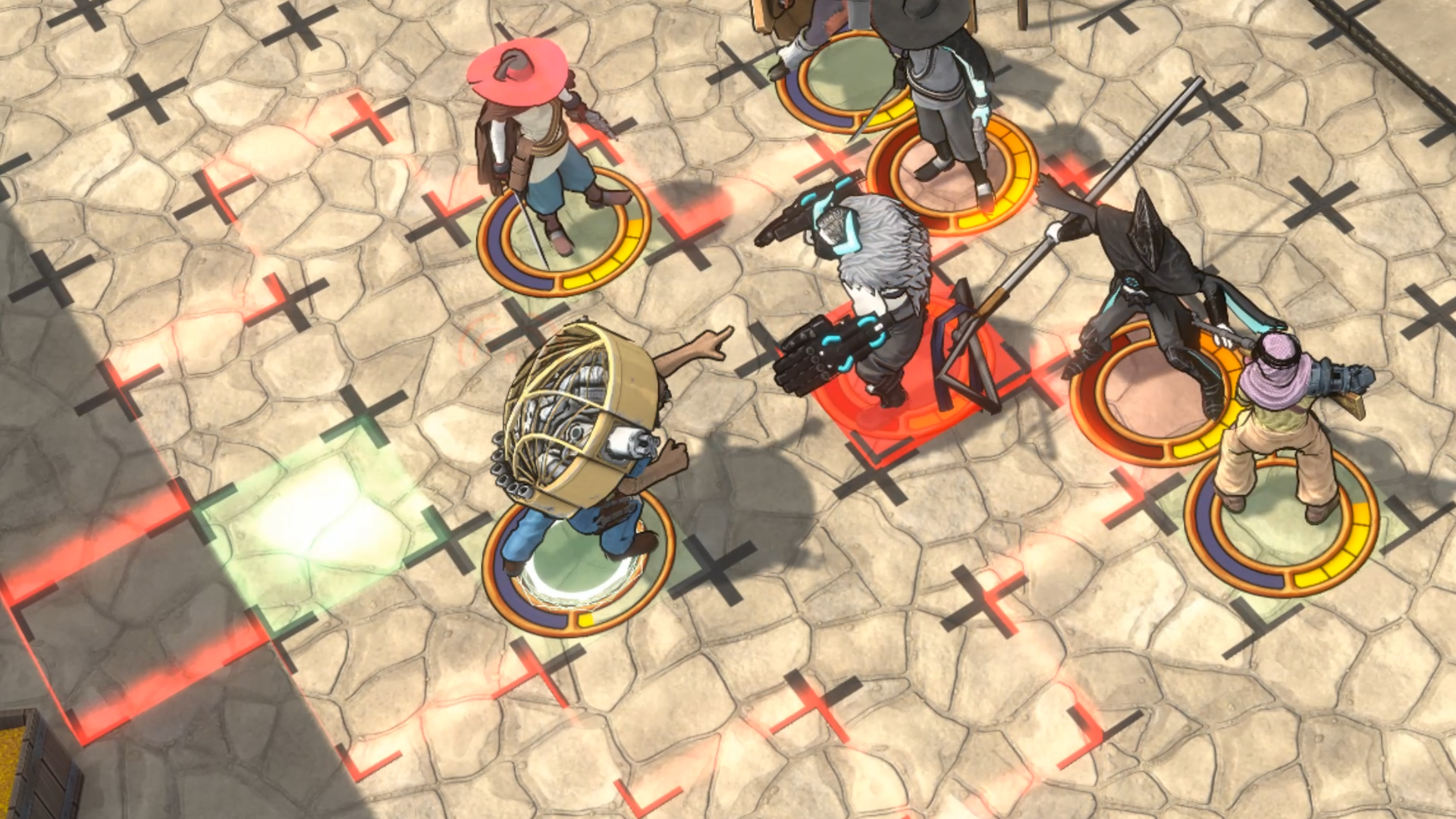
Gamescom 2014

This week saw a plethora of upcoming games from conference briefings hosted by both Sony and Microsoft at the annual event in Cologne, Germany. Although I believe Sony came out on top once again, Microsoft had much more to show for than they did at E3 earlier this year. Although I was dismayed by Nintendo’s absence and that I believe Microsoft look set to have a better 2015 than I first expected, Sony look set to dominate the Christmas rush in my opinion, with apparently much more to announce at the Tokyo Games Show next month. The first game to be presented by Sony at this year’s Gamescom was Bloodborne.

Bloodborne

Revealed at E3 in June, Bloodborne is the upcoming PlayStation exclusive developed by Dark Souls creators From Software. It involves the payer character traversing the streets of an ancient city called Yharnam defeating insane inhabitants and monsters in a bid to stay alive. Judging by the plot, it would seem that the game will have more of a survival horror feel to it than the Dark Souls games do, but in terms of gameplay, it seems particularly similar, if not identical; involving following a linear path and killing everything in sight. Although the game looks more conceptually interesting than I first imagined upon further inspection, indeed the games graphics and settings look particularly stunning, my concern is that Bloodborne will be just inaccessible as the Dark Souls games were; a game made hard for the sake of it that not everyone will enjoy playing. I think if From Software want to start bringing their games to a wider audience, they need to add difficulty settings to them. Let the players who want a challenge have one, but at the same time, allow players who are less lukewarm to their usual level of difficulty enjoy the game in more ways than one.

The Tomorrow Children

Not much is known about the next game that was shown at Sony’s Conference; only that it is a sand box game called The Tomorrow Children. Looking at what gameplay footage was shown, to me it looks like a dystopian version of Minecraft; seemingly including building mechanics, but in an in-game environment but controlled by some kind of totalitarian government. To me, the entire game looks as if it will have some very morose overtones, and will most probably aim to make some form of political commentary. Either way, looking at how the game could possibly play out, it looks like it may have a level of variety comparable to Minecraft, which for many people may sound pretty exciting. To me, the game looks particularly interesting and different and I can’t wait to try it out.

The Vanishing of Ethan Carter

Set for release next month was Sony next unveiling; The Vanishing of Ethan Carter. So far, my feelings towards this game are mixed. Although to a certain extent I thought it looked conceptually sound, I remain sceptical as to how the game will play out, since so far, it simply looks to me like a first person version of Murdered: Soul Suspect; a game I reviewed some weeks ago, and thought very little of. Even the title would suggest to me that the game would simply be a semi-open world murder mystery puzzle game with minimal replay value.

Volume

Indie developer Mike Bithell, creator of the critically acclaimed game Thomas Was Alone, had his upcoming title Volume unveiled at Sony’s conference, further emphasizing the company’s commitment to the indie gaming movement. Heavily based on the Metal Gear Solid 2’s VR training sequences, the game will revolve around stealth, with the inability to take down enemies swapped out for means of distracting them to be able to sneak around, and the added facility of players being able to create their own simulations; the game also featuring the voice talents of YouTube celebrity Charlie McDonnell and comedian Danny Wallace. At first glance, volume would seem to be much better and somewhat more creative than conventional stealth games, and of course, the facility to create simulations within the game would attach to it much more variety than many others. Though there may be a strong element of story, there’s nothing so far to suggest to me that this would get in the way too much; as it has done with many other titles in recent years, in my opinion.

Hollowpoint

Hollowpoint is an upcoming co-op shooter from developers Ruffian Games. From what little I saw of the game at this year’s conference, I believe that it looks pretty typical in terms of concept; a mixture of elements from sci-fi and warfare media such as Halo, Metal Gear Solid and Tron rather than it being a more cohesive concept. Having said that however, I think it looks incredibly addictive in terms of gameplay, and I think the fact that players can train up their soldiers suggests the game may have an RPG feel to it, which would make it stand out to an extraordinary extent, as not many army games have options like that.

Hellblade

The next game trailer to be shown was one of Sony’s major highlights at this year’s Gamescom in my opinion. Hellblade will be the next gaming effort from Ninja Theory; developers of games such as Heavenly Sword and Enslaved: Odyssey to the West. Though Ninja Theory have seemingly put the majority of their focus during game’s development on elements such as motion capture and story, they have promised on their blog page to deliver a gaming experience that “isn’t trying to be all things to all people, but to satisfy a particular gaming itch”. So on other words and by their own admission, this game won’t be for everyone, and to me, that doesn’t bode at all well; especially after the Devil May Cry revamp they not long developed, which to me of pretty mediocre quality. With their latest effort, I am hoping that Ninja Theory are looking to satisfy fans of a decent gaming genre, such as RPG or open-word adventure as opposed to developing the kind of game the normally do; heavily story-driven linear adventure games. I think they need to use this game to establish something much more different and original.

Rime

Another game that looked particularly interesting was the next game to be revealed; Rime. Delightfully similar to the likes of Legend of Zelda: Wind Waker, Rime will be an action-adventure open-world puzzle game, which looks as if it has a great deal of potential in my personal opinion. Apparently this game had been greenlit to be developed for the Xbox One, but Microsoft ultimately rejected the idea, as it didn’t conform to their publishing policies on emphasizing gameplay elements such as multiplayer and social features. It was then that Sony approved a development budget. To me, that only further emphasized why Microsoft have fallen behind Sony in the first stages of the eighth generation, but I digress. I think that although Rime looks very similar to Journey in terms of visual concept, I think the elements that are set to appear in it will give it much more gameplay value than the former, making it play out much more like Wind Waker. Here’s hoping it does.

Sony then went on to announce the coming of even more indie games to PlayStation consoles, which got me even more excited about owning a PlayStation 4. To me, they only further emphasized their commitment to understanding the consumer and what they want from a console. They want a massive variety of games in one place, and although that’s what Sony have always been about, they look set to achieve success on a much higher scale than possibly ever before. They still have a long way to go to surpassing sales of their previous home consoles, but I think if they can keep up this momentum and continue to focus the majority of their efforts on the gaming market, the PlayStation 4 will become a phenomenally successful console.

Sony also broadcast news relating to the upcoming first person shooter Destiny. They announced that the game is now the highest pre-ordered IP in gaming history with the majority of pre-orders being for the PlayStation 4 port of the game, and that a DLC package entitled The Dark Below would be coming in December.

Far Cry 4

More details were also given on another upcoming first person shooter; Far Cry 4. Sony gave further details on how players will be given the facility to invite their PlayStation Network friends to online multiplayer sessions even if their friends may don’t own the game. Aside from Sony again putting further emphasis on consumer commitment, I also believe that Far Cry 4 looks much more conceptually interesting that I’d first thought, There seems to have been much more detail put into the designs of scenery and different locations across their open world as well as customisation options within the game. But I’m also hoping that there isn’t as much emphasis put on stealth, which for me, ruined the previous game.

Middle Earth: Shadow of Mordor

I wasn’t entirely sure of what to make of the next unveiling. Taking place in between the events of The Hobbit and the Lord of the Rings trilogy, Middle-Earth: The Shadow of Mordor follows the story of a ranger called Talion, who is out for revenge against the dark lord Sauron for the murder of his family. Despite the fact that I am a huge fan of the Lord of the Rings book and film trilogy, and that the graphics of this game look pretty well done, I remain sceptical of both how the game will play out, since it’s based on an existing license, which in itself is a gamble, and story-wise, how it could possibly conflict with the Middle-Earth mythos according to Tolkein. For it to garnish the kind of success the Batman Arkham series has, it needs to at least have substance in gameplay, and here’s hoping that it does.

Metal Gear Solid V: The Phantom Pain

In between Shadow of Mordor and Sony’s next unveiling, Metal Gear Solid’s creator Hideo Kojima also took to the stage to briefly discuss gameplay mechanics in his upcoming game, Metal Gear Solid V: The Phantom Pain; mainly concerning options open to the player of what they can do with the cardboard box. In addition to giving players the facility to hide in the box to remain undetected, players will also be able to fool enemy soldiers with drawings on the box of a saluting soldier to make them think that the drawing is one of their own, or with a drawing of a half-naked woman to lure enemy soldiers into a quiet area to take them down. While I think it’s a pretty unique gimmick, it also takes a lot of the seriousness out of the game too; after all, it’s pretty hard to believe that a trained soldier wouldn’t be able to tell the difference between a real person and a drawing on a cardboard box. In a franchise whereby its developers have always put a lot of emphasis on enemy AI in their games, it’s seems quite contradictory, but nevertheless, it looks like a fairly fun gameplay mechanic.

Until Dawn

The next major reveal at Sony conference was the long-anticipated game, Until Dawn; a survival horror game based very heavily on the slasher film genre, involving 8 teenagers are being stalked by a crazed murderer in a log cabin. In terms of story, it has classic horror written all over it, influenced by the likes of Friday the 13th and Halloween. The apparent choice mechanics in the game may also imply that there may be more variety in gameplay than in other survival horror games as well as multiple endings. But the fact that this game was initially to be compatible with PlayStation Move also makes me think that it will play out with some linearity like Heavy Rain did, and so for now at least, I remain sat on the fence.

Driveclub

Amidst the many generic racing game franchises out there, such as Forza, Gran Turismo, Need for Speed and Project Gotham, Sony’s upcoming Driveclub looks as if it may have a little bit more to offer in terms of gameplay than any of the others, with social interaction becoming a massive part of how the game plays out overall. But like every other racing game of this calibre, the most standout feature of Driveclub is the visuals. Though excellent graphics are a given in any of this type of game, they look particularly phenomenal in Driveclub. The attention to detail is staggering. It’s because of that I’m glad Sony decided to hold off releasing it as a PlayStation 4 launch title. That way, the developers have had more time to put more graphical touches on it, as well as them thinking more about how well the game could play out.

Tearaway Unfolded

As well as once again announcing their plans to bring PlayStation Vita games to a wider audience with the upcoming PlayStation TV console, Sony also announced plans to bring one of the Vita’s most critically acclaimed games to PlayStation 4; Tearaway. Given the extended title of Tearaway Unfolded, it will be re-telling of the events of the original game, but with extensions to the storyline as well as a new control scheme to accommodate for it’s home console release, along with some new gameplay features. Although I think this emphasizes the poor commercial performance of the PlayStation Vita, I still think that releasing a game like Tearaway on a home console is a very good move, since it nevertheless looks like a very fun and enjoyable game. The additional content may also make fans of the original game want to go out and buy it in light of its additional content and story.

Alienation

An indie developer that Sony and I have been impressed with since the release of the PlayStation 4, are the Finnish outfit, Housemarque. Among the last of Sony unveilings was their upcoming game, Alienation. Following a gameplay formula extremely similar to their last game, Dead Nation, Alienation is an arcade shooter with science fiction settings and the added gameplay element of being able to choose between helping online allies or going rogue. To me, Alienation looks like Galaxian on foot; all the addictive gameplay but with some very nice-looking visuals to accompany it. Ever since I first played Resogun and Dead Nation, I’ve been fairly impressed with the directions that Housemarque have taken when designing their games, and although Alienation seems very similar to Dead Nation, I think it looks and sounds much better.

Wild

The last game to be presented at Sony’s conference this year was a game called Wild; an open-world adventure game extremely similar to Skyrim in both gameplay and conceptual design, but its developers boasted an open world as big as Europe. It sounds exciting, but not much detail was revealed on what exactly the gameplay would involve. I think if Wild has as the right amount of gameplay variety and activities to do around this allegedly huge open world, then it could make for something particularly special. But if not, it could end up playing out a lot like Shadow of the Colossus, but with much less artistic merit attached to it.

DELiiRiiOUS

Capitalizing on what a good E3 conference they had back in June, Sony once again established their current dominance for the foreseeable future, and thanked all PlayStation customers for their commitment to their brand, which at the moment is as seemingly undying as Sony’s own newfound commitment to the video gaming market. But it wasn’t as unanimous as E3 was, as Microsoft had a few surprises in stall for gamers around the world during their own conference. They certainly seemed to show signs of wanting to increase the appeal of the Xbox One considerably, following a less than lukewarm reception to the Xbox One. They put a lot of emphasis on the word “exclusive” in this conference, and in my opinion, it’s past time that they did.

Space Engineers

Like what Sony did when establishing their source of indie games on the PlayStation 4, Microsoft have chosen to port more PC games to the Xbox One. One such game is Space Engineers; a sandbox simulation game which involves building things like space stations and ships. At first glace, it seems to me like a game somewhat similar to Rollercoaster Tycoon, but in space. Either way, it looks like a particularly good title. It comes off to me as being the kind of idea that would sound laughable on paper, but ends up working unbelievably well as a game. Indeed is it is anything like Rollercoaster Tycoon, it’ll also be very addictive.

Superhot

However, I was somewhat less excited about the next game to be revealed, which was Superhot; a first person shooter game with a visual style reminiscent of Portal, but with considerably less innovation involved. After reading further about it, I’ve found out that it does play out like most other first person shooters, but with considerably higher difficulty, so straight away, I can tell that it won’t be accessible to even most fans of the genre; let alone most gamers. Even though the developers state that the finished product is expected to play out for as long a time as Portal, I don’t see how it could be a superior game, since it has less variety.

The Escapists

The next game on display was an upcoming title developed by Team 17 called the Escapists, which looked considerably more interesting. From what I’ve seen of gameplay footage so far, it would seem like an RPG with building elements; similar to Minecraft, but with some possibly dark overtones similar to The Tomorrow Children. It looks to me like the kind of game that could draw valid gameplay value out of some particularly mundane activities, similar to games like Papers, Please and Theme Hospital.

Smite

Smite had been an interesting game to me some time before Gamescom started, as I have watched a series of it for some time on the YouTube channel Found Gaming. It involves choosing from a roster of different gods from different cultures, and battling them one-on-one in order to destroy the opponent’s base. Last week, I played Smite with Lost, co-founder of channel Found Gaming, and I learnt quite a lot about how the game works and what the majority of the appeal is behind it, as well as learning hoe much of a fan base this game has garnished in such a short space of time. After having played it, I see no reason why this game wouldn’t increase the appeal of the Xbox One. Although there’s no story mode to it, it will certainly satisfy a lot of gamers who are interested in exclusively multiplayer games; the gameplay can be very intense.

Below

By some distance, the game that looked the most interesting and enjoyable out of any other shown at Microsoft’s conference was an indie game called Below. Seemingly an RPG, Below has a visual style very similar to games such as Baldur’s Gate: Dark Alliance and the original Blood Omen, whereby the camera is panned out in such a way that everything appears from a distance, making the game’s pixels such less visible than in conventional games. I believe that if this game is not linear, as in-game footage would imply, I think it could make for something particularly special if the amount of variety in gameplay is adequate.

Call of Duty: Advanced Warfare

Call of Duty: Advanced Warfare was among the next games on show at Microsoft’s conference, which I was considerably less excited about. Unfortunately, my opinions since E3 haven’t changed. When it was first unveiled back then, I commented that the visual style was very reminiscent of the likes of Halo or Killzone, but that there was still about as much variety in gameplay as any other instalment in the franchise. I was considerably underwhelmed by what I saw at Gamescom, as it seemed to be just the same as what was shown at E3, but in a different location within the game. The only new element that the developers seems to have added to the game was a grenade that has multiple functions, such as homing on targets and revealing targets hidden behind cover. Here’s hoping that the final product does have more variety in gameplay than that, but if not, I think I’ll be just as indifferent about it as I am about every other game in the franchise.

Evolve

More details were also revealed about the upcoming first person shooter, Evolve, including that the open beta for the game will be coming to Xbox One in January. Not a lot about my opinion on this game has changed since E3; it seems like a fairly decent game influenced to a certain extent by a universally reviled one, Brink, in that it has different players playing different roles, involving trapping, healing etc. But although I believe Brink has had an influence on this game, to me it still looks like a far better game than the latter, since it clearly involves more shooting than running; unlike Brink, which involved the mirror opposite.

Quantum Break

The next game to be talked about at the conference was a game that has been in the works for a fair amount of time, which didn’t make an appearance at E3; Quantum Break. A cover-based third person shooter with time manipulation mechanics, I got quite a big Mass Effect vibe from it, as there seems to be a fair bit of strategy involved during combat. But it looks to me that the developers have made it a lot less of an open world game than the former, instead opting for a more linear approach. Even the visual style seems pretty generic, which is another reason why at this moment in time, I don’t believe the game will be particularly immersing compared to many others.

Fable Legends

I was even less impressed with Fable Legends when it was up next. Again, like Advanced Warfare, my opinion of this title hasn’t changed. I’m still pretty annoyed by the fact that it is exclusively multiplayer as opposed to it also having a single player option, and I actually believe that the entire franchise may end up being discontinued if Lionhead Studios continue to make games in the franchise as exclusive as they have been doing over the last two years; especially if Microsoft continue to focus their attention on other exclusive franchises. Indeed, Fable: The Journey was a title exclusively compatible with the Kinect sensor.

ScreamRide

After Fable Legends, ScreamRide was then revealed; a game which will seemingly involve building rollercoasters and other fairground attractions in order to garnish the greatest feelings of intensity from the people who ride them. Granted, details of how the game will play out weren’t really elaborated on. Though I am huge fan of Rollercoaster Tycoon, the obvious basis of this game, ScreamRide looks as if it will have considerably less to play for than the former, and therefore will be much less enjoyable to play. Even if I think the game’s visual style is fairly impressive, I remain sceptical of how exciting the game will be overall.

Forza Horizon 2

It didn’t have much of a bearing on me that Forza Horizon 2 was among the games shown at this year’s Gamescom, as I believe that Driveclub had unanimously won the battle of the upcoming generic racing games of the year. I even skipped the majority of the unveiling as the developers prattled on in interviews about how Forza Horizon 2 will be the most social racing game experience of all time. But I failed to see how that would have any bearing on how well the game plays out as much as it does in Driveclub.

Ori & the Blind Forest

I was considerably more excited with the rest of what Microsoft had to talk about throughout the remainder of the conference. One other game in display was Ori & the Blind Forest; an upcoming 2D platformer heavily inspired by Japanese folklore, similar to Okami or Child of Light. As such, I still believe that this would make for the ideal launch title in Japan, as it is not only heavily influenced by their culture, but because it also looks like a particularly immersing game. Especially as it is also the birthplace of the be-all and end-all of platforming games; the Super Mario Bros series.

Sunset Overdrive

The last game shown at the conference was the highly anticipated Sunset Overdrive, developed by Insomniac games. The highlight of Microsoft’s E3 conference in my opinion, as well as being one of the highlights of this conference too, I still believe this is the kind of game that Microsoft should have considered releasing upon the launch of the Xbox One, as I believe that its titles as different and as outlandish as this that determine how much value a console has in terms of gameplay. Though I still doubt the marketability of this game, as it doesn’t look as stern and as mature as titles such as Call of Duty and Battlefield, I still think that will make for a very memorable gaming experience, and will certainly be instrumental in determining how good a Christmas rush Microsoft will have upon its release.

Rise of the Tomb Raider

But despite all that I’ve talked about so far, the biggest talking point of Microsoft’s briefing, indeed the biggest talking point of the entire conference overall, was Rise of the Tomb Raider. Microsoft surprised gamers from around the world when they announced that the sequel to the newly revamped Tomb Raider series would be coming exclusively to Microsoft consoles on both Xbox One and Xbox 360 in 2015. While many people may believe that Tomb Raider’s exclusivity won’t be such a big deal in the long-term, I see things in a very different light. I believe that this could possibly mark a huge challenge for Microsoft. Tomb Raider is one of the most recognizable and iconic franchises in the history of video gaming, which is now in the hands of a company still trying to make waves in certain parts of the world, as both Sony and Nintendo have done before them. Future games on the Xbox One like Rise of the Tomb Raider may very well be integral to determining Microsoft’s ability to compete in the entire market in the distant future. It could be among the games that will elevate the Xbox One to the higher plain Microsoft wish the console to be on along with more revered consoles that have come and gone over the years. But the way I see it, it all depends on the quality of the game. If the developers at Eidos Interactive and Crystal Dynamics can do something particularly special with an already special video game series, special things may very well happen for Microsoft. At the moment, I personally believe what will happen is that the game will be met with a very decent amount of commercial and critical acclaim, as the likelihood is that Rise of the Tomb Raider will be tailored to be an evolutionary title as opposed to being a revolutionary one. But if the developers decide to do more with it than just that, and develop a title that is much more memorable, then it could be a very different story.

HAPPii

In any case, it does seem like Microsoft will be trying harder to get their acts together and massively improve on the Xbox One’s games library. Though I have been disappointed by the lack of commitment that the company have shown following the release of the Xbox One, and have not held back regarding my opinions of such ever since I started this blog, It was refreshing to see a good number of decent-looking titles, and I feel as if I may possibly be able to turn the other cheek in the future.

So, that’s my account of Gamescom 2014. What did you think of this year’s conference? What titles revealed are you most excited about? Where can you see both Sony and Microsoft heading in the future? As always, I look forward to reading your opinions, and that I hope you enjoyed reading this article as much as I enjoyed writing it.