Tag Archives: Liverpool

Q&A With Adventure4Life Studios

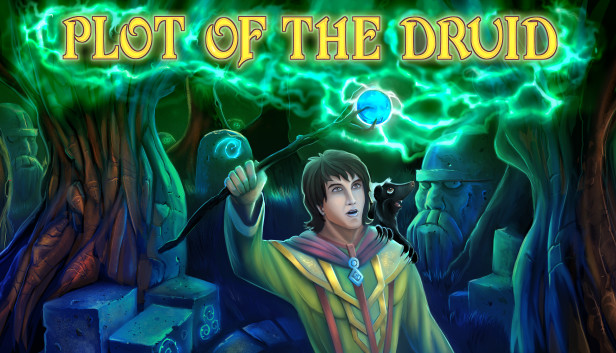
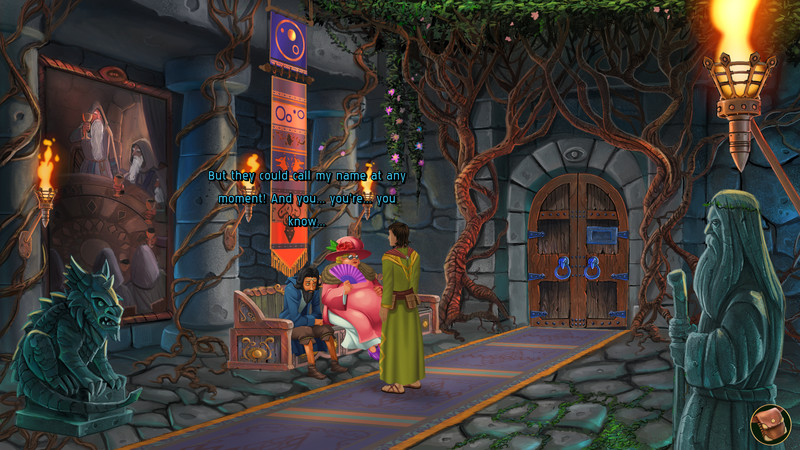
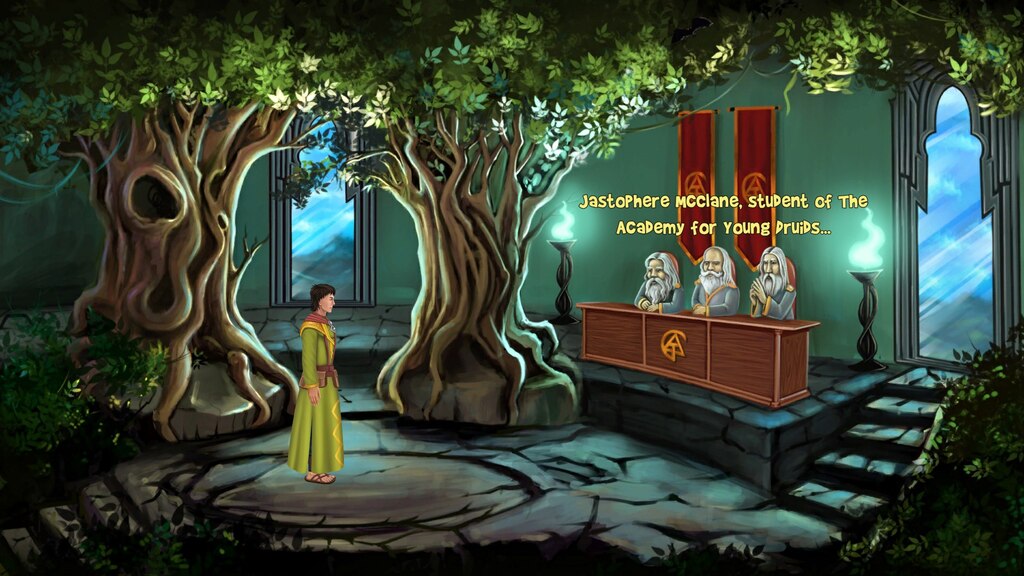
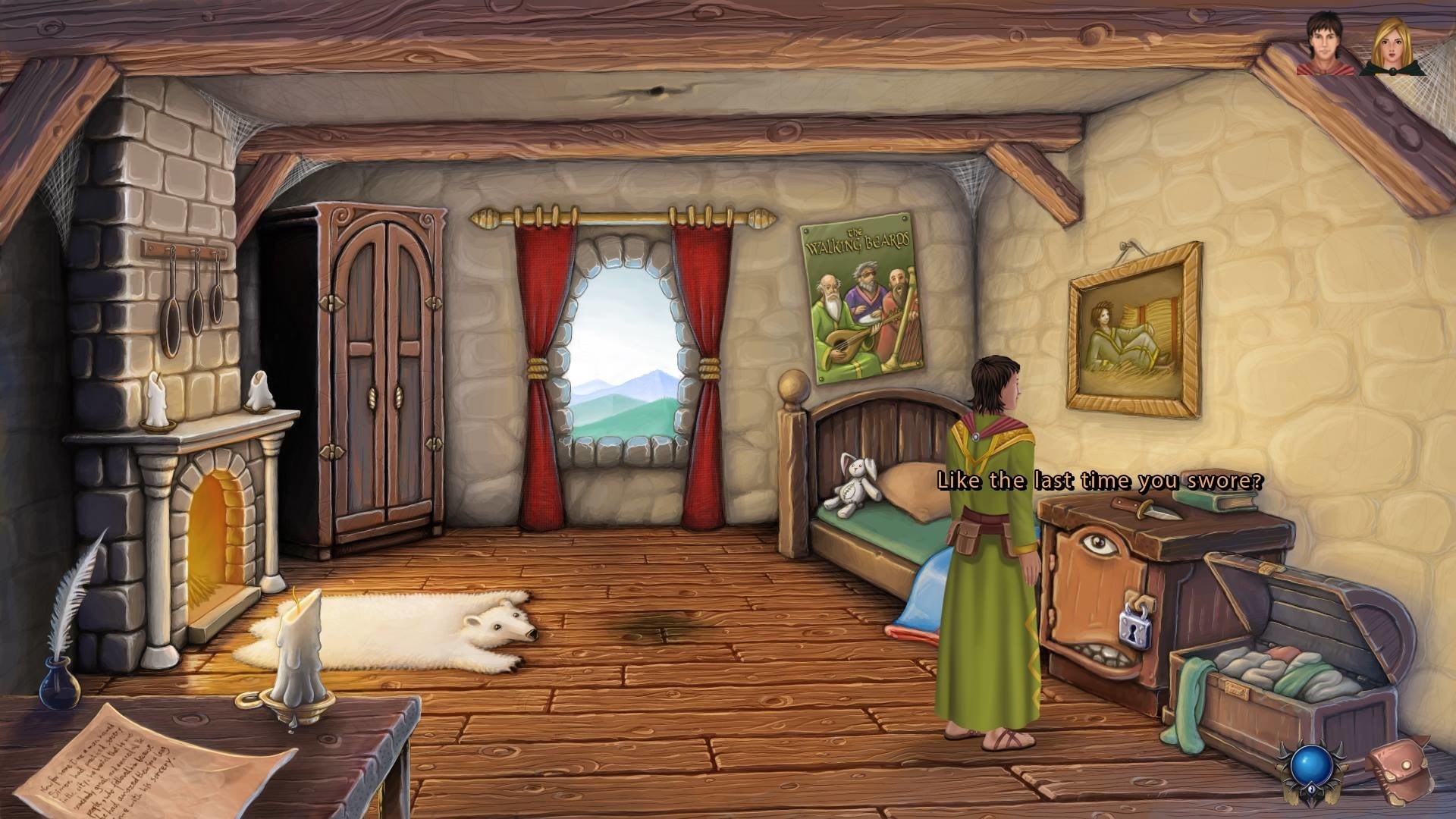
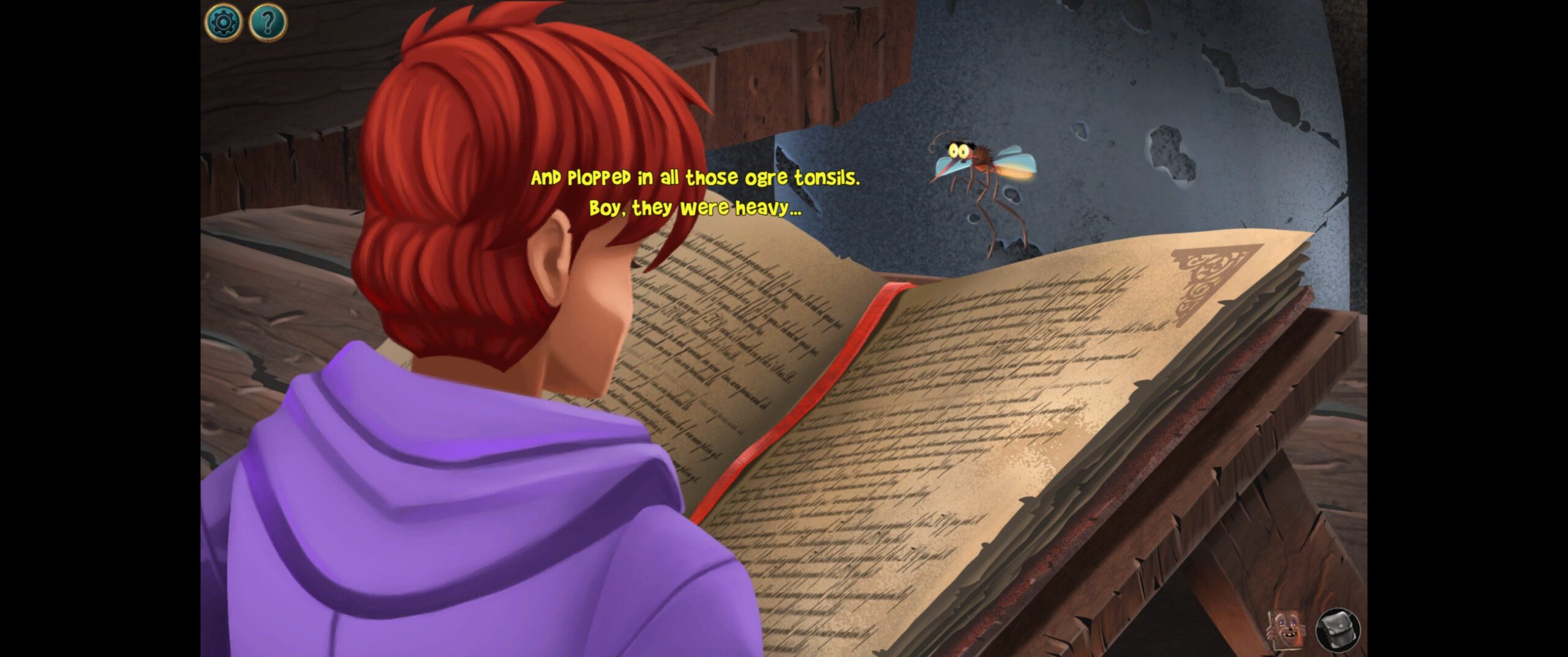
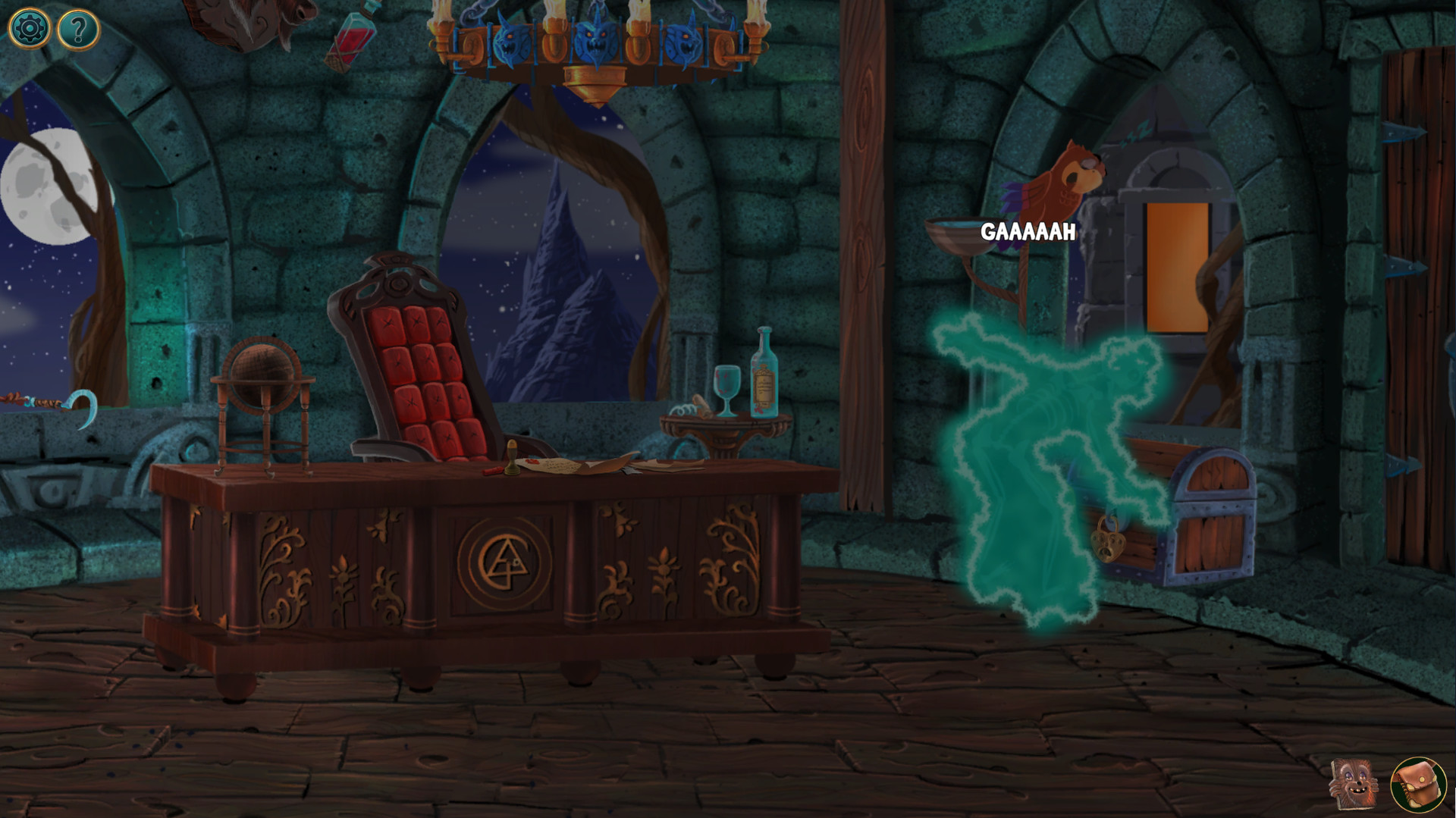
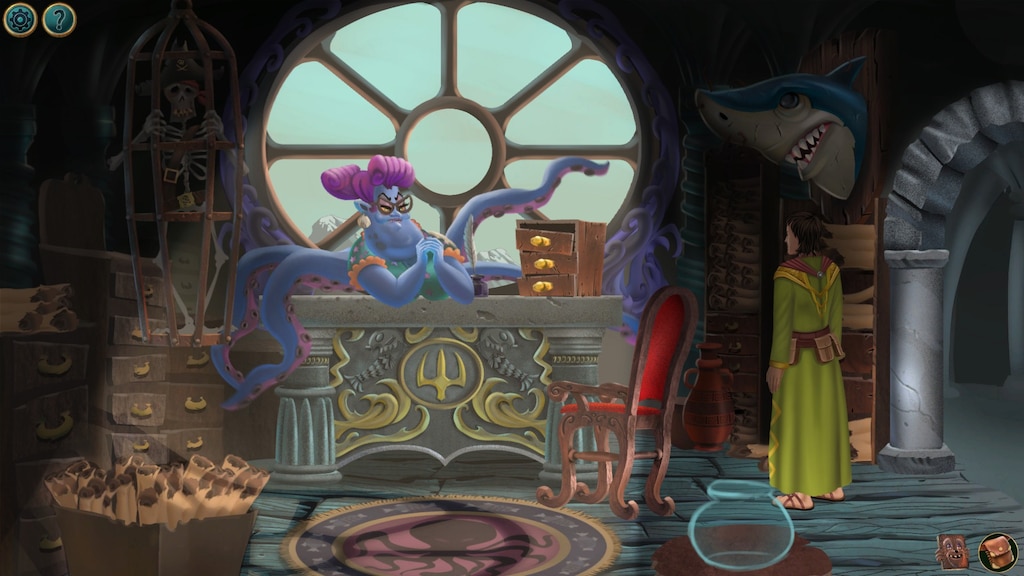
Some months back, I had discovered a promising title set for unveiling on Kickstarter rooted in wonder,  conspiracy, and British humor; this week, I’m happy to say I’m able to bring it to the attention of the wider audience it deserves. Plot of the Druid is a medieval fantasy point-and-click adventure game. Featuring humor inspired by the likes of Monty Python and other classic examples of British comedy. Developed by Adventure4Life Studios, it tells the story of a disgraced druid’s apprentice who sets out to restore the natural order of the world as we know it.

What will make this point-and-click stand out on paper (depending on how funding goes) is the fact that it is potentially set to be open-ended, as players can choose to deal with different situations in whatever way they choose as opposed to having one pre-determined path. The player must also use spells learned in order to solve puzzles, interact with NPCs, and progress through the game.

Eager to know more about this prospect-filled title amidst its current Kickstarter campaign, I got in touch with Adventure4Life’s CEO Yakir Israel and asked him a few questions regarding the game, and what kind of weird and wonderful things players can expect going into it, and how it may stand among some of the very best games in the genre, such as Monkey Island, Broken Sword or Grim Fandango. Here’s what Yakir Israel of Adventure4Life Studios had to say about Plot of the Druid.
What were the influences behind your game? 

I’m a big fan of everything related to fantasy and comedy. I also grew up on point-and-click adventure games such as Indiana Jones and the Fate of Atlantis, Simon the Sorcerer, and Monkey Island, which shaped the main course of my game. When I played Book of Unwritten Tales ten years ago, I realized that the PnC genre hadn’t died, and it inspired me to make my own game with a similar fantasy setting.

King’s Quest, Harry Potter, and The Wonderful Wizard of Oz all had an impact on the setting as well. More than that, Plot of the Druid has a big mixture of influencers: The whole focus on druids comes from the Asterix comics and Radagast from Lord of the Rings, the shapeshifting mechanic comes from Visionaries – Knights of the Magical Light, the art style was inspired by the 2D beautiful hand-painted Broken Sword series, and all the wacky characters in the game took inspiration from Simon the Sorcerer, Discworld, and Monkey Island.
What has the developmental process been like?

I’ve been working on this game for almost six years, and there were many ups and downs. I worked full-time in hi-tech and saved some money each month to pay expert freelancers for aspects of the game that I couldn’t do myself, but it was a very tight budget. Some of the team members lost motivation when the budget ran out. And each time someone leaves, it causes delays in finding a replacement.
Luckily, since this game is my dream, I keep moving on and never stop making it. Now, in the last year, I can say the team has become more stable, and I’ve also gotten small investments from people who believe in the project. These helped me release the prologue, and I came to the conclusion that I have to go as soon as possible to crowdfunding if I want the full game to happen.

How close are we to seeing the finished product? 

My goal is to finish it by the beginning of 2023. Right now, only twenty percent of the game is done, but if the game gets funded, that can boost the development process. And I can reach that goal.
What has been the most exciting aspect of development? 

After the prologue was released, I got a lot of feedback, and with the experience I gained over the years, I decided to rewrite some of the story elements. It was very exciting to spot parts that weren’t working very well and improve them. I was very proud of the final result.

What has been the most challenging aspect of development?  

Doing optimization – I had to decrease the build size and manage the memory more efficiently. The animations are frame-by-frame, so I had to put a lot of effort into making the loading time shorter. Each load took more than 15 seconds. After optimization, it took less than 2 seconds, and the build size decreased by 70 percent!

How well has the game been received so far? 

I would say pretty good. It’s listed as Very Positive on Steam, and often I get positive messages from around the world. It’s really encouraging me to keep moving, knowing that things are going in the right direction!
What platforms are you looking to bring the game to?

PC is my main priority, which I think is the main audience for point-and-click games. But if I get lucky and reach certain stretch goals, I will be happy to port to mobile and consoles as well. 

Are there any stretch goals planned for the Kickstarter campaign?

Yes, besides the typical goals such as localization and adding voice and mobile versions, I would like to add multiple paths, two different endings, more shapeshifting abilities, CGI cutscenes, and a comic book.

What examples of British humor influenced this game?

In addition to the British point-and-click games I mentioned, Monty Python and Blackadder. 
Have there been any ideas at this stage of development that have since been scrapped or reworked?

When I rewrote the story elements, some of the concepts had to be removed or adapted to fit the new ideas. I kept the polished parts, which had taken lots of time and effort, and applied them in a different context. It’s funny since people who tried the first rough versions back in 2017-2018 won’t recognize the new version, especially in terms of story and puzzles.

How instrumental has player feedback been in terms of shaping the course of the project? 

Usually, I trust my gut feeling, but of course, making a game isn’t just about the creator. The phase where the player’s feedback has the most impact is beta testing. I listen carefully to what they have to say and decide if their suggestion is practical and if it enhances the game experience. Like if something isn’t clear or additional hints are needed. After the release, I tend to work mostly on major bug fixes to avoid unnecessary ripple effects.

If you had the opportunity to develop a game with any company or for any franchise, which would it be, and why?

I would like to make an alternate sequel to Simon the Sorcerer 2! My idea is to keep the game in the same 2D pixel style, but with a different story that starts immediately after the cliffhanger at the end, when Simon and Sordid switched bodies. So you can play as Simon in Sordid’s body at the start of the game, while you see cutscenes of Sordid in Simon’s body in the real world, trying to be menacing. But no one really cares. How funny would that be?!
Do you have any advice for aspiring developers who may be reading this?

  1. Work on something you would like to play yourself. 
  2. Start with a small project – you can learn a lot from the dev process… You will improve later.
  3. Break your work into small milestones – each milestone achieved can boost your motivation, you will have something to show, and you can get feedback on it.
  4. Don’t wait to finish your game and then start to promote it – you need to build a community around it as soon as possible. Building a fan base takes time and effort. Spreading the word is more than 70% of a project’s success. BUT make sure the contents you send to the press are high quality!

Where on the Internet can people find you?

The best place to start is the website – www.plotofthedruid.com, from there you can subscribe to newsletters to get updates and reach our social media – Facebook, Twitter, Instagram, and Discord.

Do you have anything else to add?

We released a free prologue last year. You can play it here:

https://store.steampowered.com/app/1544570/Plot_of_the_Druid_Nightwatch/
And like I already mentioned, being funded is crucial for making the full game. Please consider

backing it: https://www.kickstarter.com/projects/plot-of-the-druid/plot-of-the-druid
There are cool rewards, such as an original big box version like the old school game used to have, the backers can make contributions, and even appear in the game itself!
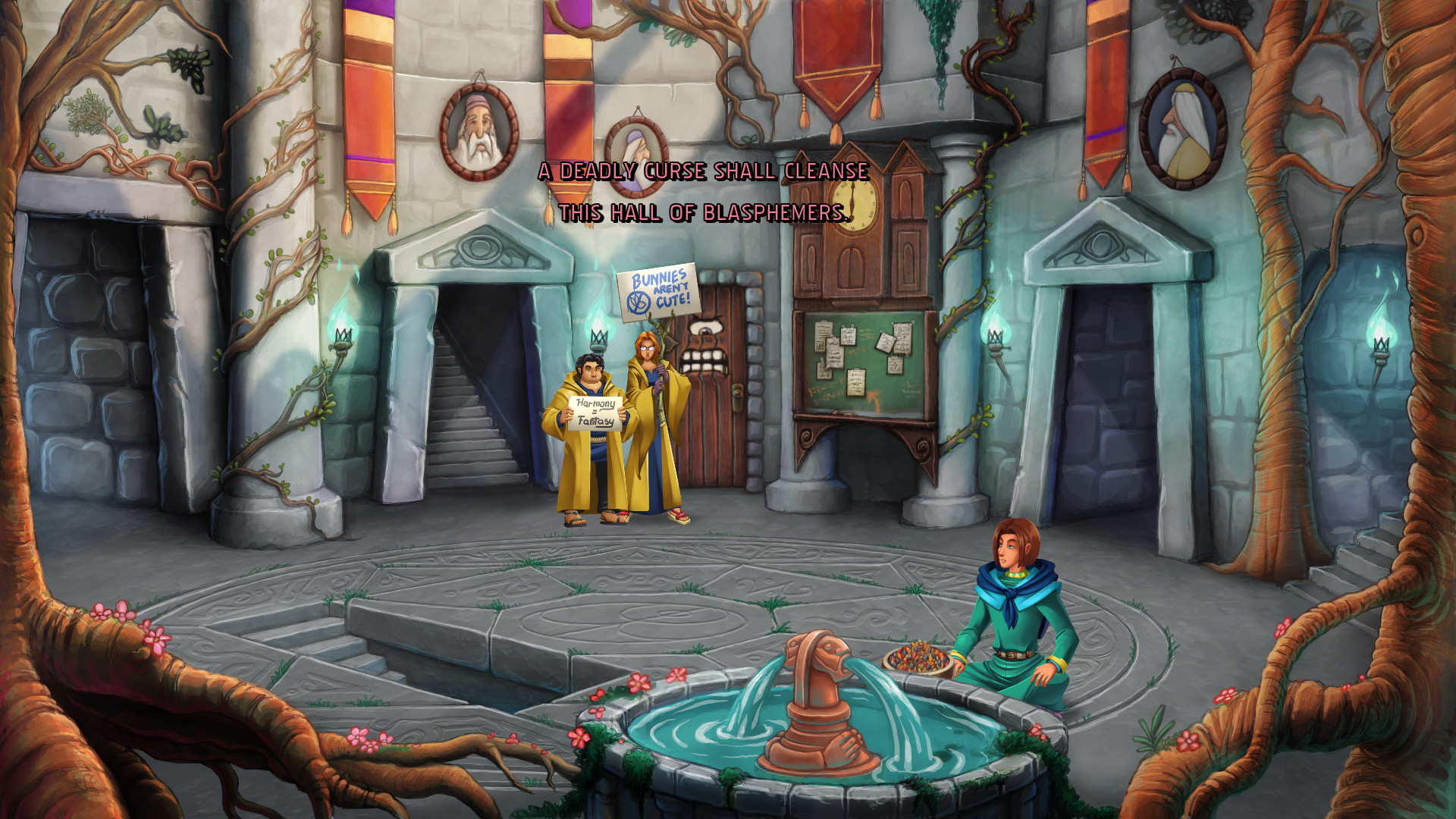
I’d like to thank Yakir for taking the time to answer my questions on Plot of the Druid. Alongside names such as Lucy Dreaming, there seems to be an incoming influx of indie point-and-click adventure games. And Plot of the Druid, at first glance, looks like a game that is sure to deliver an extremely memorable experience to both fans of the genre and newcomers. If you’d like to back the game on Kickstarter, you can do so via the link provided. But in the meantime, I hope you guys enjoyed this one because I certainly did.

Game on,

Scouse Gamer 88

The Addams Family (Super NES & Mega Drive)

The Addams Family

Developer(s) – Ocean Software

Publisher(s) – Ocean Software & Flying Edge

Designer(s) – Warren Lancashire

PEGI – N/A (Suitable for all ages)

Initially released in 1992 by Software for fourth-generation hardware, The Addams Family game, based on the 1991 movie starring Raul Julia, Angelica Huston, and Christopher Lloyd, received mixed reviews when it came out (much like the film), and is described as a boring Mario clone, or Mega Magazine even advising players to either “watch a tree, or grow something instead”. Versions for older consoles, such as the NES, Commodore 64, ZX Spectrum, and even handheld consoles, were also developed. But each of these versions is like its own game in and of itself. 

With the original port, however, it’s interesting to me how the perception of an old game can potentially change over time. If I’d been reviewing back in the time of the Super NES, I may very well have had similar concerns to the likes of Mega Magazine, but even still, my overall opinion would have been very different, since not only do I enjoy this game a lot today, but I also played the hell out of it back when it was released. I enjoyed it thoroughly back then, and I still enjoy playing it now. 

Graphics – 8/10

The visuals differ slightly between the Super NES and the Mega Drive versions. But both versions capture well the feel of not only the 1991 film but the franchise in general. It’s one of those games based on a license that tries to celebrate the license as well. And I always enjoy a licensed game for that reason. The game takes place in and around the Addams residence, plagued by night creatures that Gomez Addams must contend with. Each area of the house is uniquely designed, giving it a strong vibe of classic Castlevania games. In particular, the portraits on the walls of the portrait gallery are excellently detailed in terms of technical performance. Characters bear striking resemblances to the real-life actors; not only Raul Julia as Gomez, Angelica Huston as Morticia, and Christopher Lloyd as Uncle Fester, but also Christina Ricci as Wednesday and Jimmy Workman as Pugsley. 

Gameplay – 8.5/10

The Addams Family is not quite a traditional 2D side scroller. The player has the option to come and go as they please, giving it far more of a Metroidvania feel. The objective is to navigate the Addams residence and rescue each of the other family members: Wednesday, Pugsley, Grandma Addams, Uncle Fester, and finally Morticia. Throughout the game, there are several secret areas to uncover along the way, as well as different power-ups to use in order to reach otherwise impassable areas or to give the player an edge in combat. There’s also a series of pretty challenging boss fights to contend with at the end of each area. And challenging is the right word for this game, as many different platforming sequences will test even the most hardened of platformer fans. 

Controls – 10/10

The game’s controls are also as fluent as any good platformer was at the time. Featuring other items to use throughout, it’s actually given more variety in terms of gameplay than the average side scroller. And therefore, more functionality in terms of controls than in other games of the same ilk. There’s so much in this game to differentiate it from others in terms of controls alone. It made me wonder how even reviewers at the time couldn’t recognize that back then. 

Lifespan – 8.5/10

The lifespan is even longer than the average platformer, clocking in at around an hour and a half to two hours, depending on whether or not the player decides to complete it to 100%. Of course, there would be other games in other genres that would blow this amount of time out of the water, and would only continue to do so going into the fifth generation of gaming, but there’s a lot to be said for a game like this that dared to defy convention, even if it went pretty much unnoticed at the time. 


Storyline – 7/10

The plot of the story follows the second half of the film quite closely. Tully Alford, the Addams Family lawyer, has taken over the Addams estate and captured the remaining Addams family members. And Gomez resolves to rescue them. The plot element of the film concerning Uncle Fester is present, as he has amnesia and is cured once released. The plot is presented nowhere near as well as it is in the original film. But it does a good enough job setting up the premise of gameplay.

Originality – 8/10

It’s very easy to overlook how quietly innovative this game was back in its time. It perpetuated a lot of the same ideas that the likes of Super Metroid and Castlevania: Symphony of the Night did, birthing the entire Metroidvania genre a full two years before the release of Super Metroid. It was quite easy for me to take it for granted back then since I was unfamiliar with the concepts of gaming history and even the differentiation of gaming genres at the time. But as I’ve grown older and learned far more than I knew about games since, it’s made me truly appreciate how innovative this title was. 

Happii

Overall, The Addams Family remains every bit as much of a joy to play today as it was when it was released. I recommend this to anyone looking for a challenge or looking for an original game that fell through the cracks. 

Score

49/60

8/10 (Very Good)

World of Illusion Starring Mickey Mouse & Donald Duck (Sega Genesis/Mega Drive)

World of Illusion

Developer(s) – SEGA AM7

Publisher(s) – SEGA

Director(s) – Emiko Yamamoto

Producer(s) – Patrick Gilmore

PEGI – 3

Released as a Sega Genesis exclusive, unlike its predecessors, Castle of Illusion and Land of Illusion, World of Illusion is the third game in the series, which puts players in the shoes of not only Mickey Mouse but also his companion, Donald Duck. Offering two different experiences depending on which character the player chooses at the start. It was released to rave reviews back in 1992, with critics praising the graphics and multiplayer. But it also had one or two detractors in addition. With some labeling the single-player mode as dull or bland. 

Growing up, World of Illusion was the Illusion game I spent the most time on. And as a prerequisite, I enjoyed it very much back in the day. Nostalgia aside, I still enjoy playing it. In terms of quality, I put it in between the original two. It’s not quite as good as Land of Illusion. But it’s slightly better than Castle of Illusion in my opinion.

Graphics – 8/10

The first thing to notice right off the bat, compared to the other two Illusion games, is that the graphics outstrip both of them on the technical side. Everything from the environment to the characters looks better than it ever has before. Showcasing spectacularly what the Sega Mega Drive was capable of as the fourth generation was well and truly established. On the conceptual level, it still impresses, having been influenced by several Disney films such as Fantasia, Alice in Wonderland, and Sleeping Beauty, to name but a few. Similar to how Castle of Illusion was put together. But on a greater scale.

Gameplay – 9/10

The gameplay also follows a very similar formula to that of Castle of Illusion, being a traditional 2D sidescroller offering two different adventures. One as Mickey Mouse and the other as Donald Duck. It’s nowhere near as open-ended as Land of Illusion is. But both playthroughs offer a very different experience from one another. Donald Duck is forced to find alternative paths across each level due to his having different capabilities from Mickey Mouse. The multiplayer is also an outstanding experience to indulge in, as it requires slightly more cooperation to progress through than in other side scrollers of the time. 

Controls – 9.5/10

The only minor fault I found with the controls, as I discussed in my review of Castle of Illusion, was the crawling mechanics. Whenever the player character crawls, it seems way too dragged out and nowhere near as fluent as normal movement. But as I said, it’s only a nitpick. It doesn’t hinder gameplay to the point of being unplayable. Regular movement is as fluent as it is in any of the best platformers released at the time. 

Lifespan – 7.5/10

Clocking in at around an hour, World of Illusion lasts about the same time as Land of Illusion despite its linearity, which, for the time, is pretty impressive in all fairness. Especially compared to what is essentially a Metroidvania. It racks up around the average lifespan of a game back in its time. So it may seem like nothing compared to what gamers will be used to in this day and age. But, for the time being, it’s impossible to complain about too much. 

Storyline – 7/10

The story of the World of Illusion is almost identical to that of the Land of Illusion. It involves Mickey Mouse and Donald Duck being swept away on yet another adventure, as they are taken by an evil magician in the form of Mickey’s long-standing arch-nemesis, Pete. Again, like in the previous Illusion games, the cutscenes do as good a job as what could’ve been expected to tell the story as effectively as possible. But with respect to the game’s story, it falls a little short in terms of uniqueness.

Originality – 7.5/10

The aspects in which this game doesn’t fall short, in terms of uniqueness, however, are in both the graphics and the gameplay. The conceptual design, despite the fact they were inspired by several different Disney films, still feels like it’s its own cohesive idea as opposed to it feeling like a mish-mash of different previously conceived elements. Although the game isn’t quite on par with Land of Illusion in terms of gameplay, it’s necessary to appreciate the fact that the developers tried something new instead of simply giving the players the same experience all over again.

Happii

In summation, World of Illusion holds a lot of nostalgic value to me personally. But in the grander scheme of things, it’s still a great game to play. The multiplayer is immersive, the graphics look great, and whilst the story isn’t very original. Especially by Disney’s own lofty standards, there’s more than enough here on offer to make up for it.

Score

48.5/60

8/10 (Very Good)

Land of Illusion Starring Mickey Mouse (Master System & Game Gear)

Developer(s) – Sega

Publisher(s) –  Sega

Director(s) – Yoshio Yoshida

Producer(s) – Patrick Gilmore

PEGI – 3

Released on third-generation hardware well into the fourth generation, Land of Illusion was brought out following the immense success of the previous Mickey Mouse game developed by Sega, Castle of Illusion. And for the most part, received the same level of critical acclaim, being considered an adored classic by most who played it. Out of the original Illusion trilogy, Land of Illusion was the one entry that I never got to play. At this time, I was firmly immersed in fourth-generation hardware, such as the Super NES and the Mega Drive. And it’s a shame that this game never saw a release on the Mega Drive. Because, for a multitude of reasons, it is the best in the Illusion trilogy in my opinion. Superior to both Castle of Illusion and World of Illusion.

Graphics – 8.5/10

Where the technical side of things is concerned, the game kind of looks like a mixture of both 8-BIT and 16-BIT visuals. Seemingly going above and beyond what many gamers may have thought the Sega Master System was capable of. People who have never played this game would most probably take a cursory look at it and may be too hasty to write it off immediately. As a game that seemingly came to a generation too late.

But the fact of the matter is, Land of Illusion looks too good to be a third-generation title. The conceptual design is also even more of an improvement on what the developers did with Castle of Illusion. It borrows elements from much darker Disney films than those of its predecessor. Most notably, The Black Cauldron, as the antagonist is The Horned King under the guise of The Phantom. There are certain elements of certain levels that also look to be inspired by previous third-generation classics. Such as Super Mario Bros 3 and Castlevania.

Gameplay – 9/10

Perpetuating many of the same gameplay elements as seen in Castle of Illusion, Land of Illusion is another 2D side scroller. The player must traverse, explore, defeat bosses, and take on the game’s end boss. What separates this game from Castle of Illusion, however, is that there’s a small Metroidvania element to it. Allowing players to backtrack to an extent with newly acquired abilities to reach otherwise impassable areas. There’s even a sidequest whereby there are several stars to collect throughout. Giving the game slightly more replay value than the average side-scroller. The boss fights throughout also provide a nice balance of challenge for players. 

Controls – 9/10

The biggest problem I had with the game is only a minor one. Which is that the jump mechanics can seem a little inconsistent. And as a result, gameplay can be hindered to a small extent unnecessarily. The same problem exists in the next game in the series, World of Illusion. But to a lesser extent. However, the jump mechanics are nowhere near as bad enough to be able to call the game unplayable. Like the last game, the controls are as fluent as what is needed for the most part. 

Lifespan – 7.5/10

Land of Illusion can be made to last around an hour. Though the average lifespan for a game in the fourth generation is actually quite impressive compared to other third-generation titles. The amount of backtracking the game warrants makes it slightly longer than the average 2D side scroller that was a mainstay in the industry at this time. And it does fairly well to stand out on its own as a result. Of course, other games have been released by this time that lasted considerably longer, like A Link to the Past and Final Fantasy games. But for what is a very retroactive experience, it succeeds in delivering.

Storyline – 8/10

The plot of Land of Illusion is extremely similar to that of Super Mario Bros 2. Mickey is reading a book one day, only to fall asleep and awake again in an unfamiliar and fantastical land. He must recover a stolen magic crystal to help the inhabitants of a small village protect themselves from an entity known as The Phantom. Along the way, the player encounters several classic Disney characters to rescue. And along the way provides a greater deal of substance in the story and more memorable moments than Castle of Illusion. 

Originality – 8/10

Although it was released arguably three years too late, the fact of the matter is the game stands out for all the right reasons regardless of its late arrival on the Sega Master System. And for a game that at first glance would seem completely outdated, it is immensely impressive. It’s amazing what developers have been able to do with basing games on a pre-existing license before and after Land of Illusion. But very few developers took that concept to the heights that Sega took many Disney franchises in the realm of games. And this game stands out as yet another shining example of that.

Happii

Overall, I was surprised to find out that I would end up enjoying Land of Illusion more than any of the other Illusion games. It’s got a great deal to play for; for its time, the story is much more involved than in the previous game. And although it seems to be Castle of Illusion that gets the accolade of the classic Mickey Mouse game, the fact of the matter is that Land of Illusion is, in many ways, superior. 

Score

50/60

8/10 (Very Good)

Castle of Illusion Starring Mickey Mouse (Sega Genesis, Master System, Game Gear & Saturn)

Castle of Illusion

Developer(s) – SEGA (AM7)

Publisher(s) – SEGA

Director(s) – Emiko Yamamoto & Yoshio Yoshida

Producer(s) – Stephan L. Butler

PEGI – 7

Released in 1990 to overwhelmingly positive critical acclaim and later receiving a remake in 2013, Castle of Illusion was ported to several Sega consoles in both 8-bit and 16-bit formats. It became one of the breakout exclusive games on Sega consoles before Sonic the Hedgehog was released in 1991. To me, it stands out as one of the earliest examples of how to do a licensed game, along with the many other titles Disney has throughout the fourth and fifth generations, including Chip N’ Dale, Duck Tales, Aladdin, and Toy Story. Even spawning its own series of Illusion games before the release of Mickey Mania. 

Graphics – 8/10

The technical quality of the graphics depends, of course, on what system the game is being played on. For the best in this respect, the Mega Drive or Sega Saturn versions of the game are preferable. Albeit the Saturn version stayed in Japan. However, all ports of the game perpetuate the same wonderful diversity in level design that even matches that of the classic Mickey Mouse cartoons that had come before it, such as Steamboat Willie and The Mad Doctor, borrowing elements from the cartoon as well as other Disney films, in addition, such as Snow White and the Seven Dwarves. Throughout, the game also presents a stark contrast of happy and serene settings at the beginning and dark and gritty settings towards the end.

Gameplay – 9/10

In a traditional linear 2D side scroller, the player must traverse across five different levels and collect a series of gems by beating several bosses at the end of most levels. Once all the gems are collected, the player can then challenge the game’s end boss and rescue Minnie Mouse. There’s also a small combat element as players can collect project apples to attack with, similar to Aladdin. And the boss fights throughout become evermore creative. The final boss in particular somewhat reminds me of the final boss fight against Dracula in Castlevania III: Dracula’s Curse.

Controls – 10/10

The controls, in addition, pose no problems, as even in those days gone by when the game was first released, the 2D side scroller had long since been mastered by developers and has remained a staple within the industry. Future games in the series would pose a couple of minor problems in this respect. Notably, the crawling mechanics in World of Illusion. But the controls in the original game are as fluent and as easy to get to grips with as any good side scroller released at the time. 

Lifespan – 7/10

The game can be completed within around 30 minutes. Which, whilst being nothing by today’s standards, was at that time, about the standard lifespan of a traditional side scroller. Of course, the Metroidvania and RPG genres would spawn games lasting tens or even hundreds of hours throughout the late 90s. But this is the type of game that warrants multiple playthroughs.

Storyline – 6/10

The plot of the game is relatively straightforward. Typical of plat threads in games at the time, as a matter of fact. Mickey Mouse must save Minnie Mouse, who is imprisoned in the Castle of Illusion by an evil sorceress named Mizrabel. There are a fair few cutscenes in the game, which were a somewhat new addition to platformers at the time, following games like Chip N’ Dale and Mega Man 2. And they helped to keep things relatively fresh in the circle of side-scroller games being released at the time. 

Originality – 8/10

Though the story of the game may not be a particularly standout feature, everything else about this game makes it stand out to an unbelievable extent. Its contemporary settings and style of gameplay mixing side-scrolling and light combat elements make it an extremely memorable title still beloved by gamers of the old generation and among those who played the 2013 remaster. It’s highly regarded as one of the best titles on the Mega Drive, and it’s no wonder why.

Happii

Overall, Castle of Illusion is one of the best side-scrollers released in the early stages of the fourth generation and remains a fan favorite among gamers for good reason. It’s an insanely enjoyable game, and it comes highly recommended by me. 

Score

48/60

8/10 (Very Good)

Heavenly Sword (PlayStation 3)

Heavenly Sword

Developer(s) – Ninja Theory 

Publisher(s) – Sony Computer Entertainment

Director(s) – Nina Kristensen, Tameem Antoniades & Andy Serkis

Producer(s) – Matt Hart

PEGI – 16

Released in 2007 following a slew of questionable launch titles for the PlayStation 3, such as Lair and Genji: Days of the Blade, Heavenly Sword was a game that helped to shed light on the appeal of the console early on. It can be seen as an earlier example of how cinematic video games came to evolve into what they are today. Excelling in the story and doing fairly well to impress in terms of gameplay at the same time. It received a mixed reaction from critics at the time. But in my opinion, whilst not being among the best titles on the system in the end, it certainly does hold up well enough.

Graphics – 8.5/10

The game’s visuals, whilst not doing exceptionally well to stand out conceptually, certainly stood out technically at the time. And as such, it did an exceptional job of displaying what the PlayStation 3 was capable of on the graphical level in the console’s infancy. Motion capture was used extensively on the project for each of the actors to interpret facial expressions as well as possible. Including the motion capture master Andy Serkis. For the number of enemies that also appear on the screen at any one given time, the developers took care to make sure the frame rate didn’t drop as dramatically as players could have possibly come to expect. It doesn’t hinder gameplay too much.

Gameplay – 7/10

Speaking of gameplay, Heavenly Sword is a linear hack-and-slash game similar to games like God of War and Darksiders. Complete with a variety of weapon types, special abilities, and quick-time events. Indeed, the game does require a certain degree of strategy to deal with different types of enemies. In that, swift attacks must be used to best fight against agile enemies. And powerful attacks must be used to best fight slower and heavier enemies. The principle is prevalent throughout the entire game, especially in the boss fights. There are also instances in which the player controls an alternative character, who wields a bow. And they can use the PlayStation 3’s SixAxis controls to steer arrows toward enemies, which I particularly enjoyed. 

Controls – 10/10

Although the small drop in frame rate can hinder the game to a small extent, the game’s control scheme itself poses no problems. Again, it was quite impressive to me how the developers implemented the SixAxis controls as well as the conventional controls. Everything moves as fluently as needed, and the controls pose no unnecessary complication either.

Lifespan – 5/10

Clocking in at around 4 hours, the game’s lifespan falls short of even hack-and-slash games that had come and gone before it. The game excels in technical visuals, gameplay, and story. And these are the aspects in which the developers showed off the budget, but for me, it would’ve been better spent making sure the player had as much to do in the game as possible for as long as possible. As opposed to being left with a linear and one-dimensional experience, it turned out to be

Storyline – 8/10

The story of Heavenly Sword centers around Nariko, a young warrior of a small tribe fighting against the forces of a relentless ruler named King Bohan. Nariko’s weapon, the titular Heavenly Sword, is actually a divine relic. And a form of sentient life, Nariko suffers from an inner conflict that culminates as the game progresses. Similar to how the ring of power works in The Lord of the Rings. She makes it her resolve to master the sword. And use it to liberate her clansmen and drive King Bohan back.

The story blends elements of comedy, tragedy, and drama. And makes for a particularly engrossing experience in this respect. Andy Serkis’s performance as King Bohan, in particular, is outstanding. With excellent acting and well-written dialogue to complement him. Though his character is nowhere as conflicted as his portrayal as Monkey in Enslaved: Odyssey to the West, the intentions of King Bohan are made clear from the start. And Andy Serkis flawlessly conveys it. 

Originality – 6.5/10

Though the game certainly stands out in terms of story, it fails to stand out to any great extent in respect of either gameplay or conceptual design. And the experience suffers somewhat as a result. The main focus of a game should always be on the gameplay. And making that stand out more than any other element of the game. And that wasn’t the case with Heavenly Sword. It feels very much like the story was the primary concern of the developers. And although the gameplay is not terrible by any means, it could’ve been better given more of a focus.

Happii

However, for as many criticisms I have cited over the course of the review, Heavenly Sword is a game with a moderate amount of variety. And it is still pretty enjoyable to play regardless. Its story is worth experiencing a single playthrough for. And it seemed to set the precedent for more games that were even more enthralling in terms of story on the PlayStation 3. 

Score

45/60

7.5/10 (Good)

Pocket Bravery

Q&A With Statera Studio

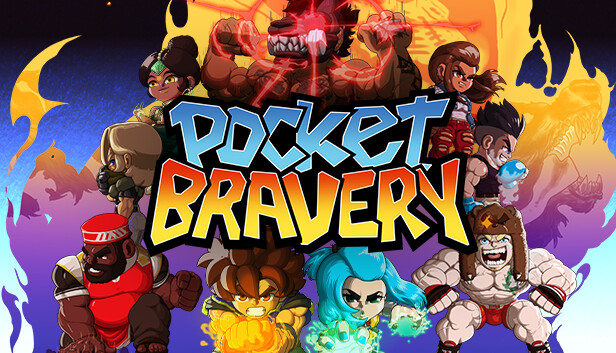
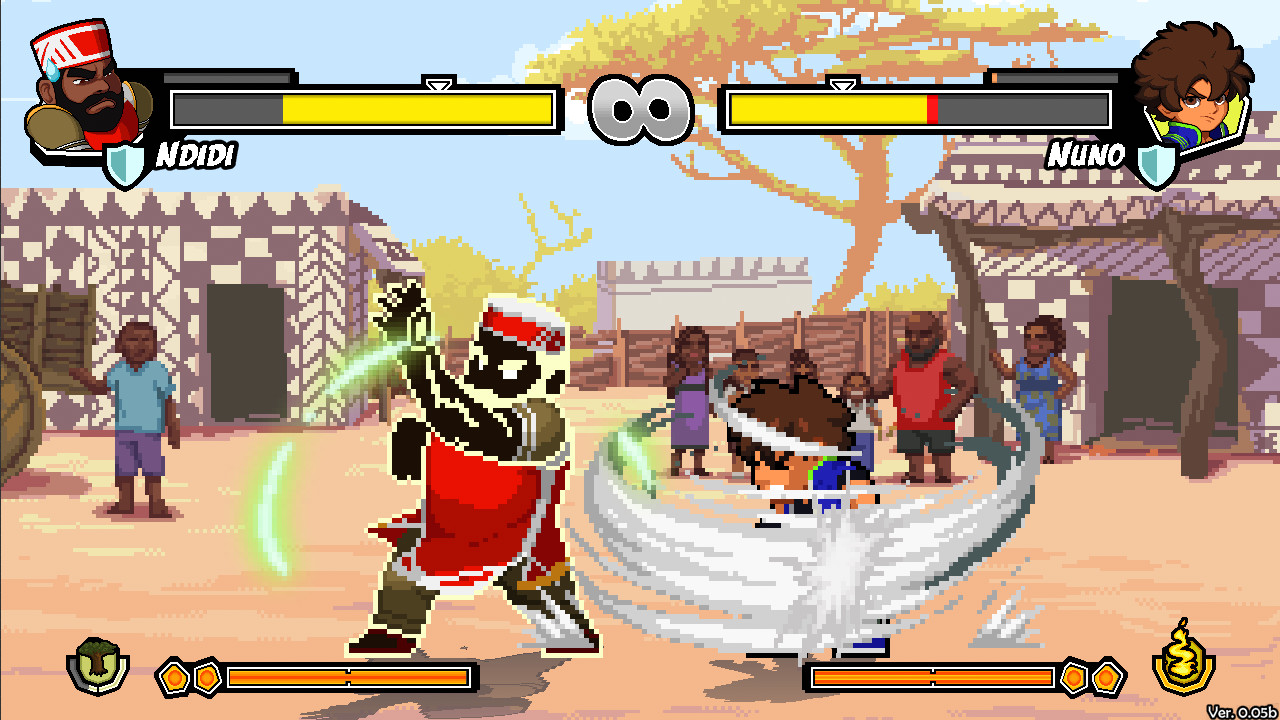
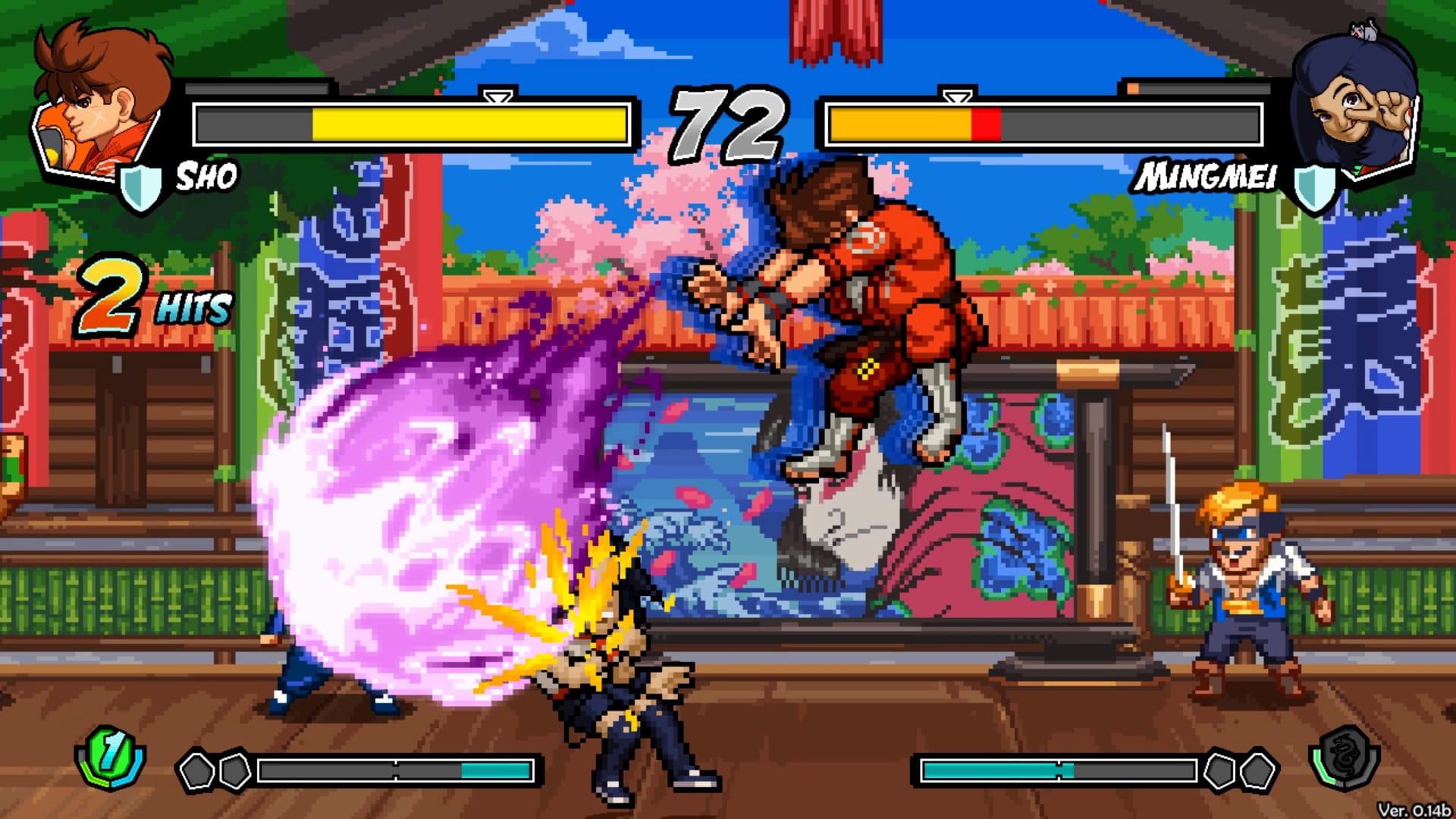
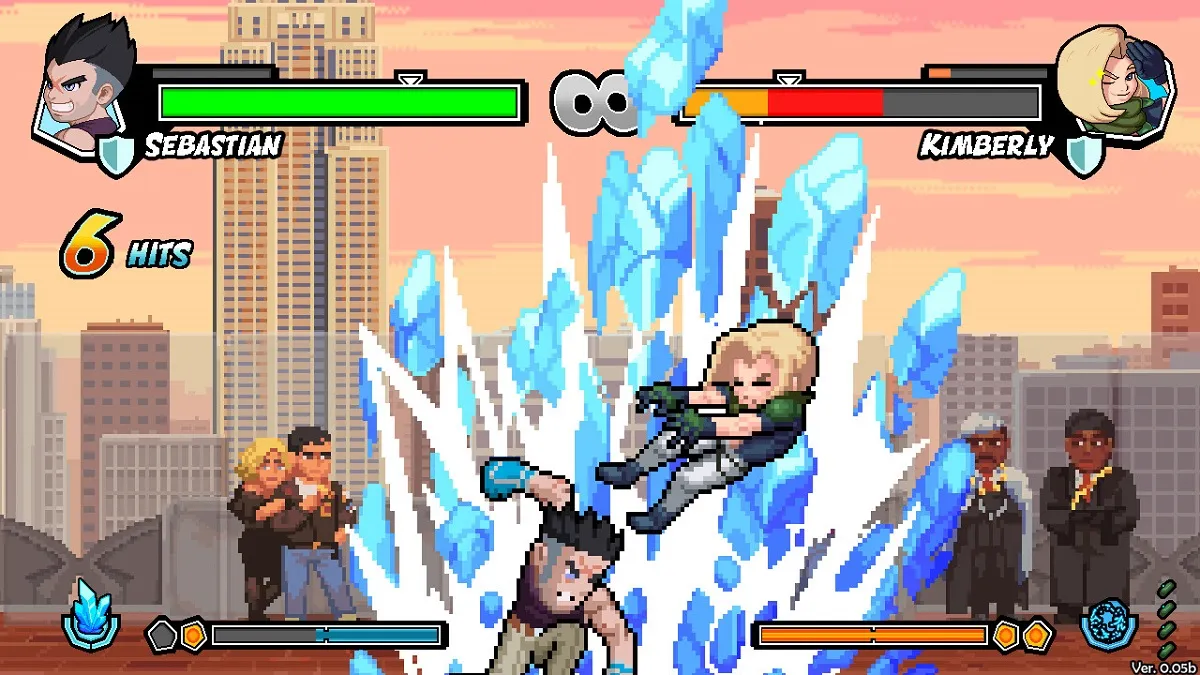
My second of two Q&As today concerns a quirky and diverse fighting game and its crowdfunding campaign. Pocket Bravery, under development at Statera Studios based in Rio de Janeiro, Brazil, is a fighting game reminiscent of the classic 90s fighting games such as Street Fighter, Mortal Kombat, and the works of SNK. Such as Fatal Fury and King of Fighters. Another example of the ever-growing indie development scene in Brazil, the game’s IndieGoGo portrays a game with a wonderfully diverse cast of characters, locations to fight, and single and online multiplayer. With 2 weeks left for the campaign, I reached out to the game’s executive producer, Jonathan Ferreira, to learn more about this game and how they hope to make it stand out among the many classic fighting games it was inspired by. Here’s what Jonathan Ferreira of Statera Studios had to say about Pocket Bravery:

Pocket Bravery 1

What were the influences behind your game?

Games that marked the era, classics from the 90s like Street Fighter and The King of Fighters. And about the aesthetic part, it’s a mix of games like Pocket Fighter, KOF from Neo Geo Pocket Color, Scott Pilgrim, and Metal Slug.

What has the developmental process been like?

We’re a team with 6 full-time professionals and some freelancers. It is a small number for a fighting game since the genre is one of the most difficult to produce.

We have tried to do our best, and we believe that we are achieving good results. Everything is going as planned. We will soon focus on making the online mode, which will be via netcode rollback.

How close are we to seeing the finished product?

We have 50 – 60% of the game’s basics done; we still have to start making the online. We believe that in 15 or 16 months, the game will be ready for launch.

Pocket Bravery 2

What has been the most exciting aspect of development?

I believe that is everything, as we are a team in love with the fighting genre; every stage, from conception until its implementation, is exciting. All the ideas come from the people passionate about what they are doing.

What has been the most challenging aspect of development?

It is finding a balance between what we want to do and what we should do. As much as we treat the game with all the care and passion, it is also a product that needs to be in the public’s attention and not just another drop in the ocean.

How well has the game been received so far?

Very well! And this has been fantastic for us. We were looking forward to watching people around the world playing Pocket Bravery. People’s reception and feedback were better than we could imagine.

Pocket Bravery 3

What platforms are you looking to bring the game to?

PC, PlayStation 4, PlayStation 5, Xbox One, Xbox Series X|S, and Nintendo Switch.

It’s mentioned on the IndieGoGo page that one of the stretch goals is to introduce a story mode to Pocket Bravery. How would the story mode be structured compared to games like Super Smash Bros Brawl or the 2011 Mortal Kombat revamp?

It will have its structure adapted to a 2D game. Mortal Kombat 2011 not only innovated but also renewed how offline content in a fighting game can be added. Our idea is to bring that into the 2D style, an experience that catches the player’s attention and makes them want to follow the characters’ story. Interacting and evolving with them along the way.

Have there been any ideas at this stage of development that have since been scrapped or reworked?

Certainly! This game came from a need to see that what we really want to produce is still a step bigger than our legs. With that in mind came the Pocket Bravery idea, which would be more simplified, bringing only a small fragment of what we want for the future. However, as the game was being produced, the affection grew along with the potential of not just being a simple game with SD aesthetics. Getting deeper layers in its gameplay, and focusing on small details.

Pocket Bravery 4

What is your opinion on the ever-growing development scene in Brazil with the likes of yourselves, 2ndBoss, and Orube Studios?

There are many talents in Brazil. For example, many Brazilians work in great gaming companies around the world. That said, I am sure that many good new games will be created around here since the gaming companies in Brazil are getting more professional. We hope to be one of those exponents.

How instrumental has player feedback been in terms of shaping the course of the project?

Although we have a lot of experience with fighting games, receiving feedback from players is always amazing. Especially when it comes from pro players. Since they have a detailed view of the gameplay that we haven’t yet achieved.

Pocket Bravery 5

Has the team considered the idea of building a traditional arcade cabinet for Pocket Bravery, or has there already been one created behind the scenes?

Of course, this is something that crosses our minds, but to be honest, it is not in the plans. Would be a step much bigger than our legs could reach.

If you had the opportunity to develop a game with any company or for any franchise, which would it be, and why?

As we said earlier, we are a team passionate about the fighting genre, so what marked us was the 90s. Street Fighter and The King of Fighters were the biggest references for quality and innovation. Working with any of these games and those two companies would be a dream come true.

Pocket Bravery 6

Do you have any advice for aspiring developers who may be reading this?

Try to specialize in something of your preference and never give up! The difference between those who succeed and those who do not is that they do not give up. Even in the face of all adversities. Life is not easy, nor is making successful games.

Where on the Internet can people find you?

People can find us on any social media (Twitter, Facebook, Instagram) by @PocketBravery, or on YouTube as Statera Studio. Would be a huge pleasure if you could follow us. We are always posting news about Pocket Bravery’s development.

Do you have anything else to add?

We thank you for your time and ask, if possible, to support us in our crowdfunding. Any amount will make a big difference to Pocket Bravery. You can access the campaign page here: https://www.indiegogo.com/projects/pocket-bravery/

Pocket Bravery 7

I’d also like to thank Jonathan and Statera Studios for taking the time to talk to me about Pocket Bravery and the promise that the final product holds for both newcomers and veterans of the classic fighting genre. There are now fewer than 2 weeks to go for the IndieGoGo campaign, so if you like the look of the game and want to play it, you can back the game via the link above. In the meantime, I hope you guys enjoyed learning more about Pocket Bravery and are looking forward to playing the final game as much as I am.

Game on,

Scouse Gamer 88

Q&A With 9 Finger Games

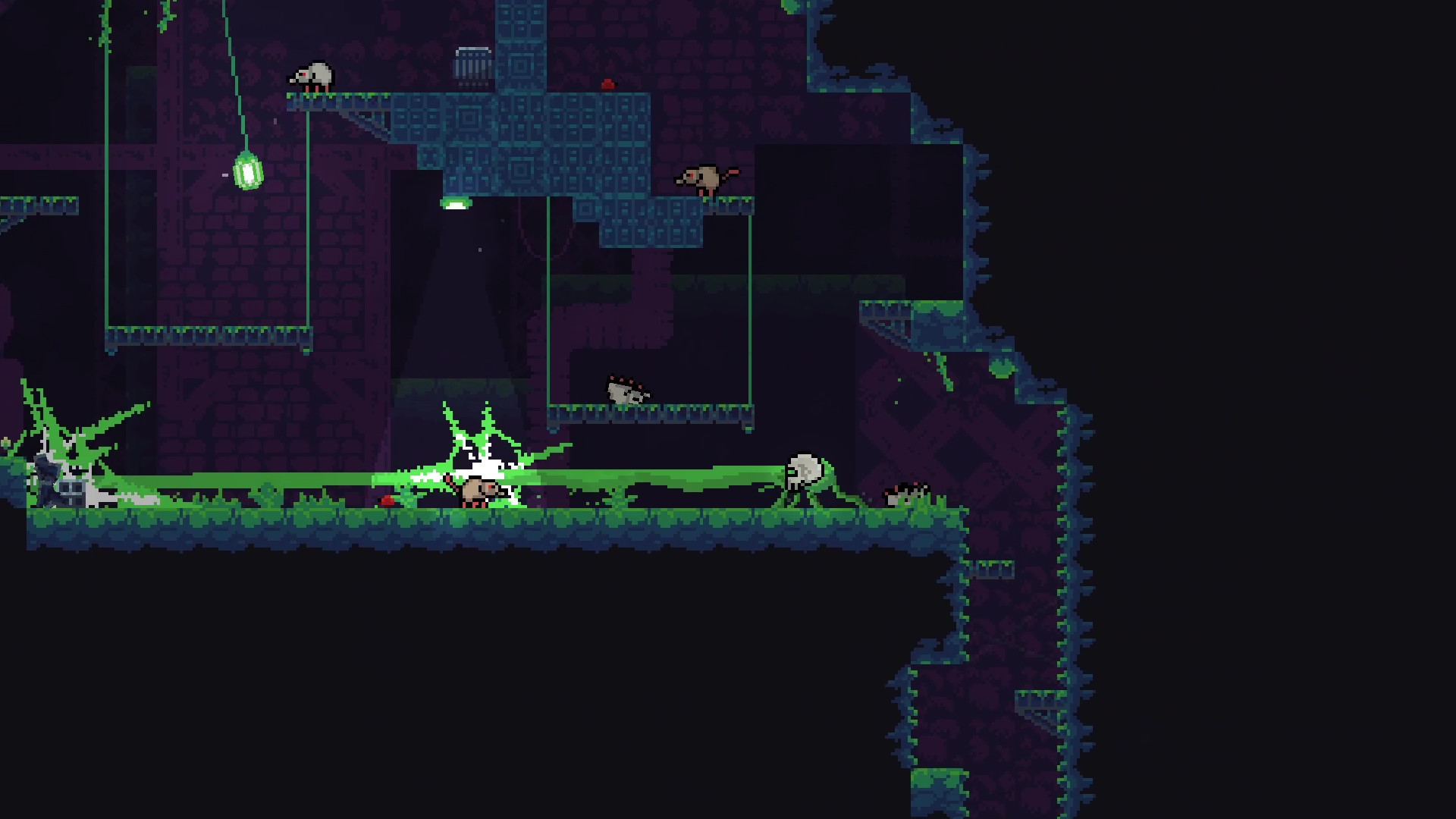
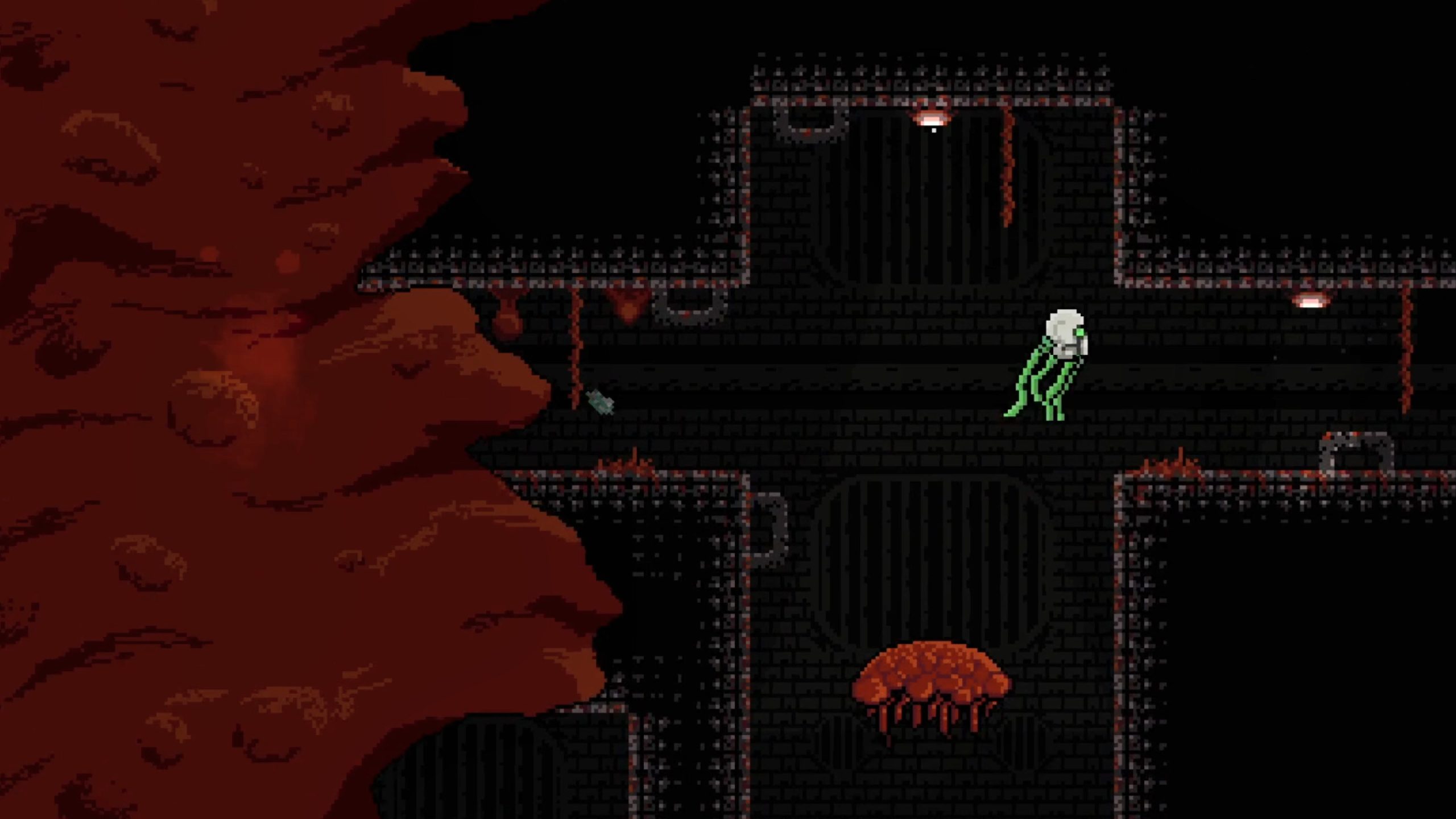
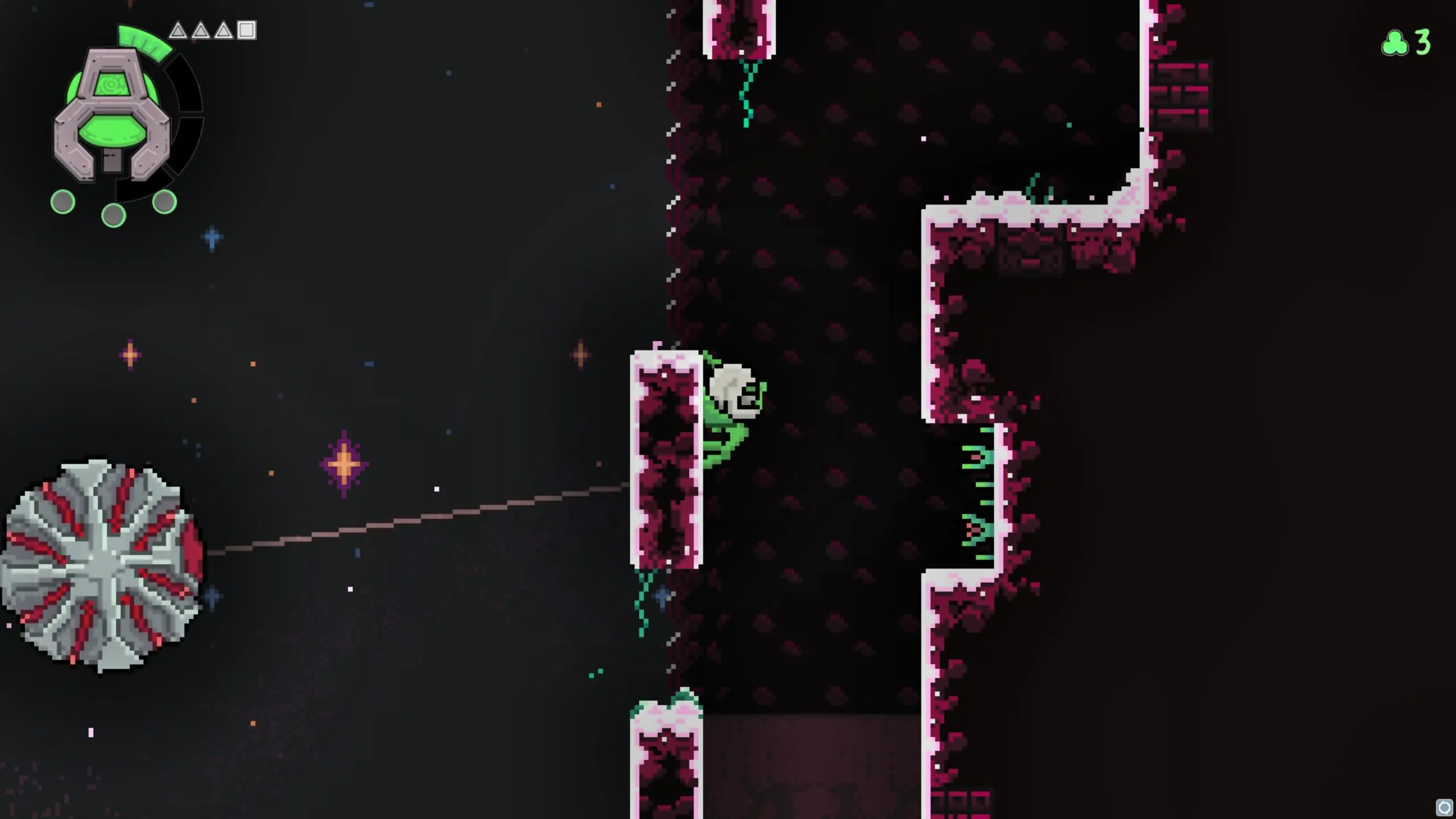
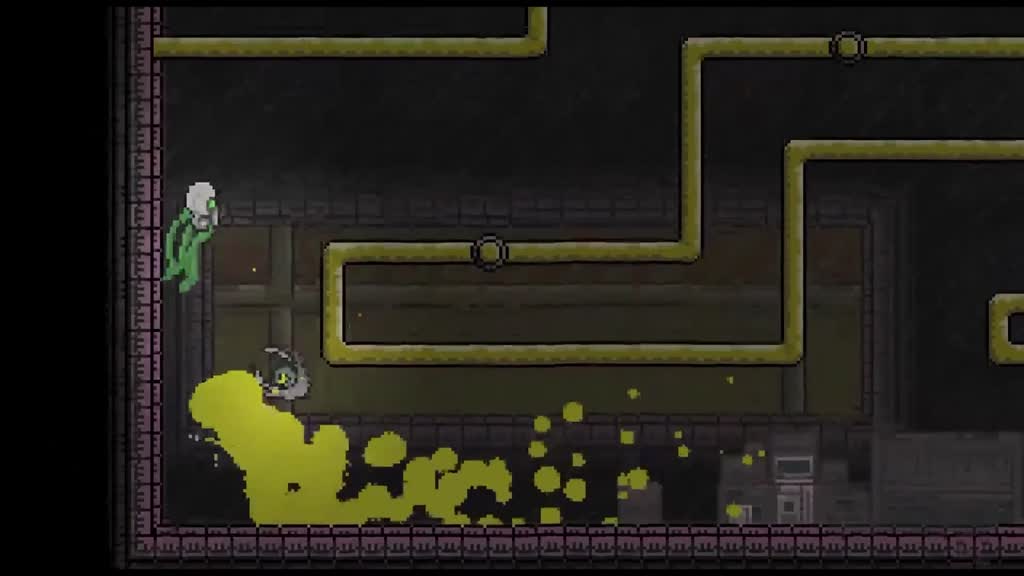
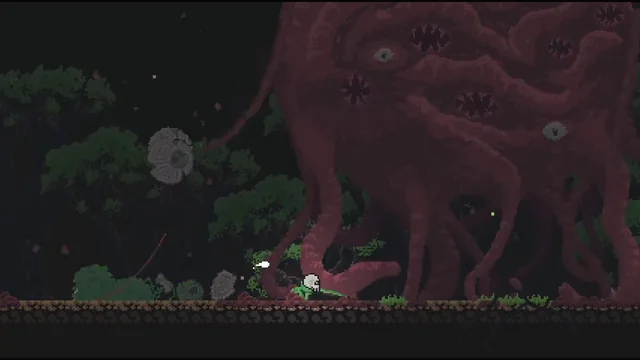
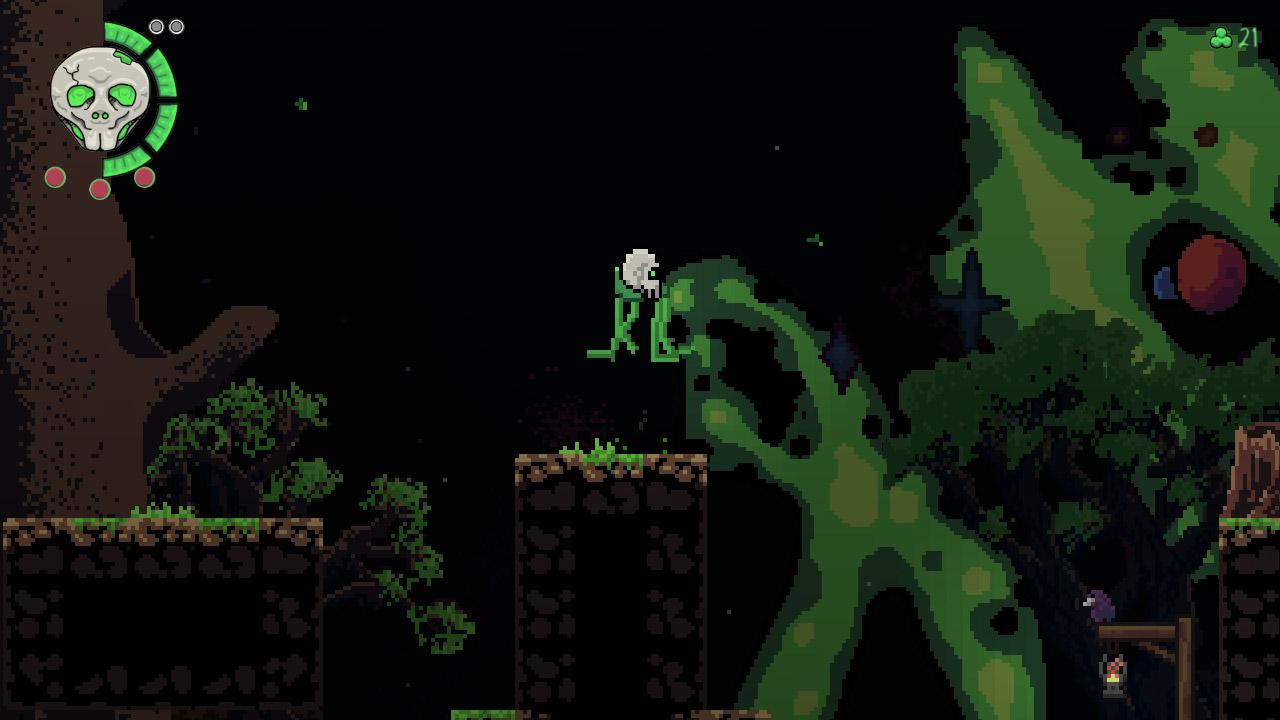
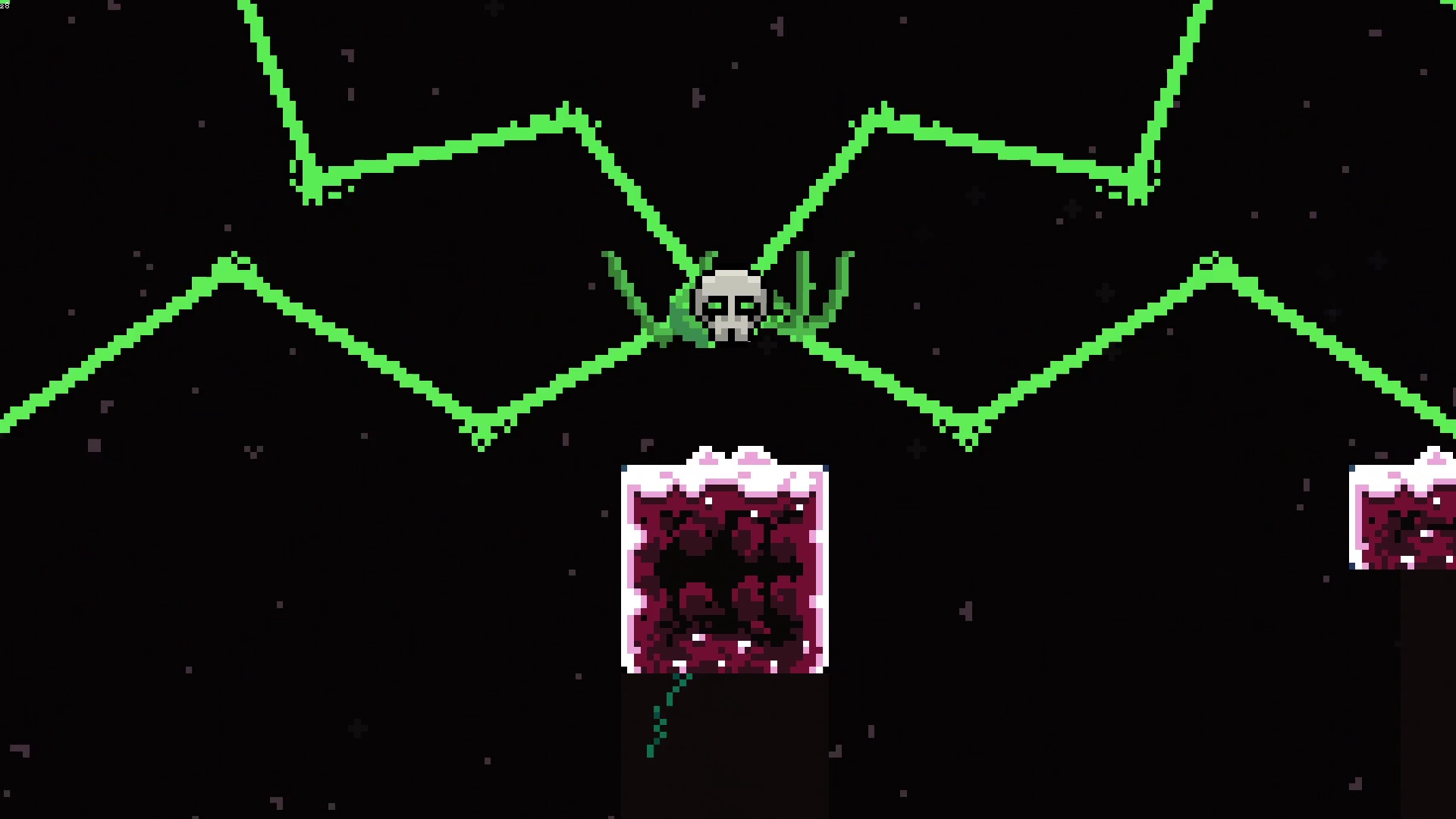
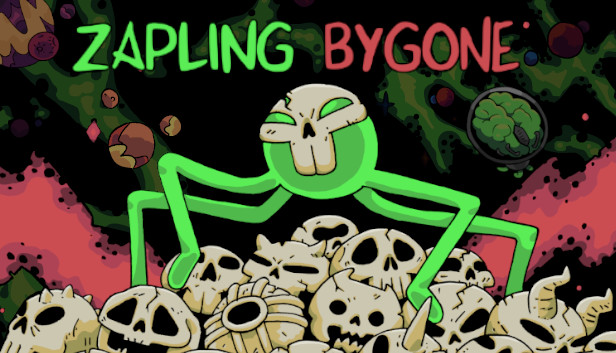
Today brings not one, but two highly-anticipated Q&As that I’ve been particularly excited about doing; the first of which is on a game I’ve already covered that shows a great deal of promise from a new and innovative development team. Zapling Bygone, developed by 9 Finger Games based in Brighton in the UK, is a Metroidvania game centering around a mysterious alien being known as Zapling. He has crash-landed on a foreign planet and resolves to make it his home. It’s a Metroidvania game with a heavy focus on exploration, storytelling, and incorporating a unique combat system. Inspired by the likes of Hollow Knight and Celeste. At the same time of writing my impressions article about the game:

Zapling Bygone: First Impressions

I contacted the game’s lead developer, Stevis Andrea, about the possibility of conducting a Q&A and for a chance to relay more information about what influenced this awesome-looking title. And what challenges and obstacles have come with developing it so far, following the game’s recent successful funding on Kickstarter. So here’s what Stevis Andrea of 9 Finger Games had to say about Zapling Bygone:

What were the influences behind your game?

Initially, I was only inspired by Hollow Knight. I wanted to make a game that felt good to move about, and while doing this, I learned from Celeste and other precision platformers. I wasn’t really planning to make a game at this point; I was just making a prototype for fun. Eventually, I realized I was making a full game and remember watching a stream where T4coTV was playing the Haiku the Robot demo. I realized that if Jordan could make a Metroidvania as a solo dev, then I could too. So I started taking the prototype I was making a bit more seriously.

What has the developmental process been like?

The dev process is usually the same with me. I like to make things quickly and messily. Then iterate over them loads of times until I’m happy with them. That way, I can get a feel for how something plays without committing too much time to it, and then I can modify or scrap it without too many headaches. It also allows me to get feedback on things early on. I want people to enjoy the game. Having people play messy prototype builds before a mechanic is “set in stone” allows me to ensure that it remains fun.

How close are we to seeing the finished product?

About 30% of the way there, most of the groundwork, the overarching story, and core abilities are complete. Now it’s mostly getting my head down and making content to flesh things out.

What has been the most exciting aspect of development?

Probably watching people play my game, having someone play my game, and enjoying themselves is a weird feeling. It’s exciting to create something that allows someone to break away from reality for a moment and focus on something I have made. It’s also nerve-wracking because I want them to like it as much as I do, but that’s, of course, not always the case. So far, the feedback has been super positive, though!

What has been the most challenging aspect of development?

Marketing! Marketing is something you have to learn for yourself; what works for one project might not work for yours. Every game is unique and speaks to a different audience. Finding that audience and resonating with them can be difficult. I also hate feeling like a salesman, and when I’m pushing something I am passionate about, I can worry that it can come off a bit too impersonal.
There was also a point in the Kickstarter that I found specifically challenging. There was a 5-day period where I only raised a few percent of the goal. That can be super nerve-wracking and stressful. It’s relatively normal for campaigns to have the mid-campaign dip, but it’s still no fun. I’m really happy with how it turned out, though.

How well has the game been received so far?

Surprisingly well! I’m always my biggest critic, so I tend to focus on the parts I’m not happy with. When I watch someone else play it and genuinely have fun, it puts a lot of my worries to rest. Loads of people seem to believe in the project, and me, and that is really reassuring and heartwarming.

What platforms are you looking to bring the game to?

PC initially, and hopefully Switch shortly after Steam launch. The Switch is super popular among Metroidvania fans, and it’s also the only console that my nephew personally owns. I’d love to see it on PS and Xbox too, but it’s not the focus at the moment.

Throughout your professional experience, which games did you produce or test, and how did they go on to influence you as a developer yourself?

I made probably a half-dozen prototypes and small games, but I never really cared for them too much. It was a really good groundwork to use to build on, though. I made a load of wacky things for fun. A small prototype where you play as an old man in a wheelchair with a shotgun and a grappling hook, a frog-platformer that changes time according to what surface it lands on, and a Risk Of Rain-style game crossed with tower defense.

I have been meaning to make a website where I can dump all these old hobby projects for people to download, if I can find them all that is. Professionally, I worked in the gaming/gambling industry. I mostly tested and eventually produced digital slot games, and I learned how much I dislike the online gambling industry. I also learned that simply because something is technically a game or “art”, it doesn’t mean there is passion put into it. I want to make games that I am passionate about, with honesty and love. I want a career that means something to me. I am financially worse off than I was working at my previous job, but I am way happier.

Have there been any ideas at this stage of development that have since been scrapped or reworked?

Most of the stretch goals in the Kickstarter are mechanics/areas that I had to scrap in order to keep the budget as low as possible. Who knows, maybe they can be a free DLC if the game sells well enough.

You mention on the Kickstarter page that “I’m a solo developer, therefore I am a single point of failure for the project.” Have you felt the pressure that comes with the fact, and if so, do you find you work better under pressure or free of it?

Good question! I worked as a game producer, so I wanted to be honest on Kickstarter about the risks. Being a solo developer allows me to have complete creative control over the project, but it also means that if something ever happens to me, then nobody is around to finish the project. I wanted to be honest about that.

I don’t think I have felt more pressure because of it; in fact, I might have felt less pressure. I don’t have to rely on anyone else. If the project were to fail somehow, it would be down to me. I always mention the definition of work stress. “Having responsibility over something you have no control over.” In this case, I have full control over the project, and I am pretty certain I can deliver. So I don’t find it too stressful at all! Plus, the ZB community is just so supportive, I always feel like they have my back.

How instrumental has player feedback been in terms of shaping the course of the project?

I’d say it has been the driving force for the project. Even the first builds I was sending to a friend (Hi James!) to get him to see how the movement felt, we probably went through a dozen builds until it felt right. After that, I was posting demo/prototype builds in the Discord constantly with a few dedicated people (I’d say friends now) who would play every build. So player feedback has been hugely important, and I’m considering ways I can continue to have that level of feedback throughout the rest of development.

You also mentioned that you reached out to the Hollow Knight community for feedback. Have you tried to reach out to the developers of Hollow Knight for feedback as well?

I haven’t, I’d imagine they are way too busy working on Silksong. I did have the pleasure of meeting Matthew Griffin in a Discord voice channel, and I had to suppress my inner fanboy. And no, sadly, he didn’t casually mention the Silksong release date.

If you had the opportunity to develop a game with any company or for any franchise, which would it be, and why?

I honestly don’t think I’d like to work on any existing IP that I am a fan of; I would feel like I’m intervening somehow. I wouldn’t want my creative direction to influence their decisions; I’d rather sit back and play their games when they are released. When it comes to new IP, I really like working with passionate people, especially new startups.

After working in the gambling industry, I really appreciate when people are passionate about their games and would love to share this journey with more people someday. I miss working in a team in a lot of ways. I like new worlds, new environments, and fresh mechanics. So I’d like to work with any passionate indies that are making something unique.

Do you have any advice for aspiring developers who may be reading this?

I find broad advice kind of hard because there are a million ways to do anything when it comes to development. I’d say one of the most important things in game design is to keep it consistent. Everything from art, music, game mechanics, fonts, vibe, whatever. It doesn’t even matter if the art is bad, because if it is consistently “bad,” then it looks intentional. The same goes for nearly everything design-wise. And finally, have fun with it. Don’t set out to make a complex game right away; just make small game-jam-size games. Or even just fun mechanics. Just because you don’t finish a project doesn’t mean it is a waste of time; build on that experience and make the next thing better. Eventually, you will get to the point where you are comfortable enough to make your dream game.

I also found the Scrabdackle easter egg in the demo. I interviewed Jake a while back; have the two of you had anything to say about your respective games or advice to offer?

Jakefriend Interview

Yes, a ton. There are a bunch of indie devs that I chat with via Discord almost daily. Jake is in a similar boat to me, at a similar point in development. They say to surround yourself with people you admire, and Jake is definitely one of those people. As I mentioned before, I love being around passionate people. Jake and the other indie devs that I chat with are so inspiring and motivating. I don’t know if I would have made Zapling Bygone without them.

Where on the Internet can people find you?

Twitter is @9fingergames. I’m pretty active there. You can wishlist Zapling Bygone on Steam here:

https://store.steampowered.com/app/1489110/Zapling_Bygone

Do you have anything else to add?

Yes! Thanks for your time, thanks for having me, and thanks to every single backer that has
helped me reach my goal!

I also want to take the opportunity to thank Stevis for agreeing to our Q&A and sharing as much exciting information as he could about Zapling Bygone and what players came to expect from this deeply promising Metroidvania title. Zapling Bygone is most definitely one of the most unique-looking Metroidvanias slated for release in the future, and it will be very interesting to see how the final game plays out upon release. There’ll be another Q&A coming later on today, but in the meantime, I hope you guys enjoyed learning more about this game, and I hope you’re looking forward to playing Zapling Bygone as much as I certainly am!

Game on,

Scouse Gamer 88
Q&A With Grant Kirkhope

Watch my interview with renowned video game composer Grant Kirkhope. Born in Edinburgh and later raised in Knaresborough in Yorkshire, music has always been a huge part of Grant’s life, having learned how to play both the trumpet and the guitar from an early age and growing up listening to a wide range of artists and bands. Throughout his storied career, Grant Kirkhope composed the soundtrack for some of the biggest video games in history at Rareware during the fifth generation of games, including Donkey Kong 64, Goldeneye 007, Banjo-Kazooie, and Perfect Dark.

A freelance composer since 2008, he has also composed for a number of hit games, such as Kingdoms of Amalur: Reckoning, A Hat in Time, Mario + Rabbids: Kingdom Battle, and World of Warcraft: Shadowlands. Amidst his current ventures of composing for films such as The Wrong Rock, The King’s Daughter, and The Handler, I chat with Grant on his early career as a traditional musician after having toured with some of the biggest names in heavy metal, his time at Rareware composing for some Nintendo’s biggest games, the Microsoft buyout of Rare, his time as a freelance composer, his film composing career, and some of the fondest memories he has as a composer of video games:

Milky Tea Studios

Q&A With Milky Tea Studios

Concerning the success garnered by the many independent video game scenes over the eighth generation of gaming and beyond, this interview focuses on something even more significant to me on a personal level. An interview that had been a long time coming. And that I’d been particularly excited about conducting, the video game development scene in Liverpool has seen stability since the home computer era back in the early 80s.

With programmers such as Matthew Smith and companies like Imagine Software taking center stage with ZX Spectrum games such as Manic Miner, Jet Set Willy, and Stonkers. This momentum was carried on across generations of gaming with the likes of Psygnosis finding success throughout the fourth and fifth generations with Wipeout and Lemmings, until unfortunately folding in 2012. But since then, the indie development scene in Liverpool has thrived. With many studios having been founded within the city, such as Mechabit Games, Space Lizard Studios, and the subject of this interview, Milky Tea Studios.

Cont…

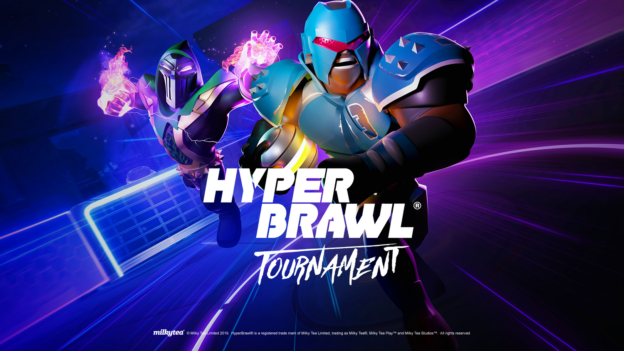
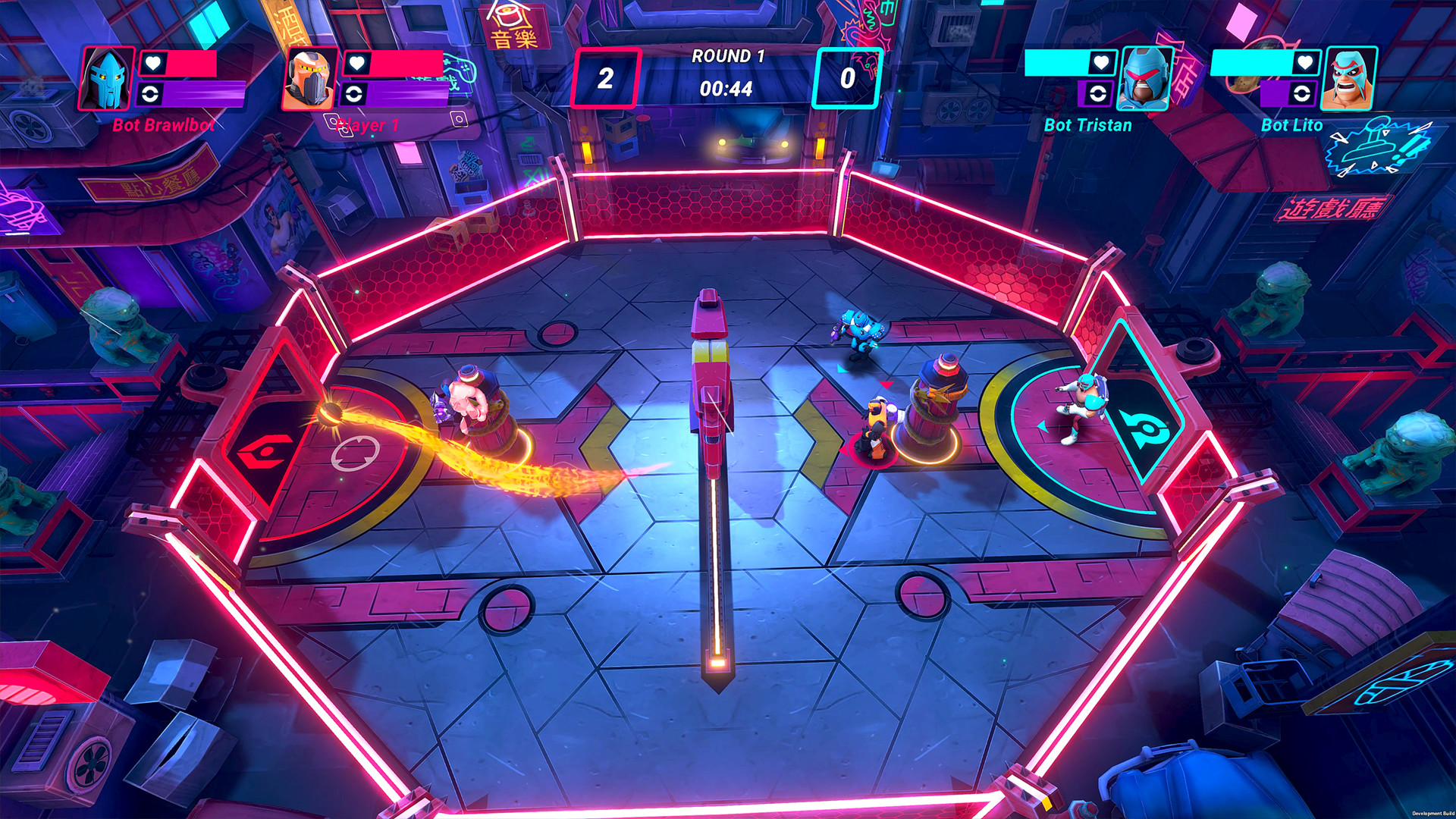
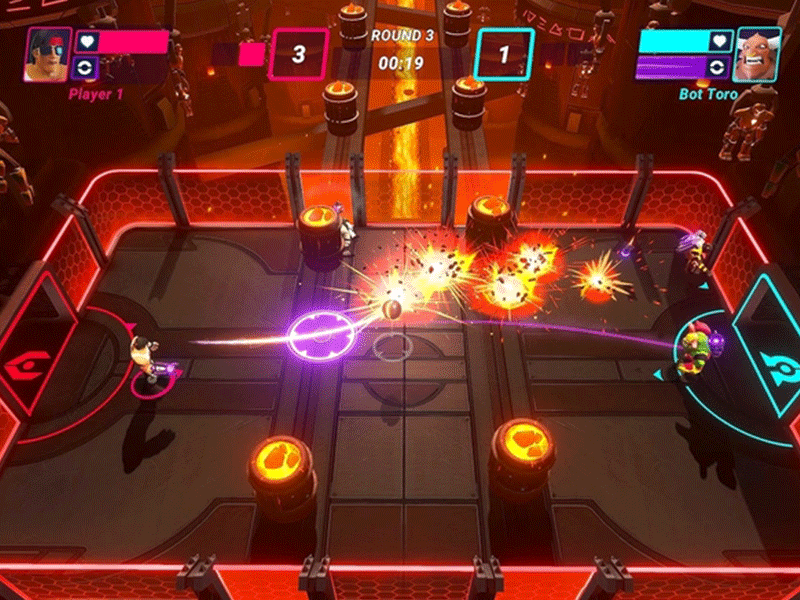
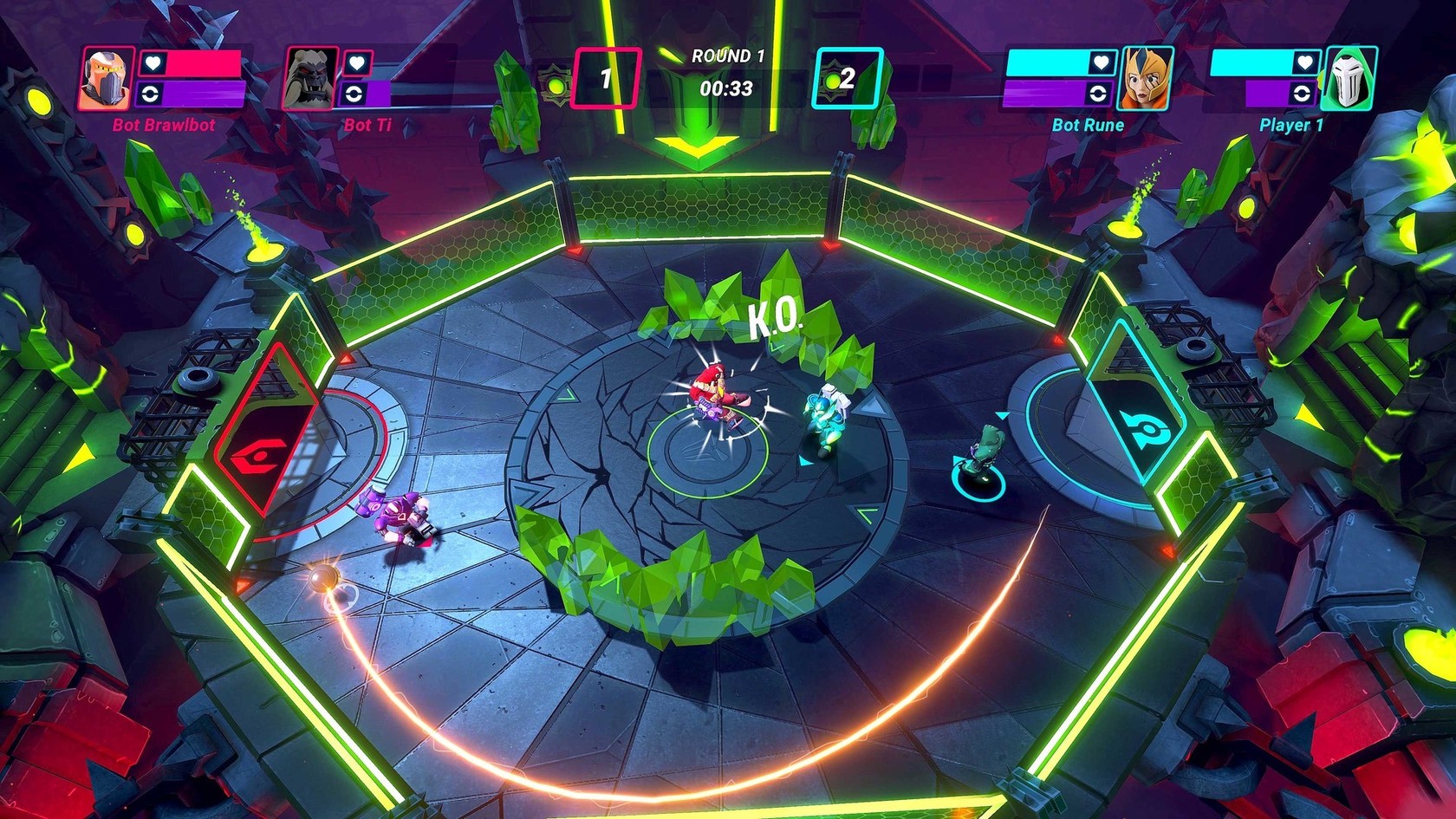
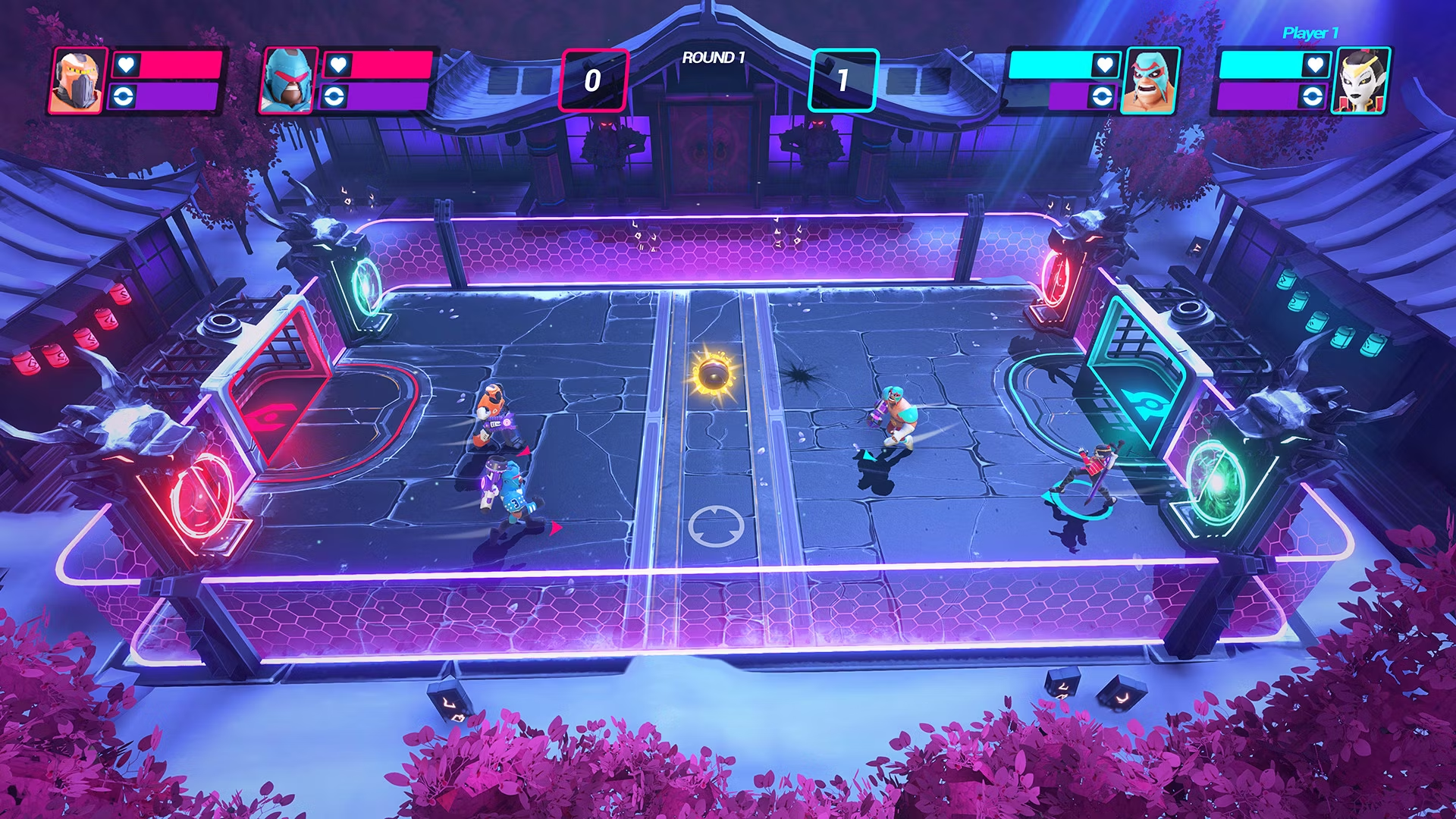
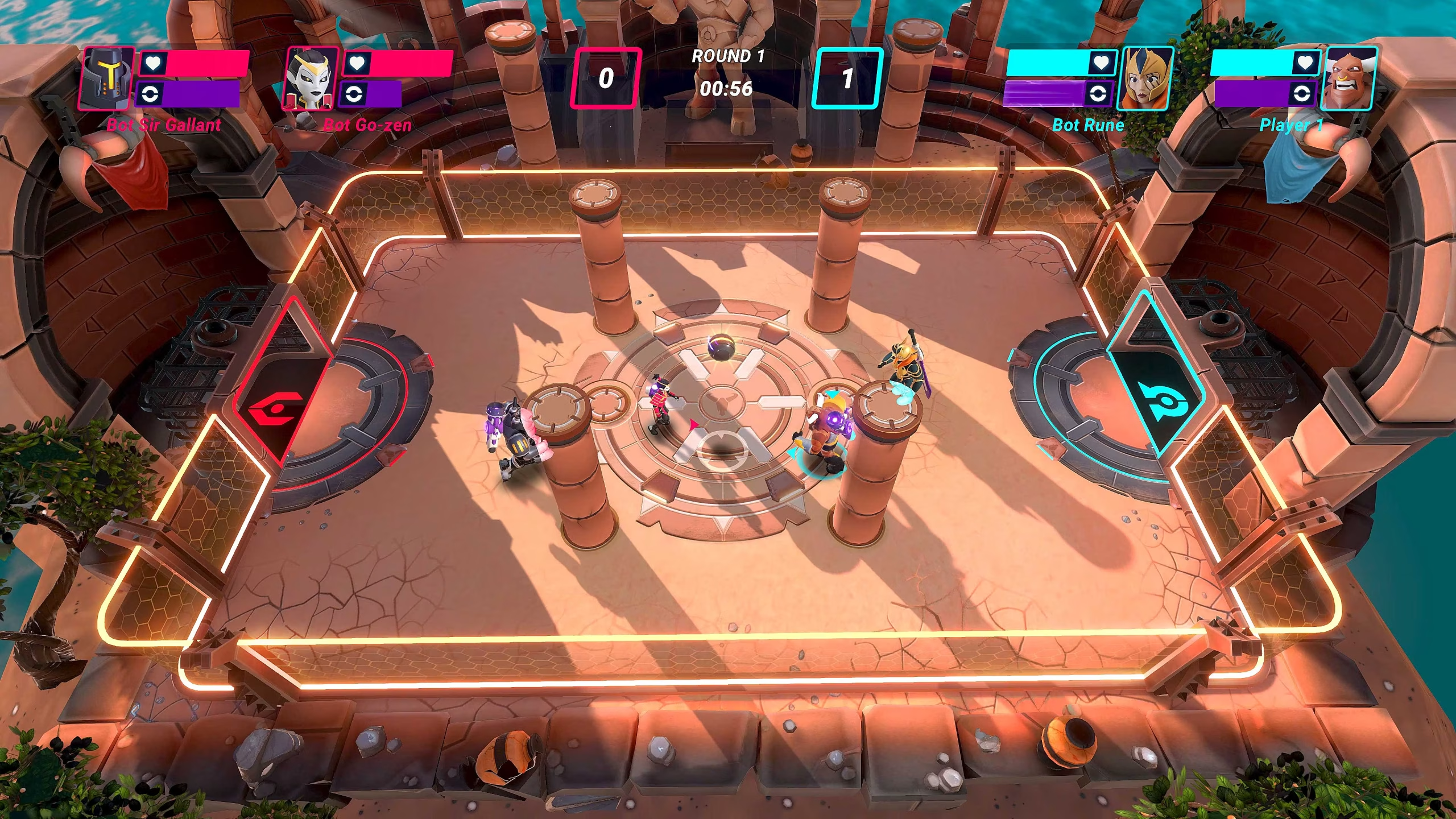
Founded in 2005, Milky Tea began as a designer of advertisement campaigns for companies like Lloyds TSB, Sony, Toyota, and even the NFL at one point. But then in 2015, they released their first full game, Coffin Dodgers. A kart racing game with a dark sense of humor. It saw release initially on Steam and was later ported to eighth-generation consoles. Such as the PlayStation 4 and the Xbox One. After releasing an Android-exclusive game named Roller Rally, they have most recently put out a game very different from anything they’ve ever developed. HyperBrawl Tournament is a multiplayer game taking place across an interdimensional universe. Where players play football using melee combat to attack the opposition and score as many goals as possible. It has since garnered critical acclaim. Having been subsequently released on multiple consoles.

A while ago, I contacted the head of player engagement at Milky Tea Studio, Simon Whitham, to ask him a few questions regarding Milky Tea Studios, HyperBrawl Tournament, and the company’s opinion on the current development scene in Liverpool and what the future may hold for the many promising developers based around the city. Here’s what Simon Whitham had to say about Milky Tea Studios:

Milky Tea Studios 1

What were the influences behind your latest game?

The three biggest inspirations behind HyperBrawl were Speedball, Mario Strikers, and Rocket League. For us, we really wanted to build a casual sports brawler that kept players quick on their feet. But also easy to pick up, yet hard to master.

What has been the most exciting aspect of developing HyperBrawl Tournament?

For us, one of the most exciting developments for HyperBrawl was our soundtrack and audio design. For the audio production and music composing of HyperBrawl Tournament, we worked alongside legendary music composer Steve Levine. And through our partnership, we’re able to work with Sony/ATV and Sony Masterworks to get the official soundtrack released on Spotify and Apple Music. Which, for indie developers, is unheard of.

Throughout the development of the HyperBrawl Tournament, our team also worked alongside the team at Omnio and legendary music composer Steve Levine to become the first-ever video game in history to use this revolutionary music industry and nightlife technology within interactive media.

Using Omnio, we were able to take the audio design of HyperBrawl Tournament and enable players to feel the audio and experience music the way it sounded when originally recorded. In a way that has never been done in video game development before. It displays what is possible with game audio in the modern era.

To convert the tracks of HyperBrawl Tournament, our team and Steve Levine passed each of the game’s audio tracks through a black box provided by Steve containing a unique chipset that utilized a special algorithm to remaster the sound for our team and create audio that is both reactive to the players’ actions in the game world. But also matches the audio to what is happening in the present moment.

Milky Tea Studios 2

What has been the most challenging aspect of developing the HyperBrawl Tournament?

I’d say the most difficult aspect of development was online multiplayer. Multiplayer is always a challenge for any indie developer. And there are a lot of different systems that require perfect balancing. So the process of getting those right can be a lot of trial and error.

How satisfying has it been seeing both HyperBrawl Tournament and Coffin Dodgers garner as much critical and commercial acclaim as they have?

It’s always great seeing the gaming community loving your titles. With both HyperBrawl and Coffin Dodgers, we’ve seen some of the biggest YouTube and Twitch stars within the gaming community play our titles. And it’s always so rewarding to see the organic reactions of the community.

Have there been any ideas from either game that had been scrapped or reworked throughout development?

There are always features that sadly don’t cut when it comes to game development. We’ve had many great ideas that we would have loved to see in HyperBrawl. But I can’t comment on I’m afraid.

Milky Tea Studios 3

Have the team considered bringing HyperBrawl Tournament to VR, as you did with Coffin Dodgers?

I would say we would never rule this out 😉

What are the developers’ characters of heroes of choice whilst playing HyperBrawl Tournament or Coffin Dodgers?

Our personal favorites are Tristan, Shade, Bazooki, and Rip Deadly.

What’s next for Milky Tea Studios?

All the exciting things, new games, new updates, and more 😉

Are there any particular genres of gaming that the collective studio would like to develop a game for in the future?

We’re already working on our next games. And you could say one of the genres is one we’ve always wanted to work on….You’ll just have to wait and see now, won’t you, hehe.

Milky Tea Studios 4

What is your opinion on the indie game development scene in Liverpool?

The games industry in Liverpool is criminally underrated. We have Sony, Lucid Games, and Firesprite. And many more top players within the games industry. All within a stone’s throw of each other. It’s so great to have so many of our peers all within the Baltic Quarter and the surrounding area. There is a very strong level of community and collaboration between us all.

As developers based in Liverpool working on a game based heavily on football, is there an equilibrium of Liverpool and Everton supporters at Milky Tea, or is it more geared towards one of the two?

We are all Liverpool supporters, anything else would be criminal 😛

Do you have any advice for aspiring developers who may be reading this?

Research is key. Look at the market, what the demand is. And what audiences are asking for on Steam and other platforms. It’s easy to fall into the trap of making a game that you love but not what the community wants.

Remember, research is everything. Make sure to look at where the market is and how you can improve upon the formula to make a truly great experience.

Do you have anything else to add?

Remember, stay awesome 😀

Milky Tea Studios 5

Lastly, I’d like to thank Simon and Milky Tea Studios for taking the time to answer my questions. And to wish them the best of luck with the HyperBrawl Tournament. As well as what their next project may be, Milky Tea, along with the many other indie developers based in Liverpool, have shown a great deal of promise in the games they have developed and demonstrated an emphasis on variety in game design. And I can’t wait to see what they come up with next. If you wish to download either Coffin Dodgers or HyperBrawl Tournament, you can do so via the link below. As well as the Nintendo eShop, the PlayStation Network, or Xbox Live:

https://store.steampowered.com/developer/MilkyTea

Regardless, I hope guys enjoyed this interview, and for any scousers out there reading this, I hope you guys feel as optimistic about the development scene in Merseyside as I do.

Game on,

Scouse Gamer 88