Tag Archives: Metroidvania

Aleya's Ascent

Q&A With Ursa Minor Games

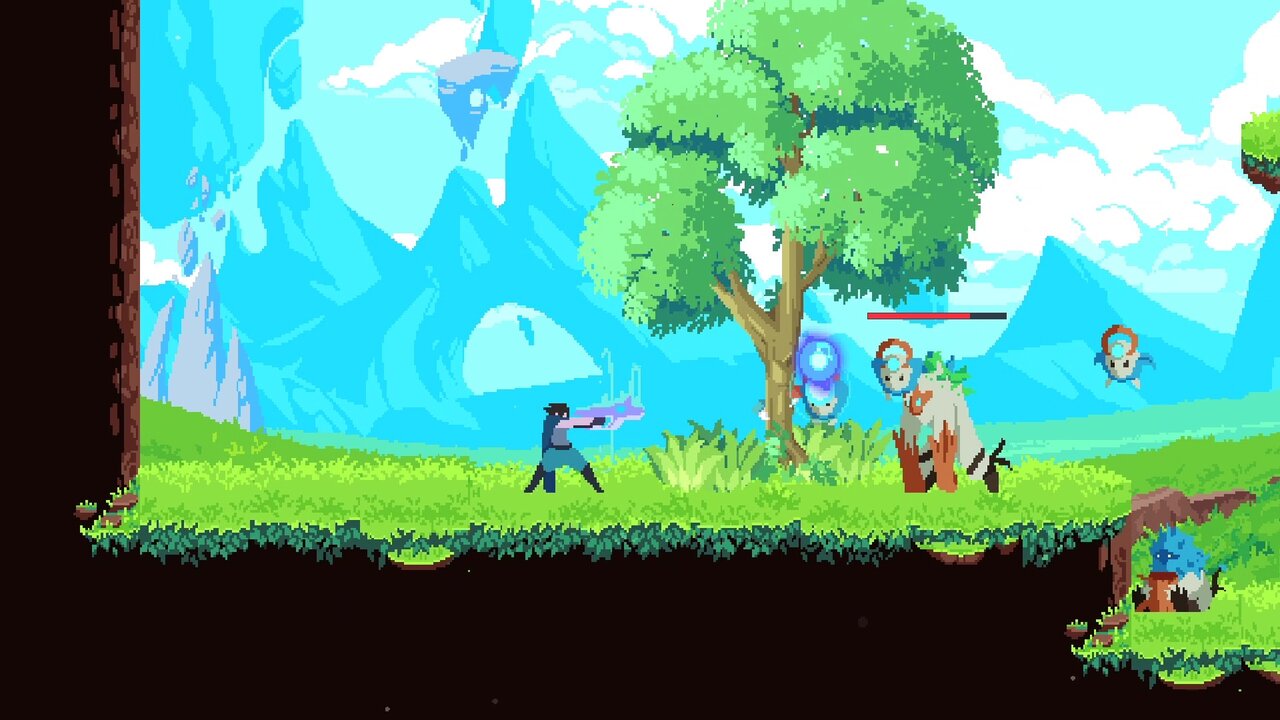
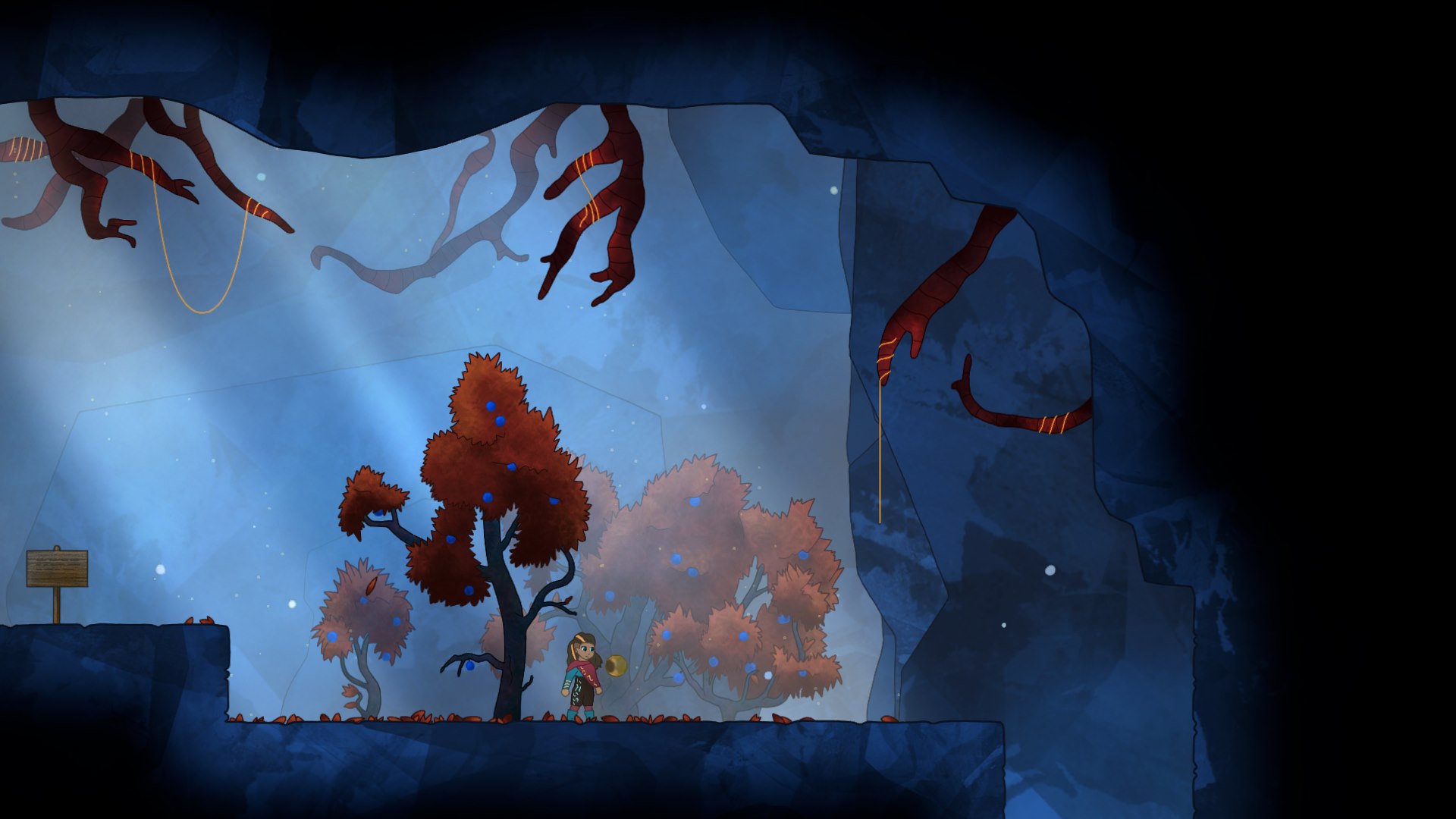
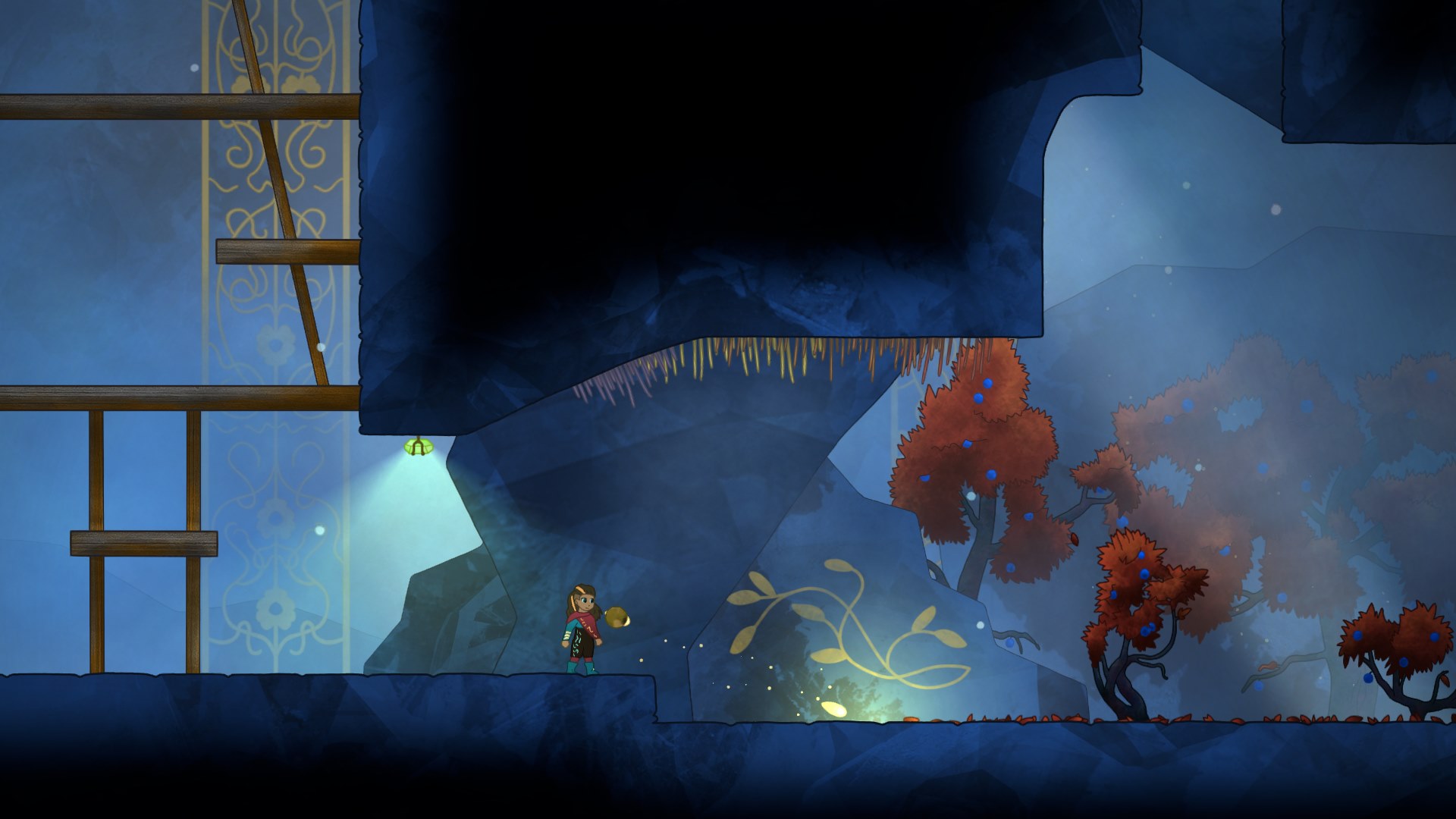
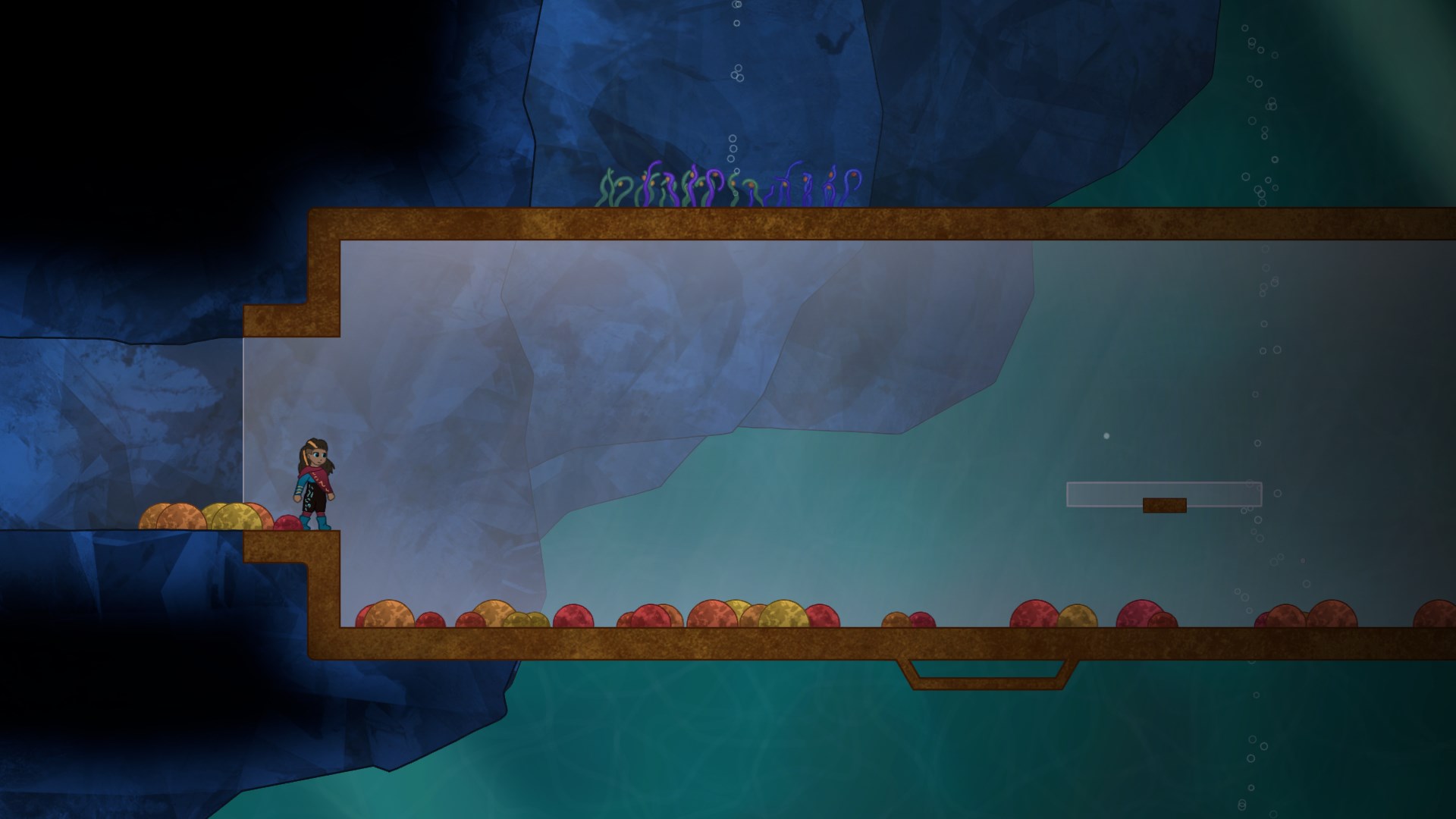
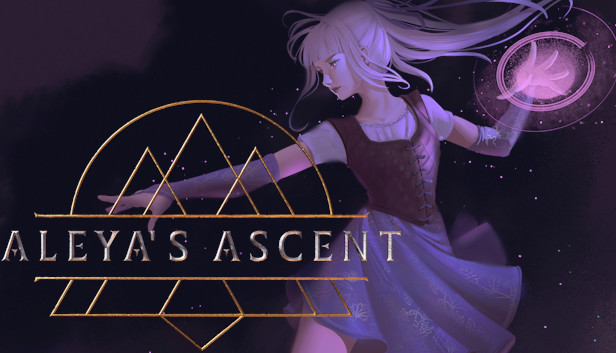
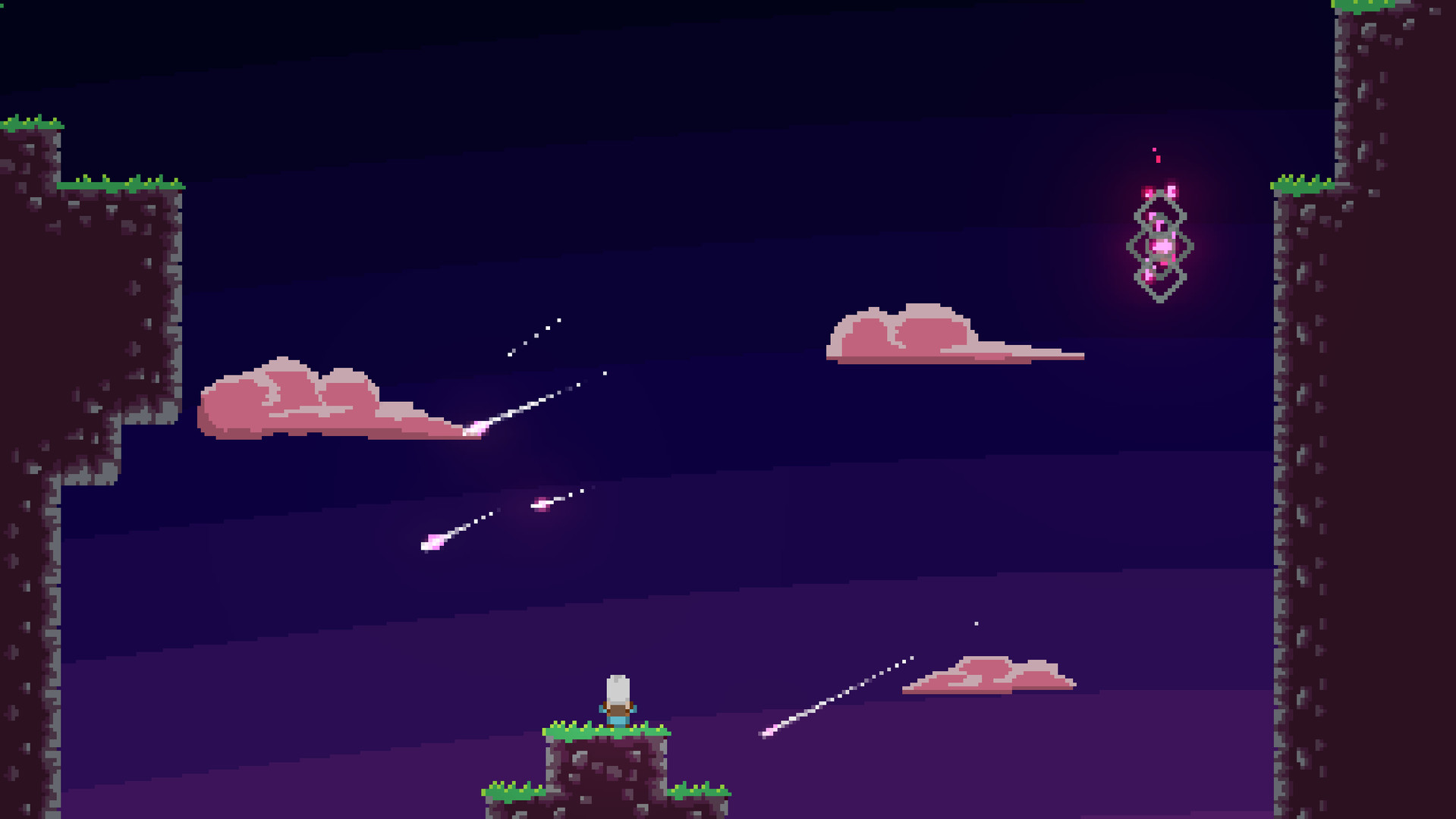
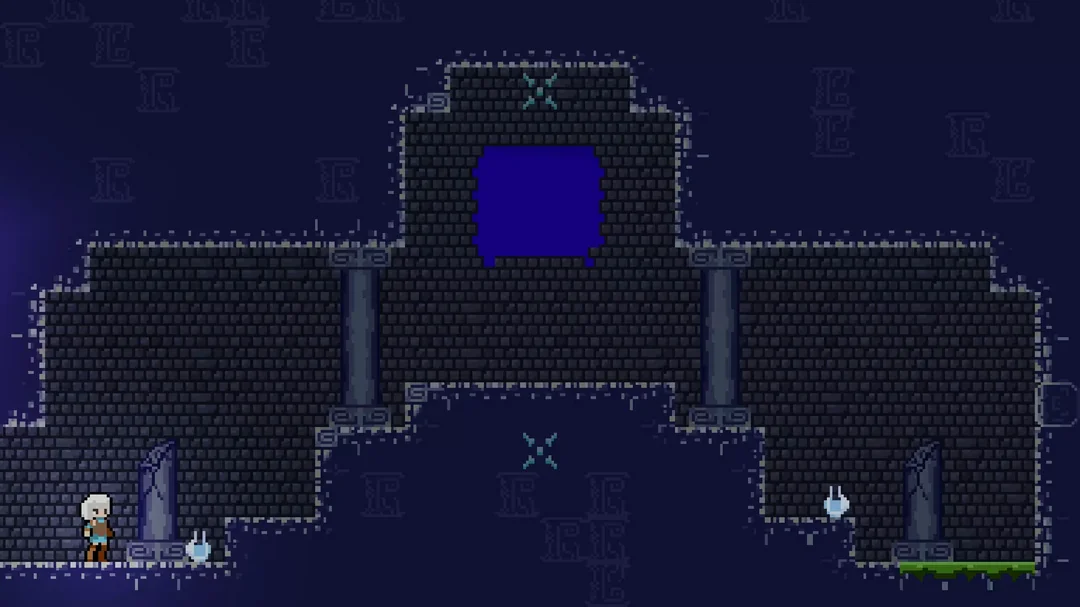
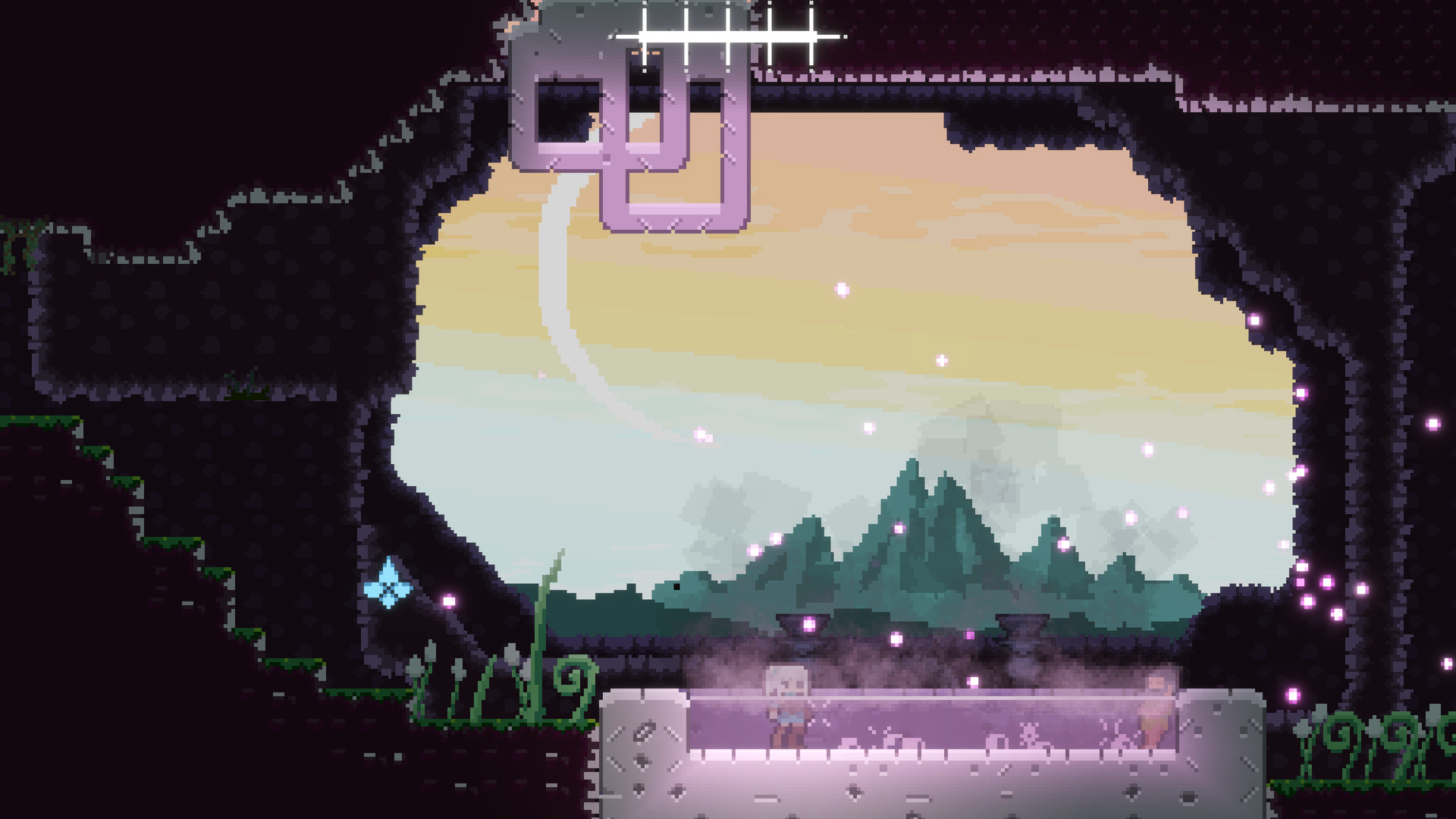
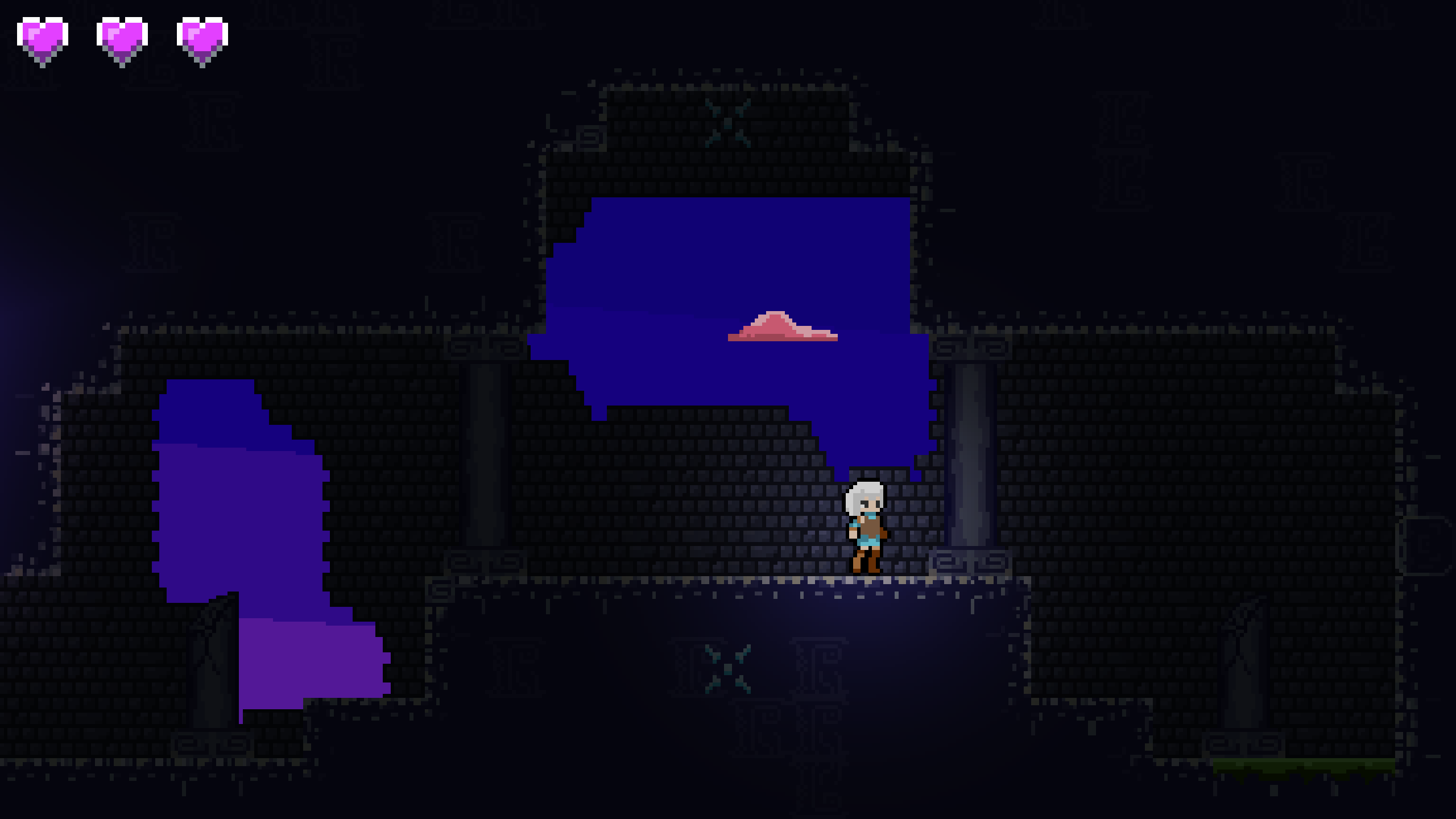
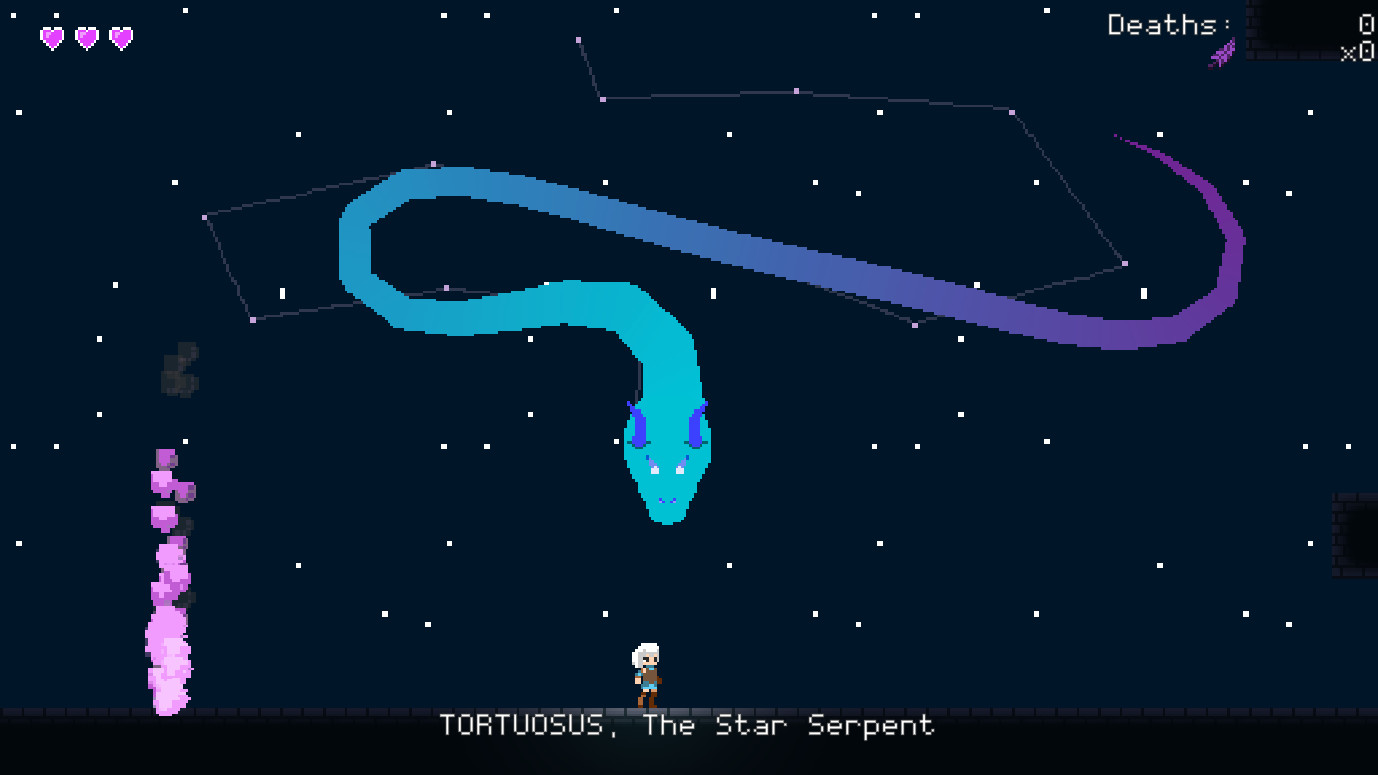
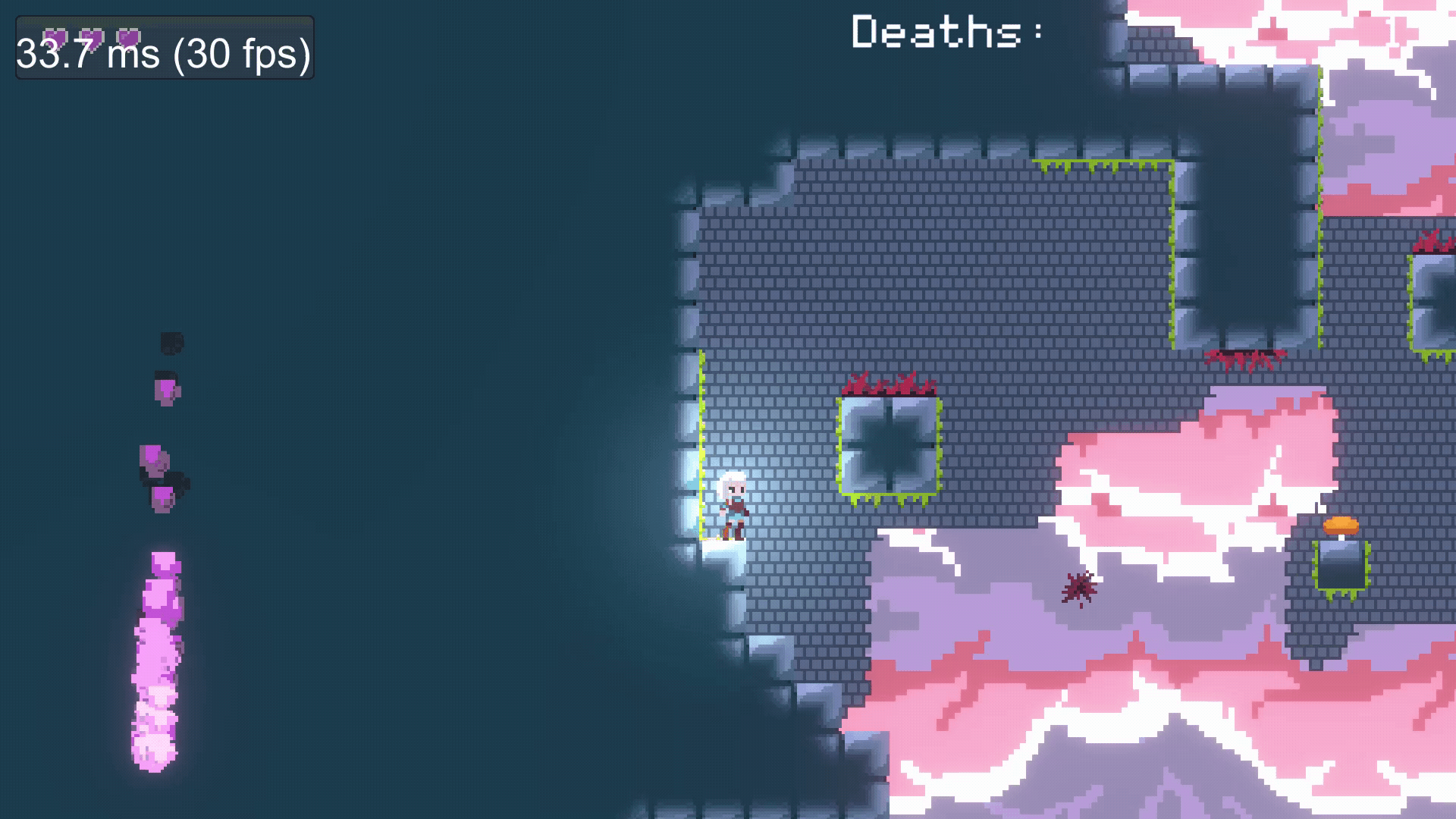
A while back, I came across another very promising title on Twitter that I wanted to bring to the attention of gamers for a multitude of different reasons. Aleya’s Ascent, under development at Ursa Minor Games based in New York, is a Metroidvania title making use of superbly rendered 8-BIT visuals. With a heavy emphasis on exploration, combat, and precision platforming.

The player assumes control of the main character Aleya, who is chosen by fate to tame a series of feral and long-forgotten deities, giving the plot a strong feel of the likes of Shadow of the Colossus and The Last Guardian, in my opinion. But seeking further clarification of what influenced the game, what bumps and scrapes there had been along the way in the developmental process, and when the game would be released, I reached out to the game’s lead developer, William Henderson, for more details about what’s been going on behind the scenes of this excellent-looking game. So here’s what William of Ursa Minor Games had to say about Aleya’s Ascent:
 

Aleya's Ascent 1

What were the influences behind your game?

Main influences at this stage in development include games like Celeste (big one), both Ori games, Hollow Knight, Castlevania SOTN, etc. The usual suspects as far as Metroidvania go. Also, the style/aesthetic/story is heavily inspired by Legend of Zelda.


What has the developmental process been like?

I carried game dev as a side project for about 3 years before deciding to try and push for a full-fledged commercial indie game as a solo developer. So the process has included a lot of learning about the indie game landscape. Reading articles and watching YouTube videos.


How close are we to seeing the finished product?

As a solo indie developer working on his first game, it can be hard to tell. I hope to release a polished demo in Q3/4 2021 and then reassess the timeline based on player feedback. There isn’t any real pressure to release ASAP. So I want to take the time to make Aleya’s Ascent exactly how I envision it. Without cutting any corners to meet a deadline.
 

Aleya's Ascent 2

What has been the most exciting aspect of development?

For me, the most motivating part has been sharing some of the art and gameplay that I worked hard on. It’s exciting getting positive feedback, whether it be through Twitter, Reddit, or Discord. Or with friends and family in person.


What has been the most challenging aspect of development?

I think for Aleya’s Ascent, it has to be finding the time. Life gets in the way. And I can’t spend as many nights or weekends as I’d like on development.


How well has the game been received so far?

I’ve been very happy with the response it’s received on the platforms I’ve presented on. But I know I still have a long way to go. So I’m excited to share more in the future.


What platforms are you looking to bring the game to?

PC is definite, with the possibility of a Switch release down the line.
 

Aleya's Ascent 3

What were your prior programming experiences before developing Aleya’s Ascent?

I have an engineering degree, so I was exposed to programming in college, but not object-oriented programming. I created a handful of game prototypes as practice while in Graduate school. Before I felt comfortable committing to a first commercial game.


Are there any preliminary plans to expand on the world of Aleya, either through a sequel or DLC?

It’s hard to say at this point. While I have an overarching story prepared, it’s unclear where Aleya 1 would end, and Aleya 2 (or DLC) would begin. I certainly would love to continue Aleya’s story, but I don’t want to force a sequel before the first is finished.


Are there any programmers or game creators you took influence from?

Definitely. The developers/programmers from the listed influences above would be a good place to start. It’d be impossible to list them all, but the Twitter indie game circles share so much information about neat tricks/tips/shaders, etc., that it has been vital to my development process.
 

Aleya's Ascent 4

Have there been any ideas at this stage of development that have since been scrapped or reworked?

A whole lot. I’ve had levels and entire maps scrapped to allow for core gameplay changes. In one iteration, Aleya was a robot. I’m not afraid to axe anything if I feel it isn’t good enough or doesn’t quite fit.


What would be next for Ursa Minor Games following the release of Aleya’s Ascent?

Another game for sure. What form, shape, or genre that takes is up in the air. I’ll probably develop a couple of game prototypes on itch.io or something and see if any of them get positive feedback.


If you had the opportunity to develop a game with any company or any franchise, which would it be, and why?

Nintendo for sure. I grew up playing/loving their games, and it would be a dream come true to work with them.
 

Do you have any advice for aspiring developers who may be reading this?

Well, I hesitate to offer advice as I’m just a first-time game developer and a hobbyist at that, but for other hobbyists/solo developers, I found success in chasing inspirations and following whims. I think my best/best-received work has been things that strike me when I’m not working on the game. And take notes once an idea pops into your head, it’ll help you remember and flesh it out into a definitive game concept.


Where on the Internet can people find you?

You can find me on Twitter as @UrsaMinorGames, on Reddit as /u/ursa-minor-games, and find Aleya’s Ascent on Steam: https://store.steampowered.com/app/1470540/Aleyas_Ascent/. Also join Aleya’s Ascent Discord channel for early concepts, works in progress, and other discussions: https://discord.gg/e5qvqkT78z.


Do you have anything else to add?

I’d like to thank you for taking the time and having the patience to reach out and ask questions about Aleya’s Ascent.
 

I also want to thank William for agreeing to share more information about Aleya’s Ascent and to wish him and Ursa Minor Games the best of luck throughout the rest of the developmental process, as well as luck with the eventual release of the game. Aleya’s Ascent was a game that immediately caught my eye in terms of retroactive graphical quality, and I have hopes for great gameplay to match. In the meantime, you can visit Ursa Minor Games’ social media pages and the Steam page, but for now, I hope you guys enjoyed learning more about this title.

Game on,

Scouse Gamer 88

Blu: First Impressions

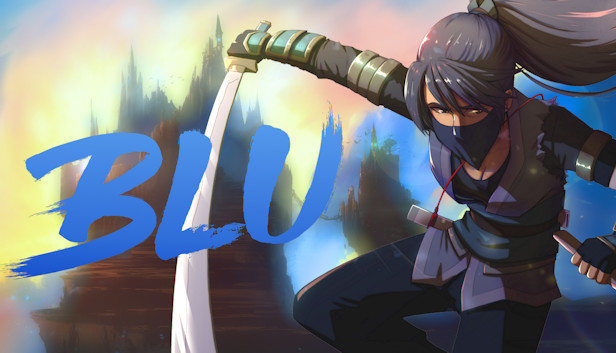
Among the many video game projects I’ve scouted out through social media or crowdfunding websites is a very promising Metroidvania title with a great deal of potential. Blu, under development at MyOwnGames based in Paris, France, tells the story of the titular character and takes place in a setting reminiscent of Feudal Japan, but with a more varied range of influences in terms of conceptual design. The ninja apprentice Blu must save the land of Talpa from an entity known as The Corrupted amidst a conspiracy that has gripped the land for centuries. The game is almost funded on Kickstarter after what has been a very popular campaign, and with 11 days left to go, I thought it was about time that I gave my verdict on my first impressions of this title after playing the demo. If you’d like to contribute to the Kickstarter campaign, you can do so via the link below:

https://www.kickstarter.com/projects/-myowngames-/blu-vs-the-world


You can also download the demo from the Game’s Steam page via this link: 

https://store.steampowered.com/app/1339960/Blu/


And if you would also like to read my Q&A with the game’s lead programmer, Damian “Dam” Robinett, you can do so via this link:

https://scousegamer88.com/2021/04/02/qa-with-damian-robinett-blu/


But in the meantime, here’s what I thought of Blu in the beta stages of its development:

Graphics

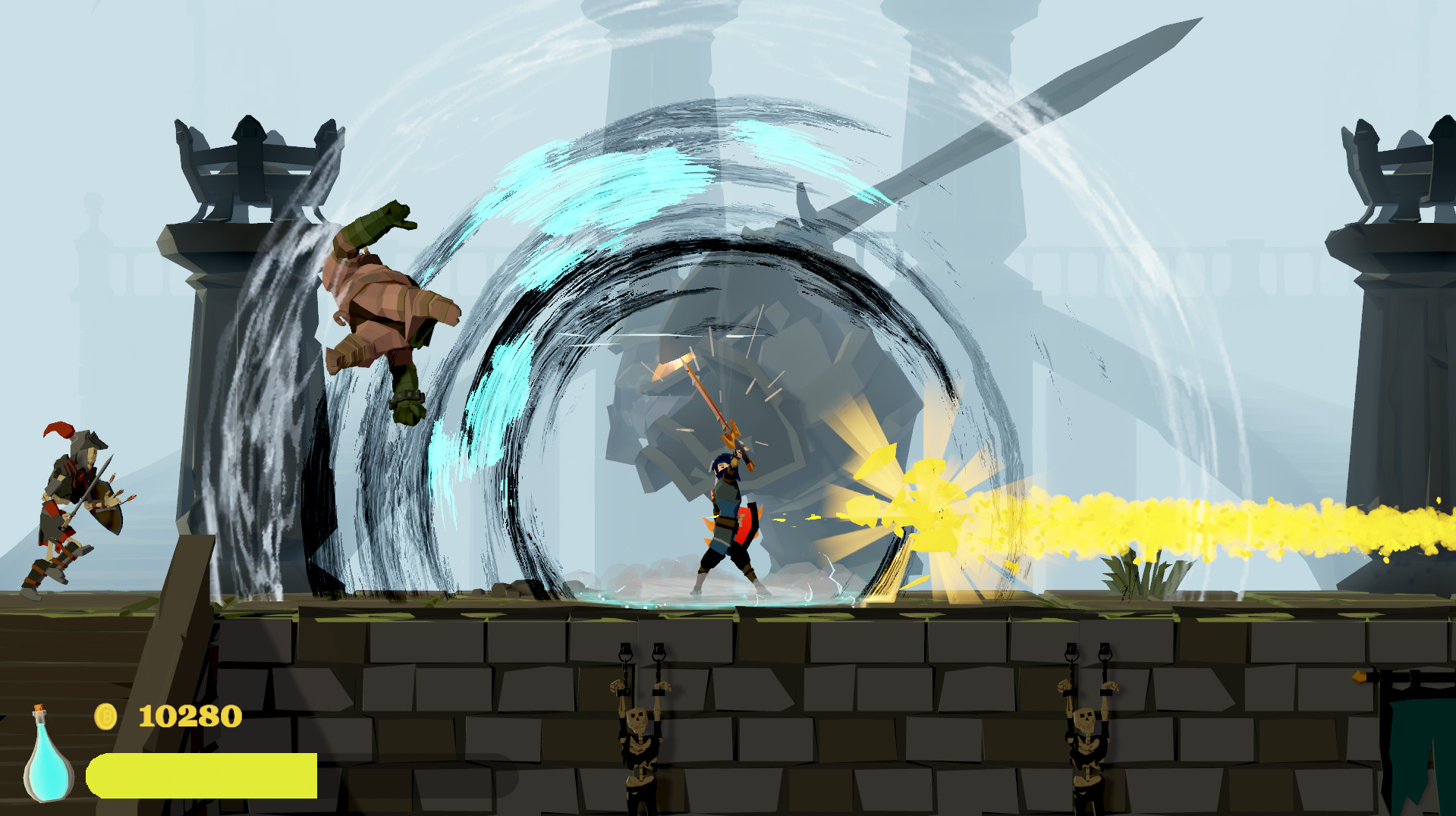
As I said, the game is set in a world largely based on Feudal Japan, but the Corruption has taken hold of enemies that are very much based on Medieval fantasy, resembling trolls orcs, whilst at the same time, including mechanics enemies similar to those of Legend of Zelda: Breath of the Wild. It’s from there that players can understand how Dead Cells became a huge influence on this game, but even in the early stages of development, I can understand how some of these new ideas also come together to form their own cohesive concept. The game’s soundtrack, composed by Lukas Piel, is also extremely catchy and befitting of the settings of the game. 


Gameplay

A traditional Metroidvania, players must scour the world in search of collectibles and new abilities in order to advance. It’s also heavy on combat, puzzle-solving, and leveling up preemptively acquired skills, giving it an RPG feel similar to the likes of Dust and Ori 1 and 2. Again, from early on, I could see the potential this game has, with the number of different weapons available to purchase throughout, and the satisfaction to be gained by upgrading abilities and equipment as the game goes on. There is also a fair bit of strategy involved, and different approaches that need to be taken in accordance with what enemies the player faces, similar to Blasphemous, but nowhere near as unforgiving. For as much as I love Blasphemous, the lower difficulty in comparison is welcome.


Blu 4

Controls

Since the game is still in the preliminary stages of development, the controls are a little stiff, and the character animations in accordance with them, have not yet been perfected it would seem. But once they have been refined to a greater extent, the controls should be no problem. The demo’s control scheme is far more tailored to the mouse and keyboard, though it can be played with a controller, which in the long-term, will be preferable to most players, so they just need to make sure that controller support is built upon before release, and then there should be no problem with the control scheme whatsoever. 


Lifespan

With so many things to do, so many abilities to acquire and upgrade, so many weapons to choose from and so many story elements to it, Blu has the potential to last an exceptionally long time, especially for a Metroidvania game. How long it lasts, to me, depends on the full size of the world, which doesn’t seem to have been revealed yet. My biggest hope for this title is for it to include an open world that, at the bare minimum, is comparable to that of the Ori games, or Castlevania: Symphony of the Night, or another upcoming Metroidvania that I’m currently keeping tabs on; Anew: The Distant Light. As long as that is the case where Blu is concerned, then I think we will have quite an impressive title on our hands.


Storyline

The storyline also has a lot of potential for expanding upon. The basic premise is interesting on its own, but I can’t wait for the introduction of things like support characters, sub-plots, and whatever themes will be perpetuated throughout. Being reminiscent of Feudal Japan, there are a lot of stories told throughout that era that the developers could potentially hearken back to or reference, but as this game clearly is its own fully cohesive concept, there is potential for even more to happen within the story. 


Originality

Though clearly not without its influences, Blu certainly has the potential to stand out among the many different Metroidvania titles that have been released throughout both the eighth and ninth generations of gaming so far. It will certainly do well to top a lot of the games in the genre that have lacked in more than enough aspects such as Exodus, The Swapper, and Xeodrifter. The game also seems to do better to perpetuate the culture and behavior of ninjas than what many other games do; not to the same extent that Mark of the Ninja, but to a better extent than the likes of Strider or Ninja Gaiden, which portray ninjas as kill-crazy warriors as opposed to how they really operate. 


Overall, Blu’s demo certainly perpetuates the potential that this game has to make waves throughout the indie community. The Kickstarter campaign needs to be funded as soon as possible for this title to see the light of day, and it will have certainly been money well spent by the backers and the developers.

Exodus (PC)

Exodus

Developer(s) – Gahlmac Game Studio

Publisher(s) – Multi-Form

PEGI – 3

Released back in 2013 to a very mixed reception by the Steam community, Exodus is a Metroidvania that was brought out shortly before the influx of games in the genre that would follow from many other indie developers. Including Dust: An Elysian Tail, Xeodrifter, Blasphemous, and Hollow Knight. For the most part, the Metroidvania genre has yielded some of the best games of the eighth generation for me. With the likes of Axiom Verge, Ori & the Blind Forest, Ori & the Will of the Wisps, and Cathedral. But unfortunately, the same can’t be said of Exodus.

Graphics – 8/10

The one aspect for which I can’t fault the game, however, is the graphics. Hand-drawn and set on a mysterious alien planet, the game has been given a very vibrant and colorful atmosphere. It has the feel of both tranquility and danger in equal measure. The environmental design is also as wonderfully varied as it should be in any decent Metroidvania title. Taking place in forest lands, ancient ruins, and icy mountains. Unlike every other element of this game, the scenery leaves very little to be desired. 

Gameplay – 5/10

In terms of gameplay, however, especially compared to most other Metroidvanias, is extremely bland and uninteresting. The combat style is very unoriginal, and the range of different abilities that can be acquired throughout, for the most part, seems to simply conform to the Metroidvania blueprint as opposed to being a little more diverse than they are. Games like Alwa’s Awakening and Alwa’s Legacy both provide something very different in the way of combat and puzzle-solving that make them stand out among many others. But with this game, it doesn’t seem the developers even tried to be perfectly honest. 

Controls – 5/10

The controls in Exodus also seem embarrassing, even compared to other generic Metroidvanias. The jump mechanics are extremely stiff. And many sequences involve both traditional controller movement and simultaneous points, kind of like in Terraria. But as some sequences require the use of both of these mechanics at the same time, it can cause problems for the player. A lot of these different kinds of sequences were handled far better in older games in the genre, such as Super Metroid and Castlevania: Symphony of the Night. So, for the developers to have even failed to follow the initial blueprints just makes Exodus seem all the more amateurish. 

Lifespan – 3/10

The game can be made to last for around 3 hours. Which again, falls way short of the average lifespan of a Metroidvania. Though given the number of problems there are with every other aspect of this game, I’m amazed that people have even made it through the first hour. It wouldn’t be so bad if there were a few more things to do around the more open spaces than there are. But it was a further push that this game needed, which the developers seemed unwilling to implement. 

Storyline – 4/10

The story of Exodus involves either one of two selectable characters, Zoulux or Ly’sax. They have become stranded on an alien planet named Exodus and explore it in order to uncover the mysteries behind it and save the population along the way. Again, it simply follows the blueprint of the original Metroid as opposed to perpetuating a new idea for a story in the same way that Metroidvanias like Blasphemous did. Since there seemed to be very little to the personalities of any of the characters involved, it was far too difficult for me to become emotionally invested in the story.

Originality – 3/10

The main thing that I’ve touched on many times in this review is that the developers simply seemed to be following the blueprint of bigger and better Metroidvania games that came before it. And this can be said for pretty much every aspect of the game. Even the visuals were the only redeeming quality, in my opinion. But the thing is, it couldn’t even follow the blueprint right in terms of things like gameplay and especially controls. So, therefore, the game does stand out to a small degree. But for very much the wrong reasons. 

Angrii

In summation, Exodus is a game not to be taken seriously alongside many of the other greater Metroidvania titles that have since been released. It’s available for less than a pound on Steam. But frankly, with how little effort was put into it, players should really be offered money to play it. 

Score

28/60

4.5/10 (Mediocre)

Metroid (Nintendo Entertainment System)

Metroid

Developer(s) – Nintendo R&D1 & Intelligent Systems

Publisher(s) – Nintendo

Director(s) – Satoru Okada

Producer(s) – Gunpei Yokoi

PEGI – 7

Released at around the midpoint of the third generation on the NES to generally positive reviews, selling best in America, Metroid became a favorite among fans of the original NES, and of course, would go on to become one of Nintendo’s flagship franchises along with the likes of Super Mario, The Legend of Zelda, and Donkey Kong. I was excited before first going into this one some years ago. Because it wasn’t a game I got to experience at the time of its release.

And I was very much looking forward to seeing the beginnings of this franchise after hearing what I had heard through word of mouth. But I do think it is one of the better games released on the NES. And I can understand why so many people regard it as a beloved classic. To me, the series did get better as it went on. Especially as this game suffered from a lot of limitations that the era of gaming in which it was presented. 

Graphics – 10/10

The best quality this game has, in my opinion, is the visuals. Set across an expansive alien world, it presented something extremely different from what Nintendo was putting out at the time. Which mostly involved worlds made up of anthropomorphic animals and contemporary fantasy settings. Although there were plenty of games with sci-fi elements on the NES. Such as Abadox, Contra, and Metal Gear, it was indeed interesting to see the makers of the console try their hand at it themselves. And the result is one of the best-looking games on the system. The game’s soundtrack, composed by Hirokazu Tanaka, also complements the game’s atmosphere. In a way that also goes above and beyond what many other NES games attempted.

Gameplay – 6/10

Although the original Metroid is generally described as an action-adventure, ostensibly it’s a Metroidvania. Although that term at the time had yet to be coined, of course, until Super Metroid and Castlevania: Symphony of the Night were both released many years later. The player must navigate their way through an open world and collect items, upgrades, and new abilities. And defeat bosses in order to unlock new areas, and ultimately face off against the end boss.

But as this particular genre of game was yet to be built on, it suffers from limitations, such as there being no in-game map. This, in the Metroidvania genre, has become a staple element. Being a by-product of its time, players were reliant on either a strategy guide or even drawing up rough maps for themselves to make sure they didn’t get lost or explore an area twice needlessly. It’s enjoyable to play with a strategy guide, but a nightmare without one. 

Controls – 7/10

Another area where problems exist is the control scheme. As the game also has a lot of sequences whereby players must jump up vertically elongated areas, this presents issues because the game’s jump mechanics can feel quite inconsistent. Super Metroid had the same problem. As well as a few others, but not to the same extent as the original Metroid does. What’s also sorely lacking is the ability to shoot diagonally. Which again, would be something that would be greatly improved on with future Metroidvania titles.

Lifespan – 7/10

The game can be made to last around an hour and a half. In all fairness, whilst that seems like nothing compared to games today, it was actually a fair bit of time longer than the average game in the late 80s. In this respect, the original Metroid was somewhat ahead of its time. Along with the original Legend of Zelda and Zelda II: The Adventure of Link. Again, it may be down to the limitation of what hardware was being used back then that the game couldn’t have been made to last longer than it does. But the lifespan did manage to break some new ground at least. 

Storyline – 7/10

The story of Metroid is that the Galactic Federation has sent a bounty named Samus Aran to the planet Zebes. It is infested with mysterious, hostile aliens known as Metroids, in order to take out Mother Brain. The biochemical life form controlling the Space Pirates, who were responsible for the Metroid outbreak. Not a lot of that is made clear throughout the game. Instead of third-generation tradition, players had to read the manual in order to learn as much about the narrative as possible. But the reveal that Samus is, in fact, a woman is considered to be one of the most iconic moments in gaming history. The concept of a female protagonist was pretty much unheard of in video games at the time. 

Originality – 8/10

It’s for that same reason, as well as its contemporary sci-fi setting, style of play, and accompanying soundtrack, that Metroid stands out as one of the most unique titles on the system. Although the series would go on to reach greater heights. And the character of Samus Aran would go on to become even more admired by gamers everywhere. This is where it all started. And for many gamers, this title broke a lot of new ground in ways that no one could have expected. Satoru Okada would go on to become one of Nintendo’s most iconic figures until his retirement in 2012. And it’s not hard to see why, with the legacy he and the late great Gunpei Yokoi have left behind with the release of titles like this.

Happii

Overall, Metroid, whilst it indeed has too many flaws for me personally to be able to label it as such, is still considered by many to be a classic and an NES favorite. And for good reason. It was Metroidvania before the genre was even properly conceived. And no game had played anything like it at the time. 

Score

45/60

7/10 (Good)

Blu

Q&A With Damien Robinett

At the time, centered when I scouted Astral Ascent on Kickstarter, I also came across yet another French indie title made in a somewhat similar vein, but with a completely different, yet just as exciting, premise. Blu, under development at MyOwnGames based in Paris, is a Metroidvania centering around the titular ninja character set in a world reminiscent of Feudal Japan. But with a lot of twists in terms of conceptual design. Influenced by the likes of Super Smash Bros, The Legend of Zelda, and the modern indie classic Dead Cells, it perpetuates many of the same awesome qualities associated with any classic Metroidvania game: exploration, intense combat, and epic boss fights.

It also features a particularly catchy soundtrack composed by award-winning German composer Lukas Piel. Again, wanting to know even more about this compelling-looking Metroidvania, I contacted the game’s lead programmer, Damian Robinett, to see where the project is in its current state, when players can expect to see the finished product, and to learn more about the game’s upcoming Kickstarter campaign, due to begin on April 6th:

https://www.kickstarter.com/projects/-myowngames-/blu-vs-the-world

Here’s what Damian Robinett had to say about Blu:

Blu 1

What were the influences behind Blu?

Several indie games that have come out in recent years, Dead Cells and Hollow Knight in the lead. But also a lot of the manga universe. Naruto, for example, for certain attacks and designs, or to a lesser extent, One Piece, where I draw on the richness and diversity of its environments.

What has the developmental process been like?

Although working alone, I try to manage the development of Blu like any midsize organization. It begins with a reflection phase that lasts several months. Followed by a design phase where I design my game (which often looks like a AAA production on paper). An analysis phase where, depending on the resources available, I extract the fundamental concepts from my game design document in order to reduce them and strengthen the consistency.

And it is only then that I start the production phase. At this point, I am moving forward a little on all aspects at the same time, on the one hand, to keep the motivation, on the other hand. Because it allows keeping the game balanced and anticipating the problems in advance. I also devote a couple of hours a day to promoting the game and to discussing with my community.

How close are we to seeing the finished product?

The vast majority of the game mechanics have been implemented. Most of the Level design remains to be done, and as in all Metroidvanias, it will take a lot of time, in the end. To balance the game so that all players can enjoy a nice progression curve.

Blu 2

What has been the most exciting aspect of development?

Discover and test new things. I love to experiment, and being alone on a project means you have to diversify your activities and gain a lot of experience. Both at a practical level and in the organization of the work. Creating new relationships has also been extraordinary. The support in the game developer community is truly amazing, with great empathy and support.

What has been the most challenging aspect of development?

Combat mechanics. Starting from nothing, it’s very quick to get something playable. And you progress quickly. But when you have to streamline the gameplay in order to get something really satisfying for the player, it quickly becomes hundreds of hours of testing and tuning to get the character to behave perfectly as the player expects. A good feeling of combat results from the meeting of all the components of a game: animations, visuals/sound effects, physics, code … It’s very hard to obtain.

How well has the game been received so far?

Very good. The community of players is extremely benevolent and knows how to judge a game according to its maturity. When I see the enthusiasm that Blu causes, I am often afraid to disappoint the players, but although often bugged, the different releases always look more or less like what players expect.

Blu 3

How instrumental has fan feedback been across platforms like Discord and Twitter in shaping the development of the game?

A lot! My community shapes the game in its own way. I take into account all user feedback. I can count on talented game devs, as well as seasoned users who see the game with a fresher eye than mine. All the people who come to give feedback do so in a constructive way. And as is often done in public chats, it allows you to quickly gauge the interest in a new feature. When the change is quick, I often try to make it within the hour rather than writing it down.

What platforms are you looking to bring the game to?

My goal is to make a simultaneous release on PC, Nintendo Switch, and PS4 before the end of 2022. The console version may be postponed to the first semester of 2023. Depending on the scope of the work to be done to port the game. An Alpha, Beta, and several test builds will be released before that.

How has having Lukas Piel on board with the project helped to bring the game to life so far?

Lukas brings poetry to the game that I hadn’t envisioned when I first started developing Blu. He weaves a musical universe over the levels that turns a fighting game into a heroic adventure. If there’s one thing I’m sure of, it’s that the soundtrack will be magnificent. Working with him is a pleasure. I hope I can count on him for all my productions in the future.

Blu 4

Have there been any ideas at this stage of development that have since been scrapped or reworked?

Very much! I write down all the ideas that come to mind. Half go by the wayside after a second reading. The second phase is longer; I let it ripen for a while to determine if these ideas really bring something coherent to my game. When you’re a developer, you often tend to program certain features because you CAN do it. But most of the time, the player doesn’t even notice its details. You have to know how to bring a little magic, but time is our enemy, and you have to know how to do it with relevance.

Then the third phase will come, the one where I will no longer have time to do everything that I have stacked in my to-do list. And it will be necessary to reorganize in order of priority what is imperative to include in the game. And what is optional. We always keep them in a corner for later, but even after the release, the list of tasks often grows longer.

Will there be many stretch goals for the Kickstarter campaign when it’s launched?

Yes, it will mainly be stretch goals aimed at lengthening the playing time with new modes and offering exclusive in-game content to my backers. At each level, the game will also be translated into new languages. I decided to focus my stretch goals and rewards on the game itself. And not to diversify into derivative products.

Since Blu is heavily influenced by Smash, how exhilarating would it be to see Blu join the roster? What would her final smash move be?

I will quickly imagine that this is not reality and would definitely go crazy if it really were. But I guess it would be like having a part of myself fighting in the arena. I have spent more time with Blu than with any human being for the past two years, and I regard her as my own daughter. I don’t think she would match the big names of Nintendo, but for her final attack, I would say a heavy diving attack, Ganondorf-like. She’s a ninja, but she’s not in the delicacy.

Blu 5

If you had the opportunity to develop a game with any company or for any franchise, which would it be, and why?

We have some really cool development studios in France, so I will probably stay here. I would say Motion Twin for its cooperative legal form, which encourages developers to believe in and get involved in the projects they develop.

Do you have any advice for aspiring developers who may be reading this?

Don’t go for it with your head down. You could miss beautiful things. If you are working on a title that is close to your heart, take your time to lay your project down, and learn about best practices. Don’t take the easy road, experiment with new things, learn XP before finishing your quests, make friends on Twitter, make a Game Jam with them, and meet them in real life if you can. Promotion is hard at first until the day you don’t call it “Promo” anymore, but just a productive break you enjoy. And persevere. Over time, it always pays off.

Where on the Internet can people find you?

Mainly on Twitter and Discord. I work alone at home, so I often go there to chat a little:

Twitter – @blu_vs

Discord – https://discord.com/channels/722365912354652231/730153875901775903

Do you have anything else to add?

Yes, there are some friends of mine from Angouleme who are currently living on Kickstarter with their project Astral Ascent, and you should also take a look at it!

Blu 6

Indeed, if anyone is interested in checking out Astral Ascent, you can do so via their own Kickstarter page; a link to which can be found in my recent Q&A with the lead programmer at Hibernian Workshop, Louis Denizet:

https://scousegamer88.com/2021/03/31/astral-ascent-hibernian-workshop

But for now, I’d like to thank Damian for sharing what information he could about Blu and to wish him the best of luck with the Kickstarter campaign launching April 6th. Blu, like most Metroidvanias released throughout the eighth generation, looks like a particularly engrossing and addictive game. And I can’t wait to get my hands on it when it’s finally released. In the meantime, I hope you guys check out Damian’s Kickstarter. And that I hope you enjoyed learning more about this awesome-looking game.

Game on,

Scouse Gamer 88
Astral Ascent

Q&A With Hibernian Workshop

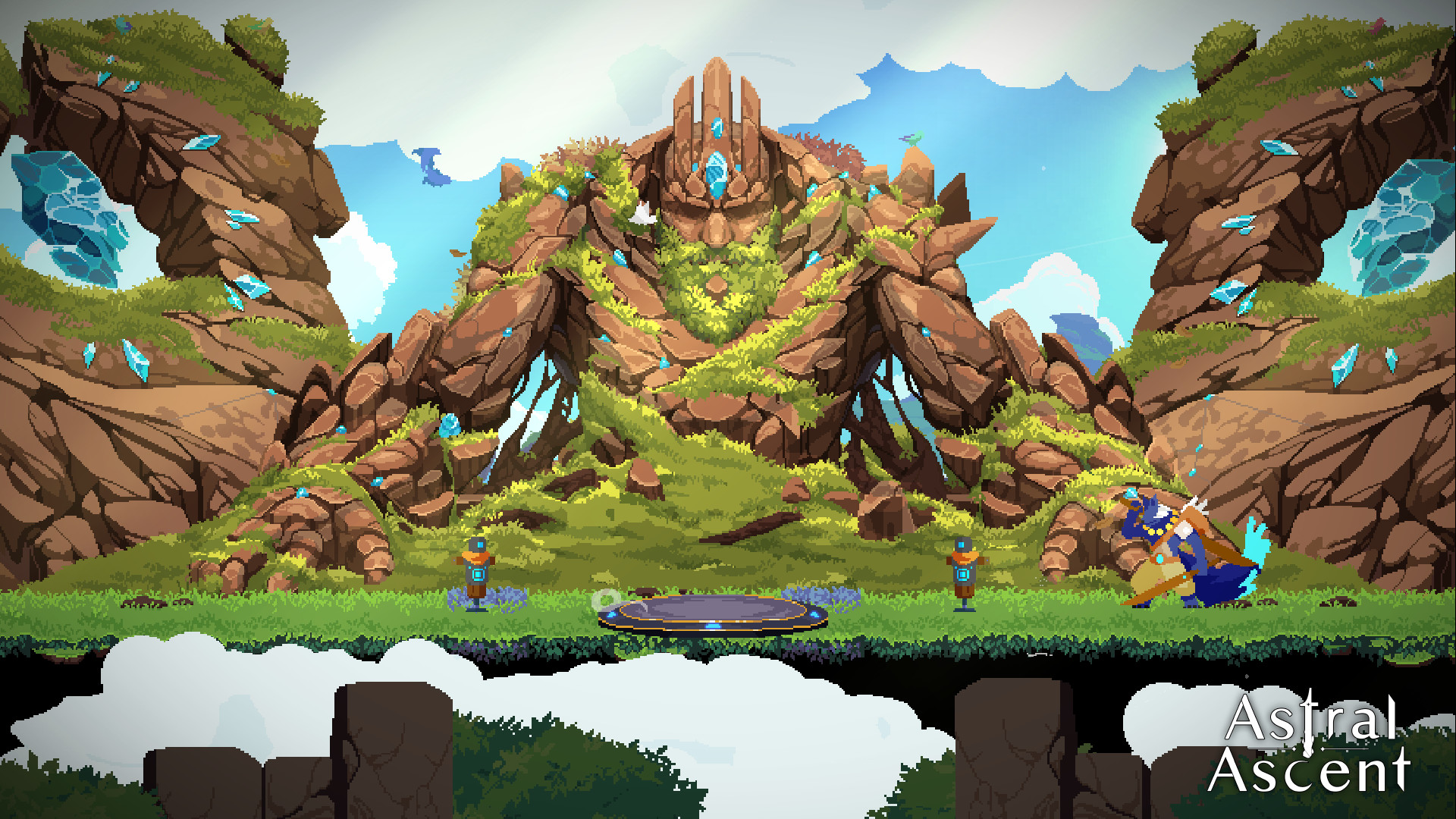
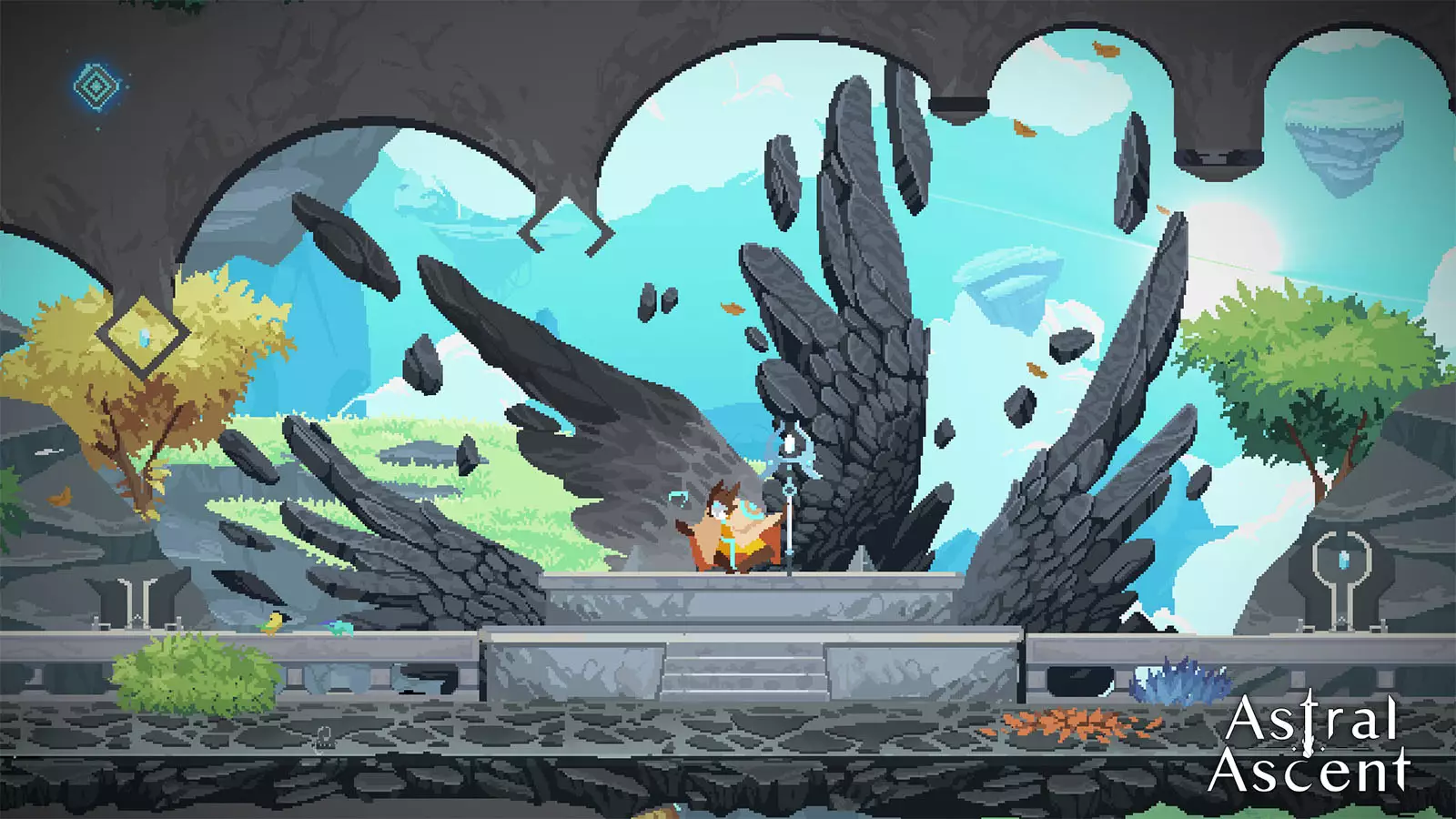
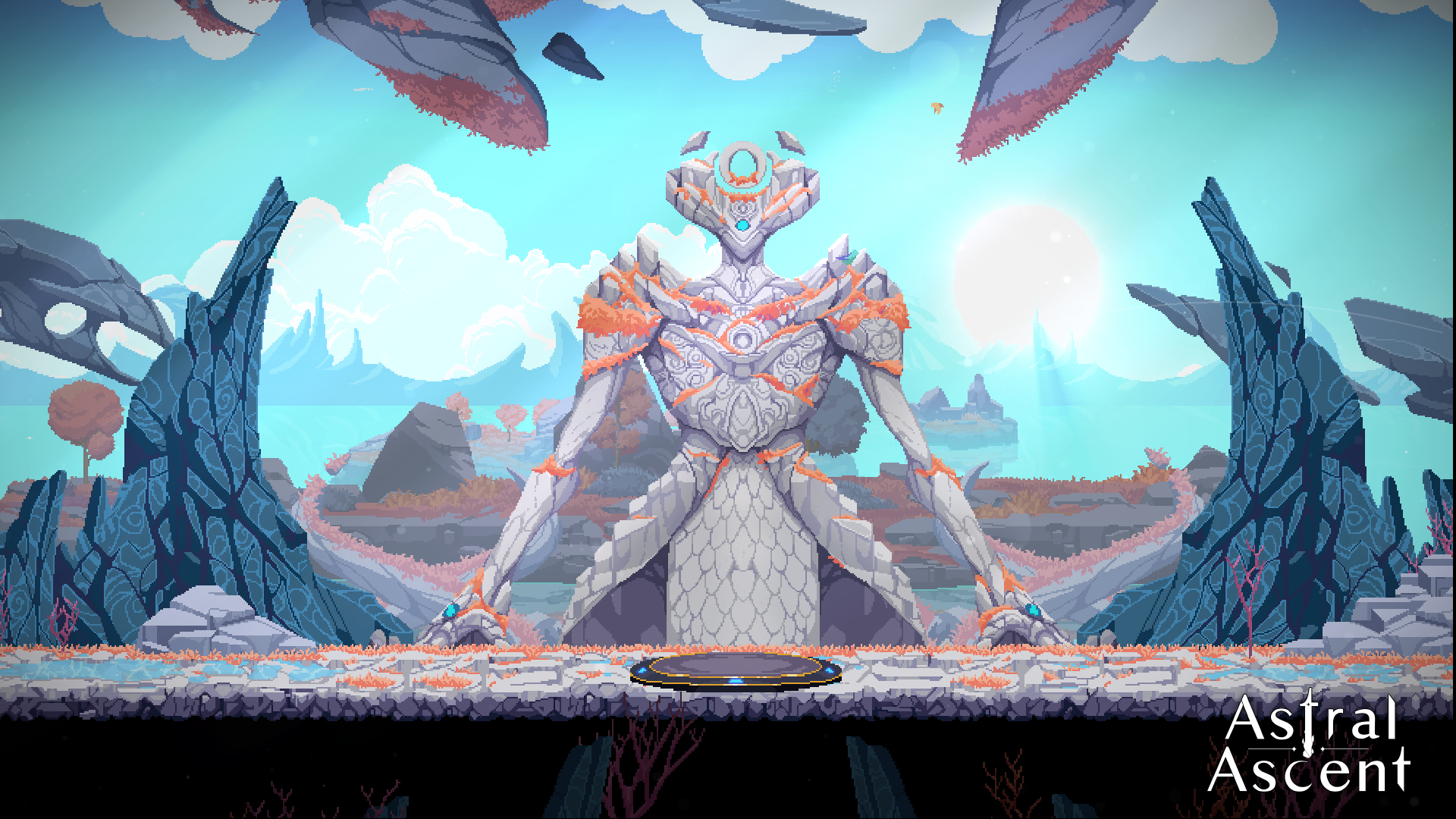
After scouring the Internet for more promising video game prospects, I came across yet another simplistic-looking, yet ambitious title looking to make waves among the indie community. Astral Ascent, the second title from France-based indie outfit Hibernian Workshop following on from their first game, Dark Devotion, is a 2D rogue-lite with intricately rendered 8-BIT visuals, intense combat sequences, and RPG elements in the form of a unique magic-building system.

In development since 2019, the game was recently funded on Kickstarter within 36 hours of the campaign going live. And now the target has switched to fulfilling the project’s next stretch goal. Wanting to know more about what this will have to offer players upon release, I reached out to the game’s creative director and chief programmer Louis Denizet, to ask a few questions about the game and what drove them to make such a radical departure from their previous game. So  here’s what Louis Denizet had to say about Astral Ascent:

What were the influences behind your game?

We play a lot of indie rogue-lites such as Wizard of Legend, Dead Cells, and Hades. But games like Children of Morta have been very influential on us for their artistic style.

What has the developmental process been like?

We were two, and Alexandre, the artistic director, for several months setting up the intentions, then we started working with Gaël and Renan for more than a year on it. The studio works remotely, and we mainly iterate a lot on elements we produce until we think things are good enough.

How close are we to seeing the finished product?

The game is scheduled for 2023 with an Early Access early 2022, but there is already a demo live on Steam for PC & Mac that includes co-op with a good level of quality.

What has been the most exciting aspect of development?

Freedom! We are self-published, so we can do what we want, and so far, every aspect of the game feels exciting to us.

What has been the most challenging aspect of development?

Staying motivated in the long run can be challenging, particularly at the beginning when things seem to be very, very slow. Making the big systems like remapping inputs, localization, etc., really took us a lot of effort, but this is behind us now!

How important has player feedback been throughout the development of Astral Ascent, especially from those players who had played Dark Devotion beforehand?

For now, we are just starting to have player feedback thanks to the demo. For that, we even created a specific channel in our Discord server where you can post a suggestion. And if people upvote your suggestion, it can end up in our workflow, so we can check that. We think it will be very important for the game, as we are making a rogue-lite; we want to rely on these suggestions to improve the game. For Dark Devotion fans, so far, feedback has been great, and we are very happy about it!

Astral Ascent 1

How well has the game been received so far?

Great, it was quite a challenge to deliver a good quality game in addition to the Kickstarter campaign. We are a small team, so it meant extra effort, but we are happy with the quality!

What platforms are you looking to bring the game to?

We will release on PC, Mac, PS4, PS5, and Switch, so far we have not announced Xbox or DRM-free.

In the last few months, I’ve noticed there has been an influx of indie games coming out of France. Have any other French developers out there been there to offer further advice or to have taken inspiration from?

Oh yes, the French game developers’ community is very welcoming. And we often talk together to give advice, which has been very helpful so many times!

Astral Ascent 2

It’s mentioned in the press kit for the game that Astral Ascent is a far more ambitious project than Dark Devotion. In what respects is it more ambitious?

In my opinion: every aspect! The game scope is so much bigger with all the rogue-lite elements, we have 4 playable characters, co-op mode, the dialog system, the controls remapping, etc. This is a very big step up from our previous/first production.

Have there been any ideas at this stage of development that have since been scrapped or reworked?

Yes, a lot! We had an 8-slot inventory for spells for both players. For example, each hub NPC has been reworked at least 2 times. And we completely changed our main hub. Believe it or not, it used to be 3 times bigger with completely different assets.

If you had the opportunity to develop a game with any company or for any franchise, which would it be, and why?

Dead Mage, who released Children of Morta, seems like a very good choice from my point of view!

Astral Ascent 3

From a developmental standpoint, what have been the most important lessons learned from the development of Dark Devotion going into Astral Ascent?

Good question, again, I would say everything! Dark Devotion was started as a learning project. We knew nothing about game development, coding, or anything, so it was pretty chaotic. Apart from that, I would say pre-production is something important to learn!

Do you have any advice for aspiring developers who may be reading this?

Do game, do game jams! That is the way!

Where on the Internet can people find you?

As a studio, you can follow us on Twitter. We are very active, as our Kickstarter campaign is live and we have so much to reveal: https://twitter.com/HibernianWS. As a developer, you can follow me on Twitter: https://twitter.com/DenizetLouis, or itch.io: https://louis-denizet.itch.io/

Do you have anything else to add?

Thanks for the opportunity, and thank you for taking the time to read!

Astral Ascent 4

I also want to thank Louis for taking the time out of development to provide the answers to my questions. And wish him and the team at Hibernian Studios the best of luck with Astral Ascent. In recent months, I have encountered a lot of indie developers who have originated from France. And Hibernian Workshop is the latest in an ever-growing list of new and exciting programmers looking to make waves and break new ground. I certainly can’t wait for the release of this game. And I hope you can’t either. If you’d like to check out their Kickstarter page, you can do it via the link below:

https://www.kickstarter.com/projects/hibernian-workshop/astral-ascent

In the meantime, I hope you guys enjoyed reading this article because I had a particularly exciting time learning more about this amazingly ambitious game.

Game on,

Scouse Gamer  88
Super Metroid (Super NES)

Developer(s) – Nintendo R&D1 & Intelligent Systems

Publisher(s) – Nintendo

Director(s) – Yoshio Sakamoto

Producer(s) – Makoto Kano

PEGI – 7

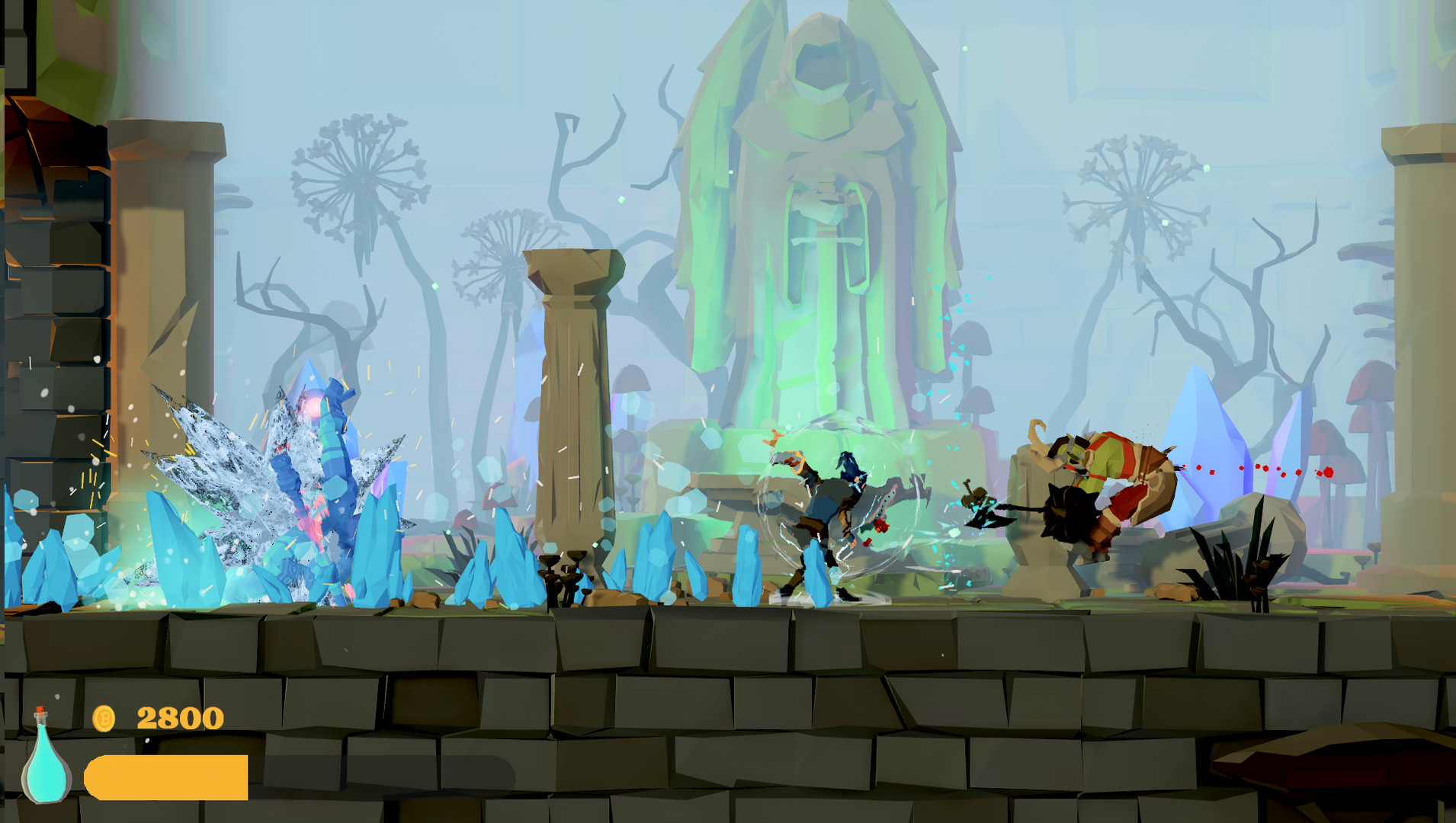
Released in 1994, coming up to the twilight years of the Super NES, and finding critical acclaim worldwide and commercial acclaim mainly in North America, Super Metroid is considered to be one of the most influential games of all time. Along with Castlevania: Symphony of the Night, it helped to pioneer the so-called Metroidvania genre of games. The 2D side-scrolling open-world experience focused on combat, epic story, and exploration. I decided that, as I’ve now reviewed a great number of games in the genre, I’d examine the game where the groundwork was laid. And find out whether or not the experience still holds up to this day, and for me, it did not disappoint. 

Graphics – 10/10

One of the standout features of the game is undoubtedly its beautifully crafted 16-BIT visuals, with the game taking place across several locations that have since become iconic and synonymous with the Super NES era. Including Brinstar, Norfair, and Maridia. This game’s visuals have gone on to inspire several retroactive indie titles over the last decade, such as Blasphemous and Axiom Verge, and not just Metroidvania titles. For the time, these graphics were revolutionary. And the accompanying soundtrack, composed by Kenji Yamamoto and Minako Hamano, perfectly complements the wonderfully horrific atmosphere this game perpetuates throughout, which, in and of itself, was very much out of character for a Nintendo game at the time, as most Super NES titles, for the most part, focused on happy-sounding music and brightly colored environments.

Gameplay – 8/10

Super Metroid followed the basic model of the original Metroid but with drastic improvements. Players could now combine different types of weapons to create more powerful ones. And the boss fights littered throughout are far better. There’s even more cause for exploration than in the original game or Metroid 2: Return of Samus. And it also comes with the synonymous Metroidvania map system. Something which was sorely lacking from the previous two games. And something that every other Metroidvania title would adopt in increasingly innovative forms from then on. Few side scrollers at the time encouraged exploration to the extent that this game did. And it was a welcome breath of fresh air for those who got the chance to play it back in the day. 

Controls – 8/10

The game’s control scheme, however, isn’t perfect. Whilst most Super NES games used the Y and B buttons for attack for primary movement and combat controls, this game uses the X and A buttons for that purpose. And among Super NES fans, this will have caused some confusion for players back when it was released. It can still potentially confuse modern-day players looking to play it for the first time. As indeed I found, since I wasn’t introduced to this game back when it was released. Kind of like Metroid Prime, it can take a bit of time for players to get used to it initially. What the developers did add in terms of controls, however, was the facility to shoot diagonally. Which again, was sorely lacking from the original games, and furthermore included in the re-release of the first. Metroid: Zero Mission for the Game Boy Advance.

Lifespan – 7/10

A thorough playthrough of the game can take an average of around 4 hours. Which is about an exceptionally long amount of time for a game to have lasted back in the days of the Super NES. Although the game can be completed within half an hour (indeed, as this title has become particularly popular among speedrunners), it’s not a game that’s designed to be rushed through. And whilst it may sound like a paltry amount of time for a game to last compared to what gamers are used to these days, it was relatively unheard of at the time. And most fans of the game have ended up playing it multiple times throughout the years anyway. 

Storyline – 7/10

Taking place in the latter stages of the Metroid timeline, the alien lifeform (the Metroid) that bounty hunter Samus Aran had recovered from planet SR388 at the end of Metroid 2: Return of Samus had been delivered to a research facility by her for further study. But shortly thereafter, the space station is attacked by the leader of the Space Pirates, Ridley. Who then captures the Metroid specimen? And takes it to the nearby planet Zebes, and Samus is in pursuit of him.

The game is also a lot more cinematic than games of the previous generation. The game’s opening cutscene, in particular, has become an iconic moment in Super NES history. It’s also one of the earliest examples of how gameplay sequences can be used to build up tension within the confines of the story. As there are sequences in which Samus must escape from certain places within a designated time limit before it explodes. 

Originality – 10/10

There is no understating how unique and influential this game was back in the day. Any game from which an entire genre is created stands out as being among the most influential of all time. Doom gave birth to the first-person shooting genre, and Rogue paved the way for the Roguelike genre. And Super Metroid was the primary pioneer of the Metroidvania genre. Even Castlevania: Symphony of the Night adopted several gameplay elements that this game had first introduced. 

Happii

In summation, as well as being one of the most influential video games of all time, Super Metroid also stands out as one of the best titles on the Super NES. It is an experience that still holds up and one that I would highly recommend. Regardless of the issues I may have had with the controls, the immersive gameplay, wonderfully rendered graphics, and engrossing story more than make up for it. 

Score

50/60

8/10 (Very Good)

Twofold Tales

Q&A With Parhelion Rift

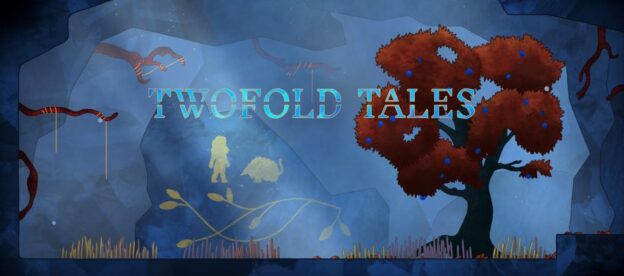
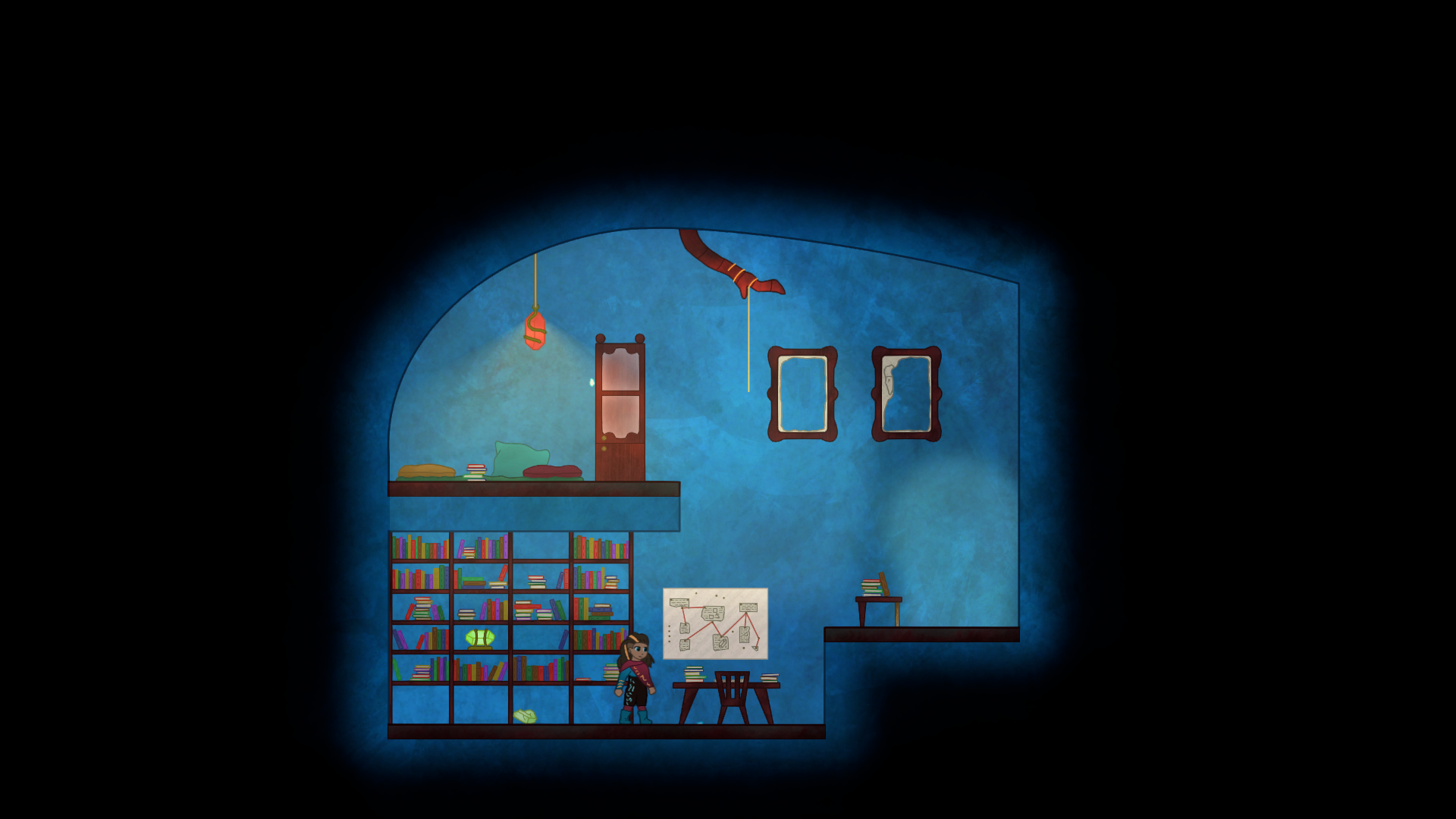
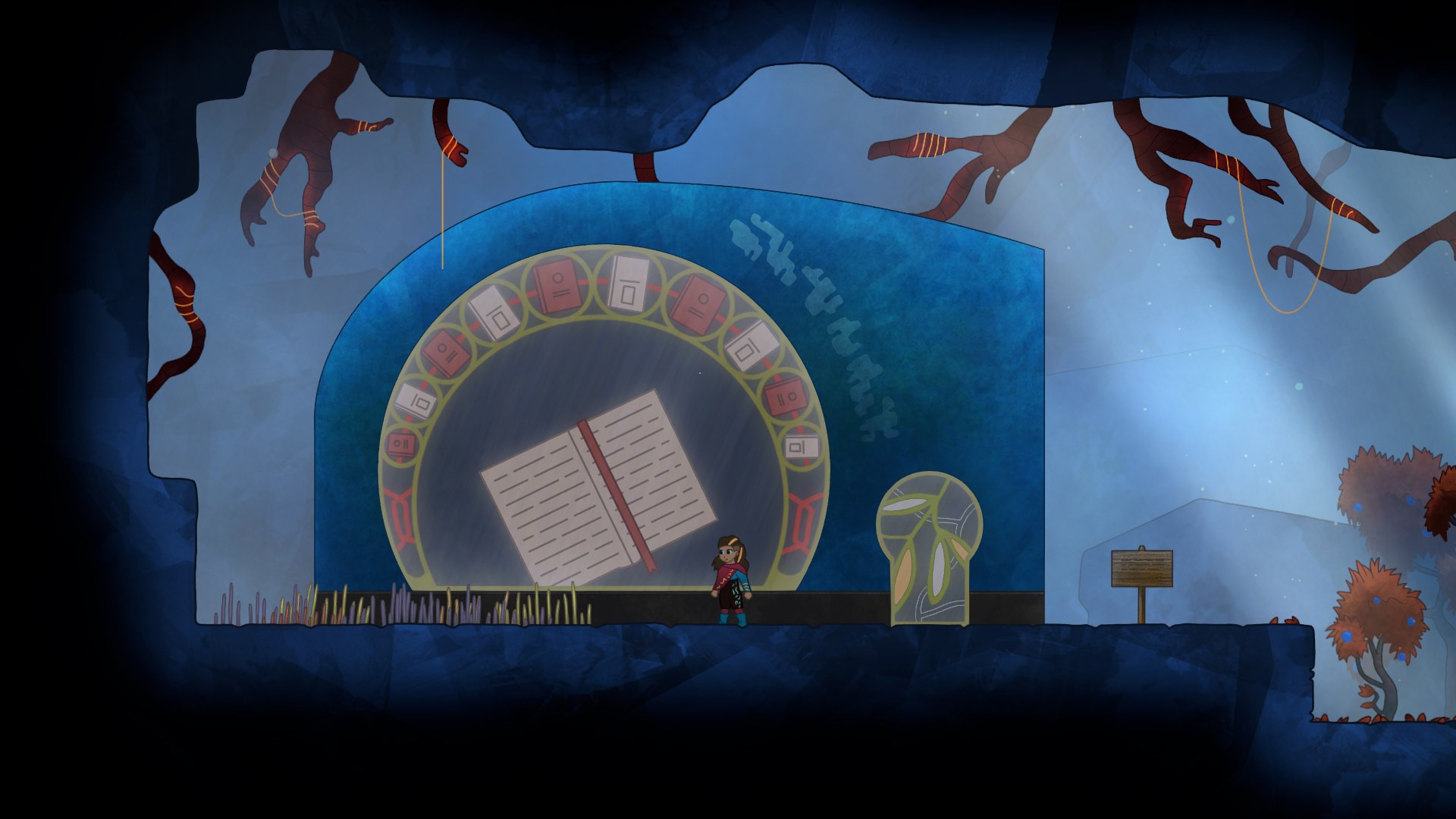
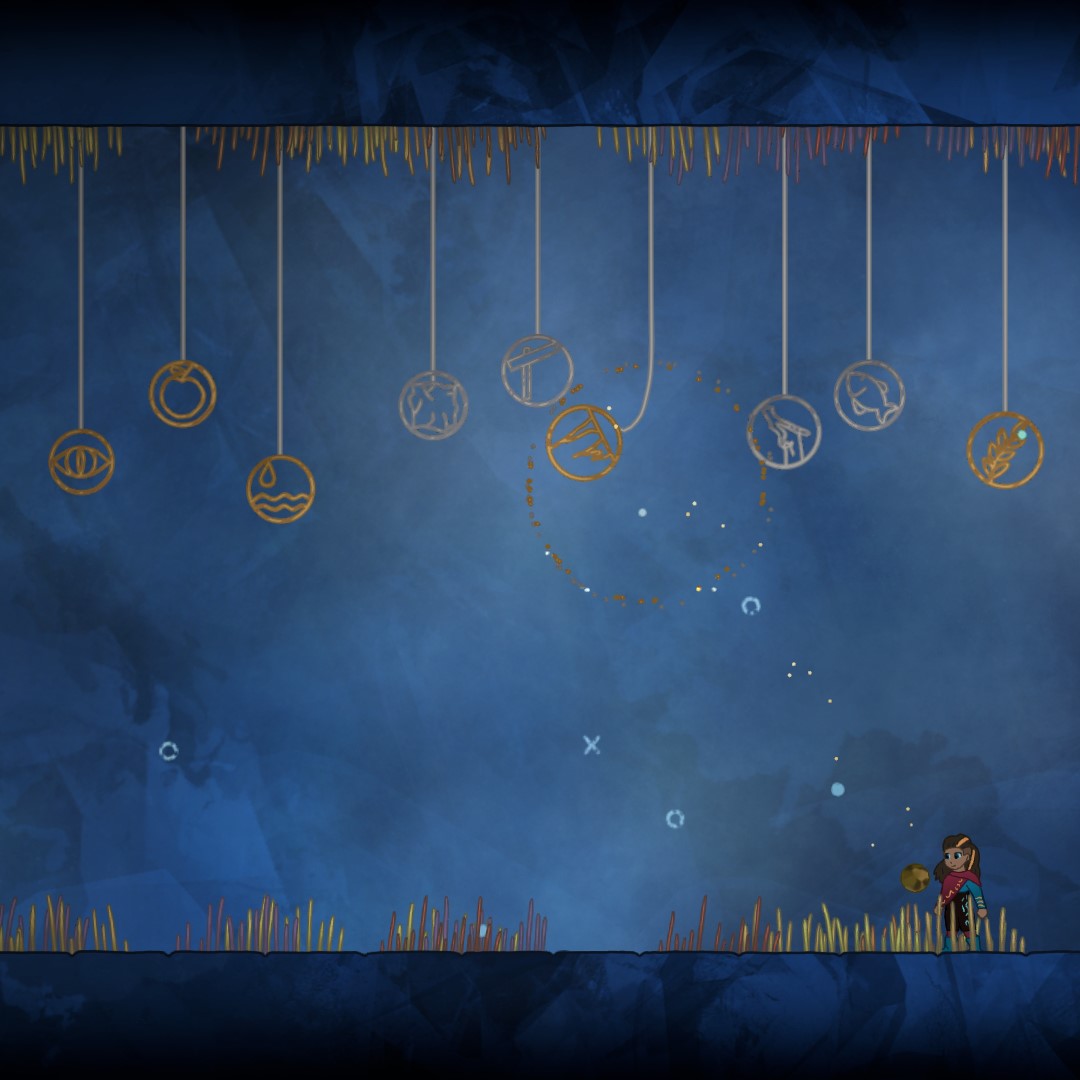
Once again on the lookout for new upcoming games, I came across yet another awesome-looking indie Metroidvania title currently under development. Twofold Tales, developed by indie outfit Parhelion Rift based in Vienna, Austria, is a Metroidvania heavy on combat and exploration. As well as incorporating a strong RPG element in the form of character building and learning new abilities along the way.

The story involves the main character, named Pars, as she embarks on a journey across an entity known as the Iceberg in order to uncover the mysteries that are buried within. With a desire to learn more about the game, I got in touch with Michael and Evelyn, the couple currently working on the game, to ask a few questions I had about it in this early stage of development, to learn more about what can be expected from the finished title. Here’s what Michael and Evelyn had to say about Twofold Tales:

Twofold Tales 1

What were the influences behind Twofold Tales?

Michael: It probably all started when I played The Battle of Olympus on the NES in 1991. From a gameplay perspective, we were mostly influenced by classic 2D Metroid games and Axiom Verge. One of our game-defining skills was inspired by an episode of Rick and Morty, called A Rickle in Time.

Evelyn: Aesthetically, it’s difficult to pinpoint a single source of influence. We love hand-drawn animations like the movies The Secret of Kells, Song of the Sea, and Ghibli movies. But are also very fond of the Art Nouveau art style, like Alphonse Mucha. I think it’s kind of a marriage between both of them meeting on an Arctic island.

What has the developmental process been like?

Evelyn: It has been an interesting and challenging learning process so far, as a developer and as a couple. In the beginning, we were only able to work on our game in the evenings after our day jobs. Also, it’s a learning process in itself how to work together with your partner, especially when you’re living together. And the line between private life and job is blurring. It can be quite daunting sometimes, I have to admit, but on the other hand, it’s the most fantastic thing in the world to be so lucky to create something together with an excellent partner who understands you so well, like no one else.

Michael: Currently, we’re fortunate to have personal savings to sustain ourselves for the near future and to channel our whole energy into developing Twofold Tales and raising our baby daughter. Who was born during the COVID-19 pandemic. Even when there are sometimes tough stretches, we love how liberating it is to have total creative freedom in designing the game we want to make and to be in the driver’s seat.

Twofold Tales 2

How close are we to seeing the finished product?

Michael: We’re still in the middle of the development process, with no fixed date for the final release. A public alpha demo that includes the entire first area is planned for summer 2021. Together with a Kickstarter campaign, we’re really excited to be able to get some additional gameplay feedback and to be able to further improve Twofold Tales.

Evelyn: Most of the underlying systems for the game are finished, the game mechanics are set, and the whole world is playable in development mode. What remains is creating a lot of artwork.

What has been the most exciting aspect of development?

Michael: As with most Metroidvanias, certain parts of the world will be ability-gated. It was exciting to create branching exploration points where, depending on what you discover, different areas open up to you first. And you often can decide where you want to go next. For most of the game, we want to offer a very non-linear experience where players can explore the world very openly and arrive at different points of the game via a different route and with a different set of main upgrades. All areas had to be balanced around the abilities you might or might not have at that point.

Twofold Tales 3

What has been the most challenging aspect of development?

Michael: While Unity generally was good to prototype and develop in, we were quite unhappy with the physics system for certain aspects of the game, for example, for player and enemy movement, especially with high-speed projectiles. We replaced that with a raycasting solution to make this aspect of the game feel more responsive and accurate. The same goes for rope physics. Where the hinge- and distance joints just didn’t look satisfying. So we switched over to Verlet integration.

Evelyn: Also, as we’re only a two-person and three-cat team, there is quite a big workload we have to handle ourselves. Developing, creating graphics and audio. And writing updates for social media. It sometimes feels a bit overwhelming. But it’s also very exciting, and we’ve learned a lot along the way.

How well has the game been received so far?

Evelyn: We only started to release information about the game last month. Awe nd so far, we have received very positive reactions to the aesthetics of our game. It’s exciting and encouraging to see what people think of it. Also, mostly you’re living inside your head when you’re developing a game, and to correct that possible tunnel view, it’s very helpful to get feedback.

Twofold Tales 3

What platforms are you looking to bring the game to?

Evelyn: Our launch platform will be PC, followed by Linux and probably Mac. We would love to port it to the Nintendo Switch. We actually got quite fond of the Switch mockup screens we made for ourselves.

What were the team’s prior developmental experiences before the formation of Parhelion Rift?

Michael: We both studied media informatics, and in fact, this was also when we first met each other. Afterward, we both worked as full-time developers in medium-sized companies. Creating desktop and mobile applications for telecommunication and internet service providers.

Have there been any lessons brought into the development of Two Tales taken from the development of Cats Who Stare At Ghosts?

Evelyn: When we developed Cats Who Stare At Ghosts, we used the libGDX framework for development. It’s fine to do as much as possible yourself. But once you meet a comfortable game engine like Unity that takes over a lot of tasks, you never want to go back.

Twofold Tales 4

As a cat lover myself, I have to ask, will there be cats in Twofold Tales as well?

Michael: There are a lot of secrets hidden in our iceberg, some of them fluffy 😉

Have there been any ideas at this stage of development that have since been scrapped or reworked?

Michael: As we’re more gamers and programmers than artists ourselves, we’ve re-iterated over certain parts of the graphics and animations several times already and will continue to do so.

If you had the opportunity to develop a game with any company or any franchise, which would it be, and why?

Michael: At the moment, I like the freedom of not having to work for another company or being limited by an existing franchise.

Evelyn: I would so love to work on a Zelda title, especially if it follows in the footsteps of Ocarina of Time.

Do you have any advice for aspiring developers who may be reading this?

Michael: Do what you want to do, not what others deem good or what society thinks you should do. This does not mean that you should ignore feedback. Feedback is extremely important and vital during the entire development process, and other people spot flaws way better than you ever could. However, in the end, make it your game, the game that you would love to play. But hasn’t been invented yet – make it for yourself.

Evelyn: Start today! Don’t wait for that big idea, but start with something small and just keep learning.

Where on the Internet can people find you?

You can follow us on social media; we love to share the progress of our game and chat.

Instagram: www.instagram.com/parhelionrift

Twitter: www.twitter.com/parhelionrift

Facebook: www.facebook.com/parhelionrift

There is also our website www.parhelionrift.com

Feel free to get in touch with us! 🙂

Do you have anything else to add?

Thank you very much, ScouseGamer, for the opportunity to give others insights into our game. And a huge thank you to everyone interested in Twofold Tales. Your kind words of encouragement and comments mean the world to us and keep us going.

Twofold Tales 6

I’d also like to thank Michael and Evelyn for their unique insight into what players can expect to see from their game upon release, and also to congratulate the couple on the birth of their baby girl. Twofold Tales holds promise as an extremely standout Metroidvania title with a new and wonderfully cohesive concept. And I’m very much looking forward to what the final game has to offer. In the meantime, anyone wanting to keep up with Michael and Evelyn as development unfolds can do so by following their various social media pages and visiting their website. But I hope you guys enjoyed reading this article as much as I enjoyed working with Michael and Evelyn.

Game on,

Scouse Gamer 88
Ender Lilies: Quietus of the Knights – First Impressions

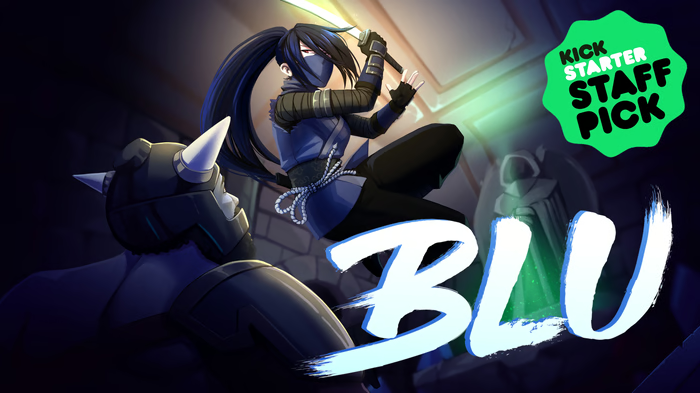
Whilst scouting out new developers on Twitter, I came across another indie Metroidvania game in development that caught my eye and decided to get into contact with the team involved about further coverage. Ender Lilies: Quietus of the Knights is a Metroidvania game influenced by a plethora of different titles from what I could deduce at first glance, including Dark Souls, Castlevania, and Shadow of the Colossus. I was captivated by this game after watching the trailer, and even more so after playing merely the first ten minutes. Published by Binary Haze Interactive based in Tokyo, and released on Steam Early Access later last month to an overwhelmingly positive response from players, it shows a great deal of promise in almost every aspect and I’m very much looking forward to playing the full title. Here is a full account of my first impressions of the game. 


Graphics

The game is set in a lost kingdom which the player must explore and uncover the mystery of as the game progresses. The kingdom is a desolate abandoned place with a strong sense of melancholy, but at the same time, perpetuating a strong sense of eloquence and beauty. The orchestral, primarily piano-based soundtrack does well to add to that feeling. Even during boss fights, the music sounds very sorrowful in stark contrast to what are some particularly intense combat sequences. Gothic architecture and Japanese landscape are at the center of the design of the in-game world, which gives it a prominent feel of games such as Okami and Blasphemous. 


Gameplay

The game is a 2D open-world Metroidvania title heavy on combat, puzzle-solving, and item collecting. There is a massive amount of collectibles to attain throughout the game and even new abilities to learn as well as the facility to find and upgrade weapons. Already I can tell this title has a lot more to offer than many of the other story-driven indie games I’ve played, including Journey, The Swapper, and Everybody’s Gone to the Rapture. When a game is heavy on story, like Ender Lilies is set to be, there’s always a risk of the story taking precedence over the gameplay; but even after having played around twenty minutes of this title, I can already deduce that this won’t be the case.


Controls

By proxy, I’ve also found no issues with the controls, even in this stage of development. Combat is incredibly fluent, as what is required in a game like this that has a number of particularly challenging boss fights. It plays out very much like Blasphemous in the respect that enemies and bosses deal an incredible amount of damage and that players have to take to strategizing throughout to stay alive. There is a great deal of skill required from players to progress through this game and the control scheme allows for players to do so without any unnecessary compilations from what I can surmise at this point in development. 


Lifespan

With so many collectibles, weapons, and secret areas to discover across the game’s open world, the likelihood is that this game can potentially make for an experience that will last 20 hours minimum; maybe even longer. It would depend on what more may be added later on in development to determine exactly how long it can be made to last, but it certainly has the potential to beat out a lot of the competition across the indie scene if it can be made to last a substantial amount of time. There have been many indie Metroidvania games that have come and gone that have amazed me in terms of gameplay but lacked in lifespan such as Dust: An Elysian Tail and Ori & the Blind Forest. But with the promise of so many things to do within Ender Lilies, the prospect of this game lasting a long time are indeed there. 


Storyline

The story follows a young girl named Lily, who wakes up to find an unknown guardian specter tasked with protecting her, and who sets out on a journey to recover her own memory, as well as uncovering the past history of this lost kingdom. The reason why this game reminds me of Shadow of the Colossus is because of the direction in which the story seems to be steering towards, involving a series of tragic realizations with a potentially bittersweet outcome. Even at the same points, the spirits of the defeated bosses join Lily at her side as and when the player defeats them; similar to how the spirits of the colossi gather to stand over Wander’s body as he returns to the shrine of worship after he defeats each of them. The game’s story has the potential to make as much of an impact on the player as the gameplay has the potential to satisfy them; to a great extent. 


Originality

With a clear oversaturation of Metroidvania titles continuing to seep into the community of indie games development, it had inevitably become harder and harder to make one in the particular title stand out among so many others. But with Ender Lilies’ approach to gameplay, conceptual design, and story arc, it does have the potential to stand out among most others. There is a strong similarity between this game and Koji Igarashi’s Bloodstained: Ritual of the Night, but whether or not Ender Lilies ends up bearing too close a resemblance to the former will depend on how development progresses before its full release.


Overall, I was extremely impressed with what Ender Lilies has to offer gamers at this stage in development. It has great potential to offer gamers more than simply being another combat-orientated Metroidvania game and it will be very interesting to see how the final product plays out compared to where Binary Haze is with it at this point in time.

Legacy of Kain: Soul Reaver (PC, PlayStation & Dreamcast)

Legacy of Kain Soul Reaver

Developer(s) – Crystal Dynamics & Rixxes Software

Publisher(s) – Eidos Interactive

Director – Amy Hennig

Producer(s) – Amy Hennig, Andrew Bennett & Rosaura Sandoval

PEGI – 16

Developed and released by Crystal Dynamics following a lengthy legal battle with the original creators of the Legacy of Kain series, Silicon Knights, Legacy of Kain: Soul Reaver, like Blood Omen, was also met wide widespread critical acclaim in what was considered an ideal time. It coincided with the release of several horror films. Such as The Sixth Sense and The Blair Witch Project. It went on to be considered the best game in the series by most critics. And whilst I don’t agree with that assessment (by far I think the best game in the series is Soul Reaver 2), the original Soul Reaver is still, to me, a classic of the fifth generation. And still, an absolute joy to play through.

Graphics – 7/10

Soul Reaver easily has one of the darkest approaches taken to conceptual design out of most games I’ve played throughout my lifetime. It takes the players back into the fictional dark fantasy land of Nosgoth, but in a post-apocalyptic state. There are new locations added to Nosgoth’s landscape. As well as the ruins of some of the previous locations found in Blood Omen. Such as The Pillars of Nosgoth and Nupraptor’s Retreat. It also has the player alternating between the underworld and the physical world in order to gain access to new areas. Or areas otherwise impassable in the opposite direction.

Gamers may argue that, in terms of the technical aspect of the game, it hasn’t aged particularly well. And with that, I would agree to a certain extent. But the conceptual design more than makes up for that in my opinion. For the best version of the game, I would recommend the Dreamcast port. It runs at 60 frames per second and has the most polish to it. The Dreamcast version actually makes it look far more like a sixth-generation game than a fifth.  Both planes of existence within the game are as dark as the other. With a wonderfully horrifying soundtrack to accompany the game. 

Gameplay – 7.5/10

Somewhat similar to Blood Omen, Soul Reaver plays out more like a 3D platformer than a top-down RPG. But combat is still at the heart of the game’s design. Players have to subdue abominable enemies throughout and be able to learn new abilities. And increase their health and magic capacities to use these abilities more efficiently and frequently.

Although the main combat system is not as diverse as Blood Omen, it does make up for that by challenging players to strategize in accordance with their surroundings. As the enemies are only killed in a handful of specific ways, at least in the physical world. The boss fights, though fewer, are also far more creative than in Blood Omen. Again, requiring specific actions to take in order to beat each one. Like in Blood Omen, there is also a fast travel system and a plethora of hidden items. And the ability to discover along the way.

Controls – 10/10

Even when 3D gaming was pretty much in its infancy during the fifth generation, there were some games like Crash Bandicoot and Spyro the Dragon that handled their control schemes extremely fluently. Soul Reaver is one such example. There are no issues with the controls whilst playing with a joypad. And it also handles stealth combat in a very fluent manner as well. Which, at the time, was a relatively new concept. 

One thing I would advise, however, is this. Avoid the Steam version like the plague. Controller support is not officially part of it, with players having to rely on keyboard commands. And keyboard mapping doesn’t currently work for some unknown reason. The same also goes for every other Legacy of Kain game ported to Steam. No one at Valve, Square Enix, or Crystal Dynamics has ever seen fit to rectify this. And it’s a great shame. Again, the best way to play this game is on the Dreamcast. In every respect.

Lifespan – 7/10

The game can be made to last for a total of around 25 hours, which was relatively impressive at the time. The one thing I would say is that, although there are a good few collectibles to obtain throughout the game, the game’s world is still a bit too bare for how big it is. And more could have been added to it, in turn, adding to the substance of the game. Nevertheless, there is enough in it to make it last for a fairly impressive amount of time. 

Storyline – 10/10

The story continues over 100 years following the events of Blood Omen. Having condemned Nosgoth to an eternity of decay by refusing the sacrifice of his own life, Kain has since established his own vampiric empire out of his own contempt for humanity. However, things change after his first-born lieutenant, Raziel, surpasses Kain in terms of vampiric evolution by growing a pair of wings. In anger, Kain tears off Raziel’s wings and condemns him to death by throwing him into the Lake of the Dead. Burnt by the acidic touch of the lake’s waters, Raziel is then resurrected by a god-like entity, known only as The Elder God, as a wraith. Endowed with the hunger for souls and other supernatural abilities, unlike any vampire. Raziel then resolves to destroy Kain and his vampiric brothers. And consume their souls, returning them to the wheel of fate. 

Like Blood Omen, the story of this game, as well as the dialogue, was masterfully executed. The voice acting of Simon Templeman, Michael Bell, and Tony Jay helps to truly bring this title to life in a story centered around the nature of death and immortality and the price of power. To me, The Legacy of Kain easily has the best story ever told in all of gaming, and it’s that impressive considering how much of a strong note of finality there is to the original Blood Omen. To have picked up where Blood Omen left off and evolved the series into what it would become in terms of story was truly an impressive feat of video game narrative and helped to establish Amy Hennig as one of the greatest storytellers in the medium, as she would later go on to establish the stories of Uncharted and Assassin’s Creed.

Originality – 9/10

In terms of gameplay, as well as the story, it’s also impressive to think of how the developers took the concept of Blood Omen, made something drastically different from the former, and make work and work well, which is also extremely impressive; especially given how young the concept of 3D gaming was at the time and how risky it would have inevitably been to make that transition. Some people have even cited this as an early example of a 3D Metroidvania, predating Metroid Prime by a full three years, which although I don’t think you can consider it a 3D Metroidvania, as it plays out more like a 3D platformer than anything, it’s still interesting to think about, and it all still works to separate this title from most not only released at the time, but most games released since.

Happii

Overall, the original Soul Reaver remains a classic to this day, and if anyone can pick up a copy of it on either the original PlayStation or the Dreamcast, I’d highly recommend it. It’s a game with terrific combat, a plethora of gameplay variety, additional sidequests, and a level of storytelling that, in my opinion, has never been topped within the medium of gaming since. 

Score

50.5/60

8/10 (Very Good)