Tag Archives: N64

The Full Twelve Tales of Chris Seavor

Disclaimer: This interview contains some strong language. Anyone who is offended by such content is advised against reading this interview.

The fifth generation of gaming is one of the most beloved periods in the medium, with consoles such as the Nintendo 64, the original PlayStation, and the Sega Dreamcast going on to become among the most popular and well-received platforms in the history of video games. However, come the end of the fifth generation, as the transition to the sixth was being made, among the last games published by Nintendo for the Nintendo 64 was Conker’s Bad Fur Day.

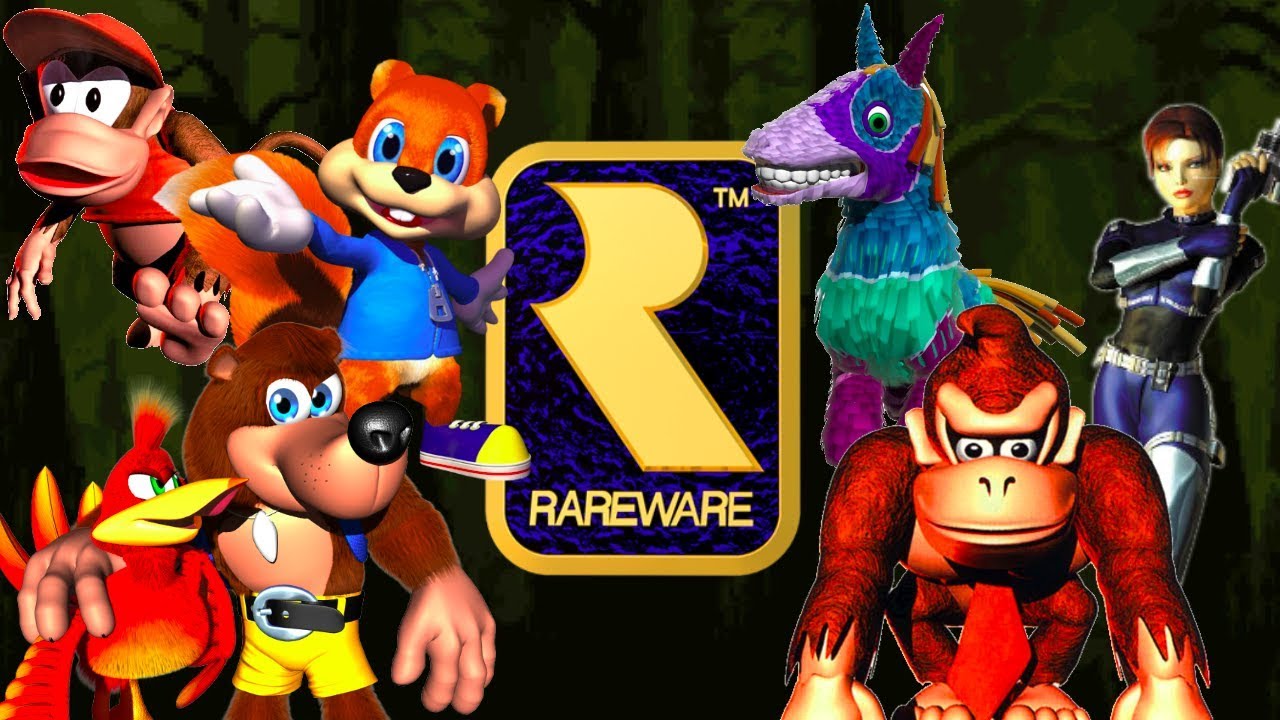
A game that garnered critical acclaim upon release and has since gone on to become a favorite among fans of the console. I was lucky enough to have an interview this week with the lead programmer of the game, Chris Seavor. Chris Seavor joined Rare back in 1994, where he was tasked with developing the Killer Instinct series initially; he then went on to not only work on many Rare games on the programming side of things, but also voice many characters created by Rare, such as Spinal from Killer Instinct, Gruntilda of Banjo Kazooie and Banjo Tooie, and of course several characters in Conker’s Bad Fur Day, including Conker himself.

Cont…

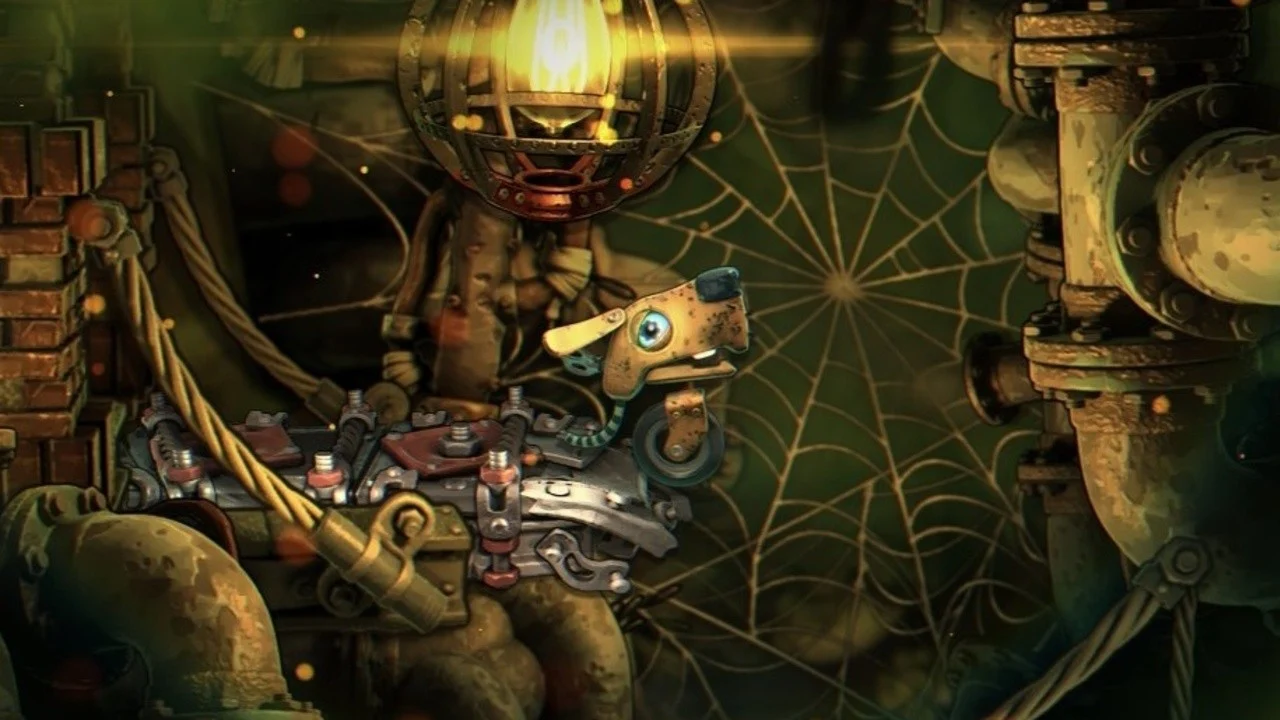
After having left Rare in 2011, he most recently established Gory Details Ltd with former Rare collaborator Shawn Pile, and together have developed both Parashoot Stan and a dark adventure game named The Unlikely Legend of Rusty Pup. As of this writing, there is also a new game in development from Gory Details, said to be a twin-stick dungeon-bash title.

I had a lot of questions for Chris Seavor concerning his early life, his time at Rare, the development of Conker’s Bad Fur Day, as well as the ultimately canceled sequel, and of course, his work at Gory Details Ltd and what gamers can expect from their new project. Here’s our in-depth interview: The Twelve Tales of Chris Seavor:

Chris Seavor 18

Where did your passion for video games originate from?

Playing them as a kid… That and board games…. A friend had bought Dungeons and Dragons for Christmas (the pink edition, which I still have), and he couldn’t understand it. He gave it to me… It was a revelation. This is where my love of ‘game mechanics’ came from, which then evolved into video games when I had access to a BBC Micro and eventually the eponymous Spectrum 48K.

What games would you play as a child, and how would they go on to influence you as a developer?

Ironically, the first game I ever bought was Knightlore. I got it from a mate for half price. 5 quid I think. My favorite game from childhood, though, is RebelStar Raiders, which was a turn-based squad game where you had to infiltrate a base on the Moon. Still holds up.

Obviously, Ultimate games were in there, but also John Reitman’s variants on the genre like Head Over Heels, which brilliantly introduced a second character to add a cooperative element to the puzzle solving. Quite groundbreaking. The list is huge, though: Elite, Paradroid, Out of the Shadows, The Hobbit, Lords of Midnight, Bard’s Tale, Chuckie Egg, Monty Mole, etc. Oddly though, I never really liked Manic Miner or Jet Set Willy as I found them too difficult. What a scrub, eh?

What consoles did you own early on?

None. I was at college when the NES, SNES, and Mega Drive came out, so I had little money and was too busy drinking and dossing around on the beach (I was at college in Cornwall for 4 years, then Bournemouth for 1). Games kind of left my life for a long time…… The next device I bought after my C64 was an SNES whilst working at Rare just to play Zelda and DKC, so yeah!
Chris Seavor 19

What is your earliest memory of game design?

I would design whole RPG systems for tabletop gaming. My 2 favorite systems were MERPS and Warhammer Fantasy RPG. MERPS for its crazy crit tables (and the lore) and WHRPG for the gothic world-building. Loved them to bits. I stole from both. I also wrote a Fighting Fantasy novel, but only got as far as about 100 entries before losing track. Those things are hecka-complex to write.

Were there any development companies you aspired to work with before you went to work with Rare?

Psygnosis. I didn’t know who Rare were, to be honest… Psygnosis was in Liverpool as well, so I could stay with my parents and save some cash. Lazy fucker, I was. I had an interview with a few, including EA, Psygnosis, and Rare. Not sure what happened with Pysg, but EA eventually offered a job, but I’d already started at Rare and liked it. Mainly because I’d made some friends, and to be honest, that’s always the most stressful part of starting somewhere new: being alone. The job turned out okay, too 😉

Were there any other careers you attempted to pursue before going into game design and game voice-over work?

Not attempted, but I’d always planned to go into the film industry. My actual skill set was 3D graphics (a career path very much in its infancy in ‘93, unlike now), so film / TV seemed a natural fit. Games I never considered, and in the end just sort of fell into it with a chance conversation with a long-time friend, Ady Smith (Rare, Eidos). Ironically, Ady is teaching game stuff down at my old college in Cornwall now.
Chris Seavor 20

What was your upbringing like? Did your parents have any positive or negative reaction to your enjoyment of games, or was there even an element of that during your childhood?

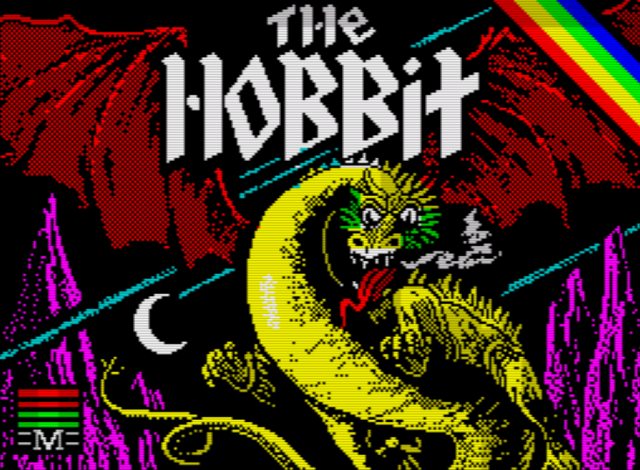
I’d have to say it was pretty negative when I was 13 -15. I always like to remind my Mum of a comment she made once after I spent a whole day playing The Hobbit on the big TV. ‘You’ll never make any money playing games all day…. It’s not a proper job. She’s right about one thing, though… It’s not a ‘proper job’, thank the maker!

Did any facet of your childhood go on to influence you as a developer, similar to how traveling through the forests of Kyoto inspired Shigeru Miyamoto to create The Legend of Zelda?

Not directly. I’ve always loved the cinema experience and would watch every movie I could… I guess that helped in later life. I read a lot of Horror and Sci-Fi, not so much fantasies, apart from Prof T, the bulk of it back then was, to be blunt: Shit. I read a lot of Fantasy today, though, the grim, dark stuff. It’s so much better nowadays.

What was it like for you to experience the medium of gaming taking off back in the 70s and 80s?

It just was… You don’t really know you’re IN something when it’s happening around you… Like DKC or the N64 period at Rare. It was just a job, and you were hoping your game would sell more than the other Barns did. Only now looking back do you realize the fondness people have for that time, and the games we’d made as a company… It’s kinda weird, as I don’t think of it in those terms.
Chris Seavor 21

Was the aspiration to become an actor or voice-over artist from an early age as well, or was that something that manifested later on?

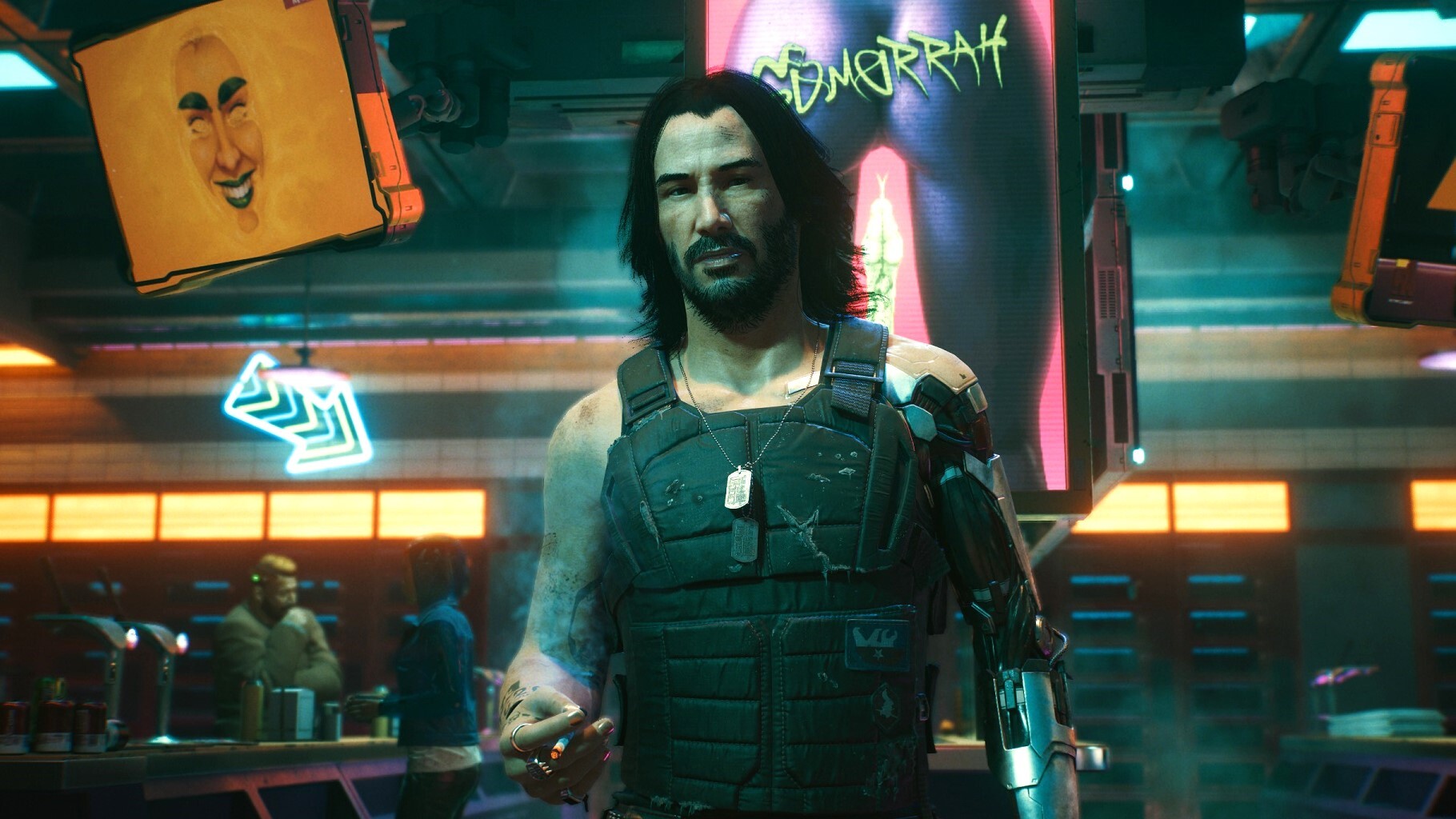
Nope. I’m not a voice actor, I’m a 3d Artist / Game Designer. The voice work was a time saver for practical issues. It seems to be its own thing now in games, with big names getting involved… Fair enough, I suppose, but I think it’s a waste of money. Keanu Reeves is a great guy by all accounts, but he can’t act for shit. Spend the money on some unknowns who need the break instead.
To be honest, I think the influx of big Hollywood names into the games industry is largely down to the egos of the Production Managers, Execs, and Bosses… It’s the only chance these people will ever get to hang out with the Stars!!

Also, BAFTA can try and inject their dull game awards ceremony with a bit of glitz and glamour… Game development has little glitz, even less glamour. And then of course there are Mr. Keighley’s Game Awards… I mean, really? I rest my case, your honor. Here’s the proof it’s a bullshit waste of money. Name me one person who bought Cyberpunk 2077 because Keanu Reeves was in it? You found one?? They’re a fucking liar.

Who were your inspirations where your voice acting was concerned?

Again, no one really. I just did some silly voices based on accents and the range of my voice. Conker’s voice came pretty easily; in fact, I think I just did it instinctively the first time Robin and I were in the studio.

Were there any teachers you had at school who would have a lasting impression on you, where your career was concerned?

Absolutely not, Fuck those idiots.

Chris Seavor 22

My teachers tried to tell me that the best years of my life would be my school years, but I disagree with them; my best years have been everything that came afterward. But did you enjoy school when you were a kid?

Absolutely not. Fuck those idiots even more… School was shit. Sadists and morons. I fucking hated it with a vengeance. Imagine trying to encourage 14-year-old lads to enjoy reading and then dumping Jane Austin’s Mansfield Park in their lap. WTF!? Stephen King, Tolkien, Sven Hassel first… THEN Jane Austin, in later life, when you have enough life experience to relish in its satire.

What was the best piece of advice you were given as a child?

That kind of thing only happens in YA fiction… I never paid any attention to adults as a kid. I think I became aware of how flawed they all were at a very young age. The one bit of advice I do remember was from my Nan: ‘Christ lad, don’t get old…’

Rare had been renowned for their sense of humor with hidden jokes and Easter eggs in their games, and Conker was no different. But where did your sense of humor stem from early on?

I wasn’t particularly funny as a kid. In fact, I was and still am almost terminally shy. I still find it stressful to group up with people in games and be expected to have a conversation, even in chat. (except when I’m shouting abuse 😉 I think my humor stems from looking at life’s absurdity and just laughing at it all. People can be so fucking dumb, so finding comedy gold in the actions and words of others is a never-ending resource. I’m a pessimist and a cynic. That’s where my humor comes from, I think….. Plus, I’m a bit weird and apparently lacking intact (although I am usually told this after the fact…)
Chris Seavor 23

How did the opportunity to work for Rare first come about?

Shared petrol money and a day out from Uni. I just turned up, and they offered me a job. That’s it, really.

What was your first day at Rare like, and what were you tasked with working on initially?

It was fine… I was pretty nervous, but that went very quickly…. I shared a room with Kev Bayliss, and we got on fine. Still do (which is amazing for me 😉 ). My first job was to sketch out and start building the environment for Sabrewulf in Killer Instinct.

In terms of working on the Killer Instinct series, what are you most proud of?

Killer Gold I reckon… Just because it was my first experience with actual polygons in a game, rather than pre-rendered. A whole other kettle of fish. I had to convert my original Nurbs Models from KI2 to work in the new engine. First game out from Rare with actual live 3D models… Quite proud of that. And they look okay, I reckon, particularly Spinal’s Slave Galley…. (Early nods to Sea of Thieves there ;)) joke.

Did you ever come up with any ideas for any additional characters for Killer Instinct or Diddy Kong Racing?

I did a couple of characters for Killer Instinct 2 (arcade), which were not used. Fully modeled one of them, a Vampire Prince with long white hair. Even did a set of animations. I wish I still had the frames, but nope… All gone.

How rewarding was it seeing your work come to fruition with the release of a game at Rare?

Best thing ever… Really, everyone should try it.
Chris Seavor 24

Are there any interesting stories about how the voice of Spinal first came about?

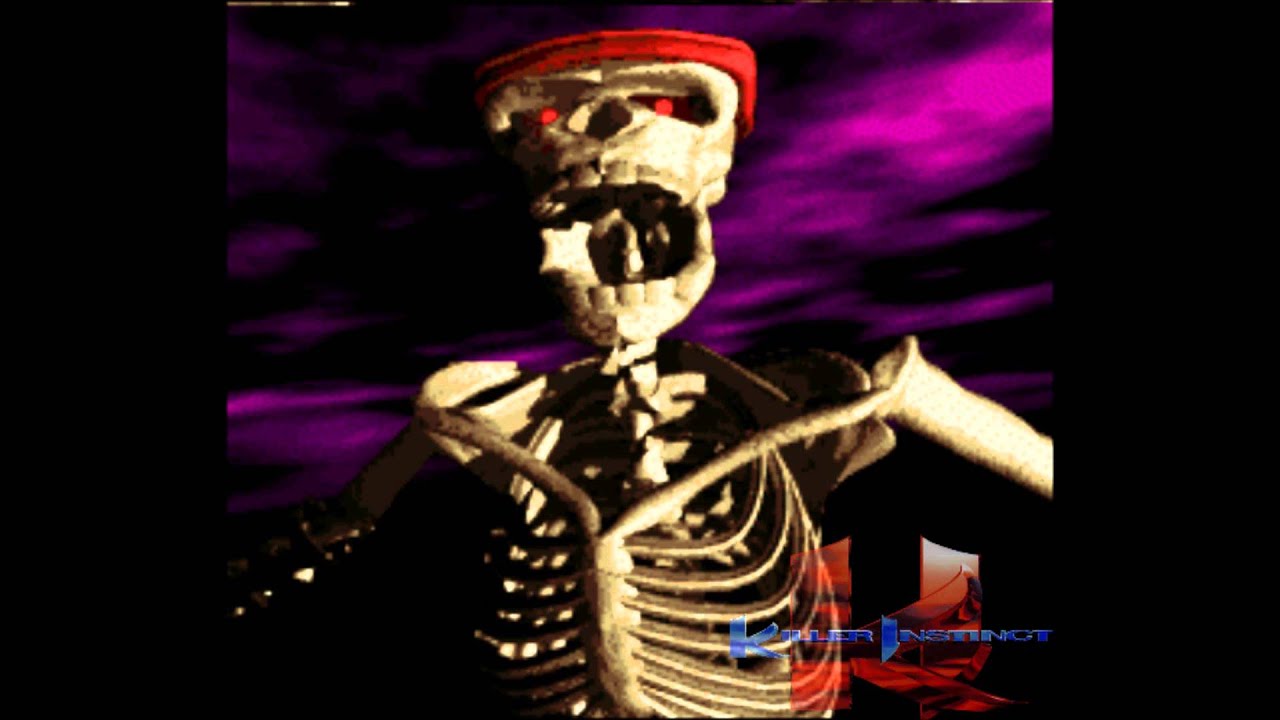
Same as Grunty, really.. Scream and Cackle. I’m a one-note pony when it comes to baddies.

The concept for Gruntilda’s voice, I’d imagine, would’ve been one of the most straightforward ones to have had to come up with, but was that the case? Was there another different approach taken where she was concerned?

I just screamed and cackled… That’s what witches do, right? 😉

How exhilarating was it knowing you had just voiced a major Nintendo villain at the time?

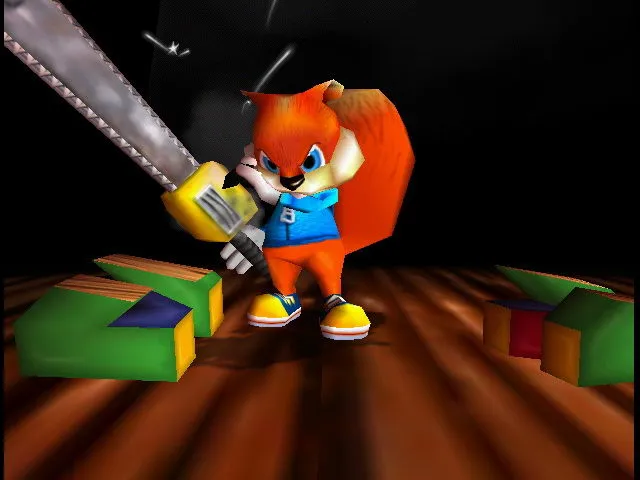
It was 10 minutes of work, and the tight arses didn’t even give me a free copy of the game… To this day, I have never owned a copy of Banjo. Not sure, but think it’s probably the same sample they use in the new Smash?? Maybe?
Chris Seavor 25

Who was your favorite character to have been voiced before Conker?

The ones that didn’t have me coughing my guts up and no voice for 2 days. Conker. It has to be him, really… Death, Conkula, Frankie, and any with interesting dialogue and motivations.

Which additional character in Diddy Kong Racing (except Conker) do you feel would’ve been worthy of a spin-off series?

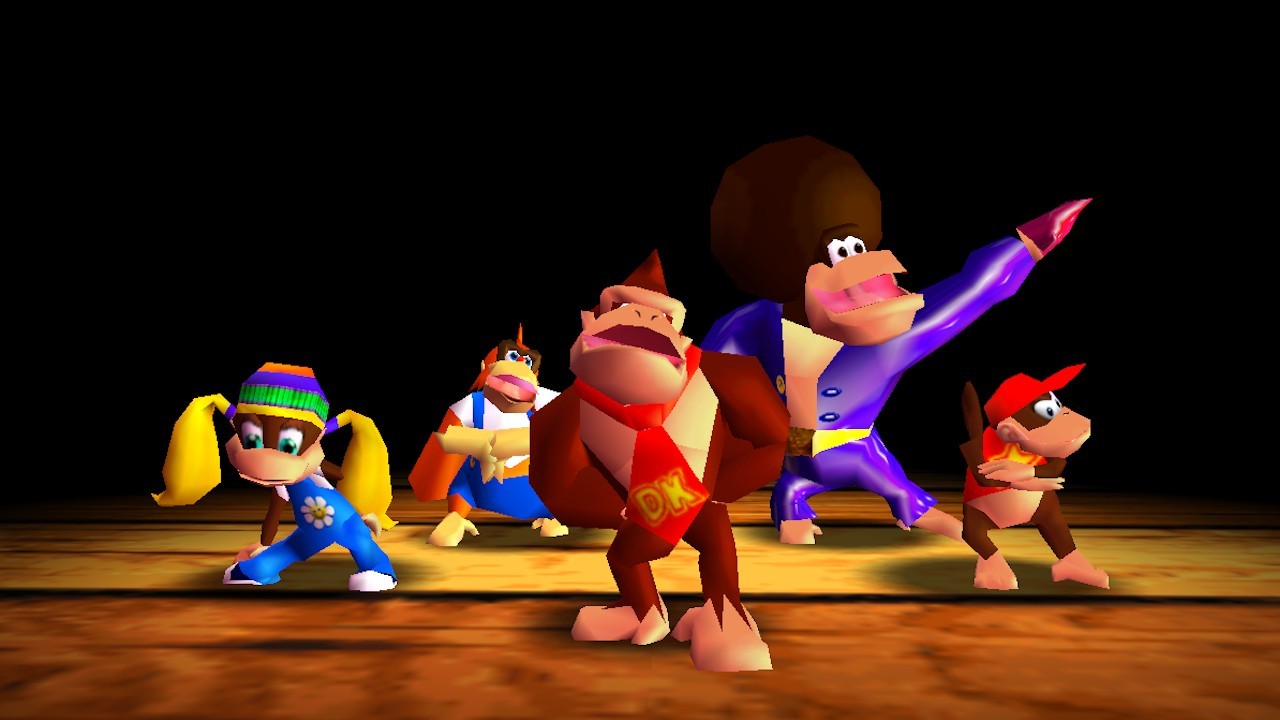
I don’t care enough about Diddy Kong Racing to be honest. Wasn’t there a Tiger? The Tiger then.

What were the Stamper brothers like to work for?

They were great, very hands-on when needed, and very hands-off when we were getting on with it. I mean, things could from time to time get fractious, but it was usually just clashing egos (mine mainly). Tim’s passion for games when I first joined Rare was in his very being.

All he cared about was the game/games. Chris, I saw less of him because he tended to be the business side of things, and was a software guy anyway. They had a certain dynamic as brothers, sort of like a video game boss, ironically. The whole was greater than the sum of its parts… (hmm, sounds like shade, but I don’t mean it that way)
Chris Seavor 26

Were there any Rare games that you would’ve liked to work on, but never got the opportunity to?

From a purely mercenary cash standpoint? Oh, DK 64 and DK Racer. They made fucking TONS of cash for the teams. But creatively? Nah, I’m happy the way things were. But what about Goldeneye, you say!? Cashwise? Nah… an old deal. Creatively?? I think I would have done things to stop it from being the game it is now. Not good things… I was still in a DOOM 2 mindset at the time.

Were you scheduled to work in some capacity on Rare’s canceled game Project Dream before it later became Banjo-Kazooie?

Nope. Definitely nope…

If you could’ve voiced any other Nintendo character (or Rare character) at the time, who would it have been, and what approach would you have taken to do it?

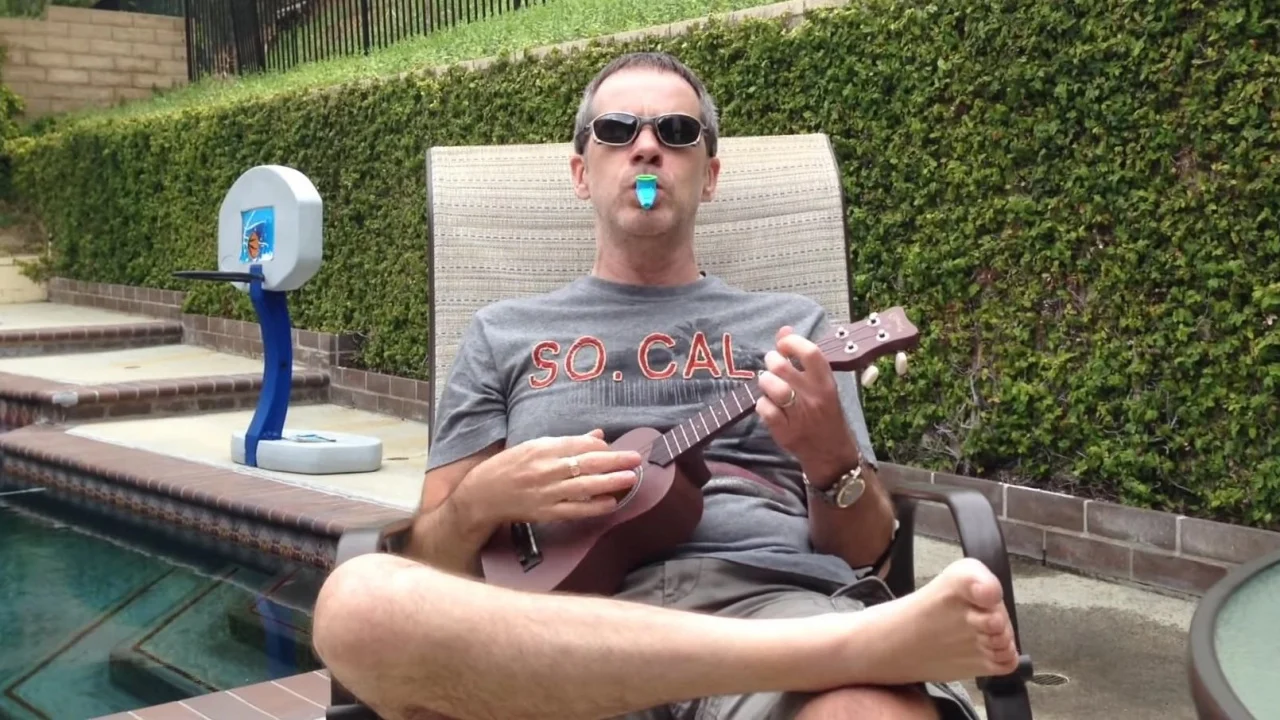
Never really thought of it. The only character I would love to have voiced, which Rare (almost) got to do, was Harry Potter. It would have meant I’d have been the first person to perform that character in the media. A good one for the CV. Plus, I think I’d have made a decent enough game out of the books (only 3 were out at the time) as I was already a big fan, had I been asked… Nevermind.
Chris Seavor 27

Who were the funniest people in the Rare office to work with?

That’s a tough one. Everyone pretty much made me laugh, sometimes unintentionally… Grant Kirkhope has ‘funny bones’ just because of his outlook on life and his rock ‘n’ roll stories. Robin’s funny as well, particularly when he’s drunk……. Martin Hollis has a very dry sense of humor, and Noz always made me laugh at his various woes over the years…Doaky though, he’s just sick that man.

What was your reaction when you first heard about Microsoft buying out Rare?

Yay!! EA and Activision were the 2 other main contenders. Whatever criticisms people have of MS, I have no doubts whatsoever. Rarely would a studio exist now if they’d succeeded. Nintendo though? They made a great off by all accounts, and already owned nearly half the company… I don’t even want to think about that.

What made you come to the decision to leave Rare back in 2011?

I didn’t. I was happy to stay, but things were, shall we say, engineered to make sure I didn’t….. Long story, not a pleasant experience, and some of the people involved, one in particular, can go fuck themselves. They know who they are; not that things didn’t turn out well in the end… I got a nice fat cheque to send me on my way, and here we are.

What is your opinion on the current state of Rare?

At the time I left, it was not very good, what with a combination of Don Mattrick and his cronies, not to mention that Kinect abomination. I was 90% sure we would be shut down within a few years… Since then, though, along came Sea of Thieves. Amazing what can happen when you just let a team get on with things and stop fucking them about. I think they’re in a very strong position now, although they really do need to mine that IP goldmine a bit more … Baffles me that they don’t.
Chris Seavor 28

What was the developmental process like early on, when the game was supposed to be either Twelve Tales or Conker 64?

I was only doing art at that point, and the direction the game was taking design-wise was not something I could influence. We were essentially trying to make a Mario 64-type platformer. It was…. Fractious.

How did you initially feel after being moved up to the project’s leader by the Stampers?

They knew it was what I wanted, so they gave me a chance. Seemed to work out, although I think I was expected to fail.

What was it like working with Robin Beanland?

Yeah, okay. We don’t really get along 😉 Nah, he’s always been a talented bastard, unlike me, who’s been winging it for years…. I think we get on workwise because we understand what we both want versus the limitations of the medium. It’s important to temper your expectations and ambitions with what’s actually possible. Plus, we both like lager and vindaloo. Although age has finally caught up with me on both counts, there.
Chris Seavor 29

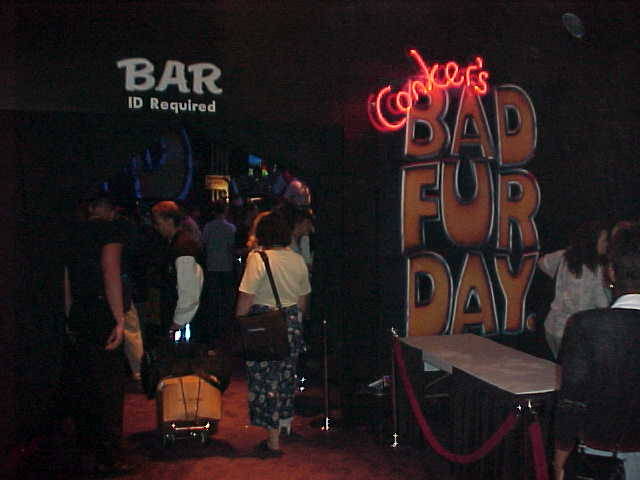
What was the feeling across the team following the game’s showcasing at E3 1998?

Was that the BFD’s first showing? I remember the TT one being a fucking disaster. The BFD one was as good as it got. Great stand by Nintendo, free beer, most of the team was there too, so it was a decent crowd. And no interview pools, which I really hate… There’s nothing like a bunch of bored games journos asking tedious questions for 12 hours straight to break your soul.

What was the revised pitch to Nintendo like when the intention changed to make the more mature game it turned out to be?

I don’t know. I pitched it to Tim and Chris, not Nintendo. I didn’t work for Nintendo; I worked for Rare, but I’m sure some discussions were had. To be honest, if T+C were happy with what we were doing, then Nintendo would have been too. Rare was the golden goose at that point, don’t forget, and it gave us a good deal of leverage.

What was the feeling across the development team when the project was finally finished after the long development cycle the game had?

We went home for some sleep. Then I went to Edinburgh for the New Year and got completely smashed. I also bought a sword, which I then had to carry around all night. There’s a great restaurant on the Royal Mile called The Witchery, it’s basically like something out of Harry Potter. The maitre d ’, rather than scowl at me and my sword, kindly took it and hung it in the coatroom, citing an old rule of no swords in the dining area. (I think she might have been joshing me )
Chris Seavor 30

How rewarding was it to see the game garner as much critical acclaim as it did?

Validation. And relief. I wish we’d have launched in Japan too… I think they’d have liked a pissing, drunk, cute squirrel.

How did the voice for Conker come about?

It was the first voice I did. No process, just came out fully formed on day one…. One of those things, I guess, the lisp was to add a curtness that belied the character, but apart from that, it was spontaneous.

Were there any other references to popular culture that were planned to be included in the game, but never made it, apart from the Pokémon reference?

There were a few levels that got cut, but that was for the sake of time rather than censorship. Pokémon is the only really notable one. There are a few easter eggs, though… more than a few. Oh, wait, there were two scenes cut from L&R for reasons. And that’s all I’m gonna say about that.
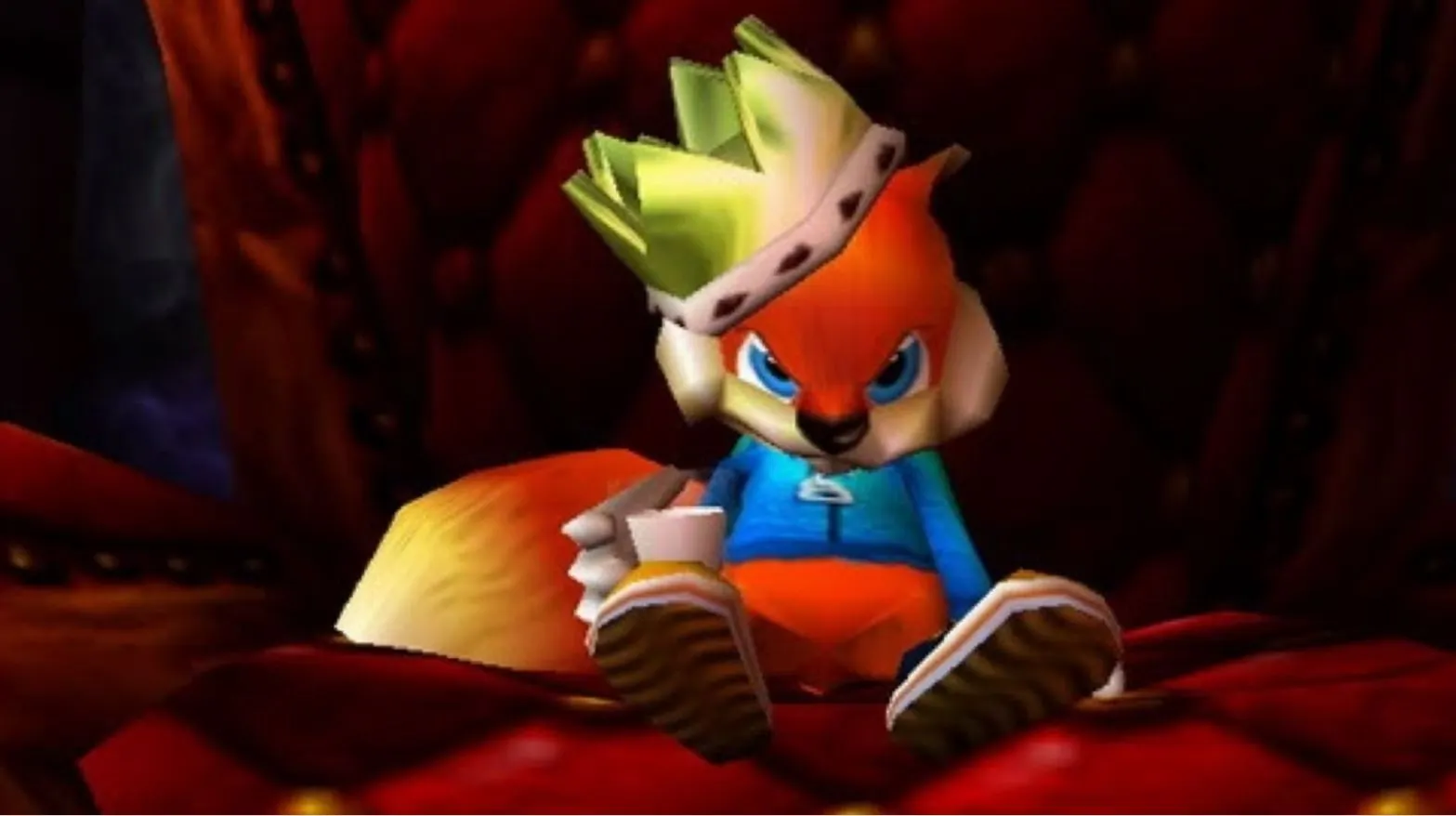
What was the feeling about experiencing the game’s ending for the first time, as it provides such a stark contrast to the comedy perpetuated throughout most of the rest of the game?

I had that ending in mind right from the very start. If we were going to subvert the genre, then let’s go for it. I don’t think I agree with the premise of the game being a comedy in a light sense. The game is DARK all the way through, and the laughs tend to stem from the misery and bad luck of others and the unintentional actions of the protagonist. I make it clear right in the very first shot of his eyes on the throne that this won’t end well for Conker.

What would you change about the game if you had the opportunity?

I’ve thought about this a lot. Maybe pare things back a bit to get a lower rating (which actually wouldn’t be as much as you think) or maybe not… It is what it is. I do regret not doing the fake outtakes after the credits. I had that planned quite early on when we’d started experimenting with 4th wall-breaking stuff in the game. Just not enough time, sadly.
How satisfying an experience has it been seeing Conker’s Bad Fur Day being updated for new audiences in the form of both Live and Reloaded and Rare Replay?

Yeah, it gave me a chance to make a PVP combat game, which is a difficult thing to get right. I also added a narrative thread through it as an experiment for a further idea (Getting’ Medieval). I think it worked quite well… They shut the servers ages ago though….. Rare Replay, I had nothing to do with… It’s a thing, I guess. Sold well, so that says a lot about there being plenty of old-school Rare fans still out there spending money.

As it’s one of the most outlandish stories I’ve heard in all of gaming, I have to ask whose idea was it to come up with the Conker’s Bad Fur Day condoms campaign?

Not me. It’s a bit tacky, literally 😉

What new Gameplay elements were planned for inclusion in Conker’s Other Bad Fur Day?

More of the same, really…. Who can say? That’s the kind of detail you get to when at the coal face, and we didn’t get that far.

Early concept art has since been released on the Internet for the Conker sequel, but what other new types of locations and characters were planned to be included?

About half the game was completely new areas, and the other half was updated and evolved areas from the original. The structure was pretty much the same, hub world, then smaller story worlds…. Familiar, extended with a fine blend of old and new.

Have you further developed the idea of a sequel since leaving Rare?

Nah, of course not. No point.

If Rare ever called you back to develop the sequel to Conker, would you do it?

Depends on what I’m asked to do. If it’s just to read someone else’s lines, then nope. If they want me to write and direct it, then maybe, but it would be a lot of work and cost a lot of money for something so niche. Who can say.. MS has got deep pockets. Risk-wise, it makes a lot more sense to make BK3, and they haven’t done that either, so go figure.
Chris Seavor 10

How did the idea come about for you and Shawn Pile to establish Gory Detail?

Boredom, plus I knew if I didn’t do something with all the time I suddenly had, then I’d go insane. Shawn was the same, I think, but you’d have to ask him. We’d actually talked about it long before, mainly as a creative outlet, never really thinking it would happen. Then circumstances changed, and here we are.

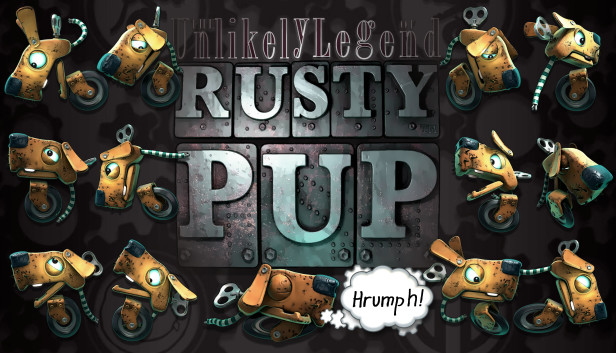
What were the influences behind Parashoot Stan and Rusty Pup?

Stan is a cliché, which was the point of the character. The kid pretending to be the hero but actually IS the hero. Rusty Pup is forged from a similar fire influence wise but is a lot more subtle. It’s actually set in the same world as Stan, if you look closely, but it is a lot more tragic. No one has decoded Rusty Pup yet, which I’m fine with, but it isn’t some vague metaphor or opaque fable. It’s a series of events, in order, which really happen. The clues are all there.

What were the most exciting aspects of developing the games?

‘Exciting’ is not a word I’d use to describe game development. A bunch of execs off to some launch party or awards ceremony to get drunk might disagree, but that’s not development.
Chris Seavor 11

What were the most challenging aspects of developing the games?

Getting past pre-production and into full production. Until you’re that factory, churning out assets and regular versions, there’s always a nagging feeling at the back of your mind that this might be canceled any second. Pre-production is nice creatively, and full production is a grind, but the security of the product is a huge weight off your mind. (hey, that rhymed!!)

How satisfying had it been seeing both these games garner the commercial and critical acclaim they have?

Commercially? Yeah, right, we’re millionaires now, Rodders. Critical, well, I think they’re great little games (Rusty not so little), Labour of love, both of ’em. I wish more of the mainstream media had bothered to review Rusty. We sent out a ton of codes. They claim they support indies, etc., but they don’t really… Not really.

I actually had one outlet say they weren’t interested unless I gave them an interview about our next game, which I’d pitched as a Conker Spiritual Successor. It was kind of a publicity stunt (though true in essence). Needless to say, we said no. If I were in the games biz to make lots of money, I’d have crawled my way up the corporate ladder, squeezed the right prostates, and jumped ship every time I fucked up. I’d rather be poor. I’m fine, though, but no more Porsches. Not this week anyway.

Were there any ideas planned for inclusion in either game that were later scrapped or reworked?

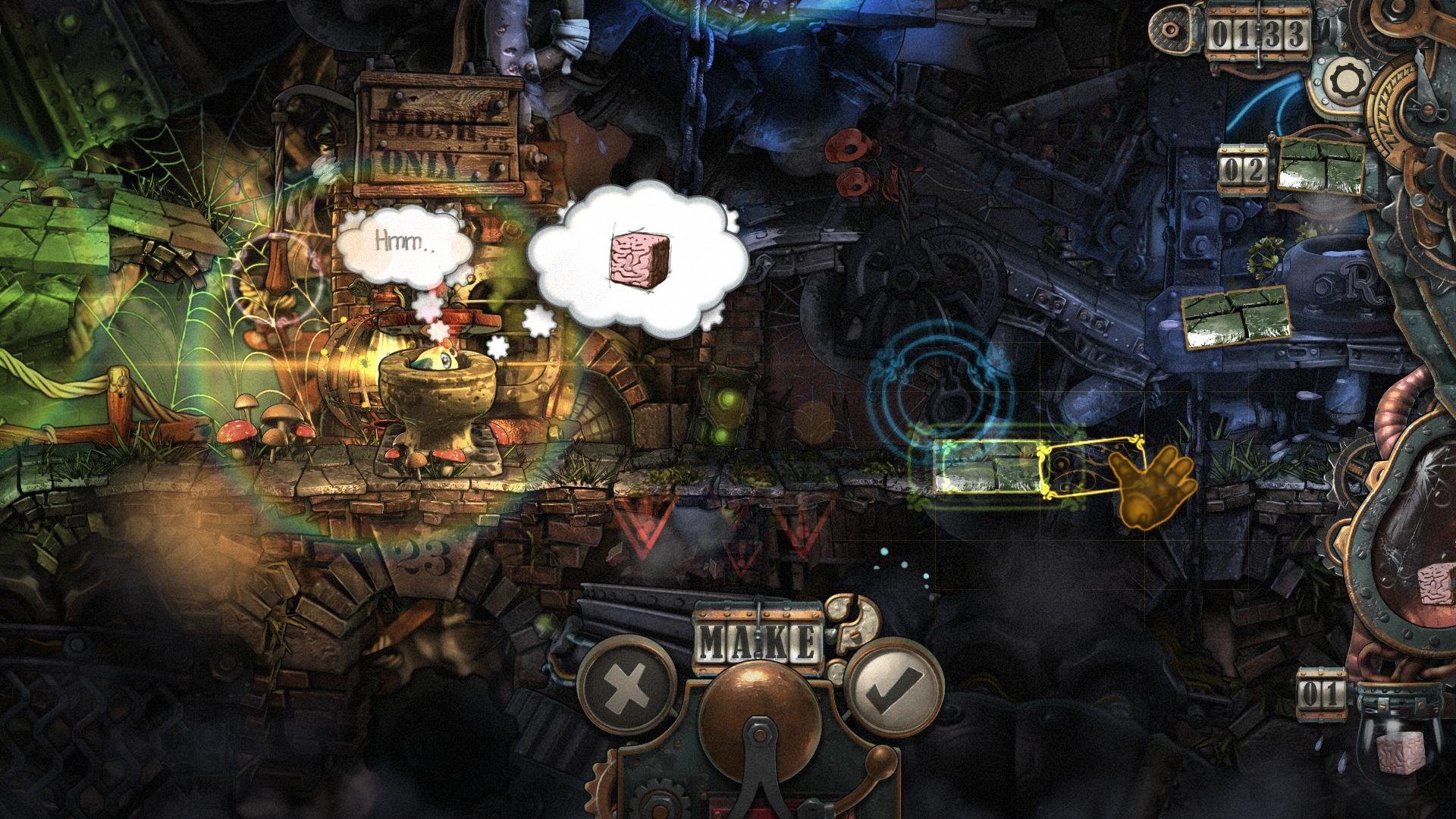
Yeah, loads. Rusty had a whole crafting system and twice as many mechanics, including mind control baddies, loads more platform types, and a whole extra world… it was just too much, and the crafting would have made testing all the possibilities pretty much impossible. Stan was going to have 2D side-scrolling mini-bosses where he landed on a large Zeppelin and would run through with guns blazing. We just didn’t have the time, and I also felt it was a bit jarring with the rest of the mechanics.
Is there any DLC planned for Rusty Pup in the future?

I did some stuff, even made some assets. It was an extra chapter, a deeper area with shorter, very difficult one-shot puzzles. A haunted house theme. But it would have taken 6 months to make, largely down to me, and was also totally free. Time is precious, so I decided it was best spent on developing the new IP.

What can you tell us about Gory Detail’s third project?

It’s coming on okay. I spent the bulk of last year preparing assets, and I’m pretty happy with the tone and look of the game. It’s a typical twin-stick dungeon bash game but with a twist… Fast-paced, silly characters voiced by me and lots and lots of bad language, blood, and guts. COVID didn’t help, though. At some point, you need to sit with people and point and talk… I’ve not seen Shawn for a year now. Still, we’re not slaves to publishers and huge wage bills, so it’s not a problem. You really only want the stress of making the game, which is more than enough.

Would you still like to see Urchin be brought to life under Gory Detail?

Yes… But we can’t call it that. Anyway, games aren’t the only medium in which to explore interesting narratives. 😉
Have any of the former Rare alumni at Playtonic Games had any advice to share with you and Shawn, or has there been any general conversation between you all?

Yeah, we’ve chatted a few times… Gavin has been really helpful and made some gracious offers of help with production, but the studio environment isn’t something I find appealing… It’s just me. I’m an old fart. In the future, though, who can say? They’ll certainly have first dibs on the next game we do if they want it.

What are your opinions of the indie development scene today?

Business-wise, it’s very healthy for a lucky few, but for most, I suspect it’s a struggle in a saturated market. Getting eyes on your work is increasingly difficult, and for the very small indies such as Gory, it’s almost impossible. From a gamer’s point of view, it couldn’t be any better. There’s a lot of good stuff out there, and with the big boys taking fewer and fewer risks with their products, ironically, people are turning away from their games as they tend to be over-produced and under-developed.

What genre of game have you and Shawn never undertaken before that you would like to do one day?

I have folders full of stuff. I think the next game, though, will be our last, probably, as its core game is just the beginning. It’s designed around mini self-contained storylines, like the chapters in Conker. So if it’s a success, I’ll be happy to just keep making and selling new Chapters as DLC so long as people still keep buying them. That’s the plan anyway.
Which pre-existing video game character would you like to see make a cameo in either Parashoot Stan or Rusty Pup?

They’re not that type of game, particularly Rusty. The next one, though… I have plans for lots of cameos, although not very complimentary ones. 😉

Do you and Shawn find that having creative freedom is one of the best things about developing games for yourselves?

It is. It’s the price you pay for having to fund everything yourself. We’re not averse to having a publisher, just not during development. Finish the game first, then see if anyone fancies tackling all that marketing, support stuff I fucking hate doing.
Have Rare since reached out to you following the establishment of Gory Detail or the release of the two games?

Only for Conker stuff. I’m happy to do it, although I suspect it was a last resort. I was sent some recordings of a guy they’d hired to mimic Conker, and it wasn’t very good. The point is, they tried to do it with someone else and must have realized the fans would not accept a fake Conker. Heh! I also offered to do other voices for the Young Conker app, but they already had someone for them. Just Conker for me…

What have you been most proud of throughout your career?

Rusty Pup… So far. I filled that game with my very soul.

Is there any advice you would be able to offer to aspiring developers who may be reading this?

Don’t let anyone tell you you can’t do something…. It might be true, but the best way to find out isn’t by shrugging, but by trying to make it work and then finding out they were wrong.

I’d like to take the opportunity to thank Chris Seavor for agreeing to answer my questions and for sharing so much about his storied career and what we can expect to see from him and Gory Details Ltd in the future. If you’re interested in what Gory Details has to offer, you can view their Steam page via the link below:

https://store.steampowered.com/search/?developer=Gory%20Detail%20Limited

You can also keep up with Chris’s posts on Twitter via his Twitter handle:

@conkerhimself

A full review of The Unlikely Legend of Rusty Pup can be accessed via the hyperlink, but in the meantime, I’d also like to wish Chris Seavor, Shawn Pile, and Gory Details the best of luck with their current games as well as their new upcoming project… MARVELLOUS!!

Game on,

Scouse Gamer 88
WWF Attitude (Nintendo 64, PlayStation 1, Dreamcast & Game Boy Colour)

WWF Attitude

Developer(s) – Acclaim Studios Salt Lake City

Publisher(s) – Acclaim Sports

PEGI – 12

Released following the success of WWF War Zone, and being the last WWE game overseen by Acclaim Sorts ending a 10-year association with the company, WWF Attitude was released to further commercial and critical acclaim. Expanding on the ideas perpetuated by War Zone to ridiculous levels. I mentioned in my review of War Zone that I had a strong sense of nostalgia for that game. And that it still holds up to this day. But as this game was a decisive improvement on War Zone in every way, I was at an age to appreciate it fully, and this title holds even more nostalgic value to me. And holds up even better than War Zone. 

Graphics – 8.5/10

One of the most notable improvements in the game is in the technical aspect of the graphics, as the textures are infinitely more detailed than in War Zone. And this was done for a far bigger roster of WWE wrestlers. Each wrestler’s own entrance sequence is also extended greatly. Giving the game a far greater sense of variety than in the former. It also excels above War Zone in terms of conceptual design. There are more types of arenas to choose from relative to different WWE Pay-Per-View events. They, along with wrestlers, can even be customized in terms of the color of the ropes and the ring. And even the designs of the metal frames on either side of the titan tron. 

Gameplay – 8/10

The biggest improvement this game has over its predecessor, however, is in terms of gameplay. The game modes that were present in War Zone return. Including an all-new career mode, which is structured far better. As well as the additions of there now being a First Blood match and an I Quit Match option. As I said before, the main roster is also expanded largely compared to the comparatively limited number of characters there were in War Zone. But there are also a whole host of unlockable characters to obtain, such as Chyna and Shawn Michaels.

Controls – 9/10

As the game is most likely made on the same engine, the same control scheme applies to WWF Attitude as it does in War Zone. In the cage matches, I still had the same trouble trying to climb out of cages. So the only disappointment I had with the control scheme was that they didn’t address that issue. However, if born with it, it doesn’t remain too much of a problem. On the other hand, however, the individual movements and commands had been somewhat refined for Attitude and in that respect were yet another decisive improvement over War Zone. 

Lifespan – 8/10

Of course, that there are far more characters and far more game modes added to this game, it can inevitably take a far longer amount of time than its predecessor. The sheer amount of customization and gameplay options made available at the time made this one of the most, if not the most, expansive WWE experiences at the time. And consequently, it still holds up as a game that both fans of WWE and non-fans alike can spend hours upon hours investing in. 

Storyline – N/A (10/10)

The case with WWF Attitude remains the same as it was with War Zone. Wrestling fans will inevitably be enthralled in this game faster. And to a greater extent than those who don’t follow, or never have followed, wrestling, but overall, familiarity with the WWE universe is not needed to enjoy it. The commentary, however, is this time provided not by Vince McMahon and Jim Ross, but by Jerry Lawler and Shane McMahon. They unanimously make for a more comedic duo than the former. 

Originality – 7/10

At this juncture, where the WWE video game franchise was concerned, there had always been limitations with games prior to this. Most notably in the character rosters, as only a few characters were even chosen for each game, compared to what they had on their rosters at the time. But this game did exceptionally well to blow every other WWE game out of the water at the time by expanding on the entire concept until it was splitting at the seams with ideas. It stands out among every other WWE game. Because it gave WWE fans at the time everything bigger than before, better than before, and all at once. There would be better WWE games released after this. But this game was instrumental in setting many standards that every other WWE game would adhere to from thereon.

Happii

Overall, WWF Attitude is one of my favorite fifth-generation wrestling games of all time. It is one of my favorite Nintendo 64 games of all time. It gave wrestling fans everything they wanted and added a few welcome additions in the process. And remains a load of fun to play to this day. 

Score

50.5/60

8/10 (Very Good)

WWF War Zone (Nintendo 64, PlayStation 1 & Game Boy)

WWF War Zone

Developer(s) – Iguana West & Porbe Entertainment

Publisher(s) – Acclaim Sports

Producer(s) – Mike Archer

Designer(s) – Tim Huntsman, Clark Westerman, Richard Raegan, Troy Leavitt, Jeff Robinson & James Daly

PEGI – 12 

Released in 1998, shortly after the beginning of the WWF Attitude era, WWF War Zone was the first 3D WWF game released after the transition from the fourth to fifth generations of gaming. It received critical acclaim upon release. Having appealed to wrestling fans and non-wrestling fans alike. Although the game, according to many games of the younger generation, in particular, hasn’t aged well, I beg to differ. In my opinion, it still holds up as one of the better wrestling titles of the fifth generation. It remains a pleasure to play through. 

Graphics – 7.5/10

Having been developed with various different techniques for all three ports, with respect to the graphics (as well as every other respect), the Nintendo 64 version is the best in terms of technical design, in my opinion. In terms of conceptual design, the game is limited to only one kind of stage. This would be rectified in later WWF/WWE games. But poses a small issue in terms of visual diversity.

However, all that being said, I remember being 9 years old at the time and being overwhelmed by the quality of the graphics. And being able to see 3D ring entrances from each of the wrestlers. As I alluded to before, although many gamers may not think that this game has aged well over the years, the fact of the matter is that this level of visual quality was considered cutting-edge at the time. And to me, it still holds up relatively well today, bar facial textures. 

Gameplay – 7/10

WWF War Zone has several different modes to choose from. This again relates to the fact that I would recommend the Nintendo 64 version over the PlayStation version. The Nintendo 64 version also includes an additional Royal Rumble mode. The main mode is the career mode. Players can either play as a custom-made character. Or a classic wrestler of their choice, to compete for the WWF title. Among the roster are Stone Cold Steve Austin, The Undertaker, Kane, Mankind, The Rock, and Triple H. Surprisingly, Bret Hart and The British Bulldog were also included in the game even though at the time of the game’s release, their contracts with the WWF were terminated following the infamous Montreal Screwjob of 1997. There are a plethora of different fighters to choose from, including a few unlockable ones. This makes each career playthrough a different challenge every time. 

Controls – 9/10

For the most part, the controls are perfectly fine. The different moves for each character, as well as the finishing moves. They are easy enough to learn how to do, and movement is fluid despite the fact that 3D gaming was in a somewhat preliminary stage at the time of release. The only issue I had with the control scheme was how climbing out of the steel cage works; it can be quite confusing at first, and the solution isn’t as straightforward as it perhaps should’ve been. Besides this, the control scheme presents no further issues. 

Lifespan – 7/10

Completing the career mode in WWF War Zone with one character can take about an hour and a half, depending on how well the player performs, but after that, there are, of course, additional gameplay modes that provide hours of entertainment for players. For an early 3D wrestling game, there is a great amount of variety that prolongs the game’s lifespan greatly. Previous WWE games had a decent amount of longevity owing to a lot of the same reasons. But in this game, it’s even more prevalent. 

Storyline –  N/A (10/10)

Of course, wrestling fans will take to this game much more effectively than those who never followed wrestling or still may not follow wrestling; familiarity with the WWE will be irrelevant to the gamer’s enjoyment of the game. The commentary provided by both Vince McMahon and Jim Ross, by today’s standards, is laughingly bad and clearly done with heavily edited sound clips, but to me and a lot of other gamers, that will provide an additional comedic value to the game. 

Originality – 7/10

Offering a 3D wrestling game with a new perspective and style of play made it stand out from any other wrestling game before; it’s a by-product of the era in which this game was developed, and as such, it offered a very new experience for players to indulge in at the time. Although the idea of which would be expanded on immediately with the sequel WWF Attitude, as well as countless other wrestling matches to come after. But this game served as more than an adequate starting point for what would come next.

Happii

In summary, WWF War Zone not only served as an appropriate basis for the standard of 3D wrestling games but is still an enjoyable experience that very much holds up to this day for me. It’s an entertaining title with classic wrestlers and hours of fun to be had. 

Score

47.5/60

7.5/10 (Good)

Space Invaders 99 (PC, PS1, Nintendo 64 & Game Boy Colour)

Space Invaders 99

Developer(s) – Z-Axis & Activision

Publisher(s) – Taito

ELSPA – 3+

Paying homage to the original 1978 classic arcade title, the updated version of Space Invaders, released back in 1999, was far more than a simple remake. The developers rebuilt the game from the ground up. Giving it a new lick of paint in terms of visuals and concept design. And giving players much more to play for than a high score. Recently, I reviewed an example of how not to revive a classic arcade franchise in Dig Dug Deeper. But to counteract that, I thought I would write a review of an example where the developers got it right. And Space Invaders 99 certainly got it right. Although I do have to say, as a prerequisite, that I did spend a lot of time playing this game when it was first released, it’s an experience that still holds up to this day. 

Graphics – 8/10

From a technical standpoint, Space Invaders 99 is more or less on par with most PC games released at the time. As well as what was being showcased on fifth-generation hardware. Which makes it seem all the more disappointing to know that there was a canceled Dreamcast version. It makes me wonder how the graphics would’ve possibly been updated for early sixth-generation hardware. But nevertheless, it’s in the conceptual design where this game truly comes into its own. The developers redesigned everything from the player’s ship to the enemy ships and added new graphical features, such as the selection of different levels to progress through. As well as a series of boss fights. The soundtrack that was composed for the game also fits the game’s atmosphere perfectly. It sounds foreboding yet otherworldly at the same time. 

Gameplay – 8/10

Having the template of the original game to work with, the general formula is the same. Players must destroy incoming alien ships before they reach the bottom of the screen. However, what makes this incarnation of the game stand out from the original version is the plethora of new gameplay features. Including a variety of different weapons to use, and boss fights at the end of each level. And a surprising amount of unlockables. Including a port of the original game thrown in for good measure. It also exemplifies how new gameplay features can coincide with new enemy designs. In that, different weapons are accessible by killing four of one enemy type in a row. Players also have to strategize differently in accordance with each boss fought throughout the game. It’s a lot like Titan Attacks, only released over fifteen years earlier. 

Controls – 10/10

On console and PC, and like the first game, the control scheme is easy to get to grips with, even for entry-level players. Not coming with any unnecessary complications or the kind of silly oversights that came with the likes of Dig Dug Deeper. They’ve also been updated in accordance with the additional gameplay features available to be taken advantage of, which only makes this game all the more impressive. 

Lifespan – 10/10

Although the main game can take less than 2 hours to complete, depending on the difficulty settings, it’s a game like Star Fox 64. Although it can be rushed through, it can also be played and enjoyed on far more than one occasion and in a relatively short span of time. It is most definitely a game good enough for repeated playthroughs. Add to that the fact that the original game can be unlocked. Thus increasing the game’s longevity even further. Whilst most kids I knew at the time were playing Gran Turismo 2, I was hooked on this. 

Storyline – 6/10

The game’s story is simply a basic premise. Earth is under attack by alien invaders, and a sole fighter pilot is tasked with repelling them. But what makes this game’s story excel beyond being a simple basic premise is how it is portrayed. There’s a cutscene for both the start and the end of the game. It portrays the player-character’s struggles and triumphs. As well as a foreboding portent at the end. Of course, players ought not to be looking to play a game like this to immerse themselves in the story; it’s just a small tokenistic thing added to the game to give it that extra push over the line. And it does make the experience all the more enjoyable for it. 

Originality – 7/10

Although this game largely copied a blueprint that had been around since 1978, this version of the classic arcade game didn’t simply copy the formula but reinvented it with the inclusion of many new graphical and gameplay features. It was games like this that also would’ve been instrumental in setting the precedent for many indie developers to do the same, such as with Titan Attacks and Ultratron. It’s a shining example of how a team of developers doesn’t simply revamp a classic game for the sake of it, but also to make the gameplay experience their own. 

Happii

Overall, Space Invaders 99 is a wonderfully crafted and highly recommended take on the original arcade version of the game. It’s a wonderfully innovative and charming labor of love that shows the developers all put 100% into making it. Evidenced in every detail. 

Score

49/60

8/10 (Very Good)

Play Manchester 2016

The beginning of October marked the fifth year of the Play Manchester gaming expo held at Event City venue. With it’s usual and varied blend of retro gaming cabinets, upcoming indie titles on display, and a wider array of new upcoming mainstream releases than last year’s proceedings, Play Manchester 2016 was even more exciting and diverse than in 2015, and just are star-studded in addition with a special panel present that I shall be covering further in the article. First, I perused the various indie games that were on show at the event, and I was impressed with the amount of range of different gameplay ideas and conceptual designs that the new up and coming developers had to showcase.

Snake Pass

snake-pass

The first indie game I came across was a 3D platformer unlike any other. Developed by Sumo Digital, Snake Pass is a game in which the player controls a snake in order to slither around a series of levels and hunting collectible items throughout. Players must learn to take full advantage of the game’s insanely unique control mechanics to reach high places, overcome imposing obstacles and puzzles, and leave no stone unturned, as there are plenty of items to collect through each level, it seemed. What impressed me most about this game, in addition to it’s impressive-looking visuals, was the game’s style of play. With a completely different take on getting around levels and uncovering secrets, it plays out like no other 3D platformer I’ve ever come across. The developer also explained to me various ways that players could choose to play the game, ranging from emphasis on speed, elegance or thoroughness. I personally believe if the developers plan to integrate this idea into the game further, it would most probably add even more replayability to it, but in the state that it was in at the time, it still impressed me very much.

http://www.sumo-digital.com/snakepass/#

@SumoDigitalLtd

Dragon Bros

dragon-bros

Having discovered a greater fondness for side scrolling shooters since I first started blogging, having played more games like Contra and Metal Slug, I was also particularly amazed by another indie game made largely in the same vein, but with a very interesting twist on conceptual design. Dragon Bros, developed by the aptly named Space Lizard Studios, the game is insanely action-packed, filled with breathtaking pixel art and seemed a lot more accessible than the like of Contra; especially the first three games in the series. For me, Dragon Bros was my pick for the best indie title on display at this year’s proceedings; it was the most fun and addictive game, as well as the most interesting in terms of conceptual design. Though comparisons can be drawn between it and Bubble Bobble, since the main characters are two dragons coloured both green and blue, it takes place in a much different kind of world reminiscent of science fiction rather than the cutesy fantasy settings of the former.

http://spacelizardstudio.com/work/dragon-bros/

@SpaceLizardSt

Mao Mao Castle

img_0475

Another game on display I become insanely addicted to, and have been playing frequently ever since the show, is Mao Mao Castle. Created by Asobi Tech, the game is an on-rail free-to-play browser game requiring the player to take advantage of various different mechanics to rack up as many points as possible to attain the highest score possible. The story centres around a cat with supernatural abilities trying to find a way home to a levitating castle in the skies. Reminiscent of the 8-BIT era, it takes influence in terms of conceptual design largely from the varied works of Studio Ghibli; made even more obvious by the fact that the developers had a plushy of the Cat Bus from My Neighbour Totoro perched on top of the projector used to display the game. Usually the game is controlled using a PC mouse, but the version on display at the show used motion controls, and plushies were up for grabs for anyone who could rack up exceptionally high scores. I managed to win one of the three available plushies, and have been racking up higher scores ever since. I highly recommend this game, as it excels in gameplay above even many mainstream releases, as well as it stands out amongst indie games. The link to play is below:

http://aso.bi/maomao/

Unbox

unbox

Another 3D platformer with a difference came in form of Unbox developed by Prospect Games. The player must customize and control their own box-shaped character, and have a wide range of different gameplay modes to choose from, include four-way multiplayer competitive modes, challenge modes, an adventure mode, and even a kart-racing mode; all of which can played to unlock new outfits for their box character, and to attain a wide range of collectibles like in Snake Pass, or most 3D platformers meeting industry standards. Just as unique as the former, it provides an extremely different take on the genre compared to games such as Super Mario 64, Jak & Daxter and Banjo-Kazooie, but also coming with possibly an even greater amount of variety in gameplay and potentially more replayability. Though it may not be as revolutionary as any of the aforementioned titles were at the time of their respective releases, it’s certainly an evolutionary title, and did stand out os one of the better games on display at the event.

http://www.unboxgame.com/

@ProspectGames

Sub Level Zero

sub-level-zero

Another one of my favourite games on display at this year’s Play Manchester was Sub Level Zero; a lovingly crafted Roguelike shooter reminiscent of the classic game Descent developed some of it’s devout fans at Sigtrap Games. Procedurally generated, and with a map system heavily influenced by the Metroid Prime series, which I found to be particularly impressive, as well as surprisingly easy to interface with, Sub Level Zero also has a heavy influence on player character development, with upgrades for grabs, as well as a wide variety of different weapons to use during combat. In lieu of Roguelike tradition, it also offers a fair bit of legitimate challenge, like the likes of Rogue Legacy and Ziggurat. One of many games in display taking advantage of Virtual Reality Headset technology, this game also did extremely well to further alleviate what scepticisms I previously had with the idea back when I first tried the Oculus Rift last year at Play Blackpool. I found that it was a great deal of fun with the addition of VR technology, and made me believe to a greater extent that the concept will be able take off in time.

http://www.sigtrapgames.com/sublevelzero/

@SIGTRAPgames

Hyper Sentinel

hyper-sentinel

The last indie title I tried out was another space-based shooter reminiscent of the arcade classic Defender. Hyper Sentinel, developed by Ian Hewson, son of industry legend Andrew Hewson of Hewson Consultants who appeared on a panel at last year’s Play Blackpool show, it centres on not only shooting down various enemies that appear on-screen, but also collecting power-ups and defeating a boss at each level; normally in the form of a giant spaceship, somewhat reminiscent of Bosconian. Though it may not have been the most unique title on display at the event, with it’s influences blatantly obvious, it does o well to stand out from the game of it’s inspiration in terms of conceptual design, and was also quite fun to play too. It certainly presents as much of a challenge as the arcade classic, and is a must-try for any fan of the arcade era.

http://www.hypersentinel.com/

@HewsonJoystick

Tekken 7: First Impressions

tekken-7

One of many different upcoming AAA titles that were available to try out at Play Manchester this year was Tekken 7. After being sorely disappointed by the previous game, with it’s less than impressive conceptual design, many characters coming across as far too generic, and it’s almost impossible difficulty level at times, I was quite relieved to see how much the seventh game improved on the sixth in every aspect. I was also impressed to see how fluently it plays out in comparison to even the original trilogy of Tekken games, with moves being much easier and less frustrating to pull off. Also, like what Capcom have done with the advent of Street Fighter V, and what NetherRealm studios did with Mortal Kombat X, the developers have seemed to branch out conceptually in terms of character design, but in a way that still makes the game feel like it belongs to the series without them being too generic in design. Akuma from Street Fighter is also a welcome addition following relatively recent crossovers between the two series’. It also makes me excited for what additional characters Capcom may decide to add for when they will inevitably update Street Fighter V.

WWE 2K17: First Impressions

wwe-2k17

The main attraction on show in terms of AAA releases however, as officially announced by Paul Heyman of the WWE, was WWE 2K17. Boasting new wrestlers, a new submission system and the inclusion of Goldberg on pre-order, it marks the fourth WWE released since the publishing rights were acquired by 2K Games, and features all the usual gameplay modes synonymous with WWE games, such as the Triple Threat match, Fatal 4 Way, Royal Rumble and of course, the career mode; as well as the facility to create wrestlers. It is without a doubt the best looking WWE game ever developed, but in terms of gameplay, it did take me a little bit of getting used to; especially since I haven’t played a WWE game since the sixth generation, about the time when I grew out of it as a kid. Regardless, especially after getting used to the submission system, and being able to thoroughly enjoy the game for what it is, I was pretty satisfied with how the newer developers have managed gameplay in comparison to classic WWE games like War Zone, Attitude and Wrestlemania 2000. Though the Attitude era remains my favourite time of the company’s history, it was good to see how the WWE video game formula has been worked upon and handled in a way that works extremely well after so long.

The Tomb Raider Panel

img_0447

In terms of guest speakers, however, the main attraction was the assembly of and talk with many of the developers of the original Tomb Raider from Core Design to commemorate the franchise’s 20-year anniversary; many of the panel not having seen each other in as many years. The panel consisted of Jeremy Heath-Smith, the game’s executive producer and co-founder of Core Design, Natalie Cook, who was the original character model for Lara Croft, Richard Morton, who was the lead game, level and environment designer for every game up to Tomb Raider: Angel of Darkness, Gavin Rummery, who was the lead programmer for Angel of Darkness, Heather Gibson, another level designer for the first two games, Andy Sandham, who designed levels and wrote the scripts for the third game, as well as The Last Revelation and Tomb Raider: Chronicles, Murti Schofield, who wrote the story of Angel of Darkness, Nathan McCree, who composed the original soundtrack for the first two games, and finally Stuart Atkinson, who worked as an artist on the second game. The panel were also to be joined by former Eidos Interactive CEO and industry legend Ian Livingstone, but he unfortunately had to pull out due to ill health. Regardless, I would like to take this opportunity to wish Mr. Livingstone a full recovery.

The panel proceeded to provide an in-depth analysis of how and why Lara Croft was designed the way she was, and how the games themselves were designed the way they were and in what manner, and how both Lara Croft and Tomb Raider gradually went from a unique video gaming idea into a cultural phenomenon, and how it has managed to have such a profound effect on the industry as it has. Questioned were also raised by the audience concerning the reboot of the Tomb Raider series from Crystal Dynamics, and also about the degree of influence Naughty Dog took from Tomb Raider to develop their own Uncharted series. The team responded quite sternly in their answer to the Uncharted question in particular, commenting how many of the various gameplay features were heavily inspired by Tomb Raider, and the long-time Tomb Raider fans in the audience responded fittingly with an astonishing round of applause. Though I may personally prefer Uncharted to Tomb Raider, mostly due to the better start that Uncharted had in terms of controls, credit is due where it is due, and the team deserve props for helping to pioneer one of the most memorable video game series of all time, and so there response was justified in my opinion. Uncharted may have homed the great gameplay concept, but Tomb Raider established it, and has contributed a great deal to the popularity that gaming garnishes today. Especially with the recent release of Rise of the Tomb Raider on PlayStation 4, the talk with the panel was an appropriate reflection on where Tomb Raider has gone, where it is going now, and where it could go in the future. It was extremely exciting to sit in on an extremely insightful presentation, and the made 2016’s Play Expo proceedings all the better for it.

Overall, Play Manchester 2016 was a thrilling experience, and would like to take the opportunity to thank the organisers at Replay Events for the making it the best event it could possibly be, and I’m very much looking forward to seeing them next year.


Pierhead Arcade: First Impressions

pierhead-arcade

As a bonus, before I headed out to Manchester, Mechabit Games, a Liverpool-based developer, also invited me to try out the latest game they have been working on. Mechabit, who developed the RTS game Kaiju Panic, which was on display at Play Manchester 2015, and won my personal choice for best indie game of that year (shameless plug is shameless), have been working on a virtual reality game called Pierhead Arcade; a collection of interactive fairground games based in a virtual reality amusement arcade. After only having limited experience with VR gaming beforehand, I saw as an excellent opportunity to finally get hands on with the technology involved, so to speak. I wasn’t disappointed.

As I outlined in my Play Blackpool 2015 article, ever since I first heard about plans from of the industry incorporating virtual reality into gaming, I had a great deal of scepticism following the ill-fated release of such platforms as the Nintendo Virtual Boy, and early examples of motion controls before the Wii, such as the Nintendo Power Glove. Since first trying it, and going on to briefly trying it again at different expos, my scepticisms were gradually becoming all the lesser, as I slowly learned to understand how it could work if problems I would encounter would be fixed, such as blurry screens etc, and if there was adequate developer support for these platforms. But now after having seen games such as Battle Zone, and then having seen how much indie developers are beginning to support the platform along with mainstream developers, I now believe this may very well could be a future of gaming that could establish itself as here to stay; provided that developer support will continue, as what is looking increasingly likely, since the technology was on display at other major gaming expos this year, such as E3, Gamescom and EGX.

Pierhead Arcade itself not only takes advantage of this potentially successful technology, but presents players with an astonishing amount of variety, with games like Whack-A-Mole, Shuffleboard, Binary Dash and Skeeball to name but a few. The objective is to earn as many tickets as possible that can be cashed in for prizes, much like in most amusement arcades. There are also a couple of extras in the game, such as a claw machine, and a reception desk with various toys that can be played with, such as building blocks. Overall, the variety is staggering, and the game will make for hours of fun. I may do a full review of this game in the future, I would recommend that VR gamers try it out. Following up Kaiju Panic was always going to be a challenge for Mechabit in my opinion, but with this title, I’d say they’ve done a particularly good job of doing so.

In summation, I would like to again thank the organisers at Replay Events for providing me, as well as countless gamers across the country, with truly memorable experiences at the various Play Expo events this year, and I hope that you guys enjoyed reading this article as much as I enjoyed writing it.

Game on,

Scouse Gamer 88
Yoshi’s Story (Nintendo 64)

Yoshis Story

Developer(s) – Nintendo EAD

Publisher(s) – Nintendo

Director – Hideki Konno

Producer – Takashi Tezuka

PEGI – 3

Back in a time when the 2D side-scrolling genre was being phased out, and the 3D platforming genre was coming into prominence, Nintendo attempted to revive the former by releasing a spiritual successor to Super Mario World 2: Yoshi’s Island in the form of Yoshi’s Story. But with considerably less success on both a commercial and a critical level.

Graphics – 5/10

Whilst the scenery of Yoshi’s Story is fairly diverse and the game itself is very well polished, the overall visual style made it feel far too much like a kid’s game. Even for Nintendo. Everything from the storybook style to the pretty annoying sound bytes used for the Yoshi characters made me think very little of what was on offer. And severely lacked the kind of atmosphere that came with games. Such as Banjo-Kazooie, Super Mario 64, or Ocarina of Time. This title for me just didn’t seem to give that kind of prominent impression, which other Nintendo games had, even for the time.

Gameplay – 6/10

Though it’s somewhat satisfying to rack up the highest score (something that was lacking in prior Mario titles), I still felt the game’s play was wanting. The bosses, in particular, stand out as being some of the easiest bosses I’ve ever encountered in video games. Yoshi’s Story also had attached to it the most pointless and least threatening Nintendo character, in my opinion; Pak E. Derm. Who is an elephant with a stop sign, who blocks the player’s path? The player must pound the ground in order to make Pak E. Derm fall to the ground, allowing the player to pass. That mechanic is one of the most senseless things I’ve ever seen in any video game.

Controls – 10/10

There are no problems with the controls, at least. Yoshi’s Story plays out very similarly to Yoshi’s Island, except there is no Baby Mario to accompany Yoshi on the adventure. But by that token, I think the game becomes much less intense as a result, but that’s down to gameplay.

Lifespan – 2/10

As the late 90s were undoubtedly a pretty poor time to try and bring back the 2D side-scrolling genre, I was at that point used to playing games that would last in excess of 30 to 40 hours, such as Ocarina of Time or Final Fantasy VII. It took me a day to complete this game, which, whilst that may have been acceptable before the release of the Nintendo 64 and the PlayStation, it certainly wasn’t then. And it definitely isn’t now. One fact about me is that I believe the longer a game can be made to last, the better. That opinion of mine was developed throughout the fifth generation of gaming. And since then, I’ve never looked back. I’ve grown to think little of games, which seem like fleeting experiences unless they have other decent elements or substance in gameplay.

Storyline – 5.5/10

Yoshi’s Story involves Baby Bowser turning Yoshi’s world into a storybook and stealing the super happy tree, with Yoshi resolving to reverse the damage. The game looks like a kid’s book; it plays out like a kid’s book, and the story is very reminiscent of something someone would find in a kid’s book, too. It’s as outlandish as anything else that Nintendo had come up with prior, but it’s just considerably more simplistic, and considerably less appealing and entertaining in my opinion.

Originality – 6/10

Nintendo can’t be faulted for attempting what they have succeeded at so many times. Revolutionizing games. But this time around, they failed in my opinion. Though they would eventually go on to revive the 2D side-scrolling genre with the New Super Mario Bros. series, they didn’t get off to the best start with Yoshi’s Story.

Angrii

To summarize, Yoshi’s Story is a forgettable title on an otherwise legendary console, in my opinion. Nintendo created some great experiences on the Nintendo 64 when 3D gaming started to find popularity, but they went back on themselves in a negative way with this game.

Score

34.5/60

5.5/10 (Below Average)

WWF Wrestlemania 2000 (Nintendo 64 & Game Boy Colour)

WWF Wrestlemania 2000

Developer(s) – Asmik Ace Entertainment, AKI Corporation & Natsume

Publisher(s) – THQ & Asmik Ace Entertainment

PEGI – 3

Following the success of WCW vs. NWO: World Tour and WCW Vs. NWO: Revenge, the World Wrestling Federation approached publishers THQ and tapped them to develop a WWF game using the same mechanics and visual style as the two aforementioned games. Despite them being able to provide stern competition before the likes of WWF War Zone and WWF Attitude. The gamble, however, paid off greatly, commercially and artistically in my opinion, and whilst it’s disputed which THQ-published WWF game is better out of this and WWF No Mercy, I prefer Wrestlemania 2000 for several reasons.

Graphics – 9/10

The primary reason why my preference lies with Wrestlemania 2000 is because of the visuals. Not necessarily in terms of the game’s presentation from a technical standpoint, but from a conceptual one. The biggest advantage that this has over No Mercy is that the ringside intros are shown in full. And it was great to look back on the day and think about how realistic it was. And it’s great to do it now for anyone who has been a fan of the WWF back around the Attitude era, and may be looking for the nostalgia factor.

Gameplay – 9/10

In-game, players and fans will want for nothing. There is a plethora of different features and game modes that will keep players busy for hours on end. They can choose to go through a career mode. Or, of course, set up multiplayer exhibition matches. Apart from that, each primary annual WWF event is available for players to try out. Such as King of the Ring, Summer Slam, Survivor Series, etc. The only criticism I have of the gameplay is that the career mode is a little bit inaccessible compared to the difficulty level of the rest of the game. But it’s not to the point of being unbearable.

Controls – 9/10

The control scheme is almost perfect, if not for the fact that the movement can be a little bit awkward. At times, it may be just as awkward to land a specific hit or perform a specific move. Apart from that, however, they work just as well as they did in WWF War Zone or WWF Attitude. And to a slight extent, I found that they are an improvement on the previous THQ wrestling games as well.

Originality – 6/10

The entire game is basically a carbon copy of both WCW Vs. NWO: World Tour and WCW Vs. NWO: Revenge, but I’m far too apprehensive to deduct too many marks for this since that was the whole point of tapping THQ as publisher anyway. WWF liked this style of play and wanted to adopt it for their games, and all things considered, it worked splendidly. The formula would arguably be improved upon with new gameplay features with the Advent of WWF No Mercy, but as a starting point, this game was far more than a mere question of trial and error.

Happii

To summarize, WWF Wrestlemania 2000 is my favorite wrestling game of all time. Though I was impressed with prior WWF games that came before this, and even the two THQ games that came before this, this title blew them all out of the water, and in my opinion, no other wrestling game has come close since.

Score

33/40

8/10 (Very Good)

Worms Armageddon (PC, Dreamcast, PlayStation, Nintendo 64, Game Boy Colour & BeOS)

Worms Armageddon

Developer(s) – Team17

Publisher(s) – Atari, Team17, MicroProse, Hasbro Interactive & Infogrames Entertainment

ELSPA – 3+

The original Worms game was very much a question of trial and error, but still turned out to be a very good game. Worms Armageddon, however, took the same formula and built upon it extensively. Making for a much better gaming experience than the first. Delivering more on their outlandish sense of humor and unique gameplay style, Team17 set the bar for innovation within the industry with Worms Armageddon. It continues to hold up as an excellent game to this day.

Graphics – 7/10

As well as having greatly improved visuals from the original game. With the character sprites being in a lot more detail than before, the settings in Armageddon are also a lot more diverse. And the sound bites used are a lot more humorous and varied. However, for several reasons, the PlayStation port, in particular, is much better than the Nintendo 64 version of the game. One of which is the inclusion of the many funny FMVs shown before each battle. Which, in the Nintendo 64 version, are absent.

Gameplay – 7/10

Thankfully, the great gameplay is present in all ports of the title. The biggest improvement is that there are a lot more game modes to indulge in. And thus, increased variety. As well as having single or multiplayer, there is also a training mode, which can be used to improve the status of either pre-created teams or custom-made ones. All these new features work to keep things a lot more interesting than in the previous installment. It gives it much more replay value as well.

Controls – 9/10

Just like the first, however, the only issue I have about the game’s control scheme is the system of measuring upwind resistance against trajectory to take the most accurate shot possible with bazookas or grenades. In my opinion, it makes the game unnecessarily difficult at times, given the most awkward of circumstances and unit positions. However, there are no problems otherwise. It can be argued that it is also easier to play it on the PlayStation than it is on the Nintendo 64. Given the size comparison between the two systems’ controllers.

Lifespan – N/A (10/10)

Like the first game, Worms Armageddon is a game that can simply be picked up and played without players having to worry about making progress in the conventional sense of having to worry about how fleeting the experience may feel after they’ve finished playing. However, with Armageddon, the extra gameplay features warrant heightened player interest and thus can be made to last even longer than the original game would have done.

Storyline – N/A (10/10)

Instead of Team17 tradition, Armageddon, as well as the entire Worms franchise, has no established story. But only a basic premise. Worms warring with each other. Again, the best thing about the premise of Worms Armageddon is the continuation of the comedic value displayed in the many FMVs of the game, which play out before each fight. While they may not be quite as funny as the ones in the original game, they’re still quite humorous.

Originality – 7/10

Even at the back end of the 90s, when a lot of the innovation and outlandish ideas of the fifth generation had been well and truly established, Worms Armageddon, in my opinion, was still able to stand out among many of the other different games that were around at the time. It wasn’t as if the idea had been completely fazed out by that time; the idea still hasn’t been fazed out even to this day. Team17 continues to release and re-release installments of it regularly.

Happii

To sum up, Worms Armageddon is my favorite Worms game of all time and one that I would highly recommend to any fans of the series who may not have played it yet. Team17 has produced many ideas that may sound ridiculous on paper but work well on the console over the course of their foray into gaming, but this, to me, is the one that stands out most.

Score

50/60

8/10 (Very Good)

Turok: Dinosaur Hunter (Nintendo 64, Switch, PC & PlayStation 4)

Turok Dinosaur Hunter

Developer(s) – Iguana Entertainment

Publisher(s) – Acclaim Entertainment

Designer – David Dienstbier

Producer(s) – Jeff Spangenbreg & Darrin Stubbington

PEGI – 16

Although this game was heavily slated as being a Doom clone, and with critics drawing inevitable similarities with the likes of Duke Nukem and Quake, some still believe that Turok truly was the game to pioneer the 3D first-person shooting genre. This game remains one of my favorite shooters on the Nintendo 64 for many reasons.

Graphics – 8.5/10

The first of which is that though the visuals may not have aged well by today’s standards, they were exemplary at the time. Though there are a few glitches, the developers made up for that in the amount of diversity there is in level design and their attention to detail. Perhaps one of the biggest innovations they made in terms of graphical quality was the inclusion of effects such as fog. Not only does it add to the omnipotent atmosphere. But it also adds an element of tension. Since players will have a few seconds to react due to the limited visibility.

Gameplay – 8/10

Another innovation that Iguana Entertainment made was in terms of gameplay. Unlike any other first-person shooter around at the time, including Doom or Quake, the original Turok took place in an open-world environment. Allowing players a certain level of freedom in exploration. There are a lot of secrets to uncover throughout, as well as a plethora of enemies. And of course, dinosaur-shooting action, to sink their teeth into, and immerse players in the game.

Controls – 7/10

Since at the time, 3D shooters were very much a question of trial and error, at least until the release of Perfect Dark, in my opinion, the control scheme of Turok can be pretty awkward. Unlike in most first-person shooters of today, the character is moved using the Nintendo 64’s C-button controls. Effectively an additional d-pad on the controller, which was used to adjust camera angles in most other games on the system. The analog stick, on the other hand, was used to look around. I think, in particular, using the C-buttons to move made jumping from one platform to the other, as was required from time to time, unnecessarily complicated. If Iguana Entertainment had just thought of using the analog stick to move the character around. As Rareware would go on to do with Perfect Dark, this game could have been even better than how it turned out.

Lifespan – 4/10

Unfortunately, for an open-world 3D shooter, lifespan also seemed to be a case of trial and error. Since Turok can only be made to last for about four or five hours tops. Since there were games at the time. This made use of even less space than Turok, with which to have more gameplay substance. I don’t think it would be plausible to try to put that down to reasons such as hardware limitations or lack of memory within the cartridge. Rather, that should simply be put down to the developer’s imagination, or lack of it.

Storyline – 6/10

Playing out like most other video games in terms of story, there isn’t much to differentiate it from others. Based on a comic book of the same name, Turok: Dinosaur Hunter follows the story of a Native American time-traveling warrior named Tal’Set. He was passed down the mantle of Turok since he was the eldest male of his tribe. As a Turok, Tal’Set is charged with protecting the barrier between Earth and the so-called Lost Land.

He must do this by assembling a powerful weapon called the Chronoscepter. And defeating the Campaigner. An overlord who plans to use the Chronoscepter to break the barrier between Earth and the Lost Land and rule over both dominions. Judging by the Campaigner’s appearance, intentions, supernatural powers, and desire to rule over multiple worlds, I can immediately draw similarities between him and Shao Khan from Mortal Kombat. So much so that it almost sounds like the same story.

Originality – 9/10

Despite the number of comparisons I can draw with Turok and many other video games, the fact of the matter remains that until this game came along. Open worlds in first-person shooters were non-existent. And would not become a standard until many years later. Even if I was unable to realize or appreciate such a fact when I was first playing it. Though it has its influences in terms of visuals and story, there was no other game like it. And it remains a cult classic to this day among Nintendo 64 owners. Introduced to the series in time before it would eventually be left in obscurity.

Happii

Overall, the introduction to the Turok series, Dinosaur Hunter, remains a very enjoyable game. And one I would recommend to anyone wishing to explore past Nintendo game libraries. Though Goldeneye 007 is synonymous with pioneering the 3D first-person shooting genre, there were things in Turok that made it stand out just as much. If not, more so.

Score

42/60

7/10 (Fair)

South Park (Nintendo 64)

South Park

Developer(s) – Iguana Entertainment & Appaloosa Interactive

Publisher(s) – Acclaim Studios

Designer(s) – Jeff Everett & Niell Glancy

Producer(s) – David Dienstbier

ESRB – M

Developed amidst the immense success the animated series garnished throughout the late 90s, the South Park video game followed many of the same principles as Iguana Entertainment’s successful first-person shooting title, Turok: Dinosaur Hunter. Unfortunately, however, the game received mixed to negative reviews upon release, with critics remarking upon it as being decent in terms of license and graphics, and nothing more. Something which I agree with for the most part. I believe it offers hardly anything in the way of gameplay compared to the original Turok. As well as most other FPS games.

Graphics – 6.5/10

Conceptually, the game makes use of many of the different settings and concepts that had been perpetrated within the TV show at that time. And the developers did a fairly decent job of not only celebrating what source material there was, but also expanding upon it to a certain extent. It takes place in a wide range of locations. Such as UFOs, the streets of South Park, forests, caves, factories, and toy stores. Problems arise on a graphical level. Whilst this game could be considered a precursor to the idea of incorporating cel-shaded visuals in games, it’s also heavily glitched.

Gameplay – 6.5/10

Though I do need to say, as a prerequisite, I spent a lot of time playing this game. And therefore won’t be giving it as harsh a review as many other critics have; I have since gained a better understanding of where many of them are coming from. For me, the biggest problem is that it seems too much like a step down from Turok. Since that game was much more open-ended.

And players had the option to come and go as they pleased. This game is stage-based and consequently follows a much more linear path than the former. Marrying down the overall experience. That being said, however, what there is in the way of gameplay also presents players with a pretty decent amount of variety. There are quite a few weapons to unlock, as well as a plethora of different characters from the series to play in multiplayer mode.

Controls – 7/10

Since this game also incorporates the same control scheme as Turok: Dinosaur Hunter, I found myself having problems in this respect as well. Using the C-buttons on the Nintendo 64 controller to move is a lot more awkward than how future FPS games would be handled on the system. Such as Perfect Dark. And, therefore, controlling the game felt much more like a chore than an enjoyment.

Lifespan – 4/10

The South Park FPS also lasts around the same time as Turok: Dinosaur Hunter. Whilst it doesn’t make it seem as much of a downside as it does in the former, since Turok is more of an open-world game and therefore a longer lifespan would have possibly been expected, four to five hours still felt like a very underwhelming amount of time for a game to last. Even back then. The average lifespan of a first-person shooter would go on to increase as time went on. But there was no way this game would have been able to compete with the seemingly never-ending adventure games available on the console at that time.

Storyline – 6/10

The story of the time follows the exploits of the show’s four main characters, Kyle, Stan, Cartman, and Kenny. They battle their way through a multitude of different enemies, such as cows, turkeys, aliens, robots, and toys, in order to save their hometown of South Park amidst the approach of a comet from outer space. As expected, it’s as outlandish as most plots of episodes of the series were at that time. But in my opinion, it just isn’t anywhere near as funny as the show was. The creators would most certainly put more effort into the later game based on the License, South Park: The Stick of Truth. But the comedy portrayed in this game is much more of a case of hit-and-miss.

Originality – 6/10

As well as every other problem I encountered with this title, there also isn’t much in the way of uniqueness, either. Many of the weapons used in the game have a fair bit of imagination to them. Such as the cow launcher, the alien device, dodge balls, and the Terrence and Philip dolls. Again, alluding to how much the developers chose to respect the source material. But in terms of basic gameplay structure, it is, for the most part, a watered-down version of Turok: Dinosaur Hunter.

Niiutral

In summation, whilst there is some entertainment value to be had in playing this game, South Park is largely an average gaming experience overall. And one that has trouble holding up to this day. The control scheme will just seem frustrating at best to anyone who picks it up now. And it has nowhere near as much of a comedic element to it as the show did.

Score

36/60

6/10 (Above Average)