Tag Archives: PC

The Meldstorm

Q&A With Liam Dehaudt

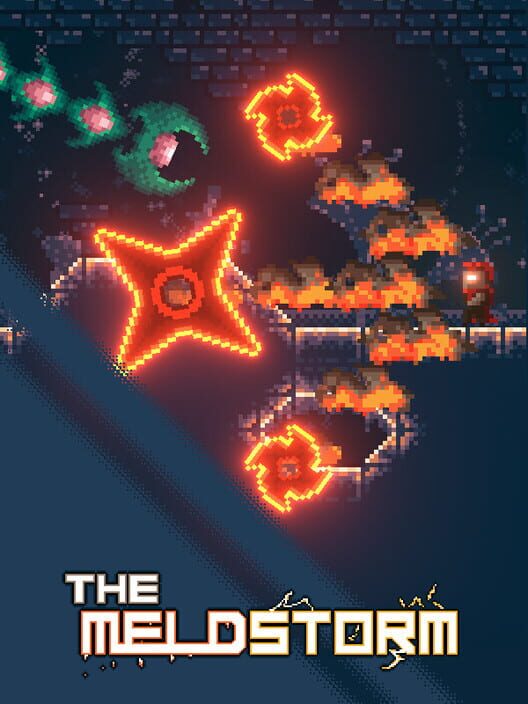
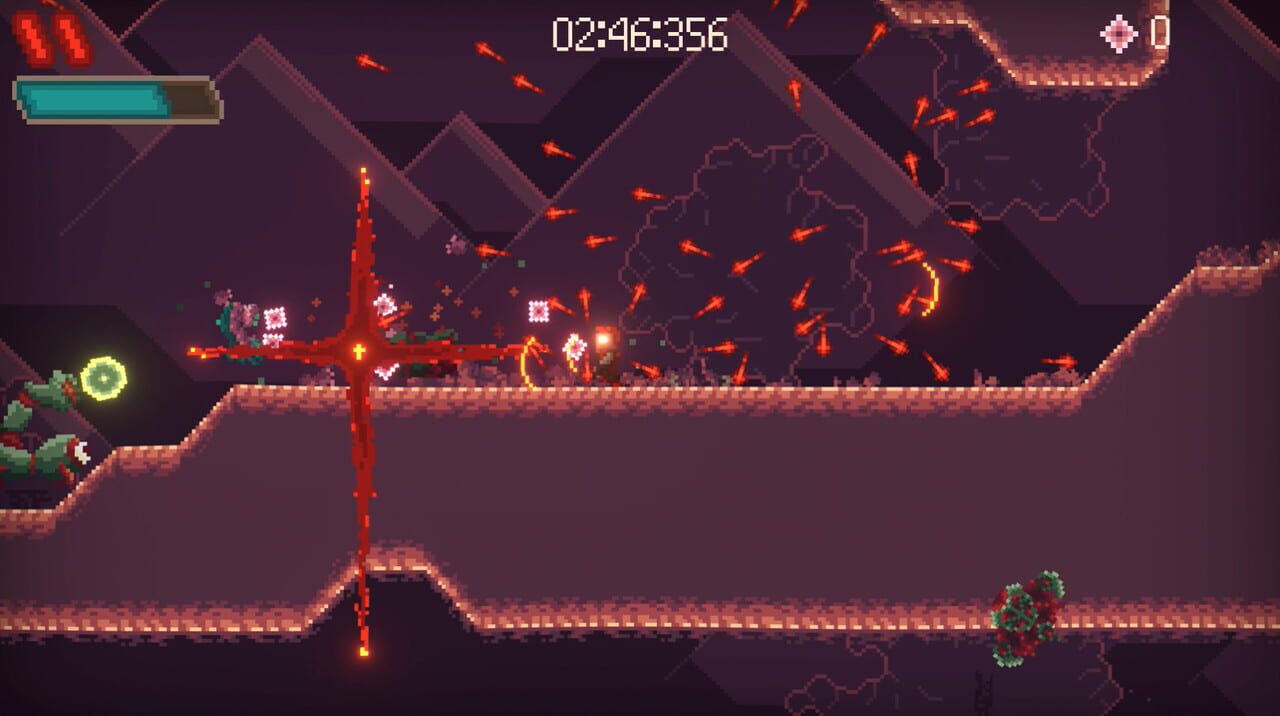
Whilst scouring the internet for new indie game prospects, I came across another title that caught my attention and was slated for release shortly. The Meldstorm is a 2D side-scrolling rogue-lite with item synergy elements. Players will be able to customize their weapons on the same level as games like Mothergunship and Fallout 4 with the game revolving around the player character (either a knight, rogue, or sorcerer, depending on the player’s choice), undertaking the deadly pillar trials: a series of tests requiring combat with an ungodly number of alien enemies and puzzles to solve. Wanting to know more about this game, I contacted its sole developer, Liam Dehaudt, and put forward to him a series of questions regarding how development has progressed and what players can expect to see when the game is fully released on Steam. Here’s what Liam had to say about The Meldstorm:

The Meldstorm 1

What were the influences behind your game? 

Risk of Rain influenced the item system, but I wanted more deliberate combat (fewer but more powerful enemies), so I borrowed a lot from Gungeon’s enemy feel, except as a platformer.

What has the developmental process been like?

It’s fun, it started as a hobby but became a bit more. I’ve worked on a few projects before, so this is like a test to put everything I’ve learned together. Of course, there are ups and downs, but that’s to be expected.

How close are we to seeing the finished product? 

I honestly don’t know. I would have a few months of development left, but since I just got a job, it’s most likely going to be a while longer. Let’s say late 2020 to early 2021, but that’s a super vague guess.

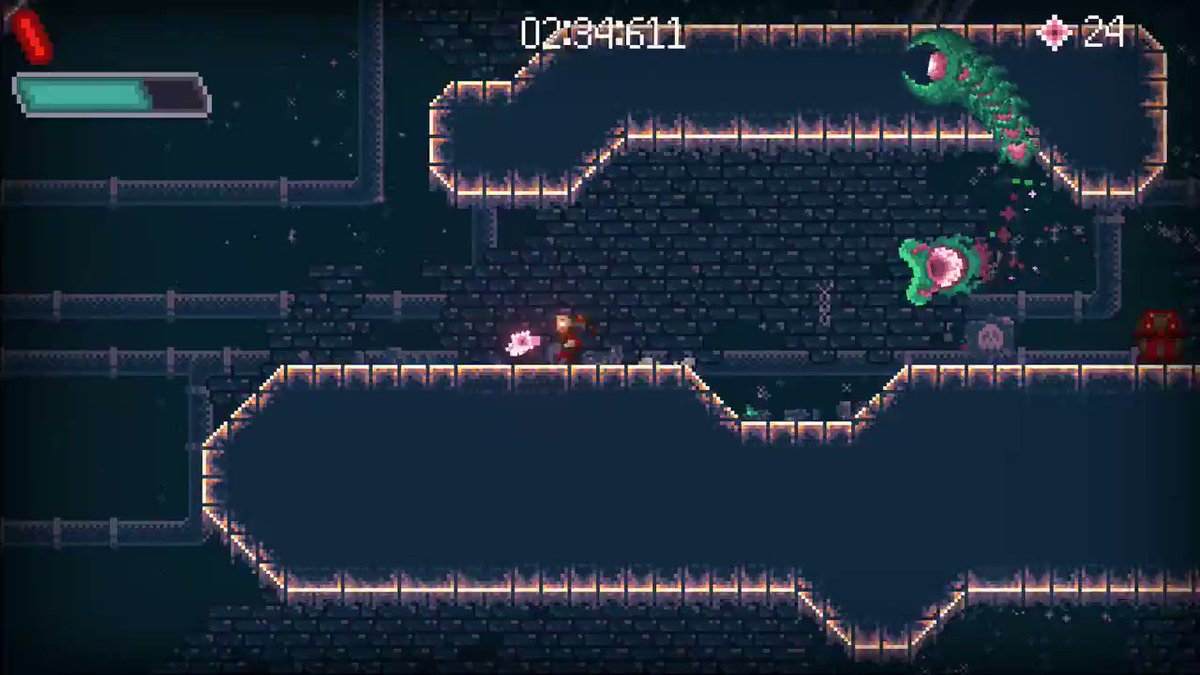
The Meldstorm 2

What has been the most exciting aspect of development? 

Programming is my jam, so making the big systems has to be my favorite part. I had a ton of fun making the mods interact with the weapons, and making a general system to create new weapons easily.

What has been the most challenging aspect of development? 

Marketing is tough and makes me want to pull my hair out sometimes. I’m quite new to it, so I’m learning a ton, but for now, I’m still pretty clueless.

What has been your favorite boss fight to have created so far?

The final boss is cool and pretty different. I got some cool feedback from Reddit that helped me make him look a lot cooler, too. You get the first phase to learn his attacks, then he spices things up in the second.

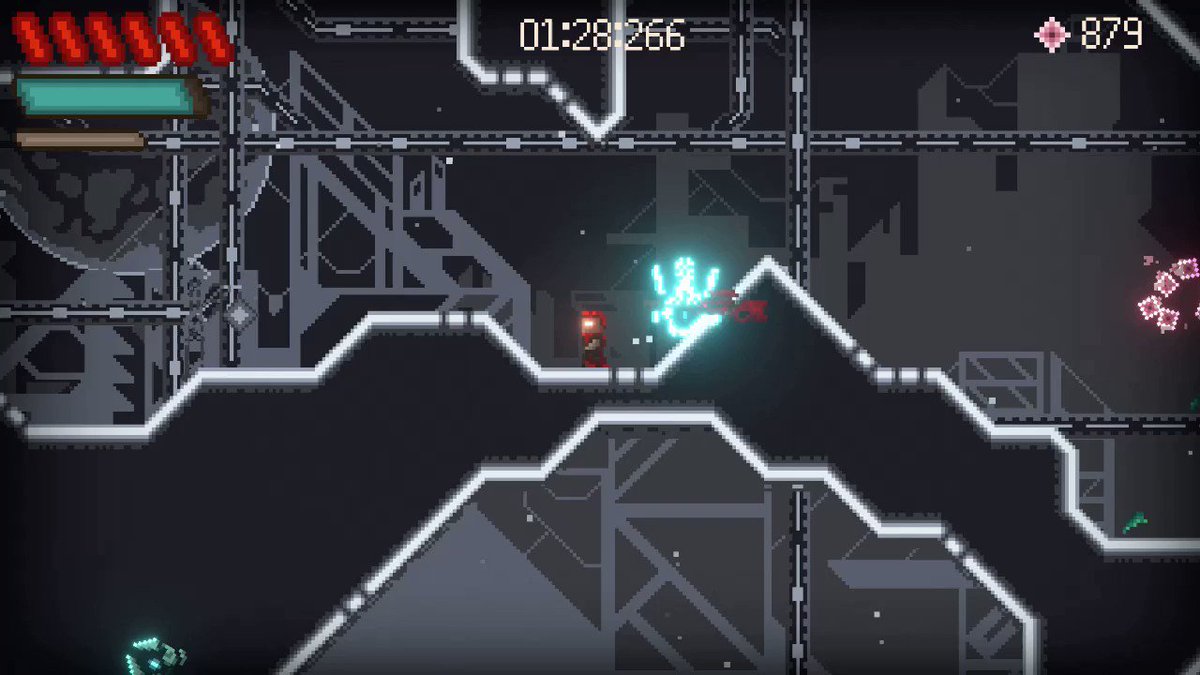
The Meldstorm 3

How well has the game been received so far? 

People seem to like it. The few players I’ve had try it had fun. As mentioned prior, I am struggling with marketing, which I think is slowing me down a lot, but I think my current audience likes what I’m doing.

What platforms are you looking to bring the game to?

PC/Mac first, if the response is good, then I’ll consider everything else.

Do you have any advice for aspiring developers who may be reading this? 

Manage the scope of your game to something doable. Try to stand out. Aim for the top but expect not to get there. Reach out to people who are working on stuff you like.

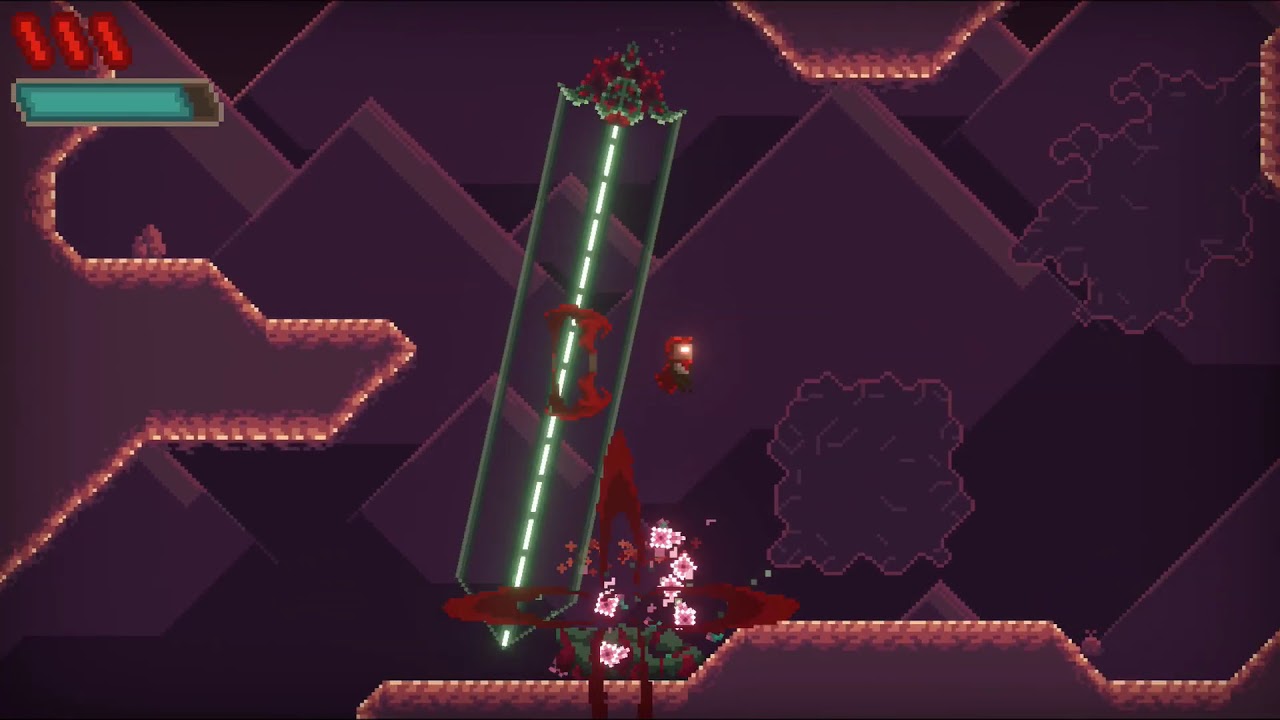
The Meldstorm 4

Where on the Internet can people find you? 

I post all my work on Twitter; you can also DM me there if you want: 

https://twitter.com/TheMeldstorm

Also, if you like my game, wishlist The Meldstorm:

https://store.steampowered.com/app/1220300/The_Meldstorm/

Do you have anything else to add?

Have a nice day ^^

I also want to thank Liam for agreeing to this Q&A and hope you guys enjoyed reading more about The Meldstorm as much as I enjoyed drafting it up. The Meldstorm looks like a very promising game with virtually an infinite amount of replay value, and I’m certainly excited for what the final game will have to offer players compared to its current build. I will draft up a review of it upon release, but in the meantime, I wish Liam the best of luck with his debut title.

Game on,

Scouse Gamer 88

Axiom Verge (PC, PlayStation 4, PlayStation Vita, Xbox One, Wii U, Nintendo Switch)

Axiom Verge

Developer(s) – Thomas Happ Games

Publisher(s) – Thomas Happ Games

PEGI – 12

Developed solely by former Petroglyph Game engineer Thomas Happ and five years in the making, Axiom Verge was released back in 2015 to overwhelming critical acclaim from critics, garnering a plethora of favorable reviews and receiving a nomination for the best indie game award for 2015 at The Game Awards. I felt no different about this game. It is most definitely one of the better Metroidvania games that I have had the pleasure of playing, delivering in every aspect.

Graphics – 9/10

The game is set on a planet called Sudra and, in lieu of the Metroidvania tradition, features many varied and wonderfully designed environments with a lot of different enemies to contend with throughout. There is also a species of giant humanoid robots called the Rusalka. These are unlike most things I’ve ever seen in sci-fi. Most gamers will immediately be reminded of Super Metroid when looking at this game. As indeed I was.

But there are elements of the conceptual design that reminded me of other games, too. For example, the environments, which look almost alive with floors and walls moving and pulsating, reminded me a lot of Abadox for the NES. Although in the case of Axiom Verge, there’s even more attention to detail put in. The Rusalka also adds a certain eloquence to the conceptual design of this game. Reminding me in particular of the film Ghost in the Shell. 

Gameplay – 9/10

The game plays out ostensibly like a traditional Metroidvania game, with the player having to navigate through a 2D open world and constantly backtracking to reveal new areas or secrets hidden within the game. But what makes Axiom Verge as exciting to play as it is is its combat. The player is able to find a variety of different guns throughout and to strategize according to whatever enemies are in front of them. The world of Axiom Verge is reasonably big. So there is a lot of backtracking involved as players gain new abilities to access new areas. There is also a speedrun mode for more adept players who wish to complete the game in record time, which gives the game some additional replay value. 

But regardless of whether players may be veterans or entry-level, it’s a reasonable challenge, I thought. Not too hard to the point of being inaccessible, but not too easy either. More importantly, however, the game is extremely satisfying to immerse in. Backtracking to old locations is always fun, as the opportunity to experiment with new weapons constantly presents itself, and there’s a great deal of enjoyment to be had in this respect. The boss fights are also as intense as those of any Metroidvania game, again requiring players to strategize according to what weapons they may have, as well as enemy attack patterns. 

Controls – 9.5/10

The game’s control scheme also presents no problems for the most part. It essentially uses the blueprint of Super Metroid in its general gameplay and weapons system. As well as how ammo and health work. The one minor gripe I had with the controls, however, concerns how the address disruptor works. 

The address disruptor is a gun that either corrupts or de-corrupts enemies or certain walls. This is a tool that needs to be used in order to bypass certain areas of the game. The problem is that if a player removes a certain section of wall and not another, if the player fires again, it can reverse the process for the section of the wall that’s already been removed. Leaving the player having to slowly reverse the process again in order to traverse through walls. However, it’s something that’s easily rectified anyway, and I can’t fault the developer for trying something new. More important than my concern is that this is a game mechanic unlike many others seen in the Metroidvania genre. And it adds more to the game than it takes away. 

Lifespan – 7/10

On average, the game can be made to last around 15 to 20 hours. Which, for a Metroidvania game, is fairly impressive. A sequel is currently in development and is scheduled for release in the autumn of 2020. So here’s hoping that the lifespan is increased with the new game. Without giving the end away, I think there will be a great deal of scope to expand the lifespan for the sequel. But the first game lasts more than an adequate amount of time.

Storyline – 8/10

The story follows a scientist named Trace, who is running a lab experiment in New Mexico. Suddenly, something happens in the lab that causes an explosion. After which, Trace wakes up on the planet Sudra and finds himself embroiled in a one-man fight for survival. All while uncovering the wonders and mysteries behind the planet Sudra and helping the Rusalka defeat the entity known as Athetos. As the story progresses, it unfolds into something a lot deeper. Which makes for a story, which, like the visuals, is unlike a lot of things I’ve seen in sci-fi.

IGN gave this game a somewhat less favourable review than me, citing several problems they found with the game that I whole-heartedly found myself disagreeing with. One such criticism was that they thought the story was forgettable. But in my opinion, the story is anything but forgettable. The most prominent theme throughout the story involves moral ambiguity. The intentions and the character of the Rusalka most definitely come into question more than once and will make the player think whether what Trace is doing is right. Which once players play through it, it will make them anticipate the sequel even more. 

Originality – 8/10

Again, the originality of this game has been brought into question by many other reviewers, due to its obvious similarities to the likes of Super Metroid and Xeodrifter. The game clearly has its influences, and most fans of the genre will be able to identify them from the get-go. But, outweighing its similarities to other games are its differences. The conceptual design of this game really makes it stand out from other titles in the genre, and its soundtrack is exceptional, sounding even more otherworldly than Super Metroid in my opinion. Its story, as I said before, is also not as straightforward as Samus Aran striving to defeat Ridley. But rather than making the player question what happens at the end was for the greater good. Not just for Trace, but for the planet Sudra. 

The fact of the matter is that this game comes into its own with potentially massive mythology to be spawned from it with the introduction with even more games and scope for an even bigger plot to unfold along with it and in my experience, except games like Dust: An Elysian Tail and Ato, there haven’t been many Metroidvania games that have made me feel like what I felt after having played this one through to the end. 

Happii

Overall, Axiom Verge is definitely a must-have for fans of the Metroidvania genre. It’s also a must-have for any fan of science fiction. It’s a very enjoyable game with variety in combat and conceptual design, with an extremely memorable story and a lot of promise as a big gaming franchise for the future. 

Score

50.5/60

8/10 (Very Good)

Kingdom of Gardenia

Q&A With Little Ricebowl Games

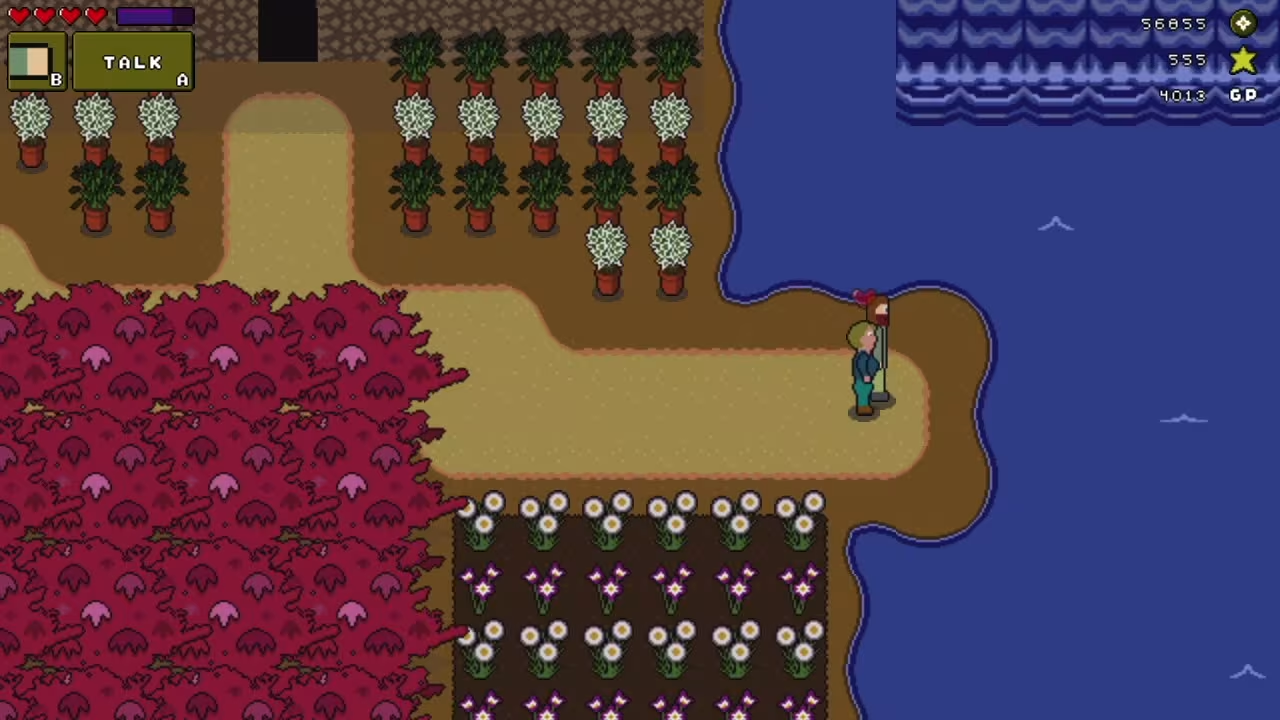
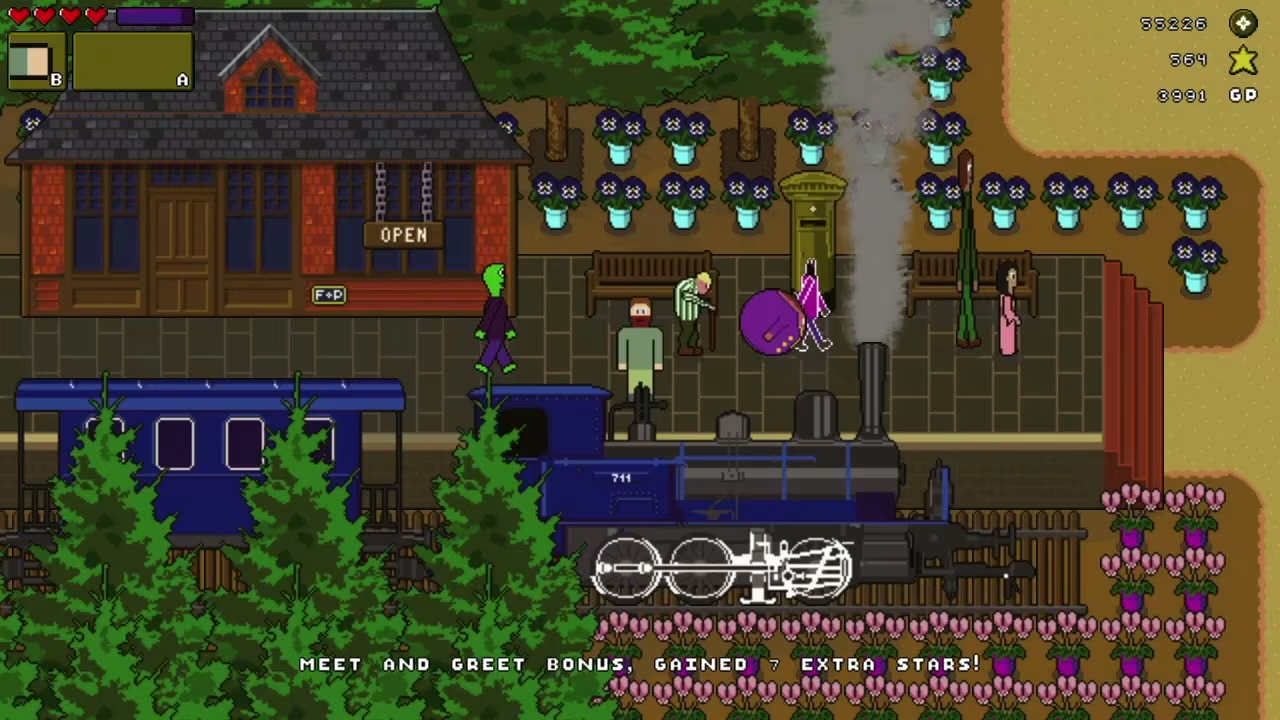
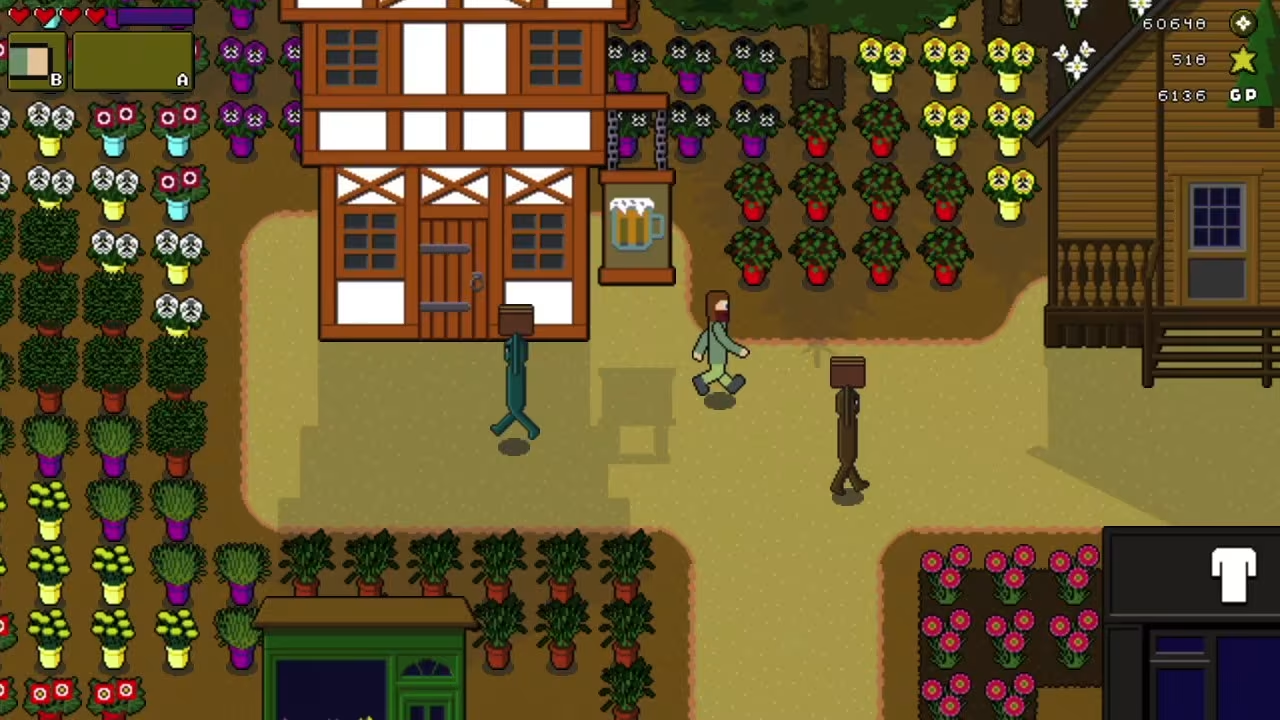
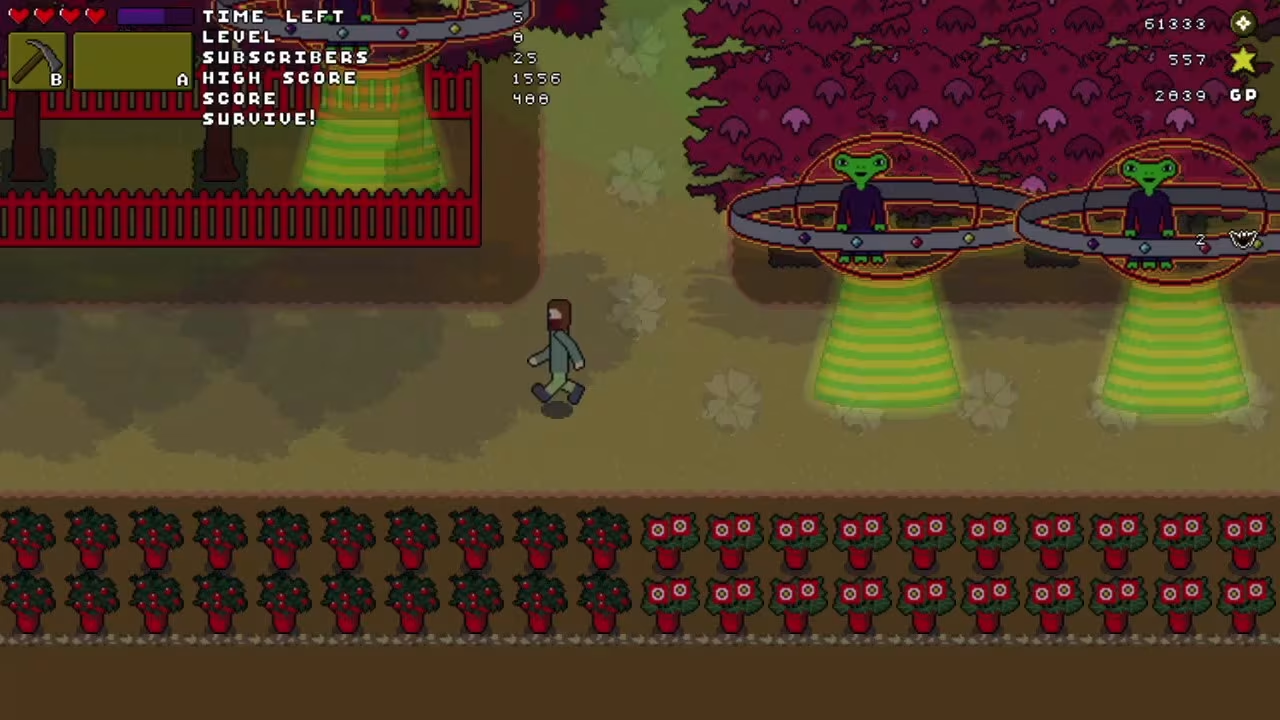
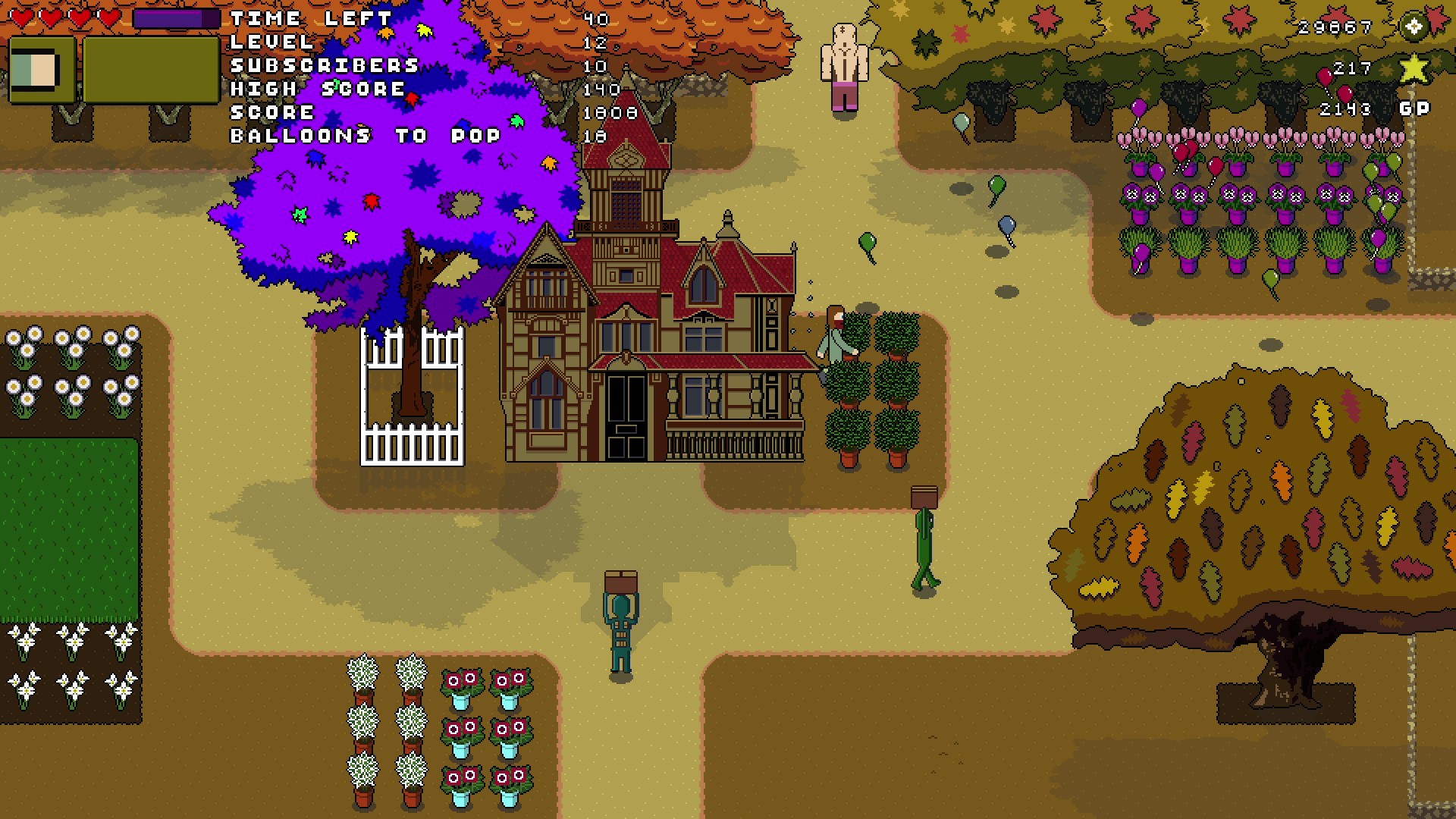
Continuing on with my efforts to uncover new games coming out of the indie community, another Kickstarter project I came across this week was a simulator RPG named The Kingdom of Gardenia. Under development at Little Ricebowl Games, based in Birmingham, the game puts the player in the shoes of Roman. A former soldier who has come to Gardenia looking for work. Stumbling across a job advert for a groundskeeper, Roman applies, and the game begins. The player must plant flowers, hunt food, and interact with the townsfolk by catering to their needs in accordance with what their favorite flowers are and what food they like to eat.

Along the way, the game’s main story also starts to unfold the further the player progresses, which is somewhat unusual for a simulator game. My first thoughts were that not only does it encompass elements from Stardew Valley (which was one of the developer’s principal sources of inspiration), but Dark Cloud also sprang to mind to a certain extent. It not only has an element of a simulator game to it as a georama game, but it also has a rich story as an RPG.

But eager to find out more about the game, I contacted the game’s core designer, Paul Trochowski, to get a clearer insight into the development of the game and what players can expect to see with the finished project. Here’s what Paul had to say about The Kingdom of Gardenia:

Kingdom of Gardenia 1

What were the influences behind your game? 

I got the idea for the concept of the game after playing Stardew Valley a few years ago. I’m a huge fan of the game. And I really liked the notification about the train passing through town. Which you then run towards, to see if it drops any packages at the station. This got me thinking about having a train station as the focal point of the game and the player getting excited about who would be getting off the train each day.

Going back to my childhood days, I was first introduced to gaming with the original Super Mario Bros. on the NES. The art style and soundtrack were so iconic. And I loved the challenge of the boss battles with Bowser. I could never beat them as a child. And I only properly beat the game recently when I played it on the Nintendo Switch! I’m working on a challenging boss battle for my game that will hopefully keep people coming back for the amazing satisfaction you can only get from beating a tough boss. There are also some adventure and puzzle-solving elements. Inspired by games like A Link to the Past.

What has the developmental process been like?

I started by learning how to make basic pixel art. I would sit with a mini laptop on my daily commute and draw NPCs, flowers, and trees, a little bit at a time, then carry on in my lunch breaks and after work. Over time, I realized I had enough content to start thinking about learning how to code and making the NPCs move around with some basic AI. I don’t have a background as an artist or a computer scientist. So learning both areas was a huge uphill battle for me. But also amazingly satisfying when I started to see things come together.

The game is based around a day/night cycle and train schedule. This became difficult to put together as I started to create. As I found they would clash at certain points that I hadn’t anticipated, and I would have to go back and re-work huge sections of their paths/timings. Each new visitor to the kingdom is a huge amount of work, but I’m planning on adding more visitors over time via free content updates.

How close are we to seeing the finished product? 

I’m at around 80% completion at the moment. I had originally planned on completing the game by April. But unfortunately, I fell ill with coronavirus and had to push back the release a few months. I’m running a Kickstarter project to help fund production costs and the release of the game.

Kingdom of Gardenia 2

What has been the most exciting aspect of development? 

I would have to say that putting in the sound effects. The game doesn’t come to life until you start investing in some better-quality sound effects. And tweaking the settings to improve the audio. I still have a lot of work to do in this area. But hearing the footsteps sound change when the player moves from the woods to the path to the grass is exciting for me.

Another exciting moment was when a colleague from work did some playtesting for me. Seeing someone new play the game for the first time was a great buzz, and I took away a lot of great ideas for how to improve the gameplay mechanics. And things that were missing that the player needed to get accustomed to the world of the game. Like adding a compass! At one point, I had a message in the game that told the player to head east. But I hadn’t put in a compass yet!

Where did the inspiration come from, where the soundtrack is concerned?

My favorite game soundtrack would have to be Undertale. Toby Fox is a musical genius. I’ve listened to that soundtrack so many times, and I never get tired of it. I used to play guitar in a local indie band. We had some minor success and got some national radio play. But it didn’t quite work out. After leaving the band, I missed creating music and was looking for another outlet to start recording again. You’ll hear a lot of guitar in the soundtrack. I’ve tried to work in some sounds inspired by some of my favorite guitar bands, like Thin Lizzy and The Strokes.

What has been the most challenging aspect of development? 

Solving coding problems! The soil tiles took me a long time to work out. All the possible iterations of what happens to the surrounding tiles when you dig holes in the ground were a challenge for me, but it felt great once I’d finally solved it.

I also came across several frame rate slowdown issues with collision checking for the trees. I wanted all of the trees to turn semi-transparent when you walk behind them, so you can see where you’re going. Some of the trees in the game are really big. And there were way too many collision checks going on. But I think I’ve fixed it now. Interestingly. They decided to avoid this problem entirely in the latest Animal Crossing game. I’ve heard a lot of people complaining about the camera angle issues of not being able to see behind trees!


Kingdom of Gardenia 3

How well has the game been received so far? 

A lot of people have shown interest in the Kickstarter project and given some great positive feedback on images and posts about the game on Instagram and Twitter. We have a small following at the moment. But I’ve been really pleased to see that people are genuinely getting on board with the concept of the game and are eager to find out more about the story and the world of the game.

There has been some feedback too from fellow developers, who have warned me against putting a game out with such a stripped-back, retro art style, insisting that I get a designer in to improve the look of the game. My motivation for continuing with this art style, which I know is going to be an acquired taste, comes from the overwhelmingly positive reception that Undertale received. Despite the minimalist look of the game. There is something unique about a game that has been made entirely by one person. I’d be worried that the character of the game would be too far from my original idea if I got someone else to re-work all of the sprites. 

What platforms are you looking to bring the game to?

Initially, the game will be released on PC, and then I’ll be looking at a Mac/Linux version before moving on to Switch. I might consider a mobile version after that, but porting to each new platform will bring significant challenges for me as a new developer. So I may need to get some outside help with this.

Do you have any advice for aspiring developers who may be reading this? 

Making a game can at times feel like you’re hitting your head against a brick wall. You will come across design or coding problems that you feel like you’re never going to get past. But stick with it, come back to it the next day, and the next. Don’t listen to people who tell you it’s not worth all the effort. There’s nothing more satisfying than solving problems that you previously thought were impossible. And when you’ve got something you’re happy with, which you’re ready to share with people, it’s a great buzz to find out that there are people out there who like your work and want to follow the project.

Kingdom of Gardenia 4

Where on the Internet can people find you? 

You can check out my project on Kickstarter: 

https://www.kickstarter.com/projects/kingdomofgardenia/the-kingdom-of-gardenia

You can also follow the progress of the game through these links:

Website: www.kingdomofgardenia.com 

Twitter: @LittleRice_bowl

Instagram: @LittleRice_bowl

Facebook: @kingdomofgardenia

YouTube: Little Ricebowl

Do you have anything else to add?

I would ask people to please check out the Kickstarter page for The Kingdom of Gardenia and back the project if you like what you see. I’ll be working hard to finish the game and spread the word over the next few months. Thanks so much to everyone who’s supported the project so far!

Kingdom of Gardenia 5

As always, I’d like to thank Paul for sharing his insight into this wonderful-looking game. And hope you guys will check out the Kickstarter project. As well as Paul’s additional links to more information about the game as development progresses. The Kingdom of Gardenia looks to be a particularly promising game, in my opinion. And I can’t wait to see what the finished product will have to offer players. I’d also like to wish Paul and Little Ricebowl Games the best of luck with the project. 

Game on,

Scouse Gamer 88

Dusk Tactics

Q&A With Louis Agoglia

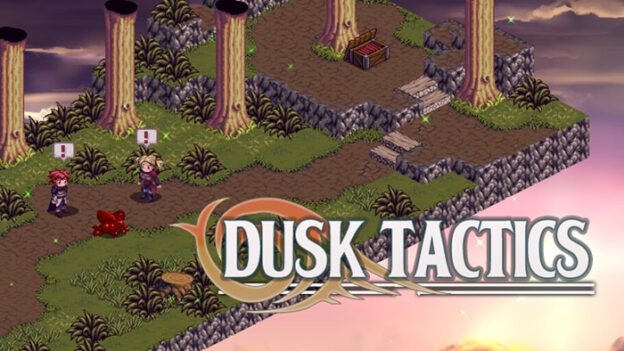
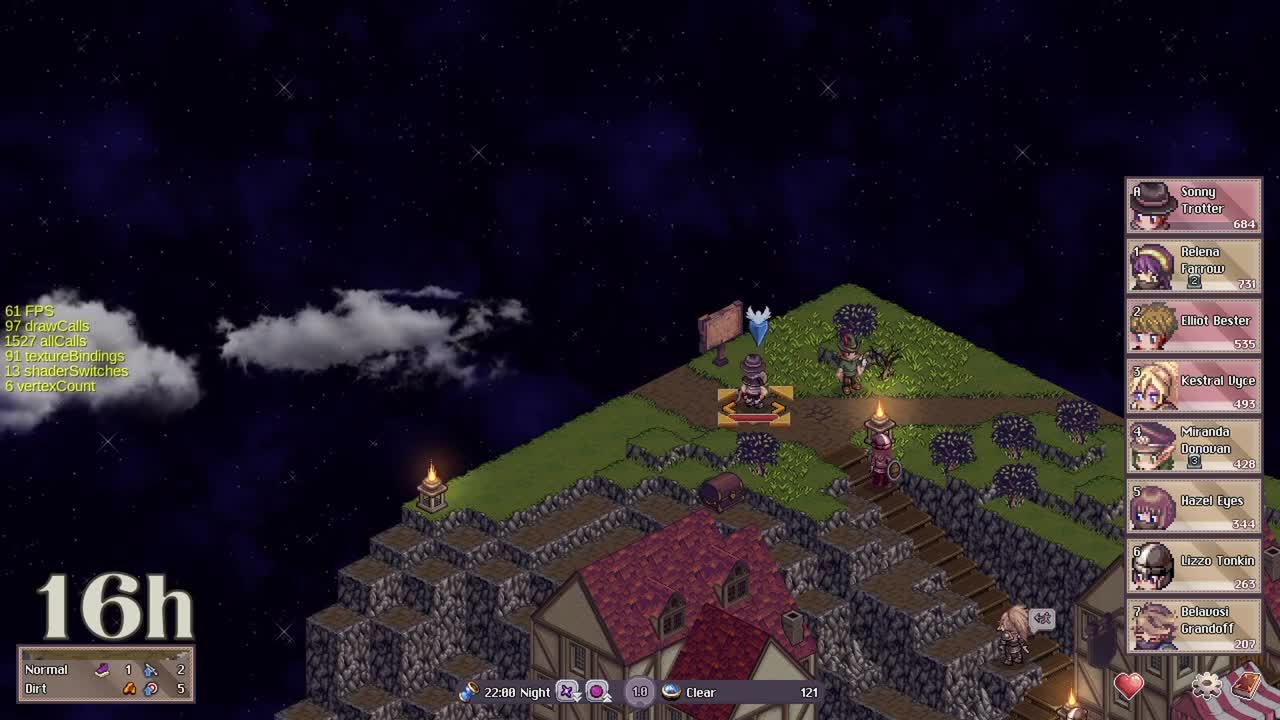
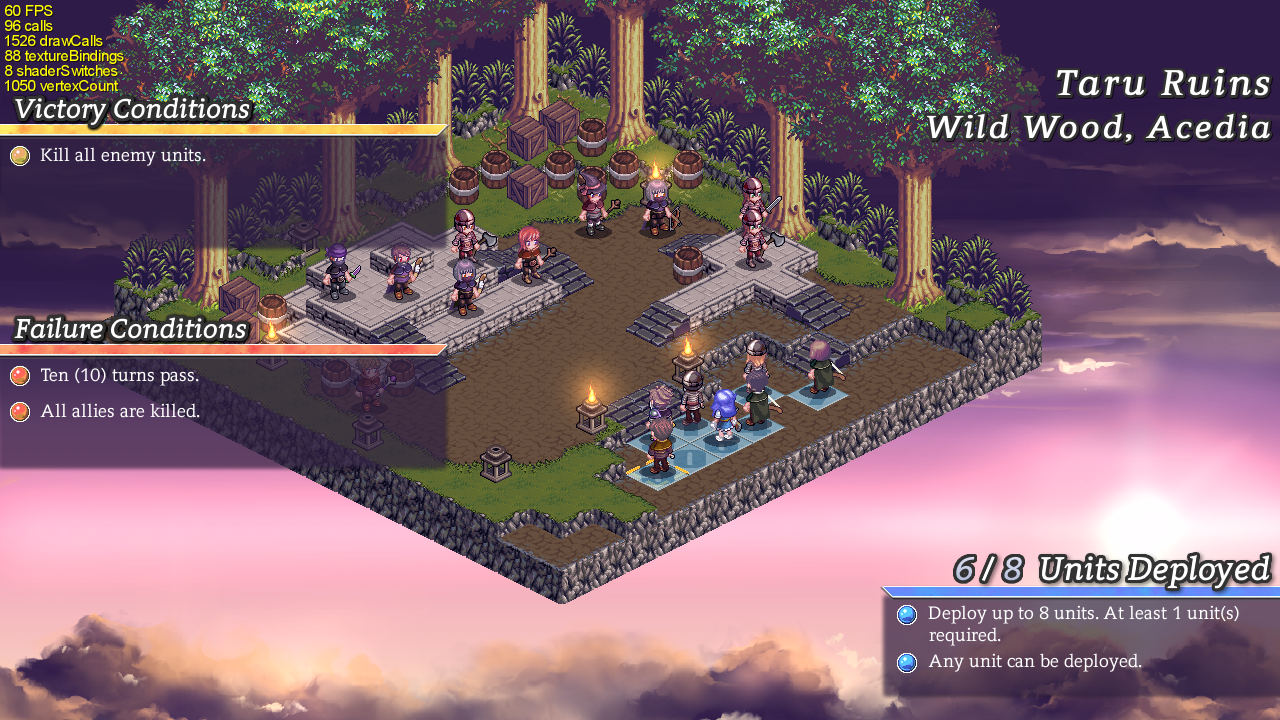
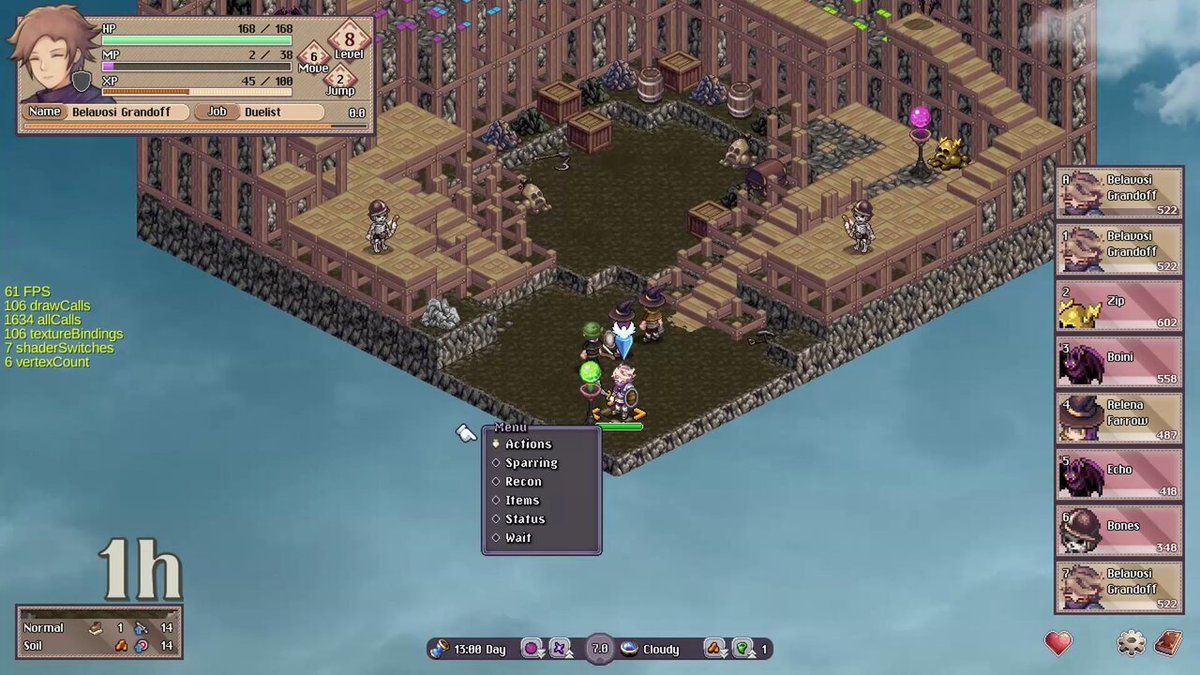
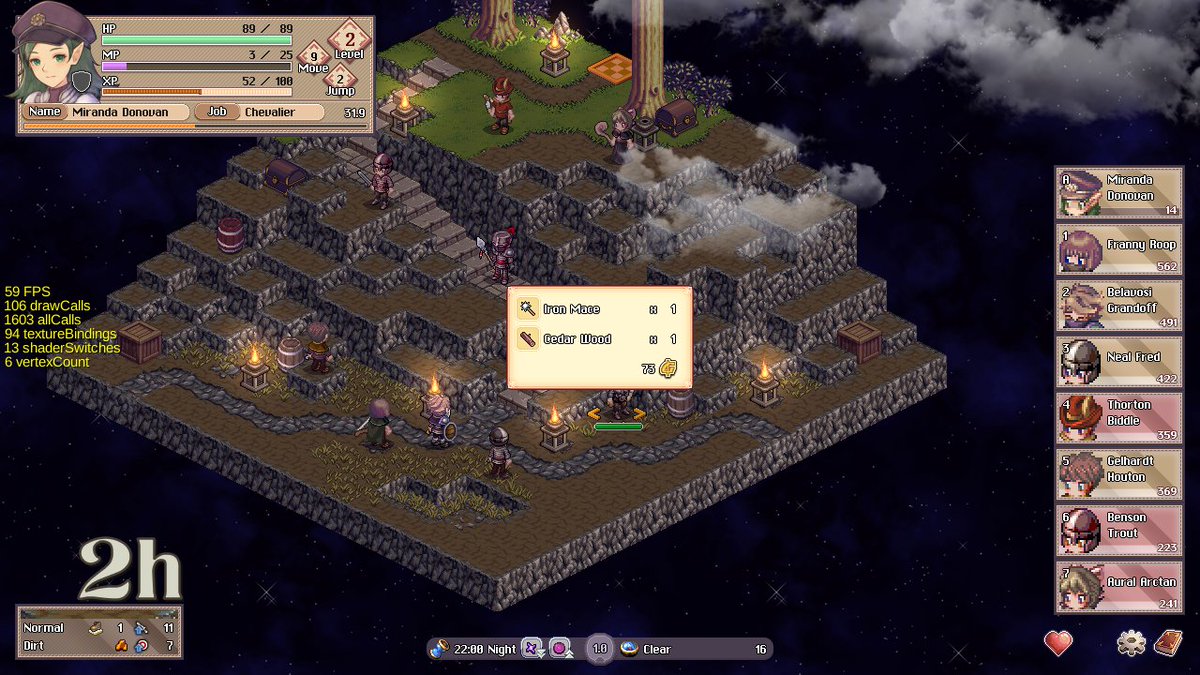
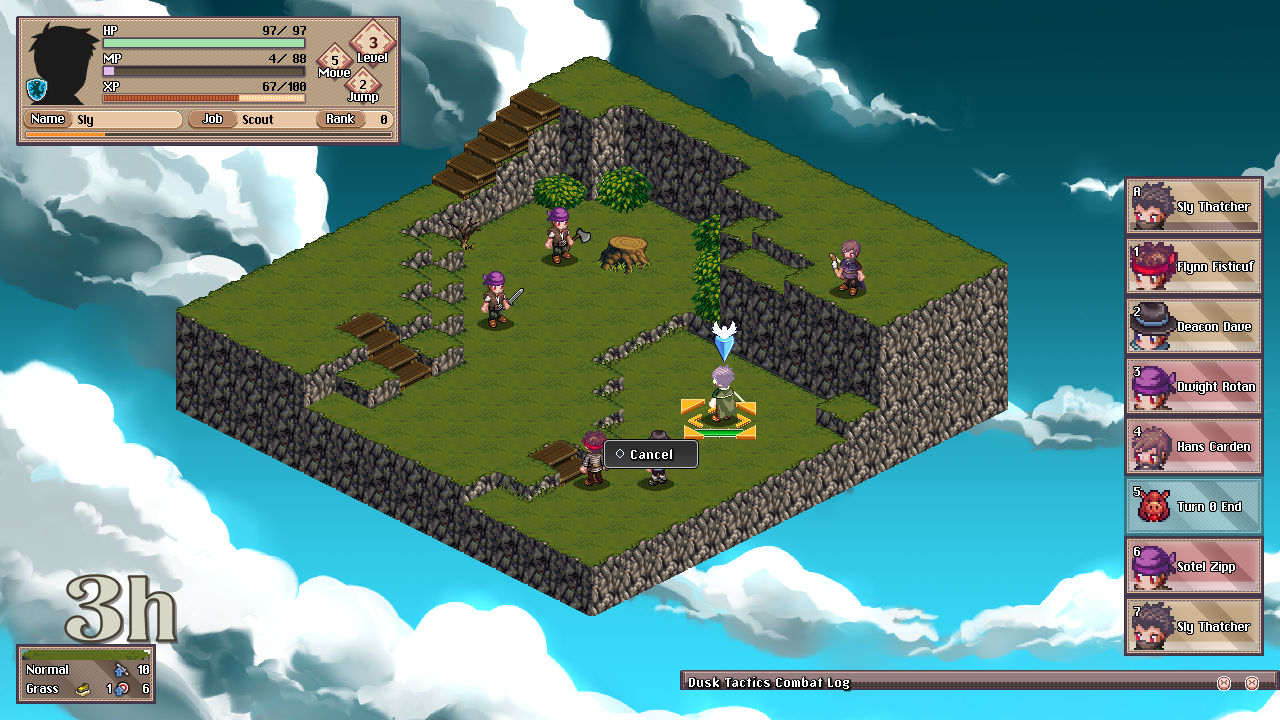
Whilst scouting for new, upcoming indie titles last week, I came across a promising-looking game called Dusk Tactics, Heavily influenced by the Tactics Ogre series, Dusk Tactics is a 2D isometric tactical RPG reliant on a player’s skill to customize characters with unique weapons and abilities. As well as employing different job classes to suit different foes throughout the game.

Conceived initially back in 2011, the project is wonderfully varied and ambitious in scope to the extent that I wanted to learn about it. I, therefore, got in touch with the game’s creator, Louis Agoglia. Requesting details regarding the developmental process and what players can expect from the final game. Here’s what Louis Agoglia had to say about Dusk Tactics:
Dusk Tactics 1

What were the influences behind your game?

The main influence behind Dusk Tactics is games like Tactics Ogre: Let Us Cling Together, Tactics Ogre: Knights of Lodis, and the Final Fantasy Tactics/Advance series. I’d say the entire genre could be considered an influence as I’ve played hundreds of tactics/strategy (SRPG) games over the years.

What has the developmental process been like?

It’s been a long time! This project started with me doing research, taking notes, and writing down ideas as far back as 2011. Coding began in early 2018. One decision I made was to create my own engine. So my development process has been somewhat longer. I felt that since this is my “dream project,” I wanted to have full control over the execution. I had a certain vision that benefited from creating a custom engine. Including how the story was told, which led to the creation of a “cutscene engine”. When I went public with the project toward the end of last year (2019), the reception was beyond anything I could have imagined. And that alone has fostered a positive feedback loop of sorts.

How close are we to seeing the finished product?

That’s a tough one. I had a certain schedule in place, and then 2020 happened. And I think it sort of shook a lot of people up. Right now, the engine is pretty much complete. With the ‘game’ itself being in the early stages of development. I am working on a closed alpha demo. I am hoping to get out sometime this year.

As for the finished product, I want to be realistic about it. So I have to say my current goal is for a 2022 release window. A lot of the work that still needs to be done consists of art and sound/music assets. Both of which I currently have people working on. And both of which will take a good amount of time. But while they’re being created, I hope to have the majority of the game finished. Overall percentage-wise, I’d say I’m near 60% when discussing the entire project.
Dusk Tactics 2

What has been the most exciting aspect of development?

Getting to see some of the ideas I’ve had for a tactics game since 2011 sort of coming to life is probably the best part of the process. I wrote so much in the early years. Pages and pages of notes that covered various ideas and mechanics. As well as a background for the story/lore. If I didn’t have such a strong background in gaming, this project might have become more of a book. As I’ve always enjoyed writing.

All in all, the game will be very rich in lore and story. And it will have some pretty neat (hopefully balanced) mechanics that both borrow from older games. And add a little innovation here and there. Specifically, seeing two characters I created, Alton and Emma, start as basic ideas and turn into fleshed-out characters was awesome. Both the 2D portraits and the sprites were done extremely well. And I look forward to seeing them in the many scenes I have planned for the story!

Have many of the developers you have interacted with across social media offered advice regarding the development of Dusk Tactics?

In terms of art, @jmitchell1628 and @nixpixgames were extremely helpful, the latter of which I will continue to work with. When I wrote about some technical issues a few months ago, many people were eager to lend a hand, and some went even further, such as @retromatn (who is also working on a tactics RPG!), who created a sample program to detail his ideas!

Early on, I happened upon a game in development, Lawmage Academy, and beyond being a great game in and of itself, the developer @LawmageA is an overall amazing person. Following them early on helped me learn a lot about how to use social media the right way and also what to expect from various events like releasing a demo or going to your first convention! It helped to have someone just talking about their experiences!

I consider myself very lucky that I witnessed the creation of @IndieWorldOrder. They’re an amazing group of developers, content creators, artists, etc who have come together to help one another out! Without people like @ancalabro and @labsskull, I doubt I would have as much exposure as I have had. It really helps out when you have people who are truly passionate about game development. I’ve worked on a side project with @bluegoogames in which we created a “Twitter follower” horse race. Stuff like this really helps with project burnout, and it was a lot of fun! You can see it here, and feel free to join!: 

http://www.nicmar.nu/race/?race=2
Dusk Tactics 3

What has been the most challenging aspect of development?

It would probably be the scale of the project. While I’m only in my third year of development, the thought of another two years is pretty overwhelming. But it is my dream project, so I’m also trying to enjoy the process for what it is! Bigger challenges would be the overall “how will I balance this?” question, which tends to pop up a lot. I know I’m going to spend a lot of time after I am “done” so to speak. Balancing game mechanics and various Jobs, skills, items, etc. It’s pretty daunting, haha.

How well has the game been received so far?

I’ll feel more confident about this when I have a playable demo out. But so far, what I have experienced is way beyond my expectations. As a huge fan of the tactics genre, I felt I kind of had an idea of what people wanted. But I never expected it to be this popular! I honestly hope it holds up when people get their hands on it, and if anything, I feel like I must make sure it does!

Have there been very many ideas considered for the game and have since been scrapped?

Early on, I had a bad case of feature creep, where I had some grand designs for the game that, over time, would be tested by the reality of the situation. At one point, I had plans for around 100 Jobs or classes, and I even had the name of the game “Hundred Tactics”. This would make for a pretty crazy issue of balancing, let alone design and depth! One of my favorite parts of RPGs, in general, is the Job/Class system, so it was very important to me to have it be something at the forefront, and while it is, I have since lowered the number of Jobs to a more manageable amount at ~30.
Dusk Tactics 4

What platforms are you looking to bring the game to?

First and foremost, the game will be released on PC. Windows, Linux, and Mac releases will be the main focus at the beginning. I would love to see Dusk Tactics on consoles, and I may leave that up to a stretch goal in fundraising. Since the game is coded in Java, it will take some work to get it up and running on consoles like the Switch (easily my #1 choice), so it will depend on having the funds necessary to either do it myself (most likely) or farm it out.

Do you have any advice for aspiring developers who may be reading this?

For those who have yet to decide whether or not to pursue game development, there’s only one reality: you won’t get anything done without starting! It’s not easy, but if you are really interested in it, then you need to take that first step! Technically, you should start small to increase your chances of completing the project. I only had a few projects before this one, ranging from very small arcade-style mobile apps to some FOSS (Free Open Source Software) role-playing games I worked on.

Working on open-source projects early on was a great way to learn how to work on a schedule, work with a team, use project management software, and more. I feel like there’s a lot of information online that should suffice when it comes to preparing yourself to start a project. While it’s important to plan things out as best you can, remember you can’t plan everything. If it’s a medium to large-sized project and you’re a solo dev, then I can say the best thing is to get into a schedule and keep track of things like burnout and feature creep. The former happens to everyone and sometimes requires taking breaks, while the latter brings up the need for a well-designed plan for what you want to accomplish!

Where on the Internet can people find you? 

The project’s main website:

http://dusktactics.com 

It is a major source of information about Dusk Tactics; however, I tend to update more frequently on Twitter:

https://twitter.com/dusktactics

There is a forum: 

http://dusktactics.com/bb/

It will be used more in the future to conduct closed alpha testing, and I would like to post more frequent updates to it.

Do you have anything else to add?.

One thing I was very wary of at first was social media. I didn’t have much experience with it as I never really got involved with Twitter outside of game development. There’s a lot to learn, but the biggest takeaway is that I wouldn’t be where I am today without it! Promoting your project is something I am still learning about, and it’s an area where a lot of developers, including myself, sometimes feel like we are in over our heads. A fellow game dev @bluegoogames created this video that honestly details a lot of what it takes to get a good following behind your project: 

https://www.youtube.com/watch?v=CEmuwU0UhU8&t=3s

With that being said, I want to thank Scouse Gamer 88 so much for the opportunity and for the great questions!!
Dusk Tactics 5

I would also like to thank Louis for taking the time to answer the questions I had about Dusk Tactics and wish him the best of luck with the title. A new tactical RPG would be a breath of fresh air for the industry, as the genre has remained somewhat dormant over the eighth generation of gaming, and I feel the release of a game, Dusk Tactics, would be an ideal catalyst to revive the genre and perhaps even take it to new heights of popularity.

Again, you can follow the links left by Louise to track the development of the game, and hope you guys enjoy playing it upon release. But in the meantime, I hope you guys had as much reading about Dusk Tactics as I did covering it.

Game on,

Scouse Gamer 88

Ato (PC)

Ato

Developer(s) – Tiny Warrior Games

Publisher(s) – Tiny Warrior Games

Designer – Brandon Song

PEGI – Not rated (some mature content)

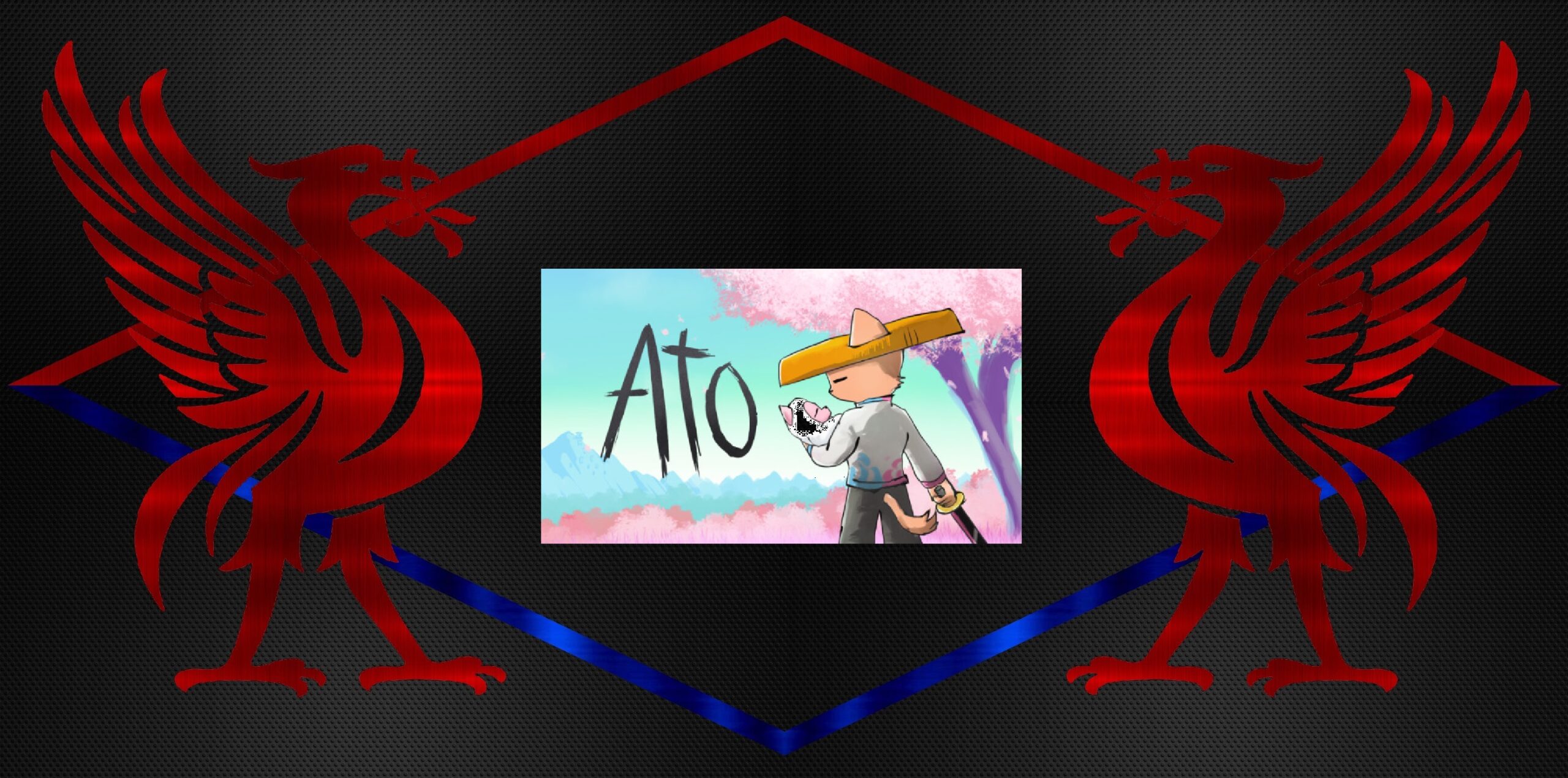
Released on Steam following a successful IndieGoGo campaign, Ato is an atmospheric Metroidvania game set in Feudal Japan, whereby players take on the role of an anthropomorphic samurai fox who sets out on an adventure to rescue his abducted child from a cult of deadly ninjas. Personally, I was pleasantly surprised by how solid a game this was compared to other indie Metroidvania games. It stands as a shining example of how a satisfying and immersive gaming experience can be developed on a budget.

Graphics – 8/10

The game makes use of 8-BIT style graphics with characters and settings inspired by Feudal Japan, and the diversity in environmental design is quite staggering. Ranging from cherry blossom forests to sunset mountainsides to snowy tundras. The game’s environmental design is most definitely the standout feature in this game from a visual standpoint. They also do exceptionally well to add to the game’s overall atmosphere in conjunction with the situation the player character is in at any one given time. The only minor issue I had with the visuals was that at one or two points, there was a small amount of slowdown. But overall, it does little to hamper the experience. 

Gameplay – 9/10

The title also incorporates the use of a wide range of gameplay elements. Like many other Metroidvania games, the objective is to explore as much of the world map as possible and uncover as many items as possible. Over time, new abilities are introduced in order for players to explore other inaccessible areas throughout the game. As well as there being secret items to be found in order to either increase the player’s health or coins to progress further. But in my opinion, the most impressive gameplay element found in this title is the combat system. 

Players also gain different weapons and abilities to use in combat. Ranging from a poisoned sword, dash attacks, a spiked shield, and later on in the game, even magic abilities. It’s quite similar to Dust: An Elysian Tail in its approach to combat. The wide range of boss fights is also quite impressive. There are a few starter boss fights in quick succession earlier on in the game to give players a feel for the combat system in general. But after that, they become even more varied in design. This amount of diversity in gameplay perpetuates the standard to be found in any great Metroidvania title; it’s satisfying to play and a genuine pleasure to explore.  

Controls – 10/10

The control scheme of the game is also simple enough to get to grips with. Which was impressive given the amount of variety there is in combat. It was yet another means for me to draw comparisons with Dust: An Elysian Tail. Though it may not have a combo system like the former, there would’ve been no need to include one in each battle. Being that with bosses or general enemies is still as satisfying as it is challenging, especially on the harder difficulty settings. 

Lifespan – 5/10

The only real downside to this title is that it can only be made to last for a maximum of 4 hours. Which, whilst it doesn’t do a game like this justice. I suppose such is the reality of the situation when a game is developed with a limited amount of funds. It lasts considerably less time than an average Metroidvania game. But it lasts slightly longer than a lot of other independently developed titles in the genre. Such as The Swapper and Xeodrifter. Compared to those two titles, this game blows both of them out of the water as far as I’m concerned. So the average runtime of Ato was enough to justify a hard 5 as opposed to a soft 4. 

Storyline – 8/10

The story of Ato follows a father caring for his wife and infant child. But suddenly, the family is devastated when a group of masked ninja steals the infant child from its parents. The father then sets off on a quest to bring their child home. It sounds simple enough on the face of it. But the plot later unfolds into something a lot darker and deeper than what the player will first imagine. And things also escalate abnormally quickly. 

Although there’s either no spoken or written dialogue throughout the game, the characters’ emotions and hardships are wonderfully portrayed to convey the events of the story. Considering that this is an 8-BIT game, it’s even more impressive. Also, the game’s environmental design works exceedingly well to add the game’s atmosphere throughout with elements such as day-to-night transitions used to change the mood at specific times and rainstorms to add further tension to already exceedingly intense situations. 

Originality – 8/10

Between everything that this game does as well as it does, from the combat system to the environmental design to the manner in which the story is told, Ato also makes for a rather unique experience. In a gaming mainstream that relies heavily on cutting-edge graphics and motion capture to effectively tell an emotionally charged story, very few 8-BIT games I have played have portrayed themes and emotions as well as this one does. Also, keeping the general focus on gameplay is welcome in a market saturated with games putting story ahead of gameplay. Such as The Last of Us and the Telltale games. 

Happii

In summation, Ato is a wonderful title that excels in almost every aspect. And I can recommend it to any Metroidvania fans out there reading this review. It’s a well-crafted blend offering great gameplay and an enthralling story. Which had me taken aback by just how good it is. 

Score

48/60

8/10 (Very Good)

88 Heroes (PC, PlayStation 4, Xbox One & Nintendo Switch)

88 Heroes

Developer(s) – Bitmap Bureau

Publisher(s) – Rising Star Games

PEGI – 7

Developed by Bitmap Bureau and released in March 2017, 88 Heroes is a 2D side-scroller whereby the player assumes control of 88 pointless superheroes to defeat the evil Dr. H8, who plans to destroy the Earth in 88 minutes. I first played this whilst on display at Play Expo Manchester 2015, along with Coffin Dodgers and Kaiju Panic. I first viewed it as a potentially addictive title with a great deal of replayability. The finished product is a respectable title, whilst not as addictive as I thought, it does have replay value. 


Graphics – 7/10

The game takes place in 4 different worlds for the player to progress across a total of 88 levels. Each world has its unique look, ranging from office buildings to dungeons to space stations. The variety in design is pretty impressive, but it can get somewhat repetitive across a total of 22 levels. The majority of the game’s visual variety is represented through character design. 99 in total, counting the characters featured in the physical release of the game. 


Gameplay – 6/10

The character design in 88 Heroes is the basis of variety in gameplay. Each hero has their unique abilities and limitations, making each playthrough different in both variety and challenge. Playing this, I was as challenged as I was amused by how both wonderful and terrible each hero is; the game being nigh-on impossible to get through with certain heroes like Captain Colossus and El Delayo. On the flip side, some heroes can be used to either pass levels with ease or bypass most obstacles altogether, such as Mighty Mite, Bat Bot, and Tech Tank. Overall, I’d describe it as a fair challenge. Traversing through levels can get a little repetitive in terms of gameplay as well as visual design, and the boss fights are somewhat repetitive as well, but it played out well enough to have held my interest for a fair few playthroughs.


Controls – 7/10

The control scheme is hit-and-miss depending on which hero the player has control of. Some are easier to handle than others, which can either help or hinder the gameplay accordingly. I’ve already mentioned this hero, but the one that did cause me the most problems was El Delayo, as his actions are delayed after the player registers them through the controller, which, whilst I can appreciate, is part of the challenge, and can start to get pretty frustrating at times. Others, like Gonan and Tommy the Gun, are also not able to move and attack at the same time. And again, helps or hinders the game depending on whatever way the player looks at it. 


Lifespan – 7/10

A single playthrough can take there around an hour or two, dependent, of course, on the player’s skill. But if players are looking for a stern challenge each time, there is replay value to be had playing through the game multiple times. Heroes are picked at random every time a hero dies, posing a different challenge every time. It gives the game a Roguelike feel to it, albeit with the levels laid out the same as opposed to being randomly generated. It could be an idea to do that with a potential sequel, though they would have to make the heroes fractionally less useless. Otherwise, the game would be practically impossible to complete. 


Storyline – 6/10

The basic premise is simple: 88 pointless superheroes are called in to stop an invasion of Earth carried out by the evil alien Dr. H8. I enjoyed the sense of humour that was infused into this title, with the sheer variety of terrible, terrible superheroes and how their abilities were more of a hindrance than a help. If you’ve seen films like The Mystery Men or Kick-Ass, you can appreciate the humour in 88 Heroes. 


Originality – 7/10

Overall, despite lacking originality in environmental design, no 2D side-scroller like this has ever come about. And it’s a pretty creative title in terms of gameplay because of that. Despite the game’s flaws, I think its creators did a good job taking the old way of playing games and making something new from them. There aren’t many 2D side-scrollers with as much replay value as there is in this title.

Niiutral

In summation, whilst lacking in areas, 88 Heroes is a fairly enjoyable title and definitely worth more than one playthrough. It provides challenge and humour, outweighing the frustration of playing with certain heroes and accomplishing what the developers intended. 

Score

41/60

6.5/10 (Above Average)

Mothergunship (PC, PlayStation 4 & Xbox One)

FMothergunship

Developer(s) – Grip Digital Games & Terrible Posture Games

Publisher(s) – Grip Digital Games

PEGI – 7

Jointly developed and released by Terrible Posture Games and Grip Digital, and released at the midpoint of 2018, Mothergunship is a spiritual successor to the indie shooter Tower of Guns. Featuring much of the same gameplay elements but offering a great deal more than the latter, with an improved number of gameplay features, whilst also boasting better graphics on a technical level. And a slightly more immersive story, complete with all the humor of Joe Mirabello’s previous game. When I first played and reviewed Tower of Guns, I was immediately taken aback by just how unexpectedly fantastic a game it is.

But I also pointed out several flaws that, although they marred the game down to a small extent, didn’t stop it from being the best indie game of the eighth generation that I had played up to that point. However, Mothergunship not only addresses these flaws but offers players all the immersion that can be had with Tower of Guns and then some. I was again taken aback by how this game hadn’t equaled the quality of its spiritual predecessor but surpassed it to a monumental extent. 

Graphics – 9/10

The first thing I noticed whilst playing this game was the significant improvements made to the game’s visuals on a technical level. Abandoning the cel-shaded style synonymous with Tower of Guns, the developers went for a much more realistic-looking sci-fi setting with more varied environmental features. As well as a wider range of enemy types. A vast majority of the enemies (as well as a few of the boss fights) were largely recycled from Tower of Guns. But to counteract that, more enemy types were added to not only make the game more diverse on the conceptual level but to add new types of challenges for players to contend with. Among the most notable are the robotic dogs that run toward players in certain phases of the game. 

I was extremely impressed with the visuals from the get-go. Most impressive were the very realistic-looking vistas of open space towards the start of the game. And those that can be seen during the sequences, whereby players must jump between gravity pads to reach another ship. But as well as that, each room is randomly generated. And as such, the scenery can become very repetitive very quickly. It’s not as much of a problem in Mothergunship as it is in Tower of Guns. Each room feels much more unique than the last. The dice rooms in particular offer more diversity in scenery design. They present different challenges found in typical rooms. 

Gameplay – 10/10

Mothergunship keeps to the same basic premise as Tower of Guns for the most part. A first-person shooting Roguelike with randomly generated content. But as alluded to before, new gameplay features have been implemented with this title. Such as an RPG aspect, in that players can level up their character to gain new perks. Such as increased health, an increased number of jumps, increased melee power, etc. It also has a much less linear progression than the latter. With players being able to undertake sidequests for better loot.

But speaking of the loot, that’s where the game’s most impressive feature comes in. Players also have the facility to make weapons from the ground up. Using various parts that are collected throughout the game. A player can modify a single gun to have multiple barrels and multiple modifications for perks. Such as increased fire rate, attack power, and abilities such as ricocheting bullets and stunning enemies. The level of customization the players can indulge in is actually ridiculous. To the extent that the guns can look like they couldn’t possibly be handled by a human being in the real world. 

But regardless, it makes for one of the most enjoyable features I’ve seen in any FPS game. It feels incredibly satisfying to step into a room with an unreasonably big gun (or two for that matter. Since dual-wielding is also an option) and blast through everything in sight. It’s equally satisfying to try and get by on a minimal amount of equipment throughout the beginning of each mission. And then rely on your ability to strategize in accordance with what loadout a player starts with, and then subsequently buys in each shop.

Controls – 10/10

Although the game in terms of its controls functions like most other first-person shooter games, most fans of the genre will be able to pick up the controller and play through it fluently, success also relies on a certain extent of strategy. It’s just as important to move as it is to shoot with so many potential enemies on-screen at any one given moment. People who may have played Tower of Guns can go from that game to this without skipping a beat. Especially if, like me, they’ve had the practice of playing the latter game to death. But for other fans of the genre who may not have played Tower of Guns before, they will be forced to modify their tactics somewhat to stand any chance of success. 

Lifespan – 10/10

To complete one playthrough to 100% with most likely take around 20 hours. But the thing with this game is that, like Tower of Guns before it, everything is randomly generated from the rooms to the loot; each playthrough presents a completely different challenge every time. Giving it a virtually infinite amount of replay value. It has a linear progression ultimately. But the possibilities for each playthrough are endless and will only last as long as the player’s interest. Which given the number of things to do in this game, it is potentially a long time. 

Storyline – 7/10

The basic premise of the game is simple: the player is a recruit of Earth’s governing body tasked with repelling an impending invasion carried out by a robotic race known as the Archivists. The player character must stop this invasion by taking out the Archivist fleet. And along with it, its flagship spacecraft, the Mothergunship. Though the game’s story is pretty basic and overall bears next to no thinking about it for the most part, it’s kept somewhat fresh throughout with a steady supply of humor. The element of comedy is rife in Tower of Guns as well. But because there’s full voice acting in Mothergunship, it’s much easier to indulge in. In particular, Dave Pettitt puts in a hilarious performance as the Colonel. It’s quite reminiscent of Jim Ward’s performances as Captain Qwark in the Ratchet & Clank games. 

Originality – 9/10

In my review of Tower of Guns, I commented on how hard it must be for developers to make a unique first-person shooter experience. Given how saturated the industry has become, the genre has taken precedence throughout recent gaming generations. Despite that, Tower of Guns felt like a fairly unique game. However, with the sheer amount of new and exciting gameplay features implemented in Mothergunship, this game works even better to stand out in an oversaturated gaming genre. Making it, to me, not only one of the most memorable FPS games in recent years, but also one of the most unique gaming experiences of the eighth generation. 

Happii

Overall, Mothergunship is one of the best first-person shooter games I have ever played. It’s an immersive gameplay experience offering pretty much endless replay value with exceptional graphics. And an obscene level of customization that will have players indulging in it for hours upon hours. I loved Tower of Guns. But for lack of a better term, this game quite literally blows its spiritual predecessor out of the water. 

Score

53/60

8.5/10 (Great) 

Ori & The Blind Forest (PC, Xbox One & Switch)

Ori and the Blind Forest

Developer – Moon Studios

Publisher – Microsoft Studios

Director – Thomas Mahler

Producer – Gennadiy Korol

PEGI – 7

Created by a massive collaboration of developers worldwide over a period of four years, Ori & The Blind Forest is a Metroidvania game following the adventures of the game’s titular character, Ori, and companion Sein. As they set out to restore the forest of Nibel, which has come under threat, having lost the balance between the three elements. Waters, winds, and warmth. After having played this game almost 100%, I was enthralled with it from beginning to end. Everything from its art style and the soundtrack to its direction in terms of gameplay and story made for one of the most standout gaming experiences of the eighth generation. 

Graphics – 10/10

Similar to games like Cuphead and Child of Light, the game features entirely hand-drawn graphics. Though in this case influenced largely by the works of Hayao Miyazaki and Studio Ghibli. Locations within the game range from a mixture of light-filled and dark forest settings to vibrant, sunny glades, icy chasms, and fiery volcanic formations. No matter the specific location, however, everywhere in this game has a level of eloquence to it. In one way or another. And it all highlights the meticulous dedication the development team showed to bringing the project to life.

The accompanying soundtrack perfectly fits every location. As well as every situation the player finds themself within the game. Be that whilst peacefully traversing through sunlit greenery or whilst having to dash away from a volcanic eruption. But even during moments of both absolute tranquility and absolute calamity, the game still maintains that same level of eloquence throughout. In my case, so much so that I didn’t care how many times I died in moments of urgency. I thought it was worth attempting that many times just to soak up the game’s wonderful atmosphere.

Gameplay – 8/10

As a Metroidvania, the game follows most of the typical tropes you would expect to find in a game of the genre. Most notably, having to gain all manner of different abilities to access each area as the play progresses. However, Ori & The Blind Forest offers players a very interesting spin on things. With a unique combat system encouraging players to strategize in accordance with what enemies they’re up against. Combat can also be a means to access new or hidden locations throughout the game.

There is also an ability tree that players can use to upgrade pre-existing abilities or learn new ones by gaining experience in combat. Giving the game an RPG feel to it. The combat isn’t as intense as it is in other Metroidvania games like Castlevania: Symphony of the Night or Dust: An Elysian Tail. But it demands almost as much from gamers as enemies become stronger over time. And different abilities need to be used to overcome them. The game also demands a fair bit from players with respect to exploration. There are many challenging platformer obstacles to traverse and puzzles to be solved throughout. It challenges players, but not to the point of it becoming inaccessible. 

Controls – 10/10

As in many Metroidvania titles, the staggering variety in controls becomes more and more apparent as the player progresses through the game. With the different abilities to learn and incorporate throughout. At first, I thought that it might become a problem, as the same buttons are used for different abilities in varying respects. But all it is is a matter of getting used to strategizing. In accordance with whatever situation the players may find themself in. It reminded me a lot of Metroid Prime in that respect. Although that game was a first-person shooter, it doesn’t entirely feel like one in many respects. And I found it to be the same case with Ori & The Blind Forest. It’s a Metroidvania game. But there are certain instances in which it doesn’t feel like one in respect of its control scheme. Further adding to the game’s sense of uniqueness. 

Lifespan – 5/10

Completing the game to 100% can take around 12 hours. Which, to me, is undoubtedly this game’s biggest drawback. Although this game was undeniably a labor of love, and it shows in every little detail, it just seemed to be a criminally short amount of time for a game of this quality to last. It’s in this aspect that I hoped that this is where the sequel, Ori & The Will Of The Wisps, would come in. Similar to the transition between Onimusha and Onimusha 2. 

Storyline – 8/10

The game’s plot follows Ori, a guardian spirit that fell from the Spirit Tree of the forest of Nibel. Ori is later found by a forest inhabitant named Naru, who adopts Ori and raises her. Later, Naru dies of starvation, and Ori is left to fend for herself. She later becomes embroiled in a quest to restore the forest of Nibe. It begins to deteriorate since the forest has lost balance between the elements of water, wind, and warmth. Matters have also been worsened by the fact that the core of the Spirit Tree had been stolen by a demonic, shadowy owl named Kuro. Throughout, Ori has to traverse the forest to restore the three elements and the core of the Spirit Tree. Whilst coming under the threat of the forest’s many dangerous creatures and natural obstacles, whilst also avoiding the clutches of Kuro.

The game’s story, as well as its art direction, was also heavily inspired by the works of Hayao Miyazaki. It’s vivid and fantastical. And packed with emotional moments that will have players on the edge of their seats. But it also perpetuates a sense of moral ambiguity, especially towards the end. So much so that I found myself questioning who the real hero was and if the villain truly is a villain at heart. This works to separate it from the works of Studio Ghibli, as moral ambiguity isn’t that prominent a theme in the works of Hayao Miyazaki, Isao Takahata, and others who worked for the company, and it’s something new to complement a story that was heavily inspired by the two aforementioned film directors. 

Originality – 8/10

Whilst critiquing the control scheme, I mentioned that there are certain instances in which the controls make it feel like more than a conventional Metroidvania game. But this can be said for every other aspect of Ori & The Blind Forest, in addition. It’s largely unconventional in its gameplay, its scenery, its soundtrack, and its story. Ahead of playing it, I knew that I was in for something special with this title, but I wasn’t quite prepared for exactly how special it would turn out to be. Everything from its combat system to its environmental design to its themes of loss, tragedy, and moral ambiguity makes it stand out from most of every other game I’ve ever played. 

Happii

Overall, Ori & The Blind Forest is a must-have not only for Metroidvania fans but for gamers in general. It’s a title that has had every element handled with a degree of love and care that every standout game should have, and whilst it didn’t last as long as I thought it had the potential to, it’s certainly worth at least one playthrough at minimum. 

Score

49/60

8/10 (Very Good)

Remnants of Isolation (PC)

Remnants of Isolation

Developer(s) – Team Isolation 

An indie turn-based RPG developed with the popular RPG Maker engine, the same engine used to develop other indie RPGs, such as Chronicles of a Dark Lord, Remnants of Isolation has a story and an artistic direction different from that of many other games of its kind. Unfortunately, the game does have its fair share of faults and drawbacks. Making it dwarf in quality compared with some of the great titles of the genre. Such as Final Fantasy and Chrono Trigger. 

Graphics – 8/10

The most interesting thing about the game, in my opinion, is the visuals and the conceptual design. Taking place in a mysterious and enchanted prison, it features imagery and characters inspired by a multitude of different cultures and mythologies. Most prominently, medieval fantasy. But aside from that, there are also quite a few uniquely designed monsters. Such as the Twisted Sentry, as well as many of the varied boss fights that take place throughout. 

Gameplay – 6/10

The game plays out very much like a traditional turn-based RPG, such as Final Fantasy or Dragon Quest. It’s addictive and satisfying to level up characters. Instead of using money as currency, however, the player must collect souls in order to make better equipment and buy items. The biggest problem with it, however, is the fact that, unlike most other games of its kind. Which have many different playable characters with different abilities; there are only two in this game. Thus, it doesn’t have anywhere near as much variety as many of the great games that inspired it. It’s especially underwhelming to me, as I have played RPGs that make use of the same engine. But that has much more substance to it. 

Controls – 10/10

Remnants of Isolation incorporates as simple a control scheme as can be found in a video game, and as such, I’m at least satisfied to report that there are no issues with playing the game to address. Many turn-based RPGs over the years have modified the overall formula with varying degrees of success. But over the years, it has been refreshing to see a resurgence of games to incorporate the basic structure of this formula, and this game is no exception. 

Lifespan – 0.5/10

The worst aspect of this game, however, is its cripplingly short lifespan. At a stretch, it can be made to last about 2 hours. Which, for a turn-based RPG, is deplorable in my opinion. Normally, this kind of game can be made to last considerably longer. Some of these surpass the 100-hour mark. However, due to this game’s lack of substance and variety, it lasts only an extremely small fraction of the time that a standout game of its genre can be made to last. Even irrespective of the fact that this game was intended to be played multiple times.

Storyline – 7/10

The game’s story is particularly well written and made even more immersive by the fact that there are multiple endings to be triggered. It follows two prisoners, Celesta and Melchior, as they resolve to find a way out of their prison together. In a somewhat similar fashion to Ico. They both need each other to stay alive as they encounter danger after danger throughout the prison. It’s engrossing to see how their relationship develops throughout the course of the game, and how it impacts the rest of the story. 

Originality – 2/10

The only vaguely original mechanic this game has going for it is that of using souls as currency to both buy items and upgrade equipment. Some may say the mechanics of fusing magic may be something new to the genre. But Final Fantasy IX incorporated a similar. And frankly, a more satisfying mechanic between the characters Vivi and Steiner. And overall, did little to add any real uniqueness to the game’s combat system. Other than souls as currency, the only way in which the game stands out is in both its artistic direction and how short it is. And the latter of the two makes it stand out for largely the wrong reasons. 

Niiutral

Overall, Remnants of Isolation does have elements of redeeming value, but as far as an immersive gameplay experience goes, there are far better turn-based RPGs out there. To make a game of its potential as short as they did was, in my opinion, criminal, and if the developers decide to make a sequel or another turn-based RPG, they need to make some dramatic improvements in my opinion. 

Score

33.5/60

5.5/10 (Below Average) 

Overlord (PS3, Xbox 360 & PC)

Overlord

Developer(s) – Triumph Studios

Publisher(s) – Codemasters

Director – Lennart Sas

PEGI – 16

Released in the early period of the seventh generation of gaming, Overlord puts the player in the shoes of a demonic tyrant on a quest to expand his power wherever possible. And to hunt down each of the heroes who had destroyed his predecessor. With the help of his army of minions. It’s an action-adventure RPG relying heavily on real-time combat and unit control comparable to Nintendo’s Pikmin. During the seventh generation, I spent a great deal of time playing this game. As it was one of the most unique titles around at the time, in my opinion.

Graphics – 7/10

The conceptual design of the game was very heavily influenced by the writings of JJR Tolkien and the Middle-Earth mythos. The setting and characters are seemingly ripped straight from The Lord of the Rings, complete with dwarves, elves, trolls, and even hobbits. Albeit they’re always referred to as halflings in the game. The elven habitats are also quite reminiscent of Warcraft III. In terms of the technical side, the graphics were pretty much above average compared to what was being showcased at the time. But as a fan of Tolkien’s work myself, I was quite impressed with how good a job the developers did to perpetuate elements of it. And combine them with the dark fantasy elements, which I will soon elaborate on. 

Gameplay – 8.5/10

The game is an immersive action-adventure RPG centered around combat to defeat oncoming enemies and puzzles to solve in order to progress through each level. And complete each set of objectives, raising and developing. And modifying an army of minions and creating and customizing a base of operations in the form of a huge dark tower, again reminiscent of Barad-Dur from Middle-Earth. The overlord himself is ostensibly a carbon copy of the Dark Lord Sauron. 

This all gives the game all the enjoyability and variety in Gameplay that players can come to expect of a typical game within the genre. And it makes for an insanely enjoyable experience. But I would, above all, recommend players find and play the Raising Hell edition released on the PS3, as it comes with additional side quests to complete. 

Controls – 9/10

The third-person combat mechanics are simple to get to grips with. As well as general movement, additional mechanics are implemented during combat. Or doesn’t feel too much like a mixture of turn-based and real-time combat. The Final Fantasy series has, unfortunately, adopted this over the last few installments. The only minor gripe I had with the controls was that the minions can be a little awkward to control at times. This can make it easy to accidentally lose minions in some pretty calamitous ways. But after a while of playing, it doesn’t pose too much of a problem in the end. 

Lifespan – 7/10

The game also has a more than adequate Lifespan. Requiring an average of 30 hours to complete to 100%, counting the Raising Hell quests. Whilst it is a fairly long-lasting experience, the main issue that I took umbrage with to a small extent was that because the game has a fairly linear progression, it made it feel as if everything to do in the game. Especially the objective of having to build the tower would’ve worked far better if it had been part of an open-world game instead. I’m not entirely sure whether or not that was addressed in Overlord II, as I’ve only played it briefly. But nevertheless, it’s worth investing the required amount of time in the original title. 

Storyline – 7/10

The story of Overlord is that the new overlord elected by a group of minions to rule them is out for revenge against the warriors who dispatched the previous overlord. Whilst expanding his newfound power and growing his minion army. Although it can be simply summed up in its basic premise, what makes the game’s story particularly interesting is the use of dark fantasy and black humor, as I alluded to earlier. The minions provide a level of comic relief that certainly wouldn’t be found in The Lord of the Rings. Segregating it somewhat from the writings that inspired the game’s conceptual design. There are also minor plot threads introduced that deal vaguely with the aftermath of war. And what it means for the people of the land the overlord wishes to conquer. But the comedy certainly outweighs any message of moral ambiguity. 

Originality – 9/10

Even though this game certainly had its influences in terms of both gameplay and conceptual design. And that it seemingly had its fair share of detractors as a result of which. It provides a level of uniqueness to the fantasy/dark fantasy genre that was a breath of fresh air. At a time when the PlayStation 3 had not long been released, there was a certain level of dissatisfaction with launch titles like Ridge Racer 7 and Lair. It was exactly the kind of game the PlayStation 3 needed at the time, before many other great games were subsequently released on the system. And ostensibly not very many games like it have been released since. 

Happii

Overall, Overlord is a unique, immersive, and fun title with a wicked sense of humor to match. It’s as wonderful and fantastical as the books it drew influence from. And at the same time provides a gaming experience that has never truly been seen again since. 

Score

47.5/60

7.5/10 (Good)