Tag Archives: PC

The Unlikely Legend of Rusty Pup (PC)

The Unlikely Legend of Rusty Pup

Developer(s) – Gory Details

Publisher(s) – Gory Details 

Designer(s) – Chris Seavor

PEGI – Not rated (some horror elements)

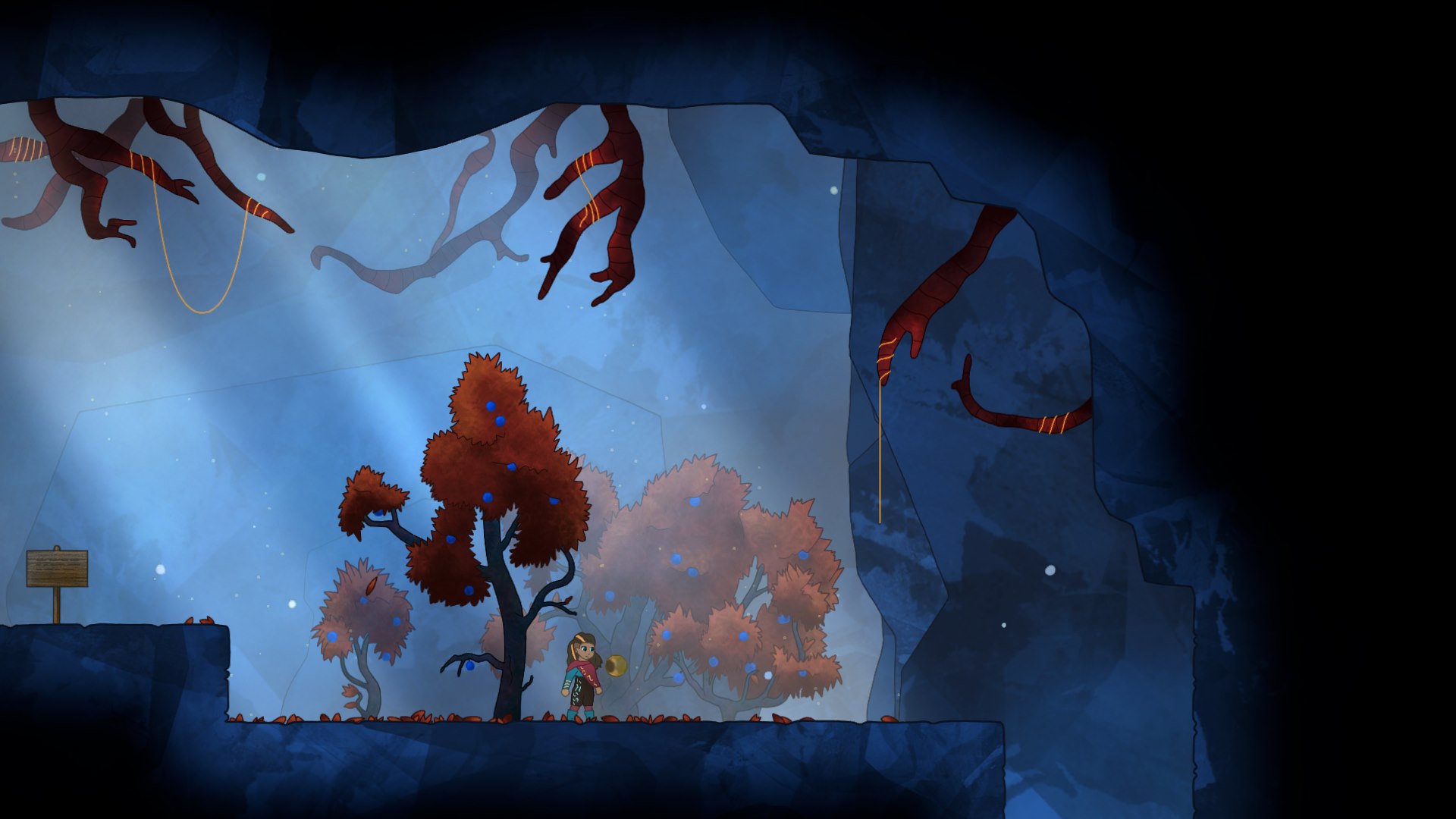
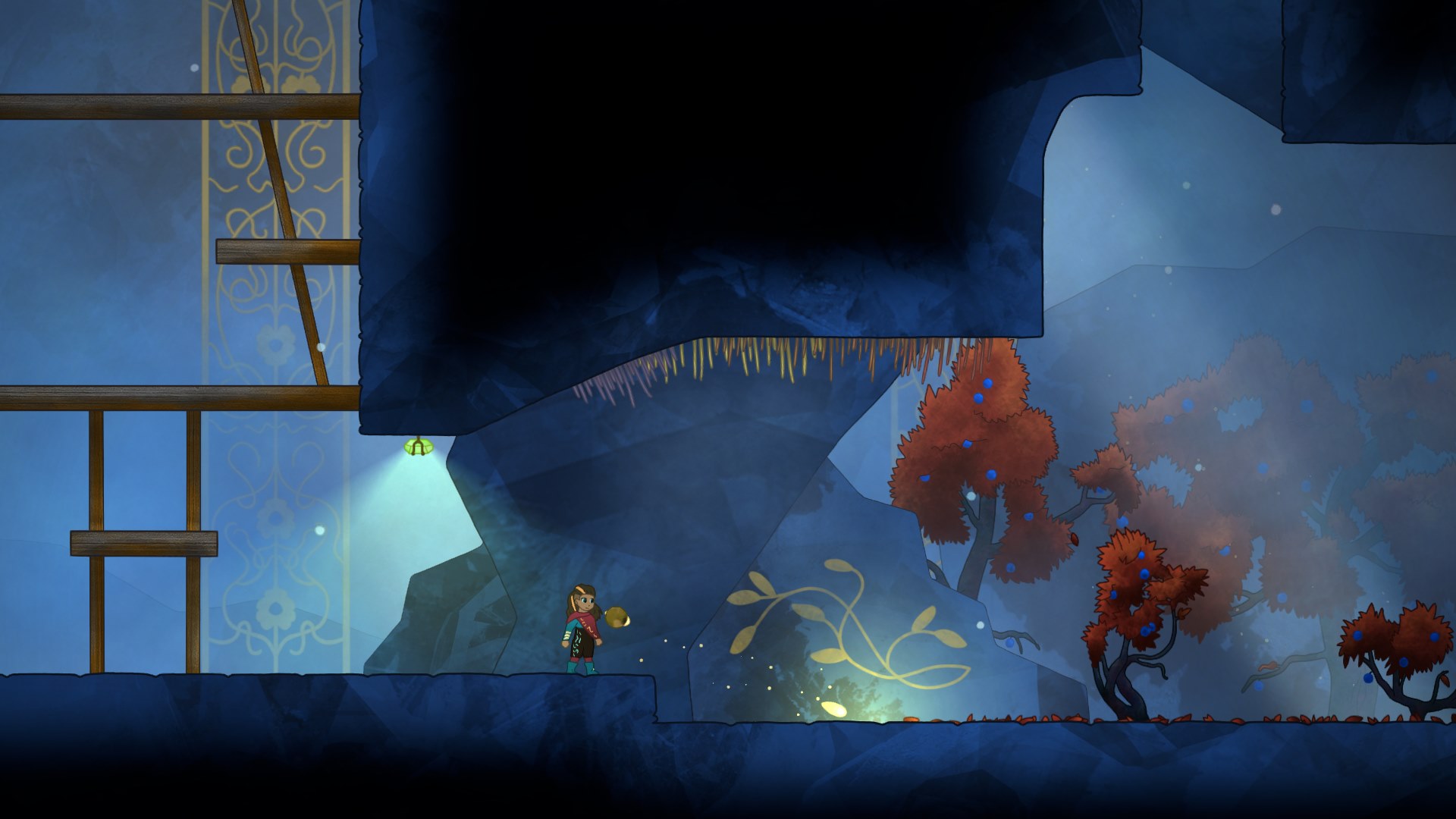
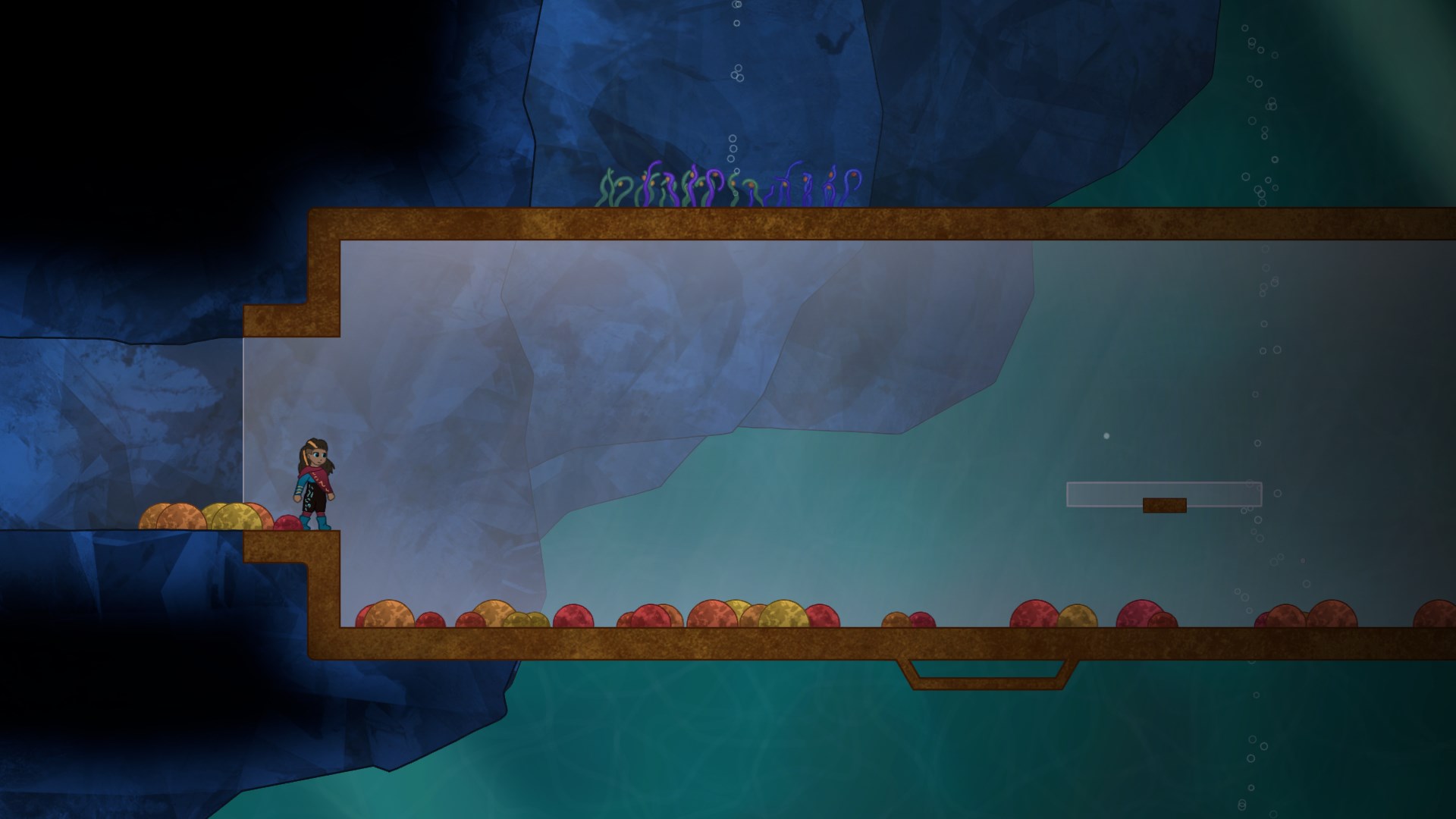
Released in 2018 and designed by the lead programmer of Conker’s Bad Fur Day, Chris Seavor, The Unlikely Legend of Rusty Pup is an open-ended puzzle game following a robotic dog named Rusty trying to find his way home through a wonderfully dark and dank 2D world. This game is an example of how I came into an indie title completely unprepared for what it had in store, and I was pleasantly surprised with the result.

Graphics – 8/10

The game is set in a steampunk-inspired world made up of cogs and machinery. It bears somewhat of a resemblance to games like SteamWorld Dig and SteamWorld Heist. But with a far more surreal and compellingly bleak atmosphere. Darkness follows the player character everywhere, with few specks of light made available to players to activate along the way in order to guide Rusty throughout each stage. The soundtrack is also suitably creepy to go along with the game’s settings. The environments, in particular, made me wonder about the world’s backstory and how it was created. And who created it, similarly to what Shadow of the Colossus did. It’s almost a character in and of itself.

Gameplay – 8.5/10

Rusty Pup relies heavily on the player’s initiative in order to solve what are at times mind-bending, challenging puzzles. Players must make use of light in each stage, as well as robots that can be used to temporarily stop time and guide Rusty through certain areas. There’s also a small world-building element, whereby players must set up platforms for Rusty to follow in order to access otherwise impassable areas or to break falls that Rusty would otherwise not be able to survive.

This mechanic can also be used to the detriment of NPCs by setting up traps for them. Aesthetically, it takes influence from the likes of Lemmings and Flockers. But it offers an entirely different experience from the aforementioned games that, as I said, were not prepared for in the slightest. It can take some patience to get into, as it’s a game unlike any other. But once the player figures out the core mechanics, it makes for a very enjoyable and mystifying experience.

Controls – 10/10

A simple point-and-click game by design, there are no issues with the controls whatsoever. It can be played either on PC or on iOS, and for both platforms, the game works out just fine. It may offer a different experience if the game were ever ported to conventional consoles. But it wouldn’t create anywhere near enough of a problem for it to render the game unplayable. If Plants Vs. Zombies can be ported to consoles; this game certainly can be as well. 

Lifespan – 8/10

The base game can be made to last a minimum of 20 hours. But to complete the game to 100% will take a fair bit of additional time. There is also DLC planned for the game in the future, so this will further add to the game’s lifespan in turn. But ostensibly, to make a puzzle game last for the amount of time it does is an impressive feat in any case, with or without DLC. And there would certainly be scope to expand the series at a later date, given how potentially extensive the series’ mythology is. 

Storyline – 7/10

The game’s story follows Rusty Pup, a mechanic dog on a single wheel who has apparently been flushed down a drain prior to the start of the game. With ambiguity about whether or not he fell down or if someone or something pushed him down there. Alone. But with an optimistic attitude, he resolves to find his way out of the steampunk labyrinth and make it back home. The game’s story is as ominous and as wonderfully dark as its settings, with a lot of mystery surrounding how Rusty got to this stage in the first place. And with how wistful he sounds at times, in stark contrast to the foreboding situation he finds himself in. All characters, including Rusty, speak in rhyme, which again adds to this contrast. Seemingly carefree, yet obviously in a terrible situation.

Originality – 9/10

Especially over the last gaming generation, coming across a unique indie title has become exceedingly difficult, with me looking for unique settings, unique gameplay, unique control schemes, and unique stories. But much to my delight, this game ticks all the boxes flawlessly. After having interviewed Chris Seavor himself:

https://scousegamer88.com/2021/01/24/the-full-twelve-tales-of-chris-seavor/

It became obvious to me that his creative talent was nurtured during his time at Rare. And having played Rusty Pup, he has demonstrated that he is certainly as capable as Rare’s most standout alumni, such as Gregg Mayles, Kevin Bayliss, Martin Hollis, David Doak, etc., of creating wonderfully weird and delightfully fun games to play as the likes of Banjo-Kazooie, Goldeneye 007, and Perfect Dark. 

Happii

Overall, The Unlikely Legend of Rusty Pup is unbelievably well thought out. And a compelling title that’s every bit as enjoyable to play as any top indie title. And I can’t recommend it enough. To me, it’s no wonder why Chris Seavor is most proud of Rusty Pup, as, in my opinion, it’s his best project to date. 

Score

50.5/60

8/10 (Very Good)

Skul: The Hero Slayer (PC)

Skul The Hero Slayer

Developer(s) – SouthPAW Games

Publisher(s) –  NEOWIZ

PEGI – 12

An early indie title released in the first part of 2021, Skul: The Hero Slayer is a rogue-lite that provides a new gameplay experience with every playthrough, offering intense combat and platforming. And an insane amount of customization options for the player character throughout each play. Similar to the likes of Rogue Legacy and 88 Heroes, the game can make for hours upon hours of playability and a level of variety in gameplay that I haven’t seen for quite some time. It makes for a far better game than either of the aforementioned examples. As well as other games of the same ilk developed in recent years. 

Graphics – 8/10

Skul makes use of a traditional 8-BIT visual style with a mythology heavy inspired by high and dark fantasy; it’s basically The Lord of the Rings or Dungeons and Dragons in 8-BIT form, featuring creatures straight from the works of Tolkien and Gary Gygax, such as ents, chimeras, liches, and demons.

But it also has elements inspired by the modern world. For example, one of the power-ups allows the player to take the form of a biker who attacks with chains. He rides a motorbike for a limited amount of time as one of his special moves. It fits interestingly with the tableau of the game. As the character was clearly inspired by the comic book Ghost Rider. But that, along with many of the other power-ups found throughout the game, such as the genie and the samurai, adds an unexpected, yet welcome level of diversity in character design that I never saw coming at all. 

Gameplay – 9/10

The game is a rogue-lite whereby players must face off against hordes of enemies. Whilst conserving as much as they have as possible, including their health. Whilst at the same time, using items and upgrades collected throughout as wisely as possible. There is an insane amount of power-ups that can be used by players to adopt a ridiculous amount of playstyles. Making each playthrough a completely different experience. In that respect, you can draw comparisons to 88 Heroes. Only in this case, the feature of being able to play as what are essentially different characters throughout is a lot better thought out in this title. And makes for a much more accessible experience overall. Because with 88 Heroes, characters are given to the player at random.

And it can hinder the gameplay through no fault of the players. But here, the player gets far more of a choice, making for a better experience overall. On top of that, there are also a great number of perks that can be acquired throughout each playthrough that offer increases in attack, speed, and magic. And that also offers passive benefits such as freezing, poisoning, or burning enemies to deal additional damage. The base stats can also be upgraded before each playthrough. Such as the attack power and amount of health that the player starts with. Making each playthrough more accessible over time, like in Rogue Legacy. But again, in this game, that element is also handled in a far better manner. 

Controls – 10/10

The game’s control scheme is also very interesting indeed. Whilst there are common control elements with each playthrough, such as the ability to attack, jump, and dash, each character is controlled differently through their different movement capabilities, attack patterns, and special moves. So the player has to strategize in accordance with the power-up they have equipped. The controls will seem familiar to players. Whilst at the same time also offering more than what they’ll be used to in the form of the different power-ups. And it’s really quite an impressive feat that’s been achieved. 

Lifespan – 8/10

Seasoned players have been able to play through the main game in its entirety in just shy of an hour. However, this is a game that has clearly been designed to be played through many, many times. And players should not stop at one playthrough by any means. Even if they somehow manage to beat it on the first time of asking. With everything taken into account in terms of gameplay, there is enough on offer to make this game last an ungodly amount of hours; players may wish to go through the game using different power-ups, or they may wish to try to go through it without using any power-ups or passive abilities at all. The customization options are insane.

Storyline – 7.5/10

But in addition to the compelling gameplay, there’s also a surprisingly touching story behind it as well. The game follows Skul, who is a lowly minion in service to the army of a Demon King. As heroes of humans storm the Demon King’s castle and take him captive, Skul evades capture and resolves to destroy the human army and free his master. The game puts the player on the side of evil and paints Skul, the Demon King, and their allies as the heroes, and it’s done in a way that I’ve never seen in a video game before. There have been games that have tried similar things, like Overlord, for example, but it’s presented much differently in this game. There’s a sense of elegance about it in each intermittent cutscene that I wasn’t expecting at all. 

Originality – 8/10

I’ve mentioned throughout this review that this game threw stuff at me that I was not prepared for in the least bit, and I was pleasantly surprised by all of it. It’s a game that gets the fundamentals right as if it were created by a team of seasoned developers, but it also gives players an experience unlike most that have been created throughout the years, and considering that it came from an indie studio, it is really something. It wasn’t the first game developed by the South Korea-based studio (that would be an app game called BSTG), but their first effort at creating a game designed for conventional consoles, really is phenomenal. 

Happii

Overall, Skul: The Hero Slayer is a fantastic rogue-lite with almost limitless possibilities in terms of gameplay, and I can’t recommend it enough. It’s an exciting and dynamic title in every respect and is not one to be overlooked. 

Score

50.5/60

8/10 (Very Good)

Twofold Tales

Q&A With Parhelion Rift

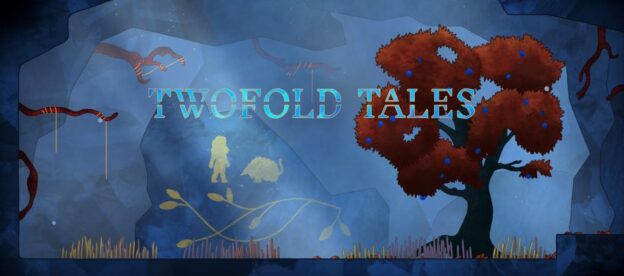
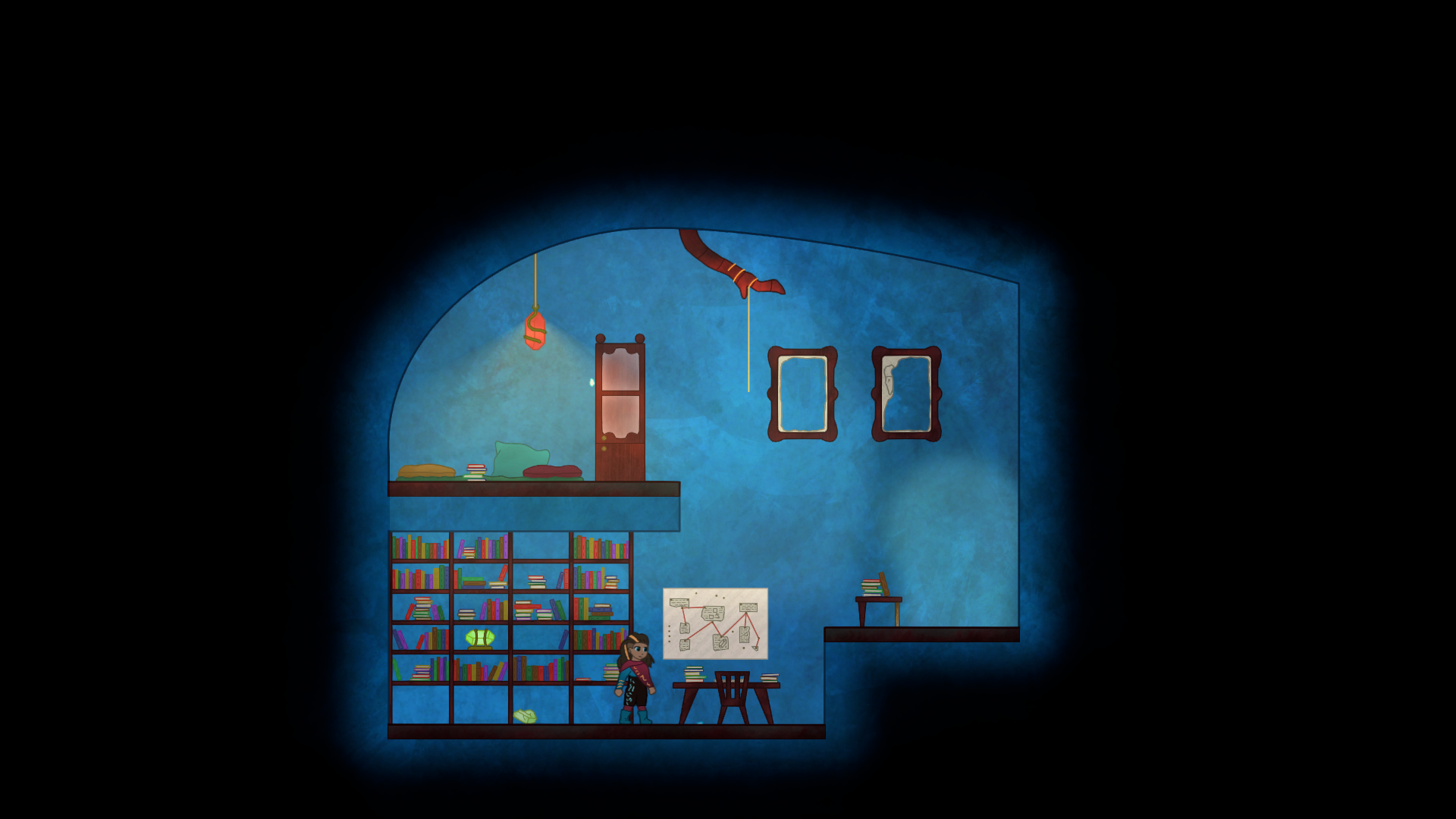
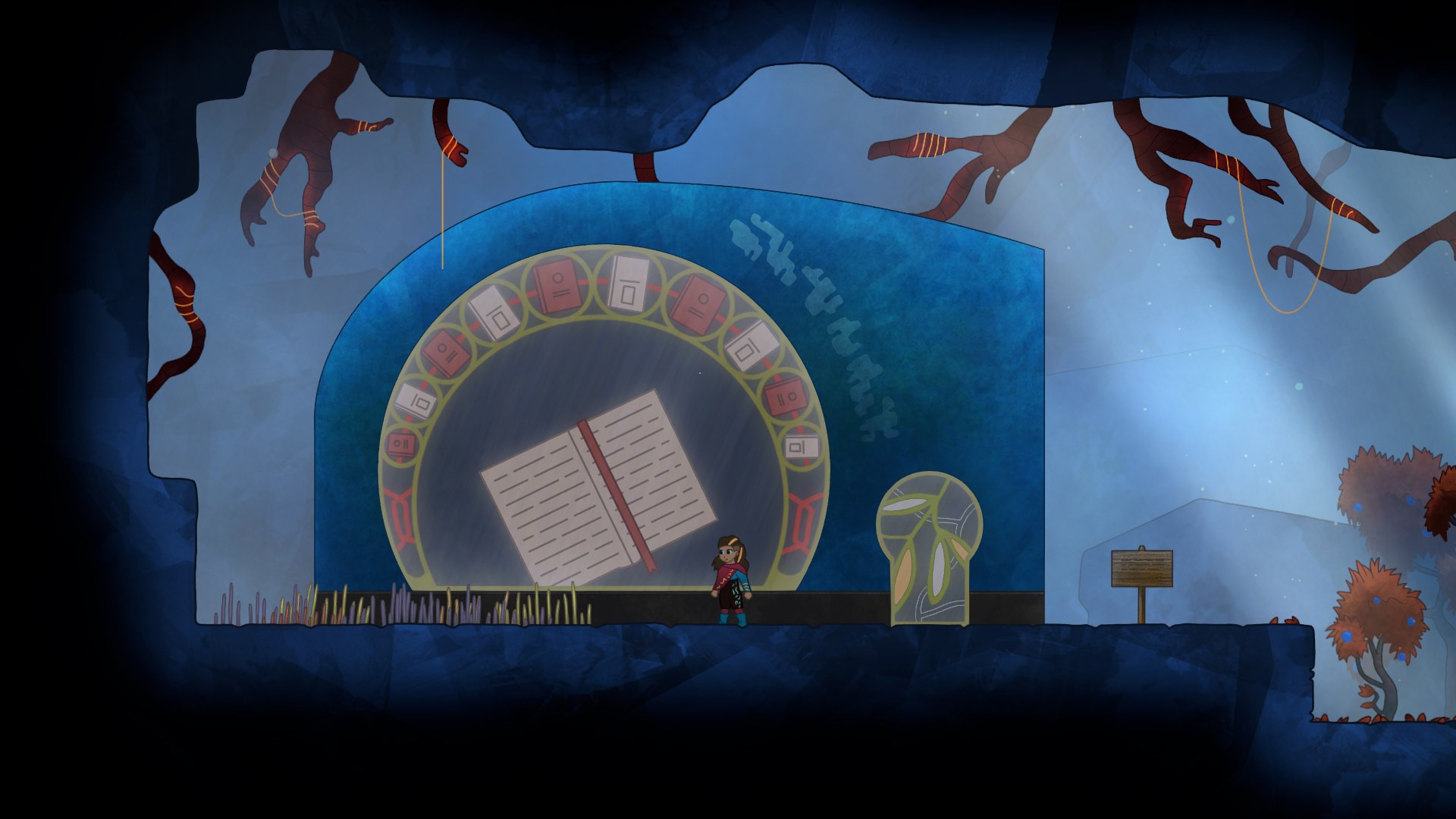
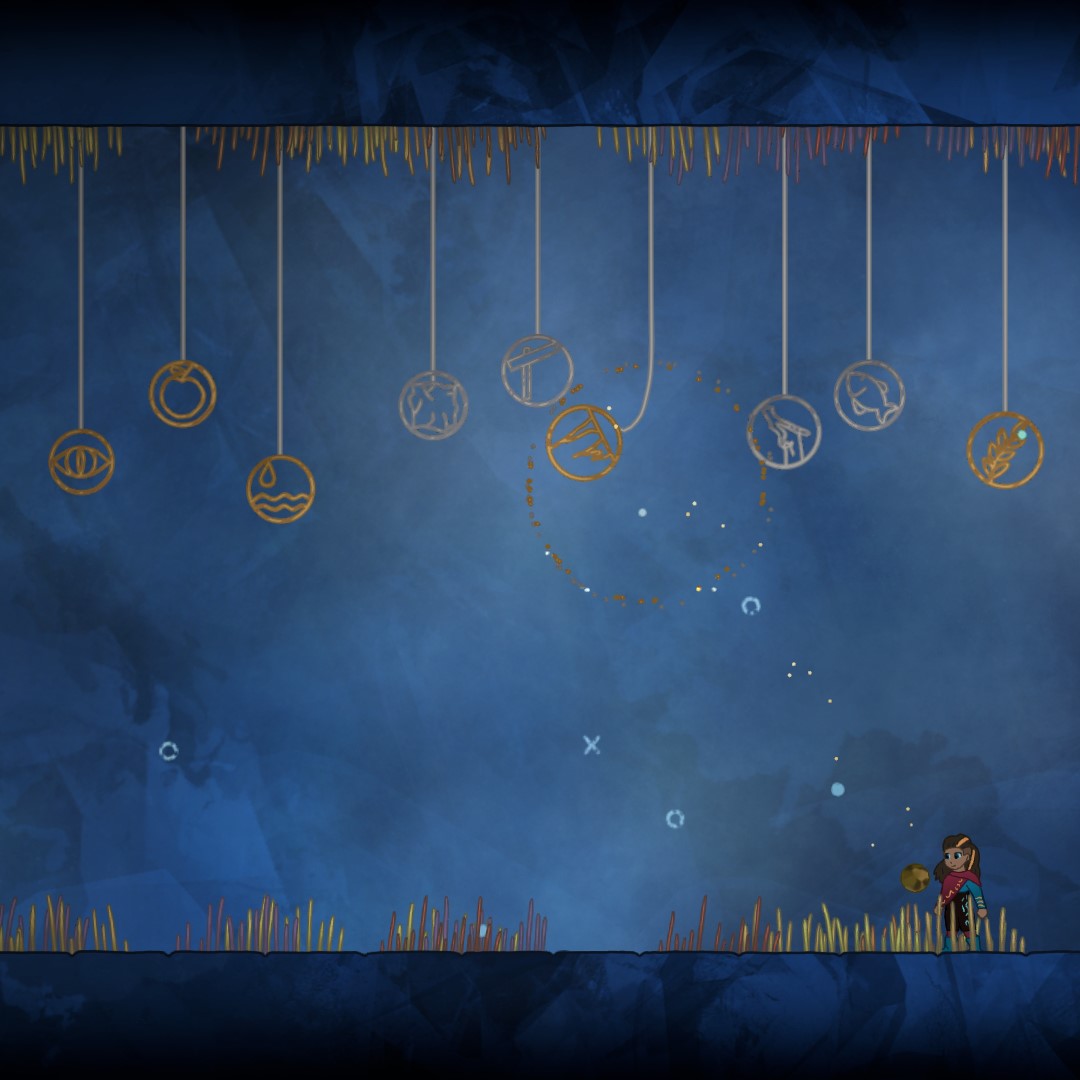
Once again on the lookout for new upcoming games, I came across yet another awesome-looking indie Metroidvania title currently under development. Twofold Tales, developed by indie outfit Parhelion Rift based in Vienna, Austria, is a Metroidvania heavy on combat and exploration. As well as incorporating a strong RPG element in the form of character building and learning new abilities along the way.

The story involves the main character, named Pars, as she embarks on a journey across an entity known as the Iceberg in order to uncover the mysteries that are buried within. With a desire to learn more about the game, I got in touch with Michael and Evelyn, the couple currently working on the game, to ask a few questions I had about it in this early stage of development, to learn more about what can be expected from the finished title. Here’s what Michael and Evelyn had to say about Twofold Tales:

Twofold Tales 1

What were the influences behind Twofold Tales?

Michael: It probably all started when I played The Battle of Olympus on the NES in 1991. From a gameplay perspective, we were mostly influenced by classic 2D Metroid games and Axiom Verge. One of our game-defining skills was inspired by an episode of Rick and Morty, called A Rickle in Time.

Evelyn: Aesthetically, it’s difficult to pinpoint a single source of influence. We love hand-drawn animations like the movies The Secret of Kells, Song of the Sea, and Ghibli movies. But are also very fond of the Art Nouveau art style, like Alphonse Mucha. I think it’s kind of a marriage between both of them meeting on an Arctic island.

What has the developmental process been like?

Evelyn: It has been an interesting and challenging learning process so far, as a developer and as a couple. In the beginning, we were only able to work on our game in the evenings after our day jobs. Also, it’s a learning process in itself how to work together with your partner, especially when you’re living together. And the line between private life and job is blurring. It can be quite daunting sometimes, I have to admit, but on the other hand, it’s the most fantastic thing in the world to be so lucky to create something together with an excellent partner who understands you so well, like no one else.

Michael: Currently, we’re fortunate to have personal savings to sustain ourselves for the near future and to channel our whole energy into developing Twofold Tales and raising our baby daughter. Who was born during the COVID-19 pandemic. Even when there are sometimes tough stretches, we love how liberating it is to have total creative freedom in designing the game we want to make and to be in the driver’s seat.

Twofold Tales 2

How close are we to seeing the finished product?

Michael: We’re still in the middle of the development process, with no fixed date for the final release. A public alpha demo that includes the entire first area is planned for summer 2021. Together with a Kickstarter campaign, we’re really excited to be able to get some additional gameplay feedback and to be able to further improve Twofold Tales.

Evelyn: Most of the underlying systems for the game are finished, the game mechanics are set, and the whole world is playable in development mode. What remains is creating a lot of artwork.

What has been the most exciting aspect of development?

Michael: As with most Metroidvanias, certain parts of the world will be ability-gated. It was exciting to create branching exploration points where, depending on what you discover, different areas open up to you first. And you often can decide where you want to go next. For most of the game, we want to offer a very non-linear experience where players can explore the world very openly and arrive at different points of the game via a different route and with a different set of main upgrades. All areas had to be balanced around the abilities you might or might not have at that point.

Twofold Tales 3

What has been the most challenging aspect of development?

Michael: While Unity generally was good to prototype and develop in, we were quite unhappy with the physics system for certain aspects of the game, for example, for player and enemy movement, especially with high-speed projectiles. We replaced that with a raycasting solution to make this aspect of the game feel more responsive and accurate. The same goes for rope physics. Where the hinge- and distance joints just didn’t look satisfying. So we switched over to Verlet integration.

Evelyn: Also, as we’re only a two-person and three-cat team, there is quite a big workload we have to handle ourselves. Developing, creating graphics and audio. And writing updates for social media. It sometimes feels a bit overwhelming. But it’s also very exciting, and we’ve learned a lot along the way.

How well has the game been received so far?

Evelyn: We only started to release information about the game last month. Awe nd so far, we have received very positive reactions to the aesthetics of our game. It’s exciting and encouraging to see what people think of it. Also, mostly you’re living inside your head when you’re developing a game, and to correct that possible tunnel view, it’s very helpful to get feedback.

Twofold Tales 3

What platforms are you looking to bring the game to?

Evelyn: Our launch platform will be PC, followed by Linux and probably Mac. We would love to port it to the Nintendo Switch. We actually got quite fond of the Switch mockup screens we made for ourselves.

What were the team’s prior developmental experiences before the formation of Parhelion Rift?

Michael: We both studied media informatics, and in fact, this was also when we first met each other. Afterward, we both worked as full-time developers in medium-sized companies. Creating desktop and mobile applications for telecommunication and internet service providers.

Have there been any lessons brought into the development of Two Tales taken from the development of Cats Who Stare At Ghosts?

Evelyn: When we developed Cats Who Stare At Ghosts, we used the libGDX framework for development. It’s fine to do as much as possible yourself. But once you meet a comfortable game engine like Unity that takes over a lot of tasks, you never want to go back.

Twofold Tales 4

As a cat lover myself, I have to ask, will there be cats in Twofold Tales as well?

Michael: There are a lot of secrets hidden in our iceberg, some of them fluffy 😉

Have there been any ideas at this stage of development that have since been scrapped or reworked?

Michael: As we’re more gamers and programmers than artists ourselves, we’ve re-iterated over certain parts of the graphics and animations several times already and will continue to do so.

If you had the opportunity to develop a game with any company or any franchise, which would it be, and why?

Michael: At the moment, I like the freedom of not having to work for another company or being limited by an existing franchise.

Evelyn: I would so love to work on a Zelda title, especially if it follows in the footsteps of Ocarina of Time.

Do you have any advice for aspiring developers who may be reading this?

Michael: Do what you want to do, not what others deem good or what society thinks you should do. This does not mean that you should ignore feedback. Feedback is extremely important and vital during the entire development process, and other people spot flaws way better than you ever could. However, in the end, make it your game, the game that you would love to play. But hasn’t been invented yet – make it for yourself.

Evelyn: Start today! Don’t wait for that big idea, but start with something small and just keep learning.

Where on the Internet can people find you?

You can follow us on social media; we love to share the progress of our game and chat.

Instagram: www.instagram.com/parhelionrift

Twitter: www.twitter.com/parhelionrift

Facebook: www.facebook.com/parhelionrift

There is also our website www.parhelionrift.com

Feel free to get in touch with us! 🙂

Do you have anything else to add?

Thank you very much, ScouseGamer, for the opportunity to give others insights into our game. And a huge thank you to everyone interested in Twofold Tales. Your kind words of encouragement and comments mean the world to us and keep us going.

Twofold Tales 6

I’d also like to thank Michael and Evelyn for their unique insight into what players can expect to see from their game upon release, and also to congratulate the couple on the birth of their baby girl. Twofold Tales holds promise as an extremely standout Metroidvania title with a new and wonderfully cohesive concept. And I’m very much looking forward to what the final game has to offer. In the meantime, anyone wanting to keep up with Michael and Evelyn as development unfolds can do so by following their various social media pages and visiting their website. But I hope you guys enjoyed reading this article as much as I enjoyed working with Michael and Evelyn.

Game on,

Scouse Gamer 88

Dwarf Journey

Q&A With Orube Game Studio

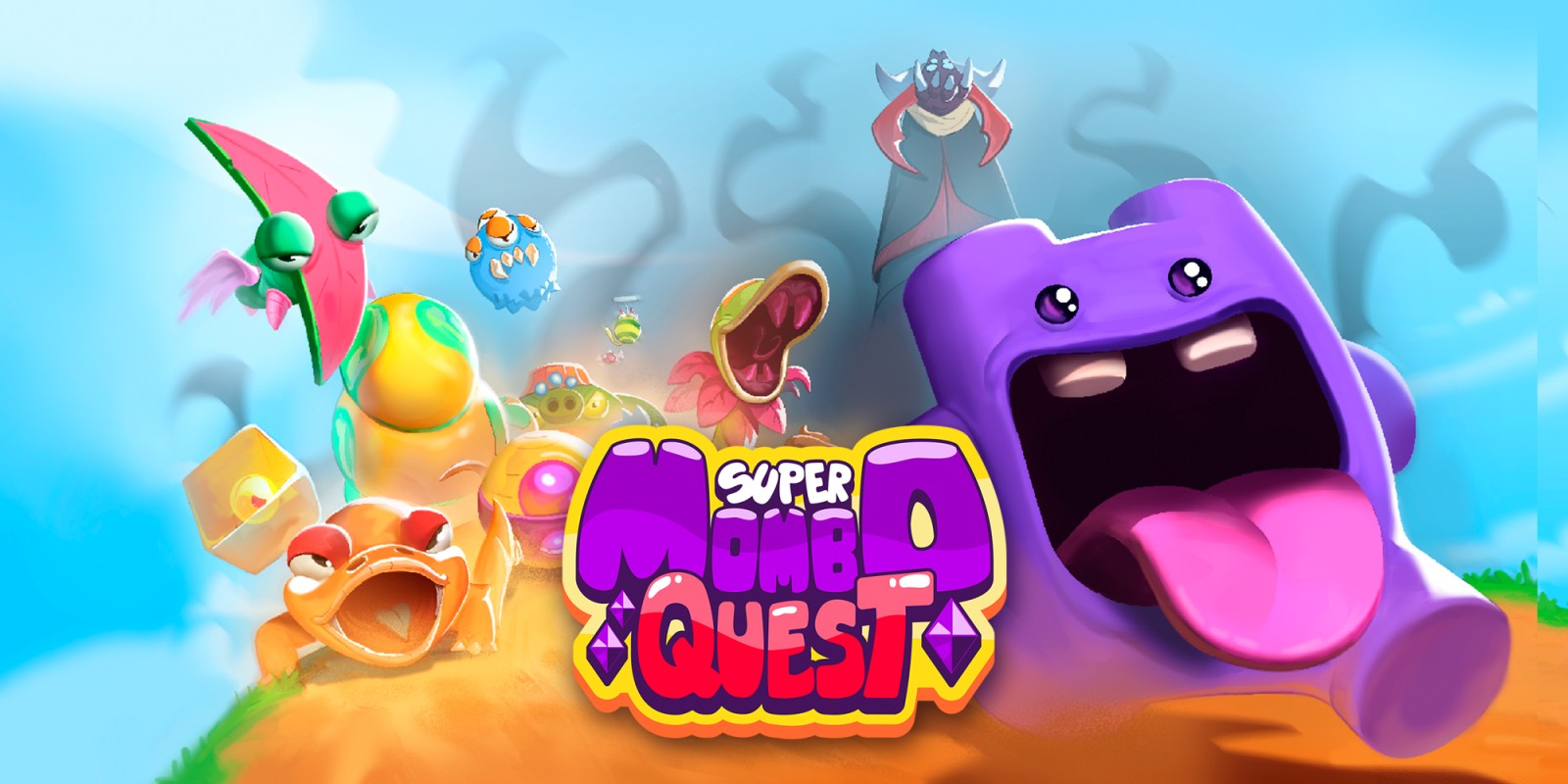
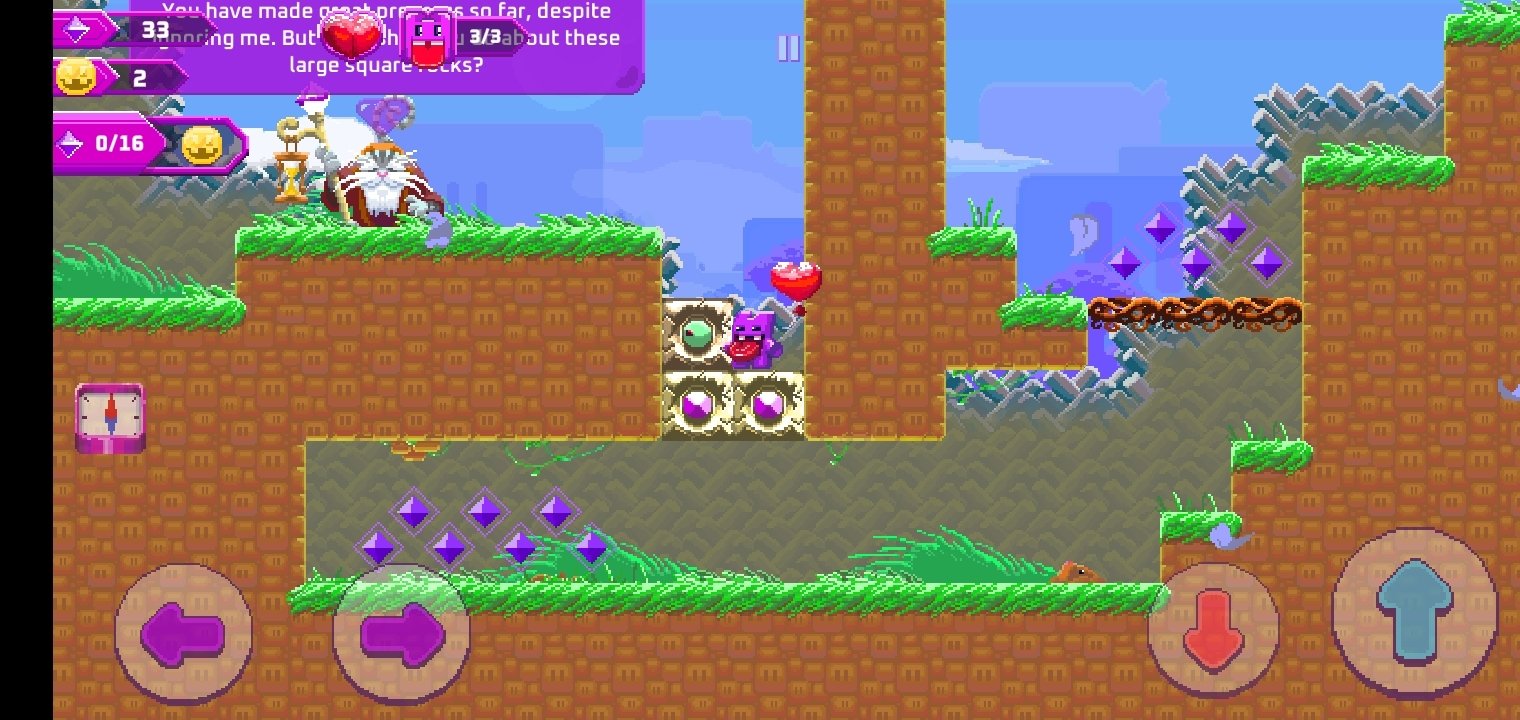
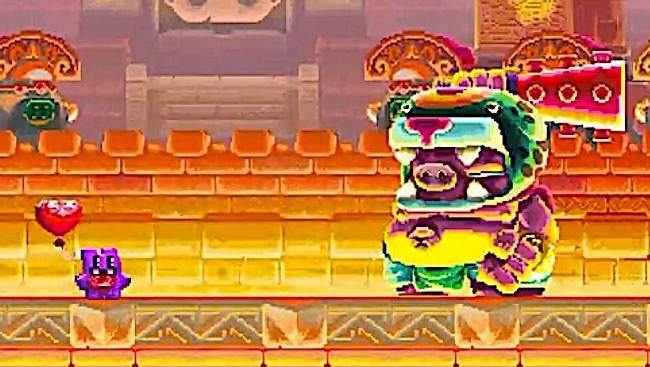
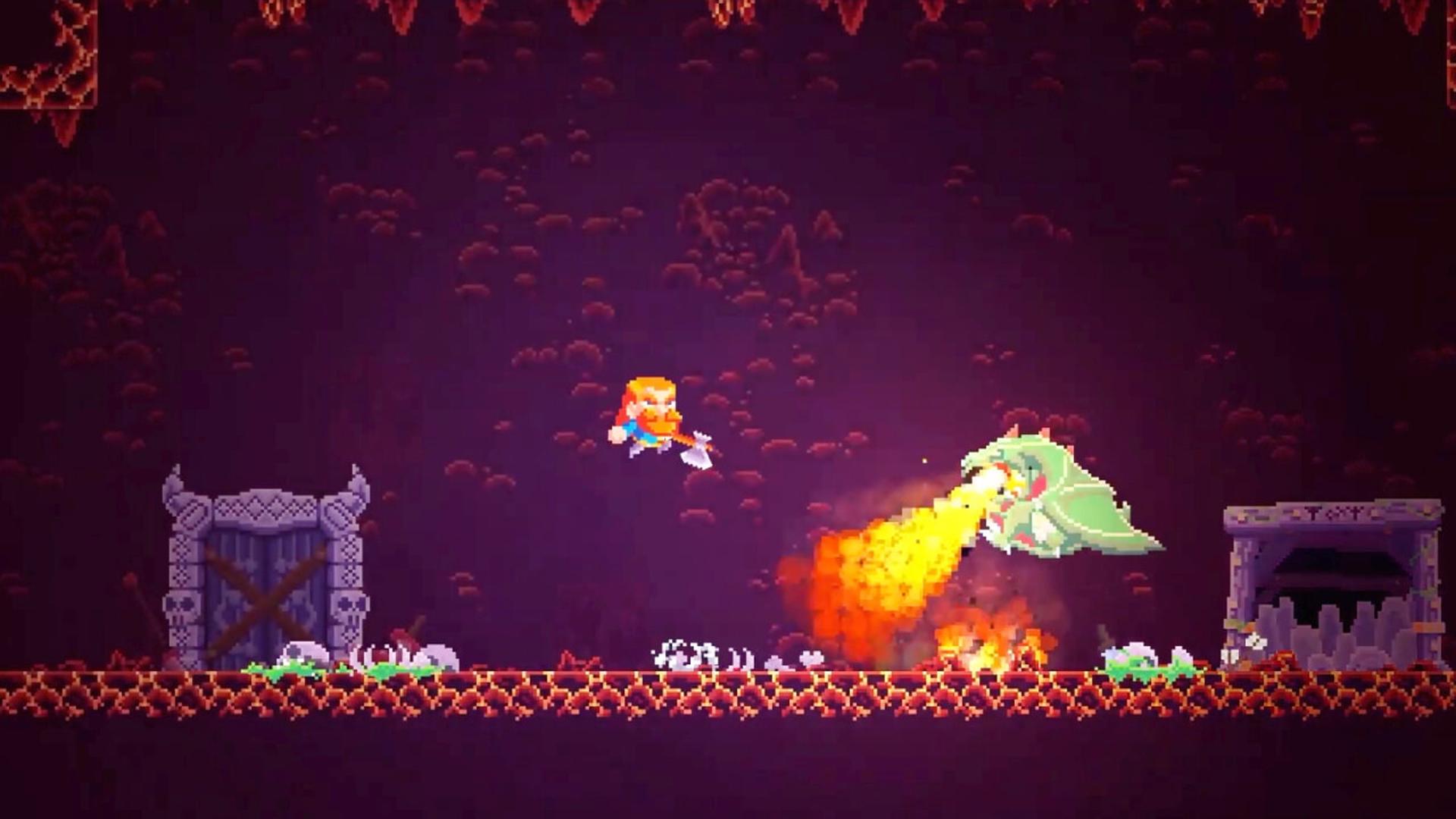
Pursuing a new upcoming video game experience currently under development, another two games that I have had my eye on for a long time are Super Mombo Quest and Dwarf Journey.  Both were developed by Orube Game Studio, based in Rio de Janeiro, Brazil. Super Mombo Quest, in development since 2018, is a colorful Metroidvania inspired by the likes of Super Meat Boy. Heavy on combat that requires players to string together combos reminiscent of classic arcade fighting games, similar to Guacamelee or Dust: An Elysian Tail.

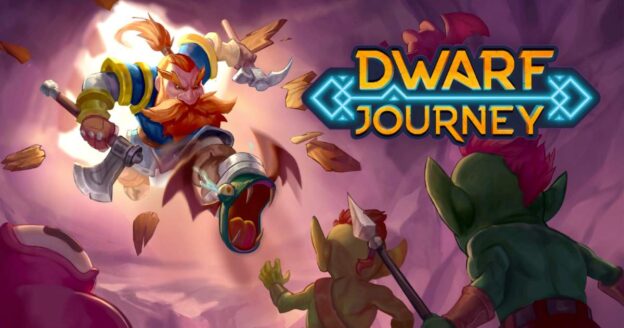
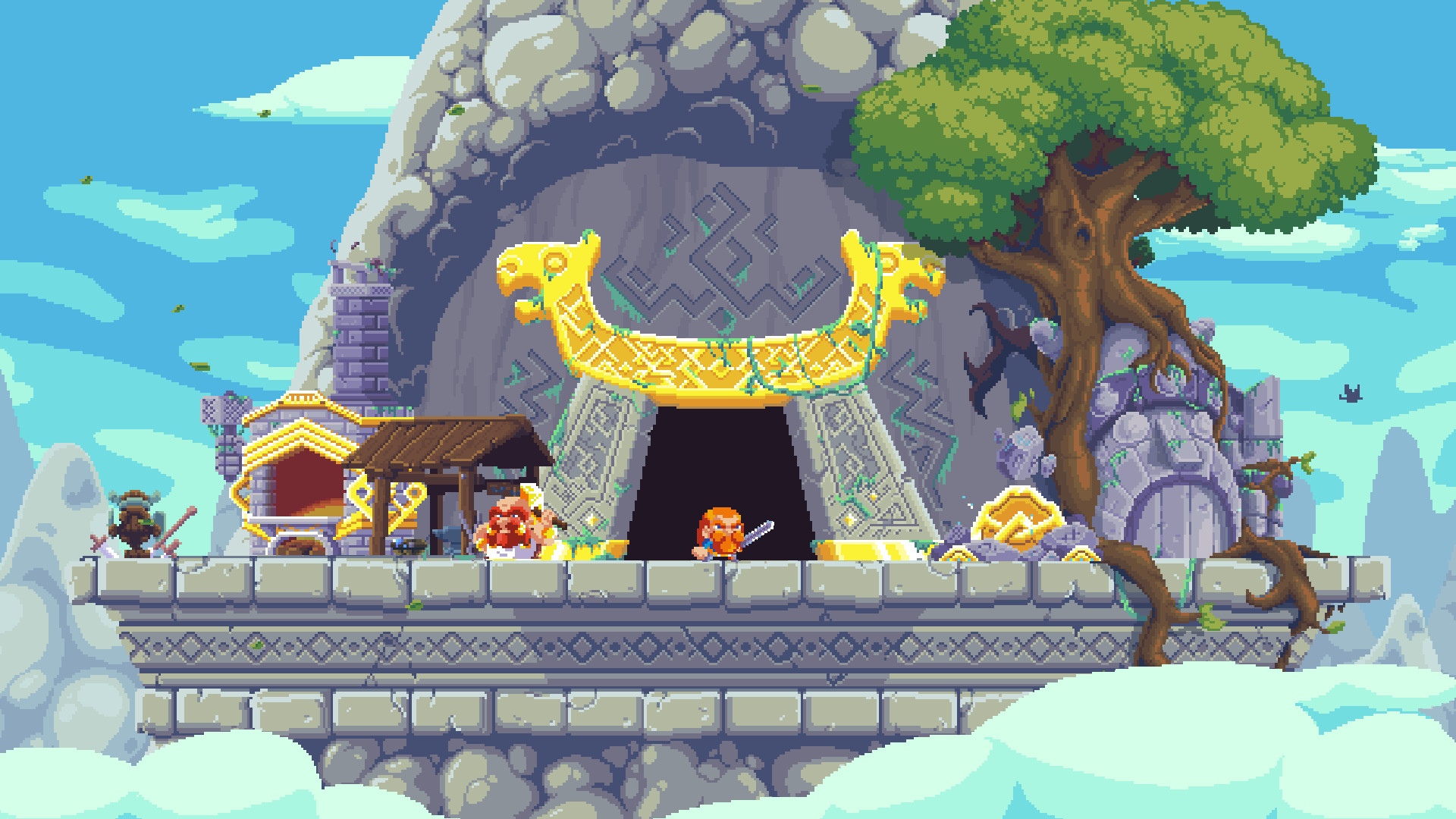
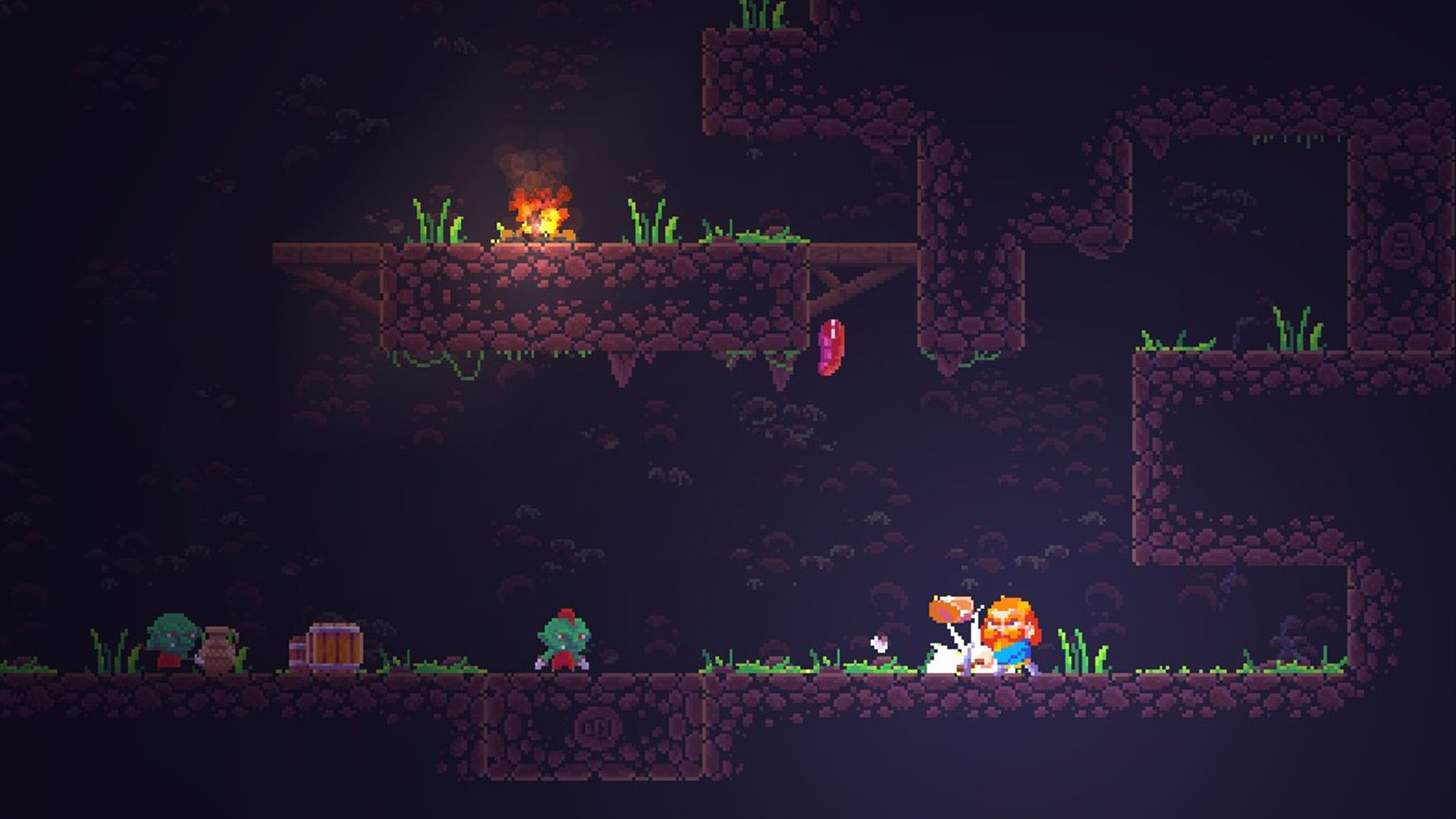
Dwarf Journey, on the other hand, is an action-adventure Roguelite inspired by Norse mythology and incorporates heavy RPG elements. Such as leveling up the player character and collecting materials to forge stronger equipment. With both games set for release in the early part of 2021, I was curious to find out more about these two great-looking games. I got in touch with Orube Studio and their founder, Pedro Savino, to pose a few questions about the games. And what players can come to expect from the final builds. Here’s what Pedro Savino had to say about Super Mombo Quest and Dwarf Journey.

Dwarf Journey 1

What were the influences behind your games?

Our biggest inspiration is to keep in mind that we can bring the playful spirit of games to any type of person, through simple, affordable, and super fun products. As ours are platform games, we have to mention our biggest influences: Super Mario World, Super Meat Boy, Celeste, and Kirby. All of these have incredible mechanics and game feel that were certainly inspiring for our games.

What has the developmental process been like?

It’s been great! We are a team of eight people who work remotely. And we are all passionate about what we do. Always seeking to learn more and grow together.

How close are we to seeing the finished products?

Both games are almost ready to be released. Only a few artistic details are missing. We are already testing the final versions with people from our Discord server to make everything the best experience possible.

Dwarf Journey 2

What has been the most exciting aspect of developing both games?

The most exciting part is seeing the number of people that we are captivating with our games that haven’t even been released yet. Some people have been accompanying us for a long time. Giving feedback and supporting our work. It is very gratifying to receive this support.

What has been the most challenging aspect of developing both games?

The biggest challenge, I believe, is to manage everything so that all we’ve planned comes out in the best way possible. The challenge in Super Mombo Quest, for example, is making this huge game a reality. The final version will have approximately two hundred and fifty levels. We are producing the biggest game ever made by the company!

How well have both games been received so far?

We were surprised by the number of people who were captivated by our games. At TikTok, for example, we were able to build a community of more than 30k people. And we brought over 1,5k to our Discord server. They are always supporting the development, giving feedback, and testing versions so that everything is fine.

Dwarf Journey 3

What platforms are you looking to bring the games to?

We are looking to bring them to computers (at Steam), Mobiles (Android and iOS), and consoles (such as Nintendo Switch, Xbox, and PlayStation).

Have there been any ideas at this stage of development that have since been scrapped or reworked, where both games are concerned?

Throughout the development process, some things didn’t work, and that needed to be redone. In Super Mombo Quest, for example, we changed the main currency of the game and the mechanics related to it in the middle of development.

Has the studio been mindful of the influx of Metroidvania and rogue-lite titles within the indie scene in order to make this game stand out among the many others?

We produce games that we have had in mind for a long time. The character Mombo, for example, appeared in my graduation work. We developed and learned more about platformers, which today is one of our specialties. But we are always attentive to trends and trying to predict what will be best received by the public.

Dwarf Journey 4

If you had the opportunity to develop a game with any company or any franchise, which would it be, and why?

Aiming high, I believe with Nintendo. It is a company with young-spirited games that inspired me a lot and were part of my youth.

What’s next for Orube Game Studios following the release of Dwarf Journey and Super Mombo Quest?

We still don’t know for sure how the next project will be, but we intend it to be one of the big ones. You will have to follow us on social media to find out!

Are there any other genres of gaming that Orube Game Studios has thought of working on in the future?

We are planning to make a multiplayer RPG. There is nothing right yet, but it’s a wish that we have for the near future.

Dwarf Journey 5

Do you have any advice for aspiring developers who may be reading this?

Currently, Super Mombo Quest has more than two hundred levels, which we consider to be a large scope. However, before producing it, we released several smaller games. The main tip for those who are starting is: to make small and simple games. Understand the process and be very aware of how long it takes to produce a game. A game of scope or complexity greater than the team’s capacity can take a long time to produce. Increasing its cost and reducing the chances of profit. Sometimes it even happens that the project is not launched because there is no budget to complete it, or even that the producers give up on development.

Where on the Internet can people find you?

You can find us on Twitter, TikTok, Facebook, and Instagram @OrubeGameStudio! You can join our Discord server too. Here is our Linktree so you can find us everywhere https://linktr.ee/orubegamestudio.

Do you have anything else to add?

I think that for those who are looking to live from games, it’s important to know that it’s a very competitive market. Currently, it’s difficult to undertake in the area without having accumulated prior knowledge, mainly because of the lack of incentives in the sector in some countries. On the other hand, we have an industry under construction and with a lot of potential. More and more companies are consolidating and creating job opportunities for those looking to work in the environment. The game market is growing and will grow for many years to come. With intelligence, dedication, and a little creativity, it is possible to live from games!

Dwarf Journey 6

I’d like to thank Pedro for taking the time to answer the questions I have, as well as providing a very unique insight into the competition that comes with taking the plunge into indie development. It has indeed become an extremely competitive market over the last few gaming generations, as I have witnessed firsthand, but both Super Mombo Quest and Dwarf Journey look to be strong competitors in the plethora of indie games in their genres, and I wish them the best of luck with them both. I hope you guys enjoyed learning more about these two potentially game-changing titles.

Game on,

Scouse Gamer 88

Enter the Matrix (PC, PlayStation 2, GameCube & Xbox)

Developer(s) – Shiny Entertainment 

Publisher(s) – Infogrames

Director(s) – The Wachowski Brothers

Designer(s) – David Perry

ELSPA – 15+

Set during the events of the second film, The Matrix Reloaded, and directed by the film’s original directors, Enter The Matrix was released to mixed critical reception. But performed very well commercially at the time. Personally, this is one of those games that, to me, is extremely enjoyable to play. Yet gamers and critics seem to hate it for unjustified reasons. A lot of critics at the time commented that both the game and the film were devalued as a result of the release of the game. But I disagree. I enjoyed the film and the game in equal measure, and I still do.

Graphics – 9/10

On a technical level, the visuals were cutting-edge at the time. And they more than adequately hold up to this day in comparison with any other sixth-generation titles. There is an odd graphical glitch here and there to prevent it from receiving a perfect score for visuals. But they are few and far between. The best port of the game in terms of this would be the Xbox version. In terms of conceptual design, it’s exactly what people who have watched the films can expect. It’s dark and gritty. It takes place in many locations that are in the film itself. As well as a few new locations added for good measure. 

Gameplay – 7/10

Enter The Matrix is a third-person action-adventure that’s heavy on hand-to-hand combat as well as gunplay. If I had to compare it to any other game, it would most likely be Max Payne. As it plays out quite similarly to the former. Again, it’s exactly the kind of game that people familiar with the films can come to expect in terms of gameplay as well. Players can instigate slow motion to their advantage, similar to how the film is shot, and they have a variety of different weapons and combat abilities at their disposal throughout. There are also car-chasing sequences whereby players either have to control the car or shoot from the window to fend off enemies. Depending on which character they are playing as. There are two-story arcs to experience within the game. This gives it a fair amount of replay value in addition. 

Controls – 8/10

The biggest issue with the Controls in terms of the targeting system. It’s supposed to work similarly to Ocarina of Time. But as it’s meant to be instigated automatically, it can cause issues with things like hit detection. But otherwise, the control scheme is handled as well as what was needed. I certainly didn’t have as much of a hard time as many other gamers and critics seemed to have. 

Lifespan – 5.5/10

Enter The Matrix can be made to last about 6 and a half hours, which for a linear action game isn’t too bad. If compared to Max Payne in this respect, it falls short, as the former could be made to last around 20 hours. But for those looking to experience this game in full, there is plenty to do to keep things entertaining throughout. It didn’t perpetuate the standards that were met at the time in terms of Lifespan compared to many other games released back then. But it’s not as painfully short as many other games would be in years to come, either. 

Storyline – 8/10

The story takes place during the events of The Matrix Reloaded but is told from the perspective of a member of the ship The Logos, led by Captain Niobe. She, along with her partner Ghost and their operator Sparks, is tasked with various missions in order to help Neo fulfill his destiny. And bring about the end of the war between man and machine. The story is well written to the point that it feels almost like one massive deleted scene from The Matrix Reloaded. Jada Pinkett-Smith gives a solid performance as Niobe, and the plot fits in nicely with the events of the second film. It all ties in to make for what is a very cinematic experience without it feeling too cinematic, like in many other games. 

Originality – 8/10

In terms of uniqueness, it’s exactly what fans of the film come to expect in every respect, but the gameplay, despite the gripes that people may have with it, was enjoyable to a great enough extent and remains so in my opinion. The combat system, though somewhat flawed, was unlike anything I’d seen before playing it. It stands out as a licensed game that was of a decent standard before the general standard of licensed games would be elevated with the release of Batman: Arkham Asylum in 2009, and in my opinion, very unfairly overlooked. 

Happii

Overall, Enter The Matrix is a far better game than what people have given it credit for since its release. Though it has its problems, it’s an enjoyable game that ties in with the films flawlessly. 

Score

45.5/60

7.5/10 (Good)

Ampersat

Q&A With Gaterooze Ink

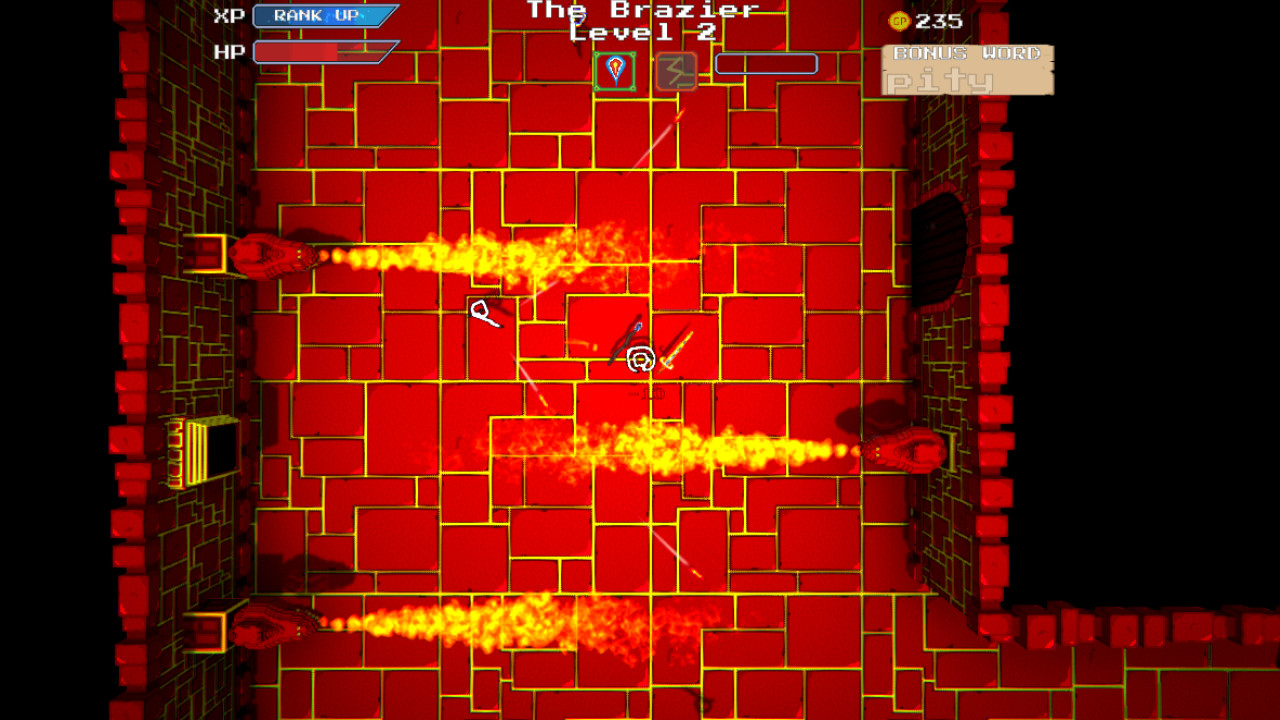
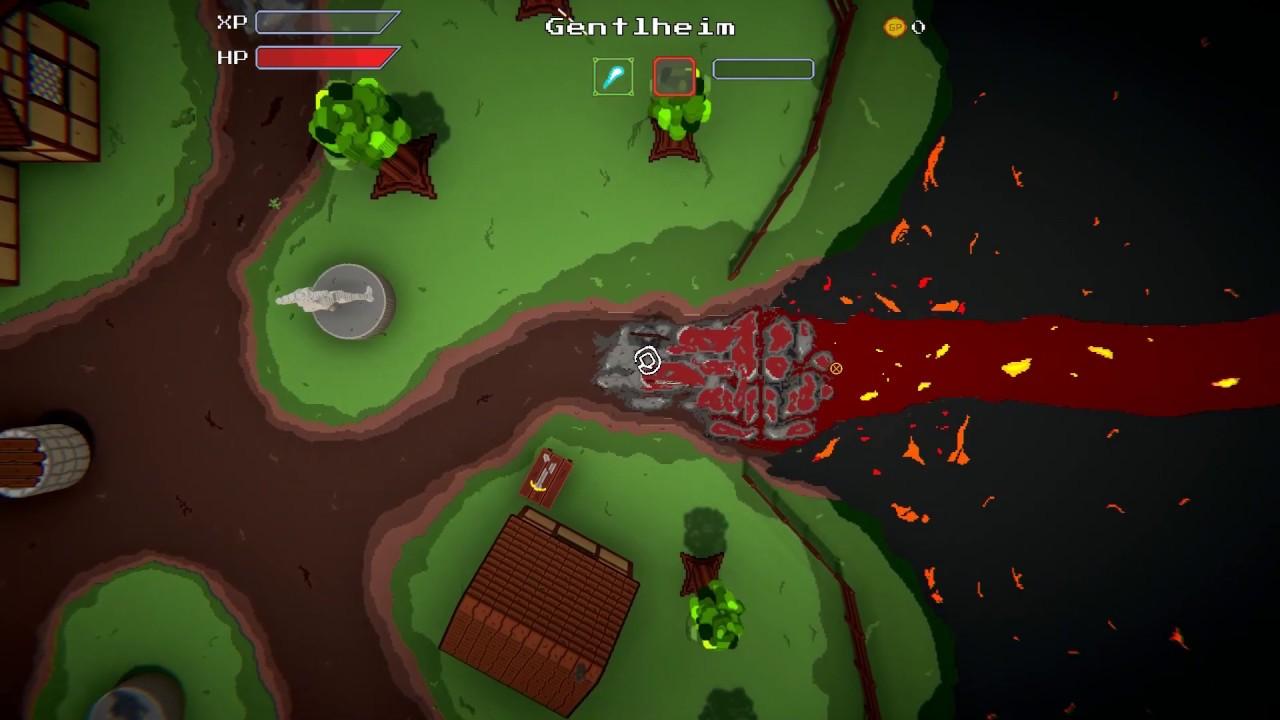
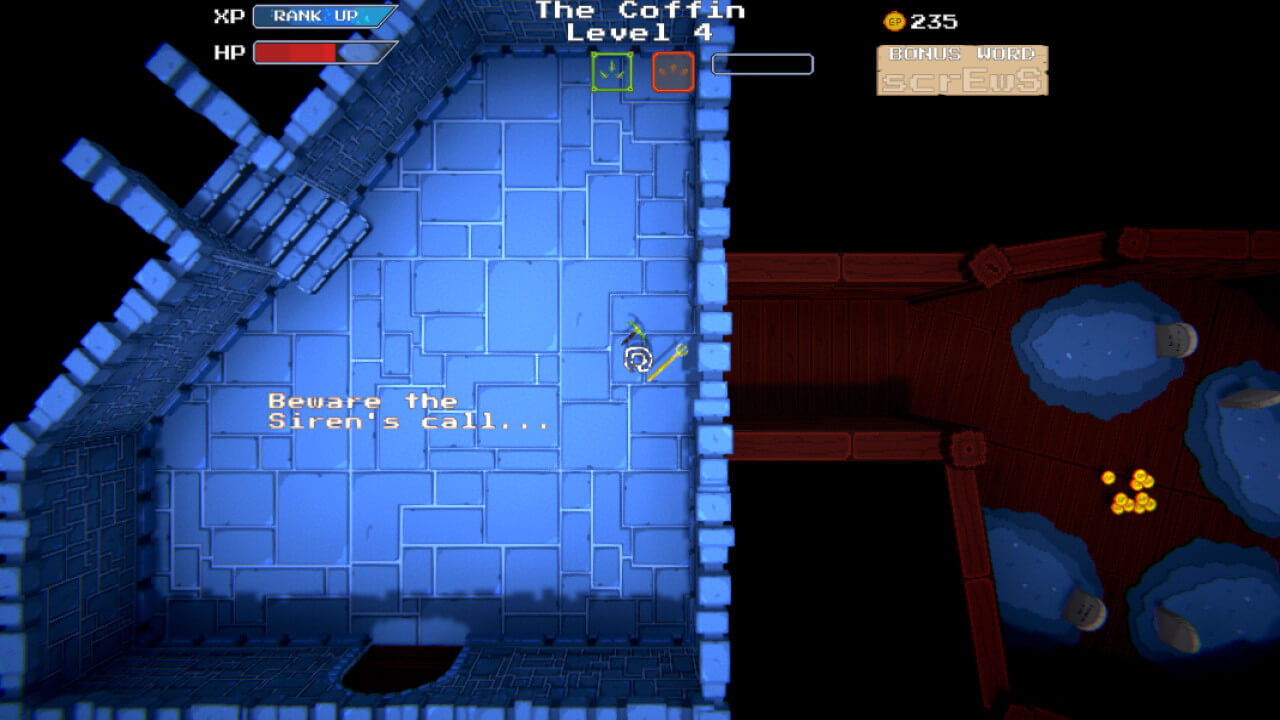
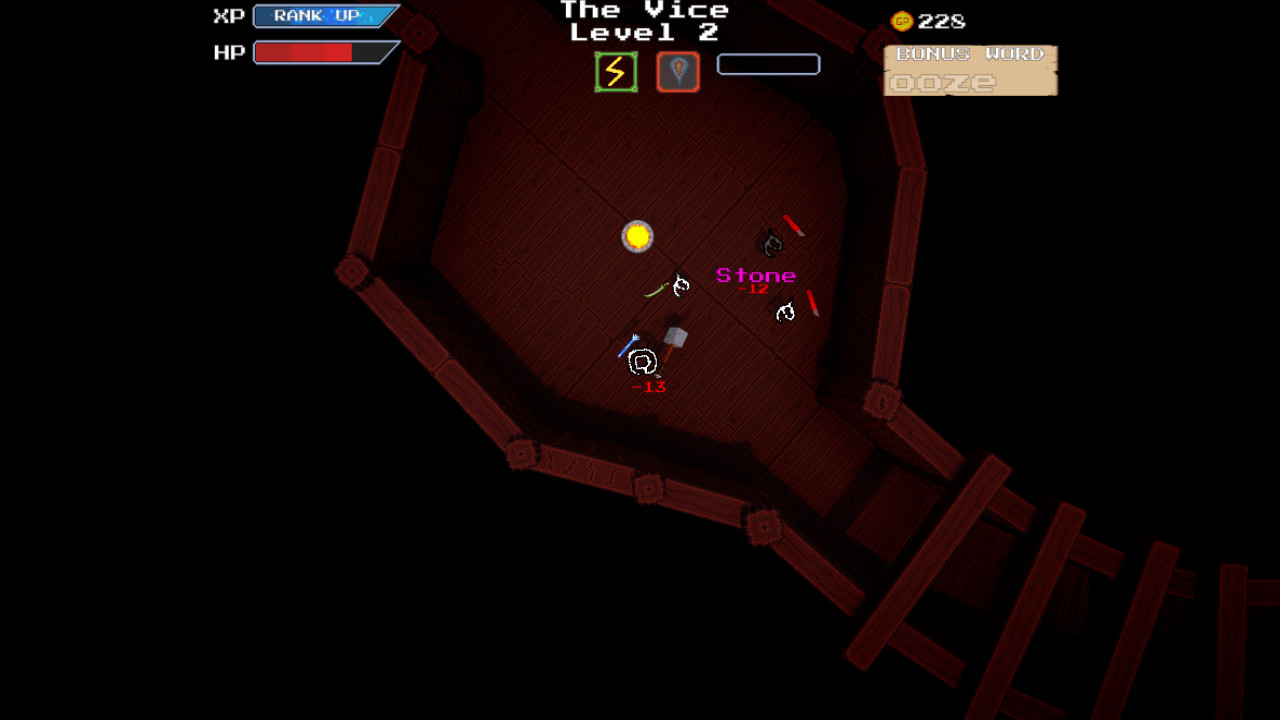
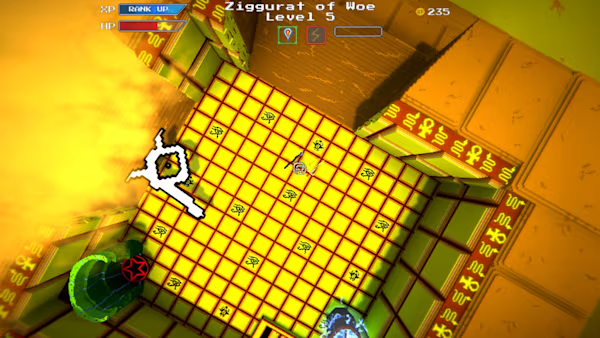
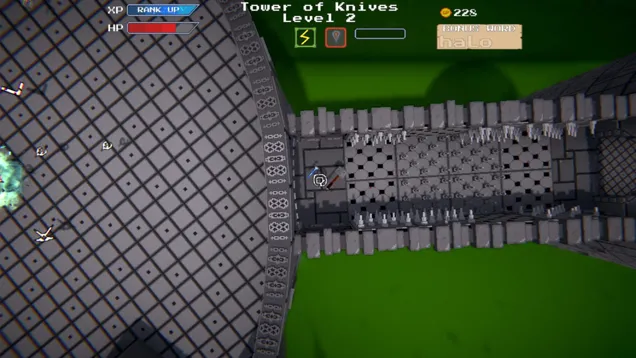
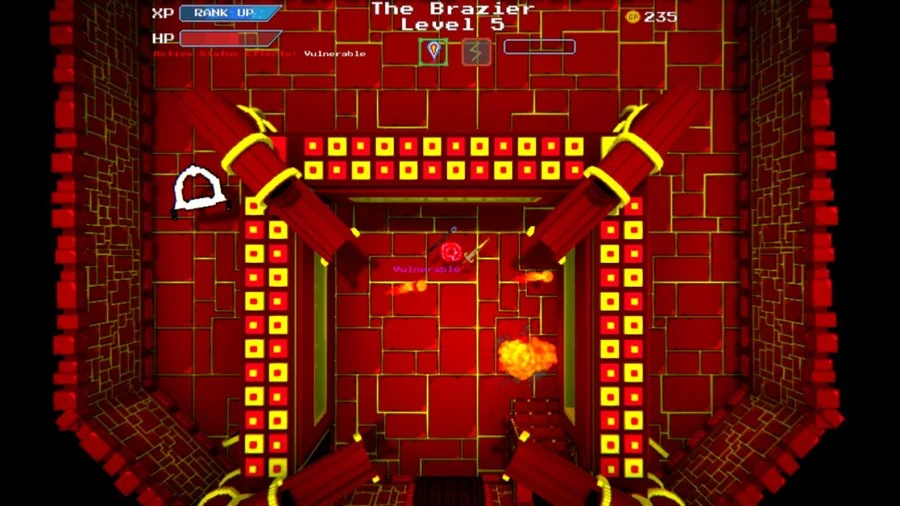
Whilst scouting out for new indie developers over the past few weeks, there’s been one developer working on a particular title in particular that I’d had my eye on for quite some time. Ampers@t, developed by Gaterooze Ink operating from Australia, is a rogue-lite bullet hell RPG, whereby players must guide an anthropomorphic ampersat across a wide array of different environments, along the way solving various puzzles and contending with hordes of enemies in order to progress. The RPG element exists in the ability to upgrade the player’s stats for things such as attack, defense, and critical hit rates to make the player’s character stronger over time. The game was heavily inspired by the likes of old-school Legend of Zelda and arcade classics such as Smash TV.

Wanting to find out even more about this game, I contacted the lead developer, known across the indie community as The Pale Gibbon. And asked him a series of questions relating to the game and what players can expect to see upon the release, past the initial Steam demo. Here’s what The Pale Gibbon of Gaterooze Ink. had to say about Ampers@t:
Ampersat 1

Where exactly did the idea to use an ampersat as the game’s main character come from?

I was a huge fan of the original Rogue games – Nethack, Moria, TOME, and especially Angband – which all used an ampersat for your hero (out of necessity in those days). The original spark of an idea for Ampersat was combining ASCII characters for your avatar and enemies with colorful pixelesque environments in “proper” 3D top-down. I thought the mix would be interesting, and it turned out exactly how I imagined so I’m extremely pleased with that.

What has the developmental process been like?

Incredibly fun! I’m lucky enough to be able to develop full-time, so every day (and I mean EVERY day, for 12-16 hours) I just sat down and worked through the massive list of things in the dev plan. Broke it into workable chunks so that every day I achieved something. Then, overnight, I “dream coded” so that I could hit the ground running the next morning with a bunch of code already written in my head. I have to say, nearly all of the actual development was an absolute joy; I loved creating something every day.
Ampersat 2

How close are we to seeing the finished product?

It’s done! Well, barring anything else coming out of the console QA (like the gamepad UI handling improvements from the first round). And there is always the temptation to keep tweaking the balance, like armor stats or perk attributes. The idea was to have the Steam and console releases be in the same week or so, if possible. So, Steam has been pushed back a bit to accommodate. The demo on Steam now is essentially the final game. But with only 2 (of 50) levels accessible, and the village Well (procedurally generated levels) can’t be unlocked.

What has been the most exciting aspect of development?

I wanted to make every element from scratch – coding, art, music, etc, and I have to say coding was by far the most enjoyable aspect. It combines my “past life” of long-form writing (in the sense of macrostructure and micro succinctness, though coding is far more creative than it seems) with a love of problem-solving and puzzles. I found it very addictive!
Ampersat 3

What has been the most challenging aspect of development?

It’s all the little things that add up. It’s great when you want to make over 200 unique items, but for each one, you need to make a 3D model, pixel art, descriptions, animations, sound effects, particle effects, etc. So the effort just multiplies and can become overwhelming if you don’t compartmentalize.

The UI was also very troublesome as I didn’t architect it properly from the start. Didn’t consider gamepad control fully, didn’t include hooks for localization, didn’t leave enough space for languages that use more words, didn’t accommodate different language fonts, etc, etc. I really should have just scrapped it and started again at some point! It worked out in the end. But it was really much harder than it would have been if I’d done it right from the start.

The most challenging aspect of the project, though, is everything that comes after development. Ugh. Marketing and PR – no thanks. My wife (partner in Gaterooze, Ink) had been handling that. But we were very happy to sign with a publisher ( @GrabTheGames ) to take over!

How well has the game been received so far?

The response has been fantastic so far for such a niche title. Aside from the amazing playtesters, we’ve had a bunch of early players who have really “gotten” the game. It’s unabashedly old-school, and you start with weak-ass weapons, so it can be disconcerting at first. But people can really get sucked into it – a couple has even played for around 40 hours to find everything in the game. Though a normal playthrough would be 6-12 hours, depending on skill.

I think the other challenge for people coming new to the game is that it’s marketed as appealing to fans of Roguelites, but it isn’t actually a Roguelite. The main 50 levels are all handcrafted/designed, with only The Well being procedural. And it’s not about multiple “runs”, it’s a single quest that you gradually make your way through, building up your character, though you can approach areas in any order. And after death, start from any place you’d been before. Once you have that realization, everything “clicks”.

I’ve also been really pleased with tons of positive comments on the art style, appreciating that blend of ASCII and a more defined world. Oh, and similar comments for the Commodore 64 SID chip sound effects mixed with the more real-world music in parts – I wanted to use that same ethos from the graphics in the sonics, and I think that worked too.
Ampersat 4

What had been your prior developmental experiences before founding Gaterooze, Ink?

Before starting development on Ampersat, I’d never actually done any development at all. So I took some crash courses in C# coding in Unity and learned the rest (voxel models, pixel art, music production, etc) along the way.

Before that, we had made design documentation for a studio’s physically-released Xbox 360/PC game. And I’d “managed” some amazing AAA developers on a large, multi-year project. So we were at least familiar with the concepts. That helped, as did being a hardcore gamer since the Atari 2600.

What platforms are you looking to bring the game to?

On Steam, Ampersat has PC, Linux, and Mac versions, and GrabTheGames is porting it to Switch, PlayStation, and Xbox platforms. I saw it running on the Switch handheld the other day – what a thrill!

Has the idea been considered to use other textual characters as a recurring theme in other games you develop in the future?

There’s a sequel in mind for Ampersat that will definitely use ASCII enemies again. Though with another new custom font that will change things up again with some new themes.
Ampersat 5

Have there been any ideas at this stage of development that have since been scrapped or reworked?

I’m glad to say the result has matched the original design documentation very closely! The only element that was scrapped entirely was random weather in the village. With the top-down view, it just didn’t work well and had no actual impact anyway.

I think the main plan that had to be reworked was the music. I was far too ambitious there for someone who’d never played an instrument or written/studied any music before. My original plan was for a completely different musical track for every single level (yeah, 50). But it was just taking so long that it wasn’t feasible. So instead, on top of the intro/epilogue/main menu and such, I focused on a handful of main tunes (village, dungeon, tower, boss) and then switched up the instrumentation to suit the different regions. So the “fire dungeon” uses the same underlying tune as the “ice dungeon”. But instead of icy pianos, bells, violins, and spooky synths, it has a growling organ, power chord guitars, and sharp horns.

That approach worked surprisingly well. And the resulting tunes sound quite different. I also realized the actual level music should be more background/atmospheric anyway, so it all suits.

What do you feel would be next for Gaterooze, Ink, following Ampersat’s release?

I mentioned the sequel earlier, but we also have other games planned, all with a retro/old-school bent but in different genres. Got to keep things interesting! While Ampersat is the first game we’ve done, Gaterooze has been our (my wife and I) creative partnership for twenty years. With projects in various media, as well as lots of contract work for third parties. We’re able to focus on our own stuff now. Though, for example, aside from Ampersat, we recently released a great photography zine (https://bit.ly/3jkn9LY). Some future games may actually be combined with books, graphic novels, etc., to complement them!
Ampersat 6

If you had the opportunity to develop a game with any company or any franchise, which would it be, and why?

Honestly, that doesn’t sound appealing at all. We wouldn’t want to deal with restrictions, external pressure, etc. Life’s too short. Sure, in my fantasies, I’d love to work with Elder Scrolls or Zelda. But I know the reality would not match the fantasy. Don’t get me wrong, if I were young and starting a career, I would be honored to get a job at Bethesda or Nintendo. But we’re very happy having the freedom to do whatever the heck we feel like now 🙂

Do you have any advice for aspiring developers who may be reading this?

Jump in and get cracking! Seriously, just start fiddling around, experimenting, and learning everything you can. Nothing is holding you back. Start with something like Unity or Godot, some free tutorials, and just have fun. Find what you enjoy and what to focus on.

Probably the biggest advice, though, is if you’re taking the indie route, make sure you’re doing it out of passion, not as a way to make money. Because on average, you will make less than flipping burgers, possibly a lot less. Long-term sustainability is hard, and rarer than you think, and financially life-changing hits are far rarer. But if you are developing out of the pure love of it, nothing else matters.

Where on the Internet can people find you?

www.gaterooze.com, however, the best place is probably on Twitter: @gaterooze

Do you have anything else to add?

Thanks for the support, it’s really appreciated! Ampersat is the game I always wanted to play – the action of Gauntlet and Smash TV (in the Tower levels) with RPG depth and real progression. So we’d love to make like-minded people aware that it’s (soon to be) out there.
Ampersat 7

I’d like to thank Gaterooze and The Pale Gibbon for taking the time to talk more about this game. And to wish the team the best of luck with it upon release. Ampersat is one of the most wonderfully outlandish titles I’ve seen in some time, and from what I’ve seen of gameplay, it holds a lot of promise in my opinion. If anyone is interested, you can play the demo on Steam via the link below:

https://store.steampowered.com/app/1356040/Ampersat/

In the meantime, I hope you guys enjoyed this article because I particularly enjoyed putting it together.

Game on,

Scouse Gamer 88

Resident Evil 2 (PC, PlayStation, Nintendo 64, Dreamcast & GameCube)

Resident Evil 2

Developer(s) – Capcom

Publisher(s) – Capcom

Director(s) – Hideki Kamiya

Producer(s) – Shinji Mikami

PEGI – 18

Released in 1998, generating more revenue than most Hollywood movies at the time, Resident Evil 2 is a continuation of the story of the original with new characters and a new setting. And new dangers to overcome besides the zombies littering the mansion on the borders of Raccoon City. For various reasons, I found the second game, whilst suffering from a few of the same problems as the first, to be a decisive improvement on its predecessor in a number of respects. 

Graphics – 9/10

The most notable improvement of which, in my opinion, is in terms of its visual quality. With the player no longer confined to a single mansion on the outskirts of Raccoon City. But rather in the heart of Raccoon City itself. Locations range from the ruins of Raccoon City streets to the Raccoon Police Department to research facilities, and it was a welcome change of scenery at the time that made the franchise a lot more diverse. The quality of the zombie sprites was also a lot more varied than in the original game, with different outfits for zombies, zombie policemen, and even female zombies, too. There were visible improvements in both the technical and conceptual aspects of the game, which were pleasant to see. 

Gameplay – 8/10

In terms of gameplay, it plays out pretty much like an extension of the first game with a couple of added mechanics thrown in for good measure. Like in the first game, there are two scenarios to play through with two different characters. So it almost felt like two different games at the time. Especially as it came on two discs.  It also presents more of a challenge in the respect that it has new kinds of puzzles and new enemies to fight that require different strategies to take down. As well as a greater number of boss fights, which would later become a staple of the series. 

Controls – 7/10

The game’s control scheme, as such, is also the same as it was in the first game, and therefore, it suffers from very much the same issues as it did in the first game. Movement feels very stiff and clunky. Seemingly needlessly when compared to other games on the system. There had been some minor adjustments made. But enough for the game to deviate further from the problems that came with the first game. The whole formula would go on to be improved with games like Onimusha. But overall, it didn’t make the game unplayable. 

Lifespan – 7/10

The game can be made to last the same amount of time as the first game. 15 hours give or take. That’s to play through both scenarios on both discs. There are a few more side quests in comparison to the original game. But overall, it lasts as long as Resident Evil. As a fan of the Onimusha series, I can’t help but think what the game would’ve been like if Capcom had implemented the same kind of ideas they had with Onimusha 2 in comparison with the original Onimusha. How even more varied gameplay would’ve been, and what different kinds of events could have been made to happen as a result. 

Storyline – 7/10

The story takes place around 2 months after the events of the original Resident Evil. It follows the journeys of Leon Kennedy. A STARS officer on his day with the department. And Claire Redfield, the brother of the previous game’s main protagonist, Chris Redfield. She has come to Raccoon City to try to track him down. The two soon become embroiled in a zombie outbreak across Raccoon City, and they set out on a journey to discover the source of the outbreak.

The quality of the story is much better than in the original game. With a better script and even better voice acting, to a certain extent. It still comes across as somewhat corny and cliché at times, but it was certainly an improvement in the quality of writing that the first game had to offer. I’ve yet to come across many bigger memes in gaming than the whole Jill Sandwich thing; thankfully, there’s nothing quite as laughable in this game as that. 

Originality – 7/10

A common problem I encounter with survival horror sequels is that when the same threat is included as in the original game, it seems far less scary when the player knows what they’re up against. But in Resident Evil 2, there is a new threat added to keep things diverse, which has become another staple within the series. The second game introduces players to the Lickers and other eldritch abominations that spawn from the new G-virus that acts as the main threat of the game, which at the time did relatively well to keep things fresh in comparison to the first game. The zombies didn’t seem as scary anymore, even at the time, but encountering a Licker for the first time most definitely instilled fear in me back in the day. 

Happii

Overall, Resident Evil 2 made some very definitive improvements over the original game in almost every respect. I recommend it far more than I do the first game, as even taking the recent remaster into account, the original experience still holds up to this day. 

Score

46/60

7.5/10 (Good)

Resident Evil (PC, PlayStation, Sega Saturn & DS)

Resident Evil

Developer(s) – Capcom

Publisher(s) – Capcom

Director(s) – Shinji Mikami

Producer(s) – Tokuro Fujiwara & Masayuki Akahori

PEGI – 16

Released to universal praise back in 1996, the original Resident Evil (or Biohazard as it was named in Japan), in many ways, set the standards of the survival horror genre (for better or for worse) and has since spawned a beloved franchise with countless spin-off games, seven main entries in the series, with an eighth on the way.

My personal feelings regarding the Resident Evil series, as well as the survival horror genre in general, have been mixed throughout the years. As I have surmised, they offer far too little in terms of Gameplay compared to games in other genres. And far too much story, with the original Resident Evil, for me, being a very mixed bag. On one hand, there is a fair bit of Gameplay and action to keep up the entertainment (as well as replay value). And on the other hand, too much story with very questionable elements. 

Graphics – 8/10

The game primarily takes place in a mansion on the outskirts of Raccoon City. The location is synonymous with the original trilogy. Like in the Final Fantasy series on the PlayStation, the scenery consists of wonderfully designed still images throughout. But cutscenes were created using live-action. Which was something relatively new to me at the time. The technology of the same vein had been used. Such as the inclusion of digitized sprites. But the idea of having full live-action cutscenes was something to behold back in the day. The biggest gripe I have with the visuals is the design of the zombies. With the same sprite being replicated throughout. This would later be rectified in Resident Evil 2. But in the first game, after you see the first zombie, the recycled sprite doesn’t give you the same sense of horror anymore. 

Gameplay – 7/10

The game is an action, third-person shooting, puzzle-solving, and survival horror. Players must navigate through the mansion and uncover its secrets. All the while fighting off zombies and other infected creatures, including crows, dogs, and giant tarantulas. It’s during gameplay sequences where the vast majority of the horror in this game is conveyed through the build-up of tension as the player progresses through each room. This was a revolutionary gameplay trope at the time. In many ways, the game does display a great deal of innovation. And it’s in the respect of gameplay that this becomes most prominent. 

Controls – 7/10

The biggest problem I had with the controls was in terms of character movement. There were a lot of 3D games released early during the PlayStation and Sega Saturn’s early days that suffered in terms of controls. Such as the original Tomb Raider, Croc: The Legend of the Gobbos, and Blasto. Unfortunately, Resident Evil suffers from many of the same problems as well. It’s especially annoying during both general combat and the game’s end boss fight. Capcom would also use the same principles in games like Onimusha. Whilst improved on the general formula, it still suffered from many of the same issues. 

Lifespan – 7/10

To complete the game fully will take around 15 hours, which, for a survival horror, was relatively impressive at the time. I’ve played many other survival horrors since playing through this game for the first time that have lasted far less time. So for the game that brought the entire genre to greater prominence than ever before, it got off to a great start in this respect.

Storyline – 6/10

The story of the original Resident Evil follows the investigations of the Alpha Team of Raccoon City Police’s special forces unit STARS. Following reports of mysterious and seemingly random attacks throughout the city, the team is dispatched to investigate the matter. After becoming stranded on the city’s outskirts, the team is forced to retreat into a nearby mansion after being attacked by mutated dogs. The player chooses between two STARS members. Chris Redfield and Jill Valentine. The story follows the exploits of whichever character the player chooses. The structure of the story is well thought out, and there are a lot of exciting twists and turns along the way. But what stops this story from being taken as seriously as it could’ve been is the quality of both the dialogue and the voice acting. Indeed, the “Jill sandwich” line has become a meme throughout the years. 

Originality – 9/10

Regardless of the quality of the storytelling, however, the fact of the matter remains that this game changed the course of how players saw horror games, and the genre evolved from there. With many developers taking this title as a major source of inspiration. The rest of the Resident Evil series went on to vary in quality throughout the years, but this is where it all started. And it got off to a relatively solid start. Albeit an incredibly unique one. 

Happii

Overall, the original Resident Evil, though being one of the most influential games of all time, sat relatively well with me. Survival horror has never been one of my favorite genres of gaming, but some titles have managed to impress me over the years, such as BioShock and  Dead Space. And this is where the genre’s widespread popularity all began. Despite my gripes with it, I have to give credit where it is indeed due. 

Score

44/60

7/10 (Fair)

Ender Lilies: Quietus of the Knights – First Impressions

Whilst scouting out new developers on Twitter, I came across another indie Metroidvania game in development that caught my eye and decided to get into contact with the team involved about further coverage. Ender Lilies: Quietus of the Knights is a Metroidvania game influenced by a plethora of different titles from what I could deduce at first glance, including Dark Souls, Castlevania, and Shadow of the Colossus. I was captivated by this game after watching the trailer, and even more so after playing merely the first ten minutes. Published by Binary Haze Interactive based in Tokyo, and released on Steam Early Access later last month to an overwhelmingly positive response from players, it shows a great deal of promise in almost every aspect and I’m very much looking forward to playing the full title. Here is a full account of my first impressions of the game. 


Graphics

The game is set in a lost kingdom which the player must explore and uncover the mystery of as the game progresses. The kingdom is a desolate abandoned place with a strong sense of melancholy, but at the same time, perpetuating a strong sense of eloquence and beauty. The orchestral, primarily piano-based soundtrack does well to add to that feeling. Even during boss fights, the music sounds very sorrowful in stark contrast to what are some particularly intense combat sequences. Gothic architecture and Japanese landscape are at the center of the design of the in-game world, which gives it a prominent feel of games such as Okami and Blasphemous. 


Gameplay

The game is a 2D open-world Metroidvania title heavy on combat, puzzle-solving, and item collecting. There is a massive amount of collectibles to attain throughout the game and even new abilities to learn as well as the facility to find and upgrade weapons. Already I can tell this title has a lot more to offer than many of the other story-driven indie games I’ve played, including Journey, The Swapper, and Everybody’s Gone to the Rapture. When a game is heavy on story, like Ender Lilies is set to be, there’s always a risk of the story taking precedence over the gameplay; but even after having played around twenty minutes of this title, I can already deduce that this won’t be the case.


Controls

By proxy, I’ve also found no issues with the controls, even in this stage of development. Combat is incredibly fluent, as what is required in a game like this that has a number of particularly challenging boss fights. It plays out very much like Blasphemous in the respect that enemies and bosses deal an incredible amount of damage and that players have to take to strategizing throughout to stay alive. There is a great deal of skill required from players to progress through this game and the control scheme allows for players to do so without any unnecessary compilations from what I can surmise at this point in development. 


Lifespan

With so many collectibles, weapons, and secret areas to discover across the game’s open world, the likelihood is that this game can potentially make for an experience that will last 20 hours minimum; maybe even longer. It would depend on what more may be added later on in development to determine exactly how long it can be made to last, but it certainly has the potential to beat out a lot of the competition across the indie scene if it can be made to last a substantial amount of time. There have been many indie Metroidvania games that have come and gone that have amazed me in terms of gameplay but lacked in lifespan such as Dust: An Elysian Tail and Ori & the Blind Forest. But with the promise of so many things to do within Ender Lilies, the prospect of this game lasting a long time are indeed there. 


Storyline

The story follows a young girl named Lily, who wakes up to find an unknown guardian specter tasked with protecting her, and who sets out on a journey to recover her own memory, as well as uncovering the past history of this lost kingdom. The reason why this game reminds me of Shadow of the Colossus is because of the direction in which the story seems to be steering towards, involving a series of tragic realizations with a potentially bittersweet outcome. Even at the same points, the spirits of the defeated bosses join Lily at her side as and when the player defeats them; similar to how the spirits of the colossi gather to stand over Wander’s body as he returns to the shrine of worship after he defeats each of them. The game’s story has the potential to make as much of an impact on the player as the gameplay has the potential to satisfy them; to a great extent. 


Originality

With a clear oversaturation of Metroidvania titles continuing to seep into the community of indie games development, it had inevitably become harder and harder to make one in the particular title stand out among so many others. But with Ender Lilies’ approach to gameplay, conceptual design, and story arc, it does have the potential to stand out among most others. There is a strong similarity between this game and Koji Igarashi’s Bloodstained: Ritual of the Night, but whether or not Ender Lilies ends up bearing too close a resemblance to the former will depend on how development progresses before its full release.


Overall, I was extremely impressed with what Ender Lilies has to offer gamers at this stage in development. It has great potential to offer gamers more than simply being another combat-orientated Metroidvania game and it will be very interesting to see how the final product plays out compared to where Binary Haze is with it at this point in time.

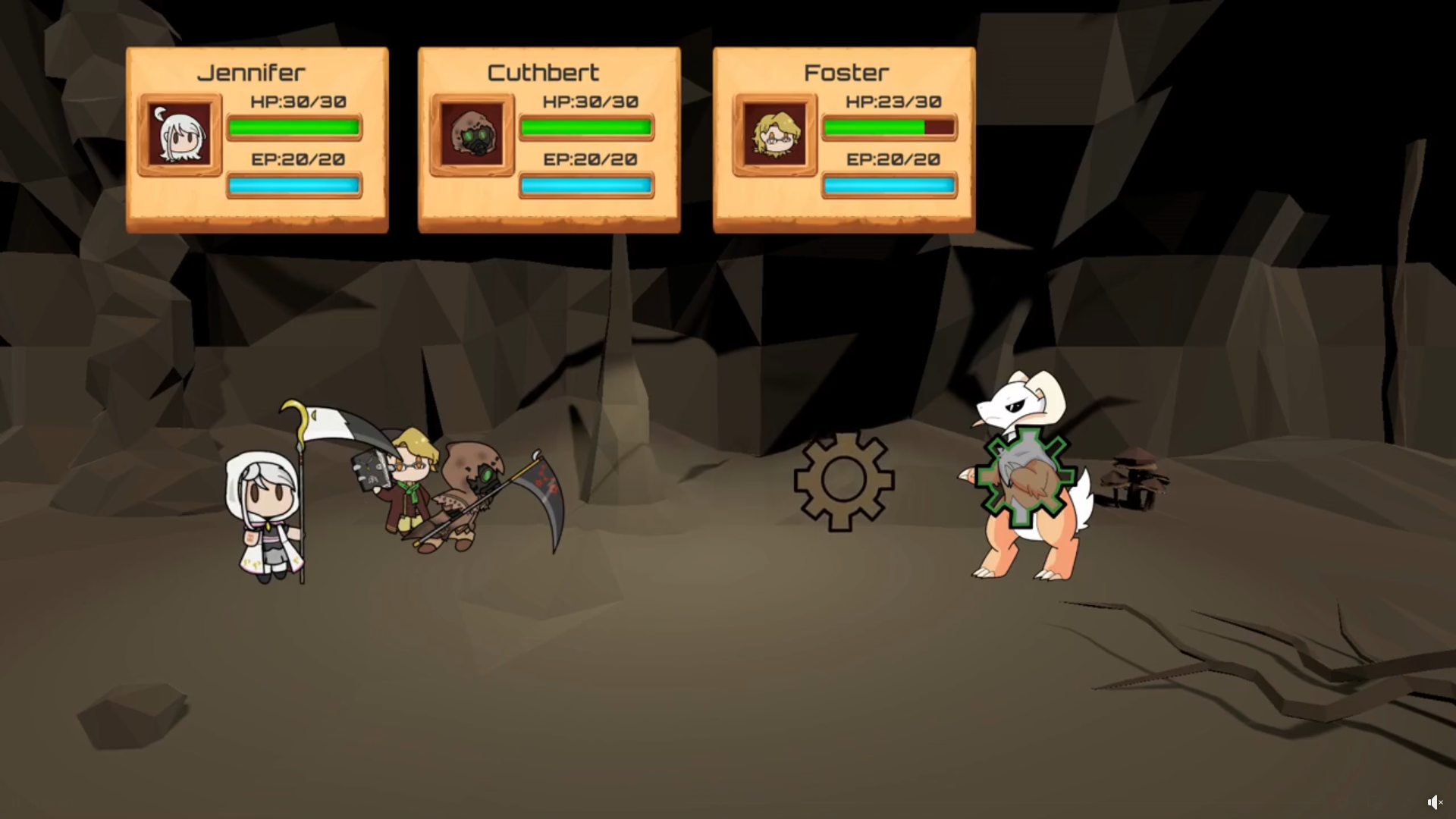
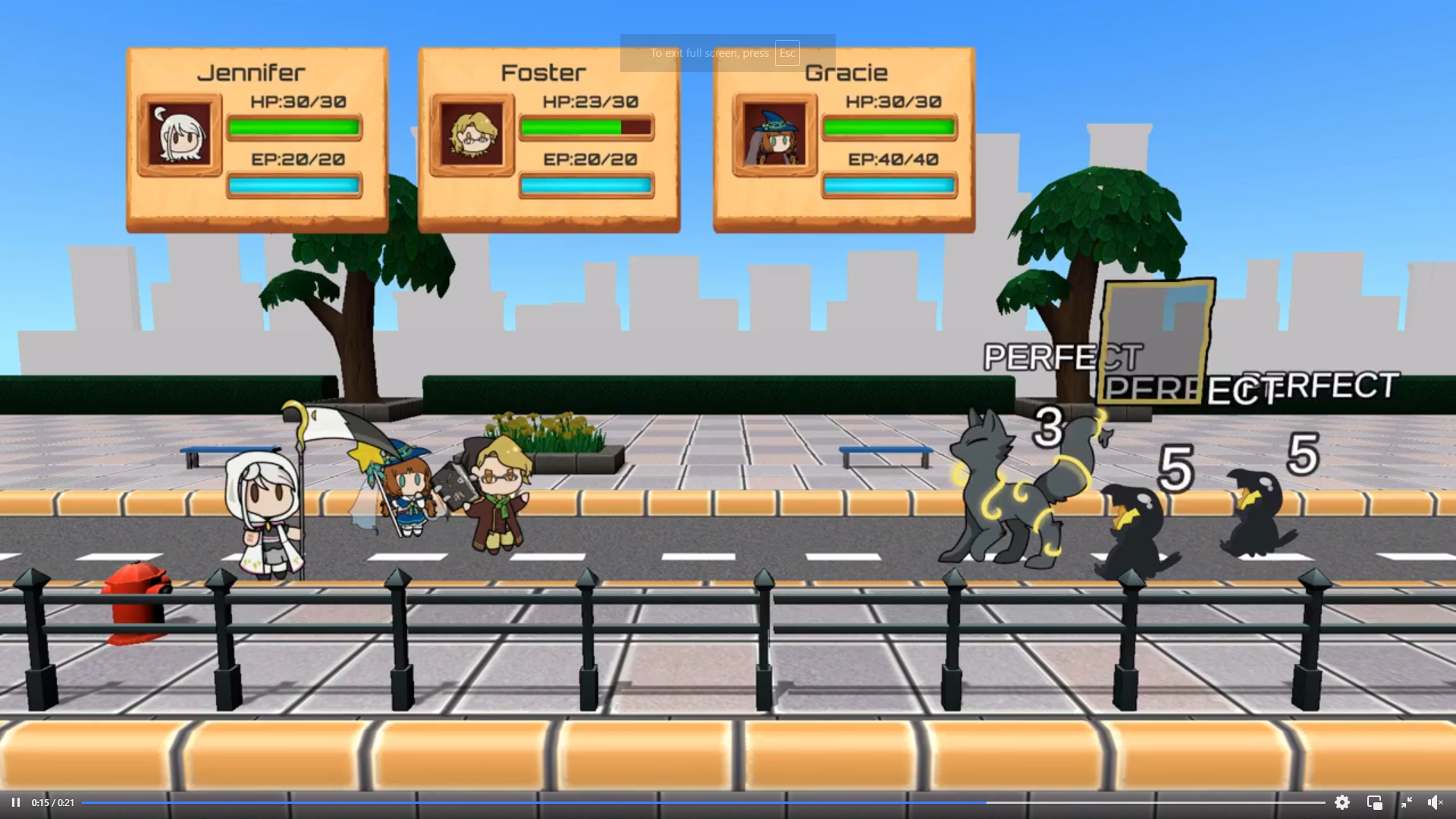
Reaper's Remorse

Q&A With Timeless Hourglass Games

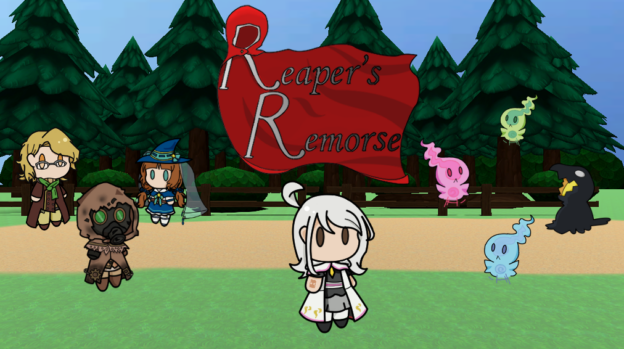
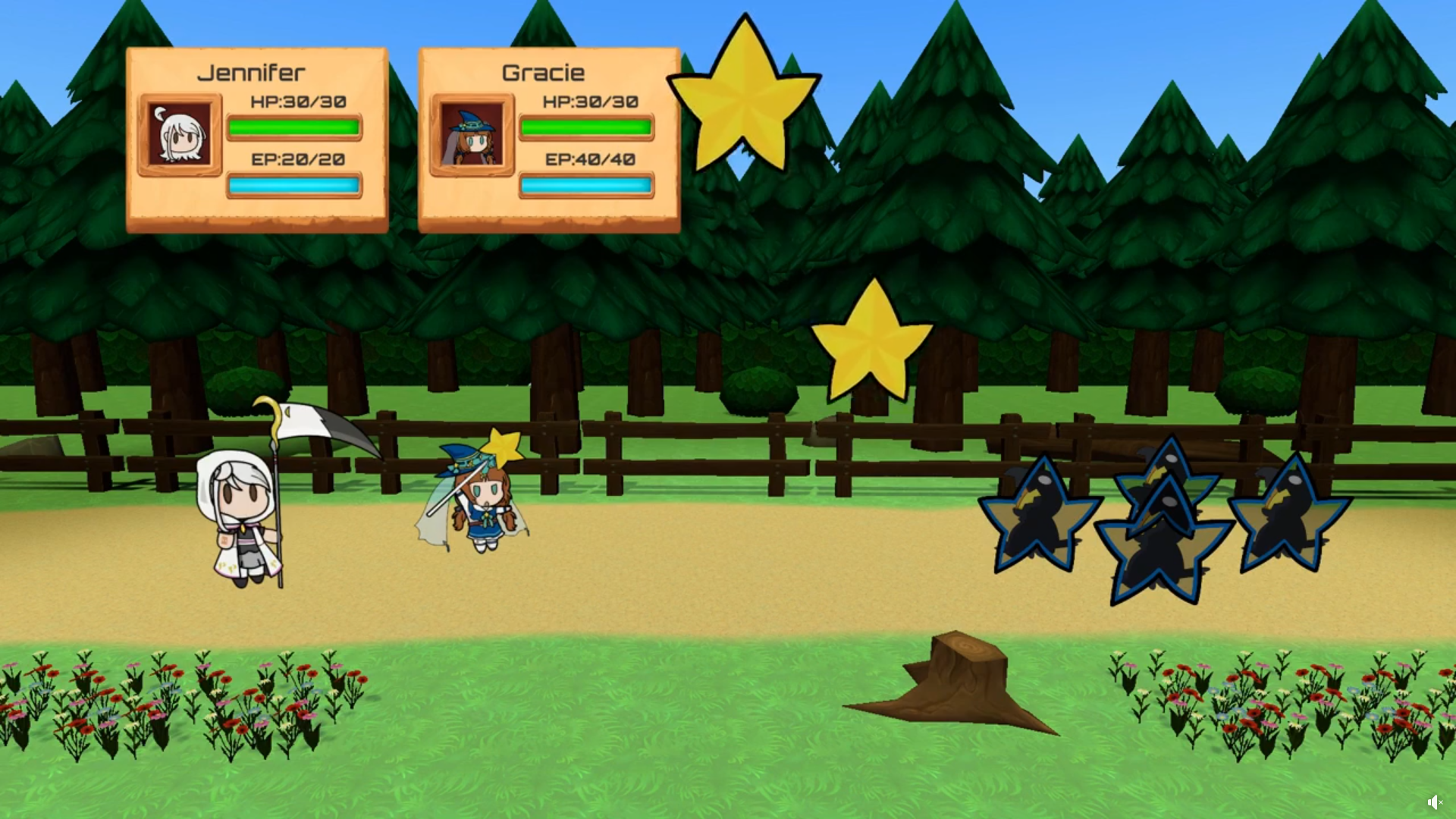
In my efforts to discover more promising upcoming indie games, I stumbled across another great-looking title on Kickstarter entitled Reaper’s Remorse. Developed by Timeless Hourglass Games based in Vancouver, Canada, Reaper’s Remorse is a JRPG heavily inspired by other various titles in the genre, such as Witch’s House & Mad Father. A turn-based RPG similar to EarthBound or classic Final Fantasy games, the difference being that players must also collect the souls of ghostly spirits that inhabit the game’s world by completing side quests they have to offer. There is also an element of puzzle-solving similar to detective games, whereby players must investigate certain situations strewn throughout, which in turn affect the ending of the game.

Wanting to find out even more about this uniquely crafted JRPG, I contacted its lead designer, Jessica Devitt. She and the project’s artist, Veronica Prentice, answered the questions I had about this game and explained in depth what players can expect to see with the finished game. Here’s what Timeless Hourglass Games had to say about Reaper’s Remorse:


Reaper's Remorse 1


What were the influences behind your game? 

The biggest influence behind making this game is based on depression and helping recognize its symptoms, along with helping others who have it. It is common for people to hide their true feelings. The game follows a similar style. This game comes across as friendly and happy, but deep down lies a dark story. In this game, you will face characters who are struggling in one way or another and will learn how to overcome these struggles.


What has the developmental process been like?

Starting the development process has been slow, but if funding goes well, I plan to pick up the pace.


How close are we to seeing the finished product? 

The target goal is summer 2023.


Reaper's Remorse 2

What has been the most exciting aspect of development? 

Seeing your work come to life is really rewarding. After spending hours working on a scene and then seeing it run smoothly is always exciting to me.


What has been the most challenging aspect of development?   

Mostly, I have had trouble with finding good art assets for making the sprites and maps that match my vision of how the game should look. However, I am hoping to hire someone who can make all the game assets and help better portray the game.


How well has the game been received so far? 

I’m still in my first week of bringing my game to the public, so there hasn’t been much news yet, but so far, I think it’s been fairly positive.


What platforms are you looking to bring the game to?

I am planning to bring the game to Steam.


Reaper's Remorse 3


The music accompanying both game trailers on the YouTube channel seems very contrasting; almost like two different types of atmosphere are being perpetuated with the game. Is that a sign of things to come with the final product?

Yes, the mood in Reaper’s Remorse can change quite quickly, so you don’t know what you’re expecting as you make your way through the world.


Have there been any ideas at this stage of development that have since been scrapped or reworked?

Originally, the player was going to play the full childhood of the main character first, but there was concern that it would take too long, and the player would get bored. It seemed more effective to put pieces of childhood throughout the game to keep things going at a good pace.


Since anime seems to be at the core of the game’s conceptual design, were there any particular anime series that inspired the creation of Reaper’s Remorse? 

I’m a horrible artist, so I commissioned my friend Veronica Prentice to do this artwork. I asked her to answer this question:

Veronica Prentice

“Anime artwork has always been a favorite of mine. A lot of my character inspiration comes from JRPGs. Games like Ib, Mad Father, and Witches House, where the characters are still cute and fun to play while still keeping that dark element to them.”


Reaper's Remorse 4

If you had the opportunity to develop a game with any company or any franchise, which would it be, and why?

I have always been a huge fan of Square Enix and would love to work for them. I think the stories they make have amazing detail and depth to them, along with beautiful visuals and soundtracks.


Do you have any advice for aspiring developers who may be reading this? 

When I started developing my game, I was unmotivated and wasn’t sure if it was possible to make a whole game on my own. But taking the game apart and working on small pieces at a time brought everything together. So my advice would be to break your goals, start small, and slowly build your way up.


Where on the Internet can people find you? 

I’m still pretty new, but I have a website where you can check trailers and the demo game:

https://timeless-hour.com/index.html

The Kickstarter:

https://www.kickstarter.com/projects/timelesshourglass/reapers-remorce?ref=user_menu

You can also get updates on my game on my Facebook page:

https://www.facebook.com/TimelessHourglassGames


Do you have anything else to add?

I don’t really have anything more to add, but thanks for conducting this Q&A, and I hope it helps get people interested!


Reaper's Remorse 5


I’d like to take the opportunity to thank Jessica and Veronica for taking the time to get back to me with these answers and to wish them the best of luck with the Kickstarter program. After having played the demo, I’m confident that this game will go on to impress a wide range of JRPG fans, as well as gamers in general, and I’m certainly looking forward to seeing what the final game has to offer. I hope you guys enjoyed learning more about this title as much as I had fun discovering the game and learning for myself.


Game on,

Scouse Gamer 88