Tag Archives: RPG

A Matter of Time (PC)

A Matter of Time

Developer(s) – Haywire Studios

Publisher(s) – Haywire Studios

Programmer – Cameron Coggins

Developed by Australian indie outlet Haywire Studios following a successful Kickstarter campaign and released in October 2020:

https://store.steampowered.com/app/974310/A_Matter_of_Time/

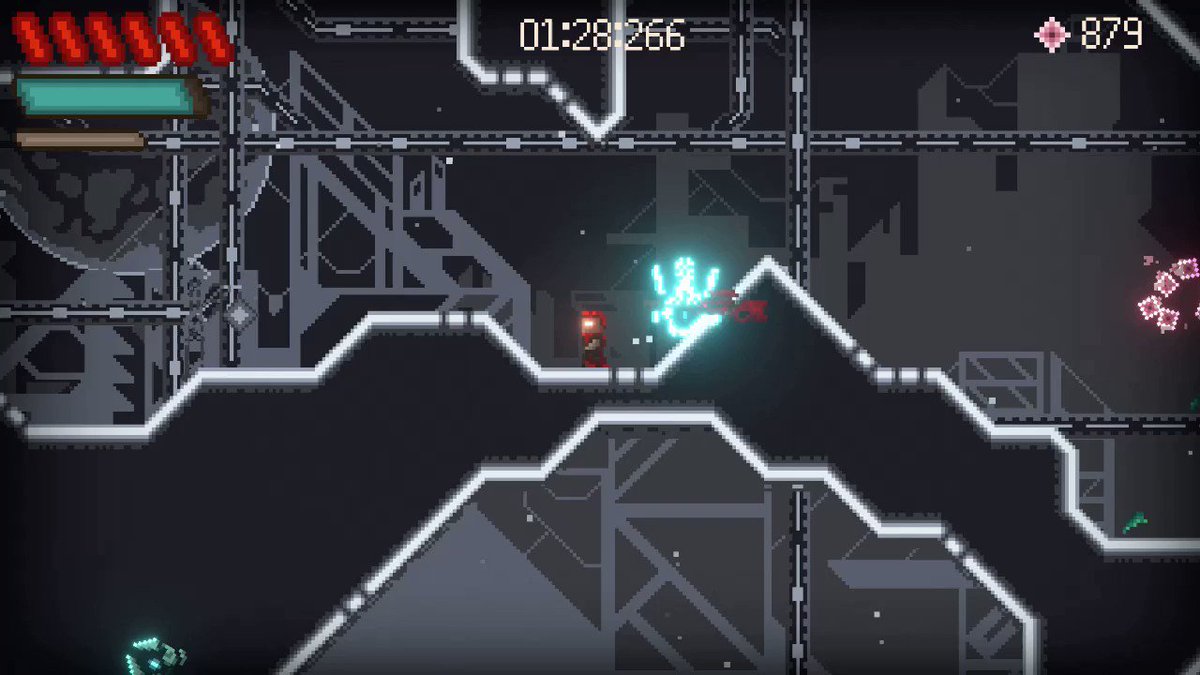
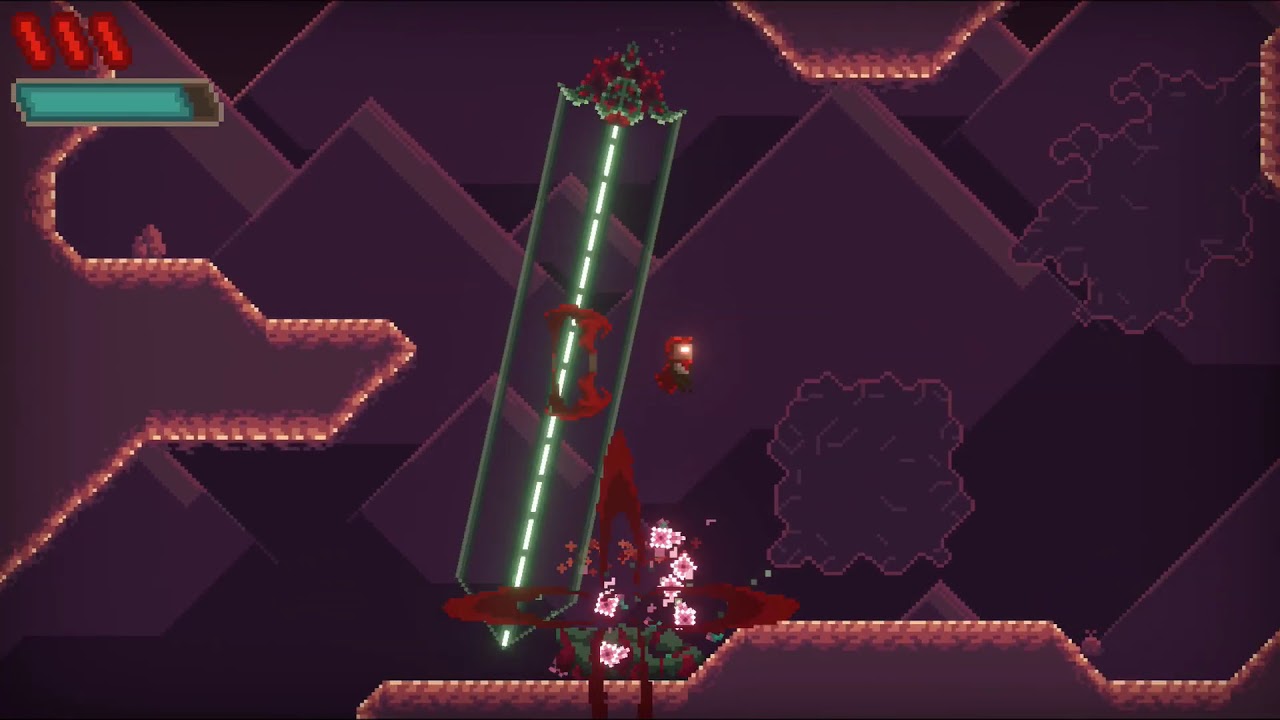
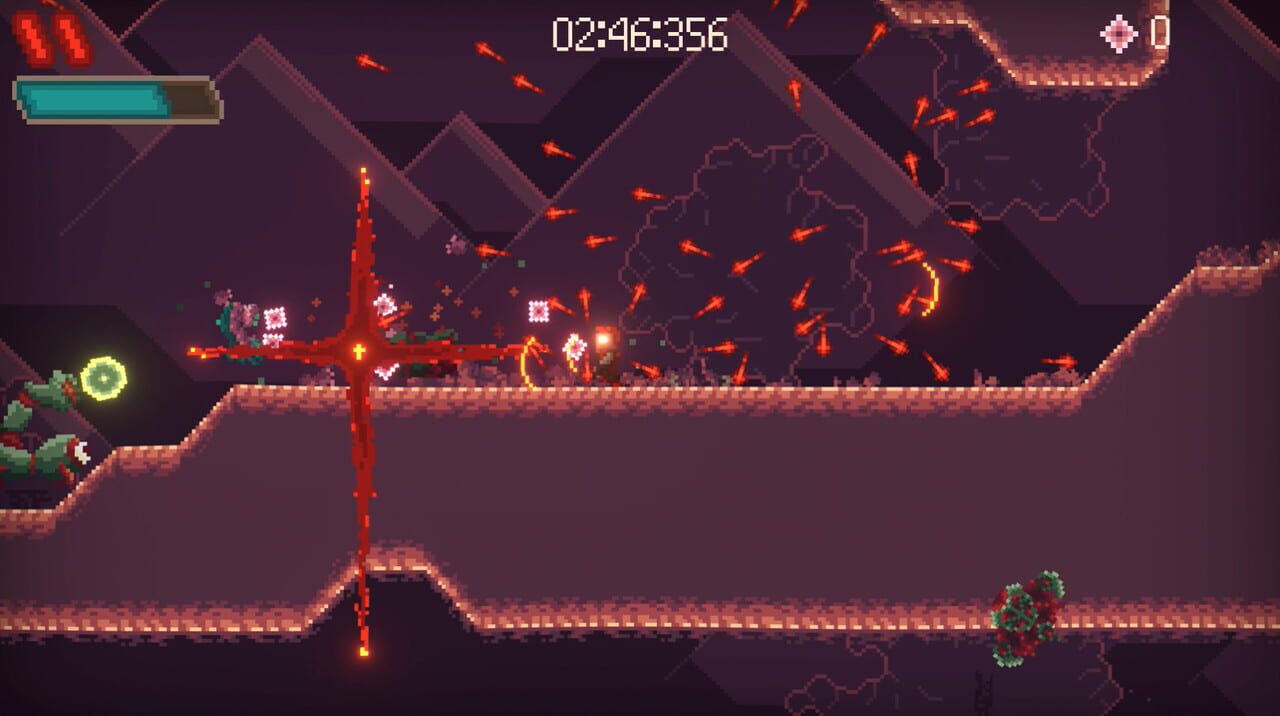
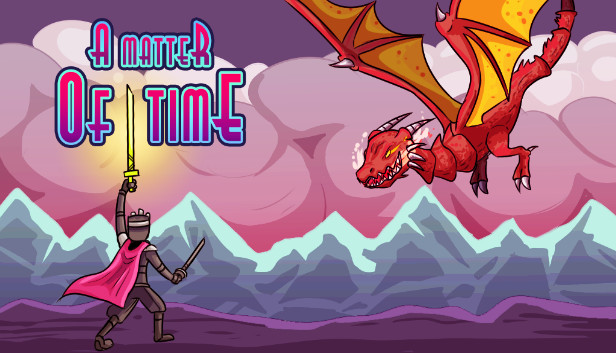
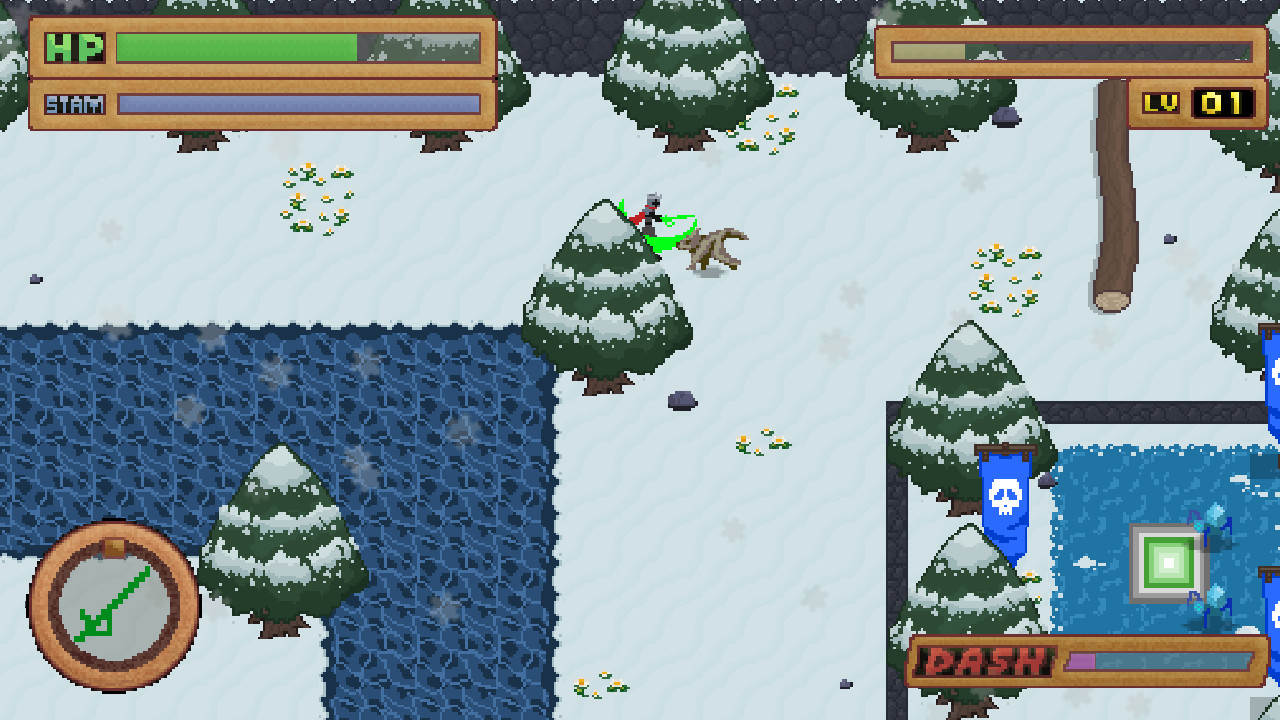
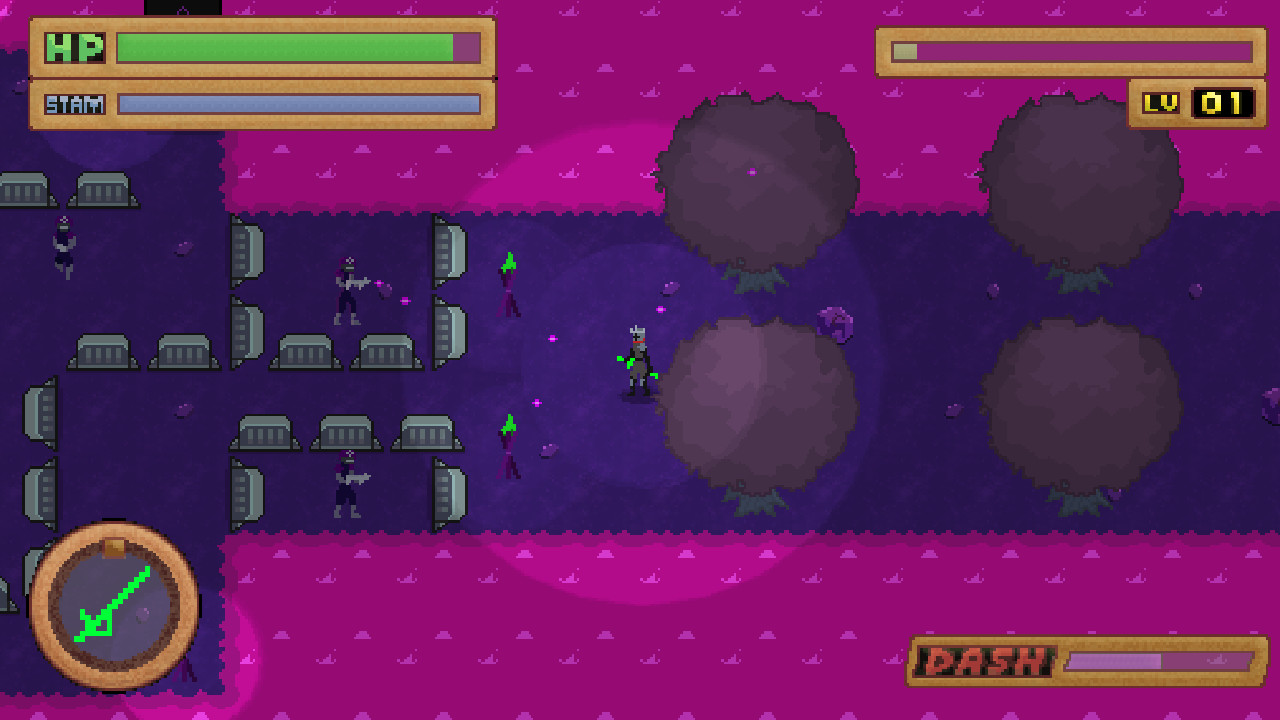
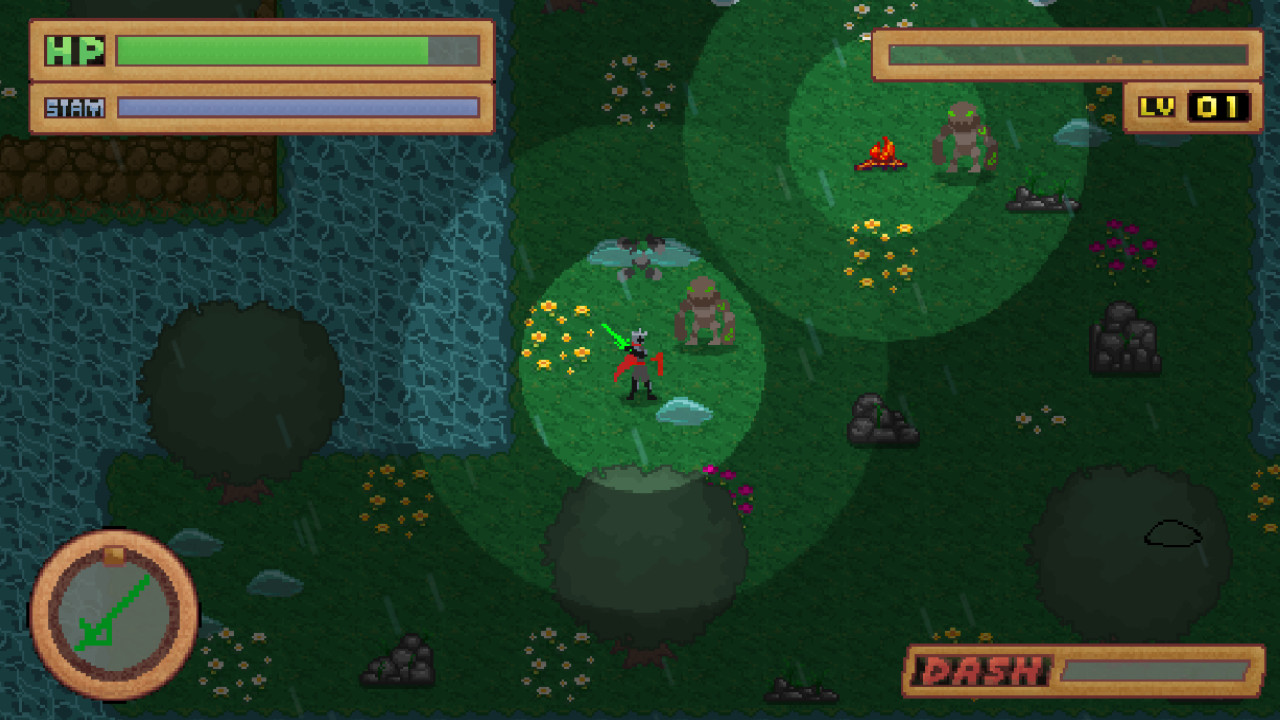
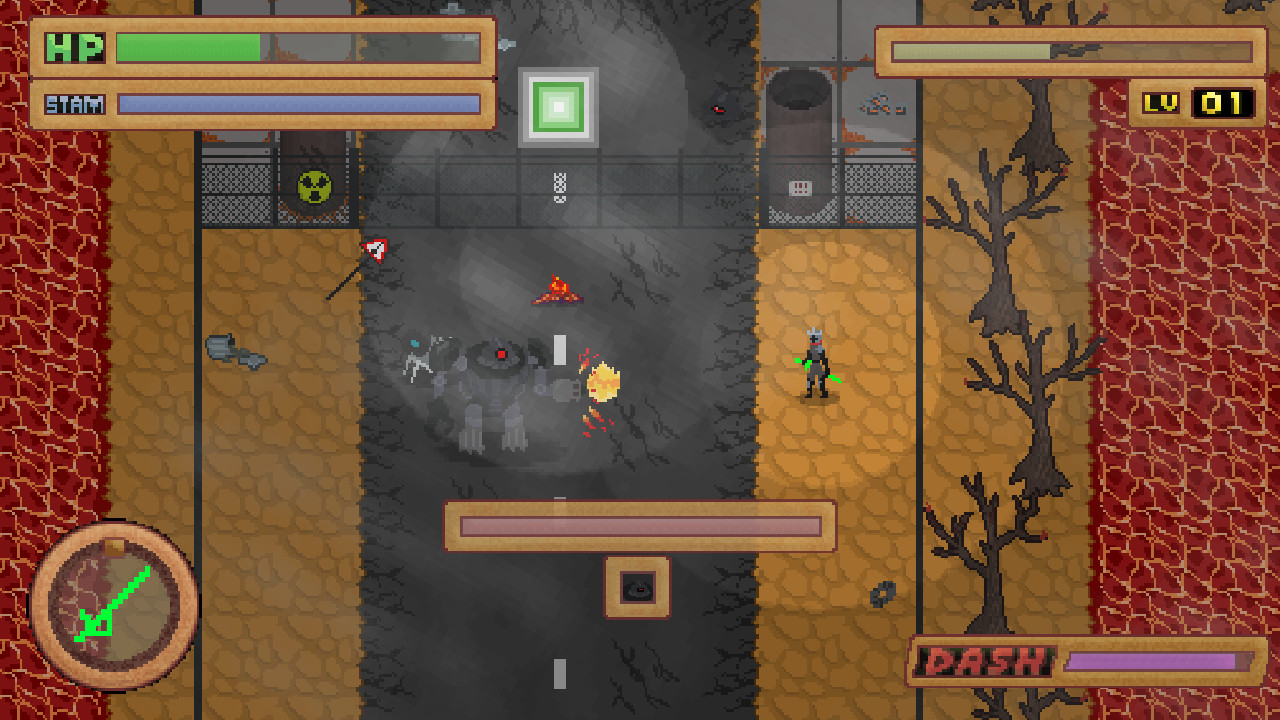
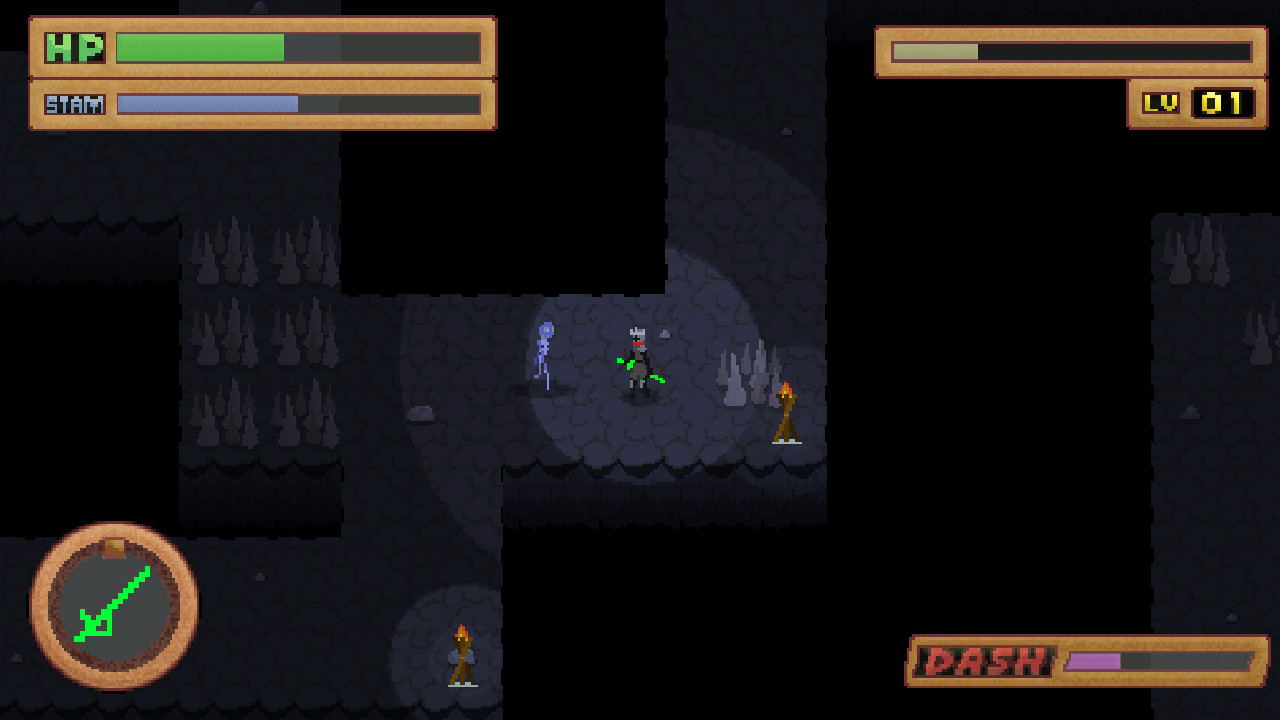
A Matter of Time is a top-down combat-focused RPG, telling the story of James, a hero sent to a different timeline to combat a great evil plaguing the land. Turning out massively different from what the game looked like in its early stages of development at the time when I first interviewed Cameron Coggins, the game turned out to be quite enjoyable with a fair bit to offer in terms of combat options. And telling a pretty different story from anything else seen in gaming. 

Graphics – 8/10

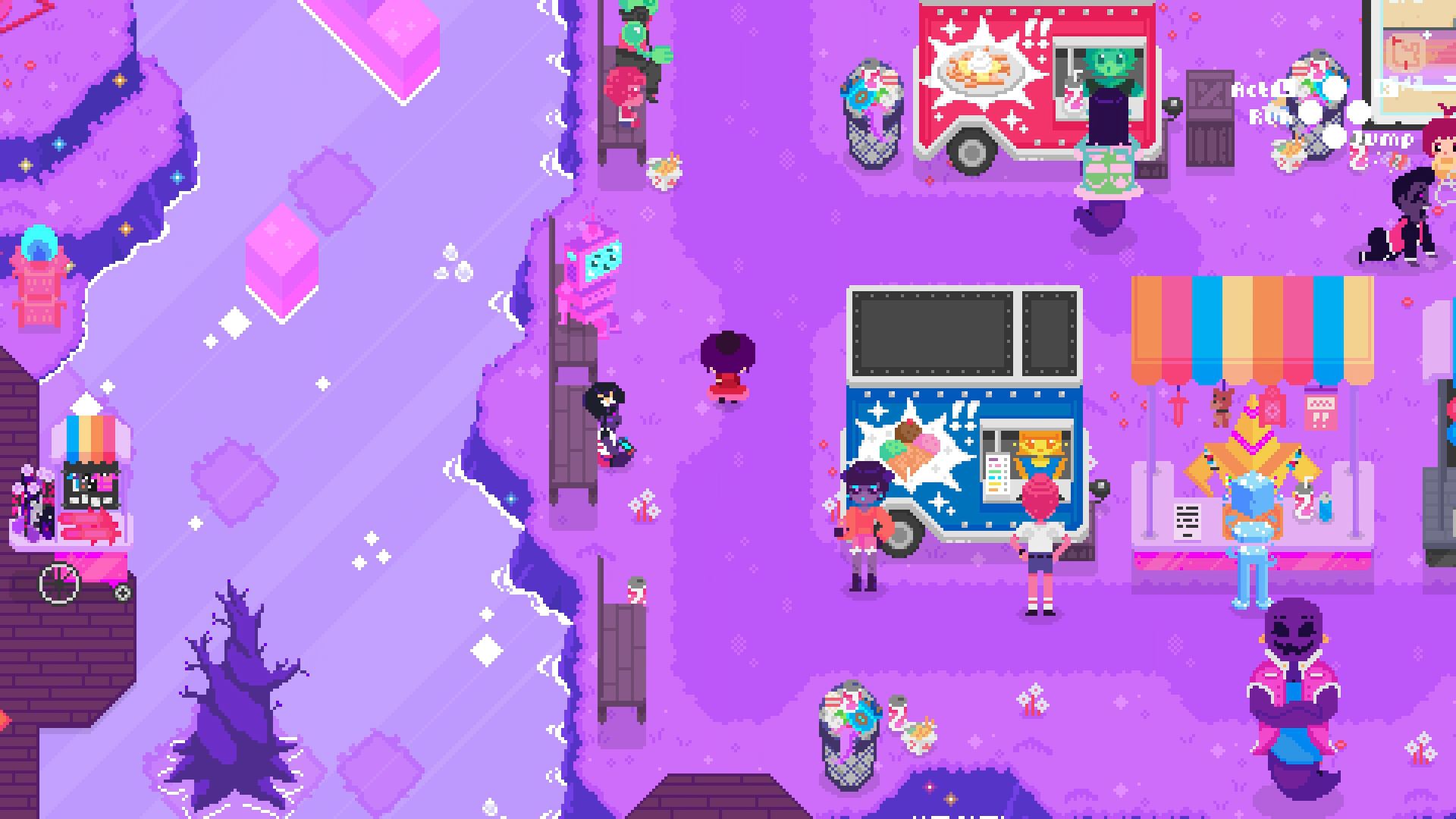
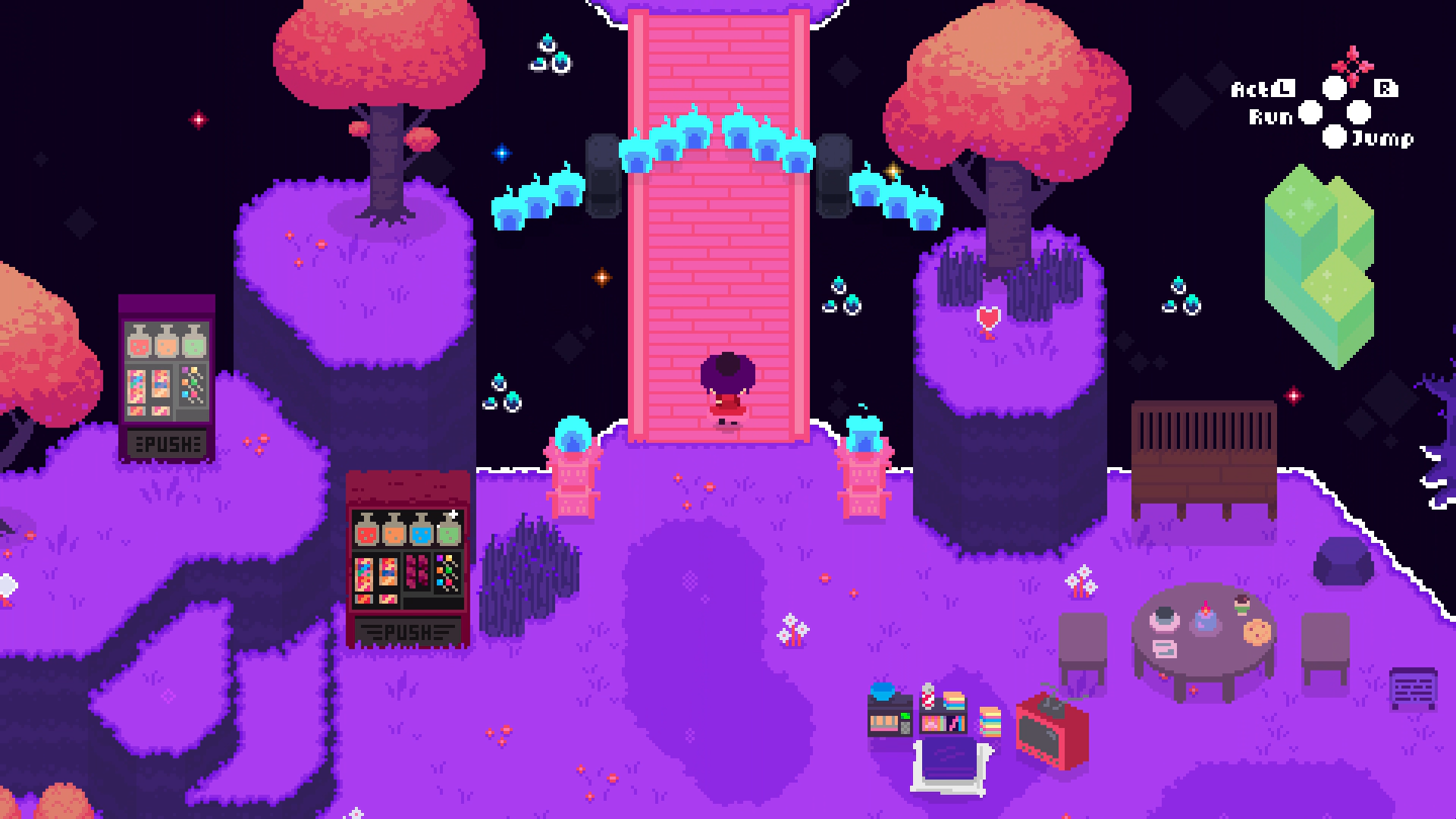
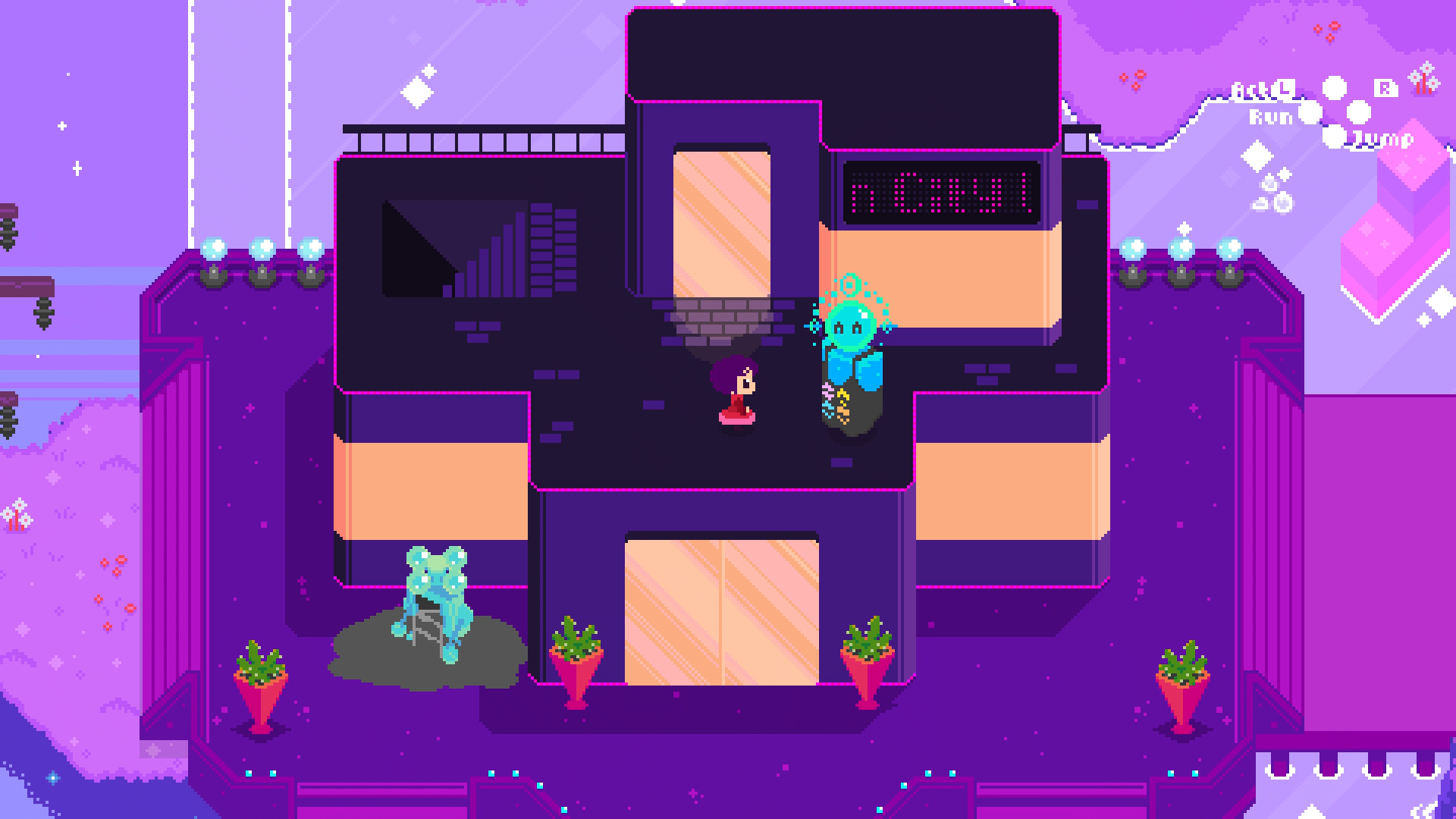
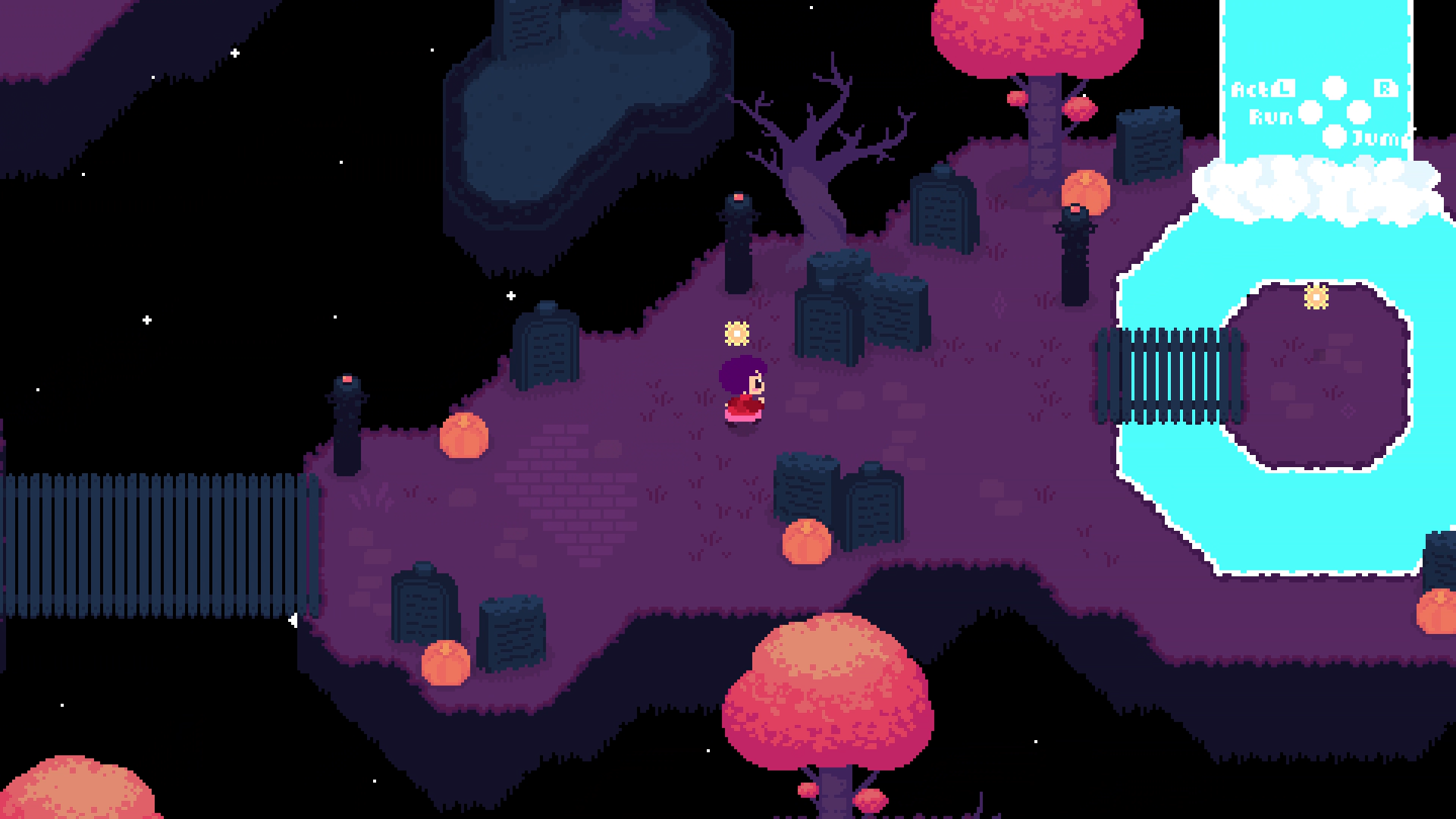
The game makes use of traditional 8-BIT graphics to present a diversely designed world with each location being more wonderfully outlandish than the last. Taking place in lush forests, dark caves, otherworldly dimensions, and even a post-apocalyptic city, the game’s visuals are the best aspect of the title. There is also a wide range of different enemies the player must contend with in each new area. Some are reminiscent of classic video game enemies, such as the slimes from Dragon Quest. 

Gameplay – 7/10

A top-down RPG with a linear progression, the game is very heavily combat-oriented with light RPG elements such as levelling up to increase health and enhance the magical abilities the player can take advantage of to maintain an edge in combat, such as a dash ability and the ability to stop time temporarily to defeat multiple enemies simultaneously. The combat aspect is quite well put together and quite satisfying to undertake; though a lot of enemies use similar attack patterns, the difficulty is ramped up considerably towards the end. Requiring the player to strategize accordingly. 

Controls – 10/10

The game’s control scheme is not only easy to get to grips with. But it also does something rather unique; when the player uses the dash attack to take out multiple enemies, the player must use the mouse to indicate which enemies they need to attack. At first glance, this seemed to become more of a hindrance than a help. But ample time is given to players to make that decision. Even when the ability hasn’t yet been upgraded. It reminded me somewhat of the original Metroid Prime. It takes a little time to adjust, but once adjusted to, it’s no problem. 

Lifespan – 4/10

The game’s longevity is most definitely the worst thing about it. The game can be finished in less than 2 hours. Which, for an RPG even with light elements, is a pretty short time to last. That being said, if the game is played through, players will find that there is most definitely scope for expansion to this world’s mythology. Be that through either a sequel or DLC. The series does potentially have a bright future ahead of it. But a game of this magnitude deserves to last far longer than it does. 

Storyline – 6/10

The story of the game follows a 12th-century barbarian named James, who is taken to an alternative time by a mysterious organization that enlists his help to defeat an evil known as the Dark Atomos. Which is wreaking havoc across time and space. James is also in search of his daughter, whom he claims to be the last thing he has left. It’s an emotionally charged story with a few twists and turns before the end. And it makes it stand out somewhat among the circle of indie RPGs released since the start of the eighth generation.  

Originality – 7/10

All these elements combined within the game make it a fairly unique experience, one worth playing through at least once. There are these elements of it that show that the game was a labour of love undertaken over a period of many years. And as there is a lot of room for expansion in most aspects. There is definitely scope for there being extensive mythology to be attached to this series. But overall, this game is a decent start to all that. 

Happii

In summation, A Matter of Time, whilst having a couple of issues here and there, is a respectable game worth at least one playthrough and a solid start for this up-and-coming development team. It has an emotionally charged story, decent gameplay, unique controls, and some extremely well-crafted visuals. And it has a lot of potential to expand into a great series down the line. 
Score

42/60

7/10 (Fair)

Cathedral (PC & Nintendo Switch)

Cathedral

Developer(s) – Decemberborn Interactive

Publisher(s) – Decemberborn Interactive & Elden Pixels

Designers – Eric Lavesson & Mattias Andersen

PEGI – 3

Developed by Decemberborn Interactive based in Helsingborg and being the first publishing venture of Alwa creator Elden Pixels, Cathedral is a Metroidvania game featuring an extensive open world and offering players a level of challenge on the same scale as 8-bit classics such as Mega Man and Castlevania and taking inspiration from classic titles such as Ghouls ‘N’ Ghosts and Ghosts ‘N’ Goblins, along with modern games made of the same ilk. Most notably, Shovel Knight. From beginning to end, I became engrossed in this game. There’s a great deal that it has to offer players who are looking for a game that is not designed to hold their hands throughout, and looking for a solid, nostalgic experience reminiscent of the NES days. 

Graphics – 8/10

Incorporating the aforementioned 8-bit visual style synonymous with the third generation of gaming, the best thing in terms of visuals is undoubtedly the environmental design. There are a large number of different locations to visit and backtrack across throughout the game. Ranging from underwater temples, dark forests, icy castles, and of course, the titular cathedral. Which is to me, in many ways, is the star of the show. The game begins in the cathedral, and without spoiling the story’s specifics, it’s also where things come full circle. In addition, the game’s soundtrack is phenomenal. For me, up there with the works of Manami Matsumae, Jake Kaufman, Robert Kreese, and others. In particular, the theme song for the cathedral itself is catchy. But with a subtle melancholy to accompany it. 

Gameplay – 9/10

Aesthetically, the game plays out like a typical Metroidvania title. It relies on players uncovering each new area by gaining specific abilities and backtracking across the world map to uncover every secret and hidden item there is to find. It’s also very heavy on combat. The aspect in which this game does not play out like a typical Metroidvania title. It offers players a heightened level of challenge compared to most other games. Players need to adapt to each area, as many different types of enemies have different attack patterns that must be learned in order to survive. Weapons and armour upgrades are also for grabs as the game progresses, with enemies getting stronger with every new area. There are also several gruelling boss fights to contend with throughout. Each has its own very unique strategies required to beat them.

Controls – 10/10

I found there were no issues with the control system in this game as I was playing it. As with a game like this, there can’t be any issues with the controls. Otherwise, it becomes an unfair challenge. In my opinion, it was a problem throughout the NES days with games such as the original Mega Man and Castlevania games. But in Cathedral, the control scheme poses no issues. It’s a challenging game, but not to the point of being inaccessible. 

Lifespan – 8/10

To complete the game to 100%, it would take around 25 hours. It is slightly longer than the standard Metroidvania game. In addition to the main story, there are side quests obtained from the hub village. This involves collecting items scattered throughout the game’s world and finding additional weapons and armour upgrades. Whilst it’s certainly a concept that could be expanded upon if ever a sequel is made, it nevertheless offers gamers a satisfyingly long experience with plenty of reason to backtrack across the game’s vast open world. 

Storyline – 7/10

The game’s story involves an unnamed knight who must first find his way out of the titular cathedral. On his way, he joins up with a companion named Soul. Having escaped the cathedral, they intend to collect four orbs hidden throughout the land guarded by various monsters. With this, they resolve to enter the cathedral’s inner sanctum to defeat the demonic Ardur the World Eater. Whilst the basic premise of the story is relatively typical for a fantasy game (sometimes to the point of self-parody, as Soul occasionally offers comedic advice), it’s the subtle details that add to the game’s atmosphere, which make the story stand out. Most notable for me was during the boss fight in the sunken temple.

As the player descends into the boss’s lair, 8-bit harmonies can be heard, which are the singing of the siren-like queen of the depths. It’s beautiful and eerie at the same time, which made it, for me, the best boss fight in the game. There are plenty of other moments like it. Sometimes it may be a foreboding silence, other times, it may be something more detailed, but it all adds to the game’s atmosphere excellently. 

Originality – 7/10

As I mentioned, this game does not entirely play out like a typical game of the genre. Ever since the beginning of the eighth generation of gaming, one of the genres I’ve delved into above many others is Metroidvania. There have been ups and downs for me whilst I’ve been going through as many as what I have done (thankfully, there have mostly been ups). But this game is definitely one of the more standout experiences I’ve come across within the genre. It’s a wonderfully exciting, atmospheric, and challenging experience that is deserving of at least one playthrough. 

Happii

Overall, Cathedral took me by surprise with just how good a game it is. On the surface, it seemed quite a typical 8-bit game like most others that have been developed since indie development became as popular as it has over the last few years, but as I delved deeper into this game, there was a lot more to appreciate than I could have first imagined. It’s an excellent gaming experience, and I would highly recommend it to seasoned gamers looking for a legitimate challenge. 

Score

49/60

8/10 (Very Good)

Nanotale

Q&A With Fishing Cactus

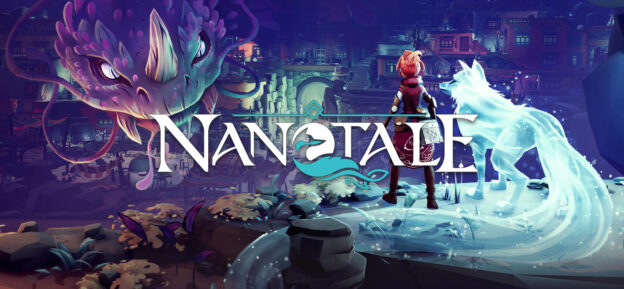
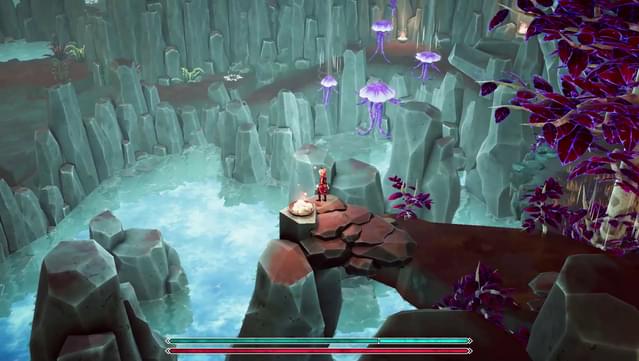
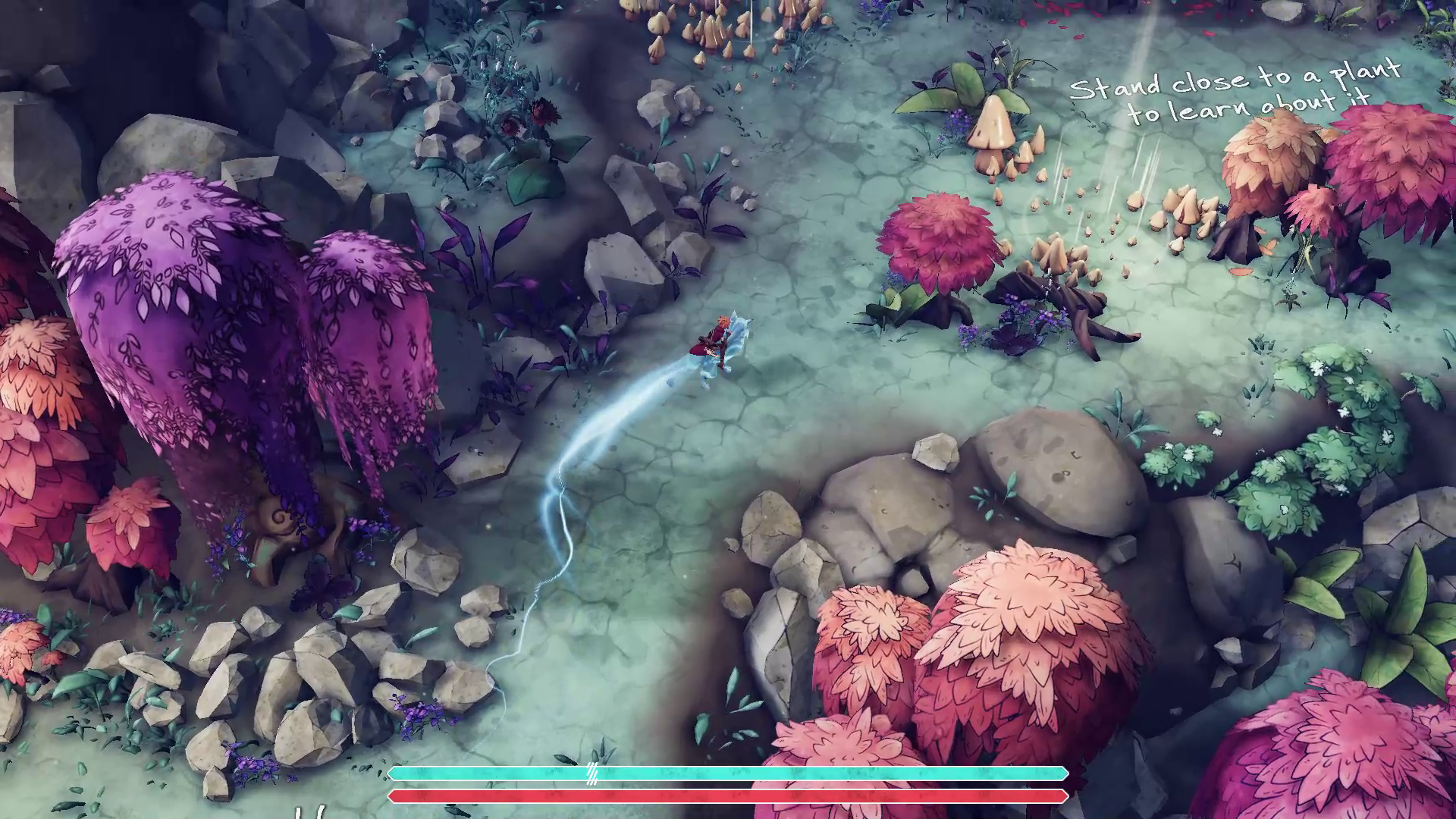
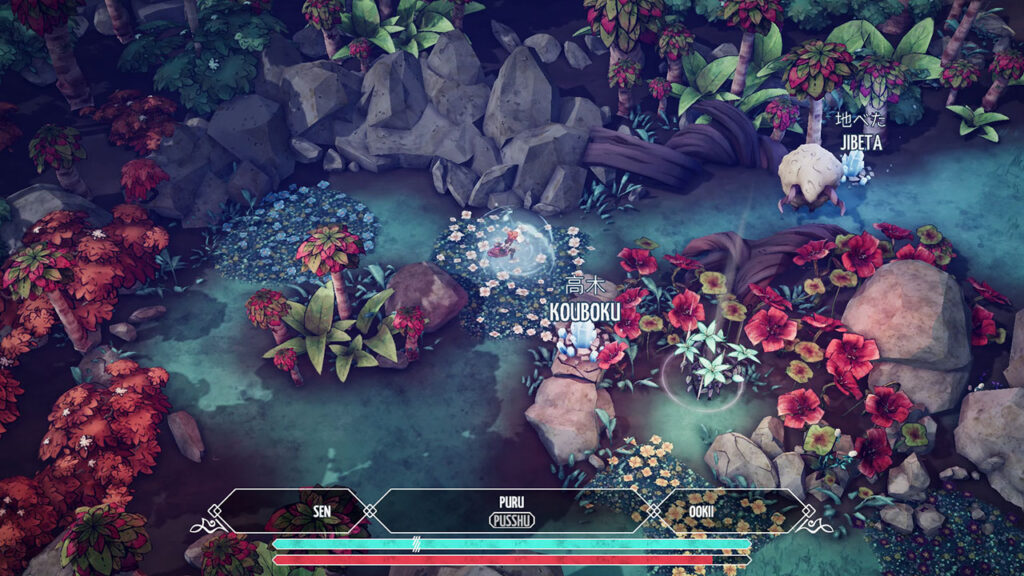
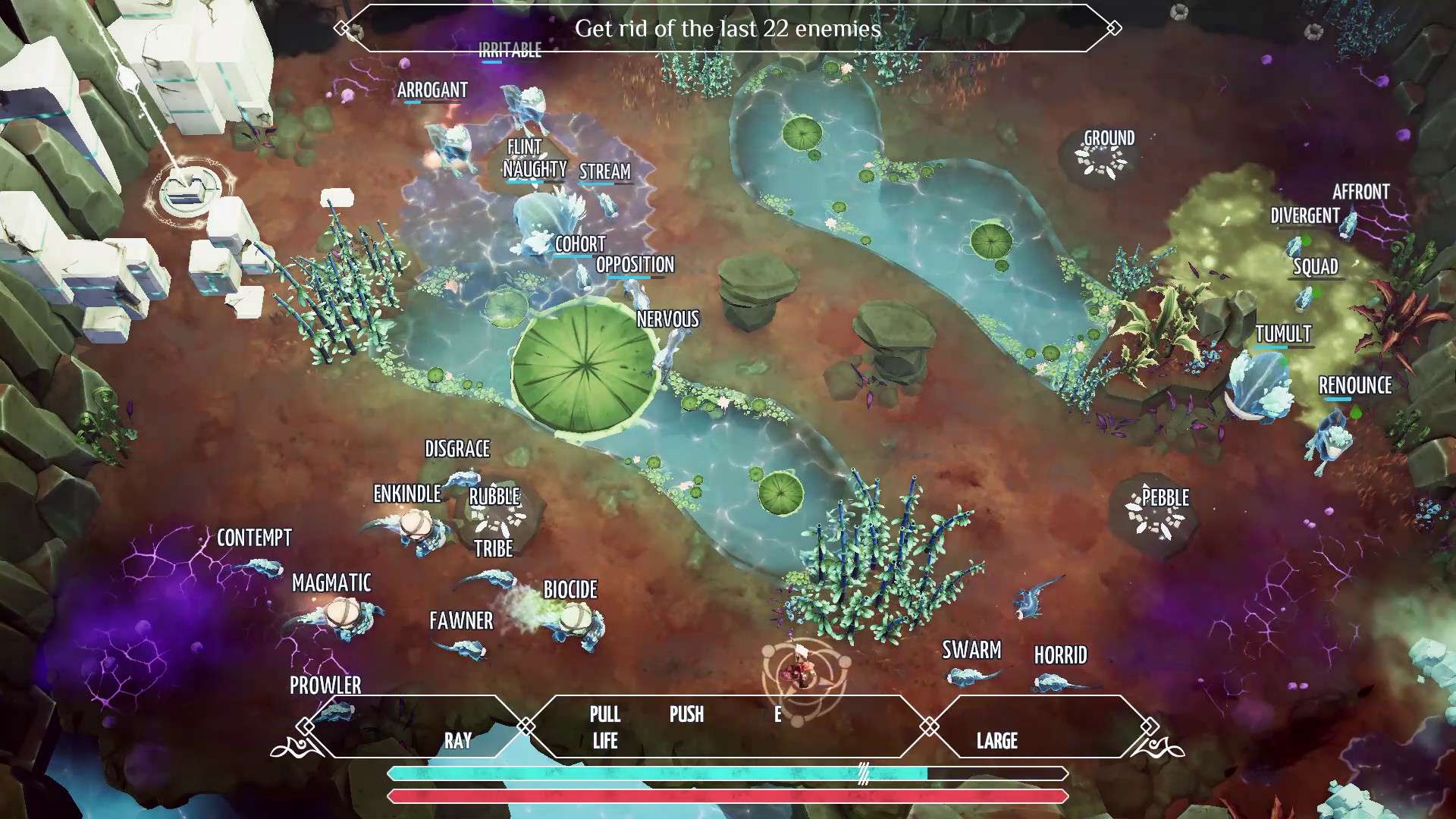
Whilst looking all over the Internet for new upcoming gaming experiences within the indie community, where they have been available, I have tried out either demos or reviewer copies beforehand, and given my first impressions on how the game is during their current stages of development, and given a subsequent assessment of what I believe the final product can bring to the table. One such game has been Nanotale: Typing Chronicles. Developed by Belgian outfit Cactus Games and acting as a sequel to a previous game made in the same vein called Epistory, Nanotale implements an extremely unique style of combat for an RPG, with players having to type in words to string attacks together, to cast spells, or even to solve puzzles to progress throughout the game’s open world.

Wanting to know even more about this wildly distinct project, I contact Fishing Cactus in the hope of securing another Q&A for the site. I received a response from Fishing Cactus’ PR manager, and the development team answered the questions I had regarding the game, which made for some particularly interesting reading. Here’s what Fishing Cactus had to say about Nanotale:

Nanotale 1

Where did the idea stem from, having a gameplay system revolved around typing in the first place, back with Epistory? 

For our very first game, we wanted to do something different from what you can find on the market. One of our Game Designers had the idea of challenging the Typing genre. The rest of the team was not very convinced about it since all the Typing Games we knew were boring and educative while others like Typing of the Dead were more gimmicky. He did a prototype of it, and we were all convinced about the potential of the idea. 

You can play the first proto here:

http://epistorygame.com/prototype/

What has the developmental process been like?

We didn’t plan to do a new typing game at first. Epistory was a success, and we were afraid to fail at making it better. But we decided to do it after getting a lot of emails from the community asking us for a new one. It was like “that’s OK. The community is behind us. They will guide us”. So, we asked them how they wanted that new typing game, and we developed Nanotale according to what they liked less and more in Epistory, what they would like to see improved, etc… 

How close are we to seeing the finished product? 

We just released the second update of the game. The final game is planned for October 2020.

Nanotale 2

What has been the most exciting aspect of development? 

The Cellular Automata! Cellu-what?

It’s a way of simulating a world using a divide-and-conquer strategy. Instead of having a massive “World Simulator™,” it’s often easier to simulate each object when making a game. This strategy goes further by dividing the world into uniform cells. Each cell has a state and a set of rules to change, if possible, into another state. Cellular automata are used in a very wide range of scientific domains, including computer science, mathematics, physics, and many others. The most famous is probably Conway’s Game of Life, which has only four rules and two states, and you can already see a lot of patterns emerging from its simple concept.

What has been the most challenging aspect of development? 

Having the game translated into 11 languages during early access. It was a bad idea and represents a lot of work but we really wanted to do it for our community. Also, players seem pickier when they can play it in their own language. It’s hard to have something that works perfectly in all these languages, but I think we are doing OK with it, thanks to the community that helps a lot in locating bugs. 

Which RPG series had the most impact on the development of Nanotale?

None. I admit that for Nanotale, we mostly started from Epistory and continued following what our community wanted. 

There is a great emphasis on the beauty of nature in Nanotale. Does any of that stem from the personal experiences of the development team?

Not really. We just wanted to have fun and create something different from Epistory, but as memorable. 

Nanotale 3

How well has the game been received so far? 

Good! The community is really happy, and people who discover Nanotale love it, and usually, by Epistory after trying Nanotale. 

Have there yet been any ideas considered for the game that have since been scrapped?

Many of them. We always start with too many ideas, then you cut according to your budget. Many of the new things we have in Nanotale come from what we had to cut from Epistory. Maybe the next typing game will have what we had to cut from Nanotale. 

The thing is, if we don’t cut, the game would never go out. And we really have to stick to deadlines. For our community and for the team working on the project.

Nanotale 4

What platforms are you looking to bring the game to?

Windows, MAC, Linux

Do you have any advice for aspiring developers who may be reading this? 

I just want to say that it’s OK not having exactly the game you wanted for the first time, as soon as you take pleasure working on it and don’t disappoint your community. 

Where on the Internet can people find you? 

Steam: https://store.steampowered.com/app/944920/Nanotale__Typing_Chronicles/

Twitter: @nanotalegame
Facebook: http://www.facebook.com/nanotalegame
Instagram: @FishingCactus

Do you have anything else to add?

Don’t hesitate to add us to your wishlist!!

Nanotale 5

I hope you guys check this game’s Steam page out too; as I said in my first impressions article, Nanotale is one of the most unique-looking RPGs I’ve seen for quite some time, and having played it, it brings a certain level of satisfaction to be had whilst playing with its very different take on what an RPG should be. I also want to take this opportunity to thank Fishing Cactus for agreeing to answer my questions and to wish them the best of luck with this potentially game-changing title.

Game on,

Scouse Gamer 88

The Meldstorm

Q&A With Liam Dehaudt

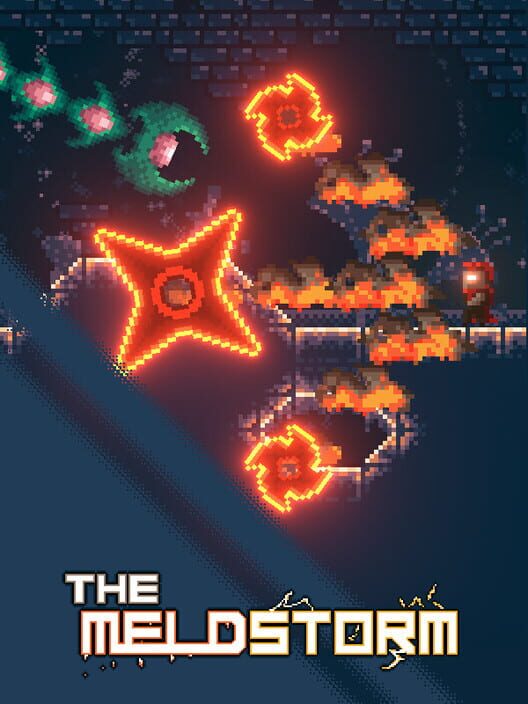
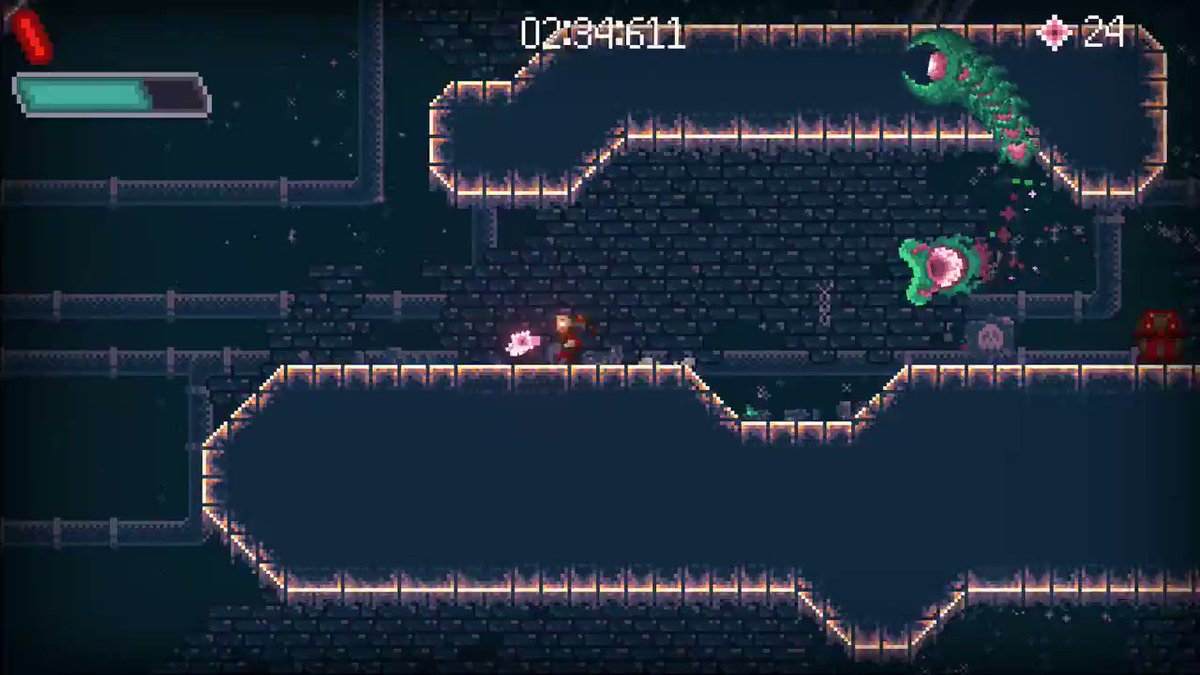
Whilst scouring the internet for new indie game prospects, I came across another title that caught my attention and was slated for release shortly. The Meldstorm is a 2D side-scrolling rogue-lite with item synergy elements. Players will be able to customize their weapons on the same level as games like Mothergunship and Fallout 4 with the game revolving around the player character (either a knight, rogue, or sorcerer, depending on the player’s choice), undertaking the deadly pillar trials: a series of tests requiring combat with an ungodly number of alien enemies and puzzles to solve. Wanting to know more about this game, I contacted its sole developer, Liam Dehaudt, and put forward to him a series of questions regarding how development has progressed and what players can expect to see when the game is fully released on Steam. Here’s what Liam had to say about The Meldstorm:

The Meldstorm 1

What were the influences behind your game? 

Risk of Rain influenced the item system, but I wanted more deliberate combat (fewer but more powerful enemies), so I borrowed a lot from Gungeon’s enemy feel, except as a platformer.

What has the developmental process been like?

It’s fun, it started as a hobby but became a bit more. I’ve worked on a few projects before, so this is like a test to put everything I’ve learned together. Of course, there are ups and downs, but that’s to be expected.

How close are we to seeing the finished product? 

I honestly don’t know. I would have a few months of development left, but since I just got a job, it’s most likely going to be a while longer. Let’s say late 2020 to early 2021, but that’s a super vague guess.

The Meldstorm 2

What has been the most exciting aspect of development? 

Programming is my jam, so making the big systems has to be my favorite part. I had a ton of fun making the mods interact with the weapons, and making a general system to create new weapons easily.

What has been the most challenging aspect of development? 

Marketing is tough and makes me want to pull my hair out sometimes. I’m quite new to it, so I’m learning a ton, but for now, I’m still pretty clueless.

What has been your favorite boss fight to have created so far?

The final boss is cool and pretty different. I got some cool feedback from Reddit that helped me make him look a lot cooler, too. You get the first phase to learn his attacks, then he spices things up in the second.

The Meldstorm 3

How well has the game been received so far? 

People seem to like it. The few players I’ve had try it had fun. As mentioned prior, I am struggling with marketing, which I think is slowing me down a lot, but I think my current audience likes what I’m doing.

What platforms are you looking to bring the game to?

PC/Mac first, if the response is good, then I’ll consider everything else.

Do you have any advice for aspiring developers who may be reading this? 

Manage the scope of your game to something doable. Try to stand out. Aim for the top but expect not to get there. Reach out to people who are working on stuff you like.

The Meldstorm 4

Where on the Internet can people find you? 

I post all my work on Twitter; you can also DM me there if you want: 

https://twitter.com/TheMeldstorm

Also, if you like my game, wishlist The Meldstorm:

https://store.steampowered.com/app/1220300/The_Meldstorm/

Do you have anything else to add?

Have a nice day ^^

I also want to thank Liam for agreeing to this Q&A and hope you guys enjoyed reading more about The Meldstorm as much as I enjoyed drafting it up. The Meldstorm looks like a very promising game with virtually an infinite amount of replay value, and I’m certainly excited for what the final game will have to offer players compared to its current build. I will draft up a review of it upon release, but in the meantime, I wish Liam the best of luck with his debut title.

Game on,

Scouse Gamer 88

Echoes of Aetheria (PC)

Echoes of Aetheria

Developer(s) – Dancing Dragon

PEGI – 12

Developed by the same team behind the critically acclaimed indie RPGs Skyborn and Deadly Sin I & II, Echoes of Aetheria is yet another turn-based RPG released by the company, making use of the increasingly popular RPG Maker gaming engine used in the development of other indie RPGs. Such as Chronicles of Dark Lord and Remnants of Isolation. Compared to the two aforementioned indie RPGs, it ranks somewhere in the middle in my opinion. It has charm in most aspects, but not as much charm or as much intensity or complexity as Chronicles of a Dark Lord. But it is much more immersive and thankfully longer than Remnants of Isolation.

Graphics – 7/10

Reminiscent of the steampunk setting of many of the later installments of the Final Fantasy series, starting with Final Fantasy VI, Echoes of Aetheria features excellent use of 16-bit pixel art. As well as variety in location and enemy design. Whilst taking place primarily in various towns and cities, there are also places outside regular civilization to explore. Such as caves, forests, and desert tombs. Hand-drawn graphics were also implemented in addition to representing characters during dialogue sequences. This also gives it a further sense of uniqueness.

Gameplay – 8/10

The gameplay differs slightly from most other RPGs made with the RPG Maker engine. Rather than playing out like a traditional turn-based RPG like Chronicles of a Dark Lord does, the battle system requires moving players around the battle stages like pieces on a chessboard. A play style similar to From Software’s own turn-based RPG Enchanted Arms. It arguably necessitates a greater level of strategy than in the traditional turn-based RPG. But also has the same sense of gameplay addiction to it as well.

Controls – 10/10

Turn-based RPGs generally don’t have any issues with controls, as a given, it would seem. This game has even fewer problems than most in terms of controls since it was made for PCs. There is also the facility to use the mouse during gameplay. Giving players more choices than most other games of its kind. It doesn’t matter which style of control the players happen to prefer. The title plays out just as well using either method. And there have been no necessary complications with it to hinder the overall experience.

Lifespan – 6/10

The game can be made to last about 15 to 20 hours. Like most RPGs made on the same engine, I’ve noticed. To me, whilst it’s still longer than the average mainstream release, it falls way short of the length that a game of its kind can be made to last. It’s nowhere near as criminally short as I found Remnants of Isolation to be when I reviewed it for the site last year. But games like these are always worth making last as long as possible for several different reasons besides sheer gameplay addiction.

Storyline – 7/10

The story of the game follows Lucien, who, whilst attempting to rescue the bride of a royal wedding held in commemoration of a truce between two previously warring nations, meets a cast of varied and compelling characters. As they attempt to clear their names amidst a government conspiracy against them, accusing them of high treason. The game’s story is political and somewhat dark in tone, similar to Capcom’s fourth installment of the Breath of Fire series; however, the story in this game is nowhere near as dark. Nevertheless, it has the feel of an epic story and well-written dialogue to match what players can come to expect from a game like this.

Originality – 6.5/10

Though it may not go down as being revolutionary in terms of setting new standards for the turn-based RPG genre, the game does have its own distinct charm that sets it apart from a fair few others, such as the different combat style and the need to strategize, which, whilst synonymous in games like this, is presented in a slightly different way. Though Enchanted Arms may have had infinitely more variety in its take on this style of fighting than in this game, it can nevertheless provide abundant entertainment in gameplay for how unfortunately short it lasts.

Happii

Overall, Echoes of Aetheria is one of the better indie RPG experiences I’ve come across in recent years. It has a pretty well-written story, addictive gameplay, and a visual style not synonymous with most RPGs developed today.

Score

44.5/60

7/10 (Fair)

Remnants of Isolation (PC)

Remnants of Isolation

Developer(s) – Team Isolation 

An indie turn-based RPG developed with the popular RPG Maker engine, the same engine used to develop other indie RPGs, such as Chronicles of a Dark Lord, Remnants of Isolation has a story and an artistic direction different from that of many other games of its kind. Unfortunately, the game does have its fair share of faults and drawbacks. Making it dwarf in quality compared with some of the great titles of the genre. Such as Final Fantasy and Chrono Trigger. 

Graphics – 8/10

The most interesting thing about the game, in my opinion, is the visuals and the conceptual design. Taking place in a mysterious and enchanted prison, it features imagery and characters inspired by a multitude of different cultures and mythologies. Most prominently, medieval fantasy. But aside from that, there are also quite a few uniquely designed monsters. Such as the Twisted Sentry, as well as many of the varied boss fights that take place throughout. 

Gameplay – 6/10

The game plays out very much like a traditional turn-based RPG, such as Final Fantasy or Dragon Quest. It’s addictive and satisfying to level up characters. Instead of using money as currency, however, the player must collect souls in order to make better equipment and buy items. The biggest problem with it, however, is the fact that, unlike most other games of its kind. Which have many different playable characters with different abilities; there are only two in this game. Thus, it doesn’t have anywhere near as much variety as many of the great games that inspired it. It’s especially underwhelming to me, as I have played RPGs that make use of the same engine. But that has much more substance to it. 

Controls – 10/10

Remnants of Isolation incorporates as simple a control scheme as can be found in a video game, and as such, I’m at least satisfied to report that there are no issues with playing the game to address. Many turn-based RPGs over the years have modified the overall formula with varying degrees of success. But over the years, it has been refreshing to see a resurgence of games to incorporate the basic structure of this formula, and this game is no exception. 

Lifespan – 0.5/10

The worst aspect of this game, however, is its cripplingly short lifespan. At a stretch, it can be made to last about 2 hours. Which, for a turn-based RPG, is deplorable in my opinion. Normally, this kind of game can be made to last considerably longer. Some of these surpass the 100-hour mark. However, due to this game’s lack of substance and variety, it lasts only an extremely small fraction of the time that a standout game of its genre can be made to last. Even irrespective of the fact that this game was intended to be played multiple times.

Storyline – 7/10

The game’s story is particularly well written and made even more immersive by the fact that there are multiple endings to be triggered. It follows two prisoners, Celesta and Melchior, as they resolve to find a way out of their prison together. In a somewhat similar fashion to Ico. They both need each other to stay alive as they encounter danger after danger throughout the prison. It’s engrossing to see how their relationship develops throughout the course of the game, and how it impacts the rest of the story. 

Originality – 2/10

The only vaguely original mechanic this game has going for it is that of using souls as currency to both buy items and upgrade equipment. Some may say the mechanics of fusing magic may be something new to the genre. But Final Fantasy IX incorporated a similar. And frankly, a more satisfying mechanic between the characters Vivi and Steiner. And overall, did little to add any real uniqueness to the game’s combat system. Other than souls as currency, the only way in which the game stands out is in both its artistic direction and how short it is. And the latter of the two makes it stand out for largely the wrong reasons. 

Niiutral

Overall, Remnants of Isolation does have elements of redeeming value, but as far as an immersive gameplay experience goes, there are far better turn-based RPGs out there. To make a game of its potential as short as they did was, in my opinion, criminal, and if the developers decide to make a sequel or another turn-based RPG, they need to make some dramatic improvements in my opinion. 

Score

33.5/60

5.5/10 (Below Average) 

Rose of Starcross

Q&A With Peyton Burnham

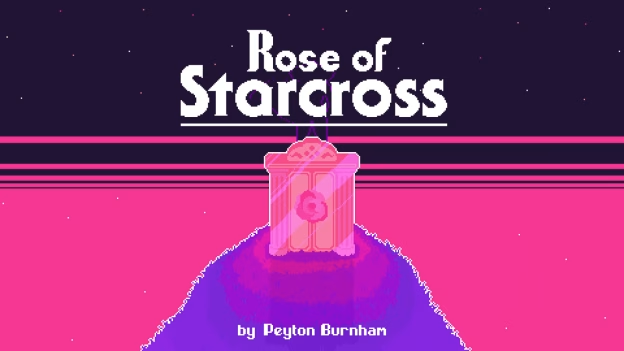
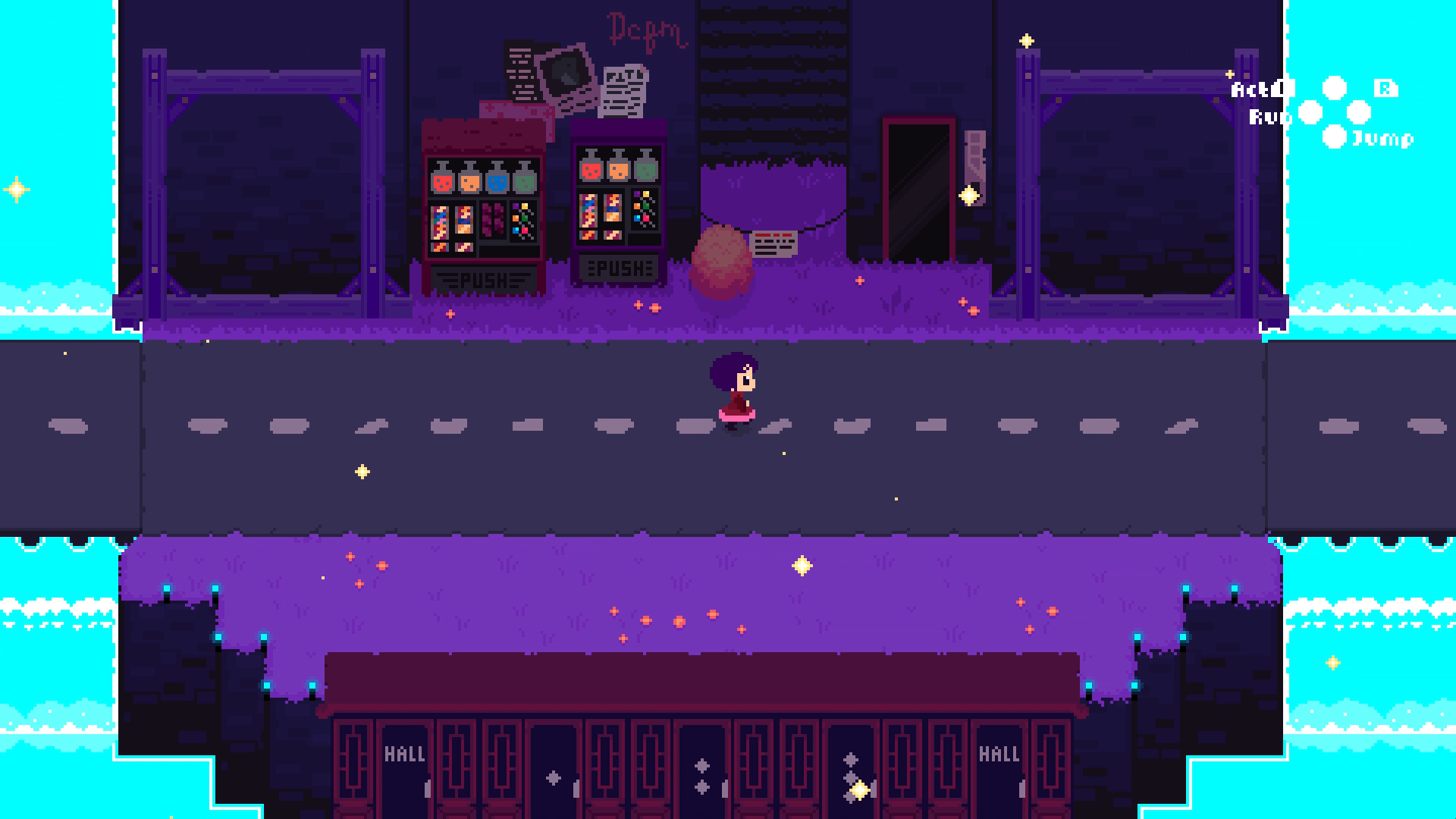
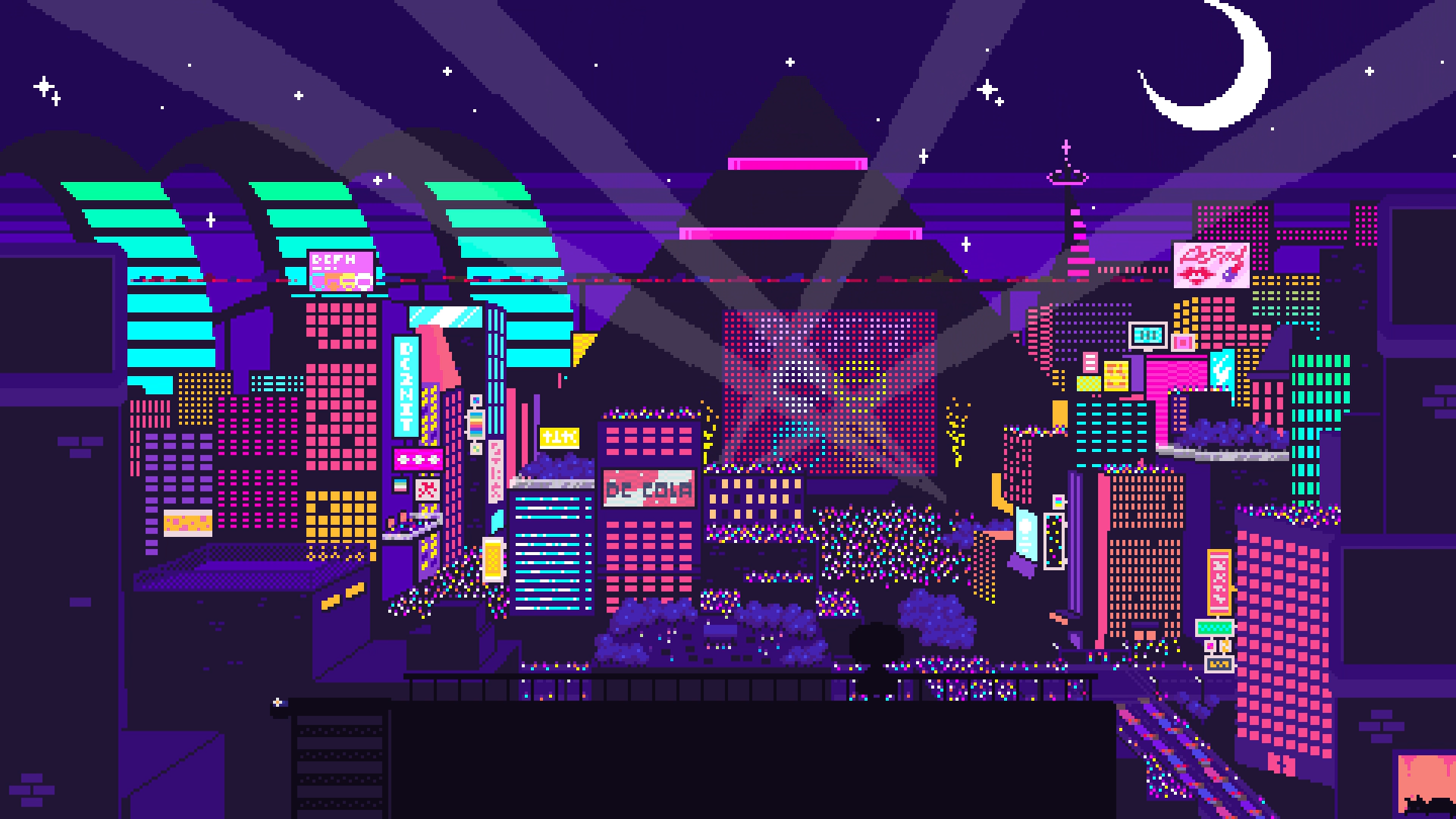
Following another Kickstarter excursion, I came across yet another great-looking game boasting a massive amount to offer players in terms of gameplay, story, and wonderful-looking scenery: Rose of Starcross. Inspired by classics such as Super Mario, The Legend of Zelda, Undertale, and others, the game is a top-down turn-based RPG platformer making use of an intricate 8-BIT art style. And the conceptual design is heavily inspired by Rebecca Sugar’s Steven Universe series. Of which I am personally a big fan.  Wanting to learn even more about this ambitious title, I got in touch with the game’s designer, Peyton Burnham, who had a lot to say about the game. As well as its development cycle and the challenges that have been overcome. Here’s what Peyton had to say about Rose of Starcross:

Rose of Starcross 1

What were the influences behind your game? 

Way too many to list, honestly! As far as games go, the most obvious ones at first glance would probably be Zelda, Mario, the Toby Fox games, the Mother series, and the Souls series, for sure. But I would mostly just say “games” in general. I take plenty of cues from stuff like Bayonetta, Silent Hill, and Resident Evil. So really it’s just whatever I love, which is a lot! The same can be said for other media like music, film, and TV!

What has the developmental process been like?

Pretty weird! This is (arguably) my first game, so learning EVERYTHING from the ground up has happened during the development process. For a very long time, I was fighting my own limitations, getting rid of old systems that were broken, and getting exponentially better at everything. So it’s been hectic and super frustrating! But I’ve gotten to a point where I feel confident in my abilities and the base systems I’ve set up for the game! Recently, things have been going much more smoothly. And I expect that to more or less remain throughout the development.

How close are we to seeing the finished product? 

I would say 2-3 years. As I said, I’ve only just recently gotten a good flow and process, so it’s hard to judge how long certain things should take. So, between feeling like I’ll be getting into a good pace and the fact that the game will be pretty sizable, I think that 2-3 years is a solid prediction.

Rose of Starcross 2

What has been the most exciting aspect of development? 

Getting to write my music and choreographing cutscenes to it. And then seeing that actually happen in the game is pretty exciting! That’s mostly because I’ve been a musician longer than I’ve been anything else, so it’s really cool to get to write music that gets to go with other things. Also, just getting to make a game that I really like is very exciting!

What has been the most challenging aspect of development?  

Aside from when I was basically learning how to program and always having to fix annoying and weird bugs, the most persistent challenge has been art 100%. And ESPECIALLY animation. It’s hard, man! Luckily I’ve found an animation method that works for me, but still. 

What has been the most frustrating aspect of development? 

See above! But here I’d also like to add in… marketing! Marketing is a lot of frustration for a ton of reasons. It’s not fun, I can’t work on the game while I’m focusing on it, I feel awful if I DON’T do it, and it’s SUPER IMPORTANT! So a perfect storm of frustration.

Rose of Starcross 3

As a Steven Universe fan myself, I was chuffed to have confirmed my suspicions that this game drew influence from the show. Do you plan to implement gameplay features reminiscent of the abilities of the Crystal Gems?

I have TONS of gameplay ideas and a few major mechanics that I didn’t introduce or fully exploit in the Demo. And it’s very likely some of that stuff might be similar to things you’d see in the show! I don’t normally directly go “oh, hey, that would be awesome to do in my game.” It’s normally a situation where I just put something in the game because it’s just in my head from watching stuff and playing other games. So short answer… maybe!

How well has the game been received so far? 

As for the few people who’ve actually played it or seen trailers/let’s plays, really well! The people who like it seem to care about it a good bit and want it to succeed, which is incredibly flattering and cool.

What platforms are you looking to bring the game to?

Right now, the plan is PC(Steam and DRM-Free) and the Nintendo Switch!

Rose of Starcross 4

Will the final game have an even more varied color palette than what’s been showcased so far?

Absolutely! The first main area is very purple indeed, but every major area will similarly be based on different colors. Plus, I’m doing a ton of mini-dungeons that’ll just let me do whatever I want color-wise, so that’s exciting! Just don’t expect a huge amount of green.

Out of so many wonderful-looking locations, what has been your favorite area to have in the game so far?

I am soooo excited to work on ALL of the major areas that come after the demo. Since it’s my game, I got to very selfishly pick all of my favorite types of places! But I will say, the first area after the demo has my heart in it. It’s cold, cozy, and moody, and I love working on it. That being said, I seriously can’t wait to get to Demon City.

Rose of Starcross 5

Do you have any advice for aspiring developers who may be reading this? 

There is tons of advice out there that is much better than what I could give. And also a lot of similar/repeated advice out there. So I’ll try something more practical and design-related! While learning to make games, it can be SUPER tempting to put everything you know how to do into your games. Try not to get caught up in showing off what you can do as a programmer or how many features your game has. Try to make decisions for your game that don’t just add to it but enhance it! Harmony is important! We’ve all played games that have stamina bars, crafting, and experience points that don’t need them, right?

Do you have anything else to add?

I could say thanks to the people supporting me! Anyone just following me and my game on Twitter, anyone supporting my game in any way. And my incredible parents, who make any of this would be totally impossible without! So thanks! Oh, and if you feel like it, consider helping out my game on Kickstarter!

https://www.kickstarter.com/projects/roseofstarcross/rose-of-starcross

As well as the link to the Kickstarter page, you can also download a demo of the game via this link:

https://peytonburnham.itch.io/rose-of-starcross-demo

You can also follow the development of the game as it happens by following Peyton on Twitter:

@peydinburnham

I’ve briefly played the demo myself. And I’ve been particularly impressed with what the game has to offer at even this preliminary stage of development. Especially considering that we are still a fair distance away from seeing the finished article. I thoroughly recommend anyone reading this to try the demo out for yourself and to back the Kickstarter campaign, which, as of this writing, is about halfway towards reaching its goal. I would like to take this opportunity to thank Peyton for agreeing to answer my question and wish him the best of luck with the game, as well as to thank everyone who took the time to read about Rose of Starcross.

Game on,

Scouse Gamer 88

Aquamarine

Q&A With Moebial Studios

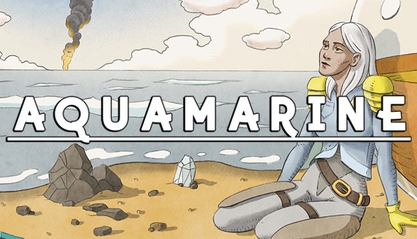
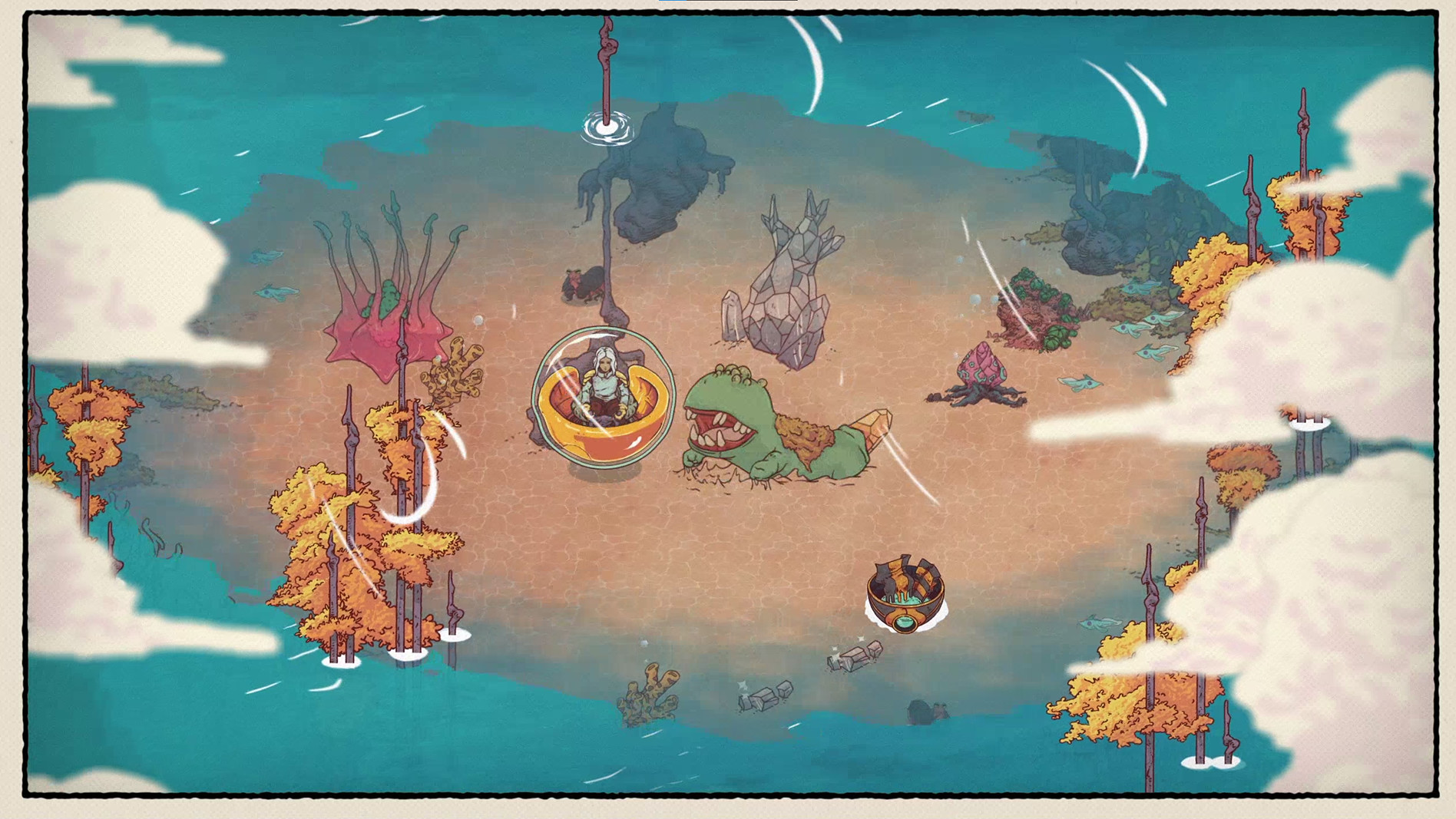
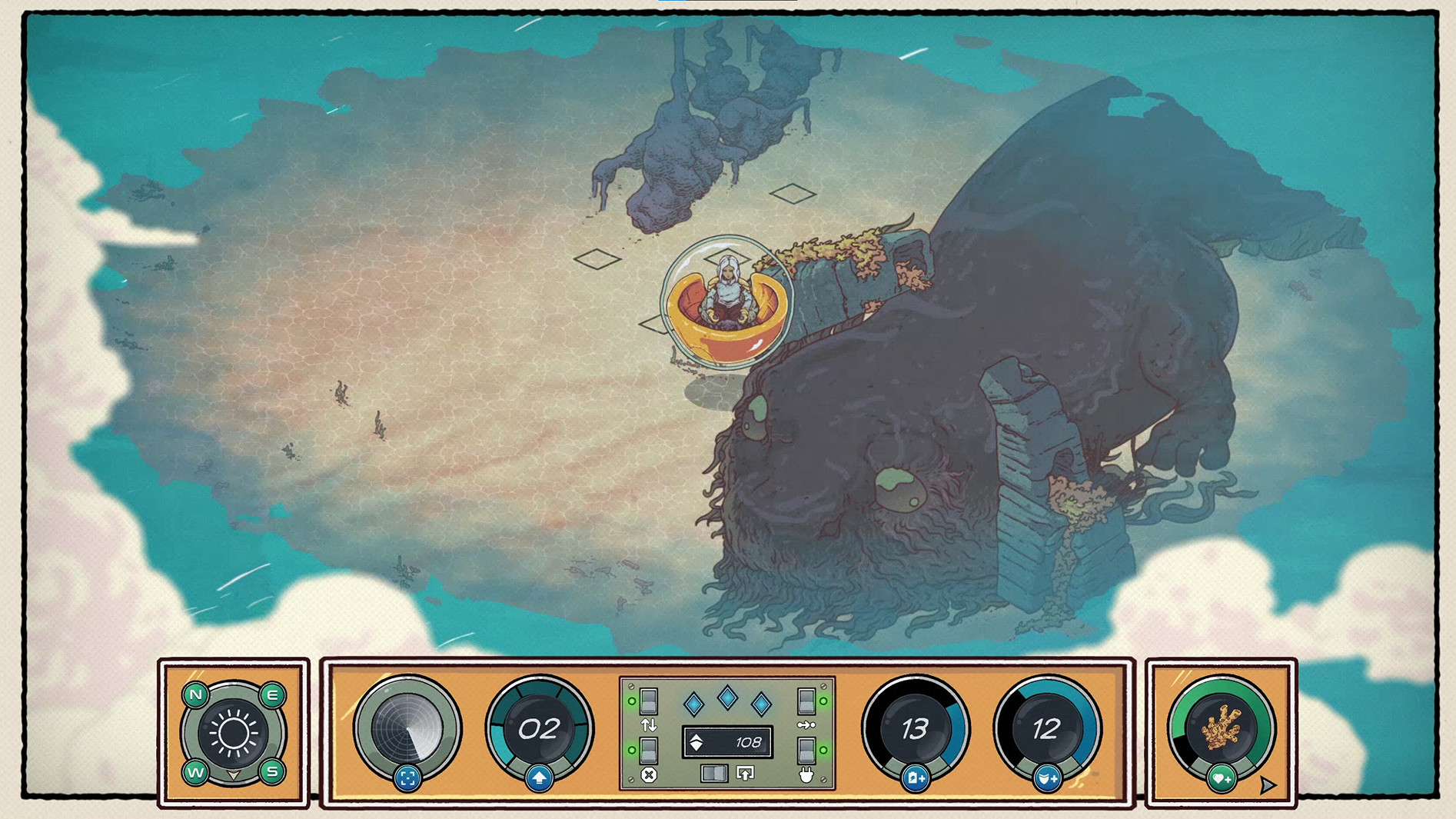
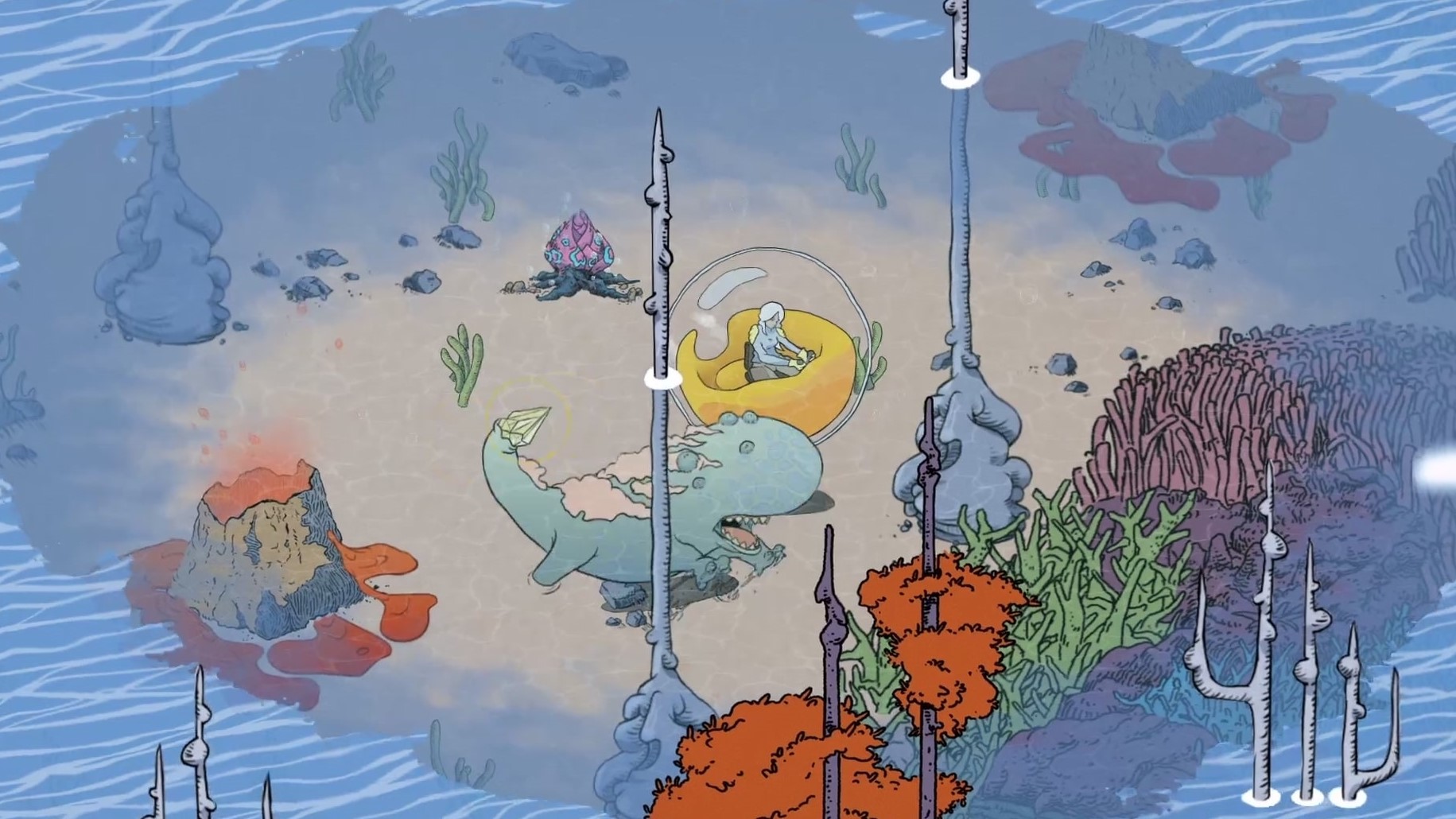
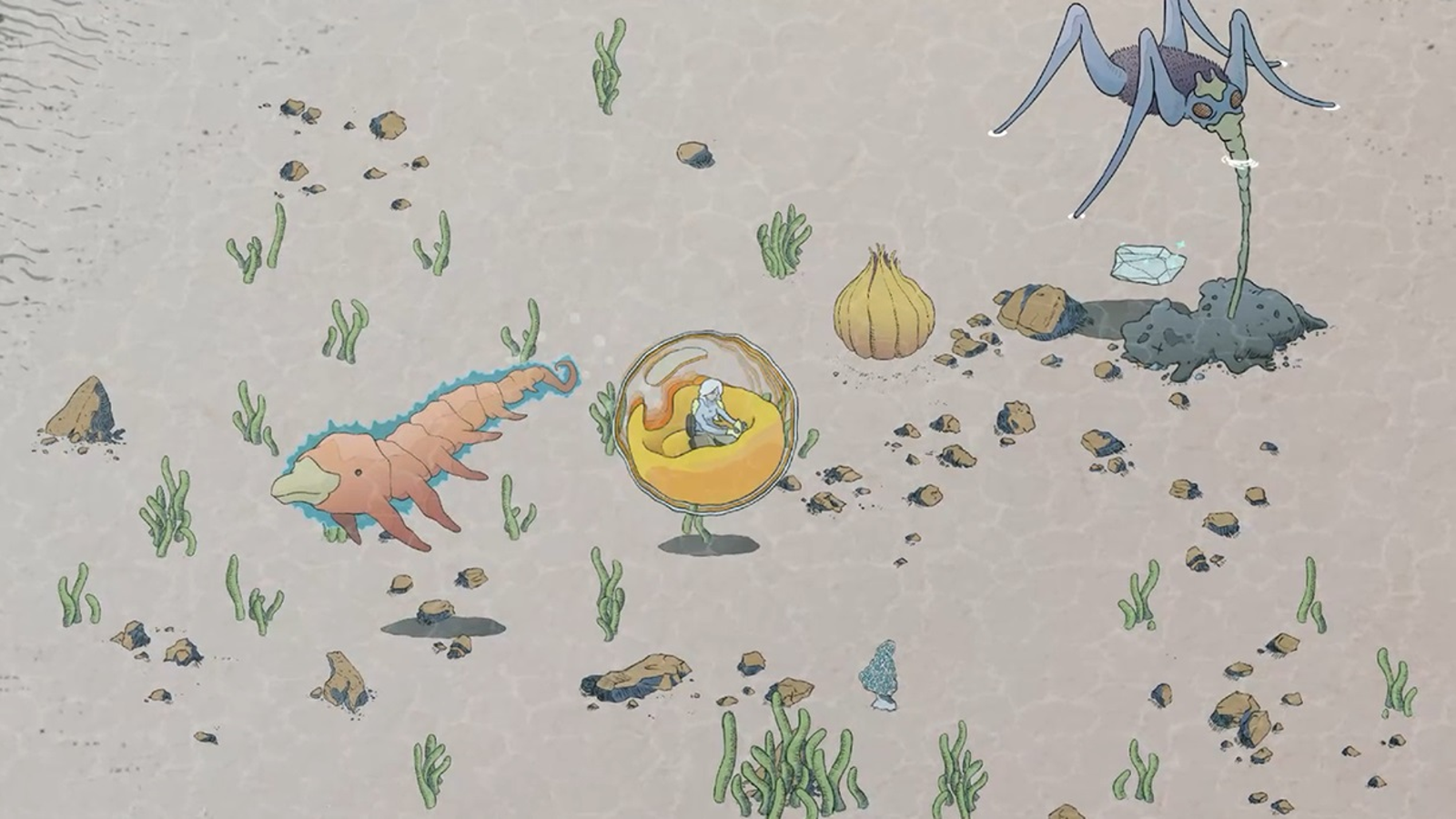
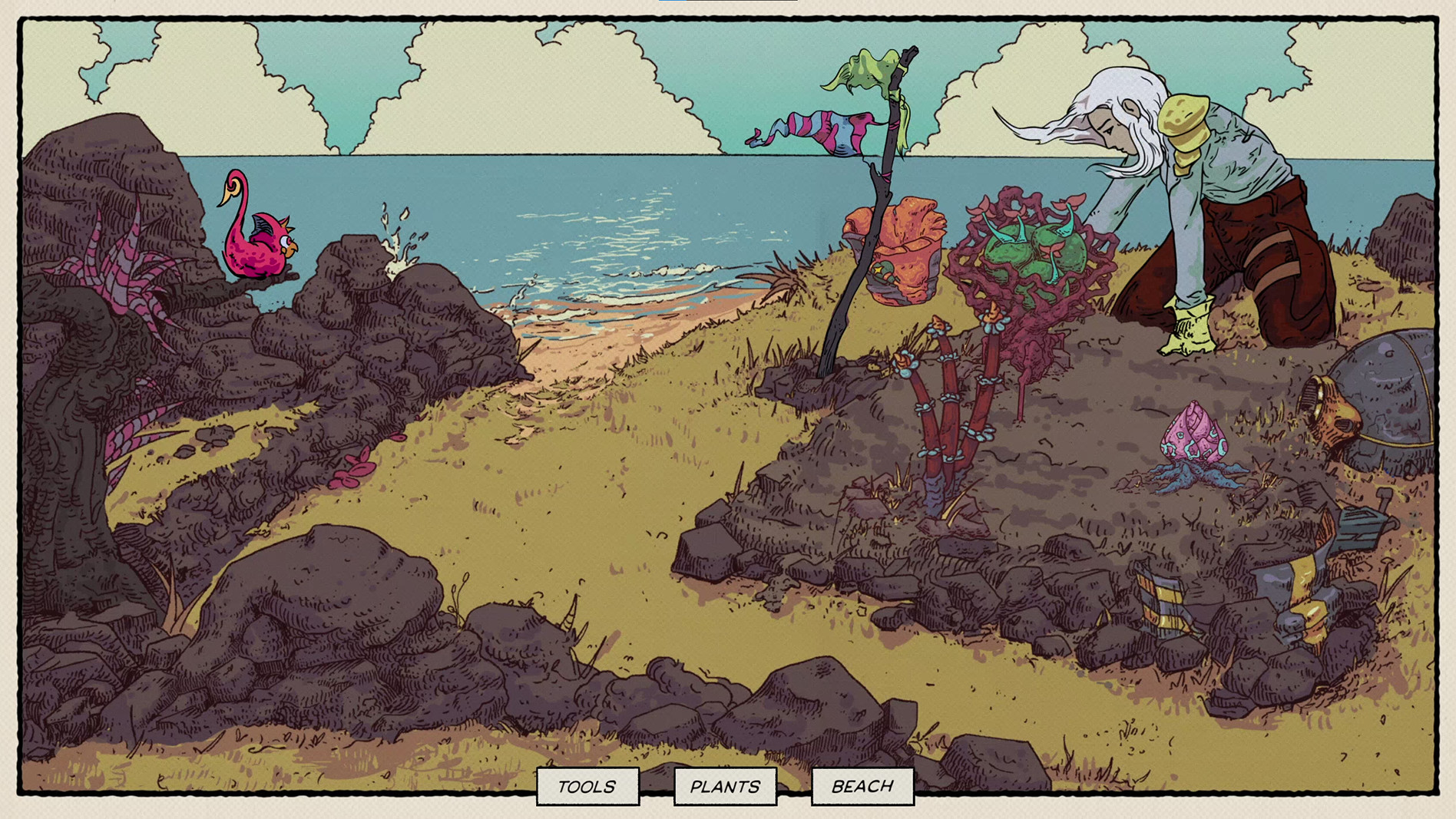
Continuing on with my efforts to discover new and upcoming video games and share them with my readers, last week, I stumbled upon another ambitious and exciting title in the works. Aquamarine, developed by Moebial Studios operating chiefly out of Yreka, California. It is an open-world underwater survival game influenced by a wonderfully wide array of different science-fiction games, comic books, and films. And upon release will boast a wide range of gameplay mechanics. Including vehicular travel and upgrades, morality mechanics, unearthing secrets the world has to offer, and wide-scale exploration (to name but a few). Players will have to take advantage of these to survive in a beautifully designed, outlandish underwater world that is the game’s namesake.

Already having reached the halfway point in their Kickstarter campaign at the time of writing, I reached out to the game’s lead designer, Patric Fallon, to find out more about this game and its breathtaking conceptual design. As well as to unearth some facts about what games influenced this title and about its developmental process thus far. This is what Patric had to say about Aquamarine:

Aquamarine 1

What were the influences behind your game? 

So many! We listed some of the main ones on our Kickstarter page. But everything from Lucasarts-style adventure games, to old-school roguelikes, to Dark Souls and Metroidvanias, to survival games like Don’t Starve and The Long Dark has influenced Aquamarine’s design. Aesthetically speaking, we’re pulling a whole lot from the psychedelic sci-fi art of the ’70s and ’80s, as well as the comics and animated films of that time. Our core influence for the visuals is French artist Moebius, who’s been having a bit of a popularity resurgence in games lately.

What has the developmental process been like?

It’s been slow, sporadic, and long. Development is tough to do without funds of any kind. But developing while trying to raise funds is also tough. We’ve had some major team changes over the years as well. But once those were handled, we finally could move forward at full power. Since planning for this new Kickstarter with our current team, development has gone swimmingly. And we’ve brought Aquamarine to new heights that even surprise me sometimes.

How close are we to seeing the finished product? 

Our goal is to have development wrapped by Q4 2020. Many things can change about the game and its release during that time. But we’re making sure our Kickstarter backers will have access to what we’re making ASAP.

Aquamarine 2

What has been the most exciting aspect of development? 

For me, it’s most recently been bringing together the current team we have now and seeing how well all of their work clicks together. Our new lead artist, Leo d’Almeida, is incredibly imaginative with color and concepts. And our new composer, Thomas Hoey, is massively talented at evoking a mood and fleshing it out through a composition. All of that, coupled with my designs and our animator Drew Brouillette‘s eye for movement and detail, has been so satisfying to see come together.

What has been the most challenging aspect of development?   

At this point, the only real challenge has been funding. No one works for free, nor should they. And so, self-funding development ahead of this Kickstarter has been difficult. I had to uproot myself from living in Brooklyn, NY, for 8 years to move to a tiny Northern California mountain town to be closer to family, save money, and finish Aquamarine’s development.

What has been the most frustrating aspect of development?   

I’m not sure if there have been any major frustrations yet, but it can occasionally be problematic that our team is spread around the world in different time zones. But that’s more about me wrestling my brain about maximizing this, that, or the other. The truth is that everyone working on Aquamarine is reliable, professional, and above all else, EXCITED about making the game. Nothing frustrating about that at all. 

Aquamarine 3

Something I’ve noticed about the game is the comic book art style. Were there any comic book series in particular that influenced this game?

Absolutely! I don’t think the game would exist at all if it weren’t for Moebius’s comic anthology The World of Edena. It’s such a beautiful and ground-breaking book that reading it immediately made me think, “How in the world is there no video game that looks like this? Or feels like this?” That’s how this whole thing began.

In terms of gameplay, how have you and the team been working to deliver a relaxing experience whilst having been influenced by some of the most action-packed games ever developed, like Metroid and Castlevania?

Well, we’re essentially talking about two different aspects of game design: overarching design concepts vs. moment-to-moment action. Many of Aquamarine’s overarching design concepts come from my love for Metroidvania and Soulslike games. Such as open-ended exploration, little to no hand-holding, item-locked progression, a single currency to collect and spend, and so on. But our moment-to-moment action comes from different genres. Such as classic roguelikes, point-and-click adventures, and turn-based tactics games. Having a slower, more contemplative gameplay loop allows us to explore these mechanics from more action-y titles in a different way.

How well has the game been received so far? 

I think we’ve had nothing but positive reactions so far since the Kickstarter launch. And it just keeps ramping up every day. Back when we were showing off super early versions of the demo, people were intrigued by the design ideas we were experimenting with. We even got a snazzy write-up in PC Gamer Magazine in early 2019. We’ve also been approached by a handful of publishers and tons of fans curious about getting involved with Aquamarine in some fashion. I think that response will only continue to expand once we reach people who still don’t know we exist.

Aquamarine 4

What platforms are you looking to bring the game to?

Currently, we are looking only at PC, Mac, and Linux. Simply because that’s been my bread and butter for years. But I’m interested in what a console port of Aquamarine might look like and will be exploring that possibility if/when the time is right. I think Switch would be our first move on that front.

Do you have any advice for aspiring developers who may be reading this? 

Follow what you care about, not what everyone around you seems to be interested in. I think it’s far too common for game makers to want to capitalize on a trend or make something easy to explain to the majority of gamers. But that’s always a quick way to become another generic title in an ocean of generic titles and lose yourself in the process. Only by sticking to your passions will you make something true to yourself. And not get burnt out as you go through the difficult journey of actually making it.

Do you have anything else to add? 

Please check out our Kickstarter and consider backing us. We’re over halfway to our goal!

Aquamarine 5

As well as checking out their Kickstarter page, you can also visit Moebial’s social media platforms via the links below:

Twitter – https://twitter.com/moebial?lang=en

Tumblr – https://moebial.tumblr.com/

Instagram – https://www.instagram.com/aquamarinegame/

The game’s Kickstarter campaign is continuing to gather momentum. And you can help bring the project to life by donating towards the goal. Aquamarine is most definitely a game worth backing. And I can’t wait until its release to see what kind of experience the finished product brings. As always, I hope you guys had as much fun checking Aquamarine out as I did. Hopefully, the title will gain enough momentum to be successfully backed before the deadline.
Game on,

Scouse Gamer88

Luigi’s Mansion 2 (3DS)

Luigis Mansion 2

Developer(s) – Next Level Games & Nintendo SPD

Publisher(s) – Nintendo

Director – Bryce Holliday

Producer – Shigeru Miyamoto

PEGI – 7

Released in 2013 to worldwide critical acclaim, Luigi’s Mansion 2, or Luigi’s Mansion: Dark Moon as it’s known in the US, is the sequel to the much-loved GameCube launch title, Luigi’s Mansion. It takes the formula of the original game and expands upon it. As well as introducing gameplay elements that were ultimately cut from its predecessor. My verdict is that whilst I didn’t enjoy this game as much as I did the first, it’s still a particularly good game in its own right for a variety of different reasons.

Graphics – 7/10

On a technological level, the second game is about on par with the first. But what makes this game different from its predecessor is that the player is not just confined to one place to explore. But rather, there is a much wider variety of locations in and around the mansion to explore in addition. Such as a museum, a dining area, and a botanical garden. All with their own unique look, further adding to the lore of the series.

The biggest problem I had with this game’s visuals in comparison to the first is that there is much less effective use of lighting to create the same kind of atmosphere that the first game had. Mainly due to the fact that there is more light shining in each area, even before ghosts are subdued. As a result, it doesn’t have the same sense of wonderful foreboding that the original game had. The soundtrack to this game is also much less imposing, which, to me, further bogged down the experience.

Gameplay – 8.5/10

Luigi’s Mansion 2 provides players with a very different experience from the first game. Structured as individual stages within each area of the map, as opposed to letting the player come and go around the individual areas as they please. This is to encourage replay value, as previous stages require newly acquired items to explore in full. There are also many more side quests, with collectibles rife throughout, along with a further incentive to collect coins. This is now done to upgrade Luigi’s equipment, giving the game a small RPG feel to it. There is also the addition of boss fights located in each area of the game.

Boss fights are an element that Mario creator Shigeru Miyamoto wanted to put particular emphasis on. The further scope provided for backtracking throughout the game was a good idea on Nintendo’s part. It made the overall experience far more interesting than what I thought it would be going into it. Although I miss being able to explore the given areas at will, like in the first game, the new structure of gameplay nevertheless made this game an extremely enjoyable experience, and it made me glad that Nintendo decided to expand on the series further. The boss fights are just as creative as they were in the first game, if not more so, as some require more varied strategies to defeat.

Controls – 10/10

With the second game, there also came the refinement of the control scheme. In my reviews of the original Luigi’s Mansion, I mentioned that it could take some time to adjust to the control scheme, as there was simultaneous action required to direct Luigi while capturing ghosts with both the C-stick and main control stick on the GameCube. But the second game doesn’t have these issues, with players having a choice between using the 3DS’s gyroscopic controls or using the X or B buttons to look up or down, respectively. This playstyle makes it much easier to capture ghosts more easily than it was in the first game.

Lifespan – 8/10

The second game can also be made to last considerably longer than the first. To complete this game to 100%, players must invest at least 16 hours into it, as opposed to the mere 6 hours it can take to complete the last game. Since the original Luigi’s Mansion was an unjustifiably short game, the lifespan certainly needed to be extended, and with the sequel, Nintendo has not failed to deliver; not only is there a longer game to enjoy, but there are also many more things to do within it to keep players occupied.

Storyline – 7/10

The story of Luigi’s Mansion 2 takes place sometime after the events of the original Luigi’s Mansion. Professor E. Gadd has found a way to pacify ghosts using a device called the dark moon. However, trouble soon starts as King Boo shatters the dark moon, causing the ghosts to once again become hostile. Gadd immediately enlists Luigi’s help to recapture King Boo and all of the other ghosts in and around the mansion and restore the dark moon to working order.

Although the series is kept fresh with a new story to further expand upon the lore of the series, and by proxy, Luigi’s part in the Super Mario series in comparison to Mario, the problem I found with it was a problem I find with many other survival horror sequels; I knew what to expect going into it. If the threat remains the same, the sense of tension or horror doesn’t. The fact that the game is less atmospheric also contributed to the marring down of this game’s story. But nonetheless, it is a solid plotline that also contains a small comedic element to balance the scales.

Originality – 8/10

Whilst the overall concept of the series has remained relatively the same with the release of the second game, the elements within the series have been kept fresh with the introduction of new ideas and elements in most aspects that players can come to expect. It introduces new ideas in terms of gameplay, it introduces more scenery and more enemies to match, and it also constitutes a longer in-game experience, something that this series desperately needed if it were indeed to be expanded upon.

Happii

In summary, Luigi’s Mansion 2 is one of the best Nintendo-exclusive experiences on the 3DS. It delivers on everything that players can come to expect from a sequel and more. It’s not quite as good as the original game, but it’s close.

Score

48.5/60

8/10 (Very Good)

A Matter of Time

Q&A With Haywire Studios

During my recent hiatus from writing, I was contacted by another independent game development studio I had approached some time ago about bringing to the attention of my readers another upcoming indie game. Which had successfully met its funding goals. Haywire Studios, operating out of Adelaide, Australia, is currently working on an open-world top-down RPG named A Matter of Time.

Employing a classic 8-BIT visual style and mixing aspects of medieval fantasy and science fiction, the game also incorporates the manipulation of time into its core gameplay, with the main character, James, being armed with a relic known as the Paradox Cape. Not a great deal is known about how exactly the Paradox Cape will affect the game’s mechanics since it is still quite a way away from being finished. But the main coder, known as CamCog, agreed to answer some questions I sent over to him to get more of an insight into some of the game’s details. Here are their answers:

What were the influences behind your game?

The historical side of ‘A Matter of Time’ was very much influenced by my interest in historic battles. And how they have shaped the way of warfare. Also, some of the gameplay was inspired by other indie RPG titles such as Hyper Light Drifter and Undertale.

What has the developmental process been like?

The developmental process of the game has definitely been a good experience overall. It has taught (and is still teaching) me much about how to create a great game and what to avoid when doing so. Unfortunately, given that this is my first time developing a big project, it’s been quite a new experience. And there have been a lot of unexpected setbacks. 

For example, it took way longer than planned to get a graphic designer, which led to some of the game’s development being delayed. It’s also very time-consuming and tiring to code a whole game independently. Even with the major help of a sound and graphics designer. Despite these setbacks, the progress of the game’s development is beginning to go more smoothly. And I am hopeful that the final product will be something that I can be proud of.

How close are we to seeing the finished product?

Unfortunately, there wasn’t much work on the game previous to the Kickstarter. So the finished product is still quite a long way away – winter 2019 to be exact. However, if all goes to plan, a demo for the game will be released in early 2018, which will at least be something for people to see.

A Matter of Time 5

What has been the most exciting aspect of development?

The most exciting aspect of development has definitely been the making of the ‘A Matter of Time’ universe. Along with the locations and characters that are included in it. Apart from that, the thought of seeing players immerse themselves in the universe that you created is something that inspires me to complete the game.

What has been the most challenging aspect of development?

The most challenging aspect of development is that the whole game is mainly being coded by me. While it is great to be able to take the wheel and code whatever you want, with the only limitation being your skill, it is very difficult for only one person to take this massive workload. I sometimes find myself staying up until 2 am just trying to figure out how to get a simple issue fixed, which I know could be solved in a matter of minutes by a small team of developers. However, as I stated earlier, the whole developmental process has been somewhat educational. And learning to do so much work alone has definitely helped in teaching me so much about game development.


What other kinds of additional abilities will the Paradox Cape have
?

A lot of The Paradox Cape’s details are going to stay a secret until the game’s launch. However, I can give some small details to give you a ‘taste’ of its power. For example, the Paradox Cape will be able to act as a temporary ‘invisibility cloak’ when stealth is key. It will also, when the ability is unlocked, be able to pacify enemies up to a certain strength. Additionally, it can also act as a comfy blanket on a cold day!

How well has the game been received so far?

There have been some positive comments on the game’s Kickstarter, which indicates that people are somewhat excited about the game’s development. There has also been some small discussion on the game’s Discord server, which is good to see as well. Apart from that, however,  not much has been going on in terms of the game’s audience due to there not being much gameplay available for people to witness.

How big a part will time paradoxes play in the outcome of the story?

Time paradoxes aren’t too huge in terms of the game’s storyline. But they will definitely have a big part to play in the game’s mechanics. Unfortunately, due to this being a feature of the Paradox Cape, I am not willing to share the exact details of what will happen.

Was real-life history part of the influences behind this game?

It certainly was, with an obvious example being the place where James is first found, the Battle of Hattin. Groups that are famous in history are also influences for the game. In fact, they are a big part of the game. Some examples are the Templar Knights and the Ayyubid forces.

What platforms are you looking to bring the game to?

The demo will be available for free on itch.io, and the finished game will be available on Steam for an estimated $5 (USD).

Will time travel be implemented into the gameplay?

Definitely. You will even see time travel in the game’s demo when James is transported from the Battle of Hattin to the future.

Do you have any advice for aspiring developers who may be reading this?

Given that I am a new developer, there is not much amazing feedback I can give. I suppose that the biggest piece of advice I can give based on my experience with this game is to PLAN. You do not want to be going into a big project with a ‘just wing it’ attitude. This is one flaw in the way I’ve developed this game that even I have to admit. Not planning caused me to run into a lot of obstacles that I am still having to overcome. I will say it again – before you start any big project, it is VITAL that you plan your storyline, mechanics, approach to marketing, budget, etc.

Where on the Internet can people find you?

Website: http://haywiregamestudios.weebly.com/

Discord: https://discord.gg/pbjyb5B

Facebook: https://www.facebook.com/haywiregamestudios/

Twitter: https://twitter.com/GameHaywire

YouTube: https://www.youtube.com/channel/UCEcnPRw3knE2OzBtfycc6jg

PayPal donation pool: https://www.paypal.com/pools/c/7Z7UNggAQc

Do you have anything else to add?

To everyone who has shown support to me throughout the creation of this game. You guys have been a massive inspiration for me. I would certainly not be creating this game if it weren’t for you. Thanks 🙂


Though we may be a long way from experiencing this unique take on the action RPG genre, I have every confidence that this game will be worth the wait. I would like to take this opportunity to thank CamCog for answering my questions, and to wish him and the rest of Haywire Studios the best of luck with A Matter of Time.

I hope you guys enjoyed my first article back, and there will be many more to come soon.

Game on,

Scouse Gamer 88