Tag Archives: Shooter

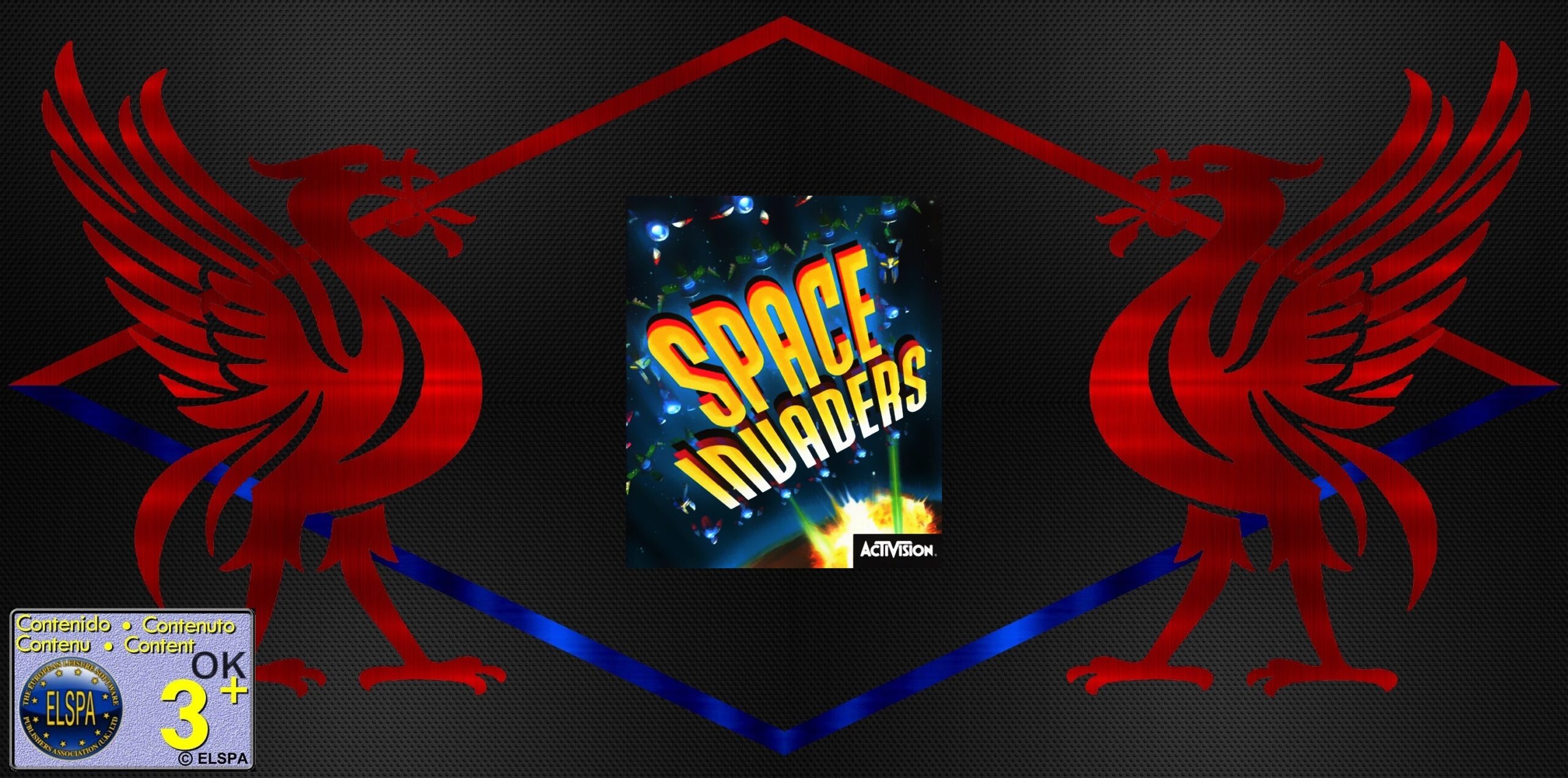
Space Invaders 99 (PC, PS1, Nintendo 64 & Game Boy Colour)

Space Invaders 99

Developer(s) – Z-Axis & Activision

Publisher(s) – Taito

ELSPA – 3+

Paying homage to the original 1978 classic arcade title, the updated version of Space Invaders, released back in 1999, was far more than a simple remake. The developers rebuilt the game from the ground up. Giving it a new lick of paint in terms of visuals and concept design. And giving players much more to play for than a high score. Recently, I reviewed an example of how not to revive a classic arcade franchise in Dig Dug Deeper. But to counteract that, I thought I would write a review of an example where the developers got it right. And Space Invaders 99 certainly got it right. Although I do have to say, as a prerequisite, that I did spend a lot of time playing this game when it was first released, it’s an experience that still holds up to this day. 

Graphics – 8/10

From a technical standpoint, Space Invaders 99 is more or less on par with most PC games released at the time. As well as what was being showcased on fifth-generation hardware. Which makes it seem all the more disappointing to know that there was a canceled Dreamcast version. It makes me wonder how the graphics would’ve possibly been updated for early sixth-generation hardware. But nevertheless, it’s in the conceptual design where this game truly comes into its own. The developers redesigned everything from the player’s ship to the enemy ships and added new graphical features, such as the selection of different levels to progress through. As well as a series of boss fights. The soundtrack that was composed for the game also fits the game’s atmosphere perfectly. It sounds foreboding yet otherworldly at the same time. 

Gameplay – 8/10

Having the template of the original game to work with, the general formula is the same. Players must destroy incoming alien ships before they reach the bottom of the screen. However, what makes this incarnation of the game stand out from the original version is the plethora of new gameplay features. Including a variety of different weapons to use, and boss fights at the end of each level. And a surprising amount of unlockables. Including a port of the original game thrown in for good measure. It also exemplifies how new gameplay features can coincide with new enemy designs. In that, different weapons are accessible by killing four of one enemy type in a row. Players also have to strategize differently in accordance with each boss fought throughout the game. It’s a lot like Titan Attacks, only released over fifteen years earlier. 

Controls – 10/10

On console and PC, and like the first game, the control scheme is easy to get to grips with, even for entry-level players. Not coming with any unnecessary complications or the kind of silly oversights that came with the likes of Dig Dug Deeper. They’ve also been updated in accordance with the additional gameplay features available to be taken advantage of, which only makes this game all the more impressive. 

Lifespan – 10/10

Although the main game can take less than 2 hours to complete, depending on the difficulty settings, it’s a game like Star Fox 64. Although it can be rushed through, it can also be played and enjoyed on far more than one occasion and in a relatively short span of time. It is most definitely a game good enough for repeated playthroughs. Add to that the fact that the original game can be unlocked. Thus increasing the game’s longevity even further. Whilst most kids I knew at the time were playing Gran Turismo 2, I was hooked on this. 

Storyline – 6/10

The game’s story is simply a basic premise. Earth is under attack by alien invaders, and a sole fighter pilot is tasked with repelling them. But what makes this game’s story excel beyond being a simple basic premise is how it is portrayed. There’s a cutscene for both the start and the end of the game. It portrays the player-character’s struggles and triumphs. As well as a foreboding portent at the end. Of course, players ought not to be looking to play a game like this to immerse themselves in the story; it’s just a small tokenistic thing added to the game to give it that extra push over the line. And it does make the experience all the more enjoyable for it. 

Originality – 7/10

Although this game largely copied a blueprint that had been around since 1978, this version of the classic arcade game didn’t simply copy the formula but reinvented it with the inclusion of many new graphical and gameplay features. It was games like this that also would’ve been instrumental in setting the precedent for many indie developers to do the same, such as with Titan Attacks and Ultratron. It’s a shining example of how a team of developers doesn’t simply revamp a classic game for the sake of it, but also to make the gameplay experience their own. 

Happii

Overall, Space Invaders 99 is a wonderfully crafted and highly recommended take on the original arcade version of the game. It’s a wonderfully innovative and charming labor of love that shows the developers all put 100% into making it. Evidenced in every detail. 
Score

49/60

8/10 (Very Good)

Dragon Bros (PC & Xbox One)

Dragon Bros

Developer – Space Lizard Studio

Publisher – Space Lizard Studio

PEGI – 7

Developed by Liverpool-based indie outfit Space Lizard Studio, Dragon Bros is a run-and-gun side scroller drawing influence from many old-school NES classics such as Contra and Blaster Master. Offering new-generation gamers an insight into the tropes of the generation. Whilst also offering older gamers an appreciation for their routes, a great sense of nostalgia. It also caters to players of all skill levels with varying degrees of challenge. Though I had some issues with this title, I was pretty impressed with it. It had a lot to offer that I could appreciate in terms of nostalgia value. And the future of the indie scene.

Graphics – 9/10

Rendered in wonderfully detailed 8-BIT graphics, the game’s scenery and characters are overwhelmingly diverse without becoming too repetitive over the course of the game. There are four worlds, each with its own themes. And new enemies are introduced to keep things fresh on a conceptual level. The game’s soundtrack is also stellar. Composed by Gabriel Caruso, it blends 8-BIT music with rock and roll. Complementing the feel of the game brilliantly. In particular, I was blown away by the game’s main theme, which is used in the first two boss fights.

Gameplay – 7.5/10

There are no unnecessary complications with the game’s control scheme. This was always going to be important in a game that can demand as much as it does of players in the higher difficulty settings. Some of the mechanics involved with controlling certain weapons also add to that challenge in an unprecedented way. The laser cannon is probably the best example of this. As it causes the enemy to gradually recoil over time, they must, therefore, be careful to make sure not to fall off any platforms as a result of not paying attention.

Lifespan – 2/10

The biggest issue I had with this game is how criminally short the main story is. Even taking into account the mini-games as well as the main levels. In total, the game can take around 2 to 3 hours to complete to 100%. Whilst more intrepid players will get more than that out of it, replaying it on the greater difficulty settings, many other players will most likely be left wanting more. But to me, even bearing this in mind in addition, I was still left wanting more. That’s why I think a possible sequel would work well as a Metroidvania game. With elements like leveling up, or an even bigger arsenal of weapons to choose from.

Storyline – 5/10

The game’s story is also only vaguely touched upon. Being portrayed through two cutscenes, one at the start, and the other after finishing it. It follows four infant dragons looking to save their home planet from the invading Mechaliches, whilst also trying to rescue their mother from their leader. While it may be reminiscent of the old way of telling stories within games, like what was done with NES games, telling the story mostly through the game’s manual (the same effect of which was perhaps intended by the developers), very little of that is actually told within the game. So if players want the details of the plot, they need to read the game’s Steam page. But regardless, the story does retain a slight feel of uniqueness about it. So I can appreciate that to an extent.

Originality – 6/10

By far the most unique thing about Dragon Bros is its conceptual design. Very few indie games have stunned me in this respect as much as this game has. And it shows the vast amount of effort the developers put into making it. It also works well for me in particular because I’ve loved dragons ever since I was a kid. But bias aside, the 8-BIT renderings are as fantastically detailed as the likes of Rogue Legacy or Titan Souls. The one gripe I have in terms of uniqueness is that it arguably follows the tropes of its influences too much. And that I think even more could’ve been added to make the gameplay to make it stand out among others.

Happii

However, criticisms aside, Dragon Bros is quite an enjoyable game, and it comes recommended from me for any fans of old-school games out there, and players looking to experience these styles of play for the first time. It’s entertaining throughout for how long it lasts, and players looking for a challenge will certainly not be disappointed.

Score

39.5/60

6.5/10 (Above Average)

Anew The Distant Light

Q&A With Resonator

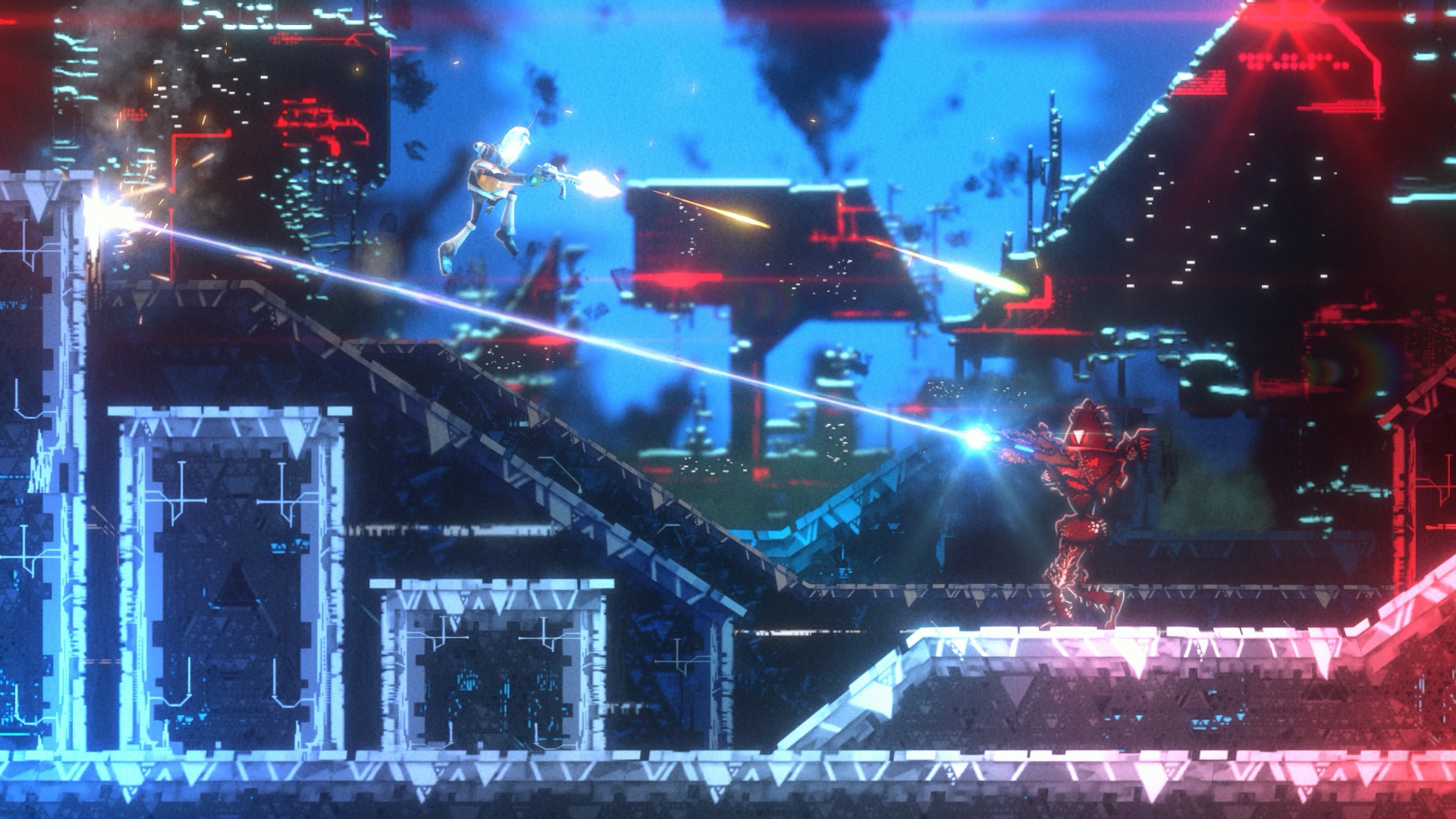
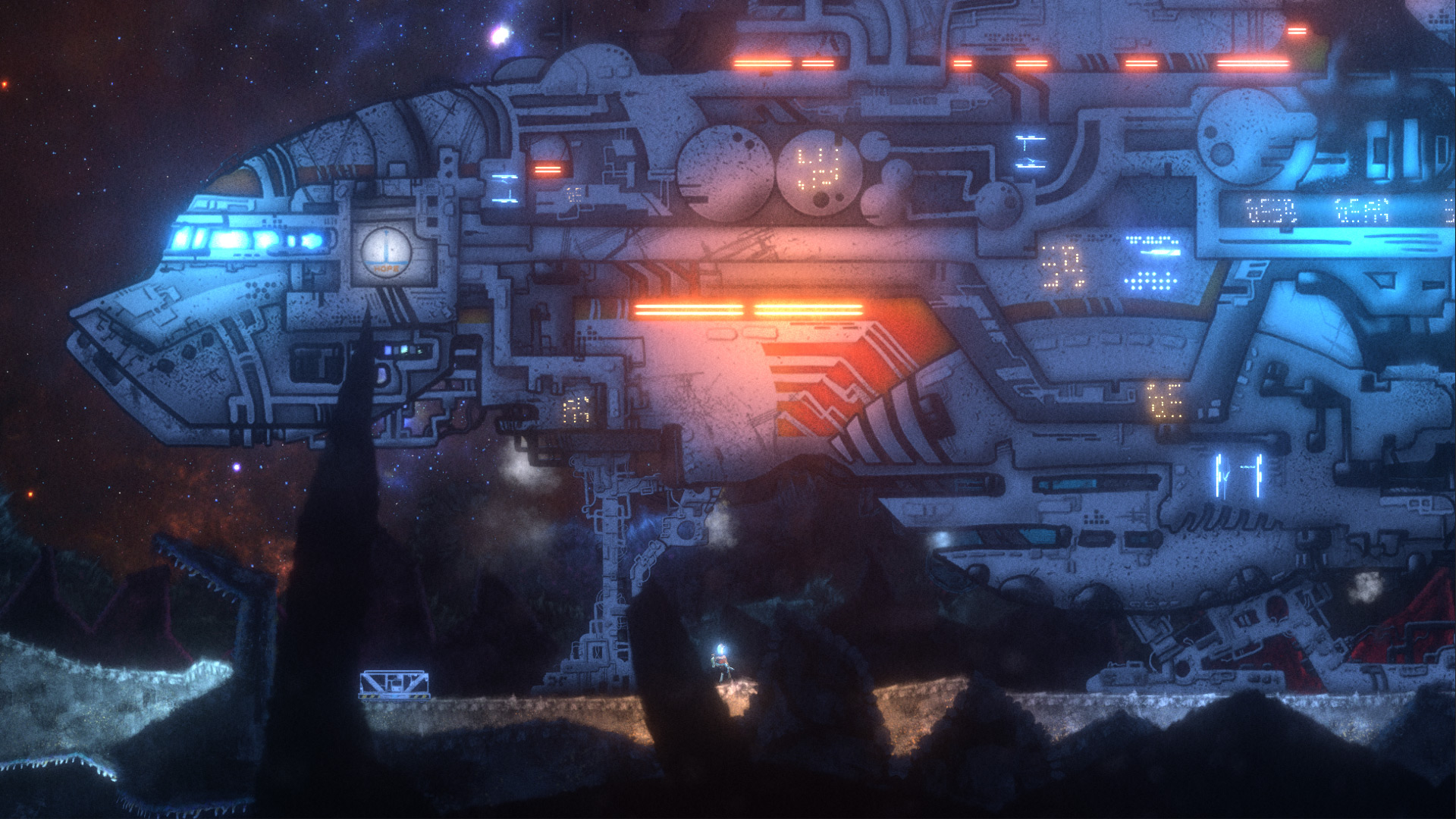
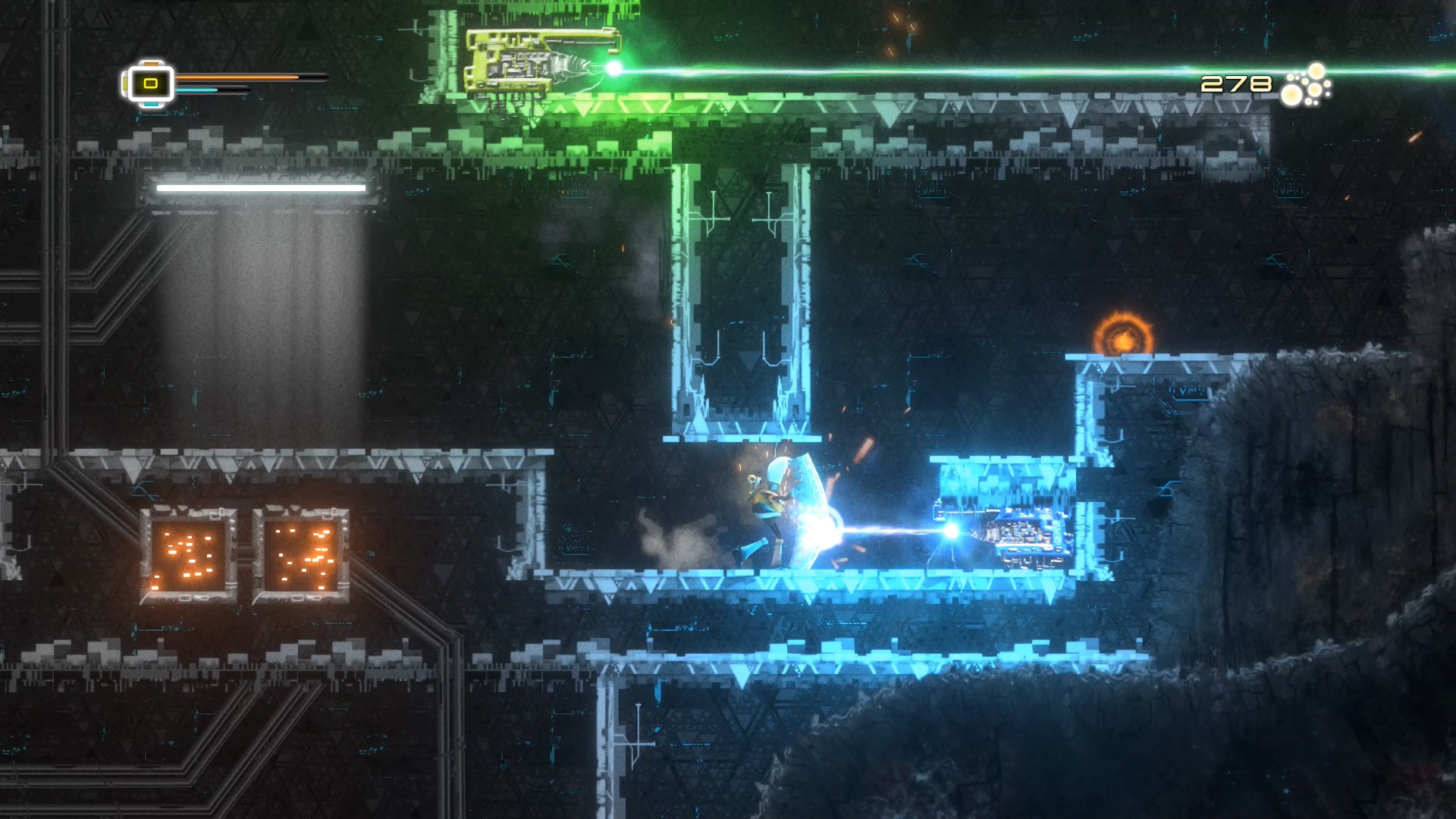
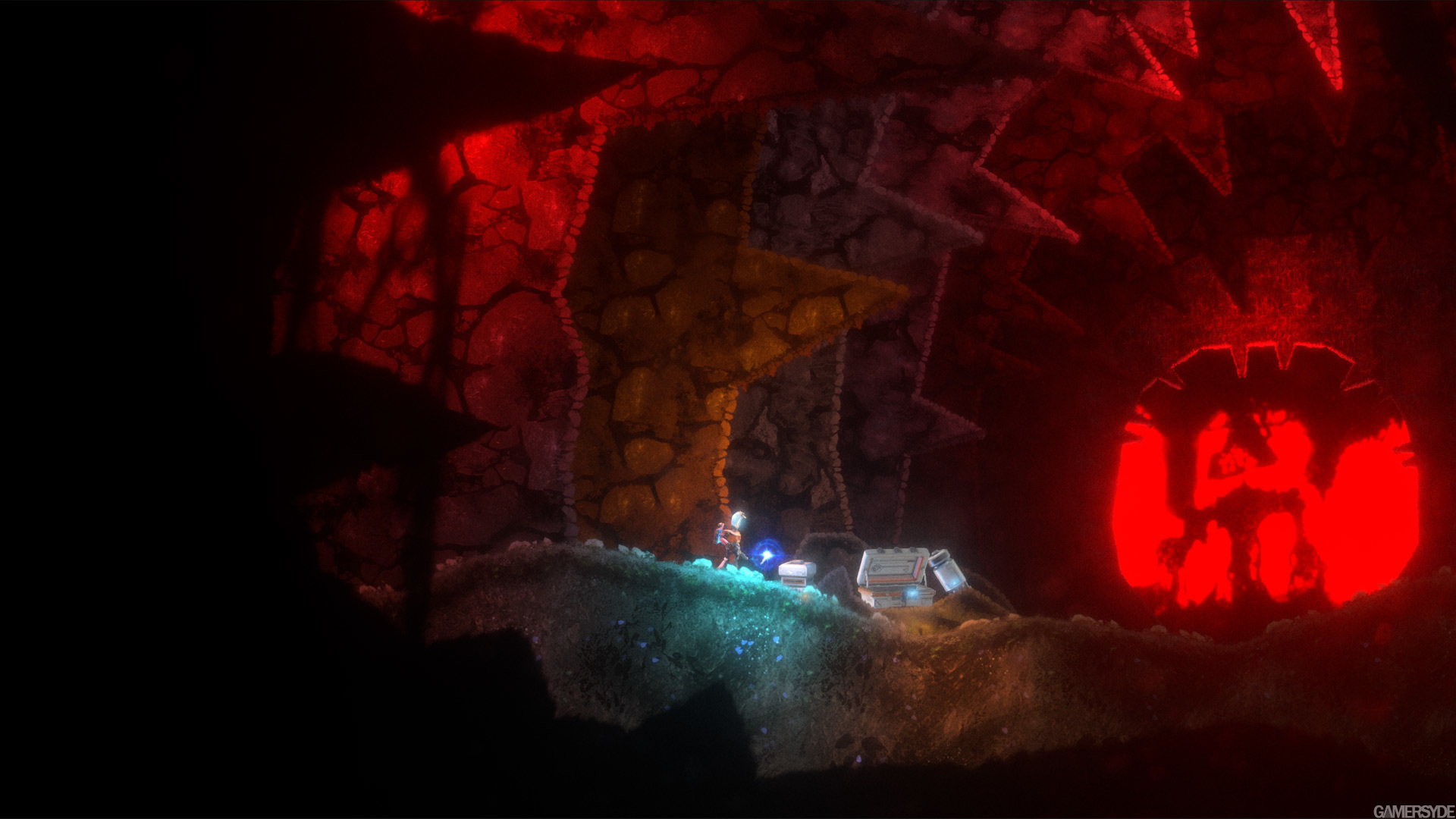
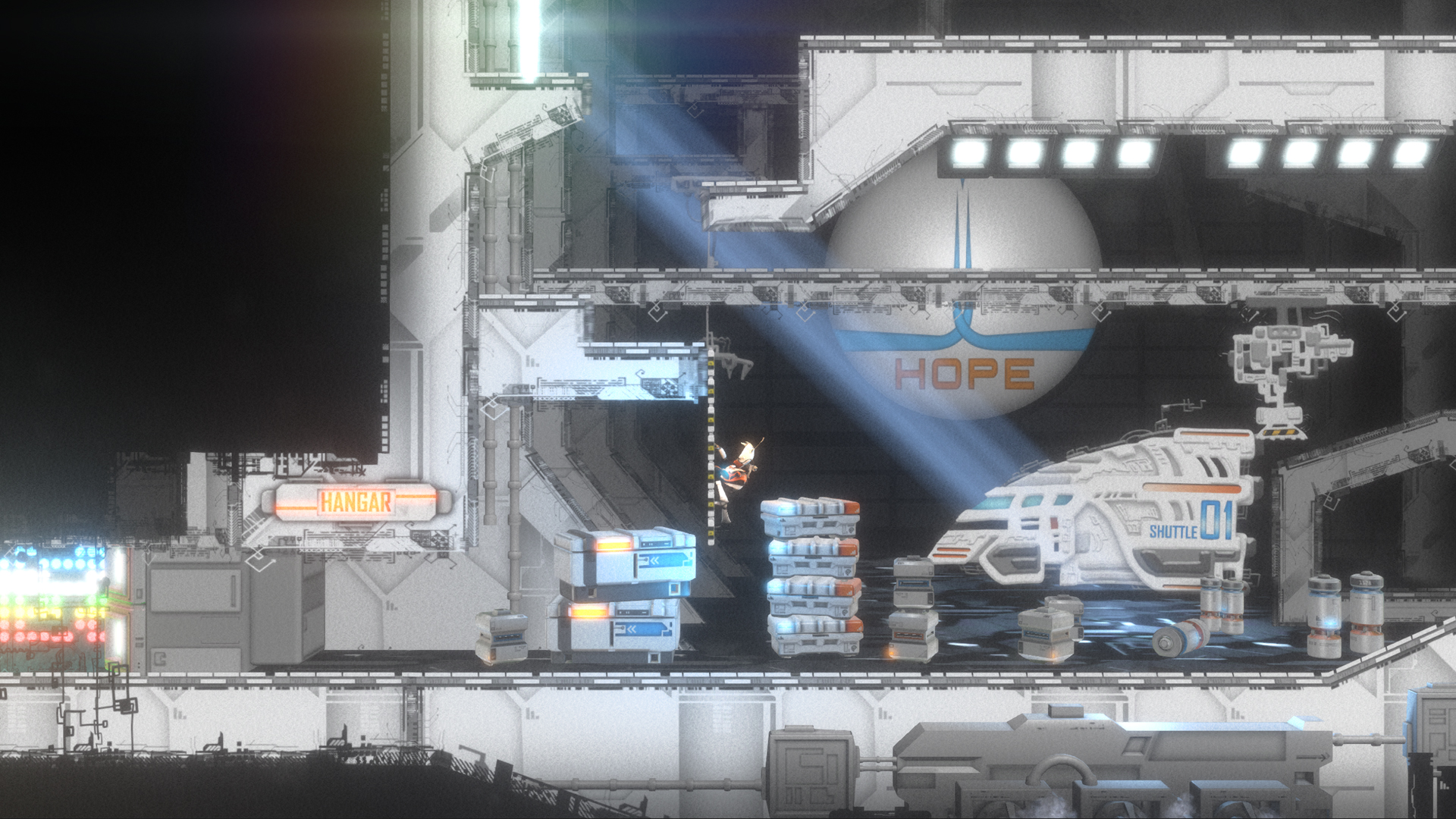
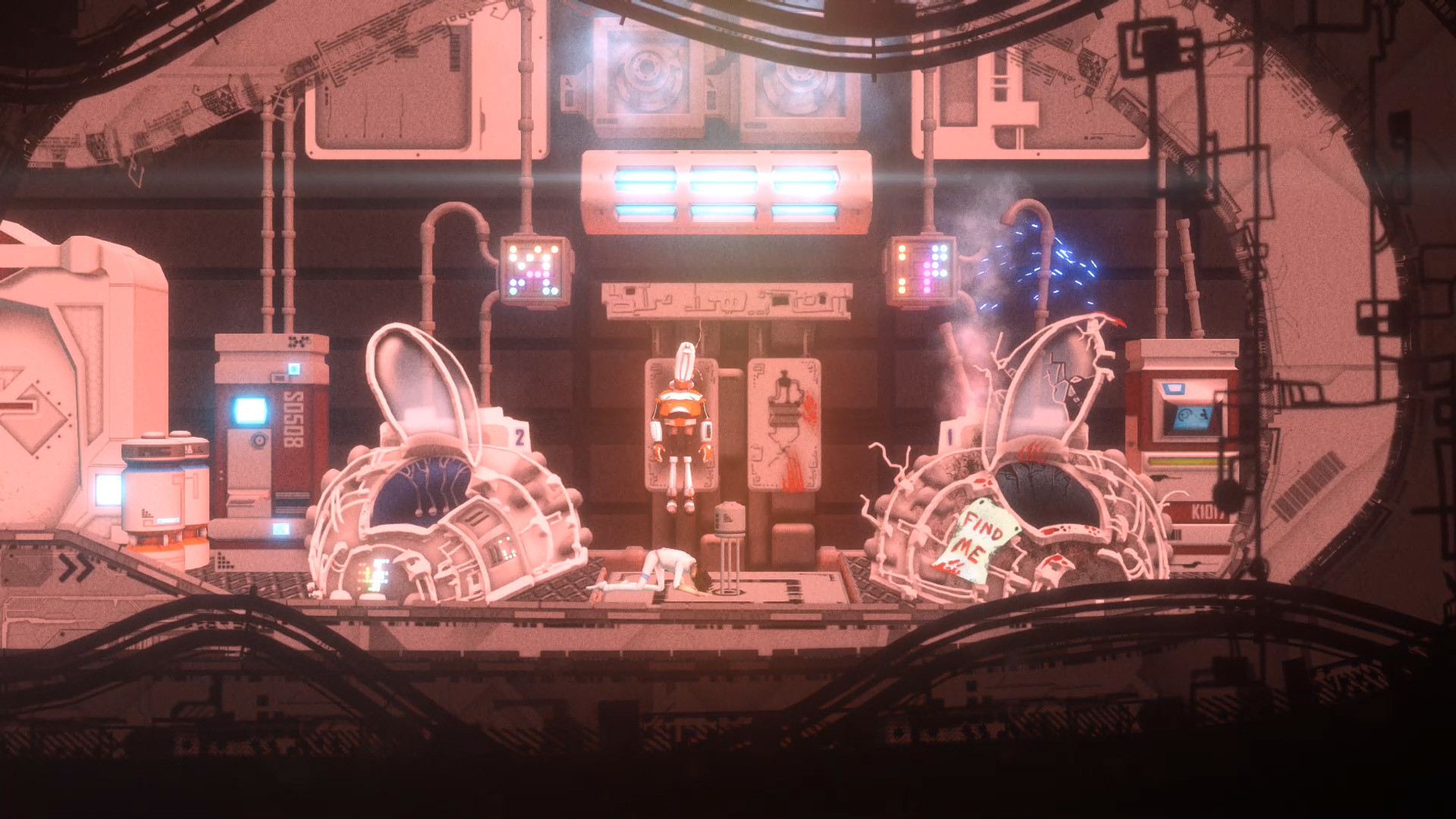
In my ongoing bid to cover and expose as many different independently developed games and indie studios as possible, I discovered a game currently up on Kickstarter entitled Anew: The Distant Light. An action-adventure Metroidvania title, there is a heavy emphasis on combat and exploration. As well as a vibrant science fiction setting that contrasts the beauty and devastation of an endangered futuristic world.

Creating the game are two veteran AAA developers: game director and programmer Steve Copeland, and art director and sound designer Jeff Spoonhower. Collectively known as Resonator. Between then, Steve and Jeff worked on a multitude of major gaming releases over fifteen years, including BioShock 2, Lord of the Rings: Battle for Middle-earth, Borderlands 2, Command & Conquer, and Uncharted: Golden Abyss, to name but a few. After reaching out to Resonator, both Steve and Jeff agreed to answer some questions I had about their upcoming game, their Kickstarter program, and their past and present developmental experiences. Here’s what they had to say:

Anew: The Distant Light 1

What were the influences behind your game?

SC: For me, the classic Metroid games were a big inspiration.  After all, there is a reason our game’s genre is named after it.  You can probably also spot influences from Ori and the Blind Forest, Dark Souls, and Mario Galaxy.  We’re constantly looking for ways to fit fun game mechanics from other genres into Anew: The Distant Light.

JS: I am a big fan of platformers as well. I grew up playing the Mega Man, Mario, and Contra games, so in addition to the non-linear Metroid-style exploration elements, I am excited about including lots of fun platforming elements in Anew.

What has the developmental process been like?

JS: Steve and I have been working on the game full-time for several years now. It’s been hugely challenging and rewarding. We spent a lot of time upfront working on gameplay systems, player mechanics, development tools, and pipelines. And we’ve also built a pretty big section of the game world itself. A lot of the struggles up front were the unknowns – “things we didn’t know we didn’t know about” situations. These were mainly technical, so it was tough to anticipate how long it would take to solve them. We’re happy to say we’ve largely moved through that phase of production and are concentrating on creating content and filling out the game world.

How close are we to seeing the finished product?

SC: A lot of that will depend on how funding goes.  We’re expecting to complete the PC version in about a year. But if we have to stop work to look for investors or a publisher, it will tend to slow things down quite a bit.

Anew: The Distant Light 2

What has been the most exciting aspect of development?

JS: For me, several things. For one, overcoming difficult technical and artistic challenges, and learning a lot. And growing as an artist and designer has been tremendously rewarding. I am also very proud of the world we are creating. We hope that players will find it not only fun to play in, but also visually interesting and enticing to explore and discover. It’s been awesome to be able to tell people that just two people have built the game from the ground up.

What has been the most challenging aspect of development?

SC: With just two people making the game, it can be exhausting to cover all of the needed roles in development and business.  If we could afford to, we’d hire some help.

JS: The number of “hats” Steve and I wear, as far as the roles we are playing in production, is pretty overwhelming. We are each doing the work of 5-10 employees in a traditional studio production! It’s been tiring and oftentimes stressful to have to rapidly switch between these roles on a daily or weekly basis.

Anew: The Distant Light 3

How well has the game been received so far?

SC: Feedback has been very positive on all fronts and in all contexts, especially so when demoing in person at trade shows. Where players can feel the agility and depth built into Anew.  We’re proud to have received the Audience Choice Award at Comicon Phoenix. And I think Jeff sleeps with the golden controller under his pillow.]

JS: Haha, yeah, the golden sheen is starting to wear off. In all seriousness, we are thrilled with the response Anew has received so far. On a personal level, I am so happy that people have responded positively to the look and feel of the game. It’s been my goal to design a world that looks and sounds truly alien and unfamiliar. Those two words have come up repeatedly in press articles we’ve received, so I feel like I’m doing something right.

What platforms are you looking to bring the game to?

SC: We’re leading with PC, including Steam and at least one non-DRM platform for PC.  If our Kickstarter succeeds, we’re also committing to PlayStation 4 and Xbox One.  We also have a stretch goal that will fund research for porting to Nintendo Switch.

Anew: The Distant Light 4

How have your past developmental experiences influenced Anew: The Distant Light?

JS: Our prior AAA studio experience has directly impacted the development of Anew. Steve and I learned a tremendous amount working on games over the past 15-plus years. That includes not only the nitty-gritty of the crafts we practice on a day-to-day basis (modeling, texturing, animating, lighting, programming, designing, tools development, marketing, etc) but also how to set realistic goals and achieve them. We were both senior/lead developers on projects. So we know how important it is to properly schedule a project and avoid common development pitfalls like feature creep and over-scoping. We try to bring everything we’ve learned on these big studio projects to the production of our indie game.

Outside of indie development, what would you say are your and Steve’s favorite projects to have worked on throughout the years?

SC: It was cool to get to work on games related to Star Wars and The Lord of the Rings.  I’m proud of having had a small influence on Command & Conquer: Generals Zero Hour. RTS fans still talk about it nostalgically.  Many of those projects required crushing amounts of hours worked in a week, so it’s hard to call one a favorite in light of that.

JS: I’m really proud of all the games I’ve worked on. Making games is a huge struggle, so I feel like shipping each one has been quite an accomplishment. As a personal fan of the BioShock and Uncharted series, I really got a kick out of working on BioShock 2 and Uncharted: Golden Abyss.

Anew: The Distant Light 5

Has having creative freedom made working on Anew: The Distant Light feel like a better experience than any other?

SC: On the creative freedom front, yes, it’s been the best game development experience I’ve had.

JS: Yes, the creative freedom of making our own game has been very liberating. That freedom comes at a high cost, though. We have taken on a great deal of financial risk. And we are pretty much working on the game all the time! It’s a big commitment. And we have sacrificed a great deal in our personal and professional lives to make it a reality.

Do you have any advice for aspiring developers who may be reading this?

SC: I’d advise them to make and complete things with a very small scope before getting super ambitious.

JS: Agreed. Try to find the one or two things you enjoy doing (be it art or programming), and then really dive headfirst into practicing those crafts. It requires a lot of patience and persistence to get good at this stuff. Ultimately, if you want to get a job in games, you’ll need to show a potential employer that your work is of extremely high quality and would fit into the type of games they are making.

Anew: The Distant Light 6

Where on the Internet can people find you?

JS: We are currently on Kickstarter through March 19th, 11:59 pm

SC: https://www.kickstarter.com/projects/1799572177/anew-the-distant-light. Our official website is www.anewthegame.com. We are also on Facebook and Twitter at @anewthegame.

Do you have anything else to add?

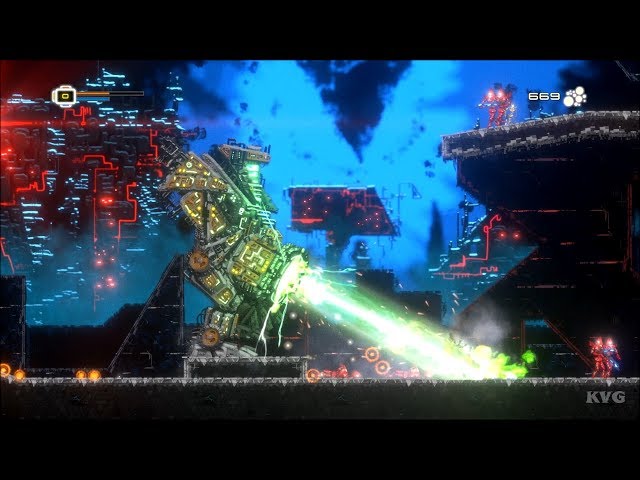
SC: Please check out our Kickstarter!  If you like games with action and exploration, mystery, and a high-skill cap, you’ll find a lot to like about Anew: The Distant Light.  We’re making a game that will scratch the itch for Metroidvania fans. It is also bringing some fresh gameplay to the genre with giant mechs and other vehicles that you can pilot. An upgradable home ship and diverse environments that play quite differently from each other.

Anew: The Distant Light 6

Lastly, I would like to thank both Steve and Jeff for agreeing to answer my questions and to wish them the best of luck with Anew: The Distant Light. I would highly recommend that any gamer who may be looking for an upcoming Metroidvania title check out their Kickstarter page and back the project. Looking at the early footage of it, I myself am extremely excited for the game’s release, and cannot wait to play the finished game.

Ziggurat (PlayStation 4, Xbox One & PC)

Ziggurat

Developer(s) – Milkstone Studios

Publisher(s) – Milkstone Studios

PEGI – 12

First released on Steam Early Access back in 2014, and going on to see both digital and physical releases on multiple platforms, Ziggurat is a Roguelike first-person shooting dungeon crawler, somewhat reminiscent of Tower of Guns, with a heavy emphasis on combat and player character development. And above all, challenge. After having played Tower of Guns, I had fairly high expectations of how good this game would be. And how it would do the things it does. Overall, I was not disappointed.

Graphics – 8/10

The game takes place in a pseudo-medieval fantasy world bearing resemblance to game series such as Warcraft or Baldur’s Gate. The graphical quality of the title is stunning, especially for a game developed independently, but more importantly, it also does extremely well to break away from games that were clearly taken as an influence by incorporating a massive variety of unique creatures and boss characters. Such as Sir Arthur and Lady Audrey. Cutting-edge graphics can mean much less if there isn’t a variety in conceptual design. But this game has both.

Gameplay – 8/10

The basic premise of gameplay, along with the game’s story, is that an apprentice wizard must take on the challenge of the Ziggurat to graduate from his order. Players must undertake increasingly difficult tasks of ascending the floors of the Ziggurat, which are filled with dangerous monsters and challenging obstacles throughout. Players can take advantage of a massive choice of different weapons and spells. And perks that can be found across the game in order to survive for as long as possible, and to try and eventually graduate from the wizard’s order. Locations, enemies. Bosses, in Roguelike tradition, are procedurally generated. And thus, each playthrough provides a new set of challenges every time. Keeping the game insanely fresh and giving it virtually infinite replay value, which can make for hours upon hours of fun.

Controls – 10/10

Belonging to a genre that has dominated the video gaming market since the sixth generation, Ziggurat’s controls are perfect, providing no unnecessary complications, straightforward control mechanics, and incorporating all aspects of gameplay seamlessly. The fact that the player character moves faster than in most other first-person shooters also provides quite a lot of fluency for players who have mastered it after a while, as it can become quite satisfying to be able to effectively dodge a wide variety of simultaneous enemy attacks. By the same token, it can also provide an equal amount of challenge to newcomers, since it can be quite easy to rush through unexplored areas and accidentally fall for several given obstacles, such as lava pits.

Originality – 7/10

Though Ziggurat is not the first game of its kind to incorporate the basic premise of gameplay that it does, it stands out for a massive number of different reasons; the variety in gameplay combat options it provides, as well as its conceptual design and artistic direction in terms of visuals. Although it’s clearly not without its influences, it provides a marvelous gaming experience that greatly shines throughout the indie developer community, and it’s certainly worth playing again and again.

Happii

Overall, Ziggurat is a highly enjoyable game, filled with challenge, entertainment, and a staggering amount of replayability. It looks great, it plays out wonderfully. It stands out as one of the better gaming experiences on eighth-generation hardware.

Score

33/40

8/10 (Very Good)

Doom (2016) (PC, PlayStation 4, Xbox One, Switch & Stadia)

as ‘Doom

Developer(s) – id Software

Publisher(s) – Bethesda Softworks

Director(s) – Marty Stratton & Hugo Martin

Producer(s) – Timothy Bell

PEGI – 18

Twelve years in the making, the re-vamp of id Software’s classic shooter Doom presents players with an experience more akin to Doom 1 and 2. Deviating from the survival horror approach taken with Doom 3. And given an overhaul in visuals, as well as having numerous different features thrown in for good measure.

I thought that, whilst it was pretty light on story, again alluding to the first two games, it was overall a fairly decent gaming experience worth at least one playthrough. And it’s not just another Duke Nukem Forever. As it easily could have been if history had gone another way.

Graphics – 10/10

The game runs on the id Tech engine. One of the most advanced gaming engines on the market. And as a result, it looks nigh-on flawless in terms of technical performance. It’s certainly one of the best-looking video games I’ve seen throughout the eighth generation so far. If not, the best. The conceptual design is very, very good. It looks even more akin to the classic box art than any other Doom game to date. With the red skies and terrains of Mars, and the hordes of demons that players must contend with. Although the game itself plays out much like the first two games in the series, I like that they also kept the scary atmosphere and limited lighting in UAC facilities, which were established in Doom 3.

Gameplay – 7/10

The game has a standard level-based campaign mode. Where players must shoot their way through hordes of demonic creatures. And complete a couple of collectible side quests along the way. But on top of that, there is online multiplayer. But the most interesting feature the game has to offer is undoubtedly the SnapMap system. This allows players to create their own arenas and stages and hold their own online multiplayer battles and single-player levels, as well as other game modes. A direct response to the overwhelming legacy the original game created in terms of user-generated content. The SnapMap feature makes this game stand out among the many other generic FPS games that are released every year. And after completing the main story mode, it will provide much more replay value for people left wanting more.

Controls – 10/10

Handled by the godfathers of the first-person shooting genre, id Software, it was expected that there would be no issues with the game’s control. And so there aren’t any. Doom’s controls are as refined as any other modern FPS game. And present players with no unnecessary complications.

Lifespan – 10/10

The campaign can typically last up to around 13 hours. Which, whilst it isn’t exceptional, is still much longer than the average FPS story mode. But on top of that, online multiplayer and the SnapMap feature will provide players with unlimited replay value, so the game will, in essence, last as long as the player’s interest, which, given what this game has to offer, should be a considerably long time, especially for veteran fans of the series.

Storyline – 4/10

As I said, this game is light on story, even in the campaign mode. The plot is that an unnamed space marine is traversing through the planet Mars, and is on the way to eliminating as much of the demon horde as possible. There are slight instances of character development and a couple of different plot threads, but not enough to make it stand out from other games in this respect. Arguably, there didn’t need to be a story for it to work, and that does apply to a certain extent, but given how id Software has previously demonstrated that they know how to tell at least an interesting story, as evidenced by both Rage and Wolfenstein: The New Order, I still can’t help but feel that this game fell short in this respect.

Originality – 6/10

Another aspect that the game falls short on slightly is in terms of uniqueness, partly in conjunction with the fact that this is simply a second re-telling of the events of the original game. It’s also due to the fact that Doom does essentially play out like a standard first-person shooter, and that there are no unique mechanics within the gameplay itself outside the SnapMap feature. id Software may have wanted to keep things simple for the sake of delaying the game any more than they already had done. If true, the game was made to suffer slightly in terms of originality.

Happii

In summation, however, Doom is a solid first-person shooting experience, and I would recommend it to both veterans and newcomers. It’s longer than the average shooter, and while it does play out a lot like an average shooter, there are enough additional gameplay features to keep players busy vanquishing the demon horde for a long time.

Score

47/60

7.5/10 (Good)

Star Fox Zero (Wii U)

Star Fox Zero

Developer(s) – Nintendo EPD & Platinum Games

Publisher(s) – Nintendo

Director(s) – Yugo Hayashi & Yusuke Hashimoto

Producer(s) – Shigeru Miyamoto, Tadashi Sugiyama & Atsushi Inaba

PEGI – 7

Being the franchise’s first home console release for eleven years, and receiving mixed reviews upon release, Star Fox Zero brought the series back to its roots. But not without incorporating a plethora of new gameplay elements to perpetuate a great deal of variety and replay value. As well as to satisfy both newcomers and veteran fans. There were some issues I had with the latest revamp of the classic Nintendo rail shooting game, but overall, I found it to be a fairly solid gaming experience. And certainly one of the more standout titles on the Wii U to have been handled by a third-party developer.

Graphics – 7/10

As expected, the Lylat System has never looked as detailed or as polished as it does in this game. Many classic planets make an appearance, such as Corneria, Venom, Zoness, and Fortuna. With the addition of new locations like Sector Alpha, Sector Beta, and Aquarosa. What I was especially impressed with was how most of the classic locations had been redesigned so dramatically to fit in with the unfamiliarity of all the new locations. The only two locations that stood out to me as being arguably overly reminiscent of Star Fox 64 were both Corneria and Titania. But even they differed from their Nintendo 64 counterparts. Especially in terms of their respective boss fights.

Gameplay – 9/10

Aside from an overhaul of graphics, there is also a massive overhaul of gameplay. The classic rail shooting mechanics of the original Star Fox game take precedence. In addition, there are multiple vehicles that must be piloted in order to traverse different sections of certain levels. As well as complete different objectives. The Landmaster from Star Fox 64 is used in addition to the Arwing. As well as the new Gyrowing, which is used to hack into computer systems via a deployable robot named Direct-I. And the Walker vehicle, which is used for ground combat.

An idea reworked from a gameplay feature incorporated into the canceled Star Fox 2 for the Super Nintendo. Star Fox Zero also features side quests providing additional replay value. Something that many Star Fox games have sorely lacked, except Star Fox Adventure. Incorporating the addictive nature of the series, I found playing this game to be very enjoyable overall. And every bit as challenging as any other game in the series to date.

Controls – 6/10

The biggest reservation I had about this game, whilst playing, was how the control scheme worked in conjunction with the unique features of the Wii U. Aiming is handled by having players use both the control sticks and the Wii U GamePad’s gyroscopic controls simultaneously. There is an option the player can take to have the crosshair locked when steering, but the gyroscopic controls are then enabled again once the player starts firing their weapons. And in my opinion, it doesn’t work anywhere near as well as the classic system. If the gyroscopic controls hadn’t been incorporated, I would have thought much more highly of this game overall. But unfortunately, Nintendo tried to fix something that was, by and large, unbroken. And it made for an unnecessarily huge hindrance rather than a pleasure.

Lifespan – 10/10

Like both Star Fox and Star Fox 64, there is virtually infinite replay value to be had in this game. Aside from the main story quest, there is an arcade mode. Which players can take on to beat their high score, as well as a multiplayer mode. One quick playthrough can take less than four hours to complete. But to complete the game to 100% can take anything between 15 and 20 hours. Which, to me, was unprecedented for any game made of the same caliber.

Storyline – 6.5/10

Being the third re-telling of the events of the original game, the story centers on the anthropomorphic Star Fox team. Consisting of Fox McCloud, the leader, Peppy Hare, the seasoned veteran, Slippy Toad, the complacent mechanic, and Falco Lombardi, the cocky ace pilot. Their mission is to aid the Cornerian army led by General Pepper in saving the Lylat System from the invading maniacal scientist Andross. Though I have already experienced this story many times and loved it, the main problem I had with this interpretation of it was the voice acting.

Despite the fact that almost all of the original cast from Star Fox 64 returned. In addition, I found it to be nowhere near as well-scripted as Star Fox 64. To me, there wasn’t as much as there was in the former game that brought out the characters’ traits and personalities. It was much like the same problem I had with the re-vamp of Ratchet and Clank; many returning characters, and not enough development. The developers tried adding a slight plot twist towards the end concerning General Pepper, but to me, it was too little too late.

Originality – 8/10

In terms of story, I wouldn’t say there was a great deal present to differentiate it from any other game in the series. However, from the perspective of both gameplay and conceptual design, there’s a great deal of uniqueness to experience. It will certainly provide both veterans and newcomers with one of the more special gaming experiences on the Wii U, and whilst the control scheme can be infuriating at times, it’s not impossible to get to grips with.

A lot of the boss fights are also very different from most boss fights in the series, with the strategy of beating Andross being something a little bit more than blowing his hands away and then aiming for his eyes. It also nicely paves the way for a possible continuation of the series in the future, as well as the possibility of even more unique ideas to be incorporated into future games.

Happii

Overall, Star Fox Zero has its flaws, but it’s by no means one of the most frustrating games I’ve played. It’s addictive, challenging, and beautiful to look at, and whilst it isn’t the best re-telling of the events of the original game, it does a good enough job at explaining the basic premise and leaves the next direction the series could take open to interpretation.

Score

46.5/60

7.5/10 (Good)

Avorion

Q&A With Konstantin Kronfeldner

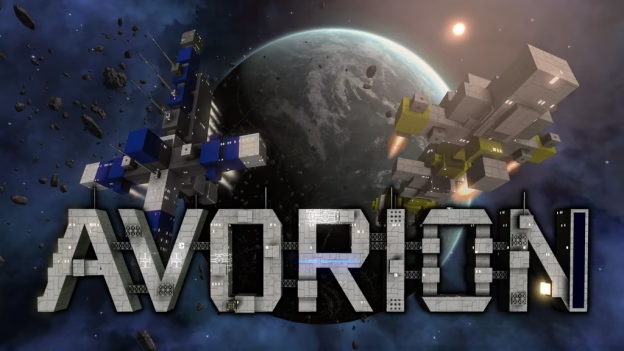
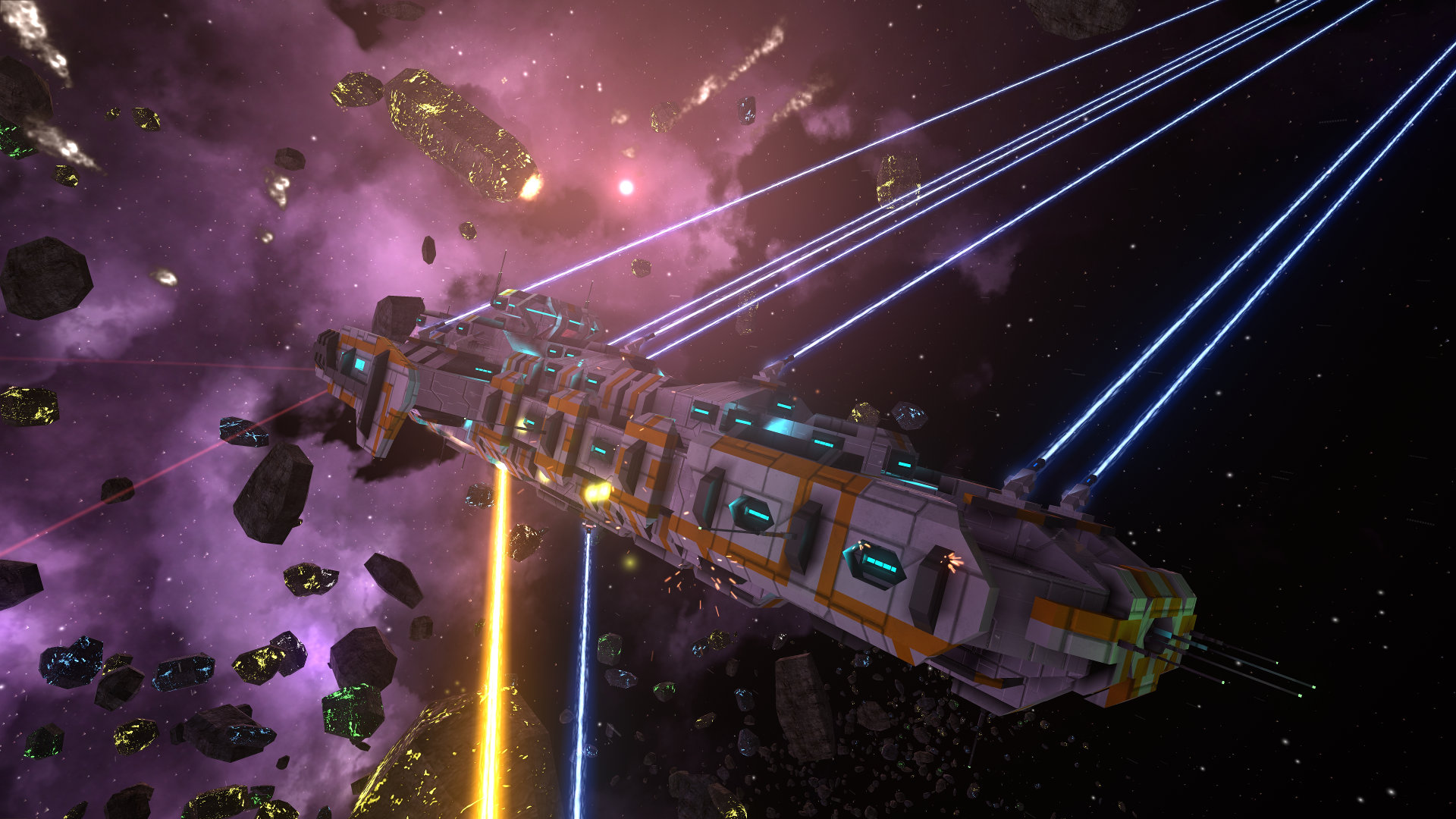
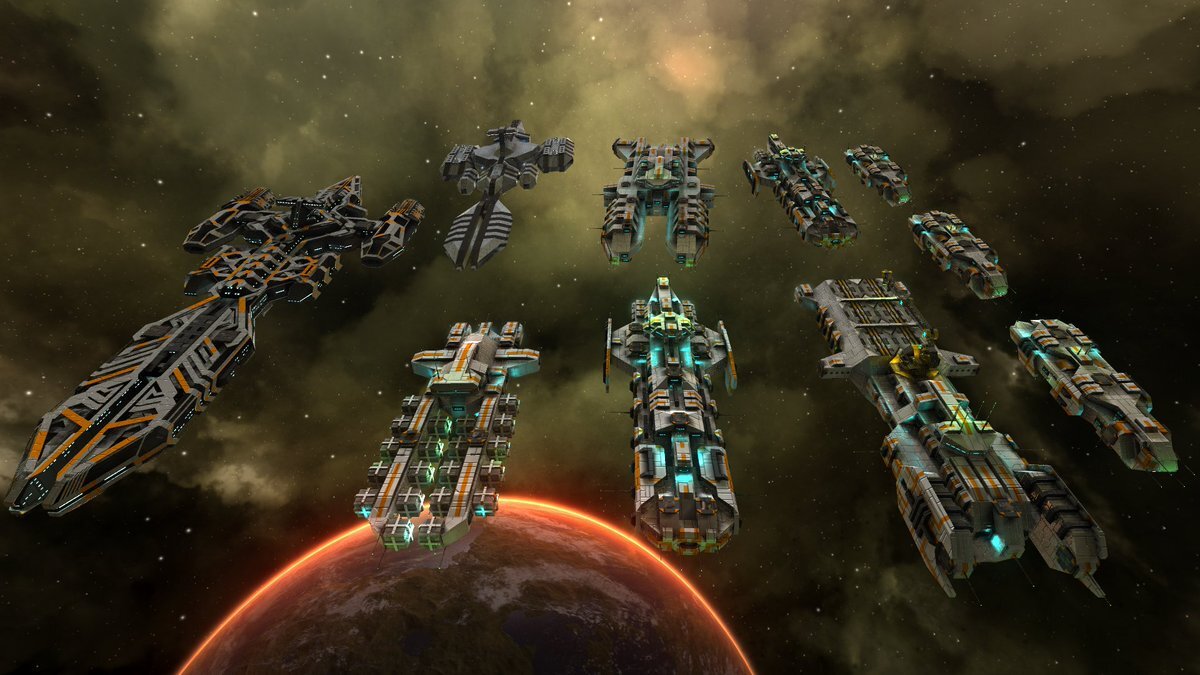
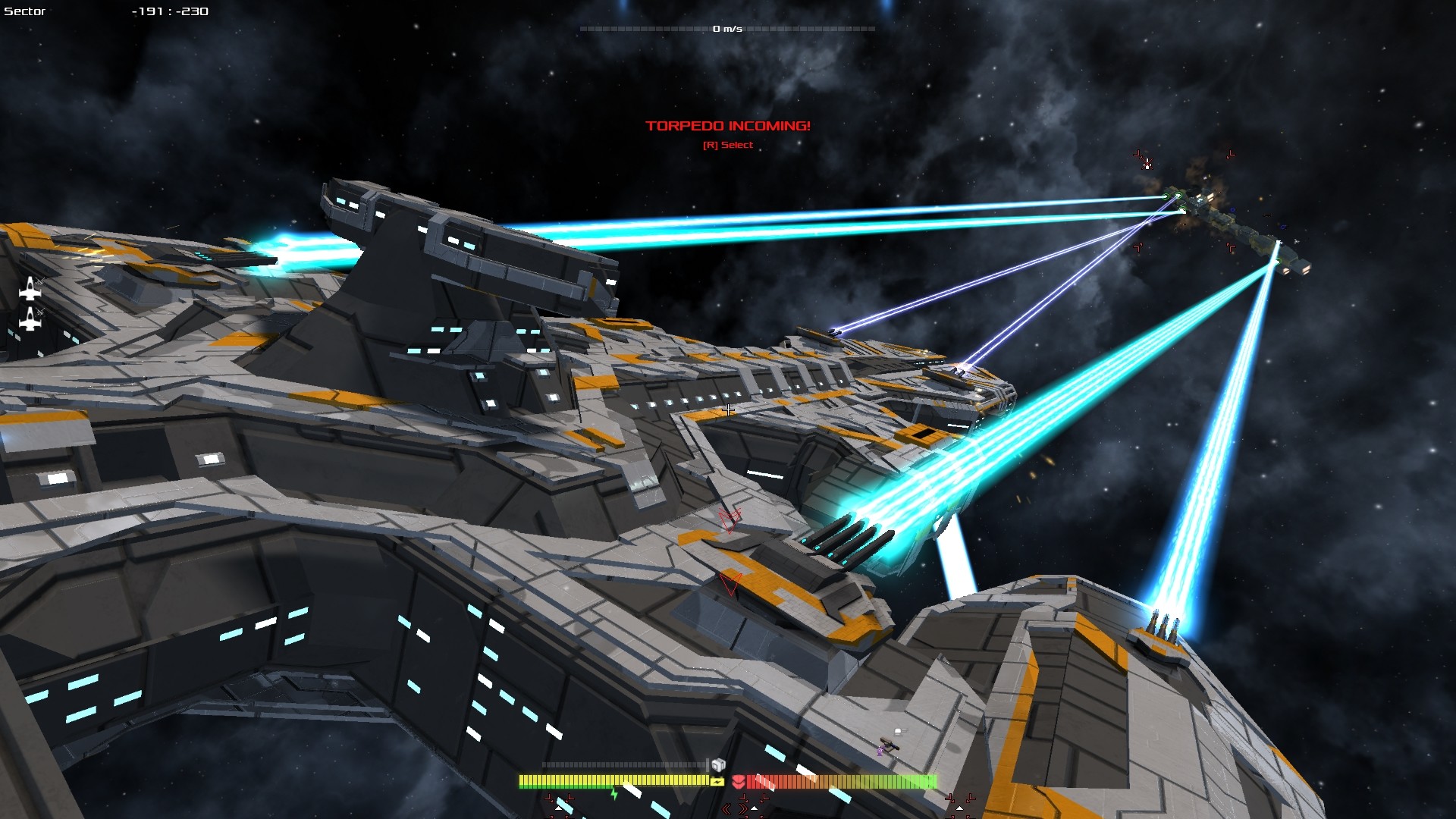
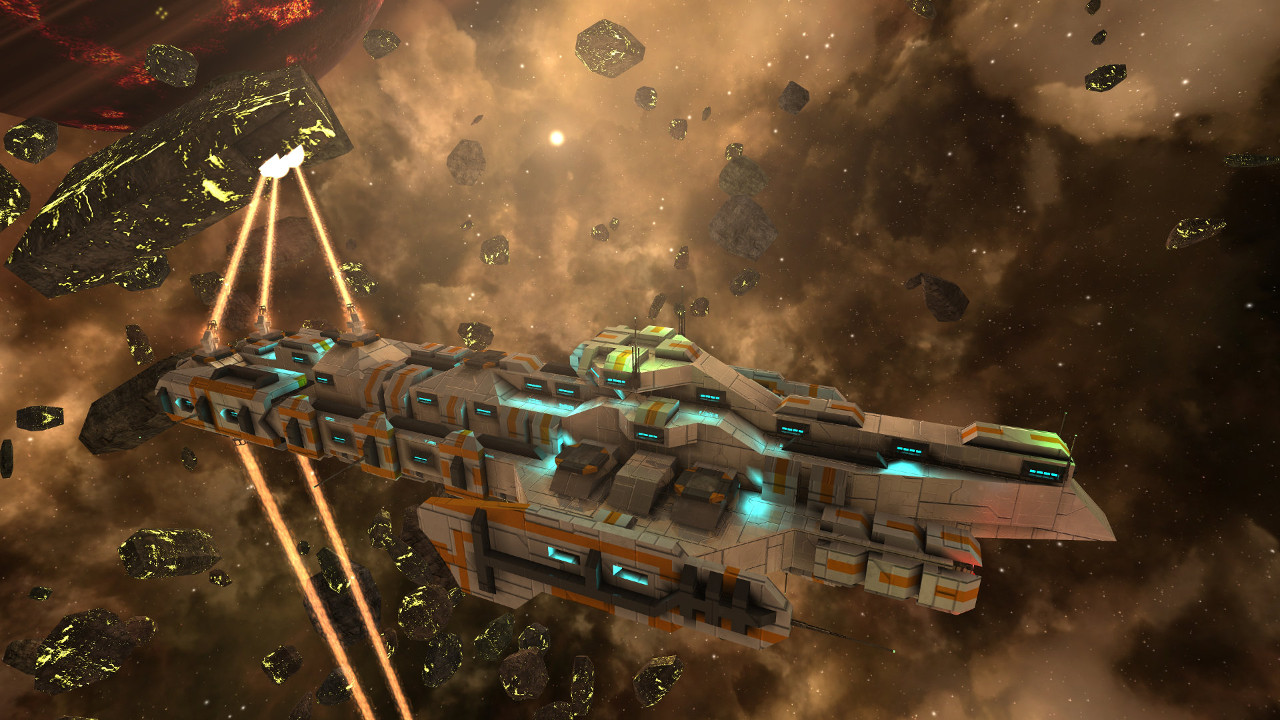
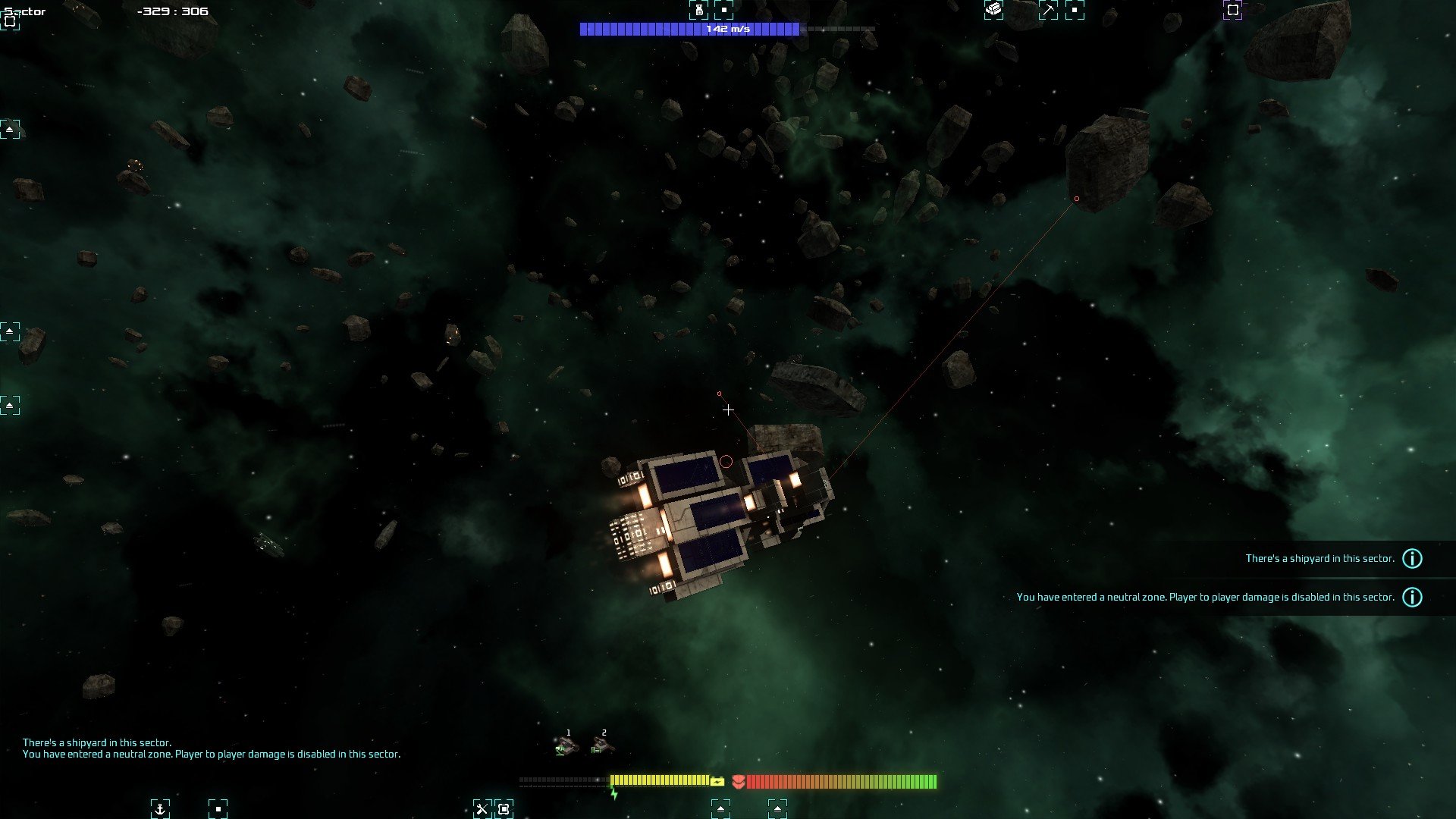
Searching for more up-and-coming developers showcasing exciting up-and-coming games, I discovered a space-based sandbox game in development called Avorion. Combining elements of titles such as Minecraft and EVE Online, Avorion puts heavy emphasis on both sandbox building and combat, as players must build their space stations, mine for resources, explore the open recesses of space, and defend themselves at all costs. Intrigued, I got in touch with the core developer of the game, Konstantin Kronfeldner, and posed to him questions regarding the game, what influenced its creation, and the excitement and challenges that have come with the developmental process. Here’s what Konstantin had to tell us about Avorion:

Avorion 1

What were the influences behind Avorion?

I always wanted a space game where ships would break at the points where they’re hit in combat. I’m a big fan of space sandboxes such as the X Games and Freelancer, but it always bothered me that there was no multiplayer option. EVE was one I tried out as well, but it was too hardcore for me. I wanted something a little lighter. That’s how Avorion came to life. Since I’m skilled at programming and I needed to fill my space game with a lot of content, I chose procedural generation. This way, I could focus on what I’m good at, programming. I created a generator for spaceships and stations, and was now able to fill my game with as much content as I wanted.

What has the developmental process been like?

I’ve been developing the game as a hobby for over 4 years alongside my studies in Computer Science. It’s become a big part of my life, and I love working on it. 

How close are we to seeing the finished product?

The finished product is planned to be released at the end of the year if everything goes well. We’re planning to release the game in Early Access in August, so you can get it there already if you like.

Avorion 2

What has been the most exciting aspect of development?

In the whole process, it’s Greenlight and Kickstarter. Generally, releasing demos to the public. It’s exciting to see other people play your game, and players always come up with ways of playing it in a way that you never imagined. Considering development itself, I think the most exciting part was when we managed to add ambient occlusion to the game, which improved the graphics a lot. Ships started looking a lot better, and we could add actual lights to ships and stations. The aesthetics made a huge jump, and I was very happy about that. If you don’t know what ambient occlusion is, take a look at these two pictures, one is with ambient occlusion, and one is without.

No AO: http://imgur.com/2VM84js

With AO: http://imgur.com/KX08Lz9

What has been the most challenging aspect of development?

At one point, I realized that the game went in the wrong direction, programming-wise. I won’t bore you with the details, but it used to use an inheritance hierarchy for game objects, and I rebuilt it into an entity-component system. No more features could be added since they would always interfere with other features, which was very annoying, as you can probably imagine. I restructured the game for over 6 months (seriously). I nearly lost all interest in programming it. Glad I pulled through, though, because now it’s better than ever. 

How well has the game been received so far?

So far, I think it has been received well. Most people liked the demo a lot, and we got tons of great feedback. Some criticized that it was very similar to other popular upcoming games out there, such as No Man’s Sky, but those who took the time to take a closer look at both games always agreed that they’re two very different games. 

Avorion 3

What platforms are you looking to bring the game to?

We will bring it to Ubuntu Linux (or any Linux that can run Steam successfully) and Windows. Gamepad support, and once we get this done, a port to SteamOS will be possible as well. We want to support Mac, too, but it probably won’t be out for Mac until further down the road.

 Were there any specific science fiction series that inspired the creation of Avorion?

I was definitely inspired by the X Games. I loved X3 specifically and played it for months. Other than that, there’s a lot of science fiction that I love, such as the Perry Rhodan books or Battlestar Galactica (the hyperspace jumps are inspired by both of these).

Do you have any advice for aspiring developers who may be reading this?

Wow, there are a lot of things that I think are important. But I think the most important ones are: 

  1. Stick to what you’re doing. Motivate yourself to keep developing the game you love. It’s going to be hard; there are no easily developed games. But it’s going to be worth it.
  2. Show it to people as early as you can, once you have something to show for it. Let people know that you’re making something. Get feedback and listen to it; this way, you can be sure that people will like it.

Avorion 4

 Where on the Internet can people find you?

You can follow me on Twitter; my nickname is @koonschi. The Twitter of Avorion’s second developer, Philipp, is @qui_sum. Aside from that, there’s also the Avorion Website (http://www.avorion.net/), which will have links to all our other sites, such as Steam Greenlight, Facebook, YouTube, Reddit, and the like.

Do you have anything else to add?

I want to thank all those who backed us and who put their trust in Avorion and in us. We will do our very best to deliver you all a great game.

Avorion 5

I would furthermore like to take this opportunity to thank Konstantin for providing what intriguing answers he did and to wish him and the team all the best of luck with the game. I am also happy to say that before this Q&A was published, it has now been officially greenlit by the Steam community, and you can check out a preview of it here:

https://steamcommunity.com/sharedfiles/filedetails/?id=569062754

Thanks for reading.

X-Type+ (Wii U)

X-Type+

Developer(s) – PhobosLab

Publisher(s) – Nintendo

PEGI – 3

Starting as a simple browser game developed by the proprietors of the site PhobosLab.com, I was at first surprised to find a game like X-Type+ appear on the Wii U Virtual Console. But after playing it and seeing just how addictive it can become, I found myself increasingly less surprised by its inclusion. After all, Nintendo knows a good game when they see one.

Graphics – 5/10

One of the weaker points of this game, however, despite its addictiveness, is the fact that the visuals are almost non-existent. Even though this is an arcade game at its core, there have been many games released like it that have implemented much more breathtaking and interesting visuals than this. Essentially, all it encompasses is a blank background, and ship after ship that looks the same. Though it may have started as a browser game, I think even under those circumstances, better visuals could have been implemented.

Gameplay – 10/10

The objective of X-Type+ is simple. Destroy each ship that appears on the screen, and rack up the highest score possible. Like such games as Galaga and Gradius, it is incredibly addictive and will compel players to play again and again in order to simply improve their high scores. And post it on either the website or the Wii U scoreboard.

Controls – 10/10

The best way to play this game is to use a third-party Wii U controller. I found that with either the GamePad or on the original website, the control scheme is not so easy to cope with, and poses several problems. Personally, I’ve never been a fan of using a keyboard to control PC games that aren’t simulators. The GamePad also poses the same problem of the hands cramping up that I’d previously experienced whilst playing through Hyrule Warriors.

Originality – 4/10

The worst thing about this game, however, is how little it stands out compared to the likes of Galaga and Gradius. As I said, the visuals are almost non-existent and do little to differentiate this game from others of its kind. Unlike many other games released in this genre, such as Titan Attacks, there are no new elements introduced. Such as upgrades or experience points, etc.

Happii

Otherwise, however, X-Type+ is an extremely addictive game, and certainly one of the most interesting indie experiences available on the Wii U. Despite its flaws, it makes me wonder why Nintendo doesn’t keep a closer eye out for other indie developers to work with, as opposed to relying primarily on their own IPs to get by.

Score

29/40

7/10 (Fair)

Worms (Amiga, CD32, Jaguar, Super Nintendo, Game Boy, Mega Drive, Sega Saturn, MS DOS, PlayStation & PC)

Worms

Developer(s) – Team17

Publisher(s) – Ocean Software

Designer – Andy Davidson

ELSPA – 3+

Starting as an entry for a programming competition called Total Wormage, Worms went on to become not only a hugely popular game but a hugely popular franchise. A by-product of the 90s, a strange time for the industry in its own right, Worms combines some concepts that may sound ridiculous on paper. But makes for something very entertaining on either CD or cartridge format.

Graphics – 6.5/10

The designs of the in-game battlefield, in particular, are unique compared to typical video game settings. Not only for its time but for video games in general. It takes place in settings varying from glaciers to scrap yards. The FMVs that play out before the beginning of each battle were also pretty well done for the time and added quite a bit of entertainment to the game. I will elaborate on this further in the review. The aspect that I think lets the visuals down, however, is how poorly detailed the character sprites stand out among the in-game scenery. I think by that token, the game hasn’t aged particularly well from a visual perspective. After a while, the sound bytes of the character voices could get a little annoying after a while in the first installment.

Gameplay – 6.5/10

I find that this game’s fairly strong level of addiction can be attributed to how many challenges can be involved at times. And for how much strategy and variety in gameplay were surprisingly included in a game like this, which I personally commend it for. At the time, there was something strangely wonderful about determining the best way to take out each of the opposing team’s worms before they took the player’s team out. And it’s a unique gameplay novelty. Which I believe still holds up to this very day.

Controls – 9/10

The only gripe I have about this game’s control scheme is the system of having to measure upwind resistance against trajectory to make the most accurate shot possible with the bazooka or grenades. In my opinion, that can make the game unnecessarily difficult at times. Given the most awkward of circumstances and unit positions. To my dismay, this system would feature in future Worms titles. However, there are no problems otherwise.

Lifespan – N/A (10/10)

As a game with no fixed lifespan, it only lasts as long as the player’s interest. Like games such as Mario Kart, Worms is a game that can simply be picked up and played without players having to worry about making progress in the conventional sense of having to worry about how fleeting the experience may feel after they’ve finished playing.

Storyline – N/A (10/10)

As with many video games before and after the release of Worms, this game has no properly established storyline. But rather a mere basic premise; worms warring with each other. The best thing about the premise of Worms is the entertaining comedic element portrayed in the many FMVs of the game, which play out before each fight. This would become a staple in the series. Much to my personal approval.

Originality – 7/10

In the ’90s, in particular, when most players were primarily used to 2D side-scrolling and first-person shooting, a real-time strategy game about worms at war. Using a wide variety of weapons and gadgets to subdue each other was a breath of fresh air on both a conceptual level and in terms of gameplay. Indeed, these are the kinds of seemingly nonsensical ideas. These have been the very foundations for some of the greatest video game franchises ever conceived.

Happii

In summation, Worms is a very unique and compelling game. Whilst not holding up from a graphical point of view, it definitely holds up in terms of both gameplay and originality. In my opinion, it’s a must-have for any fan of the real-time strategy genre.

Score

49/60

8/10 (Very Good)

Warframe (PC & PlayStation 4 & Xbox One)

Warframe

Developer(s) –Digital Extremes

Publisher(s) – Digital Extremes

Artist – Michael “Mynki” Brennan

PEGI – 18

Warframe is an online free-to-play third-person shooter, made in roughly the same vein as Metal Gear Rising, but with considerably less swordplay involved. And more detailed graphics. At first, I had skepticism that this game would prove to be pretty straightforward and generic. But after playing, I was proven somewhat wrong, since there were elements of it that seemed to have influenced some of the biggest games to have come out in the eighth generation so far.

Graphics – 7/10

The visuals are pretty well done for a game developed by a third party, which came out upon the release of a new console. The level of detail is particularly impressive, and the conceptual design also has its strong points. For example, the wide variety of different warframes (the game’s variant on futuristic suits of armor) is extremely well thought out, made even better with the facility of customization. There are a few issues with the loading of textures. But for the most part, I was impressed with how well the game looks overall.

Gameplay – 7/10

The gameplay in Warframe is also surprisingly varied. With a combat system consisting not only of third-person shooting but also of swordplay, and leveling up. And the use of special abilities unique to each fighting class. The main thing I will criticize it for is its lack of side quests, since even games as linear as this have at least one of them. Games like Gears of War and Uncharted. Nevertheless, the combat system is pretty addictive. And each level is quite varied in terms of how many main objectives there are to do in each one.

Controls – 7/10

Unfortunately, there are a few issues with the game’s control scheme. One of which. The most standout one, in my opinion, is that the climbing mechanism seems to have been handled quite clumsily since there are some climbs players will probably think should be made, but aren’t. Creating issues of inconsistency. Another gripe I have is that it can be unnecessarily difficult to effectively execute certain special moves. Including the Slash Dash.

It’s overly easy for CPU enemies to move out of the way. Another big problem I have with the game’s controls is that from time to time, the game’s main antagonist can pop up with voice messages. But with time, the holographic image of his head takes up almost half the screen. I get that the developers did this to try to impose a level of fear within gamers. But for me, it’s much more of a hindrance than the developers intended. Otherwise, however, the game plays out smoothly enough.

Lifespan – 5.5/10

Taking all missions into account, including alert missions, the game can last up to 8-10 hours maximum. Even compared to games such as Gears of War and Uncharted (which, though they are among some of my favorite games of all time, are far too short). This is an incredibly underwhelming amount of time for a game of its kind to last. Even if it is free, there are other games on both the PlayStation Network and Xbox Live Arcade free not only to paying subscribers. But to anyone with an account, that can be made to last much longer.

Storyline – 6/10

The story behind Warframe is that the Tenno, a race of ancient warriors awoken from years of stasis, is plunged into war with three other races. The Grineers, the Corpus, and the Infested. It’s particularly standard for a science fiction game. And there’s not a great deal present to differentiate it from the likes of Gears of War or Halo. The only strong point I can highlight about it is that the character of Captain Vor is very well brought to life by his respective voice actor, Kol Crosbie, and the character of Ordis does provide some basis in comic relief. It’s actually quite interesting to consider how similar both Ordis and the ghost from Destiny are. Though Ordis provides a lot more personality, in my opinion.

Originality – 6/10

There aren’t a lot of games made in this manner that present such varied combat. But in terms of story and inclusion of side missions, I think Warframe does fall short of how unique a game it could have been if there had been more added to it. At the time of the release of the PlayStation 4 and Xbox One, it would have been considered just a game to tide people over before greater and more varied releases would come out. But for the people who chose to align with it beyond that point, I believe more could have been done to accommodate them.

Niiutral

In summation, Warframe is a better game than I expected it would be at first. But I’m still able to express too many concerns about it for me to consider it a classic. Or even one of the better games on the PlayStation 4 or Xbox One so far. There are a few hours of enjoyment to be had out of it, but after that, there’s not much cause for players to pick it up again, except maybe to play it on a harder difficulty.

Score

38.5/60

6/10 (Average)