Tag Archives: Steam

Gentlebros

Q&A With The Gentlebros

The eighth generation of gaming had seen a further influx of independently developed video game titles garner mainstream success, with gamers being hungry for not only AAA big-budget blockbuster games, but also titles that hearken back to the simpler times of the older generations before it. Working for the plethora of gamers, either wanting that sense of nostalgia from a 16-BIT rendered title like Blasphemous, or gamers wanting to try out new ideas perpetuated by indie developers. Such as Scott Cawthon with the Five Nights at Freddy’s series. One such game studio that garnished the same level of success over the last four years is The Gentlebros.

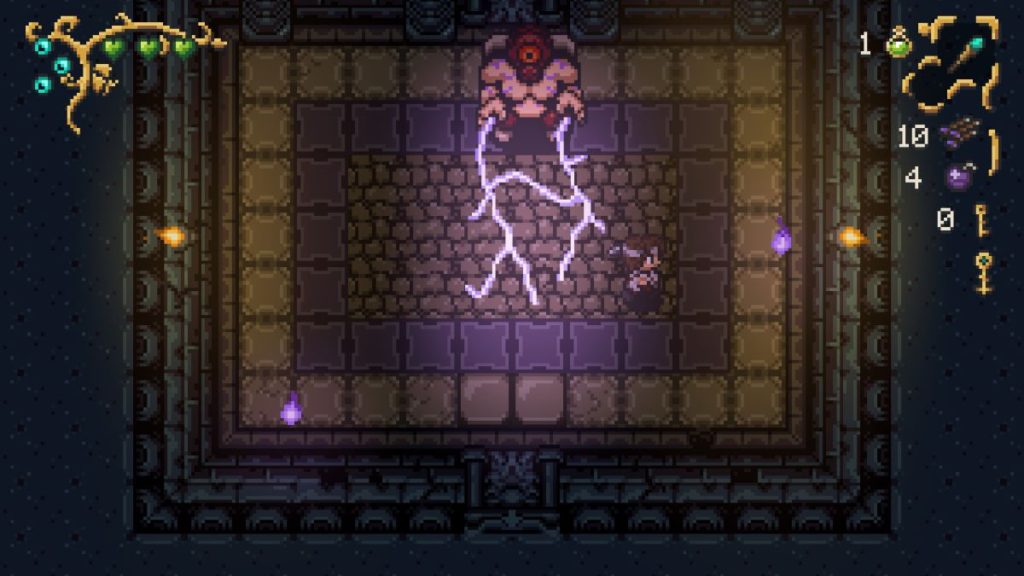
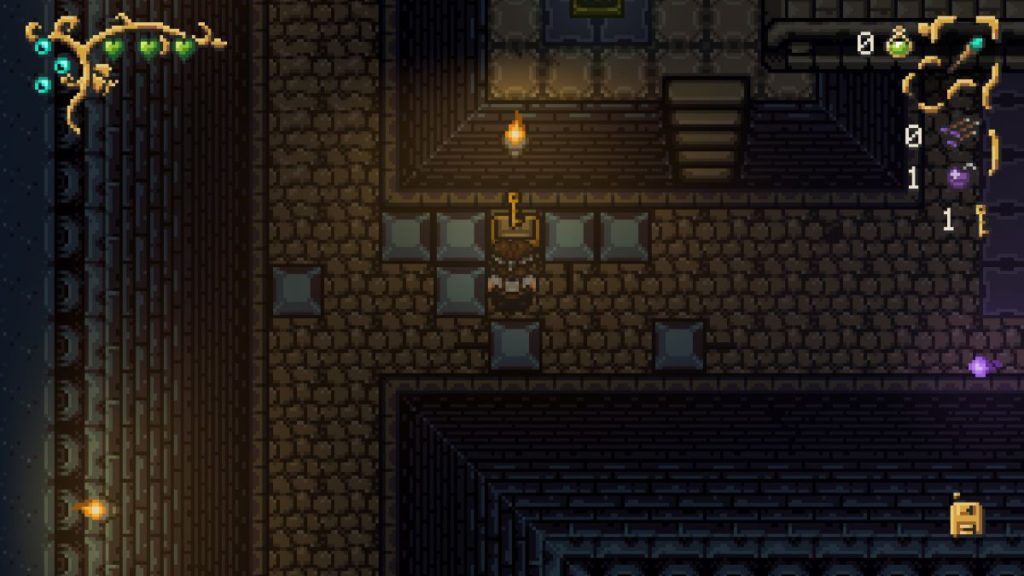
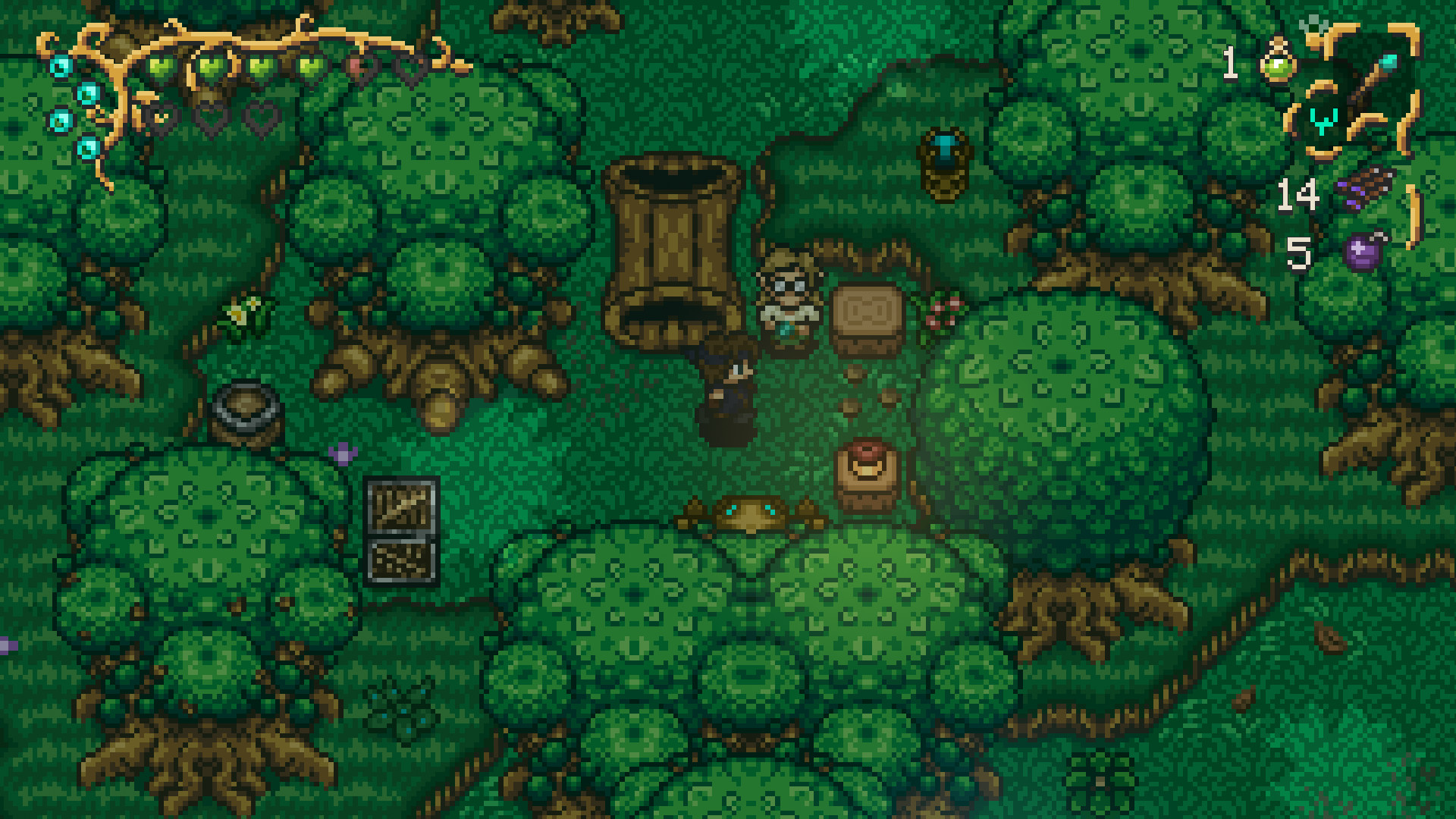
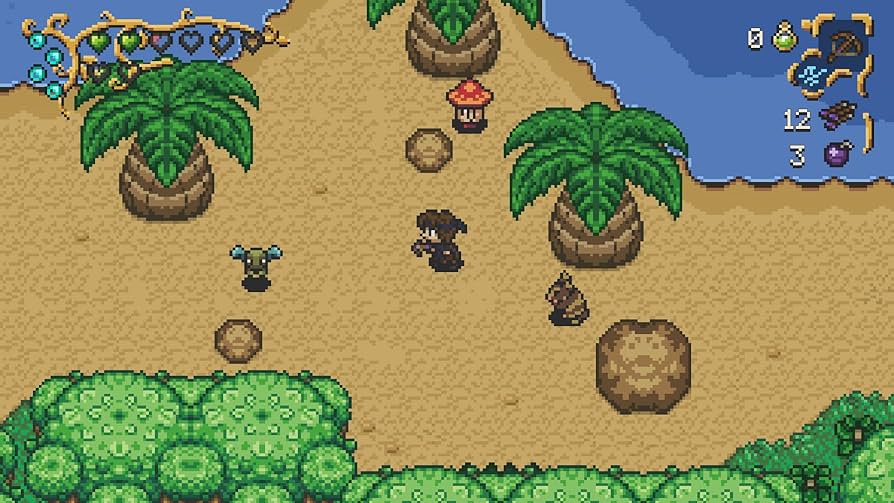
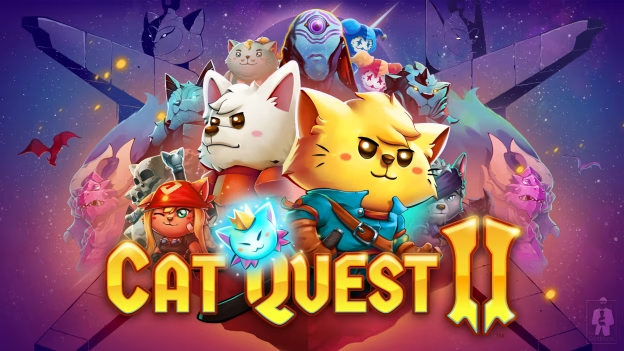
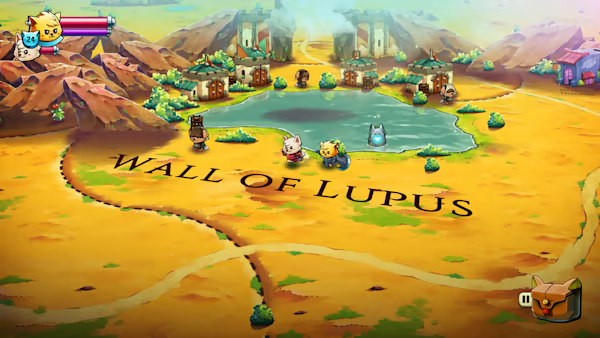
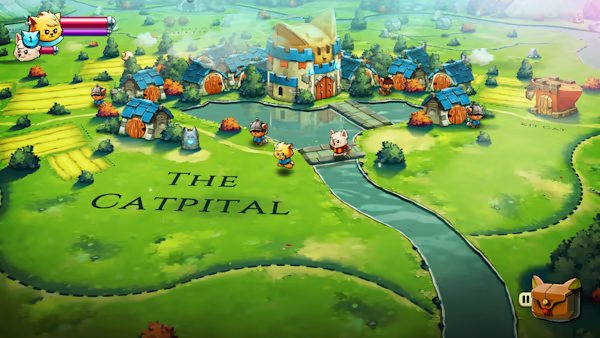
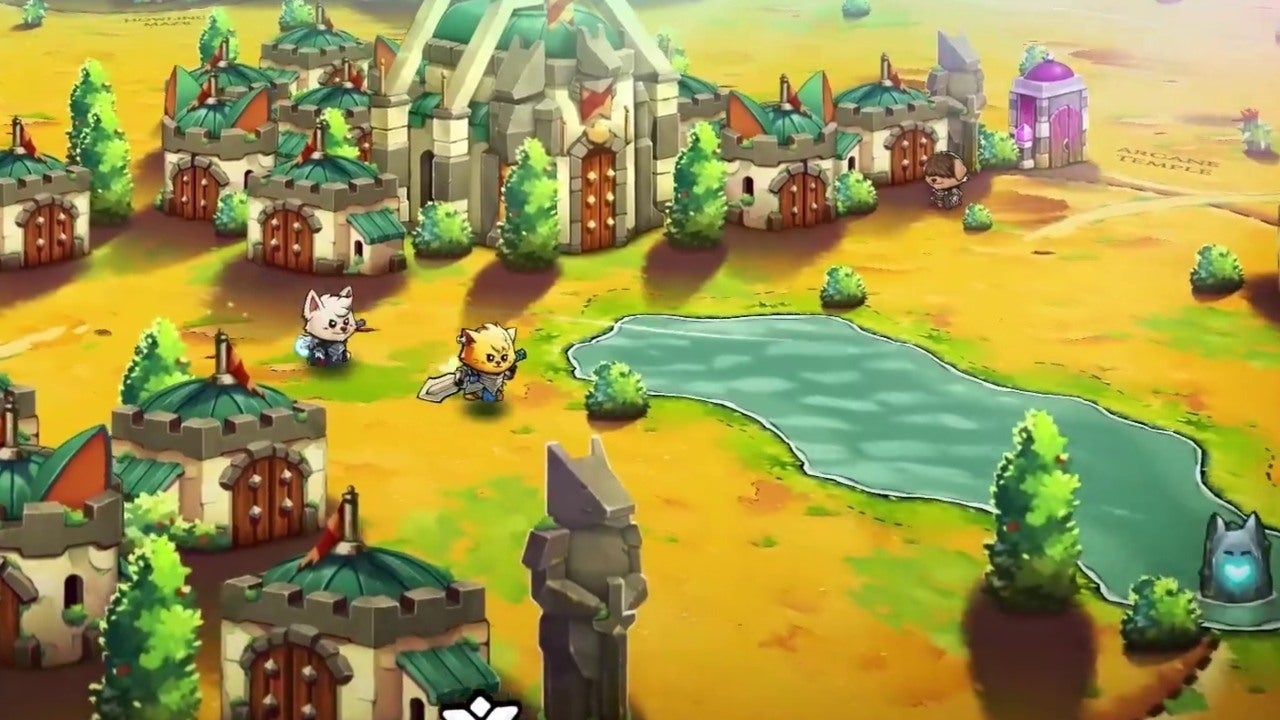
Based in Singapore, The Gentlebros have since established Cat Quest. A series of open-world adventure RPGs set in a world governed by both cats and dogs. From the cat-ruled realm of Felingard to the dog-governed Lupus Empire. Both Cat Quest and Cat Quest II have been met with both commercial and critical acclaim from both gamers and reviewers alike. And have since established themselves as one of the more successful indie development studios in recent years.

Along with the likes of The Game Kitchen, Cellar Door Games, and Housemarque. wanting to know more about The Gentlebros. And what the future holds for the company, I got in touch with the studio’s CEO, Desmond Wong, to ask a few questions about what the developer’s prior experiences with games were and what they plan to do going into the ninth generation of gaming. Here’s what Desmond Wong had to say about The Gentlebros and the Cat Quest series:
Gentlebros 1

Where did the idea to make a series about cats and dogs originate from?

It actually started as a dancing game! Full story here: 

https://www.thegentlebros.com/blog/general/story-open-world-rpg-actually-started-dancing-game/

What was the most exciting aspect of developing the Cat Quest series?

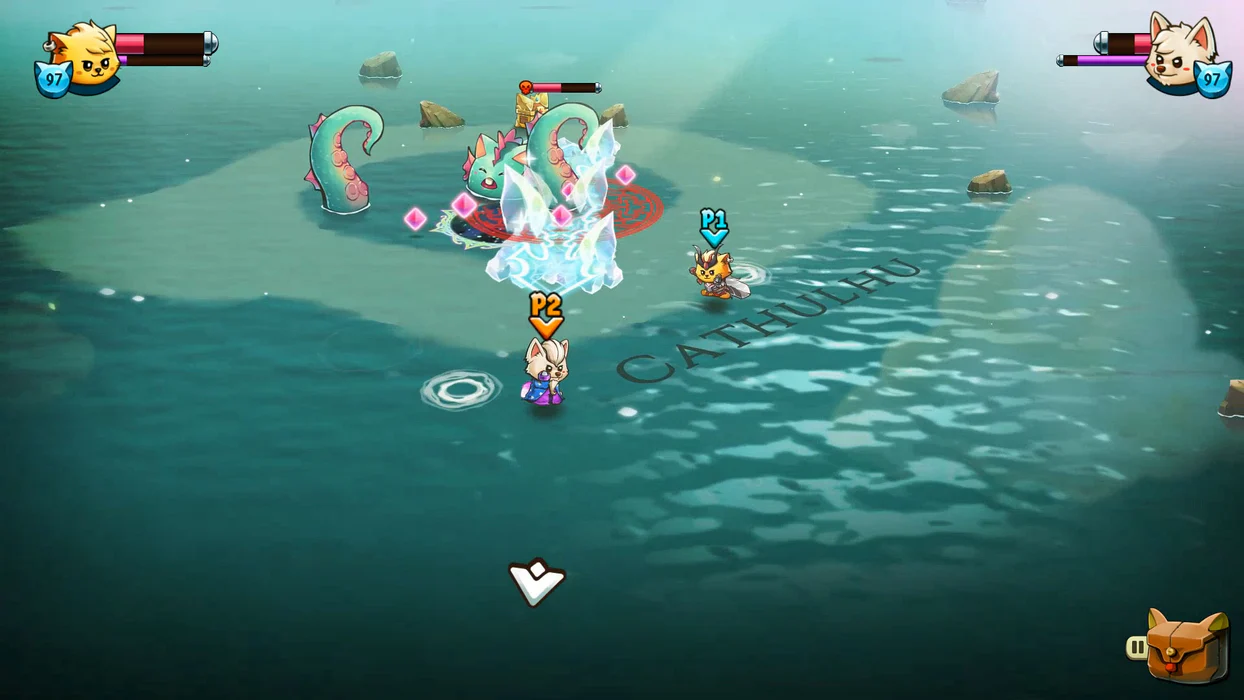
I think the most exciting thing from a writing perspective was how we could cat-ify all our favorite RPG tropes and just have a lot of fun with it! Making Cat Quest has also enabled us to ‘fix a lot of the issues we had with open-world RPGs in recent years. And give players a more streamlined and accessible experience.
Gentlebros 2

What was the most challenging aspect of developing the Cat Quest series?

I think the toughest part in both games has always been how to create a robust adventure with the limited resources we have. We’re just a three-man team. And making an RPG that lasts many hours with so many mini-stories and challenges is a huge undertaking. It’s really easy to fall into the trap of reusing level layouts and quest designs. And I think we did a slightly better job of this in Cat Quest 2(than CQ1). But it still took a lot of creative use of existing mechanics and assets to create something new each time.

Has the idea been contemplated of making a Cat Quest III?

Absolutely. Although we can’t go into details, we did end CQ2 with a tease for CQ3. We know where the story will go, and can’t wait to eventually get to it.
Gentlebros 3

How rewarding has it been seeing Cat Quest garner as much critical acclaim and popularity as it has over the years?

It truly has been a humbling experience, and we never thought our game about cats would be played by so many people.

What were the team’s prior developmental experiences before The Gentlebros was formed, if any?

All three founders worked in Koei Tecmo, where we worked on games like Dynasty Warriors, Dead or Alive, and Fatal Frame.
Gentlebros 4

What other types of games would the development team like to create in the future?

Personally, I would really like to design a game about traveling. I went on a road trip to Iceland a few years back. And the whole experience was just pushing onward. Seeing new sights and finding places to sleep for the night was just immensely fun. I would love to make an open-world game that focuses less on completing side quests and just focuses on traveling instead.

Had there been ideas scrapped from the Cat Quest series that you guys would’ve liked to have seen kept in?

Yes, we had so many ideas for weapons, enemy types, and abilities. But I think the one thing we would have liked to have kept in CQ2 was a relationship system where you could build friendships with certain NPCs in the game. It would have added so much to the theme of Unity for CQ2, and perhaps in the future, we could do something similar in another game.
Gentlebros 5

What was the most important principle that was kept in mind by the studio as a collective whilst developing Cat Quest?

Accessibility, for sure. Our core design principle has always been how we can simplify and condense any mechanics to its essentials. Addition by subtraction is our mantra, and although some have found our games lacking depth because of this, seeing Cat Quest being enjoyed by kids. And even being able to bring non-gamers into the world of gaming makes us believe our decision was worth it.

Do you have any advice for aspiring developers who may be reading this?

Never give up.

Do you have anything else to add?

Do follow us on our Facebook page and Twitter, or join our Discord if you want to chat with us!

Facebook: https://www.facebook.com/gaming/catquestgame

Twitter: @TheGentlebros

Discord: https://discord.gg/AyUBfNfq
Gentlebros 6

I’d like to take the opportunity to thank meow, Desmond Wong. For agreeing to do our Q&A, and wish you and the rest of The Gentlebros the best of luck with the third Cat Quest game. As well as any new titles you decide to work on in the future. If you guys want to learn even more about The Gentlebros, check out their social media via the links above. Or check out their main website here:

gentlebros.com

In the meantime, I hope you guys enjoyed learning about this paw-some and promising new development studio as much as I did. The Cat Quest series is a very promising new saga in gaming. And I’m looking forward to what the third game has to offer.

Game on,

Scouse Gamer 88
Blasphemous (PC, PlayStation 4, Switch & Xbox One)

Blasphemous

Developer(s) – The Game Kitchen

Publisher(s) – Team 17

PEGI – 16

Released back in 2019 to universal acclaim after an immensely successful Kickstarter campaign, Blasphemous is a Metroidvania title influenced by games such as Dark Souls and Resident Evil 4 combining wonderfully rendered visuals with intense and challenging combat sequences and precise platforming. After having gotten the chance to play this game myself, I was captivated from start to finish. It is most definitely one of the best Metroidvania titles released throughout the eighth generation of gaming. If not one of the best games in general released throughout the time. 

Graphics – 9/10

The game is set in the harsh and mostly dangerously desolate landscape of Cvstodia, which was inspired by religious art composed by classic Spanish artists such as Francisco Goya and de Ribera. The developers also drew further inspiration from the religious iconography of their hometown of Seville, Spain, with Gothic architecture and the religious attire associated with it. 

The world of Cvstodia is also beautifully rendered in 16-bit pixel art reminiscent of titles of the fourth generation of gaming. The world of Cvstodia is as wonderfully captivating as it is dark and gritty. It features some of the best examples of video game conceptual design I’ve seen for some time. Everything from the landscape to the character design attests to how much of a labour of love this game truly is. 

Gameplay – 8/10

Playing out like a traditional Metroidvania title, the game is heavy on combat and character development, as well as requiring precise and clever platforming to progress. Players must both subdue hordes of enemies and uncover new areas within by acquiring new abilities and improving their character’s stats. Two different endings are available to unlock. Which depends on what items the player has acquired and how they are used or modified. 

Another particularly standout feature in this game, however, is the boss fights, which again give testament to the quality of the game’s conceptual design. Bosses such as Ten Piedad, Our Lady of the Charred Visage, and my personal favorite, Exposito the Scion of Abjuration. The game is every bit as challenging as the titles it took influence from. But at the same time, not inaccessible. It’s also an extremely satisfying experience to revisit locations far stronger than before with the acquisition of new abilities and more health and magic. But also equally as satisfying to defeat each boss. It does exceptionally well to make the player feel like this is their journey, along with the player character. The Penitent One. 

Controls – 10/10

The game’s controls are precise and responsive, and present the player with no necessary issues. Which is desperately needed in a game like this. There’s nothing worse than when a developer tries to challenge a player with a tough game. And the controls aren’t right, like what I found with the original Mega Man. Fortunately, however, this issue is non-existent in Blasphemous.

Lifespan – 7.5/10

To complete the game to 100%, along with the DLC package The Stir of Dawn, will take roughly 30 hours. Which, for a Metroidvania game, is particularly impressive. It could possibly be made to last longer with the potential introduction of new DLC released somewhere down the line (here’s hoping). But regardless, this game will have players investing in it for a particularly long time to come. There are plenty of collectibles to scout for and abilities to acquire to make Blasphemous last more than a meaningful amount of hours. 

Storyline – 9/10

The story of Blasphemous follows a mute lone soldier known only as The Penitent One. He is the sole survivor of an order known as The Brotherhood of the Silent Sorrow. The Penitent One embarks on a pilgrimage in the name of The Miracle. A god-like supernatural force that governs the land of Cvstodia. It manifests itself in various twisted ways in the name of either mercy or punishment. 

The Penitent One seeks a holy relic named the Cradle of Affliction. He is instructed by a narrator of the Miracle named Deogracias to carry out the three humiliations. Thus, gaining access to the location where the Cradle of Affliction is housed. 

The game’s story is expertly structured and masterfully written with full voice acting and a plethora of lore and backstory to unearth throughout Cvstodia. It raises questions about the nature of godhood and everlasting life in a world where the desire for punishment or forgiveness comes at a high cost. And what impact religious institutions can have on the world. Again, it was yet another element to this game that excited me from beginning to end. 

Originality – 9/10

Taking into account everything about this title, from its conceptual design to its combat system to its gripping story, it is definitely one of the most original titles I’ve ever played. In a gaming generation that has been arguably over-saturated with Metroidvania titles in recent years, it would have taken something particularly special to make another one stand out among so many others. But this game does that flawlessly. It tackles themes, gameplay mechanics, and graphical features that have rarely been seen before. And will go on to influence a plethora of games for years to come. 

Happii

In summary, Blasphemous is definitely one of the best games of the eighth generation. The influx of indie games over the last seven years has made this generation one of the most exciting in the history of gaming. But this title will be one that gamers will still be playing long after. With its wonderfully rendered visuals, intense combat, and boss fights. And a story that players will be talking about for many years after its release. 

Score

52.5/60

8.5/10 (Great)

Shot In The Dark

Shot in the Dark (PC)

Developer(s) – Possum House Games

Publisher(s) – Possum House Games

PEGI – Not yet rated (strong violence)


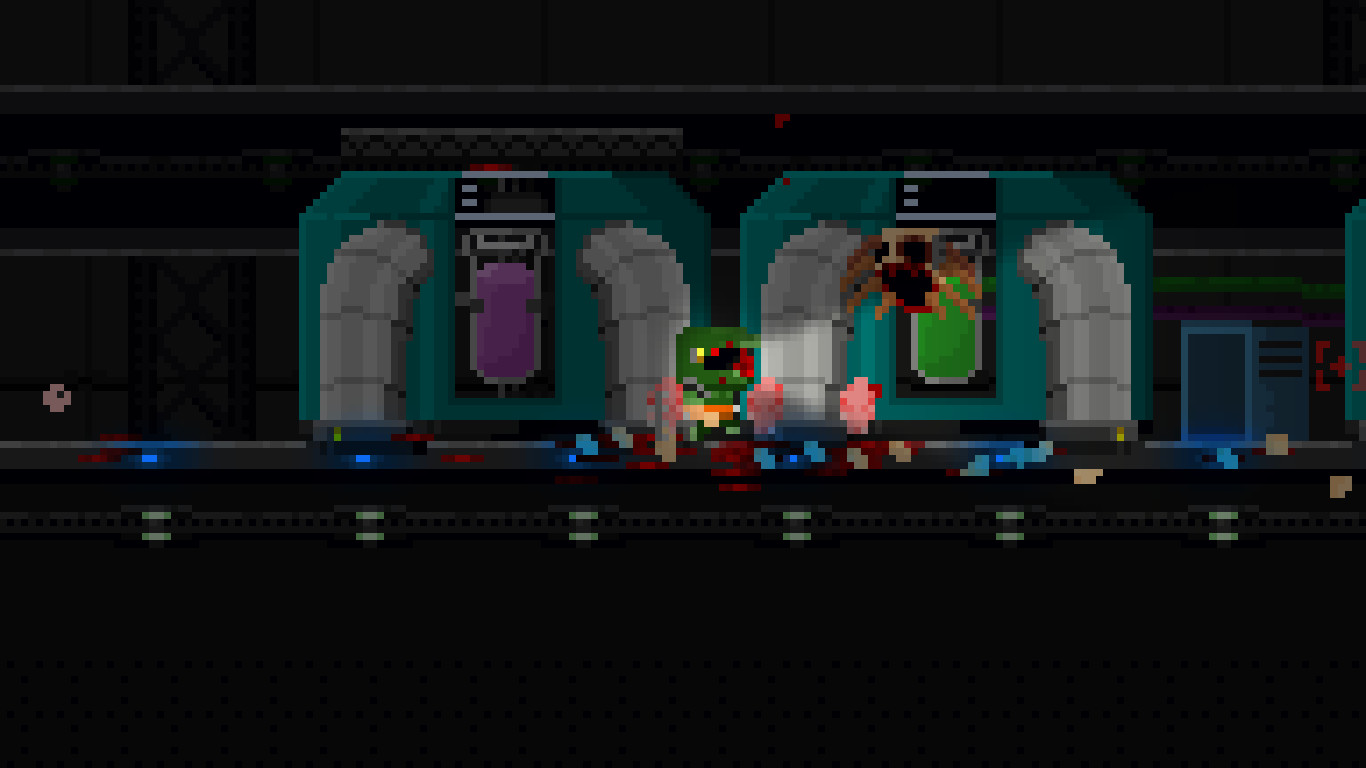
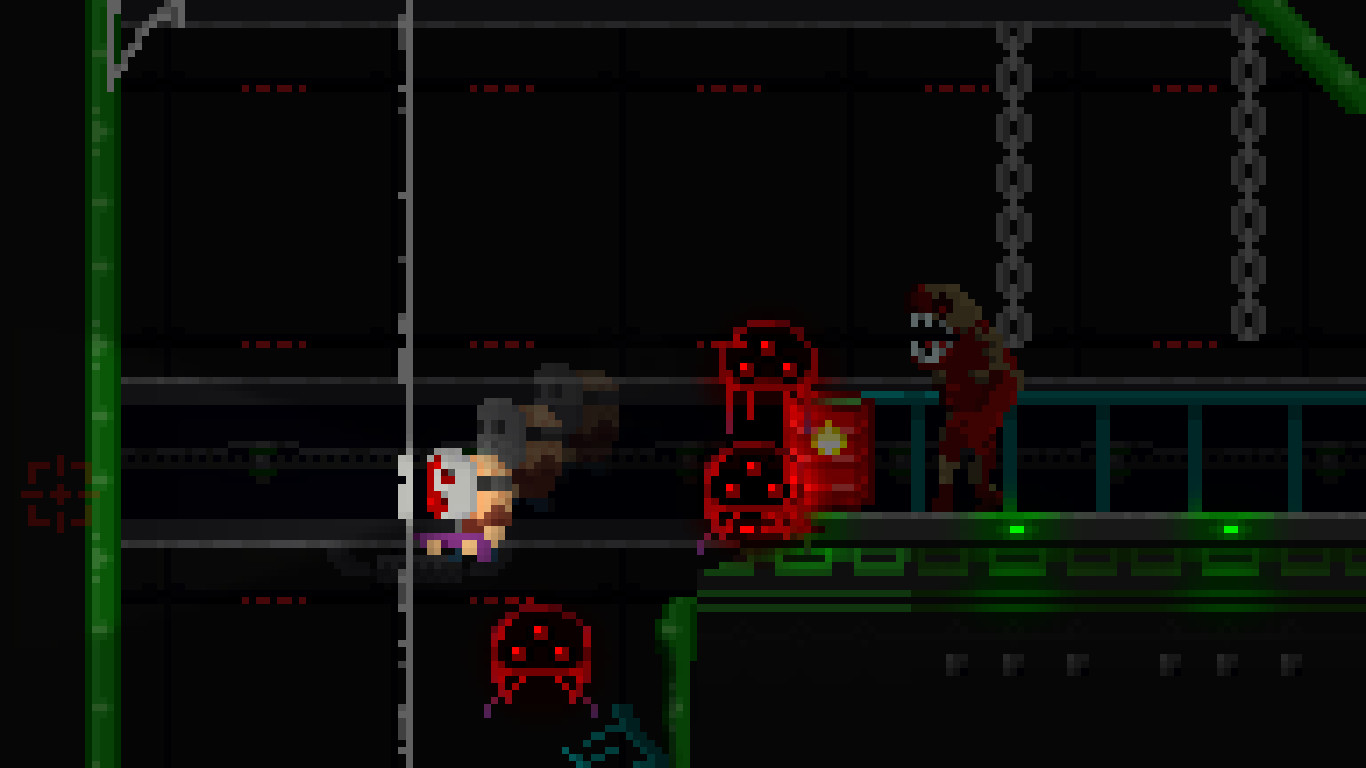
Released by indie outfit Possum House Studios based in Rochester, New York, Shot in the Dark is a western side-scrolling shoot ‘em up game. Players must adapt to a black and white 8-BIT rendered universe (similar to Possum House’s previous title Heavy Is The Crown), to keep a sharp eye out for oncoming demonic enemies that are hiding in the fog or in the night skies. Ranging from gargoyles to undead gunslingers. Although I found a few faults with the game, I ended up enjoying it for the most part and appreciating it for its own unique take on the traditional 2D platformer genre.


Graphics – 6.5/10

The game makes use of 8-BIT visuals in black and white with specks of red; in conceptual design, it’s quite similar to MadWorld. Which I was quite impressed by this. The gripe I have with the visuals is that the character sprites are. Most notably, the human or skeleton sprites are made to look quite basic in comparison to many other 8-BIT rendered indie games. Such as Cathedral or Alwa’s Awakening. To go along with the tableau of the game, it may have been an idea to add grey colors to it to make the game more playable in general. As players are reliant on keen eyesight to detect enemies as it is. They also need it to make more environmental features stand out to a greater degree.


Gameplay – 6.5/10

The game is a 2D platformer similar to games developed during the third generation of gaming, with the difference being that it focuses on gun combat as well as precise platforming. With players having to shoot through hordes of enemies that are hidden across the level. The strategy the player must employ is not to rush through levels. And instead keep their eyes peeled for enemies that roam each level. These are easily concealed by environmental features such as mist or skies. It’s kind of like how Super Mario Bros may have been. If the idea was kept in for Mario to have a gun. But of course, this game provides its own take on that idea. And for the most part, it works relatively well. 


Controls – 7/10

The game’s control scheme was most definitely the biggest issue I had with this title. It’s designed to be played using a keyboard to input commands such as jumping, shooting, and reloading. And the mouse to aim the crosshair. But it doesn’t work all that well with a keyboard. It’s because this was how the game was intended to be played. But it doesn’t even work great with a traditional controller either. The reload system was put in to provide players with the added challenge of studying each environment to determine how they need to conserve ammo. But for the most part, it’s much more of a hindrance if anything. Since there’s no time limit to each level like a traditional platformer, mercifully, the game’s control scheme doesn’t make it unplayable. But needlessly frustrating at certain times. 


Lifespan – 6/10

The game has a fair few stages to it, and it lasts around the standard amount of time for a game of its ilk to last. Around an hour or two. There could have been some replay value to be added to it. Such as unlockable features or a scoring system to give the player a little more to shoot for, so to speak. But I can’t bring myself to knock it too much in terms of lifespan since some of the greatest 2D side scrollers throughout the years have been developed to last there around the same amount of time. 


Storyline – 6/10

Again, like many games of the third generation, there is no standout story, only a basic premise. It would’ve done far better to stand out during the NES era. But since the western genre has been tackled in video games, particularly in recent years, it does relatively well to stand out in terms of story concept, but not overly well. The story makes me think of the game Darkwatch, but in 2D.


Originality – 8/10

The main aspect in which this game does quite well to stand out, however, is in its basic gameplay concept. There have been side scrollers reliant on gun combat before. But not quite like in the way it’s handled in this title. For all I’ve complained about it in this review, this game does have some redeeming value. And there is enough enjoyment for players to warrant at least one playthrough. 


Niiutral

Overall, Shot in the Dark, despite the gripes I’ve addressed, is a fairly enjoyable game and worth playing through at least once. It will provide quite a stern challenge for the more avant-garde side-scrolling fan. And it has a distinctive charm to it in its own right.  

Score

40/60

6.5/10 (Above Average)

Cat Quest II (PC, PlayStation 4, Switch & Xbox One)

Cat Quest II

Developer(s) – The Gentlebros

Publisher(s) – The Gentlebros & PQube

PEGI – 7

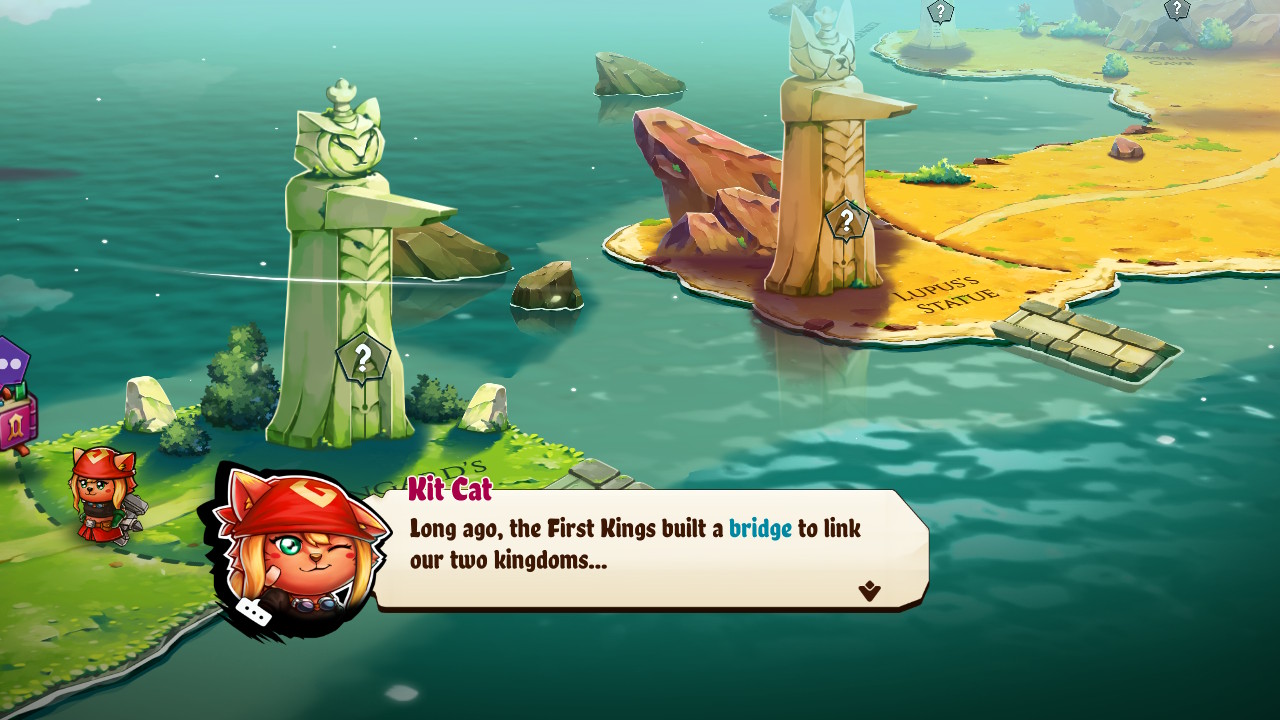
Released 2 years after its predecessor to widespread critical acclaim, Cat Quest II picks up pretty much immediately where the first game left off. But at the same time, giving players a much bigger world to explore and more quests to undertake. As well as introducing a few new Gameplay mechanics and expanding the lore of the universe greatly. In every single respect, the second game is much better than the first. And the ideal way to expand on what is a very promising series of games indeed. 

Graphics – 9/10

As in the first game, the game is set in the region of Felingard, where cat civilization is based, and the same dangerous creatures roam the landscape for players to have to contend with. However, Cat Quest also introduces players to the Lupus Empire. A realm inhabited by dogs, which has a whole new design to it and a whole load of new enemies to fight and locations to discover.

The Lupus Empire is a lot more barren and arid in stark contrast to the lush greenery of Felingard, and does well to demonstrate the developer’s abilities to diversify in terms of location design. There are also a few new technical improvements made in the visuals as well. Most notably in the water effects in underground cave areas. This makes each of these locations stand out from one another much better than before. Being a sucker for water effects in games, I was particularly impressed with how they were handled in this game compared to those of the first. 

Gameplay – 9/10

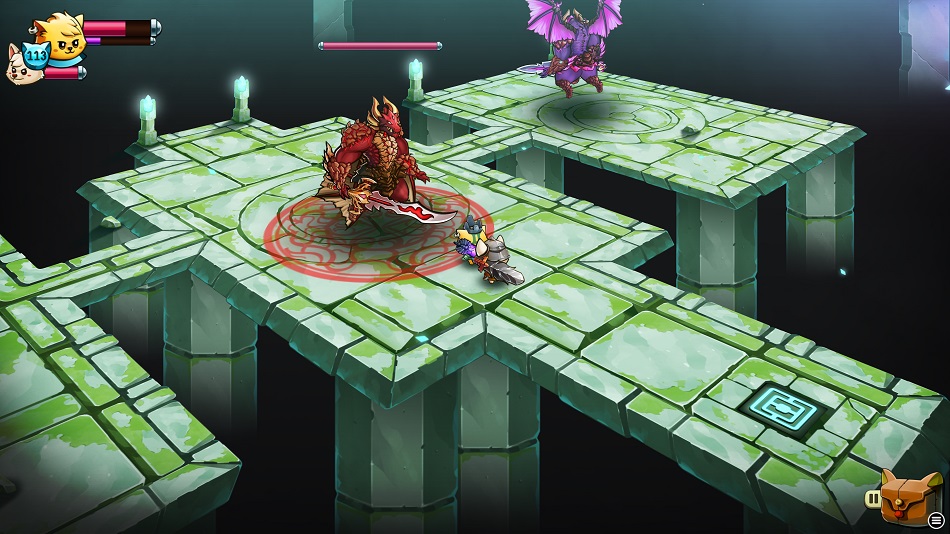
In terms of gameplay, Cat Quest II is very much like an extension of the first game. The premise is virtually the same, with a couple of newly added gameplay features. The most distinguishable feature is that the player now has control of two characters. Not just one, and can switch between the two at will. It makes the combat system itself infinitely more dynamic. With the introduction of new weapons for both characters to wield and new armour to discover and modify. In addition, there are also new spells to learn, as well as old ones from the previous game. There are also many more side quests to do around the game’s open world for longevity. 

Controls – 10/10

The game’s control scheme functions the same as in the previous game, and as such, there are no issues to be concerned with. Players will be able to go from Cat Quest I to II without skipping a beat. It doesn’t take long at all to get used to the newly introduced mechanics, either. As they’re simple enough to get to grips with. The new sprint option also allows for more efficient exploration in a shorter span of time.

Lifespan – 7.5/10

To complete the game 100% takes around 17 hours to complete. Whilst it isn’t a decisive improvement on the first game, it’s still an improvement nevertheless. I still think that a game of this potential and magnitude deserves to last far longer than what both the first two instalments have offered players thus far. But it was nice to see minimal improvements in this respect at the very least. 

Storyline – 7/10

Following the events of the first game, a cat king has been paired against his will with a dog king in order to bring about a truce between the warring regions of Felingard and the Lupus Empire. The story has all the charm that the first game did, with both cat and dog-related puns all over the dialogue and even a few off-hand references to classic games hidden here and there. The story also escalates into something far bigger than what the initial synopsis suggests. This all helps to keep the franchise as fresh as possible.

Originality – 7/10

The only gripe I would have in terms of originality in this game is that a lot of its soundtrack is the same as what was in the first game, especially at the beginning, which at first made me feel like I was simply playing the same game again, but with a few improvements. But after I’d played it for some time, I realized that wasn’t the case at all, and the soundtrack does become a lot more diversified as the game progresses, too, with new types of music taken from new influences. That being said, the excitement of the new combat system alone does well enough to keep the series fresh and to continue to differentiate it from many other indie game series developed over the last few years, and has made me all the more anticipatory of a potential third game. 

Happii

Overall, Cat Quest II, with many improvements here and there, is a much better game than its predecessor; the combat system has been modified greatly. And the charm and great atmosphere are both expanded upon to a phenomenal extent. And will do well to appease both fans of the series and newcomers alike. 

Score

50.5/60

8/10 (Very Good)

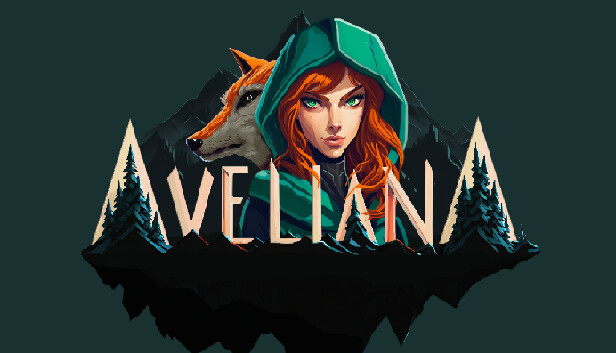
Aveliana

Q&A With Romain Dupuis

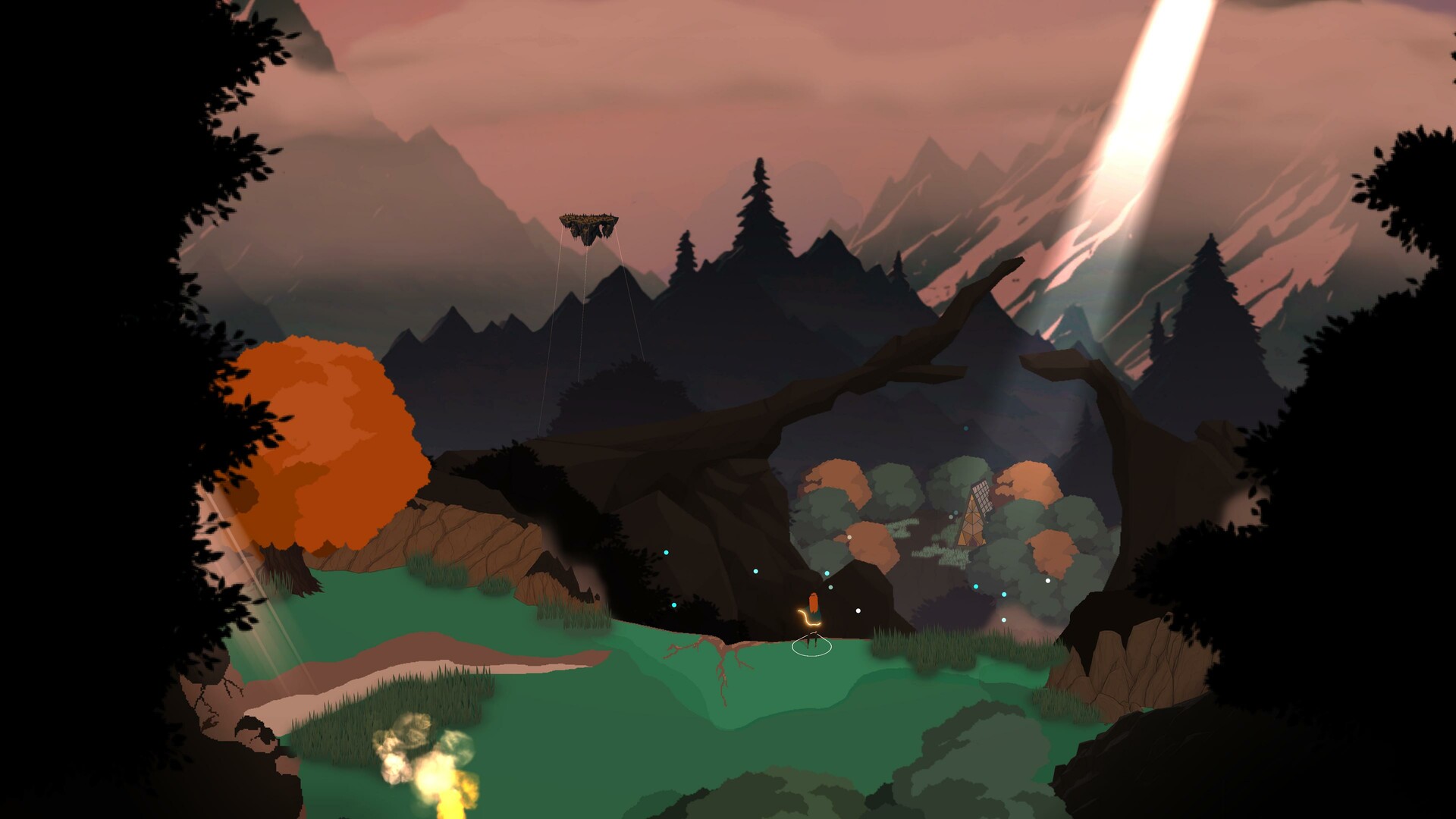
Whilst once again on the lookout for new indie games on Kickstarter and IndieGoGo, I today came across a new Kickstarter campaign with a style of play unconventional to most represented within the indie development scene. Aveliana, described as an infiltration action-adventure game, is a 2.5D title whereby players must find their own route through the game’s world based on the enemy’s AI and detection patterns.

Players can choose to find alternate routes and secret areas through the game. Depending on their choices or what style of play they wish to implement. New abilities are unlocked over time to provide players with more options as the game progresses. Designed with lush 8-BIT scenery and varying atmosphere, the story follows the young titular character, Aveliana, wandering the land in a bid to bring back someone she has lost. Eager to know more about this game, I contacted its lead programmer, French indie developer Romain. He shared with me a great deal about the title and where he plans to take it upon its final release. Here’s what Romain had to say about Aveliana:

Aveliana 1

What were the influences behind your game?

A source of inspiration for the gameplay is the game Commandos, which is an old game where you have to infiltrate a base. In Aveliana, you control a single character. So the game is more dynamic and less tactical compared to Commandos. I’m also inspired a lot by physics (because I am a physicist) for the detection and attack patterns. Inspired by the games Gris, Children of Morta, Celeste, Cuphead, Rayman, and many others! Other arts also inspire me, such as painting, poetry, music, and anime (in particular, I love the work of Miyazaki).


What has the developmental process been like?

Since it is my first project, it is something completely new. And I didn’t know what to expect because I got the idea to start this project suddenly. I have never been passionate about something before! The whole journey is really exceptional. Part of this is due to the support I receive when I share about Aveliana on social media.

How close are we to seeing the finished product?

The developer version is at a very advanced stage. AI is done and optimized for all existing enemies, most of the levels are drafted or finished, I have drawn half of the cutscenes, and written the story. But the polishing of the game development will take time! I plan to release it at the end of 2021. There is already a playable demo at:

gamejolt.com/games/aveliana/500900


Aveliana 2

What has been the most exciting aspect of development?

I love implementing new gameplay mechanics, thinking about how rewarding they will be. And how risky it is for the player. I love games, and I find it exciting to see players try the demo. And see how they adapt to the mechanics I have thought about. Along with how they play around it.


What has been the most challenging aspect of development?

The most challenging thing for me is optimization. I know it is just a 2D game. But I am always trying to make it as optimized as I can. And this isn’t something easy for someone with no background in game development and game coding.


How well has the game been received so far?

The feedback is just incredible! I started to publish very early tests on my Insta feed in March. And I got about 1K followers in the first month. People appreciate the art style and tell me they immediately recognize it. The actors of the game industry also supported the game very early. Aveliana was invited to a showcase at The Escapist Game showcase last fall. And it has been featured on the platform where I host my builds (Gamejolt). I’m also very happy to receive fans of the game very often!


Aveliana 3

What platforms are you looking to bring the game to?

I am planning to release it first on Steam. There is already a Steam page where you can wishlist the game! Depending on how the game is received, I could make a console version in the future.


You mentioned on your Kickstarter that gaming genres like Metroidvania and roguelike are overrepresented within the indie development scene. Are there any genres of gaming that you think are underrepresented?

It is difficult to say because I would have to think about uncommon genres (or non-existing mixes), but I think as indie game developers, I need to do all I can to be creative and invent new things. When I tried to categorize Aveliana to publish the Steam page, it wasn’t that easy to find the correct keywords. And that’s something I’m proud of. Maybe I can think of city builders or RTS that are not often developed by indie developers. There is a lot of room for trying new ideas, and there are already some ideas I would like to try myself.


Have there been any ideas at this stage of development that have since been scrapped or reworked?

So far, I haven’t removed any features, but I have reworked a few times some monsters that were not really fun to play with. For instance, before, there was a kind of toad in the dark woods, but it was too complicated to notice, and it was too large for the narrow paths of this region. Replacing it with a flock of little flying machines that fit much better and are easy to catch with the eye. I also have reworked some visual effects that I wasn’t able to do when I started the project because I didn’t know how.


Aveliana 4

You also mentioned that the works of Hayao Miyazaki were a major influence on this game. Which films are best represented in the game, would you say?

I am clearly inspired by Ghibli’s work! I am not a fan properly because I haven’t seen the movies many times. But the one I love the most is Spirited Away (le voyage de Chihiro in French). I have a friendly monster in the game that looks like a shadow and is inspired by that movie. You can hide in it and hide from other monsters, but it will deal damage over time.


If you had the opportunity to develop a game with any company or any franchise, which would it be, and why?

I would prefer to develop my own little company and franchise if Aveliana is a success. Otherwise, I would like to join an indie group with a few people, but I haven’t thought about that yet.


Aveliana 5

Do you have any advice for aspiring developers who may be reading this? 

I think the advice for aspiring developers is to correctly set the scope of their projects. And to always be creative and original! I think it’s also important to have a good background in coding or to start with small projects.

Where on the Internet can people find you? 

People can reach me on Instagram @thefrenchdev, on Twitter @thefrenchdev_, and they can also discuss on my subreddit /r/Aveliana, and I have a Steam page for wishlists:

https://store.steampowered.com/app/1426740/Aveliana/

I often draw challenges for people who like to draw.

Do you have anything else to add?

An important piece of news is that the Kickstarter campaign has started today, and it will be up for a month! (https://www.kickstarter.com/projects/aveliana/aveliana) Someone already pledged for the maximum reward in the first two hours, but feel free to contribute for what makes you comfortable! I need your support to make the game as good as possible!

Aveliana 6

I’d also like to thank Romain for taking the time out of developing the game to talk to me about what Aveliana will have in store for backers and players. If you’re interested in backing Aveliana, be sure to check out the Kickstarter campaign and the Steam page. As well as Romain’s social media pages via the links in the Q&A. I, for one, am very much looking forward to seeing what the final game has to offer and I hope you enjoyed learning more about it as the Kickstarter campaign progresses.

Game on,

Scouse Gamer 88

Airoheart

Q&A With Pixel Heart Studios

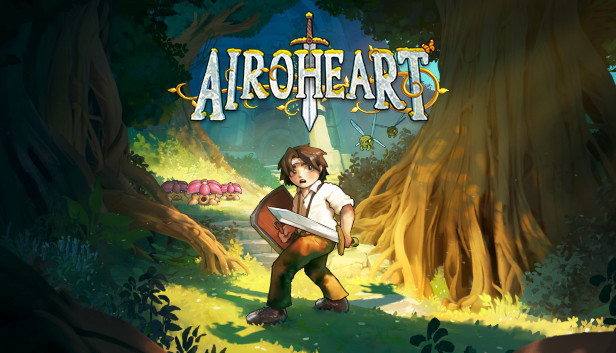
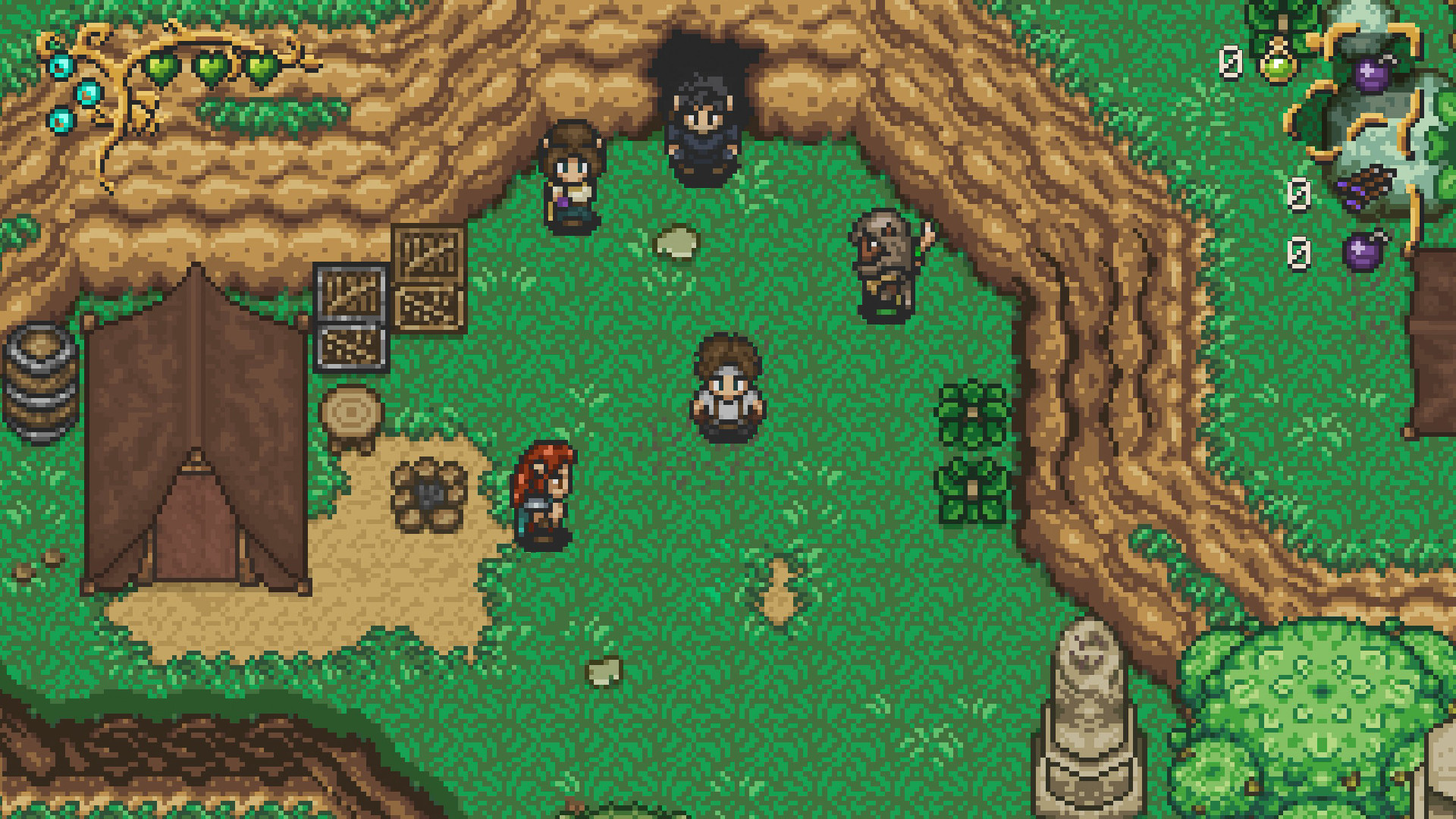
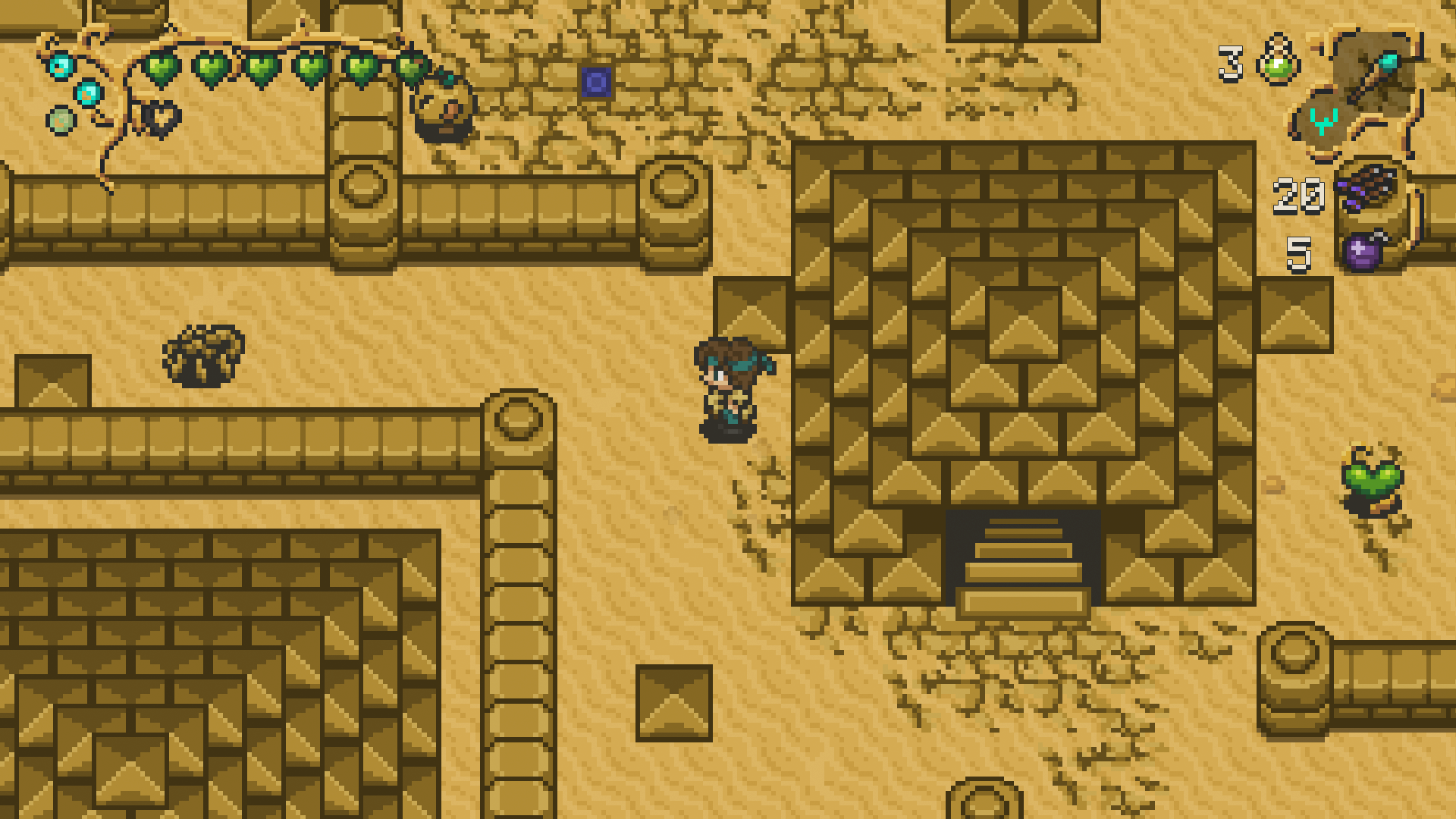
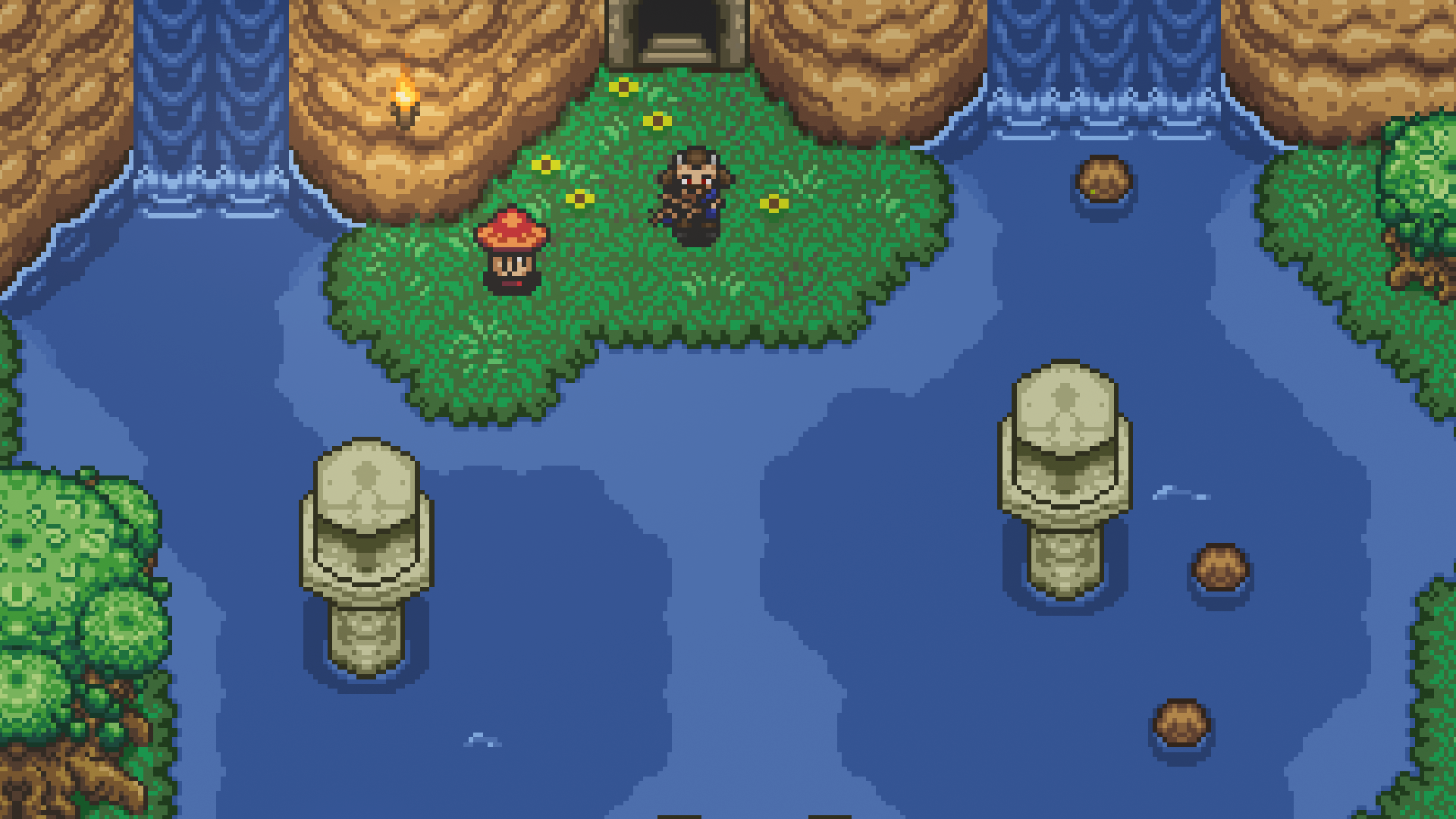
For my next foray into the discovery of new titles on crowdfunding platforms, I found another title in development, which was particularly significant to me as a Legend of Zelda fan. Airoheart, under development at Pixel Heart Studio operating out of Gold Coast, Australia, is a 16-BIT adventure RPG created as a clear love letter to the classic Super NES title, The Legend of Zelda: A Link To The Past, whilst at the same time taking influence from other classic RPG series, such as Final Fantasy.

The game boasts a massive open world, puzzle-solving, and combat. The project has been successfully funded on Kickstarter and is due for release very soon, much to my excitement. Eager for more knowledge of this excellent-looking title, I contacted the game’s lead designer, Samuel North, to answer a few questions I had regarding this game and what made Pixel Hearts want to create a game in the same vein as the beloved Nintendo classic. Here’s what Samuel North of Pixel Heart Studios had to say about Airoheart:

Airoheart 1

What were the influences behind your game?

Of course, the main influence of Airoheart is The Legend of Zelda: A Link to the Past. I was a big Nintendo player and was also inspired by the storytelling found in the Final Fantasy series. I always felt that’s where the Zelda franchise had fallen short. Yes, it had charming worlds and characters, but I never really connected to any of them on an emotional level as I did with many of Final Fantasy’s characters and stories.

I always (personally) preferred the gameplay in TLOZ… It’s open-world exploration, real-time combat, and puzzle-solving/platforming combinations. And, knowing how brilliant A Link to the Past was, especially its world, level designs, and progression. It was always in the back of my mind. “Why aren’t there more games like this?” “I wish there were more like this!” So, after finishing my College studies in Game Development. It wasn’t long before I knew it was the kind of game I had to make! I had the mindset of combining the richer storytelling from FF and bringing it into a new world that played somewhat like ALTTP.


Airoheart 2

What has the developmental process been like?

One huge learning experience… I had created several smaller projects in college, and all had been 3D games, so it was my first time doing 2D. I had to learn a new way of programming things. But with just myself working on the project at the start, I had to learn and do everything, from all of the pixel art graphics, HUD/UI, programming, and sound design.

It has been a lot of fun, though. And seeing how far we’ve grown as developers is very humbling. If you could see some of the pixel art assets I had created for the game, in the beginning, you’d be shocked. Quite bad! But it’s okay, it has been a long process of developing skills and just going back over things again and again, and making them better and better. While everyone can always be improving their skills, we’ve certainly hit our ‘groove’ now, so to speak, development is not slowing down!


How close are we to seeing the finished product?

Very close, it has come such a long way! I believe we are on the home stretch. I still wouldn’t want to release until everything is perfect, though. That’s something we all agree on.


What has been the most exciting aspect of development?

The world-building… Creating a new world, with new characters, writing stories, backgrounds, and lore. Just making the world come to life and feel fun to explore is really rewarding! We love seeing the characters we’ve created come to life and interacting together, having story scenes play out.


Airoheart 3

What has been the most challenging aspect of development?                 

Honestly, having fresh mechanic ideas, in particular for dungeon rooms, platforming, and puzzle creations. We’ve got all your typical dungeon standards… Your pressure plate traps, swinging ball and chains, fall pits, etc., things you see all the time. So, we want more mechanics that are less conventional. For example, at the moment, we are incorporating the rune/magic system into the room puzzles to a greater degree. We have a Rune that turns the player into a feather (the main purpose previously was for losing aggro from enemies). Now, if you turn into a feather above a grate, you can fall through it and land in the room below. Things we hope are new and interesting to players and encourage lateral thinking.


You mention on the Kickstarter page that the dream doesn’t end with Airoheart. Have any ideas for future games been considered this early on?

Absolutely… Airoheart is certainly a foundation that we can build on in the future, and an IP we want to expand. Its core gameplay is rooted in its storytelling, exploration, dungeons, platforming, and puzzle-solving, just like its inspirations. But all that can act as a base, in which for future titles we would love to add things like professions, crafting, survival, social affinity/reputation, house building, a much larger world and plot, the list could go on. This is a genre not seen too often, and it is one we would love to expand upon and even bring into the mainstream if we can. This can be done by sticking to it and building upon it more and more. Ideas for a second title’s story have formed. And also what we want it to look like. Not only visually but gameplay-wise too.


Airoheart 4

How well has the game been received so far?

Well, it’s exciting and very encouraging to see how many people also want another game of this genre. It’s a big nostalgia hit for a lot of people, including ourselves.


What platforms are you looking to bring the game to?

Initially, PC and Mac, but afterward all the main consoles, such as PlayStation, Xbox, and Switch. That will take more time and funding to develop.


Obviously, Airoheart is a heartfelt love letter to Legend of Zelda: A Link to the Past. What are your fondest memories of that game?

Simply exploring that world for the first time, spending hours upon hours discovering every little secret I could when I was young. There was nothing like it at the time.


Airoheart 5

Have there been any ideas at this stage of development that have since been scrapped or reworked?

Yes, I had initially planned to have a gathering and crafting system for multiple professions, such as alchemy, blacksmithing, and carpentry. I had also begun to incorporate a leveling system where the player could increase their strength or speed, among other attributes. After a lot of thought and discussion about the scope, time, and budget constraints. And also considering the overall game itself, we decided certain aspects such as these were not necessary and were just going to take up valuable time and possibly make the game more complicated than what was needed. For example, would leveling have been necessary for A Link to the Past? We didn’t think so. Rather, we decided to leave such things to a later and also bigger title.


If you had the opportunity to develop a game with any company or any franchise, which would it be, and why?

That’s a hard question, but probably Square-Enix back in the 1990s. There are so many beloved titles I would have loved to have had a part in.


Airoheart 6

Do you have any advice for aspiring developers who may be reading this?

Yes, follow your heart. Make the kind of game that you want to see out there. Not just those that make the most money, like multiplayer. It will help you get through a very long and challenging process. Develop self-discipline and time management skills. I’ve found these to be equally important as any programming or artistic skills.


Where on the Internet can people find you?

The best place to find us would be on our website at https://www.pixelheartstudio.com/, which has links to our FB and Kickstarter page too.


Do you have anything else to add?

Yes, I want to say a huge thank you to everyone who has been interested in or supported Airoheart! You don’t realize the world of difference it makes for small indie studios such as ourselves to hear your kind words and encouragement. Indies put their hearts on the line when they put their games out there for the world to see. Every single one of you is greatly appreciated, and we wouldn’t be here without you! Thank you. 

Airoheart 7

I’d also like to thank Samuel for taking the time to share with readers and me the details of this incredible-looking title and to wish him the best of luck with the game upon release. If you’re interested in helping Pixel Heart reach its stretch goals on Kickstarter, you can support it via the link below:

https://www.kickstarter.com/projects/pixelheartstudio/airoheart-a-16-bit-style-indie-adventure

In the meantime, I hope you guys enjoyed reading this article as much as I enjoyed writing it and talking with Samuel about this game. The Legend of Zelda series is my favorite gaming franchise of all time. A, nd I’m always excited to see new games made in the same vein.

Game on,

Scouse Gamer 88

Alien Scumbags

Q&A With Monster Finger Games Volume 2

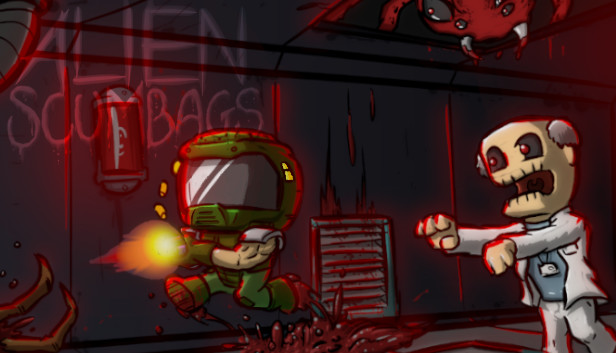
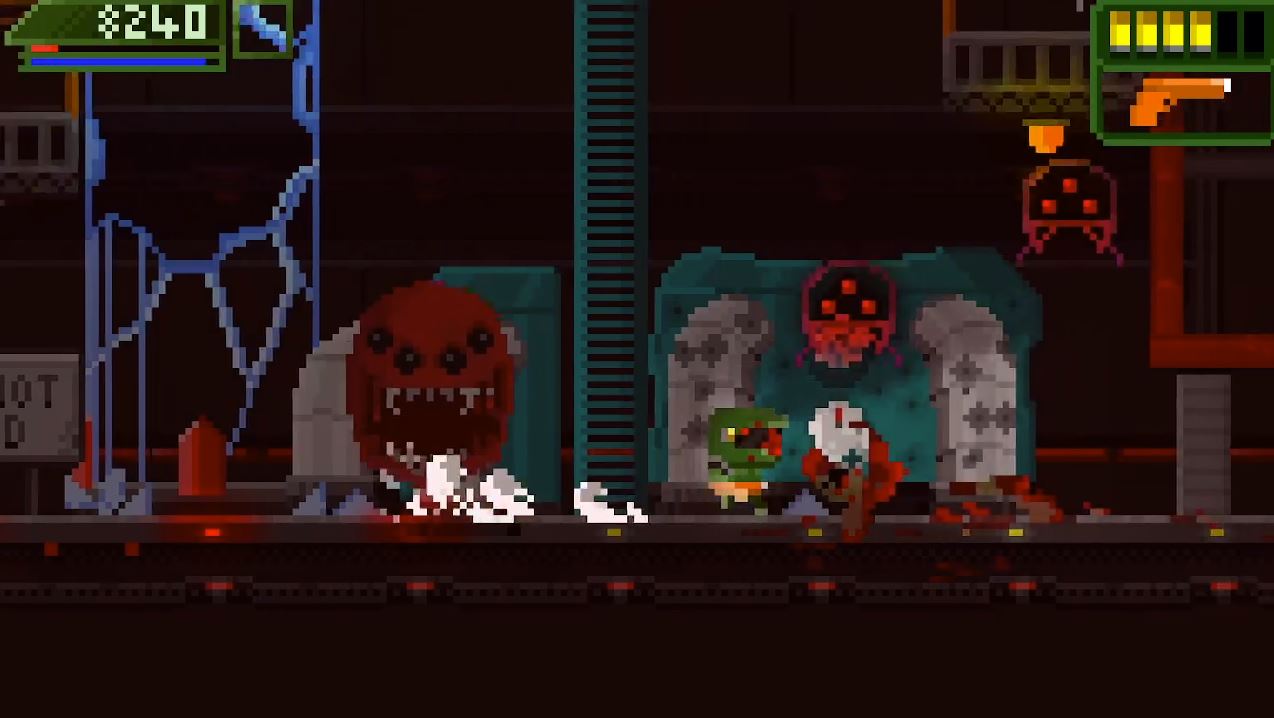
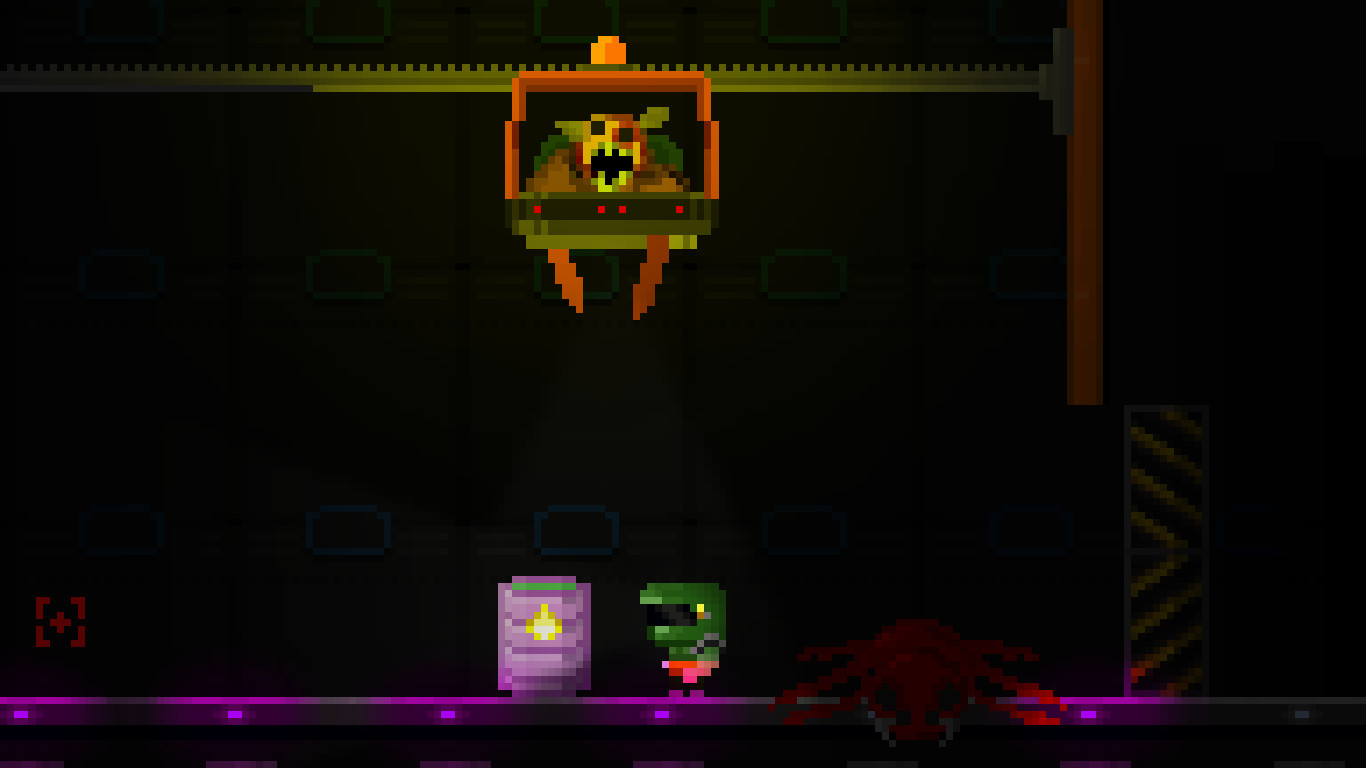
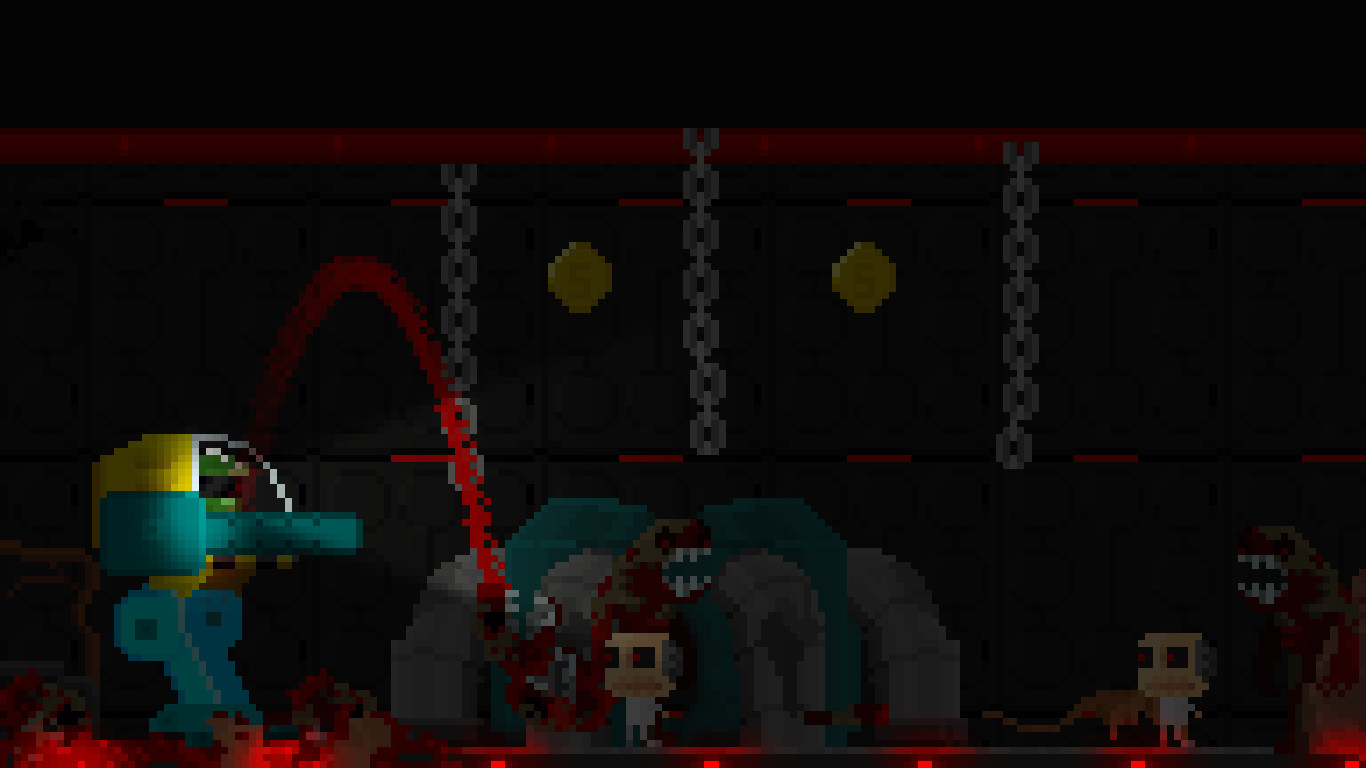
Last month, I played and reviewed a new PC release entitled Alien Scumbags. Developed by Monster Finger Games under principal designer James Ross, it’s an 8-BIT shoot’em up made as a love letter to the likes of Doom, Quake, and Duke Nukem, but also features a plethora of discoverable references to a wide range of classic games, as well as modern-day hits, whilst also delivering on a nice blend of horror and comedy. After having interviewed James before the release of the game:

https://scousegamer88.com/2020/05/10/qa-with-monster-finger-games/

I once again got in touch with him to find out more about the future of this title. As well as the additional content planned for future inclusion. And his experiences following the game’s official release. Here’s what James Ross had further to say about Alien Scumbags:

Alien Scumbags 1

How has the game been received since its release? 

Sales are not as high as we hoped, but the majority of people who have played it absolutely love it, which is really great to see.

Is there scope to bring Alien Scumbags to other platforms in the future? 

Possibly Switch, but it depends on how well it does on Steam, really.

The last time we spoke, you mentioned further content being developed for the game and even showed me this piece of concept art. Can you tell us more about it? 

I have created several pieces of concept art, and the plan is for everything to make it into the game. The last big release added a new enemy to the mix, which needed another strategy to kill. And the next big release will be adding another new enemy. The first projectile-based enemy. So excited for people to see that.

Alien Scumbags 2

You also mentioned the importance of community feedback throughout the game’s development, but how active has the community been since its release, and have you had any more important feedback after that?

The game has evolved since its release in a variety of ways due to feedback. Including how certain guns work, being able to aim above, etc. A lot of the feedback has come from the amazing Twitter community and streamers.

What further video game references are you planning to include with the introduction of new content in the game?

I can’t tell you much about that, you will have to wait and see 😉

If you could develop a game in any franchise, indie or mainstream, which one would it be?

I would love to be a part of creating another Road Rash game. I think a pseudo-3D game similar to the originals would make for a really interesting title.

Alien Scumbags 3

What is your favorite easter egg you’ve added to Alien Scumbags? 

My favorite Easter egg is the secret room that takes inspiration from a certain plumber.

In our last Q&A, you also mentioned developing a game entitled Super Bombardier. How has development been progressing? 

Currently, I am only working on Alien Scumbags; more levels/content will continue until the end of the year. With the final ending coming at the start of 2021.

After your current projects, what do you envision maybe next for Monster Finger Games? 

We have a few ideas rolling around, but not sure just yet, possibly more work on the Shmup Super Bombardier or Super Mega Shark, one thing is for sure, you will be the first one to know about it 🙂

Alien Scumbags 4

Following on from the advice you gave readers the last time we spoke, you mentioned that releasing a game can teach you a lot of lessons. Are there any further lessons you or the team have learned yourselves following the release of Alien Scumbags? 

Yes, I think the next time we release a Steam game, the page will be up a lot earlier. We suffered a little from not building up a big enough wish list before launch.

Do you have anything else to add?

Just want to say a huge thank you for the unreal amount of support you have given me with Alien Scumbags.

Alien Scumbags 5

Again, I’d like to thank James for taking the time to talk to me further about this exciting game, which will have even more to offer in the future as updates are introduced. Alien Scumbags is already an extremely impressive title as is, but it looks set to be an even better game in time. As always, I hope you guys enjoyed this article as much as I enjoyed writing it, and I’ll see you for the next one.

Game On,

Scouse Gamer 88

Elden Pixels

Q&A With Elden Pixels

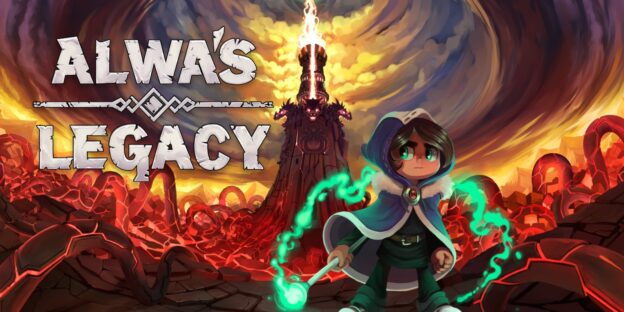
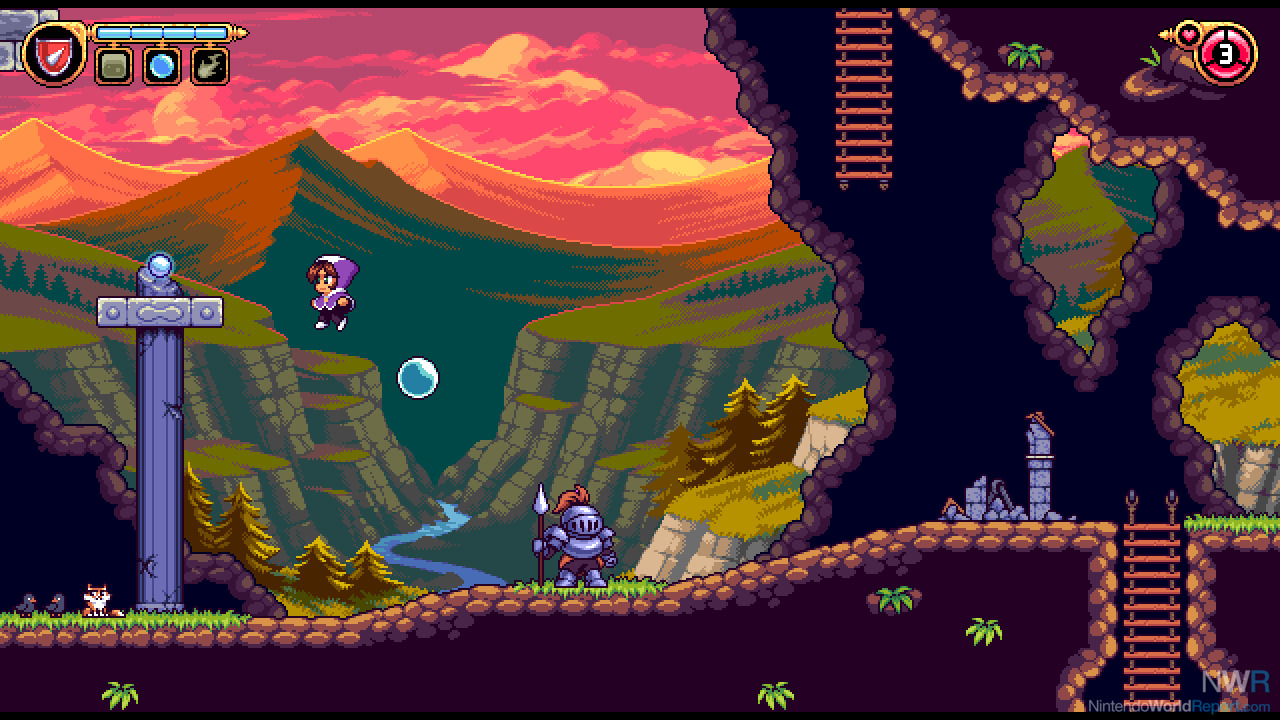
With Metroidvania titles being one of the most prominent genres developed for among the ever-growing indie development community, one series of games I’ve been following closely over the last three years is the Alwa series. Created by Swedish indie outfit Elden Pixels under principal designer and former developer at Zoink Games, Mikael Forslind, the series began with the release of Alwa’s Awakening in 2017. And most recently in 2020, with Alwa’s Legacy.

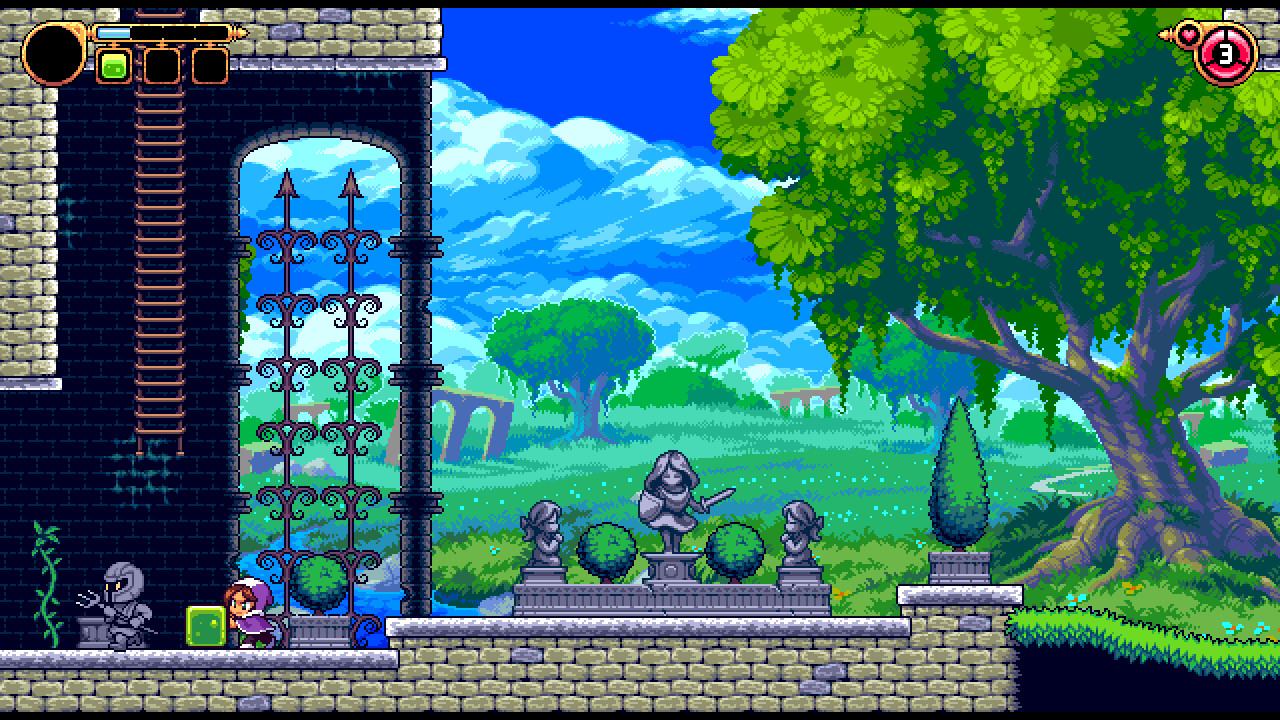
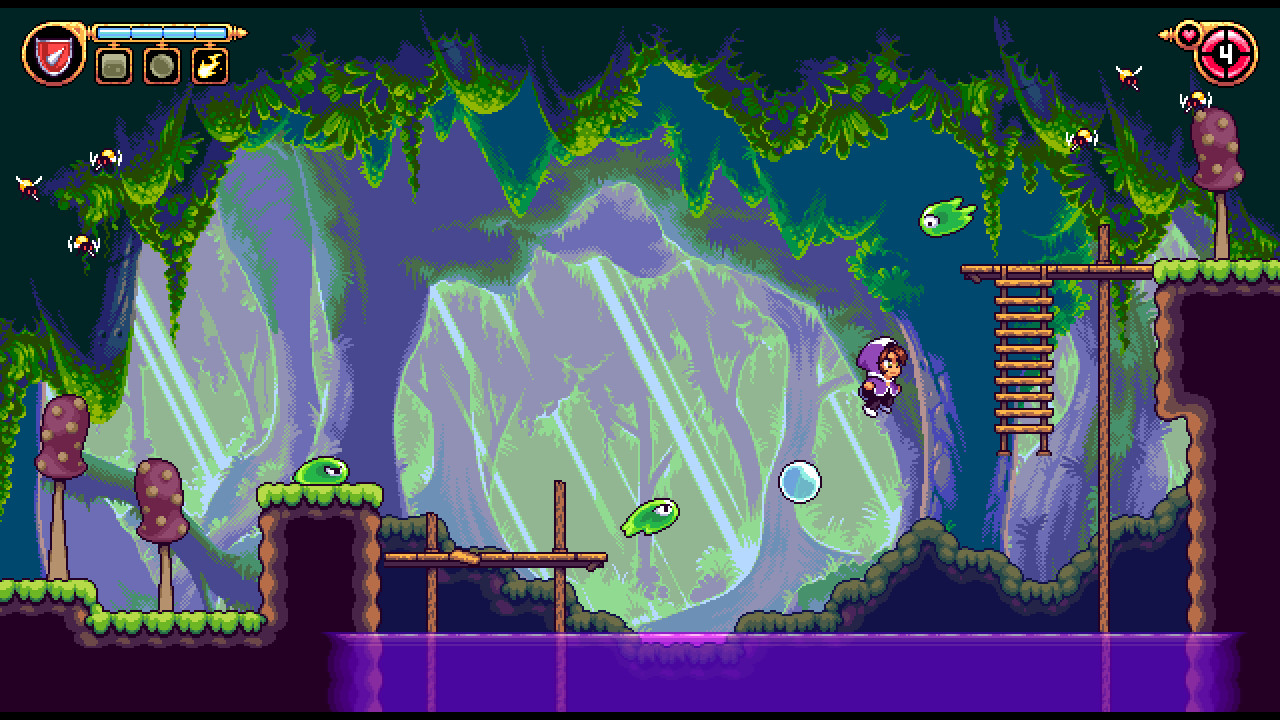
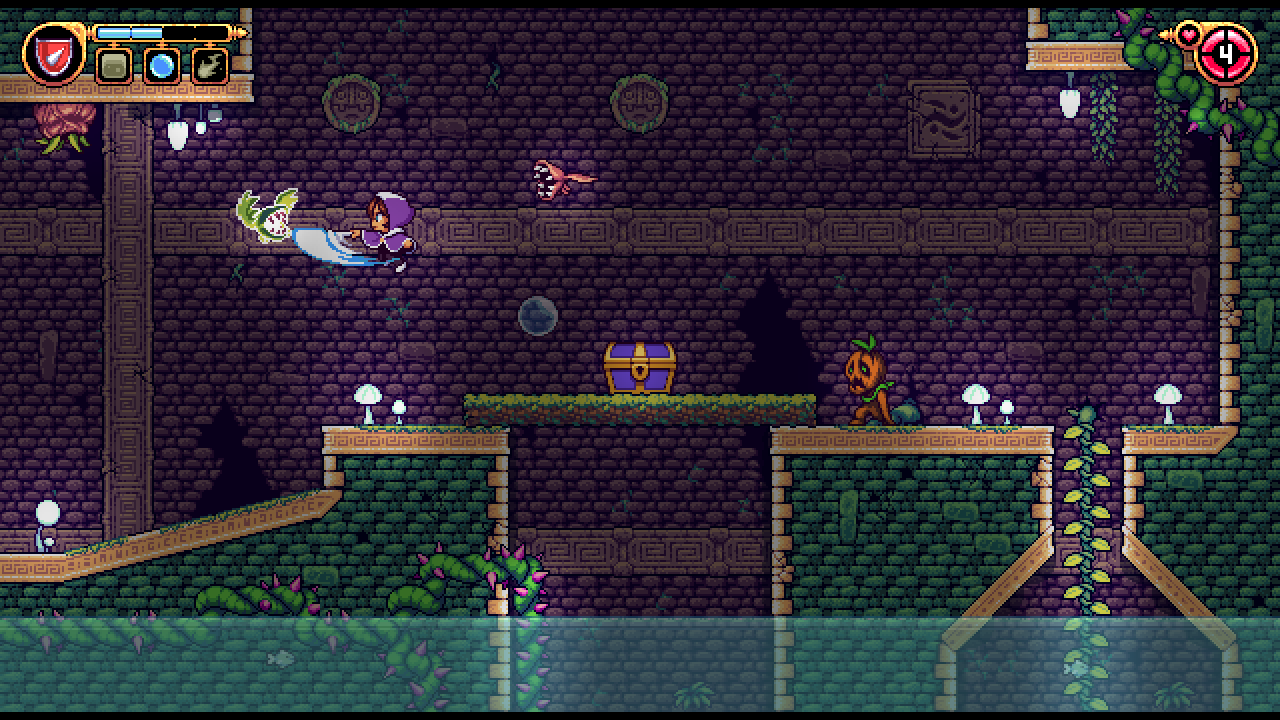
Both titles were initially launched on Steam, with Awakening seeing releases on multiple platforms, and Legacy set for a release on the Nintendo Switch. In three short years, the series has gained popularity among fans of the Metroidvania genre and among gamers in general, and with the sequel possibly set to make it on multiple platforms in addition, the series’ popularity is set to increase further. Wanting to find out more about the conception of Alwa, as well as the future of this exciting new series of games, I posed a few questions to Mikael of Elden Pixels to find out more. Here’s what he had to say about Alwa and the future of Elden Pixels:

Elden Pixels 1

How has it been to experience such an influx of interest surrounding the Alwa series and the fanbase it has already garnered?

Amazing! Every time someone reaches out to us, talking about how they enjoyed our games, it feels great. We were proud of how well Alwa’s Awakening was received. But we felt we could add more to the formula, so the design for Alwa’s Legacy came to us quite easily, and we were able to improve on everything that the first game offered. And this, of course, led to more and more people discovering both games.

What were the influences behind the world of the Alwa series?

It was a mix between the fast gameplay of Battle Kid and the more puzzle-platforming style of Trine that was the main inspiration for the first game. After a long night of playing these two games, I blurted out to my friends, “Let’s make a game. How hard can it be?” And here we are, a couple of years later.

What has been the most exciting aspect of developing Alwa’s Legacy?

To me, the best part of making games is actually looking back at a released game and thinking – “Damn, we made it. It’s out there.” I’m not one of those developers who spend years and years on one game. I think a maximum of two years is perfect for a game. And I’m proud that both our games took about that time to finish.

But seeing a game come together is always nice, and the way we built Alwa’s Legacy was that very early in the process, we had all the rooms in place. But they were basically empty and stayed empty for the longest time. But once all design was locked down, all art was done, and all sprites were done, we basically filled the entire world with content in a 3-4 month period. All of a sudden, it went from looking empty to being shippable. That’s a great feeling.

Elden Pixels 2

What has been the most challenging aspect of developing Alwa’s Legacy?

Wow, where do I start? I actually wanted to delve into this subject for a long blog post sometime in the future. But I’ll try to keep it short here. Basically, these things were the major headaches during our development. Cancer scare, anxiety, personal finances, IVF treatment, potential pr disaster using Kickstarter, political heatwave during launch, and the constant scare of bankruptcy. I’m just happy we were able to overcome all obstacles with our sanity and health intact, and we’re all still good friends. And we managed to release a game that everyone seems to really like! That’s a major accomplishment.

What’s next for Elden Pixels?

We’re not really sure. We’ve made enough money to breathe for a month or two. But nowhere near enough money to fund the next game. So right now we’re just exploring what, if anything, we can start as a new project. But we’d love to take a stab at porting our first game to the NES 8-bit. So we’re going to put out a job ad for that very shortly. We might have found some cash to fund this project, so we’re very excited. Especially since it was already made with the 8-bit restrictions in mind.

How important has fan feedback been throughout the development of Alwa’s Legacy?

Since Alwa’s Legacy is a standalone sequel to our first game, Alwa’s Awakening, we kind of knew what we were doing during the development. So we took more notes on what we didn’t like with the first game to build our second game. But community involvement is very important, and we had a lot of feedback from our Kickstarter backers. And we did a huge semi-open beta where we built this custom tool so any player could directly report feedback into our project management tool. I love building games with the community involved. And it’s definitely something that I want to consider doing in the future.

Elden Pixels 3

Have any of the guys at Image & Form or Zoink had any input into the game, or any advice to offer you?

Yeah, I worked at those companies for about four years, so I made a lot of friends, and they’re all beautiful people. A few of them do consulting work. So we actually ended up working with Pelle Cahndlerby with the script, Joel Bille did the sound effects, and Julius Guldbog did our trailer; all of them are from those companies.

Now and then, I also get a chance to grab some lunch with Brjann Sigurgeirsson, who’s the head honcho at Thunderful, the owner of Image & Form and Zoink Games. And I cherish those lunches because I get so much valuable information and tips from him. He’s such a nice guy. I also get free lunch!

If you had the chance to develop for any mainstream development company or work on any gaming series, which one would it be?

I don’t know how much it would be considered mainstream. But our first game, Alwa’s Awakening, was heavily inspired by an NES game called Battle Kid. And I would LOVE to develop a game in that series. I think in the hands of Elden Pixels and the original creator, we’d be able to make a really cool and fun game. I can easily think of a bunch of cool and creative ideas for a potential sequel.

The progression of the series is obviously reminiscent of the transitions between past generations of gaming, i.e., 8-BIT to 16-BIT. Do you see the Alwa series making the transition from 2D to 3D in the future?

If someone asked me to design a 3D game, I wouldn’t know how to even approach it. I’d probably have as much luck as I would if I decided to take up opera singing. So I don’t see that happening in the near future. But who knows, if we find a talented 3D designer somewhere in the future, it might happen. Right now, we’re exploring ideas that aren’t based in the Alwa universe.

Elden Pixels 4

What platforms are you looking to bring the game to?

Right now, the game is out on Steam and GOG, and we’re releasing it on Switch soon. We want to take it to Microsoft and Sony as well and ask them for a release on their platforms, but we haven’t yet. We’re such a small team. So we have to think carefully about each decision, making sure we don’t take on too much work, and releasing on a new platform is a lot of work.

Do you have any advice to give to any aspiring developers who may be reading this?

Don’t go into indie development thinking you’ll make money. If you want to make money, get a job in the IT business or something. For me, making indie games is like playing in a small rock band. You don’t get to play at the big arenas right away. You probably never will. And it can take years before anyone even notices you. Don’t expect to make that one indie game and make it Shovel Knight style. Sure, it can happen, but most likely not. But if you’re dedicated, make cool stuff that people want to enjoy and stay at it, maybe in a few years, you’ll be able to make a living from it. I’m confident that Elden Pixels will eventually be something I can live off full-time. We probably need a game or two more out before we can do that. But we’ll get there.

Is there anything else you would like to add?

Yes, if you take 3 deciliters of water, add 2 deciliters of sugar, 1 deciliter of vinegar essence, 15 small peppercorns, and 2 bay leaves. Boil for a few minutes and then let it cool off; you’ll have an awesome brine for pickled herring. A Swedish classic!

Elden Pixels 5

I’d like to take the opportunity to thank Mikael for sharing everything he had about the Alwa series and Elden Pixels. And to wish them the best of luck with what the next title they develop may be. Both Alwa’s Awakening and Alwa’s Legacy are available on Steam. And I would highly recommend anyone reading who hasn’t played either title that they check them out. I’ve played and reviewed both games, and they’re definitely worth playing through at least once. Thanks for reading this Q&A, and I hope you enjoyed reading it as much as I did putting it together.

Game on,

Scouse Gamer 88
Ori and the Will of the Wisps

Ori & The Will of the Wisps (PC & Xbox One)

Developer – Moon Studios

Publisher – Xbox Game Studios

Director – Thomas Mahler

Producer – Blazej Zywicyriski

PEGI – 7

Following on from the success of Austrian developer Moon Studios’ debut title Ori & The Blind Forest, Ori & The Will of the Wisps is another expansive Metroidvania title making use of wonderfully crafted hand-drawn visuals. And adding new gameplay elements, building on the concept perpetuated by the first game. Personally, I was hooked on this game from start to finish. And whilst I have my nitpicks to address, I was far from disappointed with it. 

Graphics – 10/10

The visual style of the game once again makes use of a hand-drawn art style. Taking place in new forests separate from those of the first game, called Niwen. Like the last game, it has a variety of different land biomes. Including snowy mountains, barren deserts, and dark spider-infested caves. It once again also makes use of a traditional orchestral soundtrack. Albeit each track does better than Blind Forest to suit the tableau of each different area. 

The game, in terms of visual style, is certainly a lot more varied than the first. As Blind Forest’s individual areas were mainly different sections of forest, with some exceptions. Such as Mount Horu. But in Ori & The Will Of The Wisps, there are areas like Luma Pool, Baur’s Reach, and Windswept Wastes that perpetuate far more of a sense of variety than in the original game.

Gameplay – 10/10

Another area where variety is a lot more prevalent than in the first game is in the gameplay. The combat system has been given a massive overhaul, with Ori being given far more combat options than in Blind Forest. Including a sword for fast-paced combat and a hammer for players preferring power over speed. A lot of the older abilities acquired in the first game are also added for good measure. But they’re acquired earlier on to reacquaint players with classical mechanics in preparation for the introduction of new mechanics throughout the rest of the game. 

Another very welcome addition to the series with the second game is the inclusion of boss fights throughout. They present a level of challenge that wasn’t seen with Blind Forest and add even more depth to the gameplay that is more prevalent. And reminiscent of other Metroidvania titles such as Castlevania: Symphony of the Night and Guacamelee. There are also various sidequests to be undertaken throughout. This is something else that was desperately needed for improvement over the first game. It all makes it even more enjoyable to play than Blind Forest and less of a criminally fleeting experience. 

Controls – 10/10

Players will be able to move from the first game to the second without skipping a beat; the core mechanics are the same as what they were in Blind Forest. But even with the introduction of a plethora of new mechanics, the game’s control scheme presents no issues. In this game, it was even more vital for the developers to have gotten the control scheme right with the introduction of time trial sequences involving a lot of intricate platforming. And the developers did a flawless job of getting the controls right. 

Lifespan – 6/10

To complete the game 100% takes slightly longer than its predecessor. Clocking in at just over 15 hours of gameplay. Although there is the inclusion of so many new gameplay features, I think more of the same could have been added to pad out the game even further. But again, my biggest criticism of this game, as it was with Blind Forest, is that it doesn’t last anywhere near as long as it had the potential to do. Although it’s less of a fleeting experience than the first game, it’s still not long enough of an experience in my opinion. 

Storyline – 7.5/10

Picking up where the last game left off, Ori, Naru, and Gumo are now caring for Ku. The baby owl that hatched from Kuro’s last egg at the end of Blind Forest. After repairing Ku’s damaged wing with one of Kuro’s stray feathers, Ku flies with Ori on her back, and the pair crash-lands into the forest of Niwen. Ori then becomes embroiled in a quest to restore balance to the forest of Niwel by seeking out forest spirits called wisps. Whilst also confronting new threats, including a deformed and hateful owl named Shriek.

The story of Ori & The Will of the Wisps draws a great deal of comparison to that of its predecessor. Ori basically has to do the same thing as she did in Blind Forest. Just within another forest. Although the themes of loss and tragedy are present and are presented in different ways from the original, there are other elements that are a lot more straightforward than they are in the first game. There’s not much moral ambiguity involved in the second game, like in Blind Forest; the player will know who the hero is and who the villain is. Where Kuro was a much more sympathetic villain, Shriek, whilst having underlying reasons for being the way she is, is a lot harder to empathize with.

However, there are certain plot threads throughout the story. Especially around the mid-way point, which contributes to the narrative in extremely positive ways. And whilst not being anywhere near as unique as the first. Certainly make for an enjoyable story overall. 

Originality – 7.5/10

The game’s originality was probably the hardest aspect of it for me to cover. In certain areas, it does stand out from other Metroidvania titles, such as its combat system and inclusion of sidequests. But in other aspects, it fell short of those in which the first game excelled. Most notably, the story. Overall, it was a fairly unique game. But I can’t help but feel that there is still a lot more untapped potential for this series overall. Without spoiling any details in regard to the ending, all the signs seem to point to there being a third game sometime in the future. And I think that there is still room for improvement in both the first and second games. 

Happii

In summation, however, regardless of the amount of criticism I’ve given Ori & The Will Of The Wisps, I still think that it is fractionally better than Ori & The Blind Forest. The one aspect that it excels in compared to its predecessor is the gameplay, which is, after all, the most important aspect of any game. Its story is unoriginal compared to Blind Forest, and its relatively short lifespan can still leave players wanting more at the end of it. But that’s not to say that it isn’t worth playing through from beginning to end. It certainly is. 

Score

50/60

8/10 (Very Good)

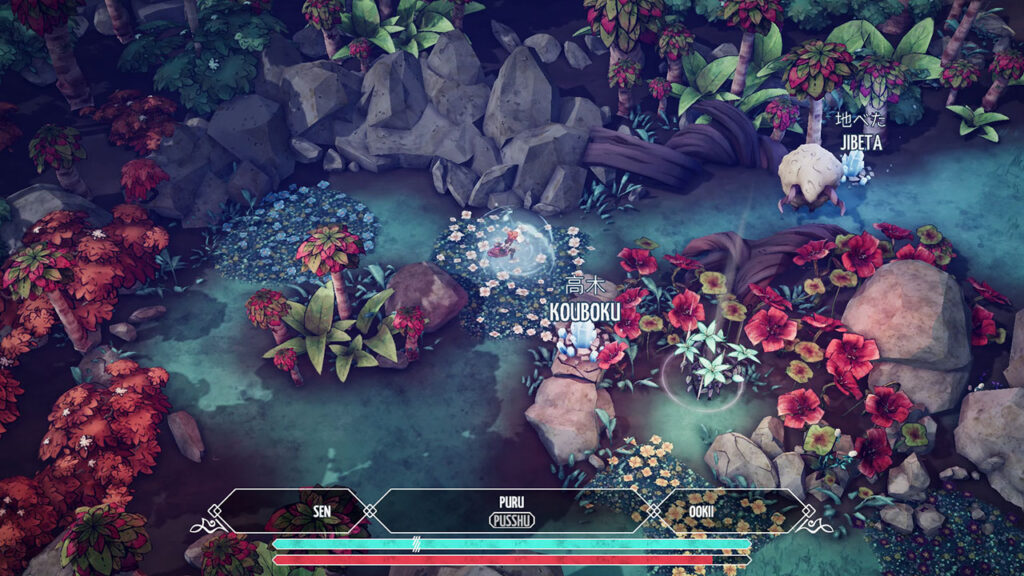
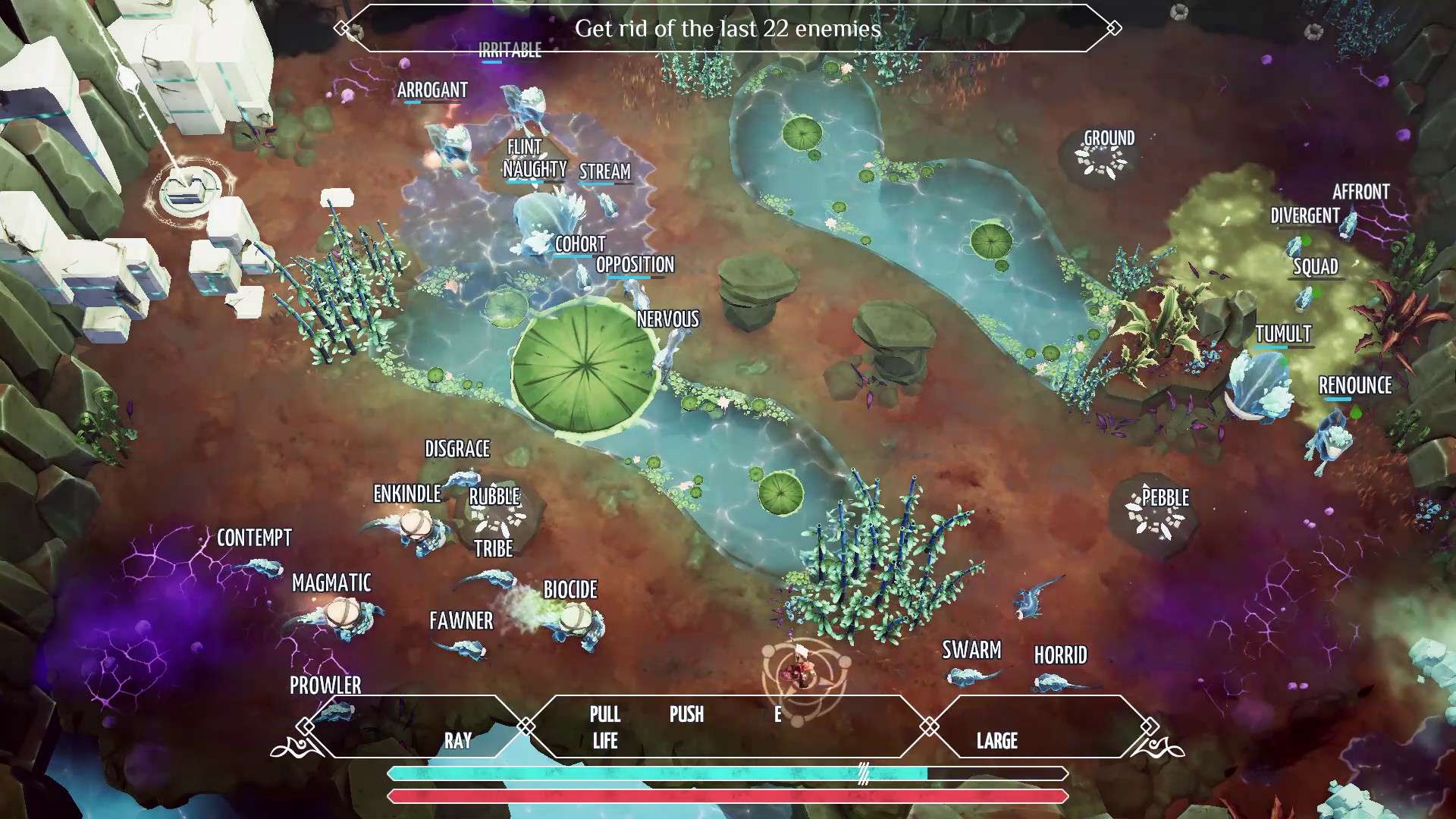
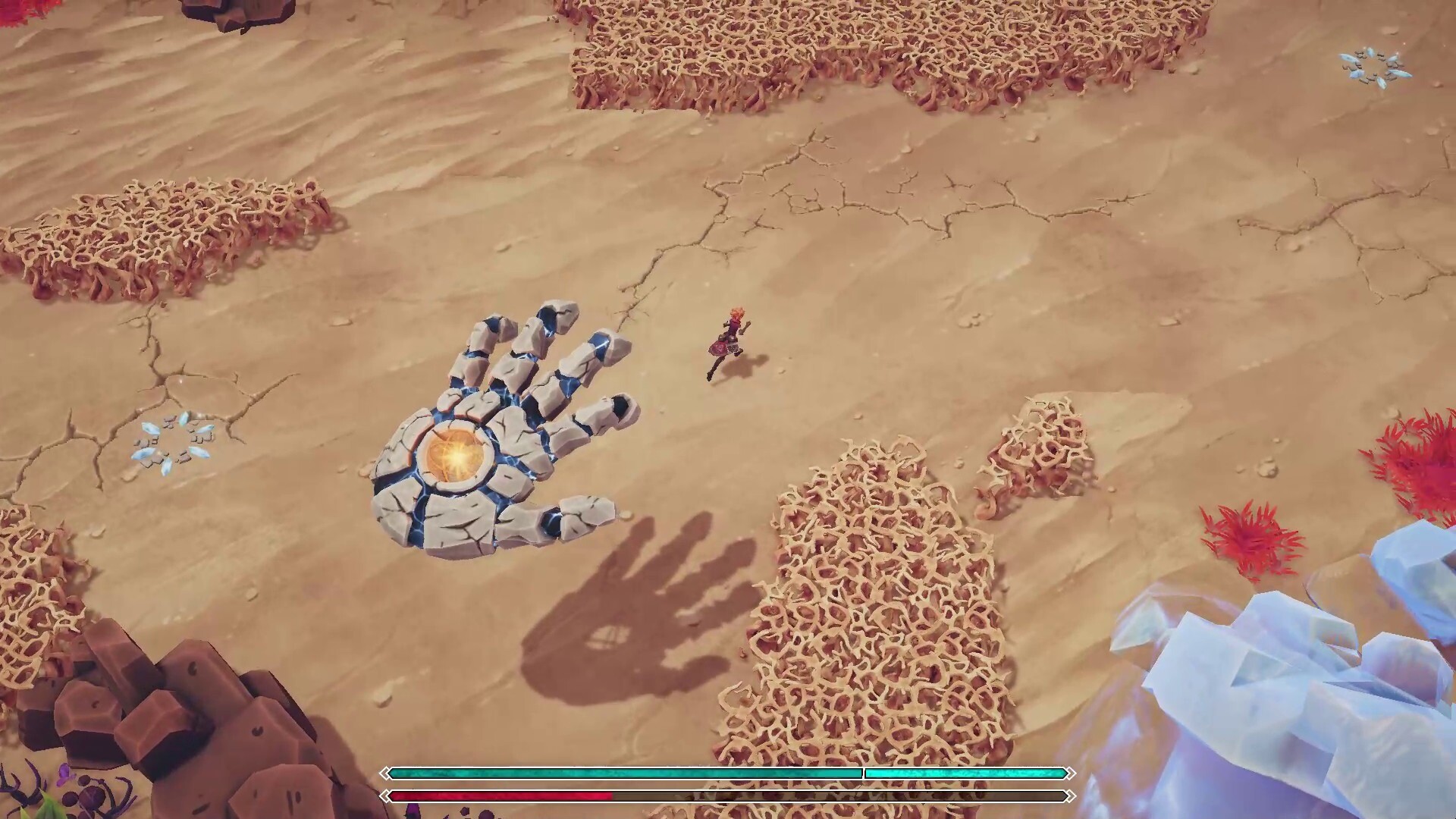
Nanotale

Q&A With Fishing Cactus

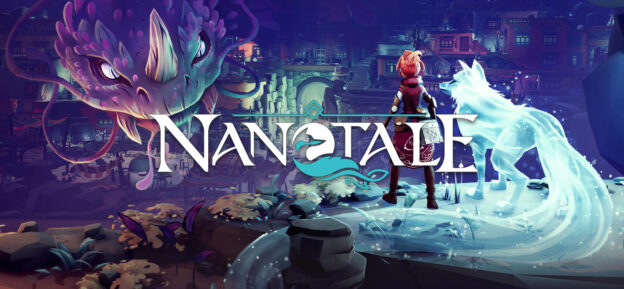
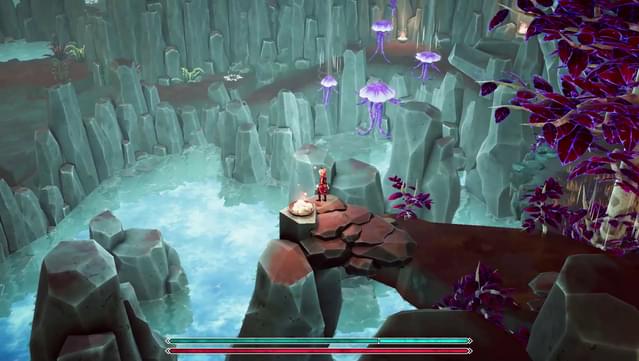
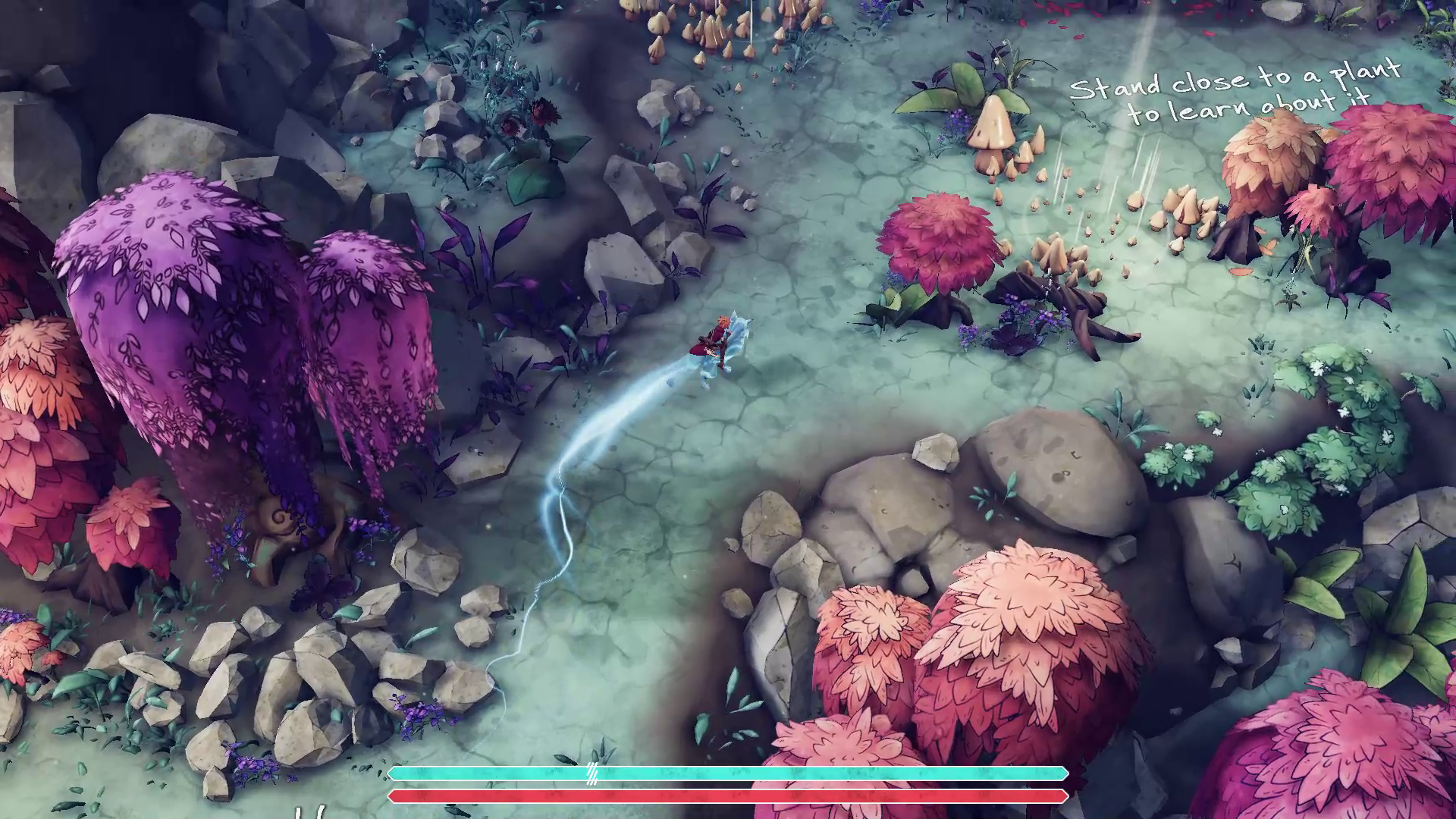
Whilst looking all over the Internet for new upcoming gaming experiences within the indie community, where they have been available, I have tried out either demos or reviewer copies beforehand, and given my first impressions on how the game is during their current stages of development, and given a subsequent assessment of what I believe the final product can bring to the table. One such game has been Nanotale: Typing Chronicles. Developed by Belgian outfit Cactus Games and acting as a sequel to a previous game made in the same vein called Epistory, Nanotale implements an extremely unique style of combat for an RPG, with players having to type in words to string attacks together, to cast spells, or even to solve puzzles to progress throughout the game’s open world.

Wanting to know even more about this wildly distinct project, I contact Fishing Cactus in the hope of securing another Q&A for the site. I received a response from Fishing Cactus’ PR manager, and the development team answered the questions I had regarding the game, which made for some particularly interesting reading. Here’s what Fishing Cactus had to say about Nanotale:

Nanotale 1

Where did the idea stem from, having a gameplay system revolved around typing in the first place, back with Epistory? 

For our very first game, we wanted to do something different from what you can find on the market. One of our Game Designers had the idea of challenging the Typing genre. The rest of the team was not very convinced about it since all the Typing Games we knew were boring and educative while others like Typing of the Dead were more gimmicky. He did a prototype of it, and we were all convinced about the potential of the idea. 

You can play the first proto here:

http://epistorygame.com/prototype/

What has the developmental process been like?

We didn’t plan to do a new typing game at first. Epistory was a success, and we were afraid to fail at making it better. But we decided to do it after getting a lot of emails from the community asking us for a new one. It was like “that’s OK. The community is behind us. They will guide us”. So, we asked them how they wanted that new typing game, and we developed Nanotale according to what they liked less and more in Epistory, what they would like to see improved, etc… 

How close are we to seeing the finished product? 

We just released the second update of the game. The final game is planned for October 2020.

Nanotale 2

What has been the most exciting aspect of development? 

The Cellular Automata! Cellu-what?

It’s a way of simulating a world using a divide-and-conquer strategy. Instead of having a massive “World Simulator™,” it’s often easier to simulate each object when making a game. This strategy goes further by dividing the world into uniform cells. Each cell has a state and a set of rules to change, if possible, into another state. Cellular automata are used in a very wide range of scientific domains, including computer science, mathematics, physics, and many others. The most famous is probably Conway’s Game of Life, which has only four rules and two states, and you can already see a lot of patterns emerging from its simple concept.

What has been the most challenging aspect of development? 

Having the game translated into 11 languages during early access. It was a bad idea and represents a lot of work but we really wanted to do it for our community. Also, players seem pickier when they can play it in their own language. It’s hard to have something that works perfectly in all these languages, but I think we are doing OK with it, thanks to the community that helps a lot in locating bugs. 

Which RPG series had the most impact on the development of Nanotale?

None. I admit that for Nanotale, we mostly started from Epistory and continued following what our community wanted. 

There is a great emphasis on the beauty of nature in Nanotale. Does any of that stem from the personal experiences of the development team?

Not really. We just wanted to have fun and create something different from Epistory, but as memorable. 

Nanotale 3

How well has the game been received so far? 

Good! The community is really happy, and people who discover Nanotale love it, and usually, by Epistory after trying Nanotale. 

Have there yet been any ideas considered for the game that have since been scrapped?

Many of them. We always start with too many ideas, then you cut according to your budget. Many of the new things we have in Nanotale come from what we had to cut from Epistory. Maybe the next typing game will have what we had to cut from Nanotale. 

The thing is, if we don’t cut, the game would never go out. And we really have to stick to deadlines. For our community and for the team working on the project.

Nanotale 4

What platforms are you looking to bring the game to?

Windows, MAC, Linux

Do you have any advice for aspiring developers who may be reading this? 

I just want to say that it’s OK not having exactly the game you wanted for the first time, as soon as you take pleasure working on it and don’t disappoint your community. 

Where on the Internet can people find you? 

Steam: https://store.steampowered.com/app/944920/Nanotale__Typing_Chronicles/

Twitter: @nanotalegame
Facebook: http://www.facebook.com/nanotalegame
Instagram: @FishingCactus

Do you have anything else to add?

Don’t hesitate to add us to your wishlist!!

Nanotale 5

I hope you guys check this game’s Steam page out too; as I said in my first impressions article, Nanotale is one of the most unique-looking RPGs I’ve seen for quite some time, and having played it, it brings a certain level of satisfaction to be had whilst playing with its very different take on what an RPG should be. I also want to take this opportunity to thank Fishing Cactus for agreeing to answer my questions and to wish them the best of luck with this potentially game-changing title.

Game on,

Scouse Gamer 88