Tag Archives: Video Gaming

Guardians of Lumen

Q&A With Joseph Thamir

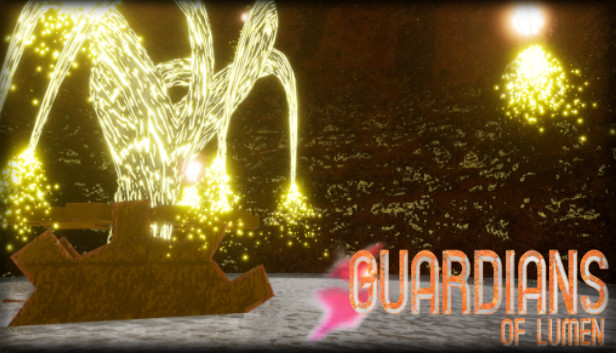
After once again scouting crowdfunding platforms for new upcoming titles looking for backing, I came across a promising RPG game in development set for release later this year, entitled Guardians of Lumen. Created by Canadian programmer Joseph Thamir, Guardians of Lumen is a turn-based RPG allowing players control of multiple characters. Each with their unique attributes and abilities, as they journey across the expansive world of Lumen.

Completing story-driven quests as well as a vast amount of planned side quests, minigames, puzzles to solve, and endless monster hunting quests, with the game currently boasting a minimum of 20 to 30 hours of gameplay. Curious to know about this immensely ambitious project, I reached out to Joseph to ask him a series of questions about how this game came to be and what it will come to be upon its full release in 2021. Here’s what Joseph Thamir had to tell me about Guardians of Lumen:
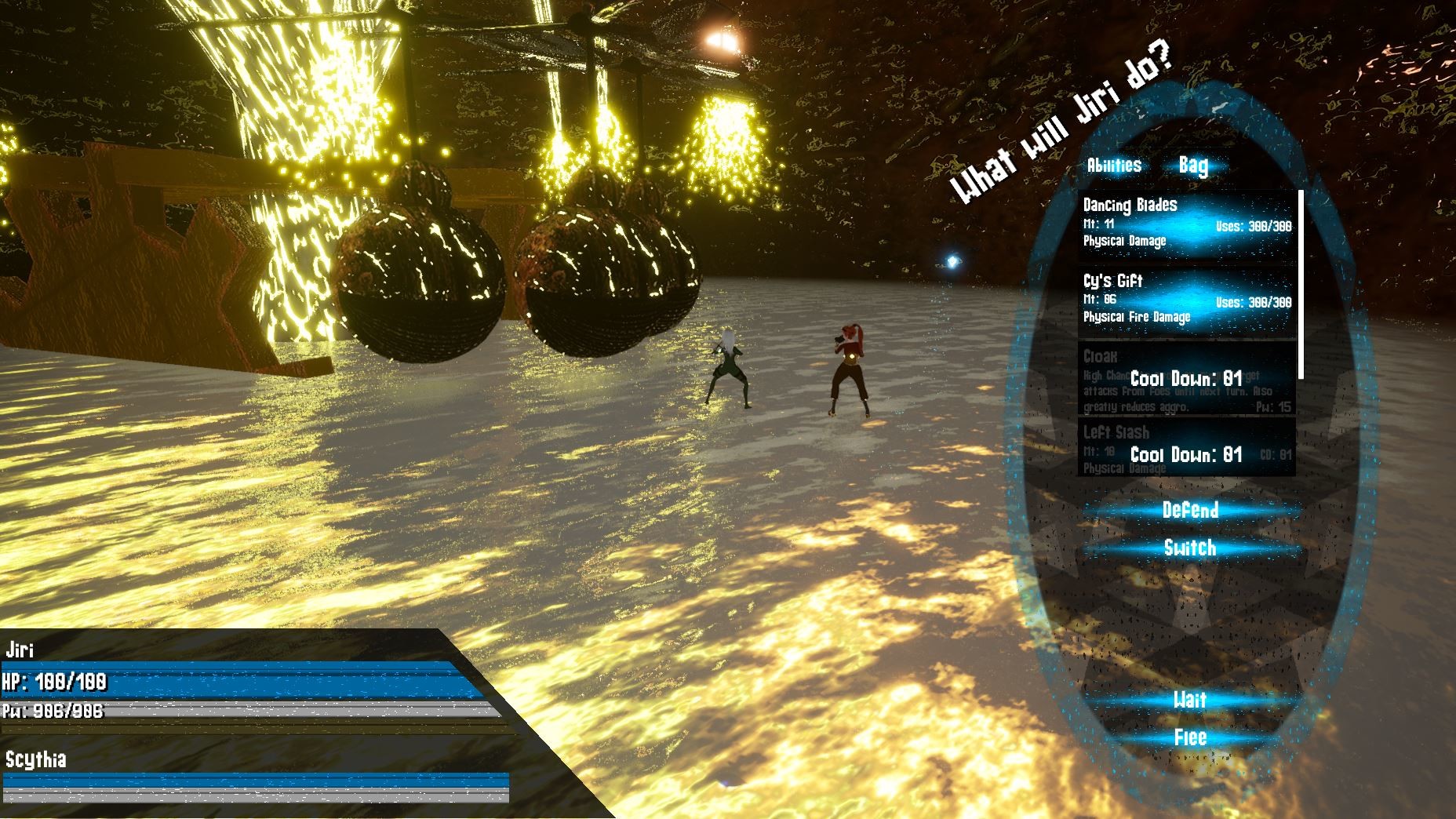
Guardians of Lumen 1

What were the influences behind your game? 

Originally, Games like Shadow of the Colossus, Monster Hunter, and Xenoblade Chronicles 2, with their massive worlds and massive monsters, influenced the game a lot. And while I can still say that for the exploration, material gathering, and the like, with the change in genre, the combat takes inspiration from games like the classic Final Fantasy, Chrono Trigger, and the like.

What has the developmental process been like?   

In a word, Steady. As I said on the IndieGoGo page, I started work on this game in May 2019, but before that, I had spent hours planning out everything from the costs of development to what side jobs and contracts I’ll need to do and manage to keep me going. I’m pretty sure that I wouldn’t have been able to get to this point without that planning.

How close are we to seeing the finished product? 

If all goes according to plan, the Demo will release on Jan 11, 2021. And the full game on June 15, 2021. Of course, there are always complications that can come up. So I like giving myself a week of breathing room, just in case. 
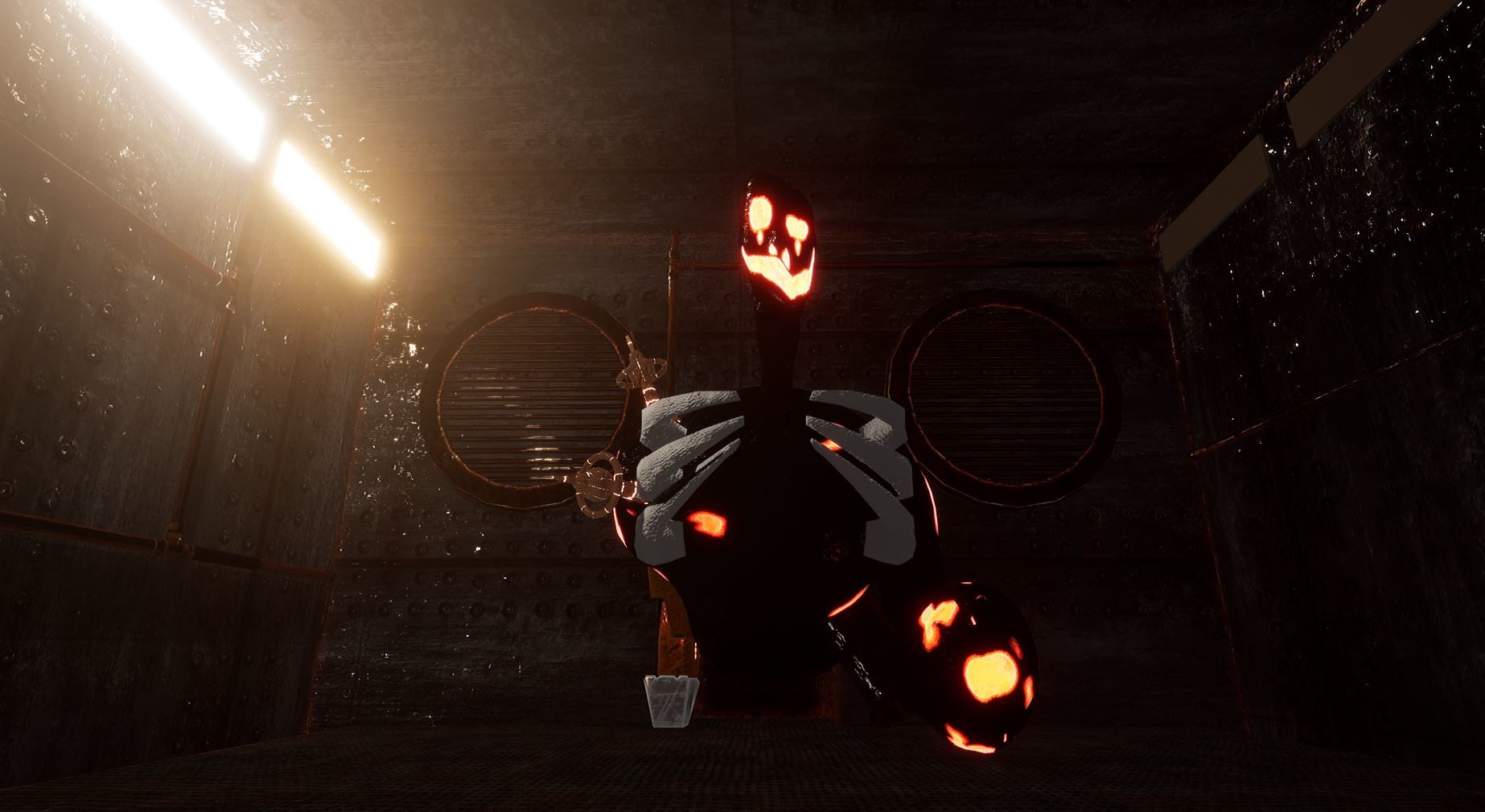
Guardians of Lumen 2

What has been the most exciting aspect of development?   

The most exciting aspect? I have to say, it’s setting things up at the start of development. And, months later, finally saw it all fall into place. There’s an odd rush I get when I want to do something. And I have everything in place, so all I have to do is pull it all together.

What has been the most challenging aspect of development?   

The hardest part of development (and that’ll sound kinda obvious) has to be problem-solving. I’m working alone and have lots of different hats to wear. Whenever a problem comes up, I can’t just ask for help. Research, trial, and error have become common uses of my time.  

You mention on your IndieGoGo page that Guardians of Lumen was previously an action RPG. Are there any other ideas for the game that have since been scrapped or reworked into the current project?

The original structure of the story has been completely scrapped. At first, I was going to have this little personality test when you first fire up the game. And the game would match you up with the main character that fits your personality the best. The story was only going to show you events through that character’s POV. And whole chunks of the story would be locked behind 2nd or even third playthroughs. 

I decided against the idea mainly because of the games Octopath Traveler and Bravely Default. Octopath has 8 stories, each tied to a different character. While Bravely Default only has one, arguably simpler story. While I like Octopath’s story(s) better, the friendship that builds between Bravely’s characters is just so much more fulfilling to see play out.

In the end, I felt that I NEEDED something like that to really push the story.
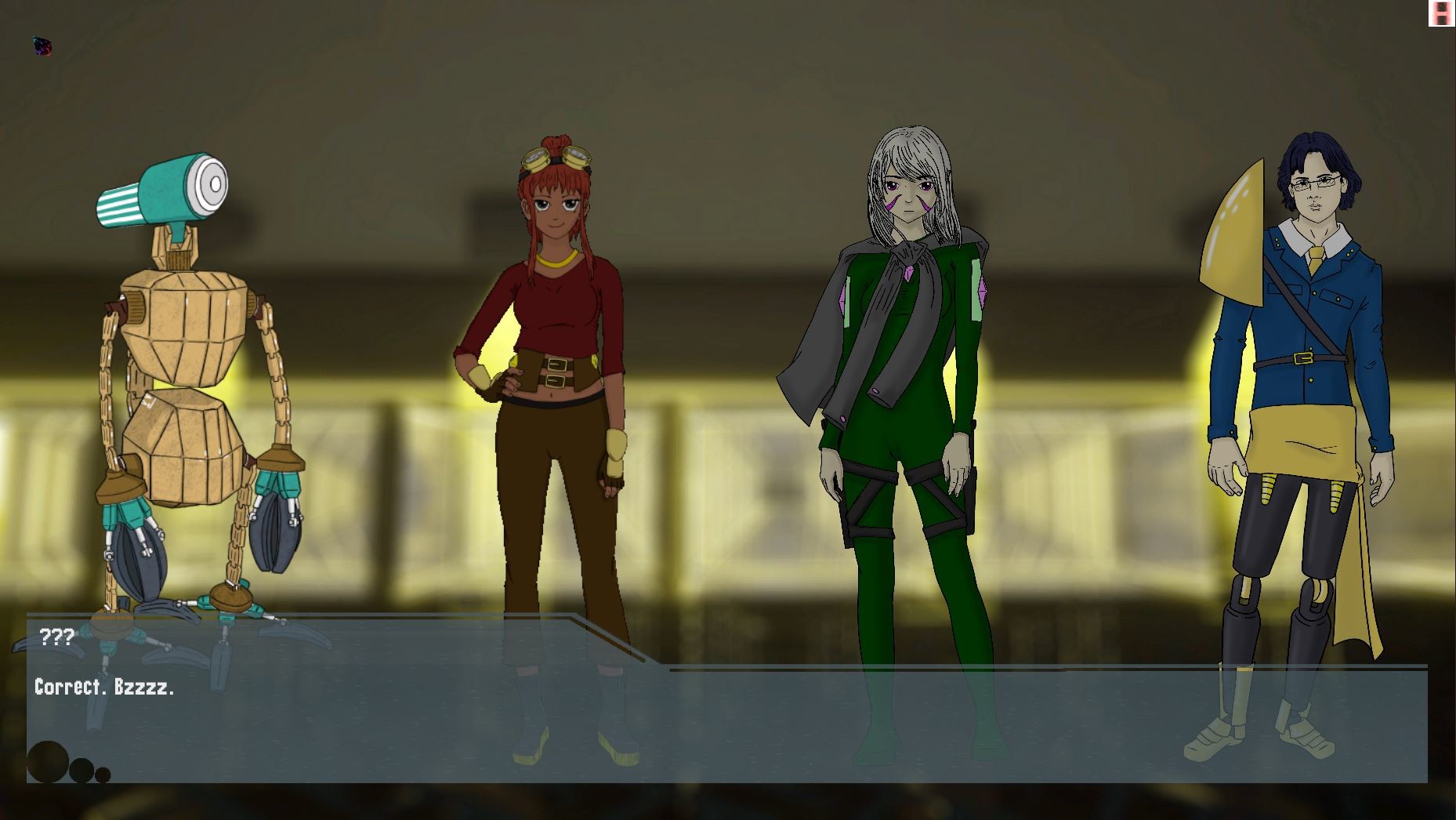
Guardians of Lumen 3

How well has the game been received so far?   

From what I’ve gathered, everyone seems to be interested. I can’t say anyone is dying to play the game. But I think I’ve done a good job at the very least of getting people to read it over and think about it.

What platforms are you looking to bring the game to?  

PC at first. Getting the game finished and out there is a top priority. And PC is the easiest for me to develop at the moment. After that, it would be amazing to see my game on Switch and PS5.

If you were allowed to work for any developer on any game series, which one would it be, and why?   

Can I just name the entire JRPG market? Ha, if that’s a no, then I’d love to work on the Fire Emblem team. I’ve always loved the giant, fantasy world and the amazing combat. And with their most recent game, I feel like they know how to effortlessly tie the two together.
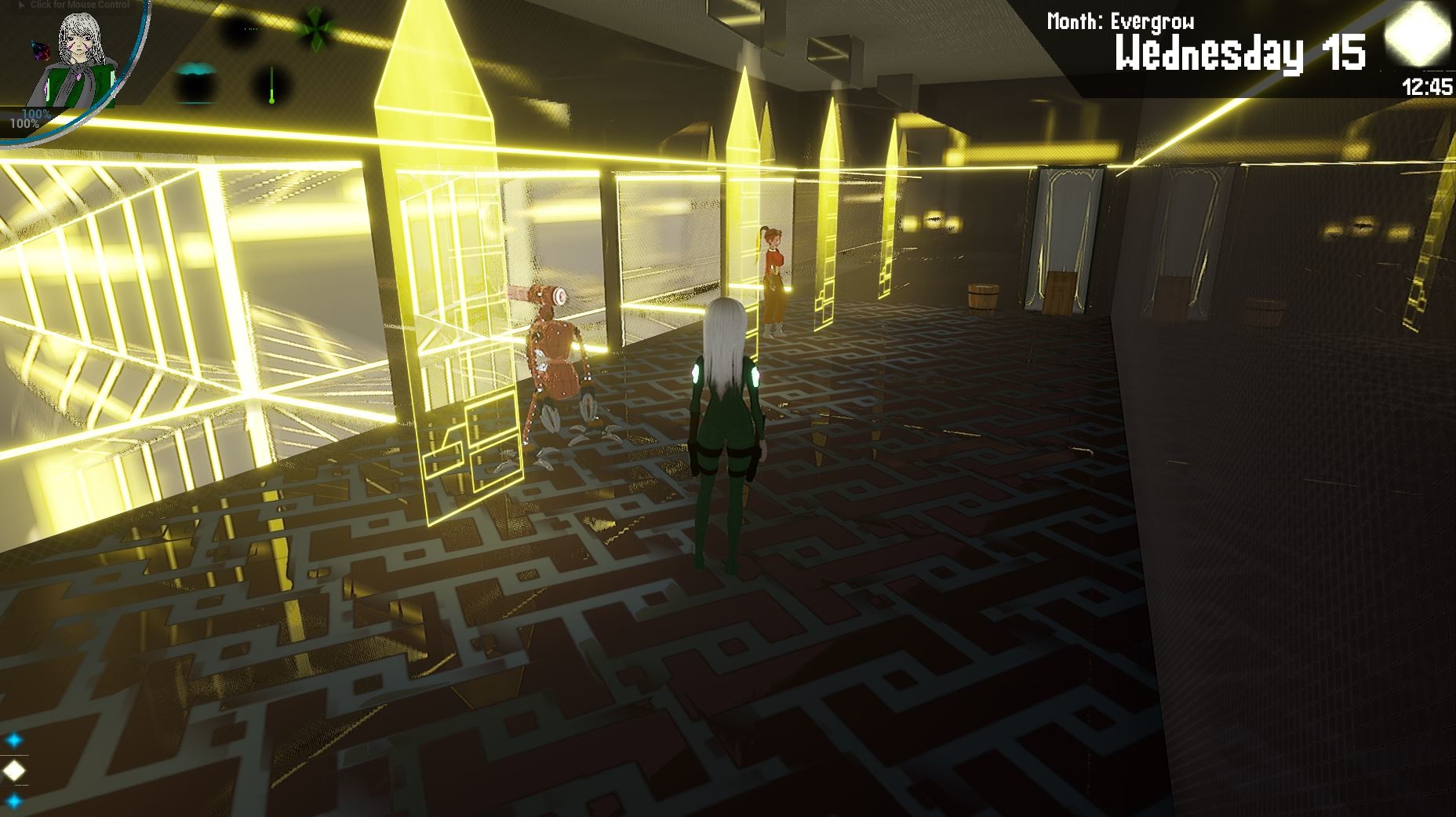
Guardians of Lumen 4

Have ideas from previous games you’ve developed found their way into this project? 

The rework to a turn-based RPG takes chunks from an unreleased game I made a few months ago. The game was just a test to challenge me to see if I could make an FF-Tactics style game in a day (Humblebrag: I could 😀 ). But the system was simple enough that I could copy it over. Besides that, I can’t say I have much that I could move into this project. I’ve done a lot of contract work over the last few years. But it’s been mostly helping artists with mobile games or character controls for FP Shooters.

Do you have any advice for aspiring developers who may be reading this?  

If you are like me, just coming out of college, and you want to start something like this, everyone will tell you not to. “It’s not stable” or “maybe you should work somewhere first to build up the experience”. They’re valid, and you’d probably have better luck following that advice if you want to make money quickly. BUT, if you really want to do it, to make something you’ll be proud about, plan it through, take that extra work on the side, then go ahead and do it.

Where on the Internet can people find you?  

You can check me out on YouTube at:

https://www.youtube.com/channel/UC88Po54InRp516Sm5kMUBIw

Or check out my website

https://www.josephthamir.com/  (Though I gotta warn you that it may be a tad outdated :3 )

Do you have anything else to add?  

I’d love to hear what you think (even if it’s just from the IndieGoGo page, the Demo, or my response to these questions). I love hearing where I can improve and where I can hold my head up with pride.
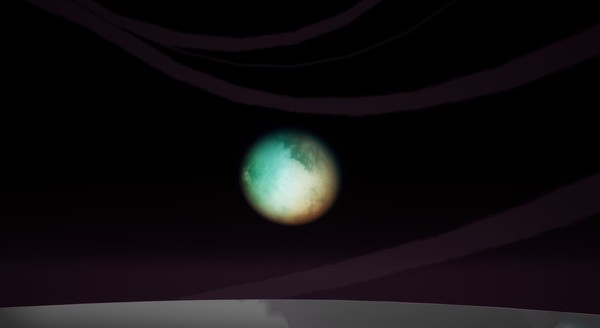
Guardians of Lumen 5

As always, I’d like to thank Joseph for taking the time to talk to me about this wonderful and promising RPG. If you like the look of Guardians of Lumen and think you’d like to play it too, you can support the project on Joseph’s IndieGogo page via the link below:

https://www.indiegogo.com/projects/guardians-of-lumen–2#/

I’d also like to take the opportunity to wish Joseph the best of luck with Guardians of Lumen, and I hope you guys enjoyed learning more about this game as much as I did.

Game on,

Scouse Gamer 88
Robot Wars: Arenas of Destruction (PC & PlayStation 2)

Robot Wars Arenas of Destruction

Developer(s) – Climax Development

Publisher(s) – Gamezlab & Vivendi Universal

Producer – Barry Simpson

Designer – Mark Davies

ELSPA – 11+

Released in the 4th quarter of 2001, shortly following the fourth season of the program, Robot Wars: Arenas of Destruction was met with a tirade of criticism, with reviewers citing issues with the controls as well as the difficulty, with critics thinking the game was too easy. In my opinion, however, possibly due in some part to the fact that I was a huge fan of the show growing up, I spent a lot of time playing this game when I was a kid. I found it to be a very enjoyable experience. And truth be told, I think it still holds up to this day. There are elements to this game that have largely gone unappreciated that make this a far better game than what most people seem to think.

Graphics – 8/10

The game is based on the hit UK series Robot Wars, popularised from the late 90s to the early 2000s. As such, it features some of the best robots to have ever competed in the program, such as Razor, Hypnodisc, Cassius, and Firestorm II. As well as including the infamous House robots like Sgt Bash, Shunt, Matilda, Dead Metal, and Sir Killalot. But perhaps more impressive than this is the game’s level design. As well as having the traditional Robot Wars arena included, there are several other areas around the world where tournaments are held that are designed very differently. And more elaborately in some cases, than the original Robot Wars arena. It’s. Quite impressive to me that the developers were able to pull this off despite the clear lack of source material that becomes apparent if you ever watch the show.

Gameplay – 8/10

The objective of the game is to build a robot using a preset amount of money and to enter the robot into Robot Wars tournaments in order to compete and earn more money to build better robots out of tougher materials and customize them with better weapons. The amount of variety in gameplay is extremely impressive for a licensed game. Back then was much more of a niche interest than it is now, with the standard for license having increased dramatically following the release of Batman: Arkham Asylum. But even before then, there were more than a few diamonds in the rough beforehand. Such as the Disney games developed by Capcom, the Mickey Mouse Illusion series, and the earlier Lego games. And in my opinion, this too. 

Controls – 8/10

As I alluded to before, one of the most common criticisms of this game was aimed at the control scheme. That movement is not as fluent as it perhaps should’ve been. However, although it can be a bit of an unnecessary hindrance, the movement of a robot largely depends on what type of wheels it’s fitted with. Which, over time, becomes less and less of an issue as the player gets a feel for what axis is best to fit their robot with. And what type of tire to use to give it better overall control? It poses somewhat of an issue because it can be annoying as the player just starts. But to me, it is at least bearable to play until better wheels can be purchased. It’s not. It’s not the perfect control scheme, but one that does gradually get rectified. 

Lifespan – 6/10

To complete the entire circuit of tournaments in the game can take up to a few hours. Dependent, of course, on the quality of the robot the player can create. As well as how much damage the robot sustains (players also have to spend money repairing their robot as it takes damage). Regardless of that, there is a fair bit of replay value to be had. Especially since not only can players make different types of robots using different frames for a completely different playthrough each time. But it can also compete with the classic robots. As well as the house robots. 

Storyline – N/A (10/10)

The game will most definitely work better for people who watched the program and have come to like it. But this by no means makes the game any less enjoyable. Another criticism I’ve read of this game is that it didn’t include the then-presenter of the program, Craig Charles. With only commentator Jonathan Pierce featuring in the game. But to me, that’s far too much of a finite excuse to criticize the game. 

Originality – 7/10

There have been games like this made before, and games made like it since. But not as many as there have been in the majority of other genres. It’s certainly a fairly unique concept, which to me, does warrant the further development that it did end up getting, with the follow-up to this game, Robot Wars: Extreme Destruction. Generally considered to be better. But to me, this game would’ve served as more than an adequate jumping-on point despite the amount of flak it got at the time. It still does extremely well to stand out among other games of its kind. 

Happii

In summation, Robot Wars: Arenas of Destruction not only uses the license extremely well, but it adds to it greatly whilst appropriately celebrating it at the same time. I grew up with the show, with my dad even once taking me to a live show in Sheffield one time, but regardless of whether you may have been a fan of the show or not, this game is certainly worth playing through and totally undeserving of the negative response it received upon release. 

Score

47/60

7.5/10 (Good)

Vomitoreum

Q&A With Scumhead

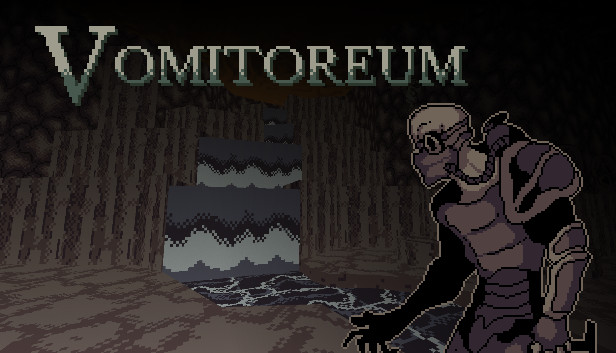
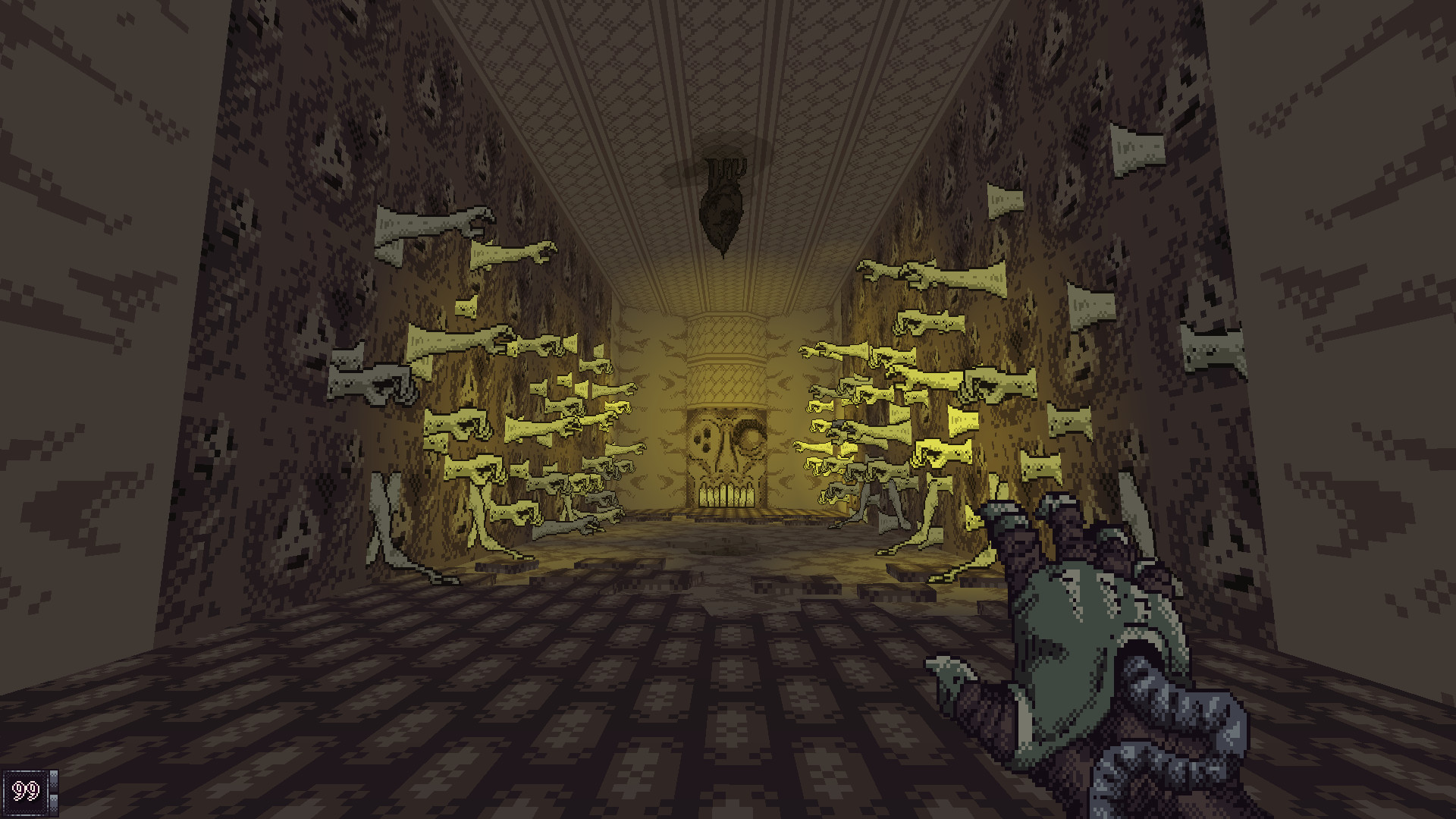
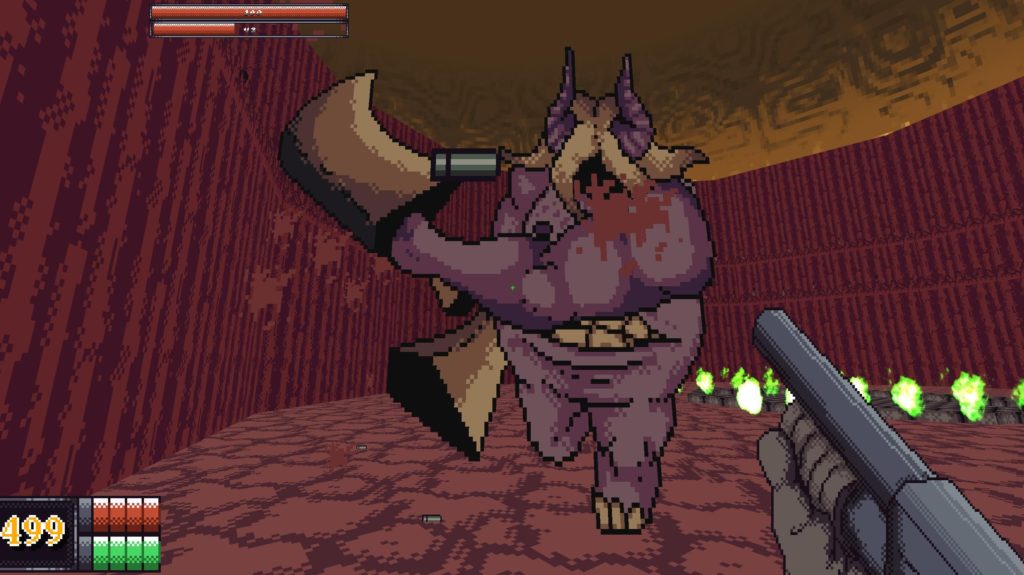
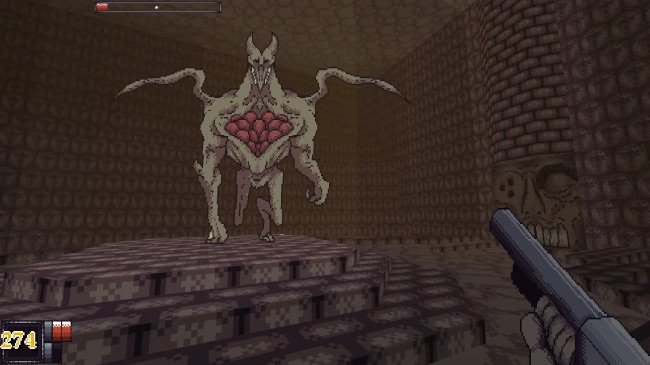
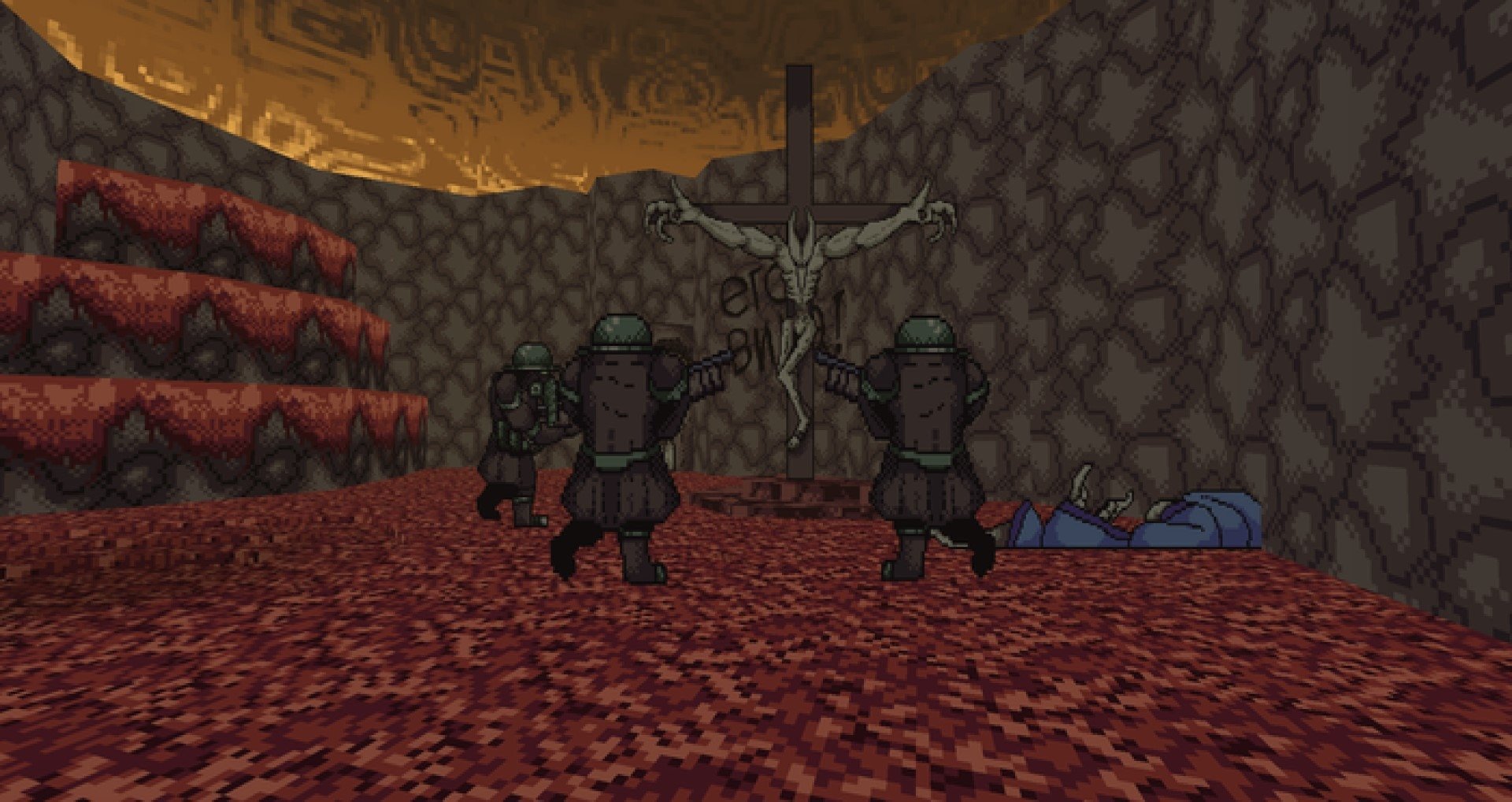
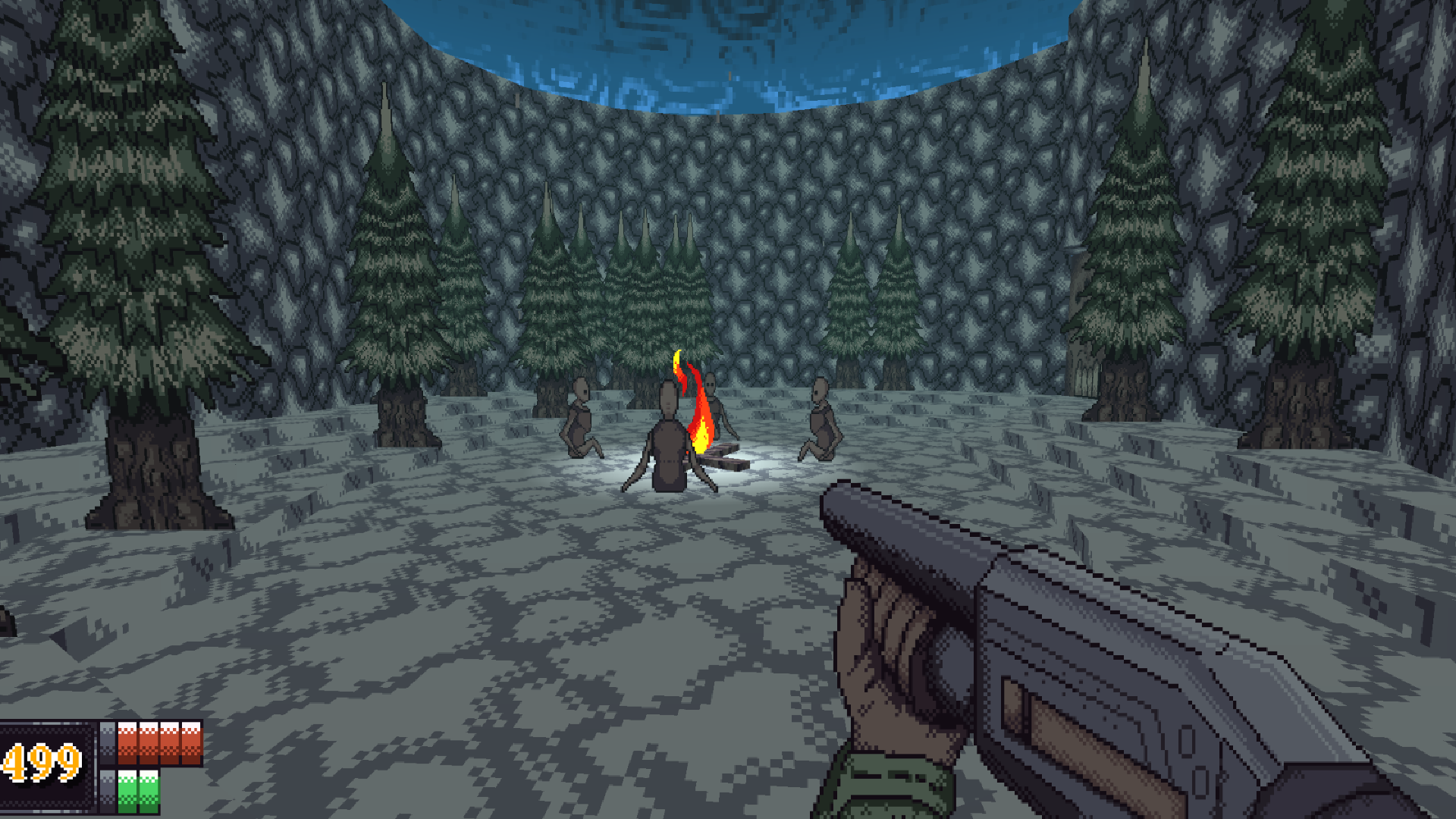
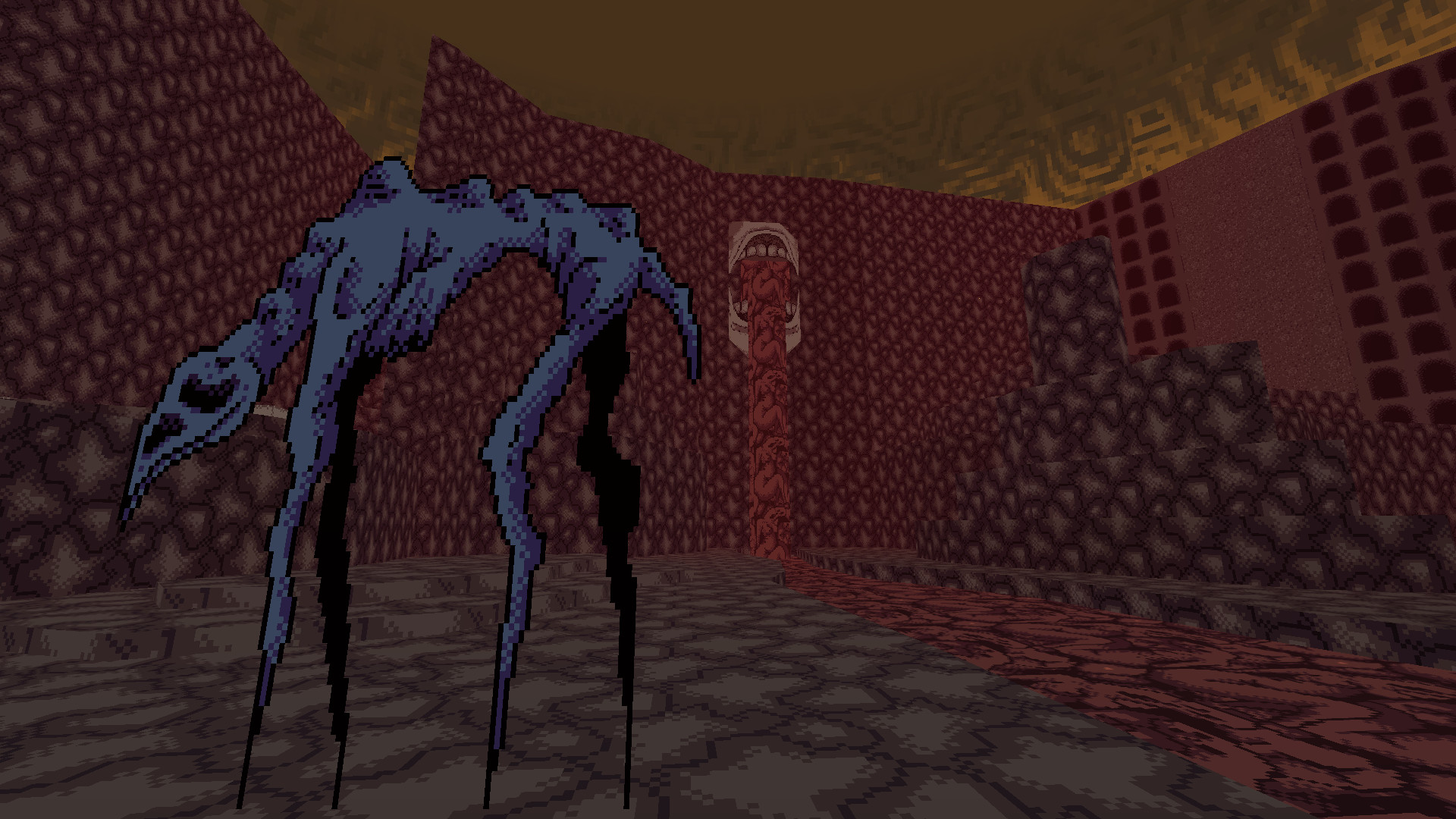
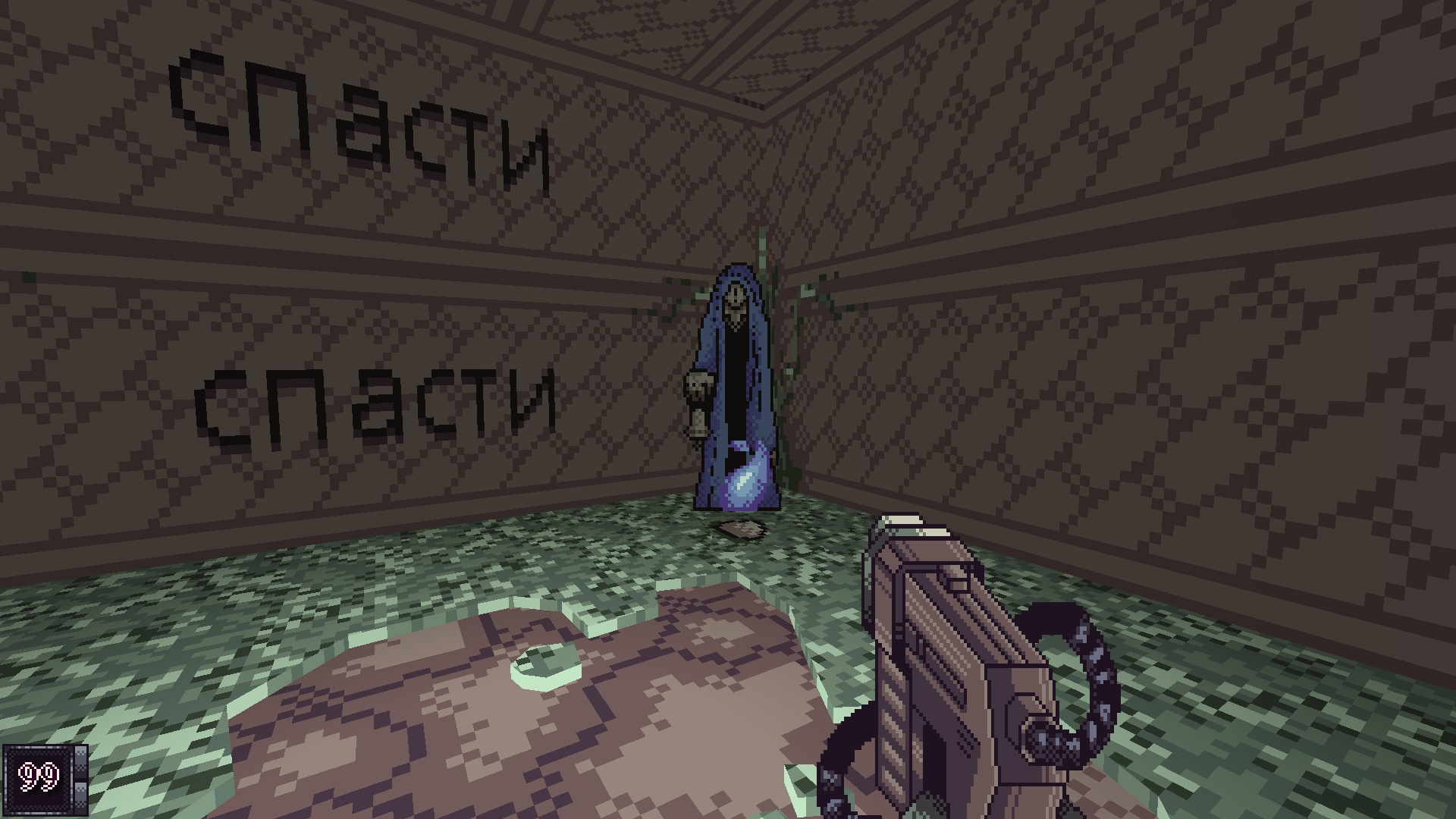
For my first Q&A of 2021, I reached out to Arizona-based developer and comic writer Scumhead regarding his newly posted and successfully backed Kickstarter project entitled Vomitoreum. Vomitoreum is a Metroidvania-style first-person shooter, similar to Metroid Prime, but is heavily influenced by artists such as Zdzisław Beksiński and Dariusz Zawadzki, as well as what has been the mainstay of Scumhead’s developmental portfolio, eldritch horror; the subject has been a staple in a mast majority of Scumhead’s work such as his comic Blackseed and previously developed games like Orogenesis and the two games in the Shrine series. Wanting to find out more about this fascinatingly surreal-looking title, I asked Scumhead a few questions about his upcoming game and what players can expect to see in the finished article. Here’s what Scumhead had to say about Vomitoreum:

Vomitoreum 1

What were the influences behind your game? 

Well, of course, there’s Metroid. Metroid Prime, to be specific, as there is a huge lack of first-person Metroidvania games that take advantage of 3D space. Dark Souls would be another one since it’s my favorite game, taking inspiration less from the difficulty and more from the interconnectedness of the world and atmosphere. For artistic inspiration, the main artists I’m pulling from are Zdzisław Beksiński and Dariusz Zawadzki. Other than that, my inspirations come from all over the place. 

What has the developmental process been like? 

Challenging. We’re breaking GZdoom and doing things it’s not meant to be doing, and somehow it’s functional. The art side of things has been an absolute blast, but it’s been a challenge to get this to flow in the engine. 

Vomitoreum 2

How close are we to seeing the finished product? 

The Demo is roughly 1/8th of the final game, unpolished, of course. It took about 3 months of work to get everything to where we are now, but it’ll go faster once we build out the project’s skeleton. Just getting mechanics to work and feel good so I can get back to workin’ on the good stuff is my top priority right now. 

What has been the most exciting aspect of development? 

For me, it’s been the visual presentation. Adapting Beksinski and Zawadzki’s artwork into a playable format has been a great challenge, as well as using their styles as a starting point to create my work. However, the most exciting part was realizing that a dream project like this was possible in the engine. 

Vomitoreum 3

What has been the most challenging aspect of development? 

Game feel. The visuals are all there; it’s just the gameplay that has been a big challenge. It’s still a work in progress, but making the game feel good to play has been tough. 

How rewarding has it been already to see this game develop into what it is now? 

Very rewarding, it’s been a dream project for me since I was a young teenager. Finally being able to create it has been wonderful. How well has the game been received so far? Mostly positive, the most valuable stuff is the bug reports. I have a feeling the final game will be much more positively received because all of the elements will be in place for a complete experience. 

Vomitoreum 4

Have there been any early ideas considered for inclusion that have since been scrapped or reworked? 

I generally lay out the entirety of my games before jumping fully into them, so other than a few sprites and models, not much has been cut. Mostly, they were just improved from their base ideas. 

You posted on Twitter recently that pitfalls in the game are now designed to send players back to their original position to relieve frustration, and rightly so, in my opinion. But how challenging are you looking to make this game for players? 

I have a really hard time with balance. It’s why playtesting will be so important. I find myself making encounters too easy and platforming sections too hard. Fixed the platforming part, but making encounters a challenge without being frustrating is going to be a big learning experience for me. 

Vomitoreum 5

What platforms are you looking to bring the game to? 

Windows, Linux, and hopefully Mac. 

If you had the chance to work with any mainstream developer of your choice, who would it be, and why? 

I’m not sure I’d take the chance. I think the best thing about this project is that it’s a bunch of indie types coming together to make a disgusting game. I worry that a mainstream studio would get in the way of that.

Do you have any advice for aspiring developers who may be reading this?

Make stuff. You can try to improve by yourself for eternity, but it’s honestly better to just learn as you go along. People can see the improvements you make from title to title, and you will have a big catalog of stuff people can play and that you can look back on. Getting started is the hard part, but if you love game development, it won’t matter how good or bad your projects are. 

Vomitoreum 6

Where on the Internet can people find you? 

Mainly on Twitter. 

https://twitter.com/Scumhead1 

They can also find me on YouTube.

https://www.youtube.com/channel/UCXsWVi9TFb5BQ0SDdquGjZw 

They can explore my game catalog here: 

https://www.goresoft.com/ 

Do you have anything else to add? 

This project would be nowhere without the help of my team. Please show them some love. Here’s their Twitter @’s 

Programmer: Mengo @Mengo329 

Art and Animation Help: Batandy @Batandy_ 

Music: Immorpher @immorpher64 & Primeval @PRIMEVAL

Vomitoreum 7

I’d like to take this opportunity to thank Scumhead for taking the time to talk to me regarding this ambitious-looking title. Vomitoreum, under its wonderfully disturbing exterior, looks like it will have a lot to offer gamers upon release, and I’m very much looking forward to what the final build of the game has to offer. You can also check out Scumhead’s Patreon page here if you’d like to become a patron of his:

https://www.patreon.com/scumhead

You can also find the link to Vomitoreum’s Kickstarter page below if you’d like to support the project:

https://www.kickstarter.com/projects/scumhead/vomitoreum

The link below is for scumhead’s itch.io page, which has a playable demo of the game in its current build:

https://scumhead.itch.io/vomitoreum

In the meantime, I’d like to congratulate Scumhead on the successful funding of his Kickstarter campaign and to wish him the best of luck with Vomitoreum upon release.

Game on,

Scouse Gamer 88

Untitled Goose Game (PC, Switch, PlayStation 4 & Xbox One)

Untitled Goose Game

Developer(s) – House House

Publisher(s) – Panic

Designer(s) – Stuart Gillespie-Cook, Nico Disseldorp, Michael McMaster & Jacob Strasser

PEGI – 3

Released by Melbourne-based developer House House back in 2019 on PC after much anticipation from gamers. Later ported to several home consoles, Untitled Goose Game is an adventure stealth game whereby players take control of a goose that must travel around a village. And relentlessly annoy as many of the villagers as possible in as many ways as possible. It was very well received by critics and gamers alike and maintains a perfect 10/10 score on Steam. Whilst I found flaws with the game whilst playing, I found it overall to be a delightfully challenging, yet uproariously funny experience at the same time. 

Graphics – 7/10

Set in an idyllic British village, the game makes use of cel-shaded visual design and a vibrant color palette perpetuated by lush, green landscapes and traditional village scenery and buildings such as gardens, pubs, and markets. The game’s soundtrack also flawlessly adds to the game’s atmosphere. Constantly changing depending on what situation the player finds themself in. That’s when they’re simply walking around when they’re about to sneak up on someone. Or when forced to run away from villagers. It’s always a pleasure to experience a game like this, whilst it may not look as visually original as others, it still presents variety in several different ways. And even more subtle kinds of ways. 

Gameplay – 7/10

The player takes control of a mischievous goose roaming around a peaceful village. The player must undertake specific tasks given to them via a to-do list. All with the sole purpose of causing as much chaos around the village as possible. For example, the first sequence of the game has the player having to torment an unsuspecting groundskeeper by stealing the keys to his garden gate, putting his rake in a nearby pool, and stealing various other items in his garden in order to create a picnic nearby.

Although the visuals aren’t particularly unique by today’s standards, the gameplay concept definitely is. The idea came from a very unlikely source; it came about when one of the staff at House House emailed the creative team a stock photograph of a goose, which led to a series of brainstorming sessions. For a seemingly finite concept that came virtually out of nowhere, it’s quite impressive to me how the development team was able to make as much of it as they did and create a game like this.

Controls – 10/10

Because there are an unprecedented number of commands to use in Untitled Goose Game, getting used to controls and the style of movement may take some time initially, but once mastered, it presents no problems. This is always impressive to think about when it comes to a new idea involving a new style of gameplay. I’ve come across a few indie games over the years that have failed to impress in terms of controls. Such as Octodad: Dadliest Catch and Aaru’s Awakening. But thankfully, there are no issues with this game’s control scheme. 

Lifespan – 4/10

The most disappointing aspect of this game is the short time it can be made to last. To complete the game 100% takes about 5 hours. And I think there was definitely room for expansion in this respect. Though I said I was impressed with the development team’s ability to come up with the overall concept while having little to no ideas to go on initially, there are certainly a great number of ways in which the initial concept could have been built for more objectives and side quests. And I, for one, would’ve been willing to wait a little bit longer to play it if it meant it could’ve been made to last longer. 

Storyline – 6/10

The game’s premise, as I described earlier, is also the game’s story. But what stops it from making the story nonexistent is a variety of different things. The soundtrack adds to the game’s atmosphere, as I pointed out before. But the goose’s journey is filled with hectic moments as well as drama and comedy. Playing this game made me burst out laughing on several occasions. But there is also a nice little reveal at the end, which really epitomizes what this game set out to do. And makes it feel like everything comes full circle in its own way.

Originality – 8/10

As I said, although the visual style and the conceptual design of the game aren’t particularly unique, what does make this game promptly stand out from the crowd is the concept of the gameplay itself. I love it when I come across a video game that seems basic at first glance. But ostensibly offers gamers an experience unlike any other without being overly complicated. And having a somewhat simplistic feel to it at the same time. There’s a simultaneous feel of tranquility and urgency to be had whilst playing this game, and it makes for a very enjoyable experience.

Happii

Overall, Untitled Goose Game is a very good title for the short time that it lasts. And it is certainly worth one playthrough at a minimum. It’s a simplistically designed game. It has its own unique charm to it that separates it even from some of the most ambitiously designed indie titles of the eighth generation of gaming. 

Score

42/60

7/10 (Fair)

Cat Quest (PC, PlayStation 4 & Nintendo Switch)

Cat Quest

Developer(s) – The Gentlebros

Publisher(s) – PQube

PEGI – 3

Released in 2017 by Singapore-based development studio The Gentle Bros, Cat Quest is an open-world RPG heavy on combat, spellcasting, stat upgrading, and quirky feline characters throughout. For me, having watched the trailers for this game and playing briefly at video games expos, this seemed a perfect fit for me. As I am both a lover of cats and a lover of RPGs, this game certainly delivers on both aspects. 

Graphics – 8.5/10

The game takes place in the vast land of Felingard, where its inhabitants are anthropomorphic cats that quite harmoniously coexist. Albeit there seems to be a small level of political intrigue between each faction of cats residing there. The seemingly hand-drawn world of Felingard is vibrantly designed. With lush green landscape, forests, and an outstretched sea, along with dangerous caves and dungeons thrown in for good measure. The game’s enemy designs are also particularly variable, ranging from dragons to stone golems and even including monsters modelled after cats. Such as the infamous Cathulu mini-boss. The game’s soundtrack, primarily composed in the key of C, is also very upbeat and carefree. Although it can take some dark twists, especially at the end of the story. 

Gameplay – 8.5/10

Cat Quest is a traditional real-time RPG with combat elements reminiscent of Dark Souls. Whereby dodging enemy attacks is made just as paramount as attacking with either melee weapons or spells. Players must level up their characters to effectively progress through the game. Areas are separated by recommended levels for players to be in order to undertake. However, more avant-garde players can choose to try to progress through more difficult areas at lower levels. The game is very much open-ended in that respect. But regardless, there are a lot of side quests to undertake throughout. Including additional bosses, hidden armour and weapons to find, and spell upgrades to implement. More areas of the game also become available when skills like swimming and flying are learned. In my opinion, once the flying ability is learned, that’s when the game truly begins. 

Controls – 10/10

The game’s control scheme is, to put it in the simplest way, easy to learn and hard to master. Skill is required to be able to play this game effectively. Especially if players decide to try their luck in more advanced areas at an early level. The player interface is also very well thought out. Enabling players to simultaneously attack, cast spells, and avoid enemy attacks. Everything flows naturally once players have the basic premise down, but more importantly, there are no faults with the controls. Which, for a game that challenges players in this manner, is needed. 

Lifespan – 7/10

To complete Cat Quest to 100% can take about 15 hours, depending on how many times the player gets their character killed. Which, for unseasoned players, may be more than the average. It’s a relatively decent amount of time for a game to last, but nothing compared to most RPGs, which, whilst it wasn’t a significant disappointment, made me think that there is definitely room for expansion in the end. Gentle bros would expand on it with the release of the sequel, Cat Quest II (along with expanding the concept in every other aspect). But for me, it needed to last a good few hours longer for it to be able to stand with the very best of RPGs like Final Fantasy and Mass Effect.

Storyline – 7/10

The game’s premise is simple enough; the player character must save Felingard from the evil cat sorcerer Drakoth. But as the player progresses through the game, they will find out that there is a lot more to it than they first realized. A level of doubt and moral ambiguity is later thrown in at a specific time within the game that will make the player question whether or not what they’re doing is right. And that Drakoth may even be sympathized with. Especially for a game that has cat-related puns everywhere in the dialogue, what comes to light will cause quite some shock. 

Originality – 7/10

Although it may not be one of the longer-lasting RPGs ever made, everything about this game, from the conceptual design to the combat system and the story, makes it an extremely memorable experience indeed. Of course, there have been anthropomorphic cats in video games before, but never has it been quite on this scale. This concept would again be expanded upon in the sequel to include dogs as well, but for cat lovers everywhere, this one comes highly recommended by me. 

Happii

To summarize, Cat Quest is an addictive, quirky, and challenging game to play, as well as a whole lot of fun. It has gruelling combat, a host of secrets to discover, and a story that will surprisingly have you on the edge of your seat. I can’t recommend it enough.

Score

49/60

8/10 (Very Good)

Jet Set Radio (Dreamcast, PC, PlayStation 3, Xbox 360, PlayStation Vita, Android & iOS)

Jet Set Radio

Developer(s) – Smilebit & Blitworks

Publisher(s) – Sega

Director – Masayoshi Kikuchi

Producer – Kawagoe Takayuki

PEGI – 12

Originally developed as a Dreamcast exclusive back in 2000, Jet Set Radio is a skating game and was the first game in history to make use of cel-shaded visuals. These have since been popularized by developers all over the mainstream, being used within the likes of the Legend of Zelda series. And being the staple visual style of franchises like Borderlands and No More Heroes. Though I was able to appreciate the origins of this now iconic graphical style, I was, however, a lot more disappointed with how this game plays out than what I was expecting, having seen just how highly regarded it is. For how much innovation there was in terms of visuals, it’s quite flawed in terms of its style of play, especially compared to other games of its kind.  

Graphics – 8/10

In terms of visual style, this game was groundbreaking at the time and would go on to influence the visual style of countless other games to come. Such as XIII, Sly Cooper & the Thievius Raccoonus, and The Legend of Zelda: Breath of the Wild. The character design is also very diverse, with inspiration from street culture and hip-hop music. It’s as if the movie The Warriors was set in the early 2000s. There are flaws with the technical aspects of the cel-shaded visuals. But this was to have been expected from the first game to use them.

Gameplay – 6/10

The gameplay, however, is not very satisfactory in my opinion. The story mode involves progressing through a series of courses, whereby the player must rewrite graffiti spots to mark the gang’s territory. The scenario is completed when all the graffiti points have been marked. It’s really as simple as that. There is a scoring system for completing stunts (the logistics of which I will cover later on in this review).

But the scoring system is only about as significant as the scoring system found in any old-school adventure game like the original Super Mario Bros or even Sonic Adventure to draw a closer comparison. As both that game and Jet Set Radio were released on the Dreamcast originally. There are additional characters to unlock. This gives the game a little bit of additional incentive to play. But to me at least, it wasn’t enough to hold my attention for the full lifespan of the game. 

Controls – 6/10

The true dealbreaker for me where this game is concerned, however, was the control scheme. Games with similar mechanics have frustrated me throughout the years, such as Sunset Overdrive. But this game takes that disappointment to a whole new level. I’ve read reviews whereby people have said the controls weren’t enough to hamper their experience of the game to too great an extent. But to me, the controls make this game almost unplayable at times. The layout of each scenario seemed paramount for me to be able to draw any pleasure from playing this game. They can range from simplistic to overly complicated with each level. And if you’re enough of a stickler where the controls are concerned, it can become a very serious issue. 

Lifespan – 6/10

For those who can get past this game’s many flaws, it can be made to last around 18 hours in total. Which, for a game of its kind, isn’t too bad a lifespan. But to my way of thinking, I don’t understand how a vast majority of games, especially newcomers, will be able to bear with it for any more than one hour. Short of what I’ve already described, there’s not a great deal more to do in this game, and more content. And objectives could’ve been added to hold the gamer’s attention better. 

Storyline – 5/10

Although in terms of conceptual style, I compared this game to the movie The Warriors, the plot is considerably simpler than that. It centers around a street gang named the GGs. They battle for street territory and credibility against various other gang members of the same ilk, all the while trying to avoid the police. Who goes to increasingly unnecessary lengths to apprehend them. All whilst under the commentary of a quirky DJ named Professor K.

And when I say the police take ridiculous measures, I mean it. Throughout the first level, they try to shoot the player with guns and use tear gas against them. But later on, they then make use of attack dogs as well as missile-mounted helicopters. All to try and catch a few kids on skates. I realize the developers did this for either comic relief or the purposes of gameplay mechanics (I’m not so dense as not to realize that). But it just doesn’t lend a great deal of integrity to the plot. 

Originality – 7/10

Although this game disappointed me overall, the fact of the matter is that its visual style has gone on to become one of the most popularly utilized throughout the industry since the turn of the century. Many games have come and gone that have not only made use of cel-shading. But have built on the idea of it exponentially. Making for some of the most visually stunning games of all time. But this game provided the original template by which all cel-shaded games have followed since. That being said, there have been more influential skating games to have come and gone, such as those in the Tony Hawk series, and it’s in that respect that this game failed to show as much innovation as it should’ve done. 

Niiutral

Overall, Jet Set Radio, whilst having gone on to influence a plethora of games since its release, was not the great game that I was expecting it to be; the controls are sketchy at best, and the gameplay left a lot to be desired in my personal opinion. 

Score

38/60

6/10 (Average)

Momodora: Reverie Under the Moonlight (PC, PlayStation 4, Xbox One & Switch)

Momodora Reverie Under the Moonlight

Developer(s) – Bombservice

Publisher(s) – Playism 

PEGI – 7

Developed by Brazilian indie outlet Bombservice Games and released on multiple platforms since 2016, Reverie Under the Moonlight is the fourth title in the relatively obscure Momodora series of Metroidvanias. Since the release of the third and fourth titles on Steam, the series began to gain much more momentum after being confined to the itch.io platform, and it’s not hard to see why. I was taken aback by just how good this game is, and it has made me want to try out the rest of the series. Out of all the Metroidvania games I’ve played, this is one like no other. 

Graphics – 9/10

Making use of traditional 8-BIT graphics and inspired by the medium of Japanese anime, the game’s conceptual design is without a doubt its most wonderful and unique feature. It plays host to several unusual creatures scattered across the in-game world. It takes place over a contrast of beautiful and horrifying locations. But it’s the latter that takes precedent. The amount of wonderfully dark and atmospheric locations in this game certainly makes it one of the grittiest Metroidvania games I’ve ever played. Most definitely the scariest. Even scarier than any game in the Castlevania series by some distance. The game’s accompanying soundtrack also adds to the already wonderfully grim atmosphere of this title. Unlike most 8-BIT games, it makes no use of chiptune and relies heavily on traditional orchestral music. And the extremely effective use of realistic background sound effects, such as running water. 

Gameplay – 8/10

The fourth Momodora plays out like a standard Metroidvania experience, with players having to discover new abilities to access different areas throughout and uncover hidden secrets to enhance the strength of the player character Kaho. It’s also quite heavily combat-oriented, though combat options are slightly more limited compared to other games in the genre. The difficulty of the boss fights also ranges from easy to hard throughout. But the basic structure of each boss fight is very well handled.

And again, some make for very memorable moments within the entire genre. There are also two different endings to unlock depending on the actions of the player. Similar to Castlevania: Symphony of the Night. It starts as fairly challenging. But as the player gains new abilities, the difficulty decreases considerably. But better for it to play out like that than having it be too inaccessible. It’s an enjoyable gaming experience with a lot to uncover throughout.

Controls – 10/10

Especially as the developers had had extensive experience in developing this series before the fourth installment, there are no issues with the controls whatsoever. There’s not a great deal you could call unique about the game’s control scheme since it plays out typically of a Metroidvania game. But again, better to do that than take unnecessary risks. The shape-shifting mechanic was quite enjoyable for me, as Kaho gains the ability to turn into a cat to reach narrow passageways. I love cats, so it worked for me on a personal level. 

Lifespan – 4/10

The aspect in which the fourth Momodora game didn’t work so well for me, however, was how short the game lasts. To complete it, even to 100%, can be done within 4 hours. And for a Metroidvania game, that’s criminally short. Although the developers would have inevitably been operating on a budget whilst making this game, I’ve played and reviewed longer Metroidvanias made by other indie developers, with them having been their first title. And with graphics comparable to this on the technical level. A game as wonderfully unique as this one deserved to last considerably longer, in my opinion. 

Storyline – 8/10

The story of the fourth Momodora game involves a young priestess named Kaho hailing from the village of Lun. She has come to Karst City seeking a queen to request protection for her home village. But things take a dark turn for the worse as Kaho ventures across the world to discover what has happened to Karst City and its queen. Throughout the game, players will come across several tortured characters with much depth to them. This is another reason why this game deserved to last longer. If it did, there would’ve been far more time to further develop these individual characters and elaborate on their stories and fates.

Even the boss characters have layers to them, which could’ve been explored more. Although the game’s end boss is obviously the last trial the player must undertake, to me, the last boss isn’t even the most compelling villain. By far, that honor would go to Lubella, the witch of decay. The concept art for the game doesn’t really do her character justice. She’s portrayed as being a size proportionate to every other character. But in the game, she’s a giant with a lot of power. Which makes her much more menacing. She most definitely steals the show as the game’s best villain. 

Originality – 9/10

As I said before, the game’s conceptual design makes this title much different from any other Metroidvania game I’ve played. Even amongst the many other indie Metroidvanias I’ve played, such as the Ori games, the Alwa games, Dust: an Elysian Tail, and Cathedral. The series’ mythology has been expanded upon with the original trilogy before this. So this fourth title does make me want to explore the series in much more depth. But this is my first experience with this series, and I was taken aback by just how unique a game this was. 

Happii

Overall, Momodora: Reverie Under the Moonlight is certainly worth at least one playthrough. I was disappointed with how short a time it lasts, and I felt it could have easily been made to last far longer than it does, but for the time it does last, it’s an enjoyable game with a wonderfully morbid atmosphere and a lot of emotionally charged moments that players will not soon forget. 

Score

48/60

8/10 (Verdict)

A Matter of Time

Q&A With Haywire Studios Volume 2

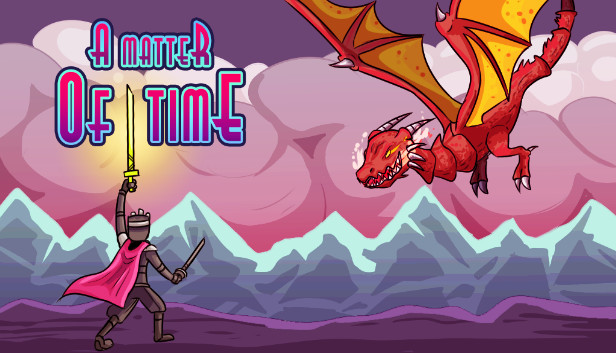
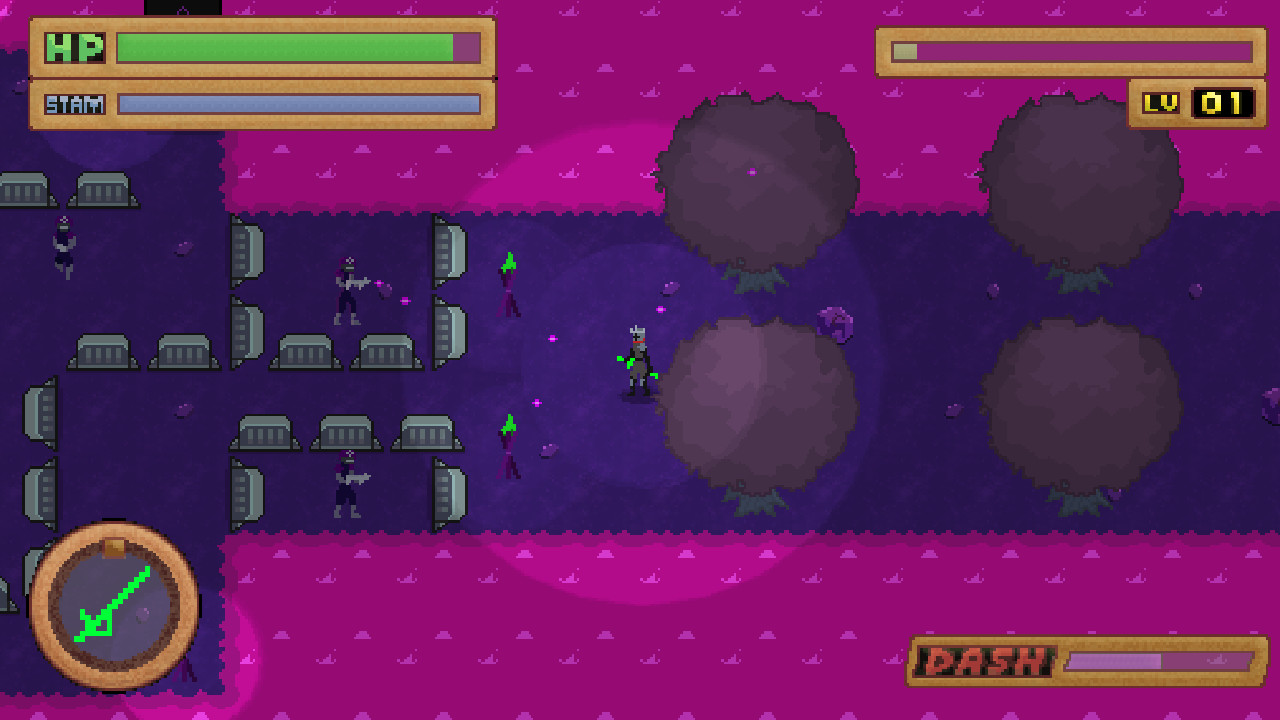
Yesterday, I had the pleasure of playing and reviewing the game A Matter of Time created by Australian developers Haywire Game Studios. An action-oriented top-down 8-BIT RPG tells the story of a 12th-century warrior named James, who, after an intense battle, is transported by a mysterious organization 1100 years into the future to combat an evil entity known as the Dark Atomos, which is ravaging time and space. I’d been following this project closely since the success of its Kickstarter campaign back in 2018, and after having played the finished product, I was pretty impressed with how the game turned out, despite numerous different changes to the project throughout its development.

After having previously interviewed the game’s principal designer, Cameron “CamCog” Coggins, I got in touch with him again ahead of the game’s full release on Steam later on this month to ask a few more questions about the game and how the developmental plans had changed dramatically since the launch of the Kickstarter campaign. Here’s what Cameron had to say about the developmental process behind creating A Matter of Time:

A Matter of Time 1

What other RPG series inspired the creation of this game besides Undertale?

Large inspirations for A Matter of Time were RPG games such as The Legend of Zelda, Hyper Light Drifter, and Fallout (apparent within the Wasteland setting).

How well has the game been received by the community ahead of its release?

The game is yet to be shared with the community on a large scale. However, the Kickstarter backers and those who have tested/reviewed it have seemed to receive it well.

The last time we spoke, there were a lot of things planned for this game in terms of the inclusion of more abilities for the paradox cape, such as hypnotizing enemies, which ultimately didn’t make it in. How did the developmental process change throughout the game’s development cycle?

Due to time constraints, I decided not to implement these abilities within the game. I didn’t feel as if these mechanics were a priority, and they would have been extremely time-consuming to create.

A Matter of Time 2

Which were the historic battles that inspired the creation of A Matter of Time?

The Battle of Hattin is the inspiration for the game’s initial setting.

How are you and the development team feeling ahead of the game’s release?

Mainly relieved that the game has finally reached completion. Furthermore, I am very much looking forward to sharing this three-year-long project with the world.

What’s next for Haywire Studios?

Nothing has been planned as of now. There may be a hiatus with developments due to other commitments, but I’m sure Haywire Studios will eventually return!

A Matter of Time 3

What would you say about the game development scene in Australia right now?

I haven’t exactly noticed anything significant. However, there is certainly a lot more time for indie developers to code due to COVID-19. 

In my review, I mentioned that there is scope for expansion on the game’s mythology. Are you looking to revisit this series in the future?

Depending on how this pilot game is received by the community, the AMOT series may be revisited. However, there aren’t currently any plans in place for a sequel.

If you and the team were allowed to develop a big-name video game series, which would you pick and why?

I believe it would be very enjoyable to develop for the Fallout series. It is a familiar genre (RPG), and there are so many elements, features, and storylines that I would like to see implemented within the series in future games.

A Matter of Time 4

Do you have any further advice for aspiring developers who may be reading this? 

When working on a long-term project, budgeting and time management are paramount in keeping organized. If you fail to do both of these, you may end up either spending too much or falling far behind in development. 

Do you have anything else to add?

Thanks to ScouseGamer for the review and Q&A opportunity!

A Matter of Time 5

I would also like to take the opportunity to thank Cameron for allowing me to appraise the game before its release and for both Q&As conducted over the last few years ahead of the release of this game. You can download A Matter of Time upon release via the link below:

https://store.steampowered.com/app/974310/A_Matter_of_Time/

It’s an enjoyable title with a variety of combat options and potentially extensive mythology behind it, and I wish Cameron and Haywire Studios the best of luck with this title.

Game on,

Scouse Gamer 88
A Matter of Time (PC)

A Matter of Time

Developer(s) – Haywire Studios

Publisher(s) – Haywire Studios

Programmer – Cameron Coggins

Developed by Australian indie outlet Haywire Studios following a successful Kickstarter campaign and released in October 2020:

https://store.steampowered.com/app/974310/A_Matter_of_Time/

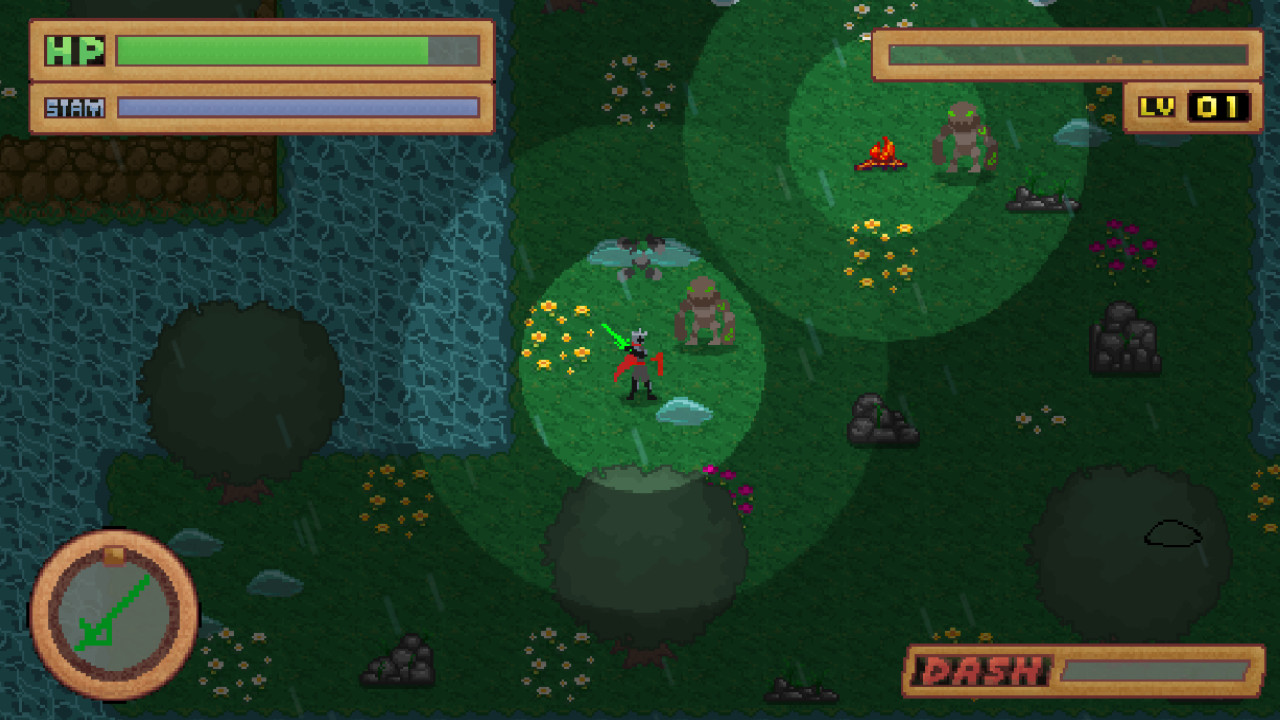
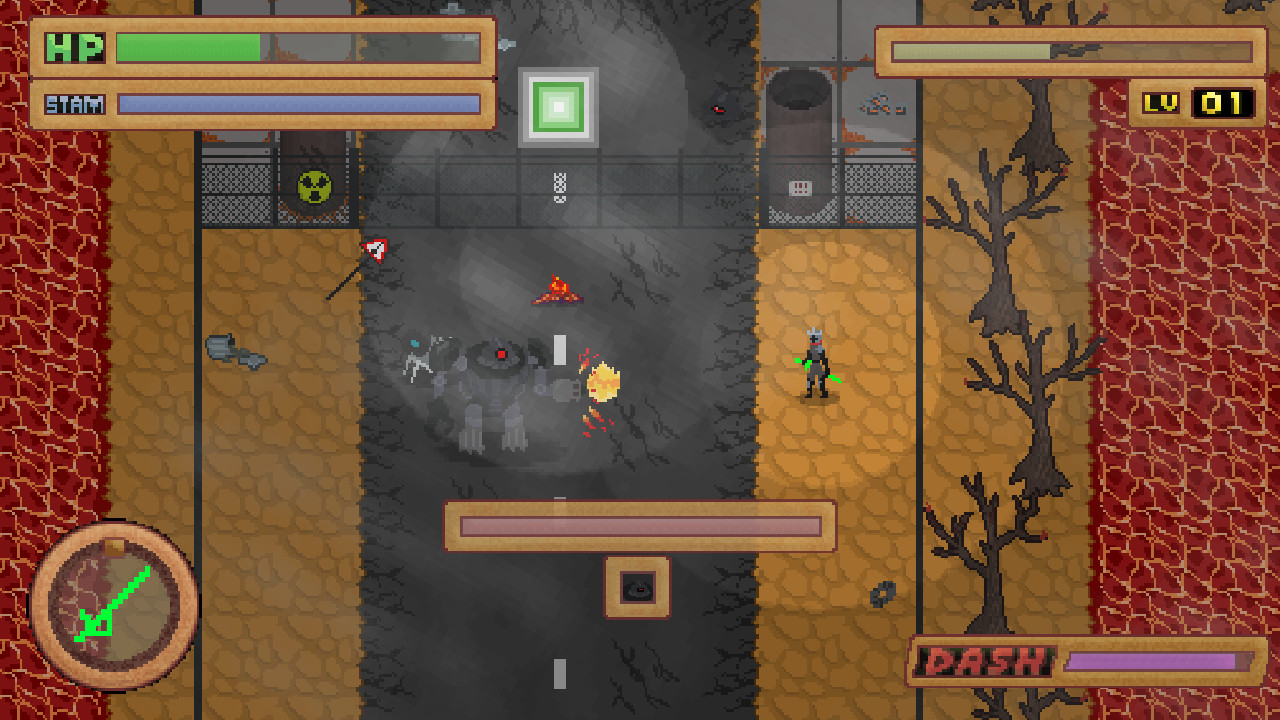
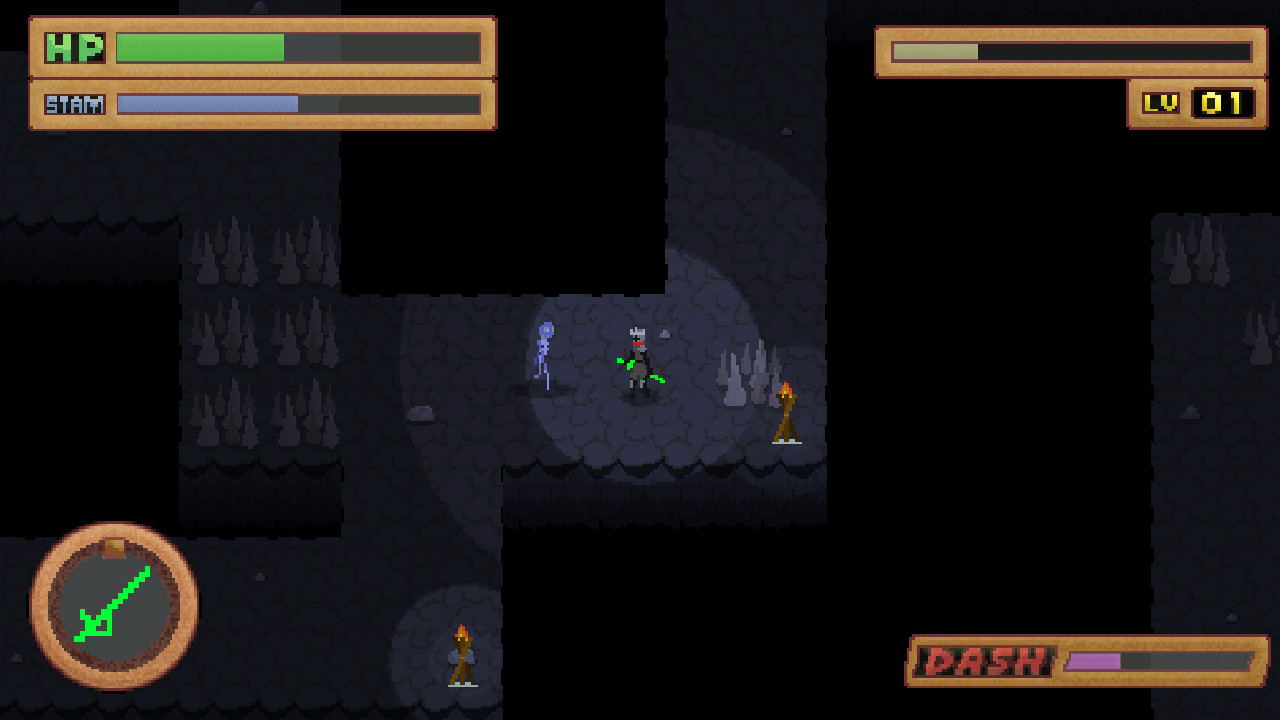
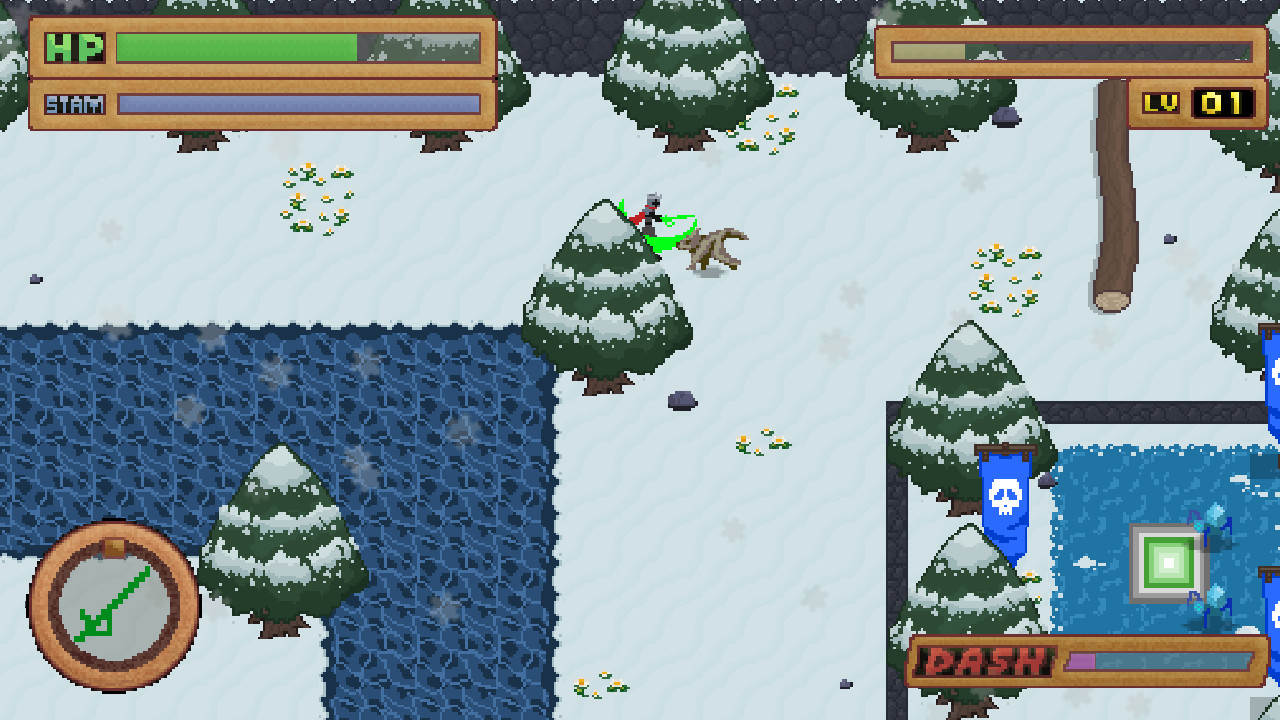
A Matter of Time is a top-down combat-focused RPG, telling the story of James, a hero sent to a different timeline to combat a great evil plaguing the land. Turning out massively different from what the game looked like in its early stages of development at the time when I first interviewed Cameron Coggins, the game turned out to be quite enjoyable with a fair bit to offer in terms of combat options. And telling a pretty different story from anything else seen in gaming. 

Graphics – 8/10

The game makes use of traditional 8-BIT graphics to present a diversely designed world with each location being more wonderfully outlandish than the last. Taking place in lush forests, dark caves, otherworldly dimensions, and even a post-apocalyptic city, the game’s visuals are the best aspect of the title. There is also a wide range of different enemies the player must contend with in each new area. Some are reminiscent of classic video game enemies, such as the slimes from Dragon Quest. 

Gameplay – 7/10

A top-down RPG with a linear progression, the game is very heavily combat-oriented with light RPG elements such as levelling up to increase health and enhance the magical abilities the player can take advantage of to maintain an edge in combat, such as a dash ability and the ability to stop time temporarily to defeat multiple enemies simultaneously. The combat aspect is quite well put together and quite satisfying to undertake; though a lot of enemies use similar attack patterns, the difficulty is ramped up considerably towards the end. Requiring the player to strategize accordingly. 

Controls – 10/10

The game’s control scheme is not only easy to get to grips with. But it also does something rather unique; when the player uses the dash attack to take out multiple enemies, the player must use the mouse to indicate which enemies they need to attack. At first glance, this seemed to become more of a hindrance than a help. But ample time is given to players to make that decision. Even when the ability hasn’t yet been upgraded. It reminded me somewhat of the original Metroid Prime. It takes a little time to adjust, but once adjusted to, it’s no problem. 

Lifespan – 4/10

The game’s longevity is most definitely the worst thing about it. The game can be finished in less than 2 hours. Which, for an RPG even with light elements, is a pretty short time to last. That being said, if the game is played through, players will find that there is most definitely scope for expansion to this world’s mythology. Be that through either a sequel or DLC. The series does potentially have a bright future ahead of it. But a game of this magnitude deserves to last far longer than it does. 

Storyline – 6/10

The story of the game follows a 12th-century barbarian named James, who is taken to an alternative time by a mysterious organization that enlists his help to defeat an evil known as the Dark Atomos. Which is wreaking havoc across time and space. James is also in search of his daughter, whom he claims to be the last thing he has left. It’s an emotionally charged story with a few twists and turns before the end. And it makes it stand out somewhat among the circle of indie RPGs released since the start of the eighth generation.  

Originality – 7/10

All these elements combined within the game make it a fairly unique experience, one worth playing through at least once. There are these elements of it that show that the game was a labour of love undertaken over a period of many years. And as there is a lot of room for expansion in most aspects. There is definitely scope for there being extensive mythology to be attached to this series. But overall, this game is a decent start to all that. 

Happii

In summation, A Matter of Time, whilst having a couple of issues here and there, is a respectable game worth at least one playthrough and a solid start for this up-and-coming development team. It has an emotionally charged story, decent gameplay, unique controls, and some extremely well-crafted visuals. And it has a lot of potential to expand into a great series down the line. 

Score

42/60

7/10 (Fair)

Cathedral (PC & Nintendo Switch)

Cathedral

Developer(s) – Decemberborn Interactive

Publisher(s) – Decemberborn Interactive & Elden Pixels

Designers – Eric Lavesson & Mattias Andersen

PEGI – 3

Developed by Decemberborn Interactive based in Helsingborg and being the first publishing venture of Alwa creator Elden Pixels, Cathedral is a Metroidvania game featuring an extensive open world and offering players a level of challenge on the same scale as 8-bit classics such as Mega Man and Castlevania and taking inspiration from classic titles such as Ghouls ‘N’ Ghosts and Ghosts ‘N’ Goblins, along with modern games made of the same ilk. Most notably, Shovel Knight. From beginning to end, I became engrossed in this game. There’s a great deal that it has to offer players who are looking for a game that is not designed to hold their hands throughout, and looking for a solid, nostalgic experience reminiscent of the NES days. 

Graphics – 8/10

Incorporating the aforementioned 8-bit visual style synonymous with the third generation of gaming, the best thing in terms of visuals is undoubtedly the environmental design. There are a large number of different locations to visit and backtrack across throughout the game. Ranging from underwater temples, dark forests, icy castles, and of course, the titular cathedral. Which is to me, in many ways, is the star of the show. The game begins in the cathedral, and without spoiling the story’s specifics, it’s also where things come full circle. In addition, the game’s soundtrack is phenomenal. For me, up there with the works of Manami Matsumae, Jake Kaufman, Robert Kreese, and others. In particular, the theme song for the cathedral itself is catchy. But with a subtle melancholy to accompany it. 

Gameplay – 9/10

Aesthetically, the game plays out like a typical Metroidvania title. It relies on players uncovering each new area by gaining specific abilities and backtracking across the world map to uncover every secret and hidden item there is to find. It’s also very heavy on combat. The aspect in which this game does not play out like a typical Metroidvania title. It offers players a heightened level of challenge compared to most other games. Players need to adapt to each area, as many different types of enemies have different attack patterns that must be learned in order to survive. Weapons and armour upgrades are also for grabs as the game progresses, with enemies getting stronger with every new area. There are also several gruelling boss fights to contend with throughout. Each has its own very unique strategies required to beat them.

Controls – 10/10

I found there were no issues with the control system in this game as I was playing it. As with a game like this, there can’t be any issues with the controls. Otherwise, it becomes an unfair challenge. In my opinion, it was a problem throughout the NES days with games such as the original Mega Man and Castlevania games. But in Cathedral, the control scheme poses no issues. It’s a challenging game, but not to the point of being inaccessible. 

Lifespan – 8/10

To complete the game to 100%, it would take around 25 hours. It is slightly longer than the standard Metroidvania game. In addition to the main story, there are side quests obtained from the hub village. This involves collecting items scattered throughout the game’s world and finding additional weapons and armour upgrades. Whilst it’s certainly a concept that could be expanded upon if ever a sequel is made, it nevertheless offers gamers a satisfyingly long experience with plenty of reason to backtrack across the game’s vast open world. 

Storyline – 7/10

The game’s story involves an unnamed knight who must first find his way out of the titular cathedral. On his way, he joins up with a companion named Soul. Having escaped the cathedral, they intend to collect four orbs hidden throughout the land guarded by various monsters. With this, they resolve to enter the cathedral’s inner sanctum to defeat the demonic Ardur the World Eater. Whilst the basic premise of the story is relatively typical for a fantasy game (sometimes to the point of self-parody, as Soul occasionally offers comedic advice), it’s the subtle details that add to the game’s atmosphere, which make the story stand out. Most notable for me was during the boss fight in the sunken temple.

As the player descends into the boss’s lair, 8-bit harmonies can be heard, which are the singing of the siren-like queen of the depths. It’s beautiful and eerie at the same time, which made it, for me, the best boss fight in the game. There are plenty of other moments like it. Sometimes it may be a foreboding silence, other times, it may be something more detailed, but it all adds to the game’s atmosphere excellently. 

Originality – 7/10

As I mentioned, this game does not entirely play out like a typical game of the genre. Ever since the beginning of the eighth generation of gaming, one of the genres I’ve delved into above many others is Metroidvania. There have been ups and downs for me whilst I’ve been going through as many as what I have done (thankfully, there have mostly been ups). But this game is definitely one of the more standout experiences I’ve come across within the genre. It’s a wonderfully exciting, atmospheric, and challenging experience that is deserving of at least one playthrough. 

Happii

Overall, Cathedral took me by surprise with just how good a game it is. On the surface, it seemed quite a typical 8-bit game like most others that have been developed since indie development became as popular as it has over the last few years, but as I delved deeper into this game, there was a lot more to appreciate than I could have first imagined. It’s an excellent gaming experience, and I would highly recommend it to seasoned gamers looking for a legitimate challenge. 

Score

49/60

8/10 (Very Good)