Tag Archives: Xbox One

The Twelve Tales of Chris Seavor Part IV: Gory Details

Full article here

Disclaimer: This interview contains some strong language. Anyone who is offended by such content is advised against reading this interview.


How did the idea come about for you and Shawn Pile to establish Gory Detail?

Boredom, plus I knew if I didn’t do something with all the time I suddenly had, then I’d get bored. Shawn was the same, I think, but you’d have to ask him. We’d actually talked about it long before, mainly as a creative outlet, never really thinking it would happen. Then circumstances changed, and here we are.


What were the influences behind Parashoot Stan and Rusty Pup?

Stan is a cliché, which was the point of the character. The kid pretending to be the hero but actually IS the hero. Rusty Pup is forged from a similar fire influence wise but is a lot more subtle. It’s actually set in the same world as Stan, if you look closely, but it is a lot more tragic. No one has decoded Rusty Pup yet, which I’m fine with, but it isn’t some vague metaphor or opaque fable. It’s a series of events, in order, which really happen. The clues are all there.


What were the most exciting aspects of developing the games?

‘Exciting’ is not a word I’d use to describe game development. A bunch of execs off to some launch party or awards ceremony to get drunk might disagree, but that’s not development.


What were the most challenging aspects of developing the games?

Getting past pre-production and into full production. Until you’re that factory, churning out assets and regular versions, there’s always a nagging feeling at the back of your mind that this might be canceled any second. Pre-production is nice creatively, and full production is a grind, but the security of the product is a huge weight off your mind. (hey, that rhymed!!)


How satisfying had it been seeing both these games garner the commercial and critical acclaim they have?

Commercially? Yeah, right, we’re millionaires now, Rodders. Critical, well, I think they’re great little games (Rusty not so little), Labour of love, both of ’em. I wish more of the mainstream media had bothered to review Rusty. We sent out a ton of codes. They claim they support indies, etc., but they don’t really… Not really. I actually had one outlet say they weren’t interested unless I gave them an interview about our next game, which I’d pitched as a Conker Spiritual Successor. It was kind of a publicity stunt (though true in essence). Needless to say, we said no. If I were in the games biz to make lots of money, I’d have crawled my way up the corporate ladder, squeezed the right prostates, and jumped ship every time I fucked up. I’d rather be poor. I’m fine, though, but no more Porsches. Not this week anyway.


Were there any ideas planned for inclusion in either game that were later scrapped or reworked?

Yeah, loads. Rusty had a whole crafting system and twice as many mechanics, including mind control baddies, loads more platform types, and a whole extra world… it was just too much, and the crafting would have made testing all the possibilities pretty much impossible. Stan was going to have 2D side-scrolling mini-bosses where he landed on a large Zeppelin and would run through with guns blazing. We just didn’t have the time, and I also felt it was a bit jarring with the rest of the mechanics.


Is there any DLC planned for Rusty Pup in the future?

I did some stuff, even made some assets. It was an extra chapter, a deeper area with shorter, very difficult one-shot puzzles. A haunted house theme. But it would have taken 6 months to make, largely down to me, and was also totally free. Time is precious, so I decided it was best spent on developing the new IP.


What can you tell us about Gory Detail’s third project?

It’s coming on okay. I spent the bulk of last year preparing assets, and I’m pretty happy with the tone and look of the game. It’s a typical twin-stick dungeon bash game but with a twist… Fast-paced, silly characters voiced by me and lots and lots of bad language, blood, and guts. COVID didn’t help, though. At some point, you need to sit with people and point and talk… I’ve not seen Shawn for a year now. Still, we’re not slaves to publishers and huge wage bills, so it’s not a problem. You really only want the stress of making the game, which is more than enough.


Would you still like to see Urchin be brought to life under Gory Detail?

Yes… But we can’t call it that. Anyway, games aren’t the only medium in which to explore interesting narratives. 😉


Have any of the former Rare alumni at Playtonic Games had any advice to share with you and Shawn, or has there been any general conversation between you all?

Yeah, we’ve chatted a few times… Gavin has been really helpful and made some gracious offers of help with production, but the studio environment isn’t something I find appealing… It’s just me. I’m an old fart. In the future, though, who can say? They’ll certainly have first dibs on the next game we do if they want it.


What are your opinions of the indie development scene today?

Business-wise, it’s very healthy for a lucky few, but for most, I suspect it’s a struggle in a saturated market. Getting eyes on your work is increasingly difficult, and for the very small indies such as Gory, it’s almost impossible. From a gamer’s point of view, it couldn’t be any better. There’s a lot of good stuff out there, and with the big boys taking fewer and fewer risks with their products, ironically, people are turning away from their games as they tend to be over-produced and under-developed.


What genre of game have you and Shawn never undertaken before that you would like to do one day?

I have folders full of stuff. I think the next game, though, will be our last, probably, as its core game is just the beginning. It’s designed around mini self-contained storylines, like the chapters in Conker. So if it’s a success, I’ll be happy to just keep making and selling new Chapters as DLC so long as people still keep buying them. That’s the plan anyway.


Which pre-existing video game character would you like to see make a cameo in either Parashoot Stan or Rusty Pup?

They’re not that type of game, particularly Rusty. The next one, though… I have plans for lots of cameos, although not very complimentary ones. 😉


Do you and Shawn find that having creative freedom is one of the best things about developing games for yourselves?

It is. It’s the price you pay for having to fund everything yourself. We’re not averse to having a publisher, just not during development. Finish the game first, then see if anyone fancies tackling all that marketing, support stuff I fucking hate doing.


Have Rare since reached out to you following the establishment of Gory Detail or the release of the two games?

Only for Conker stuff. I’m happy to do it, although I suspect it was a last resort. I was sent some recordings of a guy they’d hired to mimic Conker, and it wasn’t very good. The point is, they tried to do it with someone else and must have realized the fans would not accept a fake Conker. Heh! I also offered to do other voices for the Young Conker app, but they already had someone for them. Just Conker for me…


What have you been most proud of throughout your career?

Rusty Pup… So far. I filled that game with my very soul.


Is there any advice you would be able to offer to aspiring developers who may be reading this?

Don’t let anyone tell you you can’t do something…. It might be true, but the best way to find out isn’t by shrugging, but by trying to make it work and then finding out they were wrong.


I’d like to take the opportunity to thank Chris for agreeing to answer my questions, and for sharing so much about his storied career and what we can expect to see from him and Gory Details Ltd in the future. If you’re interested in what Gory Details has to offer, you can view their Steam page via the link below:

https://store.steampowered.com/search/?developer=Gory%20Detail%20Limited

You can also keep up with Chris’s posts on Twitter via his Twitter handle:

@conkerhimself

A full review of The Unlikely Legend of Rusty Pup will be coming to the site very soon, but in the meantime, I’d also like to wish Chris, Shawn Pile, and Gory Details the best of luck with their current games as well as their new upcoming project… MARVELLOUS!!

Game on,

Scouse Gamer 88

The Full Twelve Tales of Chris Seavor

Disclaimer: This interview contains some strong language. Anyone who is offended by such content is advised against reading this interview.

The fifth generation of gaming is one of the most beloved periods in the medium, with consoles such as the Nintendo 64, the original PlayStation, and the Sega Dreamcast going on to become among the most popular and well-received platforms in the history of video games. However, come the end of the fifth generation, as the transition to the sixth was being made, among the last games published by Nintendo for the Nintendo 64 was Conker’s Bad Fur Day.

A game that garnered critical acclaim upon release and has since gone on to become a favorite among fans of the console. I was lucky enough to have an interview this week with the lead programmer of the game, Chris Seavor. Chris Seavor joined Rare back in 1994, where he was tasked with developing the Killer Instinct series initially; he then went on to not only work on many Rare games on the programming side of things, but also voice many characters created by Rare, such as Spinal from Killer Instinct, Gruntilda of Banjo Kazooie and Banjo Tooie, and of course several characters in Conker’s Bad Fur Day, including Conker himself.

Cont…

After having left Rare in 2011, he most recently established Gory Details Ltd with former Rare collaborator Shawn Pile, and together have developed both Parashoot Stan and a dark adventure game named The Unlikely Legend of Rusty Pup. As of this writing, there is also a new game in development from Gory Details, said to be a twin-stick dungeon-bash title.

I had a lot of questions for Chris Seavor concerning his early life, his time at Rare, the development of Conker’s Bad Fur Day, as well as the ultimately canceled sequel, and of course, his work at Gory Details Ltd and what gamers can expect from their new project. Here’s our in-depth interview: The Twelve Tales of Chris Seavor:

Chris Seavor 18

Where did your passion for video games originate from?

Playing them as a kid… That and board games…. A friend had bought Dungeons and Dragons for Christmas (the pink edition, which I still have), and he couldn’t understand it. He gave it to me… It was a revelation. This is where my love of ‘game mechanics’ came from, which then evolved into video games when I had access to a BBC Micro and eventually the eponymous Spectrum 48K.

What games would you play as a child, and how would they go on to influence you as a developer?

Ironically, the first game I ever bought was Knightlore. I got it from a mate for half price. 5 quid I think. My favorite game from childhood, though, is RebelStar Raiders, which was a turn-based squad game where you had to infiltrate a base on the Moon. Still holds up.

Obviously, Ultimate games were in there, but also John Reitman’s variants on the genre like Head Over Heels, which brilliantly introduced a second character to add a cooperative element to the puzzle solving. Quite groundbreaking. The list is huge, though: Elite, Paradroid, Out of the Shadows, The Hobbit, Lords of Midnight, Bard’s Tale, Chuckie Egg, Monty Mole, etc. Oddly though, I never really liked Manic Miner or Jet Set Willy as I found them too difficult. What a scrub, eh?

What consoles did you own early on?

None. I was at college when the NES, SNES, and Mega Drive came out, so I had little money and was too busy drinking and dossing around on the beach (I was at college in Cornwall for 4 years, then Bournemouth for 1). Games kind of left my life for a long time…… The next device I bought after my C64 was an SNES whilst working at Rare just to play Zelda and DKC, so yeah!
Chris Seavor 19

What is your earliest memory of game design?

I would design whole RPG systems for tabletop gaming. My 2 favorite systems were MERPS and Warhammer Fantasy RPG. MERPS for its crazy crit tables (and the lore) and WHRPG for the gothic world-building. Loved them to bits. I stole from both. I also wrote a Fighting Fantasy novel, but only got as far as about 100 entries before losing track. Those things are hecka-complex to write.

Were there any development companies you aspired to work with before you went to work with Rare?

Psygnosis. I didn’t know who Rare were, to be honest… Psygnosis was in Liverpool as well, so I could stay with my parents and save some cash. Lazy fucker, I was. I had an interview with a few, including EA, Psygnosis, and Rare. Not sure what happened with Pysg, but EA eventually offered a job, but I’d already started at Rare and liked it. Mainly because I’d made some friends, and to be honest, that’s always the most stressful part of starting somewhere new: being alone. The job turned out okay, too 😉

Were there any other careers you attempted to pursue before going into game design and game voice-over work?

Not attempted, but I’d always planned to go into the film industry. My actual skill set was 3D graphics (a career path very much in its infancy in ‘93, unlike now), so film / TV seemed a natural fit. Games I never considered, and in the end just sort of fell into it with a chance conversation with a long-time friend, Ady Smith (Rare, Eidos). Ironically, Ady is teaching game stuff down at my old college in Cornwall now.
Chris Seavor 20

What was your upbringing like? Did your parents have any positive or negative reaction to your enjoyment of games, or was there even an element of that during your childhood?

I’d have to say it was pretty negative when I was 13 -15. I always like to remind my Mum of a comment she made once after I spent a whole day playing The Hobbit on the big TV. ‘You’ll never make any money playing games all day…. It’s not a proper job. She’s right about one thing, though… It’s not a ‘proper job’, thank the maker!

Did any facet of your childhood go on to influence you as a developer, similar to how traveling through the forests of Kyoto inspired Shigeru Miyamoto to create The Legend of Zelda?

Not directly. I’ve always loved the cinema experience and would watch every movie I could… I guess that helped in later life. I read a lot of Horror and Sci-Fi, not so much fantasies, apart from Prof T, the bulk of it back then was, to be blunt: Shit. I read a lot of Fantasy today, though, the grim, dark stuff. It’s so much better nowadays.

What was it like for you to experience the medium of gaming taking off back in the 70s and 80s?

It just was… You don’t really know you’re IN something when it’s happening around you… Like DKC or the N64 period at Rare. It was just a job, and you were hoping your game would sell more than the other Barns did. Only now looking back do you realize the fondness people have for that time, and the games we’d made as a company… It’s kinda weird, as I don’t think of it in those terms.
Chris Seavor 21

Was the aspiration to become an actor or voice-over artist from an early age as well, or was that something that manifested later on?

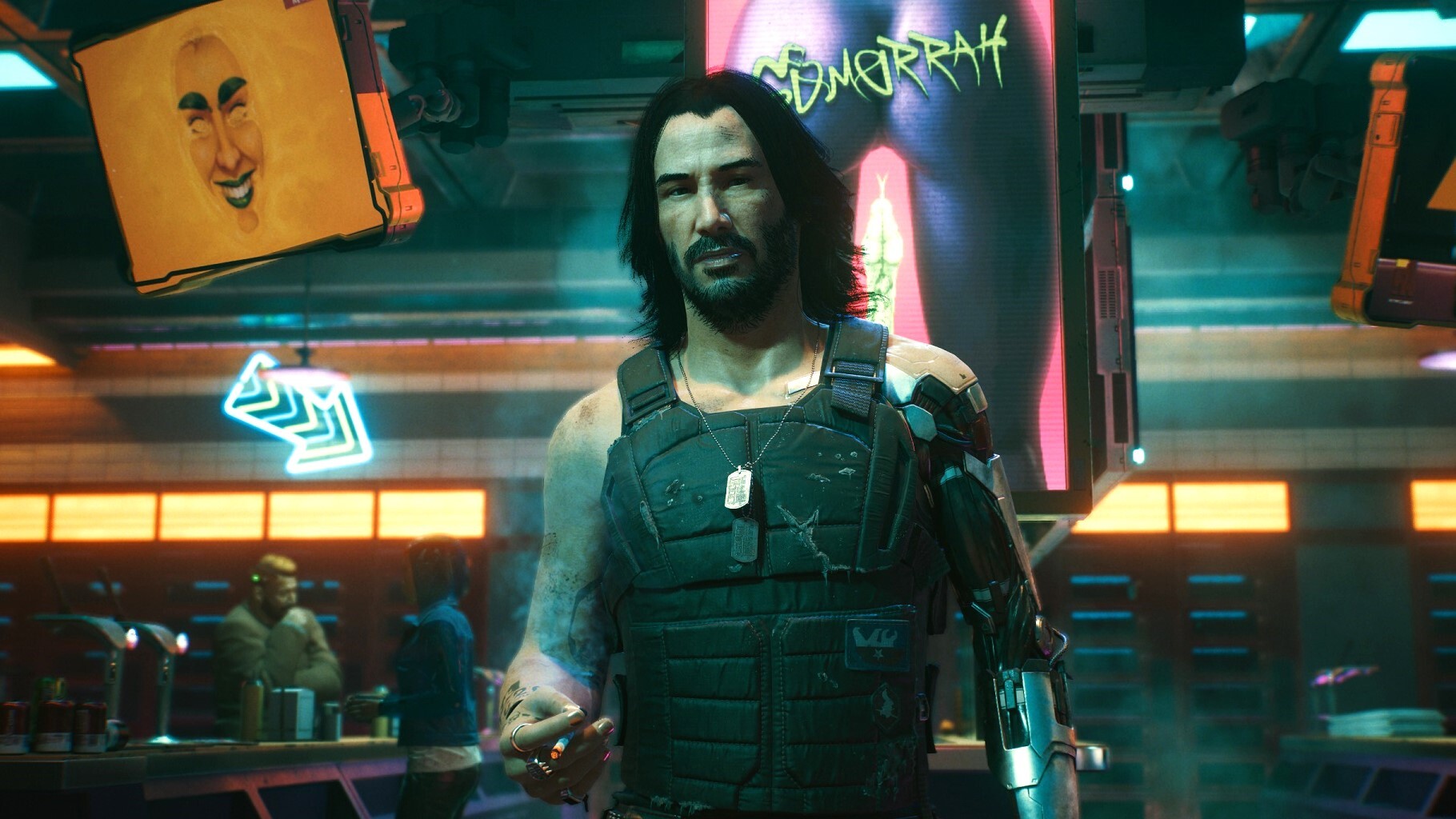
Nope. I’m not a voice actor, I’m a 3d Artist / Game Designer. The voice work was a time saver for practical issues. It seems to be its own thing now in games, with big names getting involved… Fair enough, I suppose, but I think it’s a waste of money. Keanu Reeves is a great guy by all accounts, but he can’t act for shit. Spend the money on some unknowns who need the break instead.
To be honest, I think the influx of big Hollywood names into the games industry is largely down to the egos of the Production Managers, Execs, and Bosses… It’s the only chance these people will ever get to hang out with the Stars!!

Also, BAFTA can try and inject their dull game awards ceremony with a bit of glitz and glamour… Game development has little glitz, even less glamour. And then of course there are Mr. Keighley’s Game Awards… I mean, really? I rest my case, your honor. Here’s the proof it’s a bullshit waste of money. Name me one person who bought Cyberpunk 2077 because Keanu Reeves was in it? You found one?? They’re a fucking liar.

Who were your inspirations where your voice acting was concerned?

Again, no one really. I just did some silly voices based on accents and the range of my voice. Conker’s voice came pretty easily; in fact, I think I just did it instinctively the first time Robin and I were in the studio.

Were there any teachers you had at school who would have a lasting impression on you, where your career was concerned?

Absolutely not, Fuck those idiots.

Chris Seavor 22

My teachers tried to tell me that the best years of my life would be my school years, but I disagree with them; my best years have been everything that came afterward. But did you enjoy school when you were a kid?

Absolutely not. Fuck those idiots even more… School was shit. Sadists and morons. I fucking hated it with a vengeance. Imagine trying to encourage 14-year-old lads to enjoy reading and then dumping Jane Austin’s Mansfield Park in their lap. WTF!? Stephen King, Tolkien, Sven Hassel first… THEN Jane Austin, in later life, when you have enough life experience to relish in its satire.

What was the best piece of advice you were given as a child?

That kind of thing only happens in YA fiction… I never paid any attention to adults as a kid. I think I became aware of how flawed they all were at a very young age. The one bit of advice I do remember was from my Nan: ‘Christ lad, don’t get old…’

Rare had been renowned for their sense of humor with hidden jokes and Easter eggs in their games, and Conker was no different. But where did your sense of humor stem from early on?

I wasn’t particularly funny as a kid. In fact, I was and still am almost terminally shy. I still find it stressful to group up with people in games and be expected to have a conversation, even in chat. (except when I’m shouting abuse 😉 I think my humor stems from looking at life’s absurdity and just laughing at it all. People can be so fucking dumb, so finding comedy gold in the actions and words of others is a never-ending resource. I’m a pessimist and a cynic. That’s where my humor comes from, I think….. Plus, I’m a bit weird and apparently lacking intact (although I am usually told this after the fact…)
Chris Seavor 23

How did the opportunity to work for Rare first come about?

Shared petrol money and a day out from Uni. I just turned up, and they offered me a job. That’s it, really.

What was your first day at Rare like, and what were you tasked with working on initially?

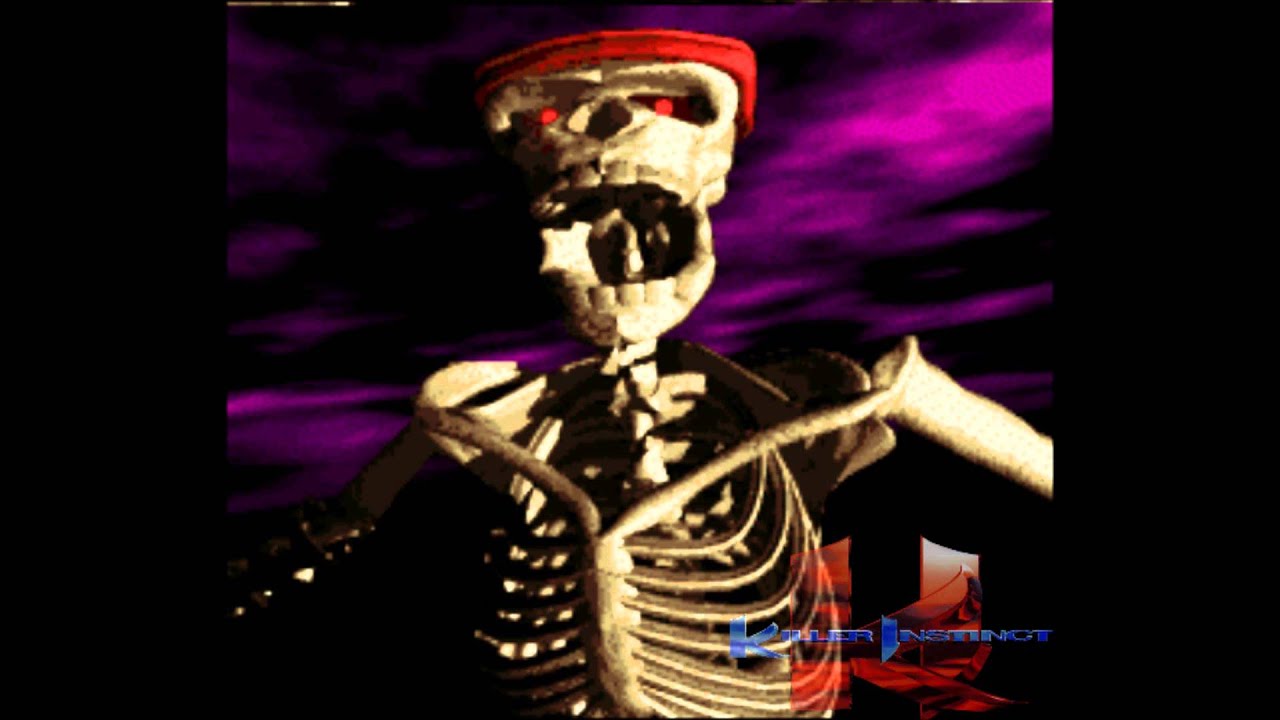
It was fine… I was pretty nervous, but that went very quickly…. I shared a room with Kev Bayliss, and we got on fine. Still do (which is amazing for me 😉 ). My first job was to sketch out and start building the environment for Sabrewulf in Killer Instinct.

In terms of working on the Killer Instinct series, what are you most proud of?

Killer Gold I reckon… Just because it was my first experience with actual polygons in a game, rather than pre-rendered. A whole other kettle of fish. I had to convert my original Nurbs Models from KI2 to work in the new engine. First game out from Rare with actual live 3D models… Quite proud of that. And they look okay, I reckon, particularly Spinal’s Slave Galley…. (Early nods to Sea of Thieves there ;)) joke.

Did you ever come up with any ideas for any additional characters for Killer Instinct or Diddy Kong Racing?

I did a couple of characters for Killer Instinct 2 (arcade), which were not used. Fully modeled one of them, a Vampire Prince with long white hair. Even did a set of animations. I wish I still had the frames, but nope… All gone.

How rewarding was it seeing your work come to fruition with the release of a game at Rare?

Best thing ever… Really, everyone should try it.
Chris Seavor 24

Are there any interesting stories about how the voice of Spinal first came about?

Same as Grunty, really.. Scream and Cackle. I’m a one-note pony when it comes to baddies.

The concept for Gruntilda’s voice, I’d imagine, would’ve been one of the most straightforward ones to have had to come up with, but was that the case? Was there another different approach taken where she was concerned?

I just screamed and cackled… That’s what witches do, right? 😉

How exhilarating was it knowing you had just voiced a major Nintendo villain at the time?

It was 10 minutes of work, and the tight arses didn’t even give me a free copy of the game… To this day, I have never owned a copy of Banjo. Not sure, but think it’s probably the same sample they use in the new Smash?? Maybe?
Chris Seavor 25

Who was your favorite character to have been voiced before Conker?

The ones that didn’t have me coughing my guts up and no voice for 2 days. Conker. It has to be him, really… Death, Conkula, Frankie, and any with interesting dialogue and motivations.

Which additional character in Diddy Kong Racing (except Conker) do you feel would’ve been worthy of a spin-off series?

I don’t care enough about Diddy Kong Racing to be honest. Wasn’t there a Tiger? The Tiger then.

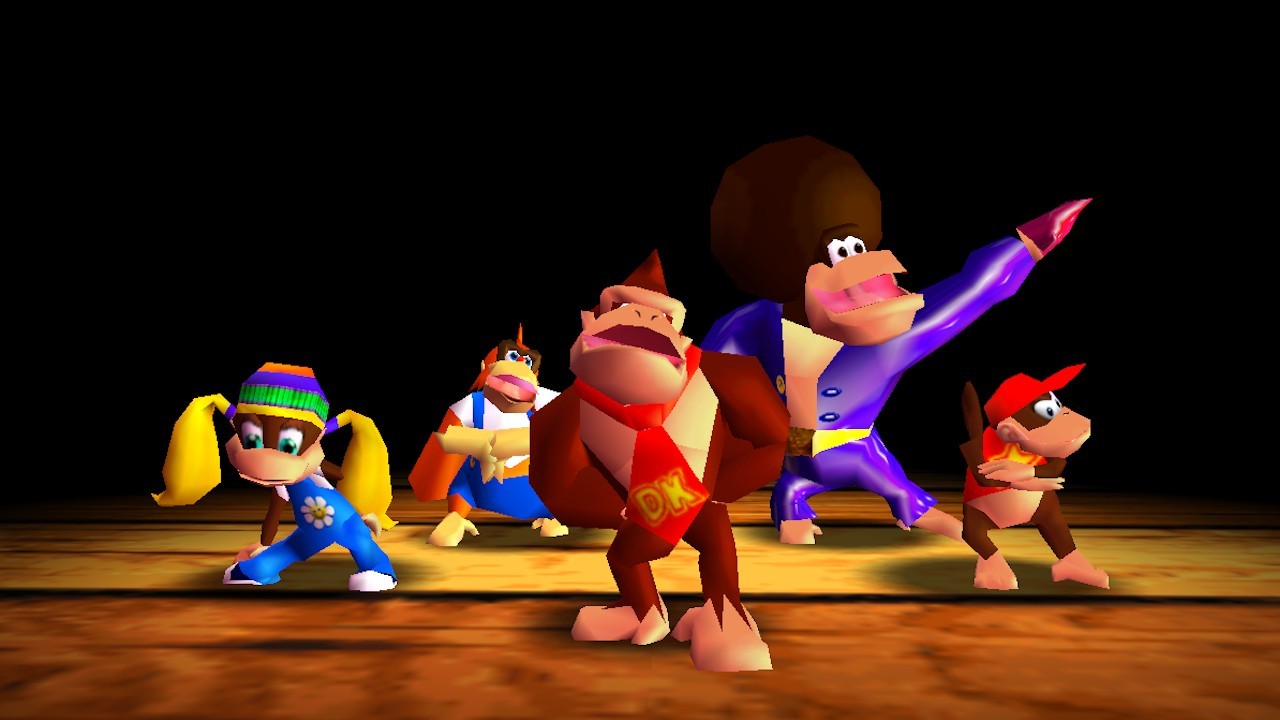
What were the Stamper brothers like to work for?

They were great, very hands-on when needed, and very hands-off when we were getting on with it. I mean, things could from time to time get fractious, but it was usually just clashing egos (mine mainly). Tim’s passion for games when I first joined Rare was in his very being.

All he cared about was the game/games. Chris, I saw less of him because he tended to be the business side of things, and was a software guy anyway. They had a certain dynamic as brothers, sort of like a video game boss, ironically. The whole was greater than the sum of its parts… (hmm, sounds like shade, but I don’t mean it that way)
Chris Seavor 26

Were there any Rare games that you would’ve liked to work on, but never got the opportunity to?

From a purely mercenary cash standpoint? Oh, DK 64 and DK Racer. They made fucking TONS of cash for the teams. But creatively? Nah, I’m happy the way things were. But what about Goldeneye, you say!? Cashwise? Nah… an old deal. Creatively?? I think I would have done things to stop it from being the game it is now. Not good things… I was still in a DOOM 2 mindset at the time.

Were you scheduled to work in some capacity on Rare’s canceled game Project Dream before it later became Banjo-Kazooie?

Nope. Definitely nope…

If you could’ve voiced any other Nintendo character (or Rare character) at the time, who would it have been, and what approach would you have taken to do it?

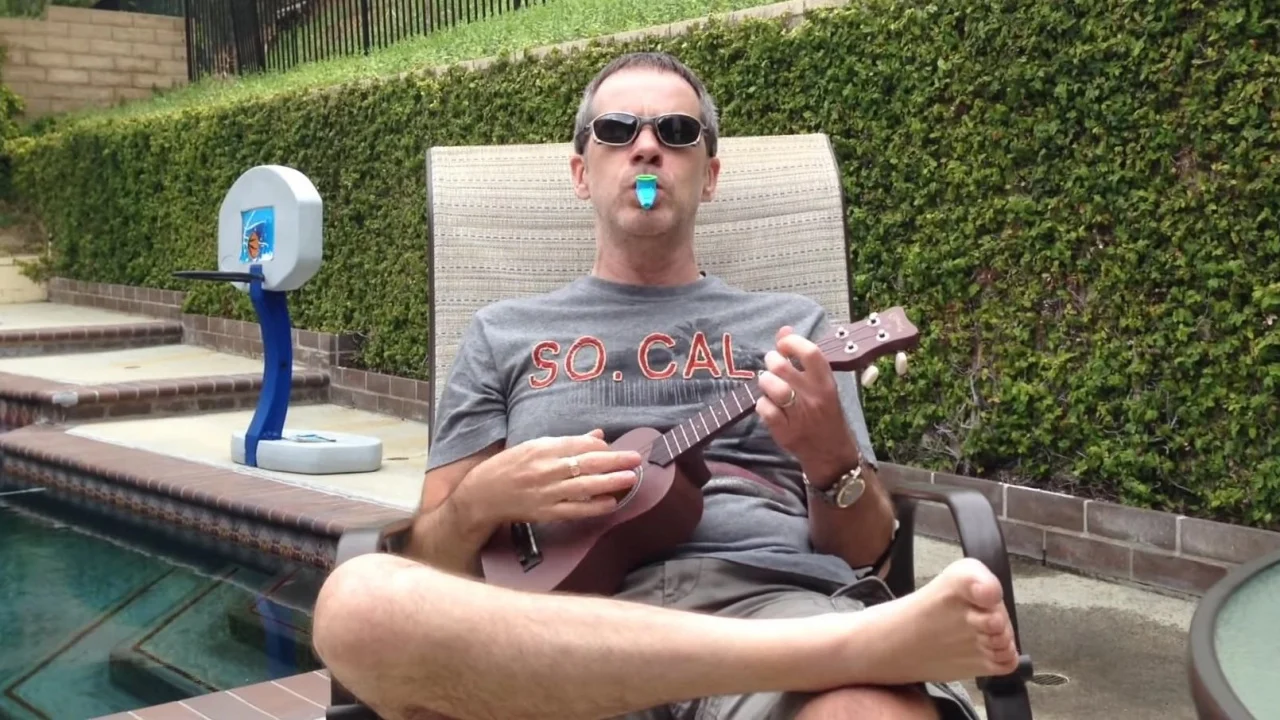
Never really thought of it. The only character I would love to have voiced, which Rare (almost) got to do, was Harry Potter. It would have meant I’d have been the first person to perform that character in the media. A good one for the CV. Plus, I think I’d have made a decent enough game out of the books (only 3 were out at the time) as I was already a big fan, had I been asked… Nevermind.
Chris Seavor 27

Who were the funniest people in the Rare office to work with?

That’s a tough one. Everyone pretty much made me laugh, sometimes unintentionally… Grant Kirkhope has ‘funny bones’ just because of his outlook on life and his rock ‘n’ roll stories. Robin’s funny as well, particularly when he’s drunk……. Martin Hollis has a very dry sense of humor, and Noz always made me laugh at his various woes over the years…Doaky though, he’s just sick that man.

What was your reaction when you first heard about Microsoft buying out Rare?

Yay!! EA and Activision were the 2 other main contenders. Whatever criticisms people have of MS, I have no doubts whatsoever. Rarely would a studio exist now if they’d succeeded. Nintendo though? They made a great off by all accounts, and already owned nearly half the company… I don’t even want to think about that.

What made you come to the decision to leave Rare back in 2011?

I didn’t. I was happy to stay, but things were, shall we say, engineered to make sure I didn’t….. Long story, not a pleasant experience, and some of the people involved, one in particular, can go fuck themselves. They know who they are; not that things didn’t turn out well in the end… I got a nice fat cheque to send me on my way, and here we are.

What is your opinion on the current state of Rare?

At the time I left, it was not very good, what with a combination of Don Mattrick and his cronies, not to mention that Kinect abomination. I was 90% sure we would be shut down within a few years… Since then, though, along came Sea of Thieves. Amazing what can happen when you just let a team get on with things and stop fucking them about. I think they’re in a very strong position now, although they really do need to mine that IP goldmine a bit more … Baffles me that they don’t.
Chris Seavor 28

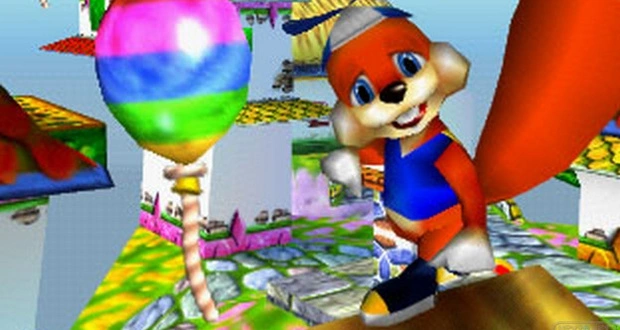
What was the developmental process like early on, when the game was supposed to be either Twelve Tales or Conker 64?

I was only doing art at that point, and the direction the game was taking design-wise was not something I could influence. We were essentially trying to make a Mario 64-type platformer. It was…. Fractious.

How did you initially feel after being moved up to the project’s leader by the Stampers?

They knew it was what I wanted, so they gave me a chance. Seemed to work out, although I think I was expected to fail.

What was it like working with Robin Beanland?

Yeah, okay. We don’t really get along 😉 Nah, he’s always been a talented bastard, unlike me, who’s been winging it for years…. I think we get on workwise because we understand what we both want versus the limitations of the medium. It’s important to temper your expectations and ambitions with what’s actually possible. Plus, we both like lager and vindaloo. Although age has finally caught up with me on both counts, there.
Chris Seavor 29

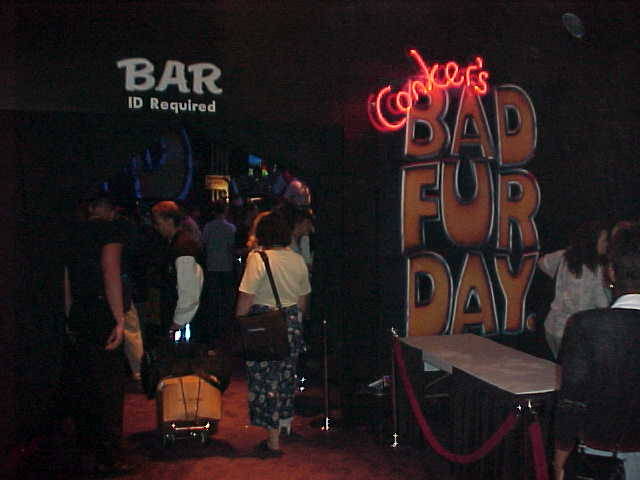
What was the feeling across the team following the game’s showcasing at E3 1998?

Was that the BFD’s first showing? I remember the TT one being a fucking disaster. The BFD one was as good as it got. Great stand by Nintendo, free beer, most of the team was there too, so it was a decent crowd. And no interview pools, which I really hate… There’s nothing like a bunch of bored games journos asking tedious questions for 12 hours straight to break your soul.

What was the revised pitch to Nintendo like when the intention changed to make the more mature game it turned out to be?

I don’t know. I pitched it to Tim and Chris, not Nintendo. I didn’t work for Nintendo; I worked for Rare, but I’m sure some discussions were had. To be honest, if T+C were happy with what we were doing, then Nintendo would have been too. Rare was the golden goose at that point, don’t forget, and it gave us a good deal of leverage.

What was the feeling across the development team when the project was finally finished after the long development cycle the game had?

We went home for some sleep. Then I went to Edinburgh for the New Year and got completely smashed. I also bought a sword, which I then had to carry around all night. There’s a great restaurant on the Royal Mile called The Witchery, it’s basically like something out of Harry Potter. The maitre d ’, rather than scowl at me and my sword, kindly took it and hung it in the coatroom, citing an old rule of no swords in the dining area. (I think she might have been joshing me )
Chris Seavor 30

How rewarding was it to see the game garner as much critical acclaim as it did?

Validation. And relief. I wish we’d have launched in Japan too… I think they’d have liked a pissing, drunk, cute squirrel.

How did the voice for Conker come about?

It was the first voice I did. No process, just came out fully formed on day one…. One of those things, I guess, the lisp was to add a curtness that belied the character, but apart from that, it was spontaneous.

Were there any other references to popular culture that were planned to be included in the game, but never made it, apart from the Pokémon reference?

There were a few levels that got cut, but that was for the sake of time rather than censorship. Pokémon is the only really notable one. There are a few easter eggs, though… more than a few. Oh, wait, there were two scenes cut from L&R for reasons. And that’s all I’m gonna say about that.
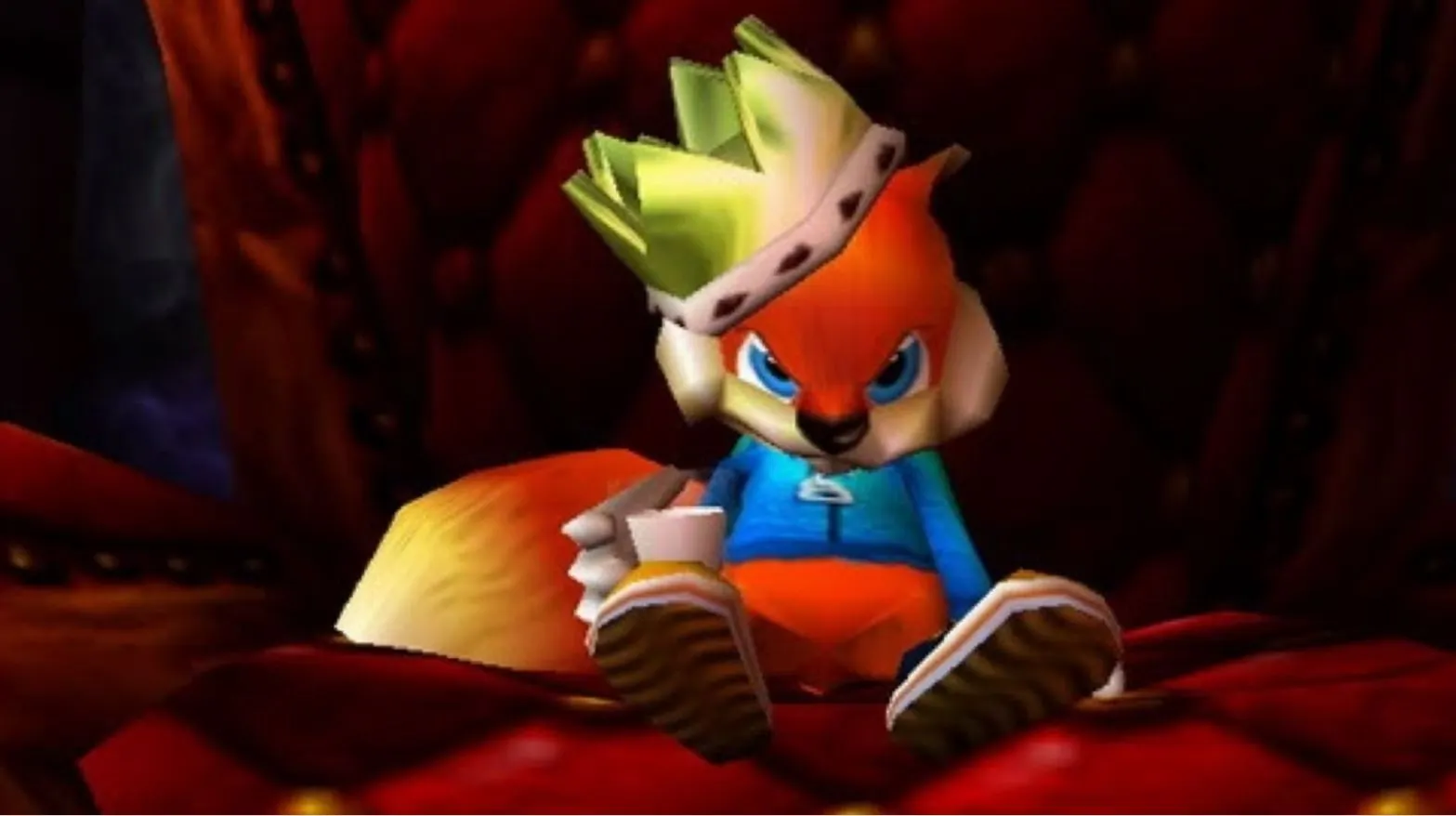
What was the feeling about experiencing the game’s ending for the first time, as it provides such a stark contrast to the comedy perpetuated throughout most of the rest of the game?

I had that ending in mind right from the very start. If we were going to subvert the genre, then let’s go for it. I don’t think I agree with the premise of the game being a comedy in a light sense. The game is DARK all the way through, and the laughs tend to stem from the misery and bad luck of others and the unintentional actions of the protagonist. I make it clear right in the very first shot of his eyes on the throne that this won’t end well for Conker.

What would you change about the game if you had the opportunity?

I’ve thought about this a lot. Maybe pare things back a bit to get a lower rating (which actually wouldn’t be as much as you think) or maybe not… It is what it is. I do regret not doing the fake outtakes after the credits. I had that planned quite early on when we’d started experimenting with 4th wall-breaking stuff in the game. Just not enough time, sadly.
How satisfying an experience has it been seeing Conker’s Bad Fur Day being updated for new audiences in the form of both Live and Reloaded and Rare Replay?

Yeah, it gave me a chance to make a PVP combat game, which is a difficult thing to get right. I also added a narrative thread through it as an experiment for a further idea (Getting’ Medieval). I think it worked quite well… They shut the servers ages ago though….. Rare Replay, I had nothing to do with… It’s a thing, I guess. Sold well, so that says a lot about there being plenty of old-school Rare fans still out there spending money.

As it’s one of the most outlandish stories I’ve heard in all of gaming, I have to ask whose idea was it to come up with the Conker’s Bad Fur Day condoms campaign?

Not me. It’s a bit tacky, literally 😉

What new Gameplay elements were planned for inclusion in Conker’s Other Bad Fur Day?

More of the same, really…. Who can say? That’s the kind of detail you get to when at the coal face, and we didn’t get that far.

Early concept art has since been released on the Internet for the Conker sequel, but what other new types of locations and characters were planned to be included?

About half the game was completely new areas, and the other half was updated and evolved areas from the original. The structure was pretty much the same, hub world, then smaller story worlds…. Familiar, extended with a fine blend of old and new.

Have you further developed the idea of a sequel since leaving Rare?

Nah, of course not. No point.

If Rare ever called you back to develop the sequel to Conker, would you do it?

Depends on what I’m asked to do. If it’s just to read someone else’s lines, then nope. If they want me to write and direct it, then maybe, but it would be a lot of work and cost a lot of money for something so niche. Who can say.. MS has got deep pockets. Risk-wise, it makes a lot more sense to make BK3, and they haven’t done that either, so go figure.
Chris Seavor 10

How did the idea come about for you and Shawn Pile to establish Gory Detail?

Boredom, plus I knew if I didn’t do something with all the time I suddenly had, then I’d go insane. Shawn was the same, I think, but you’d have to ask him. We’d actually talked about it long before, mainly as a creative outlet, never really thinking it would happen. Then circumstances changed, and here we are.

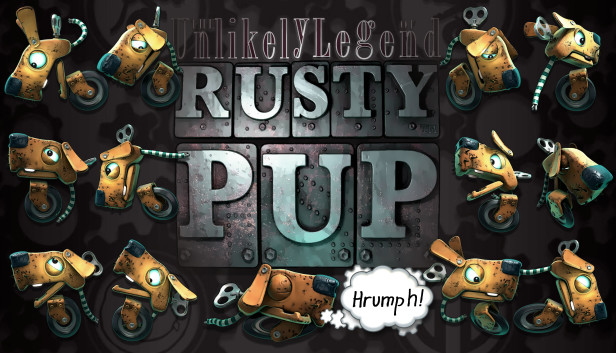
What were the influences behind Parashoot Stan and Rusty Pup?

Stan is a cliché, which was the point of the character. The kid pretending to be the hero but actually IS the hero. Rusty Pup is forged from a similar fire influence wise but is a lot more subtle. It’s actually set in the same world as Stan, if you look closely, but it is a lot more tragic. No one has decoded Rusty Pup yet, which I’m fine with, but it isn’t some vague metaphor or opaque fable. It’s a series of events, in order, which really happen. The clues are all there.

What were the most exciting aspects of developing the games?

‘Exciting’ is not a word I’d use to describe game development. A bunch of execs off to some launch party or awards ceremony to get drunk might disagree, but that’s not development.
Chris Seavor 11

What were the most challenging aspects of developing the games?

Getting past pre-production and into full production. Until you’re that factory, churning out assets and regular versions, there’s always a nagging feeling at the back of your mind that this might be canceled any second. Pre-production is nice creatively, and full production is a grind, but the security of the product is a huge weight off your mind. (hey, that rhymed!!)

How satisfying had it been seeing both these games garner the commercial and critical acclaim they have?

Commercially? Yeah, right, we’re millionaires now, Rodders. Critical, well, I think they’re great little games (Rusty not so little), Labour of love, both of ’em. I wish more of the mainstream media had bothered to review Rusty. We sent out a ton of codes. They claim they support indies, etc., but they don’t really… Not really.

I actually had one outlet say they weren’t interested unless I gave them an interview about our next game, which I’d pitched as a Conker Spiritual Successor. It was kind of a publicity stunt (though true in essence). Needless to say, we said no. If I were in the games biz to make lots of money, I’d have crawled my way up the corporate ladder, squeezed the right prostates, and jumped ship every time I fucked up. I’d rather be poor. I’m fine, though, but no more Porsches. Not this week anyway.

Were there any ideas planned for inclusion in either game that were later scrapped or reworked?

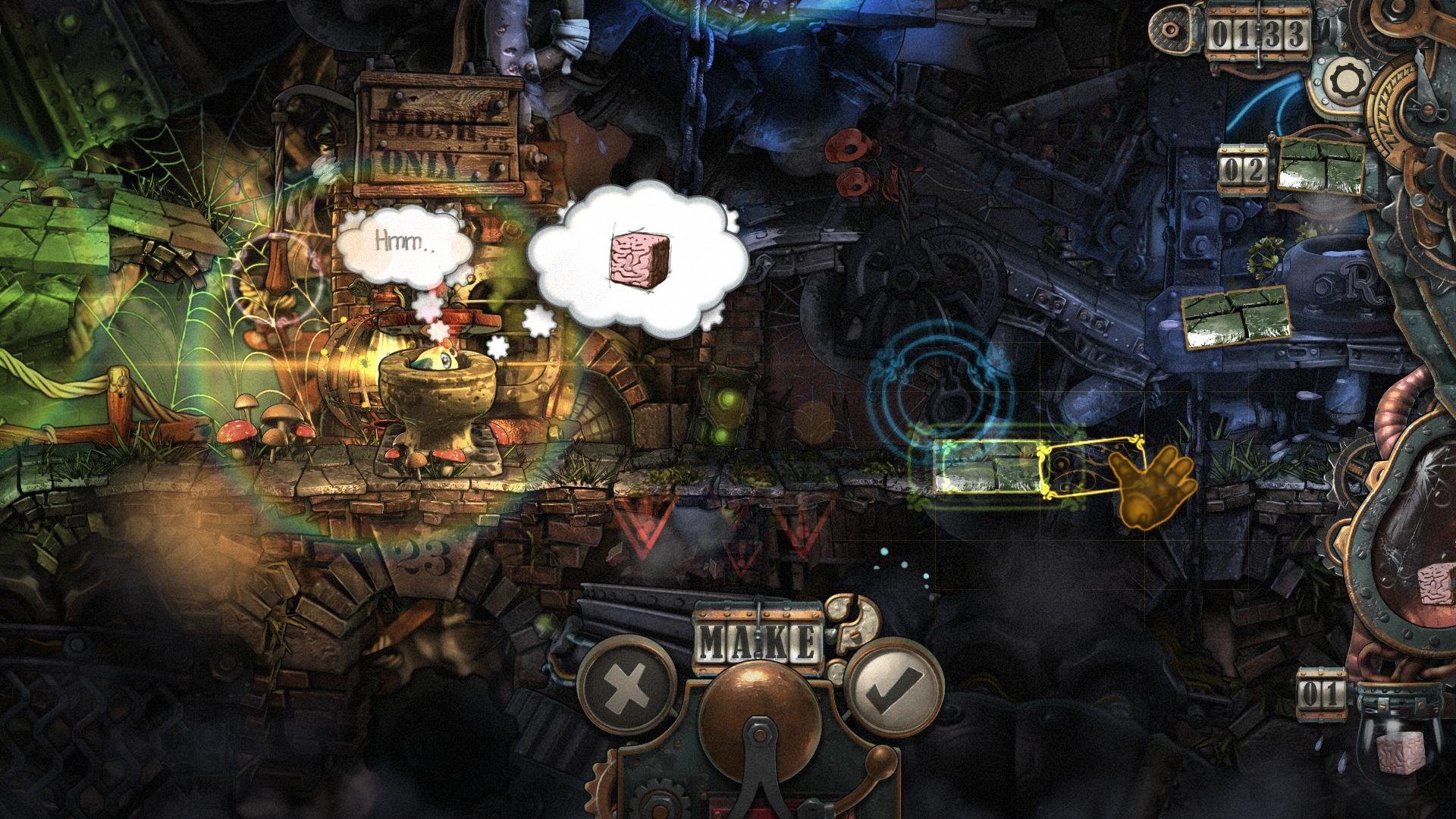
Yeah, loads. Rusty had a whole crafting system and twice as many mechanics, including mind control baddies, loads more platform types, and a whole extra world… it was just too much, and the crafting would have made testing all the possibilities pretty much impossible. Stan was going to have 2D side-scrolling mini-bosses where he landed on a large Zeppelin and would run through with guns blazing. We just didn’t have the time, and I also felt it was a bit jarring with the rest of the mechanics.
Is there any DLC planned for Rusty Pup in the future?

I did some stuff, even made some assets. It was an extra chapter, a deeper area with shorter, very difficult one-shot puzzles. A haunted house theme. But it would have taken 6 months to make, largely down to me, and was also totally free. Time is precious, so I decided it was best spent on developing the new IP.

What can you tell us about Gory Detail’s third project?

It’s coming on okay. I spent the bulk of last year preparing assets, and I’m pretty happy with the tone and look of the game. It’s a typical twin-stick dungeon bash game but with a twist… Fast-paced, silly characters voiced by me and lots and lots of bad language, blood, and guts. COVID didn’t help, though. At some point, you need to sit with people and point and talk… I’ve not seen Shawn for a year now. Still, we’re not slaves to publishers and huge wage bills, so it’s not a problem. You really only want the stress of making the game, which is more than enough.

Would you still like to see Urchin be brought to life under Gory Detail?

Yes… But we can’t call it that. Anyway, games aren’t the only medium in which to explore interesting narratives. 😉
Have any of the former Rare alumni at Playtonic Games had any advice to share with you and Shawn, or has there been any general conversation between you all?

Yeah, we’ve chatted a few times… Gavin has been really helpful and made some gracious offers of help with production, but the studio environment isn’t something I find appealing… It’s just me. I’m an old fart. In the future, though, who can say? They’ll certainly have first dibs on the next game we do if they want it.

What are your opinions of the indie development scene today?

Business-wise, it’s very healthy for a lucky few, but for most, I suspect it’s a struggle in a saturated market. Getting eyes on your work is increasingly difficult, and for the very small indies such as Gory, it’s almost impossible. From a gamer’s point of view, it couldn’t be any better. There’s a lot of good stuff out there, and with the big boys taking fewer and fewer risks with their products, ironically, people are turning away from their games as they tend to be over-produced and under-developed.

What genre of game have you and Shawn never undertaken before that you would like to do one day?

I have folders full of stuff. I think the next game, though, will be our last, probably, as its core game is just the beginning. It’s designed around mini self-contained storylines, like the chapters in Conker. So if it’s a success, I’ll be happy to just keep making and selling new Chapters as DLC so long as people still keep buying them. That’s the plan anyway.
Which pre-existing video game character would you like to see make a cameo in either Parashoot Stan or Rusty Pup?

They’re not that type of game, particularly Rusty. The next one, though… I have plans for lots of cameos, although not very complimentary ones. 😉

Do you and Shawn find that having creative freedom is one of the best things about developing games for yourselves?

It is. It’s the price you pay for having to fund everything yourself. We’re not averse to having a publisher, just not during development. Finish the game first, then see if anyone fancies tackling all that marketing, support stuff I fucking hate doing.
Have Rare since reached out to you following the establishment of Gory Detail or the release of the two games?

Only for Conker stuff. I’m happy to do it, although I suspect it was a last resort. I was sent some recordings of a guy they’d hired to mimic Conker, and it wasn’t very good. The point is, they tried to do it with someone else and must have realized the fans would not accept a fake Conker. Heh! I also offered to do other voices for the Young Conker app, but they already had someone for them. Just Conker for me…

What have you been most proud of throughout your career?

Rusty Pup… So far. I filled that game with my very soul.

Is there any advice you would be able to offer to aspiring developers who may be reading this?

Don’t let anyone tell you you can’t do something…. It might be true, but the best way to find out isn’t by shrugging, but by trying to make it work and then finding out they were wrong.
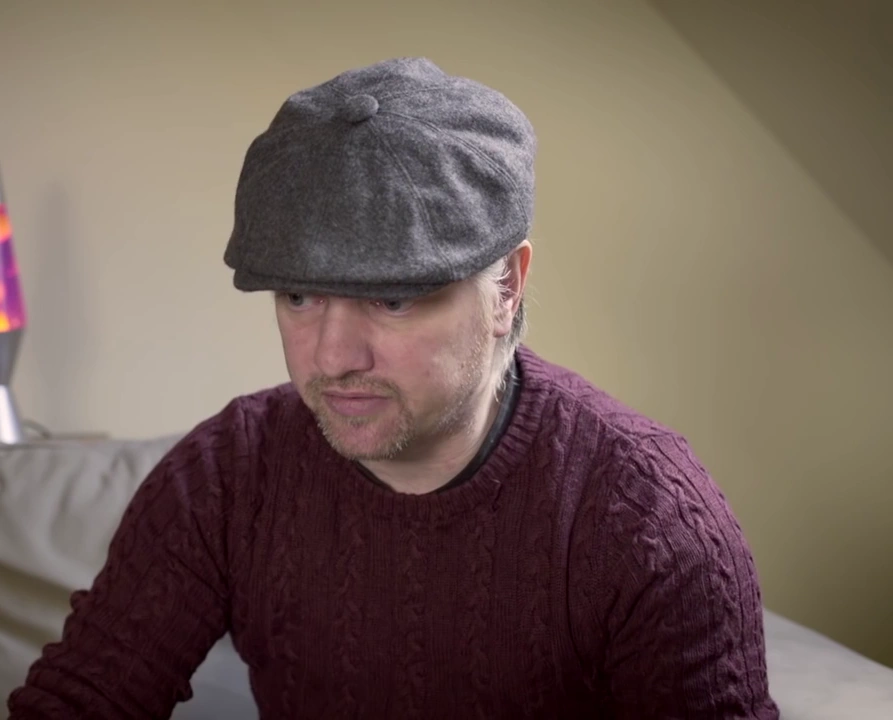
I’d like to take the opportunity to thank Chris Seavor for agreeing to answer my questions and for sharing so much about his storied career and what we can expect to see from him and Gory Details Ltd in the future. If you’re interested in what Gory Details has to offer, you can view their Steam page via the link below:

https://store.steampowered.com/search/?developer=Gory%20Detail%20Limited

You can also keep up with Chris’s posts on Twitter via his Twitter handle:

@conkerhimself

A full review of The Unlikely Legend of Rusty Pup can be accessed via the hyperlink, but in the meantime, I’d also like to wish Chris Seavor, Shawn Pile, and Gory Details the best of luck with their current games as well as their new upcoming project… MARVELLOUS!!

Game on,

Scouse Gamer 88

Wandersong (PC, PlayStation 4, Switch & Xbox One)

Wandersong

Developer(s) – Greg Lobanov

Publisher(s) – Humble Bundle

PEGI – 7

Released in 2019 to an overwhelmingly positive reaction from gamers and critics alike, Wandersong is a 2D platformer centered around music; puzzles are solved with music, and new areas are uncovered with music. And abilities within the game are taken advantage of through music. Developed by Greg Lobanov with the music and sound put together by Em Halberstadt and Gordon McGladdery, it’s one of those games that is a true labor of love and is evident within every aspect of it. I interviewed Greg Lobanov sometime before the initial Kickstarter program was successfully funded:

https://scousegamer88.com/2016/07/09/qa-with-greg-lobanov/

And I’m glad I did. Looking back, I’m thrilled that this game has since garnered the critical and commercial acclaim that I felt it deserved before release. And the game did not disappoint by any means. 

Graphics – 8/10

Firstly, the conceptual design of the game is nothing short of beautiful. Each area is vibrantly colorful and a pleasure to behold. Whether the game takes the player into dark caves, skyward temples, or peaceful towns. Each area has a different main color palette, similar to the original Yoshi’s Island. It works flawlessly to distinguish each area as the player visits it. Influence from several cultures and periods in human history is also evident in the architecture of the game. Such as Indian culture and even modern-day culture. And overall simply adds to its visual diversity. 

Gameplay – 8/10

As I alluded to, the gameplay involves the player taking control of a young bard and progressing through the game by singing. Singing is at the core of the gameplay. The player sings to move platforms for jumping across and manipulate wind traps to move ahead and advance the story. And to solve puzzles, among many other things. It’s definitely one of the most interesting and innovative platformers to have been developed in recent times. And to me, it even outstripped many other indie titles in terms of gameplay, including Journey and Flower. There’s much more to play for in this game than in many indie titles that have been developed throughout the eighth generation. Players will not be disappointed going into it. 

Controls – 10/10

The control scheme has been handled as well as any other platformer; in that respect, there are no negative issues to be addressed. I’m actually quite impressed with just how singing and dancing are incorporated into the game’s control scheme very effectively to allow for a lot of things the player must do in order to progress through each area of the game. There have been indie games released. Such as The Swapper and Contrast. They have had innovative gameplay mechanics. But have arguably not been used to their full potential to provide as great an experience as what could have been. But Wandersong delivers on that spectacularly. 

Lifespan – 7/10

What the game also delivers in a big way, compared to many other indie games, is lifespan. Taking around 12 hours to complete fully, it’s definitely one of the longest linear 2D side scrollers I’ve played in a long time. Side scrollers that long don’t normally get released unless it’s by a mainstream development company. It could be argued that it was to be expected, given the somewhat lengthy development cycle this game had. But it still excels compared to many other indie games that have taken just as long to develop, if not longer.

Storyline – 7/10

The story follows the young bard, named by the player in-game, who embarks on an adventure to learn what is known as the Earthsong. According to prophecy, it is the only way to prevent the upcoming end of the world. Along the way, the players will meet a massive cast of characters. Each has its own stories and situations to be resolved, which all add so much depth to the story. A lot of the different situations in this world can be seen as very true to life, and it does incredibly well to connect with gamers. This game actually has a better story than a lot of other indie games that focus on story. And sacrificing gameplay in the process. With Wandersong, there is a clear equilibrium between the two. 

Originality – 10/10

Simply put, there is no other game like Wandersong. I’ve never played a game in which music and singing are so integral to how the player must progress through it. And enjoyed it as much as this. Games like Parappa the Rapper and Guitar Hero are obviously titles that make use of music within the gameplay, but Wandersong does even better to integrate it into gameplay, making for, as far as I’m concerned, better titles than the two former. Platformers have been coming and going since the 80s, but never handled in the way it is in this game. 

In summation, Wandersong is an excellent game from start to finish. Any platforming fan needs to give this game a try; it’s innovative, enjoyable to play, and beautiful to behold with a wonderful soundtrack to listen to along the way, and again, I’m happy for Greg Lobanov and the team to have gotten the recognition they deserved for it.

Happii

Score

50/60

8/10 (Very Good)

Onimusha: Warlords (PC, PlayStation 2, PlayStation 4, Xbox, Xbox One & Switch)

Onimusha

Developer(s) – Capcom

Publisher(s) – Capcom

Director(s) – Jun Takeuchi

Producer(s) – Keiji Inafune

PEGI – 16

Released in 2001 and going on to become the first PlayStation 2 game to reach sales of over one million units, Onimusha provided a very different take on game design with the Resident Evil engine. Set in the Sengoku period in 15th-century Japan, the story involves a samurai named Samanosuke Akechi. And his resolve to save his cousin Princess Yuki from a demon invasion of the Inabayama castle. It’s highly regarded as one of the best titles on the PlayStation 2 to date by most critics and me. Although I think the best of the Onimusha series is yet to come, it remains a classic to me.

Graphics – 8/10

The game is set in a fictional take on the 15th-century Japanese Sengoku period. This was something pretty unusual compared to the kind of settings Capcom was used to perpetuating in titles like Resident Evil, Street Fighter, or Mega Man. However, it works brilliantly. Along with the conceptual designs of the various demons, the player will encounter them along the way. It did a particularly good job showcasing what the PlayStation 2 was capable of doing early on in its shelf life. But more importantly than that, because the vast majority of the scenery is composed of detailed still imagery, it holds up even better after 20 years. 

Gameplay – 9/10

The game is a hack-and-slash adventure with the player alternating between two characters: Samanosuke and his kunoichi companion Kaede. Samanosuke’s sequences provide the vast majority of the gameplay. As well as entertainment, there are far more abilities to take advantage of. In order to subdue enemies in an increasing variety of ways as the game progresses. They are also upgradable, giving the player more incentive to play through to the end. Onimusha is also heavy on puzzle-solving to access new areas and find new items. The puzzle-solving element is handled in an almost identical manner to that of Resident Evil, in fact. It requires players to think on their toes at times. With Kaede, there is an additional weapon to find, giving her marginally greater attack power. But Kaede’s sequences are few and far between, and it’s easy to understand why. 

Controls – 9/10

Before playing Onimusha, I had had issues playing the Resident Evil games because of the somewhat clunky movement controls. But in Onimusha, it’s much less of a problem. Somehow, the game seems much faster-paced at 60 frames per second. Ever since the developers introduced the strafing ability and the facility to quickly turn 180 degrees, it has sorted out prior issues massively. Apart from this, however, there are no issues with the control scheme of this game. Combat is as fluent as possible. Allowing players to be as proficient as possible without having to worry about any silly mistakes on the part of the developers. 

Lifespan – 6/10

The main gripe I had with this game, as well as everybody else who reviewed it at the time of its release, was the lifespan. Clocking in at around 10 hours, most critics, including myself, felt as if it didn’t last anywhere near as long as it should have. Especially given the direction in which gaming was going at that time. And the standards that had been set during the previous generation. Thankfully, later installments of the series would go on to rectify this problem. But it is most definitely a problem where the first game in the series was concerned. 

Storyline – 9/10

Set in the fictional take on the Sengoku period, it all begins when Princess Yuki of the Saito clan is captured by demons. Samanosuke Akechi and Kaede arrive too late to save her initially. And Samanosuke is subsequently subdued by a demon far more powerful than himself, who then stows away with Yuki. Samanosuke is then endowed with a gauntlet that has the power to absorb the demon’s souls. Thus, being able to destroy them permanently. With this newfound power, Samanosuke vows to destroy the demons and save Princess Yuki.

Since Capcom started implementing full voice acting in their games, the dialogue has ranged from mixed to laughable at times. Musically, with the whole Jill sandwich thing in Resident Evil. But in Onimusha, there are some examples of mixed voice acting again, overall, the dialogue implemented is a decisive improvement on most of anything they had come up with at that point. The concept of the story was also particularly well thought out, as outside the Dynasty Warriors and Tenchu series, there weren’t a lot of games themed around the Feudal era of Japan, like in Onimusha, just after which. 

Originality – 9.5/10

It was interesting at the time when the game was released to see exactly what Capcom could do differently with the whole Resident Evil formula. In my opinion, the Onimusha series is far superior to the Resident Evil series, since there is more fun and enjoyment to be had in terms of gameplay, and the Resident Evil series has come with a lot of unnecessary complications throughout, such as the lack of movement during the shooting in Resident Evil 5 and the lackluster voice acting in the first 3 games. But the original Onimusha took the overall gameplay formula to new heights, and it made for something that hadn’t been seen in gaming beforehand; it’s a shame to think that the Onimusha series faded into obscurity as it did, since it makes me think about where the series could’ve possibly gone or worked on further. 

Happii

Overall, Onimusha: Warlords remains a PlayStation 2 classic to this day, in my opinion. It has intense combat, a great story, and though the second game would go on to blow the first out of the water, this definitely was not a bad starting point. 

Score

50.5/60

8/10 (Very Good)

Gentlebros

Q&A With The Gentlebros

The eighth generation of gaming had seen a further influx of independently developed video game titles garner mainstream success, with gamers being hungry for not only AAA big-budget blockbuster games, but also titles that hearken back to the simpler times of the older generations before it. Working for the plethora of gamers, either wanting that sense of nostalgia from a 16-BIT rendered title like Blasphemous, or gamers wanting to try out new ideas perpetuated by indie developers. Such as Scott Cawthon with the Five Nights at Freddy’s series. One such game studio that garnished the same level of success over the last four years is The Gentlebros.

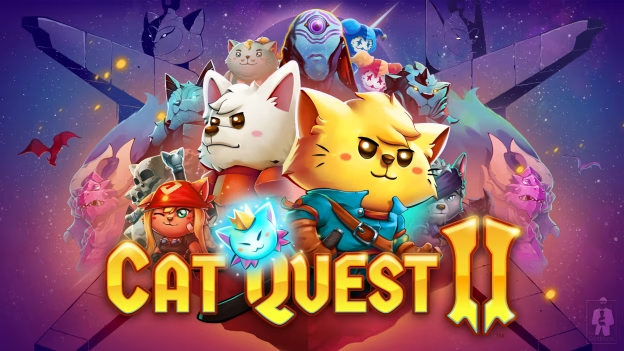
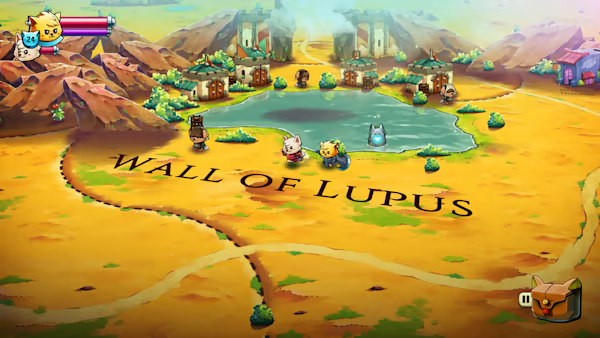
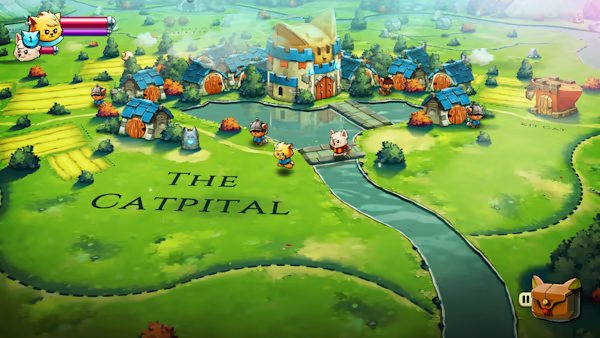
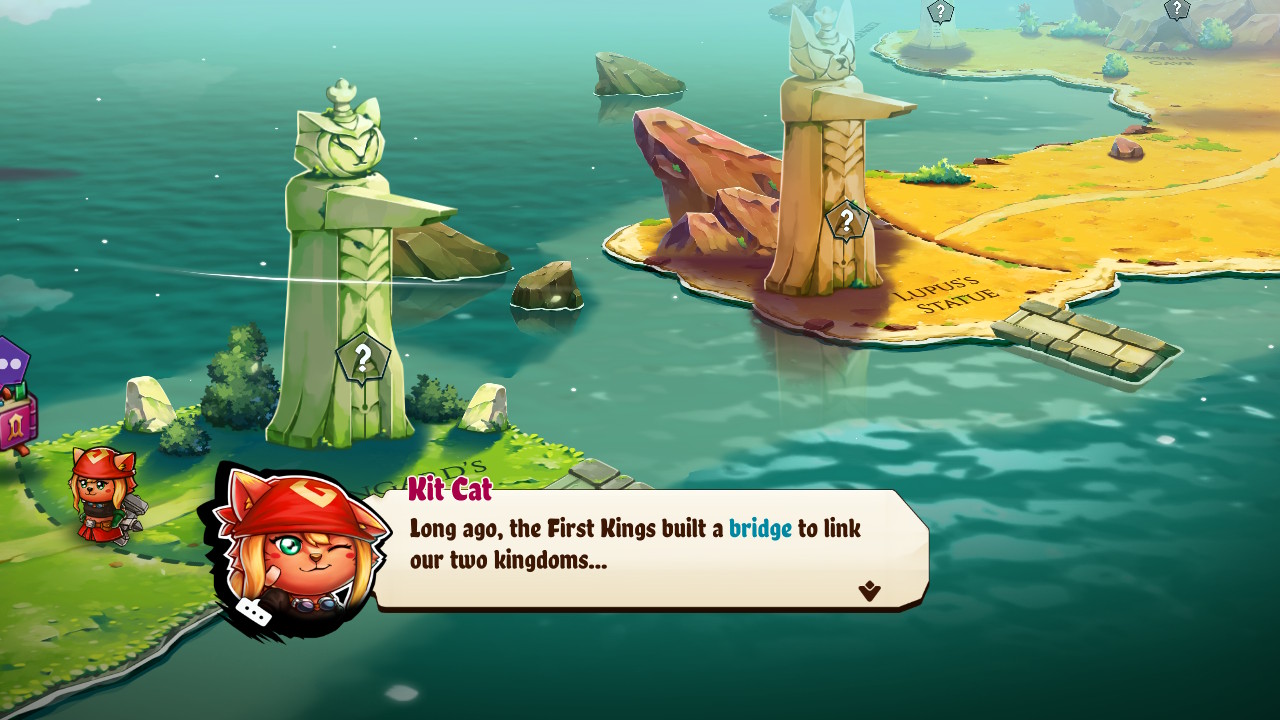
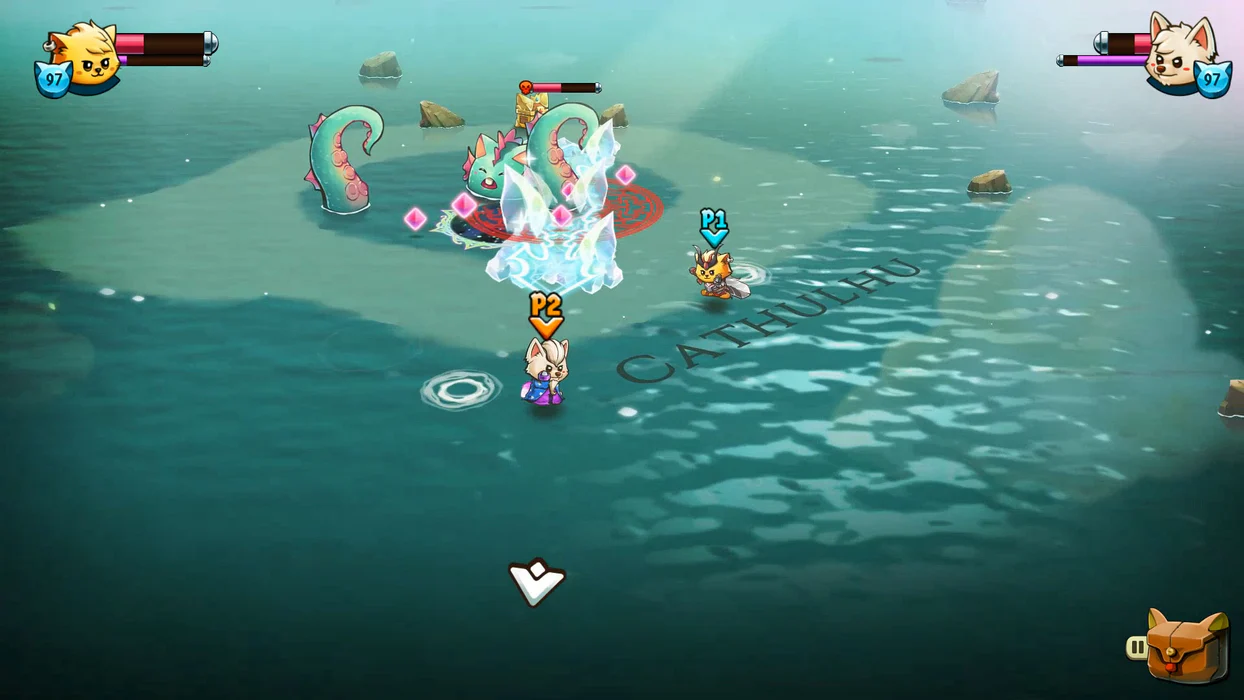
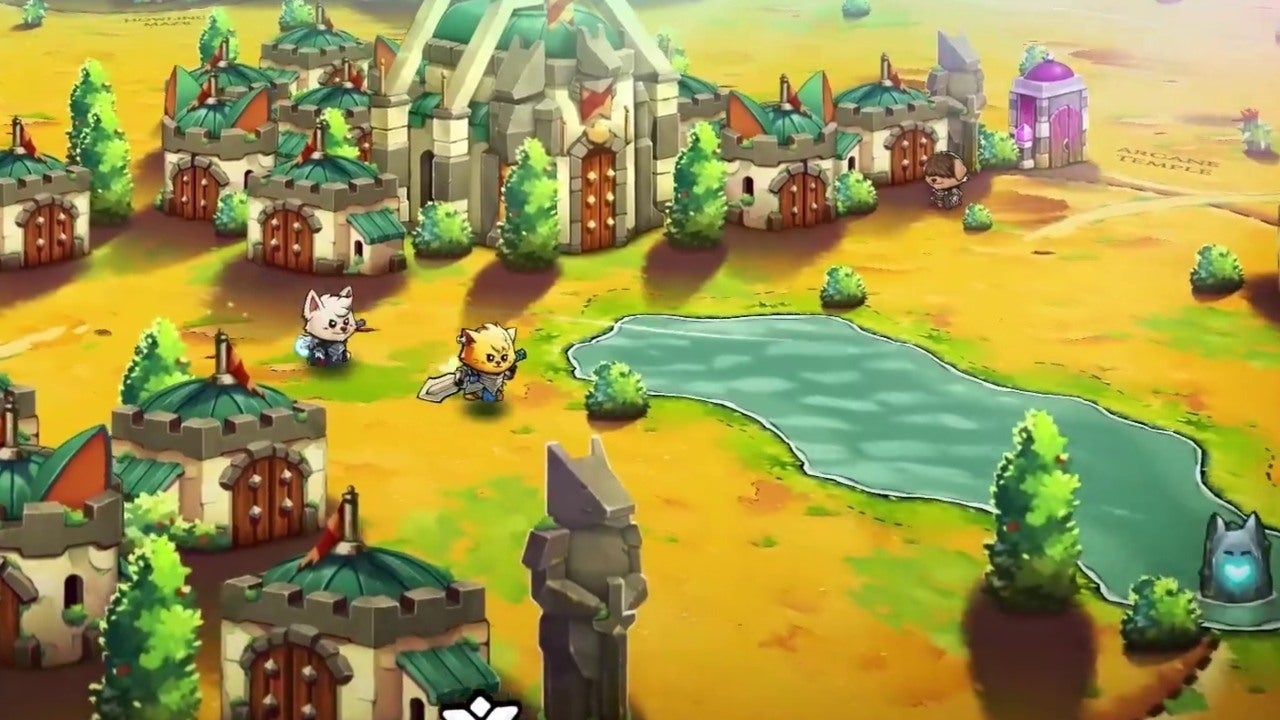
Based in Singapore, The Gentlebros have since established Cat Quest. A series of open-world adventure RPGs set in a world governed by both cats and dogs. From the cat-ruled realm of Felingard to the dog-governed Lupus Empire. Both Cat Quest and Cat Quest II have been met with both commercial and critical acclaim from both gamers and reviewers alike. And have since established themselves as one of the more successful indie development studios in recent years.

Along with the likes of The Game Kitchen, Cellar Door Games, and Housemarque. wanting to know more about The Gentlebros. And what the future holds for the company, I got in touch with the studio’s CEO, Desmond Wong, to ask a few questions about what the developer’s prior experiences with games were and what they plan to do going into the ninth generation of gaming. Here’s what Desmond Wong had to say about The Gentlebros and the Cat Quest series:

Gentlebros 1

Where did the idea to make a series about cats and dogs originate from?

It actually started as a dancing game! Full story here: 

https://www.thegentlebros.com/blog/general/story-open-world-rpg-actually-started-dancing-game/

What was the most exciting aspect of developing the Cat Quest series?

I think the most exciting thing from a writing perspective was how we could cat-ify all our favorite RPG tropes and just have a lot of fun with it! Making Cat Quest has also enabled us to ‘fix a lot of the issues we had with open-world RPGs in recent years. And give players a more streamlined and accessible experience.

Gentlebros 2

What was the most challenging aspect of developing the Cat Quest series?

I think the toughest part in both games has always been how to create a robust adventure with the limited resources we have. We’re just a three-man team. And making an RPG that lasts many hours with so many mini-stories and challenges is a huge undertaking. It’s really easy to fall into the trap of reusing level layouts and quest designs. And I think we did a slightly better job of this in Cat Quest 2(than CQ1). But it still took a lot of creative use of existing mechanics and assets to create something new each time.

Has the idea been contemplated of making a Cat Quest III?

Absolutely. Although we can’t go into details, we did end CQ2 with a tease for CQ3. We know where the story will go, and can’t wait to eventually get to it.

Gentlebros 3

How rewarding has it been seeing Cat Quest garner as much critical acclaim and popularity as it has over the years?

It truly has been a humbling experience, and we never thought our game about cats would be played by so many people.

What were the team’s prior developmental experiences before The Gentlebros was formed, if any?

All three founders worked in Koei Tecmo, where we worked on games like Dynasty Warriors, Dead or Alive, and Fatal Frame.

Gentlebros 4

What other types of games would the development team like to create in the future?

Personally, I would really like to design a game about traveling. I went on a road trip to Iceland a few years back. And the whole experience was just pushing onward. Seeing new sights and finding places to sleep for the night was just immensely fun. I would love to make an open-world game that focuses less on completing side quests and just focuses on traveling instead.

Had there been ideas scrapped from the Cat Quest series that you guys would’ve liked to have seen kept in?

Yes, we had so many ideas for weapons, enemy types, and abilities. But I think the one thing we would have liked to have kept in CQ2 was a relationship system where you could build friendships with certain NPCs in the game. It would have added so much to the theme of Unity for CQ2, and perhaps in the future, we could do something similar in another game.

Gentlebros 5

What was the most important principle that was kept in mind by the studio as a collective whilst developing Cat Quest?

Accessibility, for sure. Our core design principle has always been how we can simplify and condense any mechanics to its essentials. Addition by subtraction is our mantra, and although some have found our games lacking depth because of this, seeing Cat Quest being enjoyed by kids. And even being able to bring non-gamers into the world of gaming makes us believe our decision was worth it.

Do you have any advice for aspiring developers who may be reading this?

Never give up.

Do you have anything else to add?

Do follow us on our Facebook page and Twitter, or join our Discord if you want to chat with us!

Facebook: https://www.facebook.com/gaming/catquestgame

Twitter: @TheGentlebros

Discord: https://discord.gg/AyUBfNfq

Gentlebros 6

I’d like to take the opportunity to thank meow, Desmond Wong. For agreeing to do our Q&A, and wish you and the rest of The Gentlebros the best of luck with the third Cat Quest game. As well as any new titles you decide to work on in the future. If you guys want to learn even more about The Gentlebros, check out their social media via the links above. Or check out their main website here:

gentlebros.com

In the meantime, I hope you guys enjoyed learning about this paw-some and promising new development studio as much as I did. The Cat Quest series is a very promising new saga in gaming. And I’m looking forward to what the third game has to offer.

Game on,

Scouse Gamer 88
Blasphemous (PC, PlayStation 4, Switch & Xbox One)

Blasphemous

Developer(s) – The Game Kitchen

Publisher(s) – Team 17

PEGI – 16

Released back in 2019 to universal acclaim after an immensely successful Kickstarter campaign, Blasphemous is a Metroidvania title influenced by games such as Dark Souls and Resident Evil 4 combining wonderfully rendered visuals with intense and challenging combat sequences and precise platforming. After having gotten the chance to play this game myself, I was captivated from start to finish. It is most definitely one of the best Metroidvania titles released throughout the eighth generation of gaming. If not one of the best games in general released throughout the time. 

Graphics – 9/10

The game is set in the harsh and mostly dangerously desolate landscape of Cvstodia, which was inspired by religious art composed by classic Spanish artists such as Francisco Goya and de Ribera. The developers also drew further inspiration from the religious iconography of their hometown of Seville, Spain, with Gothic architecture and the religious attire associated with it. 

The world of Cvstodia is also beautifully rendered in 16-bit pixel art reminiscent of titles of the fourth generation of gaming. The world of Cvstodia is as wonderfully captivating as it is dark and gritty. It features some of the best examples of video game conceptual design I’ve seen for some time. Everything from the landscape to the character design attests to how much of a labour of love this game truly is. 

Gameplay – 8/10

Playing out like a traditional Metroidvania title, the game is heavy on combat and character development, as well as requiring precise and clever platforming to progress. Players must both subdue hordes of enemies and uncover new areas within by acquiring new abilities and improving their character’s stats. Two different endings are available to unlock. Which depends on what items the player has acquired and how they are used or modified. 

Another particularly standout feature in this game, however, is the boss fights, which again give testament to the quality of the game’s conceptual design. Bosses such as Ten Piedad, Our Lady of the Charred Visage, and my personal favorite, Exposito the Scion of Abjuration. The game is every bit as challenging as the titles it took influence from. But at the same time, not inaccessible. It’s also an extremely satisfying experience to revisit locations far stronger than before with the acquisition of new abilities and more health and magic. But also equally as satisfying to defeat each boss. It does exceptionally well to make the player feel like this is their journey, along with the player character. The Penitent One. 

Controls – 10/10

The game’s controls are precise and responsive, and present the player with no necessary issues. Which is desperately needed in a game like this. There’s nothing worse than when a developer tries to challenge a player with a tough game. And the controls aren’t right, like what I found with the original Mega Man. Fortunately, however, this issue is non-existent in Blasphemous.

Lifespan – 7.5/10

To complete the game to 100%, along with the DLC package The Stir of Dawn, will take roughly 30 hours. Which, for a Metroidvania game, is particularly impressive. It could possibly be made to last longer with the potential introduction of new DLC released somewhere down the line (here’s hoping). But regardless, this game will have players investing in it for a particularly long time to come. There are plenty of collectibles to scout for and abilities to acquire to make Blasphemous last more than a meaningful amount of hours. 

Storyline – 9/10

The story of Blasphemous follows a mute lone soldier known only as The Penitent One. He is the sole survivor of an order known as The Brotherhood of the Silent Sorrow. The Penitent One embarks on a pilgrimage in the name of The Miracle. A god-like supernatural force that governs the land of Cvstodia. It manifests itself in various twisted ways in the name of either mercy or punishment. 

The Penitent One seeks a holy relic named the Cradle of Affliction. He is instructed by a narrator of the Miracle named Deogracias to carry out the three humiliations. Thus, gaining access to the location where the Cradle of Affliction is housed. 

The game’s story is expertly structured and masterfully written with full voice acting and a plethora of lore and backstory to unearth throughout Cvstodia. It raises questions about the nature of godhood and everlasting life in a world where the desire for punishment or forgiveness comes at a high cost. And what impact religious institutions can have on the world. Again, it was yet another element to this game that excited me from beginning to end. 

Originality – 9/10

Taking into account everything about this title, from its conceptual design to its combat system to its gripping story, it is definitely one of the most original titles I’ve ever played. In a gaming generation that has been arguably over-saturated with Metroidvania titles in recent years, it would have taken something particularly special to make another one stand out among so many others. But this game does that flawlessly. It tackles themes, gameplay mechanics, and graphical features that have rarely been seen before. And will go on to influence a plethora of games for years to come. 

Happii

In summary, Blasphemous is definitely one of the best games of the eighth generation. The influx of indie games over the last seven years has made this generation one of the most exciting in the history of gaming. But this title will be one that gamers will still be playing long after. With its wonderfully rendered visuals, intense combat, and boss fights. And a story that players will be talking about for many years after its release. 

Score

52.5/60

8.5/10 (Great)

Untitled Goose Game (PC, Switch, PlayStation 4 & Xbox One)

Untitled Goose Game

Developer(s) – House House

Publisher(s) – Panic

Designer(s) – Stuart Gillespie-Cook, Nico Disseldorp, Michael McMaster & Jacob Strasser

PEGI – 3

Released by Melbourne-based developer House House back in 2019 on PC after much anticipation from gamers. Later ported to several home consoles, Untitled Goose Game is an adventure stealth game whereby players take control of a goose that must travel around a village. And relentlessly annoy as many of the villagers as possible in as many ways as possible. It was very well received by critics and gamers alike and maintains a perfect 10/10 score on Steam. Whilst I found flaws with the game whilst playing, I found it overall to be a delightfully challenging, yet uproariously funny experience at the same time. 

Graphics – 7/10

Set in an idyllic British village, the game makes use of cel-shaded visual design and a vibrant color palette perpetuated by lush, green landscapes and traditional village scenery and buildings such as gardens, pubs, and markets. The game’s soundtrack also flawlessly adds to the game’s atmosphere. Constantly changing depending on what situation the player finds themself in. That’s when they’re simply walking around when they’re about to sneak up on someone. Or when forced to run away from villagers. It’s always a pleasure to experience a game like this, whilst it may not look as visually original as others, it still presents variety in several different ways. And even more subtle kinds of ways. 

Gameplay – 7/10

The player takes control of a mischievous goose roaming around a peaceful village. The player must undertake specific tasks given to them via a to-do list. All with the sole purpose of causing as much chaos around the village as possible. For example, the first sequence of the game has the player having to torment an unsuspecting groundskeeper by stealing the keys to his garden gate, putting his rake in a nearby pool, and stealing various other items in his garden in order to create a picnic nearby.

Although the visuals aren’t particularly unique by today’s standards, the gameplay concept definitely is. The idea came from a very unlikely source; it came about when one of the staff at House House emailed the creative team a stock photograph of a goose, which led to a series of brainstorming sessions. For a seemingly finite concept that came virtually out of nowhere, it’s quite impressive to me how the development team was able to make as much of it as they did and create a game like this.

Controls – 10/10

Because there are an unprecedented number of commands to use in Untitled Goose Game, getting used to controls and the style of movement may take some time initially, but once mastered, it presents no problems. This is always impressive to think about when it comes to a new idea involving a new style of gameplay. I’ve come across a few indie games over the years that have failed to impress in terms of controls. Such as Octodad: Dadliest Catch and Aaru’s Awakening. But thankfully, there are no issues with this game’s control scheme. 

Lifespan – 4/10

The most disappointing aspect of this game is the short time it can be made to last. To complete the game 100% takes about 5 hours. And I think there was definitely room for expansion in this respect. Though I said I was impressed with the development team’s ability to come up with the overall concept while having little to no ideas to go on initially, there are certainly a great number of ways in which the initial concept could have been built for more objectives and side quests. And I, for one, would’ve been willing to wait a little bit longer to play it if it meant it could’ve been made to last longer. 

Storyline – 6/10

The game’s premise, as I described earlier, is also the game’s story. But what stops it from making the story nonexistent is a variety of different things. The soundtrack adds to the game’s atmosphere, as I pointed out before. But the goose’s journey is filled with hectic moments as well as drama and comedy. Playing this game made me burst out laughing on several occasions. But there is also a nice little reveal at the end, which really epitomizes what this game set out to do. And makes it feel like everything comes full circle in its own way.

Originality – 8/10

As I said, although the visual style and the conceptual design of the game aren’t particularly unique, what does make this game promptly stand out from the crowd is the concept of the gameplay itself. I love it when I come across a video game that seems basic at first glance. But ostensibly offers gamers an experience unlike any other without being overly complicated. And having a somewhat simplistic feel to it at the same time. There’s a simultaneous feel of tranquility and urgency to be had whilst playing this game, and it makes for a very enjoyable experience.

Happii

Overall, Untitled Goose Game is a very good title for the short time that it lasts. And it is certainly worth one playthrough at a minimum. It’s a simplistically designed game. It has its own unique charm to it that separates it even from some of the most ambitiously designed indie titles of the eighth generation of gaming. 

Score

42/60

7/10 (Fair)

Momodora: Reverie Under the Moonlight (PC, PlayStation 4, Xbox One & Switch)

Momodora Reverie Under the Moonlight

Developer(s) – Bombservice

Publisher(s) – Playism 

PEGI – 7

Developed by Brazilian indie outlet Bombservice Games and released on multiple platforms since 2016, Reverie Under the Moonlight is the fourth title in the relatively obscure Momodora series of Metroidvanias. Since the release of the third and fourth titles on Steam, the series began to gain much more momentum after being confined to the itch.io platform, and it’s not hard to see why. I was taken aback by just how good this game is, and it has made me want to try out the rest of the series. Out of all the Metroidvania games I’ve played, this is one like no other. 

Graphics – 9/10

Making use of traditional 8-BIT graphics and inspired by the medium of Japanese anime, the game’s conceptual design is without a doubt its most wonderful and unique feature. It plays host to several unusual creatures scattered across the in-game world. It takes place over a contrast of beautiful and horrifying locations. But it’s the latter that takes precedent. The amount of wonderfully dark and atmospheric locations in this game certainly makes it one of the grittiest Metroidvania games I’ve ever played. Most definitely the scariest. Even scarier than any game in the Castlevania series by some distance. The game’s accompanying soundtrack also adds to the already wonderfully grim atmosphere of this title. Unlike most 8-BIT games, it makes no use of chiptune and relies heavily on traditional orchestral music. And the extremely effective use of realistic background sound effects, such as running water. 

Gameplay – 8/10

The fourth Momodora plays out like a standard Metroidvania experience, with players having to discover new abilities to access different areas throughout and uncover hidden secrets to enhance the strength of the player character Kaho. It’s also quite heavily combat-oriented, though combat options are slightly more limited compared to other games in the genre. The difficulty of the boss fights also ranges from easy to hard throughout. But the basic structure of each boss fight is very well handled.

And again, some make for very memorable moments within the entire genre. There are also two different endings to unlock depending on the actions of the player. Similar to Castlevania: Symphony of the Night. It starts as fairly challenging. But as the player gains new abilities, the difficulty decreases considerably. But better for it to play out like that than having it be too inaccessible. It’s an enjoyable gaming experience with a lot to uncover throughout.

Controls – 10/10

Especially as the developers had had extensive experience in developing this series before the fourth installment, there are no issues with the controls whatsoever. There’s not a great deal you could call unique about the game’s control scheme since it plays out typically of a Metroidvania game. But again, better to do that than take unnecessary risks. The shape-shifting mechanic was quite enjoyable for me, as Kaho gains the ability to turn into a cat to reach narrow passageways. I love cats, so it worked for me on a personal level. 

Lifespan – 4/10

The aspect in which the fourth Momodora game didn’t work so well for me, however, was how short the game lasts. To complete it, even to 100%, can be done within 4 hours. And for a Metroidvania game, that’s criminally short. Although the developers would have inevitably been operating on a budget whilst making this game, I’ve played and reviewed longer Metroidvanias made by other indie developers, with them having been their first title. And with graphics comparable to this on the technical level. A game as wonderfully unique as this one deserved to last considerably longer, in my opinion. 

Storyline – 8/10

The story of the fourth Momodora game involves a young priestess named Kaho hailing from the village of Lun. She has come to Karst City seeking a queen to request protection for her home village. But things take a dark turn for the worse as Kaho ventures across the world to discover what has happened to Karst City and its queen. Throughout the game, players will come across several tortured characters with much depth to them. This is another reason why this game deserved to last longer. If it did, there would’ve been far more time to further develop these individual characters and elaborate on their stories and fates.

Even the boss characters have layers to them, which could’ve been explored more. Although the game’s end boss is obviously the last trial the player must undertake, to me, the last boss isn’t even the most compelling villain. By far, that honor would go to Lubella, the witch of decay. The concept art for the game doesn’t really do her character justice. She’s portrayed as being a size proportionate to every other character. But in the game, she’s a giant with a lot of power. Which makes her much more menacing. She most definitely steals the show as the game’s best villain. 

Originality – 9/10

As I said before, the game’s conceptual design makes this title much different from any other Metroidvania game I’ve played. Even amongst the many other indie Metroidvanias I’ve played, such as the Ori games, the Alwa games, Dust: an Elysian Tail, and Cathedral. The series’ mythology has been expanded upon with the original trilogy before this. So this fourth title does make me want to explore the series in much more depth. But this is my first experience with this series, and I was taken aback by just how unique a game this was. 

Happii

Overall, Momodora: Reverie Under the Moonlight is certainly worth at least one playthrough. I was disappointed with how short a time it lasts, and I felt it could have easily been made to last far longer than it does, but for the time it does last, it’s an enjoyable game with a wonderfully morbid atmosphere and a lot of emotionally charged moments that players will not soon forget. 

Score

48/60

8/10 (Verdict)

Ori and the Will of the Wisps

Ori & The Will of the Wisps (PC & Xbox One)

Developer – Moon Studios

Publisher – Xbox Game Studios

Director – Thomas Mahler

Producer – Blazej Zywicyriski

PEGI – 7

Following on from the success of Austrian developer Moon Studios’ debut title Ori & The Blind Forest, Ori & The Will of the Wisps is another expansive Metroidvania title making use of wonderfully crafted hand-drawn visuals. And adding new gameplay elements, building on the concept perpetuated by the first game. Personally, I was hooked on this game from start to finish. And whilst I have my nitpicks to address, I was far from disappointed with it. 

Graphics – 10/10

The visual style of the game once again makes use of a hand-drawn art style. Taking place in new forests separate from those of the first game, called Niwen. Like the last game, it has a variety of different land biomes. Including snowy mountains, barren deserts, and dark spider-infested caves. It once again also makes use of a traditional orchestral soundtrack. Albeit each track does better than Blind Forest to suit the tableau of each different area. 

The game, in terms of visual style, is certainly a lot more varied than the first. As Blind Forest’s individual areas were mainly different sections of forest, with some exceptions. Such as Mount Horu. But in Ori & The Will Of The Wisps, there are areas like Luma Pool, Baur’s Reach, and Windswept Wastes that perpetuate far more of a sense of variety than in the original game.

Gameplay – 10/10

Another area where variety is a lot more prevalent than in the first game is in the gameplay. The combat system has been given a massive overhaul, with Ori being given far more combat options than in Blind Forest. Including a sword for fast-paced combat and a hammer for players preferring power over speed. A lot of the older abilities acquired in the first game are also added for good measure. But they’re acquired earlier on to reacquaint players with classical mechanics in preparation for the introduction of new mechanics throughout the rest of the game. 

Another very welcome addition to the series with the second game is the inclusion of boss fights throughout. They present a level of challenge that wasn’t seen with Blind Forest and add even more depth to the gameplay that is more prevalent. And reminiscent of other Metroidvania titles such as Castlevania: Symphony of the Night and Guacamelee. There are also various sidequests to be undertaken throughout. This is something else that was desperately needed for improvement over the first game. It all makes it even more enjoyable to play than Blind Forest and less of a criminally fleeting experience. 

Controls – 10/10

Players will be able to move from the first game to the second without skipping a beat; the core mechanics are the same as what they were in Blind Forest. But even with the introduction of a plethora of new mechanics, the game’s control scheme presents no issues. In this game, it was even more vital for the developers to have gotten the control scheme right with the introduction of time trial sequences involving a lot of intricate platforming. And the developers did a flawless job of getting the controls right. 

Lifespan – 6/10

To complete the game 100% takes slightly longer than its predecessor. Clocking in at just over 15 hours of gameplay. Although there is the inclusion of so many new gameplay features, I think more of the same could have been added to pad out the game even further. But again, my biggest criticism of this game, as it was with Blind Forest, is that it doesn’t last anywhere near as long as it had the potential to do. Although it’s less of a fleeting experience than the first game, it’s still not long enough of an experience in my opinion. 

Storyline – 7.5/10

Picking up where the last game left off, Ori, Naru, and Gumo are now caring for Ku. The baby owl that hatched from Kuro’s last egg at the end of Blind Forest. After repairing Ku’s damaged wing with one of Kuro’s stray feathers, Ku flies with Ori on her back, and the pair crash-lands into the forest of Niwen. Ori then becomes embroiled in a quest to restore balance to the forest of Niwel by seeking out forest spirits called wisps. Whilst also confronting new threats, including a deformed and hateful owl named Shriek.

The story of Ori & The Will of the Wisps draws a great deal of comparison to that of its predecessor. Ori basically has to do the same thing as she did in Blind Forest. Just within another forest. Although the themes of loss and tragedy are present and are presented in different ways from the original, there are other elements that are a lot more straightforward than they are in the first game. There’s not much moral ambiguity involved in the second game, like in Blind Forest; the player will know who the hero is and who the villain is. Where Kuro was a much more sympathetic villain, Shriek, whilst having underlying reasons for being the way she is, is a lot harder to empathize with.

However, there are certain plot threads throughout the story. Especially around the mid-way point, which contributes to the narrative in extremely positive ways. And whilst not being anywhere near as unique as the first. Certainly make for an enjoyable story overall. 

Originality – 7.5/10

The game’s originality was probably the hardest aspect of it for me to cover. In certain areas, it does stand out from other Metroidvania titles, such as its combat system and inclusion of sidequests. But in other aspects, it fell short of those in which the first game excelled. Most notably, the story. Overall, it was a fairly unique game. But I can’t help but feel that there is still a lot more untapped potential for this series overall. Without spoiling any details in regard to the ending, all the signs seem to point to there being a third game sometime in the future. And I think that there is still room for improvement in both the first and second games. 

Happii

In summation, however, regardless of the amount of criticism I’ve given Ori & The Will Of The Wisps, I still think that it is fractionally better than Ori & The Blind Forest. The one aspect that it excels in compared to its predecessor is the gameplay, which is, after all, the most important aspect of any game. Its story is unoriginal compared to Blind Forest, and its relatively short lifespan can still leave players wanting more at the end of it. But that’s not to say that it isn’t worth playing through from beginning to end. It certainly is. 

Score

50/60

8/10 (Very Good)

Axiom Verge (PC, PlayStation 4, PlayStation Vita, Xbox One, Wii U, Nintendo Switch)

Axiom Verge

Developer(s) – Thomas Happ Games

Publisher(s) – Thomas Happ Games

PEGI – 12

Developed solely by former Petroglyph Game engineer Thomas Happ and five years in the making, Axiom Verge was released back in 2015 to overwhelming critical acclaim from critics, garnering a plethora of favorable reviews and receiving a nomination for the best indie game award for 2015 at The Game Awards. I felt no different about this game. It is most definitely one of the better Metroidvania games that I have had the pleasure of playing, delivering in every aspect.

Graphics – 9/10

The game is set on a planet called Sudra and, in lieu of the Metroidvania tradition, features many varied and wonderfully designed environments with a lot of different enemies to contend with throughout. There is also a species of giant humanoid robots called the Rusalka. These are unlike most things I’ve ever seen in sci-fi. Most gamers will immediately be reminded of Super Metroid when looking at this game. As indeed I was.

But there are elements of the conceptual design that reminded me of other games, too. For example, the environments, which look almost alive with floors and walls moving and pulsating, reminded me a lot of Abadox for the NES. Although in the case of Axiom Verge, there’s even more attention to detail put in. The Rusalka also adds a certain eloquence to the conceptual design of this game. Reminding me in particular of the film Ghost in the Shell. 

Gameplay – 9/10

The game plays out ostensibly like a traditional Metroidvania game, with the player having to navigate through a 2D open world and constantly backtracking to reveal new areas or secrets hidden within the game. But what makes Axiom Verge as exciting to play as it is is its combat. The player is able to find a variety of different guns throughout and to strategize according to whatever enemies are in front of them. The world of Axiom Verge is reasonably big. So there is a lot of backtracking involved as players gain new abilities to access new areas. There is also a speedrun mode for more adept players who wish to complete the game in record time, which gives the game some additional replay value. 

But regardless of whether players may be veterans or entry-level, it’s a reasonable challenge, I thought. Not too hard to the point of being inaccessible, but not too easy either. More importantly, however, the game is extremely satisfying to immerse in. Backtracking to old locations is always fun, as the opportunity to experiment with new weapons constantly presents itself, and there’s a great deal of enjoyment to be had in this respect. The boss fights are also as intense as those of any Metroidvania game, again requiring players to strategize according to what weapons they may have, as well as enemy attack patterns. 

Controls – 9.5/10

The game’s control scheme also presents no problems for the most part. It essentially uses the blueprint of Super Metroid in its general gameplay and weapons system. As well as how ammo and health work. The one minor gripe I had with the controls, however, concerns how the address disruptor works. 

The address disruptor is a gun that either corrupts or de-corrupts enemies or certain walls. This is a tool that needs to be used in order to bypass certain areas of the game. The problem is that if a player removes a certain section of wall and not another, if the player fires again, it can reverse the process for the section of the wall that’s already been removed. Leaving the player having to slowly reverse the process again in order to traverse through walls. However, it’s something that’s easily rectified anyway, and I can’t fault the developer for trying something new. More important than my concern is that this is a game mechanic unlike many others seen in the Metroidvania genre. And it adds more to the game than it takes away. 

Lifespan – 7/10

On average, the game can be made to last around 15 to 20 hours. Which, for a Metroidvania game, is fairly impressive. A sequel is currently in development and is scheduled for release in the autumn of 2020. So here’s hoping that the lifespan is increased with the new game. Without giving the end away, I think there will be a great deal of scope to expand the lifespan for the sequel. But the first game lasts more than an adequate amount of time.

Storyline – 8/10

The story follows a scientist named Trace, who is running a lab experiment in New Mexico. Suddenly, something happens in the lab that causes an explosion. After which, Trace wakes up on the planet Sudra and finds himself embroiled in a one-man fight for survival. All while uncovering the wonders and mysteries behind the planet Sudra and helping the Rusalka defeat the entity known as Athetos. As the story progresses, it unfolds into something a lot deeper. Which makes for a story, which, like the visuals, is unlike a lot of things I’ve seen in sci-fi.

IGN gave this game a somewhat less favourable review than me, citing several problems they found with the game that I whole-heartedly found myself disagreeing with. One such criticism was that they thought the story was forgettable. But in my opinion, the story is anything but forgettable. The most prominent theme throughout the story involves moral ambiguity. The intentions and the character of the Rusalka most definitely come into question more than once and will make the player think whether what Trace is doing is right. Which once players play through it, it will make them anticipate the sequel even more. 

Originality – 8/10

Again, the originality of this game has been brought into question by many other reviewers, due to its obvious similarities to the likes of Super Metroid and Xeodrifter. The game clearly has its influences, and most fans of the genre will be able to identify them from the get-go. But, outweighing its similarities to other games are its differences. The conceptual design of this game really makes it stand out from other titles in the genre, and its soundtrack is exceptional, sounding even more otherworldly than Super Metroid in my opinion. Its story, as I said before, is also not as straightforward as Samus Aran striving to defeat Ridley. But rather than making the player question what happens at the end was for the greater good. Not just for Trace, but for the planet Sudra. 

The fact of the matter is that this game comes into its own with potentially massive mythology to be spawned from it with the introduction with even more games and scope for an even bigger plot to unfold along with it and in my experience, except games like Dust: An Elysian Tail and Ato, there haven’t been many Metroidvania games that have made me feel like what I felt after having played this one through to the end. 

Happii

Overall, Axiom Verge is definitely a must-have for fans of the Metroidvania genre. It’s also a must-have for any fan of science fiction. It’s a very enjoyable game with variety in combat and conceptual design, with an extremely memorable story and a lot of promise as a big gaming franchise for the future. 

Score

50.5/60

8/10 (Very Good)