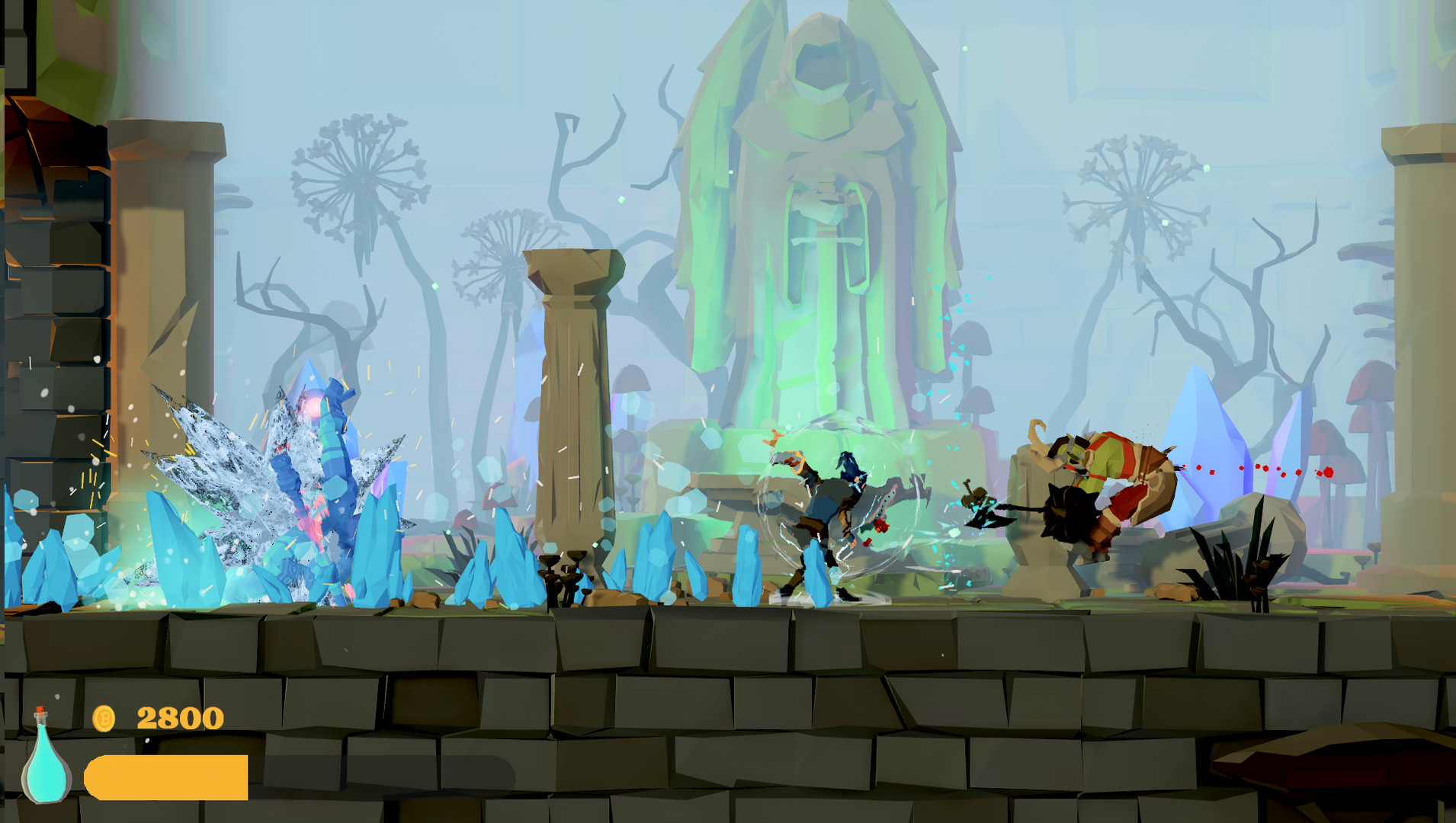
Monthly Archives: April 2021

Journey to Ecrya

Q&A With Ecrya Games

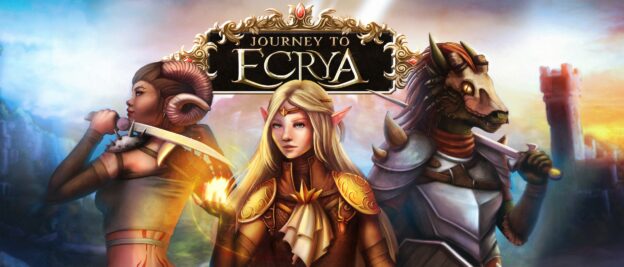
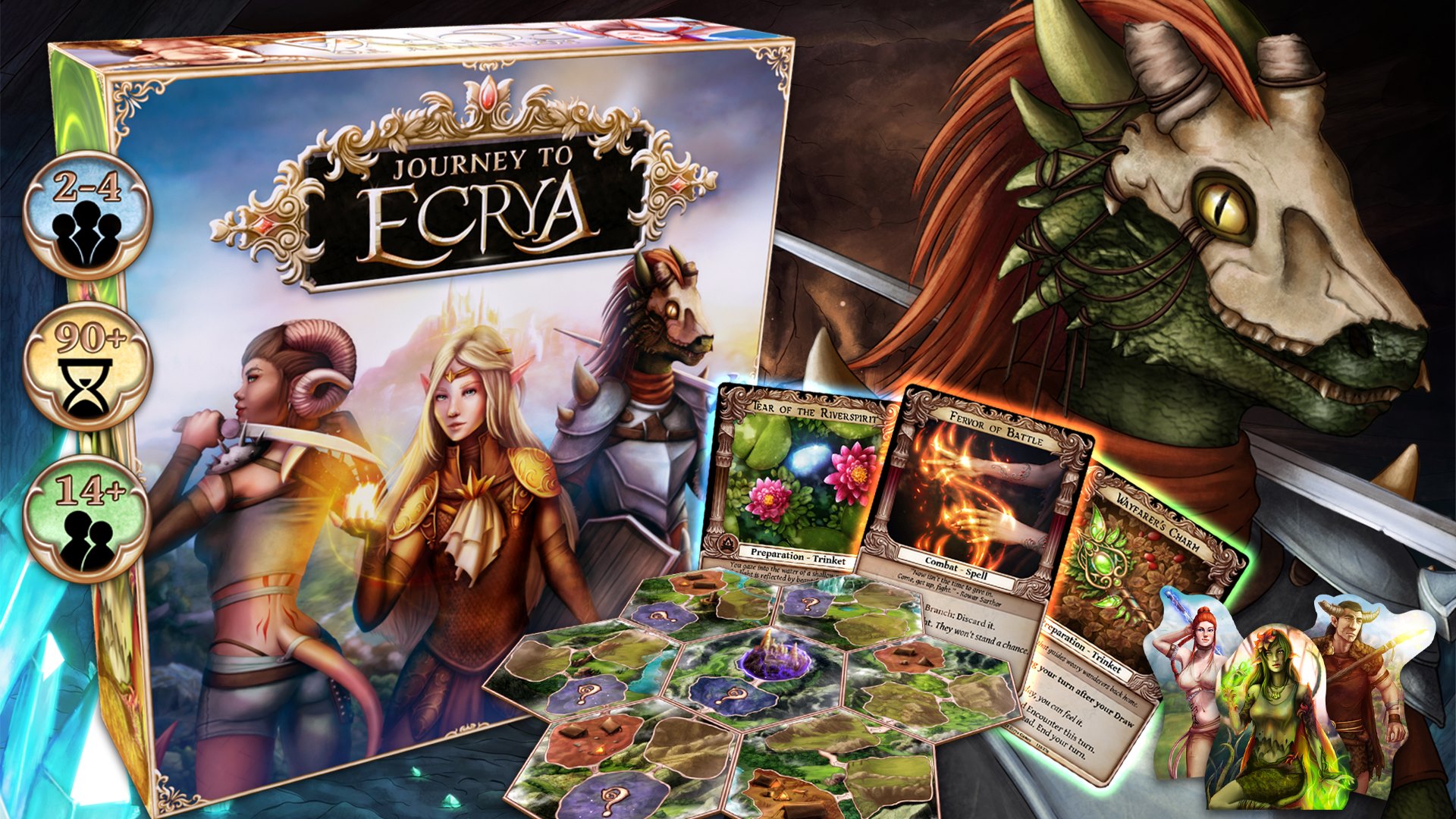
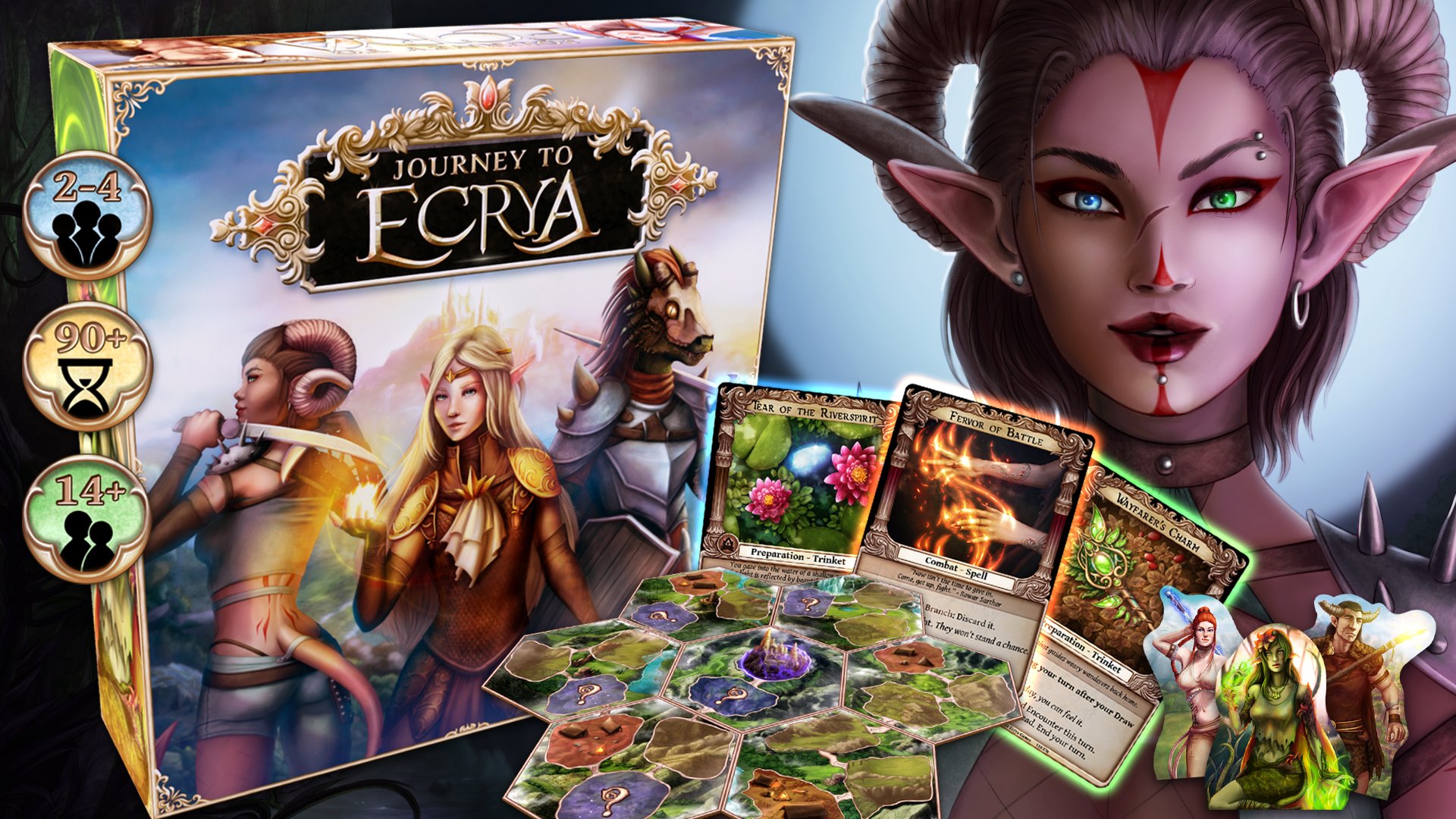
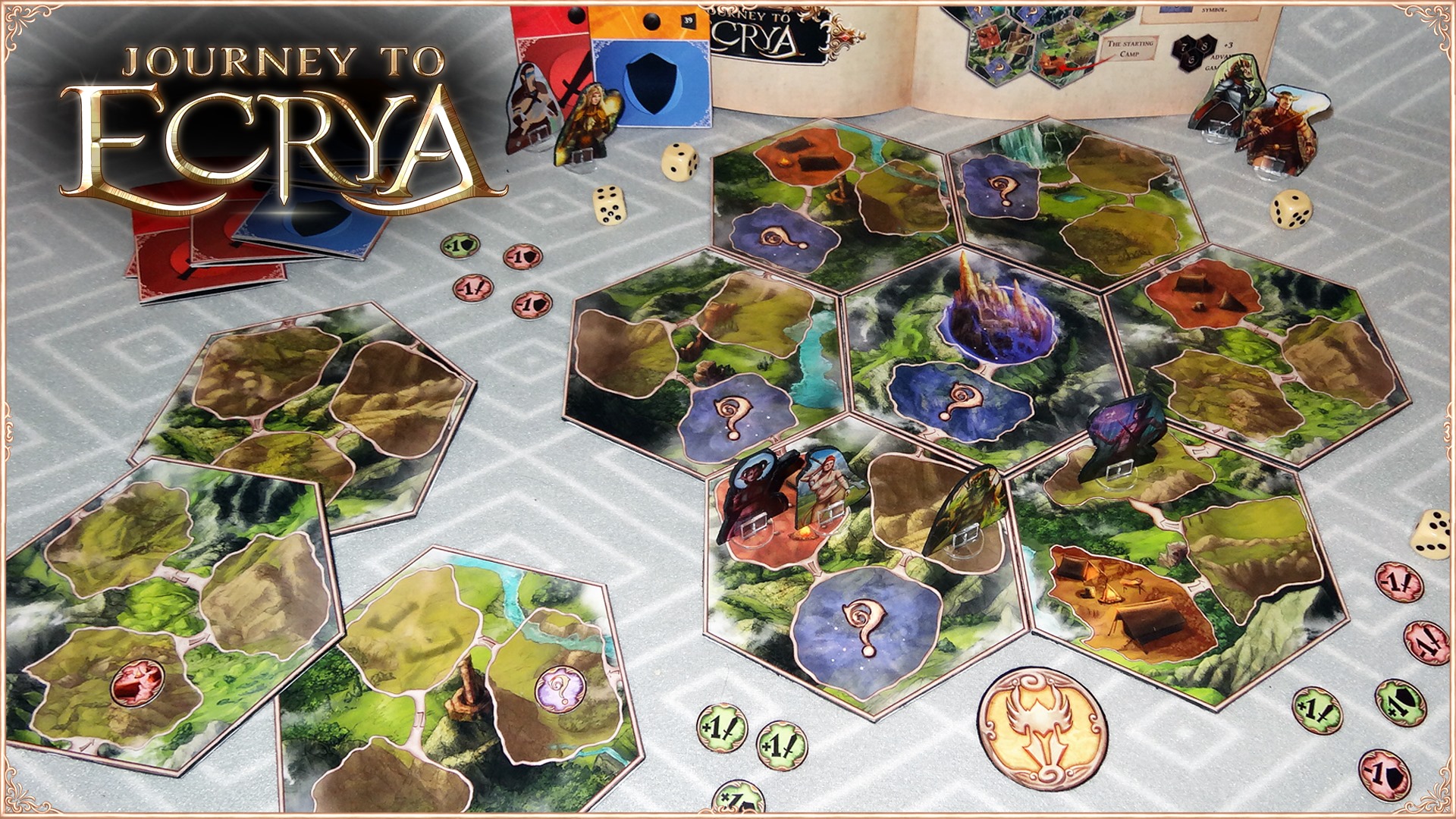
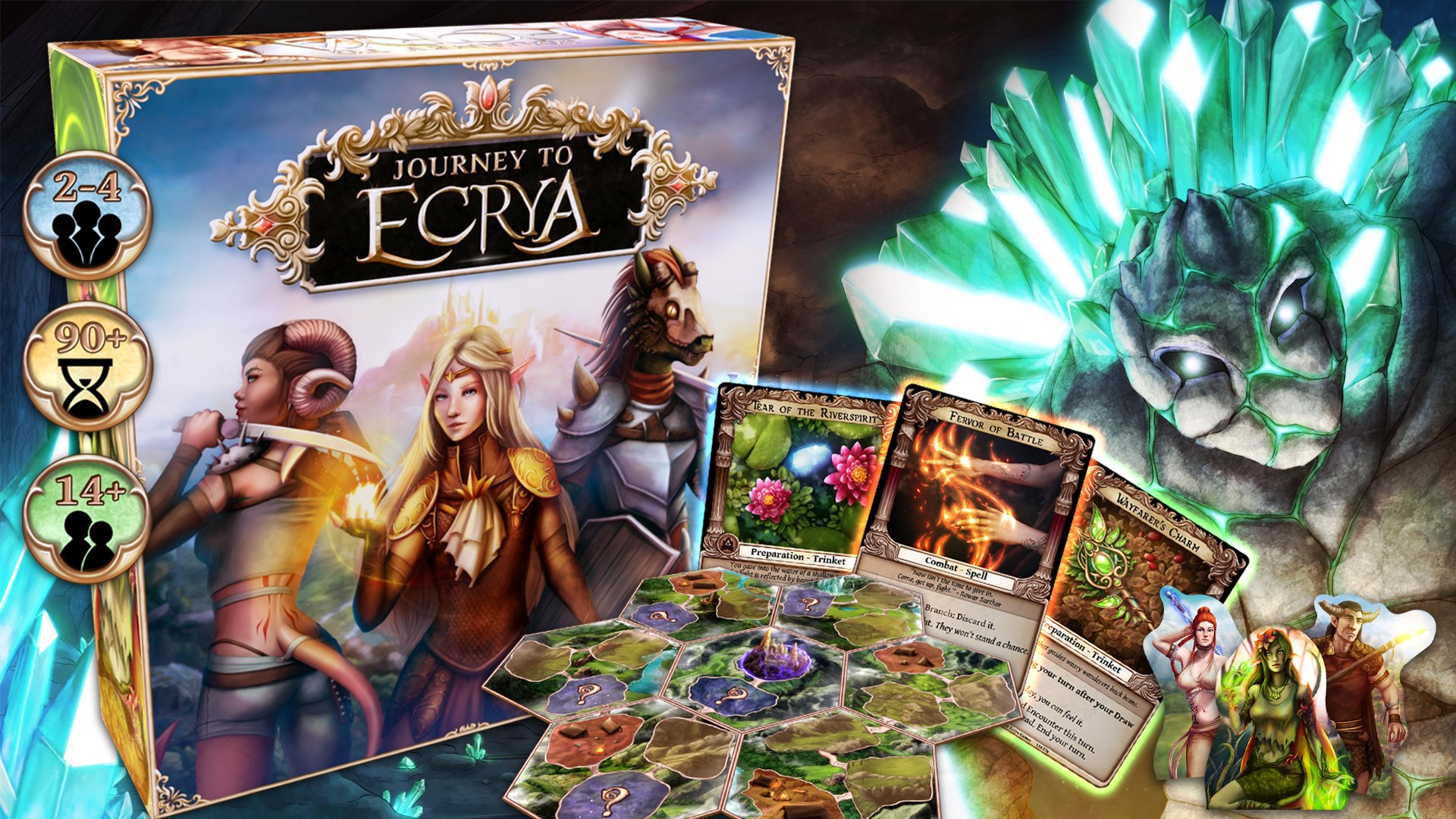
Some time ago, I was approached on Twitter by a pair of aspiring developers working on a game very different from anything I’ve ever covered on this blog. Journey to Ecrya is an upcoming fantasy board game influenced by several examples of high fantasy. Such as The Lord of the Rings and the Munchkin card games by Fighting Fantasy novelist Steve Jackson.

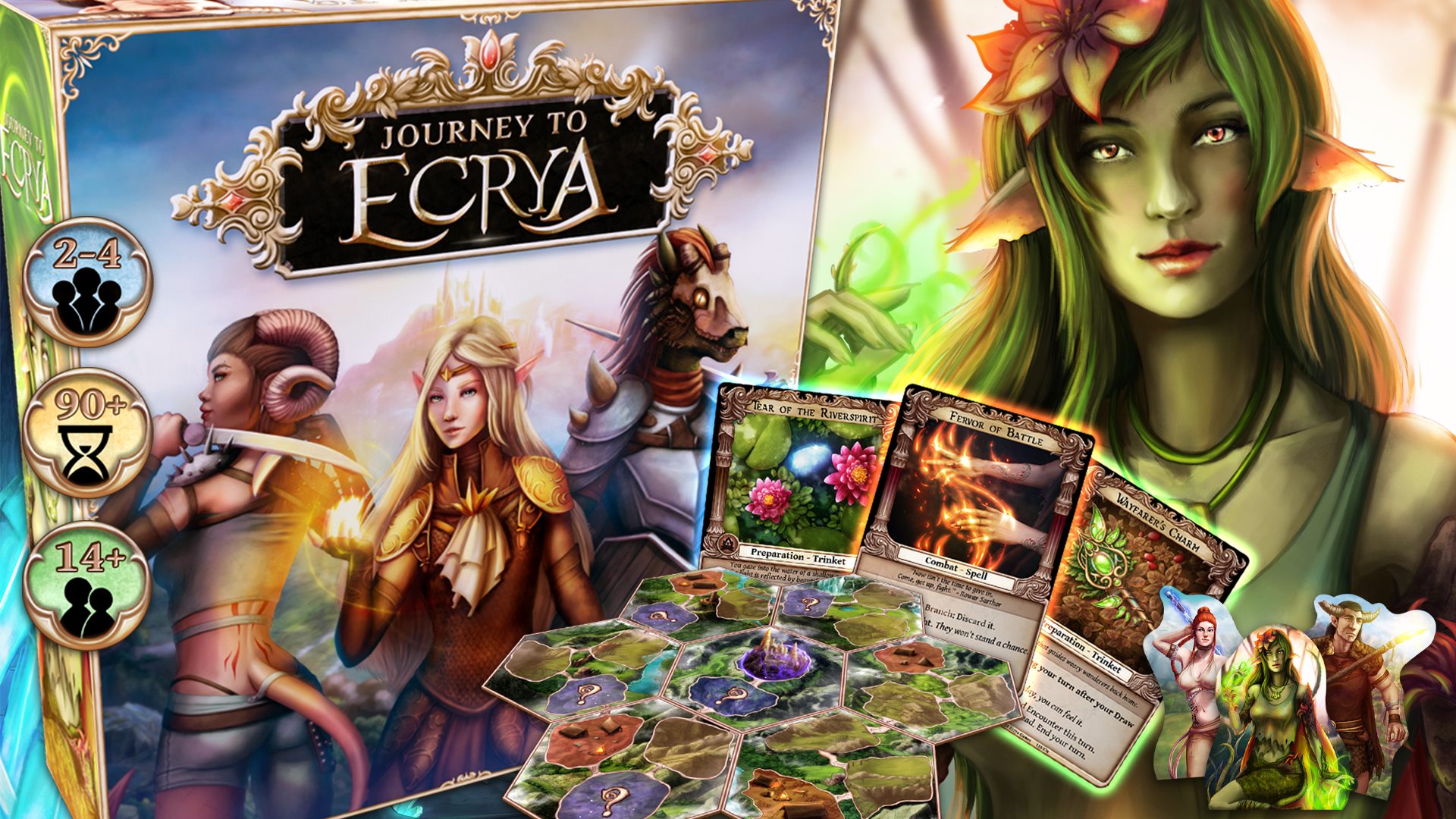
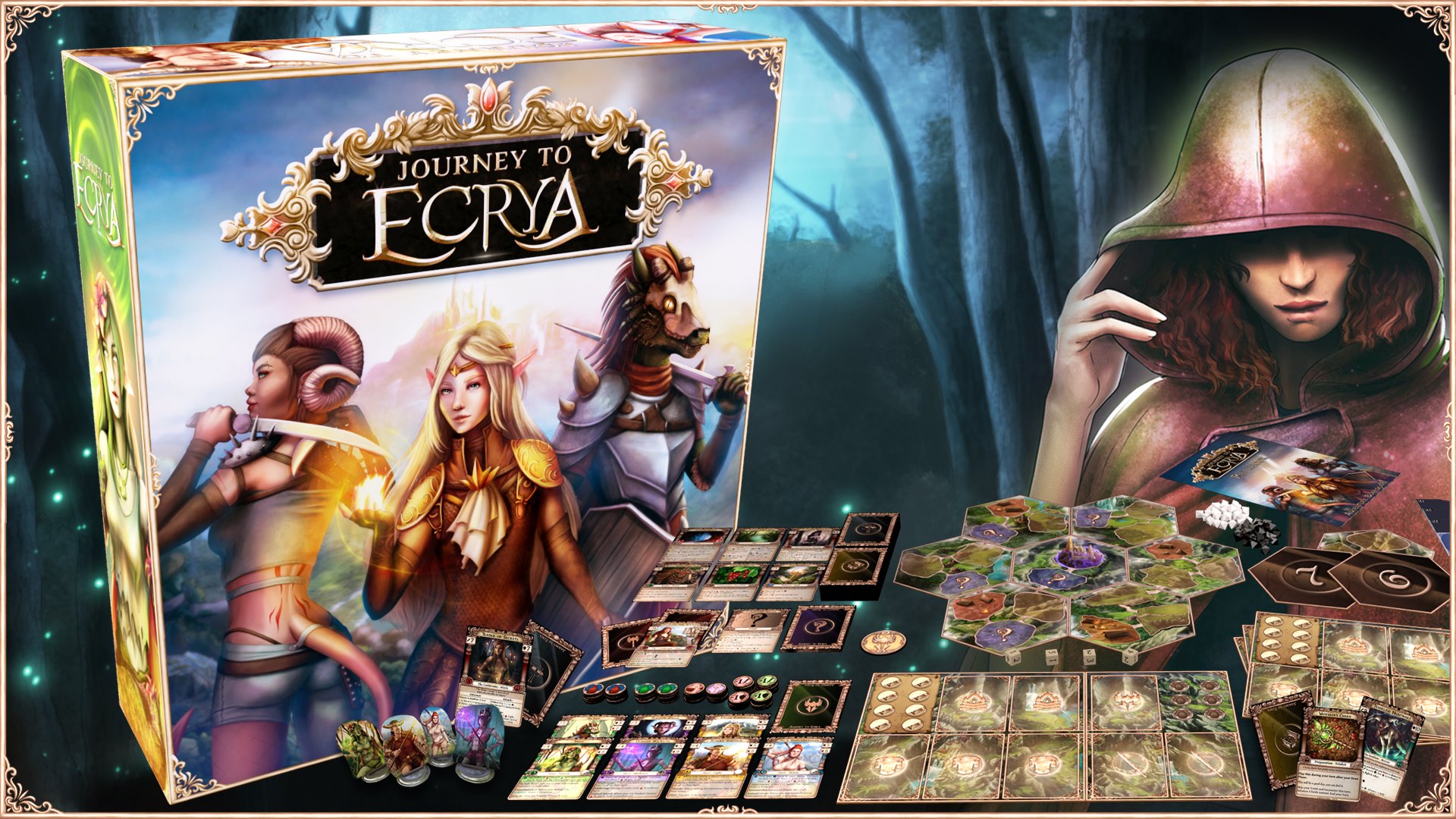
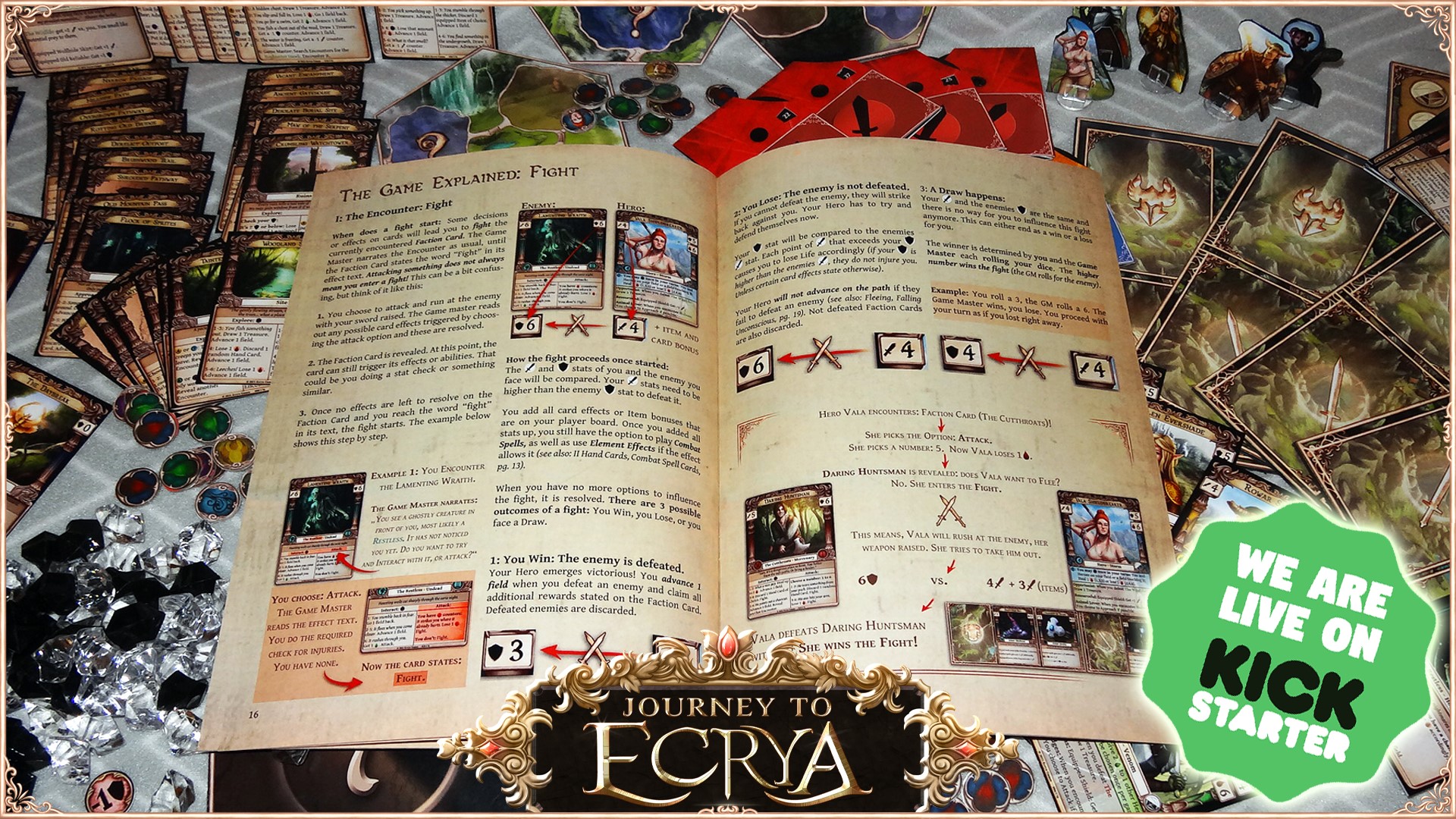
Allowing from 2 to 4 players, participants are given a choice between 8 heroes to choose from and thus traverse the land of Ecrya. Making use of different types of cards, such as Hero Cards, Boss Cards, and Encounter cards, encompasses all the corresponding aspects of a traditional RPG. The priority among the developers is currently to release this as a traditional board game. But they have also ported a preliminary version of it on Steam, with the team having prospects of bringing players a full PC port in the future.

Wanting to bring this game to my attention, the two lead designers of the game, Jessica Schüssler and Kira Bodrova, hailing from Leipzig in Germany, asked me about the possibility of reviewing the game. And I suggested the idea of conducting a Q&A for the opportunity to bring the game to the attention of new potential players. And about the prospects of where this game could go following its physical release. Here’s what Kira Bodrova and Jessica Schüssler had to say about Journey to Ecrya:
Journey to Ecrya 1

What were the influences behind Journey to Ecrya? 

Jessica: I think we had a LOT of them, some maybe even without realizing it. The biggest one for me was Magic. As it was the first fantasy-themed card game I got introduced to wayyy back when. I love the storytelling and cards in epic fantasy worlds combo. That aside, the Munchkin card games, for the “reveal and see what happens” part, because that’s great fun to me. For the travel portion of the game, the basic idea comes from the LotR card game, where you follow the story of the movies and travel through parts of the story.

Then there are the classic Catan tiles we used as inspiration for the board rework because that’s just a smart way to create a “path” while leaving the option of customizing as wanted. I’d say it’s a little sprinkle of a ton of games I played over the years since I was around 16 to 25. I’ll be damned if I can remember them all. Mix in some fantasy elements from PC-RPGs I played and enjoyed, stir for around 3 years. And you get Ecrya somewhere along the line. 

What has the developmental process been like? 

Jessica: A wild ride. It is the first game I designed, so there was a LOT to learn and consider, and a lot of trial and error. Also tons of feedback from all kinds of awesome people. A big thing was the “make something cool, but remember, it has to be doable and not cost two fortunes” part. Like, we had so many cool ideas along the way, and a lot of different opinions on what could be added and such. But can we actually make that into a game? A game that can be produced for an affordable price? Creativity is one thing, and if it were up to just that, we’d probably have a monstrosity of a game by now. Reality checks from good friends now and then and feedback from awesome people in the industry helped a ton there. 
Journey to Ecrya 2

How close are we to seeing the finished product? 

Kira: It’s hard to put it in terms of an actual time frame since we both have to find ways of paying our rent. Sometimes this means taking up a lot of freelance work. And not being able to work as much on the game as we would like to. That being said, we have the hardest part of the development figured out and set. That’s the mechanics and the whole concept. The game is balanced, all items, heroes, and so on are thought through. We are ready with the designs, layouts, etc. 

Jessica: As ready as we can be, I guess! We’ll have to wait and see how well received the game is once played by a wider audience, of course. Small changes here and there are to be expected before the final print. Thinking of some wording here and there, updating pictures, a big ol’ spell check by more people for the rule book, and so on. 

Kira: What we need to finish now is the artwork for the cards; we are finished with about half of them. We don’t want to just slap the artworks on; we want them to let you dive deeper into this fantastical world we created. Even though the artwork is a small part of a board game, it’s still a part, and we want to put the effort into making it great and not just functioning. The second task is fine-tuning every card effect. Especially the Encounters and Event Cards are still missing that fine cut in the wording. And we want to add more fun options for more replayability. But this is just a small task compared to what we have already created. 

What has been the most exciting aspect of development? 

Kira: For me, the most exciting aspect was and is to try out every major change we made in the game to see if it’s actually improving the game the way we anticipated. And in general, seeing our game coming to life. With each finished artwork, with each final design, with the handmade prototype we spend hours making – and then holding the components in our hand. It’s a joyride for sure! 

Jessica: Finding out while playing how well the things I put together in my mind actually work out in action, I think. We made some pretty hilarious mistakes along the way. And during play, I sometimes sat there like: “Did I… did I write this? Oh F…” And of course, seeing what others do when handed the game and the rules. Like, players come up with the greatest ideas sometimes. I didn’t even think of some of the stuff that play-testers wanted to try or just did because the rules didn’t say to. Certainly opened my eyes to what a range of things a dev has to consider sometimes. 
Journey to Ecrya 3

What has been the most challenging aspect of developing Journey to Ecrya? 

Kira: Sadly, that has been marketing for us. We really love our game, we believe in it! But since we’re both the opposite of outgoing people, we really struggle to share that enthusiasm that we’re actually feeling. 

Jessica: That, and play-testing. We had to abandon the live tests at the start of 2020, so everything after that was online testing, thanks to the whole pandemic situation. It’s certainly harder to read people’s reactions to something just over a mic and screen. And it’s a totally different atmosphere over the internet, too. Nothing compared to the game night where we sit around a table sharing snacks. 

How well has Journey to Ecrya been received so far? 

Kira: Of course, reviews are mixed when you scrape at the role-playing genre, but don’t really dive into it. Nevertheless, most feedback was really positive; people had great ideas and input on how to make it even more fun. People who played the game, for the most part, really had fun with it. Or they found very constructive ways of telling us what they were missing. 

What platforms are you looking to bring the game to? 

Kira: Since it is a physical card game, we’re focused on bringing it to life in print first. We have a free Tabletop Simulator demo version of the game. And we’re working on setting up Tabletopia. If the demand is big enough, we want to create a standalone digital version of the game on Steam. But that’s a matter for the far future!

On the game’s Twitter page, I can see there has been quite a lot of interaction between you and other developers. Have any other developers, in particular have offered feedback regarding Ecrya? 

Jessica: Over time, we had the luck to meet some very awesome people with very awesome projects! It’s certainly exciting to get to share ideas and look into other games and their development. We are part of some very awesome Discord communities and groups all over the internet. At the start, it was hard to get noticed at all. It still is, honestly.

I think we really did get lucky to meet so many cool people, and we hope there will be many more in the future! I don’t want to call any dev team out in particular. But we got some very good and honest feedback over in our own Discord server, as well as in designated Facebook groups. We also made it a point to join many webinars during development to expand our horizons and get outside views of the whole industry. BackerKit had some amazing people in their free webinars this year, for example, with great Q&As at the end.
Journey to Ecrya 4

From one cat lover to two others, has Merlin inspired any aspect of Journey to Ecrya’s conceptual design? 

Jessica: He’s not the only cat involved in the development, and they all were very amazing help. Especially when they roll around on your prototype, shoot dice through your room, or try to catch the pen you try to draw with on the tablet. I don’t know where I’d be without their help and friendly input, honestly! I didn’t give them the honor of being part of a card just yet, but I think I will sneak them in there somewhere for sure! 

Have there been any ideas at this stage of development that have since been scrapped or reworked? 

Kira: A lot of them! We reworked quite a lot from the first Kickstarter to this one. Starting with the game board, which now consists of tiles that you can place to create your journey instead of a fixed board. We reworked the Encounters, or rather the options that you have countless times, and aren’t done yet refining them. To name a few of the countless ideas that we scrapped due to many reasons in the process: A wandering shopkeeper that has some special equipment that you can buy with coins, collected from killing monsters. Fist-fighting with other heroes whenever you both are in a camp. Traps that you can find at different locations and place them on the map to hinder others (or yourself). 

How instrumental has player feedback been in terms of shaping the course of Journey to Ecrya? 

Kira: It’s been very important to us. With the first Kickstarter launch, our game looked completely different from how it looks now. And we were pretty satisfied. It‘s all the feedback we got then, and further from many, many playtest rounds that made us decide to change that much. We’ve been listening to what the players want, and if a majority agreed, we worked out how to make that change fit into our concept. We haven’t regretted a single change yet. 
Journey to Ecrya 5

As two female developers, what are your opinions on the history of women in the video games industry, and are there any particular historical women in games that you look up to? 

Kira: We are highly aware of the history of women in high positions in any industry, not just in video games. While gaming was and still often is considered a male-dominated area, there were always some women working in the industry. Sadly, their names were very rarely promoted, which has lots of reasons, and I don’t agree with most of them.

That said, it was never about gender for us. We don’t have role models in the industry that we want to follow. It’s not about proving anything or fighting some battles. This, Journey to Ecrya, our dream of creating games – it’s about doing what we love. We love gaming, and we want to create games that others will enjoy as much as we do ourselves! 

If you had the opportunity to develop a game with any company or for any franchise, which would it be, and why? 

Kira: I’m more of a computer game nerd myself, so for me, it would be 11 Bit Studios (based on their first game, This War of Mine). I really love those story-driven games. And it would just be an honor to be working on something like that. 

Jessica: I’m not picky! Working in a great team to make a great game sounds like an awesome idea, no matter who. Honestly, I can’t think of anybody, in particular. There are too many awesome dev teams out there right now. It’s hard to keep track of all the cool projects in the making this year alone. 
Journey to Ecrya 6

Do you have any advice for aspiring developers who may be reading this? 

Jessica: We are first-time devs and have yet to see our planned Kickstarter succeed, so I can’t really give any advice on how to make something great that people will love. We’ll talk about that again in a few months! What I can say is that you should take your time in developing your game or project. You’ll have so many great ideas and so many creative opportunities, and it can become a bit overwhelming. You want to include it all and might end up making a jumbled mess accidentally, instead of making improvements.

So take your time, ask for feedback, and listen to it. Some of it can be harsh, especially on the internet, but most of it has something you can draw value from in it. What else? Ah, sometimes I get lost in the details and try to make something perfect. Just like it is in my mind (spoiler alert: it never works). That’s not smart or helpful for the project in most cases. As my art teacher told me long ago: “Done is better than perfect”. It’s something I need to remind myself about frequently, so you might need to hear that as well. 

Where on the Internet can people find Journey to Ecrya? 

Kira: We have our own website, but are most active on our Discord Server and Facebook. We have a monthly newsletter, where we keep the subscribers up to date on the development process! 

https://www.journeytoecrya.de/ → newsletter 

https://www.journeytoecrya.de/?page_id=158 

https://discord.com/invite/zPJVEFB 

https://www.facebook.com/JourneyToEcrya/ 

Our Kickstarter will go live on the 6th May 2021, and you can follow the pre-launch already to get notified once we’re up:

https://www.kickstarter.com/projects/journeytoecrya/journey-to-ecrya-a-roleplay-drivenboard-game-0 

We also have a Twitter, YouTube, and Instagram account, where we upload images/videos and updates. 

https://twitter.com/EcryaGames

https://www.youtube.com/channel/UCKmmc5wivRTrjhtm84eBdnQ?view_as=subscriber

https://www.instagram.com/journey_to_ecrya/ 
Journey to Ecrya 7

Do you have anything else to add? 

Jessica: Nothing I can think of right now. Maybe we can use this to sneak in a little shameless self-advertisement and ask you guys for a share here and there? Maybe you have just the kind of board game friends who would love our game? Who knows! In any case, thanks a lot for reading and also for the interview. We’d love to see you guys during the Kickstarter campaign. Cheers!

I’d like to take this opportunity to thank both Jessica and Kira for appearing on the blog and telling us more about Journey to Ecrya. This was a very new experience for me in particular, as I’ve never covered the topic of a board game on the site before. And it certainly made for a wonderfully refreshing experience. It makes me even more excited for when a full PC port is possibly released. A review of this game will be coming to the site as and when that may happen. But in the meantime, I hope you guys check out Ecrya Games for yourself. And I hope you enjoyed learning about this new game as well as experiencing something very different from what is covered on the blog.

Game on,

Scouse Gamer 88
Assassins Creed

Assassin’s Creed (PC, PlayStation 3 & Xbox 360)

Developer(s) – Ubisoft Montreal

Publisher(s) – Ubisoft

Director(s) – Patrick Desilets

Producer(s) – Jade Redmond

PEGI – 18

Released in the holiday season of 2007, and originally intended to be released as a Prince of Persia game following the success of Prince of Persia: The Sands of Time, Assassin’s Creed marked the start of an even more prolific series of games. Whilst the first game was met with generally favourable reviews at the time, future entries would go on to establish it as one of the definitive IPs of the seventh generation of gaming. And going on to provide a basis of sorts for several games made throughout both the seventh and eighth generations. Including Batman: Arkham Asylum and Middle-Earth: Shadow of Mordor. As for my own personal opinion on the original game, it is admittedly quite typical. I feel that whilst it was a very decent game overall, the best of the series is yet to come.

Graphics – 8.5/10

Set primarily in the Holy Land during the Third Crusade, the vast open world is lovingly crafted to represent the structure and architecture of three primary cities: Acre, Damascus, and Jerusalem. The attention to detail of what these locations would have looked like during this era is staggering (something the developers of the series would become renowned for as it would go on), and though the visuals on the technical level perhaps haven’t aged quite as well as other entries in the series, they were nevertheless cutting-edge for the time. And the game is still a joy to look at on the conceptual level. 

Gameplay – 8.5/10

The object of the game, as the name suggests, is primarily to carry out assassination missions. Players gather information by pickpocketing, eavesdropping on intriguing conversations, and can take advantage of several different weapons and methods of combat to carry out each kill. But apart from that, there are also various side quests to be completed throughout each of the cities. Which improve the player character’s abilities. The player is also given access to new weapons and abilities after each main assassination throughout the story.

Such as throwing knives and additional armour. Again, more features would inevitably be added with later instalments of the Assassin’s Creed series. But as far as this game goes, this provided more than just a blueprint for that. It provided players with an immensely addictive experience, going further than what Prince of Persia: The Sands of Time did. I always thought personally that The Prince of Persia revamp of the early 2000s could’ve done with a game being set in an open world. And this was Ubisoft’s answer to that concern. 

Controls – 9/10

The control scheme was almost perfect, which was relatively impressive, given that truly nothing like this game existed beforehand. But the biggest issue I had with it was the one-on-one combat system. It works similarly to what it does in The Legend of Zelda: Ocarina of Time. And with players locking onto one target at a time to attack them, whilst also being able to counter-attack other surrounding enemies in the process.

Whilst it would be refined in later Assassin’s Creed games, I found it to be somewhat flimsy at times in the first. And it was at these points that I could tell that it was a new idea that needed tweaking if the series was ever to progress past this game. Luckily, however, the rest of the game’s mechanics were handled brilliantly. Movement across buildings, streets, and rooftops is extremely fluent. Which, again, was impressive given that the idea was a relatively new thing at the time.

Lifespan – 7/10

The biggest disappointment that comes with the first Assassin’s Creed game, however, is the amount of time that it lasts. Whilst not being criminally short, it clocks in at around a total of 30 hours. Which is good. But nowhere near the time it could’ve been made to last with the inclusion of a few more side quests. As again, later games in the series would demonstrate. Especially given how the size of the team expanded throughout the game’s development.

Storyline – 9/10

The story of Assassin’s Creed is something that would become disjointed over time. But the first laid the foundations for something that could’ve been much more special. It begins with the main character, Desmond Miles, having been imprisoned by an organization named Abstergo. They intend to uncover ancient secrets hidden in Desmond’s ancestral past through a VR machine known as the Animus, which allows the user to experience the lives and events of their descendants. The experiment’s overseer, Warren Vidic, uses Desmond and the Animus to tap into the memories of Desmond’s ancestor, Altair Ibn-La ’Ahad. Who was a senior member of an organization known as the Assassin Brotherhood. Following a failed attempt on the life of Robert de-Sable, Altair is stripped of his rank. And ordered to carry out various other assassination missions to restore his status and reputation among the brotherhood. 

The events of the story, from the perspectives of both Desmond and Altair, unfold into something that will be completely unexpected by players. It truly helped massively to make this game stand out as a hallmark in telling an effective story in gaming throughout the seventh generation. Although fans of the series have had mixed reactions to the directions in which the story was taken, later on, there can be no doubt that the story in the original game was expertly presented. It’s exciting, tense, and suspenseful. And without spoiling anything specific, it ends on a masterfully executed cliff-hanger that you will not believe.

Originality – 8.5/10

Despite Assassin’s Creed having its many influences, such as Ubisoft’s own Prince of Persia and Grand Theft Auto, the fact of the matter is that this series has always delivered something unlike any other before it. And it was all very effectively perpetuated with the original game. Since I first played through it, which was many years ago, I’ve come to have a newfound respect for the original game. And everything that is accomplished at the time. During the series’ early years, especially after the release of Assassin’s Creed II (which remains my favourite instalment), I used to look at the original game as being simply the inferior blueprint. But after having played it again recently, I’ve since discovered a new appreciation for it.

Happii

Overall, Assassin’s Creed, whilst not being the best game in the series, remains one of the defining gaming experiences of its time. It’s a game that still holds up, despite its few flaws. And I recommend it to anyone looking to revisit a seventh-generation classic. 

Score

50.5/60

8/10 (Very Good)

Monster Tribe

Q&A With Reece Geofroy

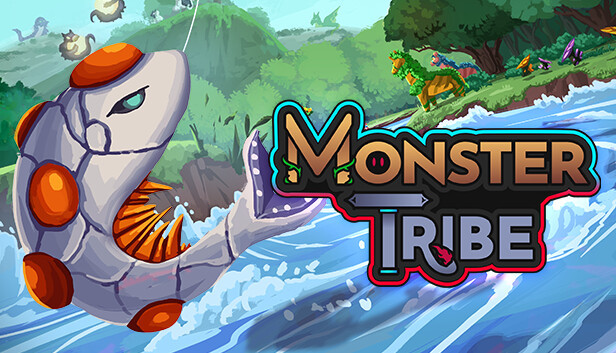
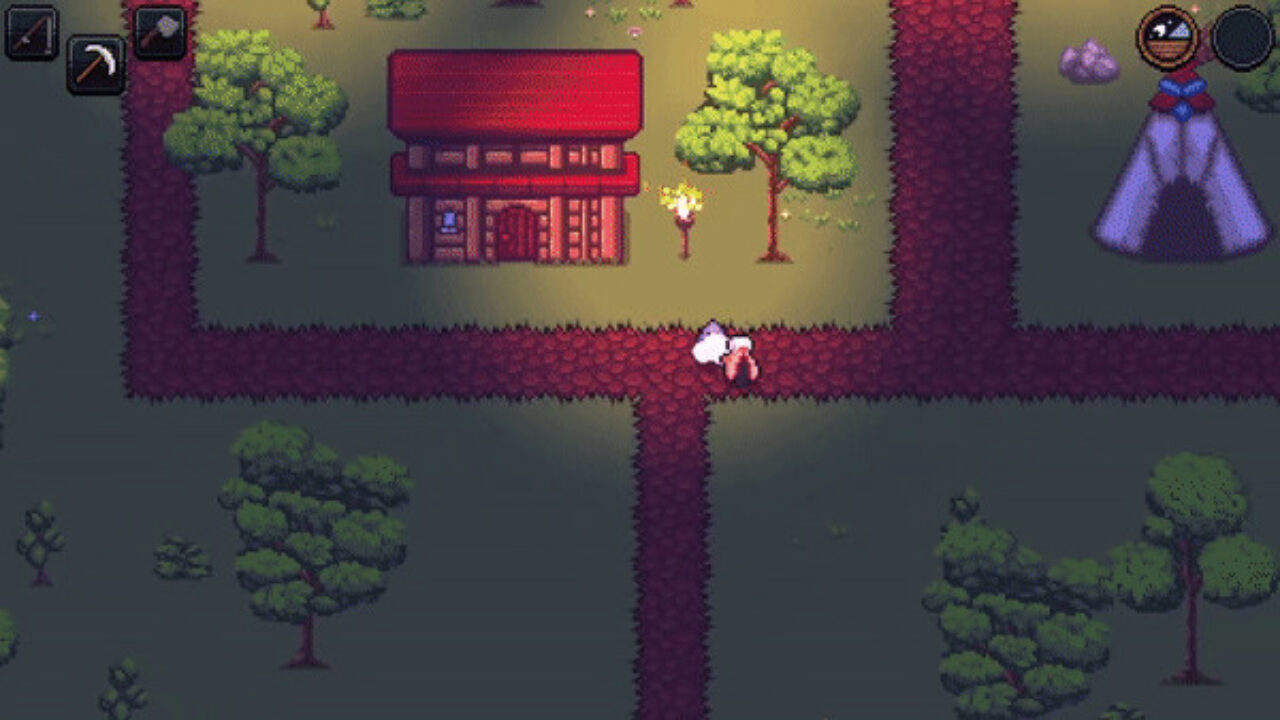
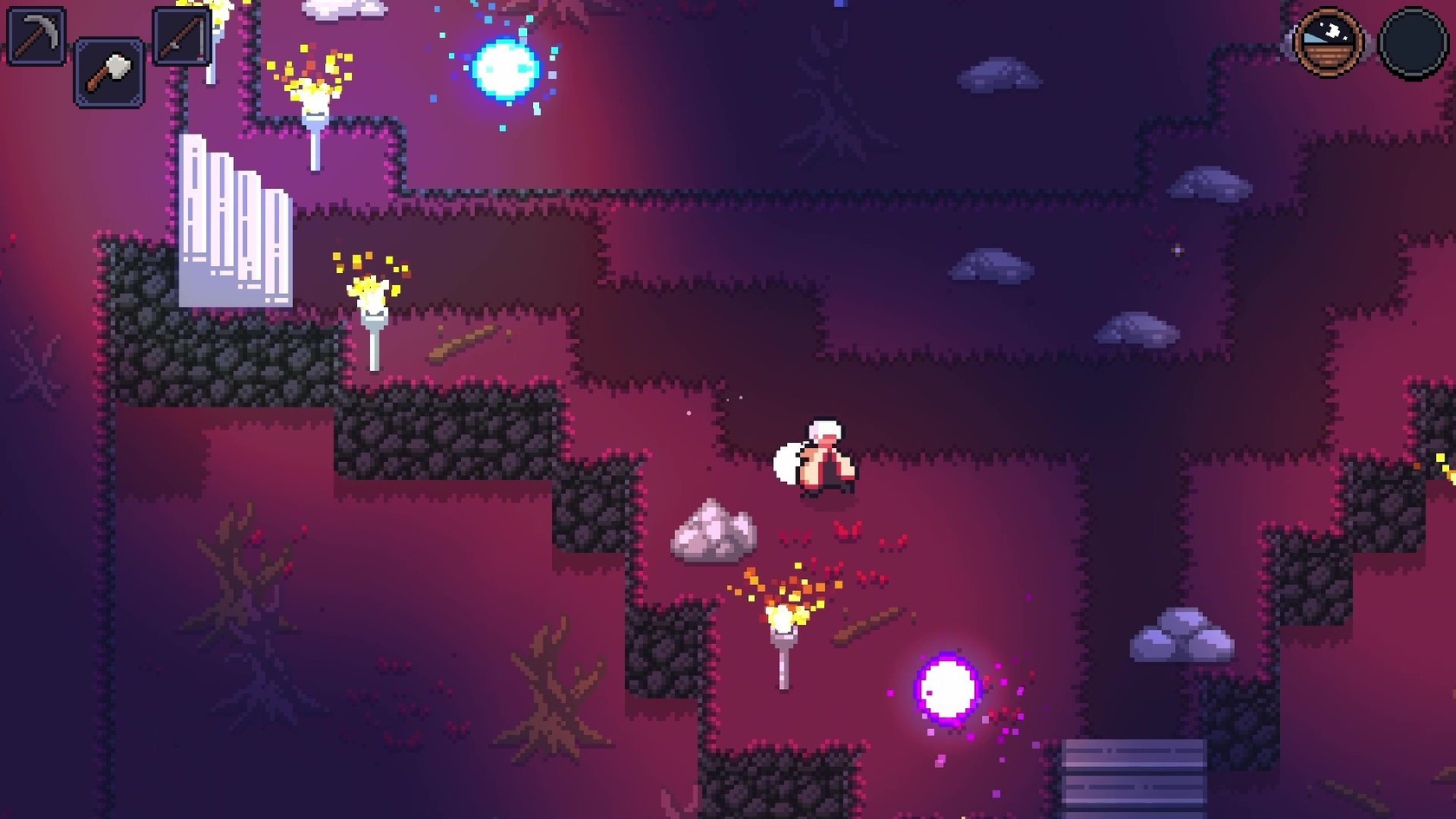
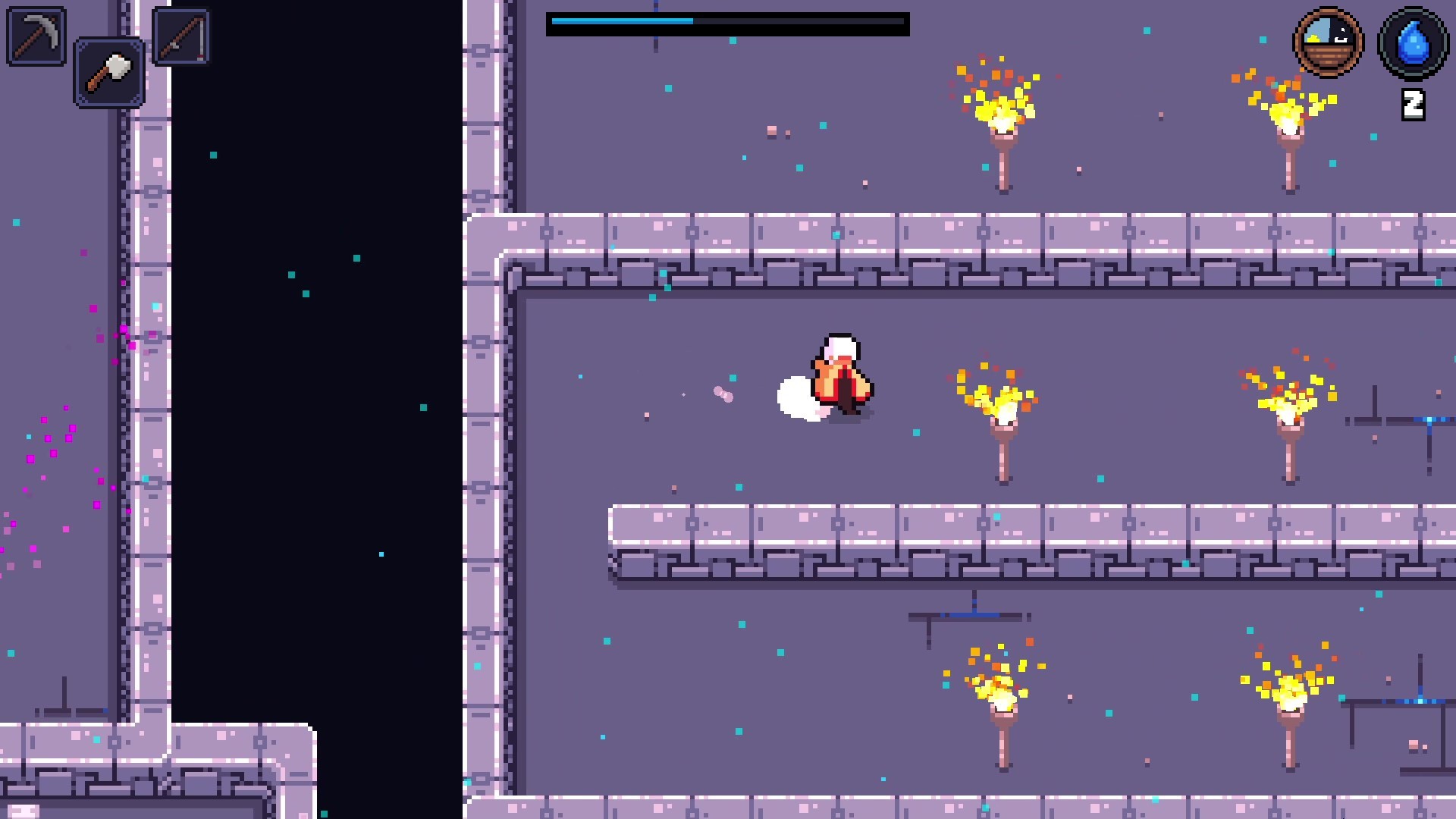
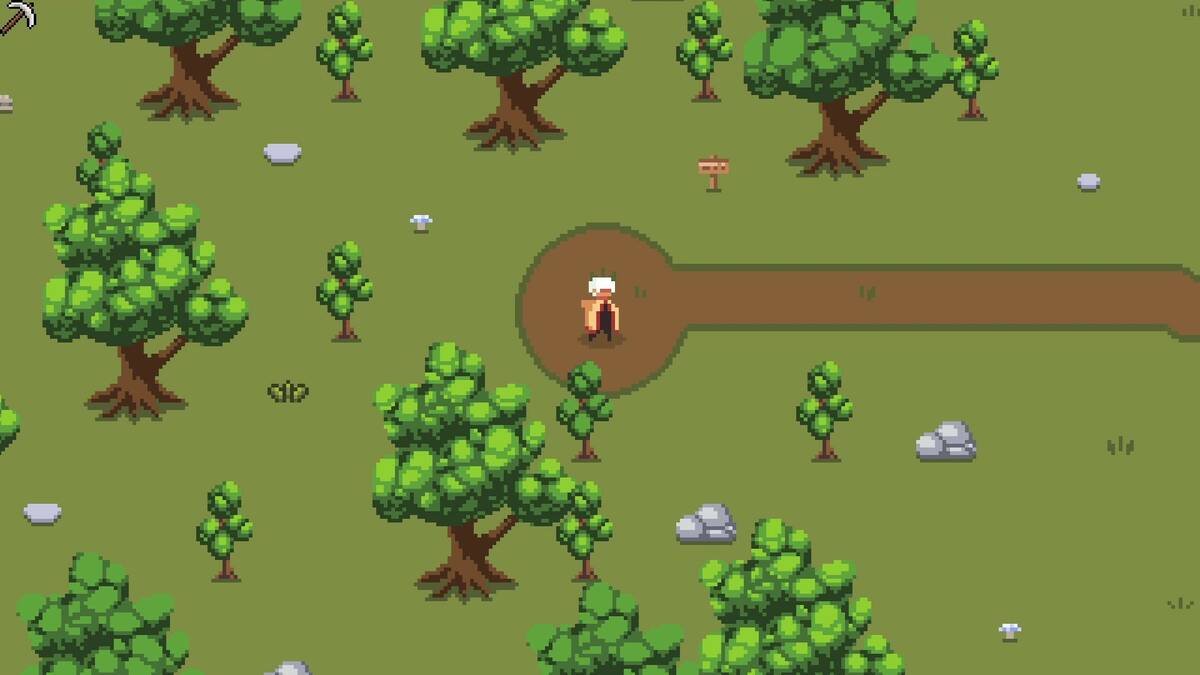
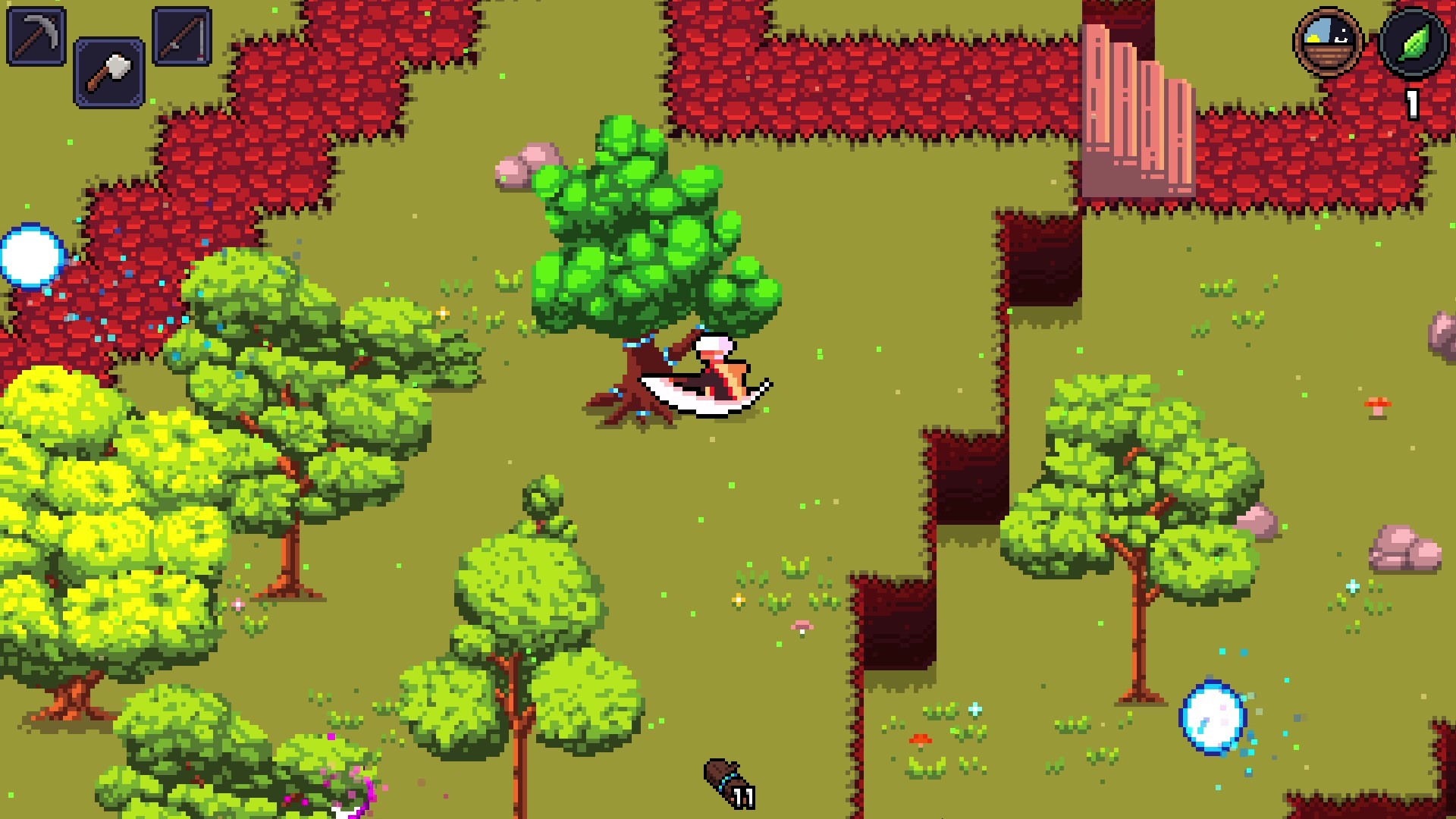
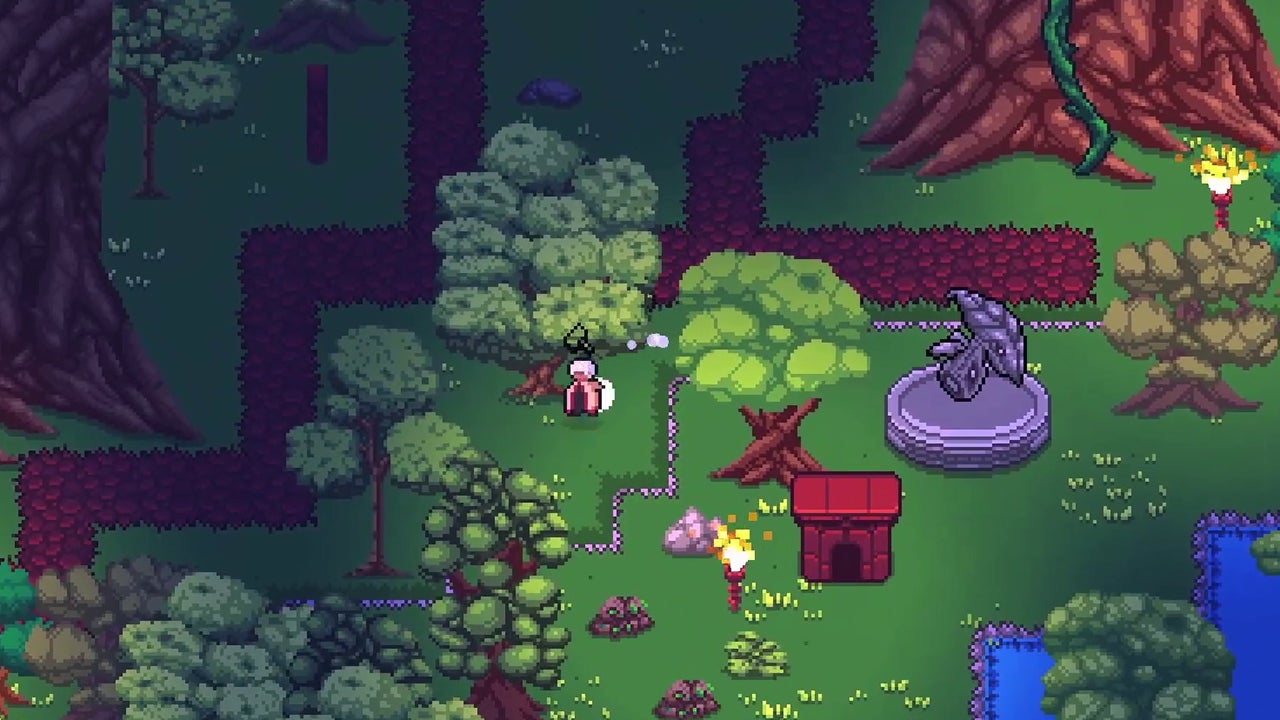
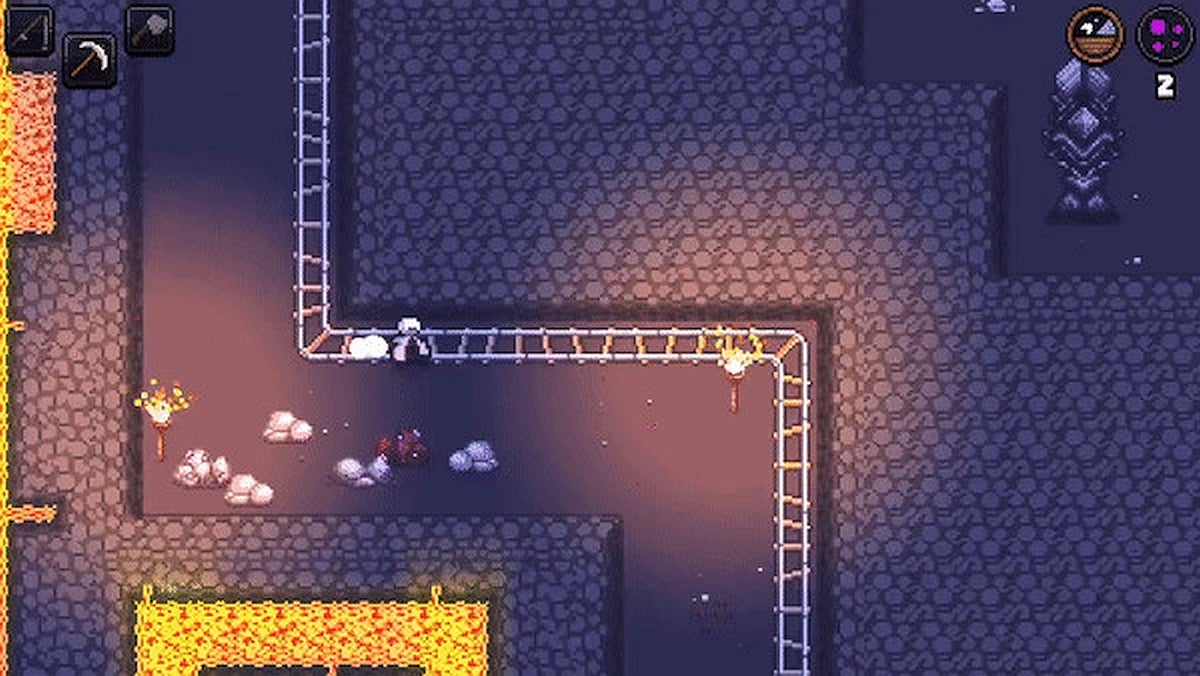
Whilst once again scouting for more indie gaming prospects on crowdfunding and social media platforms, I came across a turn-based RPG with an already exceedingly elaborate development cycle behind it. Monster Tribe, once named Monster Tower following several changes to the project, is a turn-based RPG reminiscent of Satoshi Tajiri’s Pokémon series. But with very different gameplay elements. The turn-based combat system is something very unique compared to those found in classic games in the genre, such as the Final Fantasy games, Grandia, and Chrono Trigger. It takes place in a world inspired by other classic gaming sagas, such as The Legend of Zelda.

Developed by Boundless Games based in Hamilton, Ontario, Canada, the game has been in development for some time. And has been chronicled extensively ever since development started. Desperate to know more about this game, I contacted the lead developer, programmer, vlogger, and freelance artist Reece Geofroy. I asked him a series of questions regarding the development of the game, the long and arduous development process. And the upcoming Kickstarter project. As well as how his past developmental experiences and feedback from others have helped shape the project into what it is today. And what it will eventually become. Here’s what Reece Geofroy had to say about Monster Tribe:

Monster Tribe 1

What were the influences behind your game?

As a kid, I grew up on Nintendo games, so I have been heavily influenced to create products that invent something new. Take a genre and turn it on its head in any small way possible! Zelda and Pokémon were specific games that inspired this project. But I feel we are influenced by everything that happens throughout our lives. Everyone will be exposed to slightly different experiences and perceive things a little bit differently. I also loved the atmosphere of Hyper Light Drifter. And I loved the gameplay mechanics of Slay the Spire. Small ideas from each of these games can be found in Monster Tribe. But we are doing our best to create a unique experience for players to get immersed in.

What has the developmental process been like?

Monster Tribe has been the biggest, most complex project I have worked on as an indie developer. So the ride has had a lot of ups and downs. I started a series on YouTube for the game, and people fell in love with the game’s initial idea. It sparked new ideas. And so a lot of revision was necessary to get the project to where it is now. The art style of the game changed more times than I can count on 1 hand, and the project’s scope has adapted several times to stay up to date with my lifestyle and the team’s vision. We are very set in what we plan to create now, though. So development has been busy and a little hectic, but manageable and overall a successful experience!

How close are we to seeing the finished product?

We are expecting to finish Monster Tribe for Q4 2021, but the scope could slightly change depending on how well our Kickstarter Campaign does, so Q1 2021 – Q1 2022 would be the expected release!

Monster Tribe 2

What has been the most exciting aspect of developing Monster Tribe?

Growing an audience on YouTube and becoming a full-time entrepreneur/freelance artist! I have always envisioned myself working on something I am passionate about and owning my own company. So even though technically the game itself hasn’t paid me for my hard work yet, I have grown an incredibly supportive community and have upgraded my skills as a project manager and game programmer. And pixel artist immensely throughout the project to be able to play like a professional and make money off of what I love to do. Make videos for fans, create art, and design video games!

What has been the most challenging aspect of developing Monster Tribe?

Working with feature creep and over-scoping the project. As creators, we often find ourselves designing with endless possibilities of ideas. It’s easy to create a concept and expand it. But the challenge comes with actually creating the finished product and not losing purpose halfway through. Working in a team can also make it difficult to include everyone’s ideas and make everyone feel heard. But at the same time, the project needs to have limits and has to be kept grounded for it to be feasible and made into a finished product.

How well has Monster Tribe been received so far?

Between the fans on YouTube and Twitter, the sites that have covered our game. And the interviews I have been invited to. And the continual growth of the community, I would say, the game has been received well. With small constructive feedback helping shape the game into what it is today.

Monster Tribe 3

What platforms are you looking to bring the game to?

Steam/PC is our top priority, with a keen eye on the Nintendo Switch. This ultimately just comes down to how much the project gets funded for us to port the game, and if Nintendo will accept our project onto their platform. We have high hopes for the console release. But we can’t be certain until further on in development.

Will the Kickstarter campaign have any stretch goals? If so, what can you tell us about them?

Our goal is to raise CAD$15,000 for our game. But we have stretch goals going into the six-figure range. We will have small stretch goals to keep the raised amount exciting, with big goals every $25,000! A few stretch goals you can expect would be raising the total number of monsters, items, and fusions you will find in the game, hand-made HD wallpaper art cutscenes, and an expansion to the overall island map size with new areas to explore. And quite a lot more to be held back until the Kickstarter’s launch!

Have there been any ideas at this stage of development that have since been scrapped or reworked?

MANY! To name a few. Changing the art style a handful of times to different styles of pixel art and sprite stacking methods. Reworking the battlefield design on 3 separate occasions. And scrapping the idea of a rogue-like gameplay loop as it didn’t fit the real purpose of the goal of what the game is trying to achieve, and more as the devlog series has developed over the last 9 months.

Monster Tribe 4

How instrumental has player feedback been in terms of shaping the course of the project?

Player/viewer feedback has been very important to us. We want to make a game for gamers…not game makers. The people who watch the development unfold have been giving me feedback and suggestions since the initial idea concept. And I have kept strong by replying to all of their comments, researching new ideas from suggestions, and even getting inspired by viewers’ fan art monsters to open up my mind a little more creatively.

Have any aspiring developers watched your coding instruction videos and reached out to you for advice? 

I get a lot of starting developers asking me for help through my live streams, Discord server, and direct messages. At the end of the day, I love what I do for a living, so inspiring others to start a similar journey and giving them my honest advice is something that gives me purpose and makes me feel like I am contributing to something bigger than just myself and my company. Helping others is something I have always wanted to achieve. So I do my best to get back to people and give them my honest feedback in the best way I can.

You mention in one of your YouTube videos that making music proved to be an obstacle for you. Who is composing the music for Monster Tribe, and how has it been coming along?

I brought on a composer, “Lennart,” who has been doing a fantastic job of bringing our ideas to life through sound and music. I initially wanted to create the music and sound design myself. But as the project idea expanded in my mind, I knew it was necessary to get someone with a more fine-tuned skill set on the project.

Lennart was keen on following the Monster Tribe development devlogs. And so when he reached out to me with his previous experience and tracks, I knew this would be a long-term addition that would be necessary. His skills have grown a lot since the beginning of the project. And he consistently proves himself to be beyond what I thought was a possibility for our game. Every new track is a rush of dopamine for my creative vision.

Monster Tribe 5
I’ve noticed over the last few months that there seems to have been somewhat of an influx of developers originating from Canada. Have any other indie Canadian developers reached out to you for advice, or have you reached out to yourself for advice?

I have quite a few development friends from YouTube, some of whom are from Canada. I don’t know why an influx would occur. But I have gotten useful connections to people in my province from these friends. Making new connections is a large part of my job. So meeting people who are in your location is quite interesting and can open up more opportunities!

If you had the opportunity to develop a game with any company or for any franchise, which would it be, and why?

I would still choose to work for my own company, making my games. I feel very lucky to be able to take on all of the different jobs that being a developer entails. But if I had to work with a company, I would love to develop or publish a game under Devolver Digital or Chucklefish! I love their games and believe in the work they do.

What have been the most important lessons learned from prior developmental experiences?

Think small in concept, think big in execution! What makes an indie developer profitable is thinking small in scale. But making the best, most polished version of that idea imaginable. As indie developers, time is our largest restriction on what we can create and how profitable we can be in our careers. We don’t have the time to create a game with endless endings or a photo-realistic art style. We need to work with the limitations we are given. And create something that will blow people away. Through the purity of how well thought out the initial idea and concept are. And how far they can be exploited. That is how successful indie developers are created.

Monster Tribe 6

Do you have any advice for aspiring developers who may be reading this?

Create today, stress tomorrow. Becoming a developer—or any kind of entrepreneur, really—is something that takes a large amount of time, learning from past mistakes. And doing better with every attempt. You can soak up as much knowledge from books, videos, and games as you possibly can. But actually creating is something that can only be experienced in one way. Actually creating something. Don’t let the stress of failure or what comes next define you or prolong your start. Learn from every failure you face. There is never a wrong time to start something new.

For the developers that have already started but are striving for real success, first define to YOURSELF what success really is. Once you understand that success is subjective, you can begin to understand that making a finished game means you are a game developer. Take on the small wins, as they will fuel you to push past the tough times when you don’t receive the praise or funding you one day want to achieve. Set realistic expectations. But get ruthless with the work you put in and the results you work towards.

Where on the Internet can people find you?

People can find me on my YouTube Channel, Twitter, or Join My Discord Server to find out more information about me and my company, Boundless Games. I am currently working on reworking my company’s website, so for now, Discord is the best way to connect with me and the game directly!

Do you have anything else to add?

If you are lost in what you want to achieve in life, just remember that you are not bound to what you think you are capable of. Years went by, and I only dreamt of making games and starting a company. I convinced myself I was “just another kid” and that only “special people” were capable of achieving amazing results. It took me a long time to get to where I am today, but I made my dream a reality, even as “just another kid”. You can control your destiny as hard as it might seem. So don’t blame how you grew up or being unlucky that life didn’t fall into your hands naturally. The most successful people will choose to be successful even when it doesn’t seem possible.

Monster Tribe 7

I’d lastly like to thank Reece for providing such a wonderful and extensive insight into what kind of game players can come to expect from Monster Tribe. And how so many variants have affected the course of development. The Kickstarter will be launching later this month. So if you’re interested in seeing this game come to life, then make sure to back it once the campaign launches. Be sure to also check out Reece’s social media feeds and YouTube channel for the latest news on the course of the game’s development. In the meantime, I hope you guys had fun learning more about this promising title, as I did, to bring this game to your attention and read what Reece had to say for myself.

Game on,

Scouse Gamer 88
Blu

Q&A With Damien Robinett

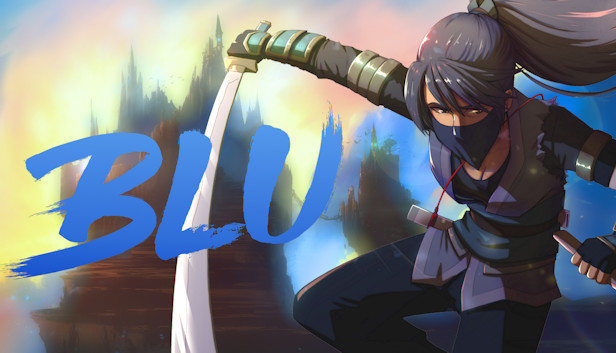
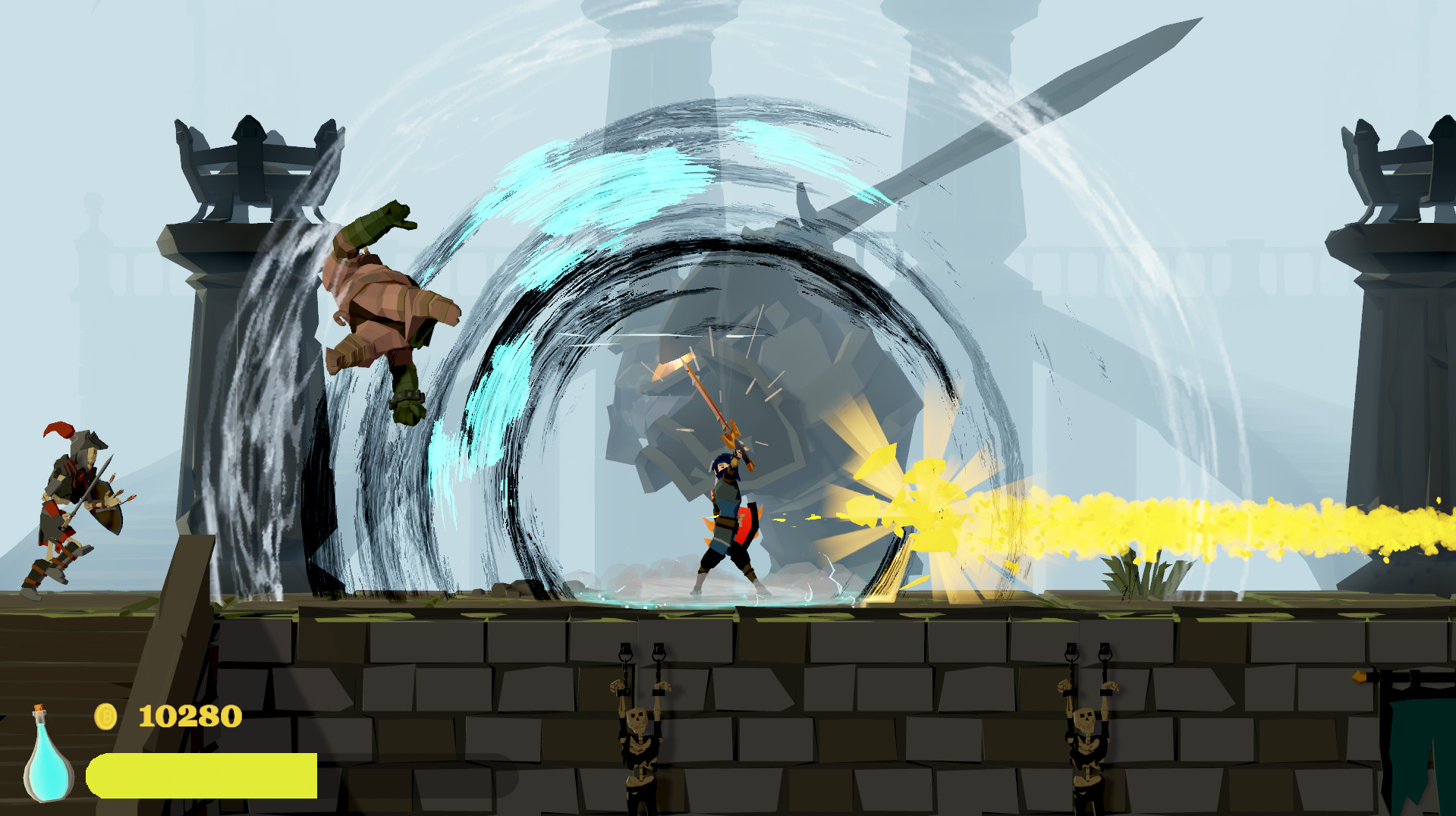
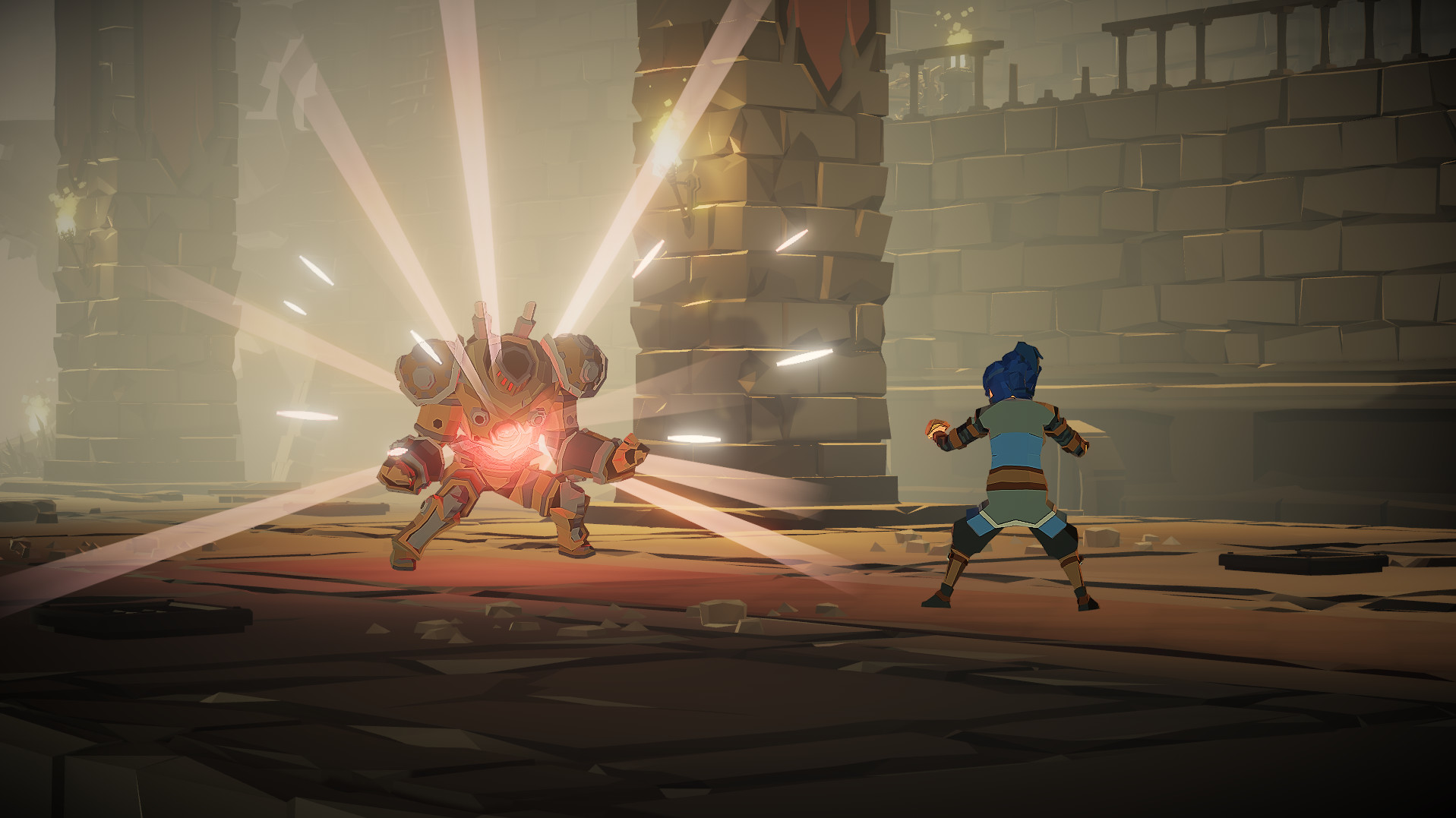
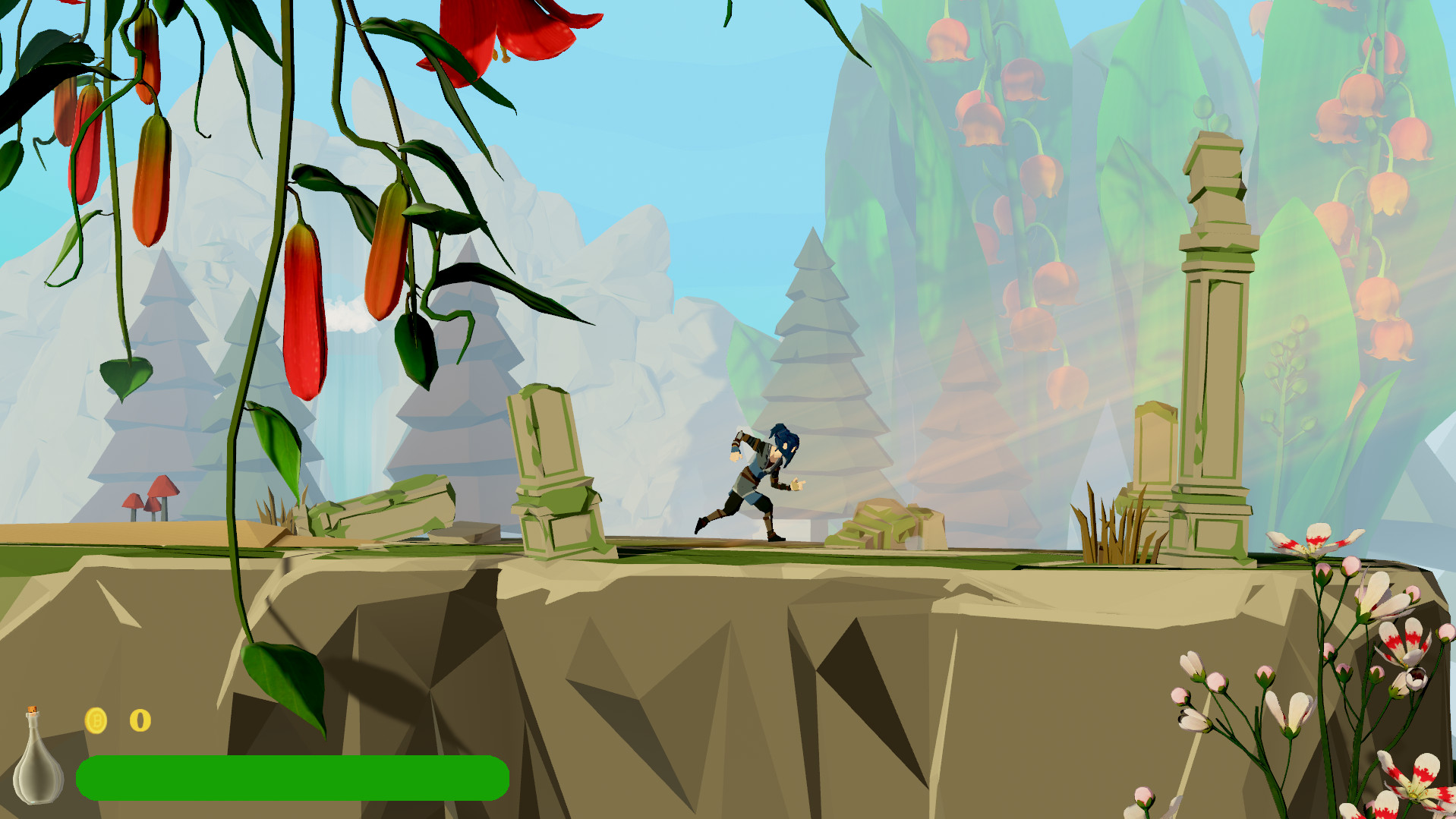
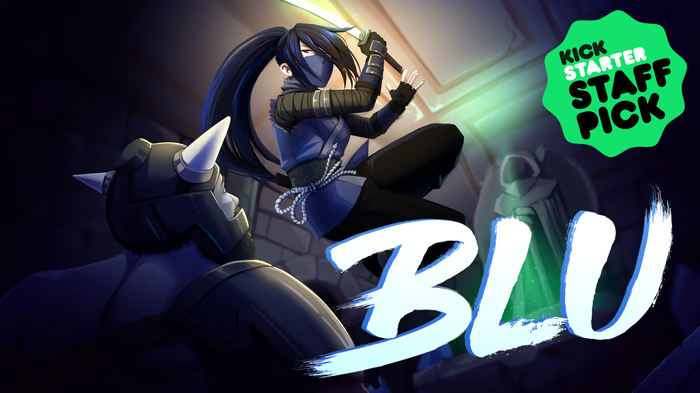
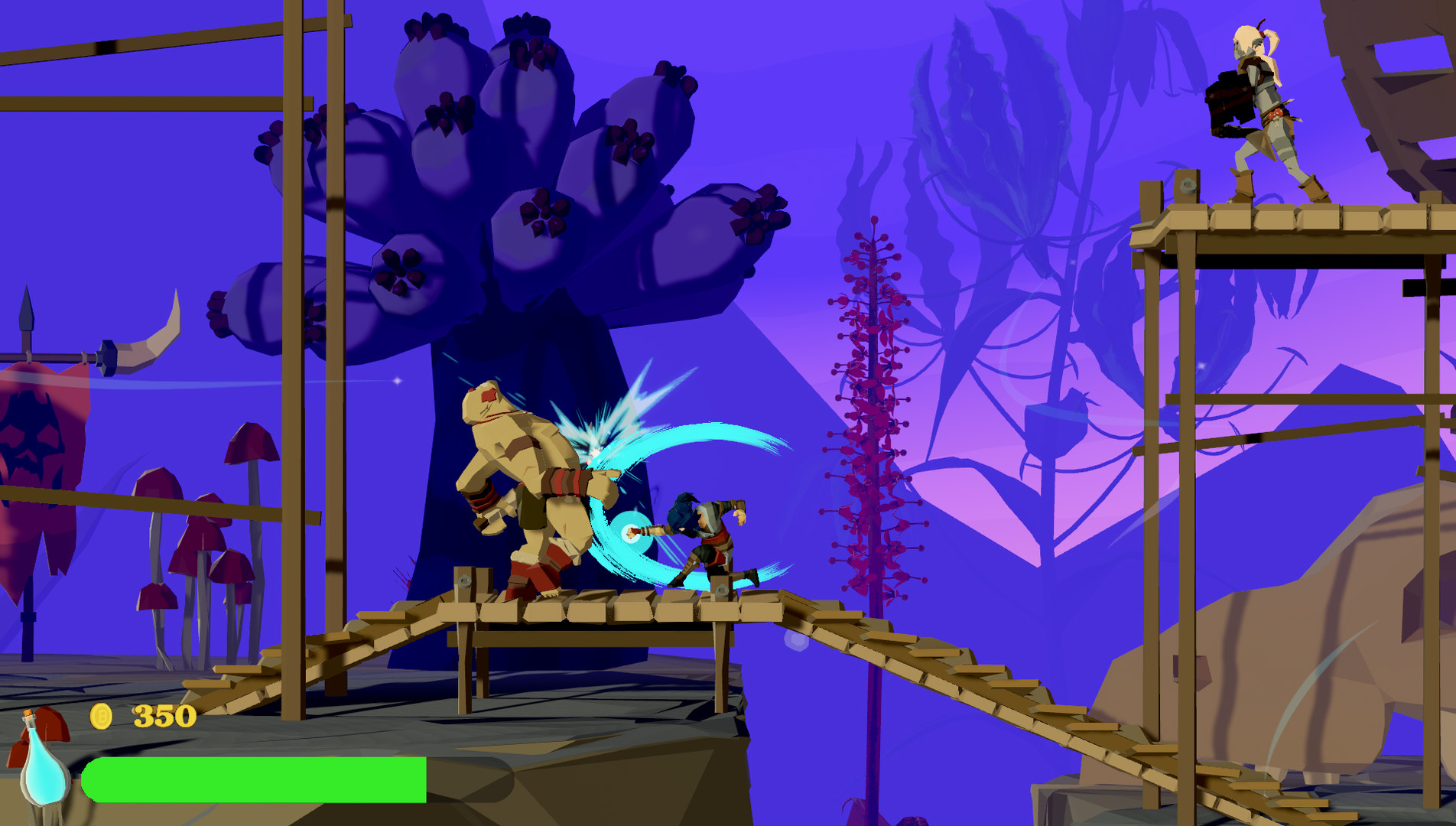
At the time, centered when I scouted Astral Ascent on Kickstarter, I also came across yet another French indie title made in a somewhat similar vein, but with a completely different, yet just as exciting, premise. Blu, under development at MyOwnGames based in Paris, is a Metroidvania centering around the titular ninja character set in a world reminiscent of Feudal Japan. But with a lot of twists in terms of conceptual design. Influenced by the likes of Super Smash Bros, The Legend of Zelda, and the modern indie classic Dead Cells, it perpetuates many of the same awesome qualities associated with any classic Metroidvania game: exploration, intense combat, and epic boss fights.

It also features a particularly catchy soundtrack composed by award-winning German composer Lukas Piel. Again, wanting to know even more about this compelling-looking Metroidvania, I contacted the game’s lead programmer, Damian Robinett, to see where the project is in its current state, when players can expect to see the finished product, and to learn more about the game’s upcoming Kickstarter campaign, due to begin on April 6th:

https://www.kickstarter.com/projects/-myowngames-/blu-vs-the-world

Here’s what Damian Robinett had to say about Blu:

Blu 1

What were the influences behind Blu?

Several indie games that have come out in recent years, Dead Cells and Hollow Knight in the lead. But also a lot of the manga universe. Naruto, for example, for certain attacks and designs, or to a lesser extent, One Piece, where I draw on the richness and diversity of its environments.

What has the developmental process been like?

Although working alone, I try to manage the development of Blu like any midsize organization. It begins with a reflection phase that lasts several months. Followed by a design phase where I design my game (which often looks like a AAA production on paper). An analysis phase where, depending on the resources available, I extract the fundamental concepts from my game design document in order to reduce them and strengthen the consistency.

And it is only then that I start the production phase. At this point, I am moving forward a little on all aspects at the same time, on the one hand, to keep the motivation, on the other hand. Because it allows keeping the game balanced and anticipating the problems in advance. I also devote a couple of hours a day to promoting the game and to discussing with my community.

How close are we to seeing the finished product?

The vast majority of the game mechanics have been implemented. Most of the Level design remains to be done, and as in all Metroidvanias, it will take a lot of time, in the end. To balance the game so that all players can enjoy a nice progression curve.

Blu 2

What has been the most exciting aspect of development?

Discover and test new things. I love to experiment, and being alone on a project means you have to diversify your activities and gain a lot of experience. Both at a practical level and in the organization of the work. Creating new relationships has also been extraordinary. The support in the game developer community is truly amazing, with great empathy and support.

What has been the most challenging aspect of development?

Combat mechanics. Starting from nothing, it’s very quick to get something playable. And you progress quickly. But when you have to streamline the gameplay in order to get something really satisfying for the player, it quickly becomes hundreds of hours of testing and tuning to get the character to behave perfectly as the player expects. A good feeling of combat results from the meeting of all the components of a game: animations, visuals/sound effects, physics, code … It’s very hard to obtain.

How well has the game been received so far?

Very good. The community of players is extremely benevolent and knows how to judge a game according to its maturity. When I see the enthusiasm that Blu causes, I am often afraid to disappoint the players, but although often bugged, the different releases always look more or less like what players expect.

Blu 3

How instrumental has fan feedback been across platforms like Discord and Twitter in shaping the development of the game?

A lot! My community shapes the game in its own way. I take into account all user feedback. I can count on talented game devs, as well as seasoned users who see the game with a fresher eye than mine. All the people who come to give feedback do so in a constructive way. And as is often done in public chats, it allows you to quickly gauge the interest in a new feature. When the change is quick, I often try to make it within the hour rather than writing it down.

What platforms are you looking to bring the game to?

My goal is to make a simultaneous release on PC, Nintendo Switch, and PS4 before the end of 2022. The console version may be postponed to the first semester of 2023. Depending on the scope of the work to be done to port the game. An Alpha, Beta, and several test builds will be released before that.

How has having Lukas Piel on board with the project helped to bring the game to life so far?

Lukas brings poetry to the game that I hadn’t envisioned when I first started developing Blu. He weaves a musical universe over the levels that turns a fighting game into a heroic adventure. If there’s one thing I’m sure of, it’s that the soundtrack will be magnificent. Working with him is a pleasure. I hope I can count on him for all my productions in the future.

Blu 4

Have there been any ideas at this stage of development that have since been scrapped or reworked?

Very much! I write down all the ideas that come to mind. Half go by the wayside after a second reading. The second phase is longer; I let it ripen for a while to determine if these ideas really bring something coherent to my game. When you’re a developer, you often tend to program certain features because you CAN do it. But most of the time, the player doesn’t even notice its details. You have to know how to bring a little magic, but time is our enemy, and you have to know how to do it with relevance.

Then the third phase will come, the one where I will no longer have time to do everything that I have stacked in my to-do list. And it will be necessary to reorganize in order of priority what is imperative to include in the game. And what is optional. We always keep them in a corner for later, but even after the release, the list of tasks often grows longer.

Will there be many stretch goals for the Kickstarter campaign when it’s launched?

Yes, it will mainly be stretch goals aimed at lengthening the playing time with new modes and offering exclusive in-game content to my backers. At each level, the game will also be translated into new languages. I decided to focus my stretch goals and rewards on the game itself. And not to diversify into derivative products.

Since Blu is heavily influenced by Smash, how exhilarating would it be to see Blu join the roster? What would her final smash move be?

I will quickly imagine that this is not reality and would definitely go crazy if it really were. But I guess it would be like having a part of myself fighting in the arena. I have spent more time with Blu than with any human being for the past two years, and I regard her as my own daughter. I don’t think she would match the big names of Nintendo, but for her final attack, I would say a heavy diving attack, Ganondorf-like. She’s a ninja, but she’s not in the delicacy.

Blu 5

If you had the opportunity to develop a game with any company or for any franchise, which would it be, and why?

We have some really cool development studios in France, so I will probably stay here. I would say Motion Twin for its cooperative legal form, which encourages developers to believe in and get involved in the projects they develop.

Do you have any advice for aspiring developers who may be reading this?

Don’t go for it with your head down. You could miss beautiful things. If you are working on a title that is close to your heart, take your time to lay your project down, and learn about best practices. Don’t take the easy road, experiment with new things, learn XP before finishing your quests, make friends on Twitter, make a Game Jam with them, and meet them in real life if you can. Promotion is hard at first until the day you don’t call it “Promo” anymore, but just a productive break you enjoy. And persevere. Over time, it always pays off.

Where on the Internet can people find you?

Mainly on Twitter and Discord. I work alone at home, so I often go there to chat a little:

Twitter – @blu_vs

Discord – https://discord.com/channels/722365912354652231/730153875901775903

Do you have anything else to add?

Yes, there are some friends of mine from Angouleme who are currently living on Kickstarter with their project Astral Ascent, and you should also take a look at it!

Blu 6

Indeed, if anyone is interested in checking out Astral Ascent, you can do so via their own Kickstarter page; a link to which can be found in my recent Q&A with the lead programmer at Hibernian Workshop, Louis Denizet:

https://scousegamer88.com/2021/03/31/astral-ascent-hibernian-workshop

But for now, I’d like to thank Damian for sharing what information he could about Blu and to wish him the best of luck with the Kickstarter campaign launching April 6th. Blu, like most Metroidvanias released throughout the eighth generation, looks like a particularly engrossing and addictive game. And I can’t wait to get my hands on it when it’s finally released. In the meantime, I hope you guys check out Damian’s Kickstarter. And that I hope you enjoyed learning more about this awesome-looking game.

Game on,

Scouse Gamer 88