Tag Archives: PlayStation

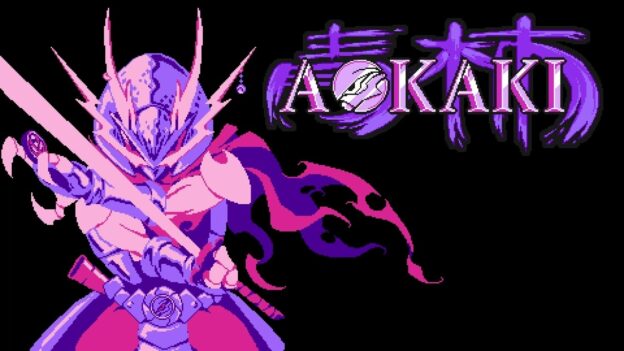
AOKAKI 1

Q&A With Concha Indigo

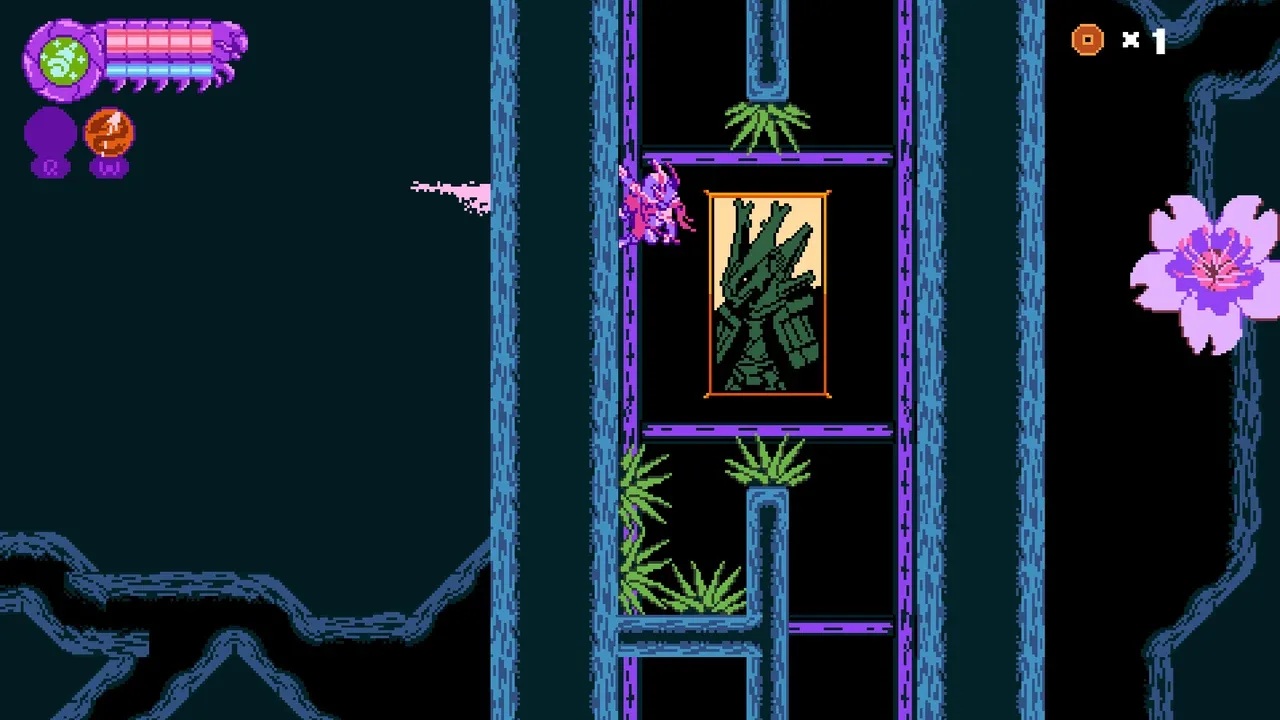
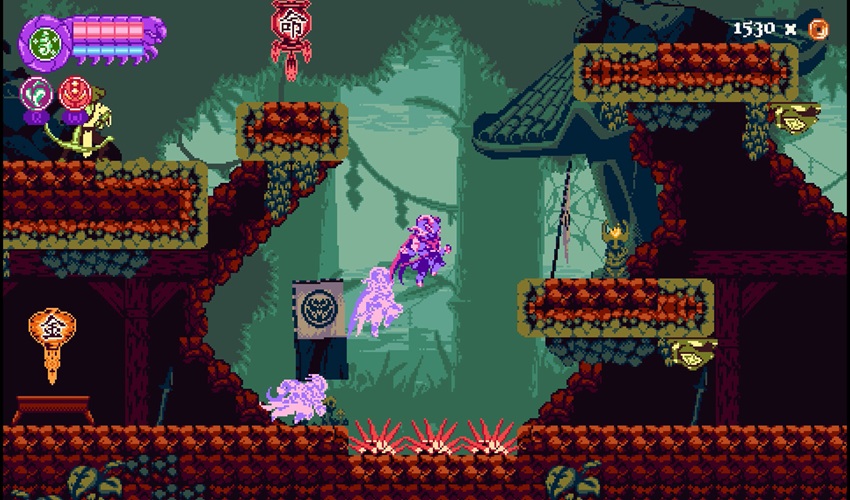
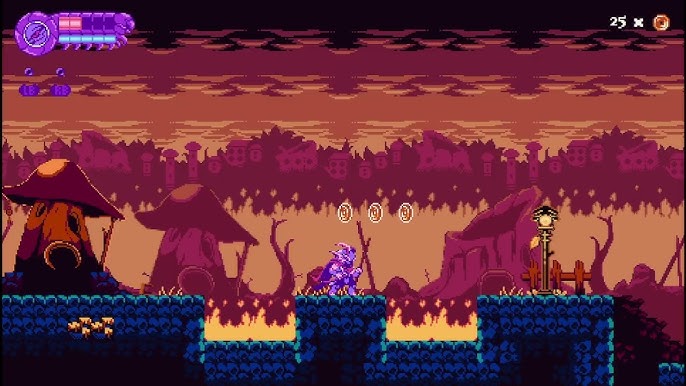
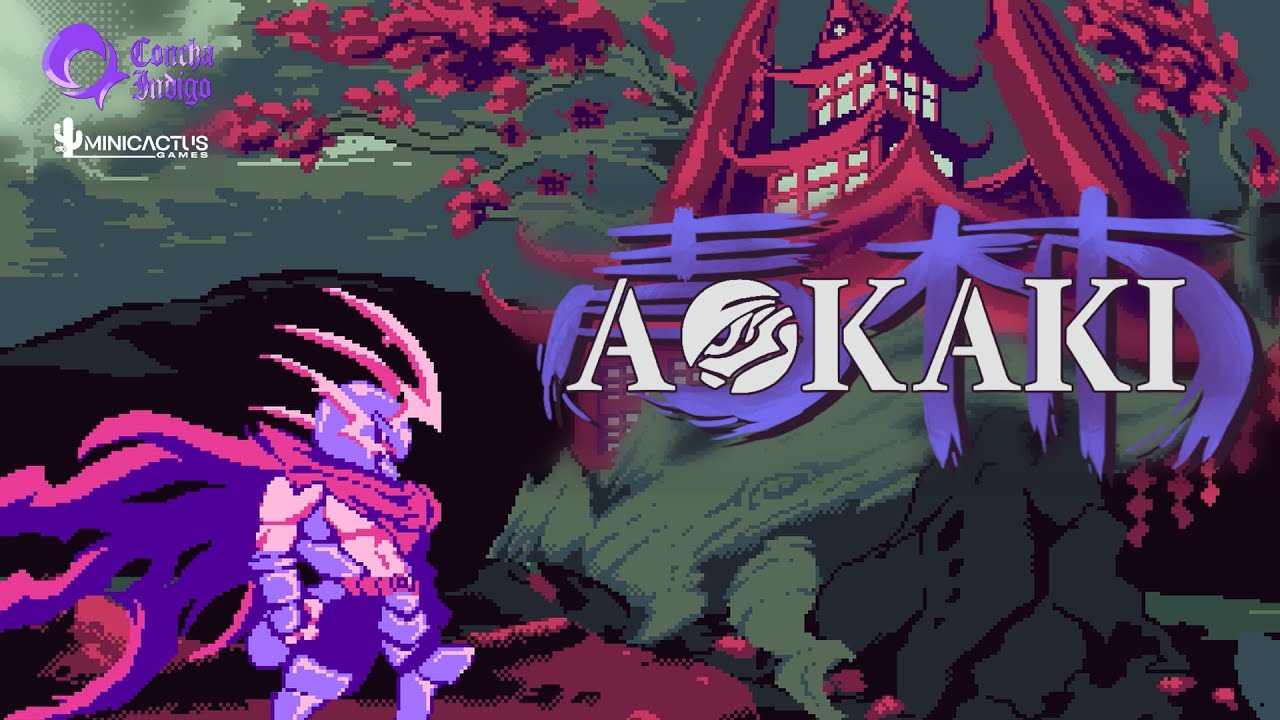
On the lookout for more promising indie titles looking for crowdfunding, I came across another awesome-looking title last week on Kickstarter. Deviating away from the recent influx of JRPGS on crowdfunding sites and social media. AOKAKI is a fast-paced 2D action platformer.

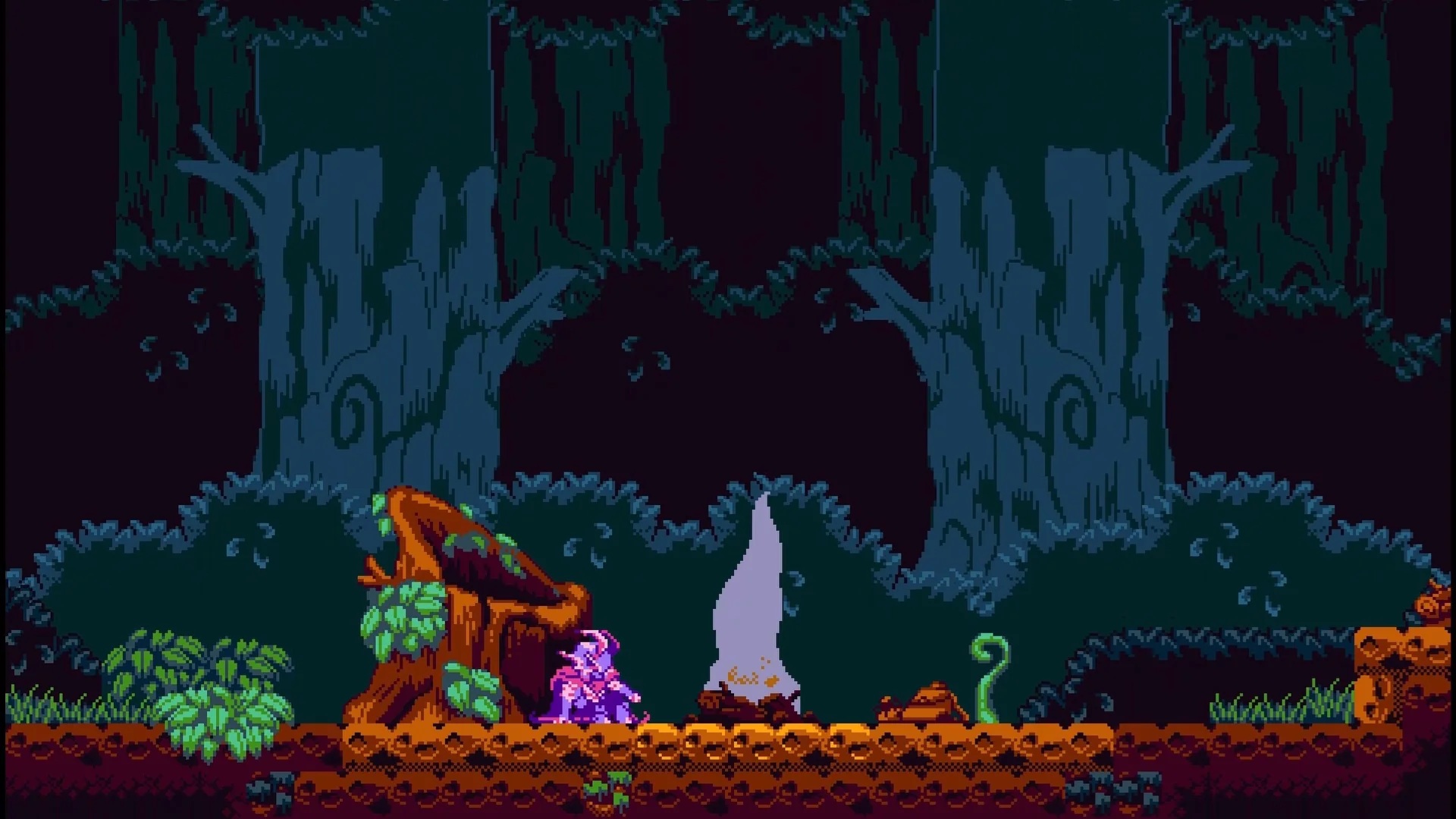
Developed by Brazilian indie outfit Concha Indigo and published by Minicactus Games. Inspired mainly by Japanese Tokusatsu films, it follows the story of the main character known only as The Indigo Ronin. Once a great general, he is now a dishonored warrior. And he sets out to right the wrongs he has committed on a vast epic quest for redemption.
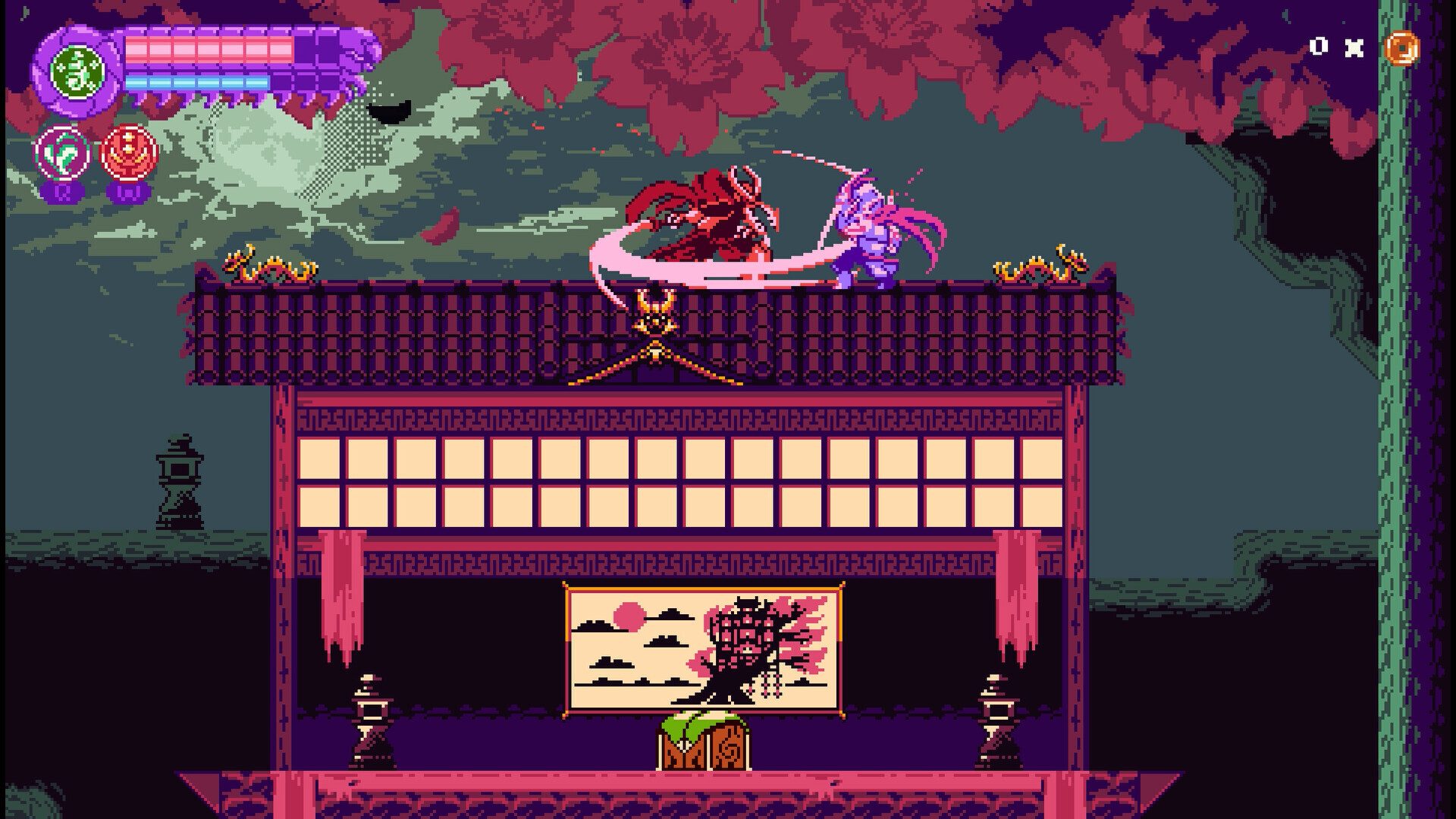
 

AOKAKI 2

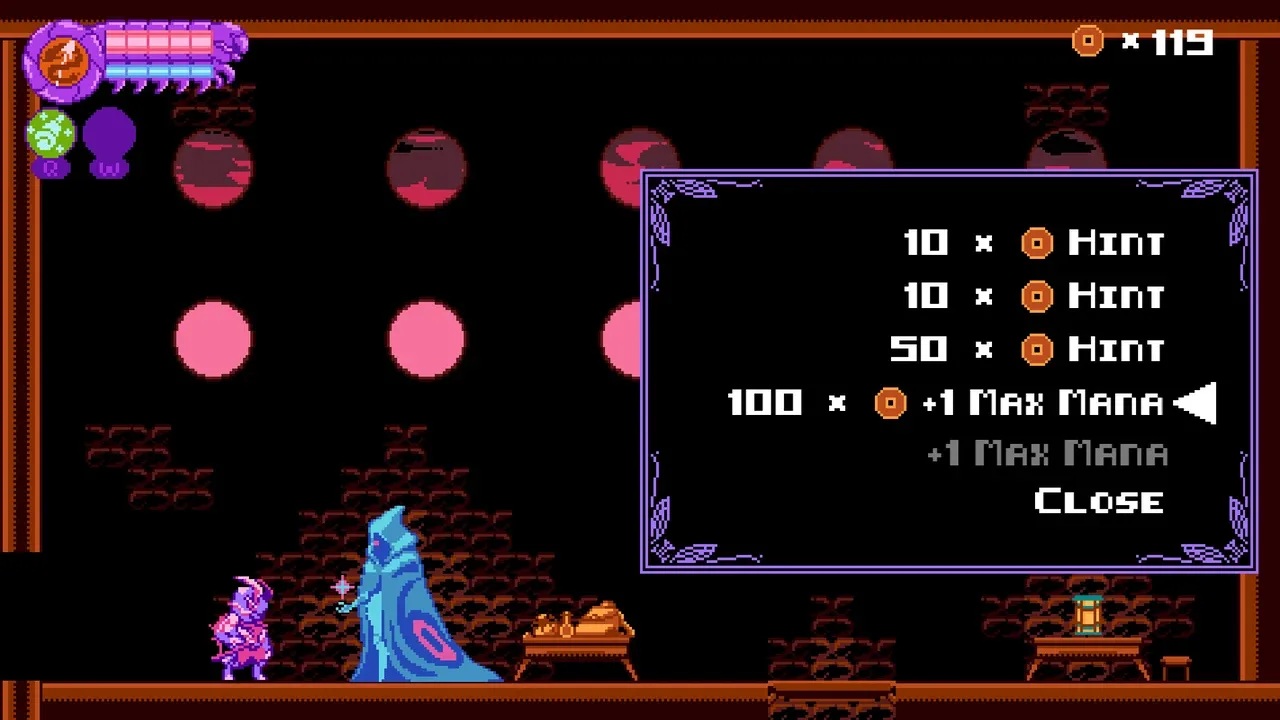
The game is almost like a Metroidvania in design. With a heavy emphasis on platforming, fluid combat mechanics, exploration, side quests, and a level of challenge possibly on par with the likes of Blasphemous and Castlevania.

Eager to find out so much more about this game, following its successful Kickstarter campaign, I reached out to the publisher, who sent my questions to the three principal developers. Designer and programmer, Perdo “Amaro” Lacerda, lead artist and writer Luan “Arleand” Andrade, and co-artist and soundtrack composer Julio “Sunrei” Torre.

So to offer further information regarding this exciting new platformer, here’s what Amaro, Arleand, and Sunrei had to say about AOKAKI:
 

AOKAKI 3

What were the influences behind your game?

Our three biggest gaming influences are Shovel Knight, Mega Man Zero, and Castlevania: Rondo Of Blood. But a lot of other games we like influence our creative Process. The other big inspiration is Japanese Tokusatsu. Visually and thematically, AOKAKI draws a lot from it.


What has the developmental process been like?

Challenging, like all game development.


How close are we to seeing the finished product?

About a year, as we are set to release in Q2 2027


What has been the most exciting aspect of development?

Seeing people enjoy what we made. We do our best to seek out all that the community produces, and it gives us a lot of Motivation.
 

AOKAKI 4

What has been the most challenging aspect of development?

The sheer amount of time it takes. We have been working on this game for 3 years. That’s a long time. Especially while not making any money. Balancing real-life and development time is another major challenge that I believe every developer faces.


How well has AOKAKI been received so far?

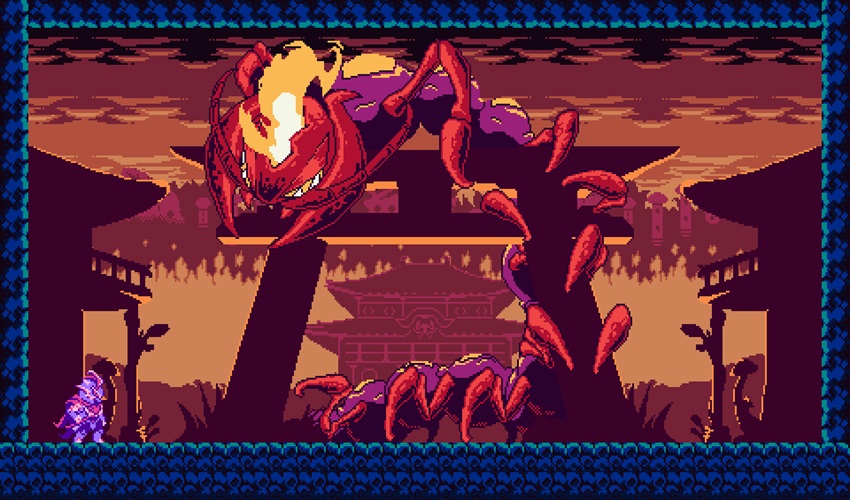
People seem to like it! We have received a lot of feedback and are continuing to improve and polish the game, but in general, players told us they like the visuals and the boss fights.


What platforms are you looking to bring the game to?

PC and consoles. Nintendo, PlayStation, and Xbox. It would be cool if we managed to port to a retro console too! But that’s quite difficult with Godot.
Have there been any ideas at this stage of development that have since been scrapped or reworked?

Yes. Mainly due to scope constraints. Some enemies, some mini-levels. Funny enough, some boss fights too, because they were too difficult for the stage of the game that they appear in. Hopefully,y we can bring most of them back if we manage to make a DLC.


Over the last few years, there has been an influx of indie developers originating from Brazil, such as Statera Studios and 2ndBoss. Did the newfound indie scene in Brazil play any role in shaping the development of AOKAKI?

In the development per se, no. But it helped us a lot in terms of networking and growth. We have talked with a lot of other Brazilian developers and try to collaborate with them whenever we can, on social media posts, for example. Also, when I got the chance to go to some events in São Paulo, I also got to know a lot of cool people and play a lot of cool stuff. Hopefully, we can collaborate more in the future and make the Brazilian game development scene even more well-known!
 

How instrumental has player feedback been in shaping the course of the Project?

Very. We have released two demos. Both times we did, we also received a lot of important feedback on the Steam forums. Regarding how the movement felt, other features players wanted, and so on. We hope to keep this current demo up to date and to keep reading the players’ thoughts on it!


On the Kickstarter page, it’s mentioned that the team knows its speed, limitations, and how much of the game is left to work on. Has the development of AOKAKI presented moments of pressure?

Yes. Especially in the months before we started the Kickstarter. AOKAKI began development in 2023, a full 3 years ago. We started as a duo, and as the project went on and on, money got tight. This forced our artist to get a part-time job, severely slowing down development. First, we decided to fully integrate another friend whom we were commissioning as our second artist. It still was not enough to set things back on track. 

We then tried to get financing with some publishers. We were ignored by most, but we still got to talk to some people. They were very kind and helpful, but we couldn’t sign for one reason or another. It came to the point where it was “sell the IP or delay the project indefinitely”. So, we decided to start a Kickstarter instead. And with the current state of the campaign, I can’t help but feel a little hopeful. Maybe we’ll be able to actually do this.


And if so, does the team find they work better under pressure or without it?

We can make a lot happen under pressure. But I hope we can channel this energy and just keep a consistent and healthy output going forward.
 

If you had the opportunity to develop a game with any company or for any franchise, which would it be, and why?

We are a 3-person team, so each of our members is going to comment separately on this:

AMARO: I would love to work with Publishers like Raw Fury if I had the chance. I’m a huge fan of the games they put out, and it’d be awesome to see one of my creations on the lineup. As for existing projects, at the risk of sounding cocky or naive, I think I could make an Incredible Pokémon game, if I got to direct it hahaha. 

Aside from big, unrealistic dreams like that, I think I’m most interested in working on my ideas. If AOKAKI does well enough for me to be able to keep developing my games, it’d already be a dream come true.

ARLEAND: I have a deep fondness for Role-playing Games. There’s something about an adventure-filled and strategic-focused experience that scratches my brain the right way. Many of my favorite stories and character designs came from franchises like Shin Megami Tensei, Phantasy Star, Kingdom Hearts, and Pokémon.

Although being a very hard genre to work on (in my opinion), one of my dream projects is a JRPG-inspired game. Also, if given the chance, I would love to do art for a franchise like Shin Megami Tensei.

SUNREI: Deltarune, definitely! Undertale is my favorite game, and I’m very inspired by Toby Fox, who is an artist and game developer; collaborating with him would be awesome. I have a particular interest in RPGs with a good story and a certain focus on developing their characters. Other games that have also influenced me are Chrono Trigger, Super Mario RPG, Everhood, and Enigma of Fear, so working on something similar to these would just be great.
 

Do you have any advice for aspiring developers who may be reading this?

Don’t be afraid to start your projects. Or to try. As the great George Morikawa put it: “Not all those who try will be rewarded. However, all those who succeed have tried”. If you are already developing a game, just try to be consistent and have patience. That’s what I keep telling myself, hahaha. Also, do not be ashamed of what you made. Only you could have made it. Even if it’s not the best game ever, it’s a step in your development journey.


Where on the Internet can people find you?

Twitter | X:

https://x.com/ConchaIndigo

https://x.com/minicactusgames

Instagram:

https://www.instagram.com/conchaindigo/

https://www.instagram.com/minicactusgames/

Bluesky:

https://bsky.app/profile/conchaindigo.bsky.social

https://bsky.app/profile/minicactusgames.com

Tiktok:

https://www.tiktok.com/@conchaindigo

https://www.tiktok.com/@minicactusgames

Youtube:

https://www.youtube.com/channel/UCRh7CM9IvdPkzNrNSLxorNA

https://www.youtube.com/channel/UCPaNusJeoBWGPwrD-MCBYrw/featured

Steam:

https://store.steampowered.com/app/2925520/AOKAKI/

Do you have anything else to add?

First, we would like to thank you for this opportunity, of course! Back us on Kickstarter if you can:

https://www.kickstarter.com/projects/1066929746/aokaki#h:About-Us

If not, all support is appreciated! Play our demo, wishlist the game, give us a follow, talk about the project, spread the word. Every tiny bit helps.
Indeed, if you’re interested in backing this game and helping the developers reach their stretch goals, visit the link above. You can also try the demo out via the game’s Steam page. Otherwise, I’d like to thank Amaro Arleand and Sunrei for taking the time to answer my questions. And of course, to wish them the best of luck with AOKAKI upon release.

This exciting-looking platformer looks set to add to the already impressive influx of 8-BIT indie titles that have been released over the last 10 years. And I can’t wait to try this one out. In the meantime, I hope you guys had fun as always. And are looking forward to the release of AOKAKI.

Game on,

Scouse Gamer 88
Twisted Metal (PlayStation)

Twisted Metal

Developer(s) – SingleTrac

Publisher(s) – Sony Computer Entertainment

Director(s) –  Michael D. Jackson

Producer(s) – Scott Campbell & Allan Becker

ELSPA – Suitable for All Ages

ESRB – T for Teen

Released back in 1995 as one of the earliest hit games on the original PlayStation, along with the likes of Destruction Derby, Wipeout, and Pandemonium, Twisted Metal is a vehicular combat game originally conceived by the designer and future God of War creator David Jaffe. He came up with the idea after being stuck in a traffic jam, wishing there were weapons mounted onto the car he was in. Though not the first vehicular combat title, it undoubtedly brought the genre to the attention of the mainstream as well as into the realm of 3D gaming at the time. I personally think that the best of the series is yet to come. Nevertheless, the first game is pretty enjoyable. 

Graphics – 7/10

The graphics on a technical level did pretty well to demonstrate what the original PlayStation was capable of rendering in its early stages. And it was fairly well polished for the time, too. The best thing about the game’s graphics is the conceptual design. In terms of both the range of different areas the player must fight within. And the design of the characters. Most of which became staples of the series later on, such as Roadkill, Spectre, and most notably, Sweet Tooth. What was made to look like a relatively generic car game on the box art was actually one of the more conceptually interesting games of the early stages of the fifth generation. 

Gameplay – 6/10

The concept of gameplay is simple. Destroy the opponent’s cars with whatever weapons are made available before the opponent kills the player. The player must win several rounds before reaching the game’s end boss, Minion. And being proclaimed the champion of the Twisted Metal Tournament. As this was the first in what would later become a series, a lot of the gameplay ideas perpetuated were relatively underdeveloped. And there wasn’t a great deal of incentive offered to play multiple times. Except for finding out what happens to each character at the end of their respective playthroughs. More game modes would also be added to later entries to keep things diverse. But the original game offers a minimal amount beyond the single-player or multiplayer modes. The facility to at least unlock Minion as a playable character wouldn’t have been a bad idea, I don’t think. 

Controls – 9/10

The game’s controls, for the most part, are fine. But how comfortable the player will feel will depend on what character they’re playing. Someone like Sweet Tooth, for example, who has a heavier vehicle than others, will be much more difficult to steer and to react to danger as quickly as what the likes of Roadkill or Spectre can. The poor framerate this game suffers from also doesn’t help matters. This would be addressed in later entries. But in the original game, it becomes a significant problem. 

Lifespan – 7/10

Each playthrough can be made to last around an hour. So there’s a minimum of 12 hours of gameplay time available. There are 12 characters in total, which, in all fairness, was far higher than the average lifespan of a game during the previous generation. So though it may not seem like a lot now, it certainly would’ve felt like a big deal at the time. At least until the likes of the Final Fantasy games came into the mainstream and set the bar higher still. Though I think there was a lot more the developers could’ve added to make this game last even longer than it does, it’s still a fair amount of time for a game of this kind to last. 

Storyline – 6/10

The story of Twisted Metal tells of the Twisted Metal Tournament. An elimination-based competition whereby vehicular combatants must face off against each other in fights to the death to be declared the Twisted Metal champion. The tournament is run by a demented, yet extremely wealthy, influential, and supernatural man named Calypso. He grants the winner of the Twisted Metal tournament any prize they request. The concept sounds excellent on paper and would be built upon both positive and negative aspects as the series progresses. But in the original game, the story is told pretty much through text, similar to how the endings of the first three Mortal Kombat games worked.

Cont…

This, for a console that was known by developers at the time to be capable of rendering full-motion video (FMV), was pretty underwhelming. There was a series of live-action cutscenes filmed for inclusion in the game and to be played at the end of each character campaign. But they were unfortunately cut due to the development staff feeling collectively uncomfortable about putting them in ultimately. It’s a shame because after having watched these cutscenes myself (being available on YouTube), they would’ve definitely added to the game’s atmosphere in a way that few games did at that time, and indeed what many games for the original PlayStation would go on to do. Such as Resident Evil. But it didn’t happen, and the original game feels all the more watered down as a result. Especially when compared to later entries. 

Originality – 7.5/10

Although in some respects, the game feels like it could’ve been more than what it was for several reasons, the fact is that this game helped to bring a whole genre to the attention of the mainstream. And would usher in other games made of the same ilk, such as Carmageddon, Cel Damage, and ModNation Racers. And mechanics found in this game would go on to be included in a vast number of games afterward. Such as Batman: Arkham Knight. It’s not the most influential game ever made, but it’s certainly one of the earliest games that made players see the appeal of the original PlayStation early on. 

Happii

Overall, the original Twisted Metal is a fairly enjoyable game with a great plot premise and an outlandish cast of characters. It’s not the best entry in the series (by far, that honor would go to Twisted Metal 2). But it acceptably set the standard. 

Score

42.5/60

7/10 (Fair)

Assassins Creed

Assassin’s Creed (PC, PlayStation 3 & Xbox 360)

Developer(s) – Ubisoft Montreal

Publisher(s) – Ubisoft

Director(s) – Patrick Desilets

Producer(s) – Jade Redmond

PEGI – 18

Released in the holiday season of 2007, and originally intended to be released as a Prince of Persia game following the success of Prince of Persia: The Sands of Time, Assassin’s Creed marked the start of an even more prolific series of games. Whilst the first game was met with generally favourable reviews at the time, future entries would go on to establish it as one of the definitive IPs of the seventh generation of gaming. And going on to provide a basis of sorts for several games made throughout both the seventh and eighth generations. Including Batman: Arkham Asylum and Middle-Earth: Shadow of Mordor. As for my own personal opinion on the original game, it is admittedly quite typical. I feel that whilst it was a very decent game overall, the best of the series is yet to come.

Graphics – 8.5/10

Set primarily in the Holy Land during the Third Crusade, the vast open world is lovingly crafted to represent the structure and architecture of three primary cities: Acre, Damascus, and Jerusalem. The attention to detail of what these locations would have looked like during this era is staggering (something the developers of the series would become renowned for as it would go on), and though the visuals on the technical level perhaps haven’t aged quite as well as other entries in the series, they were nevertheless cutting-edge for the time. And the game is still a joy to look at on the conceptual level. 

Gameplay – 8.5/10

The object of the game, as the name suggests, is primarily to carry out assassination missions. Players gather information by pickpocketing, eavesdropping on intriguing conversations, and can take advantage of several different weapons and methods of combat to carry out each kill. But apart from that, there are also various side quests to be completed throughout each of the cities. Which improve the player character’s abilities. The player is also given access to new weapons and abilities after each main assassination throughout the story.

Such as throwing knives and additional armour. Again, more features would inevitably be added with later instalments of the Assassin’s Creed series. But as far as this game goes, this provided more than just a blueprint for that. It provided players with an immensely addictive experience, going further than what Prince of Persia: The Sands of Time did. I always thought personally that The Prince of Persia revamp of the early 2000s could’ve done with a game being set in an open world. And this was Ubisoft’s answer to that concern. 

Controls – 9/10

The control scheme was almost perfect, which was relatively impressive, given that truly nothing like this game existed beforehand. But the biggest issue I had with it was the one-on-one combat system. It works similarly to what it does in The Legend of Zelda: Ocarina of Time. And with players locking onto one target at a time to attack them, whilst also being able to counter-attack other surrounding enemies in the process.

Whilst it would be refined in later Assassin’s Creed games, I found it to be somewhat flimsy at times in the first. And it was at these points that I could tell that it was a new idea that needed tweaking if the series was ever to progress past this game. Luckily, however, the rest of the game’s mechanics were handled brilliantly. Movement across buildings, streets, and rooftops is extremely fluent. Which, again, was impressive given that the idea was a relatively new thing at the time.

Lifespan – 7/10

The biggest disappointment that comes with the first Assassin’s Creed game, however, is the amount of time that it lasts. Whilst not being criminally short, it clocks in at around a total of 30 hours. Which is good. But nowhere near the time it could’ve been made to last with the inclusion of a few more side quests. As again, later games in the series would demonstrate. Especially given how the size of the team expanded throughout the game’s development.

Storyline – 9/10

The story of Assassin’s Creed is something that would become disjointed over time. But the first laid the foundations for something that could’ve been much more special. It begins with the main character, Desmond Miles, having been imprisoned by an organization named Abstergo. They intend to uncover ancient secrets hidden in Desmond’s ancestral past through a VR machine known as the Animus, which allows the user to experience the lives and events of their descendants. The experiment’s overseer, Warren Vidic, uses Desmond and the Animus to tap into the memories of Desmond’s ancestor, Altair Ibn-La ’Ahad. Who was a senior member of an organization known as the Assassin Brotherhood. Following a failed attempt on the life of Robert de-Sable, Altair is stripped of his rank. And ordered to carry out various other assassination missions to restore his status and reputation among the brotherhood. 

The events of the story, from the perspectives of both Desmond and Altair, unfold into something that will be completely unexpected by players. It truly helped massively to make this game stand out as a hallmark in telling an effective story in gaming throughout the seventh generation. Although fans of the series have had mixed reactions to the directions in which the story was taken, later on, there can be no doubt that the story in the original game was expertly presented. It’s exciting, tense, and suspenseful. And without spoiling anything specific, it ends on a masterfully executed cliff-hanger that you will not believe.

Originality – 8.5/10

Despite Assassin’s Creed having its many influences, such as Ubisoft’s own Prince of Persia and Grand Theft Auto, the fact of the matter is that this series has always delivered something unlike any other before it. And it was all very effectively perpetuated with the original game. Since I first played through it, which was many years ago, I’ve come to have a newfound respect for the original game. And everything that is accomplished at the time. During the series’ early years, especially after the release of Assassin’s Creed II (which remains my favourite instalment), I used to look at the original game as being simply the inferior blueprint. But after having played it again recently, I’ve since discovered a new appreciation for it.

Happii

Overall, Assassin’s Creed, whilst not being the best game in the series, remains one of the defining gaming experiences of its time. It’s a game that still holds up, despite its few flaws. And I recommend it to anyone looking to revisit a seventh-generation classic. 

Score

50.5/60

8/10 (Very Good)

Pepsiman (PlayStation)

Pepsiman

Developer(s) – KID

Publisher(s) – KID 

Designer(s) – Nobuaki Umeda, Nozomi Takeguhi & Keisuke Itou

ESRB – T for Teen

Developed on a low budget and released exclusively in Japan after the development team failed to get the game published overseas, Pepsiman is an action game. It has silently become one of the most influential games in recent years, with its gameplay being the basis for a plethora of popular smartphone titles like Temple Run and Angry Gran. It’s one of those games that, on paper, would sound ridiculous. And in many respects it is. But regardless, it is a game worth playing.

Graphics – 6/10

The majority of the game is set in Pepsi City, where everything seems to revolve around Pepsi. Billboards are advertising it, and Pepsi vans are driving around everywhere. On some levels, there are even NPCs holding signs saying “I love Pepsi”. Other levels also break away from the modern-day city settings to levels set in science labs, sewers, and motorways. Conceptually, it stands out a lot more than what gamers would think it would after hearing about a game like this. In terms of the technical aspect, it just about meets industry standards set at the time. Albeit including several 2D sprites all over the place, which, back then, were being fazed out gradually.

Gameplay – 7/10

The concept of the game is simple. Guide Pepsiman through a series of on-rail levels, whilst collecting as many cans of Pepsi darted across each of the levels as possible. What isn’t easy is mastering the game, since there are a lot of obstacles and obstructions to overcome along the way. The natural flow is very cleverly disturbed at times, with Pepisman having to run into dustbins at certain points. They reverse the controls as long as his upper body is still in a dustbin, for example.

It provides much more of a stern challenge than most people would think going into it. Even for players who had previously played the games that were later inspired by it. At the time, a lot of critics were comparing the game to the original Crash Bandicoot games. And although I’m able to appreciate that that was the frame of reference at the time, Pepsiman is still a different type of game indeed. 

Controls – 10/10

The game’s control scheme also poses no issues; if the player fails, it’s solely on them. It’s also quite clever how the developers managed to implement changes to the controls based on Pepsiman’s given situation. Such as when he’s balancing on a barrel or riding a skateboard, or when the camera angle is reversed, for when he must escape from objects moving behind him. 

Lifespan – 4/10

Disappointingly, one playthrough can only last around half an hour. For the amount of innovation perpetuated with this title, this is nowhere near enough time for it to last. Especially when drawing comparisons with other games like it, which can be made to last forever. There’s only a certain amount of replay value to be had in addition. The only incentive is to unlock an alternative costume for Pepsiman. Whereas again, several skins and characters can be unlocked in future games that follow the same mantra. 

Storyline – 7/10

The story of Pepsiman is very reminiscent of that of an exploitation film, in my opinion. It features Pepsiman traversing Pepsi City, solving primarily Pepsi-related problems, such as stocking a particular vending machine with Pepsi, rehydrating a bunch of people stranded on a rooftop, and ultimately preventing a worldwide shortage of Pepsi and, in turn, stopping a riot from continuing among those wanting Pepsi. It’s as ridiculous as it is flat-out hilarious. But it’s actually quite aware of how ridiculous it is, and the developers played on the fact heavily. It also features a lot of the slapstick violence that was synonymous with the character before the game was released, which further plays on the comedic aspect of the game throughout. 

Originality – 9/10

The amount of uniqueness attached to this game is staggering, especially compared to what perception the player will have going into it. It was a game that proved to be ahead of its time in terms of gameplay, given how many developers would go on to copy the model it set years later. Even the games that were perceived to have influenced it at the time are only very loosely related to it; it’s an action game by design, but in terms of its actual gameplay, it was genuinely in a genre of its own, as would later be proven.

Happii

Overall, Pepsiman is much better than it seems on the surface. When stripped back away from all the Pepsi ads and the hilariously bad story, there’s a very enjoyable game to be played for the short time that it unfortunately lasts. 

Score

43/60

7/10 (Fair)

Guest Article: The Full Sync Network

For today’s article, and for the first time in a long time, I have a guest blogger on to express his opinions on the current landscape of gaming and his predictions on where it may go amidst the newly ushered in ninth generation of the medium. Josh Maddox of the FULL SYNC Network and I had recently been in contact in regards to the subject and offered to have his say on the blog on the new generation of gaming as well on the most recent releases, including Monster Hunter Rise, Resident Evil: The Village and others. established in 2016, the FULL SYNC Network is a collaboration of gamers around the world specializing in news, reviews, and previews of upcoming games, as well as streaming on their YouTube and Twitch channels of games, hardware reviews, and instruction videos. So without further ado, here’s what Josh Maddox had to say about the future of gaming and the ninth generation:


Despite the latest generation of consoles and graphics cards launching last year, many people are still playing on old hardware due to stock issues. We all thought that may ease up as we entered 2021 but the scalping game is still strong and thousands continue to struggle to get anything. Some have succeeded, myself included with my PS5. But others still check Discord for stock alerts every day then rush over to get into queues for the stock they keep missing out on.

But let’s not dwell on it too much, easy to say since I got what I wanted, and let’s take a look at the future of gaming instead.


Consoles

Less than six months after the PS5 launched, Sony is already looking at upgrading the storage on their consoles and making it more accessible for those that already bagged one to do it as well. I mean, I love my PS5 but there is nowhere near enough storage on it, with less than a terabyte to spare and a chunk of that is for the firmware. But I think this is a record of how quickly a manufacturer has decided to upgrade their console following release.

Xbox hasn’t announced plans yet, but don’t be surprised to see the usual slimline versions coming out in a few year’s time. Hopefully, by then they’ll actually have stock.

I guess, the console everyone is hoping for though is an upgraded Nintendo Switch. Whilst we all love the Switch, it is extremely underutilized. I mean Nintendo is great for innovation and creativity, and they have excellent first-party titles. But what they ooze in that, they lack in a common-sense almost, never truly fulfilling potential. I mean, look at the Switch, so versatile. Can be played docked and handheld. It’s a purpose-built gaming tablet essentially, that is able to be docked and played on the TV.

However, you can’t get Netflix, no internet browser, low internal storage too. I mean, it has the technology in there of an old SmartPhone, newer ones are arguably more powerful than it. And smartphones do everything in life. So the potential is there for the Switch to do the same. Yet Nintendo seems insistent on just doing what they want to do. Which is admirable, but also incredibly stupid. Question is, would an improved Switch have better functionality? Who knows.


PC

When it comes to PC, the future is a strange one. VR was supposed to be the future of PC gaming, but it still hasn’t hit the heights it was expected to. But sales figures for the Oculus Quest 2 look good, and with it being wireless and suitable for smaller spaces, it is likely we may soon see the rise so many predicted. 

In terms of hardware, the newest graphics cards are all released, but as with the latest PlayStation and Xbox releases, there is hardly any stock. Scalpers have been buying it all up, and many who have got the latest GPUs have been using them for mining cryptocurrencies since Bitcoin decided to explode to over $50,000 earlier this year. Which leaves many gamers in a tough position.

Now, they could upgrade to the last-gen cards, because they’re still capable of things like 4K and decent frame rates in games. But the problem is, with the shortage, the costs of older models have skyrocketed. I bought my RX 570 4GB for £80 over a year ago, and I’ve seen the same model going for £140 nearly double what I paid. And now many of the last generation cards are even selling at higher than the retail price of new cards. But, because no one can get them, people are paying stupid money. We don’t actually know when this madness will end.


Games

Who doesn’t love games right? But there are always so many titles to choose from, it can be tough to decide on what to get if you’re on a budget. And with so many games coming out this year, I thought I’d just write a quick list about some upcoming titles we’re excited to see.

  • Outriders – Developed by People Can Fly and published by Square Enix, Outriders is a third-person RPG adventure due to release April 2021.
  • Guilty Gear – A fighting game from Bandai Namco that is very anime-based in style. This was also due out in April 2021 but has since been pushed back to solve issues that cropped up in the latest beta tests.
  • Resident Evil Village – Due out in May, the latest installment to the Resident Evil series looks to be one of the most intriguing and detailed yet. A must-have for horror game fans.
  • Monster Hunter Rise – Following the release of the Monster Hunter movie, the newest addition to the popular game series launches later this month.
  • Back 4 Blood – Back 4 Blood is an upcoming multiplayer survival horror game developed by Turtle Rock Studios and published by Warner Bros. Interactive Entertainment. It has major Left4Dead feels to it, and had incredible feedback after the latest beta tests. This one is due out a little later this year in June.

But it’s not entirely new games that are coming out. There are a whole bunch of remakes and remasters too. Two of the most popular people are looking forward to our Prince of Persia: Sands of Time, and Oddworld: Soulstorm, which is a reimagining of the classic Oddworld: Abe’s Exodus. Still, I seem to be waiting on a remake of my beloved childhood title Croc. I was hoping with the reintroduction of Crash Bandicoot and Spyro that this would follow behind shortly after, but alas, nothing so far.


What are your thoughts?

There you have it, our thoughts on the future of gaming this year. But what do you guys think? Will we see a “Switch Pro” in 2021? Will stock of new consoles and graphics cards ever become more accessible? Is there a game you think we should be checking out not on our list? Or maybe you agree we need a Croc remake and want to start a petition with us? Whatever your thoughts, let us know what you think in the comments below or over on our social media channels.


I’d like to take the opportunity to thank Josh for taking the time out to contribute to the blog in what is truly a fascinating read about the possibilities and the limitations that very well come with the advent of the ninth generation of gaming. If you’d like the check out the various different platforms FULL SYNC operates out of, all links are below:

Main Site – https://fullsync.co.uk/

Facebook – https://www.facebook.com/fullsyncnetwork

Twitch – https://www.twitch.tv/fullsyncgaming

YouTube – https://www.youtube.com/channel/UCvrGKhe7y4gTmgD2pxxBsAA

Twitter – https://twitter.com/fullsyncnetwork

Gamer’s Apparel – https://gamersapparel.co.uk/store/fullsync

Be sure to check out their stuff, but in the meantime, I hope you guys enjoyed reading what Josh had to say, and if the opportunity comes about for me to work with FULL SYNC again, it will be up on my social media pages too.

Game on,

Scouse Gamer 88