Lotia

Q&A With Crayon Ponyfish

Something that I have chosen to dabble in recently, as well as choosing to dabble in much more often in the future, is the Kickstarter program. For those unfamiliar, Kickstarter.com is a website that allows people to request crowdfunding to get distinct projects up and running. Be that their own films, books, inventions, or, most relevant to me personally, video games.

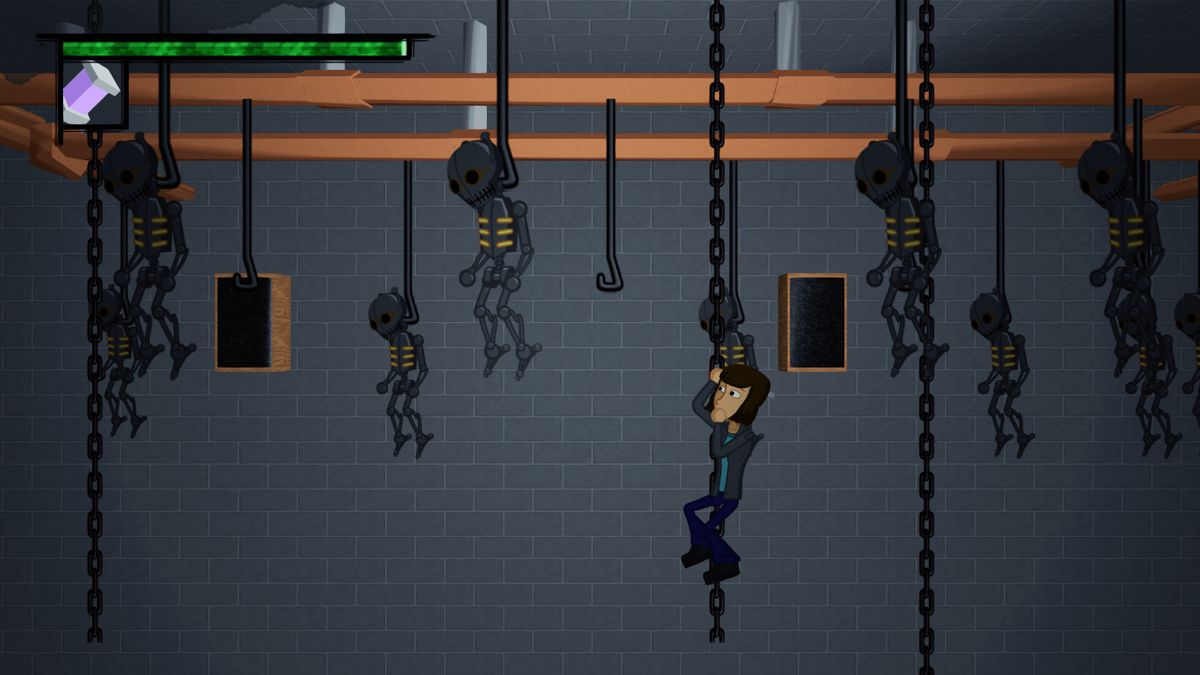
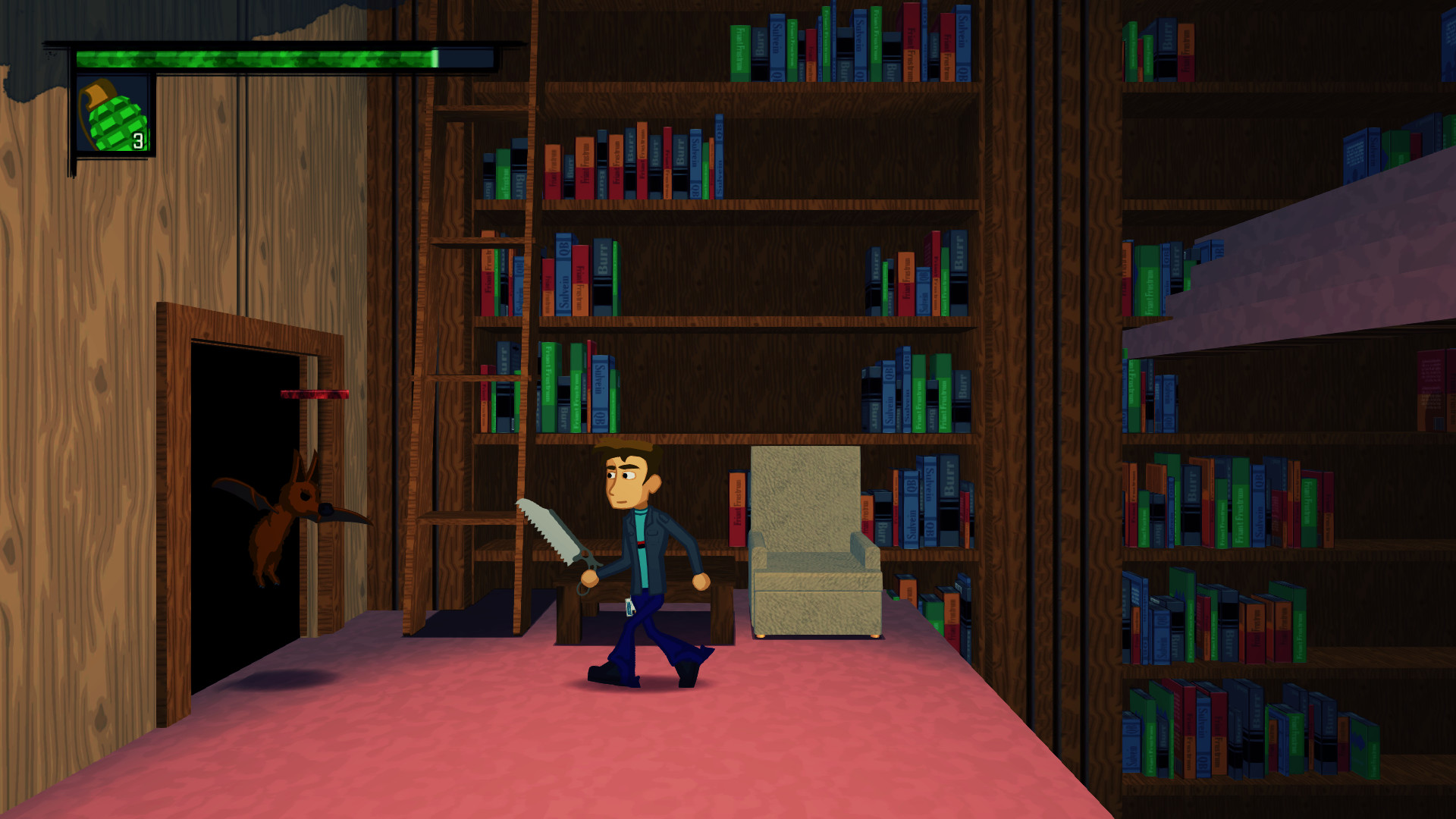
Over this last week, I have explored some of the many video games on Kickstarter. And I’ve been impressed by what I’ve seen so far. One game in particular that stood out to me was a game called Lotia. A JRPG developed by another indie outlet based in Orlando, Florida, called Crayon Ponyfish. I reached out to them. Offering the opportunity to raise awareness of their Kickstarter project. The company required a backing of $10,000 to get the project up and running. I had offered to conduct a Q&A with Crayon Ponyfish. And so they obliged. This is what they had to say about their project:
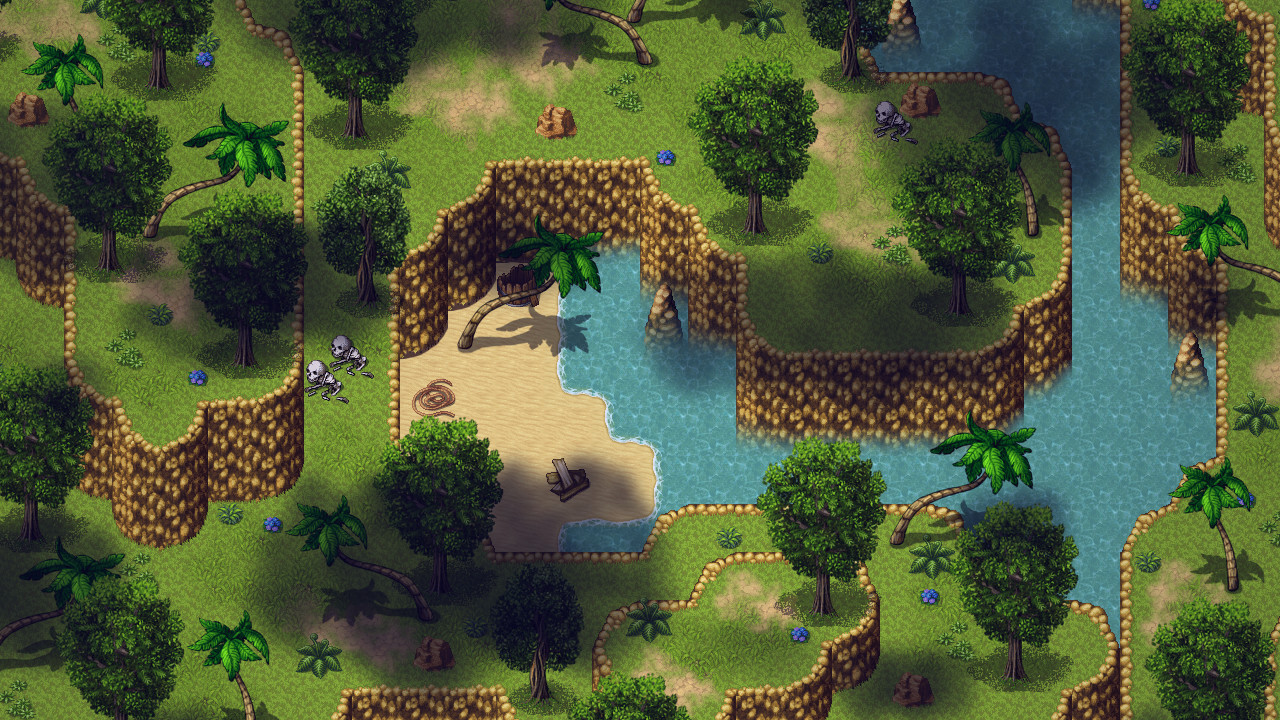
Lotia 1

What were the influences behind Lotia?

The influences behind Lotia really started back in 1994 when I was first introduced to the alpha version of Underlight. It was a very niche multiplayer role-playing game that took place within a dream. Having played that form from its conclusion. Almost 10 years later, the stories that were created and spun off from that time never stopped. Now, some of the most influential outside influences would have to be the Final Fantasy series. Mostly IV, VI, and Final Fantasy Tactics, with Tactics being my favorite game of all time.

What has the developmental process been like?

The development process has been a long one, which I imagine the case always is unless you have a developer who is extremely passionate about a project and can be driven by that alone. Small indie groups that are just trying to tell a story that they believe in usually don’t have a large budget to start from. Ultimately, we had to change from our own engine, which was pretty far along, to scaling down a bit and working with the RPG Maker engine. This allowed us to focus on the basics of gameplay, which we knew worked… And in many cases, really enjoyed it. And have the time to build out a very exciting story. To us, that is the most important part.

What has been the most exciting aspect of development?

The most exciting parts of development are showing your progress and seeing the excitement on the faces of your friends and family. That little sparkle that appears in their eyes when they “get it” without you having to explain anything is a really nice feeling. 
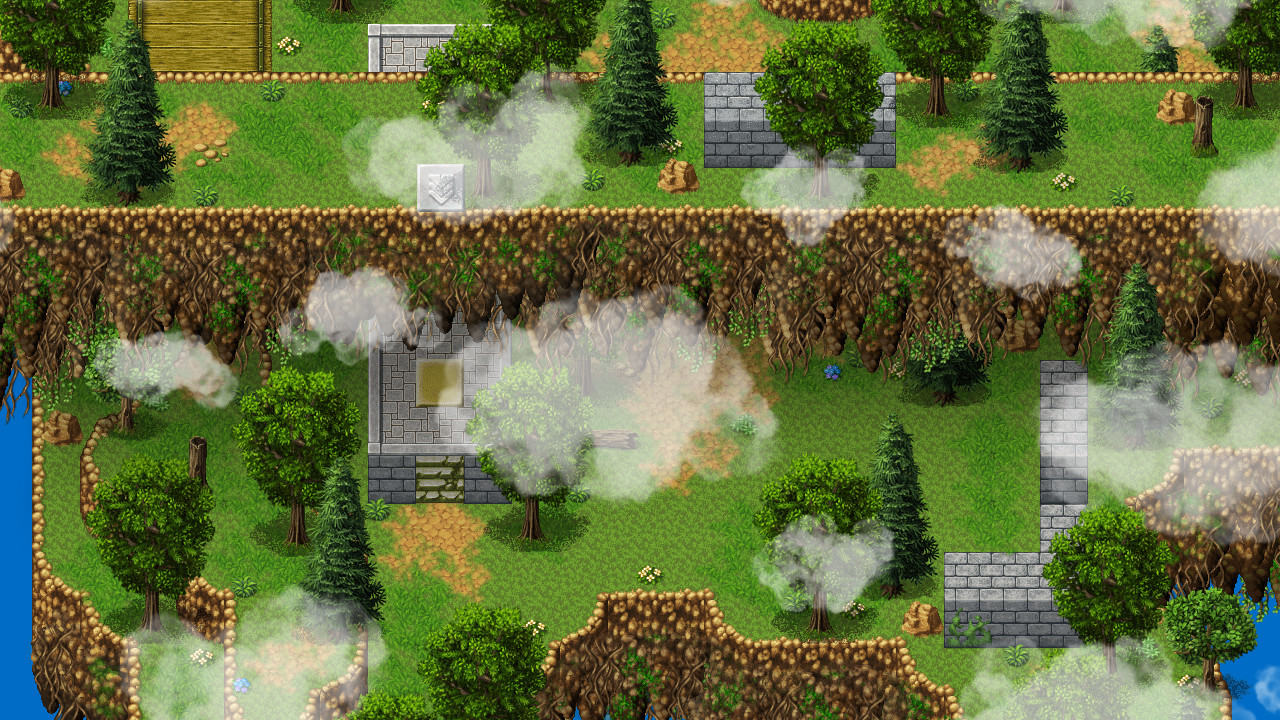
Lotia 2

What has been the most challenging aspect of development? 


The most challenging part of development is being at the mercy of another engine, or constantly watching the scope of your project and making sure you haven’t blown it to pieces with a “new” or “better idea”. That can completely cripple a project. We have had some close calls thus far! Currently, a change that we have had to accept is the conversion from the previous engine’s 640×480 max resolution to a new 1280×720. While it is a lot of work moving things around, we feel that we will be far better off in the long run.

How well has the game been received so far?

From those who can see past the bias of an “RPG Maker” game, the reception has been pretty great. Those who have tested out some of our maps, read the opening dialogues, and seen our characters grow have become large supporters of Lotia. 

What platforms are you looking to bring the game to?


The easiest platforms to directly work for would be PC and OSX. However, we really want to focus on Lotia making it to iOS and then Android. If it is at all possible, we will be shooting for all four of those.
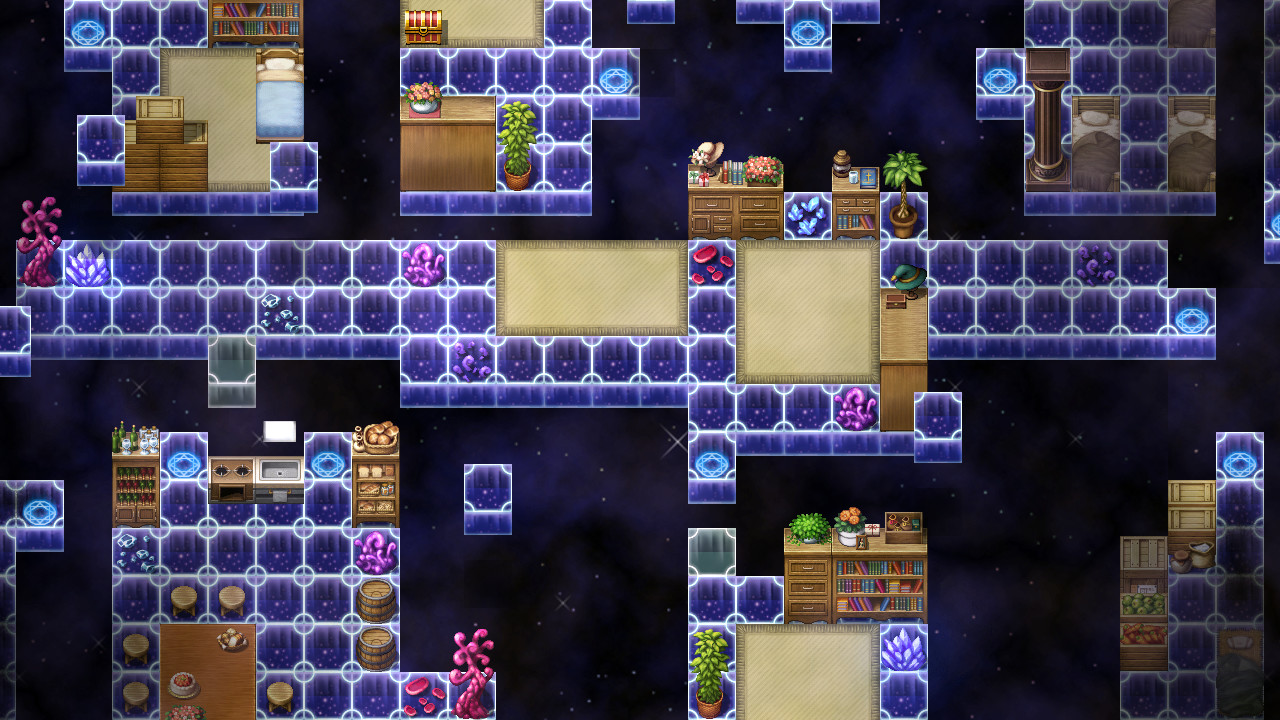
Lotia 3

I personally think there is, but do you believe there is a danger of a story possibly being viewed nowadays as the most important aspect of a video game? Either way, what do you believe is the most important aspect of a video game?


I certainly hope so! I feel that too many games require the player to jump through hoops of repetition and grinding to increase the length of the game, which isn’t really making the experience all that great. To us, the most important experience will be the ability to share our story and get the players immersed in creating their own stories within the dream. After the Kickstarter finishes, we will be pushing forward with accepting stories about the dream from fans and including them in our lore and art book.

How long are you looking to make the game last in terms of lifespan?

Our hopes are to have quite a bit of lore for those who are interested in looking that deeply, for someone who just wants to stick to the main story, we are thinking about 15 hours. Not a huge game by any means. But we also feel that we can accomplish this and make it a solid experience within that time. We aren’t a large team. So we want to stick with making it the best it can be and not fall short.

Do you have any advice for any other aspiring developers who may be reading this?

Decide early on why you are working on your project. Then stick to that goal. Don’t be afraid of trying something new or sticking with something you believe in. The pressures of outside opinions can really rock the boat, so stand strong and focus on your dream. No pun intended. 
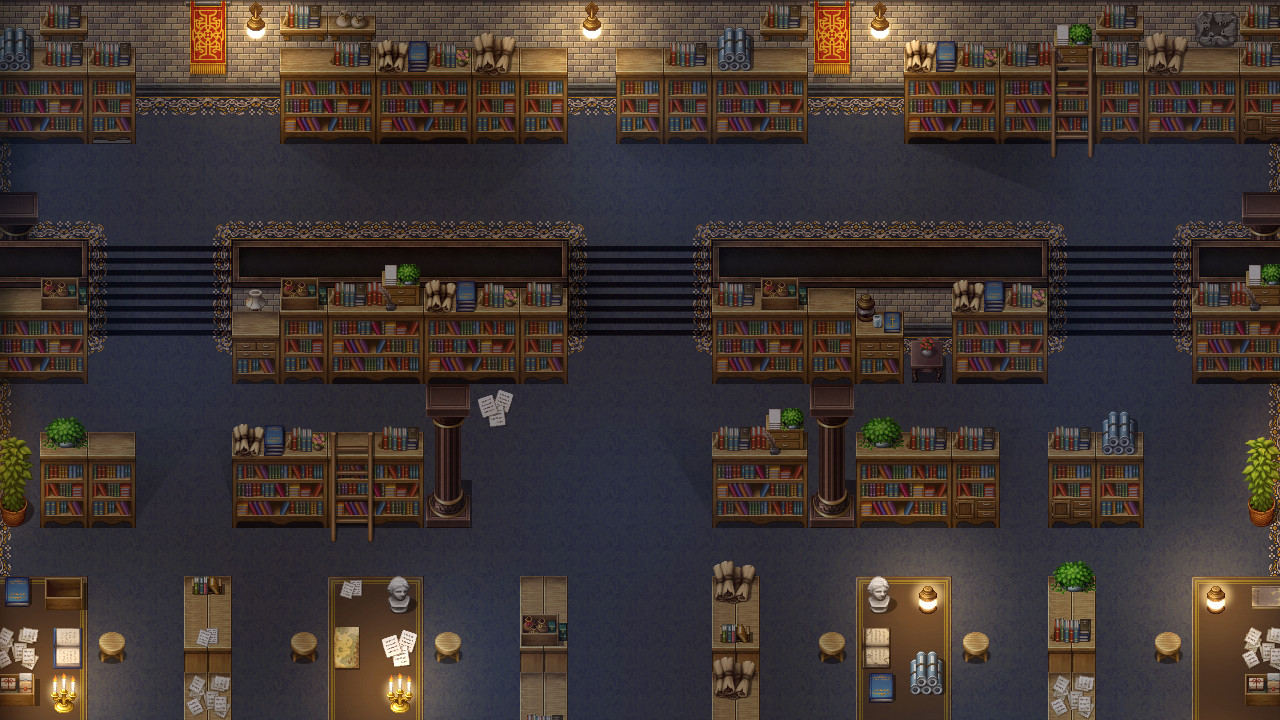
Lotia 4

Do you have anything else to add?


We are very excited to tell our story and want to thank you for your time in checking us out. We can use all the support we can get to make Lotia a reality. So please check our Kickstarter out at https://www.kickstarter.com/projects/crayonponyfish/lotia. Thanks again! 

I would like to take this opportunity to thank Crayon Ponyfish for responding to my proposal, and I wish them every success in their Kickstarter project. Lotia certainly looks like it could be a very enjoyable RPG experience, and I would recommend any fan of the genre to back their project.
Avorion

Q&A With Konstantin Kronfeldner

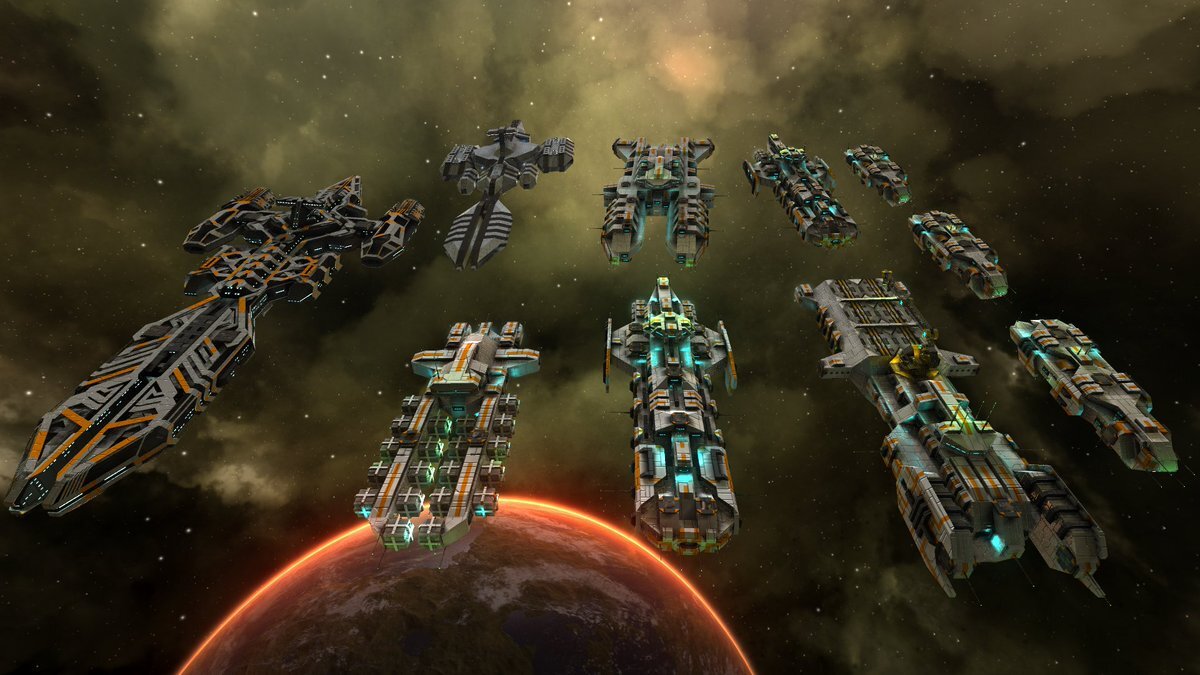
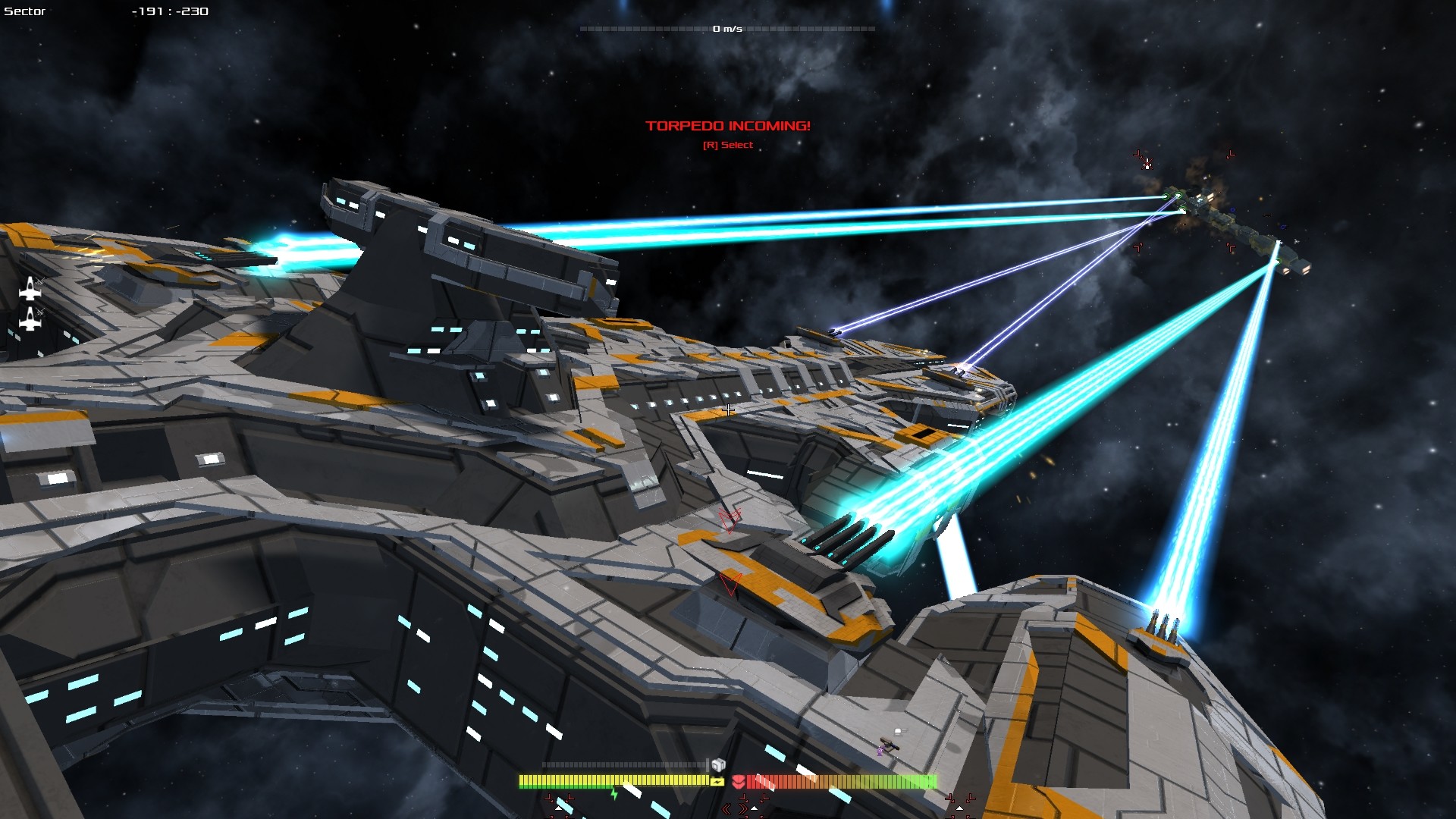
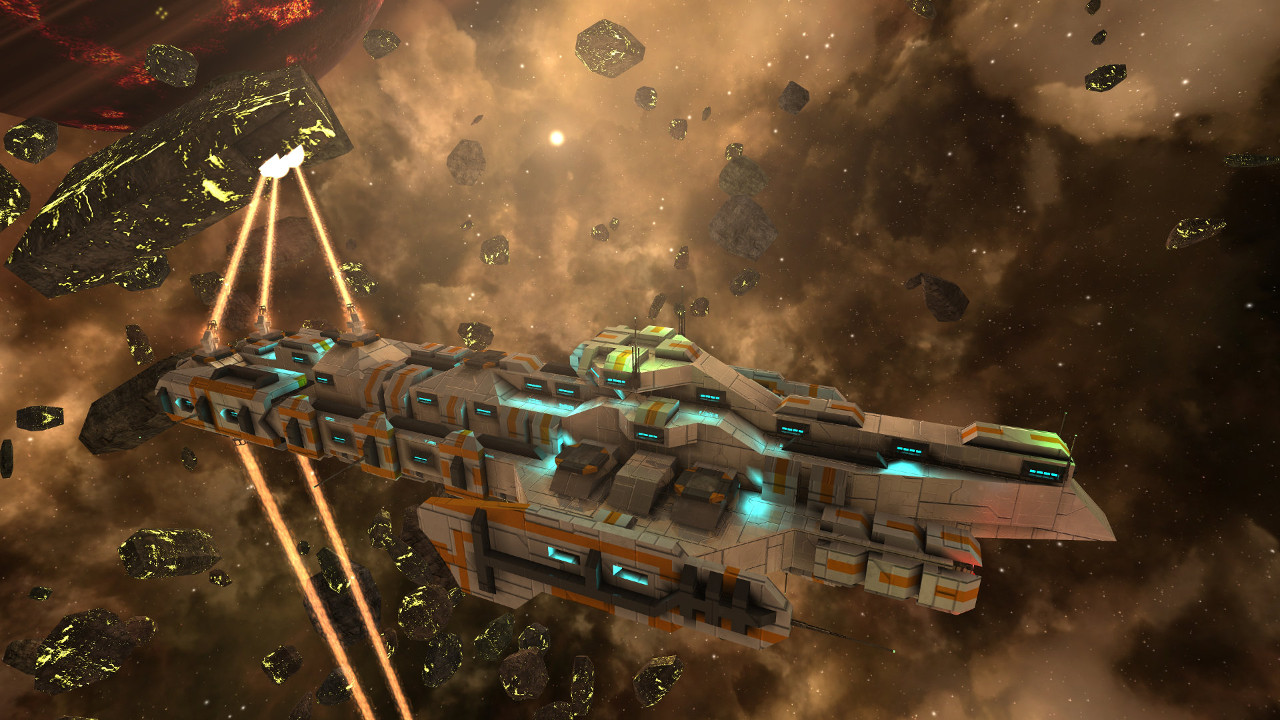
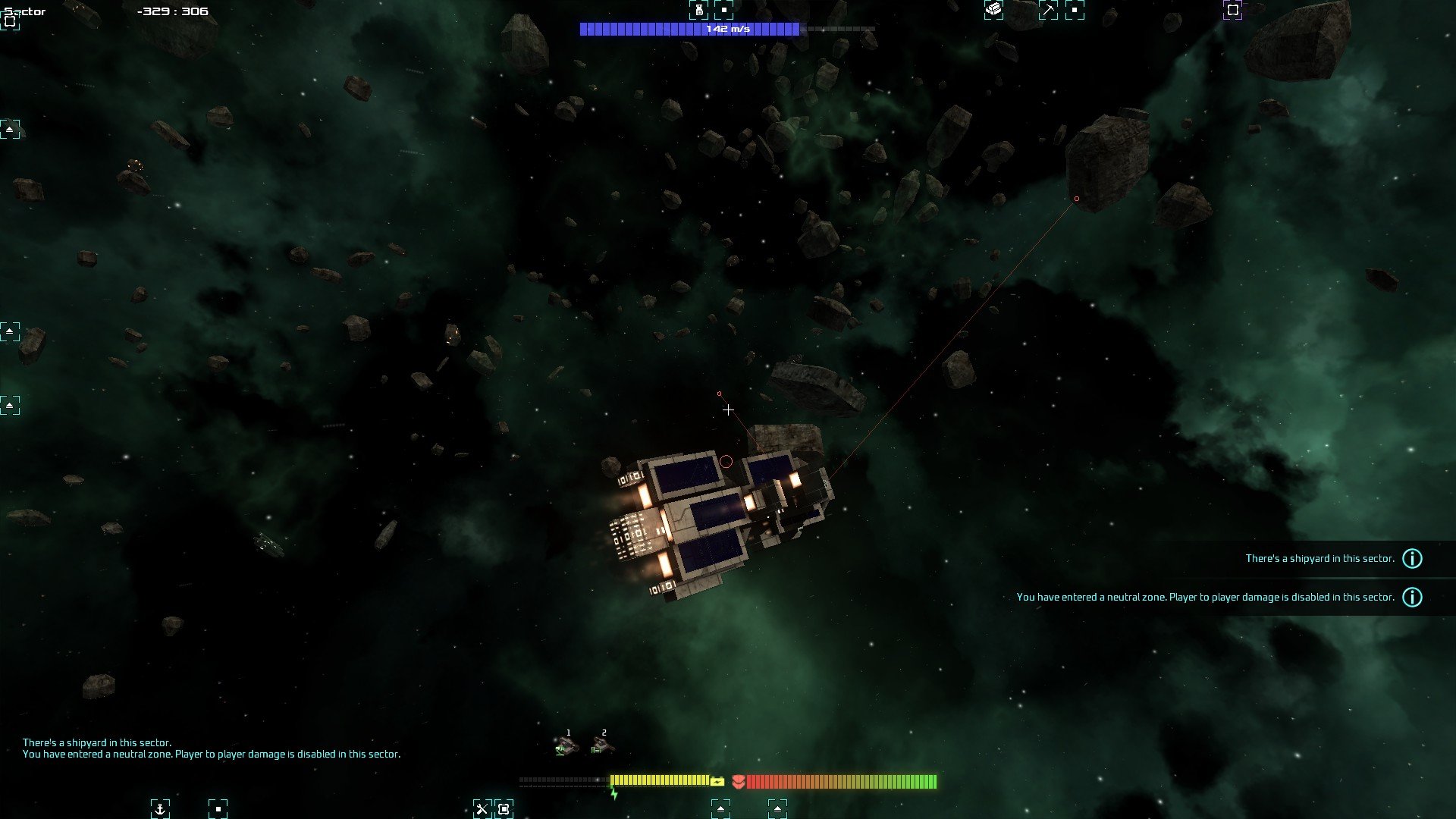
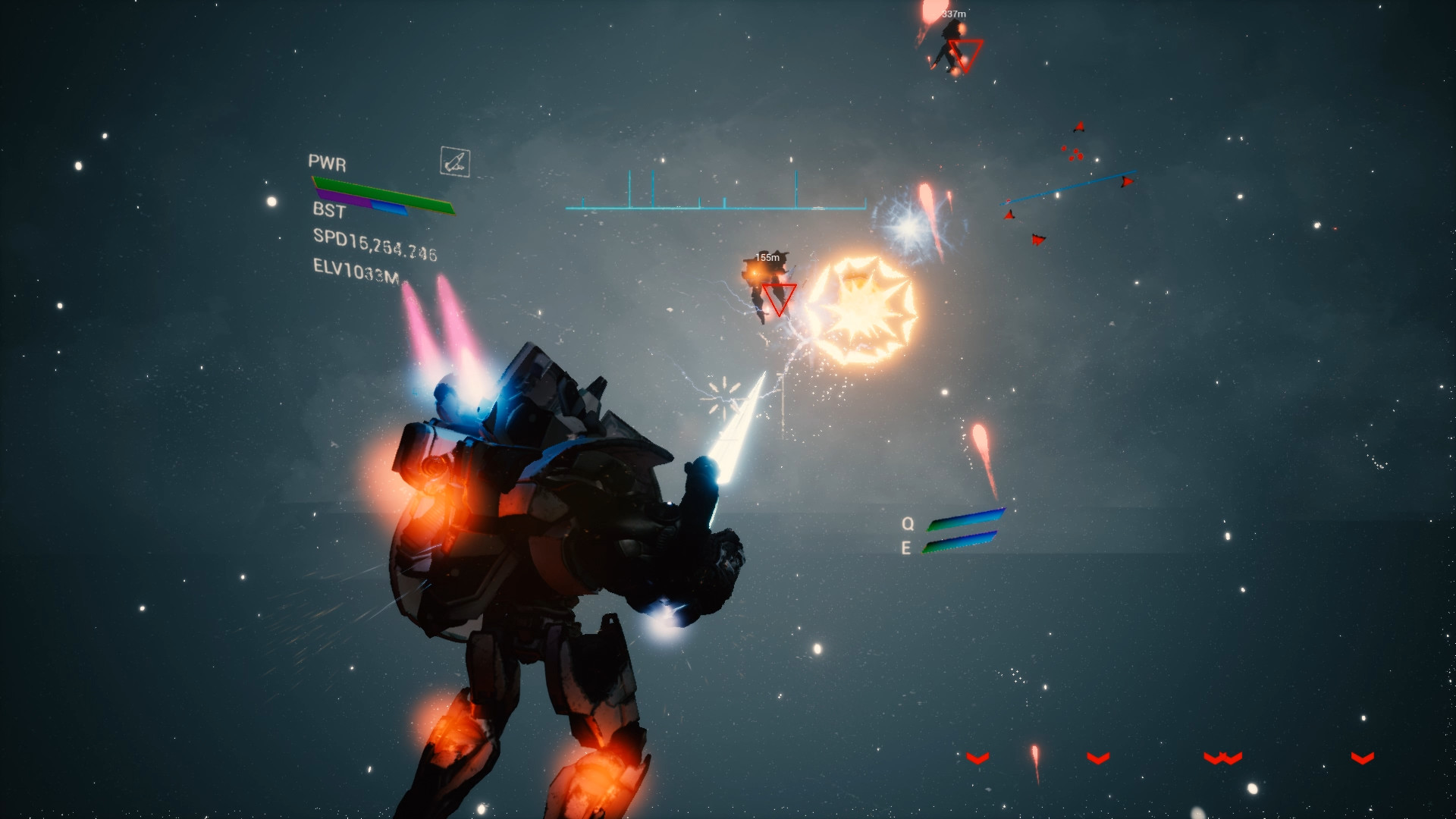
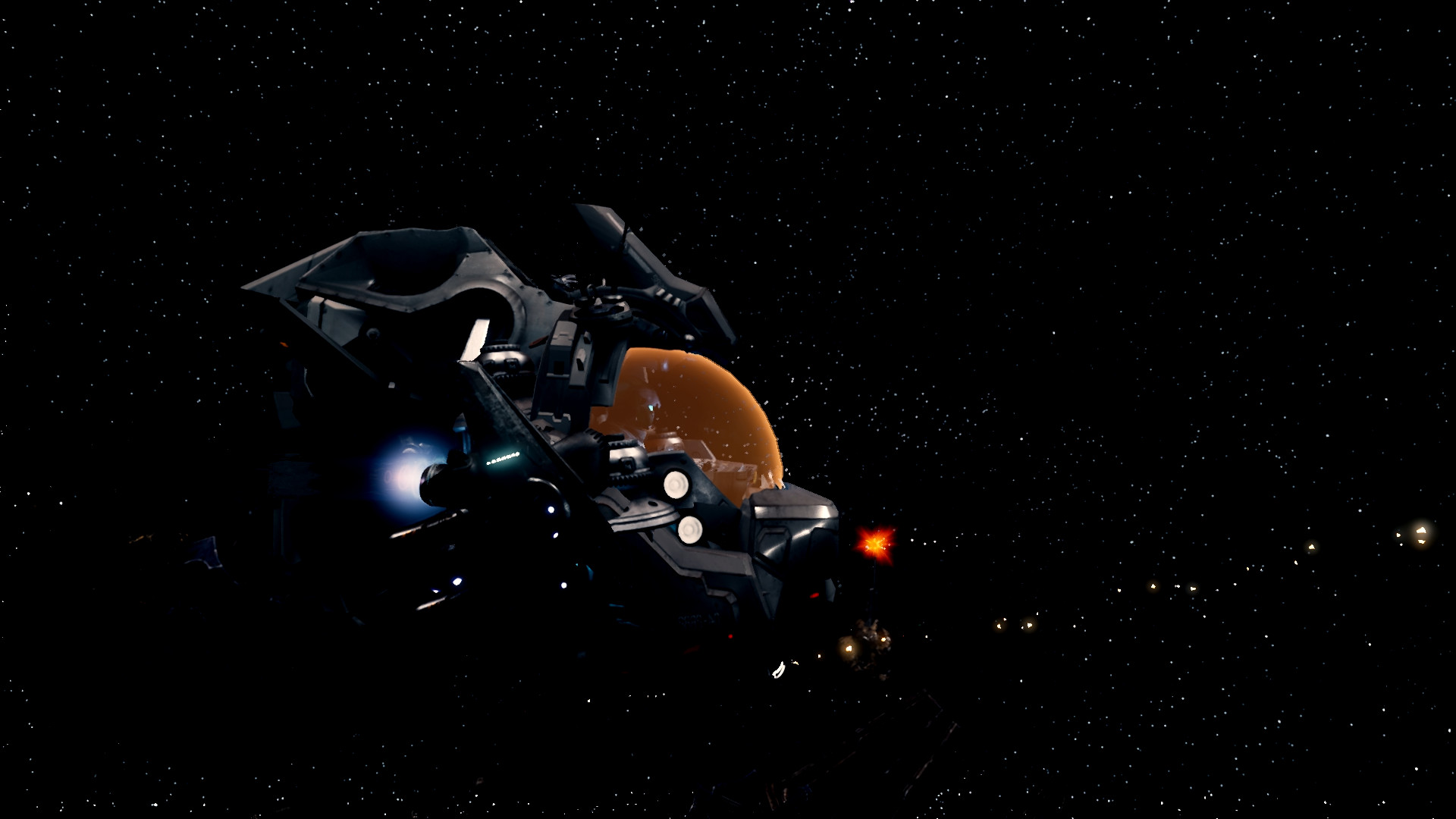
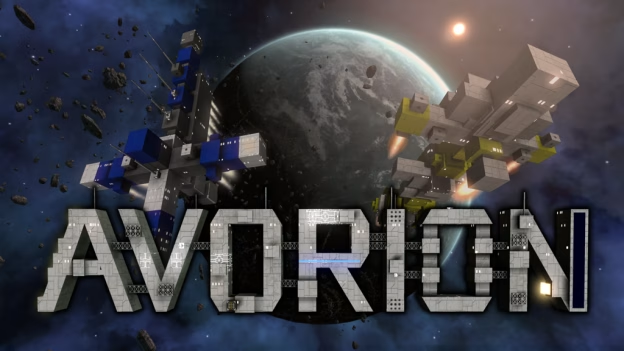
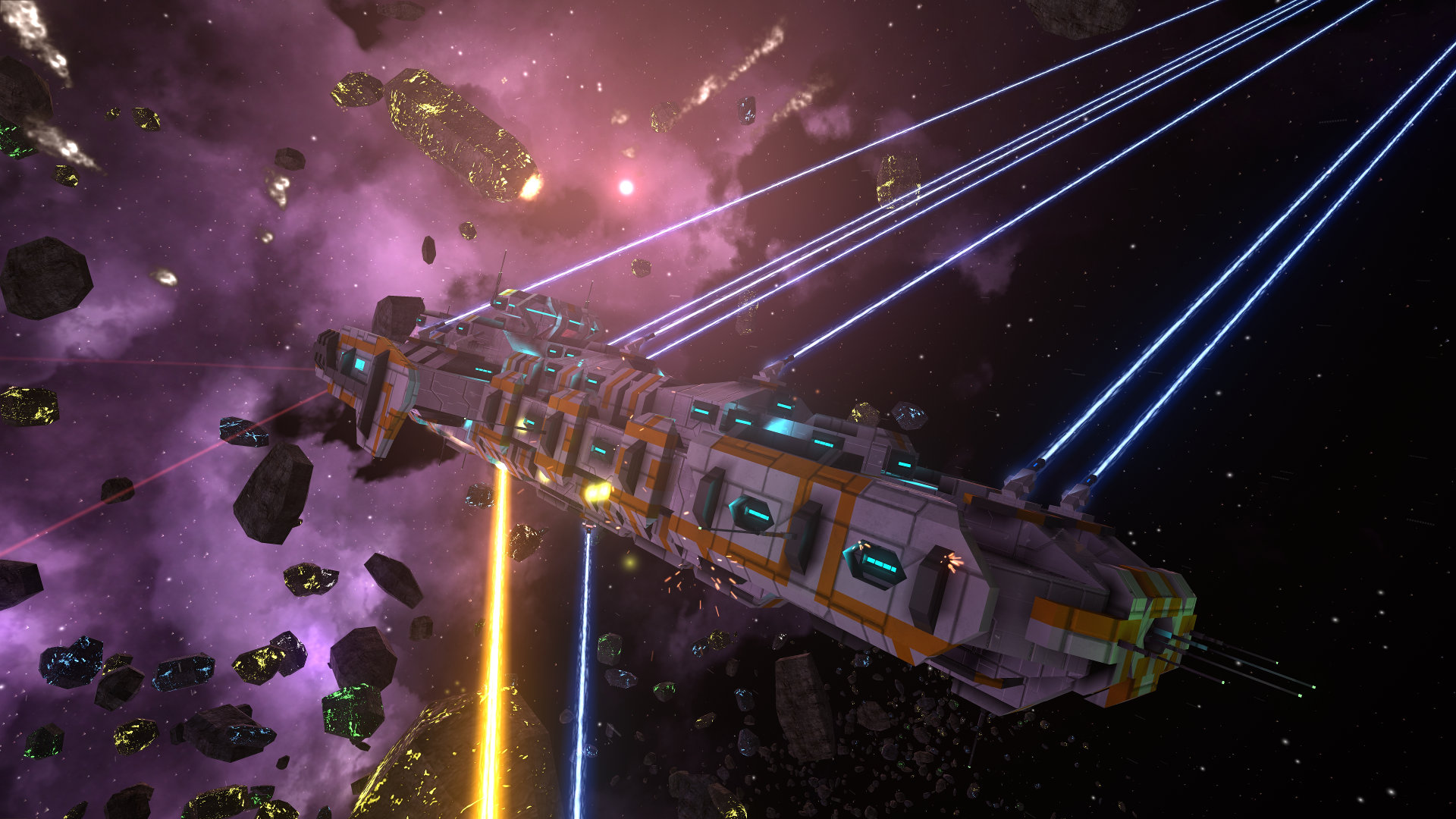
Searching for more up-and-coming developers showcasing exciting up-and-coming games, I discovered a space-based sandbox game in development called Avorion. Combining elements of titles such as Minecraft and EVE Online, Avorion puts heavy emphasis on both sandbox building and combat, as players must build their space stations, mine for resources, explore the open recesses of space, and defend themselves at all costs. Intrigued, I got in touch with the core developer of the game, Konstantin Kronfeldner, and posed to him questions regarding the game, what influenced its creation, and the excitement and challenges that have come with the developmental process. Here’s what Konstantin had to tell us about Avorion:

Avorion 1

What were the influences behind Avorion?

I always wanted a space game where ships would break at the points where they’re hit in combat. I’m a big fan of space sandboxes such as the X Games and Freelancer, but it always bothered me that there was no multiplayer option. EVE was one I tried out as well, but it was too hardcore for me. I wanted something a little lighter. That’s how Avorion came to life. Since I’m skilled at programming and I needed to fill my space game with a lot of content, I chose procedural generation. This way, I could focus on what I’m good at, programming. I created a generator for spaceships and stations, and was now able to fill my game with as much content as I wanted.

What has the developmental process been like?

I’ve been developing the game as a hobby for over 4 years alongside my studies in Computer Science. It’s become a big part of my life, and I love working on it. 

How close are we to seeing the finished product?

The finished product is planned to be released at the end of the year if everything goes well. We’re planning to release the game in Early Access in August, so you can get it there already if you like.

Avorion 2

What has been the most exciting aspect of development?

In the whole process, it’s Greenlight and Kickstarter. Generally, releasing demos to the public. It’s exciting to see other people play your game, and players always come up with ways of playing it in a way that you never imagined. Considering development itself, I think the most exciting part was when we managed to add ambient occlusion to the game, which improved the graphics a lot. Ships started looking a lot better, and we could add actual lights to ships and stations. The aesthetics made a huge jump, and I was very happy about that. If you don’t know what ambient occlusion is, take a look at these two pictures, one is with ambient occlusion, and one is without.

No AO: http://imgur.com/2VM84js

With AO: http://imgur.com/KX08Lz9

What has been the most challenging aspect of development?

At one point, I realized that the game went in the wrong direction, programming-wise. I won’t bore you with the details, but it used to use an inheritance hierarchy for game objects, and I rebuilt it into an entity-component system. No more features could be added since they would always interfere with other features, which was very annoying, as you can probably imagine. I restructured the game for over 6 months (seriously). I nearly lost all interest in programming it. Glad I pulled through, though, because now it’s better than ever. 

How well has the game been received so far?

So far, I think it has been received well. Most people liked the demo a lot, and we got tons of great feedback. Some criticized that it was very similar to other popular upcoming games out there, such as No Man’s Sky, but those who took the time to take a closer look at both games always agreed that they’re two very different games. 

Avorion 3

What platforms are you looking to bring the game to?

We will bring it to Ubuntu Linux (or any Linux that can run Steam successfully) and Windows. Gamepad support, and once we get this done, a port to SteamOS will be possible as well. We want to support Mac, too, but it probably won’t be out for Mac until further down the road.

 Were there any specific science fiction series that inspired the creation of Avorion?

I was definitely inspired by the X Games. I loved X3 specifically and played it for months. Other than that, there’s a lot of science fiction that I love, such as the Perry Rhodan books or Battlestar Galactica (the hyperspace jumps are inspired by both of these).

Do you have any advice for aspiring developers who may be reading this?

Wow, there are a lot of things that I think are important. But I think the most important ones are: 

  1. Stick to what you’re doing. Motivate yourself to keep developing the game you love. It’s going to be hard; there are no easily developed games. But it’s going to be worth it.
  2. Show it to people as early as you can, once you have something to show for it. Let people know that you’re making something. Get feedback and listen to it; this way, you can be sure that people will like it.

Avorion 4

 Where on the Internet can people find you?

You can follow me on Twitter; my nickname is @koonschi. The Twitter of Avorion’s second developer, Philipp, is @qui_sum. Aside from that, there’s also the Avorion Website (http://www.avorion.net/), which will have links to all our other sites, such as Steam Greenlight, Facebook, YouTube, Reddit, and the like.

Do you have anything else to add?

I want to thank all those who backed us and who put their trust in Avorion and in us. We will do our very best to deliver you all a great game.

Avorion 5

I would furthermore like to take this opportunity to thank Konstantin for providing what intriguing answers he did and to wish him and the team all the best of luck with the game. I am also happy to say that before this Q&A was published, it has now been officially greenlit by the Steam community, and you can check out a preview of it here:

https://steamcommunity.com/sharedfiles/filedetails/?id=569062754

Thanks for reading.

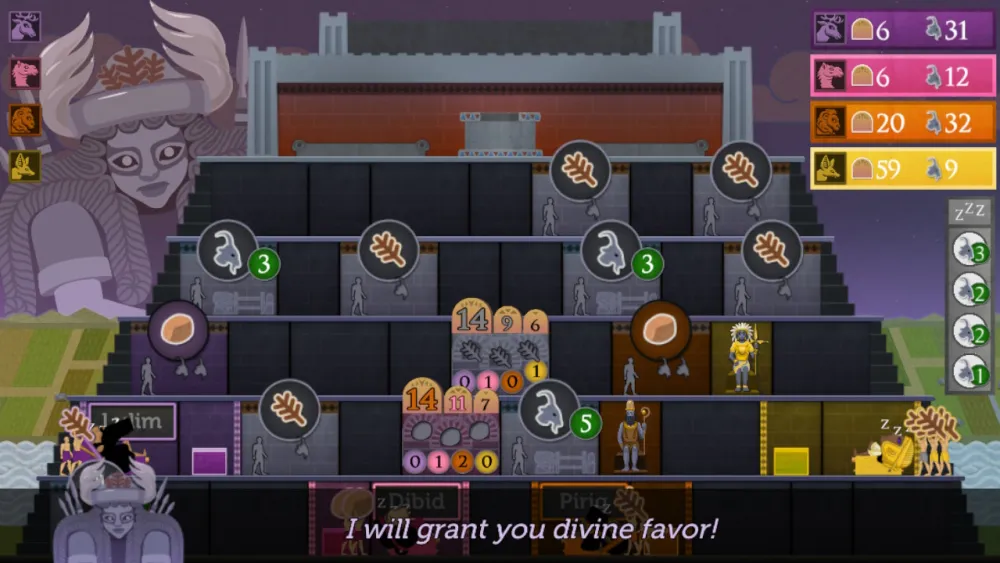
Sumer

Q&A With Studio Wumpus

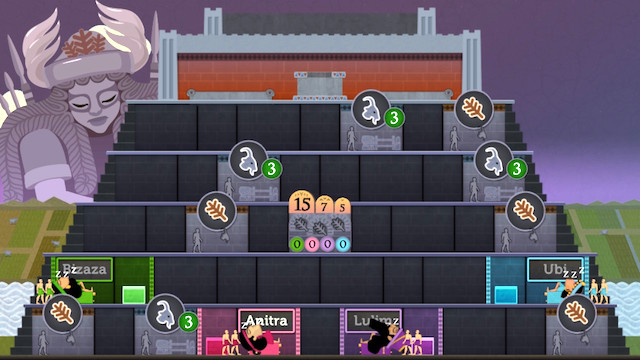
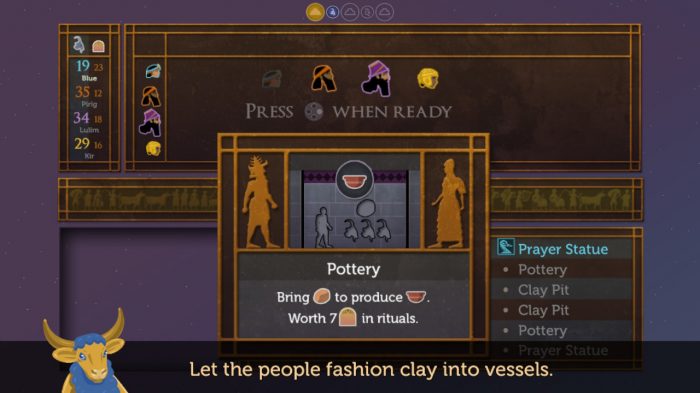
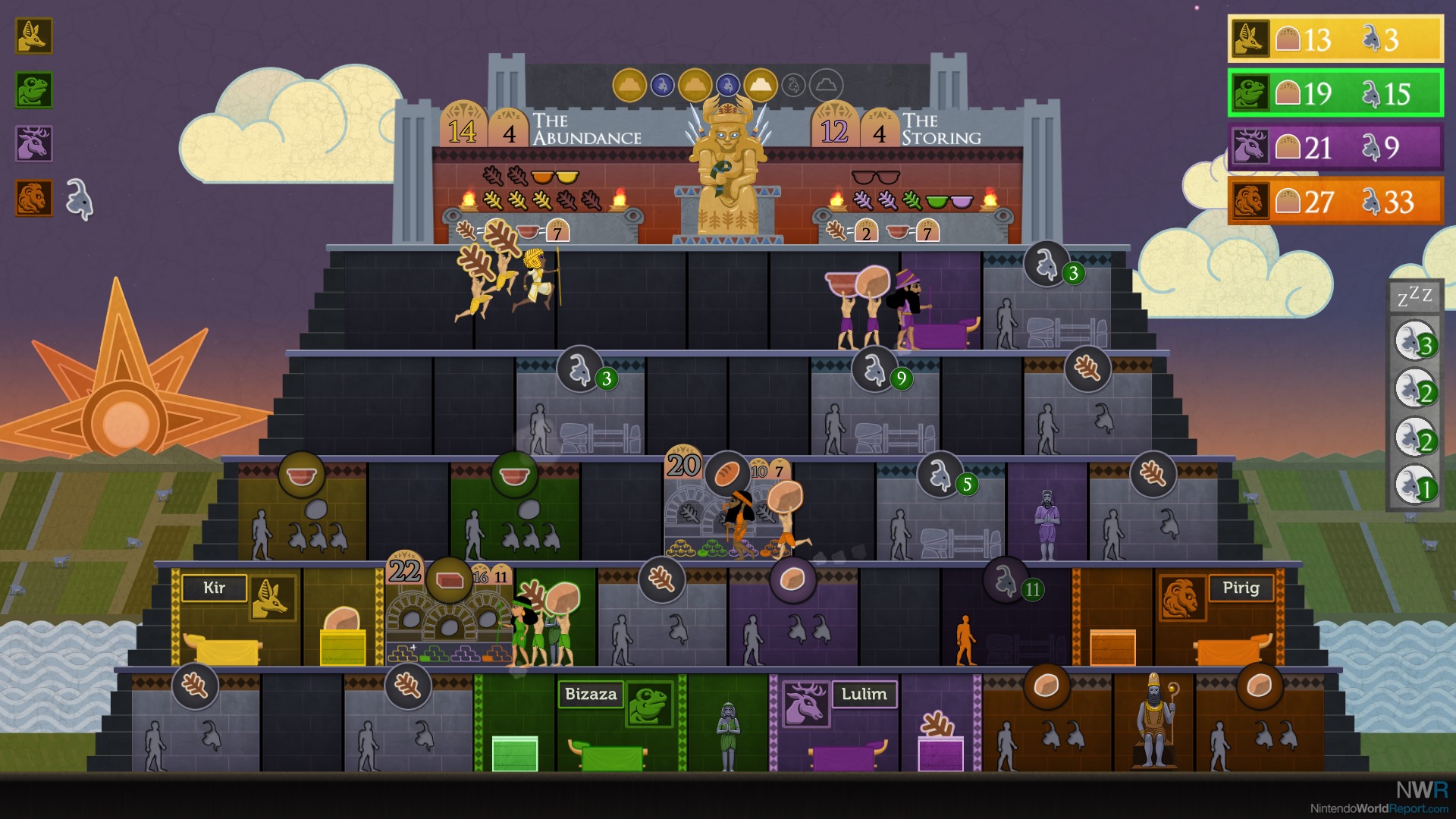
Another game seeking financial backing on Kickstarter that caught my attention this week was a title influenced by board games called Sumer. Developed by Studio Wumpus operating from New York City, Sumer has a look to it similar to the Metroidvania game Apotheon, but plays out much differently than the former, adopting a style of play combining the elements of god games and real-time strategy, but heavily influenced by a game named M.U.L.E, which also had a massive impact on Sid Meier’s Civilization series. I approached the studio, and core game designer Sig Gunnarsson agreed to answer the questions I had about this extremely unique-looking title. These were his answers:

Sumer 1

What were the influences behind your game?

Board games and local multiplayer games are the main inspirations behind Sumer. We really wanted to explore the space between board games and video games. Having played a lot of games like Towerfall and Samurai Gun at the time, but then, when we played the Yawhg, we saw that local games could be more than just action.

We decided to use our experience in board game design to create a game that felt like a board game but was built from the ground up to be a video game. Big board game inspirations for us were games like Troyes, Caylus, and Lords of Waterdeep. Our biggest inspiration has to be M.U.L.E., a game from 1983 made by legendary game designer Dani Berry. M.U.L.E. is an amazing local multiplayer economic strategy game that is incredibly original and fun, but no one has really done anything like it since. It was even based on board games like Sumer.

What has the developmental process been like?

It has been really fun and interesting. We started designing the game while we were MFA students at the NYU Game Center. We had a strong support system and a lot of repeat playtesters. After we graduated, we were accepted into the NYU Game Center Incubator, where we got further support in development. At that point, we had a balanced, playable game, but it just wasn’t polished enough to sell. Jet Landis joined the project, and with her help, we developed the visual style we have today. We have been self-funded since September last year, and every week the game gets a little better.

Sumer 2

How close are we to seeing the finished product?

If the Kickstarter succeeds, we’ll be on Steam Early Access this summer! So it’s not long at all until people will be able to play the game. The game is balanced, playable, and works. We’ll continue to polish it and improve it, and the full release will be when our online mode is ready.

What has been the most exciting aspect of development?

The most exciting part of the process is that no one has done something quite like this in recent years. We started by making paper prototypes, but quickly translated them into digital prototypes. We were treading new ground. Another exciting aspect was building the community. New York is a great place to do that. There are a lot of events that are good for local multiplayer games in or near New York, and people were excited to play Sumer.

What has been the most challenging aspect of development?

The fact that the game was so novel was both a blessing and a curse. It meant that there weren’t many games that we could look for solutions to problems about UI, experience, and design. This meant we had to do more iterations and find more of our own solutions to test. We initially thought that making a digital board game would let us make a more complicated game. The opposite proved to be true! Because everyone has to have access to all information at the same time on the same screen and doing it in real-time, everything had to be streamlined.

Sumer 3

How well has the game been received so far?

People often don’t know quite what to expect when they hear about and see our game. But as soon as they try it, they seem to fall in love with the mechanics and novelty. I’d say we’ve had a great reception so far!

What platforms are you looking to bring the game to?

Currently, the game is set to come out on Steam for Mac and Windows. Who knows what we’ll be able to do in the future?

Do you have any advice for aspiring developers who may be reading this?

The biggest advice I can give is to test. Just test and test and test. Do it earlier than you think, and keep doing it after you think you don’t need to test anymore. When testing initially, don’t be afraid to kill your darlings. You’ll always get new and better ideas. Be nice when taking criticism, listen to the playtester’s problem, and figure out the correct solution to it.

Where on the Internet can people find you?

Find Sumer on www.sumergame.com and me on Twitter @SigGunnarsson. Don’t be afraid to ask me any questions you might have about the game or its design.

Do you have anything else to add?

Be sure to check out our Kickstarter!

Sumer 4

I would also like to take this opportunity to thank Sig Gunnarsson and Studio Wumpus for agreeing to our Q&A and to wish the team the best of luck with the game and the backing process. For anyone interested in this title, the Kickstarter page is accessible via the link below:

https://www.kickstarter.com/projects/studiowumpus/sumer-a-game-of-divine-strategy

Thanks for reading.


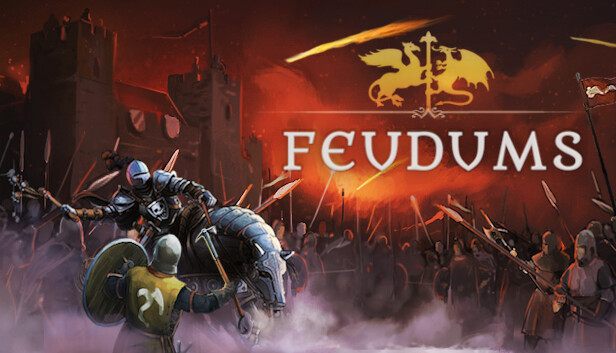
Feudums

Q&A With Feudums

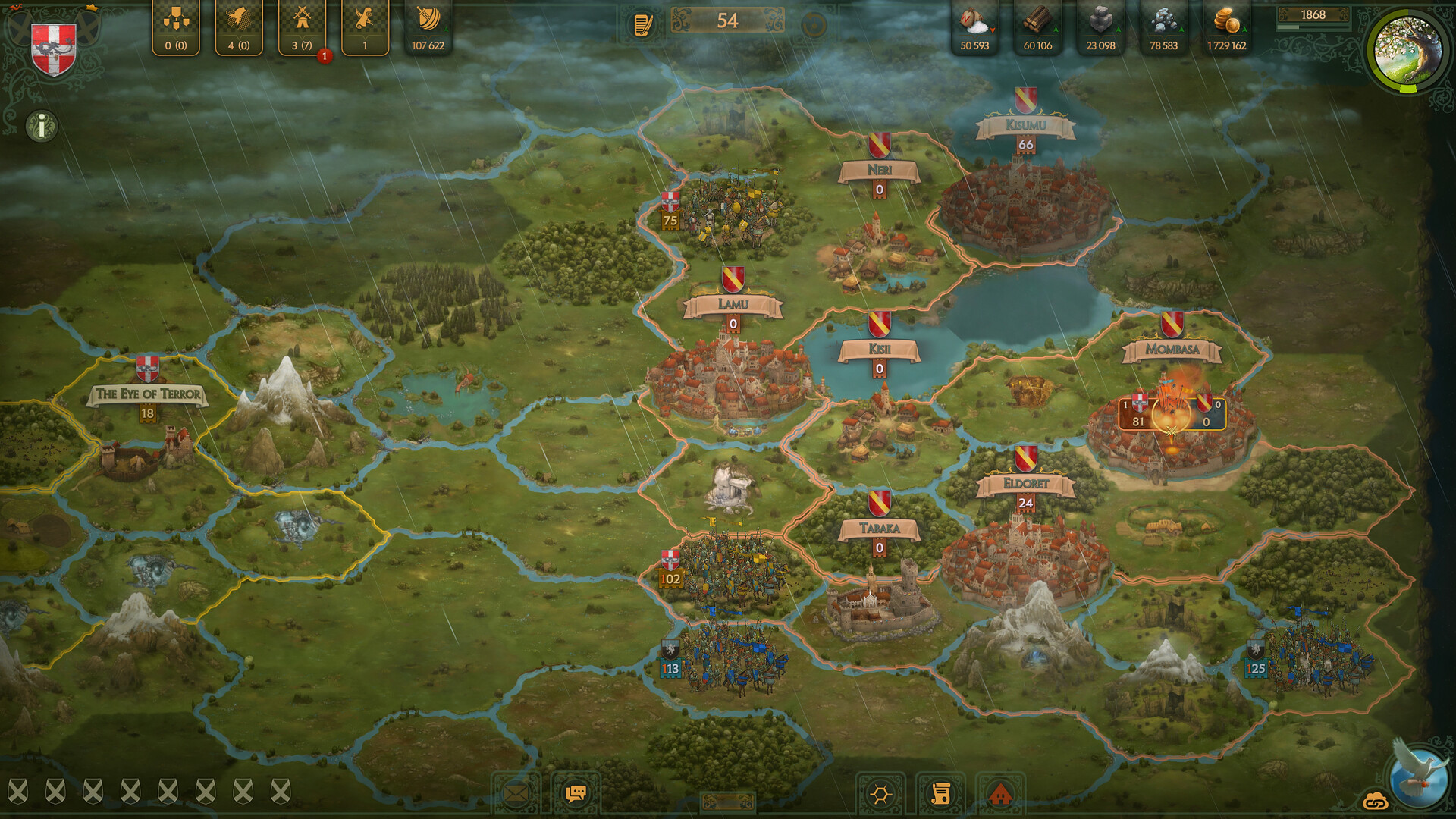
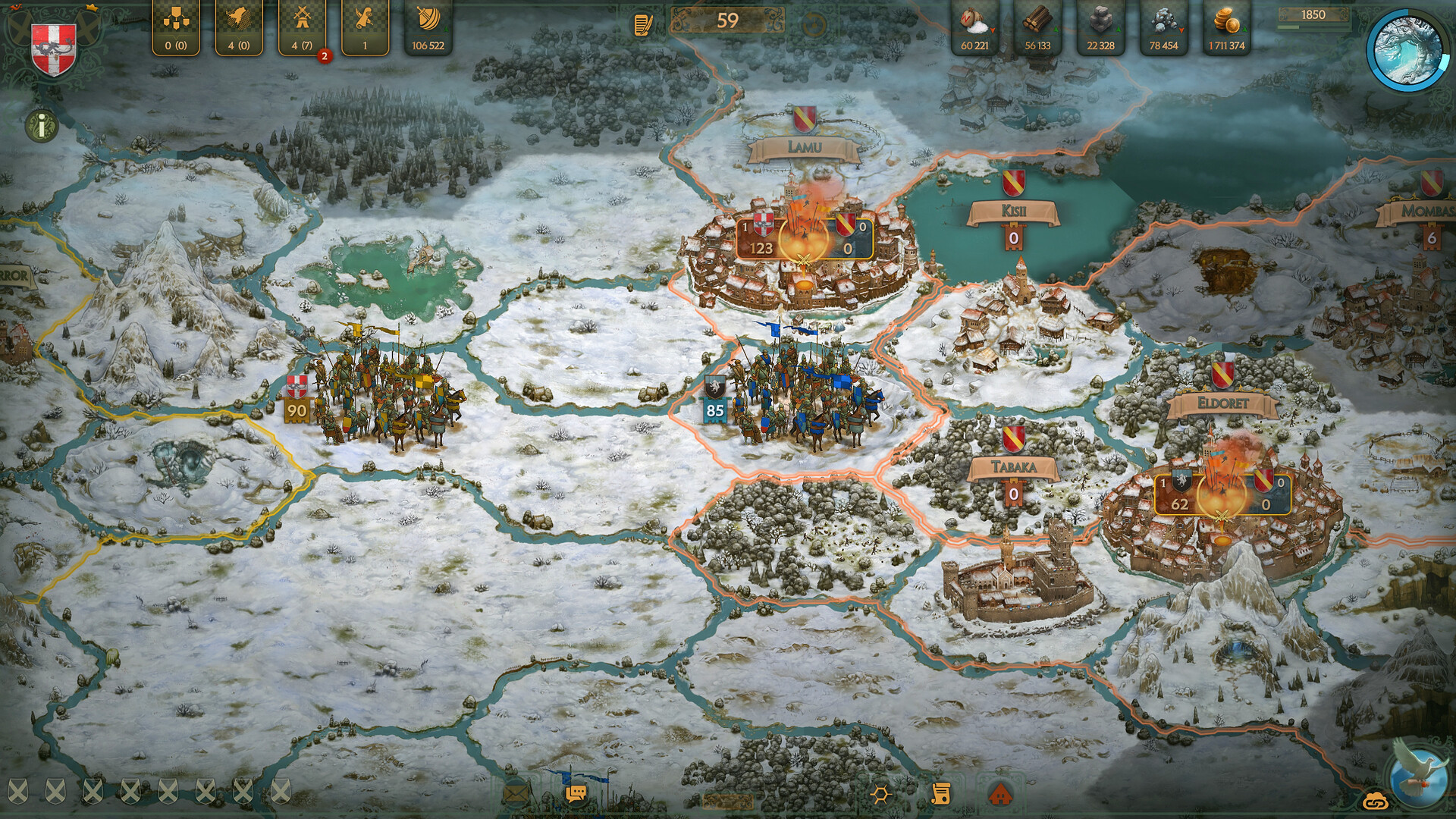
Searching for up-and-coming developers brought another game to my attention last week: a real-time strategy game entitled Feudums. Feudums takes inspiration from classic games in the genre, and its mythos has been compared to that of George R.R. Martin’s Song of Ice & Fire saga. The basis for the HBO series Game of Thrones. Intrigued by the prospect of a game mixing these elements and influences together, I contacted the development team, and they agreed to a Q&A for the blog. Answering the questions I had was the head of marketing, Mark Eliot, the chief of development, Imre Darics, and the lead designer of the game, Matyas Suranyi. These were the answers they provided concerning both the game and its development cycle:

Feudums 1

What were the influences behind Feudalism?

Matyas: The main influences were the C64 and Amiga strategy games of the early ‘90s. As Lords of the Realm, Defender of the Crown, Betrayal or Genesia (from Microids). Or, if we leave the medieval setting, there were great games like Syndicate or Populous. M, any of those were ported to or had sequels on PC, too. They were limited by many aspects, but they had one thing in common: they had an excellent atmosphere and were genuinely trying to transport you to their realm while you were playing. Current influences are grand strategy games, like Crusader Kings 2 (from Paradox), intuitive strategy games like Amplitude’s Endless Legend, or blended genre games like Mount & Blade: Warband. On one hand, the game options and systems they offer are great. And on the other hand, they are also games with a strong atmosphere.

What has the developmental process been like?

Imre: Feudums is an outstanding game because it’s a cross-genre with a heavy social strategy side. But also by its architecture as well. The game has a strong server-side that contains the world servers and thin clients on various platforms. Like desktops and mobile devices. We have to work in parallel on these two sides, which makes development even more challenging than most games.  Other than that, we’re facing the same developmental problems most Indies face. Mainly, we never seem to have enough time or money, so we’re constantly making hard decisions.  On the flip side, those hard decisions are helping us stay focused on the core game concepts.

Feudums 2

How close are we to seeing the finished product?

Mark:  We’re two builds into a six-build game.  We have our Map Creator and Single Feudum Management Builds complete, which also allows players to play in an early access demo.  We still have the Multiple Feudums Management, Diplomacy, Warfare, and the Coat of Arms Generator and House Avatar Builds left to complete.  Once our current funding is secure, we’re estimating 6-7 months to finish the MMO and another month or two for testing.  For sure, we should be ready to go by the end of the year.

What has been the most exciting aspect of development?

Mark: As the marketing arm of the operation, the most exciting part of our project so far is watching players’ reactions filter in after one of our build releases.  I’ve seen it twice now, once with the release of our Map Creator back in December and again a few weeks ago when we released our Single Feudum Management Build.  Players begin to test the build and post their comments online. Instant feedback on what we’ve built is very important from a marketing and development angle. But also very rewarding from a human side, as it validates what we’ve been doing for so long.

What has been the most challenging aspect of development?

Imre:  Definitely, the most challenging aspect has been making the game work across platforms, devices, and operating systems.   Sometimes I think … a moddable MMO for multiple platforms … are we crazy?

Feudums 3

How well has the game been received so far?

Mark: It’s been well received by those who have seen it. We have great conversion numbers on Greenlight and IndieDb. Where we’re having issues is actually getting the eyeballs to look us over, to begin with. I think our game ideas are a little more complex than the usual fare, and that’s helping keep some folks from discovering us. But those who have downloaded and played the demo or read through our material on our website, Indie DB, or Steam Greenlight all have good things to say about the direction we’re headed, and the follower/favorited conversions are far better than the average of the respective platforms.

What platforms are you looking to bring the game to?

Mark: Feudums was designed specifically for use with tablets, but you’ll be able to play it on your with your PCs too.  It’ll run on Win, Mac, Linux PCs, or on Android or iOS tablets.  Eventually, we’d love to make it available on phone devices too.  But that’s way down the road.

Was there any series concerning medieval fantasy that inspired the creation of the game?

Matyas: It wasn’t fantasy titles that inspired the game the most. In fact, I really didn’t want to create yet another fantasy setting. I wanted something much closer to the real historical background that I’ve chosen for the game, to provide some guidance to players and even myself by setting clear boundaries. Still, it’s easy to find common ground with any (typically low-fantasy) novel with an emphasis on diplomacy and intrigue, like the Song of Ice and Fire. But it’s easy to find other historical drama inspirations, like Pillars of the Earth or the various historical books describing the period.

Feudums 4

Do you have any advice for aspiring developers who may be reading this?

Mark:  We’re learning as we go, but we do have some basic truths other developers can learn from us.  Secure the money to start (and finish if you can) before you begin. Start to build your fanbase while the idea is still percolating around in your brain.  It’s hard to get people excited about something that doesn’t exist yet, but start the process as early as you can. Internally, don’t argue too much.

Dissension on the development team when you are working is counterproductive.  Argue the details and map out your development plan before you start. Be realistic with your timetable. Trust me, everything takes longer when you are actually doing it than when you are thinking about doing it.  Don’t believe in miracles like Kickstarter or Steam GreenLight – neither will work without a marketing budget and existing fanbase. Lastly, never give up.  If you’re passionate about your game and think it’s great, chances are there are others who will think the same.  It’s a big world.

Where on the Internet can people find you?

Mark: The best site to discover more information about the game is our website: www.feudums.com. These potential players can find other players to hang out with in our forums, download the latest version, read about the game and strategies, and find a way to support us directly.  Of course, we have the normal social channels as well: Facebook/Feudums; Twitter/@Feudums; YouTube/FeudumsMMO.

Do you have anything else to add?

Mark:  Thanks for taking the time to assemble this Q&A.  We hope your readers will find our game interesting.  We need more visibility and would encourage everyone who wants to help to please spread the word about us.  Even if Feudums isn’t a game you might like to play, please pass along our name to other gamers who might like to check us out.  We aim to change the FTP genre for the better.  Please help us out!

Feudums 5

I would also like to take the opportunity to thank Mark, Imre, and Matyas for agreeing to answer my questions and to wish them the best of luck with the game. After playing this game myself, and speaking as a fan of real-time strategies such as Empire Earth and Warcraft III: Reign of Chaos, I would recommend this title to any fan of the genre, and it deserves the backing that it needs.

Last Stitch Goodnight

Q&A With Well Bred Rhino

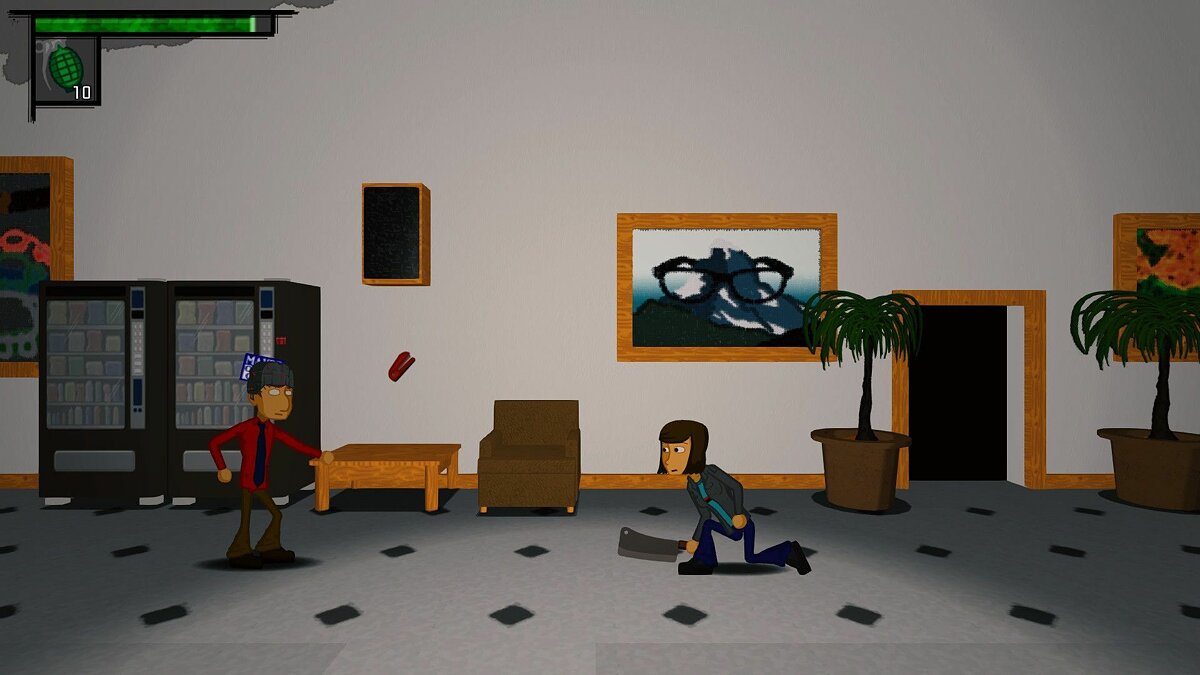
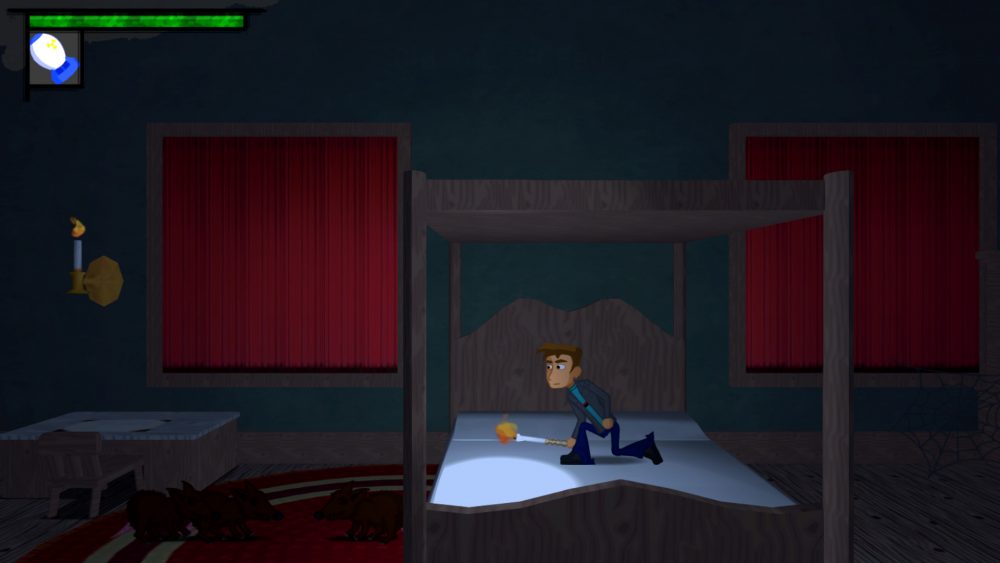
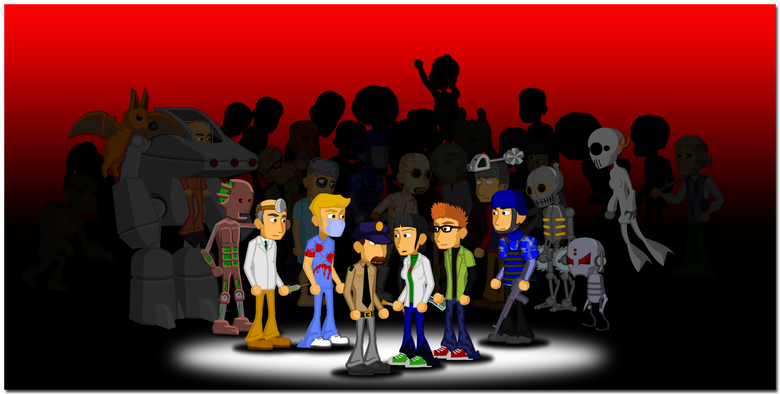
Once again, looking for independent developers and their efforts to bring their games to the attention of players, I began looking on Steam Greenlight, and many titles that I found intrigued me. But so far, none more so than Last Stitch Goodnight. A Metroidvania survival horror developed by a studio called Well Bred Rhino and led by designer Ben Cook. Impressed by the look and potential of the game, I reached out to Cook to see if he would ask some further questions I had about the game, and what directions he’d like to take the game later on in development. This is what Ben had to say about Last Stitch Goodnight:


Last Stitch Goodnight 1

What were the influences behind Last Stitch Goodnight?

Lately, I’ve wanted to find a game with a purpose.  Repeated caves, hallways that go on forever, and copy-paste offices let the gameplay shine, but they just aren’t as memorable.  I think my biggest influence has been seeing this trend and wanting to go in a new direction.  I wanted to create a world that existed before you got there and will exist long after you leave.  A world you could remember as a real, lovable space, with terrible events you could think back on and mull over. There are definite hints of Castlevania 2 and Metroid 2, but the bigger influence has to be real offices, real homes, and real-world problems.


 What has the developmental process been like?

Long but exciting!  I knew I had to spend at least three years laying the foundation before I could start showing it off, which by definition was eerily quiet.  Now that it is starting to stabilize, I am having a lot more fun sharing it, hearing people’s thoughts, and getting feedback!


How close are we to seeing the finished product?

Aiming for the beginning of 2017!  A lot of the core is in place, but I have a ton of ideas for side quests that I need to flesh out!


Last Stitch Goodnight 2

What has been the most exciting aspect of development?

 A lot of game development teams start with a giant design document that outlines every step of the way, but for me, the greatest joy has been through the discovery of new ideas mid-development.  Virtually the whole game design could be summed up with “I tried a thing, then when I tested the thing I thought of something even more fun.”  That thrill of discovery never gets old, and has helped Last Stitch Goodnight evolve in ways I could have NEVER predicted!


What has been the most challenging aspect of development?

Solo development.  While one person can make a game, there are a ton of cases where having a second (or eighth) person along for the ride would have been very helpful.  Then again, by relying solely on myself, I was able to discover a lot of talents I never knew I had!


How well has the game been received so far?

Fantastically!  I’ve had a chance to demo it at a few conventions, and everyone has been really enthusiastic.  I’ve had a handful of folks screaming as they delivered the final hit on the boss in the convention demo, and a handful screaming a bit louder when the boss delivered the final hit on them.  The only exception was one poor kid whose eyes went wide, got a REALLY worried look on his face, and left just when things started to get weird.  But then again, I’m not doing my job if I don’t weird out at least a few people.


Last Stitch Goodnight 3

What platforms are you looking to bring the game to?

Right now, PC, but I am in talks with some of the consoles.  I am going to try to get it running everywhere I can!  


Will you be looking to keep the sadistic sense of humor that the trailer seems to suggest the game will have, or are you looking to have horror as the more predominant aspect?

A VERY delicate balance between the two, hopefully!  The game takes the player to some dark places.  It makes them confront some people, creatures, and situations that still make me a little uncomfortable.  But I think one of the greatest strengths we have as humans is to openly mock that darkness to survive and keep our sanity.  


Last Stitch Goodnight 5

Do you have any advice for aspiring developers who may be reading this?

The true secret to success is making game development a priority and then making it a habit. You have to wilfully choose not to watch a movie, not play a game, or not see friends, and instead choose to spend 4 hours focused on tutorials.   You must be willing to sacrifice.  But after you do that for a few days, weeks, or months, a habit will set in, and you will start to uncover talents you never knew you had.  And it is completely worth it!


Where on the Internet can people find you?

The WBR website is the best place for tracking Last Stitch Goodnight’s progress, and Twitter is great for my brain dumps.

https://wellbredrhino.com/

https://twitter.com/gycot


Do you have anything else to add?

I can’t wait for everyone to get a chance to play it! 

Thanks for the questions!

-Ben


Last Stitch Goodnight

I would, in turn, like to thank Ben for agreeing to take part in our Q&A for the blog, and you can support Last Stitch Goodnight by giving it the thumbs up on Steam Greenlight here:

Last Stitch Goodnight

Thank you very much for reading.

Q&A With Team V

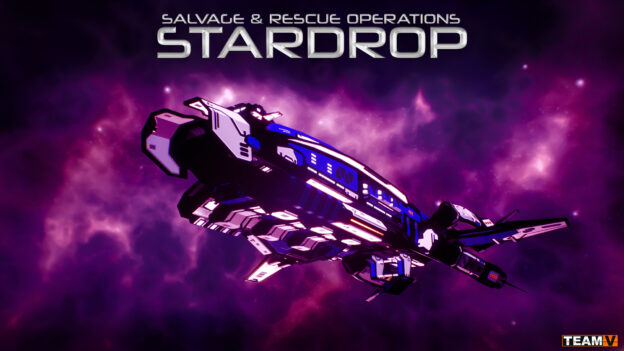
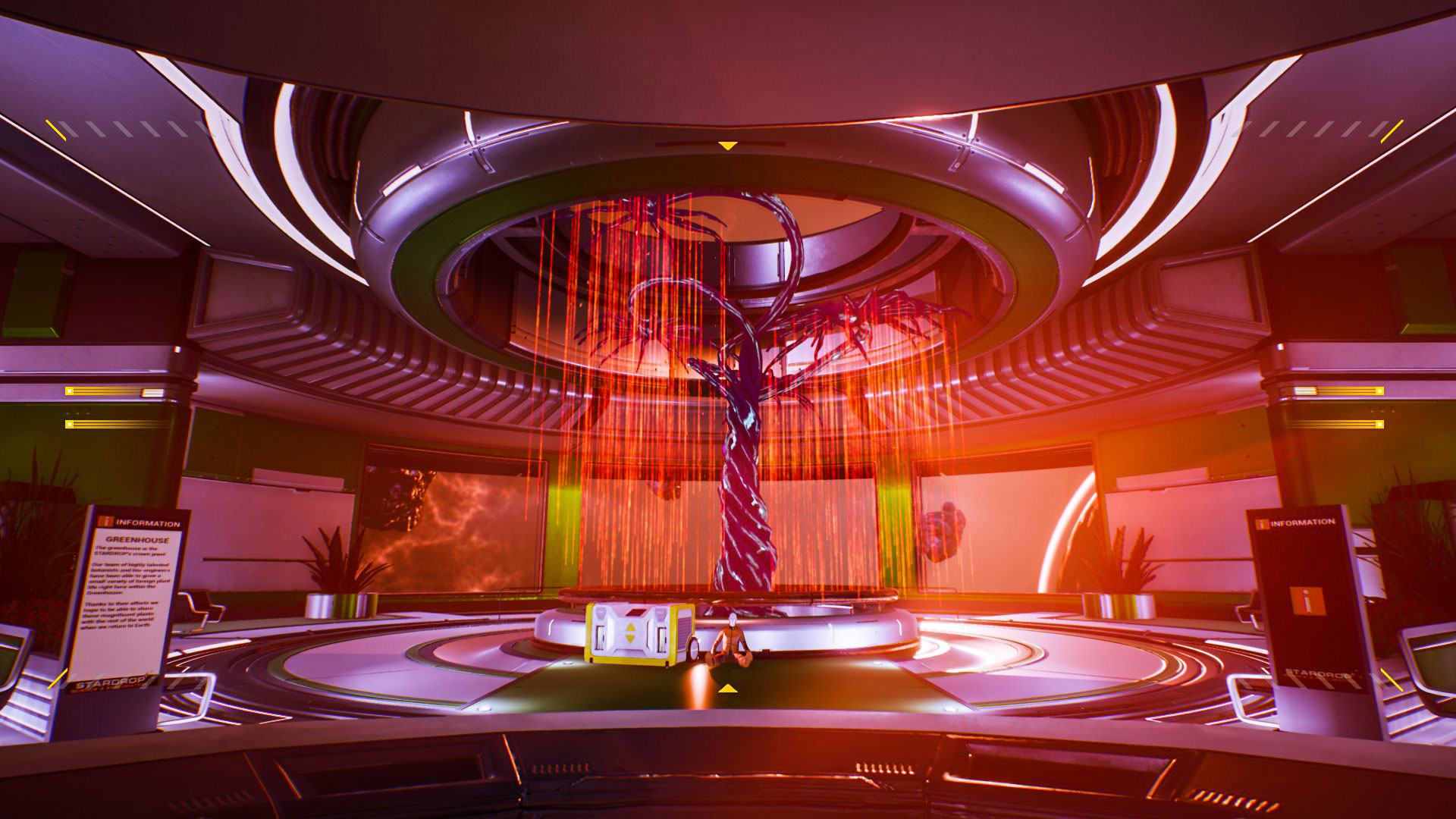
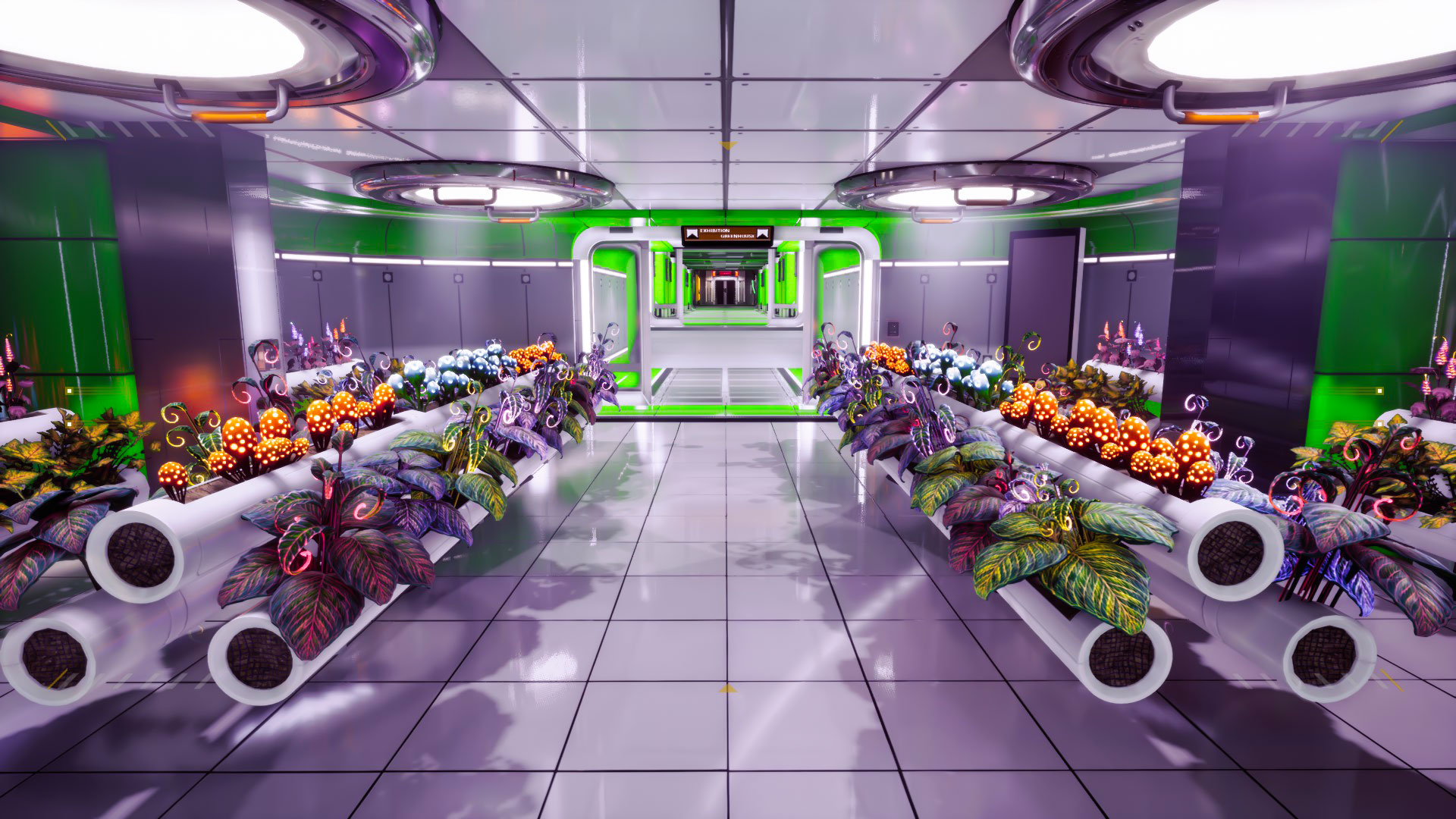
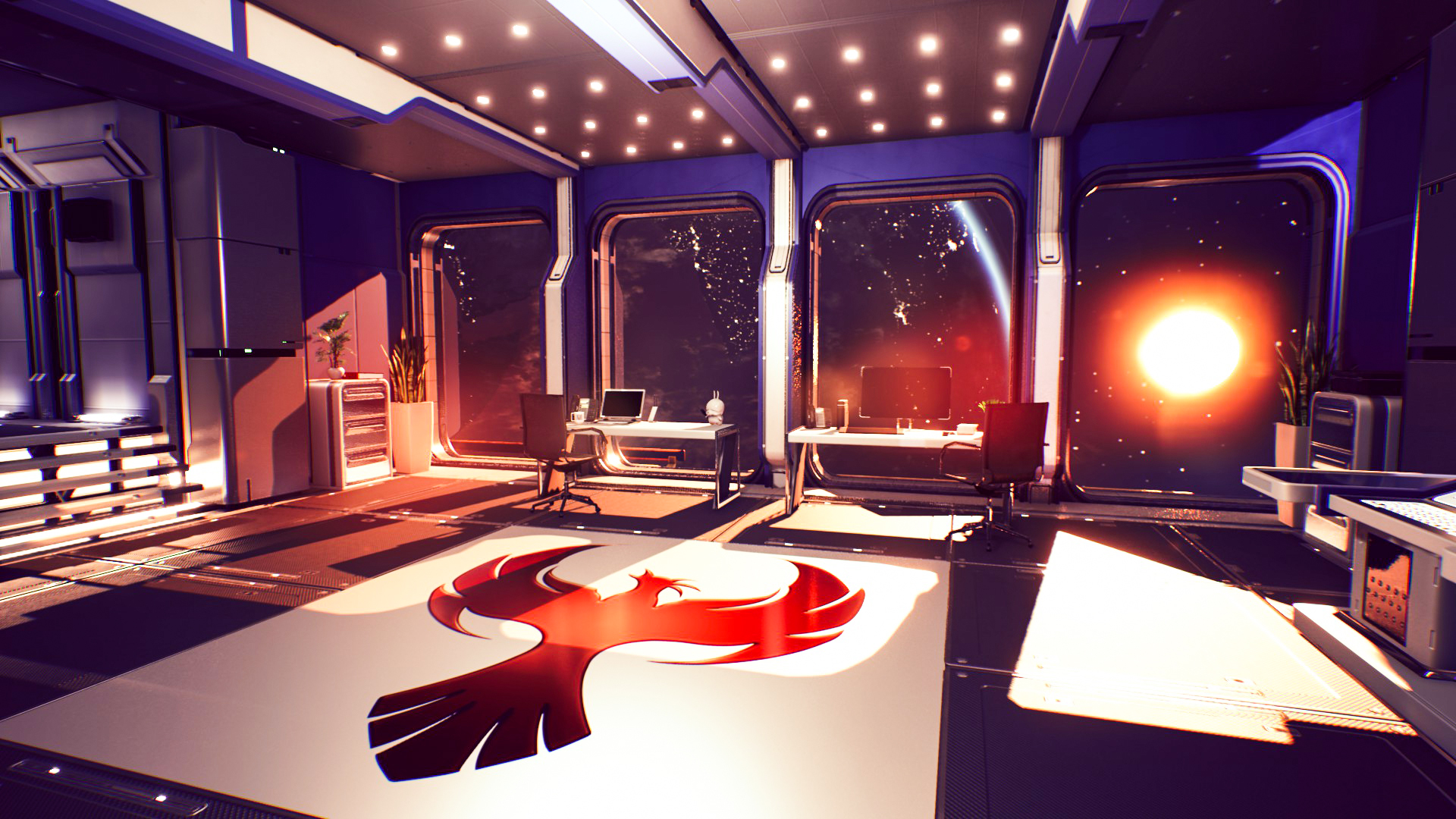
In my ongoing efforts to discover new video gaming talent to bring to the attention of the gaming community, I recently came across a game called Stardrop on Kickstarter, a first-person science-fiction story-driven game set in space developed by indie outfit Team V, and lead designer Joure Visser. I recently got in touch with Joure, who agreed to answer a few questions I had about the game and what the developmental process has been like thus far. These were his answers:


Stardrop 1

What were the influences behind Stardrop?

I have played a whole lot of games in my time, and I take inspiration from all my experiences up until now. The Metal Gear Solid and Half-Life series have been huge inspirations, as well as Alien Isolation, which I mentioned. Then there is the Portal series, which had brilliant writing. Mass Effect, Resident Evil, Life is Strange, and so many more.

On top of that, I love movies and Gravity, which is another big inspiration. And lastly, but probably most importantly, are my wife and daughter. I’ve contemplated various subjects throughout my lifetime, things that I find important, and I am merely trying to add a little bit of what I’ve learned and what is important to me through some of the themes that I’ll cover during the game, but mostly just positive things. Ideas and thoughts that reinforce a more positive state of mind while reflecting on some of the bad things as well.


What has the developmental process been like?

Well, I’m not done, of course, but so far it’s been very organic. I prefer letting my projects flow naturally. This way, I can tweak and/or change things relatively easily. I have a group of individuals I could ask for, and everyone has been incredibly supportive and involved. This project means a whole lot to me, but it’s good to know I’m not alone.


How close are we to seeing the finished product?

Not too close. I have yet to start on the Dropship and then the STARDROP itself, which is quite a large ship. Luckily, I have most of the core mechanics in place, and we mainly have to expand on these. It makes working on the rest of the game a lot easier, and we expect to be able to finish the game within the year. But I wouldn’t want to promise this as a fact. Anything can happen during development. The demo was made within 8 months, and 6 out of those were primarily prototyping game mechanics.


Stardrop 2

What has been the most exciting aspect of development?

Seeing Robert Ducat and Aryn Rozelle bring the two main characters to life. On top of that, seeing the game take shape must have been one of the most exciting aspects. I guess how the game has been received by my friends and people, in general, caught me off guard, and I did not expect that.


What has been the most challenging aspect of development?

Working full-time with very, very little funds, or basically none. I have put all that I could spare into this. My computer is breaking down, my mouse button is starting to not register clicks, my GPU is running on one of its two fans, oh, and my monitor recently started to show scan lines. These things make it hard to work on the game.


How well has the game been received so far?

The worst I’ve gotten so far has still been positive. I’ve yet to receive a fully negative review of the demo; mostly, reviewers end up nitpicking or looking at minor flaws, which is totally fine. Even when we’re done with the game, I’m sure there will be imperfect things.


Stardrop 3

What platforms are you looking to bring the game to?

We’re planning to bring the game to the PC, Linux, and Mac. Unreal Engine 4 has made it incredibly easy to port the game over to these platforms. We hope to end up on consoles as well, but that mostly depends on whether we can get a partnership with either Sony or Microsoft, as we need dev kits to be able to port the game properly.


Were there any specific science fiction series that inspired the creation of Stardrop?

I would say that Alien Isolation was the game that finally kicked me into gear and brought together a bunch of thoughts and ideas that made me decide on a theme and genre.


Do you have any advice for aspiring developers who may be reading this?

Don’t give up and work hard; very, very hard. Interact with your community and with other Indie developers out there. Support each other and make sure that even during all the hardships, you are still having fun. Your love and dedication towards the game will get noticed. I truly believe that, and I believe that’s why STARDROP is well-received in general.


Stardrop 4

Where on the Internet can people find you?

Www.stardropgame.com

http://jourev.wix.com/joure2015

And I’m always open to receiving an email:

joure.v@gmail.com


Do you have anything else to add?

I’ll be honest, and the Kickstarter campaign seems to be stalling. Thanks to everyone who backed us, and whatever happens, I will keep working on the game until my PC finally breaks down. But the game will be made, one way or another.

Thank you for this interview

Joure

I would also like to take this opportunity to personally thank Joure for agreeing to our question and answer session for the blog, and to wish him the very best of luck with Stardrop. If you like the look of the game, you can back it on Kickstarter here :

Stardrop Kickstarter Page

Thanks for reading.

Q&A With Abyssal Arts

City of the Shroud

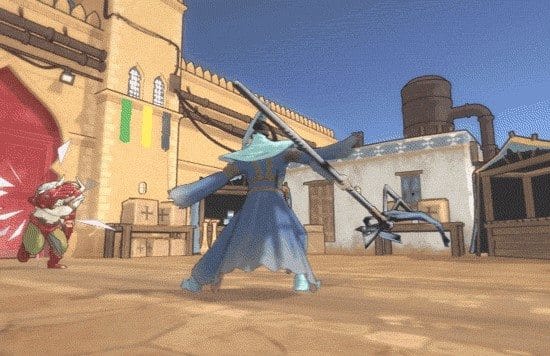
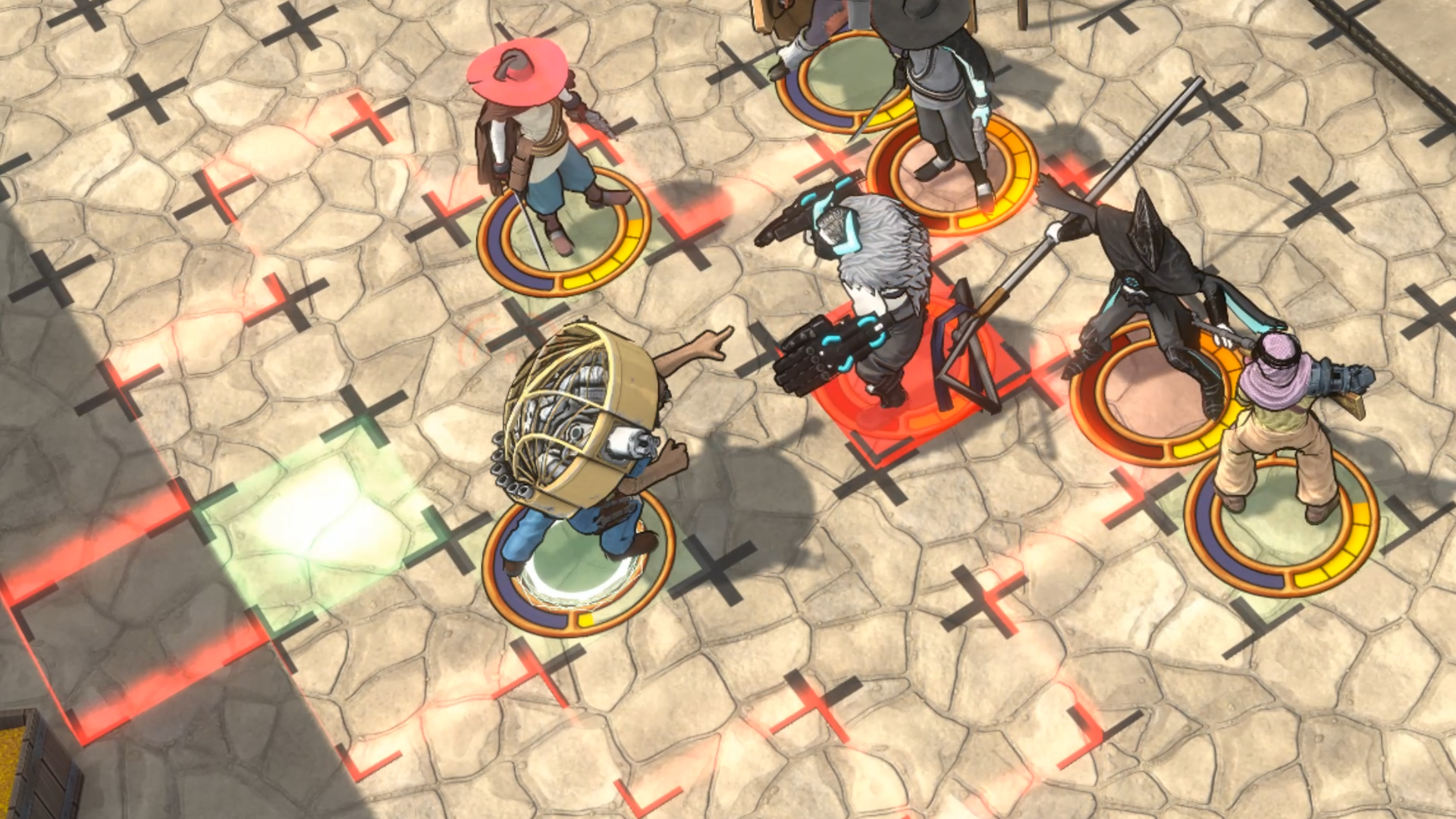
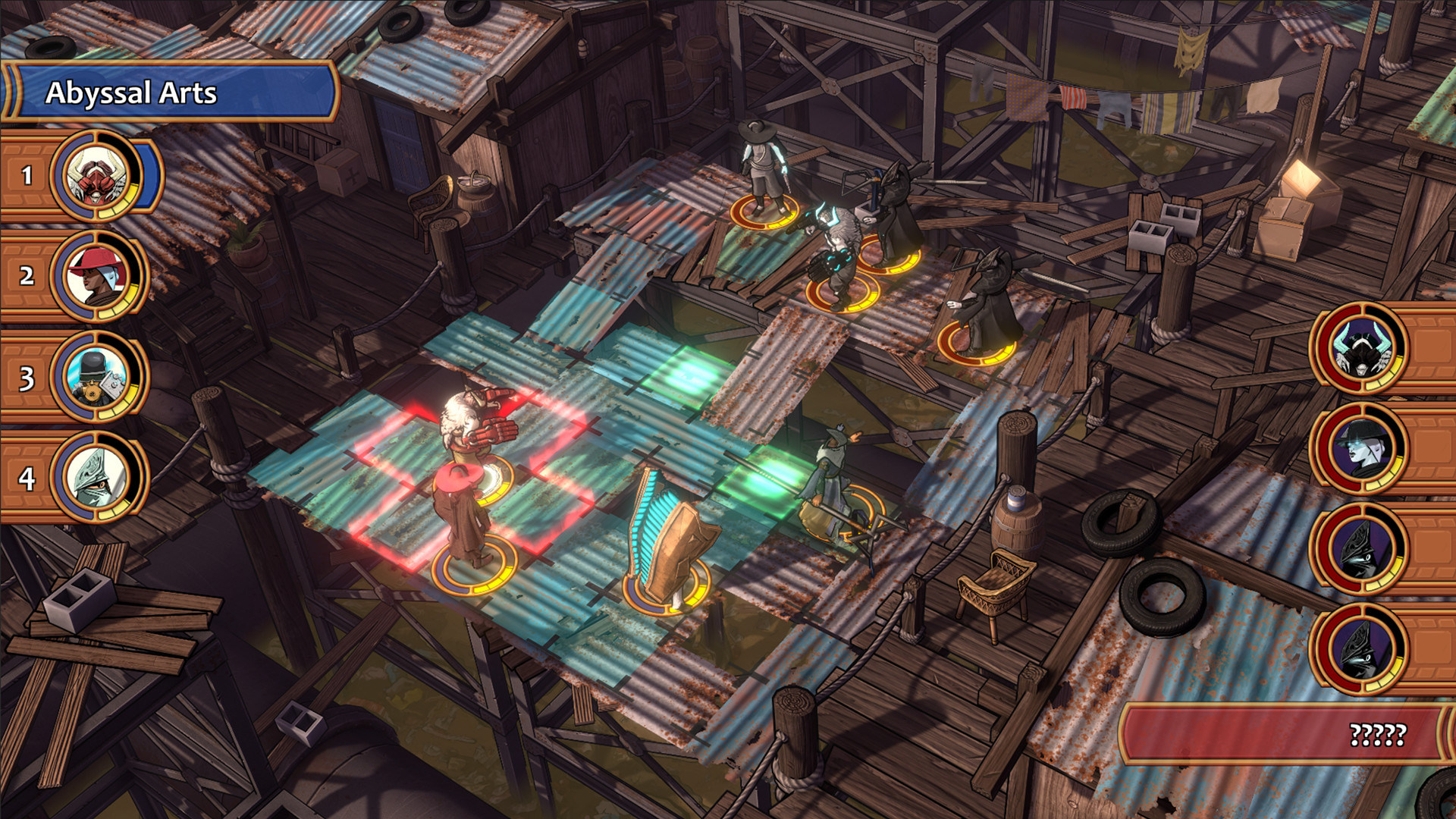
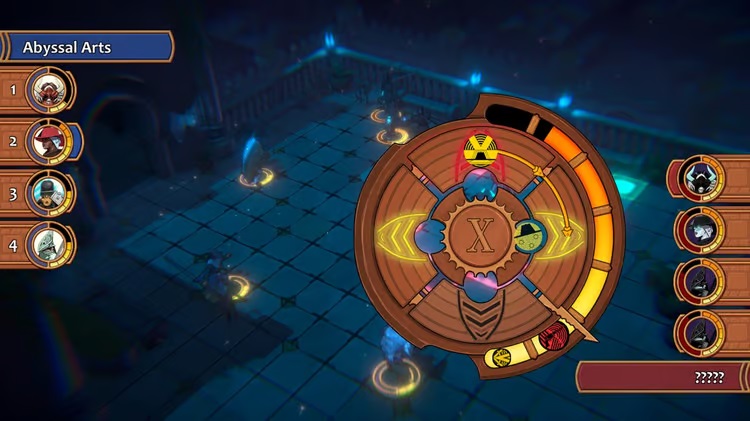
Another developer I met at Play Manchester 2015 was Keaton White of the indie outfit Abyssal Arts. Having worked at Capcom for several years and assisting in the development of Street Fighter V, among other titles, Keaton White was in Manchester last year, showcasing Abyssal Arts’ upcoming game City of the Shroud. Mixing fighting game mechanics with many fundamentals of the tactical RPG genre, I tried the game when it was on display at the show. And I was intrigued to find out more. Therefore, I requested a Q&A with Keaton White for the blog, and this is what he had to say:

What were the influences behind City of the Shroud?

When we set out to develop City of the Shroud, we wanted to make a tactical game that played like a fighting game. While iterating on the fundamental design, we also took inspiration from a few places. It’s a tactical RPG. So we looked at classics like Final Fantasy Tactics (I’m a huge fan). And modern takes on the genre like X-COM. And even extended our research out to MOBAs. In terms of fighting game mechanics, we looked at games like Street Fighter and Soul Calibur. The strategy of the gameplay lies in the interplay of action between players. But we also looked at games that merged fighting mechanics with RPG gameplay. One particularly strong reference is Legend of Legaia from the PSX days.

What has the developmental process been like?

The development process has been an interesting shift from AAA. There’s a juxtaposition of needing to bootstrap the whole thing budget-wise, while at the same time having absolute freedom to make the game we want to make. Instead of huge teams, large budgets, and higher-ups to answer to, we have no one to hold responsible but ourselves. Funding has definitely been an issue. We’re remotely based, trying to create a new type of gameplay with a new (and labor-intensive) story mechanic, so we’re not prime targets for investors or publishers. Instead, we’ve done contract work to keep ourselves alive (there’s a good write-up I was interviewed for here). And have put what we’ve earned back into the game.

That said, we’ve had incredible freedom to pursue our passions. And the response has been very positive. Players really like the gameplay, the story idea gets people excited, and we’ve had major platform holders and game shows approach us about bringing our game to them (on our own dime, however). Overall, it’s been an enormous learning experience to go from the specific, stable, and structured world of AAA to a chaotic mass of tasks but complete ownership over the results. I will say that we’ve done a good job of staying organized and on-task, so despite our limited development capacity, we’ve made sure to squeeze as much out of our own work as possible.

How close are we to seeing the finished product?

If we’re successful on Kickstarter, we’ll actually be quite close – most of the underlying systems for the game are built. We’ve had online multiplayer forever, our story mechanics are working – we even have cross-platform cloud saves. All that remains is to build the art we need to complete the package we want to present to players, and then integrate it. While that’s going on, we can add and tune the remaining three character classes (already designed and in the system), get feedback from players, and polish. Right now, we’re on schedule to have the first chapter of story content live and running this summer!

What has been the most exciting aspect of development?

Seeing players have fun with the game. At our first show, before doors opened, a 5-year-old girl came up to play the game. Generally, a real-time tactical fighting RPG with early-stage UI is not a game for kids, but she picked it up and played for 30 minutes. Then she came back at the end of the day to play more. We’ve had people send in fan mail, comment about how excited they are about our YouTube videos before we’ve announced them, been selected for indie game shows, and even got featured on Kotaku UK. We’ve spent an incredible amount of time and effort to make this game happen. And seeing people really enjoy it and get excited about it is a huge rush.

What has been the most challenging aspect of development?

Since we’re a new studio that’s bootstrapping development, everything is balancing budgets with what’s possible. There are a million things we’d like to do. But it’s always up in the air whether we can do them or not. We’ve made several conscious decisions not to put certain mechanics or scenarios in the game, and that’s been really difficult. But we want to be certain that each aspect of the game players see is completely polished when we release

City of the Shroud 3

How well has the game been received so far?

Players have had a lot of fun playing the game. We’ve been to two game shows so far (Play Expo and Insomnia 56). And the response has been really good. We’ve been called “Better than League of Legends,” which was nice (she was 13). And at Insomnia, there wasn’t a spare minute even to eat because so many people were playing the game.

Did your time at Capcom influence the development of this game to any great extent? If so, were there any Capcom franchises in particular that did?

There are a few, but the first element was trying to nail down the “feel” of an action game. We wanted the game to be clean (I did a piece on clean gameplay on Gamasutra), and we wanted your success in combat to be a matter of ability, not dice rolls. That meant spelling things out and making sure there wasn’t any randomness to what was going on – everything was under your control. The other aspect of feeling was making it feel good to push buttons (or move the mouse).

When you make an input, the game has a clear reaction – we still haven’t nailed this one perfectly, but we’re steadily working towards it. We’ve gotten feedback from designer friends that it’s fun just to input combos, so hopefully, that’s a good sign. It also means we were able to get away from the most tedious part of most tactical games. Attack input. As for franchises, Street Fighter was obviously a big one. The game is a big departure from SF, but we tried to take some of the general theory behind the gameplay and apply it to our system.  There are also elements of Dragon’s Dogma and Mega Man Zero in there, but I’ll let you try to figure out where those influences are hiding.

What platforms are you looking to bring City of the Shroud to?

Right now, we’re focusing on bringing the game to Windows and Mac via Steam. We’re launching a Greenlight campaign at the same time as Kickstarter (February 2). I’d like to bring the game to more platforms as time and resources allow; we’re approved PlayStation developers, and Microsoft has asked us about bringing the game to Xbox, so it’s something we’re considering for the future (players have also asked if it’s coming to console). It also plays well on a tablet, so that’s a consideration too.

Do you have any advice for aspiring developers who may be reading this?

Oh man, there are so many things to say. I think it depends as much on the individual receiving the advice as the person giving it. On one level, I’m really glad I worked in AAA for several years before going indie. It gives you a good idea of what’s necessary to make a (usually) quality game, insight into why ideas and plans fail, and a general understanding of the game-making process.

In general, though, I see two things as critical to making a game. Understanding and working with your own strengths and weaknesses (understanding limitations and being creative within them). And the ability to stay focused and passionate no matter how long it takes or how hard it gets (production skills and willpower. I often see developers lose focus on their goals or aim too high, which often results in a failed project. That’s not always a bad thing, but if you want to make games (particularly self-funded games), it’s really important to be realistic while remaining fired up for what you’re doing.

Where on the Internet can people find you?

You can find me on Twitter as @shibusuke and on www.abyssalarts.com in our forums. I’m also on IndieDB (Shibusuke). Feel free to get in touch!

Do you have anything else to add?

We’re launching a Kickstarter and Steam Greenlight double campaign for City of the Shroud on February 2; please support our game! We’ll be driving the live, 4-part story based on the choices of you and every other player (community-driven story!) over the month, so you can get a glimpse into how everything will work in the final game. The backing is the only way to get access to these Kickstarter-exclusive story episodes. And if you want to make your influence felt, be sure to back early! www.abyssalarts.com/kickstarter will redirect you straight to our Kickstarter once the campaign begins.

I would like to thank Keaton White for taking the time to answer the questions I had. And would like to wish him and the rest of the team at Abyssal Arts the best of luck with the City of the Shroud. Keep a lookout for the game on Kickstarter.

Rogue Harvest

Q&A With Genetix Studios

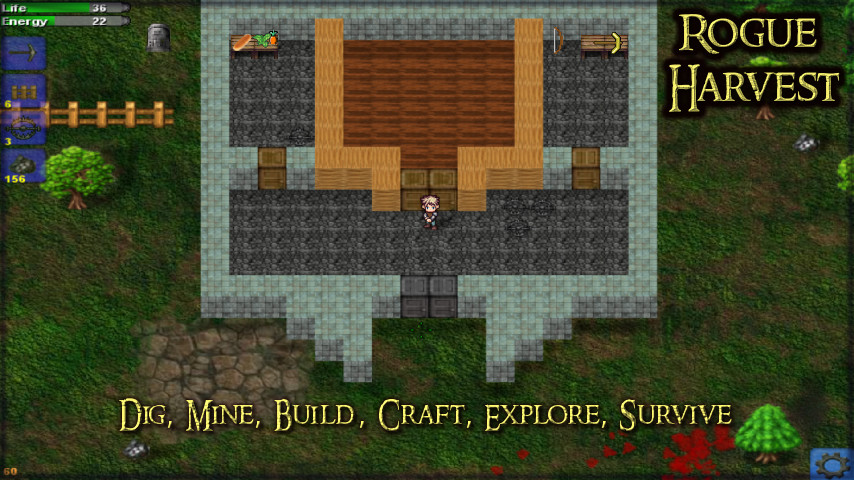
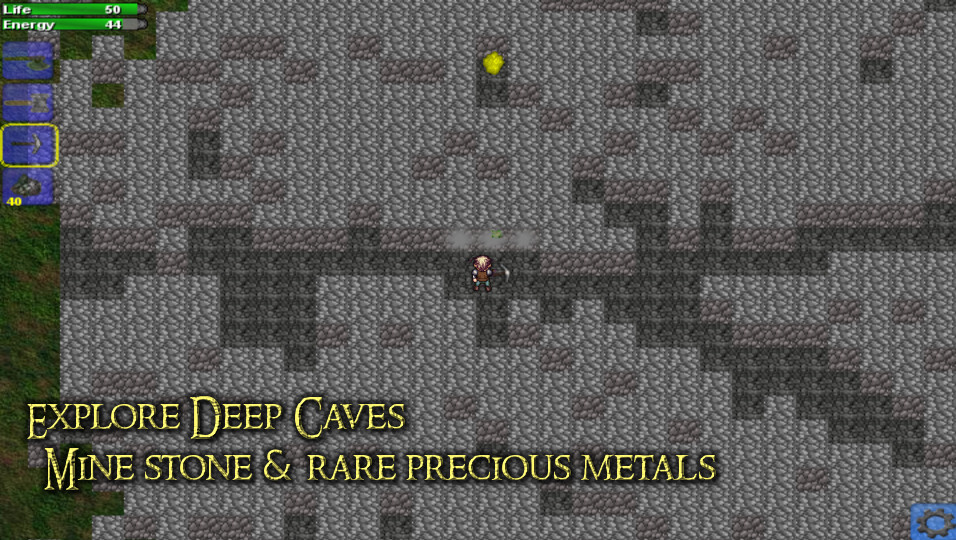
Last year, whilst scoping out new up-and-coming video game projects, I came across Genetix Studios and their adventure RPG sandbox game Rogue Harvest. Reminiscent of games such as Minecraft and Terraria, but hearkening back to 16-bit classics such as Final Fantasies IV, V & VI, I was intrigued to find out more about the project. And what Genetix Studios took as an influence for the game. As well as the various challenges and experiences the studio has had with the game so far. Here is what they say:

Rogue Harvest 1

What were the influences behind Rogue Harvest?

A lot of gamers will quickly recognize elements of Don’t Starve, Minecraft, and Terraria – those are games that I have played a lot of. I grew up in the late ’80s and 90’s. Games like Harvest Moon, the Final Fantasy series, Sim City, and many more (hundreds) have all, at some point, had an influence on Rogue Harvest. Also, dreams, and the human urge to explore.


What has the developmental process been like?                   

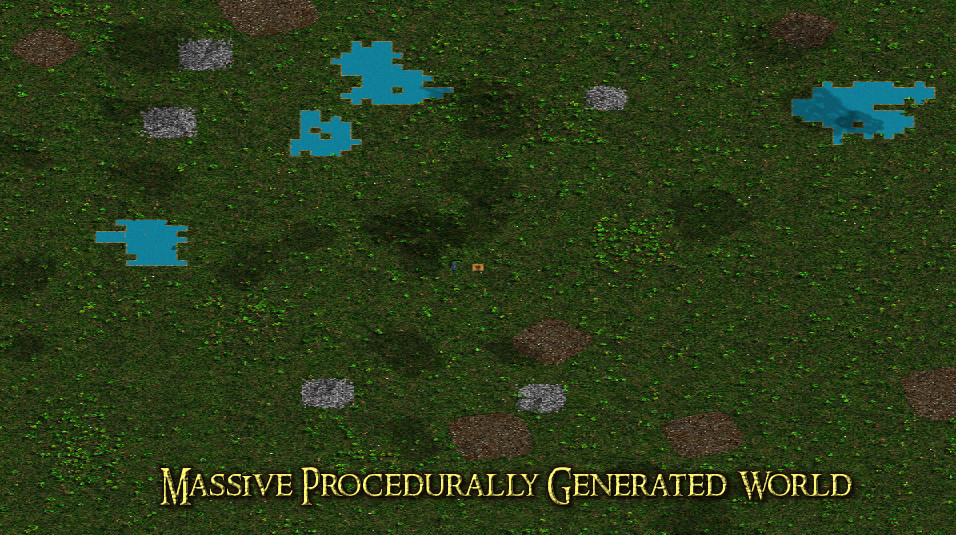
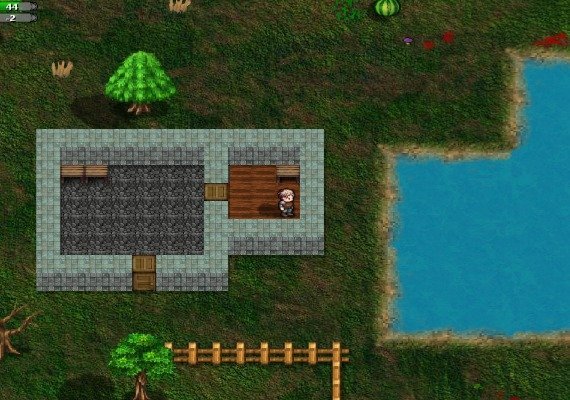
I started working on Rogue Harvest back in 2013. At the time, it was just being made for fun. And to learn a bit about building a procedurally generated world. Last summer, I began to seriously think about trying to put a game out on Steam. At that point, Rogue Harvest was only a shell of a game. But I thought it would be something worth developing further. I picked it back up and started crafting it into a full experience. I’m currently working on it every day.

What has been the most exciting aspect of development?

Releasing a new update and getting feedback from players has been exciting and also really helpful. Watching people play the game for the first time, learning how things work. And seeing the game make them smile is the most rewarding part of it all.


Rogue Harvest 2

What has been the most challenging aspect of development?

Balancing the game. For some people, the game is way too hard; for others, they are great at it, and it becomes too easy. Keeping the game challenging, while not overbearing, is a hard thing to pull off. Throw in permanent death, and you can easily frustrate players. The game is still being balanced with each update.

How well has the game been received so far?

Relatively well, it has gathered a small but loyal group of fans who really enjoy it. Most of the feedback has been positive, but it has had a fair share of criticism as well. One Twitch streamer didn’t like it because it is a 2d game… Other feedback has actually been really useful. Overall, Rogue Harvest seems to be gaining traction and better feedback with every update.


What platforms are you looking to bring the game to in the future?

Great question, and there is a lot of potential here. Outside of Steam, I am planning to bring the completed version of Rogue Harvest to other PC gaming markets. I am also currently in the process of learning to develop console kits – such as PlayStation 4, Vita, and Xbox One. At some point, I hope to publish a game on those platforms, and Rogue Harvest would be the ideal project to port if so. Right now, I am entirely focused on the Steam build and optimizing for that audience.


Rogue Harvest 3

Do you have any advice for aspiring developers who may be reading this?

So much, but above all things – stick with it. I have been building video games for the last 16 years, and for the most part, I never showed them to more than a few people. Make games because you love to, not for the money. If you make a game that is fun for you, others will also find it fun.

Where on the Internet can people find you?

I am on Twitter @GenetixGames and also on Facebook at https://www.facebook.com/genetixstudio  – I am currently still building an official website for Genetix Studio.


Do you have anything else to add?

I am building Rogue Harvest to be the kind of game that I want to play. It is not for everyone, but it will hopefully be something truly special for those who get a chance to play through it. If you do play the game, I hope it will spark your creativity and that you enjoy it.

Rogue Harvest 4

Lastly, I would like to thank Genetix Studios for agreeing to take part in one of my developmental questions and answer sessions, and to announce that I will be giving my own final review of this game on the site fairly soon.

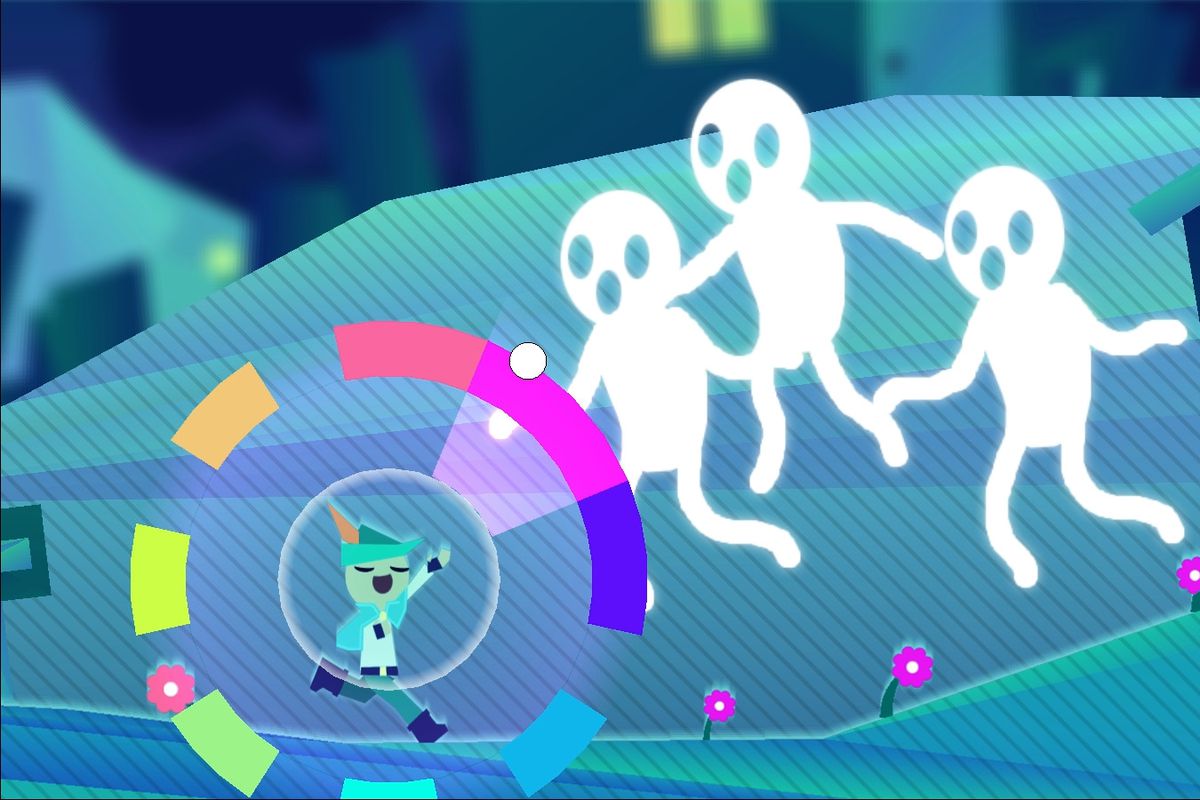
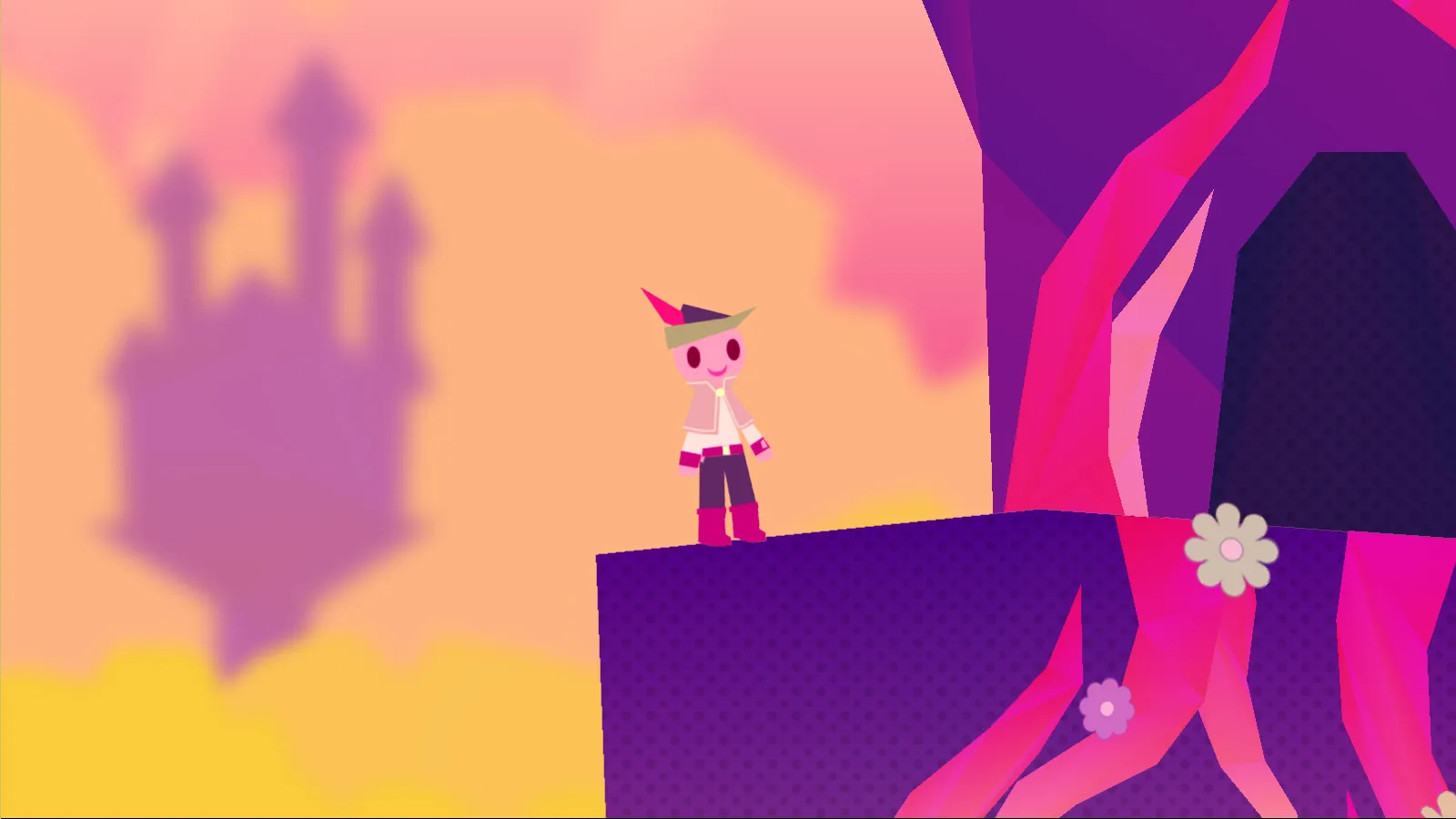
Wandersong

Q&A With Greg Lobanov

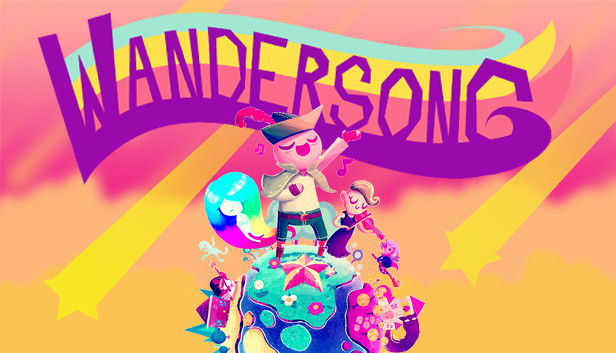
In my ongoing efforts to scope out as many exciting upcoming developers as possible, I recently reached out to Greg Lobanov who has recently launched a Kickstarter campaign for his music-based 2D platformer Wandersong. Incorporating aspects such as puzzle-solving, adventure, and acquiring a wide range of abilities throughout, Lobanov has thus far handled development on his own and is hoping to use Kickstarter funding to enlist the aid of collaborators to work on the game’s soundtrack and sound effects. But after discovering this project on Kickstarter, I had some questions for Greg regarding the game, and these were the answers he gave:

Wandersong 1

What were the influences behind Wandersong?

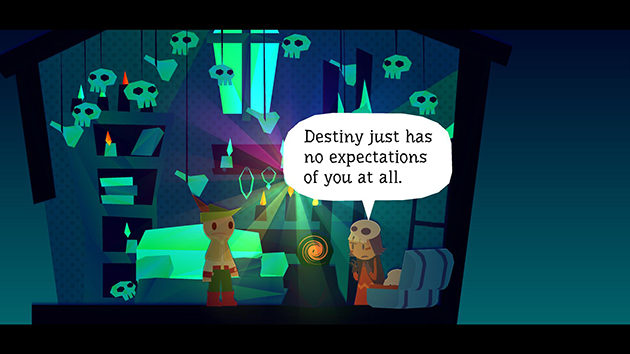
I really like singing, I feel like it’s a super energizing experience and has a lot of power to project your “spirit” and move the spirits of other people if that makes sense… I wanted to make something that spoke to that and pay homage to some stories, which I love (Earthbound, Over the Garden Wall, Miyazaki…)


What has the developmental process been like?

Really frenetic and fun. I’m using tools I’ve been using for years, so at this point, it’s almost a stream of consciousness. A lot of time was spent refining and culling.


How close are we to seeing the finished product?

A year and a half or so. It’ll be big!

Wandersong 2

What has been the most exciting aspect of development?

I’ve been getting really into color design, and I love designing picturesque little scenes.


What has been the most challenging aspect of development?

There’s a lot of missing audio.


How well has the game been received so far?

I think the audience is very small for this, but people who get into it seem really into it, which makes me happy!

What other genres of the game would you like to combine music or rhythm game elements with in the future?

I’ve experimented with a rhythm typing game and a rhythm fighting game. The fighting game has some promise!  


What kind of music do you listen to, and did that play a part in the development of the game?

I try to listen to something new every day, but this game is really inspired by simple melodic songs (Detektivbryan, Amelie…)

What platforms are you looking to bring the game to?

PC, Mac. Maybe Linux? Maybe PS4…?


Do you have any advice for aspiring developers who may be reading this?

Make something today!

Where on the Internet can people find you?

http://dumbandfat.com

http://twitter.com/thebanov

I would like to take this opportunity to thank Greg for agreeing to our Q&A and to wish him the best of luck with funding for Wandersong. This game also comes off the back of over a decade of developmental experience on Greg’s art, and more of his works can be found here:

http://dumbandfat.com/works/


Q&A With Zenrok Studios

As part of my new initiative to raise the profile of independent video game developers, I most recently got in touch with an outfit known as Zenrok Studios. They are currently working on a sci-fi top-down adventure game entitled Wormhole City. Heavily focusing on aspects such as exploration, combat, platforming, and puzzle-solving. The game was recently greenlit by the Steam community, and the studio has now taken to Kickstarter in order to gain the needed funding to bring the game to audiences sometime in 2016. I had a few questions to ask the team at Zenrok regarding their experiences of developing the game. And their experiences as a studio in general. These are their answers:


What were the influences behind Wormhole City?

Our ultimate influence is our ambition to make a sustainable career creating games that can be entertaining and somewhat educational. We love it when video games can help make math more fun, expand your vocabulary, introduce you to an interesting historical event, concept, or trivia that might benefit you a little in school. Or leave you wanting to research things later. We’re big fans of games like Oregon Trail, Number Munchers, Explorapedia, and mainstream video game classics. There were concepts of Wormhole City being a sci-fi version of a few different public domain stories. Like Treasure Island and Gulliver’s Travels, which we still hope to use.


What has the developmental process been like?

The development process has been a learning experience and a lot of hard work. We’ve worked with different game engines, but Unreal 4 has been the best for us so far. The tools and possibilities out of the box are outstanding. Finding the time to try new concepts while making progress on our game can be difficult. But we’re improving every day. Focusing on gameplay mechanics will always be ongoing, but we’re nearly finalized with the way we want Wormhole City’s story to be presented. And what environments we’ll be including.

At one point, Wormhole City was going to be ‘Mechalympics’, a cross between the G Gundam anime and the Rising Thunder video game. Except for more sporting events. Given our resources and that 3D modeling is one of our weakest aspects as a studio, making a dozen or so robot models, pilots, and animations would’ve taken away all of the time for the rest of the development.

We tried to do the same futuristic Olympic concept with cars. But we wanted to include more elements in our game than racing.  After a lot of deliberation, we decided an adventure game would be perfect for an attempt to include a small part of all of these aspects. We started to favor a top-down view. That also helped with the shortcomings of the graphical assets we’ve purchased throughout the years.


How close are we to seeing the finished product?

The goal we decided on was late 2016, but depending on what we want to add, we could release somewhere closer to 4 or 5 months from now. We don’t want to rush our project. But a lot also depends on our financial situation during development. We’re on a shoestring budget, but companies like Mixamo that offer free 3D resources have been an amazing help. And we couldn’t have gotten this far without them and all the 3D asset stores and artists available for developers.
 

What has been the most exciting aspect of development?

The most exciting aspect of development so far is seeing progress, making a new mechanic that we successfully implement. And seeing the reactions from people who want to play or contribute to our game. It adds a lot of motivation to our work and encourages us that we’re making something that people would be interested in playing and see from all parts of the industry.  Getting greenlit on Steam was a big deal for us and added more fuel to finish this project.
 

What has been the most challenging aspect of development?

Finances and exposure have been the most challenging aspects of development. We’ve taken time off to focus on Wormhole City. And if we’re unsuccessful, we’ll need to start treating this project as a part-time hobby to make ends meet in our personal lives. We spent the majority of our time building a foundation of gameplay mechanics. But not enough to make a community interested in our idea. As an extremely young company with no major past employment or integrity in the gaming industry, this is a bigger obstacle than we thought. It can only be solved by creating a game that is engaging and fun to play at this point.


How well has the game been received so far?

We’re confident to say the game has potential, and we’ve received a lot of positive input. Feedback from playtesters has been very constructive in improving our project. We need to work more on the direction of our presentation; it’s hard for players to parse the story with what we have at this point. And it is something we’re working on currently.
 

What platforms are you looking to bring the game to?

Plans are for a PC release with Mac and Linux releases shortly after. Console releases would depend on the success of our game or the amount of funding available to accomplish a port. Most likely beginning with PS4, then Xbone, and NX if possible.


What other forms of science fiction influenced the creation of Wormhole City? Were there any films or TV programs that inspired its development, or any famous sci-fi books or authors?

We have been influenced by all kinds of sci-fi media, from books, comics, cartoons, and movies. Off the top of our heads, Star Wars, Valve Games, Blizzard Games, Westwood Games, Starship Troopers, Studio Ghibli, Blade Runner, Beast Wars Transformers, Fifth Element, Outlaw Star (and a majority of sci-fi/CN broadcasted anime), Mad Max, Gargoyles.


Do you have any advice for aspiring developers who may be reading this?

Your programming skills are the number one factor that will affect the game and story you’ll be able to create. If you get stuck on a problem, make sure to Google it. And you may find an answer and learn faster than trying to discover the solution by yourself. Be a contributor to many communities and networks with like-minded individuals. It’s important to make time to decompress from work. If there’s a developer out there with a specific question, feel free to e-mail us at zenrokstudios@outlook.com


Where on the Internet can people find you?

We can be found at zenrok.com and @zenrok_studios on Twitter.


Do you have anything else to add?

Thank you for your hard work in keeping https://scousegamer88.com running and for the opportunity you have given us through this interview. I hope you have a prosperous 2016 and that all goes well for your goals and ambitions.


Lastly, I would like to take this opportunity to thank the Team at Zenrok Studios for agreeing to this Q&A session and to also thank them for their kind words about the blog. As a developer, they clearly understand the importance of positive feedback regarding their work, as indeed I do.