Tag Archives: Liverpool

Back to Bed (PC)

Back To Bed

Developer – Bedtime Digital

Publisher – Bedtime Digital

PEGI – 3

Released back in 2014 to relatively positive reviews, Back to Bed is a surreal isometric indie puzzle game sporting a unique approach to puzzle solving. And providing one stern challenge after another. My own opinion of the game was that, although I have some issues to address, I did have a fair bit of fun with this title. It stays fresh throughout. And although it doesn’t last particularly long, what there is to enjoy can be enjoyed thoroughly.

Graphics – 8/10

The game takes place within the dreams of a man named Bob. And as players can come to expect, the design of the game’s scenery is wonderfully abnormal. Each stage of the game takes place at different times of the day. And the player is surrounded by increasingly strange objects, enemies, and obstacles. In terms of conceptual design, it actually reminded me of Monty Python’s Flying Circus. Very much like Bedtime Digital’s follow-up release, Figment. Throughout, the game also creates a very interesting atmosphere not only in its scenery but also in the soundtrack. The game can generate a sense of comedy one minute. And then a feeling of horror the next. The opening title screen, in particular, feels quite harrowing. In terms of fitting in with the premise of the game, it can feel like the contrast between dreams and nightmares.

Gameplay – 7/10

The concept of the game is to guide a sleepwalking man through each stage of the game until he reaches the bed so he can go back to sleep. This is primarily done by placing objects within each stage to make the man turn in the desired direction. The man always turns clockwise when in contact with an object or wall. Therefore, the player must strategize accordingly.

Throughout the game, new elements are added to heighten the challenge of each stage. There is even a small element of combat involved, as enemies eventually come into the frame. And the player must work to subdue them before leading the man to his bed. As new elements are added to the game, it becomes even more enjoyable over time to be challenged in so many ways. If asked to compare it to any other games, I’d describe it as a mash-up between Lemmings and Road Not Taken.

Controls – 10/10

Overall, the game’s control scheme is relatively simplistic. And therefore, there are no issues to be had with the controls. However, some of the additional mechanics the developers incorporated into this game are also pretty impressive. For example, the player has the ability to traverse certain walls in order to reach otherwise unreachable areas or to collect objects.

Lifespan – 3/10

Disappointingly, the game can only take up to 4 hours to complete to 100%, which was a surprise to me. Given the amount of variety the game has throughout, I believe it could’ve easily been stretched to last twice as long. Though Figment would last around twice as long as Back to Bed, I thought the worst thing about this game was that it is far too short-lived. And really needed to last longer.

Storyline – 6/10

The majority of the game’s narrative lies within the basic premise. Which is that inside the subconscious of a man named Bob is a strange four-legged creature called Subob, who must guide a sleepwalking Bob throughout his dreams to the bed in each stage. The story is quite abstract in many respects, and certain elements of it are potentially open to interpretation depending on whichever way a player may look at it. This does give it an additional boost. Outside of gameplay, the narrative is portrayed quite well, too. With seemingly hand-drawn images depicting where the story goes with each stage of the game. It’s not the strongest example of storytelling to be found within a game. But it is quite enjoyable in its own right.

Originality – 7/10

Certainly, for a puzzle game, it is also a unique title with unique elements to be found in every respect. Ranging from its conceptual design to its gameplay mechanics to even its basic premise. Though I was able to do it eventually, I was relatively hard-pressed to compare it to even a few games that I have played over the years. But irrespective of that, it provides a type of gaming experience that’s not easy to come by.

Niiutral

Overall, I was relatively impressed with Back to Bed. Though I felt it should have been made to last significantly longer than it does, it kept me challenged and entertained throughout. The gameplay never becomes wearying or overly repetitive. And its visuals add a level of charm comparable to many other visually stunning games before it.

Score

41/60

6.5/10 (Above Average)

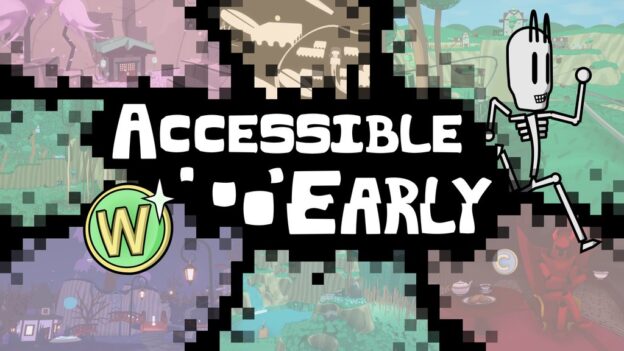
Accessible Early

Q&A With Michael N. Briscoe

After being away from Kickstarter for a while, I decided to explore the platform again for indie game creators looking for funding for their latest developmental ventures. One such project that stood out was a 3D platformer named Accessible Early. A throwback to the early days of 3D platforming, but boasting a much more stern challenge than many other games of its Kind, Accessible Early is a game conceptually influenced by a range of different world cultures, similar to most modern Mario games, but most evidently to me, Mexican culture, most evidenced by its character design similar to Grim Fandango. Intrigued, I sent over a few questions to one of the game’s programmers, Michael N. Briscoe, who had some interesting things to say about Accessible Early. Here are his answers:

What were the influences behind your game?

Primary influences have been the 3D platformers developed by Rare in the past. Games like Banjo-Kazooie and Banjo-Tooie, as well as Super Mario 64 and Super Mario Sunshine. The humor in Accessible Early has also been inspired by the writing in Undertale.

What has the developmental process been like?

Extremely laborious. As a solo indie developer, I have to do everything myself. This means working 60 hours a week on average and working extremely efficiently at that.

How close are we to seeing the finished product?

If the Kickstarter campaign is successful, I estimate the final game to be released in 2020.

What has been the most exciting aspect of development?

How challenging it’s been. I enjoy all the different problems that pop up in everything from coding to design. Creating a video game is very stimulating, both mentally and creatively.

In what respects will the game differ from other 3D platformers?

Accessible Early will focus on platforming far more than any other 3D platformer, will have more impactful characters and storylines, and will be more challenging than anything out there. Most video games these days seem to hold the player’s hand, and platformers are no exception. I’m not creating the Dark Souls of 3D platformers or anything, but I am developing a game that respects the player’s ability to learn and overcome challenges.


What has been the most challenging aspect of development?

Marketing. It’s the one thing that you can’t overcome by working hard and creating something of quality. People like to say that quality products float to the top, that if you make something good, then it will become popular, but sadly, this isn’t true. There’s a reason why the AAA industry pumps absurd amounts of money into marketing campaigns. Trying to get the word out about Accessible Early while on a shoestring indie budget has been more difficult than everything else combined because it seems that successful marketing requires a lot of money or a lot of luck.

How well has the game been received so far?

Accessible Early has garnered a lot of positive feedback so far. Pretty much every person who’s touched the demo has loved it. In particular, people seem to really enjoy the music, which is especially reassuring to me since I’m just an amateur composer!

What games did you play, and how did this impact the development of Accessible Early?

Banjo-Kazooie, Banjo-Tooie, and Yooka-Laylee have impacted general 3D platforming features, Super Mario 64, Sunshine, and Galaxy for platforming design (in particular for designs that offer the player learning experiences; Nintendo is very good at teaching people how to play their games), and Undertale and A Hat in Time have impacted the comical tone of Accessible Early.

What platforms are you looking to bring the game to?

Accessible Early will be available on PC initially, followed by a Mac release and then a push for a Nintendo Switch port.

Do you have any advice for aspiring developers who may be reading this?

If you’d like to be an independent developer, then you will have to work hard. Harder than you’ve ever had to work before. But if you’re excited about your project, then the work will be fun. And whatever you do, make sure to start marketing immediately. I’ve read that a lot of people start sharing their projects too late. So I started early. It was still too late. Share as much as you can, as often as you can. Independent developers can’t rely on ad campaigns or brand recognition to sell their games, so they need to rely on fan communities that grow very, very slowly.

Where on the Internet can people find you?

The Kickstarter campaign and I can be found here:

https://www.kickstarter.com/projects/1105728559/accessible-early-a-new-3d-platformer-collectathon

For social media, I’m more active on Twitter than anywhere else:

https://twitter.com/AccessibleEarly

People can send a message directly through the Accessible Early website:

https://www.accessibleearly.com/

And I welcome people to email me directly at the following address:

info@accessibleearly.com

Do you have anything else to add?

I’d encourage anyone who’d like to make a video game to give it a shot. All of my favorite titles these days have been made by independent developers, and I’m looking forward to seeing what people create in the coming years!

I’d like to thank Michael for taking the time to answer my questions on Accessible Early and to wish him the best of luck with the project. I’m certainly looking forward to the release of the game; I hope all my readers are too. For any fans of 3D platforming games, this title looks particularly promising.

Game on,

Scouse Gamer 88

Cuphead (PC & Xbox One)

Cuphead

Developer(s) – Studio MDHR

Publisher(s) – Studio MDHR

Director(s) – Chad & Jared Moldenhauer

Producer(s) – Maria & Ryan Moldenhauer

PEGI – 7

One of the most highly anticipated games of 2017, following its initial showcasing at E3 four years prior, Cuphead is a traditional side-scrolling run-and-gun game with an eye-catching and unique conceptual design and gameplay that is as challenging as it is satisfying. I first sampled this game at Play Manchester 2017 shortly after its release and realized that while it is indeed very challenging, it’s also a great deal of fun and one of the better indie experiences of last year.

Graphics – 10/10

The game adopts the visual style of the golden age of American animation of the early 1900s. Having been influenced by classic cartoons such as Mickey Mouse and Betty Boop, among many others. The game’s visual style was the most noteworthy aspect of it when it was first showcased. And arguably still is. Although the game’s playstyle is extremely enjoyable beyond its visuals, I believe it’s still the game’s finest point. Though plenty of games based on cartoon animation have since come and gone, few games have ever looked as compelling as Cuphead does.

Gameplay – 8/10

As stated, the game revolves around players running and gunning through a selection of side-scrolling levels. But the most prevalent feature in the gameplay is the numerous boss fights throughout. Which, for the most part, are extremely well handled. And come with a fair amount of challenge to match. I had an extremely difficult time trying to pick a favorite boss fight in Cuphead because each one of them is memorable in its own right. But in the end, I decided to pick out Grim Matchstick as my favorite. As for me, it provided the best blend of both challenge and individual conceptual design. Other outstanding boss fights in this, in my opinion, included Dr. Kahl’s Robot, Djimmi the Great, Ribby & Croaks, and Cali Maria.

Controls – 10/10

With every intentionally difficult game I review, I always look at the controls with a greater sense of importance than in other games. Because control schemes in these kinds of games, in my personal opinion, are largely hit-and-miss. And it can greatly affect the sense of challenge the game has to offer. For example, the original Mega Man was intentionally difficult. And as most players who have played it will testify, it is a particularly challenging game. But I personally found there to be some issues with the controls, especially in Guts Man’s stage, where there is precision platforming required. Thankfully, however, Cuphead does not have these issues. If mistakes are made, it will be down to the player’s individual skill. Which is the way it should be.

Lifespan – 6/10

The biggest gripe I have with the game is its lifespan. The game, dependent on the player’s skill, of course, can take around 6 hours to complete to 100%, which, for the amount of time it took to finish, seemed somewhat uneven to me personally. I can’t deduct too many points from it in this aspect, however, for two reasons. It lasts longer than most classic games of its kind. And the development time was clearly put into getting every other aspect of the game right. It would have been nice to have a few more side-scrolling levels added to balance out the number of boss fights. But nevertheless, it’s a somewhat reasonably long game, and for the time players will spend playing it, they will thoroughly enjoy it for what it is.

Storyline – 7.5/10

The story follows the titular character Cuphead and his friend Mugman. Who, against the advice of their master, The Elder Kettle, wander off far from their home. And come across a casino. They find themselves on a winning streak at the craps table when they are suddenly interrupted by the Devil, who raises the stakes. If they win one more roll, the pair will get all the loot in his casino.

But if they lose, they must forfeit their souls. Cuphead agreed, but rolled a pair of snake eyes, and after pleading for their lives, the Devil made Cuphead and Mugman a deal. If the pair can claim the souls of numerous runaway debtors for the Devil, he may consider pardoning them. The game’s story is simple in structure, but fairly unique in concept at the same time. It even has multiple endings, given the player’s choice. It’s the story, as well as its visual design, that makes it clear that this game was quite simply a labour of love.

Originality – 8/10

The Moldenhauers created this game based on their own experiences of watching classic Disney and Fleischer cartoons in their youth. And in Chad Moldenhauer’s own words, they sought to mimic the more subversive and surrealist elements of the classic cartoonists of the day. And subversive and surreal are some of the best words that I can possibly use to describe this game. It was enough to raise a lot of eyebrows at E3 2014 with its own unique conceptual design. And it has impressed a lot of gamers since its release, including me.

Happii

Overall, Cuphead is a visually stunning and delightfully challenging game with a lot to offer both veteran gamers with an appreciation for their roots and newer generation gamers, who may be curious about experiencing some of the beginnings of video game design. Though it took an unusually long time to be released following its initial showcasing, it turned out to be more than worth the wait, and it comes highly recommended by me.

Score

49.5/60

8/10 (Very Good)

Super Mario Odyssey (Switch)

Super Mario Odyssey

Developer(s) – Nintendo EPD

Publisher(s) – Nintendo

Director – Kenta Motokura

Producer(s) – Yoshiaki Koizumi & Koichi Hayashida

PEGI – 7

Released in the holiday season of 2017 for the Nintendo Switch, Super Mario Odyssey presents players with a return to the open-ended 3D style of play of Super Mario 64 and Super Mario Galaxy. It invigorates the series with new abilities and environments, as well as incorporating elements of classic Super Mario gameplay. Such as side-scrolling. From start to finish, I thoroughly enjoyed this title. And whilst it didn’t become my favorite Super Mario game of all time, it certainly goes above and beyond many other games in the series in recent years.

Graphics – 9/10

The first thing to say about the visuals is that on a technical level, this is the best that Super Mario has ever looked. Each character and level found throughout the game is wonderfully detailed. And the blending of 3D and 2D makes for something particularly special in terms of graphics. Conceptually, the game does fairly well to stand out from the rest of the series in addition.

This is quite remarkable given the astounding amount of transition the series has gone through over the 32 years it’s been around. After having watched the trailers for the game before its release, I was skeptical as to how some of the environments that were shown would fit with a series like Super Mario Bros. But after playing, I was posthumously proven wrong. Each level, especially the Metro Kingdom, which I was most skeptical about, adds a new dimension to the series that I hadn’t thought possible beforehand.

Gameplay – 9/10

Much like Super Mario Galaxy 2, the objective of the game is for the player to find power moons, instead of stars, to power up Mario’s newfound ship, named The Odyssey. To advance from one level to the other in order to reach Bowser and rescue Peach from him. The standout feature in terms of gameplay is Mario using his new anthropomorphic hat named Cappy. To possess certain enemies throughout the game. And thus use their abilities to the player’s advantage.

Much like the new settings, it adds another unique twist to the series’ tableau. As well as a new approach to gameplay, which has scarcely been seen in games before. And instead of the 3D Super Mario tradition, the game simply doesn’t end with Peach being saved from Bowser. After the main game has been completed, there is a plethora of additional power moons to find. As well as additional objectives are given to players for completion on a scale never seen before in a Super Mario game.

Controls – 10/10

Since the 3D Mario formula has existed for over 20 years, it would be more than reasonable to think there would be no issues with the controls. And so there aren’t. Super Mario Odyssey plays out as seamlessly as any other 3D Mario game since Super Mario 64. The way in which new combat abilities and enemy abilities that Mario can adopt are also seamlessly integrated into the rest of the formula.

Lifespan – 9/10

The base game will take players around 10 hours to complete. But after that, that hardly even counts as scratching the surface. Each level has a number of collectibles to pick up that are unfathomable. Compared to every other Super Mario game before it. It will easily make for 60-70 hours of gameplay. And an excellent addition to the collection of extremely long games on the Nintendo Switch. Along with Breath of the Wild, Xenoblade Chronicles 2, and Skyrim.

Storyline – 7.5/10

Following the usual Super Mario Bros formula, Super Mario Odyssey follows the story of Mario having to save Princess Peach from Bowser. Only this time, Bowser plans to marry Peach after stealing various relics from each kingdom throughout the world. Mario is also joined by the aforementioned anthropomorphic hat named Cappy. He is also out to rescue a female anthropomorphic hat named Tiara. Whom Bowser has Peach wear in preparation for the wedding. Though for the most part, the story is largely unoriginal, especially for anything seen in a Super Mario game prior, what makes the way in which his story is told in Odyssey stand out fractionally more than other Mario games is the projection of emotion found throughout.

Mario is portrayed as slightly less of an unstoppable superhero capable of beating anyone he comes across. And he is shown to feel the difficulty and hardship of what it is he is setting out to do. On several occasions, Mario comes painfully close to rescuing Peach from Bowser before the final battle. However, he is shown to suffer setbacks, which visibly frustrate him. And though these are not things that haven’t been seen in games prior to this by any stretch of the imagination, it is something new to the series. Which, in terms of story, has been needed for quite some time. But in terms of depth in the plot, it still leaves players wanting much more in this respect. It’s certainly my biggest criticism that I have to levy against this game.

Originality – 8.5/10

With that one main qualm I have out of the way, the fact of the matter remains that this game is the most unique Mario experience released since Super Mario Galaxy 2 in terms of every other aspect aside from the story. The settings are outstanding, and the gameplay is even more so. In recent years, the originality of this series has been very much hit-and-miss in my opinion. I contrast the uniqueness of games such as Super Mario 3D World and Paper Mario: Colour Splash. But Odyssey could pave the way for more unique Super Mario experiences in the future, introducing new elements to the series. Which could potentially be either expanded upon or spun off into even more new elements, depending on what direction Nintendo wants to take it.

Happii

Overall, despite lacking in story, Super Mario Odyssey delivers players, which is, in my opinion, the best Super Mario game since Galaxy 2. And whilst it may not be anywhere near as good as the former, it certainly spells a bright future for the franchise. As well as giving players what is probably the longest Mario experience ever.

Score

53/60

8.5/10 (Great)

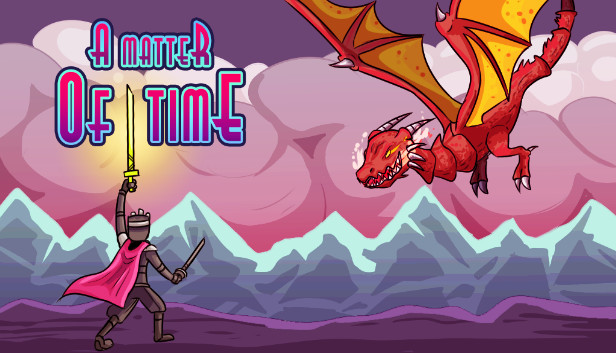
A Matter of Time

Q&A With Haywire Studios

During my recent hiatus from writing, I was contacted by another independent game development studio I had approached some time ago about bringing to the attention of my readers another upcoming indie game. Which had successfully met its funding goals. Haywire Studios, operating out of Adelaide, Australia, is currently working on an open-world top-down RPG named A Matter of Time.

Employing a classic 8-BIT visual style and mixing aspects of medieval fantasy and science fiction, the game also incorporates the manipulation of time into its core gameplay, with the main character, James, being armed with a relic known as the Paradox Cape. Not a great deal is known about how exactly the Paradox Cape will affect the game’s mechanics since it is still quite a way away from being finished. But the main coder, known as CamCog, agreed to answer some questions I sent over to him to get more of an insight into some of the game’s details. Here are their answers:

What were the influences behind your game?

The historical side of ‘A Matter of Time’ was very much influenced by my interest in historic battles. And how they have shaped the way of warfare. Also, some of the gameplay was inspired by other indie RPG titles such as Hyper Light Drifter and Undertale.

What has the developmental process been like?

The developmental process of the game has definitely been a good experience overall. It has taught (and is still teaching) me much about how to create a great game and what to avoid when doing so. Unfortunately, given that this is my first time developing a big project, it’s been quite a new experience. And there have been a lot of unexpected setbacks. 

For example, it took way longer than planned to get a graphic designer, which led to some of the game’s development being delayed. It’s also very time-consuming and tiring to code a whole game independently. Even with the major help of a sound and graphics designer. Despite these setbacks, the progress of the game’s development is beginning to go more smoothly. And I am hopeful that the final product will be something that I can be proud of.

How close are we to seeing the finished product?

Unfortunately, there wasn’t much work on the game previous to the Kickstarter. So the finished product is still quite a long way away – winter 2019 to be exact. However, if all goes to plan, a demo for the game will be released in early 2018, which will at least be something for people to see.

A Matter of Time 5

What has been the most exciting aspect of development?

The most exciting aspect of development has definitely been the making of the ‘A Matter of Time’ universe. Along with the locations and characters that are included in it. Apart from that, the thought of seeing players immerse themselves in the universe that you created is something that inspires me to complete the game.

What has been the most challenging aspect of development?

The most challenging aspect of development is that the whole game is mainly being coded by me. While it is great to be able to take the wheel and code whatever you want, with the only limitation being your skill, it is very difficult for only one person to take this massive workload. I sometimes find myself staying up until 2 am just trying to figure out how to get a simple issue fixed, which I know could be solved in a matter of minutes by a small team of developers. However, as I stated earlier, the whole developmental process has been somewhat educational. And learning to do so much work alone has definitely helped in teaching me so much about game development.


What other kinds of additional abilities will the Paradox Cape have
?

A lot of The Paradox Cape’s details are going to stay a secret until the game’s launch. However, I can give some small details to give you a ‘taste’ of its power. For example, the Paradox Cape will be able to act as a temporary ‘invisibility cloak’ when stealth is key. It will also, when the ability is unlocked, be able to pacify enemies up to a certain strength. Additionally, it can also act as a comfy blanket on a cold day!

How well has the game been received so far?

There have been some positive comments on the game’s Kickstarter, which indicates that people are somewhat excited about the game’s development. There has also been some small discussion on the game’s Discord server, which is good to see as well. Apart from that, however,  not much has been going on in terms of the game’s audience due to there not being much gameplay available for people to witness.

How big a part will time paradoxes play in the outcome of the story?

Time paradoxes aren’t too huge in terms of the game’s storyline. But they will definitely have a big part to play in the game’s mechanics. Unfortunately, due to this being a feature of the Paradox Cape, I am not willing to share the exact details of what will happen.

Was real-life history part of the influences behind this game?

It certainly was, with an obvious example being the place where James is first found, the Battle of Hattin. Groups that are famous in history are also influences for the game. In fact, they are a big part of the game. Some examples are the Templar Knights and the Ayyubid forces.

What platforms are you looking to bring the game to?

The demo will be available for free on itch.io, and the finished game will be available on Steam for an estimated $5 (USD).

Will time travel be implemented into the gameplay?

Definitely. You will even see time travel in the game’s demo when James is transported from the Battle of Hattin to the future.

Do you have any advice for aspiring developers who may be reading this?

Given that I am a new developer, there is not much amazing feedback I can give. I suppose that the biggest piece of advice I can give based on my experience with this game is to PLAN. You do not want to be going into a big project with a ‘just wing it’ attitude. This is one flaw in the way I’ve developed this game that even I have to admit. Not planning caused me to run into a lot of obstacles that I am still having to overcome. I will say it again – before you start any big project, it is VITAL that you plan your storyline, mechanics, approach to marketing, budget, etc.

Where on the Internet can people find you?

Website: http://haywiregamestudios.weebly.com/

Discord: https://discord.gg/pbjyb5B

Facebook: https://www.facebook.com/haywiregamestudios/

Twitter: https://twitter.com/GameHaywire

YouTube: https://www.youtube.com/channel/UCEcnPRw3knE2OzBtfycc6jg

PayPal donation pool: https://www.paypal.com/pools/c/7Z7UNggAQc

Do you have anything else to add?

To everyone who has shown support to me throughout the creation of this game. You guys have been a massive inspiration for me. I would certainly not be creating this game if it weren’t for you. Thanks 🙂


Though we may be a long way from experiencing this unique take on the action RPG genre, I have every confidence that this game will be worth the wait. I would like to take this opportunity to thank CamCog for answering my questions, and to wish him and the rest of Haywire Studios the best of luck with A Matter of Time.

I hope you guys enjoyed my first article back, and there will be many more to come soon.

Game on,

Scouse Gamer 88

The 2017 Play Blackpool Special

This month marked the seventh anniversary of Replay Event’s Play Expo at the Norbreck Castle Hotel in Blackpool. Eager to see what Replay Events had in store, I made my way to Blackpool for the third time to see what indie games, guest talks and throwbacks to classic gaming were being showcased at the expo; and I wasn’t disappointed. Following on from last year’s proceedings, a lot of classic games were back, as well as one of last year’s guest speakers, and a few more gaming veterans, along with some more new up and coming developers showing off their latest video game projects; and here’s what Play Blackpool 2017 had to offer.

Bloody Zombies

The first indie game I encountered was a Streets of Rage style beat up set in a post-apocalyptic world entitled Bloody Zombies. Aside from up to four players having to hash it out with zombies along 2D side scrolling environments, one player also wears a VR headset in order to uncover secrets that may be hidden within each stage, and to help the accompanying three players to seek out hidden items for additional points and stronger weapons. A combo system is also incorporated similar to classic fighting games in order for players to compete among one another to see who can earn the highest score at the end of each stage.

The hand-drawn 2D visuals of the game mixed with cel-shaded graphics gives the game diversity in technical design, and although it is generally speaking quite difficult to make a story centred around zombies stand out from a conceptual point of view, the developers of Bloody Zombies, nDreams, have so far done a pretty decent job of it, with things like character and boss designs doing pretty well to stand out. The VR aspect of the game also makes it stand out further, giving it a level of diversity in gameplay never before seen in a 2D beat ‘em up.


Mao Mao Castle

Having first laid eyes on this game at Play Manchester last year, Asobi Tech were back to showcase further adjustments made to their on-rail 8-BIT obstacle game Mao Mao Castle. In it, the player controls a ginger cat, be that with a mouse or touchscreen, (or as was showcased at the expo, a motion sensor), the player must guide the cat through obstacles that come towards the player at increasingly high speeds and to survive the constant onslaught for as long as possible. Since the game was showed off in Manchester, new game mechanics have been added; most notably, the inclusion of a power-up that makes the cat temporarily increase in size and bypass ever obstacle effortlessly.

In my opinion, the new mechanics added to the game add a great deal of depth to it, and it also makes it a lot more accessible for entry-level players too, which is needed since it whilst it’s easy to get competitive playing it, speaking from experience, it could be seen as somewhat inaccessible before. But this issue has been fixed with the introduction of the newly implemented gaming features, and I can’t wait to see what the final product has to offer.

All Contact Lost


Speaking of challenging games, the next game I tried out at the event was an FPS called All Contact Lost. The object of the game is not too dissimilar to the Mad Moxxi’s Underdome Riot add-on for the original Borderlands game, whereby players must defend themselves against hoards of oncoming enemies in order to survive for as long as possible and attain the highest score possible. Players have limited time between each round to organise and heal themselves before the next wave is introduced, which get exponentially bigger and harder to deal with in turn.

Amidst a massive influx of FPS games to have hit the gaming industry within the last 20 years, it’s interesting to see how new developers are coming up with new ways to modify the formula and to make playing first-person shooters as enjoyable and as challenging as it ever has been. Where All Contact Lost is concerned, it’s developers, 1st Impact Games, have done a decent job showcasing what could be a potentially insanely addicting game. They told me that their next objective is to add more enemies into the game, which can potentially give it more cause for players to have to adapt to different situations within the game, but it will be interesting to see how 1st Impact implement that.

Medieval Steve

Next, I tried A 2.5D side scrolling game called Medieval Steve developed by jForth Designs. The game was in the early stages of development, but it centred around having to complete various different tasks throughout each level, including collecting hidden items throughout, and even time trials; similar to many features found in modern Super Mario games.

As the game is only in a very early stage of development, there is much more to be added in. But from what I played of the game, I really enjoyed. The time aspect of it was extremely unique compared to many other games to implement similar mechanics like New Super Mario Bros U and Super Smash Bros Melee’s story mode, and with the right amount of attention and further development, it could become a really enjoyable game when its released. If a decent story concept is also added, it could make for a very interesting franchise in years to come too in my opinion.

Space Toads Mayhem        

Space Toads Mayhem was the next game I tried, developed by programmer Lukasz Snopkiewicz. It’s an arcade style bullet hell top-down rail shooter that it insanely addictive, yet gruellingly challenging at the same time. Whilst progressing, players are periodically given a choice between to power-ups, which can either help or hinder the player accordingly dependent on choice the player makes.

In my opinion, this aspect gives the game Roguelike quality to it, which I’ve struggled to find in an arcade game amidst the influx of indie games out there. I’ve seen in other genres with the like of Rogue Legacy and Tower of Guns, but the only other arcade Roguelike I’ve played recently is Don’t Die, Mr Robot. Lukasz was quite surprised to me hear use the word Roguelike to describe his game, but he was intrigued at the same time. It could possibly provide him scope to develop the game later on dependent on when he plans to release it by.

Hyper Sentinel

The last indie game I tried at Play Blackpool this year was a game I’ve grown particularly fond of since I first saw it; Hyper Sentinel created by Huey games under the supervision of Robert Hewson. Combining elements of arcade classics such as Uridium and Bosconian, it involves the player carrying out an assault on different spaceships and taking out it’s weapons and subsidiary ships before having to take on a boss fight at the end.

The game I tried in Blackpool was exactly as how I remember it from the first time I saw it; it was addicting without it being too inaccessible, and it provides a welcome combination of old 8-BIT style visuals with a few modern-day graphical effects thrown in for good measure, such as dynamic lighting. After an overwhelmingly successful Kickstarter campaign, the game is edging closer to release, and I personally cant wait to try out the finished product. To read my Q&A with Robert Hewson published during the Kickstarter campaign, follow the link below:

http://scousegamer88.com/2017/03/09/qa-with-huey-games/

David Pleasance

Guest speakers were also present at the event with stories of their time in industry, and what impact it had on them personally, and how their actions and successes changed gaming forever. One such speaker was the former marketing director of Commodore, David Pleasance, (Accompanied by Mark Cale of System 3 Software and Gary Bracey of Ocean Software), whose influence went on to make the Commodore 64 one of the highest selling home computer consoles of the 80s in Europe and beyond following the video game crash of 1983. Following a successful Kickstarter campaign, David will be releasing a new book towards the end of the year detailing in greater depth his time with Commodore and the great highs and great lows of his career. Throughout the talk, he discussed his role in the overwhelming sales of the Batman pack for the Amiga 500, and the events that led to the success and downfall of Commodore through the company’s long and storied existence.

With most Play Expos I go to, most often at least one talk given by legends of the industry, and how their influence and actions helped the industry become what it is today, and I always found them to be fascinating as a gamer myself; and David’s talk was no exception. Though I was born towards the end of the third generation of gaming, it’s always enthralling to hear from industry veterans their inside stories and how they shaped the industry into what it is today.

Jim Bagley

As well as home computer consoles having a great impact on gamers during the earlier games of gaming, their influence still continues to impact the current market in a similar way; the subject of the next talk was a case in point. Jim Bagley, a Liverpudlian developer who was at Play Blackpool 2016 detailing his long career developing games for a wide variety of consoles from the ZX80 to the PlayStation 4, was back again this year to discuss another console he has had the pleasure of developing for over the last year; the new ZX Spectrum Next. Announced exclusively last year by the console’s creators at Play Blackpool 2016, Jim Bagley was at the same talk, and immediately asked the team where he could pick up a dev kit. Ever since, he has been programming a number of games intended for released on the system for when the console sees its full release. He also announced his plans to create a series of YouTube videos whereby he will educate viewers how to program video games, whether they have experience or not.

After seeing the ZX Spectrum Next unveiled at last year’s Play Blackpool, I was intrigued to see how after all years, people are still dedicated to developing new games for retro consoles, and how the legacy of the ZX Spectrum has carried on to the current generation of gaming. This year, I found out that many more big-name developers than I first realized have signed up to develop games for the ZX Spectrum next for when it releases, and at the moment, I’m extremely tempted to buy one when it comes out. I never got to play the Spectrum during the console’s heyday, but after having sampled it and other consoles of the same era at many Play expos over the last three years, I’m seriously thinking about starting once the Spectrum Next is released, and I was also very interested in the prospect of learning from Jim Bagley of how to create games at entry level.

Big Boy Barry

The final talk of the expo was with Alex Verrey, AKA Big Boy Barry of the Games World TV program that aired throughout the 90s. Alex gave an extensive account of his time within the gaming industry, his experiences as a presenter, and his thoughts of how the gaming industry has evolved since the fifth generation, as well as his plans for the future. As well as that, he was also hosting tournaments at the expo, as well as taking part in other activities on the main stage.

As a kid, I used to watch Games World a lot of the time, and to meet Big Boy Barry in person was an amazing experience. As an aspiring journalist myself, I took home a great deal of inspiration and advice from Alex’s own experiences of reviewing and discussing video games on a professional level, and that it also reaffirmed my opinion that it’s always about keeping ideas fresh, and to not focus on one thing for too long a time to the point where it becomes stale. The success of the industry and people like Alex has always revolved around introducing new things and keeping a great sense of originality. It’s the same with every successful video game franchise, and it’s also the same with every other success within the industry, just like Alex himself.


In summation, Play Blackpool was a fantastic experience as always, and I’m very much looking forward to next year’s proceedings in light of it. The indie games I got to try and critique were outstanding this year, and as I said before, it’s always a pleasure to meet and mingle with so many industry veterans, and to expand my own knowledge of the history of the industry that I love. I will also be attending Play Manchester this year too, but in the meantime, there will be more articles and reviews to come in the preceding weeks.

Game on,

Scouse Gamer 88

Oh… Sir! The Hollywood Roast (PC)

Oh Sir The Hollywood Roast

Developer(s) – Vile Monarch

Publisher(s) – Gambitious Digital Entertainment

Rating – N/A (Discretion advised)

Following on from Vile Monarch’s previous indie title, Oh… Sir! The Insult Simulator, The Holly Roast, takes the franchise into the Hollywood movie industry and delivers the same level of quirky humor and the same interesting twist on both turn-based and traditional fighting game combat, and builds on what the first game perpetuated to deliver a greater experience. I first saw this game at EGX Rezzed 2017, and was immediately smitten with it; it drove me to play the original game, but by comparison, the second is even better in my opinion.

Graphics – 7.5/10

The graphics in the series have undergone a significant overhaul compared to the original game, and the characters and setting look even better. There are more varied character and level designs than in The Insult Simulator, deviating away from the Monty Python themes of the first game, and it features a much greater level of detail. It also opens up possibilities in terms of future games in the series, and how they could be based on a wide variety of different subjects.

Gameplay – 7/10

The gameplay of the Hollywood Roast is almost identical to that of The Insult Simulator, but this time around, the developers have added a few new mechanics to the combat system, most notably the comeback ability. Players now have the option to add a comeback to the end of their insults for bonus points. New comebacks can also be unlocked for each character as the game progresses. But the biggest and best new addition to the series is the modding system. Players now have the ability to create new characters and stages within the game, which definitely gives the game an even greater level of variety than what I personally thought to be possible after having played the demo.

Controls – 10/10

Just like the original game, there are no issues with the controls whatsoever, with it being a simple point-and-click game typical of most games that run best on PC.

Originality – 9/10

The Insult Simulator was an original game on its own, but The Hollywood Roast still maintains that same level of uniqueness; the difference between the two of them is that there is far more to play for in the second game. The original demonstrated an entirely new way to play a fighting game, but this title has perfected this new style of play.

Happii

Overall, Oh… Sir! The Hollywood Roast is a more than welcome addition to one of the most unique indie gaming series I’ve ever come across. It’s fun to play, can last even longer than the original with modding possibilities, and I can’t recommend it enough.

Score

33.5/40

8/10 (Good)

Arbiter

Q&A With Jordan Scott

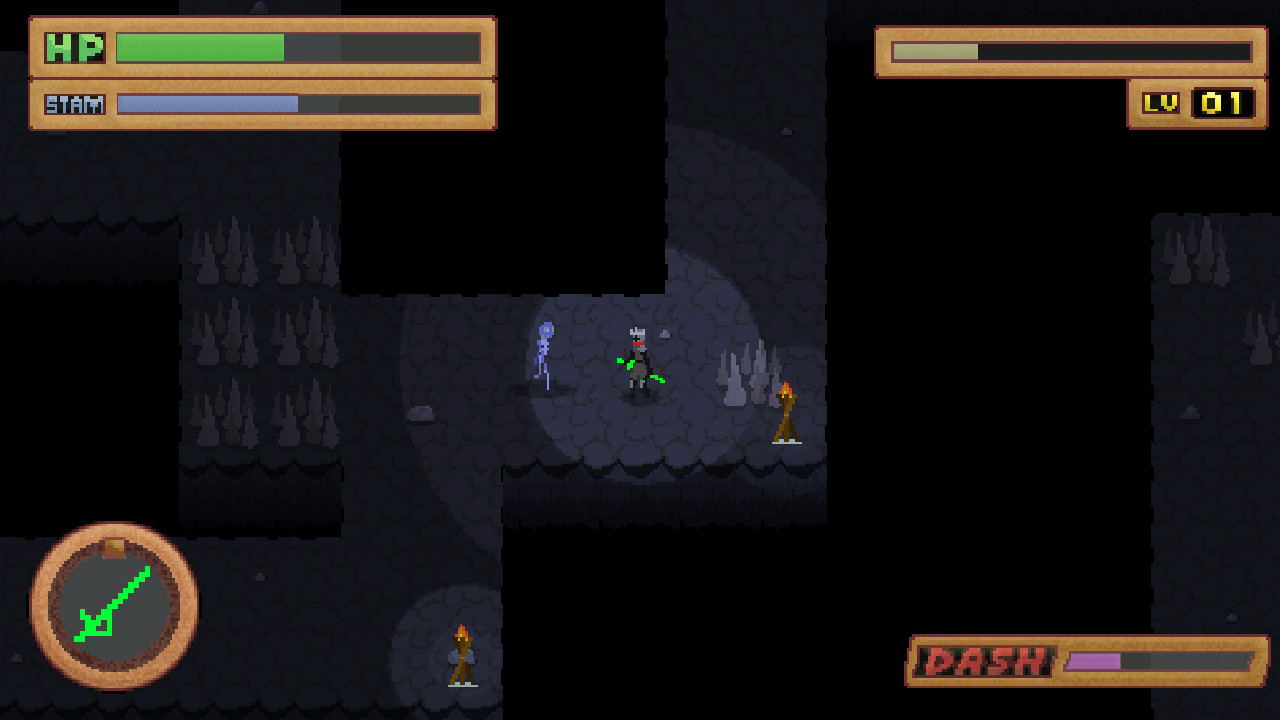
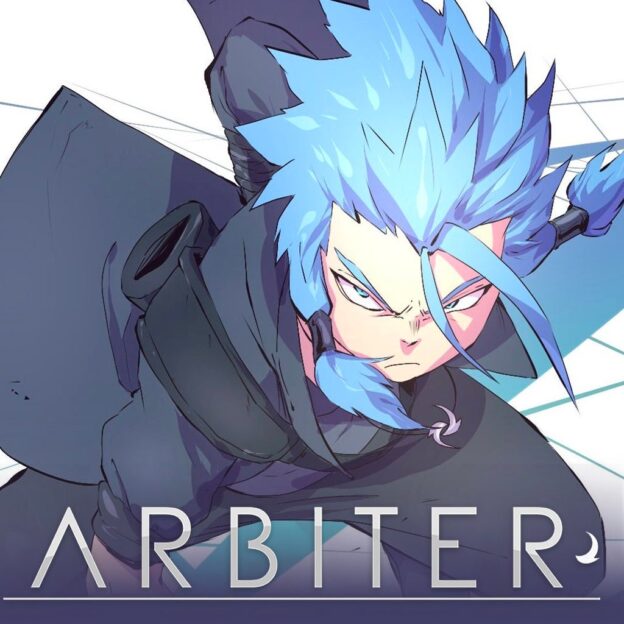
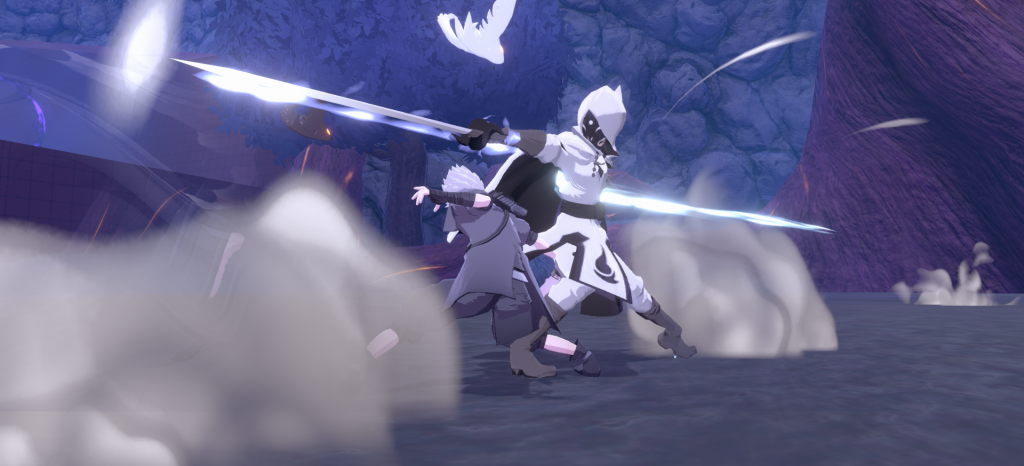
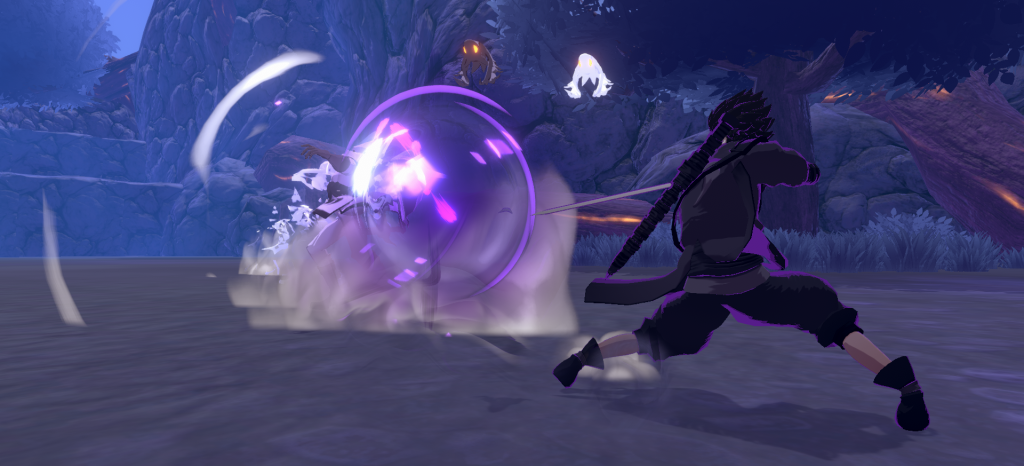
Recently beginning its Kickstarter campaign, Arbiter is a third-person action-adventure game with a heavy emphasis on varied combat and character transformation. Inspired by the likes of Zelda, Kingdom Hearts, and Dark Souls, the main character has the ability to transform into either a light spirit (ether) or a dark spirit (umbra) in order to defeat enemies and absorb them in order to gain new abilities over time.

I was interested in knowing more about this game, so I reached out to the game’s creator, Jordan Scott, for a question-and-answer session amidst the game’s Kickstarter campaign. Here were Jordan’s Answers:

Arbiter 1

What were the influences behind your game?

I’d say the biggest inspirations are Ikaruga, Kingdom Hearts, and Dark Souls. Mega-Man, too, since the game will allow you to complete the levels in whichever order you wish. The biggest takeaway from those games, though, is the transformation mechanic and the challenging, fast-paced combat.


What has the developmental process been like?

 I’ve been working solo on the game for about five months now, and I’ve tried to keep the scope of the project small so that I can feasibly finish it on my own. As a result, development’s been going pretty well.


How close are we to seeing the finished product?

I’m hoping to release the game in late 2018, based on how the Kickstarter does. It’ll be a shorter game at around five hours or so, so I think I’ll be able to finish on time. But as game development usually tends to go, the final release date is unpredictable.

Arbiter 2

What has been the most exciting aspect of development?

The most exciting aspect has been designing enemies. The game is inherently fast-paced, so I’ve been trying to create enemies that set the pace of the fight rather than the player. This kinda results in players having to learn to “keep up” with their enemies, which is a play-style I enjoy.


What has been the most challenging aspect of development?

The development’s been going pretty well. I certainly feel like I could go faster, but I’ve kept the project’s scope small enough that I’ve been able to hit my deadlines pretty consistently. The harder part has been preparing for things like the Kickstarter and RTX booth since I’ve never done them before. Since the game’s an original IP too, its audience is being built from the ground up, which is very intimidating.


Were there any anime series in particular that inspired the creation of Arbiter?

Dragon Ball, Naruto, and Hunter x Hunter have probably been the most influential.


If the game is open-world, how expansive do you plan on making it?

The game will be split into multiple levels that players can choose to complete in whichever order they wish.

Arbiter 3

In relation to the contrast of light and darkness that the main character seems to embody, will there also be morality mechanics available within the game?

The morality conflicts will have more to do with the story rather than the mechanics. But that being said, there will be multiple endings tied to how players choose to pursue the enemies they’re hunting. I’d say the overall point of the game is more that the world isn’t as black and white as it appears.


How well has the game been received so far?

People seem to like how polished it is and how well it plays. There have been some complaints about the difficulty since I kind of amped it up so people know that “this is supposed to be a challenging game”, but overall, I think it’s been pretty well received. 


Arbiter 4

What platforms are you looking to bring the game to?

I’m looking to release the full game on Steam (PC) and Mac/Linux. I’d like to port the game to consoles as well, but that will be entirely dependent on how the crowdfunding goes.


Do you have any advice for aspiring developers who may be reading this?

I’d say learn as much as you can on your own so you can better understand development as a whole. It will also help you to kinda manage expectations for what you can expect from your teammates.


Where on the Internet can people find you?

I’m on Twitter @jordy_j_s, and you can find more information about the game at https://arbitergame.ca/!


Do you have anything else to add?

I’ve been funding Arbiter’s development through my personal savings, so Kickstarter’s success would help a lot with padding out development costs. I’d also like to hire additional artists to make the game as good as it can be. If you’re interested in Arbiter, please consider backing it to help make the full game a reality!


Arbiter 5

I want to take this opportunity to thank Jordan for taking part in our question and answer session, and to wish him the best of luck with the game. If anyone is interested in backing Arbiter, here is a link to their Kickstarter page:

https://www.kickstarter.com/projects/427189558/arbiter-0?token=c732018c

A free demo of the game can also be downloaded from the Arbiter website under the Press Kit section:

Press Kit

Game on,

Scouse Gamer 88

Lucah

Q&A With Me Less Than Three

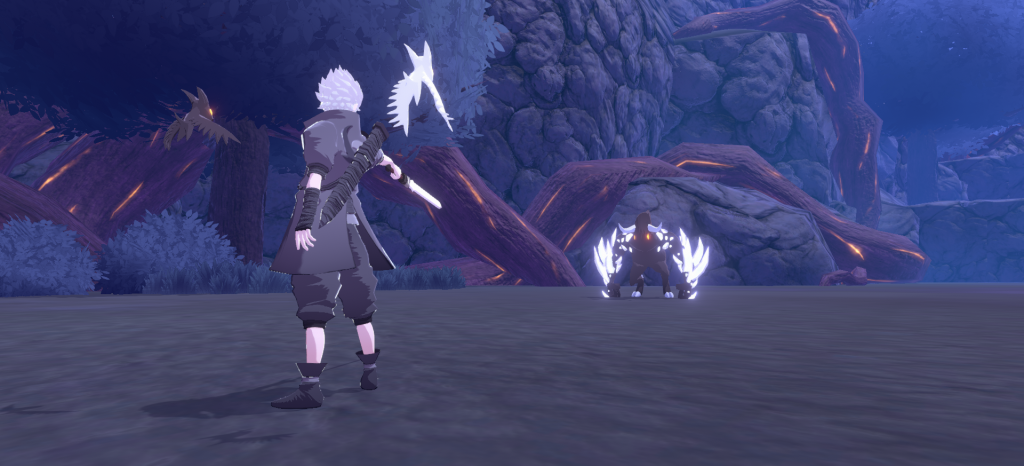
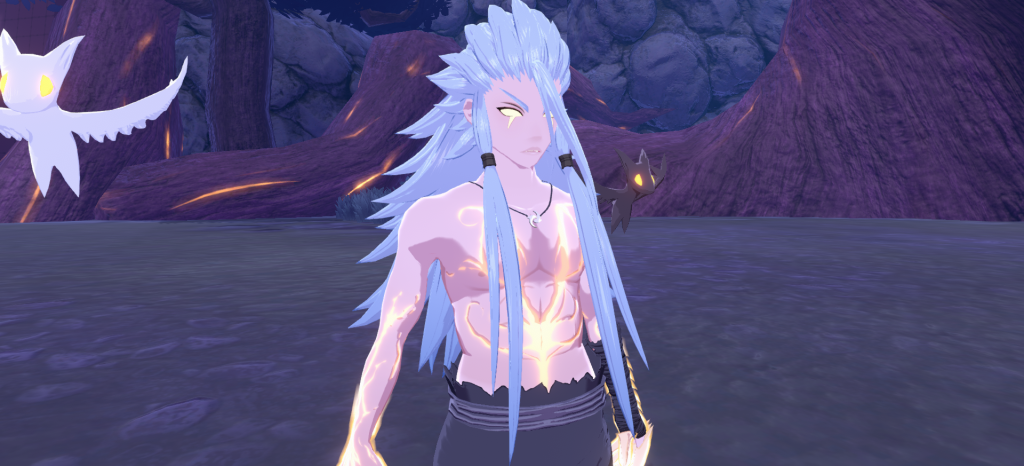
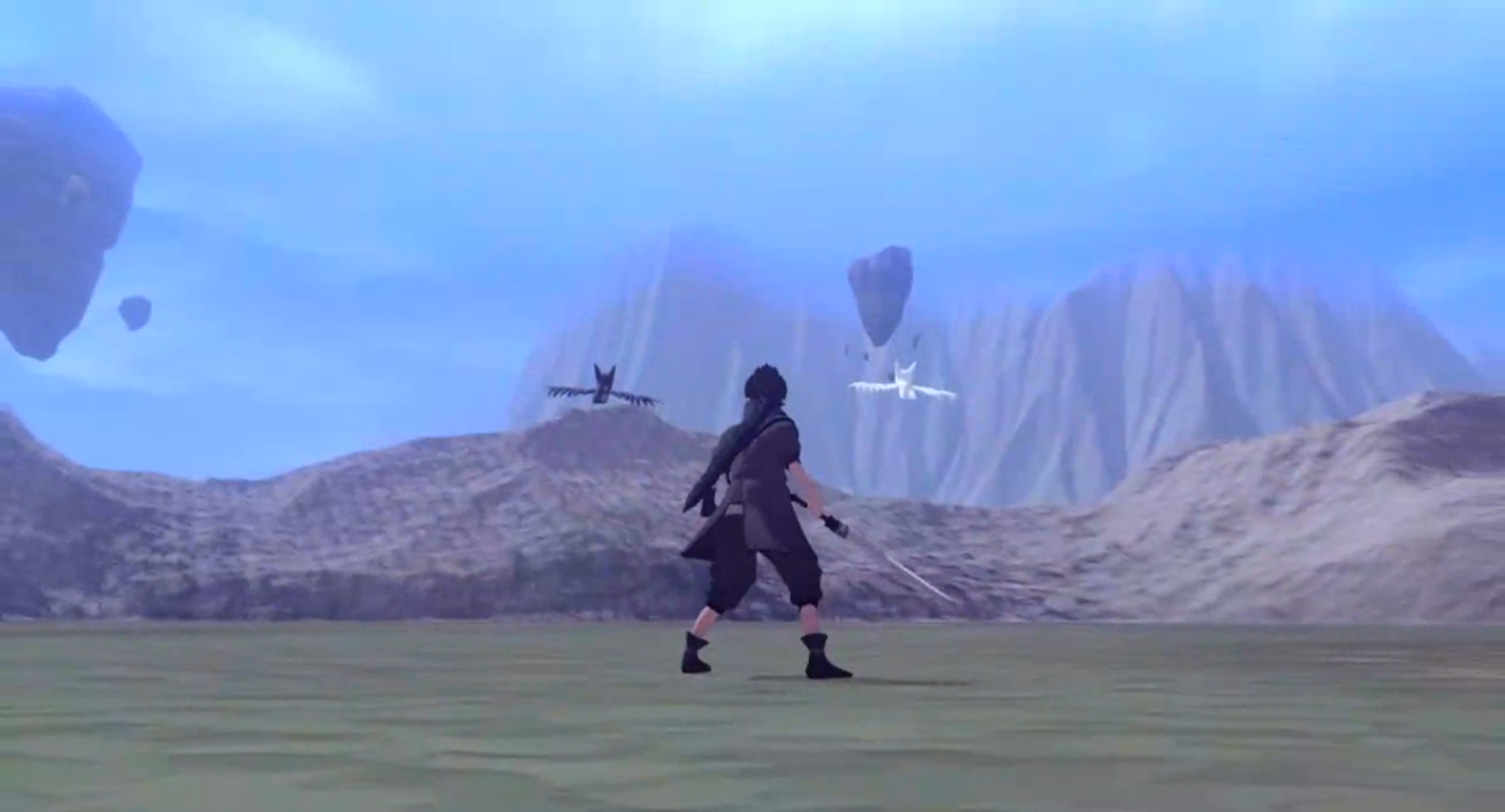
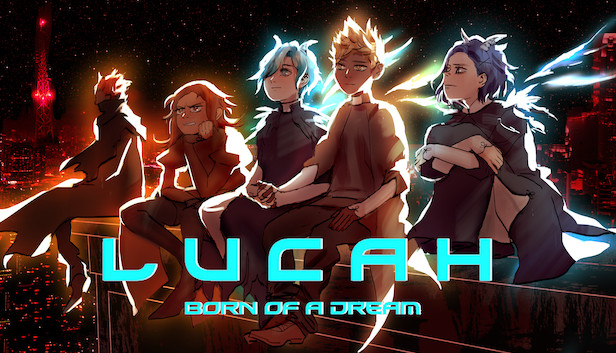
In my ongoing endeavor to discover as many different video gaming prospects as possible, this week I came across a wonderfully dark-looking game entitled Lucah. Lucah is an action RPG with a heavy emphasis on combat and exploration. And a sinister-looking conceptual design. The game itself is described on its Kickstarter page as “a nightmare action RPG about finding oneself”.

Presenting players with multiple combat options and learnable abilities, as well as giving players the additional option of combining these different skills. Giving the game even more variety, I was eager to interview the developer behind the nightmarish title, Me Less Than Three, operating out of Los Angeles, California. Programmer on the game, Colin Horgan, agreed to answer some questions I had about this unique-looking title. And here are his compelling answers:

What were the influences behind your game?

From a gameplay perspective, LUCAH started as a Nuclear Throne-style arena shooter. While I was developing it, though, I was getting more into melee-focused action games like Bloodborne, as well as style-focused brawlers like Devil May Cry and Bayonetta.

I combined this mechanical fascination with the dark, high-contrast style that I had been developing for the past couple of years. Like in my previous game Comforting Sounds

(https://melessthanthree.itch.io/comforting-sounds)

and IAMNOTAMACHINE

(https://melessthanthree.itch.io/iamnotamachine).

This is a style that sort of evolved naturally, just based on my ability. I’m more of a programmer by trade. But I wanted to use my own art in my games, so I started simple, but stylized.

As LUCAH slowly grew into a full game, I started putting a bunch of thematic and narrative ideas into it and kept what stuck. Including a lot of personal subjects I like to explore (nightmares, Catholicism, lyricism). Ultimately, it evolved into a gamified night terror. And I decided to weave the whole story into that context.


What has the developmental process been like?

Since I’m most comfortable with programming, most of my games start as mechanical prototypes. Taking a game idea and making it playable as soon as possible. From there, I’ll put a little bit of kinesthetic polish on the game, the details that make it “feel” a certain way. And allow the aesthetic style to evolve from that.

As LUCAH became a more methodical, tactical action game after the switch from projectile-focused to melee-focused, I tailored the look and pacing to fit a more horror-inspired game. An important step in this process was taking on my friend Nicolo Telesca as our composer. His glitchy and atmospheric soundscapes entered the game even before there were levels to score. So the shape of the game took form based on those sounds and songs.

Once the game felt like it had enough form to be played, I put various demos out. First, a combat-only demo. Then a demo with the first “dungeon”. And saw what resonated with people and what didn’t. The game went through a large visual overhaul at this time. Keeping the distinctive style but pushing it as far as it could go. With an emphasis on better communication for what is going on (attack signals, more contrast for enemies and backgrounds, and so on). At this point, we knew we had something special. And took this direction towards the eventual full game LUCAH will be.


How close are we to seeing the finished product?

All of LUCAH’s major systems are set, and the current demo is a good standard for what the full experience will feel like. However, we still need to fill out the rest of the story. Which I expect will be another 4-5 hours of content. At the current rate of development, my tentative estimate for LUCAH’s full release will be sometime next summer, so be on the lookout then!

What has been the most exciting aspect of development?

The most exciting aspect of development has been sharing my process with others through social media and seeing the excitement the game is already creating. Oftentimes, I would finish a new mechanic and create a GIF to show it off, and with that, I can see what developments excite people most and feed off that energy. I make sure to read every comment, response, and message we get about the game because even though LUCAH is a very intimate and personal experience, I want to do my best to ensure it’s an experience that resonates with as many people as possible!


What has been the most challenging aspect of development?

The most challenging aspect of LUCAH’s development by far has been solidifying the visual style. Because it’s so out there and hard to describe (is it wireframe? stylized pixel art? hand-drawn impressionism?). Making sure it communicates the appropriate moods and information has been a struggle. We are doing our best to make sure a new player can wrap their head around what’s happening on screen. And what these ever-shifting figures represent. But I don’t think we’re totally there yet, even if we’ve come far already. Still, as we develop the game, we’ll do our best to make LUCAH the most brilliant visual experience it can be.


How well has the game been received so far?

LUCAH has been received surprisingly well so far, especially for such a niche title! Besides some of the visual roadblocks I mentioned previously, most people who try LUCAH find something to love about it. Whether they’re absorbed into its abstract world or want to explore the various combat systems at play. It’s a game that resonates with both seasoned game players and new players alike, and that’s something I’m especially proud of.

With Lucah, there is a massive emphasis on dreams, nightmares, and the subconscious in general. Did any of the developers’ dreams serve as inspiration for the game? I used to struggle with night terrors and sleep paralysis. Often, because I became very good at psyching myself out with an overactive imagination. While I’ve become much better at handling nightmares and the anxieties that create them, it’s still fertile material for me to process and explore in LUCAH. Hopefully, once the game is done, those terrors will be a thing of the past!


What platforms are you looking to bring the game to?

Currently, we’re planning to launch LUCAH on Windows, macOS, and Linux, though I would also love to bring it to consoles. The game was built for a controller. So I think it’d fit right at home on the PS4, Xbox One, and Nintendo Switch. And I’ll pursue those consoles if that becomes a possibility.

Do you have any advice for aspiring developers who may be reading this?

The usual answer I give to these sorts of questions is to 1. exercise, and 2. read books. The broader answer here is to make sure you take care of yourself, both mentally and physically, as much as you are able, and be sure to have something non-game-related to enjoy. Not only will it allow your brain to rest from any development-related stress, but varied experiences and interests will help you be a better and more creative developer. Also, be sure to be creative whenever you’re able; it’s the only way to get better!

Where on the Internet can people find you?

I can be found on Twitter @melessthanthree.

You can also follow LUCAH’s development on Facebook –

http://gamejolt.com/games/lucah/184325

and Tumblr (https://lucahgame.tumblr.com/),

and download the free demo on either itch.io (https://melessthanthree.itch.io/lucah) or GameJolt (http://gamejolt.com/games/lucah/184325).


Do you have anything else to add?

At the time of this interview, LUCAH is currently on Kickstarter, and we still need some help to get funded and finish the game! Please check that out

(https://www.kickstarter.com/projects/1617962540/lucah-a-nightmare-action-rpg-about-finding-oneself)

and tell your friends who might also be interested in sharing or pledging. Also, please try the demo and let me know what you think. I love hearing about your experience playing LUCAH!

I would also like to take this opportunity to thank Colin for agreeing to this Q&A session and to wish him and Me Less Than Three Studios the best of luck with the game and with the Kickstarter campaign. As of the publishing of this article, there are 9 days left, so if you’re interested in playing the complete game, you can donate via the link in this article.

Game on,

Scouse Gamer 88
 

Horizon: Zero Dawn (PlayStation 4)

Horizon Zero Dawn

Developer(s) – Guerrilla Games

Publisher(s) – Sony Interactive Entertainment

Director(s) – Mathis de Jonge

Producer(s) – Lambert Wolterbeek Muller

PEGI – 16

Developed by Guerrilla Games and being six years in the making, Horizon: Zero Dawn is an open-world action-adventure game. This relies heavily on creativity in battle and presents a very stern challenge similar to games of the same ilk, like Middle-Earth: Shadow of Mordor and Assassin’s Creed. Personally, I was blown away by how great this game is. I had high expectations of it in the first place. But it did exceptionally well to surpass those expectations. And deliver one of the best gaming experiences of the eighth generation.

Graphics – 10/10

The game’s visuals are phenomenal from both a technical and conceptual perspective. The level of detail is unlike anything I’ve ever seen on even the PlayStation 4. This is saying a lot since I’ve played a great deal of technically marvelous games on the system, like InFamous: Second Son and Killzone: Shadow Fall. But more impressive than this, the game’s universe is unlike anything I’ve ever seen. It takes place on a post-apocalyptic Earth, where humanity has regressed to prehistoric culture. But the wild is infested with dangerous robotic animals. Made with technology that was widespread before the events of the game. The world in this title is extremely impressive to look at, and to me, it set a new standard within the industry in terms of cutting-edge graphics.

Gameplay – 8.5/10

Outside the main story and various side quests, the object of the game is to hunt animals around the world in order to develop the character. And discover new materials used to upgrade equipment, weapons, and storage capacity. There is great freedom to be had in terms of choice of how to approach combat. The player can choose to take a more stealthy approach and use environmental hazards to subdue enemies without being detected. Or they may choose to take the less subtle route and go in all guns blazing.

Upgrades provide the player with new abilities to assist them whilst taking all these different approaches toward combat. Morality mechanics also play a part in the game, similar to Mass Effect, whereby the decisions the player makes affect the outcome of the story and the player’s influence over NPCs. Whilst it’s a little bare compared to some other open-world games, which is ultimately why I would have to place Breath of the Wild above it when comparing the two games, there are still a lot of things to do within the game that will keep players entertained for an extraordinary amount of time.

Controls – 10/10

In terms of controls, the game doesn’t exactly reinvent the wheel. However, there are no unnecessary frustrations to be experienced with the control scheme. So it deserves a perfect score in this aspect. It’s also quite clever how the developers were able to implement the mechanic of scanning enemies and environments in order to assist players in how they choose to approach the situation. Even though it isn’t the first game of its kind to implement such a feature.

Lifespan – 9/10

With plenty to do throughout the game beyond the main story, it can be easily made to last at least 60 hours. It’s actually quite surprising to me that a game of this level of technical innovation can encompass an open world of this size. I was impressed with how Far Cry 4 was able to accomplish a similar feat to this. But this game goes far beyond what the latter was capable of.

Storyline – 9/10

The story of the games follows a young hunter named Aloy. She has been shunned her entire life as an outcast by every other tribe situated throughout her homeland. As she has grown up, she sets out to prove herself as a member of the Nora tribe. But she soon discovers that she is only part of a greater destiny. And so she sets out to uncover it, and to also uncover the history of her world. Horizon Zero Dawn is very much a coming-of-age story reminiscent of a lot of Studio Ghibli films and goes beyond that of a typical story found in many open-world games. It’s immersive, emotionally charged, and deals with the wonders and complications of a young woman trying to find her way in the world. Watching the development of Aloy’s character, in particular, was a pleasure from beginning to end.

Originality – 8/10

The game is definitely more evolutionary than revolutionary. It’s not the first game of its kind to do many of the things that it doesn’t, but it does do them bigger, and all at once, one-upping the likes of Shadow of Mordor in my opinion. Where it truly stands out is in aspects such as its conceptual design and variety in combat, which makes me feel reassured that innovation is not just happening within the indie industry, but also in the mainstream scene as well.

Deliirious

Overall Horizon: Zero Dawn is one of the best games of 2017, and unanimously my favorite PlayStation 4 exclusive of that year. I’ve been impressed with many others, such as InFamous: Second Son, Infamous: First Light, and The Last Guardian. But to me, this game surpasses them all, making for a better IP than Killzone ever was.

Score

54.5/60

9/10 (Excellent)