Tag Archives: Liverpool

Remnants of Isolation (PC)

Remnants of Isolation

Developer(s) – Team Isolation 

An indie turn-based RPG developed with the popular RPG Maker engine, the same engine used to develop other indie RPGs, such as Chronicles of a Dark Lord, Remnants of Isolation has a story and an artistic direction different from that of many other games of its kind. Unfortunately, the game does have its fair share of faults and drawbacks. Making it dwarf in quality compared with some of the great titles of the genre. Such as Final Fantasy and Chrono Trigger. 

Graphics – 8/10

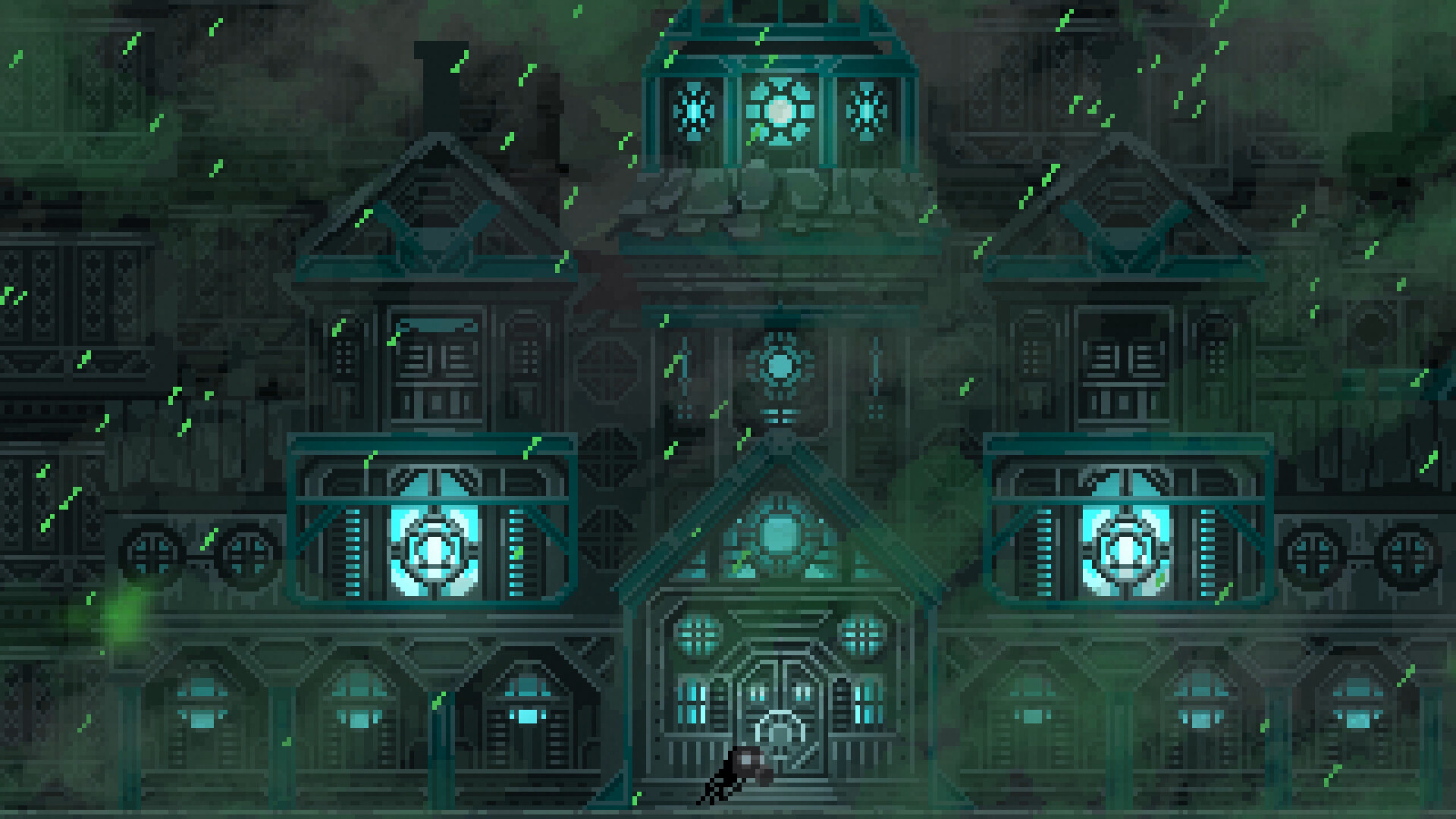
The most interesting thing about the game, in my opinion, is the visuals and the conceptual design. Taking place in a mysterious and enchanted prison, it features imagery and characters inspired by a multitude of different cultures and mythologies. Most prominently, medieval fantasy. But aside from that, there are also quite a few uniquely designed monsters. Such as the Twisted Sentry, as well as many of the varied boss fights that take place throughout. 

Gameplay – 6/10

The game plays out very much like a traditional turn-based RPG, such as Final Fantasy or Dragon Quest. It’s addictive and satisfying to level up characters. Instead of using money as currency, however, the player must collect souls in order to make better equipment and buy items. The biggest problem with it, however, is the fact that, unlike most other games of its kind. Which have many different playable characters with different abilities; there are only two in this game. Thus, it doesn’t have anywhere near as much variety as many of the great games that inspired it. It’s especially underwhelming to me, as I have played RPGs that make use of the same engine. But that has much more substance to it. 

Controls – 10/10

Remnants of Isolation incorporates as simple a control scheme as can be found in a video game, and as such, I’m at least satisfied to report that there are no issues with playing the game to address. Many turn-based RPGs over the years have modified the overall formula with varying degrees of success. But over the years, it has been refreshing to see a resurgence of games to incorporate the basic structure of this formula, and this game is no exception. 

Lifespan – 0.5/10

The worst aspect of this game, however, is its cripplingly short lifespan. At a stretch, it can be made to last about 2 hours. Which, for a turn-based RPG, is deplorable in my opinion. Normally, this kind of game can be made to last considerably longer. Some of these surpass the 100-hour mark. However, due to this game’s lack of substance and variety, it lasts only an extremely small fraction of the time that a standout game of its genre can be made to last. Even irrespective of the fact that this game was intended to be played multiple times.

Storyline – 7/10

The game’s story is particularly well written and made even more immersive by the fact that there are multiple endings to be triggered. It follows two prisoners, Celesta and Melchior, as they resolve to find a way out of their prison together. In a somewhat similar fashion to Ico. They both need each other to stay alive as they encounter danger after danger throughout the prison. It’s engrossing to see how their relationship develops throughout the course of the game, and how it impacts the rest of the story. 

Originality – 2/10

The only vaguely original mechanic this game has going for it is that of using souls as currency to both buy items and upgrade equipment. Some may say the mechanics of fusing magic may be something new to the genre. But Final Fantasy IX incorporated a similar. And frankly, a more satisfying mechanic between the characters Vivi and Steiner. And overall, did little to add any real uniqueness to the game’s combat system. Other than souls as currency, the only way in which the game stands out is in both its artistic direction and how short it is. And the latter of the two makes it stand out for largely the wrong reasons. 

Niiutral

Overall, Remnants of Isolation does have elements of redeeming value, but as far as an immersive gameplay experience goes, there are far better turn-based RPGs out there. To make a game of its potential as short as they did was, in my opinion, criminal, and if the developers decide to make a sequel or another turn-based RPG, they need to make some dramatic improvements in my opinion. 

Score

33.5/60

5.5/10 (Below Average) 

Ironcast (PC)

Ironcast

Developer(s) – Ripstone Games, Dreadbit & Polygon Hearts

Ironcast is an indie game, developed with the likes of Candy Crush and Jelly Splash in mind. But offers something extremely different. Blending it with customization options as well as turn-based RPG combat. For me, it has been one of the best games released on Steam this year so far. It goes far beyond the level of enjoyment that a simple puzzle game can bring.

Graphics – 7/10

Aside from having a fairly decent range of different robots to command with each playthrough, Ironcast is set in an alternative reality. Where the English were still warring with the French in 1886. And England has taken on more of a steampunk theme during the Industrial Revolution. The only gripe I have with the game’s visuals is that the setting of each stage can become somewhat repetitive after a while. But where the game’s visuals truly excel is in the level of detail of the robots. As they either generate shields, fire weapons, or take damage.

Gameplay – 7/10

To progress through each fight, the player must match up different symbols together to collect four different kinds of main resources for their robot. Coolant, weapons, energy, and repair substance. These are used to maintain and defend the robot during combat. As well as take down the opposing robot on the other side of the screen. After each battle, the player earns experience points to gain upgrades. As well as money to buy improved weapons and armor. With its Roguelike approach to gameplay, it offers a great deal of entertainment value, as well as a challenging learning curve for players to adapt to and progress.

Controls – 10/10

Since it’s a turn-based puzzle game exclusive to PC, there was never going to be an issue with the game’s controls, since the scheme is as straightforward as it could possibly have been. It’s actually quite interesting to learn new ways of joining icons on the puzzle board in order to gain as many of the resources on it as possible. Anyone who has ever played Jelly Splash will have a lot of fun with this game in particular.

Lifespan – 10/10

As I alluded to, Ironcast incorporates elements of the Roguelike genre of gaming, similar to either Rogue Legacy or Tower of Guns. This gives it infinite replay value. Since there are quite a few gameplay options and different styles of play to explore, this makes it all the more meaningful and varied. It has been very refreshing to see the resurgence of the Roguelike genre within the indie industry. And this game is most definitely one of the prominent examples of this.

Storyline – 7/10

The basic premise of the game’s story, as I mentioned, is that the English and the French are at war. And a new ability to wage war has been born in an alternative reality to our own. Soldiers are now fighting with machines known as Ironcasts. And the player character is on the side of the English and must do everything in their power to stave off the French advancement. It’s a pretty typical story, reminiscent of any story in either the Battlefield or the Call of Duty franchises. But although there isn’t any spoken dialogue, the characters still have a lot more personality than many of the characters in any of the aforementioned examples, at least.

Originality – 7/10

For the longest time, I would look at games such as Candy Crush and Jelly Splash and think that there surely must be some way to modify the same existing formula to make it even more remotely interesting than those games are. Alas, the developers of this game have come up with a very interesting answer to that question. And have made for possibly the most interesting puzzle game I’ve seen since Tetris. If this is the kind of gaming experience that Ripstone Games can conceive, I’m looking forward to what they can go on to do in the future.

Happii

Overall, Ironcast is an immensely pleasing title, and I highly recommend it to anyone with a Steam account. It’s an interesting puzzle-based RPG. Which can be enjoyed at the player’s leisure as opposed to them having to wait for hours at a time for lives to regenerate.

Score

48/60

8/10 (Very Good)

Q&A With Blake Speers

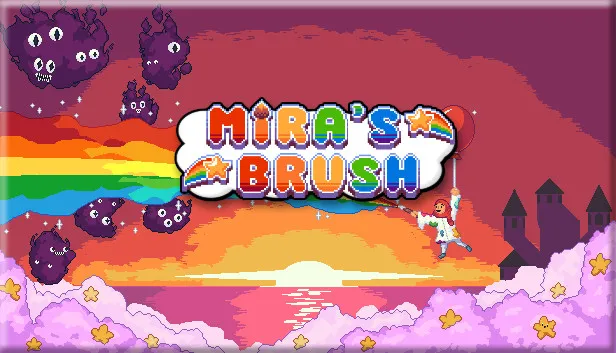
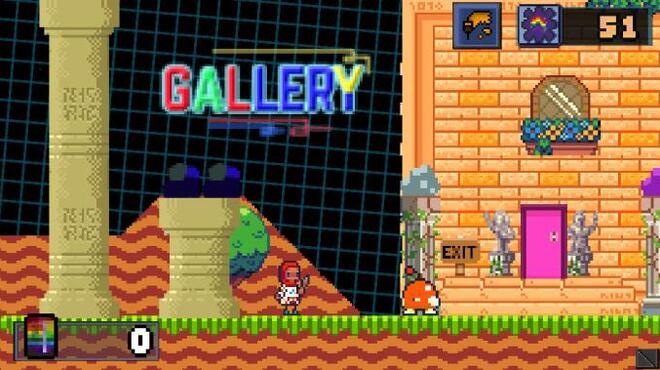
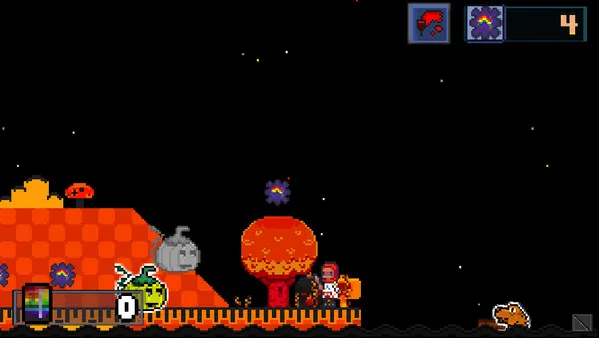
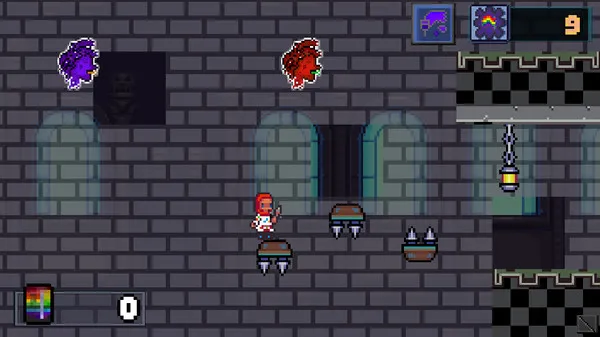
Once again, scouting Kickstarter for new and exciting-looking video game projects on the indie scene, I came across a wonderful-looking 2D side-scrolling platformer called Mira’s Brush developed by Canadian developer Blake Speers. The premise of this is that the game’s titular character, Mira, is tasked with restoring color to the world of Chromaland.

The game boasts several very unusual and potentially groundbreaking gameplay features. Such as changing an enemy’s color and stealing their shape to gain new abilities, similar to Kirby when he swallows enemies.

The developer has also outlined plans on his Kickstarter page to include alternative routes throughout levels, secrets to uncover, varying degrees of difficulty for both seasoned and entry-level gamers, and an array of what could turn out to be some very intriguing boss fights.

I got in touch with Blake to see if he would answer a few questions I had about the game, and this is what he had to say about Mira’s Brush:
What were the influences behind your game?

Short answer: Jumpman (C64), Kirby’s Adventure (GB), Epic Mickey, Mario Odyssey/Galaxy 2

Longer Answer:
I was one of the first generations of kids to grow up beside home video game systems. Back in 1982, when I was a toddler, this guy Randy Glover had the idea to make a “clone” of Donkey Kong. But got carried away playing with the physics and game mechanics. The result was “Jumpman,” a game with more unique mechanics from level to level than I’ve seen in a game until now, maybe Mario Galaxy.

Basically, every level had a new kind of idea, including one where you shoot clones, an all-black level that appears as you clear through it. And one where you throw javelins at dragons that look kind of like somebody crushed the Pink Panther in a pixelated trash-compactor.

I was obsessed with that game as a kid. And when I turned 16, a friend and I made my first big game, Flags of Doom, kind of an awkward Windows 3.1 clone of Jumpman. But with all the new levels.

Flags of Doom came out back in the days of trading bootleg floppies. And if you search hard on the Internet, you can find a tiny number of people who played it and liked it. It ended up on a couple of those free software CDs that come with magazines in Eastern Europe.

Until Mario Galaxy came out, I didn’t see another game with that kind of premise. Mario games have always been inventive. But something felt really fresh about the compendium of Galaxy 1 and 2.

When I decided it was time to make a game that people might actually intentionally play, I went through my big book of ideas (I have a lot of ideas, most of which are totally unworkable). And found a concept for color stealing that was a bit like a Kirby game.

I decided to take the same experimental approach I’d seen in Jumpman, Flags of Doom, and Mario Galaxy, and jam it with the power-stealing gameplay of Kirby games and the color mechanics of stuff like Epic Mickey and De Blob. 

Around that time, I got into Mario Odyssey, and I loved the open-ended sense of exploration, with so many options for beginner and more advanced players. That’s when I decided on a very open-ended, option-heavy exploration style.

You can basically pop into any level and beat it. Or just farm secrets for that completion line. Beating the whole game should be “easy,” But finding some of the secrets will mean taking the harder path.
What has the developmental process of Mira’s Brush been like? 

I’m a dad with a regular job in an office. I like my job. It’s interesting enough. I also have two kids. One in Kindergarten (Nursery in the UK) and one in Grade 3 (Year 2 in the UK). The development has been spotty. Learning the Construct 2 engine (easier than pure coding, of course), and playing with the edges of what is possible.

I’ve basically been working every morning until I have to leave, and every night once the kids are asleep, I’m essentially asleep at the screen. It’s tough, but I love the challenge of it.

How close are we to seeing the finished product? 

Based on my current level of progress and how much is still on my checklist, I should have a final version in late October. And be ready for launch in mid-December. I’ll have some demos for testers along the way.

How instrumental has the OpenGameArt community been in terms of the game’s conceptual design? 

Fundamental. All my basic tilesets come from there originally. I’ve since done a bunch of edits for different terrains to make them stand out a bit. But without those sets and a few key enemy sprites, I’d still just have a prototype. I am learning to push pixels and slowly getting better. But I still turn to the OpenGameArt community often for inspiration or templates.

Part of my goal with this Kickstarter is to enlist more help to make the art stand out a bit more. Make it more unique to this game. And then give some of that art back to the community in the form of original tilesets.
What has been the most exciting aspect of development?

I absolutely love it when an idea finally works. This isn’t one of those “mob and jump” platformers with a lot of repetition. At almost every level, I’m learning something new about scripting, about game physics. And at every level, I bang my head against the screen until it finally works.

What has been the most challenging aspect of development?

The hardest part for me is all the fiddly bits, UI, and physics. I love designing levels, but a lot of the coding and art is beyond my own abilities. This means a lot of research, practice, and reaching out for help.

Have you had much experience with art, and if so, did those experiences have an impact on the development of the game? 

I’m not a visual artist by any stretch of the imagination. Even my scribbles are outside the lines. I did take art history in high school. And my wife used to work in art galleries. She took me through the various galleries of Europe in our 20s (we were working and living in England at the time) and showed me the history behind some of our favorite pieces.

Each world of Mira’s brush is “inspired” by art movements. But I wouldn’t say most gamers will notice; it’s not in-your-face, more just the theme of each world. For example, the first world is inspired by local indigenous art and local artists of renown. Like Emily Carr (who also acts as the jumping-off point for a boss in the game).

The second world is a mash-up of “primitivism,” cave art, and the neon aesthetic of the ’80s and ’90s. But again, you’d hardly notice while playing. It’s just a way of breaking up the worlds in a way that’s different from the “ice world,” “fire world,” “desert world,” and “clouds.”
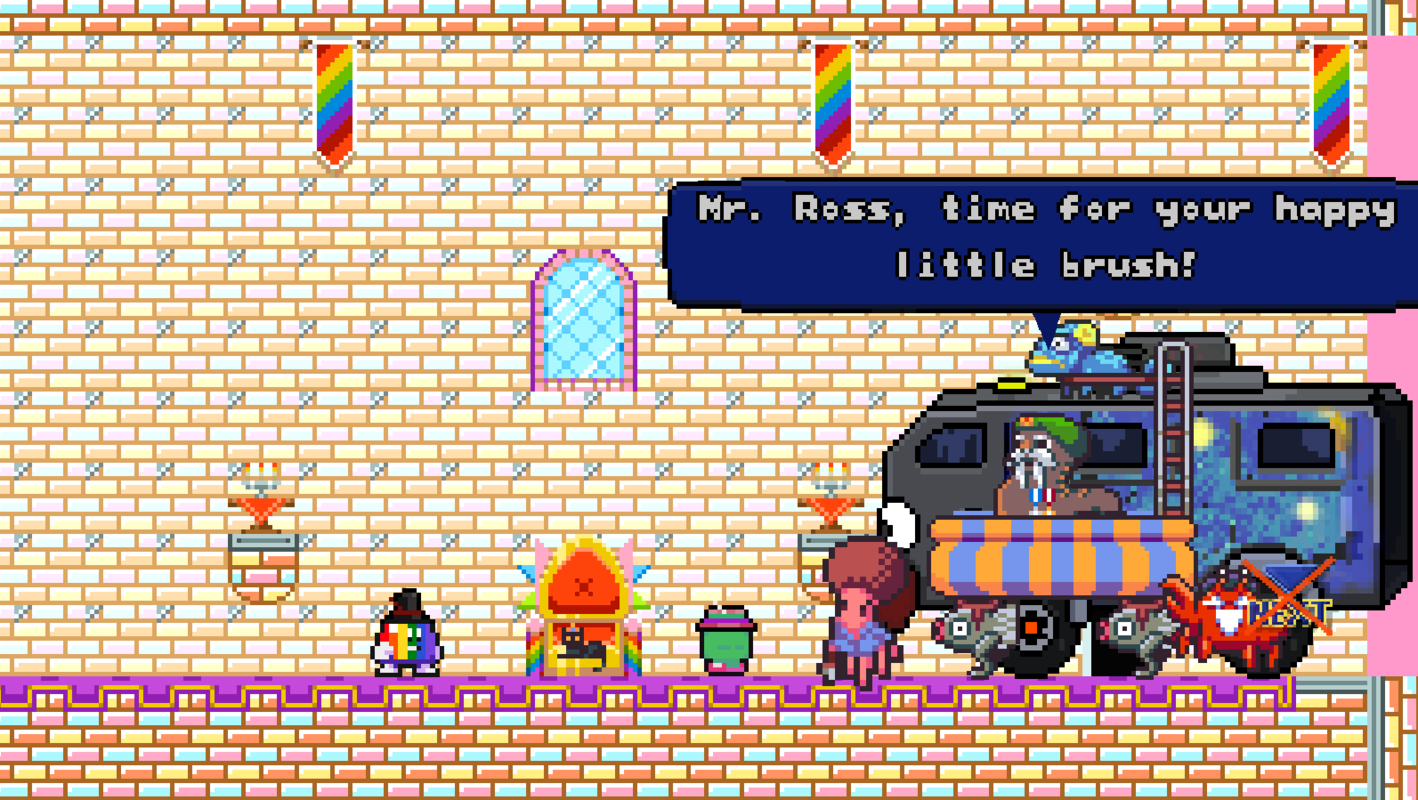
How well has the game been received so far? 

I would say all the responses have been super positive, but we have a very small number of people who have seen it at all yet. The few that follow closely are exuberant, so hopefully, I can meet their expectations.

Was there a particular genre of music that influenced the game’s soundtrack? 

The game was composed entirely with Beepbox, a web-based tool for writing 8-bit (and now 16-bit) choons. And I tried to keep it poppy and fun. The music is really classic “game-music” in style. I’m still learning, and only the best stuff I can make ends up in the game.

All my stuff is heavily inspired by the great Chiptune artists from the Midlands to the northern half of England and from Ireland, people like Rob Hubbard, Marin Galway, Tim and Geoff Follin, Ben Daglish, David Whittaker, etc. I’m not at their level, but they inspired me to learn and try.
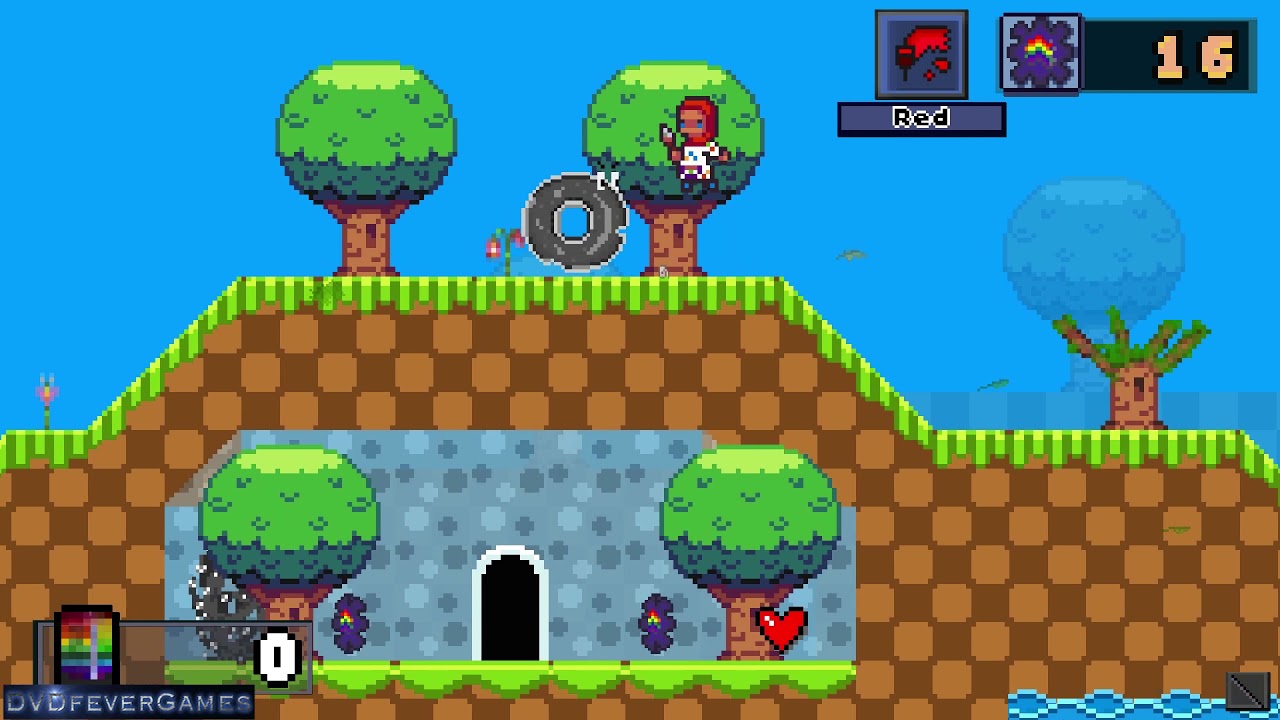
What platforms are you looking to bring Mira’s Brush to? 

Right now, the game is for PC only. If I make my stretch goals, I’d love a Switch port, and maybe a PS4/5 store item as well. Nothing is off the table if I get the funding for it. For now, Steam.

What has been your favorite area of the game to have designed so far out of so many vibrant and colorful environments?

Hard to say. The urban/modern art world (Tagspire City) is just gorgeous, thanks to the help of a dude called GfxKid. But the best-looking levels are in Trois Kingdoms. A world-spanning Egyptian, Greek, and Medieval art history with rich purple castles and dark, orange temples. Also, I’m just starting the design of Abstraxis, the abstract world. And the gameplay in that world is going to be nuts.  

Do you have any advice for aspiring developers who may be reading this? 

Listen. As of this year, I just turned 40. I have kids, a regular job, and other hobbies, but I didn’t want to wait until I was retired to start getting these games out of my head. Start now, and set yourself a weekly schedule so you get stuff DONE. My own family gets prizes (dinner out, or maybe doughnuts) when I hit a major milestone, and I don’t want to let them down. It pushes me to keep going.

Also, if you’re younger, don’t be afraid to take a regular, boring job. I like my boring job, and it fires me up to get creative in the off-hours. Plus, it pays the bills, which is how I’m able to focus on getting funds to improve the game rather than make rent.

Every dollar of the Kickstarter will go directly toward development, which really makes the whole project more stable and achievable. I work more slowly than if I quit my job. But the game, at least, is safe; nobody’s going to come and repossess my computer.
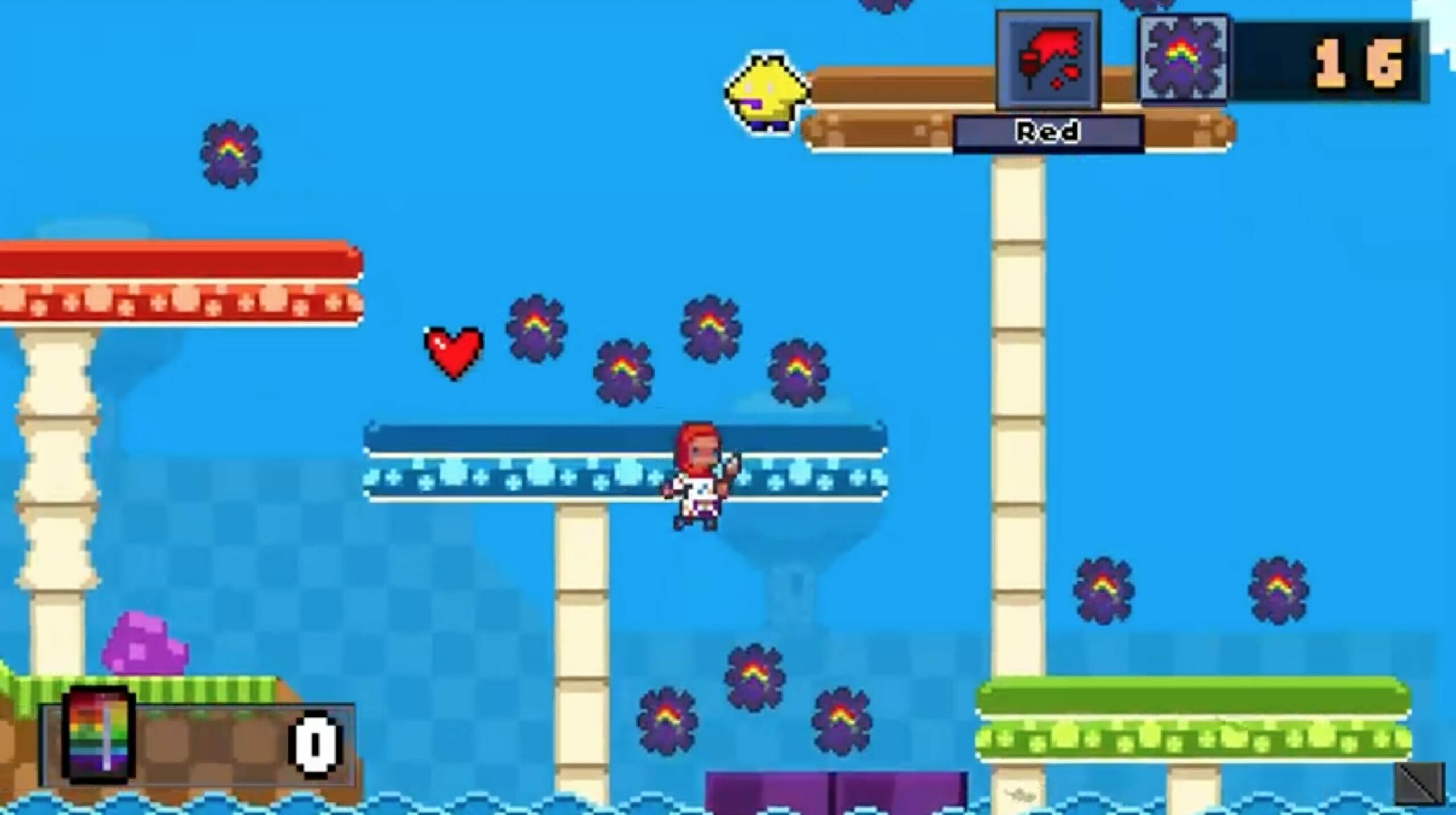
Where on the Internet can people find you? 

Mira’s Brush does have a YouTube channel, and I do frequent Reddit, but the best place to follow progress is on Twitter, @MirasBrush. That’s where I’m most active, sharing everybody’s awesome projects and uploading new chiptunes daily.

Do you have anything else to add?

No, I really enjoyed this opportunity and hope people check out the game. My Kickstarter isn’t a charity. I don’t want a cent for me, it’s all about making the best game I can, so people want not just to play it, but complete it.

Thank you!

-Blake
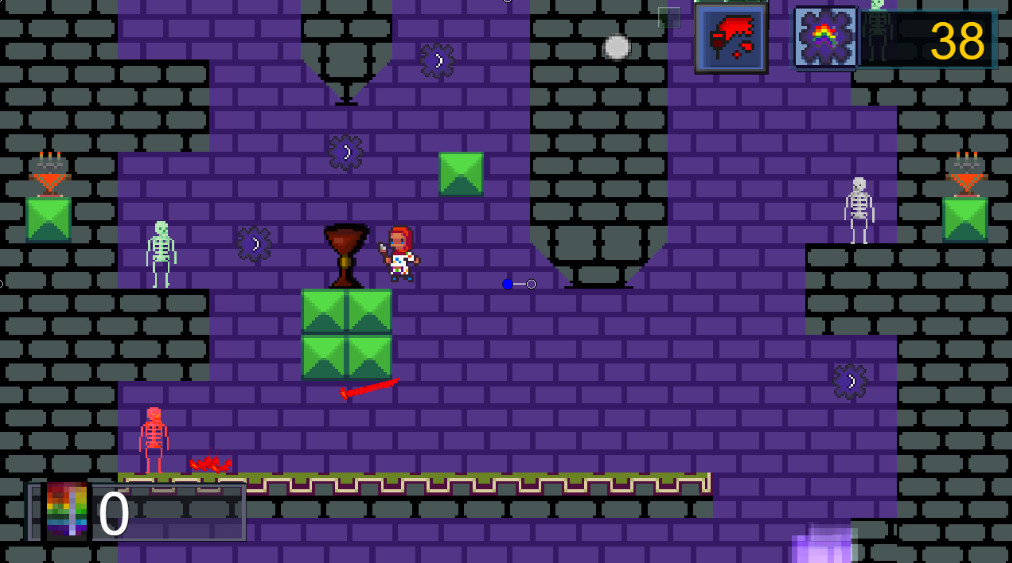
I’d also like to take this opportunity to thank Blake for agreeing to speak about his game and to let you know that the Kickstarter project is live now. And you can back it via this link to help bring this awesome-looking project to life:

https://www.kickstarter.com/projects/mirasbrush/miras-brush-the-cute-colour-based-platform-game

I hope you guys had as much fun reading about Mira’s Brush as I did talking with Blake and discovering this potentially wonderful game. And I wish Blake the best of luck with the campaign.

Game on,

Scouse Gamer 88

Overlord (PS3, Xbox 360 & PC)

Overlord

Developer(s) – Triumph Studios

Publisher(s) – Codemasters

Director – Lennart Sas

PEGI – 16

Released in the early period of the seventh generation of gaming, Overlord puts the player in the shoes of a demonic tyrant on a quest to expand his power wherever possible. And to hunt down each of the heroes who had destroyed his predecessor. With the help of his army of minions. It’s an action-adventure RPG relying heavily on real-time combat and unit control comparable to Nintendo’s Pikmin. During the seventh generation, I spent a great deal of time playing this game. As it was one of the most unique titles around at the time, in my opinion.

Graphics – 7/10

The conceptual design of the game was very heavily influenced by the writings of JJR Tolkien and the Middle-Earth mythos. The setting and characters are seemingly ripped straight from The Lord of the Rings, complete with dwarves, elves, trolls, and even hobbits. Albeit they’re always referred to as halflings in the game. The elven habitats are also quite reminiscent of Warcraft III. In terms of the technical side, the graphics were pretty much above average compared to what was being showcased at the time. But as a fan of Tolkien’s work myself, I was quite impressed with how good a job the developers did to perpetuate elements of it. And combine them with the dark fantasy elements, which I will soon elaborate on. 

Gameplay – 8.5/10

The game is an immersive action-adventure RPG centered around combat to defeat oncoming enemies and puzzles to solve in order to progress through each level. And complete each set of objectives, raising and developing. And modifying an army of minions and creating and customizing a base of operations in the form of a huge dark tower, again reminiscent of Barad-Dur from Middle-Earth. The overlord himself is ostensibly a carbon copy of the Dark Lord Sauron. 

This all gives the game all the enjoyability and variety in Gameplay that players can come to expect of a typical game within the genre. And it makes for an insanely enjoyable experience. But I would, above all, recommend players find and play the Raising Hell edition released on the PS3, as it comes with additional side quests to complete. 

Controls – 9/10

The third-person combat mechanics are simple to get to grips with. As well as general movement, additional mechanics are implemented during combat. Or doesn’t feel too much like a mixture of turn-based and real-time combat. The Final Fantasy series has, unfortunately, adopted this over the last few installments. The only minor gripe I had with the controls was that the minions can be a little awkward to control at times. This can make it easy to accidentally lose minions in some pretty calamitous ways. But after a while of playing, it doesn’t pose too much of a problem in the end. 

Lifespan – 7/10

The game also has a more than adequate Lifespan. Requiring an average of 30 hours to complete to 100%, counting the Raising Hell quests. Whilst it is a fairly long-lasting experience, the main issue that I took umbrage with to a small extent was that because the game has a fairly linear progression, it made it feel as if everything to do in the game. Especially the objective of having to build the tower would’ve worked far better if it had been part of an open-world game instead. I’m not entirely sure whether or not that was addressed in Overlord II, as I’ve only played it briefly. But nevertheless, it’s worth investing the required amount of time in the original title. 

Storyline – 7/10

The story of Overlord is that the new overlord elected by a group of minions to rule them is out for revenge against the warriors who dispatched the previous overlord. Whilst expanding his newfound power and growing his minion army. Although it can be simply summed up in its basic premise, what makes the game’s story particularly interesting is the use of dark fantasy and black humor, as I alluded to earlier. The minions provide a level of comic relief that certainly wouldn’t be found in The Lord of the Rings. Segregating it somewhat from the writings that inspired the game’s conceptual design. There are also minor plot threads introduced that deal vaguely with the aftermath of war. And what it means for the people of the land the overlord wishes to conquer. But the comedy certainly outweighs any message of moral ambiguity. 

Originality – 9/10

Even though this game certainly had its influences in terms of both gameplay and conceptual design. And that it seemingly had its fair share of detractors as a result of which. It provides a level of uniqueness to the fantasy/dark fantasy genre that was a breath of fresh air. At a time when the PlayStation 3 had not long been released, there was a certain level of dissatisfaction with launch titles like Ridge Racer 7 and Lair. It was exactly the kind of game the PlayStation 3 needed at the time, before many other great games were subsequently released on the system. And ostensibly not very many games like it have been released since. 

Happii

Overall, Overlord is a unique, immersive, and fun title with a wicked sense of humor to match. It’s as wonderful and fantastical as the books it drew influence from. And at the same time provides a gaming experience that has never truly been seen again since. 

Score

47.5/60

7.5/10 (Good) 

Rose of Starcross

Q&A With Peyton Burnham

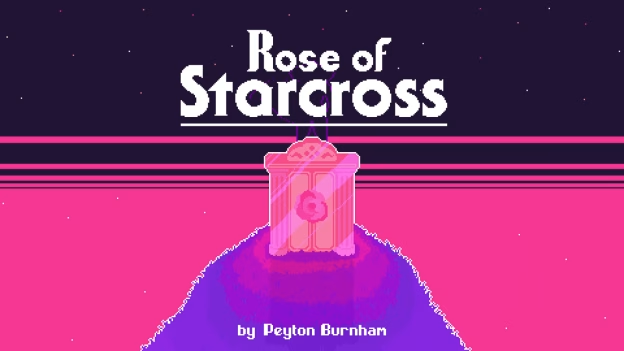
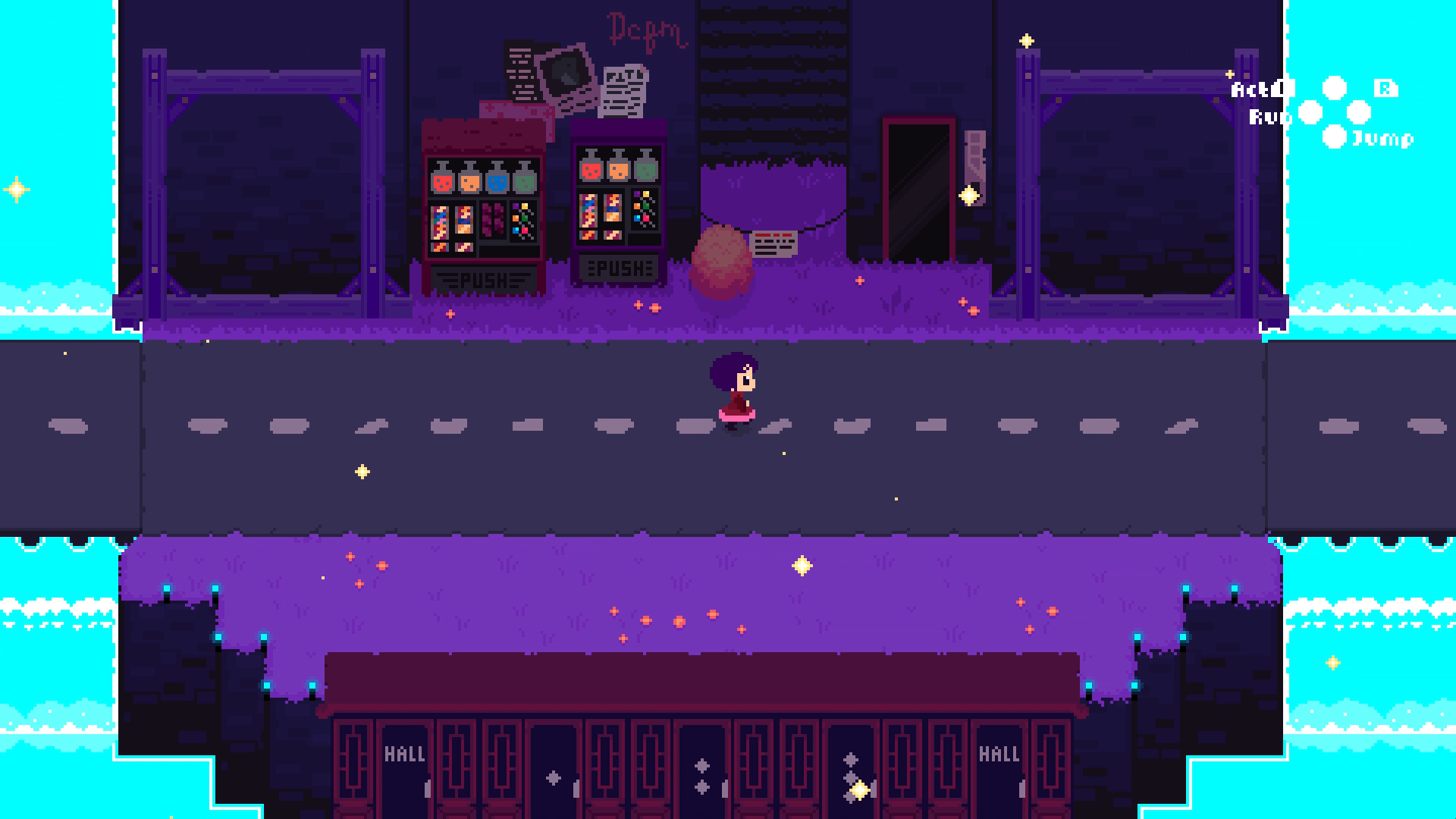
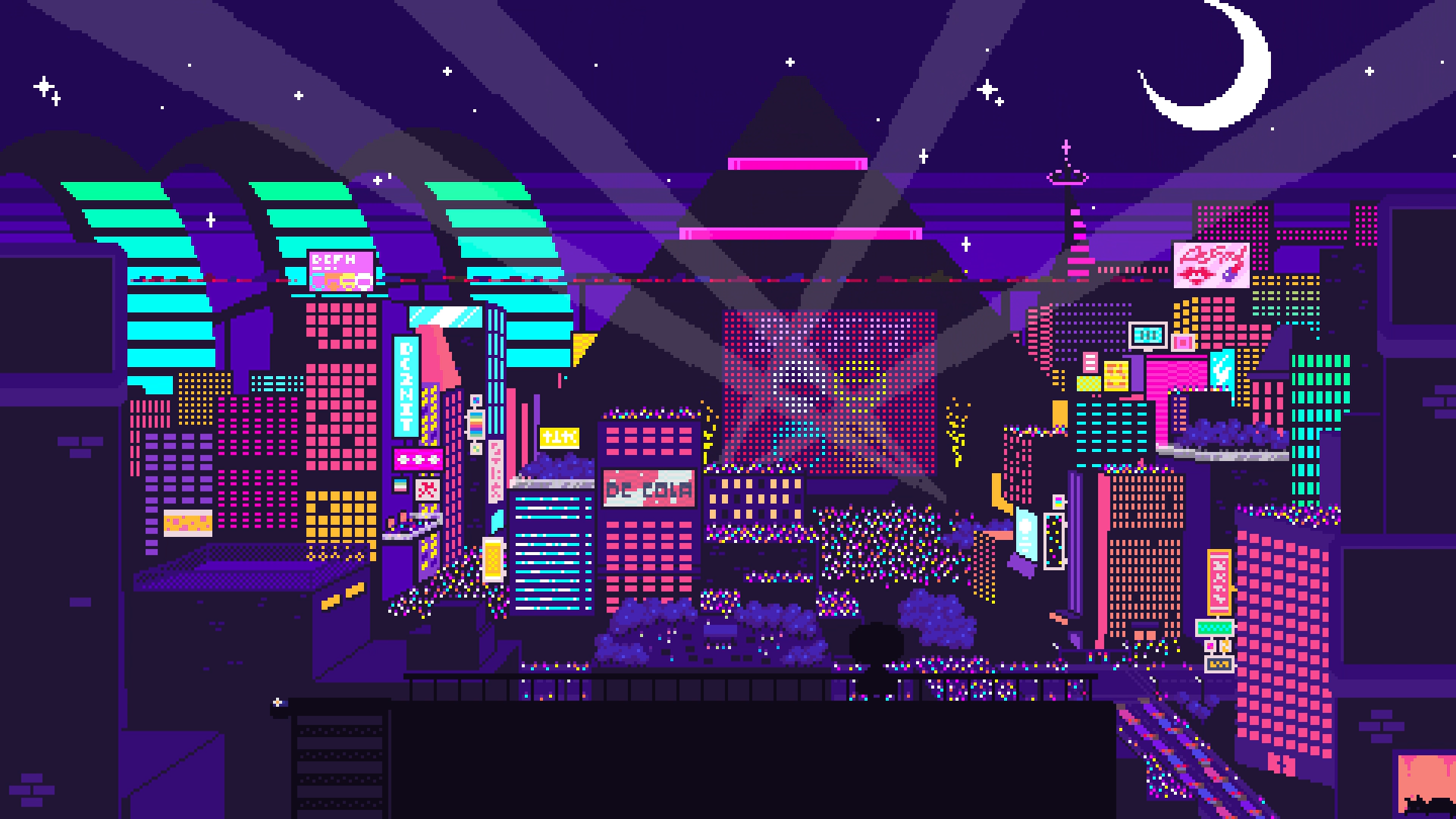
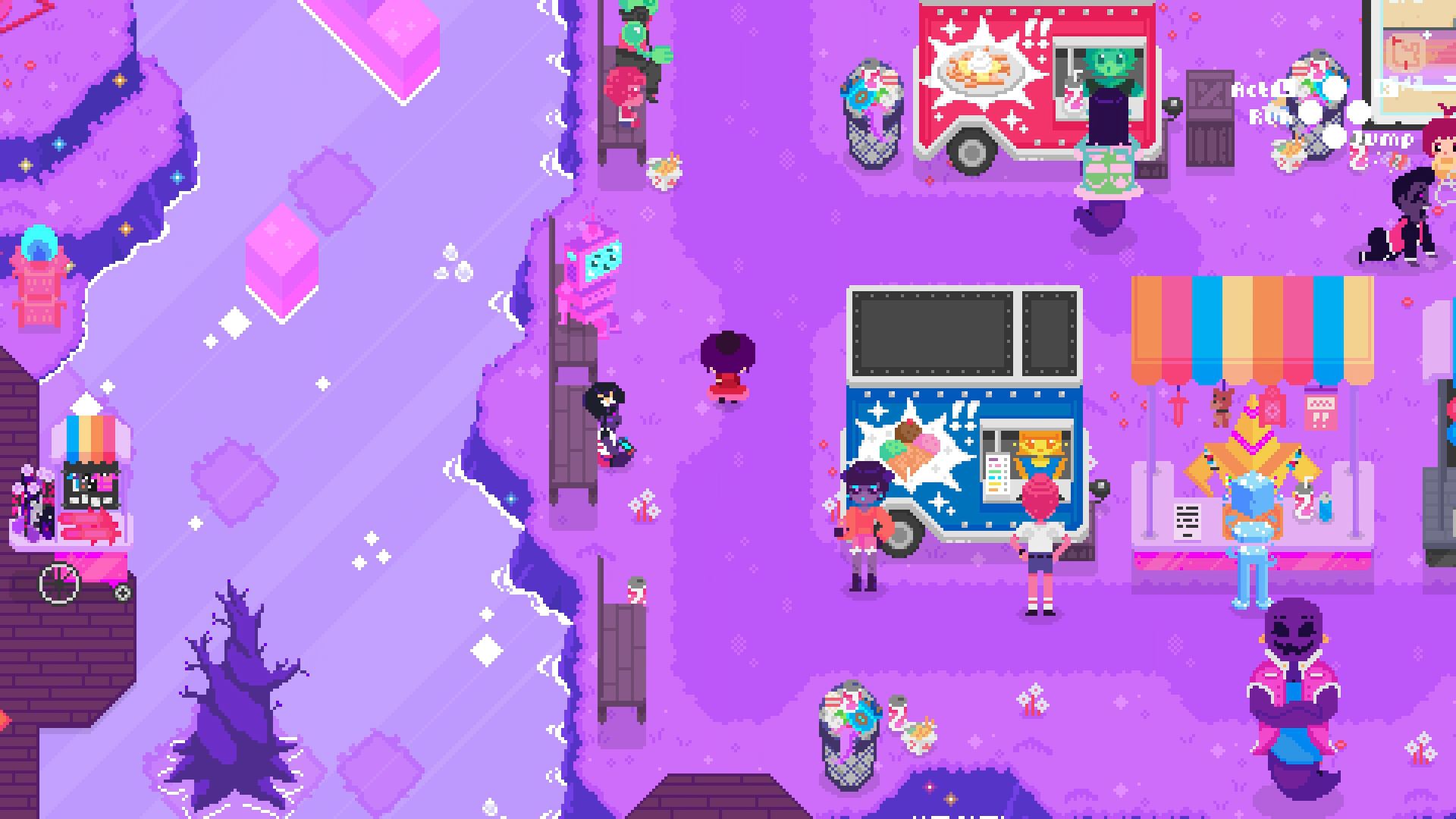
Following another Kickstarter excursion, I came across yet another great-looking game boasting a massive amount to offer players in terms of gameplay, story, and wonderful-looking scenery: Rose of Starcross. Inspired by classics such as Super Mario, The Legend of Zelda, Undertale, and others, the game is a top-down turn-based RPG platformer making use of an intricate 8-BIT art style. And the conceptual design is heavily inspired by Rebecca Sugar’s Steven Universe series. Of which I am personally a big fan.  Wanting to learn even more about this ambitious title, I got in touch with the game’s designer, Peyton Burnham, who had a lot to say about the game. As well as its development cycle and the challenges that have been overcome. Here’s what Peyton had to say about Rose of Starcross:

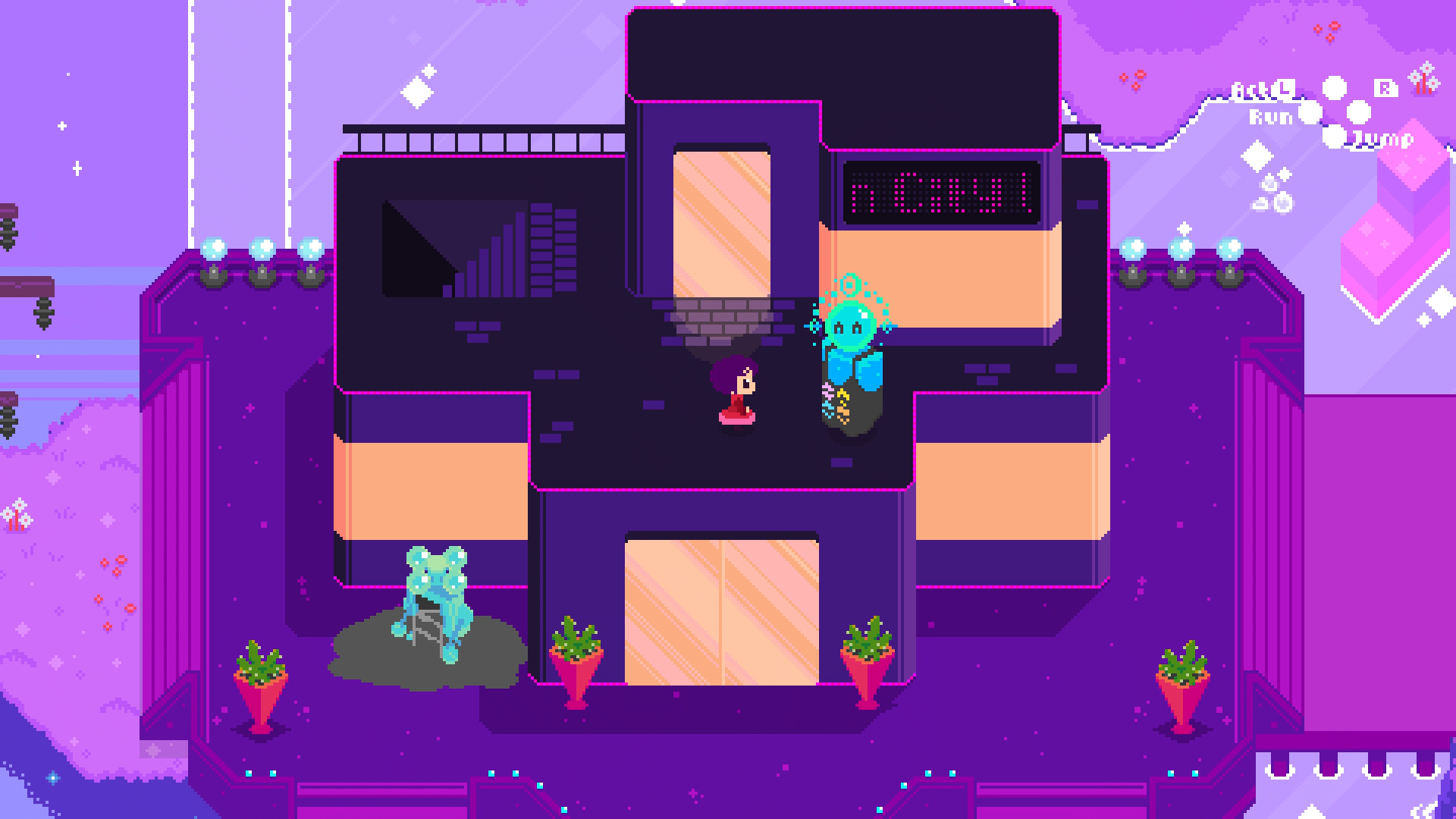
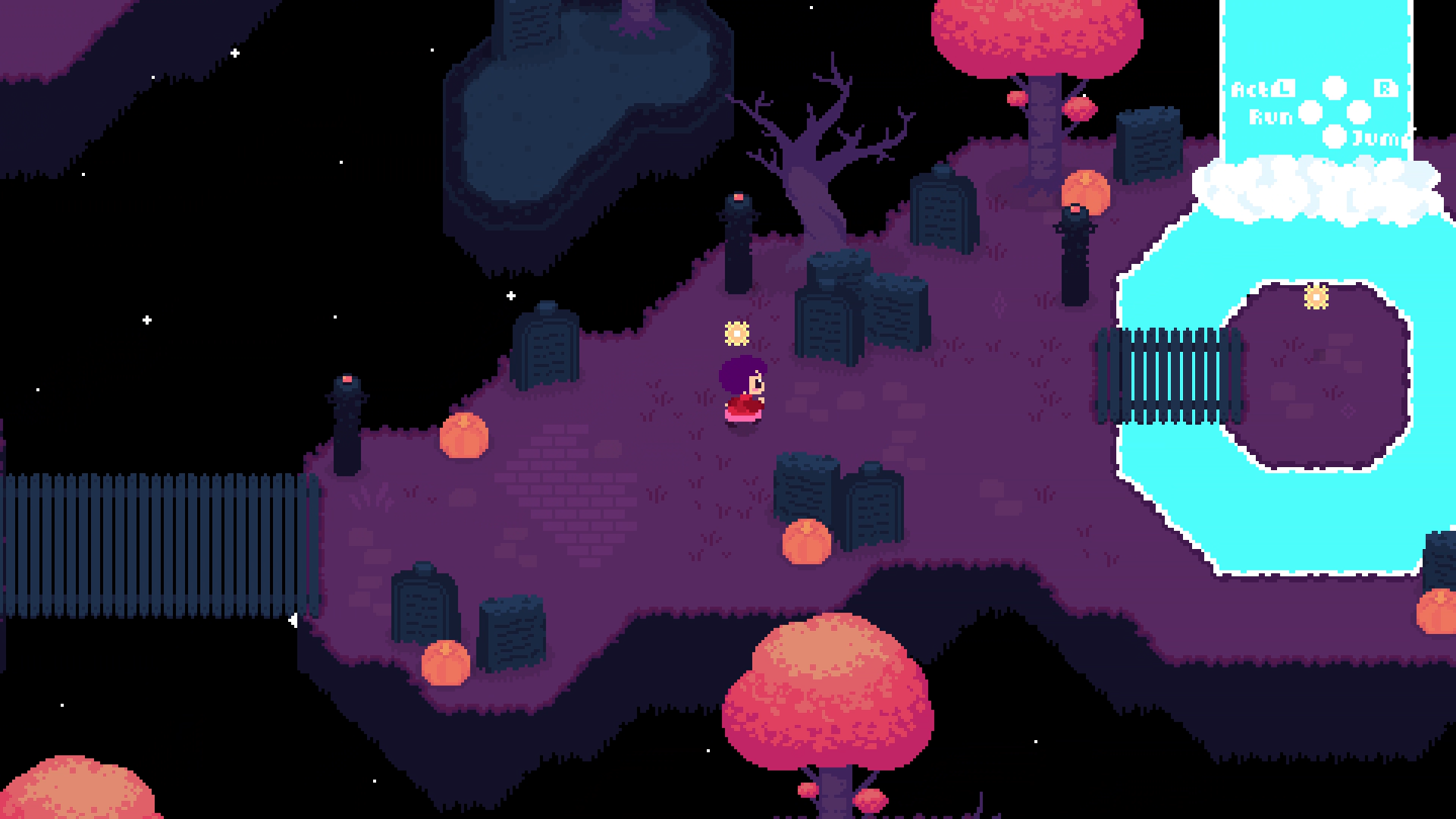
Rose of Starcross 1

What were the influences behind your game? 

Way too many to list, honestly! As far as games go, the most obvious ones at first glance would probably be Zelda, Mario, the Toby Fox games, the Mother series, and the Souls series, for sure. But I would mostly just say “games” in general. I take plenty of cues from stuff like Bayonetta, Silent Hill, and Resident Evil. So really it’s just whatever I love, which is a lot! The same can be said for other media like music, film, and TV!

What has the developmental process been like?

Pretty weird! This is (arguably) my first game, so learning EVERYTHING from the ground up has happened during the development process. For a very long time, I was fighting my own limitations, getting rid of old systems that were broken, and getting exponentially better at everything. So it’s been hectic and super frustrating! But I’ve gotten to a point where I feel confident in my abilities and the base systems I’ve set up for the game! Recently, things have been going much more smoothly. And I expect that to more or less remain throughout the development.

How close are we to seeing the finished product? 

I would say 2-3 years. As I said, I’ve only just recently gotten a good flow and process, so it’s hard to judge how long certain things should take. So, between feeling like I’ll be getting into a good pace and the fact that the game will be pretty sizable, I think that 2-3 years is a solid prediction.

Rose of Starcross 2

What has been the most exciting aspect of development? 

Getting to write my music and choreographing cutscenes to it. And then seeing that actually happen in the game is pretty exciting! That’s mostly because I’ve been a musician longer than I’ve been anything else, so it’s really cool to get to write music that gets to go with other things. Also, just getting to make a game that I really like is very exciting!

What has been the most challenging aspect of development?  

Aside from when I was basically learning how to program and always having to fix annoying and weird bugs, the most persistent challenge has been art 100%. And ESPECIALLY animation. It’s hard, man! Luckily I’ve found an animation method that works for me, but still. 

What has been the most frustrating aspect of development? 

See above! But here I’d also like to add in… marketing! Marketing is a lot of frustration for a ton of reasons. It’s not fun, I can’t work on the game while I’m focusing on it, I feel awful if I DON’T do it, and it’s SUPER IMPORTANT! So a perfect storm of frustration.

Rose of Starcross 3

As a Steven Universe fan myself, I was chuffed to have confirmed my suspicions that this game drew influence from the show. Do you plan to implement gameplay features reminiscent of the abilities of the Crystal Gems?

I have TONS of gameplay ideas and a few major mechanics that I didn’t introduce or fully exploit in the Demo. And it’s very likely some of that stuff might be similar to things you’d see in the show! I don’t normally directly go “oh, hey, that would be awesome to do in my game.” It’s normally a situation where I just put something in the game because it’s just in my head from watching stuff and playing other games. So short answer… maybe!

How well has the game been received so far? 

As for the few people who’ve actually played it or seen trailers/let’s plays, really well! The people who like it seem to care about it a good bit and want it to succeed, which is incredibly flattering and cool.

What platforms are you looking to bring the game to?

Right now, the plan is PC(Steam and DRM-Free) and the Nintendo Switch!

Rose of Starcross 4

Will the final game have an even more varied color palette than what’s been showcased so far?

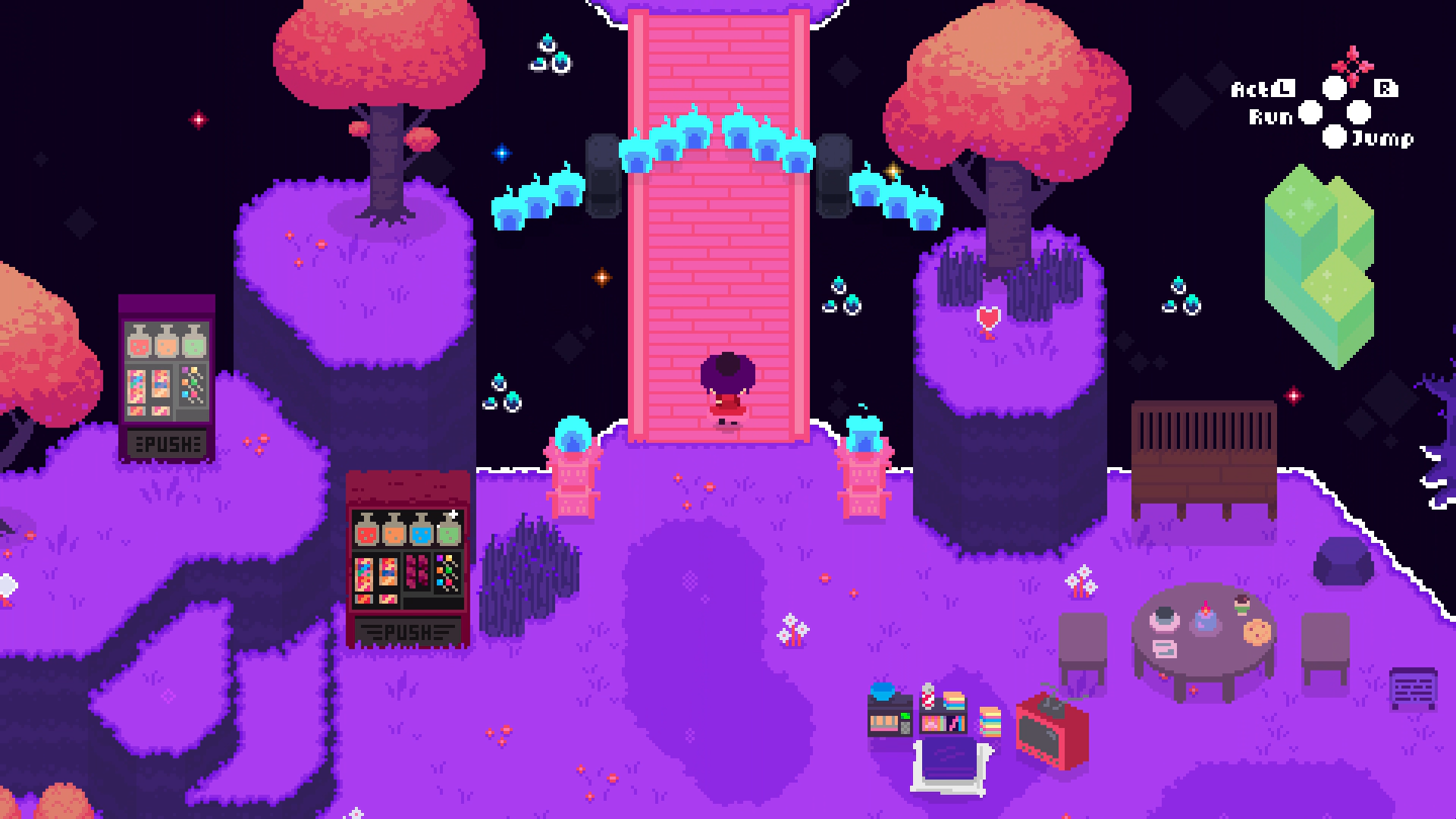
Absolutely! The first main area is very purple indeed, but every major area will similarly be based on different colors. Plus, I’m doing a ton of mini-dungeons that’ll just let me do whatever I want color-wise, so that’s exciting! Just don’t expect a huge amount of green.

Out of so many wonderful-looking locations, what has been your favorite area to have in the game so far?

I am soooo excited to work on ALL of the major areas that come after the demo. Since it’s my game, I got to very selfishly pick all of my favorite types of places! But I will say, the first area after the demo has my heart in it. It’s cold, cozy, and moody, and I love working on it. That being said, I seriously can’t wait to get to Demon City.

Rose of Starcross 5

Do you have any advice for aspiring developers who may be reading this? 

There is tons of advice out there that is much better than what I could give. And also a lot of similar/repeated advice out there. So I’ll try something more practical and design-related! While learning to make games, it can be SUPER tempting to put everything you know how to do into your games. Try not to get caught up in showing off what you can do as a programmer or how many features your game has. Try to make decisions for your game that don’t just add to it but enhance it! Harmony is important! We’ve all played games that have stamina bars, crafting, and experience points that don’t need them, right?

Do you have anything else to add?

I could say thanks to the people supporting me! Anyone just following me and my game on Twitter, anyone supporting my game in any way. And my incredible parents, who make any of this would be totally impossible without! So thanks! Oh, and if you feel like it, consider helping out my game on Kickstarter!

https://www.kickstarter.com/projects/roseofstarcross/rose-of-starcross

As well as the link to the Kickstarter page, you can also download a demo of the game via this link:

https://peytonburnham.itch.io/rose-of-starcross-demo

You can also follow the development of the game as it happens by following Peyton on Twitter:

@peydinburnham

I’ve briefly played the demo myself. And I’ve been particularly impressed with what the game has to offer at even this preliminary stage of development. Especially considering that we are still a fair distance away from seeing the finished article. I thoroughly recommend anyone reading this to try the demo out for yourself and to back the Kickstarter campaign, which, as of this writing, is about halfway towards reaching its goal. I would like to take this opportunity to thank Peyton for agreeing to answer my question and wish him the best of luck with the game, as well as to thank everyone who took the time to read about Rose of Starcross.

Game on,

Scouse Gamer 88

Ultimate Demolition Derby (PC)

Ultimate Demolition Derby

Developer(s) – 3Romans

Publisher(s) – Global Star Software

Released back in 2005 and seemingly taking a majority of influence from Destruction Derby, Ultimate Demolition Derby is a racing game featuring four distinct game modes and a cast of different characters to choose from. However, especially compared to most other racing games that had been and gone since before this title was released, it falls way below par with what I was expecting. I was perhaps anticipating playing a game made in the same vein as Destruction Derby. But with an interesting twist from what I’d read of it prior. But what it offers is an extremely limited and seemingly rushed gaming experience that fails in every aspect.

Graphics – 2/10

To begin with, the game’s visuals fail both on a technical and conceptual level. There are four tracks in the game. This, whilst it comes with its own distinct features and art directions, still feels particularly empty and unimaginative. Especially compared to the likes of some of the best in the genre. Including Mario Kart 64, Diddy Kong Racing, and ModNation Racers.

Ostensibly, it doesn’t even hold up against the original two Destruction Derby games in terms of conceptual design. The game’s only remotely commendable feature is the small variety in car design. Each driver has a distinct car and theme to it. Like Twisted Metal, but nowhere near as wonderfully varied. On certain levels, the frame rate also drops dramatically in courses where there isn’t even a great number of things included to seemingly eat up the game’s memory. This really made me wonder how that was possible whilst running on Windows XP. 

Gameplay – 1/10

As mentioned, there are four game modes to choose from in Ultimate Demolition Derby, ranging from simple round-the-track races to battle mode, but the premise remains the same for all four game modes; the player must eliminate all the other opposing cars to have the best chance of winning. There are also weapons and items to be used in the game to maintain an advantage similar to Mario Kart.

Although so far I have loosely compared this game to the likes of Mario Kart and Twisted Metal, this game couldn’t hold a candle to either of them, and where this is most evident is in the game’s play. Offering no purpose or incentive for winning whatsoever, there is no satisfaction to be had whilst playing, which is all the more unforgivable since this game came out in 2005 and by that time, the likes of Mario Kart: Double Dash and Gran Turismo 3 had come and gone and both those games, as well as many many other racing games that came before, had had insanely more to offer players than what they’re given with this sad excuse of a game. 

Controls – 4/10

The controls in the game are also a complete mess, as the poor turning mechanics can force players to make one unintentional error after another. It’s especially annoying since every course in the game has at least two ramps to drive over, and the turning mechanics really cause a massive problem when the player is in mid-air. It also doesn’t help that it takes a very small amount of damage for the car to explode. With these two faults combined, it almost makes the game unplayable; not that it is actually worth playing in the first place, of course. 

Originality – 0/10

As I mentioned before, the game’s only saving grace in terms of any aspect is the amount of variety in character design, but again, comparing it to the many racers that had come and gone by this time, it falls way too short of what any genuinely dedicated development team should strive to deliver to players. The courses have next to no originality about them either. Some of the original development team would later go on to contribute to later and better games, such as Lords of the Fallen, but this is definitely a dark stain on their CVs. San Francisco Rush makes this game look good. 

Furiious

Overall, Ultimate Demolition Derby is one of the worst racing games I’ve ever played; if not the worst. It’s a lackluster game that fails to deliver in every single aspect, and it deserves to be as thoroughly obscure as it is today. 

Score

7/40

1.5/10 (Painful)

NetherWorld

Q&A With Hungry Pixel

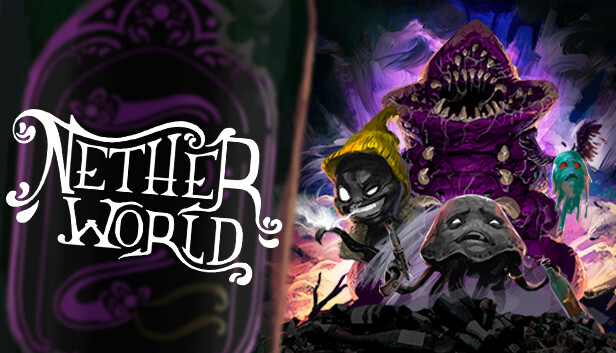
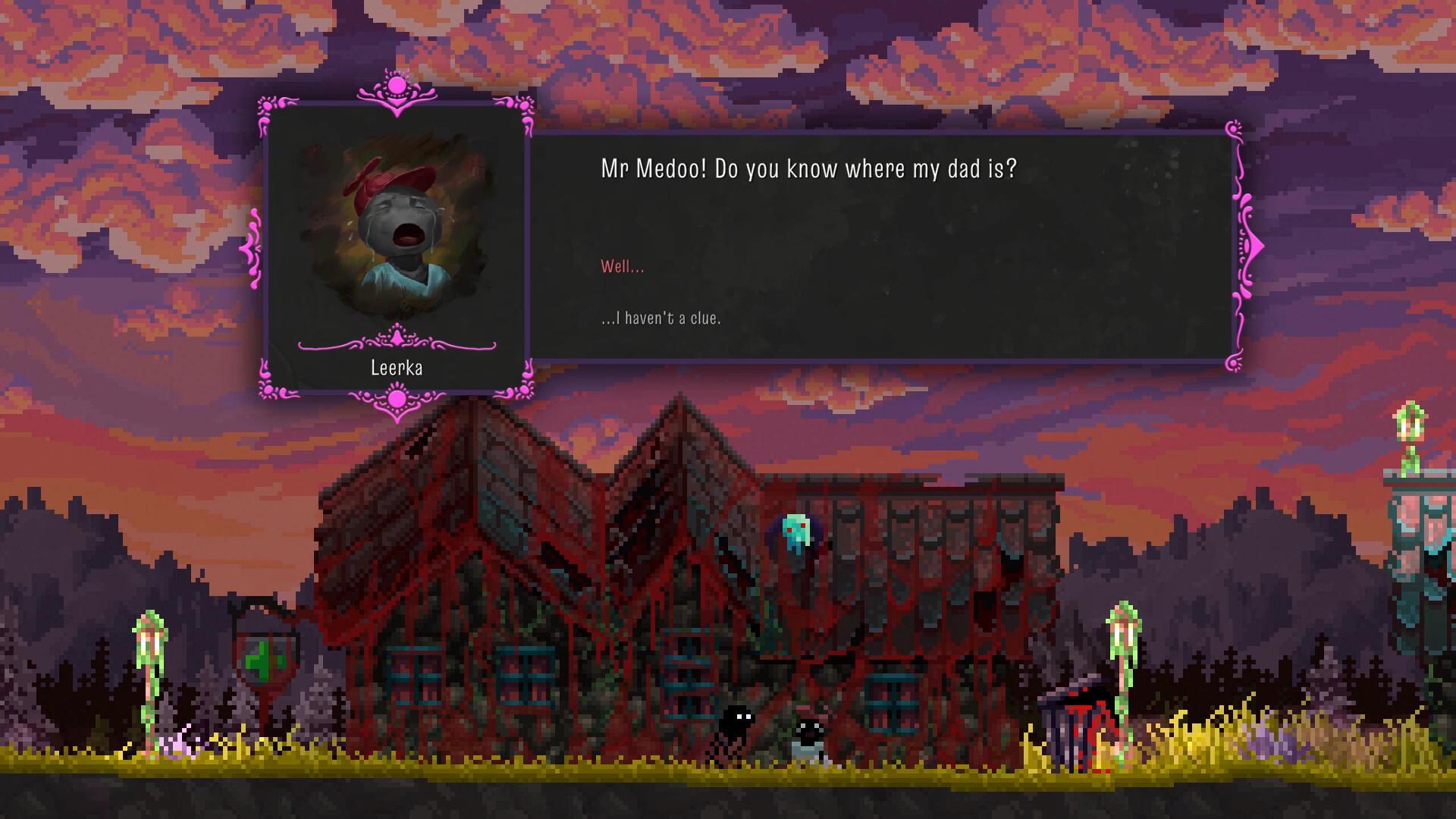
In my continuing efforts to discover new gaming talent and bring it to the attention of the industry, I came across the indie outfit Hungry Pixel based in Madrid. For some time, the studio has been hard at work on NetherWorld. An open-world side scroller set in a hellish universe. Containing mysterious characters, a sinister plot, and a plethora of hostile creatures to fight throughout.

At first glance, it’s extremely reminiscent of games such as The Binding of Isaac and Castlevania: Symphony of the Night, but even a cursory scratch of the surface will reveal that this game has something particularly different to offer compared to the aforementioned titles. Following a successful Kickstarter campaign, the game is slated for release on both Steam and Nintendo Switch. Curious to learn more, I contacted the company, and head programmer Dan Barreno kindly agreed to answer a few questions I had about it. Here are his responses:

What were the influences behind the general design of your game’s play?

It all started with playing Undertale, which I think is one of the best games I’ve ever played. After finishing it in 2016, I decided to create an original story with simple mechanics but with a strong narrative. I imagined what the darkest and most decadent version of Undertale would be, adding drugs, alcohol, and realism to it. Stories like the indie game “To the Moon” were also an inspiration.

We’ve used tons of references to build NetherWorld, most of them kind of creepy. Some of the characters of the NetherWolian Church were inspired by the Rammstein song Morgenstern. Or the desert scenario by Sergio Leone’s films (“For a Few Dollars More”, “The Good, the Bad and the Ugly”…).

What has the developmental process been like?

Very well! We’ve indeed passed through treacherous times that required us to go back and rethink some designs, concepts, and ideas in the past. Luckily, now we’re progressing at a very good rate.

How close are we to seeing the finished product?

We’re working nonstop to have the game ready as soon as possible, but there’s still a lot to do. We intend to finish NetherWorld between late 2019 and early 2020. As Miyamoto once said: “A delayed game is eventually good, a bad game is bad forever”. It’s our first game, so we want it perfectly made!

NetherWorld 2

What has been the most exciting aspect of development?

Its evolution. Have you watched the first video of NetherWorld? You shouldn’t. If you compare it to what we’ve got now, it has changed and improved a lot.

However, there’s another one even more exciting and fulfilling: community support. Since I started to post my progression alone and then after the Kickstarter campaign as a team with Hungry Pixel, we receive lots of messages every week encouraging us to continue working on it because they like what we do, and that’s simply amazing.


What has been the most challenging aspect of development?

I think one of the worst parts of it is not having the time you wish to develop the game, especially when you have to combine it with other jobs (yeah, devs need to eat too!). Sometimes it can be very frustrating.

NetherWorld 3

Where did the inspiration come from for the design of the in-game world and its characters?

Well, as said before, we’ve taken inspiration from lots of games, music, and films. But what really encouraged us to create NetherWorld is to make something unique, original, and weird, a world with its own personality and aesthetic. You’re gonna find more than 10 scenarios based on basic climates/ locations (mountain town, big city, desert, forest, snow…), but all of them adapted to world peculiarities.

NetherWorld is kind of a dark and satirical land made of the worst things and taboos of human society: drugs, sex, alcohol, and sectarianism… So we can say one of the main inspirations of the game is real life. It happens the same with characters. We wanted them to be quirky, a mix between humanoids, animals, and irregular black simple creatures (all properly dressed –or undressed- depending on their location in NetherWorld). So yes, you’ll find escorts, cowboys, cokehead mages, and tons of weird (and funny) people.

Besides Star Wars, are there any other figures in popular culture that will make an appearance in the game? And on the same subject, could the game be theoretically open to modding?

Yeah! You’ll see lots of references to pop culture and other games in NetherWorld, and not only visual things… You’ll have to discover it by playing and being clear-eyed 😉 Regarding mods, I’d love to see NetherWorld mods. Although I don’t know if it’ll be possible for me to give other people the necessary tools to create them (I wish I could finally do it!).

NetherWorld 4

How well has the game been received so far?

Since the Kickstarter finished, we’ve received lots of positive feedback (even from people who missed the Kickstarter and wanted to back the project!). We released a demo for the backers to test most of the mechanics we wanted to use in the final game. And also developed an in-game feedback system where anyone who played the demo could not only score it from 0 to 10, but also write their opinions about the game, bug detection, etc. We’re so glad that the results of the first test were so positive. Except for a few bugs that will be fixed for the final game.

The support we received from our 505 Kickstarter backers was awesome, and we’ll always be grateful for it (thank you, Netherholics!). Without them, NetherWorld wouldn’t have been possible. We also want to thank all the people who had some words for us through Twitter and Facebook before, during, and after the campaign.

We also like to share our progress through social media. So that people can see what we are working on at every moment, and we can get their feedback constantly.

What platforms are you looking to bring the game to?

For now, we’re going to release NetherWorld on PC and Nintendo Switch. But we don’t rule out considering other platforms in the future.

NetherWorld 5

Do you have any advice for aspiring developers who may be reading this?

Maybe sounds like a cliché, but don’t give up! You’re gonna find lots of people in your way telling you that’s impossible, but that’s not true. If you have a good idea, determination, and you work a lot to get it, you’re gonna move forward for sure.

It’s also very important to build a community everywhere you can (Twitter, dev forums), where people can reach you and send their feedback to you. Sometimes we’re so focused on our beloved project that we miss important details… External people can help us detect them!

Where on the Internet can people find you?

On our website netherworldgame.com, you’ll find all you need to know about NetherWorld: videos, music, Steam page, mailing list, Twitter, Facebook… Check it out!

Do you have anything else to add?

Yes. Thanks so much for allowing us to be on your blog, and I hope y’all enjoy the interview as much as I’ve enjoyed doing it! 🙂

NetherWorld 6

I would also like to take this opportunity to thank Dan and Hungry Pixel for sharing what they have to say about NetherWorld. And to wish them the best of luck with it upon release. If anyone would like to learn more about the game, there are links below to the game’s website. As well as various links to social media pages.

Game on,

Scouse Gamer 88

https://twitter.com/hungrypixlgames?lang=en

https://netherworldgame.com/

https://www.facebook.com/netherworldgame/

https://www.youtube.com/channel/UC-2yzQrtEB0gHQ4DHEqAX1w

The Bridge (PC, Xbox 360, Xbox One, PlayStation 3, PlayStation 4, Switch, Wii U, OUYA & Amazon Fire TV) 

The Bridge

Developer(s) – The Quantum Astrophysics Guild

Publisher(s) – The Quantum Astrophysics Guild

Designer(s) – Ty Taylor & Mario Castaneda

PEGI – 3

Programmed by Ty Taylor and inspired by both the artwork of MC Escher and the scientific legacy of Sir Isaac Newton, The Bridge is an intricate puzzle game combining black and white hand-drawn graphics with gameplay involving the manipulation and traversing of a series of stages to progress through. For many reasons, I thoroughly enjoyed this game and was extremely impressed with what it has to offer in almost every aspect.

Graphics – 8/10

Making use of a unique art style as opposed to cutting-edge graphics, The Bridge is presented entirely in black and white and illustrated in graphite pencil reminiscent of the works of MC Escher, to whom the main character bears a striking resemblance. The visual style works wonderfully well to perpetuate the atmosphere of the game, which is intriguingly morbid and dark. There is also cleverly effective use of lighting throughout the game to further add to this atmosphere. The game’s soundtrack also complements the game particularly well. It is incredibly subtle as well as foreboding at times.

Gameplay – 7/10

The game involves the player having to solve a series of complex puzzles, whereby they must navigate through with the player character and manipulate the stage around him in order to either access different areas of the stage or collect keys in order to progress to the next puzzle. As the game progresses, new elements are periodically added to further add to the challenge and keep the game fresh throughout. At one point, in particular, the player must begin to switch between two characters to access different areas and to collect different-coloured keys corresponding to the different hues of both characters. The game’s mechanics make it a subtle, challenging, and enjoyable experience for the duration. There’s a great deal of satisfaction to be had in solving each puzzle. They require a great deal of outside-the-box thinking to solve.

Controls – 10/10

The game’s controls pose no problems regardless of how greatly it differs from traditional 2D side-scrolling titles. It’s particularly impressive how the developers have made the game work as well as it does. Over the last few years, there’s been a great deal of innovation made with the 2D side-scrolling genre with games such as The Swapper, Limbo, Super Meat Boy, and Stick It To The Man. And The Bridge is yet another excellent example of this.

Lifespan – 4/10

Disappointingly, however, completing the game to 100% can take around 7 ½ hours. For a game with this much innovation and enjoyment to be had is criminally short. Though lasting longer than other indie side-scrollers like the aforementioned Limbo and The Swapper, this game just needed that extra push in terms of longevity, in my opinion. To make it stand out more among the indie development community.

Storyline – 7/10

However, what does make this game stand out fairly well among the indie community is its story. The story follows an unnamed character navigating his way through each of the game’s puzzles in order to progress. Elements of the story are revealed with each series of puzzles solved. New story elements are introduced along with new elements of gameplay. With everything that comes with this game in terms of gameplay, controls, graphics, etc, they all work together in a very subtle way to contribute to the substance of the story on both conscious and subconscious levels, in my opinion. But that, in and of itself, is where the quality of the story lies. That’s it’s particularly open to interpretation. Much like the works of the people who inspired the creation of the game.

Originality – 8/10

The Bridge is a game that is unique in every respect, down to the graphics, gameplay, control scheme, and of course, the story. Some games have come and gone that have necessitated the mechanics of manipulating not only the character but the environment around them (Fez, Captain Toad: Treasure Tracker, and The Witness, to name but a few). But none of them have been handled in such a way as it has been handled in this title. It’s particularly impressive considering the general limitations that come with 2D side-scrolling compared to 3D open-world games.

Happii

To summarize, The Bridge is a unique, subtle, and deliberately paced game, which will make players feel challenged and satisfied. And perhaps even inspired to create their own interpretive work of art. Though it doesn’t last as long as it really ought to, what there is to enjoy can be done so thoroughly. And it’s definitely worth playing through to feel the satisfaction of completing it.

Score

44/60

7/10 (Fair)

Luigi’s Mansion 2 (3DS)

Luigis Mansion 2

Developer(s) – Next Level Games & Nintendo SPD

Publisher(s) – Nintendo

Director – Bryce Holliday

Producer – Shigeru Miyamoto

PEGI – 7

Released in 2013 to worldwide critical acclaim, Luigi’s Mansion 2, or Luigi’s Mansion: Dark Moon as it’s known in the US, is the sequel to the much-loved GameCube launch title, Luigi’s Mansion. It takes the formula of the original game and expands upon it. As well as introducing gameplay elements that were ultimately cut from its predecessor. My verdict is that whilst I didn’t enjoy this game as much as I did the first, it’s still a particularly good game in its own right for a variety of different reasons.

Graphics – 7/10

On a technological level, the second game is about on par with the first. But what makes this game different from its predecessor is that the player is not just confined to one place to explore. But rather, there is a much wider variety of locations in and around the mansion to explore in addition. Such as a museum, a dining area, and a botanical garden. All with their own unique look, further adding to the lore of the series.

The biggest problem I had with this game’s visuals in comparison to the first is that there is much less effective use of lighting to create the same kind of atmosphere that the first game had. Mainly due to the fact that there is more light shining in each area, even before ghosts are subdued. As a result, it doesn’t have the same sense of wonderful foreboding that the original game had. The soundtrack to this game is also much less imposing, which, to me, further bogged down the experience.

Gameplay – 8.5/10

Luigi’s Mansion 2 provides players with a very different experience from the first game. Structured as individual stages within each area of the map, as opposed to letting the player come and go around the individual areas as they please. This is to encourage replay value, as previous stages require newly acquired items to explore in full. There are also many more side quests, with collectibles rife throughout, along with a further incentive to collect coins. This is now done to upgrade Luigi’s equipment, giving the game a small RPG feel to it. There is also the addition of boss fights located in each area of the game.

Boss fights are an element that Mario creator Shigeru Miyamoto wanted to put particular emphasis on. The further scope provided for backtracking throughout the game was a good idea on Nintendo’s part. It made the overall experience far more interesting than what I thought it would be going into it. Although I miss being able to explore the given areas at will, like in the first game, the new structure of gameplay nevertheless made this game an extremely enjoyable experience, and it made me glad that Nintendo decided to expand on the series further. The boss fights are just as creative as they were in the first game, if not more so, as some require more varied strategies to defeat.

Controls – 10/10

With the second game, there also came the refinement of the control scheme. In my reviews of the original Luigi’s Mansion, I mentioned that it could take some time to adjust to the control scheme, as there was simultaneous action required to direct Luigi while capturing ghosts with both the C-stick and main control stick on the GameCube. But the second game doesn’t have these issues, with players having a choice between using the 3DS’s gyroscopic controls or using the X or B buttons to look up or down, respectively. This playstyle makes it much easier to capture ghosts more easily than it was in the first game.

Lifespan – 8/10

The second game can also be made to last considerably longer than the first. To complete this game to 100%, players must invest at least 16 hours into it, as opposed to the mere 6 hours it can take to complete the last game. Since the original Luigi’s Mansion was an unjustifiably short game, the lifespan certainly needed to be extended, and with the sequel, Nintendo has not failed to deliver; not only is there a longer game to enjoy, but there are also many more things to do within it to keep players occupied.

Storyline – 7/10

The story of Luigi’s Mansion 2 takes place sometime after the events of the original Luigi’s Mansion. Professor E. Gadd has found a way to pacify ghosts using a device called the dark moon. However, trouble soon starts as King Boo shatters the dark moon, causing the ghosts to once again become hostile. Gadd immediately enlists Luigi’s help to recapture King Boo and all of the other ghosts in and around the mansion and restore the dark moon to working order.

Although the series is kept fresh with a new story to further expand upon the lore of the series, and by proxy, Luigi’s part in the Super Mario series in comparison to Mario, the problem I found with it was a problem I find with many other survival horror sequels; I knew what to expect going into it. If the threat remains the same, the sense of tension or horror doesn’t. The fact that the game is less atmospheric also contributed to the marring down of this game’s story. But nonetheless, it is a solid plotline that also contains a small comedic element to balance the scales.

Originality – 8/10

Whilst the overall concept of the series has remained relatively the same with the release of the second game, the elements within the series have been kept fresh with the introduction of new ideas and elements in most aspects that players can come to expect. It introduces new ideas in terms of gameplay, it introduces more scenery and more enemies to match, and it also constitutes a longer in-game experience, something that this series desperately needed if it were indeed to be expanded upon.

Happii

In summary, Luigi’s Mansion 2 is one of the best Nintendo-exclusive experiences on the 3DS. It delivers on everything that players can come to expect from a sequel and more. It’s not quite as good as the original game, but it’s close.

Score

48.5/60

8/10 (Very Good)

Dragon Bros (PC & Xbox One)

Dragon Bros

Developer – Space Lizard Studio

Publisher – Space Lizard Studio

PEGI – 7

Developed by Liverpool-based indie outfit Space Lizard Studio, Dragon Bros is a run-and-gun side scroller drawing influence from many old-school NES classics such as Contra and Blaster Master. Offering new-generation gamers an insight into the tropes of the generation. Whilst also offering older gamers an appreciation for their routes, a great sense of nostalgia. It also caters to players of all skill levels with varying degrees of challenge. Though I had some issues with this title, I was pretty impressed with it. It had a lot to offer that I could appreciate in terms of nostalgia value. And the future of the indie scene.

Graphics – 9/10

Rendered in wonderfully detailed 8-BIT graphics, the game’s scenery and characters are overwhelmingly diverse without becoming too repetitive over the course of the game. There are four worlds, each with its own themes. And new enemies are introduced to keep things fresh on a conceptual level. The game’s soundtrack is also stellar. Composed by Gabriel Caruso, it blends 8-BIT music with rock and roll. Complementing the feel of the game brilliantly. In particular, I was blown away by the game’s main theme, which is used in the first two boss fights.

Gameplay – 7.5/10

There are no unnecessary complications with the game’s control scheme. This was always going to be important in a game that can demand as much as it does of players in the higher difficulty settings. Some of the mechanics involved with controlling certain weapons also add to that challenge in an unprecedented way. The laser cannon is probably the best example of this. As it causes the enemy to gradually recoil over time, they must, therefore, be careful to make sure not to fall off any platforms as a result of not paying attention.

Lifespan – 2/10

The biggest issue I had with this game is how criminally short the main story is. Even taking into account the mini-games as well as the main levels. In total, the game can take around 2 to 3 hours to complete to 100%. Whilst more intrepid players will get more than that out of it, replaying it on the greater difficulty settings, many other players will most likely be left wanting more. But to me, even bearing this in mind in addition, I was still left wanting more. That’s why I think a possible sequel would work well as a Metroidvania game. With elements like leveling up, or an even bigger arsenal of weapons to choose from.

Storyline – 5/10

The game’s story is also only vaguely touched upon. Being portrayed through two cutscenes, one at the start, and the other after finishing it. It follows four infant dragons looking to save their home planet from the invading Mechaliches, whilst also trying to rescue their mother from their leader. While it may be reminiscent of the old way of telling stories within games, like what was done with NES games, telling the story mostly through the game’s manual (the same effect of which was perhaps intended by the developers), very little of that is actually told within the game. So if players want the details of the plot, they need to read the game’s Steam page. But regardless, the story does retain a slight feel of uniqueness about it. So I can appreciate that to an extent.

Originality – 6/10

By far the most unique thing about Dragon Bros is its conceptual design. Very few indie games have stunned me in this respect as much as this game has. And it shows the vast amount of effort the developers put into making it. It also works well for me in particular because I’ve loved dragons ever since I was a kid. But bias aside, the 8-BIT renderings are as fantastically detailed as the likes of Rogue Legacy or Titan Souls. The one gripe I have in terms of uniqueness is that it arguably follows the tropes of its influences too much. And that I think even more could’ve been added to make the gameplay to make it stand out among others.

Happii

However, criticisms aside, Dragon Bros is quite an enjoyable game, and it comes recommended from me for any fans of old-school games out there, and players looking to experience these styles of play for the first time. It’s entertaining throughout for how long it lasts, and players looking for a challenge will certainly not be disappointed.

Score

39.5/60

6.5/10 (Above Average)