Tag Archives: Metroidvania

Ato (PC)

Ato

Developer(s) – Tiny Warrior Games

Publisher(s) – Tiny Warrior Games

Designer – Brandon Song

PEGI – Not rated (some mature content)

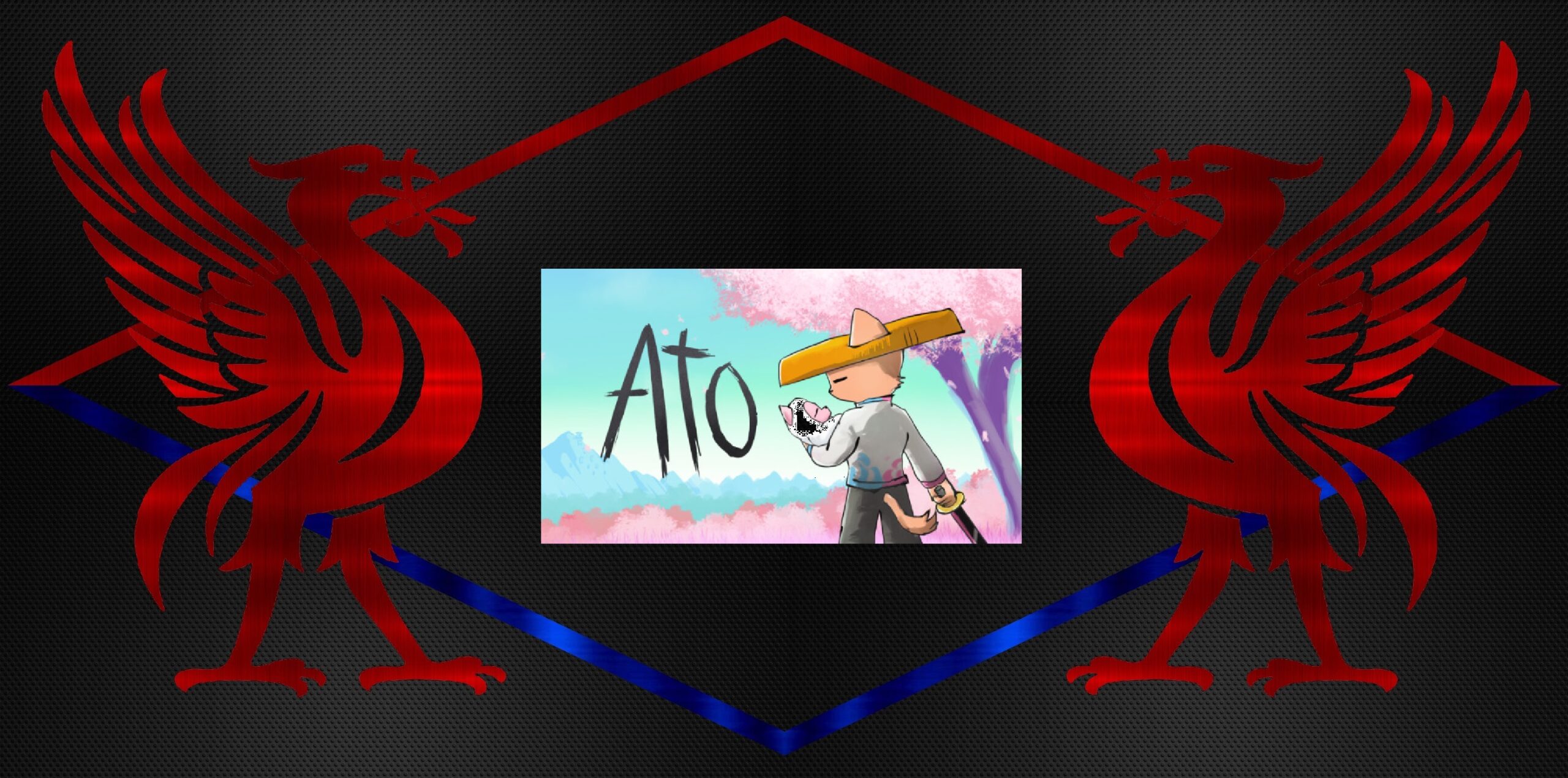
Released on Steam following a successful IndieGoGo campaign, Ato is an atmospheric Metroidvania game set in Feudal Japan, whereby players take on the role of an anthropomorphic samurai fox who sets out on an adventure to rescue his abducted child from a cult of deadly ninjas. Personally, I was pleasantly surprised by how solid a game this was compared to other indie Metroidvania games. It stands as a shining example of how a satisfying and immersive gaming experience can be developed on a budget.

Graphics – 8/10

The game makes use of 8-BIT style graphics with characters and settings inspired by Feudal Japan, and the diversity in environmental design is quite staggering. Ranging from cherry blossom forests to sunset mountainsides to snowy tundras. The game’s environmental design is most definitely the standout feature in this game from a visual standpoint. They also do exceptionally well to add to the game’s overall atmosphere in conjunction with the situation the player character is in at any one given time. The only minor issue I had with the visuals was that at one or two points, there was a small amount of slowdown. But overall, it does little to hamper the experience. 

Gameplay – 9/10

The title also incorporates the use of a wide range of gameplay elements. Like many other Metroidvania games, the objective is to explore as much of the world map as possible and uncover as many items as possible. Over time, new abilities are introduced in order for players to explore other inaccessible areas throughout the game. As well as there being secret items to be found in order to either increase the player’s health or coins to progress further. But in my opinion, the most impressive gameplay element found in this title is the combat system. 

Players also gain different weapons and abilities to use in combat. Ranging from a poisoned sword, dash attacks, a spiked shield, and later on in the game, even magic abilities. It’s quite similar to Dust: An Elysian Tail in its approach to combat. The wide range of boss fights is also quite impressive. There are a few starter boss fights in quick succession earlier on in the game to give players a feel for the combat system in general. But after that, they become even more varied in design. This amount of diversity in gameplay perpetuates the standard to be found in any great Metroidvania title; it’s satisfying to play and a genuine pleasure to explore.  

Controls – 10/10

The control scheme of the game is also simple enough to get to grips with. Which was impressive given the amount of variety there is in combat. It was yet another means for me to draw comparisons with Dust: An Elysian Tail. Though it may not have a combo system like the former, there would’ve been no need to include one in each battle. Being that with bosses or general enemies is still as satisfying as it is challenging, especially on the harder difficulty settings. 

Lifespan – 5/10

The only real downside to this title is that it can only be made to last for a maximum of 4 hours. Which, whilst it doesn’t do a game like this justice. I suppose such is the reality of the situation when a game is developed with a limited amount of funds. It lasts considerably less time than an average Metroidvania game. But it lasts slightly longer than a lot of other independently developed titles in the genre. Such as The Swapper and Xeodrifter. Compared to those two titles, this game blows both of them out of the water as far as I’m concerned. So the average runtime of Ato was enough to justify a hard 5 as opposed to a soft 4. 

Storyline – 8/10

The story of Ato follows a father caring for his wife and infant child. But suddenly, the family is devastated when a group of masked ninja steals the infant child from its parents. The father then sets off on a quest to bring their child home. It sounds simple enough on the face of it. But the plot later unfolds into something a lot darker and deeper than what the player will first imagine. And things also escalate abnormally quickly. 

Although there’s either no spoken or written dialogue throughout the game, the characters’ emotions and hardships are wonderfully portrayed to convey the events of the story. Considering that this is an 8-BIT game, it’s even more impressive. Also, the game’s environmental design works exceedingly well to add the game’s atmosphere throughout with elements such as day-to-night transitions used to change the mood at specific times and rainstorms to add further tension to already exceedingly intense situations. 

Originality – 8/10

Between everything that this game does as well as it does, from the combat system to the environmental design to the manner in which the story is told, Ato also makes for a rather unique experience. In a gaming mainstream that relies heavily on cutting-edge graphics and motion capture to effectively tell an emotionally charged story, very few 8-BIT games I have played have portrayed themes and emotions as well as this one does. Also, keeping the general focus on gameplay is welcome in a market saturated with games putting story ahead of gameplay. Such as The Last of Us and the Telltale games. 

Happii

In summation, Ato is a wonderful title that excels in almost every aspect. And I can recommend it to any Metroidvania fans out there reading this review. It’s a well-crafted blend offering great gameplay and an enthralling story. Which had me taken aback by just how good it is. 
Score

48/60

8/10 (Very Good)

Ori & The Blind Forest (PC, Xbox One & Switch)

Ori and the Blind Forest

Developer – Moon Studios

Publisher – Microsoft Studios

Director – Thomas Mahler

Producer – Gennadiy Korol

PEGI – 7

Created by a massive collaboration of developers worldwide over a period of four years, Ori & The Blind Forest is a Metroidvania game following the adventures of the game’s titular character, Ori, and companion Sein. As they set out to restore the forest of Nibel, which has come under threat, having lost the balance between the three elements. Waters, winds, and warmth. After having played this game almost 100%, I was enthralled with it from beginning to end. Everything from its art style and the soundtrack to its direction in terms of gameplay and story made for one of the most standout gaming experiences of the eighth generation. 

Graphics – 10/10

Similar to games like Cuphead and Child of Light, the game features entirely hand-drawn graphics. Though in this case influenced largely by the works of Hayao Miyazaki and Studio Ghibli. Locations within the game range from a mixture of light-filled and dark forest settings to vibrant, sunny glades, icy chasms, and fiery volcanic formations. No matter the specific location, however, everywhere in this game has a level of eloquence to it. In one way or another. And it all highlights the meticulous dedication the development team showed to bringing the project to life.

The accompanying soundtrack perfectly fits every location. As well as every situation the player finds themself within the game. Be that whilst peacefully traversing through sunlit greenery or whilst having to dash away from a volcanic eruption. But even during moments of both absolute tranquility and absolute calamity, the game still maintains that same level of eloquence throughout. In my case, so much so that I didn’t care how many times I died in moments of urgency. I thought it was worth attempting that many times just to soak up the game’s wonderful atmosphere.

Gameplay – 8/10

As a Metroidvania, the game follows most of the typical tropes you would expect to find in a game of the genre. Most notably, having to gain all manner of different abilities to access each area as the play progresses. However, Ori & The Blind Forest offers players a very interesting spin on things. With a unique combat system encouraging players to strategize in accordance with what enemies they’re up against. Combat can also be a means to access new or hidden locations throughout the game.

There is also an ability tree that players can use to upgrade pre-existing abilities or learn new ones by gaining experience in combat. Giving the game an RPG feel to it. The combat isn’t as intense as it is in other Metroidvania games like Castlevania: Symphony of the Night or Dust: An Elysian Tail. But it demands almost as much from gamers as enemies become stronger over time. And different abilities need to be used to overcome them. The game also demands a fair bit from players with respect to exploration. There are many challenging platformer obstacles to traverse and puzzles to be solved throughout. It challenges players, but not to the point of it becoming inaccessible. 

Controls – 10/10

As in many Metroidvania titles, the staggering variety in controls becomes more and more apparent as the player progresses through the game. With the different abilities to learn and incorporate throughout. At first, I thought that it might become a problem, as the same buttons are used for different abilities in varying respects. But all it is is a matter of getting used to strategizing. In accordance with whatever situation the players may find themself in. It reminded me a lot of Metroid Prime in that respect. Although that game was a first-person shooter, it doesn’t entirely feel like one in many respects. And I found it to be the same case with Ori & The Blind Forest. It’s a Metroidvania game. But there are certain instances in which it doesn’t feel like one in respect of its control scheme. Further adding to the game’s sense of uniqueness. 

Lifespan – 5/10

Completing the game to 100% can take around 12 hours. Which, to me, is undoubtedly this game’s biggest drawback. Although this game was undeniably a labor of love, and it shows in every little detail, it just seemed to be a criminally short amount of time for a game of this quality to last. It’s in this aspect that I hoped that this is where the sequel, Ori & The Will Of The Wisps, would come in. Similar to the transition between Onimusha and Onimusha 2. 

Storyline – 8/10

The game’s plot follows Ori, a guardian spirit that fell from the Spirit Tree of the forest of Nibel. Ori is later found by a forest inhabitant named Naru, who adopts Ori and raises her. Later, Naru dies of starvation, and Ori is left to fend for herself. She later becomes embroiled in a quest to restore the forest of Nibe. It begins to deteriorate since the forest has lost balance between the elements of water, wind, and warmth. Matters have also been worsened by the fact that the core of the Spirit Tree had been stolen by a demonic, shadowy owl named Kuro. Throughout, Ori has to traverse the forest to restore the three elements and the core of the Spirit Tree. Whilst coming under the threat of the forest’s many dangerous creatures and natural obstacles, whilst also avoiding the clutches of Kuro.

The game’s story, as well as its art direction, was also heavily inspired by the works of Hayao Miyazaki. It’s vivid and fantastical. And packed with emotional moments that will have players on the edge of their seats. But it also perpetuates a sense of moral ambiguity, especially towards the end. So much so that I found myself questioning who the real hero was and if the villain truly is a villain at heart. This works to separate it from the works of Studio Ghibli, as moral ambiguity isn’t that prominent a theme in the works of Hayao Miyazaki, Isao Takahata, and others who worked for the company, and it’s something new to complement a story that was heavily inspired by the two aforementioned film directors. 

Originality – 8/10

Whilst critiquing the control scheme, I mentioned that there are certain instances in which the controls make it feel like more than a conventional Metroidvania game. But this can be said for every other aspect of Ori & The Blind Forest, in addition. It’s largely unconventional in its gameplay, its scenery, its soundtrack, and its story. Ahead of playing it, I knew that I was in for something special with this title, but I wasn’t quite prepared for exactly how special it would turn out to be. Everything from its combat system to its environmental design to its themes of loss, tragedy, and moral ambiguity makes it stand out from most of every other game I’ve ever played. 

Happii

Overall, Ori & The Blind Forest is a must-have not only for Metroidvania fans but for gamers in general. It’s a title that has had every element handled with a degree of love and care that every standout game should have, and whilst it didn’t last as long as I thought it had the potential to, it’s certainly worth at least one playthrough at minimum. 

Score

49/60

8/10 (Very Good)

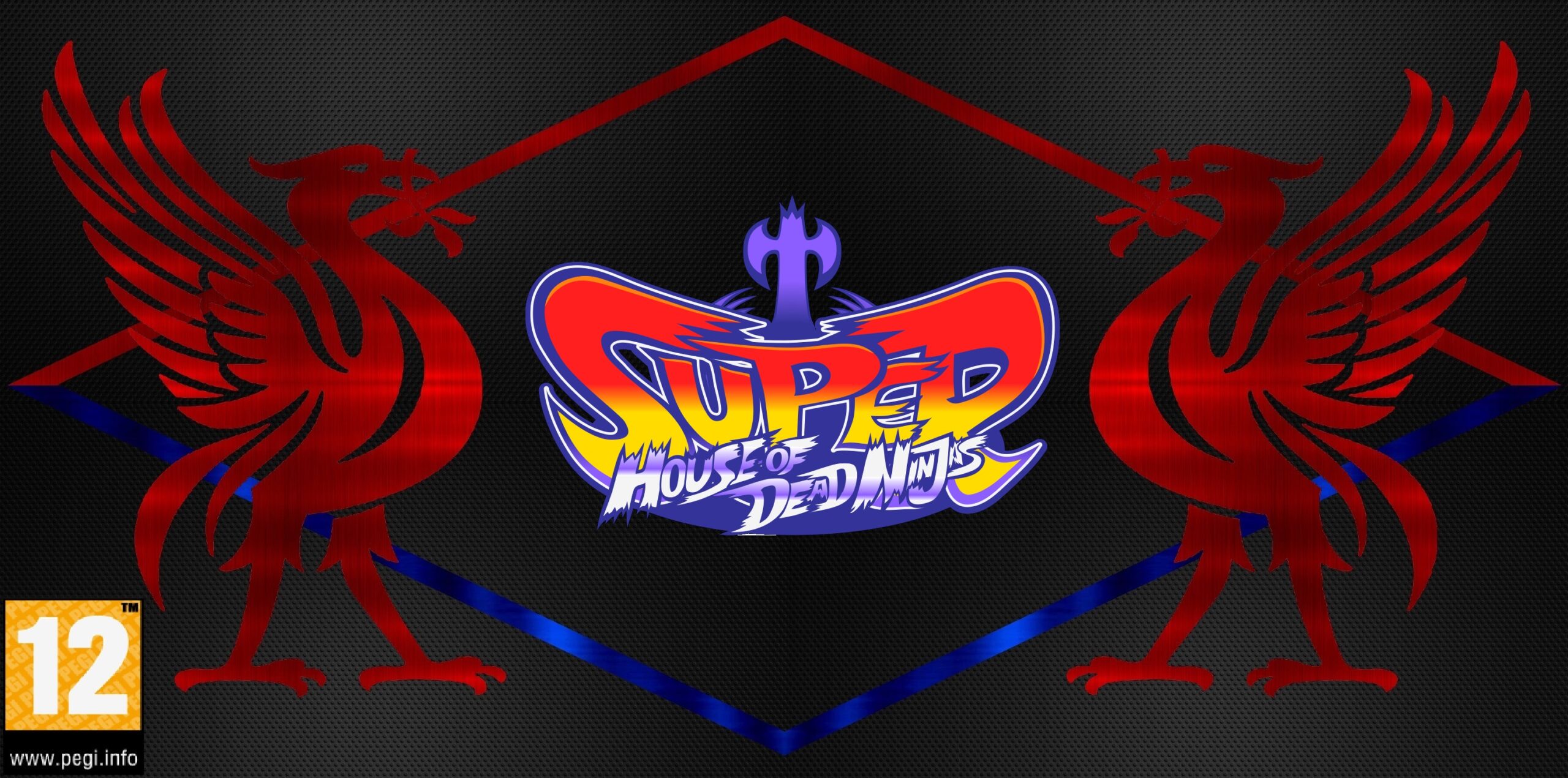
Super House of Dead Ninjas (PC)

Super House of Dead Ninjas

Developer(s) – MegaDev Games

Publisher(s) – Adult Swim Games

PEGI – 12

Developed as a browser game and later ported to Steam, Super House of Dead Ninjas is a 2D platforming roguelike with randomly generated elements, making each playthrough a unique experience. Players must fight their way through hordes of enemies. Whilst descending a tall demonic tower to defeat the game’s end boss. Expecting a very casual experience, I was delightfully surprised to learn what an addictive game it truly is and ended up spending a lot of hours playing it. 

Graphics – 7.5/10

The game adopts 8-BIT graphics to create a dark fantasy world inspired by medieval England and feudal Japan. Although the game’s setting and scenery can become somewhat repetitive after a while. Where this game’s conceptual design truly impresses is the wide variety of monsters to fight. As the player progresses through the game, new enemies constantly appear for the player to have to contend with. As well as differently designed versions of previous enemies to keep the variety in check. The game’s bosses are also superbly varied. This again makes each playthrough wonderfully tense as players must strategize on the spot. The game’s soundtrack, whilst I thought it was enjoyable to listen to, I also thought it was a little out of place. Personally, I think a soundtrack that was more akin to the game’s opening theme would’ve fit better. 

Gameplay – 7.5/10

The objective of the game is to descend a huge tower whilst hacking and slashing a path through a plethora of enemies in order to reach the bottom, where the game’s end boss is waiting. To do so is an insanely addictive experience, and since the game is for the most part randomly generated, each playthrough offers a new challenge every time, down to the positions of enemies and the layout of each floor. And the boss types the player encounters at the end of each segment.

The purpose of each playthrough is to collect each of the unlocked weapons and concept art so that gameplay is further increased, offering players the scope to try new playthroughs. Using different kinds of weapons, or to eventually mix and match weapons and abilities. In order to find the best way of traversing the tower as quickly and as unharmed as possible. For such a simplistic concept, it’s staggering to discover just how much variety and how replay value there is to be had with this title. 

Controls – 9.5/10

As the game is built on a formula that has been around for almost half a century, it’s to be expected that there shouldn’t be any problems with the controls. And for the most part, there aren’t. For as fast a game as this is, everything is set up for players. Particularly more seasoned ones, to make it flow as naturally and as fluently as possible.

The only minor gripe I have with the control scheme is the duck mechanic. It took me a while to figure out how to duck and dash at the same time, and to do so using a controller is slightly awkward. Which did make me unnecessarily die a lot of the time before I finally discovered how to do it. By using both analog sticks at the same time. Even then, it can mar the experience somewhat. But thankfully, there are generally speaking very few instances within each playthrough that don’t call for the use of ducking and dashing. So it’s by no means a problem to make the game unplayable. 

Lifespan – 10/10

Although seasoned players will be able to beat Super House of Dead Ninjas within ten minutes, the randomly generated content makes for an entirely new experience every time. Giving it virtually unlimited replay value. Although some players may seem like all-purpose players, in playing the game is lost once all weapons and abilities are unlocked; however, this is only the beginning. Players can also choose to play through the game using these different weapons every time. And effectively give themselves the new challenge that comes with this. 

Storyline – 6/10

As there is only the basic premise, which I’ve already covered, the game offers fairly little in terms of story. It’s very reminiscent of how the story in video games would typically be told in old 8-BIT games of the third generation. Usually, players would have to rely on the manual to learn more about it. Whereas, with this game, more details on the story can only be found on the game’s official website or on the Steam page. But with that, there comes the security of not knowing there are no ridiculous plot holes. Or bad voice acting at least. 

Originality – 7/10

Although the game copies a formula that has existed for a long time, few games provide this much simplicity in design and this much variety in gameplay at the same time. The game’s enemy design also does well to keep the game fresh throughout without things getting too repetitive. And the entire basic premise in and of itself is also fairly unique. There is certainly scope to expand on the game mythology if the developers were to make a sequel. And the original game would’ve provided enough of a springboard to make that happen. 

Happii

In summation, Super House of Dead Ninjas is an immersive, addictive, and insanely fun game to play. It can be played for countless hours thanks to the wonderful amount of variety in gameplay. And it’s a title that I can’t recommend enough. 

Score

47.5/60

7/10 (Good)

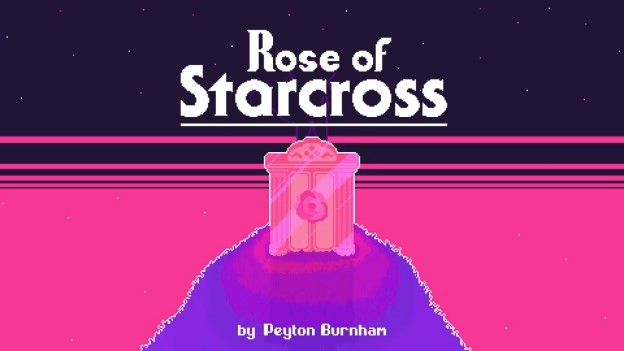
Rose of Starcross

Q&A With Peyton Burnham

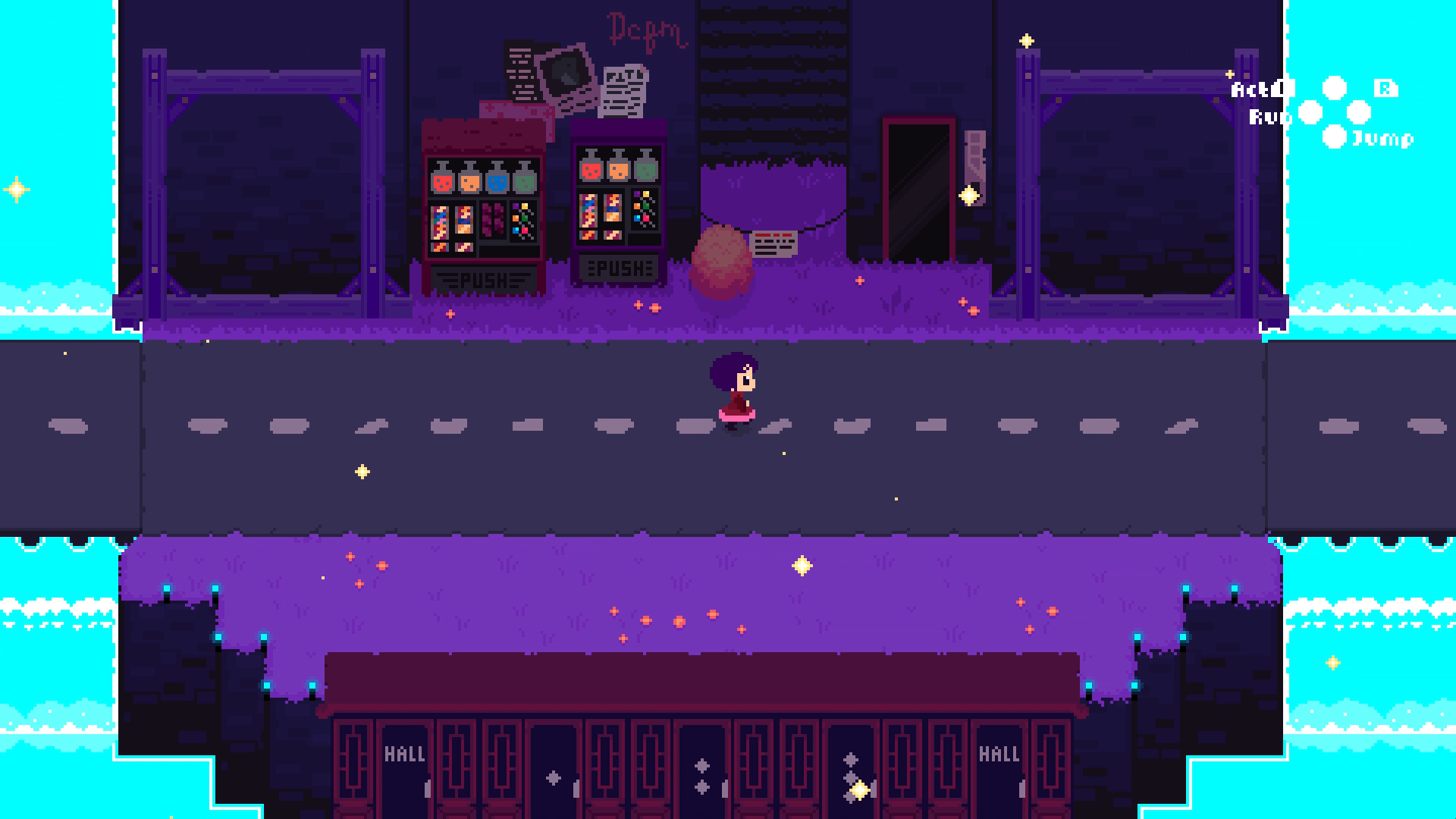
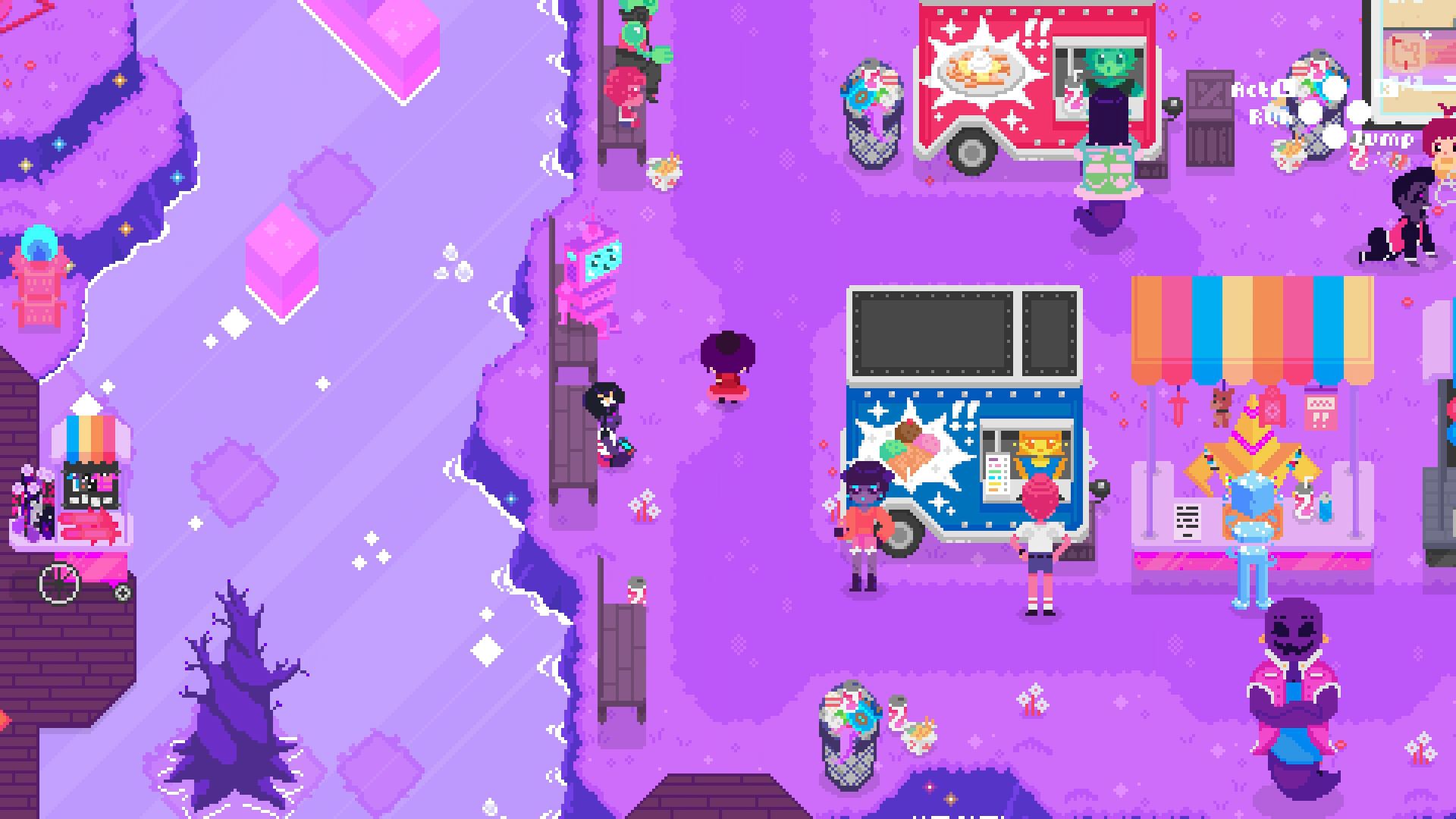
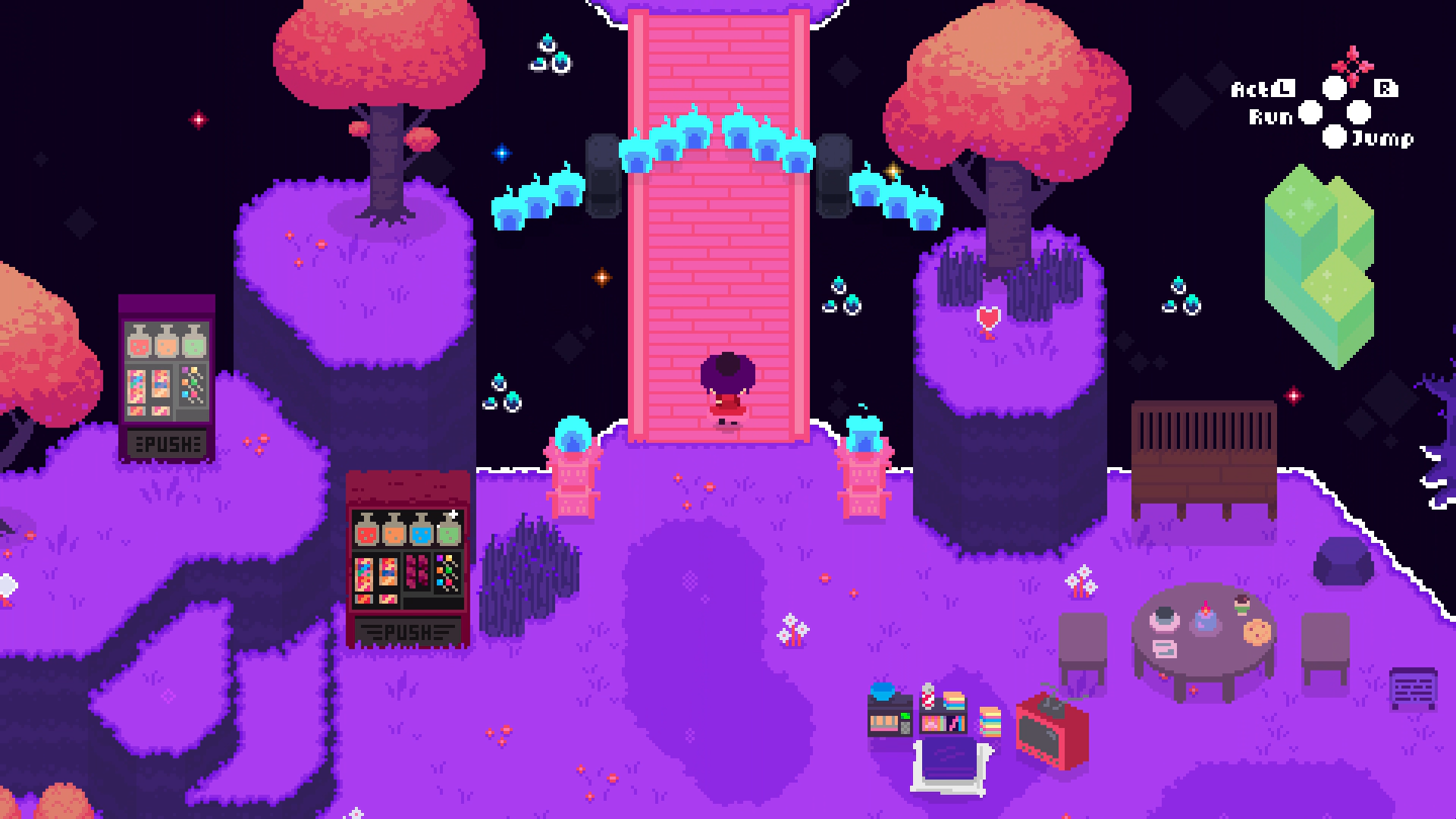
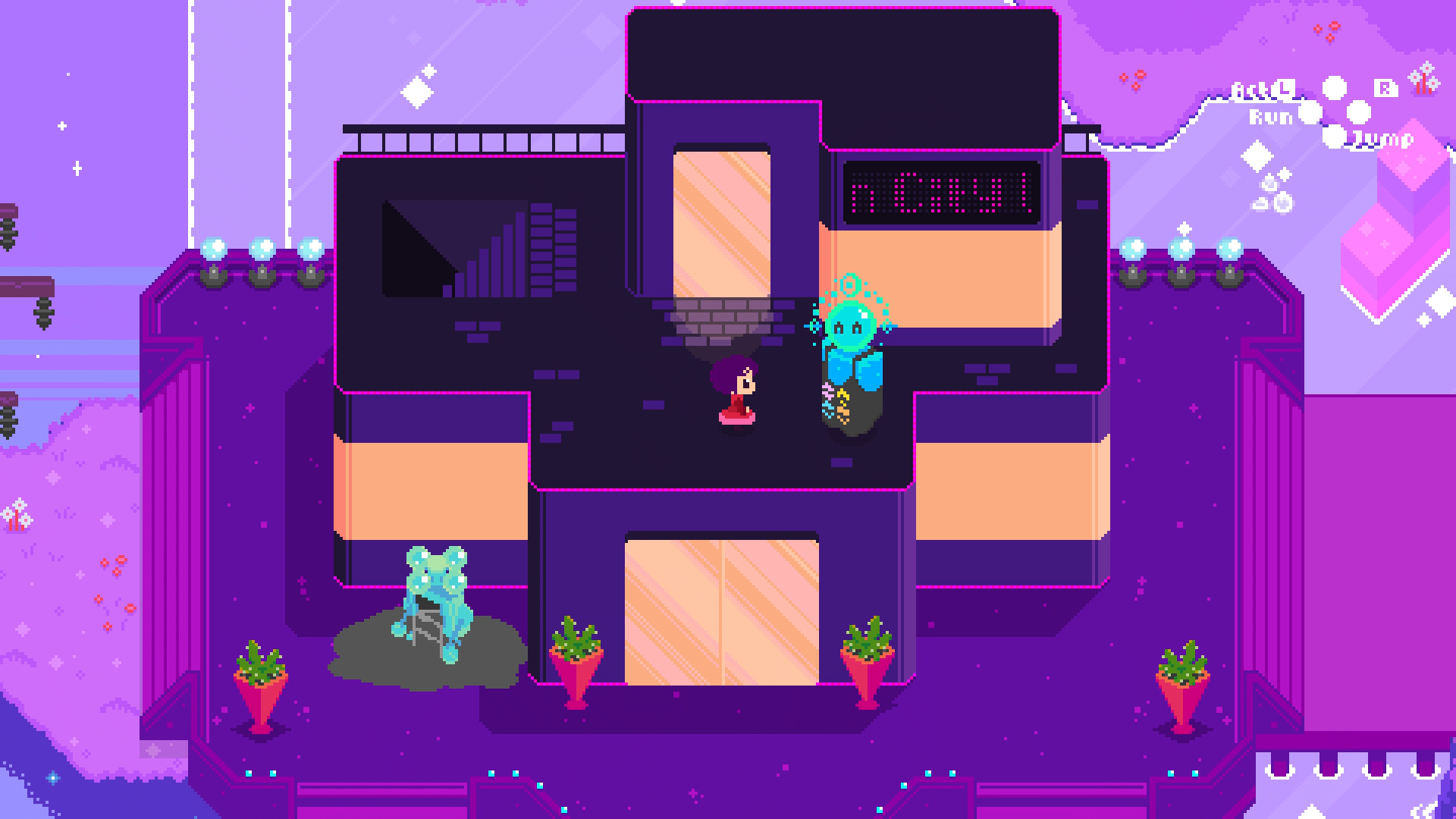
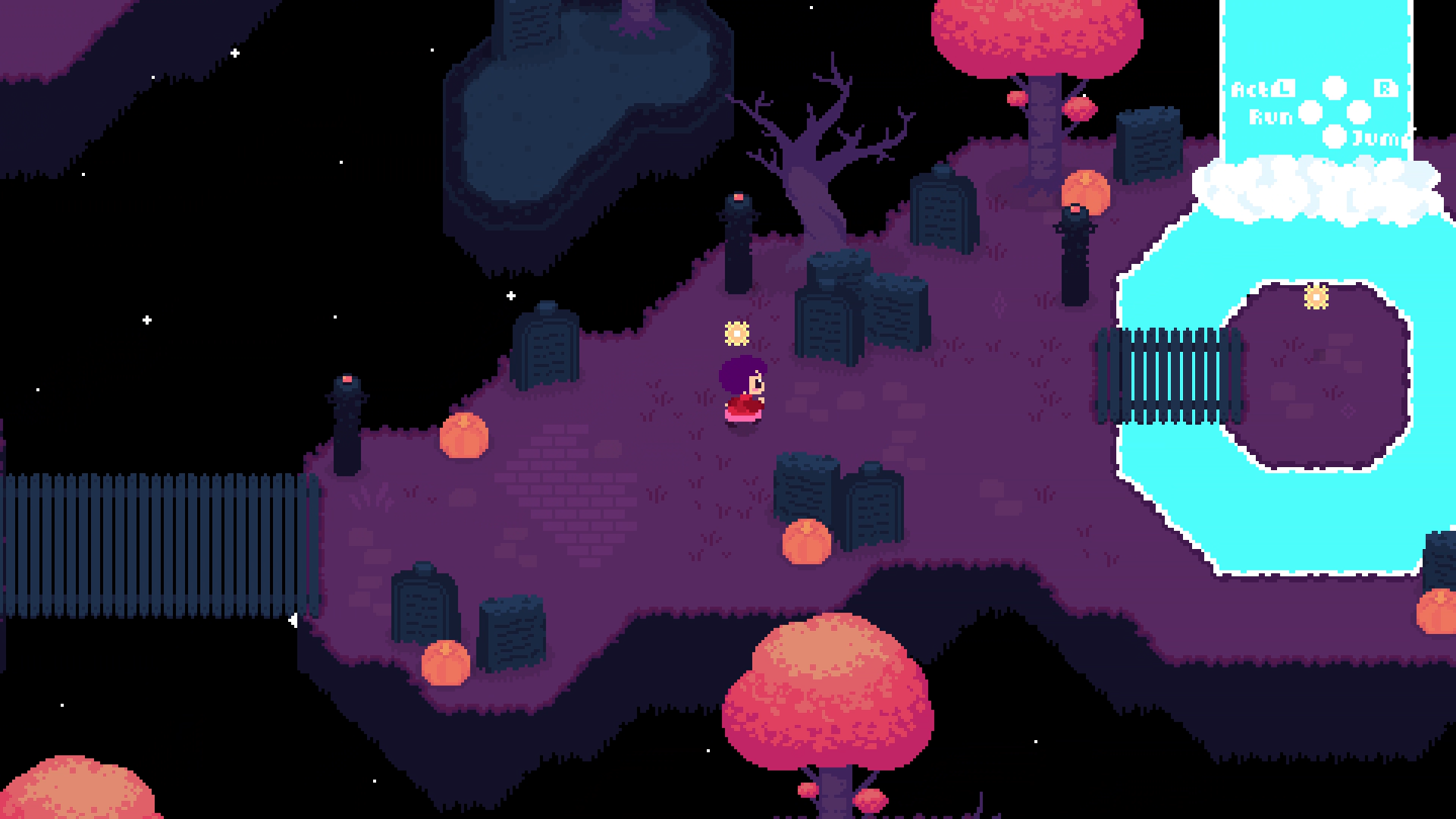
Following another Kickstarter excursion, I came across yet another great-looking game boasting a massive amount to offer players in terms of gameplay, story, and wonderful-looking scenery: Rose of Starcross. Inspired by classics such as Super Mario, The Legend of Zelda, Undertale, and others, the game is a top-down turn-based RPG platformer making use of an intricate 8-BIT art style. And the conceptual design is heavily inspired by Rebecca Sugar’s Steven Universe series. Of which I am personally a big fan.  Wanting to learn even more about this ambitious title, I got in touch with the game’s designer, Peyton Burnham, who had a lot to say about the game. As well as its development cycle and the challenges that have been overcome. Here’s what Peyton had to say about Rose of Starcross:

Rose of Starcross 1

What were the influences behind your game? 

Way too many to list, honestly! As far as games go, the most obvious ones at first glance would probably be Zelda, Mario, the Toby Fox games, the Mother series, and the Souls series, for sure. But I would mostly just say “games” in general. I take plenty of cues from stuff like Bayonetta, Silent Hill, and Resident Evil. So really it’s just whatever I love, which is a lot! The same can be said for other media like music, film, and TV!

What has the developmental process been like?

Pretty weird! This is (arguably) my first game, so learning EVERYTHING from the ground up has happened during the development process. For a very long time, I was fighting my own limitations, getting rid of old systems that were broken, and getting exponentially better at everything. So it’s been hectic and super frustrating! But I’ve gotten to a point where I feel confident in my abilities and the base systems I’ve set up for the game! Recently, things have been going much more smoothly. And I expect that to more or less remain throughout the development.

How close are we to seeing the finished product? 

I would say 2-3 years. As I said, I’ve only just recently gotten a good flow and process, so it’s hard to judge how long certain things should take. So, between feeling like I’ll be getting into a good pace and the fact that the game will be pretty sizable, I think that 2-3 years is a solid prediction.

Rose of Starcross 2

What has been the most exciting aspect of development? 

Getting to write my music and choreographing cutscenes to it. And then seeing that actually happen in the game is pretty exciting! That’s mostly because I’ve been a musician longer than I’ve been anything else, so it’s really cool to get to write music that gets to go with other things. Also, just getting to make a game that I really like is very exciting!

What has been the most challenging aspect of development?  

Aside from when I was basically learning how to program and always having to fix annoying and weird bugs, the most persistent challenge has been art 100%. And ESPECIALLY animation. It’s hard, man! Luckily I’ve found an animation method that works for me, but still. 

What has been the most frustrating aspect of development? 

See above! But here I’d also like to add in… marketing! Marketing is a lot of frustration for a ton of reasons. It’s not fun, I can’t work on the game while I’m focusing on it, I feel awful if I DON’T do it, and it’s SUPER IMPORTANT! So a perfect storm of frustration.

Rose of Starcross 3

As a Steven Universe fan myself, I was chuffed to have confirmed my suspicions that this game drew influence from the show. Do you plan to implement gameplay features reminiscent of the abilities of the Crystal Gems?

I have TONS of gameplay ideas and a few major mechanics that I didn’t introduce or fully exploit in the Demo. And it’s very likely some of that stuff might be similar to things you’d see in the show! I don’t normally directly go “oh, hey, that would be awesome to do in my game.” It’s normally a situation where I just put something in the game because it’s just in my head from watching stuff and playing other games. So short answer… maybe!

How well has the game been received so far? 

As for the few people who’ve actually played it or seen trailers/let’s plays, really well! The people who like it seem to care about it a good bit and want it to succeed, which is incredibly flattering and cool.

What platforms are you looking to bring the game to?

Right now, the plan is PC(Steam and DRM-Free) and the Nintendo Switch!

Rose of Starcross 4

Will the final game have an even more varied color palette than what’s been showcased so far?

Absolutely! The first main area is very purple indeed, but every major area will similarly be based on different colors. Plus, I’m doing a ton of mini-dungeons that’ll just let me do whatever I want color-wise, so that’s exciting! Just don’t expect a huge amount of green.

Out of so many wonderful-looking locations, what has been your favorite area to have in the game so far?

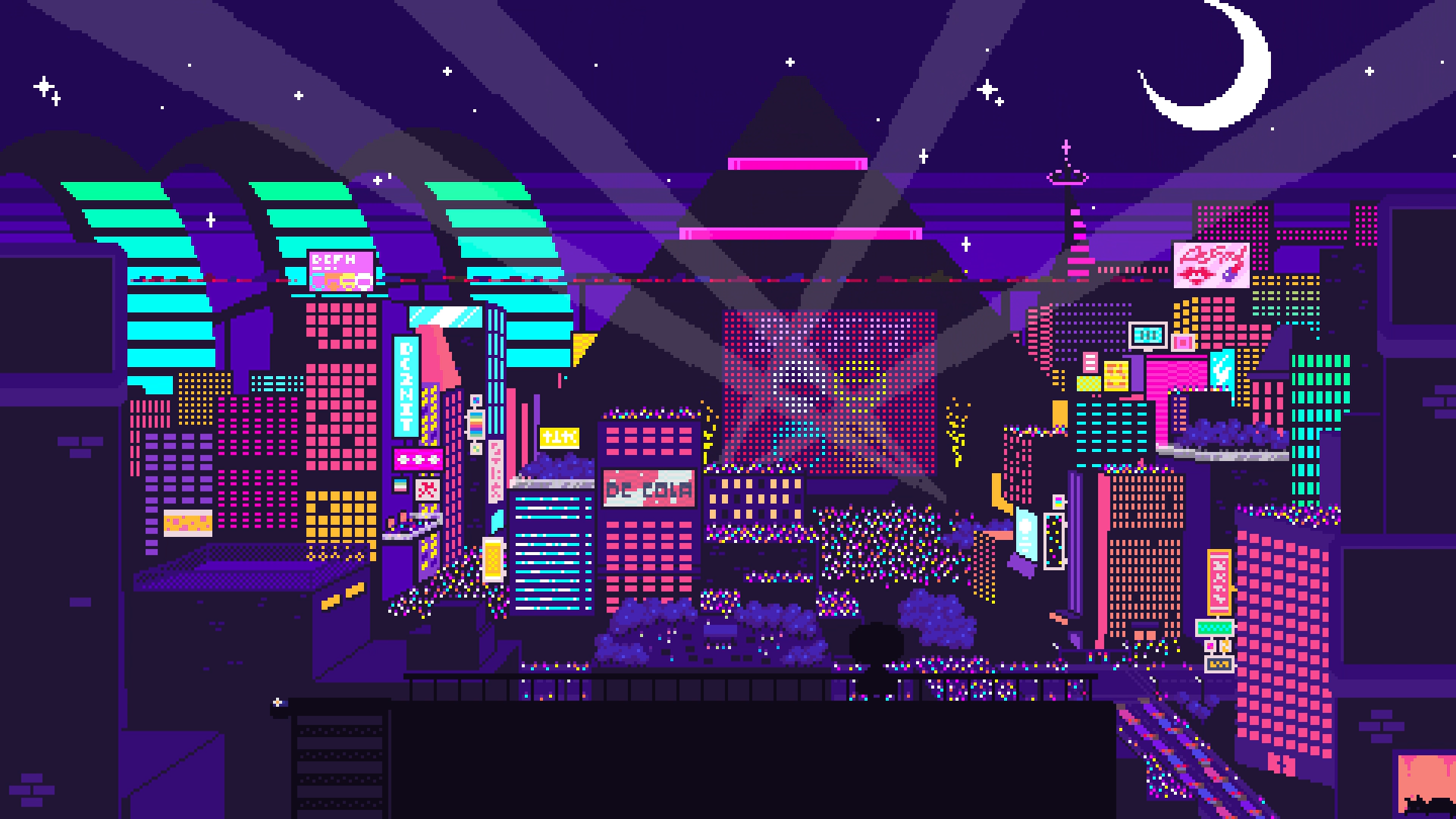
I am soooo excited to work on ALL of the major areas that come after the demo. Since it’s my game, I got to very selfishly pick all of my favorite types of places! But I will say, the first area after the demo has my heart in it. It’s cold, cozy, and moody, and I love working on it. That being said, I seriously can’t wait to get to Demon City.

Rose of Starcross 5

Do you have any advice for aspiring developers who may be reading this? 

There is tons of advice out there that is much better than what I could give. And also a lot of similar/repeated advice out there. So I’ll try something more practical and design-related! While learning to make games, it can be SUPER tempting to put everything you know how to do into your games. Try not to get caught up in showing off what you can do as a programmer or how many features your game has. Try to make decisions for your game that don’t just add to it but enhance it! Harmony is important! We’ve all played games that have stamina bars, crafting, and experience points that don’t need them, right?

Do you have anything else to add?

I could say thanks to the people supporting me! Anyone just following me and my game on Twitter, anyone supporting my game in any way. And my incredible parents, who make any of this would be totally impossible without! So thanks! Oh, and if you feel like it, consider helping out my game on Kickstarter!

https://www.kickstarter.com/projects/roseofstarcross/rose-of-starcross

As well as the link to the Kickstarter page, you can also download a demo of the game via this link:

https://peytonburnham.itch.io/rose-of-starcross-demo

You can also follow the development of the game as it happens by following Peyton on Twitter:

@peydinburnham

I’ve briefly played the demo myself. And I’ve been particularly impressed with what the game has to offer at even this preliminary stage of development. Especially considering that we are still a fair distance away from seeing the finished article. I thoroughly recommend anyone reading this to try the demo out for yourself and to back the Kickstarter campaign, which, as of this writing, is about halfway towards reaching its goal. I would like to take this opportunity to thank Peyton for agreeing to answer my question and wish him the best of luck with the game, as well as to thank everyone who took the time to read about Rose of Starcross.

Game on,

Scouse Gamer 88

Alwa’s Awakening (PC, PlayStation 4, Xbox One, Nintendo Switch)

Alwas Awakening

Developer(s) – Elden Pixels

Director – Mikael Forslind

PEGI – 7

The debut title of Elden Pixels, and developed under the supervision of Zoink Games’ Mikael Forslind, Alwa’s Awakening is a throwback to the classic games of the NES era, including Zelda II: The Adventure of Link, Metroid, and Castlevania II: Simon’s Quest. An 8-bit Metroidvania game, it focuses heavily on exploration, combat, and acquiring a range of different abilities in order to progress from area to area. Playing this game felt like an absolute pleasure, as well as a fitting tribute to games of the late 80s. And I would recommend it to any fan of that era of gaming.

Graphics – 8/10

Conceptually, where this game stands out is the design of the enemies, as well as the boss battles. Though clearly influenced by many aspects of medieval mythology, including other fantasy franchises (elements of Dungeons & Dragons seemed most evident to me personally), the developers took these influences and formed their own cohesive concepts in terms of visual design. Which is quite difficult to do when dealing with medieval fantasy, making it seem all the more impressive. The soundtrack, recorded by Robert Kreese, is also nothing short of stellar. On par with, if not better than, many classic NES games.

Gameplay – 8/10

Alwa’s Awakening is a Metroidvania game focusing on adventure and exploration. But the developers also boasted a heightened level of challenge compared to many other classic NES games during development, promising an unforgettable throwback experience to suit both the seasoned and casual classes of gamers of that time. When Elden Pixels first announced this, I did get nervous that they would develop a game that was nigh on inaccessible. As I’ve found in many NES games, such as those in the original Mega Man series.

However, while playing through it, I found it offers a level of challenge that is stern, yet reasonable. A level of challenge on par with Shovel Knight, for example. It came as a relief to me. And I was able to enjoy the game with minimal frustration because of it. There are secrets to uncover along the way, and some of the most invigorating boss fights I’ve seen in a 2D game.

Controls – 10/10

Part of the reason why I found the game to be more accessible than many fully NES titles purposefully made to be hard was that the controls are also flawless. In many Mega Man games, I have experienced problems with the controls. And time and time again, it defeats the object of demanding skill from the player if the developers can’t program the game properly. In this game, however, no such issues exist; the controls are perfect, and any errors made will be down to player performance.

Lifespan – 6.5/10

The game can be made to last around 6 to 7 hours in total. Taking everything to do within it into account, which by NES standards at the time may have been outstanding. But in the current era, especially for a Metroidvania, it does fall somewhat short in this respect. It is the game’s biggest issue in my opinion. And I think it could have been made to last at least 12 to 13 hours, given more things to do within it. However, there is more than enough substance in gameplay for how long it lasts. This does emphasize quality over quantity.

Storyline – 7/10

The story of Alwa’s Awakening follows a girl called Zoe, who is playing video games one night. And after dozing off, she finds herself in the land of Alwa, where her favourite video game is set. And she is thrust into a quest to save the land for real. The plot itself may be quite straightforward, but there are certain aspects of it that do well to foster an air of mystery about the game, as was customary among NES titles in the console’s heyday. It’s a nice touch that the developers added that makes the game more enjoyable to play through overall.

Originality – 7/10

Taking everything into account, I was impressed with how many unique aspects there were within this game compared to other classic 2D titles. As someone who first started out playing video games on the NES, my first ever video game being Chip N’ Dale: Rescue Rangers, it was refreshing to take a step back from AAA mainstream titles. And play a game that not only hearkens back to the days of gaming simplicity. It also offers something different from any other NES title.

In summation, Alwa’s Awakening is a welcome addition to the ever-growing indie scene and a definitive joy to play. There’s great gameplay, atmospheric visuals, and an excellent soundtrack. And a level of challenge that will satisfy all classes of third-generation gamers.

Score

46.5/60

7.5/10 (Good)

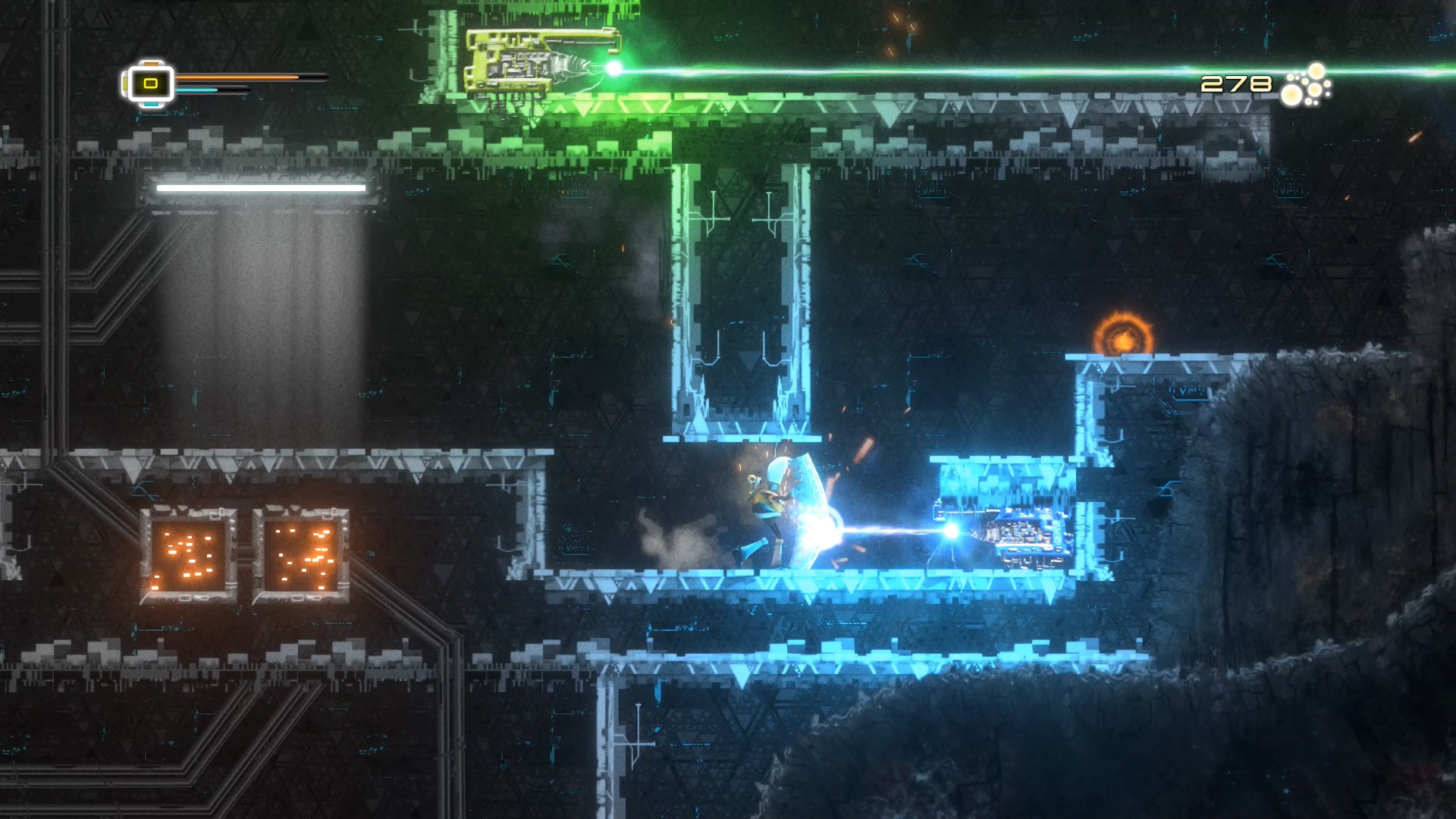
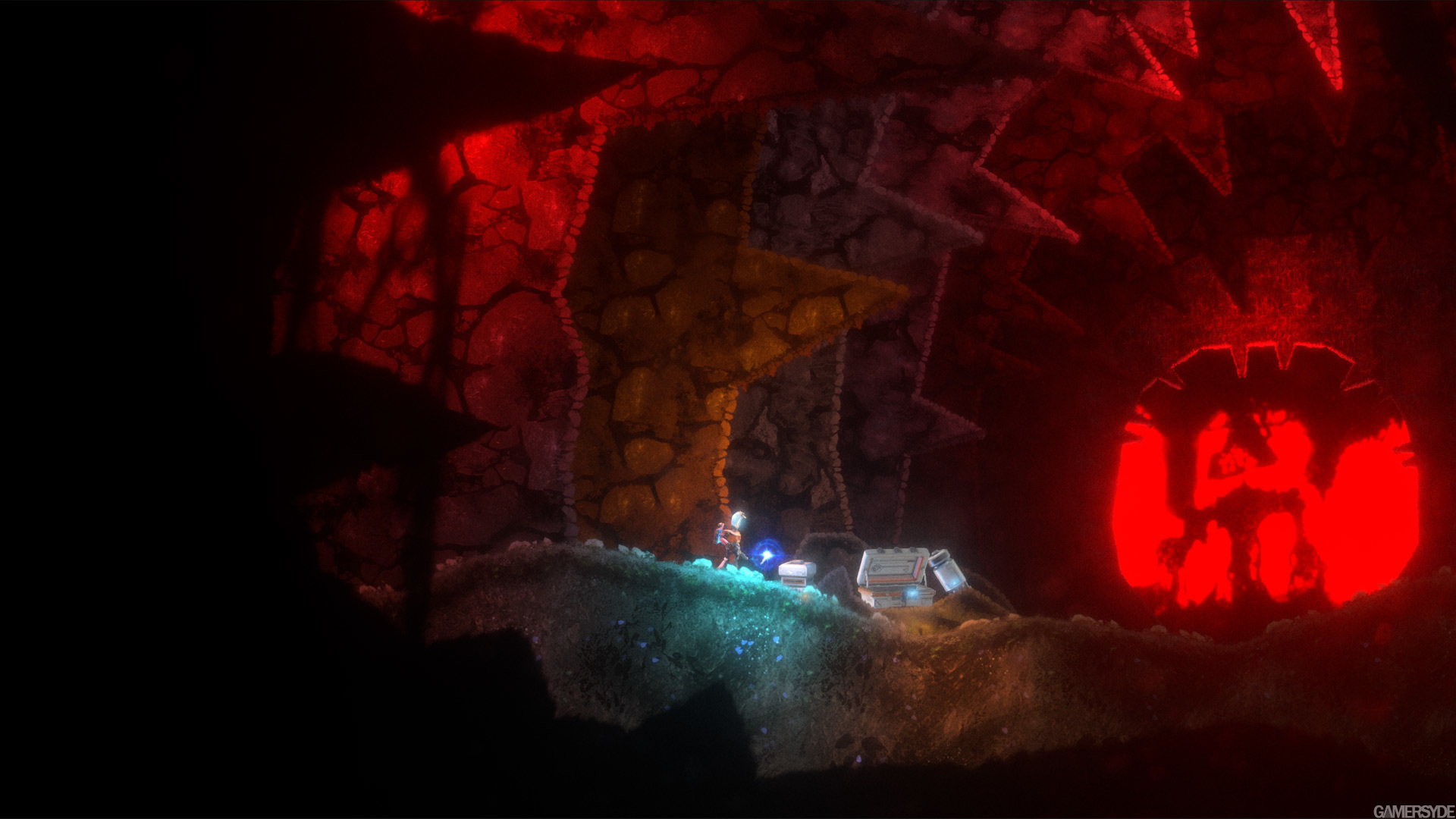
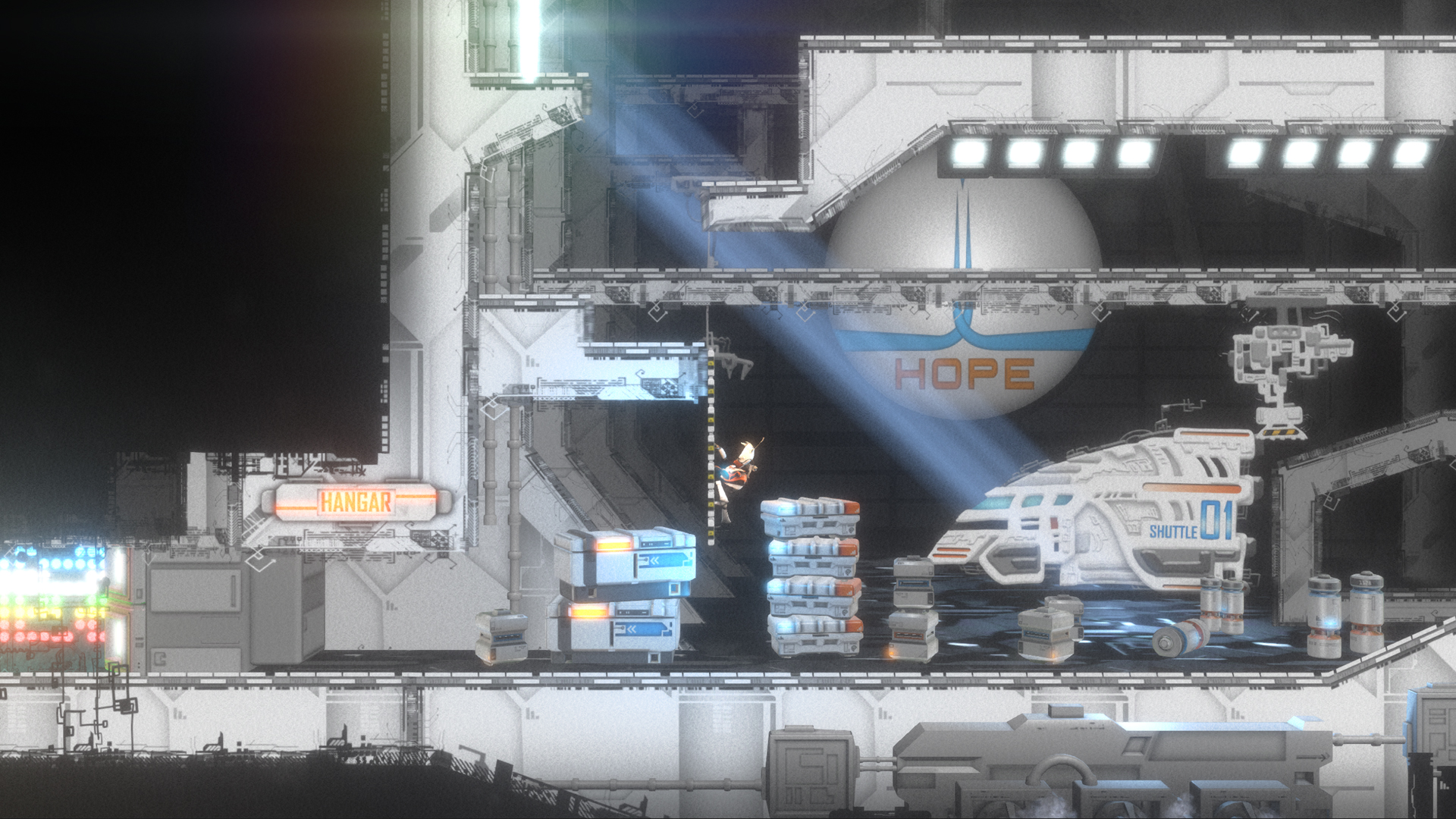
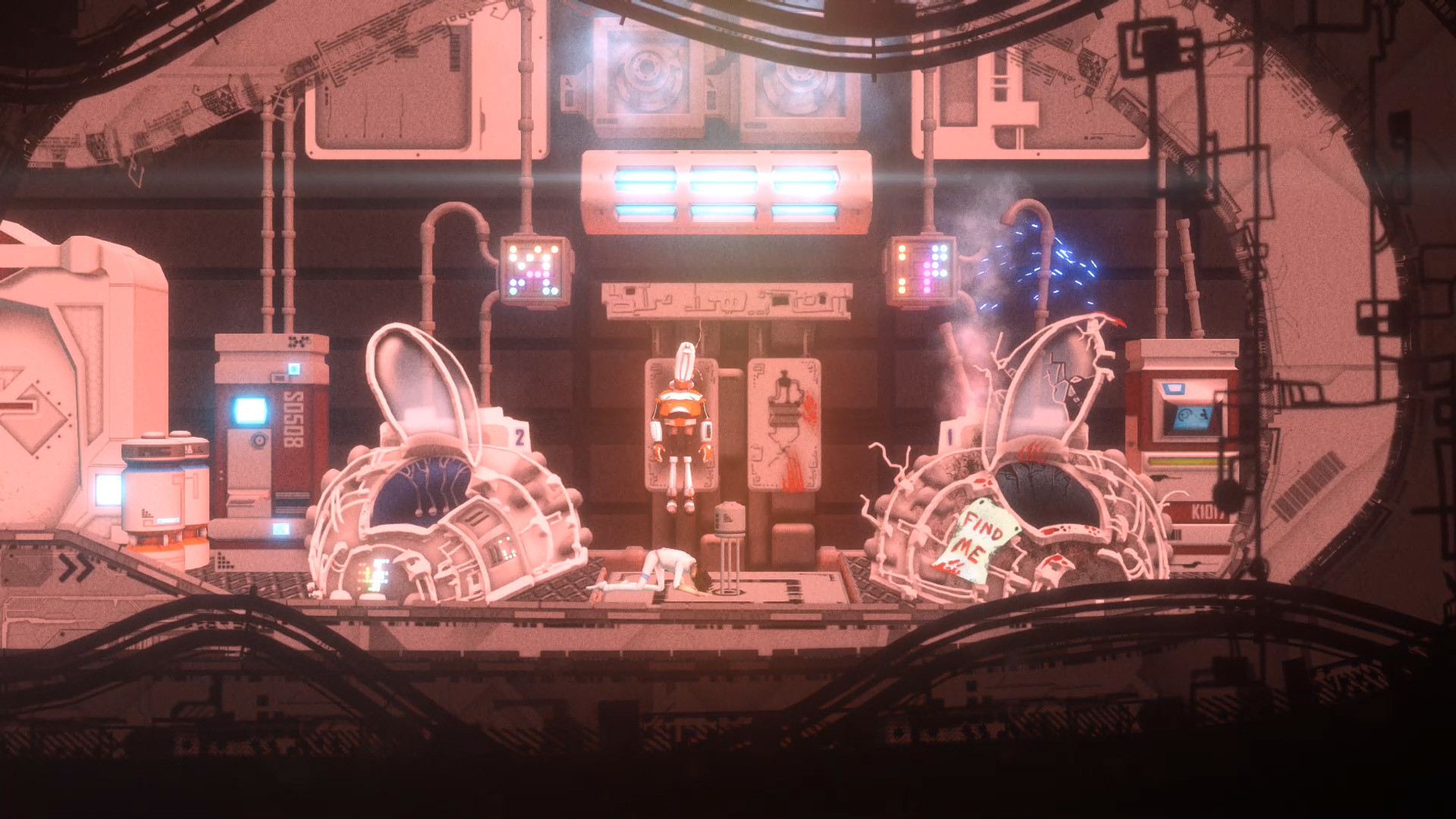
Anew The Distant Light

Q&A With Resonator

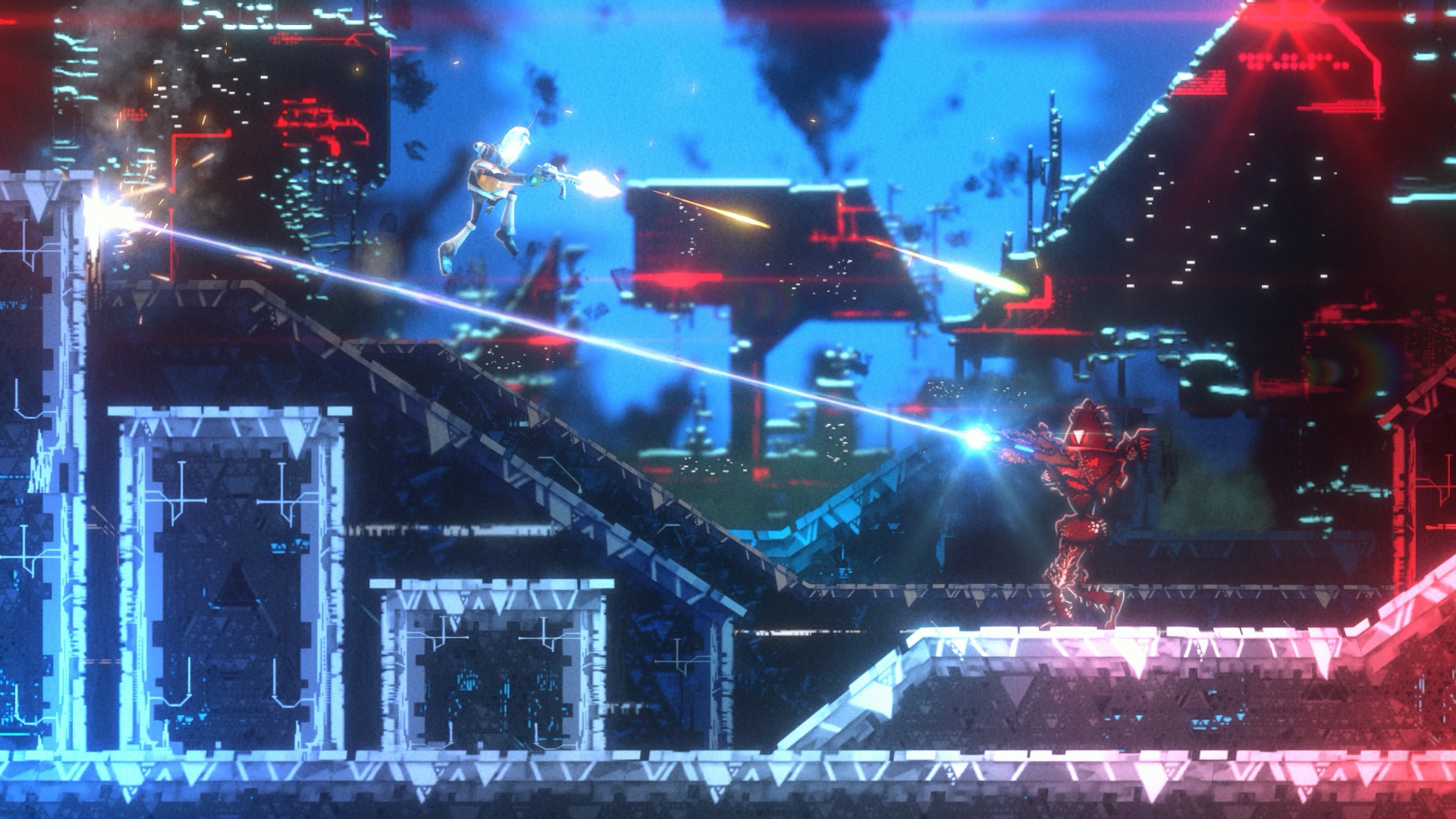
In my ongoing bid to cover and expose as many different independently developed games and indie studios as possible, I discovered a game currently up on Kickstarter entitled Anew: The Distant Light. An action-adventure Metroidvania title, there is a heavy emphasis on combat and exploration. As well as a vibrant science fiction setting that contrasts the beauty and devastation of an endangered futuristic world.

Creating the game are two veteran AAA developers: game director and programmer Steve Copeland, and art director and sound designer Jeff Spoonhower. Collectively known as Resonator. Between then, Steve and Jeff worked on a multitude of major gaming releases over fifteen years, including BioShock 2, Lord of the Rings: Battle for Middle-earth, Borderlands 2, Command & Conquer, and Uncharted: Golden Abyss, to name but a few. After reaching out to Resonator, both Steve and Jeff agreed to answer some questions I had about their upcoming game, their Kickstarter program, and their past and present developmental experiences. Here’s what they had to say:

Anew: The Distant Light 1

What were the influences behind your game?

SC: For me, the classic Metroid games were a big inspiration.  After all, there is a reason our game’s genre is named after it.  You can probably also spot influences from Ori and the Blind Forest, Dark Souls, and Mario Galaxy.  We’re constantly looking for ways to fit fun game mechanics from other genres into Anew: The Distant Light.

JS: I am a big fan of platformers as well. I grew up playing the Mega Man, Mario, and Contra games, so in addition to the non-linear Metroid-style exploration elements, I am excited about including lots of fun platforming elements in Anew.

What has the developmental process been like?

JS: Steve and I have been working on the game full-time for several years now. It’s been hugely challenging and rewarding. We spent a lot of time upfront working on gameplay systems, player mechanics, development tools, and pipelines. And we’ve also built a pretty big section of the game world itself. A lot of the struggles up front were the unknowns – “things we didn’t know we didn’t know about” situations. These were mainly technical, so it was tough to anticipate how long it would take to solve them. We’re happy to say we’ve largely moved through that phase of production and are concentrating on creating content and filling out the game world.

How close are we to seeing the finished product?

SC: A lot of that will depend on how funding goes.  We’re expecting to complete the PC version in about a year. But if we have to stop work to look for investors or a publisher, it will tend to slow things down quite a bit.

Anew: The Distant Light 2

What has been the most exciting aspect of development?

JS: For me, several things. For one, overcoming difficult technical and artistic challenges, and learning a lot. And growing as an artist and designer has been tremendously rewarding. I am also very proud of the world we are creating. We hope that players will find it not only fun to play in, but also visually interesting and enticing to explore and discover. It’s been awesome to be able to tell people that just two people have built the game from the ground up.

What has been the most challenging aspect of development?

SC: With just two people making the game, it can be exhausting to cover all of the needed roles in development and business.  If we could afford to, we’d hire some help.

JS: The number of “hats” Steve and I wear, as far as the roles we are playing in production, is pretty overwhelming. We are each doing the work of 5-10 employees in a traditional studio production! It’s been tiring and oftentimes stressful to have to rapidly switch between these roles on a daily or weekly basis.

Anew: The Distant Light 3

How well has the game been received so far?

SC: Feedback has been very positive on all fronts and in all contexts, especially so when demoing in person at trade shows. Where players can feel the agility and depth built into Anew.  We’re proud to have received the Audience Choice Award at Comicon Phoenix. And I think Jeff sleeps with the golden controller under his pillow.]

JS: Haha, yeah, the golden sheen is starting to wear off. In all seriousness, we are thrilled with the response Anew has received so far. On a personal level, I am so happy that people have responded positively to the look and feel of the game. It’s been my goal to design a world that looks and sounds truly alien and unfamiliar. Those two words have come up repeatedly in press articles we’ve received, so I feel like I’m doing something right.

What platforms are you looking to bring the game to?

SC: We’re leading with PC, including Steam and at least one non-DRM platform for PC.  If our Kickstarter succeeds, we’re also committing to PlayStation 4 and Xbox One.  We also have a stretch goal that will fund research for porting to Nintendo Switch.

Anew: The Distant Light 4

How have your past developmental experiences influenced Anew: The Distant Light?

JS: Our prior AAA studio experience has directly impacted the development of Anew. Steve and I learned a tremendous amount working on games over the past 15-plus years. That includes not only the nitty-gritty of the crafts we practice on a day-to-day basis (modeling, texturing, animating, lighting, programming, designing, tools development, marketing, etc) but also how to set realistic goals and achieve them. We were both senior/lead developers on projects. So we know how important it is to properly schedule a project and avoid common development pitfalls like feature creep and over-scoping. We try to bring everything we’ve learned on these big studio projects to the production of our indie game.

Outside of indie development, what would you say are your and Steve’s favorite projects to have worked on throughout the years?

SC: It was cool to get to work on games related to Star Wars and The Lord of the Rings.  I’m proud of having had a small influence on Command & Conquer: Generals Zero Hour. RTS fans still talk about it nostalgically.  Many of those projects required crushing amounts of hours worked in a week, so it’s hard to call one a favorite in light of that.

JS: I’m really proud of all the games I’ve worked on. Making games is a huge struggle, so I feel like shipping each one has been quite an accomplishment. As a personal fan of the BioShock and Uncharted series, I really got a kick out of working on BioShock 2 and Uncharted: Golden Abyss.

Anew: The Distant Light 5

Has having creative freedom made working on Anew: The Distant Light feel like a better experience than any other?

SC: On the creative freedom front, yes, it’s been the best game development experience I’ve had.

JS: Yes, the creative freedom of making our own game has been very liberating. That freedom comes at a high cost, though. We have taken on a great deal of financial risk. And we are pretty much working on the game all the time! It’s a big commitment. And we have sacrificed a great deal in our personal and professional lives to make it a reality.

Do you have any advice for aspiring developers who may be reading this?

SC: I’d advise them to make and complete things with a very small scope before getting super ambitious.

JS: Agreed. Try to find the one or two things you enjoy doing (be it art or programming), and then really dive headfirst into practicing those crafts. It requires a lot of patience and persistence to get good at this stuff. Ultimately, if you want to get a job in games, you’ll need to show a potential employer that your work is of extremely high quality and would fit into the type of games they are making.

Anew: The Distant Light 6

Where on the Internet can people find you?

JS: We are currently on Kickstarter through March 19th, 11:59 pm

SC: https://www.kickstarter.com/projects/1799572177/anew-the-distant-light. Our official website is www.anewthegame.com. We are also on Facebook and Twitter at @anewthegame.

Do you have anything else to add?

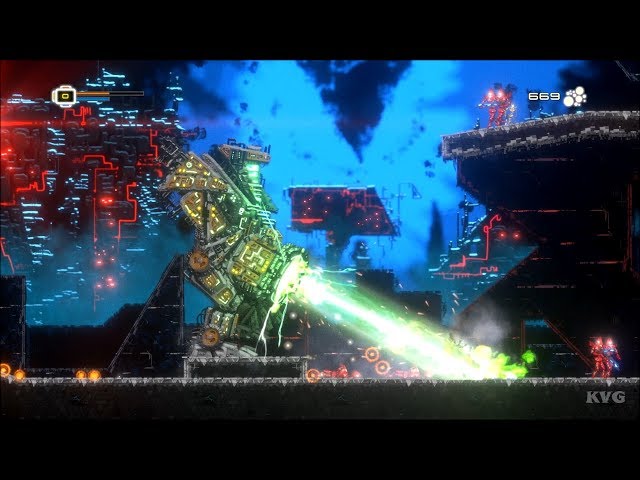
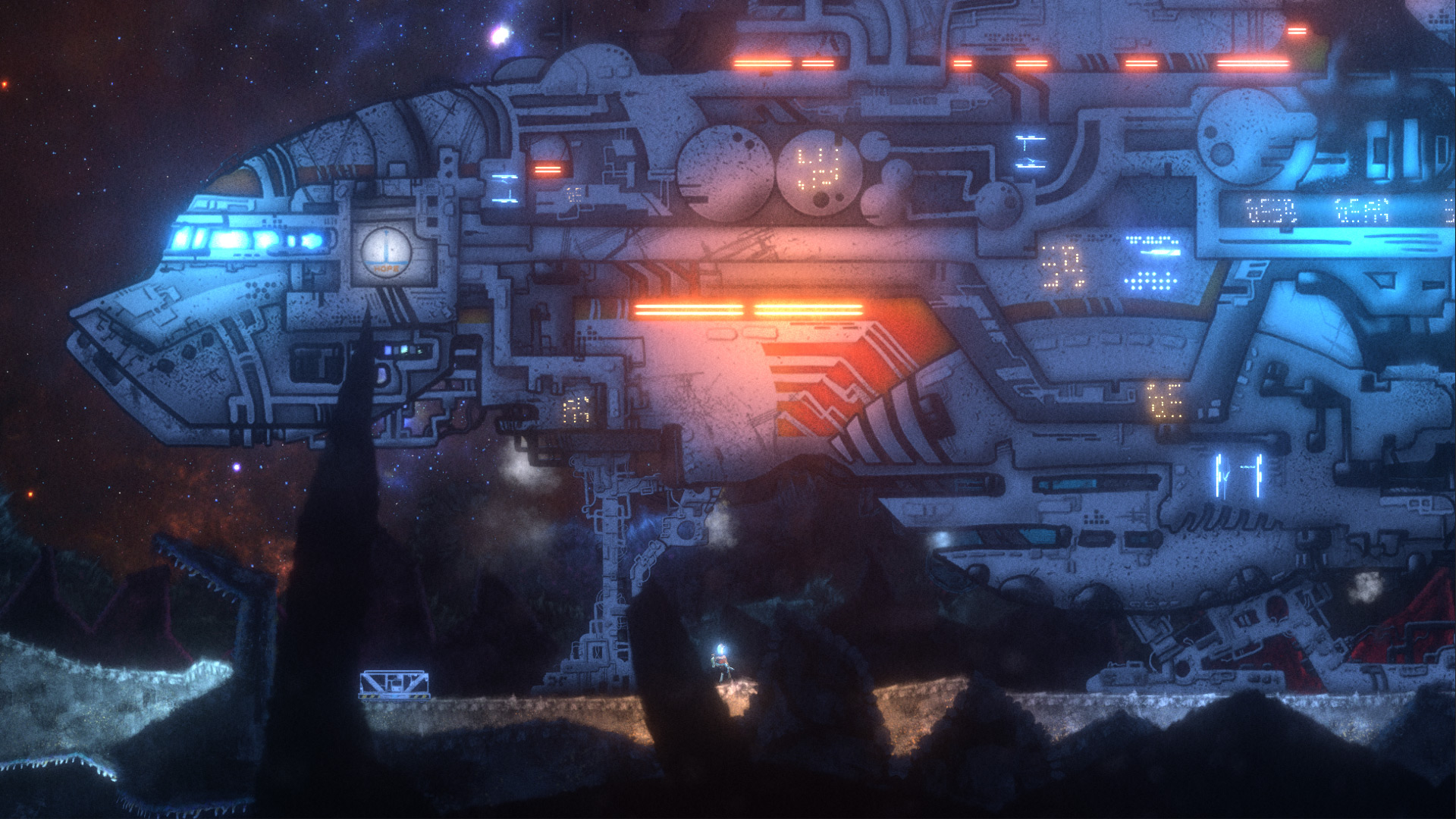
SC: Please check out our Kickstarter!  If you like games with action and exploration, mystery, and a high-skill cap, you’ll find a lot to like about Anew: The Distant Light.  We’re making a game that will scratch the itch for Metroidvania fans. It is also bringing some fresh gameplay to the genre with giant mechs and other vehicles that you can pilot. An upgradable home ship and diverse environments that play quite differently from each other.

Anew: The Distant Light 6

Lastly, I would like to thank both Steve and Jeff for agreeing to answer my questions and to wish them the best of luck with Anew: The Distant Light. I would highly recommend that any gamer who may be looking for an upcoming Metroidvania title check out their Kickstarter page and back the project. Looking at the early footage of it, I myself am extremely excited for the game’s release, and cannot wait to play the finished game.

Xeodrifter (PC, PlayStation 4, PlayStation Vita, 3DS & Wii U)

Xeodrifter

Developer(s) – Renegade Kid

Publisher(s) – Renegade Kid, Gambitious Digital & Entertainment

Director(s) – Jools Watsham

Programmer – Matthew Gambrell

PEGI – 7

Developed as a love letter to the Metroid series, Xeodrifter is a Metroidvania game with an emphasis on exploration and intense combat. As well as including a small RPG element in the facility to upgrade weapons and learn new abilities as the game progresses. For the small amount of time it takes to complete this game, I was impressed with how it plays out. But underwhelmed by just how fleeting an experience it is. The game ultimately left me wanting a lot more than what was on offer.

Graphics – 7/10

Making use of intricately detailed 8-BIT environments and a dark and gritty atmosphere, the game is set on four different planets with their own unique looks and surroundings. It does extremely well to perpetuate the feeling of isolation that is synonymous with games like this. Super Metroid and The Swapper, to name but a few. The biggest gripe I have with it in terms of visual presentation is the lack of variety in boss designs. The developers chose to simply recycle the same character sprite. But coloring it differently. And giving it different abilities with each battle. But although there is a lack of variation in boss design, there certainly isn’t in general enemy design. There is a wide range of different creatures to fight throughout the course of the game. Keeping things fresh for the most part.

Gameplay – 8/10

More impressive than the visuals, however, is how the game plays out. The combat involved in the game is just as intense and enjoyable as in the original Metroid. If not, more so. There is a wide range of weapons for players to utilize. As well as a satisfyingly strong puzzle element to the game. Players have to use different abilities to progress through different areas. Giving scope for players to revisit previously explored planets in order to uncover secrets inaccessible without the aid of specific abilities. Thus expanding what longevity there is to be had. Whilst the bosses are largely repetitive, they are also legitimately challenging, especially the final boss.

Controls – 10/10

Though this gameplay formula had been popularised and developed for over thirty years until this game was released, the developers did well to program the game’s control scheme properly. But also to build upon the formula, implementing unique features such as shifting from the foreground to the background, vehicular exploration, and combat. As well as traveling and fighting on foot. Unlike many 2D side scrollers that have been released in the past, such as Mega Man and Castlevania, the controls are also adequately responsive and don’t perpetuate any unnecessary frustrations in-game.

Lifespan – 1/10

The worst thing about this game, unfortunately, is how short a time it lasts. It lasts an average of merely 2 hours. It may have been impressive back in 1986 when Metroid first came out. But against most other Metroidvania games released since, Such as Castlevania: Symphony of the Night and Dust: An Elysian Tail, there’s no way it would possibly be able to compare in a positive sense. Personally, I think that even the aforementioned games could have done with lasting a little longer than they ended up doing. Making a 2-hour Metroidvania seems especially unacceptable.

Storyline – 6/10

The game’s story can best be described as Metroid meets Pikmin. It follows an astronaut whose ship is damaged by an asteroid and crash-lands on an uncharted world, and he must find each of the missing pieces to repair it. It’s very simple in scope, and it features next to nothing in the way of the usual tropes of a modern in-game narrative. But the majority of games released during the time that this game is reminiscent of didn’t either. And so I don’t think it should lose out on too many points as a result. Personally, I would much rather have a game that includes standout gameplay over a standout storyline.

Originality – 7/10

Though this game was clearly inspired by many classics of the genre, most notably the Metroid series, of course, in terms of gameplay, it offers something fairly different from what other Metroidvania games do. And I believe there is indeed potential to make a franchise out of this title. And the potential to build upon what is offered within it in a possible sequel. Though it may stand out as one of the shortest games of its kind ever developed, it stands out somewhat for the wrong reasons as a result.

Happii

Overall, Xeodrifter is an intensely enjoyable, yet criminally short game. I think that with a much larger in-game world to explore and even more to do, a sequel could be considered a classic. But if the developers plan to leave this series as it is, then they will have provided nowhere near enough of an experience to warrant any more than one playthrough.

Score

39/60

6.5/10 (Above Average)

The Swapper (PC, Wii U, PlayStation 3, PlayStation 4 & PlayStation Vita)

The Swapper

Developer(s) – Facepalm Games & Curve Studios

Publisher(s) – Facepalm Games

Writer – Tom Jubert

PEGI – 7

The Swapper combines elements of puzzle games and the 2D side-scrolling open-world aesthetics of a Metroidvania game. Talking about this game in the same breath as the likes of Super Metroid and Castlevania: Symphony of the Night may make the game sound exciting. But even with the inclusion of a semi-open world, it doesn’t even come close to matching the quality of the aforementioned examples.

Graphics – 10/10

The most praise I can offer The Swapper is in its visuals; they are more or less flawless. There are no graphical glitches, and the design of the settings is wonderfully unique. And the attention to detail on the developer’s part is staggering. There is also a very effective use of textures, such as lighting and shadows, to add to the overall atmosphere of the game. Though it isn’t survival horror, there is a heightened sense of urgency throughout that perhaps the player will feel in a much different way than in the likes of Resident Evil 4 or Silent Hill. The game’s visual concept does draw similarities with Dead Space in its character designs. But there are plenty more differences to make it stand out in at least this sense.

Gameplay – 5/10

One way in which The Swapper doesn’t stand out, however. And the one aspect it should have done to attain the most important points, in my opinion, is in its gameplay. Players have to solve puzzles throughout by duplicating the player character. And swapping between the duplicates to perform multiple tasks at the same time. There is also one side quest, which involves finding a series of terminals giving details of the game’s back story.

As well as ten additional hidden terminals throughout the game. Taking into account the size of the in-game world. And the amount of space available to include additional content, I don’t think there is anywhere near enough substance in gameplay compared to what could have potentially been added. And there is hardly any incentive for completing the game’s side quests unless you happen to be playing it on a PlayStation console. In this case, there are PlayStation trophies to collect for each hidden terminal found.

Controls – 10/10

As a formula long since perfected, there should have been no issues with the control scheme in any case. And so there aren’t. But it is also interesting to see how the developers have added some interesting gameplay mechanics to the 2D side-scrolling formula.

Lifespan – 1/10

Due to its lack of substance in gameplay, and the main focus being put on the story (indeed, where there is normally a director and producer listed on most video game Wikipedia pages, there is only a writer on The Swapper’s page), this title can only be made to last two and a half hours tops, which, especially for an open-world game, is unacceptable. Since there was clearly room for so much more to be added, it seemed to me like that much more of an incredibly fleeting experience.

Storyline – 7/10

In a time when humanity’s natural resources on Earth have been exhausted, and they have resorted to deep space exploration to keep themselves alive, the story of the Swapper follows a person who lands on the planet Chori V and investigates a derelict ship called the Theseus. But in typical science fiction fashion, he/she ends up finding more than what they bargained for, and the unnamed person resolves to escape the ship with his/her life, and from the watchers, a murderous race of minerals with rudimentary intelligence, who had killed the initial crew of the Theseus.

The story is interesting to follow from beginning to middle, but although I won’t give away what happens in the end, I will say how I felt so jaded by it. There is a choice for the player to make at the end, but either way, it makes the story seem ultimately pointless. If the player makes one of the two choices, another character even closes the game with the line “Does it really matter anymore?” It makes me hope that there will be a sequel, albeit with major improvements to gameplay, that will elaborate on the game’s mythology. Otherwise, I think the developers may very well have ended up shooting themselves in the foot by making other gamers feel the same way.

Originality – 6/10

Despite the visuals of the game being top-notch in my eyes and some standout modifications to the 2D side-scrolling formula, in terms of overall gameplay, it seems neither evolutionary nor revolutionary. Great Metroidvania games have come and gone, such as Symphony of the Night and Aria of Sorrow, and even some of the latest generations have yielded a few, such as the re-vamped Strider and Dust: An Elysian Tail. But it’s fair to me to say that this title doesn’t fall under that category.

Angrii

To summarize, The Swapper is a much worse game than I previously thought. Despite being impressed by its visuals and attention to detail, I hadn’t realized how short and lacking in substance it was, and I always begrudge video games like that being released in the first place.

Score

34/60

5.5/10 (Below Average)

Terraria (PC, Xbox 360, Xbox Live Arcade, Xbox One PlayStation 3, PlayStation 4 PlayStation Vita, PlayStation Network, Windows Phone, Wii U, Android & iOS)

Terraria

Developer(s) – Re-Logic, Engine Software & Codeglue

Publisher(s) – Re-Logic, 505 Games & Spike Chunsoft

Programmer – Andrew “Redigit” Spinks

Producer – Jeremy Guerette

PEGI – 12

Terraria is a 2D platforming sandbox game, whereby the idea is to explore a huge open environment (including underground). And build a house to accommodate non-playable characters such as a merchant, a demolitionist, and a nurse. And to fend off waves of hostiles that try to attack either the player or their house. Whilst it is very addictive in gameplay and lasts only as long as the player’s interest, other faults hamper Terraria to an extent. But nowhere near the extent to make it unplayable, by any stretch of the imagination.

Graphics – 6/10

Visually, this game is a nice throwback to the era of both the SNES and the Mega Drive. It’s rife with 16-bit sprites and environments. The main concern I have regarding the graphics is that they may seem unique to a lot of younger gamers. As they may not have played games from the 16-bit era, older gamers may not be so smitten by the visuals. As there is not that much unique about it in a conceptual sense. Most of the enemies found in the game are pretty generic and typical. Including zombies, vampires, skeletons, and even slimes, which have been a stable element in the Dragon Quest series for years.

The most unique enemies in the game are, without a doubt, the demon eyes, which are floating eyeballs that attack people. Even the Wall of Flesh, the hardest enemy in the game, doesn’t seem overly original compared to other monsters of its kind that have been seen in video games prior. Such as Melchiah from Legacy of Kain: Soul Reaver or the Mother Brain from Metroid. For the most part, the enemies are pretty typical. But nevertheless, the 16-bit graphics are nicely rendered, and to an extent, I could appreciate that the developers were trying to make the game stand out from a graphical point of view.

Gameplay – 8/10

The fact that the game’s conceptual design is pretty weak doesn’t at all change the fact that it is an absolute joy to play once players become immersed. It is extremely addictive. And it can obligate players to continue playing, whilst they may not be making progress in the conventional sense. A gameplay element very reminiscent of The Elder Scrolls series. However, it will take some getting into. A lot like Minecraft or Don’t Starve, it’s not strictly self-explanatory. I would recommend getting tips on how to play it effectively before trying it.

At first, I saw little point in carrying on with Terraria. From first impressions, it seemed like things were moving too slowly. I then watched a few videos of people playing it and a few tutorials. And I decided to give it another go. Before I knew it, it was half past 2 in the morning. Although at first, I struggled to understand exactly what this game had going for it in terms of gameplay, it grew on me. And I came to be impressed with what there was on offer. I have played very few 2D side scrollers that offer this level of exploration and freedom. And whilst it’s not a very original idea in general, I enjoy playing it.

Controls – 9.5/10

Another thing that initially annoyed me was the mechanics of building and mining in this game. It took me a while to figure out how to do it as effectively as possible. I was about to run out of patience when I accidentally discovered that the analog stick can be used to switch between two ways of building and mining when it’s pushed down. But as I said, I found that out by chance, and it wasn’t self-explanatory. I guess by that logic, however, it would be much easier to play this game on a PC. But anyone reading this who is thinking of trying the game will now know. And there aren’t any other problems to address at all.

Lifespan – 10/10

As I previously wrote, this game will only last as long as the player’s interest, and given this game’s level of addiction and variety, that should indeed be a particularly long time. There is no obligation to complete the main objective at hand, and players will be encouraged to make other forms of progress in order to pass the time, such as building a bigger and better house. I, for example, have dedicated time to simply making an underground network, simply to be able to explore the depths of the in-game world more easily.

Storyline – N/A (10/10)

One thing I tend to keep in mind whilst critiquing a video game is that not every game has to have a story in order for it to be good. Therefore, if a game doesn’t have a story, but doesn’t necessarily need one, it won’t lose any marks and will attain a perfect score in that axiom of judgment. There is no point in criticizing a game for not having an element that it didn’t need, and Terraria is certainly one of these games. When I reviewed Don’t Starve some time ago, I thought that it didn’t have to have a story at all, but the fact of the matter is that it’s there, and it’s just not elaborated on very much, so it lost marks. But with Terraria, there is no story; nor does it need one. Therefore, there is no need for it to lose marks.

Originality – 4/10

This is the aspect in which the game was left wanting, in my opinion. As I said, although it is addictive and fun to play, the developer’s desire to incorporate uniqueness in the visuals with the 16-bit style wasn’t fully realized, the way I see it, as it was pretty weak in conceptual design, with few standout enemies or visual elements. It’s because of this that I’m skeptical that it would’ve stood out if the game had been actually released in the 16-bit era.

Happii

In summation, aside from Terraria’s lack of visual uniqueness, and in terms of gameplay, whilst it does indeed borrow elements from Minecraft and the Metroidvania style of play, and therefore lacks the feel of a fully cohesive concept, it was still fun to play and one of the more addictive games I’ve played in recent times, and it’s definitely worth the very generous asking price attached to it.

Score

47.5/60

7.5/10 (Good)

Strider (2014) (Windows, PlayStation 3, PlayStation 4, Xbox 360, & Xbox One)

Strider 2014

Developer(s) – Double Helix Games & Capcom Osaka Studios

Publisher(s) – Capcom

Director – Koji Oda

Producer(s) – Andrew Szymansky & James Vance

PEGI – 12

A re-vamp of the classic arcade series, Strider incorporates elements from the first two games, the Marvel vs. Capcom series, and the original manga. It delivers a pretty intense and enjoyable gaming experience worthy of the eighth generation. Though it has its flaws, Strider has been met with overwhelmingly positive reviews and acclaim. And I also enjoyed it for several different reasons.

Graphics – 7/10

To me, the visuals have somewhat of a Street Fighter IV feel to them, in some of the characters’ exaggerated features and many of the futuristic settings. But for me, the elements that stood out the most were a lot of the boss fights. Such as The Armoured Dragon and the Mutant Millipede. I think the bosses also give the game a Metroid feel to it, which is always a plus. The main issue I had with the visuals was that the scenery and style seemed to get a little bit repetitive. Especially towards the end. But on the other hand, it’s also interesting to see how true the developers have stayed to the source material. And by the same token, true to fans of the original series.

Gameplay – 8/10

I can safely say that Strider is unlike any other side scroller I’ve played. The gameplay is exhilarating as well as incredibly fast-paced. I never used to think that overwhelming speed could work in side scrollers after playing Sonic the Hedgehog (Which I will be talking extensively about next week). But after playing this, I think I’ve been proven thoroughly wrong. On top of that, I found that the game also provides a very legitimate level of challenge. On the level that I would like to have seen the original Mega Man and Castlevania games provide. As opposed to them being so overly hard that it would deter people from playing them through word of mouth alone. Furthermore, unlike many other side-scrolling games, there is also a fair bit of exploration involved in order to unlock such things as enemy info and concept art.

Controls – 10/10

Although it would have been expected that there wouldn’t be any problems with the game’s control scheme, the 2D side-scrolling formula having been long since perfected, this game also had certain mechanics that I hadn’t ever seen in the genre or mechanics I hadn’t seen in later-generation games in the genre before Strider. Such as the ability to climb up walls or across ceilings. So, in that respect at least, the game is also made to seem fairly unique.

Lifespan – 7/10

At 6 hours, Strider lasts much longer than the average side scroller, and as I mentioned before, there are a fair few side quests to undertake whilst playing through it. But it did seem to me like somewhat of a fleeting experience, just for how fast-paced the game is. And by that token, it did leave me wanting more at the end of it all. I would like to have seen more content, or perhaps more content in a sequel. Which I think could happen given how much interest has been taken in this game.

Storyline – 5/10

In what is essentially a retelling of the events of the first game, Strider Hiryu, the best assassin of the Strider organization, is dispatched to defeat the game’s villain, Grandmaster Meio, in Kazakh City. To me, it’s all pretty bog-standard and typical of a 2D side-scrolling game. But the worst thing is that because the gameplay is so fast and engrossing, not much time is given to gamers to actually think about what’s happening. Everything just seems to happen in the background. But of course, I’d rather a game have more focus on gameplay than the story. Which is why Strider doesn’t suffer too much because of it.

Originality – 6/10

For a game that stayed true to the source material as much as this, I’d also say that there is a fair bit in it to differentiate it from others. There are, as I said before, the unique side-scrolling control mechanics, as well as a lot of the boss designs. But what I approve of most is the fact that the developers have perpetuated the trend that gameplay should come before all else. Though the conceptual design is largely based on the original games and not much new has been brought to the table in that respect, it certainly stands out among many other games on the market today.

Happii

To summarize, Strider is fast, intense, and enjoyable. And I would recommend it to anyone who owns any of the consoles the game is tailored for. With satisfying gameplay and very decent and challenging boss fights, it’s worth one playthrough at the very least.

Score

43/60

7/10 (Fair)