Tag Archives: Nintendo

88 Heroes (PC, PlayStation 4, Xbox One & Nintendo Switch)

88 Heroes

Developer(s) – Bitmap Bureau

Publisher(s) – Rising Star Games

PEGI – 7

Developed by Bitmap Bureau and released in March 2017, 88 Heroes is a 2D side-scroller whereby the player assumes control of 88 pointless superheroes to defeat the evil Dr. H8, who plans to destroy the Earth in 88 minutes. I first played this whilst on display at Play Expo Manchester 2015, along with Coffin Dodgers and Kaiju Panic. I first viewed it as a potentially addictive title with a great deal of replayability. The finished product is a respectable title, whilst not as addictive as I thought, it does have replay value. 


Graphics – 7/10

The game takes place in 4 different worlds for the player to progress across a total of 88 levels. Each world has its unique look, ranging from office buildings to dungeons to space stations. The variety in design is pretty impressive, but it can get somewhat repetitive across a total of 22 levels. The majority of the game’s visual variety is represented through character design. 99 in total, counting the characters featured in the physical release of the game. 


Gameplay – 6/10

The character design in 88 Heroes is the basis of variety in gameplay. Each hero has their unique abilities and limitations, making each playthrough different in both variety and challenge. Playing this, I was as challenged as I was amused by how both wonderful and terrible each hero is; the game being nigh-on impossible to get through with certain heroes like Captain Colossus and El Delayo. On the flip side, some heroes can be used to either pass levels with ease or bypass most obstacles altogether, such as Mighty Mite, Bat Bot, and Tech Tank. Overall, I’d describe it as a fair challenge. Traversing through levels can get a little repetitive in terms of gameplay as well as visual design, and the boss fights are somewhat repetitive as well, but it played out well enough to have held my interest for a fair few playthroughs.


Controls – 7/10

The control scheme is hit-and-miss depending on which hero the player has control of. Some are easier to handle than others, which can either help or hinder the gameplay accordingly. I’ve already mentioned this hero, but the one that did cause me the most problems was El Delayo, as his actions are delayed after the player registers them through the controller, which, whilst I can appreciate, is part of the challenge, and can start to get pretty frustrating at times. Others, like Gonan and Tommy the Gun, are also not able to move and attack at the same time. And again, helps or hinders the game depending on whatever way the player looks at it. 


Lifespan – 7/10

A single playthrough can take there around an hour or two, dependent, of course, on the player’s skill. But if players are looking for a stern challenge each time, there is replay value to be had playing through the game multiple times. Heroes are picked at random every time a hero dies, posing a different challenge every time. It gives the game a Roguelike feel to it, albeit with the levels laid out the same as opposed to being randomly generated. It could be an idea to do that with a potential sequel, though they would have to make the heroes fractionally less useless. Otherwise, the game would be practically impossible to complete. 


Storyline – 6/10

The basic premise is simple: 88 pointless superheroes are called in to stop an invasion of Earth carried out by the evil alien Dr. H8. I enjoyed the sense of humour that was infused into this title, with the sheer variety of terrible, terrible superheroes and how their abilities were more of a hindrance than a help. If you’ve seen films like The Mystery Men or Kick-Ass, you can appreciate the humour in 88 Heroes. 


Originality – 7/10

Overall, despite lacking originality in environmental design, no 2D side-scroller like this has ever come about. And it’s a pretty creative title in terms of gameplay because of that. Despite the game’s flaws, I think its creators did a good job taking the old way of playing games and making something new from them. There aren’t many 2D side-scrollers with as much replay value as there is in this title.

Niiutral

In summation, whilst lacking in areas, 88 Heroes is a fairly enjoyable title and definitely worth more than one playthrough. It provides challenge and humour, outweighing the frustration of playing with certain heroes and accomplishing what the developers intended. 
Score

41/60

6.5/10 (Above Average)

Luigi’s Mansion 3 (Switch)

Luigis Mansion 3

Developer – Next Level Games

Publisher – Nintendo

Director – Bryce Holiday

Producer – Alex McFarlane, Bjorn Nash & Kensuke Tanabe

PEGI – 7

Originally intended for release on the Wii U, Luigi’s Mansion 3 was eventually released on Halloween of 2019 for the Nintendo Switch. And garnished both critical and commercial acclaim for new ideas. After having played through this game myself, I was thoroughly impressed by what it had to offer. So much so that I consider it to be one of the best releases on the console so far. 

Graphics – 9/10

The latest installment of the series is set not in a mansion, or a series of mansions like in the previous games, but in a 15-floor hotel. Each floor has its own distinct themes, such as one for Medieval England, another themed on film, one on fitness, and one on Ancient Egypt, to name but a few. From the point of view of conceptual design, it’s certainly a lot more diverse than the previous two games. Whilst they remained fresh with different kinds of rooms throughout, the third game simply enhances what was already great about the first two games. This will be a recurring point I’m going to be making throughout this entire review.

The only minor gripe I had with the game in terms of graphical quality was the areas surrounding the mansion. i.e., grassland, trees, mountains, etc, are greatly simplified compared to everything else in the game. But it’s only a minor issue since they’re just that. They’re additional background details that aren’t to be paid too much attention to anyway. The real attention to detail is perpetuated within everything besides. The textures the developers used for Luigi, in particular, are extremely impressive. With everything from visible stitching on his clothes to the internal machinery in his latest weapon. The Poltergust G-00.

Gameplay – 9/10

Again, the gameplay in this title is yet another example of how the developers took the blueprint of the original two games and greatly expanded upon them. It perpetuates most of the ideas that were established with Luigi’s Mansion 2. Such as the dark light mechanics to uncover hidden secrets and the strobulb used to stun enemies. It also combines them with the Gooigi mechanic that was first preliminarily introduced as a co-op mechanic in the 3DS remake of the original Luigi’s Mansion, making it an integral part of the single-player campaign. Players have to use Gooigi to traverse through insubstantial barriers such as drainpipes and shuttered doors to either uncover more secrets or solve puzzles. It reminded me of the mechanics in the original Soul Reaver that allow Raziel to pass through similar obstacles.

Cont…

The setting of the game also clearly allowed for expansion on the general idea of the gameplay. Giving players a lot more to do than in the previous installments. Which, in my opinion, was greatly needed if Nintendo ever did decide to develop a series of sequels to the original Luigi’s Mansion. The second one came close to being better than the first. As there was more added to that game in comparison to the original. But the third expands on this idea to an even greater extent. Making for an extremely enjoyable gaming experience overall. 

Another aspect in which this game improves on its predecessors is the quality of the boss fights. The boss fights in the first game were particularly good, and the second game offered creativity in this respect, but failed to top those of the original game. But the boss fights in the third are even more well thought out and even more challenging. As some of these require the use of Gooigi, and therefore require the player to periodically switch between him and Luigi to beat some of the bosses. The best example of that is the boss fight against Hellen Gravely. Whereby the player must use Gooigi to switch off security systems that can hurt Luigi from underneath the floorboards. Whilst also using Luigi to avoid Hellen’s attacks and defeat her. 

Controls – 10/10

The control scheme of Luigi’s Mansion 3 is taken largely from Luigi’s Mansion 2. Which, in itself, was a largely simplified variation of the control scheme for the original game. But it also introduces a lot of new mechanics to keep things fresh. But at the same time, it presents no issues. The combat system is largely refined in comparison to both 1 and 2. And the increased ghost types also necessitate the modification of the strategy to best suit them. It all makes for one of the most unique titles to have ever come out of Nintendo, in my personal opinion. 

Lifespan – 8.5/10

Whilst not quite as long as Luigi’s Mansion 2, it still makes for a delightfully lengthy gaming experience. Requiring at least 20 hours to complete to 100%. Again, the idea of having a hotel with multiple floors is the means by which Nintendo has expanded the lifespan of a game within this series. I think if they were to make a fourth game, a good idea would be to set it inside a haunted skyscraper with over 100 floors. And more side quests, complete with a courtyard at the base. But I digress. An expanded lifespan is exactly what was needed to further develop the ideas perpetuated by the original two games. And Nintendo delivered on this greatly with the third game. 

Storyline – 7.5/10

Luigi’s Mansion 3 begins with the Super Mario Bros along with Princess Peach, three Toads, and Luigi’s pet ghost dog Polterpup, taking a vacation to The Last Resort Hotel. Once they all check in and settle into their rooms, Luigi falls asleep while reading a book. When he wakes up, he finds that the hotel has turned into a ghostly apparition of itself and that the others are missing.

It turns out that with the help of the hotel’s owner, Hellen Gravely, King Boo has returned. Possessing the hotel, capturing Mario and the others, and trapping them in picture frames. Luigi must defeat King Boo whilst finding and freeing the others from him with the help of Luigi’s old ally Professor E. Gadd. He sets up a secret lab in the hotel basement once Luigi finds and rescues him from his own picture frame. Whilst also offering Luigi advice from afar and modifying his Poltergust G-00 with new abilities throughout. 

I like this game’s story for the same reason why I liked Super Mario Odyssey’s story. Even though both games simply perpetuate the same idea in terms of story as most of every other game in their respective series. Before it, Luigi’s hardships and successes are conveyed better through emotion and body language than in previous games. This is most likely part of the reason why this game won the award for best in-game animation of 2019. Spoken dialogue within the game is strangely a lot more diverse than what players would normally find in a Super Mario game. With Luigi saying various phrases upon defeating bosses.

Originality – 10/10

As I pointed out before, this game perpetuates some of the most original ideas that I’ve found in any Nintendo game before it. Not only because of the modifications that have been made to the game’s control scheme. But in every other aspect as well. From the gameplay to the conceptual design. It always baffles me how Nintendo can take its series and expand on the ideas perpetuated by previous installments. And the third Luigi’s Mansion game is no exception.

Deliirious

To summarize, when I first started playing Luigi’s Mansion 3, I immediately thought it was going to be at least on par with the original two games. But having played it through to the end, I put it above the other two. Luigi’s Mansion 3 is unanimously the best game in the series. It takes the best of Luigi’s Mansion 1 and 2 and expands on them to introduce new gameplay mechanics and better boss fights. And an overall far more enjoyable gaming experience. I can’t recommend this title enough. 

Score

54/60

9/10 (Excellent)

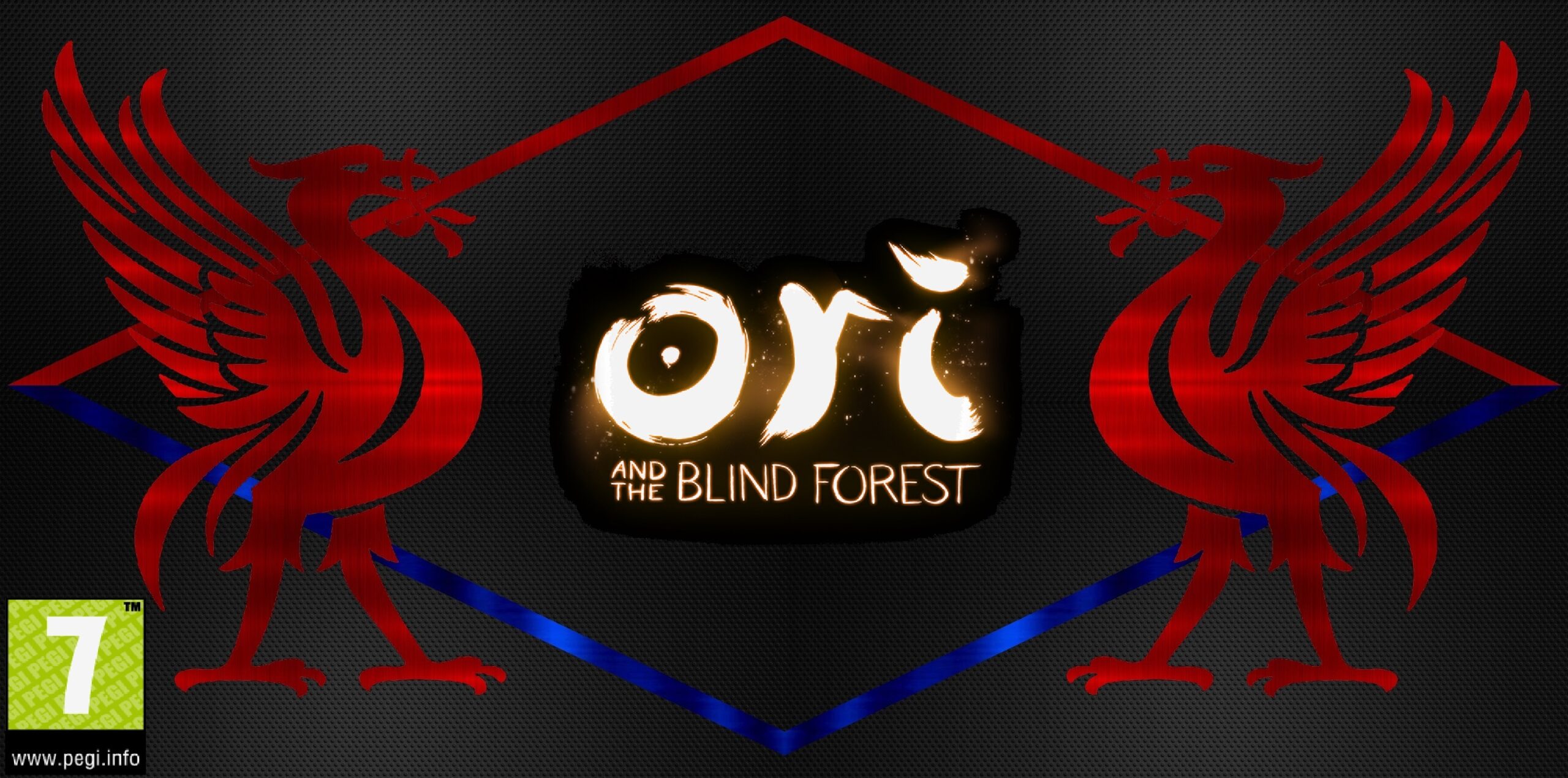
Ori & The Blind Forest (PC, Xbox One & Switch)

Ori and the Blind Forest

Developer – Moon Studios

Publisher – Microsoft Studios

Director – Thomas Mahler

Producer – Gennadiy Korol

PEGI – 7

Created by a massive collaboration of developers worldwide over a period of four years, Ori & The Blind Forest is a Metroidvania game following the adventures of the game’s titular character, Ori, and companion Sein. As they set out to restore the forest of Nibel, which has come under threat, having lost the balance between the three elements. Waters, winds, and warmth. After having played this game almost 100%, I was enthralled with it from beginning to end. Everything from its art style and the soundtrack to its direction in terms of gameplay and story made for one of the most standout gaming experiences of the eighth generation. 

Graphics – 10/10

Similar to games like Cuphead and Child of Light, the game features entirely hand-drawn graphics. Though in this case influenced largely by the works of Hayao Miyazaki and Studio Ghibli. Locations within the game range from a mixture of light-filled and dark forest settings to vibrant, sunny glades, icy chasms, and fiery volcanic formations. No matter the specific location, however, everywhere in this game has a level of eloquence to it. In one way or another. And it all highlights the meticulous dedication the development team showed to bringing the project to life.

The accompanying soundtrack perfectly fits every location. As well as every situation the player finds themself within the game. Be that whilst peacefully traversing through sunlit greenery or whilst having to dash away from a volcanic eruption. But even during moments of both absolute tranquility and absolute calamity, the game still maintains that same level of eloquence throughout. In my case, so much so that I didn’t care how many times I died in moments of urgency. I thought it was worth attempting that many times just to soak up the game’s wonderful atmosphere.

Gameplay – 8/10

As a Metroidvania, the game follows most of the typical tropes you would expect to find in a game of the genre. Most notably, having to gain all manner of different abilities to access each area as the play progresses. However, Ori & The Blind Forest offers players a very interesting spin on things. With a unique combat system encouraging players to strategize in accordance with what enemies they’re up against. Combat can also be a means to access new or hidden locations throughout the game.

There is also an ability tree that players can use to upgrade pre-existing abilities or learn new ones by gaining experience in combat. Giving the game an RPG feel to it. The combat isn’t as intense as it is in other Metroidvania games like Castlevania: Symphony of the Night or Dust: An Elysian Tail. But it demands almost as much from gamers as enemies become stronger over time. And different abilities need to be used to overcome them. The game also demands a fair bit from players with respect to exploration. There are many challenging platformer obstacles to traverse and puzzles to be solved throughout. It challenges players, but not to the point of it becoming inaccessible. 

Controls – 10/10

As in many Metroidvania titles, the staggering variety in controls becomes more and more apparent as the player progresses through the game. With the different abilities to learn and incorporate throughout. At first, I thought that it might become a problem, as the same buttons are used for different abilities in varying respects. But all it is is a matter of getting used to strategizing. In accordance with whatever situation the players may find themself in. It reminded me a lot of Metroid Prime in that respect. Although that game was a first-person shooter, it doesn’t entirely feel like one in many respects. And I found it to be the same case with Ori & The Blind Forest. It’s a Metroidvania game. But there are certain instances in which it doesn’t feel like one in respect of its control scheme. Further adding to the game’s sense of uniqueness. 

Lifespan – 5/10

Completing the game to 100% can take around 12 hours. Which, to me, is undoubtedly this game’s biggest drawback. Although this game was undeniably a labor of love, and it shows in every little detail, it just seemed to be a criminally short amount of time for a game of this quality to last. It’s in this aspect that I hoped that this is where the sequel, Ori & The Will Of The Wisps, would come in. Similar to the transition between Onimusha and Onimusha 2. 

Storyline – 8/10

The game’s plot follows Ori, a guardian spirit that fell from the Spirit Tree of the forest of Nibel. Ori is later found by a forest inhabitant named Naru, who adopts Ori and raises her. Later, Naru dies of starvation, and Ori is left to fend for herself. She later becomes embroiled in a quest to restore the forest of Nibe. It begins to deteriorate since the forest has lost balance between the elements of water, wind, and warmth. Matters have also been worsened by the fact that the core of the Spirit Tree had been stolen by a demonic, shadowy owl named Kuro. Throughout, Ori has to traverse the forest to restore the three elements and the core of the Spirit Tree. Whilst coming under the threat of the forest’s many dangerous creatures and natural obstacles, whilst also avoiding the clutches of Kuro.

The game’s story, as well as its art direction, was also heavily inspired by the works of Hayao Miyazaki. It’s vivid and fantastical. And packed with emotional moments that will have players on the edge of their seats. But it also perpetuates a sense of moral ambiguity, especially towards the end. So much so that I found myself questioning who the real hero was and if the villain truly is a villain at heart. This works to separate it from the works of Studio Ghibli, as moral ambiguity isn’t that prominent a theme in the works of Hayao Miyazaki, Isao Takahata, and others who worked for the company, and it’s something new to complement a story that was heavily inspired by the two aforementioned film directors. 

Originality – 8/10

Whilst critiquing the control scheme, I mentioned that there are certain instances in which the controls make it feel like more than a conventional Metroidvania game. But this can be said for every other aspect of Ori & The Blind Forest, in addition. It’s largely unconventional in its gameplay, its scenery, its soundtrack, and its story. Ahead of playing it, I knew that I was in for something special with this title, but I wasn’t quite prepared for exactly how special it would turn out to be. Everything from its combat system to its environmental design to its themes of loss, tragedy, and moral ambiguity makes it stand out from most of every other game I’ve ever played. 

Happii

Overall, Ori & The Blind Forest is a must-have not only for Metroidvania fans but for gamers in general. It’s a title that has had every element handled with a degree of love and care that every standout game should have, and whilst it didn’t last as long as I thought it had the potential to, it’s certainly worth at least one playthrough at minimum. 

Score

49/60

8/10 (Very Good)

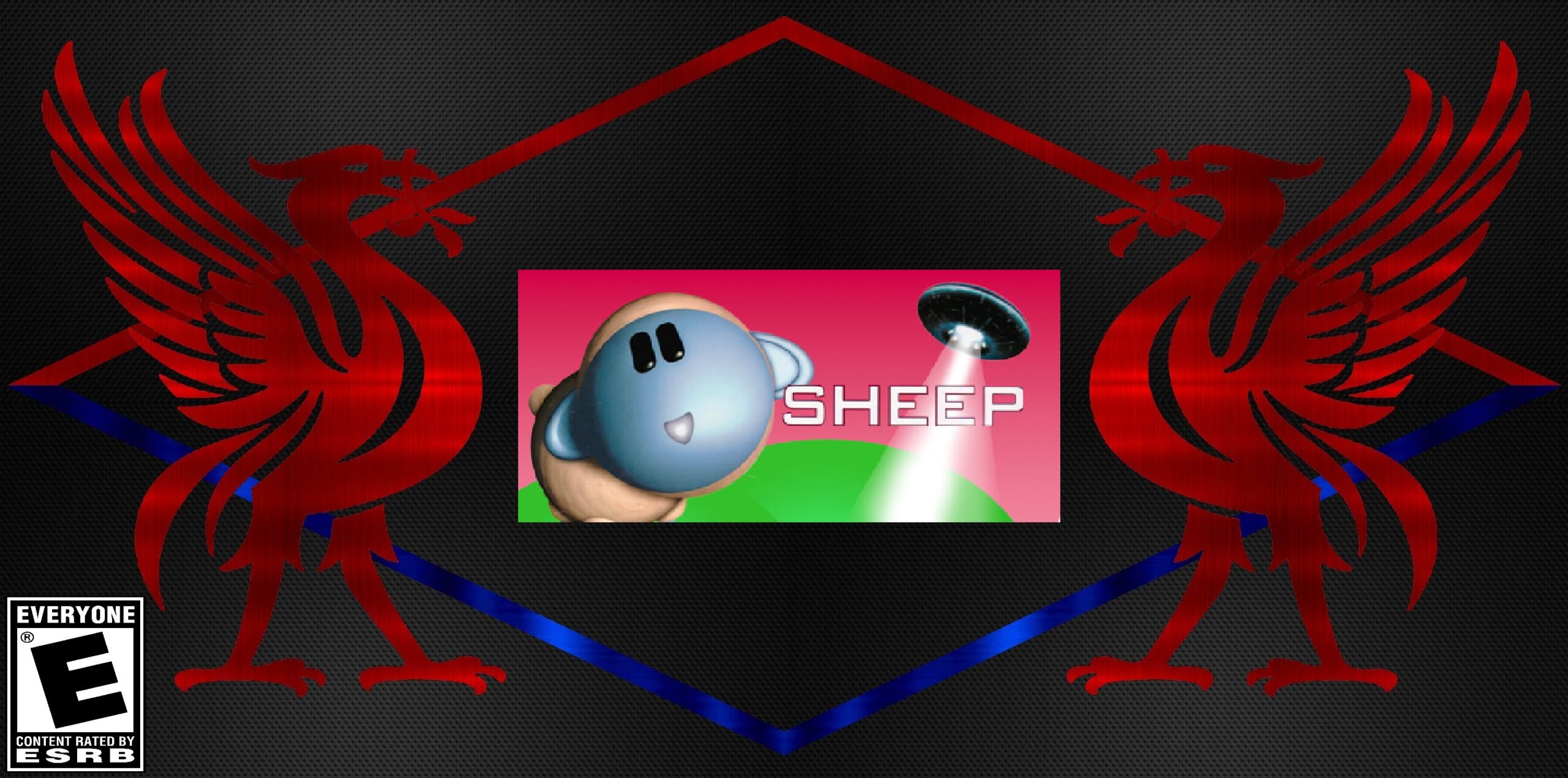
Sheep (PC, PlayStation & Game Boy Advance)

Sheep

Developer(s) – Mind’s Eye Productions

Publisher(s) – Empire Interactive

Released back in 2000 and receiving mixed to positive reviews upon release (including a nomination back in 2005 from Computer Games Magazine for the best classic game of 2000), with most reviewers drawing comparisons to Lemmings, Sheep is a puzzle game whereby players must herd sheep from the start of stages to the end. I went in not expecting much of this game. Since, on the face of it, it was cheap and primitive-looking upon the first inspection. And seemingly developed on a budget by a somewhat renowned company at the time. However, I wasn’t overly disappointed with the game. Since, though not without its faults, it was fairly enjoyable to play and challenging to boot. 

Graphics – 7/10

As I mentioned previously, Sheep has drawn comparison mostly to games like Lemmings and Worms, as in terms of gameplay, it seems to be a game within the same strata. In terms of visuals. However, I began drawing comparisons to the original Blood Omen with its top-down view and pseudo-3D graphics. So much so that I wonder whether or not both games were made on the same engine, in fact. The cartoonish aspect also reminded me uniquely of the Toy Story game released on fourth-generation hardware. Where the visuals are concerned, it does have a certain charm to be enjoyed that is comparable to Worms. Between in-game graphics and the various cutscenes throughout the game. 

Gameplay – 7/10

The concept of gameplay is to try to herd sheep from one end of each level to the other within the time limit allocated. Additional bonus points are up for grabs depending on the time each level is completed. As well as gaining bonus points for herding sheep through additional obstacles across each level. I’d seen herding mechanics in games before playing this. Such as in the original Jak and Daxter, for example. But nothing anywhere near this extent or to this level of challenge. Overall, I was pleasantly surprised to find out how well this game plays out. And how unique it is compared to most PC games released at the time. 

Controls – 9/10

The mechanics of the game are pretty well thought out, and there is a minimal amount of issues with the controls in conjunction with this. The only problem that I had with the control scheme was that it was a little difficult to get to grips with at first. Especially since it’s not specified at first which buttons do what throughout the tutorial. But once figured out, it’s easy enough to get to grips with. The programming is a little bit questionable since sheep can sometimes veer away regardless of what commands the player gives. But these things aren’t enough to cause too much of an issue throughout playing. 

Lifespan – 4/10

The game can be made to last 3 to 4 hours overall. This is definitely the most disappointing aspect of this game. Since with a concept as unique as it is, it needs to be made to last as long as possible. And I think it could’ve easily been made to last at least twice as long. It’s surprising to me that the developers chose not to release a sequel, as it’s also a formula that could’ve been extensively modified in terms of gameplay as well. It vaguely reminds me of what Hogs of War 2 may have been if it had seen the light of day. 

Storyline – 5/10

The general gist of the plot seems to be that the sheep that are to be herded throughout the game are, in fact, aliens from another planet, and they must be herded in order to stop a mad scientist named Mr. Pear. But it’s not an aspect that adds a great deal to the game. Throughout, it’s only vaguely touched upon and not ostensibly given any true clarity. So it’s much more difficult to get invested in than in other games. But ultimately, it doesn’t bring down the overall experience too much. It’s not truly a game that is played for its story. 

Originality – 7/10

As I said, Sheep was one of the more stand-out gaming experiences on PC at the time of its release, as most of what was being released on PC at this time was RTS games or god games. Whilst I didn’t play it when it first came out, I can understand how many gamers who did so would’ve most likely seen it as a breath of fresh air. Especially compared to most other PC games. Whilst playing something more akin to what was being released on home consoles.

Mind’s Eye Productions, throughout the company’s life cycle, would mostly develop games based on popular licenses such as Starsky & Hutch, Thomas the Tank Engine, and Monopoly. So coming up with a unique concept like this would have felt like a breath of fresh air to them as well; they would have wanted to put as much effort in as possible, and for the most part, that does show. 

Niiutral

To summarize, Sheep is a game that is enjoyable to play, especially for those who are looking for a stern challenge among classic PC titles. Though not without its flaws. It’s a fun game that the developers clearly had a lot of fun creating themselves, and it stands out as one of their better games before the company’s acquisition by Disney back in 2005. 

Score

39/60

6.5/10 (Above Average)

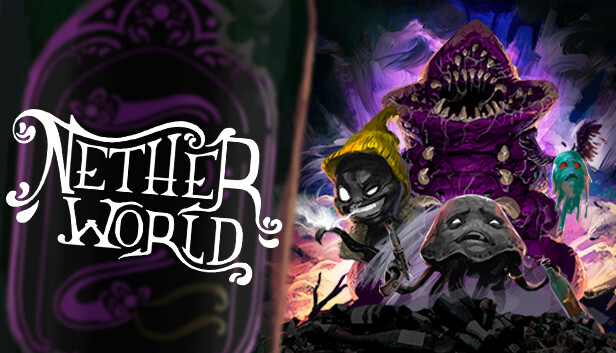
NetherWorld

Q&A With Hungry Pixel

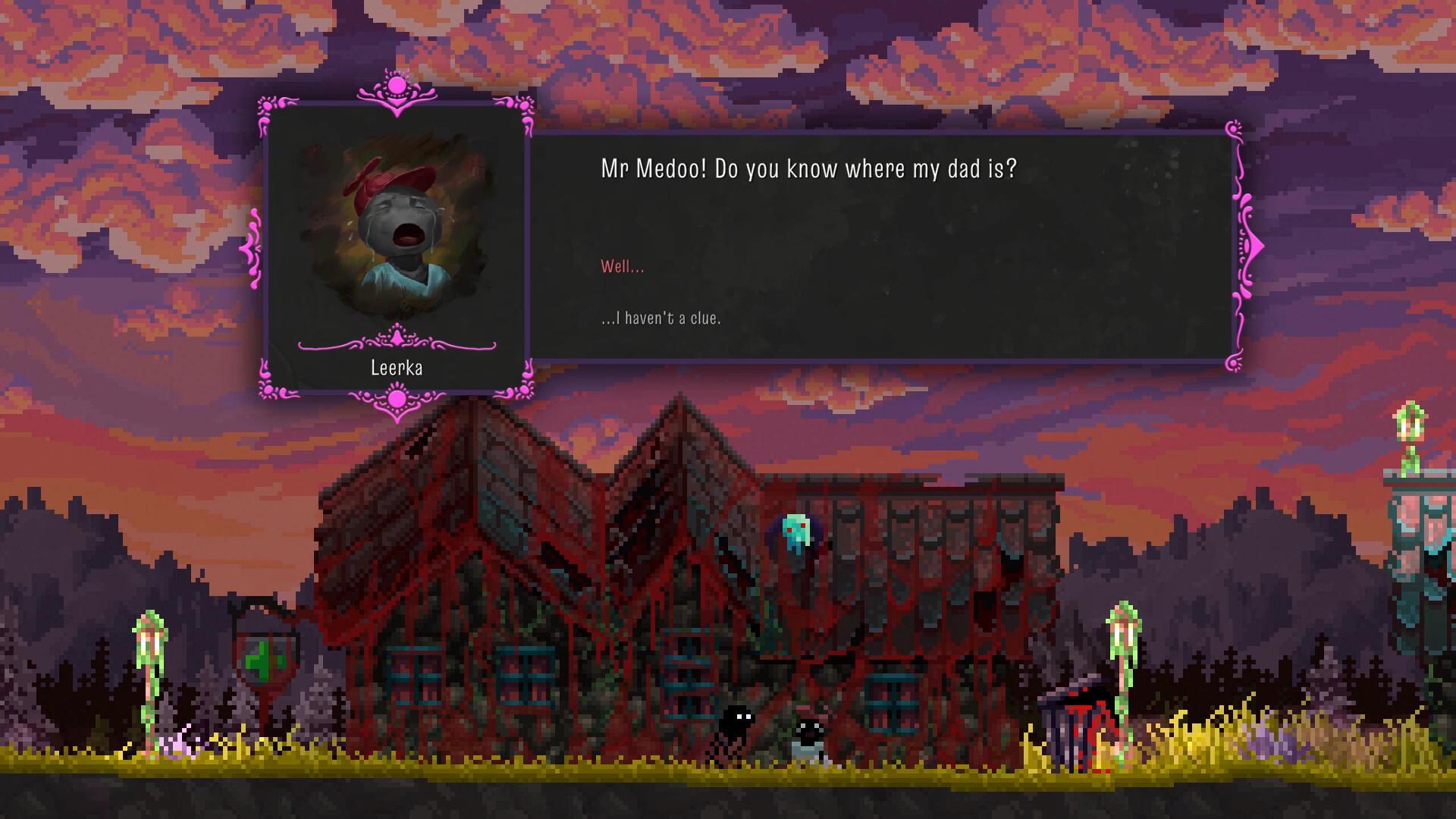
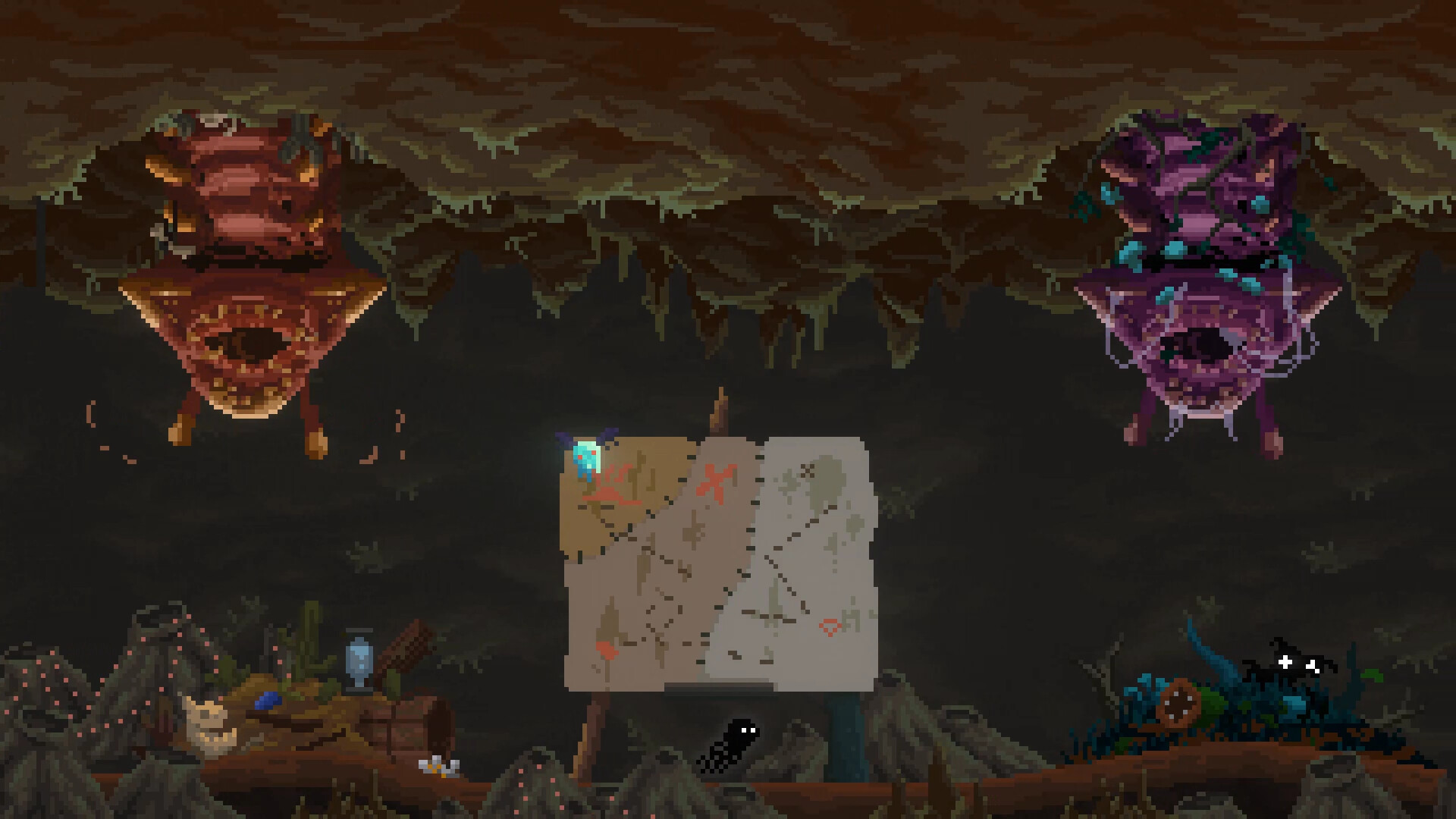
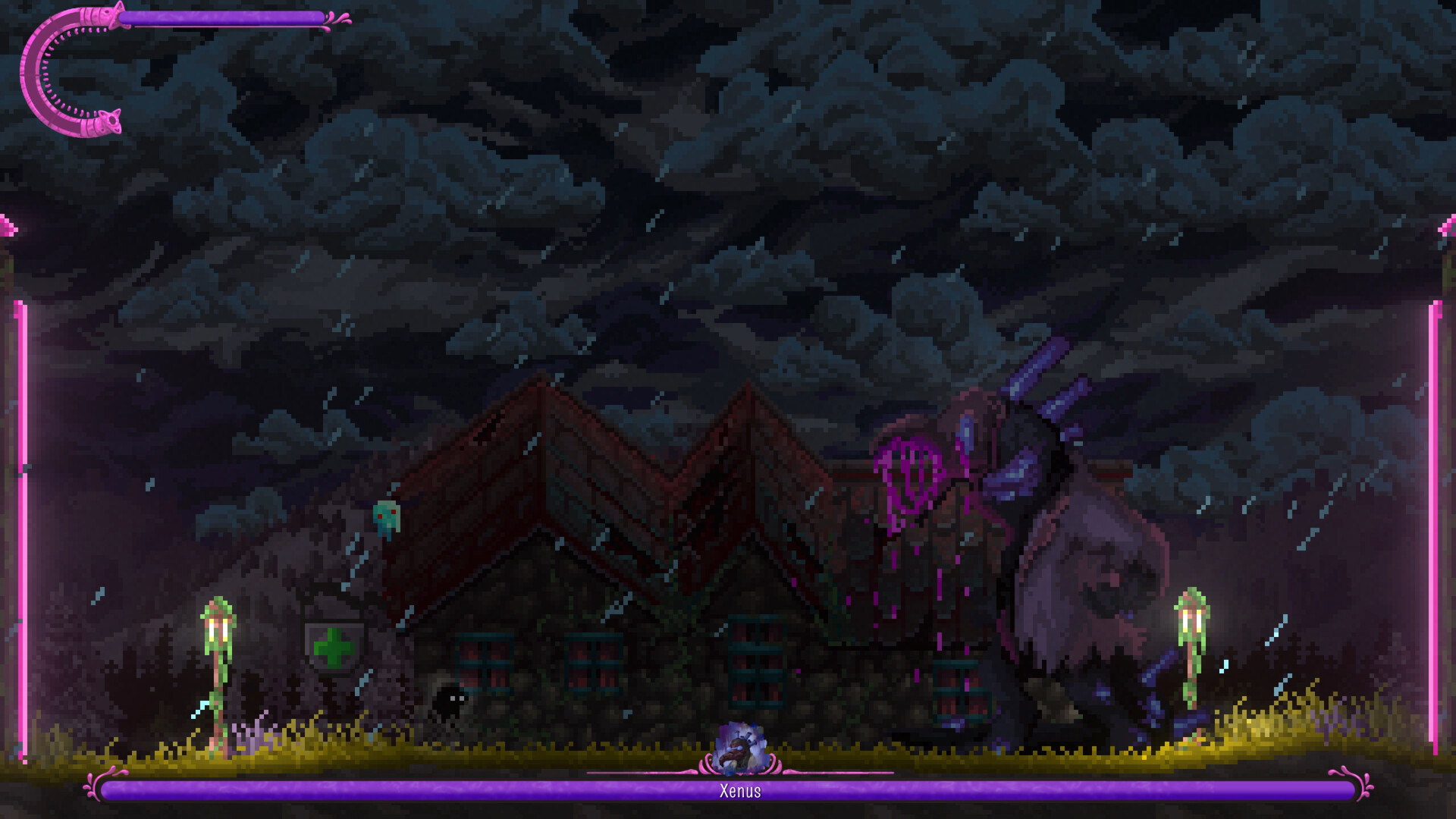
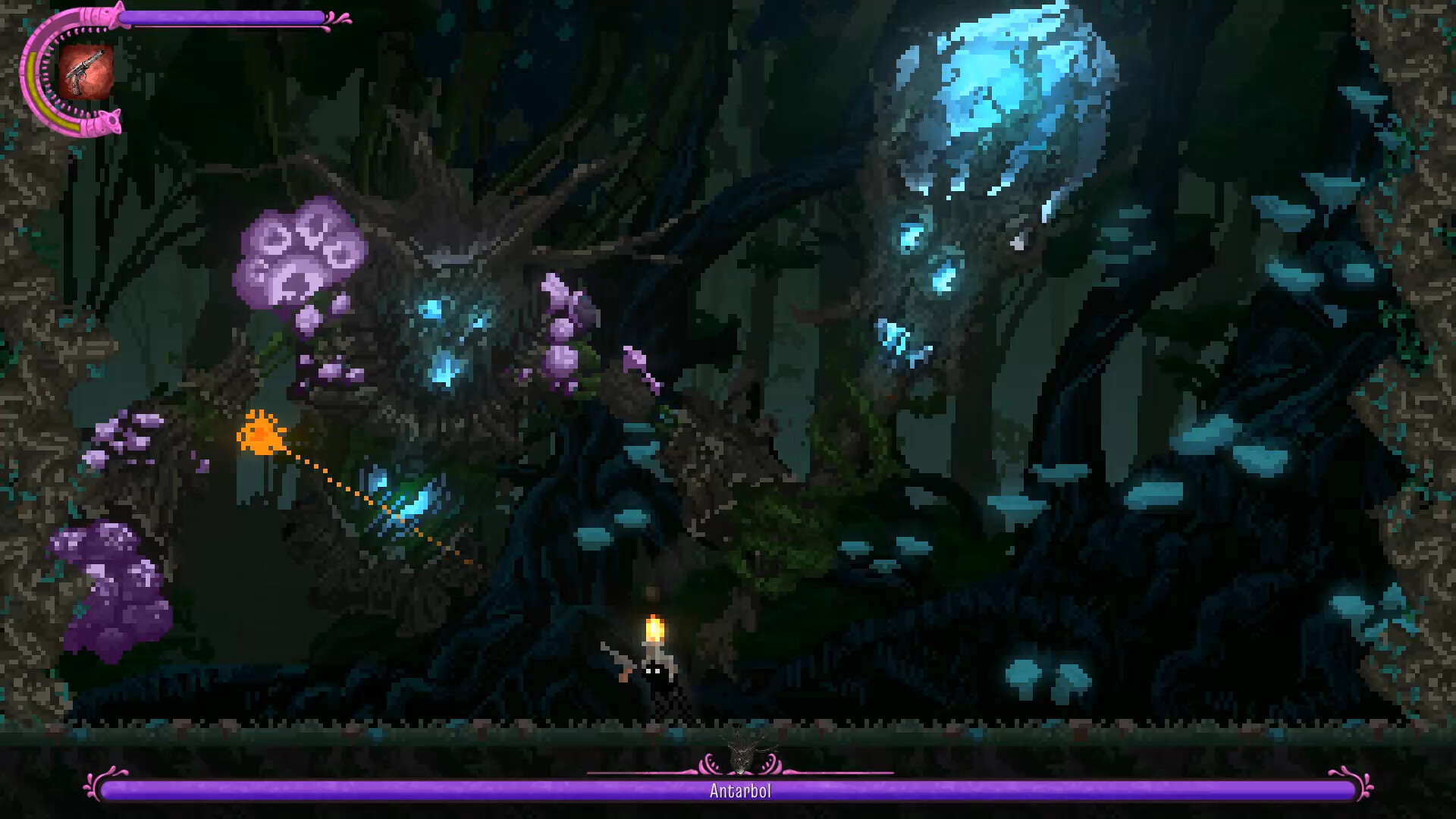
In my continuing efforts to discover new gaming talent and bring it to the attention of the industry, I came across the indie outfit Hungry Pixel based in Madrid. For some time, the studio has been hard at work on NetherWorld. An open-world side scroller set in a hellish universe. Containing mysterious characters, a sinister plot, and a plethora of hostile creatures to fight throughout.

At first glance, it’s extremely reminiscent of games such as The Binding of Isaac and Castlevania: Symphony of the Night, but even a cursory scratch of the surface will reveal that this game has something particularly different to offer compared to the aforementioned titles. Following a successful Kickstarter campaign, the game is slated for release on both Steam and Nintendo Switch. Curious to learn more, I contacted the company, and head programmer Dan Barreno kindly agreed to answer a few questions I had about it. Here are his responses:

What were the influences behind the general design of your game’s play?

It all started with playing Undertale, which I think is one of the best games I’ve ever played. After finishing it in 2016, I decided to create an original story with simple mechanics but with a strong narrative. I imagined what the darkest and most decadent version of Undertale would be, adding drugs, alcohol, and realism to it. Stories like the indie game “To the Moon” were also an inspiration.

We’ve used tons of references to build NetherWorld, most of them kind of creepy. Some of the characters of the NetherWolian Church were inspired by the Rammstein song Morgenstern. Or the desert scenario by Sergio Leone’s films (“For a Few Dollars More”, “The Good, the Bad and the Ugly”…).

What has the developmental process been like?

Very well! We’ve indeed passed through treacherous times that required us to go back and rethink some designs, concepts, and ideas in the past. Luckily, now we’re progressing at a very good rate.

How close are we to seeing the finished product?

We’re working nonstop to have the game ready as soon as possible, but there’s still a lot to do. We intend to finish NetherWorld between late 2019 and early 2020. As Miyamoto once said: “A delayed game is eventually good, a bad game is bad forever”. It’s our first game, so we want it perfectly made!

NetherWorld 2

What has been the most exciting aspect of development?

Its evolution. Have you watched the first video of NetherWorld? You shouldn’t. If you compare it to what we’ve got now, it has changed and improved a lot.

However, there’s another one even more exciting and fulfilling: community support. Since I started to post my progression alone and then after the Kickstarter campaign as a team with Hungry Pixel, we receive lots of messages every week encouraging us to continue working on it because they like what we do, and that’s simply amazing.


What has been the most challenging aspect of development?

I think one of the worst parts of it is not having the time you wish to develop the game, especially when you have to combine it with other jobs (yeah, devs need to eat too!). Sometimes it can be very frustrating.

NetherWorld 3

Where did the inspiration come from for the design of the in-game world and its characters?

Well, as said before, we’ve taken inspiration from lots of games, music, and films. But what really encouraged us to create NetherWorld is to make something unique, original, and weird, a world with its own personality and aesthetic. You’re gonna find more than 10 scenarios based on basic climates/ locations (mountain town, big city, desert, forest, snow…), but all of them adapted to world peculiarities.

NetherWorld is kind of a dark and satirical land made of the worst things and taboos of human society: drugs, sex, alcohol, and sectarianism… So we can say one of the main inspirations of the game is real life. It happens the same with characters. We wanted them to be quirky, a mix between humanoids, animals, and irregular black simple creatures (all properly dressed –or undressed- depending on their location in NetherWorld). So yes, you’ll find escorts, cowboys, cokehead mages, and tons of weird (and funny) people.

Besides Star Wars, are there any other figures in popular culture that will make an appearance in the game? And on the same subject, could the game be theoretically open to modding?

Yeah! You’ll see lots of references to pop culture and other games in NetherWorld, and not only visual things… You’ll have to discover it by playing and being clear-eyed 😉 Regarding mods, I’d love to see NetherWorld mods. Although I don’t know if it’ll be possible for me to give other people the necessary tools to create them (I wish I could finally do it!).

NetherWorld 4

How well has the game been received so far?

Since the Kickstarter finished, we’ve received lots of positive feedback (even from people who missed the Kickstarter and wanted to back the project!). We released a demo for the backers to test most of the mechanics we wanted to use in the final game. And also developed an in-game feedback system where anyone who played the demo could not only score it from 0 to 10, but also write their opinions about the game, bug detection, etc. We’re so glad that the results of the first test were so positive. Except for a few bugs that will be fixed for the final game.

The support we received from our 505 Kickstarter backers was awesome, and we’ll always be grateful for it (thank you, Netherholics!). Without them, NetherWorld wouldn’t have been possible. We also want to thank all the people who had some words for us through Twitter and Facebook before, during, and after the campaign.

We also like to share our progress through social media. So that people can see what we are working on at every moment, and we can get their feedback constantly.

What platforms are you looking to bring the game to?

For now, we’re going to release NetherWorld on PC and Nintendo Switch. But we don’t rule out considering other platforms in the future.

NetherWorld 5

Do you have any advice for aspiring developers who may be reading this?

Maybe sounds like a cliché, but don’t give up! You’re gonna find lots of people in your way telling you that’s impossible, but that’s not true. If you have a good idea, determination, and you work a lot to get it, you’re gonna move forward for sure.

It’s also very important to build a community everywhere you can (Twitter, dev forums), where people can reach you and send their feedback to you. Sometimes we’re so focused on our beloved project that we miss important details… External people can help us detect them!

Where on the Internet can people find you?

On our website netherworldgame.com, you’ll find all you need to know about NetherWorld: videos, music, Steam page, mailing list, Twitter, Facebook… Check it out!

Do you have anything else to add?

Yes. Thanks so much for allowing us to be on your blog, and I hope y’all enjoy the interview as much as I’ve enjoyed doing it! 🙂

NetherWorld 6

I would also like to take this opportunity to thank Dan and Hungry Pixel for sharing what they have to say about NetherWorld. And to wish them the best of luck with it upon release. If anyone would like to learn more about the game, there are links below to the game’s website. As well as various links to social media pages.

Game on,

Scouse Gamer 88

https://twitter.com/hungrypixlgames?lang=en

https://netherworldgame.com/

https://www.facebook.com/netherworldgame/

https://www.youtube.com/channel/UC-2yzQrtEB0gHQ4DHEqAX1w

The Bridge (PC, Xbox 360, Xbox One, PlayStation 3, PlayStation 4, Switch, Wii U, OUYA & Amazon Fire TV) 

The Bridge

Developer(s) – The Quantum Astrophysics Guild

Publisher(s) – The Quantum Astrophysics Guild

Designer(s) – Ty Taylor & Mario Castaneda

PEGI – 3

Programmed by Ty Taylor and inspired by both the artwork of MC Escher and the scientific legacy of Sir Isaac Newton, The Bridge is an intricate puzzle game combining black and white hand-drawn graphics with gameplay involving the manipulation and traversing of a series of stages to progress through. For many reasons, I thoroughly enjoyed this game and was extremely impressed with what it has to offer in almost every aspect.

Graphics – 8/10

Making use of a unique art style as opposed to cutting-edge graphics, The Bridge is presented entirely in black and white and illustrated in graphite pencil reminiscent of the works of MC Escher, to whom the main character bears a striking resemblance. The visual style works wonderfully well to perpetuate the atmosphere of the game, which is intriguingly morbid and dark. There is also cleverly effective use of lighting throughout the game to further add to this atmosphere. The game’s soundtrack also complements the game particularly well. It is incredibly subtle as well as foreboding at times.

Gameplay – 7/10

The game involves the player having to solve a series of complex puzzles, whereby they must navigate through with the player character and manipulate the stage around him in order to either access different areas of the stage or collect keys in order to progress to the next puzzle. As the game progresses, new elements are periodically added to further add to the challenge and keep the game fresh throughout. At one point, in particular, the player must begin to switch between two characters to access different areas and to collect different-coloured keys corresponding to the different hues of both characters. The game’s mechanics make it a subtle, challenging, and enjoyable experience for the duration. There’s a great deal of satisfaction to be had in solving each puzzle. They require a great deal of outside-the-box thinking to solve.

Controls – 10/10

The game’s controls pose no problems regardless of how greatly it differs from traditional 2D side-scrolling titles. It’s particularly impressive how the developers have made the game work as well as it does. Over the last few years, there’s been a great deal of innovation made with the 2D side-scrolling genre with games such as The Swapper, Limbo, Super Meat Boy, and Stick It To The Man. And The Bridge is yet another excellent example of this.

Lifespan – 4/10

Disappointingly, however, completing the game to 100% can take around 7 ½ hours. For a game with this much innovation and enjoyment to be had is criminally short. Though lasting longer than other indie side-scrollers like the aforementioned Limbo and The Swapper, this game just needed that extra push in terms of longevity, in my opinion. To make it stand out more among the indie development community.

Storyline – 7/10

However, what does make this game stand out fairly well among the indie community is its story. The story follows an unnamed character navigating his way through each of the game’s puzzles in order to progress. Elements of the story are revealed with each series of puzzles solved. New story elements are introduced along with new elements of gameplay. With everything that comes with this game in terms of gameplay, controls, graphics, etc, they all work together in a very subtle way to contribute to the substance of the story on both conscious and subconscious levels, in my opinion. But that, in and of itself, is where the quality of the story lies. That’s it’s particularly open to interpretation. Much like the works of the people who inspired the creation of the game.

Originality – 8/10

The Bridge is a game that is unique in every respect, down to the graphics, gameplay, control scheme, and of course, the story. Some games have come and gone that have necessitated the mechanics of manipulating not only the character but the environment around them (Fez, Captain Toad: Treasure Tracker, and The Witness, to name but a few). But none of them have been handled in such a way as it has been handled in this title. It’s particularly impressive considering the general limitations that come with 2D side-scrolling compared to 3D open-world games.

Happii

To summarize, The Bridge is a unique, subtle, and deliberately paced game, which will make players feel challenged and satisfied. And perhaps even inspired to create their own interpretive work of art. Though it doesn’t last as long as it really ought to, what there is to enjoy can be done so thoroughly. And it’s definitely worth playing through to feel the satisfaction of completing it.

Score

44/60

7/10 (Fair)

Luigi’s Mansion 2 (3DS)

Luigis Mansion 2

Developer(s) – Next Level Games & Nintendo SPD

Publisher(s) – Nintendo

Director – Bryce Holliday

Producer – Shigeru Miyamoto

PEGI – 7

Released in 2013 to worldwide critical acclaim, Luigi’s Mansion 2, or Luigi’s Mansion: Dark Moon as it’s known in the US, is the sequel to the much-loved GameCube launch title, Luigi’s Mansion. It takes the formula of the original game and expands upon it. As well as introducing gameplay elements that were ultimately cut from its predecessor. My verdict is that whilst I didn’t enjoy this game as much as I did the first, it’s still a particularly good game in its own right for a variety of different reasons.

Graphics – 7/10

On a technological level, the second game is about on par with the first. But what makes this game different from its predecessor is that the player is not just confined to one place to explore. But rather, there is a much wider variety of locations in and around the mansion to explore in addition. Such as a museum, a dining area, and a botanical garden. All with their own unique look, further adding to the lore of the series.

The biggest problem I had with this game’s visuals in comparison to the first is that there is much less effective use of lighting to create the same kind of atmosphere that the first game had. Mainly due to the fact that there is more light shining in each area, even before ghosts are subdued. As a result, it doesn’t have the same sense of wonderful foreboding that the original game had. The soundtrack to this game is also much less imposing, which, to me, further bogged down the experience.

Gameplay – 8.5/10

Luigi’s Mansion 2 provides players with a very different experience from the first game. Structured as individual stages within each area of the map, as opposed to letting the player come and go around the individual areas as they please. This is to encourage replay value, as previous stages require newly acquired items to explore in full. There are also many more side quests, with collectibles rife throughout, along with a further incentive to collect coins. This is now done to upgrade Luigi’s equipment, giving the game a small RPG feel to it. There is also the addition of boss fights located in each area of the game.

Boss fights are an element that Mario creator Shigeru Miyamoto wanted to put particular emphasis on. The further scope provided for backtracking throughout the game was a good idea on Nintendo’s part. It made the overall experience far more interesting than what I thought it would be going into it. Although I miss being able to explore the given areas at will, like in the first game, the new structure of gameplay nevertheless made this game an extremely enjoyable experience, and it made me glad that Nintendo decided to expand on the series further. The boss fights are just as creative as they were in the first game, if not more so, as some require more varied strategies to defeat.

Controls – 10/10

With the second game, there also came the refinement of the control scheme. In my reviews of the original Luigi’s Mansion, I mentioned that it could take some time to adjust to the control scheme, as there was simultaneous action required to direct Luigi while capturing ghosts with both the C-stick and main control stick on the GameCube. But the second game doesn’t have these issues, with players having a choice between using the 3DS’s gyroscopic controls or using the X or B buttons to look up or down, respectively. This playstyle makes it much easier to capture ghosts more easily than it was in the first game.

Lifespan – 8/10

The second game can also be made to last considerably longer than the first. To complete this game to 100%, players must invest at least 16 hours into it, as opposed to the mere 6 hours it can take to complete the last game. Since the original Luigi’s Mansion was an unjustifiably short game, the lifespan certainly needed to be extended, and with the sequel, Nintendo has not failed to deliver; not only is there a longer game to enjoy, but there are also many more things to do within it to keep players occupied.

Storyline – 7/10

The story of Luigi’s Mansion 2 takes place sometime after the events of the original Luigi’s Mansion. Professor E. Gadd has found a way to pacify ghosts using a device called the dark moon. However, trouble soon starts as King Boo shatters the dark moon, causing the ghosts to once again become hostile. Gadd immediately enlists Luigi’s help to recapture King Boo and all of the other ghosts in and around the mansion and restore the dark moon to working order.

Although the series is kept fresh with a new story to further expand upon the lore of the series, and by proxy, Luigi’s part in the Super Mario series in comparison to Mario, the problem I found with it was a problem I find with many other survival horror sequels; I knew what to expect going into it. If the threat remains the same, the sense of tension or horror doesn’t. The fact that the game is less atmospheric also contributed to the marring down of this game’s story. But nonetheless, it is a solid plotline that also contains a small comedic element to balance the scales.

Originality – 8/10

Whilst the overall concept of the series has remained relatively the same with the release of the second game, the elements within the series have been kept fresh with the introduction of new ideas and elements in most aspects that players can come to expect. It introduces new ideas in terms of gameplay, it introduces more scenery and more enemies to match, and it also constitutes a longer in-game experience, something that this series desperately needed if it were indeed to be expanded upon.

Happii

In summary, Luigi’s Mansion 2 is one of the best Nintendo-exclusive experiences on the 3DS. It delivers on everything that players can come to expect from a sequel and more. It’s not quite as good as the original game, but it’s close.

Score

48.5/60

8/10 (Very Good)

Super Mario Odyssey (Switch)

Super Mario Odyssey

Developer(s) – Nintendo EPD

Publisher(s) – Nintendo

Director – Kenta Motokura

Producer(s) – Yoshiaki Koizumi & Koichi Hayashida

PEGI – 7

Released in the holiday season of 2017 for the Nintendo Switch, Super Mario Odyssey presents players with a return to the open-ended 3D style of play of Super Mario 64 and Super Mario Galaxy. It invigorates the series with new abilities and environments, as well as incorporating elements of classic Super Mario gameplay. Such as side-scrolling. From start to finish, I thoroughly enjoyed this title. And whilst it didn’t become my favorite Super Mario game of all time, it certainly goes above and beyond many other games in the series in recent years.

Graphics – 9/10

The first thing to say about the visuals is that on a technical level, this is the best that Super Mario has ever looked. Each character and level found throughout the game is wonderfully detailed. And the blending of 3D and 2D makes for something particularly special in terms of graphics. Conceptually, the game does fairly well to stand out from the rest of the series in addition.

This is quite remarkable given the astounding amount of transition the series has gone through over the 32 years it’s been around. After having watched the trailers for the game before its release, I was skeptical as to how some of the environments that were shown would fit with a series like Super Mario Bros. But after playing, I was posthumously proven wrong. Each level, especially the Metro Kingdom, which I was most skeptical about, adds a new dimension to the series that I hadn’t thought possible beforehand.

Gameplay – 9/10

Much like Super Mario Galaxy 2, the objective of the game is for the player to find power moons, instead of stars, to power up Mario’s newfound ship, named The Odyssey. To advance from one level to the other in order to reach Bowser and rescue Peach from him. The standout feature in terms of gameplay is Mario using his new anthropomorphic hat named Cappy. To possess certain enemies throughout the game. And thus use their abilities to the player’s advantage.

Much like the new settings, it adds another unique twist to the series’ tableau. As well as a new approach to gameplay, which has scarcely been seen in games before. And instead of the 3D Super Mario tradition, the game simply doesn’t end with Peach being saved from Bowser. After the main game has been completed, there is a plethora of additional power moons to find. As well as additional objectives are given to players for completion on a scale never seen before in a Super Mario game.

Controls – 10/10

Since the 3D Mario formula has existed for over 20 years, it would be more than reasonable to think there would be no issues with the controls. And so there aren’t. Super Mario Odyssey plays out as seamlessly as any other 3D Mario game since Super Mario 64. The way in which new combat abilities and enemy abilities that Mario can adopt are also seamlessly integrated into the rest of the formula.

Lifespan – 9/10

The base game will take players around 10 hours to complete. But after that, that hardly even counts as scratching the surface. Each level has a number of collectibles to pick up that are unfathomable. Compared to every other Super Mario game before it. It will easily make for 60-70 hours of gameplay. And an excellent addition to the collection of extremely long games on the Nintendo Switch. Along with Breath of the Wild, Xenoblade Chronicles 2, and Skyrim.

Storyline – 7.5/10

Following the usual Super Mario Bros formula, Super Mario Odyssey follows the story of Mario having to save Princess Peach from Bowser. Only this time, Bowser plans to marry Peach after stealing various relics from each kingdom throughout the world. Mario is also joined by the aforementioned anthropomorphic hat named Cappy. He is also out to rescue a female anthropomorphic hat named Tiara. Whom Bowser has Peach wear in preparation for the wedding. Though for the most part, the story is largely unoriginal, especially for anything seen in a Super Mario game prior, what makes the way in which his story is told in Odyssey stand out fractionally more than other Mario games is the projection of emotion found throughout.

Mario is portrayed as slightly less of an unstoppable superhero capable of beating anyone he comes across. And he is shown to feel the difficulty and hardship of what it is he is setting out to do. On several occasions, Mario comes painfully close to rescuing Peach from Bowser before the final battle. However, he is shown to suffer setbacks, which visibly frustrate him. And though these are not things that haven’t been seen in games prior to this by any stretch of the imagination, it is something new to the series. Which, in terms of story, has been needed for quite some time. But in terms of depth in the plot, it still leaves players wanting much more in this respect. It’s certainly my biggest criticism that I have to levy against this game.

Originality – 8.5/10

With that one main qualm I have out of the way, the fact of the matter remains that this game is the most unique Mario experience released since Super Mario Galaxy 2 in terms of every other aspect aside from the story. The settings are outstanding, and the gameplay is even more so. In recent years, the originality of this series has been very much hit-and-miss in my opinion. I contrast the uniqueness of games such as Super Mario 3D World and Paper Mario: Colour Splash. But Odyssey could pave the way for more unique Super Mario experiences in the future, introducing new elements to the series. Which could potentially be either expanded upon or spun off into even more new elements, depending on what direction Nintendo wants to take it.

Happii

Overall, despite lacking in story, Super Mario Odyssey delivers players, which is, in my opinion, the best Super Mario game since Galaxy 2. And whilst it may not be anywhere near as good as the former, it certainly spells a bright future for the franchise. As well as giving players what is probably the longest Mario experience ever.

Score

53/60

8.5/10 (Great)

Paper Mario Color Splash

Paper Mario: Color Splash (Wii U)

Developer(s) – Intelligent Systems

Publisher(s) – Nintendo

Directors(s) – Naohiko Aoyama & Taro Kudo

Producer – Kensuke Tanabe

PEGI – 3

As one of the last games internally developed by Nintendo for the Wii U, Paper Mario: Color Splash was released in late 2016. And ended up garnering mixed to positive reviews upon release. Fans of the series, however, were not so lukewarm to the game upon pre-release. Many of them complained about the departure from the formula of classic Mario RPGs, such as the original Paper Mario and The Thousand-Year Door for the GameCube. A Change.org petition was even started to have the game canceled before release. Which, to me, is far too harsh. Personally, I think this was the best game released that year. And the second-best game on the Wii U for several reasons.

Graphics – 9/10

One common complaint about the game during pre-release was how much overemphasis there was on the paper theme. This has been recurring since the fifth generation of gaming. Which, to me, is one of the most ridiculous criticisms I’ve ever heard anyone make about any video game. There’s nothing wrong with the paper theme, as it is generally something different from the rest of the Mario series. As opposed to the 2D side-scrolling or 3D platforming themes that came long before it.

Cont…

Color Splash is also set in a completely different place from what most Mario games are set in. This adds even more to the game’s unique look. Though the critics were right in saying that hardly any new characters are introduced. With everything else that has been undertaken with this game on a conceptual level, the series has been given a mostly fresh coat of paint, so to speak, with new locations, new items, and a handful of new characters. Along with a catchy new soundtrack was thrown in for good measure.

Gameplay – 9/10

Following on from the rest of the Mario RPG series, Color Splash introduces the feature of having to use cards to determine which attacks are used. And in what abundance the attacks are carried out. Cards are also used to heal and call temporary allies to Mario’s side, whilst unique cards are found throughout the game. Such as the lemon card and fire extinguisher card, they act similarly to how summons work in the Final Fantasy series. They are otherwise used to solve puzzles either inside or outside of combat.

Giving the gameplay a very exceptional twist compared to other RPGs. It’s actually quite reminiscent of Nintendo’s early history, as they started in 1889 as a playing card company. The cards with flowers on them especially speak of this. Since the playing cards they manufactured were for a game called Hanafuda, meaning Flower Cards. The only criticism I would have against the game’s style of play is that a lot of the time, it can seem quite easy to progress through with a lot of meager battles throughout; however, the game’s bosses provide more than enough challenge when confronted.

Controls – 10/10

Though the game introduces new elements to the Mario RPG series, the game poses no problems in terms of controls. In essence, it functions on the same basic gameplay structure as the likes of Super Mario RPG and the original Paper Mario. It also makes some of the best use of the Wii U’s GamePad I’ve ever seen. Players use the GamePad to cycle through and select from their list of cards in order to attack enemies. It’s also used to solve puzzles throughout the in-game world, mostly involving creating means of getting to otherwise unreachable areas.

Lifespan – 9/10

The game can easily be made to last 35-40 hours. Which for both a Super Mario game and a Wii U game, is exceptional. Whilst I don’t quite live up to the average lifespan of an RPG, as many can last over 100 hours, it will still provide players with hours upon hours of gameplay. In addition to the main quest, there is also a plethora of different side quests to complete. Such as collecting every card in the game and completing the rock, paper, and scissors challenges. And fulfilling the criteria listed on the lampposts of the main plaza.

Storyline – 6.5/10

Whilst the game does depart from many of the typical settings of a Mario game and introduces a handful of new characters, the plot is not so unique overall, unfortunately. Mario, Peach, and Toad receive a letter of a paper Toad drained of color sent to them from a region called Prism Island. They decide to investigate, only to find the main town deserted. They come across an anthropomorphic paint can named Huey. He explains that the fountain he was found in is powered by six stars called the Big Paint Stars that provide Prism Island with color. The party later discovers that Bowser is draining the island of color to enhance his own power. Mario and the company resolve to restore the Big Pain stars and thus put an end to Bowser’s plan.

At first, the plot seemed like a breath of fresh air compared to other Mario games, but about 5 hours in, they throw in the whole Peach gets kidnapped thing seemingly for the sake of it. As it happens, they also sneak in a fourth-wall joke about no one could have expected it to happen. This is part of the reason why I can’t punish the game too much for it. There are also references to older Mario games all over the place in some dialogue spoken by some of the more obscure characters. This keeps things relatively interesting. But overall, I found the story was about the only thing that I found to be wanting whilst playing this game.

Originality – 7/10

Aside from the plot of the game, the rest of it is unique compared to most other Super Mario games and does fairly well to stand out from the rest of the Mario RPG series, which is why I’m thankful that the Change.org petition fell through. TechRadar’s Nick Pino described it as “a frightening example of how quickly, and harshly, we judge games we know next to nothing about”, and I agree with him fully on this. If we were so quick to pre-judge every game before its release, some of the best titles may not have hit shelves at all. The game stands out for its unique take on turn-based RPG combat, as well as its exceptional art style.

Happii

Overall, Paper Mario Color Splash was my favorite game of 2016. It’s enjoyable to play, very long, with plenty of things to do in addition to the main game. And it stands out in a style of play that, to me, has not been explored enough in recent years. And for a game of this genre in this generation to feature the most iconic video game character of all time shows promise for the future of the genre.

Score

50.5/60

8/10 (Very Good)

The Last Guardian (PlayStation 4)

Developer(s) – Japan Studios

Publisher(s) – Sony Computer Entertainment

Director – Fumito Ueda

Producer(s) – Fumito Ueda & Kazunobu Sato

PEGI – 12

Released in late 2016 following a lengthy development cycle, The Last Guardian is a follow-up to Fumito Ueda’s previous PlayStation 2 masterpiece games, Ico and Shadow of the Colossus. In development since 2009, Ueda was inspired to create the game on the back of fan opinion that the connection between Wander and Agro in Shadow of the Colossus was much more emotionally charged than Wander’s commitment to reviving Mono. Ueda expanded upon this by creating a friendship between a young boy and a towering creature called Trico. Whilst I did experience some difficulties with the game’s controls, as did many other players, I found that The Last Guardian ranks second in my opinion of the quality of the three Fumito Ueda games. Not as good as Shadow of the Colossus, but better than Ico.

Graphics – 10/10

In my opinion, it was well worth the wait to behold the transition from PlayStation 3 to PlayStation 4. Within that time, the graphics were given a dramatic overhaul to fit in with the standard quality of eighth-generation gaming. But I found that both graphically and conceptually. The visuals far exceed the standards of an eighth-generation game.

In particular, the creature Trico’s features are intricately detailed, with its feathers reacting to respective indoor and outdoor environments accordingly. And its eyes give it as much of an impressive emotional and lifelike appearance. The individual environments and dungeons are also something to behold. Many of which are reminiscent of both Ico and Shadow of the Colossus. Many of these interestingly pose the question as to whether or not they are the same areas just in a different period. Tying the game in with the mythology of the other two games nicely.

Gameplay – 7/10

The object of the game is to guide Trico through many of the different dungeons. And environments to both solve puzzles and progress through the game. There is also an element of combat to it. The player is protected throughout the game by the so-called suits of armor. And the boy must use both Trico and any nearby weapons to defeat them. The game borrows elements from both Ico and Shadow of the Colossus to deliver a very unique gameplay formula. Players have to fend off the suits of armor using multiple combat methods. And the player has to manipulate and even climb upon Trico to reach otherwise impassable areas.

The game is better than Ico in that the combat is a lot more intricate than the latter, since players simply have to hit monsters with a stick and advance to the next area. But it doesn’t measure up to the quality of Shadow of the Colossus since it follows a linear progression as opposed to an open-world one. And consequently, there is less to do throughout. There is replay value to be had since there are achievements to unlock for playing the game more than once.

But what I found, in particular, was that the world in which the game is set offered more than enough scope for it to be developed as an open-world game. Especially judging by the opening sequence. This suggests that there were many more guardians in the world than Trico at one point. Nevertheless, what there is in gameplay is enjoyable as well as challenging. And there are a fair few secrets thrown in for good measure to uncover along the way.

Controls – 9/10

As I pointed out, I did have a couple of issues with the controls, along with many other people who have played this game. Most notably with Trico’s AI. Sometimes, the creature wouldn’t do what I either wanted or needed it to do right away in some given situations. Despite following the in-game instructions. On occasion, this would also affect combat. But it doesn’t become as much of a problem as to hinder the flow of the game completely. For the most part, Trico responds to what is needed for most commands given to it by the player. In particular, I do like some more subtle control features. Like how the creatures instinctively catch barrels in mid-air when thrown. Features like that give the game a certain charm not found in every title, in my opinion.

Lifespan – 6/10

One playthrough of The Last Guardian clocks in at around 10-15 hours, which is yet another improvement on Ico. That game lasts only a fraction of that time. For a linear game, however, that is about the standard time. Whilst maybe fair, it isn’t anything particularly out of the ordinary. I would have been willing to wait even longer if it meant the developers could make the game either last longer or set it in an open world. I’m hoping this is what Fumito Ueda does with the next game he develops that ties in with the same mythology. If and when he does.

Storyline – 9/10

The story of the Last Guardian follows a young boy and the towering creature Trico in their bid to escape from a huge and elaborate prison. To do this, the boy and the creature develop an intricate and complete understanding of one another. This blossoms into a strong spiritual connection that becomes even stronger throughout the game. Ahead of the release of this title, I had read articles expressing opinions and concerns that the game would not be released in time to fill a gap for games that primarily told stories, and consequently, it would not be as effective as it could be.

In response to that, I say the game is as effective in terms of story as it can be, even though it has been released after titles such as The Last of Us, Journey, and Everybody’s Gone to the Rapture. And despite this, the game is better than any of those previously mentioned titles in my opinion. Even though there is no minimal dialogue except the occasional narration, the game is more emotionally charged and elaborate than many other story-driven games on the market, with the addition of offering more in terms of gameplay.

Originality – 9/10

The Last Guardian, in my opinion, is unique in story and gameplay. But most importantly, it’s unique in terms of the general concept. It may not be the first game released to do many of the things that it does, following on from releases such as Papo & Yo and Majin and the Forsaken Kingdom, but it does these things better than both of these latter games, and more intricately too. I can honestly say that it is unlike any other game I’ve ever played and one of Fumito Ueda’s most outstanding efforts to date.

Happii

In summation, whilst it does have its flaws, The Last Guardian provides a solid gameplay experience, excelling in the aspects of story, gameplay, and visuals. It may not be as enjoyable as Shadow of the Colossus was, but it is worth at least one playthrough and proved to be worth the wait of its development cycle, thankfully not succumbing to many of the complications that sometimes come with games that have had lengthy development cycles.

Score

50/60

8/10 (Very Good)