Tag Archives: Video Gaming

Salt 2

Q&A With LavaBoots Studio

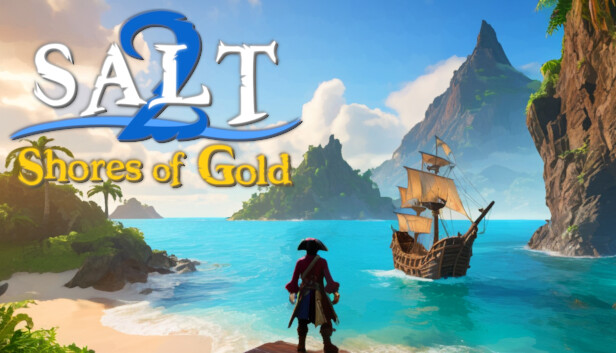
Once again, looking out for upcoming Kickstarter projects, I came across a title not without its influences. But one that looks like a great deal of fun. And not one to be missed. Salt 2: Shores of Gold, under development at LavaBoots Studios based in Huntsville, Alabama, is the sequel to the original Salt. Released back in 2014 to commercial and critical acclaim from many reviewers.

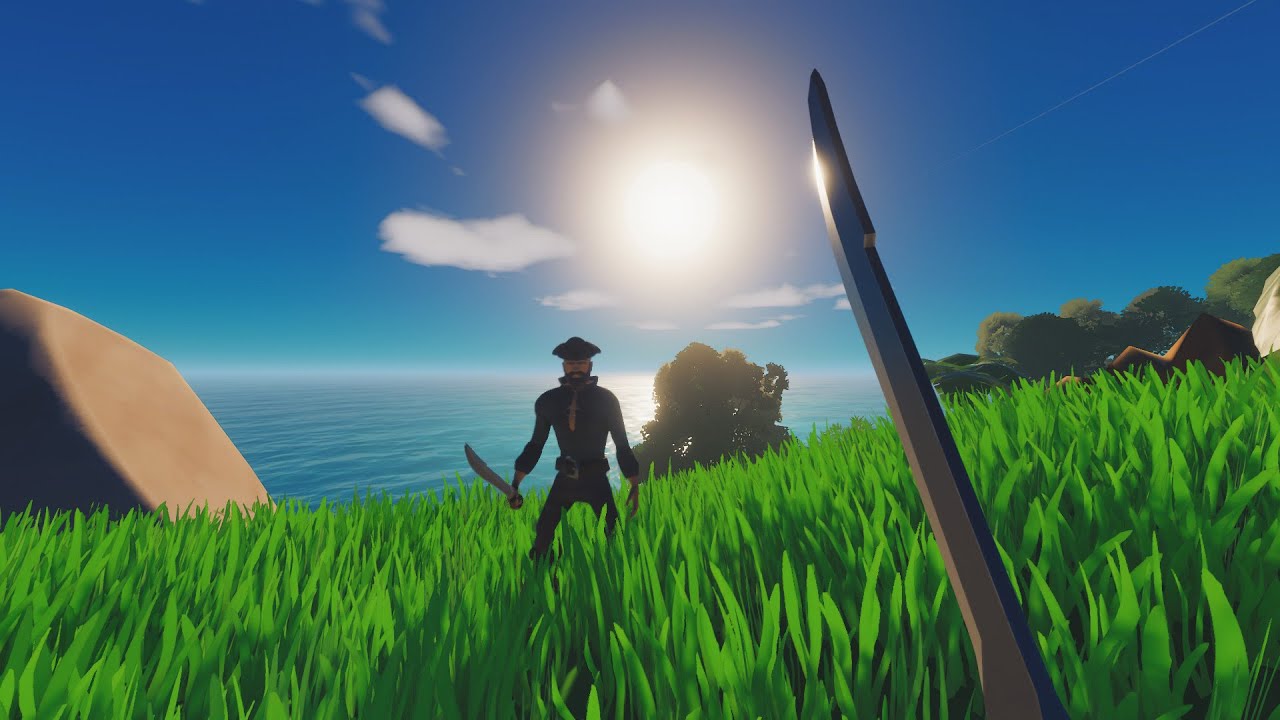
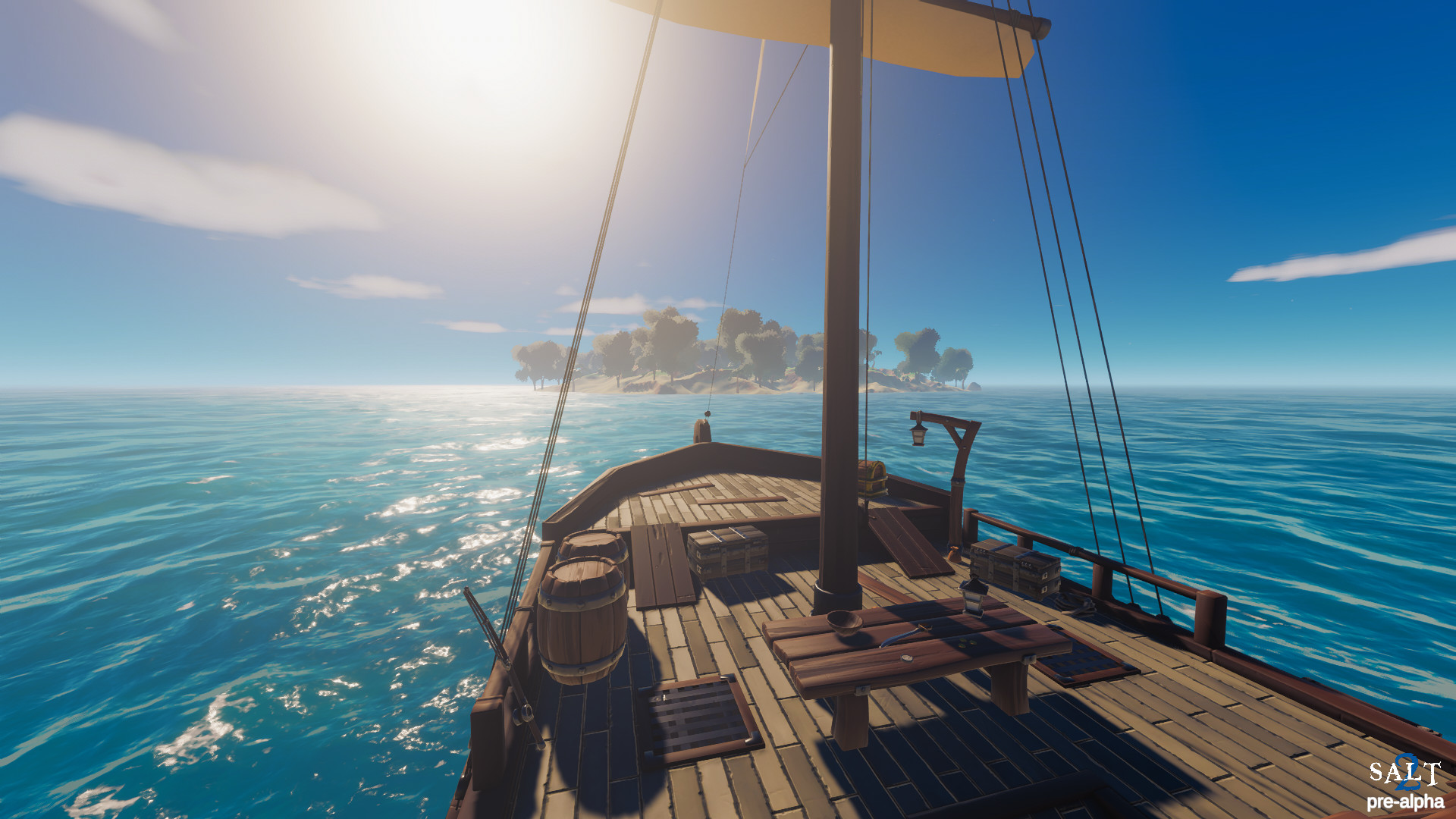
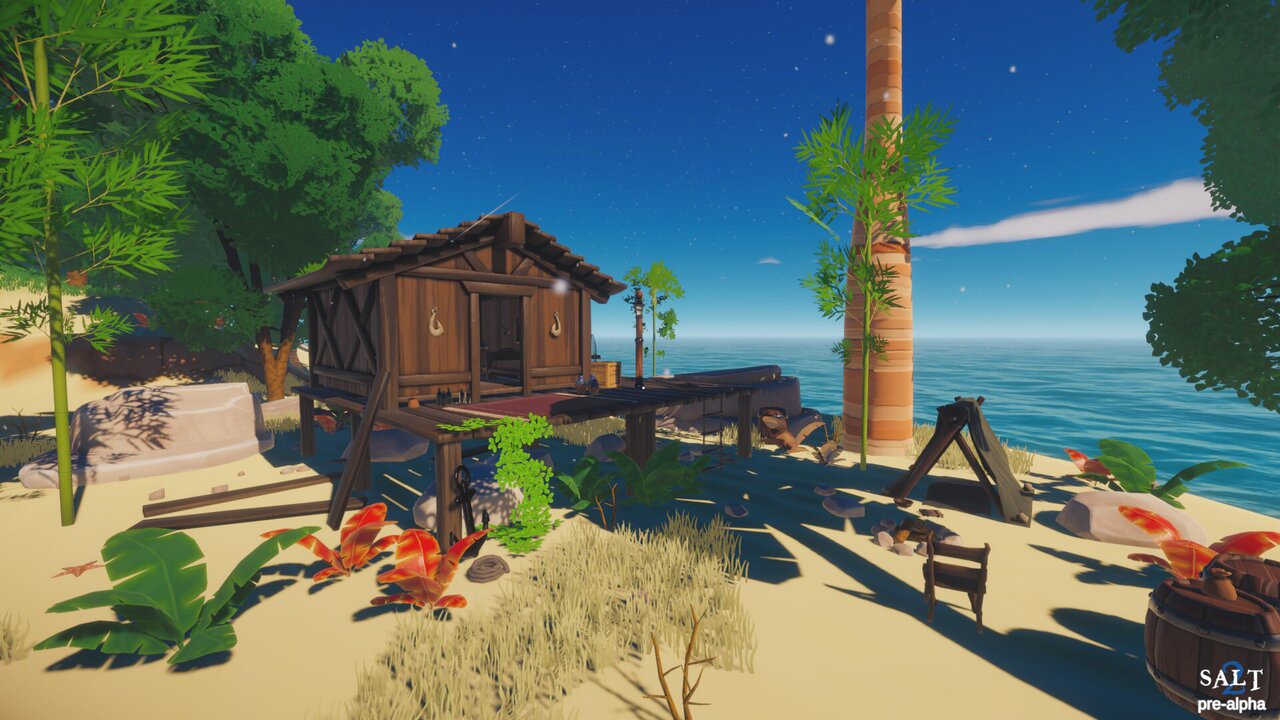
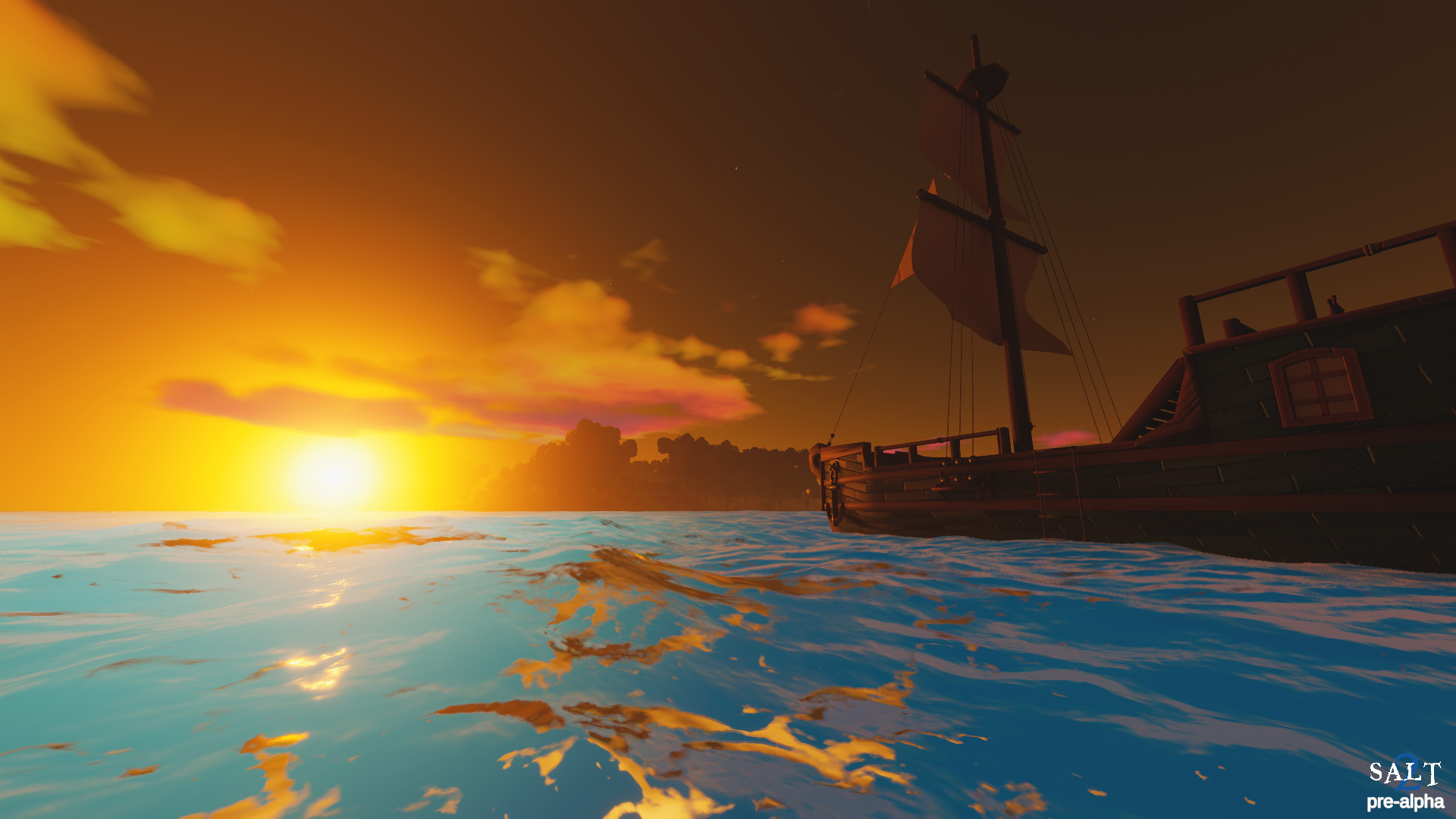
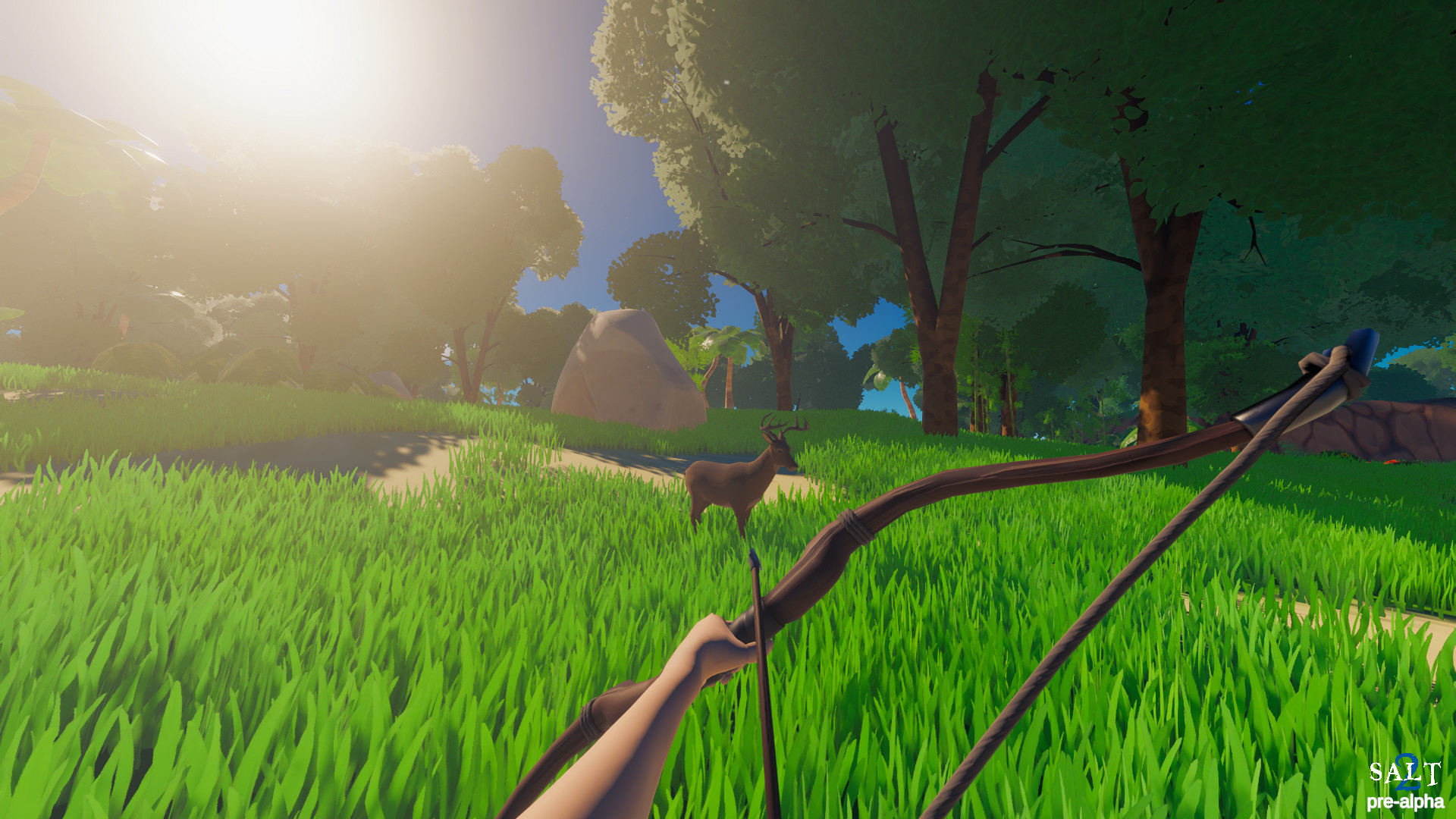
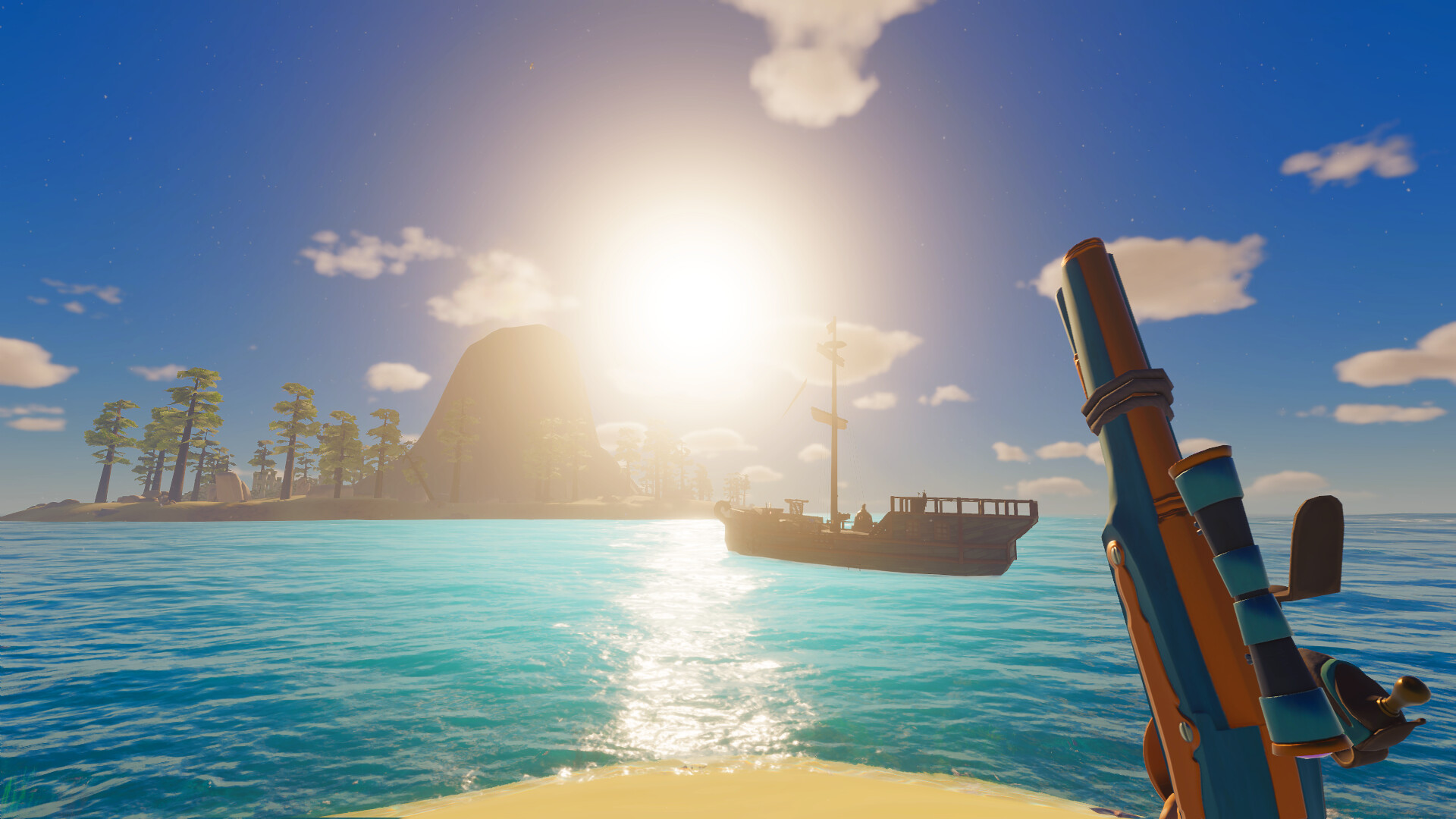
An open-world pirate game, drawing many similarities with Rare’s Sea of Thieves, featuring an infinite procedurally generated open world, heavy RPG elements such as combat, crafting, and leveling up. And a vast amount of exploration to experience with landscapes. Ranging from expansive oceans to quaint islands to mysterious caves. Wanting to know more about titles, I got in touch with LavaBoots Studio’s Will Sterling to learn about what the final game will offer to players compared to games made of the same ilk and get a better idea of what the developers want to achieve with this project upon its Kickstarter release scheduled for March 23rd. Here’s what Will Sterling had to say about Salt 2: Shores of Gold:
Salt 2 1

Of course, Sea of Thieves is cited as the primary Influence behind the Salt series, but were there any other games that inspired its development?

Sea of Thieves was mostly an inspiration in terms of the art style, but not so much for gameplay. We released Salt 1 in 2014, years before Sea of Thieves came out. Our main inspirations in terms of gameplay are open-world games like Skyrim and some old-school MMOs like EverQuest. We wanted to take an open-world exploration experience, put a pirate spin on it, and see what it played like in an infinite procedural world.

What has the developmental process been like for Salt 2?

The development has been fantastic. One of the benefits of having worked on games for almost a decade now is learning how to refine your process and become much more efficient. We took a visual-first approach to develop Salt 2 and put a lot more emphasis on art and visuals than we did in the first game.

How close are we to seeing the finished product?

We’re still a ways off. We plan on releasing Steam Early Access in the Fall of 2021. We currently have a lot of content in the game and most of the core features implemented, but there’s still a lot we need to add and test before we release.
Salt 2 2

What has been the most exciting aspect of developing Salt 2?

I think one of the most exciting aspects has been making a sequel to a popular game. Because of this, you have a community that’s very excited about a new version. And because we are confident this version is leaps and bounds better than the original, it’s a lot of fun to share the development process with the community and see the excitement build.

What has been the most challenging aspect of developing Salt 2?

We are a small development team of only two members. Because of this, anytime you make a big open-world game with lots of moving parts, it can be challenging. I think just trying to make a large-scale game in a small amount of time, with a small team, and with a limited budget is always a challenge.

How well has the game been received so far?

So far, the reception has been exceptionally positive!
Salt 2 3

What platforms are you looking to bring the game to?

The game will launch on Steam Early Access. But we do plan on porting the game to Xbox and PlayStation, pending approval of the platforms.

Are sea shanties planned for inclusion in Salt 2?

Right now, we don’t have any sea shanties recorded. We have recorded about 22 songs for the soundtrack. However, I do think sea shanties are a great idea and might even be a neat way to involve the community in the creation process. So while it’s something that isn’t in the game currently, we aren’t ruling it out.

Have there been any ideas at this stage of development that have since been scrapped or reworked?

I can’t think of anything major that’s been scrapped just yet. This is probably largely because the game is a sequel. So we already have a pretty good idea of what went right and what went wrong with the first one.
Salt 2 4

How instrumental has fan feedback for the first game been in terms of the sequel’s development?

Very instrumental. We’ve tried to look at the first game and take note of what was popular and what wasn’t. With Salt 2, we’re focusing on doing more of what was good in Salt 1 and adding new features that we think players will enjoy.

If you had the opportunity to develop a game with any company or for any franchise, which would it be, and why?

I think for me it would have to be an Elder Scrolls title. I’m a huge fan of world-building in development. And I can’t think of any more fun world to be a part of than the Elder Scrolls franchise.

What have been the biggest lessons learned from the development of the original Salt?

I would say mostly general development lessons. We’ve learned how to prioritize and be much more efficient with our time so we can develop games quickly. We’ve also improved tremendously in terms of art and have realized how important it is to have a good, cohesive art style for your game.
Salt 2 5

Do you have any advice for aspiring developers who may be reading this?

My biggest piece of advice would be to limit your development scope and release something. Don’t be afraid to put something out there, even if it isn’t any good. Going through the process of releasing a game, getting feedback, and improving for the next game will teach you so much more than sitting on a game for years, trying to make it perfect.

Where on the Internet can people find you?

You can visit our website at https://www.saltthegame.com/

Do you have anything else to add?

Our Kickstarter is launching on March 23rd, 2021. So if anyone is interested in supporting us during development, that is a great way to do so. Also, stop by our Discord and ask us questions sometimes!

https://discord.com/channels/327559694879293441/327559694879293441
Salt 2 6

Lastly, I’d like to thank Will for taking the time out of developing the game to talk to me, as well as to wish him and the rest of LavaBoots Studio the best of luck with its development and the Kickstarter campaign. If anyone is interested in checking this game out or funding the project, the page will be live as of March 23rd via the link below:

https://www.kickstarter.com/projects/1392020915/salt-2-shores-of-gold

In the meantime, I’d also like to thank everyone who took the time out to read our Q&A, and I hope you guys are looking forward to the release of Salt 2: Shores of Gold as I am.

Game on,

Scouse Gamer 88
Chip N’ Dale: Rescue Rangers 2 (NES)

Chip N Dale 2

Developer(s) – Capcom

Publisher(s) –  Capcom

Producer(s) – Tokoru Fujiwara

PEGI – N/A (Suitable for all ages)

Released very late in the shelf life of the NES back in 1993, Chip N’ Dale Rescue Rangers 2 received favorable reviews upon release and was later released as part of the Disney Saturday Morning Collection along with the original game, Duck Tales, Talespin, and Darkwing Duck. The previous review of this game that caught my eye above all others was the EGM review.

This alluded to what it would’ve been like to see a sequel alternatively released on more current hardware at the time. Such as the Super NES or the Mega Drive. Whilst I believe it to be true that if that had indeed been the case (indeed, it would have sold even better than what it did and would’ve been more capable of standing out), the final game is still a very enjoyable experience. As well as being a more than worthy sequel, topping what the original game had to offer. 

Graphics – 9/10

The most notable improvement between the first and second games is undoubtedly the graphics. Everything from the character sprites to the scenery is a lot more detailed than that of the previous game. And there are definitely signs that the developers have done a lot more with the console’s relatively limited colour palette. The conceptual design is also even more diverse than the last. Towards the end of the former, the levels seemed to have similar elements to the previous levels. Whereas the second game doesn’t suffer from that issue at all. The only thing that this game doesn’t have going for it in comparison to its predecessor is that the soundtrack is nowhere near as catchy. 

Gameplay – 8/10

The gameplay pretty much follows the same formula as the first. Though with a few minor tweaks. Gone is the facility to choose between levels, as this game offers a completely linear progression. And players can now stun enemies and grab them in addition to throwing inanimate objects at them. Making it even more reminiscent of Super Mario Bros 2 than the first Chip N’ Dale game. Whilst it may seem a bad thing that the second game has a far more linear progression, it’s actually an improvement. It removes the option of skipping levels in order to progress faster. It forces the player to enjoy the full game for what it is. The most significant improvement in terms of gameplay, however, is that the boss fights are far more elaborate than those of the first game. Requiring a far greater degree of strategy to defeat them. 

Controls – 10/10

As with the previous game, there are no issues with the controls, as the 2D side-scrolling genre had become a staple in gaming at the time. And it seemed harder for developers to get it wrong than to get it right. There are a few tweaks that have been made to the controls, however. Such as the facility to throw objects diagonally. Whereas, in the previous game, they could only be thrown up, left, or right. It was quite impressive for an NES title, since many other games only relied on the up, down, left, and right axes. Whereas games like this attempted to break the trend, it would seem. 

Lifespan – 7/10

Lasting about the standard time of a third-generation side scroller, the game can be completed within an hour. Of course, because the game forces the player to experience every level, unlike in the first, players are forced to spend a standard amount of time on it, however. Instead of potentially skipping levels in order to progress as fast as possible. There were many other side scrollers at the time released on better hardware that was being made to last considerably longer than this. But those playing it at the time, and those looking to try it out, will not be disappointed. 

Storyline – 7/10

The storyline of Chip N’ Dale 2 is also massively improved compared to that of the first game. The story is that Chip and Dale, along with Monterey, Zipper, and Gadget, are on a mission to stop Fat Cat from using an ancient artifact to achieve world domination. It seems generic at first glance, in the basic premise. But what separates this game from the previous, and indeed from several early NES titles, is that there is a notable amount of cutscenes included to tell the story. And far more dialogue than there is in the first game. Breaking another NES trend, players would be reliant on the game’s manual to learn about the majority of the game’s story. But in this game, the developers went above and beyond that to tell it in a more detailed manner in-game. 

Originality – 7/10

Though there were a lot of Super NES and Mega Drive games developed at the time that had already perpetuated a lot of the things that this game did, this game stands out for making these innovations. But on previous-generation hardware. The game, in and of itself, was a very retroactive experience. It showed developers that more could be done with the NES than perhaps they may have thought throughout the mid to late 80s. Certainly in terms of controls and storytelling anyway. In terms of gameplay, whilst there are a few tweaks made, it just about does enough to be kept fresh. 

Happii

Overall, whilst Chip N’ Dale 2 doesn’t hold as much nostalgic value to me personally (indeed, the first Chip N’ Dale was actually the first game I ever played), it is still a much better game than its predecessor. It celebrates the license in a more meaningful way by presenting the story better. And there are significant improvements made in almost every other aspect in addition. 

Score

48/60

8/10 (Very Good)

Super Smash Bros (Nintendo 64)

Super Smash Bros

Developer(s) – HAL Laboratory

Publisher(s) – Nintendo

Director(s) – Masahiro Sakurai

Producer(s) – Hiroaki Suga, Satoru Iwata, Kenji Miki & Shigeru Miyamoto

PEGI – 7

Released in 1999, following a long and lucrative development cycle, Super Smash Bros went on to become one of the most beloved games on the Nintendo 64, selling the best part of 5 million copies after other fighting games flopped poorly on the system and later spawned into one of the company’s flagship franchises that today acts as one of Nintendo’s biggest system-selling series upon release. However, the original game had far more humble origins. And as such, it started as an idea that would later be built upon to an astronomical extent. It’s a very enjoyable game, considered a classic by many Nintendo fans.

Graphics – 7/10

The game takes place among various stages based on beloved Nintendo franchises. Such as Donkey Kong, Super Mario, Star Fox, and The Legend of Zelda. With some of the lesser-known franchises at the time. Which were EarthBound, F-Zero, and Metroid, it’s impressive how the developers envisioned how these series would look in 3D despite the lack of source material at the time, compared to the more well-known Nintendo series that were much more established. But besides that, every stage and every character looked brilliant for the time and hardware available. And it was all complete with the iconic opening cinematic that has since become synonymous with the franchise. 

Gameplay – 7/10

Super Smash Bros was the fighting game that every Nintendo fan had long dreamed of since the game was ever created. It features a selection of some of Nintendo’s most beloved characters hashing out with fists, iconic weapons, and other weapons or objects that can be used to the player’s advantage. In terms of the core gameplay, there was a great deal to keep players coming back for more. And continuing to do so even over 30 years on. Although the variety in gameplay would be improved upon massively (with it actually being shocking how few unlockables there are in the original game compared to future entries in the series), the first game offers more than enough incentive to last for hours upon hours. 

Controls – 9/10

For a completely new franchise, the game’s control scheme works out well enough. There are only a few minor nitpicks I have about it, such as the need to use the C-buttons for things like jumping. Whereas later entries in the series would go on to improve on this. It’s kind of like the transition between Goldeneye and Perfect Dark in that respect. This is part of the reason why I ended up enjoying later Super Smash Bros games far more than the first. But for the most part, the controls are fine. 

Originality – 7/10

What made this game as original as it is is not the general concept of including Nintendo characters in a fighting game, because at the time it seemed like an obvious idea that Nintendo had astonishingly not undertaken themselves before Masahiro Sakurai showed them the initial demo he had worked on in secret. But what made this game truly stand out among other fighting titles is the way in which it plays out. Not with health meters that need to be depleted.

But rather a health meter that needs to be racked up to a high enough percentage that the opposition can be knocked out of the stage itself. It was a really unique idea, and it’s a system that has been adopted. And modified by several other developers throughout the years. It would’ve been more influential if original ideas like the final smash moves were implemented (which wouldn’t be until Super Smash Bros Brawl), but on its own merits, it turned a niche gaming genre on the Nintendo 64 into a beloved one. 

Happii

Overall, the original Super Smash Bros has remained, and always will remain, a classic game with a lot to play for. Other Smash Bros games would come along and blow this game out of the water, in my opinion. But the original game was certainly a more than adequate starting point. 

Score

30/60

7/10 (Good)

Where’s Wally? (NES)

Wheres Wally

Developer(s) – Bethesda Softworks 

Publisher(s) – THQ

Designer(s) – Paul Coletta & Randy Linden

PEGI – Not rated (Suitable for children)

Released in 1991 late into the NES’s shelf life by Elder Scrolls developers Bethesda, Where’s Wally is a puzzle game based on the puzzle books written by Martin Handford. Players must find or guide Wally across 8 different stages within varying time limits, depending on the difficulty setting. Released to overwhelming critical vitriol, it’s most definitely one of the worst games on the system. As well as being one of the worst games I’ve played based on a pre-existing license. 

Graphics – 1/10

For a development company that would later go on to set new standards in visual quality with games like Skyrim and Oblivion, it’s shocking to see how much this game lacks in graphical quality. Both on the technical and conceptual levels. Especially considering this game was released after the Super NES. And developers were pushing the boundaries of what the original NES could do at the time. This game perpetuates many of the limitations of the consoles in a way that many classic games released before this overcame those limits.

The lackluster use of the NES’s color palette is the most visible flaw this game has. The only nice-looking part of the game is the ending. Whereby Wally lands on the Moon. The moon’s surface is actually quite well-detailed. But that is literally the only positive thing it has going for it. To think that players have to beat the game to see one good example of 8-BIT visuals will seem like an insult. 

Gameplay – 1/10

Again, Where’s Wally is a puzzle title that follows the mantra of the books. The player must find Wally on 6 different screens, which expand depending on difficulty. The time limit is 10 minutes on easy mode and 7 minutes on medium mode. And 5 minutes on hard mode. 2 additional levels mix up the gameplay a little. But not to a great extent.

However, the poor graphical quality, it makes it almost impossible to identify Wally without the aid of a strategy guide. There have been worse games released throughout the years that have been inadvertently rendered unplayable due to either graphical errors or fatal glitches. But especially given how late into the console’s cycle this game came out. And how so many other developers were able to release classics on the system, there was no excuse for the developers at Bethesda to have screwed this up as much as they did. 

Controls – 4/10

The control scheme, in its basic premise, is simple enough. But it comes with many different issues; those being most evident in hard mode. In order to increase the difficulty, the developers made the cursor the player uses to pick out Wally smaller. But the problem is that the control’s sensitivity is quite high. So it creates an unnecessary complication when the player ends up finding Wally on hard mode. 

Lifespan – 1/10

Where’s Wally can be made to last a total of 10 minutes per playthrough, again depending on what difficulty setting it’s on. But to be honest, I’d be surprised if many players were willing to go through even one playthrough. There’s no further incentive for beating the game on the harder difficulty settings either, as the same thing happens at the end regardless of which one. There would’ve been plenty of things the developers could’ve added to give players an incentive to do this, but because they offered players hardly anything, it certainly doesn’t warrant even one full playthrough, let alone three.

Storyline – 0/10

The game involves nothing but Wally being led across a series of areas in order to reach a launchpad to get to the Moon. The game’s story, as with many titles of that era, exists in its basic premise, but with many other classics, they at least offered whole mythologies for players to indulge in; but it’s even more surprising how little the developers paid attention to the source material, even though there was a fair bit of that at the point of this game’s development. 

Originality – 5/10

The game is original to an extent, in that there weren’t many video games like it at the time, but it seems more bland than unique, given how little the developers did with it compared to what they could’ve potentially done with what was one of the most beloved children’s book series of that era. It’s a bad example of how to develop a licensed game, since not only is it poorly designed and not fun to play at all, but it doesn’t celebrate the license in the same meaningful ways that games like Batman: Arkham Asylum or even Rugrats: Search for Reptar did.

Furiious

In summation, Where’s Wally is a game to be avoided at all costs. It’s a game with several flaws, is almost unplayable, and has since become a black mark on a development company that would later become one of the powerhouses of gaming. All I’ll say is that it just didn’t seem to get off to the greatest of starts at Bethesda with games like this. 

Score

11/60

1.5/10 (Painful)

Pepsiman (PlayStation)

Pepsiman

Developer(s) – KID

Publisher(s) – KID 

Designer(s) – Nobuaki Umeda, Nozomi Takeguhi & Keisuke Itou

ESRB – T for Teen

Developed on a low budget and released exclusively in Japan after the development team failed to get the game published overseas, Pepsiman is an action game. It has silently become one of the most influential games in recent years, with its gameplay being the basis for a plethora of popular smartphone titles like Temple Run and Angry Gran. It’s one of those games that, on paper, would sound ridiculous. And in many respects it is. But regardless, it is a game worth playing.

Graphics – 6/10

The majority of the game is set in Pepsi City, where everything seems to revolve around Pepsi. Billboards are advertising it, and Pepsi vans are driving around everywhere. On some levels, there are even NPCs holding signs saying “I love Pepsi”. Other levels also break away from the modern-day city settings to levels set in science labs, sewers, and motorways. Conceptually, it stands out a lot more than what gamers would think it would after hearing about a game like this. In terms of the technical aspect, it just about meets industry standards set at the time. Albeit including several 2D sprites all over the place, which, back then, were being fazed out gradually.

Gameplay – 7/10

The concept of the game is simple. Guide Pepsiman through a series of on-rail levels, whilst collecting as many cans of Pepsi darted across each of the levels as possible. What isn’t easy is mastering the game, since there are a lot of obstacles and obstructions to overcome along the way. The natural flow is very cleverly disturbed at times, with Pepisman having to run into dustbins at certain points. They reverse the controls as long as his upper body is still in a dustbin, for example.

It provides much more of a stern challenge than most people would think going into it. Even for players who had previously played the games that were later inspired by it. At the time, a lot of critics were comparing the game to the original Crash Bandicoot games. And although I’m able to appreciate that that was the frame of reference at the time, Pepsiman is still a different type of game indeed. 

Controls – 10/10

The game’s control scheme also poses no issues; if the player fails, it’s solely on them. It’s also quite clever how the developers managed to implement changes to the controls based on Pepsiman’s given situation. Such as when he’s balancing on a barrel or riding a skateboard, or when the camera angle is reversed, for when he must escape from objects moving behind him. 

Lifespan – 4/10

Disappointingly, one playthrough can only last around half an hour. For the amount of innovation perpetuated with this title, this is nowhere near enough time for it to last. Especially when drawing comparisons with other games like it, which can be made to last forever. There’s only a certain amount of replay value to be had in addition. The only incentive is to unlock an alternative costume for Pepsiman. Whereas again, several skins and characters can be unlocked in future games that follow the same mantra. 

Storyline – 7/10

The story of Pepsiman is very reminiscent of that of an exploitation film, in my opinion. It features Pepsiman traversing Pepsi City, solving primarily Pepsi-related problems, such as stocking a particular vending machine with Pepsi, rehydrating a bunch of people stranded on a rooftop, and ultimately preventing a worldwide shortage of Pepsi and, in turn, stopping a riot from continuing among those wanting Pepsi. It’s as ridiculous as it is flat-out hilarious. But it’s actually quite aware of how ridiculous it is, and the developers played on the fact heavily. It also features a lot of the slapstick violence that was synonymous with the character before the game was released, which further plays on the comedic aspect of the game throughout. 

Originality – 9/10

The amount of uniqueness attached to this game is staggering, especially compared to what perception the player will have going into it. It was a game that proved to be ahead of its time in terms of gameplay, given how many developers would go on to copy the model it set years later. Even the games that were perceived to have influenced it at the time are only very loosely related to it; it’s an action game by design, but in terms of its actual gameplay, it was genuinely in a genre of its own, as would later be proven.

Happii

Overall, Pepsiman is much better than it seems on the surface. When stripped back away from all the Pepsi ads and the hilariously bad story, there’s a very enjoyable game to be played for the short time that it unfortunately lasts. 

Score

43/60

7/10 (Fair)

Mario Golf (Nintendo 64)

Mario Golf

Developer(s) – Camelot Software Planning

Publisher(s) – Nintendo

Director(s) – Haruki Kodera (N64)

Producer(s) – Shinji Hatano, Hiroyuki Takahashi, Shugo Takahashi & Hidetoshi Endo

PEGI – 3

Released back in 1999, with a separate port finding its way onto the Game Boy Colour. Mario Golf was met with an overwhelmingly positive response on release and would then go on to spawn a whole new series in the Super Mario franchise. Garnishing even more critical and commercial acclaim. A vast majority of spin-off Super Mario series historically start as well as what could be expected. Such as Mario Kart, Luigi’s Mansion, and Captain Toad: Treasure Tracker. There are some, however, that, in my opinion, started with evident flaws. But then later go on to have games developed that are far better than the original. Super Smash Bros. is probably the best example of this. But the way I see it, Mario Golf under Camelot started the same way as well.

Graphics – 6/10

The visuals of the game, as what any fan of the series would’ve come to expect at the time, fit in well with the tableau of the Super Mario mythos. The courses are extremely reminiscent of parts of the Mushroom Kingdom as seen in previous Mario titles. And the developers did relatively well to diversify each tournament’s settings in that respect. When comparing it on a technical level to previous Super Mario games ported to the Nintendo 64, players will find that the level of detail is also on par with many of them.

Arguably even better than some, too. The biggest problem I had with this game, in terms of both graphics and gameplay, is the character roster. Of course, you have classic Mario characters. Such as Mario himself, Luigi, Donkey Kong, Peach, and Bowser, among others. But as well as that, there are also a lot of generic characters included alongside them, like Plum, Harry, Sonny, and Charlie. The majority of them have never been seen in a Mario game again, and for good reason.

Gameplay – 6/10

The game has several different modes to choose from. Such as playing 18-hole tournaments, speed golf, and ring shot. And the head-to-head mode that pits you against other characters to unlock. The game has a lot to offer in terms of variety. But with the get-character mode, it’s a mixed bag due to how equally exciting and boring it can feel to unlock certain characters. It’s also not the most accessible game in terms of difficulty. I remember playing this game when I was growing up, and even unlocking Luigi seemed like an endurance test. And I still find it to be the case now, even after playing other games in the series. 

Controls – 7/10

Probably the worst thing about this game, however, is its control scheme. The heads-up display is not self-explanatory like it is with future Mario Golf games; the putting system is unnecessarily complicated, as it becomes almost impossible to determine how much power should be put behind the ball. There were many other 3D golf games even back then that had much better control schemes attached to them, and although this would be improved in later entries, it didn’t start well in my opinion. 

Originality – 6/10

Although this is one of those games that was probably dreamt up by many Nintendo kids before it was even conceived, it does fairly well to keep things unique on its own merits with its diverse settings for different tournaments (again, something which would be improved on further. Again, the thing holding it back most in terms of originality is having so many unoriginal characters included in addition, which, by Nintendo’s standards, were profound to me, even at the time. There were so many other characters they could’ve included at this point that it just baffled me to know that they chose to go with Camelot’s idea of including so many generic ones instead. 

Niiutral

Overall, Mario Golf is not the best entry in the series; not by a long shot. And later, a plethora of improvements would be made with the likes of Mario Golf: Toadstool Tour and Mario Golf: World Tour. The upcoming Mario Golf: Super Rush also seems set to break new ground with its story mode and additional challenges attached to it, but in terms of the Nintendo 64 game, the developers could’ve done better. 

Score

25/40

6/10 (Average)

Dwarf Journey (PC)

Graphics – 9/10

Dwarf Journey

Developer(s) – Orube Studios 

Publisher(s) – Orube Studios 

PEGI – 7

Released by Orube Studios as one of two titles in the works simultaneously, Dwarf Journey is a rogue-lite Metroidvania heavy on combat and character development imposed by both Norse mythology and high fantasy. Having been excited by the looks of this game for quite some time, I was eager to play it and see what Orube had to offer. Especially following our Q&A.

https://scousegamer88.com/2021/02/12/qa-with-orube-game-studio/

After having played this game all the way through, I certainly wasn’t disappointed. 

Graphics – 9/10

This title featured wonderfully detailed 8-bit visuals in a world inspired by Norse mythology and the works of fantasy novelists such as JJR Tolkien and Gary Gygax. Featuring enemies such as goblins, dragons, and beholders. Indeed, the second boss fight is very reminiscent of Bilbo Baggins’ encounter with Smaug in The Hobbit. But besides this, there are also a lot of unique creatures included for good measure. Particularly at this level. A lot of the monsters in that dungeon actually reminded me somewhat of the Guardian in Legend of Zelda: Breath of the Wild. The soundtrack accompanying the game is a very interesting mix of orchestral music and 80s synth-pop. Which I never would’ve thought would work in a fantasy game. But to my surprise, it does work very well. 

Gameplay – 8/10

Heavy on combat, upgrading, and exploration, the game is a rogue-lite, so every playthrough provides a different challenge each time. The player must traverse through four separate dungeons, incorporating one of a great number of different play styles best suited to them. Whilst along the way, finding the resources to forge better equipment or upgrade the equipment they already have. Whilst not providing as much challenge as the average rogue-lite, or roguelike, for that matter. It still provides an extremely satisfying gaming experience. And for me, it serves as an ideal starting point for anyone looking to get into the genre and move on to more difficult games made in the same vein, like Rogue Legacy or Skul: The Hero Slayer. 

Controls – 10/10

A traditional 2D side scroller is easy to learn and only moderately difficult to master. Dwarf Journey has no issues with its control scheme. It’s actually well thought out how agility and power can affect an individual’s style of play and how it can be afforded for players to strategize accordingly. The wall-jumping mechanics are also strangely satisfying. Allowing for the opportunity to make certain enemy skills have a much more cinematic feel to them. 

Lifespan – 6/10

One playthrough of this game, depending on the player’s skill, can take them around 5 hours. However, this is a game designed to be played a minimum of two times. Since there are two different endings. But besides this, each playthrough offers a different experience, as I said before. So avid players can draw even more playtime out of it than that. It may become somewhat monotonous after a certain number of playthroughs. Which would probably be down to a lack of content compared to other rogue-lites. But it can be made to last a significant amount of time regardless. 

Storyline – 6/10

The story of Dwarf Journey follows an elderly Dwarven warrior named Gallar. Who, after having achieved everything he ever wanted, is suddenly drawn towards a mysterious place known as The Valley of Eternity. Where, within its depths, lies an artifact of immeasurable power, which he resolves to recover for himself. The game’s story hearkens back to the NES days when most games had only a basic premise as a story. And not much besides. What separates this story from a lot of others, however, is the fact that it has multiple endings to attain, giving it that little bit more replay value in turn. The basic premise is interesting, and the endings will do fairly well to surprise players after Gallar’s arduous journey through the depths. 

Originality – 7/10

The game’s level of uniqueness may not be overwhelmingly high, as it is in many other indie titles released in recent years, but it is unique in the sense that it provides a much more laid-back rogue-lites experience, which many players who may feel jaded by other games in the series they may consider to be too hard, will seem like a welcome breath of fresh air. If any players are looking to get into this genre of gaming, I would personally recommend they start with this game, as it provides a decent introduction without being overly easy at the same time. 

Happii

In summation, Dwarf Journey is a decent rogue-lite and a solid first developmental effort from Orube Studios. Their next game, Super Mombo Quest, looks to provide a very different experience from that of this title, but nevertheless, I recommend anyone looking to get into rogue-lites that they try this game, since as well as being a decent jumping-on point, and also provides a very enjoyable gaming experience. 

Score

46/60

7.5/10 (Good)


Guest Article: The Full Sync Network

For today’s article, and for the first time in a long time, I have a guest blogger on to express his opinions on the current landscape of gaming and his predictions on where it may go amidst the newly ushered in ninth generation of the medium. Josh Maddox of the FULL SYNC Network and I had recently been in contact in regards to the subject and offered to have his say on the blog on the new generation of gaming as well on the most recent releases, including Monster Hunter Rise, Resident Evil: The Village and others. established in 2016, the FULL SYNC Network is a collaboration of gamers around the world specializing in news, reviews, and previews of upcoming games, as well as streaming on their YouTube and Twitch channels of games, hardware reviews, and instruction videos. So without further ado, here’s what Josh Maddox had to say about the future of gaming and the ninth generation:


Despite the latest generation of consoles and graphics cards launching last year, many people are still playing on old hardware due to stock issues. We all thought that may ease up as we entered 2021 but the scalping game is still strong and thousands continue to struggle to get anything. Some have succeeded, myself included with my PS5. But others still check Discord for stock alerts every day then rush over to get into queues for the stock they keep missing out on.

But let’s not dwell on it too much, easy to say since I got what I wanted, and let’s take a look at the future of gaming instead.


Consoles

Less than six months after the PS5 launched, Sony is already looking at upgrading the storage on their consoles and making it more accessible for those that already bagged one to do it as well. I mean, I love my PS5 but there is nowhere near enough storage on it, with less than a terabyte to spare and a chunk of that is for the firmware. But I think this is a record of how quickly a manufacturer has decided to upgrade their console following release.

Xbox hasn’t announced plans yet, but don’t be surprised to see the usual slimline versions coming out in a few year’s time. Hopefully, by then they’ll actually have stock.

I guess, the console everyone is hoping for though is an upgraded Nintendo Switch. Whilst we all love the Switch, it is extremely underutilized. I mean Nintendo is great for innovation and creativity, and they have excellent first-party titles. But what they ooze in that, they lack in a common-sense almost, never truly fulfilling potential. I mean, look at the Switch, so versatile. Can be played docked and handheld. It’s a purpose-built gaming tablet essentially, that is able to be docked and played on the TV.

However, you can’t get Netflix, no internet browser, low internal storage too. I mean, it has the technology in there of an old SmartPhone, newer ones are arguably more powerful than it. And smartphones do everything in life. So the potential is there for the Switch to do the same. Yet Nintendo seems insistent on just doing what they want to do. Which is admirable, but also incredibly stupid. Question is, would an improved Switch have better functionality? Who knows.


PC

When it comes to PC, the future is a strange one. VR was supposed to be the future of PC gaming, but it still hasn’t hit the heights it was expected to. But sales figures for the Oculus Quest 2 look good, and with it being wireless and suitable for smaller spaces, it is likely we may soon see the rise so many predicted. 

In terms of hardware, the newest graphics cards are all released, but as with the latest PlayStation and Xbox releases, there is hardly any stock. Scalpers have been buying it all up, and many who have got the latest GPUs have been using them for mining cryptocurrencies since Bitcoin decided to explode to over $50,000 earlier this year. Which leaves many gamers in a tough position.

Now, they could upgrade to the last-gen cards, because they’re still capable of things like 4K and decent frame rates in games. But the problem is, with the shortage, the costs of older models have skyrocketed. I bought my RX 570 4GB for £80 over a year ago, and I’ve seen the same model going for £140 nearly double what I paid. And now many of the last generation cards are even selling at higher than the retail price of new cards. But, because no one can get them, people are paying stupid money. We don’t actually know when this madness will end.


Games

Who doesn’t love games right? But there are always so many titles to choose from, it can be tough to decide on what to get if you’re on a budget. And with so many games coming out this year, I thought I’d just write a quick list about some upcoming titles we’re excited to see.

  • Outriders – Developed by People Can Fly and published by Square Enix, Outriders is a third-person RPG adventure due to release April 2021.
  • Guilty Gear – A fighting game from Bandai Namco that is very anime-based in style. This was also due out in April 2021 but has since been pushed back to solve issues that cropped up in the latest beta tests.
  • Resident Evil Village – Due out in May, the latest installment to the Resident Evil series looks to be one of the most intriguing and detailed yet. A must-have for horror game fans.
  • Monster Hunter Rise – Following the release of the Monster Hunter movie, the newest addition to the popular game series launches later this month.
  • Back 4 Blood – Back 4 Blood is an upcoming multiplayer survival horror game developed by Turtle Rock Studios and published by Warner Bros. Interactive Entertainment. It has major Left4Dead feels to it, and had incredible feedback after the latest beta tests. This one is due out a little later this year in June.

But it’s not entirely new games that are coming out. There are a whole bunch of remakes and remasters too. Two of the most popular people are looking forward to our Prince of Persia: Sands of Time, and Oddworld: Soulstorm, which is a reimagining of the classic Oddworld: Abe’s Exodus. Still, I seem to be waiting on a remake of my beloved childhood title Croc. I was hoping with the reintroduction of Crash Bandicoot and Spyro that this would follow behind shortly after, but alas, nothing so far.


What are your thoughts?

There you have it, our thoughts on the future of gaming this year. But what do you guys think? Will we see a “Switch Pro” in 2021? Will stock of new consoles and graphics cards ever become more accessible? Is there a game you think we should be checking out not on our list? Or maybe you agree we need a Croc remake and want to start a petition with us? Whatever your thoughts, let us know what you think in the comments below or over on our social media channels.


I’d like to take the opportunity to thank Josh for taking the time out to contribute to the blog in what is truly a fascinating read about the possibilities and the limitations that very well come with the advent of the ninth generation of gaming. If you’d like the check out the various different platforms FULL SYNC operates out of, all links are below:

Main Site – https://fullsync.co.uk/

Facebook – https://www.facebook.com/fullsyncnetwork

Twitch – https://www.twitch.tv/fullsyncgaming

YouTube – https://www.youtube.com/channel/UCvrGKhe7y4gTmgD2pxxBsAA

Twitter – https://twitter.com/fullsyncnetwork

Gamer’s Apparel – https://gamersapparel.co.uk/store/fullsync

Be sure to check out their stuff, but in the meantime, I hope you guys enjoyed reading what Josh had to say, and if the opportunity comes about for me to work with FULL SYNC again, it will be up on my social media pages too.

Game on,

Scouse Gamer 88

Wandersong

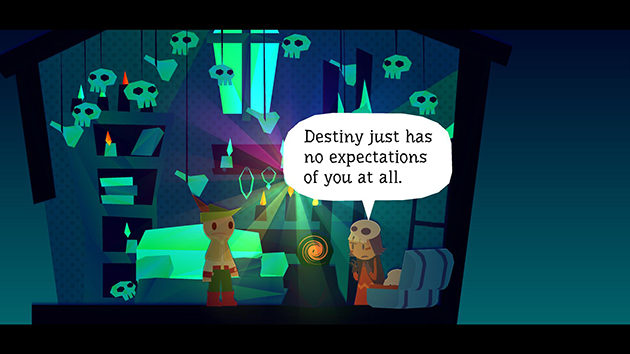
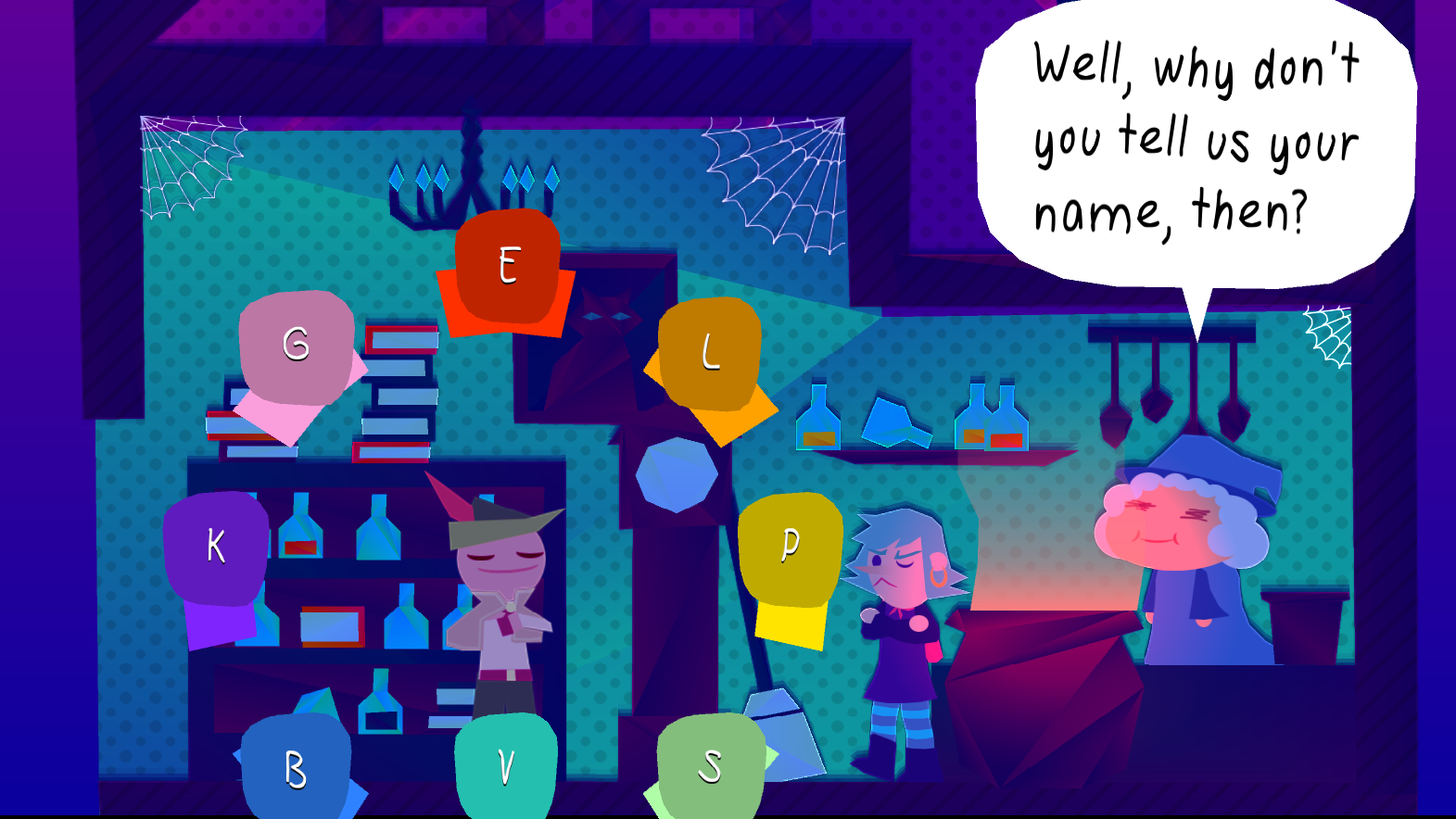
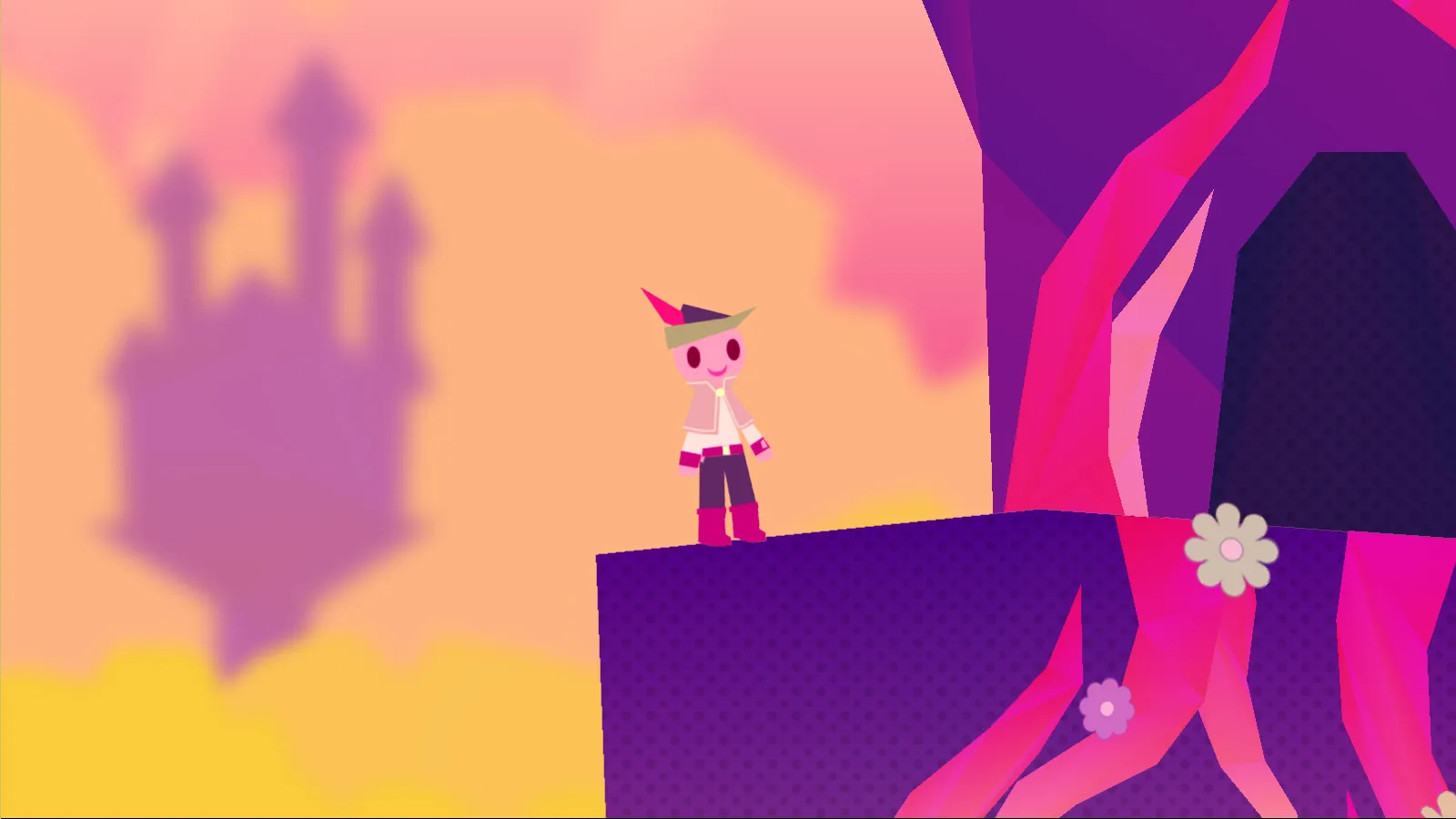
Q&A With Greg Lobanov Volume 2

Back in 2016, one of the games I came across on Kickstarter as part of my ongoing efforts to discover new and exciting gaming experiences and bring them even further attention, was Wandersong. Before it was funded, I reached out to the creator, Greg Lobanov, for an interview to ascertain more information about what looked like a truly promising title in the making:

https://scousegamer88.com/2016/07/09/qa-with-greg-lobanov/

And in the end, I was proven right. Ever since the release of the game, it has garnered universal acclaim from a great number of gamers and critics throughout the industry. Including yours truly.

https://scousegamer88.com/2021/01/24/wandersong-pc/

The game has intricate puzzle-solving, an extremely unique approach to combat, and progression. And one of the most beautifully composed soundtracks to come out of the indie development community. Complete with a rollercoaster of a story chock-full of emotional moments of discovery, comedy, and drama. Eager to discover how the experience panned out for the development team on a personal level and what’s next for the people involved in the project, I got back in touch with Greg to find out more information about what more can be expected of this promising young developer and his team in the future. And exactly how the experience of developing this game impacted their lives and his. Here’s what Greg Lobanov had to say about Wandersong, his new upcoming game, Chicory: A Colourful Tale, and his experiences as a developer thus far:

Greg Lobanov 2 2

How satisfied have you and the team been on a personal level to see Wandersong receive the overwhelmingly positive response it has received since its release?

It’s been very satisfying. 🙂 I always said at the outset that all I really wanted was for at least one person to really, really love the game a lot. And we had that happen many times over. It’s very warm to put so much heart into something and see it resonate with people. I’ll be grateful forever that I got to have this experience.

How satisfied have Em and Gordon been with the positive response the game’s soundtrack has received?

Very happy, for sure. Gord uploaded all 100+ tracks to YouTube, and he still sees exuberant YouTube comments come in every day, and it warms his heart. 

You came up with the idea for Wanderson following a cross-country biking trip you took across the US. Were there any particular locations you passed through or people you met that stand out as being more influential than the other?

There were a LOT of tiny pieces borrowed from a lot of places to patch together the diverse cast and world in Wandersong. I’ll mention that I named the first town, Langtree, after a tiny town in Texas called Langtry that only has a dozen people in it in the middle of the desert. I stayed there for a couple of nights through a hailstorm.

Wandersong 2

Of course, Gordon and Em had composed for video games before this. Were there any games that they had worked on that they kept in mind when composing the soundtrack for Wandersong?

Actually, Wandersong was Em’s first game project when she started, although by the time it came out, she had also started and finished working on Night in the Woods. In general, I don’t think games were a key inspiration. Instead, we were looking at different musicians, bands, genres, and instruments to get inspiration for the musical and audio touches.

The last time we spoke, you mentioned the most exciting and challenging aspects of developing the game were the color design and missing audio, respectively. But did any of the most exciting and challenging aspects of development change later on throughout the process?

Oh, yes… I think at the time I was fixated on the immediate concerns. But once I had Em and Gord, audio wasn’t a stress. I think ultimately the biggest challenge was telling a meaningful story. We really wanted the game and everything in it to matter. So we took great care in how we presented things. It’s a lot of careful, thoughtful work to do right.

Wandersong 4

Nintendo titles made up a great deal of the influence behind the game, such as Ocarina of Time and Kirby’s Epic Yarn. If you, Em, and Gordon were allowed to work for Nintendo on one of their series of your choice, which one would it be, and why?

I don’t know about Em and Gord, who aren’t especially big Nintendo fans. But I would really like to work on a Pokémon game. I think it’s a really rich world and game concept that could be explored in a lot of ways that haven’t been touched yet. And I just really love Pokémon.

Apparently, Steven Universe was a major inspiration for the game’s visual style. From one fan of the series to another, what is your favorite Steven Universe song, and why?

“Love Like You” is a pretty special song. I think I’d have to pick that one.

Were there any ideas at this stage of development that had been scrapped or reworked throughout?

A lot of small ideas came and went. I had in my notes for a long time that it would be cool to do a punk show/punk-themed section. And I was curious if there was a way to do something with rap/RnB as well. Neither of those ever found the right spot in the story, though.

Wandersong 1

You abandoned the initial idea early on of making a game about biking when it came to Wandersong. Is that a concept you think you would like to revisit at some point?

Maybe??? There would have to be something more to it for the idea to be interesting to me. There was a new game called “Season” announced recently. That looks kind of like the game I would have made, probably.

If you could choose any video game character to make a cameo appearance in Wandersong, which one would it be, and why?

Well, we put Mr. Oshiro from Celeste and Ima from Ikenfell into Wandersong. Those were my friends’ characters, and we started all our games together when we were roommates, so I thought it would be fun to pay them an homage like that.

What lessons were learned by yourselves as developers throughout the entire process?

I think I refined my game writing skills a lot by sheer force of effort. Em was extremely maximalist and detailed with the sound design. But in her following projects, she learned to tone it down a bit and focus her effort on the most important places. And this game definitely took Gord on a creative adventure. Composing so many songs in so many styles and genres. I think it helped him find the confidence to be creative and try new things at a time. When he was starting to feel like he was falling into a rut.

Wandersong 6

What’s next for Greg, Em & Gordon?

Em and I are finishing our next project, Chicory: A Colorful Tale. Em has also released work on a lot of really cool indie titles since Wandersong came out a couple of years ago. Including Untitled Goose Game and Ikenfell. Gord’s released some OSTs as well, including one for a game called Stela he’s quite proud of. But right now he’s working on his first solo album in many years. And having a great time with it–watch for that in 2021.

Have there been any ideas contemplated to develop a sequel to Wandersong?

Maybe some passing thoughts. But there are a lot of other things I want to do. And I think the story of Wandersong is complete on its own.

What genre of gaming would you like to undertake that you haven’t tried?

That I haven’t tried? Hmm… I’ve tried so many, haha. I’m most interested in taking  ‘creativity’ mechanics and combining those with other genres, the way we did with platforming in Wandersong. I also have some other ideas for things I can’t talk about yet.

Do you have any advice for aspiring developers who may be reading this? 

Try finishing something small so you can get into the practice of finishing things. 🙂 Find your peers and work together and learn from them, not from people like me.

Do you have anything else to add?

Video games are cool.

Wandersong 7

I would like to take this opportunity to thank Greg for taking the time to talk to me again about Wandersong and his own developmental experiences. Wandersong turned out to be every bit as wonderful, enjoyable, and innovative as I suspected it would be, thanks to the successful Kickstarter project, the involvement of Humble Bundle, and, of course, the love and attention that went into crafting this truly immersive and intricate title. And I, on a personal level, also feel proud to have helped in my small part to bring this game to a wider audience earlier on throughout its development. In addition, I’m also very much looking forward to playing Chicory: A Colourful Tale. And I sincerely hope to work with Greg again in the future.

In the meantime, you can check out Greg’s website via the link below to keep up with the development of Chicory. As well as any new gaming ventures of his:

http://greg.style/

And if anyone hasn’t tried Wandersong, I highly recommend that you give this game a go. It’s available to download on several platforms, including Steam, PlayStation 4, Xbox One, and Nintendo Switch. I also sincerely hope you guys enjoyed reading these articles with Greg and me. And for those of you who played Wandersong, that you enjoyed playing it as much as I did.

Game on,

Scouse Gamer 88
Little Nemo

Q&A With Chris Totten

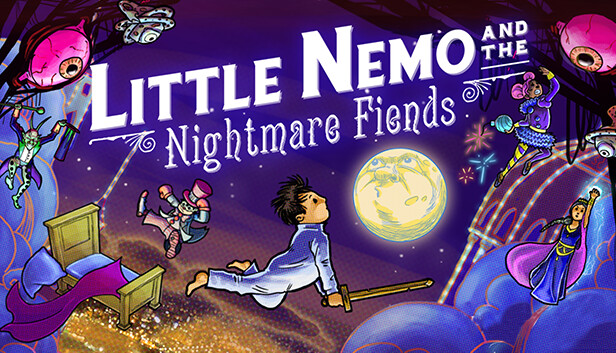
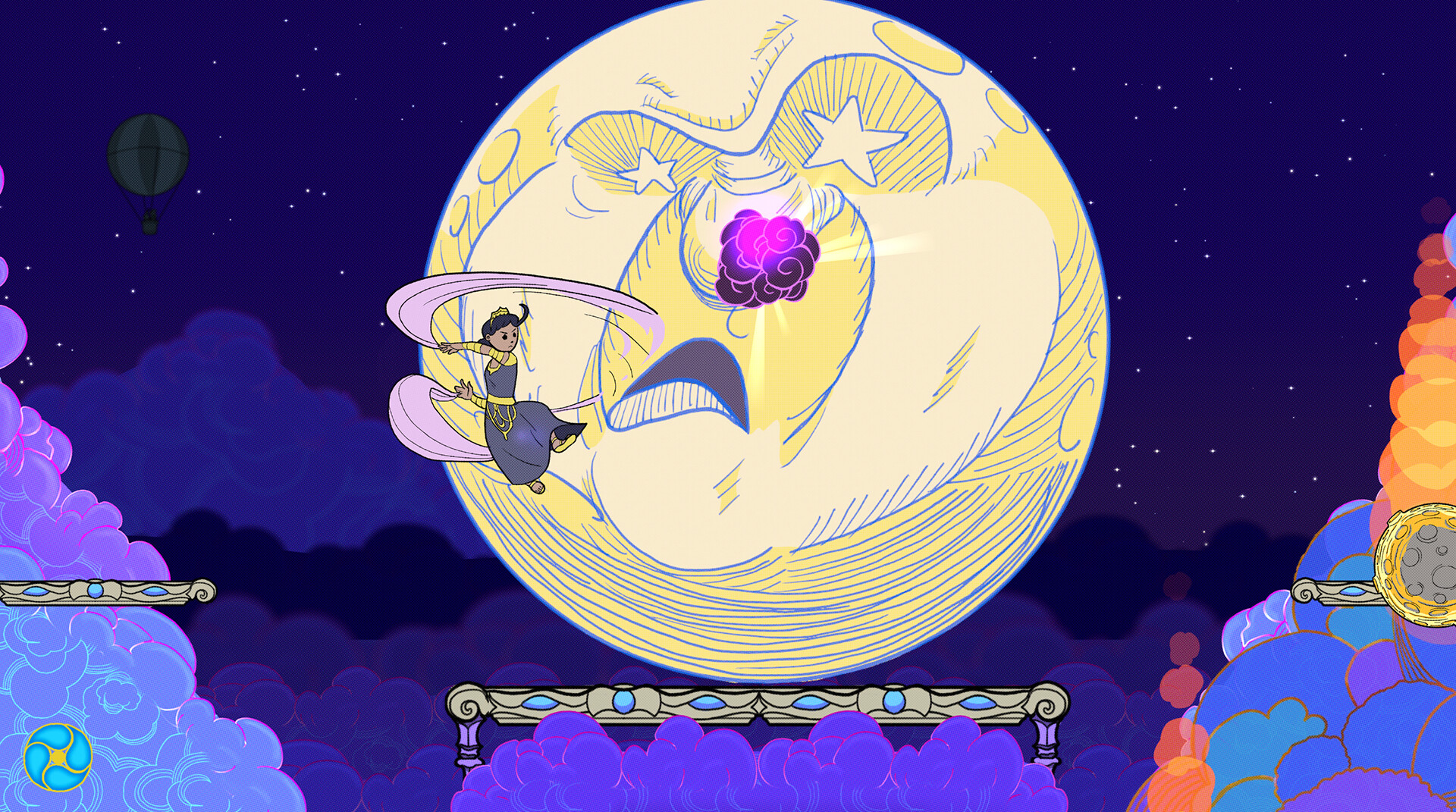
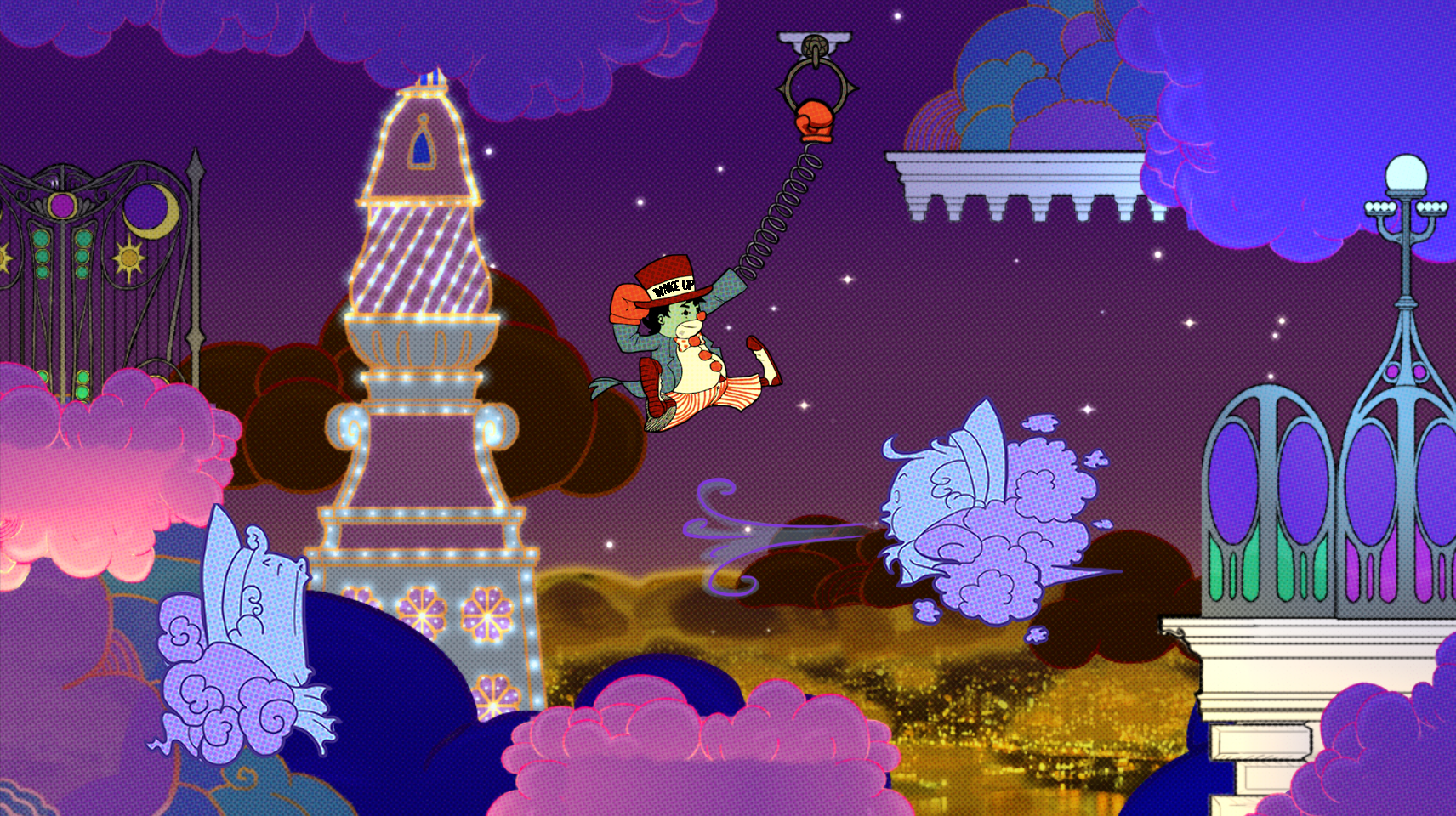
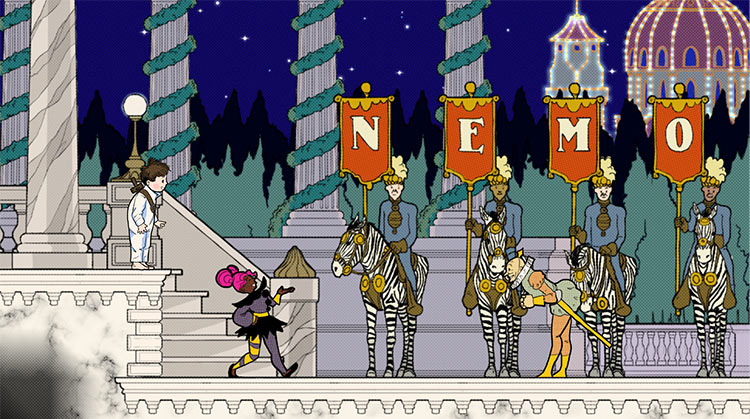
In my efforts to discover yet more indie titles in the making on crowdfunding platforms, I found another Kickstarter campaign for what is a very promising passion project based on a beloved comic book series. Little Nemo and the Nightmare Fiends is a 2D  non-linear sidescroller based on the works of the innovative US comic book artist and animator Winsor McCay. Having inspired famous animators and artists since, including Walt Disney himself, he left behind a legacy and a mythos that are, in equal parts, beautiful and surreal, and this serves as the inspiration for this game.

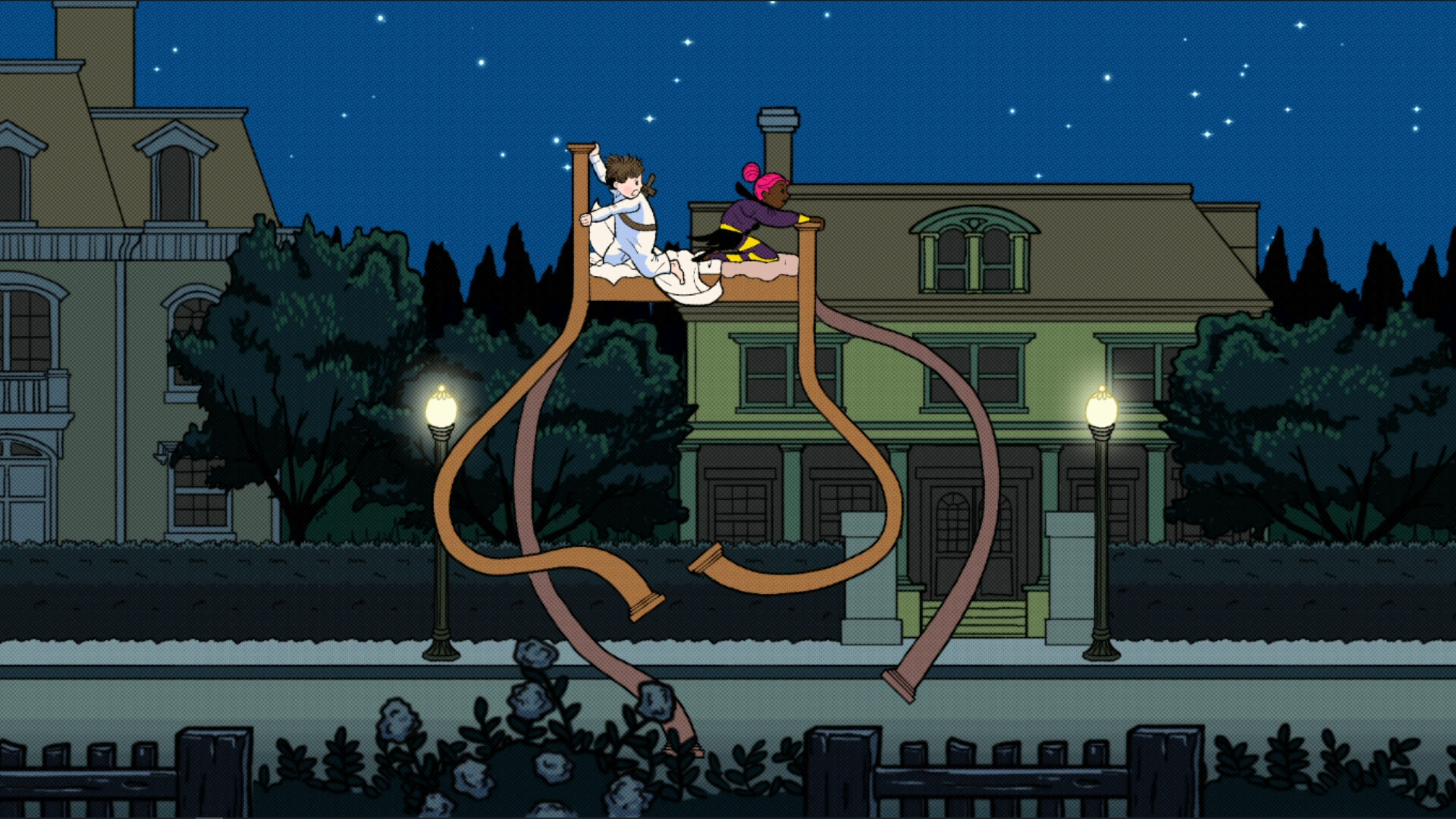
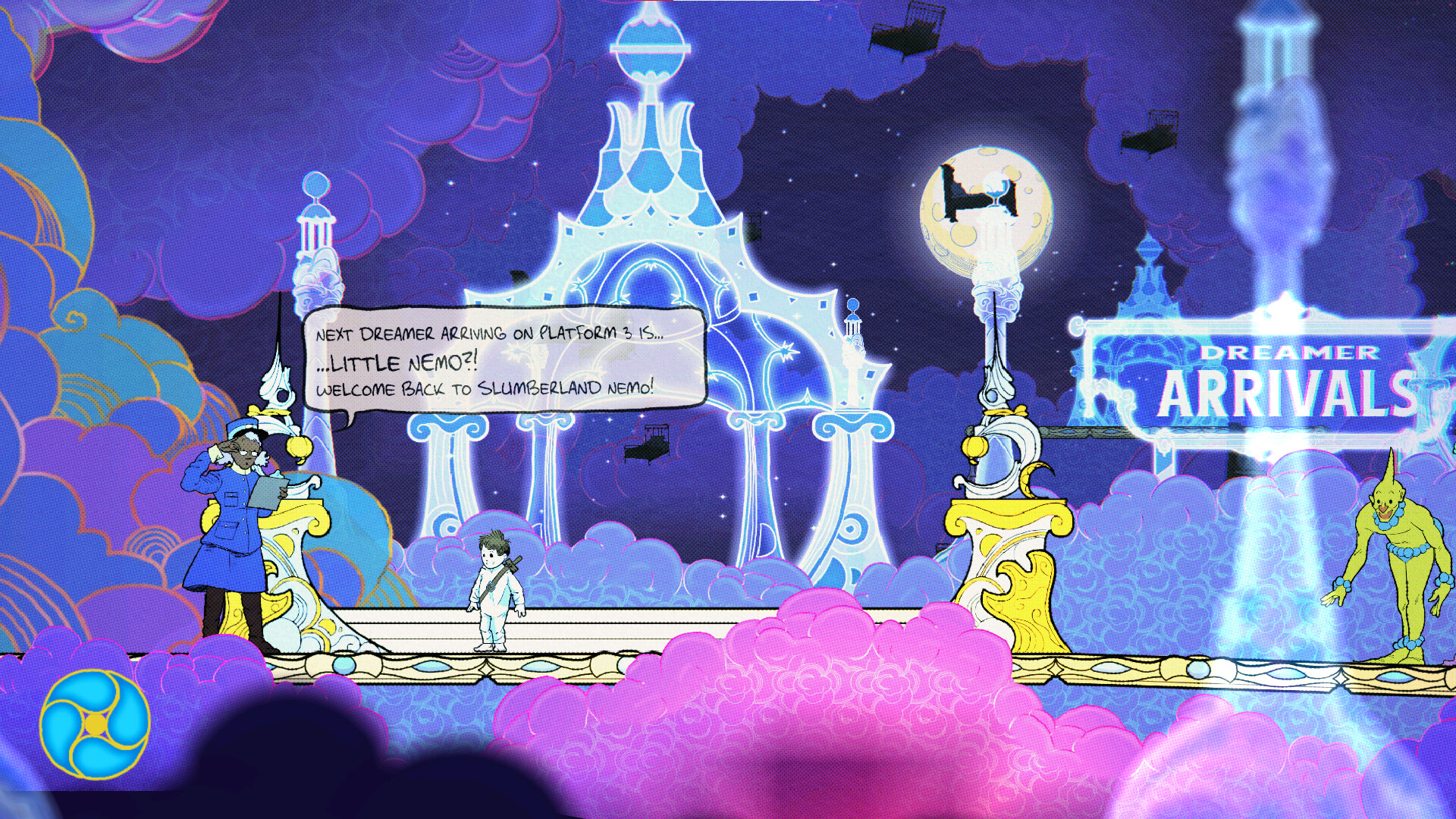
The player controls 4 different characters throughout, including Peony, a character added to the mythos exclusively for the game, to explore non-linear 2D sidescrolling levels, whilst along the way collecting hidden items, engaging in different varieties of combat, and making each character stronger as time goes on. Similar to Mickey Mania, the levels are based on classic Little Nemo episodes and stay faithful to the art style that McCay perpetuated throughout his career.

Wanting to know more about this gorgeous-looking and ambitious title, I contacted the project lead, Chris Totten, head of Pie for Breakfast Studio based in Kent, Ohio, to get a better idea of this game amidst its Kickstarter project, and a better idea of the varied team behind it. Ranging from a variety of different indie development studios that are also helping out on the project. Here’s what Chris Totten had to say about little Nemo and the Nightmare Fiends:

Little Nemo 1

Of course, the main influence behind the game was Winsor McCay’s classic comic book series of the same name. But what video games have been kept in mind most throughout development?

We’re really big retro gaming fans, so when coming up with a game that involves a cast of characters like this, we take a lot of inspiration from games like Little Samson or Demon’s Crest (where the player character could change his form). We’re asked about Little Nemo the Dream Master a lot as well. And while we can’t remake that (it’s not public domain like the comics), we are going to make lots of nods to it.

What has the developmental process been like?

Our team is geographically distributed, so that’s always a challenge, but one we’ve dealt with before. Making a game during a pandemic has been a bigger challenge. But it’s also provided something to keep us occupied. I’m mainly responsible for the art and animation so far (with bits of level design alongside Adrian Sandoval). So that’s been a lot of intense drawing. Each character has dozens of frames so far and will probably need dozens more before release!

Little Nemo 2

How close are we to seeing the finished product?

Our production schedule is mapped out as an 18-month project from the end of the Kickstarter, assuming we’re funded, of course.

What has been the most exciting aspect of development?

In my day job, I teach game development at a university, and my research is on the intersections between games and older fields of art, design, and animation. For me, this is an opportunity to use the process of making art to explore an important piece of comics and animation history.

What has been the most challenging aspect of development?

For me specifically, all that drawing! In general though, when you’re working on the first stages of a project trying to produce sample gameplay on nights and weekends, it can be very difficult to balance when you’re trying to put something out.

Little Nemo 3

How well has the game been received so far?

Incredibly well! Folks seem to love the characters and the art style. Either they know the original comics and are excited to see someone use public domain stuff in that way, or they didn’t know about the comics at all, and we’re educating them!

How did the collaboration with so many other indie developers come about?

These are all friends that I’ve made through years of going to conferences and conventions. We occupy a lot of the same spaces.

Do the additional developers share the same love for Little Nemo that you have?

Yes, the team is pretty passionate about Little Nemo. We all have our entry points: either renting the NES game or seeing the movie. But as everyone’s learned more, they’ve discovered a favorite character or comic.

Little Nemo 4

What platforms are you looking to bring the game to?

If we reach our initial funding goal, we’re going to launch on at least Windows and Mac. But we’ll consider other platforms depending on funding. We’d love to bring it to consoles!

Have you found that many other fans of the comic book series have offered their feedback regarding the game?

Yes! One of our main cheerleaders has been Zachary J.A. Rondinelli, a researcher doing a social media project called Welcome to Slumberland:

(https://zrondinelli.wixsite.com/welcometoslumberland).

Every day, he posts a new Little Nemo strip and delivers really excellent commentary along with an audience of contributors. We’ve been able to boost one another’s projects. And it’s been fun having a community like that.

How much fun has it been celebrating the license by adding new elements to the Little Nemo mythos?

This is the best part of working with the public domain, I think. You can add your own twist to things or address problematic parts of an original work. There are parts of McCay’s comics (from the early 20th century) that are pretty racist. So we worked with a BIPOC artist to create characters so that Slumberland can be for everyone.

Little Nemo 5

Have there been any ideas at this stage of development that have since been scrapped or reworked?

We’re always reworking things. I don’t want to cite anything specifically, but we’re always tweaking what characters can and can’t do. It’s a normal part of game development.

If you had the opportunity to develop a game with any company or any franchise, which would it be, and why?

I’m a shameless Nintendo fanboy, so anything Mario, Zelda, or Metroid would be in my wheelhouse. I’d love to do a hand-animated Mario game that looks like the original promotional art!

Out of the many varied things you’ve done throughout your career, would you say this project is what you’re most proud of?

So far, this has been a high point, but one of the best parts of being a game design academic is that I also have a lot of freedom to work on self-directed projects. One of the best things I’ve done has been to write a book on level design. I’m also really proud of the tabletop game I released in 2019, based on Don Quixote (which was also a Kickstarter project!)

Little Nemo 6

Do you have any advice for aspiring developers who may be reading this?

Learn the tools, but don’t think that’s the whole game development experience. Games are about the player experience. And you can make wonderful things no matter what tool it is. Make lots of little games, don’t just try to make something that looks like the big commercial games.

Where on the Internet can people find you?

My Twitter is @totter87, and my studio’s website is www.PFBStudios.com. Little Nemo and the Nightmare Fiends can be found at www.LittleNemoGame.com (redirects to the Kickstarter campaign)

Do you have anything else to add?

We hope you love Little Nemo and the Nightmare Fiends! Please support and share the campaign so we can make this the game of our dreams!

Little Nemo 7

I’d like to close out by thanking Chris for taking the time to talk to me about this wonderful-looking game, and to wish him the best of luck with Little Nemo and the Nightmare Fiends and its Kickstarter campaign. Little Nemo is clearly a labor of love, and if it sees its full release, I have every confidence that this will be a gaming experience loved by fans of McCay’s work, as well as fans of the 2D side-scrolling genre.

And that it will be a fantastical journey that McCay himself would’ve been proud to see. In the meantime, you can check out the Kickstarter page if you would like to back the project via the link provided by Chris, but I hope you guys enjoyed reading this Q&A because I certainly had a fun time learning more about not only this game but also about the inspiration behind it.

Game on,

Scouse Gamer 88.