Author Archives: scousegamer88

Dwarf Journey (PC)

Graphics – 9/10

Dwarf Journey

Developer(s) – Orube Studios 

Publisher(s) – Orube Studios 

PEGI – 7

Released by Orube Studios as one of two titles in the works simultaneously, Dwarf Journey is a rogue-lite Metroidvania heavy on combat and character development imposed by both Norse mythology and high fantasy. Having been excited by the looks of this game for quite some time, I was eager to play it and see what Orube had to offer. Especially following our Q&A.

https://scousegamer88.com/2021/02/12/qa-with-orube-game-studio/

After having played this game all the way through, I certainly wasn’t disappointed. 

Graphics – 9/10

This title featured wonderfully detailed 8-bit visuals in a world inspired by Norse mythology and the works of fantasy novelists such as JJR Tolkien and Gary Gygax. Featuring enemies such as goblins, dragons, and beholders. Indeed, the second boss fight is very reminiscent of Bilbo Baggins’ encounter with Smaug in The Hobbit. But besides this, there are also a lot of unique creatures included for good measure. Particularly at this level. A lot of the monsters in that dungeon actually reminded me somewhat of the Guardian in Legend of Zelda: Breath of the Wild. The soundtrack accompanying the game is a very interesting mix of orchestral music and 80s synth-pop. Which I never would’ve thought would work in a fantasy game. But to my surprise, it does work very well. 

Gameplay – 8/10

Heavy on combat, upgrading, and exploration, the game is a rogue-lite, so every playthrough provides a different challenge each time. The player must traverse through four separate dungeons, incorporating one of a great number of different play styles best suited to them. Whilst along the way, finding the resources to forge better equipment or upgrade the equipment they already have. Whilst not providing as much challenge as the average rogue-lite, or roguelike, for that matter. It still provides an extremely satisfying gaming experience. And for me, it serves as an ideal starting point for anyone looking to get into the genre and move on to more difficult games made in the same vein, like Rogue Legacy or Skul: The Hero Slayer. 

Controls – 10/10

A traditional 2D side scroller is easy to learn and only moderately difficult to master. Dwarf Journey has no issues with its control scheme. It’s actually well thought out how agility and power can affect an individual’s style of play and how it can be afforded for players to strategize accordingly. The wall-jumping mechanics are also strangely satisfying. Allowing for the opportunity to make certain enemy skills have a much more cinematic feel to them. 

Lifespan – 6/10

One playthrough of this game, depending on the player’s skill, can take them around 5 hours. However, this is a game designed to be played a minimum of two times. Since there are two different endings. But besides this, each playthrough offers a different experience, as I said before. So avid players can draw even more playtime out of it than that. It may become somewhat monotonous after a certain number of playthroughs. Which would probably be down to a lack of content compared to other rogue-lites. But it can be made to last a significant amount of time regardless. 

Storyline – 6/10

The story of Dwarf Journey follows an elderly Dwarven warrior named Gallar. Who, after having achieved everything he ever wanted, is suddenly drawn towards a mysterious place known as The Valley of Eternity. Where, within its depths, lies an artifact of immeasurable power, which he resolves to recover for himself. The game’s story hearkens back to the NES days when most games had only a basic premise as a story. And not much besides. What separates this story from a lot of others, however, is the fact that it has multiple endings to attain, giving it that little bit more replay value in turn. The basic premise is interesting, and the endings will do fairly well to surprise players after Gallar’s arduous journey through the depths. 

Originality – 7/10

The game’s level of uniqueness may not be overwhelmingly high, as it is in many other indie titles released in recent years, but it is unique in the sense that it provides a much more laid-back rogue-lites experience, which many players who may feel jaded by other games in the series they may consider to be too hard, will seem like a welcome breath of fresh air. If any players are looking to get into this genre of gaming, I would personally recommend they start with this game, as it provides a decent introduction without being overly easy at the same time. 

Happii

In summation, Dwarf Journey is a decent rogue-lite and a solid first developmental effort from Orube Studios. Their next game, Super Mombo Quest, looks to provide a very different experience from that of this title, but nevertheless, I recommend anyone looking to get into rogue-lites that they try this game, since as well as being a decent jumping-on point, and also provides a very enjoyable gaming experience. 

Score

46/60

7.5/10 (Good)


Guest Article: The Full Sync Network

For today’s article, and for the first time in a long time, I have a guest blogger on to express his opinions on the current landscape of gaming and his predictions on where it may go amidst the newly ushered in ninth generation of the medium. Josh Maddox of the FULL SYNC Network and I had recently been in contact in regards to the subject and offered to have his say on the blog on the new generation of gaming as well on the most recent releases, including Monster Hunter Rise, Resident Evil: The Village and others. established in 2016, the FULL SYNC Network is a collaboration of gamers around the world specializing in news, reviews, and previews of upcoming games, as well as streaming on their YouTube and Twitch channels of games, hardware reviews, and instruction videos. So without further ado, here’s what Josh Maddox had to say about the future of gaming and the ninth generation:


Despite the latest generation of consoles and graphics cards launching last year, many people are still playing on old hardware due to stock issues. We all thought that may ease up as we entered 2021 but the scalping game is still strong and thousands continue to struggle to get anything. Some have succeeded, myself included with my PS5. But others still check Discord for stock alerts every day then rush over to get into queues for the stock they keep missing out on.

But let’s not dwell on it too much, easy to say since I got what I wanted, and let’s take a look at the future of gaming instead.


Consoles

Less than six months after the PS5 launched, Sony is already looking at upgrading the storage on their consoles and making it more accessible for those that already bagged one to do it as well. I mean, I love my PS5 but there is nowhere near enough storage on it, with less than a terabyte to spare and a chunk of that is for the firmware. But I think this is a record of how quickly a manufacturer has decided to upgrade their console following release.

Xbox hasn’t announced plans yet, but don’t be surprised to see the usual slimline versions coming out in a few year’s time. Hopefully, by then they’ll actually have stock.

I guess, the console everyone is hoping for though is an upgraded Nintendo Switch. Whilst we all love the Switch, it is extremely underutilized. I mean Nintendo is great for innovation and creativity, and they have excellent first-party titles. But what they ooze in that, they lack in a common-sense almost, never truly fulfilling potential. I mean, look at the Switch, so versatile. Can be played docked and handheld. It’s a purpose-built gaming tablet essentially, that is able to be docked and played on the TV.

However, you can’t get Netflix, no internet browser, low internal storage too. I mean, it has the technology in there of an old SmartPhone, newer ones are arguably more powerful than it. And smartphones do everything in life. So the potential is there for the Switch to do the same. Yet Nintendo seems insistent on just doing what they want to do. Which is admirable, but also incredibly stupid. Question is, would an improved Switch have better functionality? Who knows.


PC

When it comes to PC, the future is a strange one. VR was supposed to be the future of PC gaming, but it still hasn’t hit the heights it was expected to. But sales figures for the Oculus Quest 2 look good, and with it being wireless and suitable for smaller spaces, it is likely we may soon see the rise so many predicted. 

In terms of hardware, the newest graphics cards are all released, but as with the latest PlayStation and Xbox releases, there is hardly any stock. Scalpers have been buying it all up, and many who have got the latest GPUs have been using them for mining cryptocurrencies since Bitcoin decided to explode to over $50,000 earlier this year. Which leaves many gamers in a tough position.

Now, they could upgrade to the last-gen cards, because they’re still capable of things like 4K and decent frame rates in games. But the problem is, with the shortage, the costs of older models have skyrocketed. I bought my RX 570 4GB for £80 over a year ago, and I’ve seen the same model going for £140 nearly double what I paid. And now many of the last generation cards are even selling at higher than the retail price of new cards. But, because no one can get them, people are paying stupid money. We don’t actually know when this madness will end.


Games

Who doesn’t love games right? But there are always so many titles to choose from, it can be tough to decide on what to get if you’re on a budget. And with so many games coming out this year, I thought I’d just write a quick list about some upcoming titles we’re excited to see.

  • Outriders – Developed by People Can Fly and published by Square Enix, Outriders is a third-person RPG adventure due to release April 2021.
  • Guilty Gear – A fighting game from Bandai Namco that is very anime-based in style. This was also due out in April 2021 but has since been pushed back to solve issues that cropped up in the latest beta tests.
  • Resident Evil Village – Due out in May, the latest installment to the Resident Evil series looks to be one of the most intriguing and detailed yet. A must-have for horror game fans.
  • Monster Hunter Rise – Following the release of the Monster Hunter movie, the newest addition to the popular game series launches later this month.
  • Back 4 Blood – Back 4 Blood is an upcoming multiplayer survival horror game developed by Turtle Rock Studios and published by Warner Bros. Interactive Entertainment. It has major Left4Dead feels to it, and had incredible feedback after the latest beta tests. This one is due out a little later this year in June.

But it’s not entirely new games that are coming out. There are a whole bunch of remakes and remasters too. Two of the most popular people are looking forward to our Prince of Persia: Sands of Time, and Oddworld: Soulstorm, which is a reimagining of the classic Oddworld: Abe’s Exodus. Still, I seem to be waiting on a remake of my beloved childhood title Croc. I was hoping with the reintroduction of Crash Bandicoot and Spyro that this would follow behind shortly after, but alas, nothing so far.


What are your thoughts?

There you have it, our thoughts on the future of gaming this year. But what do you guys think? Will we see a “Switch Pro” in 2021? Will stock of new consoles and graphics cards ever become more accessible? Is there a game you think we should be checking out not on our list? Or maybe you agree we need a Croc remake and want to start a petition with us? Whatever your thoughts, let us know what you think in the comments below or over on our social media channels.


I’d like to take the opportunity to thank Josh for taking the time out to contribute to the blog in what is truly a fascinating read about the possibilities and the limitations that very well come with the advent of the ninth generation of gaming. If you’d like the check out the various different platforms FULL SYNC operates out of, all links are below:

Main Site – https://fullsync.co.uk/

Facebook – https://www.facebook.com/fullsyncnetwork

Twitch – https://www.twitch.tv/fullsyncgaming

YouTube – https://www.youtube.com/channel/UCvrGKhe7y4gTmgD2pxxBsAA

Twitter – https://twitter.com/fullsyncnetwork

Gamer’s Apparel – https://gamersapparel.co.uk/store/fullsync

Be sure to check out their stuff, but in the meantime, I hope you guys enjoyed reading what Josh had to say, and if the opportunity comes about for me to work with FULL SYNC again, it will be up on my social media pages too.

Game on,

Scouse Gamer 88

Wandersong

Q&A With Greg Lobanov Volume 2

Back in 2016, one of the games I came across on Kickstarter as part of my ongoing efforts to discover new and exciting gaming experiences and bring them even further attention, was Wandersong. Before it was funded, I reached out to the creator, Greg Lobanov, for an interview to ascertain more information about what looked like a truly promising title in the making:

https://scousegamer88.com/2016/07/09/qa-with-greg-lobanov/

And in the end, I was proven right. Ever since the release of the game, it has garnered universal acclaim from a great number of gamers and critics throughout the industry. Including yours truly.

https://scousegamer88.com/2021/01/24/wandersong-pc/

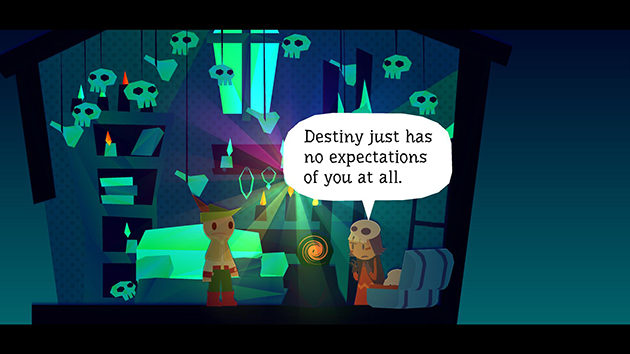
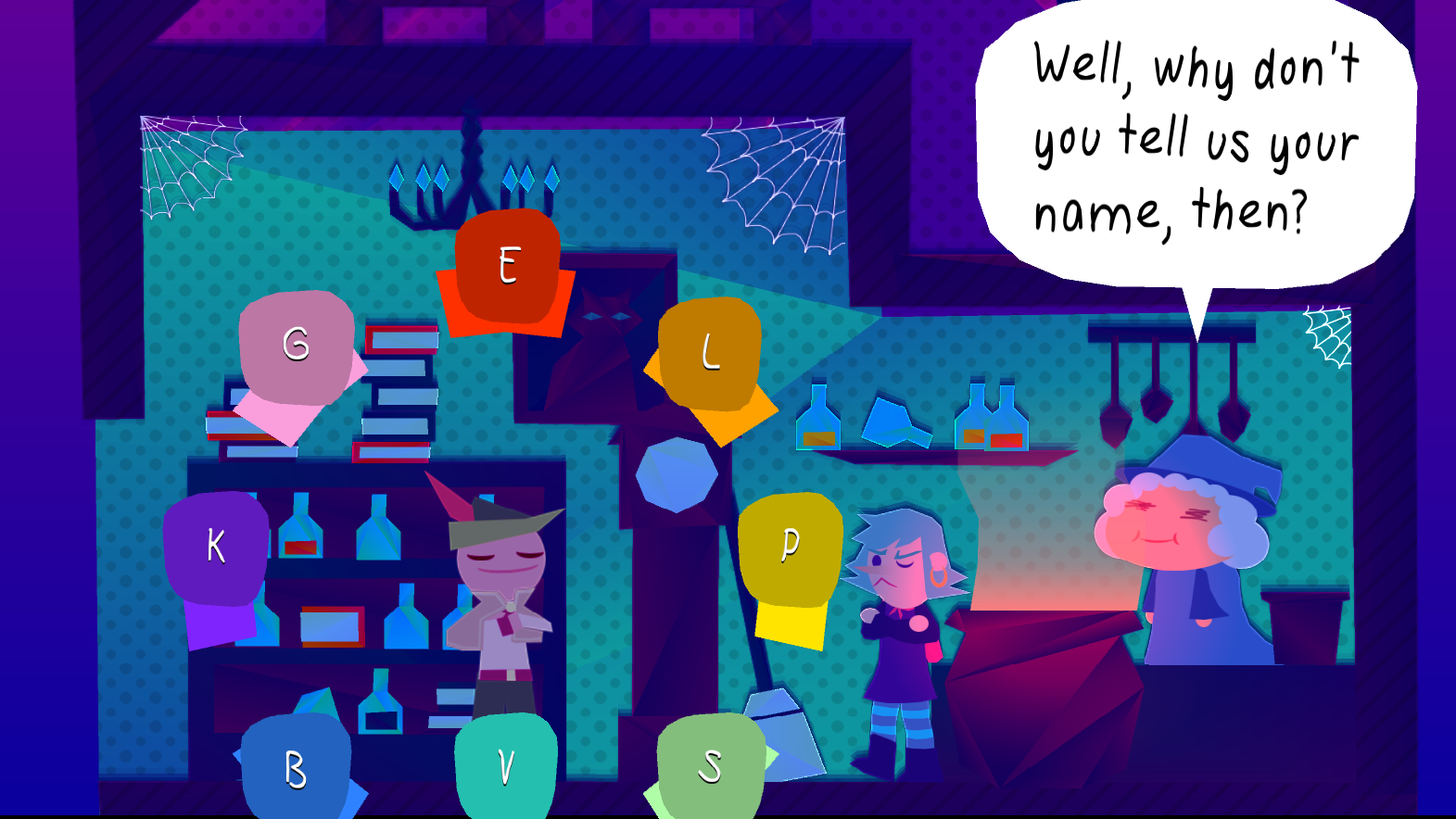
The game has intricate puzzle-solving, an extremely unique approach to combat, and progression. And one of the most beautifully composed soundtracks to come out of the indie development community. Complete with a rollercoaster of a story chock-full of emotional moments of discovery, comedy, and drama. Eager to discover how the experience panned out for the development team on a personal level and what’s next for the people involved in the project, I got back in touch with Greg to find out more information about what more can be expected of this promising young developer and his team in the future. And exactly how the experience of developing this game impacted their lives and his. Here’s what Greg Lobanov had to say about Wandersong, his new upcoming game, Chicory: A Colourful Tale, and his experiences as a developer thus far:

Greg Lobanov 2 2

How satisfied have you and the team been on a personal level to see Wandersong receive the overwhelmingly positive response it has received since its release?

It’s been very satisfying. 🙂 I always said at the outset that all I really wanted was for at least one person to really, really love the game a lot. And we had that happen many times over. It’s very warm to put so much heart into something and see it resonate with people. I’ll be grateful forever that I got to have this experience.

How satisfied have Em and Gordon been with the positive response the game’s soundtrack has received?

Very happy, for sure. Gord uploaded all 100+ tracks to YouTube, and he still sees exuberant YouTube comments come in every day, and it warms his heart. 

You came up with the idea for Wanderson following a cross-country biking trip you took across the US. Were there any particular locations you passed through or people you met that stand out as being more influential than the other?

There were a LOT of tiny pieces borrowed from a lot of places to patch together the diverse cast and world in Wandersong. I’ll mention that I named the first town, Langtree, after a tiny town in Texas called Langtry that only has a dozen people in it in the middle of the desert. I stayed there for a couple of nights through a hailstorm.

Wandersong 2

Of course, Gordon and Em had composed for video games before this. Were there any games that they had worked on that they kept in mind when composing the soundtrack for Wandersong?

Actually, Wandersong was Em’s first game project when she started, although by the time it came out, she had also started and finished working on Night in the Woods. In general, I don’t think games were a key inspiration. Instead, we were looking at different musicians, bands, genres, and instruments to get inspiration for the musical and audio touches.

The last time we spoke, you mentioned the most exciting and challenging aspects of developing the game were the color design and missing audio, respectively. But did any of the most exciting and challenging aspects of development change later on throughout the process?

Oh, yes… I think at the time I was fixated on the immediate concerns. But once I had Em and Gord, audio wasn’t a stress. I think ultimately the biggest challenge was telling a meaningful story. We really wanted the game and everything in it to matter. So we took great care in how we presented things. It’s a lot of careful, thoughtful work to do right.

Wandersong 4

Nintendo titles made up a great deal of the influence behind the game, such as Ocarina of Time and Kirby’s Epic Yarn. If you, Em, and Gordon were allowed to work for Nintendo on one of their series of your choice, which one would it be, and why?

I don’t know about Em and Gord, who aren’t especially big Nintendo fans. But I would really like to work on a Pokémon game. I think it’s a really rich world and game concept that could be explored in a lot of ways that haven’t been touched yet. And I just really love Pokémon.

Apparently, Steven Universe was a major inspiration for the game’s visual style. From one fan of the series to another, what is your favorite Steven Universe song, and why?

“Love Like You” is a pretty special song. I think I’d have to pick that one.

Were there any ideas at this stage of development that had been scrapped or reworked throughout?

A lot of small ideas came and went. I had in my notes for a long time that it would be cool to do a punk show/punk-themed section. And I was curious if there was a way to do something with rap/RnB as well. Neither of those ever found the right spot in the story, though.

Wandersong 1

You abandoned the initial idea early on of making a game about biking when it came to Wandersong. Is that a concept you think you would like to revisit at some point?

Maybe??? There would have to be something more to it for the idea to be interesting to me. There was a new game called “Season” announced recently. That looks kind of like the game I would have made, probably.

If you could choose any video game character to make a cameo appearance in Wandersong, which one would it be, and why?

Well, we put Mr. Oshiro from Celeste and Ima from Ikenfell into Wandersong. Those were my friends’ characters, and we started all our games together when we were roommates, so I thought it would be fun to pay them an homage like that.

What lessons were learned by yourselves as developers throughout the entire process?

I think I refined my game writing skills a lot by sheer force of effort. Em was extremely maximalist and detailed with the sound design. But in her following projects, she learned to tone it down a bit and focus her effort on the most important places. And this game definitely took Gord on a creative adventure. Composing so many songs in so many styles and genres. I think it helped him find the confidence to be creative and try new things at a time. When he was starting to feel like he was falling into a rut.

Wandersong 6

What’s next for Greg, Em & Gordon?

Em and I are finishing our next project, Chicory: A Colorful Tale. Em has also released work on a lot of really cool indie titles since Wandersong came out a couple of years ago. Including Untitled Goose Game and Ikenfell. Gord’s released some OSTs as well, including one for a game called Stela he’s quite proud of. But right now he’s working on his first solo album in many years. And having a great time with it–watch for that in 2021.

Have there been any ideas contemplated to develop a sequel to Wandersong?

Maybe some passing thoughts. But there are a lot of other things I want to do. And I think the story of Wandersong is complete on its own.

What genre of gaming would you like to undertake that you haven’t tried?

That I haven’t tried? Hmm… I’ve tried so many, haha. I’m most interested in taking  ‘creativity’ mechanics and combining those with other genres, the way we did with platforming in Wandersong. I also have some other ideas for things I can’t talk about yet.

Do you have any advice for aspiring developers who may be reading this? 

Try finishing something small so you can get into the practice of finishing things. 🙂 Find your peers and work together and learn from them, not from people like me.

Do you have anything else to add?

Video games are cool.

Wandersong 7

I would like to take this opportunity to thank Greg for taking the time to talk to me again about Wandersong and his own developmental experiences. Wandersong turned out to be every bit as wonderful, enjoyable, and innovative as I suspected it would be, thanks to the successful Kickstarter project, the involvement of Humble Bundle, and, of course, the love and attention that went into crafting this truly immersive and intricate title. And I, on a personal level, also feel proud to have helped in my small part to bring this game to a wider audience earlier on throughout its development. In addition, I’m also very much looking forward to playing Chicory: A Colourful Tale. And I sincerely hope to work with Greg again in the future.

In the meantime, you can check out Greg’s website via the link below to keep up with the development of Chicory. As well as any new gaming ventures of his:

http://greg.style/

And if anyone hasn’t tried Wandersong, I highly recommend that you give this game a go. It’s available to download on several platforms, including Steam, PlayStation 4, Xbox One, and Nintendo Switch. I also sincerely hope you guys enjoyed reading these articles with Greg and me. And for those of you who played Wandersong, that you enjoyed playing it as much as I did.

Game on,

Scouse Gamer 88

Little Nemo

Q&A With Chris Totten

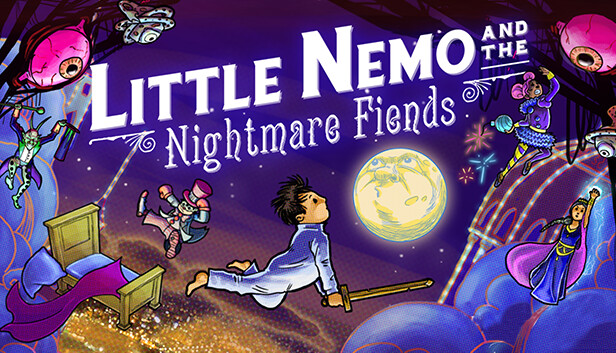
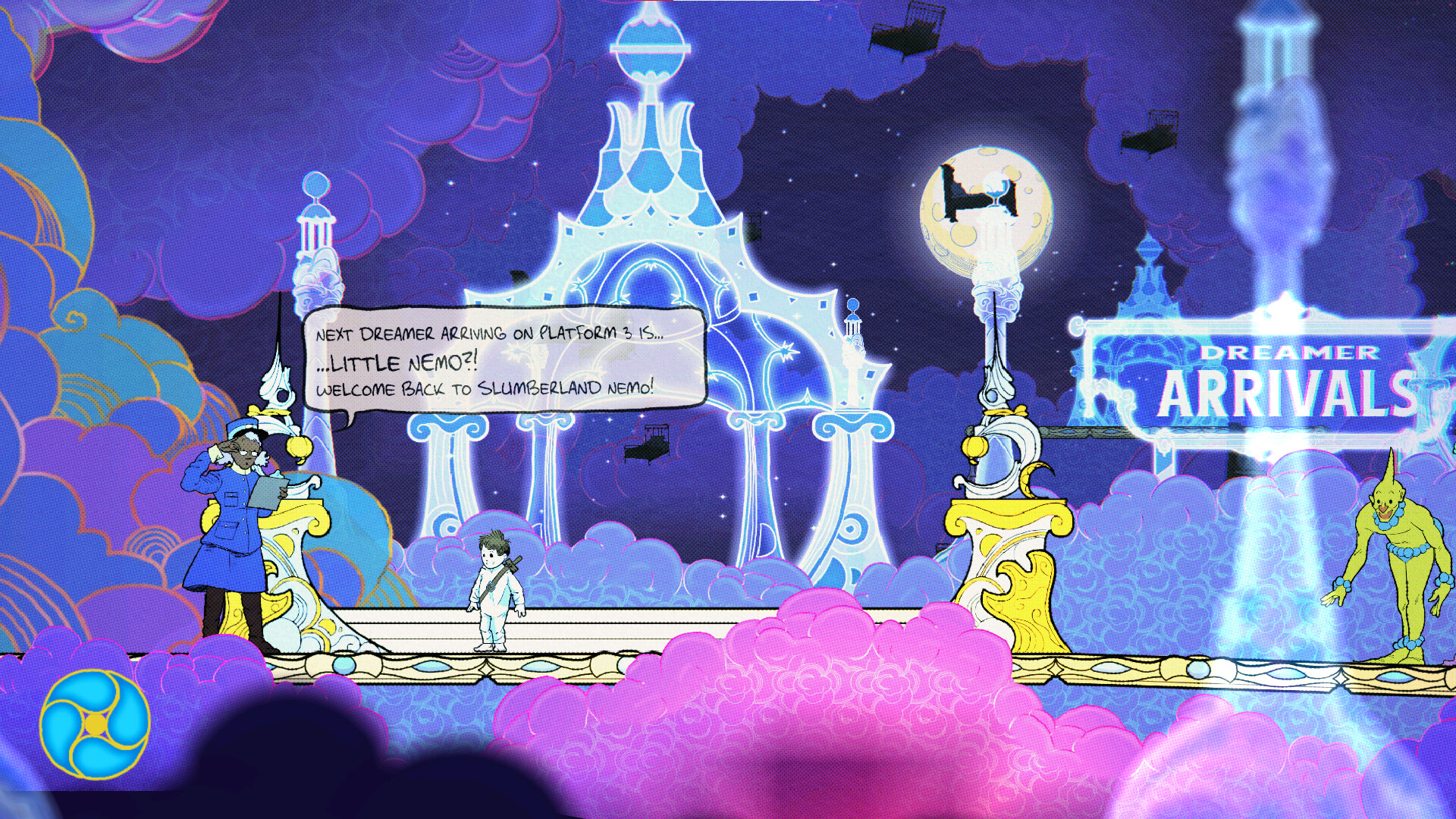
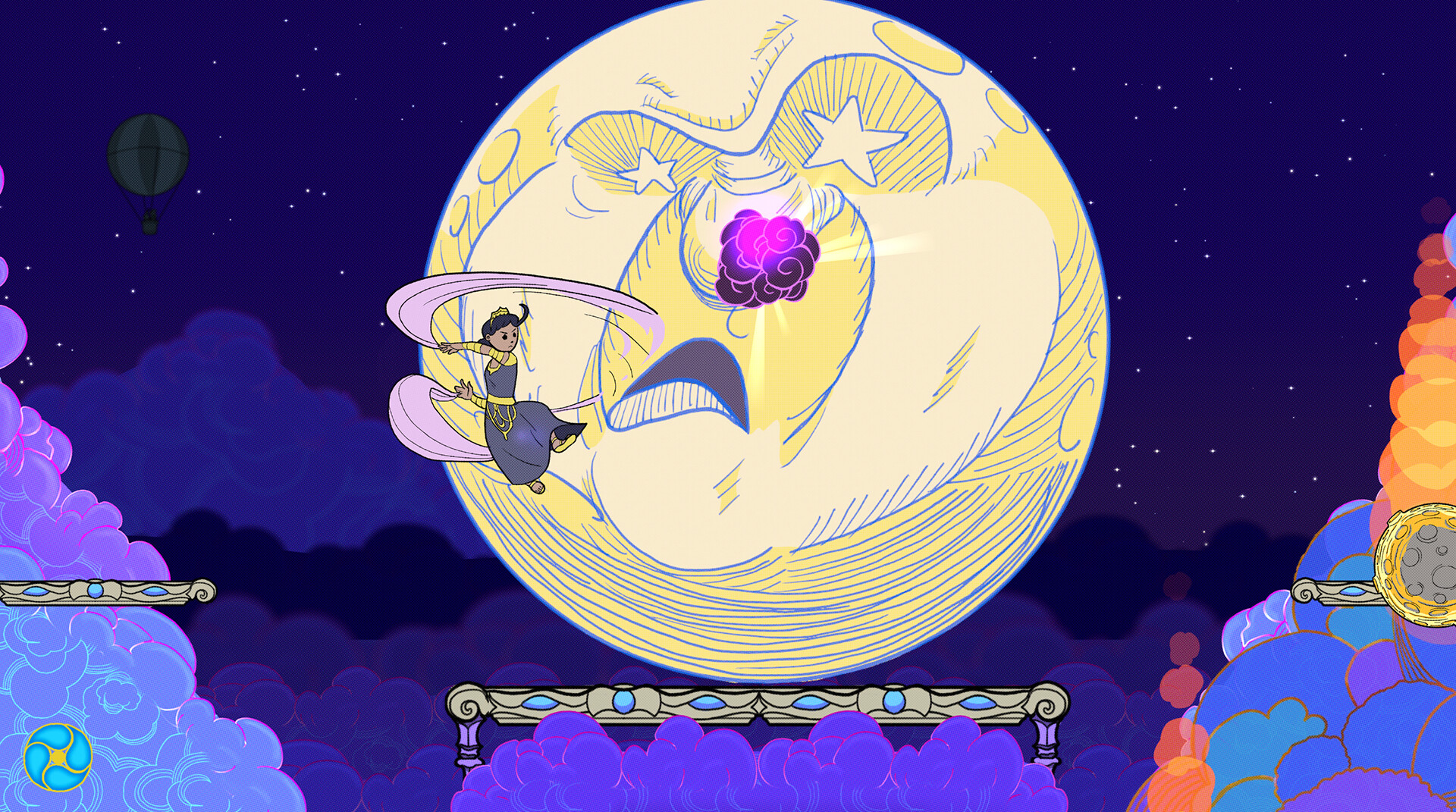
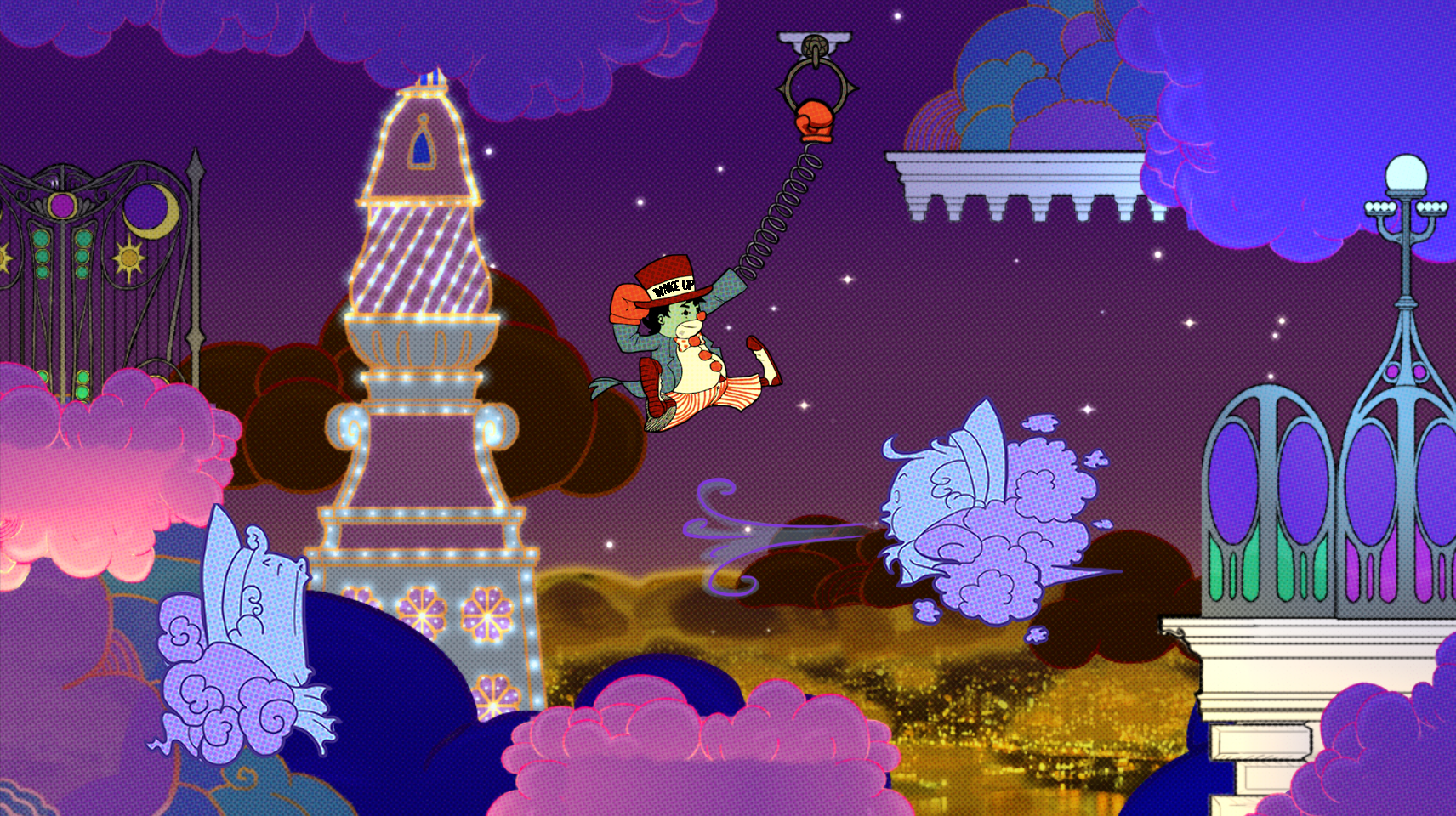
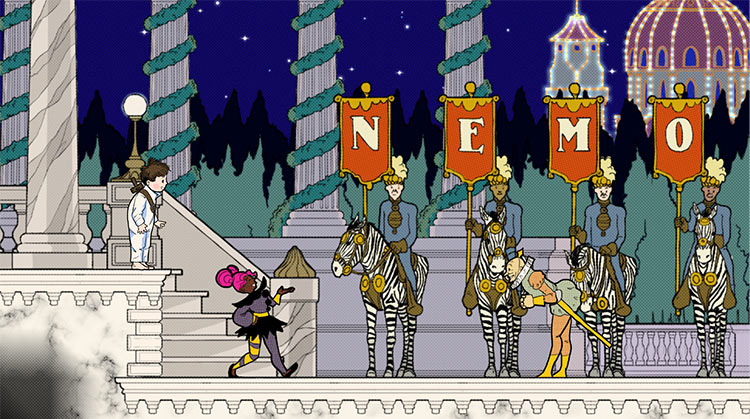
In my efforts to discover yet more indie titles in the making on crowdfunding platforms, I found another Kickstarter campaign for what is a very promising passion project based on a beloved comic book series. Little Nemo and the Nightmare Fiends is a 2D  non-linear sidescroller based on the works of the innovative US comic book artist and animator Winsor McCay. Having inspired famous animators and artists since, including Walt Disney himself, he left behind a legacy and a mythos that are, in equal parts, beautiful and surreal, and this serves as the inspiration for this game.

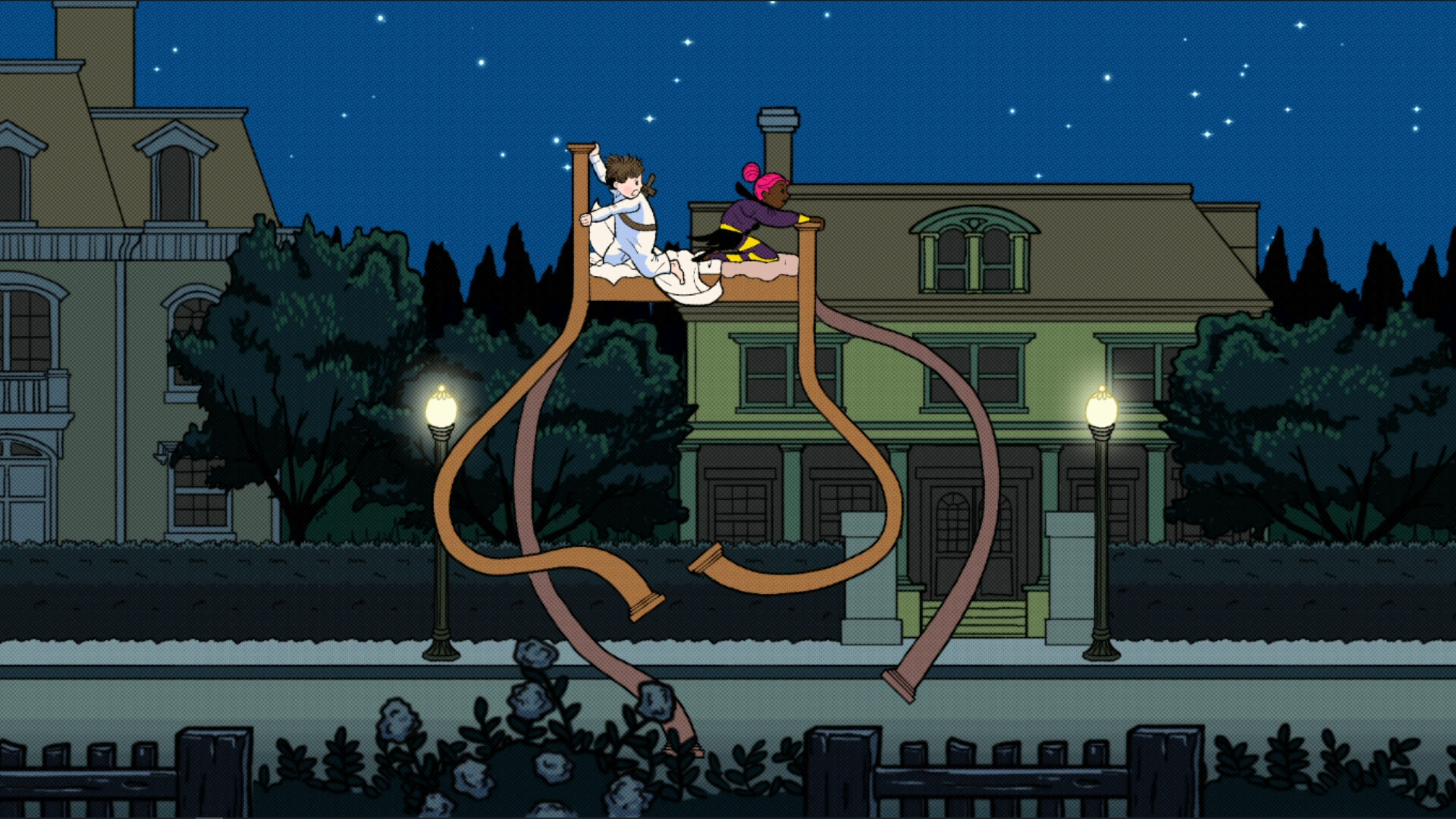
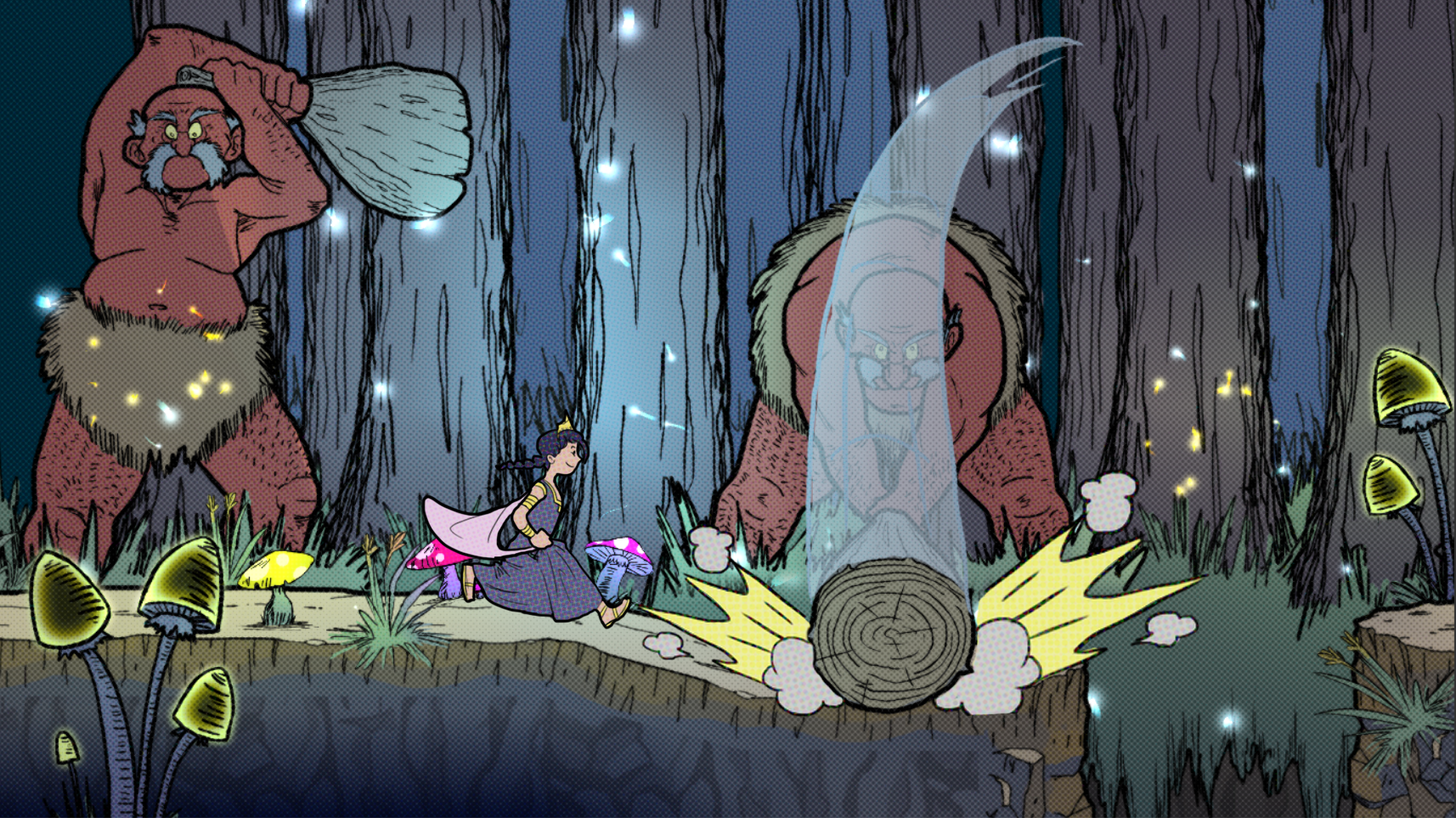
The player controls 4 different characters throughout, including Peony, a character added to the mythos exclusively for the game, to explore non-linear 2D sidescrolling levels, whilst along the way collecting hidden items, engaging in different varieties of combat, and making each character stronger as time goes on. Similar to Mickey Mania, the levels are based on classic Little Nemo episodes and stay faithful to the art style that McCay perpetuated throughout his career.

Wanting to know more about this gorgeous-looking and ambitious title, I contacted the project lead, Chris Totten, head of Pie for Breakfast Studio based in Kent, Ohio, to get a better idea of this game amidst its Kickstarter project, and a better idea of the varied team behind it. Ranging from a variety of different indie development studios that are also helping out on the project. Here’s what Chris Totten had to say about little Nemo and the Nightmare Fiends:

Little Nemo 1

Of course, the main influence behind the game was Winsor McCay’s classic comic book series of the same name. But what video games have been kept in mind most throughout development?

We’re really big retro gaming fans, so when coming up with a game that involves a cast of characters like this, we take a lot of inspiration from games like Little Samson or Demon’s Crest (where the player character could change his form). We’re asked about Little Nemo the Dream Master a lot as well. And while we can’t remake that (it’s not public domain like the comics), we are going to make lots of nods to it.

What has the developmental process been like?

Our team is geographically distributed, so that’s always a challenge, but one we’ve dealt with before. Making a game during a pandemic has been a bigger challenge. But it’s also provided something to keep us occupied. I’m mainly responsible for the art and animation so far (with bits of level design alongside Adrian Sandoval). So that’s been a lot of intense drawing. Each character has dozens of frames so far and will probably need dozens more before release!

Little Nemo 2

How close are we to seeing the finished product?

Our production schedule is mapped out as an 18-month project from the end of the Kickstarter, assuming we’re funded, of course.

What has been the most exciting aspect of development?

In my day job, I teach game development at a university, and my research is on the intersections between games and older fields of art, design, and animation. For me, this is an opportunity to use the process of making art to explore an important piece of comics and animation history.

What has been the most challenging aspect of development?

For me specifically, all that drawing! In general though, when you’re working on the first stages of a project trying to produce sample gameplay on nights and weekends, it can be very difficult to balance when you’re trying to put something out.

Little Nemo 3

How well has the game been received so far?

Incredibly well! Folks seem to love the characters and the art style. Either they know the original comics and are excited to see someone use public domain stuff in that way, or they didn’t know about the comics at all, and we’re educating them!

How did the collaboration with so many other indie developers come about?

These are all friends that I’ve made through years of going to conferences and conventions. We occupy a lot of the same spaces.

Do the additional developers share the same love for Little Nemo that you have?

Yes, the team is pretty passionate about Little Nemo. We all have our entry points: either renting the NES game or seeing the movie. But as everyone’s learned more, they’ve discovered a favorite character or comic.

Little Nemo 4

What platforms are you looking to bring the game to?

If we reach our initial funding goal, we’re going to launch on at least Windows and Mac. But we’ll consider other platforms depending on funding. We’d love to bring it to consoles!

Have you found that many other fans of the comic book series have offered their feedback regarding the game?

Yes! One of our main cheerleaders has been Zachary J.A. Rondinelli, a researcher doing a social media project called Welcome to Slumberland:

(https://zrondinelli.wixsite.com/welcometoslumberland).

Every day, he posts a new Little Nemo strip and delivers really excellent commentary along with an audience of contributors. We’ve been able to boost one another’s projects. And it’s been fun having a community like that.

How much fun has it been celebrating the license by adding new elements to the Little Nemo mythos?

This is the best part of working with the public domain, I think. You can add your own twist to things or address problematic parts of an original work. There are parts of McCay’s comics (from the early 20th century) that are pretty racist. So we worked with a BIPOC artist to create characters so that Slumberland can be for everyone.

Little Nemo 5

Have there been any ideas at this stage of development that have since been scrapped or reworked?

We’re always reworking things. I don’t want to cite anything specifically, but we’re always tweaking what characters can and can’t do. It’s a normal part of game development.

If you had the opportunity to develop a game with any company or any franchise, which would it be, and why?

I’m a shameless Nintendo fanboy, so anything Mario, Zelda, or Metroid would be in my wheelhouse. I’d love to do a hand-animated Mario game that looks like the original promotional art!

Out of the many varied things you’ve done throughout your career, would you say this project is what you’re most proud of?

So far, this has been a high point, but one of the best parts of being a game design academic is that I also have a lot of freedom to work on self-directed projects. One of the best things I’ve done has been to write a book on level design. I’m also really proud of the tabletop game I released in 2019, based on Don Quixote (which was also a Kickstarter project!)

Little Nemo 6

Do you have any advice for aspiring developers who may be reading this?

Learn the tools, but don’t think that’s the whole game development experience. Games are about the player experience. And you can make wonderful things no matter what tool it is. Make lots of little games, don’t just try to make something that looks like the big commercial games.

Where on the Internet can people find you?

My Twitter is @totter87, and my studio’s website is www.PFBStudios.com. Little Nemo and the Nightmare Fiends can be found at www.LittleNemoGame.com (redirects to the Kickstarter campaign)

Do you have anything else to add?

We hope you love Little Nemo and the Nightmare Fiends! Please support and share the campaign so we can make this the game of our dreams!

Little Nemo 7

I’d like to close out by thanking Chris for taking the time to talk to me about this wonderful-looking game, and to wish him the best of luck with Little Nemo and the Nightmare Fiends and its Kickstarter campaign. Little Nemo is clearly a labor of love, and if it sees its full release, I have every confidence that this will be a gaming experience loved by fans of McCay’s work, as well as fans of the 2D side-scrolling genre.

And that it will be a fantastical journey that McCay himself would’ve been proud to see. In the meantime, you can check out the Kickstarter page if you would like to back the project via the link provided by Chris, but I hope you guys enjoyed reading this Q&A because I certainly had a fun time learning more about not only this game but also about the inspiration behind it.

Game on,

Scouse Gamer 88.

Mickey Mania/Mickey’s Wild Adventure (SNES, Mega Drive, Sega CD & PlayStation)

Mickey Mania

Developer(s) – Traveller’s Tales

Publisher(s) – Sony Imagesoft & Walt Disney Computer Software

Designer(s) – Jon Burton, Andy Ingram, Mike Glam & David Jaffe

ELSPA – 3+

Released across two generations on various consoles, and being the developmental debut of Twisted Metal creator and God of War alumni David Jaffe, Mickey Mania was originally envisioned to coincide with Mickey’s 65th anniversary. However, it was pulled back to allow for more development time. What followed was the critical and commercial success of the game. Praised to the extent that it was considered a must-have for any fourth-generation gamer at the time. I feel very much the same, having played it profusely when it first came out. And for any fans of the 2D side-scrolling genre, it has very much stood the test of time. 

Graphics – 8/10

The game is set across several classic Mickey Mouse cartoons from 1928’s Steamboat Willy to that character’s 1990 take on The Prince and the Pauper. And each level in the game captures the feel of the original features flawlessly. It’s one of those games that, as one based on a preexisting license with a predetermined visual style, stands the test of time in terms of graphics because of it. It was also one of the earliest instances I can remember where I was introduced to at least pseudo-3D graphics in a console game. And I remember being blown away by it at the time. 

Gameplay – 8/10

The game is a traditional 2D side scroller, quite typical of the fourth generation of gaming. And typical of what games were resulting from the Disney license at the time. Along with Duck Tales, Aladdin, Toy Story, and others. There is also a light puzzle-solving element in certain levels as well. But it mainly revolves around getting from A to B. There are also a couple of memorable boss fights, including that with The Mad Doctor and Pete’s Prince and the Pauper incarnation. The pseudo-3D gameplay sequences have the player running away from impending danger. This provides a welcome challenge to break up the traditional platforming sequences and keep players firmly on their toes. 

Controls – 10/10

As a standard sides roller perpetuating industry standards set at the time, there are no issues with the controls. The way the control scheme is implemented during the 2.5D sequences is handled quite well in addition. Especially considering that the idea was relatively new at the time. And would’ve taken a certain degree of innovative thinking to effectively manage it. 

Lifespan – 6/10

Just about meeting the standard of Lifespan set at the time, the game can be made to last a maximum of 2 hours. The definitive way to play this game, in every aspect, in addition to lifespan, is through the PlayStation version entitled Mickey’s Wild Adventure. It contains every level designed for the game. As well as a few newly added features, the Super NES and Mega Drive versions were missing certain levels and sequences. 

Storyline – 7/10

The game’s story is simply a retelling of several classic Mickey Mouse cartoons in video game form. Throughout, each level perpetuates elements of what made the original cartoons captivating. It portrays an early example of how video games can be capable of telling a story without the player having to consult the manual. Again, it’s another reason why Mickey’s Wild Adventure is the definitive way to play it, since it also includes voice acting.

Originality – 8/10

In some respects, such as lifespan, the game just about met industry standards. And failed to stand out as a result. But in many other respects, including graphic design and gameplay, it stands out among a plethora of 2D side scrollers that were being released at the time. It almost served as a precursor to what would eventually be released by Sony with the advent of the PlayStation, following the deal between them and Nintendo falling through. It seemed like a particularly historical game in that respect, the more I’ve thought about it since. And it makes me wonder what the landscape of gaming may have been if history had gone another way. 

Happii

In summation, Mickey Mania was a quietly innovative game that has since stood the test of time with the enjoyable experience it provides. It’s a licensed game that surpassed expectations at the time, and I would still highly recommend it be played today. 

Score

49/60

8/10 (Very Good)

Rugrats: Search for Reptar (PlayStation)

Rugrats Search for Reptar

Developer(s) – n-Space 

Publisher(s) – THQ

Director(s) – Seth Jacobsen & Don Nauert

Producer(s) – Symar Sambar, Leyland Mah & Jym Kelly 

ELSPA – 3

Released on the original PlayStation back in 1998 as part of a lucrative multi-million dollar deal between THQ and Nickelodeon. And boasting the second biggest video game marketing campaign of that year (second only to Legend of Zelda: Ocarina of Time), Rugrats: Search for Reptar is a good example of the effective development of a game based on a pre-existing license. Before the standard would be even further elevated in the late 2000s. Back in the day, and as a huge Rugrats fan growing up, I spent a ridiculous amount of time playing this game. And in all honesty, it is still one that holds up to this day for a multitude of different reasons. 

Graphics – 8/10

The visuals are simple and cartoony to go along with the tableau of the show it’s based on. It’s a lot like a precursor to the concept of cel-shaded visuals perpetuated later by Jet Set Radio. And a plethora of games were developed afterward. It takes place in a hub world. Which is the Pickles residence is also featured across several locations presented in a variety of classic Rugrats episodes, including Grandpa’s Teeth and The Mysterious Mr. Friend. It still holds up to this day because it was never meant to be a game with cutting-edge graphics. Only to portray the visual style of the cartoon, which it does exceptionally well. 

Gameplay – 8/10

By design, the game is an action-adventure. But because it centers on several classic episodes of the series, it presents the player with a variety of different gameplay mechanics. Such as golfing, riding a dog, and projectile combat. I almost forgot about how good this game is because it’s easy to forget and perpetuate a different idea of it after not having played it for several years. However, after revisiting the game, I was able to appreciate the many different things it offered to gamers at the time and still does. 

Controls – 10/10

One of the major issues players and critics alike had with the game’s controls was the camera angle. Mainly put down to the fact that this was developed during a time when 3D gaming was just coming out of its infancy. But none of that truly bothered me back in the day, and it still doesn’t now. The camera stays behind the player character and never moves beyond that. The controls are certainly nowhere near as much of a problem as they are in other 3D games released at around the same time. Including Blasto and Croc: Legend of the Gobbos. Unlike in a lot of other early 3D games, the movement is also extremely fluent. And the game flows naturally despite the number of play styles the player will have to adapt to throughout. 

Lifespan – 5/10

To me, the Lifespan was the most disappointing aspect of this title, as it can take less than 3 hours to complete, which fell below the established standard for 3D games even back in 1998. When considering that this game was advertised as much as Ocarina of Time was, the difference in lifespan is eclipsing, as players can get through this game in a few hours and move on to Ocarina of Time, which takes far longer to complete to 100%.

Storyline – 7/10

The basic premise of the story is that Tommy, Chuckie, Phil, Lil, and Angelica are on a quest to recover the missing pieces of Tommy’s jigsaw puzzle modeled after his favorite cartoon character, Reptar. The main story is simplistic, but it also takes place across several classic Rugrats episodes, which remain beloved by fans of the series everywhere, and to see them presented in the video game format was quite a unique thing at the time. As a fan of it growing up back in the day, it featured some of my favorite episodes of the series, so it worked particularly well for me back in the day. 

Originality – 7/10

Although 3D gaming was beginning to dominate the medium at this time and clones were cropping up all over the place on every home console, there was something unique about this game back in the day to give players this much variety in gameplay. It’s another example of developers not just using a pre-existing license, but also celebrating it in significant ways. The developers clearly had fun putting this game together, and it really shows in more ways than one. 

Happii

Overall, Rugrats: Search for Reptar is an excellent example of a game based on a beloved license. And an experience that still holds up to this day. I’m glad that I have not long revisited this title, because if I hadn’t, I would have undoubtedly forgotten about how good a game it truly is. 

Score

45/60

7.5/10 (Good)

Lucid Soul

Q&A With Jon Bookout

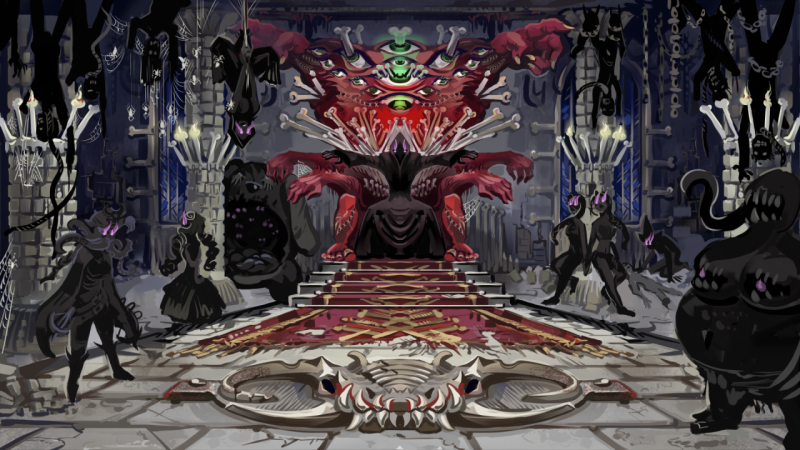
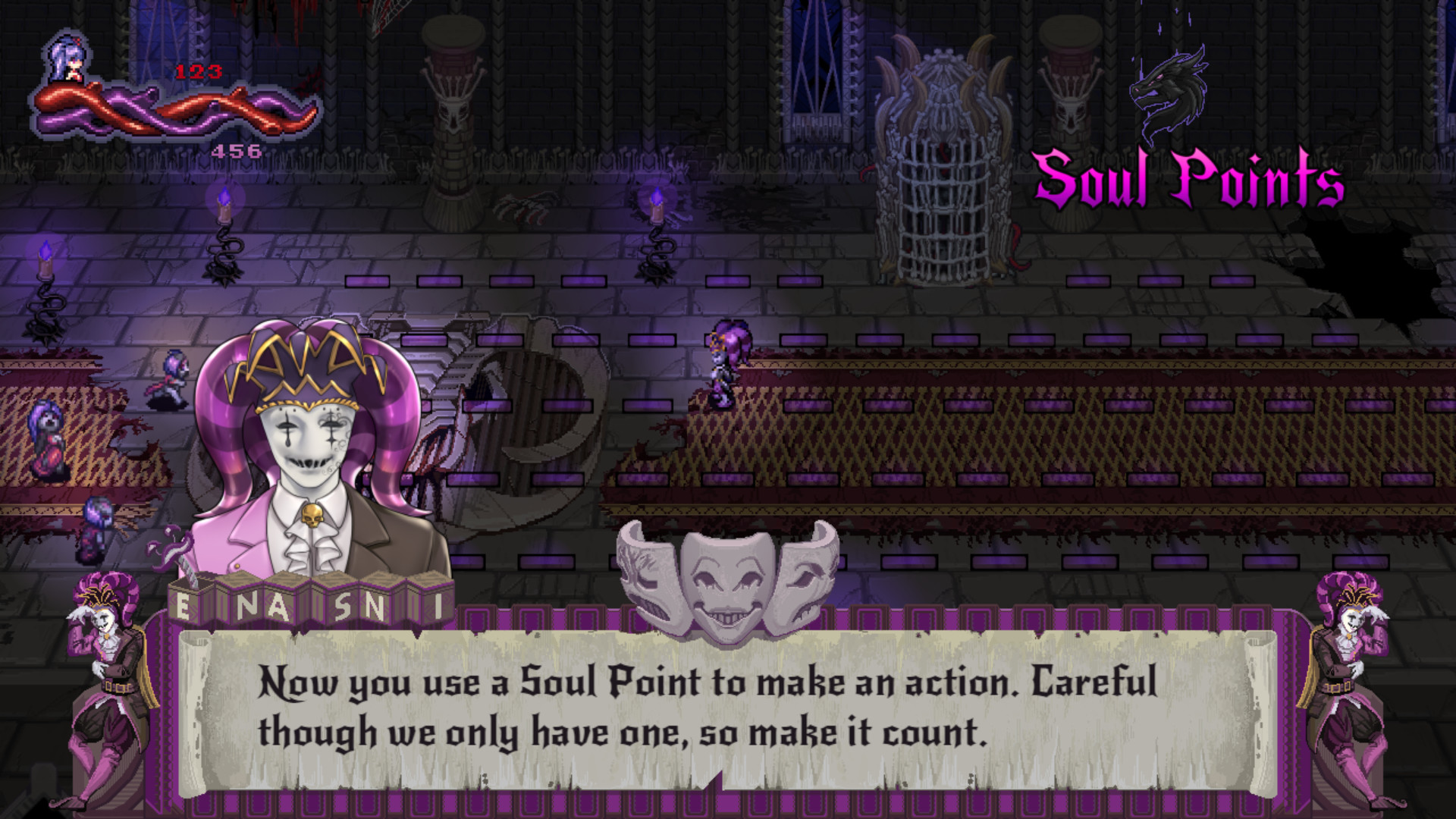
After once again scouting Kickstarter for more new video game prospects, I came across a title that is exceedingly different from any that I’ve yet to encounter this year. Lucid Soul is being developed by a team of numerous artists, coders, and musicians. And fronted by indie developer Jon Bookout of Las Vegas, Nevada, is a JRPG blending horror and dark fantasy inspired by classics of the genre. Such as Chrono Trigger and the Lunar series, namely Eternal Blue and Silver Star. A turn-based RPG in basic design with a planned minimum of 30 hours of lifespan, it boasts several gameplay features new to the genre, such as two-tier combat flow and the ability to play bosses. And a feature known as cinematic encounters, whereby certain battles take place across multiple screens.

The game’s story revolves around the villains taking center stage as opposed to the heroes, presenting a vast amount of wonderfully sadistic player characters to play as and develop over time. Wanting to know more about this fantastically brutal-looking JRPG experience, I contacted Jon, the game’s head programmer, to answer questions I had about the game and what the final product will possibly bring to players looking for a potential game-changing entry into the widely popular genre. Here’s what Jon Bookout had to say about Lucid Soul:

What were the influences behind your game?

I’ve been writing Lucid Soul since high school, but the game was written as a hero’s journey from Rubin’s perspective til about 5 years ago. I, like many others, got hooked on a little show called Game of Thrones. For those of us who love fantasy, it was the first to really embrace a true-to-life adult feeling. What WOULD happen if an evil prick ran the country? It wouldn’t be like Emperor Gestahl, where the lust for power isn’t shown. It would be FELT. So that show and the fact that you recognize MILLIONS of people gravitated to raw, gritty, adult fantasy, caused a massive shift in my concept.

It influenced the design from the ground up to not only achieve maturity. But what about the next evolution of our nostalgic JRPGs and RPGs of old… what about the villain? Not a “SURPRISE! YOU WERE EVIL!” style game, but one you knew going in, you will be the ‘bad guy’ or ‘girl’. So, Game of Thrones-inspired, what Lucid Soul is today, feeling the time was right. But the history of it is the great classics, Chrono Trigger, Lunar: Silver Star, and more importantly, Eternal Blue, Final Fantasy (Specifically 6 or 3 in the U.S. and 4 or 2 in the U.S.), Final Fantasy Tactics, Shin Megami Tensei (Specifically Digital Devil Saga), and Silent Hill. Horror tends to be all modern-day. So it felt fresh to bring Horror into the world of fantasy. And we hope our influences shine through to all players.

What has the developmental process been like?

Once Sangrde, our character artist, came on board, pretty smooth. The past is littered with reaching out to people, asking for their expertise and thoughts. Trying to have them understand the Horror and artistic styles we’re after, and feeling out who can best slip in. Once the team has been finalized, development is smooth. And it’s a treat to be able to know there’s quality because no one would want this game with my talent at the helm for art and pixel work.

How close are we to seeing the finished product?

Depending on the final funding of the Kickstarter, I hope to speed up our production by hiring a Programmer, as that’s my task. The projected date is October 2022. And we feel we can hit that mark. But if I could grab a professional who could drastically speed us into the Beta phase. But to try to be as professional as possible for all involved, 2022 October.

What has been the most exciting aspect of development?

Oh man, everything! Truth, it’s a learning experience from the ground up, so every time you catch a bug, or pull a Picard Facepalm, or see a wandering pixel and blurt out “Oh hai Mark!”, it’s fun, knowing you have improvements to make on yourself and a game. But the best part is meeting new people. Talking about Lucid Soul never gets old for me personally. But it’s that look on a person’s face when you explain it for the first time. And feel the response sinking in. That’s what I’m personally after with the players. So it’s great to see and feel it during development as a new person comes on board for acting or art.

What has been the most challenging aspect of development?

Translating the concept to the actual controller in-hand gameplay. I imagine this is what anyone who creates goes through. But learning it and experiencing it is a challenge. Notebooks in the house are filled with mechanics. And being an algorithm guy more than a coding guy, that’s the most challenging aspect.
Lucid Soul 1

How well has the game been received so far?

The backers we’ve managed to bring in are absolutely amazing to communicate with. And get their feedback on the game’s subject matter, characters, and plans. Through them, I’d say those who put in the pledge to be able to talk, the reception is positive. In truth, the one thing I WISH as a creator could say is that I can’t reach out to those who don’t pledge or move on. Those who click your title picture but leave.

I truly wish I could hear from them as well. Because we as creators can never stop learning, and failure, I think, is the key to success. I’d like to know where I could improve. Or what failed to appeal. Praise makes you feel good, and it IS wonderful. But it’s the harsh truths and criticisms that make the end product a better experience. And I openly expect and respect it.

Do you and the development team see Lucid Soul as an attempt to subvert the traditional Japanese RPG?

Subvert isn’t the word I’d use completely, because you don’t want to break a wheel that we all know and love. But subverting the EXPECTATION of the JRPG fan, then yes. We want the player to enter Lucid Soul fully feeling comfortable in traditions, the menu, the map interface, the overworld feeling bigger than hubs, a home base to put your feet up, the adventure, the exploration, the artifact gathering, and the growing in power.

We FULLY want those to be expected and embraced. Much like Undertale’s revelation of what EXP meant to the player, we do hope that the same fun takeaway occurs with our changes. Our team couldn’t think of a mainstream JRPG in which the hero is the villain, and the villain is the protagonist. So how that affects those traditional elements is a major priority on our priority and creativity list.
Lucid Soul 2

Which entries in the Final Fantasy series have you and the team had in mind most during development?

VI is the most influential in style and several distinct personalities. VII is the most influential for the villain’s journey alongside the heroes. Lastly, X plays a major part in influencing the idea of Cinematic Combat. Or Combat that continues on multiple screens without actually leaving it, with dialogue and story, reinforcements, and as such playing a part to be more dynamic.

IV is, forever and always, my personal nostalgic favorite. But it’s also the only one of those that kept far away from technology until the Blue Whale and the Babylonian Giant. Keeping its roots very deep in fantasy. One of my favorite conversations with our tile artist starts something like “Ok, but if this were Final Fantasy, how would they make this ship fly? Ok, now, how would we do it?”

I think Sephiroth is considered by most to be the single best-remembered Villain. At least every gamer I’ve ever mentioned him to can give me a response on how they feel about him or things they remember. The remake going mainstream of VII really helps cement him, too. So for our JRPG, it’s taking the impressions people have. And then asking the obvious follow-up to us: “Would you play Final Fantasy VII, if he were the main character, and if so…” going from there. I LOVE the responses you get from that. And it’s how we adapt and add little pieces to those responses.

How instrumental has the involvement been of so many different musicians famous from all over YouTube?

YouTube is massive, and I dare say the single most important key to success. Through Alyssa Gerwig (SpectroliteAAA), and approaching her for our animated trailer idea, she introduced me to Diwa De Leon (String Player Gamer). And then the network kind of grew from there. I’m lucky, blessed, touched, and thrilled that famous ones like these and the juggernaut Camila Cuevas staked their reputation to show us support. And introduce us to friends and acquaintances of theirs for getting work done.

Sound, animation, music, and vocalists. All through their good graces. The only musician I can say I played a hand in is Lauren Kinkade, of Laurenkinkademusic.com. And if you went to Dodgers games, she sang the anthem for many live performances. She’s a girl I luckily went to high school with. And it is actually where the Goddess got her name when she agreed all those years ago to sing in the game.
Lucid Soul 3

What platforms are you looking to bring the game to?

PC and Mac are first, Steam and Itch are the approved distributors. And our first Platform stretch goal is the Switch. Beyond that, we’ll happily do others. Stadia has reached out to me personally. It is simply a budget and programming issue. But we expect to gauge feedback on the game first to distribute it to more.

Have there been any ideas at this stage of development that have since been scrapped or reworked?

Feeling out spriting budgets. So far the number of Bromides and Souls is the first to be affected. This is why we put those as Tier rewards in our Kickstarter, hoping we could take a more personal approach to them, also while allowing more in the game. In Lucid Soul, we want the main character, Scythe, to truly feel like an Everyman/Everywoman to the player.

But unlike, say, Chrono, who is played without speaking, you never get to change anything about the visual nature. So a female player may like his story and bond with the team. But feeling like “Chrono is Me” never lets him evolve beyond “I control him first”. How MUCH customization to our main character will directly relate to the budget. And that’s the first thing I and the others had to talk about and tone down. Most, for now, have not had to be scrapped. And that’s the only (knock on wood) thing to need reworking.
Lucid Soul 4

Which characters have been among the most fun to design out of so many outlandish individual personalities?

That’s tough, lol. I mean, even as the one who created them, that’s tough. My goal’s always been that RPGs are for their characters, people remember Marle hugging Chrono 20+ years after the game’s out. And people still have YouTube reactions posted or recount that moment Aerith meets her fate. While I want each one to have a memory when it’s all said and done that makes you even recount some things about the ones you didn’t like, my personal favorite is Synella. I play Tanks mostly in MMOs, WoW, SWTOR, etc., so designing how a Tank could translate to the JRPG tactics style and feel like they had character, has been fun… challenging but fun.

Since she speaks in groups of 3, one word for each month. Trying to convey her stories and dialogue choices and emotion through which’ 3 words she says, that’s by far the most fun. The other is Wick. She’s my son’s favorite and blew him away when I said she’s my second favorite, just because she’s a unique race design, so you don’t know if the slow-moving, long-eared, magical race that let their blood spill and congeal to make hair and Runes. And you never know if she’ll be liked for that alone. But for her, it’s the personality and making sure it’s presented and played properly. All are fun for different reasons, but those 2 stand out for me.

If you had the opportunity to develop a game with any company or any franchise, which would it be, and why?

Disney. It may shock a reader for that one. But because they have the biggest franchises and genres of fantasy that could be taken down different paths. And the money to be TRULY creative with it if they ever choose to. They shoot down Tim Burton for years. And the irony of ironies brings him back to do his style of Alice in Wonderland. I would LOVE to have an hour just to hear what that experience is like. But I have to give credit where it’s due. The 1 game that I never played until the sequel came out. It truly impressed me and changed what video games are capable of: Kingdom Hearts.

When 2 companies with that much history come together and decide to let the storytellers do their thing… Just the ingenious culmination of that was mind-blowing. But their franchise now I would love to see how they’d react on a creative team, is doing a Heist movie in the Star Wars universe, like call it Trick, and have this elaborate subverted movie as a husband leaves out his house without any explanation as the wife gets concerned and starts a “what’s going on the moment”, all your typical tropes of breaking into vaults, holding up hostages, etc etc. But at the end, the coveted Heist item is brought to a man in a robe who waves his hand in front of him and says, “You’ve done all you need for the Jedi console… go home to your wife…” and it’s all a Jedi Mind trick.
Lucid Soul 5

On your Kickstarter page, you expressed the sincerity that to prove your intent to your backers, you will take accountability on a personal level. Although this indeed sounds like a personal passion project to you, how supportive has your team been throughout this entire process so far?

As supportive as anyone can be on the outside, joining in, I think. I truly hope that if you asked their opinions, they’d say that this is as much THEIR game now as mine. The artists, especially from pixel to drawings, tile, and Alyssa’s animations, are just a blast to bounce ideas off of. You sense they genuinely take an interest in improving things. And I hope I do a good job adapting THEIR creativity into everything also. But they’re an amazing group of people I’m fortunate enough to work with and have been in my life. And this project as a result. I know for a fact I’d not be on Kickstarter without every one of them, from Augustinas to ZeitDieb.

Do you have any advice for aspiring developers who may be reading this?

Depending on when this article is published or when the person reading it says it… know this: you’re reading this from someone not proven to be a success story or even representing a product that will ever be considered a success. My influences to develop are Dwarvenaut the movie, Indie Game: The Movie, the creator of Pokémon’s history, Sylvester Stallone’s rejection and aspiration to see Rocky be made, and Tim Burton’s career long before Batman, but in his days at Disney when Pee Wee’s Big Adventure wasn’t yet in production.

Follow your dreams, believe in yourself enough that people will one day WANT to be a part of whatever world you create, and hold to that. Never believe differently. Creativity is the key to us all playing games and experiencing things we didn’t know we wanted yesterday, yet today tell our friends we can’t live without, and tomorrow influence someone else’s creation.
Lucid Soul 6

Where on the Internet can people find you?

I can’t be the only one who reads this question wanting to channel my inner superhero nerd and write “Where there is injustice… You will find me… where there is suffering… I’ll be there… You can find me using the Bookout signal!” But sadly, nothing so dramatic. Our website is the easiest, https://lucidsoulgame.com. And our Kickstarter is where I’ll happily answer any questions to the best of my ability.

Do you have anything else to add?

Just that it’s a true honor to have met you and to be going through this experience. I cannot thank you enough for the opportunity to talk to others about Lucid Soul, myself, and my development team. We’re nothing without them. Thank you for the questions and your time!

Lucid Soul 7

I would also like to take the opportunity to thank Jon for taking the time to talk to me about this promising-looking game. And to wish him and the various musicians and artists working on it the very best of luck with its Kickstarter project and subsequent release. Lucid Soul is indeed set to be an incredibly unique take on the traditional JRPG and a standout title compared to many of the classic games in the genre. And I can’t wait to play the game when it comes out. In the meantime, if you wish to support the Kickstarter page, you can do so via the link below:

Lucid Soul Kickstarter

But in the meantime, I hope you guys enjoyed reading this article as much as Jon and I did putting it together.

Game on,

Scouse Gamer 88.

Beacon Pines

Q&A With Hiding Spot Games

Once again, looking for more indie video game prospects over the last few weeks, I came across a new game in development. Somewhat reminiscent of my recent interview with Chris Seavor:

https://www.scousegamer88.com/2021/01/24/the-full-twelve-tales-of-chris-seavor/

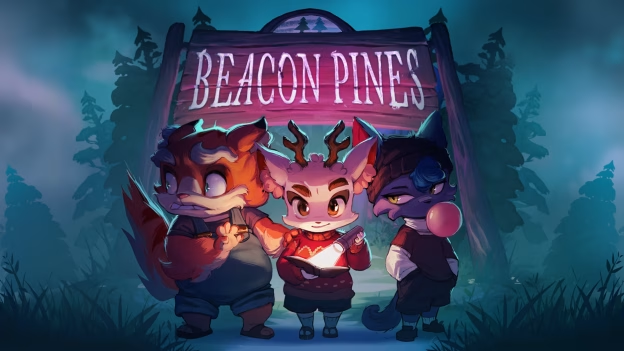
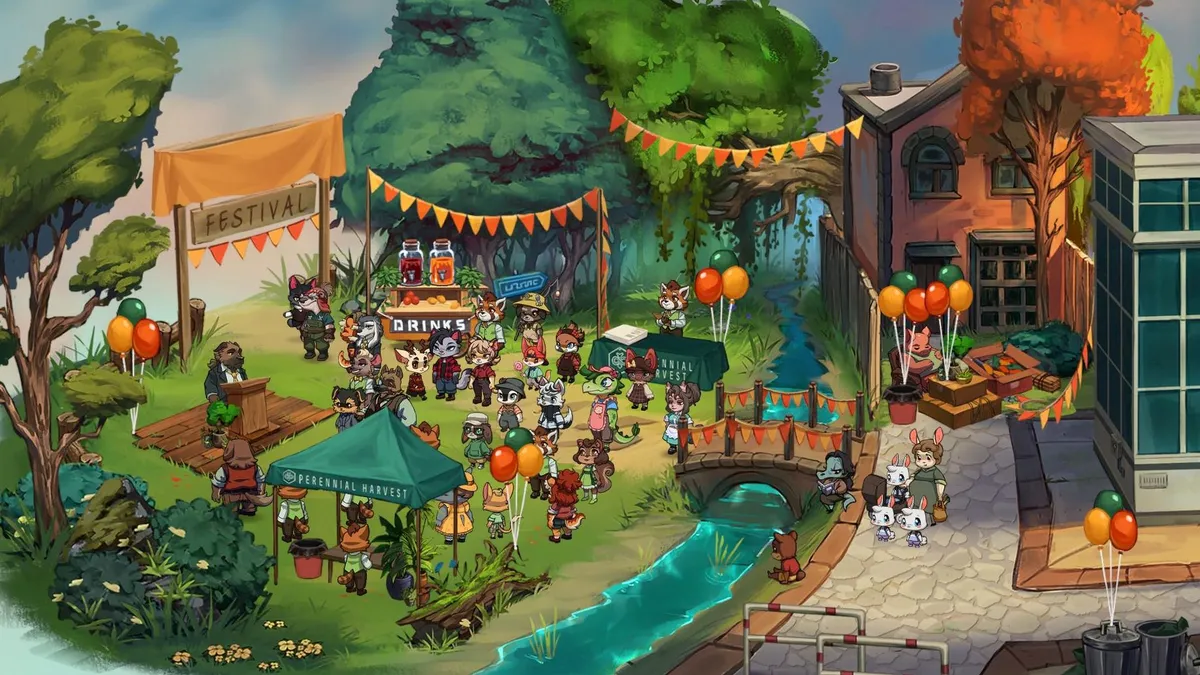
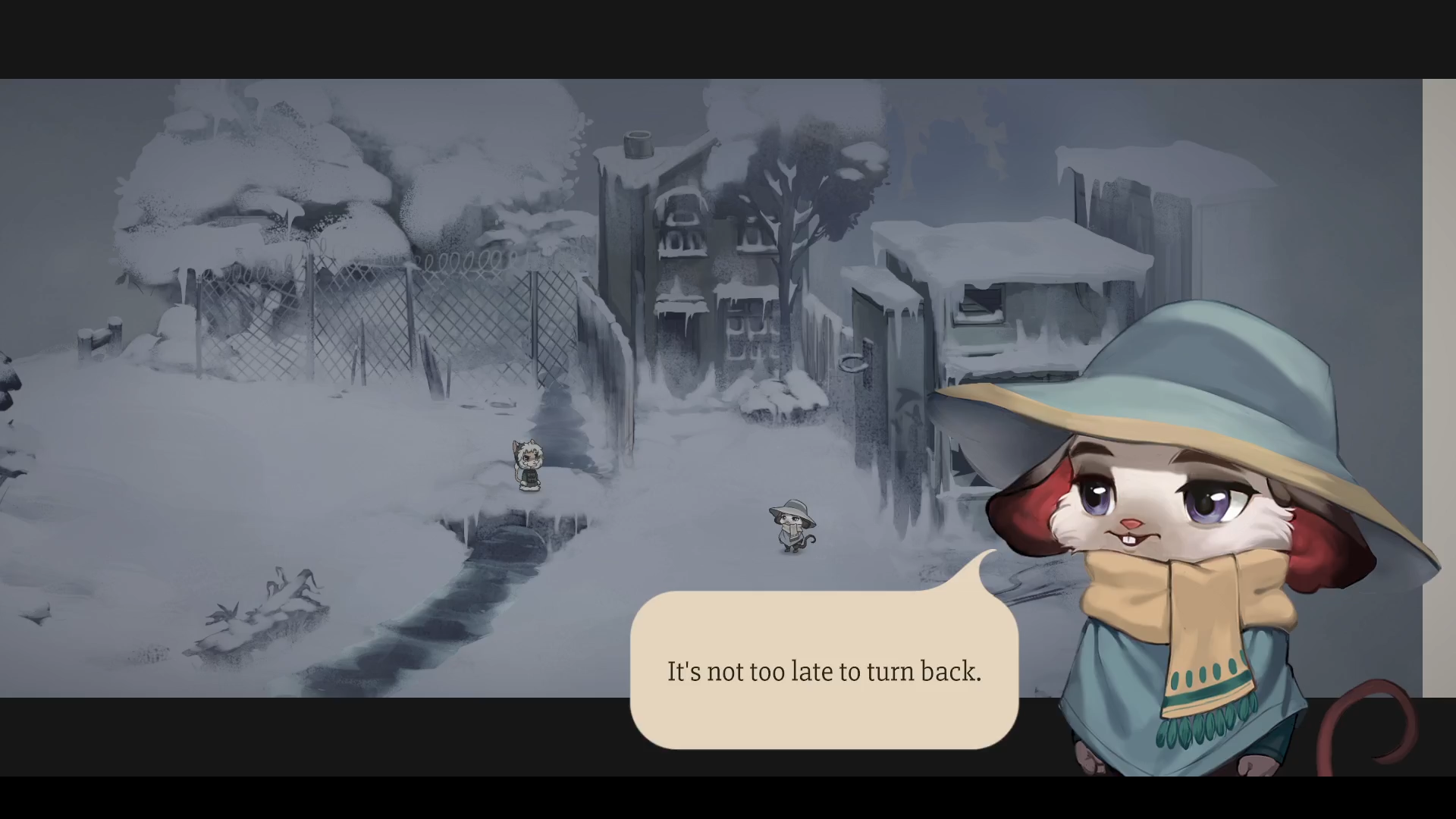
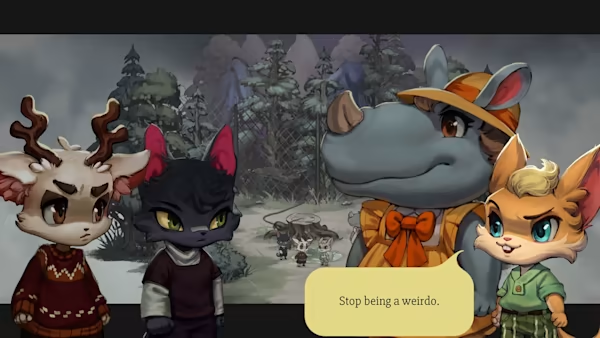
Beacon Pines is a hand-drawn, open-ended 2D adventure game combining cuteness with horror. Developed by Dutch indie outfit Hiding Spot Games, the player takes control of both the characters in the story as well as the story’s narration itself in order to determine the outcome for themselves by filling in the gaps with words. The game also gives the player the option to reverse decisions made in order to reshape events as they see fit. The game has since been successfully funded on Kickstarter. It continues to gather momentum with several stretch goals having since been funded in addition.

Wanting to know more about this game, I contacted its soundtrack composer Matt Meyer and put forward to him and the team a few questions I had. And how the game will completely take shape by the time of its full release. Here’s what Matt Meyer and Hiding Spot Games had to say about Beacon Pines:

Beacon Pines

What were the influences behind your game?

There have been lots of influences on the game. Some that come to mind are shows like Dark, Twin Peaks, and Stranger Things, sci-fi books and old pulp novels, and other games like Undertale, Night in the Woods, and Life is Strange. 


What has the developmental process been like?

It’s been long and wandering. I’d reference this Reddit post as a good summary of the development journey over the past few years:

https://www.reddit.com/r/Unity3D/comments/lb1wzw/the_absurd_journey_designing_beacon_pines/


How close are we to seeing the finished product? 

We’re shooting for a September release date.


Beacon Pines 2

What has been the most exciting aspect of development? 

By far the most exciting part has been finally seeing people play the game on Twitch and YouTube after releasing the demo. Seeing people’s faces light up when they reach important or surprising moments, laugh at funny dialogue, or comment on how they love the art and music. It has been an absolute joy.


What has been the most challenging aspect of development?  

Getting all the parts of the game mechanics to just click was the most difficult. I could go through the details, but again, the Reddit article probably does a better job of describing the challenges.


On the Kickstarter page, it says in Ilse Harting’s description that “There must be something in the water in the Netherlands that produced great artists!” Did any aspect of Dutch culture or Dutch artists in particular influence the design of the game?

Absolutely. Ilse takes a lot of influence from her surroundings: the people and places in the Netherlands have been a big influence on the art she created for Beacon Pines.  Even many of the names of characters and places in Beacon Pines were her suggestions based on Dutch names.


Beacon Pines 3

How well has the game been received so far?

It has been lovely. We weren’t sure if people would get absorbed into the story or understand how the mechanics work (with words, story branching, etc.), but most people seem to jump right in and enjoy it. 


What platforms are you looking to bring the game to?

Steam, itch, Switch, and hopefully Xbox and PlayStation


Is Beacon Pines a deliberate attempt at subverting the traditional cutesy adventure game to any kind of extent, similar to what Chris Seavor did with Conker’s Bad Fur Day?

No, we aren’t deliberately trying to subvert expectations with the art vs the story. We just want to make a game that both looks mysterious/fantastical, but also has a mature story that we as adults would want to play.


Beacon Pines 4

Have there been any ideas at this stage of development that have since been scrapped or reworked?

Lots (again, the Reddit article has some great examples)


What lessons have been brought into the development of Beacon Pines from past developmental experiences?

Not all that many, to be honest. I often work with different people, and it depends on how they prefer to work. Beacon Pines is also a very different kind of game than what I’ve made in the past.


If you had the opportunity to develop a game with any company or any franchise, which would it be, and why?

That Game Company has probably been the most influential on me as a game developer. I’d love to work with them and experience their process up close.


Beacon Pines 5

Do you have any advice for aspiring developers who may be reading this?

Making things, in my experience, is the best and most rewarding way to learn things. It is also massively beneficial to get work in the field if you already have examples of completed projects. And when you make something of your own, try to pick a project that you will want to play yourself. That’ll help keep you motivated and focused. 


Where on the Internet can people find you? 

We’re pretty active with our Discord community. That’s a great place to find us and chat: https://discord.gg/K4tbFWf.


Do you have anything else to add?

Thank you to everyone who has supported us on Kickstarter and those who have checked out the Beacon Pines demo.

Beacon Pines 6

I’d also like to take the opportunity to thank Matt for his unique insight into this very unique-looking title. It certainly affords a deep look into a game that I’d made some incorrect assumptions about previously, and how the final product will pan out. I’m sure it will turn out to be a very enjoyable and addictive experience, and I’m very much looking forward to its release. In the meantime, if you like the game and think you’d like to contribute to its stretch goals, you can visit the Kickstarter page via the link below:

Beacon Pines Kickstarter

There is also a playable demo to download online via the game’s Steam page:

https://store.steampowered.com/app/1269640/Beacon_Pines/

But in the meantime, I hope you guys had fun learning about this upcoming game as much as I did.

Game on,

Scouse Gamer 88

The Unlikely Legend of Rusty Pup (PC)

The Unlikely Legend of Rusty Pup

Developer(s) – Gory Details

Publisher(s) – Gory Details 

Designer(s) – Chris Seavor

PEGI – Not rated (some horror elements)

Released in 2018 and designed by the lead programmer of Conker’s Bad Fur Day, Chris Seavor, The Unlikely Legend of Rusty Pup is an open-ended puzzle game following a robotic dog named Rusty trying to find his way home through a wonderfully dark and dank 2D world. This game is an example of how I came into an indie title completely unprepared for what it had in store, and I was pleasantly surprised with the result.

Graphics – 8/10

The game is set in a steampunk-inspired world made up of cogs and machinery. It bears somewhat of a resemblance to games like SteamWorld Dig and SteamWorld Heist. But with a far more surreal and compellingly bleak atmosphere. Darkness follows the player character everywhere, with few specks of light made available to players to activate along the way in order to guide Rusty throughout each stage. The soundtrack is also suitably creepy to go along with the game’s settings. The environments, in particular, made me wonder about the world’s backstory and how it was created. And who created it, similarly to what Shadow of the Colossus did. It’s almost a character in and of itself.

Gameplay – 8.5/10

Rusty Pup relies heavily on the player’s initiative in order to solve what are at times mind-bending, challenging puzzles. Players must make use of light in each stage, as well as robots that can be used to temporarily stop time and guide Rusty through certain areas. There’s also a small world-building element, whereby players must set up platforms for Rusty to follow in order to access otherwise impassable areas or to break falls that Rusty would otherwise not be able to survive.

This mechanic can also be used to the detriment of NPCs by setting up traps for them. Aesthetically, it takes influence from the likes of Lemmings and Flockers. But it offers an entirely different experience from the aforementioned games that, as I said, were not prepared for in the slightest. It can take some patience to get into, as it’s a game unlike any other. But once the player figures out the core mechanics, it makes for a very enjoyable and mystifying experience.

Controls – 10/10

A simple point-and-click game by design, there are no issues with the controls whatsoever. It can be played either on PC or on iOS, and for both platforms, the game works out just fine. It may offer a different experience if the game were ever ported to conventional consoles. But it wouldn’t create anywhere near enough of a problem for it to render the game unplayable. If Plants Vs. Zombies can be ported to consoles; this game certainly can be as well. 

Lifespan – 8/10

The base game can be made to last a minimum of 20 hours. But to complete the game to 100% will take a fair bit of additional time. There is also DLC planned for the game in the future, so this will further add to the game’s lifespan in turn. But ostensibly, to make a puzzle game last for the amount of time it does is an impressive feat in any case, with or without DLC. And there would certainly be scope to expand the series at a later date, given how potentially extensive the series’ mythology is. 

Storyline – 7/10

The game’s story follows Rusty Pup, a mechanic dog on a single wheel who has apparently been flushed down a drain prior to the start of the game. With ambiguity about whether or not he fell down or if someone or something pushed him down there. Alone. But with an optimistic attitude, he resolves to find his way out of the steampunk labyrinth and make it back home. The game’s story is as ominous and as wonderfully dark as its settings, with a lot of mystery surrounding how Rusty got to this stage in the first place. And with how wistful he sounds at times, in stark contrast to the foreboding situation he finds himself in. All characters, including Rusty, speak in rhyme, which again adds to this contrast. Seemingly carefree, yet obviously in a terrible situation.

Originality – 9/10

Especially over the last gaming generation, coming across a unique indie title has become exceedingly difficult, with me looking for unique settings, unique gameplay, unique control schemes, and unique stories. But much to my delight, this game ticks all the boxes flawlessly. After having interviewed Chris Seavor himself:

https://scousegamer88.com/2021/01/24/the-full-twelve-tales-of-chris-seavor/

It became obvious to me that his creative talent was nurtured during his time at Rare. And having played Rusty Pup, he has demonstrated that he is certainly as capable as Rare’s most standout alumni, such as Gregg Mayles, Kevin Bayliss, Martin Hollis, David Doak, etc., of creating wonderfully weird and delightfully fun games to play as the likes of Banjo-Kazooie, Goldeneye 007, and Perfect Dark. 

Happii

Overall, The Unlikely Legend of Rusty Pup is unbelievably well thought out. And a compelling title that’s every bit as enjoyable to play as any top indie title. And I can’t recommend it enough. To me, it’s no wonder why Chris Seavor is most proud of Rusty Pup, as, in my opinion, it’s his best project to date. 

Score

50.5/60

8/10 (Very Good)

Skul: The Hero Slayer (PC)

Skul The Hero Slayer

Developer(s) – SouthPAW Games

Publisher(s) –  NEOWIZ

PEGI – 12

An early indie title released in the first part of 2021, Skul: The Hero Slayer is a rogue-lite that provides a new gameplay experience with every playthrough, offering intense combat and platforming. And an insane amount of customization options for the player character throughout each play. Similar to the likes of Rogue Legacy and 88 Heroes, the game can make for hours upon hours of playability and a level of variety in gameplay that I haven’t seen for quite some time. It makes for a far better game than either of the aforementioned examples. As well as other games of the same ilk developed in recent years. 

Graphics – 8/10

Skul makes use of a traditional 8-BIT visual style with a mythology heavy inspired by high and dark fantasy; it’s basically The Lord of the Rings or Dungeons and Dragons in 8-BIT form, featuring creatures straight from the works of Tolkien and Gary Gygax, such as ents, chimeras, liches, and demons.

But it also has elements inspired by the modern world. For example, one of the power-ups allows the player to take the form of a biker who attacks with chains. He rides a motorbike for a limited amount of time as one of his special moves. It fits interestingly with the tableau of the game. As the character was clearly inspired by the comic book Ghost Rider. But that, along with many of the other power-ups found throughout the game, such as the genie and the samurai, adds an unexpected, yet welcome level of diversity in character design that I never saw coming at all. 

Gameplay – 9/10

The game is a rogue-lite whereby players must face off against hordes of enemies. Whilst conserving as much as they have as possible, including their health. Whilst at the same time, using items and upgrades collected throughout as wisely as possible. There is an insane amount of power-ups that can be used by players to adopt a ridiculous amount of playstyles. Making each playthrough a completely different experience. In that respect, you can draw comparisons to 88 Heroes. Only in this case, the feature of being able to play as what are essentially different characters throughout is a lot better thought out in this title. And makes for a much more accessible experience overall. Because with 88 Heroes, characters are given to the player at random.

And it can hinder the gameplay through no fault of the players. But here, the player gets far more of a choice, making for a better experience overall. On top of that, there are also a great number of perks that can be acquired throughout each playthrough that offer increases in attack, speed, and magic. And that also offers passive benefits such as freezing, poisoning, or burning enemies to deal additional damage. The base stats can also be upgraded before each playthrough. Such as the attack power and amount of health that the player starts with. Making each playthrough more accessible over time, like in Rogue Legacy. But again, in this game, that element is also handled in a far better manner. 

Controls – 10/10

The game’s control scheme is also very interesting indeed. Whilst there are common control elements with each playthrough, such as the ability to attack, jump, and dash, each character is controlled differently through their different movement capabilities, attack patterns, and special moves. So the player has to strategize in accordance with the power-up they have equipped. The controls will seem familiar to players. Whilst at the same time also offering more than what they’ll be used to in the form of the different power-ups. And it’s really quite an impressive feat that’s been achieved. 

Lifespan – 8/10

Seasoned players have been able to play through the main game in its entirety in just shy of an hour. However, this is a game that has clearly been designed to be played through many, many times. And players should not stop at one playthrough by any means. Even if they somehow manage to beat it on the first time of asking. With everything taken into account in terms of gameplay, there is enough on offer to make this game last an ungodly amount of hours; players may wish to go through the game using different power-ups, or they may wish to try to go through it without using any power-ups or passive abilities at all. The customization options are insane.

Storyline – 7.5/10

But in addition to the compelling gameplay, there’s also a surprisingly touching story behind it as well. The game follows Skul, who is a lowly minion in service to the army of a Demon King. As heroes of humans storm the Demon King’s castle and take him captive, Skul evades capture and resolves to destroy the human army and free his master. The game puts the player on the side of evil and paints Skul, the Demon King, and their allies as the heroes, and it’s done in a way that I’ve never seen in a video game before. There have been games that have tried similar things, like Overlord, for example, but it’s presented much differently in this game. There’s a sense of elegance about it in each intermittent cutscene that I wasn’t expecting at all. 

Originality – 8/10

I’ve mentioned throughout this review that this game threw stuff at me that I was not prepared for in the least bit, and I was pleasantly surprised by all of it. It’s a game that gets the fundamentals right as if it were created by a team of seasoned developers, but it also gives players an experience unlike most that have been created throughout the years, and considering that it came from an indie studio, it is really something. It wasn’t the first game developed by the South Korea-based studio (that would be an app game called BSTG), but their first effort at creating a game designed for conventional consoles, really is phenomenal. 

Happii

Overall, Skul: The Hero Slayer is a fantastic rogue-lite with almost limitless possibilities in terms of gameplay, and I can’t recommend it enough. It’s an exciting and dynamic title in every respect and is not one to be overlooked. 

Score

50.5/60

8/10 (Very Good)