Category Archives: Video Game Reviews

I am Scouse Gamer 88; an amateur Liverpudlian game reviewer making his opinion heard about as many video games as possible. Scroll through and read all my video game reviews from A to Z. All my thoughts and opinions on some of the very best and very worst games released!

Throughout my career, I have reviewed a great of games; be that AAA mainstream titles or independently developed indie hits. In my 30+ years, I have had extensive experience playing every kind of game. Ranging from critically acclaimed beloved titles to forgotten flops.

I take great pride and put great care into what I do, and I hope you enjoy reading my reviews as much as I writing them!

Fusion

Q&A With Red Mountain Games

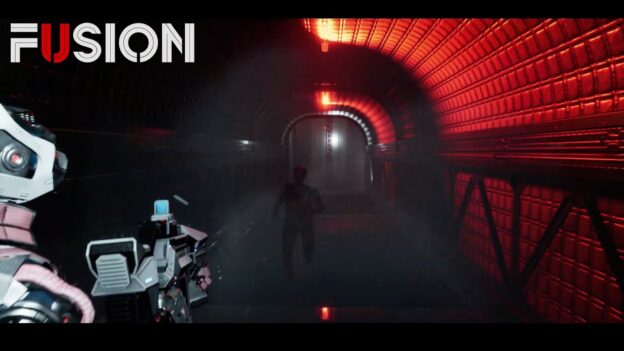
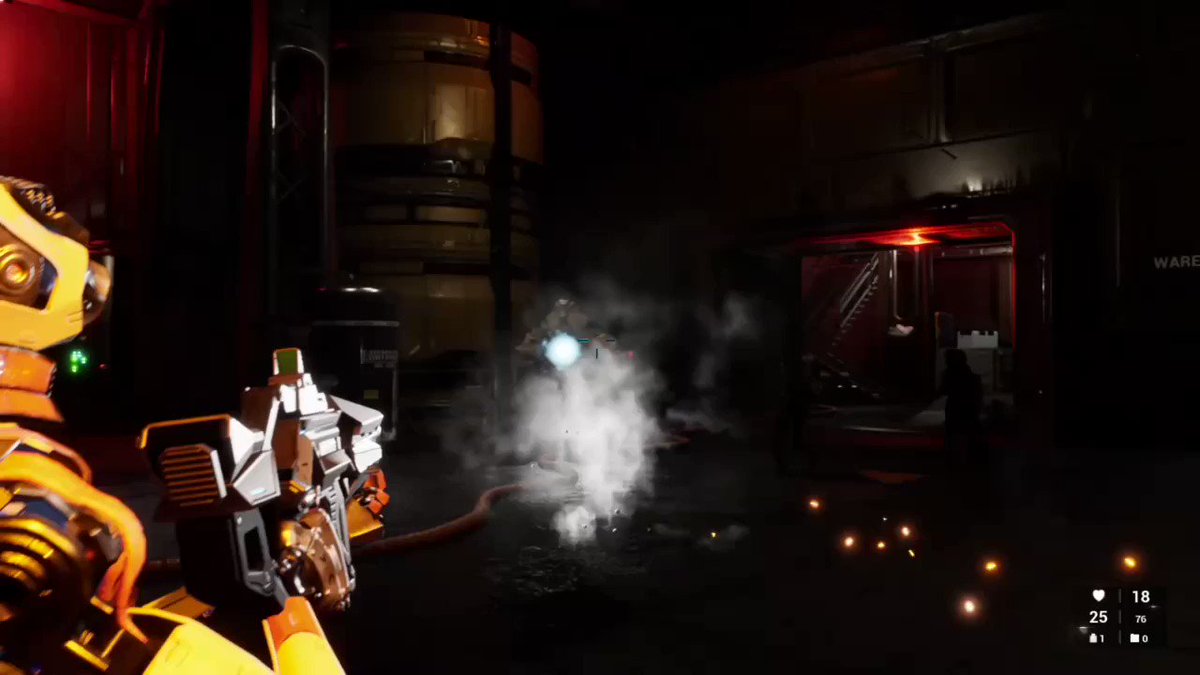
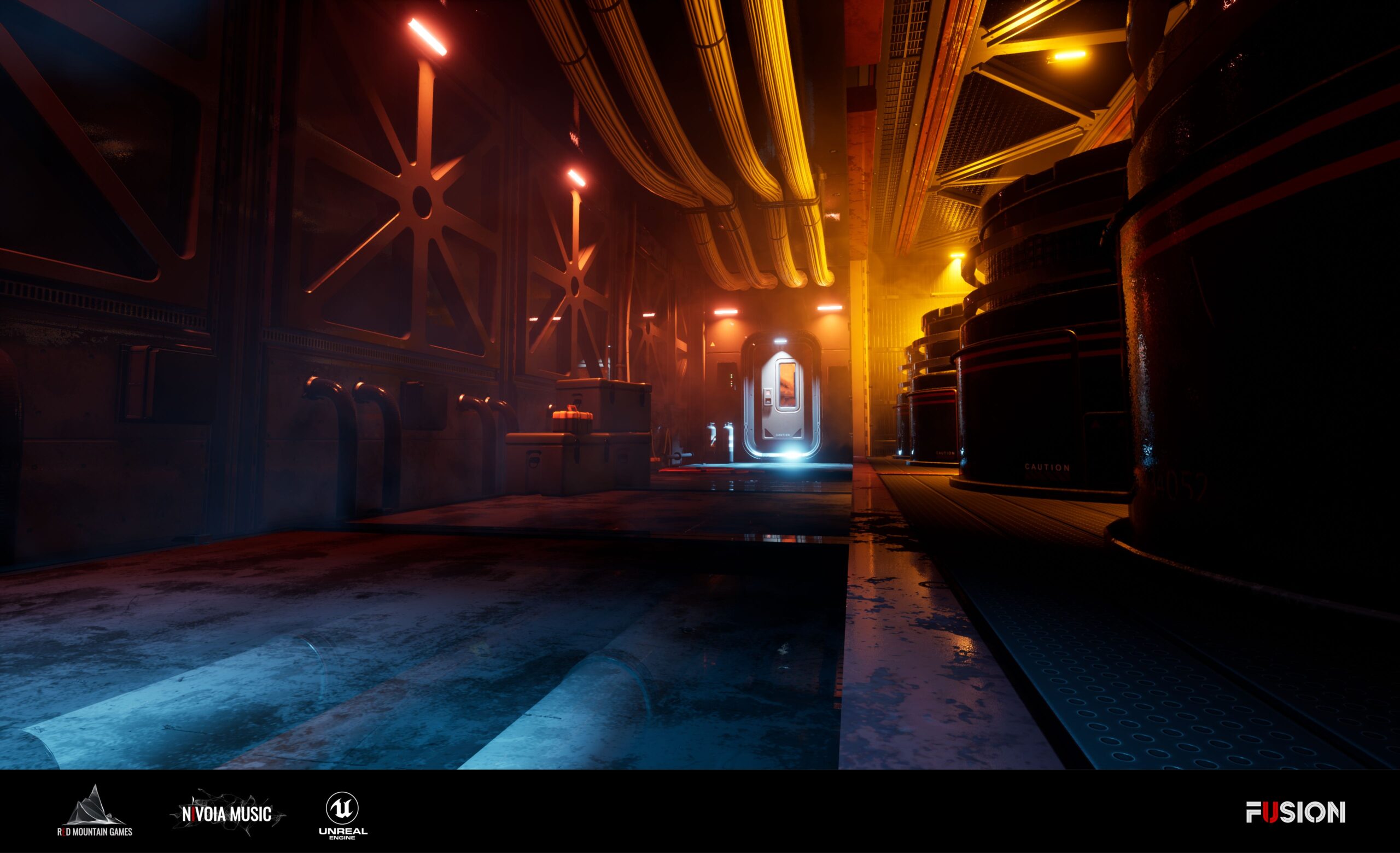
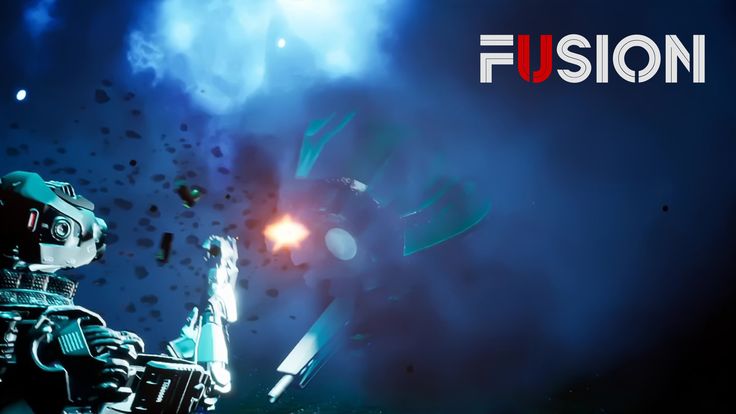
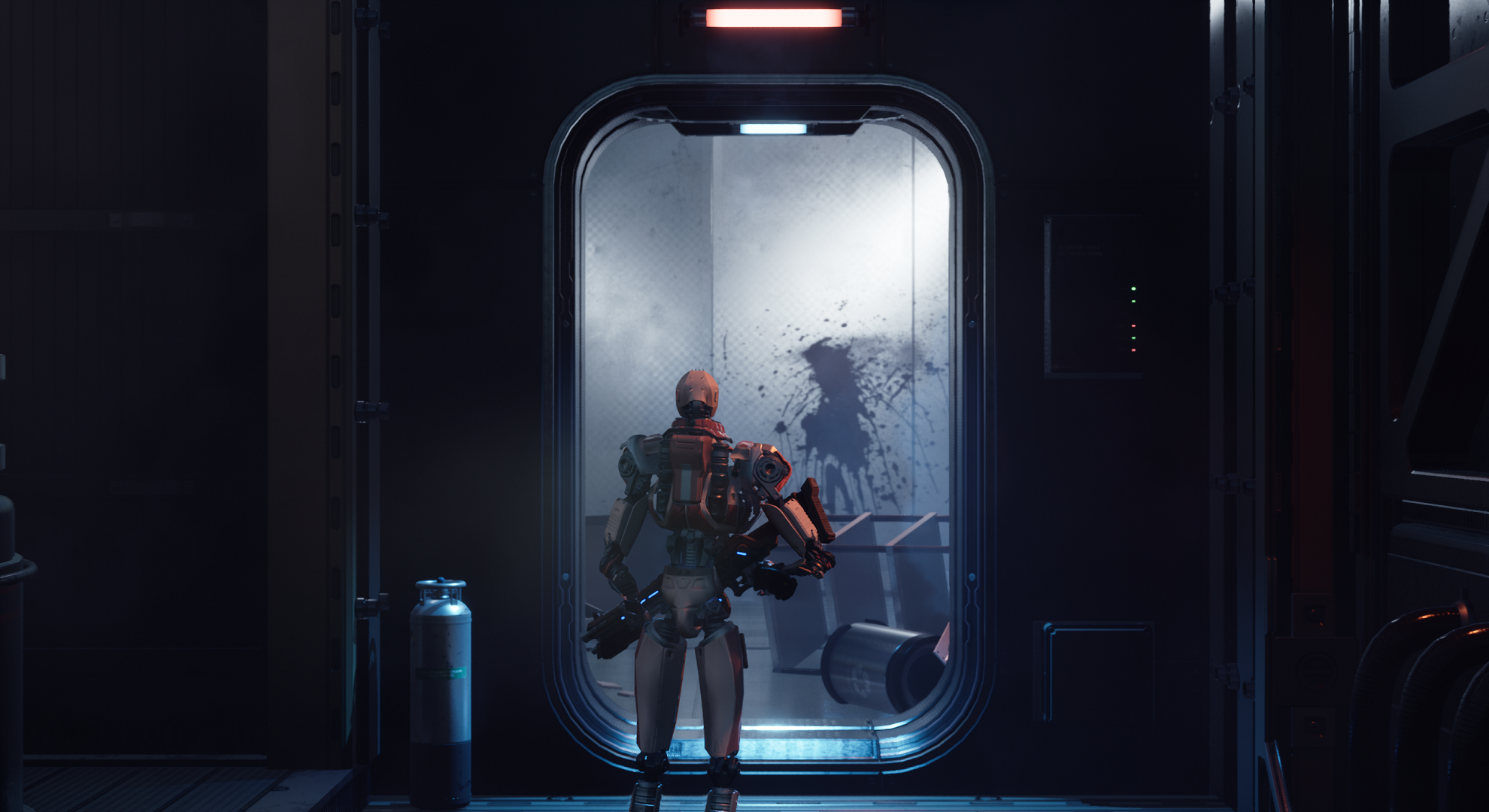
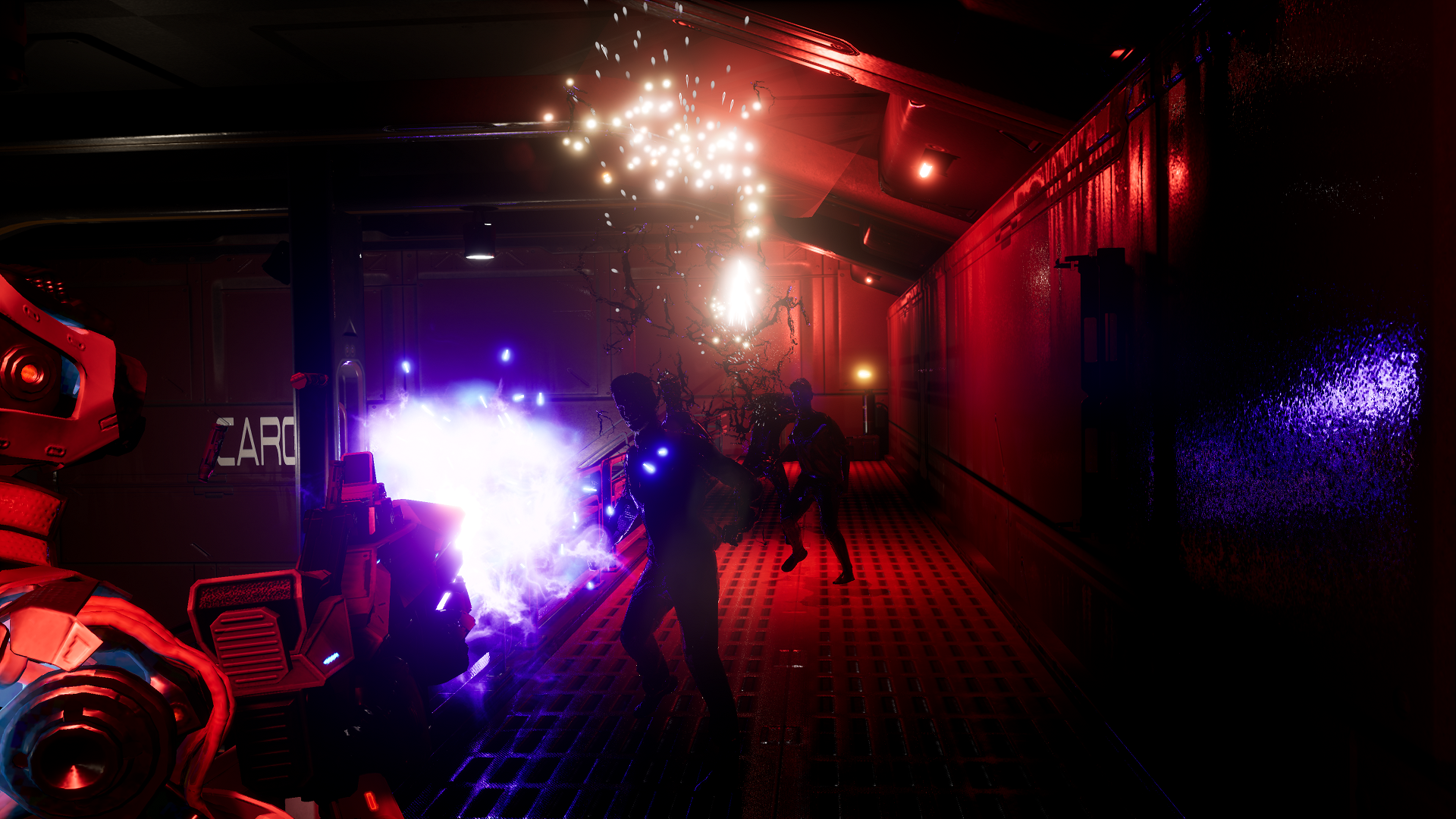
After once again scouring Twitter for new indie prospects, another title I came across was a brand of indie game that I haven’t covered in some time. Fusion is a survival horror third-person shooter developed by Red Mountain Games based in Kyiv, Ukraine. Set in 2046 with a science fiction theme, the player character must find their way out of the peril-filled military research station Black Mountain. Survival in play is determined by the player’s ability to conserve resources, survey each environment, and determine enemy behavior to gain the tactical advantage. It’s a survival horror that requires a lot of lateral thinking on the player’s part, which sounds like quite a unique concept on its own.

Wanting to know more, I contacted Red Mountain about the possibility of a Q&A to talk more about the game and what players can come to expect when the final product is eventually released. So here’s what Red Mountain Games had to say about Fusion:
Fusion 1

What were the influences behind your game?

Our team was inspired by the atmosphere and gameplay of games like Dead Space and Resident Evil 4. Also, in terms of plot and lore, we looked at games like Control and Silent Hill. The presentation of the plot and the intricate lore of these games create a sense of mystery, which we would like to achieve in our project.

What has the developmental process been like?

Prototyping – testing – fixing bugs. And so in a circle. And little by little, pieces were introduced into the project. Then a difficult test was completed, and we had to fix even more bugs. But in general, it is quite interesting. A lot of communication in the team, which made decisions about which mechanics to implement, and how to allocate resources in short supply. Development is a compromise between what you want, what you need, and what you can.

How close are we to seeing the finished product?

Right now, we are in the state of a playable prototype. We still need to implement missing game mechanics and provide stories and characters to bring the game world a little bit to life.
Fusion 2

What has been the most exciting aspect of development?

Prototype release))) It’s exciting to wait for player feedback. Also, the process of thinking about the game and its features, creating the world, characters, and their connections with lore, was exciting for every member of the team. Especially when everyone in the team was on the same wavelength, and we quickly expanded the game.

What has been the most challenging aspect of development?

Almost all the time, we learn about contests a week before the deadline for their submission. And we always want to go with the best build possible, and also improve the trailer. At such times, we had to work more and sleep less.

How well has the game been received so far?

Fortunately, pretty good)) On Twitter, people often write to us that the game looks good. And when we released the game on Itch.io, many wrote to us that they were waiting for the game to be ready (and this was when the very first prototype was).

What platforms are you looking to bring the game to?

PC (Windows) and maybe consoles in the future.
Fusion 3

What additional game modes are you looking to add?

Perhaps we will add a cooperative game. We have many ideas about that, but it’s too early to announce something right now.

Have there been any ideas at this stage of development that have since been scrapped or reworked?

The plot changed. But everything related to development has hardly changed. At first, we think for a long time whether we need to add something, so as not to change it later. But in the future, everything can be.

I noticed there is a playthrough of Diablo III on the Red Mountain YouTube page, among the many survival horror playthroughs there are on there. Had the development ever toyed with the idea of adding RPG elements to Fusion?

We are thinking and designing the in-game skill tree. Not as complex as in RPG games. We have the idea of a combination of shooting, melee, special tactical abilities, and overall robot statistics upgrades.
Fusion 4

How instrumental has player feedback been in terms of shaping the course of the project?

We mostly used the player feedback only when we launched a demo. They helped us by noticing some minor bugs and game control advice. But the general concept hasn’t changed.

Have any fellow developers offered advice regarding the development of Fusion?

When we participated in PitchYaGame, some people gave feedback. Mainly on the pitch, but some also wrote about the game. Real advice was given during live communication, which does not happen often.

If you had the opportunity to develop a game with any company or for any franchise, which would it be, and why?

This is a hard question, but we think the better answer will be to develop our franchise. But in general, there are so many talented people and game studios, so it is really hard to pick someone in particular.

Do you have any advice for aspiring developers who may be reading this?

Get started on social media from day one of game development. Make not a prototype, but a vertical slice, then it will be easier to present the game. And if in general do what you like and what you want to do, show it to people and learn, and don’t be shy to show your game to other people.

Where on the Internet can people find you?

Just Google us. We have websites and all the popular social networks, including YouTube. And a public demo on Itch.io

https://linktr.ee/redmountaingames

Do you have anything else to add?

Love games and support the ones you like, especially from indie developers.
Fusion 5

I’d like to take the opportunity to thank Red Mountain for taking the time to answer the questions I had about Fusion and to give players a more definitive idea of where the development of the game may be taken before the end. The survival horror genre has been a case of hit and miss for me, with games such as Resident Evil and BioShock varying in terms of quality.

Some are mediocre, and others are groundbreaking. Fusion looks to be a game that can potentially fall into the former category as opposed to the latter, so I’m very much looking forward to the final product.  But again, if anyone is interested in taking a look at this game in its current build, you can download the demo for free via the developer’s website, but in the meantime, I hope you guys enjoyed learning more about Fusion as much as I did.

Game on,

Scouse Gamer 88
Twisted Metal 2 (PlayStation)

Twisted Metal 2

Developer(s) – SingleTrac/Sony Interactive Studios America

Publisher(s) – Sony Computer Entertainment

Director(s) – David Jaffe

Producer(s) – David Jaffe

ELSPA – Suitable for all ages

ESRB – T for Teen

Released two years after the original game back in 1997, following a development cycle of 16 months, Twisted Metal 2 was praised worldwide as a decisive improvement over the original game and garnered sales figures of almost 2 million copies in America alone. To me personally, not only is the second game indeed a significant improvement over what SingleTrac did with the first Twisted Metal. But it is most definitely also the best game of the original PlayStation quadrilogy. And among many, it remains one of the most definitive experiences on the original PlayStation.

Graphics – 8/10

The major improvements made to the game’s graphics are not on the technical side. In that respect, it’s just about on par with the original game. Something that was criticized for at the time. The major improvements lie in its conceptual design. The Twisted Metal tournament is now taking place throughout the entire world. As opposed to simply being confined to Los Angeles. The track designs are also far more intricate as well, making for better gameplay in turn. Something which would then become a series mainstay. The accompanying soundtrack is also the best of the series overall in terms of its original score. Although the later games would include a lot of Rob Zombie music. It worked pretty well for me as a fan of his; the concept of original composition is still a lot more impressive to me personally.

Gameplay – 7.5/10

The basic gameplay premise remains the same as the first Twisted Metal, with deathmatches played over a series of rounds, complete with an end boss. But what makes this game far better than the original is its increased variety of weapons. And, of course, the intricately designed tracks. Not only does it make for more fun, but it also makes for more challenging as well. But not to the point of it being inaccessible to gamers. Later entries would include new game modes. But what was included in this game was indeed a massive improvement over the original. 

Controls – 10/10

What’s more, is that the minor problems with the first game’s controls have also been ironed out in the second. And no longer does the low framerate pose anywhere near as much of a problem. Again, this is something that would be further improved upon with both Twisted Metal 3 and 4. Both of those games are significantly less affected by in-game memory. But nevertheless, major improvements were made here that needed to happen if this series was going to go any further. 

Lifespan – 7.5/10

As there are 14 characters in total in the second game, it can be made to last fractionally longer at 14 hours. Again, it may have been a good idea for the developers to add more game modes at this stage as opposed to later in order to offer players even more than what they were given with this. But the fact of the matter is that 14 hours was still a significant amount for a game of this type to last at the time. And I can’t bring myself to criticize it too much in terms of lifespan. 

Storyline – 7/10

Another pretty sizable improvement made to the series with the second game was the expansion of its mythology and improved character development. In Twisted Metal 2, the Twisted Metal tournament had now branched throughout every major capital city on Earth, as the owner of the contest, Calypso, had expanded his own empire globally. New and classic contestants return to hash it out for the title of Twisted Metal champion. The basic premise remains the same, but this time, cutscenes were added, albeit animated ones instead of full-motion video cutscenes as was planned for the original game. The different endings overall are quite good. Some can be taken relatively seriously, like Roadkill and Axel. And some of which are downright hilarious, like Hammerhead and Spectre. The quality of the dialogue varies, but for the most part, the writers did a pretty good job. 

Originality – 7.5/10

To begin with, the vehicular combat genre had already been re-popularized with the introduction of the first game, but what kept the second game fresh was the introduction of some new gameplay elements, some new characters being brought in, and characters of lesser quality in the first game being shipped out, and obviously, with the expansion of the Twisted Metal mythos in general. It was definitely more evolutionary and revolutionary this time around, but the concept was kept fresh enough for people to still be talking about this game over 20 years on.

Happii

Overall, Twisted Metal 2 is unanimously the best game out of the original 4 games, and still, an experience that very much holds up to this day. A lot of its flaws can be forgiven, as it was a by-product of a time when the concept of a detailed story in video games was still a relatively primitive idea, and regardless, it delivered on the aspect that matters most: gameplay. 

Score

47.5/60

7.5/10 (Good)

Twisted Metal (PlayStation)

Twisted Metal

Developer(s) – SingleTrac

Publisher(s) – Sony Computer Entertainment

Director(s) –  Michael D. Jackson

Producer(s) – Scott Campbell & Allan Becker

ELSPA – Suitable for All Ages

ESRB – T for Teen

Released back in 1995 as one of the earliest hit games on the original PlayStation, along with the likes of Destruction Derby, Wipeout, and Pandemonium, Twisted Metal is a vehicular combat game originally conceived by the designer and future God of War creator David Jaffe. He came up with the idea after being stuck in a traffic jam, wishing there were weapons mounted onto the car he was in. Though not the first vehicular combat title, it undoubtedly brought the genre to the attention of the mainstream as well as into the realm of 3D gaming at the time. I personally think that the best of the series is yet to come. Nevertheless, the first game is pretty enjoyable. 

Graphics – 7/10

The graphics on a technical level did pretty well to demonstrate what the original PlayStation was capable of rendering in its early stages. And it was fairly well polished for the time, too. The best thing about the game’s graphics is the conceptual design. In terms of both the range of different areas the player must fight within. And the design of the characters. Most of which became staples of the series later on, such as Roadkill, Spectre, and most notably, Sweet Tooth. What was made to look like a relatively generic car game on the box art was actually one of the more conceptually interesting games of the early stages of the fifth generation. 

Gameplay – 6/10

The concept of gameplay is simple. Destroy the opponent’s cars with whatever weapons are made available before the opponent kills the player. The player must win several rounds before reaching the game’s end boss, Minion. And being proclaimed the champion of the Twisted Metal Tournament. As this was the first in what would later become a series, a lot of the gameplay ideas perpetuated were relatively underdeveloped. And there wasn’t a great deal of incentive offered to play multiple times. Except for finding out what happens to each character at the end of their respective playthroughs. More game modes would also be added to later entries to keep things diverse. But the original game offers a minimal amount beyond the single-player or multiplayer modes. The facility to at least unlock Minion as a playable character wouldn’t have been a bad idea, I don’t think. 

Controls – 9/10

The game’s controls, for the most part, are fine. But how comfortable the player will feel will depend on what character they’re playing. Someone like Sweet Tooth, for example, who has a heavier vehicle than others, will be much more difficult to steer and to react to danger as quickly as what the likes of Roadkill or Spectre can. The poor framerate this game suffers from also doesn’t help matters. This would be addressed in later entries. But in the original game, it becomes a significant problem. 

Lifespan – 7/10

Each playthrough can be made to last around an hour. So there’s a minimum of 12 hours of gameplay time available. There are 12 characters in total, which, in all fairness, was far higher than the average lifespan of a game during the previous generation. So though it may not seem like a lot now, it certainly would’ve felt like a big deal at the time. At least until the likes of the Final Fantasy games came into the mainstream and set the bar higher still. Though I think there was a lot more the developers could’ve added to make this game last even longer than it does, it’s still a fair amount of time for a game of this kind to last. 

Storyline – 6/10

The story of Twisted Metal tells of the Twisted Metal Tournament. An elimination-based competition whereby vehicular combatants must face off against each other in fights to the death to be declared the Twisted Metal champion. The tournament is run by a demented, yet extremely wealthy, influential, and supernatural man named Calypso. He grants the winner of the Twisted Metal tournament any prize they request. The concept sounds excellent on paper and would be built upon both positive and negative aspects as the series progresses. But in the original game, the story is told pretty much through text, similar to how the endings of the first three Mortal Kombat games worked.

Cont…

This, for a console that was known by developers at the time to be capable of rendering full-motion video (FMV), was pretty underwhelming. There was a series of live-action cutscenes filmed for inclusion in the game and to be played at the end of each character campaign. But they were unfortunately cut due to the development staff feeling collectively uncomfortable about putting them in ultimately. It’s a shame because after having watched these cutscenes myself (being available on YouTube), they would’ve definitely added to the game’s atmosphere in a way that few games did at that time, and indeed what many games for the original PlayStation would go on to do. Such as Resident Evil. But it didn’t happen, and the original game feels all the more watered down as a result. Especially when compared to later entries. 

Originality – 7.5/10

Although in some respects, the game feels like it could’ve been more than what it was for several reasons, the fact is that this game helped to bring a whole genre to the attention of the mainstream. And would usher in other games made of the same ilk, such as Carmageddon, Cel Damage, and ModNation Racers. And mechanics found in this game would go on to be included in a vast number of games afterward. Such as Batman: Arkham Knight. It’s not the most influential game ever made, but it’s certainly one of the earliest games that made players see the appeal of the original PlayStation early on. 

Happii

Overall, the original Twisted Metal is a fairly enjoyable game with a great plot premise and an outlandish cast of characters. It’s not the best entry in the series (by far, that honor would go to Twisted Metal 2). But it acceptably set the standard. 

Score

42.5/60

7/10 (Fair)

Q&A With 2ndBoss Games

The indie development scene has produced some of the best retroactive experiences seen in gaming in recent years, from Shovel Knight to Blasphemous to Axiom Verge, but throughout 2021 so far, the subject of this interview has been one of the most exciting to me. Savage Halloween is an 8-BIT side-scrolling shoot ’em up developed as a love letter to the likes of Contra and Gradius, telling the story of a group of supernatural bounty hunters tasked with returning the spirits of the dead to the underworld after they resolve to party for all eternity. It’s as wonderfully outlandish as it is fun to play, and after having reviewed it myself, I highly recommend readers play it if they haven’t already.

However, after playing, I got in touch with one of the game’s lead developers, Abdel de Oliveira, to discuss this game, and the company involved in its development, 2ndBoss games, based in Santa Catarina, Brazil. So this is what Abdel had to say about Savage Halloween and about what the future holds for 2ndBoss Games:

How has it been to experience such an influx of interest surrounding Savage Halloween and the fanbase it has already garnered?

It’s fantastic! We were surprised and happy with the number of people who got to know our work.

What were the most exciting aspects of developing Savage Halloween?

I think it was the Halloween theme. There are a few games with this theme, and some prefer to be more dramatic. We like the line of humor, and I think that was a factor that motivated us.

What were the most challenging aspects of developing Savage Halloween?

We had no experience with multiplayer, so it was a challenge that took us most of the time.

What’s next for 2ndBoss?

We’re going to take a break from shooting games and launch a precision platformer. It is a game that we would like to release some time ago, and I think the time has come.

What kind of game would you and the development team like to create that you haven’t attempted yet?

Who knows… a Metroidvania? We try to think about one project at a time… well, that’s a lie! We have hundreds of unfinished projects, haha! Whoever is a dev knows, this is our suffering.

How important was fan feedback throughout the development of Savage Halloween?

In the prototype stage, we showed some videos on our Twitter and had some feedback, which was cool and motivated us to continue! And then when we created the first type of shoot (the flying bats), people said, “Hey, what a crazy idea, I like that”, so we continued on that line. So it’s good to hear from people and see if they like the path you’re taking.

Could we see either a sequel to Savage Halloween or even a content update for the original game?

I love the theme, so it’s quite possible. We’re going to have to think about pretty crazy things.

What had been the biggest lessons taken from your and 2ndBoss’s prior developmental experience going into Savage Halloween?

Oh, that was a great journey. I mean, we’re just two guys, and it’s a lot of work to do. Like Biolab Wars, we are collecting all the feedback, listening to the community, learning and studying what went wrong and what we got right.

Have you guys had much advice from other developers within the indie community?

Oh yes, that was fantastic. There is a lot of support on Twitter through the Indie World Order, which is a wonderful community. And not just devs, but enthusiasts in general, content creators, musicians, and fans! We are all indies!

What is your opinion on the ever-growing development scene in Brazil with the likes of yourselves and Orube Studios?

There is an interesting scenario here, even with the great financial difficulty we are going through (if I say what we have to pay in taxes and fees until a game profit reaches my pocket, you will tell us to give up), there are a lot of people here creating good things. And this is great.

If you guys had the chance to develop for any mainstream development company or work on any gaming series, which one would it be?

Oh man, I wish I had a chance to relive Journey to Silius (Sunsoft).

In the spirit of the game, do you and the development team have any special plans to celebrate Halloween this year, or did you guys do that shortly after the game was released in the lead-up to last year’s Halloween?

That’s it, the plan was to release it last year. However, due to COVID-19, the QA tests were delayed, so the schedule was hampered. If there is time, after our next release, we would like to prepare something, but it is not a promise.

Do you have any advice to give to any aspiring developers who may be reading this?

Start small, but start ASAP! Focus on what you are good at, and leave the rest to someone else (friend or freelancer). Every day that you don’t do the job, it’s a day that you are most distant from your dream. It is a difficult path, but have fun, after all, you are making a game! 🙂

Is there anything else you would like to add?

I would like to thank all the people who supported our game. Each sale helps the small developer to continue their next game. It is a dream, and you are helping us to live it. Thanks again, and I wish you a happy (next) Halloween!

I’d like to take the opportunity to thank Abdel for taking the time out to talk to me about Savage Haloween and 2ndBoss Games, and to wish them the best of luck with their upcoming precision platformer. If anyone would like to check out Savage Halloween, you can play it on Steam via the link below:

https://store.steampowered.com/app/1232810/Savage_Halloween/

You can also keep up with the latest news from 2ndBoss Games via their official website:

https://www.2ndboss.com/

But in the meantime, I hope you enjoyed learning more about Savage Halloween and have just as much fun playing the game as I certainly did.

Game on,

Scouse Gamer 88
Aleya's Ascent

Q&A With Ursa Minor Games

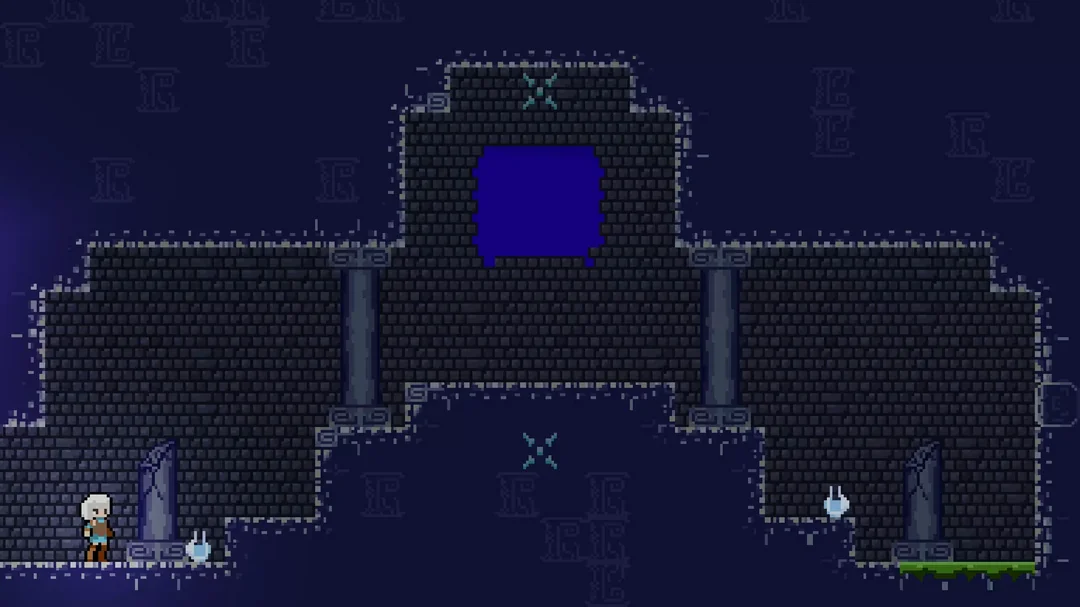
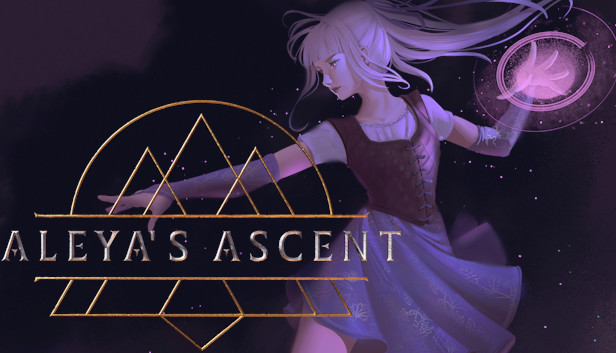
A while back, I came across another very promising title on Twitter that I wanted to bring to the attention of gamers for a multitude of different reasons. Aleya’s Ascent, under development at Ursa Minor Games based in New York, is a Metroidvania title making use of superbly rendered 8-BIT visuals. With a heavy emphasis on exploration, combat, and precision platforming.

The player assumes control of the main character Aleya, who is chosen by fate to tame a series of feral and long-forgotten deities, giving the plot a strong feel of the likes of Shadow of the Colossus and The Last Guardian, in my opinion. But seeking further clarification of what influenced the game, what bumps and scrapes there had been along the way in the developmental process, and when the game would be released, I reached out to the game’s lead developer, William Henderson, for more details about what’s been going on behind the scenes of this excellent-looking game. So here’s what William of Ursa Minor Games had to say about Aleya’s Ascent:


Aleya's Ascent 1

What were the influences behind your game?

Main influences at this stage in development include games like Celeste (big one), both Ori games, Hollow Knight, Castlevania SOTN, etc. The usual suspects as far as Metroidvania go. Also, the style/aesthetic/story is heavily inspired by Legend of Zelda.


What has the developmental process been like?

I carried game dev as a side project for about 3 years before deciding to try and push for a full-fledged commercial indie game as a solo developer. So the process has included a lot of learning about the indie game landscape. Reading articles and watching YouTube videos.


How close are we to seeing the finished product?

As a solo indie developer working on his first game, it can be hard to tell. I hope to release a polished demo in Q3/4 2021 and then reassess the timeline based on player feedback. There isn’t any real pressure to release ASAP. So I want to take the time to make Aleya’s Ascent exactly how I envision it. Without cutting any corners to meet a deadline.


Aleya's Ascent 2

What has been the most exciting aspect of development?

For me, the most motivating part has been sharing some of the art and gameplay that I worked hard on. It’s exciting getting positive feedback, whether it be through Twitter, Reddit, or Discord. Or with friends and family in person.


What has been the most challenging aspect of development?

I think for Aleya’s Ascent, it has to be finding the time. Life gets in the way. And I can’t spend as many nights or weekends as I’d like on development.


How well has the game been received so far?

I’ve been very happy with the response it’s received on the platforms I’ve presented on. But I know I still have a long way to go. So I’m excited to share more in the future.


What platforms are you looking to bring the game to?

PC is definite, with the possibility of a Switch release down the line.


Aleya's Ascent 3

What were your prior programming experiences before developing Aleya’s Ascent?

I have an engineering degree, so I was exposed to programming in college, but not object-oriented programming. I created a handful of game prototypes as practice while in Graduate school. Before I felt comfortable committing to a first commercial game.


Are there any preliminary plans to expand on the world of Aleya, either through a sequel or DLC?

It’s hard to say at this point. While I have an overarching story prepared, it’s unclear where Aleya 1 would end, and Aleya 2 (or DLC) would begin. I certainly would love to continue Aleya’s story, but I don’t want to force a sequel before the first is finished.


Are there any programmers or game creators you took influence from?

Definitely. The developers/programmers from the listed influences above would be a good place to start. It’d be impossible to list them all, but the Twitter indie game circles share so much information about neat tricks/tips/shaders, etc., that it has been vital to my development process.


Aleya's Ascent 4

Have there been any ideas at this stage of development that have since been scrapped or reworked?

A whole lot. I’ve had levels and entire maps scrapped to allow for core gameplay changes. In one iteration, Aleya was a robot. I’m not afraid to axe anything if I feel it isn’t good enough or doesn’t quite fit.


What would be next for Ursa Minor Games following the release of Aleya’s Ascent?

Another game for sure. What form, shape, or genre that takes is up in the air. I’ll probably develop a couple of game prototypes on itch.io or something and see if any of them get positive feedback.


If you had the opportunity to develop a game with any company or any franchise, which would it be, and why?

Nintendo for sure. I grew up playing/loving their games, and it would be a dream come true to work with them.


Do you have any advice for aspiring developers who may be reading this?

Well, I hesitate to offer advice as I’m just a first-time game developer and a hobbyist at that, but for other hobbyists/solo developers, I found success in chasing inspirations and following whims. I think my best/best-received work has been things that strike me when I’m not working on the game. And take notes once an idea pops into your head, it’ll help you remember and flesh it out into a definitive game concept.


Where on the Internet can people find you?

You can find me on Twitter as @UrsaMinorGames, on Reddit as /u/ursa-minor-games, and find Aleya’s Ascent on Steam: https://store.steampowered.com/app/1470540/Aleyas_Ascent/. Also join Aleya’s Ascent Discord channel for early concepts, works in progress, and other discussions: https://discord.gg/e5qvqkT78z.


Do you have anything else to add?

I’d like to thank you for taking the time and having the patience to reach out and ask questions about Aleya’s Ascent.


I also want to thank William for agreeing to share more information about Aleya’s Ascent and to wish him and Ursa Minor Games the best of luck throughout the rest of the developmental process, as well as luck with the eventual release of the game. Aleya’s Ascent was a game that immediately caught my eye in terms of retroactive graphical quality, and I have hopes for great gameplay to match. In the meantime, you can visit Ursa Minor Games’ social media pages and the Steam page, but for now, I hope you guys enjoyed learning more about this title.

Game on,

Scouse Gamer 88

Gears of War (PC & Xbox 360)

Gears of War

Developer(s) – Epic Games

Publisher(s) – Microsoft Game Studios

Designer(s) – Cliff Bleszinski

Producer(s) – Rod Fergusson

PEGI – 18

Released back in 2006 to widespread critical acclaim from both gamers and reviewers alike, Gears of War went from a beloved third-person shooter to go on and spawn a huge system-selling franchise for Microsoft. Out of the original three games, to me, the original remains the best. It delivered the best in every aspect that the next two games would both fall short on and failed to expand on at the same time. The original game remains a seventh-generation classic and for good reason. 

Graphics – 9.5/10

The first thing to notice is the visuals, which stood out as not only technically marvelous but also did an incredible job of showing off early on what the Xbox 360 was capable of graphics-wise. But out of the original three games, it also does best to perpetuate the inexplicably wonderful sense of dread that the series came to be known for. Literally from the start of the game, as it begins in a dank prison cell with a history of violence. The settings are also incredibly diverse. And although it can be argued that the settings of the second game were possibly more so, in my opinion, the first still did better to set the tone of the entire series. It definitely does this better than the third game. And the settings are still more diverse than those of Gears 3.

Gameplay – 8/10

In its basic design, Gears of War, as well as every other main entry in the series, is a third-person shooter involving blasting through hordes of alien enemies. Limited to just the Locusts in the first game, as well as finding strategic cover to become protected from enemy fire. And subsequently advancing through each phase of the story, as well as there being a very progressive online multiplayer mode.

There’s not much to the series in general than that, and that’s why, in my opinion, the following games in the series failed to impress me as such as what should come to be expected from sequels. But as this was the first, it seemed less disappointing. And it was a relatively new style of play at the time when it came out. It was a breath of fresh air back in 2006 to play a game structured like this. After the market had become firmly oversaturated with FPS games throughout the sixth generation. 

Controls – 10/10

The game’s movement controls and shooting mechanics were also very crisp and fluent. Even for what was at that time a relatively new idea. Though it had borrowed from games like Resident Evil 4, Kill Switch, and Second Sight, Gears of War, in my opinion, did a lot of the same things bigger, better, and all at once. And it made for a far superior game. Not only in terms of controls but in terms of overall quality as well. 

Lifespan – 6/10

Lasting around 5 to 6 hours, the lifespan of the game is not great. But at the time, it was just about tolerable. Since it seemed inevitable after playing that there would be a sequel or two. The lifespan of each game remained about the same. And so later entries seemed much more disappointing than this because of that. But regarding the first game, the amount of time seems more acceptable, though not outstanding. There could have been a lot more added to the first game. To make it last even longer, outside of the small side quests of collecting the cog tags.

Storyline – 8/10

The story of Gears of War centers around Marcus Fenix. A soldier fighting an interplanetary war between humanity and an alien race known as the locusts for the human faction known as the Coalition of Ordered Governments, or COG. After recently being reinstated into COG following his prior court marshaling, he is joined by his best friend, Dominic Santiago. As well as a contingent of other COG soldiers, to continue the fight against the locusts and one of their highest-ranking leaders, General Raam.

The first game contains a lot fewer emotionally charged scenes than the next two games would bring. However, to me, it still has the best story, since it accommodates the lack of the tragic element with things such as horror, mystery, and build-ups of tension. For example, the sequence in which the team is being chased around by the berserker remains my favorite moment in the series to date. 

Originality – 8/10

Though again, the series would seem far less unique as time went on. Since the developers seemed far too reluctant to switch things up to any great extent (at least with Gears 2 and 3 anyway), the first game was far more unique at the time. It was an idea that had yet to be expanded upon with future games. Such as Uncharted and Mass Effect. The first Gears of War set a trend throughout the seventh generation that was welcomed with open arms by gamers. And for a game that’s able to do that, you can’t help but consider it a unique experience. 

Happii

Overall, the first Gears of War is most definitely the best entry in the original trilogy. It’s fun to play with a decent story. And though it doesn’t last as long as it had the potential to (along with the next 2 games), there is a fair amount of fun to be had for the short time it lasts. 

Score

49.5/60

8/10 (Very Good)

Clodhoppers: First Impressions

Following on from my initial discovery of this game back in early 2020, I decided to write about my first impressions of this insanely unique-looking and promising title. Clodhoppers, under development at Claymatic Games and led by Platypus creator Anthony Flack, is a free–for all fighting game similar to Super Smash Bros whereby quirky and uncouth characters fight each other with fists, guns, bombs, and bails of hay (among other things) across traversable stages, with the game making use of the claymation visuals synonymous with Anthony Flack’s games. The spiritual successor to Flack’s canceled game Cletus Clay, the current build was recently added to Steam and is now free to play whilst the game remains under development. Eager to find out how this game now plays out after having briefly played the original prototype, I downloaded it and played a few rounds, and I was impressed, to say the least, with the title shaping up to be what Flack is promising fans.


Graphics

Like Platypus, the game makes use of visuals made entirely of clay and set in rural countryside areas throughout. Each stage that has been designed so far has been very well executed, giving it the clear impression that this game is a labor of love, even at this early stage in development. What tracks compose the game’s soundtrack at this point also fit in perfectly well with the game’s tableau, and the game already has the sense of humor attached to it that any player can come to expect from the first glance.


Gameplay

Playing out very similarly to Super Smash Bros, the game revolves around being the last man standing by either depleting the health of the other players by attacking them or knocking them off the stage. It works differently to Smash in that players don’t become more liable to fly off the stage the more damage they take, and they instead have a certain amount of hit points to be depleted. In addition, there also weapon drops available for players to take advantage of, but at this point in development, there is only a certain amount of them, and the quantity of which would most likely have to be increased before the game goes out to keep it as wonderfully varied as possible. 


Controls

It took a bit of control mapping on Steam to get the keyboard to correspond with the controller, but once this is sorted out, the game poses no problems; I certainly couldn’t cope with playing the game on a mouse and keyboard in any case, this is a game made for a controller. Maybe more elements can be added to the control scheme before release, such as activating additional moves, maybe reminiscent of final smash moves in the Smash Bros series, but for the most part, the control scheme is fine. 


Lifespan

If executed correctly, and if perhaps more game modes are added before it goes out, then this game can potentially be made to last as long as the player’s interest is held; especially as the game is specifically marketed as an online game. I think the main thing is that the developers focus primarily on adding more variety in gameplay than what there already is; if that happens, I think this will end up becoming an insanely popular title. 


Storyline

There is certainly scope to add a story mode to Clodhoppers, with so many eccentric characters and its unique settings and premise.; It could function in a similar way to Super Smash Bros Brawl, whereby players will be forced to take different paths with different characters in the lead-up to the ending, and have everything come full circle by centering around a specific endgame enemy or location where things come to the fore. Whether or not there will be a story mode added remains to be seen, but the potential for which is quite exciting to think about. 


Originality

Though this game is clearly influenced by a specific gaming series, everything about Anthony Flack’s games has always had uniqueness attached to them, and Clodhoppers looks to be no different. Before I played Platypus, there were very few games around that used this visuals style, except the likes of ClayFighter. But it will be a welcome addition to the indie community to once again see this graphical style once again perpetuated, and in a new type of game to match.


Overall, Clodhoppers does extremely well to show off what I think the game will eventually go on to become; a very enjoyable and addicting brawler with plenty of variety and plenty of potential to take the indie games community by surprise. If you like the look of Clodhoppers and would like to try the current build out for yourself, you can do so via the link below, and I highly recommend you do:

https://store.steampowered.com/app/1066420/Clodhoppers/


You can also click the following link to read my prior interview with Anthony Flack back in 2020:

https://scousegamer88.com/2020/01/23/qa-with-claymatic-games-anthony-flack-clodhoppers/


But in the meantime, I hope you enjoyed learning more about this game or experiencing it even in its preliminary stages of development as much as I certainly did.

Game on,

Scouse Gamer 88
Kane & Lynch 2: Dog Days (PC, PlayStation 3 & Xbox 360)

Kane and Lynch 2

Developer(s) – IO Interactive

Publisher(s) – Square Enix

Director(s) – Karsten Lund & Kim Krogh

PEGI – 18

Released in 2010, among a plethora of other critically acclaimed mainstream titles, such as Mass Effect 2, Final Fantasy XIII, and Red Dead Redemption, Kane & Lynch 2: Dog Days is a third-person shooter that was received with mixed or average reviews upon its release. With many citing its lack of fun or substance. And in this case, I’m inclined to agree with the general consensus. There were far better games made of the same ilk at this time, with much more substance to them. Making it stand out like a sore thumb among the best of what the seventh generation had to offer. 

Graphics – 6.5/10

The game’s settings are of modern-day China, perpetuating one gritty and horrific atmosphere after another. With a film grain effect to complement it. I understand that this was done to add to the game’s feeling of dread. But overall, it just makes things needlessly complicated during gameplay. Especially whilst trying to take out enemies from a distance. The way the game was designed visually was far more of a hindrance than being compelling to look at. For the most part, the game’s settings in general also seem far too generic. Even compared to other games like it that were out at the time. Such as Grand Theft Auto IV and the games in the Saints Row series. It should’ve been expected from a development team that game artist Rasmus Poulsen once said that they were trying to make it look unpleasing.

Gameplay – 6/10

The game is a third-person shooter, whereby the sole objective is to simply get from A to B. With no secondary objectives to keep things varied, or any further incentive to play other than simply advancing the story. There are a few instances of vehicular combat throughout. But not enough to maintain a decent level of variety. Especially compared to most other games throughout the seventh generation in general, let alone 2010. This game certainly needed an extra push to make it better than what it turned out to be. But the lack of substance makes it come across as if the developers couldn’t be bothered trying. 

Controls – 10/10

The only aspect in which there are no flaws in the game is in the control scheme. But scenes, as they had a blueprint to follow at this point, with the likes of Gears of War and Uncharted games having been released prior, there shouldn’t have been an excuse to get the controls wrong. But the fact that no unique control mechanics were added to make this game stand out didn’t do the developers any favors. 

Lifespan – 4/10

Clocking in at around 5 hours, the game is also criminally short. Third-person shooters at the time seemed to be relatively short by nature anyway, with Uncharted and Gears of War games taking around the same time to complete, but the difference being is the two former examples offered far more in terms of gameplay than what Kane & Lynch 2 does, and therefore both warranting more than one playthrough, whereas depending on what way players may look at it, Kane & Lynch 2 may not even be good enough for even one playthrough. 

Storyline – 6/10

Taking place four years after the original game, Kane & Lynch: Dead Men, Kane & Lynch 2: Dog Days reunites Kane & Lynch in Shanghai, China, where they become embroiled in a generic gangster plot, and they must stick together in order to survive. Yes, it is honestly as forgettable as it sounds. I couldn’t even be bothered remembering the characters’ names for the most part, as I was not inclined at all to become emotionally invested in the story. The only reason I remembered the names of the two main characters is simply that the game is named after them.

Originality – 3/10

Simply put, there is next to nothing unique about Kane & Lynch 2; it perpetuated many of the same things that a lot of other seventh-generation games had done years before this, but offers players nothing to make it stand out among the plethora of great games that had come prior. Somehow, there were talks emerging at one point of this game being adapted into a film, but due to the lack of interest in general, it never happened. But given how little there is to it in gameplay, it probably would’ve worked better as a film than it does as a game. 

Angrii

Overall, Kane & Lynch 2: Dog Days is definitely one of the most unoriginal and tedious games of the seventh generation. A black mark on the developers of the Hitman series, nowhere near as much thought was put into this series as there was with either the former or their obscure gem, Mini Ninjas. 

Score

35.5/60

5.5/10 (Far Below Average)

Braid (PC, PlayStation 3, PlayStation 4, PlayStation 5, Xbox 360, Xbox One, Xbox Series X & Switch)

Braid

Developer(s) – Number None

Publisher(s) – Number None & Microsoft Game Studios

Director(s) – Jonathan Blow

PEGI – 12

Released back in 2009, Braid was one of the games that truly kick-started the influx of independently developed games, which would be seen throughout the eighth generation and beyond, along with the likes of Minecraft, Fez, and Castle Crashers. It was received with universal acclaim upon release, proving to be one of the most influential games of the 21st century. With many critics even citing it as one of the very best games of all time. Although I found it to be brimming with artistic merit and certainly having well earned its place within gaming history, I wouldn’t go so far as to call it one of the best of all time. Nevertheless, there was a lot to be enjoyed with this one.

Graphics – 10/10

The first thing to notice and to truly be awe-inspired by is the visuals. Hand-drawn and taking place within environments are equally vibrant and colourful, as well as dark and ominous. Visually, the game was expertly put together to the extent that it makes players feel that this wasn’t programmed on a computer by a developer. But rather painted onto a blank canvas by a master artist. The game’s soundtrack is also expertly composed by three classically trained musicians. Further perpetuating the contrasting feeling of calmness and ambiance with that of danger and dark portent. 

Gameplay – 7/10

The game is a 2D side-scroller with puzzle-solving elements to it, similar to a lot of indie experiences that have seemingly been influenced by it. Such as Chronology and The Swapper. It also features a lot of gameplay elements similar to those of the Super Mario series. The puzzle-solving element is not quite as intricate or subtle as it is in Jonathan Blow’s future game, The Witness. Nevertheless, players will have to have their thinking caps on in order to progress through this game. The puzzles can be particularly challenging at times. 

Controls – 10/10

Aside from the jumping controls feeling somewhat stiff, the game’s control scheme poses no problems at all. All I would suggest is to get either the console or Steam version, since all these versions offer controller support. Unlike the PC version on CD-ROM, which forces players to use the keyboard. This is exactly how a game like this should never play out. At least with the Steam version, keyboard mapping becomes available. 

Lifespan – 3/10

Braid can only be made to last around 2 hours. Which, for a game that came out in the middle of the seventh generation, is nothing. Especially since its release, there have been plenty of other games made in the same ilk that have been made to last considerably longer than this. This is the main reason why I’ve not been so hasty as to label it one of the best of all time. Whilst having as much artistic credibility as this game does, it should only be secondary to things like gameplay. And in this day and age, lifespan, and I didn’t find that it was in this case. 

Storyline – 7/10

The story of Braid tells of a man named Tim who is searching for his princess, who has been taken by an evil monster. Like Super Mario Bros, the game’s story sounds extremely simplistic in scope. And again, for a game that was released when it was, you may think that wouldn’t be enough since games were becoming more geared towards telling stories. But what makes this game hold up in that respect is in the details. Plot threads and backstories are accessible throughout the game. And it gives it more substance than players may think at first glance. There are also a few twists and turns before the end that players will not see coming at all. 

Originality – 7/10

Whilst this game was by no means the first game to do the majority of things that it does do, the fact of the matter is that it went on to inspire a new generation of developers to come up with their own ideas and share them with the world, and props need to be given to both Jonathan Blow and the team of developers behind it. This game, along with many other games released around the same time, taught the new generation that they don’t need to be part of the mainstream to realize that they can become successful developers. And that, with the know-how and the effort, a great game can be developed on a budget. 

Happii

Overall, Braid, whilst I can’t bring myself to consider it one of the best, is certainly one of the most influential. And still quite a lot of fun for the short time it lasts. Jonathan Blow went through an arduous process to bring this game to life. And in the end, he deserved his success. 

Score

44/60

7/10 (Fair)

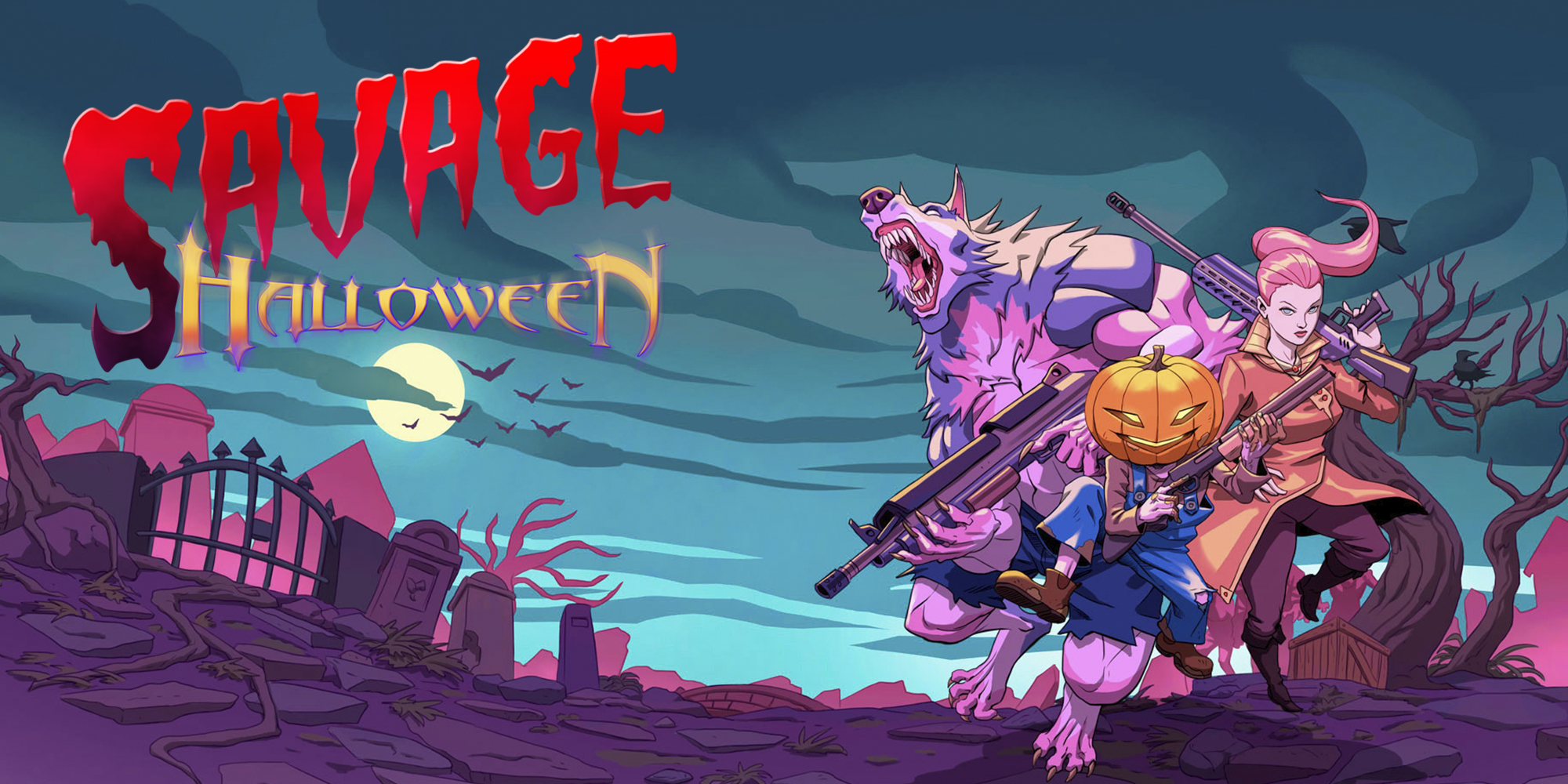
Savage Halloween (PC, PlayStation 4, Xbox One & Switch)

Savage Halloween

Developer(s) – 2ndBoss

Publisher(s) – 2ndBoss

Designer(s) – Abdel de Oliveira & Fernando Rodrigues

PEGI – 7

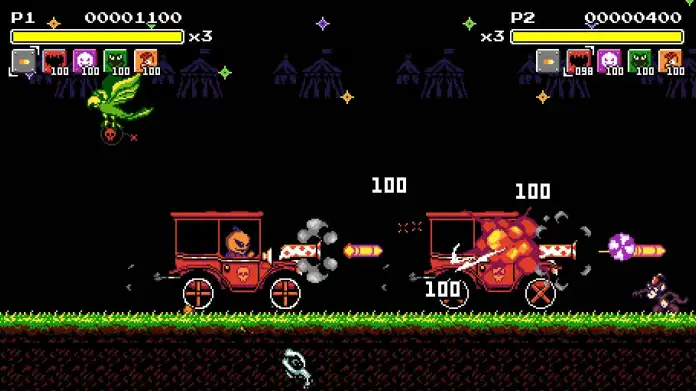
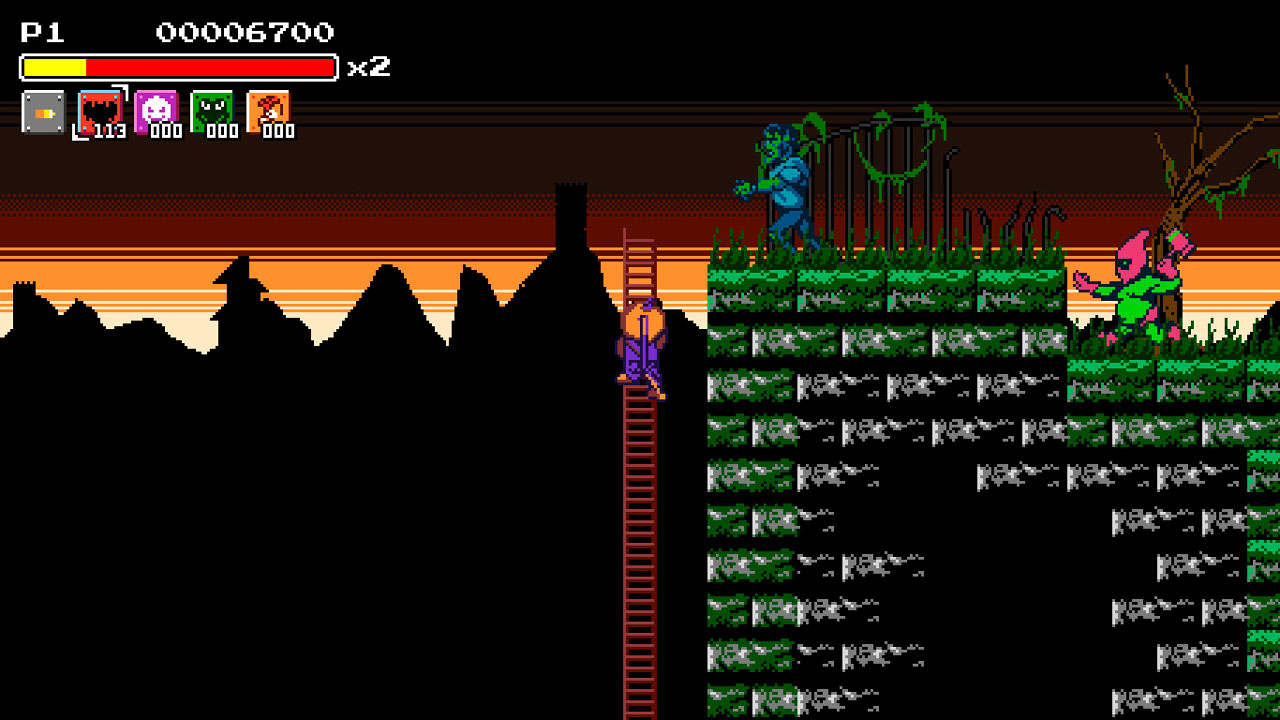
Developed as a love letter to several NES classics, most notably Castlevania and Contra, Savage Halloween is an 8-BIT side-scrolling shoot ‘em up set in a world based on several tableaus associated with Halloween. And boasting a massive amount of variety in gameplay. I’d seen previews of this game before playing. And yet, I was still taken aback by just how good it is. It’s definitely one of the standout retroactive indie experiences of 2020. 

Graphics – 8/10

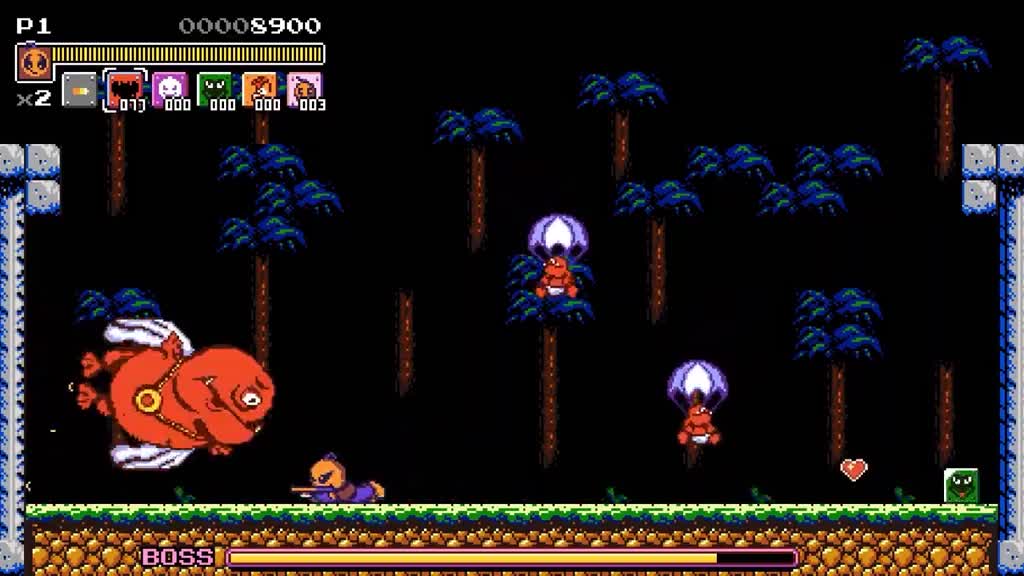
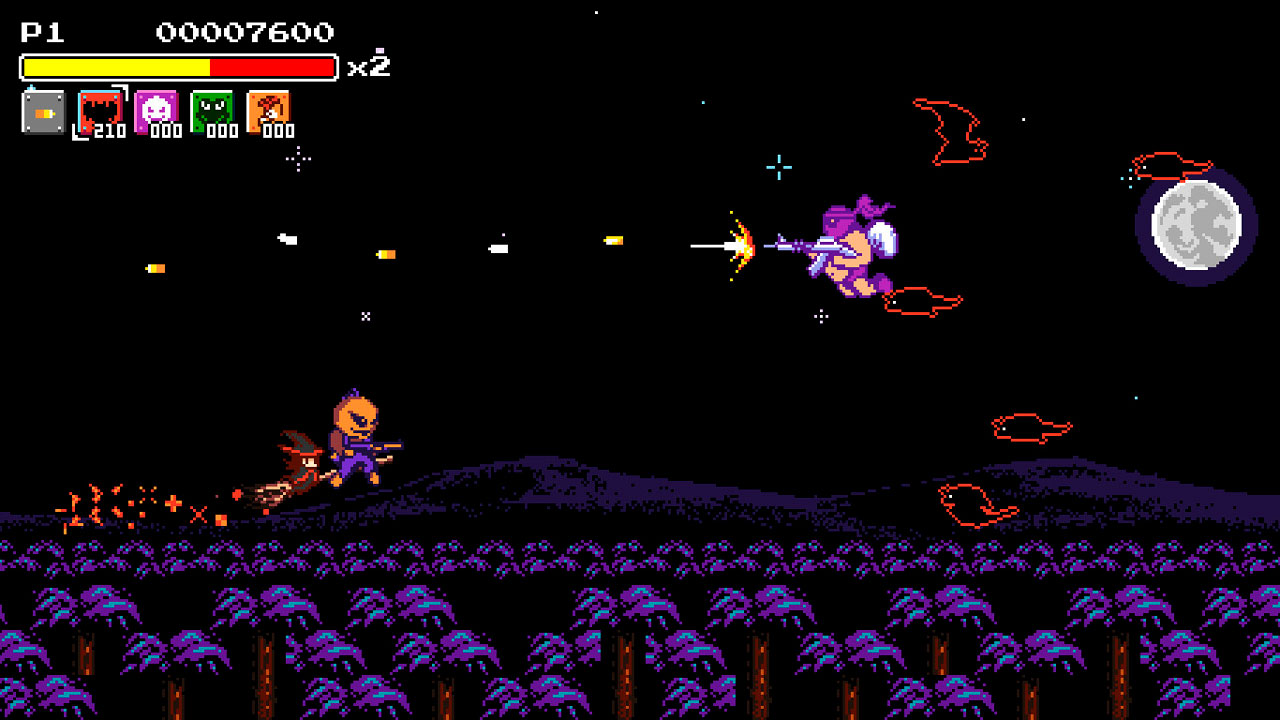
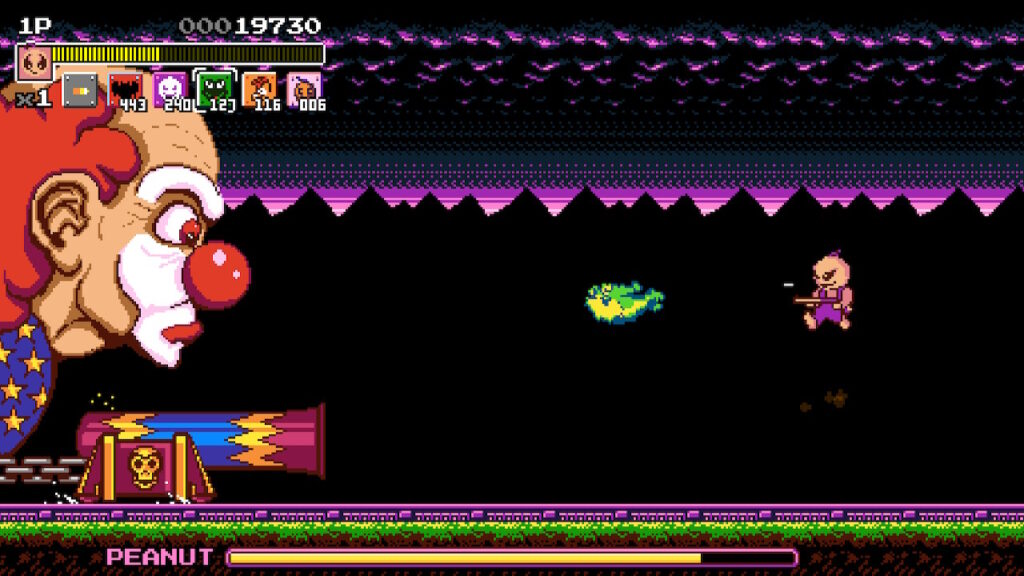
Taking place in a world reminiscent of classic works and characters of horror, including Frankenstein and Dracula, there is as much variety in terms of visual design as there is in gameplay. With multiple characters and its horror-styled setting, the game that reminded me of most in its graphical design is actually Castlevania III: Dracula’s Curse. But at the same time, the game also does well to differentiate itself from the former. Each level perpetuates a different subject of horror. Such as circuses complete with clowns and circus monkeys, along with a couple of elements that don’t necessarily do that. As the mini gun-wielding Santa Clauses.

Gameplay – 8/10

Though the game is primarily a side-scrolling shoot ‘em up, there are also a number of gameplay sequences that challenge the player in a number of different ways, reminiscent of other classic games. Such as Battletoads and Gradius, including on-rail shooting sequences. Like in Contra, there is also a massive amount of variety in terms of weapon choice. With machine guns, burst weapons, and guns that fire ghosts and exploding chickens. There are three characters to choose from at the start. Each has its own strengths and weaknesses. So the game is designed to be played 3 times at a minimum, and each of these three playthroughs offers a new experience and challenge. A challenge that also doesn’t seem too inaccessible, like the likes of Mega Man.

Controls – 10/10

The game’s control scheme is also exceedingly simple to get to grips with. Especially if you’re a fan of the third generation of gaming. And poses no problems whatsoever. The only distinction that I suppose can be made is whether players may prefer to use the analog stick or the D-pad. Either one works fine. That being said, it is also quite impressive how the developers managed to cram as many different control mechanics into this game, with the amount of gameplay variety there is compared to other titles of the era of influence. 

Lifespan – 7/10

One playthrough of the game can last about an hour and a half. But as I said, this was a game designed to be played multiple times. So it can be made to last as long as the player desires, ostensibly. Especially with the included traditional incentive to try to beat your high score. So the bare minimum that this game should be made to last is 4 and a half hours. But there is definitely scope for more playtime than that. 

Storyline – 7/10

The story of Savage Halloween is that a vampire hosting a 24-hour Halloween rave for creatures of the night has decided to close the portals leading back to Hell so they can continue to rave forever. The three main characters, James, Dominika, and Lulu, have been called in to defeat the night creatures and stop the rave. It’s not exactly a story that reinvents the wheel. But it’s just as wonderfully insane and outlandish as any story associated with gaming in the third generation. It’s a concept somewhat reminiscent of A Nightmare Before Christmas, in fact. As that’s one of my personal favorite films, the story concept of this game works pretty well for me. 

Originality – 8/10

Although Savage Halloween has been influenced by a great number of games that have come and gone before it, all the elements of which do come together to nicely form its own cohesive concept. And it stands out to a great extent as a result. It was also rare in the third generation to come across a platformer whereby the high score played as much of a role as it does in this one; something which only generally has meaning in arcade games such as Space Invaders and Pac-Man, so this game does quite well to go against that tradition as well.

Happii

Overall, Savage Halloween is a title I can’t recommend enough. It’s entertaining, challenging, wonderfully varied, and will provide players with hours of fun. 

Score

48/60

8/10 (Very Good)