Tag Archives: Adventure

Aveliana

Q&A With Romain Dupuis

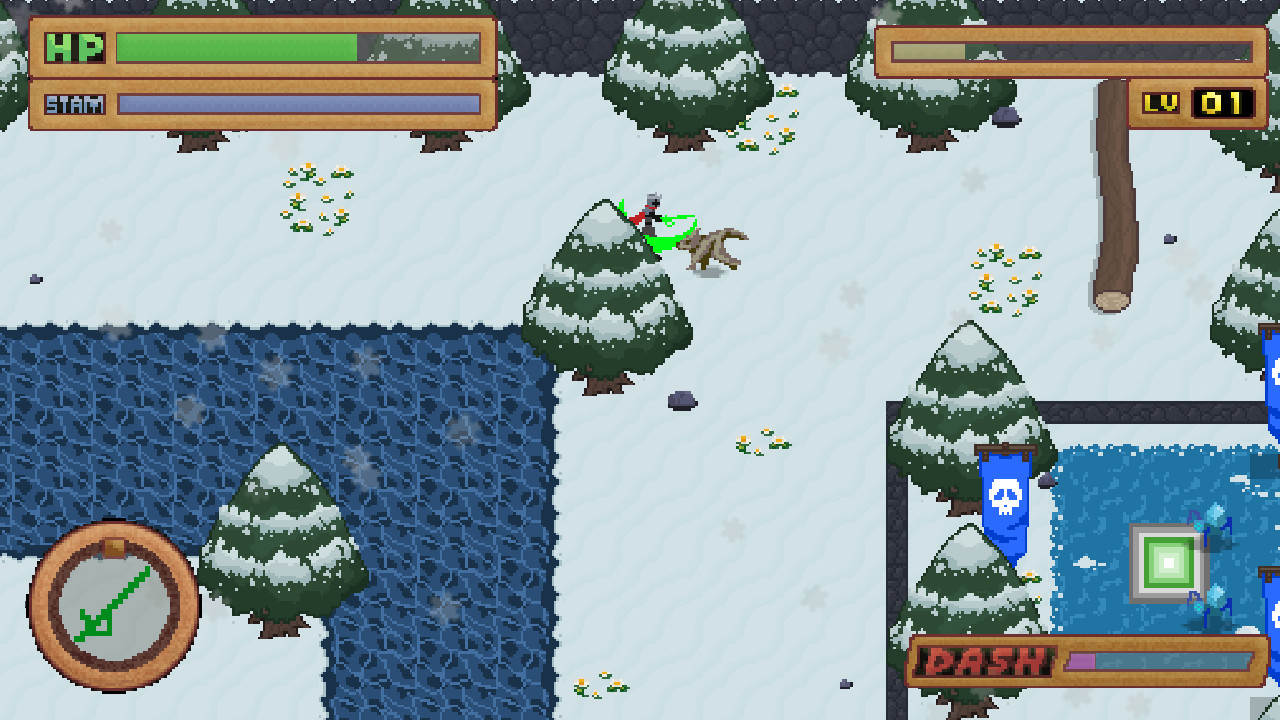
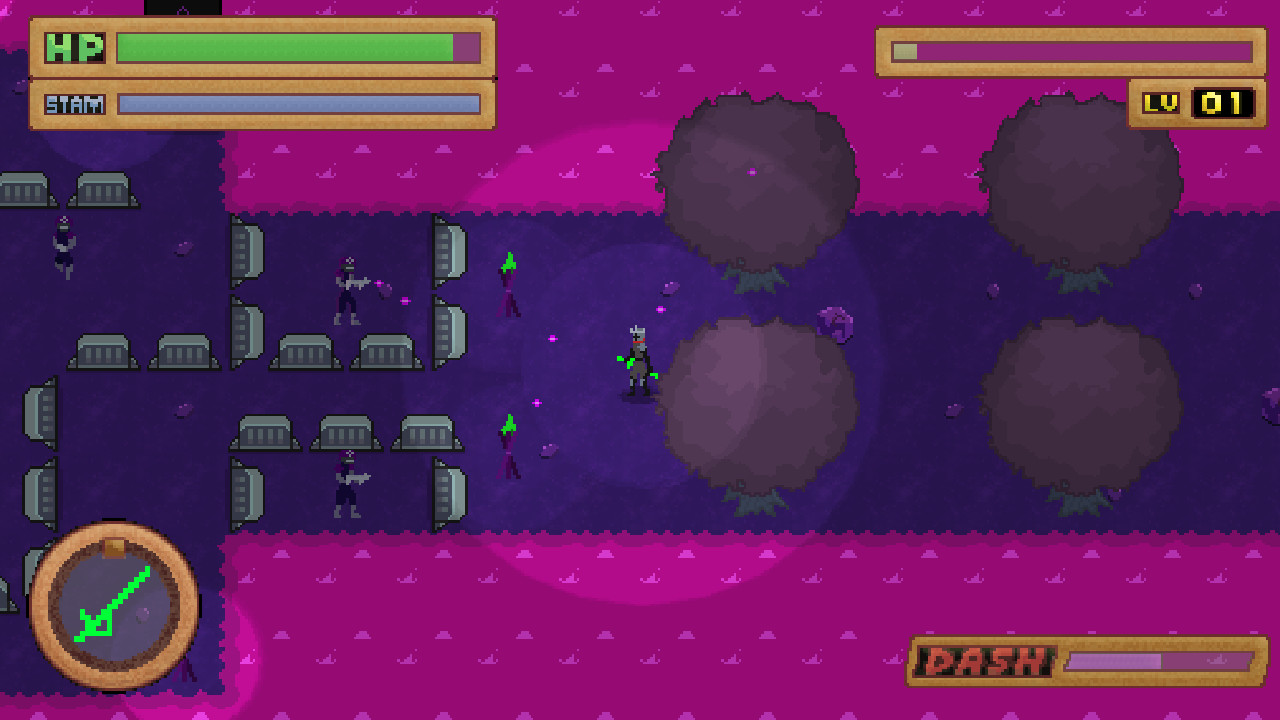
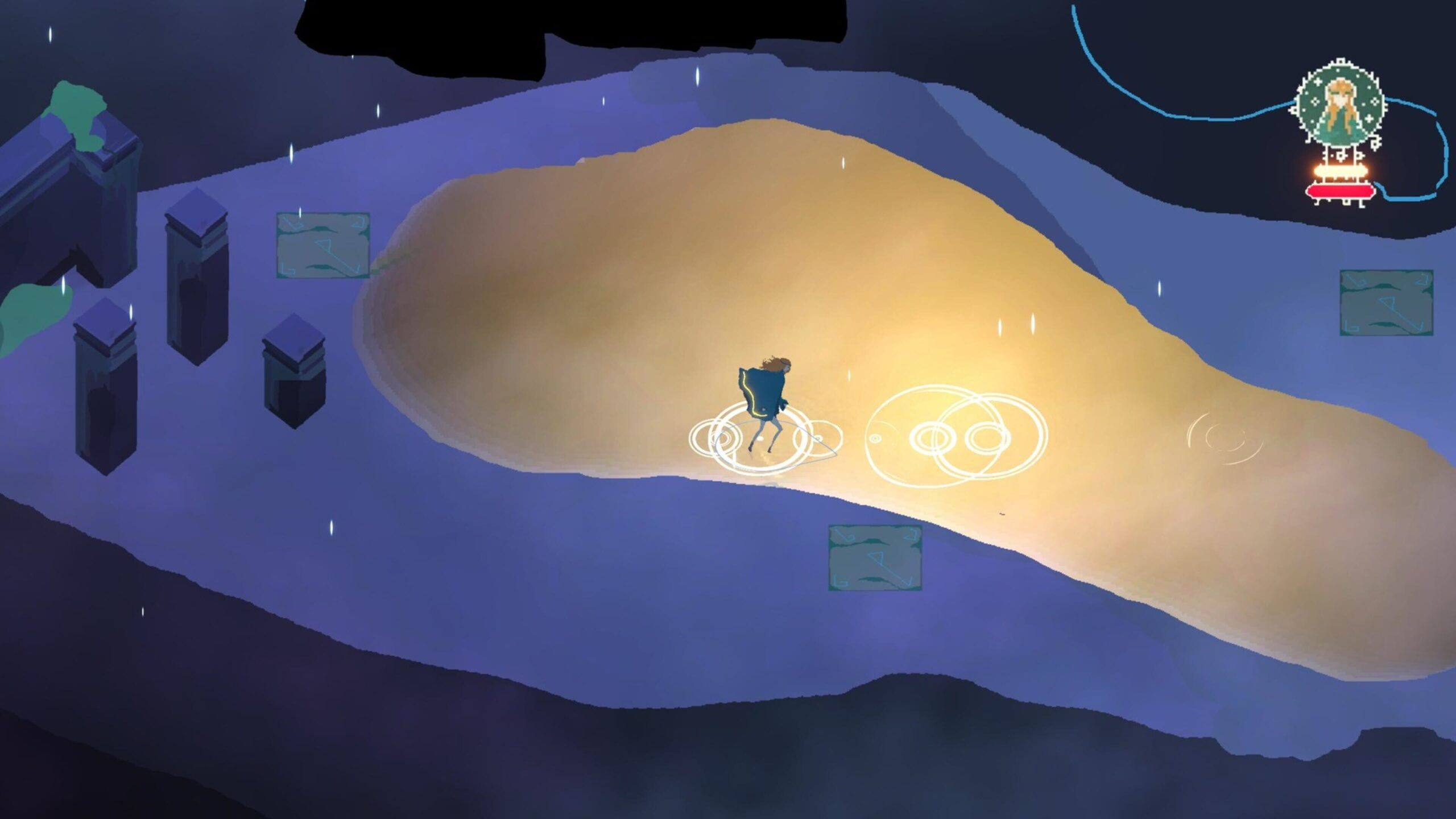
Whilst once again on the lookout for new indie games on Kickstarter and IndieGoGo, I today came across a new Kickstarter campaign with a style of play unconventional to most represented within the indie development scene. Aveliana, described as an infiltration action-adventure game, is a 2.5D title whereby players must find their own route through the game’s world based on the enemy’s AI and detection patterns.

Players can choose to find alternate routes and secret areas through the game. Depending on their choices or what style of play they wish to implement. New abilities are unlocked over time to provide players with more options as the game progresses. Designed with lush 8-BIT scenery and varying atmosphere, the story follows the young titular character, Aveliana, wandering the land in a bid to bring back someone she has lost. Eager to know more about this game, I contacted its lead programmer, French indie developer Romain. He shared with me a great deal about the title and where he plans to take it upon its final release. Here’s what Romain had to say about Aveliana:
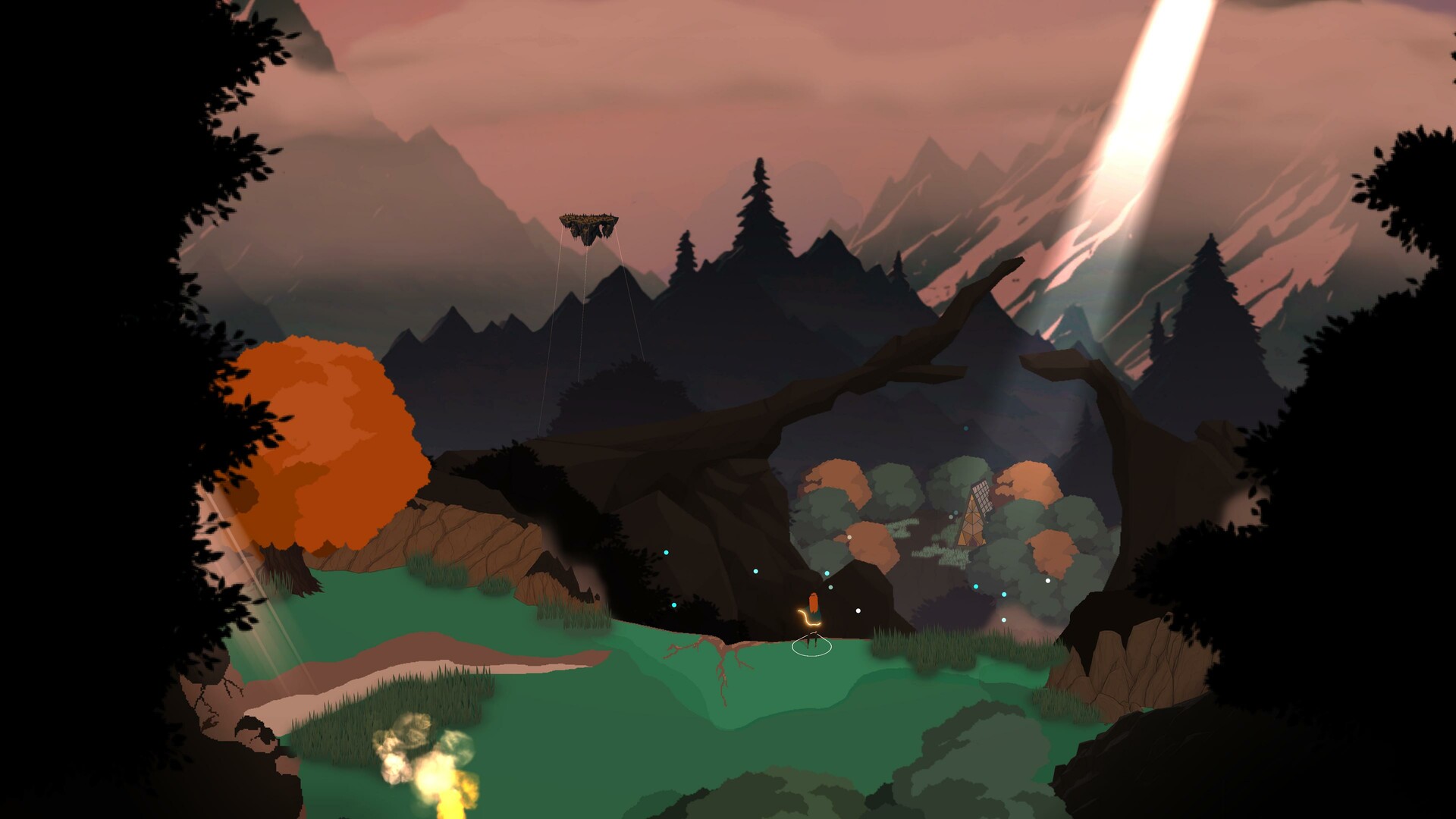
Aveliana 1

What were the influences behind your game?

A source of inspiration for the gameplay is the game Commandos, which is an old game where you have to infiltrate a base. In Aveliana, you control a single character. So the game is more dynamic and less tactical compared to Commandos. I’m also inspired a lot by physics (because I am a physicist) for the detection and attack patterns. Inspired by the games Gris, Children of Morta, Celeste, Cuphead, Rayman, and many others! Other arts also inspire me, such as painting, poetry, music, and anime (in particular, I love the work of Miyazaki).


What has the developmental process been like?

Since it is my first project, it is something completely new. And I didn’t know what to expect because I got the idea to start this project suddenly. I have never been passionate about something before! The whole journey is really exceptional. Part of this is due to the support I receive when I share about Aveliana on social media.

How close are we to seeing the finished product?

The developer version is at a very advanced stage. AI is done and optimized for all existing enemies, most of the levels are drafted or finished, I have drawn half of the cutscenes, and written the story. But the polishing of the game development will take time! I plan to release it at the end of 2021. There is already a playable demo at:

gamejolt.com/games/aveliana/500900
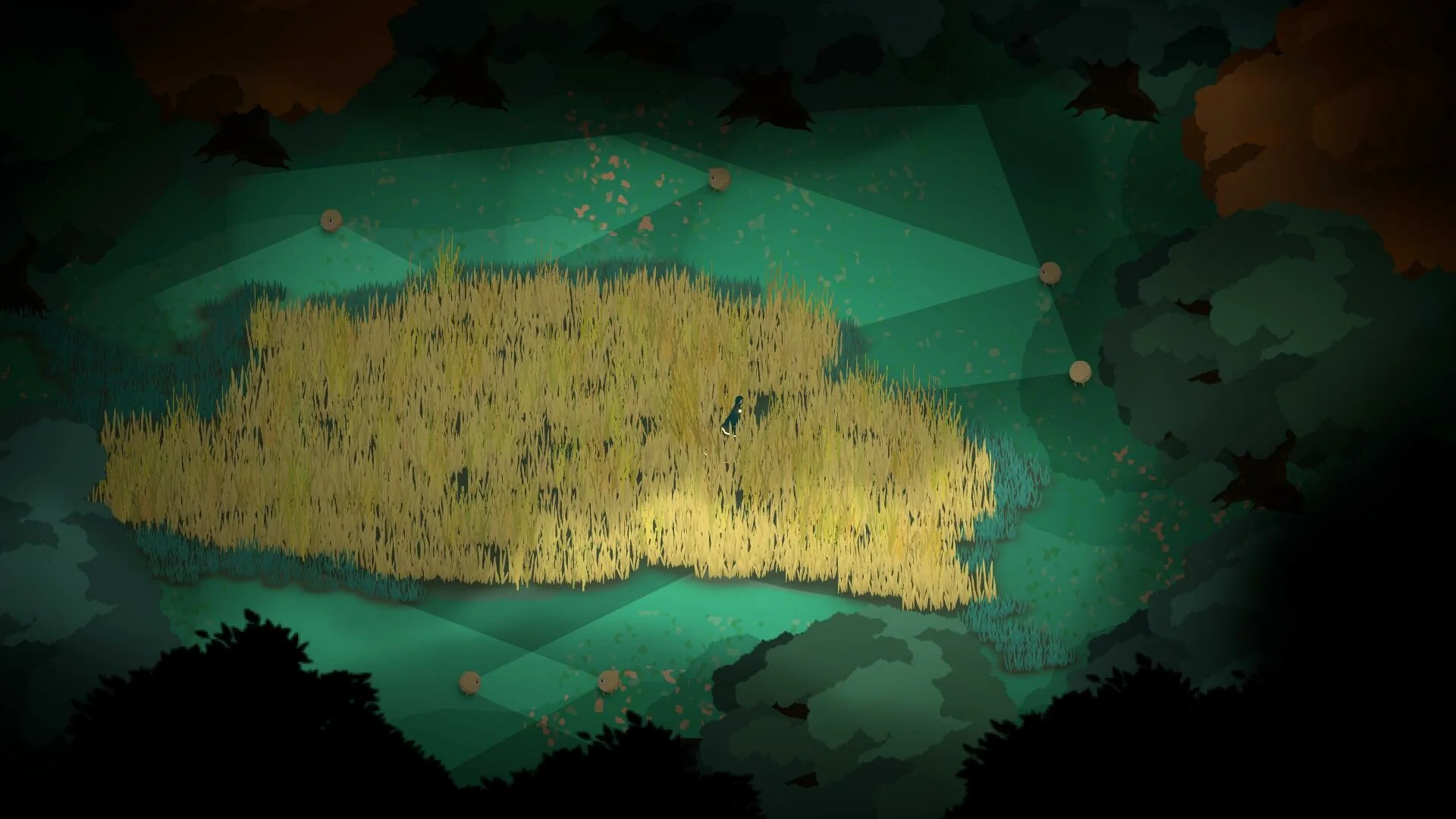
 

Aveliana 2

What has been the most exciting aspect of development?

I love implementing new gameplay mechanics, thinking about how rewarding they will be. And how risky it is for the player. I love games, and I find it exciting to see players try the demo. And see how they adapt to the mechanics I have thought about. Along with how they play around it.


What has been the most challenging aspect of development?

The most challenging thing for me is optimization. I know it is just a 2D game. But I am always trying to make it as optimized as I can. And this isn’t something easy for someone with no background in game development and game coding.


How well has the game been received so far?

The feedback is just incredible! I started to publish very early tests on my Insta feed in March. And I got about 1K followers in the first month. People appreciate the art style and tell me they immediately recognize it. The actors of the game industry also supported the game very early. Aveliana was invited to a showcase at The Escapist Game showcase last fall. And it has been featured on the platform where I host my builds (Gamejolt). I’m also very happy to receive fans of the game very often!
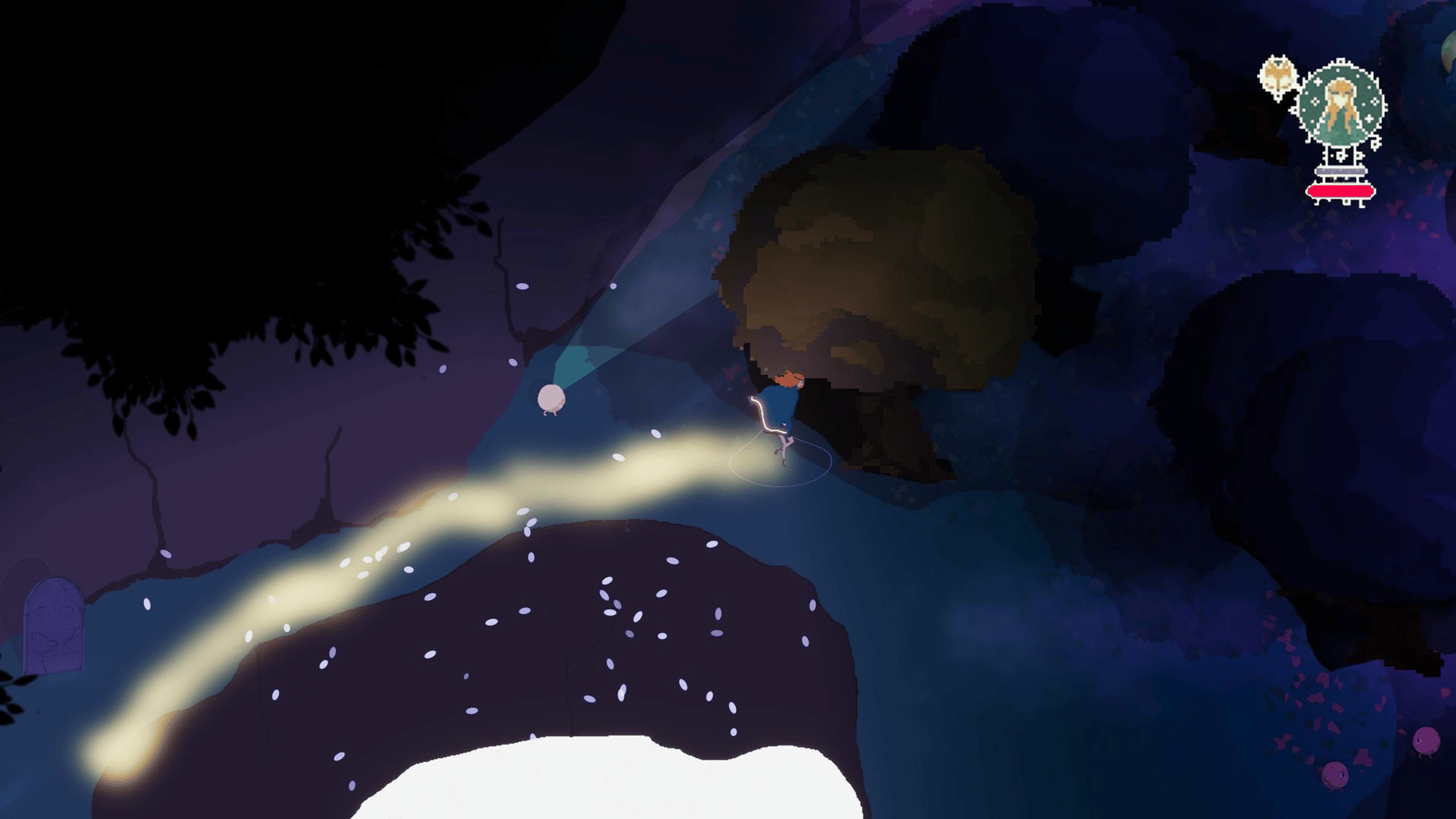
 

Aveliana 3

What platforms are you looking to bring the game to?

I am planning to release it first on Steam. There is already a Steam page where you can wishlist the game! Depending on how the game is received, I could make a console version in the future.


You mentioned on your Kickstarter that gaming genres like Metroidvania and roguelike are overrepresented within the indie development scene. Are there any genres of gaming that you think are underrepresented?

It is difficult to say because I would have to think about uncommon genres (or non-existing mixes), but I think as indie game developers, I need to do all I can to be creative and invent new things. When I tried to categorize Aveliana to publish the Steam page, it wasn’t that easy to find the correct keywords. And that’s something I’m proud of. Maybe I can think of city builders or RTS that are not often developed by indie developers. There is a lot of room for trying new ideas, and there are already some ideas I would like to try myself.


Have there been any ideas at this stage of development that have since been scrapped or reworked?

So far, I haven’t removed any features, but I have reworked a few times some monsters that were not really fun to play with. For instance, before, there was a kind of toad in the dark woods, but it was too complicated to notice, and it was too large for the narrow paths of this region. Replacing it with a flock of little flying machines that fit much better and are easy to catch with the eye. I also have reworked some visual effects that I wasn’t able to do when I started the project because I didn’t know how.
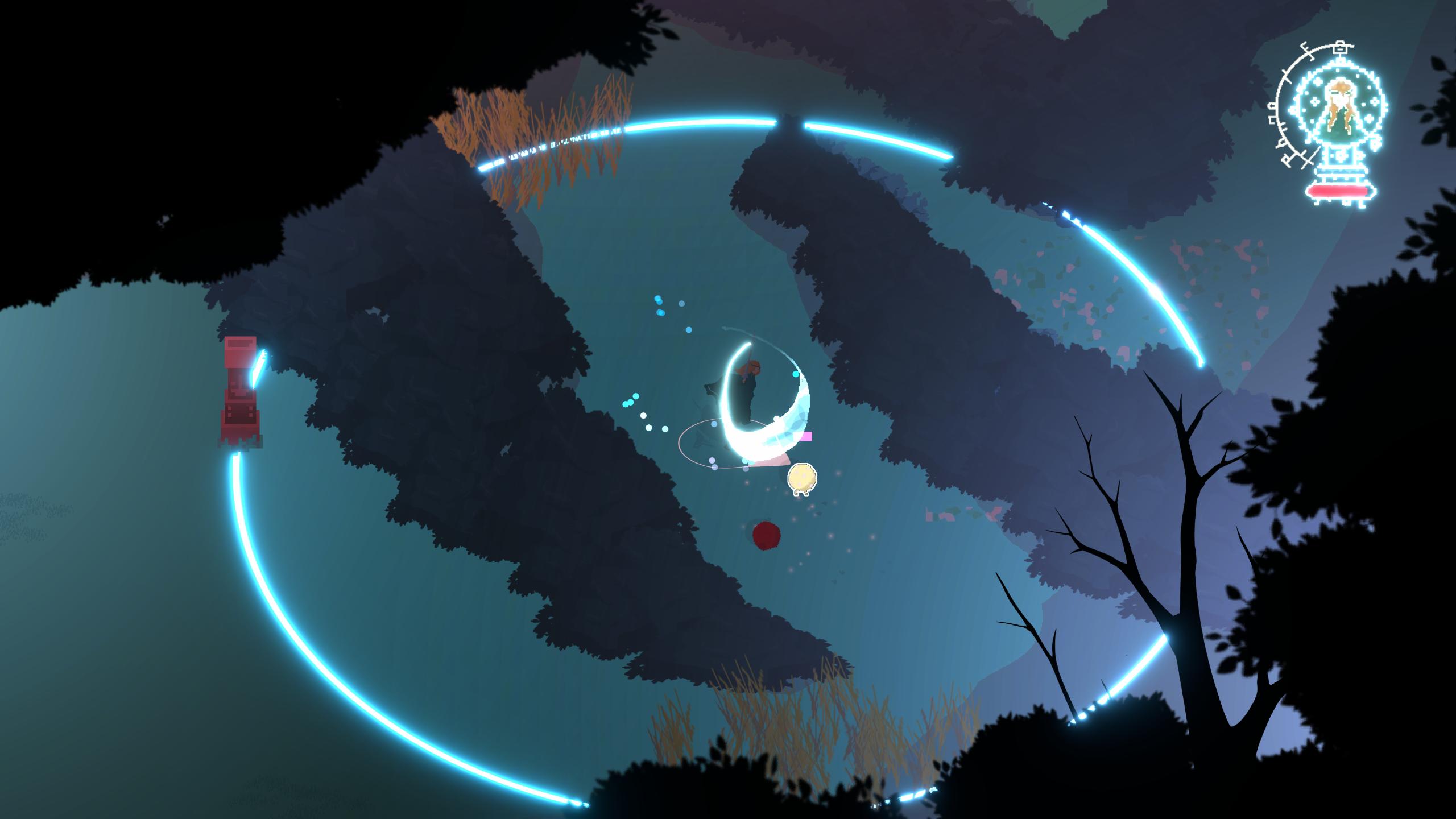
 

Aveliana 4

You also mentioned that the works of Hayao Miyazaki were a major influence on this game. Which films are best represented in the game, would you say?

I am clearly inspired by Ghibli’s work! I am not a fan properly because I haven’t seen the movies many times. But the one I love the most is Spirited Away (le voyage de Chihiro in French). I have a friendly monster in the game that looks like a shadow and is inspired by that movie. You can hide in it and hide from other monsters, but it will deal damage over time.


If you had the opportunity to develop a game with any company or any franchise, which would it be, and why?

I would prefer to develop my own little company and franchise if Aveliana is a success. Otherwise, I would like to join an indie group with a few people, but I haven’t thought about that yet.
 

Aveliana 5

Do you have any advice for aspiring developers who may be reading this? 

I think the advice for aspiring developers is to correctly set the scope of their projects. And to always be creative and original! I think it’s also important to have a good background in coding or to start with small projects.

Where on the Internet can people find you? 

People can reach me on Instagram @thefrenchdev, on Twitter @thefrenchdev_, and they can also discuss on my subreddit /r/Aveliana, and I have a Steam page for wishlists:

https://store.steampowered.com/app/1426740/Aveliana/

I often draw challenges for people who like to draw.

Do you have anything else to add?

An important piece of news is that the Kickstarter campaign has started today, and it will be up for a month! (https://www.kickstarter.com/projects/aveliana/aveliana) Someone already pledged for the maximum reward in the first two hours, but feel free to contribute for what makes you comfortable! I need your support to make the game as good as possible!
Aveliana 6

I’d also like to thank Romain for taking the time out of developing the game to talk to me about what Aveliana will have in store for backers and players. If you’re interested in backing Aveliana, be sure to check out the Kickstarter campaign and the Steam page. As well as Romain’s social media pages via the links in the Q&A. I, for one, am very much looking forward to seeing what the final game has to offer and I hope you enjoyed learning more about it as the Kickstarter campaign progresses.

Game on,

Scouse Gamer 88
God of War II (PlayStation 2, PlayStation 3 & PlayStation Vita)

God of War II

Developer(s) – Santa Monica Studios

Publisher(s) – Sony Computer Entertainment

Director(s) – Cory Barlog & David Jaffe

Producer – Steve Caterson

PEGI – 18

Released back in 2007, when the seventh generation of gaming had just started, and with many critics describing it as the swan song of the PlayStation 2 era, God of War II built on its predecessor, continuing the story. And adding many new combat features and mechanics required to solve new and more puzzles to progress through the game. Most reviews I’ve read seem to point to this game being far superior to its predecessor. But in my opinion, it’s about on par with the original God of War for a multitude of reasons. 

Graphics – 8.5/10

In terms of the technical aspect of the visuals, there isn’t a great deal of difference between this and the first game. In my opinion, there are no real improvements in the quality of the graphics. Which, in hindsight, was to be expected to an extent, given the relatively short development cycle. That being said, however, in terms of conceptual design, there is a massive improvement. In terms of diversity in scenery and level design. Keeping the tableau of the series fresh and distinguishable from the first God of War. The second game takes Kratos across an even bigger range of different landscapes than the first. It is, for the most part, confined to only a few different locations. There’s also a mixture of old and new enemies to fight. This also adds to the mythology of the series in a big way. 

Gameplay – 8.5/10

The gameplay is so similar to that of the original God of War that it’s ostensibly an extension of the original game. It’s heavy on combat and puzzle-solving and has the additional elaborate boss fights to contend with. Arguably, even more elaborate than those of the first game. There are several new weapons and spells to cast to keep things diversified, but overall, it still offers the same amount of satisfaction to be had in upgrading weapons and learning new abilities. And, of course, progressing through a new story. 

Controls – 10/10

With the seamless introduction of a few new mechanics, the game’s control scheme is identical to that of the first game. There are no issues, and combat is as fluent as what needs to be (especially on harder difficulties). And there are no needless complications to frustrate players. The context-sensitive sequences had been fractionally refined. But players will be able to go from the first game to the second without skipping a beat. 

Lifespan – 6/10

As with the first game, the second can take around 6 to 7 hours to finish. Which, again, in hindsight, may have been expected in light of the development time. But still wasn’t any kind of decisive improvement over the first game. The best of the God of War series is yet to come. And this game is good for the time it lasts. But I think a little more time needs to be spent on this game for it to be considered better than the first in every respect, including lifespan. 

Storyline – 9.5/10

The most decisive improvement God of War II made over the first, however, was in its story. Having now fallen out of favor with the gods of Olympus, Kratos now seeks revenge. With the help of the banished titans from the Titanomachy. In order to defeat Zeus, he is instructed to find the Sisters of Fate, who are reputed to have the ability to grant great power to those deemed worthy. Playing out somewhat similarly to Homer’s Odyssey, it doesn’t exactly play out as much of a traditional Greek tragedy as the first game does. Contrarily, it does better to perpetuate a strong sense of hope for Kratos. And even to set a precedent for where the rest of the franchise goes from hereon.

Originality – 8/10

The concept of Greek Mythology in gaming was a relatively new idea at the time of the release of the second game, anyway, but the developers managed to keep the whole God of War formula fresh with the introduction of a whole load of new elements in every respect, which is all the more impressive, given the fact that the first game ended on a very strong note of finality. I was surprised when I first heard there was to be a sequel to the original God War after having played the first game back when it was released; I was also impressed by the fact that it didn’t fail to impress in and of itself, a sequel that I had absolutely no idea of where it could’ve possibly gone. 

Happii

Overall, God of War II is every bit as great a game as its predecessor. The combat remains intense, the storyline has been kept fresh, and it paves the way nicely for the later games, which provided even further improvements that would later be made to this legendary franchise. 

Score

50.5/60

8/10 (Very Good)

God of War (PlayStation 2, PlayStation 3 & PlayStation Vita)

God of War

Developer(s) – Santa Monica Studios

Publisher(s) – Sony Computer Entertainment

Director – David Jaffe

Producer – Shannon Studstill

PEGI – 18

Released back in 2005 to universal acclaim, the original God of War game introduced gamers to the exploits of the Spartan warrior Kratos. And the series has since become one of Sony’s flagship franchises. Alongside the likes of Little Big Planet, Uncharted, The Last of Us, and Ratchet & Clank. The first game in the series won several Game of the Year awards for 2005 and is considered one of the better games on the PlayStation 2. And since playing it for the first time, I have become an avid fan of the series. But this title provided a ground-breaking starting point for the franchise. 

Graphics – 8.5/10

The first game is primarily set in ancient Athens. But the game takes Kratos to a plethora of locations across the ancient Greek landscape, like Pandora’s Temple and the depths of Hades. As such, it is also littered with creatures, characters, and enemies that featured prominently throughout the medium. Such as harpies, minotaurs, the hydra, and the gorgons.

It presents players with a wonderfully dark and gritty take on the whole Greek mythos. Which was quite a unique medium to take on at a time when a lot of games focused on other prominent mythological subjects like medieval fantasy, post-apocalyptic futures, or steampunk universes. On a technical level, it also did extremely well to showcase what the PlayStation 2 could do. As the sixth generation of gaming was a year or so away from drawing to a close. Impressively, it plays out at 60 frames per second. Which for a game of its graphical quality, it was outstanding at the time.

Gameplay – 8.5/10

According to David Jaffe, the creator of the original game, he designed it in mind for the player to let their inner beast free, and go nuts. And this game certainly allows doing that. Playing God of War is a wonderfully brutal experience from start to finish; definitely not for the faint of heart, who dislike violence. But a whole lot of fun for those who don’t mind it. As a hack-and-slash game, the objective is to cut through wave after wave of enemies as the game progresses. and with more enemies thrown at the player over time, and more violence is ramped up.

The combat is intense to an unfathomable degree, and it gets progressively more so. not to mention the sheer quality and clever handling of the boss fights. One thing players will notice about this game, as well as every other game in the entire series, is that they always strive to leave a lasting first impression on players. And this game does that better than others in the series. The first boss is a towering Hydra at sea. But besides this, there are also instances in the game, particularly later on. where combat is swapped out for elaborate puzzle-solving. This gives the game a fair amount of variety; again, something that would go on to become a staple of the series. 

Controls – 10/10

The God of War games have also become renowned throughout the industry for their clever implementation of game controls. Most notably, the context-sensitive sequences during puzzle-solving and boss fights. They would go on to become more elaborate with each installment. But even in the first game, they’re handled particularly well. Leaving no room for unnecessary frustrations in a game designed to challenge players. 

Lifespan – 6/10

The biggest problem with the original game, which would eventually be something the developers would go on to address over time, is the lifespan. With the original game only being made to last their sound 6 hours in total. Jaffe also said in an interview that the original idea was to make a game like Onimusha, just set in Greek mythology. Although they succeeded in terms of gameplay, it’s a pity they couldn’t have even made it last as long as the former, which didn’t have an overly impressive lifespan itself. I think there was definitely room for expansion on the idea. This, of course, was demonstrated in the sequels. But it would’ve been nice to see it in the original game. 

Storyline – 9/10

The story of God of War centers around Kratos, a former Spartan warlord championed by the gods as a divine warrior. He is tasked by Olympus to kill the god of war, Ares. Ares has laid waste to the city of Athens in defiance of Zeus and Athena. On the promise that if he succeeds, the gods will absolve Kratos of his past sins that have tormented him for ten years.

Throughout the story, Kratos’s extensive backstory is gradually revealed, and the player will get more of a sense of the kind of character that he is. Which all fits in perfectly with the tableau of a classic Greek tragedy. The story is expertly written, and the dialogue never comes off as forced or comedic. As many video games before this were prone to doing so. It presents players with a fantasy world grounded in realism. As the themes like human mortality and moral conflict play significant parts. In not only the original story but throughout the series as well. 

Originality – 8.5/10

As I alluded to, the game presents players with a theme of Greek mythology. Something uncommon in gaming at the time. It also helped to break the mold of their simply being plain good and evil. With no shades of grey to contend with. Nowadays, a lot of stories that are portrayed in fiction are gritty. And morally ambiguous with no true sense of right and wrong. But this game was among a handful of others. Such as those of the Legacy of Kain series, which tackled the subject before it became cool to do so. Therefore, it helped to make it stand out among many other titles of the sixth generation.

Happii

Overall, God of War is a triumph in its own right, which later spawned one of the most recognizable and successful series in all of gaming. The original game did the job to establish the wonderful staples that the series would later have. Ber adapts for future installments, but still, it remains a certified pleasure to play through every time. 

Score

50.5/60

8/10 (Very Good)

Q&A With Max Indie Game

The first full week of 2021 has seen an influx of new Kickstarter projects underway, many of which have been successfully funded even at this early stage. Another project on the platform that I came across this week is another Metroidvania title to add to the explosion in popularity of the genre garnished within the last gaming generation. Ancient Tree, under development by a pixel artist from Singapore operating under the pseudonym Max Indie Game, is a traditional Metroidvania title boasting intense combat, a vast 2D open world to explore, complete with mysterious ruins and lush greenery (somewhat similar to the conceptual design of Shadow of the Colossus), and a foray of hidden combat abilities to unlock, making the player character stronger over time. Wanting to know more about this project, I got in touch with Max and asked a question about the game in its early stages of development. Here’s what Max Indie Game had to say about Ancient Tree.

What were the influences behind your game?

Legend of Zelda: Link’s Awakening, and Castlevania: Symphony of the Night.

What has the developmental process been like?

Seems as I work on this project solo, I do not have a solid process like a big company. I usually take notes or sketch down my idea in a sketchbook before I implement pixel art using Aseprite and Unity. Every time I’ve implemented something on Unity, I have tested it to catch bugs, fix them, and continue.

You mentioned on your Kickstarter page that your previous experience with the software was not video game-related. What made you want to go into gaming?

Ever since I was young, I’ve always loved to play video games. I have played many JRPG games up to now. I always had a dream to develop my own game someday during my school time.

How close are we to seeing the finished product?

Currently, the development for stage 1 is still in progress and is not nearly finished yet. There are about 7 stages in the game, and there’s still a way to go before it’s finished. Apart from that, I also have a day job and a family.

What has been the most exciting aspect of development?

Having fun with writing code, drawing pixel art, learning, and trying something new.

What has been the most challenging aspect of development?

Creating pixel art and animation. Before I start creating it in Aseprite, I will sketch down my idea first. As you can see, the process of creating assets requires time and patience, but it is worth it, and I’m happy with my outcome. Solving tricky bugs takes some time to research or think about a solution, but I feel accomplished when I’ve solved the issue.

You also mention on your page that you have ideas for a lot of new features to be implemented. Can you share anything about that?

Here are some ideas that I have in mind (although it is not a new concept or idea, as many games already have it). For example. storyline, inventory, Map, and hidden skill.

What platforms are you looking to bring the game to?

Currently, I plan to bring it to Steam and Nintendo Switch.

If you had the opportunity to develop a game with any company or any franchise, which would it be, and why?

Not considering any as of now, as currently I just work as a solo indie dev.

Do you have any advice for aspiring developers who may be reading this?

Never give up on your dream, one day we can make it.

Where on the Internet can people find you?

– Twitter: https://twitter.com/maxindiegame

– Reddit: https://www.reddit.com/user/maxindiegame

– Instagram: https://www.instagram.com/maxindiegame/

– Facebook: https://www.facebook.com/maxindiegame

I’d like to take the opportunity to thank Max for taking the time to talk about Ancient Tree and to give gamers a better idea of what to expect from the final build. Ancient Tree is currently on Kickstarter, so if anyone reading thinks they may want to back Max’s project, the link is below:

https://www.kickstarter.com/projects/724290214/ancient-tree

Until the project is successfully back, I hope you guys are looking forward to Ancient Tree, and that I hope you enjoyed learning about the game from Max as much as I did talking to him.

Game on,

Scouse Gamer 88
Ratchet & Clank: Tools of Destruction (PlayStation 3)

Ratchet and Clank Tools of Destruction

Developer(s) – Insomniac Games

Publisher(s) – Sony Computer Entertainment

Director – Brian Allgeier

PEGI – 7

Released shortly after the PlayStation 3 console back in 2007, Ratchet & Clank: Tools of Destruction introduced gamers and fans alike to the Ratchet & Clank Future series. Telling a new story following the events of the original trilogy. It has all the hallmarks of the previous two games. Whilst introducing new locations, new characters, new weapons, and a new villain. Speaking as a fan of the series, he left a long-lasting and positive impression on me personally. The best of the Future trilogy is yet to come, but this game was an excellent way to kick it all off. 

Graphics – 8/10

The game starts off in the same system as the first Ratchet & Clank game, but it later introduces players to the galaxy of Polaris. A distant star system currently under the tyranny of Emperor Percival Tachyon. The game’s main villain. The game’s various planets and moons offer players yet another wonderfully varied and well-designed world. On a technical level, it also did extremely well to demonstrate early doors just what the PlayStation 3 was capable of on the graphical level. The game’s soundtrack also wonderfully adds to the whole atmosphere of the game. Going along with the tableaus of each planet’s respective theme.

Gameplay – 8/10

The gameplay follows very much the same formula as Ratchet and Clank 2 & 3, with the same controls and style of combat, and the additional side quests to undertake in between. But what makes this game stand out is the new weapons and means of subduing enemies, which is the main hallmark of what makes each game in the series stand out from one another. This was also the game in which the developers introduced the Mr. Zurkon weapon, which, in my opinion, is the best weapon in the entire franchise, and has since featured in most games following this. New gadgets are also introduced in order to solve new puzzles along the way, which also does well to add to the variety of the overall series. 

Controls – 10/10

The controls had been refined as necessary with the release of Ratchet & Clank 2: Going Commando, and as this game operates within the same principles, there are no issues with the controls as such, and really, there haven’t been any issues with the controls since. Tools of Destruction, in particular, however, also makes use of the PlayStation 3’s six-axis controls, with players having to move the controller to instigate character movement, which in this game is handled particularly well. 

Lifespan – 8/10

To complete the game 100% will take around 20 hours tops, which at the time was about the average for a Ratchet & Clank game to last. The average lifespan of games in the Ratchet and Clank Future series would go on to fluctuate from thereon, with the lifespan of Ratchet & Clank: Quest For Booty being a major insult, and then Ratchet & Clank: A Crack in Time’s lifespan being legendary, then finally with Ratchet & Clank: Nexus’s lifespan again seeming far too short. But Tools of Destruction definitely represents a middle ground in that respect; It’s not too short, but is the reason why the best of the Future series would be yet to come. 

Storyline – 7/10

The story of Tools of Destruction follows Ratchet & Clank in their adventure across the Polaris Galaxy in their bid to stop Emperor Percival Tachyon from taking over and bringing back his ancient race that once almost wiped out the entire universe. The game’s story is extremely compelling in that it focuses a lot on Ratchet’s backstory and where exactly he came from. And the fate of his race and his family. Which would be a running plot point in the entire Future series. There are a plethora of twists and turns in this respect throughout the story, but especially towards the end. Without spoiling exactly what happens, this game ends on one of the most intriguing cliffhangers I’ve ever seen in gaming. 

Originality – 7/10

In terms of every respect of this game, from the new weapons, new gameplay tropes, new characters, and stories to the introduction of a side of Ratchet that gamers hadn’t ever seen before, the game does extremely well to stand out from not only every other Ratchet & Clank game but most other games on the PlayStation 3 in my opinion. For a game that was originally aimed at kids, it does deal with some mature and deep-rooted themes, which gives the game a boost because it perpetuates the whole idea that video games can indeed be considered an art form. 

Happii

Overall, Ratchet & Clank: Tools of Destruction is by far a better game than what I gave it credit for after my first playthrough; it was a great way to kick off the Ratchet & Clank Future series and still holds up as a particularly enjoyable gaming experience. 

Score

50/60

8/10 (Very Good) 

Toy Story (PC, Super Nintendo, Game Boy & Mega Drive)

Toy Story

Developer(s) – Traveller’s Tales, Psygnosis & Tiertex Design Studios

Publisher(s) – Disney Interactive, Sega, Nintendo Australia, Capcom & Black Pearl Software

Producer(s) – Craig Annis & Steve Riding

Designer(s) – John burton & Andy Ingram

ELSPA – All Ages

Released to coincide with the hit Disney film of the same name, Toy Story was developed for several different systems and was released to critical and commercial success despite having been at the back end of the fourth generation, with the transition into the fifth generation looming around the corner. To me, this game is another one of the more impressive licensed titles released before they were further popularized during the seventh generation, and it still holds up as one of the most varied 2D side scrollers of the era. 

Graphics – 8/10

The graphical style is extremely similar to that of Donkey Kong Country. Implementing 2.5 graphical sprites provided to Traveller’s Tales by Disney themselves (albeit Traveller’s Tales has its own sprites on standby in the event of time constraints). Portraying all the central characters in the film, as well as several minor ones. It features a massively varied range of level designs, some of which add to locations found in the original movie. The game’s soundtrack also features a collection of pretty catchy soundtracks that sound like they would’ve fit flawlessly if they were again included in the film as well. As far as fourth-generation games go, this is one of the best-looking titles of that era, in my opinion. The visuals are both colorfully vibrant and wonderfully dark wherever needed. And the character sprites are wonderfully animated in addition. 

Gameplay – 8/10

For what is primarily a 2D side scroller, the gameplay in Toy Story is surprisingly varied for a game from this era. Not only does it feature side-scrolling sequences. But it also features light puzzle elements and car driving sequences. And even a first-person sequence very similar to Doom. But to experience all of these different styles of play, I would recommend playing the Mega Drive/Genesis version.

As this version was dubbed the lead version by Disney, it is the only port to feature all 18 levels created for it. The Super NES version is missing the first RC sequence towards the end, and the PC version only has 10 of the original 18 levels. The game also features situations that are unique to the franchise and that don’t appear in the actual film. Woody navigates his way through the interior of the claw machine. Whereas in the film, he and Buzz simply slip in among the toy aliens instantly. The designers of this game made something very unique to the original film. And it really shows in every respect. 

Controls – 10/10

Regardless of having a huge amount of different play styles, I was amazed to find that there were no problems with the controls after replaying Toy Story. I had to go over it again, as although I’d spent a great deal of time playing this when I was a kid, I realized that I’d forgotten just how good a game this was, going into it again with a much more subjective viewpoint. The only minor issue I have with the controls is that during the first-person sequence inside the claw machine, turning can be a bit wooden. But that’s just semantics. As it’s only for one level. It may have posed more of a problem if there were more sequences like it. But besides this, there are no other issues with the controls at all. 

Lifespan – 6/10

To complete the game will take about the average lifespan for a game of this kind, which is around an hour. I found myself not being able to give the game too much flak in this respect because it was, after all, perpetuating the source material of an 80-minute film; in fact, if the player explores enough, they can potentially make the game last slightly longer than the film.

My initial thought was that if the game could incorporate so many different play styles, the developers may have been able to make it last a lot longer than it does. But there are too many different factors to consider for me to criticize it too much in this respect. Such as the time frame they would have needed to work in order to get it out at the same period as the film. Regardless, for a game of its generation, it lasts a fair amount of time. 

Storyline – 7/10

The game is simply a retelling of the events of the film. Two anthropomorphic action figures, the cowboy Woody and space ranger Buzz Lightyear, become separated from their owner, Andy, and must find a way back before the family is due to move house. The game does well enough to portray these events in its own way without much of the classic dialogue of the film, and the soundtrack does particularly well to add to the game’s atmosphere, further aiding in the portrayal of the story. Especially in unique sequences not present in the original film.

Originality – 7/10

Especially as 2D side-scrolling was the most prevalent genre within the industry at the time, this game does extremely well to stand out among a vast majority of others with the sheer amount of different play styles it incorporates throughout. It was rare for a game of this genre within the fourth generation to offer so much variety in gameplay. Especially for a licensed game. This, back then, was much more of a niche interest among gamers than what it is now, which is particularly impressive indeed. 

Happii

Overall, Toy Story, to me, frankly remains one of the better 2D side scrollers of the fourth generation of gaming; certainly among the best of early Disney games. It offers players an unprecedented amount of variety for the time that it lasts and portrays the film in a very satisfying way, not only using the license but also celebrating it in an appropriate manner. 

Score

46/60

7.5/10 (Good)

Untitled Goose Game (PC, Switch, PlayStation 4 & Xbox One)

Untitled Goose Game

Developer(s) – House House

Publisher(s) – Panic

Designer(s) – Stuart Gillespie-Cook, Nico Disseldorp, Michael McMaster & Jacob Strasser

PEGI – 3

Released by Melbourne-based developer House House back in 2019 on PC after much anticipation from gamers. Later ported to several home consoles, Untitled Goose Game is an adventure stealth game whereby players take control of a goose that must travel around a village. And relentlessly annoy as many of the villagers as possible in as many ways as possible. It was very well received by critics and gamers alike and maintains a perfect 10/10 score on Steam. Whilst I found flaws with the game whilst playing, I found it overall to be a delightfully challenging, yet uproariously funny experience at the same time. 

Graphics – 7/10

Set in an idyllic British village, the game makes use of cel-shaded visual design and a vibrant color palette perpetuated by lush, green landscapes and traditional village scenery and buildings such as gardens, pubs, and markets. The game’s soundtrack also flawlessly adds to the game’s atmosphere. Constantly changing depending on what situation the player finds themself in. That’s when they’re simply walking around when they’re about to sneak up on someone. Or when forced to run away from villagers. It’s always a pleasure to experience a game like this, whilst it may not look as visually original as others, it still presents variety in several different ways. And even more subtle kinds of ways. 

Gameplay – 7/10

The player takes control of a mischievous goose roaming around a peaceful village. The player must undertake specific tasks given to them via a to-do list. All with the sole purpose of causing as much chaos around the village as possible. For example, the first sequence of the game has the player having to torment an unsuspecting groundskeeper by stealing the keys to his garden gate, putting his rake in a nearby pool, and stealing various other items in his garden in order to create a picnic nearby.

Although the visuals aren’t particularly unique by today’s standards, the gameplay concept definitely is. The idea came from a very unlikely source; it came about when one of the staff at House House emailed the creative team a stock photograph of a goose, which led to a series of brainstorming sessions. For a seemingly finite concept that came virtually out of nowhere, it’s quite impressive to me how the development team was able to make as much of it as they did and create a game like this.

Controls – 10/10

Because there are an unprecedented number of commands to use in Untitled Goose Game, getting used to controls and the style of movement may take some time initially, but once mastered, it presents no problems. This is always impressive to think about when it comes to a new idea involving a new style of gameplay. I’ve come across a few indie games over the years that have failed to impress in terms of controls. Such as Octodad: Dadliest Catch and Aaru’s Awakening. But thankfully, there are no issues with this game’s control scheme. 

Lifespan – 4/10

The most disappointing aspect of this game is the short time it can be made to last. To complete the game 100% takes about 5 hours. And I think there was definitely room for expansion in this respect. Though I said I was impressed with the development team’s ability to come up with the overall concept while having little to no ideas to go on initially, there are certainly a great number of ways in which the initial concept could have been built for more objectives and side quests. And I, for one, would’ve been willing to wait a little bit longer to play it if it meant it could’ve been made to last longer. 

Storyline – 6/10

The game’s premise, as I described earlier, is also the game’s story. But what stops it from making the story nonexistent is a variety of different things. The soundtrack adds to the game’s atmosphere, as I pointed out before. But the goose’s journey is filled with hectic moments as well as drama and comedy. Playing this game made me burst out laughing on several occasions. But there is also a nice little reveal at the end, which really epitomizes what this game set out to do. And makes it feel like everything comes full circle in its own way.

Originality – 8/10

As I said, although the visual style and the conceptual design of the game aren’t particularly unique, what does make this game promptly stand out from the crowd is the concept of the gameplay itself. I love it when I come across a video game that seems basic at first glance. But ostensibly offers gamers an experience unlike any other without being overly complicated. And having a somewhat simplistic feel to it at the same time. There’s a simultaneous feel of tranquility and urgency to be had whilst playing this game, and it makes for a very enjoyable experience.

Happii

Overall, Untitled Goose Game is a very good title for the short time that it lasts. And it is certainly worth one playthrough at a minimum. It’s a simplistically designed game. It has its own unique charm to it that separates it even from some of the most ambitiously designed indie titles of the eighth generation of gaming. 

Score

42/60

7/10 (Fair)

A Matter of Time

Q&A With Haywire Studios Volume 2

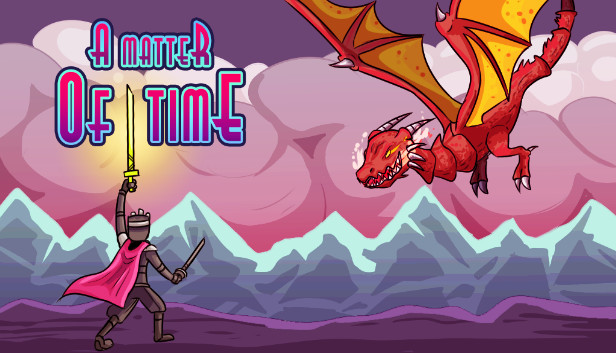
Yesterday, I had the pleasure of playing and reviewing the game A Matter of Time created by Australian developers Haywire Game Studios. An action-oriented top-down 8-BIT RPG tells the story of a 12th-century warrior named James, who, after an intense battle, is transported by a mysterious organization 1100 years into the future to combat an evil entity known as the Dark Atomos, which is ravaging time and space. I’d been following this project closely since the success of its Kickstarter campaign back in 2018, and after having played the finished product, I was pretty impressed with how the game turned out, despite numerous different changes to the project throughout its development.

After having previously interviewed the game’s principal designer, Cameron “CamCog” Coggins, I got in touch with him again ahead of the game’s full release on Steam later on this month to ask a few more questions about the game and how the developmental plans had changed dramatically since the launch of the Kickstarter campaign. Here’s what Cameron had to say about the developmental process behind creating A Matter of Time:

A Matter of Time 1

What other RPG series inspired the creation of this game besides Undertale?

Large inspirations for A Matter of Time were RPG games such as The Legend of Zelda, Hyper Light Drifter, and Fallout (apparent within the Wasteland setting).

How well has the game been received by the community ahead of its release?

The game is yet to be shared with the community on a large scale. However, the Kickstarter backers and those who have tested/reviewed it have seemed to receive it well.

The last time we spoke, there were a lot of things planned for this game in terms of the inclusion of more abilities for the paradox cape, such as hypnotizing enemies, which ultimately didn’t make it in. How did the developmental process change throughout the game’s development cycle?

Due to time constraints, I decided not to implement these abilities within the game. I didn’t feel as if these mechanics were a priority, and they would have been extremely time-consuming to create.

A Matter of Time 2

Which were the historic battles that inspired the creation of A Matter of Time?

The Battle of Hattin is the inspiration for the game’s initial setting.

How are you and the development team feeling ahead of the game’s release?

Mainly relieved that the game has finally reached completion. Furthermore, I am very much looking forward to sharing this three-year-long project with the world.

What’s next for Haywire Studios?

Nothing has been planned as of now. There may be a hiatus with developments due to other commitments, but I’m sure Haywire Studios will eventually return!

A Matter of Time 3

What would you say about the game development scene in Australia right now?

I haven’t exactly noticed anything significant. However, there is certainly a lot more time for indie developers to code due to COVID-19. 

In my review, I mentioned that there is scope for expansion on the game’s mythology. Are you looking to revisit this series in the future?

Depending on how this pilot game is received by the community, the AMOT series may be revisited. However, there aren’t currently any plans in place for a sequel.

If you and the team were allowed to develop a big-name video game series, which would you pick and why?

I believe it would be very enjoyable to develop for the Fallout series. It is a familiar genre (RPG), and there are so many elements, features, and storylines that I would like to see implemented within the series in future games.

A Matter of Time 4

Do you have any further advice for aspiring developers who may be reading this? 

When working on a long-term project, budgeting and time management are paramount in keeping organized. If you fail to do both of these, you may end up either spending too much or falling far behind in development. 

Do you have anything else to add?

Thanks to ScouseGamer for the review and Q&A opportunity!

A Matter of Time 5

I would also like to take the opportunity to thank Cameron for allowing me to appraise the game before its release and for both Q&As conducted over the last few years ahead of the release of this game. You can download A Matter of Time upon release via the link below:

https://store.steampowered.com/app/974310/A_Matter_of_Time/

It’s an enjoyable title with a variety of combat options and potentially extensive mythology behind it, and I wish Cameron and Haywire Studios the best of luck with this title.

Game on,

Scouse Gamer 88

A Matter of Time (PC)

A Matter of Time

Developer(s) – Haywire Studios

Publisher(s) – Haywire Studios

Programmer – Cameron Coggins

Developed by Australian indie outlet Haywire Studios following a successful Kickstarter campaign and released in October 2020:

https://store.steampowered.com/app/974310/A_Matter_of_Time/

A Matter of Time is a top-down combat-focused RPG, telling the story of James, a hero sent to a different timeline to combat a great evil plaguing the land. Turning out massively different from what the game looked like in its early stages of development at the time when I first interviewed Cameron Coggins, the game turned out to be quite enjoyable with a fair bit to offer in terms of combat options. And telling a pretty different story from anything else seen in gaming. 

Graphics – 8/10

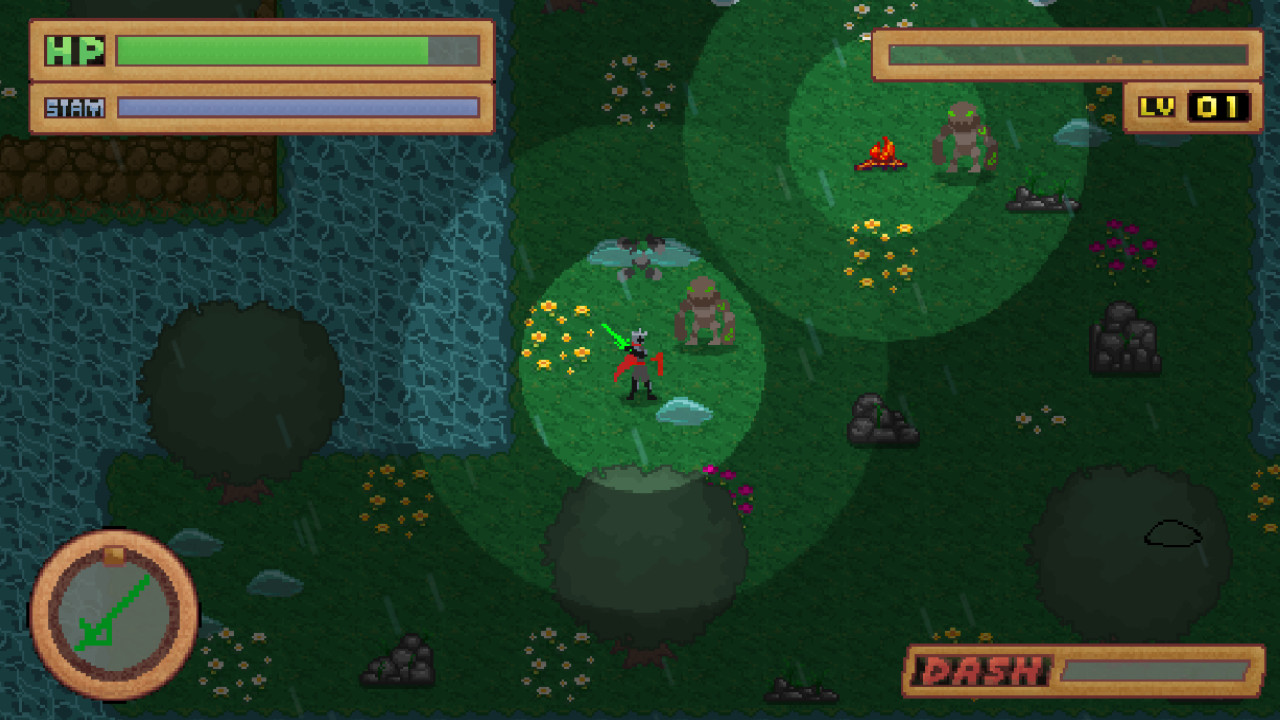
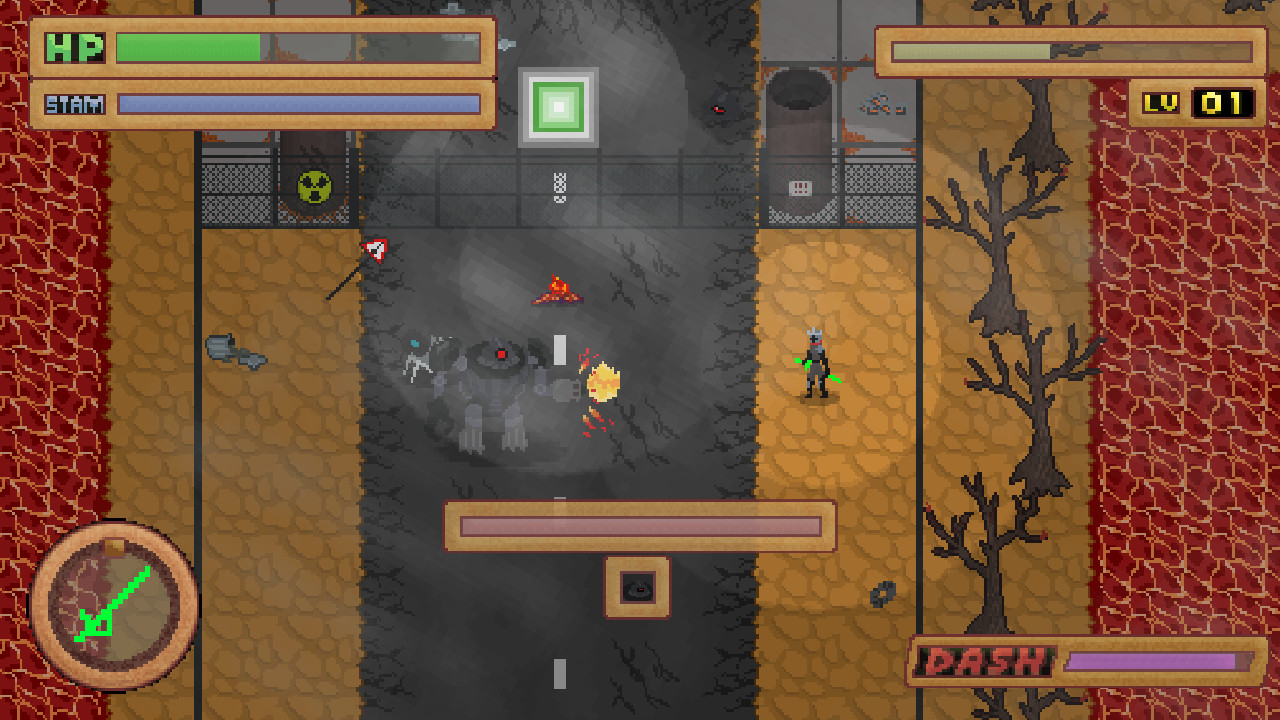
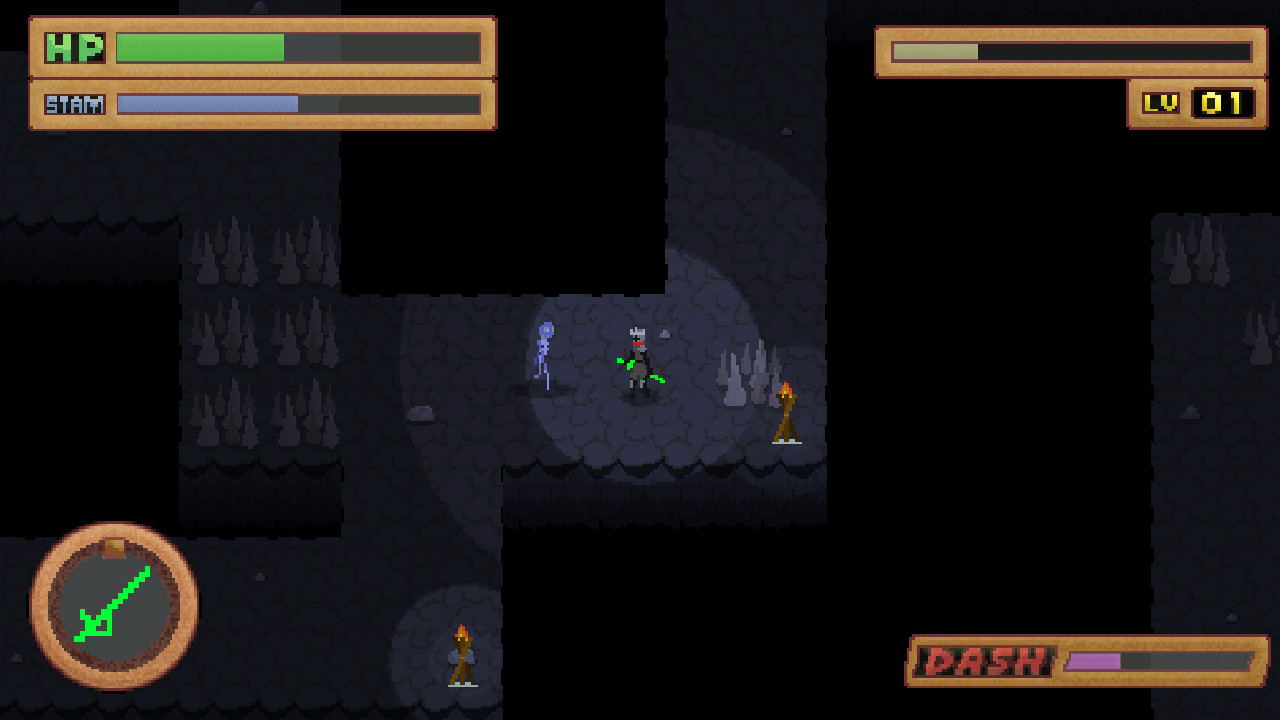
The game makes use of traditional 8-BIT graphics to present a diversely designed world with each location being more wonderfully outlandish than the last. Taking place in lush forests, dark caves, otherworldly dimensions, and even a post-apocalyptic city, the game’s visuals are the best aspect of the title. There is also a wide range of different enemies the player must contend with in each new area. Some are reminiscent of classic video game enemies, such as the slimes from Dragon Quest. 

Gameplay – 7/10

A top-down RPG with a linear progression, the game is very heavily combat-oriented with light RPG elements such as levelling up to increase health and enhance the magical abilities the player can take advantage of to maintain an edge in combat, such as a dash ability and the ability to stop time temporarily to defeat multiple enemies simultaneously. The combat aspect is quite well put together and quite satisfying to undertake; though a lot of enemies use similar attack patterns, the difficulty is ramped up considerably towards the end. Requiring the player to strategize accordingly. 

Controls – 10/10

The game’s control scheme is not only easy to get to grips with. But it also does something rather unique; when the player uses the dash attack to take out multiple enemies, the player must use the mouse to indicate which enemies they need to attack. At first glance, this seemed to become more of a hindrance than a help. But ample time is given to players to make that decision. Even when the ability hasn’t yet been upgraded. It reminded me somewhat of the original Metroid Prime. It takes a little time to adjust, but once adjusted to, it’s no problem. 

Lifespan – 4/10

The game’s longevity is most definitely the worst thing about it. The game can be finished in less than 2 hours. Which, for an RPG even with light elements, is a pretty short time to last. That being said, if the game is played through, players will find that there is most definitely scope for expansion to this world’s mythology. Be that through either a sequel or DLC. The series does potentially have a bright future ahead of it. But a game of this magnitude deserves to last far longer than it does. 

Storyline – 6/10

The story of the game follows a 12th-century barbarian named James, who is taken to an alternative time by a mysterious organization that enlists his help to defeat an evil known as the Dark Atomos. Which is wreaking havoc across time and space. James is also in search of his daughter, whom he claims to be the last thing he has left. It’s an emotionally charged story with a few twists and turns before the end. And it makes it stand out somewhat among the circle of indie RPGs released since the start of the eighth generation.  

Originality – 7/10

All these elements combined within the game make it a fairly unique experience, one worth playing through at least once. There are these elements of it that show that the game was a labour of love undertaken over a period of many years. And as there is a lot of room for expansion in most aspects. There is definitely scope for there being extensive mythology to be attached to this series. But overall, this game is a decent start to all that. 

Happii

In summation, A Matter of Time, whilst having a couple of issues here and there, is a respectable game worth at least one playthrough and a solid start for this up-and-coming development team. It has an emotionally charged story, decent gameplay, unique controls, and some extremely well-crafted visuals. And it has a lot of potential to expand into a great series down the line. 

Score

42/60

7/10 (Fair)

Cathedral (PC & Nintendo Switch)

Cathedral

Developer(s) – Decemberborn Interactive

Publisher(s) – Decemberborn Interactive & Elden Pixels

Designers – Eric Lavesson & Mattias Andersen

PEGI – 3

Developed by Decemberborn Interactive based in Helsingborg and being the first publishing venture of Alwa creator Elden Pixels, Cathedral is a Metroidvania game featuring an extensive open world and offering players a level of challenge on the same scale as 8-bit classics such as Mega Man and Castlevania and taking inspiration from classic titles such as Ghouls ‘N’ Ghosts and Ghosts ‘N’ Goblins, along with modern games made of the same ilk. Most notably, Shovel Knight. From beginning to end, I became engrossed in this game. There’s a great deal that it has to offer players who are looking for a game that is not designed to hold their hands throughout, and looking for a solid, nostalgic experience reminiscent of the NES days. 

Graphics – 8/10

Incorporating the aforementioned 8-bit visual style synonymous with the third generation of gaming, the best thing in terms of visuals is undoubtedly the environmental design. There are a large number of different locations to visit and backtrack across throughout the game. Ranging from underwater temples, dark forests, icy castles, and of course, the titular cathedral. Which is to me, in many ways, is the star of the show. The game begins in the cathedral, and without spoiling the story’s specifics, it’s also where things come full circle. In addition, the game’s soundtrack is phenomenal. For me, up there with the works of Manami Matsumae, Jake Kaufman, Robert Kreese, and others. In particular, the theme song for the cathedral itself is catchy. But with a subtle melancholy to accompany it. 

Gameplay – 9/10

Aesthetically, the game plays out like a typical Metroidvania title. It relies on players uncovering each new area by gaining specific abilities and backtracking across the world map to uncover every secret and hidden item there is to find. It’s also very heavy on combat. The aspect in which this game does not play out like a typical Metroidvania title. It offers players a heightened level of challenge compared to most other games. Players need to adapt to each area, as many different types of enemies have different attack patterns that must be learned in order to survive. Weapons and armour upgrades are also for grabs as the game progresses, with enemies getting stronger with every new area. There are also several gruelling boss fights to contend with throughout. Each has its own very unique strategies required to beat them.

Controls – 10/10

I found there were no issues with the control system in this game as I was playing it. As with a game like this, there can’t be any issues with the controls. Otherwise, it becomes an unfair challenge. In my opinion, it was a problem throughout the NES days with games such as the original Mega Man and Castlevania games. But in Cathedral, the control scheme poses no issues. It’s a challenging game, but not to the point of being inaccessible. 

Lifespan – 8/10

To complete the game to 100%, it would take around 25 hours. It is slightly longer than the standard Metroidvania game. In addition to the main story, there are side quests obtained from the hub village. This involves collecting items scattered throughout the game’s world and finding additional weapons and armour upgrades. Whilst it’s certainly a concept that could be expanded upon if ever a sequel is made, it nevertheless offers gamers a satisfyingly long experience with plenty of reason to backtrack across the game’s vast open world. 

Storyline – 7/10

The game’s story involves an unnamed knight who must first find his way out of the titular cathedral. On his way, he joins up with a companion named Soul. Having escaped the cathedral, they intend to collect four orbs hidden throughout the land guarded by various monsters. With this, they resolve to enter the cathedral’s inner sanctum to defeat the demonic Ardur the World Eater. Whilst the basic premise of the story is relatively typical for a fantasy game (sometimes to the point of self-parody, as Soul occasionally offers comedic advice), it’s the subtle details that add to the game’s atmosphere, which make the story stand out. Most notable for me was during the boss fight in the sunken temple.

As the player descends into the boss’s lair, 8-bit harmonies can be heard, which are the singing of the siren-like queen of the depths. It’s beautiful and eerie at the same time, which made it, for me, the best boss fight in the game. There are plenty of other moments like it. Sometimes it may be a foreboding silence, other times, it may be something more detailed, but it all adds to the game’s atmosphere excellently. 

Originality – 7/10

As I mentioned, this game does not entirely play out like a typical game of the genre. Ever since the beginning of the eighth generation of gaming, one of the genres I’ve delved into above many others is Metroidvania. There have been ups and downs for me whilst I’ve been going through as many as what I have done (thankfully, there have mostly been ups). But this game is definitely one of the more standout experiences I’ve come across within the genre. It’s a wonderfully exciting, atmospheric, and challenging experience that is deserving of at least one playthrough. 

Happii

Overall, Cathedral took me by surprise with just how good a game it is. On the surface, it seemed quite a typical 8-bit game like most others that have been developed since indie development became as popular as it has over the last few years, but as I delved deeper into this game, there was a lot more to appreciate than I could have first imagined. It’s an excellent gaming experience, and I would highly recommend it to seasoned gamers looking for a legitimate challenge. 

Score

49/60

8/10 (Very Good)