Tag Archives: Liverpool

Assassins Creed

Assassin’s Creed (PC, PlayStation 3 & Xbox 360)

Developer(s) – Ubisoft Montreal

Publisher(s) – Ubisoft

Director(s) – Patrick Desilets

Producer(s) – Jade Redmond

PEGI – 18

Released in the holiday season of 2007, and originally intended to be released as a Prince of Persia game following the success of Prince of Persia: The Sands of Time, Assassin’s Creed marked the start of an even more prolific series of games. Whilst the first game was met with generally favourable reviews at the time, future entries would go on to establish it as one of the definitive IPs of the seventh generation of gaming. And going on to provide a basis of sorts for several games made throughout both the seventh and eighth generations. Including Batman: Arkham Asylum and Middle-Earth: Shadow of Mordor. As for my own personal opinion on the original game, it is admittedly quite typical. I feel that whilst it was a very decent game overall, the best of the series is yet to come.

Graphics – 8.5/10

Set primarily in the Holy Land during the Third Crusade, the vast open world is lovingly crafted to represent the structure and architecture of three primary cities: Acre, Damascus, and Jerusalem. The attention to detail of what these locations would have looked like during this era is staggering (something the developers of the series would become renowned for as it would go on), and though the visuals on the technical level perhaps haven’t aged quite as well as other entries in the series, they were nevertheless cutting-edge for the time. And the game is still a joy to look at on the conceptual level. 

Gameplay – 8.5/10

The object of the game, as the name suggests, is primarily to carry out assassination missions. Players gather information by pickpocketing, eavesdropping on intriguing conversations, and can take advantage of several different weapons and methods of combat to carry out each kill. But apart from that, there are also various side quests to be completed throughout each of the cities. Which improve the player character’s abilities. The player is also given access to new weapons and abilities after each main assassination throughout the story.

Such as throwing knives and additional armour. Again, more features would inevitably be added with later instalments of the Assassin’s Creed series. But as far as this game goes, this provided more than just a blueprint for that. It provided players with an immensely addictive experience, going further than what Prince of Persia: The Sands of Time did. I always thought personally that The Prince of Persia revamp of the early 2000s could’ve done with a game being set in an open world. And this was Ubisoft’s answer to that concern. 

Controls – 9/10

The control scheme was almost perfect, which was relatively impressive, given that truly nothing like this game existed beforehand. But the biggest issue I had with it was the one-on-one combat system. It works similarly to what it does in The Legend of Zelda: Ocarina of Time. And with players locking onto one target at a time to attack them, whilst also being able to counter-attack other surrounding enemies in the process.

Whilst it would be refined in later Assassin’s Creed games, I found it to be somewhat flimsy at times in the first. And it was at these points that I could tell that it was a new idea that needed tweaking if the series was ever to progress past this game. Luckily, however, the rest of the game’s mechanics were handled brilliantly. Movement across buildings, streets, and rooftops is extremely fluent. Which, again, was impressive given that the idea was a relatively new thing at the time.

Lifespan – 7/10

The biggest disappointment that comes with the first Assassin’s Creed game, however, is the amount of time that it lasts. Whilst not being criminally short, it clocks in at around a total of 30 hours. Which is good. But nowhere near the time it could’ve been made to last with the inclusion of a few more side quests. As again, later games in the series would demonstrate. Especially given how the size of the team expanded throughout the game’s development.

Storyline – 9/10

The story of Assassin’s Creed is something that would become disjointed over time. But the first laid the foundations for something that could’ve been much more special. It begins with the main character, Desmond Miles, having been imprisoned by an organization named Abstergo. They intend to uncover ancient secrets hidden in Desmond’s ancestral past through a VR machine known as the Animus, which allows the user to experience the lives and events of their descendants. The experiment’s overseer, Warren Vidic, uses Desmond and the Animus to tap into the memories of Desmond’s ancestor, Altair Ibn-La ’Ahad. Who was a senior member of an organization known as the Assassin Brotherhood. Following a failed attempt on the life of Robert de-Sable, Altair is stripped of his rank. And ordered to carry out various other assassination missions to restore his status and reputation among the brotherhood. 

The events of the story, from the perspectives of both Desmond and Altair, unfold into something that will be completely unexpected by players. It truly helped massively to make this game stand out as a hallmark in telling an effective story in gaming throughout the seventh generation. Although fans of the series have had mixed reactions to the directions in which the story was taken, later on, there can be no doubt that the story in the original game was expertly presented. It’s exciting, tense, and suspenseful. And without spoiling anything specific, it ends on a masterfully executed cliff-hanger that you will not believe.

Originality – 8.5/10

Despite Assassin’s Creed having its many influences, such as Ubisoft’s own Prince of Persia and Grand Theft Auto, the fact of the matter is that this series has always delivered something unlike any other before it. And it was all very effectively perpetuated with the original game. Since I first played through it, which was many years ago, I’ve come to have a newfound respect for the original game. And everything that is accomplished at the time. During the series’ early years, especially after the release of Assassin’s Creed II (which remains my favourite instalment), I used to look at the original game as being simply the inferior blueprint. But after having played it again recently, I’ve since discovered a new appreciation for it.

Happii

Overall, Assassin’s Creed, whilst not being the best game in the series, remains one of the defining gaming experiences of its time. It’s a game that still holds up, despite its few flaws. And I recommend it to anyone looking to revisit a seventh-generation classic. 
Score

50.5/60

8/10 (Very Good)

Monster Tribe

Q&A With Reece Geofroy

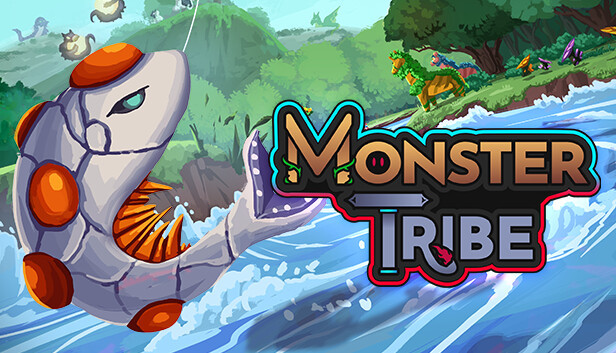
Whilst once again scouting for more indie gaming prospects on crowdfunding and social media platforms, I came across a turn-based RPG with an already exceedingly elaborate development cycle behind it. Monster Tribe, once named Monster Tower following several changes to the project, is a turn-based RPG reminiscent of Satoshi Tajiri’s Pokémon series. But with very different gameplay elements. The turn-based combat system is something very unique compared to those found in classic games in the genre, such as the Final Fantasy games, Grandia, and Chrono Trigger. It takes place in a world inspired by other classic gaming sagas, such as The Legend of Zelda.

Developed by Boundless Games based in Hamilton, Ontario, Canada, the game has been in development for some time. And has been chronicled extensively ever since development started. Desperate to know more about this game, I contacted the lead developer, programmer, vlogger, and freelance artist Reece Geofroy. I asked him a series of questions regarding the development of the game, the long and arduous development process. And the upcoming Kickstarter project. As well as how his past developmental experiences and feedback from others have helped shape the project into what it is today. And what it will eventually become. Here’s what Reece Geofroy had to say about Monster Tribe:

Monster Tribe 1

What were the influences behind your game?

As a kid, I grew up on Nintendo games, so I have been heavily influenced to create products that invent something new. Take a genre and turn it on its head in any small way possible! Zelda and Pokémon were specific games that inspired this project. But I feel we are influenced by everything that happens throughout our lives. Everyone will be exposed to slightly different experiences and perceive things a little bit differently. I also loved the atmosphere of Hyper Light Drifter. And I loved the gameplay mechanics of Slay the Spire. Small ideas from each of these games can be found in Monster Tribe. But we are doing our best to create a unique experience for players to get immersed in.

What has the developmental process been like?

Monster Tribe has been the biggest, most complex project I have worked on as an indie developer. So the ride has had a lot of ups and downs. I started a series on YouTube for the game, and people fell in love with the game’s initial idea. It sparked new ideas. And so a lot of revision was necessary to get the project to where it is now. The art style of the game changed more times than I can count on 1 hand, and the project’s scope has adapted several times to stay up to date with my lifestyle and the team’s vision. We are very set in what we plan to create now, though. So development has been busy and a little hectic, but manageable and overall a successful experience!

How close are we to seeing the finished product?

We are expecting to finish Monster Tribe for Q4 2021, but the scope could slightly change depending on how well our Kickstarter Campaign does, so Q1 2021 – Q1 2022 would be the expected release!

Monster Tribe 2

What has been the most exciting aspect of developing Monster Tribe?

Growing an audience on YouTube and becoming a full-time entrepreneur/freelance artist! I have always envisioned myself working on something I am passionate about and owning my own company. So even though technically the game itself hasn’t paid me for my hard work yet, I have grown an incredibly supportive community and have upgraded my skills as a project manager and game programmer. And pixel artist immensely throughout the project to be able to play like a professional and make money off of what I love to do. Make videos for fans, create art, and design video games!

What has been the most challenging aspect of developing Monster Tribe?

Working with feature creep and over-scoping the project. As creators, we often find ourselves designing with endless possibilities of ideas. It’s easy to create a concept and expand it. But the challenge comes with actually creating the finished product and not losing purpose halfway through. Working in a team can also make it difficult to include everyone’s ideas and make everyone feel heard. But at the same time, the project needs to have limits and has to be kept grounded for it to be feasible and made into a finished product.

How well has Monster Tribe been received so far?

Between the fans on YouTube and Twitter, the sites that have covered our game. And the interviews I have been invited to. And the continual growth of the community, I would say, the game has been received well. With small constructive feedback helping shape the game into what it is today.

Monster Tribe 3

What platforms are you looking to bring the game to?

Steam/PC is our top priority, with a keen eye on the Nintendo Switch. This ultimately just comes down to how much the project gets funded for us to port the game, and if Nintendo will accept our project onto their platform. We have high hopes for the console release. But we can’t be certain until further on in development.

Will the Kickstarter campaign have any stretch goals? If so, what can you tell us about them?

Our goal is to raise CAD$15,000 for our game. But we have stretch goals going into the six-figure range. We will have small stretch goals to keep the raised amount exciting, with big goals every $25,000! A few stretch goals you can expect would be raising the total number of monsters, items, and fusions you will find in the game, hand-made HD wallpaper art cutscenes, and an expansion to the overall island map size with new areas to explore. And quite a lot more to be held back until the Kickstarter’s launch!

Have there been any ideas at this stage of development that have since been scrapped or reworked?

MANY! To name a few. Changing the art style a handful of times to different styles of pixel art and sprite stacking methods. Reworking the battlefield design on 3 separate occasions. And scrapping the idea of a rogue-like gameplay loop as it didn’t fit the real purpose of the goal of what the game is trying to achieve, and more as the devlog series has developed over the last 9 months.

Monster Tribe 4

How instrumental has player feedback been in terms of shaping the course of the project?

Player/viewer feedback has been very important to us. We want to make a game for gamers…not game makers. The people who watch the development unfold have been giving me feedback and suggestions since the initial idea concept. And I have kept strong by replying to all of their comments, researching new ideas from suggestions, and even getting inspired by viewers’ fan art monsters to open up my mind a little more creatively.

Have any aspiring developers watched your coding instruction videos and reached out to you for advice? 

I get a lot of starting developers asking me for help through my live streams, Discord server, and direct messages. At the end of the day, I love what I do for a living, so inspiring others to start a similar journey and giving them my honest advice is something that gives me purpose and makes me feel like I am contributing to something bigger than just myself and my company. Helping others is something I have always wanted to achieve. So I do my best to get back to people and give them my honest feedback in the best way I can.

You mention in one of your YouTube videos that making music proved to be an obstacle for you. Who is composing the music for Monster Tribe, and how has it been coming along?

I brought on a composer, “Lennart,” who has been doing a fantastic job of bringing our ideas to life through sound and music. I initially wanted to create the music and sound design myself. But as the project idea expanded in my mind, I knew it was necessary to get someone with a more fine-tuned skill set on the project.
Lennart was keen on following the Monster Tribe development devlogs. And so when he reached out to me with his previous experience and tracks, I knew this would be a long-term addition that would be necessary. His skills have grown a lot since the beginning of the project. And he consistently proves himself to be beyond what I thought was a possibility for our game. Every new track is a rush of dopamine for my creative vision.

Monster Tribe 5
I’ve noticed over the last few months that there seems to have been somewhat of an influx of developers originating from Canada. Have any other indie Canadian developers reached out to you for advice, or have you reached out to yourself for advice?

I have quite a few development friends from YouTube, some of whom are from Canada. I don’t know why an influx would occur. But I have gotten useful connections to people in my province from these friends. Making new connections is a large part of my job. So meeting people who are in your location is quite interesting and can open up more opportunities!

If you had the opportunity to develop a game with any company or for any franchise, which would it be, and why?

I would still choose to work for my own company, making my games. I feel very lucky to be able to take on all of the different jobs that being a developer entails. But if I had to work with a company, I would love to develop or publish a game under Devolver Digital or Chucklefish! I love their games and believe in the work they do.

What have been the most important lessons learned from prior developmental experiences?

Think small in concept, think big in execution! What makes an indie developer profitable is thinking small in scale. But making the best, most polished version of that idea imaginable. As indie developers, time is our largest restriction on what we can create and how profitable we can be in our careers. We don’t have the time to create a game with endless endings or a photo-realistic art style. We need to work with the limitations we are given. And create something that will blow people away. Through the purity of how well thought out the initial idea and concept are. And how far they can be exploited. That is how successful indie developers are created.

Monster Tribe 6

Do you have any advice for aspiring developers who may be reading this?

Create today, stress tomorrow. Becoming a developer—or any kind of entrepreneur, really—is something that takes a large amount of time, learning from past mistakes. And doing better with every attempt. You can soak up as much knowledge from books, videos, and games as you possibly can. But actually creating is something that can only be experienced in one way. Actually creating something. Don’t let the stress of failure or what comes next define you or prolong your start. Learn from every failure you face. There is never a wrong time to start something new.

For the developers that have already started but are striving for real success, first define to YOURSELF what success really is. Once you understand that success is subjective, you can begin to understand that making a finished game means you are a game developer. Take on the small wins, as they will fuel you to push past the tough times when you don’t receive the praise or funding you one day want to achieve. Set realistic expectations. But get ruthless with the work you put in and the results you work towards.

Where on the Internet can people find you?

People can find me on my YouTube Channel, Twitter, or Join My Discord Server to find out more information about me and my company, Boundless Games. I am currently working on reworking my company’s website, so for now, Discord is the best way to connect with me and the game directly!

Do you have anything else to add?

If you are lost in what you want to achieve in life, just remember that you are not bound to what you think you are capable of. Years went by, and I only dreamt of making games and starting a company. I convinced myself I was “just another kid” and that only “special people” were capable of achieving amazing results. It took me a long time to get to where I am today, but I made my dream a reality, even as “just another kid”. You can control your destiny as hard as it might seem. So don’t blame how you grew up or being unlucky that life didn’t fall into your hands naturally. The most successful people will choose to be successful even when it doesn’t seem possible.

Monster Tribe 7

I’d lastly like to thank Reece for providing such a wonderful and extensive insight into what kind of game players can come to expect from Monster Tribe. And how so many variants have affected the course of development. The Kickstarter will be launching later this month. So if you’re interested in seeing this game come to life, then make sure to back it once the campaign launches. Be sure to also check out Reece’s social media feeds and YouTube channel for the latest news on the course of the game’s development. In the meantime, I hope you guys had fun learning more about this promising title, as I did, to bring this game to your attention and read what Reece had to say for myself.

Game on,

Scouse Gamer 88

Blu

Q&A With Damien Robinett

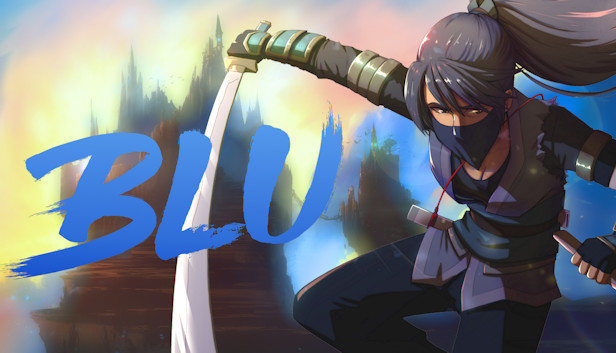
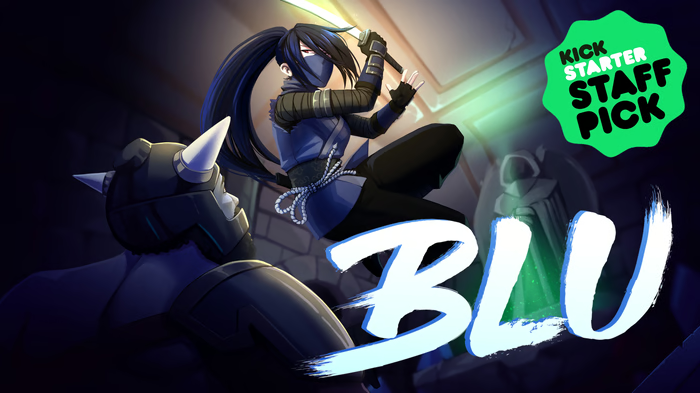
At the time, centered when I scouted Astral Ascent on Kickstarter, I also came across yet another French indie title made in a somewhat similar vein, but with a completely different, yet just as exciting, premise. Blu, under development at MyOwnGames based in Paris, is a Metroidvania centering around the titular ninja character set in a world reminiscent of Feudal Japan. But with a lot of twists in terms of conceptual design. Influenced by the likes of Super Smash Bros, The Legend of Zelda, and the modern indie classic Dead Cells, it perpetuates many of the same awesome qualities associated with any classic Metroidvania game: exploration, intense combat, and epic boss fights.

It also features a particularly catchy soundtrack composed by award-winning German composer Lukas Piel. Again, wanting to know even more about this compelling-looking Metroidvania, I contacted the game’s lead programmer, Damian Robinett, to see where the project is in its current state, when players can expect to see the finished product, and to learn more about the game’s upcoming Kickstarter campaign, due to begin on April 6th:

https://www.kickstarter.com/projects/-myowngames-/blu-vs-the-world

Here’s what Damian Robinett had to say about Blu:

Blu 1

What were the influences behind Blu?

Several indie games that have come out in recent years, Dead Cells and Hollow Knight in the lead. But also a lot of the manga universe. Naruto, for example, for certain attacks and designs, or to a lesser extent, One Piece, where I draw on the richness and diversity of its environments.

What has the developmental process been like?

Although working alone, I try to manage the development of Blu like any midsize organization. It begins with a reflection phase that lasts several months. Followed by a design phase where I design my game (which often looks like a AAA production on paper). An analysis phase where, depending on the resources available, I extract the fundamental concepts from my game design document in order to reduce them and strengthen the consistency.

And it is only then that I start the production phase. At this point, I am moving forward a little on all aspects at the same time, on the one hand, to keep the motivation, on the other hand. Because it allows keeping the game balanced and anticipating the problems in advance. I also devote a couple of hours a day to promoting the game and to discussing with my community.

How close are we to seeing the finished product?

The vast majority of the game mechanics have been implemented. Most of the Level design remains to be done, and as in all Metroidvanias, it will take a lot of time, in the end. To balance the game so that all players can enjoy a nice progression curve.

Blu 2

What has been the most exciting aspect of development?

Discover and test new things. I love to experiment, and being alone on a project means you have to diversify your activities and gain a lot of experience. Both at a practical level and in the organization of the work. Creating new relationships has also been extraordinary. The support in the game developer community is truly amazing, with great empathy and support.

What has been the most challenging aspect of development?

Combat mechanics. Starting from nothing, it’s very quick to get something playable. And you progress quickly. But when you have to streamline the gameplay in order to get something really satisfying for the player, it quickly becomes hundreds of hours of testing and tuning to get the character to behave perfectly as the player expects. A good feeling of combat results from the meeting of all the components of a game: animations, visuals/sound effects, physics, code … It’s very hard to obtain.

How well has the game been received so far?

Very good. The community of players is extremely benevolent and knows how to judge a game according to its maturity. When I see the enthusiasm that Blu causes, I am often afraid to disappoint the players, but although often bugged, the different releases always look more or less like what players expect.

Blu 3

How instrumental has fan feedback been across platforms like Discord and Twitter in shaping the development of the game?

A lot! My community shapes the game in its own way. I take into account all user feedback. I can count on talented game devs, as well as seasoned users who see the game with a fresher eye than mine. All the people who come to give feedback do so in a constructive way. And as is often done in public chats, it allows you to quickly gauge the interest in a new feature. When the change is quick, I often try to make it within the hour rather than writing it down.

What platforms are you looking to bring the game to?

My goal is to make a simultaneous release on PC, Nintendo Switch, and PS4 before the end of 2022. The console version may be postponed to the first semester of 2023. Depending on the scope of the work to be done to port the game. An Alpha, Beta, and several test builds will be released before that.

How has having Lukas Piel on board with the project helped to bring the game to life so far?

Lukas brings poetry to the game that I hadn’t envisioned when I first started developing Blu. He weaves a musical universe over the levels that turns a fighting game into a heroic adventure. If there’s one thing I’m sure of, it’s that the soundtrack will be magnificent. Working with him is a pleasure. I hope I can count on him for all my productions in the future.

Blu 4

Have there been any ideas at this stage of development that have since been scrapped or reworked?

Very much! I write down all the ideas that come to mind. Half go by the wayside after a second reading. The second phase is longer; I let it ripen for a while to determine if these ideas really bring something coherent to my game. When you’re a developer, you often tend to program certain features because you CAN do it. But most of the time, the player doesn’t even notice its details. You have to know how to bring a little magic, but time is our enemy, and you have to know how to do it with relevance.

Then the third phase will come, the one where I will no longer have time to do everything that I have stacked in my to-do list. And it will be necessary to reorganize in order of priority what is imperative to include in the game. And what is optional. We always keep them in a corner for later, but even after the release, the list of tasks often grows longer.

Will there be many stretch goals for the Kickstarter campaign when it’s launched?

Yes, it will mainly be stretch goals aimed at lengthening the playing time with new modes and offering exclusive in-game content to my backers. At each level, the game will also be translated into new languages. I decided to focus my stretch goals and rewards on the game itself. And not to diversify into derivative products.

Since Blu is heavily influenced by Smash, how exhilarating would it be to see Blu join the roster? What would her final smash move be?

I will quickly imagine that this is not reality and would definitely go crazy if it really were. But I guess it would be like having a part of myself fighting in the arena. I have spent more time with Blu than with any human being for the past two years, and I regard her as my own daughter. I don’t think she would match the big names of Nintendo, but for her final attack, I would say a heavy diving attack, Ganondorf-like. She’s a ninja, but she’s not in the delicacy.

Blu 5

If you had the opportunity to develop a game with any company or for any franchise, which would it be, and why?

We have some really cool development studios in France, so I will probably stay here. I would say Motion Twin for its cooperative legal form, which encourages developers to believe in and get involved in the projects they develop.

Do you have any advice for aspiring developers who may be reading this?

Don’t go for it with your head down. You could miss beautiful things. If you are working on a title that is close to your heart, take your time to lay your project down, and learn about best practices. Don’t take the easy road, experiment with new things, learn XP before finishing your quests, make friends on Twitter, make a Game Jam with them, and meet them in real life if you can. Promotion is hard at first until the day you don’t call it “Promo” anymore, but just a productive break you enjoy. And persevere. Over time, it always pays off.

Where on the Internet can people find you?

Mainly on Twitter and Discord. I work alone at home, so I often go there to chat a little:

Twitter – @blu_vs

Discord – https://discord.com/channels/722365912354652231/730153875901775903

Do you have anything else to add?

Yes, there are some friends of mine from Angouleme who are currently living on Kickstarter with their project Astral Ascent, and you should also take a look at it!

Blu 6

Indeed, if anyone is interested in checking out Astral Ascent, you can do so via their own Kickstarter page; a link to which can be found in my recent Q&A with the lead programmer at Hibernian Workshop, Louis Denizet:

https://scousegamer88.com/2021/03/31/astral-ascent-hibernian-workshop

But for now, I’d like to thank Damian for sharing what information he could about Blu and to wish him the best of luck with the Kickstarter campaign launching April 6th. Blu, like most Metroidvanias released throughout the eighth generation, looks like a particularly engrossing and addictive game. And I can’t wait to get my hands on it when it’s finally released. In the meantime, I hope you guys check out Damian’s Kickstarter. And that I hope you enjoyed learning more about this awesome-looking game.

Game on,

Scouse Gamer 88

Astral Ascent

Q&A With Hibernian Workshop

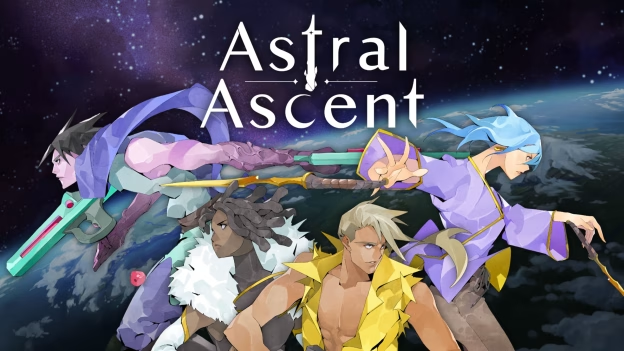
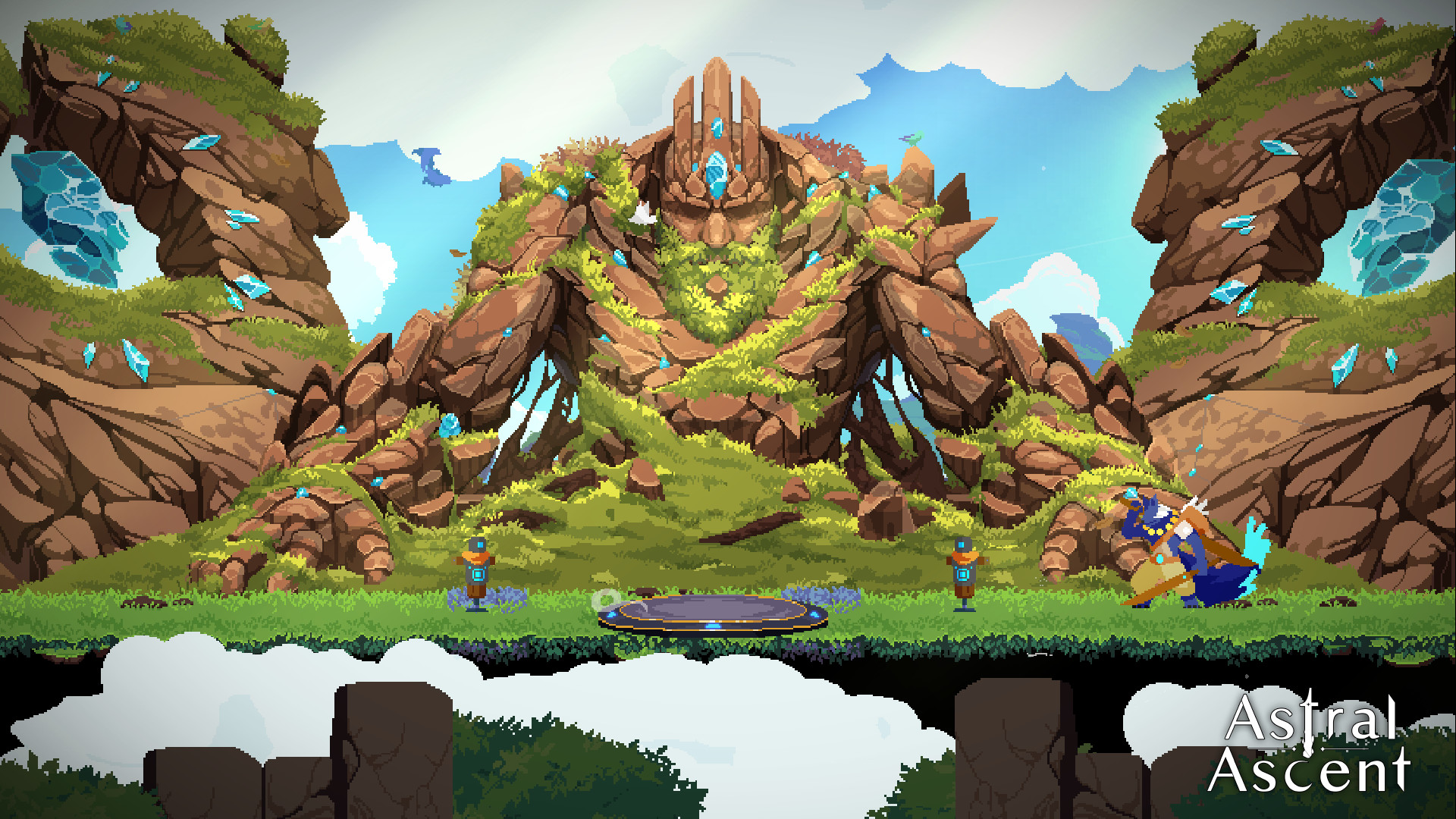
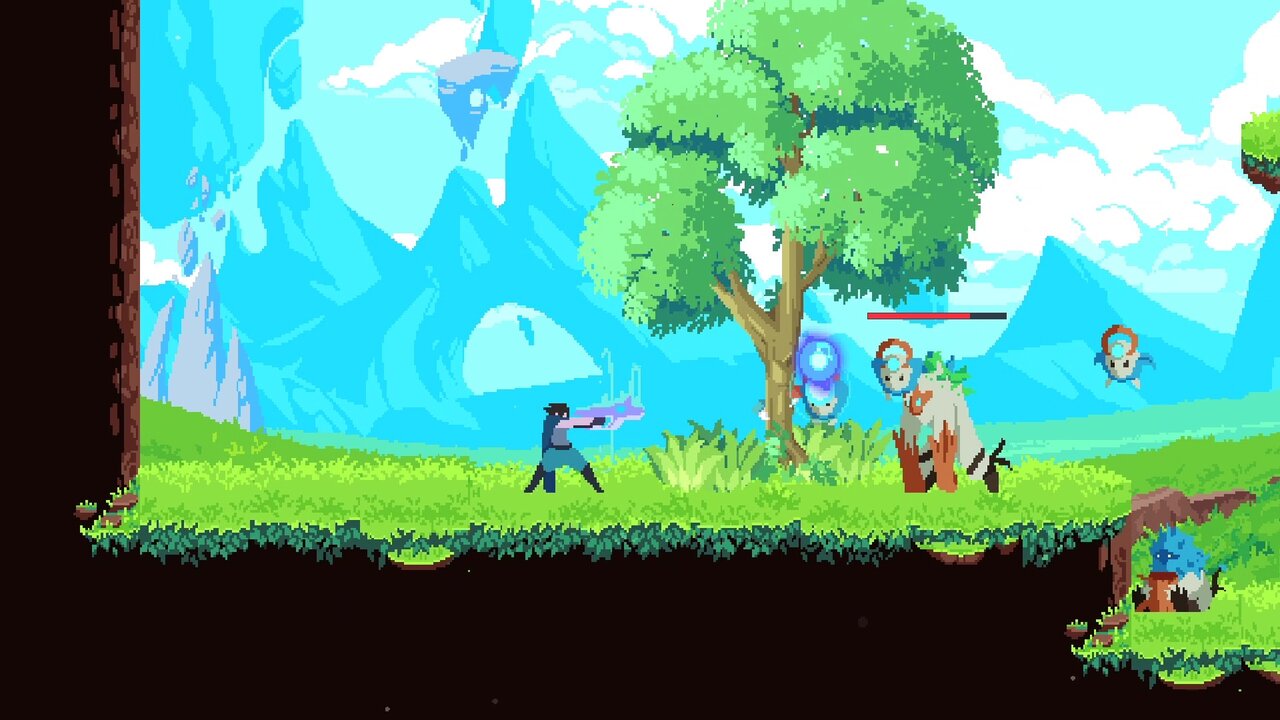
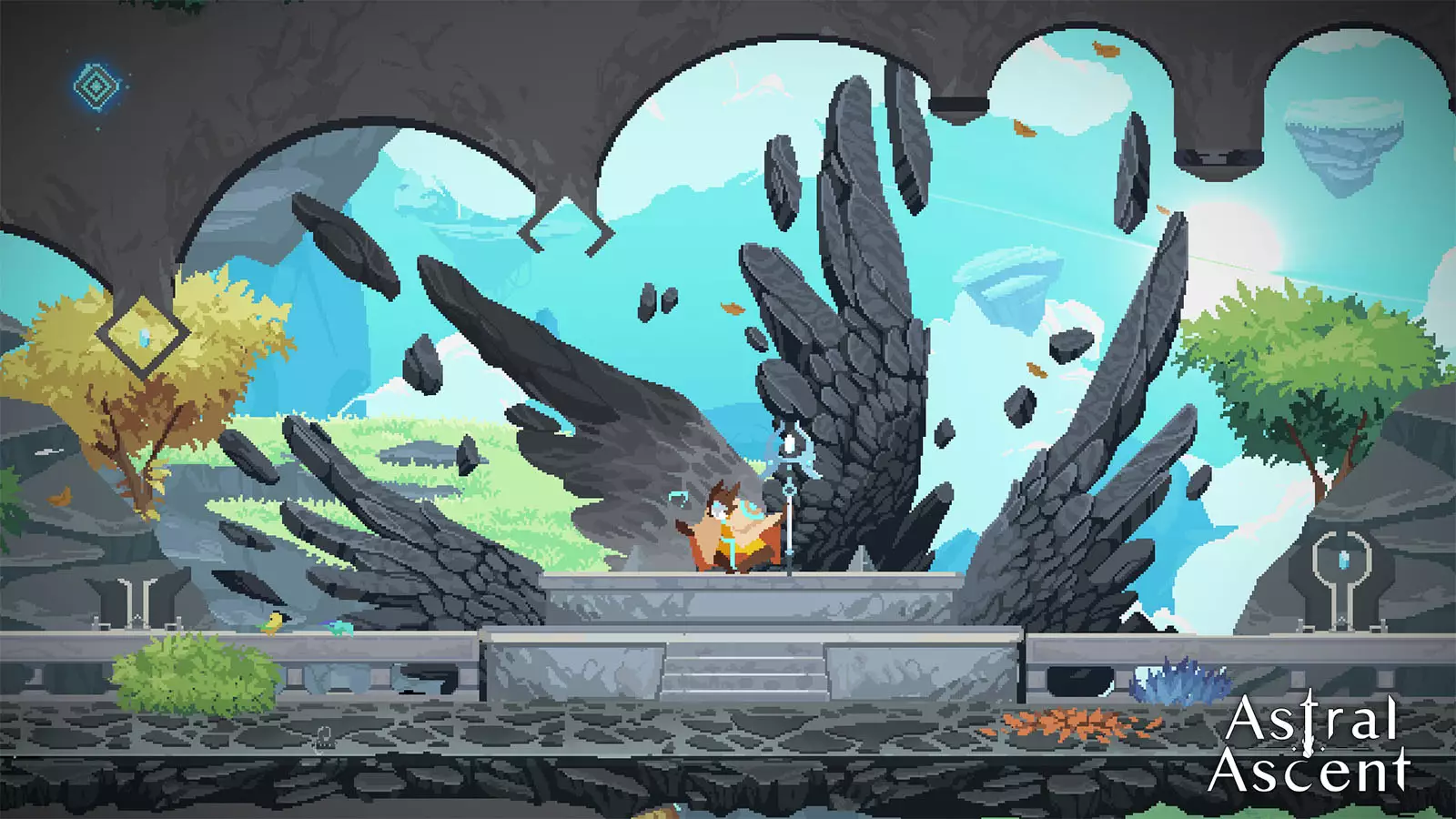
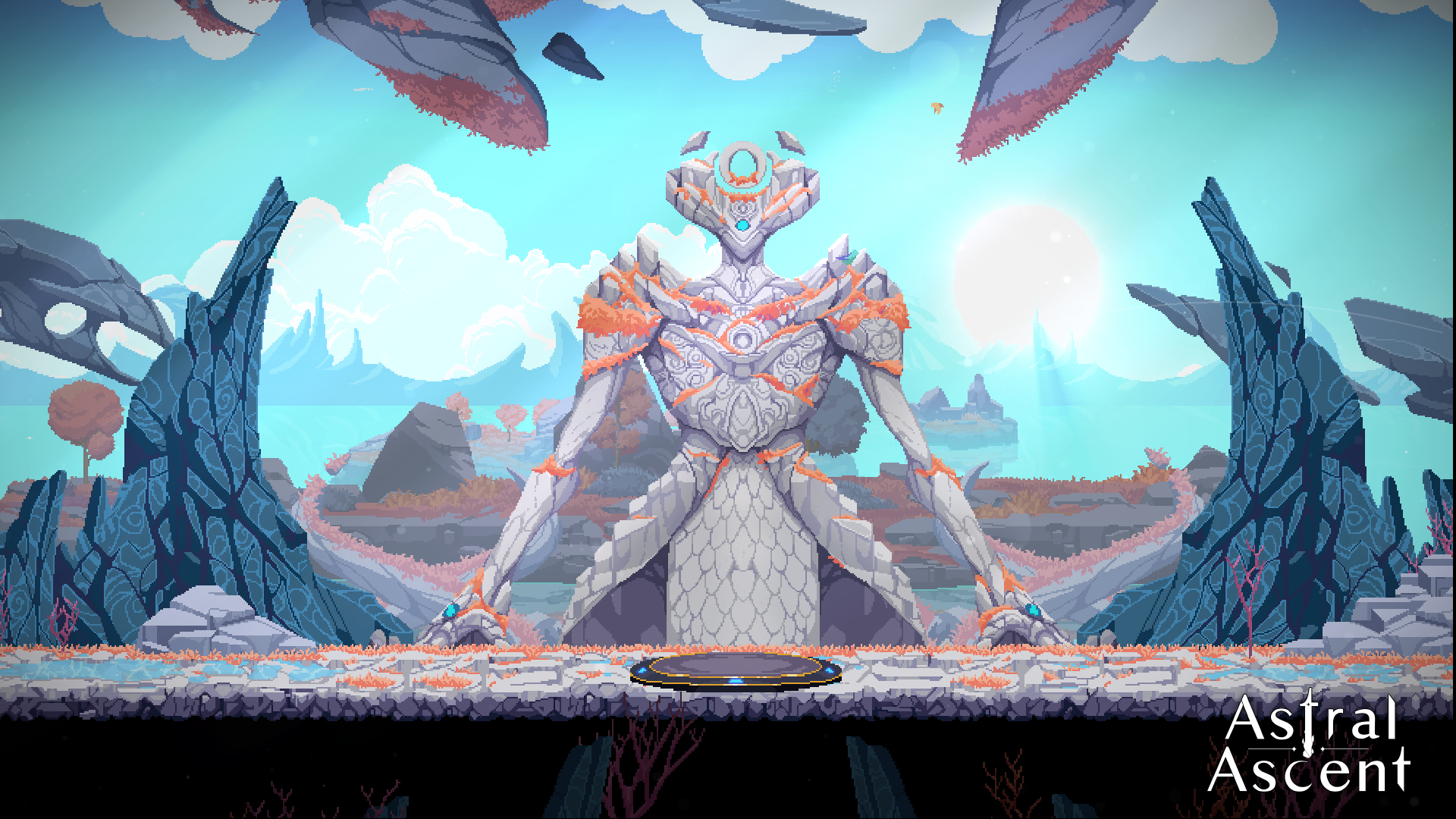
After scouring the Internet for more promising video game prospects, I came across yet another simplistic-looking, yet ambitious title looking to make waves among the indie community. Astral Ascent, the second title from France-based indie outfit Hibernian Workshop following on from their first game, Dark Devotion, is a 2D rogue-lite with intricately rendered 8-BIT visuals, intense combat sequences, and RPG elements in the form of a unique magic-building system.

In development since 2019, the game was recently funded on Kickstarter within 36 hours of the campaign going live. And now the target has switched to fulfilling the project’s next stretch goal. Wanting to know more about what this will have to offer players upon release, I reached out to the game’s creative director and chief programmer Louis Denizet, to ask a few questions about the game and what drove them to make such a radical departure from their previous game. So  here’s what Louis Denizet had to say about Astral Ascent:

What were the influences behind your game?

We play a lot of indie rogue-lites such as Wizard of Legend, Dead Cells, and Hades. But games like Children of Morta have been very influential on us for their artistic style.

What has the developmental process been like?

We were two, and Alexandre, the artistic director, for several months setting up the intentions, then we started working with Gaël and Renan for more than a year on it. The studio works remotely, and we mainly iterate a lot on elements we produce until we think things are good enough.

How close are we to seeing the finished product?

The game is scheduled for 2023 with an Early Access early 2022, but there is already a demo live on Steam for PC & Mac that includes co-op with a good level of quality.

What has been the most exciting aspect of development?

Freedom! We are self-published, so we can do what we want, and so far, every aspect of the game feels exciting to us.

What has been the most challenging aspect of development?

Staying motivated in the long run can be challenging, particularly at the beginning when things seem to be very, very slow. Making the big systems like remapping inputs, localization, etc., really took us a lot of effort, but this is behind us now!

How important has player feedback been throughout the development of Astral Ascent, especially from those players who had played Dark Devotion beforehand?

For now, we are just starting to have player feedback thanks to the demo. For that, we even created a specific channel in our Discord server where you can post a suggestion. And if people upvote your suggestion, it can end up in our workflow, so we can check that. We think it will be very important for the game, as we are making a rogue-lite; we want to rely on these suggestions to improve the game. For Dark Devotion fans, so far, feedback has been great, and we are very happy about it!

Astral Ascent 1

How well has the game been received so far?

Great, it was quite a challenge to deliver a good quality game in addition to the Kickstarter campaign. We are a small team, so it meant extra effort, but we are happy with the quality!

What platforms are you looking to bring the game to?

We will release on PC, Mac, PS4, PS5, and Switch, so far we have not announced Xbox or DRM-free.

In the last few months, I’ve noticed there has been an influx of indie games coming out of France. Have any other French developers out there been there to offer further advice or to have taken inspiration from?

Oh yes, the French game developers’ community is very welcoming. And we often talk together to give advice, which has been very helpful so many times!

Astral Ascent 2

It’s mentioned in the press kit for the game that Astral Ascent is a far more ambitious project than Dark Devotion. In what respects is it more ambitious?

In my opinion: every aspect! The game scope is so much bigger with all the rogue-lite elements, we have 4 playable characters, co-op mode, the dialog system, the controls remapping, etc. This is a very big step up from our previous/first production.

Have there been any ideas at this stage of development that have since been scrapped or reworked?

Yes, a lot! We had an 8-slot inventory for spells for both players. For example, each hub NPC has been reworked at least 2 times. And we completely changed our main hub. Believe it or not, it used to be 3 times bigger with completely different assets.

If you had the opportunity to develop a game with any company or for any franchise, which would it be, and why?

Dead Mage, who released Children of Morta, seems like a very good choice from my point of view!

Astral Ascent 3

From a developmental standpoint, what have been the most important lessons learned from the development of Dark Devotion going into Astral Ascent?

Good question, again, I would say everything! Dark Devotion was started as a learning project. We knew nothing about game development, coding, or anything, so it was pretty chaotic. Apart from that, I would say pre-production is something important to learn!
Do you have any advice for aspiring developers who may be reading this?

Do game, do game jams! That is the way!

Where on the Internet can people find you?

As a studio, you can follow us on Twitter. We are very active, as our Kickstarter campaign is live and we have so much to reveal: https://twitter.com/HibernianWS. As a developer, you can follow me on Twitter: https://twitter.com/DenizetLouis, or itch.io: https://louis-denizet.itch.io/

Do you have anything else to add?

Thanks for the opportunity, and thank you for taking the time to read!

Astral Ascent 4

I also want to thank Louis for taking the time out of development to provide the answers to my questions. And wish him and the team at Hibernian Studios the best of luck with Astral Ascent. In recent months, I have encountered a lot of indie developers who have originated from France. And Hibernian Workshop is the latest in an ever-growing list of new and exciting programmers looking to make waves and break new ground. I certainly can’t wait for the release of this game. And I hope you can’t either. If you’d like to check out their Kickstarter page, you can do it via the link below:

https://www.kickstarter.com/projects/hibernian-workshop/astral-ascent

In the meantime, I hope you guys enjoyed reading this article because I had a particularly exciting time learning more about this amazingly ambitious game.

Game on,

Scouse Gamer  88

Fallout 3 (PC, PlayStation 3 & Xbox 360)

Fallout 3

Developer(s) – Bethesda Game Studios

Publisher(s) – Bethesda Softworks

Director(s) – Todd Howard

Producer(s) – Ashley Cheng & Gavin Carter

PEGI – 18

Fallout 3, released in 2008 following a long dispute between Bethesda and Interplay over the rights to the franchise, was developed on the same engine as Bethesda’s previous seventh-generation hit, The Elder Scrolls IV: Oblivion. But provided a very different take on the RPG genre, incorporating first-person shooting elements. As well as many of the gameplay elements from the original 2 Fallout games. Although I think the best of the Fallout series was yet to come, following both the release of this game and Fallout: New Vegas. The third game in the series is a moderately enjoyable title. Even though it was such a radical departure from the original Fallout formula. Which, in and of itself, caused quite a divide among fans. And regardless of its flaws, it still does fairly well to hold up.

Graphics – 9/10

In stark contrast to the world of Tamriel from The Elder Scrolls, Fallout 3, like in the original series, is set in the post-apocalyptic USA following a resource war fought between America and China. But the third is specifically set in a post-war Washington DC known as the Capital Wasteland. As such, several Washington landmarks are dotted across the land. Such as the Washington Monument and the Capitol Building. But the environment is heavily irradiated, and the city is in ruins.

The visuals of this game are its most striking feature, going beyond what Oblivion delivered on the technical level. And providing something that most RPG fans at the time wouldn’t have been accustomed to. Although the first 2 Fallout games sold relatively well among the circle of PC games in the late 90s, the series didn’t find its way into the top echelon of games until the release of this title. The entire atmosphere of the game is wonderfully dark and gritty. And a lot of the locations found around the Capital Wasteland make the player feel things emotionally that they will not expect to feel going into it. 

Gameplay – 7/10

The game is an RPG first-person shooter hybrid, a lot like Borderlands without the use of cel-shaded visuals. Players level up using the SPECIAL system that has been perpetuated since Fallout 1. And experience points are also spent on improving attributes such as computer hacking, lockpicking, and proficiency in various types of guns. Again, in a somewhat similar fashion to Oblivion’s character progression system. The game also has a new take on turn-based combat with the inclusion of VATS (Vault-Tec Assisted Targeting System). This allows players to scan enemies and aim for specific parts of the body that may be more vulnerable than others in order to gain the upper hand in battle. 

Especially when the player becomes stronger over time, using VATS can feel extremely satisfying. And watching the cinematic kills has become a beloved feature of the series since. But besides this, there are a plethora of secrets, side quests, and different locations to discover throughout the Capital Wasteland that will have players hooked for many, many hours. What I would recommend is that players find a copy of the Game of the Year edition. Not only will they be treated to even more content, but this version also fixes the game’s biggest flaw. Which is the inability to play past the end. 

Controls – 6/10

The biggest problem with this game, however, is its control scheme, especially in the early stages of the game. Because the player character is not yet necessarily proficient enough in shooting or accuracy, the lack of accuracy can become a particularly big problem. In some cases, even go to the point where players may switch off early doors. It’s no wonder Bethesda later enlisted the help of id Software to hone the FPS mechanics with Fallout 4,

It is a big problem that presents itself in a very profound way in this title. Especially given the countless number of FPS games that came before it. Mercifully, the game gets better to play as the player character progresses level by level. But patience can potentially wear thin with some players as well. The Pip-Boy system can also take a little bit of getting used to at first. But that doesn’t pose anywhere near as much of a problem as the shooting does early on. 

Lifespan – 10/10

Given everything there is to do in this game and the DLC, it can take way beyond 100 hours to complete. This is long enough for any gamer to enjoy. It easily outlasts Fallout: New Vegas, since, in that game, there’s hardly anything to do in comparison. But it also greatly outlasts the original 2 Fallout games. It’s no wonder the fanbase was largely split down the middle when this game came out, since, despite being such a departure, there was plenty to enjoy with this game.

Storyline – 6/10

The story of Fallout 3 takes place 200 years after the US is destroyed in a nuclear war with China. The player character is an inhabitant of Vault 101. And after reaching adulthood, his/her dad James, voiced by Liam Neeson, leaves the vault. Causing the rest of the inhabitants to descend into chaos. After being hunted down by the rest of the inhabitants, the player character is basically forced out of the vault into the harsh and unforgiving environment of the Capital Wasteland and resolves to find his/her father.

It sounds simple in scope, but events later unfold into something far bigger when it’s discovered why James left the vault and the number of different factions that become involved in the situation. Such as the Enclave and the Brotherhood of Steel. As well as being pretty compelling, it also stays remarkably true to the source material of the original games and provides players with a fairly engrossing experience in terms of story. 

Originality – 7.5/10

What makes Fallout 3 game as unique as it is are a lot of things, such as the different approach to first-person RPG combat, the contemporary settings not normal for an RPG, and the amount of controversy this game created at the time. It becomes obvious very early on that the game goes places that other developers would dare not go at the time. Places such as the Dunwich Building and Tranquility Lane make for experiences that I’d never felt playing a game before, and several of the other vaults darted across the Capital Wasteland have their own sordid stories to tell. A majority of this game’s story is told through its lore, and it’s awesome to experience. 

Happii

Overall, Fallout 3, whilst not, in my opinion, the timeless classic that other gamers tend to praise it as, is still a very enjoyable gaming experience. And in my opinion, better than the original Fallout. It’s not the best entry in the series (in my opinion, that would be Fallout 4). But it’s still a very respectable entry despite its flaws and one of the more unique Western RPGs ever developed. 

Score

44.5/60

7/10 (Fair)

Hamsterdamm

Q&A With Nerdy Bear Studio

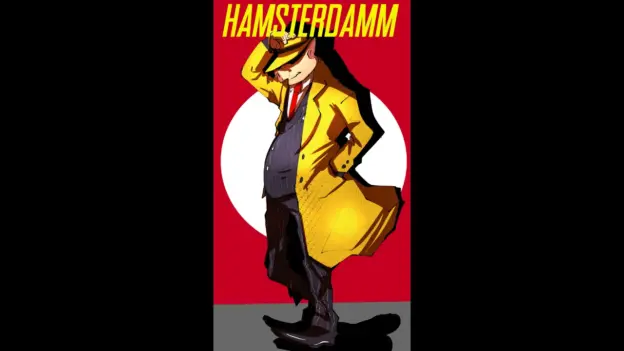
Last week on Twitter, I was contacted by another up-and-coming developer looking to bring to my attention a video game they have been working on for some time. And it is starting to come to fruition. Hamsterdamm is a 2D perspective infinite runner title created by Nerdy Bear Studio originating from Atlanta, Georgia, in the United States. In development since 2018, the studio has recently been releasing concept art for the game as well as screenshots of its progress. Although there is scarce information about the game as it stands now, what information can be found about it is on the development studio’s website. Indeed, if you subscribe to the site via email, you can pick up a small ebook of concept art of where the developers are with it:

Nerdy Bear Website

Regardless, I was intrigued by what this game had to offer, and reached out to the founders of Nerdy Bear Studio, Lionel and Chanell, to ask a few questions about it. And to hopefully learn more about what players can come to expect from the final product. So here’s what Nerdy Bear Studio had to say about Hamsterdamm:

What has the developmental process been like?

As with anything you do for the first time, it’s been touch-and-go. We are learning as we go along, but this aspect of it has made it fun (and ensured that we are picking up skills that we can use even beyond Hamsterdamm). First, when we started in 2018, I made it a point to learn as much as I could. First, I started learning about game development timelines. I began looking at how other developers ran their game dev workflows. I watched a ton of documentaries and testimonials about game developers. So I knew what to expect going in. One of the most impactful people I learned from—and still look at—is Thomas Brush.

His YouTube videos provided a wealth of knowledge about what I should know and what I should expect to be going on. Between 2018 and 2020, we went through some life changes that delayed development. Finally, last year, we made the decision that we wanted to start with Hamsterdamm. In October 2020, we began to put together a more solid marketing strategy and put together game documents. Fast forward to now, and we now have a Discord chat running where we are working with a programmer and composer to establish the structure of Amsterdam. There’s been a lot of Google Docs and spreadsheets to outline milestones for moving forward. 


How close are we to seeing the finished product?

Right now, we are developing a prototype. Our programmer is now building out the structure (game mechanics, physics, and reward systems). Once that is complete, a pixel artist and I will step in to add the “visual flavor.” We also now have a composer working on the music side of Hamsterdamm (which is integral to the gameplay). At our current rate, we are expecting to have a demo ready by early to mid-June and a fully playable game by the end of this year.

While there have been a few hiccups in the process (and we know there will likely be more shortly), things are finally moving smoothly as we now have game documents and a timeline to move forward with. Again, we are still learning as we go. We are currently making sure we are matching up all the critical pieces of development. So everyone has what they need to do their part (whether it be mechanics, art, music, or even marketing). So, fitting all the workflows together so that they work in parallel is the current point we are at. 

What has been the most exciting aspect of development?

Not to sound cheesy, but it’s honestly been the process of watching a vision you had come to life. The contractors we are working with are incredibly innovative and creative. And they have been vocal about believing in what we are trying to do with Hamsterdamm. Additionally, my wife and I are always excited about learning new things. Whether it be creating sprites or graphic design concepts (for those swanky Instagram posts lol). It’s been fun to combine our love of learning with something we are passionate about. 


What has been the most challenging aspect of development?    

That answer kind of changes depending on where we are in the process. However, I can say that managing all the workflows has been a challenging part of development currently. While the game itself is a project, each contractor is working on separate parts of the game. Additionally, there are times when they will have to collaborate on various components of their own workflow. 

Part of the challenge is thinking about where these intersections will happen and helping contractors to allow for them in their milestone timelines. There are also the parts of game development that people don’t think about. Much of the day isn’t dedicated to actual coding and development. There are tasks related to accounting, PR, HR, general admin, and legal areas that also need to be done. So, numerous workflows are running at once. And it’s critical to take these into account when planning. Nevertheless, we wouldn’t trade the experience for the world. 😀 


How well has the game been received so far?

We were excited about the concept of Hamsterdamm (a 2D pixelated and perspective-shifting infinite runner), but we weren’t sure how people would feel about it. However, we’ve been surprised at how excited people seem to be when they hear what we are doing. From family and friends to people who reach out to us on Twitter, some people have expressed that they are excited to play the game. We even connected with our composer after he reached out to us. After hearing about our game and feeling drawn to it. We hope the excitement and momentum continue!

How instrumental has community feedback been in shaping the course of development at this early stage?

Right now, because we are still pretty unknown, we haven’t had much community feedback and involvement up to this point. However, community input is definitely something we will be seeking once we release the demo. We will include surveys that ask players about their experience and any suggestions they have. 

As you guys asked me over Discord, I wish to ask you guys the same thing. What are your favorite indie games, and have they had any impact on development as well?

Excellent question! One of our favorites is Speed Limit, which has directly impacted the infinite runner and perspective-shifting aspects of Hamsterdamm. We are also really loving Songbird Symphony and Sayanora Wild Hearts. Both have some elements that could influence what we do with Hamsterdamm. 

What platforms are you looking to bring the game to?

It will likely be released on PC first, and then we are eyeing a release on mobile, Nintendo Switch, PS5, and the Xbox Series X. 

I also found on your site several other games listed there; In the 90s, Animal Planet, Games for Black Girls, and Connectivity. What more can you tell us about them?

Yes! Those are our other planned releases. Right now, the focus is on Hamsterdamm. But we are constantly thinking of story and game mechanic ideas for the other upcoming titles. We actually have a spreadsheet for each game. And as we think of ideas (that we know we can’t pursue right now because of Hamsterdamm), we will dump them in there to address later. Each one will share a connection with the others. And after Hamsterdamm, in the 90s, it will likely be on deck for development next. 


Have there been any ideas at this stage of development that have since been scrapped or reworked?

Great question! Yes, there was an aspect of gameplay that we tweaked. The original idea was to make Hamsterdamm into a pixelated platformer that had infinite runner elements. We want to keep what it was changed to as a bit of a surprise. But the change definitely resulted in a shift in development. Fortunately, we were not far in development before we decided to make this shift. The programmer’s insights gave us a pretty good look at how things would change, and we were able to move from there. 


If you had the opportunity to develop a game with any company or for any franchise, which would it be, and why?

Oh man, Excellent question. If I could develop with anyone, I would have to say either Nintendo or Square-Enix. The first reason is that their games have had the most impact on my life. Both Mario games and Final Fantasy games have been a long-running staple in my world. The second is that being part of either family means that the NBS universe could potentially end up in a Smash Bros. game, or even better! When we branch into animation and a shared universe, it could lead to an amazing story. Konami would be an extremely close 3rd. 

Do you have any advice for aspiring developers who may be reading this?

Yes! Learn as much as you can! While this applies to general dev skills, we would advise you to make sure you take some time to learn about the ins and outs of game project management. You cannot do it all (and believe us, you won’t want to). If you are a developer who wants to own your own studio, you will likely be a business owner. This means you will have to manage contractors, handle finances, figure out marketing, and deal with any other general admin tasks that come up. 

You need to have a plan for how you will manage all these different aspects and workflows (whether it be outsourcing or hiring part-time or full-time help). We’ve seen a lot of other indie devs try to do it all, and this mostly leads to burnout. So, pace yourself. Check out indie dev studios you are inspired by and see how they did it. Search our indie dev processes on YouTube. You will get a realistic view of what to expect so you can plan for it. 

Where on the Internet can people find you?

You can check us out at www.nerdybearstudio.com, and also follow us on 

Twitter: @NerdyBearStudio

Instagram: @nerdybearstudiosYou can also sign up for our email list here if you want to stay up-to-date on the progress of Hamsterdamm and our future projects.

I’d like to thank both Lionel and Chanell for taking the time to talk to me about Hamsterdamm, and to wish them the best of luck with the development of the game. Via the website, you can also find links to Nerdy Bear’s social media pages. Where you won’t miss a single developmental update. Hamsterdamm sounds like it may make waves upon release, and it will be very interesting to see how the game turns out when development is completed. But in the meantime, I hope you guys keep up with Nerdy Bear, and I hope you enjoyed learning about this ambitious title.

,

Game on,

Scouse Gamer 88

Scrabdackle

Q&A With Jakefriend

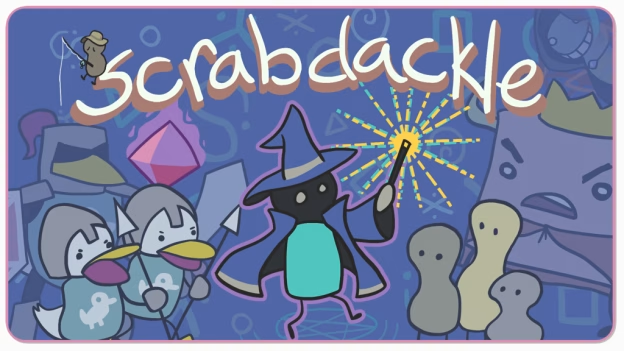
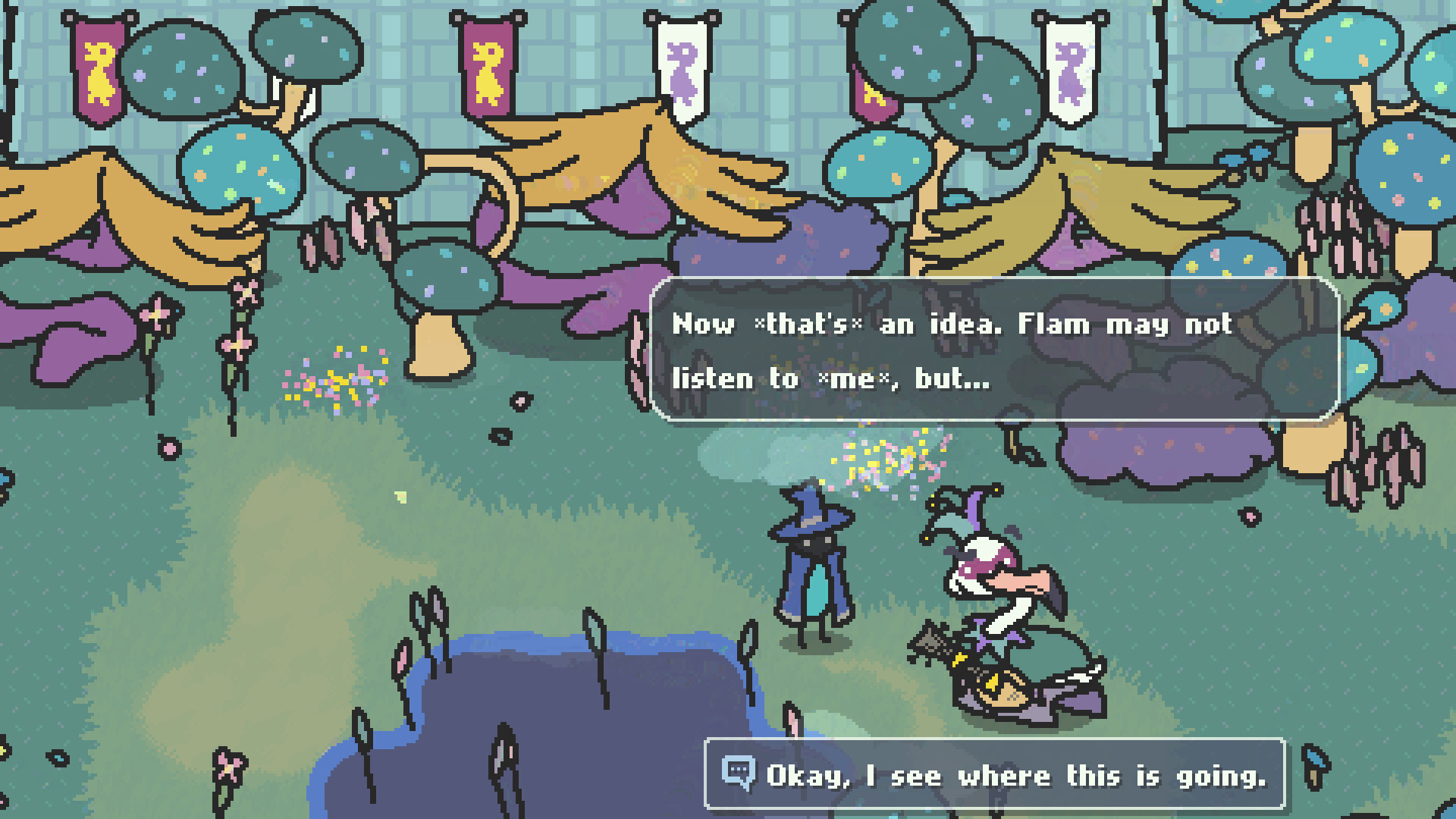
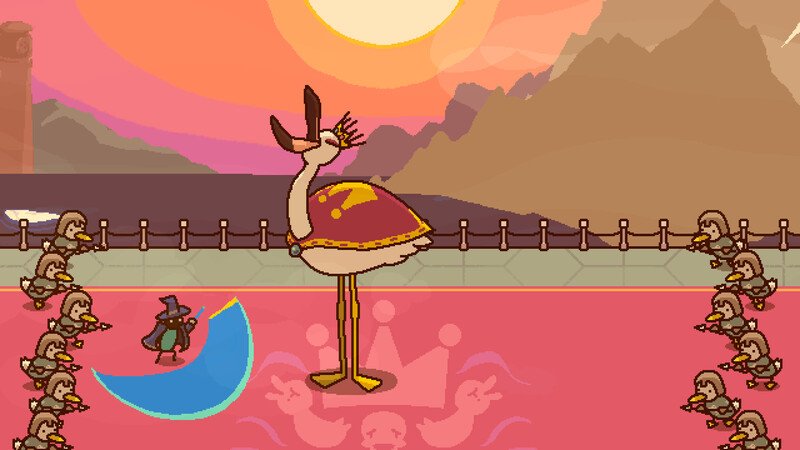
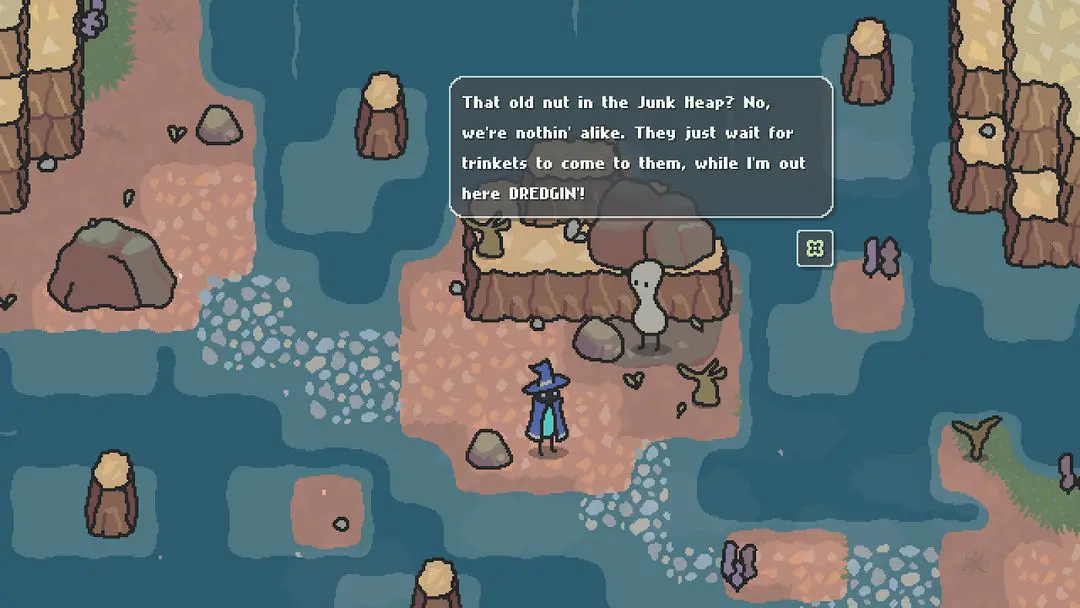
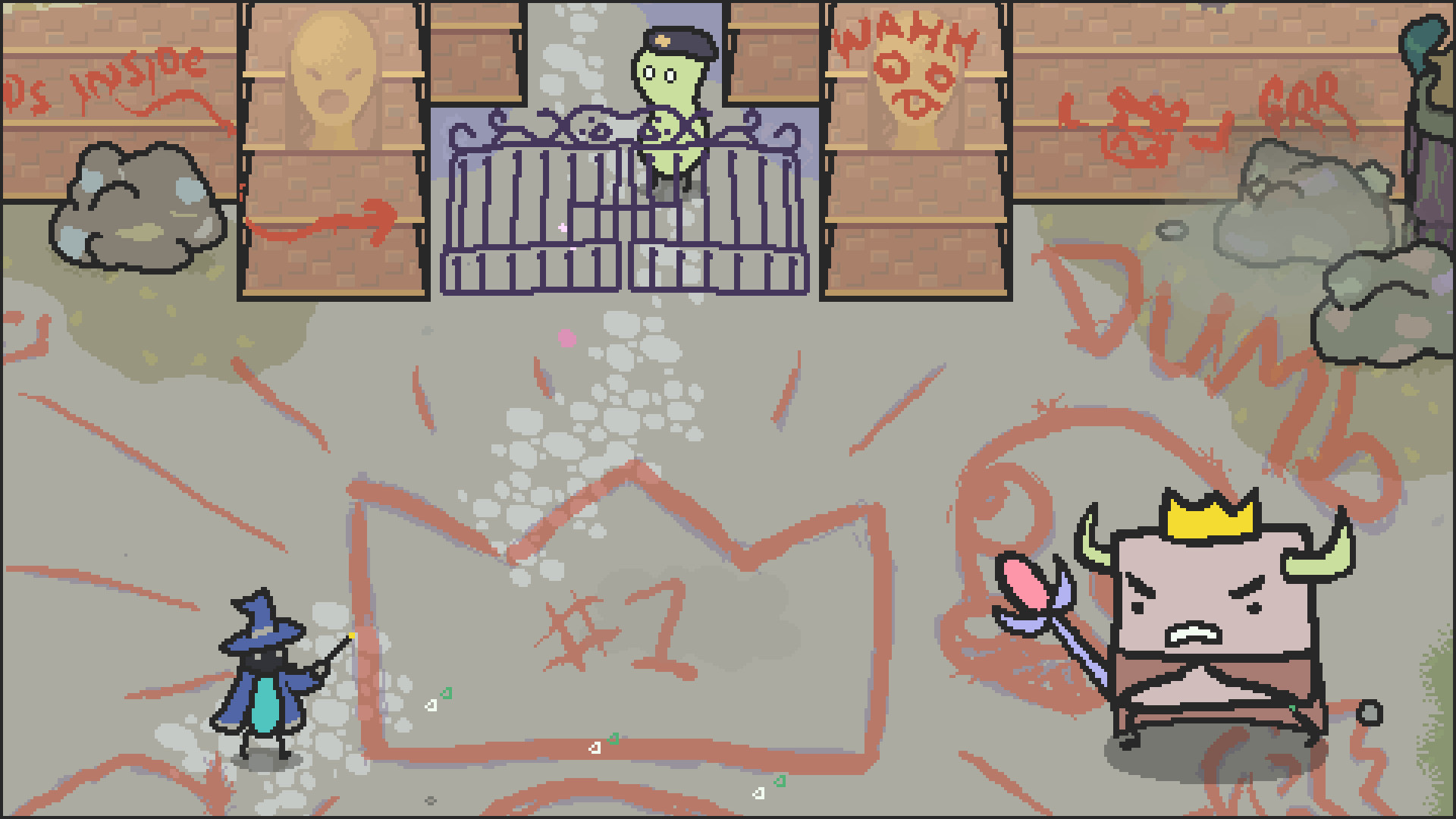
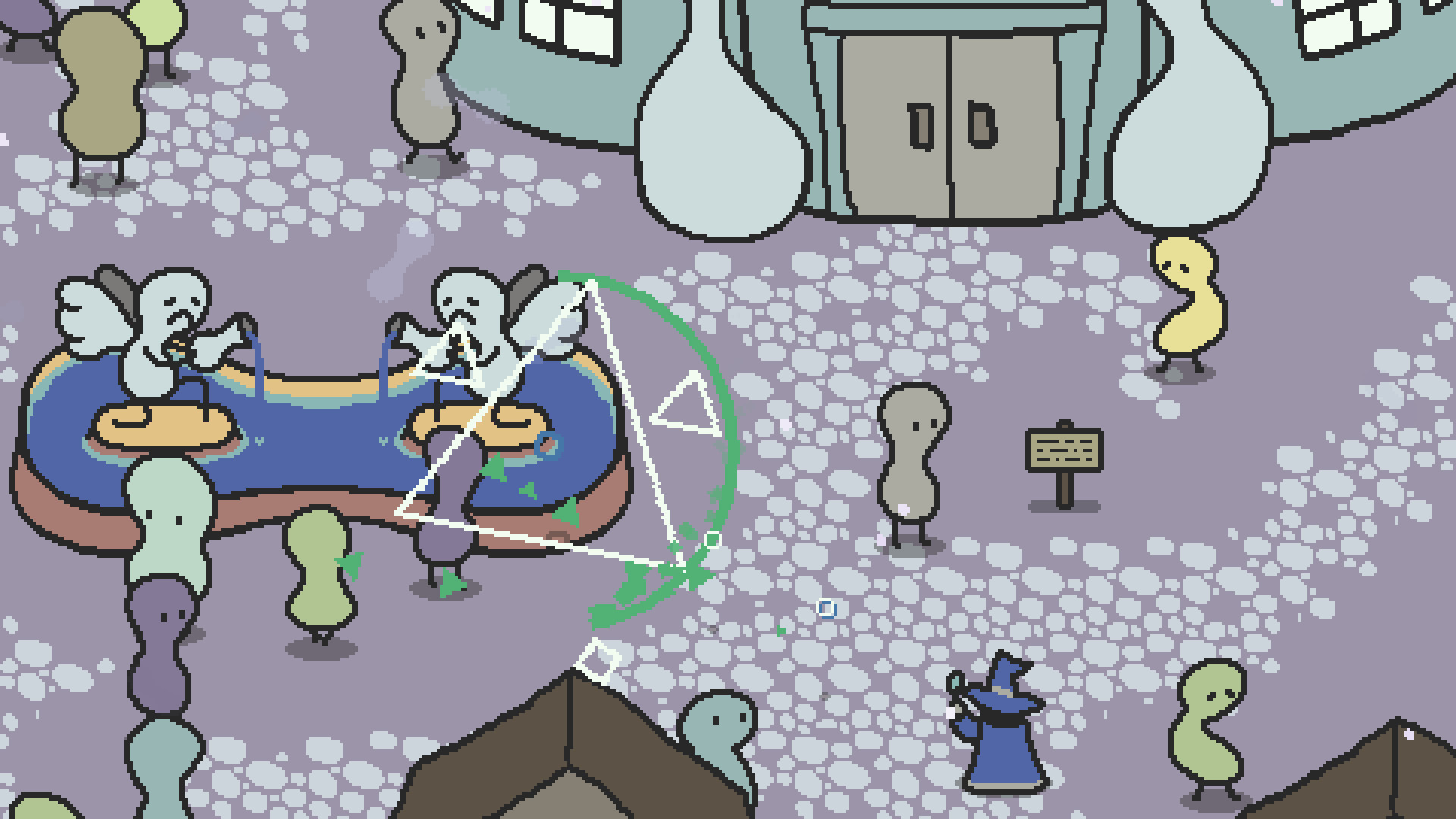
Once again scouring Kickstarter for more upcoming video game projects, I stumbled upon a simplistic-looking, yet potentially addictive title named Scrabdackle. Scrabdackle is a top-down RPG roguelike, heavily influenced by the likes of The Legend of Zelda: Link’s Awakening. And incorporating a playstyle similar to that of The Binding of Isaac, under development by the developer known as Jakefriend. Originating from Toronto, Canada.

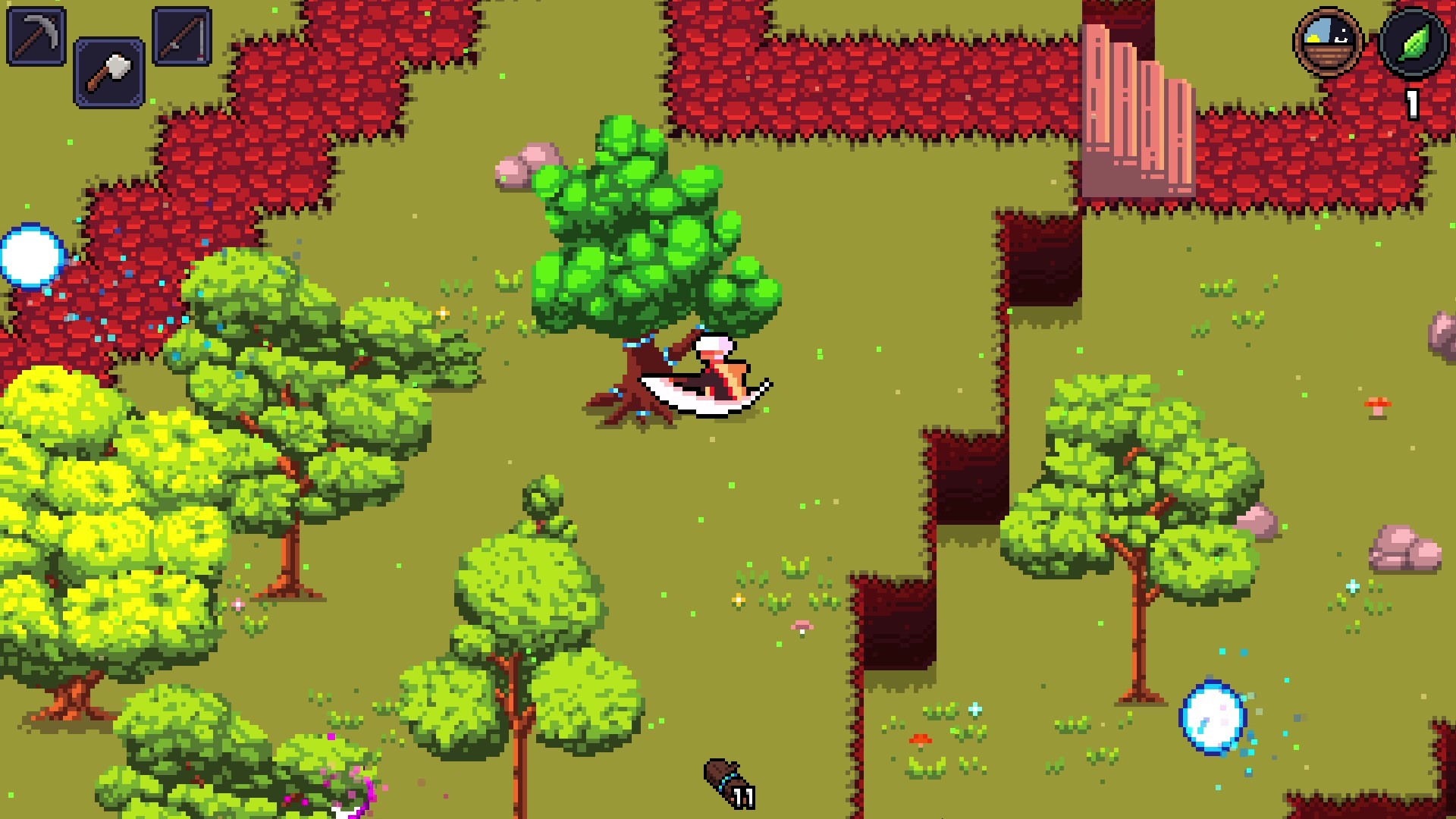
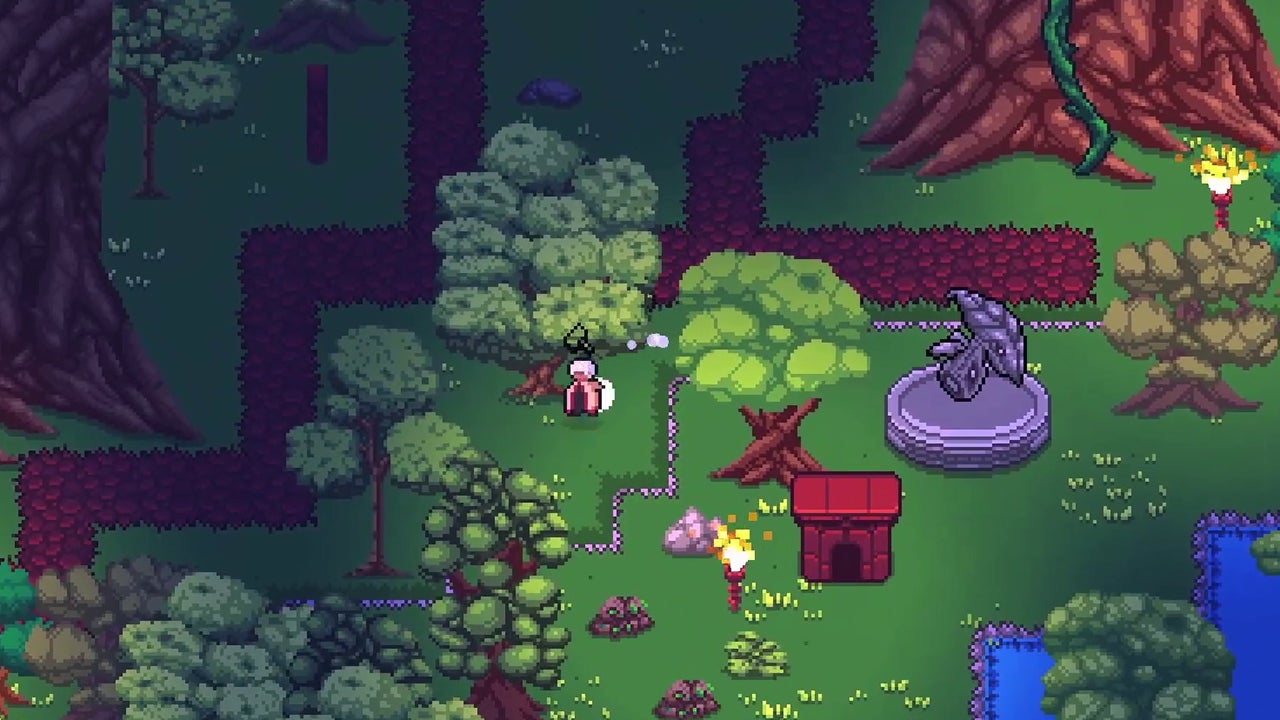
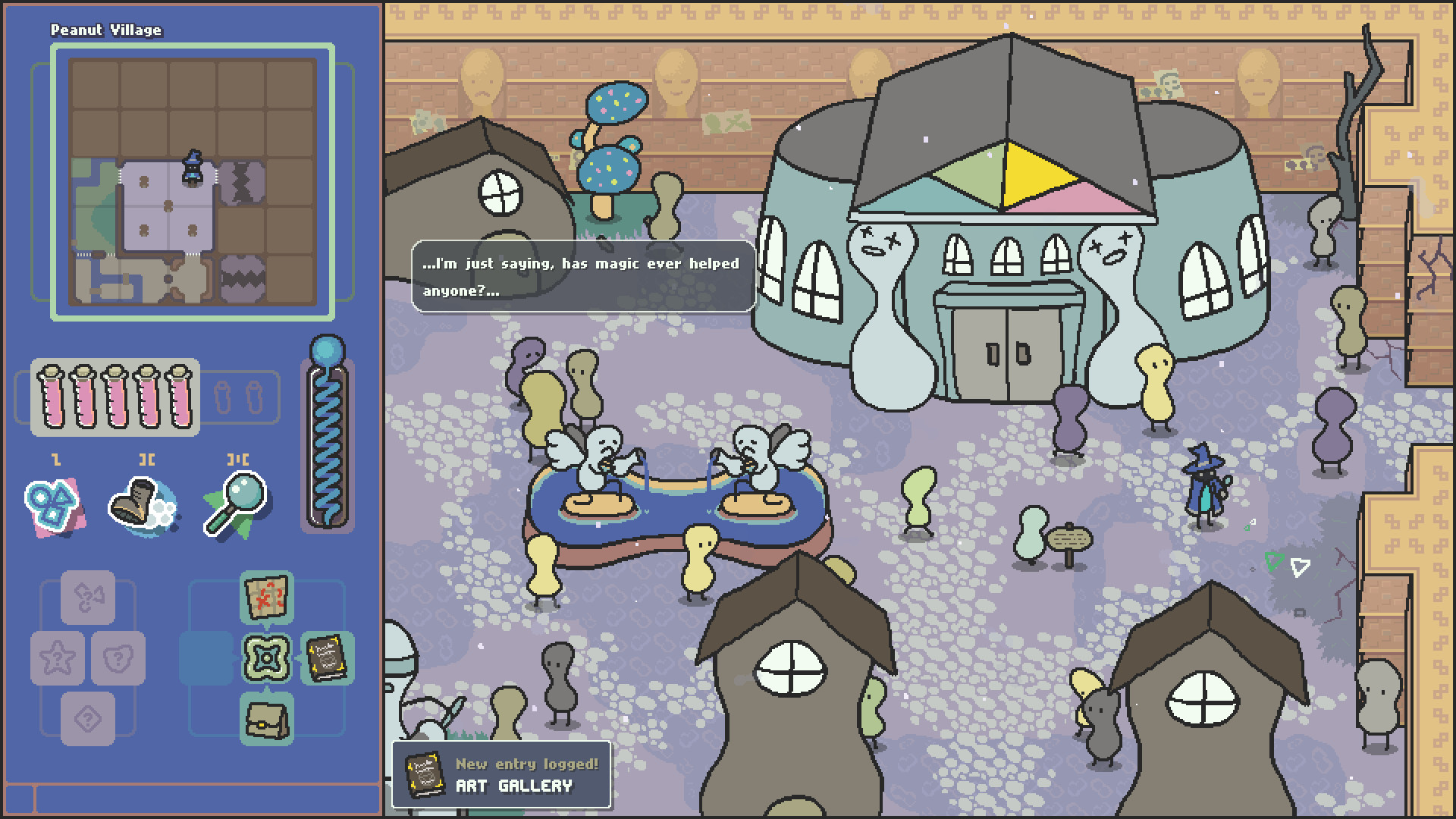
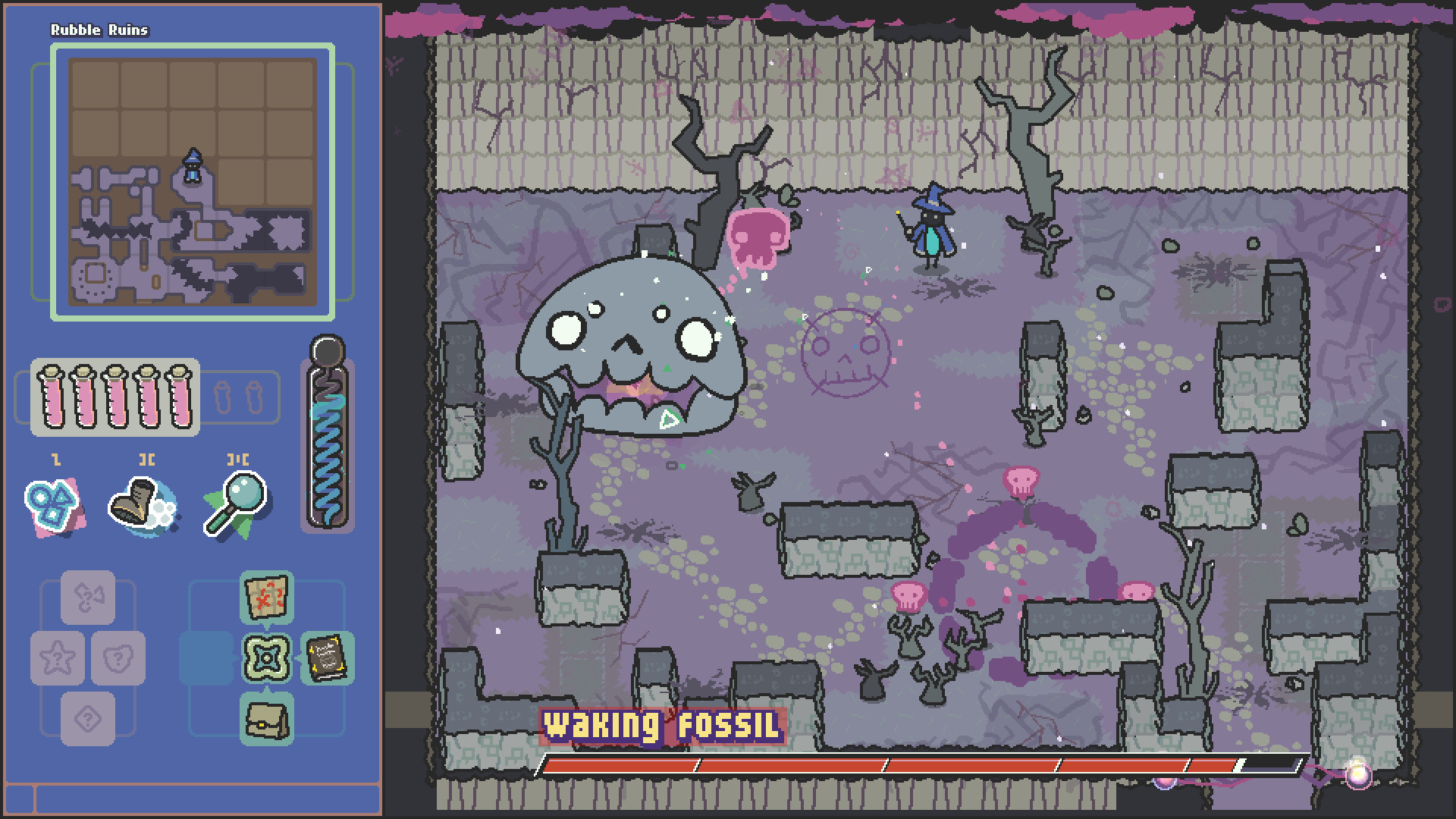
The game incorporates a colorful and wonderfully simplistic hand-drawn visual style. It incorporates gameplay centered around intense combat. With players able to take advantage of several spells to take out hordes of enemies. It also features a non-linear open world that players can explore at their leisure. There are also multiple paths to go down and secrets to uncover along the way, facilitating multiple playthroughs. Set in the world of Scrabdackle, it follows an apprentice wizard named Blue. He is ejected from his academy by a dark wizard and thrust into the harsh environment and its many dangers.

Eager to know more about the excellent-looking title, I reached out to Jakefriend to ask a series of questions about the game and what stages in development it currently resides within. Following the recently successful Kickstarter campaign. Here’s what Jakefriend had to say about Scrabdackle:

Scrabdackle 1

What were the influences behind your game?

There is no outright direct influence. But the biggest of them would be the Game Boy Zelda games: Link’s Awakening foremost, then Oracle of Seasons, and Oracle of Ages. I loved the idea that the world maps of these games were these finite things that you could explore one square at a time. Yet still felt endless and always with something new to discover, crisscrossing them. A lot of modern games inspired by LA can fall into the trap of having a world be very linear despite the presentation of openness. I’m actively pursuing the feeling of going exploring and getting a bit lost. And the reward of gaining a better understanding of the overall space once you find your bearings.

What has the developmental process been like?

So far, it’s been like continually delaying dessert until I’ve eaten all my greens, haha! I’m extremely excited to work on more content, especially bosses. But I’ve tried to be more responsible than that and get the fundamental systems in place first so that the demo represents an effective vertical slice of gameplay. For a long time, it was “I’ll finish the events system, then I’ll tackle the Ducklands content,” then “Okay, I should prioritize the GUI updates and lore system.

But after that, it’s content time,” to “I don’t have any time for anything but bugfixes and some polish before the Kickstarter!” Though I’m quite proud of the demo, content is the main thing it’s lacking. And both my longtime players and I are looking forward to having more to see and do in the world than just the ‘same experience, but increasingly polished! I’m adding some new gameplay content as a mid-campaign event right now for the first time since, honestly, maybe October, and it’s been so enjoyable.

Scrabdackle 2

How close are we to seeing the finished product?

Quite far! I did a rough map of the world at one point. Not counting any content additions that backers have now funded, Junk Heap (the tutorial area) was only about 3-4% of the rough full scope. While the game is approaching systems-complete, it’s very much content-light at the moment. And expanding new areas and enemies is a big priority for full development.

What has been the most exciting aspect of development?

I love doing everything. I mean it! Handling the art, music, design, coding, AND writing means whenever I start to feel burned out on one branch of development, I can skip to another, let that part of my brain rest and refresh, while still making forward progress. Being able to take a step back at something like the Peanut Village hub area. A congruence of all of those branches. And seeing a thriving place that matches my mental picture of vibrance and goofiness is one of the most rewarding things. Barring seeing Let’s Plays of others having their first reaction to it.

What has been the most challenging aspect of development?

I’m not very back-end technical. I find figuring out things like multithreading for performance and faster loading quite challenging to wrap my head around. I’m a confident coder otherwise, but it’s a territory where even the “explain like I’m 5” explanations of how to handle it sound unintelligible. There are plenty of performance improvements yet to be made, as I’m still getting an understanding of that kind of thing.

Scrabdackle 3

How well has the game been received so far?

Extremely well! At around 8,200 downloads presently since September, we’re still trending a 4.85 score on itch out of 5 with 90 ratings. As well as 4.83 on my private Google Form results

with 93 ratings, where I ask for players to be critical about their experience. And the community around the game is extremely passionate.  I only pursued a Kickstarter because the demo seemed to be striking a lasting chord with so many people. It’s been affecting.

Although you’ve cited various Game Boy games as influences for the music, I got the impression that the soundtrack sounded quite reminiscent of Rare composers such as Grant Kirkhope and David Wise. Would you say they are fair comparisons?

Yes, Grant Kirkhope is a pretty strong influence! Particularly his work on Rare’s Nintendo 64 titles like DK64 and the Banjo-Kazooie games. My soundtrack is still a little more geared towards the instrumentation found in Game Boy-era music and is much sparser for exploration themes. But he’s been hugely influential to me in a way that I think is pretty recognizable in the Scrabdackle soundtrack!

I don’t know David Wise’s work all that well, but I’d also call out Kozue Ishikawa, the composer of Wario Land II and one of the two composers of Link’s Awakening. Her work in those games ranges from quirky and comic to empowering and driving to melancholic. And reflective in ways that are very impressive for the limitations of the technology she was working with.
What platforms are you looking to bring the game to?

Scrabble is coming to all PC platforms presently. I’d like to bring it to consoles someday, but I am waiting to do that alongside a publisher rather than go it alone. I recognize it’s a gray area of unexplored, back-end technical space to me. And I can’t sufficiently budget or estimate the time it would take me to do it myself. In a perfect world, if I could only get one console port, it would be the Nintendo Switch. I think it’s the perfect market for the game.

How fundamental has the Scrabdackle community been in shaping the course of development?

In terms of actually creating a path from a demo to full game development, very! I’ve been pushed forward on a sea of steady encouragement and support. In terms of my development plans, I would say my original vision has largely not been externally shaped. I find it very effective to clarify your vision, then stick to it. And consciously not pursue most suggestions thrown your way unless you’re changing the core vision or it fits within it.

That said, in the original demo, I almost didn’t add dialogue at all. And eventually put in a few conversations just before making it public. The feedback on the dialogue was positive and made it clear that talking to people in the world was a highlight. So that’s been heavily emphasized in the game by that community feedback. The standout “lore book” feature recently implemented also comes from a community suggestion.

Scrabdackle 5

Have there been any ideas at this stage of development that have since been scrapped or reworked?

Well, the idea of the game being a boss battle game with just a little bit of empty world traversal has been done away with. But that happened well before the public demo was released. The level design has changed a lot to be less completely hands-off since the first demo. Initially, you could go anywhere and wander around, potentially nearly all of the game’s map, without coming across (or requiring) the wand, or coming across any save points or focal goals.

I’ve made small but important adjustments in my approach to guide players through one of two routes towards the wand (the game’s immediate first goal). Both of which directly pass save points, and limit the initial exploration space until the wand is found. Players were feeling frustrated that they could explore too broadly without a critical tool. Having a soft gate to ensure they collect that tool first has improved the rest of the non-linear exploration experience.

If you had the opportunity to develop a game with any company or for any franchise, which would it be, and why?

I don’t think I’d want that – the larger the company, the more you have to fill a tight niche. And what I enjoy about the work as a small fish is the breadth of exposure and jack-of-all-trades nature. I love all of the things I get to do. And giving any of them up to mainline just AI coding or just art or something would be a sacrifice of my continued development of those skills, and of my ability to “refresh” by mixing up my creative focus, and of my ability to influence the game in a more meaningful way. If I were offered a game designer role or a sub-director role where I still got to work closely with the entire development team, that’d be something I’d really love to try. But it isn’t necessarily company-dependent or franchise-dependent.

Scrabdackle 6

Have there been any ideas incorporated into Scrabdackle that you’ve carried over from games you used to develop as a hobby?

From my previous projects, honestly, not really! Pretty much everything I’ve worked on has been a different genre. Puzzle platformer, arcade shooter, etcetera. I have some strong feelings about what makes for good game design holistically. But nothing game-specific has traveled between projects. The closest I can say is that the Skrine character, presented as some sort of omniscient entity, is a character brought over from my long-running homebrew D&D campaign, where they played a similar role as an archfey trickster.

Do you have any advice for aspiring developers who may be reading this?

If you want to start as an indie dev… just start! Join a 2-day jam, grab an asset pack, and forget about quality. And just try slapping something together as fast as you can. The time restrictions of jams are freeing because you can’t endlessly get lost in perfectionism or uncertainty.

Where on the Internet can people find you?

I’m active on the very wholesome and welcoming Scrabdackle Discord regularly, post neat game dev updates and gifs to Twitter, and am currently flying past 100% towards stretch goals on Kickstarter (campaign ending April 15th!).

Do you have anything else to add?

A huge thanks to the Scrabdackle community for the long road of support over the last 7 months towards the successful Kickstarter funding milestone! It’s genuinely been life-changing. And I’m so excited about what giving Scrabdackle my full-time attention will bring.

Scrabdackle 7

I want to take this opportunity to thank Jake for taking the time to answer my questions. And to wish him the best of luck with the game’s launch. You can check out the game and its progress via the links below:

Kickstarter:https://www.kickstarter.com/projects/jakefriend/scrabdackleref=discovery_category

Official Website: https://scrabdackle.com/

Twitter: @jakefriend_dev

Discord: Scrabdackle

YouTube – https://www.youtube.com/channel/UCE1rInyJzMREQTUFjFV-i0w

You can also download the demo of the game via Jake’s itch.io page:

https://jakefriend.itch.io/scrabdackle

In the meantime, I hope you guys enjoy the demo and that you enjoyed learning more about Scrabdackle as much as I did.

Game on,

ScouseGamer 88

Super Metroid (Super NES)

Developer(s) – Nintendo R&D1 & Intelligent Systems

Publisher(s) – Nintendo

Director(s) – Yoshio Sakamoto

Producer(s) – Makoto Kano

PEGI – 7

Released in 1994, coming up to the twilight years of the Super NES, and finding critical acclaim worldwide and commercial acclaim mainly in North America, Super Metroid is considered to be one of the most influential games of all time. Along with Castlevania: Symphony of the Night, it helped to pioneer the so-called Metroidvania genre of games. The 2D side-scrolling open-world experience focused on combat, epic story, and exploration. I decided that, as I’ve now reviewed a great number of games in the genre, I’d examine the game where the groundwork was laid. And find out whether or not the experience still holds up to this day, and for me, it did not disappoint. 

Graphics – 10/10

One of the standout features of the game is undoubtedly its beautifully crafted 16-BIT visuals, with the game taking place across several locations that have since become iconic and synonymous with the Super NES era. Including Brinstar, Norfair, and Maridia. This game’s visuals have gone on to inspire several retroactive indie titles over the last decade, such as Blasphemous and Axiom Verge, and not just Metroidvania titles. For the time, these graphics were revolutionary. And the accompanying soundtrack, composed by Kenji Yamamoto and Minako Hamano, perfectly complements the wonderfully horrific atmosphere this game perpetuates throughout, which, in and of itself, was very much out of character for a Nintendo game at the time, as most Super NES titles, for the most part, focused on happy-sounding music and brightly colored environments.

Gameplay – 8/10

Super Metroid followed the basic model of the original Metroid but with drastic improvements. Players could now combine different types of weapons to create more powerful ones. And the boss fights littered throughout are far better. There’s even more cause for exploration than in the original game or Metroid 2: Return of Samus. And it also comes with the synonymous Metroidvania map system. Something which was sorely lacking from the previous two games. And something that every other Metroidvania title would adopt in increasingly innovative forms from then on. Few side scrollers at the time encouraged exploration to the extent that this game did. And it was a welcome breath of fresh air for those who got the chance to play it back in the day. 

Controls – 8/10

The game’s control scheme, however, isn’t perfect. Whilst most Super NES games used the Y and B buttons for attack for primary movement and combat controls, this game uses the X and A buttons for that purpose. And among Super NES fans, this will have caused some confusion for players back when it was released. It can still potentially confuse modern-day players looking to play it for the first time. As indeed I found, since I wasn’t introduced to this game back when it was released. Kind of like Metroid Prime, it can take a bit of time for players to get used to it initially. What the developers did add in terms of controls, however, was the facility to shoot diagonally. Which again, was sorely lacking from the original games, and furthermore included in the re-release of the first. Metroid: Zero Mission for the Game Boy Advance.

Lifespan – 7/10

A thorough playthrough of the game can take an average of around 4 hours. Which is about an exceptionally long amount of time for a game to have lasted back in the days of the Super NES. Although the game can be completed within half an hour (indeed, as this title has become particularly popular among speedrunners), it’s not a game that’s designed to be rushed through. And whilst it may sound like a paltry amount of time for a game to last compared to what gamers are used to these days, it was relatively unheard of at the time. And most fans of the game have ended up playing it multiple times throughout the years anyway. 

Storyline – 7/10

Taking place in the latter stages of the Metroid timeline, the alien lifeform (the Metroid) that bounty hunter Samus Aran had recovered from planet SR388 at the end of Metroid 2: Return of Samus had been delivered to a research facility by her for further study. But shortly thereafter, the space station is attacked by the leader of the Space Pirates, Ridley. Who then captures the Metroid specimen? And takes it to the nearby planet Zebes, and Samus is in pursuit of him.

The game is also a lot more cinematic than games of the previous generation. The game’s opening cutscene, in particular, has become an iconic moment in Super NES history. It’s also one of the earliest examples of how gameplay sequences can be used to build up tension within the confines of the story. As there are sequences in which Samus must escape from certain places within a designated time limit before it explodes. 

Originality – 10/10

There is no understating how unique and influential this game was back in the day. Any game from which an entire genre is created stands out as being among the most influential of all time. Doom gave birth to the first-person shooting genre, and Rogue paved the way for the Roguelike genre. And Super Metroid was the primary pioneer of the Metroidvania genre. Even Castlevania: Symphony of the Night adopted several gameplay elements that this game had first introduced. 

Happii

In summation, as well as being one of the most influential video games of all time, Super Metroid also stands out as one of the best titles on the Super NES. It is an experience that still holds up and one that I would highly recommend. Regardless of the issues I may have had with the controls, the immersive gameplay, wonderfully rendered graphics, and engrossing story more than make up for it. 

Score

50/60

8/10 (Very Good)

Salt 2

Q&A With LavaBoots Studio

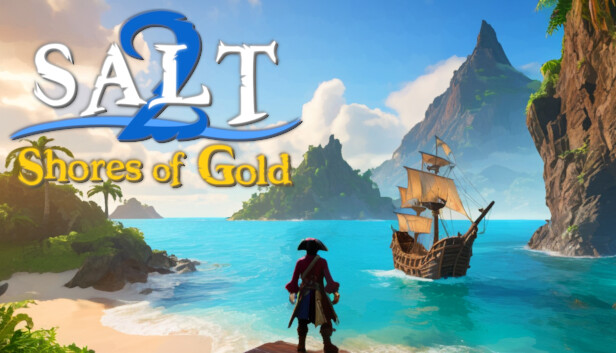
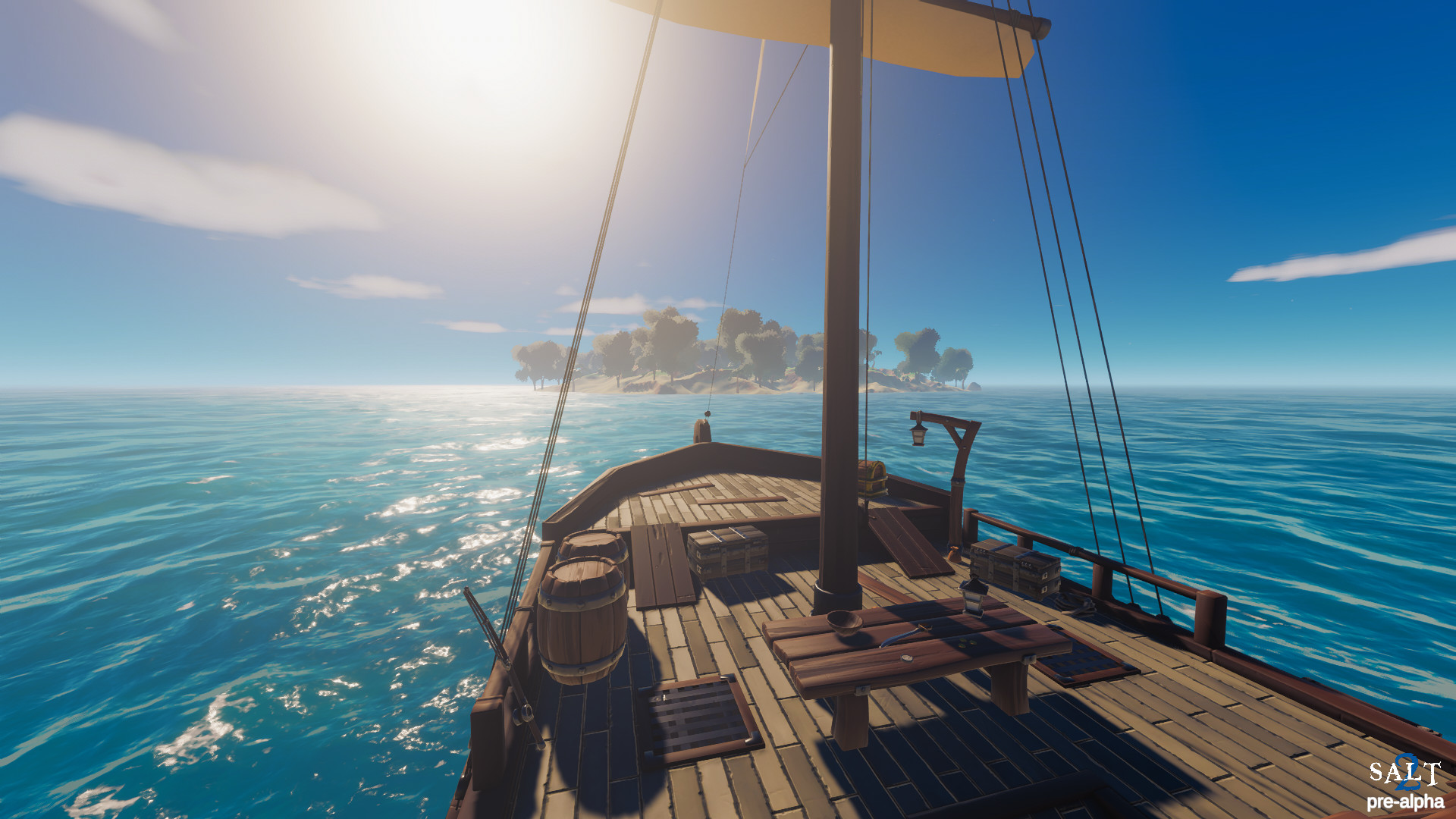
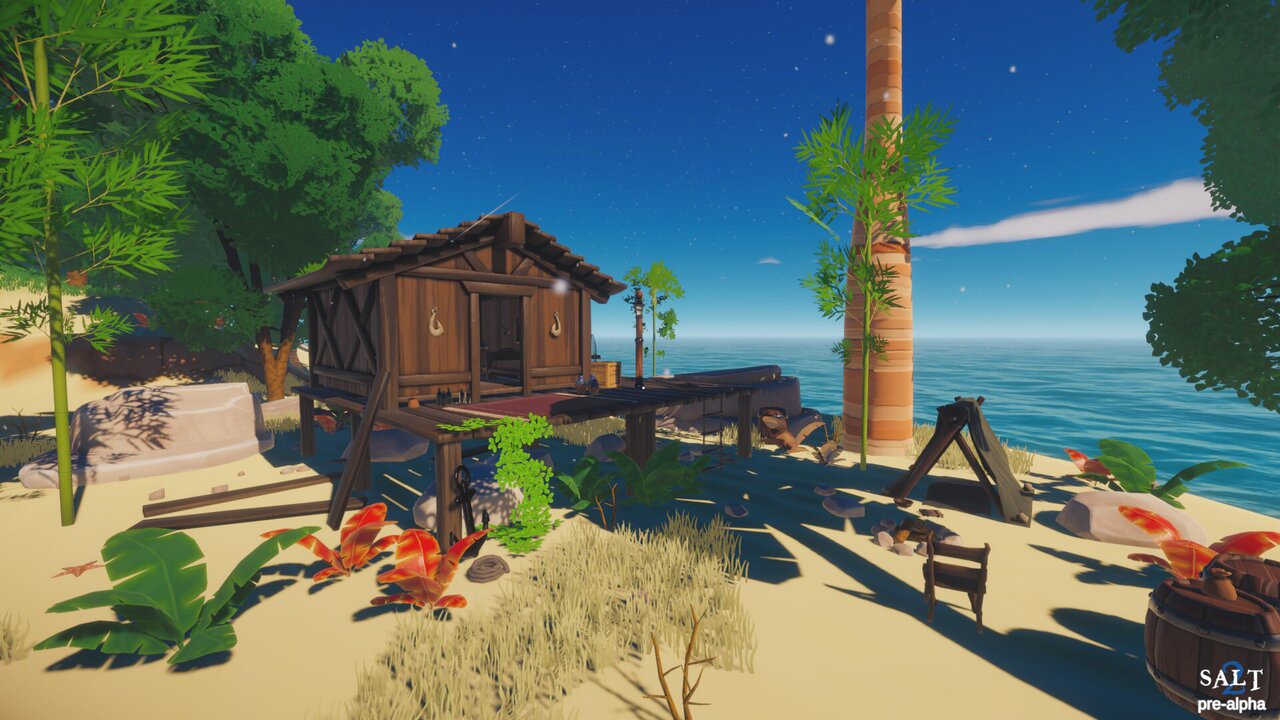
Once again, looking out for upcoming Kickstarter projects, I came across a title not without its influences. But one that looks like a great deal of fun. And not one to be missed. Salt 2: Shores of Gold, under development at LavaBoots Studios based in Huntsville, Alabama, is the sequel to the original Salt. Released back in 2014 to commercial and critical acclaim from many reviewers.

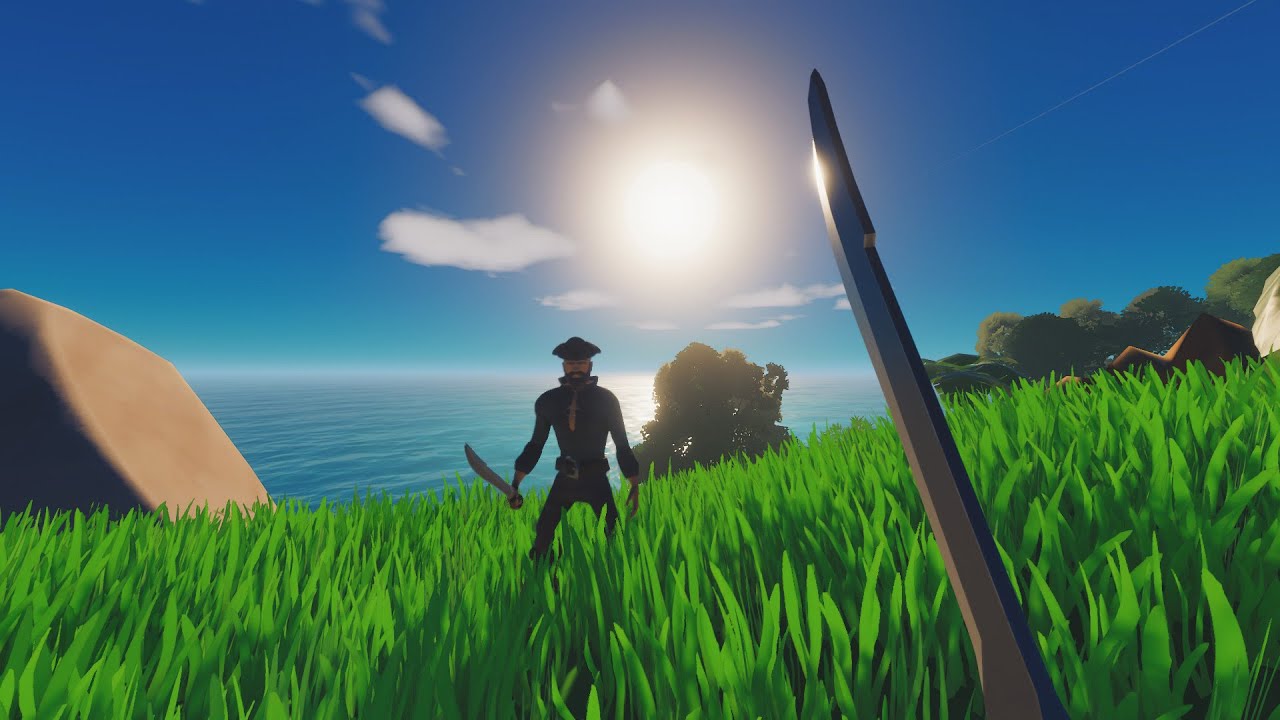
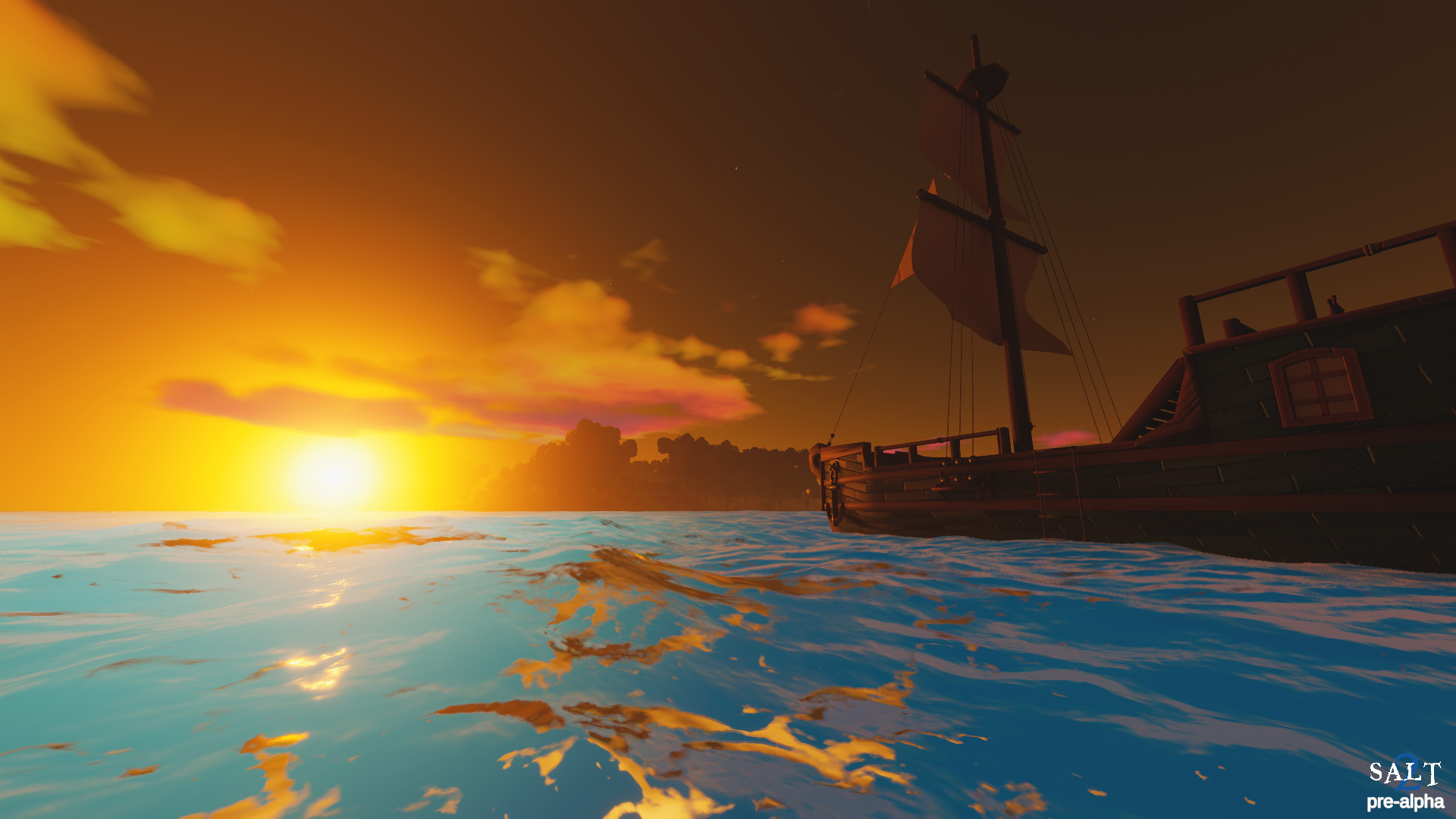
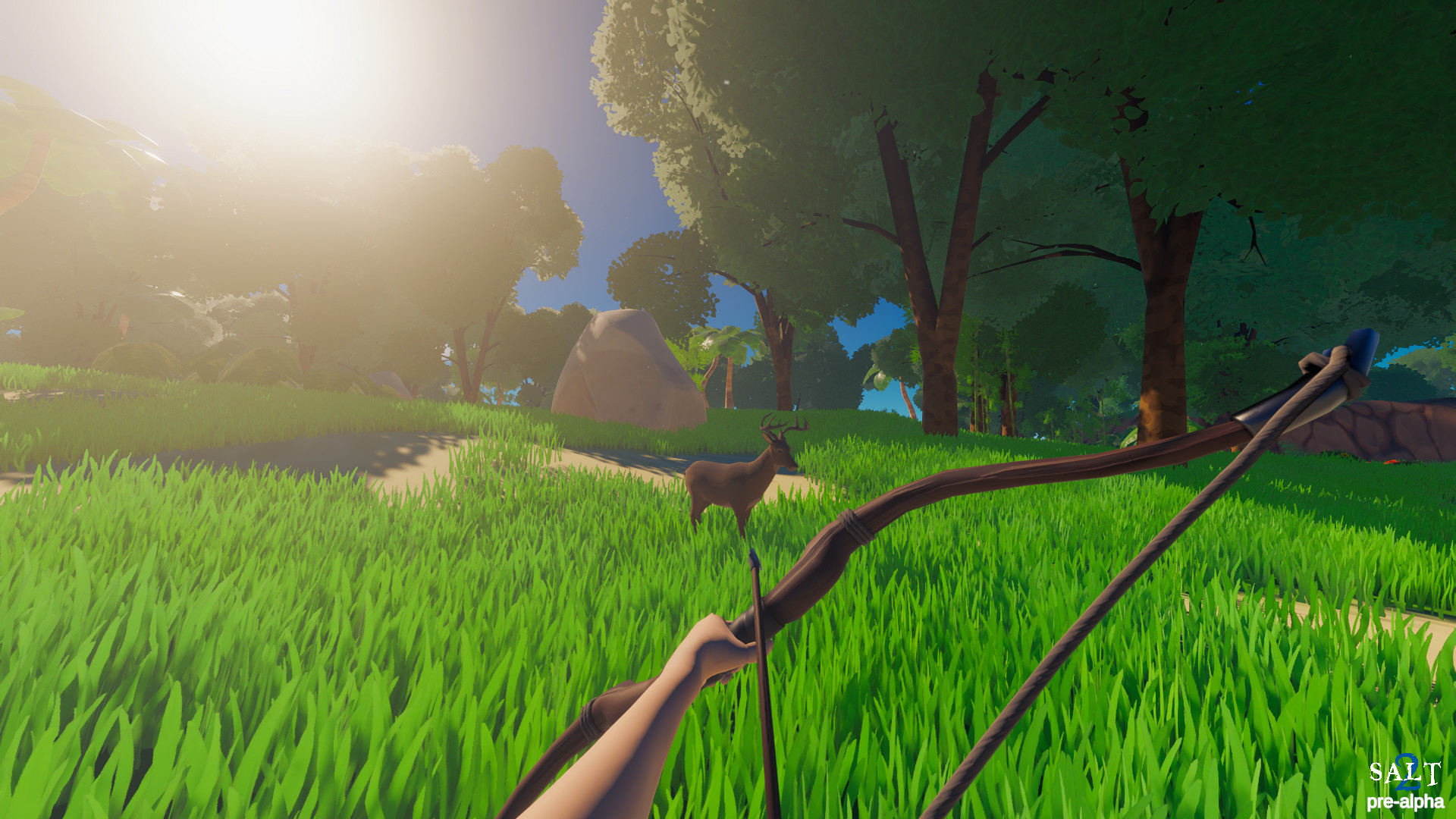
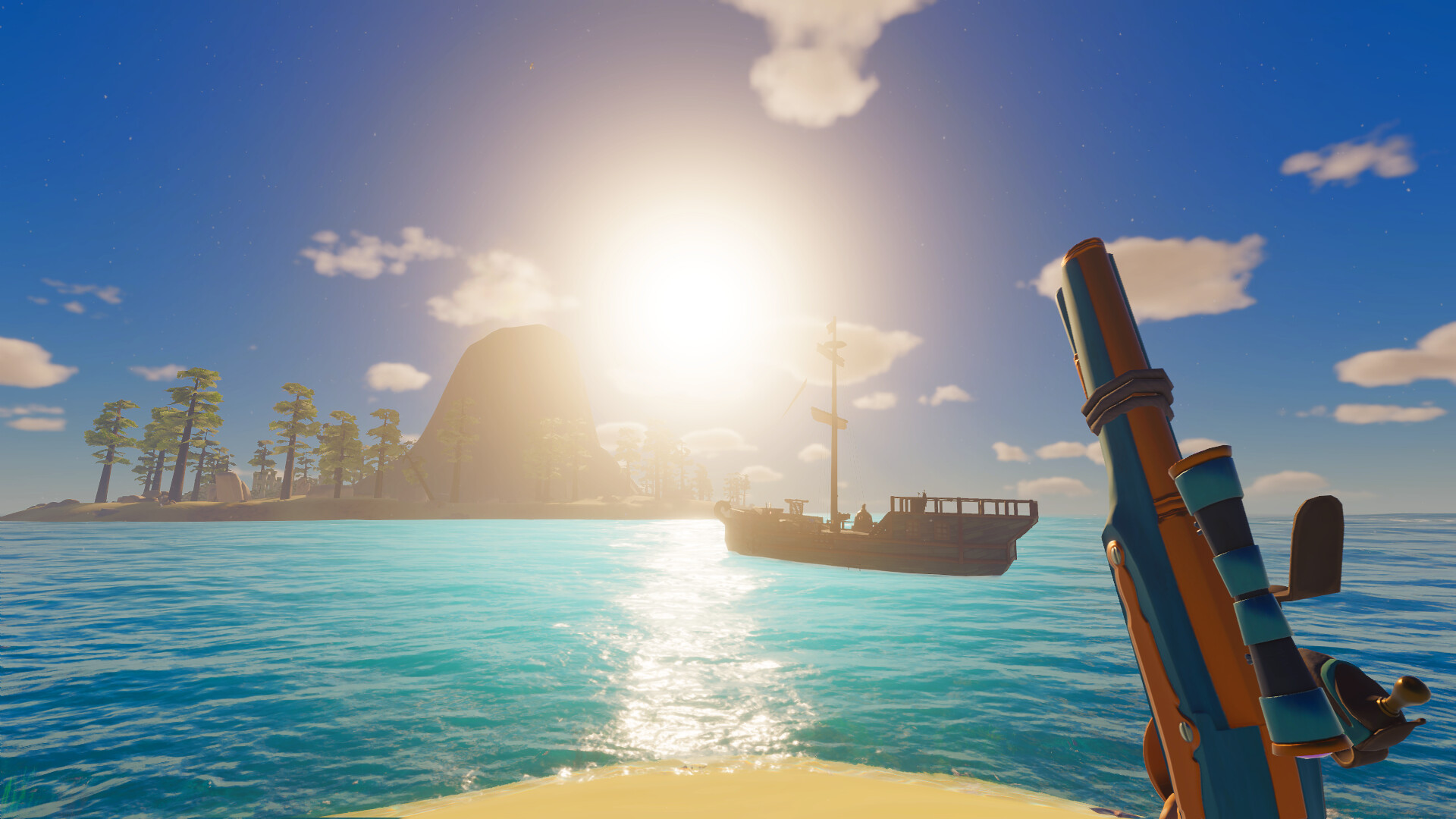
An open-world pirate game, drawing many similarities with Rare’s Sea of Thieves, featuring an infinite procedurally generated open world, heavy RPG elements such as combat, crafting, and leveling up. And a vast amount of exploration to experience with landscapes. Ranging from expansive oceans to quaint islands to mysterious caves. Wanting to know more about titles, I got in touch with LavaBoots Studio’s Will Sterling to learn about what the final game will offer to players compared to games made of the same ilk and get a better idea of what the developers want to achieve with this project upon its Kickstarter release scheduled for March 23rd. Here’s what Will Sterling had to say about Salt 2: Shores of Gold:

Salt 2 1

Of course, Sea of Thieves is cited as the primary Influence behind the Salt series, but were there any other games that inspired its development?

Sea of Thieves was mostly an inspiration in terms of the art style, but not so much for gameplay. We released Salt 1 in 2014, years before Sea of Thieves came out. Our main inspirations in terms of gameplay are open-world games like Skyrim and some old-school MMOs like EverQuest. We wanted to take an open-world exploration experience, put a pirate spin on it, and see what it played like in an infinite procedural world.

What has the developmental process been like for Salt 2?

The development has been fantastic. One of the benefits of having worked on games for almost a decade now is learning how to refine your process and become much more efficient. We took a visual-first approach to develop Salt 2 and put a lot more emphasis on art and visuals than we did in the first game.

How close are we to seeing the finished product?

We’re still a ways off. We plan on releasing Steam Early Access in the Fall of 2021. We currently have a lot of content in the game and most of the core features implemented, but there’s still a lot we need to add and test before we release.

Salt 2 2

What has been the most exciting aspect of developing Salt 2?

I think one of the most exciting aspects has been making a sequel to a popular game. Because of this, you have a community that’s very excited about a new version. And because we are confident this version is leaps and bounds better than the original, it’s a lot of fun to share the development process with the community and see the excitement build.

What has been the most challenging aspect of developing Salt 2?

We are a small development team of only two members. Because of this, anytime you make a big open-world game with lots of moving parts, it can be challenging. I think just trying to make a large-scale game in a small amount of time, with a small team, and with a limited budget is always a challenge.

How well has the game been received so far?

So far, the reception has been exceptionally positive!

Salt 2 3

What platforms are you looking to bring the game to?

The game will launch on Steam Early Access. But we do plan on porting the game to Xbox and PlayStation, pending approval of the platforms.

Are sea shanties planned for inclusion in Salt 2?

Right now, we don’t have any sea shanties recorded. We have recorded about 22 songs for the soundtrack. However, I do think sea shanties are a great idea and might even be a neat way to involve the community in the creation process. So while it’s something that isn’t in the game currently, we aren’t ruling it out.

Have there been any ideas at this stage of development that have since been scrapped or reworked?

I can’t think of anything major that’s been scrapped just yet. This is probably largely because the game is a sequel. So we already have a pretty good idea of what went right and what went wrong with the first one.

Salt 2 4

How instrumental has fan feedback for the first game been in terms of the sequel’s development?

Very instrumental. We’ve tried to look at the first game and take note of what was popular and what wasn’t. With Salt 2, we’re focusing on doing more of what was good in Salt 1 and adding new features that we think players will enjoy.

If you had the opportunity to develop a game with any company or for any franchise, which would it be, and why?

I think for me it would have to be an Elder Scrolls title. I’m a huge fan of world-building in development. And I can’t think of any more fun world to be a part of than the Elder Scrolls franchise.

What have been the biggest lessons learned from the development of the original Salt?

I would say mostly general development lessons. We’ve learned how to prioritize and be much more efficient with our time so we can develop games quickly. We’ve also improved tremendously in terms of art and have realized how important it is to have a good, cohesive art style for your game.

Salt 2 5

Do you have any advice for aspiring developers who may be reading this?

My biggest piece of advice would be to limit your development scope and release something. Don’t be afraid to put something out there, even if it isn’t any good. Going through the process of releasing a game, getting feedback, and improving for the next game will teach you so much more than sitting on a game for years, trying to make it perfect.

Where on the Internet can people find you?

You can visit our website at https://www.saltthegame.com/

Do you have anything else to add?

Our Kickstarter is launching on March 23rd, 2021. So if anyone is interested in supporting us during development, that is a great way to do so. Also, stop by our Discord and ask us questions sometimes!

https://discord.com/channels/327559694879293441/327559694879293441

Salt 2 6

Lastly, I’d like to thank Will for taking the time out of developing the game to talk to me, as well as to wish him and the rest of LavaBoots Studio the best of luck with its development and the Kickstarter campaign. If anyone is interested in checking this game out or funding the project, the page will be live as of March 23rd via the link below:

https://www.kickstarter.com/projects/1392020915/salt-2-shores-of-gold

In the meantime, I’d also like to thank everyone who took the time out to read our Q&A, and I hope you guys are looking forward to the release of Salt 2: Shores of Gold as I am.

Game on,

Scouse Gamer 88

Chip N’ Dale: Rescue Rangers 2 (NES)

Chip N Dale 2

Developer(s) – Capcom

Publisher(s) –  Capcom

Producer(s) – Tokoru Fujiwara

PEGI – N/A (Suitable for all ages)

Released very late in the shelf life of the NES back in 1993, Chip N’ Dale Rescue Rangers 2 received favorable reviews upon release and was later released as part of the Disney Saturday Morning Collection along with the original game, Duck Tales, Talespin, and Darkwing Duck. The previous review of this game that caught my eye above all others was the EGM review.

This alluded to what it would’ve been like to see a sequel alternatively released on more current hardware at the time. Such as the Super NES or the Mega Drive. Whilst I believe it to be true that if that had indeed been the case (indeed, it would have sold even better than what it did and would’ve been more capable of standing out), the final game is still a very enjoyable experience. As well as being a more than worthy sequel, topping what the original game had to offer. 

Graphics – 9/10

The most notable improvement between the first and second games is undoubtedly the graphics. Everything from the character sprites to the scenery is a lot more detailed than that of the previous game. And there are definitely signs that the developers have done a lot more with the console’s relatively limited colour palette. The conceptual design is also even more diverse than the last. Towards the end of the former, the levels seemed to have similar elements to the previous levels. Whereas the second game doesn’t suffer from that issue at all. The only thing that this game doesn’t have going for it in comparison to its predecessor is that the soundtrack is nowhere near as catchy. 

Gameplay – 8/10

The gameplay pretty much follows the same formula as the first. Though with a few minor tweaks. Gone is the facility to choose between levels, as this game offers a completely linear progression. And players can now stun enemies and grab them in addition to throwing inanimate objects at them. Making it even more reminiscent of Super Mario Bros 2 than the first Chip N’ Dale game. Whilst it may seem a bad thing that the second game has a far more linear progression, it’s actually an improvement. It removes the option of skipping levels in order to progress faster. It forces the player to enjoy the full game for what it is. The most significant improvement in terms of gameplay, however, is that the boss fights are far more elaborate than those of the first game. Requiring a far greater degree of strategy to defeat them. 

Controls – 10/10

As with the previous game, there are no issues with the controls, as the 2D side-scrolling genre had become a staple in gaming at the time. And it seemed harder for developers to get it wrong than to get it right. There are a few tweaks that have been made to the controls, however. Such as the facility to throw objects diagonally. Whereas, in the previous game, they could only be thrown up, left, or right. It was quite impressive for an NES title, since many other games only relied on the up, down, left, and right axes. Whereas games like this attempted to break the trend, it would seem. 

Lifespan – 7/10

Lasting about the standard time of a third-generation side scroller, the game can be completed within an hour. Of course, because the game forces the player to experience every level, unlike in the first, players are forced to spend a standard amount of time on it, however. Instead of potentially skipping levels in order to progress as fast as possible. There were many other side scrollers at the time released on better hardware that was being made to last considerably longer than this. But those playing it at the time, and those looking to try it out, will not be disappointed. 

Storyline – 7/10

The storyline of Chip N’ Dale 2 is also massively improved compared to that of the first game. The story is that Chip and Dale, along with Monterey, Zipper, and Gadget, are on a mission to stop Fat Cat from using an ancient artifact to achieve world domination. It seems generic at first glance, in the basic premise. But what separates this game from the previous, and indeed from several early NES titles, is that there is a notable amount of cutscenes included to tell the story. And far more dialogue than there is in the first game. Breaking another NES trend, players would be reliant on the game’s manual to learn about the majority of the game’s story. But in this game, the developers went above and beyond that to tell it in a more detailed manner in-game. 

Originality – 7/10

Though there were a lot of Super NES and Mega Drive games developed at the time that had already perpetuated a lot of the things that this game did, this game stands out for making these innovations. But on previous-generation hardware. The game, in and of itself, was a very retroactive experience. It showed developers that more could be done with the NES than perhaps they may have thought throughout the mid to late 80s. Certainly in terms of controls and storytelling anyway. In terms of gameplay, whilst there are a few tweaks made, it just about does enough to be kept fresh. 

Happii

Overall, whilst Chip N’ Dale 2 doesn’t hold as much nostalgic value to me personally (indeed, the first Chip N’ Dale was actually the first game I ever played), it is still a much better game than its predecessor. It celebrates the license in a more meaningful way by presenting the story better. And there are significant improvements made in almost every other aspect in addition. 

Score

48/60

8/10 (Very Good)