Tag Archives: Nintendo

Guest Article: The Full Sync Network

For today’s article, and for the first time in a long time, I have a guest blogger on to express his opinions on the current landscape of gaming and his predictions on where it may go amidst the newly ushered in ninth generation of the medium. Josh Maddox of the FULL SYNC Network and I had recently been in contact in regards to the subject and offered to have his say on the blog on the new generation of gaming as well on the most recent releases, including Monster Hunter Rise, Resident Evil: The Village and others. established in 2016, the FULL SYNC Network is a collaboration of gamers around the world specializing in news, reviews, and previews of upcoming games, as well as streaming on their YouTube and Twitch channels of games, hardware reviews, and instruction videos. So without further ado, here’s what Josh Maddox had to say about the future of gaming and the ninth generation:


Despite the latest generation of consoles and graphics cards launching last year, many people are still playing on old hardware due to stock issues. We all thought that may ease up as we entered 2021 but the scalping game is still strong and thousands continue to struggle to get anything. Some have succeeded, myself included with my PS5. But others still check Discord for stock alerts every day then rush over to get into queues for the stock they keep missing out on.

But let’s not dwell on it too much, easy to say since I got what I wanted, and let’s take a look at the future of gaming instead.


Consoles

Less than six months after the PS5 launched, Sony is already looking at upgrading the storage on their consoles and making it more accessible for those that already bagged one to do it as well. I mean, I love my PS5 but there is nowhere near enough storage on it, with less than a terabyte to spare and a chunk of that is for the firmware. But I think this is a record of how quickly a manufacturer has decided to upgrade their console following release.

Xbox hasn’t announced plans yet, but don’t be surprised to see the usual slimline versions coming out in a few year’s time. Hopefully, by then they’ll actually have stock.

I guess, the console everyone is hoping for though is an upgraded Nintendo Switch. Whilst we all love the Switch, it is extremely underutilized. I mean Nintendo is great for innovation and creativity, and they have excellent first-party titles. But what they ooze in that, they lack in a common-sense almost, never truly fulfilling potential. I mean, look at the Switch, so versatile. Can be played docked and handheld. It’s a purpose-built gaming tablet essentially, that is able to be docked and played on the TV.

However, you can’t get Netflix, no internet browser, low internal storage too. I mean, it has the technology in there of an old SmartPhone, newer ones are arguably more powerful than it. And smartphones do everything in life. So the potential is there for the Switch to do the same. Yet Nintendo seems insistent on just doing what they want to do. Which is admirable, but also incredibly stupid. Question is, would an improved Switch have better functionality? Who knows.


PC

When it comes to PC, the future is a strange one. VR was supposed to be the future of PC gaming, but it still hasn’t hit the heights it was expected to. But sales figures for the Oculus Quest 2 look good, and with it being wireless and suitable for smaller spaces, it is likely we may soon see the rise so many predicted. 

In terms of hardware, the newest graphics cards are all released, but as with the latest PlayStation and Xbox releases, there is hardly any stock. Scalpers have been buying it all up, and many who have got the latest GPUs have been using them for mining cryptocurrencies since Bitcoin decided to explode to over $50,000 earlier this year. Which leaves many gamers in a tough position.

Now, they could upgrade to the last-gen cards, because they’re still capable of things like 4K and decent frame rates in games. But the problem is, with the shortage, the costs of older models have skyrocketed. I bought my RX 570 4GB for £80 over a year ago, and I’ve seen the same model going for £140 nearly double what I paid. And now many of the last generation cards are even selling at higher than the retail price of new cards. But, because no one can get them, people are paying stupid money. We don’t actually know when this madness will end.


Games

Who doesn’t love games right? But there are always so many titles to choose from, it can be tough to decide on what to get if you’re on a budget. And with so many games coming out this year, I thought I’d just write a quick list about some upcoming titles we’re excited to see.

  • Outriders – Developed by People Can Fly and published by Square Enix, Outriders is a third-person RPG adventure due to release April 2021.
  • Guilty Gear – A fighting game from Bandai Namco that is very anime-based in style. This was also due out in April 2021 but has since been pushed back to solve issues that cropped up in the latest beta tests.
  • Resident Evil Village – Due out in May, the latest installment to the Resident Evil series looks to be one of the most intriguing and detailed yet. A must-have for horror game fans.
  • Monster Hunter Rise – Following the release of the Monster Hunter movie, the newest addition to the popular game series launches later this month.
  • Back 4 Blood – Back 4 Blood is an upcoming multiplayer survival horror game developed by Turtle Rock Studios and published by Warner Bros. Interactive Entertainment. It has major Left4Dead feels to it, and had incredible feedback after the latest beta tests. This one is due out a little later this year in June.

But it’s not entirely new games that are coming out. There are a whole bunch of remakes and remasters too. Two of the most popular people are looking forward to our Prince of Persia: Sands of Time, and Oddworld: Soulstorm, which is a reimagining of the classic Oddworld: Abe’s Exodus. Still, I seem to be waiting on a remake of my beloved childhood title Croc. I was hoping with the reintroduction of Crash Bandicoot and Spyro that this would follow behind shortly after, but alas, nothing so far.


What are your thoughts?

There you have it, our thoughts on the future of gaming this year. But what do you guys think? Will we see a “Switch Pro” in 2021? Will stock of new consoles and graphics cards ever become more accessible? Is there a game you think we should be checking out not on our list? Or maybe you agree we need a Croc remake and want to start a petition with us? Whatever your thoughts, let us know what you think in the comments below or over on our social media channels.


I’d like to take the opportunity to thank Josh for taking the time out to contribute to the blog in what is truly a fascinating read about the possibilities and the limitations that very well come with the advent of the ninth generation of gaming. If you’d like the check out the various different platforms FULL SYNC operates out of, all links are below:

Main Site – https://fullsync.co.uk/

Facebook – https://www.facebook.com/fullsyncnetwork

Twitch – https://www.twitch.tv/fullsyncgaming

YouTube – https://www.youtube.com/channel/UCvrGKhe7y4gTmgD2pxxBsAA

Twitter – https://twitter.com/fullsyncnetwork

Gamer’s Apparel – https://gamersapparel.co.uk/store/fullsync

Be sure to check out their stuff, but in the meantime, I hope you guys enjoyed reading what Josh had to say, and if the opportunity comes about for me to work with FULL SYNC again, it will be up on my social media pages too.

Game on,

Scouse Gamer 88
Wandersong

Q&A With Greg Lobanov Volume 2

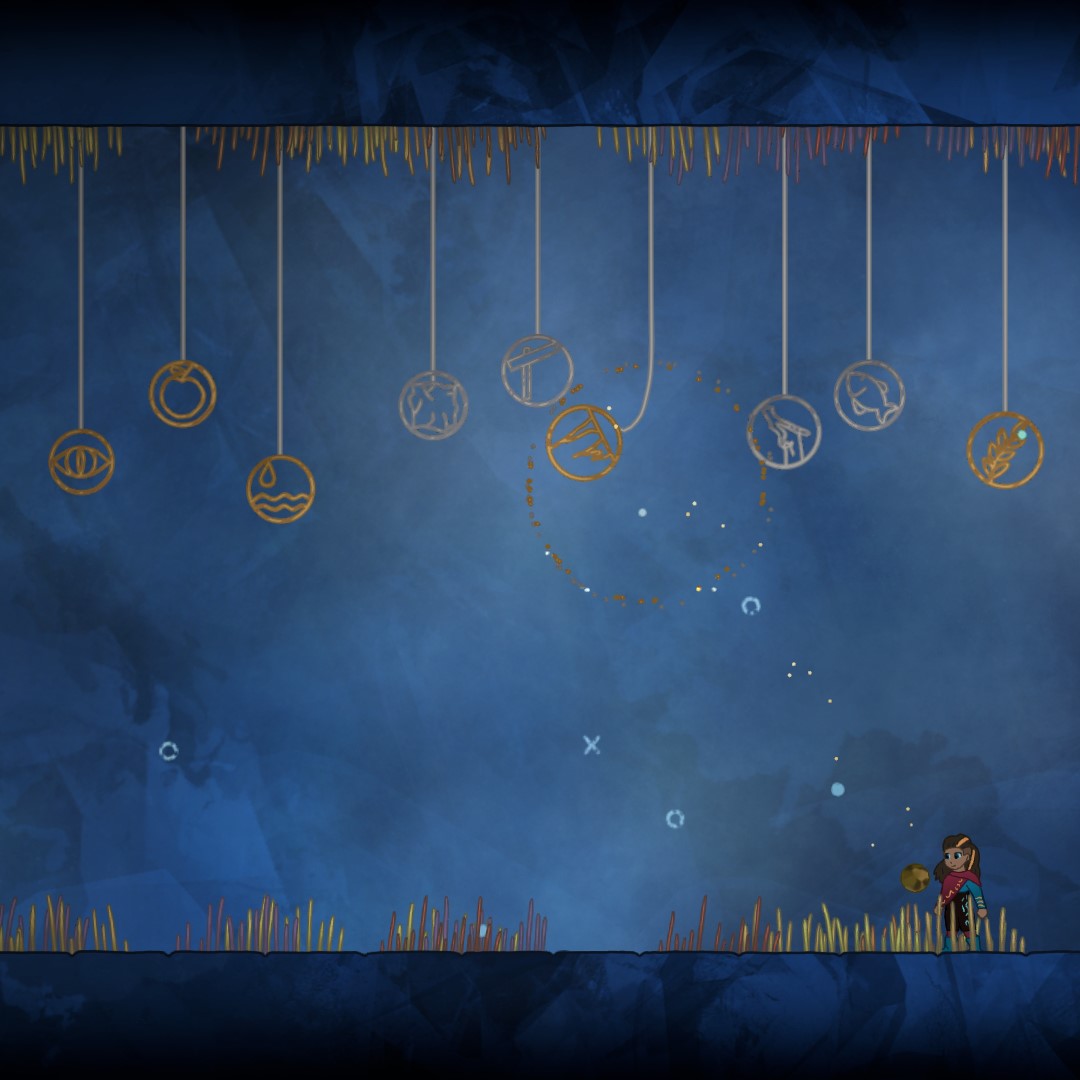
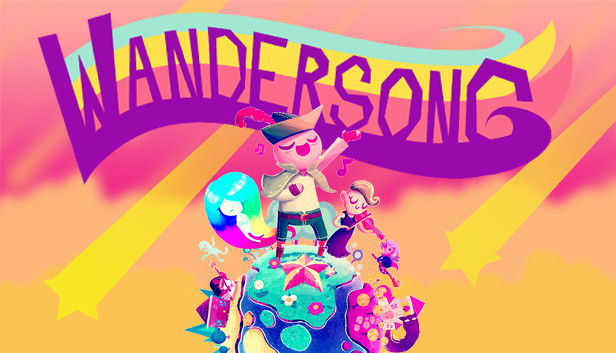
Back in 2016, one of the games I came across on Kickstarter as part of my ongoing efforts to discover new and exciting gaming experiences and bring them even further attention, was Wandersong. Before it was funded, I reached out to the creator, Greg Lobanov, for an interview to ascertain more information about what looked like a truly promising title in the making:

https://scousegamer88.com/2016/07/09/qa-with-greg-lobanov/

And in the end, I was proven right. Ever since the release of the game, it has garnered universal acclaim from a great number of gamers and critics throughout the industry. Including yours truly.

https://scousegamer88.com/2021/01/24/wandersong-pc/

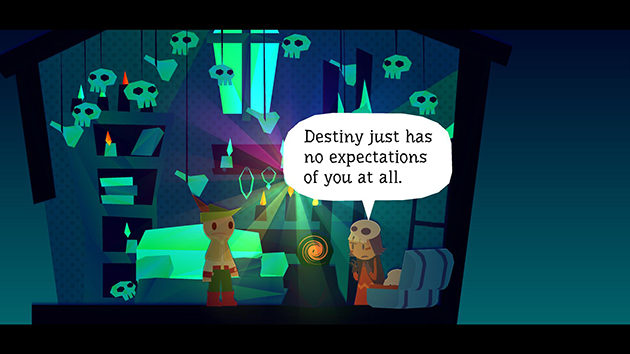
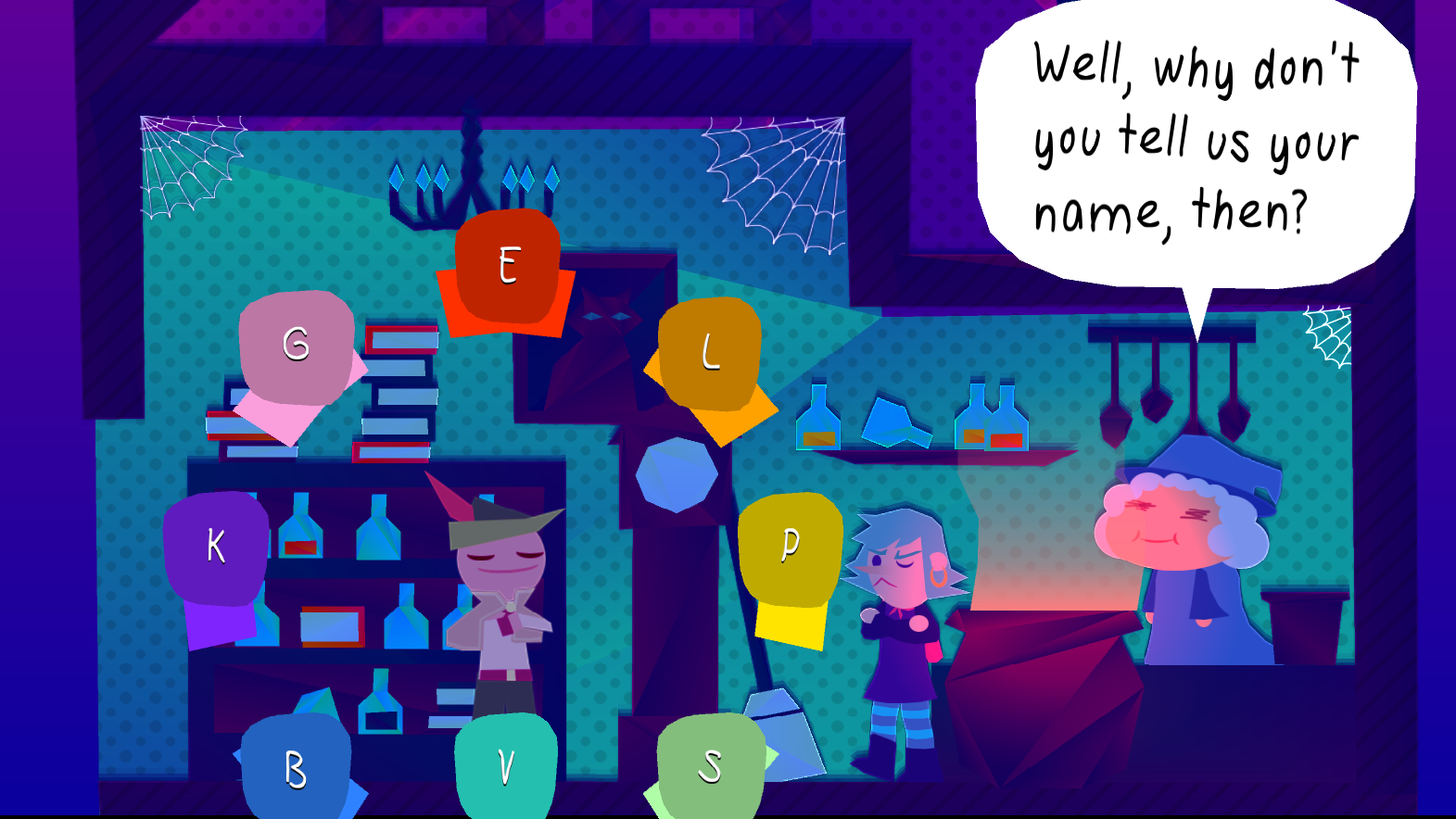
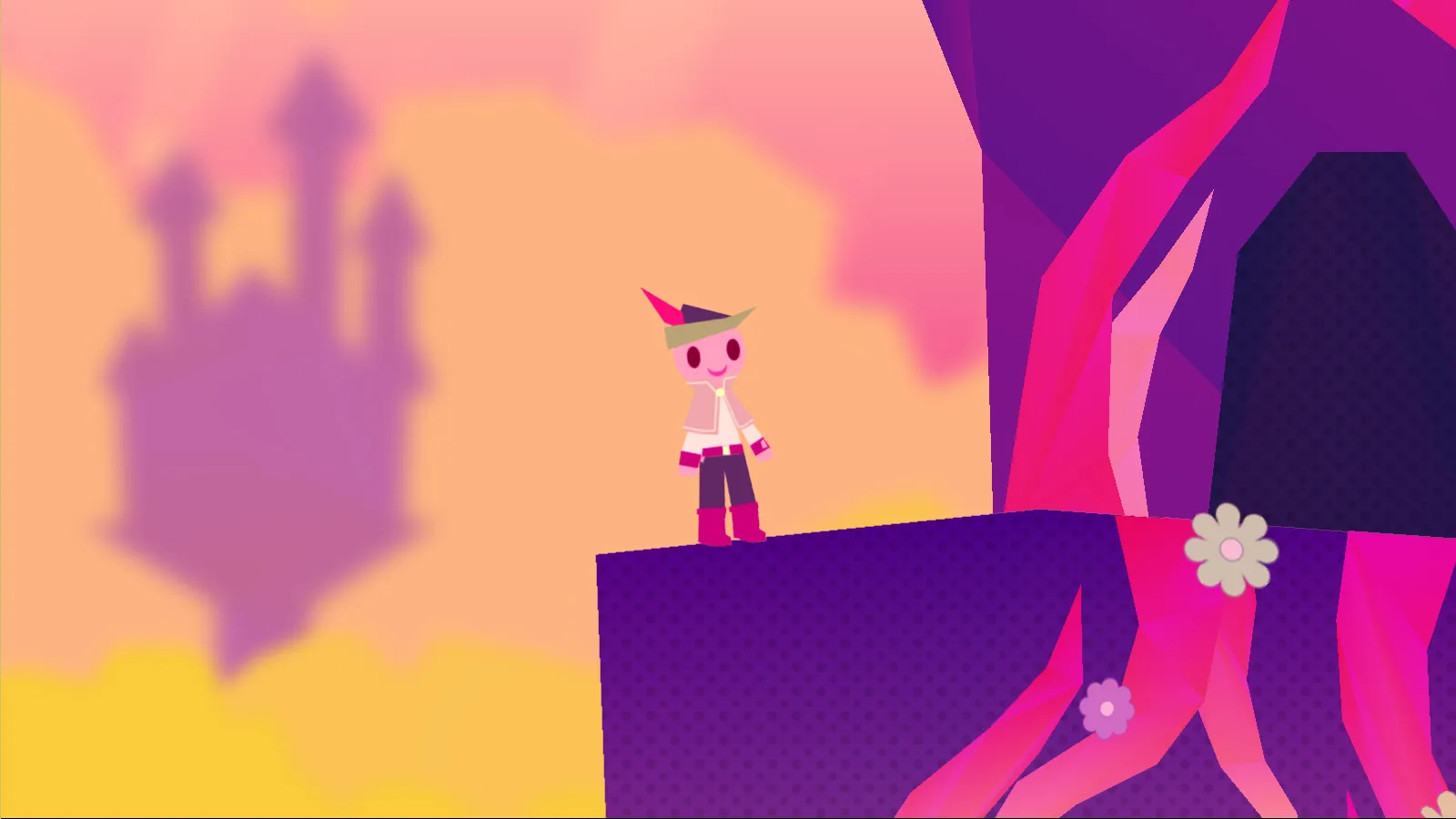
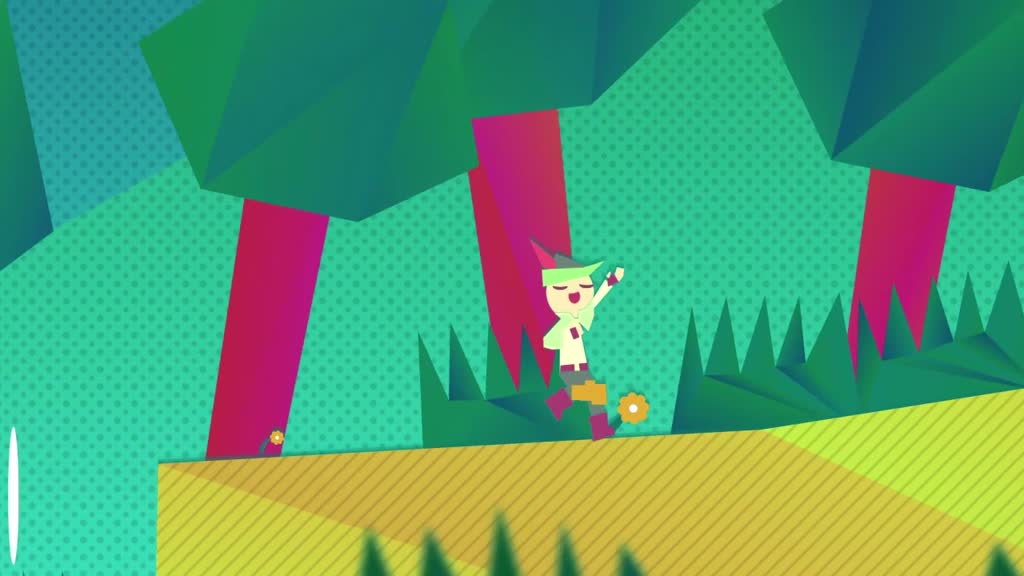
The game has intricate puzzle-solving, an extremely unique approach to combat, and progression. And one of the most beautifully composed soundtracks to come out of the indie development community. Complete with a rollercoaster of a story chock-full of emotional moments of discovery, comedy, and drama. Eager to discover how the experience panned out for the development team on a personal level and what’s next for the people involved in the project, I got back in touch with Greg to find out more information about what more can be expected of this promising young developer and his team in the future. And exactly how the experience of developing this game impacted their lives and his. Here’s what Greg Lobanov had to say about Wandersong, his new upcoming game, Chicory: A Colourful Tale, and his experiences as a developer thus far:

Greg Lobanov 2 2

How satisfied have you and the team been on a personal level to see Wandersong receive the overwhelmingly positive response it has received since its release?

It’s been very satisfying. 🙂 I always said at the outset that all I really wanted was for at least one person to really, really love the game a lot. And we had that happen many times over. It’s very warm to put so much heart into something and see it resonate with people. I’ll be grateful forever that I got to have this experience.

How satisfied have Em and Gordon been with the positive response the game’s soundtrack has received?

Very happy, for sure. Gord uploaded all 100+ tracks to YouTube, and he still sees exuberant YouTube comments come in every day, and it warms his heart. 

You came up with the idea for Wanderson following a cross-country biking trip you took across the US. Were there any particular locations you passed through or people you met that stand out as being more influential than the other?

There were a LOT of tiny pieces borrowed from a lot of places to patch together the diverse cast and world in Wandersong. I’ll mention that I named the first town, Langtree, after a tiny town in Texas called Langtry that only has a dozen people in it in the middle of the desert. I stayed there for a couple of nights through a hailstorm.

Wandersong 2

Of course, Gordon and Em had composed for video games before this. Were there any games that they had worked on that they kept in mind when composing the soundtrack for Wandersong?

Actually, Wandersong was Em’s first game project when she started, although by the time it came out, she had also started and finished working on Night in the Woods. In general, I don’t think games were a key inspiration. Instead, we were looking at different musicians, bands, genres, and instruments to get inspiration for the musical and audio touches.

The last time we spoke, you mentioned the most exciting and challenging aspects of developing the game were the color design and missing audio, respectively. But did any of the most exciting and challenging aspects of development change later on throughout the process?

Oh, yes… I think at the time I was fixated on the immediate concerns. But once I had Em and Gord, audio wasn’t a stress. I think ultimately the biggest challenge was telling a meaningful story. We really wanted the game and everything in it to matter. So we took great care in how we presented things. It’s a lot of careful, thoughtful work to do right.

Wandersong 4

Nintendo titles made up a great deal of the influence behind the game, such as Ocarina of Time and Kirby’s Epic Yarn. If you, Em, and Gordon were allowed to work for Nintendo on one of their series of your choice, which one would it be, and why?

I don’t know about Em and Gord, who aren’t especially big Nintendo fans. But I would really like to work on a Pokémon game. I think it’s a really rich world and game concept that could be explored in a lot of ways that haven’t been touched yet. And I just really love Pokémon.

Apparently, Steven Universe was a major inspiration for the game’s visual style. From one fan of the series to another, what is your favorite Steven Universe song, and why?

“Love Like You” is a pretty special song. I think I’d have to pick that one.

Were there any ideas at this stage of development that had been scrapped or reworked throughout?

A lot of small ideas came and went. I had in my notes for a long time that it would be cool to do a punk show/punk-themed section. And I was curious if there was a way to do something with rap/RnB as well. Neither of those ever found the right spot in the story, though.

Wandersong 1

You abandoned the initial idea early on of making a game about biking when it came to Wandersong. Is that a concept you think you would like to revisit at some point?

Maybe??? There would have to be something more to it for the idea to be interesting to me. There was a new game called “Season” announced recently. That looks kind of like the game I would have made, probably.

If you could choose any video game character to make a cameo appearance in Wandersong, which one would it be, and why?

Well, we put Mr. Oshiro from Celeste and Ima from Ikenfell into Wandersong. Those were my friends’ characters, and we started all our games together when we were roommates, so I thought it would be fun to pay them an homage like that.

What lessons were learned by yourselves as developers throughout the entire process?

I think I refined my game writing skills a lot by sheer force of effort. Em was extremely maximalist and detailed with the sound design. But in her following projects, she learned to tone it down a bit and focus her effort on the most important places. And this game definitely took Gord on a creative adventure. Composing so many songs in so many styles and genres. I think it helped him find the confidence to be creative and try new things at a time. When he was starting to feel like he was falling into a rut.

Wandersong 6

What’s next for Greg, Em & Gordon?

Em and I are finishing our next project, Chicory: A Colorful Tale. Em has also released work on a lot of really cool indie titles since Wandersong came out a couple of years ago. Including Untitled Goose Game and Ikenfell. Gord’s released some OSTs as well, including one for a game called Stela he’s quite proud of. But right now he’s working on his first solo album in many years. And having a great time with it–watch for that in 2021.

Have there been any ideas contemplated to develop a sequel to Wandersong?

Maybe some passing thoughts. But there are a lot of other things I want to do. And I think the story of Wandersong is complete on its own.

What genre of gaming would you like to undertake that you haven’t tried?

That I haven’t tried? Hmm… I’ve tried so many, haha. I’m most interested in taking  ‘creativity’ mechanics and combining those with other genres, the way we did with platforming in Wandersong. I also have some other ideas for things I can’t talk about yet.

Do you have any advice for aspiring developers who may be reading this? 

Try finishing something small so you can get into the practice of finishing things. 🙂 Find your peers and work together and learn from them, not from people like me.

Do you have anything else to add?

Video games are cool.

Wandersong 7

I would like to take this opportunity to thank Greg for taking the time to talk to me again about Wandersong and his own developmental experiences. Wandersong turned out to be every bit as wonderful, enjoyable, and innovative as I suspected it would be, thanks to the successful Kickstarter project, the involvement of Humble Bundle, and, of course, the love and attention that went into crafting this truly immersive and intricate title. And I, on a personal level, also feel proud to have helped in my small part to bring this game to a wider audience earlier on throughout its development. In addition, I’m also very much looking forward to playing Chicory: A Colourful Tale. And I sincerely hope to work with Greg again in the future.

In the meantime, you can check out Greg’s website via the link below to keep up with the development of Chicory. As well as any new gaming ventures of his:

http://greg.style/

And if anyone hasn’t tried Wandersong, I highly recommend that you give this game a go. It’s available to download on several platforms, including Steam, PlayStation 4, Xbox One, and Nintendo Switch. I also sincerely hope you guys enjoyed reading these articles with Greg and me. And for those of you who played Wandersong, that you enjoyed playing it as much as I did.

Game on,

Scouse Gamer 88
Mickey Mania/Mickey’s Wild Adventure (SNES, Mega Drive, Sega CD & PlayStation)

Mickey Mania

Developer(s) – Traveller’s Tales

Publisher(s) – Sony Imagesoft & Walt Disney Computer Software

Designer(s) – Jon Burton, Andy Ingram, Mike Glam & David Jaffe

ELSPA – 3+

Released across two generations on various consoles, and being the developmental debut of Twisted Metal creator and God of War alumni David Jaffe, Mickey Mania was originally envisioned to coincide with Mickey’s 65th anniversary. However, it was pulled back to allow for more development time. What followed was the critical and commercial success of the game. Praised to the extent that it was considered a must-have for any fourth-generation gamer at the time. I feel very much the same, having played it profusely when it first came out. And for any fans of the 2D side-scrolling genre, it has very much stood the test of time. 

Graphics – 8/10

The game is set across several classic Mickey Mouse cartoons from 1928’s Steamboat Willy to that character’s 1990 take on The Prince and the Pauper. And each level in the game captures the feel of the original features flawlessly. It’s one of those games that, as one based on a preexisting license with a predetermined visual style, stands the test of time in terms of graphics because of it. It was also one of the earliest instances I can remember where I was introduced to at least pseudo-3D graphics in a console game. And I remember being blown away by it at the time. 

Gameplay – 8/10

The game is a traditional 2D side scroller, quite typical of the fourth generation of gaming. And typical of what games were resulting from the Disney license at the time. Along with Duck Tales, Aladdin, Toy Story, and others. There is also a light puzzle-solving element in certain levels as well. But it mainly revolves around getting from A to B. There are also a couple of memorable boss fights, including that with The Mad Doctor and Pete’s Prince and the Pauper incarnation. The pseudo-3D gameplay sequences have the player running away from impending danger. This provides a welcome challenge to break up the traditional platforming sequences and keep players firmly on their toes. 

Controls – 10/10

As a standard sides roller perpetuating industry standards set at the time, there are no issues with the controls. The way the control scheme is implemented during the 2.5D sequences is handled quite well in addition. Especially considering that the idea was relatively new at the time. And would’ve taken a certain degree of innovative thinking to effectively manage it. 

Lifespan – 6/10

Just about meeting the standard of Lifespan set at the time, the game can be made to last a maximum of 2 hours. The definitive way to play this game, in every aspect, in addition to lifespan, is through the PlayStation version entitled Mickey’s Wild Adventure. It contains every level designed for the game. As well as a few newly added features, the Super NES and Mega Drive versions were missing certain levels and sequences. 

Storyline – 7/10

The game’s story is simply a retelling of several classic Mickey Mouse cartoons in video game form. Throughout, each level perpetuates elements of what made the original cartoons captivating. It portrays an early example of how video games can be capable of telling a story without the player having to consult the manual. Again, it’s another reason why Mickey’s Wild Adventure is the definitive way to play it, since it also includes voice acting.

Originality – 8/10

In some respects, such as lifespan, the game just about met industry standards. And failed to stand out as a result. But in many other respects, including graphic design and gameplay, it stands out among a plethora of 2D side scrollers that were being released at the time. It almost served as a precursor to what would eventually be released by Sony with the advent of the PlayStation, following the deal between them and Nintendo falling through. It seemed like a particularly historical game in that respect, the more I’ve thought about it since. And it makes me wonder what the landscape of gaming may have been if history had gone another way. 

Happii

In summation, Mickey Mania was a quietly innovative game that has since stood the test of time with the enjoyable experience it provides. It’s a licensed game that surpassed expectations at the time, and I would still highly recommend it be played today. 

Score

49/60

8/10 (Very Good)

Twofold Tales

Q&A With Parhelion Rift

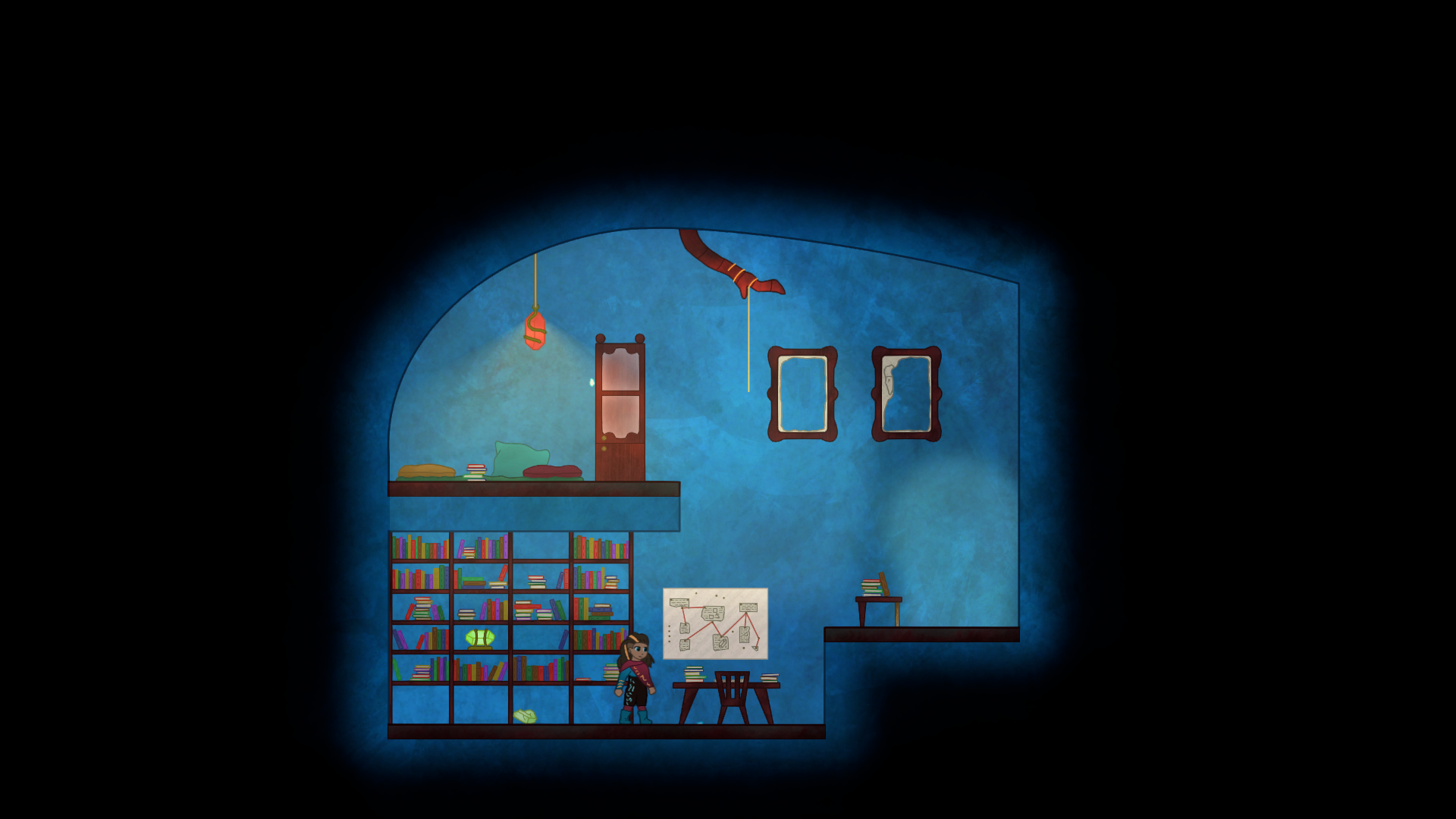
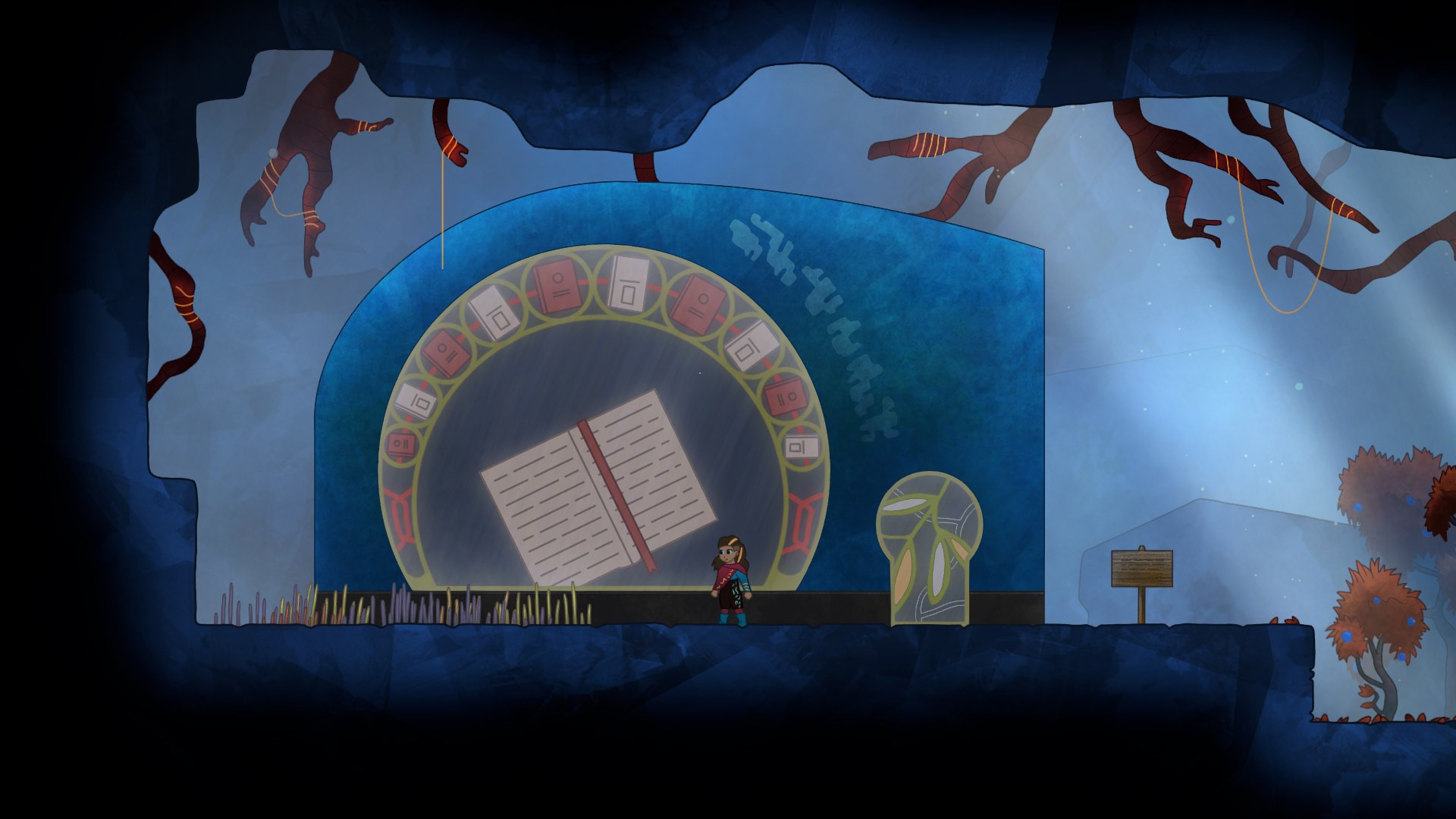
Once again on the lookout for new upcoming games, I came across yet another awesome-looking indie Metroidvania title currently under development. Twofold Tales, developed by indie outfit Parhelion Rift based in Vienna, Austria, is a Metroidvania heavy on combat and exploration. As well as incorporating a strong RPG element in the form of character building and learning new abilities along the way.

The story involves the main character, named Pars, as she embarks on a journey across an entity known as the Iceberg in order to uncover the mysteries that are buried within. With a desire to learn more about the game, I got in touch with Michael and Evelyn, the couple currently working on the game, to ask a few questions I had about it in this early stage of development, to learn more about what can be expected from the finished title. Here’s what Michael and Evelyn had to say about Twofold Tales:

Twofold Tales 1

What were the influences behind Twofold Tales?

Michael: It probably all started when I played The Battle of Olympus on the NES in 1991. From a gameplay perspective, we were mostly influenced by classic 2D Metroid games and Axiom Verge. One of our game-defining skills was inspired by an episode of Rick and Morty, called A Rickle in Time.

Evelyn: Aesthetically, it’s difficult to pinpoint a single source of influence. We love hand-drawn animations like the movies The Secret of Kells, Song of the Sea, and Ghibli movies. But are also very fond of the Art Nouveau art style, like Alphonse Mucha. I think it’s kind of a marriage between both of them meeting on an Arctic island.

What has the developmental process been like?

Evelyn: It has been an interesting and challenging learning process so far, as a developer and as a couple. In the beginning, we were only able to work on our game in the evenings after our day jobs. Also, it’s a learning process in itself how to work together with your partner, especially when you’re living together. And the line between private life and job is blurring. It can be quite daunting sometimes, I have to admit, but on the other hand, it’s the most fantastic thing in the world to be so lucky to create something together with an excellent partner who understands you so well, like no one else.

Michael: Currently, we’re fortunate to have personal savings to sustain ourselves for the near future and to channel our whole energy into developing Twofold Tales and raising our baby daughter. Who was born during the COVID-19 pandemic. Even when there are sometimes tough stretches, we love how liberating it is to have total creative freedom in designing the game we want to make and to be in the driver’s seat.

Twofold Tales 2

How close are we to seeing the finished product?

Michael: We’re still in the middle of the development process, with no fixed date for the final release. A public alpha demo that includes the entire first area is planned for summer 2021. Together with a Kickstarter campaign, we’re really excited to be able to get some additional gameplay feedback and to be able to further improve Twofold Tales.

Evelyn: Most of the underlying systems for the game are finished, the game mechanics are set, and the whole world is playable in development mode. What remains is creating a lot of artwork.

What has been the most exciting aspect of development?

Michael: As with most Metroidvanias, certain parts of the world will be ability-gated. It was exciting to create branching exploration points where, depending on what you discover, different areas open up to you first. And you often can decide where you want to go next. For most of the game, we want to offer a very non-linear experience where players can explore the world very openly and arrive at different points of the game via a different route and with a different set of main upgrades. All areas had to be balanced around the abilities you might or might not have at that point.

Twofold Tales 3

What has been the most challenging aspect of development?

Michael: While Unity generally was good to prototype and develop in, we were quite unhappy with the physics system for certain aspects of the game, for example, for player and enemy movement, especially with high-speed projectiles. We replaced that with a raycasting solution to make this aspect of the game feel more responsive and accurate. The same goes for rope physics. Where the hinge- and distance joints just didn’t look satisfying. So we switched over to Verlet integration.

Evelyn: Also, as we’re only a two-person and three-cat team, there is quite a big workload we have to handle ourselves. Developing, creating graphics and audio. And writing updates for social media. It sometimes feels a bit overwhelming. But it’s also very exciting, and we’ve learned a lot along the way.

How well has the game been received so far?

Evelyn: We only started to release information about the game last month. Awe nd so far, we have received very positive reactions to the aesthetics of our game. It’s exciting and encouraging to see what people think of it. Also, mostly you’re living inside your head when you’re developing a game, and to correct that possible tunnel view, it’s very helpful to get feedback.

Twofold Tales 3

What platforms are you looking to bring the game to?

Evelyn: Our launch platform will be PC, followed by Linux and probably Mac. We would love to port it to the Nintendo Switch. We actually got quite fond of the Switch mockup screens we made for ourselves.

What were the team’s prior developmental experiences before the formation of Parhelion Rift?

Michael: We both studied media informatics, and in fact, this was also when we first met each other. Afterward, we both worked as full-time developers in medium-sized companies. Creating desktop and mobile applications for telecommunication and internet service providers.

Have there been any lessons brought into the development of Two Tales taken from the development of Cats Who Stare At Ghosts?

Evelyn: When we developed Cats Who Stare At Ghosts, we used the libGDX framework for development. It’s fine to do as much as possible yourself. But once you meet a comfortable game engine like Unity that takes over a lot of tasks, you never want to go back.

Twofold Tales 4

As a cat lover myself, I have to ask, will there be cats in Twofold Tales as well?

Michael: There are a lot of secrets hidden in our iceberg, some of them fluffy 😉

Have there been any ideas at this stage of development that have since been scrapped or reworked?

Michael: As we’re more gamers and programmers than artists ourselves, we’ve re-iterated over certain parts of the graphics and animations several times already and will continue to do so.

If you had the opportunity to develop a game with any company or any franchise, which would it be, and why?

Michael: At the moment, I like the freedom of not having to work for another company or being limited by an existing franchise.

Evelyn: I would so love to work on a Zelda title, especially if it follows in the footsteps of Ocarina of Time.

Do you have any advice for aspiring developers who may be reading this?

Michael: Do what you want to do, not what others deem good or what society thinks you should do. This does not mean that you should ignore feedback. Feedback is extremely important and vital during the entire development process, and other people spot flaws way better than you ever could. However, in the end, make it your game, the game that you would love to play. But hasn’t been invented yet – make it for yourself.

Evelyn: Start today! Don’t wait for that big idea, but start with something small and just keep learning.

Where on the Internet can people find you?

You can follow us on social media; we love to share the progress of our game and chat.

Instagram: www.instagram.com/parhelionrift

Twitter: www.twitter.com/parhelionrift

Facebook: www.facebook.com/parhelionrift

There is also our website www.parhelionrift.com

Feel free to get in touch with us! 🙂

Do you have anything else to add?

Thank you very much, ScouseGamer, for the opportunity to give others insights into our game. And a huge thank you to everyone interested in Twofold Tales. Your kind words of encouragement and comments mean the world to us and keep us going.

Twofold Tales 6

I’d also like to thank Michael and Evelyn for their unique insight into what players can expect to see from their game upon release, and also to congratulate the couple on the birth of their baby girl. Twofold Tales holds promise as an extremely standout Metroidvania title with a new and wonderfully cohesive concept. And I’m very much looking forward to what the final game has to offer. In the meantime, anyone wanting to keep up with Michael and Evelyn as development unfolds can do so by following their various social media pages and visiting their website. But I hope you guys enjoyed reading this article as much as I enjoyed working with Michael and Evelyn.

Game on,

Scouse Gamer 88
Dwarf Journey

Q&A With Orube Game Studio

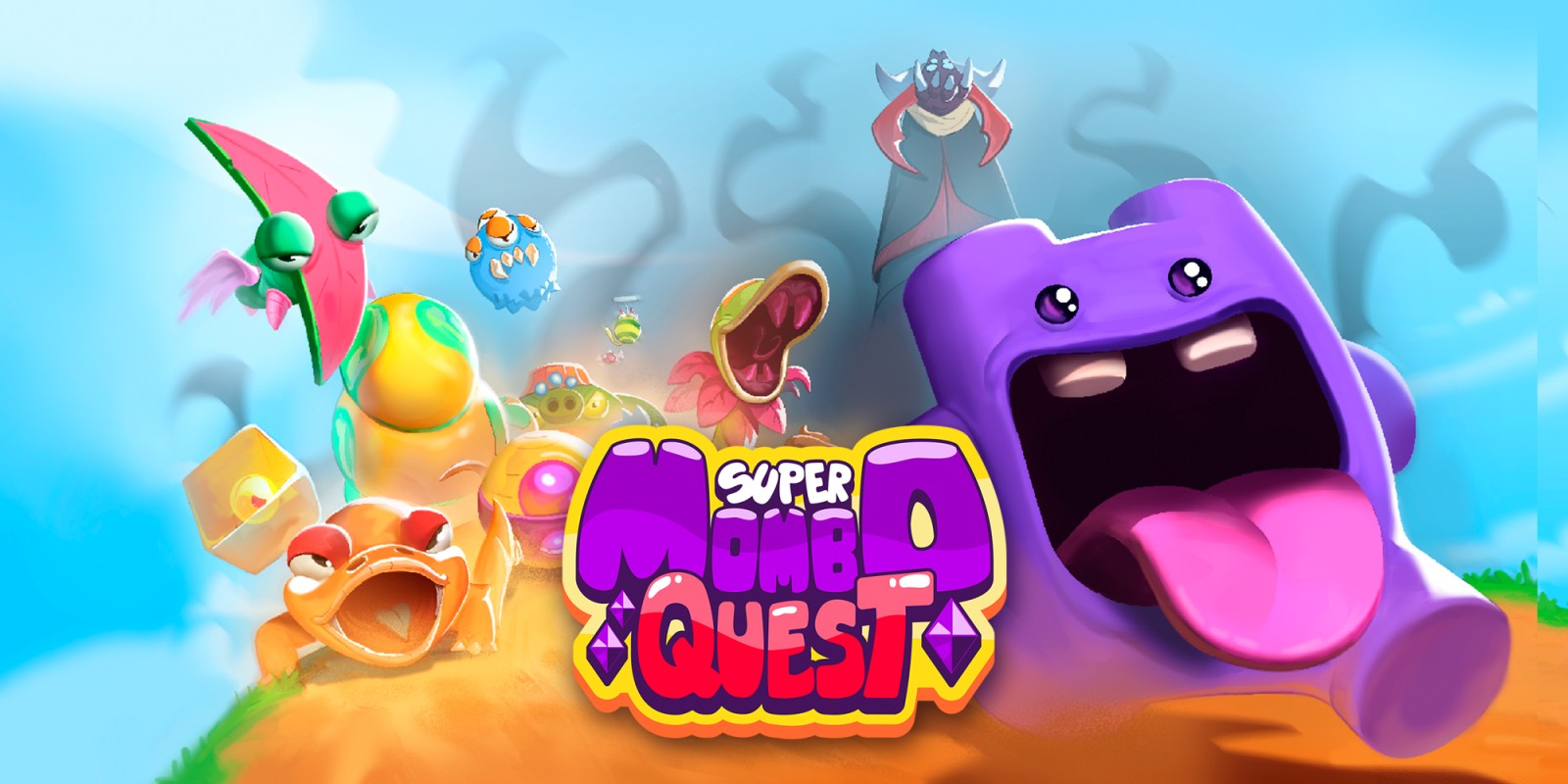
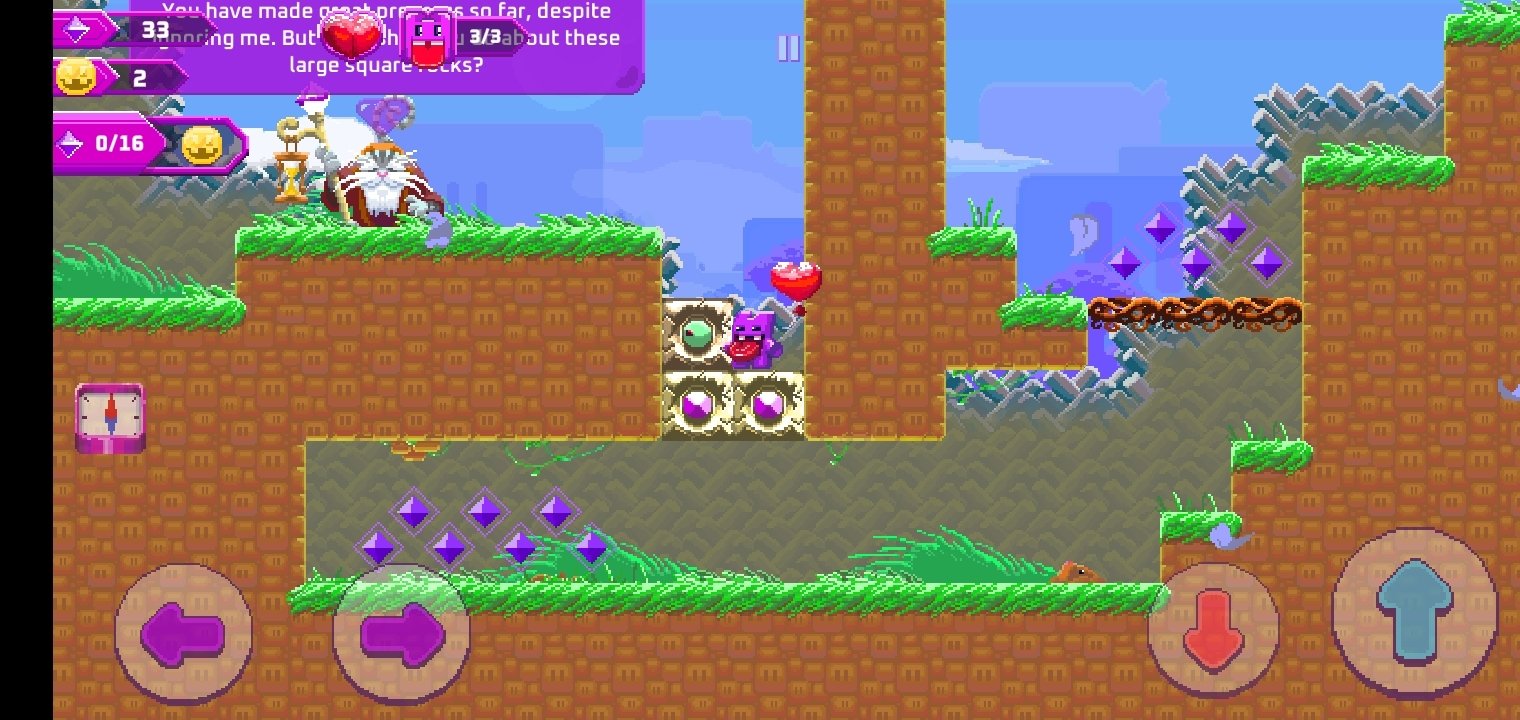
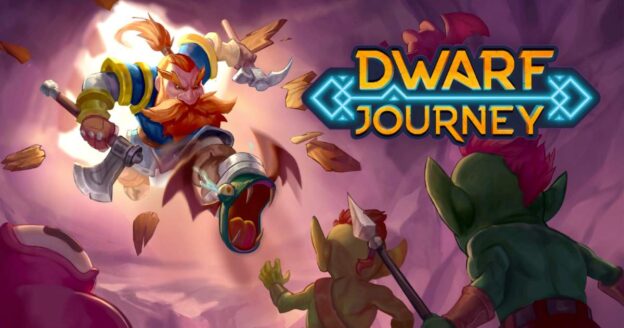
Pursuing a new upcoming video game experience currently under development, another two games that I have had my eye on for a long time are Super Mombo Quest and Dwarf Journey.  Both were developed by Orube Game Studio, based in Rio de Janeiro, Brazil. Super Mombo Quest, in development since 2018, is a colorful Metroidvania inspired by the likes of Super Meat Boy. Heavy on combat that requires players to string together combos reminiscent of classic arcade fighting games, similar to Guacamelee or Dust: An Elysian Tail.

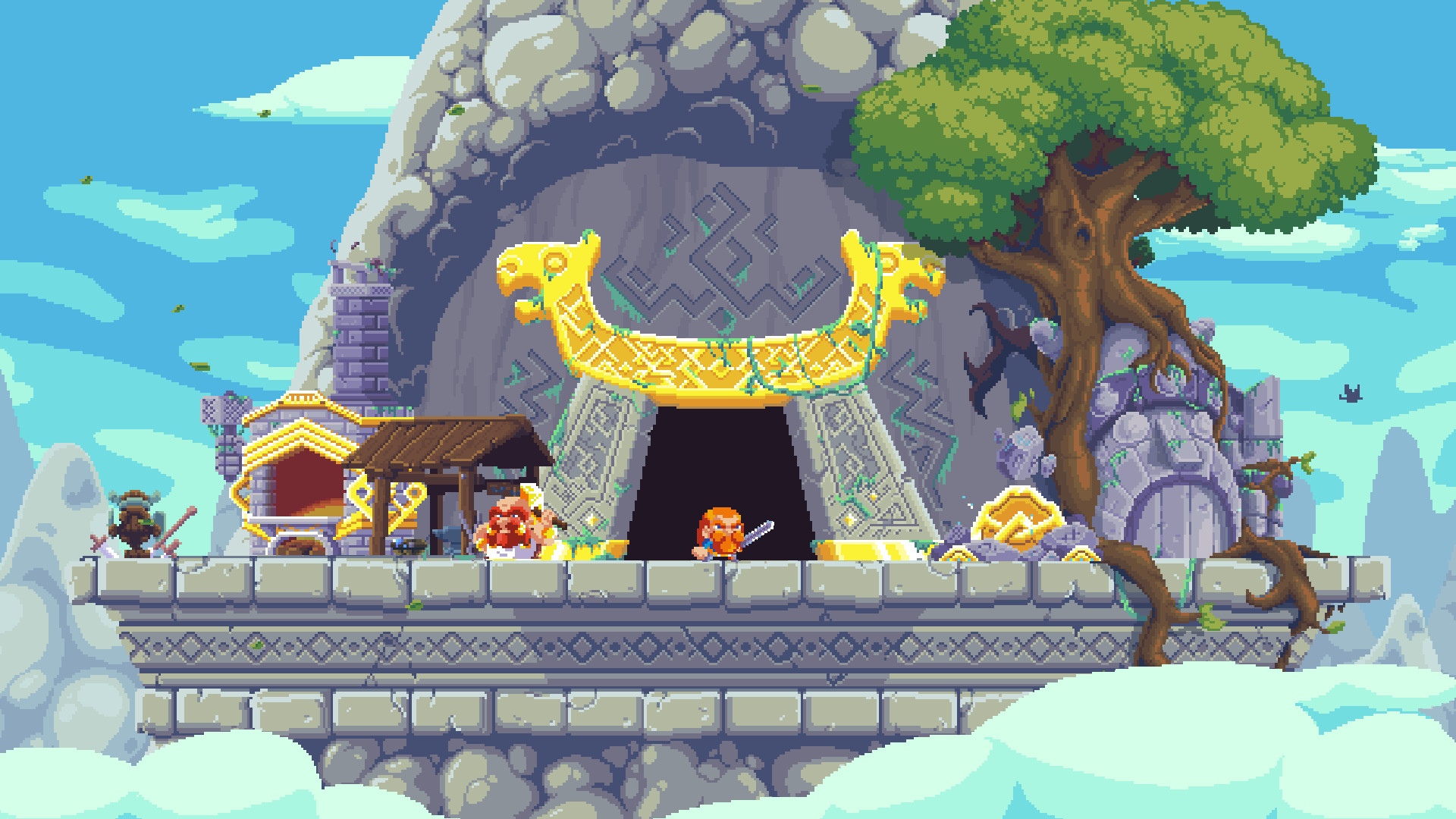
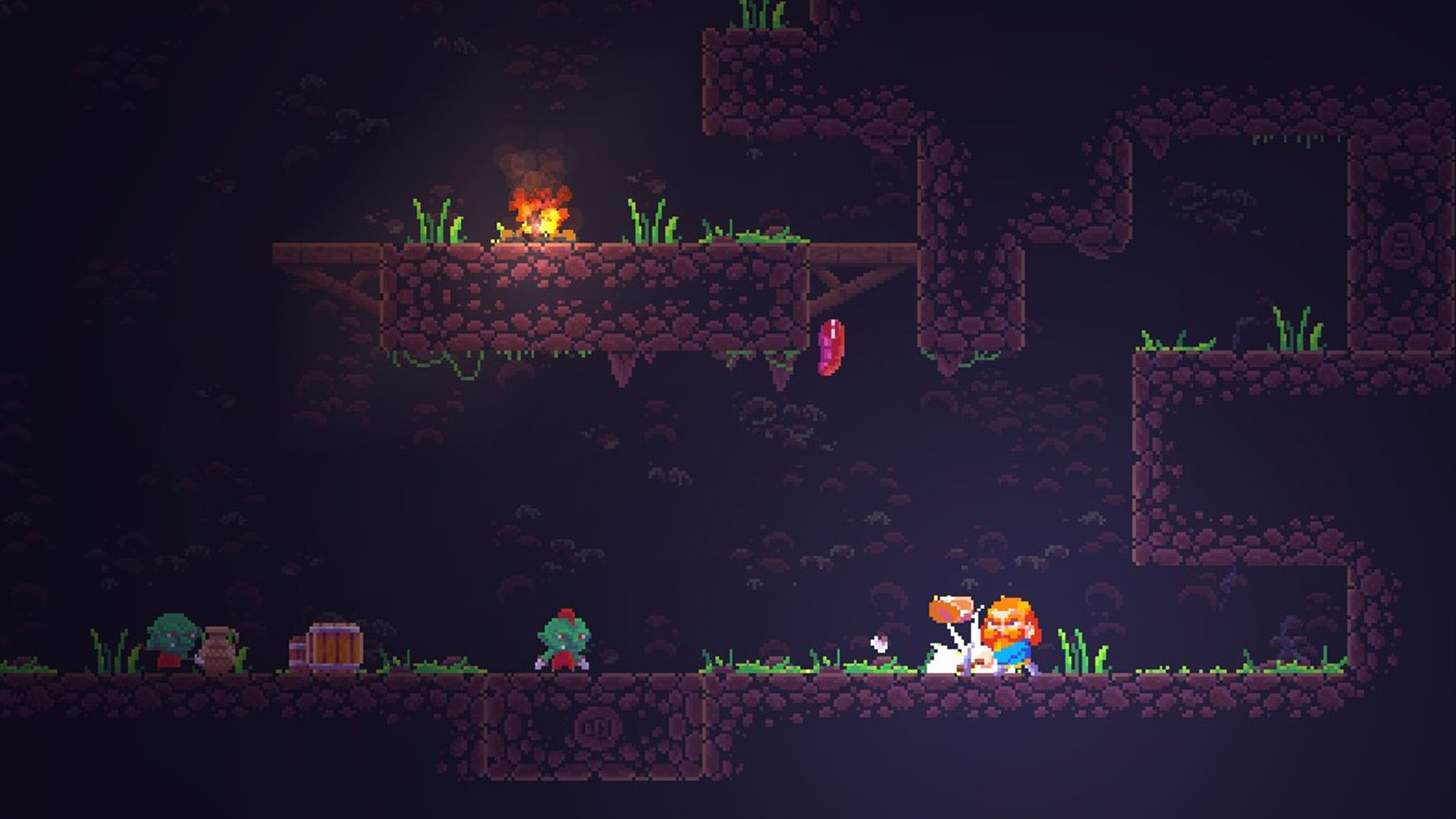
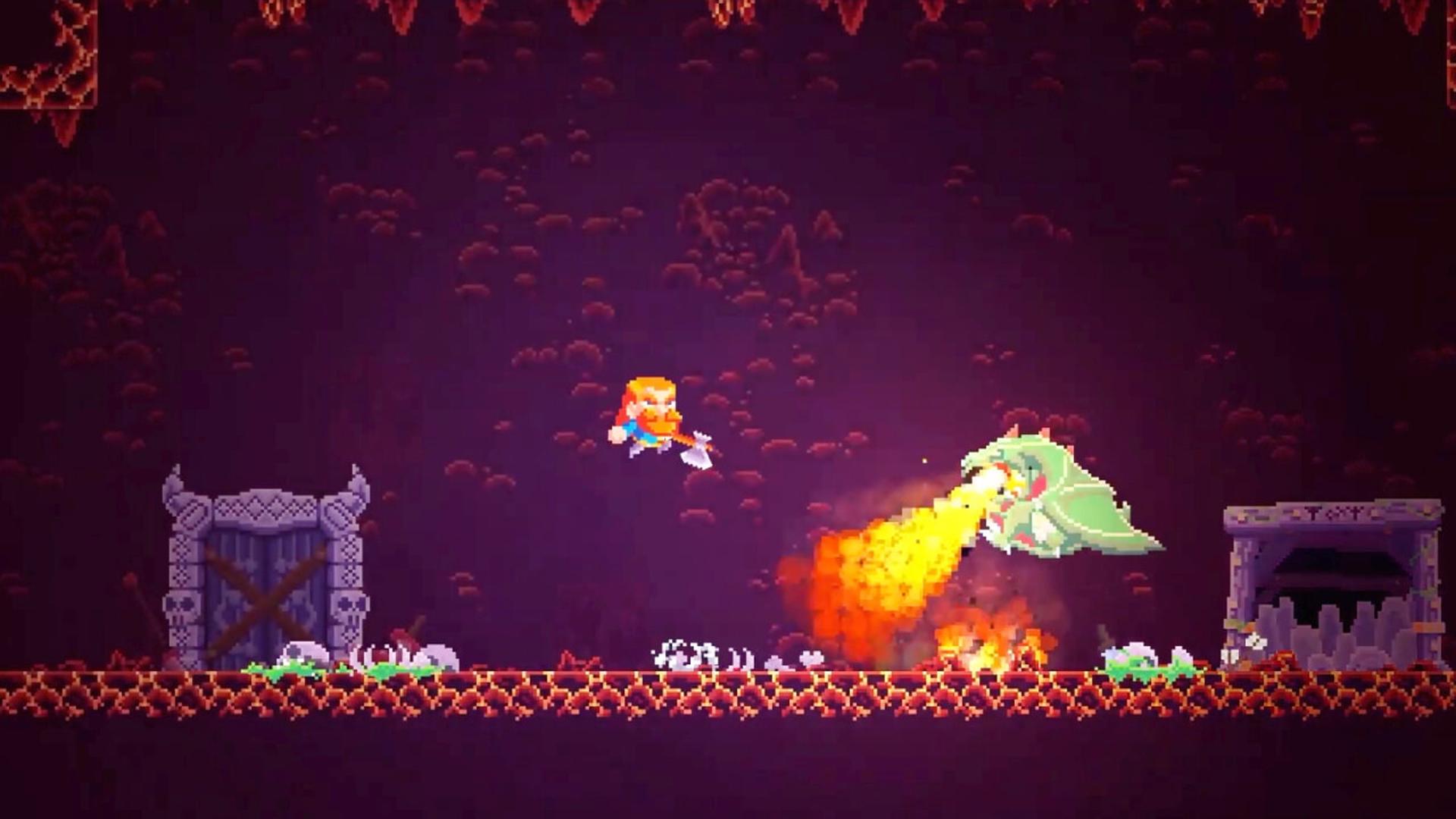
Dwarf Journey, on the other hand, is an action-adventure Roguelite inspired by Norse mythology and incorporates heavy RPG elements. Such as leveling up the player character and collecting materials to forge stronger equipment. With both games set for release in the early part of 2021, I was curious to find out more about these two great-looking games. I got in touch with Orube Studio and their founder, Pedro Savino, to pose a few questions about the games. And what players can come to expect from the final builds. Here’s what Pedro Savino had to say about Super Mombo Quest and Dwarf Journey.

Dwarf Journey 1

What were the influences behind your games?

Our biggest inspiration is to keep in mind that we can bring the playful spirit of games to any type of person, through simple, affordable, and super fun products. As ours are platform games, we have to mention our biggest influences: Super Mario World, Super Meat Boy, Celeste, and Kirby. All of these have incredible mechanics and game feel that were certainly inspiring for our games.

What has the developmental process been like?

It’s been great! We are a team of eight people who work remotely. And we are all passionate about what we do. Always seeking to learn more and grow together.

How close are we to seeing the finished products?

Both games are almost ready to be released. Only a few artistic details are missing. We are already testing the final versions with people from our Discord server to make everything the best experience possible.

Dwarf Journey 2

What has been the most exciting aspect of developing both games?

The most exciting part is seeing the number of people that we are captivating with our games that haven’t even been released yet. Some people have been accompanying us for a long time. Giving feedback and supporting our work. It is very gratifying to receive this support.

What has been the most challenging aspect of developing both games?

The biggest challenge, I believe, is to manage everything so that all we’ve planned comes out in the best way possible. The challenge in Super Mombo Quest, for example, is making this huge game a reality. The final version will have approximately two hundred and fifty levels. We are producing the biggest game ever made by the company!

How well have both games been received so far?

We were surprised by the number of people who were captivated by our games. At TikTok, for example, we were able to build a community of more than 30k people. And we brought over 1,5k to our Discord server. They are always supporting the development, giving feedback, and testing versions so that everything is fine.

Dwarf Journey 3

What platforms are you looking to bring the games to?

We are looking to bring them to computers (at Steam), Mobiles (Android and iOS), and consoles (such as Nintendo Switch, Xbox, and PlayStation).

Have there been any ideas at this stage of development that have since been scrapped or reworked, where both games are concerned?

Throughout the development process, some things didn’t work, and that needed to be redone. In Super Mombo Quest, for example, we changed the main currency of the game and the mechanics related to it in the middle of development.

Has the studio been mindful of the influx of Metroidvania and rogue-lite titles within the indie scene in order to make this game stand out among the many others?

We produce games that we have had in mind for a long time. The character Mombo, for example, appeared in my graduation work. We developed and learned more about platformers, which today is one of our specialties. But we are always attentive to trends and trying to predict what will be best received by the public.

Dwarf Journey 4

If you had the opportunity to develop a game with any company or any franchise, which would it be, and why?

Aiming high, I believe with Nintendo. It is a company with young-spirited games that inspired me a lot and were part of my youth.

What’s next for Orube Game Studios following the release of Dwarf Journey and Super Mombo Quest?

We still don’t know for sure how the next project will be, but we intend it to be one of the big ones. You will have to follow us on social media to find out!

Are there any other genres of gaming that Orube Game Studios has thought of working on in the future?

We are planning to make a multiplayer RPG. There is nothing right yet, but it’s a wish that we have for the near future.

Dwarf Journey 5

Do you have any advice for aspiring developers who may be reading this?

Currently, Super Mombo Quest has more than two hundred levels, which we consider to be a large scope. However, before producing it, we released several smaller games. The main tip for those who are starting is: to make small and simple games. Understand the process and be very aware of how long it takes to produce a game. A game of scope or complexity greater than the team’s capacity can take a long time to produce. Increasing its cost and reducing the chances of profit. Sometimes it even happens that the project is not launched because there is no budget to complete it, or even that the producers give up on development.

Where on the Internet can people find you?

You can find us on Twitter, TikTok, Facebook, and Instagram @OrubeGameStudio! You can join our Discord server too. Here is our Linktree so you can find us everywhere https://linktr.ee/orubegamestudio.

Do you have anything else to add?

I think that for those who are looking to live from games, it’s important to know that it’s a very competitive market. Currently, it’s difficult to undertake in the area without having accumulated prior knowledge, mainly because of the lack of incentives in the sector in some countries. On the other hand, we have an industry under construction and with a lot of potential. More and more companies are consolidating and creating job opportunities for those looking to work in the environment. The game market is growing and will grow for many years to come. With intelligence, dedication, and a little creativity, it is possible to live from games!

Dwarf Journey 6

I’d like to thank Pedro for taking the time to answer the questions I have, as well as providing a very unique insight into the competition that comes with taking the plunge into indie development. It has indeed become an extremely competitive market over the last few gaming generations, as I have witnessed firsthand, but both Super Mombo Quest and Dwarf Journey look to be strong competitors in the plethora of indie games in their genres, and I wish them the best of luck with them both. I hope you guys enjoyed learning more about these two potentially game-changing titles.

Game on,

Scouse Gamer 88
Sonic Adventure 2 (Dreamcast)

Sonic Adventure 2

Developer(s) – Sonic Team USA

Publisher(s) – Sega

Director(s) – Takashi Lizuka

Producer(s) – Yuji Naka

PEGI – 7

Released to a generally favorable response from critics at the time, Sonic Adventure 2 delivered a much different Gameplay experience from the original Sonic Adventure, with a more linear play progression, and a side quest beloved by many Sonic fans. And the introduction of new characters such as Shadow the Hedgehog and Rouge the Bat. I did spend a great deal of time playing through this game multiple times when I was a kid. But going back into it with an entirely new perspective, I’ve concluded that I prefer the original game for several reasons. 

Graphics – 9/10

The main thing Sonic Adventure 2 improves on its predecessor, however, is the quality of the visuals on the technical level. Some cutscenes are even presented at 60 frames per second, unlike the first. Which was presented entirely at 30 frames per second throughout. From a conceptual standpoint, it’s just as wonderfully varied as the first game was, taking place in vibrant cities, deep jungles, space stations, and even pyramids. As far as graphics go, it was most definitely one of the best-looking games on the Dreamcast. 

Gameplay – 8/10

The gameplay is structured much differently than the original, too. As opposed to having six different overlapping scenarios, there are two scenarios to play between the heroes of the game and the villains, with Sonic, Tails, and Knuckles making up the heroes. And Dr. Robotnik, Shadow the Hedgehog, and Rouge the Bat make up the villains.

The gameplay structure is far less open-ended than the original, with merely two predetermined paths. With the added side quest of Chao raising, which is like raising a farm of Tamagotchis. Some players even think that the Chao raising is the best aspect of the game. But to me, in comparison to the first, it falls below par. The gameplay concept of the original game needed to be expanded in the right way. And the developers didn’t do that, making for a more than decent gameplay experience. But just not the experience it could’ve been. 

Controls – 7.5/10

The control scheme is as varied as in the original game, with both Tails and Robotnik in mobile robots this time around. Differing from how Tails handled it in the first game. But the problem. Being is that Sonic’s control scheme, along with Shadow’s, is the same as what was in the first Sonic Adventure. And as such, it still presents the same problems. If anything, they actually seem more prevalent as there are fewer open locations than there were in the first game. So, although there are positives regarding the controls, there are enough negatives to keep it as lacking in fluency as the first game. 

Lifespan – 4/10

The biggest downgrade compared to the first game, however, is regarding the Lifespan. The first game lasted an underwhelmingly short amount of time, anyway, at 8 hours. But the second game can only be made to last about half that time. Which, for a game in a series as popular as Sonic, is unacceptable. The point of a sequel is to build on the ideas perpetuated by the first in an attempt to create a better game. And having the second last less time than the first is not building on the first in a positive way. 

Storyline – 8/10

One aspect in which there have been improvements made, however, is in the story and the dialogue. The six characters involved are in search of the seven chaos emeralds again. But this time, Dr. Robotnik enlists the help of Shadow the Hedgehog and Rouge the Bat to find the emeralds to activate a weapon capable of destroying planets to ensure his dominance over the world. Although there are serious Star Wars vibes, almost to the point of self-parody in fact, the element that makes this game’s story much more interesting than the last is Shadow. On the surface, he seems no better than the likes of Robotnik. But after slowly learning his backstory, the player can come to empathize, or maybe even sympathize with him, like I ended up doing. 

Originality – 5/10

The game stands out from the original, but in many of the wrong ways. Although the overall experience isn’t bad by any means, it’s just not the game it could’ve been developed into, in my opinion. And it left me wanting so much more than what is offered. It’s an exceptional example of how not to build on a successful game. Giving players a somewhat watered-down experience. In the end, I found myself asking a lot of what-if questions about this game. And to me, it’s always a bad sign when I find myself doing so. Because it’s a clear indication of the game falling short in comparison to what it could’ve been given a little more development time. 

Happii

However, as much as I have criticized this game, Sonic Adventure 2 is still an enjoyable gaming experience with a fair bit to offer for the short time it lasts. Although it’s nowhere near the quality of the game it had the potential to be, it just about does enough to be considered a worthwhile sequel. 

Score

42/60

7/10 (Fair)

Enter the Matrix (PC, PlayStation 2, GameCube & Xbox)

Developer(s) – Shiny Entertainment 

Publisher(s) – Infogrames

Director(s) – The Wachowski Brothers

Designer(s) – David Perry

ELSPA – 15+

Set during the events of the second film, The Matrix Reloaded, and directed by the film’s original directors, Enter The Matrix was released to mixed critical reception. But performed very well commercially at the time. Personally, this is one of those games that, to me, is extremely enjoyable to play. Yet gamers and critics seem to hate it for unjustified reasons. A lot of critics at the time commented that both the game and the film were devalued as a result of the release of the game. But I disagree. I enjoyed the film and the game in equal measure, and I still do.

Graphics – 9/10

On a technical level, the visuals were cutting-edge at the time. And they more than adequately hold up to this day in comparison with any other sixth-generation titles. There is an odd graphical glitch here and there to prevent it from receiving a perfect score for visuals. But they are few and far between. The best port of the game in terms of this would be the Xbox version. In terms of conceptual design, it’s exactly what people who have watched the films can expect. It’s dark and gritty. It takes place in many locations that are in the film itself. As well as a few new locations added for good measure. 

Gameplay – 7/10

Enter The Matrix is a third-person action-adventure that’s heavy on hand-to-hand combat as well as gunplay. If I had to compare it to any other game, it would most likely be Max Payne. As it plays out quite similarly to the former. Again, it’s exactly the kind of game that people familiar with the films can come to expect in terms of gameplay as well. Players can instigate slow motion to their advantage, similar to how the film is shot, and they have a variety of different weapons and combat abilities at their disposal throughout. There are also car-chasing sequences whereby players either have to control the car or shoot from the window to fend off enemies. Depending on which character they are playing as. There are two-story arcs to experience within the game. This gives it a fair amount of replay value in addition. 

Controls – 8/10

The biggest issue with the Controls in terms of the targeting system. It’s supposed to work similarly to Ocarina of Time. But as it’s meant to be instigated automatically, it can cause issues with things like hit detection. But otherwise, the control scheme is handled as well as what was needed. I certainly didn’t have as much of a hard time as many other gamers and critics seemed to have. 

Lifespan – 5.5/10

Enter The Matrix can be made to last about 6 and a half hours, which for a linear action game isn’t too bad. If compared to Max Payne in this respect, it falls short, as the former could be made to last around 20 hours. But for those looking to experience this game in full, there is plenty to do to keep things entertaining throughout. It didn’t perpetuate the standards that were met at the time in terms of Lifespan compared to many other games released back then. But it’s not as painfully short as many other games would be in years to come, either. 

Storyline – 8/10

The story takes place during the events of The Matrix Reloaded but is told from the perspective of a member of the ship The Logos, led by Captain Niobe. She, along with her partner Ghost and their operator Sparks, is tasked with various missions in order to help Neo fulfill his destiny. And bring about the end of the war between man and machine. The story is well written to the point that it feels almost like one massive deleted scene from The Matrix Reloaded. Jada Pinkett-Smith gives a solid performance as Niobe, and the plot fits in nicely with the events of the second film. It all ties in to make for what is a very cinematic experience without it feeling too cinematic, like in many other games. 

Originality – 8/10

In terms of uniqueness, it’s exactly what fans of the film come to expect in every respect, but the gameplay, despite the gripes that people may have with it, was enjoyable to a great enough extent and remains so in my opinion. The combat system, though somewhat flawed, was unlike anything I’d seen before playing it. It stands out as a licensed game that was of a decent standard before the general standard of licensed games would be elevated with the release of Batman: Arkham Asylum in 2009, and in my opinion, very unfairly overlooked. 

Happii

Overall, Enter The Matrix is a far better game than what people have given it credit for since its release. Though it has its problems, it’s an enjoyable game that ties in with the films flawlessly. 

Score

45.5/60

7.5/10 (Good)

Ampersat

Q&A With Gaterooze Ink

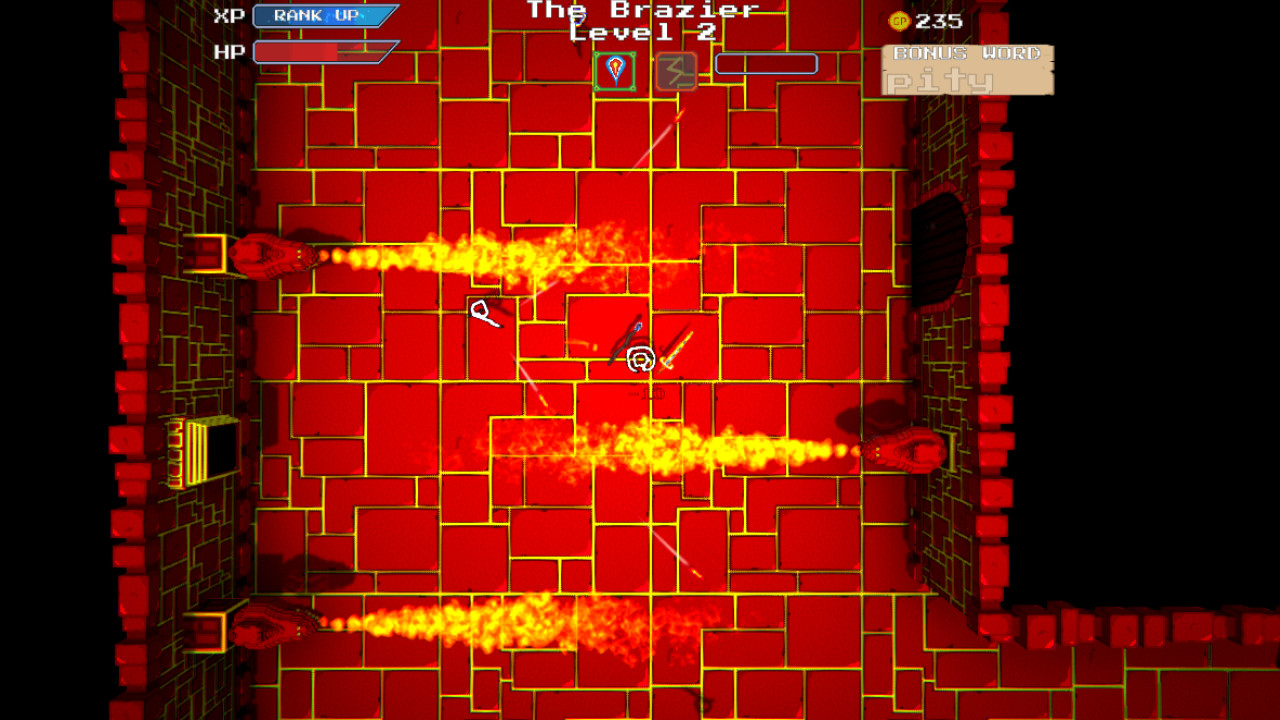
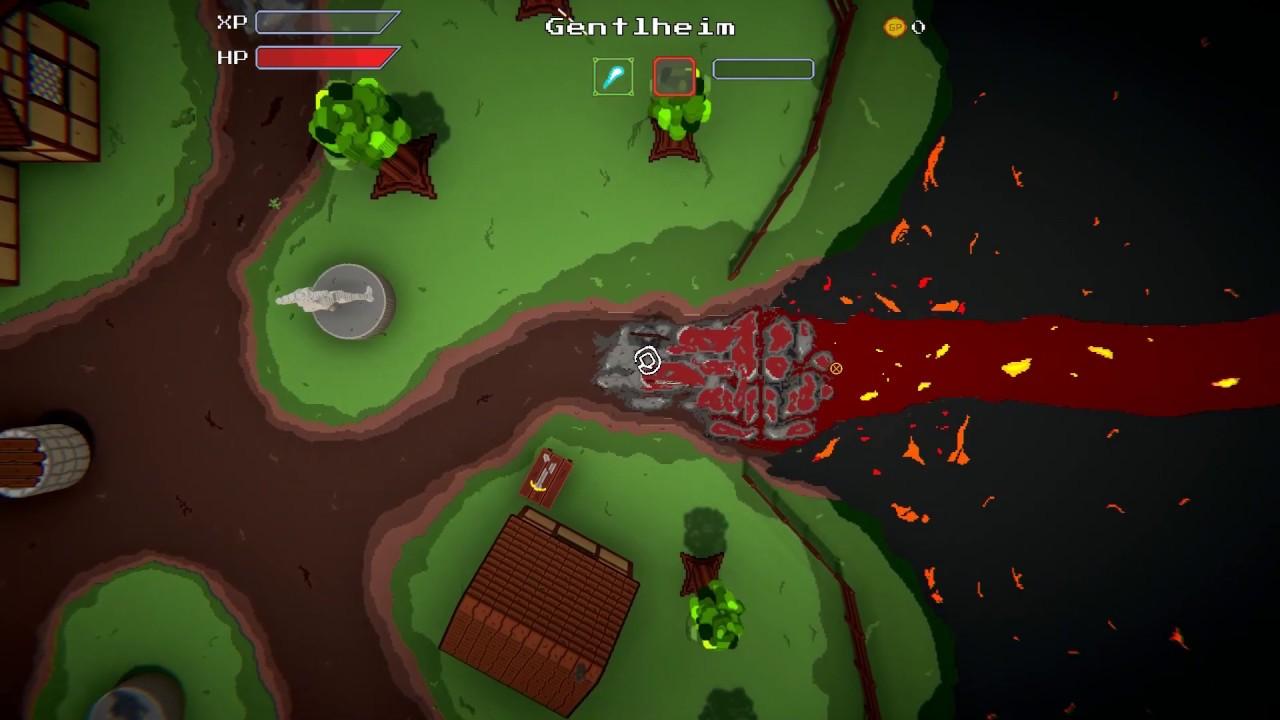
Whilst scouting out for new indie developers over the past few weeks, there’s been one developer working on a particular title in particular that I’d had my eye on for quite some time. Ampers@t, developed by Gaterooze Ink operating from Australia, is a rogue-lite bullet hell RPG, whereby players must guide an anthropomorphic ampersat across a wide array of different environments, along the way solving various puzzles and contending with hordes of enemies in order to progress. The RPG element exists in the ability to upgrade the player’s stats for things such as attack, defense, and critical hit rates to make the player’s character stronger over time. The game was heavily inspired by the likes of old-school Legend of Zelda and arcade classics such as Smash TV.

Wanting to find out even more about this game, I contacted the lead developer, known across the indie community as The Pale Gibbon. And asked him a series of questions relating to the game and what players can expect to see upon the release, past the initial Steam demo. Here’s what The Pale Gibbon of Gaterooze Ink. had to say about Ampers@t:

Ampersat 1

Where exactly did the idea to use an ampersat as the game’s main character come from?

I was a huge fan of the original Rogue games – Nethack, Moria, TOME, and especially Angband – which all used an ampersat for your hero (out of necessity in those days). The original spark of an idea for Ampersat was combining ASCII characters for your avatar and enemies with colorful pixelesque environments in “proper” 3D top-down. I thought the mix would be interesting, and it turned out exactly how I imagined so I’m extremely pleased with that.

What has the developmental process been like?

Incredibly fun! I’m lucky enough to be able to develop full-time, so every day (and I mean EVERY day, for 12-16 hours) I just sat down and worked through the massive list of things in the dev plan. Broke it into workable chunks so that every day I achieved something. Then, overnight, I “dream coded” so that I could hit the ground running the next morning with a bunch of code already written in my head. I have to say, nearly all of the actual development was an absolute joy; I loved creating something every day.

Ampersat 2

How close are we to seeing the finished product?

It’s done! Well, barring anything else coming out of the console QA (like the gamepad UI handling improvements from the first round). And there is always the temptation to keep tweaking the balance, like armor stats or perk attributes. The idea was to have the Steam and console releases be in the same week or so, if possible. So, Steam has been pushed back a bit to accommodate. The demo on Steam now is essentially the final game. But with only 2 (of 50) levels accessible, and the village Well (procedurally generated levels) can’t be unlocked.

What has been the most exciting aspect of development?

I wanted to make every element from scratch – coding, art, music, etc, and I have to say coding was by far the most enjoyable aspect. It combines my “past life” of long-form writing (in the sense of macrostructure and micro succinctness, though coding is far more creative than it seems) with a love of problem-solving and puzzles. I found it very addictive!

Ampersat 3

What has been the most challenging aspect of development?

It’s all the little things that add up. It’s great when you want to make over 200 unique items, but for each one, you need to make a 3D model, pixel art, descriptions, animations, sound effects, particle effects, etc. So the effort just multiplies and can become overwhelming if you don’t compartmentalize.

The UI was also very troublesome as I didn’t architect it properly from the start. Didn’t consider gamepad control fully, didn’t include hooks for localization, didn’t leave enough space for languages that use more words, didn’t accommodate different language fonts, etc, etc. I really should have just scrapped it and started again at some point! It worked out in the end. But it was really much harder than it would have been if I’d done it right from the start.

The most challenging aspect of the project, though, is everything that comes after development. Ugh. Marketing and PR – no thanks. My wife (partner in Gaterooze, Ink) had been handling that. But we were very happy to sign with a publisher ( @GrabTheGames ) to take over!

How well has the game been received so far?

The response has been fantastic so far for such a niche title. Aside from the amazing playtesters, we’ve had a bunch of early players who have really “gotten” the game. It’s unabashedly old-school, and you start with weak-ass weapons, so it can be disconcerting at first. But people can really get sucked into it – a couple has even played for around 40 hours to find everything in the game. Though a normal playthrough would be 6-12 hours, depending on skill.

I think the other challenge for people coming new to the game is that it’s marketed as appealing to fans of Roguelites, but it isn’t actually a Roguelite. The main 50 levels are all handcrafted/designed, with only The Well being procedural. And it’s not about multiple “runs”, it’s a single quest that you gradually make your way through, building up your character, though you can approach areas in any order. And after death, start from any place you’d been before. Once you have that realization, everything “clicks”.

I’ve also been really pleased with tons of positive comments on the art style, appreciating that blend of ASCII and a more defined world. Oh, and similar comments for the Commodore 64 SID chip sound effects mixed with the more real-world music in parts – I wanted to use that same ethos from the graphics in the sonics, and I think that worked too.

Ampersat 4

What had been your prior developmental experiences before founding Gaterooze, Ink?

Before starting development on Ampersat, I’d never actually done any development at all. So I took some crash courses in C# coding in Unity and learned the rest (voxel models, pixel art, music production, etc) along the way.

Before that, we had made design documentation for a studio’s physically-released Xbox 360/PC game. And I’d “managed” some amazing AAA developers on a large, multi-year project. So we were at least familiar with the concepts. That helped, as did being a hardcore gamer since the Atari 2600.

What platforms are you looking to bring the game to?

On Steam, Ampersat has PC, Linux, and Mac versions, and GrabTheGames is porting it to Switch, PlayStation, and Xbox platforms. I saw it running on the Switch handheld the other day – what a thrill!

Has the idea been considered to use other textual characters as a recurring theme in other games you develop in the future?

There’s a sequel in mind for Ampersat that will definitely use ASCII enemies again. Though with another new custom font that will change things up again with some new themes.

Ampersat 5

Have there been any ideas at this stage of development that have since been scrapped or reworked?

I’m glad to say the result has matched the original design documentation very closely! The only element that was scrapped entirely was random weather in the village. With the top-down view, it just didn’t work well and had no actual impact anyway.

I think the main plan that had to be reworked was the music. I was far too ambitious there for someone who’d never played an instrument or written/studied any music before. My original plan was for a completely different musical track for every single level (yeah, 50). But it was just taking so long that it wasn’t feasible. So instead, on top of the intro/epilogue/main menu and such, I focused on a handful of main tunes (village, dungeon, tower, boss) and then switched up the instrumentation to suit the different regions. So the “fire dungeon” uses the same underlying tune as the “ice dungeon”. But instead of icy pianos, bells, violins, and spooky synths, it has a growling organ, power chord guitars, and sharp horns.

That approach worked surprisingly well. And the resulting tunes sound quite different. I also realized the actual level music should be more background/atmospheric anyway, so it all suits.

What do you feel would be next for Gaterooze, Ink, following Ampersat’s release?

I mentioned the sequel earlier, but we also have other games planned, all with a retro/old-school bent but in different genres. Got to keep things interesting! While Ampersat is the first game we’ve done, Gaterooze has been our (my wife and I) creative partnership for twenty years. With projects in various media, as well as lots of contract work for third parties. We’re able to focus on our own stuff now. Though, for example, aside from Ampersat, we recently released a great photography zine (https://bit.ly/3jkn9LY). Some future games may actually be combined with books, graphic novels, etc., to complement them!

Ampersat 6

If you had the opportunity to develop a game with any company or any franchise, which would it be, and why?

Honestly, that doesn’t sound appealing at all. We wouldn’t want to deal with restrictions, external pressure, etc. Life’s too short. Sure, in my fantasies, I’d love to work with Elder Scrolls or Zelda. But I know the reality would not match the fantasy. Don’t get me wrong, if I were young and starting a career, I would be honored to get a job at Bethesda or Nintendo. But we’re very happy having the freedom to do whatever the heck we feel like now 🙂

Do you have any advice for aspiring developers who may be reading this?

Jump in and get cracking! Seriously, just start fiddling around, experimenting, and learning everything you can. Nothing is holding you back. Start with something like Unity or Godot, some free tutorials, and just have fun. Find what you enjoy and what to focus on.

Probably the biggest advice, though, is if you’re taking the indie route, make sure you’re doing it out of passion, not as a way to make money. Because on average, you will make less than flipping burgers, possibly a lot less. Long-term sustainability is hard, and rarer than you think, and financially life-changing hits are far rarer. But if you are developing out of the pure love of it, nothing else matters.

Where on the Internet can people find you?

www.gaterooze.com, however, the best place is probably on Twitter: @gaterooze

Do you have anything else to add?

Thanks for the support, it’s really appreciated! Ampersat is the game I always wanted to play – the action of Gauntlet and Smash TV (in the Tower levels) with RPG depth and real progression. So we’d love to make like-minded people aware that it’s (soon to be) out there.

Ampersat 7

I’d like to thank Gaterooze and The Pale Gibbon for taking the time to talk more about this game. And to wish the team the best of luck with it upon release. Ampersat is one of the most wonderfully outlandish titles I’ve seen in some time, and from what I’ve seen of gameplay, it holds a lot of promise in my opinion. If anyone is interested, you can play the demo on Steam via the link below:

https://store.steampowered.com/app/1356040/Ampersat/

In the meantime, I hope you guys enjoyed this article because I particularly enjoyed putting it together.

Game on,

Scouse Gamer 88
Maximo: Ghosts to Glory (PlayStation 2)

Maximo

Developer(s) – Capcom Digital Studios

Publisher(s) – Capcom 

Designer(s) – David Stiller, Scott Rodgers & William Anderson

Producer(s) – Mark Rodgers

ELSPA – 11+

Originally intended for release on the Nintendo 64 and eventually ported to the PlayStation 2 back in 2002, Maximo was released to huge critical acclaim. Received well by not only the current generation at the time but also by many old-school gamers. As the developers intended. Drawing inspiration from the Ghosts ‘N Goblins franchise, the aim was to bring the classic style of challenging gameplay to the sixth generation. And provide players with a much more stern challenge than what they would’ve been used to at the time.

Personally, though I have a few gripes with the game, especially as I don’t think it’s aged as well as other games on the system, I say as a prerequisite that I spent a lot of time playing this game when it was released. And for good reason. Overall, it’s one of those Capcom franchises that has sadly been neglected in recent generations. Along with Breath of Fire and Viewtiful Joe. 

Graphics – 7/10

The game takes place in a world partly inspired by Ghosts ‘N Goblins. But the inclusion of other, more varied landscapes such as marshes, ice worlds, and even hell itself, makes it do well to stand out from its spiritual predecessor. As well as from many other games of the time. The biggest issue I have with it, however, is that the game was intended originally for release on fifth-generation hardware; it is quite evident that that was the case.

Some of the textures in the game are inconsistent with what players would’ve been used to, even at this relatively early period within the sixth generation. And it makes the game look even more outdated today as a result. The cutscenes throughout do relatively well to try and supplement that, however. And there were other games released on the PlayStation 2, later on, that looked even more outdated than this, including Malice. 

Gameplay – 8/10

The aspect in which this game truly stands out, however, is in the gameplay. A linear 3D action-adventure platformer, it plays out very much like a 3D version of Ghosts ‘N Goblins. With players having to rely on quick wits, revision of enemy attack patterns. And conservation of resources in order to stay alive and grow stronger over time. There is a multitude of abilities to acquire throughout the game. As well as power-ups providing perks such as invisibility and elemental sword augmentations. For a game that emphasizes challenge so much, however, it’s remarkable how easy the boss fights are overall. The only exception to that is the game’s end boss, which can feel incredibly tense throughout. 

Controls – 10/10

Mercifully, there are no issues with the controls in a game that relies on precise platforming and well-timed attacks to get by. It’s actually quite impressive how well-handled they are for a game that perpetuated such a new idea at the time. As if the developers understood what it meant to include the best of the sixth generation. As well as the sense of challenge that came with the best games of this kind during the third and fourth generations. 

Lifespan – 6/10

As a linear game, Maximo can be made to last about 5 hours, which is okay. But not great, even for a game of the time. In a generation where twenty-plus-hour platformers were being developed on the PlayStation 2 like Jak & Daxter and Ratchet & Clank, this game pales in comparison in terms of lifespan. Though you can appreciate that the developers were in a time crunch to get it out as soon as possible, since it had been in development hell to an extent, I couldn’t help but think what kind of a game it would’ve been given more time spent on it. 

Storyline – 7/10

The story of the game is quite basic, with a few distinct elements thrown in for good measure. It involves a knight named Maximo who resolves to free his love interest, Sophia, from the evil King Achille. At the start, Achille kills Maximus, who is, in turn, revived by the Grim Reaper. He delegates to him the task of stopping Achille from raising the dead to build his army. The Grim Reaper is easily the best character in the game, as he provides the most personality out of any other character by a country mile. Similar to how Genie is the best character in Aladdin. There is a nice twist at the end, which will throw players for a loop, as it did to me. But the developers definitely put more stock in the gameplay, as developers should always do in my opinion. 

Originality – 7/10

This game was like a breath of fresh air for many gamers at the time, old and new. It provides a stern challenge for third and fourth-generation veterans alike. It still provides a stern challenge for the most part to this day. It’s certainly a must-have for fans of games made on the same ilk in recent years, like Dark Souls, Cuphead, and others, but it provides a very different kind of challenge in another respect, which, at the time of its release, can be appreciated by gamers of all different generations. 

Happii

In summation, Maximo: Ghosts to Glory is a gaming experience that, whilst it may not hold up in terms of visual quality, definitely holds up in terms of gameplay. I recommend it to any player who may be looking for a new kind of challenge that, whilst stern, is still not entirely inaccessible. 

Score

45/60

7.5/10 (Good)

The Twelve Tales of Chris Seavor Part I: Early Life

Full Article Here – The Full Twelve Tales of Chris Seavor

Disclaimer: This interview contains some strong language. Anyone who is offended by such content is advised against reading this interview.

The fifth generation of gaming is one of the most beloved periods in the medium, with consoles such as the Nintendo 64, the original PlayStation, and the Sega Dreamcast going on to become among the most popular and well-received platforms in the history of video games. However, come the end of the fifth generation, as the transition to the sixth was being made, among the last games published by Nintendo for the Nintendo 64 was Conker’s Bad Fur Day; a game which garnished critical acclaim upon release and has since gone on to become a favorite among fans of the console.

I was lucky enough to have an interview this week with the lead programmer of the game, Chris Seavor. Chris joined Rare back in 1994, where he was tasked with developing for the Killer Instinct series initially; he then went on to not only work on many Rare games on the programming side of things but also voice many characters created by Rare, such as Spinal from Killer Instinct, Gruntilda of Banjo Kazooie and Banjo Tooie, and of course several characters in Conker’s Bad Fur Day, including Conker himself.

After having left Rare in 2011, he most recently established Gory Details Ltd with former Rare collaborator Shawn Pile, and together have developed both Parashoot Stan and a dark adventure game named The Unlikely Legend of Rusty Pup. As of this writing, there is also a new game in development from Gory Details, said to be a twin-stick dungeon-bash title. I had a lot of questions for Chris concerning his early life, his time at Rare, the development of Conker’s Bad Fur Day, as well as the ultimately canceled sequel, and of course, his work at Gory Details Ltd and what gamers can expect from their new project. Here’s our in-depth interview: The Twelve Tales of Chris Seavor:

Where did your passion for video games originate from?

Playing them as a kid… That and board games…. A friend had been bought Dungeons and Dragons for Christmas (the pink edition, which I still have), and he couldn’t understand it, so he gave it to me… It was a revelation. This is where my love of ‘game mechanics’ came from, which then evolved into video games when I had access to a BBC Micro and eventually the eponymous Spectrum 48K.

What games would you play as a child, and how would they go on to influence you as a developer?

Ironically, the first game I ever bought was Knightlore. I got it from a mate for half price. 5 quid I think. My favorite game from childhood, though, is RebelStar Raiders, which was a turn-based squad game where you had to infiltrate a base on the Moon. Still holds up. Obviously, Ultimate games were in there, but also John Ritman’s variants on the genre, like Head Over Heels, which brilliantly introduced a second character to add a cooperative element to the puzzle-solving. Quite groundbreaking. The list is huge, though: Elite, Paradroid, Out of the Shadows, The Hobbit, Lords of Midnight, Bard’s Tale, Chuckie Egg, Monty Mole, etc. Oddly though, I never really liked Manic Miner or Jet Set Willy as I found them too difficult. What a scrub, eh?

What consoles did you own early on?

None. I was at college when the NES, SNES, and Mega Drive came out, so I had little money and was too busy drinking and dossing around on the beach (I was at college in Cornwall for 4 years, then Bournemouth for 1). Games kinda left my life for a long time…… Next device I bought after my C64 was an SNES whilst working at Rare just to play Zelda and DKC, so yeah!

What is your earliest memory of game design?

I would design whole RPG systems for tabletop gaming. My 2 favorite systems were MERPS and Warhammer Fantasy RPG. MERPS for its crazy crit tables (and the lore) and WHRPG for the gothic world-building. Loved them to bits. I stole from both. I also wrote a Fighting Fantasy novel, but only got as far as about 100 entries before losing track. Those things are hecka-complex to write.

Were there any development companies you aspired to work with before you went to work with Rare?

Psygnosis. I didn’t know who Rare were, to be honest… Psygnosis was in Liverpool as well, so I could stay with my parents and save some cash. Lazy fucker, I was. I had an interview with a few, including EA, Psygnosis, and Rare. Not sure what happened with Pysg, but EA eventually offered a job, but I’d already started at Rare and liked it. Mainly because I’d made some friends, and to be honest, that’s always the most stressful part of starting out somewhere new: being alone. The job turned out okay, too 😉

Were there any other careers you attempted to pursue before going into game design and game voice-over work?

Not attempted, but I’d always planned to go into the film industry. My actual skill set was 3D graphics (a career path very much in its infancy in ‘93, unlike now), so film / TV seemed a natural fit. Games I never considered, and in the end just sort of fell into it with a chance conversation with a long-time friend, Ady Smith (Rare, Eidos). Ironically, Ady is teaching game stuff down at my old college in Cornwall now.

What was your upbringing like? Did your parents have any positive or negative reaction to your enjoyment of games, or was there even an element of that during your childhood?

I’d have to say it was pretty negative when I was 13 -15. I always like to remind my Mum of a comment she made once after I spent a whole day playing The Hobbit on the big TV. ‘You’ll never make any money playing games all day…. It’s not a proper job. She’s right about one thing, though… It’s not a ‘proper job’, thank the maker!

Did any facet of your childhood go on to influence you as a developer, similar to how traveling through the forests of Kyoto inspired Shigeru Miyamoto to create The Legend of Zelda?

Not directly. I’ve always loved the cinema experience and would watch every movie I could… I guess that helped in later life. I read a lot of Horror and sci-fi, not so much fantasy, apart from Prof T. The bulk of it back then was, to be blunt: Shit. I read a lot of Fantasy today, though, the grim, dark stuff. It’s so much better nowadays.

What was it like for you to experience the medium of gaming taking off back in the 70s and 80s?

It just was… You don’t really know you’re IN something when it’s happening around you… Like DKC or the N64 period at Rare. It was just a job, and you were hoping your game would sell more than the other Barns did. Only now looking back do you realize the fondness people have for that time, and the games we’d made as a company… It’s kinda weird, as I don’t think of it in those terms.

Was the aspiration to become an actor or voice-over artist from an early age as well, or was that something that manifested later on?

Nope. I’m not a voice actor, I’m a 3d Artist / Game Designer. The voice work was a time saver for practical issues. It seems to be its own thing now in games, with big names getting involved… Fair enough, I suppose, but I think it’s a waste of money. Keanu Reeves is a great guy by all accounts, but he can’t act for shit. Spend the money on some unknowns who need the break instead…
To be honest, I think the influx of big Hollywood names into the games industry is largely down to the egos of the Production Managers, Execs, and Bosses… It’s the only chance these people will ever get to hang out with the Stars!! Also, BAFTA can try and inject their dull game awards ceremony with a bit of glitz and glamour… Game development has little glitz, even less glamour.

And then of course there are Mr. Keighley’s Game Awards… I mean, really? I rest my case, your honor. Here’s the proof it’s a bullshit waste of money. Name me one person who bought Cyberpunk 2077 because Keanu Reeves was in it? You found one?? They’re a fucking liar.

Who were your inspirations where your voice acting was concerned?

Again, no one really. I just did some silly voices based on accents and the range of my voice. Conker’s voice came pretty easily; in fact, I think I just did it instinctively the first time Robin and I were in the studio.

Were there any teachers you had at school who would have a lasting impression on you, where your career was concerned?

Absolutely not, Fuck those idiots.

My teachers tried to tell me that the best years of my life would be my school years, but I disagree with them; my best years have been everything that came afterward. But did you enjoy school when you were a kid?

Absolutely not. Fuck those idiots even more… School was shit. Sadists and morons. I fucking hated it with a vengeance. Imagine trying to encourage 14-year-old lads to enjoy reading, then dumping Jane Austin’s Mansfield Park in their lap. WTF!? Stephen King, Tolkien, Sven Hassel first… THEN Jane Austin, in later life, when you have enough life experience to relish in its satire.

What was the best piece of advice you were given as a child?

That kind of thing only happens in YA fiction… I never paid much attention to adults as a kid. I think I became aware of how flawed they all were at a very young age. The one bit of advice I do remember was from my Nan: ‘Christ lad, don’t get old…’

Rare had been renowned for their sense of humor with hidden jokes and Easter eggs in their games, and Conker was no different. But where did your sense of humor stem from early on?

I wasn’t particularly funny as a kid. In fact, I was and still am almost terminally shy. I still find it stressful to group up with people in games and be expected to have a conversation, even in chat. (except when I’m shouting abuse 😉 I think my humor stems from looking at life’s absurdity and just laughing at it all. People can be so fucking dumb, so finding comedy gold in the actions and words of others is a never-ending resource. I’m a pessimist and a cynic. That’s where my humor comes from, I think….. Plus, I’m a bit weird and apparently lacking intact (although I am usually told this after the fact…)

Part II: Rare