Tag Archives: Video Gaming

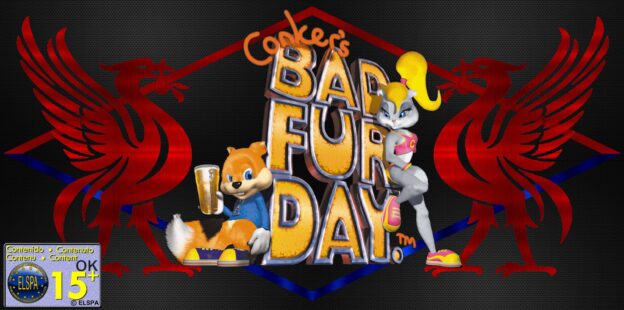
Conker's Bad Fur Day

Conker’s Bad Fur Day (Nintendo 64)

Developer(s) – Rareware

Publisher(s) – Nintendo

Director(s) – Chris Seavor

ELSPA – 15+


One of the last games released for the Nintendo 64 in the lead-up to the launch of the GameCube, Conker’s Bad Fur Day was a game unlike any other published by Nintendo. And unlike any other developed by Rareware. It’s a 3D platformer starring Conker the Squirrel taking from Diddy Kong Racing. Despite its cutesy exterior, it features multiple gameplay elements, cultural references, and adult themes. 

Having interviewed Chris Seavor some time ago:


https://www.scousegamer88.com/2021/01/24/the-full-twelve-tales-of-chris-seavor/


It occurred to me recently that I’ve played through the game, and interviewed the guy who made it, yet I’d never given it an official review before now. I played through this game a lot back in the day, and the experience still very much holds up.


Graphics – 9/10

As a late Nintendo 63 game, it pushed the boundaries of what the console was capable of from a graphical standpoint. But besides this, the game also excels in terms of conceptual design, taking place in a wide variety of locations reminiscent of both previous Rareware games and classic and modern films, such as A Clockwork Orange, Bram Stoker’s Dracula, The Matrix, and Saving Private Ryan. The game places a formerly generic character from a racing game into a rich linear world filled with the quirky cast of characters associated with most Rareware games and varied environments to explore.


Gameplay – 7/10

The gameplay, while linear compared to most other Rareware games on the Nintendo 64, makes up for its lack of an open world with its wide variety in gameplay. Players must solve puzzles, ride vehicles, tame a dinosaur, and fight off enemies using guns, melee weapons, and even toilet paper at one point. Conker embarks on a long and arduous journey. The purpose regularly changes throughout, as do most aspects of gameplay. The variety in boss fight design is also unlike most other games on the system with players having to contend with the likes of a vampire bat squirrel, a robotic bear with a hand puppet, and an opera-singing piece of poo. 


Controls – 10/10

The controls in Conker’s Bad Fur Day also pose no issues. This seems all the more impressive since there are many different ways the players have to use them throughout the game. Keeping the same basic principles of many other 3D platformers that Rareware worked on, but also added more mechanics to the same formula than they ever had done to most other games they released. The only other game Rareware released on the Nintendo 64 that had a similar amount of variety in controls was probably Donkey Kong 64. But the fact that so many different mechanics were crammed into a linear adventure game is arguably even more impressive.


Lifespan – 7/10

The game can take there around 12 hours to beat. That’s nothing compared to a lot of other Rasreware games like Banjo-Kazooie, Banjo-Tooie, and the aforementioned Donkey Kong 64, it was longer than the standard linear adventure game at the time, and I can’t take too much away from it as a result. For the 12 hours it lasts at least, there’s more than plenty to do. And more than plenty to experience with this game. Its linearity doesn’t take away from the experience as much as what I first feared going into it. 


Storyline – 9/10

The story centers around Conker, an alcohol-addicted squirrel who is caught up in an adventure after taking a wrong turn while trying to make his way home after a night of heavy drinking. It sounds simplistic enough, and towards the beginning, it stays relatively simplistic. However, as it progresses, it unfolds into something much deeper and darker in terms of story-telling. Even whilst players are experiencing all the laughs to be had along the way. No one can predict the outcome of this story, and what lessons can be taken from it. And what themes it perpetuates. 


Originality – 8/10

The main reason why Conker’s Bad Fur Day still holds up is how insanely unique it still feels even after the best part of 25 years. No game had ever been released like it, and really, no game like it has been released ever since. Games that have come close include the likes of Kitten Squad and Dust: An Elysian Tail. Chris Seavor’s later game The Unlikely Legend of Rusty Pup can even be compared to it on some level. But this game remains in a class all of its own. And is fully deserving of the cult following it has garnished since.


Happii

Overall, Conker’s Bad Fur Day turned out to be one of the more standout and enjoyable experiences released on the Nintendo 64. Especially during the latter stages of the console’s shelf life. Despite its linearity, there’s plenty to be had to keep players engaged throughout. From its gameplay to its conceptual design to its story. 
Score

50/60

8/10 (Very Good)

Ratchet & Clank Quest for Booty

Ratchet & Clank: Quest for Booty (PlayStation 3)

Developer(s) – Insomniac Games

Publisher(s) – Sony Computer Entertainment 

Programmer(s) – Brant Bassart

PEGI – 7

Released in 2009 as a midquel between the events of Tools of Destruction and A Crack in Time, Ratchet & Clank: Quest for Booty bridges the gap between the two games, explaining the events leading up to what would turn out to be one of the better games in the series. Unfortunately, I cannot say the same about Quest for Booty itself. I ended up walking away from the game after finishing it, bitterly disappointed for several reasons.

Graphics – 7/10

One aspect of the game that didn’t disappoint too much, however, was the quality of the visuals. The technical side of the graphics was, of course, on par with Tools of Destruction, while the conceptual side of it, though kept somewhat fresh with new locations to explore, offered less diversity than that of its predecessor. It focuses mainly on the whole pirates in space motif perpetuated in Tools of Destruction. As a result, while it does make the overall experience feel very recycled compared to what we would eventually get, that was one aspect of Tools of Destruction that appealed to me in particular. And there was an appeal, seeing that element expanded on at the same time.

Gameplay – 7/10

The game also plays out in the typical Ratchet and Clank formula. Plenty of enemies to fight and plenty of platforming involved. Though it is fairly enjoyable to play for the time it lasts, there wasn’t the same level of innovation brought to the combat element of it as there normally is with each new mainline Ratchet &  Clank installment. The weapons used are mainly recycled versions of previous weapons. And while there is the incentive of upgrading weapons present, it doesn’t have the same level of satisfaction attached to it as in other entries, since players will be overpowered in the end anyway. 

Controls – 10/10

The controls in the game are about the only element of it that is truly faultless. Incorporating the same control style as every other main entry in the series, they were refined to perfection long before this installment came about. The only nitpick I have is, again, as with the gameplay, that there are no new mechanics introduced. It’s a letdown considering there always are in these games. But not enough of a letdown. The important thing is that the developers got this aspect right rather than messing around with it too much. 

Lifespan – 2/10

Clocking in at a measly 2 and a half hours, Quest for Booty falls way below the standard lifespan of a typical Ratchet & Clank game. Even below the standard of a typical game in general at that point. The insulting thing was that it was a full-price game when it came out. The developers felt it necessary to explain the events of the series before A Crack in Time. But this should never have been released as a full game. If it were me, I would have just released it as an unlockable in A Crack in Time. That way, it would’ve added even more incentive to play that game rather than insulting players by making them pay full price for a game that frankly wasn’t worth the price at the time. 

Storyline – 4/10

Quest for Booty follows Ratchet and his companion Talwyn Apogee as they set out to find Clank, who was mysteriously abducted at the end of Tools of Destruction by the alien race known as the Zoni. What I found with this installment, again comparing it with its predecessors, was that not only was the comic relief greatly reduced (indeed, my favorite character of the series, Captain Qwark, is notably absent), but that there is also far less mystery and suspense than there was in Tools of Destruction. There was little room for either character development or expansion outside the basic plot that might make players think why they even bothered releasing it. Especially when the events are even explained in the prologue of A Crack in Time anyway. 

Originality – 5/10

The unique aspect of this game is the conceptual design that has been expanded upon. But otherwise, there’s not much else this game has going for it to make it stand out from any other main entry in the series. As I’ve alluded to a few times, the whole experience feels particularly recycled. And as a result, it comes across as a very unnecessary middle step between two great games. When comparing it with the Nexus, the midquel between A Crack in Time and Rift Apart, this falls way below the standard of what a midquel should be. 

Angrii

Overall, Ratchet & Clank: Quest for Booty was a huge let-down. And where the main series is concerned, it is at its lowest point. For the most part, the Ratchet & Clank games are unforgettable experiences in their own right. Unfortunately, however, this game is largely forgettable. 

Score

53/60

5.5/10 (Below Average)

Metroid Zero Mission

Metroid: Zero Mission (Game Boy Advance)

Developer(s) – Nintendo R&D1

Publisher(s) – Nintendo

Director(s) – Yoshio Sakamoto

Producer(s) – Takehiro Izushi

PEGI – 7

Released in the latter years of the Game Boy Advance’s shelf life during the height of the franchise’s worldwide popularity, Metroid: Zero Mission is an enhanced remake of the original Metroid that offers improvement in every way. When I reviewed the original Metroid, I went away thinking it was a good game. But not the classic that many other NES fans consider it to be. Zero Mission fixes most issues I had with Metroid. And to me, it is by some distance a superior game.

Graphics – 8.5/10

The remake keeps much of the game’s initial map and enemies, but adds a new coat of paint. Giving players greater detail of the surroundings and intricacies of the planet Zebes and its known locations, such as Norfair, Brinstar, and Tourian. It incorporates a 16-BIT graphical style reminiscent of Super Metroid. As well as other Super NES classics. The game incorporates a mixture of different elements of the series that weren’t seen in the original game. Such as boss fights reminiscent of Super Metroid. The game’s soundtrack has also been composed to have a similar feel to that of the Prime games. Whilst of course not having the same level of uniqueness as the original game when it came out, the remake did give the graphics a welcome re-vamp at the time.

Gameplay – 8.5/10

Undoubtedly, however, the biggest improvement made was the gameplay. Playing out more like a traditional Metroidvania than the original game, Zero Mission includes the typical map system synonymous with the genre. Indeed, any map at all was sorely lacking in the first Metroid. There are also additional power-ups to collect and bosses to fight. As well as exciting new mechanics for classic boss fights. Most notably, Kraid. On top of that, there is also an additional scenario at the end of the game whereby Samus’s ship crashlands, and she is forced to traverse an enemy base without her power suit. With players having to rely on stealth rather than combat for a time. Playing out similar to Metroid Fusion.

Zero Mission switched up the gameplay in ways gamers probably could never have imagined at the time. It’s far more enjoyable to play than the original. But at the time, it keeps the spirit of the original Metroid intact, making for a great experience for both fans and newcomers.

Controls – 9/10

The only concern I had with the controls was that the movement mechanics were a little clunky. Platforming can sometimes be a little awkward at times, as the control detection isn’t the best. Still, the controls overall are a massive improvement on the original game. Where the jump mechanics were even more inconsistent. Another massive improvement, of course, is the ability to aim diagonally, which players can’t do in Metroid. The diagonal movement has been used to improve so many game series over the years. But this is one of the best examples of that, alongside The Legend of Zelda.

Lifespan – 7.5/10

Lasting about double the length of the first Metroid game, it’s another decisive improvement perpetuated. And although it didn’t last anywhere near the standard amount of time that could be made to last even in 2004 (indeed, Castlevania: Symphony of the Night was seven years old by this time, to draw a comparison within the confines of the genre), the game was still expanded on appropriately. Players were given what they could come to expect. And so much more.

Storyline – 7.5/10

Zero Mission is, in principle, a simple retelling of the events of Metroid. A bounty hunter named Samus Aran has been sent by the Galactic Federation to investigate an outbreak of a mysterious alien life form known as Metroids on the planet Zebes. And to take out the Mother Brain. The sinister mechanical leader of the Space Pirates, along with his lieutenants, Ridley and Kraid. 

The game’s basic premise has remained the same. But what makes Zero Mission stand out against its predecessor is the inclusion of cut scenes throughout the events of the game, better conveying the story than before. As well as, of course, the inclusion of the additional scenario at the end of the game, whereby Samus crashlands on the planet Chozoria. And must survive without the aid of her iconic power suit. 

Originality – 7/10

Unlike the original Metroid, which was a revolutionary game for its time, Zero Mission is inevitably far more evolutionary. The new gameplay mechanics do fairly well to break new ground within the confines of the Metroidvania genre. It is a clear example of Nintendo giving fans what they had been craving since the series went on hiatus following the release of Super Metroid (Along with Metroid Fusion and the first two Prime games). But overall, the game is far more than simple fan service. It also serves as a welcome jumping-on point for potential newcomers to the series.

Happii

In summation, Metroid: Zero Mission is mandatory for anyone looking to get themselves immersed in the franchise. There is fan debate about whether the 2D Metroid games outstrip the 3D games. And vice versa. But this is an example of one of the better 2D games in the series. 

Score

48/60

7.5/10 (Very Good)

Beavis and Butt-Head

Beavis and Butt-Head (Genesis/Mega Drive)

Developer(s) – Viacom New Media & Radical Entertainment

Publisher(s) – Viacom New Media

Programmer(s) –  Michael Gyori

ELSPA – 11+ 

Released in the holiday season of 1994 in America and Europe the following year, some years before the series reached its commercial height, Beavis and Butt-Head was ported to several systems, and each of these ports plays out very differently. But by far, the best was the Genesis/Mega Drive version. It was widely panned by critics at the time of its release for similar reasons that the show itself had its fair share of detractors. Because it only caters to a certain audience.  Without a strategy guide, the only people who could truly enjoy it are fans of the show. Regardless of whether you’re a fan or not, it is worth at least one playthrough with the aid of a guide.

Graphics – 7/10

One of the main factors that make this game superior to the other ports is the visuals. There are far more details than the Game Boy version (As is expected), but they’re far more detailed than the Super NES version as well. The characters and settings look far more akin to the show. And even the sound quality is better than the Super NES port. This is especially surprising since that was an advantage the Super NES was known for having over the Mega Drive. I think the reason for this is that the somewhat scratchy sound quality of the Mega Drive fits better with the tableau of the show, which has a heavy focus on rock and metal music.

Gameplay – 6/10

The game is a 2D side scroller with point-and-click elements. The objective is to traverse several locations synonymous with the show, such as Highland High School, Burger World, and the Turbo Mall, and collect missing ticket fragments for a heavy metal concert. As I alluded to earlier, the biggest reason why this game was quite negatively received at the time is that there are things that have to be done in the game that newcomers to the series wouldn’t know to do unless they’d watched the show, as a lot of the game’s objectives are reminiscent of past episodes. 

But as I said, if players consult a strategy guide to find out what it is they have to do, then there is a decent gaming experience to be had out of it. Players can also be made to feel a lot more incentivized by playing through the Mega Drive version. There is a secret ending to unlock by doing additional things in the game.

Controls – 9/10

The only gripe I had with the controls was that it’s a little harder to run while platforming with the size of the Mega Drive controller compared to that of the Super NES controller. But this is only a very minor criticism. Otherwise, the game plays out as well as any other platformer at the time. The consolation is there’s no time limit like there is with other side scrollers. So players can afford to take their time. And they will have to at first to get the best feel for the game. 

Lifespan – 6/10

Clocking in at about the average lifespan for a game at that time, experienced players can beat the game within an hour. Most players will end up playing for longer to get used to how the game plays out and learn what they have to do to progress. So I can’t take too much away from it for not lasting as long as an average Metroidvania, for example, even though the game is more open-ended than other side scrollers. There’s a fair amount for players to do compared to other games of its kind released at the same time. And within the confines of its genre, players can do worse. 

Storyline – 6/10

Another aspect in which each port differs slightly is in the story. In the Mega Drive version, Beavis and Butt-Head buy tickets to see a Gwar concert. After which, they’re destroyed by various means, and they set out to retrieve the ticket pieces and put them back together in time for the concert. It works better if you’re a fan of the show. And a fan of the brand of humour that it perpetuates. A lot of that may be lost on audiences today. Since Beavis and Butt-Head is very much a by-product of its time. And really could only have taken off in the 90’s. 

That being said, I had no idea who Gwar was before playing this, and have since come to enjoy their music a lot. So that was something that I was at least able to take from it. But in addition, its style of humour is something that did cater to me back in the day. So I was at least able to enjoy it for what it is. 

Originality – 6/10

In terms of uniqueness, the game is more evolutionary than revolutionary. It didn’t break new ground at the time. But it did well enough to stand out among other 2D side scrollers and give players something slightly new to try out compared to what they were used to. Again, without the use of a strategy guide, there is a good chance players will lose patience with it. As I did at first. But going back and playing it again, and sticking to it, I did end up enjoying it for what it is.

Niiutral

To summarize, Beavis and Butt-Head is certainly a game that caters to a specific audience. But I don’t think it deserved to get as badly panned as it did back in the day. It was a decent game released at the time, based on a pre-existing license. Back in a time when there was more of a preconception about the quality of licensed games. 

Score

40/60

6.5/10 (Above Average)

Islets

Islets (PC, Switch, Xbox One & Xbox S/X)

Developer(s) – Kyle Thompson

Publisher(s) – Armor Games Inc.

Director(s) – Kyle Thompson

PEGI – 7

Released originally in 2023 on Steam, and later finding its way onto a host of different consoles and platforms, Islets is a Metroidvania game with all the additional gaming tropes associated with the genre. And offering players a deceptively calm experience, but with plenty of action to keep them busy. I went into it with medium expectations of what kind of Metroidvania I thought it was in for. That it would be a lot more run-of-the-mill than what the final product turned out to be. I was pleasantly surprised to find that it’s anything but run-of-the-mill in all aspects.

Graphics – 9/10

Starting with the game’s visuals, strong Studio Ghibli vibes are perpetuated throughout. Making use of colorful and serene environments as well as dark and dangerous ones, thrown in for good measure. Having experienced the boss fights and the game’s grittier locations, I was also reminded a lot of the artwork and animatic style of David Firth. Especially where the last 3 bosses were concerned. The game’s soundtrack at times also reminded me of a lot of Aphex Twin, whose music coincidentally found its way on one or two of David Firth’s animations back in the day. 

The main thing to point out, however, is the nature of the game’s deceptively calm and tranquil feel. The game’s tagline is “a surprisingly wholesome Metroidvania”. But the real surprise is also how tense things can get throughout. The combat in Islets does particularly well to keep players on edge when they aren’t enjoying the serenity in between fights.

Gameplay – 8/10

Speaking of the game’s combat system, the game, for the most part, plays out like a traditional Metroidvania. Players must explore the world around them, fight enemies, and gain new abilities, which grant them access to new areas to explore and new collectibles to find. However, a feature of gameplay new to the genre (at least new to me) was the airship. Players also have an airship with which they can travel around a kind of hub area linking all the others together. For me, it opens up the door for other developers to take inspiration from this and to create new and potentially even better Metroidvanias that have even more areas to explore. I was particularly impressed with this feature and would like to see it implemented more throughout the genre. It also fits nicely into the game’s general plot. 

Controls – 10/10

There are also no issues with the controls, concerning either the traditional Metroidvania segments or the vehicular traveling system. That aspect of Islets, in particular, is handled extremely well, with things such as an upgrade system implemented as well as even vehicular combat. Some of the boss fights fought in the airship make for some of the better boss fights in the game, even perpetuating elements of bullet hell games thrown in like X-Type+ or Platypus.

Lifespan – 5.5/10

Finishing it to 100% took me around 12 hours. This was the only aspect of the game that I found to be somewhat underwhelming. The reason, as I briefly touched on before, is that although the travel system does potentially pave the way for more Metroidvania developers to follow suit, it’s because of that in and of itself that makes Islets seem a lot shorter than it could’ve been. There is also a boss rush and greater difficulties available to run through the main game to add to the lifespan. But although I thoroughly enjoyed the 12 hours I spent on it, I think it’s a shame that it couldn’t have been made to last longer still. 

Storyline – 7/10

The game’s story follows an aspiring adventurer named Iko. He is thrust into the world to later be caught up in a quest to reunite five floating islands. These islands are normally held together with electromagnetic cores. But due to neglect, the cores became dormant, and the islands separated again.

The game’s basic premise is interesting enough. But what makes the story truly memorable is the cast of supporting characters. A lot of them, especially Snoot, provide comic relief. Snoot, in particular, is a character much like Captain Qwark from Ratchet and Clank or Zapp Brannigan from Futurama. A character who talks a big game, but is a lot less competent than he lets on. 

Originality – 8/10

Although for the most part, the game plays out like a traditional Metroidvania, its many charming and wonderful features do make it stand out among the crowd. Namely, in its conceptual design, in its approach to traveling, and in the boss fight designs as well. In principle, it’s very similar to Ori and the Blind Forest and Ori and the Will of the Wisps. But at the same time, it offers gamers a much different experience than the two previous games. And it makes for an impressive experience.

Happii

To me, Islets is another enjoyable Metroidvania title to have been released over the last two gaming generations, and I can’t recommend it enough. There’s something for everyone. From players wanting to experience combat sequences to players wanting to enjoy a peaceful and relaxing adventure.

Score

47.5/60

7.5/10 (Good)

Zapling Bygone (PC)

Zapling Bygone

Developer(s) – 9 Finger Games

Publisher(s) – 9 Finger Games

Director(s) – Stevis Andrea

PEGI – Not Yet Rated (some violence and dark themes)

Released following an immensely successful Kickstarter campaign back in 2021, Zapling Bygone is a Metroidvania programmed by Stevis Andrea with heavy sci-fi elements, along with an extraordinary amount of variety in gameplay. Following my first impressions article and my interview with Stevis in 2021:

https://scousegamer88.com/2021/05/29/zapling-bygone-qa-with-9-finger-gameszapling-bygon/

https://scousegamer88.com/2021/05/10/zapling-bygone-first-impressions/

I had high hopes for this game from the get-go. I have been impressed with its uniquely testing boss fights (even at that early stage of development) and outlandish conceptual design. And after having played the game from start to finish, I was not disappointed with the final game.

Graphics – 9/10

Making use of 8-BIT visuals similar to other indie Metroidvania titles, such as Alwa’s Awakening, Axiom Verge, and Xeodrifter, the world of Zapling Bygone takes place on an alien planet with a particularly dark atmosphere. It reminded me of the original Metroid, but the element of grittiness and suspense is even more pronounced in this title. Every location in the game makes players feel as if danger is just around the corner. And for the most part, it is. 

Gameplay – 8/10

As a traditional Metroidvania, the game has a heavy emphasis on exploration and combat, though the combat system is unique. The player finds relics throughout the game that give them a massive variety of different abilities and combat options that can be combined and used to adapt to different situations and to help them explore more efficiently as well. This system can also be used to strategize in preparation for the good amount of wild boss fights the game throws at the player. Nothing is self-explanatory. Relying heavily on a player’s individual skill to progress. It’s challenging, but not to the point of being inaccessible. 

Controls – 10/10

The game’s controls not only present problems or unnecessary complications. But they also provide a new way of playing a Metroidvania title that I hadn’t truly seen before this, and I was particularly impressed with it. There are a few Metroidvania games that have provided unique control mechanics, such as The Swapper and Blasphemous. And this game falls under the same category.

Lifespan – 5/10

The game, sadly, can be completed to 100% in around 6 hours. Which, for a Metroidvania, falls fairly short in comparison with the likes of the Ori games and Castlevania: Symphony of the Night. However, since this was a solo effort, I can’t fault it too much for that. On the flip side, if Stevis Andrea does decide to make a sequel to this, the ideas perpetuated in the first game could easily be expanded upon for a second game. There is definitely potential for a future franchise of sci-fi Metroidvanias in Zapling Bygone. And given the right amount of time and resources, a sequel could be made to last far longer.

Storyline – 7.5/10

The story of Zapling Bygone has the player in the shoes of an alien hive mind, known as a Zapling. He has been sent to investigate a strange alien planet to find something that can end an intergalactic war with an infectious parasite. The game has a small introductory cutscene. But after that, everything is left for the players to piece together themselves, similar to Metroid Prime. It’s not the first Metroidvania to do this. The likes of Teslagrad and World To The West rely heavily on the backstory to advance the current story. But the dark nature of the game’s backstory will have players particularly engaged.

Originality – 8.5/10

With its unique amount of variety in gameplay, story elements, and wonderfully twisted atmosphere, this game does well to stand out within a genre that has been taking more and more precedence over the last decade. I grow ever more impressed when I can find a Metroidvania that stands out to as much of an extent as this one does. It gives testament to the vast amount of imagination displayed by developers within the indie community. It’s always exciting to see what new upcoming developers have to offer. And this game certainly delivers in terms of excitement. 

Happii

To summarize, Zapling Bygone, though short, is an incredible game for the time it lasts. And certainly worth investing the time in from start to finish. Given that this is Stevis Andrea and 9 Finger Games’ first full release, it is one hell of a first attempt.

Score

48/60

8/10 (Very Good)

Below (PC, PlayStation 4 & Xbox One)

Below

Developer(s) – Capybara Games

Publisher(s) – Capybara Games

Director(s) – Kris Piotrowski

Producer(s) – Nathan Vella

PEGI – 12

Released in 2018 following a lengthy development cycle, and with much hype surrounding it at the time, Below is a roguelike action-adventure game with a top-down perspective set in a mysterious world with hidden secrets. When I first saw trailers for this game, I was quite excited about it myself; for first impressions, it looked like one of those games that players could sink their teeth into for hours on end. Unfortunately, I was disappointed to find out just how minimalistic this game really is, in many respects.

Graphics – 8/10

The one aspect in which Below doesn’t seem minimalistic, however, is the graphics. Though relatively simplistic on the technical level, especially for an eighth-generation game, it more than makes up for this in its conceptual design, soundtrack, and overall atmosphere. The build-ups of tension throughout each area in anticipation of enemies attacking and uncovering traps that cause instant death (or failure to do so) are very well executed. The game can go from weirdly serene to incredibly tense very regularly throughout. And it can put players on edge and keep them on their toes in that respect.

Gameplay – 5/10

The game involves combat, exploration, and crafting to survive. There is a survival mode for the more avant-garde player and an exploration mode for those not looking for the same level of challenge. But whichever mode I played, I found the gameplay to be one of the minimalistic elements of it. Combat is intermittent, regardless of the fact that each room is randomly generated. And in my opinion, there isn’t enough incentive to explore as much of the world as possible, like there is in a lot of open-world games. Or even semi-open-world, adventure games. More definitely could’ve been added to this game. 

Controls – 10/10

The control scheme presents no problems, however. The combat system is easy to get to grips with, and basic things like movement and camera angles also pose no unnecessary complications either. It reminded me a lot of Titan Souls in its basic layout. But it has that little bit more functionality. It’s just a shame the full potential of such functionality wasn’t used with how little there is in the way of gameplay.

Lifespan – 2/10

The lifespan of the game also disappointed me greatly. The game can last an average of around 4 hours. Which, for a game that supposedly encourages exploration, is nothing. It’s most definitely a far shorter game than what I was led to believe it would be after having seen the first trailers and experiencing all the hype surrounding it. 

Storyline – 4/10

The story of Below is even more minimalistic than the gameplay. It follows a warrior of unknown origins having landed via ship on a mysterious island and is left to explore. That’s it. Something abstract happens in the end. But it’s one of those story endings that is supposedly open to interpretation, but because everything is left to the imagination. And there’s no real basis for how to interpret it. Some may say that this, in and of itself, is what may make it a good story. But offering no means of emotional investment of any kind was not the way to go about it. And that’s the case here.

Originality – 6/10

I have to give praise where it’s due, however. The game’s overall atmosphere and conceptual design do make it stand out to a certain extent. There is indeed an element of players wondering exactly what the purpose of the setting was, what it was before the player character arrived, and the backstory behind it all, a lot like Shadow of the Colossus in that respect. But by comparison, Shadow of the Colossus did offer a lot of things for the player to become emotionally invested in; much more so than in this game. 

Angrii

Overall, the experience was bitterly disappointing. And the ending definitely left me thinking not to ever pick this game up again. Producer Nathan Vella described it as a “super video game-y video game.” In all honesty, when even the developers are struggling to give it even a semi-cohesive description, it should be taken as a red flag. 

Score

35/60

5.5/10 (Below Average)

Phantasmagoria (PC, MS-DOS & Sega Saturn)

Phantasmagoria

Developer(s) – Sierra On-Line

Publisher(s) – Sierra On-Line

Director(s) – Peter Maris

Producer(s) – Mark Seibert, J Mark Hood & Roberta Williams 

ESRB – M for Mature

Released in 1995 to resounding commercial success and going on to become Sierra On-Line’s best-selling game overall, Phantasmagoria is a point-and-click adventure horror game. Making use of digitized character sprites, similar to Night Trap. And sold as well as it did despite a mixed reaction from critics at the time. Roberta Williams even went on record to call it the greatest achievement throughout her career. Despite her work on the King’s Quest series, along with her husband, Ken Williams. 

This is a game that had piqued my interest for a long time. And one that I’d wanted to play and review ever since. Given the lasting impression that it’s had on the industry ever since its release. While it’s certainly not a great game (nor even a good one). And I ultimately cite its shock factor as the reason why it sold so well; it does have one or two positive points. And it wasn’t quite as bad as what I was led to believe.

Graphics – 5/10

The first thing that gamers will be drawn to is the game’s graphics. It uses digitally imposed actors and actresses as character sprites. And everything else, including objects and settings, is conventionally rendered to around early sixth-generation quality. So the problems I have with it can be summed up in that last sentence, ostensibly. Because of the disparity between the graphical quality of the character sprites and the settings, it renders the entire thing very hard to either look at or take seriously. Especially nowadays.

Back then, it would have simply looked inconsistent. But now, it looks inconsistent and horribly dated. The conceptual design, like many other things about this game, ranges from average to passable. It is set in an isolated haunted house. There’s not much else I can say about it apart from that, since the haunted house has been the setting for many horror films and games that came before this. And there’s not a great deal that separates this setting from the many others that came before it.

Gameplay – 5/10

Phantasmagoria relies on finding interactive items and solving puzzles in order to progress, typical of most point-and-click adventure titles. The issue is that nowhere near as much thought went into the gameplay as what went into many other great games of the genre, such as Broken Sword and Grim Fandango. And I put this down to the fact that most emphases seemed to go on storytelling and artistic direction. Even though not much went into it in that respect either. The best thing about the gameplay is that sometimes, particularly toward the end, the player is challenged to think on their toes to progress as fast as possible to prevent death. This adds a welcome bit of tension to the experience. 

Controls – 10/10

The game’s controls work just as well as any other point-and-click adventure game. And this is one aspect the developers mercifully got right. The HUD is straightforward to interact with, and nothing is overly complicated.

Lifespan – 5/10

The lifespan of Phantasmagoria can range between 3 and 4 hours, which, as is documented, is far longer than the average lifespan of a film. In truth, this game was mainly marketed. It was nowhere near the average lifespan of a blockbuster game, even for the time. And certainly doesn’t hold up today. A point that I frequently raise whilst writing reviews is that if more depth were added to the gameplay, they could’ve made it last longer than the time it already does, having used up the budget on making it last as long as it does through other means, such as extended scripts and screenplays.

Storyline – 6/10

The story of Phantasmagoria follows mystery novelist Adrienne Delaney and her husband, photographer Don Gordon, as they purchase a remote mansion previously owned by a famous magician known as Carno. Adrienne gradually learns of the mansion’s sadistic past, as she learns of an evil demon that possesses the house’s residents, and drives them insane, making them do evil and twisted things. The story was heavily inspired by the novels of Stephen King down to the main character being a writer, but the quality of storytelling, however, doesn’t even come close to being on the same level as King’s.

Many plot elements are not particularly distinguishable from the stories that it drew inspiration from, and the only thing the plot has going for it is the few shocking moments there are in it (one scene, in particular, going much too far for my liking). In terms of the acting, if looking at this as a film, it again ranges from average to passable. I think the only actor who put in a passable performance was Robert Miano, who played the magician Carno. He definitely brought the right amount of maniacal zeal to the character without overdoing it. Everyone else either overacts or underacts as far as I’m concerned.

Originality – 3/10

As I’ve alluded to several times throughout this review, there is very little going for this game in terms of uniqueness. Its influences are far too evident, and where it does stand out, it stands out for the wrong reasons, including how inconsistent the graphics and the acting are. The developers clearly neglected the gameplay as well, which should’ve been the main focus, and as a consequence of that, it makes it stand out even less.

Angrii

Phantasmagoria, whilst having those few little plus points, is a fairly disappointing experience in my opinion. The areas in which the developers concentrated most were not handled particularly well, and the areas they chose not to concentrate on were handled even more haphazardly, making it ultimately a regrettably bad gaming experience. 

Score

34/60

5.5/10 (Below Average)

Dylan Cuthbert 2

Dylan Cuthbert: From X to Q

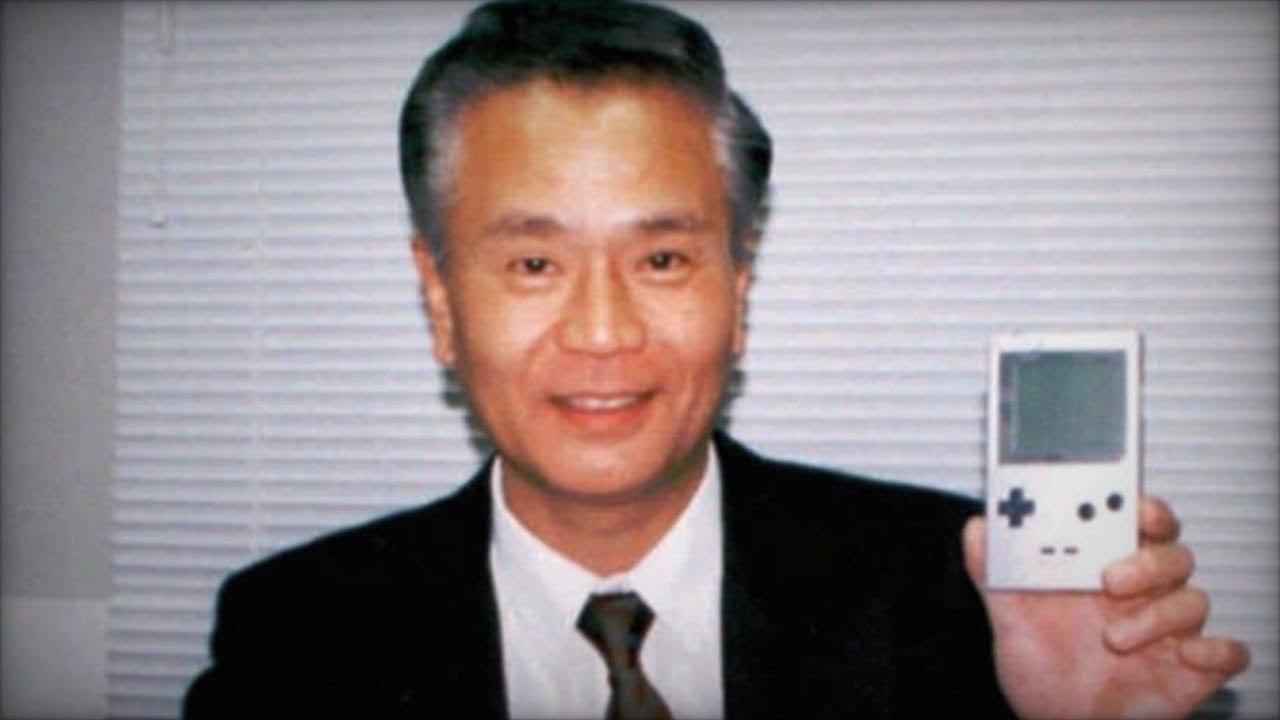
I’m thrilled to start 2022 with a special interview article that has been some time in the making. Dylan Cuthbert is one of the most storied developers to have come out of Britain. Born in London and having grown up in Hawarden in Wales, Dylan began his developmental career working at Argonaut Software in 1988. Where he most notably worked on the game X. Argonaut went on to collaborate with Nintendo on the release of the first Star Fox game, a title for which Dylan was among the lead programmers. After having also worked on the programming of Star Fox 2 before its cancellation and subsequent release many years later on the SNES Classic console, Dylan then went on to work at Sony America. Where he worked on a further number of games. Most notably, Blasto.

Dylan Cuthbert 1

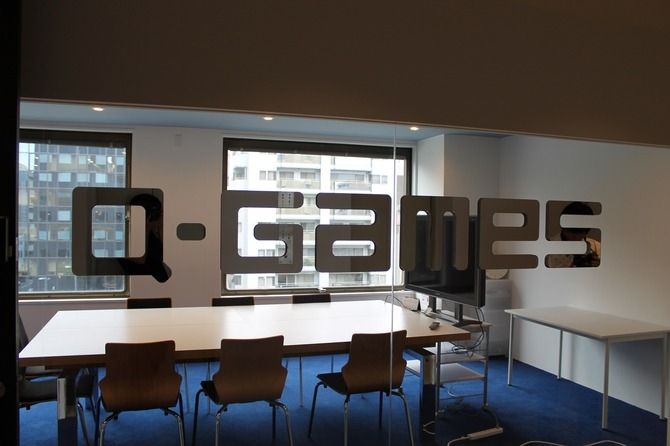
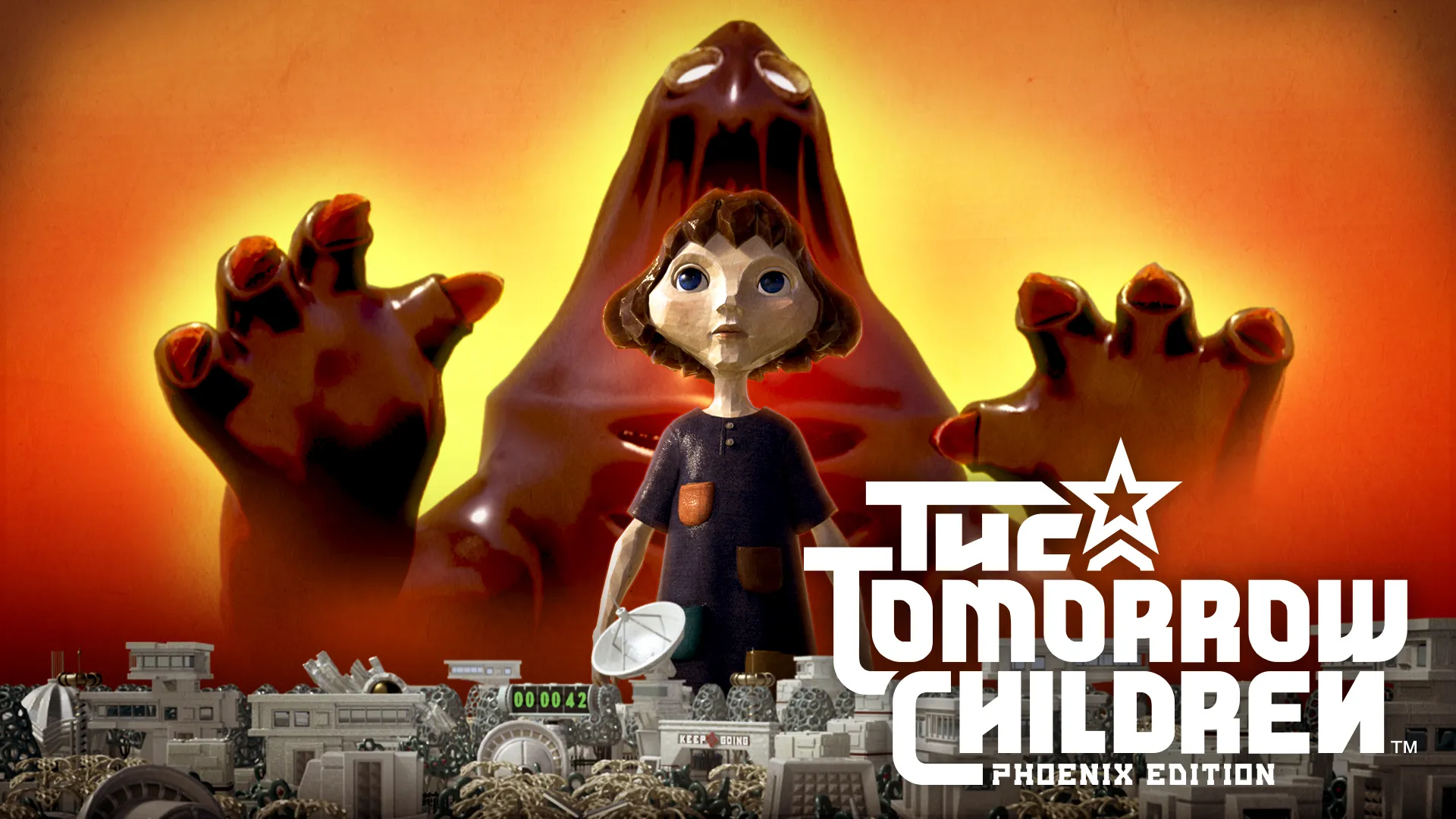
In 2001, Dylan founded the development company Q Games based in Tokyo. He has continued to oversee the development of several critically acclaimed games. Such as those in the PixelJunk series, Nom Nom Galaxy, X-Scape, and The Tomorrow Children. In addition, Q Games has also collaborated with Nintendo on the release of games such as Star Fox 64 3D and Star Fox Command. Last year, Q Games also celebrated its 20th anniversary and has since re-acquired the developmental rights to The Tomorrow Children has announced a re-launch of the game in the near future.

I was lucky enough to be able to get in touch with Dylan and ask him a few questions regarding the future of Q-Games, his time at Argonaut, Nintendo, and Sony America. And what’s next for him and his company as a development outfit. Here’s what Dylan had to say about his career so far:

Dylan Cuthbert 2

What games would you play as a child, and how would they go on to influence you as a developer?

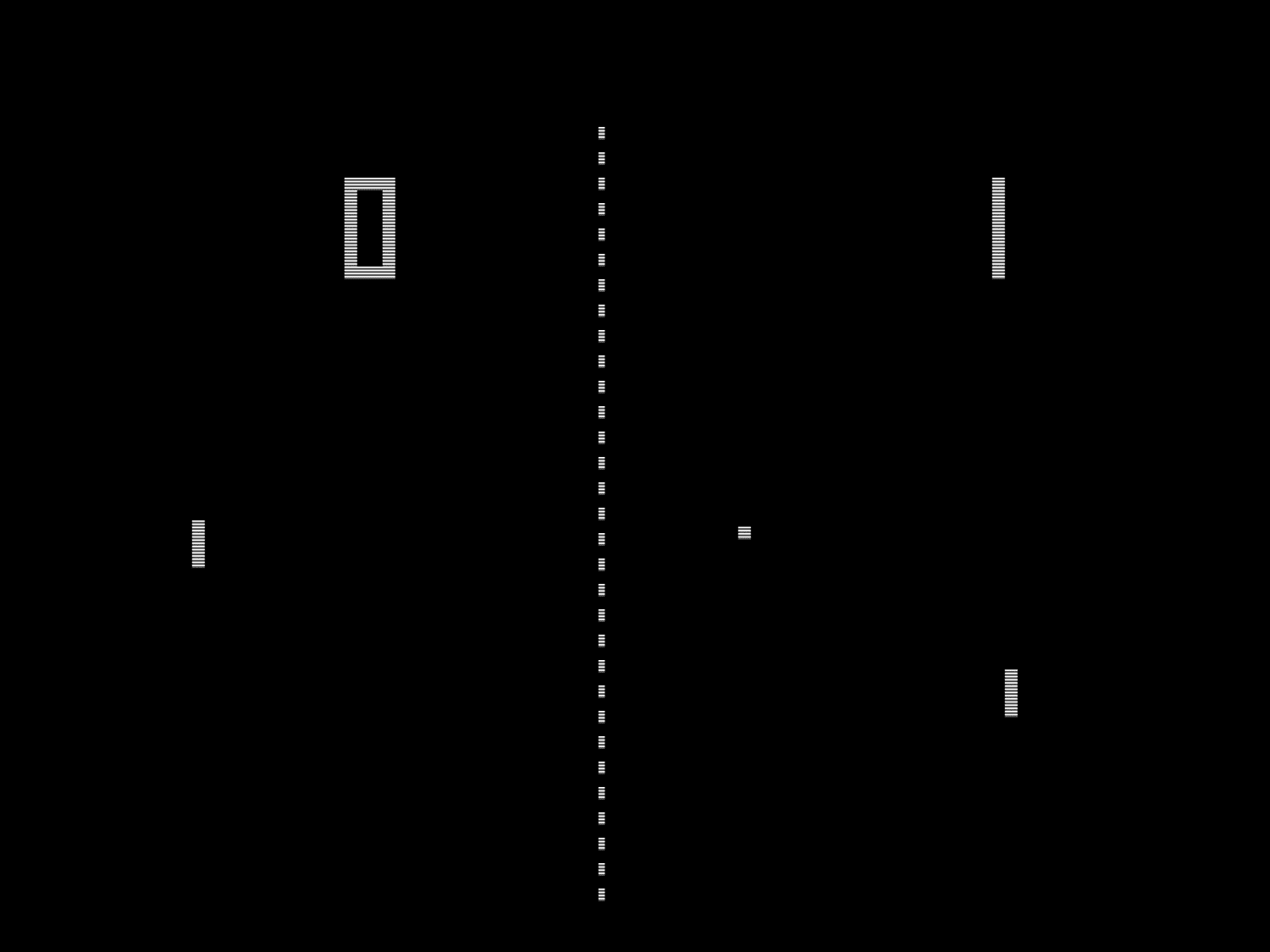
The first game I played as a kid was probably Pong. I was maybe 6 years old, and my Uncle, who was a teenager at the time, had just gotten one for Christmas. We played it, and I was hooked. It was just so much fun! Once I got a ZX Spectrum, I’d play any game I could get my hands on and had memorable times with games like Pyjamarama, Monty On The Run, Gyroscope, Lotus Esprit, Fat Worm Blows a Sparky, Exolon, Bugaboo the Flea, Southern Belle, Underwurlde, Tir Na Nog, and then a little later on, 3d games which influenced me enormously. Such as Tau Ceti, Academy, and Micronaut One by Pete Cooke.

What are your fondest memories of working at Argonaut Games and for Jez San?

I think probably the best memory was, of course, visiting Kyoto in 1990 with Jez and his girlfriend at the time. It was just the three of us and Tony Harman from Nintendo of America, pitching our 3d games and technology. This, of course, turned into a pitch for a 3d graphics chip.

What was it like working on Star Fox with some of the biggest names in Nintendo, such as Shigeru Miyamoto and Gunpei Yokoi?

Mind-blowing eventually, but at first, I’d never heard of any of them. Nintendo just wasn’t a big thing in the UK. And I’d never even played Mario Bros when I first visited Nintendo! The first Nintendo game I ever played was F-Zero because they gave us a prototype cart and a pre-release SNES to take home with us. And it was awesome!

I worked for a few years with Yokoi’s group, and I always enjoyed talking with him. He was kind of like a stern but friendly uncle. He even gave me a daily expense budget to buy and try all the Japanese candy I could get my hands on after he saw me with a pile of sweets I’d found in the local supermarket.

Dylan Cuthbert 3

If you feel comfortable talking about this, I wanted to ask you about your relationship with Gunpei Yokoi and the subsequent tragic passing of Gunpei Yokoi. Obviously, the man is and forever will be a legend within the industry. And he influenced everyone around him at Nintendo in a positive way. After having worked with him, what was he to you as a person? And how did you deal with losing such a figure you had in your life, who you had a working relationship with, and someone who I’d imagine influenced your career in such a special way as well?

Well, he was more of a boss than someone I worked with directly. But I always thought he was a pretty cool guy and one who was willing to take lots of risks and innovation. My memories are of him sitting at his desk in the main room (he didn’t have a private office). Leaning back and play-testing Yoshi’s Cookie running on a Game Boy projected onto a TV. That idea was one of his babies.

Also, one day, he showed me a simple prototype of the Virtua Boy before Nintendo licensed the tech. It wasn’t 3d at that point, and the demos running on it were obviously not Nintendo’s, but it was interesting. Afterward, he asked me what I thought. And I was brutally honest, pointing out that the screen was just too small to see clearly and was dark. I hope that’s not why he turned the display’s colors red!

Of course, you programmed Blasto when you moved to Sony, but what was it like to make the transition from developing for Nintendo to developing for Sony?

That was a huge transitional change in my life because I also moved to California. Well, I was young, so I took it in my stride, but I found I really enjoyed living in the Bay Area. It was a comfortable life. Sony was much more corporate. They had HR and office staff who would buy you anything you asked for. And catalogs of CDs you could order free music from each month, etc. Nothing like Nintendo at all. It was a lot of fun. And I met many people who I consider great friends even now, over 25 years on.

Dylan Cuthbert 4

How satisfied have you and the developers of Q Games been with the reception your games have received overall?

The reception has been very good over the years. And of course, not all games can be hits. But each game we’ve made has found a set of core fans, and that’s really important for us. We are always working hard to make our games even better. So I don’t think we’ve ever sat on our laurels and thought to ourselves, “Well… that one was perfect!” We just keep trying to think up more interesting stuff to try.

What game or IP are you most proud of having worked on throughout your time at Q Games?

The PixelJunk series in general, and The Tomorrow Children, oh, and Star Fox, and Digidrive, and Dead Hungry on VR, and…. well, yes, all of them!

Most recently, The Tomorrow Children IP was reacquired by Q Games from Sony, and you guys plan to revamp and re-introduce it to a new audience. But what’s next for Q Games afterward?

We always have several irons in the fire, so watch this space. We are continuing to work on other games while we prepare The Tomorrow Children for its re-launch.

Do you have any advice for any aspiring developers who may be reading this interview?

Always strive to innovate, and don’t be afraid to take big chances. Sometimes the best gameplay is discovered because of a lucky little mistake. When that happens, run with it and see what happens. Don’t over-schedule yourself. And every day, simply play your own game and think about what could be added to make it feel better.

Is there anything else you’d like to add at all?

When you’re young, you can work incredibly fast, so get your head down and plow through your ideas. Iterate as much as you can, and don’t accept second-best. As you get older, like me, the speed of the work slows down. But the experience of all those experiments and ideas from your youth kicks in to give you a much deeper intuition than you would have otherwise. Oh, and play LOTS of different games. Not just one genre. Force yourself to play games in genres you wouldn’t normally choose. You’ll enjoy them, and they will inspire you!

I would like to take this opportunity to thank Dylan and Q-Games’ Jake Campbell for taking the time out to organize this interview. And to wish everyone at Q-Games the best of luck with the relaunch of The Tomorrow Children, as well as the future of the company.

This article is also respectfully dedicated to the memory of Stewart Gilray. Stewart started his developmental career as a freelance programmer. Working for the likes of Hewson Consultants, Psygnosis, EA, Bullfrog Studios, and Argonaut Software. He later went on to found Just Add Water, where he worked on such games as Gravity Crash, I Am Bread, and Lumo, as well as several games in the Oddworld series.

Earlier this year, Stewart tragically passed away due to Coronavirus. He was survived by his wife and two children. Throughout the industry, Stewart was held in extremely high esteem after having spent decades within the industry working on so many beloved titles, and tributes to him came pouring in upon his passing. I’d like to take this opportunity to offer my condolences to Stewart’s friends and family. And to echo his wife’s plea to anyone who has not yet been vaccinated to go and do it.

Stewart Gilray: 1970 – 2022

Mira’s Brush: First Impressions

Last year, whilst scouting social media platforms and crowdfunding sites for new indie game prospects, I came across a unique-looking 8-BIT title on Kickstarter that was subsequently funded and is due for release in the near future. Mira’s Brush, developed by Duckbill ProDucktions and published by Angel Star Studios, is an 8-BIT 2D side scroller with puzzle elements whereby players must platform and paint their way through levels in order to advance through the game; the best way I can describe the game’s premise is if Super Mario Bros had mechanics similar to Okami. 

I had an interview with the game’s lead designer last year, Blake Speers:


https://scousegamer88.com/2020/02/11/qa-with-blake-speers-miras-brush/


Who explained to me where the inspiration for this title came from and described in-depth the arduous development cycle that game has had in order to get it to where it was at the time and to get it to the point of which the game was finally put on Kickstarter, where it was then successfully funded. The game is now available via Steam Early Access:


https://store.steampowered.com/app/1493880/Miras_Brush/


And so I decided to write about my first impressions of the game, about its finer points, and where I feel it could indeed need some improvement before its full release in the not too distant future. Here are my thoughts on the current build of Mira’s Brush


Graphics

First of all, the world of Chromaland is as wonderfully varied as any other well-established video game universe with a lot of wonderfully outlandish enemies and locations ranging from tropical summer landscapes to icy snow worlds to outer space. In many respects, this game looks to be the labor of love that Blake talked about in our interview, and the conceptual design certainly promises this. However, in its current build, I did find a few inconsistencies with certain textures in certain locations, and a lot of the text around the game giving players instructions still looks quite basic compared to the dialogue text, so that would be something else that would need sprucing up before the game releases, otherwise, it would end up looking fairly unprofessional compared to other games. Regardless, the visual design of the game overall holds great promise for this game.


Gameplay

What holds greater promise than that, however, is the gameplay premise. The game involves both precise platforming to advance between each level and backtracking through said levels in order to find hidden items throughout. It has potentially more gameplay value than the average 2D side scroller, as well as providing a higher sense of challenge compared to others with elaborate strategies needed to defeat bosses and solve puzzles. The puzzle-solving element, in particular, reminds me somewhat of Fez, in that the game doesn’t hold the player’s hand throughout, and there is a certain degree of lateral thinking involved in uncovering hidden areas and even advancing through the game normally. 


Controls

The only problem I found with the game’s control scheme is that it can be tricky jumping on and off of certain types of platforms, namely the huge stars in the second level, due to their changing dimensions, and it can seem unfair to those playing who should have a well-timed jump, but end up falling due to unforeseen inconsistency in the trajectory of their jump as a result. Again, this is something that would need to be addressed before release, but otherwise, the control scheme is as fluent as what is needed. 


Lifespan

With a multitude of levels and areas to explore throughout the game, it also has the potential to last far longer than the average 2D side scroller, depending on how much there is to do and how much there is to explore overall. Given the types of games that went on to influence this title and the number of side quests I’ve seen so far, I’m looking forward to finding out exactly how long a game can be made to last.


Storyline

The story of Mira’s Brush follows the story of Mira, a painter who is hired to save Chromaland from the evil Colonel Blump and his minions, who has arrived to invade the land and sap it of all its color. The basic premise of the game is quite typical of many video games, but what keeps this interesting is that there is a quite strong comedic element to it in the personalities of each quirky character to find along the way, as well as the game is littered with cultural references, namely to classic painters of the renaissance era and more modern contemporaries such as Bob Ross. 


Originality

Even at first glance, the game’s level of uniqueness is quite prevalent. It plays out like very few side scrollers I’ve ever played, and the world of Chromaland has its own sense of charm, mystery, and unique design that was everything I was hoping it would be when I first discovered it for myself. With a lot of the basics having been ironed out before release, it does have the potential to make waves throughout the indie community, and I’m very much looking forward to the game’s full release.


Overall, Mira’s Brush promises an immersing and wonderful gaming experience, and a lot of the hallmarks to be expected are here; it looks great, it plays out great, and the indication is that the final product will be truly something special.